1. Introduction
Rapid advances in autonomous robotic systems have transformed exploration strategies across both terrestrial and extraterrestrial environments. Increasingly, planetary exploration missions rely on robotic platforms to perform scientific investigations, mobility operations, sampling activities, and subsurface exploration under extreme environmental conditions. Recent missions led by NASA [
1] and ESA [
2] have demonstrated both the capabilities and limitations of robotic autonomy beyond Earth. The successful deployment of the Ingenuity Mars Helicopter [
3] marked a milestone in powered flight on another planet, while the Mars InSight mission [
4] highlighted the challenges associated with regolith interaction during subsurface operations.
Future exploration scenarios on the Moon and Mars envision the use of advanced aerial and hybrid robotic systems for tasks such as site scouting, sample acquisition, infrastructure deployment, and subsurface investigation. Exploration architectures including NASA’s Artemis program [
5], Commercial Lunar Payload Services (CLPS) [
6], the Lunar Terrain Vehicle [
7], and planned robotic surface infrastructure missions will require repeated interaction with planetary regolith during landing, take-off, mobility, sampling, anchoring, deployment, and construction activities. Consequently, interaction with regolith is not merely an environmental consideration but a critical factor influencing mission performance and reliability.
Beyond reconnaissance and imaging applications, future extraterrestrial drones may also serve as platforms for geophysical investigations. Concepts such as FlyRadar [
8] have demonstrated the potential of drone-mounted ground-penetrating radar (GPR) systems for mapping shallow subsurface structures and characterizing regolith stratigraphy.
Such capabilities are particularly relevant for planetary exploration, where knowledge of subsurface layering, density variations, buried hazards, and resource distribution can directly support landing-site selection, infrastructure deployment, and scientific investigations.
Unlike terrestrial soils, extraterrestrial regolith exhibits unique mechanical properties shaped by reduced gravity [
9], the absence of atmospheric weathering on the Moon [
10], and complex geological and environmental histories [
11]. Lunar regolith generally exhibits friction-dominated behavior resulting from its angular particle morphology and broad particle-size distribution [
12], whereas Martian regolith often displays cohesive and layered characteristics associated with crust formation, cementation processes, and geological heterogeneity [
13,
14,
15]. These differences significantly influence surface stability, penetration resistance, anchoring performance, and subsurface accessibility.
The mechanical properties of the regolith directly influence touchdown stability, sinkage, load distribution, anchoring capability, and the formation of a stable support surface from which the vehicle can safely initiate subsequent take-off operations.
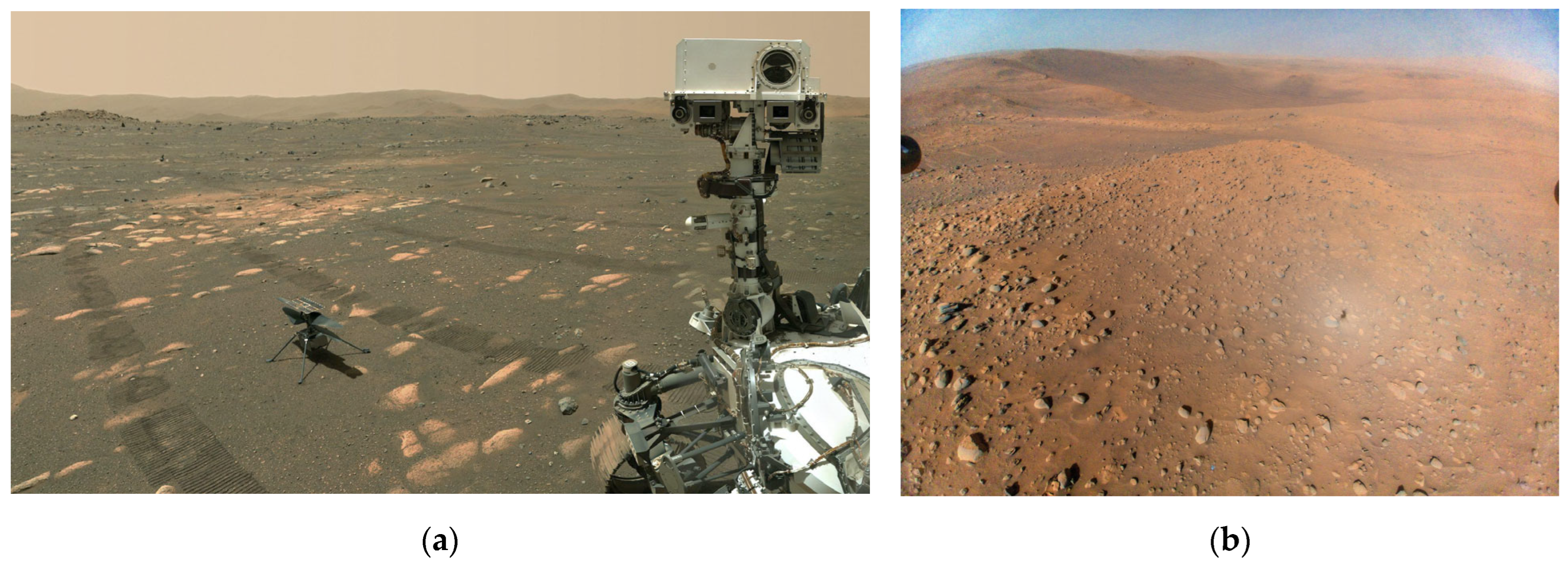
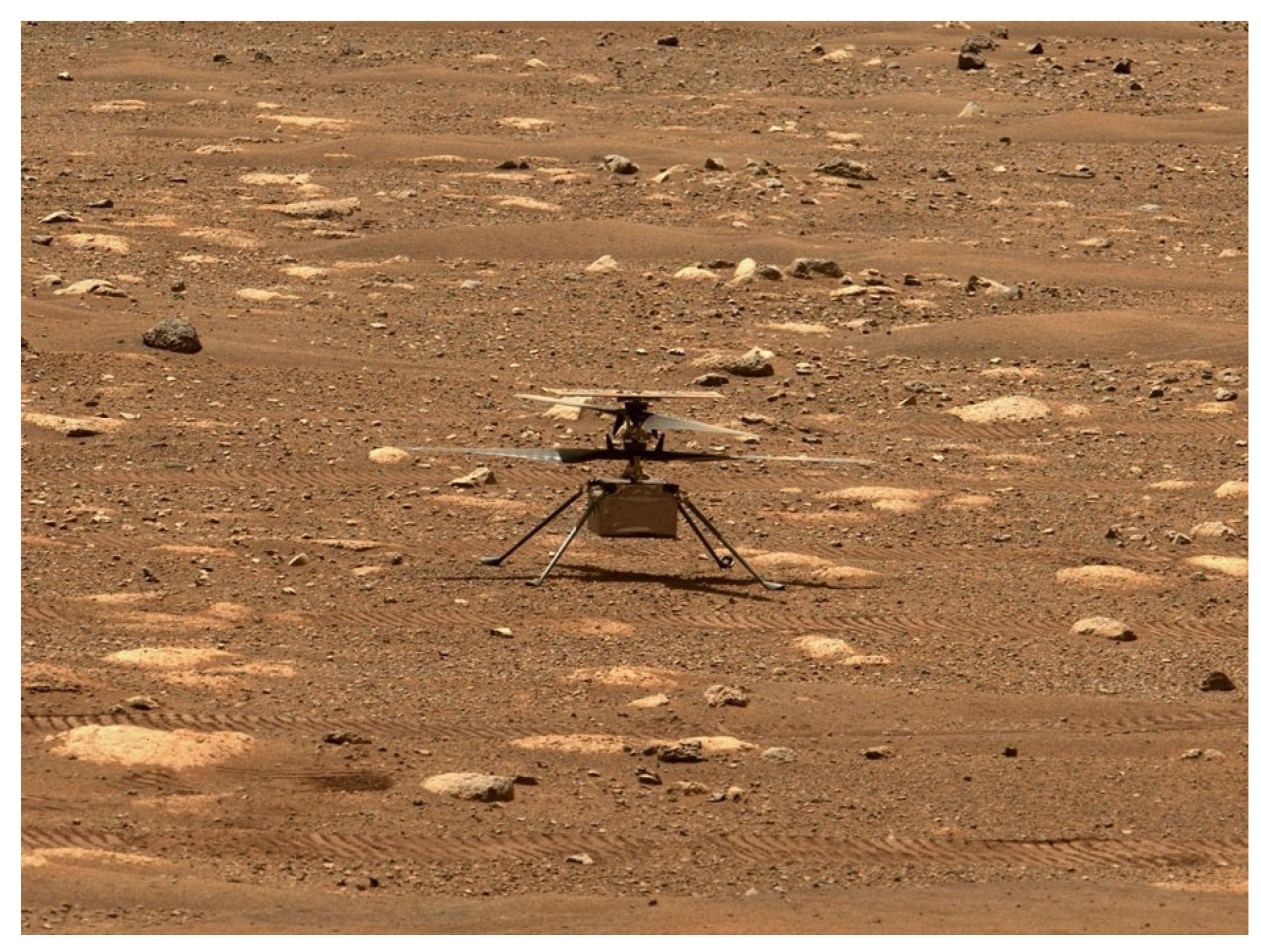
The Ingenuity Mars Helicopter [
16] (
Figure 1) provides a representative example of the growing importance of drone–regolith interaction in planetary exploration. Although originally developed as a technology demonstrator, Ingenuity successfully completed 72 flights in the Martian atmosphere, demonstrating the feasibility of rotorcraft-based mobility beyond Earth [
17]. Beyond its aerodynamic achievements, the mission also highlighted the importance of surface conditions during landing and take-off operations, where rotor downwash and local regolith properties can influence stability, dust transport, and operational safety [
18].
While numerous reviews have examined planetary regolith properties, rover terramechanics, penetration systems, or aerial robotic platforms individually, relatively few studies have considered these topics within a unified drone–regolith interaction framework. The novelty of the present review lies in integrating regolith mechanics, anchoring technologies, penetration systems, mission observations, and numerical modelling approaches from the perspective of future drone-assisted and hybrid aerial–surface exploration systems. By establishing explicit links between soil behavior and aerial platform design, this review provides a system-level perspective that is largely absent from the existing literature. The literature considered in this review was selected from peer-reviewed journal articles, conference proceedings, mission reports, and technical studies related to planetary regolith mechanics, drone and robotic exploration systems, penetration and anchoring technologies, terramechanics, and numerical modelling approaches. Particular emphasis was placed on studies supported by experimental validation, in situ mission observations, or applications relevant to lunar and Martian exploration.
Building upon this technological progress, the Mars Sample Recovery Helicopters [
20] were conceived as part of the Mars Sample Return architecture [
21]. Unlike reconnaissance-focused aerial platforms, these systems were intended to perform contact-intensive operations involving precision landing, sample retrieval, and repeated interaction with the Martian surface. Although the original mission architecture has since been reconsidered due to cost and schedule constraints [
22,
23], the concept illustrates the increasing integration of aerial mobility and direct surface operations in future exploration systems.
2. Drone–Regolith Interaction Framework for Surface and Subsurface Operations
The interaction between autonomous robotic systems and extraterrestrial regolith represents a fundamental aspect of planetary exploration, directly influencing mobility, stability, energy consumption, and mission reliability. Unlike terrestrial environments, planetary surfaces are characterized by reduced gravity, heterogeneous granular materials, and poorly constrained mechanical properties, which significantly modify the exchange of forces between the robotic platform and the soil [
24,
25]. Consequently, the performance of drone and robotic systems operating on the Moon or Mars cannot be evaluated independently from the mechanical response of the regolith itself.
In addition to direct mechanical measurements, remote sensing techniques can also provide valuable information regarding regolith properties. In particular, thermal inertia derived from infrared temperature observations is widely used to estimate particle size distribution, density, porosity, and the degree of surface consolidation. Such measurements can therefore support the interpretation of mechanical behavior and improve the selection of landing sites, sampling locations, and surface-interaction strategies for future exploration missions.
From an operational perspective, drone–soil interaction can generally be categorized into three primary modes: landing interaction, mobility interaction, and penetration interaction. Although these categories are often treated separately in the literature, they are strongly interconnected through the mechanisms of force transfer and surface deformation.
Landing interaction occurs when the robotic system establishes initial contact with the planetary surface through landing gear components such as footpads, skids, or deployable support structures. In extraterrestrial environments, landing stability depends on the bearing capacity and compressibility of the regolith, as well as on local slope conditions and particle redistribution during impact [
24]. For aerial systems, rotor downwash may additionally disturb loose surface material, altering contact conditions and potentially affecting vehicle stability during touchdown and takeoff operations [
26].
Mobility interaction involves continuous or repeated contact between the robotic platform and the regolith during translational motion. This category includes wheeled rovers, tracked vehicles, hopping robots, and hybrid locomotion systems. In these cases, traction generation depends on the balance between applied thrust forces and the shear resistance developed within the soil [
25]. Reduced gravity environments significantly affect this interaction by decreasing normal loading and therefore limiting the available frictional force. Excessive sinkage, wheel slippage, and local soil collapse may compromise mobility efficiency, particularly in loosely compacted or highly cohesive regolith regions [
27].
Penetration interaction encompasses systems designed to intentionally enter or deform the subsurface, including drills, penetrators, anchoring devices, and self-hammering probes. Unlike mobility systems, penetration mechanisms require concentrated force transfer into the regolith while simultaneously maintaining sufficient reaction force to stabilize the platform. This interaction is especially challenging under low-gravity conditions, where the available reaction mass is limited [
28,
29]. Inadequate coupling between the penetrator and surrounding soil can critically reduce penetration efficiency despite relatively moderate soil strength conditions [
9].
A central aspect linking all categories of drone–soil interaction is the exchange between externally applied forces and the mechanical response of the regolith. In aerial systems, thrust generated by rotors must ultimately be balanced through transient or permanent contact with the surface during landing or sampling operations. Similarly, drilling and penetration systems require stable reaction forces to counteract torque, recoil, or impact loading [
6]. In many cases, this necessitates dedicated anchoring mechanisms capable of increasing local confinement and improving force transmission efficiency [
30].
The importance of anchoring becomes particularly evident for lightweight autonomous systems where low structural mass limits passive stabilization capability. Screw anchors, harpoons, penetrative spikes, and deployable gripping mechanisms have therefore emerged as critical technologies for future planetary robotics [
29,
30]. These systems not only support drilling and sampling operations, but may also enable advanced mobility concepts such as hopping exploration platforms, tether-assisted traversal, and cooperative multi-agent robotic systems.
Overall, extraterrestrial drone–soil interaction should not be viewed as a secondary operational consideration, but rather as an integrated system-level challenge involving coupled mechanics between the robotic platform, the regolith, and the surrounding environment. Understanding these interactions is essential for the development of reliable autonomous exploration systems capable of operating under the complex and uncertain conditions encountered on the Moon and Mars.
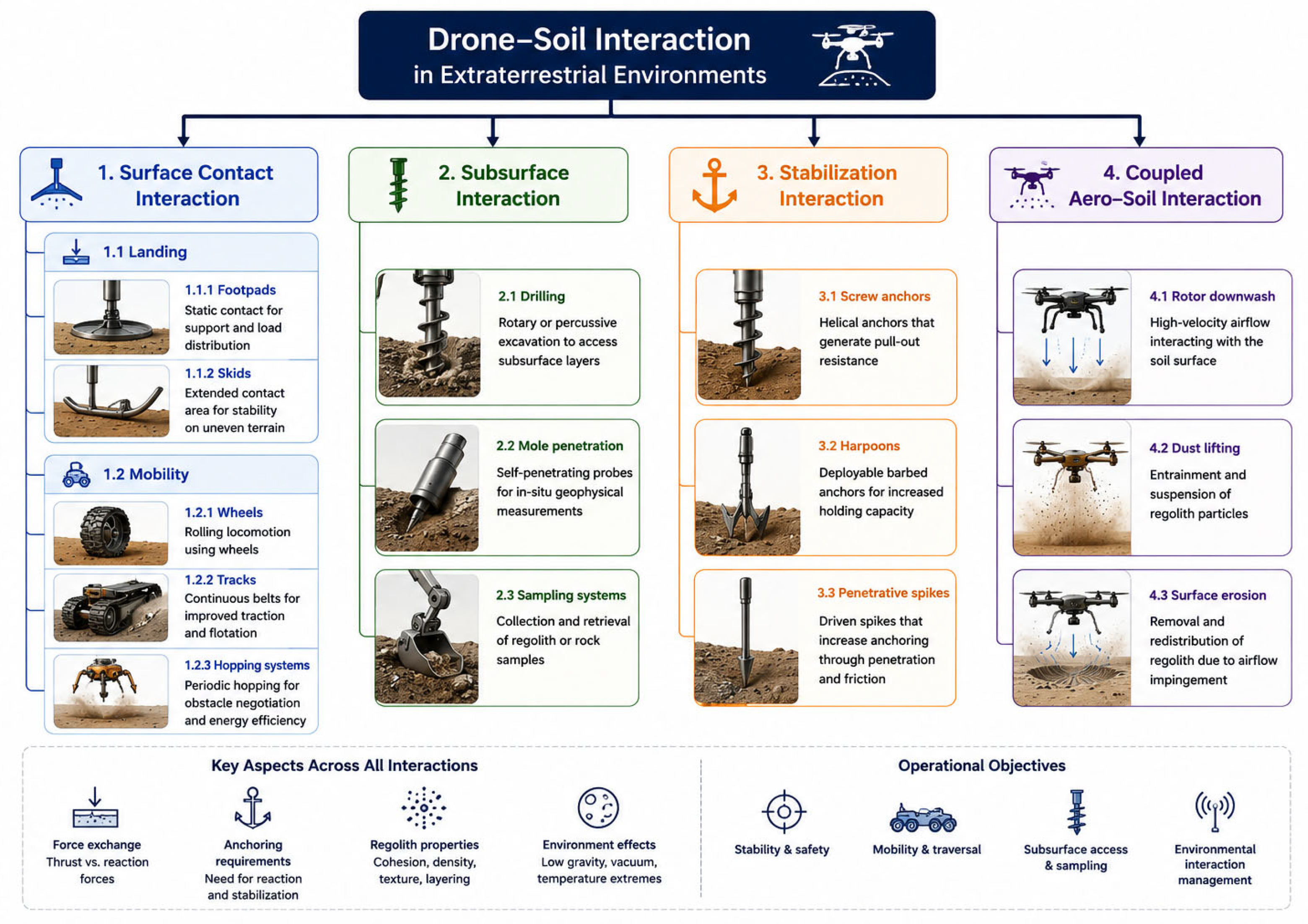
To better understand the operational challenges faced by autonomous systems in extraterrestrial environments, drone–soil interaction can be classified according to the type of contact established with the regolith and the dominant mechanism of force transfer. As illustrated in
Figure 2, these interactions include surface contact, subsurface penetration, stabilization, and coupled aero–soil interaction. Each category involves distinct regolith responses and imposes different design requirements related to load transfer, traction generation, penetration resistance, and vehicle stability. This classification highlights that planetary regolith is not merely a passive surface, but an active mechanical component that directly influences the performance and reliability of exploration systems operating on the Moon and Mars.
Although many extraterrestrial drones are primarily associated with aerial mobility, future exploration concepts increasingly envision hybrid aerial–surface operations involving anchoring, sampling, instrument deployment, subsurface probing, and cooperative interaction with ground systems. Consequently, studies of rover mobility, penetration mechanics, and anchoring technologies provide valuable insight into the broader class of drone–regolith interactions reviewed in this work. These systems are considered not as separate technologies, but as representative examples of force transfer between autonomous platforms and planetary regolith.
3. Regolith Properties Relevant to Drone Operations
3.1. Lunar Regolith
Lunar regolith is a dry, highly fragmented granular material formed through billions of years of meteoroid impacts, micrometeoroid bombardment, and space weathering. In the absence of atmospheric and liquid-driven weathering processes, Lunar particles remain angular, rough, and poorly rounded. These characteristics promote strong mechanical interlocking and high interparticle friction, while only limited apparent cohesion may arise from electrostatic and van der Waals forces.
The broad particle-size distribution and pronounced angularity give Lunar regolith relatively high shear strength despite the reduced gravitational environment. Observations from the Apollo missions and subsequent experimental studies demonstrated that the regolith can support substantial loads while still undergoing localized sinkage under concentrated stresses [
31,
32].
Experimental and numerical investigations have shown that particle morphology, relative density, and interparticle friction strongly influence the mechanical response of Lunar regolith. Discrete Element Method (DEM) simulations and reduced-gravity experiments indicate that penetration resistance, bearing capacity, and stress transmission are governed by particle rearrangement and force-chain development [
31,
32,
33,
34,
35]. Ground-anchor drilling studies using coupled Material Point Method (MPM) and Continuous–Discontinuous Element Method (CDEM) approaches further demonstrated that soil compactness and frictional properties strongly affect penetration behavior and load-bearing response [
35,
36,
37,
38,
39].
Additional cone penetration experiments conducted in reduced-gravity environments showed that normalized penetration resistance increases as gravity decreases, particularly in dense soils. Numerical analyses suggest that irregular particle shapes and high relative density partially compensate for reduced gravitational confinement by enhancing interparticle contact forces [
40]. Alternative anchoring concepts, including helical anchors, harpoons, deployable grippers, and granular-filled anchors, have also been investigated as means of improving force transmission and stabilization in low-gravity environments [
41].
Overall, Lunar regolith exhibits predominantly friction-dominated mechanical behavior, with performance governed primarily by particle geometry, density, and stress redistribution processes.
3.2. Martian Regolith
Martian regolith differs significantly from Lunar regolith due to the presence of an atmosphere, evidence of past aqueous activity, and long-term chemical alteration processes. Although frictional behavior remains important, Martian soils often exhibit measurable cohesion resulting from electrostatic interactions, salt cementation, ice bonding, and crust formation. Consequently, Martian surfaces may behave either as loose granular deposits or as cohesive layered materials depending on local environmental conditions.
Mechanical properties derived from wheel trenches and scuffs performed by the Mars Exploration Rovers Spirit and Opportunity at Gusev Crater and Meridiani Planum indicate friction angles of approximately 30–37° and cohesion values ranging from 0–2 kPa in trench sites to as much as 11 kPa in scuffed areas [
42]. These observations are consistent with weak granular soils whose behavior is strongly influenced by grain-size distribution, particle angularity, and local cementation effects.
A notable example of Martian soil variability was revealed during NASA’s InSight mission, where the Heat Flow and Physical Properties Package (HP
3) encountered unexpected subsurface conditions consisting of cohesive crust layers overlying weaker granular material [
43,
44,
45]. The mission highlighted the importance of layered regolith structure and demonstrated that local variations in confinement and cohesion can significantly influence soil response.
Compared with Lunar regolith, Martian soils exhibit greater mechanical heterogeneity and stronger sensitivity to local geological conditions. Surface crusts may conceal unconsolidated deposits beneath, while variations in cohesion and particle packing can produce substantial differences in strength and deformation behavior over short distances. For this reason, integrated numerical approaches combining DEM, terramechanics, and penetration mechanics are increasingly used to characterize Martian regolith and support the design of future planetary exploration systems.
The fundamental distinction between Lunar and Martian regolith lies in the dominant resistance mechanism: Lunar regolith is primarily friction-driven, whereas Martian soils frequently exhibit combined frictional–cohesive behavior associated with crust formation and subsurface layering.
4. Penetration Mechanisms in Drone Systems
While penetration systems have traditionally been associated with landers and rovers, future extraterrestrial drones are increasingly expected to perform contact-intensive operations such as anchoring, sample acquisition, geotechnical characterization, and deployment of scientific instruments. Consequently, penetration mechanics constitute a key component of drone–regolith interaction and are reviewed here from the perspective of aerial and hybrid exploration platforms.
Penetration systems constitute a critical class of interaction mechanisms for extraterrestrial robotic platforms, enabling subsurface exploration, anchoring, sampling, thermal measurements, and infrastructure deployment. Unlike terrestrial environments, penetration into planetary regolith is strongly influenced by reduced gravity, heterogeneous layering, particle angularity, and poorly constrained cohesion properties. As a result, the success of drilling or self-penetrating systems depends not only on the mechanical capability of the device itself, but also on the coupled interaction between the system and the surrounding soil.
In planetary exploration scenarios, penetration mechanisms may be integrated into landers, mobile robots, anchoring systems, or future drone-assisted exploration platforms. These systems typically operate under severe mass and energy constraints, making efficient force transfer and reaction stabilization essential. Consequently, extraterrestrial penetration mechanics differ fundamentally from conventional terrestrial drilling applications, where large reaction masses and stable support structures are generally available.
Recent studies have demonstrated that penetration resistance in lunar and Martian regolith is governed by distinct mechanisms. Lunar regolith behavior is predominantly friction-driven due to the angular morphology and interlocking behavior of particles formed through micrometeoroid bombardment and the absence of atmospheric weathering [
40,
46]. In contrast, Martian regolith often exhibits cohesive and layered characteristics associated with duricrust formation, cementation processes, and variable grain-size distributions. These differences significantly influence penetration efficiency, reaction force generation, and failure mechanisms [
28,
47].
An important observation emerging from recent planetary missions is that penetration failure is frequently associated with system–soil mismatch rather than excessive soil strength alone. The interaction between the penetrator dynamics, available reaction forces, and local regolith structure can dominate operational outcomes, particularly under reduced-gravity environments, particularly on small bodies and asteroids where vehicle weight provides only limited reaction force for drilling, anchoring, or penetration operations. This highlights the necessity of integrated design approaches that simultaneously consider penetration mechanics, support stabilization, anchoring capability, and regolith characterization.
Table 1 summarizes the principal penetration mechanisms currently investigated for extraterrestrial robotic and drone-assisted exploration systems, together with their operational characteristics, advantages, limitations, and suitability for lunar and Martian environments. The comparison highlights that each penetration approach interacts differently with planetary regolith depending on the dominant soil behavior, gravitational conditions, and available reaction forces. In particular, rotary and percussive drilling systems generally provide reliable subsurface access but require significant stabilization and energy input, whereas lightweight self-penetrating probes and anchoring systems offer reduced mass and operational complexity at the expense of increased sensitivity to local soil conditions. The table also emphasizes the growing relevance of hybrid penetration and anchoring concepts for future autonomous platforms, especially in the context of low-gravity drone systems where system–soil coupling becomes a critical design constraint.
4.1. Drilling Systems
Rotary and rotary–percussive drilling systems remain the primary approaches for extraterrestrial subsurface access due to their relative maturity and adaptability to different soil conditions. Rotary drilling relies on continuous cutting and material transport, whereas percussive systems superimpose impact loading to improve penetration efficiency in compacted or cemented materials.
Lunar drilling applications are particularly challenging because of the high abrasiveness, angularity, and compactness of regolith particles. Experimental investigations on lunar simulants have shown that penetration resistance increases significantly with bulk density and particle interlocking, while low gravity alters stress redistribution around the drill bit. Studies associated with the Chang’E missions demonstrated that drilling performance is highly sensitive to regolith compressibility and cuttings transport efficiency, especially under reduced confining pressure [
48].
In low-gravity environments, drilling systems encounter an additional challenge: insufficient reaction force. On Earth, drill weight contributes substantially to penetration stability; however, lunar and Martian gravity significantly reduce the available normal force. As a result, extraterrestrial drilling platforms often require supplementary stabilization mechanisms such as anchors, counter-rotating systems, or external support structures. This issue becomes particularly relevant for lightweight robotic drones or hopping exploration systems, where structural mass is intentionally minimized.
A notable example of planetary drilling technology is the Rosalind Franklin rover developed for the ExoMars mission [
49]. Unlike previous Mars rovers, Rosalind Franklin carries a drill capable of accessing samples from depths of up to approximately 2 m below the surface, enabling investigation of materials less affected by radiation and surface weathering. The system was specifically designed to search for biosignatures and reconstruct past environmental conditions, demonstrating the scientific value of subsurface access on Mars. Although developed for a rover platform, the mission highlights the importance of reliable drilling, sample acquisition, and regolith characterization technologies for future planetary exploration systems, including hybrid aerial–surface concepts.
Recent numerical approaches based on the discrete element method (DEM) and coupled MPM–CDEM formulations have improved understanding of regolith–drill interaction. These models capture particle-scale behavior, force chains, and local compaction effects during penetration. Such approaches are increasingly important for predicting excavation forces, optimizing drill geometry, and evaluating anchoring requirements for future autonomous exploration systems.
4.2. Self-Penetrating Probes (Moles)
Self-penetrating probes, commonly referred to as “moles,” represent an alternative penetration strategy designed to minimize system complexity and mass. Rather than relying on continuous external force application, these systems employ internal hammering mechanisms to advance through the regolith while depending on frictional interaction with the surrounding soil to absorb recoil forces and maintain forward progression.
Compared with conventional drilling systems, moles offer reduced mass, lower mechanical complexity, and simplified deployment requirements. However, their performance is highly dependent on local regolith properties, particularly friction, cohesion, confinement, and layering. Consequently, penetration success is governed not only by the energy delivered during hammering but also by the ability of the surrounding soil to provide sufficient reaction forces.
The most significant extraterrestrial example is the HP
3 deployed during NASA’s InSight mission on Mars. The HP
3 mole was designed to penetrate 3–5 m below the surface to measure Martian heat flow; however, the system ultimately failed to reach its intended depth, penetrating only approximately 40 cm [
29,
40]. Extensive post-mission analyses revealed that the failure was not caused by excessive soil strength, but rather by insufficient frictional confinement between the penetrator and the surrounding regolith. The landing site contained an unexpectedly cohesive duricrust layer overlying weaker granular material, preventing adequate recoil absorption and causing the mole to rebound and precess within the cavity created during penetration [
40].
The HP
3 experience demonstrated that penetration failure in extraterrestrial environments may result from system–soil mismatch rather than material strength alone. Small-scale variations in regolith structure, cohesion, and confinement can significantly alter penetration behavior and reduce operational effectiveness. These findings highlight the importance of accurate regolith characterization and coupled soil–tool interaction modeling when designing future penetration systems for planetary exploration [
40].
As a result, current research increasingly focuses on adaptive penetration concepts capable of accommodating variable regolith conditions through improved stabilization, anchoring, or hybrid deployment strategies. Such approaches are particularly relevant for lightweight autonomous exploration systems operating under reduced-gravity conditions, where limited reaction forces further amplify the influence of local soil properties on penetration performance.
4.3. Anchoring Mechanisms
Anchoring systems are increasingly recognized as essential components of extraterrestrial robotic platforms, particularly for lightweight autonomous systems operating under reduced gravity. Anchors provide reaction forces for drilling and sampling, stabilize landing systems, and enable mobility concepts such as hopping, climbing, or tether-assisted traversal.
Several anchoring approaches have been proposed for planetary applications, including harpoons, screw anchors, penetrative spikes, and deployable mechanical grippers. In lunar regolith, friction-dominated behavior generally favors mechanical interlocking approaches, where anchoring efficiency depends on particle compaction and shear resistance. Conversely, cohesive Martian soils may exhibit crust fracture and localized failure mechanisms that complicate predictable anchor deployment.
Recent penetration studies suggest that anchor effectiveness is highly dependent on local regolith structure and gravity conditions. Under low gravity, the reduction in confining stress may decrease pull-out resistance and increase the likelihood of soil disturbance during deployment. This creates additional challenges for aerial drone systems, where vehicle mass alone is insufficient to provide substantial stabilization during contact operations.
Future planetary drones may therefore require adaptive anchoring systems capable of modifying penetration depth, contact geometry, or deployment force in response to real-time soil conditions. Such systems could enable stable operation during drilling, sampling, or high-thrust takeoff phases, particularly in environments where rotor downwash or repeated landing cycles progressively alter local surface properties.
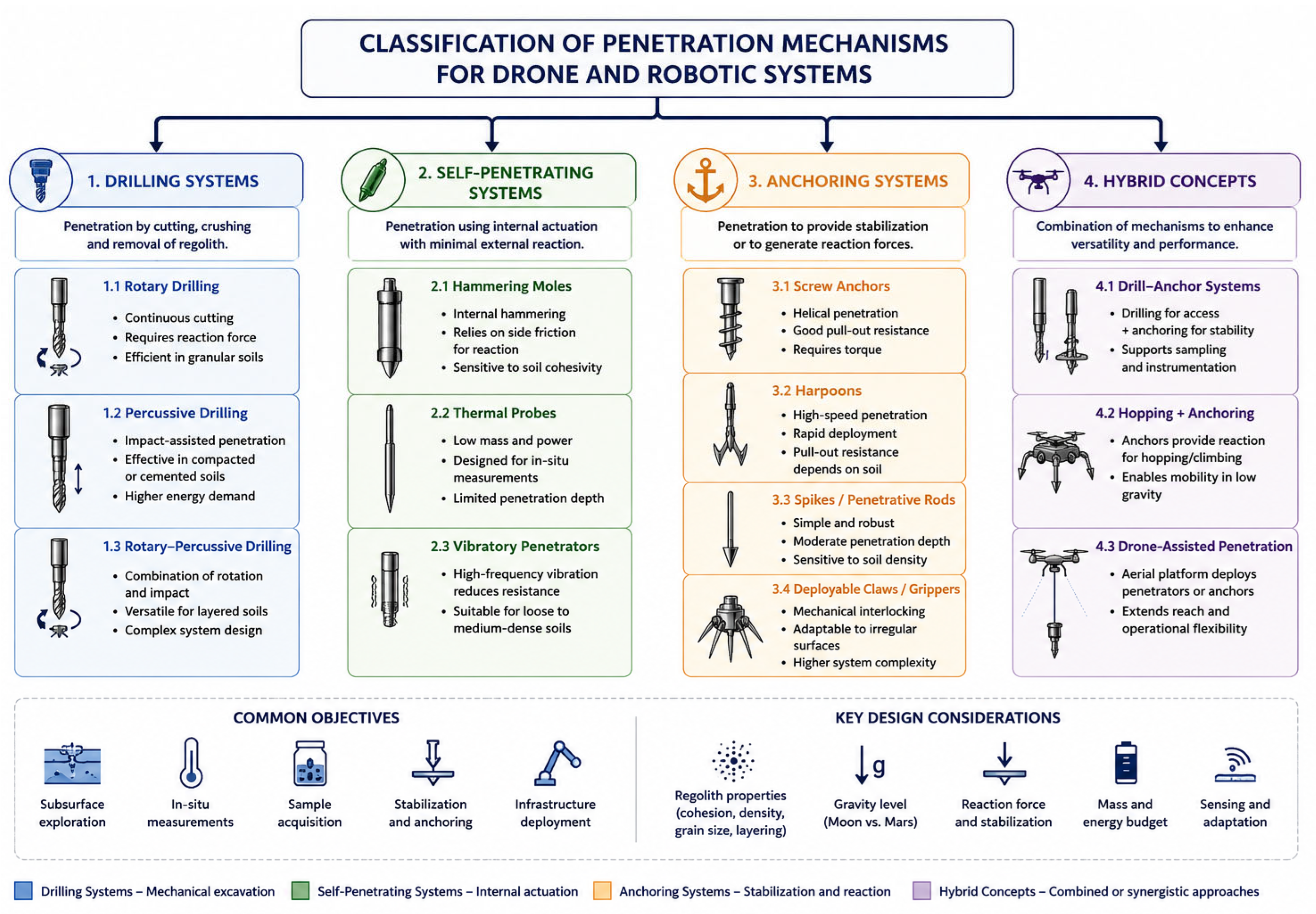
Based on the penetration approaches discussed in this section,
Figure 3 summarizes the principal categories of penetration mechanisms currently investigated for extraterrestrial robotic and drone-assisted systems. The classification highlights the relationship between operational principles, reaction force generation, stabilization requirements, and adaptability to lunar and Martian regolith conditions. It further illustrates the ongoing transition from isolated penetration devices toward integrated hybrid concepts capable of supporting autonomous exploration tasks under reduced-gravity environments.
5. Case Studies and Lessons for Future Drone–Regolith Interaction
5.1. Surface Interaction and Mobility in Extraterrestrial Environments
Historical planetary missions provide valuable insights into the challenges associated with interacting with extraterrestrial surfaces under reduced-gravity conditions. Although these missions employed different vehicle architectures and operational objectives, they collectively demonstrate that uncertainties in regolith behavior frequently become critical constraints on mission performance.
Although the missions reviewed in this section did not employ aerial drone platforms, they provide valuable experimental evidence regarding regolith interaction processes that future drone-assisted exploration systems will encounter during landing, anchoring, sampling, and subsurface operations.
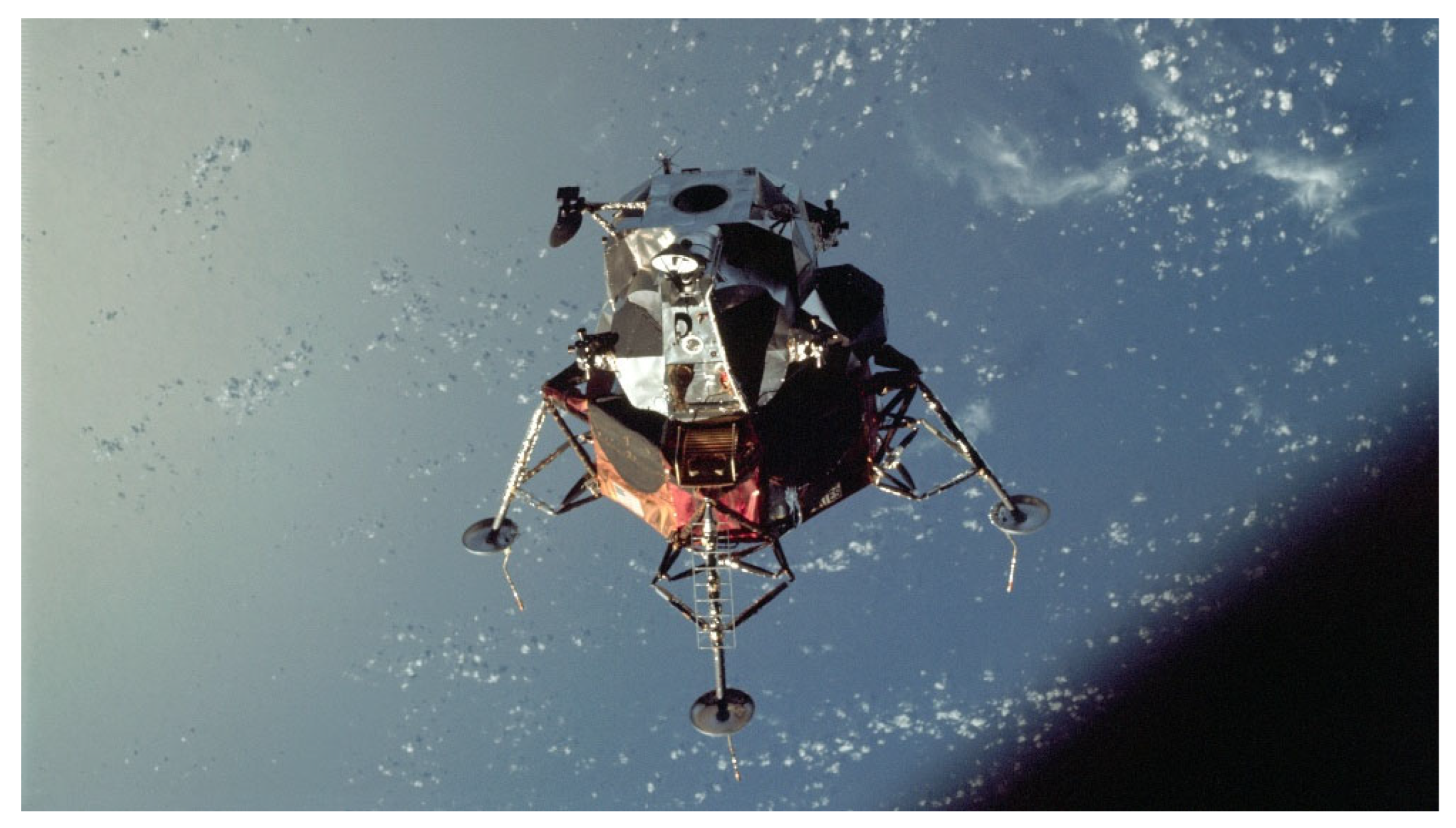
The Apollo missions (1962–1972) [
50] provided some of the earliest evidence of the complex mechanical behavior of extraterrestrial regolith. Astronaut observations and Lunar Roving Vehicle operations revealed challenges associated with dust transport, wheel traction, sinkage, and terrain variability [
51,
52]. In addition, plume-induced erosion during landing generated surface disturbance and localized instability [
36]. These observations demonstrated that regolith properties can directly influence mobility, landing stability, and operational safety.
Figure 4 presents Apollo surface operations and the Lunar Roving Vehicle [
53].
The InSight mission (2018–2022) [
4] provides a representative example of the penetration challenges discussed in
Section 4.2. The failure of the HP
3 probe to achieve its intended depth highlighted the importance of regolith characterization, confinement effects, and system–soil compatibility during subsurface operations [
40]. The mission demonstrated that local variations in regolith structure may significantly affect the performance of penetrators, anchors, and sampling systems, emphasizing the need for adaptive deployment and stabilization strategies.
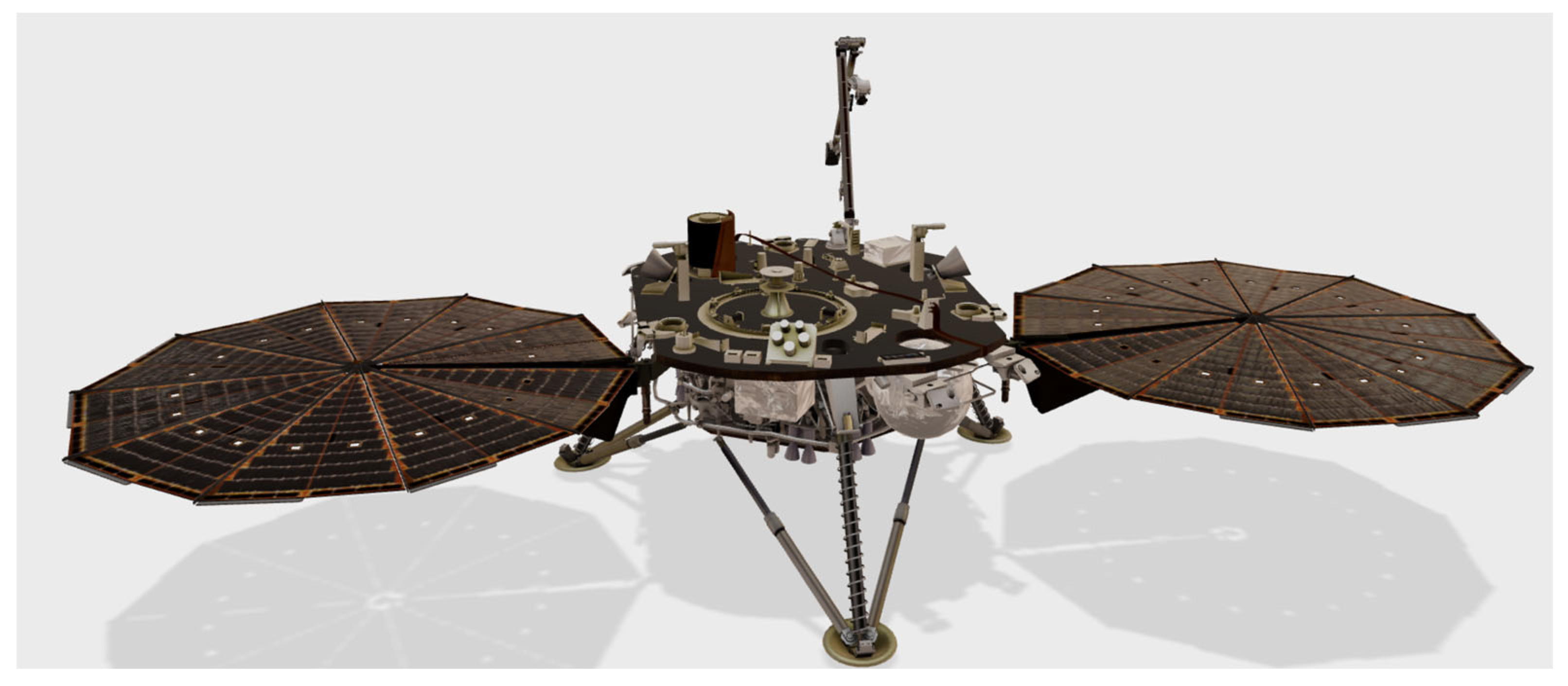
Figure 5 presents the 3D model of InSight Mars lander.
The Hayabusa2 mission (2014–2021) [
54] illustrated the difficulties associated with surface interaction in extremely low-gravity environments. To avoid the risks of prolonged surface contact, the spacecraft employed a touch-and-go sampling strategy that relied on precise autonomous navigation and highly controlled interaction with the asteroid surface [
55]. The mission demonstrated the value of minimizing contact duration while maintaining accurate positioning during sampling operations.
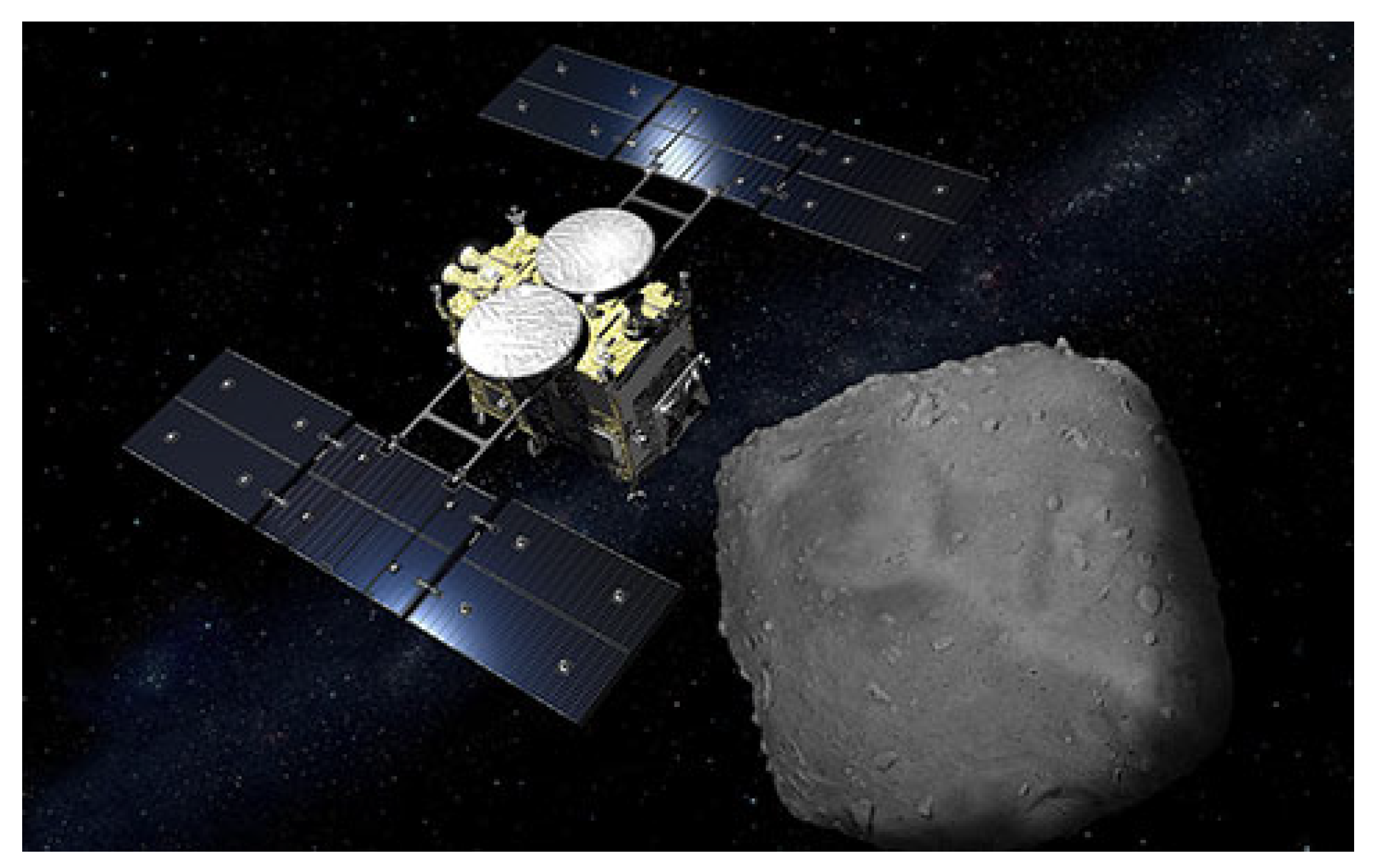
Figure 6 presents an artistic representation of the Hayabusa2 spacecraft during sampling activities [
56].
Collectively, these missions highlight a common lesson: the success of planetary exploration systems depends not only on mobility or flight performance, but also on the ability to interact reliably with uncertain and highly variable regolith conditions. Future drone-assisted exploration systems will therefore require integrated approaches that combine environmental sensing, adaptive interaction strategies, robust stabilization mechanisms, and accurate regolith characterization to support landing, anchoring, sampling, and subsurface operations.
Variability in terrain composition, regolith mechanics, and gravitational conditions can substantially affect landing stability, mobility efficiency, and subsurface operations. Consequently, future drone systems designed for lunar or Martian exploration must prioritize adaptability, robust environmental sensing, and resilient interaction mechanisms capable of accommodating unforeseen surface conditions.
5.2. Evolution of Martian Aerial Exploration Concepts
The limitations associated with ground-based planetary exploration motivated the development of numerous aerial exploration concepts for Mars. Due to the planet’s atmospheric density, which is approximately 1% that of Earth’s atmosphere, conventional terrestrial aircraft configurations are generally unsuitable for sustained flight. As a result, researchers explored a wide range of aerodynamic solutions including fixed-wing aircraft, flapping-wing biomimetic vehicles, hybrid vertical take-off and landing systems, and cooperative rover-drone architectures. Although many of these concepts remained at the feasibility-study stage, they contributed significantly to the development of extraterrestrial aerial robotics and established important design methodologies for future planetary missions.
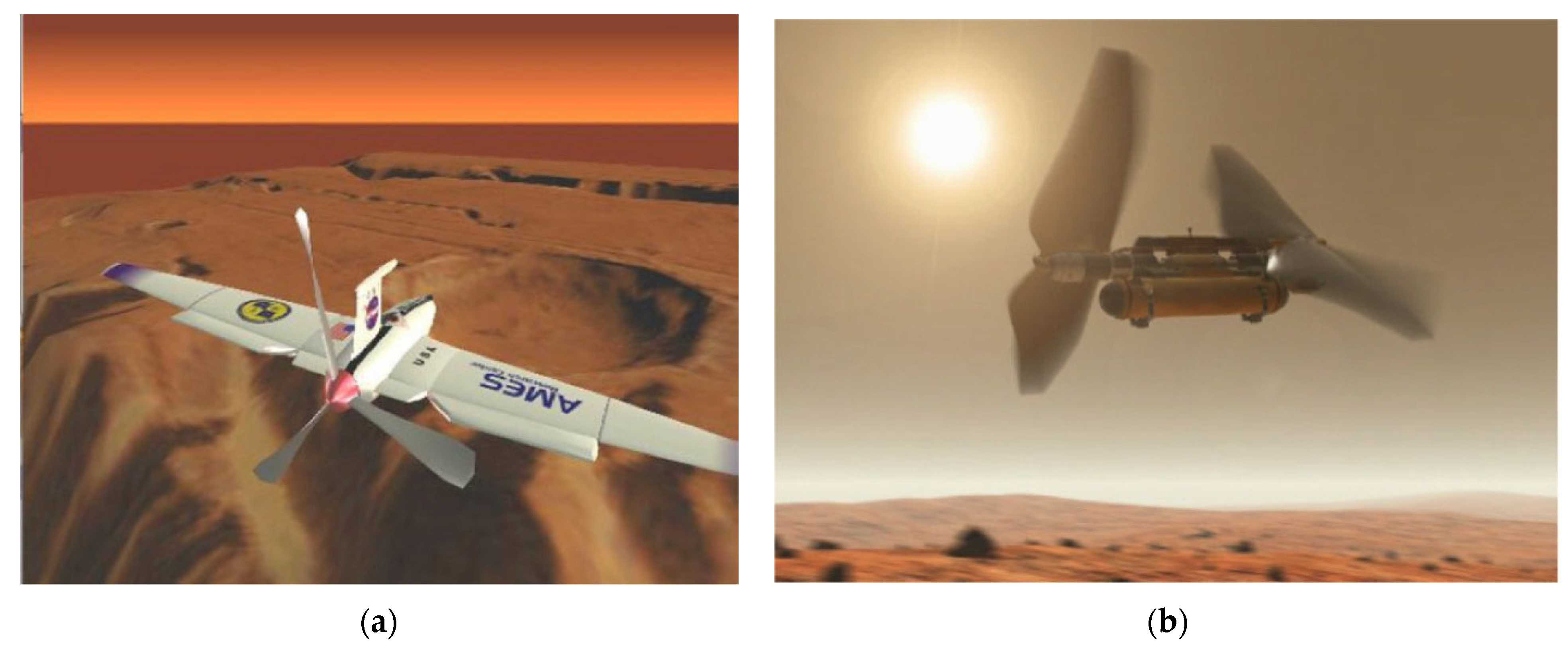
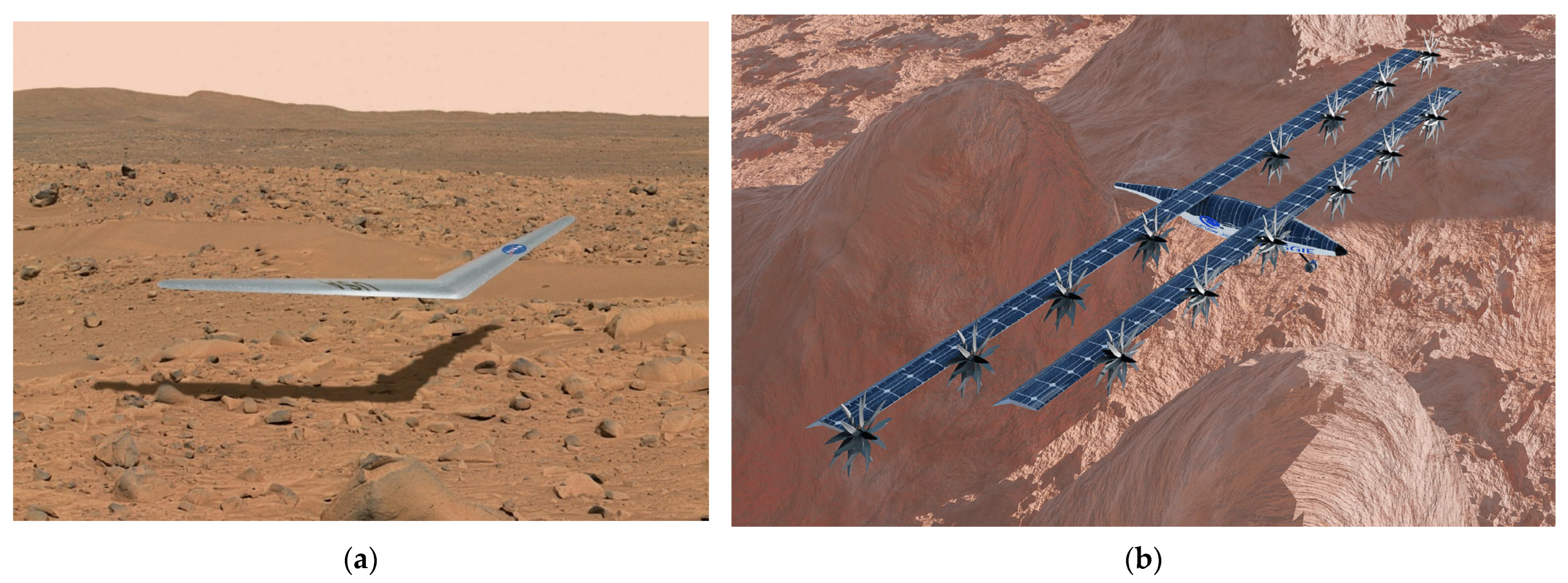
One of the earliest fixed-wing aerial concepts proposed for Mars exploration was the Mars Airborne Geophysical Explorer (MAGE), developed through a collaboration between NASA Ames and several research organizations. The mission aimed to perform long-range aerial reconnaissance of the Valles Marineris region using a deployable flying-wing aircraft capable of operating in the thin Martian atmosphere [
57]. Powered by a hydrazine-fueled propulsion system, the concept demonstrated the feasibility of compact deployable fixed-wing vehicles for planetary exploration and contributed to early developments in long-range Martian aerial science missions.
Figure 7a illustrates the conceptual configuration of the MAGE aircraft.
Biomimetic flapping-wing systems were also explored as potential solutions for low-density atmospheric flight on Mars. In 2002, Colozza et al. [
58] proposed the Entomopter concept, a biologically inspired aerial vehicle based on insect flight mechanisms. Unlike conventional aircraft, the Entomopter utilized flapping wings to exploit the high lift-generation capability associated with low Reynolds-number aerodynamic conditions. The vehicle incorporated an X-wing configuration and employed a Reciprocating Chemical Muscle propulsion system that did not require atmospheric oxygen. These characteristics made the concept particularly attractive for Martian atmospheric operations. The Entomopter demonstrated that flapping-wing aerodynamics could provide an alternative solution to the challenges associated with sustained flight in low-density extraterrestrial atmospheres.
Figure 7b illustrates the Entomopter concept and its flight configuration.
Further developments in flapping-wing technology led to the ExoFly [
59] and DelFly [
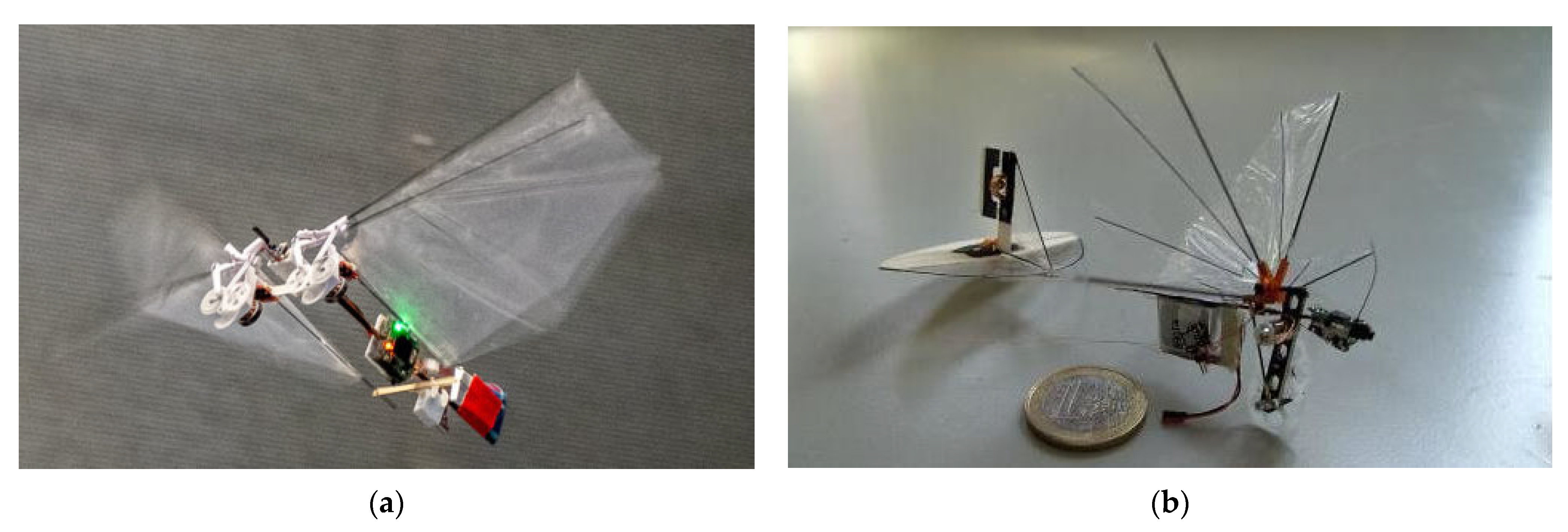
60] concepts developed by Delft University. These systems focused on lightweight, highly efficient flapping-wing aerodynamics capable of operating under Martian atmospheric conditions. The DelFly II demonstrator validated several aspects of low-density flapping-wing flight and contributed to the understanding of miniature biomimetic aerial vehicles for planetary exploration. Initial studies suggested that ExoFly systems could achieve relatively long operational ranges while maintaining very low mass and power requirements. The high maneuverability and efficiency of flapping-wing configurations make them attractive for localized scientific reconnaissance, terrain inspection, and navigation within confined environments such as canyon systems or lava tubes.
Figure 8 presents the DelFly II demonstrator and its flapping-wing configuration.
Additional research focused on improving aerodynamic efficiency and mission endurance through advanced fixed-wing and hybrid aircraft concepts. NASA Armstrong proposed the Prandtl-m flying-wing configuration, inspired by the aerodynamic efficiency of albatross wings [
61]. The aircraft employed a compact deployable geometry intended for atmospheric deployment on Mars. By emphasizing high aerodynamic efficiency and lightweight structural design, the Prandtl-m concept demonstrated the continued interest in fixed-wing solutions for long-range planetary reconnaissance.
Figure 9a presents the conceptual design of the Prandtl-m aerial vehicle.
One of the most ambitious recent concepts is MAGGIE, a compact solar-powered fixed-wing aircraft with vertical take-off and landing capability enabled through CoFlow Jet (CFJ) technology. The system was designed to achieve high aerodynamic efficiency under low Reynolds-number conditions while maintaining long-range operational capability within the Martian atmosphere. Proposed scientific objectives included atmospheric investigations, magnetic field analysis, methane source localization, and subsurface ice mapping. Unlike earlier short-duration aerial systems, MAGGIE was intended to support large-scale regional exploration over extended operational periods. Although the concept remains at an early development stage, it demonstrates the growing interest in persistent airborne exploration systems capable of covering substantial portions of the Martian surface [
62].
Figure 9b presents the conceptual MAGGIE aerial platform.
Collectively, these conceptual studies demonstrate the progressive evolution of extraterrestrial aerial vehicle design. Fixed-wing aircraft emphasized endurance and long-range reconnaissance, biomimetic flapping-wing systems addressed low Reynolds-number aerodynamic challenges, while hybrid and cooperative architectures focused on operational flexibility and scientific productivity. These studies established many of the aerodynamic and systems-engineering principles later validated through operational aerial missions on Mars.
5.3. Autonomous Flight in Low-Density Atmospheres
The successful deployment of the Mars Helicopter Ingenuity [
57] represented a major milestone in extraterrestrial aerial robotics and provided the first demonstration of powered, controlled flight on another planet. Operating within the extremely thin Martian atmosphere required substantial departures from conventional terrestrial rotorcraft design principles. Because the atmospheric density on Mars is approximately 1% that of Earth, Ingenuity relied on very high rotor speeds and lightweight structural design to generate sufficient lift for sustained flight.
Figure 10 presents the Ingenuity helicopter during Martian surface operations.
In addition to aerodynamic challenges, Ingenuity operated under severe communication constraints caused by the large transmission delays between Earth and Mars. As a result, the helicopter was required to function with a high degree of autonomy. Navigation and stabilization were achieved using onboard inertial sensors, cameras, and vision-based terrain tracking instead of conventional GPS-based navigation systems [
63]. The aircraft independently performed flight control, hazard assessment, and landing operations while communicating with the Perseverance rover acting as a relay station.
A particularly important aspect of the Ingenuity mission was its incremental testing methodology. Initial flights were intentionally short and conservative, focusing primarily on validating fundamental flight stability and navigation performance. Following these successful demonstrations, the operational envelope was gradually expanded to include longer flights, increased altitudes, and more complex trajectories. This progressive validation strategy significantly reduced mission risk while simultaneously improving confidence in autonomous flight operations under extraterrestrial conditions [
17,
64].
The success of Ingenuity demonstrated the practical feasibility of aerial robotic exploration on Mars and validated many of the concepts previously investigated through theoretical studies and experimental prototypes. More importantly, the mission established several key engineering principles relevant to future extraterrestrial drone systems. These include the importance of lightweight and energy-efficient aerodynamic design, robust onboard autonomy in GPS-denied environments, adaptive navigation systems capable of operating under uncertain terrain conditions, and incremental operational testing strategies for risk reduction. The Ingenuity mission therefore represents a critical transition from conceptual extraterrestrial aerial systems to fully operational planetary drone technology.
The case studies presented reveal several recurring engineering challenges and design principles relevant to future extraterrestrial drone systems. Despite significant differences in mission objectives, environmental conditions, and vehicle architectures, many operational difficulties arise from common factors including environmental uncertainty, limited opportunities for human intervention, and the need for highly reliable autonomous operation.
Table 2 summarizes several representative extraterrestrial missions and concepts that provide important insights for the development of future lunar and Martian drone systems. The selected examples include both operational missions and conceptual aerial platforms, covering a broad range of environmental and engineering challenges encountered during planetary exploration.
One of the most significant recurring themes is the difficulty of accurately predicting extraterrestrial surface behavior prior to mission deployment. Consequently, future drone systems must be designed with sufficient robustness and adaptability to accommodate a wide range of surface conditions rather than being optimized exclusively for nominal operational scenarios.
Another important lesson concerns the risks associated with physical interaction between robotic systems and extraterrestrial environments. Landing, drilling, anchoring, and sampling operations introduce substantial uncertainties related to force transmission, surface cohesion, and vehicle stability. Missions such as Hayabusa2 demonstrated that minimizing contact duration can significantly reduce operational risk, while the InSight mission emphasized the importance of real-time feedback and adaptive control during surface interaction tasks.
From a drone-system perspective, the feasibility of penetration mechanisms is governed primarily by reaction-force generation, system mass, power consumption, and stabilization requirements. Rotary and percussive drilling systems provide reliable subsurface access but generally require significant structural support and reaction forces, making them challenging to integrate into lightweight aerial platforms. In contrast, self-penetrating probes and deployable anchoring systems offer lower mass and reduced operational complexity, although their performance is highly sensitive to local regolith conditions. Consequently, future drone-assisted penetration systems will likely rely on hybrid approaches combining lightweight penetrators with active stabilization or anchoring mechanisms to compensate for limited vehicle mass under reduced-gravity conditions.
The analyzed missions also highlight the critical role of autonomy in extraterrestrial drone operations. Communication delays and the absence of conventional navigation infrastructure require planetary drones to operate with high levels of onboard decision-making capability. The Ingenuity helicopter demonstrated the effectiveness of autonomous vision-based navigation and incremental mission validation strategies under highly constrained operational conditions. These capabilities will become increasingly important as future missions pursue more complex exploration objectives involving coordinated aerial and surface operations.
The comparison presented in
Table 3 highlights a recurring theme across planetary exploration missions: operational limitations are frequently caused by inadequate understanding of regolith interaction rather than by deficiencies in mobility or flight systems alone. Consequently, future extraterrestrial drones should be designed as integrated aerial–surface systems in which landing stability, anchoring capability, penetration performance, and aero–soil interaction are considered alongside traditional aerodynamic and navigation requirements.
Overall, these case studies demonstrate that the successful development of lunar and Martian drone systems requires an integrated approach combining robust mechanical design, adaptive autonomy, resilient sensing architectures, and mission strategies specifically tailored to uncertain extraterrestrial environments.
6. Modeling and Simulation for Drone–Soil Interaction
Drone–soil interaction is governed by highly nonlinear and multi-scale phenomena involving soil composition, particle size distribution, moisture content, compaction state, contact pressure, and environmental conditions such as gravity. These interactions become increasingly complex in reduced-gravity environments, where granular materials exhibit fundamentally different mechanical responses compared to terrestrial conditions. To model these effects, modern approaches combine computational mechanics, particle-based numerical methods, and reduced-order or data-driven modelling frameworks.
The Discrete Element Method (DEM) is one of the most widely used numerical approaches for modelling granular media in wheel–soil, foot–soil, and drone–soil interaction problems. DEM represents soil as an assembly of discrete particles interacting through contact forces, enabling direct simulation of force chains, particle rearrangement, and localized failure mechanisms that are not captured by continuum-based methods. Unlike finite element formulations, DEM naturally resolves discontinuities in the material and captures shear localization and grain-scale motion. Its validity has been demonstrated through comparison with photoelastic experiments, where force transmission patterns predicted by DEM closely matched experimental observations, confirming its ability to reproduce granular mechanics at the particle scale [
65].
A key application of DEM is in penetration modelling for robotic probes and sampling systems. These models are used to estimate insertion forces, stability limits, and energy consumption during subsurface interaction in regolith and loose sediments [
66]. However, DEM accuracy is strongly dependent on input parameter calibration. Since no standardized calibration procedure exists, parameters such as friction, restitution, and stiffness are often determined either from direct particle-scale measurements or from inverse calibration using bulk behavior. This leads to variability across studies and applications [
67].
6.1. DEM for Surface Interaction and Mobility Systems
The Discrete Element Method (DEM) is widely used to model the interaction between autonomous systems and granular surfaces, making it particularly relevant for extraterrestrial drone operations involving landing, take-off, surface stabilization, anchoring, and mobility. By representing soil as an assembly of discrete particles, DEM captures particle rearrangement, force-chain evolution, sinkage, and localized failure mechanisms that strongly influence surface interaction under reduced-gravity conditions.
For aerial and hybrid exploration systems, DEM provides a framework for analysing landing-pad interaction with regolith, surface deformation beneath support structures, and the influence of particle-scale mechanics on vehicle stability. Reduced gravity affects these interactions primarily through changes in confining stress and stress transmission within the granular medium. DEM studies and experiments show that decreasing gravity modifies bulk soil response, including bearing capacity and penetration resistance, while intrinsic particle properties remain unchanged [
68]. Parabolic-flight experiments using Toyoura sand and lunar soil simulants such as FJS-1 demonstrated that bearing capacity decreases under reduced gravity, although cohesive simulants exhibit a less pronounced response due to the increased relative importance of apparent cohesion [
69].
Beyond direct landing interactions, DEM is increasingly coupled with aerodynamic and multiphysics models to investigate rotor–regolith interaction during landing and take-off operations. Such approaches enable the prediction of particle mobilization, dust lifting, surface erosion, and local terrain modification, all of which may influence vehicle stability, visibility, sensor performance, and the safety of nearby infrastructure. These coupled modelling frameworks are expected to play an increasingly important role in the design of future extraterrestrial drone systems.
DEM has also been extensively applied to wheel–soil interaction, where it reproduces sinkage, rut formation (the development of depressions or tracks in the soil caused by repeated wheel loading), traction generation, and soil displacement beneath robotic wheels [
70,
71]. For lunar applications, simulations combined with experiments using TJ-1 lunar soil simulant showed that tractive efficiency decreases with increasing vertical load and soil void ratio, while wheel lugs improve performance. Reduced-gravity conditions generally lead to higher tractive efficiency and less pronounced rutting compared with terrestrial conditions [
71]. More advanced formulations, such as Soil–Wheel Interaction under Cornering and Slip Conditions (SWICS), combine analytical methods and DEM to predict six-dimensional wheel forces, demonstrating the influence of slip angle and slip ratio on mobility performance [
72].
Similarly, DEM is employed in modelling foot–soil interactions in legged robotic systems, where stable force transmission and adaptation to deformable terrain are essential. Modern frameworks integrate DEM-based terrain modelling with control strategies, allowing real-time estimation of terrain properties and adaptive locomotion [
73]. Other approaches combine perception, gait planning, and manipulation to improve performance in unstructured environments [
74]. Although originally developed for ground robots, these modelling approaches provide valuable insight into contact mechanics, load transfer, and terrain adaptation that are also relevant to hybrid aerial–surface exploration systems [
75].
6.2. Penetration Modelling in Granular Media
Penetration into granular soil involves complex coupling between probe geometry, particle rearrangement, and soil compaction. Resistance forces depend on soil density, cohesion, penetration velocity, and probe shape. Geometric optimization plays a key role in reducing penetration energy. High-aspect-ratio probes can reduce energy consumption by up to 65%, while asymmetric geometries improve horizontal penetration but have limited effect on vertical motion. Active methods such as vacuum-assisted burrowing can reduce energy requirements by up to 70%, while fluidization via air injection shows limited benefits [
76].
Beyond purely geometric optimization, analytical and physics-based models are used to predict penetration performance under constrained system mass and energy conditions. For lightweight planetary probes, cavity expansion models are used to predict both initial impact penetration and repeated self-hammering behavior, which is critical for achieving depth under mass-constrained conditions [
77]. Ultrasonic-assisted penetration significantly enhances soil fluidization, reducing penetration resistance by more than an order of magnitude. When combined with hammering mechanisms, it improves penetration efficiency by reducing the number of required impacts [
78].
At the particle-scale interaction level, penetration behavior is strongly influenced by granular rearrangement mechanisms and object geometry. Projectile and rod penetration (where elongated cylindrical objects are driven into granular materials to investigate resistance forces and soil deformation mechanisms) studies show strong dependence on shape: rods deviate from vertical trajectories due to torque induced by granular resistance, rotate during penetration, and eventually align horizontally. Short rods deviate faster due to lower inertia, while flexible rods buckle and rigid rods penetrate deeper before reorientation [
79].
In addition to geometric and inertial effects, dynamic penetration strategies have been widely explored to reduce resistance forces in granular media. Vibratory penetration systems reduce shaft resistance by generating transient stress waves that temporarily reduce confining stresses in soil. These oscillatory stress pulses improve penetration efficiency and modify soil structure around the probe [
80].
Bio-inspired vibro-drilling systems using bending resonance (~4400 Hz) further enhance penetration performance. These systems significantly increase tip velocity and reduce penetration force by ~46%, and when combined with rotary drilling, reduce both force and torque requirements [
81].
6.3. Reduced Gravity Effects on Soil–Structure Interaction
Reduced gravity conditions fundamentally modify granular material behavior by decreasing confinement stress and altering force chain stability. This leads to reduced traction, increased sinkage, and altered mobility performance in robotic systems.
Experiments with an ExoMars rover show that reduced gravity leads to increased sinkage, enhanced soil mobilization, and reduced traction. Compared to Earth gravity, traction decreases by ~5–10% under Mars gravity and ~20% under lunar gravity conditions [
82]. At the particle scale, reduced gravity increases the relative importance of cohesive and electrostatic forces such as van der Waals interactions, which significantly affect particle aggregation and fragmentation behavior [
83].
Macroscopic experiments using drop towers and centrifuges demonstrate that key granular flow properties—including discharge rate, repose angle, avalanche duration, and slope stability—are strongly gravity-dependent.
6.4. Granular Physics Complexity Under Reduced Gravity
Granular materials exhibit complex multi-scale physics governed by nonlinear short-range contact forces and long-range interactions. Under reduced gravity, electrostatic and cohesive forces can become comparable to gravitational forces, significantly altering particle collision dynamics. Because granular systems are non-thermal and non-ergodic (their long-term behavior cannot be fully described by averaging over all possible particle configurations), classical thermodynamic approaches are often insufficient. This necessitates systematic experimental and numerical investigations of particle interaction mechanisms under combined long- and short-range forces [
83]. Despite its advantages, DEM is computationally expensive due to the need to resolve large numbers of particle contacts. To address this, simplified particle shapes, scaling approaches, and hybrid DEM–continuum methods are often used.
Machine learning approaches have been proposed to accelerate granular simulations by learning contact laws, constitutive relations, or system evolution directly from data. However, these methods suffer from limited generalization due to incomplete training coverage and weak extrapolation outside learned regimes [
84].
In parallel with advances in numerical modeling, alternative physical mechanisms have been explored to reduce resistance during soil penetration processes. Vibratory driving in granular soils modifies penetration resistance by generating oscillatory stress fields that reduce shaft resistance and enhance penetration efficiency. Field measurements show that resonance frequency plays a critical role in optimizing penetration speed and ground response [
80]. Similarly, bio-inspired vibro-drilling systems demonstrate that high-frequency bending resonance can significantly enhance energy transfer to soil particles, improving penetration efficiency and reducing required mechanical force [
81].
Table 4 provides a structured comparison of the main computational and experimental approaches used in modelling drone–soil and granular interaction systems. It highlights how DEM serves as the central framework, while other methods—such as terramechanics models, penetration theories, vibratory systems, and machine learning approaches—extend its applicability to specific physical regimes. The table also emphasizes the trade-off between physical fidelity and computational efficiency across different modelling strategies.
6.5. Grand Challenges in Drone–Soil Interaction
Another major challenge lies in accurately separating gravity-dependent and gravity-independent aspects of regolith behavior. Intrinsic particle properties such as size distribution, shape, density, mineral composition, and interparticle friction remain unchanged across planetary environments and can therefore be represented using the same underlying constitutive and contact models. However, gravity significantly influences bulk system response through changes in confining stress, bearing capacity, sinkage, particle settling, traction generation, and penetration resistance. Consequently, the primary challenge is not the transferability of granular mechanics models themselves, but the development of physically consistent scaling approaches capable of predicting gravity-dependent behavior under lunar and Martian conditions. In addition to particle morphology and cementation effects, environmental humidity may also influence the mechanical behavior of Martian regolith. Previous studies have shown that seasonal and diurnal conditions at several Martian landing sites can periodically favor deliquescence processes, leading to the transient formation of liquid brines within near-surface materials. Although these effects are highly localized and temporary, they may alter particle cohesion, aggregation, and surface mechanical properties, thereby influencing mobility, anchoring, penetration, and surface interaction processes.
Closely related to this issue is the uncertainty associated with constitutive and contact models in DEM. The choice of contact law—whether elastic, plastic, cohesive, or including rolling resistance—can significantly influence macroscopic outcomes, and there is no universally accepted formulation for regolith-like materials. Calibration studies further show that frictional parameters dominate bulk behavior, while stiffness and restitution may have secondary or correlated effects, complicating physically meaningful parameter identification [
18]. In addition, cohesive interactions under low gravity, such as van der Waals forces, remain poorly constrained and inconsistently modelled.
A further limitation arises from soil heterogeneity and the difficulty of reproducing realistic regolith conditions. Natural and planetary soils exhibit angular particles, fines, agglutination, and spatial variability in density and cohesion, whereas most simulations rely on simplified particle distributions. This mismatch reduces the predictive reliability of models when extrapolated to mission-relevant scenarios. Similarly, multiphysics coupling remains insufficiently addressed, as real soil–robot interactions often involve simultaneous mechanical deformation, electrostatic charging, fluidization, and thermal effects, which are typically treated independently rather than within a unified framework.
Computational efficiency also remains a critical bottleneck. High-fidelity DEM simulations are computationally intensive, limiting their applicability for real-time control, onboard autonomy, or large-scale terrain prediction. Although surrogate models and GPU-based implementations provide partial solutions, they often sacrifice physical interpretability or fail outside their training domains, resulting in a persistent trade-off between accuracy and efficiency.
Finally, validation across scales remains fragmented. Although DEM has been validated at the particle level using techniques such as photoelasticity, and at laboratory and centrifuge scales, there is still no continuous validation chain that reliably connects micro-scale experiments to full-scale planetary conditions. This disconnect limits confidence in extrapolating simulation results to real mission environments.
Overall, these challenges highlight that the future of drone–soil interaction modelling depends not only on improving numerical techniques, but on developing physically consistent, multi-scale, and gravity-robust frameworks capable of integrating granular mechanics, environmental effects, and robotic control into a unified predictive system.
7. Design Implications for Space Drones
The interaction mechanisms and mission case studies discussed in the previous sections demonstrate that planetary regolith is not merely a passive operational surface, but a dominant system-level constraint influencing the design, stability, and autonomy of extraterrestrial robotic platforms. For future lunar and Martian drone systems, soil interaction directly affects landing safety, mobility efficiency, anchoring reliability, subsurface access, and aerodynamic operations near the surface. Consequently, future exploration systems must adopt integrated design approaches in which structural configuration, mobility architecture, penetration systems, and control strategies are explicitly adapted to the mechanical behavior of extraterrestrial regolith.
Anchoring reliability is particularly important for future hybrid aerial–surface exploration systems operating on Mars. Following landing, anchors may provide stabilization during sampling, probe deployment, drilling, or other contact-intensive operations where the limited mass of the vehicle restricts the available reaction force. Anchoring systems may also improve stability during long-duration surface activities and under adverse environmental conditions, including wind-induced loading and dust storms.
It should be noted that anchoring requirements differ substantially between Mars, the Moon, and small-body environments. While lunar and Martian anchoring systems are primarily intended to improve stability, provide reaction forces, and support surface operations, asteroid missions must contend with extremely weak gravitational attraction, where even small contact forces may cause vehicle rebound or loss of surface contact. Consequently, anchoring strategies developed for asteroid exploration often prioritize attachment and momentum management rather than load transfer alone.
7.1. Landing Gear Design for Regolith Environments
Landing operations represent one of the most critical phases for extraterrestrial drone systems because the initial transfer of loads to the regolith determines vehicle stability and operational readiness. Unlike terrestrial environments, lunar and Martian surfaces are characterized by highly heterogeneous granular materials with uncertain bearing capacity, variable cohesion, and reduced gravity conditions. These factors significantly alter contact mechanics during touchdown and increase the risk of sinkage, tilting, or local surface collapse.
For lunar applications, landing gear systems must primarily address friction-dominated regolith behavior. The angular and highly abrasive nature of lunar particles promotes localized compaction and particle interlocking, which may improve static stability but also increase uneven load distribution and mechanical wear. Wide footpads and compliant landing structures are therefore advantageous because they reduce local stress concentration and limit excessive sinkage into loose regolith deposits. In addition, deployable or adaptive landing geometries may improve stability on inclined or heterogeneous terrain.
In Martian environments, cohesive crusts and layered regolith structures introduce different challenges. Thin duricrust layers may initially support landing loads before collapsing under repeated contact or rotor-induced disturbance. Consequently, landing systems for Martian aerial drones should incorporate mechanisms capable of accommodating progressive surface deformation during multiple takeoff and landing cycles. Energy-absorbing landing legs, articulated skids, and adaptive damping systems may therefore become essential for maintaining stability under uncertain surface conditions.
Another important consideration is the interaction between landing dynamics and reduced gravity. Lower gravitational acceleration decreases static loading and therefore reduces passive stabilization capability. As a result, even small lateral forces generated during touchdown may significantly influence vehicle orientation and balance. Future planetary drones may therefore require active stabilization systems integrated with onboard terrain assessment and real-time contact sensing to compensate for uncertain regolith response.
7.2. Anchoring Strategies for Low-Gravity Operations
Anchoring systems are expected to become fundamental enabling technologies for future planetary drones, particularly for lightweight autonomous systems performing drilling, sampling, or high-precision surface interaction tasks. Reduced gravity environments substantially limit the normal reaction forces available through vehicle mass alone, making passive stabilization insufficient for many operational scenarios.
The lessons derived from the Mars InSight HP3 mission demonstrate that penetration efficiency strongly depends on the coupling between the system and the surrounding soil rather than on penetration force alone. Future drone systems must therefore incorporate anchoring strategies capable of actively increasing confinement and improving reaction force transmission during contact-intensive operations.
Several anchoring approaches appear particularly promising for extraterrestrial applications. Screw anchors provide efficient mechanical interlocking within friction-dominated lunar regolith and can generate relatively high pull-out resistance while maintaining moderate structural complexity. Penetrative spikes and harpoon-based systems may offer rapid deployment capability for temporary stabilization during sampling or drilling operations. In cohesive Martian soils, however, anchor deployment becomes more complex because crust fracture and localized shear failure may reduce holding efficiency.
Adaptive anchoring systems capable of modifying penetration depth, deployment force, or contact geometry in response to local soil conditions may therefore provide substantial operational advantages. Such systems could integrate force feedback, soil characterization sensors, or autonomous control algorithms to optimize stabilization performance under uncertain terrain conditions.
Anchoring may also play a critical role in future hopping and tether-assisted robotic concepts. In low-gravity environments, hopping systems require controlled energy dissipation and stabilization after landing, while tether-assisted systems rely on reliable attachment to the surface for traversal across steep slopes, crater walls, or lava tube entrances. Consequently, anchoring should be considered not as an auxiliary subsystem, but as an integrated component of planetary mobility and surface interaction architectures.
7.3. Hybrid Mobility–Penetration Systems
The increasing complexity of future exploration objectives is likely to drive the development of hybrid systems combining mobility, stabilization, and penetration capabilities within a unified robotic platform. Traditional exploration architectures generally separate locomotion systems from drilling or subsurface access mechanisms; however, extraterrestrial environments impose strong coupling between these functions because reaction forces, terrain response, and stability conditions are intrinsically interconnected.
Hybrid mobility–penetration systems could enable autonomous drones to transition between surface traversal, anchoring, sampling, and subsurface investigation without requiring large dedicated landers or support structures. Such systems may combine wheeled or hopping mobility with integrated drills, deployable probes, or self-penetrating anchors capable of adapting to local regolith conditions.
For lunar environments, friction-dominated regolith behavior may favor hybrid systems using mechanical interlocking and rotary penetration techniques. In contrast, Martian exploration systems may require adaptive penetration mechanisms capable of accommodating cohesive layers and heterogeneous stratigraphy. The operational difficulties encountered during the InSight mission suggest that future penetration systems should integrate real-time feedback and adaptive control strategies capable of responding dynamically to unexpected soil behavior.
An important implication for lightweight aerial drones is that penetration operations cannot rely solely on vehicle mass for stabilization. Future systems may therefore require cooperative interaction strategies involving deployable anchors, articulated support legs, counter-rotating mechanisms, or multi-agent robotic collaboration. For example, aerial drones could transport and position penetrators while secondary anchoring devices provide the reaction forces required for drilling or sampling operations.
Hybrid architectures may additionally improve mission resilience by enabling multiple operational modes within a single platform. A drone capable of both aerial reconnaissance and localized subsurface interaction could significantly reduce mission complexity while expanding scientific capability in uncertain extraterrestrial terrains.
7.4. Rotor Downwash and Aero–Regolith Interaction
For aerial drones operating on Mars or potentially within future lunar exploration scenarios, rotor-induced interaction with regolith represents a critical but still insufficiently understood engineering challenge. During takeoff, landing, and low-altitude hover operations, rotor downwash generates aerodynamic shear stresses capable of mobilizing loose particles, altering surface morphology, and reducing local visibility.
Observations from the Ingenuity Mars Helicopter demonstrated that rotor downwash can entrain dust and fine regolith particles even within the extremely thin Martian atmosphere. This process may progressively modify the landing surface through localized erosion, particle redistribution, and dust lifting. Repeated operations at the same landing site could therefore reduce bearing capacity or generate unstable surface conditions affecting future touchdown events.
Rotor–regolith interaction also introduces significant risks for onboard instrumentation and navigation systems. Dust clouds generated during landing may impair optical sensing, degrade visual terrain tracking, and contaminate mechanical components or solar panels. These effects become particularly critical in GPS-denied extraterrestrial environments where aerial drones rely heavily on vision-based navigation and autonomous hazard detection.
The aerodynamic interaction between rotor flows and granular surfaces additionally creates complex coupled phenomena involving particle entrainment, transient crater formation, and surface shear failure. Under lunar conditions, the absence of atmosphere fundamentally alters this interaction mechanism, potentially leading to ballistic dust transport driven by exhaust plumes or localized gas jets associated with future propulsion systems. Consequently, both Martian and lunar aerial operations require detailed investigation of aero–soil coupling effects.
Future planetary rotorcraft may therefore require specialized operational strategies including elevated hover altitudes during landing, distributed landing pads, adaptive thrust modulation, or dust-tolerant sensor architectures. Numerical modeling approaches combining computational fluid dynamics with granular mechanics simulations may also become essential for predicting rotor-induced surface disturbance and optimizing landing procedures.
Overall, the interaction between aerodynamic systems and planetary regolith highlights the necessity of treating extraterrestrial drone design as a coupled multi-physics problem involving aerodynamics, soil mechanics, structural dynamics, and autonomous control. Future planetary exploration systems will therefore depend increasingly on integrated design methodologies capable of simultaneously addressing these interacting constraints.
8. Experimental Approaches and Testing Limitations
Experimental investigation of drone operations in extraterrestrial environments remains challenging because lunar and Martian surface conditions cannot be fully reproduced on Earth. Consequently, research relies on regolith simulants, reduced-gravity testing, vacuum chamber experiments, scaled laboratory studies, and numerical simulations to approximate the environmental and mechanical conditions encountered during planetary missions. These approaches are essential for studying rotorcraft aerodynamics, dust plume dynamics, vehicle stability, and regolith interaction during landing, take-off, and hovering, but each introduces limitations that affect the transferability of results to real planetary environments.
Regolith simulants remain the foundation of most experimental studies because authentic lunar and Martian materials are extremely limited. Simulants are designed to reproduce key physical and mechanical properties such as particle-size distribution, density, cohesion, friction angle, and mineral composition, enabling controlled investigations of mobility, landing dynamics, excavation, anchoring, and dust mitigation systems [
87]. Widely used lunar simulants include JSC-1A, LMS-1, and LHS-1, while Martian studies frequently employ Mojave Mars Simulant (MMS-1) and related basaltic analogues [
88,
89,
90,
91]. Although these materials provide reasonable approximations of bulk regolith behavior, significant differences remain at the particle scale, particularly regarding morphology, surface roughness, tribological properties, and frictional response [
92].
The limitations of simulants become especially important in studies involving dust adhesion, wear, and electrostatic effects. Real lunar regolith contains angular particles, glassy fragments, and nanophase metallic iron produced by long-term space weathering processes, features that are not fully reproduced in terrestrial analogues [
93,
94,
95]. Consequently, experimental results related to abrasion, dust transport, electrostatic charging, wireless power transfer, and dust mitigation technologies may differ significantly from actual lunar conditions [
93,
96,
97,
98,
99,
100]. While simulants provide an indispensable experimental tool, they should therefore be viewed as partial approximations rather than direct substitutes for planetary regolith.
Reduced-gravity testing provides another important experimental approach because gravity strongly influences soil bearing capacity, particle settling, rotor-induced dust transport, and vehicle stability. Methods including parabolic flights, drop towers, and gravity-offloading systems partially reproduce lunar and Martian gravity levels, but remain constrained by short test durations, limited payload capacity, and incomplete environmental realism [
101,
102]. Similarly, vacuum chamber facilities allow investigation of low-pressure aerodynamic effects and dust mobilization, but cannot simultaneously reproduce reduced gravity, electrostatic charging, and large-scale terrain interactions.
Scaling effects introduce additional uncertainty. Rotorcraft performance depends on coupled aerodynamic and granular processes governed by Reynolds and Froude similarity constraints that are difficult to preserve simultaneously in laboratory environments. Low-Reynolds-number effects influence rotor efficiency and wake behavior, while reduced gravity alters particle transport, cohesion-dominated behavior, and dust lofting mechanisms [
103,
104,
105,
106,
107]. Consequently, miniature prototypes often fail to reproduce full-scale aerodynamic and regolith interaction phenomena.
To overcome these limitations, modern research increasingly relies on integrated experimental–computational frameworks. Coupled CFD–DEM approaches combine physical testing with particle-scale and fluid-dynamic simulations, enabling multi-scale analysis of dust transport, rotor–regolith interaction, plume erosion, and soil deformation processes [
108,
109,
110]. Although these approaches provide the most comprehensive predictive capability currently available, their accuracy remains dependent on simulant fidelity, model calibration, and the availability of representative validation data.
Overall, no single experimental method can independently reproduce all relevant lunar or Martian environmental conditions. Regolith simulants, reduced-gravity experiments, vacuum testing, and numerical simulations each capture only specific aspects of the coupled system. As a result, hybrid experimental–computational approaches currently represent the most reliable pathway for investigating drone–regolith interaction and supporting the design of future extraterrestrial aerial exploration systems.
Table 5 summarizes the principal experimental methods used to study drone–regolith interactions and highlights their respective strengths and limitations.
9. Research Gaps, Conclusions and Future Directions
The analysis presented throughout this review demonstrates that soil–system interaction represents one of the primary constraints affecting the performance, reliability, and autonomy of extraterrestrial drone systems. Although major progress has been achieved in planetary robotics, current exploration architectures still reveal significant limitations in the understanding and integration of regolith mechanics within the design process of autonomous systems. Mission evidence from the Apollo program, the Mars InSight mission, and recent aerial exploration concepts consistently shows that uncertainties in soil behavior can directly compromise mobility, penetration efficiency, landing stability, and subsurface access.
One of the most significant research gaps concerns the development of autonomous drilling drones capable of performing subsurface exploration under reduced-gravity conditions. Existing drilling systems largely rely on heavy support structures and externally supplied reaction forces, assumptions that are incompatible with lightweight aerial or hopping robotic platforms. Current penetration technologies remain highly sensitive to local soil conditions, particularly in layered or cohesive regolith environments such as those encountered on Mars. The failure of the HP3 penetrator demonstrated that insufficient soil confinement and poor system–soil coupling can dominate penetration performance even when the soil itself is not excessively resistant. Future research should therefore focus on lightweight drilling architectures incorporating adaptive stabilization systems, active reaction-force management, and real-time soil characterization to enable reliable autonomous subsurface access.
Another important future direction involves hopping–anchoring hybrid systems, which may offer a promising alternative to conventional wheeled mobility in highly deformable or low-gravity environments. Hopping mechanisms reduce continuous surface contact and may improve terrain traversal across loose regolith, steep slopes, or fractured surfaces. However, hopping systems inherently require reliable stabilization following landing, particularly when performing drilling, sampling, or scientific measurements. This creates a strong need for integrated anchoring technologies capable of rapidly adapting to variable regolith conditions. Current anchoring approaches—including screw anchors, harpoons, penetrative spikes, and deployable grippers—remain insufficiently validated under realistic lunar and Martian conditions, especially for repeated deployment cycles and dynamically disturbed soil environments. Future studies should investigate adaptive anchoring geometries, cooperative stabilization strategies, and hybrid mobility–penetration systems specifically designed for lightweight autonomous platforms.
Subsurface exploration robots also represent a critical area requiring further investigation. Future planetary missions increasingly target underground environments such as lava tubes, ice-rich deposits, buried volatiles, and subsurface habitats. Drone-assisted and hybrid aerial–surface systems may provide unique capabilities for accessing these regions, particularly where conventional rovers face mobility constraints due to terrain roughness, slope, loose regolith, or limited accessibility. Existing concepts often treat these functions independently, leading to inefficient or unstable system behavior. Future robotic architectures should instead adopt multifunctional integrated designs where mobility systems, drilling mechanisms, and anchoring devices operate cooperatively rather than as isolated subsystems. Such integration may be particularly important for small autonomous drones operating with limited mass, power, and reaction-force capacity.
A major limitation across current research is the tendency to treat regolith as a passive environment rather than an active component of the robotic system itself. In practice, extraterrestrial soil strongly influences force transmission, stability, energy consumption, and operational safety. Consequently, soil interaction must be considered a primary design driver rather than a secondary operational constraint. This is particularly important for aerial systems operating near the surface, where rotor downwash, dust mobilization, and repeated landing cycles can progressively modify local terrain conditions and alter system performance over time.
Another critical research gap concerns the limited availability of realistic reduced-gravity experimental validation. Although numerical approaches such as the Discrete Element Method (DEM), Material Point Method (MPM), and coupled DEM–FEM simulations have significantly improved understanding of regolith behavior, experimental datasets under true lunar or Martian gravity remain extremely limited. Many existing studies rely on terrestrial approximations that may not accurately reproduce particle confinement, cohesion scaling, or force-chain behavior under extraterrestrial conditions. Future work should therefore prioritize reduced-gravity experimental platforms, vacuum chamber testing, parabolic flight campaigns, and hybrid experimental–numerical validation methodologies.
To synthesize the principal limitations identified throughout the reviewed literature and mission case studies,
Table 6 summarizes the major research gaps affecting extraterrestrial drone systems together with their associated engineering implications and recommended future research directions.
Beyond the identification of current technological limitations, it is also important to consider the emerging classes of autonomous systems that may define future planetary exploration architectures. Advances in lightweight robotics, autonomous navigation, aerial mobility, and adaptive interaction mechanisms are enabling the development of increasingly specialized extraterrestrial drone concepts capable of operating in highly uncertain and heterogeneous regolith environments. These systems are expected to perform a broad range of tasks including subsurface sampling, terrain reconnaissance, cave exploration, infrastructure deployment, and cooperative surface operations.
However, despite their functional diversity, all future exploration platforms remain fundamentally constrained by their interaction with planetary soil. Landing stability, anchoring efficiency, penetration capability, and mobility performance are strongly governed by local regolith properties and reduced-gravity conditions. As a result, future extraterrestrial drones cannot be designed solely from an aerodynamic or robotic perspective, but must instead incorporate soil interaction as a central systems-engineering consideration.
Table 7 summarizes several emerging extraterrestrial drone concepts together with their primary operational objectives and the critical soil–interaction challenges associated with each system. The comparison highlights the increasing importance of integrated mobility–penetration–stabilization architectures for future autonomous exploration missions on the Moon and Mars.
In conclusion, future extraterrestrial drone systems will require a transition from isolated robotic subsystems toward fully integrated soil–system engineering frameworks. Reliable operation on the Moon and Mars will depend not only on advancements in autonomy, mobility, and aerodynamics, but also on the ability to predict, adapt to, and actively exploit regolith behavior. Autonomous drilling drones, hopping–anchoring hybrids, and multifunctional subsurface exploration robots represent promising future directions, but their success will depend on the development of adaptive interaction strategies specifically tailored to heterogeneous low-gravity soils. Ultimately, the next generation of planetary exploration systems must be designed with the recognition that regolith is not merely the terrain on which robots operate, but a dynamic mechanical environment that fundamentally shapes mission capability and success.
Future research should focus on the development of integrated aerial–surface exploration systems capable of adapting to variable regolith conditions. Particular attention should be given to coupled CFD–DEM modelling of rotor–regolith interaction, reduced-gravity validation of landing and anchoring systems, and lightweight penetration technologies compatible with mass-constrained aerial platforms. Advances in adaptive stabilization mechanisms, autonomous terrain characterization, and hybrid experimental–computational testing frameworks will be essential for reducing uncertainty and improving the reliability of future lunar and Martian drone missions.
Future lunar drone systems should prioritize wide-footprint landing gear, low-disturbance anchoring concepts, and DEM-informed landing stability assessments because performance is primarily governed by frictional resistance and particle interlocking.
Future Martian drone systems should incorporate rotor–regolith interaction modelling, layered-soil characterization, and adaptive landing-site assessment strategies to account for cohesive crusts and subsurface heterogeneity.
The reviewed evidence demonstrates that successful extraterrestrial drone systems will depend not only on flight performance, but also on their ability to interact reliably with planetary regolith through landing, anchoring, sampling, and subsurface operations.