


Abstract
N is the most crucial nutrient for plant growth and yield. Soybeans require a large amount of N for growth and seed production because of their high protein content. Soybean plants fix N2 by root nodules in association with soil bacteria, rhizobia, but both the fixed N and the N absorbed from roots are essential to obtain a maximum seed yield. However, excess or inappropriate N fertilizer application represses N2 fixation and reduces seed yield. A basal deep placement of lime nitrogen promoted soybean seed yield without inhibiting N2 fixation activity in Japan. This study aimed to evaluate whether this technology can be applied in the Far East of Russia. The effects of deep placement of lime N with a wide row (75 cm) on the growth and seed yield of four Russian varieties were investigated. Without N fertilization, the average seed yield in wide rows was 2.77 t/ha, which was not significantly different from that in narrow rows (2.39 t/ha). Deep placement of lime nitrogen with wide rows increased total mechanical seed yield by 38%, 53%, 17%, and 6% in Primorskaya 4, 13, 81, and 86, respectively. The effect of basal urea application in narrow rows varied among cultivars. Soil analysis and the N composition in xylem sap indicated that the Russian field is richer in soil N than that in Niigata, and the contribution of N derived from N2 fixation was lower than that in Niigata. The effects of row spacing and N fertilization on seed yield varied by variety; therefore, it is necessary to evaluate each variety to determine the optimal row spacing and N fertilization. The field experiment indicated that the deep placement of lime N promoted seed yield of Russian cultivars. This technique may be applied in soybean cultivation in a large field if the appropriate machine is available.
1. Introduction
Nitrogen is one of the most important essential elements in plants, which comprises protein, nucleic acids, chlorophyll, and other vital molecules in plants. The atmosphere contains 78% of N2, plants themselves cannot use N2 except through symbiosis with N2 fixing microorganisms. The available N, mainly in the form of nitrate and ammonium in the soil, is generally insufficient to support stable crop yields, so chemical N fertilizers are used in modern agriculture. The application of large amounts of chemical N fertilizers increased crop yields and provided sufficient food for the growing population. However, the agricultural system, which relies heavily on N fertilizer, causes serious problems for the soil and the environment. The excessive or inappropriate application of N causes nitrate leaching into groundwater and rivers, acidification, and N2O emissions, which promote global warming [1,2,3]. In addition, the N supplied by fertilizer is not efficiently used for plant growth; usually, less than 50% is recovered in plants [4]. Low nitrogen use efficiency (NUE) is due to various losses, i.e., volatilization, leaching, surface runoff, and denitrification, from the soil–plant system [5]. Practices for reducing N fertilizer use and improving nitrogen use efficiency (NUE) in agriculture are crucial for solving environmental problems caused by N fertilizers, and for reducing the cost and labor of fertilizer application. The use of types of N fertilizers, such as coated urea, nitrification inhibitors, and timing and placement of N fertilizers can improve NUE [5,6,7,8,9,10,11,12,13,14,15,16,17,18]. Fageria and Baligar [19] reported the definitions and estimation of nitrogen use efficiency in plants, and NUE has been defined in several ways, including agronomic efficiency, physiological efficiency, agrophysiological efficiency, apparent recovery efficiency, and utilization efficiency. The simplest approach to quantifying NUE is to divide crop yield by nitrogen inputs [4]. Recovery percentage of N derived from 15N-labeled fertilizer is often referred to N use efficiency.
Soybeans can fix atmospheric N2 in association with soil bacteria, such as rhizobia, then utilize the fixed nitrogen (N) for plant growth. Additionally, soybean plants absorb N from the soil and fertilizers when supplied [20]. Positive correlations have been reported between soybean seed yield and total N content in the shoots, regardless of whether N was derived from N2 fixation or from N absorption. One ton of seed yield requires approximately 12.5 kg of N [20,21]. Harper [22] reported that both symbiotic N2 fixation and nitrate utilization appear to be essential for achieving maximum soybean yield. On the other hand, excessive nitrate is often detrimental to maximum yield because it inhibits symbiotic N2 fixation in root nodules. Recently, Zhao et al. [18] screened field research papers published in China after 2000 and reported that, at current soybean yield levels in China, N application significantly increased seed yield but reduced nitrogen fixation efficiency, and the suitable N application rate ranged from 30 to 60 kg/ha. Umeh et al. [23] reported that the rate of 60 kgN/ha was recommended in Abia State in Nigeria.
Takahashi et al. [24,25] assessed the effects of deep placement of a controlled-release N fertilizer, namely, coated urea (CU) (100 kg N/ha), injected at a depth of 20 cm from the soil surface under the seeding line, on soybean growth and seed yield. The N from deep-placed CU remained in the deep site for a long time and supplemented N during the seed-filling stage without inhibiting N2 fixation activity of root nodules, especially those attached in the lateral roots near the soil surface [25,26]. The abundant N transported to the leaves promoted photosynthetic activity and increased the supply of photoassimilates to the roots, nodules, and seeds during the reproductive stage. Consequently, the deep placement of CU promoted seed yield and improved the seed quality [24,25]. Tewari et al. [27] compared the effects of deep placement of CU and lime nitrogen (LN).
LN is composed of about 60% calcium cyanamide (CaCN2), along with calcium oxide and carbon. After LN is applied to the soil, CaCN2 is converted to urea (H2NCONH2), which eventually degrades into NH3 and CO2. Dicyandiamide, which formed during the degradation of cyanamide, is a potent nitrification inhibitor that retards the oxidation of NH3 to NO3 by nitrifying bacteria. Therefore, the ammonium produced by LN decomposition in the soil persists for a long time, and the nitrate concentration remains low. The deep placement of LN (100 kg N/ha) was as effective as CU in a rotated paddy field [28], a sand-dune field [29], and a reclaimed field without indigenous rhizobia [30] in Niigata Prefecture. Sakashita et al. [31] reported the yield-promoting effects of deep placement of LN in 8 farmers’ fields in 2008, 2009, and 2010. Seed yields increased about 30% on average with deep placement of LN, compared with conventional cultivation methods.
Soybeans are a significant crop, ranking fourth in global production after maize, rice, and barley. Soybean seeds contain high levels of protein and oil, and their global production increased from 277 million tons in 2013 to 371 million tons in 2023 (FAOSTAT). The world average yield has also risen from 2.5 tons per hectare (t/ha) in 2013 to 2.7 t/ha in 2023. Soybean production in Russia increased fourfold, from 1.52 million tons in 2013 to 6.6 million tons in 2023. While yield in Russia increased from 1.26 t/ha in 2013 to 1.89 t/ha in 2023, this figure remains below the global average. The primary use of soybean seeds in Russia is for oil extraction, and the residues are utilized for animal feed but not human consumption. Sinegovskaya [32] introduced soybean breeding and seed production in the Russian Far East, where soybeans are a highly profitable crop and predominate in farmers’ crop rotations. The varieties are not genetically modified, and they have been produced through classical breeding methods. The most popular varieties in Primorsky Krai include Alena, Kitrossa, Lydiya, Evgeniya, MK100, and Primorsky varieties (e.g., Musson, Primorskaya 4, Primorskaya 86, Primorskaya 96, Shpera). In Japan, soybean production in 2023 was 0.26 million tons, with an average yield of 1.67 t/ha. In 2023, 3.16 million tons of soybean seeds were imported from the United States (69%), Brazil (20%), and Canada (11%). The distance between Japan and the Russian Federation is relatively short compared with that between Japan and the USA, Brazil, and Canada. The Primorsky Oblast is located on the seaside of the far east of Russia, and the distance between Niigata and Vladivostok is only 800 km. Thus, the trade of soybeans from Primorsky to Niigata has the advantage of saving transportation time and cost. Therefore, this study focuses on the performance of Russian varieties under various conditions to optimize cross-border soybean supply chains. The climate of Primorsky Krai features a cold winter and a dry rainy summer (Dwb in the Köppen–Geiger climate classification). Niigata belongs to the humid temperate climate zone, characterized by temperate conditions, a lack of a dry season, and a hot summer (Cfa). It is also influenced by the Sea of Japan’s climate, resulting in snowy, rainy winters.
Niigata University in Japan and the Primorsky State Agrarian-Technological University in Russia conducted cooperative research on soybean cultivation in 2014 and 2015. In Japan, most domestically harvested seeds are used in traditional processed foods, such as tofu, miso, shoyu, and natto [33]. However, in Russia, soybean seeds are mainly used for oil production. In Niigata, most soybeans are grown in rotated paddy fields with wide rows, such as 75 cm row distance, at a planting density of 10,000 plants/ha. Farmers generally apply a basal dressing of a combined fertilizer (16 kg N/ha) as starter N before sowing. Before the flowering stage, the soil between the rows was cultivated a few times to prevent weed growth and to earth up to support the shoot. On the other hand, in Russia, soybean plants are grown at a density of 50,000 plants/ha, with a narrow row spacing of 15 cm, or simply by scattering the seeds. Generally, farmers do not apply any N fertilizer before or during soybean cultivation. Based on the above background, this study used four main soybean cultivars from the Russian Far East to compare the effects of wide row at 75 cm distance (WR) and narrow row with 15 cm distance (NR) planting, combined with treatments involving the deep placement of lime nitrogen (WR LN) and basal application of urea (NR U). Although N fertilizer is typically not applied during soybean cultivation in Russia, the effect of a basal urea application was used to investigate the responses of Russian cultivars to N. The study aimed to reveal the effects of deep placement of LN with WR cultivation in the Russian field on yield formation, nitrogen utilization, and mechanical harvesting efficiency, providing a basis for optimizing local soybean cultivation techniques for Russian cultivars.
The advantages of NR soybean cultivation include a rapid, stable seedling stand that covers the ground, preventing weed growth in the field, and the need for inter-tillage and ridging during the early vegetative stages. Furthermore, dense cultivation often produces a longer lowest pod distance above ground, which may help prevent machine-harvest loss. However, dense soybean cultivation tends to promote stem elongation and lodging. In addition, NR cultivation requires more seeds than WR cultivation; therefore, the cost of seeds for NR is higher than for WR [34,35,36]. NR cultivation has been shown to reduce seed yield under soil water-deficit conditions [37]. Furthermore, Jaccoud-Filho [38] reported that the damage caused by the white mold disease was more severe under higher planting densities. Regarding seed yield, several studies have reported increased yields with dense cultivation [38,39]. Yield responses to NR cultivation were more evident at late planting dates than at expected optimum planting dates [34]. Andrade et al. [40] surveyed both experimental fields and producers’ data. They concluded that, while the experimental field data showed a consistent yield advantage of NR over WR spacing, data from producers’ fields indicated no yield difference between narrow and wide rows. Therefore, we expected that WR cultivation would yield higher than NR cultivation, due to the avoidance of lodging, lower disease risk, and reduced harvest losses.
In this research, we transported newly developed equipment from Japan to the Far East of Russia to assess the effects of deep LN placement on the growth and yield of Russian soybean varieties.
2. Materials and Methods
2.1. Experimental Site, Meteorology, and Soil Characteristics
This study was conducted from the 25 May to October in 2015 at the experimental training field of the Primorskaya State Academy of Agriculture (renamed to Primorsky State Agrarian-Technological University in 2023) in Primorsky Krai, Ussuriysk city, Vozdvizhenka village (43°52′ N, 130°56′ E), with an elevation of 33 m. Primorsky Krai is in the Russian Far East, and its climate is characterized by a monsoon pattern, with the highest rainfall occurring in mid-summer and a generally cloudy summer [41,42].
The highest average temperatures (above 20 °C) were recorded from the third period of July to the second period of September (Figure 1A). The climate conditions were generally favorable for soybean growth. The temperature in 2015 was similar to or slightly higher than the average until the second period of August, and lower thereafter. The annual precipitation ranges from 530 to 900 mm, with the majority falling during the vegetation period (315–780 mm), including more than half (212–691 mm) in July and August. There were more precipitation events in 2015 than average (Figure 1B), and the rainfall was uneven. The most abundant precipitation was observed in the third period of August.
Figure 1.
Changes in temperature (A) and precipitation (B) over the soybean cultivation period in 2015 and the average over 114 years. Temperature (°C), precipitation (mm). Data were obtained from the agrometeorological station “Timiryazevsky.” The labels I, II, and III on the x-axis indicate the early, mid, and late periods of the month.
The soil type in the experiment field is brown podzolic (CL)—a typical soil type in Primorsky Krai. The soil type of the rotated paddy field in Niigata Agricultural Experiment Station was fine-textured gray lowland soil (CL) [22]. A total of 16 soil samples from the Russian field, each weighing 1–2 kg, were collected from the bottom of the arable layer in all segments on 26 May 2015. Their agrochemical parameters were identified in the agrochemical laboratory of the Ussuri branch of the FSBI “Primorskaya IVL.” A hole (1 × 1.5 × 1 m: WLD) was dug in the ground of the field, and the soil profile of the experimental field in Primorsky was investigated (Figure 2). There was a plow layer at a depth of −10 cm. The A layer (0 to −40 cm depth) was rich in organic matter (about 5%) and exhibited a black color. In the B1 layer (depth: −40 to −55 cm), the soil was slightly moister than in the upper layer. At depths below −80 cm, the B2 layer soil was highly moist, exhibiting a blue color due to soil reduction. No gravels were observed in this layer, and some roots reached a depth of −90 cm. The soil texture, pH, and CEC in the Primorsky field were comparable to those in the Niigata field (Table 1). Total C% and total N% in Primorsky were 2.2 and 0.18, respectively. Total C% and total N% in Niigata Experimental Station were 1.2 and 0.12, lower than the values in Primorsky. The N mineralization rate in the Primorsky soil was 15 mg N/100 g soil, about three times higher than that in the field at Niigata (5.5 mg N/100 g soil) [43]. Therefore, soil N fertility in the Russian field was higher than in the converted rice field in Niigata. On the other hand, the available P was three times lower in Primorsky than in Niigata. The concentrations of exchangeable K, Ca, and Mg were comparable between the Primorsky and Niigata fields. The average concentrations of inorganic N in the soils from Primorsky field were determined in terms of NH4-N (2.6 ± 0.3 mg N/Kg dry soil), NO2-N (0.2 ± 0.1 mg N/Kg dry soil), and NO3-N (11.8 ± 2.8 mg N/Kg dry soil).
Figure 2.
Soil profile of the experimental field in Russia. Plow layer: 0–10 cm below soil surface, A layer: 10–40 cm, B1 layer: 40–55 cm B2 layer: 55–100 cm.
Table 1.
Comparison of the soil characteristics of the fields between Primorsky and Niigata.
Soil temperatures at depths of −5 and −30 cm from the soil surface were monitored using an ECT/RT-1 temperature sensor (Daiki, Saitama, Japan) from soybean planting to harvest. Additionally, soil moisture levels at depths of −5 and −30 cm were monitored using an EC-5 (Daiki, Saitama, Japan). The data on the highest and lowest daily air temperatures were obtained from AccuWeather (http://www.accuweather.com/ (accessed on 17 December 2025)). The highest temperature was 28 °C from July 28th to August 6th, whereas the lowest was 2 °C from 29–30 September. The daily fluctuations in soil temperature were minor compared with those in air temperature, particularly at a depth of −30 cm. The moisture at −5 and −30 cm depths decreased gradually from 20 days after planting to 80 days after planting. The moisture content at a −5 cm depth occasionally increased after rainfall; however, such changes were not apparent at −30 cm, indicating that rainwater transport to this layer was limited(Figure 3).
Figure 3.
Changes in the air temperature, soil temperature, and soil moisture in the Primorsky experiment field in 2015. Temperature (°C), Moisture (m3/m3).
2.2. Experimental Design of the Field Experiment
Four Russian soybean varieties, Primorskaya 4, Primorskaya 13, Primorskaya 81, and Primorskaya 86 were used for the experiments (Table S1). The field experiment was conducted according to the standard methods commonly practised in Russia [44,45,46,47]. We utilized large machines for fertilizer application and seeding. Due to the use of large machines and the limited transportation of lime nitrogen from Japan to Russia, we included one large segment (550 m2) for each treatment. Sixteen segments, each 11 m wide and 50 m long, were used to cover the four varieties and four treatments (Figure S1). There were two planting densities: one was Russian-style cultivation using drill seeding with a 15 cm ridge and a 15 cm planting space (NR: 44,000 plants/ha), and the other was Niigata-style cultivation with a 75 cm ridge and a 15 cm planting space (WR: 8900 plants/ha). In the Russian-style cultivation, two fertilizer treatments were applied: one with no fertilizer (referred to as narrow ridge, NR), and a basal urea application (200 kg N/ha) with NR (referred to as NR U) (Figure 4A). In the Niigata-style cultivation with WR, two fertilizer treatments were conducted: one with a basal dressing of compound fertilizer without deep placement, and another with the same basal dressing supplemented with the additional deep placement of lime nitrogen (WR LN). The Japanese compound fertilizer “New Daizu” (16 kg N, 40 kg P2O5, 60 kg K2O, and 1.4 kg B per ha) was applied to the surface layer at a depth of about 0–10 cm by pre-seeding cultivation at 2 days before planting [26]. The deep placement of lime nitrogen (100 kg N/ha) along the seeding line was performed using a deep placement machine (Figure 4B), equipped with fertilizer injectors (Figure 4C) [24,25,48].
Figure 4.
Russian fertilizer application equipment (A), Niigata deep placement equipment (B), and (C) fertilizer injector. Russian equipment: seeder SZ-3.6 and tractor MTZ-80. Niigata equipment: Niplo Matsuyama, CXI510–45, with a Kubota KL41H tractor.
We prepared the soil for planting soybeans according to agrotechnical requirements, including plowing in the last autumn, spring harrowing, and pre-seeding cultivation on 15 May. Chemical treatment using the soil herbicide “Serp (BP)” was applied to all plots before seeding. On 26 May, a basal application of urea into the surface soil (0–10 cm) for NR U and seeding for NR and NR U were conducted by the Russian fertilizer application equipment with seeding (Figure 4A). After the complex fertilizer for WR and WR LN was applied to the surface soil, deep placement and seeding for WR LN were simultaneously performed on 26 May using a newly developed equipment with a rotary cultivator, a deep placement injector, and a seeding unit (Figure 4B). Lime nitrogen fertilizer was injected through pipes that dropped lime nitrogen granules alongside the seeding line to a depth of −20 cm below the soil surface (Figure 4C). Seeding in the WR treatment was conducted with the same equipment, without lime nitrogen application. The seeds were coated with disinfectant before planting. For Niigata-style cultivation (WR and WR LN), inter-row cultivation was conducted three times on 25 June, 10 July, and 23 July to prevent weed growth.
2.3. Measurement of Plant Characteristics in the Field
Four sampling plots (4 replicates) were set in each segment, with 1 m2 (1 m × 1 m) for NR in Russian-style and 1.5 m2 (0.75 m × 2 m) for WR in Niigata-style cultivation. Five plants in each sampling plot were marked. The heights of these plants were measured at the beginning of seeding, the beginning of flowering (R1 stage), the complete flowering (R2), the beginning of ripening (R7), and the complete ripening (R8), where the stages are described according to Fehr and Caviness [49].
2.4. Xylem Sap Collection and Determination of Nitrate-N, Amide-N, and Ureide-N Concentrations
The lower part of the main stem, at about 5 cm above ground, was cut, and the xylem sap exuded from the cut stump was collected in cotton wool in a plastic tube for one hour [4,5,50]. The concentrations of nitrate-N, amide-N, and ureide-N were determined in the same way as before [50]. The relative ureide-N percentage was calculated using the equation 100 × ureide-N/(ureide-N + nitrate-N + amide-N) [25,50]. The relative ureide-N percentage is considered a good indicator of the relative dependence on N2 fixation in total N acquisition, as most ureides derive from N2 fixation, while nitrate plus amide mainly derives from absorbed N; however, a small portion of amide comes from fixed N2 [20,25].
2.5. Seed Yield and Characteristics of the Harvested Plants
From each sampling plot, 25 plants from an area of 1 m2 in NR plots or 13 plants from a 1.5 m2 area in WR plots were harvested at the complete ripening stage. The plant height, stem diameter, the height of the lowest pod, number of branches per plant, number of pods per plant, seed number per plant, and seed weight per plant were determined. Mechanical seed yield was determined for each treatment segment after harvesting and weighing the total seed weight. The yield was calculated when the grain moisture reached a critical humidity (14%), at which point the seeds are suitable for storage and germination, and at which point the adverse effects of seed water content are avoided.
2.6. Protein and Oil Concentration in the Seed of the Harvested Plants
The protein and oil concentrations in the seeds were determined for each treatment. Biochemical analyses of soybean seeds were performed in the laboratory, and agrochemical analyses were conducted at the Primorsky Agricultural Research Institute in triplicate. The oil [51] and protein [52] concentrations in the seeds were determined accordingly.
2.7. Statistical Analysis
The statistical significance of differences in the average values of data obtained under various cultivation methods and N fertilization treatments was analyzed using Tukey’s multiple-comparison test in Excel (Tahenryoukaiseki Ver. 8.0, ESUMI Co., Ltd., Tokyo, Japan). For the vegetative characteristics, the average values from four sampling points (each with five marked plants) in each plot were used for statistical analysis. The four sampling points were placed within a large segment and were not true independent replicates; therefore, statistical significance might be overestimated. All plants in each plot were harvested and assessed for reproductive characteristics. Correlations between protein and oil concentrations in seeds were analyzed using Microsoft Excel for Mac, version 16.99.2 (25072714).
3. Results
3.1. Effects of Cultivation Methods and N Fertilization on Plant Height
Averages ± standard errors. Different letters above columns indicate significant differences in plant height among cultivation treatments based on Tukey’s test (p < 0.05). N = 4. Abbreviations: NR—narrow row cultivation, NR U—narrow row cultivation with urea basal dressing, WR—wide row cultivation, WR LN—wide row cultivation with lime nitrogen deep placement.
Figure 5 shows the effects of cultivation methods and N fertilization on the plant heights of the four varieties. The plant height of Primorskaya 4 was not affected by either planting density or N fertilization at any stage. The plant height of Primorskaya 13 with NR U was significantly higher than that with NR from the beginning of flowering to the beginning of ripening, suggesting that the plant height of this variety was readily affected by N fertilization in NR cultivation. The height of Primorskaya 13 plants was lower under WR and WR LN than NR U at the beginning of flowering, but became almost the same (except for NR) at the beginning of ripening. There was no difference in plant height between WR and WR LN based on Tukey’s test. On the other hand, the plant height of Primorskaya 81 with NR U was not affected by N fertilization compared with NR. In contrast, WR cultivation significantly reduced plant height to below 50 cm compared with NR (above 60 cm) at the beginning of the ripening stage. A similar tendency was observed in the Primorskaya 86 variety.
Figure 5.
Effects of cultivation methods and N fertilization on plant height. Plant height (cm), (A) Primorskaya 4, (B) Primorskaya 13, (C) Primorskaya 81, (D) Primorskaya 86. Averages ± standard errors. Different letters above columns indicate significant differences in the vegetative traits at harvest between treatments based on Tukey’s test (p < 0.05). N = 4. NR, Narrow row cultivation; NRU, Narrow row cultivation with urea; WR, Wide row cultivation; WR LN, Wide row cultivation with deep placement of lime nitrogen.
3.2. Effects of Cultivation Methods and N Fertilization on Shoot Characteristics at Complete Maturity
Figure 6 shows the vegetative growth characteristics at the complete ripening stage. Regarding plant height at this stage (Figure 6A), Primorskaya 4 did not show significant differences among treatments according to Tukey’s test, regardless of planting density or nitrogen treatment. The plant height of Primorskaya 13 was significantly lower under NR than the NR U, WR, and WR LN treatments. While the plant heights of Primorskaya 81 and Primorskaya 86 under NR and NR U were higher than those for WR and WR LN.
Figure 6.
Effects of cultivation methods and N fertilization on shoot characteristics at complete maturity. (A) Plant height at complete ripening (cm), (B) Stem diameter (mm), (C) Number of lateral branches, (D) Height of lowest pod (cm). Averages ± standard errors. Different letters above columns indicate significant differences in the vegetative traits at harvest between treatments based on Tukey’s test (p < 0.05). N = 4. Abbreviations: the same as in the legend of Figure 5.
Although planting density and N treatments did not lead to significant differences in plant height of Primorskaya 4, stem diameter differed significantly between NR and NR U vs. WR and WR LN (Figure 6B), suggesting that stem diameter is affected by planting density but not by N fertilization. Primorskaya 13, 81, and 86 exhibited similar trends: the stem diameters of plants grown under NR and NR U were about 6 mm, whereas those under WR and WR LN were about 10 mm, irrespective of plant variety.
The number of lateral branches was significantly lower under NR and NR U compared with WR and WR LN in all the varieties (Figure 6C). Primorskaya 4 and 86 had fewer than 1 lateral branch under NR and NR U. The N treatments did not significantly affect branch number in any of the varieties, according to Tukey’s test results.
The height of the lowest pod was significantly higher (approximately 20–25 cm) under NR and NR U than under WR and WR LN (about 10–15 cm) in Primorskaya 4, 81, and 86 (Figure 6D). Primorskaya 13 showed a significant difference between NR and NR U, but not between NR and WR.
Figure S2 shows photographs of each variety at harvest, grown under the NR, NR U, WR, and WR LN treatments. In Primorskaya 4 and 86, there were almost no lateral branches, and pods were attached primarily to the main stem under the NR and NR U treatments. In contrast, under the WR and WR LN treatments, there were pods on both the main stem and lateral branches. In Primorskaya 13 and 81, a few lateral branches were present, but pods were mainly on the main stem under the NR and NR U treatments. Under the WR and WR LN treatments, both the main stem and lateral branches had pods. In Primorskaya 13, plant height was not affected by row width. In Primorskaya 4, the highest plant height of 101 cm was observed under the NR LN treatment, leading to severe lodging. Virtually all the stems of plants were lying on the ground (Figure S3).
3.3. Effects of Cultivation Methods and N Fertilization on Pods and Seeds
Figure 7 shows the characteristics of reproductive organs at maturity. The pod number was approximately three times higher under WR cultivation than under NR cultivation across all varieties (Figure 7A). The N treatment did not affect pod number, irrespective of variety or planting density; the same was true for seed number per plant (Figure 7B) and seed weight per plant (Figure 7C). The plot seed yield (g/m2) did not significantly differ between NR and WR for Primorskaya 4, 13, and 81 (Figure 7D); however, it was considerablly higher under NR (372 g/m2) than WR (234 g/m2) in Primorskaya 86. In Primorskaya 86, the seed yield under NR was significantly higher than that for NR U (293 g/m2) and WR LN (260 g/m2). In Primorskaya 13, the plot seed yield was similar between NR (171 g/m2) and WR (153 g/m2), but it was almost twice that of NR under the NR U treatment (329 g/m2). Comparing the WR and WR LN treatments, the plot seed yield tended to be 10–30% higher under WR LN for all varieties; however, this difference was not statistically significant, according to the Tukey’s test results. The 1000-seed weight was significantly higher under NR U than under NR in Primorskaya 13 (Figure 7E). Figure 7F shows the mechanical seed yield. The trends were similar to those for plot seed yield in Figure 7D; however, mechanical yields were lower than plot seed yields, possibly due to greater seed loss during mechanical harvesting caused by lodging or shattering. The recovery rates were calculated using the equation 100 × mechanical seed yield/plot seed yield. The average recovery rates of the four cultivars under the NR, NR U, WR, and WR LN treatments were 74%, 73%, 81%, and 84%, respectively, indicating harvest losses of 26%, 27%, 19%, and 16%, respectively. The results showed that seed harvest loss in NR cultivation was higher than in WR cultivation, and N fertilization did not affect mechanical seed loss. This result was unexpected, as the height of the lowest pod was significantly greater in plants grown under NR than under WR (Figure 6D). Deep placement of LN in WR increased the mechanical seed yields by 38%, 53%, 17%, and 6% in Primorskaya 4, 13, 81, and 86, respectively; however, the basal application of urea in NR cultivation promoted mechanical seed yield only in Primorskaya 13. However, it decreased the yield in Primorskaya 4 and 86, possibly due to reduced nodule growth and N2 fixation activity.
Figure 7.
Effects of cultivation methods and N fertilization on the characteristics of pods and seeds. (A) Pod number per plant; (B) seed number per plant; (C) seed weight per plant (g/plant); (D) plot seed yield (g/m2); (E) 1000 seed weight; and (F) mechanical seed yield (t/ha). Averages ± standard errors. Different letters above columns indicate significant differences in reproductive traits at harvest between treatments as determined by Tukey’s test (p < 0.05). (A–E); N = 4. (F) N = 1. Abbreviations: the same as in the legend of Figure 5.
3.4. Effect of Cultivation Methods and N Fertilization on N Compositions of Xylem Sap
Figure 8 shows the nitrate-N, amide-N, and ureide-N concentrations in xylem sap collected from the four varieties of soybean plants at the initial flowering stage. The relative ureide-N percentage is shown in each column, which is an indicator of the percentage dependence on N2 fixation in total N acquisition (N2 fixation + N absorption). The relative ureide-N percentage was higher under NR than NR U, WR, and WR LN in all varieties, with the higher values in NR deriving from both higher ureide-N concentrations and lower nitrate-N and amide-N concentrations.
Figure 8.
Effects of cultivation methods and N fertilization on the nitrate-N, amide-N, and ureide-N concentrations in xylem sap collected at the beginning of the flowering stage. Averages ± standard errors. Different letters beside columns indicate significant differences in the concentrations of N compounds between the treatments, as determined via Tukey’s test (p < 0.05). N = 4. Abbreviations: the same as in the legend of Figure 5.
The concentrations of nitrate-N in the xylem sap were significantly lower under NR than under WR in the Primorskaya 4, 13, and 81 varieties; however, this difference was not significant for Primorskaya 86. The concentrations of nitrate-N in the xylem sap of NR U, WR, and WR LN were almost the same in all varieties. Similar trends were observed for the amide-N concentrations, with the amide-N concentration under the NR treatment lower than those under the NR U, WR, and WR LN treatments. Nitrate was derived from both soil mineralized N and the applied N fertilizers. Nitrate absorbed from soybean roots is transported to the shoots in the form of NO3−, and some part of NO3− is mainly assimilated into amide-N, asparagine, and glutamine in the roots, then transported to the shoot via stem xylem [53,54]. The low concentrations of nitrate-N and amide-N in the xylem sap from the NR plants may be due to rapid nitrate absorption from the soil, resulting from approximately 5 times the planting density compared with WR. The application of urea resulted in increased nitrate-N and amide-N concentrations in xylem sap (NR U) due to a higher supply of nitrate from fertilizer and soil.
On the other hand, the deep placement of LN (WR LN) did not increase the nitrate-N and amide-N concentrations compared with WR cultivation. This result might be due to the inhibition of nitrification by dicyandiamide formed from LN and the low nitrification activity in the deep soil [25,26]. The concentrations of ureide-N tended to be higher in the xylem sap collected from NR plants than in NR U, WR, and WR LN plants. Most of the ureides in xylem sap (about 90%) derive from nodules formed by N2 fixation, although some derive from the N absorbed from roots [53]. The higher ureide concentration under the NR treatment indicates that N2 fixation activity in NR plants was higher than in the other treatments. This result may be due to the low NO3− concentration in the soil.
3.5. Effect of Cultivation Methods and N Fertilization on Protein and Oil Concentrations in Seeds
Although the protein concentrations in Primorskaya 4 under NR cultivation were higher than those under WR cultivation, those in Primorskaya 13, 81, and 86 did not significantly differ between NR and WR (Figure 9A). The protein concentrations in Primorskaya 13, 81, and 86 under NR U were higher than those under NR, indicating that urea application increased protein concentrations. The oil concentrations (Figure 9B) in Primorskaya 4 and 86 were higher under WR than NR, but no significant differences were observed for Primorskaya 13 and 81. The N application significantly decreased oil concentration in Primorskaya 13 under NR U and in Primorskaya 86 under WR LN.
Figure 9.
Protein and oil concentrations in seeds. (A) protein concentration (%), (B) Oil concentration (%), (C) correlations between protein and oil concentrations. Averages ± standard errors. Different letters above columns indicate significant differences in protein and oil concentrations between treatments, as determined via Tukey’s test (p < 0.05). N = 4. Abbreviations: the same as in the legend of Figure 5.
A negative correlation (R2 = 0.393, p-value < 0.0001) was observed between protein and oil concentrations for all varieties (Figure 9C). Similar negative correlations were observed for Primorskaya 4 (R2 = 0.291, p-value = 0.048), 13 (R2 = 0.574, p-value = 0.003), and 86 (R2 = 0.580, p-value = 0.001), but not Primorskaya 81 (R2 = 0.116, p-value = 0.197).
4. Discussion
4.1. Effects of N Fertilization on Plant Growth and Seed Yield
In this experiment, deep placement of LN increased seed yield across all Russian varieties under field and climatic conditions in Primorsky State. Therefore, the promotive effect on soybean seed yield may be expected not only in Japan, but also in other countries. The application of starter N is practical when available soil N is low; however, a high N fertilizer dose inhibits root nodule growth and N2 fixation, which can sometimes result in lower yield than with no N fertilizer application. It is well known that a high concentration of N—especially NO3−—in soil suppresses nodulation, nodule growth, and N2 fixation activity in soybean plants [20]. Bachega et al. [55] reported that N fertilization associated with seed inoculation did not result in significant gains in soybean seed yield in low-fertility soils in Brazil, as a high N dose inhibits nodulation and N2 fixation. On the contrary, the inhibitory effects of nitrate on nodule growth and N2 fixation activity are restricted to the root part in direct contact with NO3−, while the impact on the distant part of roots from NO3− is not severe [20]. Based on this, Takahashi et al. developed a method involving basal deep placement of N fertilizer below the seeding line at a depth of 20 cm [24,25,26]. They initially used a controlled-release N fertilizer CU, which slowly releases nitrogen through the plastic membrane outside, allowing plants to absorb it after the flowering stage, when nitrogen requirements are at their highest. As a result, about 64% of N from 15N-labeled CU was recovered in the soybean plants at harvest [26], indicating that N use efficiency was high compared with about 10% from the basal application of ammonium sulfate incorporated into the surface layer. The N released from CU remained in the applied sites of soil in the form of ammonium and was absorbed during the reproductive stage without repressing N2 fixation activity in the nodules, which were mostly attached to the roots near the surface soil [20]. Consequently, the soybean plants could efficiently utilize both N2 fixation and N absorption, resulting in a significantly higher seed yield under this treatment. Salvagiotti et al. [56] searched for the inhibitory effects of N fertilization on N2 fixation and N absorption from N fertilizers. Still, they noted that the deep placement of CU is an exception, as it did not suppress N2 fixation.
A similar promoting effect was observed when using LN compared with CU [27,28,29,30]. Soybean plants absorbed a large amount of N from the deep-placed LN during the reproductive stage—the same amount as that delivered from CU [27]. The growth-promoting effects of the deep placement of LN for soybeans have been reported in rotated paddy fields, reclaimed fields, and sandy dune soils. The deep placement of LN for soybean cultivation has recently been shown to reduce NO3− leaching [57] and N2O emissions [58], as the dicyandiamide produced from LN strongly inhibits the nitrification of NH4+ formed from LN to NO3−. This indicates that the deep placement of LN not only promotes plant growth and seed yield but also reduces N loss; therefore, this technique is environmentally friendly. Due to a high NUE from deep placement of LN, the amount and frequency of split top dressing of N for wheat could be reduced compared with conventional cultivation [59]. LN has fungicidal, insecticidal, nematicidal, and herbicidal properties in addition to slow-release N fertilizer. LN treatment increased soil pH, reduced phenols, available phosphorus, and exchangeable Al, and improved soil quality [60,61]. Recently, Quan et al. [62] reported the fates and NUE in maize cropping systems, and their responses to technologies and management practices by a global analysis of field 15N tracer studies. They concluded that among the nine selected categories of technologies and management practices, deep placement of fertilizer and split application consistently increased maize grain yield and decreased fertilizer-N loss across studies. Liu et al. [63] compile a global database to analyze trends in NUE and PUE (phosphorus use efficiency) for major crops from 1961 to 2018, and today, PUE and NUE are still suboptimal, particularly in developing regions, emphasizing the need for context-specific strategies to improve nutrient use efficiency. Wu et al. [64] also analyzed a meta-analysis of NUE, and suggested that deep placement of fertilizer is more beneficial than enhanced efficiency fertilizer, such as controlled-release urea, nitrification inhibitors, on crop productivity and environmental cost. Our technology, a deep placement of LN, may be effective due to the synergistic effects of both fertilizer placement, slow-release N character, and nitrification inhibitor.
The effects of side-dressing or top-dressing N application for soybean cultivation are inconsistent. The positive impact of side-dressing N fertilization at the V4 stage in soybean cultivation have been reported [65]. However, Barbosa et al. [66] reported that N2 fixation by selected Bradyrhizobium strains, which can supply the required N, was more effective than nitrogen supplementation as a top-dressing, as the latter did not result in significant differences in seed yield. Takahashi et al. [24,25,26] reported similar results: the top-dressing with CU at the R1 stage had no seed-yield-promoting effect; however, basal deep placement of CU at planting consistently increased soybean seed yield.
The application of urea (200 kg N/ha) under NR cultivation decreased the mechanical seed yield of the Primorskaya 4 variety compared with NR, indicating that a high urea rate might not be beneficial for Primorskaya 4, partly due to heavy lodging. In Primorskaya 13, cultivated with NR, plant height was significantly higher under NR U than under NR from the beginning of flowering to complete ripening. This variety is responsive to N supply for stem elongation. Additionally, the seed weight per m2 under NR U was about twice that of NR. In addition, the 1000-seed weight for Primorskaya 13 under NR U was higher than under NR. Therefore, when Primorskaya 13 plants were cultivated in NR, 200 kg N/ha urea application promoted plant growth and seed yield, conversely, in Primorskaya 81, urea fertilization (NR U) reduced seed yield; thus, N application might not be recommended for Primorskaya 81, unlike Primorskaya 13.
4.2. Characteristics of Plant Growth and Seed Yield with Cultivation Density
The effects of planting density on vegetative growth varied among the Russian varieties considered. Primorskaya 4 did not show significant differences in plant height across planting densities. However, the stem diameter and the number of lateral branches of Primorskaya 4 were lower, and the height of the lowest pod was higher under NR and NR U compared with WR and WR LN. The pod number per plant, seed number per plant, and seed weight per plant were about 3–5 times higher under WR and WR LN than NR and NR U. However, the seed weight per m2 did not differ between treatments, even though the planting density was 5 times higher under NR compared with WR cultivation. Under WR cultivation, plants had more pods on lateral branches than under NR, resulting in similar seed yield per m2 between NR and WR. The changes in plant height of Primorskaya 13 were unique among the considered varieties, and plants cultivated in NR tended to be shorter than those under WR cultivation. The seed yields of Primorskaya 13 were not different between NR and WR cultivations. The plant height of Primorskaya 81 was relatively lower under WR and WR LN than NR and NR U. The plant height of Primorskaya 81 at the complete ripening stage under WR and WR LN was the lowest among the varieties, at less than 50 cm. However, those under NR and NR U were about 70 cm, possibly due to stem elongation by the competition among plants. The stem diameter and number of lateral branches were significantly higher, and the height of the lowest pod was lower under WR and WR LN than NR and NR U. The seed yield per m2 was almost the same irrespective of planting density and N fertilization. Therefore, this variety may be adaptable to WR cultivation, enabling seed cost savings. The trends in vegetative growth of Primorskaya 86 were similar to those of Primorskaya 81. The seed weight per m2 for Primorskaya 81 under NR was approximately 370 g/m2, the highest among all treatments and varieties. This high seed yield may be attributed to the variety’s high productivity.
According to De Bruin and Pedersen [67], soybean production in the USA in the 1960s and 1970s was conducted with row spacings wider than 76 cm; however, the trend has shifted toward narrow-row production, with spacings of less than 76 cm. However, the magnitude of the response to row width is location- and year-specific, as well as cultivar-, time of planting-, and tillage system-dependent. Saitoh [68] reported that interest in no-tilling, narrow-row spacing, and dense cultivation practices for soybean has been increasing in Japan as labor-saving techniques. Numerous reports have shown that narrow row spacing yields higher seed yields than wide row spacing [34,36,68,69,70,71,72]. However, some papers have reported that narrow row spacing did not increase [73] or even decreased the yield [74]. Dense planting increases competition among plants from an early stage and increases the risk of excessive growth, leading to lodging and yield loss. Andrade et al. [40] reported that no consistent NR and WR yield differences were detected in a producer field database and hypothesized that the discrepancy between experimental and producer fields may be due to background management with narrow spacing, together with yield losses from wheel damage and greater disease pressure.
The effects of planting density on soybean growth and yield have been intensively investigated in Japan. Matsuo et al. [71] reported that high-density cultivation yielded 13% more seed than low-density cultivation under early planting conditions in southwestern Japan. Ikeda and Sato [39] investigated the seed yield response of soybean with planting density from 6 to 100 plants/m2, and found that the seed yield was the highest at 100 plants/m2; although, to obtain a stable yield at densities higher than 25 plants/m2, it is necessary to prevent lodging with a new cultivation technique or the use of lodging-resistant cultivars. Kumagai [75] reported the agronomic responses of four soybean cultivars to narrow row spacing in a cool region of northern Japan, in which the four cultivars were planted with normal row (70 or 75 cm) and narrow row (15 cm) spacing. Narrow row cultivation in 2016 increased the seed yield of three varieties, but not for variety “Okushirome,” resulting from an excess leaf area index and a higher lodging score.
Johnson [76] summarized the points of planting patterns, noting that the objective of choosing a planting pattern should be to achieve full canopy closure by full flowering time. In addition, late-planted and double-cropped soybeans are often more responsive to narrower rows than spring-planted soybeans in the optimal season with vigorous growth. Fields that are consistently under stress from weeds, drought, fertility, disease, or insects will be less likely to respond to narrow rows. Khan et al. [77] reviewed the effects of planting date and row spacing on soybean growth, yield, and quality. They concluded that narrow rows (less than 50 cm) generally yielded more grain than wider row spacing (greater than 50 cm) under various crop growing conditions. Additionally, Xu et al. [72] reported that high density and a uniform plant distribution improved soybean yield by increasing uniformity and enhancing canopy light interception. Board and Haville [35] reported a criterion for acceptance of narrow row cultivation in soybeans. They compared soybean responses to narrow- and wide-row cultivation in the southeastern United States, where responses were greater for late planting than for optimal planting dates. They concluded that yield responses to narrow row cultivation are expected if the total dry matter at the maturing stage (R8) is lower than 800 g/m2. They also reported that row spacing affects soybean yield through the number of pods. Tang et al. emphasized that optimizing planting density enhances light capture, improves air circulation, and promotes more efficient resource use, ultimately increasing crop productivity [78].
Soybean plants can adapt to row spacing and planting density by intercepting light in the canopy. High-density cultivation reduced light interception, photosynthetic activity, and leaf area per plant; consequently, seed yield did not increase under NR in this experiment. An increase in soybean planting density increases light competition among plants, increases leaf area index and increases shading between individual leaves [79], leading to stem elongation and thinner stems. It was reported that the extremely low planting density of 2 plants/m2 resulted in the soybean cultivar Williams having 600 pods with 17 lateral branches per plant [80]. They had a thick basal stem diameter of 2.5 cm and did not lodge. Although this planting rate is impractical, it supports soybean plants’ flexibility in adapting to varying planting densities.
4.3. Characteristics of N Transport Forms in Xylem Sap of Each Variety with Cultivation Density and N Fertilization
The primary N transport forms of nodulated soybean are ureides (allantoin and allantoic acid), nitrate, and amides (Asparagine and Glutamine). In a previous experiment focused on nodulating and non-nodulating soybean isolines in a rotated paddy field at Niigata Experimental Station [24], the concentrations of ureide-N, nitrate-N, and amide-N in the xylem sap collected at the flowering stage were 59.0, 3.8, and 5.8 mM-N in the nodulating isoline T202, while those in the non-nodulating isoline T201 were 2.8, 3.1, and 5.8 mM-N [24]. In the experiment in Russia in this study, the nitrate-N concentration in xylem sap ranged from 7 to 22 mM, which is remarkably higher than that in Niigata (3–4 mM). Additionally, the ureide concentrations in xylem sap at 5–20 mM-N were lower than those obtained in Niigata Field. Consequently, the relative abundance of ureide-N was 9–59%, much lower than the value of 70–90% observed in Niigata at the flowering stage [26]. The high soil N conditions in the Russian field may have inhibited nodule growth and N2 fixation activity, as high concentrations of NO3− strongly inhibit nodule growth and N2 fixation activities, mainly through changes in photoassimilate partitioning from nodules to the roots [20]. This result could be related to the dense plants with NR cultivation actively absorbing NO3−, thereby reducing soil NO3− concentration and possibly avoiding inhibitory effects on N2 fixation.
4.4. Characteristics of Protein and Oil Concentrations in Seeds of Each Variety with Cultivation Density and N Fertilization
The protein and oil concentrations in the seeds varied with the cultivation density and N fertilization between the different varieties. Under NR cultivation, the protein concentrations in Primorskaya 4 did not respond to N fertilization, while the seeds of Primorskaya 13, 81, and 86 showed increased protein concentrations with urea fertilization. On the other hand, under WR cultivation, Primorskaya 13 and 81 did not respond to deep LN placement, whereas Primorskaya 4 and 86 responded significantly. The protein concentration in Primorskaya 4 under NR was higher than under WR, whereas the reverse was observed for oil concentration. In addition, urea fertilization increased the protein concentration in Primorskaya 13 but decreased the oil concentration.
A negative relationship between protein and oil concentrations has been reported by Agegn et al. [81]. Šarčević et al. [82] reported that protein and oil contents were significantly negatively correlated in normal environments, whereas no such correlation was observed in dry environments in Croatia. Hamaguchi et al. [83] have compared the effects of N fertilization on seed yield and protein and oil concentrations in non-nodulating, nodulating, and super-nodulating lines of the soybean cultivar Enrei. Negative correlations between protein and oil concentrations were observed only in the super-nodulating line, and not in the non-nodulating and nodulating lines. They suggested that N supply to the seeds is a key factor in determining protein content in non-nodulating and nodulating Enrei lines. However, C supply may limit protein content in the super-nodulating line. Ferreira et al. [84] investigated the effects of planting density and N fertilization on soybeans. They found no interactions between plant density and N fertilization on seed yield, oil, and protein concentrations. Kaur et al. [85] reported that nitrogen application (at 179 kg N/ha) in clay soil reduced seed protein content by 1.05% and increased oil content by 0.7% when compared with the unfertilized soybeans. They concluded that, since there is no economic incentive for growers to produce seed oil or protein at the grain elevator, it is unlikely that N fertilizer will be adopted solely to increase seed composition constituents, given that yield is the primary determinant of profit. However, the protein and oil composition affects the processing of soy foods [33]; therefore, it is still essential to evaluate how N fertilization and planting patterns affect the protein and oil concentrations in soybean seeds.
5. Conclusions
We investigated the effects of wide row cultivation, which is common in Japan; narrow row cultivation, which is commonly performed in Russia; and N fertilization on the growth and seed yield of four Russian soybean varieties—Primorskaya 4, 13, 81, and 86 in the experimental field of the Primorsky State Academy of Agriculture in 2015. The seed yield of Primorskaya 86 was higher under NR than under WR, but those for Primorskaya 4, 13, and 81 did not significantly differ between NR and WR. The number of lateral branches and stem diameter were markedly higher under WR cultivation than NR cultivation for all varieties. At the same time, the height of the lowest pod was twice as high under NR cultivation in Primorskaya 4, 81, and 86, but did not significantly differ in Primorskaya 13. The seed-yield-promoting effect of the deep placement of lime nitrogen in WR cultivation was observed in all Russian varieties grown in Russian fields. The basal application of urea with NR was highly variety-specific (beneficial in Primorskaya 13, neutral in Primorskaya 81, and detrimental in Primorskaya 4 and 86). The loss of harvested seeds was higher under NR than under WR cultivation. The concentrations of nitrate-N in xylem sap at the flowering stage indicated that the Russian field is abundant in soil N, when compared with the rotated paddy field in Niigata, and the relative dependence on N2 fixation was lower in the Russian field than in the Niigata field. The responses of protein and oil concentrations differed between the cultivars and treatments. In conclusion, the deep placement of lime N promoted seed yield of Russian cultivars in Far East Russia. This technique may be applied in soybean cultivation in a large field if the appropriate machine is available. However, appropriate spacing patterns and N fertilization regimes should be determined for each variety in the cultivation area. It is necessary to optimize agronomic practices while accounting for varietal specificity. This experiment was preliminary, as it involved only one replication in a single year, and further studies are necessary to confirm the reported results. Future studies will involve multi-year, multi-site experiments to verify the stability of the conclusions presented in this report.
Supplementary Materials
The following supporting information can be downloaded at: https://www.mdpi.com/article/10.3390/nitrogen7010002/s1, Figure S1: Experimental design diagram; Figure S2: Photographs of soybean varieties grown under various treatments at harvest; Figure S3: Photograph of Primorskaya 4 in the field on 1 October 2015; Table S1: Characteristics of soybean varieties used in the experiment.
Author Contributions
Conceptualization, H.H., Y.T., I.A.B. and T.O.; methodology, H.H., N.H., Y.T., N.O., I.A.B. and T.O.; software, H.H., N.O. and T.O.; validation, H.H., N.H., Y.T., N.O., I.A.B. and T.O.; formal analysis, H.H., N.H., Y.T., N.O., Y.O., I.A.B. and T.O.; investigation H.H., N.H., Y.T., N.O., I.A.B. and T.O.; data curation, H.H., N.H., Y.T., I.A.B. and T.O.; writing—T.O.; writing—review and editing, H.H., N.H., Y.T., N.O. and I.A.B.; visualization, H.H., I.A.B. and T.O.; supervision, H.H., I.A.B. and T.O.; project administration, H.H. and I.A.B. All authors have read and agreed to the published version of the manuscript.
Funding
This research received no external funding.
Data Availability Statement
The original contributions presented in the study are included in the article; further inquiries can be directed to the corresponding author.
Acknowledgments
We acknowledge Andrew Whitaker for his English editing.
Conflicts of Interest
The authors declare no conflicts of interest.
Abbreviations
The following abbreviations are used in this manuscript:
| CU | Coated urea |
| NR | Narrow row |
| WR | Wide row |
| LN | Lime nitrogen |
| U | Urea |
References
- Signor, D.; Cerri, C.E.P. Nitrous oxide emissions in agricultural soils: A review. Pesq. Agropec. Trop. Goiâ. 2013, 43, 322–338. [Google Scholar] [CrossRef] [Scilit]
- Benckiser, G.; Schartel, T.; Weiske, A. Control of NO3− and N2O emissions in agroecosustems: A review. Agron. Sustain. Dev. 2015, 35, 1059–1074. [Google Scholar] [CrossRef] [Scilit]
- Li, L.; Lu, C.; Winiwarter, W.; Tian, H.; Canadell, J.G.; Ito, A.; Jain, A.K.; Kou-Giesbrecht, S.; Pan, S.; Pan, N.; et al. Enhanced nitrous oxide emission factors due to climate change increase the mitigation challenge in the agricultural sector. Glob. Change Biol. 2024, 30, e17472. [Google Scholar] [CrossRef] [Scilit]
- Govindasamy, P.; Muthusamy, S.K.; Bagavathiannan, M.; Mowrer, J.; Jagannadham, P.T.K.; Maity, A.; Halli, H.M.; Sujayanand, G.K.; Vadivel, R.; Das, T.K.; et al. Nitrogen use efficiency—A key to enhance crop productivity under a changing climate. Front. Plant Sci. 2023, 14, 1121073. [Google Scholar] [CrossRef] [Scilit] [PubMed]
- Yadav, M.R.; Kumar, R.; Parihar, C.M.; Yadav, R.K.; Jat, S.L.; Ram, H.; Meena, R.K.; Singh, M.; Birbal; Verma, A.P.; et al. Strategies for improving nitrogen use efficiency; A review. Agric. Rev. 2017, 38, 29–40. [Google Scholar] [CrossRef] [Scilit]
- Folina, A.; Tataridas, A.; Mavroeidis, A.; Kousta, A.; Katsenios, N.; Efthimiadou, A.; Travlos, I.S.; Roussis, I.; Darawsheh, M.K.; Papastylianou, P.; et al. Evaluation of Various Nitrogen Indices in N-Fertilizers with Inhibitors in Field Crops: A Review. Agronomy 2021, 11, 418. [Google Scholar] [CrossRef] [Scilit]
- Misselbrook, T.; Bai, Z.; Cai, Z.; Cao, W.; Carswell, A.; Cowan, N.; Cui, Z.; Chadwick, D.R.; Emmett, B.; Goulding, K.; et al. Progress on improving Agricultural Nitrogen use efficiency: UK-China viortual joint centers on Nitrogen Agronomy. Front. Agric. Sci. Eng. 2022, 9, 475–489. [Google Scholar] [CrossRef] [Scilit]
- Saud, S.; Wang, D.; Fahad, S. Improved Nitrogen Use Efficiency and Greenhouse Gas Emissions in Agricultural Soils as Producers of Biological Nitrification Inhibitors. Front. Plant Sci. 2022, 13, 854195. [Google Scholar] [CrossRef] [Scilit] [PubMed]
- Chakrabarti, B.; Bhatia, A.; Sharma, S.; Tomer, R.; Sharma, A.; Paul, A.; Kumar, V.; Sutton, M.A. Nitrification and urease inhibitors reduce gaseous N losses and improve nitrogen use efficiency in wheat exposed to elevated CO2 and temperature. Front. Sustain. Food Syst. 2024, 8, 1460994. [Google Scholar] [CrossRef] [Scilit]
- Malyan, S.K.; Maithani, D.; Kumar, V. Nitrous Oxide Production and Mitigation Through Nitrification Inhibitors in Agricultural Soils: A Mechanistic Understanding and Comprehensive Evaluation of Influencing Factors. Nitrogen 2025, 6, 14. [Google Scholar] [CrossRef] [Scilit]
- Wang, J.; Huang, Q.; Yu, D.; Zhang, Y.; Uwiragiye, Y.; Fallah, N.; Chen, M.; Cheng, Y. Effectiveness of Nitrification Inhibitor in Reducing N2O Emissions Depends on Soil Acidification Mitigation in Acid Soils. Agronomy 2025, 15, 1536. [Google Scholar] [CrossRef] [Scilit]
- Matse, D.T.; Krol, D.J.; Richards, K.G.; Danaher, M.; Cummins, E.; Wang, X.; Forrestal, P.J. Fertiliser nitrogen source and the use of nitrification inhibitors are tools to reduce nitrous oxide esmissions and improve agronomic performance in temperate grassland. Environ. Technol. Innov. 2025, 39, 104232. [Google Scholar] [CrossRef] [Scilit]
- Anas, M.; Liao, F.; Verma, K.K.; Sarwar, M.A.; Mahmood, A.; Chen, Z.-L.; Li, Q.; Zeng, X.-P.; Liu, Y.; Li, Y.-R. Fate of nitrogen in agriculture and environment: Agronomic, eco-physiological and molecular approaches to improve nitrogen use efficiency. Biol. Res. 2020, 53, 47. [Google Scholar] [CrossRef] [Scilit]
- Mustafa, A.; Athar, F.; Khan, I.; Chattha, M.U.; Mawaz, M.; Shah, A.N.; Mahmood, A.; Batool, M.; Aslam, M.T.; Jaremko, M.; et al. Improving crop productivity and nitrogen use efficiency using sulfur and zinc-coated urea: A review. Front. Plant Sci. 2022, 13, 942384. [Google Scholar] [CrossRef] [Scilit] [PubMed]
- Wu, H.; Wang, D.; Zhang, D.; Rao, W.; Yuan, Q.; Shen, X.; Ma, G.; Jie, X.; Liu, S. Responses of N2O, CO2, and NH3 Emissions to Biochar and Nitrification Inhibitors Under a Delayed Nitrogen Application Regime. Agriculture 2024, 14, 1986. [Google Scholar] [CrossRef] [Scilit]
- Ferland, D.; Wagner-Riddle, C.; Brown, S.E.; Bourgault, M.; Helgason, W.; Farrell, R.E.; Congreves, K.A. Improved nitrogen fertilizer management reduces nitrous oxide emissions in a northern Prairie cropland. Sci. Total Environ. 2024, 956, 177211. [Google Scholar] [CrossRef] [Scilit]
- Tariq, A.; Larsen, K.S.; Hansen, L.V.; Jensen, L.S.; Bruun, S. Effect of nitrification inhibitor (DMPP) on nitrous oxide emissions from agricultural fields: Automated and manual measurements. Sci. Total Environ. 2022, 847, 157650. [Google Scholar] [CrossRef] [Scilit] [PubMed]
- Zhao, R.; Hao, X.Y.; Liu, X.Y.; Chai, L.H.; Lu, Y.L.; He, P.; Bai, J.S. Relationship between nitrogen fixation, nitrogen absorption, and yield of soybeans in China and their response to nitrogen fertilizer application. J. Plant Nutr. Fertil. 2025, 31, 1945–1954. [Google Scholar] [CrossRef]
- Fageria, N.K.; Baligar, V.C. Enhancing nitrogen use efficiency in crop plants. Adv. Agron. 2005, 88, 97–185. [Google Scholar] [CrossRef] [Scilit]
- Ohyama, T.; Fujikake, H.; Yashima, H.; Tanabata, S.; Ishikawa, S.; Sato, T.; Nishiwaki, T.; Ohtake, N.; Sueyoshi, K.; Ishii, S.; et al. Effect of nitrate on nodulation and nitrogen fixation of soybean. In Soybean Physiology and Biochemistry; El-Shemy, H.A., Ed.; Intech: Rejeka, Croatia, 2011; pp. 333–364. [Google Scholar] [CrossRef] [Scilit]
- Tamagno, S.; Balboa, G.R.; Assefa, Y.; Kovács, P.; Casteel, S.N.; Salvagiotti, F.; Garcia, F.O.; Stewart, W.M.; Ciapitti, I.A. Nutrient partitioning and stoichiometry in soybean: A synthesis-analysis. Field Crops Res. 2017, 200, 18–27. [Google Scholar] [CrossRef] [Scilit]
- Harper, J.E. Soil and symbiotic nitrogen requirements for optimum soybean production. Crop Sci. 1974, 14, 255–260. [Google Scholar] [CrossRef] [Scilit]
- Umeh, M.O.; Edeoga, H.O.; Omosun, G. Nitrogen fertilizer type and rate effects on growth and yield response of soybean varieties. Cont. J. Agron. 2011, 5, 1–8. [Google Scholar]
- Takahashi, Y.; Chinushi, T.; Magumo, Y.; Nakano, T.; Ohyama, T. Effect of deep placement of controlled release nitrogen fertilizer (coated urea) on growth, yield, and nitrogen fixation of soybean plants. Soil Sci. Plant Nutr. 1991, 32, 223–231. [Google Scholar] [CrossRef] [Scilit]
- Takahashi, Y.; Ohyama, T. Technique for deep placement of coated urea fertilizer in soybean cultivation. JARQ 1999, 33, 235–242. Available online: https://www.jircas.go.jp/sites/default/files/publication/jarq/33-4-235-242_0.pdf (accessed on 17 December 2025).
- Takahashi, Y.; Chinushi, T.; Nakano, T.; Ohyama, T. Evaluation of N2 fixation and N absorption activity by relative ureide method in field grown soybean plants with deep placement of coated urea. Soil Sci. Plant Nutr. 1992, 38, 699–708. [Google Scholar] [CrossRef] [Scilit]
- Tewari, K.; Sato, T.; Abiko, M.; Ohtake, N.; Sueyoshi, K.; Takahashi, Y.; Nagumo, Y.; Tutida, T.; Ohyama, T. Analysis of the nitrogen nutrition of soybean plants with deep placement of coated urea and lime nitrogen. Soil Sci. Plant Nutr. 2007, 53, 772–781. [Google Scholar] [CrossRef] [Scilit]
- Tewari, K.; Suganuma, T.; Fujikake, H.; Ohtake, N.; Sueyoshi, K.; Takahashi, Y.; Ohyama, T. Effect of deep placement of calcium cyanamide, coated urea, and urea on soybean (Glycine max (L.) Merr.) seed yield in relation to different inoculation methods. Soil Sci. Plant Nutr. 2002, 48, 855–863. [Google Scholar] [CrossRef] [Scilit]
- Tewari, K.; Suganuma, T.; Fujikake, H.; Ohtake, N.; Sueyoshi, K.; Takahashi, Y.; Ohyama, T. Effect of deep placement of N fertilizers and different inoculation methods of Bradyrhizobia on growth, N2 fixation activity and N absorption rate of field grown soybean plants. J. Agron. Crop Sci. 2004, 190, 46–58. [Google Scholar] [CrossRef] [Scilit]
- Tewari, K.; Minagawa, R.; Suganuma, T.; Fujikake, H.; Ohtake, N.; Sueyoshi, K.; Takahashi, Y.; Tsuchida, T.; Ohyama, T. Effect of deep placement of slow release nitrogen fertilizers and inoculation of bradyrhizobia on the first cropping of soybean in the field dressed with mountain soil. Jpn. J. Soil Sci. Plant Nutr. 2003, 74, 183–189. [Google Scholar] [CrossRef]
- Sakashita, H.; Nosaka, Y.; Hosokawa, H. Effect of deep placement of lime nitrogen in high ridge tillage cultivation. Agric. Hortic. 2011, 86, 981–986. [Google Scholar]
- Sinegovskaya, V.T. Scientific provision of an effective development of soybean breeding and seed production in the Russian Far East. Vavilov J. Genet. Breed. 2021, 25, 374–380. [Google Scholar] [CrossRef] [Scilit]
- Ohyama, T.; Takahashi, Y.; Joh, T.; Whitaker, A.C.; Nishiwaki, T.; Morahashi, K.; Watanabe, S.; Shimojo, S. Traditional and Modern Japanese Soy Foods: Manufacturing, Nutrition and Cuisine of a Variety of Soy Foods for Health and Joy of Taste; NOVA Science Publishers, Inc.: Hauppauge, NY, USA, 2012; pp. 1–167. [Google Scholar]
- Board, J.E.; Harville, B.G.; Saxton, A.M. Narrow-row seed-yield enhancement in determinate soybean. Agron. J. 1990, 82, 64–68. [Google Scholar] [CrossRef] [Scilit]
- Board, J.E.; Harville, B.G. A criterion for acceptance of narrow-row culture in soybean. Agron. J. 1994, 86, 1103–1106. [Google Scholar] [CrossRef] [Scilit]
- Schmitz, P.K.; Stanley, J.D.; Kandel, H. Row spacing and seeding rate effect on soybean seed yield in North Dakota. Crop Forage Turfgrass Manag. 2020, 6, e20010. [Google Scholar] [CrossRef] [Scilit]
- Alessi, J.; Power, J.F. Effects of plant and row spacing on dryland soybean yield and water-use efficiency. Agron. J. 1982, 74, 851–854. [Google Scholar] [CrossRef] [Scilit]
- Jaccoud-Filho, D.S.; Sartori, F.F.; Manosso-Neto, M.; Vrisman, C.M.; Pierre, M.L.C.; Berger-Neto, A.; Túllio, H.E.; Justino, A.; Fonseca, A.F.D.; Zanon, S. Influence of row spacing and plant population density on management of “white mould” in soybean in southern Brazil. Aust. J. Crop Sci. 2016, 10, 161–168. [Google Scholar]
- Ikeda, T.; Sato, K. Relation between plant density and yield components in soybean plants. J. Crop Sci. Soc. Jpn. 1990, 59, 219–224. [Google Scholar] [CrossRef] [Scilit]
- Andrade, J.F.; Rattalino Edreira, J.I.; Mourtzinis, S.; Conley, S.P.; Ciampitti, I.A.; Dunphy, J.E.; Gaska, J.M.; Glewen, K.; Holshouser, D.L.; Herman, J.; et al. Assessing the influence of row spacing on US soybean yield using experimental and producer survey data. Field Crops Res. 2019, 230, 98–106. [Google Scholar] [CrossRef] [Scilit]
- Vasina, E.A.; Khasbiullina, O.I.; Dega, L.A. Evaluation of soybean varieties of different origins in the monsoon climate of Primorye. Agrar. Bull. Primorye 2017, 1, 12–14. [Google Scholar]
- Far East Scientific-Research Hidrometeorological Institute. Agroclimatic Resources of Primorskii Krai; Far East Scientific-Research Hidrometeorological Institute: Leningrad, Russia, 1973; p. 148. [Google Scholar]
- Takahashi, Y. Effect of deep placement of controlled release nitrogen fertilizer on the growth of soybean plants and seed productivity in the upland field converted from a drained paddy field. J. Niigata Agric. Exp. Stn. 1996, 41, 53–104. [Google Scholar]
- Shindin, I.M.; Bochkarev, V.V. A Guide for Sort Studying in Agriculture, PSAA, IKARP, DVO RAN; Institute of Ecology and Plant Resources, Far Eastern Branch of the Russian Academy of Sciences: Ussuriisk, Russia, 2002; p. 266. [Google Scholar]
- Dospehov, B.A. The Technique of Field Experiment (with Bases of Statistical Processing of Research Results); ID Aliance: Copenhagen, Denmark, 2011; 352p. [Google Scholar]
- Methods of State Variety Testing of Agricultural Crops; GOSAGROPROM USSR; State Commission for Variety Agricultural Testing: Moskow, Russia, 1989; Volume 2, 194p.
- Catalogue of Varieties of Field, Vegetable and Fruit Crops Cultivated in the Primorskii Krai/Pod Redakciei A.K. Chaika.—M.: FGNU; Rosinformagroteh: Moskow, Russia, 2005; 244p.
- Fujii, T.; Hasegawa, H.; Ohyama, T.; Sinegovskaya, V.T. Evaluation of tillage efficiency and power requirements for a deep-placement fertilizer applicator with reverse rotational rotary. Russ. Agric. Sci. 2015, 41, 498–503. [Google Scholar] [CrossRef] [Scilit]
- Fehr, W.R.; Caviness, C.E. Stages of soybean development. Iowa Agric. Exp. Stn. Spec. Rep. 1977, 70, 1–12. [Google Scholar]
- Sakazume, T.; Tanaka, K.; Aida, H.; Ishikawa, S.; Nagumo, Y.; Takahashi, Y.; Ohtake, N.; Sueyoshi, K.; Ohyama, T. Estimation of nitrogen fixation rate of soybean (Glycine max (L. Merr.) by micro-scale relative ureide analysis. Bull. Facul. Agric. Niigata Univ. 2014, 67, 27–41. [Google Scholar]
- GOST 29033-91; Grain and Products of Its Processing. Fat Determination Method. IPK Standards Publishing House: Moscow, Russia, 1992.
- GOST 10846-91; Grain and Its Processed Products. Method for Determination of Grain Protein Content. IPK Standards Publishing House: Moscow, Russia, 2009.
- Ohyama, T.; Ohtake, N.; Sueyoshi, K.; Ono, Y.; Tsutsumi, K.; Ueno, M.; Tanabata, S.; Sato, T.; Takahashi, Y. Amino acid metabolism and transport in soybean plants. In Amino Acid, New Insight and Roles in Plant and Animal; Asao, T., Asaduzzaman, M., Eds.; Intech: Rijeka, Croatia, 2017; pp. 171–196. [Google Scholar] [CrossRef] [Scilit]
- Ono, Y.; Fukasawa, M.; Sueyoshi, K.; Ohtake, N.; Sato, T.; Tanabata, S.; Toyota, R.; Higuchi, K.; Saito, A.; Ohyama, T. Application of nitrate, ammonium, or urea changes the concentrations of ureides, urea, amino acids and other metabolites in xylem sap and in the organs of soybean plants. Int. J. Mol. Sci. 2021, 22, 4573. [Google Scholar] [CrossRef] [Scilit]
- Bachega, R.C.C.; Peluzio, J.M.; Tavares, A.T.; Oliveira, E.C.A.M.; Fidélis, R.R.; Afférri, F.S.; Júnior, A.F.C.; Souza, C.M. Nitrogen fertilization in soybean under low latitude and low natural soil fertility. Rev. Desafios 2022, 9, 1–11. [Google Scholar] [CrossRef] [Scilit]
- Salvagiotti, F.; Casseman, K.G.; Sprecht, J.E.; Walters, D.T.; Weiss, A.; Dobermann, A. Nitrogen uptake, fixation and response to fertileizer N in soybean: A review. Field Crops Res. 2008, 108, 1–13. [Google Scholar] [CrossRef] [Scilit]
- Ohyama, T.; Ikebe, K.; Okuoka, S.; Ozawa, T.; Nishiura, T.; Ishiwata, T.; Yamazaki, A.; Tanaka, D.; Tahahashi, T.; Umezawa, T.; et al. A deep placement of lime nitrogen reduces the nitrate leaching and promotes soybean growth and seed yield. Crop Environ. 2022, 1, 221–230. [Google Scholar] [CrossRef] [Scilit]
- Ikezawa, H.; Nagumo, Y.; Hattori, M.; Nonaka, M.; Ohyama, T.; Harada, N. Suppressive effect of the deep placement of lime nitrogen on N2O emissions in a soybean field. Sci. Total Environ. 2022, 804, 150246. [Google Scholar] [CrossRef] [Scilit]
- Kaneta, Y.; Goto, S.; Sato, T.; Takakai, F.; Yasuda, K.; Nosaka, T.; Sakashita, Y.; Urano, Y.; Ohyama, T. Effect of deep placement of calcium cyanamide on winter wheat in a heavy clay upland field formerly used to grow paddy rice. Jpn. J. Soil Sci. Plant Nutr. 2014, 85, 446–452. [Google Scholar]
- Qiu, Q.; Fan, D.; Wang, Y.; Huang, D.; Wang, Y.; Ma, J.; Wang, X. Effect of Calcium Cyanamide on Soil Fungal Community in Successive Tea-Cuttings Nursery. Agriculture 2021, 11, 716. [Google Scholar] [CrossRef] [Scilit]
- Suzuki, K.; Kashiwa, N.; Nomura, K.; Asiloglu, R.; Harada, N. Impacts of application of calcium cyanamide and the consequent increase in soil pH on N2O emissions and soil bacterial community compositions. Biol. Fertil. Soils 2021, 57, 269–279. [Google Scholar] [CrossRef] [Scilit]
- Quan, Z.; Zhang, X.; Davidson, E.A.; Zhu, F.; Li, S.; Zhao, X.; Chen, X.; Zhang, L.M.; He, J.Z.; Wei, W.; et al. Fates and use efficiency of nitrogen fertilizer in maize cropping systems and their responses to technologies and management practices: A global analysis on field 15N tracer studies. Earth’s Future 2021, 9, e2020EF001514. [Google Scholar] [CrossRef] [Scilit]
- Liu, J.; Wang, H.; Penuelas, J.; Mou, J.; Delgado-Baquerizo, M.; Sardans, J.; Coello, F.; Quan, Z.; Qiu, T.; Li, Y.; et al. Global-scale prevalence of low nutrient use efficiency across major crops. Nat. Commun. 2025, 16, 11036. [Google Scholar] [CrossRef] [Scilit]
- Wu, Q.; Huang, H.; Wang, Q.; Liu, Z.; Pei, R.; Wen, G.; Feng, J.; Wang, H.; Zhang, P.; Gao, Z.; et al. Deep Fertilization Is More Beneficial than Enhanced Efficiency Fertilizer on Crop Productivity and Environmental Cost: Evidence from a Global Meta-Analysis. Agronomy 2025, 15, 1103. [Google Scholar] [CrossRef] [Scilit]
- Pereira, C.S.; Fiorini, V.A.; Parizzi, F.B.; Pereira, H.D.; Lange, A. Side dressing nitrogen fertilization in soybean in association with inoculation. Rev. Agrogeoambient. 2023, 15, e20231745. [Google Scholar] [CrossRef] [Scilit]
- Barbosa, M.A.; Cassim, B.M.A.R.; Neto, M.E.; Minato, E.A.; Camparoto, R.O.; Inoue, T.T.; Batista, M.A. Nitrogen Fertilization in Soybean: Influence on Nutritional Status, Yield Components and Yield. Commun. Soil Sci. Plant Anal. 2021, 52, 2715–2723. [Google Scholar] [CrossRef] [Scilit]
- De Bruin, J.L.; Pedersen, P. Effect of row spacing and seeding rate on soybean yield. Agron. J. 2008, 100, 704–710. [Google Scholar] [CrossRef] [Scilit]
- Saitoh, K. Effect of row-spacing and planting density on podding and yield performance of early soybean cultivar “Enrei” with reference to raceme order. In Soybean Physiology and Biochemistry; El-Shemy, H.A., Ed.; Intech: Rijeka, Croatia, 2011; pp. 275–288. [Google Scholar]
- Miura, H.; Gemma, T. Effect of square planting on yield and its components of soybean under different levels of planting density. J. Crop Sci. Soc. Jpn. 1986, 55, 483–488. [Google Scholar]
- Miura, H.; Wijeyathungam, K.; Gemma, T. Variation in seed yield of soybean as affected by planting patterns. J. Crop Sci. Soc. Jpn. 1987, 56, 652–656. [Google Scholar]
- Matsuo, N.; Yamada, T.; Takada, Y.; Fukami, K.; Hajika, M. Effect of plant density on growth and yield of new soybean genotypes grown under early planting condition in southwestern Japan. Plant Prod. Sci. 2018, 21, 16–25. [Google Scholar] [CrossRef] [Scilit]
- Xu, C.; Li, R.; Song, W.; Wu, T.; Sun, S.; Han, T.; Wu, C. High density and uniform plant distribution improve soybean yield by regulating population uniformity and canopy light interception. Agronomy 2021, 11, 1880. [Google Scholar] [CrossRef] [Scilit]
- Pedersen, P.; Lauer, J.G. Influence of rotation sequence and tillage system on the optimum corn and soybean plant population. Agron. J. 2002, 94, 968–974. [Google Scholar] [CrossRef] [Scilit]
- Cooper, R.L. Influence of soybean production practices on lodging and seed yield in highly productive environments. Agron. J. 1971, 63, 490–493. [Google Scholar] [CrossRef] [Scilit]
- Kumagai, E. Agronomic responses of soybean cultivars to narrow intra-row spacing in a cool region of northern Japan. Plant Prod. Sci. 2021, 24, 29–40. [Google Scholar] [CrossRef] [Scilit]
- Johnson, R.R. Crop management. In Soybeans: Improvement, Production, and Uses, 2nd ed.; Wilcox, J.F., Ed.; Agronomy; American Society of Agronomy, Crop Science Society of America, and Soil Science Society of America: Madison, WI, USA, 1987; Volume 16, pp. 355–383. [Google Scholar]
- Kahn, B.A.; Ali, A.; Nadeem, M.A.; Elahi, A.; Adnan, M.; Amin, M.M.; Ali, M.F.; Waqas, M.; Aziz, A.; Sohail, M.K.; et al. Impact of planting date and row spacing on growth, yield and quality of soybean; A Review. J. Biodivers. Environ. Sci. 2019, 17, 121–129. [Google Scholar]
- Tang, L.; Song, J.; Cui, Y.; Fan, H.; Wang, J. Research progress on a wide and narrow row cropping system for crops. Agronomy 2025, 15, 248. [Google Scholar] [CrossRef] [Scilit]
- Xu, Y.; Wang, C.; Zhang, R.; Ma, C.; Dong, S.; Gong, Z. The relationship between internode elongation of soybean stems and spectral distribution of light in the canopy under different plant densities. Plant Prod. Sci. 2021, 24, 326–338. [Google Scholar] [CrossRef] [Scilit]
- Ohyama, T.; Minagawa, R.; Ishikawa, S.; Yamamoto, M.; Hung, N.V.P.; Ohtake, N.; Sueyoshi, K.; Sato, T.; Nagumo, Y.; Takahashi, Y. Soybean seed production and nitrogen nutrition. In A Comprehensive Survey of International Soybean Research—Genetics, Physiology, Agronomy and Nitrogen Relationships; Board, J.E., Ed.; Intech: Rijeka, Croatia, 2013; pp. 115–157. [Google Scholar] [CrossRef] [Scilit]
- Agegn, A.; Bitew, Y.; Ayalew, D. Response of yield and quality of soybean [Glycine max (L.) Merrill] varieties to blended NPSZnB fertilizer rates in Northwestern Ethiopia. Heliyon 2022, 8, e09499. [Google Scholar] [CrossRef] [Scilit]
- Šarčević, H.; Iljkić, D.; Andrijanić, Z.; Sudarić, A.; Gunjača, J.; Varnica, I.; Rastija, M.; Godena, S.; Maričević, M.; Stepinac, D.; et al. Stability of Protein and Oil Content in Soybean Across Dry and Normal Environments—A Case Study in Croatia. Agronomy 2022, 12, 915. [Google Scholar] [CrossRef] [Scilit]
- Hamaguchi, H.; Yamamoto, N.; Takeda, A.; Masumura, T.; Sugimoto, T.; Azuma, T. Nitrogen fertilization affects yields and storage compound contents in seeds of field-grown soybeans cv Enrei (Glycine max. L) and its supernodulating mutant En-b0-1 through changing N2 fixation activity of the plants. Soil Sci. Plant Nutr. 2020, 66, 299–307. [Google Scholar] [CrossRef] [Scilit]
- Ferreira, A.S.; Balbinot Junior, A.A.; Werner, F.; Zucareli, C.; Franchini, J.C.; Debiasi, H. Plant density and mineral nitrogen fertilization influencing yield, yield components and concentration of oil and protein in soybean grains. Bragantia 2016, 75, 362–370. [Google Scholar] [CrossRef] [Scilit]
- Kaur, G.; Serson, W.R.; Orlowski, J.M.; McCoy, J.M.; Golden, B.R.; Bellaloui, N. Nitrogen Sources and Rates Affect Soybean Seed Composition in Mississippi. Agronomy 2017, 7, 77. [Google Scholar] [CrossRef] [Scilit]
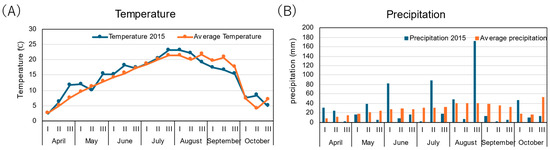
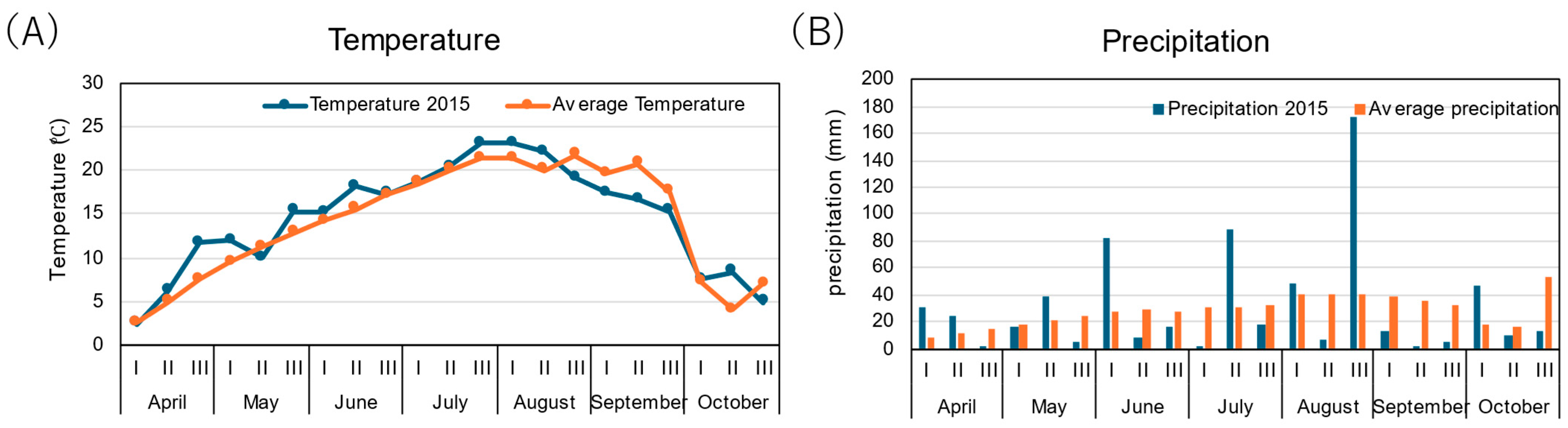
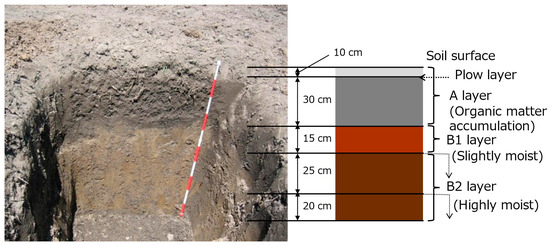
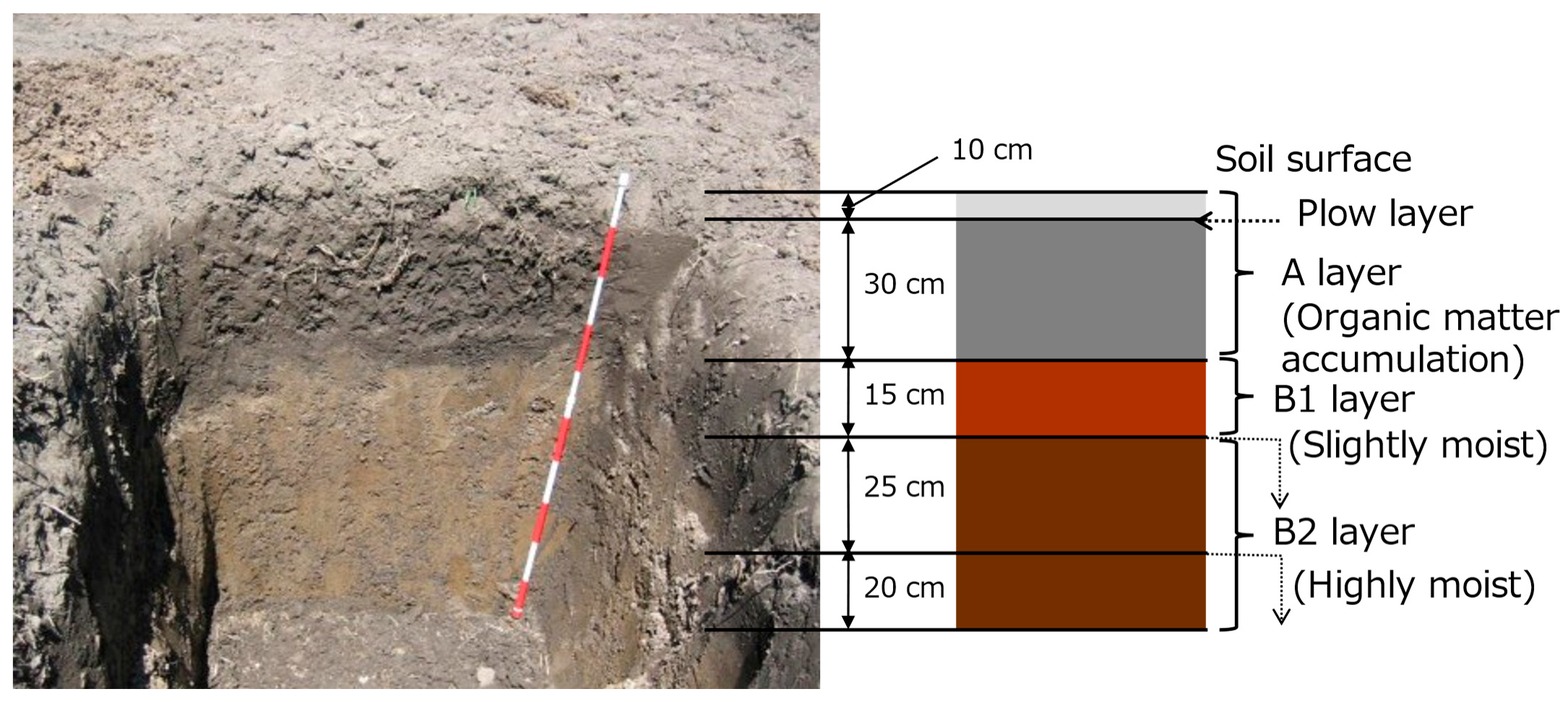
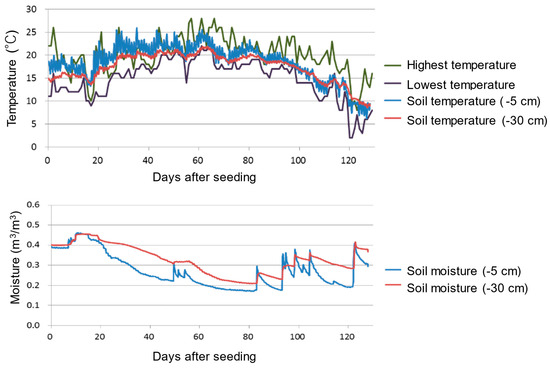
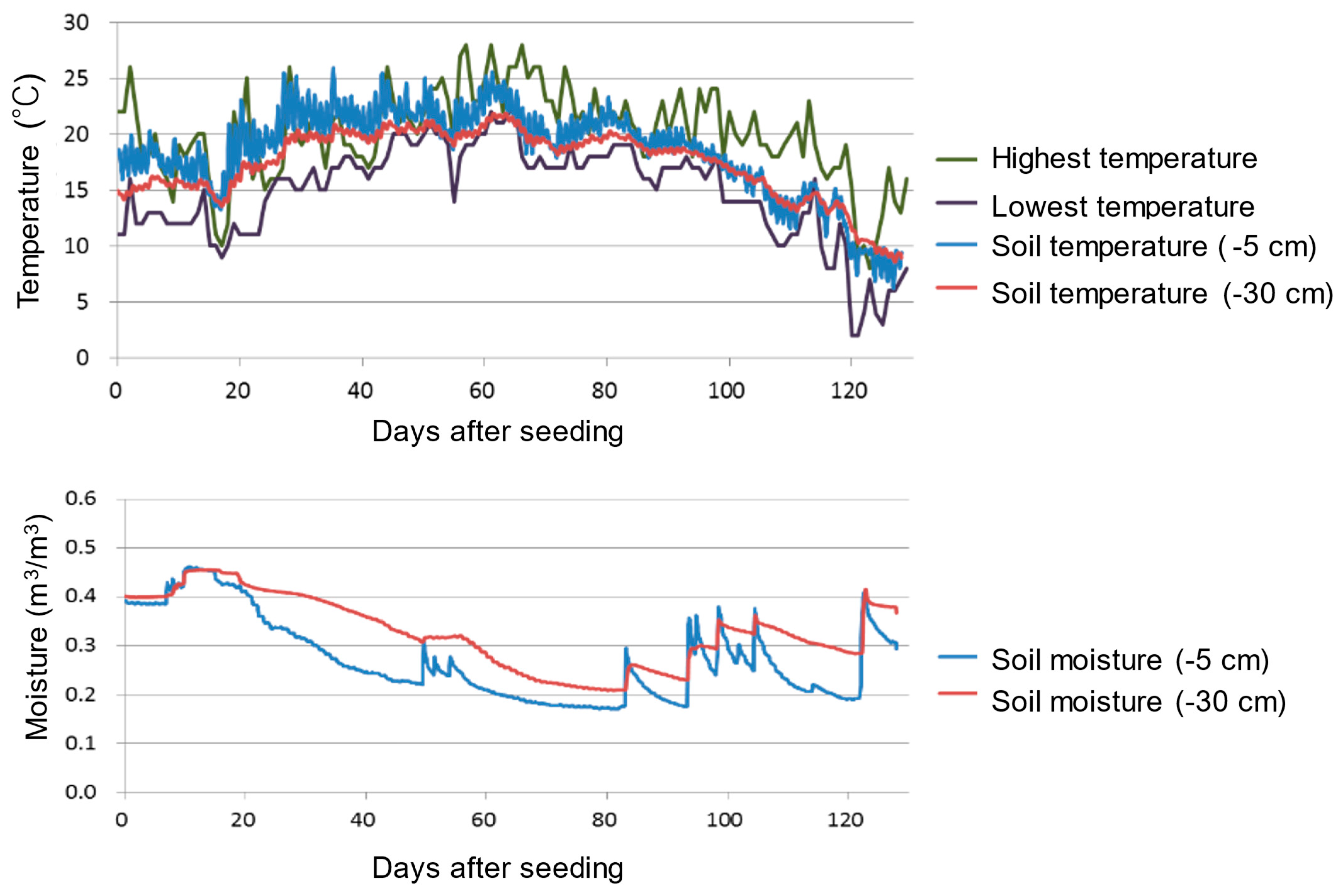
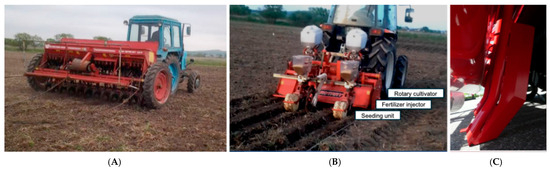
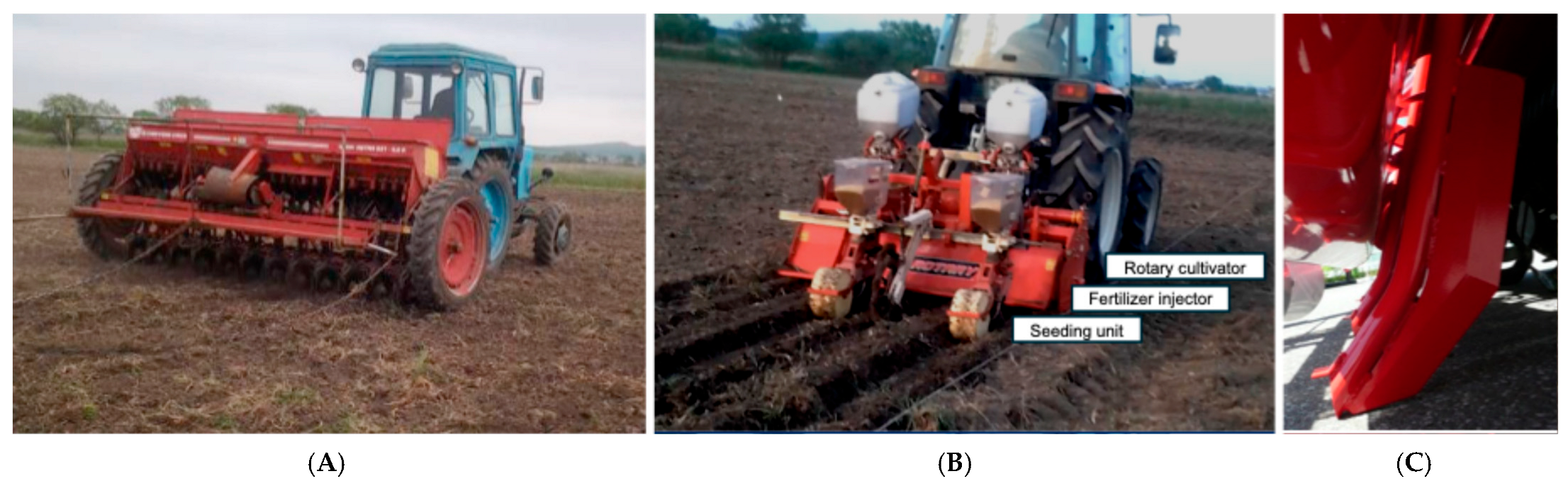
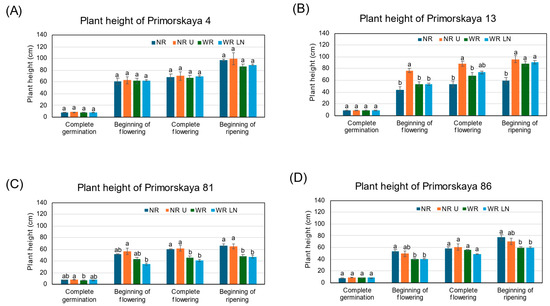
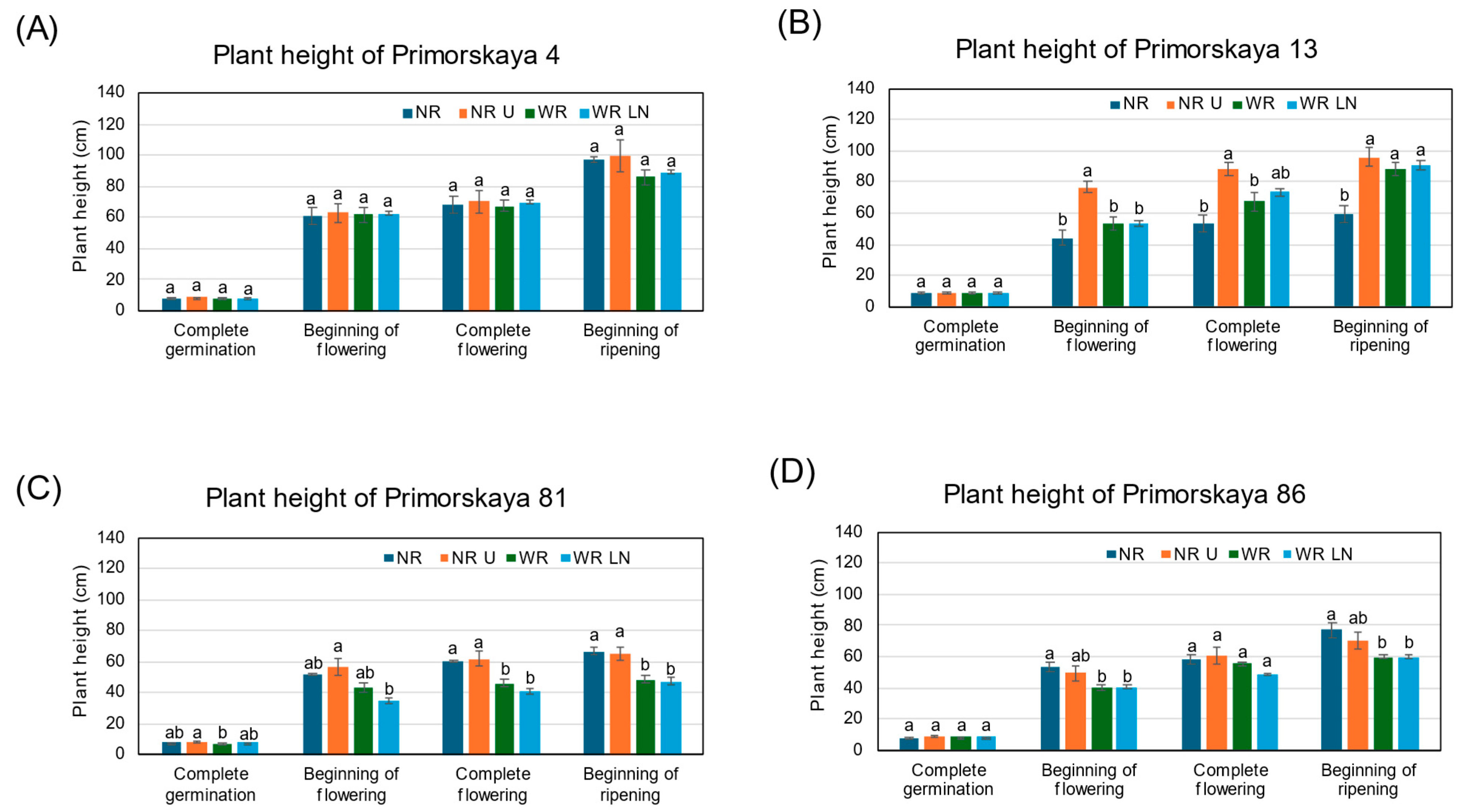
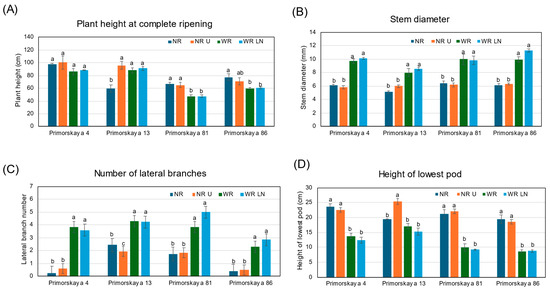
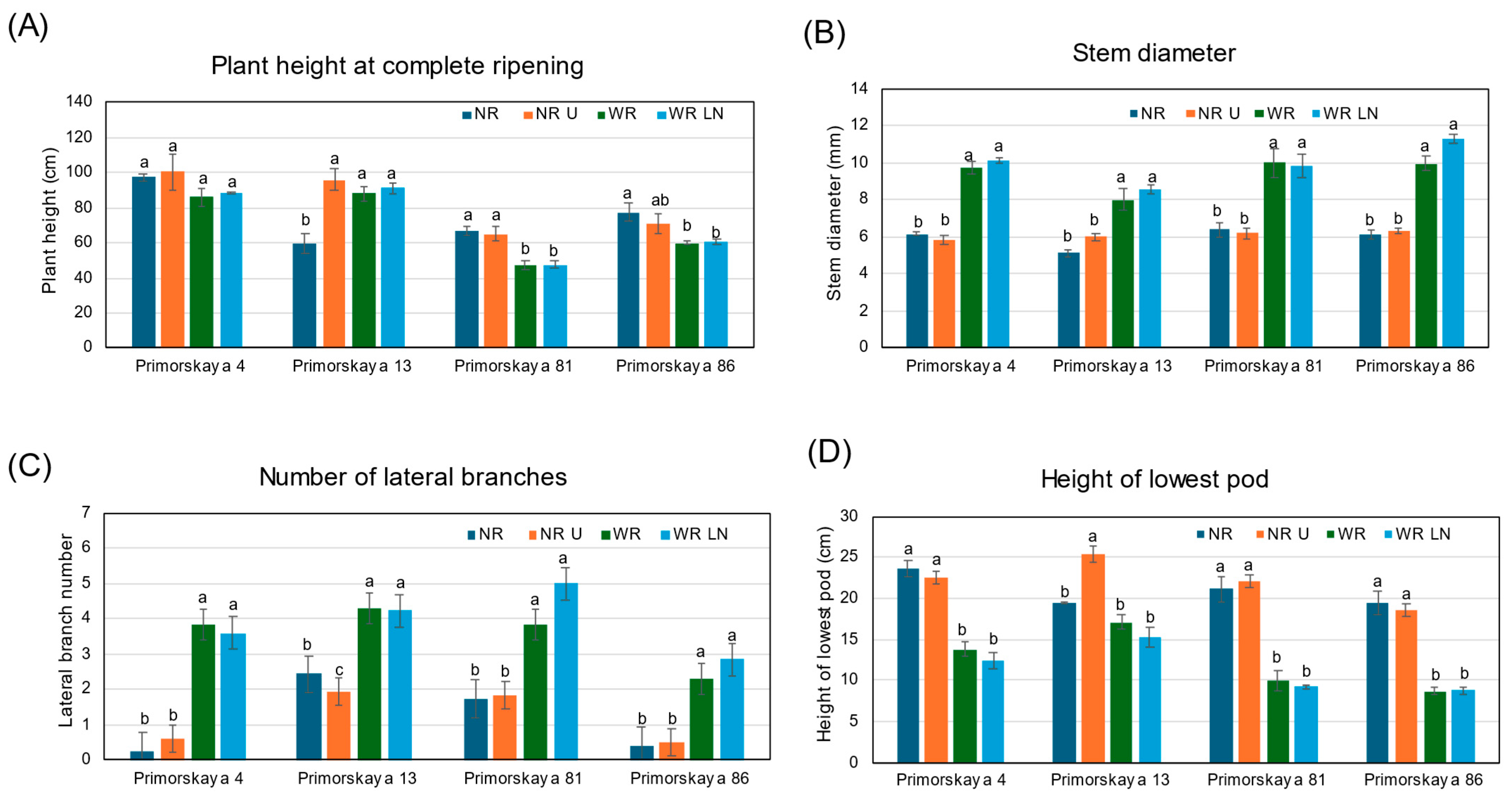
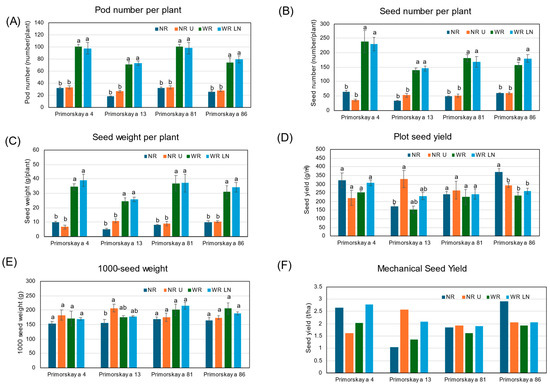
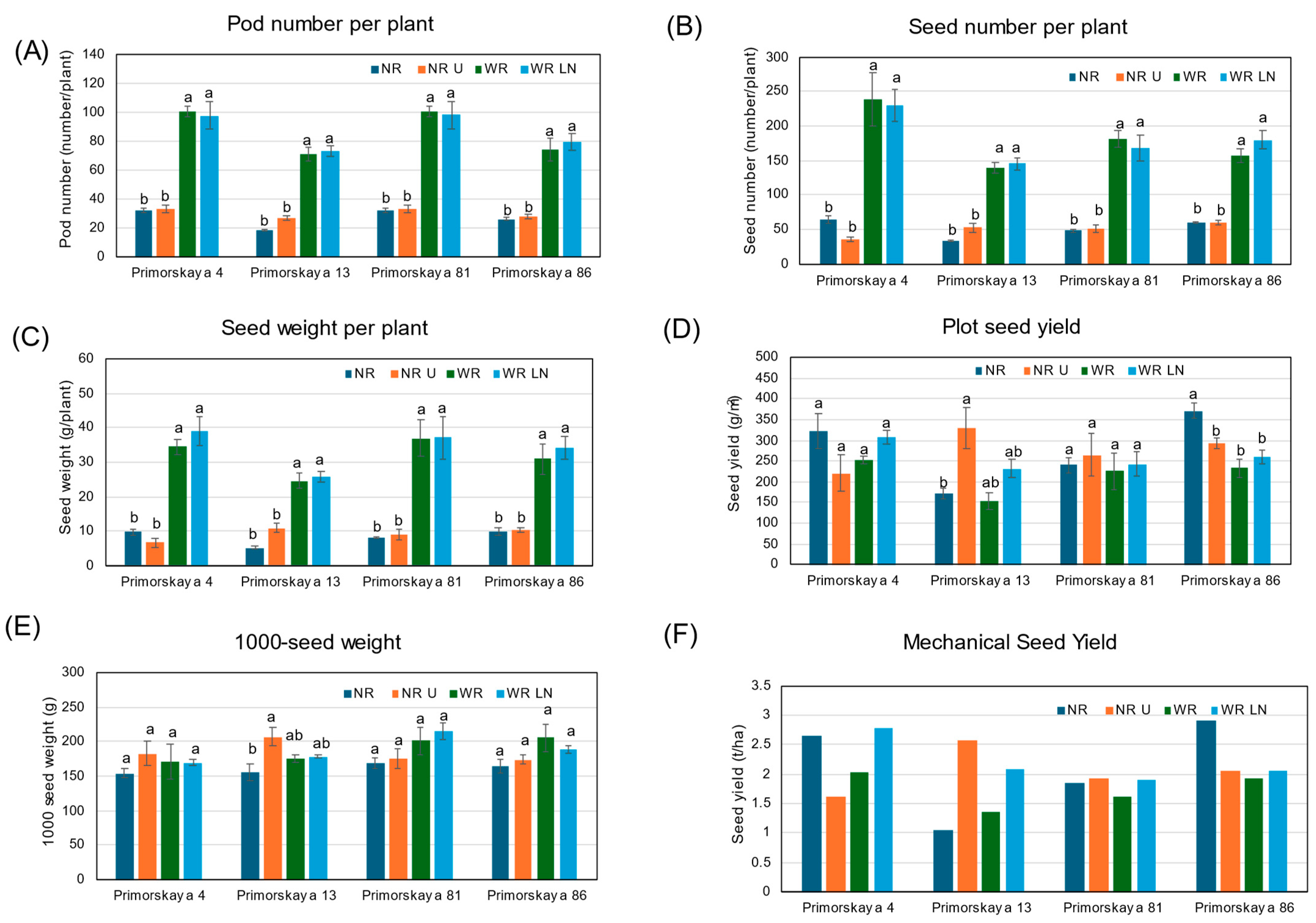
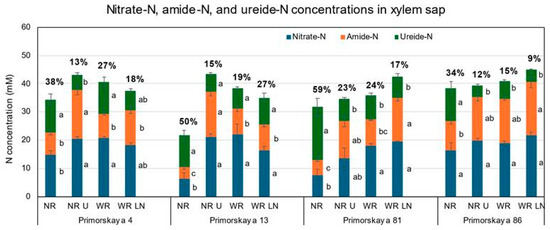
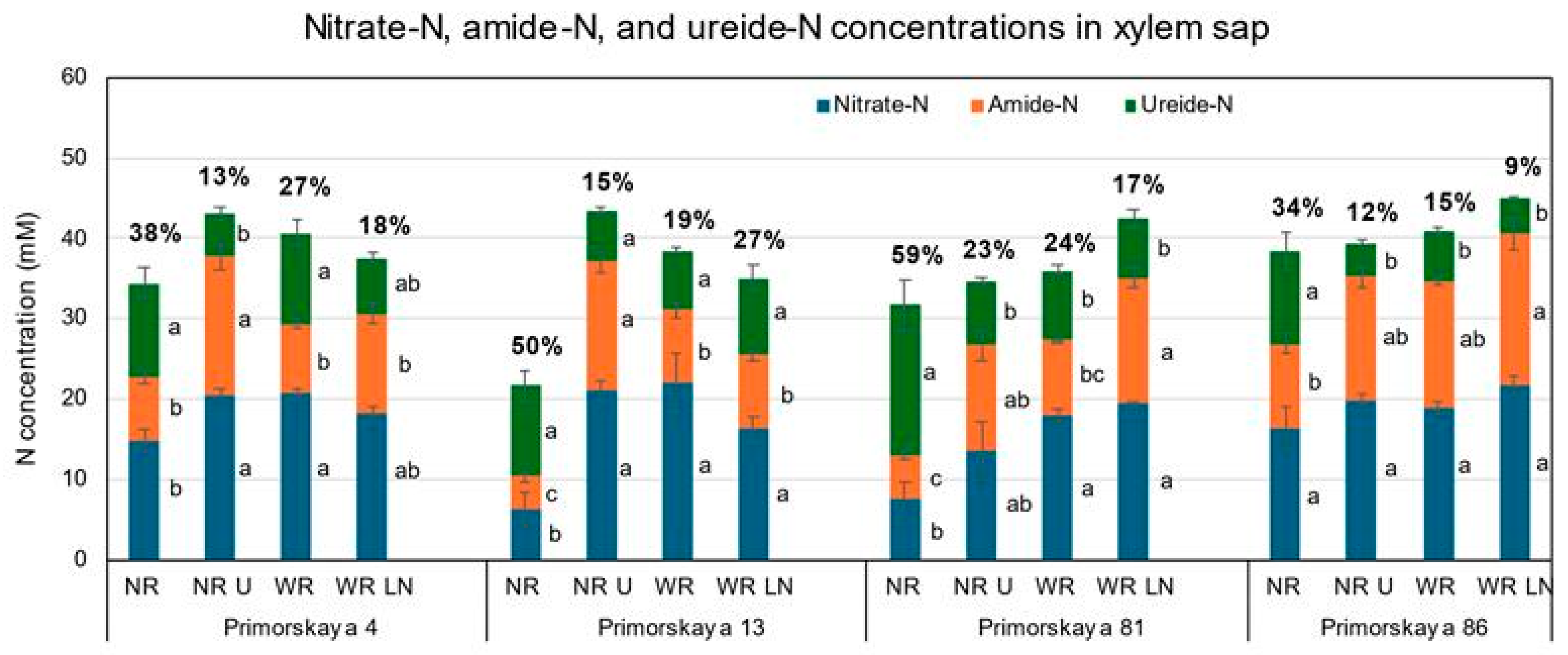
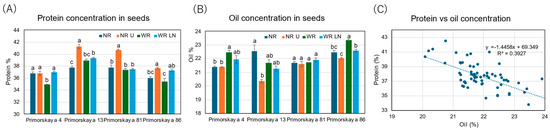
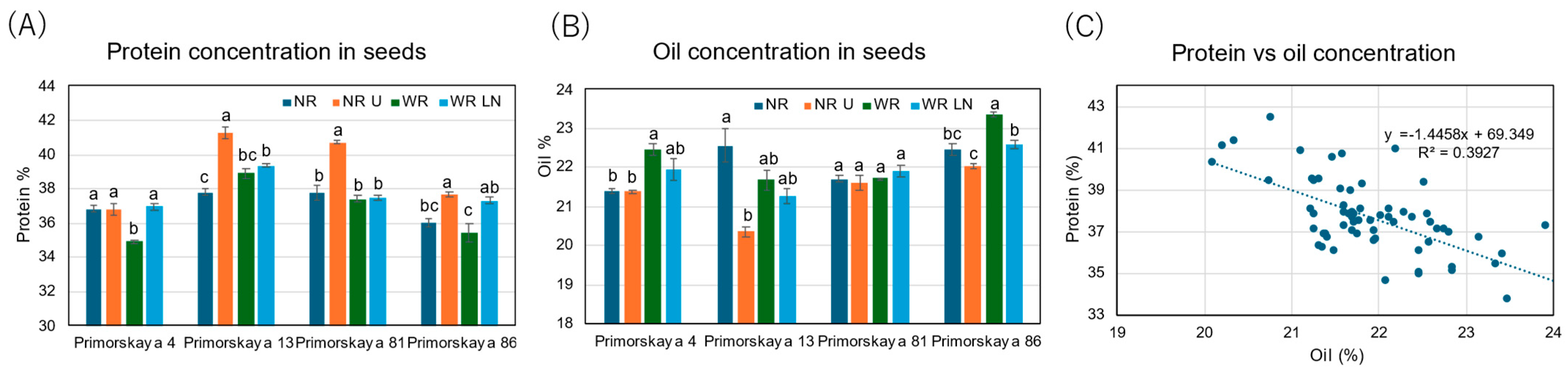

Disclaimer/Publisher’s Note: The statements, opinions and data contained in all publications are solely those of the individual author(s) and contributor(s) and not of MDPI and/or the editor(s). MDPI and/or the editor(s) disclaim responsibility for any injury to people or property resulting from any ideas, methods, instructions or products referred to in the content. |
© 2025 by the authors. Licensee MDPI, Basel, Switzerland. This article is an open access article distributed under the terms and conditions of the Creative Commons Attribution (CC BY) license.