Article

AI-Driven Mental Health Surveillance: Identifying Suicidal Ideation Through Machine Learning Techniques


by
Hesham Allam
*,
Chris Davison
,
Faisal Kalota
,
Edward Lazaros
and
David Hua
Center for Information and Communication Sciences (CICS), College of Communication, Information, and Media, Ball State University, Muncie, IN 47304, USA
*
Author to whom correspondence should be addressed.
Big Data Cogn. Comput. 2025, 9(1), 16; https://doi.org/10.3390/bdcc9010016
Submission received: 7 December 2024 / Revised: 31 December 2024 / Accepted: 14 January 2025 / Published: 20 January 2025

Abstract

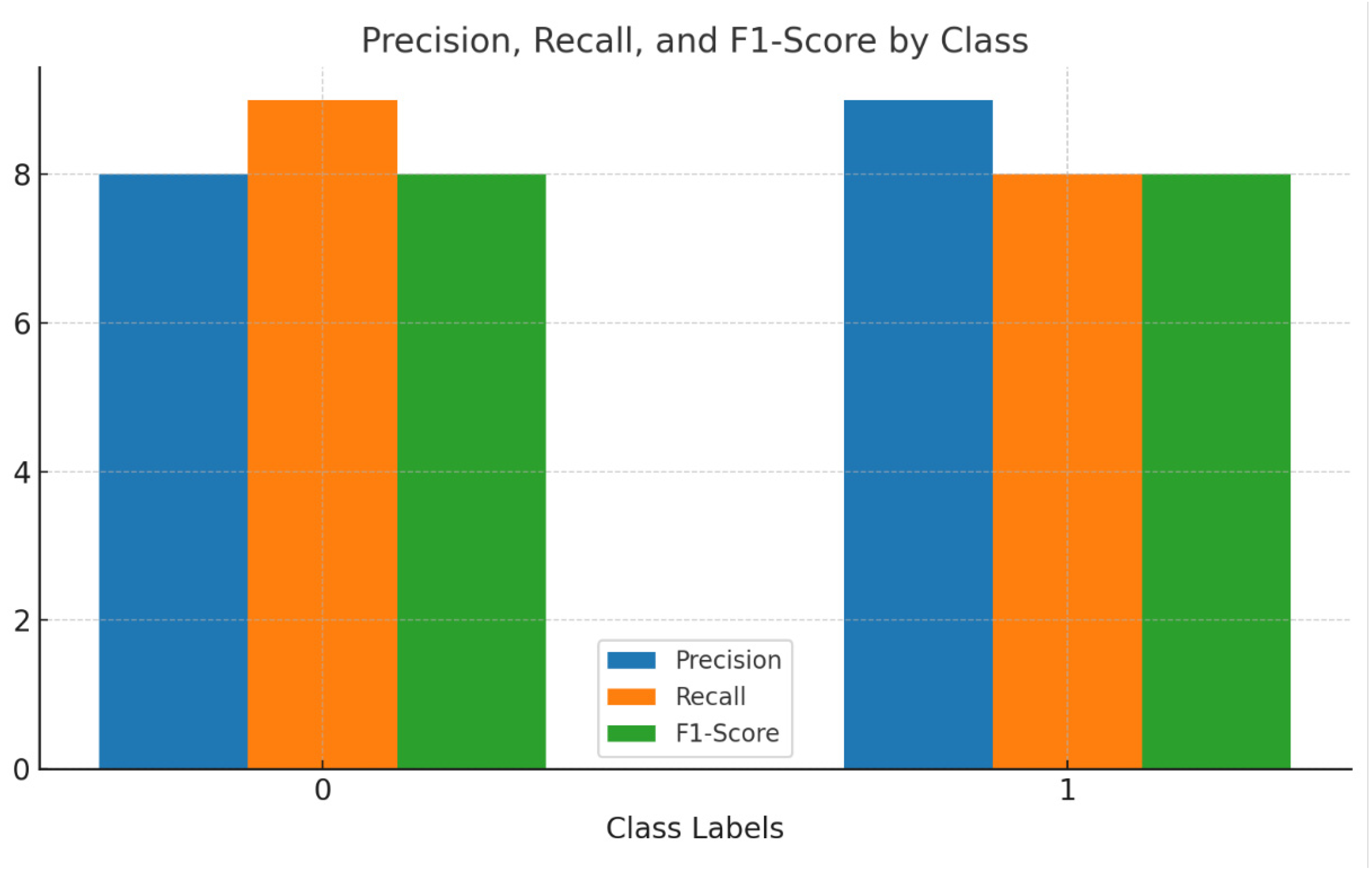
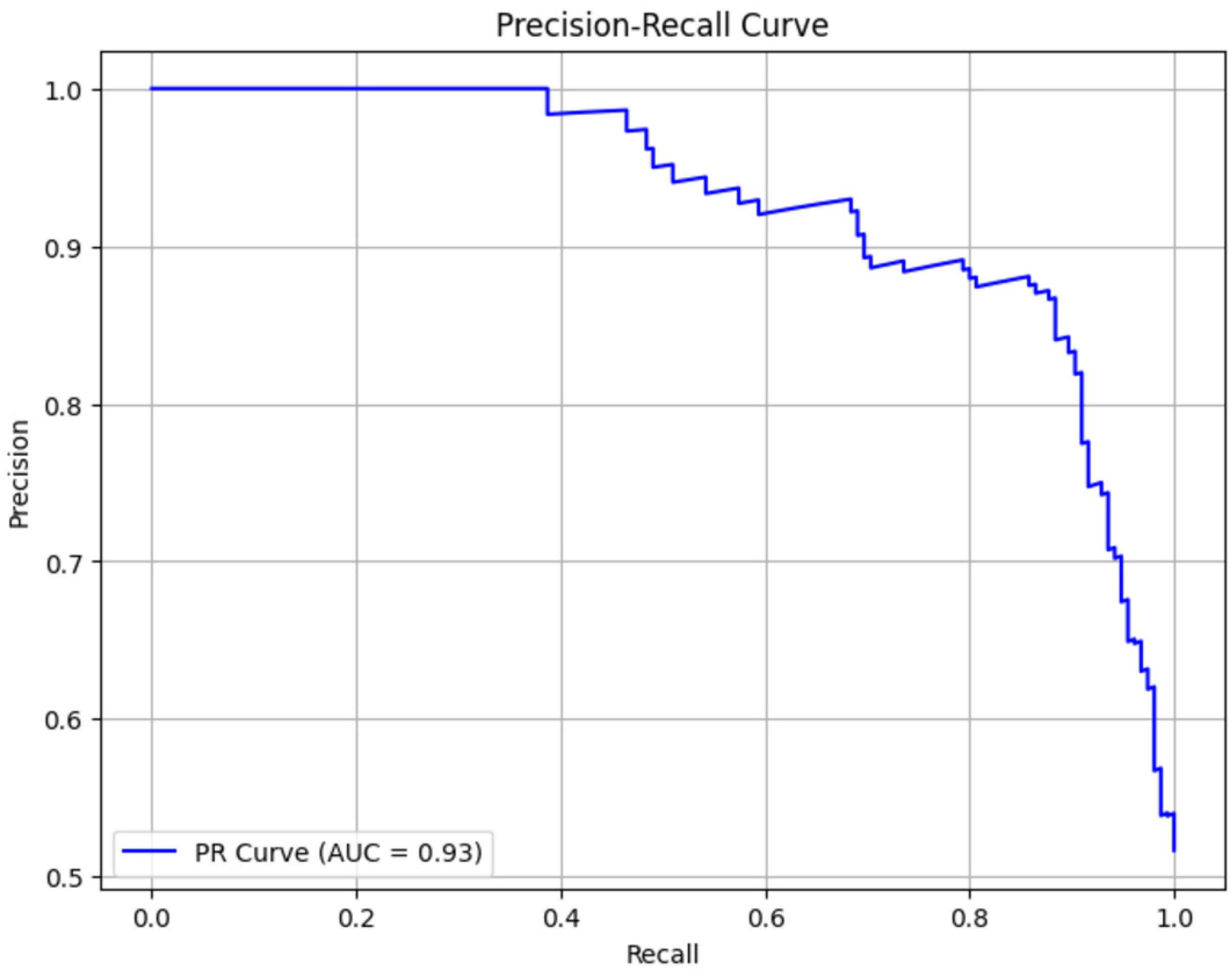
As suicide rates increase globally, there is a growing need for effective, data-driven methods in mental health monitoring. This study leverages advanced artificial intelligence (AI), particularly natural language processing (NLP) and machine learning (ML), to identify suicidal ideation from Twitter data. A predictive model was developed to process social media posts in real time, using NLP and sentiment analysis to detect textual and emotional cues associated with distress. The model aims to identify potential suicide risks accurately, while minimizing false positives, offering a practical tool for targeted mental health interventions. The study achieved notable predictive performance, with an accuracy of 85%, precision of 88%, and recall of 83% in detecting potential suicide posts. Advanced preprocessing techniques, including tokenization, stemming, and feature extraction with term frequency–inverse document frequency (TF-IDF) and count vectorization, ensured high-quality data transformation. A random forest classifier was selected for its ability to handle high-dimensional data and effectively capture linguistic and emotional patterns linked to suicidal ideation. The model’s reliability was supported by a precision–recall AUC score of 0.93, demonstrating its potential for real-time mental health monitoring and intervention. By identifying behavioral patterns and triggers, such as social isolation and bullying, this framework provides a scalable and efficient solution for mental health support, contributing significantly to suicide prevention strategies worldwide.
Keywords: machine learning; artificial intelligence; suicidal ideation detection; mental health analysis; natural language processing; sentiment analysis; predictive modeling machine learning; artificial intelligence; suicidal ideation detection; mental health analysis; natural language processing; sentiment analysis; predictive modeling