Review

Heart Failure and Sarcopenia: An Integrated Rehabilitation Approach Combining Exercise and Nutrition


1
Department of Medicine (DIMED), University of Padua, 35100 Padua, Italy
2
Department of Neurobiology, Care Sciences and Society, Aging Research Center, Karolinska Institutet and Stockholm University, 17177 Stockholm, Sweden
3
Department of Cardiac Rehabilitation, ICS Maugeri, 10124 Turin, Italy
4
Research Unit of Geriatrics, Department of Medicine, Università Campus Bio-Medico di Roma, 00128 Rome, Italy
5
Operative Research Unit of Geriatrics, Fondazione Policlinico Campus Bio-Medico, 00128 Rome, Italy
6
ITACARE-P Young Community for Relationships Between Scientific Societies, 21100 Varese, Italy
7
Cardiac Rehabilitation Unit, Rehabilitation Clinic “Villa delle Magnolie”, Castel Morrone, 81020 Caserta, Italy
8
Department of Translational Medical Sciences, “Federico II” University, 80131 Naples, Italy
9
Cardiovascular Rehabilitation Unit, ASST Crema, Santa Marta Hospital, 26027 Rivolta D’Adda, Italy
*
Author to whom correspondence should be addressed.
These authors contributed equally to this work.
J. Gerontol. Geriatr. 2026, 74(2), 14; https://doi.org/10.3390/jgg74020014
Submission received: 4 March 2026 / Revised: 15 May 2026 / Accepted: 19 May 2026 / Published: 23 May 2026

Abstract

Sarcopenia, characterized by progressive loss of muscle mass and function, is highly prevalent among patients with heart failure (HF) and contributes to frailty, disability, and poor prognosis. Shared mechanisms—chronic inflammation, neurohormonal dysregulation, mitochondrial dysfunction, inactivity, and inadequate nutrition—promote anabolic resistance and accelerate muscle wasting. This narrative review summarizes current evidence on the interplay between HF and sarcopenia, focusing on practical strategies for integrated management. Exercise training, particularly combined aerobic and resistance programs, improves physical performance and quality of life, while targeted nutritional interventions ensure adequate energy and protein intake and mitigate malnutrition. Emerging evidence supports the synergistic benefit of coupling tailored dietary support with structured rehabilitation. Despite robust data, implementation of person-centered, multidisciplinary care remains limited. Routine screening for sarcopenia and nutritional risk should be embedded in HF pathways to enable early intervention, functional recovery, and improved long-term outcomes.

1. Background and Rationale

Heart failure (HF) is increasingly recognized as a systemic syndrome in which skeletal muscle impairment is both prevalent and clinically actionable. Sarcopenia—low muscle strength with or without reduced muscle mass and performance—occurs across the HF spectrum and contributes to exercise intolerance, frailty, disability, and poor prognosis. Beyond traditional hemodynamic explanations, a convergence of neurohormonal activation, chronic inflammation, mitochondrial dysfunction, physical inactivity, and malnutrition fosters anabolic resistance and muscle catabolism.
Despite its impact, the nutritional care of sarcopenia in HF remains under-specified in many pathways. Clinicians must balance congestion management with adequate energy–protein intake; reconcile dietary restrictions with feasible eating plans; and tailor recommendations to dysphagia, early satiety, polypharmacy, and socioeconomic barriers. Practical questions at the bedside persist: how to screen efficiently; which targets for calories and protein are realistic and safe; when oral nutritional supplements and selected adjuncts add value; and how to integrate nutrition with structured exercise-based rehabilitation.
This narrative review brings together mechanistic, clinical, and interventional evidence at the intersection of HF and sarcopenia, with a deliberate focus on nutrition as a partner to exercise. We summarize current concepts, translate them into pragmatic suggestions for screening (e.g., handgrip strength and simple risk scores), assessment (dietary intake, body composition, and relevant biomarkers), and treatment (energy–protein targets, food-first strategies, oral supplements, and selected micronutrient approaches) within multidisciplinary HF care. Finally, we propose a stepwise clinical algorithm and highlight implementation and research priorities to standardize practice and improve functional recovery and long-term outcomes for people living with HF. This review was conducted as a narrative synthesis of the available literature, with the aim of providing a clinically oriented and pragmatic overview rather than a systematic evaluation of evidence. Relevant studies, including randomized trials, observational studies, and major guidelines, were considered to reflect the breadth of current knowledge in this field.

2. Sarcopenia and Its Clinical Relevance in Heart Failure

Sarcopenia, characterized by progressive loss of muscle strength and mass, is increasingly recognized as a clinically relevant systemic condition frequently coexisting with chronic diseases, particularly heart failure (HF), and contributing to frailty, functional decline, disability, reduced quality of life, and increased healthcare utilization and mortality [1,2,3]. Its pathophysiology is multifactorial and involves physical inactivity, chronic inflammation, neurohormonal dysregulation, mitochondrial dysfunction, impaired protein metabolism, and anabolic resistance, ultimately leading to progressive muscle wasting and impaired physical performance [3,4,5,6,7,8]. In patients with HF, sarcopenia contributes to the progression of physical frailty, amplifying vulnerability and worsening clinical outcomes [9,10,11,12]. This interplay is particularly relevant in chronic HF, where skeletal muscle impairment may accelerate disease progression and adversely affect prognosis [13,14,15,16,17]. Understanding sarcopenia within the specific context of HF is therefore essential, as its pathophysiology, clinical expression, and prognostic implications are closely intertwined with the underlying cardiac condition.
Sarcopenia affects approximately 19.5% to 47.3% of patients with HF and is consistently associated with reduced survival [13,18]. Peripheral skeletal muscle wasting may occur early in the disease course, regardless of left ventricular ejection fraction status, and is closely linked to reduced levels of physical activity. The relationship between HF and sarcopenia is bidirectional and driven by multiple mechanisms, including physical inactivity, malnutrition, neurohormonal imbalance, mitochondrial dysfunction, and chronic inflammation [19]. Exercise intolerance and inadequate nutrition accelerate catabolism, while neurohormonal dysregulation—including elevated aldosterone, catecholamines, cortisol, and TNF-α, together with reduced anabolic hormones—further exacerbates muscle loss. Angiotensin II additionally promotes proteolysis via the ubiquitin–proteasome pathway and impairs mitochondrial function [19].
In this context, poor nutrition due to reduced appetite and malabsorption, combined with inflammation, sympathetic overactivity, and hormonal imbalance, promotes oxidative stress and muscle catabolism via proteolytic pathways [20]. Altered insulin and IGF-1 signaling, reduced myoglobin, impaired ATP production, and low testosterone contribute to anabolic resistance. These mechanisms lead to mitochondrial dysfunction, myocyte apoptosis, myofibril loss, intramuscular fat accumulation, and fiber-type shift, ultimately driving sarcopenia and amplifying complications such as frailty, falls, osteoporosis, hospitalizations, and mortality, underscoring the need for integrated management strategies in chronic HF (Figure 1) [21]. In more advanced stages, this process may evolve into cardiac cachexia, a complex clinical syndrome characterized by unintentional weight loss, with or without skeletal muscle wasting [22]. Unlike sarcopenia, which primarily affects muscle mass and function, cachexia involves multiple tissues, including fat mass, and reflects a more advanced stage of metabolic and functional impairment [20]. From a clinical perspective, cardiac cachexia is associated with profound functional decline, reduced exercise tolerance, increased frailty, and a markedly worse prognosis, including higher rates of hospitalization and mortality [23]. Early recognition is often challenging, as weight loss may be masked by fluid retention in patients with HF, underscoring the importance of comprehensive assessment beyond body weight alone [20,23,24]. From a geriatric perspective, sarcopenia and cachexia can be viewed along a continuum of progressive vulnerability, often coexisting in frail patients with advanced HF and identifying a subgroup at particularly high risk of adverse outcomes and in need of integrated, multidisciplinary management.
This schematic illustrates the bidirectional interplay between heart failure (HF) and sarcopenia. HF promotes muscle wasting through neurohormonal activation, chronic inflammation, mitochondrial dysfunction, physical inactivity, and malnutrition, leading to anabolic resistance and loss of muscle mass and function. In turn, sarcopenia worsens HF by reducing exercise tolerance and functional capacity. Aging acts as a key underlying driver of both conditions. Their interaction results in adverse clinical outcomes, including falls, hospitalizations, and mortality.
A further specific and clinically relevant phenotype of sarcopenia in HF is sarcopenic obesity, characterized by the coexistence of low muscle mass and excess adiposity. This condition is particularly common among older adults with HF, especially women, and is frequently observed in HFpEF [25]. In this setting, age-related changes in body composition combined with visceral fat accumulation exacerbate systemic inflammation, oxidative stress, and insulin resistance. These mechanisms accelerate muscle catabolism and impair muscle quality, leading to mitochondrial dysfunction, fat infiltration, and loss of type II fibers. As a result, patients experience progressive reductions in strength, mobility, and cardiorespiratory fitness, with significant implications for prognosis [25,26].

3. Exercise Training in Patients with Heart Failure and Sarcopenia

The European Society of Cardiology (ESC) guidelines recommend exercise training for all patients with heart failure as a Class I, Level A intervention, given its proven benefits in improving exercise capacity, quality of life, and reducing hospitalizations. Cardiac rehabilitation, meanwhile, is suggested as a Class IIb option, particularly for patients who are frail, more compromised, or have multiple comorbidities [27]. Despite its well-established benefits, cardiac rehabilitation remains underutilized. Data from the Get With the Guidelines—Heart Failure registry indicate that only about 10% of patients hospitalized for HF are referred to cardiac rehabilitation at discharge, with only a modest increase observed in recent years [28].
In patients with HF, exercise training improves muscle mass, enhances mitochondrial function, and reduces skeletal muscle abnormalities, leading to better exercise tolerance [29]. Aerobic training is particularly effective in maintaining and improving maximal aerobic capacity and mitochondrial and capillary density but has limited effects on muscle fiber cross-sectional area. Resistance training, in contrast, increases muscle mass and strength, primarily through hypertrophy of fast-twitch fibers and enhanced myofibril content, improving protein synthesis rates [30]. Current evidence supports combined aerobic and resistance programs for adults and frail older adults, with individualized adaptations for those with comorbidities [31]. Resistance training sessions of 40–60 min, performed 2–3 times per week with 1–2 sets of 10–15 repetitions per exercise, are recommended to improve upper and lower limb strength, peak torque, and maximal leg press performance. Endurance training, performed 3 times per week for 20–40 min at 60–70% VO2max over 12–24 weeks, enhances cardiorespiratory fitness and functional capacity, as reflected by improvement in the 6 min walk test (6 MWT). Combined aerobic and resistance training is more effective than aerobic training alone in improving lower limb strength and quality of life in HF patients [21].
A post hoc analysis of the HF-ACTION trial showed that aerobic training in patients with stable chronic HFrEF improved quality of life similarly in both frail and non-frail participants. However, only frail individuals experienced a significant reduction in all-cause hospitalizations. Baseline frailty influenced the response to supervised aerobic exercise, with frail patients deriving the greatest benefit in terms of reduced hospitalizations. Clinically, this suggests that assessing frailty may help identify HFrEF patients most likely to benefit from structured aerobic training [32].
The REHAB-HF trial investigated an individualized, early rehabilitation program in older frail patients hospitalized for acute decompensated heart failure. Compared with usual care, the intervention resulted in greater improvements in physical performance (SPPB score), mobility (6 min walk distance), quality of life, and depressive symptoms compared. Despite the high prevalence of frailty and functional limitations, the program was safe and effective in enhancing strength, balance, and overall physical function [33]. However, available studies are heterogeneous in terms of patient populations, intervention protocols, and outcome measures, which may limit the generalizability of findings. In addition, frail and older patients—who represent a large proportion of the HF population—are often underrepresented in clinical trials.
Patients with sarcopenic obesity and HFpEF, who often present with greater baseline functional impairment, exhibit stronger links between improvements in sarcopenia status through cardiac rehabilitation and better prognosis. These findings suggest that reversing sarcopenia through CR may help normalize outcomes, particularly in HFpEF patients [34]. Furthermore, combined aerobic and resistance training may enhance diastolic function and LVEF beyond aerobic training alone [35].
Table 1 provides a pragmatic template (frequency, intensity targets, session structure, progression, and HF-specific precautions) aligned with contemporary cardiac-rehabilitation guidance and supported by key HF trials (HF-ACTION; REHAB-HF) and expert consensus [29,35,36].

4. Nutritional Treatment in Patients with Heart Failure and Sarcopenia

In this context, inadequate nutritional intake represents a key etiopathogenetic factor in the relationship between sarcopenia and HF, making nutritional management a crucial component of care in this vulnerable population [37,38]. Dietary intake in individuals with sarcopenia is often influenced by multifactorial determinants that predispose them to malnutrition (Table 2 [39]), leading to progressive loss of muscle mass and strength.
The prevalence of malnutrition in HF ranges from 15% to 90%, depending on diagnostic criteria, and is consistently associated with increased risks of rehospitalization and mortality. In advanced symptomatic HF, underweight frequently coexists with malnutrition, sarcopenia, and cachexia, all of which are linked to adverse outcomes. This underscores the importance of nutritional strategies aimed at preventing unintentional weight loss [27]. The mechanisms driving malnutrition in HF are complex and include metabolic and inflammatory alterations with enhanced protein catabolism and lipolysis, increased resting energy expenditure, and reduced dietary intake due to anorexia, early satiety, fatigue, dyspnea, and taste changes. Additional contributors are malabsorption related to intestinal edema and reduced visceral perfusion, as well as skeletal muscle dysfunction [40].
Despite its clinical relevance, current international HF guidelines provide limited recommendations, focusing primarily on sodium and fluid restriction while offering little guidance on the nutritional management of malnutrition and sarcopenia [40,41,42]. Moreover, the evidence base for nutritional interventions in HF remains limited, often relying on small-scale studies with heterogeneous designs and short follow-up durations, which restricts the strength of current recommendations. Adequate nutritional intake—or targeted supplementation where necessary—therefore represents the most effective strategy to prevent or slow sarcopenia progression, highlighting the importance of early nutritional screening and assessment. Given the multifactorial mechanisms underlying malnutrition in HF, no single tool is sufficient to capture its full complexity. For this reason, a range of complementary methods has been proposed to provide a more accurate assessment of nutritional status. These can be divided into anthropometric evaluations, biomarker analyses, multidimensional instruments, and dietary intake assessments [40,41,42].

4.1. Nutritional Assessment Tools

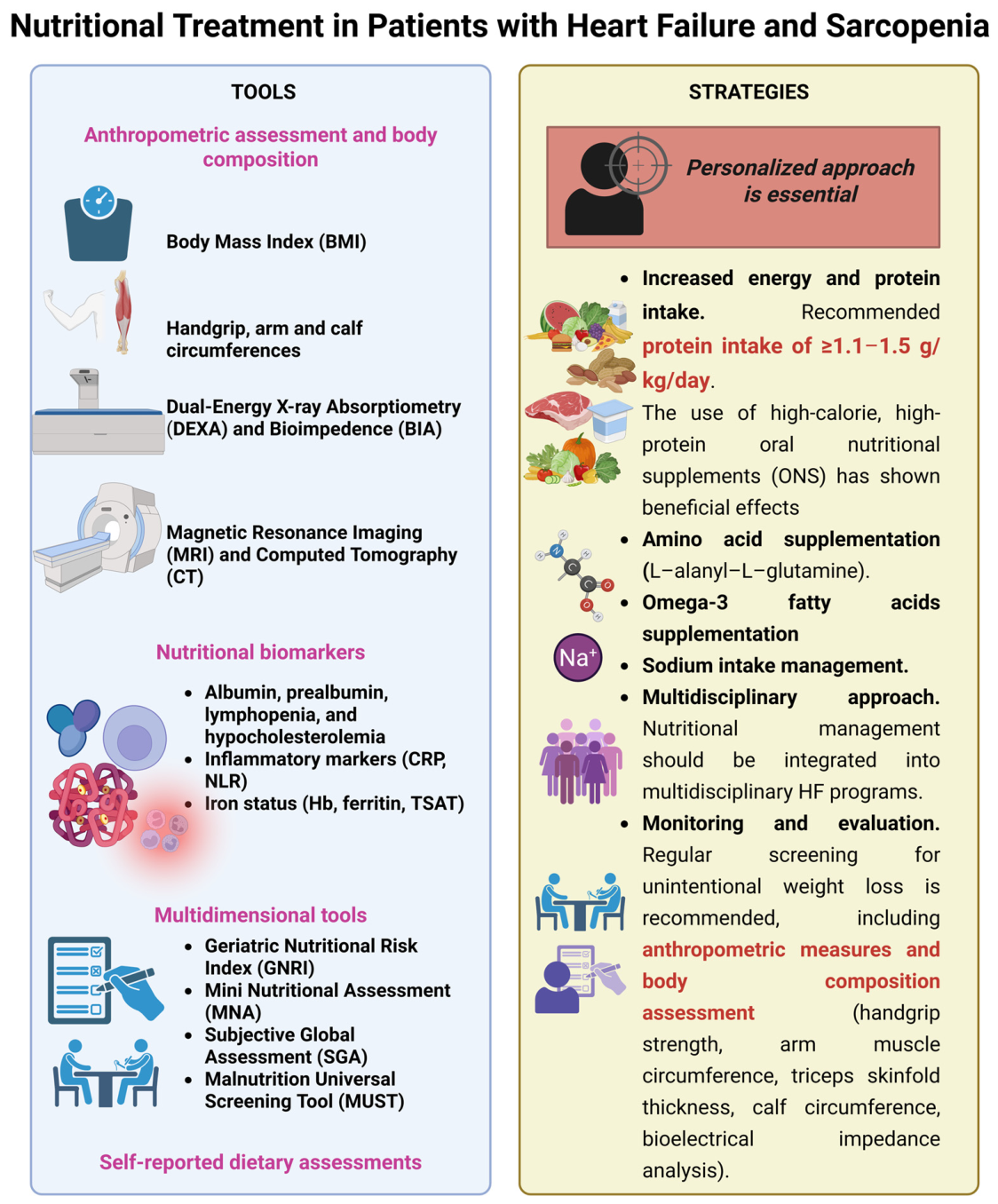
  • Anthropometry and body composition: Body Mass Index (BMI) is widely used but has significant limitations in HF, as it cannot distinguish between lean mass, fat mass, and fluid retention. More accurate techniques include DEXA, MRI, and CT, although their feasibility in routine practice is limited. Bioelectrical impedance analysis (BIA), particularly with vector analysis (BIVA), appears promising, while muscle ultrasound is under evaluation. Simple measures such as handgrip strength, arm or calf circumference, and monitoring unintentional weight loss remain practical and cost-effective [40,41,42].
  • Biomarkers: Albumin, prealbumin, lymphopenia, and hypocholesterolemia are negative prognostic indicators, though they lack sensitivity as markers of nutritional intervention response. Inflammatory indices (CRP, NLR) and iron metabolism parameters (Hb, ferritin, TSAT) provide complementary information, especially when considering supplementation [40,41,42].
  • Multidimensional tools: Instruments such as the Geriatric Nutritional Risk Index (GNRI), Mini Nutritional Assessment (MNA), Subjective Global Assessment (SGA), and Malnutrition Universal Screening Tool (MUST) have been proposed. The GNRI shows the strongest association with mortality, while SGA offers higher specificity. However, none have been validated exclusively in HF, and scores may be confounded by disease severity [40,41,42].
  • Dietary intake assessment: Food diaries, dietary recalls, and food frequency questionnaires are commonly used but subject to recall bias [40,41,42].
To date, no gold standard for nutritional assessment in HF has been established. Current evidence supports an integrated approach combining anthropometric measures, instrumental techniques, biomarkers, and multidimensional tools for a clinically meaningful evaluation [43]. While comprehensive assessment is fundamental, it must be translated into tailored interventions. For this reason, nutritional strategies represent a cornerstone in the management of HF complicated by sarcopenia.

4.2. Nutritional Strategies

The complex interplay between sarcopenia and HF requires nutritional interventions targeting both cardiac and muscular function. A personalized approach is essential, particularly in patients at high nutritional risk.
Traditional dietary management in HF has historically emphasized sodium and fluid restriction. However, emerging evidence suggests that an excessively restrictive approach may paradoxically worsen nutritional status, particularly in patients at risk of malnutrition and sarcopenia [44]. Strict sodium restriction is often achieved through reduced consumption of processed and convenience foods, which may inadvertently lead to a reduction in total caloric and nutrient intake. Sodium targets below 2 g/day have been associated with decreased intake of energy, carbohydrates, and essential micronutrients such as calcium, thiamine, and folate [44]. The clinical benefit of sodium restriction remains controversial. The SODIUM-HF trial showed that a stringent sodium target (<1500 mg/day) did not reduce cardiovascular-related hospitalizations or mortality compared with usual care (~2100 mg/day). Furthermore, meta-analytic evidence suggests that sodium restriction, when not accompanied by fluid restriction, may increase the risk of hospitalization and mortality in patients with reduced ejection fraction. Severe restriction (<2000 mg/day) has also been associated with paradoxical weight gain, possibly reflecting worsening congestion [45,46].
In this context, particularly in frail patients or those with sarcopenia, ensuring adequate energy and protein intake may outweigh the benefits of strict sodium restriction. Therefore, individualized strategies balancing congestion control with the prevention of malnutrition are strongly recommended [45]. For this reason, the primary goal is prevention and treatment of sarcopenia and malnutrition, with protein intake of ≥1.1–1.5 g/kg/day recommended [47,48]. High-calorie, high-protein oral nutritional supplements (ONS) have demonstrated beneficial effects. In a pilot study, a 600 kcal, 20 g protein ONS administered for six weeks to cachectic HF patients led to weight gain (mainly adipose tissue), improved quality of life, and reduced TNF-α levels [49]. Supplementation with β-hydroxy-β-methylbutyrate (HMB) in hospitalized patients with HF and other chronic conditions improved post-discharge nutritional status and reduced 90-day mortality [50]. Amino acid supplementation, particularly L-alanyl-L-glutamine and omega-3 fatty acids, has also improved body composition and quality of life in chronic HF [51]. Overall, protein- and amino acid-rich supplements support increases in body weight, lean mass, and functional capacity.
Nutritional management should be fully integrated into multidisciplinary HF programs. Involvement of dietitians and nutrition specialists is essential to improve long-term outcomes. Regular screening for unintentional weight loss—using anthropometric parameters and body composition assessment (handgrip strength, arm muscle circumference, triceps skinfold, calf circumference, BIA)—is strongly recommended [37,40,52].
From a practical perspective, nutritional management should follow a stepwise approach. First, inadequate intake, weight loss, or clinical suspicion of sarcopenia should prompt early intervention. A food-first strategy is recommended, including structured meal patterns (three main meals and one to three snacks per day) and the use of energy-dense foods or meal fortification. When energy and protein targets are not met, high-protein ONS should be introduced between meals to increase intake without reducing appetite. In patients with persistent anabolic resistance or ongoing muscle loss despite adequate intake, targeted adjuncts such as leucine-enriched proteins, essential amino acids, or HMB may be considered. Specific deficiencies, including vitamin D and iron, should be corrected when present. Regular reassessment (e.g., every 2–4 weeks in unstable or post-acute phases) is essential to adapt nutritional strategies according to clinical response, tolerance, and evolving patient needs.
Within this framework, dietary patterns emphasizing overall quality rather than strict restriction—such as DASH or Mediterranean diets—appear appropriate, as they ensure adequate nutrient intake while maintaining moderate sodium control [44].
Table 3 translates these targets into detailed actions (meal patterns, high-protein ONS when intake is below target, and selected adjuncts) consistent with ESPEN guidance for geriatrics and the PROT-AGE recommendations for older adults [53,54]. Within this framework, targeted nutritional interventions ensuring adequate energy and protein intake, combined with supplementation and integrated into multidisciplinary care, are essential to improve prognosis and quality of life in patients with HF and sarcopenia [44]. Figure 2 schematically summarizes the main tools for nutritional assessment and the available strategies for nutritional treatment in patients with HF and sarcopenia.
This figure summarizes key tools for nutritional and functional assessment alongside practical strategies for management. In clinical practice, these approaches are not applied separately but should be integrated within a multidisciplinary framework, combining nutritional, functional, and clinical interventions to address both heart failure and sarcopenia simultaneously.

5. From Evidence to Practice: Toward Integrated Management

Sarcopenia is a multifactorial system condition that arises from the interplay of chronic inflammation, neurohormonal dysregulation, physical inactivity, and inadequate nutritional intake [1]. It is particularly prevalent among patients with HF, in whom these mechanisms converge to accelerate muscle loss and functional decline. Within this population, sarcopenia is strongly associated with adverse outcomes, including disability, reduced quality of life, and increased mortality [55,56].
Exercise training is a cornerstone of HF management and is strongly recommended for all patients, given its consistent benefits in improving exercise capacity, quality of life, and reducing hospital readmissions [41]. Importantly, even frail or sarcopenic older adults can experience significant gains in physical performance and functional outcomes through appropriately tailored exercise programs. At the same time, nutritional intake is often compromised in patients with HF, due to a combination of physical, psychological, and metabolic factors. These patients often have increased energy and protein requirements, placing them at high risk of malnutrition, which further worsens exercise intolerance and clinical outcomes [37,40,52]. Furthermore, polypharmacy may contribute to anorexia and nutrient malabsorption, complicating nutritional management [57,58]. For this reason, systematic screening for both sarcopenia and nutritional risk should become standard in routine HF assessment [59]. A comprehensive, multidimensional approach—integrating geriatric assessment, structured physical rehabilitation, and individualized nutritional strategies—is crucial to address these interdependent factors and to support functional recovery in this vulnerable population. In this context, defining patient-centered goals and aligning treatment strategies with individual preferences, functional priorities, and life expectancy is essential, particularly in older adults with HF, to optimize adherence and ensure that interventions remain clinically meaningful. Furthermore, variability in diagnostic criteria for sarcopenia and differences in study populations contribute to significant heterogeneity across studies, complicating the interpretation and translation of evidence into clinical practice.
However, despite the weight of evidence, the implementation of chronic care models that adopt a person-centered and multidisciplinary approach remains limited in real-world clinical practice, particularly for older adults [60].
To move from evidence to practice, both medical and social barriers must be addressed. Cognitive impairment, depression, social isolation, low social support, and food insecurity are especially relevant in older populations and can undermine both nutritional intake and physical performance [61]. The presence of a caregiver often determines whether patients can reliably access and prepare food and adhere to care plans [62]. Moreover, excessive dietary restrictions aimed at weight control may precipitate muscle loss and nutritional deficiency [63]. Older adults, especially those with chronic conditions, are particularly vulnerable to the loss of muscle mass and function and should therefore avoid overly restrictive diets. Ensuring adequate protein intake is therefore critical in this population [54]. Routine, comprehensive nutritional assessment should be embedded in care pathways. When malnutrition or sarcopenia is identified—or the patient is deemed at risk—a personalized dietary plan should prioritize sufficient energy and protein intake, using fortified foods or oral nutritional supplements when indicated. Common barriers such as dyspnea, chewing or swallowing difficulties, and edentulism should be anticipated and mitigated to safeguard intake [54].
Comorbidity patterns further shape nutritional strategy. Chronic kidney disease, frequent in older patients with HF, contributes to chronic inflammation and sarcopenia. Notably, current guidelines recommend avoiding protein restriction in this population, and support a normoproteic diet [62]. Sodium restriction, although recommended by current guidelines for HF management, should be tailored to the patient’s clinical status; in fact, excessive sodium restriction have been associated with higher all-cause mortality in older cohorts [64].
In this context, nutritional interventions should be systematically integrated with structured exercise training programs. The synergistic effect of combining tailored nutritional support with physical rehabilitation enhances not only muscle mass and strength but also cardiorespiratory fitness, physical function, and clinical outcomes—consistently outperforming either intervention alone, particularly in frail or sarcopenic individuals [65].

6. Conclusions

In conclusion, this narrative review aimed to summarize the main tools for nutritional assessment and the available strategies for nutritional treatment in patients with HF and sarcopenia. However, significant work remains to be done. Greater awareness among health professionals is needed to develop validated and standardized methods of screening and long-term monitoring of these critical aspects in frail older adults—particularly those living with HF. Such tools should be routinely integrated into everyday patient evaluation, guiding individualized interventions and follow-up.
Our review also sought to translate these principles into practical recommendations, including structured meal patterns, use of high-protein oral nutritional supplements when intake falls below target, and consideration of selected adjuncts. Future efforts should focus on implementing these strategies within multidisciplinary HF pathways to promote functional recovery, improve quality of life, and enhance long-term outcomes for this vulnerable population. Important research gaps remain. Future studies should prioritize well-designed randomized controlled trials evaluating combined nutritional and exercise interventions, as well as the development of standardized diagnostic criteria for sarcopenia specifically in patients with HF. Greater inclusion of frail and older populations in clinical trials is also needed to enhance the applicability of findings to real-world settings.

Author Contributions

Conceptualization: C.C., D.L. and G.N.; Data curation: M.Z., M.D.R. and M.S.L.; Writing/original draft: M.Z., D.L., G.N., M.D.R. and M.S.L.; Writing—review and editing: C.C., D.L., G.N., F.P. and L.B.; Supervision: F.P. and L.B. All authors have read and agreed to the published version of the manuscript.

Funding

This research received no funding.

Data Availability Statement

No new data were created or analyzed in this study. Data sharing is not applicable to this article.

Conflicts of Interest

The authors declare no conflicts of interest.

References

  1. Cruz-Jentoft, A.J.; Bahat, G.; Bauer, J.; Boirie, Y.; Bruyère, O.; Cederholm, T.; Cooper, C.; Landi, F.; Rolland, Y.; Sayer, A.A.; et al. Sarcopenia: Revised European consensus on definition and diagnosis. Age Ageing 2019, 48, 16–31. [Google Scholar] [CrossRef] [Scilit]
  2. Sayer, A.A.; Cooper, R.; Arai, H.; Cawthon, P.M.; Ntsama Essomba, M.-J.; Fielding, R.A.; Grounds, M.D.; Witham, M.D.; Cruz-Jentoft, A.J. Sarcopenia. Nat. Rev. Dis. Primers 2024, 10, 68. [Google Scholar] [CrossRef] [Scilit] [PubMed]
  3. Jung, H.N.; Jung, C.H.; Hwang, Y.-C. Sarcopenia in youth. Metabolism 2023, 144, 155557. [Google Scholar] [CrossRef] [Scilit]
  4. Dodds, R.M.; Syddall, H.E.; Cooper, R.; Benzeval, M.; Deary, I.J.; Dennison, E.M.; Der, G.; Gale, C.R.; Inskip, H.M.; Jagger, C.; et al. Grip strength across the life course: Normative data from twelve British studies. PLoS ONE 2014, 9, e113637. [Google Scholar] [CrossRef] [Scilit]
  5. Narici, M.; McPhee, J.; Conte, M.; Franchi, M.V.; Mitchell, K.; Tagliaferri, S.; Monti, E.; Marcolin, G.; Atherton, P.J.; Smith, K.; et al. Age-related alterations in muscle architecture are a signature of sarcopenia: The ultrasound sarcopenia index. J. Cachexia Sarcopenia Muscle 2021, 12, 973–982. [Google Scholar] [CrossRef] [Scilit]
  6. Antuña, E.; Cachán-Vega, C.; Bermejo-Millo, J.C.; Potes, Y.; Caballero, B.; Vega-Naredo, I.; Coto-Montes, A.; Garcia-Gonzalez, C. Inflammaging: Implications in Sarcopenia. Int. J. Mol. Sci. 2022, 23, 15039. [Google Scholar] [CrossRef] [Scilit] [PubMed]
  7. Damanti, S.; Senini, E.; De Lorenzo, R.; Merolla, A.; Santoro, S.; Festorazzi, C.; Messina, M.; Vitali, G.; Sciorati, C.; Rovere-Querini, P. Acute Sarcopenia: Mechanisms and Management. Nutrients 2024, 16, 3428. [Google Scholar] [CrossRef] [Scilit]
  8. Argilés, J.M.; Campos, N.; Lopez-Pedrosa, J.M.; Rueda, R.; Rodriguez-Mañas, L. Skeletal Muscle Regulates Metabolism via Interorgan Crosstalk: Roles in Health and Disease. J. Am. Med. Dir. Assoc. 2016, 17, 789–796. [Google Scholar] [CrossRef] [Scilit] [PubMed]
  9. Cawthon, P.M.; Manini, T.; Patel, S.M.; Newman, A.; Travison, T.; Kiel, D.P.; Santanasto, A.J.; Ensrud, K.E.; Xue, Q.L.; Shardell, M.; et al. Putative Cut-Points in Sarcopenia Components and Incident Adverse Health Outcomes: An SDOC Analysis. J. Am. Geriatr. Soc. 2020, 68, 1429–1437. [Google Scholar] [CrossRef] [Scilit]
  10. Guralnik, J.M.; Simonsick, E.M.; Ferrucci, L.; Glynn, R.J.; Berkman, L.F.; Blazer, D.G.; Scherr, P.A.; Wallace, R.B. A short physical performance battery assessing lower extremity function: Association with self-reported disability and prediction of mortality and nursing home admission. J. Gerontol. 1994, 49, M85–M94. [Google Scholar] [CrossRef] [Scilit]
  11. Beaudart, C.; Zaaria, M.; Pasleau, F.; Reginster, J.-Y.; Bruyère, O. Health Outcomes of Sarcopenia: A Systematic Review and Meta-Analysis. PLoS ONE 2017, 12, e0169548. [Google Scholar] [CrossRef] [Scilit]
  12. Yuan, S.; Larsson, S.C. Epidemiology of sarcopenia: Prevalence, risk factors, and consequences. Metabolism 2023, 144, 155533. [Google Scholar] [CrossRef] [Scilit] [PubMed]
  13. Sato, R.; Vatic, M.; Peixoto da Fonseca, G.W.; Anker, S.D.; von Haehling, S. Biological basis and treatment of frailty and sarcopenia. Cardiovasc Res. 2024, 120, 982–998. [Google Scholar] [CrossRef] [Scilit]
  14. Montero-Errasquín, B.; Cruz-Jentoft, A.J. Acute Sarcopenia. Gerontology 2023, 69, 519–525. [Google Scholar] [CrossRef] [Scilit]
  15. Lieffers, J.R.; Bathe, O.F.; Fassbender, K.; Winget, M.; Baracos, V.E. Sarcopenia is associated with postoperative infection and delayed recovery from colorectal cancer resection surgery. Br. J. Cancer 2012, 107, 931–936. [Google Scholar] [CrossRef] [Scilit] [PubMed]
  16. Luo, K.; Yang, L.; Li, Y. Sarcopenia as a predictor of outcome after transcatheter aortic valve implantation: Protocol for systematic review and meta-analysis. BMJ Open 2022, 12, e067461. [Google Scholar] [CrossRef] [Scilit]
  17. Hong, S.; Chang, Y.; Jung, H.-S.; Yun, K.E.; Shin, H.; Ryu, S. Relative muscle mass and the risk of incident type 2 diabetes: A cohort study. PLoS ONE 2017, 12, e0188650. [Google Scholar] [CrossRef] [Scilit]
  18. Fülster, S.; Tacke, M.; Sandek, A.; Ebner, N.; Tschöpe, C.; Doehner, W.; Anker, S.D.; von Haehling, S. Muscle wasting in patients with chronic heart failure: Results from the studies investigating co-morbidities aggravating heart failure (SICA-HF). Eur. Heart J. 2013, 34, 512–519. [Google Scholar] [CrossRef] [Scilit] [PubMed]
  19. Rutledge, C.A. Molecular mechanisms underlying sarcopenia in heart failure. J. Cardiovasc. Aging 2024, 4, 7. [Google Scholar] [CrossRef] [Scilit]
  20. Thanapholsart, J.; Khan, E.; Ismail, T.F.; Lee, G.A. The complex pathophysiology of cardiac cachexia: A review of current pathophysiology and implications for clinical practice. Am. J. Med. Sci. 2023, 365, 9–18. [Google Scholar] [CrossRef] [Scilit]
  21. Prokopidis, K.; Isanejad, M.; Akpan, A.; Stefil, M.; Tajik, B.; Giannos, P.; Venturelli, M.; Sankaranarayanan, R. Exercise and nutritional interventions on sarcopenia and frailty in heart failure: A narrative review of systematic reviews and meta-analyses. ESC. Heart Fail. 2022, 9, 2787–2799. [Google Scholar] [CrossRef] [Scilit]
  22. Lena, A.; Ebner, N.; Anker, M.S. Cardiac cachexia. Eur. Heart J. Suppl. J. Eur. Soc. Cardiol. 2019, 21, L24–L27. [Google Scholar] [CrossRef] [Scilit]
  23. von Haehling, S.; Anker, S.D. Cachexia as a major underestimated and unmet medical need: Facts and numbers. J. Cachexia Sarcopenia Muscle 2010, 1, 1–5. [Google Scholar] [CrossRef] [Scilit] [PubMed]
  24. Anderson, K.M.; Schroeder, S.E.; DiDomenico, R.J.; Carbone, S.; Barsness, C.; Denfeld, Q.E.; McPherson, A.L.; Bergeron, A.; Alonso, W.W.; Hallman, C.M.; et al. Cardiac cachexia: A scientific statement from the American Association of Heart Failure Nurses (AAHFN). Heart Lung 2026, 76, 174–189. [Google Scholar] [CrossRef] [Scilit]
  25. Billingsley, H.E.; Del Buono, M.G.; Canada, J.M.; Kim, Y.; Damonte, J.I.; Trankle, C.R.; Halasz, G.; Mihalick, V.; Vecchié, A.; Markley, R.R.; et al. Sarcopenic Obesity Is Associated with Reduced Cardiorespiratory Fitness Compared with Nonsarcopenic Obesity in Patients with Heart Failure with Reduced Ejection Fraction. Circ. Heart Fail. 2022, 15, e009518. [Google Scholar] [CrossRef] [Scilit] [PubMed]
  26. Mirzai, S.; Carbone, S.; Batsis, J.A.; Kritchevsky, S.B.; Kitzman, D.W.; Shapiro, M.D. Sarcopenic Obesity and Cardiovascular Disease: An Overlooked but High-Risk Syndrome. Curr. Obes. Rep. 2024, 13, 532–544. [Google Scholar] [CrossRef] [Scilit]
  27. McDonagh, T.A.; Blue, L.; Clark, A.L.; Dahlström, U.; Ekman, I.; Lainscak, M.; McDonald, K.; Ryder, M.; Strömberg, A.; Jaarsma, T.; et al. European Society of Cardiology Heart Failure Association Standards for delivering heart failure care. Eur. J. Heart Fail. 2011, 13, 235–241. [Google Scholar] [CrossRef] [Scilit]
  28. Golwala, H.; Pandey, A.; Ju, C.; Butler, J.; Yancy, C.; Bhatt, D.L.; Hernandez, A.F.; Fonarow, G.C. Temporal Trends and Factors Associated with Cardiac Rehabilitation Referral Among Patients Hospitalized with Heart Failure: Findings from Get with The Guidelines-Heart Failure Registry. J. Am. Coll. Cardiol. 2015, 66, 917–926. [Google Scholar] [CrossRef] [Scilit] [PubMed]
  29. Bozkurt, B.; Fonarow, G.C.; Goldberg, L.R.; Guglin, M.; Josephson, R.A.; Forman, D.E.; Lin, G.; Lindenfeld, J.; O’Connor, C.; Panjrath, G.; et al. Cardiac Rehabilitation for Patients with Heart Failure: JACC Expert Panel. J. Am. Coll. Cardiol. 2021, 77, 1454–1469. [Google Scholar] [CrossRef] [Scilit]
  30. Landi, F.; Marzetti, E.; Martone, A.M.; Bernabei, R.; Onder, G. Exercise as a remedy for sarcopenia. Curr. Opin. Clin. Nutr. Metab. Care 2014, 17, 25–31. [Google Scholar] [CrossRef] [Scilit]
  31. Ambrosetti, M.; Abreu, A.; Corrà, U.; Davos, C.H.; Hansen, D.; Frederix, I.; Iliou, M.C.; Pedretti, R.F.E.; Schmid, J.P.; Vigorito, C.; et al. Secondary prevention through comprehensive cardiovascular rehabilitation: From knowledge to implementation. 2020 update. A position paper from the Secondary Prevention and Rehabilitation Section of the European Association of Preventive Cardiology. Eur. J. Prev. Cardiol. 2021, 28, 460–495. [Google Scholar] [CrossRef] [Scilit]
  32. Pandey, A.; Keshvani, N.; Wang, T.J. Should Polypills Be Used for Heart Failure with Reduced Ejection Fraction? Circulation 2022, 146, 276–278. [Google Scholar] [CrossRef] [Scilit] [PubMed]
  33. Kirkman, D.L.; Lee, D.; Carbone, S. Resistance exercise for cardiac rehabilitation. Prog. Cardiovasc Dis. 2022, 70, 66–72. [Google Scholar] [CrossRef] [Scilit] [PubMed]
  34. Shakuta, S.; Noda, T.; Kamiya, K.; Hamazaki, N.; Nozaki, K.; Yamashita, M.; Uchida, S.; Ueno, K.; Maekawa, E.; Yamaoka-Tojo, M.; et al. Clinical Impact of Improvement in Sarcopenia through Cardiac Rehabilitation in Patients with Heart Failure. J. Am. Med. Dir. Assoc. 2024, 25, 514–520.e2. [Google Scholar] [CrossRef] [Scilit] [PubMed]
  35. O’Connor, C.M.; Whellan, D.J.; Lee, K.L.; Keteyian, S.J.; Cooper, L.S.; Ellis, S.J.; Leifer, E.S.; Kraus, W.E.; Kitzman, D.W.; Blumenthal, J.A.; et al. Efficacy and safety of exercise training in patients with chronic heart failure: HF-ACTION randomized controlled trial. JAMA 2009, 301, 1439–1450. [Google Scholar] [CrossRef] [Scilit]
  36. Kitzman, D.W.; Whellan, D.J.; Duncan, P.; Pastva, A.M.; Mentz, R.J.; Reeves, G.R.; Nelson, M.B.; Chen, H.; Upadhya, B.; Reed, S.D.; et al. Physical Rehabilitation for Older Patients Hospitalized for Heart Failure. N. Engl. J. Med. 2021, 385, 203–216. [Google Scholar] [CrossRef] [Scilit]
  37. Curcio, F.; Testa, G.; Liguori, I.; Papillo, M.; Flocco, V.; Panicara, V.; Galizia, G.; Della-Morte, D.; Gargiulo, G.; Cacciatore, F.; et al. Sarcopenia and Heart Failure. Nutrients 2020, 12, 211. [Google Scholar] [CrossRef] [Scilit]
  38. Yuan, D.; Xue, Y.; Zhou, Y. Improving Nutritional Status in Chronic Heart Failure Patients: Effectiveness of a Transtheoretical Model-Based Stepwise Nutritional Management Program. Risk Manag. Healthc. Policy 2025, 18, 1683–1695. [Google Scholar] [CrossRef] [Scilit]
  39. Kida, K.; Miyajima, I.; Suzuki, N.; Greenberg, B.H.; Akashi, Y.J. Nutritional management of heart failure. J. Cardiol. 2023, 81, 283–291. [Google Scholar] [CrossRef] [Scilit]
  40. Habaybeh, D.; de Moraes, M.B.; Slee, A.; Avgerinou, C. Nutritional interventions for heart failure patients who are malnourished or at risk of malnutrition or cachexia: A systematic review and meta-analysis. Heart Fail Rev. 2021, 26, 1103–1118. [Google Scholar] [CrossRef] [Scilit]
  41. McDonagh, T.A.; Metra, M.; Adamo, M.; Gardner, R.S.; Baumbach, A.; Böhm, M.; Burri, H.; Butler, J.; Čelutkienė, J.; Chioncel, O.; et al. 2021 ESC Guidelines for the diagnosis and treatment of acute and chronic heart failure. Eur. Heart J. 2021, 42, 3599–3726. [Google Scholar] [CrossRef] [Scilit]
  42. Heidenreich, P.A.; Bozkurt, B.; Aguilar, D.; Allen, L.A.; Byun, J.J.; Colvin, M.M.; Deswal, A.; Drazner, M.H.; Dunlay, S.M.; Evers, L.R.; et al. 2022 AHA/ACC/HFSA Guideline for the Management of Heart Failure: A Report of the American College of Cardiology/American Heart Association Joint Committee on Clinical Practice Guidelines. J. Am. Coll. Cardiol. 2022, 79, e263–e421. [Google Scholar] [CrossRef] [Scilit]
  43. Driggin, E.; Cohen, L.P.; Gallagher, D.; Karmally, W.; Maddox, T.; Hummel, S.L.; Carbone, S.; Maurer, M.S. Nutrition Assessment and Dietary Interventions in Heart Failure: JACC Review Topic of the Week. J. Am. Coll. Cardiol. 2022, 79, 1623–1635. [Google Scholar] [CrossRef] [Scilit]
  44. Vest, A.R.; Chan, M.; Deswal, A.; Givertz, M.M.; Lekavich, C.; Lennie, T.; Litwin, S.E.; Parsly, L.; Rodgers, J.E.; Rich, M.W.; et al. Nutrition, Obesity, and Cachexia in Patients with Heart Failure: A Consensus Statement from the Heart Failure Society of America Scientific Statements Committee. J. Card. Fail. 2019, 25, 380–400. [Google Scholar] [CrossRef] [Scilit] [PubMed]
  45. Liao, L.P.; Pant, A.; Marschner, S.; Talbot, P.; Zaman, S. A Focus on Heart Failure Management through Diet and Nutrition: A Comprehensive Review. Hearts 2024, 5, 293–307. [Google Scholar] [CrossRef] [Scilit]
  46. Ezekowitz, J.A.; Colin-Ramirez, E.; Ross, H.; Escobedo, J.; Macdonald, P.; Troughton, R.; Saldarriaga, C.; Alemayehu, W.; McAlister, F.A.; Arcand, J.; et al. Reduction of dietary sodium to less than 100 mmol in heart failure (SODIUM-HF): An international, open-label, randomised, controlled trial. Lancet 2022, 399, 1391–1400. [Google Scholar] [CrossRef] [Scilit]
  47. Arends, J.; Bachmann, P.; Baracos, V.; Barthelemy, N.; Bertz, H.; Bozzetti, F.; Fearon, K.; Hütterer, E.; Isenring, E.; Kaasa, S.; et al. ESPEN guidelines on nutrition in cancer patients. Clin. Nutr. 2017, 36, 11–48. [Google Scholar] [CrossRef] [Scilit]
  48. von Haehling, S.; Doehner, W.; Anker, S.D. Nutrition, metabolism, and the complex pathophysiology of cachexia in chronic heart failure. Cardiovasc Res. 2007, 73, 298–309. [Google Scholar] [CrossRef] [Scilit] [PubMed]
  49. Rozentryt, P.; von Haehling, S.; Lainscak, M.; Nowak, J.U.; Kalantar-Zadeh, K.; Polonski, L.; Anker, S.D. The effects of a high-caloric protein-rich oral nutritional supplement in patients with chronic heart failure and cachexia on quality of life, body composition, and inflammation markers: A randomized, double-blind pilot study. J. Cachexia Sarcopenia Muscle 2010, 1, 35–42. [Google Scholar] [CrossRef] [Scilit]
  50. Baggs, G.E.; Middleton, C.; Nelson, J.L.; Pereira, S.L.; Hegazi, R.M.; Matarese, L.; Matheson, E.; Ziegler, T.R.; Tappenden, K.A.; Deutz, N. Impact of a specialized oral nutritional supplement on quality of life in older adults following hospitalization: Post-hoc analysis of the NOURISH trial. Clin. Nutr. 2023, 42, 2116–2123. [Google Scholar] [CrossRef] [Scilit]
  51. Wu, C.; Kato, T.S.; Ji, R.; Zizola, C.; Brunjes, D.L.; Deng, Y.; Akashi, H.; Armstrong, H.F.; Kennel, P.J.; Thomas, T.; et al. Supplementation of l-Alanyl-l-Glutamine and Fish Oil Improves Body Composition and Quality of Life in Patients with Chronic Heart Failure. Circ. Heart Fail. 2015, 8, 1077–1087. [Google Scholar] [CrossRef] [Scilit]
  52. Evans, W.J.; Morley, J.E.; Argilés, J.; Bales, C.; Baracos, V.; Guttridge, D.; Jatoi, A.; Kalantar-Zadeh, K.; Lochs, H.; Mantovani, G.; et al. Cachexia: A new definition. Clin. Nutr. 2008, 27, 793–799. [Google Scholar] [CrossRef] [Scilit]
  53. Bauer, J.; Biolo, G.; Cederholm, T.; Cesari, M.; Cruz-Jentoft, A.J.; Morley, J.E.; Phillips, S.; Sieber, C.; Stehle, P.; Teta, D.; et al. Evidence-based recommendations for optimal dietary protein intake in older people: A position paper from the PROT-AGE Study Group. J. Am. Med. Dir. Assoc. 2013, 14, 542–559. [Google Scholar] [CrossRef] [Scilit]
  54. Volkert, D.; Beck, A.M.; Cederholm, T.; Cruz-Jentoft, A.; Hooper, L.; Kiesswetter, E.; Maggio, M.; Raynaud-Simon, A.; Sieber, C.; Sobotka, L.; et al. ESPEN practical guideline: Clinical nutrition and hydration in geriatrics. Clin. Nutr. 2022, 41, 958–989. [Google Scholar] [CrossRef] [Scilit]
  55. Chen, R.; Xu, J.; Wang, Y.; Jiang, B.; Xu, X.; Lan, Y.; Wang, J.; Lin, X. Prevalence of sarcopenia and its association with clinical outcomes in heart failure: An updated meta-analysis and systematic review. Clin. Cardiol. 2023, 46, 260–268. [Google Scholar] [CrossRef] [Scilit]
  56. Zhang, Y.; Zhang, J.; Ni, W.; Yuan, X.; Zhang, H.; Li, P.; Xu, J.; Zhao, Z. Sarcopenia in heart failure: A systematic review and meta-analysis. ESC. Heart Fail 2021, 8, 1007–1017. [Google Scholar] [CrossRef] [Scilit]
  57. Morley, J.E.; Argiles, J.M.; Evans, W.J.; Bhasin, S.; Cella, D.; Deutz, N.E.; Doehner, W.; Fearon, K.C.; Ferrucci, L.; Hellerstein, M.K.; et al. Nutritional recommendations for the management of sarcopenia. J. Am. Med. Dir. Assoc. 2010, 11, 391–396. [Google Scholar] [CrossRef] [Scilit]
  58. Jyrkkä, J.; Mursu, J.; Enlund, H.; Lönnroos, E. Polypharmacy and nutritional status in elderly people. Curr. Opin. Clin. Nutr. Metab. Care 2012, 15, 1–6. [Google Scholar] [CrossRef] [Scilit]
  59. Mirzai, S.; Eck, B.L.; Chen, P.-H.; Estep, J.D.; Tang, W.H.W. Current Approach to the Diagnosis of Sarcopenia in Heart Failure: A Narrative Review on the Role of Clinical and Imaging Assessments. Circ. Heart Fail. 2022, 15, e009322. [Google Scholar] [CrossRef] [Scilit]
  60. Koontalay, A.; Botti, M.; Hutchinson, A. Development of a User-Centred Chronic Care Model for Patients with Heart Failure in a Limited-Resource Setting: A Codesign Study. Health Expect. 2025, 28, e70142. [Google Scholar] [CrossRef] [Scilit]
  61. Cesari, M.; Nobili, A.; Vitale, G. Frailty and sarcopenia: From theory to clinical implementation and public health relevance. Eur. J. Intern. Med. 2016, 35, 1–9. [Google Scholar] [CrossRef] [Scilit]
  62. Kidney Disease: Improving Global Outcomes (KDIGO) CKD Work Group. KDIGO 2024 Clinical Practice Guideline for the Evaluation and Management of Chronic Kidney Disease. Kidney Int. 2024, 105, S117–S314. [Google Scholar] [CrossRef] [Scilit]
  63. Tamura, B.K.; Bell, C.L.; Masaki, K.H.; Amella, E.J. Factors associated with weight loss, low BMI, and malnutrition among nursing home patients: A systematic review of the literature. J. Am. Med. Dir. Assoc. 2013, 14, 649–655. [Google Scholar] [CrossRef] [Scilit]
  64. Lelli, D.; Antonelli-Incalzi, R.; Bandinelli, S.; Ferrucci, L.; Pedone, C. Association Between Sodium Excretion and Cardiovascular Disease and Mortality in the Elderly: A Cohort Study. J. Am. Med. Dir. Assoc. 2018, 19, 229–234. [Google Scholar] [CrossRef] [Scilit]
  65. Cornelissen, V.; Hanssen, H.; Hurst, C.; Knaier, R.; Marques-Sule, E.; Moholdt, T.; Neunhaeuserer, D.; Norman, K.; Pedretti, R.; Salzwedel, A.; et al. Influence of exercise and nutrition on sarcopenia in cardiovascular disease: A Scientific Statement of the European Association of Preventive Cardiology of the ESC. Eur. J. Prev. Cardiol. 2025, zwaf432. [Google Scholar] [CrossRef] [Scilit]
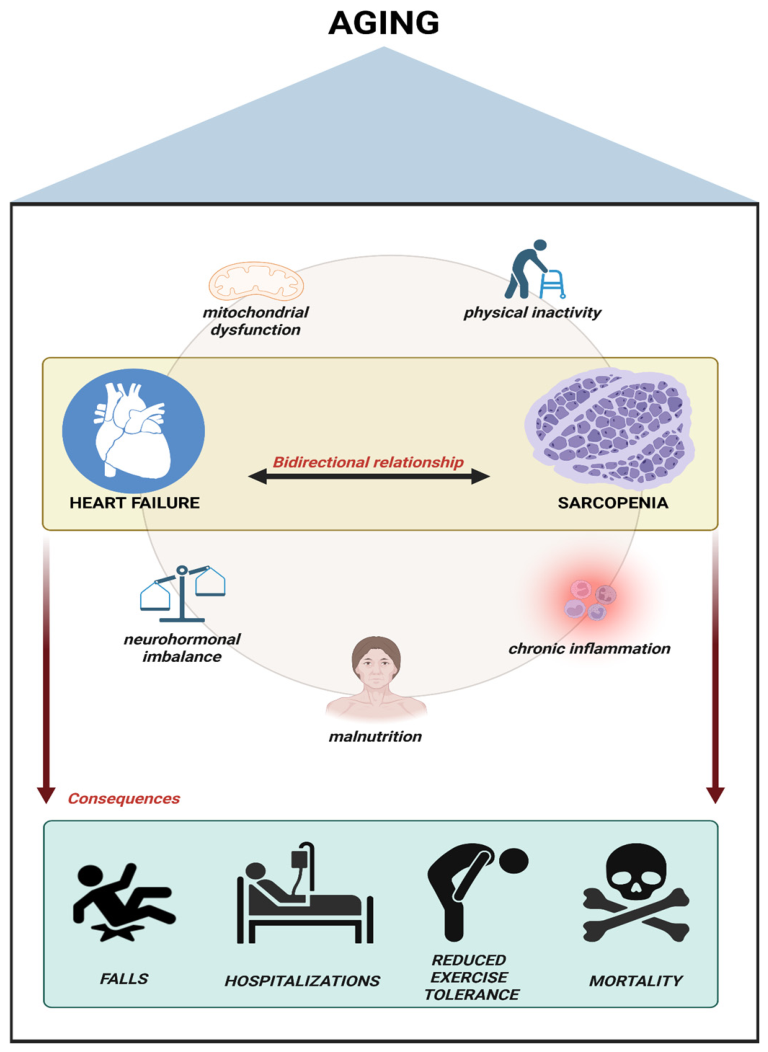
Figure 1. Bidirectional relationship between heart failure and sarcopenia.
Jgg 74 00014 g001
Figure 2. Integrated assessment and nutritional management in patients with heart failure and sarcopenia.
Jgg 74 00014 g002
Table 1. Exercise prescription for patients with heart failure and sarcopenia.
ModalityFrequencyIntensity TargetSession
Structure/Volume
ProgressionHF-Specific PrecautionsOutcome MeasuresPatient-Specific Tailoring
Aerobic (walking, cycling, step, treadmill)3–5 days/weekModerate: 40–70% HRR or RPE 12–14/2020–40 min/session; interval format if low tolerance; warm-up/cool-down 5–10 minIncrease duration first (5–10%/week), then intensityStart when euvolemic; stop for angina, dyspnea at rest, dizziness, SBP drop > 10 mmHg, SpO2 < 90%6MWD, peak VO2, HR/RPESevere HF or frailty → shorter, interval-based sessions; deconditioned → start low intensity
Resistance (multi-joint exercises)2–3 non-consecutive days/week50–70% 1RM (frail: 30–40%)1–3 sets × 8–12 reps × 6–8 exercises; controlled tempo“2-for-2 rule”; increase load 2–10%; periodizeAvoid Valsalva; monitor BP/arrhythmias; device precautionsHGS, chair stand, SPPBSarcopenia → prioritize resistance; frail → start low load, focus on function
Combined aerobic + resistance3 days/weekAs above45–60 min/session; sequence based on deficitAlternate endurance/strength blocksMonitor orthostatic symptoms; coordinate meals/diureticsHGS + 6MWDSarcopenic obesity → combined training preferred
Inspiratory muscle training5–7 days/week≥30% MIP → 50–60%15–30 min/dayIncrease load gradually (~5%/week)Stop if symptoms; caution in COPDMIP, dyspnea, 6MWDDyspnea-predominant patients → particularly useful
Balance and flexibility2–3 days/weekLight10–15 min add-onIncrease complexity (dual-task)Ensure safe environmentTUG, fallsFrailty/high fall risk → emphasize balance training
Abbreviations: 1RM, one-repetition maximum; 6MWD, 6 min walk distance; HRR, heart-rate reserve; MIP, maximal inspiratory pressure; RPE, rating of perceived exertion; SBP, systolic blood pressure; SPPB, Short Physical Performance Battery.
Table 2. Determinants of sarcopenia and malnutrition in patients with heart failure.
FactorDescription
Physical disability and functional limitationsDifficulties in food acquisition and preparation; sarcopenia contributes to reduced physical performance, creating a vicious cycle.
Social and economic factorsFood insecurity due to financial constraints, need for assistance with shopping/cooking; social isolation may reduce food intake.
Oral frailty and dysphagiaDental loss, reduced tongue pressure, swallowing difficulties; associated with impaired recovery and increased 1-year mortality.
Medication useDrugs (e.g., digoxin, ACE inhibitors, beta-blockers, diuretics) may reduce appetite, alter taste, or cause nutrient loss.
Anorexia and metabolic alterationsFrequent in advanced HF; gastrointestinal dysfunction and malabsorption lead to catabolism and protein-energy malnutrition.
Depression and psychological factorsDepressive symptoms, apathy, and reduced motivation may impair appetite, food intake, and adherence to nutritional and rehabilitation interventions; highly prevalent in HF and associated with worse outcomes.
Systemic inflammationChronic low-grade inflammation (e.g., elevated CRP, IL-6, TNF-α) promotes anorexia, increases resting energy expenditure, and accelerates muscle protein breakdown, contributing to anabolic resistance.
Table 3. Nutritional strategies for sarcopenia in heart failure.
StrategyTarget/DoseWhen to Use (Phenotype)Practical ImplementationSafety/InteractionsEvidence Signal *
Energy repletion25–30 kcal/kg/day (use adjusted BW if BMI ≥ 30; 30–35 if underweight or post-acute)Low intake, weight loss, high catabolic state3 meals + 1–3 snacks; energy-dense foods; fortify meals (oils, nut butters, milk powder). Review after 2–4 weeks.Monitor weight, edema, and glycemia; avoid unnecessary fluid restriction that limits intake.Moderate (older adults and HF subsets).
Protein optimization≥1.1–1.5 g/kg/day, split across the day; aim ~0.4 g/kg/meal (≈20–35 g/meal) with 2–3 g leucineProbable/confirmed sarcopenia; anabolic resistancePrioritize high-quality proteins (dairy, eggs, fish, lean meats, legumes); protein at breakfast and post-exercise; consider bedtime casein.In CKD eGFR < 30 not on dialysis, individualize (often 0.8–1.0 g/kg/day); monitor urea/K+.Moderate (strong in older adults; supportive in HF).
High-protein oral nutritional supplements (ONS)1–2 servings/day between meals; typical 18–22 g protein and 1.5–2.0 kcal/mLIntake below targets; early satiety; poor appetite; post-hospitalChoose high-protein, energy-dense formulas; sip slowly; consider lactose-free or fiber-enriched variants.Watch for fullness, hyperglycemia; coordinate with diuretics to avoid nocturia.Moderate (improves intake/weight; variable functional gains).
Leucine-rich proteins/Essential amino acids (EAA)Leucine 2–3 g/meal (via whey or EAA); EAA 9–15 g/dayMarked anabolic resistance despite adequate proteinAdd to breakfast and after training to potentiate MPS; whey preferred for convenience.GI tolerance; rare interactions.Emerging–moderate (strength/function signals).
β-hydroxy-β-methylbutyrate (HMB)1.5–3 g/day (often 8–12-week cycles)Severe sarcopenia, recent weight loss, post-hospitalUse as add-on to adequate energy–protein and exercise; monitor response at 8–12 weeks.Consider renal function with arginine/glutamine combos; GI upset.Emerging (small RCTs/meta-analyses).
Omega-3 fatty acids (EPA + DHA)1–2 g/dayInflammation/anabolic signaling support; appetite benefit in someTake with meals to reduce reflux; capsules or liquid.Bleeding risk is low but review with anticoagulants/antiplatelets.Emerging (mixed RCTs; mechanistic support).
Vitamin D repletionPer 25(OH)D level (standard loading/maintenance)Deficiency/insufficiency; falls riskCheck baseline and recheck after 8–12 weeks; combine with calcium as appropriate.Hypercalcemia with high doses or CKD; avoid megadoses.Strong for falls; neutral for HF hard outcomes.
Iron repletion (HF with iron deficiency)Guideline-based i.v. iron when ferritin < 100 μg/L, or 100–299 μg/L with TSAT < 20%HF + iron deficiency with symptoms/exercise intoleranceCoordinate with cardiology; treat i.v.; recheck iron indices at 3 months.Infusion reactions rare; avoid oral iron if poorly tolerated.Strong for symptoms/QoL and exercise capacity in HF.
Sodium and fluid managementIndividualize; avoid blanket Na+ ≤ 2 g/day unless specific indication; consider fluid 1–1.5 L/day only with hyponatremia or refractory congestionPoor intake due to strict restrictions; recurrent decompensationEducate on “smart sodium”: prioritize nutrient-dense foods; season with herbs/spices; align with diuretic plan.Over-restriction worsens appetite and hyponatremia; monitor Na+ and weight.Consensus-based (implementation studies).
* Evidence signal: Strong = multiple RCTs in HF or closely related populations with consistent benefit; Moderate = RCTs in older adults and/or HF subsets; Emerging = small RCTs or mechanistic/observational support. These strategies are not mutually exclusive and are typically combined in clinical practice. Their implementation should be individualized and integrated according to patients’ nutritional status, clinical condition, and functional capacity. Abbreviations: BW, body weight; CKD, chronic kidney disease; EAA, essential amino acids; eGFR, estimated glomerular filtration rate; EPA, eicosapentaenoic acid; DHA, docosahexaenoic acid; HF, heart failure; HMB, β-hydroxy-β-methylbutyrate; K+, potassium; MPS, muscle protein synthesis; ONS, oral nutritional supplements; QoL, quality of life; RCT, randomized controlled trial; TSAT, transferrin saturation.
Disclaimer/Publisher’s Note: The statements, opinions and data contained in all publications are solely those of the individual author(s) and contributor(s) and not of MDPI and/or the editor(s). MDPI and/or the editor(s) disclaim responsibility for any injury to people or property resulting from any ideas, methods, instructions or products referred to in the content.