


Abstract
Flexible factories and adaptive fabrication lines offer a testbed for advanced multimodal interaction concepts that can support the inclusion of disabled workers in Industry 5.0 manufacturing systems. The study synthesizes interdisciplinary data from ergonomics, industrial automation, and EU regulatory frameworks to establish a conceptual model for human-machine interaction. Building on conceptual modeling and a structured literature analysis, the study proposes a six-step integration framework that links task demands, worker capabilities, and interaction modalities within human-in-the-loop manufacturing environments. Although no empirical case study was conducted in this phase, an exemplary application is presented for a semi-automated bike wheel manufacturing process. Detailed machine-based assembly line flows and simulated process data were utilized for illustrative purposes to depict the process and validate the proposed Capability–Task Matching Matrix. The results operationalize the human-centric vision of Industry 5.0 by providing a structured methodology for the inclusion of disabled workers within fabrication environments. The findings are organized into two primary components: the conceptual development of the Integration Approach and its practical application to a semi-automated industrial use-case. Finally, a particular focus is placed on Brain–Computer Interfaces (BCIs) as an emerging interaction channel that enables non-muscular control, attention monitoring, and neuroadaptive feedback, complementing conventional interfaces rather than replacing them. The framework is illustrated through application to the same semi-automated bicycle wheel assembly line, where BCI-supported interaction, augmented interfaces, and robotic assistance are mapped to specific production tasks and assessed in terms of feasibility and technological maturity. Drawing on the paper’s results, an explanatory 10-year roadmap outlines the feasibility and phased deployment of BCI solutions. It aligns technological advances with European regulations and a vision for a fully inclusive manufacturing enterprise.
1. Introduction
Currently, approximately 15% of the global population, equivalent to about 1 billion people, is estimated to live with one or more disability conditions [1], defined as long-term physical, cognitive, intellectual or sensory impairments that can hinder their full and effective participation in society on the same basis as others [2]. According to the Institute of Entrepreneurship Development (2021), in the European Union (EU) approximately one in six people over the age of 15, around 125 million people, lives with some form of disability. Only 51% of people with disabilities are employed, in contrast to 75% of those without disabilities, while the unemployment rate among people with disabilities aged 20 to 64 is 17%, compared to 10% for non-disabled individuals. Therefore, while disabled people make up a noteworthy proportion of the working age population, their levels of employment are lower, and unemployment higher, than the non-disabled population. Importantly, women and young people with disabilities are disproportionately affected by discrimination in the labor market [3]. The inclusion of workers with disabilities in manufacturing environments remains constrained by a range of interrelated challenges that span physical, technological, and organizational dimensions. Physically, production lines often lack adaptable workstations and ergonomic flexibility to accommodate people with motor or sensory limitations who may use wheelchairs or prostheses [4]. Technologically, insufficient integration of assistive systems such as hearing aids, screen readers, or adaptive interfaces, which limits participation and productivity, has been identified, especially in the medical literature [5]. Organizational and cultural barriers also persist, including inadequate inclusion policies, limited managerial awareness, and misconceptions about disability that result in discrimination or social isolation [6]. Moreover, the absence of systematic training on inclusive practices and the lack of established evaluation frameworks further impede sustainable integration [7]. Addressing these multi-level barriers requires coordinated technological, ergonomic, and policy innovations that jointly redefine industrial work as accessible, participatory, and human-centric within the context of Industry 5.0, which is a vision for the next phase of industrial development that complements Industry 4.0. Industry 5.0 uses research and innovation to build a sustainable, resilient, and human-centric European industry that places worker well-being and societal and environmental value at the heart of production rather than prioritizing efficiency and shareholder profit alone [8]. In 2021, the European Commission adopted the ‘Strategy for the rights of people with disabilities 2021–2030’ [9] which includes the EU Disability Employment Package launched in 2022 [10]. The latter is a key initiative aimed at improving labor market outcomes for people with disabilities throughout Europe, and is envisaged as a contribution to the European Commission’s goal of 78% of working age in employment by 2030 [10]. This package aims to develop employment policies that involve people with disabilities, providing guidance and support in six areas of action, namely:
- Strengthening the capacity of employment and integration services;
- Promoting hiring perspectives through affirmative action and combating stereotypes;
- Ensuring reasonable accommodation at work;
- Retaining persons with disabilities in employment;
- Securing vocational rehabilitation schemes in the event of sickness or accidents;
- Exploring quality jobs in sheltered employment and pathways to the open labor market [11].
There is evidence that some companies and organizations in the European manufacturing sector are adopting the EU Disability Employment Package and its aligned principles, and trying to create flexible factories and fabrication lines that accommodate disabled workers. There are numerous examples of production lines that successfully include workers with disabilities, demonstrating that inclusive practices can be both effective and beneficial in various industrial sectors. For example, the automotive industry has led initiatives in adaptive manufacturing, with companies such as Ford and Volkswagen designing inclusive workstations and employing collaborative robots (co-bots; see Figure 1) to assist workers with physical limitations [12,13]. Similarly, in the electronics assembly sector, tasks such as circuit board testing and small parts assembly have been successfully adapted through ergonomic tools and tailored workflows. The packaging and food processing industries are also well-suited for inclusion, as many of their semi-automated processes can be modified for different levels of ability; some organizations have even established dedicated inclusive units for sorting, labeling, and packing tasks [14]. Additionally, textile and garment manufacturing allows for the adaptation of sewing and quality control tasks, particularly in social enterprises focused on empowering workers with disabilities. Furniture assembly and light woodworking, when paired with proper safety measures and assistive equipment, further exemplify practical inclusion across manual industries. In general, sectors that involve repetitive, semi-automated or detail-oriented work are among the most advantageous for integrating people with disabilities, provided there is investment in ergonomic design, adequate training, and inclusive workplace policies [15].
Figure 1.
“Robbie the Co-bot lends Dietmar Brauner, who suffers from reduced mobility, a helping hand” [16]. Source: BMD s.r.o., reproduced with permission.
Another example comes from GEDIA Automotive Group, a German manufacturer of metal assemblies for car parts and chassis, that collaborated with the Swedish Press manufacturer AP&T. This collaboration resulted in a new press-hardening line that accommodates employees with physical disabilities, offering a larger space designed for wheelchair access and a lower mounted control panel. This aligns with ‘workplace accessibility and inclusive design’, one of the key principles of the Disability Employment Package [17] (Figure 2).
Figure 2.
GEDIA and AP&T production line [18]. Source: BMD s.r.o., reproduced with permission.
Moreover, Atypical Advantage, developed in India, is an inclusive platform that aims to create opportunities for people with disabilities. It has already placed over 100 disabled people within major companies, including in Amazon (e.g., a visually impaired person placed as a transport representative), Nestle and Supreme Group (e.g., a locomotor impaired person placed as a store executive), and Tata Metaliks (e.g., a person on the autism spectrum placed as a graphic designer). This aligns with the ‘inclusive hiring and job matching’ directive of the package [19]. Krones, a German-based global packaging and bottling machine manufacturer, is prioritizing barrier-free workplace design through the installation of adjustable desks, ensuring accessible bathrooms and lifts, and implementing ergonomic solutions in production halls. This aligns with the ‘workplace accessibility and flexible employment’ directive of the package [20].
As industries evolve toward more automated and efficient production, and as companies recognize the value of diversity and inclusion, the issue of inclusive workspaces has become both a pressing challenge and an opportunity. In this context, the question of how to adapt physical work environments to accommodate people with varying degrees of disability is of interest. Flexible factories and fabrication lines that integrate disabled workers into the production process are an innovative solution to this challenge, offering both a technical opportunity for innovation in adaptive manufacturing systems and a humanitarian opportunity for greater inclusion and empowerment of disabled workers. The shift would require physical environments that are changeable or adaptive, and also the integration of assistive technologies, reconfigurable workstations, and inclusive policies.
To extend the use of assistive technologies within the Industry 5.0 paradigm, the application of BCIs offers significant novelty and support. BCIs can compensate for physical disabilities and sustain professional integration by establishing a direct communication path between neural activity and external mechatronic devices. Recent advances in non-invasive electroencephalography (EEG), signal processing algorithms, and human–machine interface design have enhanced their reliability, practicality, and economic feasibility, thereby increasing their relevance for industrial implementation [17]. Adapting workspaces for people with disabilities within a manufacturing environment may involve using BCIs as a technique complementary to voice commands, gesture-based systems, augmented reality (AR), and collaborative robotics [16]. Such an approach provides alternative control mechanisms for workers with severe motor impairments or reduced fine-motor capabilities. This perspective reframes workplace adaptation from a deficit-compensation approach toward a capability-oriented model, in which production tasks are redesigned to leverage cognitive and perceptual strengths rather than physical dexterity alone. Importantly, BCIs are not proposed as universal substitutes for conventional interfaces, but rather as specialized solutions suited to specific task categories, such as process monitoring, machine configuration, quality inspection, and supervisory operations. Integrated within a structured inclusion framework, their application targets adaptive, human-centric production systems that align technological innovation with larger social inclusion objectives in the European manufacturing landscape, particularly by enabling workplace accessibility and participation of people with disabilities, as stipulated in international inclusion and employment guidelines [14,15].
Integration of BCI systems into an industrial set-up poses several challenges that are a combination of technical, economic, and human factors. Based on EEG recorded data, attempts to understand the role of translation from purely cyber-physical systems to human-centric environments, where human intuition, emotion, and ethics are central to the production process, employed a Neuropsi test to assess how engineering graduates are equipped with the skills required to thrive in the era of Industry 5.0 [21]. A new study suggests that Virtual Reality or VR-BCI protocols enhance Industrial Internet of Things operator-system interactions by establishing intuitive, bidirectional links. While VR optimizes operator environmental perception, BCIs provide critical data on cognitive load and intent, resulting in an interface that is fundamentally more adaptive than actual solutions [22].
The technical challenges at the level of BCI systems are known and still require complex solutions. For example, in certain manufacturing tasks, a 90% accuracy rate can be a failure. Even in controlled laboratory settings, EEG signals remain non-stationary due to physiological artifacts like eye blinks, as well as dynamic neural responses such as event-related potentials. Furthermore, ocular activity and muscle activity, electrode displacement, and motion, have increased the possibility to induce noises during EEG recordings [23]. An industrial worker may exhibit brain signal changes based on fatigue, mood, or even the time of day. Furthermore, in a factory setting, a worker must monitor manufacturing tasks, maintain awareness of safety hazards, and communicate with their team. An important number of applications targeted the so-called Brain-Controlled Vehicles (BCVs) which are designed to help disabled patients. By evaluating bio-signal types, response times, and accuracy, recent research suggests that these applications offer people with disabilities a more convenient and autonomous lifestyle [24,25]. Of course, BCV systems can also implement other security solutions for users, but they are still limited in terms of their real-world applicability.
Assistive robots have become a constant in rehabilitation, providing significant benefits to people with disabilities [26]. Beyond improving daily life and physical recovery, it is essential to facilitate social reintegration and employment opportunities that foster societal contribution and self-esteem. A cohort of users already familiar with BCI systems is well-positioned to transition on industrial settings using assistive BCI techniques. Although specific disabilities may limit certain tasks, case-by-case analysis allows for tailored BCI solutions; for example, implementing visual evoked potential techniques for individuals with hearing impairments [27]. It is certain that some types of disabilities (e.g., neurological damage affecting relevant brain areas or severe epilepsy associated with abnormal EEG activity) may limit the applicability of BCI systems [28]. Any workplace position that would involve the use of a BCI by a person with disabilities should therefore be subject to a feasibility and requirements analysis, based on which an appropriate decision can be made. Current research may propose potential solutions as hardware and software technologies continue to advance. It is noteworthy that recent advancements in software ecosystems, such as the ©OSCAR artifact removal suite (g.HIsys software version 1.24.01, g.tec medical engineering GmbH, Schiedlberg, Austria), now allow automated identification and suppression of common physiological and environmental artifacts, including electromyographic activity, electrooculographic signals, cable noise, and motion-related disturbances [29]. The robustness of this system has been demonstrated even under extreme conditions, such as high-impact physical movement (e.g., back-flip jump with a gNautilus system). Furthermore, even introducing a processing latency of approximately 200 ms, it offers a viable solution for real-time artifact mitigation in noisy industrial environments. This paper starts with an analysis of a real application such as bicycle wheel manufacturing assembly line, aims to identify the requirements of workstations that could also be occupied by people with disabilities, and, given the current evolution of technology, intends to identify the potential use of BCI systems.
Further, this paper aims to contribute towards a coherent integration approach for disabled workers in Industry 5.0 environments, by proposing and partially illustrating a structured approach for the practical inclusion of persons with disabilities in manufacturing processes. The approach is a practical, six-step process that industrial organizations can follow to advance the inclusion of disabled people. A particular contribution is found in the breakdown of worker tasks in the manufacturing process, and adaptation required, which enables insight into the tasks that could be undertaken by various disabled people. To our knowledge, a structured approach of this nature is currently absent from the European context: this paper addresses that research gap. The paper contains a number of assumptions including that inclusion can be capability-driven, multimodal interaction can substitute for physical input, and the BCI interface is viable for specific task classes.
In the following section, we detail the materials and methods and the process used to develop the proposed approach. Next, the results section begins with a detailing of the conceptual foundation and stepwise integration approach, and its expected impact. We then partially illustrate the approach through application to a case study of a bicycle wheel assembly line. After this we outline various deliverables that would be the result of applying the approach, before we discuss the application, only some aspects of which can be applied to the case study since the approach has not yet been applied in industry. We end by drawing some brief conclusions.
2. Materials and Methods
This section outlines the qualitative and design-oriented research methodology (e.g., [30]) used to develop a structured approach to integrate people with disabilities into Industry 5.0 manufacturing processes. The study synthesizes interdisciplinary data from ergonomics, industrial automation, and EU regulatory frameworks to establish a conceptual model for human-machine interaction. The following subsections detail the data acquisition strategy, the iterative development of the six-step integration framework, and the logic governing the Capability–Task Matching Matrix.
2.1. Research Design
This study follows a qualitative and design-oriented research approach aimed at developing and illustrating a structured approach for the inclusion of people with disabilities in manufacturing processes. The research is grounded in conceptual modeling and is supported by extensive literature analysis rather than empirical experimentation. The methodology aligns with design science and human-centred research traditions [30]. The overall goal is to synthesize interdisciplinary insights from ergonomics, industrial automation, inclusion policy, and neuroergonomics into a coherent integration approach for Industry 5.0 environments.
2.2. Data Sources, Analytical and Visualization Tools
The primary data source for this work is a literature review of scientific publications, industrial standards, and regulatory documents, that followed a purposive search strategy on publications relevant to human–machine interaction, inclusive manufacturing, neuroadaptive systems, and assistive interface design. Sources included peer-reviewed journals, conference papers, EU directives, and official reports on accessibility, assistive technologies, and workplace inclusion. Special attention was given to the European Accessibility Act [31], the EU Disability Strategy 2021–2030 [9], and the Industry 5.0 framework [8]. Insights were also drawn from policy guidelines and industrial white papers to ensure that the proposed framework and approach aligns with both practical and regulatory contexts. No empirical data involving human subjects, physiological measurements, or industrial trials, was collected.
The analytical work was supported by the use of digital research and visualization tools. For exploratory literature research and thematic synthesis, the AI-based tool Perplexity was used to identify relevant topics, summarize findings, and cross-reference conceptual relations between the human, industrial, and regulatory domains.
2.3. Framework Development Procedure
The methodological development of the proposed framework proceeded in several iterative stages. First, conceptual and regulatory parameters were extracted from the reviewed literature and synthesized into the three main pillars of our research: the human dimension, the industrial dimension, and the regulatory dimension of the EU. Second, relationships between these pillars were analyzed to define interdependencies and boundary conditions relevant for inclusion. Third, the synthesis was operationalized in the form of a six-step integration approach, where each step produces a tangible output that functions as the input for the subsequent stage. This iterative, output–input linkage ensures a coherent methodological progression and facilitates industrial implementation.
The six-step approach is constructed as a linear dependency chain. Rather than independent actions, each phase functions as a ‘gate’ where the tangible output of one step serves as the critical input for the next. Although no empirical case study was conducted in this phase, an exemplary application is presented for a semi-automated bike wheel manufacturing process. The selection of this use-case is based on the third author’s extensive familiarity with BMD (Hlízov, Czech Republic), a specialist in automated wheel-building machinery. Detailed machine-based assembly line flows and simulated process data were utilized for illustrative purposes to depict the BMD process and validate the proposed Capability–Task Matching Matrix. This output–input linkage ensures that the high-level regulatory requirements identified in the early stages are systematically translated into the technical Technology Adoption Plan in the final stage. The coherence of the final model relies entirely on the iterative progression from the human/industrial pillars down to the semi-automated manufacturing application. The conceptual consistency of the resulting approach was validated through internal expert reflection and comparative analysis with existing inclusion and ergonomic models. Although no empirical case study was conducted in this phase, an exemplary application is presented for a semi-automated bicycle wheel manufacturing process, in which the proposed Capability–Task Matching Matrix is applied to demonstrate practical feasibility.
2.4. Validation Design and Methodological Rigor
Given the qualitative nature of this work, methodological rigor was ensured by triangulation of sources and iterative verification. The findings of the literature were compared across scientific and regulatory domains to confirm the completeness of the identified parameters. The logical coherence of the integration steps was checked through alignment with established inclusion frameworks and design science principles. The framework was stress-tested via expert reflection and the bicycle wheel manufacturing example. Internal peer review among co-authors and external feedback from industrial collaborators were used to enhance validity and traceability.
2.5. Ethical Considerations
No human subjects or sensitive data were involved in the present study. The conceptual and visual materials were derived entirely from publicly available sources and AI-assisted synthesis tools. ‘Neurodata’ (EEG/fNIRS) requires specialized privacy considerations under EU legislation. Possible future validation phases involving human participants or the use of BCI technologies will be conducted in accordance with institutional ethics guidelines and the Declaration of Helsinki [32], including informed consent and data protection measures under the General Data Protection Regulation (GDPR).
2.6. Documentation and Reproducibility
All conceptual models, figures, and textual analyzes were documented in structured digital form to support reproducibility and transparency. The visual elements of the framework were archived in editable vector formats, while the procedural structure of the six-step approach was maintained in tabular form. Detailed templates for the replication of the approach, such as the Inclusion Readiness Report and the Technology Adoption Plan, are available upon request. Future work may extend this documentation to include the Capability–Task Matching Matrix as an operational tool for industrial validation.
3. Results
The results presented here operationalize the human-centric vision of Industry 5.0 by providing a structured methodology for the inclusion of disabled workers within fabrication environments. The findings are organized into two primary components: the conceptual development of the Integration Approach and its practical application to a semi-automated industrial use-case.
3.1. Operational Architecture of the 6-Step Framework
3.1.1. Linear Dependency and Handover Points
The approach we propose here functions as a linear dependency chain where the integrity of the final ‘Inclusion Validation Dossier’ relies on the cumulative data gathered in preceding stages. Each step yields a defined output (or deliverable), which becomes the input for the next phase, ensuring consistency, traceability, and ease of implementation. For instance, the ‘Inclusion Readiness Report’ from Step 1 provides the boundary conditions necessary for the ‘Capability–Task Matching Matrix’ in Step 2.
3.1.2. Implementation Requirements and Tooling
Initial assessment and planning (step 1) is ideally performed by a multi-disciplinary team including production engineers, human resource managers, occupational health specialists, and worker representatives. Methods such as ergonomic evaluation, cognitive workload analysis, and digital twin simulation can support capability and workplace mapping (step 2). The acceptance and perceived usefulness of assistive and adaptive technologies (step 3) can be assessed using models such as the Technology Acceptance Model (TAM) [33] or the Unified Theory of Acceptance and Use of Technology (UTAUT) [34]. A mentorship program in step 4 pairs experienced employees with new participants, supporting knowledge transfer, empathy, and mutual learning. Inclusion leadership workshops and peer support groups can further strengthen collaboration.
3.1.3. Supporting Tools and Best Practices
To operationalize the conceptual approach, several supportive instruments can be applied. These include an Inclusive Job Design Toolkit for modular task adaptation, an Accessibility Audit Checklist based on ISO 9241 and EN 301 549 standards [35], and a Digital Twin Ergonomic Mapping Tool for simulating inclusive workplaces. In addition, a Technology Acceptance Assessment Sheet and a Mentorship Framework can be used to implement organizational enablement steps efficiently. These tools allow companies to align the technical and human aspects within a coherent, evidence-based process.
3.2. The Stepwise Integration Framework
The inclusion of persons with disabilities in manufacturing processes represents a cornerstone of the human-centric vision of Industry 5.0. Social sustainability, ethical responsibility, and technological innovation are no longer separate targets but interdependent objectives in the design of future production systems. To achieve this integration, a structured and replicable approach is required, one that guides companies through the systematic incorporation of disabled workers into manufacturing environments. The following section proposes a framework, grounded on three interrelated pillars: the Human, the Industry, and the EU Regulatory dimensions. Together, these pillars form the conceptual foundation of an Integration Approach that aims to contribute towards inclusive workplaces through the application of enabling technologies and adaptive management practices.
3.2.1. Conceptual Foundation
The framework, conceptually illustrated in Figure 3, connects the human, industrial, and regulatory contexts into a coherent integration mechanism. The human pillar emphasizes understanding individual capabilities and limitations. Disabilities can be grouped into five main categories: sensory (e.g., visual or hearing impairment), motor (e.g., limited mobility or dexterity), cognitive (e.g., attention deficits or mild intellectual impairment), neurological or communicative (e.g., post-stroke conditions or speech impairments), and psychological (e.g., depression or anxiety). Each category demands a specific ergonomic and interactional response, requiring technologies and work environments that adapt to individual needs. The relevant parameters in this dimension include the type and severity of impairment, functional profile, and degree of adaptability.
Figure 3.
Approach to include people with disabilities in manufacturing processes.
The industrial pillar represents the technological and spatial context in which inclusion occurs. As manufacturing systems advance toward higher automation levels, the capacity to integrate disabled workers depends on how flexibly tasks, machines, and interfaces can be adapted. Parameters such as task complexity, workplace flexibility, digital readiness, and the type of human–machine collaboration determine the feasible degree of integration. Adaptive workstations, modular layouts, and reconfigurable tools support this adaptability. The third pillar, corresponding to the EU’s regulatory and ethical framework, ensures compliance and motivation for inclusion. Directives such as the European Accessibility Act (Directive 2019/882) [31] and the EU Disability Strategy 2021–2030 [9] establish legal and societal expectations for workplace accessibility, non-discrimination, safety, and training. These elements define the regulatory parameters—accessibility compliance, workplace safety, data protection (including neurodata), and the right to individual adaptation.
3.2.2. Stepwise Integration Approach
Figure 4 visualizes our six-step integration approach for people with disabilities.
Figure 4.
Six-step integration approach for including people with disabilities in manufacturing processes, highlighting the key outputs between steps.
Step 1: Initial Assessment and Planning
The first step focuses on evaluating the current manufacturing environment in order to identify inclusion opportunities. Organizations should assess job profiles, workstation accessibility, and internal readiness for employing people with disabilities. Common methods include accessibility audits, policy reviews, and semi-structured interviews with employees to identify the tasks for the manufacturing line. After identifying which tasks can be filled by people with disabilities, the goals for inclusion can then be defined. For example, manufacturing step machine loading can be done by hearing impaired persons because full hearing is not needed to undertake this task. The output from this stage is an Inclusion Readiness Report, which summarizes accessible roles, potential barriers, goals, and the necessary regulatory compliance measures.
Step 2: Capability and Workplace Mapping
Building on the Inclusion Readiness Report, the second step matches individual worker capabilities to potential workplaces and tasks. The objective is to align the functional and cognitive abilities of the worker with the physical and informational requirements of manufacturing processes. The resulting Capability–Task Matching Matrix defines compatible task profiles and required workplace adaptations.
Step 3: Technology Integration and Acceptance Evaluation
Based on the Capability–Task Matching Matrix, organizations identify assistive and adaptive technologies that can bridge human abilities and manufacturing requirements. The process remains technology-open, allowing selection from a broad spectrum of solutions including human–machine interfaces (e.g., voice, gaze, or gesture control), BCIs for attention monitoring [36] and confirmation tasks (https://mbraintrain.com/bci-with-ar-eeg-validation-study last accessed on 7 April 2026), exoskeletons for physical assistance [37], or AI-based adaptive systems [38]. This ensures that technology implementation is not only functional but also socially sustainable. The outcome of this step is a Technology Adoption Plan.
Step 4: Organizational Enablement and Mentoring
Following the Technology Adoption Plan, organizational structures and cultural conditions must be aligned with inclusive goals. This step establishes training programs, awareness campaigns, and mentoring systems to facilitate cooperation between disabled and non-disabled workers. The output from this phase is an Inclusion Implementation Plan, defining training needs, mentoring responsibilities, and internal communication measures.
Step 5: Feedback, Monitoring, and Continuous Improvement
Using the Inclusion Implementation Plan as a foundation, continuous feedback loops are established to monitor integration performance. Both quantitative metrics (e.g., productivity, safety, absenteeism) and qualitative feedback (e.g., satisfaction, perceived fairness) are collected through digital platforms, focus groups, or anonymous surveys. These results are evaluated in regular review meetings, where ergonomic and social improvements are discussed. The output from this step is an Inclusion Performance Report, summarizing the current state of inclusion and identifying areas for enhancement.
Step 6: Validation and Institutionalization
In the final step, the overall integration process is validated and institutionalized. Using the Inclusion Performance Report, companies assess the technical feasibility, social acceptance, and regulatory conformity of the inclusive manufacturing model. Central to this validation is the alignment of Safety-by-Design principles with the Capability–Task Matching Matrix. This ensures that workstation adaptations inherently mitigate physical and cognitive risks by synchronizing technical demands with individual functional profiles. Validation may involve pilot studies, longitudinal analyses, or external audits to verify compliance with EU accessibility and equality standards. Once validated, successful configurations are formalized in company policies, standard operating procedures, and training curricula. The resulting Inclusion Validation Dossier provides a comprehensive record for internal benchmarking and external dissemination.
3.2.3. Expected Impact
By applying this six-step approach, organizations can move from conceptual awareness toward practical inclusion. Each stage builds upon the verified outcomes of the previous one, creating a closed improvement loop that ensures consistency and scalability. The proposed approach leads to the creation of meaningful, accessible workplaces, the empowerment of disabled employees through assistive technologies, and a measurable contribution to the social sustainability objectives of Industry 5.0 [39]. In the long term, it also fosters a culture of collaboration, where technological systems are designed not only to increase productivity but to strengthen human participation and dignity in industrial work.
3.3. Use-Case Application: BMD Bicycle Line
We now apply the developed approach to a bicycle wheel assembly line use-case in BMD. These semi-automated machines provide some accessibility for different disabled people in their operation [18]. In this section we provide information on how a semi-automated machine-based assembly line for bicycle wheel production works, and the tasks undertaken by workers in this process, with a view to identifying the work tasks that could be undertaken by people with disabilities.
3.3.1. Description of a Machine-Based Assembly Line Process for Bicycle Wheel Production
Figure 5 shows the ‘real’, semi-automated assembly line flow, from left to right. From the lacing machine a wheel goes to the rim taping machine, then through the feeding carousel to one of two truing machines, until the wheel is taken off the second output carousel for tyre fitting.
Figure 5.
Real bicycle wheel manufacturing assembly line flow (the letters indicate the following stations: Lacing machine → Rim taping machine → Feeding Carousel → two Truing machines (T1 + T2) → Output Carousel → tyre Fitting).
The first step is spoke insertion, where a rim with hub and loose spokes is placed on the lacing machine (L), and a seated operator manually positions the spokes into the rim’s spoke holes. After each spoke is inserted, the lacing machine attaches it to the rim, resulting in a loosely assembled wheel. Next, the wheel is passed to a rim taping machine (R) where a roll of rim tape is automatically applied along the circumference of the rim. It then enters a rotation feeding carousel (FC) and is fed to one of the two truing machines, which perform three key tasks: remove side-to-side wobble (lateral truing), correct up-and-down deviations (radial truing), and centre the rim correctly relative to the hub (dish adjustment). If the truing process succeeds in truing the wheel to required tolerances, the wheel is fed onto the output rotation carousel (OC). However, if the truing machine does not succeed, it passes the wheel to a side stand for manual inspection and readjustment (see centre of Figure 6). A trued wheel buffered at the output rotation carousel is then manually taken by the final operator and placed on a stand for tyre fitting (F), where a tyre is fitted on the wheel and pumped to required pressure. At this station, the wheel is also manually inspected for any apparent mechanical or visual damage. Wheels that pass inspection move to packaging, while those outside tolerance are flagged for rework.
Figure 6.
Schematic of the bicycle wheel manufacturing assembly line flow.
Figure 6 shows the same process in a simulated form. Blue dots indicate wheels that are correctly assembled, and pink dots indicate incorrectly assembled wheels which feed to the middle carousel. Green and red dots are sensors indicating if passing a wheel to the next machine is possible (green) or not (red), or if the truing machine succeeded or not.
3.3.2. Identification of Worker Tasks on a Bicycle Wheel Machine-Based Assembly Line
Even in a highly automated mass production wheel building line as described, assembly line workers still play key roles as operators and supervisors, keeping the machines fed, tuned, and productive, and ensuring the wheels meet both technical and cosmetic standards. Table 1 details the tasks performed by workers as part of the assembly line process. The tasks performed by a worker sitting on the lacing machine appear in italics, while those performed by a worker at the tyre fitting station are in caps. Note that the tyre fitting station can be changed to accommodate a worker who is seated, simply by lowering the stand of the tyre fitting machine.
Table 1.
Tasks performed by bicycle wheel assembly line workers.
The focus of these machine operators and material handlers is on speed, consistency, and cost-efficiency. The skill requirement is low, and workers are trained to follow standardized procedures. Workers on both the lacing machine and the tyre fitting machine require upper body strength and stamina to consistently undertake the repetitive work.
Analysis of the bicycle wheel assembly process (Table 2) reveals that production tasks inherently rely on a combination of fine motor control, sensory input (visual/auditory), and cognitive processing. The systematic task description identifies the specific core abilities required for each process step, thereby highlighting the hot points for inclusive integration. For some tasks, aids or possible adaptations may be required (Table 3).
Table 2.
Tasks and necessary capabilities of a worker integrated within the bicycle wheel assembly process.
Table 3.
Process adaptations and required assistive technologies for bicycle wheel assembly tasks.
In what follows, the tasks related to the bicycle wheel assembly process are discussed in relation to the integration of several possible types of disabled workers.
3.4. Deliverables Analysis
As noted, a deliverable represents the output from each step in the integration approach (Figure 4) and serves as an input for the next step of the process. After gaining an idea of the tasks, necessary worker capabilities, and possible adaptations from the case study (Table 1 and Table 2), we now focus on the key outputs to aid implementation (e.g., feasibility as discussed in Table 3). Attention should be paid to the ‘output’ of each step which is the necessary ‘input’ for the step that follows.
3.4.1. Deliverable 1: Inclusion Readiness Report
The output from step 1, ‘initial assessment and planning’, is an inclusion readiness report. The semi-automated bicycle wheel-building line involves workers who perform a set of recurring production tasks that govern the flow from spoke insertion through to tyre fitting. These include:
- preparing and loading materials into machines (e.g., to ensure that the correct rim tape roll is mounted in the taping machine),
- monitoring and intervening when automated steps deviate from process parameters (e.g., respond quickly if the lacing machine does not screw a nipple correctly, the tape misfeeds, or the truing machine struggles with alignment),
- conducting complementary quality control checks (e.g., performing spot checks with manual tools, such as spoke tension meters, dishing tools, dial indicators),
- performing routine maintenance (e.g., replacing worn tooling (spoke drivers, rim tape rolls, truing driver head tools), cleaning machines to prevent dust, oil, or spoke shavings from affecting operation),
- managing material flow (e.g., stack finished wheels in racks for packaging), and
- making judgement calls when products fall outside of tolerance.
Despite high automation, each task still relies on human dexterity, visual acuity for discrimination, and context-sensitive responsiveness to maintain machine productivity and product quality.
Analysis of these tasks reveals a specific set of worker physical and cognitive capability requirements inherent to the line’s operational profile. Workers require:
- reliable fine motor control for handling rims, spokes, and tooling;
- sustained visual attention to detect misfeeds or cosmetic defects that automated sensors may not identify; and
- adequate upper-body strength and endurance to repeatedly manipulate wheels, tooling, and materials.
The line further requires basic digital literacy for setting parameters and logging outputs, as well as problem-solving skills to diagnose misalignment, decide on rework, or make informed decisions regarding issue escalation.
These prerequisites produce some readiness gaps for workers with visual, auditory, motor, or mobility impairments:
- Operations that rely heavily on unaided visual inspection (e.g., lacing, truing oversight, and tyre-fitting checks), can create accessibility barriers when colour, texture, or alignment details are subtle.
- Tasks requiring rapid intervention in response to machine malfunction disadvantage workers who cannot rely on fast visual or auditory cues.
- Tasks involving strength or repetitive upper-body motion, particularly spoke insertion and tyre fitting, create ergonomic load that may exclude workers with reduced endurance or dexterity.
- Even routine maintenance, which requires reaching into machine tooling and executing fine adjustments, can present obstacles without adequate ergonomic aids.
These gaps highlight the contrast between the efficiency focus of a high-throughput automated line and truly inclusive workplaces. Within the current configuration, the most adaptable parts of the line are data-entry, monitoring, and materials tracking, which can be augmented readily through larger displays, multimodal alarms, voice input, and simplified digital workflows. Quality-control tasks also show high adaptability potential when supplemented with high-contrast lighting, guided inspection tools, and adjustable fixtures. In contrast, ergonomic bottlenecks concentrate at the lacing and tyre-fitting stations: both require repetitive upper-body exertion and manual alignment tasks that are difficult to automate cleanly and harder to adapt without redesigning fixtures or adding powered assist mechanisms. Automation bottlenecks arise in situations where machines rely on human troubleshooting, particularly when the truing machines fail to reach tolerance, indicating that the boundary between automated correction and manual rework remains a key dependency. Overall, these patterns suggest that the line is technically advanced but still limited by manual load points and human-factor constraints that could be mitigated through enhanced ergonomics, multimodal interfaces, and selective automation of handling tasks.
3.4.2. Deliverable 2: Capability–Task Matching Matrix
The output from step 2, ‘capability–workplace mapping’ is the Capability–Task Matching Matrix, which highlights specific demands on workers’ physical and sensory abilities. The process line starting tasks, such as machine setup and loading, depend heavily on precise hand movements and the ability to see and position small parts correctly. Workers with limited dexterity or impaired vision may face the greatest difficulties here, unless the stations are adapted with ergonomic fixtures, adjustable heights, or clearer visual and audio cues. For tasks such as monitoring and intervention, the skill requirements are related to rapid visual assessment and quick decision-making. Although some physical constraints can be accommodated, by allowing remote interaction with machines for instance, reduced visual acuity and slower cognitive processing remain significant barriers as subtle misalignments or tool errors have to be identified in real time.
Quality control tasks are also of high interest, combining fine motor tasks with high visual precision. Magnification tools and enhanced lighting can support workers with partial vision, but those with severe vision loss cannot perform visually dependent inspections. Maintenance and simple mechanical adjustments add a different set of challenges, as they require reach, hand stability, and the ability to recognize component wear, making them particularly difficult for workers with upper-limb impairments unless supported by quick-change tooling or improved accessibility around machines. In contrast, material handling and production data entry offer the most flexibility, as lifting aids, voice-enabled logging, and simplified decision guides can make these activities accessible to a much broader range of workers.
When examining the whole process, possible feasibility patterns emerge. Workers with hearing impairments are the easiest to accommodate because most tasks rely on visual more than auditory input. Therefore converting alarms into lights or on-screen prompts is usually a good choice. Workers with mobility impairments also fit into a high-feasibility group, since workstation heights, reach distances, and transport aids can be adjusted to support seated or limited-mobility work. Motor and low-vision impairments fall into a more mixed category. These workers can perform many tasks successfully when supported by ergonomic technical improvements, enlarged or high-contrast displays, or tactile cues, but continue to face real constraints in highly visual or hands-on areas such as monitoring, quality checking, or fine adjustments.
The lowest feasibility is associated with severe visual impairments and certain cognitive limitations. Because so much of the wheel-building process depends on detecting visual deviations or interpreting subtle mechanical feedback, these workers cannot be accommodated through simple adjustments alone. Likewise, tasks that require interpreting anomalies, choosing among several possible responses, or making fine quality judgements, can be difficult for workers with significant cognitive impairments. Taken together, this analysis suggests that achieving a more inclusive production environment will require a combination of ergonomic redesign and the introduction of advanced assistive technologies, particularly in tasks where visual or cognitive demands currently cannot be reduced.
3.4.3. Deliverable 3: Technology Adoption Plan to Support Workers with Diverse Capabilities
The output from step 3, ‘technology integration and acceptance evaluation’ is a technology adoption plan. The adaptive technologies identified across the production line can be organized into a phased adoption plan that aligns with the specific needs of workers with motor, sensory, and cognitive impairments. The primary priority is the deployment of sensory-enhancement technologies, which offer high readiness and immediate impact. For workers with low vision, this includes upgrading all stations with large, high-contrast interfaces, improved task lighting, magnification cameras, and tactile labels on feeders and tools. For workers with hearing impairments, flashing visual indicators, on-screen alarms, text prompts, and optional vibration alerts may guarantee the availability of status information in a non-auditory channel. These measures can be implemented early with minimal disruption, as they rely on mature technologies already common in industrial environments.
In the meantime, the plan targets a gradual introduction of motor- and ergonomics-focused technologies to lessen the physical effort and compensate for reduced upper limb strength or dexterity. Adjustable-height workstations, quick-clamp and quick-change tooling, lightweight tools, stabilized fixtures for quality checks, and power-assisted carts or lifts should be systematically integrated into tasks with higher physical loads, such as setup, maintenance, and material handling. These technologies are generally at high readiness levels and tend to be well accepted by workers, as they directly improve comfort, safety, and efficiency.
The next phase involves deploying cognitive support systems that structure complex or judgement-heavy tasks. Pictorial work instructions, colour-coded process elements, guided digital checklists, and simplified dashboards help stabilize performance for workers with learning or cognitive processing variations. These tools also raise overall process consistency, making them valuable beyond accessibility concerns. Success here depends on designing interfaces that are intuitive and do not introduce additional cognitive load.
Finally, the plan integrates automation and remote-interaction aids as medium-term investments. Remote monitoring panels, voice-based data entry, barcode-assisted logging, and selective AI-supported audio descriptions are especially effective in compensating for low vision or limited reach. Although these solutions are technologically mature, they require workflow restructuring and staff training, leading to better acceptance when workers clearly see how these tools reduce manual effort and eliminate error-prone tasks. Pilot deployments and operator co-design are recommended to strengthen perceived usefulness and ease of use. Overall, this adoption plan prioritizes technologies that are both highly ready and highly acceptable to workers, while building a pathway toward more advanced assistive systems. By sequencing implementation from low-disruption enhancements to more transformative digital tools, the production line can progress toward inclusive operation without compromising productivity or worker autonomy.
3.4.4. Deliverable 4: Inclusion Implementation Plan
The output from step 4, ‘organizational enablement and mentoring’, is an inclusion implementation plan. First steps may target the organizational and human-level adjustments. An inclusive wheel-building line requires adjustments that extend beyond technical modifications and into the organization’s culture, staffing strategies, and day-to-day work practices. At the organizational level, tasks should be redesigned to allow flexible role assignment, ensuring that workers can be matched with activities that align with their strengths rather than being excluded due to specific limitations. Workflows can be rebalanced so that highly visual, high-precision steps can be paired with workers who have stronger sensory or cognitive capabilities, while logistics, data entry, or equipment staging tasks are opened to workers with mobility or motor impairments. Establishing redundancy in skills, that is, where multiple employees are trained to support each critical step, provides stability and enables the team to accommodate individuals who may require a modified task rotation. Managers should also create communication protocols that rely on multimodal channels (visual, auditory, tactile) so that information is accessible to all workers independent of sensory limitations. At the interpersonal level, high-performing teams cultivate a culture that institutionalizes requests for aid, dynamic pacing adjustments, and tacit knowledge sharing. This approach creates an inclusive operational environment that directly supports workers with disabilities, effectively precluding isolation and maximizing workforce utilization. Many of the technical adaptations identified in the analysis require new training rather than specialized equipment competencies. Workers using tactile screens, large-format interfaces, or guided digital prompts will benefit from short onboarding sessions that explain navigation principles and expected workflows. Similarly, ergonomic, or assistive fixtures require familiarization so that workers understand safe handling practices, posture management, or how to operate quick-change or stabilized interfaces without strain. For workers with sensory or cognitive impairments, training should emphasize task clarity, predictable routines, and structured decision aids, and not simply how to use tools but how to interpret alerts, manage exceptions, and request assistance. Supervisors and peers should be trained to recognize the signs of sensory or cognitive overload and encouraged to intervene constructively. In addition, cross-training for all team members builds mutual understanding of constraints and adaptations, enabling a more cohesive, supportive work environment. For sustainable inclusion, the organization should implement a structured peer-mentoring program that pairs experienced operators with workers who are adapting to new tools, new roles, or newly introduced accommodations. Mentoring should be framed as a two-way exchange, e.g., the mentor supports technical and procedural learning, and the mentee provides feedback on accessibility barriers, enabling continuous improvement. A multi-level mentoring structure can be envisaged, as follow:
- 1.
- Initial onboarding mentoring (first 2–4 weeks), focusing on confidence-building and familiarity with accessible workflows.
- 2.
- Performance-integration mentoring (ongoing), where mentors periodically check on ease of task execution, comfort with alerts and instructions, and any other required adjustments.
- 3.
- Peer support circles, which consist of small groups that review common challenges, propose low-effort improvements, and share ideas for making tasks more inclusive.
Supporting these practices, inclusion policies should formalize the right to request workstation adjustments, alternative task assignments, or modified rotation schedules without stigma. The company should also maintain a clear process for accommodation review, ensuring that concerns raised by workers feed directly into maintenance planning, layout design, and future equipment procurement. Finally, policies should reinforce that inclusive practices are part of the production system’s continuous improvement process, so that accessibility becomes embedded in both operational standards and organizational identity.
3.4.5. Deliverable 5: Inclusion Performance Report
The output from step 5, ‘feedback, monitoring and continuous improvement’ is an inclusion performance report. The implementation of adaptive technologies and organizational adjustments offers a basis for evaluating how effectively the wheel-building line progresses toward an appropriate inclusive operating model. The monitoring approach may focus on improvements over time, for instance when targeted adaptations shift tasks from ‘medium’ feasibility to ‘high’, or from ‘low’ to ‘moderate’. These directional changes may form one of the primary inclusion performance indicators. For instance, if workstation redesign leads to a measurable expansion of tasks safely performable by workers with motor or sensory impairments, this change can be documented as a rise in functional accessibility scores for that category. Tracking these transitions quarterly allows the organization to demonstrate whether inclusion interventions are accumulating positive effects. A second indicator concerns accessibility consistency, which evaluates whether adapted workflows remain usable in day-to-day operations. This can be measured through short operator check-ins, structured observations, or periodic audits reviewing whether visual cues, decision guides, or ergonomic fixtures are functioning as intended. Consistency scores help reveal whether earlier improvements are sustained or whether drift, omissions, or maintenance gaps begin to reintroduce barriers. Another indicator, adaptation uptake, reflects how widely workers, both with and without disabilities, use the new aids, checklists, or multimodal alerts. Uptake can be tracked with simple logs (e.g., frequency of digital checklist use), or qualitatively through interviews capturing perceived usefulness and ease of use. Rising uptake indicates that the adaptations are not only available but meaningfully embedded in the workflow. A final indicator may focus on workforce experience, which assesses workers’ comfort, perceived autonomy, and sense of inclusion. This can be evaluated using short questionnaires or semi-structured interviews, probing whether adaptations reduce fatigue, improve clarity of instructions, or make it easier to request help. Qualitative reports might be coded into themes, such as ‘reduced strain’, ‘clearer task cues’, or ‘improved confidence’, to capture shifts beyond numerical metrics. These data reveal how the interventions affect workers’ lived experience and their ability to participate equally in production tasks. Table 4 proposes a number of inclusion monitoring indicators for the wheel assembly line.
Table 4.
Inclusion monitoring indicators for the wheel-building production line.
4. Discussion: Preliminary Ideas for Integrating a BCI-Supported Workforce into Manufacturing Processes
This detailed analysis of the bicycle wheel assembly process provides a critical foundation for elucidating inclusive industrial design.
4.1. Operationalizing Inclusion: From Barrier Analysis to Implementation Barrier Interpretation
It is evident that production line tasks fundamentally rely on a complex mix of fine motor control, sensory input (visual/auditory), and cognitive processing. Specifically, the most significant barriers for workers with disabilities were identified in ‘Machine setup and loading’, due to limited hand dexterity and low vision for handling small parts and digital inputs, and in ‘Monitoring and Quality Control’, due to the high need for visual acuity, auditory response, and tactile precision (see Table 3 which outlines the process adaptation and required adaptive technologies for task related to the bicycle wheel assembly process). To overcome these constraints, adaptive solutions should be multifaceted, ranging from low-tech aids such as tactile fixtures and automated feeders to high-tech supports such as haptic notifications and color-blind safe user interfaces.
4.2. Recommendations for Practice
Essentially, the necessity for voice-guided setup and non-visual feedback directly supports the integration of advanced systems. Our proposed roadmap prioritizes leveraging BCI, AR, and robotics to transform existing barriers into new capabilities, such as by using robotics to replace the strength and mobility required for ‘Material flow and logistics’, thus enabling truly inclusive human-in-the-loop manufacturing environments. Several approaches can be suggested to further enhance the integration of persons with disabilities into the fabrication line. Firstly, the use of semi-automated equipment inherently enhances accessibility by reducing the need for strenuous manual labor and allowing for more intuitive operation. These machines can be further adapted with ergonomic features such as adjustable workstations, simplified user interfaces, and assistive control systems to accommodate a variety of physical and cognitive impairments. Secondly, task specialization can be employed to align specific production roles with individual capabilities, ensuring both efficiency and inclusivity. In addition, comprehensive training programs tailored to the needs of disabled workers can facilitate smoother onboarding and skill development, supported by ongoing guidance from supervisors or job coaches. To further support integration, the physical layout of the workplace should be modified where necessary to include accessible paths, ramps, and visual or auditory signals. All proposed measures should be implemented in accordance with current European regulations on workplace inclusion and occupational safety, ensuring a compliant and equitable work environment.
4.3. Socio-Economic Drivers and Institutional Support
Interestingly, employers in assembly line-based production in Europe have struggled to retain workers in these functions for various reasons, which include repetitive manual work and ergonomics resulting in fatigue [41];the seasonality of the work and relatedly a high proportion of workers working through agencies [42] to the detriment of pay [43]; shift working during times of high throughput alongside lower pay [44,45]. Within this manufacturing environment the opportunity exists for wheelchair-bound mildly disabled people with sufficient upper-body strength to undertake these tasks. Such employment could be subsidised by EU subsidies for disabled workers. The EU’s main tool to improve social and labour market inclusion, including for people with disabilities, is European Social Fund Plus (ESF+), and several countries earmark substantial ESF+ funding specifically for disabled employment [10]. Other funds (such as European Regional Development Fund (ERDF) and Cohesion Fund) can support workplace reasonable accommodations, such as accessible infrastructure or assistive technologies, especially in manufacturing settings [46]. Based on the analysis of task-specific challenges in the bicycle wheel assembly line case study, this paper details several ideas for the inclusive integration of workers with disabilities, with reference to BCI technology and other advanced human-in-the-loop (HITL) systems. The core finding from our task breakdown, that barriers predominantly arise from mismatches in sensory acuity and fine motor demands, necessitates a paradigm shift toward capability-centric workstation design. We therefore outline some methodological ideas for re-engineering key production steps (e.g., Machine Setup, Monitoring, Quality Control) by substituting traditional control mechanisms (e.g., manual inputs and visual alarms) with BCI-enabled, non-muscular control pathways. The modified structure of the proposed intelligent work environment illustrates how BCI, AR, and robotics are functionally integrated to create adaptive and ergonomic interfaces. The paper also introduces a 10-year technological roadmap (ref. Figure 7) that establishes the projected feasibility and phased deployment of these BCI-supported solutions across the various task areas, aligning the proposed technological advances with both European regulatory requirements and a long-term vision for a fully inclusive manufacturing enterprise. The configuration of a BCI-based application in an industrial setting, such as a bicycle wheel assembly line, is increasingly feasible and especially targets workers with severe motor impairments or limited communication and control ability.
Figure 7.
Ten-year technological roadmap for disabled factory workers.
4.4. Bridging Clinical Maturity and Industrial Application
Today, BCI technology translates complex EEG signal patterns into actionable commands for assistive devices. By bridging the gap between neural activity and external hardware, ranging from bionic limbs and orthotics to autonomous vehicles and wheelchairs [25,47], BCIs offer the potential to significantly improve the autonomy and quality of life of individuals with motor impairments. However, most of these technologies are currently being used in well-controlled environments, such as rehabilitation clinics and research laboratories. Some new technologies have emerged that can be widely used in various clinics for stroke rehabilitation. For example, the ©RecoveriX system (g.tec medical engineering GmbH, Austria, [29]) is a closed-loop stroke rehabilitation system based on BCI, designed to train the upper or lower extremities of patients with motor impairment due to stroke [48]. As it is already used on a large scale in the clinical environment, it can be considered at a maturity level of Technology Readiness Level (TRL) 9. In non-clinical settings, BCIs are applied in neuromarketing to assess consumer responses, in education for real-time cognitive load monitoring, and in entertainment to enable hands-free control in gaming and virtual environments. Nevertheless, industrial adoption of these BCI systems remains unrealized outside of laboratory settings. Most of the current best achievements remain largely in the laboratory testing stage (e.g., brain-controlled air–ground collaborative robots [49], lab-simulated VR and BCI control of an operation of loading wagons with iron ore [50]). Based on the examples found in the literature, we may conclude that the feasibility of implementation is moderate, with technology maturity estimated at a TRL of 5 to 6 [49,50,51,52]. This strengthens the idea of the challenges industry 5.0 poses in the use of BCI technology to create a suitable workspace for workers with disabilities.
4.5. Targeted BCI-Robot Interaction Pathways
A combination of AR technology and robotics is likely to further enhance the feasibility of expanding disabled worker employment in other types of industrial environment. Here, we briefly discuss several potential approaches for each process area in which BCI, AR, and robotics can be combined to improve the integration of workers with disabilities into a bicycle wheel assembly line.
- (A)
- Machine setup and loading. A potential BCI application may target hands-free machine control in workers with upper-limb paralysis who can use EEG based BCIs (e.g., gtec Unicorn Hybrid) to control simple tasks such as “start machine”, “load next rim”, or “confirm setup parameters”. A combination of BCI and AR may help to detect the worker’s interest in specific machine icons or menus for selection, and therefore requires no physical contact. The cognitive state of a worker with cognitive impairments can be monitored through a BCI system that detects signs of mental fatigue or lapses in attention during repetitive setup tasks, triggering timely alerts or short break recommendations.
- (B)
- Monitoring and intervention. Potential BCI applications may target: Attention tracking (continuous monitoring of operator attention using EEG or Functional Near-Infrared Spectroscopy (fNIRS) signals to detect when a worker is distracted or cognitively overloaded); Neuroadaptive alarms (systems that adjust display intensity or audio frequency based on the operator’s detected cognitive load); BCI-triggered machine override (an operator can mentally trigger an emergency stop or reset by focusing on a specific visual cue, which could be useful for workers with limited hand mobility). The feasibility for monitoring and intervention is high, considering the fact that pilots are already running in smart factories [14,15,16], reflecting actual industrial efforts to integrate assistive and adaptive technologies that improve accessibility and participation in the workplace for workers with disabilities.
- (C)
- Quality control. Besides the BCI application, this process may involve augmented inspection roles, but not yet a replacement for manual and visual inspection. Assisted inspection guidance can be performed by using eye-tracking and BCI; that is, using BCI to detect when an operator notices a defect, but doesn’t consciously act, logging it automatically. Implementing cognitive feedback systems may address applications where the BCI measures confidence or uncertainty while the worker inspects a wheel.
- (D)
- Maintenance and adjustments. In this regard a robotic arm control may benefit from using a BCI system and a worker with motor disabilities can control a robotic arm (e.g., changing a tool, or tightening a bolt) via EEG controls or eye gaze integration. Other mental command shortcuts can be used such as navigating a digital maintenance checklist. BCI systems can also detect cognitive strain or learning fatigue during maintenance training and, consequently, adjust the learning pace. Hybrid systems such as BCI and robotic exoskeletons are an envisaged emerging technology to robotic assisted control, and the current stage is at the level of pilot research [17,19].
- (E)
- Material flow and logistics. Several applications of BCI systems may address the following: hands-free production logging (e.g., the worker mentally confirms the completion of a pallet or batch via a BCI interface); coordination of a mobile robot; worker state monitoring as the EEG sensors track fatigue and alertness to prevent handling errors or accidents.
A short review of the resources available to disabled workers who could benefit from technological advancements aimed at their integration into production lines suggests that the greatest advantage would be for those with severe motor impairments (e.g., quadriplegia), who are unable to use traditional controls. The most suitable tasks for these workers would involve monitoring, supervisory control, and data interaction, activities that do not require direct physical manipulation.
4.6. Economic Feasibility and Integration Costs
In this context, baseline pricing for several commercial off-the-shelf and research-grade BCI hardware units, representing a significant part of the capital costs, ranges around 1500 EUR for research-grade EEG headsets (e.g., g.tec Unicorn Hybrid, Emotiv EPOC X), with the required software (OpenBCI, g.tec Suite) costing approximately 2000–3000 EUR. A major gap remains in estimating the considerably higher costs of industrial-certified, commercially licensed BCI systems, which would be necessary for factory deployment, as these systems are still in the pilot testing phase. However, when analyzing the component costs of high-end fNIRS systems, essential for demanding Quality Control and Monitoring tasks, industrial-grade neurohardware (e.g., gtec g.Nautilus) is estimated to range between 10,000 EUR and 30,000+ EUR per unit. The cost of system integration depends primarily on the amount of specialized labor required (approximately 300–500 h of expert BCI and PLC programming), resulting in a one-time integration expense of around 45,000 EUR to 125,000 EUR for complex BCI-enabled workstations. Such costs may be prohibitive for rapid implementation in real industrial environments. Pilot projects developed in this area could help address these questions, with support available from the EU through programs such as ESF+, which offer substantial grants, typically ranging from 500,000 EUR to 1,000,000 EUR, covering up to 80% of the total project budget for integrating disabled workers. Next steps could focus on applying for such grants in collaboration with research institutions, universities, rehabilitation, and psychology specialists, and more importantly, members of the business community operating manufacturing lines. This collaboration would enable the transformation of production lines to meet modern requirements for the integration of people with disabilities.
4.7. Strategic 10-Year Technological Roadmap
In general, the adoption of BCI systems for attention monitoring, confirmation tasks, and adaptive interfaces is expected to be achievable in the short term (within 1 to 3 years). Integration of BCIs with robotic assistive devices, allowing participation in partially physical tasks, is more likely to unfold over a longer period of 3–7 years. In the longer term, fully integrated neuroergonomic workstations within smart factories will require more extensive research and development, with widespread implementation expected in approximately 7–10 years (ref. Figure 7).
5. Conclusions
This paper contributes a structured, technology-oriented approach to inclusive manufacturing by demonstrating how disabled workers can be systematically integrated into industrial production environments through human-centred and multimodal interaction design. Rather than focusing on isolated accommodations, the study advances a capability-driven framework that links task requirements, worker abilities, and assistive technologies within flexible, human-in-the-loop manufacturing systems. A key contribution is the positioning of Brain–Computer Interfaces, alongside established modalities such as robotics and augmented interfaces, as complementary interaction channels capable of supporting non-muscular control, monitoring, and decision support in future smart factories. By combining conceptual modeling, task-level analysis, and a forward-looking technological roadmap, the work moves beyond individual use cases (e.g., BMD bike wheel manufacturing case study) to provide transferable guidance for the design of inclusive, Industry 5.0-aligned production systems.
Overall, the paper makes a contribution in terms of interdisciplinary integration, inclusion methodology, practical application, and scalability and validation, concluding on:
- Effective inclusion in Industry 5.0 requires a tri-pillar approach that simultaneously addresses human capabilities, industrial requirements, and regulatory compliance (e.g., the European Accessibility Act).
- A six-step integration approach, functioning as a linear dependency chain, is proposed to ensure that high-level inclusion policies are tangibly translated into technical Technology Adoption Plans.
- The development of a Capability–Task Matching Matrix provides a structured logic for human–machine interaction, moving beyond abstract theory to a model capable of addressing specific industrial use cases.
- While grounded in qualitative synthesis and validated through expert reflection and the BMD bike wheel manufacturing case study, the framework offers a scalable blueprint for diverse industrial sectors seeking to adopt human-centric manufacturing.
Finally, additional concrete next steps could include empirical validation with specific task classes, comparative studies of multimodal vs BCI only interfaces, longitudinal acceptance and fatigue studies, and safety and certification frameworks for industrial BCI. Although this study establishes the structural logic for inclusion, subsequent research will focus on the development of computational models and neuroadaptive simulations to quantify the real-time interaction dynamics between the human operator and the multimodal interface.
Author Contributions
All authors conceptualized the paper’s idea during dedicated workshops organized within the INGENIUM project frame (BCI-REHAB), M.K. and N.H. elaborated the technical presentation of a bicycle wheel assembly line, M.-S.P., D.-C.I., A.G.B. and A.M. performed the formal analysis on worker’s possible disabilities and feasibility to integrate them in manufacturing processes, as well as on the BCI approach to support workforce into manufacturing processes, Z.N., K.S. and T.P. elaborated on the framework and integration approach steps for including persons with disabilities in manufacturing processes, N.H., M.-S.P. and K.S. consolidated the tabular presentation of the support data, M.-S.P., N.H., D.-C.I., K.S., A.G.B. and A.M. wrote the original draft, N.H., Z.N., K.S., M.K. and M.-S.P. reviewed and edited the manuscript, K.S., M.K. and T.P. prepared the figures and visualizations, M.-S.P., Z.N., N.H. and M.K. supervised the study. M.-S.P., Z.N. and M.K. managed the project and acquired funding. All authors have read and agreed to the published version of the manuscript.
Funding
This research was funded by HORIZON-WIDERA-2021-ACCESS-05-01—European Excellence Initiative, under Grant Agreement No. 101071321—BI4E, 2023–2026.
Institutional Review Board Statement
Not applicable.
Informed Consent Statement
Not applicable.
Data Availability Statement
The original contributions presented in this study are included in the article. Further inquiries can be directed to the corresponding author.
Acknowledgments
The authors gratefully acknowledge the European Universities Alliance INGENIUM for its full support within Project 11-BCI-REHAB/2024, “Brain-Computer Interfaces for Ambulatory Neuro-Rehabilitation.” This project brings together researchers from TUIASI, HKA and MTU. INGENIUM is an alliance of world-class, transnational, and interdisciplinary institutions.
Conflicts of Interest
The authors declare no conflicts of interest. The funders had no role in the design of the study; in the collection, analyses, or interpretation of data; in the writing of the manuscript; or in the decision to publish the results.
Abbreviations
The following abbreviations are used in this manuscript:
| AR | Augmented Reality |
| BCI | Brain–Computer Interface |
| BCV | Brain-Controlled Vehicles |
| EEG | electroencephalogram |
| ERDF | European Regional Development Fund |
| ESF+ | European Social Fund Plus |
| EU | European Union |
| EUR | Euro |
| F | tyre fitting |
| FC | rotation feeding carousel |
| fNIRS | Functional Near-Infrared Spectroscopy |
| GDPR | General Data Protection Regulation |
| GenAI | generative artificial intelligence |
| HITL | human-in-the-loop |
| HMI | Human-Machine Interface |
| ISO | International Organization for Standardization |
| L | lacing machine |
| MES | Manufacturing Execution System |
| OC | output rotation carousel |
| PC | personal computer |
| PLC | programmable logic controller |
| R | rim taping machine |
| TAM | Technology Acceptance Model |
| UTAUT | Unified Theory of Acceptance and Use of Technology |
| TRL | Technology Readiness Level |
| UI | user interface |
| VR | Virtual Reality |
References
- United Nations DESA. Ageing and Disability. 2025. Available online: https://social.desa.un.org/issues/disability/disability-issues/ageing-and-disability (accessed on 9 April 2025).
- United Nations. Convention on the Rights of Persons with Disabilities, 2006. United Nations General Assembly Resolution 61/106. Adopted 13 December 2006; entered into force 3 May 2008. Article 1. Available online: https://commission.europa.eu/strategy-and-policy/policies/justice-and-fundamental-rights/disability/united-nations-convention-rights-persons-disabilities-uncrpd_en (accessed on 9 April 2026).
- Institute of Entrepreneurship Development. The Status of Employment and Disability in the EU in 2021. 2021. Available online: https://ied.eu/project-updates/the-status-of-employment-and-disability-in-the-eu-in-2021 (accessed on 9 April 2025).
- Borg, J.; Lindström, A.; Larsson, S. Assistive Technology in Developing Countries: A Review from the Perspective of the Convention on the Rights of Persons with Disabilities. Prosthetics Orthot. Int. 2011, 35, 20–29. [Google Scholar] [CrossRef] [Scilit]
- Zhou, L.; Parmanto, B. Reaching People With Disabilities in Underserved Areas Through Digital Interventions: Systematic Review. J. Med. Internet Res. 2018, 21, e12981. [Google Scholar] [CrossRef] [Scilit]
- Santosa, H.; Manulang, L.; Putri, S. Integrating Diversity and Inclusion in Organizational Culture: A Holistic Approach to People Management. J. Off. 2022, 8, 385. [Google Scholar] [CrossRef] [Scilit]
- Wilson-Nash, C.; Pavlopoulou, I.; McCabe, L.; Gibson, G. Towards an Evaluation Framework for Inclusive Technological Innovation in Social and Health Care Services. J. Bus. Res. 2024, 179, 114704. [Google Scholar] [CrossRef] [Scilit]
- Industry 5.0—Towards a Sustainable, Human-Centric and Resilient European Industry—Research and Innovation. Available online: https://data.europa.eu/doi/10.2777/308407 (accessed on 9 April 2026).
- Union of Equality: Strategy for the Rights of Persons with Disabilities 2021–2030—European Commission. Available online: https://commission.europa.eu/strategy-and-policy/policies/justice-and-fundamental-rights/disability/union-equality-strategy-rights-persons-disabilities-2021-2030_en (accessed on 21 October 2025).
- Disability Employment Package—Employment, Social Affairs and Inclusion. Available online: https://employment-social-affairs.ec.europa.eu/policies-and-activities/eu-employment-policies/disability-employment-package_en (accessed on 21 October 2025).
- European Commission. Disability Employment Package: To Improve Labour Market Outcomes for Persons with Disabilities. 2021. Available online: https://commission.europa.eu/strategy-and-policy/policies/justice-and-fundamental-rights/disability/union-equality-strategy-rights-persons-disabilities-2021-2030/disability-employment-package-improve-labour-market-outcomes-persons-disabilities_en (accessed on 9 April 2025).
- Ford Motor Company. Diversity and Inclusion Report. 2020. Available online: https://corporate.ford.com (accessed on 9 April 2025).
- Volkswagen Group. Sustainability Report. 2021. Available online: https://www.volkswagenag.com (accessed on 9 April 2025).
- International Labour Organization. Inclusion of Persons with Disabilities in the Workplace. 2019. Available online: https://www.ilo.org (accessed on 9 April 2025).
- UNESCO. Social Inclusion Through Employment: Best Practices. 2020. Available online: https://en.unesco.org (accessed on 9 April 2025).
- Ford Media Center. Robbie the Cobot Helps Disabled People and Those with Reduced Mobility Tackle Ford Assembly Work. 2022. Available online: https://media.ford.com/content/fordmedia/feu/en/news/2022/05/25/robbie-the-cobot-helps-disabled-people-and-those-with-reduced-mo.html (accessed on 9 April 2025).
- ASSEMBLY Magazine. New Automotive Press Line Will Be Accessible for Disabled Workers. 2023. Available online: https://www.assemblymag.com/articles/98476-new-automotive-press-line-will-be-accessible-for-disabled-workers (accessed on 9 April 2025).
- BMD. BMD Website. 2025. Available online: https://bmd.nl/ (accessed on 9 April 2025).
- Atypical Advantage. Impact Stories. 2025. Available online: https://atypicaladvantage.in/impact-stories (accessed on 9 April 2025).
- Krones AG. Inclusion at the Workplace: Designing a Barrier-Free Job Environment at Krones. 2025. Available online: https://www.krones.com/en/company/press/magazine/backstage/inclusion-at-the-workplace-designing-a-barrier-free-job-environment-at-krones.php (accessed on 9 April 2025).
- Rueda-Castro, V.; Azofeifa, J.D.; Chacon, J.; Caratozzolo, P. Bridging Minds and Machines in Industry 5.0: Neurobiological Approach. Front. Hum. Neurosci. 2024, 18, 1427512. [Google Scholar] [CrossRef] [Scilit]
- Piszcz, A.; Rojek, I.; Náprstková, N.; Mikołajewski, D. Using VR and BCI to Improve Communication Between a Cyber-Physical System and an Operator in the Industrial Internet of Things. Appl. Sci. 2025, 15, 12805. [Google Scholar] [CrossRef] [Scilit]
- Hu, J.; Wang, P. Noise Robustness Analysis of Performance for EEG-Based Driver Fatigue Detection Using Different Entropy Feature Sets. Entropy 2017, 19, 385. [Google Scholar] [CrossRef] [Scilit]
- Hekmatmanesh, A.; Wu, H.; Li, M.; Handroos, H. A Combined Projection for Remote Control of a Vehicle Based on Movement Imagination: A Single Trial Brain Computer Interface Study. IEEE Access 2022, 10, 6165–6174. [Google Scholar] [CrossRef] [Scilit]
- Hekmatmanesh, A.; Nardelli, P.H.J.; Handroos, H. Review of the State-of-the-Art of Brain-Controlled Vehicles. IEEE Access 2021, 9, 110173–110193. [Google Scholar] [CrossRef] [Scilit]
- Gopura, R.A.R.C.; Lalitharatne, T.D.; Kiguchi, K.; Zhang, D. Editorial: EMG/EEG Signals-Based Control of Assistive and Rehabilitation Robots. Front. Neurorobotics 2022, 16, 840321. [Google Scholar] [CrossRef] [Scilit]
- Gabr, T.; Hashem, A.; Ahmed, S.R.; Zeinhom, M.G. Visual Reliance in Severe Hearing Loss: Visual Evoked Potentials (VEPs) Study. Audiol. Res. 2025, 15, 3. [Google Scholar] [CrossRef] [Scilit]
- Wang, N.; Tu, W.J. Editorial: Brain-computer Interfaces in Neurological Disorders: Expanding Horizons for Diagnosis, Treatment, and Rehabilitation. Front. Neurosci. 2024, 18, 1526723. [Google Scholar] [CrossRef] [Scilit]
- g.tec medical engineering. G.Hisys: Clean EEG Data with OSCAR LIVE Artifact Removal. Available online: https://www.gtec.at/product/g-hisys-online-biosignal-acquisition-and-analysis (accessed on 9 April 2026).
- Hevner, A.; March, S.; Park, J.; Ram, S. Design Science in Information Systems Research. Manag. Inf. Syst. Q. 2008, 28, 6. [Google Scholar]
- European Directive (EU) 2019/882 of the European Parliament and of the Council of 17 April 2019 on the Accessibility Requirements for Products and Services (Text with EEA Relevance). Available online: http://data.europa.eu/eli/dir/2019/882/oj (accessed on 9 April 2026).
- World Medical Association. World Medical Association Declaration of Helsinki: Ethical Principles for Medical Research Involving Human Subjects. JAMA 2013, 310, 2191–2194. [Google Scholar] [CrossRef] [Scilit]
- Davis, F.D. Perceived Usefulness, Perceived Ease of Use, and User Acceptance of Information Technology. MIS Q. 1989, 13, 319–340. [Google Scholar] [CrossRef] [Scilit]
- Venkatesh, V.; Morris, M.G.; Davis, G.B.; Davis, F.D. User Acceptance of Information Technology: Toward a Unified View. MIS Q. 2003, 27, 425–478. [Google Scholar] [CrossRef] [Scilit]
- ISO 9241-210:2019; Ergonomics of Human-System Interaction. Comitee: ISO/TC 159/SC 4, (Edition 2, 2019). ISO: Geneva, Switzerland, 2019. Available online: https://www.iso.org/standard/77520.html (accessed on 9 April 2026).
- Wang, Y.; Jiang, C.; Li, C. A Review of Brain-Computer Interface Technologies: Signal Acquisition Methods and Interaction Paradigms. arXiv 2025, arXiv:2503.16471. [Google Scholar] [CrossRef] [Scilit]
- He, H.; Wu, D. Transfer Learning for Brain–Computer Interfaces: A Euclidean Space Data Alignment Approach. IEEE Trans. Biomed. Eng. 2019, 67, 399–410. [Google Scholar] [CrossRef] [Scilit]
- Pfurtscheller, G.; Muller-Putz, G.; Scherer, R.; Neuper, C. Rehabilitation with Brain-Computer Interface Systems. Computer 2008, 41, 58–65. [Google Scholar] [CrossRef] [Scilit]
- Breque, M.; De Nul, L.; Petridis, A. Publications Office of the European Union. Industry 5.0: Towards a Sustainable, Human Centric and Resilient European Industry; Publications Office of the European Union: Brussels, Belgium, 2021. [Google Scholar]
- ISO 14738:2002(en); Safety of Machinery: Anthropometric Requirements for the Design of Workstations at Machinery. International Organization for Standardization: Geneva, Switzerland, 2002. Available online: https://www.iso.org/obp/ui/#iso:std:iso:14738:ed-1:v1:en (accessed on 9 April 2026).
- CEDEFOP. Untangling Labour Shortages in Europe: Unmet Skill Demand or Bad Jobs? CEDEFOP Working Paper 20; European Centre for the Development of Vocational Training (CEDEFOP): Luxembourg, 2024. [Google Scholar] [CrossRef]
- van Schaik, J.W. Industry Study Confirms Europe-Wide Decline in Bicycle and E-Bike Production; Bike Europe: Zeist, The Netherlands, 2025. [Google Scholar]
- Stolarska-Szeląg, E.; Stępniak-Mierzejewska, A. Turnover intentions in manufacturing enterprises: A mixed methods study. Eur. Res. Stud. J. 2025, 28, 238–258. [Google Scholar] [CrossRef] [Scilit]
- Bartés, I.; Velicu, P. Urgency to Make Training a Reality in Companies. Available online: https://news.industriall-europe.eu/Article/1018 (accessed on 9 April 2026).
- Zwysen, W. Labour Shortages—Turning Away from Bad Jobs; ETUI, The European Trade Union Institute: Brussels, Belgium, 2023. [Google Scholar]
- European Commission. Directorate General for Employment, Social Affairs and Inclusion. In Reasonable Accommodation at Work: Guidelines and Good Practices; Publications Office: Brussels, Belgium, 2018. [Google Scholar]
- Gao, S.; Chen, J.; Xia, Y.; Li, X.; Ma, W.; Yang, H.; Li, J.; Zhou, X.; Jia, T.; Xu, Y.; et al. Wearable Technologies for Assisted Mobility in the Real World. Nat. Commun. 2025, 16, 10988. [Google Scholar] [CrossRef] [Scilit]
- Irimia, D.C.; Ortner, R.; Poboroniuc, M.S.; Ignat, B.E.; Guger, C. High Classification Accuracy of a Motor Imagery Based Brain-Computer Interface for Stroke Rehabilitation Training. Front. Robot. AI 2018, 5, 130. [Google Scholar] [CrossRef] [Scilit]
- Wang, Z.; Bi, L.; Shi, H.; Yang, Z.; Fei, W.; Feleke, A.G.; Ge, H.; Lian, K.; Zhang, P. MPC-based Formation Control for Brain-controlled Air-ground Collaborative Robots. In Proceedings of the 2025 IEEE International Conference on Unmanned Systems (ICUS), Changzhou, China, 18–19 September 2025; pp. 60–65. [Google Scholar] [CrossRef] [Scilit]
- Coelho, M.N.; Victor Jardim, J.; Silva, M.C.; Glass, R.; Silvas, F.; Delabrida, S. Would You Mind? Evaluating User Acceptance and Usability of a Brain-Interface System in an Industrial Scenario. In Proceedings of the 2025 27th Symposium on Virtual and Augmented Reality (SVR), Salvador, Brazil, 30 September–3 October 2025; pp. 292–301. [Google Scholar] [CrossRef] [Scilit]
- Qin, L. Shaping the Future: Emerging Technologies and Their Role in Industry 4.0 and Beyond. J. Emerg. Technol. Ind. Appl. 2026, 1, 4. [Google Scholar] [CrossRef] [Scilit]
- Maiseli, B.; Abdalla, A.T.; Massawe, L.V.; Mbise, M.; Mkocha, K.; Nassor, N.A.; Ismail, M.; Michael, J.; Kimambo, S. Brain–Computer Interface: Trend, Challenges, and Threats. Brain Inform. 2023, 10, 20. [Google Scholar] [CrossRef] [Scilit]
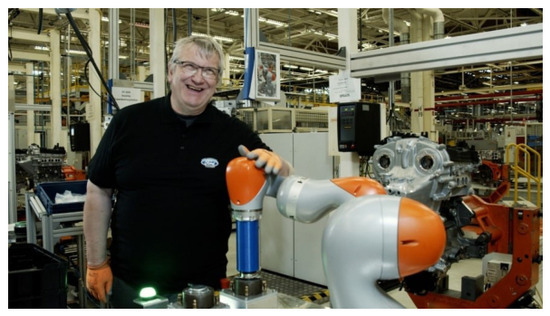
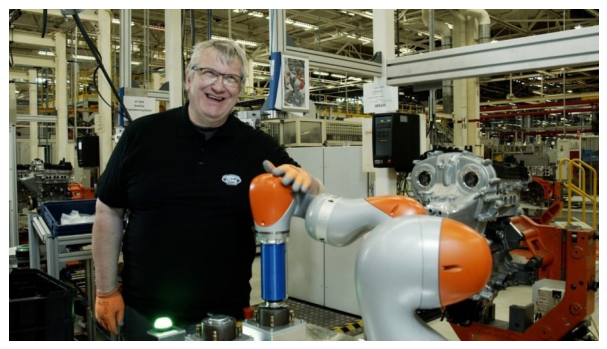
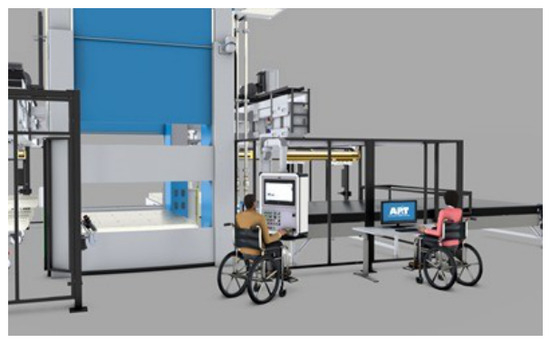
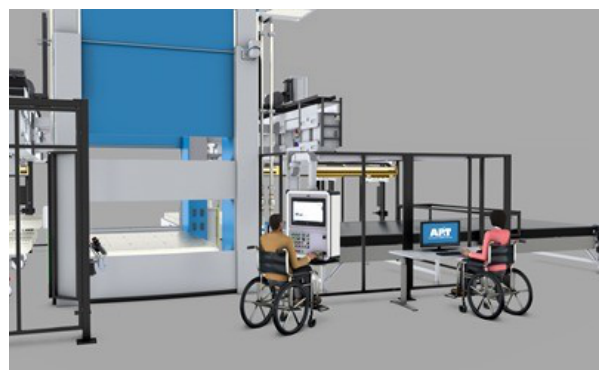
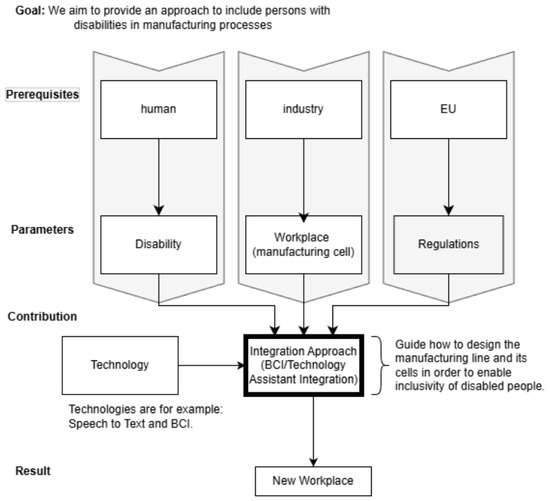
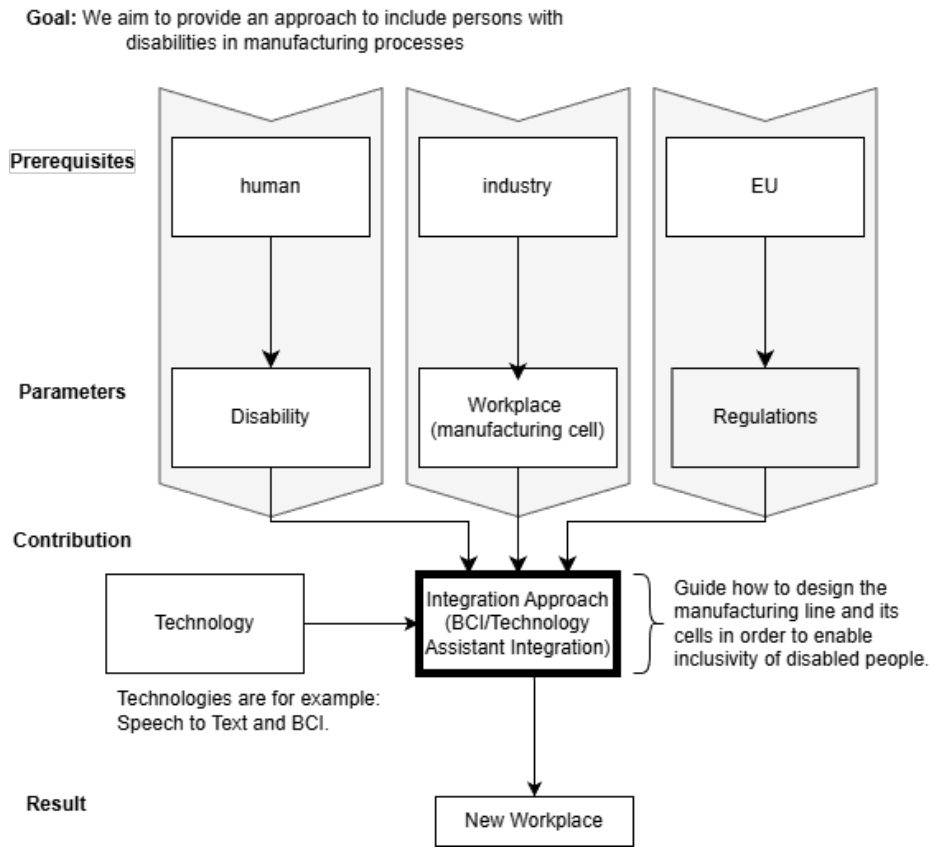
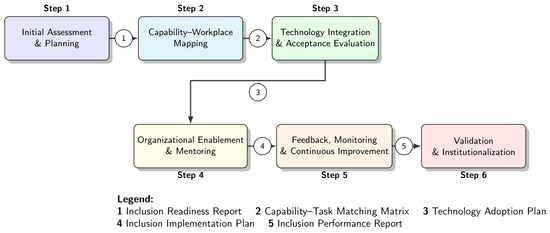
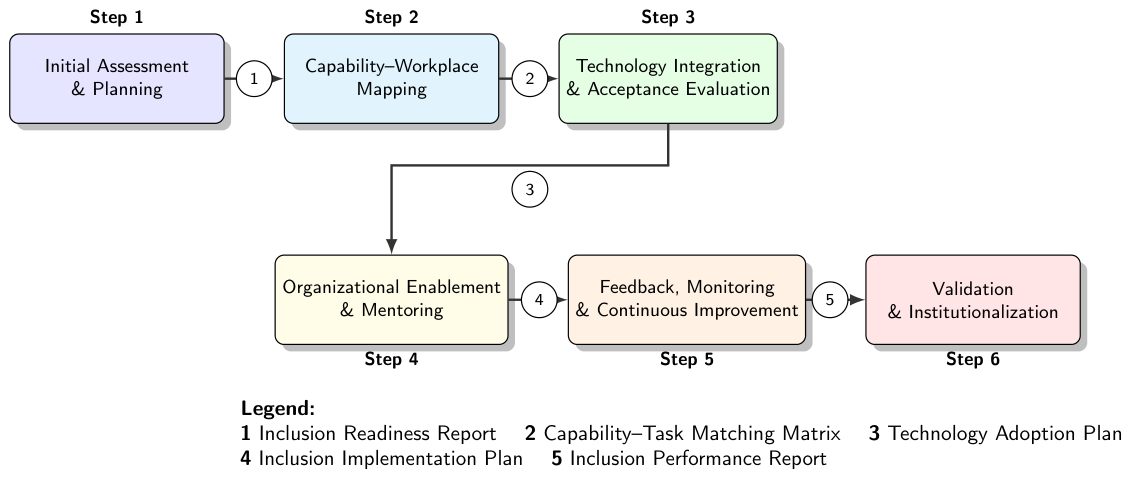
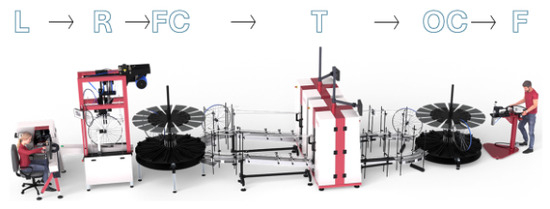
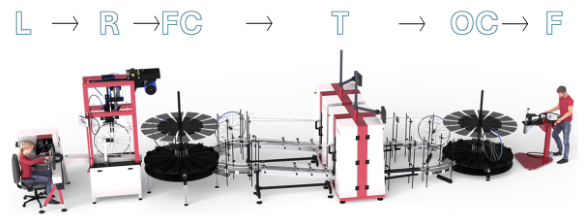
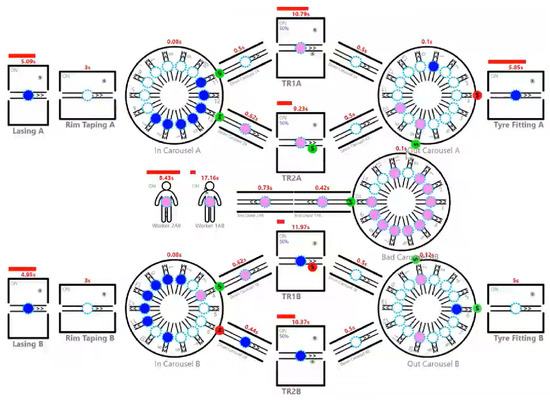
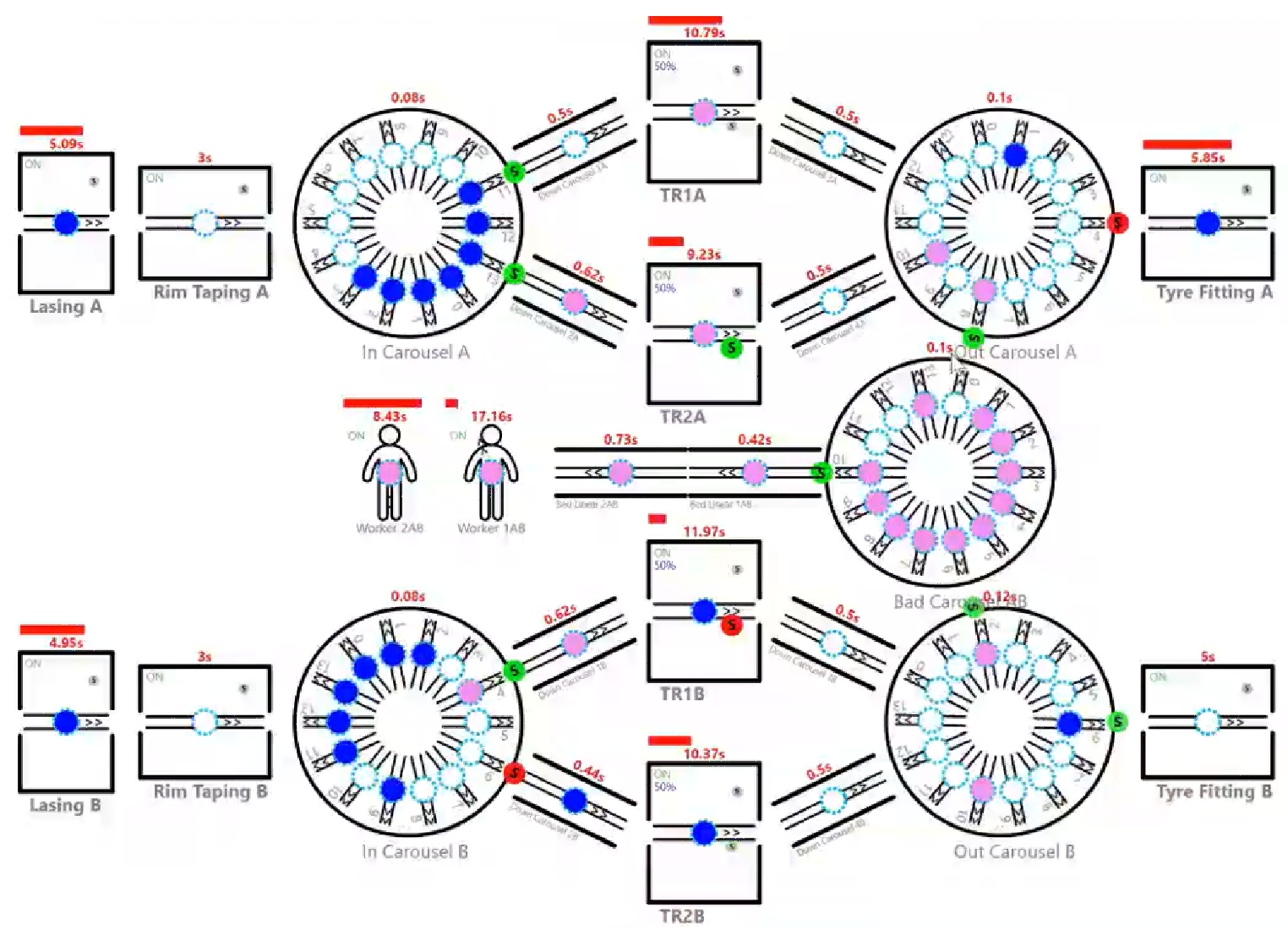
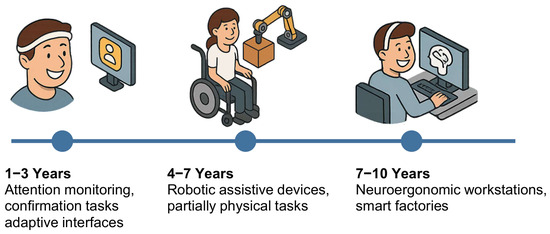
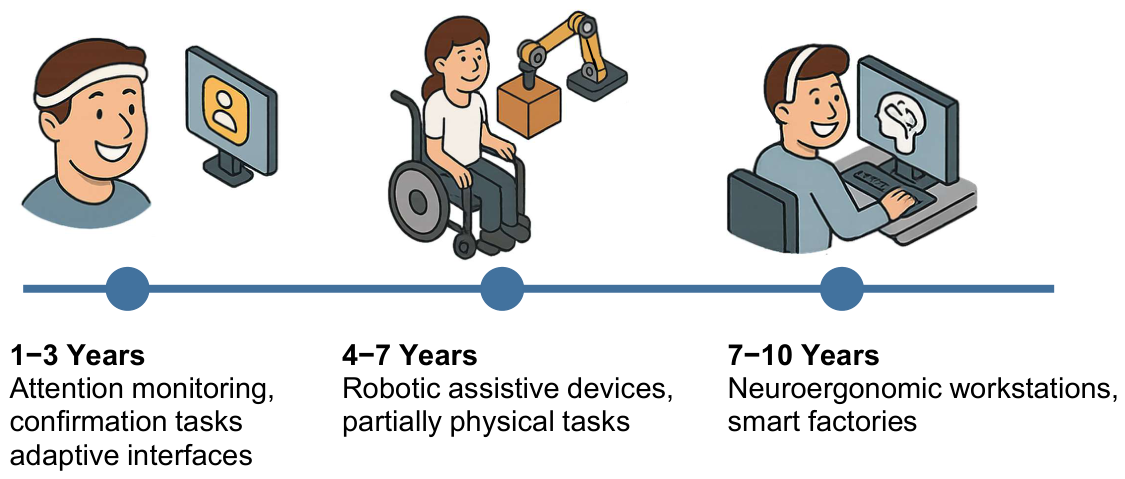

Disclaimer/Publisher’s Note: The statements, opinions and data contained in all publications are solely those of the individual author(s) and contributor(s) and not of MDPI and/or the editor(s). MDPI and/or the editor(s) disclaim responsibility for any injury to people or property resulting from any ideas, methods, instructions or products referred to in the content. |
© 2026 by the authors. Licensee MDPI, Basel, Switzerland. This article is an open access article distributed under the terms and conditions of the Creative Commons Attribution (CC BY) license.