

Review

How Can We Measure Urban Green Spaces’ Qualities and Features? A Review of Methods, Tools and Frameworks Oriented Toward Public Health


Design & Health Lab, Department of Architecture Built Environment Construction Engineering (DABC), Politecnico di Milano, Via G. Ponzio, 31, 20133 Milan, Italy
*
Author to whom correspondence should be addressed.
Urban Sci. 2025, 9(12), 544; https://doi.org/10.3390/urbansci9120544
Submission received: 19 November 2025 / Revised: 10 December 2025 / Accepted: 15 December 2025 / Published: 17 December 2025

Abstract

Urban Green Spaces (UGSs) are essential for ecological sustainability and public health, offering benefits such as air pollution reduction, urban cooling, and recreational opportunities. However, existing evaluation tools remain inconsistent, often assessing isolated dimensions like accessibility or aesthetics without fully integrating health considerations. A systematic approach is needed to understand how these tools measure UGS quality and their relevance to health outcomes. This study employs a literature review (PRISMA framework) to analyze UGS evaluation tools with a focus on quality and health implications. A search in Scopus and Web of Science identified 14 relevant studies. Data extraction examined tool structure, assessed dimensions, data collection methods, geographic applications, and integration of health indicators. The review identified 13 distinct tools varying in complexity and methodology, from standardized checklists to GIS-based analyses. While key dimensions included accessibility, safety, aesthetics, and biodiversity, health-related factors were inconsistently integrated. Few tools explicitly assessed physical, mental, or social health outcomes. Technological innovations, such as Google Street View and AI-based analysis, emerged as enhancements for UGS evaluation. Despite methodological advances, gaps remain in linking UGS quality assessments to health outcomes. The lack of standardized health metrics limits applicability in urban planning. Future research should focus on interdisciplinary frameworks integrating environmental and health indicators to support the creation of sustainable and health-promoting UGS.

1. Introduction

Urban Green Spaces (UGSs) play a vital role in modern urban planning, contributing not only to ecological sustainability but also to the physical, mental, and social well-being of urban populations [1,2,3]. These spaces, including parks, gardens, and green corridors, have been shown to reduce urban heat islands, enhance air quality, and foster opportunities for physical activity and social interactions, which collectively promote public health [2,4].
With global warming and increased urbanization, heat island effects, thermal stress, and extreme weather pose threats to human health [5]. Climate change-induced extreme weather not only threatens the respiratory, renal, and cardiovascular systems but also impairs people’s enthusiasm for outdoor activities, mental health, and sense of social belonging, especially vulnerable groups such as the elderly and children [6].
The importance of equitable access to green spaces for health and well-being is also reflected in the “3–30–300 rule” for urban forestry, which recommends ensuring visibility of at least three mature trees from every home, school, and workplace, achieving a minimum of 30% tree canopy cover in each neighborhood, and providing access to a public green space within 300 m of every residence [7]. After the COVID-19 pandemic, the role and accessibility of green spaces became increasingly recognized as fundamental for public health, given their function as safe outdoor environments that supported psychological resilience, physical exercise, and social connection [8].
The positive impacts of UGSs on health and well-being are multifaceted [9]. UGSs can mitigate summer microclimates and reduce extreme heat, thereby improving residents’ thermal comfort [10]. UGSs can also mitigate air pollution, indirectly improving respiratory health, particularly in densely populated urban areas [11]. They also contribute to mental health by providing restorative environments, reducing stress, and offering spaces for reflection and tranquility [12,13]. Physical activity levels are positively influenced by well-designed and accessible UGSs, which encourage exercise and recreational use, with associated benefits for cardiovascular and musculoskeletal health [14,15,16]. Furthermore, UGSs support social cohesion by fostering interactions, creating a sense of community, and addressing social isolation, particularly among vulnerable populations such as the elderly [15,17,18]. UGSs are particularly beneficial for vulnerable populations, as they help reduce health risks associated with non-communicable diseases like cardiovascular and respiratory illnesses, high blood pressure, and diabetes.
While the importance of UGSs is well documented, the methods and tools used to evaluate their quality and health impacts remain fragmented and inconsistent [19,20]. Existing tools often focus on isolated dimensions, such as aesthetics or accessibility or greening ratio, without addressing the broader relationships between UGS characteristics and health impacts [21,22,23]. Knobel et al. (2019) conducted a review of multidimensional tools for assessing UGS quality, highlighting their potential but also the limitations in addressing public health implications comprehensively [19].
In parallel, advances in spatial analysis through Geographic Information Systems (GISs) have significantly enhanced the evaluation of UGS by enabling precise quantification of accessibility, vegetation structure, connectivity and user-experience metrics. For example, a recent GIS-based study in central China used buffer, gravity-model and cost-weighted distance methods to assess the service radius of park green space [24]. Similarly, a study in Italy applied GISs to compare different accessibility measures of public parks, highlighting the methodological implications of spatial choice [25]. Recent GIS-based frameworks have been used to assess how different types of greenery behave during heatwaves using indices such as NDVI, NDMI and land surface temperature (LST) in urban land parcels [26]. Moreover, research matching green space ecosystem service supply and urban population demand has demonstrated how GIS-driven metrics can support evidence-based urban planning for health and sustainability [27].
Together, these developments underscore that robust evaluation of UGS quality and health impacts requires not only on-site surveys and subjective measures, but also the integration of GIS and remote sensing tools to capture spatial patterns, equity of access, and functional performance across neighborhoods.
However, while numerous studies have highlighted the benefits of UGSs, gaps remain in linking specific characteristics of these spaces to measurable health outcomes. Existing evaluation tools often focus on isolated dimensions, such as aesthetics or accessibility, without integrating broader public health considerations [19,20]. Policymakers and urban planners require comprehensive frameworks to assess how design and management decisions influence both ecological functionality and human health. This integration is essential for creating urban environments that are not only sustainable but also equitable and health-enhancing. This fragmentation and the absence of standardized health-focused indicators highlight a critical gap in the field, thereby justifying the need for a review that clarifies existing limitations and guides the development of more comprehensive assessment tools.
For this reason, this study aims to conduct a literature review to explore existing evaluation tools for urban green spaces, focusing on their ability to assess the quality of these spaces and their impacts on health and well-being. The objectives are as follows:
Evaluate how current tools assess key dimensions of urban green spaces and their relationships with well-being.
Identify gaps and limitations in existing tools, particularly in addressing underrepresented dimensions and their applicability across diverse urban contexts.
Critically examine the current state of evaluation tools to provide insights into their strengths, weaknesses, and potential for further development, with an emphasis on their relevance to public health strategies.

2. Materials and Methods

This literature review followed the Preferred Reporting Items for Systematic Reviews and Meta-Analyses (PRISMA) guidelines to ensure transparency and reproducibility throughout the process [28]. The review aimed to identify and analyze evaluation tools for UGS, focusing on their ability to assess quality and their relevance to health and well-being.
The keyword selection was divided into three blocks to ensure a comprehensive search strategy. The blocks were defined as follows: (1) UGS that included the terms “urban green space*”, “green infrastructure*”, “urban greenery”; (2) Evaluation tools that included the keywords “assessment tool*”, “assessment survey*”, “evaluation method*,” “tool*”, “evaluation framework”; (3) Health and well-being with the terms “health”, “well-being”, “wellbeing”, “public health”.
The “OR” operator was used within each block to include synonyms and related terms, while the “AND” operator was applied between the three blocks to identify studies that intersect all aspects of the research focus. Articles were selected only if they included at least one term from each block. The search strategy was applied to Scopus and Web of Science, targeting peer-reviewed journal articles published in English.
The screening process was conducted independently by two reviewers, who evaluated titles, abstracts, and full texts; disagreements were resolved through discussion until consensus was reached.
The initial search yielded 407 records. After removing duplicates, 348 unique articles underwent screening. Titles, abstracts, and keywords were reviewed to assess alignment with the inclusion criteria, resulting in 78 articles selected for full-text evaluation. Of these, 14 met all inclusion criteria and were included in the final analysis. The PRISMA flow diagram (Figure 1) illustrates the selection process.
Inclusion criteria were as follows:
Present original research on tools or frameworks designed to evaluate UGS.
Include tools assessing UGS quality or their impacts on health and well-being.
Exclusion criteria excluded studies that:
Focused exclusively on the relationship between UGS and health without addressing evaluation tools.
Considered only the presence or proximity of UGS without assessing quality.
Not peer-reviewed or available in English.
The 14 selected articles were chosen because they explicitly addressed the intersection of urban green space evaluation and its implications for health and well-being. These studies either incorporated health-related dimensions into their evaluation frameworks or explored how specific characteristics of UGS, such as accessibility and biodiversity, influence physical, mental, or social well-being.
For each included study, a table was compiled containing the reference, title, author(s), and publication year (Table 1). Specific data on tool features (e.g., dimensions assessed, data collection methods) were extracted and analyzed in Section 3. Categories included: tool structure, evaluation dimensions, data collection methods, practical applications, and relevance to health and well-being, as described in detail in the corresponding results subsections.
This qualitative synthesis highlights the diversity, strengths, and gaps in current UGS evaluation tools, providing insights to guide future development in urban planning and public health strategies.

3. Results

The assessment of the selected tools highlighted significant variability across multiple aspects, which were analyzed through distinct categories: (1) the structural features of the tools, including the number of items and evaluation scales; (2) the key dimensions of UGS quality assessed, such as accessibility, safety, and biodiversity; (3) the data collection methods employed, ranging from surveys to GIS-based mapping and field observations; (4) the geographic contexts and practical applications of the tools; (5) the relationship between tool outcomes and health and well-being metrics; and (6) the integration of technological innovations alongside limitations in standardization and adaptability. These categories were defined a priori to provide a consistent comparative framework for analyzing the selected tools, regardless of their methodological differences or intended applications. This comprehensive analysis underscores both the strengths and gaps in current evaluation frameworks for UGS.
Prior to presenting the detailed analysis, it is important to note that Knobel [19], while read in full for its methodological relevance, is not included in the quantitative analysis of tools. This review provides valuable insights into the evaluation of green space quality but does not introduce a specific tool that directly links UGS to health or well-being outcomes. None of the tools reviewed in Knobel [19] explicitly address health-related dimensions, focusing instead on spatial and environmental qualities of green spaces. This distinction aligns with the criteria of this review, which prioritizes tools incorporating health and well-being metrics.
Similarly, Gupta [2] was reviewed for its methodological contributions but is not included in the final analysis of tools, as it primarily focuses on specific indices for assessing urban greenery and urban trees rather than comprehensive UGS evaluation. However, its approach is noteworthy as it presents a framework of various methods (e.g., sensors, GIS) structured around the 17 Sustainable Development Goals (SDGs).
Additionally, Knobel [30,31] analyze the same evaluation tool, RECITAL, but with different research objectives. The first study (A) details the tool’s development and application, while the second (B) focuses on its use in assessing the relationship between UGS quality and health-related outcomes. To avoid redundancy, they are considered together in this review as a single evaluation tool with distinct applications.

3.1. Tools Structure

The analysis of the 14 selected articles revealed a total of 11 unique tools developed to assess UGS. While each tool has a distinct structure, some share conceptual similarities or are based on previously developed frameworks and tools [30,32] such as the Natural Environment Scoring Tool (NEST) [33] and Public Open Space (POS) [34]. Similarly, GIS-based index, utilized in studies such as those by Hou, Y. et al. (2024) and Semenzato et al. (2023) [25,32], demonstrates methodological overlaps despite being applied independently.
The tools vary widely in their complexity, ranging from those with a small number of highly targeted items, such as the Contemplative Landscape Model (CLM) with its focus on specific landscape features [20,35] to more comprehensive frameworks like RECITAL, which evaluates 90 items across multiple dimensions [30]. Some tools are tailored for rapid assessments, while others require significant expertise and time investment, highlighting a trade-off between efficiency and depth. In this regard, Buffoli et al. (2022) [1] adapted RECITAL by streamlining its structure, merging certain dimensions and reducing the number of items to enhance its usability and applicability in diverse urban contexts.
The evaluation methods employed across these tools reflect a tension between qualitative and quantitative approaches (Table 2). For example, tools utilizing Likert scales are designed to capture subjective perceptions, whereas GIS-based tools rely on objective spatial metrics. Furthermore, the choice of scale impacts the potential of these tools to inform public health strategies. For instance, quantitative GIS data may support policy decisions by mapping accessibility gaps, while qualitative data can provide insights into user perceptions, critical for designing spaces that promote mental and social well-being.

3.2. Dimensions of Quality Evaluated

The tools analyzed assess a variety of dimensions to determine UGS quality. This review identified seven primary categories: Accessibility, Safety, Aesthetics, Biodiversity, Social Aspects, Facilities, and Amenities (Table 3). These categories were identified a posteriori through content analysis of the reviewed articles were chosen based on their frequency and relevance across the reviewed tools. Dimensions like Attractions and Incivilities were treated as subcategories of Aesthetics and Safety, respectively, reflecting their role within broader evaluative frameworks [19].
Accessibility: Includes ease of access, pathways, and entrances to UGS, emphasizing their availability to diverse user groups [29]. Semenzato et al. (2023) [25] expands on this by incorporating multiple accessibility measures, including distance-based and gravity-based methods, to assess disparities in park access.
Safety: Encompasses both objective safety measures and perceived security, including elements such as vandalism, visibility, and maintenance. For example, the study of Knobel et al. [30] specifically measures safety through the condition of infrastructure, lighting, and visibility from surrounding.
Aesthetics: Focuses on the visual appeal of UGSs, integrating features like landscaping, public art, and natural attractions [1,19]. Tools like the CLM prioritize aesthetic dimensions that contribute to mental well-being [20].
Biodiversity: Evaluates the presence and variety of plant and animal species, reflecting ecological health [4,37]. Biodiversity indicators range from the simple presence of trees and shrubs to detailed measures of species diversity.
Social Aspects: Considers the capacity of UGSs to support social interactions and community engagement, particularly in underserved communities [25,32].
Facilities: Covers recreational infrastructure such as playgrounds, sports fields, and event spaces [30].
Amenities: Includes features that enhance user comfort, such as benches, drinking fountains, and picnic areas [1,30].
These dimensions reflect the diverse priorities of UGS users and highlight the importance of multi-faceted evaluation tools. However, dimensions like Surroundings, Activities, Policies and Land Covers, while mentioned in a few studies, were not prominent enough to warrant inclusion as primary categories.

3.3. Data Collection Methods

The tools utilize a variety of data collection methods, reflecting differences in their intended applications and scope. Common methods include the following, as shown in Table 4:
Surveys: widely employed to capture user perceptions and experiences. These range from simple questionnaires to in-depth interviews [29].
GIS-based mapping: used to assess spatial dimensions such as accessibility and proximity. GIS tools often integrate satellite imagery to analyze geographic distribution [4,25,36].
Field observations: involves direct on-site assessments by trained personnel, often using standardized checklists to evaluate predefined criteria ensuring consistency and objectivity. This method can be applied both for on-site use [1,30], or even for photo representation, as utilized in the CML [20].
Remote sensing: less common but effective for large-scale assessments, particularly in urban settings [39]. Tohoun et al. (2023) [38] combined structured questionnaires with satellite-derived data to evaluate UGS access and usage patterns in urban and peri-urban areas. Similarly, Wirtz Baker et al. (2024) [39] associates the use of structured questionnaires on people obesity with Google Street View images on the quality of UGS.
The choice of method often depends on the study’s objectives and available resources. For example, GIS-based methods are invaluable for regional studies, while field observations offer a more nuanced view of local contexts.
Additionally, some tools combine multiple data collection approaches, integrating GIS-based spatial analyses with field observations [32,36]. Others employ composite index, aggregating various metrics into a standardized scoring system to facilitate comparative assessments across different UGS [37]. Wirtz Baker et al. (2024) [39] adapted the framework developed by Knobel et al. (2021 A–B) [30] selecting dimensions that could be assessed through Google Street View imagery and linking these UGS quality data to survey-based obesity metrics. These hybrid methodologies enhance the robustness of evaluations by balancing subjective and objective measures, offering a more comprehensive assessment of UGS quality and its potential impacts on well-being.
Table 4. Tools’ data collection methods.
ArticleTool NameSurveysGIS-Based MappingField ObservationsRemote Sensing
Ajmi et al. (2023) [29]UGS QIndexx
Buffoli et al. (2022) [1]RECITAL 2.0 Milano x
Dong et al. (2024) [36]Evaluation Indexes for UGS xxx
Ghale et al. (2023) [37]Composite Green Space Index (CGSI)xx x
Hänchen et al. (2024) [4]Green Infrastructure Connectivity Tool x
Hou, Y. et al. (2024) [32]Supply Adjustment Index (SAI) x x
Knobel et al. (2021) A–B [30,31]RECITAL x
Olszewska-Guizzo et al. (2023) [20]Contemplative Landscape Model (CML) x
Semenzato et al. (2023) [25]UGS Accessibility indicators x x
Tohoun et al. (2023) [38]Mixed Methods Accessibility Toolx x
Wirtz Baker et al. (2024) [39]Google Street View Assessment Toolx x

3.4. Location and Scope

The tools have been applied in diverse geographic and cultural contexts, illustrating their adaptability and limitations (Table 5).
Applications also vary by scope. Some tools target small urban parks, focusing on user-specific needs comparing survey to composite index [37], while others evaluate larger green spaces and their ecological impact. In contexts with limited resources, simpler tools or those relying on publicly available data (e.g., GIS-based analyses) are more commonly applied [38]. The adaptability of these tools underscores their utility but also reveals gaps in standardization, particularly in resource-constrained settings.
Buffoli et al. (2022) [1] applied a streamlined version of RECITAL [30,31] in Milan, integrating both UGS quality assessment and proximity evaluation. This approach provides a more comprehensive perspective on how accessibility and spatial distribution influence UGS usability and potential health benefits

3.5. Relationship with Health and Well-Being

A critical aspect of this review is linking UGS evaluation tools to health and well-being outcomes. While many tools acknowledge the potential health benefits of UGSs, few incorporate explicit health metrics. For example, some tools connect UGS features to reduced stress and increased physical activity but lack standardized measures to quantify these effects on people. The absence of standardized health indicators in most tools limits their applicability for public health interventions.
Numerous studies have highlighted the contributions of green infrastructures to local climate cooling and residents’ perceived temperature. For example, Knaus and Haase (2020) [40] pointed out the benefits of green roofs on residents’ physiological equivalent temperature (PET). Gaspari, Fabbri, and Lucchi (2018) [41] investigated the positive effects of canopy size and tree quantity on residents’ perceived temperature. Aboelata and Sodoudi (2019) [21] explored the quantitative impact of different tree-to-turf ratios on residents’ PET. Noro and Lazzarin (2015) [42] studied the effects of green ground and cool pavements on residents’ thermal comfort level. However, these methods only explored the contribution of green infrastructure to UGS quality, thus indirectly exploring the contribution of UGSs to residents’ PET; the further quantitative relationship between residents’ PET and residents’ health and well-being was not explored.
Dong et al. (2024) [36] further emphasize the link between UGS characteristics and physical activity levels, demonstrating how features such as accessibility and aesthetics influence engagement. However, their approach remains centered on physical activity as the primary health outcome, overlooking broader well-being dimensions.
Some tools address specific aspects of health indirectly. For example, RECITAL includes dimensions like safety and accessibility, which have been linked to increased physical activity and stress reduction [30,31]. Similarly, tools emphasizing biodiversity and aesthetic value, such as the CLM, suggest a positive impact on mental health and well-being through exposure to natural elements [20]. The evaluation of social aspects in tools such as those by Hou, Y. et al. (2024) [32] highlights the role of UGSs in fostering social equity, to enhance attention to vulnerable groups.
The findings of Knobel [31] provide further epidemiological evidence linking specific UGS quality dimensions to health outcomes. Their study identified significant associations between physical activity, overweight/obesity, and UGS use with different aspects of UGS quality.
Physical activity was most strongly associated with surroundings, absence of incivilities, and facilities, highlighting the importance of well-maintained infrastructure (e.g., paths, benches, lighting) in encouraging active use of UGSs. Overweight/obesity correlated with surroundings, suggesting that the broader environmental context influences obesity risk. UGS use was primarily linked to bird biodiversity, emphasizing the role of natural elements. Additionally, amenities (e.g., picnic tables, drinking fountains) were consistently relevant across all outcomes, reinforcing the need to consider both infrastructure and ecological quality to enhance health benefits [31].
The correlation between UGS quality and health outcomes in Knobel [31] was assessed using multiple metrics. Physical activity intensity was evaluated through the International Physical Activity Questionnaire (IPAQ-Short version), while Body Mass Index (BMI) was calculated as weight (kg) divided by height squared (m2). Additionally, UGS use frequency was measured by asking participants how many days per week they spent time in parks, gardens, or other green spaces, providing a proxy for engagement with UGSs.
Despite these connections, most of the tools included in this review stop short of providing direct, standardized measures of physical, mental, or social health outcomes. The majority of UGS evaluation frameworks rely on spatial and environmental quality indicators rather than incorporating public health metrics into their design.
This gap underscores the need for more integrated approaches that systematically link UGS characteristics to health outcomes. Studies like those by Wirtz Baker et al. (2024) [39] highlight opportunities for future research to incorporate standardized health indicators alongside traditional urban greening metrics. Strengthening this connection would significantly enhance the role of UGS assessment tools in public health planning and policymaking, ensuring that green spaces contribute meaningfully to urban well-being.

3.6. Technological Innovations and Tool Limitations

Technological advancements have enhanced the precision and efficiency of UGS assessments. Tools integrating Google Street View and advanced GIS techniques allow for detailed spatial analysis with reduced fieldwork costs [25,39]. Recent GSV-based approaches increasingly rely on automated image analysis, including computer vision and machine learning algorithms, to identify vegetation cover, tree canopy structure, and elements related to perceived safety and walkability. These techniques enable large-scale and standardized evaluations that would be difficult to achieve through manual field surveys alone. These technologies are particularly useful in urban areas, where high-resolution spatial data can support detailed mapping of green spaces and their accessibility. In addition to GSV, remote sensing methods using multispectral satellite imagery enable the extraction of vegetation and environmental indicators such as NDVI, NDMI, and Land Surface Temperature (LST), providing objective information on ecological quality, vegetation health, and microclimatic conditions. Advanced GIS-based spatial modeling also facilitates network analyses, buffer-based accessibility estimates, and population-weighted service area calculations, contributing to more nuanced assessments of UGS distribution and equity. In particular, Semenzato et al. (2023) [25] developed advanced accessibility indicators by integrating geospatial data with population distribution, including distance-based and gravity-based methods. This approach allows for a more precise assessment of UGS accessibility by identifying not only the presence of green areas but also disparities in actual access, supporting more equitable and targeted urban planning efforts.
Despite these innovations, challenges remain. Tools relying on advanced technologies often require significant technical expertise and access to costly data sources, limiting their application in resource-constrained settings [38,39]. Additionally, many tools lack standardization, which complicates comparisons across different studies and regions [20].
Another critical limitation is the insufficient integration of health-related metrics into these tools. While some, like RECITAL, indirectly address health through dimensions such as safety and accessibility, few tools offer explicit methodologies to evaluate health outcomes. This disconnect highlights the need for more integrative approaches that combine technological advancements with comprehensive frameworks addressing health, equity, and sustainability. Addressing these gaps could enhance the applicability of these tools in public health planning and urban design.

4. Discussion and Conclusions

This review has provided insights into the strengths and limitations of evaluation tools for UGS, particularly regarding their implications for public health strategies. While existing tools effectively assess various dimensions of UGS quality—including accessibility, safety, aesthetics, and biodiversity—their ability to directly address health outcomes remains limited and inconsistent across different methodologies.
The findings highlight the need for more comprehensive tools that integrate health metrics alongside environmental and social dimensions. The diversity of methodological approaches identified in this review, ranging from qualitative checklist-based assessments to GIS-driven spatial analyses and composite indices, underscores both the potential and the challenges of developing standardized frameworks. While technological innovations such as Google Street View analysis and remote sensing techniques enhance the precision of UGS evaluations, their accessibility and applicability in different urban contexts remain uneven, particularly in low-resource settings.
Despite the growing body of research linking UGS quality to health benefits, the limited integration of standardized health indicators within evaluation tools restricts their effectiveness in informing public health interventions. Some studies, such as Knobel [31] and Dong [36], have established correlations between specific UGS characteristics and health metrics like physical activity and obesity. However, more robust methodologies are needed to establish causal relationships and ensure that UGS assessments contribute meaningfully to health-focused urban planning.
Additionally, this review highlights the complexity of assessing UGS accessibility, as demonstrated in the findings of Semenzato [25]. The use of multiple accessibility indicators may give varying results, suggesting that relying on a single measure may not adequately capture disparities in UGS access. Future research should refine these approaches to ensure equitable and representative assessments.
While this study provides a comprehensive synthesis of existing tools, it has certain limitations. The inclusion criteria focused on peer-reviewed journal articles published in English, which may have excluded relevant studies in other languages or alternative formats. Furthermore, while this review identified tools that indirectly address health outcomes, it did not conduct an in-depth evaluation of their direct impact on specific health conditions such as mental health disorders or chronic illnesses.
Future research should prioritize the development of integrated frameworks that systematically link UGS characteristics with measurable health outcomes. Longitudinal studies could provide stronger evidence for causal relationships between UGS quality and health benefits, while interdisciplinary collaboration between urban planners, public health experts, and environmental scientists will be crucial in advancing this field. By bridging the gap between environmental evaluation and health-related assessments, future tools can better support equitable and sustainable urban development, ensuring that UGSs contribute meaningfully to the well-being of diverse populations.
This review identifies a clear gap in current UGS evaluation tools: although many assess environmental and social qualities, few explicitly integrate health-related metrics. Strengthening this link is essential to ensure that UGS assessments effectively guide health-oriented urban planning and policy. Comprehensive tools that combine environmental, social, and health dimensions can support equitable and sustainable urban development, ultimately contributing to the well-being of diverse populations. By bridging the gap between environmental evaluation and health-focused assessment, future tools can not only improve scientific understanding but also inform actionable strategies for creating healthier, more inclusive, and resilient urban environments.

Author Contributions

Conceptualization, E.I.M. and S.M.; methodology, E.I.M. and S.M.; validation, S.M.; formal analysis, A.R. and S.M.; investigation, A.R. and S.M.; writing—original draft preparation, E.I.M. and S.M.; writing—review and editing, A.R., S.C. and M.B.; supervision, A.R., M.B. and S.C. All authors have read and agreed to the published version of the manuscript.

Funding

This research was funded by PRIN ALIGNED, grant number 2022MHMRPR.

Institutional Review Board Statement

Not applicable.

Informed Consent Statement

Not applicable.

Data Availability Statement

Data is contained within the article. The original contributions presented in this study are included in the article. Further inquiries can be directed to the corresponding author(s).

Acknowledgments

The authors acknowledge Maria Fiore, form University of Catania and Marco Vinceti and Tommaso Filippini form University of Modena and Reggio Emilia that participate in the research team of PRIN ALIGNED.

Conflicts of Interest

The authors declare no conflicts of interest.

Abbreviations

The following abbreviations are used in this manuscript:
BMIBody Mass Index
CLMContemplative Landscape Model
COVID-19coronavirus disease of 2019
GISGeographic Information System
GSVGoogle Street View
IPAQInternational Physical Activity Questionnaire
LSTLand Surface Temperature
NDVINormalized Difference Vegetation Index
NDMINormalized Difference Moisture Index
NESTNatural Environment Scoring Tool
PETphysiological equivalent temperature
POSPublic Open Space
PRISMAPreferred Reporting Items for Systematic Reviews and Meta-Analyses
RECITALuRban grEen spaCe qualITy Assessment tool
SDGsSustainable Development Goals
UGSUrban Green Spaces

References

  1. Buffoli, M.; Villella, F.; Voynov, N.S.; Rebecchi, A. Urban Green Space to Promote Urban Public Health: Green Areas’ Design Features and Accessibility Assessment in Milano City, Italy. In New Metropolitan Perspectives; Calabrò, F., Della Spina, L., Piñeira Mantiñán, M.J., Eds.; Lecture Notes in Networks and Systems; Springer International Publishing: Cham, Switzerland, 2022; Volume 482, pp. 1966–1976. ISBN 978-3-031-06824-9. [Google Scholar]
  2. Gupta, A.; Mora, S.; Preisler, Y.; Duarte, F.; Prasad, V.; Ratti, C. Tools and Methods for Monitoring the Health of the Urban Greenery. Nat. Sustain. 2024, 7, 536–544. [Google Scholar] [CrossRef]
  3. Buffoli, M.; Rebecchi, A. The Proximity of Urban Green Spaces as Urban Health Strategy to Promote Active, Inclusive and Salutogenic Cities. In Technological Imagination in the Green and Digital Transition; Arbizzani, E., Cangelli, E., Clemente, C., Cumo, F., Giofrè, F., Giovenale, A.M., Palme, M., Paris, S., Eds.; The Urban Book Series; Springer International Publishing: Cham, Switzerland, 2023; pp. 1017–1027. ISBN 978-3-031-29514-0. [Google Scholar]
  4. Hänchen, L.; Hecht, R.; Reiter, D. Indicators for Assessing the Supply, Demand and Accessibility of Urban Green Spaces in the Context of a Planning Instrument; Wichmann Verlag: Heidelberg, Germany, 2024; ISBN 978-3-87907-752-6. [Google Scholar]
  5. Portela, C.I.; Massi, K.G.; Rodrigues, T.; Alcântara, E. Impact of Urban and Industrial Features on Land Surface Temperature: Evidences from Satellite Thermal Indices. Sustain. Cities Soc. 2020, 56, 102100. [Google Scholar] [CrossRef]
  6. Yasobant, S.; Lekha, K.S.; Trivedi, P.; Krishnan, S.; Kator, C.; Kaur, H.; Adaniya, M.; Sinha, A.; Saxena, D. Impact of Heat on Human and Animal Health in India: A Landscape Review. Dialogues Health 2025, 6, 100203. [Google Scholar] [CrossRef] [PubMed]
  7. Konijnendijk, C.C. Evidence-Based Guidelines for Greener, Healthier, More Resilient Neighbourhoods: Introducing the 3–30–300 Rule. J. For. Res. 2023, 34, 821–830. [Google Scholar] [CrossRef]
  8. Capolongo, S.; Rebecchi, A.; Buffoli, M.; Appolloni, L.; Signorelli, C.; Fara, G.M.; D’Alessandro, D. COVID-19 and Cities: From Urban Health Strategies to the Pandemic Challenge. A Decalogue of Public Health Opportunities. Acta Bio-Medica Atenei Parm. 2020, 91, 13–22. [Google Scholar] [CrossRef]
  9. Gianfredi, V.; Buffoli, M.; Rebecchi, A.; Croci, R.; Oradini-Alacreu, A.; Stirparo, G.; Marino, A.; Odone, A.; Capolongo, S.; Signorelli, C. Association between Urban Greenspace and Health: A Systematic Review of Literature. Int. J. Environ. Res. Public Health 2021, 18, 5137. [Google Scholar] [CrossRef]
  10. Saaroni, H.; Amorim, J.H.; Hiemstra, J.A.; Pearlmutter, D. Urban Green Infrastructure as a Tool for Urban Heat Mitigation: Survey of Research Methodologies and Findings across Different Climatic Regions. Urban Clim. 2018, 24, 94–110. [Google Scholar] [CrossRef]
  11. Cardinali, M.; Beenackers, M.A.; Timmeren, A.V.; Pottgiesser, U. Urban Green Spaces, Self-Rated Air Pollution and Health: A Sensitivity Analysis of Green Space Characteristics and Proximity in Four European Cities. Health Place 2024, 89, 103300. [Google Scholar] [CrossRef]
  12. Vidal Yañez, D.; Pereira Barboza, E.; Cirach, M.; Daher, C.; Nieuwenhuijsen, M.; Mueller, N. An Urban Green Space Intervention with Benefits for Mental Health: A Health Impact Assessment of the Barcelona “Eixos Verds” Plan. Environ. Int. 2023, 174, 107880. [Google Scholar] [CrossRef]
  13. Li, L.; Lange, K.W. Assessing the Relationship between Urban Blue-Green Infrastructure and Stress Resilience in Real Settings: A Systematic Review. Sustainability 2023, 15, 9240. [Google Scholar] [CrossRef]
  14. Zhang, W.; Li, Y.; Guo, P.; Guo, X. Effects of Urban Green Space (UGS) Quality on Physical Activity (PA) and Health, Controlling for Environmental Factors. J. Infras. Policy. Dev. 2024, 8, 3162. [Google Scholar] [CrossRef]
  15. Ali, M.J.; Rahaman, M.; Hossain, S.I. Urban Green Spaces for Elderly Human Health: A Planning Model for Healthy City Living. Land Use Policy 2022, 114, 105970. [Google Scholar] [CrossRef]
  16. Zhang, L.; Tan, P.Y.; Diehl, J.A. A Conceptual Framework for Studying Urban Green Spaces Effects on Health. J. Urban Ecol. 2017, 3, jux015. [Google Scholar] [CrossRef]
  17. Cardinali, M.; Beenackers, M.A.; Fleury-Bahi, G.; Bodénan, P.; Petrova, M.T.; Van Timmeren, A.; Pottgiesser, U. Examining Green Space Characteristics for Social Cohesion and Mental Health Outcomes: A Sensitivity Analysis in Four European Cities. Urban For. Urban Green. 2024, 93, 128230. [Google Scholar] [CrossRef]
  18. Yakınlar, N.; Akpınar, A. How Perceived Sensory Dimensions of Urban Green Spaces Are Associated with Adults’ Perceived Restoration, Stress, and Mental Health? Urban For. Urban Green. 2022, 72, 127572. [Google Scholar] [CrossRef]
  19. Knobel, P.; Dadvand, P.; Maneja-Zaragoza, R. A Systematic Review of Multi-Dimensional Quality Assessment Tools for Urban Green Spaces. Health Place 2019, 59, 102198. [Google Scholar] [CrossRef]
  20. Olszewska-Guizzo, A.; Sia, A.; Escoffier, N. Revised Contemplative Landscape Model (CLM): A Reliable and Valid Evaluation Tool for Mental Health-Promoting Urban Green Spaces. Urban For. Urban Green. 2023, 86, 128016. [Google Scholar] [CrossRef]
  21. Aboelata, A. Reducing Outdoor Air Temperature, Improving Thermal Comfort, and Saving Buildings’ Cooling Energy Demand in Arid Cities—Cool Paving Utilization. Sustain. Cities Soc. 2021, 68, 102762. [Google Scholar] [CrossRef]
  22. Lee, A.C.K.; Maheswaran, R. The Health Benefits of Urban Green Spaces: A Review of the Evidence. J. Public Health 2011, 33, 212–222. [Google Scholar] [CrossRef]
  23. Nguyen, P.-Y.; Astell-Burt, T.; Rahimi-Ardabili, H.; Feng, X. Green Space Quality and Health: A Systematic Review. Int. J. Environ. Res. Public Health 2021, 18, 11028. [Google Scholar] [CrossRef]
  24. Yiqiu, Z.; Xinlei, D.; Yajuan, W.; Wenguo, W.; Mingjing, W. GIS-Based Accessibility Analysis of Urban Park Green Space Landscape. Sci. Rep. 2025, 15, 28498. [Google Scholar] [CrossRef]
  25. Semenzato, P.; Costa, A.; Campagnaro, T. Accessibility to Urban Parks: Comparing GIS Based Measures in the City of Padova (Italy). Urban For. Urban Green. 2023, 82, 127896. [Google Scholar] [CrossRef]
  26. Cardone, B.; Di Martino, F.; Mauriello, C.; Miraglia, V. A GIS-Based Framework to Analyze the Behavior of Urban Greenery During Heatwaves Using Satellite Data. ISPRS Int. J. Geo-Inf. 2024, 13, 377. [Google Scholar] [CrossRef]
  27. Li, M.; Chen, T.; Li, J.; Yang, G.; Zhao, L.; Cao, Q.; Yang, L.; Sun, Y. Advancing Sustainability in Urban Planning by Measuring and Matching the Supply and Demand of Urban Green Space Ecosystem Services. Sustainability 2024, 16, 10306. [Google Scholar] [CrossRef]
  28. Liberati, A. The PRISMA Statement for Reporting Systematic Reviews and Meta-Analyses of Studies That Evaluate Health Care Interventions: Explanation and Elaboration. Ann. Intern. Med. 2009, 151, W65–W94. [Google Scholar] [CrossRef]
  29. Ajmi, R.; Allouche, F.K.; Taîbi, A.N.; Boussema, S.B.F. Developing a Qualitative Urban Green Spaces Index Applied to a Mediterranean City. Urban Sci. 2023, 7, 115. [Google Scholar] [CrossRef]
  30. Knobel, P.; Dadvand, P.; Alonso, L.; Costa, L.; Español, M.; Maneja, R. Development of the Urban Green Space Quality Assessment Tool (RECITAL). Urban For. Urban Green. 2021, 57, 126895. [Google Scholar] [CrossRef]
  31. Knobel, P.; Maneja, R.; Bartoll, X.; Alonso, L.; Bauwelinck, M.; Valentin, A.; Zijlema, W.; Borrell, C.; Nieuwenhuijsen, M.; Dadvand, P. Quality of Urban Green Spaces Influences Residents’ Use of These Spaces, Physical Activity, and Overweight/Obesity. Environ. Pollut. 2021, 271, 116393. [Google Scholar] [CrossRef]
  32. Hou, Y.; Liu, Y.; Wu, Y.; Wang, L. Assessing Inequality in Urban Green Spaces with Consideration for Physical Activity Promotion: Utilizing Spatial Analysis Techniques Supported by Multisource Data. Land 2024, 13, 626. [Google Scholar] [CrossRef]
  33. Gidlow, C.; Van Kempen, E.; Smith, G.; Triguero-Mas, M.; Kruize, H.; Gražulevičienė, R.; Ellis, N.; Hurst, G.; Masterson, D.; Cirach, M.; et al. Development of the Natural Environment Scoring Tool (NEST). Urban For. Urban Green. 2018, 29, 322–333. [Google Scholar] [CrossRef]
  34. Giles-Corti, B.; Broomhall, M.H.; Knuiman, M.; Collins, C.; Douglas, K.; Ng, K.; Lange, A.; Donovan, R.J. Increasing Walking. Am. J. Prev. Med. 2005, 28, 169–176. [Google Scholar] [CrossRef]
  35. Olszewska, A.A.; Marques, P.F.; Ryan, R.L.; Barbosa, F. What Makes a Landscape Contemplative? Environ. Plan. B Urban Anal. City Sci. 2018, 45, 7–25. [Google Scholar] [CrossRef]
  36. Dong, T.; Feng, C.; Yue, B.; Zhang, Z. An Evaluation Model of Urban Green Space Based on Residents’ Physical Activity. Sustainability 2024, 16, 4220. [Google Scholar] [CrossRef]
  37. Ghale, B.; Gupta, K.; Roy, A. Evaluating public urban green spaces: A composite green space index for measuring accessibility and spatial quality. Int. Arch. Photogramm. Remote Sens. Spat. Inf. Sci. 2023, 48, 101–108. [Google Scholar] [CrossRef]
  38. Tohoun, B.A.; Sapena, M.; Mast, J.; Taubenböck, H.; Haruna, I.; Orekan, V.; Okhimamhe, A.A. Are Citizens’ Perceptions on Urban Green Spaces Influenced by Their Immediate Environment? The Case of Grand Nokoue, Benin Republic. In Proceedings of the 2023 Joint Urban Remote Sensing Event (JURSE), Heraklion, Greece, 17 May 2023; IEEE: Heraklion, Greece, 2023; pp. 1–4. [Google Scholar]
  39. Wirtz Baker, J.M.; Aballay, L.R.; Haluszka, E.; Niclis, C.; Staurini, S.; Lambert, V.; Pou, S.A. Exploring the Quality of Urban Green Spaces and Their Association with Health: An Epidemiological Study on Obesity Using Street View Technology. Public Health 2024, 237, 44–50. [Google Scholar] [CrossRef] [PubMed]
  40. Knaus, M.; Haase, D. Green Roof Effects on Daytime Heat in a Prefabricated Residential Neighbourhood in Berlin, Germany. Urban For. Urban Green. 2020, 53, 126738. [Google Scholar] [CrossRef]
  41. Gaspari, J.; Fabbri, K.; Lucchi, M. The Use of Outdoor Microclimate Analysis to Support Decision Making Process: Case Study of Bufalini Square in Cesena. Sustain. Cities Soc. 2018, 42, 206–215. [Google Scholar] [CrossRef]
  42. Noro, M.; Lazzarin, R. Urban Heat Island in Padua, Italy: Simulation Analysis and Mitigation Strategies. Urban Clim. 2015, 14, 187–196. [Google Scholar] [CrossRef]
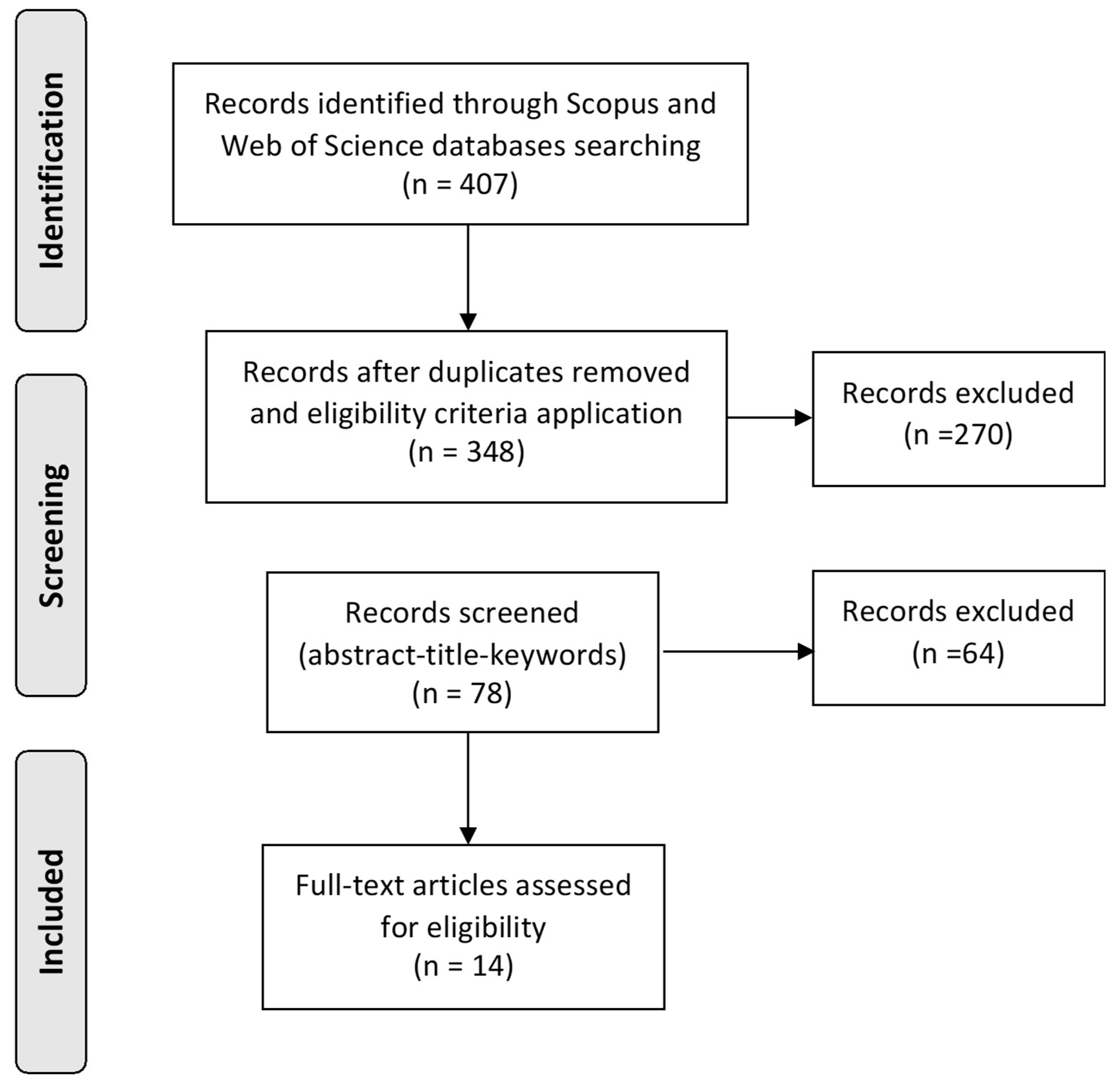
Figure 1. Prisma flow diagram of the review.
Urbansci 09 00544 g001
Table 1. Example of data extraction and classification.
CodePaperTitleAuthorsYear
1Ajmi et al. (2023) [29]Developing a Qualitative Urban Green Spaces Index Applied to a Mediterranean CityAjmi, R.; Allouche, F.K.; Taîbi, A.N.; Boussema, S.B.F.2023
Table 2. Tools’ structure.
ArticleTool NameNumber of ItemsEvaluation Scale
Ajmi et al. (2023) [29]UGS QIndex41 itemsLikert scale
Buffoli et al. (2022) [1]RECITAL 2.0 Milano6 dimensionsLikert scale (5-point)
75 items
Dong et al. (2024) [36]Evaluation Indexes for UGS6 dimensionsComposite index + GIS metrics
Ghale et al. (2023) [37]Composite Green Space Index (CGSI)6 dimensionsComposite index
Hänchen et al. (2024) [4]Green Infrastructure Connectivity Tool3 dimensionsGIS metrics
5 indicators
Hou, Y. et al. (2024) [32]Supply Adjustment Index (SAI)3 dimensionsComposite index
9 items
Knobel et al. (2021) A-B [30,31]RECITAL9 dimensionsLikert Scale (5-point)
90 items
Olszewska-Guizzo et al. (2023) [20]Contemplative Landscape Model (CML)7 itemsLikert scale (6-point)
Semenzato et al. (2023) [25]UGS Accessibility indicators10 indicatorsComposite index +GIS metrics
Tohoun et al. (2023) [38]Mixed Methods Accessibility Tool2 dimensionsComposite index
Wirtz Baker et al. (2024) [39]Google Street View Assessment Tool8 dimensionsLikert scale (5-point)
58 items
Table 3. Tools’ dimensions.
ArticleTool NameAccessibilitySafetyAestheticsBiodiversitySocial AspectsFacilitiesAmenities
Ajmi et al. (2023) [29]UGS QIndexxxx xxx
Buffoli et al. (2022) [1]RECITAL 2.0 Milanoxxxxxxx
Dong et al. (2024) [36]Evaluation Indexes for UGSx xxx
Ghale et al. (2023) [37]Composite Green Space Index (CGSI)x xx
Hänchen et al. (2024) [4]Green Infrastructure Connectivity Tool x
Hou, Y. et al. (2024) [32]Supply Adjustment Index (SAI)xx xxxx
Knobel et al. (2021) A–B [30,31]RECITALxxxx xx
Olszewska-Guizzo et al. (2023) [20]Contemplative Landscape Model (CML) xx
Semenzato et al. (2023) [25]UGS Accessibility indicatorsx x
Tohoun et al. (2023) [38]Mixed Methods Accessibility Toolx x
Wirtz Baker et al. (2024) [39]Google Street View Assessment Toolxxx xx
Table 5. Tools’ practical applications and geographic context.
ArticleLocationScope
Ajmi et al. (2023) [29]TunisiaLocal parks. The tools are applied to local parks in Tunisia, focusing on small green spaces within densely populated urban contexts, aiming to improve accessibility and aesthetics for residents
Buffoli et al. (2022) [1]Milan, ItalyThe RECITAL tool is applied to urban green spaces in Milan to evaluate their quality and impact on public health, focusing on improving accessibility, aesthetics, and safety within densely populated neighborhoods.
Dong et al. (2024) [36]Hunan, ChinaTo quantify the key values of UGSs, which are set as the evaluation indexes, to investigate their impacts on residents’ Physical Activity based on the six UGSs in Changsha city, Hunan Province China.
Ghale et al. (2023) [37]Dehradu, IndiaThis study develops a Composite Green Space Index (CGSI) to assess accessibility and spatial quality of public urban green spaces in Dehradun, India, integrating GIS analysis with multi-criteria evaluation to support urban planning.
Hänchen et al. (2024) [4]Munich, GermanyIntroduce a comprehensive set of GIS-based indicators designed to assess the supply, demand, and accessibility of UGSs, applied in Munich.
Hou, Y. et al. (2024) [32]Harbin, ChinaConsider different types of UGSs in inequality assessments, applied in Harbin city of China.
Knobel et al. (2021) A–B [30,31]Barcelona, SpainA—Development of a multidimensional in situ quality assessment tool for urban green spaces and application in 149 urban green spaces in Barcelona, Spain. B—Analysis of the correlation between UGS quality and health-related outcomes.
Olszewska-Guizzo et al. (2023) [20]Global (mostly Asia)Validation of a revised version of the Contemplative Landscape Model (CLM), to assess the visual quality of UGSs in predicting mental health and well-being benefits.
Semenzato et al. (2023) [25]Padova, ItalyDevelopment and evaluation of multiple accessibility indicators for urban parks, integrating GIS-based methods to assess disparities in park access and inform urban planning.
Tohoun et al. (2023) [38]Africa, BeninEvaluates spatial patterns of UGSs and their relationship with citizens’ perceptions using surveys and remote sensing, highlighting variations in perceived benefits across different urban contexts.
Wirtz Baker et al. (2024) [39]Argentina, CordobaExplore the quality of UGSs and its association with obesity in Cordoba, Argentina, using Google Street View images.
Disclaimer/Publisher’s Note: The statements, opinions and data contained in all publications are solely those of the individual author(s) and contributor(s) and not of MDPI and/or the editor(s). MDPI and/or the editor(s) disclaim responsibility for any injury to people or property resulting from any ideas, methods, instructions or products referred to in the content.



