Article

The Impact of Pollution on Cultural Heritage in the Historic Centre of Porto, Portugal

1
REMIT—Research on Economics, Management and Information Technologies, Department of Tourism, Heritage and Culture, Universidade Portucalense, 4200-072 Porto, Portugal
2
CITCEM—Transdisciplinary Research Centre Culture, Space and Memory, Faculty of Arts and Humanities, University of Porto, Via Panorâmica s/n, 4150-564 Porto, Portugal
3
Conservation and Restoration Clinic, Universidade Portucalense, 4200-072 Porto, Portugal
4
GeoBioTec, Geosciences Department, University of Aveiro, Campus de Santiago, 3810-193 Aveiro, Portugal
5
Department of Tourism, Heritage and Culture, Universidade Portucalense, 4200-072 Porto, Portugal
*
Author to whom correspondence should be addressed.
Urban Sci. 2024, 8(2), 31; https://doi.org/10.3390/urbansci8020031

Submission received: 26 January 2024 / Revised: 15 March 2024 / Accepted: 25 March 2024 / Published: 11 April 2024
(This article belongs to the Special Issue New Advances in Urban Cultural Heritage Knowledge and Management)

Abstract

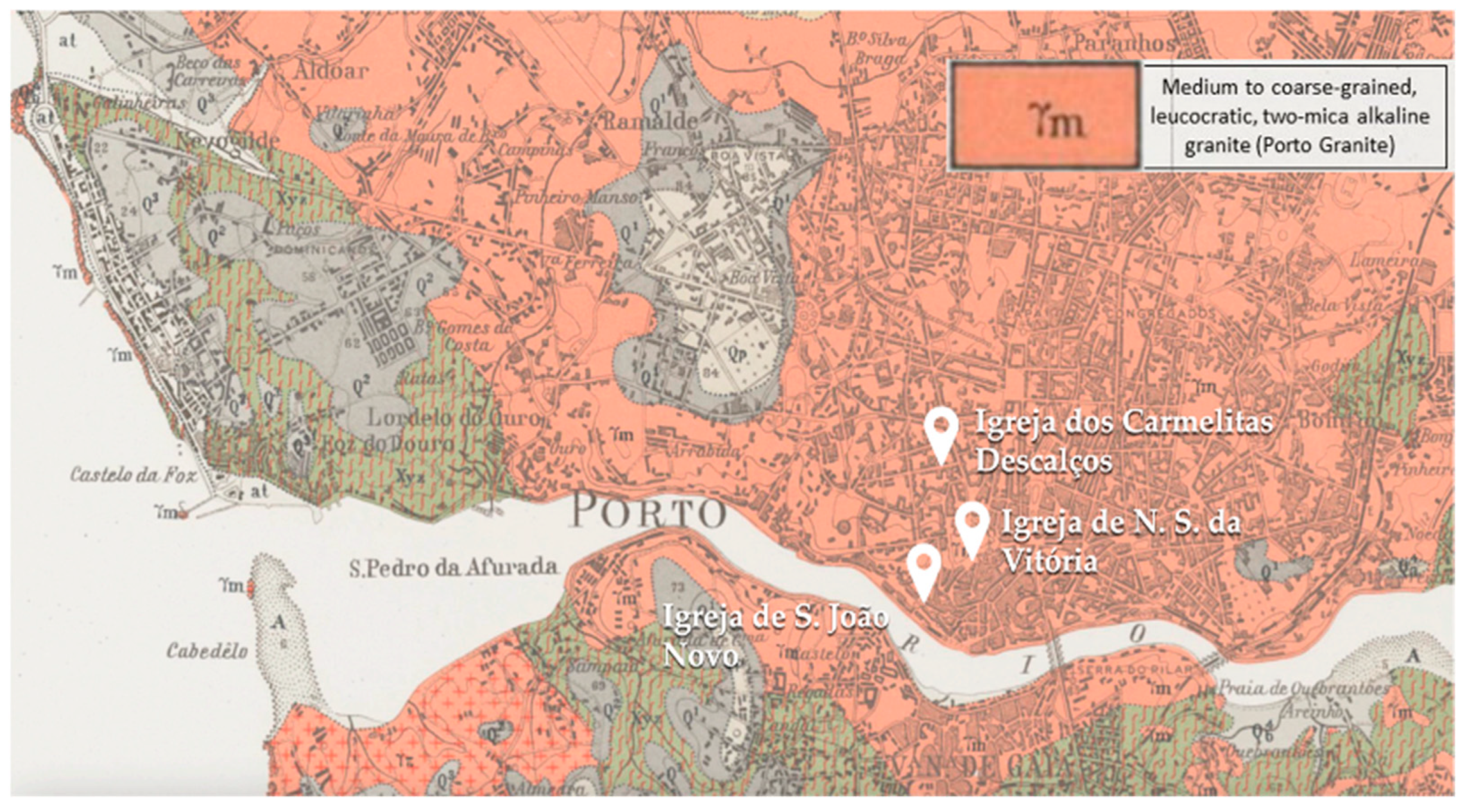
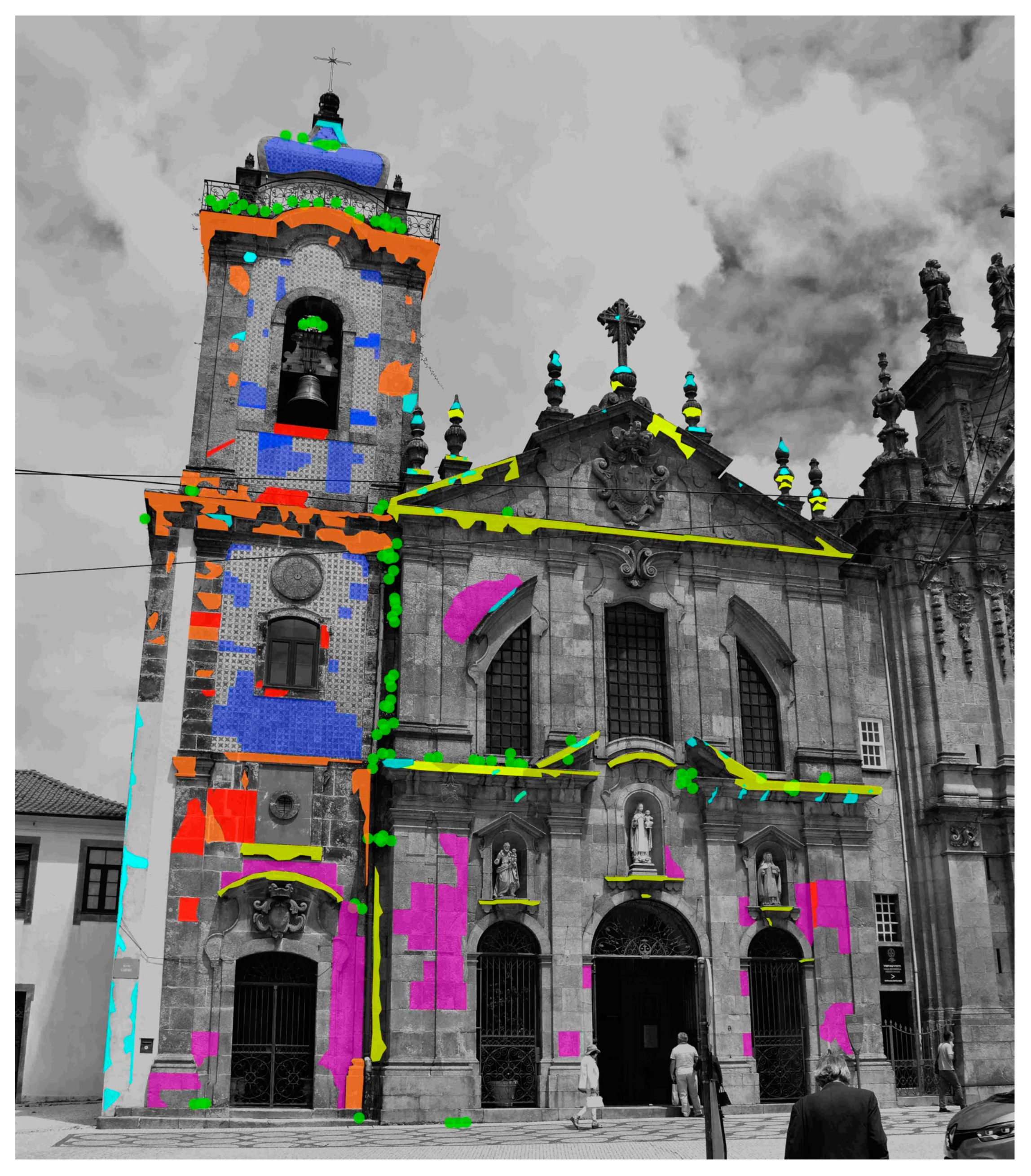
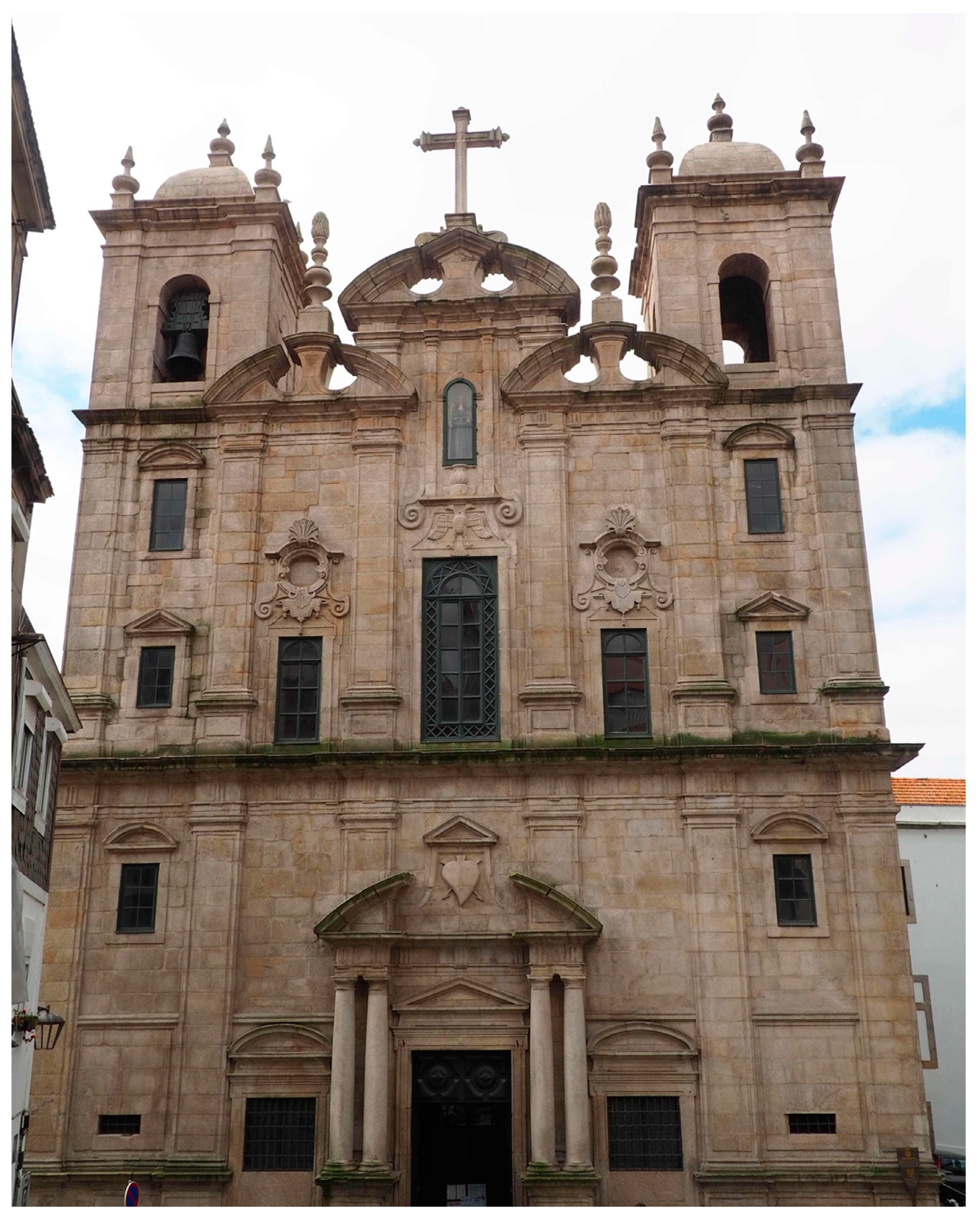
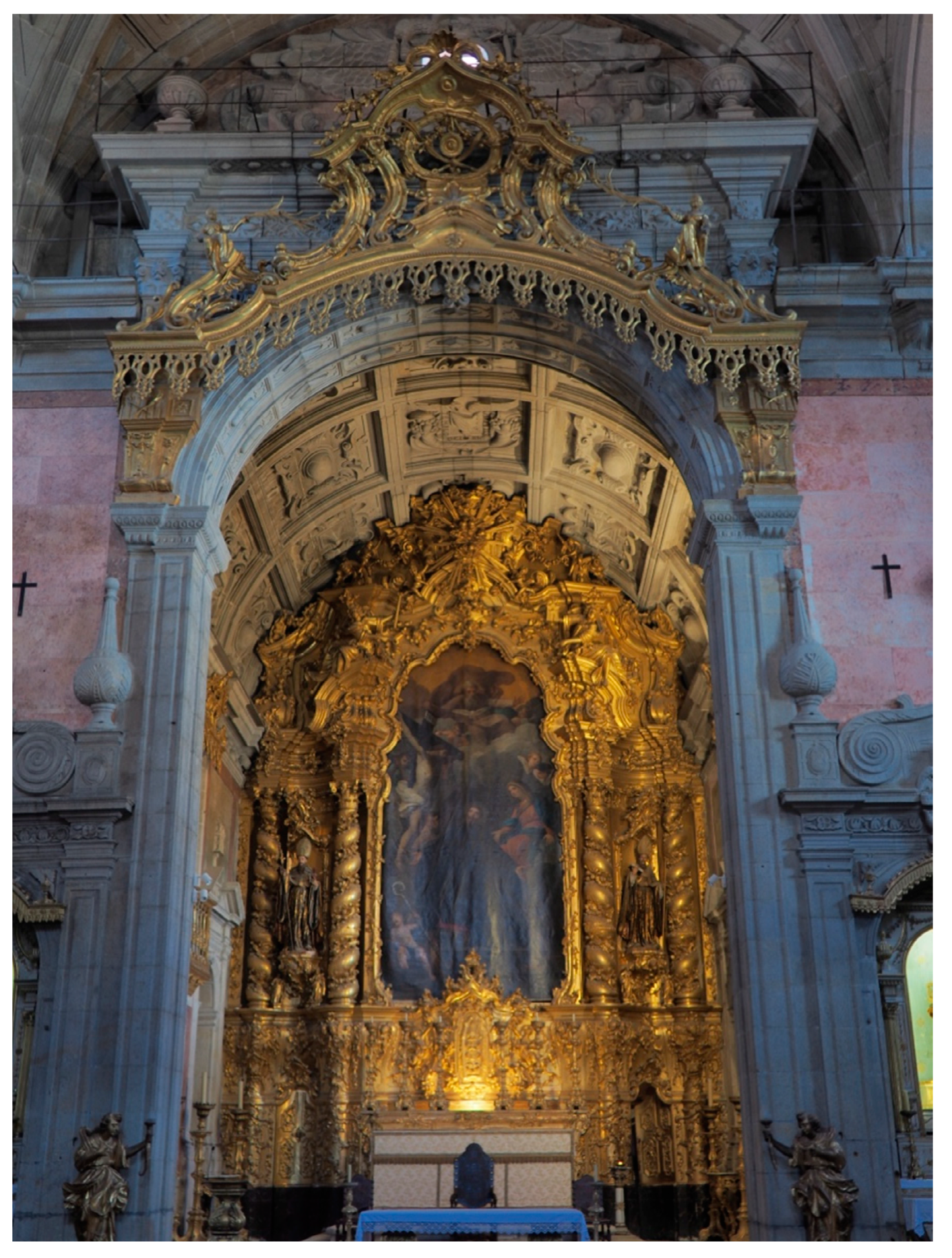
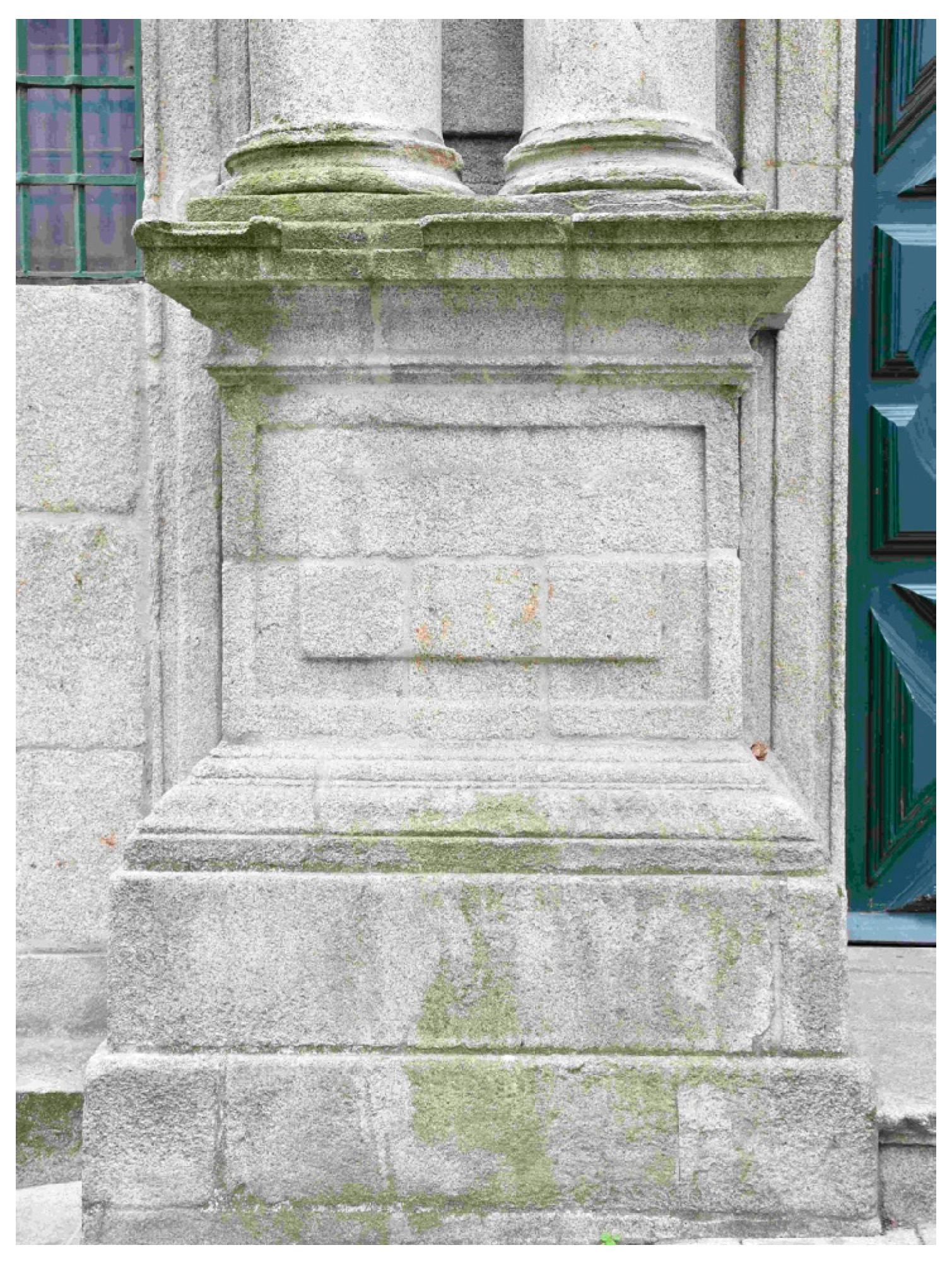
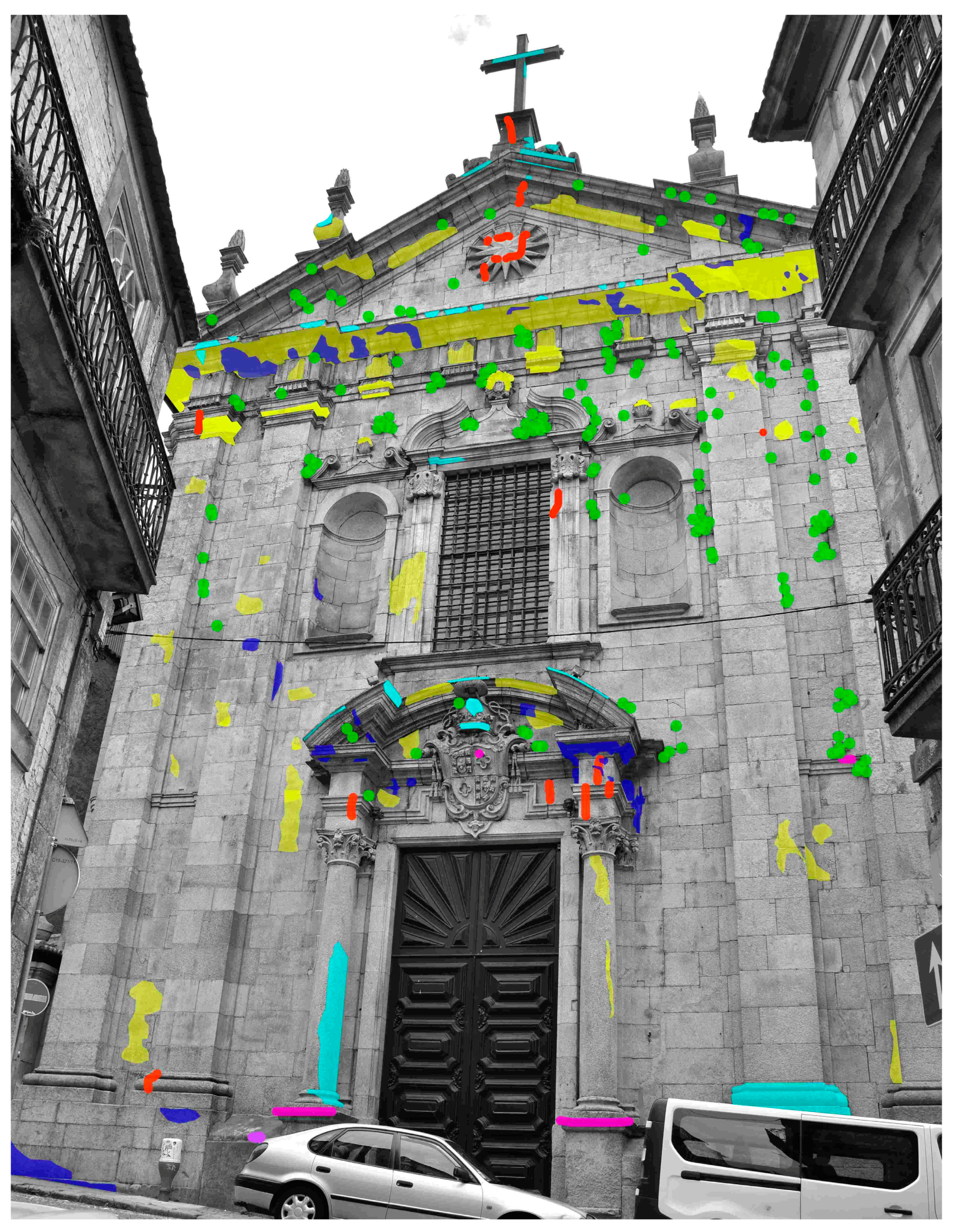
Pollution is a constant threat to cultural heritage, mainly affecting its constituent materials, and it is urgent to implement mitigation and adaptation measures to prevent pollution. The city of Porto currently has several initiatives that aim to prepare this municipality for climate change adaptation. This article aims to study the impact of pollution on built heritage, as well as the initiatives that are being implemented in the Municipality of Porto (as part of the Portuguese Camino to Santiago) to protect heritage, based on three case studies, namely Carmelitas Church, São João Novo Church, and Vitória Church, contextualising them over time and understanding their structure and materials. The methodology is based on an anomalies survey through local and surrounding photographic records to assess the effects of pollution, following the model developed at Carmo Church in Olinda, Pernambuco. This study’s results showed that the stone facade of Carmelitas Church, which is in a busier area of the city, is much more deteriorated when compared with the other case studies due to the direct impact of pollution.
Keywords: impact of pollution; degradation of materials; places of worship; stone materials; tiles; Porto City impact of pollution; degradation of materials; places of worship; stone materials; tiles; Porto City