Article

Assessment of Urban Size-Fractionated PM Down to PM0.1 Influenced by Daytime and Nighttime Open Biomass Fires in Chiang Mai, Northern Thailand


by
Phakphum Paluang
1,2,
Thaneeya Chetiyanukornkul
3,
Phuchiwan Suriyawong
2,
Masami Furuuchi
4,* and
Worradorn Phairuang
1,4,*
1
Department of Geography, Faculty of Social Sciences, Chiang Mai University, Muang, Chiang Mai 50200, Thailand
2
Research Unit for Energy, Economic and Ecological Management, Multidisciplinary Research Institute, Chiang Mai University, Muang, Chiang Mai 50200, Thailand
3
Department of Biology, Faculty of Science, Chiang Mai University, Muang, Chiang Mai 50200, Thailand
4
Faculty of Geosciences and Civil Engineering, Institute of Science and Engineering, Kanazawa University, Kanazawa 920-1192, Japan
*
Authors to whom correspondence should be addressed.
Urban Sci. 2026, 10(2), 103; https://doi.org/10.3390/urbansci10020103
Submission received: 30 November 2025 / Revised: 17 January 2026 / Accepted: 20 January 2026 / Published: 5 February 2026

Abstract

Open biomass burning (OBB) adversely affects air quality, climate systems, and public health. Large-scale OBB, including forest fires and crop residue burning, is prevalent in Southeast Asia (SEA), a region with agrarian countries. The characteristics of OBB have been widely studied in SEA; however, the understanding of daytime and nighttime variations in fire activity and the effects of fire production remains limited. A significant amount of particulate matter (PM) is released into the atmosphere during OBB episodes. This study employs the Visible Infrared Imaging Radiometer Suite (VIIRS) to detect active fires during daytime and nighttime from OBB in Chiang Mai, Thailand, during March–April 2020, and investigates the mass concentration of size-specific PM down to PM0.1. The results showed that hotspots occur more often at night than during the day. The VIIRS fire detection data provided a better response to small fires and improved mapping of extensive fire perimeters. PM0.5–1.0 showed the highest mass concentration among particle sizes. Moreover, fire hotpots show the highest correlations with PM0.1–0.5 during the daytime and PM0.5–1.0 during the nighttime, and the large OBB in Chiang Mai significantly contributes to ambient PM. Overall, this study offers crucial insights into particulate pollution from biomass burning.

1. Introduction

Biomass burning from agricultural residues, wildfires, and organic waste is a significant source of air pollution, with significant consequences on human health and the environment [1,2]. Crop waste residues, mainly rice straw, sugarcane leaves, and corn stems, are the most commonly burned items [3], and their combustion markedly degrades air quality, increasing the risk of respiratory and cardiovascular diseases [4,5]. Wildfires in forests and grasslands have become increasingly frequent in Northern Thailand, primarily due to soil moisture shortages [6]. Moreover, particle and greenhouse gas emissions from forest fires exert a critical influence on the Earth’s climate system [7], underscoring the necessity of adaptive strategies such as sustainable land use, improved forest management, and effective fire control to mitigate their impacts [8]. In parallel, organic waste from household and garden sources is increasingly managed through integrated approaches, including waste-to-energy incineration [9].
Uncertainty in pollutant emission estimates arises from various factors, including the size of burned areas. Satellite-based burned area products, such as those from the Moderate Resolution Imaging Spectroradiometer (MODIS), often underestimate agricultural burning due to their relatively coarse spatial resolution [10,11]. This limitation is particularly pronounced in regions such as Thailand, where rice fields and crop plots are typically small and highly fragmented [12]. The Visible Infrared Imaging Radiometer Suite (VIIRS), developed as the successor to MODIS, overcomes several of these constraints while preserving its core capabilities. With enhanced spatial resolutions of 375 m and 750 m, VIIRS enables more accurate detection of small-scale fire activity [13,14]. Although most previous studies have used MODIS data to investigate the spatiotemporal dynamics of specific fire types, such as crop residue burning and forest fires, these analyses have mainly focused on high-intensity fire regions, particularly Northeastern Thailand. In contrast, despite its importance, research on open biomass burning in Chiang Mai Province remains scarce. Located in Northern Thailand, Chiang Mai is characterized by extensive forest cover and numerous nationally protected areas, underscoring the critical need for effective forest fire prevention [3,15,16]. Moreover, Chiang Mai is a major agricultural region that generates substantial crop residues from rice and corn cultivation. Post-harvest burning of agricultural fields, especially in highland areas, is widespread and occurs annually. This recurring practice significantly contributes to particulate pollution and raises serious concerns regarding regional air quality [16,17].
Open biomass fires, such as wildfires and crop burning, significantly contribute to air pollution in numerous countries [18]. Biomass fires emit large quantities of particulate matter (PM), polycyclic aromatic hydrocarbons (PAHs), and harmful gases, including sulfur dioxide (SO2), carbon monoxide (CO), and nitrogen oxides (NOx), into the air [18,19,20,21]. PM emissions were affected by biomass types and combustion phases. Data were acquired during a forest fire experiment in Candeias do Jamari, Rondônia, where samples were collected directly from the smoke plume, revealing that the particle concentration and diameter changed dramatically. The particle size ranged from 0.066 to 0.275 µm [22]. Nevertheless, size-segregated PM data are essential for comprehending its formation, size distribution, sources, deposition in the human respiratory tract, and health impacts, especially during heavy biomass fire episodes [19,23]. Size-segregated PM refers to the concurrent monitoring of PM across various size ranges using cascade impactors or aerosol monitors (provided by Kanazawa University, Japan) [24]. A recent study by Phairuang et al. (2024) [19] reported that size-specific PMs, in the small to nanoscale (PM<0.1) range, influence PM-stimulated subcellular physical characteristics in cell lines. They were collected during a biomass fire episode in Chiang Mai, north of Thailand, and PM size distributions included PM<0.1, PM0.1–0.5, PM0.5–1.0, PM1.0–2.5, PM2.5–10, and PM>10, which displayed distinct features across different PM sizes. Size-fractionated PMs are therefore significant because of their varying degrees of detrimental effects on human organ systems and respiratory tracts, which can result in serious illnesses. Recent global epidemiological studies have increasingly highlighted the severe health risks associated with ultrafine particles (UFPs), particularly their systemic impact beyond the respiratory system. For instance, long-term exposure to UFPs has been independently linked to increased mortality and cardiovascular incidents in large-scale cohorts in North America and Europe, distinct from the effects of PM2.5 mass [25,26]. Furthermore, systematic reviews indicate that UFPs can induce potent inflammatory responses and elevate blood pressure due to their high surface area and ability to translocate into the bloodstream [27,28].
Forest fires and agricultural residue burning are major contributors to regional air pollution in Northern Thailand, particularly in Chiang Mai. Although the diurnal variability of fire activity has been thoroughly documented, the relationship between the timing of fire detection—specifically the distinction between daytime and nighttime events, and size-resolved PM concentrations in the small-to-nano size range—remains poorly characterized. Thus, this study examines open biomass burning activity during severe haze episodes in March–April 2020 using VIIRS 375 m active fire products in combination with land cover data. The findings provide a scientific basis for regulatory frameworks by elucidating the spatiotemporal dynamics and key factors driving the two primary biomass burning sources. In addition, size-fractionated PM down to PM0.1 is analyzed to determine how diurnal variations in fire activity influence the particle size distribution.

2. Materials and Methods

2.1. Study Area

The authors selected Chiang Mai Province, Northern Thailand, as the study area. The sampling site, located at Chiang Mai University, was chosen to represent the urban basin, which serves as a primary receptor area where pollutants accumulate due to the surrounding mountainous topography, thus effectively representing population exposure. The study region spans 17–21° N and 98–99° E. Chiang Mai includes 24 districts. Central and Western Chiang Mai have higher population densities (Figure 1). Chiang Mai’s elevation and geographical distribution are shown in Figure 2, with higher topography in the northwest and lower terrain in the central and southeast regions. Chiang Mai has around 70% forest cover and many nationally protected species [29]. Chiang Mai has high agricultural and forest yields, making it a viable source of open biomass for burning. Open burning monitoring needs to improve to prevent crop residue burning, conserve forests, and reduce air pollution.

2.2. Datasets

2.2.1. Visible Infrared Imaging Radiometer Suite (VIIRS) Data

Visible Infrared Imaging Radiometer Suite (VIIRS) fire spots are fire hotspots detected by the VIIRS sensor on the Suomi National Polar-Orbiting (Suomi NPP) satellite. This satellite was launched on 28 October 2011, and is primarily designed to detect and measure infrared radiation (heat) emitted by fires (temperatures above 800 degrees Celsius) [30,31], which are displayed as points. Furthermore, the VIIRS fire spot system includes a multi-spectral sensor with spatial resolutions of 375 m and 750 m, respectively. The data recording frequency is every 12 h, allowing data collection in any given area up to four times per day (twice during the daytime and twice at night) [30,32]. Specifically, the VIIRS satellite overpass times (approximately 1:30 p.m. for daytime and 1:30 a.m. for nighttime) occurred directly within the 11.5-h p.m. sampling intervals (daytime: 7:00 a.m.–6:30 p.m.; nighttime: 7:00 p.m.–6:30 a.m.), ensuring temporal alignment between fire activity detection and particulate matter collection. This ensures accurate measurements and provides officials with sufficient information for fire management. However, it is important to note the potential uncertainty in satellite detection; thick smoke haze or cloud cover during intense burning episodes may obstruct the sensor, potentially leading to an underestimation of the actual number of active fires. However, we chose to use VIIRS hotspots measured between 28 March and 24 April 2020, covering Chiang Mai Province in Thailand (data are available at https://firms.modaps.eosdis.nasa.gov/download/ (accessed on 1 January 2026)). This period was marked by severe air pollution that significantly affected the area. Additionally, this study used only fire spots with moderate to high confidence values, as these intervals indicate that the measurements reflect actual burning in the areas [33]. Compared to MODIS, 375 m satellite fire detection data provide a better response to small fires and better mapping of extensive fire perimeters [34]. The data are suitable for fire management and other scientific applications.

2.2.2. Land Use and Land Cover

The data for this study were obtained from the Land Development Department (LDD) in Thailand. Readers can access the data free of charge at https://tswc.ldd.go.th/DownloadGIS/Index_Lu.html (accessed on 1 January 2026). This product was derived from two types of satellite imagery: Landsat-8 OLI and Sentinel-2. The Landsat-8 OLI satellite images use a combination of bands 5 (red), 6 (green), and 4 (blue), along with the Near-Infrared (NIR) band 5 (0.85–0.88 μm). Similarly, the Sentinel-2 satellite images use a combination of bands 8 (red), 11 (green), and 4 (blue), along with Near-Infrared (NIR) band 8 (0.833–0.835 μm) [35]. The resulting images suit sugarcane, cassava, and rubber plants. This dataset possesses a spatial resolution of approximately 10–60 m and was developed using supervised classification techniques. For this study, land use data for Chiang Mai Province were acquired in 2014, ensuring temporal relevance to the study period. Additionally, the validation process incorporates field surveys and various coefficients to confirm the accuracy of the assessment results. The dataset also provides detailed land cover classifications, including cropland, forest, grassland, shrubland, and water bodies, along with symbols specific to each land use category [36]. Given the air pollution situation in the study area, this study focused on only five land use and land cover types: deciduous forest (F201), evergreen forest (F101), rice plantation (A1), maize plantation (A202), and sugarcane plantation (A203). These areas are long-standing sources of air pollution that significantly affect air quality in the study area, especially forest areas, where the percentage of forest fires can reach 100%. Implementing corrective measures is highly challenging when burning occurs in forest areas, dense forests, or on steep slopes. This problem leads to severe air pollution, which harms the environment.

2.2.3. Meteorological Data and Air Mass Movement

The meteorological data used in this study include maximum and minimum temperatures, wind speed, wind direction, relative humidity, and air pressure. The Northern Meteorological Center provided these data. Meteorological factors are significant drivers of air pollution. The Northern Meteorological Center provided hourly meteorological data. Meteorological factors are significant drivers of air pollution. Specifically, hourly wind speed and direction data were analyzed and visualized as wind rose diagrams in GIS software (ArcGIS pro version 3.6.0) to illustrate local airflow patterns during the study period. Specifically, they can influence the severity of air pollution or alleviate it. Furthermore, meteorological conditions are considered uncontrollable, meaning no measures can be implemented to lower temperatures or increase wind speed [37]. The Air Resources Laboratory (ALR) of the National Oceanic and Atmospheric Administration (NOAA) generated the HYbrid Single-Particle Lagrangian Integrated Trajectory Model version 4 (HYSPLIT-4) in 2020 to calculate a 12-h backward trajectory to the sampling sites. The researchers set the sampling location arrival height at 2500 m above ground level to match the model’s limits and surface data [3,38].

2.3. Sampling Description

In this study, the cascade size-segregated air sampler collected particles down to the nanoparticle size range (PM<0.1) during intense biomass fire episodes. The sampling equipment was installed at Chiang Mai University. This site is situated on the western side of the Chiang Mai basin, a flat terrain surrounded by high mountains. Due to this topography, the site serves as an accumulation zone for pollutants and effectively represents the urban layout and population exposure of Chiang Mai city. This sampler involved four stages—PM0.5–1.0, PM1.0–2.5, PM2.5–10, and PM>10, reflecting particle sizes of 0.5–1.0, 1.0–2.5, 2.5–10, and >10 μm, respectively; an inertial filter stage (PM0.1–0.5); and a backup filter stage (<0.1 μm, PM<0.1). The sampler was used at a flow rate of 40 L/min for 11.5 h during daytime and nighttime, retrieved from a 55 mm quartz fibrous filter (Pallflex 2500QAT-UP, Pall Corporation, Putnam, CT, USA), and PM0.1–0.5 collected from an inertial filter containing stainless steel wool (9.8 ± 0.03 mg) (Nippon Seisen Co., Ltd. (Osaka, Japan), felt form, SUS) [24]. Before sampling, the quartz filter paper and inertial filter underwent several quality assurance measures, including pre-baking, aluminum foil wrapping, conditioning, and preservation [39]. Sampling occurred during the hot dry season. Sampling was conducted daily for 28 days, from 28 March to 24 April 2020, during the peak of the haze episode in Northern Thailand. During this period, samples were collected twice daily to distinguish between diurnal variations: daytime sampling (approx. 11.5 h) and nighttime sampling (approx. 11.5 h), yielding a total of 56 samples per size fraction.

3. Results and Discussion

3.1. Fire Hotspots in Chiang Mai, Thailand

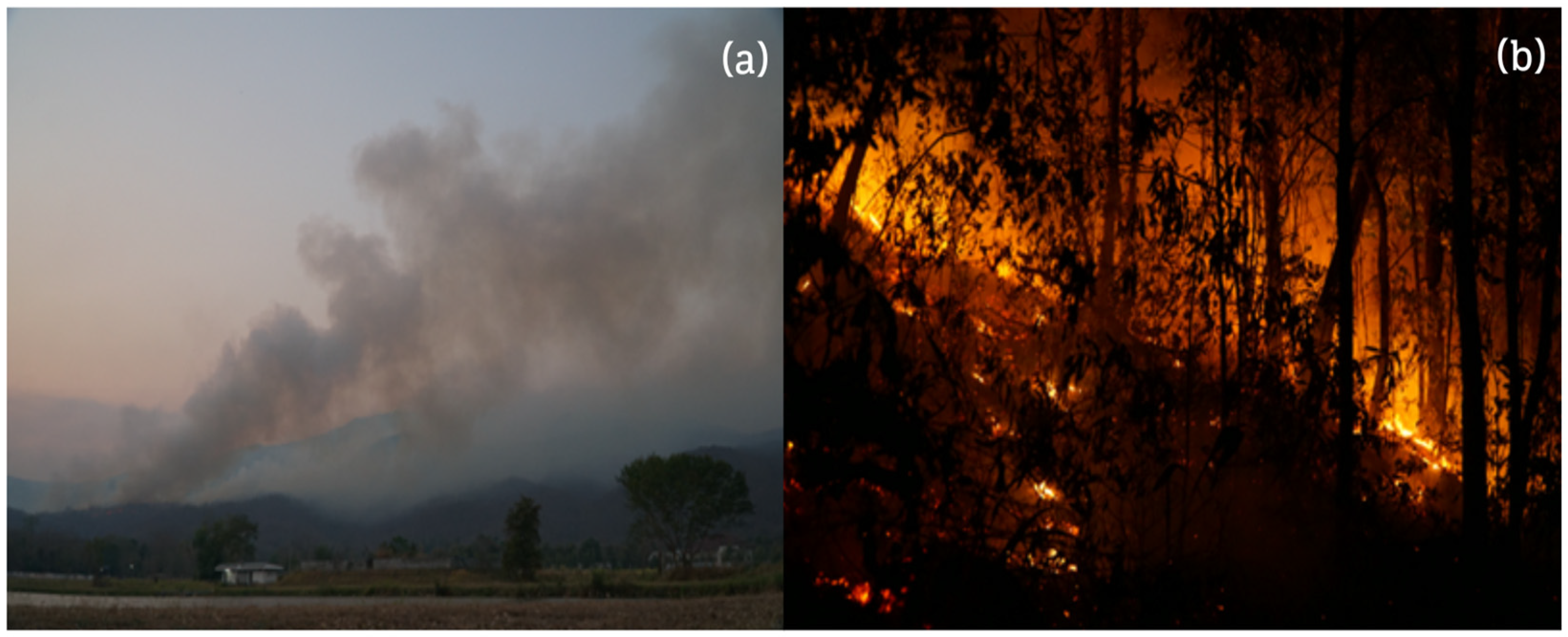
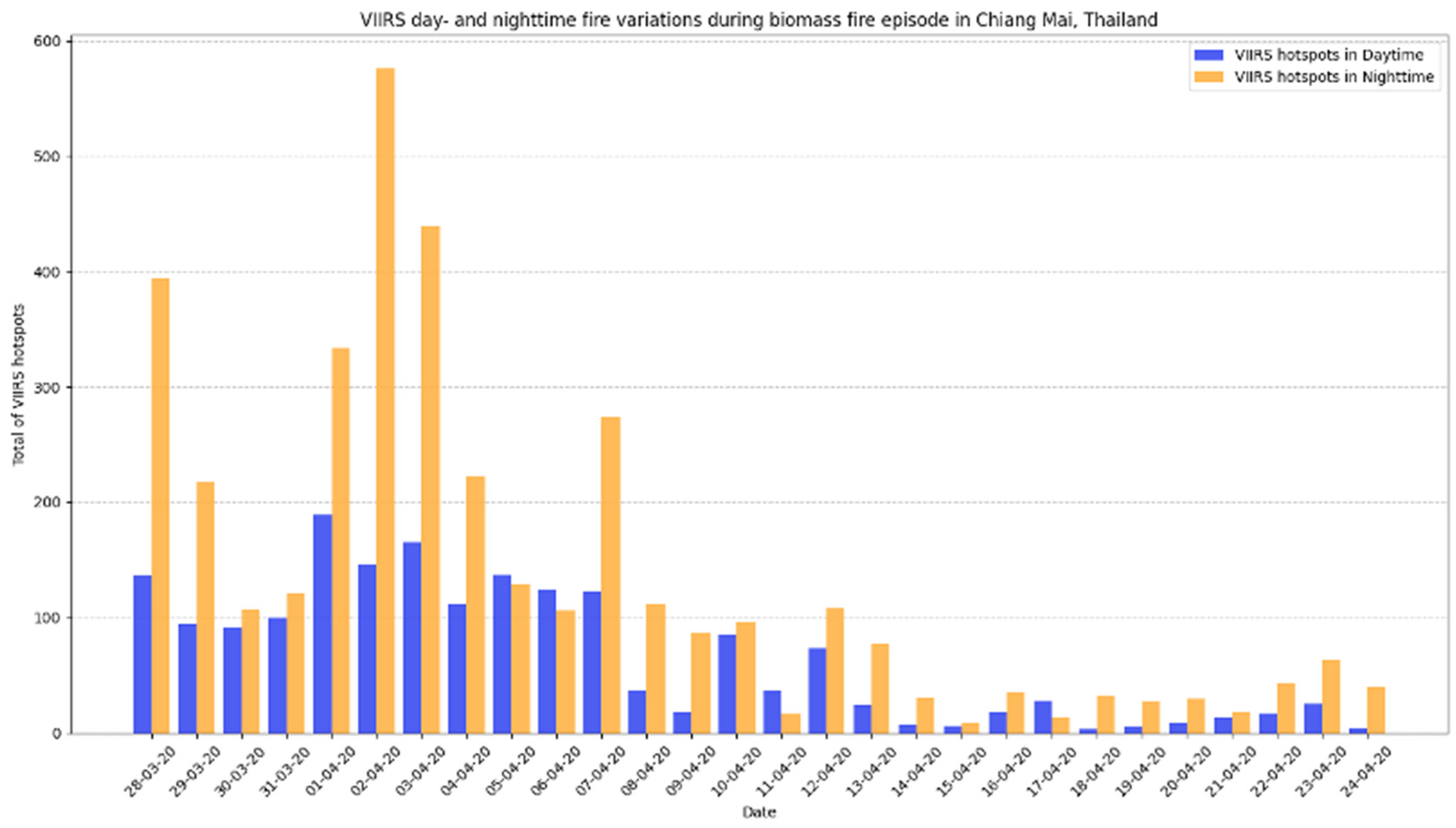
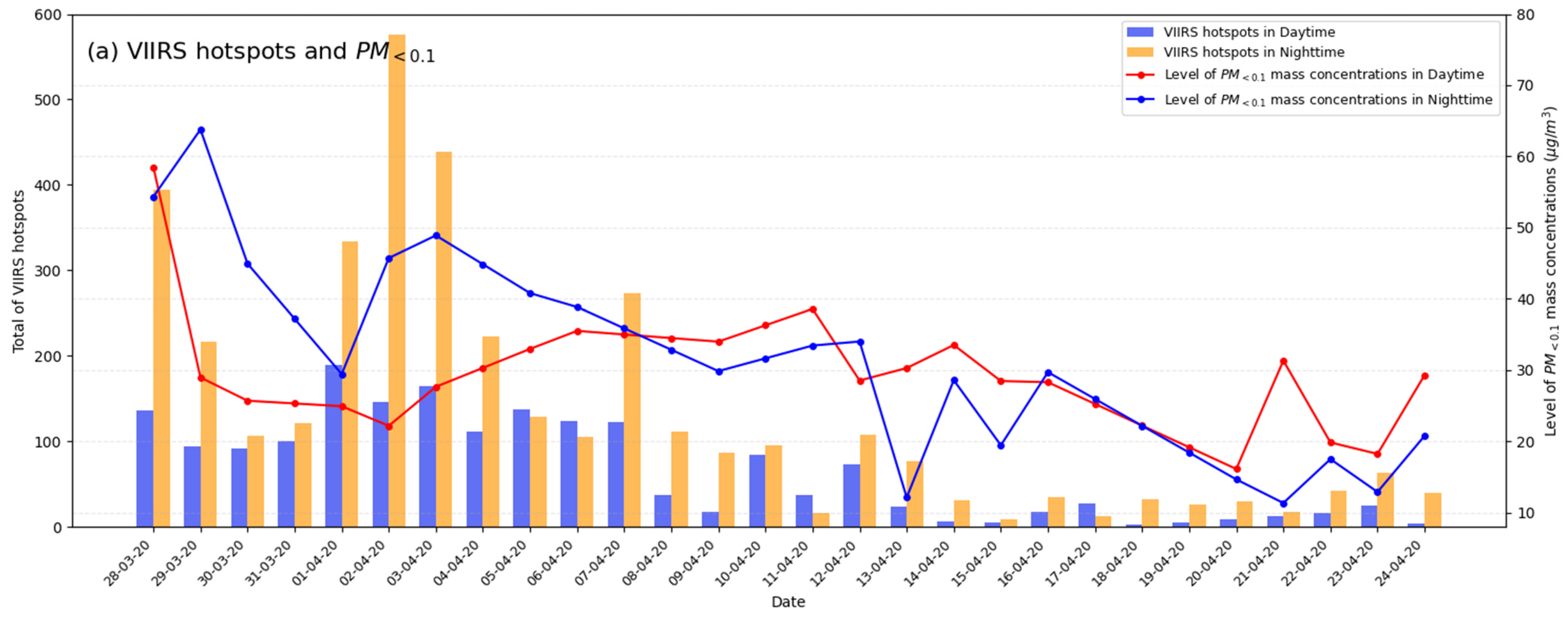
Chiang Mai experiences biomass burning during the dry season, both during the day and at night. Figure 3 shows an open wildfire in Chiang Mai, which occurred approximately 2 km2 from the PM sampling site. This difference between day and night fires can be further explained by VIIRS satellite data, which detected significantly more hotspots at night than during the day. During the study period, a total of 5585 VIIRS hotspots were detected, of which 1827 (32.71% of the total) were detected during the daytime, and 3758 (67.29% of the total) were detected during the nighttime.
The time series of VIIRS hotspots is shown in Figure 3. The time series indicates that during this period, the number of fire spots peaked significantly between 28 March and 10 April 2020, then declined continuously. The meteorological conditions during the early part of the fire period were characterized by dry weather. Dry meteorological conditions substantially affect biomass in the region, including dry leaves and branches, which become highly flammable and easy to burn. This condition increases combustion efficiency, leading to greater pollutant emissions into the atmosphere [40,41]. In contrast, the meteorological conditions after 10 April 2020 were directly influenced by high-pressure systems or warm air masses from China, which typically cover Thailand’s northeastern and northern regions around mid-April each year [42]. When these air masses collide with low-pressure systems or warm air masses in the area, they trigger summer thunderstorms. This phenomenon is a crucial factor contributing to the continuous decline in detectable hotspots after 10 April.
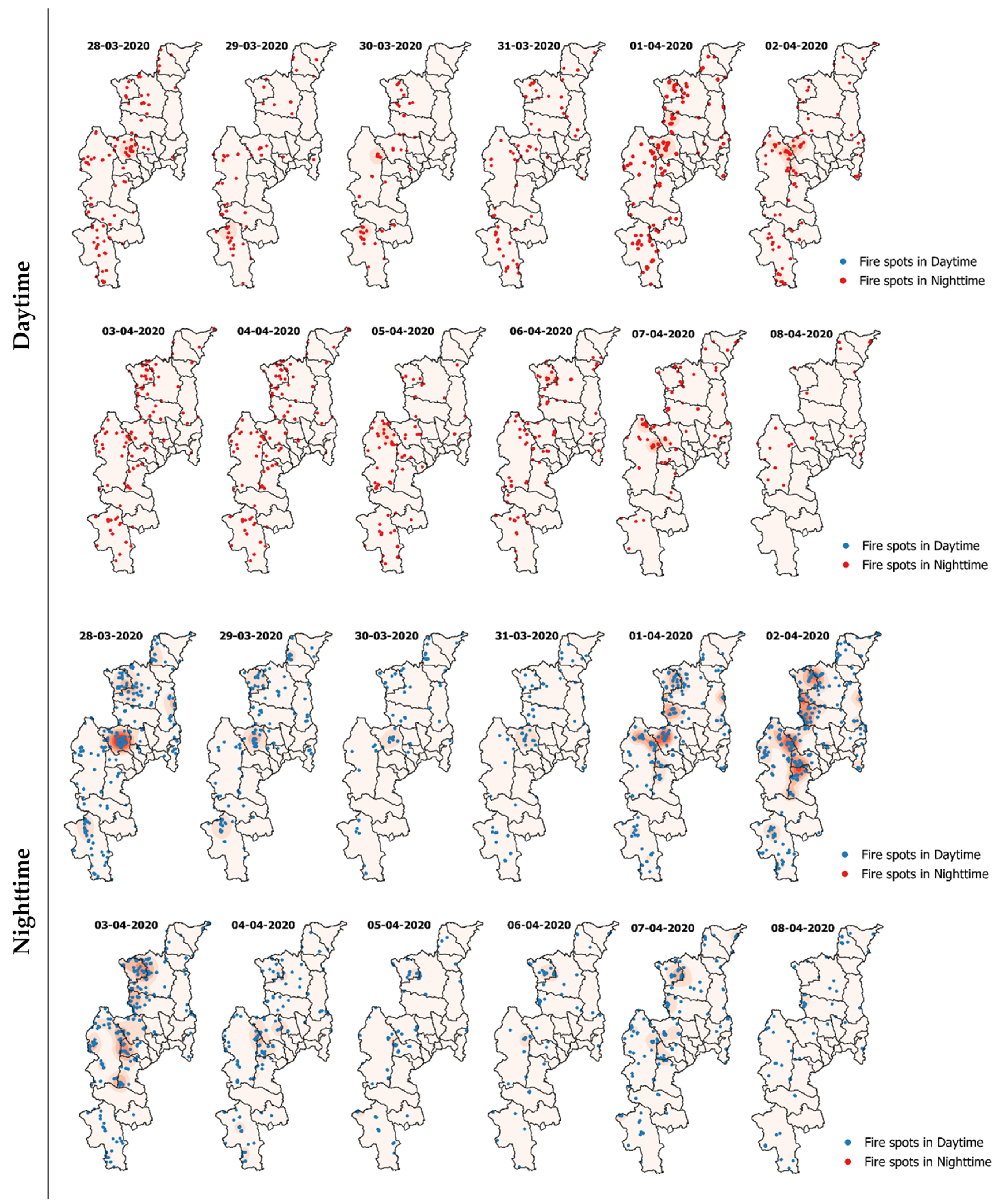
Figure 4 displays that fire spots were consistently higher at night, likely due to cooler temperatures, which may create more favorable conditions for satellite detection [43]. In contrast, daytime fire detections, although present, were substantially less common, likely due to stronger atmospheric interference that can prohibit combustion. After 10 April, a sharp decline in fire activity coincided with the onset of early summer storms, which increased regional precipitation and humidity, effectively suppressing fire activity across the area. This pronounced seasonal transition highlights the dominant influence of meteorological conditions on fire dynamics in Chiang Mai Province during the dry season [44,45]. Moreover, to visualize this spatiotemporal variation in Figure 4 and Figure 5, hotspots detected during the daytime are represented in red, while those detected at night are shown in blue.
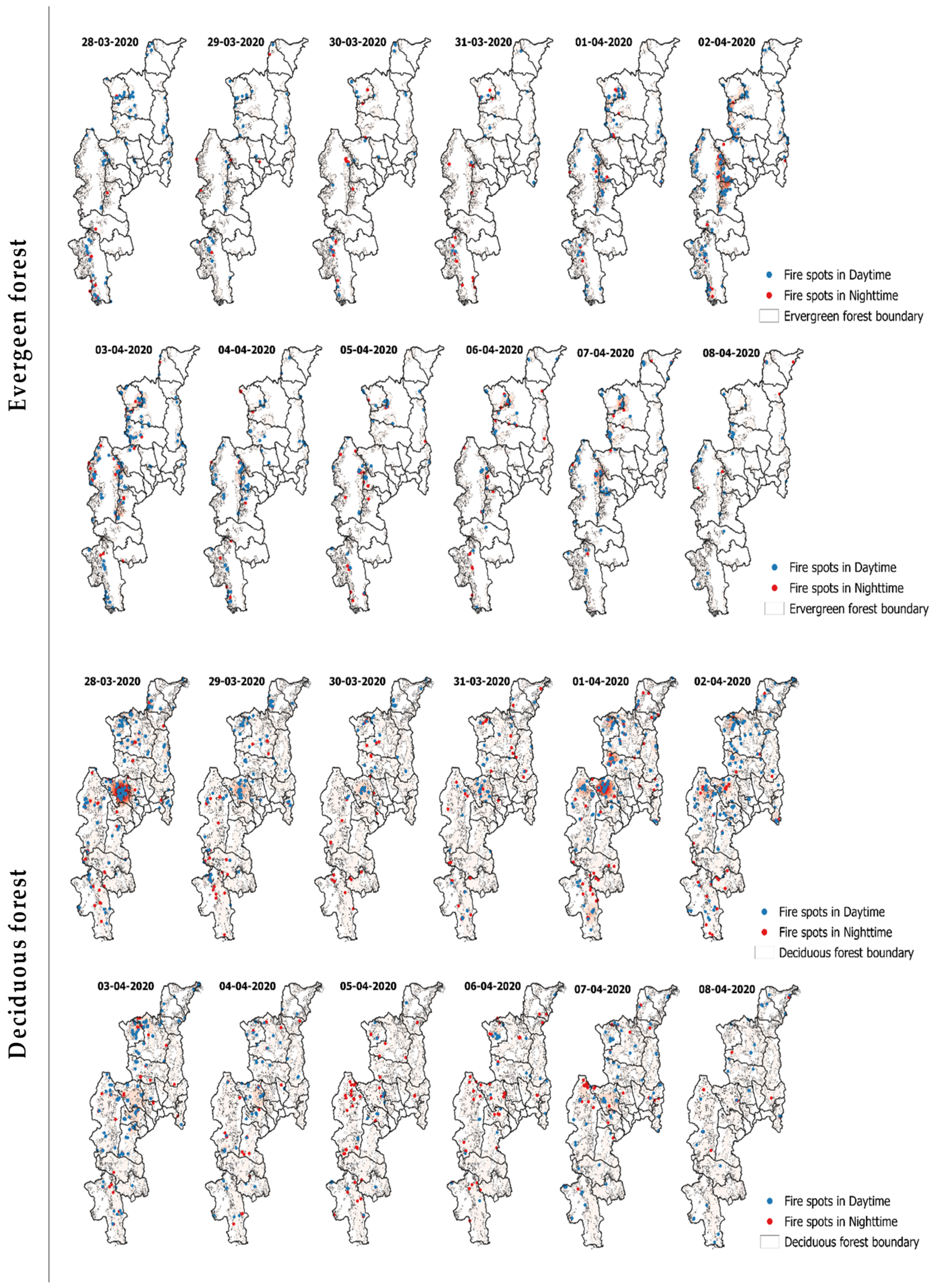
Furthermore, the peak in fire spots, particularly between 28 March and 10 April, aligns with the annual dry season forest fires. This corresponds to the topography of Chiang Mai Province, where most of the area, covering 12,480 km2 or 70% of the province’s area, is forested [29,46]. Specifically, deciduous forests account for 9464.51 km2, or 75.83% of the forested area, while evergreen forests cover 3016.01 km2, or 24.16% of the forested area. Corn plantations had the highest number of fire spots in agricultural regions, with 102 points. This pattern is likely due to corn’s greater economic and agronomic advantages, which allow it to be cultivated without irrigation, facilitating its expansion into forested areas. Rice cultivation ranked second, with 45 detected hotspots. Although rice is a crucial economic crop that supports livelihoods, the study period did not coincide with the rice harvest season, which typically occurs between November and December each year. Lastly, no fire spots were detected in sugarcane plantations, as sugarcane farming is limited in Chiang Mai. Because 90% of harvested sugarcane is sent to sugar mills for processing sugar, Chiang Mai lacks such facilities. The only sugar factory in the upper north is in Uttaradit Province, making sugarcane cultivation economically unfeasible in Chiang Mai [46]. This pattern is depicted in the density map of fire spots categorized by land use, as shown in Figure 5. By overlaying hotspot data with Land Use/Land Cover (LULC) maps, we clearly distinguished the sources of biomass burning: forest fires (deciduous and evergreen forests) accounted for the majority of hotspots, whereas agricultural burning was primarily dominated by corn residue burning, with negligible contribution from sugarcane in this specific region.

3.2. Particulate Matter and Fire Hotspots

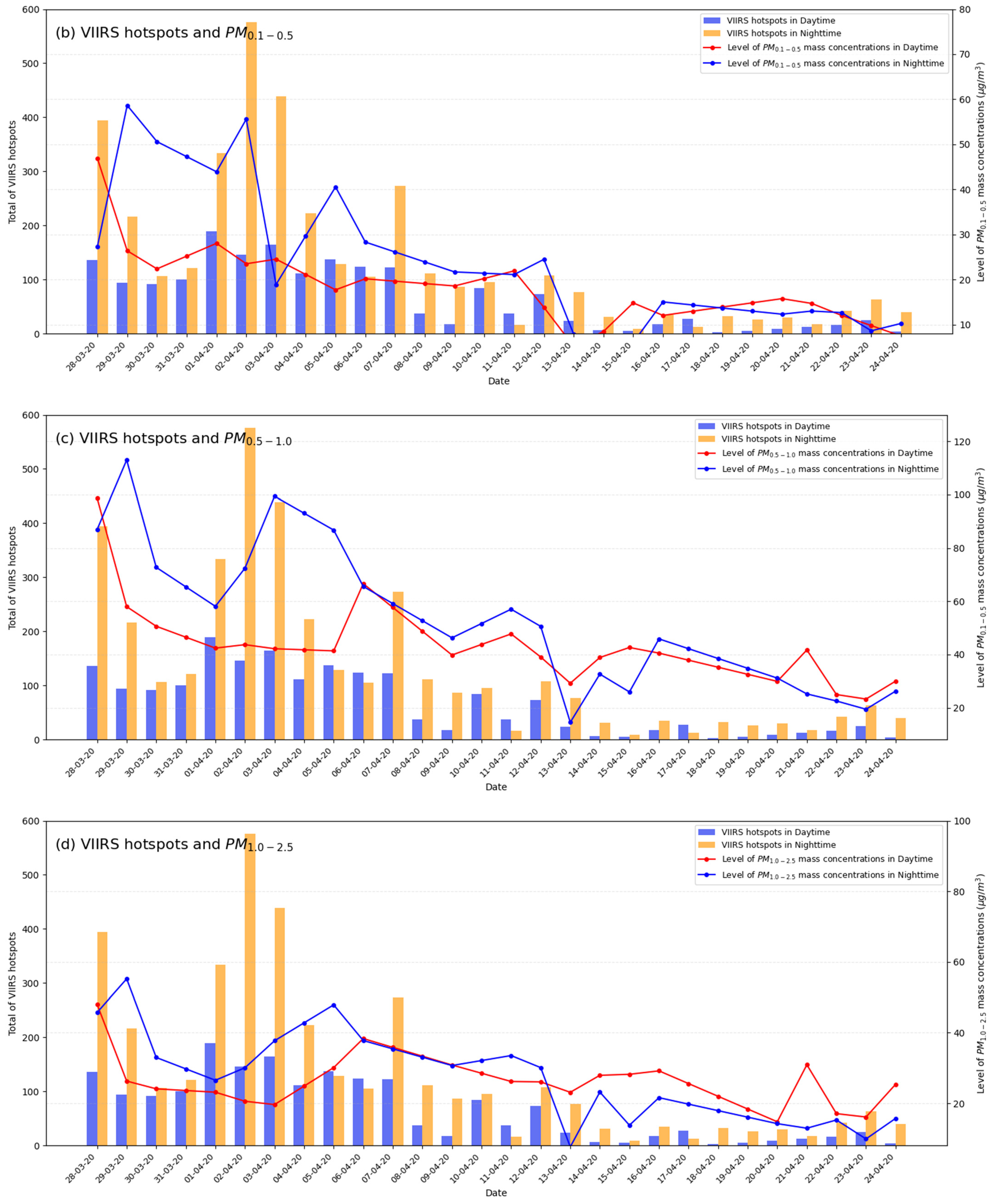
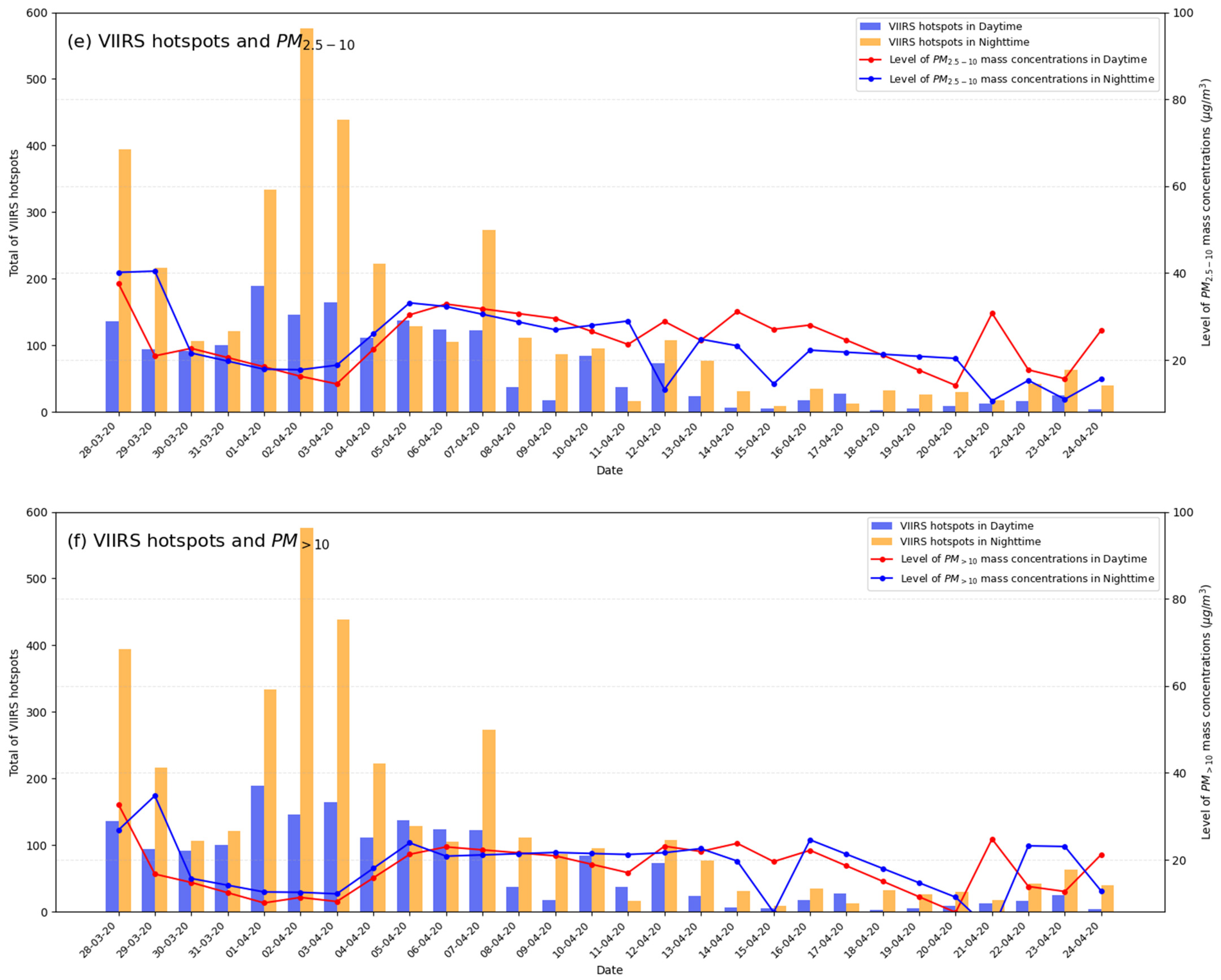
The mass concentration of PM was higher at night than during the day from the start of severe biomass burning in Chiang Mai. The numerous forest fires near Doi Suthep mountain, approximately 2 km from the sampling site, may contribute to the significant smoke in the Chiang Mai area. Figure 6a–f) show size-fractionated PMs down to PM<0.1, and hotspot counts from VIIRS. The peak PM mass concentration was in the PM0.5–1.0 size fraction. After mid-April, the mass concentration during daylight hours exceeds that at night, as unstable atmospheric conditions tend to be more pronounced during the day, leading to higher particle levels and elevated airborne size-fractionated PM concentrations. The finer particle size, including PM0.1–0.5 and PM0.5–1.0, corresponds to high active fires. These results implied that the smoke haze during the Chiang Mai, Thailand, biomass fire episode mainly produced submicron particles (<1 µm). This information agrees with the findings of Phairuang et al. (2019) [16], who reported that particles released from biomass fires were in the 0.5–1.0 µm size range during biomass fire episodes in Chiang Mai in 2014–2015.
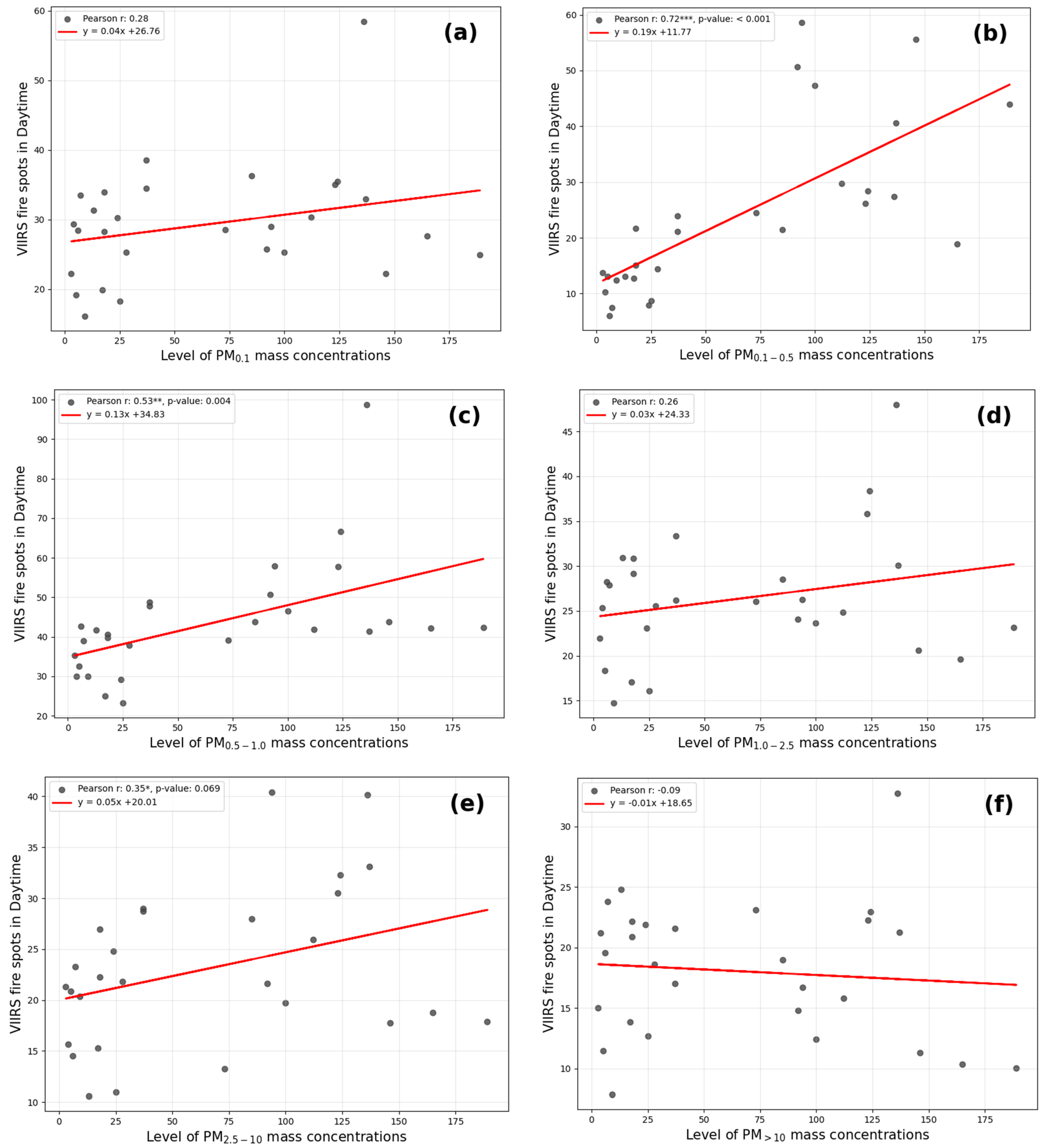
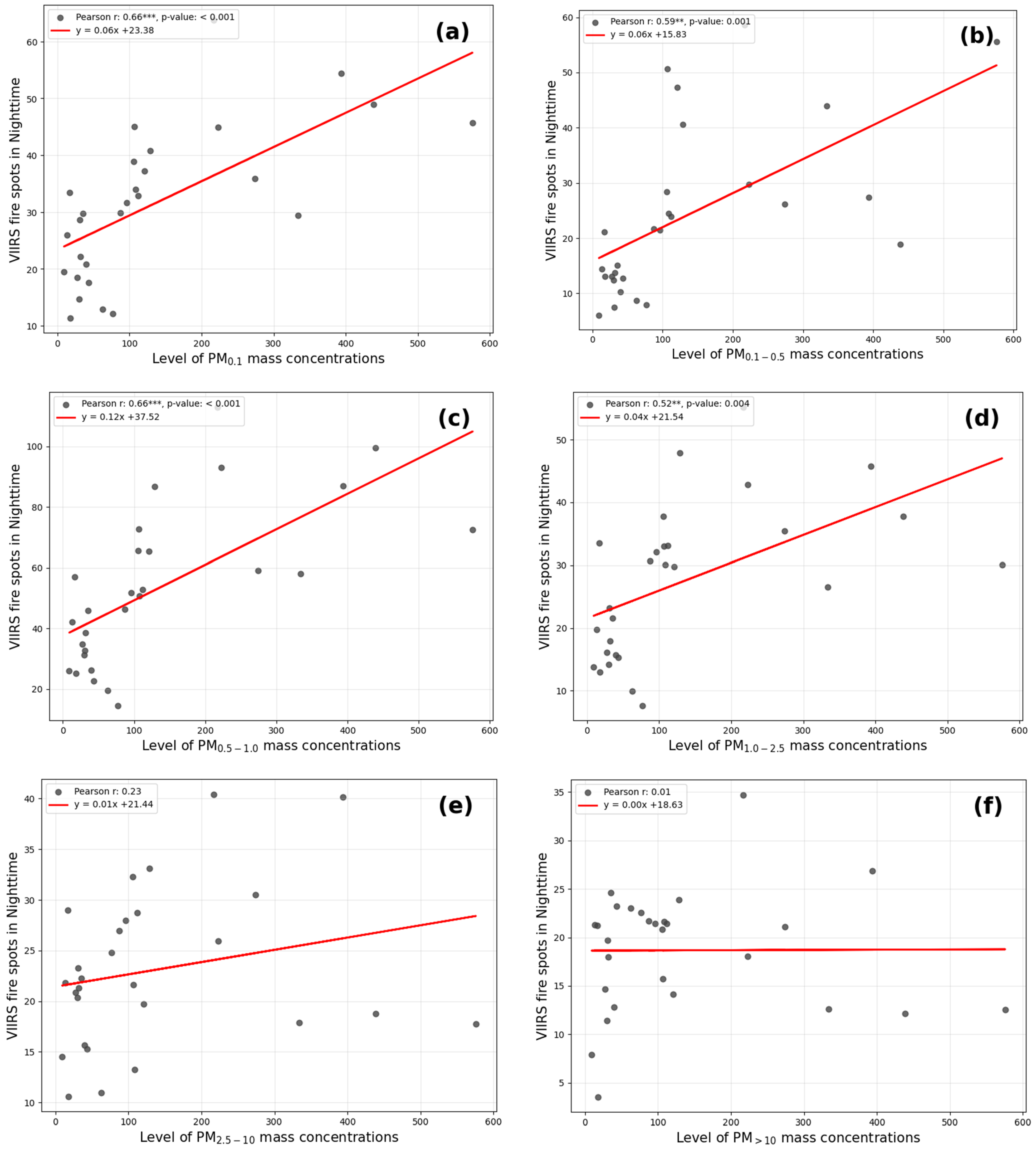
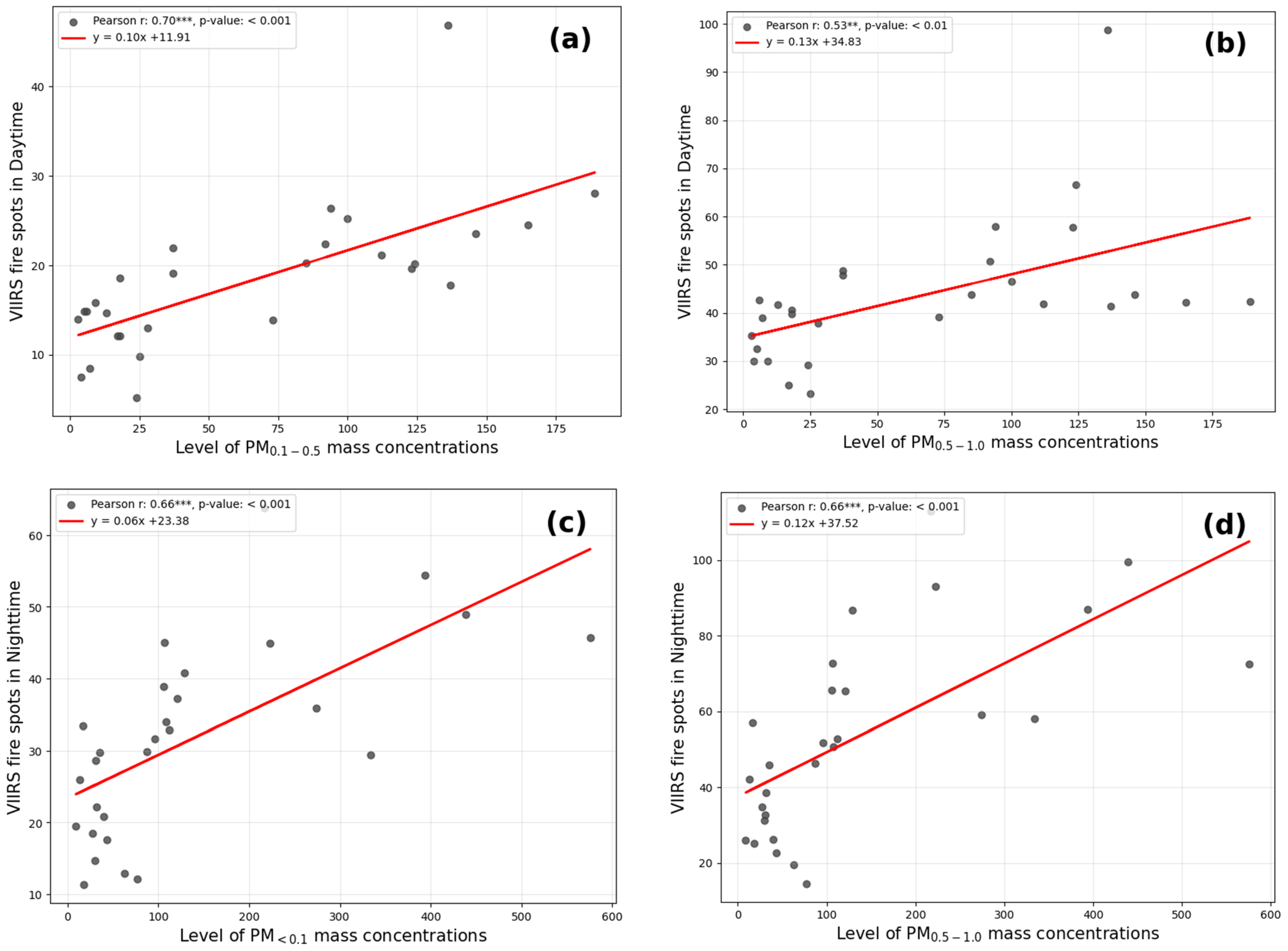
Figure 7 shows the correlations between VIIRS hotspots and PM mass concentrations in the size-specific PM over Chiang Mai, Northern Thailand, plotted during the daytime and nighttime. From Figure 7a,b, the highest correlation is found at particle sizes of 0.1–0.5 µm (r = 0.72, p < 0.001) and 0.5–1.0 µm (r = 0.53, p < 0.01), respectively. These results imply that OBB, especially wildfires in the Chiang Mai area, releases significant amounts of particles into the atmosphere. Small particles dominate the dry season, notably fine particles in the 0.1–0.5 and 0.5–1.0 µm size ranges. Figure 7c,d also shows the correlations between VIIRS hotspots and PM mass concentrations in size-specific PM during nighttime. The plots show that the highest correlation is found in the particle size range of 0.1–0.5 µm and 0.5–1.0 µm (r = 0.66, p < 0.001). Interestingly, nighttime shows a better correlation than daytime for the same PM size. This study’s findings indicate that local emissions play a vital role in contributing to particulate pollution, alongside the influence of air masses from regions with high pollution levels. However, it is worth noting that ambient particle mass concentrations in upper Southeast Asia (Thailand, Myanmar, Laos, Vietnam, and Cambodia) are higher than in continental Southeast Asia (Malaysia, Singapore, Brunei, and Indonesia), except in specific areas, such as industrial areas. The mass of PM concentrations in this study was around 2–10 times higher than normal ambient conditions [1,8]. The correlation plots for other PM size fractions are presented in the Appendix A.
The observed dominance of nighttime hotspots and their strong correlation with specific PM fractions can be attributed to distinct atmospheric and monitoring mechanisms. Firstly, the higher frequency of VIIRS hotspots detected at night is largely due to the enhanced thermal contrast between active fires and the cooler land surface, which increases the sensor’s sensitivity to smaller fires that might be missed during the day. Secondly, the high mass concentration of PM0.5–1.0 is consistent with the characteristic size distribution of primary aerosols directly emitted from biomass burning. Regarding the correlations, the stronger and highly significant relationship (p < 0.001) with PM0.1–0.5 during the daytime is likely driven by solar radiation-induced photochemical reactions, which promote the formation of secondary ultrafine particles. In contrast, the strong correlation (p < 0.001) with PM0.5–1.0 during the nighttime is attributed to the lowering of the planetary boundary layer and the formation of temperature inversions. These stable conditions suppress vertical dispersion, trapping primary smoke particles PM0.5–1.0 near the surface and leading to a direct, statistically significant correlation with fire activity.

3.3. Influence of Wind and Air Mass Movement

3.3.1. Influence of Wind

Temperature, relative humidity (RH), wind direction (WD), wind speed (WS), rainfall, and other meteorological data were collected at the Thailand Air Quality and Noise Management Bureau’s PCD monitoring station in Chiang Mai. The rainfall during the haze season is zero millimeters (no rain in Chiang Mai from 28 March to 24 April 2020). Daytime temperatures were 34.4 ± 2.9 °C, and nighttime temperatures were 23.9 ± 1.8 °C, while the relative humidity was 35.5 ± 7.3% and 64.1 ± 7.5%. Previous studies in Northern Thailand have established that such meteorological variations, particularly atmospheric stability and low nighttime wind speeds, play a critical role in the accumulation of biomass-burning aerosols [37,47,48,49].
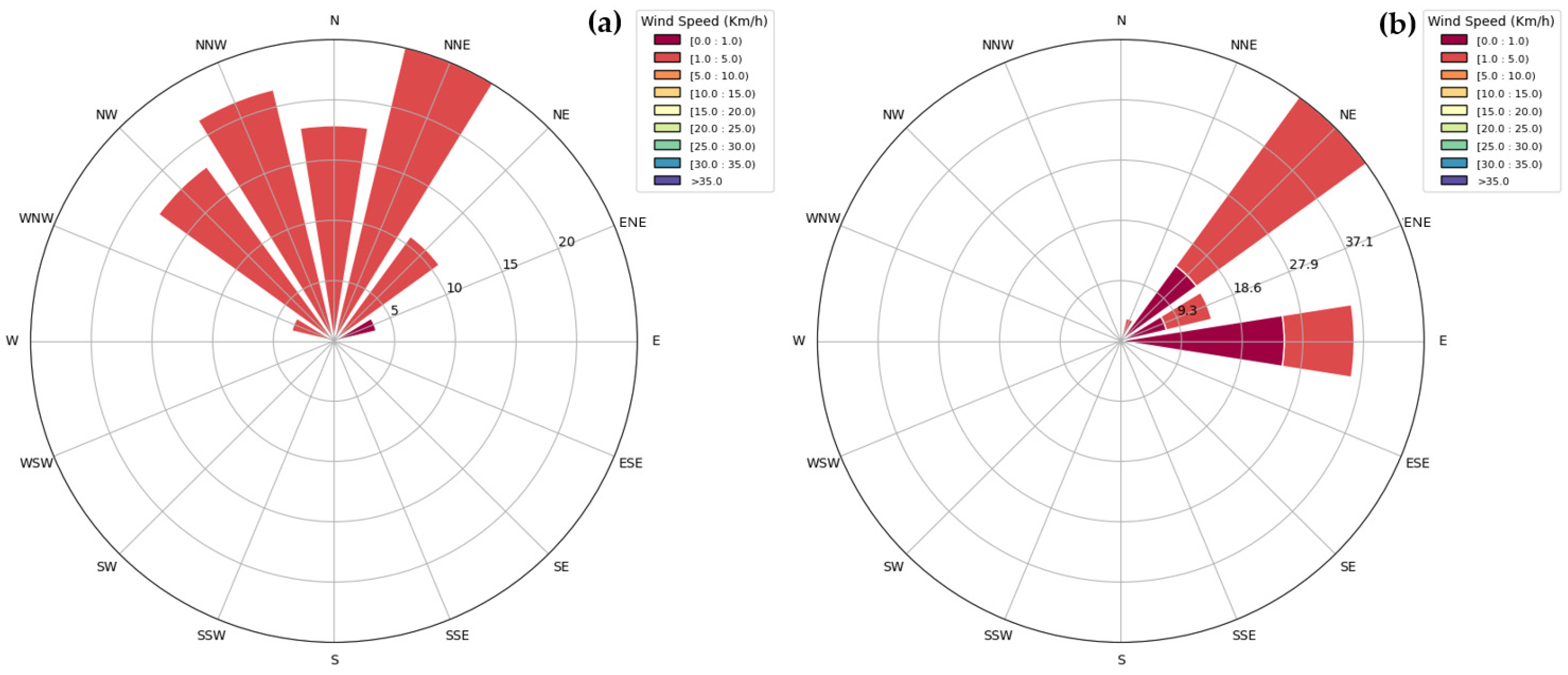
This study revealed that the average wind speed during the observation period was 20.96 km/h, which is moderate. The highest wind speed was recorded on 19 April 2020, at 29.63 km/h, which falls under the strong wind category. This coincided with the onset of the annual influence of summer storms. The lowest wind speed, 16.67 km/h, was observed as a light breeze on 28–29 March 2020. This condition contributed to increased retention of air pollutants and particulate matter near the ground, aligning with the highest air pollution period, which occurred between 28 March and 10 April 2020. During this period, the average wind speed was 20.76 km/h (also in the moderate wind speed category). Throughout the study, wind speed fluctuations were inconsistent, as shown in Figure 8. Moreover, wind analysis indicated that most winds originated in the northern parts of Chiang Mai Province and moved southward. These wind directions represent surface winds measured 10 m above ground level.
Analysis of wind direction in conjunction with hotspot density maps for the same timeframe revealed that the dominant wind direction originated from the north and northwest, moving toward the south and southeast. These winds consistently traversed areas with high hotspot density. They played a critical role in transporting smoke and fine PM from source regions to downwind areas, particularly the southern parts of Chiang Mai Province. Near-surface winds were the dominant mechanism governing pollutant dispersion. Beyond meteorological influences, the topography of Chiang Mai—characterized by steep, mountainous terrain enclosing the basin—substantially enhances the trapping of pollutants near the surface [37,50]. This geographic setting further intensifies the accumulation of air pollution at the ground level. Temperature, relative humidity (RH), wind direction (WD), wind speed (WS), rainfall, and other meteorological data were collected at the Thailand Air Quality and Noise Management Bureau’s PCD monitoring station in Chiang Mai. The rainfall during the haze season is zero millimeters (no rain in Chiang Mai from 28 March to 24 April 2020). Daytime temperatures were 34.4 ± 2.9 °C and nighttime temperatures were 23.9 ± 1.8 °C, while relative humidity was 35.5 ± 7.3% and 64.1 ± 7.5%. Previous studies in Northern Thailand have established that such meteorological variations, particularly the atmospheric stability and low nighttime wind speeds, play a critical role in the accumulation of biomass-burning aerosols [37,47,48,49].

3.3.2. Influence of Air Mass Movement

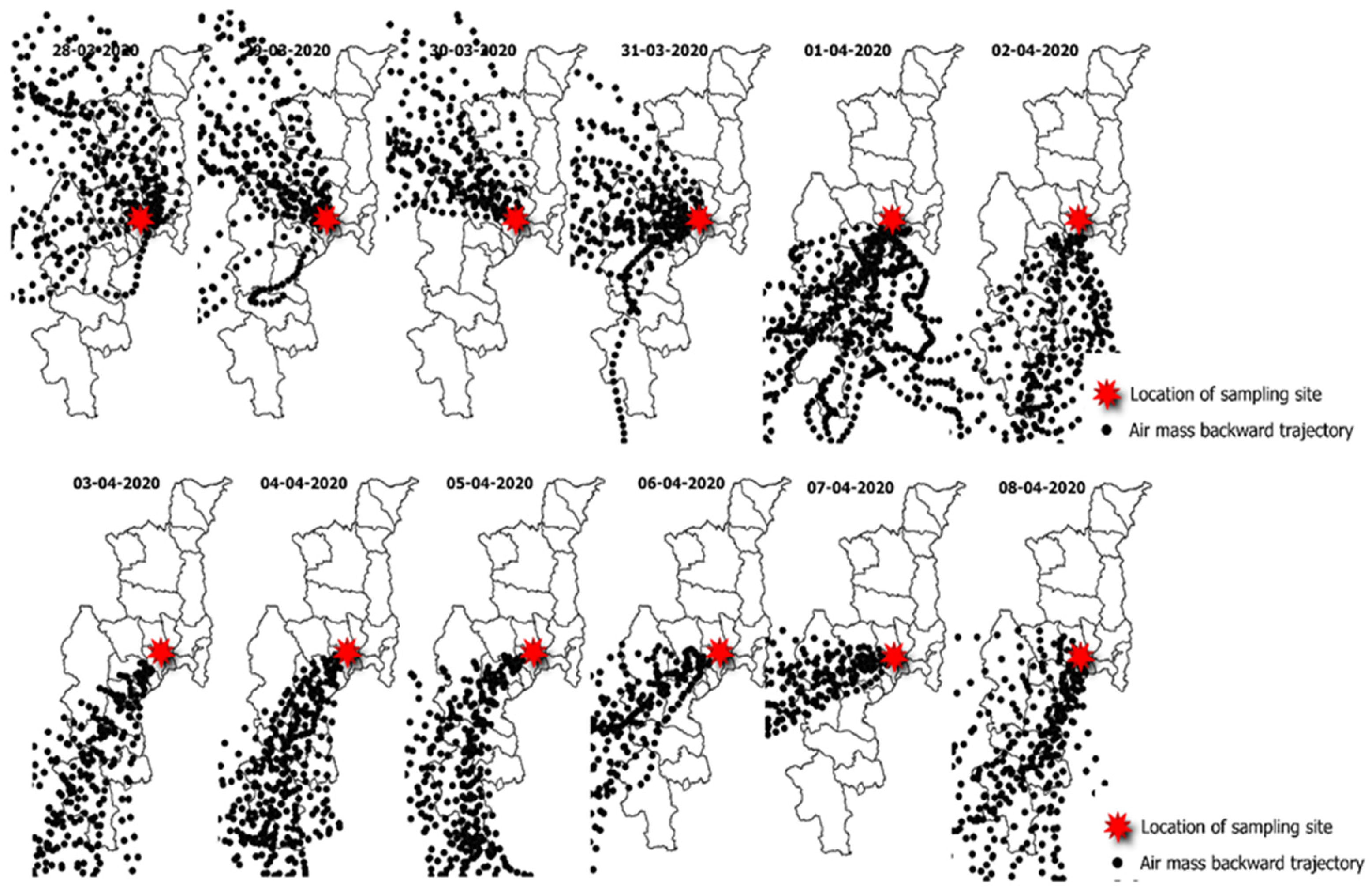
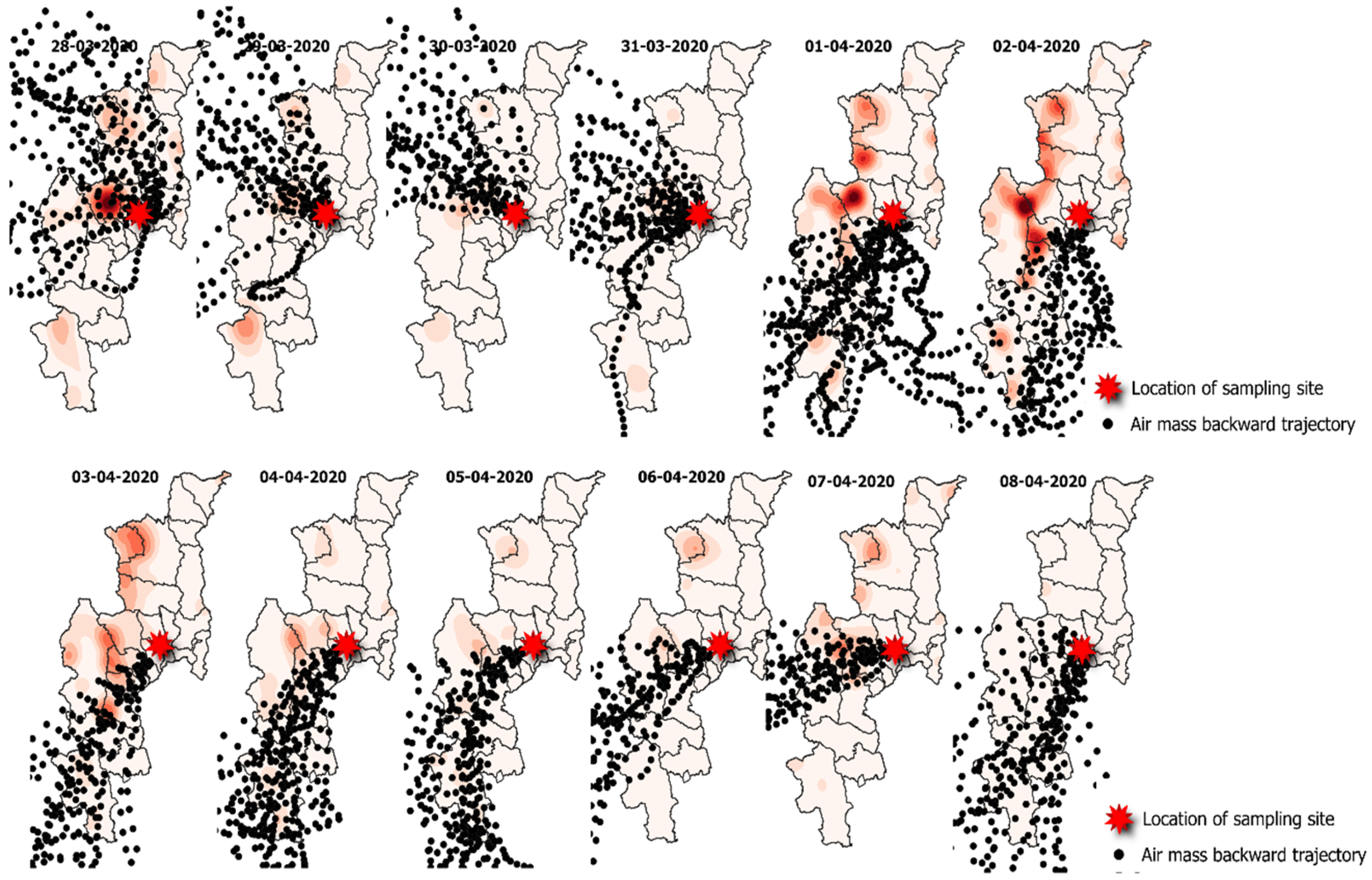
The results of the air mass backward trajectory analysis showed that high-altitude winds influenced particulate matter levels. The results indicated that air masses reaching the PM monitoring sites originated from the south and southwest of Chiang Mai Province. These air masses predominantly originated from the Thailand–Myanmar border. The backward trajectory of the air mass is shown in Figure 9.
Additionally, when overlaying trajectories with fire spot density, it was found that air masses reached regions with high hotspot density before arriving at the monitoring sites (Figure 10). This highlight the influence of cross-core pollution sources on air quality in the study area and other areas of Thailand [16]. This is particularly significant during periods when southwesterly winds are strong, which enhances the efficiency of transboundary pollution transport, enabling pollutants to spread across borders more effectively.
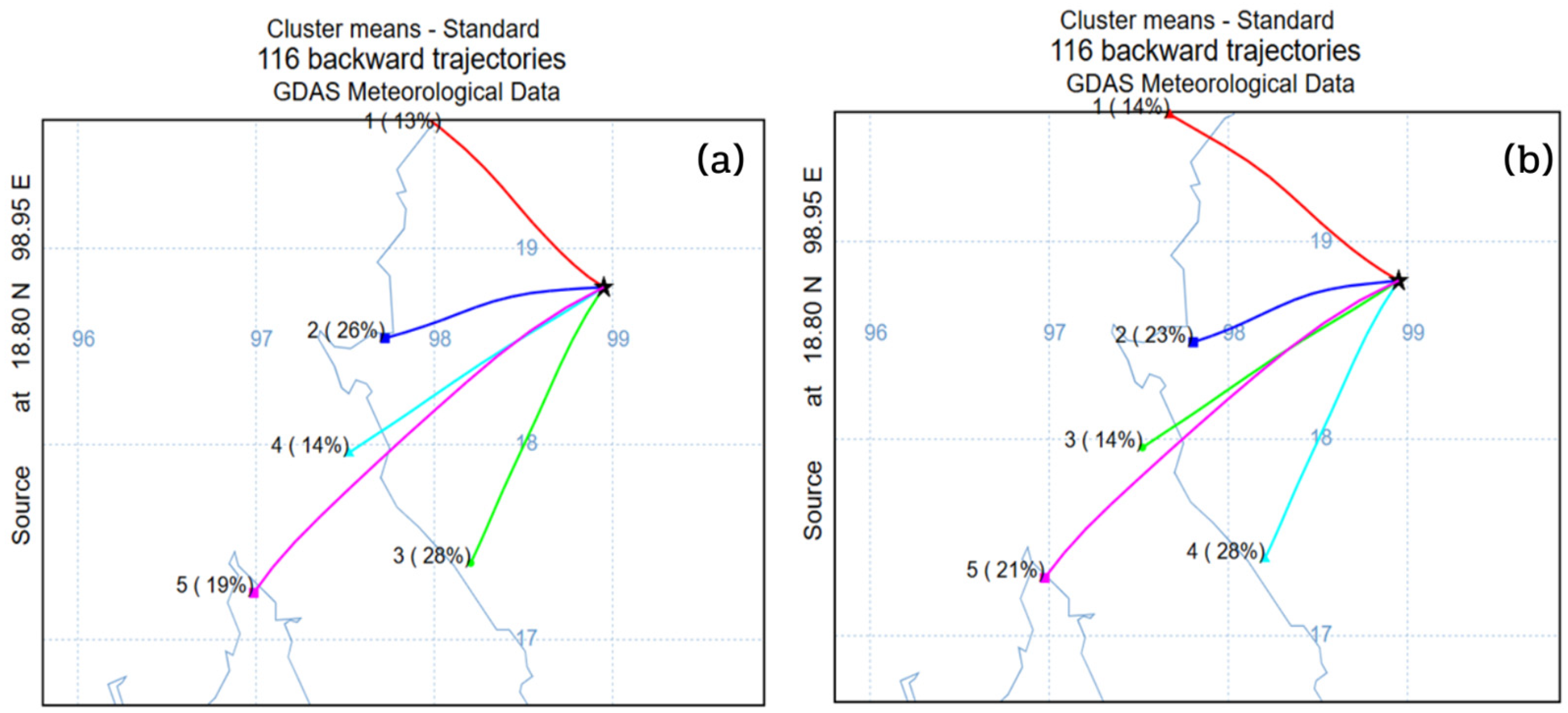
The 12 h backward trajectories (daytime and nighttime) can be clustered into five groups, each with distinct directions and movement frequencies, as illustrated in Figure 11a,b. The analysis revealed that most air mass movement is from the southwest of Chiang Mai City. The movement essentially occurs on a multi-provincial scale, approximately 100–200 km [16]. When considering the overall direction of air mass movement, 47% of the air masses originated from the south of Chiang Mai, primarily from the Thailand–Myanmar border, before reaching the target area. This was followed by 40% from the southwest and 13% from the northwest. However, the trajectories of their sources’ air masses may not directly influence the target area. Factors such as topography, e.g., the height of mountain ranges acting as natural barriers, lead to the accumulation or deflection of air flows in certain regions. Additionally, chemical and physical processes occurring during transit, such as reactions involving atmospheric pollutants or the formation of secondary pollutants, are significant contributors [16,17]. These processes can alter the properties of air masses by the time they reach the target area, making them inherently different from their initial state at the source, which is mainly beyond direct control.
It is important to acknowledge that this study relies on data collected during a single intense biomass burning season (March–April 2020). While this period provides high-resolution insights into severe haze episodes, interannual meteorological variability may affect the generalizability of the findings to other years. Future long-term studies are needed to validate these patterns across multiple fire seasons.

4. Conclusions

This study analyzed size-fractionated PM down to PM0.1 collected during the 2020 biomass burning haze episodes in Chiang Mai, Northern Thailand, in conjunction with diurnal VIIRS fire hotspot data. The predominance of nighttime fires near the sampling location was associated with elevated concentrations of fine particulates, notably in the PM0.1–0.5 and PM0.5–1.0 ranges. The results suggest that local emission sources, specifically nighttime forest fires and agricultural residue burning, were significant contributors to these finer fractions, as evidenced by the strong correlation between local hotspots and PM0.1–0.5. Nevertheless, air quality was not governed solely by local emissions. The 12-h backward trajectory analysis demonstrated a substantial contribution from regional and transboundary transport; approximately 47% of air masses originated from the south and southwest, traversing active fire zones along the Thailand–Myanmar border. Consequently, the observed high PM levels result from a synergistic combination of intense local biomass burning and long-range transport. These findings underscore the need for integrated management strategies that address both local mitigation and international cooperation to resolve transboundary haze in Southeast Asia.

Author Contributions

P.P., conceptualization, data collection, investigation, methodology, formal analysis, visualization, writing—original draft; T.C., methodology, visualization; writing—review and editing; P.S., investigation, visualization, writing—review and editing; M.F., supervision; funding acquisition; writing—review and editing; W.P., data curation, formal analysis, writing—review and editing. All authors have read and agreed to the published version of the manuscript.

Funding

This research was financially supported by JICA-JST SATREPS (grant No. JPMJSA2102). Moreover, this work was financially supported by the Office of the Permanent Secretary, Ministry of Higher Education, Science, Research and Innovation in Thailand (Grant No. RGNS 63-253).

Institutional Review Board Statement

Not applicable.

Informed Consent Statement

Not applicable.

Data Availability Statement

The original contributions presented in this study are included in the article. Further inquiries can be directed to the corresponding authors.

Acknowledgments

The authors are grateful to East-Asia Nanoparticle Monitoring Network (EA-NanoNet) members for their generous support in particle sampling. The authors would like to thank Puvamin Indee for the pictures during the biomass fire episode in Chiang Mai. During the preparation of this work, the authors used ChatGPT 4.0 to check grammar errors. After using this tool, the authors reviewed and edited the content as needed and take full responsibility for the content of the publication.

Conflicts of Interest

The authors declare no conflicts of interest.

Appendix A

Figure A1. Scatter plot and Pearson correlation between VIIRS fire spots and size-fractionated PMs in the daytime. (a) VIIRS hotspots and PM<0.1, (b) VIIRS hotspots and PM0.1–0.5, (c) VIIRS hotspots and PM0.5–1.0 (d) VIIRS hotspots and PM1.0–2.5, (e) VIIRS hotspots and PM2.5–10, (f) VIIRS hotspots and PM>10. Note: * p < 0.05, ** p < 0.01, *** p < 0.001.
Urbansci 10 00103 g0a1
Figure A2. Scatter plot and Pearson correlation between VIIRS fire spots and size-fractionated PMs at night. (a) VIIRS hotspots and PM<0.1, (b) VIIRS hotspots and PM0.1–0.5, (c) VIIRS hotspots and PM0.5–1.0 (d) VIIRS hotspots and PM1.0–2.5, (e) VIIRS hotspots and PM2.5–10, (f) VIIRS hotspots and PM>10. Note: ** p < 0.01, *** p < 0.001.
Urbansci 10 00103 g0a2

References

  1. Adam, M.G.; Tran, P.T.M.; Bolan, N.; Balasubramanian, R. Biomass burning-derived airborne particulate matter in Southeast Asia: A critical review. J. Hazard. Mater. 2021, 407, 124760. [Google Scholar] [CrossRef] [PubMed]
  2. Song, W.; Hong, Y.; Zhang, Y.; Cao, F.; Rauber, M.; Santijitpakdee, T.; Kawichai, S.; Prapamontol, T.; Szidat, S.; Zhang, Y.-L. Biomass Burning Greatly Enhances the Concentration of Fine Carbonaceous Aerosols at an Urban Area in Upper Northern Thailand: Evidence from the Radiocarbon-Based Source Apportionment on Size-Resolved Aerosols. J. Geophys. Res. Atmos. 2024, 129, e2023JD040692. [Google Scholar] [CrossRef]
  3. Punsompong, P.; Pani, S.K.; Wang, S.-H.; Bich Pham, T.T. Assessment of biomass-burning types and transport over Thailand and the associated health risks. Atmos. Environ. 2021, 247, 118176. [Google Scholar] [CrossRef]
  4. Linh Thao, N.N.; Pimonsree, S.; Prueksakorn, K.; Bich Thao, P.T.; Vongruang, P. Public health and economic impact assessment of PM2.5 from open biomass burning over countries in mainland Southeast Asia during the smog episode. Atmos. Pollut. Res. 2022, 13, 101418. [Google Scholar] [CrossRef]
  5. Chanana, I.; Sharma, A.; Kumar, P.; Kumar, L.; Kulshreshtha, S.; Kumar, S.; Patel, S.K.S. Combustion and Stubble Burning: A Major Concern for the Environment and Human Health. Fire 2023, 6, 79. [Google Scholar] [CrossRef]
  6. Stavi, I. Wildfires in Grasslands and Shrublands: A Review of Impacts on Vegetation, Soil, Hydrology, and Geomorphology. Water 2019, 11, 1042. [Google Scholar] [CrossRef]
  7. Jacobson, M.Z. Air Pollution and Global Warming: History, Science, and Solutions, 2nd ed.; Cambridge University Press: Cambridge, UK, 2012. [Google Scholar]
  8. Myllyntaus, T.; Hares, M.; Kunnas, J. Sustainability in Danger? Slash-and-Burn Cultivation in Nineteenth-Century Finland and Twentieth-Century Southeast Asia. Environ. Hist. 2022, 7, 267–302. [Google Scholar] [CrossRef]
  9. Niyommaneerat, W. Enhancing Local Capability toward Sustainable Municipal Solid Waste Management: Case Study of Nan Municipality, Thailand. Rep. Grant-Support. Res. Asahi Glass Found. 2022, 91. [Google Scholar] [CrossRef]
  10. Lasko, K.; Vadrevu, K.P.; Tran, V.T.; Ellicott, E.; Nguyen, T.T.N.; Bui, H.Q.; Justice, C. Satellites may underestimate rice residue and associated burning emissions in Vietnam. Environ. Res. Lett. 2017, 12, 085006. [Google Scholar] [CrossRef]
  11. Kanabkaew, T.; Kim Oanh, N.T. Development of Spatial and Temporal Emission Inventory for Crop Residue Field Burning. Environ. Model. Assess. 2011, 16, 453–464. [Google Scholar] [CrossRef]
  12. Promkhambut, A.; Yokying, P.; Woods, K.; Fisher, M.; Li Yong, M.; Manorom, K.; Baird, I.G.; Fox, J. Rethinking agrarian transition in Southeast Asia through rice farming in Thailand. World Dev. 2023, 169, 106309. [Google Scholar] [CrossRef]
  13. He, X.; Huang, Q.; Yang, D.; Yang, Y.; Xie, G.; Yang, S.; Liang, C.; Qin, Z. Spatiotemporal Analysis of Open Biomass Burning in Guangxi Province, China, from 2012 to 2023 Based on VIIRS. Fire 2024, 7, 370. [Google Scholar] [CrossRef]
  14. Frappier-Brinton, T.; Lehman, S.M. The burning island: Spatiotemporal patterns of fire occurrence in Madagascar. PLoS ONE 2022, 17, e0263313. [Google Scholar] [CrossRef]
  15. Talukdar, N.R.; Ahmad, F.; Goparaju, L.; Choudhury, P.; Qayum, A.; Rizvi, J. Forest fire in Thailand: Spatio-temporal distribution and future risk assessment. Nat. Hazards Res. 2024, 4, 87–96. [Google Scholar] [CrossRef]
  16. Phairuang, W.; Suwattiga, P.; Chetiyanukornkul, T.; Hongtieab, S.; Limpaseni, W.; Ikemori, F.; Hata, M.; Furuuchi, M. The influence of the open burning of agricultural biomass and forest fires in Thailand on the carbonaceous components in size-fractionated particles. Environ. Pollut. 2019, 247, 238–247. [Google Scholar] [CrossRef] [PubMed]
  17. Vongruang, P.; Pimonsree, S. Biomass burning sources and their contributions to PM10 concentrations over countries in mainland Southeast Asia during a smog episode. Atmos. Environ. 2020, 228, 117414. [Google Scholar] [CrossRef]
  18. Pinakana, S.D.; Raysoni, A.U.; Sayeed, A.; Gonzalez, J.L.; Temby, O.; Wladyka, D.; Sepielak, K.; Gupta, P. Review of agricultural biomass burning and its impact on air quality in the continental United States of America. Environ. Adv. 2024, 16, 100546. [Google Scholar] [CrossRef]
  19. Phairuang, W.; Chetiyanukornkul, T.; Suriyawong, P.; Amin, M.; Hata, M.; Furuuchi, M.; Yamazaki, M.; Gotoh, N.; Furusho, H.; Yurtsever, A.; et al. Characterizing Chemical, Environmental, and Stimulated Subcellular Physical Characteristics of Size-Fractionated PMs Down to PM0.1. Environ. Sci. Technol. 2024, 58, 12368–12378. [Google Scholar] [CrossRef]
  20. Yin, S.; Wang, X.; Zhang, X.; Guo, M.; Miura, M.; Xiao, Y. Influence of biomass burning on local air pollution in mainland Southeast Asia from 2001 to 2016. Environ. Pollut. 2019, 254, 112949. [Google Scholar] [CrossRef]
  21. Nuthammachot, N.; Phairuang, W.; Stratoulias, D. Estimation of Carbon Emission in the Ex-Mega Rice Project, Indonesia Based on Sar Satellite Images. Appl. Ecol. Environ. Res. 2019, 17, 2489–2499. [Google Scholar] [CrossRef]
  22. Costa, M.A.M.; Amaral, S.S.; Soares Neto, T.G.; Cardoso, A.A.; Santos, J.C.; Souza, M.L.; Carvalho, J.A., Jr. Forest Fires in the Brazilian Amazon and their Effects on Particulate Matter Concentration, Size Distribution, and Chemical Composition. Combust. Sci. Technol. 2023, 195, 3045–3071. [Google Scholar] [CrossRef]
  23. Fang, Z.; Lai, A.; Dongmei, C.; Chunlin, L.; Carmieli, R.; Chen, J.; Wang, X.; Rudich, Y. Secondary Organic Aerosol Generated from Biomass Burning Emitted Phenolic Compounds: Oxidative Potential, Reactive Oxygen Species, and Cytotoxicity. Environ. Sci. Technol. 2024, 58, 8194–8206. [Google Scholar] [CrossRef] [PubMed]
  24. Amin, M.; Prajati, G.; Humairoh, G.P.; Putri, R.M.; Phairuang, W.; Hata, M.; Furuuchi, M. Characterization of size-fractionated carbonaceous particles in the small to nano-size range in Batam city, Indonesia. Heliyon 2023, 9, e15936. [Google Scholar] [CrossRef] [PubMed]
  25. Azarbarzin, A.; Zinchuk, A.; Wellman, A.; Labarca, G.; Vena, D.; Gell, L.; Messineo, L.; White, D.P.; Gottlieb, D.J.; Redline, S.; et al. Cardiovascular Benefit of Continuous Positive Airway Pressure in Adults with Coronary Artery Disease and Obstructive Sleep Apnea without Excessive Sleepiness. Am. J. Respir. Crit. Care Med. 2022, 206, 767–774. [Google Scholar] [CrossRef]
  26. Seelen, M.; Toro Campos, R.A.; Veldink, J.H.; Visser, A.E.; Hoek, G.; Brunekreef, B.; van der Kooi, A.J.; de Visser, M.; Raaphorst, J.; van den Berg, L.H.; et al. Long-Term Air Pollution Exposure and Amyotrophic Lateral Sclerosis in Netherlands: A Population-based Case-control Study. Environ. Health Perspect. 2017, 125, 097023. [Google Scholar] [CrossRef]
  27. Ohlwein, S.; Kappeler, R.; Kutlar Joss, M.; Künzli, N.; Hoffmann, B. Health effects of ultrafine particles: A systematic literature review update of epidemiological evidence. Int. J. Public Health 2019, 64, 547–559. [Google Scholar] [CrossRef]
  28. Schraufnagel, D.E. The health effects of ultrafine particles. Exp. Mol. Med. 2020, 52, 311–317. [Google Scholar] [CrossRef]
  29. Pardthaisong, L.; Sin-ampol, P.; Suwanprasit, C.; Charoenpanyanet, A. Haze Pollution in Chiang Mai, Thailand: A Road to Resilience. Procedia Eng. 2018, 212, 85–92. [Google Scholar] [CrossRef]
  30. Miller, S.D.; Straka, W.; Mills, S.P.; Elvidge, C.D.; Lee, T.F.; Solbrig, J.; Walther, A.; Heidinger, A.K.; Weiss, S.C. Illuminating the Capabilities of the Suomi National Polar-Orbiting Partnership (NPP) Visible Infrared Imaging Radiometer Suite (VIIRS) Day/Night Band. Remote Sens. 2013, 5, 6717–6766. [Google Scholar] [CrossRef]
  31. Coskuner, K. Assessing the performance of MODIS and VIIRS active fire products in the monitoring of wildfires: A case study in Turkey. iFor.—Biogeosci. For. 2022, 15, 85–94. [Google Scholar] [CrossRef]
  32. Elvidge, C.D.; Zhizhin, M.; Hsu, F.-C.; Baugh, K.E. VIIRS Nightfire: Satellite Pyrometry at Night. Remote Sens. 2013, 5, 4423–4449. [Google Scholar] [CrossRef]
  33. Fu, Y.; Li, R.; Wang, X.; Bergeron, Y.; Valeria, O.; Chavardès, R.D.; Wang, Y.; Hu, J. Fire Detection and Fire Radiative Power in Forests and Low-Biomass Lands in Northeast Asia: MODIS versus VIIRS Fire Products. Remote Sens. 2020, 12, 2870. [Google Scholar] [CrossRef]
  34. Li, F.; Zhang, X.; Kondragunta, S.; Csiszar, I. Comparison of Fire Radiative Power Estimates From VIIRS and MODIS Observations. J. Geophys. Res. Atmos. 2018, 123, 4545–4563. [Google Scholar] [CrossRef]
  35. Wang, Q.; Blackburn, G.A.; Onojeghuo, A.O.; Dash, J.; Zhou, L.; Zhang, Y.; Atkinson, P.M. Fusion of Landsat 8 OLI and Sentinel-2 MSI Data. IEEE Trans. Geosci. Remote Sens. 2017, 55, 3885–3899. [Google Scholar] [CrossRef]
  36. Chaves, M.E.D.; Picoli, M.C.A.; Sanches, I.D. Recent Applications of Landsat 8/OLI and Sentinel-2/MSI for Land Use and Land Cover Mapping: A Systematic Review. Remote Sens. 2020, 12, 3062. [Google Scholar] [CrossRef]
  37. Inlaung, K.; Chotamonsak, C.; Macatangay, R.; Surapipith, V. Assessment of Transboundary PM2.5 from Biomass Burning in Northern Thailand Using the WRF-Chem Model. Toxics 2024, 12, 462. [Google Scholar] [CrossRef]
  38. Othman, M.; Latif, M.T.; Hamid, H.H.A.; Uning, R.; Khumsaeng, T.; Phairuang, W.; Daud, Z.; Idris, J.; Sofwan, N.M.; Lung, S.-C.C. Spatial–temporal variability and health impact of particulate matter during a 2019–2020 biomass burning event in Southeast Asia. Sci. Rep. 2022, 12, 7630. [Google Scholar] [CrossRef]
  39. Furuuchi, M.; Eryu, K.; Nagura, M.; Hata, M.; Kato, T.; Tajima, N.; Sekiguchi, K.; Ehara, K.; Seto, T.; Otani, Y. Development and Performance Evaluation of Air Sampler with Inertial Filter for Nanoparticle Sampling. Aerosol Air Qual. Res. 2010, 10, 185–192. [Google Scholar] [CrossRef]
  40. Baranovskiy, N.V.; Kirienko, V.A. Forest Fuel Drying, Pyrolysis and Ignition Processes during Forest Fire: A Review. Processes 2022, 10, 89. [Google Scholar] [CrossRef]
  41. Younes, N.; Yebra, M.; Boer, M.M.; Griebel, A.; Nolan, R.H. A Review of Leaf-Level Flammability Traits in Eucalypt Trees. Fire 2024, 7, 183. [Google Scholar] [CrossRef]
  42. Monteiro dos Santos, D.; de Oliveira, A.M.; Duarte, E.S.F.; Rodrigues, J.A.; Menezes, L.S.; Albuquerque, R.; Roque, F.d.O.; Peres, L.F.; Hoelzemann, J.J.; Libonati, R. Compound dry-hot-fire events connecting Central and Southeastern South America: An unapparent and deadly ripple effect. NPJ Nat. Hazards 2024, 1, 32. [Google Scholar] [CrossRef]
  43. Aman, N.; Manomaiphiboon, K.; Pala-En, N.; Devkota, B.; Inerb, M.; Kokkaew, E. A Study of Urban Haze and Its Association with Cold Surge and Sea Breeze for Greater Bangkok. Int. J. Environ. Res. Public Health 2023, 20, 3482. [Google Scholar] [CrossRef] [PubMed]
  44. Barmpoutis, P.; Papaioannou, P.; Dimitropoulos, K.; Grammalidis, N. A Review on Early Forest Fire Detection Systems Using Optical Remote Sensing. Sensors 2020, 20, 6442. [Google Scholar] [CrossRef] [PubMed]
  45. Phoo, W.W.; Manomaiphiboon, K.; Jaroonrattanapak, N.; Yodcum, J.; Sarinnapakorn, K.; Bonnet, S.; Aman, N.; Junpen, A.; Devkota, B.; Wang, Y.; et al. Fire activity and fire weather in a Lower Mekong subregion: Association, regional calibration, weather–adjusted trends, and policy implications. Nat. Hazards 2024, 120, 13259–13288. [Google Scholar] [CrossRef]
  46. Chunhawong, K.; Chaisan, T.; Rungmekarat, S.; Khotavivattana, S. Sugar Industry and Utilization of Its By-Products in Thailand: An Overview. Sugar Tech 2018, 20, 111–115. [Google Scholar] [CrossRef]
  47. Inlaung, K.; Chotamonsak, C.; Surapipith, V.; Macatangay, R. Relationship of Fire Hotspot, PM2.5 Concentrations, and Surrounding Areas in Upper Northern Thailand: A Case Study of Haze Season in 2019. J. King Mongkut’s Univ. Technol. North Bangk. 2022, 33, 588–602. [Google Scholar] [CrossRef]
  48. Hassan Bran, S.; Macatangay, R.; Chotamonsak, C.; Chantara, S.; Surapipith, V. Understanding the seasonal dynamics of surface PM2.5 mass distribution and source contributions over Thailand. Atmos. Environ. 2024, 331, 120613. [Google Scholar] [CrossRef]
  49. Wang, Q.; Wang, L.; Huang, G.; Piao, J.; Chotamonsak, C. Temporal and spatial variation of the transitional climate zone in summer during 1961–2018. Int. J. Climatol. 2021, 41, 1633–1648. [Google Scholar] [CrossRef]
  50. Sritong-aon, C.; Thomya, J.; Kertpromphan, C.; Phosri, A. Estimated effects of meteorological factors and fire hotspots on ambient particulate matter in the northern region of Thailand. Air Qual. Atmos. Health 2021, 14, 1857–1868. [Google Scholar] [CrossRef]
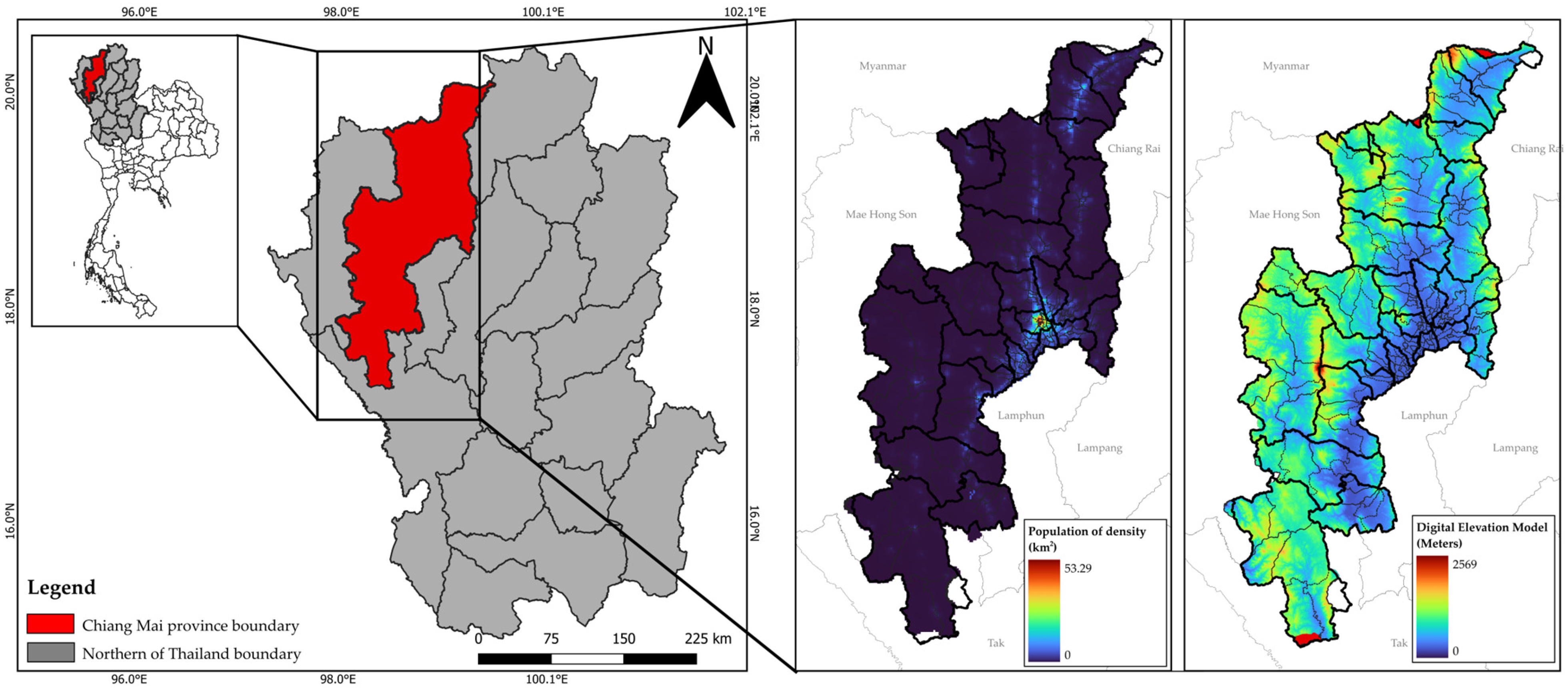
Figure 1. The density distribution of the population and elevation location in Chiang Mai province.
Urbansci 10 00103 g001
Figure 2. Forest Fire during (a) daytime and (b) nighttime in Chiang Mai, Thailand.
Urbansci 10 00103 g002
Figure 3. VIIRS day- and nighttime fire variations during biomass fire episode in Chiang Mai, Thailand.
Urbansci 10 00103 g003
Figure 4. VIIRS hotspots fire distribution map during daytime and nighttime in Chiang Mai, Thailand.
Urbansci 10 00103 g004
Figure 5. Sample of VIIRS hotspots fire distribution map in each land use and land cover.
Urbansci 10 00103 g005
Figure 6. Time series graph between VIIRS hotspots and size-fractionated PMs in the daytime. (a) VIIRS hotspots and PM<0.1, (b) VIIRS hotspots and PM0.5–1.0, (c) VIIRS hotspots and PM1.0–2.5, (d) VIIRS hotspots and PM2.5–1.0, (e) VIIRS hotspots and PM10–2.5, (f) VIIRS hotspots and PM>10.
Urbansci 10 00103 g006aUrbansci 10 00103 g006bUrbansci 10 00103 g006c
Figure 7. Scatter plot and Pearson correlation between VIIRS hotspots and size-fractionated PMs in the daytime and nighttime. (a) VIIRS hotspots and PM0.1–0.5 in Daytime, (b) VIIRS hotspots and PM0.5–1.0 in Daytime, (c) VIIRS hotspots and PM<0.1 in Nighttime, (d) VIIRS hotspots and PM0.5–1.0 in Nighttime. Note: ** p < 0.01, *** p < 0.001.
Urbansci 10 00103 g007
Figure 8. Wind rose diagram in (a) daytime and (b) nighttime during the biomass fire episode in Chiang Mai, Thailand.
Urbansci 10 00103 g008
Figure 9. Sample of mapping of a 24 h air mass backward trajectory.
Urbansci 10 00103 g009
Figure 10. Sample of mapping of 24 h air mass backward trajectory and density of VIIRS hotspots.
Urbansci 10 00103 g010
Figure 11. Clustering of backward trajectories during (a) daytime and (b) nighttime.
Urbansci 10 00103 g011
Disclaimer/Publisher’s Note: The statements, opinions and data contained in all publications are solely those of the individual author(s) and contributor(s) and not of MDPI and/or the editor(s). MDPI and/or the editor(s) disclaim responsibility for any injury to people or property resulting from any ideas, methods, instructions or products referred to in the content.