


Abstract
The rapid growth of electric mobility is reshaping active distribution networks (ADNs), where electric vehicle charging stations (EVCS) introduce spatially concentrated, time-dependent, and highly simultaneous demand. This paper develops a network-oriented framework to evaluate EVCS integration in ADNs by coupling Colombian EV demand characterization, photovoltaic (PV) generation, battery energy storage system (BESS) operation, and AC power flow feasibility. The framework is applied to a 33-bus distribution feeder through four EVCS deployment cases and three support architectures: PV-only, PV–BESS colocated, and PV–BESS dispersed operation. The results show that non-coordinated EVCS deployment may increase losses, reduce voltage margins, and produce thermal overloads when feeder electrical sensitivity is ignored. They also reveal that optimized EVCS siting is insufficient under PV-only support, since PV generation lacks the controllability required to reshape feeder power flows during charging peaks. By contrast, BESS-assisted architectures substantially improve feeder operation, with dispersed storage achieving the best performance by decoupling charging demand locations from grid support locations. SOC and SOH analyses further demonstrate that storage feasibility and degradation must be assessed together with voltage, loading, and loss indicators. The proposed framework provides an operationally consistent basis for technically feasible EVCS planning in ADNs, linking local EV demand characterization, AC feasibility, support-architecture selection, and battery lifetime assessment.
1. Introduction
1.1. Problem Description
The electrification of transportation has become one of the main drivers of the recent growth in electricity demand within distribution systems, as the accelerated expansion of the electric vehicle (EV) fleet introduces a new category of electricity demand [1]. Unlike traditional loads, EV charging demand is characterized by high power levels, pronounced spatial concentration, and strong temporal simultaneity, features that substantially modify the conventional load profiles in distribution networks [2,3].
Several studies have shown that uncoordinated electric vehicle charging can lead to thermal overloads in distribution lines and transformers, violations of nodal voltage limits, and significant increases in technical losses. These effects may occur even when EV penetration is not high, particularly if a substantial fraction of users initiates charging simultaneously during peak demand periods, thereby concentrating the additional power within a short time interval and increasing currents and voltage drops along the most heavily loaded sections of the network [4,5]. These impacts are further exacerbated in radial distribution networks, where small variations in the demanded current translate into noticeable deviations of the voltage profile, especially at nodes located far from the feeder [3].
In this context, the concept of active distribution networks (ADNs) emerges, which integrate distributed energy resources (DERs) and intelligent control schemes to enhance operational flexibility [6]. This approach also supports the planning of demand growth, for instance, through the optimal siting and sizing of electric vehicle charging stations (EVCS). It is worth noting that the large-scale integration of EVCS increases operational complexity, as the electrical location and installed capacity of charging points may induce violations of voltage limits and thermal loading constraints of network components, particularly in radial distribution networks [7]. Consequently, the core technical challenge is not limited to the net increase in energy consumption, but rather to the spatiotemporal interplay between charging infrastructure and the physical constraints of the distribution network. This interaction calls for analytical models that explicitly incorporate EV-related demand growth, electrical constraints, and time-resolved operational behavior.
1.2. Literature Review
The recent literature on the integration of EVCS into ADNs encompasses both general review papers and a large number of applied studies. Some reviews adopt a technology-oriented perspective, focusing on charging infrastructure and enabling elements such as power converters and charger architectures [6], while others address smart charging strategies and demand-side management. For instance, Sudev and Sindhu [8] present a state-of-the-art review of charging infrastructure, highlighting future trends in converters and charging systems; similarly, Dar et al. [9] review charger performance, but with a limited emphasis on their interaction with the distribution network. Along the same lines, Saldaña-González et al. [6] and Li et al. [10] analyze the planning of active distribution networks oriented toward the integration of DERs, although EV charging is only marginally addressed. Overall, this body of work reveals a clear gap in the state of the art: there remains a need for studies specifically focused on the planning and operation of EVCS in ADNs that explicitly integrate both network electrical constraints and the temporal dynamics of charging demand, moving beyond approaches centered exclusively on infrastructure or power conversion devices.
In this context, recent studies have emphasized that the integration of EVCS into distribution networks modifies system operation not only through the net increase in energy consumption, but also through the temporal concentration and spatial localization of charging demand. Under uncoordinated operation, charging simultaneity may overlap with the natural residential or commercial peak, intensifying thermal overloads in lines and transformers, voltage limit violations at remote nodes, and the degradation of operational reliability margins [3,11]. Simulation-based analyses on real distribution feeders show that the severity of these impacts depends on the EV penetration level, the charging power rating, and the dominant charging pattern, such as home-dominant or workplace-dominant charging [3]. Moreover, transformer-focused studies indicate that the temporal displacement of the aggregated demand peak caused by EV charging can increase the equivalent aging rate of distribution transformers, even under moderate penetration levels, when charging activity is concentrated within critical time windows [2]. As an illustrative case, Alyami et al. [4] report that, for a residential complex with an integrated EVCS operating under uncoordinated conditions, the combined domestic and EV charging demand may lead to negative remaining capacity in both transformer and feeder sections between approximately 14:00 and 20:00 h, highlighting the need for corrective actions such as charging power limitation, load shifting, or infrastructure reinforcement.
Within the literature on EVCS planning in ADNs, numerous studies have proposed optimization-based models for the siting and sizing of charging stations, aiming to minimize costs, losses, or other performance indicators of the power system. From a classical planning perspective, this problem consists of selecting the nodes where EVCS should be installed and determining the installed capacity at each location, while satisfying operational constraints such as nodal voltage limits and thermal loading limits in lines and transformers [12]. This classical formulation is commonly embedded within AC or approximated power flow models and is addressed through single-objective or multi-objective optimization frameworks that combine technical and economic criteria, including loss minimization, voltage profile improvement, investment costs, operating costs, and possible network reinforcement costs [13]. In this regard, non-optimal EVCS siting and sizing decisions may increase losses, operating costs, and transformer overloads under high-penetration scenarios, reinforcing the need to internalize electrical network constraints within the planning process [5].
For example, Zeb et al. [5] employ a particle swarm optimization (PSO) algorithm to select an optimal combination of Level 1, Level 2, and Level 3 chargers, incorporating photovoltaic (PV) generation and modeling charging demand as a stochastic process. Their results demonstrate relevant reductions in costs, losses, and transformer overloads in real test cases, supporting the convenience of combining different levels of fast charging. In unbalanced radial networks, Reddy and Selvajyothi [7] propose a multi-objective PSO to site and size EVCS along with distributed generation, simultaneously minimizing technical losses and voltage deviations. This approach highlights the necessity of explicitly considering phase-level electrical constraints in more realistic scenarios. Similarly, Deeum and Charoenchan [14] develop a genetic algorithm coupled with a power flow model to optimally locate EVCS in the IEEE 33-bus system with integrated PV generation and battery energy storage systems. The authors report that, under their configuration, the strategic placement of chargers can reduce system losses by up to , emphasizing the benefits of incorporating DERs into the planning framework.
More recently, the classical EVCS planning problem has been extended toward joint planning frameworks that explicitly integrate DERs, particularly PV generation, and BESS. Under this perspective, EVCS are not modeled only as isolated additional loads, but as part of an active distribution network in which local generation and storage flexibility can mitigate charging simultaneity, reduce thermal congestion, improve voltage profiles, and decrease technical losses [14]. In this line, Mejia et al. [15] formulate planning models that jointly consider EVCS, distributed generation, and storage technologies while enforcing network operating constraints. Likewise, Reddy and Selvajyothi [7] illustrate the benefits of deploying distributed generation at optimal locations together with EVCS placement, improving network self-sustainability and reducing the operational impact of EV charging. Complementarily, optimization-based studies with renewable generation and BESS show that storage-assisted energy management can attenuate peak charging demand and alleviate voltage and loading stress in radial distribution networks [14,16].
Taken together, these studies confirm that the planning and operation of EVCS in ADNs constitute a rapidly expanding research field characterized by a wide diversity of problem formulations and solution methods. Nevertheless, the available evidence also reveals a dispersion of underlying assumptions that hinders both comparability and, more importantly, transferability. In particular, the reviewed works differ substantially in (i) the level of realism used to represent charging demand and its spatiotemporal simultaneity, (ii) the degree of coupling with operational electrical constraints, such as voltage limits, thermal loading, and losses, (iii) the explicit treatment of uncertainty, and (iv) the extent to which DERs and BESS are considered as active flexibility resources rather than isolated complementary technologies. These differences may lead to conclusions that are only valid under idealized or highly specific scenarios.
From this perspective, the present article develops a network-oriented review within the context of electric mobility, whose contribution does not lie in proposing a specific optimization algorithm, but rather in organizing the state of the art under a unified technical framework. This is accomplished by systematizing (i) demand models with temporal dynamics and non-deterministic behavior, (ii) the dominant electrical impacts associated with the integration of EVCS in ADNs, including voltage deterioration, thermal loading, losses, and asset aging, and (iii) the methodological families employed for planning and operation, ranging from classical EVCS siting and sizing formulations to coordinated EVCS–DER/BESS planning frameworks. In this way, the paper provides a critical perspective that clarifies why simplified approaches may lack transferability and identifies recurrent gaps in the literature, particularly regarding the coherence between planning and operation, the explicit treatment of uncertainty, and the co-integration of EVCS with distributed energy resources and battery energy storage systems. These aspects are highlighted as key technical guidelines for developing more scalable and consistent approaches in real-world active distribution networks.
1.3. Research Opportunities and Needs
The large-scale integration of EVCS in ADNs opens up research opportunities that, according to recent literature, go beyond increasing installed capacity and instead focus on improving the consistency between charging demand modeling and network-level electrical verification. In particular, addressing EV charging as a stochastic process and leveraging mobility data have been reported as effective approaches to represent simultaneity and temporal concentration, enabling predictive models and management schemes that respond to the intrinsic variability of user behavior [17]. From a network-oriented perspective, these approaches become more valuable when they explicitly incorporate operational constraints, such as thermal and voltage limits, and preserve the spatiotemporal nature of demand, thereby avoiding conclusions that are overly dependent on average-based or deterministic assumptions. Furthermore, the co-integration of EVCS with photovoltaic generation and battery energy storage systems (BESS) has been repeatedly explored as a planning strategy to improve network performance indicators in active distribution networks [14].
Complementarily, the literature also identifies methodological challenges directly associated with solving the EVCS planning problem in ADNs, particularly when scalability and electrical consistency are required. Specifically, the joint formulation of siting and sizing under voltage and thermal loading constraints often leads to highly non-linear and combinatorial optimization problems, in which performance depends not only on solution quality but also on computational feasibility in large-scale networks. In this regard, scalability emerges as a critical criterion: multiple approaches report high computational times, parameter sensitivity, or dependence on heuristic configurations, which has motivated the exploration of metaheuristic and hybrid strategies capable of producing competitive solutions for more demanding planning horizons and network sizes [11]. Additionally, reinforcement learning and predictive control are discussed as emerging alternatives to incorporate operational decisions and temporal coordination of charging within the planning process. However, their practical adoption remains constrained by challenges related to generalization, reward design, and, most importantly, the need to ensure electrical feasibility under network constraints [18].
1.4. Contribution of the Paper to the Literature
This paper contributes to the literature on EVCS integration in ADNs by developing a network-oriented assessment framework that connects charging demand modeling, DER/BESS operation, and AC power flow feasibility within a single-case study structure. Rather than treating EV charging as an average additional load, the proposed framework represents EVCS demand as a time-dependent and spatially allocated component whose impact is evaluated through voltage profiles, line loading limits, technical losses, and BESS operating constraints. This allows the study to quantify how charging location decisions, EV demand magnitude, and grid support architectures affect the technical performance of a radial distribution feeder.
A first contribution is the construction of a Colombian EVCS demand benchmark. The charging profile used in the case study is not selected arbitrarily; it is derived from the EV demand-modeling structure discussed in the manuscript and adapted to the Colombian context using the observed fleet composition in Bogotá, Medellín, and Cali. Since cluster C3 is the dominant vehicle group in the analyzed Colombian data, the C3–Level 2 profile is adopted as the representative charging demand for the simulations. This provides a technically grounded bridge between international EV demand models and a local Colombian operating scenario, which is useful for evaluating EVCS impacts under conditions closer to the current national infrastructure context.
A second contribution is the formulation of a simulation-based framework that integrates EVCS, PV generation, and BESS operation under explicit AC network constraints. The model evaluates hourly power balance, nodal voltage limits, branch loading restrictions, PV generation under MPPT operation, BESS active power dispatch, converter-based reactive support, SOC limits, charging/discharging efficiencies, self-discharge, and final SOC recovery. Therefore, the proposed analysis does not only compare energy loss values but also verifies whether the resulting operating schedules are feasible from both the feeder and storage perspectives.
A third contribution is the architecture-based comparison of EVCS integration strategies. The study evaluates the same feeder under four representative cases and three support architectures: PV-only operation, PV–BESS colocated support, and PV–BESS dispersed support. This comparison shows that optimized EVCS siting alone is not sufficient when only PV support is available since the PV-only optimized case still produces higher losses than the base case. In contrast, both PV–BESS architectures improve feeder performance, with the dispersed BESS configuration achieving the lowest losses under the optimized case. This result demonstrates that the technical value of BESS depends not only on its presence, but also on whether storage is colocated with EVCS or deployed at independent grid support nodes.
A fourth contribution is the explicit evaluation of BESS feasibility and degradation implications. The proposed framework analyzes active and reactive power dispatch, SOC trajectories, and SOH-based lifetime indicators for the storage units. This is relevant because BESS support can reduce losses, improve voltage margins, and relieve thermal stress, but it may also redistribute the degradation burden among the batteries. By including SOC recovery and SOH assessment, the study highlights that BESS-assisted EVCS planning should be evaluated not only from the perspective of network performance, but also from the perspective of storage operating sustainability.
From a planning perspective, the results provide a practical contribution for distribution network operators and ADN planners. The comparison between colocated and dispersed BESS support shows that the best technical performance is not necessarily obtained by installing storage at the same buses as the charging stations. Instead, when the operator can deploy BESS units independently across the feeder, dispersed storage can act as a network-level flexibility resource, reshaping power flows and relieving constrained sections more effectively. This architecture-based insight is particularly relevant for utility-oriented EVCS planning, where the location of charging demand and the location of grid support resources can be treated as separate decisions.
Accordingly, the main contribution of this work lies in providing a quantitative and operationally consistent framework for EVCS integration in ADNs, supported by a Colombian demand characterization and by a comparative assessment of PV-only, colocated PV–BESS, and dispersed PV–BESS architectures. This contribution helps clarify why EVCS planning should jointly consider charging demand, electrical siting, DER/BESS support, AC feasibility, and battery degradation when evaluating technically feasible and transferable solutions for active distribution networks.
1.5. Organization of the Paper
The remainder of this paper is organized as follows. Section 2 presents the technical elements that define an ADN under an electric mobility scenario. This includes the distinction between EVSE and EVCS, the classification of charging modes and charger types, the characterization of EV charging demand, and the adaptation of representative EV demand profiles to the Colombian case study. In addition, this section introduces the classical EVCS planning problem and its extension when DERs and BESS are incorporated as active support resources. Section 3 develops the mathematical and operational framework used in the study. It formulates the AC power flow model, the hourly energy balance, the EVCS demand representation, PV generation, BESS operation, converter-based reactive power support, SOC constraints, SOH assessment, and the main distribution network operating limits, including voltage and line loading restrictions. This section establishes the technical basis used to evaluate the feasibility and performance of the proposed scenarios. Section 4 presents the Colombian case study and the simulation results. The analysis compares different EVCS deployment cases and support architectures, including PV-only operation, PV–BESS colocated support, and PV–BESS dispersed support. The results are evaluated in terms of technical losses, EVCS siting and sizing, voltage profiles, line loading, BESS active/reactive power dispatch, SOC recovery, and SOH-based lifetime indicators. This section also compares the architecture-dependent performance under the optimized EVCS case.
Section 5 discusses the main methodological families and emerging paradigms related to EVCS planning and operation in ADNs. This section synthesizes optimization-based approaches, including exact and decomposition methods, metaheuristic and hybrid techniques, stochastic and robust formulations, and reinforcement learning/model predictive control strategies. It also discusses emerging charging paradigms and their implications for future infrastructure planning, such as extreme fast charging, battery swapping, transportation-aware placement, multimicrogrid coordination, advanced BMS-oriented operation, thermal management, and AI-assisted renewable integration. Finally, Section 6 presents the conclusions of the study. This section summarizes the main technical findings, the relevance of coordinated EVCS–PV–BESS planning, the architecture-dependent role of BESS in feeder performance, the limitations of the proposed framework, and the main future research directions for EVCS integration in active distribution networks.
2. Components of an Electric Network Under an Electric Mobility Scenario
From a classical perspective, an electric distribution network consists of medium- and low-voltage feeders, power transformers, and load buses, whose operation is governed by electrical constraints such as voltage regulation, thermal limits, and reliability requirements in order to supply energy to end users [6]. The recent evolution of distribution systems toward active distribution networks (ADNs) has incorporated distributed energy resources (DERs), such as photovoltaic and wind generation, battery energy storage systems, voltage regulation devices, and advanced monitoring and control schemes, together with the growing integration of electric vehicle charging loads. This transition increases operational flexibility and enhances the network’s capability to accommodate variability in generation and demand within planning and operational constraints [6]. A representative scheme of an ADN is illustrated in Figure 1.
Figure 1.
Active distribution network (ADN).
The increasing penetration of EVs introduces a new operational paradigm in ADNs by incorporating high-power loads, highly concentrated temporal behavior, and consumption patterns closely linked to user behavior. Unlike conventional loads, EV charging demand exhibits pronounced simultaneity and variability, which may exacerbate operational issues such as thermal overloads in lines and transformers, degradation of voltage profiles, and increased technical losses if adequate energy management across DERs is not implemented [2,3].
Against this background, the efficient planning and operation of EVCS require a structured analysis of the elements that condition their impact on the network. In particular, it is essential to characterize: (i) charging infrastructure and its operating modes, in order to determine power levels and the electrical constraints imposed on the network; (ii) demand profiles associated with vehicle charging and their inherently uncertain nature; and (iii) the dominant operational effects of EVCS on the performance of the distribution network [8,17]. The following subsections address these aspects with the aim of delineating the variables and technical criteria that are subsequently incorporated into the analysis and evaluation models presented in this study.
2.1. Charging Points (EVSE) and Charging Stations (EVCS)
In ADNs, charging infrastructure is described in terms of EVSE, understood as the electrical interface at each connection point between the vehicle and the grid, and EVCS, understood as facilities that integrate one or multiple EVSEs together with the power, protection, metering, and communication components required for coordinated operation [12]. This distinction is operationally relevant: while EVSE determines the power level and type of supply available to each vehicle (AC/DC), EVCS aggregates demand, introduces simultaneity, and conditions the thermal and voltage regulation constraints that must be verified at the feeder and transformer levels.
For clarity, EVSE is used in this manuscript to refer to the individual charging equipment or connection point that directly supplies energy to an EV. In contrast, EVCS refers to the complete charging facility or station, which may contain several EVSE units operating simultaneously. Therefore, an EVSE is associated with the charger-level characteristics, such as connector type, charging mode, rated power, and AC/DC supply, whereas an EVCS is associated with the network-level impact of the aggregated charging infrastructure, including total demand, simultaneity, feeder loading, transformer stress, voltage deviations, and coordination requirements.
In order to link charging infrastructure with observable electrical constraints in the network, a taxonomy based on two axes is adopted: (i) the maximum power transferable to the vehicle, which defines the service level of the charging point, and (ii) the form of electrical supply, distinguishing between AC and DC charging [19]. From a modeling standpoint, these axes determine the magnitude of instantaneous demand and the operating regime of the power conversion system (on-board or off-board charger), aspects that directly affect equipment thermal loading and nodal voltage profiles.
It is necessary to emphasize that the effective charging time does not depend solely on the nominal power rating of the EVSE, but also on the battery acceptance capability (limited by the battery management system, BMS), the battery energy capacity, and the considered state-of-charge (SoC) interval (partial or full charging) [9]. For this reason, the literature and regulatory frameworks typically employ power ranges as a practical classification criterion, even though the effective power delivered during a charging session may vary with the SoC and the adopted charging control strategy.
Table 1 consolidates power categories for AC and DC EVSE based on international references, comparing the definitions provided by the International Energy Agency (IEA) [1], European Alternative Fuels Observatory (EAFO) [20], and the Italian National Charging Infrastructure Plan (PNIRE) [21]. This synthesis enables the adoption of consistent power ranges to characterize demand scenarios and assess their technical impact on the operation of the distribution network.
Table 1.
Classification of EV charging points (EVSE).
Likewise, it is necessary to contextualize the power-based classification presented in Table 1 within the regulatory framework defined by IEC 61851-1 [22]. Unlike taxonomies based solely on power levels, the IEC standard defines four charging modes according to the type of grid connection, protection level, degree of control, and communication between the vehicle and the charging infrastructure. Consequently, these modes not only describe the form of electrical supply (AC or DC), but also the level of supervision available to manage the charging session. Figure 2 illustrates the general relationship between charging modes and the form of electrical supply.
Figure 2.
IEC 61851-1: Charging modes.
Mode 1 (AC): This mode corresponds to the direct connection of the electric vehicle to a conventional domestic or industrial power outlet using a cable without integrated control electronics. Under this scheme, there is no pilot control or communication with the infrastructure, and electrical protection relies exclusively on the devices installed in the user’s fixed installation. The alternating current to direct current conversion required for battery charging is fully performed by the vehicle’s on-board charger, which limits this mode to low power levels and non-critical applications [22].
Mode 2 (AC): This charging mode is similar to Mode 1 in terms of connection through a conventional power outlet, but it incorporates an electronic control and protection device integrated into the cable, known as an In-Cable Control and Protection Device (IC-CPD). This device enables basic current monitoring and supply interruption under abnormal operating conditions or fault events, thereby increasing the level of safety compared to Mode 1. As in the previous case, AC/DC conversion is performed by the vehicle’s on-board charger [22].
Mode 3 (AC): Under this scheme, the vehicle is connected to dedicated charging infrastructure (EVCS) specifically designed to provide control, protection, and safe power supply functions. Unlike conventional power outlets, the EVCS integrates internal electronics and employs a pilot control signal, typically based on pulse-width modulation (PWM), which enables and regulates the power delivered to the vehicle. Although AC/DC conversion is still performed by the on-board charger. The charging session is conditioned by the coordination between the EV and the EVCS, as well as by the constraints imposed by the BMS, enabling controlled operation at medium and high power levels in residential and public charging stations [22].
Mode 4 (DC): This charging configuration corresponds to the connection of the electric vehicle to a fast DC charging EVCS, in which the power converter is located at the charging station (off-board) and energy is supplied directly to the vehicle battery in the form of DC. Under this scheme, the EVCS regulates the output voltage and current in coordination with the vehicle’s battery management system through a dedicated communication protocol, thereby enabling high power levels and reduced charging times. However, this mode imposes more stringent requirements in terms of protection, supervision, and electrical isolation [22].
The charging modes defined by IEC 61851-1 allow the identification of two dominant power conversion architectures: (i) on-board vehicle chargers for alternating current charging (Modes 1–3) and (ii) external chargers integrated into the charging station for fast direct current charging (Mode 4), which are described in greater detail in the following subsection.
Types of Chargers
Based on the operating modes defined by IEC 61851-1, two dominant architectures can be identified for power conversion equipment in electric vehicle charging infrastructure: (i) the on-board charger integrated within the vehicle and (ii) the off-board charger located at the charging station. This distinction is fundamental from a distribution network perspective, as it determines the level of power transferred, the degree of control over the charging session, and the location of the AC/DC conversion process.
On-Board charger: The on-board charger (OBC) is the power electronic converter integrated within the electric vehicle powertrain and is responsible for converting alternating current supplied by the grid into direct current required for battery charging. This architecture is characteristic of AC charging configurations associated with IEC 61851-1 Modes 1 to 3, in which the vehicle receives AC power from the charging interface. The OBC performs the AC/DC conversion and determines the admissible charging current and power based on internal control algorithms and vehicle-level operational constraints. As a result, the effective charging power is limited by both the rated capacity of the on-board charger and the power available at the connection point, confining its operation to power levels typically associated with AC charging in residential and public environments [9].
Off-Board charger: The off-board charger refers to the power conversion system installed within the electric vehicle charging station and is characteristic of IEC 61851-1 Mode 4 operation. In this configuration, the off-board charger bypasses the on-board charger and connects directly to the vehicle battery, enabling the delivery of regulated direct current supplied by the charging station. Off-board chargers are specifically designed to handle higher power levels, as their size and weight are not constrained by vehicle integration requirements. To ensure effective charging across vehicles with different battery voltages and chemistries, the charging station communicates with the vehicle to regulate the supplied voltage and current. This architecture enables fast and ultra-fast charging at public and high-power charging facilities [9].
From a regulatory standpoint, the SAE J1772 standard provides a complementary reference framework for the characterization of alternating current charging, defining AC Level 1 and Level 2 charging according to voltage and current ratings, connector types, and operating conditions [23]. These levels are generally associated with on-board charger architectures and with the IEC charging modes described previously.
Level 1 Charging (AC): It corresponds to a single-phase alternating current supply at 120 V, with maximum currents on the order of 16 A and charging power levels below 2 kW. At this level, the charger is integrated within the vehicle and charging is performed at low power, making it suitable for residential applications and low energy demand scenarios (IEC Modes 1 and 2) [23].
Level 2 Charging (AC): It employs alternating current voltages of 208–240 V, with typical currents around 30 A and maximum values of up to 80 A, enabling charging power levels of approximately 5 to 19.2 kW, depending on the installation and the on-board charger. This level is widely used in residential settings and public charging stations, as it offers an appropriate compromise between charging times and infrastructure requirements (IEC Mode 3) [23].
In this way, the distinction between on-board and off-board chargers, together with the AC charging levels defined by SAE J1772, delineates the power ranges and control schemes associated with charging infrastructure. However, the severity of their impact on active distribution networks is strongly conditioned by the temporal charging profiles and the degree of simultaneity among users.
2.2. Energy Demand Behavior of Electric Vehicles
In active distribution networks, electric vehicle charging demand exhibits high temporal variability and uncertainty, as charging load fluctuates throughout the day, which complicates grid operations compared with conventional demand [11]. Under high-penetration conditions, this irregular charging pattern can contribute to transformer overloads and voltage imbalances in distribution feeders, particularly during peak periods of demand [11].
For mathematical modeling purposes, this implies that the impact of EVs cannot be robustly assessed using average deterministic profiles but instead requires representations that capture the randomness of key variables such as arrival time, initial state of charge, session duration, and effective charging power [24]. Consequently, this section introduces the factors that shape temporal charging profiles and the approaches commonly employed in the literature for their probabilistic characterization, providing a basis for the operational analysis and planning of EVCS in ADNs.
2.2.1. Factors Conditioning Charging Demand
The temporal power profile imposed by an EV on the network during a typical day can be described, as a first approximation, based on two complementary sets of factors: (i) mobility-related variables associated with user behavior, which determine the connection time and the required energy, and (ii) technological variables of the vehicle and the charging infrastructure, which establish the available power levels and the operational constraints under which charging is performed [17,25].
User travel behavior: This set of factors encompasses the time of the first departure and the last arrival at home, the number of daily trips, the traveled distances, and the type of day (weekday or weekend). Based on large-scale mobility surveys, such as the National Household Travel Survey (NHTS) [26], it is possible to extract representative probability distributions for these parameters, including probability density functions and cumulative distribution functions (PDF/CDF) of arrival time, departure time, and daily mileage. These distributions enable the statistical characterization of connection time windows and the energy required for charging [17].
Vehicle and charging infrastructure characteristics: This category refers to parameters such as usable battery capacity, vehicle energy efficiency (kWh/km), the operational state-of-charge (SoC) range, the available charger power level, and the relative share of each EV type within the vehicle fleet. These variables condition both the effective charging power and the duration of charging sessions, directly influencing the shape and magnitude of the aggregated demand profile observed in the network [17,25].
2.2.2. Electric Vehicle Charging Load Profile Models
Recent literature has proposed a variety of approaches to model the energy demand associated with electric vehicle charging, which mainly differ in the level of detail used to represent user behavior, charging infrastructure, and the degree of aggregation considered [17]. Among the most widely adopted approaches are agent-based models, data-driven models, and stochastic charging load profile models.
Agent-based models: In these models, each driver or vehicle is explicitly represented as an individual entity, and its interaction with the charging infrastructure is simulated by capturing vehicle-specific behaviors and decisions (travel behavior, route selection, and charging-related choices). Their main strength lies in their ability to represent heterogeneous behaviors at the individual level; however, their need for high-quality data and their computational overhead make them challenging to calibrate and interpret, which limits scalability for large, system-level EVCS planning studies [12].
Data-driven models: This modeling approach leverages historical mobility and charging datasets to learn charging demand patterns through data analysis and predictive modeling. Its main advantage is the ability to reproduce complex consumption trends without explicitly prescribing user decision rules; however, its effectiveness depends strongly on the availability, representativeness, and quality of real-world data, which can be limited by the still-emerging nature of EV markets and by privacy-related constraints [24].
Stochastic charging load profile models: Under this approach, the demand of each EV is modeled as a stochastic process governed by probability distributions associated with key variables such as arrival time, departure time, daily mileage, and initial state of charge. Through Monte Carlo-type simulations, the generated individual profiles are aggregated to obtain representative load profiles for an entire vehicle fleet. This class of models provides an appropriate balance between realism, interpretability, and scalability, making them widely adopted tools for impact assessment, planning, and operational evaluation studies in distribution networks with high EV penetration [17].
Within this modeling framework, a representative contribution is the probabilistic model proposed by Almutairi et al. [17], which develops realistic and reusable unitary charging load profiles (referred to as benchmark profiles) through the integration of four information sources: (i) mobility data obtained from the National Household Travel Survey (NHTS), (ii) market shares of different EV types, (iii) technical characteristics of batteries and driving range capabilities, and (iv) charging power levels defined by the SAE J1772 standard [23]. The methodology is based on a sequential process that combines the statistical characterization of travel patterns with the stochastic simulation of individual charging sessions.
- Mobility data: extraction and preprocessing of key travel-related variables, such as the number of trips, daily mileage, trip start and end times, with records differentiated by type of day.
- Statistical characterization: estimation of probability density functions and cumulative distribution functions (PDF/CDF) for arrival times, departure times, and traveled distances, distinguishing between weekdays and weekends.
- EV clusters: grouping of the vehicle fleet into representative clusters based on battery capacity and energy consumption, with the aim of reducing the dimensionality of the problem.
- Stochastic simulation: sampling of key variables (daily mileage, initial SoC, connection times, and charging power level) to generate unitary hourly load profiles over the connection period.
- Profile aggregation: verification of statistical convergence and combination of unitary profiles by cluster and charging level to obtain aggregated fleet-level load profiles.
From a network-level analysis perspective, the explicit representation of each electric vehicle as an individual entity is computationally expensive and, in planning scenarios involving hundreds or thousands of EVs, methodologically unnecessary [17]. In such cases, the focus does not lie on the behavior of a specific vehicle, but rather on the aggregated characterization of the demand imposed by a heterogeneous set of EVs on the distribution network.
To capture the heterogeneity of the EV fleet without increasing computational complexity, Almutairi and Alyami [17] classify EVs into four representative clusters (C1–C4) based on battery capacity (kWh) and driving range (km). Each cluster comprises EVs characterized by representative values of battery capacity and driving range. Specifically, C1 corresponds to high-capacity, long-range vehicles (above 150 kWh and 600 km), C2 includes high-range EVs (90–150 kWh and 450–600 km), C3 represents medium-range vehicles (60–90 kWh and 300–450 km), and C4 comprises compact EVs (below 60 kWh and 300 km). These values are indicative of representative ranges rather than strict boundaries; accordingly, EVs are assigned to each cluster based on their proximity to these characteristic values.
Additionally, the Level 1/Level 2 distinction defined by SAE J1772 is preserved as a direct descriptor of the electrical intensity of the charging infrastructure [23]. In this way, while clusters C1–C4 capture vehicle-related variability (energy per charging session), the charging level characterizes the instantaneous power imposed on the network, thereby determining the degree of critical simultaneity and the resulting demand peaks. The combination of vehicle cluster (C1–C4) and charging level (Level 1 or Level 2) enables an explicit differentiation between the energy demand associated with vehicle type and the electrical severity imposed on the system, which is fundamental for evaluating realistic planning and operational scenarios in active distribution networks.
Based on this procedure, it is possible to determine the daily demand segmented by vehicle type and charging infrastructure (Levels 1 and 2), distinguishing between profiles corresponding to weekdays and weekends. This segmentation allows a more realistic capture of variations in arrival patterns, dwelling times, and required energy, whose results are reported in Table 2 and Table 3, in accordance with the methodology presented in [17].
Table 2.
Unit hourly demand in kW (Level 1) [17].
Table 3.
Unit hourly demand in kW (Level 2) [17].
Consequently, the aggregated fleet demand at hour t is obtained by scaling the unitary load profiles by the number of vehicles in each cluster. Let denote the unitary (per-vehicle) load profile associated with cluster and let be the number of vehicles belonging to that cluster. The total power demand imposed by the fleet can be expressed as [17]:
where denotes the total power demand at hour t and represents the unitary power demand of cluster . For the particular case with four clusters (), Equation (1) reduces to:
From a network-level perspective, these aggregated profiles enable the identification of simultaneity windows, demand peaks, and critical charging hours under different charging levels and types of day, thereby providing a solid quantitative basis for the operational analysis and planning of distribution networks with high EV penetration. To illustrate, in a controlled and transparent manner, the effect of the charging level on the hourly demand imposed on the network, Figure 3 and Figure 4 present representative load profiles of cluster C1 under both charging levels (Level 1 and Level 2), further distinguishing between weekdays and weekends.
Figure 3.
Comparison of unit hourly demand between Level 1 and Level 2 (C1—Weekday).
Figure 4.
Comparison of unit hourly demand between Level 1 and Level 2 (C1—Weekend).
An examination of Figure 3 and Figure 4 reveals, for cluster C1, that the charging level constitutes the dominant factor governing the electrical severity of the hourly demand profile in urban and residential contexts. On weekdays (Figure 3), Level 1 results in a more extended demand profile with moderate magnitude, consistent with prolonged charging schemes in residential EVCS, whereas Level 2 concentrates higher instantaneous power during the evening period, thereby increasing simultaneity and peak formation. On weekends (Figure 4), the charging window shifts and broadens as a result of more dispersed arrival times; however, the same hierarchy between charging levels is preserved, with Level 2 imposing higher maximum values and Level 1 smoothing the profile by distributing demand over time. Taken together, these figures show that, for a given vehicle type, charging infrastructure governs the magnitude and concentration of demand peaks in residential and urban EVCS, while the type of day primarily modulates their temporal distribution.
2.3. Colombian EV Demand Characterization for the Case Study
The charging demand adopted in the case study is derived from the EV demand modeling approach discussed in the previous subsection. In that formulation, the EV fleet is represented through four charging demand clusters defined from technical vehicle attributes, mainly battery capacity, driving range, and charging behavior [17]. Therefore, instead of redefining the clustering procedure, this section uses the previously described model as a basis to adapt the EV charging demand profile to the Colombian case study.
For this purpose, the EV fleet composition was analyzed using vehicle registration information reported for three major Colombian cities: Bogotá, Medellín, and Cali [27]. These cities were selected because they represent relevant urban contexts for evaluating electric mobility deployment in Colombia. The registered EV models were assigned to the previously defined demand clusters using battery capacity and driving range as matching criteria, following the same modeling logic adopted for the benchmark charging profiles [17]. This procedure allows the case study to select a representative EV charging profile that is consistent with the Colombian vehicle fleet while preserving the demand-modeling structure introduced in the preceding subsection.
Figure 5 shows the resulting distribution of EV models across the four clusters for the three analyzed cities. The results indicate that cluster C3 is the dominant group in all cases, with participation levels above 60% in Bogotá, Medellín, and Cali. Cluster C4 appears as the second most representative group, while C1 and C2 have a comparatively lower contribution. This behavior provides a practical criterion for the Colombian benchmark: the C3 profile is adopted as the representative EV charging demand in the case study because it captures the largest share of the observed urban EV fleet [17,27].
Figure 5.
EV model distribution by demand cluster for Bogotá, Medellín, and Cali.
Based on this result, the Level 2 charging profile associated with cluster C3 is used as the reference demand curve for the simulated Colombian case study. Figure 6 presents the weekday and weekend unit charging profiles. The weekday curve exhibits a sharper evening peak, while the weekend curve is smoother and more distributed across the afternoon and early evening. This distinction is relevant for power flow studies because the coincidence between charging demand and the base demand profile may directly affect voltage drops, technical losses, and branch loading levels.
Figure 6.
Representative Level 2 unit charging demand profiles for cluster C3 under weekday and weekend conditions.
The adoption of Level 2 charging is also consistent with the current Colombian infrastructure context. Public charging infrastructure in Colombia remains predominantly AC-based, with AC charging stations representing approximately 70% of the national EV charging infrastructure, whereas DC charging stations account for about 30% [28]. Within this AC-oriented context, SAE J1772 Type 1 and IEC 62196 Type 2 are the main connector references [23,28]. In particular, Type 1 is associated with single-phase Level 2 charging and is required in public AC stations according to Resolution 40223 of 2021 issued by the Ministerio de Minas y Energía [29]. Therefore, the selected C3–Level 2 profile provides a technically consistent benchmark for evaluating EVCS integration in an active distribution network under Colombian operating conditions.
3. Mathematical Framework for EVCS Integration in ADNs
This section presents the mathematical modeling framework used to evaluate EVCS integration in active distribution networks (ADNs). The formulation follows a network-constrained structure in which EV charging demand is modeled through aggregated hourly profiles, PV units are represented as MPPT-based active power injections, and BESS units are described through charge/discharge limits, SOC dynamics, efficiency losses, self-discharge, and converter capability constraints [17,30,31,32,33].
The resulting nodal demand is evaluated through an AC power flow model solved by the successive-approximation method [34]. Accordingly, each candidate solution is assessed over a daily operating horizon in terms of active energy losses, voltage feasibility, and branch loading limits, providing the evaluation core for the case study analysis.
3.1. Sets, Indices, and Main Parameters of the Models
Let be the set of buses of the distribution network, with bus 1 representing the slack node. Let be the set of distribution lines, the set of time periods, the set of PV units, the set of BESS units, and the set of EVCS units. In this work, the operating horizon corresponds to h.
The main indices used in the formulation are defined as follows:
The base values of the system are denoted by and . The active and reactive base demand at bus i are represented by and , respectively. The hourly demand profile is represented by , while the normalized PV generation profile is denoted by . The unit charging demand of one EV at time t is denoted by .
The candidate-node sets for EVCS and BESS placement are denoted by and , respectively. The location of EVCS c is represented by , and the location of BESS b is represented by . The number of EVs assigned to EVCS c is denoted by .
3.2. EVCS Charging Demand Model
Previous studies have modeled EV charging demand using aggregated or benchmark profiles derived from mobility data, charging infrastructure characteristics, stochastic user behavior, and real metering records [17,30]. These formulations support the use of representative per-unit charging profiles that can be scaled according to the number of EV users assigned to a station or region [31]. Accordingly, this work adopts a compact station-level representation in which the EVCS demand is obtained from the number of EVs assigned to each station and an hourly unit charging profile.
Let be the active power demand of EVCS c at time t, the number of EVs served by that station, and the active power demand of one EV at time t. The charging demand of EVCS c is defined as
The number of EVs assigned to each station is limited by predefined lower and upper bounds:
where and denote the minimum and maximum admissible number of EVs per charging station, respectively.
The location of each EVCS is selected from a predefined set of candidate buses:
where denotes the bus assigned to EVCS c, and is the set of admissible EVCS installation nodes.
To map each EVCS demand to its corresponding bus, the binary location parameter is introduced as
where denotes a bus of the distribution network. Therefore, the total EVCS active power demand connected to bus i at time t is given by
This representation links the siting decision and EV allocation level with the time-dependent charging demand imposed on the distribution feeder.
3.3. Photovoltaic Generation Model
The PV units are modeled as grid-connected active power sources operating under maximum power point tracking (MPPT). Therefore, the hourly PV injection is determined by the installed capacity of each unit and the normalized solar generation profile. Let denote the active power output of PV unit g at time t, its installed active power capacity, and the normalized PV generation factor at time t. The PV generation model is expressed as
In this formulation, PV units are considered active power injections only; therefore, reactive power support from the PV converters is not included in the operating model.
To assign each PV unit to its corresponding network bus, the binary location parameter is defined as
where denotes a bus of the distribution network. Thus, the total PV active power injection at bus i and time t is given by
This representation links the PV siting information and the hourly solar availability with the active power support injected into the distribution feeder.
3.4. BESS Operating Model
Previous BESS scheduling and DER planning studies commonly represent storage operation through power limits, SOC dynamics, and converter capability. Charging/discharging limits are often derived from the battery nominal capacity and its charging/discharging times, using a signed-power convention for charge and discharge modes [32,35]. The SOC evolution is typically formulated from a discrete energy balance equation that accounts for charging/discharging efficiencies and self-discharge losses [33], while daily scheduling models also impose SOC bounds, initial/final SOC conditions, and power-to-SOC conversion factors [32]. Accordingly, this work adopts a compact BESS model that includes active power limits, SOC feasibility, efficiency losses, self-discharge, and converter-based active–reactive power support.
Each BESS is represented as a grid-connected storage unit interfaced with the distribution network through a bidirectional power converter. This converter allows the BESS to exchange active power with the feeder for charging/discharging purposes and to provide reactive power support within its apparent-power capability. Let denote the active power exchanged by BESS b at time t, and let denote the reactive power supplied or absorbed by the converter. Under this convention, negative active power represents power absorption from the feeder during charging, whereas positive active power represents power injection into the feeder during discharging.
The siting decision of each BESS is restricted to a predefined set of candidate buses:
where is the bus selected for installing BESS b, is the set of admissible BESS candidate buses, and is the set of installed BESS units.
To map each BESS to its corresponding bus, the binary location parameter is defined as
where denotes a bus of the distribution network.
The active power operating limits are determined from the nominal energy capacity of the BESS and the prescribed charging and discharging times. Let be the nominal energy capacity of BESS b, its full-charge time, and its full-discharge time. The maximum charging and discharging powers are defined as
where is negative because charging is modeled as active power absorption. Therefore, the active power dispatch must satisfy
The SOC dynamics are used to track the available stored energy during the daily operation. Let be the state of charge of BESS b at the end of time period t, the self-discharge factor per time step, and the coefficient that converts active power exchange into SOC variation. The SOC evolution is expressed as
The coefficient is defined from the BESS discharge capability as
This factor scales the active power dispatch so that the SOC variation is consistent with the energy capacity and the selected time discretization. With the adopted sign convention, negative produces an SOC increase, while positive produces an SOC decrease.
The effective efficiency depends on the operating mode of the BESS:
where and are the charging and discharging efficiencies, respectively. Thus, during charging, the absorbed power is multiplied by the charging efficiency, whereas during discharging the delivered power is corrected by the inverse of the discharging efficiency.
The SOC trajectory must remain within the admissible operating range:
where and are the minimum and maximum allowable SOC levels. In addition, the daily cycle is constrained by prescribed initial and final SOC values:
These conditions prevent the BESS from ending the day with an artificial energy surplus or deficit.
The converter rating limits the simultaneous active and reactive power exchange. Let be the apparent-power capacity of the converter associated with BESS b. The converter capability constraint is given by
Equivalently, once the active power dispatch has been defined, the admissible reactive power support is bounded by
Therefore, the BESS model jointly represents placement, active power charge/discharge scheduling, SOC feasibility, self-discharge, efficiency losses, and reactive power support through the converter capability curve.
Battery State-of-Health Model
The degradation behavior of the BESS units is evaluated through a state-of-health (SoH) model based on semi-empirical lithium-ion battery aging formulations. The adopted formulation follows the degradation model reported in [36], which combines cycling aging and calendar aging to estimate the residual capacity of the battery. This approach is consistent with lithium-ion battery life-assessment models where capacity fade is represented as a function of stress factors such as depth of discharge (DoD), average SoC, temperature, cycle count, and elapsed time [37]. The DoD values required for the cycle-aging component are obtained from the daily SoC trajectory using a rainflow counting procedure, which decomposes irregular charge/discharge profiles into equivalent degradation cycles [35].
For each BESS unit, the daily SoC trajectory is defined as
where denotes the battery index and is the set of installed BESS units. Applying rainflow counting to provides a set of equivalent cycles characterized by the depth of discharge and the corresponding cycle count . Very small cycles are neglected to avoid assigning degradation to numerical oscillations with negligible physical relevance.
The cycling degradation component is calculated by combining the stress factors associated with DoD, SOC, and temperature. The DoD stress factor is expressed as
while the SoC and temperature stress factors are given by
and
Thus, the daily cycling degradation factor of battery b is obtained as
where is the number of equivalent cycles identified from the SoC trajectory of battery b.
Calendar aging is modeled as a function of elapsed time, average SoC, and average temperature during the daily operating horizon. The corresponding calendar aging stress factors are defined as
and
The daily calendar degradation factor is then computed as
where is the duration of the daily operating horizon.
The total daily degradation factor is obtained by adding the cycling and calendar components:
Based on this degradation factor, the SoH of battery b after one operating day is estimated using the two-exponential residual capacity model:
where and are associated with the solid electrolyte interphase degradation component.
To estimate the expected battery lifetime, the daily degradation factor is extrapolated over multiple operating days. The number of days required to reach a selected SoH threshold is obtained by solving
where denotes the number of operating days required for battery b to reach the selected SoH threshold. The corresponding lifetime in years is calculated as
In this work, two SoH thresholds are evaluated. The first threshold is , which is adopted as the conventional end-of-life reference for lithium-ion batteries [37]. The second threshold is , which is used as an extended-operation indicator to quantify the remaining grid support capability of the BESS beyond the conventional end-of-life limit.
3.5. Net Nodal Demand Model
The net complex demand supplied to the AC power flow model is obtained by combining the native demand with the nodal contributions of EVCS, PV, and BESS units. The base complex demand at bus i is defined as
where and are the nominal active and reactive demands, respectively. Considering the hourly demand factor , the native demand at time t is
Using the nodal EVCS demand, PV generation, and BESS active–reactive support previously defined, the resulting net complex demand at bus i and time t is expressed as
In this expression, EVCS charging increases the active demand at the corresponding bus, while PV generation and BESS injections reduce the equivalent net demand seen by the feeder. When , the BESS is charging and its contribution increases the effective active demand through the sign convention already defined for .
3.6. AC Power Flow Model by Successive Approximations
The operating state of the ADN is evaluated through an AC power flow model solved by the successive-approximation method [34]. Let denote the bus admittance matrix of the distribution network. Since bus 1 is considered the slack bus, is partitioned as
where the subscript g denotes the slack bus and d denotes the set of demand buses. Thus, represents the admittance submatrix associated with the demand buses, whereas couples the demand buses with the slack bus.
For each time period t, let be the slack bus voltage, the demand bus voltage vector, and the net complex demand vector obtained from the nodal demand model. Starting from an initial voltage estimate , the demand bus voltages are updated iteratively as
where k is the iteration index and denotes the complex conjugate. This expression updates the demand bus voltages using the net nodal demand and the network admittance structure.
The iterative process is stopped when the maximum voltage magnitude variation between two consecutive iterations is lower than a predefined tolerance:
where is the convergence tolerance. If this condition is not satisfied within the maximum number of iterations, the corresponding candidate solution is treated as infeasible in the optimization process.
3.7. Technical Operating Constraints
The technical feasibility of each candidate solution is assessed through voltage and branch loading limits. These constraints verify whether the operating point obtained from the AC power flow model remains within the admissible limits of the distribution feeder.
3.7.1. Voltage Limits
Let denote the complex voltage at bus i and time t. The voltage magnitude must remain within the admissible operating range:
where and are the minimum and maximum allowable voltage magnitudes, respectively.
To quantify voltage infeasibility, the maximum voltage deviation at time t is defined as
where the nominal voltage is taken as 1 p.u. A voltage violation occurs when this deviation exceeds the admissible threshold . Therefore, the accumulated voltage violation index is expressed as
3.7.2. Branch Loading Limits
Let denote the current through branch ℓ at time t. For a branch ℓ connecting buses i and j, the current is computed from the voltage difference and the series impedance as
where is the complex impedance of branch ℓ.
The loading level of each branch is defined as the ratio between the current magnitude and the maximum admissible current:
where is the thermal current limit of branch ℓ. Hence, the branch loading constraint is given by
To penalize thermal limit violations, the accumulated branch loading violation is computed as
Thus, becomes positive only for branches whose maximum loading over the daily horizon exceeds the admissible limit.
3.8. Loss Calculation
Once the AC power flow has converged, the active power losses are computed from the nodal voltages and current injections. Let be the vector of bus voltages at time t. The corresponding nodal current injection vector is obtained as
where is the bus admittance matrix of the distribution network.
The complex power injection vector at time t is then calculated as
where denotes the complex conjugate and ∘ denotes element-wise multiplication. The total active power loss at time t is obtained from the real part of the total complex power balance:
Finally, the daily active energy loss over the operating horizon is defined as
The term is used as the main technical performance index in the optimization model, since it quantifies the energy dissipated in the feeder after considering the combined effect of native demand, EVCS demand, PV generation, and BESS active–reactive support.
3.9. Objective Function and Penalty Formulation
The optimization objective is defined as a penalized loss minimization function. Let denote the adaptation value assigned to each candidate solution, the daily active energy loss, the accumulated branch loading violation, and the accumulated voltage violation index. The adaptation function is expressed as
where and are penalty factors used to penalize branch loading and voltage limit violations, respectively.
The optimization problem is formulated as the minimization of a penalized adaptation function:
In (53), is the mixed continuous–discrete candidate solution vector, is the daily active energy loss, and and are the voltage deviation and branch loading violation indices, respectively. The penalty factors and increase the adaptation value when voltage or thermal limits are violated. The minimization is subject to the EVCS allocation limits, BESS siting and operating constraints, converter capability, voltage and branch loading limits, and AC power flow feasibility. Thus, the optimization process searches for EVCS and BESS configurations that reduce technical energy losses while preserving the operating feasibility of the ADN. The mixed continuous–discrete encoding and solution procedure are described in Section 4.
4. Colombian Case Study: Integration of EVCS in an Active Distribution Network
4.1. EVCS Integration Scenarios and System Data
The benchmark system adopted for the EVCS integration study is a 33-bus radial distribution feeder adapted from [38]. The system comprises 33 buses and 32 distribution lines, with the substation located at bus 1 and the remaining buses modeled as constant power demand nodes. The feeder operates at a nominal voltage of 12.66 kV. Accordingly, the per-unit representation is defined using 12.66 kV and 100 kVA as the base voltage and apparent power, respectively.
To ensure spatial representativeness, the EVCS candidate set is restricted to 11 buses distributed across different feeder regions. Following the zonal planning rationale in [15], this candidate set avoids unrealistic spatial clustering while exposing the optimization process to buses with different electrical sensitivities. The feeder also includes three photovoltaic (PV) units located at buses 13, 25, and 30, with installed capacities of 1125, 1320, and 999 kW, respectively. These PV units are assumed to operate under maximum power point tracking (MPPT) in all analyzed operating architectures.
The resulting electrical configuration is shown in Figure 7, where the EVCS candidate buses and PV units are identified. Table 4 reports the network data used in the simulations, including branch connectivity, line parameters, nodal active and reactive power demands, and thermal current limits. These data are kept unchanged across all evaluated operating architectures so that the observed differences are attributable to EVCS siting, EVCS demand magnitude, and the presence, location, or absence of BESS support.
Figure 7.
Representation of the 33-bus distribution system.
Table 4.
Parameters of the 33-bus system.
Following the definition of the network topology, the temporal behavior of both generation and demand is specified for the time-series analysis.
Figure 8 presents the hourly PV generation and native load demand curves for Medellín, implemented as normalized per-unit profiles. In the test system adopted in this study, these profiles were originally characterized using regional operating data from Medellín, Colombia. Specifically, the PV generation profile was built considering solar radiation and temperature conditions, together with the technical parameters of a polycrystalline PV panel, while the native demand profile was defined from real data reported by the local distribution system operator, Empresas Públicas de Medellín (EPM). The PV profile is scaled according to the installed capacity of each PV unit to obtain the actual injected power, whereas the native demand profile represents the base system demand without EVCS. Thus, the per-unit values were obtained by normalizing the demand and PV generation profiles with respect to the maximum power demand and the installed PV capacity, respectively, ensuring that the simulations reflect realistic regional operating patterns.
Figure 8.
Hourly photovoltaic generation and load demand for Medellín, Colombia.
Furthermore, the EVCS demand is modeled using the weekday charging profile of electric vehicles from cluster C3 under Level 2 charging, as reported in Table 3. This selection is consistent with the Colombian EV demand characterization discussed in the previous sections, where the representativeness of cluster C3 and the suitability of Level 2 charging for the case study context were clarified. Therefore, the adopted profile provides a technically justified benchmark for assessing the effect of EVCS integration on voltage profiles, line loading, and technical energy losses.
In all scenarios including EVCS, the charging demand is superimposed onto the native system load. The value of 70 EVs per station is not intended to represent a physical lower limit of commercial charging infrastructure. Instead, it is adopted as a modeling threshold to avoid trivial solutions in which an EVCS is selected with a negligibly small charging demand. This assumption ensures that every installed station represents an operationally meaningful level of EV penetration, while still allowing the optimization to determine how charging demand should be spatially allocated across the feeder.
The BESS units are described through the parameters that define their installed energy capacity, charge/discharge time constants, SoC operating window, efficiencies, self-discharge, converter rating, and health condition. The installed capacity and charge/discharge times determine the maximum active power exchange of each unit [32,39]. The SoC is constrained between 10% and 90% to avoid deep discharge and overcharge on ion lithium batteries, while the initial and final SoC values are fixed at 50% to preserve daily energy neutrality [35]. Charging/discharging efficiencies and self-discharge are included to represent conversion losses and natural stored-energy reduction [35]. Finally, SoH is considered for degradation tracking using the degradation model and parameter set reported in [36]. The 80% SoH threshold is adopted as the conventional end-of-life reference since lithium-ion battery EOL is commonly defined when the battery reaches 80% of its rated maximum capacity [37]. A 70% threshold is additionally reported as an extended-operation indicator for assessing residual grid support capability beyond the conventional EOL criterion. The Table 5 summarizes the parameters of the BESS used in this work.
Table 5.
Battery parameters used for the BESS units.
To ensure a controlled comparison, the same four EVCS integration scenarios are evaluated under three operating architectures: (i) PV-only operation, where EVCS are modeled exclusively as additional time-varying loads and no storage support is available; (ii) PV–BESS operation with colocated storage, where each BESS is installed at the same bus as an EVCS, enabling local active and reactive power support at the charging node; and (iii) PV–BESS operation with dispersed storage, where BESS units are not constrained to be colocated with the EVCS, but can be installed at any non-slack bus of the feeder. This architecture represents a planning condition in which the distribution network operator has direct control over storage siting and can deploy BESS at electrically strategic locations, independently of the charging station locations, to improve feeder operation through active and reactive power management.
To evaluate the operational impact of EVCS integration, the study separates two elements that are often coupled in practical planning: the EVCS deployment case and the grid support architecture. The EVCS deployment case defines the location of the charging stations and the number of EVs assigned to each one. The grid support architecture defines the type of local support available to the feeder, namely PV-only operation, colocated BESS support, or dispersed BESS support.
Accordingly, Case 1 is used as a common baseline without EVCS integration, while Cases 2–4 are evaluated under the three grid support architectures. This structure avoids changing the EVCS assumptions when comparing architectures and allows the analysis to isolate the effects of EVCS location, charging demand magnitude, and BESS-based operational flexibility. Therefore, the study comprises one common baseline plus three EVCS deployment cases assessed under three support architectures. The EVCS deployment cases are defined as follows:
- Case 1 (Common baseline): The distribution network operates with its native demand and PV units under MPPT, without EVCS integration. This case is used as the common reference condition for all comparisons and provides the benchmark for quantifying the additional technical impact introduced by EV charging demand.
- Case 2 (Non-coordinated EVCS integration): Three EVCS are introduced through a non-coordinated reference allocation, in which neither the installation buses nor the number of EVs assigned to each station are selected according to network-performance criteria. The resulting configuration places the stations at buses 8, 26, and 33, serving 210, 180, and 200 EVs, respectively. This case represents an unplanned deployment condition used to quantify the operational stress produced by EV charging demand when voltage margins, line loading limits, and feeder electrical sensitivity are not considered in the siting process.
- Case 3 (Minimum-demand non-coordinated integration): The EVCS locations of Case 2 are preserved, but the number of EVs assigned to each station is reduced to the minimum assumed level of 70 EVs. This case keeps the spatial allocation fixed while reducing the charging magnitude, allowing the analysis to distinguish whether the operational stress observed in the non-coordinated case is mainly associated with the amount of EV demand or with its location within the feeder.
- Case 4 (Optimized EVCS planning): The EVCS planning problem is solved over the predefined candidate-bus set by simultaneously selecting three EVCS locations and assigning the number of EVs served by each station. The optimization is driven by the minimization of technical energy losses, so that the resulting deployment is explicitly aligned with the electrical performance of the feeder.
All scenarios are evaluated using the same technical indicators: energy losses, voltage profiles, and line loading levels. Energy losses quantify the efficiency impact of each EVCS deployment, while voltage and line loading profiles verify whether the resulting operating point remains feasible under distribution network constraints. This evaluation framework ensures that the comparison is not limited to the numerical value of the loss objective but also captures the physical consequences of EVCS integration on the main operational margins of the ADN.
4.2. Solution Encoding and Optimization Method
Based on the preceding analysis, the optimization problem is formulated through a vector-based encoding scheme. Each candidate solution is represented by a compact decision vector that integrates the main planning and operational variables of the system. The first part of the vector contains the continuous BESS operating decisions, namely the active and reactive power schedules over the 24 h horizon. The second part contains the discrete planning decisions, including the EVCS locations, the number of vehicles assigned to each station, and the independently optimized BESS locations. Therefore, the complete solution vector is expressed as
In this representation, and denote the hourly active and reactive power schedules of the BESS units, respectively. The vector contains the selected EVCS nodes, represents the number of EVs assigned to each station, and defines the independently optimized BESS locations. For the case study considered in this work, , , and , resulting in a 153-dimensional solution vector.
In this work, the encoded solution vector is optimized using a particle swarm optimization (PSO) strategy, following the population-based search principle in which each particle updates its position from its own best experience and the best solution identified by the swarm [40]. Each particle represents a complete candidate solution. The continuous blocks associated with BESS active and reactive power are updated through the PSO velocity mechanism, while the discrete variables are rounded and repaired to ensure feasible EVCS and BESS locations within their candidate node sets. Likewise, the number of EVs assigned to each station is bounded within the predefined allocation limits. After each position update, the BESS dispatch is adjusted to satisfy power and state-of-charge constraints before evaluating the candidate solution through an AC power flow model solved by the successive approximation method [34]. The main PSO parameters used in the simulations are reported in Table 6. The selection of PSO is based on the excellent results reported in the literature for solving DER planning and operation problems in electrical systems. Therefore, it is used to generate a base case that can be compared with future research works [41].
Table 6.
Main parameters used in the PSO implementation.
4.3. Results for EVCS Integration Under PV-Only Grid Support
Table 7 reports the energy loss performance and EVCS configuration under PV-only operation, while Figure 9 identifies the optimal EVCS locations obtained in Case 4 within the 33-bus feeder. Case 1 reports 2484.5747 kWh and defines the reference operating point. In Case 2, the losses increase to 2866.3122 kWh, i.e., 381.7375 kWh above Case 1, equivalent to a 15.37% increase. This deterioration is not merely a consequence of the higher number of EVs served; it also reflects the placement of part of the aggregated charging demand in downstream feeder sections, where the accumulated impedance increases current circulation and amplifies Joule losses.
Table 7.
Single-run performance and EVCS configuration for the 33-bus feeder PV-only conditions.
Figure 9.
Representation of the 33-bus distribution system with optimal EVCS locations under PV-only operation (Case 4).
Case 3 reduces the total EV demand while preserving the same unplanned siting pattern. As a result, losses decrease to 2609.0981 kWh, which is 267.2141 kWh lower than Case 2. However, this value remains 124.5234 kWh above Case 1, corresponding to a 5.01% increase. This indicates that reducing the charging magnitude attenuates the impact of EVCS integration but does not remove the penalty associated with locating charging demand in electrically sensitive areas.
Case 4 provides the key siting comparison because it serves the same total number of EVs as Case 3. The optimized solution places the EVCS at buses 4, 26, and 28, avoiding the terminal bus selected in the unplanned configuration. This relocation shifts part of the charging demand toward a stronger upstream region and reduces the current burden on the most constrained downstream paths. Consequently, losses decrease to 2572.3072 kWh, only 87.7325 kWh above Case 1, which corresponds to a 3.53% increase with respect to the base case, and 36.7909 kWh below Case 3. Therefore, the improvement in Case 4 is not produced by a lower EV penetration level, but by a better spatial match between EVCS placement and feeder electrical capability.
Voltage and Line Loading Assessment Under the PV-Only Condition
The voltage profiles in Figure 10 show that the unplanned allocation in Case 2 produces the most critical operating condition, where the dashed line represents the minimum voltage limit. The minimum voltage reaches 0.8988 p.u. during the evening period, falling below the admissible 0.90 p.u. limit. This behavior is consistent with the adopted Level 2 charging profile, whose demand is temporally concentrated over specific hours. When this charging demand is superimposed on the native load, the evening peak becomes more severe, increasing upstream current flow and producing a sharper voltage depression. Therefore, the voltage violation is not caused by a uniform increase in daily demand, but by the coincidence between concentrated EV charging and high-load operating hours.
Figure 10.
Worst nodal voltage profile under different EVCS scenarios in the 33-bus feeder PV-only conditions.
The thermal response in Figure 11 confirms the same mechanism from a branch loading perspective, where the dashed line represents the maximum branch loading limit (100%). In Case 2, the maximum loading reaches 134.11% in line 31, while lines 3, 4, 5, 6, 7, 25, 26, and 32 exceed or approach the thermal limit. This indicates that the random EVCS allocation creates an unfavorable power flow pattern, especially because the station at bus 33 forces additional power through terminal branches with limited hosting margin. Consequently, the feeder experiences a spatially concentrated load increase that intensifies current stress along specific paths.
Figure 11.
Worst line loading under different EVCS scenarios in the 33-bus feeder PV-only conditions.
In Case 3, reducing the EV demand while preserving the same unplanned locations improves the operational margins. The maximum line loading decreases from 134.11% to 98.27%, eliminating the thermal violation, while the minimum voltage improves to approximately 0.9053 p.u. However, the feeder remains more stressed than in the base case, which shows that demand reduction mitigates the symptoms of unplanned integration but does not fully correct the weakness introduced by poor siting.
The optimized configuration in Case 4 improves both voltage and thermal performance. The minimum voltage remains above the admissible limit at 0.9065 p.u., slightly better than Case 3. In addition, the maximum line loading decreases to 97.38%, and the critical downstream overloads are removed. In particular, line 31 decreases from 134.11% in Case 2 to 83.40% in Case 4, while line 32 decreases from 114.20% to 29.67%. These reductions show that optimized siting relieves terminal feeder sections and redistributes EVCS-induced flows through less constrained paths.
Overall, the PV-only results show that EVCS planning cannot be based only on the total number of EVs served. The temporal concentration of Level 2 charging deteriorates voltage profiles during evening peak hours, while poor spatial allocation intensifies thermal stress in specific branches. By contrast, the optimized configuration reduces losses, preserves voltage margins, and avoids thermal violations under the technical-loss minimization objective.
4.4. Results for EVCS Integration with Colocated BESS Support
The PV–BESS architecture changes the operating role of the EVCS buses. In the PV-only condition, EVCS behave only as additional time-varying loads; therefore, the feeder response is mainly determined by where the charging demand is connected and when it coincides with the native demand peak. With colocated BESS, the EVCS buses also become controllable grid support points, since the same nodes that introduce charging demand can exchange active power and provide converter-based reactive support.
Table 8 shows that this additional flexibility substantially improves the loss performance. Case 2 decreases the energy losses from 2866.3122 kWh in the PV-only condition to 1873.0744 kWh with colocated BESS, representing a reduction of 993.2378 kWh, or 34.65%. Compared with the common base case, this value is 611.5003 kWh lower, equivalent to a 24.61% reduction. This result indicates that the BESS units do not only offset part of the EVCS demand; they modify the feeder power flow pattern by reducing upstream power transfer and supporting the charging demand locally.
Table 8.
Single-run performance and EVCS configuration for the 33-bus feeder colocated BESS condition.
Case 3 confirms that the benefit of colocated BESS is not limited to the high-demand unplanned condition. With the same EVCS locations as Case 2 but lower assigned demand, losses decrease to 1644.4071 kWh. This is 840.1676 kWh below the base case, corresponding to a 33.82% reduction, and 964.6910 kWh below the PV-only Case 3. Since the EVCS locations are unchanged, the improvement is mainly attributed to the interaction between lower EV demand and storage dispatch flexibility, which allows the BESS to support feeder operation rather than only compensate severe EV aggregation.
Case 4 provides the strongest result. The optimized colocated EVCS/BESS solution is located at buses 4, 13, and 30, as shown in Figure 12. Notably, two of these locations, buses 13 and 30, coincide with existing PV units, meaning that the optimization selects PV-equipped candidate buses as preferred points for EVCS and BESS deployment. This choice is electrically meaningful because it enables charging demand, storage dispatch, reactive support, and local PV generation to be coordinated at the same buses, reducing the need for upstream power transfer. Under this configuration, losses decrease to 1502.7373 kWh, which is 981.8374 kWh below the base case and corresponds to a 39.52% reduction. Compared with the PV-only optimized case, the colocated PV–BESS architecture achieves an additional reduction of 1069.5699 kWh, or 41.58%. Therefore, the improvement is not only due to the presence of storage, but also to the strategic selection of buses where controllable active–reactive support and PV generation can jointly reshape feeder power flows.
Figure 12.
Representation of the 33-bus distribution system with optimal EVCS locations, colocated BESS, and PV units under BESS colocated operation (Case 4).
4.4.1. BESS Dispatch and SOC Trajectories Under the Colocated BESS Condition
The active and reactive power profiles in Figure 13 and Figure 14 show that the colocated BESS units operate as coordinated grid support resources rather than passive energy buffers. In the active power profiles, negative values represent charging periods, while positive values correspond to discharging. Across the evaluated scenarios, the BESS units perform daily energy shifting by absorbing power during favorable operating intervals and injecting power when the feeder is more heavily stressed by the simultaneous presence of native demand and EV charging demand. The BESS-assisted architectures include both co-located and non-co-located configurations. For the co-located cases, each BESS is installed at the same node as its corresponding EVCS. Thus, in Cases 2 and 3, BESS 1–3 are located at nodes 8, 26, and 33, respectively, whereas in the optimal Case 4 they are placed at nodes 4, 30, and 13, respectively, following the selected EVCS locations shown in Table 8.
Figure 13.
Active power dispatch of the BESS units under the analyzed EVCS scenarios for the BESS colocated condition. The vertical dashed lines separate the 24 h profiles of BESS 1, BESS 2, and BESS 3.
Figure 14.
Reactive power dispatch of the BESS units under the analyzed EVCS scenarios for the BESS colocated condition. The vertical dashed lines separate the 24 h profiles of BESS 1, BESS 2, and BESS 3.
The active dispatch range also reveals different levels of storage utilization. In Case 2, the active power varies between −2.3231 and 2.0741 p.u.; in Case 3, between −3.1115 and 2.9001 p.u.; and in Case 4, between −3.0066 and 2.1992 p.u. These ranges indicate that the batteries are not dispatched uniformly across scenarios. Instead, their operation adapts to the combination of EVCS location, charging magnitude, and feeder sensitivity. In the unplanned cases, the BESS units mainly compensate the adverse effects of poorly located charging demand, whereas in the optimized case their dispatch contributes to a more balanced redistribution of power flows.
The reactive power profiles provide a complementary support mechanism. Unlike active power, which is constrained by the SOC trajectory and the daily energy recovery condition, reactive power can be used more directly to regulate voltage magnitudes and reduce reactive power transfer from the upstream network. Figure 14 shows that the converters frequently operate close to their reactive capability, especially in Case 4, where several values approach 5 p.u. This indicates that the optimized colocated configuration uses the BESS converters not only for energy shifting, but also as local reactive support devices at electrically relevant EVCS buses.
The SOC trajectories in Figure 15 confirm that the obtained BESS schedules are consistent with a daily operating framework. All BESS units start and end close to 50% SOC, satisfying the required energy recovery condition [42]. However, the internal SOC excursions differ significantly among scenarios. In Case 2, the SOC ranges from 36.87% to 90.00%, with the deepest discharge occurring in BESS 2. In Case 3, the minimum SOC decreases to 27.73%, again in BESS 2, suggesting that this unit provides stronger energy support when EV demand is reduced but the locations remain unplanned. In Case 4, the deepest discharge reaches 10.00% in BESS 3, while all units reach 90.00% at some point, showing a more intensive use of storage flexibility.
Figure 15.
State of charge of the BESS units under the analyzed EVCS scenarios for the BESS colocated condition. The vertical dashed lines separate the 25-point SOC trajectories of BESS 1, BESS 2, and BESS 3.
The SOC and active power trajectories also confirm compliance with the BESS operational constraints. In all cases, the SOC remains within the admissible lithium-ion range of 10–90%, while the charging and discharging powers stay within the limits of each unit. Thus, the colocated BESS schedules are feasible from both the network and storage perspectives. Overall, the profiles show that the BESS provide coordinated energy shifting and voltage support: active power reshapes the net feeder demand, reactive power supports local voltage conditions, and SOC recovery preserves daily operational feasibility.
4.4.2. Voltage and Line Loading Assessment Under the Colocated BESS Condition
The voltage profiles in Figure 16 show that colocated BESS support improves the worst-voltage condition in all EVCS scenarios. In the PV-only condition, the minimum voltages were 0.8988 p.u. in Case 2, 0.9053 p.u. in Case 3, and 0.9065 p.u. in Case 4. With colocated BESS, these values increase to 0.9253, 0.9306, and 0.9449 p.u., respectively. This represents voltage improvements of 0.0265 p.u., 0.0253 p.u., and 0.0384 p.u. The largest gain occurs in Case 4, indicating that voltage support is more effective when EVCS/BESS placement is aligned with feeder electrical sensitivity.
Figure 16.
Worst voltage profile under different EVCS scenarios in the 33-bus feeder BESS colocated condition.
The line loading profiles in Figure 17 show that BESS support also changes the thermal behavior of the feeder. In the PV-only Case 2, the maximum loading reached 134.11%, producing a severe overload in the downstream section. Under colocated PV–BESS operation, the maximum loading in Case 2 is limited to approximately 100.00%, mainly at lines 31 and 32. Although this reduces the overload by about 34.11 percentage points, the terminal section still operates at the limit. Therefore, storage mitigates the effect of unplanned EVCS integration but does not fully remove the structural weakness caused by downstream siting.
Figure 17.
Worst line loading under different EVCS scenarios in the 33-bus feeder BESS colocated condition.
A similar behavior is observed in Case 3. Even though the EV demand is reduced, the maximum loading remains close to the thermal boundary, reaching 100.00% at line 32 and 99.93% at line 31. This shows that lower EV penetration and BESS support are not sufficient when the siting decision remains electrically unfavorable. The same terminal paths continue to behave as bottlenecks because the power required by the downstream charging stations must still be transferred through constrained feeder sections.
Case 4 resolves this limitation more effectively. The maximum line loading decreases to 93.93%, and the downstream overload disappears. In particular, line 31 decreases from approximately 100.00% in Case 2 and 99.93% in Case 3 to 81.02% in Case 4, while line 32 drops from 100.00% to 28.82%. This reduction shows that optimized EVCS/BESS placement does not only reduce the global loading level; it redistributes current away from the terminal section. The selection of buses 4 and 13 provides stronger upstream and mid-feeder support, while bus 30 maintains compensation in the downstream branch without forcing the terminal lines into overload.
Overall, the voltage and line loading results confirm that colocated BESS improves feeder operation, but its effectiveness depends strongly on EVCS/BESS siting. In unplanned locations, storage reduces voltage deterioration and thermal overloads but can leave downstream bottlenecks active. In the optimized configuration, the same storage capability is used at electrically more effective buses, improving voltage margins and relieving the most constrained lines.
4.4.3. BESS State-of-Health and Lifetime Assessment Under the Colocated BESS Condition
The SOH trajectories in Figure 18 and the lifetime values in Table 9 are used to verify when each BESS reaches the evaluated degradation limits and how long each unit can operate under the duty imposed by the EVCS scenarios. Since the batteries are colocated with the charging stations, their aging depends on the local active–reactive support required at each bus rather than only on the total EV demand.
Figure 18.
SOH degradation trajectories of the BESS units under Cases 2–4 for the BESS colocated condition. Dashed horizontal lines indicate the 80% and 70% SOH thresholds.
Table 9.
Estimated BESS lifetime and siting configuration for the 33-bus feeder under colocated BESS colocated condition.
In Case 2, the lifetime at 80% SOH ranges from 7.70 to 8.07 years, while the 70% SOH lifetime ranges from 13.95 to 14.65 years. The small difference among the three BESS units indicates a relatively balanced degradation pattern, even under the high-demand non-coordinated EVCS condition.
In Case 3, the degradation becomes less uniform. The 80% SOH lifetime varies from 7.13 years in BESS 1 to 8.17 years in BESS 3, and the 70% SOH lifetime ranges from 12.90 to 14.79 years. This shows that reducing the number of EVs does not necessarily produce a proportional or uniform lifetime improvement, because the EVCS locations remain unchanged, and the support required from each battery is still location-dependent.
In Case 4, the optimized EVCS/BESS placement provides the best average lifetime, with mean values close to 7.89 years at 80% SOH and 14.27 years at 70% SOH. However, the aging is still uneven: BESS 2 reaches the longest lifetime, 8.33 years at 80% and 15.09 years at 70%, whereas BESS 3 shows the shortest 70% lifetime, 13.27 years. Thus, the optimized solution improves the network operating condition but does not fully balance the degradation effort among the storage units.
These results indicate that the colocated BESS units remain operationally feasible under the evaluated scenarios, but their lifetime is strongly affected by the dispatch duty created by each EVCS configuration. Therefore, battery degradation should be checked together with voltage, line loading, and losses when EVCS planning relies on BESS support.
4.5. Results for EVCS Integration with Dispersed BESS Support
The dispersed PV–BESS architecture modifies the operating role of the feeder in a different way from the colocated configuration. In this case, the EVCS buses remain the points where the charging demand is connected, while the BESS units provide active and reactive support from separate buses. Therefore, the improvement does not come from directly compensating the EV demand at the same location, but from using storage as a distributed flexibility resource to reshape feeder power flows and relieve electrically stressed sections.
Table 10 shows that this dispersed support structure also leads to substantial loss reductions. In Case 2, the energy losses decrease to 1873.0744 kWh. This value is 993.2378 kWh lower than the PV-only Case 2, corresponding to a 34.65% reduction, and 611.5003 kWh below the common base case, equivalent to a 24.61% reduction. This confirms that even when the BESS units are not colocated with the EVCS, their dispatch is still able to reduce upstream power transfer and improve the overall operating condition of the feeder.
Table 10.
Single-run performance and EVCS configuration for the 33-bus feeder dispersed BESS condition.
Case 3 shows an even stronger benefit under dispersed support. With the same EVCS locations as Case 2 but a reduced charging demand of 70 EVs per station, the losses decrease to 1442.5604 kWh. This represents a reduction of 1042.0143 kWh with respect to the base case, equivalent to 41.94%, and a reduction of 1166.5377 kWh with respect to the PV-only Case 3, corresponding to 44.71%. Compared with the dispersed Case 2, the loss value is further reduced by 430.5140 kWh. These results indicate that, when the charging demand is moderated, the dispersed BESS units can operate with greater flexibility and provide a more effective feeder-level support.
Case 4 provides the best result of the dispersed architecture. The optimized EVCS solution is located at buses 28, 4, and 26, while the BESS units remain distributed at separate support buses, as illustrated in Figure 19. In this configuration, the storage units do not coincide with the EVCS buses, which means that the reduction in losses is achieved through network-wide support rather than local EV compensation. Under this arrangement, the losses decrease to 1414.4501 kWh, which is 1070.1246 kWh below the base case and corresponds to a 43.07% reduction. Compared with the PV-only optimized case, the dispersed PV–BESS architecture achieves an additional reduction of 1157.8571 kWh, or 45.01%. Moreover, relative to the colocated Case 4 solution, the dispersed configuration further reduces losses by 88.2872 kWh, equivalent to 5.88%.
Figure 19.
Representation of the 33-bus distribution system with optimal EVCS locations, dispersed BESS, and PV units under dispersed BESS condition (Case 4).
This result is meaningful under a utility-oriented planning perspective, where the distribution network operator or ADN planner can deploy grid support technologies independently from the EVCS locations. In this case, BESS units do not need to be colocated with the charging stations; instead, they can be installed at electrically strategic nodes to improve voltage regulation, reduce feeder loading, and reshape power flows. Thus, the dispersed PV–BESS architecture represents a more flexible planning strategy since it separates the location of charging demand from the location of storage-based support.
4.5.1. BESS Dispatch and SOC Trajectories Under the Dispersed BESS Condition
The active and reactive power profiles in Figure 20 and Figure 21 show how the dispersed BESS units provide feeder-level support under the evaluated EVCS scenarios. In this architecture, the storage units are not necessarily tied to the same buses as the charging stations. Therefore, their operation is interpreted as a distributed grid support action, where active power reshapes the feeder net demand and reactive power contributes to voltage regulation from electrically strategic buses.
Figure 20.
Active power dispatch of the BESS units under the analyzed EVCS scenarios for the dispersed BESS condition. The vertical dashed lines separate the 24 h profiles of BESS 1, BESS 2, and BESS 3.
Figure 21.
Reactive power dispatch of the BESS units under the analyzed EVCS scenarios for the dispersed BESS condition. The vertical dashed lines separate the 24 h profiles of BESS 1, BESS 2, and BESS 3.
For the dispersed cases, the BESS locations vary according to the evaluated scenario. In Case 2, BESS 1–3 are located at buses 8, 26, and 33, respectively. In Case 3, the BESS units are placed at buses 13, 29, and 30, while in the optimized Case 4 they are located at buses 31, 13, and 30, respectively. This distinction is important because the EVCS demand and the storage support are no longer forced to act from the same node. As a result, the BESS dispatch can be used to support feeder sections where voltage regulation, current relief, or local power balancing are more beneficial.
The active power dispatch in Figure 20 follows the same sign convention adopted previously: negative values represent charging periods, whereas positive values indicate discharging. In Case 2, the active power varies between −2.3231 and 2.0741 p.u., showing a moderate use of the storage units to compensate the high-demand non-coordinated EVCS condition. In Case 3, the active dispatch ranges from −2.7430 to 2.2112 p.u., indicating that even with lower EV demand, the dispersed BESS units still perform relevant energy shifting due to their location-dependent support role. In Case 4, the active power range becomes wider, from −3.2265 to 2.1231 p.u., which reflects a more intensive use of storage flexibility under the optimized EVCS–BESS arrangement.
The reactive power profiles in Figure 21 show that the converters are also strongly used as voltage support resources. Case 2 presents reactive power values between 2.0234 and 5.0000 p.u., while Case 3 ranges from 2.1937 to 5.0000 p.u. In Case 4, the range extends from 1.5404 to 5.0000 p.u., with several values reaching the converter capability limit. This behavior indicates that the dispersed architecture relies not only on active energy shifting, but also on sustained reactive power support to reduce voltage deviations and relieve upstream reactive power transfer. The high reactive dispatch in BESS 3 for Case 4 is especially relevant, since this unit is placed at bus 30, close to a PV-equipped section of the feeder.
The SOC trajectories in Figure 22 confirm that the obtained schedules remain feasible within the imposed lithium-ion operating window. All BESS units start and end close to 50% SOC, preserving the daily energy recovery condition. However, the depth of the SOC excursions changes substantially across scenarios. In Case 2, the SOC varies between 36.87% and 90.00%, with the deepest discharge occurring in BESS 2. In Case 3, the minimum SOC decreases to 13.00%, showing a more intensive use of BESS 1 under the redistributed support configuration. In Case 4, the SOC reaches the lower bound of 10.00% in BESS 2, while all units reach 90.00% during the daily cycle.
Figure 22.
State of charge of the BESS units under the analyzed EVCS scenarios for the dispersed BESS condition. The vertical dashed lines separate the 25-point SOC trajectories of BESS 1, BESS 2, and BESS 3.
4.5.2. Voltage and Line Loading Assessment Under the Dispersed BESS Condition
The voltage profiles in Figure 23 show that dispersed BESS support improves the worst-voltage condition in the EVCS scenarios. In the PV-only condition, the minimum voltages were 0.8988 p.u. in Case 2, 0.9053 p.u. in Case 3, and 0.9065 p.u. in Case 4. With dispersed BESS support, these values increase to 0.9253, 0.9459, and 0.9493 p.u., respectively. This represents voltage improvements of 0.0265 p.u., 0.0406 p.u., and 0.0428 p.u. The largest improvement occurs in Case 4, confirming that the dispersed BESS architecture can provide effective voltage support when storage units are placed at electrically strategic buses rather than necessarily at the same EVCS locations.
Figure 23.
Worst voltage profile under different EVCS scenarios in the 33-bus feeder dispersed BESS condition.
In Case 2, the minimum voltage increases to 0.9253 p.u., which keeps the feeder above the critical low-voltage region observed in the PV-only unplanned case. However, this case still presents the lowest voltage margin among the dispersed BESS scenarios because the EVCS demand remains high and the charging stations are not selected according to network-performance criteria. Therefore, dispersed BESS support mitigates the voltage deterioration, but the electrical stress associated with the unplanned high-demand EVCS allocation remains visible.
Case 3 shows a stronger voltage recovery. By keeping the same EVCS locations as Case 2 but reducing the charging demand to 70 EVs per station, the minimum voltage rises to 0.9459 p.u. This indicates that the combination of lower EV demand and dispersed storage support substantially relaxes the voltage constraint. In this case, the BESS units can support the feeder without being forced to compensate a severe charging aggregation, which leads to a more stable voltage profile across the 24 h horizon.
Case 4 provides the best voltage behavior, with a minimum value of 0.9493 p.u. Although this value is only slightly higher than Case 3, the improvement is obtained under an optimized EVCS–BESS arrangement where the charging stations and storage units are not colocated. This confirms that voltage regulation can be improved by separating the location of EV demand from the location of storage-based support, allowing the BESS units to act from buses that are more effective for feeder-level voltage control.
The line loading profiles in Figure 24 show that dispersed BESS support also modifies the thermal behavior of the feeder. In PV-only Case 2, the maximum line loading reached 134.11%, indicating a severe overload in the downstream section. With dispersed BESS support, the maximum loading in Case 2 is reduced to approximately 100.00%, mainly at lines 31 and 32. Thus, the overload is reduced by about 34.11 percentage points. Nevertheless, the terminal section still operates at the thermal boundary, showing that storage support can mitigate the unplanned EVCS impact but cannot fully remove the bottleneck when the charging demand remains high and poorly allocated.
Figure 24.
Worst line loading under different EVCS scenarios in the 33-bus feeder dispersed BESS condition.
In Case 3, the maximum loading decreases to 94.21%, and the thermal overload is removed. This is a relevant difference with respect to the colocated architecture, where the same reduced demand case still operated close to the terminal line limit. Here, the dispersed BESS placement relieves the downstream section more effectively, especially because storage support is not restricted to the EVCS buses and can be located where it has a stronger impact on feeder power flow redistribution.
Case 4 maintains the feeder below the thermal limit, with a maximum loading of 93.93%. The most critical lines remain in the mid-feeder and downstream paths, but the terminal bottleneck is significantly relieved. In particular, line 31 decreases to 79.75%, while line 32 drops to 28.37%. This shows that the dispersed configuration avoids concentrating the support action only at the EVCS nodes and instead redistributes current through the feeder in a more favorable way.
4.5.3. BESS State-of-Health and Lifetime Assessment Under the Dispersed BESS Condition
The SOH trajectories in Figure 25 and the lifetime values in Table 11 are used to verify the degradation behavior of the dispersed BESS architecture. In this configuration, the batteries are not necessarily installed at the same buses as the EVCS; therefore, their aging is associated with the support duty assigned to independent grid support nodes. This is relevant because the dispersed architecture can improve feeder-level operation, but the degradation effort may be concentrated in the BESS units that provide stronger active–reactive compensation.
Figure 25.
SOH degradation trajectories of the BESS units under Cases 2–4 for the dispersed BESS architecture. Dashed horizontal lines indicate the 80% and 70% SOH thresholds.
Table 11.
Estimated BESS lifetime and siting configuration for the 33-bus feeder under dispersed BESS and PV conditions.
In Case 2, the lifetime at 80% SOH ranges from 7.70 to 8.07 years, while the 70% SOH lifetime ranges from 13.95 to 14.65 years. These values are the same as in the previous configuration because the BESS locations and dispatch pattern are preserved for this non-coordinated high-demand scenario. The degradation remains relatively balanced among the three storage units, with BESS 3 showing the longest lifetime.
In Case 3, the dispersed support configuration improves the lifetime distribution. The 80% SOH lifetime ranges from 7.47 years in BESS 1 to 8.34 years in BESS 3, while the 70% SOH lifetime varies from 13.55 to 15.25 years. This indicates that relocating the BESS units to buses 13, 29, and 30 reduces the degradation burden on BESS 2 and BESS 3 compared with a purely colocated response. However, BESS 1 still ages faster, showing that the support duty remains location-dependent even when the EV demand is reduced.
In Case 4, the optimized dispersed configuration presents a mixed degradation pattern. BESS 1 and BESS 3 reach similar lifetimes at 80% SOH, 8.24 and 8.26 years, respectively, whereas BESS 2 reaches the shortest lifetime, 7.37 years. The same behavior is observed at the 70% threshold, where BESS 2 reaches 13.37 years, while BESS 1 and BESS 3 remain close to 15 years. This suggests that the optimized dispersed architecture assigns a more intensive support duty to the BESS located at bus 13, while the units at buses 31 and 30 experience lower degradation severity.
These results show that dispersed BESS placement can improve network operation while modifying the degradation burden among storage units. In Cases 3 and 4, the longer lifetimes of some units indicate that separating BESS siting from EVCS siting can reduce unnecessary cycling in selected batteries. However, the optimized feeder-level operation may still concentrate the support effort on specific buses. Therefore, under dispersed planning, battery lifetime should be assessed together with voltage margins, line loading, and energy losses to avoid solutions that improve the ADN operating condition at the expense of uneven BESS aging.
4.6. Architecture-Based Loss Comparison Under the Optimal Case
To complement the case-by-case analysis, this subsection compares the energy loss performance of the different support architectures under the optimized EVCS planning condition, i.e., Case 4. The purpose of this comparison is to identify how the feeder losses change when the same planning objective is evaluated under different technological support arrangements. In addition to the three Case 4 architectures, the base case without EVCS and without BESS is also included as a benchmark to quantify whether the optimized EVCS integration is able to improve or deteriorate the original feeder condition.
Figure 26 shows that the best performance is achieved by the PV–BESS dispersed architecture, with total losses of 1414.4501 kWh. The second-best result corresponds to the PV–BESS colocated configuration, which reaches 1502.7373 kWh. In contrast, the PV-only architecture under the optimized EVCS case yields 2572.3072 kWh, which is even higher than the base case value of 2484.5747 kWh. Therefore, the loss ranking is clearly established as follows: dispersed PV–BESS < colocated PV–BESS < base case < PV-only.
Figure 26.
Architecture-based comparison of energy losses under the optimized EVCS planning condition (Case 4).
The dispersed architecture provides the lowest losses, reducing them by 88.2872 kWh with respect to the colocated configuration, equivalent to an additional 5.88% reduction. Compared with PV-only and the base case, it reduces losses by 1157.8571 kWh (45.01%) and 1070.1246 kWh (43.07%), respectively. This indicates that the best feeder performance is obtained when BESS units are deployed as independent grid support resources rather than being forced to coincide with the EVCS buses.
The colocated PV–BESS architecture also provides a strong improvement, reducing losses by 1069.5699 kWh (41.58%) with respect to PV-only and by 981.8374 kWh (39.52%) with respect to the base case. However, it remains slightly below the dispersed configuration because the latter offers greater flexibility to place storage at electrically strategic buses.
Conversely, the PV-only architecture increases losses by 87.7325 kWh (3.53%) relative to the base case, showing that optimized EVCS siting alone is not sufficient when only PV support is available. These results confirm that controllable BESS support is required to obtain a net technical improvement and that the architecture itself strongly affects the final loss performance.
5. Advanced Optimization Techand Operation of EVCS in ADNs
The optimal siting and sizing EVCS, integrated with DERs, constitutes a high-complexity mixed-integer non-linear programming (MINLP) problem. This complexity arises from the coexistence of discrete (integer) decision variables such as the selection of network nodes for installing EVCS, PV systems, and BESS, along with the number of charging points or vehicles served, and continuous decision variables. The continuous layer encompasses the sizing of generation and storage capacity, the rated power of charging stations, and the real-time operational dispatch of DERs.
Consequently, the problem’s solution space becomes non-convex and highly combinatorial, rendering classical exact optimization methods computationally intractable for realistic distribution networks. The overarching objective of integrated planning and operational frameworks is typically multi-faceted, encompassing the maximization of served EV demand, the minimization of total investment and operational costs (including grid reinforcement, energy procurement, and losses), and the enhancement of technical performance (e.g., voltage profiles and line loading) of the distribution system, as commonly reported in the literature [43,44].
The interaction between discrete and continuous variables gives rise to large-scale mathematical formulations with mixed-integer encoding. These formulations must simultaneously represent long-term planning aspects (e.g., infrastructure investment) and short term operational interactions (e.g., daily power dispatch), all while adhering to the strict technical constraints inherent to ADNs. These constraints, which include voltage limits, thermal capacities, and power quality standards, are often defined by national regulatory bodies. In the Colombian context, for instance, such regulations are established by the Energy and Gas Regulatory Commission (Comisión de Regulación de Energía y Gas, CREG) [45], adding a layer of jurisdictional specificity to the general optimization framework.
To solve this type of mixed-integer non-linear programming (MINLP) model, advanced optimization methods are required due to its high complexity and mixed discrete-continuous nature. The literature proposes a diverse set of approaches, which can be broadly categorized as follows: (i) exact methods and decomposition strategies [46], (ii) metaheuristic and hybrid search techniques [47], and (iii) stochastic and robust optimization frameworks designed to handle the inherent uncertainty and non-linearity of the problem [44]. Furthermore, the presence of conflicting technical, economic, and environmental objectives motivates the use of multi-objective optimization formulations, while the need for dynamic operational decisions in active networks drives the application of reinforcement learning and model predictive control schemes for adaptive and anticipatory management [18,48].
The following subsections provide a systematic review of the principal contributions found in the specialized literature for each of these methodological families, critically analyzing their application to the integrated planning and operation of EVCS in ADNs.
5.1. Exact Methods and Decomposition Strategies
In this section, the term exact methods refers to the exact mathematical formulation of planning and operational problems, while decomposition strategies refer to hierarchical or staged structures, such as sequential decomposition, multistage stochastic planning, or bi-level formulations used to manage problem complexity, regardless of whether the resulting optimization problems are ultimately solved using exact solvers or surrogate-based algorithms. Recent studies have employed exact mathematical programming approaches, including MILP and related formulations, to address planning problems in active distribution networks [49]. A key advantage of these methods is that, under well-defined modeling assumptions, they can deliver globally optimal solutions for the formulated mathematical problems. Nevertheless, achieving such optimality often requires simplified representations of system dynamics and demand characteristics, which can limit the ability to fully capture the complex spatiotemporal behavior associated with electric mobility and coordinated EV charging [46]. Moreover, as the dimensionality and combinatorial complexity of distribution networks increase, particularly in large-scale systems with high penetrations of distributed energy resources and EV charging stations the computational burden of exact formulations can become prohibitive, motivating the use of decomposition or approximation strategies.
Despite these limitations in large-scale settings, exact formulations remain valuable for small- to medium-sized distribution systems and for solving well-defined subproblems within decomposition or master–slave frameworks. In such contexts, mathematical solvers implemented in environments such as GAMS are commonly used to solve exact MINLP subproblems and to generate reference solutions for benchmark feeders, particularly when embedded within staged or hierarchical solution strategies that help manage computational complexity. Consequently, exact formulations are frequently employed as reproducible reference points for benchmarking and assessing the performance of heuristic and metaheuristic approaches under controlled test conditions [50].
Based on their structural formulation and scope, exact optimization approaches reported in the literature can be classified according to three main criteria: (i) the temporal horizon, distinguishing between single-stage (static) and multi-stage (dynamic) planning models; (ii) the level of electrical modeling detail, ranging from simplified power flow approximations to linearized or tractable AC representations; and (iii) the coordination of investment and operational decisions across planning horizons within stochastic or multi-stage formulations. Representative examples of these modeling dimensions can be found in recent exact optimization frameworks for ADS and EVCS planning [15,51]. This classification provides a clearer understanding of the functional differences among reported methods and serves as a guide for assessing their applicability and trade-offs in different distribution network planning contexts.
Among the most widely adopted exact optimization formulations for EVCS and distribution network planning are mixed-integer programming formulations and bi-level optimization models, which in several studies are combined with hierarchical or decomposition-based solution strategies to improve computational tractability in large-scale problems [52]. In particular, mixed-integer formulations are well suited to jointly represent discrete siting decisions and continuous sizing or operational variables, making them effective for the integrated planning of EV charging stations and distributed energy resources under linearized or simplified network representations, as illustrated in recent bi-level and mixed-integer planning frameworks [51]. A key advantage of these approaches is the maturity and efficiency of commercial optimization solvers for such problem classes. However, when a more accurate representation of electrical network behavior is required—especially in the presence of non-linear power flow constraints and explicit voltage–power couplings—linear mixed-integer models are commonly replaced or complemented by formulations based on convex relaxations of the AC power flow equations, such as second-order cone programming. These conic formulations preserve convexity while providing a closer approximation to physical feasibility than purely linear models [53].
Bi-level models, in turn, introduce an explicit separation between strategic investment decisions (upper level) and operational decisions (lower level), thereby more faithfully representing the hierarchical structure of electric power system planning problems [52]. To manage the computational complexity arising from this structure, some studies adopt staged or sequential decomposition strategies. These approaches partition the original problem into smaller, more manageable sub-problems—such as separating long-term investment planning from operational scheduling—thereby reducing computational burden while maintaining consistency with the underlying mathematical formulation [49]. Nevertheless, a recurring limitation of many exact and decomposition-based formulations is their reliance on aggregated or simplified representations of EV charging demand to remain computationally tractable, which may restrict their ability to capture highly heterogeneous charging patterns in realistic planning settings [51].
To manage the high computational complexity of these models, particularly in long-term planning scenarios, several studies adopt decomposition techniques. These methods separate the original monolithic problem into hierarchical sub-structures. In this scheme, a master problem handles strategic investment decisions, such as the siting and sizing of EVCS and the installation of DERs, while one or more operational subproblems evaluate network performance under those investment choices by enforcing electrical constraints such as voltage limits and line loading [49,54].
This hierarchical decomposition framework provides the computational foundation for several integrated planning models reported in recent literature. The optimal siting of EVCS in active distribution networks has progressively evolved toward integrated formulations that incorporate distributed energy resources and network support functionalities, such as reactive power provision, within the planning process [49]. Within this context, exact mathematical programming approaches have been widely employed to capture the coupling between EVCS location, network expansion, and electrical operation, while decomposition-based solution strategies are adopted in selected studies to enhance scalability in large-scale planning problems [15,49].
One prominent research strand addresses EVCS siting through the joint planning of the distribution network and charging infrastructure, formulating objective functions aimed at minimizing the total annualized system cost. For instance, Wang et al. [49] propose an ADN–EVCS co-planning model based on a sequential MILP–MISOCP decomposition. This model integrates investment, operational, and technical loss costs while capturing active and reactive power interactions between EVCS and distribution network assets. Their results demonstrate improved voltage profiles and reduced losses compared to schemes that model EVCS as passive loads, with reported solution times indicating computational tractability for the considered test systems. However, a key limitation of this and similar exact approaches is the reliance on aggregated representations of charging demand, which restricts the ability to capture fine-grained spatiotemporal charging behavior. This simplification motivates the need to more explicitly account for uncertainty in both EV charging demand and distributed generation within future optimization frameworks.
To achieve more realistic long-term planning, several studies extend exact methods into multi-stage frameworks. For instance, Mejía et al. [15] propose a multi-stage MILP model for EVCS siting with integrated distributed energy resources, including photovoltaic generation and battery energy storage systems, which incorporates voltage-dependent load behavior and explicit CO2 emission constraints. The model minimizes the expected net present value of investment and operational costs, jointly optimizing network reinforcement decisions, DER integration, and charging infrastructure deployment. The results indicate that such coordinated planning improves voltage performance and supports the integration of EV charging demand while satisfying electrical and environmental constraints [15]. A key trade-off is that this increased modeling realism requires more detailed mobility-related data and leads to higher computational complexity.
Complementing the temporal dimension of multi-stage models, another significant approach employs bi-level formulations to explicitly decouple strategic investment decisions from operational scheduling. Within this paradigm, Veisi [51] develops a stochastic bi-level planning model solved via Benders decomposition, showing that the coordinated integration of renewable generation, battery energy storage, and EV charging stations can reduce network losses and improve voltage profiles in the studied distribution systems. A limitation of this class of bi-level formulations is their reliance on linearized AC power flow representations and the simplified modeling of EV charging operation adopted to ensure computational tractability. These simplifications motivate further research on the explicit representation of advanced vehicle-to-grid (V2G) strategies, which could enable additional economic and technical benefits through bidirectional active and reactive power exchange between EVs and the grid. In parallel, exact mathematical programming formulations based on MILP and MISOCP have been widely adopted to jointly model investment and operational decisions in integrated EVCS and DER planning problems, providing convex formulations that offer closer approximations to network constraints than purely linear models [53].
A broader synthesis of the reviewed exact approaches for EVCS siting with integrated DERs is presented in Table 12, which highlights key modeling components and scopes. The analysis reveals several prevailing trends. Commonly reported mathematical frameworks include MILP, SOCP or MISOCP, and bi-level models, all of which enable the explicit representation of siting and sizing decisions for both EVCS and DERs. Photovoltaic generation and battery energy storage systems are among the most frequently integrated DERs, while other renewable technologies, such as wind power, are considered more sparingly [15,52]. In terms of objectives, most studies prioritize economic criteria (e.g., minimizing net present cost), while some incorporate environmental objectives (e.g., minimizing CO2 emissions), reflecting increasing attention to sustainability considerations in planning models. Regarding constraints, voltage limits and line loading constraints are nearly ubiquitous, whereas the detailed modeling of battery state-of-charge dynamics is not consistently implemented across all works.
Table 12.
Comparison of exact formulation-based approaches for EVCS siting and sizing with integrated DERs. The symbol ✓ indicates that the feature is considered, whereas × indicates that it is not considered.
Finally, validation is conducted primarily on small- to medium-sized test systems, with the IEEE 33-bus network being the most frequently adopted benchmark. These studies demonstrate that exact formulations can deliver high-quality or optimal solutions for the considered problem instances with reported computation times that are acceptable in controlled benchmark settings. However, they also highlight the scalability challenges of exact methods when applied to larger and more complex distribution networks or to scenarios with very high penetrations of EV charging stations and distributed resources, where computational requirements increase substantially.
In summary, exact and decomposition-based methods provide a solid foundation for the joint planning of EVCS and DERs, as they enable a rigorous representation of network constraints and a consistent evaluation of investment and operating costs. However, the limitations identified in Table 13 indicate that, although these approaches are mathematically robust, they benefit from being complemented with more flexible modeling frameworks that more explicitly capture detailed EV charging dynamics, user behavior, and renewable generation variability.
Table 13.
Concise critical review of exact and decomposition-based approaches for EVCS planning with DERs.
The synthesis presented in Table 13 indicates that exact approaches have enabled significant advances in the planning of EVCS with DERs, particularly in the explicit modeling of charging stations, the integration of investment and operational decisions, and the incorporation of economic and environmental criteria under rigorous electrical constraints. However, it also reveals recurrent limitations related to computational scalability, the simplification of non-linear interactions, and the partial representation of operational flexibility and user behavior. These limitations have motivated the development of alternative strategies, which are reviewed in the following sections.
5.2. Metaheuristic and Hybrid Optimization Approaches
In recent years, metaheuristic and hybrid optimization techniques have been increasingly adopted to address planning problems in power distribution systems, particularly when the resulting formulations are non-linear and non-convex. These approaches rely on flexible search mechanisms that can explore large and irregular solution spaces while accommodating multiple network and operational constraints. For example, Kumar et al. [55] formulate the EV charging station placement problem using a hybrid genetic algorithm–simulated annealing framework, explicitly incorporating distribution network operating constraints and photovoltaic generation. Similar metaheuristic-based formulations have been applied to EVCS planning problems involving distributed generation and energy storage, where the dimensionality of the decision space and the interaction of electrical constraints pose significant computational challenges [14,47].
Metaheuristic approaches employed in EVCS planning can be broadly classified according to three main criteria: (i) the search space exploration mechanism, distinguishing among evolutionary and swarm-based algorithms commonly adopted for handling non-linear and discrete siting decisions; (ii) the degree of hybridization, which differentiates standalone metaheuristic implementations from hybrid schemes that explicitly combine global exploration with local improvement strategies; and (iii) the level of coupling with the electrical model, which ranges from simplified network evaluations based on distribution-oriented power flow routines, such as backward/forward sweep methods to more detailed formulations in which network operating conditions are iteratively assessed through voltage and loss calculations within the optimization loop [14,47,55,56]. This taxonomy enables a clearer identification of the scope, computational burden, and modeling limitations of each technique when applied to EVCS planning problems in active distribution networks.
Among the metaheuristic tools applied to EVCS planning in distribution networks, evolutionary and swarm-based methods are frequently reported, including genetic algorithms (GA) and particle swarm optimization (PSO), as well as bio-inspired swarm optimizers such as cuckoo search (CS) [14,47,56]. These techniques are often embedded within planning frameworks that couple discrete siting decisions with capacity-related variables and evaluate candidate solutions through distribution-oriented power flow routines to compute operational indicators such as voltage deviation and power losses under network constraints [47,56]. Hybridization is also reported, for example by combining GA with simulated annealing to enhance the search process in EVCS placement problems while accounting for PV integration and operating limits [55]. In practice, reported solution quality and convergence behavior are influenced by algorithmic settings (e.g., selection/crossover/mutation choices in GA or inertia and acceleration coefficients in PSO), which motivates careful parameter specification and transparent reporting when comparing methods [47,55].
Metaheuristic approaches provide a flexible optimization framework for EVCS planning, in which candidate station placements can be assessed under distribution network operating conditions by embedding distribution-oriented load flow evaluations within the optimization loop to compute operational indicators such as power losses and voltage deviation [47]. However, reported performance depends on algorithmic design and parameterization: PSO-based implementations require explicit choices of swarm and control parameters (e.g., inertia weight and acceleration coefficients), and their computational burden is linked to convergence behavior and population size [47]. Similarly, Kumar et al. [55] emphasize that the hybrid GA–SAA scheme requires careful parameter adjustment, since improper settings can negatively affect the method’s effectiveness, while the optimization objective is defined through loss-related terms and a voltage deviation index under network constraints. Overall, recent PSO-based and hybrid GA–SA studies report feasible EVCS planning formulations that jointly consider loss reduction and voltage profile improvement within constrained distribution network settings [47,55].
A research direction explored through metaheuristic and hybrid search schemes is EVCS planning under distribution network operating constraints, including formulations that couple discrete siting decisions with capacity-related variables and network-performance indices. In this context, joint planning models that integrate EVCS with distributed resources, such as PV generation and battery energy storage, have been addressed using population-based metaheuristics, with candidate solutions evaluated through distribution-oriented power flow routines to quantify losses and voltage-related indicators (e.g., the GA-based EVCS–PV–BESS framework in [14]). More broadly, advanced metaheuristic optimization is commonly motivated as a practical option for complex non-linear and non-convex problems where classical convex/differentiable assumptions are not satisfied [55]. Nevertheless, reported performance and computational behavior depend on algorithm design and parameterization: PSO-based studies require explicit specification of swarm and control parameters (including inertia and acceleration coefficients) and note that computational complexity depends on convergence speed and population size [47], while hybrid GA–SA approaches also emphasize the need for careful tuning of the GA/SA settings [55].
Among the notable contributions, Deeum et al. [14] propose a genetic-algorithm (GA) framework for EVCS planning with integrated PV generation and BESS. Candidate solutions are evaluated using a radial forward/backward-sweep load flow procedure during the GA search in order to assess network operating conditions, with the reported results on the IEEE 33-bus test system reflecting improvements consistent with loss-related objectives and voltage profile considerations [14]. The method requires explicit definition of evolutionary operators and GA settings (e.g., selection, crossover, mutation, and associated probabilities and population size), which shape the search dynamics and the resulting solutions [14,56]. Accordingly, the reported planning outcomes should be interpreted as heuristic solutions obtained under the specified configuration and test conditions, rather than as certified globally optimal results [56].
Similarly, Altaf et al. [47] employ a PSO-based approach for EVCS planning with DG integration, where feasibility is enforced through explicit operating limits (e.g., bus voltage bounds, DG limits, and branch current limits) during solution evaluation. Because PSO requires the selection of key parameters (e.g., inertia weight and acceleration coefficients), the obtained performance should be interpreted relative to the reported parameterization and stopping conditions [47]. In line with this, Kumar et al. [55] explicitly note that metaheuristic performance is affected by parameter tuning. Finally, when coordinated storage operation is of interest, formulations that explicitly model BESS energy/SOC evolution over the considered planning horizon are introduced to represent charge–discharge behavior under time-varying conditions [14].
Recent works implement population-based metaheuristics under distribution network constraints, and hybridization is sometimes used to balance search behavior. Kumar et al. [55] integrate a genetic algorithm with simulated annealing to balance exploration and exploitation within the search process. Although this type of hybridization is intended to enhance solution quality under a common encoding scheme, its practical advantage depends on the balance between exploration and exploitation [55]. From a computational perspective, the effort of such population-based searches is tied to the selected population/swarm size and iteration limits. In the PSO-based EVCS–DG planning framework of Altaf et al., the swarm parameters and stopping settings (maximum iterations, swarm size) are explicitly specified, and the solution evaluation includes repeated load flow calculations within the iterative loop [47].
In a complementary line, Abdelaziz et al. [57] propose a planning framework that optimizes the placement of EVCSs and the sizing/location of PV-based renewable distributed generation (RDGs) and reactive compensation devices (DSTATCOMs) to enhance distribution network performance. The formulation introduces hosting factor metrics (RDG-HF and EV-HF) to characterize the network’s capability to accommodate additional generation and EV charging demand under infrastructure constraints, explicitly considering operating requirements such as voltage regulation and thermal limits [57]. The study is developed without modeling energy storage, and the authors note storage integration as a potential extension for additional flexibility [57].
Yenchamchalit et al. [56] present a comparative metaheuristic framework for the joint planning of fast-charging stations and distributed PV units, evaluating cuckoo search, genetic algorithm, and simulated annealing under technical performance criteria. In particular, the study compares solutions in terms of load-voltage deviation and power losses, and also reports computation time as an algorithmic metric, with candidate solutions assessed through a distribution-oriented power flow routine [56]. As such, the work is best interpreted as a technical, algorithm-comparison baseline within that modeling scope. In more comprehensive EVCS planning settings, additional operating limits (e.g., explicit branch current constraints as in [47]) and storage-aware formulations (e.g., EVCS–PV–BESS planning as in [14]) can be introduced to better capture feasibility and operational flexibility.
According to the specialized literature, metaheuristic and hybrid metaheuristic schemes have been widely applied to the joint planning of EV charging stations and DER-related decisions in distribution networks, typically under load flow-based operational constraints (e.g., power balance and voltage/current limits) [14,55]. In this context, the stochastic nature of metaheuristic search can yield variability in the obtained siting/sizing outcomes, and several studies explicitly note the need for trial-and-error or careful parameter adjustment to avoid degraded performance [55,56]. In addition, limitations in the broader body of work are highlighted by calls for more thorough validation using actual case studies or data, clearer methodological reporting, and more robust comparisons against existing optimization techniques [47]. Finally, a portion of the reviewed formulations evaluates EVCS/DER integration primarily through steady-state or static load flow indices and simplified charging representations (e.g., constant EV load models), which motivates extending placement-oriented studies toward formulations that incorporate time-varying charging behavior, storage dynamics, and multi-period operational constraints in future work.
Table 14 shows that metaheuristic and hybrid approaches have been widely employed for the siting and sizing of EVCS with DERs due to their ability to flexibly handle non-convex decision spaces involving both discrete and continuous variables.
Table 14.
Comparison of metaheuristic and hybrid approaches for EVCS siting with integrated DERs.The symbol ✓ indicates that the feature is considered, whereas × indicates that it is not considered.
Overall, the studies summarized in Table 14 reveal a clear predominance of technically oriented objective functions, with most approaches focusing on loss minimization, voltage profile improvement, or related network performance indices. Although several works consider both siting and sizing decisions for EVCS and DERs, the explicit enforcement of key operational constraints is not uniform across the literature. In particular, while voltage constraints are consistently included, thermal loading limits and state-of-charge dynamics are incorporated only in a subset of the analyzed formulations. This heterogeneity limits the ability of placement-oriented models to fully capture operational sustainability under increasing EVCS penetration levels. Moreover, validation is predominantly conducted on small- and medium-scale benchmark systems—most notably the IEEE 33-bus test feeder, which constrains the direct transferability of the reported results to larger and more complex real-world distribution networks.
Table 15 shows that, while metaheuristic and hybrid approaches are frequently adopted to address the combinatorial nature of EVCS siting and related DER planning problems, the reviewed formulations present structural characteristics that limit their direct applicability in long-term planning contexts. In particular, most studies emphasize static, technically oriented objectives and rely on steady-state or quasi-instantaneous evaluations of network performance. As a result, the representation of temporal aspects, such as the evolution of EV charging demand, the state-of-charge dynamics of energy storage systems, and the accumulation of thermal loading effects is either simplified or not consistently incorporated across the analyzed approaches.
Table 15.
Concise critical review of metaheuristic and hybrid approaches for EVCS siting with DERs.
Overall, while several metaheuristic formulations introduce methodological refinements such as hybrid search strategies or enhanced network performance indicators, these additions do not inherently ensure a higher level of operational representativeness. In many cases, the lack of explicit modeling of energy flexibility, coordinated management of distributed resources, and interactions between charging demand and infrastructure constrains the extent to which such approaches can reflect realistic operating conditions. This shortcoming becomes increasingly relevant under high EVCS penetration scenarios, where the simultaneity of charging events and the dynamic coupling between loads and distributed resources strongly influences network behavior.
From a broader perspective, the reviewed studies indicate that metaheuristic based planning frameworks often depend on empirically tuned parameters and simplified operational assumptions. Although this flexibility facilitates the exploration of large solution spaces, it also limits the reproducibility and robustness of the resulting solutions when exposed to varying operating conditions. These considerations underscore the need for planning methodologies that explicitly account for temporal dynamics, uncertainty, and the interaction between technical and economic criteria, thereby motivating the development of more structured optimization and control oriented frameworks for EVCS integration in distribution networks.
5.3. Stochastic and Robust Optimization Approaches
The planning of EVCS in active distribution networks (ADNs) under uncertainty conditions associated with charging demand, the availability of DERs, and the variability of user behavior constitutes a planning problem of higher complexity than that addressed by deterministic approaches [58]. Accordingly, investment and operational decisions are required to remain effective across multiple realizations of uncertain variables, which introduces trade-offs between economic performance and robustness against operational variability, rather than relying solely on nominal optimality [10].
To address these limitations, recent studies have incorporated stochastic and robust optimization formulations as extensions of traditional deterministic planning models [59]. These approaches enable the explicit representation of uncertainty associated with electric mobility and distributed renewable generation, thereby reducing the risk of overly optimistic solutions that may become infeasible under realistic operating conditions [58]. As a result, uncertainty-aware formulations provide a more consistent framework for representing the interactions among EV charging stations, distributed energy resources, and distribution network constraints in planning studies.
Stochastic and robust optimization approaches adopted in EVCS planning studies can be discussed along several complementary dimensions. One important aspect concerns the representation of uncertainty, which may rely on probabilistic scenario-based models with associated occurrence probabilities or on deterministically defined uncertainty sets [59]. Another relevant dimension is the temporal structure of the formulation, where some studies adopt single-stage models, while others explicitly distinguish between strategic investment decisions and operational decisions through hierarchical or multistage formulations [58]. A further distinction arises from the adopted optimality principle, with some approaches aiming to minimize expected total costs and others focusing on ensuring acceptable system performance under worst admissible uncertainty realizations [10]. This perspective helps clarify the functional scope and structural limitations of different modeling approaches within the EVCS planning process in active distribution networks.
In stochastic optimization models, uncertainty is commonly represented through a finite set of scenarios describing possible realizations of charging demand, renewable generation, or network operating conditions [59]. Under this framework, the objective function is typically formulated as the minimization of the expected total cost, combining investment and operating costs weighted by the probability of occurrence of each scenario. This approach enables an explicit representation of the statistical variability of uncertain variables and facilitates probabilistic assessments of cost and technical feasibility across different operating conditions [59]. However, the reliance on scenario-based representations may lead to a rapid increase in problem size as the number of scenarios grows, posing computational challenges for large-scale planning applications.
By contrast, robust optimization approaches aim to ensure system feasibility under all realizations of uncertain variables contained within a predefined uncertainty set [58]. In this case, the formulation typically adopts a min–max structure, in which planning decisions are optimized against the worst admissible scenario. This paradigm is particularly attractive for EVCS siting and sizing problems, where strict compliance with technical constraints, such as voltage limits and energy storage operating bounds represents a primary operational requirement [10]. Nevertheless, classical robust models may introduce a higher degree of conservatism, potentially leading to oversized or economically inefficient solutions if uncertainty sets are not properly calibrated [58].
Overall, stochastic and robust optimization approaches extend deterministic planning models by enabling an explicit treatment of uncertainty and by promoting solution feasibility under variable operating conditions. These advantages, however, are accompanied by increased computational requirements and additional modeling assumptions regarding the characterization of uncertainty, which highlights the importance of carefully assessing their applicability with respect to the planning horizon, the availability of statistical information, and the scale of the system under study [58,59].
The adoption of stochastic optimization approaches in EVCS planning with DER integration becomes particularly appropriate when reliable statistical information is available for the main sources of uncertainty, such as historical charging demand profiles or renewable generation time series. Under these conditions, stochastic models enable an explicit representation of expected system behavior and facilitate probabilistic assessments of cost and technical feasibility, thereby reducing the risk of over-dimensioning commonly associated with conservative robust formulations [59]. However, their effectiveness depends strongly on the representativeness of the adopted scenario set, which introduces a direct dependence on the size of the scenario tree and, consequently, a significant increase in computational complexity.
Nevertheless, stochastic approaches exhibit structural limitations when the underlying probability distributions cannot be estimated with sufficient accuracy or when systems are exposed to low-probability but adverse realizations of uncertainty. In such cases, the minimization of expected cost may yield solutions that perform poorly under unfavorable operating conditions, potentially leading to constraint violations or reduced robustness [58]. This issue becomes increasingly relevant in long-term planning studies, where the future evolution of electric mobility and renewable penetration is subject to deep uncertainty that is difficult to characterize using historical data alone.
Moreover, although convex stochastic formulations, such as those based on second-order cone programming offer favorable computational properties and enable the enforcement of electrical constraints within a relaxed optimization framework, their practical applicability is often constrained by the need to assume predefined asset locations or by the omission of discrete siting decisions [59]. Such simplifications limit their ability to represent the joint planning problem of EVCS and distributed energy resources in a comprehensive manner, particularly in distribution networks characterized by high spatial heterogeneity.
Within this framework, stochastic approaches are commonly applied to operational sizing problems or incremental planning settings where uncertainty can be reasonably characterized using historical data. Their exclusive use, however, may be insufficient in scenarios where protection against adverse realizations of uncertainty and preservation of solution feasibility constitute primary concerns. As a result, recent studies have increasingly adopted robust optimization formulations, which explicitly account for worst-case admissible uncertainty realizations and provide enhanced protection against unfavorable operating conditions [10,58].
Table 16 summarizes the main methodological differences between stochastic and robust optimization approaches adopted for the siting and sizing of EVCS with DER integration. The comparison indicates that robust formulations commonly emphasize planning decisions that remain feasible under bounded uncertainty sets, often within economically motivated objective functions that integrate investment and operational costs [10,58]. By contrast, convex stochastic models frequently rely on technically driven objective functions and relaxed power flow formulations to achieve favorable computational performance under probabilistic uncertainty representations [59]. However, many stochastic formulations are limited to asset sizing problems under predefined candidate locations, which constrains their ability to represent the full EVCS deployment problem in realistic distribution networks.
Table 16.
Comparison of stochastic and robust optimization approaches for EVCS siting and sizing with DER integration.The symbol ✓ indicates that the feature is considered, whereas × indicates that it is not considered.
By contrast, robust optimization formulations have been shown to explicitly incorporate operational constraints and uncertainty sets within capacity planning problems, often at the expense of increased conservatism and computational effort [10,58]. In particular, several robust approaches explicitly model the state of charge and operating limits of energy storage systems alongside network constraints such as voltage bounds, reflecting their emphasis on maintaining feasibility under adverse uncertainty realizations [10,58]. Nevertheless, most existing studies validate their models on benchmark distribution networks of limited size, which suggests that further research is required to develop scalable formulations capable of jointly addressing planning and operational decisions under uncertainty while preserving computational tractability.
Table 17 presents a critical analysis of stochastic and robust optimization approaches, indicating that, while these formulations have extended the modeling capabilities for EVCS planning with DER integration under uncertainty, they continue to exhibit recurrent structural limitations. In particular, robust optimization models explicitly account for worst-case admissible uncertainty realizations and emphasize feasibility under adverse operating conditions, albeit at the expense of increased conservatism and computational effort, which may limit their scalability and practical applicability in large-scale distribution networks [10,58].
Table 17.
Concise critical analysis of stochastic and robust approaches for EVCS planning with DER integration.
Similarly, convex stochastic approaches achieve electrically consistent and computationally efficient representations, albeit at the expense of relevant simplifications, such as the prior fixation of asset locations or the omission of strategic siting and joint operational decisions [59]. Taken together, these limitations indicate that, although stochastic and robust models constitute solid tools for long-term planning, their ability to adaptively capture the temporal dynamics of charging demand, the sequential interaction between decisions, and the near-real-time response of the system remains limited.
5.4. Reinforcement Learning and Model Predictive Control
The increasing complexity associated with the planning and operation of electric vehicle charging stations (EVCS), characterized by strong temporal dependence, non-linear interactions, and significant uncertainty in user behavior, has motivated the adoption of learning-based and advanced control approaches. In this context, reinforcement learning (RL) and model predictive control (MPC) have emerged as promising alternatives to stochastic, robust, and metaheuristic formulations in EVCS operation and management problems, as they enable the representation of sequential, feedback-driven, and state-dependent dynamics that are difficult to capture through conventional optimization models [18]. While these approaches have been primarily applied at the charging station or aggregator level, they provide valuable methodological foundations for addressing the growing operational complexity introduced by EVCS integration in active distribution network contexts.
In contrast to the approaches discussed in Section 5.2 and Section 5.3, where planning decisions are typically solved through offline optimization procedures, RL and MPC-based methods explicitly address the dynamic nature of the problem by formulating it as a sequential decision process. Within this framework, the charging infrastructure is modeled as a dynamic environment in which an agent learns decision policies through continuous interaction, considering system states, available actions, and reward signals associated with technical, economic, or operational performance [18]. These formulations may incorporate grid-related signals or constraints at different levels of abstraction, but they are predominantly applied at the charging station or aggregator level rather than as explicit distribution network planning models.
RL approaches applied to EVCS planning can be classified according to three main criteria: (i) the level of abstraction of the environment, ranging from simplified representations to multi-agent mobility simulations; (ii) the type of learned policy, distinguishing between purely reactive strategies and long-horizon planning policies; and (iii) the degree of coupling with the underlying electrical system representation, which may vary from aggregated charging demand models to formulations that incorporate grid-related signals or operational considerations at different levels of abstraction [60,61].
In parallel, model predictive control schemes have been extensively investigated for the coordinated management of electric vehicle charging, particularly in environments subject to strict operational constraints. MPC enables the optimization of charging decisions over finite time horizons by anticipating the future evolution of the system and enforcing technical constraints such as power limits, state-of-charge boundaries, and voltage profiles. In this regard, MPC has been demonstrated as an effective framework for near-real-time operation of EVCS, especially when sufficiently accurate dynamic models of the system are available [48].
However, the direct application of MPC to strategic planning problems presents important limitations, mainly related to the requirement for explicit system models and the computational burden associated with long planning horizons. To alleviate these constraints, recent studies have explored the integration of reinforcement learning techniques with predictive control schemes, giving rise to hybrid approaches that combine the adaptive learning capabilities of RL with the predictive structure and constraint-handling features of MPC [62]. Such formulations are particularly attractive for the joint planning of fixed and mobile charging stations, where the interaction between siting, sizing, and operational decisions introduces substantial dynamic complexity.
From a critical perspective, although RL- and MPC-based approaches provide a richer conceptual framework for modeling the interaction between users and charging infrastructure—while partially reflecting electrical system considerations—their application to EVCS planning still faces significant challenges [18]. Among the main limitations are the dependence on representative simulation environments, the difficulty of guaranteeing electrical feasibility under all operating conditions, and the limited incorporation of detailed active distribution network models. Consequently, these methods currently emerge as complementary tools to exact, stochastic, and robust optimization approaches, with strong potential for adaptive planning and intelligent operation of charging infrastructures in future scenarios with high electric mobility penetration [18,62].
Specifically, the specialized literature has addressed the EVCS siting problem using RL methods supported by mobility simulation environments, where the learning process is driven by operational rewards associated with service-level metrics (e.g., waiting times and accessibility). In this direction, Nguyen et al. [60] propose a sequential planning framework in which the incremental deployment of charging stations is guided by a policy learned through multi-agent simulation. The main contribution lies in the fact that RL does not optimize a fixed infrastructure layout, but rather a deployment strategy that internalizes, through the environment, the congestion induced by demand and the spatial response of users. However, its main strength—namely, the ability to capture behavioral uncertainty without imposing explicit probability distributions—also constitutes its primary limitation: the absence of analytical feasibility guarantees and the dependence on simulation assumptions may compromise the transferability of the results to real distribution network settings, particularly when dominant electrical constraints are not explicitly represented [18,60].
Similarly, several studies have extended planning formulations toward multi-stage horizons and shared mobility contexts, where charging infrastructure interacts with fleet dynamics and induced demand. Ye et al. [61] propose an RL-based framework for multi-phase planning of fast-charging stations, explicitly incorporating the temporal evolution of the system and the adaptive nature of investment decisions. From a critical perspective, such frameworks are particularly valuable for capturing sequentiality and non-stationarity—such as demand growth and changes in usage patterns—features that are typically omitted in single-stage deterministic and robust models. However, their direct applicability to active distribution network (ADN) planning remains limited when the interaction with electrical operating constraints (e.g., voltage limits, thermal loading, and network losses) is represented at a highly aggregated level or incorporated only indirectly through reward penalties, which reduces the physical interpretability and traceability of the obtained solutions [18,61].
Complementarily, MPC-based approaches have demonstrated clear advantages when the primary objective is to ensure strict compliance with technical constraints over prediction horizons, particularly in problems involving the coordinated operation of charging processes. Shi et al. [48] develop an MPC scheme for on–off charging, in which repeated optimization over a finite horizon enables the explicit enforcement of operational constraints and the anticipative management of aggregated charging demand. This formulation offers a clear contrast with RL-based methods: while MPC provides model transparency and feasibility by construction through explicit constraint handling, its performance critically depends on the availability of sufficiently accurate system models and is affected by computational scalability, especially in the presence of binary decision variables and multiple distributed charging resources. Consequently, although MPC constitutes an effective tool for coordinated operation and real-time control of EVCS, its isolated application is less flexible for strategic planning problems in which demand patterns and operating environments evolve under high structural uncertainty [18,48].
To bridge the gap between adaptive learning and explicit constraint handling, recent research has advanced toward hybrid formulations that integrate reinforcement learning with predictive mechanisms, enabling more structured investment operation decisions. In particular, Zhu et al. [62] propose a framework for the joint planning and operation of fixed and mobile charging units, in which the learning component guides strategic deployment decisions while the predictive layer supports the anticipation of system-level operational responses. Such proposals are particularly relevant for future EVCS deployment scenarios, as the complementarity between fixed infrastructure and mobile resources introduces additional operational degrees of freedom that can mitigate local congestion and enhance service performance. Nevertheless, the increased methodological complexity and the reliance on abstracted representations of electrical behavior highlight the need for robust validation on distribution networks with detailed physical models, which remains an open challenge [18,62].
In summary, the recent specialized literature suggests that reinforcement learning is particularly well suited for EVCS planning problems in which uncertainty arises from user behavior, congestion, and induced demand, and where the objective is to learn sequential decision policies without imposing rigid probabilistic assumptions. Nevertheless, its strong reliance on simulation environments, sensitivity to reward design, and the lack of explicit mechanisms to ensure electrical feasibility at the distribution network level limit its direct adoption as a standalone planning tool in ADN-oriented applications. In contrast, model predictive control provides rigor, interpretability, and explicit enforcement of operational constraints, but it faces scalability challenges and requires detailed system models, which restrict its applicability to long-term investment planning problems. Consequently, hybrid RL–MPC approaches are emerging as a methodologically promising direction to combine adaptive learning with structured constraint-handling capabilities. However, their consolidation as a reproducible alternative for EVCS planning in active distribution network contexts still requires more systematic validation and a more explicit coupling with electrical network models [18,48,62].
Table 18 summarizes the main recent approaches based on reinforcement learning and model predictive control applied to the planning and operation of electric vehicle charging stations in urban environments. In contrast to classical optimization methods, RL- and MPC-based approaches formulate the problem as a sequential decision-making process in which the charging infrastructure adapts dynamically to the evolution of charging demand, congestion patterns, and other operational signals at the station or aggregator level, rather than relying on static, one-shot optimization formulations [18].
Table 18.
Comparison of reinforcement learning (RL) and model predictive control (MPC)-based approaches for the planning and operation of electric vehicle charging stations (EVCS). The symbol ✓ indicates that the feature is considered, whereas × indicates that it is not considered.
In general, RL-based approaches tend to prioritize accessibility and level-of-service metrics, implicitly capturing the uncertainty associated with user behavior, whereas hybrid RL–MPC schemes incorporate predictive mechanisms that support the structured handling of additional operational constraints. Nevertheless, most of the reviewed studies rely on simplified or highly abstracted representations of the underlying electrical system, which limits their direct transferability to ADN-oriented planning applications and highlights the need for integrated frameworks that combine adaptive learning with explicit electrical constraints as part of future methodological developments [62].
Table 19 indicates that reinforcement learning-based approaches and hybrid RL–MPC schemes explicitly target the modeling of sequential and adaptive decision-making processes under behavioral uncertainty and user-induced congestion. These phenomena are typically represented in stochastic and robust optimization frameworks through aggregated models or discrete scenario sets, rather than through explicit sequential interaction with the system dynamics [18,60].
Table 19.
Concise critical analysis of RL/MPC-based approaches for EVCS planning.
From the perspective of planning in active distribution networks, approaches based on reinforcement learning and hybrid RL–MPC schemes exhibit inherent structural limitations when applied beyond their original scope. In most studies, the underlying electrical model is either highly abstracted or incorporated only indirectly through penalty terms in the reward function, without explicit mechanisms to ensure feasibility with respect to voltage limits, thermal loading, or device operating constraints. This level of simplification reduces the physical traceability of the resulting solutions and limits their transferability to real distribution networks, where strict compliance with electrical constraints constitutes a fundamental operational requirement.
Consequently, although reinforcement learning and hybrid RL–MPC approaches are emerging as promising tools for adaptive management and intelligent operation of charging infrastructure, the available evidence indicates that, in the context of comprehensive EVCS planning studies, schemes that combine metaheuristic techniques with stochastic or robust formulations often provide a more balanced trade-off between operational realism, mathematical rigor, and reproducibility. From this perspective, hybrid approaches that integrate learning and predictive control should be regarded as high-potential methodological complements rather than standalone solutions, whose consolidation requires the explicit incorporation of electrical constraints and systematic comparative validation against well-established optimization models [62].
5.5. Emerging Charging Paradigms and Implications for Infrastructure Planning
Recent advances in electric mobility indicate that EVCS planning is evolving beyond the conventional siting and sizing of conductive charging stations. Emerging paradigms such as extreme fast charging (XFC), battery swapping, transportation-aware station placement, multimicrogrid charging coordination, advanced battery management, thermal control, and AI-assisted renewable integration are expanding the technical scope of charging infrastructure planning. Although these elements are not explicitly implemented in the proposed mathematical framework, they are relevant to contextualize its limitations and to identify future extensions for more comprehensive EVCS planning models.
Extreme fast charging has become a key technology to reduce charging times and make EV refueling more comparable to conventional gasoline refueling. XFC is commonly associated with charging approximately 80% of battery capacity within 10 min or with charging powers in the range of several hundred kilowatts [63]. However, this paradigm introduces relevant battery- and grid-level challenges. At the battery level, XFC is constrained by the trade-off among charge rate, energy density, and cycle life, since high charging rates may intensify lithium plating, localized heating, and degradation mechanisms [63]. At the distribution network level, XFC stations behave as highly concentrated and intermittent loads, requiring feeder reinforcement, local storage support, and coordinated planning with transportation demand.
Battery swapping systems constitute another infrastructure alternative because they decouple the vehicle service event from the battery charging process. By exchanging depleted batteries for charged ones, they can reduce user waiting time and shift charging to centralized or distributed facilities [64]. Nevertheless, the electrical impact is not removed; it is transferred to the swapping station, where simultaneous battery charging may create high local demand and require additional feeder capacity. Therefore, future EVCS planning models that consider battery swapping should incorporate inventory management, charging scheduling, logistics, safety constraints, and distribution network limits [64].
A further research direction is the coupling between transportation network behavior and charging station placement. Studies on XFC placement under equilibrium traffic assignment show that station location can modify route selection, travel times, accessibility, and congestion patterns [65]. In addition, increasing the number of XFC stations does not necessarily provide proportional system benefits, since marginal improvements may decrease after certain deployment thresholds [65]. This highlights a limitation of purely electrical EVCS planning models: they can accurately evaluate voltage, losses, and line loading, but usually neglect user-routing behavior and traffic-induced charging demand redistribution.
At the system-operation level, EV charging networks may also be interpreted as cyber–physical systems coupling transportation networks and smart grids. In multimicrogrid environments, coordinated charging station recommendation strategies can transform EV charging from an additional burden into a load balancing resource [66]. By guiding charging assignment according to both travel convenience and local grid conditions, EV charging can help reduce spatial load imbalance and improve regional load profiles. However, incorporating this paradigm requires real-time information, communication infrastructure, user participation, and dynamic control strategies that are beyond the scope of a static siting-and-sizing model.
The deployment of high-power charging and storage-assisted infrastructure also increases the importance of battery-level models. Reliable lithium-ion battery operation depends on accurate state estimation, particularly state of charge (SOC), since estimation errors may lead to overcharge, deep discharge, accelerated degradation, or safety risks [67]. Observer-based approaches have been proposed to improve SOC estimation under practical operating conditions, balancing accuracy, robustness, convergence speed, and computational burden [68]. Likewise, sensor bias detection is relevant because small voltage or current measurement uncertainties may produce persistent SOC errors if they are not detected and corrected [67]. These aspects suggest that future EVCS–BESS planning models should better connect grid-level dispatch with BMS-level monitoring and estimation constraints.
Thermal behavior is another relevant limitation when moving toward high-power charging or storage-intensive operation. Battery temperature affects safety, charge acceptance, efficiency, power capability, and lifetime, making thermal management a critical requirement for EV and BESS applications [69]. Recent control-oriented thermal models show that tab cooling and surface cooling offer different trade-offs between average temperature reduction and thermal gradient mitigation, while reduced-order thermal formulations may support real-time cooling control [69]. Therefore, future planning models should not evaluate BESS degradation only through energy throughput or SOC variation, but should also consider charging power, cooling strategy, operating temperature, and thermal gradients.
Finally, AI-assisted monitoring and renewable-energy integration are emerging as complementary tools for future EV infrastructure. AI-based object detection and edge-computing architectures can support real-time monitoring, automation, and intelligent decision-making, while renewable integration can reduce the carbon intensity of EV charging [70]. However, these approaches depend on data quality, communication infrastructure, cybersecurity, and scalable implementation. Thus, they should be interpreted as enabling technologies rather than substitutes for power flow-constrained EVCS planning.
These emerging paradigms suggest that EVCS planning is gradually becoming a more coupled problem, where charging power, battery logistics, user mobility, grid coordination, battery condition, thermal limits, and renewable integration may all influence infrastructure decisions. However, incorporating all these aspects in a single model would considerably increase the complexity of the analysis. For this reason, the present study remains focused on conventional EVCS integration in ADNs, considering charging demand profiles, PV generation, BESS operation, and AC power flow feasibility. The paradigms discussed above are therefore not treated as part of the proposed model, but as relevant directions for future work, especially in studies involving high-power charging corridors, cyber–physical EVCS operation, advanced BESS degradation models, and mobility-aware infrastructure planning.
6. Conclusions
This research article presented a network-oriented framework for assessing EVCS integration in ADNs through a structured state-of-the-art discussion and a simulation-based Colombian case study. The proposed analysis articulates EV demand characterization, PV generation, BESS operation, AC power flow feasibility, voltage limits, line loading constraints, technical losses, SOC recovery, and SOH-based battery lifetime assessment within a common evaluation framework. Therefore, the work provides quantitative evidence on how EVCS deployment and support architectures modify the technical performance of a distribution feeder.
6.1. EVCS Integration as a Network-Constrained Planning Problem
The results confirm that EVCS integration cannot be treated as a simple increase in aggregate demand. Charging stations introduce spatially concentrated and time-dependent loads whose impact depends on their electrical location, the assigned EV demand, the charging profile, and the simultaneity with the native demand curve. For this reason, EVCS planning in ADNs must be formulated as a network-constrained problem that explicitly accounts for voltage behavior, thermal loading, technical losses, and the availability of flexible resources.
A relevant contribution of this work is that the Colombian case study was built from technically grounded assumptions rather than arbitrary charging profiles. The EV demand model was linked to the Colombian EV fleet characterization and to the predominance of AC charging infrastructure in the country, enabling the adoption of a representative C3–Level 2 charging profile. This provides a more consistent benchmark for assessing EVCS integration under Colombian operating conditions.
6.2. Technical Operational Evidence and Performance Analysis
The scenario-based comparison also shows why non-coordinated EVCS deployment can be technically unfavorable. Case 1 represents the original feeder without EVCS, whereas Case 2 introduces a high-demand, non-coordinated EVCS allocation. In the PV-only architecture, this transition increases the losses from 2484.5747 kWh to 2866.3122 kWh, i.e., an increase of 381.7375 kWh or 15.36%. In addition, the minimum voltage drops below the admissible operating range, reaching 0.8988 p.u., while the maximum line loading rises to 134.11%. These results confirm that placing EVCS without considering feeder electrical sensitivity can produce higher losses, voltage deterioration, and thermal overloads.
Case 3 shows that reducing the number of EVs does not fully solve the problem when the EVCS locations remain unchanged. Although the lower demand reduces part of the stress, the same feeder paths continue supplying electrically unfavorable charging locations. In contrast, Case 4 demonstrates the benefit of optimized siting and sizing. Under PV–BESS dispersed support, the optimized case reduces losses to 1414.4501 kWh, improves the minimum voltage to 0.9493 p.u., and keeps the maximum line loading below the thermal limit at 93.93%. Therefore, the transition from non-coordinated to optimized EVCS planning shows that the technical impact of charging infrastructure depends not only on the number of EVs, but also on where the demand is connected and how the feeder is supported.
The quantitative results demonstrated that the architecture selected to support EVCS integration has a decisive effect on feeder performance. Under the optimized EVCS case, the PV-only architecture produced 2572.3072 kWh of losses, which is 87.7325 kWh higher than the base case without EVCS and without BESS. This indicates that PV generation alone is not sufficient to compensate the additional charging demand introduced by the stations, even when the EVCS locations are optimized.
In contrast, both PV–BESS architectures produced a net improvement relative to the base case. The colocated PV–BESS configuration reduced losses to 1502.7373 kWh, corresponding to a 39.52% reduction with respect to the base case. The dispersed PV–BESS configuration achieved the best result, with 1414.4501 kWh, equivalent to a 43.07% reduction relative to the base case and an additional 5.88% reduction compared with the colocated architecture. These results show that the presence of BESS is not only beneficial, but that its placement strategy significantly affects the final technical performance.
The voltage and line loading results support the same conclusion. In the optimized configurations, BESS support improved voltage margins and avoided critical thermal violations. The dispersed architecture was particularly effective because it allowed the storage units to be placed at electrically strategic nodes instead of forcing them to coincide with the EVCS buses. This reinforces the relevance of utility-oriented planning, where the distribution network operator can deploy grid support technologies independently from the charging station locations.
6.3. Architecture-Dependent Role of BESS
One of the main findings of this work is that the role of BESS depends on the adopted architecture. In the colocated configuration, storage directly compensates EVCS demand at the same buses, which reduces local current injection requirements and supports voltage regulation near the charging stations. This is an effective strategy when local compensation at the point of connection is required.
However, the dispersed configuration achieved the best loss performance because it decouples the location of charging demand from the location of storage-based support. In this architecture, BESS units act as feeder-level flexibility resources, redistributing power flows and relieving constrained sections of the network. Thus, the best technical solution is not necessarily obtained by colocating EVCS and BESS, but by locating storage where it provides the highest electrical benefit to the ADN.
6.4. Battery Feasibility and Degradation Implications
The SOC trajectories confirmed that the BESS schedules remain within the admissible operating range and recover the required final SOC condition. Hence, the reductions in losses and improvements in voltage and line loading are not obtained through infeasible storage operation. The active power profiles show daily energy shifting, while the reactive power profiles confirm that BESS converters also operate as voltage support resources.
The SOH assessment showed that battery degradation is scenario-dependent. The lifetime results indicate that improving feeder performance can redistribute the degradation burden among the BESS units, especially in the dispersed architecture, where storage units are assigned different feeder-level support roles. Therefore, BESS-assisted EVCS planning should not be evaluated only through losses, voltage, and thermal loading; battery lifetime should also be checked to avoid solutions that improve network operation while concentrating degradation in specific units.
6.5. Challenges, Opportunities, and Future Research
The study also identifies several challenges for large-scale EVCS integration in ADNs. Charging demand remains intrinsically uncertain because it depends on user behavior, arrival time, charging preferences, and mobility patterns. In addition, BESS-supported operation introduces further modeling requirements related to SOC management, converter limits, efficiency losses, self-discharge, and degradation. These aspects increase the complexity of the planning problem, especially when EVCS, PV, and BESS are optimized simultaneously under AC power flow constraints.
At the same time, the results show that EVCS integration can become an opportunity for ADN improvement when coordinated with flexible resources. Properly located BESS units can reduce technical losses, improve voltage margins, relieve line loading constraints, and increase feeder operational flexibility. The comparison between PV-only, colocated PV–BESS, and dispersed PV–BESS architectures shows that the technical benefit does not come only from adding more technologies, but from selecting an architecture that matches the electrical needs of the feeder.
Future work should extend the proposed framework toward uncertainty-aware and multi-objective formulations that simultaneously consider technical losses, voltage margins, line loading, EV hosting capacity, investment cost, and BESS degradation. More detailed battery-aging and thermal models should also be incorporated to quantify the long-term effect of storage dispatch on SOH and asset lifetime. Finally, validation with real Colombian distribution feeders, measured EV charging data, and utility operational constraints would strengthen the transferability of the proposed framework.
6.6. Limitations and Scope of the Study
The conclusions of this study are conditioned by the assumptions adopted in the simulated case study. The EV charging demand was represented using benchmark profiles adapted to the Colombian context, and the network analysis was performed under steady-state AC power flow conditions. Therefore, the study does not explicitly model fast electromagnetic dynamics, protection coordination, communication delays, detailed market operation, or real-time control implementation.
Nevertheless, the core findings remain technically relevant. The study demonstrates that EVCS integration in ADNs is strongly affected by charging demand location, demand magnitude, and support architecture. It also shows that PV-only support may be insufficient, while BESS-assisted architectures can substantially improve feeder performance when properly planned. The main contribution of this research article lies in providing a coherent and quantitative framework that connects EV demand characterization, Colombian case study assumptions, AC network feasibility, PV/BESS support, and battery degradation assessment for EVCS integration in active distribution networks.
Author Contributions
All authors contributed equally to the conceptualization, methodology, software development, validation, formal analysis, investigation, resources, data curation, writing (original draft), writing (review and editing), visualization, supervision, project administration, and funding acquisition. All authors have read and agreed to the published version of the manuscript.
Funding
The authors acknowledge the support provided by Thematic Network 723RT0150 “Red para la integración a gran escala de energías renovables en sistemas eléctricos (RIBIERSE-CYTED)” funded by the 2022 Call for Thematic Networks of the Ibero-American Program of Science and Technology for Development (CYTED). Additionally, This work was supported by the Ministry of Science, Technology and Innovation of Colombia (Minciencias) through call 968—“Convocatoria para la Calificación de Proyectos que Aplican a los Ingresos No Constitutivos de Renta y/o Ganancia Ocasional (Art. 57-2 Estatuto Tributario)”. The project, titled “Desarrollo de un modelo de comunidad energética urbana con integración de energías renovables al sistema de transporte público tipo BRT: Piloto aplicado al sistema Megabús del Área Metropolitana Centro Occidente”, was funded under application code 6438968115740.
Institutional Review Board Statement
Not applicable.
Data Availability Statement
The original contributions presented in the study are included in the article; further inquiries can be directed to the corresponding author.
Acknowledgments
During the preparation of this work, the authors used ChatGPT version 5.5 to improve the writing and style. After using this tool, the authors reviewed and edited the content as needed and take full responsibility for the publication’s content.
Conflicts of Interest
The authors declare no conflicts of interest.
References
- International Energy Agency. Global EV Outlook 2023: Catching up with Climate Ambitions; International Energy Agency Publications: Paris, France, 2023. [Google Scholar]
- Jones, C.B.; Lave, M.; Vining, W.; Garcia, B.M. Uncontrolled Electric Vehicle Charging Impacts on Distribution Electric Power Systems with Primarily Residential, Commercial or Industrial Loads. Energies 2021, 14, 1688. [Google Scholar] [CrossRef] [Scilit]
- El-Hendawi, M.; Wang, Z.; Paranjape, R.; Fick, J.; Pederson, S.; Kozoriz, D. Impact of Electric Vehicles Charging on Urban Residential Power Distribution Networks. Energies 2024, 17, 5905. [Google Scholar] [CrossRef] [Scilit]
- Alyami, S. Ensuring Sustainable Grid Stability through Effective EV Charging Management: A Time and Energy-Based Approach. Sustainability 2024, 16, 6149. [Google Scholar] [CrossRef] [Scilit]
- Zeb, M.Z.; Imran, K.; Khattak, A.; Janjua, A.K.; Pal, A.; Nadeem, M.; Zhang, J.; Khan, S. Optimal Placement of Electric Vehicle Charging Stations in the Active Distribution Network. IEEE Access 2020, 8, 68124–68134. [Google Scholar] [CrossRef] [Scilit]
- Saldaña-González, A.E.; Aragüés-Peñalba, M.; Gadelha, V.; Sumper, A. Review of Active Distribution Network Planning: Elements in Optimization Models and Generative AI Applications. Energies 2026, 19, 116. [Google Scholar] [CrossRef] [Scilit]
- Reddy, M.S.K.; Selvajyothi, K. Optimal placement of electric vehicle charging station for unbalanced radial distribution systems. Energy Sources Part A Recover. Util. Environ. Eff. 2020, 47, 1731017. [Google Scholar]
- Sudev, A.; Sindhu, M.R. State-of-the-Art and Future Trends in Electric Vehicle Charging Infrastructure: A Review. Eng. Sci. Technol. Int. J. 2025, 62, 101946. [Google Scholar]
- Dar, A.R.; Haque, A.; Khan, M.A.; Kurukuru, V.S.B.; Mehfuz, S. On-Board Chargers for Electric Vehicles: A Comprehensive Performance and Efficiency Review. Energies 2024, 17, 4534. [Google Scholar] [CrossRef] [Scilit]
- Li, C.; Zhang, L.; Ou, Z.; Wang, Q.; Zhou, D.; Ma, J. Robust model of electric vehicle charging station location considering renewable energy and storage equipment. Energy 2022, 238, 121713. [Google Scholar] [CrossRef] [Scilit]
- Tayri, A.; Ma, X. Grid Impacts of Electric Vehicle Charging: A Review of Challenges and Mitigation Strategies. Energies 2025, 18, 3807. [Google Scholar] [CrossRef] [Scilit]
- Ghanbari Motlagh, S.; Li, L. A Review on Electric Vehicle Charging Station Planning: Infrastructure Placement, Sizing, Grid Upgrades, and Uncertainties. J. Energy Storage 2025, 141, 119325. [Google Scholar] [CrossRef] [Scilit]
- Xiao, S.; Lei, X.; Huang, T.; Wang, X. Coordinated Planning for Fast Charging Stations and Distribution Networks Based on an Improved Flow Capture Location Model. CSEE J. Power Energy Syst. 2023, 9, 1505–1516. [Google Scholar]
- Deeum, S.; Charoenchan, T. Optimal Placement of Electric Vehicle Charging Stations in an Active Distribution Grid with Photovoltaic and Battery Energy Storage System Integration. Energies 2023, 16, 7628. [Google Scholar] [CrossRef] [Scilit]
- Mejia, M.A.; Macedo, L.H.; Muñoz-Delgado, G.; Contreras, J.; Padilha-Feltrin, A. Multistage Planning Model for Active Distribution Systems and Electric Vehicle Charging Stations Considering Voltage-Dependent Load Behavior. IEEE Trans. Smart Grid 2022, 13, 1383–1397. [Google Scholar] [CrossRef] [Scilit]
- Habib, S.; Ahmad, F.; Gulzar, M.M.; Ahmed, E.M.; Bilal, M. Electric Vehicle Charging Infrastructure Planning Model with Energy Management Strategies Considering EV Parking Behavior. Energy 2025, 316, 134421. [Google Scholar] [CrossRef] [Scilit]
- Almutairi, A.; Alyami, S. Load Profile Modeling of Plug-In Electric Vehicles: Realistic and Ready-to-Use Benchmark Test Data. IEEE Access 2021, 9, 59637–59649. [Google Scholar] [CrossRef] [Scilit]
- Michailidis, P.; Michailidis, I.; Kosmatopoulos, E. Reinforcement Learning for Electric Vehicle Charging Management: Theory and Applications. Energies 2025, 18, 5225. [Google Scholar] [CrossRef] [Scilit]
- Sadeghian, O.; Oshnoei, A.; Mohammadi-Ivatloo, B.; Vahidinasab, V. A Comprehensive Review on Electric Vehicles Smart Charging: Solutions, Strategies, Technologies, and Challenges. J. Energy Storage 2022, 55, 105241. [Google Scholar] [CrossRef] [Scilit]
- European Alternative Fuels Observatory. Recharging Systems: Charging Power Categories for Electric Vehicles; European Alternative Fuels Observatory: Brussels, Belgium, 2023. [Google Scholar]
- Ministero delle Infrastrutture e dei Trasporti. Piano Nazionale Infrastrutturale per la Ricarica dei Veicoli Alimentati ad Energia Elettrica (PNIRE); National Framework for EV Charging Infrastructure: Rome, Italy, 2016. [Google Scholar]
- IEC 61851-1; Electric Vehicle Conductive Charging System—Part 1: General Requirements. International Electrotechnical Commission: Geneva, Switzerland, 2017.
- SAE International. SAE J1772; SAE Electric Vehicle and Plug-in Hybrid Electric Vehicle Conductive Charge Coupler; SAE International: Warrendale, PA, USA, 2024. [Google Scholar]
- Nasri, S.; Mansouri, N.; Mnassri, A.; Lashab, A.; Vasquez, J.; Rezk, H. Global Analysis of Electric Vehicle Charging Infrastructure and Sustainable Energy Sources Solutions. World Electr. Veh. J. 2025, 16, 194. [Google Scholar] [CrossRef] [Scilit]
- Kumar, M.; Gouda, S.K.; Khosravi, M.R.; Mohanty, S.K.; Pradhan, P.K.; Tran, Q.V. Comprehensive Review of Electric Vehicle Technology and Its Impacts: Detailed Investigation of Charging Infrastructure, Power Management, and Control Techniques. Appl. Sci. 2023, 13, 8919. [Google Scholar] [CrossRef] [Scilit]
- U.S. Department of Transportation. National Household Travel Survey (NHTS); Federal Highway Administration (FHWA): Washington, DC, USA, 2017.
- ANDEMOS. Interactive Report of Vehicle Registrations in Colombia; ANDEMOS: Bogotá, Colombia, 2026. [Google Scholar]
- Ministerio de Minas y Energía. Adoptar Lineamientos de Interoperabilidad para el Reporte, Gestión y Consulta de Información Operativa de Estaciones de Carga de Acceso Público para Vehículos Eléctricos e híbridos Enchufables; Ministerio de Minas y Energía: Bogotá, Colombia, 2025. [Google Scholar]
- Ministerio de Minas y Energía. Resolución 40223 de 2021. In Artículo 4: Estándar de Conector Mínimo para Estaciones de Carga; Ministerio de Minas y Energía: Bogotá, Colombia, 2021. [Google Scholar]
- Fang, L.; Silva-Rodriguez, J.; Li, X. Data-Driven EV Charging Load Profile Estimation and Typical EV Daily Load Dataset Generation. arXiv 2025, arXiv:2511.13861. [Google Scholar] [CrossRef] [Scilit]
- Karmaker, A.K.; Sturmberg, B.; Behrens, S.; Hossain, M.J.; Pota, H.R. Community-Based Electric Vehicle Charging Station Allocation Using Regional Customer Diversities. IEEE Trans. Ind. Appl. 2025, 61, 8510–8519. [Google Scholar] [CrossRef] [Scilit]
- Sanin-Villa, D.; Figueroa-Saavedra, H.A.; Grisales-Noreña, L.F. Efficient BESS Scheduling in AC Microgrids via Multiverse Optimizer: A Grid-Dependent and Self-Powered Strategy to Minimize Power Losses and CO2 Footprint. Appl. Syst. Innov. 2025, 8, 85. [Google Scholar] [CrossRef] [Scilit]
- Aksbi, A.; Elkafazi, I.; Bannari, R.; Bannari, A.; Merzouk, S.; Bossoufi, B.; Mohammed, S.A.; Ahmad, N.; Elbarbary, Z.M.S.; Yessef, M. Optimum Energy Management of Distribution Networks with Integrated Decentralized PV-BES Systems Using SPEA2-Based Optimization Approach. Sci. Rep. 2025, 15, 40482. [Google Scholar] [CrossRef] [Scilit]
- Montoya, O.D.; Gil-González, W. On the numerical analysis based on successive approximations for power flow problems in AC distribution systems. Electr. Power Syst. Res. 2020, 187, 106454. [Google Scholar] [CrossRef] [Scilit]
- Guzmán-Henao, J.A.; Bolaños, R.I.; Grisales-Noreña, L.F.; Montoya, O.D.; Hernández, J.C. Hierarchical Energy Planning and Control of DGs, BESS, and D-STATCOMs in Unbalanced Non-Interconnected Distribution Networks. IEEE Access 2025, 13, 165456–165480. [Google Scholar] [CrossRef] [Scilit]
- Xu, B.; Oudalov, A.; Ulbig, A.; Andersson, G.; Kirschen, D.S. Modeling of Lithium-Ion Battery Degradation for Cell Life Assessment. IEEE Trans. Smart Grid 2018, 9, 1131–1140. [Google Scholar] [CrossRef] [Scilit]
- Shin, H.; Hur, J. Optimal Energy Storage Sizing With Battery Augmentation for Renewable-Plus-Storage Power Plants. IEEE Access 2020, 8, 187730–187743. [Google Scholar] [CrossRef] [Scilit]
- Grisales-Noreña, L.F.; Morales-Duran, J.C.; Velez-Garcia, S.; Montoya, O.D.; Gil-González, W. Power Flow Methods Used in AC Distribution Networks: An Analysis of Convergence and Processing Times in Radial and Meshed Grid Configurations. Results Eng. 2023, 17, 100915. [Google Scholar] [CrossRef] [Scilit]
- Sanin-Villa, D.; Grisales-Noreña, L.F.; Montoya, O.D. Operational Cost Minimization in AC Microgrids via Active and Reactive Power Control of BESS: A Case Study from Colombia. Appl. Syst. Innov. 2025, 8, 180. [Google Scholar] [CrossRef] [Scilit]
- Particle swarm optimization (PSO). A tutorial. Chemom. Intell. Lab. Syst. 2015, 149, 153–165. [CrossRef] [Scilit]
- Adetunji, K.E.; Hofsajer, I.W.; Abu-Mahfouz, A.M.; Cheng, L. A Review of Metaheuristic Techniques for Optimal Integration of Electrical Units in Distribution Networks. IEEE Access 2021, 9, 5046–5068. [Google Scholar] [CrossRef] [Scilit]
- Grisales-Noreña, L.F.; Montoya, O.D.; Ramos-Paja, C.A. An energy management system for optimal operation of BSS in DC distributed generation environments based on a parallel PSO algorithm. J. Energy Storage 2020, 29, 101488. [Google Scholar] [CrossRef] [Scilit]
- Kumar, B.V.; A., A.F.M. Multi-objective optimization framework for strategic placement of electric vehicle charging stations and shunt capacitors in a distribution network considering traffic flow. Appl. Energy 2025, 397, 126284. [Google Scholar] [CrossRef] [Scilit]
- Baringo, L.; Boffino, L.; Oggioni, G. Robust Expansion Planning of a Distribution System with Electric Vehicles, Storage and Renewable Units. Appl. Energy 2020, 265, 114679. [Google Scholar] [CrossRef] [Scilit]
- Comisión de Regulación de Energía y Gas (CREG). Resolución CREG 070 de 1998. In Reglamento de Distribución de Energía Eléctrica: Sección Calidad de la Potencia Suministrada; Comisión de Regulación de Energía y Gas: Bogotá, Colombia, 1998. [Google Scholar]
- Li, R.; Wang, W.; Chen, Z.; Jiang, J.; Zhang, W. A review of optimal planning active distribution system: Models, methods, and future researches. Energies 2017, 10, 1715. [Google Scholar] [CrossRef] [Scilit]
- Altaf, M.; Yousif, M.; Ijaz, H.; Rashid, M.; Abbas, N.; Khan, M.A.; Waseem, M.; Saleh, A.M. PSO-based optimal placement of electric vehicle charging stations in a distribution network in smart grid environment incorporating backward forward sweep method. IET Renew. Power Gener. 2024, 18, 3173–3187. [Google Scholar] [CrossRef] [Scilit]
- Shi, Y.; Tuan, H.D.; Savkin, A.V.; Poor, H.V. Model Predictive Control for On–Off Charging of Electrical Vehicles in Smart Grids. IET Electr. Syst. Transp. 2021, 11, 121–133. [Google Scholar] [CrossRef] [Scilit]
- Wang, Y.; Shen, X.; Xu, Y. Joint Planning of Active Distribution Network and EV Charging Stations Considering Vehicle-to-Grid Functionality and Reactive Power Support. IEEE Trans. Smart Grid 2023, 14, 1481–1494. [Google Scholar]
- Barreto-Parra, G.F.; Cortés-Caicedo, B.; Montoya, O.D. Optimal integration of D-STATCOMs in radial and meshed distribution networks using a MATLAB-GAMS interface. Algorithms 2023, 16, 138. [Google Scholar] [CrossRef] [Scilit]
- Veisi, M. Stochastic Economic Placement and Sizing of Electric Vehicle Charging Stations with Renewable Units and Battery Bank in Smart Distribution Networks. Sci. Rep. 2025, 15, 24235. [Google Scholar] [CrossRef] [Scilit]
- Liu, L.; Zhang, Y.; Da, C.; Huang, Z.; Wang, M. Optimal Allocation of Distributed Generation and Electric Vehicle Charging Stations Based on Intelligent Algorithm and Bi-Level Programming. Int. Trans. Electr. Energy Syst. 2020, 30, e12366. [Google Scholar] [CrossRef] [Scilit]
- Luo, Z.; He, F.; Lin, X.; Wu, J.; Li, M. Joint Deployment of Charging Stations and Photovoltaic Power Plants for Electric Vehicles. Transp. Res. Part C Emerg. Technol. 2019, 105, 46–61. [Google Scholar] [CrossRef] [Scilit]
- Abdi-Siab, M.; Lesani, H. Two-stage scenario-based distribution expansion planning incorporating plug-in electric vehicles using Benders’ decomposition. IET Gener. Transm. Distrib. 2020, 14, 1508–1520. [Google Scholar] [CrossRef] [Scilit]
- Kumar, B.A.; Jyothi, B.; Singh, A.R.; Bajaj, M.; Rathore, R.S.; Tuka, M.B. Hybrid genetic algorithm-simulated annealing based electric vehicle charging station placement for optimizing distribution network resilience. Sci. Rep. 2024, 14, 7637. [Google Scholar] [CrossRef] [Scilit] [PubMed]
- Yenchamchalit, K.; Kongjeen, Y.; Prabpal, P.; Bhumkittipich, K. Optimal Placement of Distributed Photovoltaic Systems and Electric Vehicle Charging Stations Using Metaheuristic Optimization Techniques. Symmetry 2021, 13, 2378. [Google Scholar] [CrossRef] [Scilit]
- Abdelaziz, M.A.; Ali, A.A.; Swief, R.A.; Elazab, R. Optimizing energy-efficient grid performance: Integrating electric vehicles, DSTATCOM, and renewable sources using the Hippopotamus Optimization Algorithm. Sci. Rep. 2024, 14, 28974. [Google Scholar] [CrossRef] [Scilit]
- Huang, W.; Wang, J.; Wang, J.; Zhou, M.; Cao, J.; Cai, L. Capacity optimization of PV and battery storage for EVCS with multi-venues charging behavior difference towards economic targets. Energy 2024, 313, 133833. [Google Scholar] [CrossRef] [Scilit]
- Woo, H.; Son, Y.; Cho, J.; Choi, S. Stochastic Second-Order Conic Programming for Optimal Sizing of Distributed Generator Units and Electric Vehicle Charging Stations. Sustainability 2022, 14, 4964. [Google Scholar] [CrossRef] [Scilit]
- Nguyen, M.D.; Le, D.D.; Nguyen, P.L. Optimizing Electric Vehicle Charging Station Placement Using Reinforcement Learning and Agent-Based Simulations. arXiv 2025, arXiv:2511.01218. [Google Scholar] [CrossRef] [Scilit]
- Ye, Q.; Bansal, P.; Adey, B.T. A Reinforcement Learning Approach to Plan Charging Stations for Shared Electric Vehicles. In Proceedings of the 12th Triennial Symposium on Transportation Analysis (TRISTAN XII), Okinawa, Japan, 22–27 June 2025. [Google Scholar]
- Zhu, Y.; Zou, H.; Liu, C.; Luo, Y.; Wu, Y.; Liang, Y. Reinforcement Learning for Hybrid Charging Stations Planning and Operation Considering Fixed and Mobile Chargers. In Proceedings of the Thirty-Fourth International Joint Conference on Artificial Intelligence (IJCAI), Montreal, QC, Canada, 16–22 August 2025; pp. 10017–10025. [Google Scholar]
- Yao, Y.X.; Xu, L.; Yan, C.; Zhang, Q. Principles and Trends in Extreme Fast Charging Lithium-IIon Batteries. EES Batter. 2025, 1, 9–22. [Google Scholar] [CrossRef] [Scilit]
- Chen, X.; Xing, K.; Ni, F.; Wu, Y.; Xia, Y. An Electric Vehicle Battery-Swapping System: Concept, Architectures, and Implementations. IEEE Intell. Transp. Syst. Mag. 2022, 14, 175–194. [Google Scholar] [CrossRef] [Scilit]
- Fang, C.; Chen, X.; Li, X.; Fang, Y.; Li, S.; Shao, S.; Samorani, M.; Lu, H. Strategic XFC Charging Station Placement in Equilibrium Traffic Networks. IEEE Trans. Intell. Transp. Syst. 2025, 26, 4865–4878. [Google Scholar] [CrossRef] [Scilit]
- Chen, X.; Wang, H.; Wu, F.; Wu, Y.; González, M.C.; Zhang, J. Multimicrogrid Load Balancing Through EV Charging Networks. IEEE Internet Things J. 2022, 9, 5019–5028. [Google Scholar] [CrossRef] [Scilit]
- Saeed, M.; Lu, S.; Song, Z.; Hu, X. Integrated Framework for Accurate State Estimation of Lithium-Ion Batteries Subject to Measurement Uncertainties. IEEE Trans. Power Electron. 2024, 39, 8813–8823. [Google Scholar] [CrossRef] [Scilit]
- Saeed, M.; Khalatbarisoltani, A.; Deng, Z.; Liu, W.; Altaf, F.; Lu, S.; Hu, X. Comparative Analysis of Control Observer-Based Methods for State Estimation of Lithium-Ion Batteries in Practical Scenarios. IEEE/ASME Trans. Mechatron. 2024, 30, 3697–3709. [Google Scholar] [CrossRef] [Scilit]
- Peprah, G.K.; Huang, Y.; Wik, T.; Altaf, F.; Zou, C. Thermal Modelling of Battery Cells for Optimal Tab and Surface Cooling Control. arXiv 2025, arXiv:2409.08974. [Google Scholar] [CrossRef] [Scilit]
- Santhosh, G.; Pant, K. AI-Powered Object Detection to the Seamless Integration of Renewable Energy into Electric Vehicles. Qeios 2023. [Google Scholar] [CrossRef]
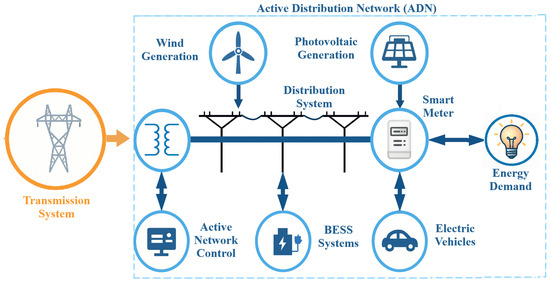
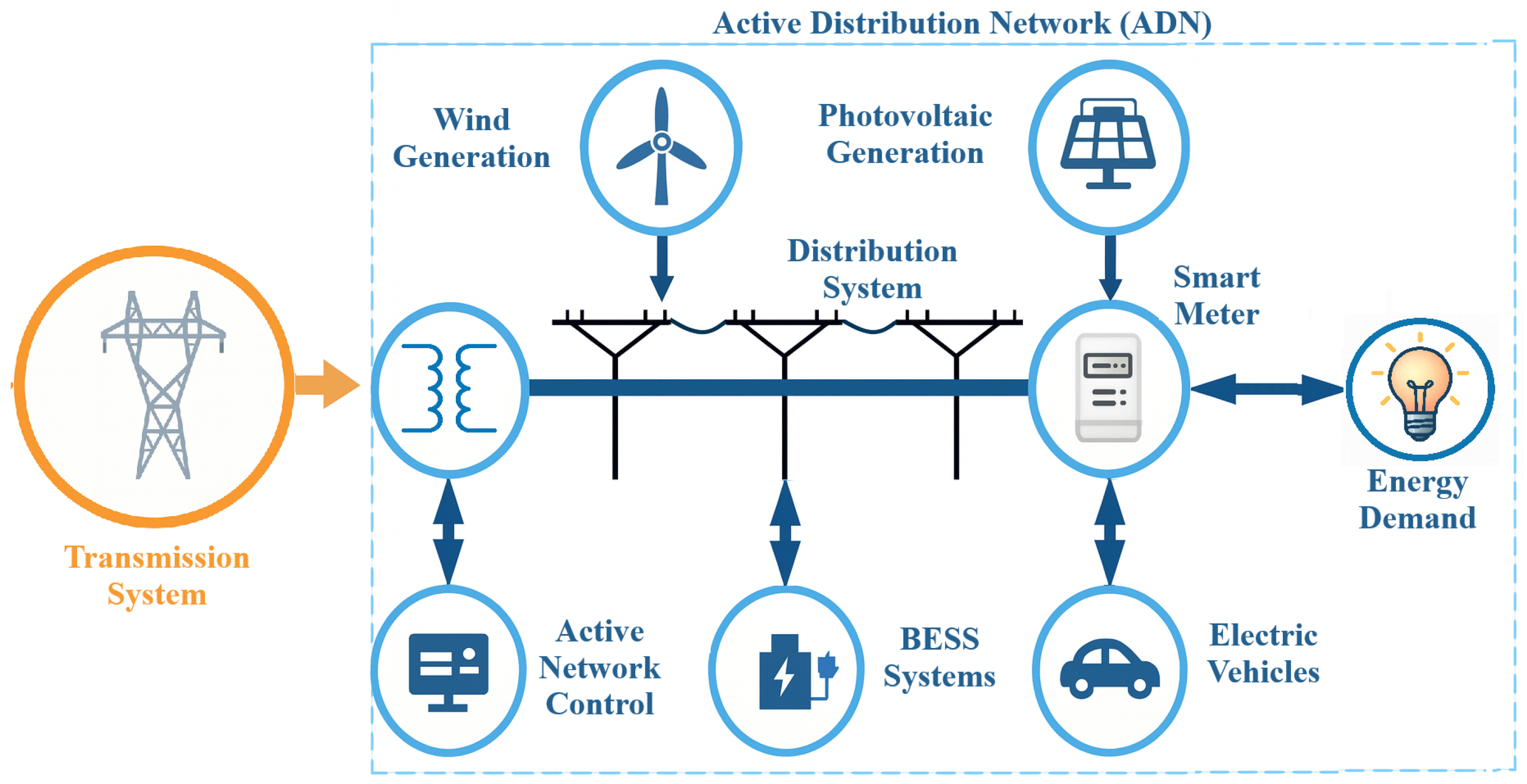
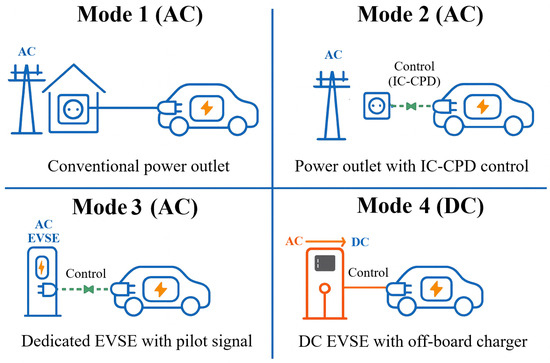
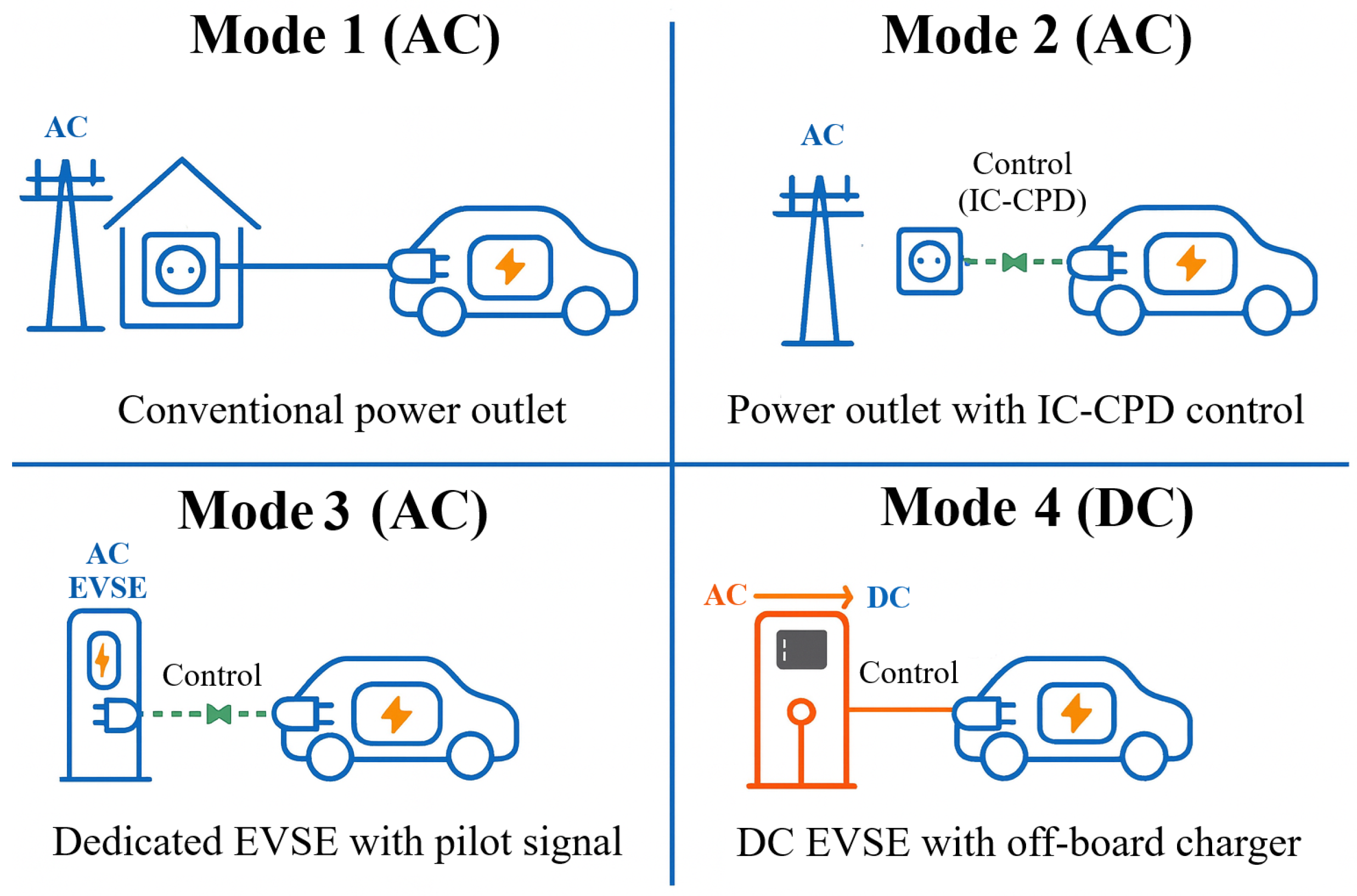
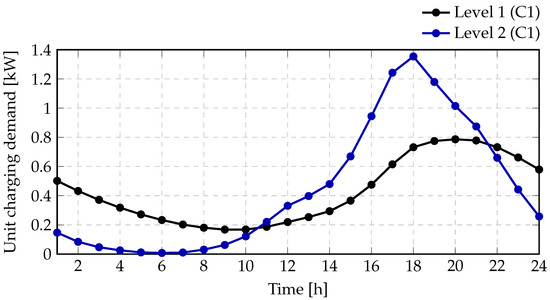
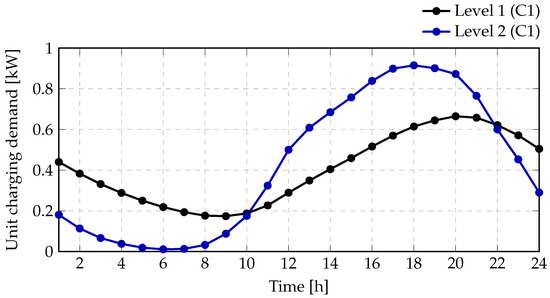
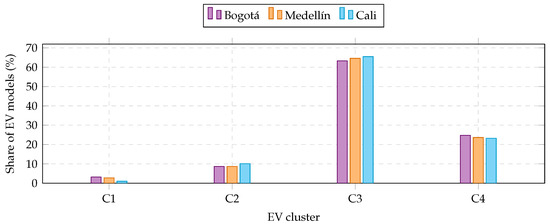
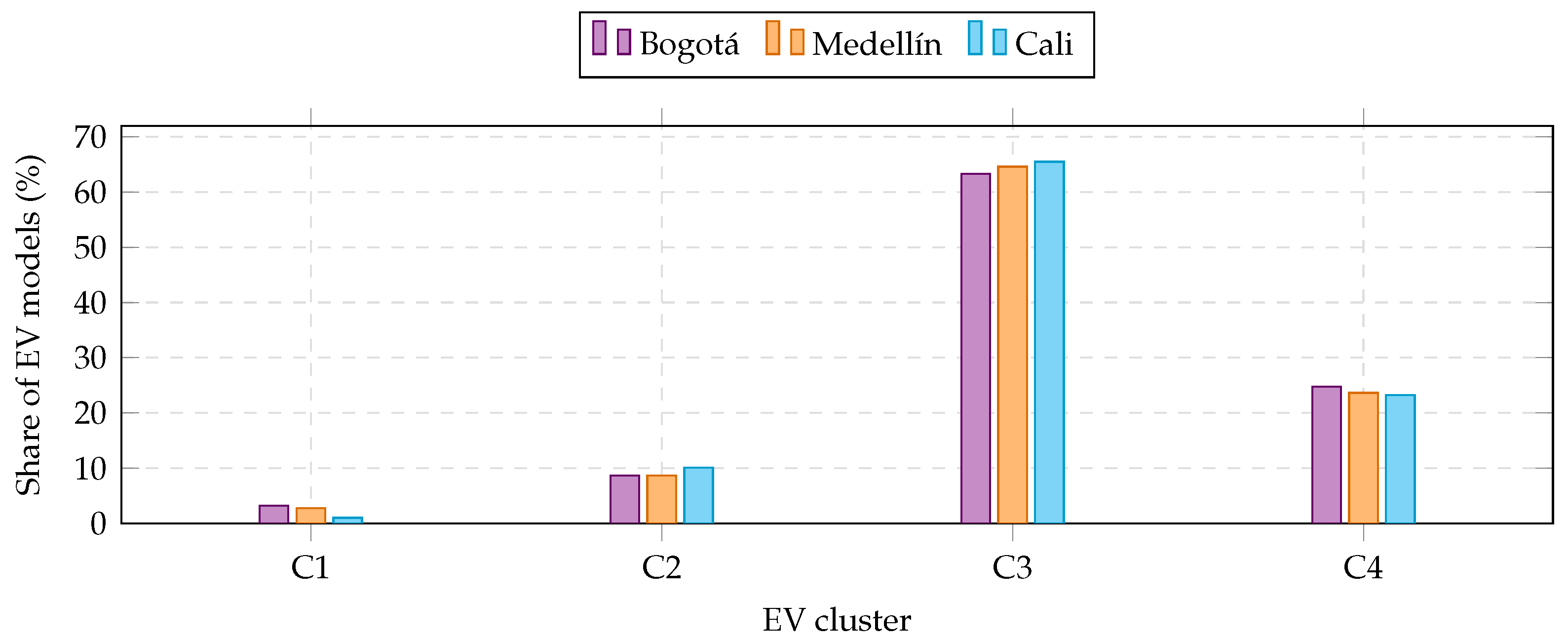
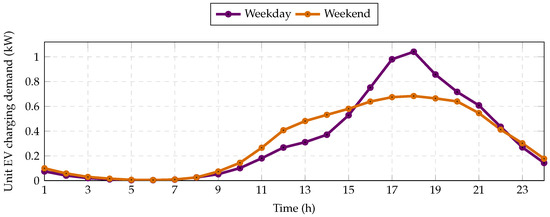
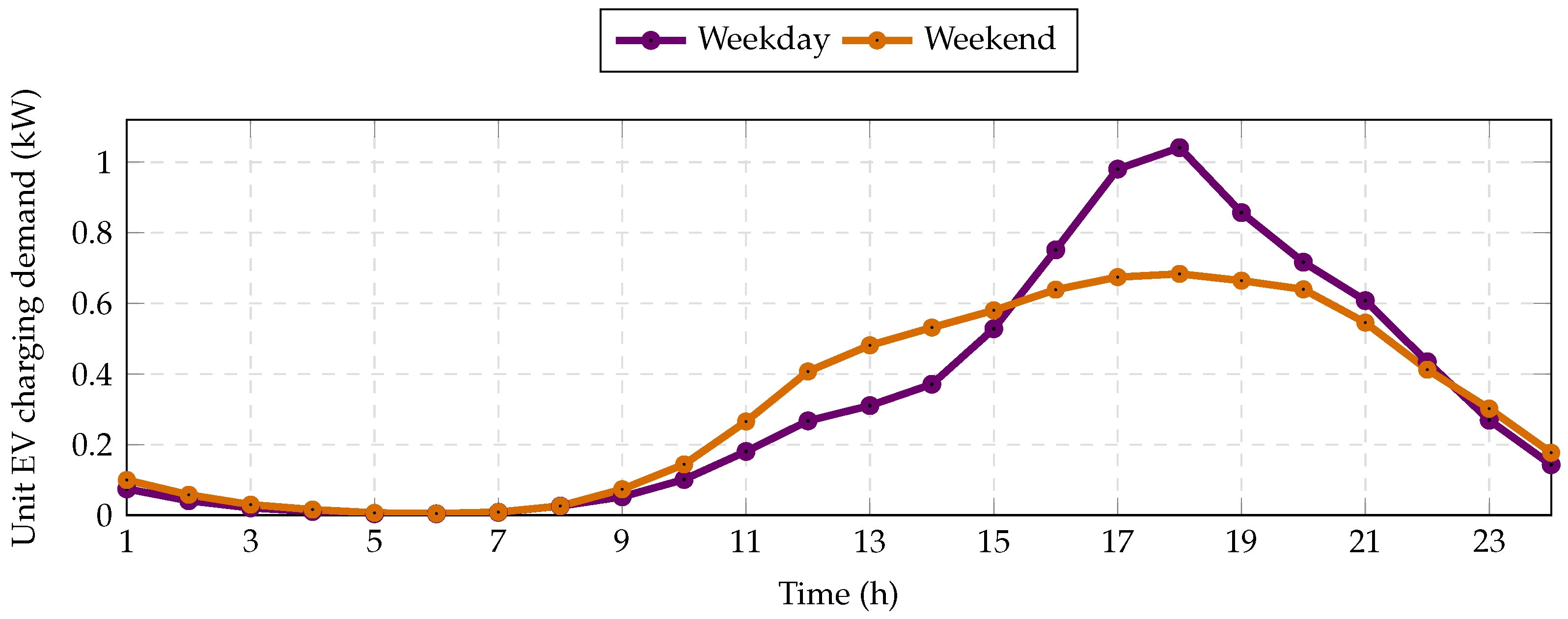
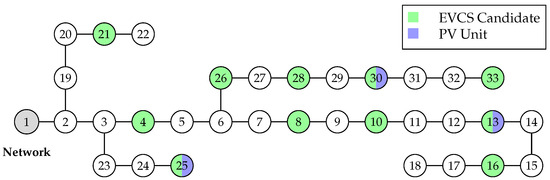
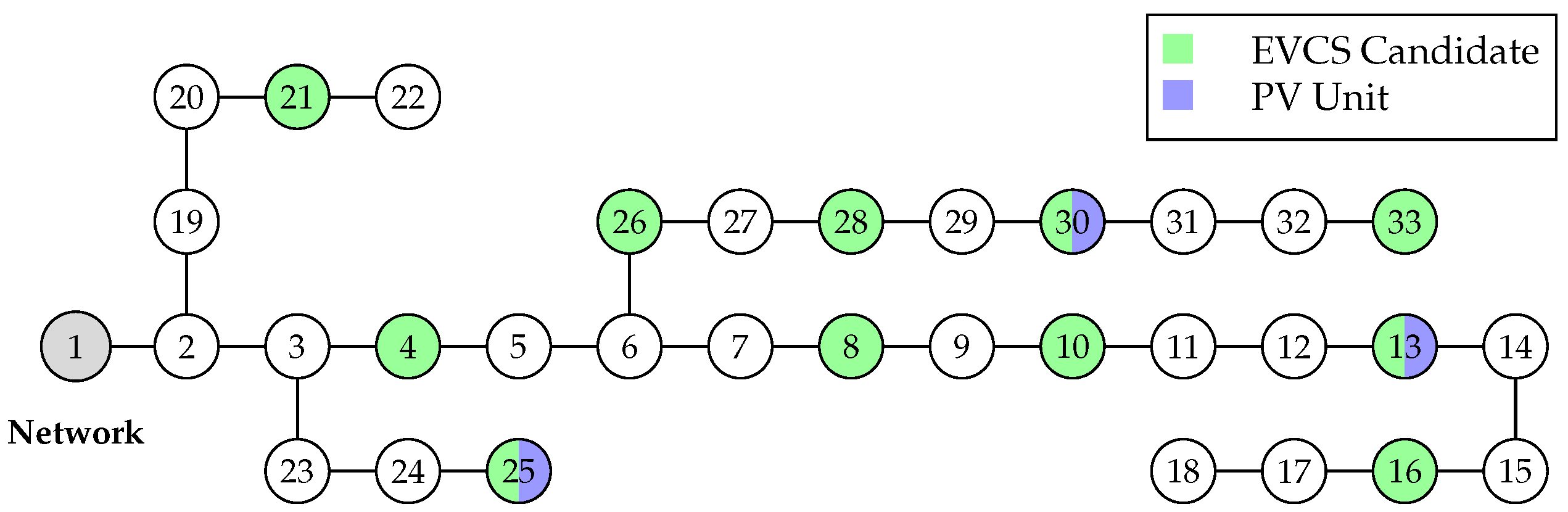
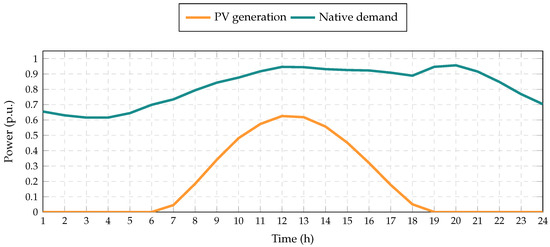
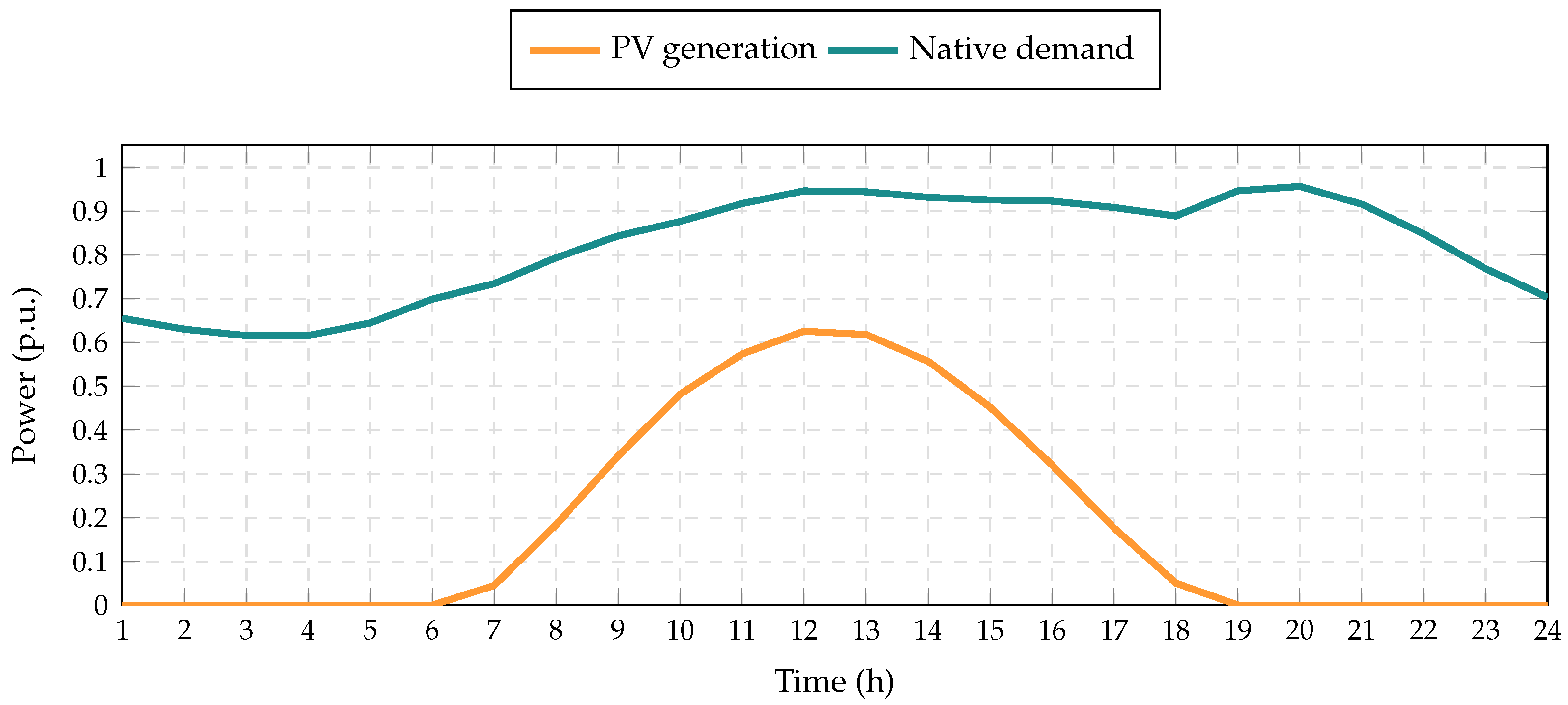
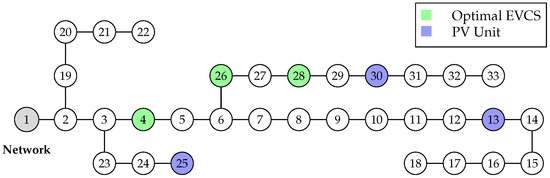
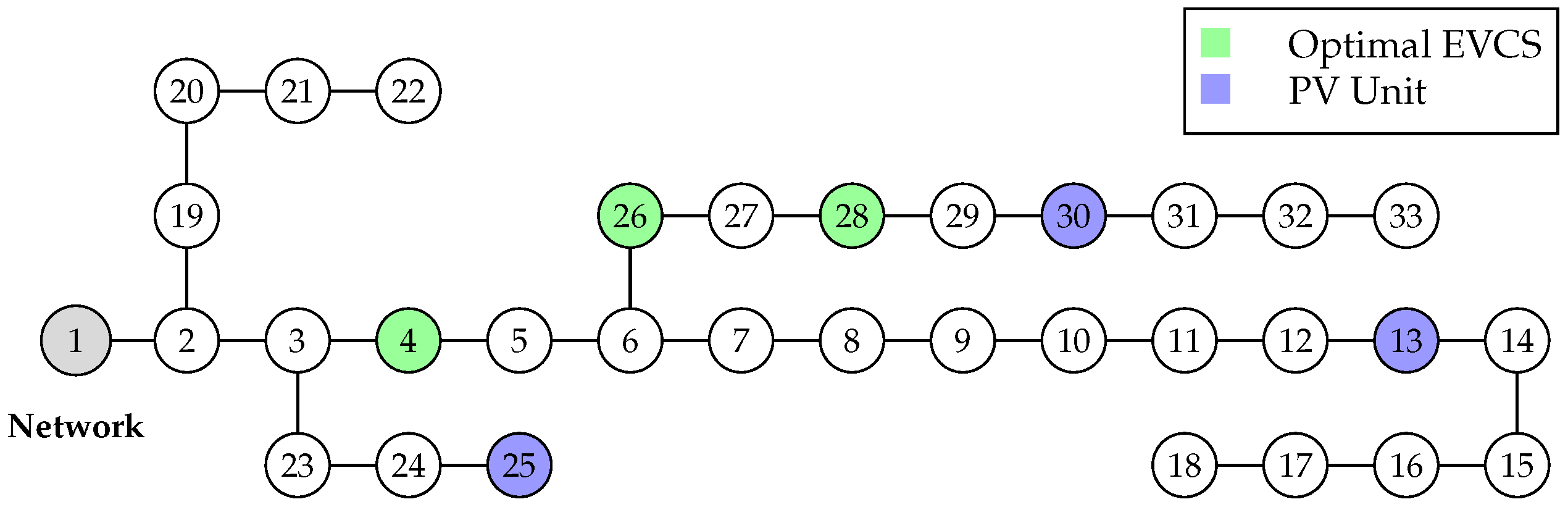
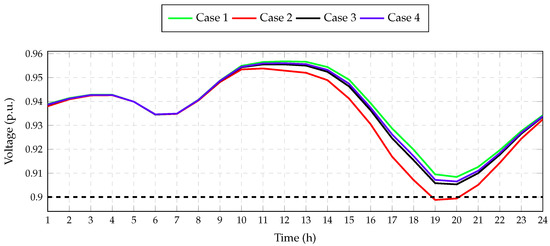
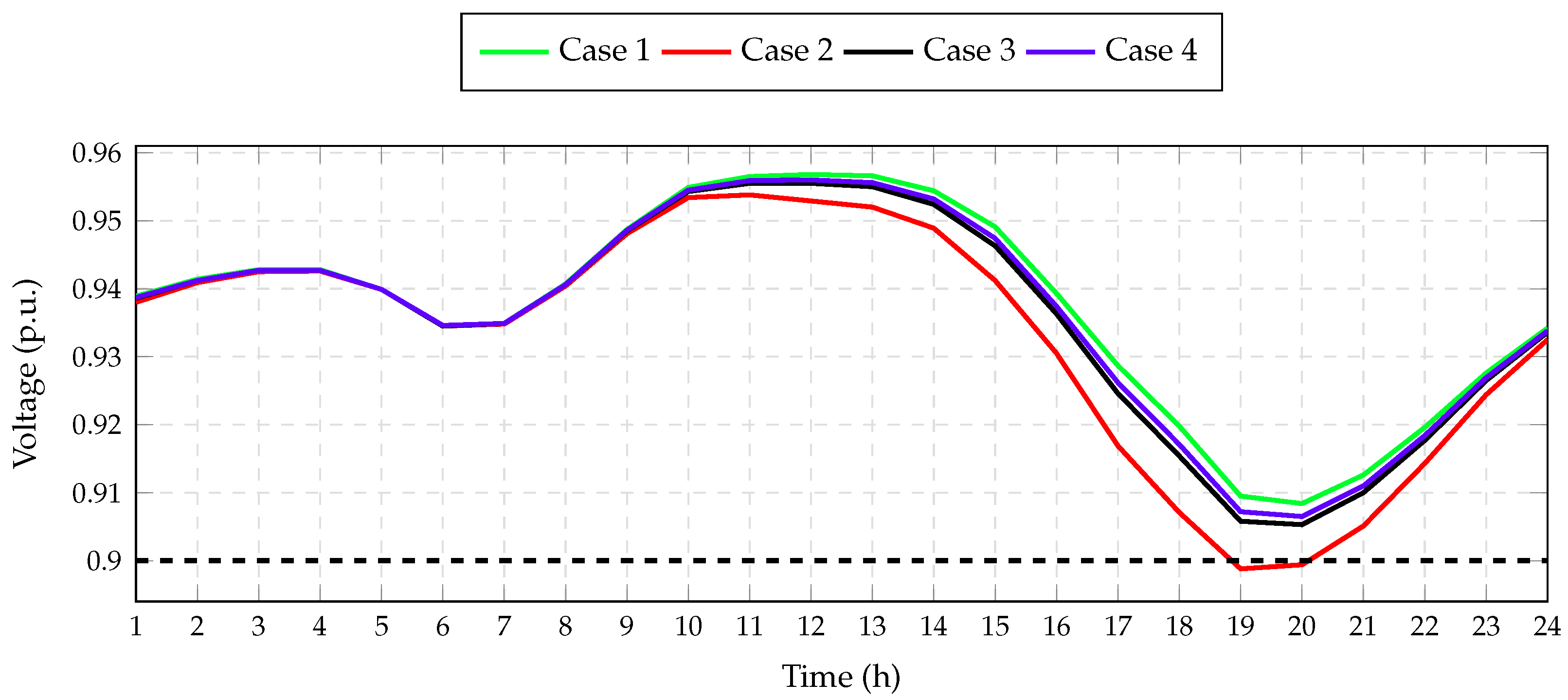
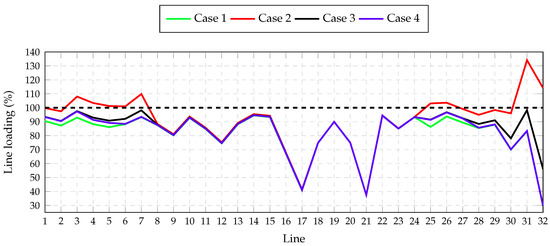
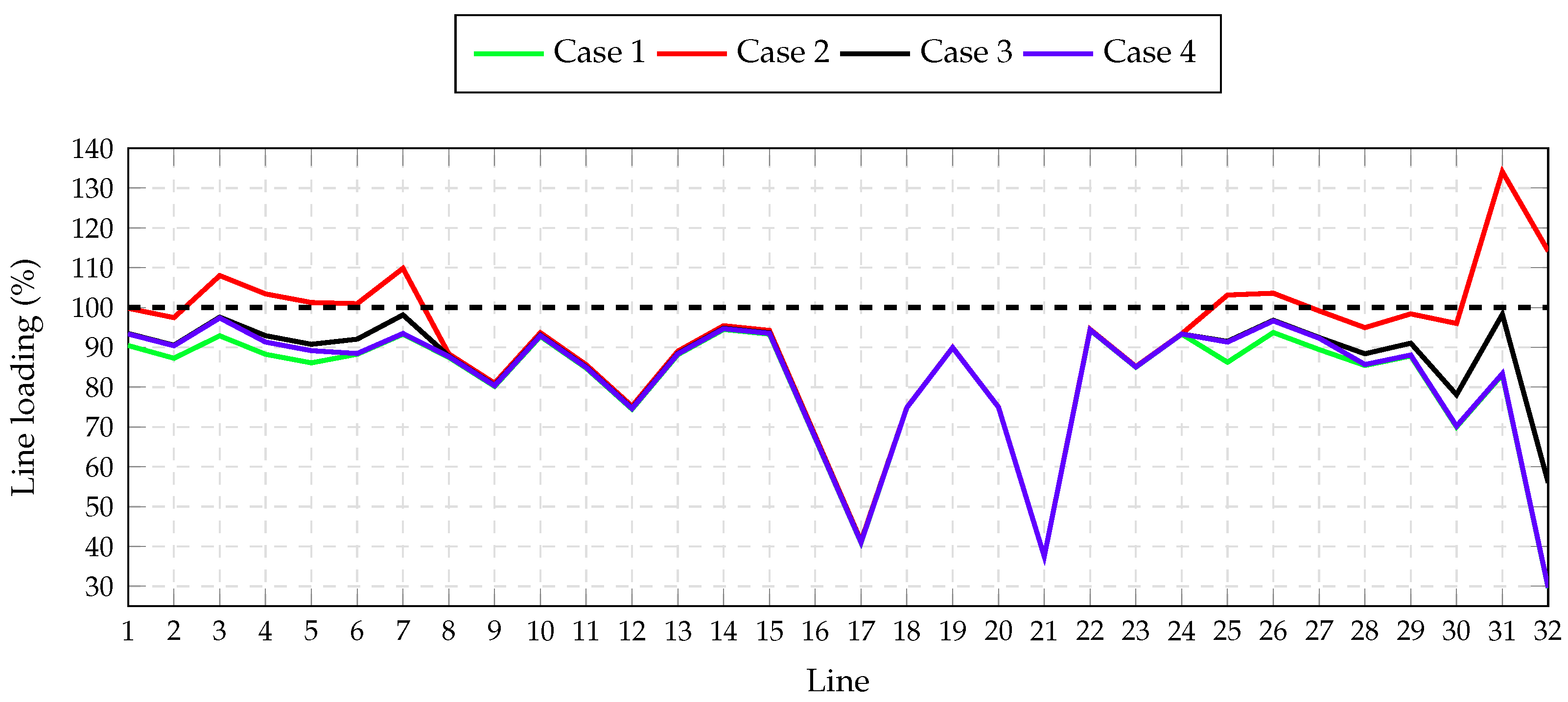
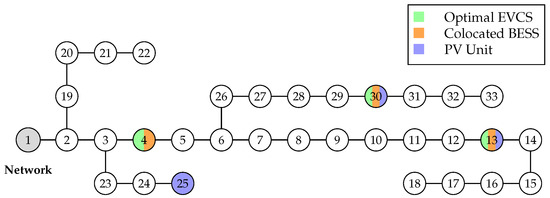
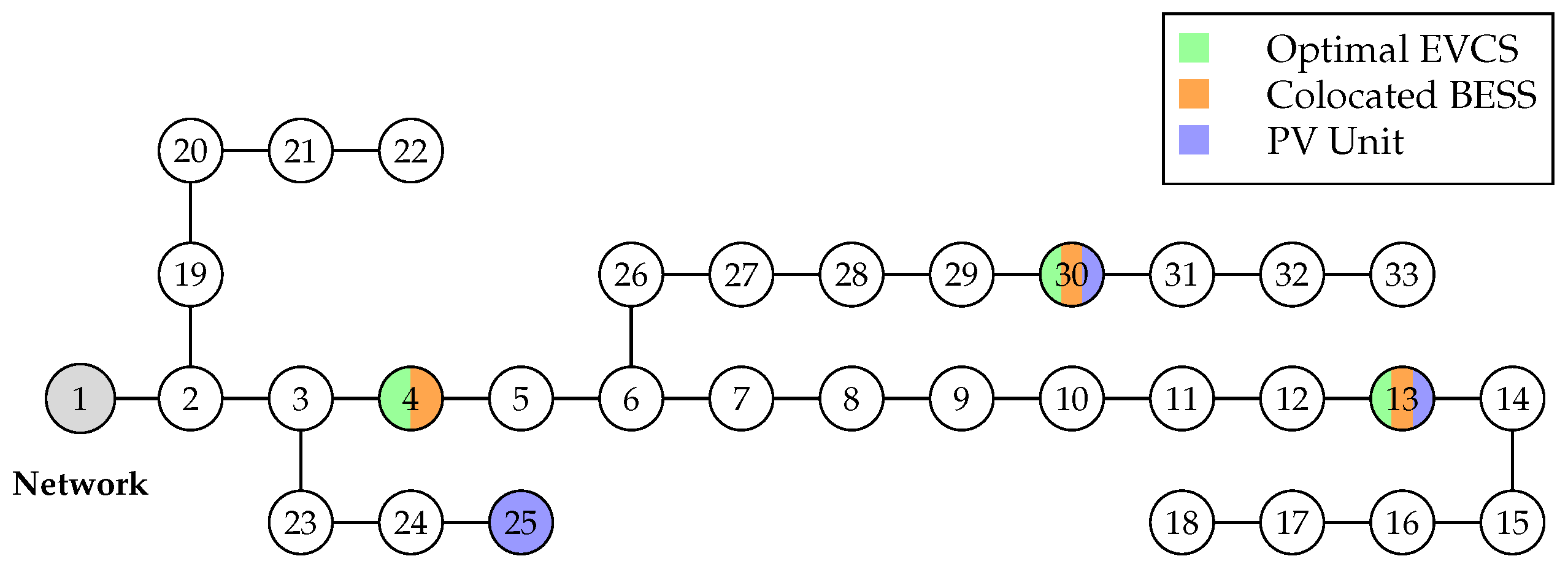
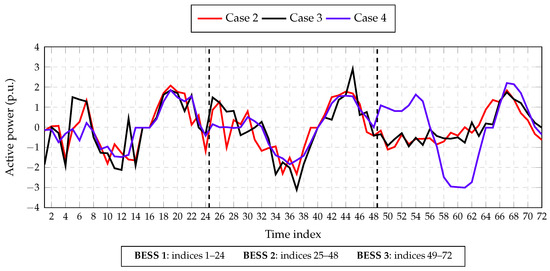
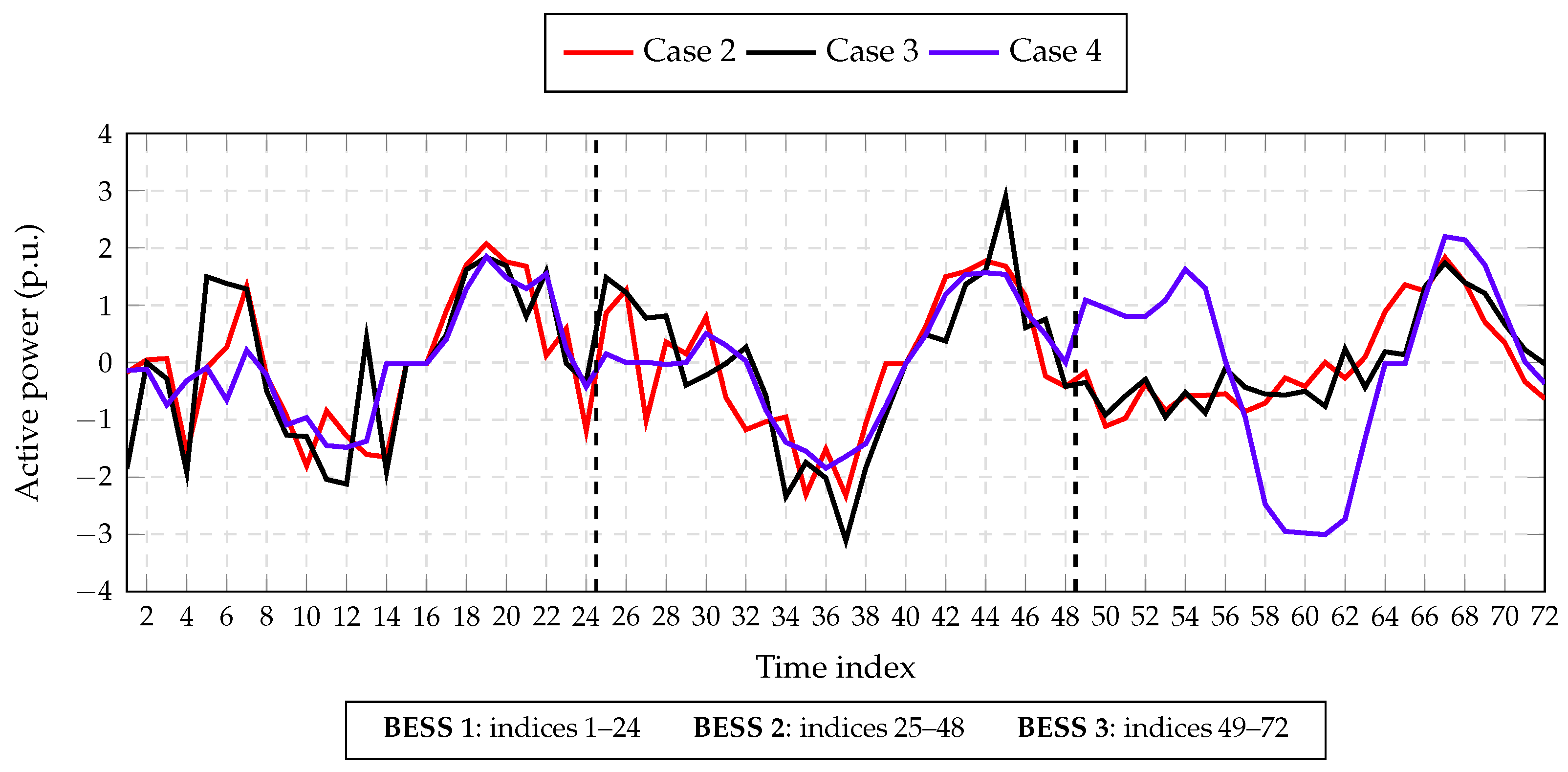
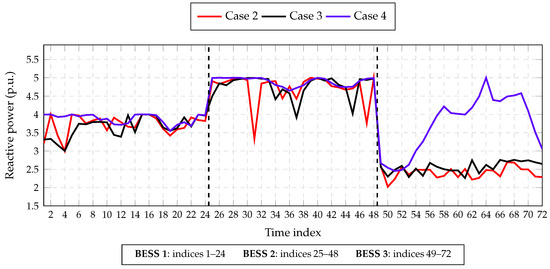
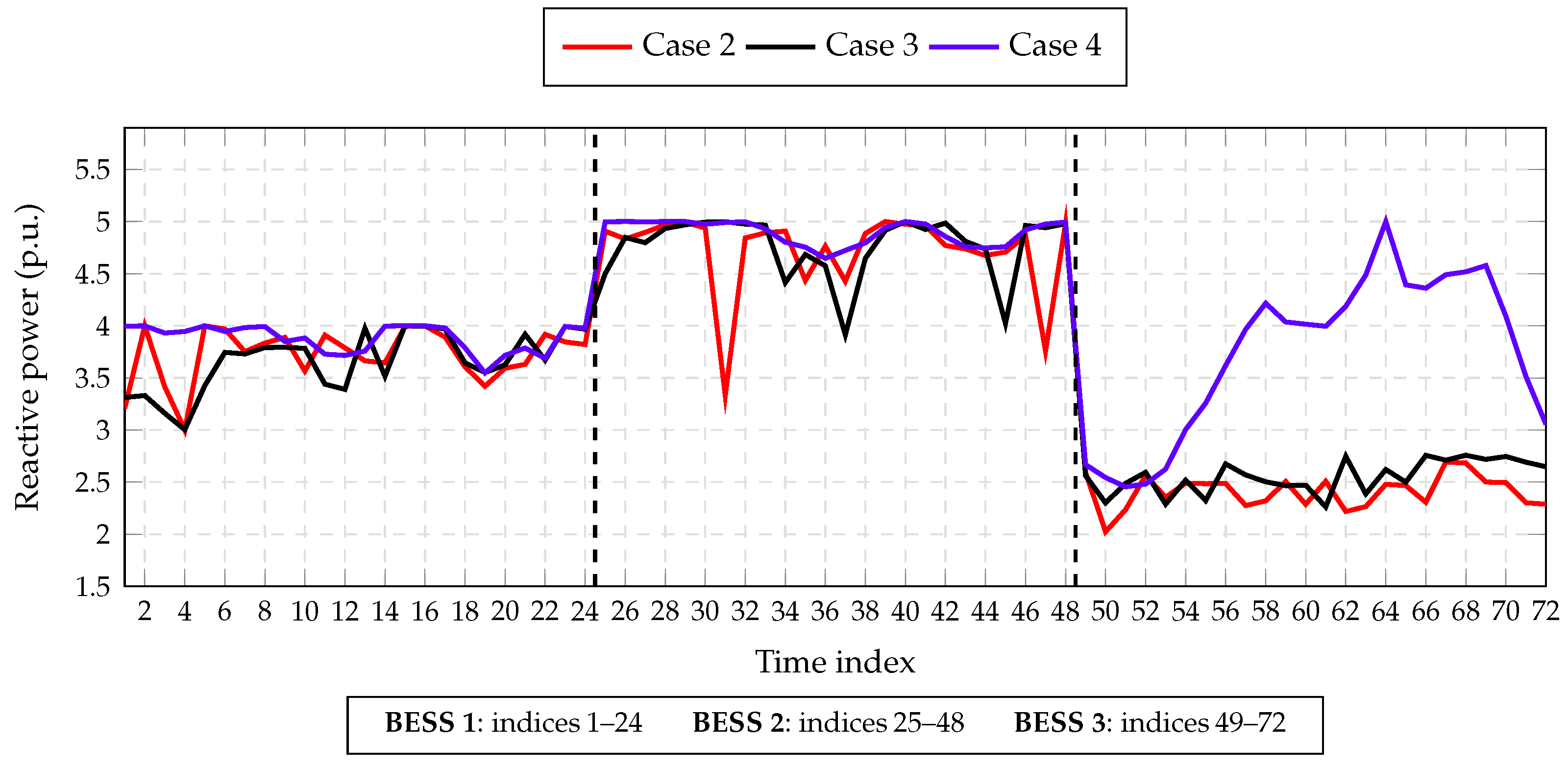
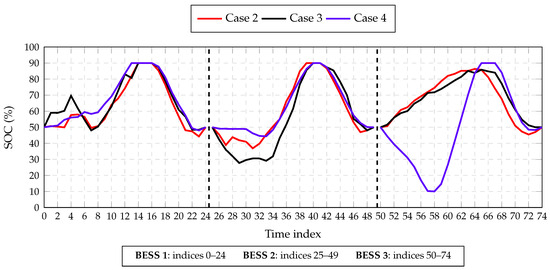
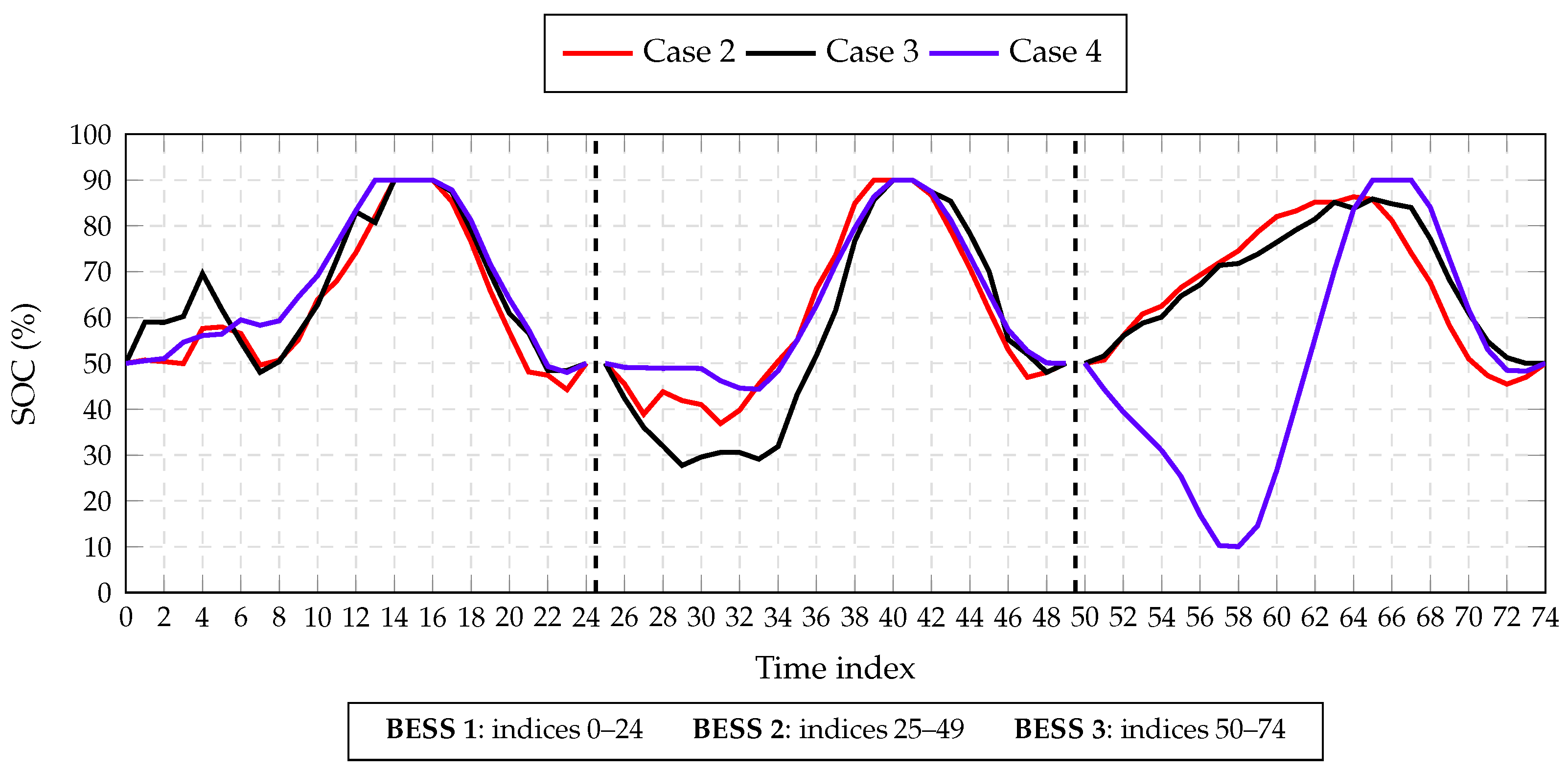
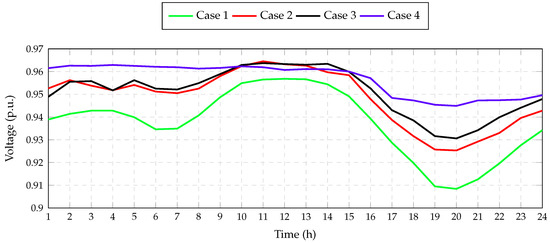
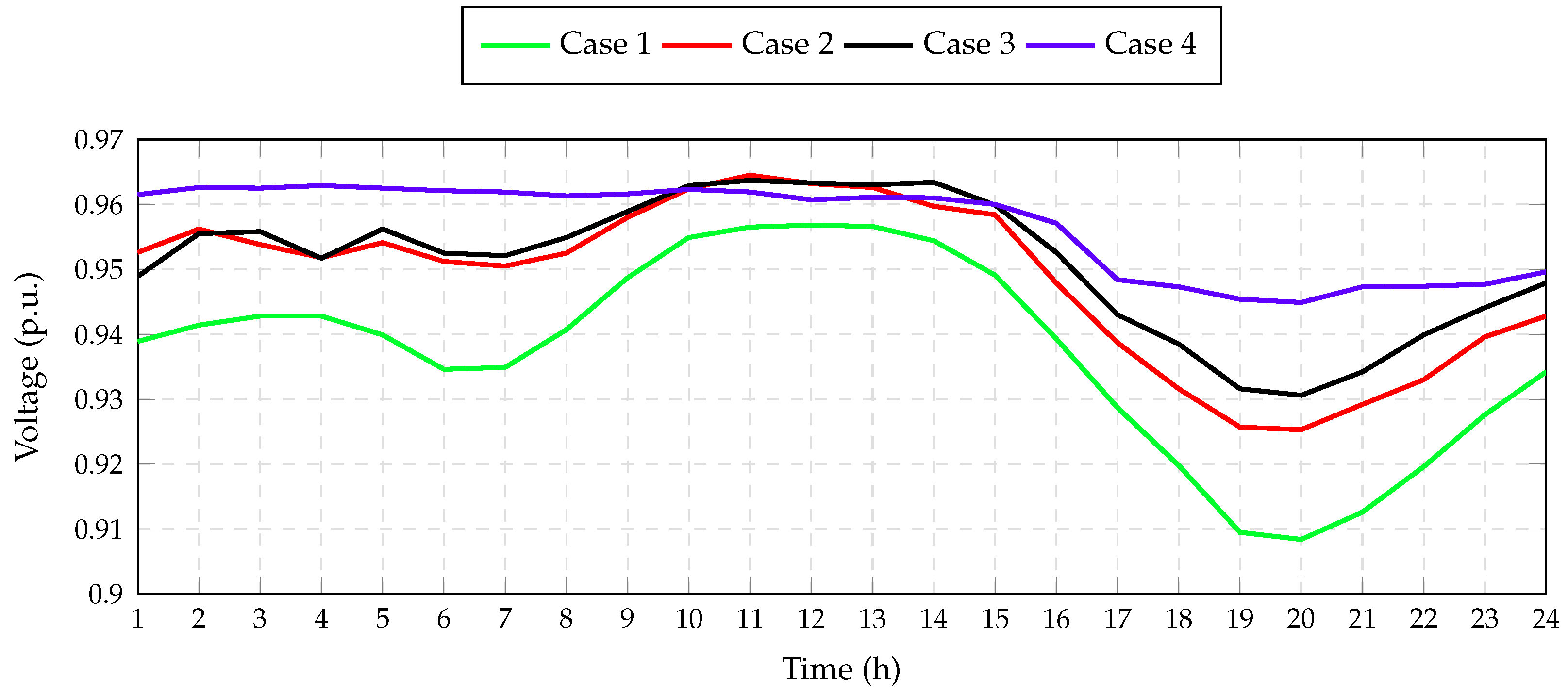
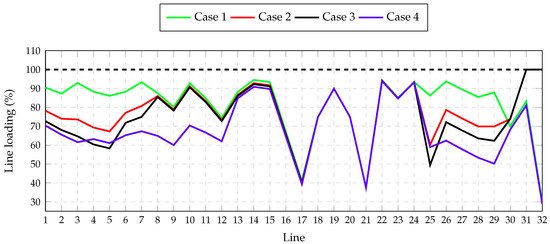
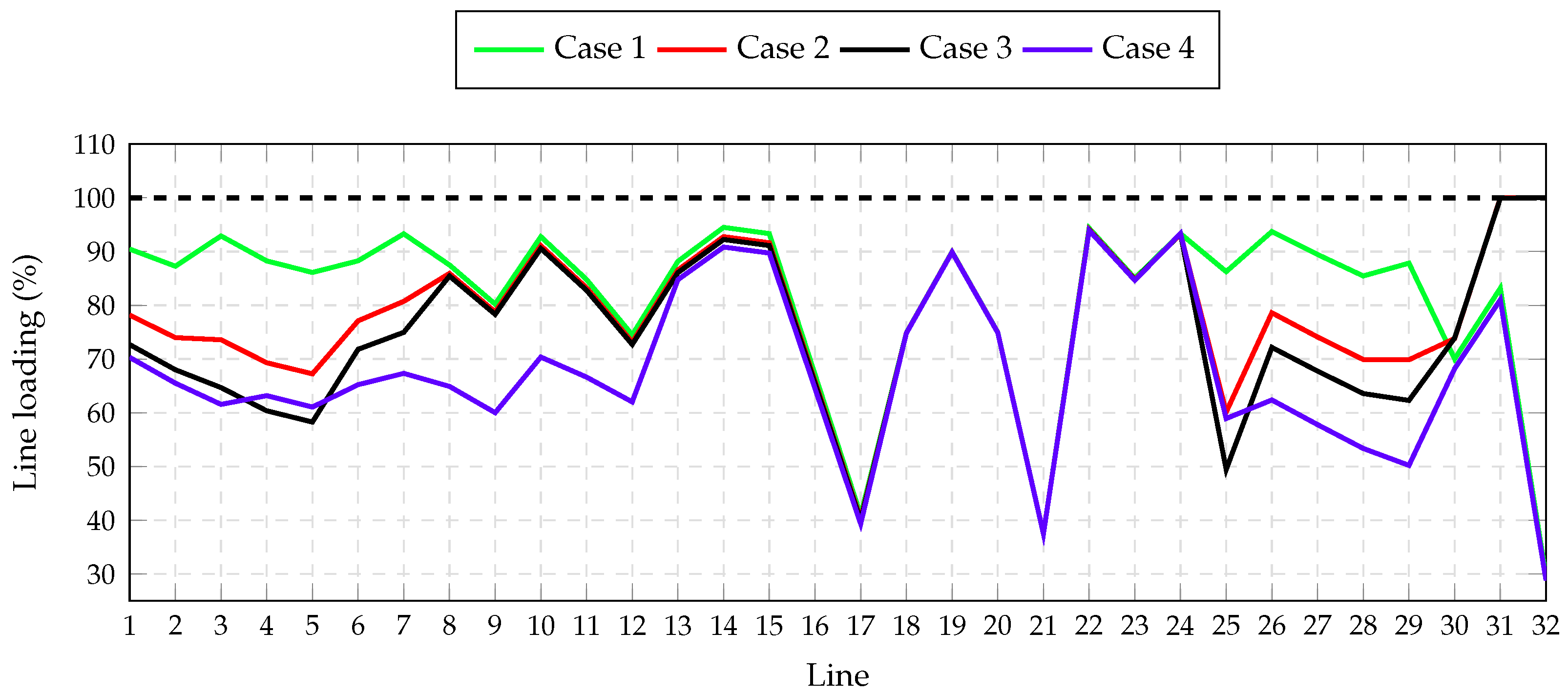
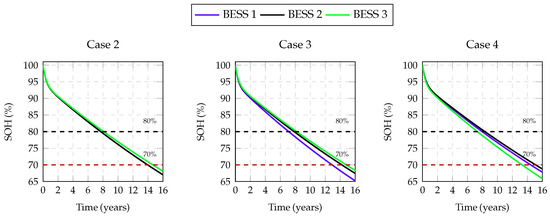
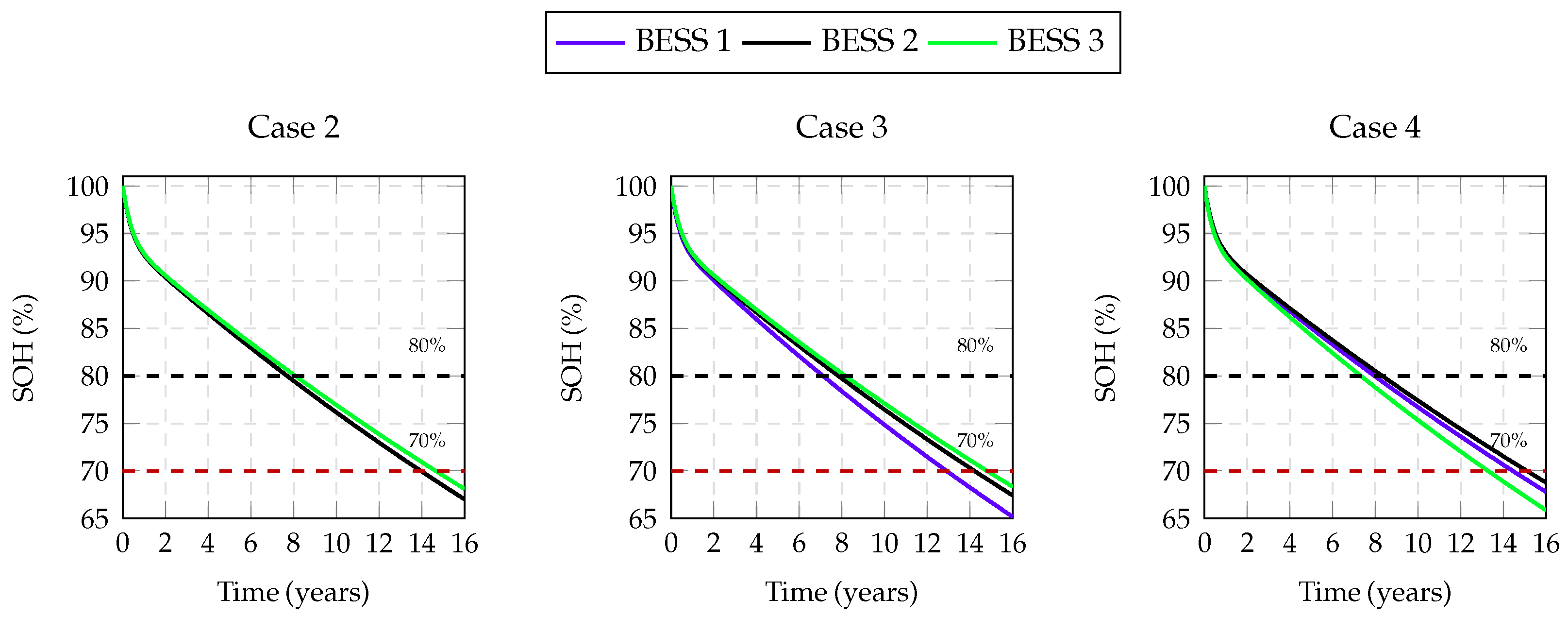
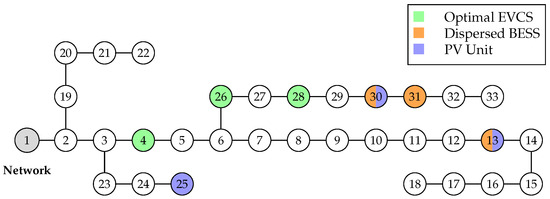
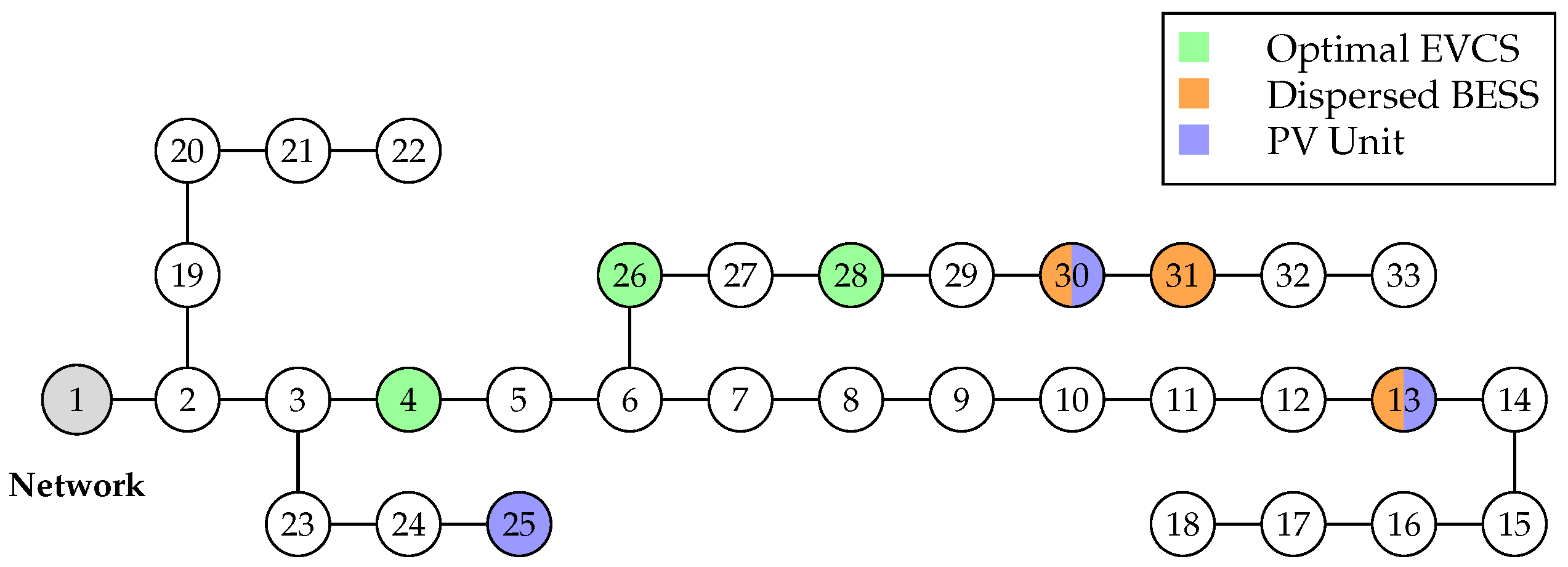
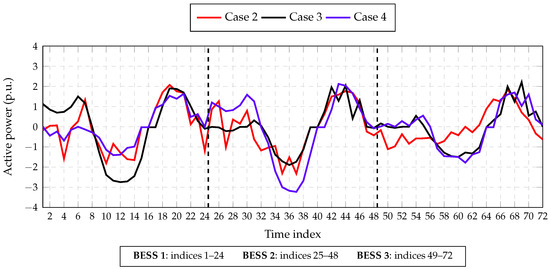
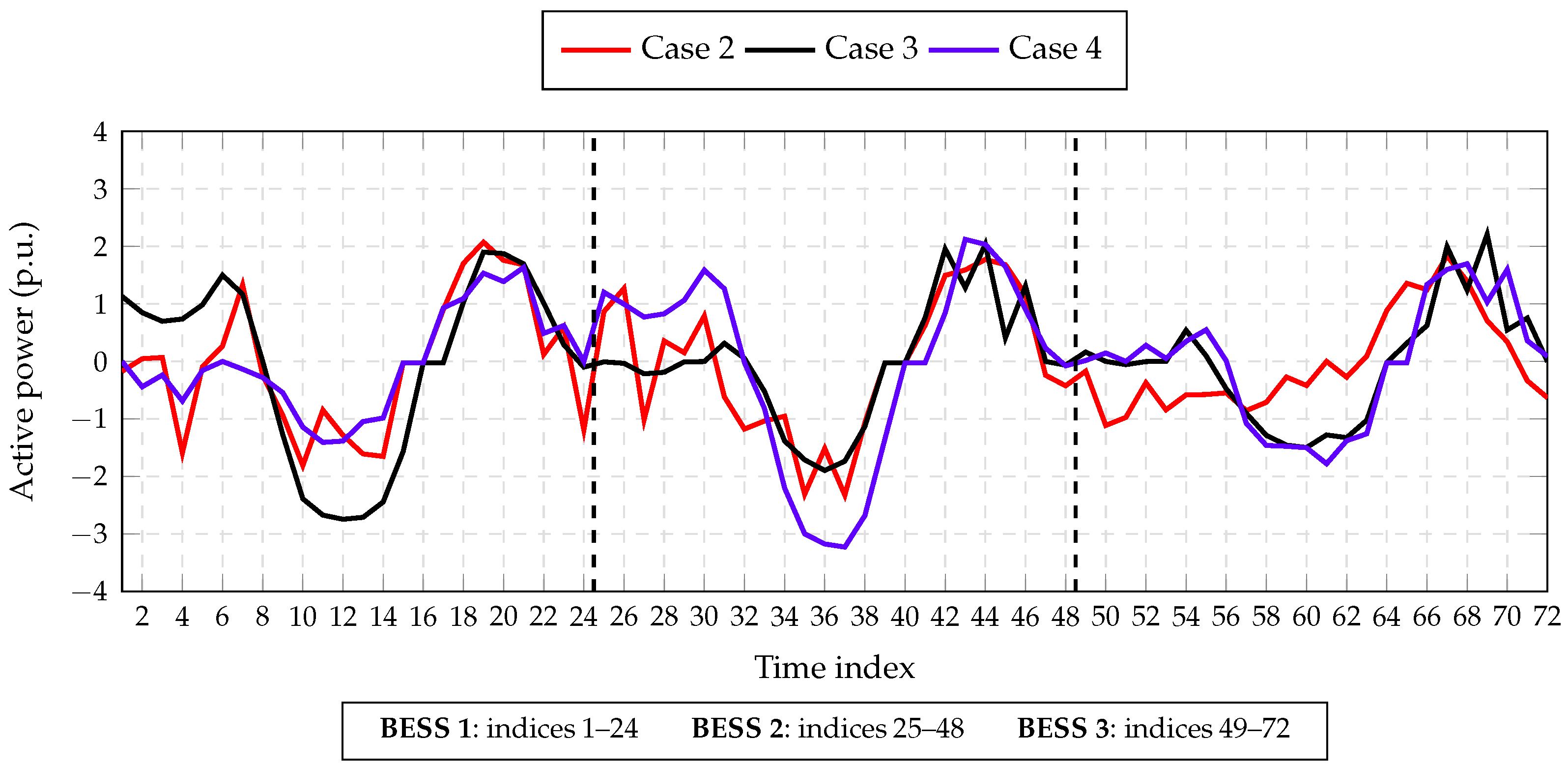
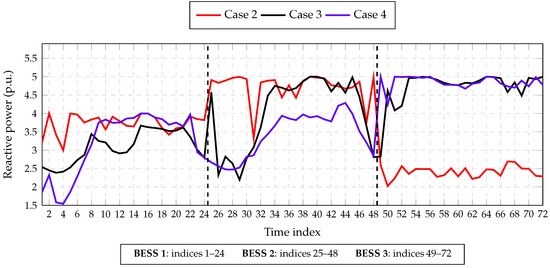
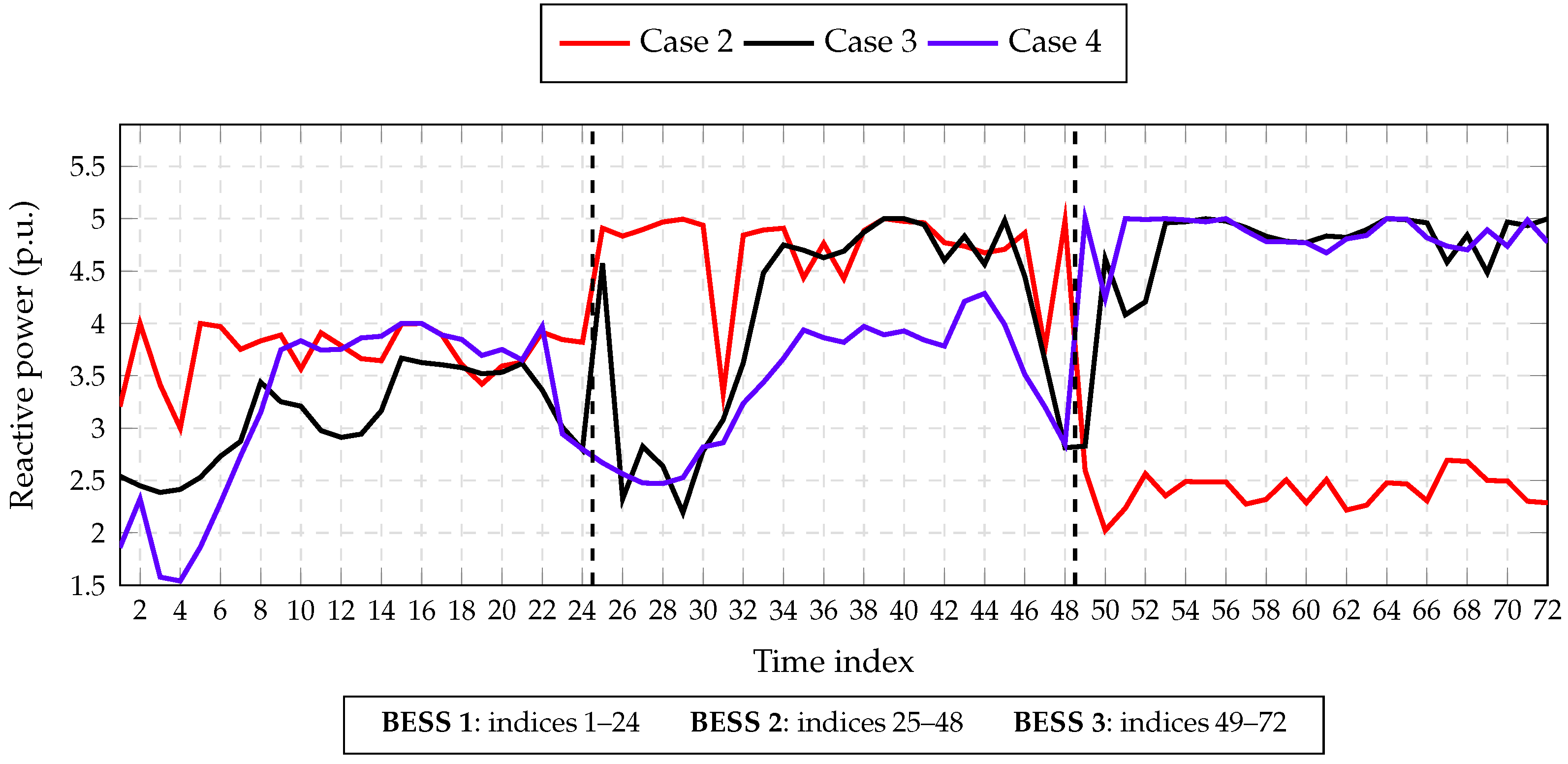
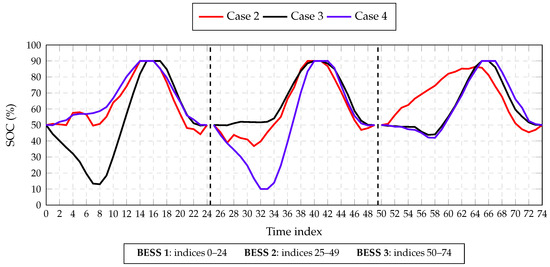
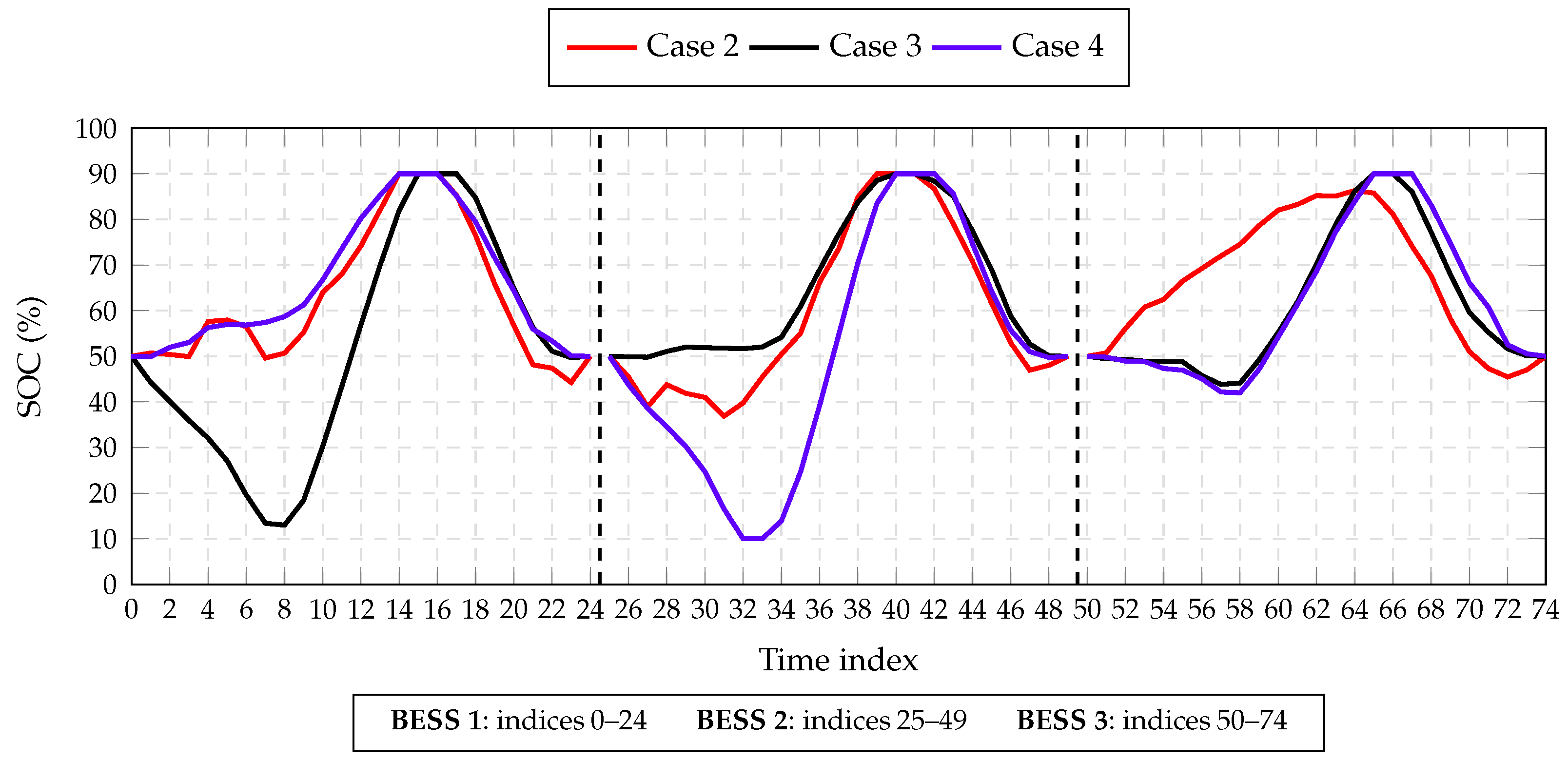
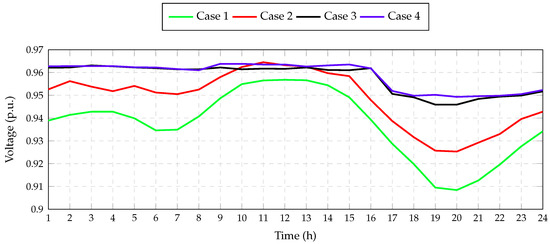
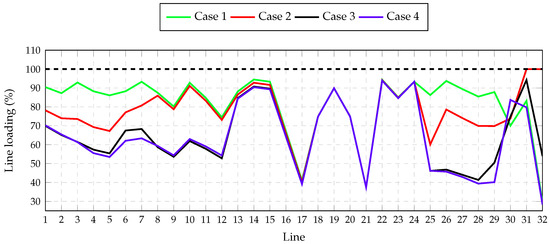
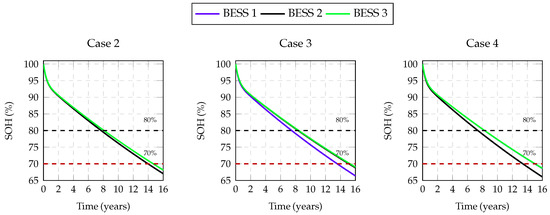
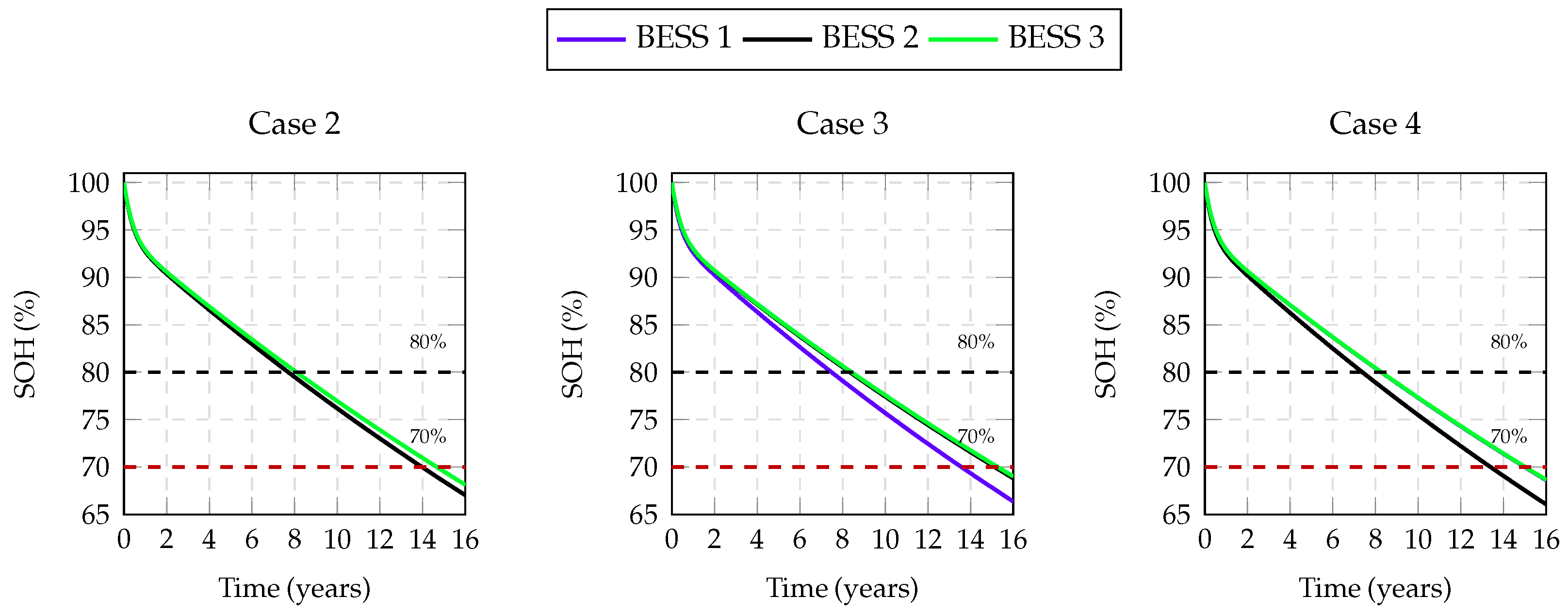
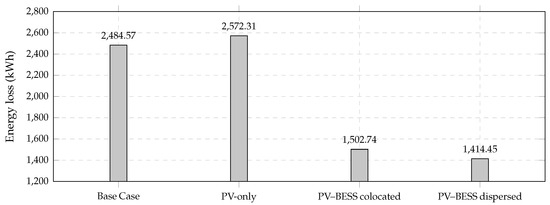
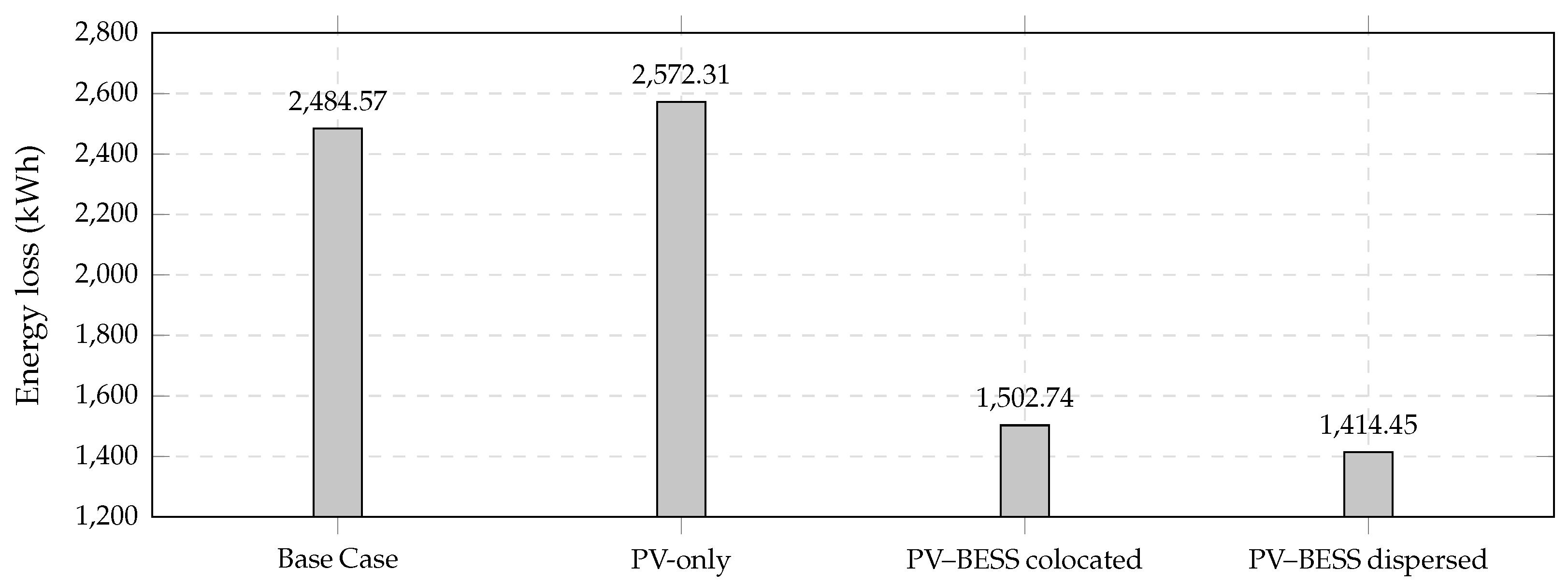

Disclaimer/Publisher’s Note: The statements, opinions and data contained in all publications are solely those of the individual author(s) and contributor(s) and not of MDPI and/or the editor(s). MDPI and/or the editor(s) disclaim responsibility for any injury to people or property resulting from any ideas, methods, instructions or products referred to in the content. |
© 2026 by the authors. Licensee MDPI, Basel, Switzerland. This article is an open access article distributed under the terms and conditions of the Creative Commons Attribution (CC BY) license.