Article

Dynamic Matching of Emotions and Skin Conductance Responses in Interactive and Prolonged Emotional Scenarios


Department of Computer Science, Tokyo Metropolitan University, Tokyo 191-0065, Japan
*
Author to whom correspondence should be addressed.
These authors contributed equally to this work.
Submission received: 20 October 2024 / Revised: 3 January 2025 / Accepted: 9 January 2025 / Published: 15 January 2025
(This article belongs to the Section Computer Science, Mathematics and AI)

Abstract

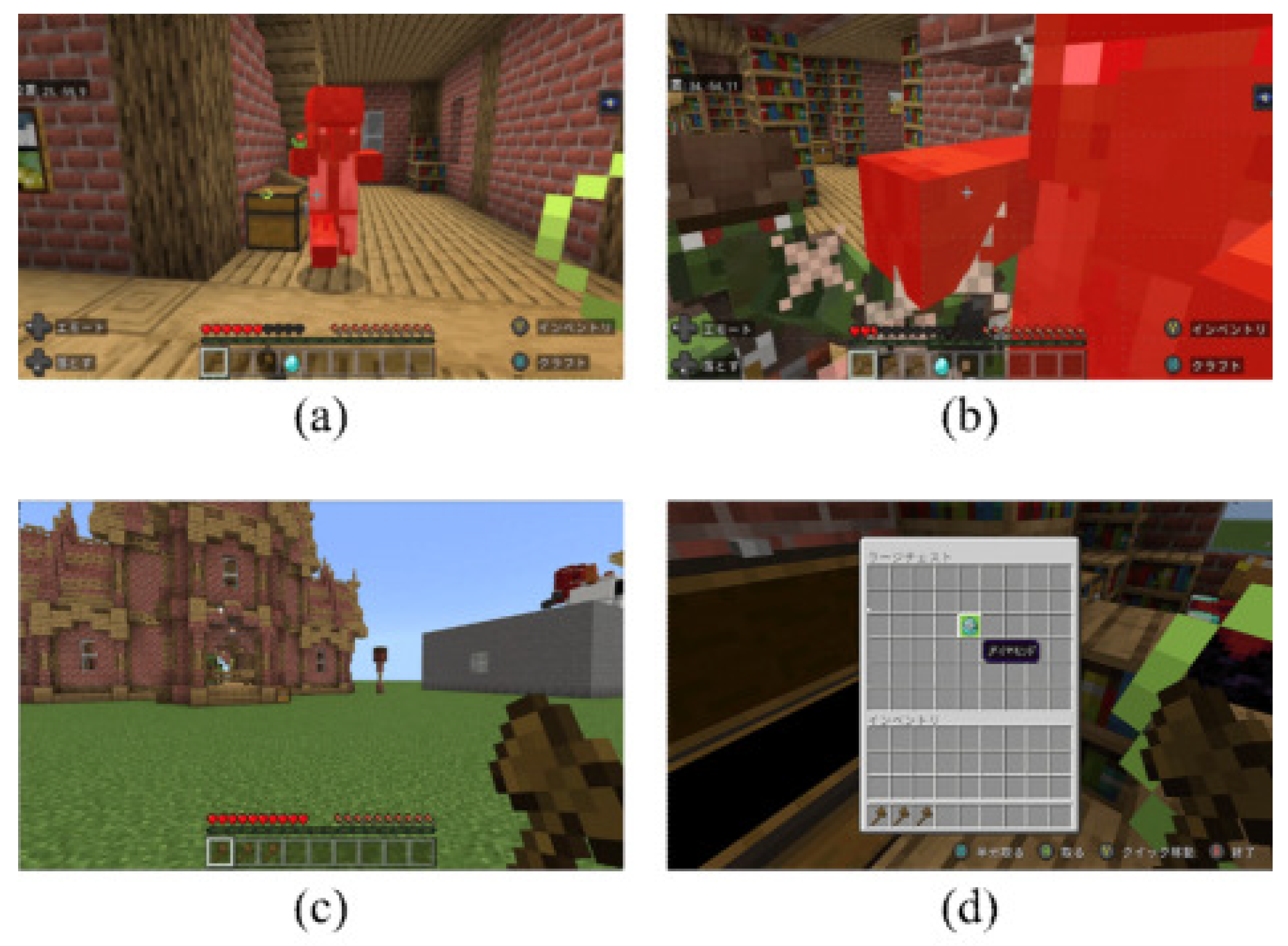
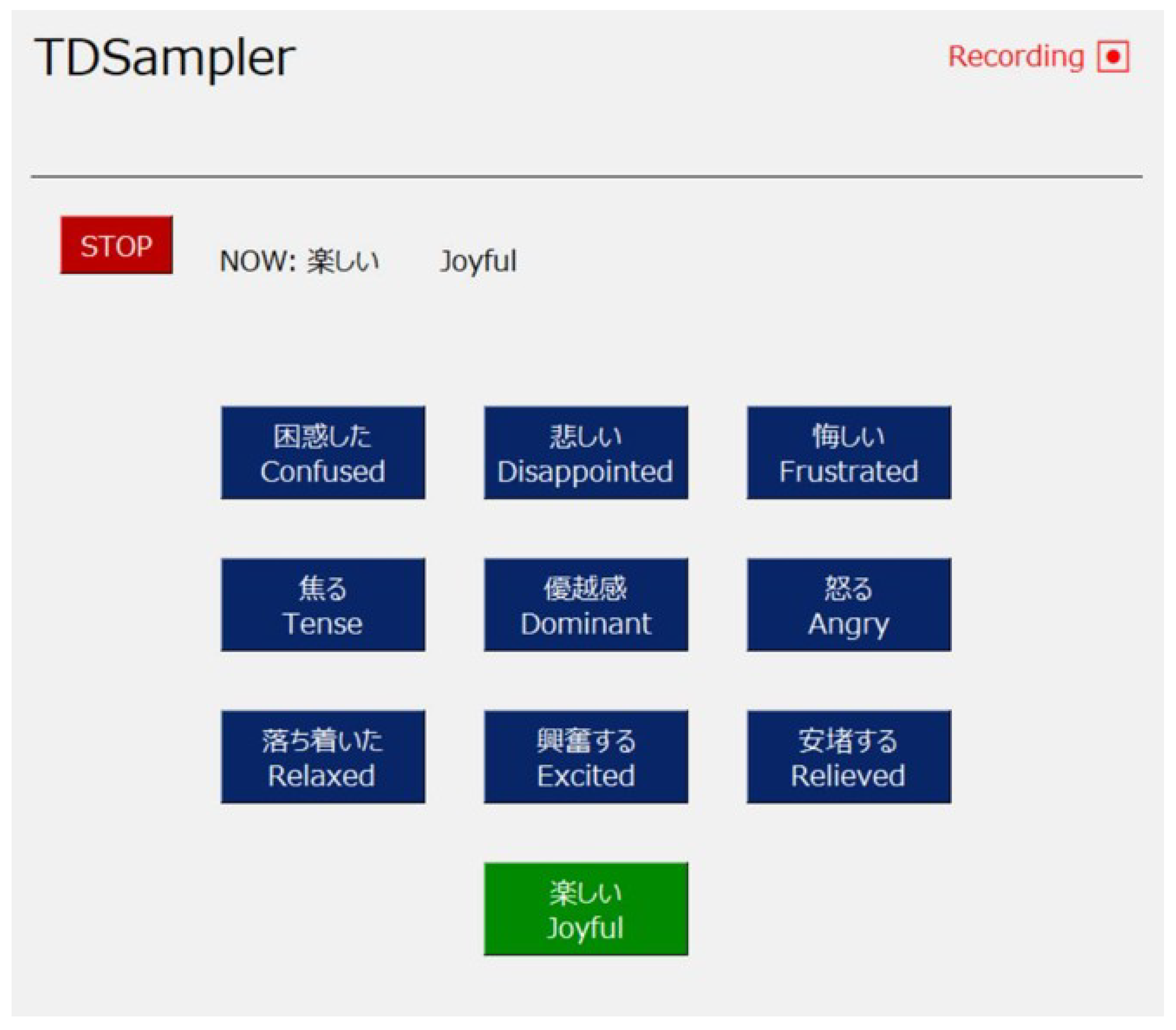
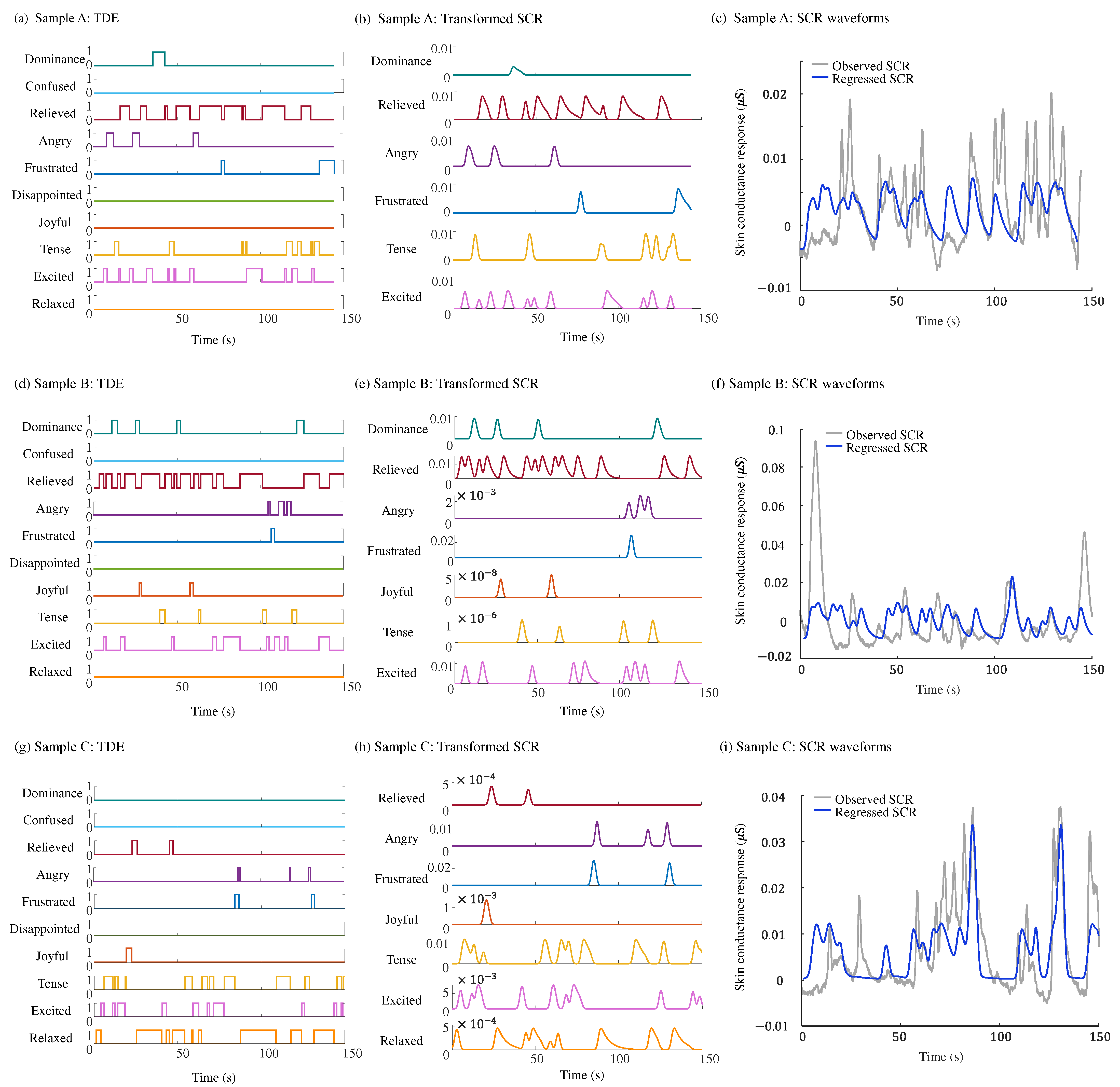
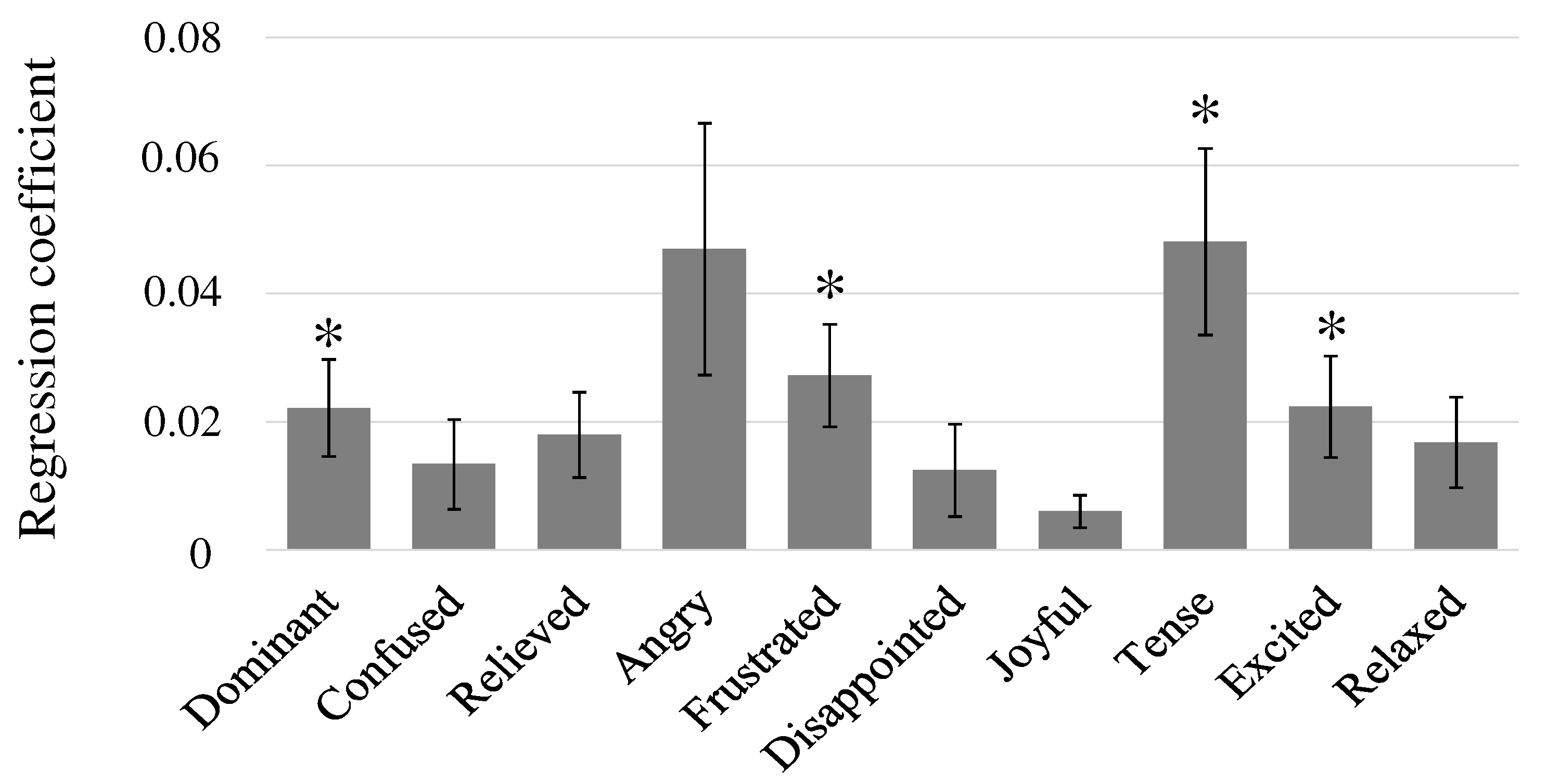
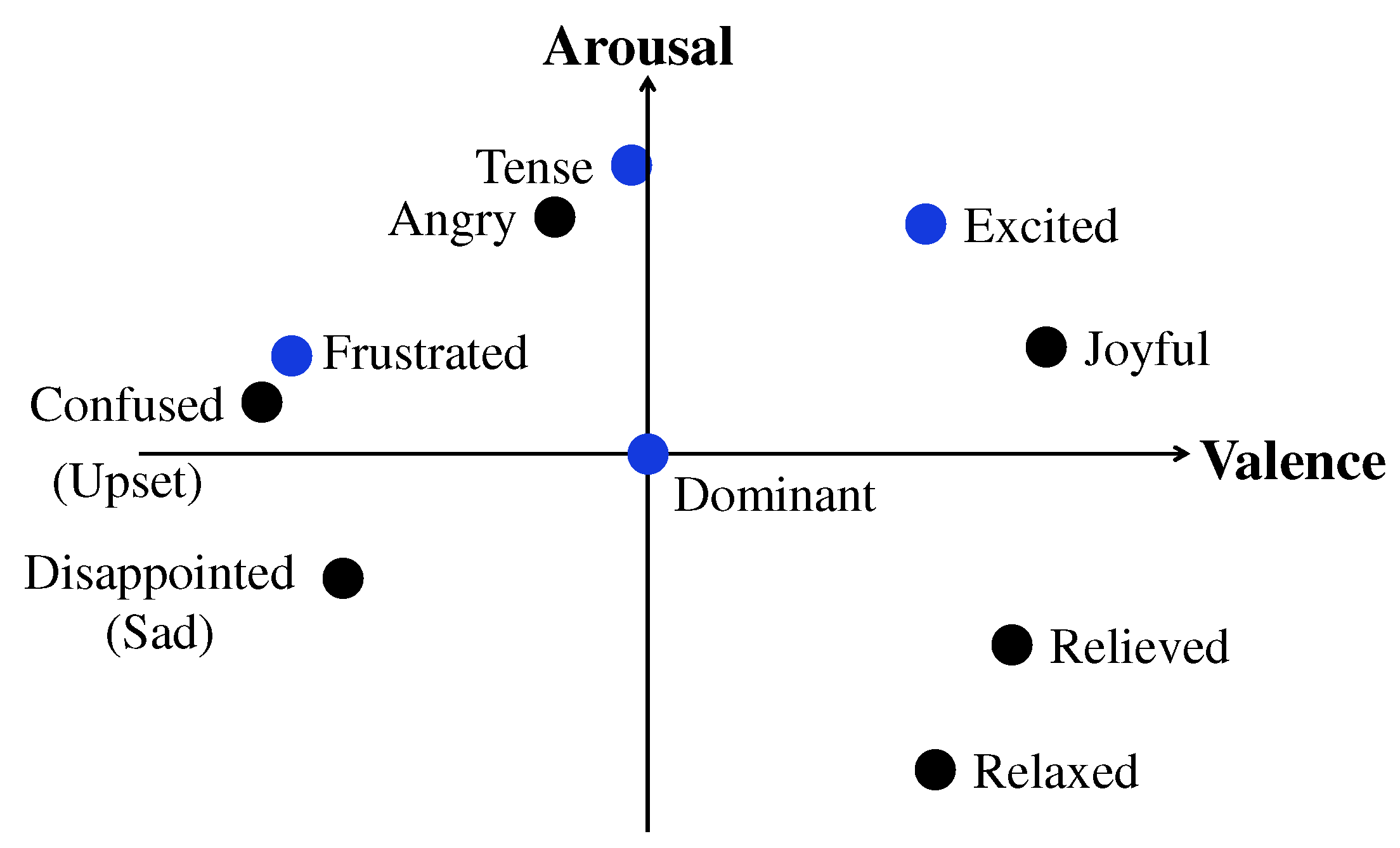
Skin Conductance Response (SCR) is a physiological index associated with arousing emotions. Previous studies have not explored the relationship between SCR signals and emotions in situations where multiple emotions dynamically fluctuate. Moreover, methods suitable for analyzing such conditions have not yet been established. In this study, we recorded the temporal changes in multiple emotions as subjectively reported by participants using the Temporal Dominance of Emotions (TDE) method. We then matched these subjective reports with the evolving SCR signals through regression analysis. This approach reveals which emotions contribute to increased SCR signals in prolonged, emotionally charged scenarios, such as watching videos or playing video games. To validate our method, we recorded SCR signals while participants played a video game. Participants then performed the TDE task to recall their emotions while viewing recorded footage. This study involved 20 participants. Our analysis showed that emotions such as excitement, tension, and frustration significantly covaried with the physiological signals. These arousing emotions are known to evoke SCR, supporting the validity of our method. This approach introduces a novel experimental methodology for comparing subjective reports and high-responsive physiology signals in settings where multiple emotions dynamically change.
Keywords: emotion; skin conductance response; temporal dominance of emotions emotion; skin conductance response; temporal dominance of emotions