Review

Role of Ventilation and Spatial Designs in Airborne Disease Transmission Within Residential Aged-Care Facilities


1
School of Surveying and Built Environment, University of Southern Queensland—Springfield Campus, Springfield Central, QLD 4300, Australia
2
Faculty of Society & Design, Bond University, Gold Coast, QLD 4229, Australia
3
Australian Rivers Institute, Griffith University, Southport, QLD 4222, Australia
*
Author to whom correspondence should be addressed.
Designs 2025, 9(5), 110; https://doi.org/10.3390/designs9050110

Submission received: 21 August 2025 / Revised: 12 September 2025 / Accepted: 16 September 2025 / Published: 17 September 2025
(This article belongs to the Topic Sustainable Building Development and Promotion)

Abstract

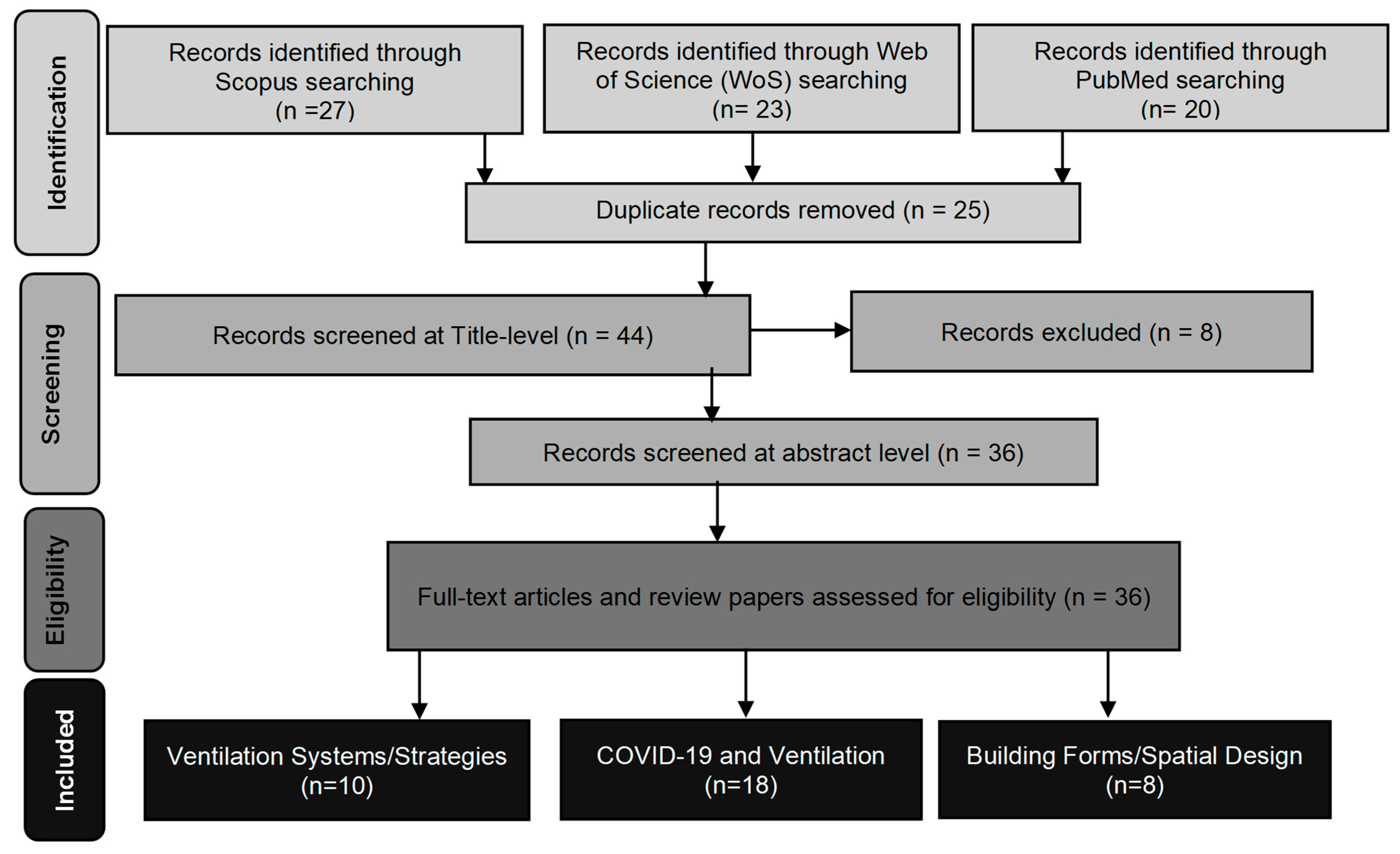
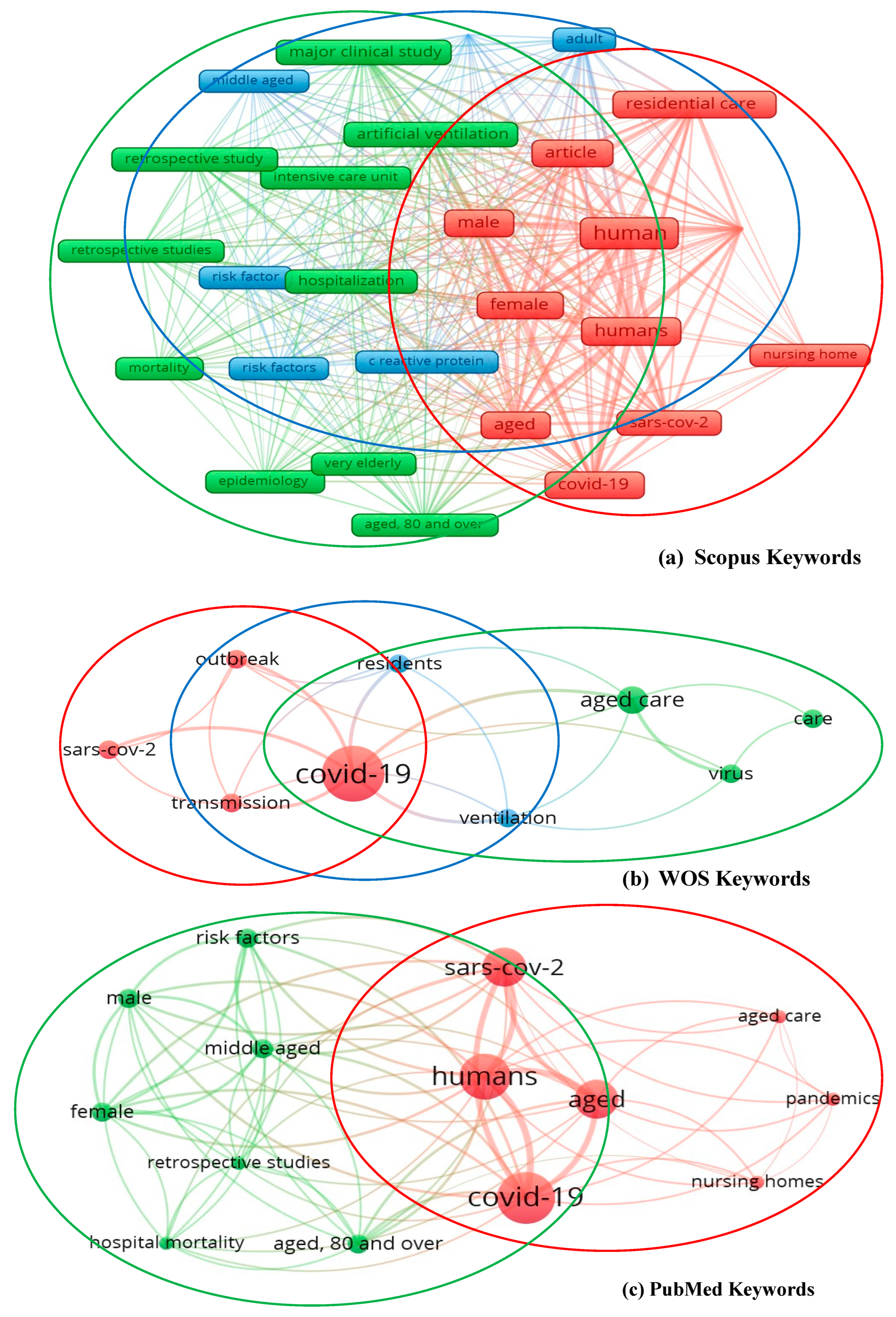
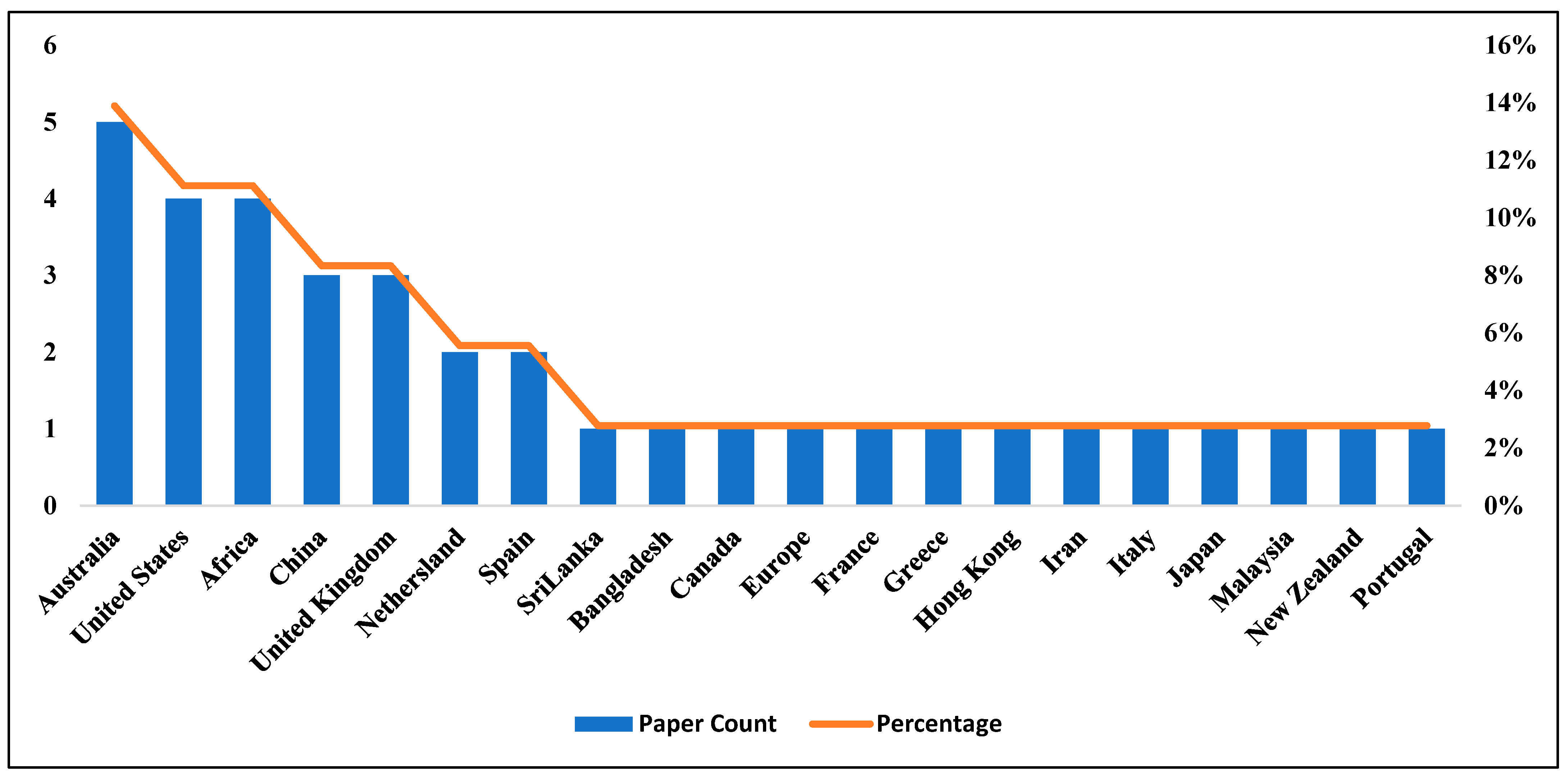
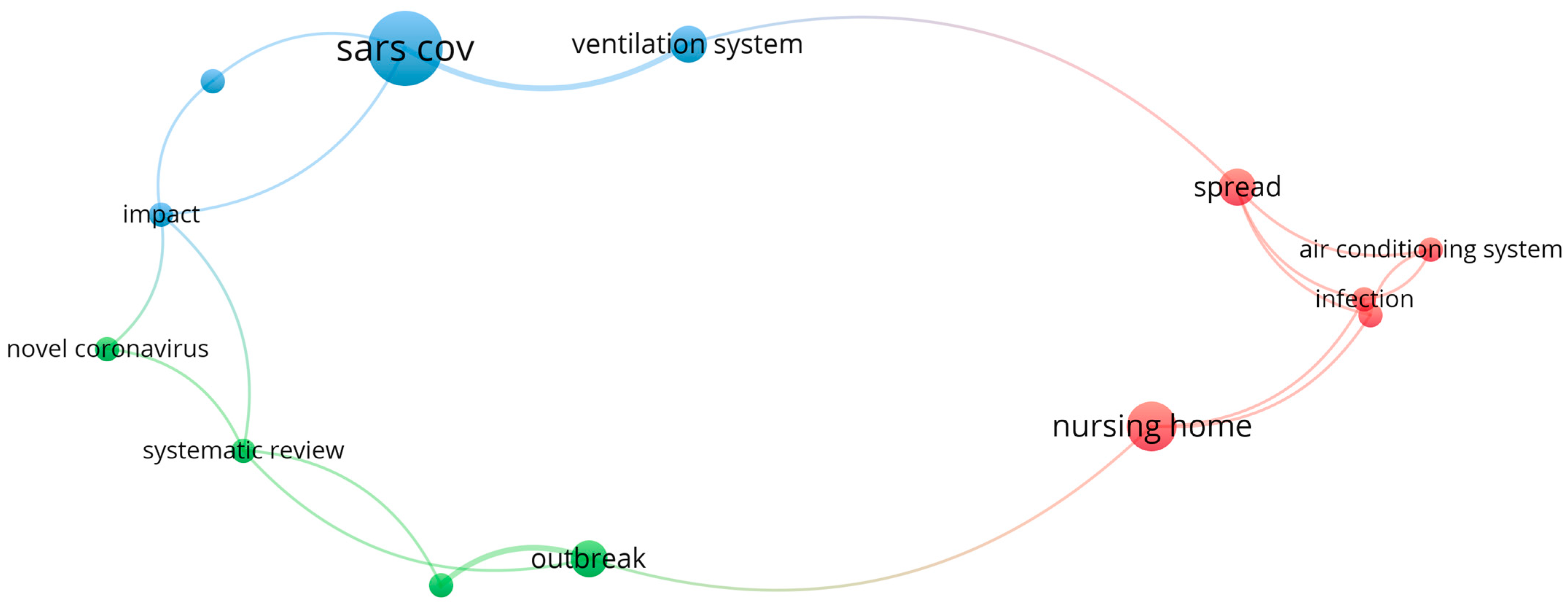
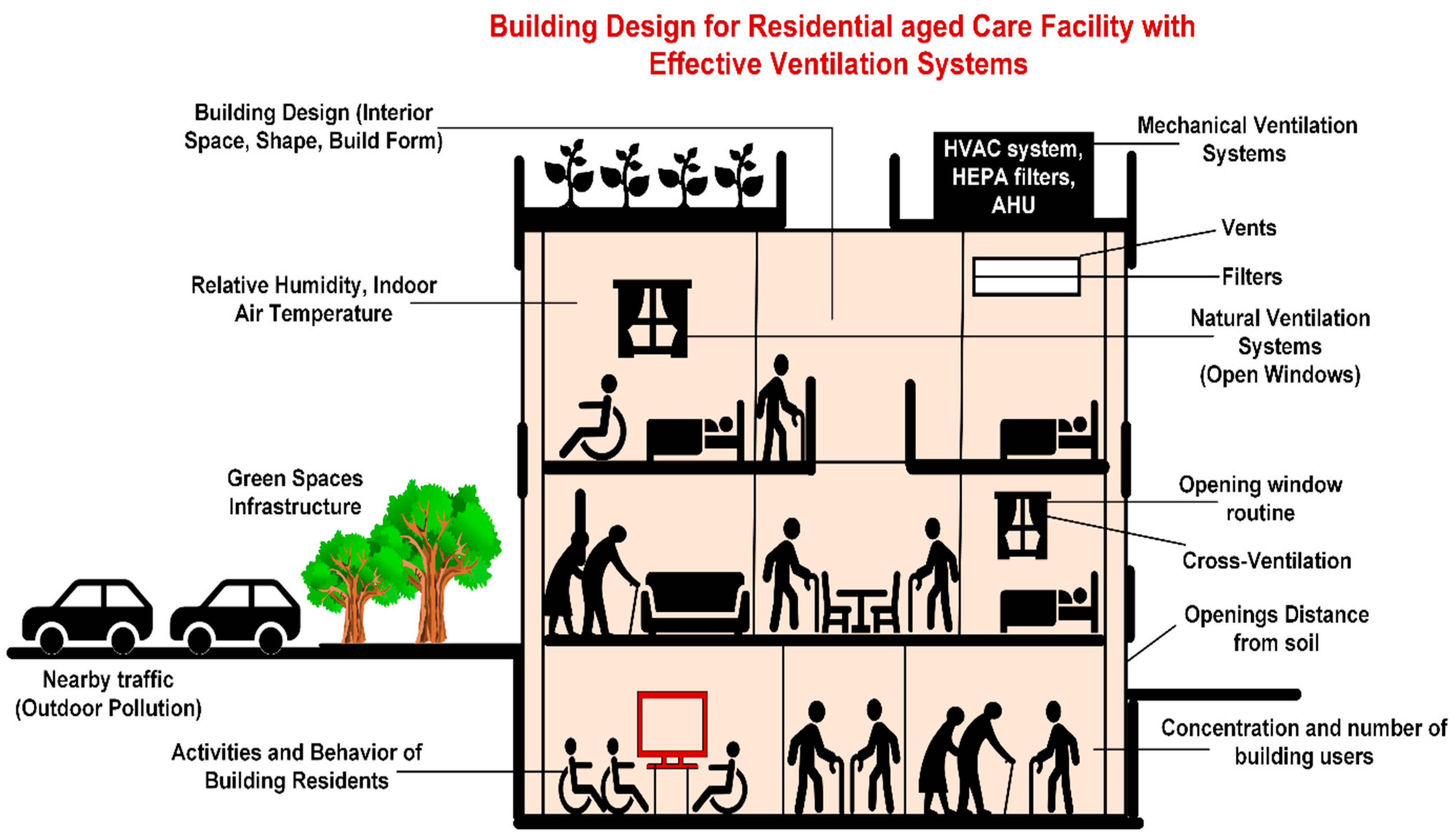
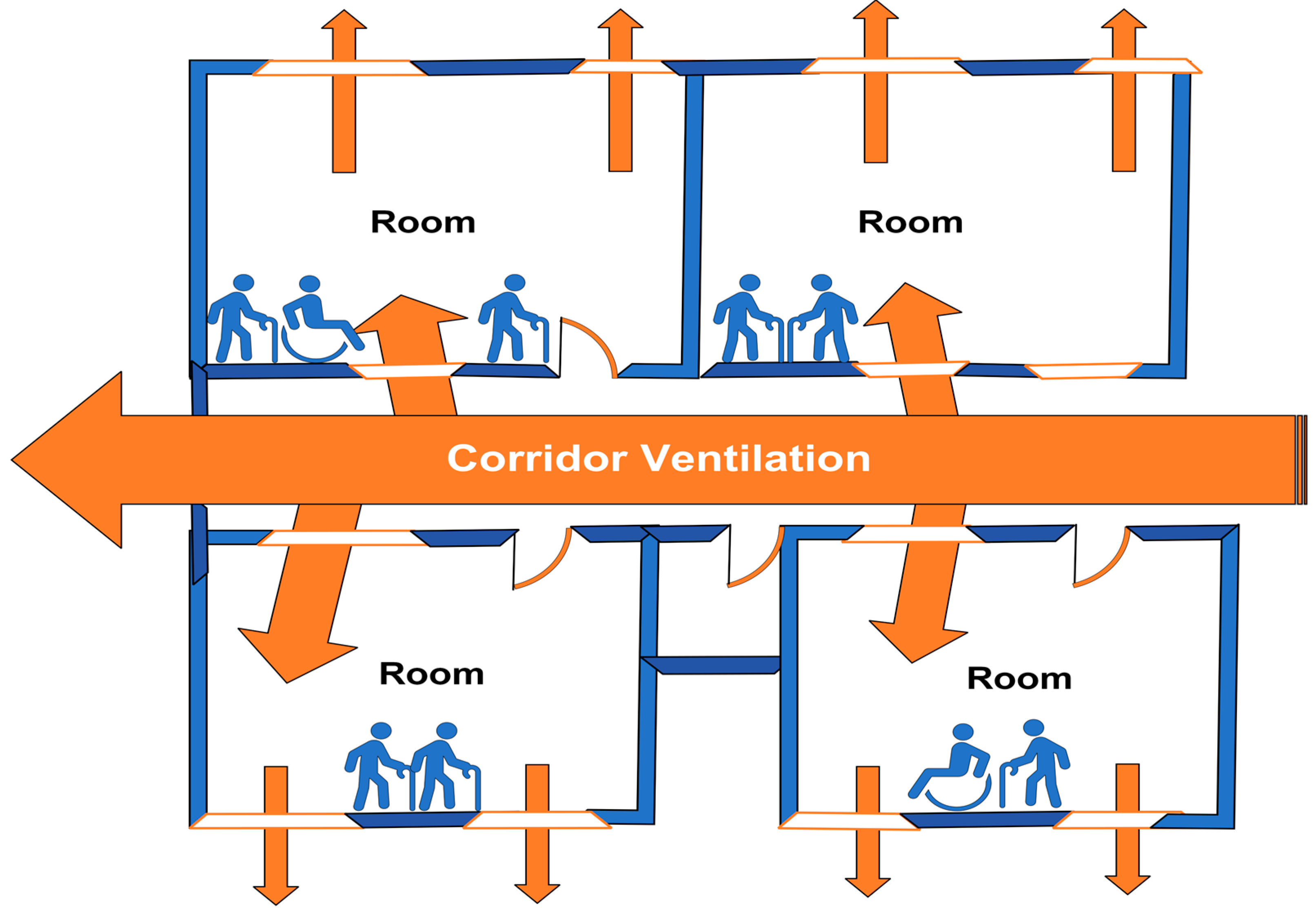
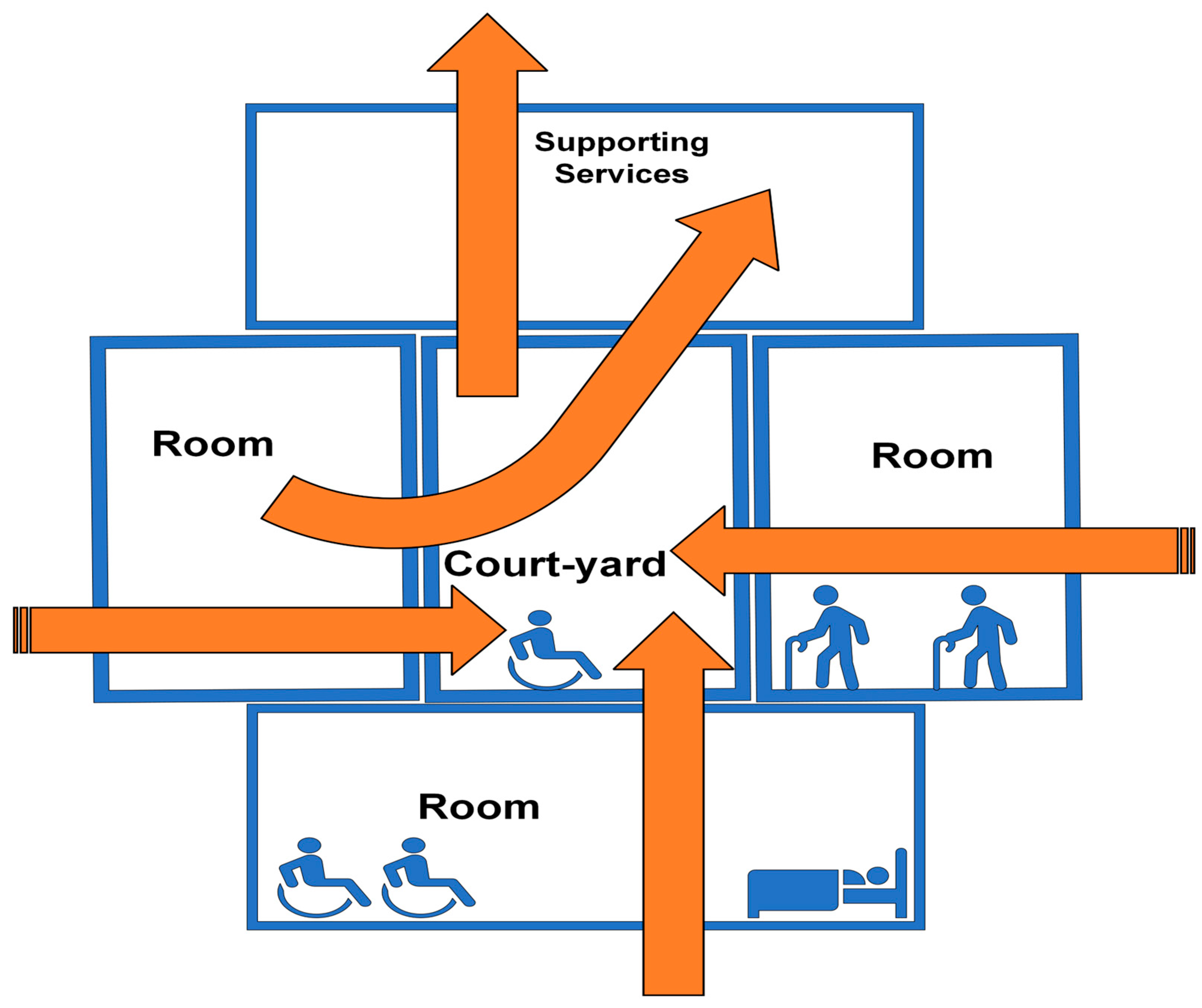
The global aging population, particularly those aged 60 and above, is increasingly vulnerable to communicable diseases. Building ventilation (BV) plays a key role in residential aged-care (RAC) facilities, where COVID-19 has had a significant impact. This study systematically reviews the published literature to examine the influence of BV systems (BVSs) on airborne disease (COVID-19) transmission in RACs and recommends strategies to protect vulnerable residents. Using the PRISMA framework, articles published in the last decade were sourced from Scopus, Web of Science, and PubMed. Bibliometric analyses revealed key research clusters on risk factors, transmission, facilities and services, and gender-based and retrospective studies. Australia, the USA, Africa, and the UK have made the most scholarly contributions to this field. Three main research areas emerged: BVS functionality, ventilation’s role in COVID-19 transmission, and spatial building design for effective airflow. Findings reveal that inadequate ventilation and poor indoor air quality are major contributors to disease spread, further influenced by ventilation rate, airflow, temperature, humidity, and air distribution. A hybrid ventilation design that integrates natural and mechanical systems with technologies such as HEPA filters, UVGI, and HVAC is recommended in the current study. In addition, building form and layout should incorporate spatial, engineering, administrative, and hierarchical controls in line with sustainable ventilation design guidelines. This study adds to the growing body of knowledge on the roles of ventilation and design in infection control. It offers practical recommendations for architects, RAC managers, government agencies, and policymakers involved in designing and managing RACs to reduce the risk of communicable disease transmission.
Keywords: airborne diseases; communicable diseases; COVID-19; residential aged-care facilities; spatial design; ventilation airborne diseases; communicable diseases; COVID-19; residential aged-care facilities; spatial design; ventilation