Article

Flexcork—Sustainable Helmet Designed for Electric Micromobility

by
Miguel Mingote
1,
Gabriel F. Serra
1,2,
Eduardo J. H. Noronha
3 and
Fábio A. O. Fernandes
1,2,*
1
Centre for Mechanical Technology and Automation (TEMA), Department of Mechanical Engineering, University of Aveiro, Campus Universitário de Santiago, 3810-193 Aveiro, Portugal
2
LASI—Intelligent Systems Associate Laboratory, 4800-058 Guimarães, Portugal
3
Landscape, Heritage and Territory Laboratory (Lab2PT), School of Architecture, Art and Design, University of Minho, 4800-058 Guimarães, Portugal
*
Author to whom correspondence should be addressed.
Designs 2025, 9(2), 29; https://doi.org/10.3390/designs9020029

Submission received: 8 February 2025 / Revised: 20 February 2025 / Accepted: 28 February 2025 / Published: 4 March 2025

Abstract

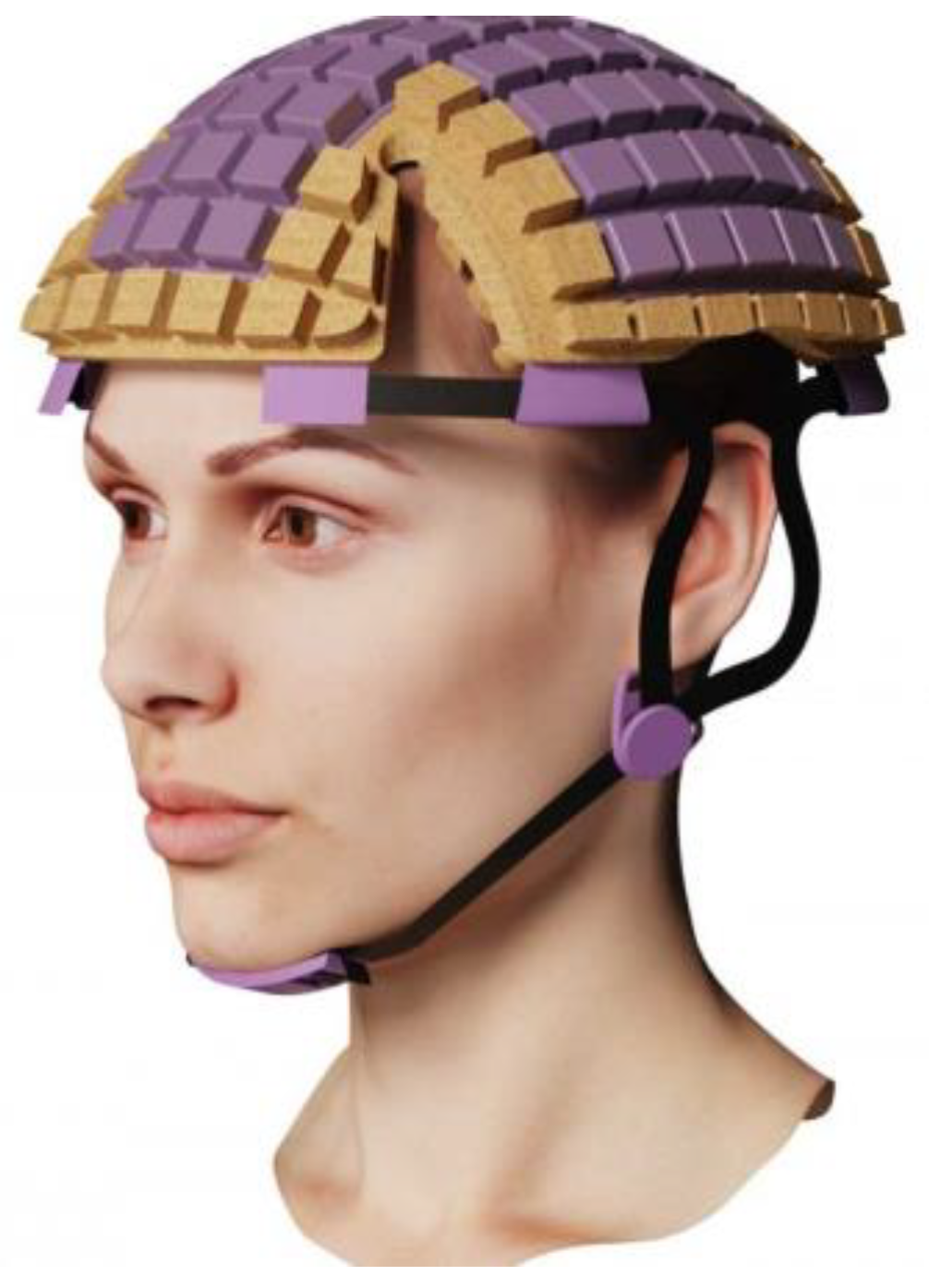
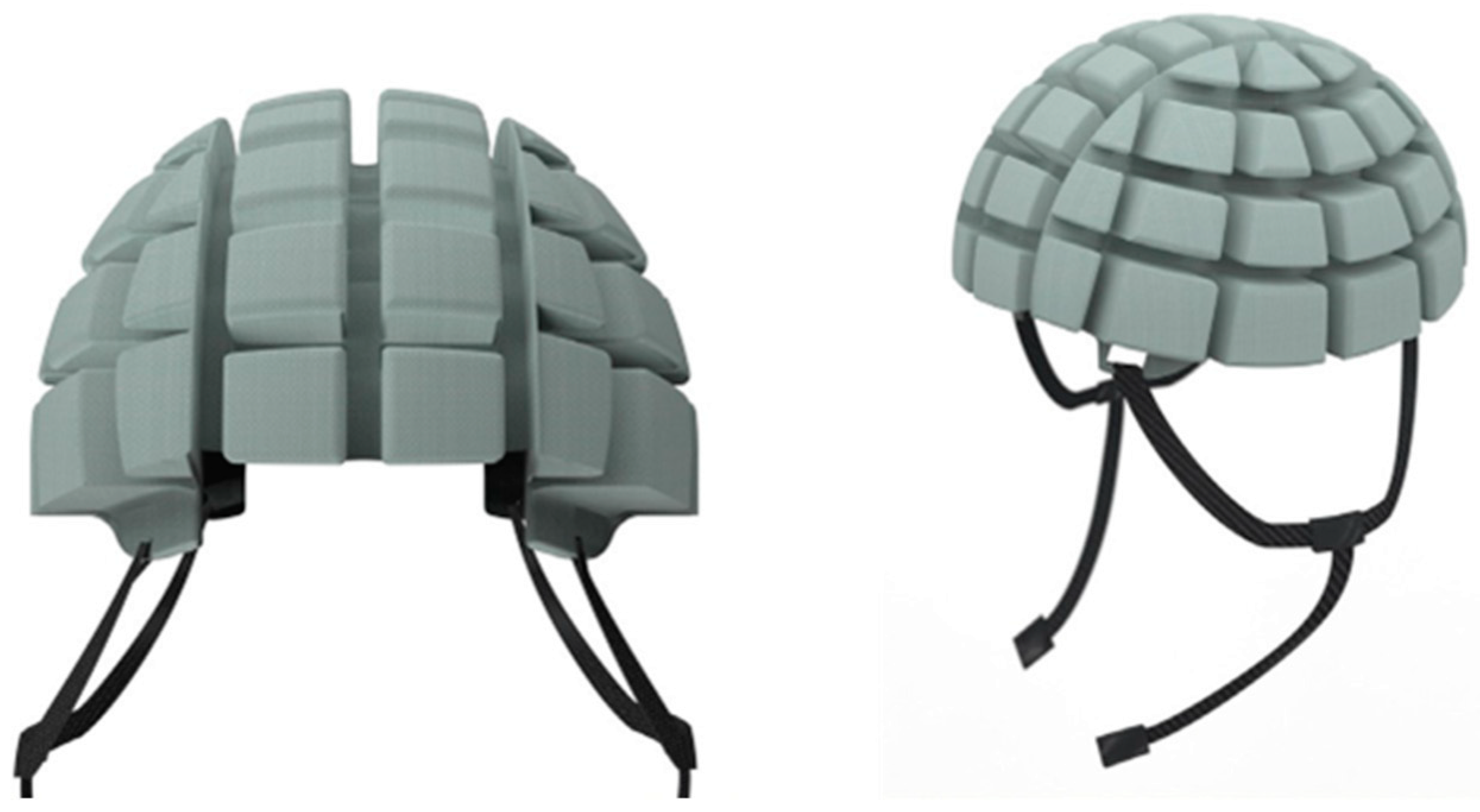
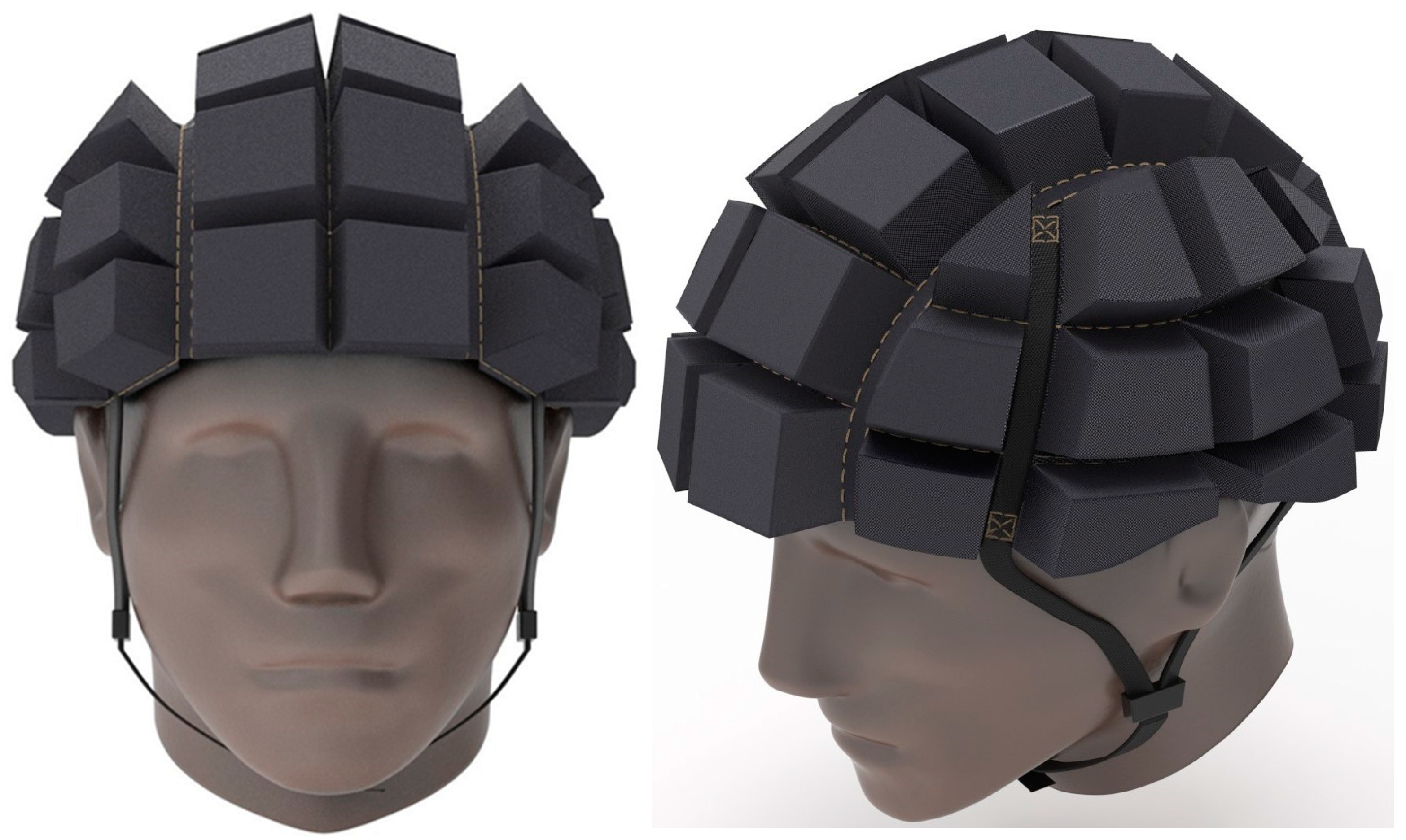
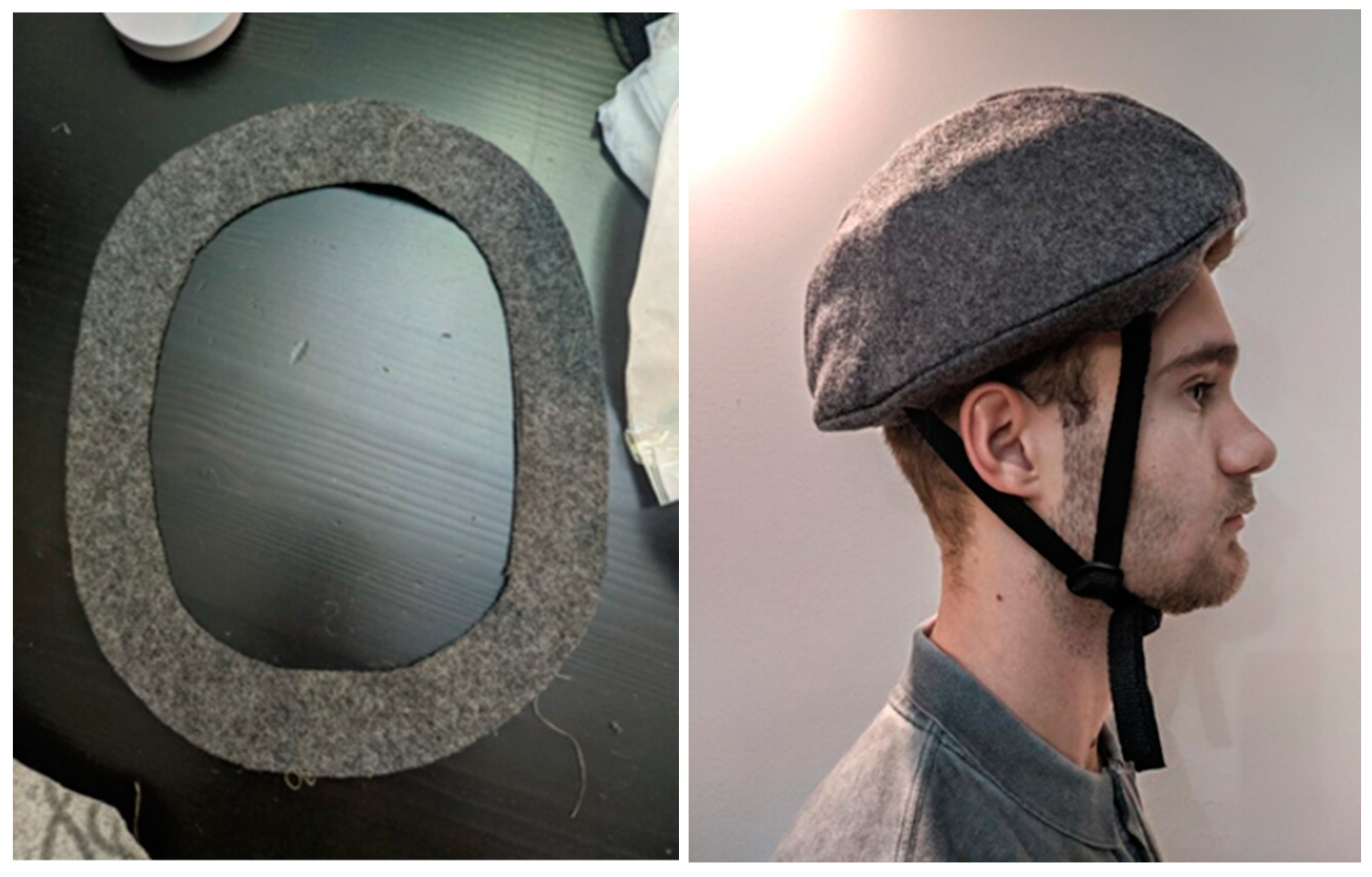
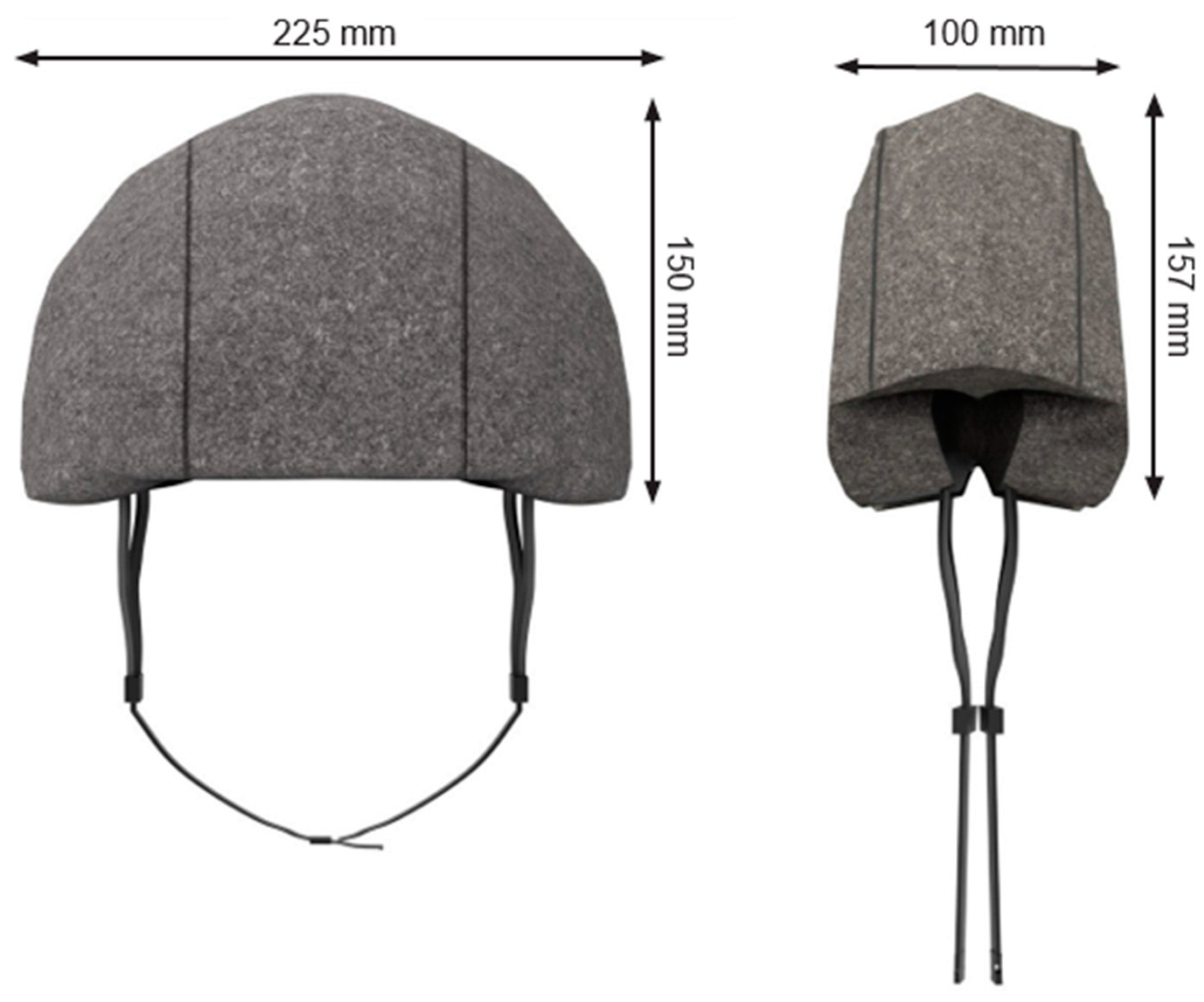
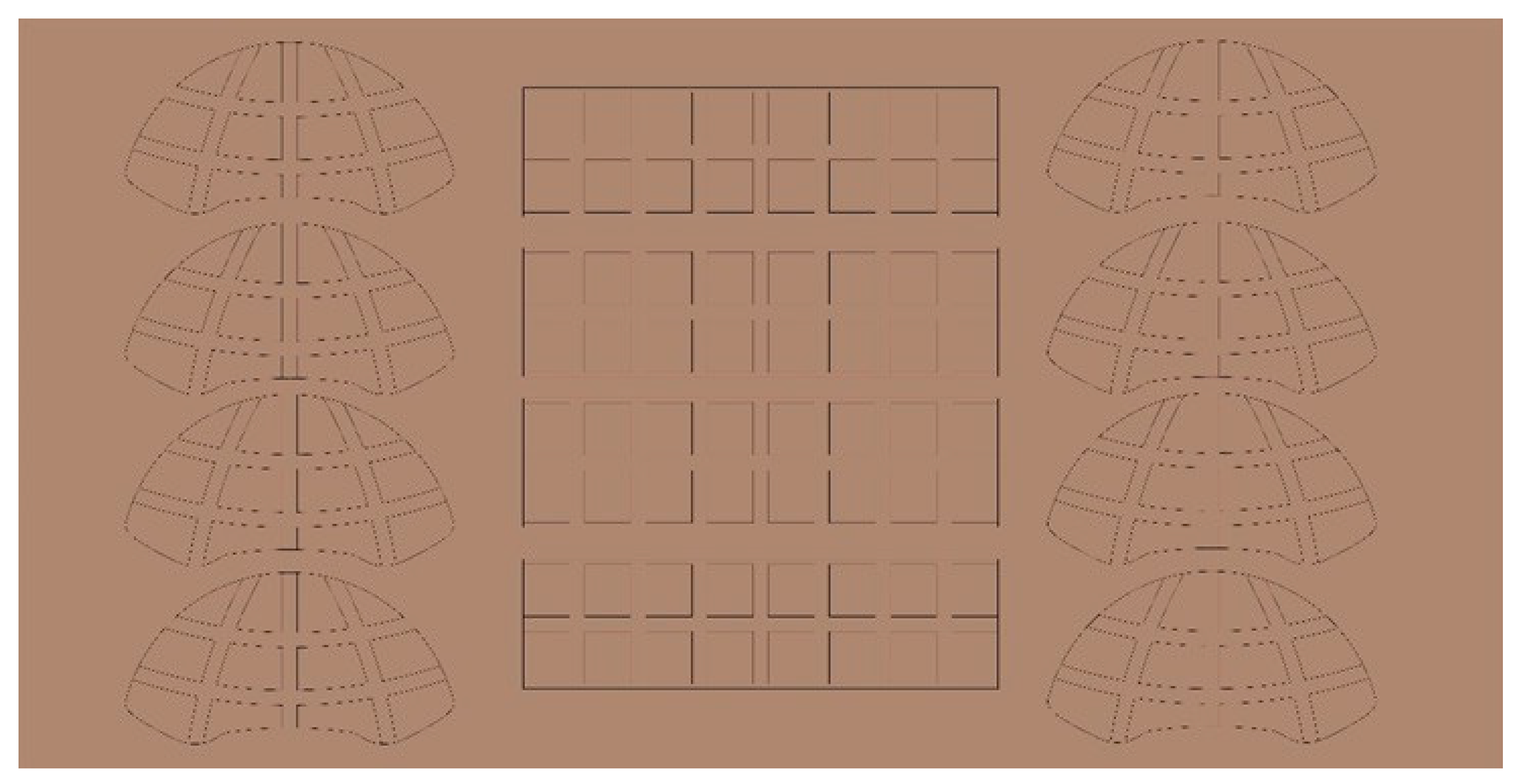
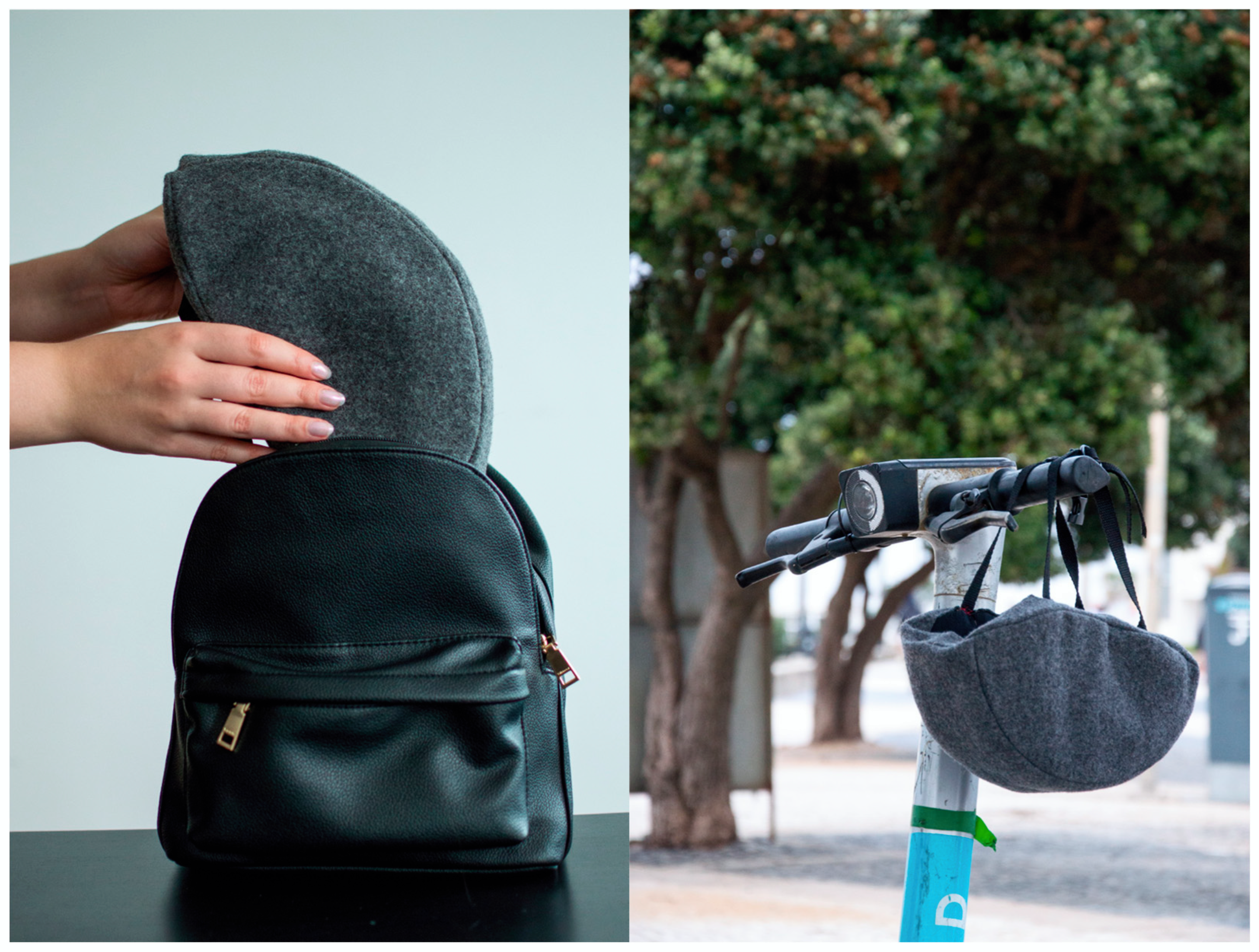
Micromobility is a topic of growing interest, powered by the introduction of shared electric bicycles and, especially, e-scooters. This type of mobility has recently gained a lot of popularity in large cities, bringing many benefits, such as greener mobility, a connection for first- and last-mile trips, and on-demand transportation alternatives. However, it also comes at the cost of inadequate infrastructure and laws. This created problems, mainly a concerning rise in accidents and consequent injuries. This study first identifies the main causes of accidents and injuries by defining key aspects such as vehicle types, user demographics, and prevalent injuries. Head injuries emerge as the most critical concern, largely due to low helmet usage across various studies. To address this issue, the barriers to helmet adoption are explored in order to develop a new concept aligned with micromobility needs. The proposed helmet design also prioritises sustainability by replacing petroleum-based materials with expanded cork. This alternative reduces carbon emissions while maintaining the desired performance. Additionally, the design follows principles of disassembly, eliminating adhesives and permanent joints to enhance recyclability. The result is a malleable structured helmet that adapts to user requirements while supporting the United Nations’ 2030 sustainability development goals.
Keywords: expanded cork; micromobility; e-scooters; accidents; crashworthiness; malleable expanded cork; micromobility; e-scooters; accidents; crashworthiness; malleable