


Abstract
This paper presents the mechanical design and experimental evaluation of the biped unit of LARMbot V.3—a compact low-cost humanoid robot for educational and research purposes. The biped unit features a modular architecture with a parallel leg mechanism for bipedal locomotion. The mechanical configuration of the unit is introduced, highlighting improvements on previous versions in terms of compactness and operating efficiency. A functional prototype is developed and described with detailed specifications of its actuation and transmission systems. To evaluate the performance of the proposed design, experimental tests were conducted both in-air and on-ground, demonstrating the robot’s ability to perform repeatable walking cycles. The results confirm the feasibility of the design and its potential as a platform for further developments in humanoid locomotion.
1. Introduction
Over the past 50 years, humanoid robots have been actively developed and created all over the world. The creation of robots pursues various goals, such as replacing people in dangerous and hazardous jobs, providing assistance and support, industrializing and accelerating work processes, and much more. Depending on the main task, humanoid robots differ in mechanical design, sensory system, locomotion, actuation, and control method [1,2].
Among the well-known examples of humanoid robots is iCUB, which was created as an open-source research platform for studying cognitive science and artificial intelligence [3]. Another example is LOLA—a humanoid with a lightweight, optimized leg design, high-speed walking, a human-like gait at a walking speed of 5 km/h, and visually guided movement [4]. WALK-MAN is a robot that is designed to work in an unstructured environment with high physical power and stable locomotion [5]. PETMAN is a production humanoid with advanced mobility and dexterity [6]. Another one—also from Boston Dynamics—is Atlas, which has the ability to climb stairs, avoid obstacles, and move on various surfaces [6]. COMAN+ is a human-sized robot with a focus on reliability, strength, and stability [7]. TOCABI is a full-sized humanoid robot (Torque-controlled CompliAnt BIped), developed with an emphasis on torsional and compliance control [8]. NAO is a compact humanoid with 21 degrees of freedom, developed by Aldebaran and widely used for education and research purposes [9]. ASIMO is Honda’s mobile humanoid with a stable gait and the ability to interact with humans [10]. Optimus is Tesla’s industrial-oriented humanoid, designed to automate assembly operations [11]. The HRP series (HRP-3, HRP-4, HRP-5P) are Japanese full-size platforms that demonstrate an evolution from a rugged design and improved manipulation to high-power joints for harsh conditions [12]. In addition, TORO is a torque-controlled humanoid from DLR that serves as an experimental platform for studying gait and multi-support balance [13].
Despite significant progress in humanoid development, most of them feature a serial kinematic architecture with spherical-revolute-universal (SRU) joints [14]. Although the serial structure has a large working space and is easy to manufacture and control, it also has drawbacks in terms of accuracy, rigidity, and payload capacity [14]. Therefore, increasing attention is being directed toward the development of alternative solutions. To overcome these drawbacks, hybrid architectures are being actively developed. For example, a serial-parallel hybrid provides increased rigidity while enabling a wider range [15]. At the same time, interest in fully parallel architectures is growing. However, despite their attractive mechanical properties, their fabrication and control pose a number of engineering challenges. Limited workspace, the occurrence of singularities, and high sensitivity to adjustment and manufacturing precision can increase their cost and complexity. The cost of humanoid robots could be reduced through the use of 3D printing technologies and standard commercial components such as actuators, sensors, and controllers [16].
Thus, combining the advantages of parallel architecture with the availability of 3D printing opens new possibilities for low-cost yet efficient humanoid robots. This approach was used in the LARMbot series of robots. The first version was developed at the Cassino University Laboratory and Southern Latium in 2015 [17]. The torso, bipedal unit, arms, and head were considered as modular subsystems [18]. This solution allows for the improvement and development of the locomotion module separately from the rest of the system. In LARMbot V.2, the leg mechanism was improved, which resolved the singularity problem and increased the working space and step size [19].
Further development of the LARMbot design was presented in the paper “Design of Humanoid LARMbot V.3” [20], which focused primarily on the torso design and mechanical structure of the arms. This paper focuses on evaluating the performance of the bipedal module of LARMbot V.3, which implements an updated leg architecture combined with an enlarged foot. The modular approach described in [18] allows for a separate consideration of the robot’s locomotion, analyzing gait stability, the ability to perform synchronous cycles, and locomotor speed.
2. Problems and Requirements
Humanoid locomotor robot systems are developed to copy human walking motion using biomechanics findings as a reference. Such systems are key elements of human-like robots because they not only provide human-like motion but also adaptation to environment, interaction with surroundings and robustness during these operations. The main problems for these robots to deal with are usually stability, energy efficiency and adaptation to hard environmental conditions.
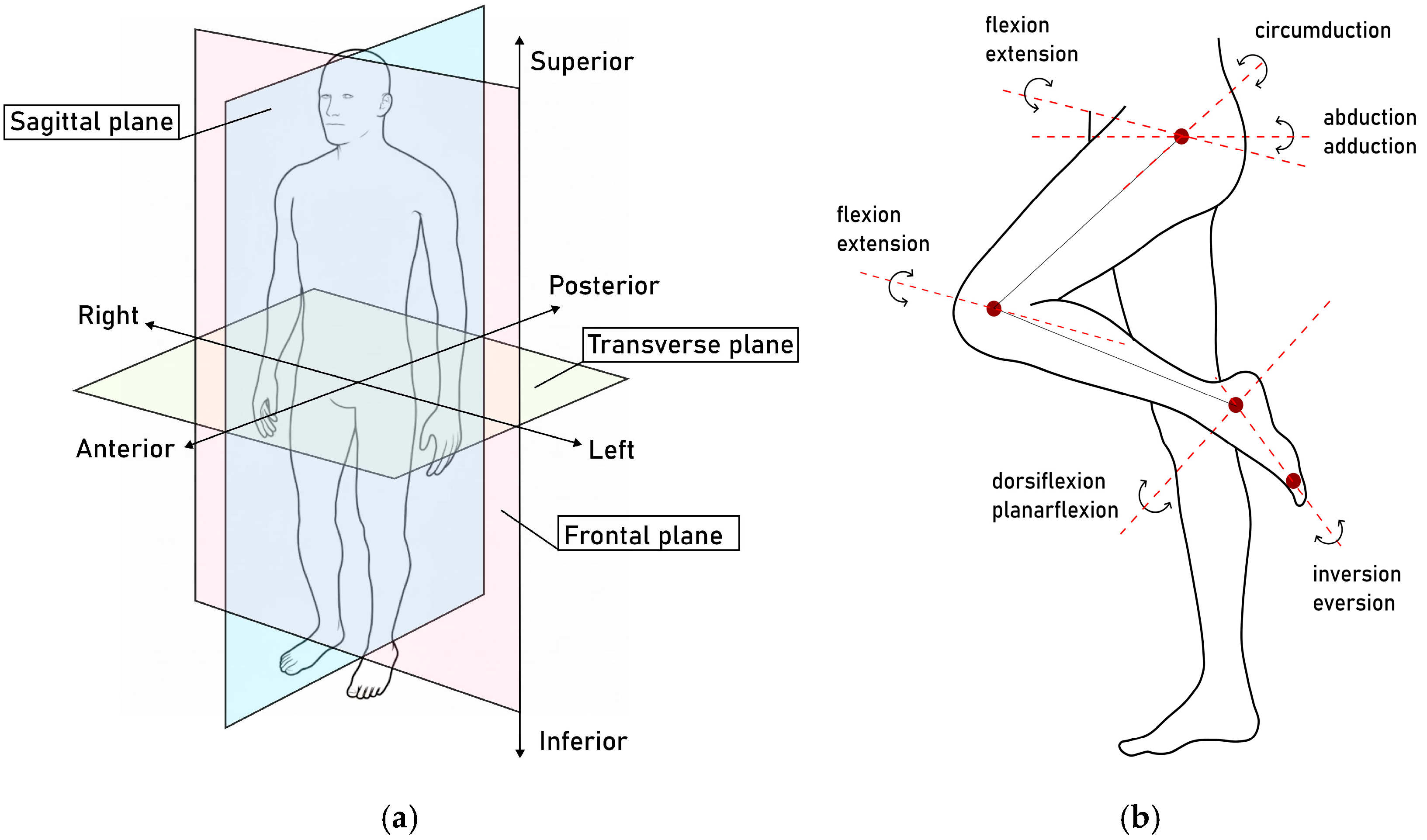
The anatomy of the human body is the main inspiration during development of the locomotion systems for humanoid robots. Human walking is a complex process, which requires simultaneous coordination in the sagittal, frontal, and transverse planes as illustrated in Figure 1a [21]. These three planes define the fundamental direction in which the joints of the legs operate. Figure 1b [22] indicates seven DoFs: three in the hip joint, one in the knee joint, and three in the ankle joints. These DoFs enable flexion-extension, abduction-adduction, internal-external rotation, dorsiflexion-plantarflexion and inversion-eversion to be performed [22]. These degrees of freedom provide flexibility and adaptability of motion, allowing humans to sustain balance on uneven surfaces and perform complex maneuvers, such as running, jumping or turning.
Figure 1.
Human movement reference representation. (a) Planes of human movement; (b) degrees of freedom corresponding to human leg movements.
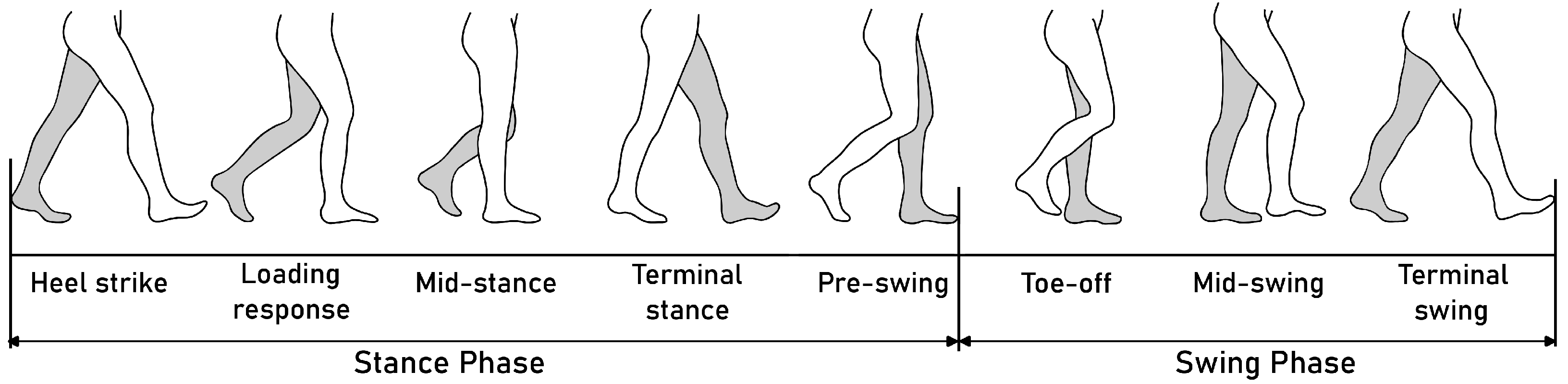
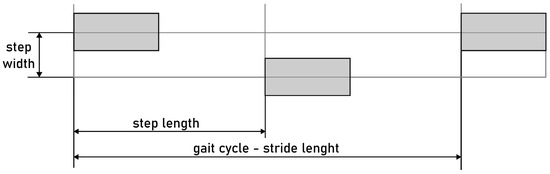
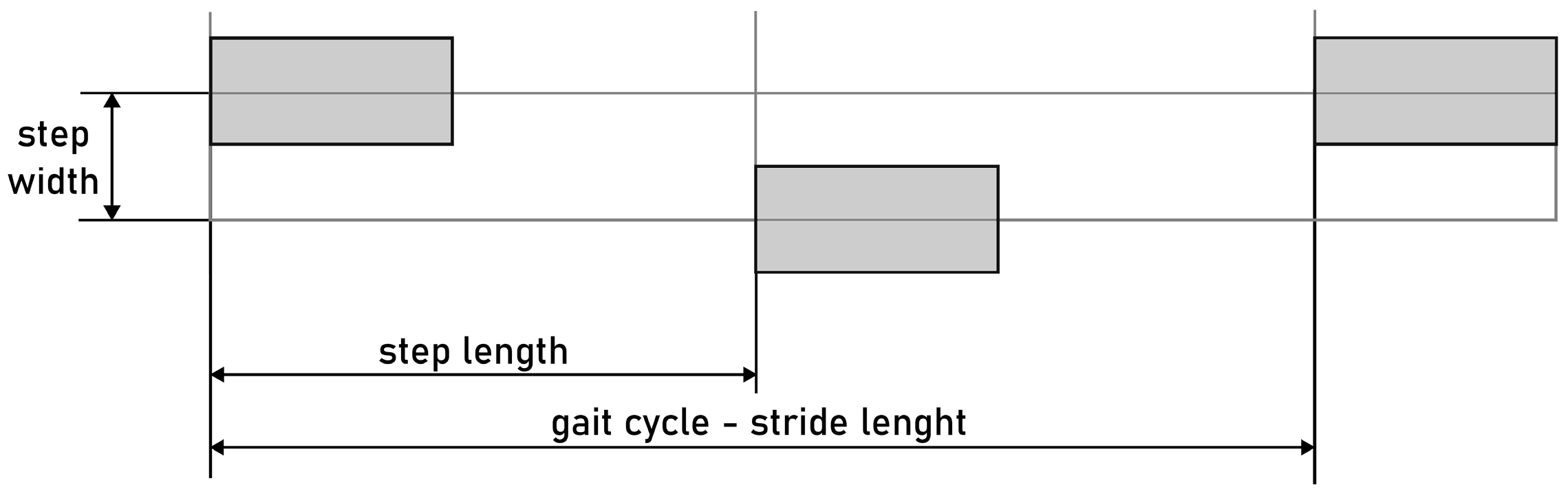
In robotics, recreating human gait can be difficult. As shown in Figure 2, gait cycle consists of a stance phase and a swing phase, which are also divided into eight subphases [23]. Additionally, Figure 3 shows the main parameters of the gait cycle: step length, stride length, step width [23]. All this sets the geometry of the gait, the speed of the step, the position of the feet at each moment and determines the total energy consumption. Such a process requires the precisely coordinated movement of actuators along a given trajectory and timing of foot placement.
Figure 2.
Phases of the normal human gait cycle.
Figure 3.
Basic terminology describing the human gait cycle in Figure 2 [23].
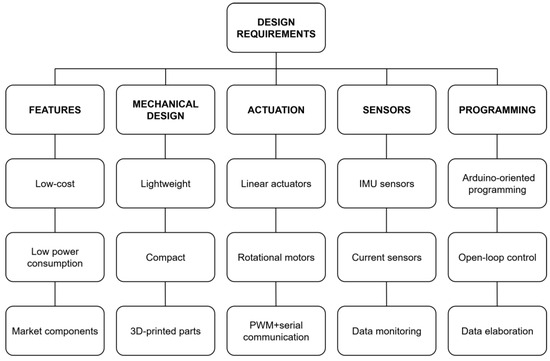
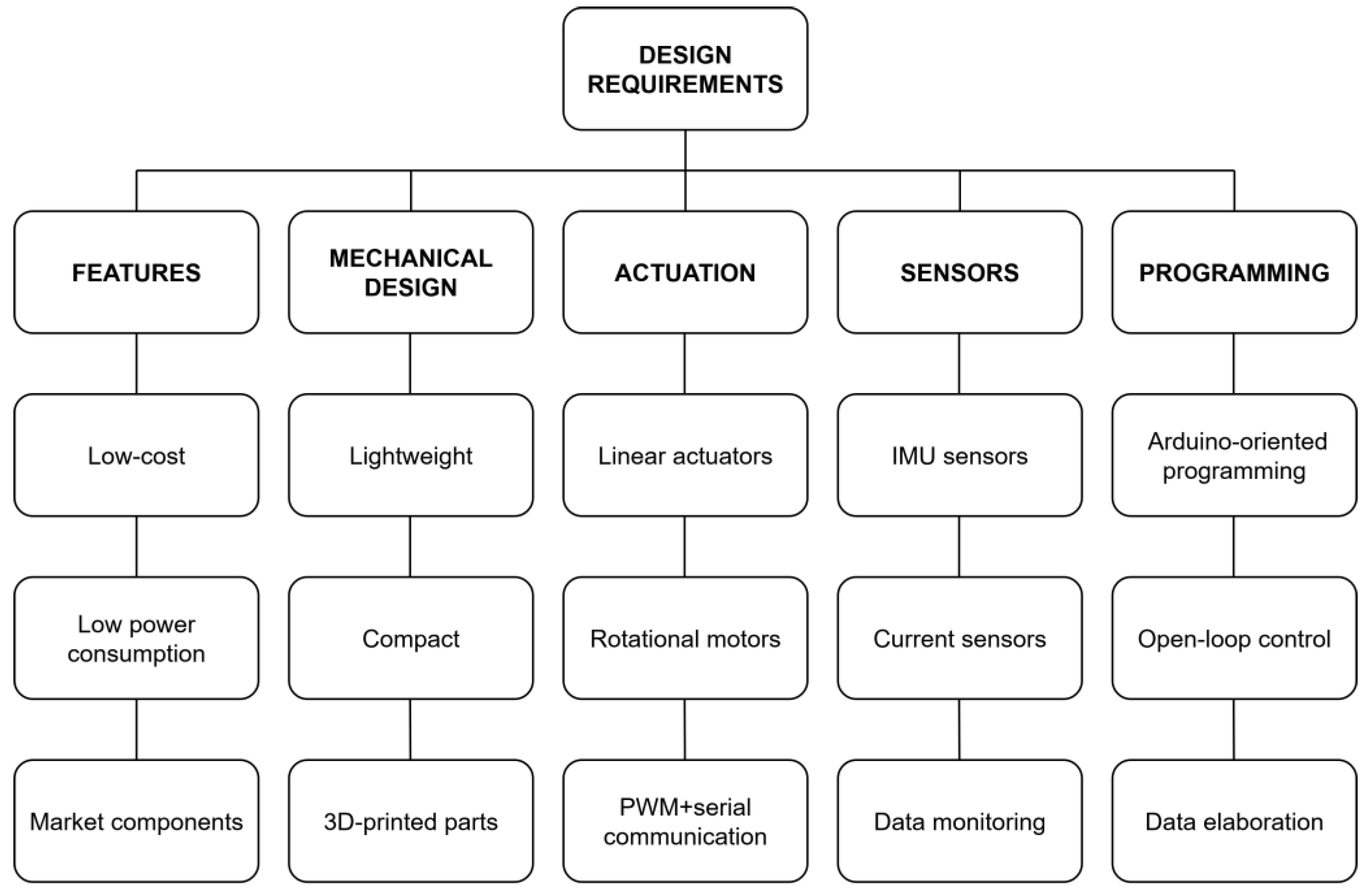
Taking these considerations into account, the design requirements for the LARMbot V.3 biped unit were formulated based on general recommendations for the development of a human-like locomotion system. The main requirements include energy efficiency and design compactness while maintaining sufficient load capacity, kinematic accuracy and stable locomotion [24]. The robot must be lightweight and low-cost, while maintaining a strong structure as the locomotor unit of the LARMbot humanoid. The presence of current sensors and IMUs will allow monitoring and regulation of power consumption and operation of the limbs. The use of commercially available components and 3D printing of the structure will reduce the cost. Design requirements are summarized in Figure 4.
Figure 4.
Design requirements for a biped unit in LARMbot humanoid.
3. Design of LARMbot V.3 Biped Unit
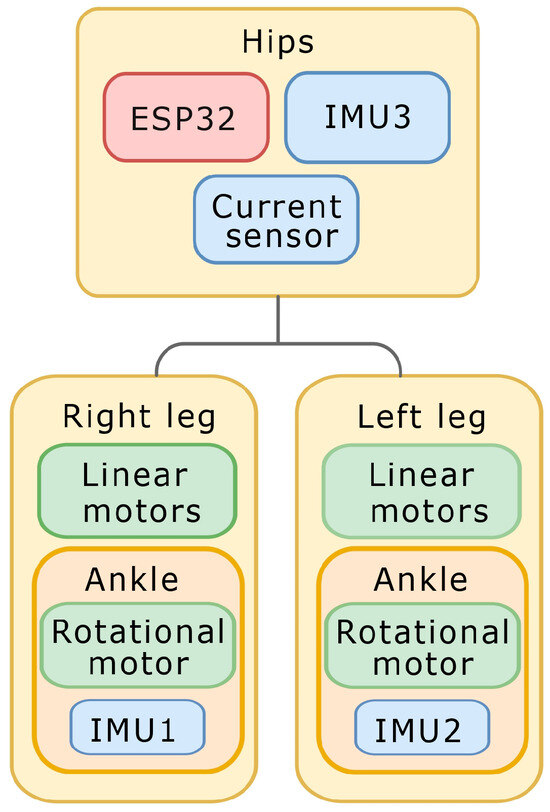
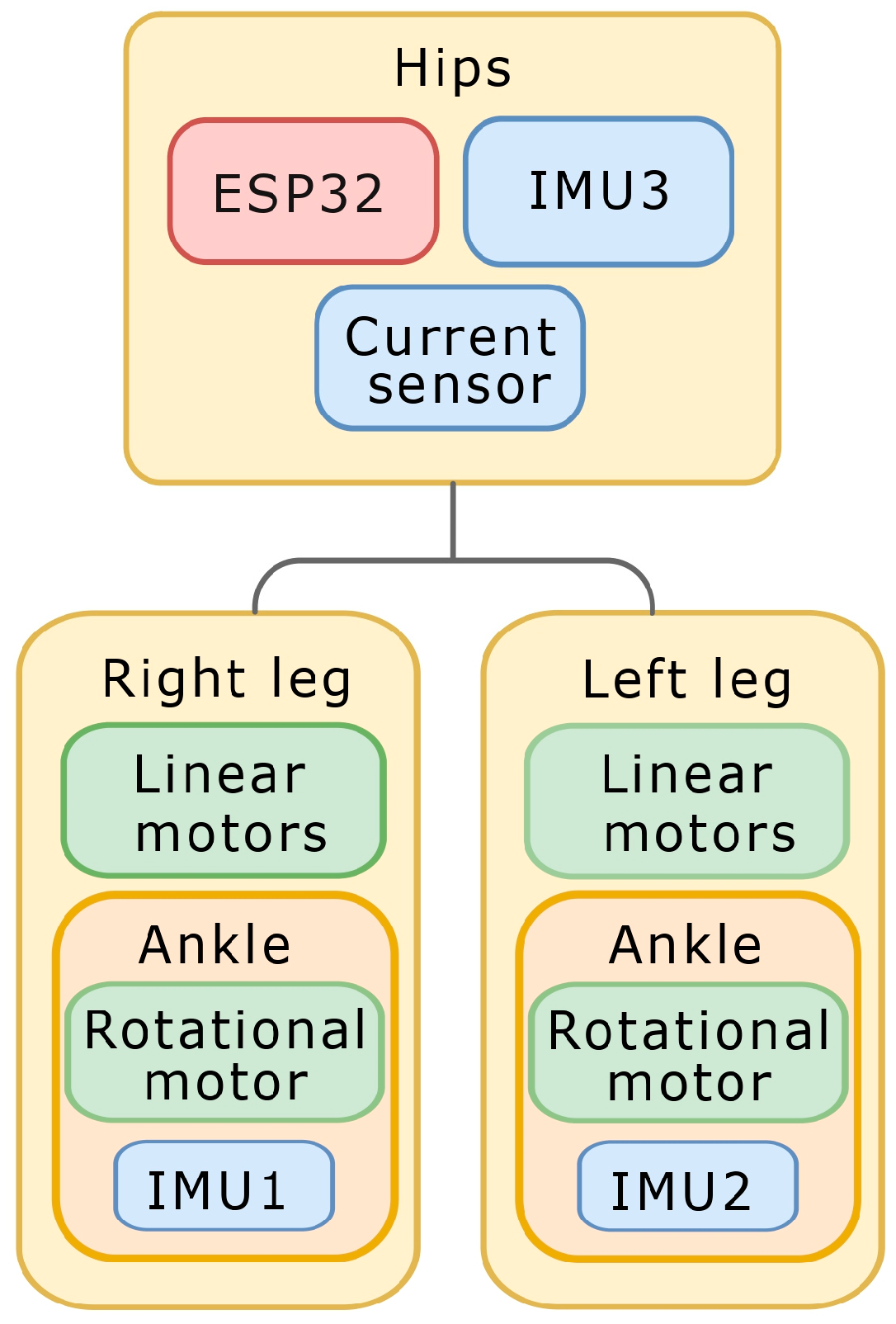
The LARMbot V.3 biped unit was designed as an autonomous modular structure for locomotion research and power consumption analysis. Its conceptual design is shown in Figure 5.
Figure 5.
Conceptual design with components of LARMbot V.3 biped unit.
The locomotor is divided into three main functional blocks: hips, right leg, and left leg. All submodules are equipped with inertial measurement units (IMUs) for measuring motion parameters such as angular displacement and linear acceleration. The hips module additionally contains a current sensor that is used to analyze the energy consumption of the entire system. The right and left legs are symmetrically designed and consist of linear actuators, while the ankle joint of each leg is equipped with a rotational motor. The modular parallel architecture of the structure enables independent control of each leg, simplifying the implementation of various locomotion and control schemes.
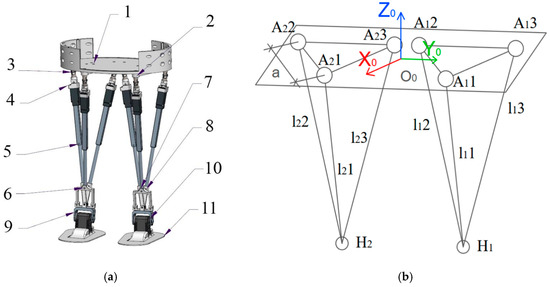
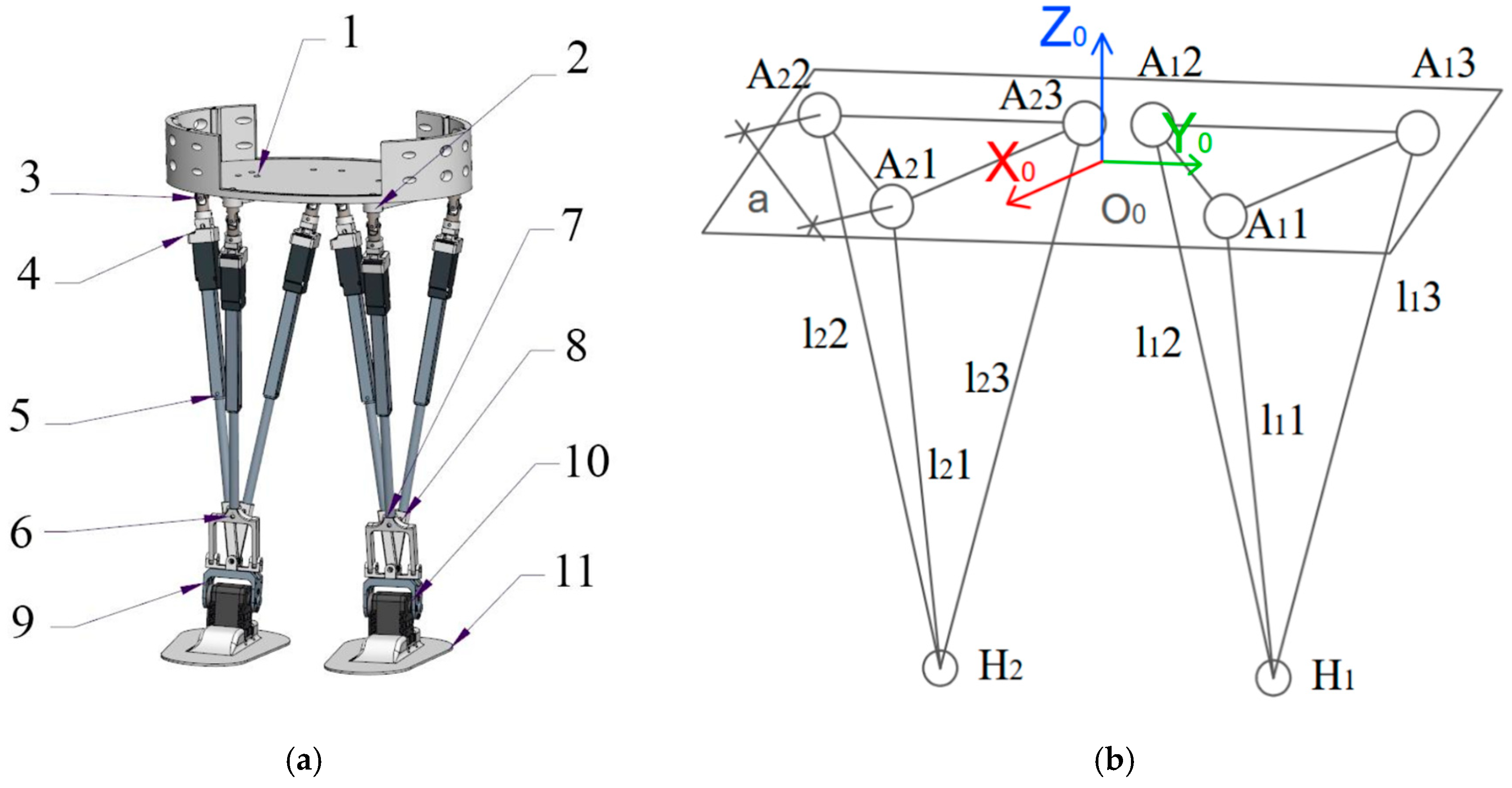
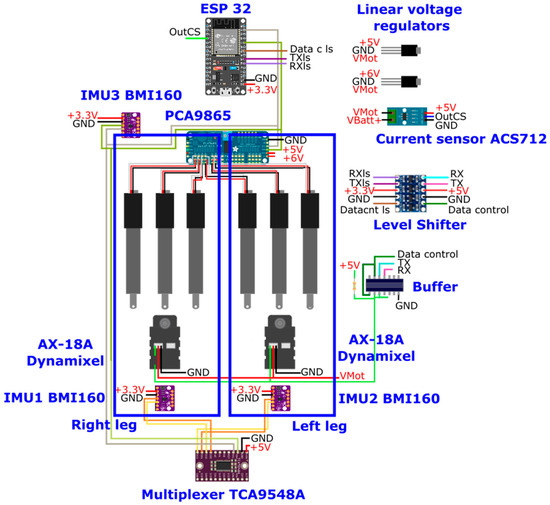
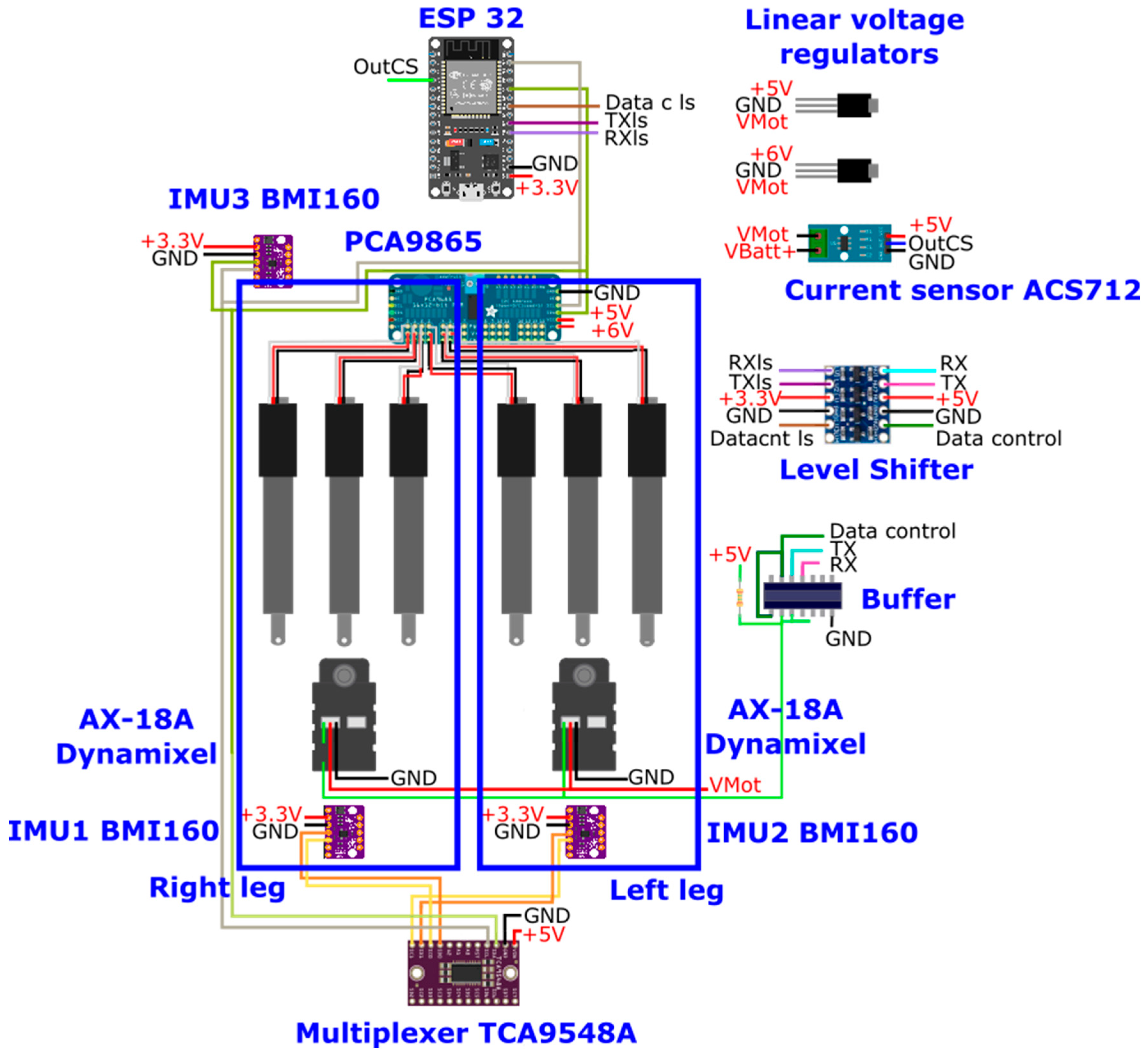
Figure 6a shows the mechanical structure of the bipedal unit with all components labeled, while Figure 6b shows the kinematic design with indication of design and operation parameters in terms of position of points and variable links size . The locomotor consists of a base (hips) that houses the entire electronic control system, as illustrated in Figure 7. Each leg is a parallel mechanism with a 3UPR design, providing four degrees of freedom: three translational are provided by linear actuators and one rotational by a rotational motor. The 4-DoF configuration per leg against the human leg’s 7-DoF was chosen as a design trade-off between mechanical simplicity, compactness, and controllability. It enables the essential walking functionality while ensuring a lightweight structure and repeatable experimental behavior. The leg mechanism connects the hips module to the ankle joint, which is equipped with a rotational motor rigidly attached to the foot. The kinematic functional scheme, with design parameters, is illustrated in Figure 6b. The diagram uses a Cartesian coordinate system with the origin at point O0 located in the center of the base frame. All geometric design parameters are described relative to the origin to formulate the kinematic analysis. The coordinates of the attachment points A21, A22, A23, A11, A12, and A13 are listed in Table 1. The lengths of all six linear actuators can vary between 235 and 325 mm.
Figure 6.
LARMbot V.3 biped unit: (a) mechanical structure with labeled components: (1—upper base frame; 2—hip bracket; 3—universal joint; 4—linear actuator connector; 5—linear actuator; 6, 7, 8—ankle connectors; 9—rotational motor connector; 10—rotational motor; 11—foot); (b) kinematic functional scheme with design parameters.
Figure 7.
Circuit diagram of the LARMbot V.3 biped unit.
Table 1.
Design parameters of the LARMbot V.3 biped unit shown in Figure 6.
To describe the leg’s motion, a kinematic model of a 3-UPR parallel mechanism is used by linking the lengths of the linear actuators to the Cartesian coordinates of the operating point (x, y, z) in a coordinate system originating at the origin O0 as shown in Figure 6b. Inverse kinematics is used to calculate the actuator lengths along a given step trajectory and to enable the formulation and control of the robot’s gait.
Inverse kinematics determines the required actuator lengths based on the given position of ankle joints (, , ). Based on the geometric layout of the attachment points, the actuator lengths are expressed as
The lengths are defined as link length of the leg tripod structure from points , and of the attachment on the fixed platform to give the numerical values in Table 1. These equations are also used during gait generation to compute the actuator length and produce command corresponding to a predefined foot trajectory.
The base attachment points are defined in the global frame {, Figure 6b, where the ±60 mm offsets in the y-coordinates of the points describe the lateral spacing between the two leg modules. For the inverse kinematics derivation, the coordinates of attachment points are transformed into the corresponding local coordinate frame of each leg using Table 1. Therefore, the ±60 mm offsets do not explicitly appear in Equations (1)–(3), since the length expressions are formulated in the local leg frame.
To control the mechanical structure of the LARMbot V.3 biped unit, an electronic system was designed to manage all actuators and to receive and process measurements from inertial and current sensors. The designed electronic circuit diagram is shown in Figure 7. The entire system is controlled by an ESP32 microcontroller [25] that is located directly on the base frame. It is connected to a PCA9865 pulse width modulator [26], which drives six linear actuators operating at 6 V [27]. Each foot is equipped with a Dynamixel AX-18A rotational motor powered by 11.1 V [28].
Angular displacement and linear velocity data are obtained using three inertial measurement units BMI160 [29]. The two IMUs mounted on the feet are connected via an I2C multiplexer [30], and one IMU, mounted on the hips, is connected directly to the SDA and SCL channels. The system is powered by an 11 V battery with power distributed through step-down converters.
Compared to previous versions, LARMbot V.3 features a revised mechanical structure with updated link fastening elements and an increased foot size that improves stability. In addition, the electronics system has been fully redesigned as in Figure 7, replacing the Arduino-based controller with an ESP-based platform and providing improved sensor integration and reliability.
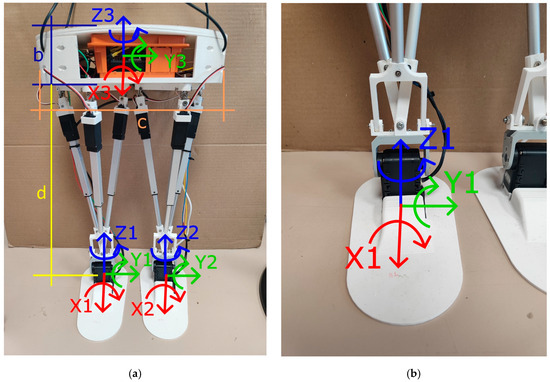
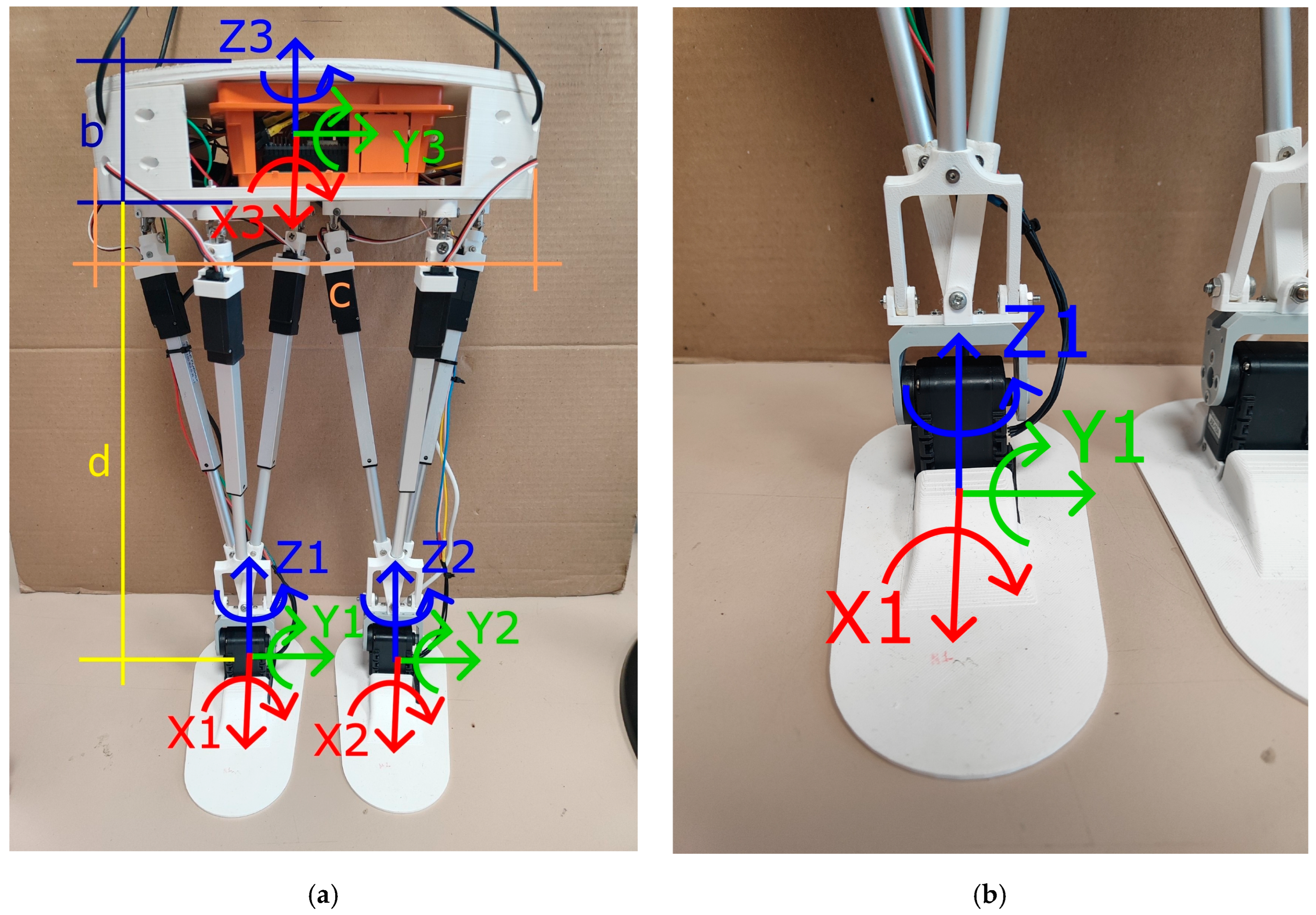
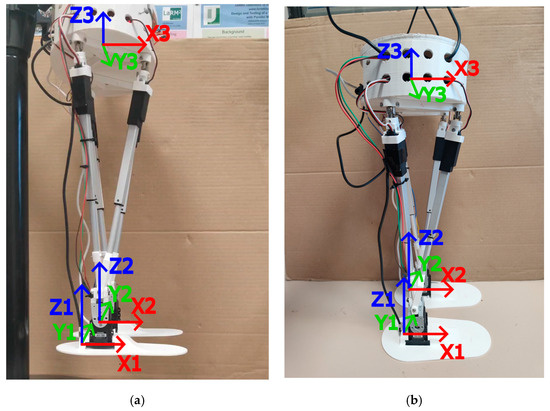
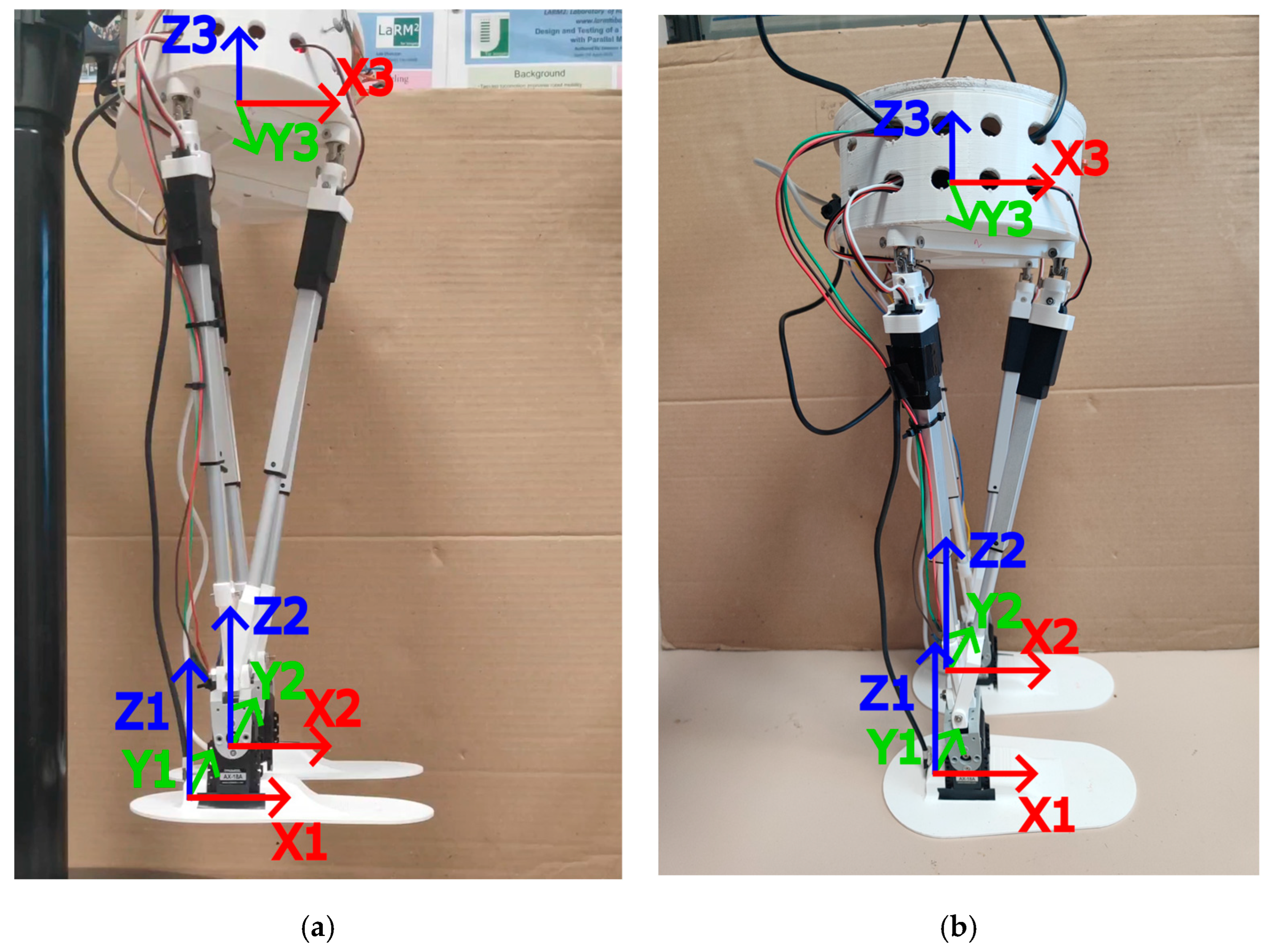
A physical prototype of the LARMbot V.3 biped unit was developed and assembled. The full view of the assembled prototype is shown in Figure 8a. The upper base frame was made using a 3D printer from PLA plastic. It is connected to a hip bracket and supports linear actuators. The actuators are attached via connectors to universal joints.
Figure 8.
Prototype of the LARMbot V.3 biped unit with reference frames: (a) full view; (b) view of the foot and ankle-mounted Dynamixel motor.
The orientation of all three IMUs is shown in Figure 8a, where two of them are placed at the back of the feet, and one in the hip base. The installation positions and orientations of the IMUs are shown in Figure 8a. IMU 1 and IMU 2 were installed inside the right and left feet, respectively. IMU 3 is located in the hip module within the main electronic unit. The axes Xi, Yi, Zi indicated in the figure represent the sensor axes of each IMU. All sensors were rigidly mounted on the corresponding rigid bodies. The feet, shown in Figure 8b, consist of large 3D-printed platforms for stable ground contact, as well as rigidly mounted Dynamixel servo motors at the ankle level. All onboard electronics, including the power supply system, controllers, and the battery pack, are compactly integrated inside the base frame of the structure.
This prototype serves as a validation model for the mechanical system, and it is used in experiments to test motion operating algorithms, kinematic accuracy, and real-time gait generation. Table 2 lists the dimensions of the LARMbot V.3 biped unit in Figure 8 with a weight of 1500 g that includes the battery and all onboard electronics.
Table 2.
Dimensions of the LARMbot V.3 biped unit shown in Figure 8.
4. Testing Setup and Mode
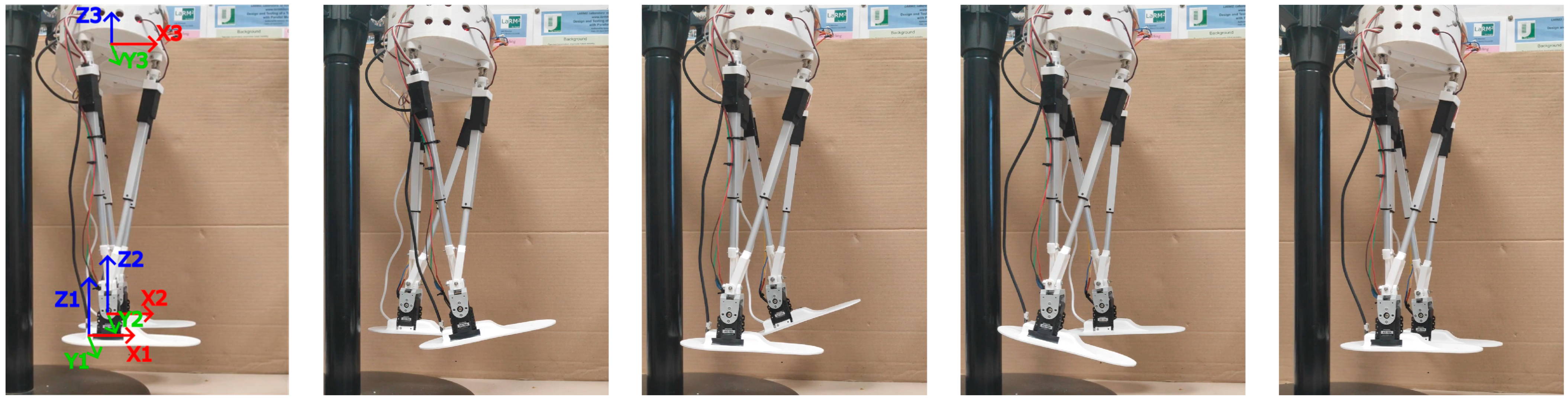
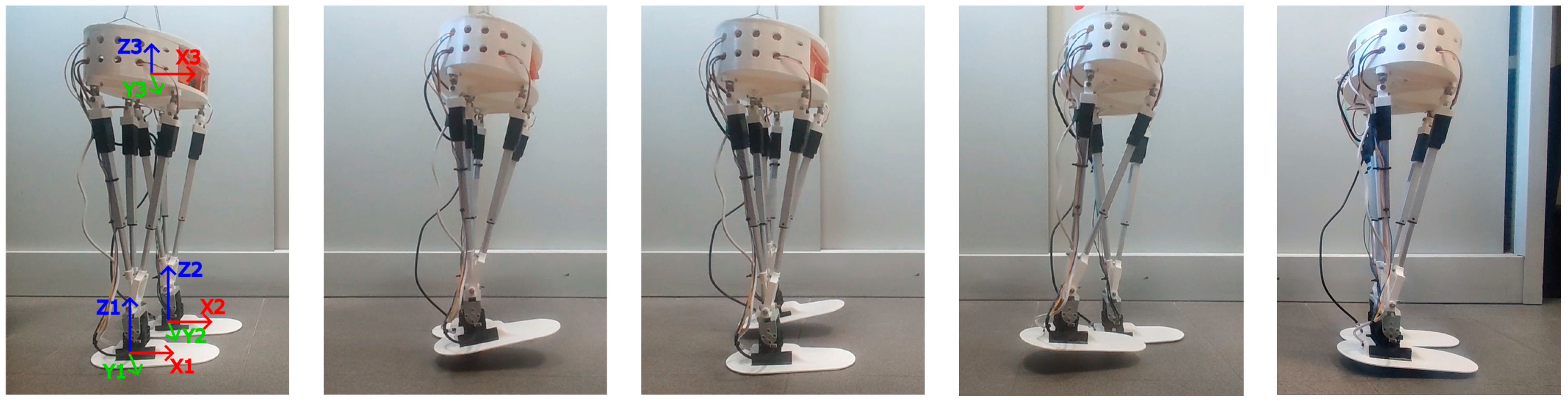
The performance evaluation of the LARMbot V.3 biped unit was conducted using two different test setups, as shown in Figure 9, Figure 10, Figure 11 and Figure 12. In both setups, the robot executed the same movement commands through identical programs and identical leg trajectories. The system was evaluated under two operating conditions: suspended layout in Figure 12a and ground walking in Figure 12b. A summary of both test modes is presented in Table 3.
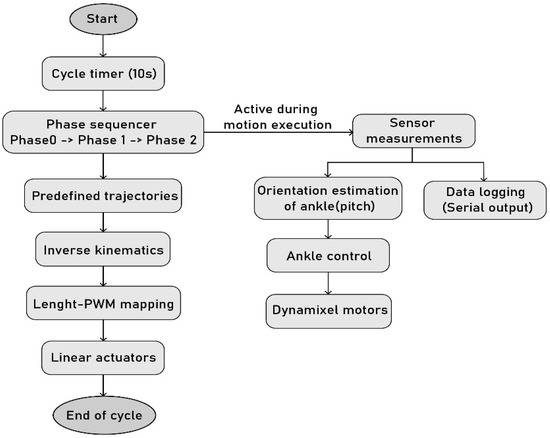
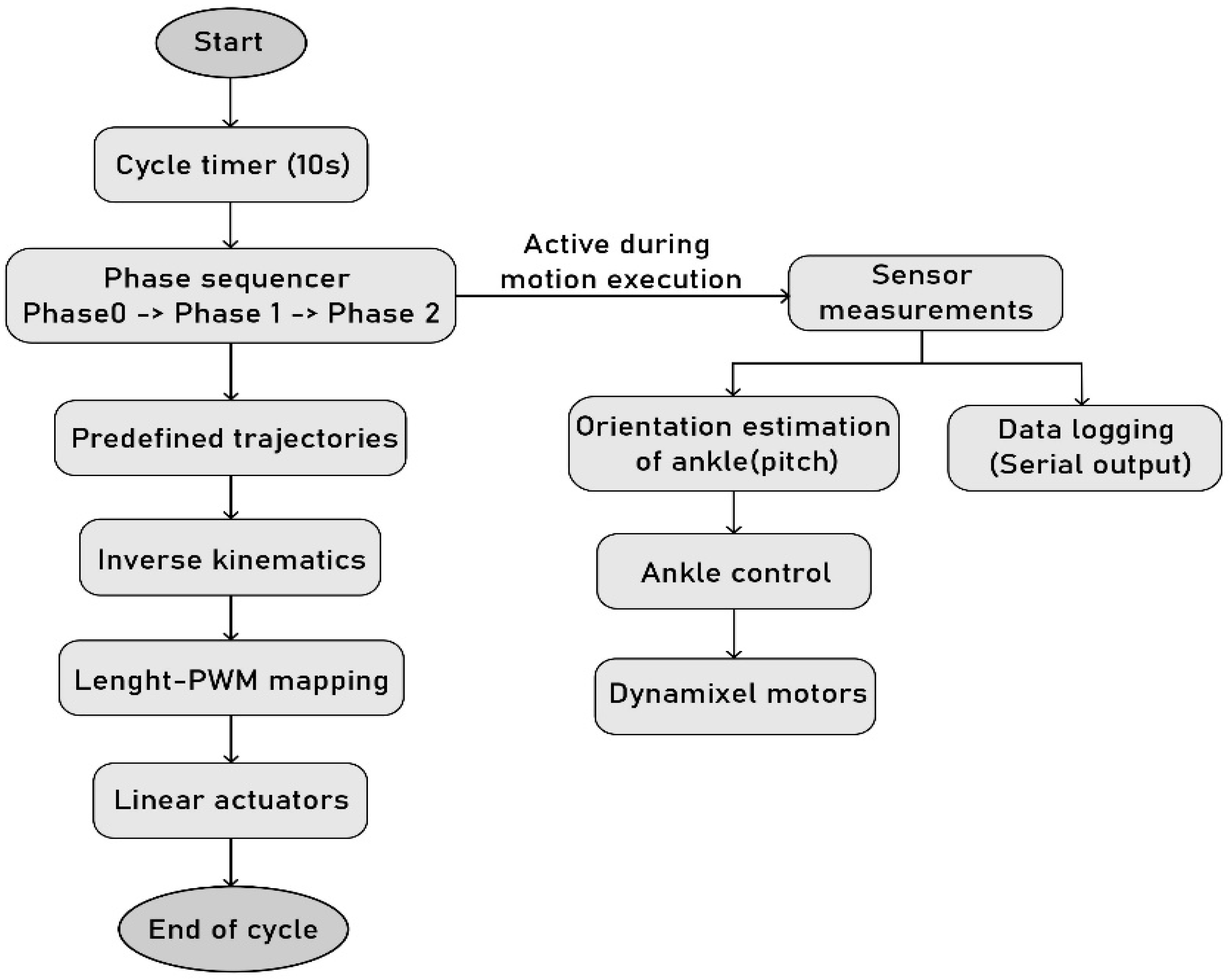
Figure 9.
Scheme of the logical structure of the control program.
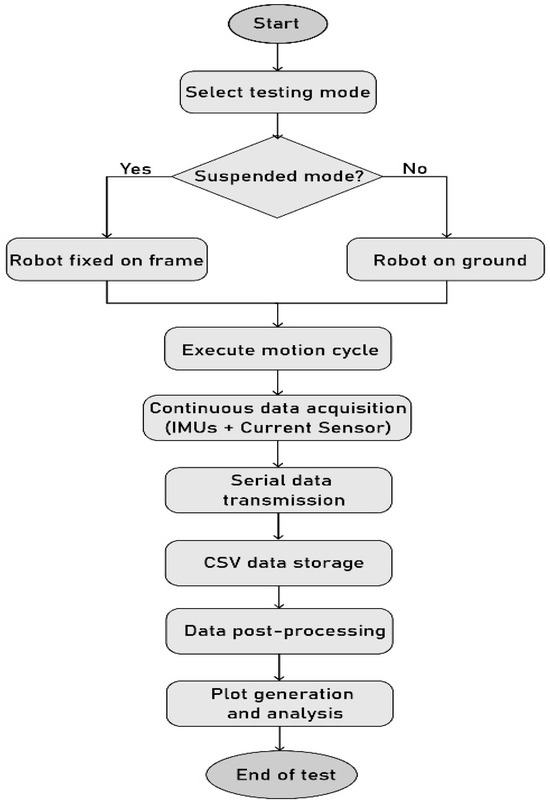
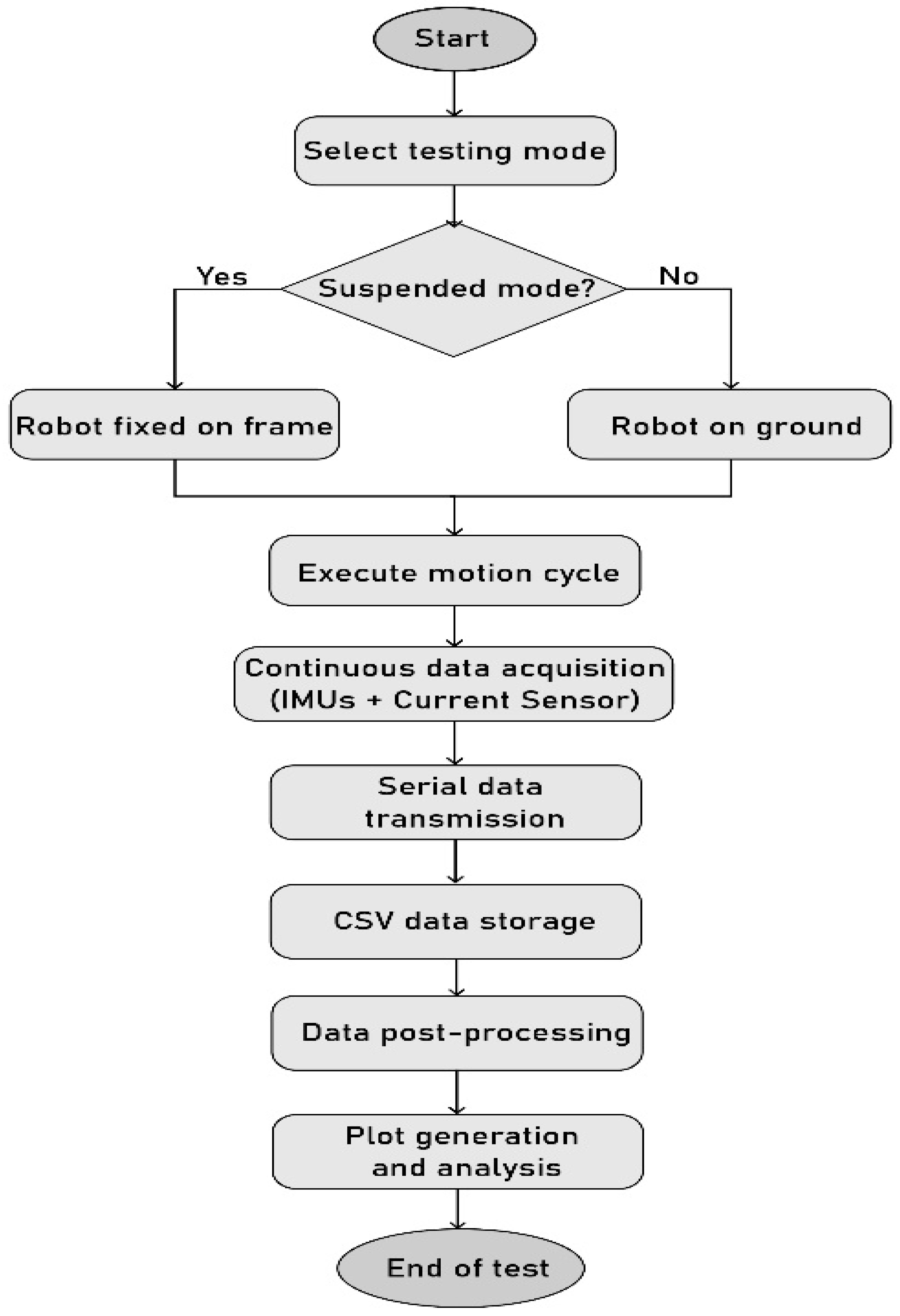
Figure 10.
Flowchart of the testing procedure.
Figure 11.
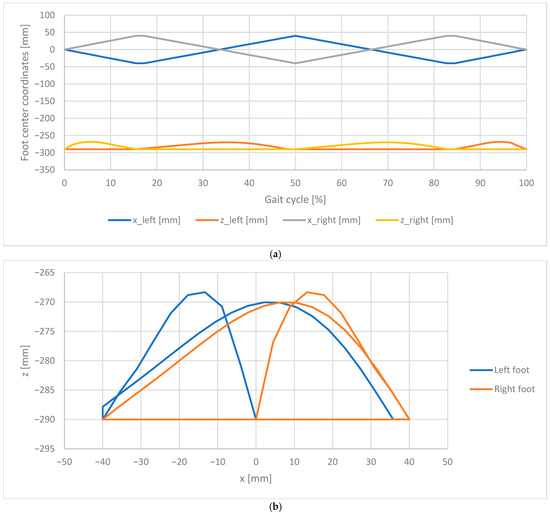
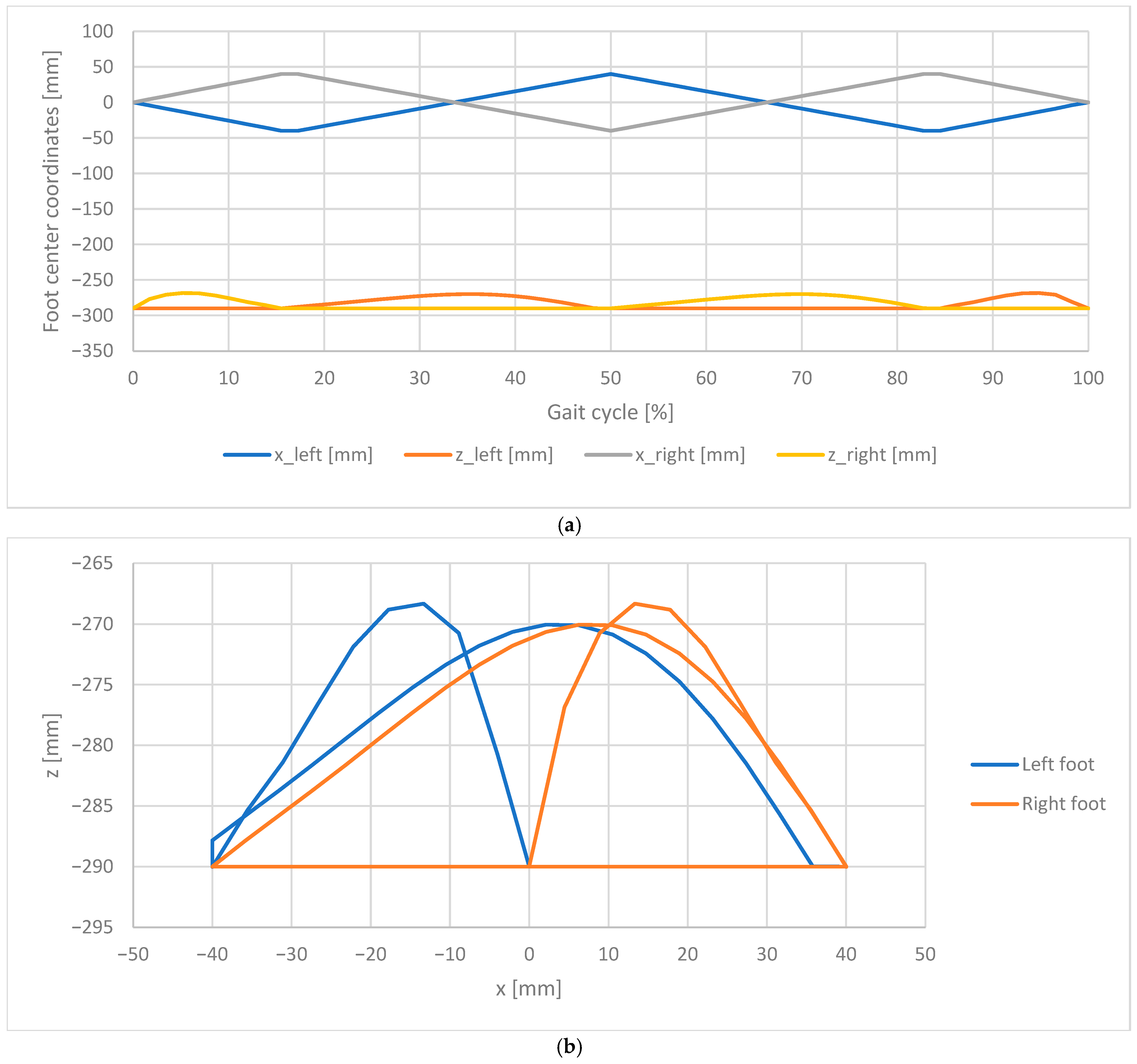
Gait cycle: (a) coordinates of foot center points over time; (b) projection of foot trajectory on the sagittal plane.
Figure 12.
Testing setup: in (a) suspended mode; (b) ground walking mode.
Table 3.
Testing modes with LARMbot V.3 biped unit in Figure 12.
Figure 9 presents the scheme of the logical structure of the control program. The program operates in a cyclic mode with a 10 s pause between motion cycles. The movement is divided into three phases: Phase 0 corresponds to the initial half-step, Phase 1 represents the full step (with repetition), and Phase 2 performs the final half-step, returning the locomotor to its initial symmetric position. In each phase, predefined trajectories are executed, actuator lengths are computed through inverse kinematics, and PWM signals are generated for the linear actuators. Simultaneously, IMU data are acquired, and foot motion is controlled via Dynamixel motors.
The testing procedure is illustrated in Figure 10. It begins with the selection of the operating mode: suspended mode (no ground contact) or ground walking mode. A complete motion cycle is then executed, during which IMU and current sensor data are continuously recorded. The data are transmitted via USB, stored in CSV format, and subsequently processed offline for analysis and visualization.
The experiment was conducted using predefined Cartesian foot trajectories as input, Figure 11, rather than direct actuator length commands. The foot motion was specified as time histories of the Cartesian positions (x, y, z) for each leg. At each step, inverse kinematics was applied to compute the corresponding lengths of the linear actuators, which were then converted into PWM control signals. The same trajectories were used for both suspended and ground walking tests. Foot rotation was controlled separately through the ankle-mounted rotational motors, either following predefined profiles or locally adjusted using IMU measurements, although IMU sensors were used only for measurement and evaluation purposes. The ankle rotation during the swing phase was defined using a predefined angular profile. The angular values were initially selected and then they were adjusted experimentally. Several preliminary trials were conducted to tune the ankle angles in order to:
- Avoid ground interference;
- Ensure sufficient foot clearance;
- Achieve stable landing;
- Produce a natural and smooth gait pattern.
Based on these preliminary tests, a set of angular values providing stable and collision-free motion was selected. All experiments presented in the manuscript were then performed using these experimentally determined ankle angles.
During the stance phase, the foot pitch angle was continuously monitored using the IMU sensor. From those measurements, a correction was computed and applied throughout the entire stance phase to maintain the pitch angle close to 0 deg, ensuring flat and stable ground contact. The IMU measurements were therefore used to determine angle compensation during ground contact, while the overall swing motion followed the predefined angular profile.
An ESP32 microcontroller manages two types of motors, rotational motors in servo mode and linear actuators. The system is equipped with three IMU sensors and one current sensor. The system sends all collected data via USB (serial connection) for monitoring and storage on a computer.
The foot has only one physical rotational degree of freedom, provided by the ankle-mounted rotational motor. The reference to two rotations in the manuscript corresponds to the roll and pitch components of the foot orientation measured by the IMU sensor. These components describe the three-dimensional orientation of the foot during motion and do not imply the existence of two independent mechanical rotational joints
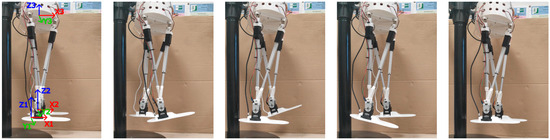
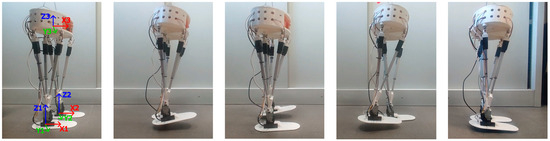
In the first mode, the robot hip was rigidly mounted on a frame. The feet did not touch the ground and moved freely in a predetermined step pattern. The test snapshot is presented in Figure 13. In the second mode, the biped unit locomotor was evaluated during walking on the ground. This allowed the evaluation of the system’s behavior under load and how the presence of ground support affects acceleration, power consumption, and movement kinematics. The snapshots of the tests appear in Figure 14.
5. Test Results
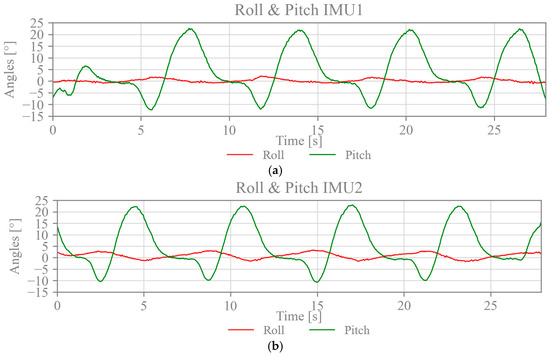
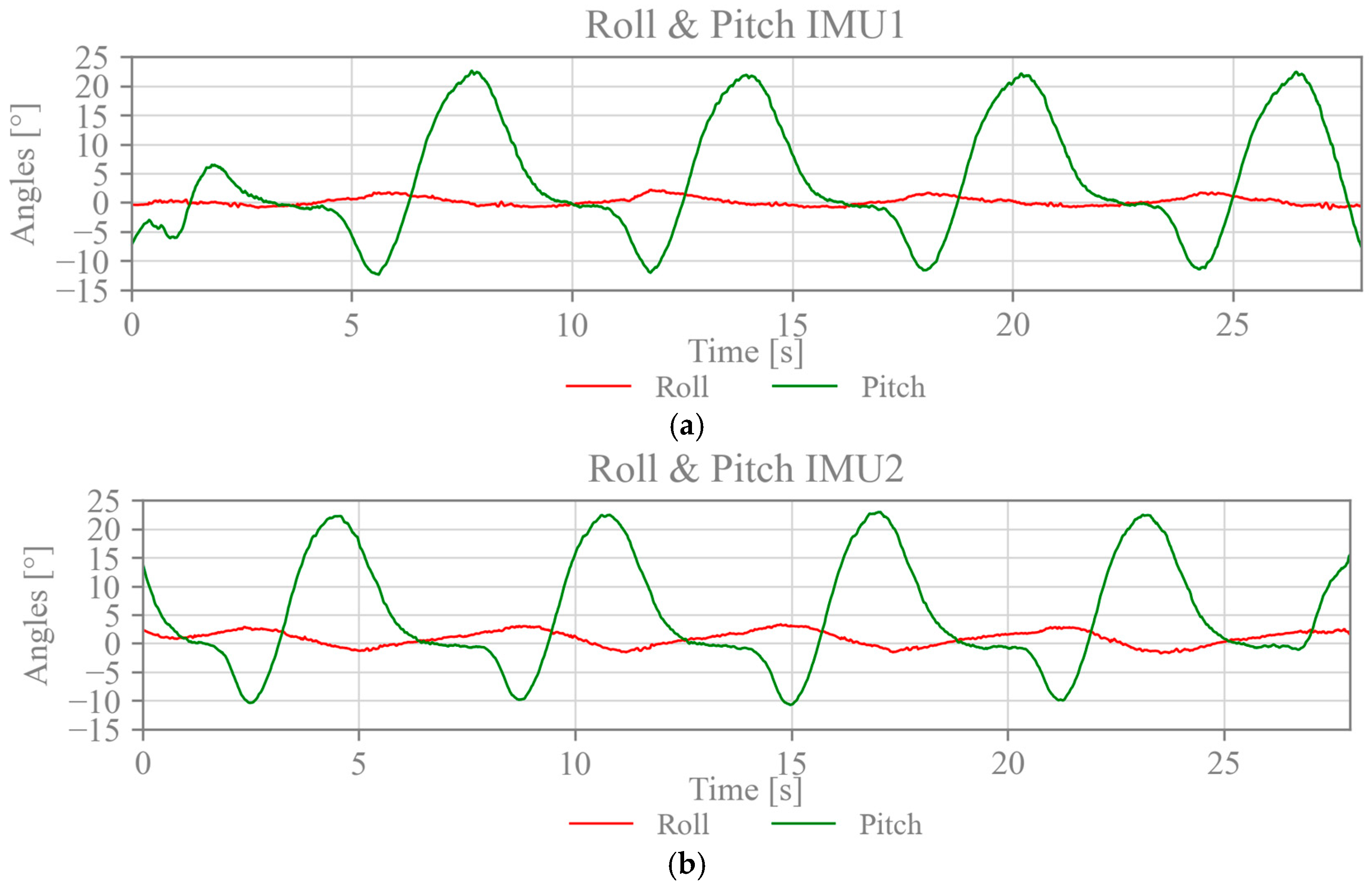
Several tests of the LARMbot V.3 biped unit were performed to validate the design and to characterize its walking capabilities in the two modes shows in Figure 13 and Figure 14. The results of both tests are presented in this section. The angular displacement of the feet in suspended mode is shown in Figure 15. Figure 15a illustrates the measurements obtained from the right foot IMU, while Figure 15b presents the measurements obtained from the left foot IMU. The roll angle represents inversion–eversion in the frontal plane, whereas the pitch angle corresponds to dorsiflexion–plantarflexion in the sagittal plane [21]. The roll and pitch angles vary within the range of −15° to 20°, corresponding to the expected heel strike, loading response, and toe-off subphases [21].
Figure 15.
Acquired data from a test in suspended mode in terms of the roll and pitch angles for (a) right foot and (b) left foot.
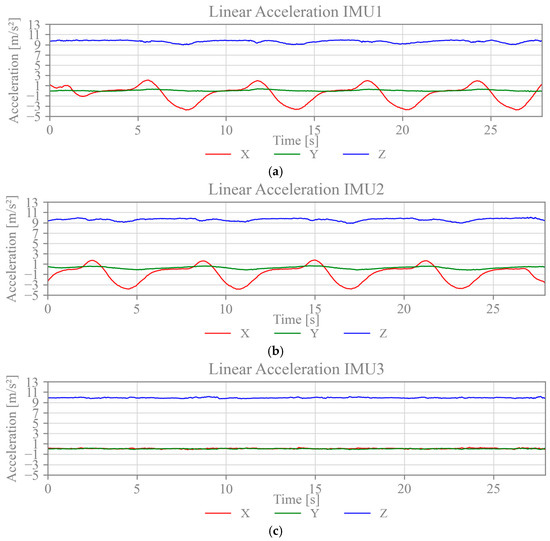
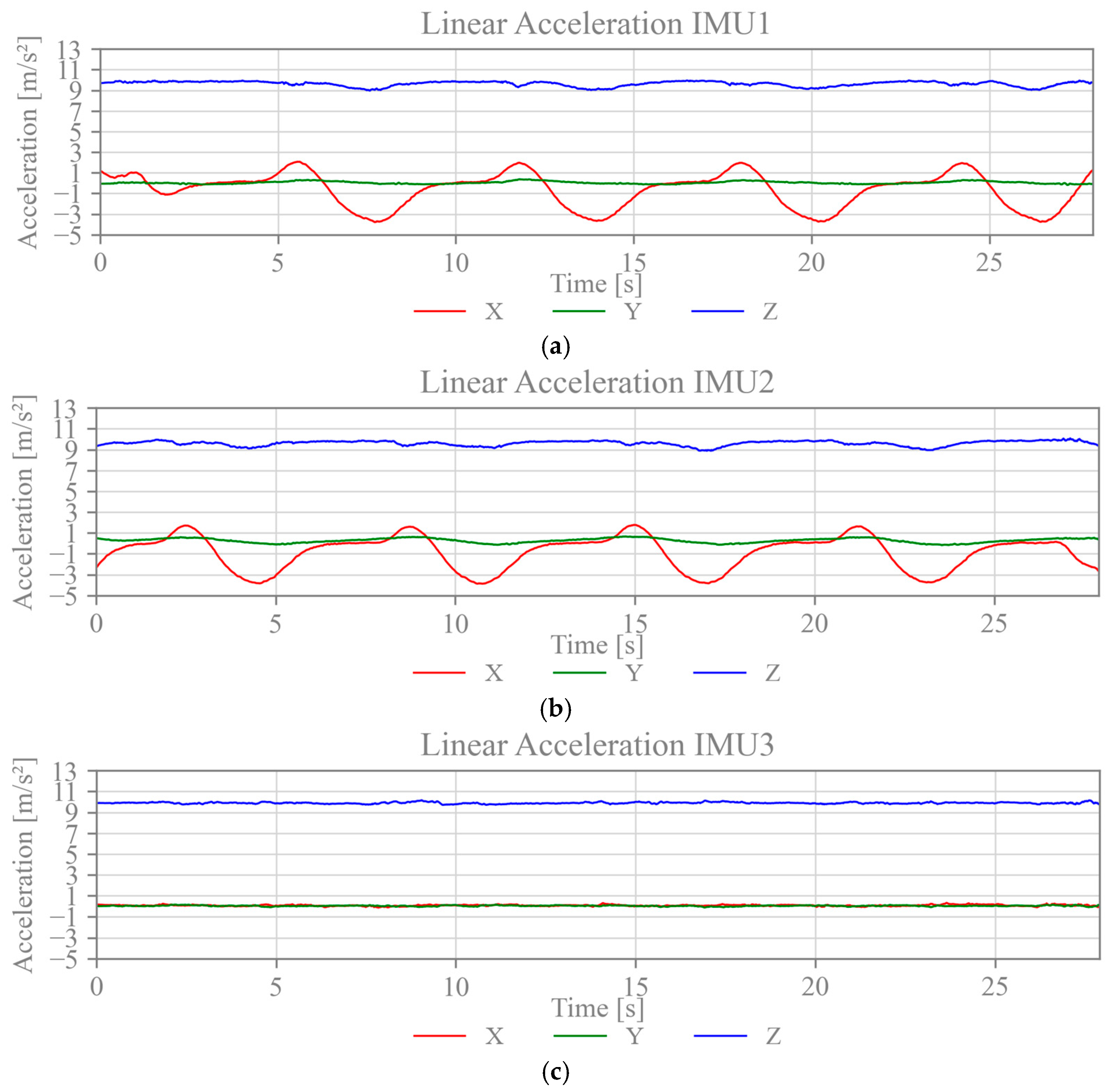
Figure 16 shows the linear accelerations of both feet and the fixed hips. The amplitude of the acceleration along the x-axis of the reference frame shown in Figure 12 is approximately ±3–4 m/s2. The oscillations along the y-axis remain within ±0.5–1 m/s2, reflecting limited lateral movement.
Figure 16.
Acquired data from a test in suspended mode in terms of the linear acceleration for (a) right foot, (b) left foot, and (c) hips.
The acceleration along the z-axis stays at approximately 9–10 m/s2, corresponding to gravitational acceleration (≈1 g). Figure 16c corresponds to the hip IMU. Due to the suspended fixation of the entire structure, the hips remain stationary without noticeable movement, while the small observed fluctuations are attributed to minor structural vibrations.
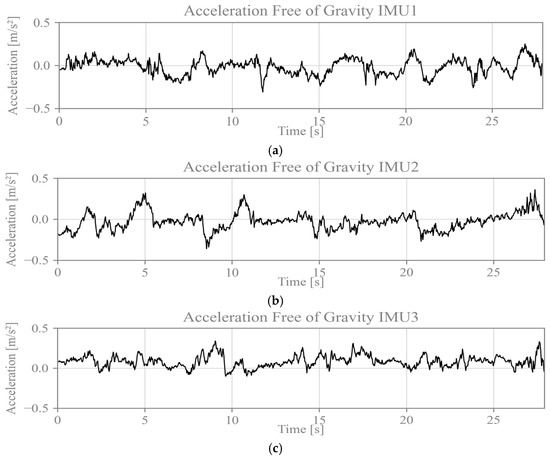
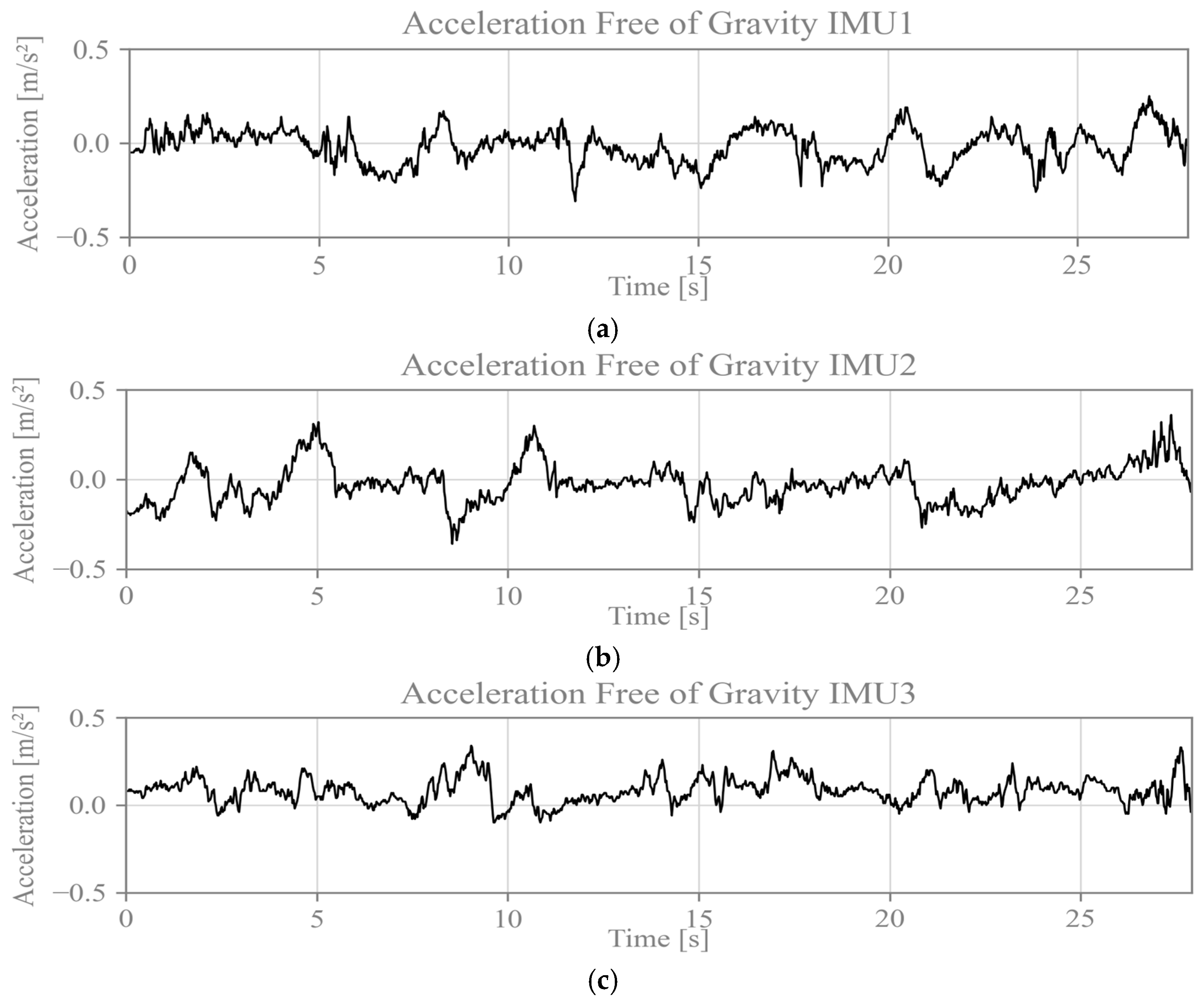
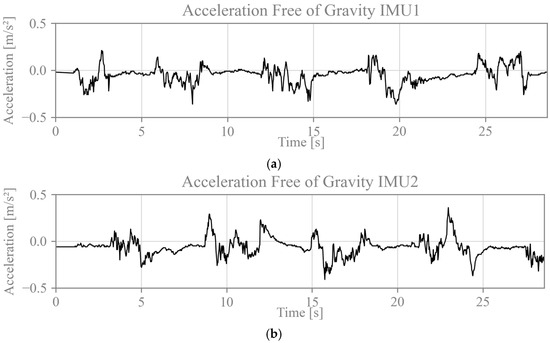
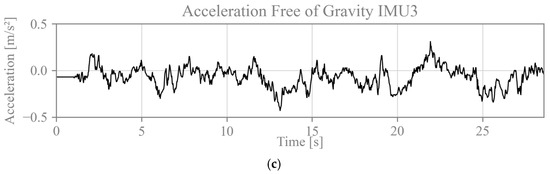
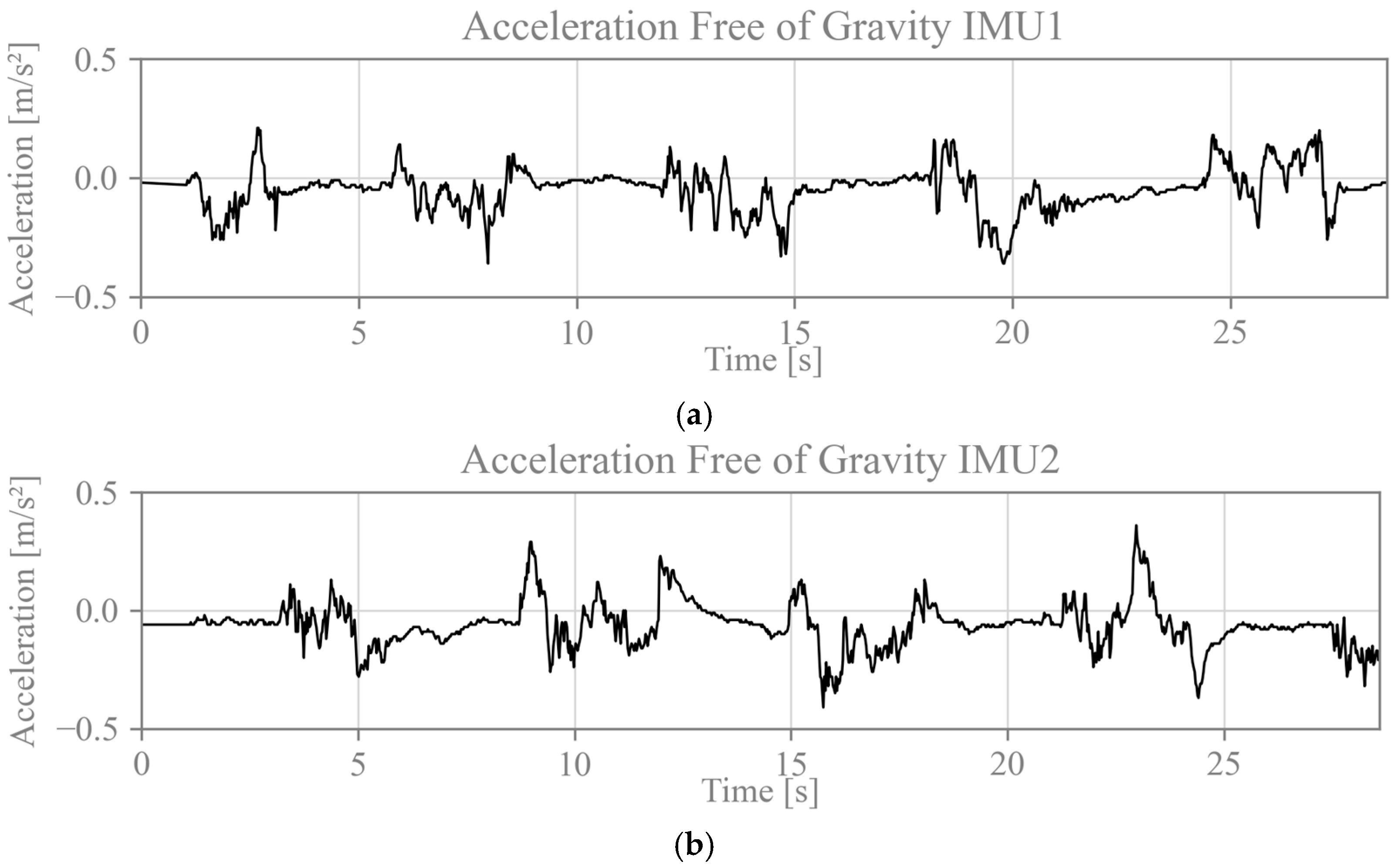
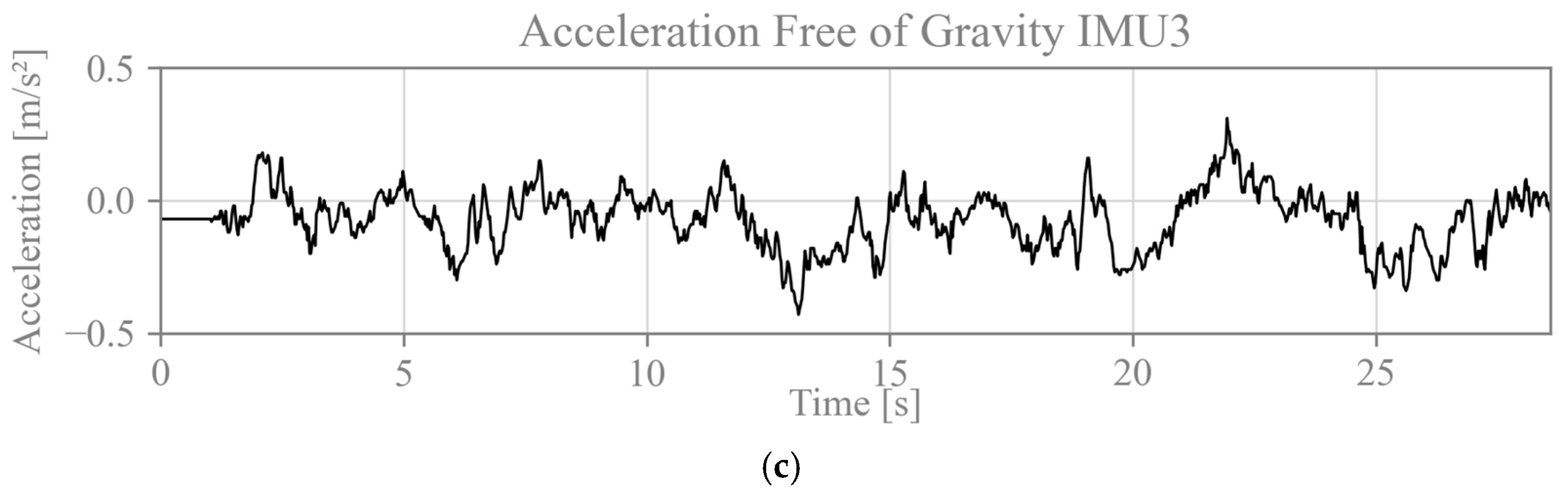
Figure 17 presents the magnitude of gravity-free linear acceleration calculated using
where 9.81 m/s2 represents the gravitational acceleration.
Figure 17.
Acquired data from a test in suspended mode in terms of the linear acceleration free of gravity for (a) right foot, (b) left foot, and (c) hips.
Figure 17a,b represent gravity-free linear acceleration obtained from the IMU mounted on the right and left feet, respectively. The obtained values show low variation, within ±0.5 m/s2, indicating smooth and stable movement in suspended mode. Figure 17c, in turn, shows the linear acceleration values for the hip region. The signal remains close to zero with minor deviations, which may be due to structural vibrations.
The power consumption of the LARMbot V.3 bipedal module was calculated using
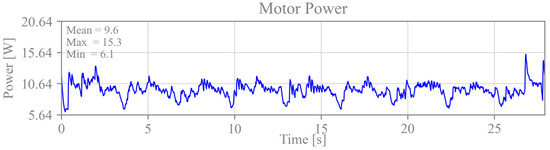
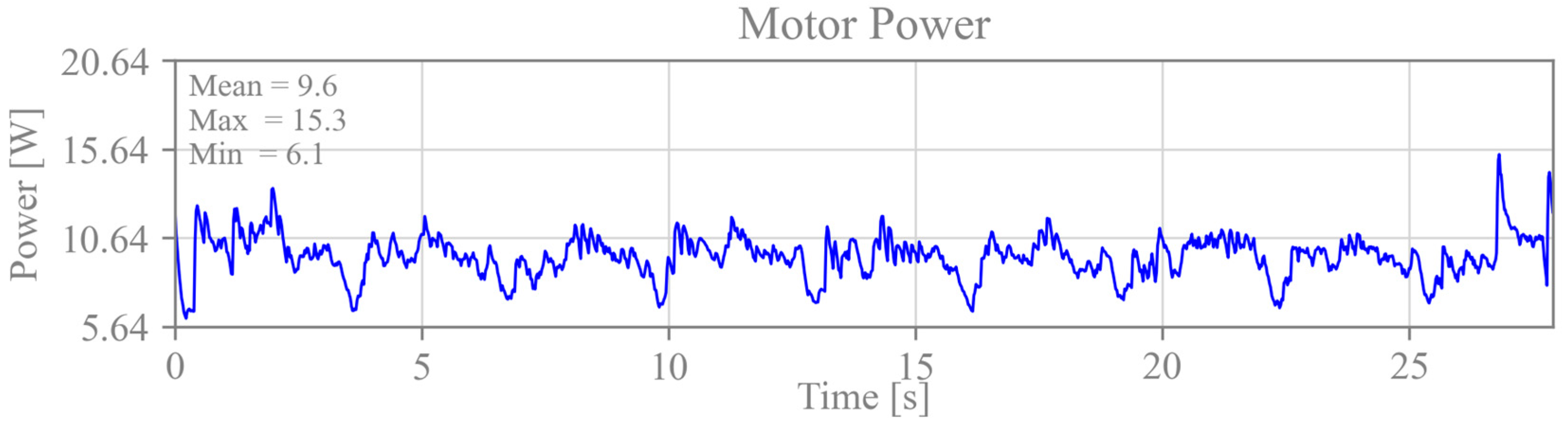
by multiplying the measured current by the supply voltage of the system (11.1 V). The obtained data is shown in Figure 18. The maximum power output did not exceed 15 W, with an average power consumption of 9.6 W. The system was tested using a LiPo battery with a nominal voltage of 11.1 V.
P = V I
Figure 18.
Acquired data from a test in suspended mode in terms of power consumption.
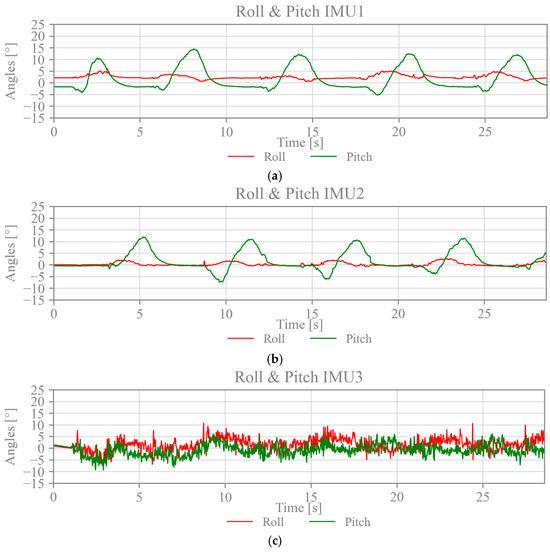
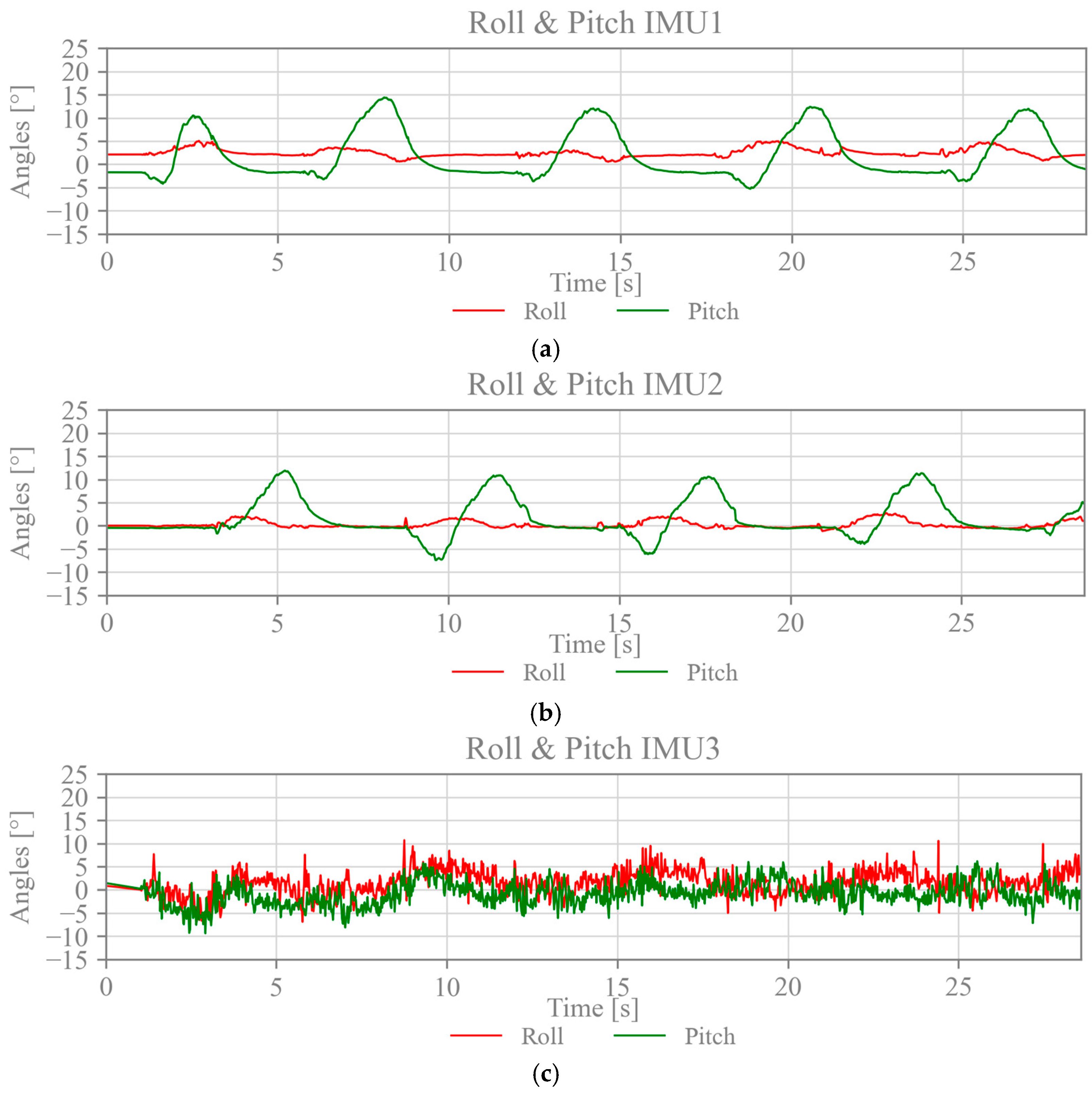
The results obtained in the ground walking mode are presented in Figure 19, Figure 20, Figure 21 and Figure 22. Figure 19a,b show the angular displacements for the right and left feet, respectively. The roll angle of both feet does not exceed 5°, indicating limited lateral deviations. The pitch angle ranges from −5° to 15°, corresponding to the heel strike, loading response, and toe-off subphases. Figure 19c shows measurements from IMU 3 located at the hip section. The plot shows cyclical variations in the roll and pitch angles, resulting from multiple steps during the gait. Additionally, signal oscillations are present, which are explained by the quasi-stationary position of the base and mechanical vibration.
Figure 19.
Acquired data from a test in ground walking mode in terms of the roll and pitch angles for (a) right foot, (b) left foot, (c) and hip.
Figure 20.
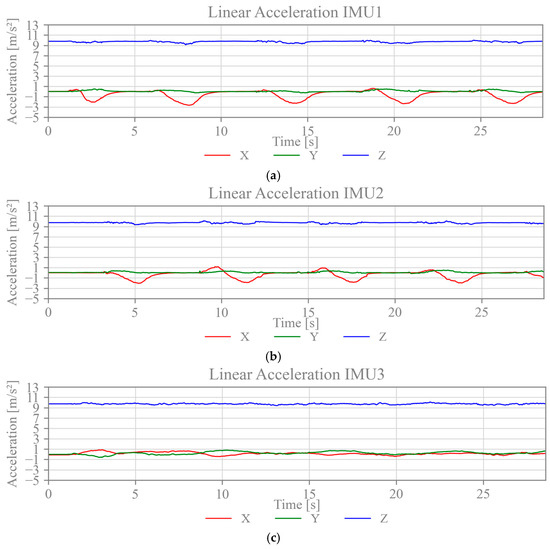
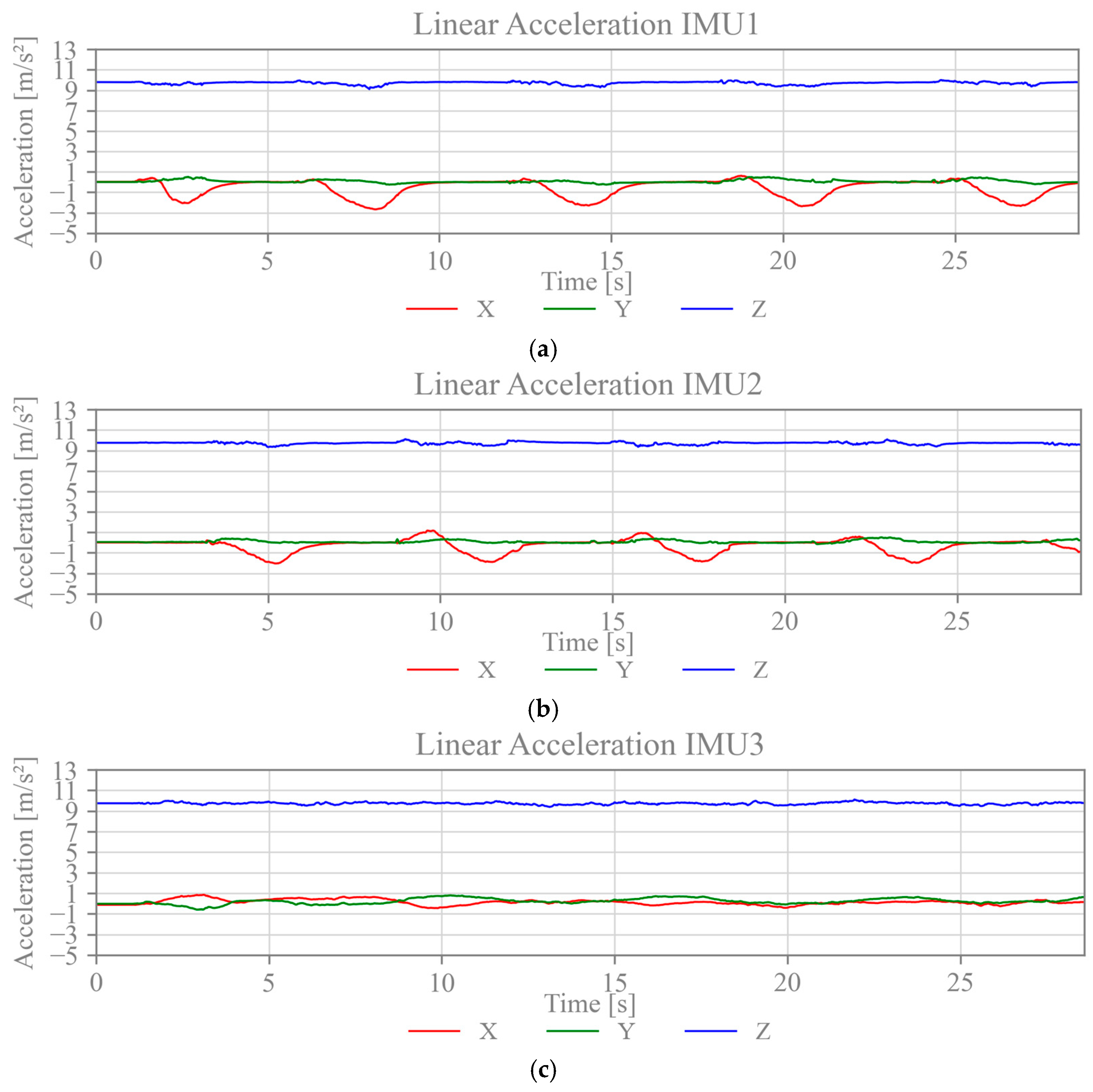
Acquired data from a test in ground walking mode in terms of the linear acceleration for (a) right foot, (b) left foot, and (c) hip.
Figure 21.
Acquired data from a test in ground walking mode in terms of the linear acceleration free of gravity for (a) right foot, (b) left foot, and (c) hips.
Figure 22.
Acquired data from a test in ground walking mode in terms of power consumption.
Figure 20 shows the linear acceleration of the feet and hip. The measured accelerations of both legs are within ±3 m/s2 along the x-axis, which corresponds to movement in the sagittal plane. The acceleration component in the frontal plane along the y-axis remains close to zero, which indicates a lack of lateral motion. The acceleration along the z-axis keep constant at 9–10 m/s2 as for gravity. Figure 20c shows the linear acceleration of the hip, where the acceleration components along the x-axis and y-axis exhibit cyclic changes not exceeding 1 m/s2, while the acceleration along the z-axes remains close to 9–10 m/s2, which correspond to gravitational acceleration.
Figure 21 shows the magnitude of gravity-free linear accelerations calculated using Equation (4). The feet exhibit pronounced oscillations, consistent with the gait phases. The amplitude of the values does not exceed ±0.5 m/s2. For the hip-mounted IMU the acceleration is also in the range of −0.5 to 0.5 m/s2.
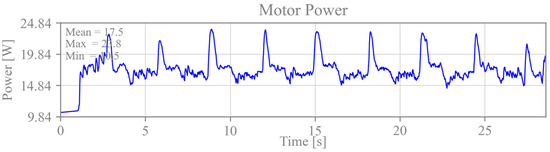
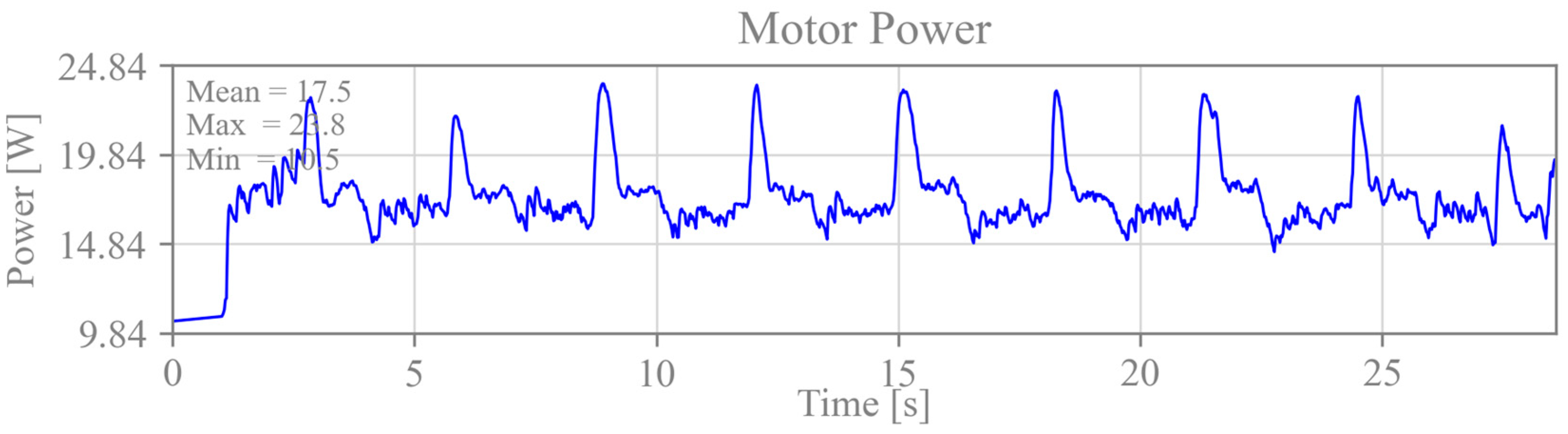
The consumption power of the prototype operation is shown in Figure 22. The power was calculated using Equation (5). The maximum power detected was 23.8 W, and the average power consumption calculated over 5 steps was 17.5 W.
6. Conclusions
In this work, the biped unit of a humanoid robot LARMbot V.3 was designed and experimentally evaluated as a module with a parallel leg architecture. Compared to previous versions, LARMbot V.3 features a revised mechanical structure with updated link fastening elements and an increased foot size, improving stability. In addition, the electronics system has been fully redesigned, replacing the Arduino-based controller with an ESP-based platform and providing improved sensor integration and reliability. Experimental tests were conducted in two setups: suspended mode and ground walking mode, using the same motion gait trajectory. Measurements obtained with IMUs demonstrated step repeatability and physically consistent changes in angles and linear acceleration. Power consumption measures showed the expected increase in the second setup compared to suspended mode. The obtained results confirm the mechanical and functional performance of the proposed biped unit for LARMbot V.3 humanoid, as well as its applicability as an experimental platform for studying gait and control algorithms. However, the current implementation has several limitations related to the lack of full autonomous operation, closed loop control, and the absence of force sensors. Future work may focus on extending the sensor set and developing feedback control to enhance autonomy and stability.
Author Contributions
Conceptualization, M.C. and M.R.; methodology, A.L., C.M.-C. and M.R.; software, A.L. and C.M.-C.; validation, A.L., M.C. and M.R.; formal analysis, A.L., C.M.-C. and M.R.; investigation, A.L., M.C., C.M.-C. and M.R.; resources, M.C.; data curation, A.L.; writing—original draft preparation, A.L. and M.C.; writing—review and editing, A.L., M.C., C.M.-C. and M.R.; visualization, A.L.; supervision, M.C. and M.R.; project administration, M.C.; funding acquisition, M.C. All authors have read and agreed to the published version of the manuscript.
Funding
This research received no external funding.
Data Availability Statement
Data are available upon request to the authors.
Conflicts of Interest
The authors declare no conflicts of interest.
References
- Ficht, G.; Behnke, S. Bipedal Humanoid Hardware Design: A Technology Review. Curr. Robot. Rep. 2021, 2, 201–210. [Google Scholar] [CrossRef] [Scilit]
- He, Z. Analysis of Current Bipedal Robots by Comparative Method. Appl. Comput. Eng. 2024, 80, 155–161. [Google Scholar] [CrossRef] [Scilit]
- Parmiggiani, A.; Maggiali, M.; Natale, L.; Nori, F.; Schmitz, A.; Tsagarakis, N.; Santos-Victor, J.; Becchi, F.; Sandini, G.; Metta, G. The Design of the iCub Humanoid Robot. Int. J. Humanoid Robot. 2012, 9, 1250027. [Google Scholar] [CrossRef] [Scilit]
- Lohmeier, S.; Buschmann, T.; Ulbrich, H. Humanoid robot LOLA. In Proceedings of the 2009 IEEE International Conference on Robotics and Automation; IEEE: Piscataway, NJ, USA, 2009; pp. 775–780. [Google Scholar] [CrossRef] [Scilit]
- Tsagarakis, N.; Caldwell, D.; Bicchi, A.; Negrello, F.; Garabini, M.; Choi, W.; Baccelliere, L.; Vo, G.; Noorden, J.; Catalano, M.; et al. WALK-MAN: A High Performance Humanoid Platform for Realistic Environments. J. Field Robot. 2017, 34, 1225–1259. [Google Scholar] [CrossRef] [Scilit]
- Nelson, G.; Saunders, A.; Playter, R. The PETMAN and Atlas Robots at Boston Dynamics. In Humanoid Robotics: A Reference; Springer: Dordrecht, The Netherlands, 2019; pp. 169–186. [Google Scholar] [CrossRef] [Scilit]
- Ruscelli, F.; Rossini, L.; Mingo Hoffman, E.; Baccelliere, L.; Laurenzi, A.; Muratore, L.; Antonucci, D.; Cordasco, S.; Tsagarakis, N. Design and Control of the Humanoid Robot COMAN+: Hardware Capabilities and Software Implementations. IEEE Robot. Autom. Mag. 2024, 32, 2–13. [Google Scholar] [CrossRef] [Scilit]
- Schwartz, M.; Sim, J.; Ahn, J.; Hwang, S.; Lee, Y.; Park, J. Design of the Humanoid Robot TOCABI. In Proceedings of the 2022 IEEE-RAS 21st International Conference on Humanoid Robots; IEEE: Piscataway, NJ, USA, 2022; pp. 322–329. [Google Scholar] [CrossRef] [Scilit]
- Kulk, J.; Welsh, J. A low power walk for the NAO robot. In Proceedings of the 2008 Australasian Conference on Robotics & Automation (ACRA-2008), Canberra, Australia, 3–5 December 2008; pp. 1–7. [Google Scholar]
- Sakagami, Y.; Watanabe, R.; Aoyama, C.; Matsunaga, S.; Higaki, N.; FujiMura, K. The intelligent ASIMO: System overview and integration. In Proceedings of the 2002 IEEE/RSJ Humanoid Robots Conference; IEEE: Piscataway, NJ, USA, 2002; Volume 3, pp. 2478–2483. [Google Scholar] [CrossRef] [Scilit]
- Malik, A.A.; Masood, T.; Brem, A. Intelligent humanoids in manufacturing to address worker shortage and skill gaps: Case of Tesla Optimus. arXiv 2023, arXiv:2304.04949. [Google Scholar] [CrossRef] [Scilit]
- Kaneko, K.; Kaminaga, H.; Sakaguchi, T.; Kajita, S.; Morisawa, M.; Kumagai, I.; Kanehiro, F. Humanoid Robot HRP-5P. IEEE Robot. Autom. Lett. 2019, 4, 1431–1438. [Google Scholar] [CrossRef] [Scilit]
- Englsberger, J.; Werner, A.; Ott, C.; Henze, B.; Roa, M.A.; Garofalo, G.; Burger, R.; Beyer, A.; Eiberger, O.; Schmid, K.; et al. Overview of the torque-controlled humanoid robot TORO. In Proceedings of the 2014 IEEE-RAS International Conference on Humanoid Robots; IEEE: Piscataway, NJ, USA, 2014; pp. 916–923. [Google Scholar] [CrossRef] [Scilit]
- Ceccarelli, M.; Russo, M.; Morales-Cruz, C. Parallel Architectures for Humanoid Robots. Robotics 2020, 9, 75. [Google Scholar] [CrossRef] [Scilit]
- Gim, K.G.; Kim, J.; Yamane, K. Design and Fabrication of a Bipedal Robot Using Serial-Parallel Hybrid Leg Mechanism. In Proceedings of the 2018 IEEE/RSJ International Conference on Intelligent Robots and Systems (IROS); IEEE: Piscataway, NJ, USA, 2018; pp. 5095–5100. [Google Scholar] [CrossRef] [Scilit]
- Dimitrova, R.; Nikolov, S.; Tsolov, S.; Dimitrov, S. Methodology for designing low-cost robots with parallel kinematics. Eng. Res. Express 2025, 7, 015214. [Google Scholar] [CrossRef] [Scilit]
- Ceccarelli, M. A History of LARMbot Humanoid. In Explorations in the History and Heritage of Machines and Mechanisms. HMM 2024; Ceccarelli, M., Aslan Seyhan, I., Eds.; History of Mechanism and Machine Science; Springer: Cham, Switzerland, 2024; Volume 47, pp. 360–370. [Google Scholar]
- Ceccarelli, M.; Russo, M. Modular Design of LARMbot Humanoid. In Advances in Asian Mechanism and Machine Science; Springer: Cham, Switzerland, 2024; pp. 17–24. [Google Scholar] [CrossRef] [Scilit]
- Russo, M.; Cafolla, D.; Ceccarelli, M. Design and Experiments of a Novel Humanoid Robot with Parallel Architectures. Robotics 2018, 7, 79. [Google Scholar] [CrossRef] [Scilit]
- Gabarren, C.; Ceccarelli, M. Design of Humanoid LARMbot v3. In Mechanical Engineering Solutions: Design, Simulation, Testing, Manufacturing. MES 2025; Parikyan, T., Sargsyan, Y., Ceccarelli, M., Eds.; Mechanisms and Machine Science; Springer: Cham, Switzerland, 2025; Volume 191. [Google Scholar] [CrossRef] [Scilit]
- Whittle, M. Gait Analysis: An Introduction; Elsevier: Oxford, UK, 2007. [Google Scholar]
- Pons, J.L. Wearable Robots: Biomechatronic Exoskeletons; John Wiley & Sons: Hoboken, NJ, USA, 2008. [Google Scholar]
- Pirker, W.; Katzenschlager, R. Gait Disorders in Adults and the Elderly: A Clinical Guide. Wien Klin. Wochenschr. 2017, 129, 81–95. [Google Scholar] [CrossRef] [Scilit] [PubMed]
- Ceccarelli, M.; Carbone, G. Design and Operation of Human Locomotion Systems; Elsevier Academic Press: London, UK, 2020. [Google Scholar]
- Espressif Systems. ESP32 Series Datasheet. Available online: https://www.espressif.com/sites/default/files/documentation/esp32_datasheet_en.pdf (accessed on 23 May 2025).
- Adafruit Industries. PCA9685 16-Channel 12-bit PWM Servo Driver Datasheet. Available online: https://cdn-learn.adafruit.com/downloads/pdf/16-channel-pwm-servo-driver.pdf (accessed on 23 May 2025).
- Actuonix Motion Devices. L16 Linear Actuator Datasheet. Available online: https://www.actuonix.com/assets/images/datasheets/ActuonixL16datasheet.pdf (accessed on 23 May 2025).
- ROBOTIS Inc. Dynamixel AX-18A Smart Actuator—Datasheet. Available online: https://emanual.robotis.com/docs/en/dxl/ax/ax-18a/ (accessed on 23 May 2025).
- Bosch Sensortec GmbH. BMI160: Low Power Inertial Measurement Unit. Available online: https://www.bosch-sensortec.com/media/boschsensortec/downloads/datasheets/bst-bmi160-ds000.pdf (accessed on 23 May 2025).
- Texas Instruments. TCA9548A Low-Voltage 8-Channel I2C Switch with Reset. Available online: https://www.ti.com/lit/ds/symlink/tca9548a.pdf (accessed on 23 May 2025).

Disclaimer/Publisher’s Note: The statements, opinions and data contained in all publications are solely those of the individual author(s) and contributor(s) and not of MDPI and/or the editor(s). MDPI and/or the editor(s) disclaim responsibility for any injury to people or property resulting from any ideas, methods, instructions or products referred to in the content. |
© 2026 by the authors. Licensee MDPI, Basel, Switzerland. This article is an open access article distributed under the terms and conditions of the Creative Commons Attribution (CC BY) license.