Article

Accident Vulnerability and Vision for Action: A Pilot Investigation


School of Psychology and Centre for Brain Research, University of Auckland, Auckland 1010, New Zealand
*
Author to whom correspondence should be addressed.
Vision 2020, 4(2), 26; https://doi.org/10.3390/vision4020026
Submission received: 5 December 2019 / Revised: 22 April 2020 / Accepted: 4 May 2020 / Published: 13 May 2020
(This article belongs to the Special Issue Visual Orienting and Conscious Perception)

Abstract

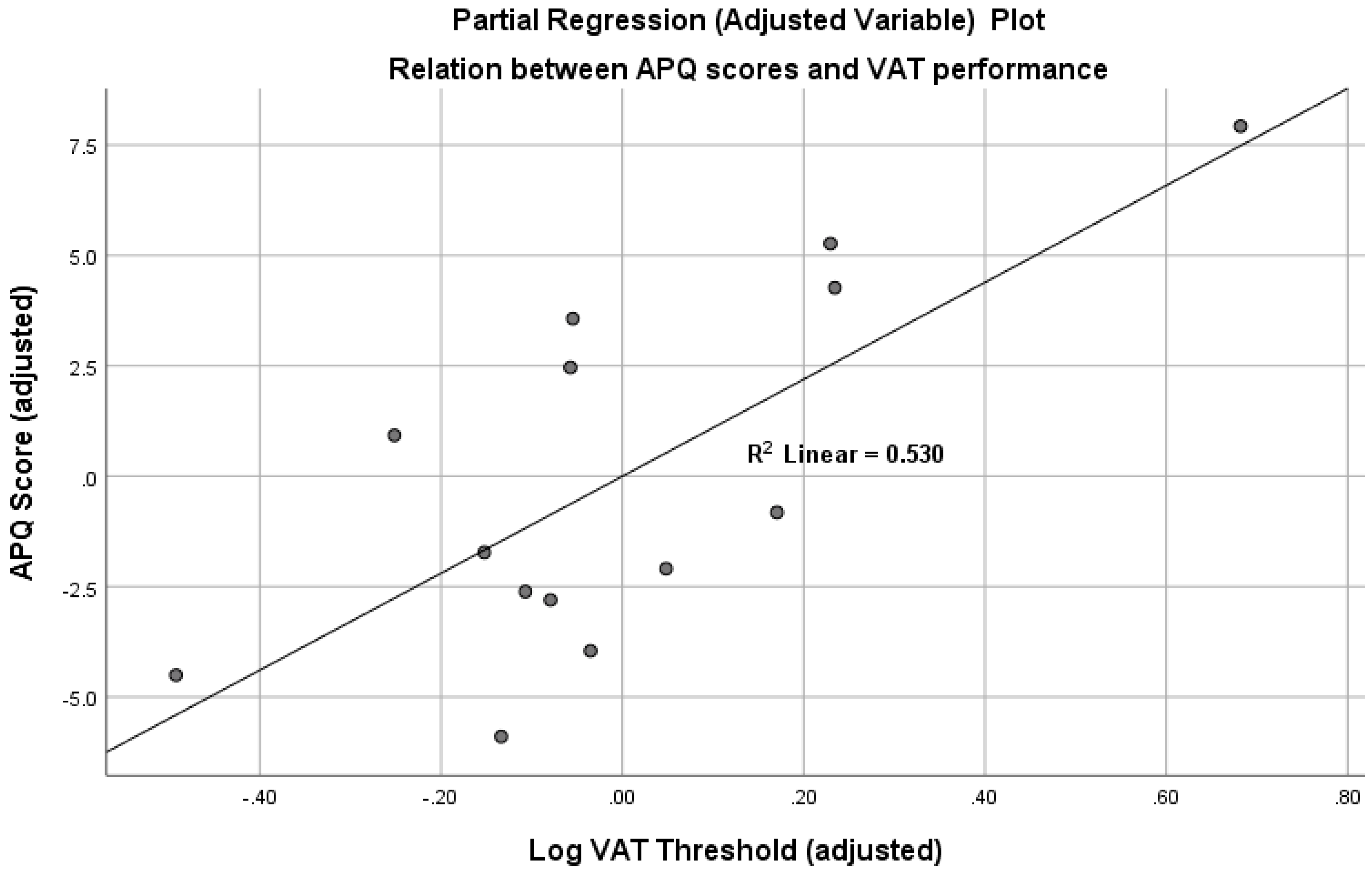
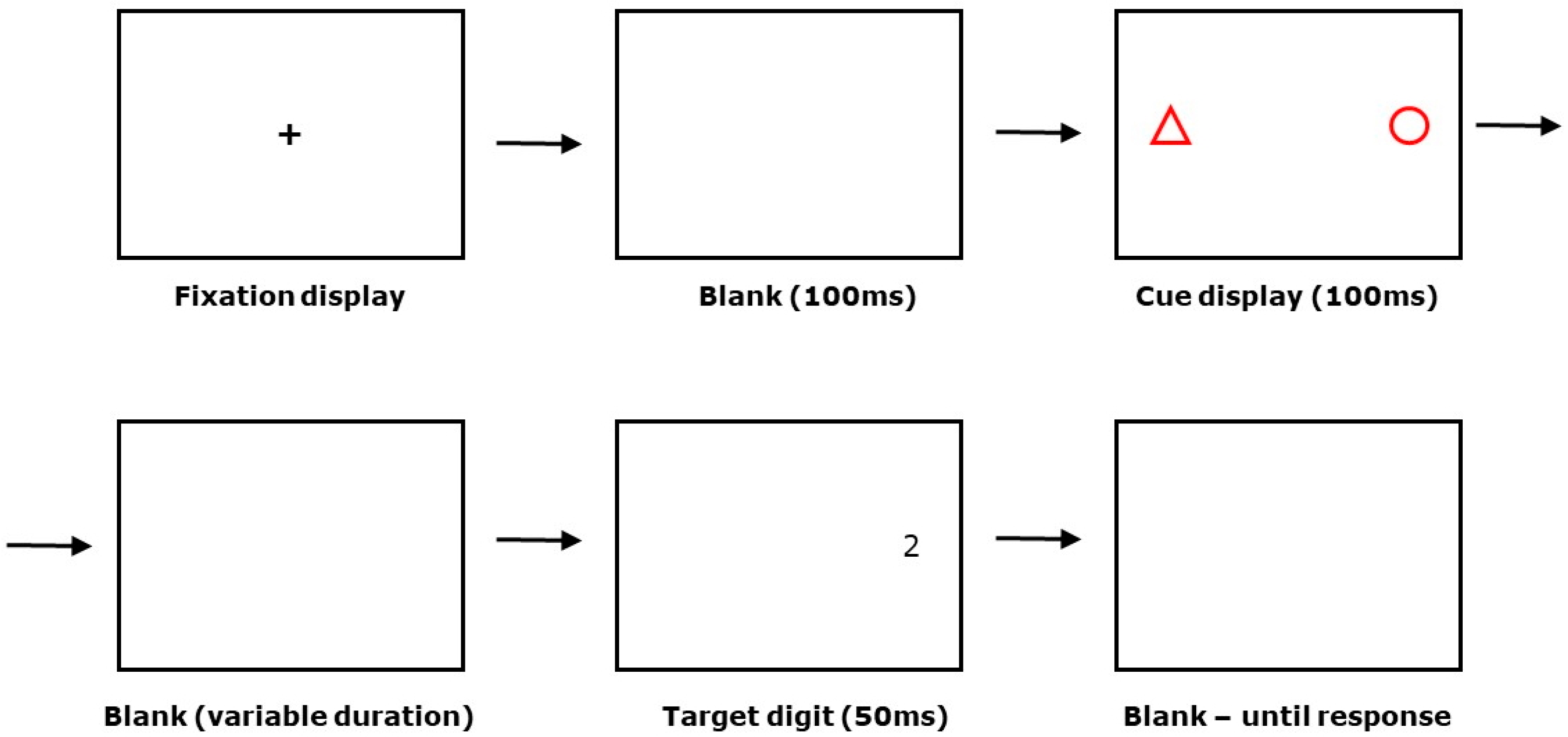
Many accidents, such as those involving collisions or trips, appear to involve failures of vision, but the association between accident risk and vision as conventionally assessed is weak or absent. We addressed this conundrum by embracing the distinction inspired by neuroscientific research, between vision for perception and vision for action. A dual-process perspective predicts that accident vulnerability will be associated more strongly with vision for action than vision for perception. In this preliminary investigation, older and younger adults, with relatively high and relatively low self-reported accident vulnerability (Accident Proneness Questionnaire), completed three behavioural assessments targeting vision for perception (Freiburg Visual Acuity Test); vision for action (Vision for Action Test—VAT); and the ability to perform physical actions involving balance, walking and standing (Short Physical Performance Battery). Accident vulnerability was not associated with visual acuity or with performance of physical actions but was associated with VAT performance. VAT assesses the ability to link visual input with a specific action—launching a saccadic eye movement as rapidly as possible, in response to shapes presented in peripheral vision. The predictive relationship between VAT performance and accident vulnerability was independent of age, visual acuity and physical performance scores. Applied implications of these findings are considered.
Keywords: vision for action; accidents vision for action; accidents