1. Introduction
Auger electron (AE) emitters are increasingly attracting attention due to their potential for targeted radionuclide therapy. The high energy deposition within a very short range associated with an AE cascade holds good promise for efficiently killing targeted cancer cells while sparing the surrounding healthy tissues [
1]. The therapeutic properties of AEs are believed to be especially suitable for the elimination of single cells and small metastatic tumors. The efficient elimination of such cancer cells could greatly increase the outcome of targeted radiation therapy by potentially lowering the risk of tumor regrowth and relapse of the disease after treatment [
2]. This is supported by the fact that Auger and conversion electrons were shown to have a positive effect on the therapeutic efficacy of terbium-161 (
161Tb), compared to the more commonly used β
- emitter luthetium-177 (
177Lu) [
3,
4]. Both radionuclides have similar half-lives and emit β
- radiation of a similar energy range, but
161Tb emits a considerable amount of Auger and conversion electrons compared to
177Lu.
165Er (T
½: 10.36 h) decays by electron capture and is an AE emitter with 7.2 electrons per decay [
5], with very few other emissions. It does not emit any γ-rays nor conversion electrons upon decay and only low-energy X-rays [
6,
7]. This is an advantage in terms of a decreased dose to surrounding healthy tissue and less exposure to the personnel handling the radiopharmaceutical. The emission of γ-rays with an energy of 60–300 keV can be advantageous for dosimetry calculations and single-photon emission computed tomography (SPECT) [
5], and a recent study has demonstrated that the X-ray emissions of
165Er were sufficient to perform SPECT imaging in small animals, making it a potential theranostic radionuclide for translational AE therapy studies [
8].
165Er has also been considered for bimodal imaging as an analogue to gadolinium [
9]. An additional advantage of
165Er is that the chelator, DOTA, can be labeled, which is commonly used for radiopharmaceuticals [
8].
165Er can be produced by the (p,n) nuclear reaction from natural Ho, which is monoisotopic. The maximal cross section for the
natHo(p,n)
165Er reaction is around 160–180 mb in the 10–11 MeV range [
10,
11,
12,
13], enabling the
165Er production on a 16.5 MeV medical cyclotron. Another production route that has been reported is via the
natEr(p,xn)
165Tm reaction. With its 30.06 h half-life, the thulium-165 (
165Tm) can act as a
165Er generator afterwards. The advantage of the
natEr(p,xn)
165Tm production route is the higher cross-section of the reaction with a maximum around 450 mb at 23 MeV [
14]. It, however, leads to the production of a mixture of Tm radionuclides. The use of an enriched
166Er target and subsequent
166Er(p,2n)
165Tm nuclear reaction can reduce the amount of produced Tm isotopes [
15,
16]. The use of a deuteron beam to produce
165Er by the
165Ho(d,2n)
165Er nuclear reaction has also been reported. The maximal cross section is close to 600 mb, but this route requires cyclotrons with higher energy than for the (p,n) reaction route, which are less available [
17].
The most used target material for producing
165Er by the
natHo(p,n)
165Er reaction is metallic Ho, mostly as foil [
9,
12,
18] but also as pressed powder [
12] or pressed and melted chips [
19]. However, Er is a common impurity in metallic Ho, which cannot be chemically separated from
165Er, leading to reduced molar activity. A pre-purification of the target material to remove Er and a regeneration of Ho in metallic form are difficult. Ho
2O
3 is an alternative and has the advantage of being available in high purity (99.999%). It is also possible to purify the target material and recover the Ho
2O
3 [
12]. The properties of Ho
2O
3 as a cyclotron target material are not as suitable as metallic Ho, due to a lower thermal conductivity and the presence of oxygen that will stop some of the proton beam and decrease the
165Er production yield. To increase the mechanical properties and thermal conductivity of a pressed powder target, we have previously added Al powder to a [
135Ba]BaCO
3 target for lanthanum-135 (
135La) production with success, making it possible to increase the beam current on the target [
20]. Al was chosen due to its relatively high thermal conductivity, low stopping power, and the fact that it is a soft metal, making it possible to press the target material in the Ag discs used as target backing. Additionally, Al can be chemically separated from lanthanides, and no long-lived radionuclides are produced by the (p,n) nuclear reaction.
In this work, we describe the cyclotron production of
165Er from pressed targets made of a combination of Ho
2O
3 and Al powder and study the stability and beam tolerance of the target experimentally and theoretically by partial differential equations. The separation of two neighboring lanthanides comes with some challenges due to their similar chemical behaviors. The distribution of Er and Ho on commercially available LN2 resin was measured, and the
165Er purification was performed on three successive columns that led to a purity suitable for radiolabeling. The apparent molar activity was determined from inductively coupled plasma optical emission spectroscopy (ICP-OES), and the effective molar activities were measured by titration with the DOTA, DTPA, and CHX-A′′-DTPA chelators due to their known ability to form stable complexes with the lanthanides [
21,
22,
23]. The stability of the three
165Er complexes was then assessed after incubation at 37 °C in mouse serum over 28 h.
2. Materials and Methods
The chemicals were purchased from Merck (Darmstadt, Germany) unless otherwise specified and used without further purification. Ho2O3 of high purity (99.999%, trace rare earth analysis ≤15.0 ppm, Sigma-Aldrich (St. Louis, MO, USA)) and HCl and HNO3 of “Suprapur” quality were used for the experiments. The Al powder (99.9%, 60 µm max. particle size) and Nb foil were purchased from Goodfellow (Huntingdon, England). The water was of 18 MΩ MilliQ-grade (Roskilde, Denmark), except for the labeling experiments, in which case ultra-trace water was used. 1,4,7,10-tetraazacyclododecane-1,4,7,10-tetraacetic acid (DOTA), diethylene triaminepentaacetic acid (DTPA), and p-NO2-Bn-CHX-A″-DTPA ([(R)-2-Amino-3-(4-nitrophenyl)propyl]-trans-(S,S)-cyclohexane-1,2-diamine-pentaacetic acid (CHX-A′′-DTPA)) were purchased from Macrocyclics (Plano, TX, USA). Mouse serum was purchased from Biowest (Nuaillé, France). The targets were irradiated on a GE PETtrace cyclotron with a 16.5 MeV proton beam. For the purification, the LN2 (50–100 µm), branched DGA (50–100 µm), and TK221 (50–100 µm) resins were purchased from TRISKEM (Bruz, France). The columns were run using a BT100-2J LongerPump peristaltic pump (supplied by Drifton, Hvidovre, Denmark). Non-radioactive metal impurities in the final sample were quantified by ICP-OES with a Thermo Scientific iCAP 6000 and 7000 Plus Series ICP-OES apparatus (supplied by Thermo Fisher Scientific, Roskilde, Denmark), and Er, Ho, and multielement 1 ICP standard solutions were used for the quantification. Sample activities were measured using a Canberra GC 2020 high-purity germanium (HPGe) detector gamma spectrometer (Olen, Belgium), a Canberra GL 0055P X-ray detector (Olen, Belgium), and a CRC-55tR, CII Capintec, Inc., (Florham Park, NJ, USA) dose calibrator. The HPGe detector for gamma spectrometry was calibrated with certified 133Ba and 152Eu sources and the X-ray detector with certified 241Am and 210Pb sources. Spectra were analyzed using Genie 2000 software. For the effective molar activity measurements, the thin-layer chromatography (TLC) plates (TLC Silica gel 60 F254 plates (aluminum sheets), Supelco, Darmstadt, Germany) were read using a Perkin Elmer Cyclone® Plus Storage Phosphor System apparatus (Perkin Elmer, Singapore).
2.1. Target Preparation and Irradiation
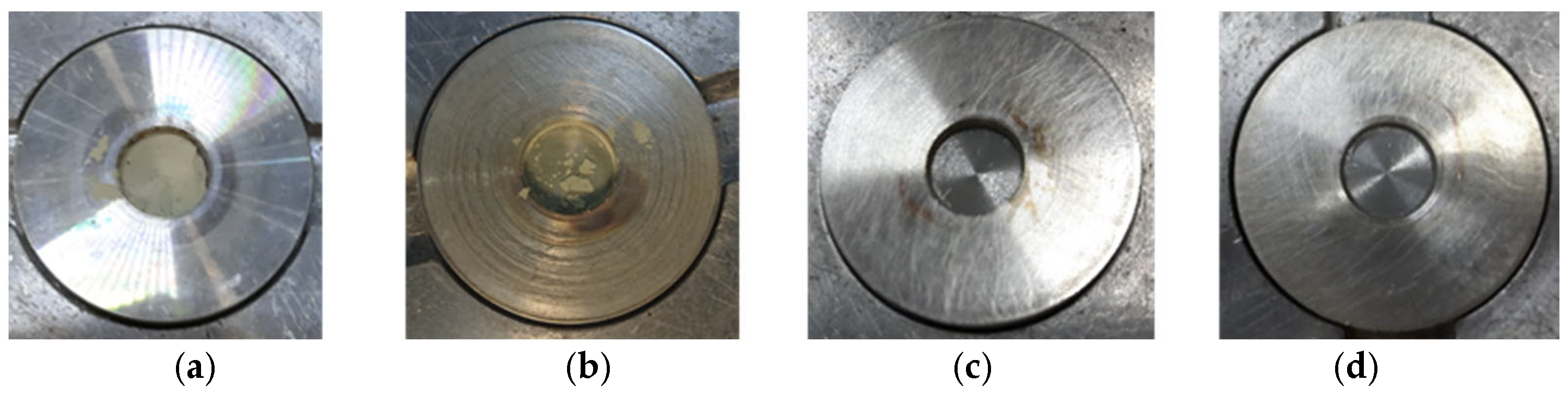
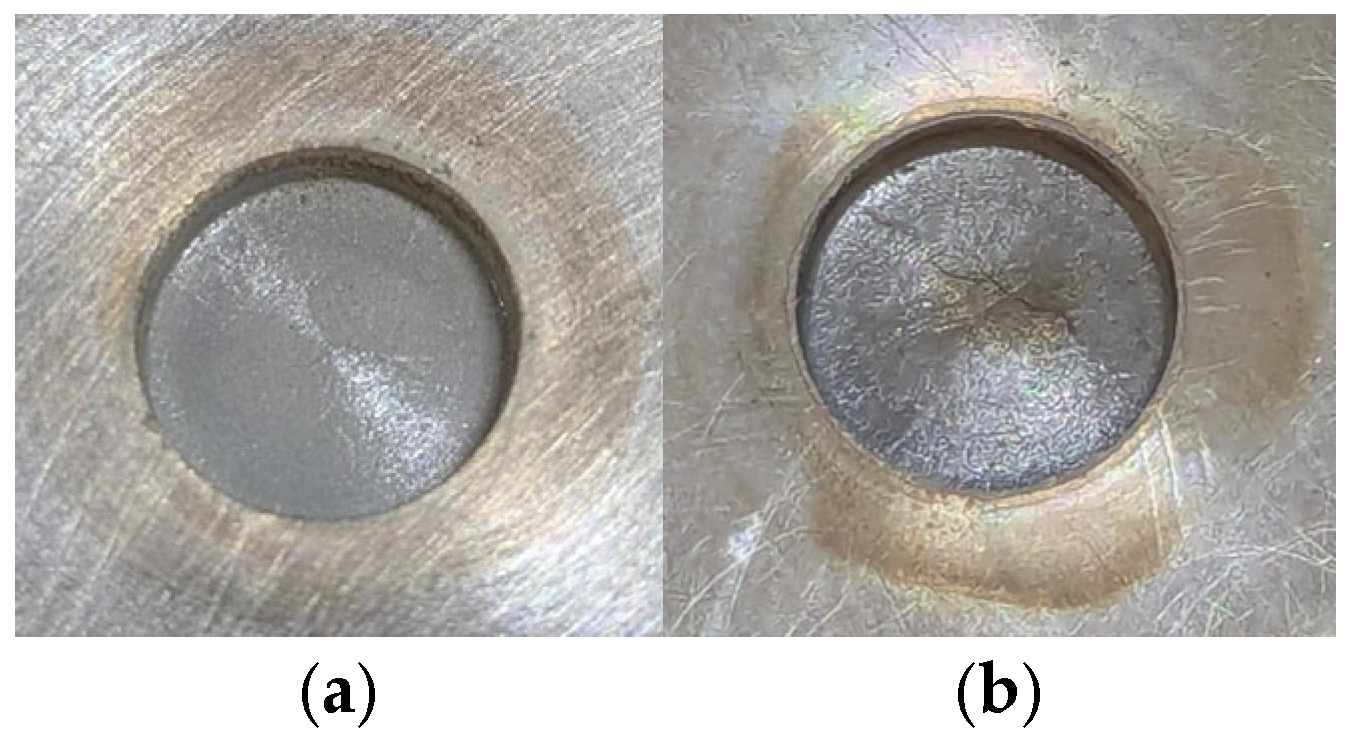
For the production of 165Er, different mixtures of Ho2O3:Al (without Al, 7:3, 1:1, and 1:2 w/w, 80–270 mg total weight) were pressed in a Ag disc (29 mm diameter, 5 mm thickness) with a cylindrical well in the center (9 mm diameter, 3 mm depth). A hydraulic press (1 ton) was used with a matching stainless steel pressing tool. The Ag disc was placed in a target holder with water cooling on the back of the disc. A 0.1 mm-thick Nb foil (45–50 × 45–50 mm dimensions) was placed in front of the target, degrading the incoming proton beam to 15.0 MeV. For target testing and work on the purification procedure, low activity batches were produced by irradiating the target for 10–15 min at 10–50 µA. For high activity batches, targets were irradiated up to 3 h at 25 µA. To be able to track both Ho and Er during optimization of the purification procedure, we also used radioactive Ho made on-site by neutron activation. For this, 100 mg Ho2O3 in an Eppendorf tube was immersed in a bucket filled with water (4–5 L) placed just behind a standard 18F target. The water bucket acted as a moderator to thermalize the neutrons generated by the 18O(p,n)18F reaction. A routine 18F production led to the generation of small amounts of 166Ho (T½: 26.8 h). The bucket was retrieved after the cyclotron run, and the Ho sample contained 17–42 kBq of 166Ho, which was dissolved in 5 mL 4 M HCl.
2.2. Simulation of the Thermal Performance of the Target
To estimate the maximum beam current that the Ho
2O
3:Al cyclotron target can tolerate, the heat dissipation and thermal performance of the target were simulated in MATLAB R2025b using similar calculations, as previously described [
24,
25]. The temperature in the target was calculated from partial differential equations defined for the geometry of the target, including the Nb degrader foil, the Ho
2O
3:Al target mixture, the air between the foil and the target material, the Ag backing, and the water cooling on the back of the Ag disc. A steady-state model for the conductive heat transfer was used, where the temperature does not change with time. The target was defined as a heat source
Q and calculated from Equation (1), where
k is the thermal conductivity and
T the temperature [
24].
The thermal conductivity of the target material, Ag backing, Nb foil, and the air between the target and the foil were used in the model. The thermal conductivity of the Ho
2O
3:Al 1:1 (
w/
w) mixture was not known and was initially set to 30 W/m·K, since the thermal conductivity of Al is 273 W/m·K [
26] and the thermal conductivity of Ho
2O
3 is expected to be below the value for metallic Ho (16 W/m·K).
The boundary conditions were set to 20 °C. The water-cooling flow rate was set to 1 L/min, and the tubing diameter was 7 mm. The convective heat transfer coefficient for the water cooling was calculated from Equation (2), where
D is the hydraulic diameter,
ρ the density,
ν the velocity of flow,
μ the dynamic viscosity, and
Cp the specific heat capacity of water [
24].
The incoming power from the proton beam was calculated from the beam energy and current. The beam tolerance of the target was assessed by calculating the temperature of the Nb degrader and of the Ho2O3:Al 1:1 (w/w) target material at different beam currents. The limit of the target was assumed to be at the beam current where the temperature of the Nb foil or the target material exceeded the melting point of Nb or Al, respectively. The experimental data were subsequently used to calibrate the code and calculate the thermal conductivity of the Ho2O3:Al 1:1 (w/w) target material.
2.3. Distribution Coefficient Determination
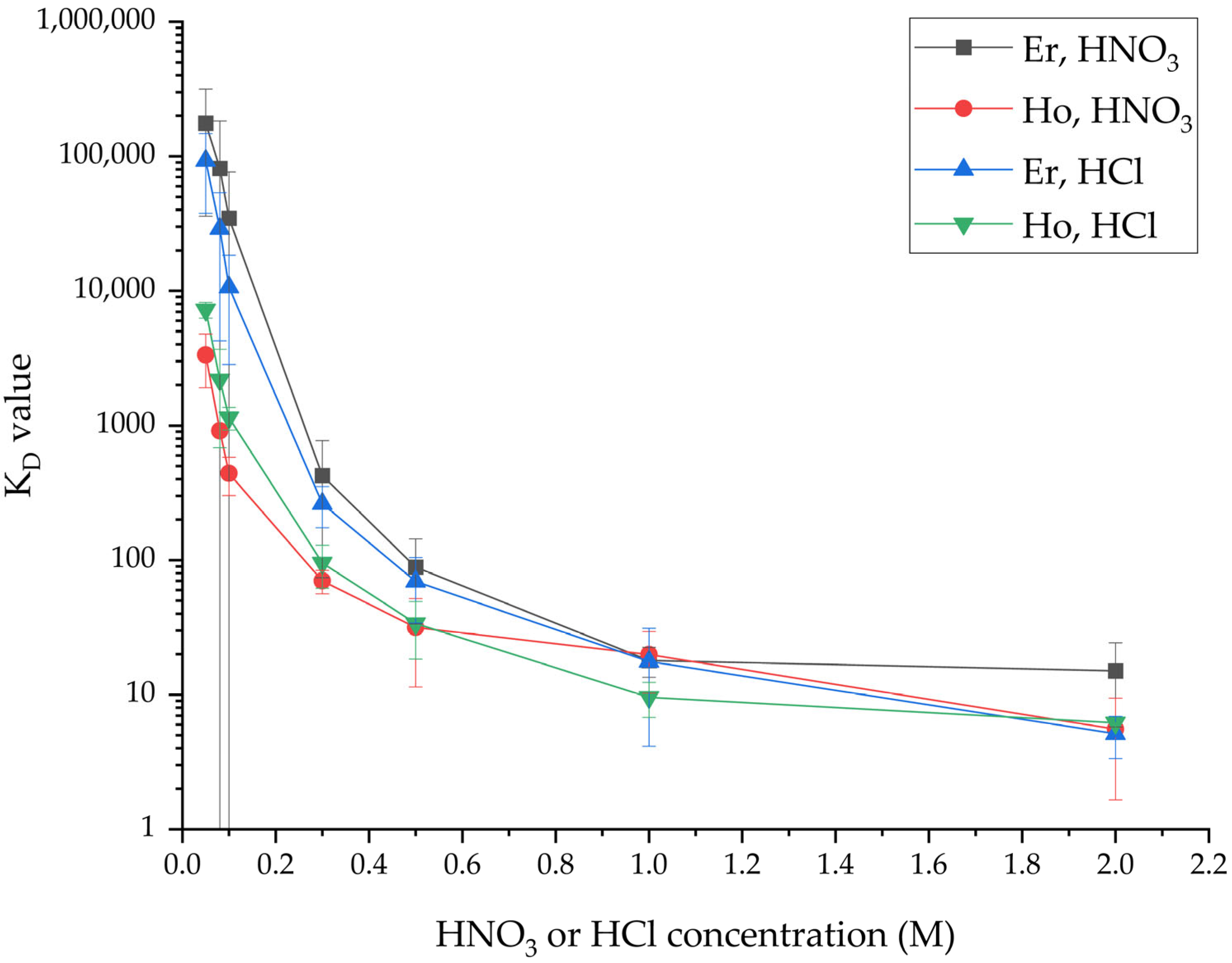
The distribution coefficients (
KD) at different HCl and HNO
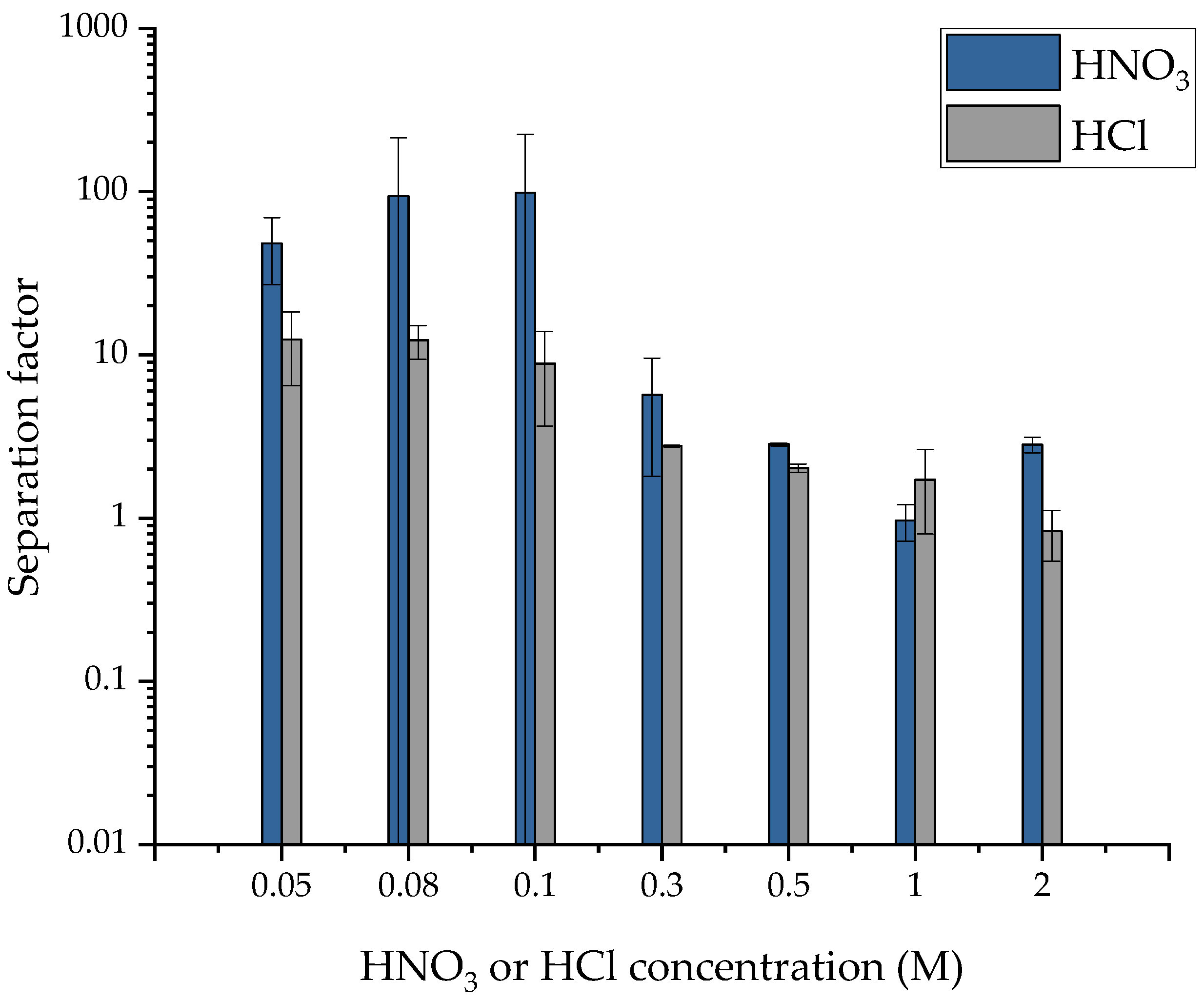
3 concentrations were measured to design the separation procedure for Er/Ho with LN2 resin. The
KD values were measured by the batch method. Ten mL of solutions of different concentrations of HCl and HNO
3 (0.05, 0.08, 0.1, 0.3, 0.5, 1.0, and 2 M) containing Er or Ho (1–2 mg) were mixed with 0.1 g LN2 resin. The mixtures were shaken overnight, and the solution was separated from the resin. The resin was washed with 5 mL of the corresponding HCl or HNO
3 concentration and combined with the solution. The amount of Er or Ho in the solution was measured with ICP-OES. The resin was then washed with 15 mL 2 M HNO
3, and the amount of Er or Ho on the resin was measured by analyzing these fractions. The
KD values were calculated using Equation (3).
mwash of resin and mmobile phase are the mass of Er or Ho in the 2 M HNO3 wash fraction of the resin and in the mobile phase at equilibrium, which is the initial 10 mL of solution and the 5 mL rinse solution with the corresponding HCl or HNO3 concentration. w is the weight of dry resin (g), and V is the volume of the initial 10 mL solution (mL).
The separation factor (
α) was calculated from the
KD values with Equation (4).
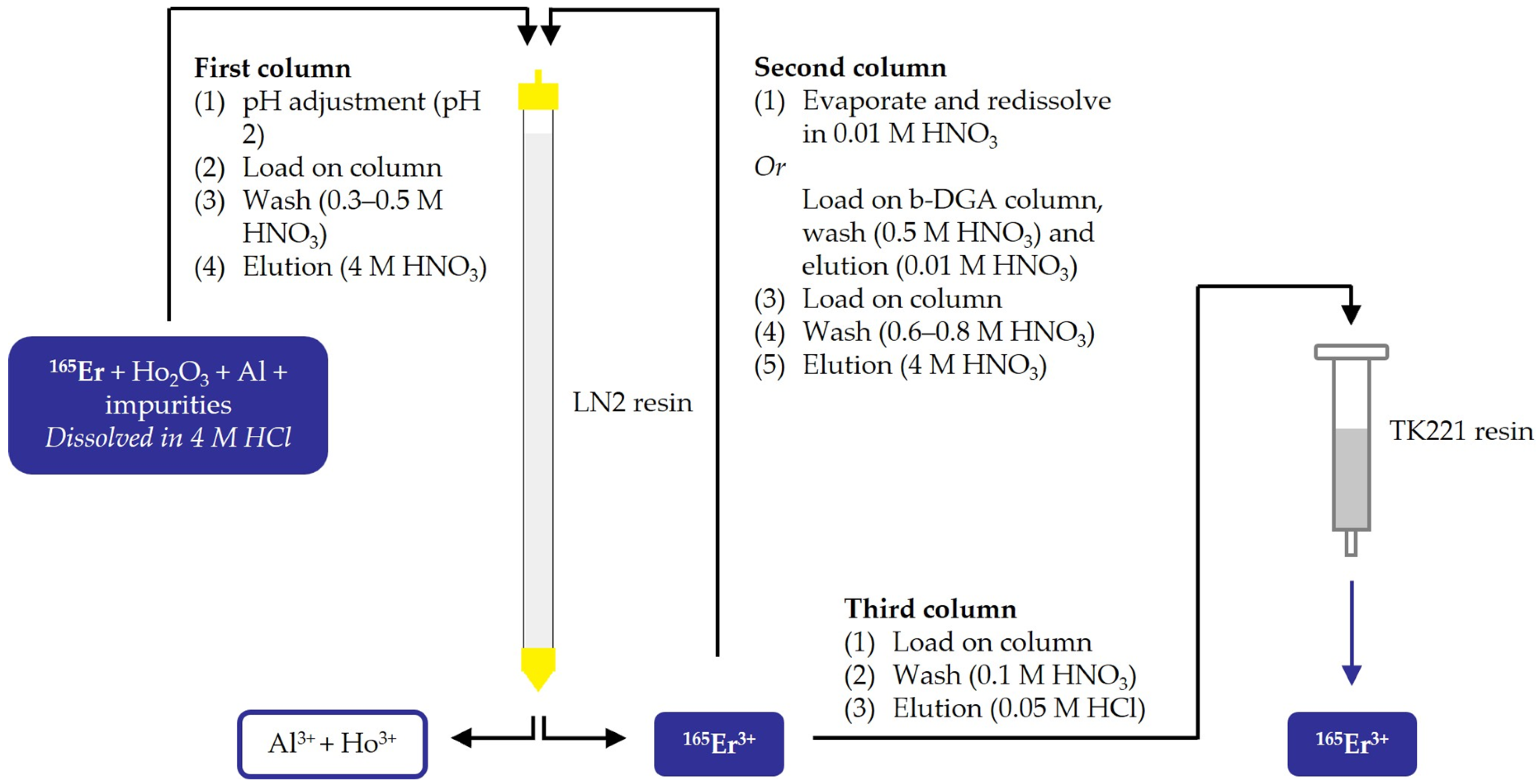
2.4. Full-Scale Separation Procedure
A 180 mg Ho
2O
3/Al (1/1
w/
w) target had a suitable thickness for the
165Er production. The target was dissolved in 6 mL of 4 M HCl at 60 °C. The pH of the solution was adjusted to 2 with 2 M NaOH (around 6 mL). Alternatively, the dissolved target material was evaporated to dryness at 130 °C under argon flow and redissolved in 3–5 mL 0.01 M HNO
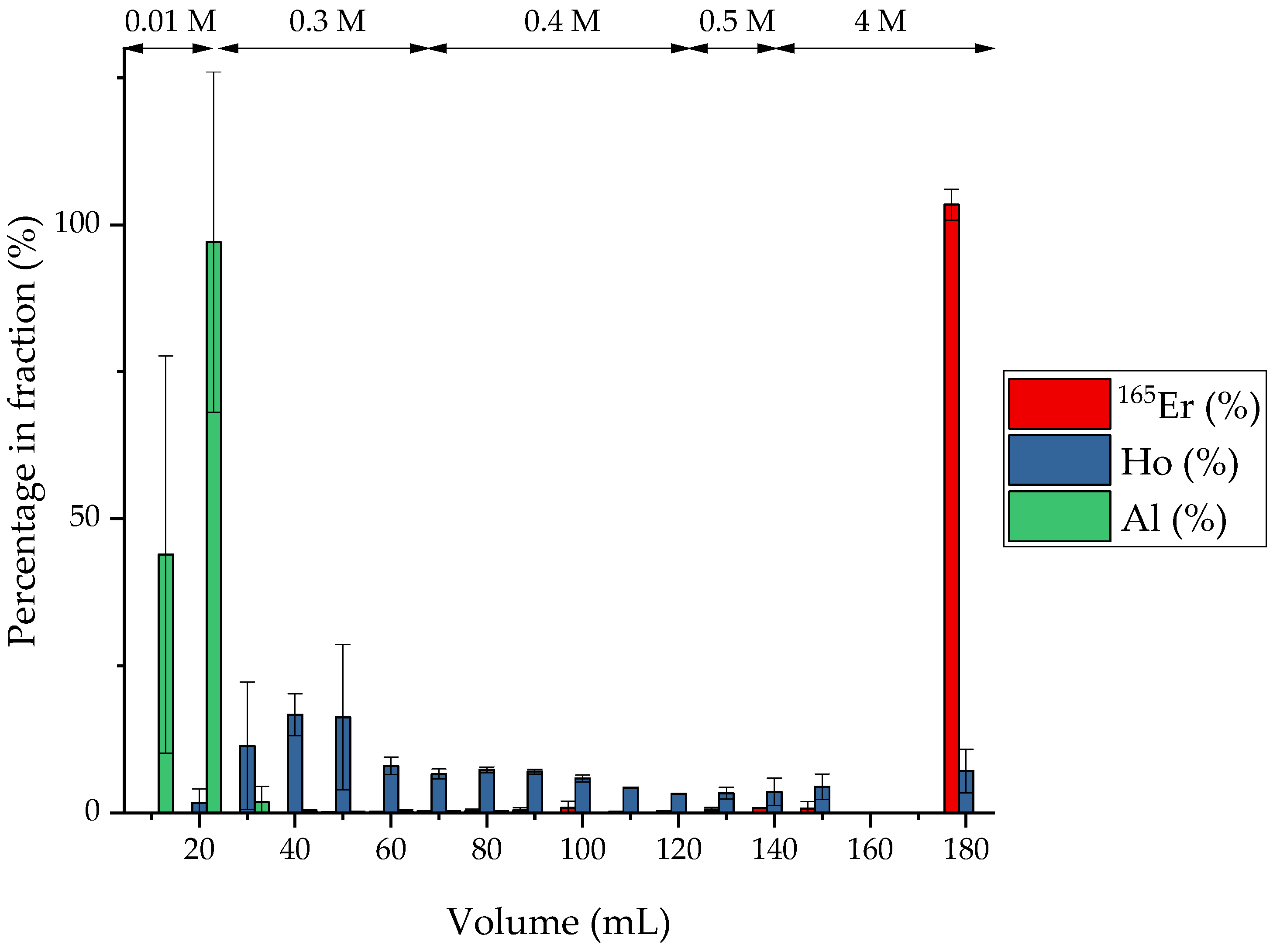
3. The solution was loaded on a 4 g LN2 column that was previously washed with 60 mL 4 M HNO
3 and conditioned with 120 mL 0.01 M HNO
3. The column was washed with 10 mL 0.01 M HNO
3, 40 mL 0.3 M HNO
3, 60 mL 0.4 M HNO
3, and 30 mL 0.5 M HNO
3.
165Er was eluted in 20–30 mL 4 M HNO
3. The column with LN2 resin could be regenerated with 60 mL 30% HCl, conditioned with 120 mL 0.01 M HNO
3, and reused. Before storing the column for a longer time, it was washed with 120 mL of water. The eluate containing
165Er was evaporated to dryness and redissolved in 3–5 mL 0.01 M HNO
3. Alternatively, the eluate was loaded on a column containing 1.2 g branched DGA (b-DGA) resin previously washed with 0.01 M HNO
3 and conditioned with 4 M HNO
3. The column was washed with 30 mL 0.5 M HNO
3, and
165Er and traces of Ho were eluted in 20 mL 0.01 M HNO
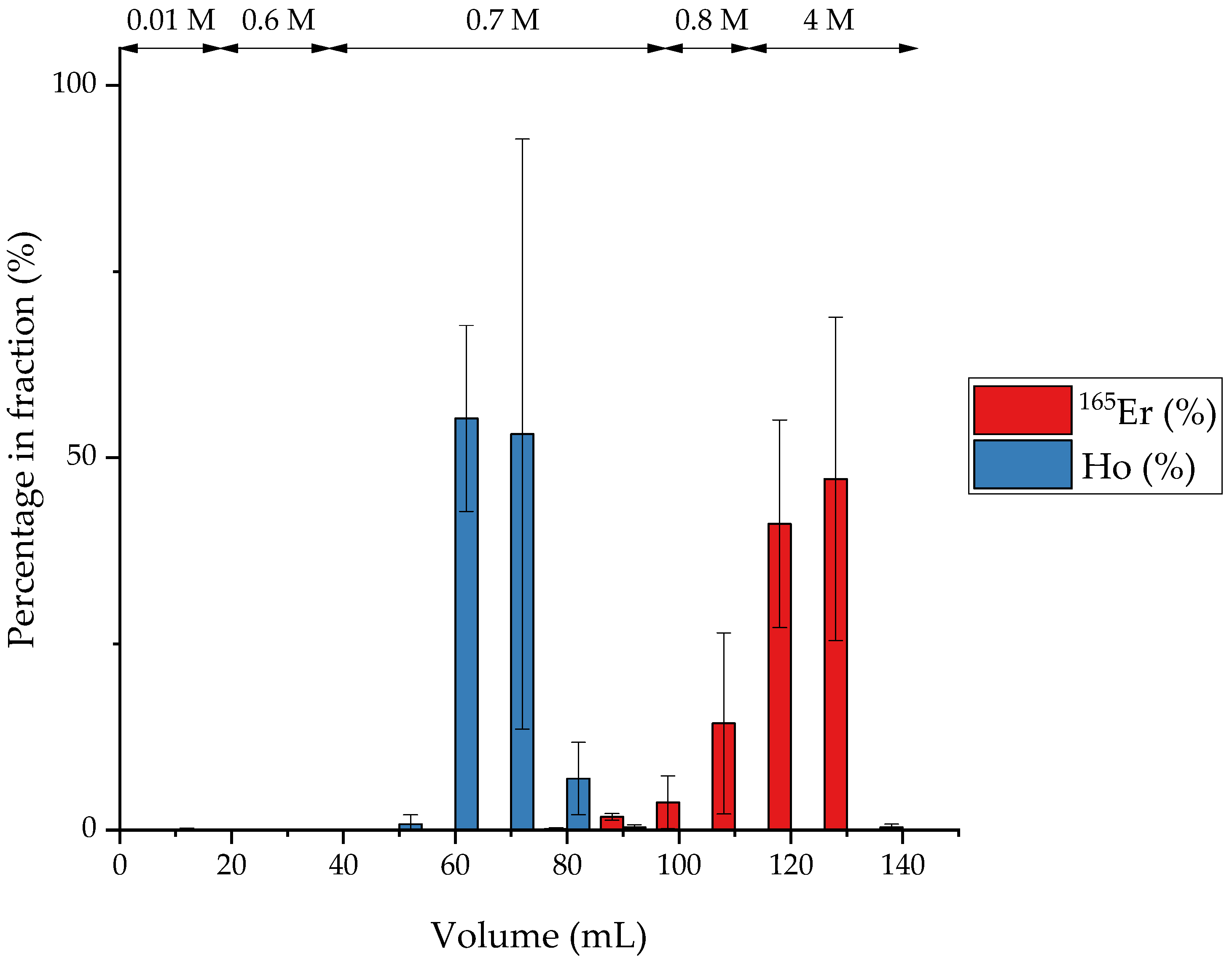
3. This solution was then loaded on a second 4 g LN2 column, which was washed with 4 M HNO
3 and conditioned with 0.01 M HNO
3. The column was then washed with 10 mL 0.01 M HNO
3, 20 mL 0.6 M HNO
3, 50–60 mL 0.7 M HNO
3, and 5–10 mL 0.8 M HNO
3.
165Er was eluted in 10–20 mL 4 M HNO
3. A column with 0.1 g of TK221 resin has previously been used to concentrate and change the acid concentration of
165Er solutions [
19]. The eluate from the second LN2 column was loaded directly on the TK221 column that had previously been washed with 10 mL 0.05 M HCl and conditioned with 10 mL 4 M HNO
3. The column was washed with 10 mL 0.1 M HNO
3. The
165Er was eluted in six 0.2 mL fractions with 0.05 M HCl.
The amount of Ho and Al in the different fractions was analyzed by ICP-OES. The separation factor for the dynamic separations using columns was calculated by Equation (5), where
mHo,before and
mHo,after are the mass of Ho before and after the separation, and
A165Er,before and
A165Er,after are the activity of
165Er before and after the separation.
2.5. Radiochemical Purity, Chemical Purity, and Effective Molar Activity Determination
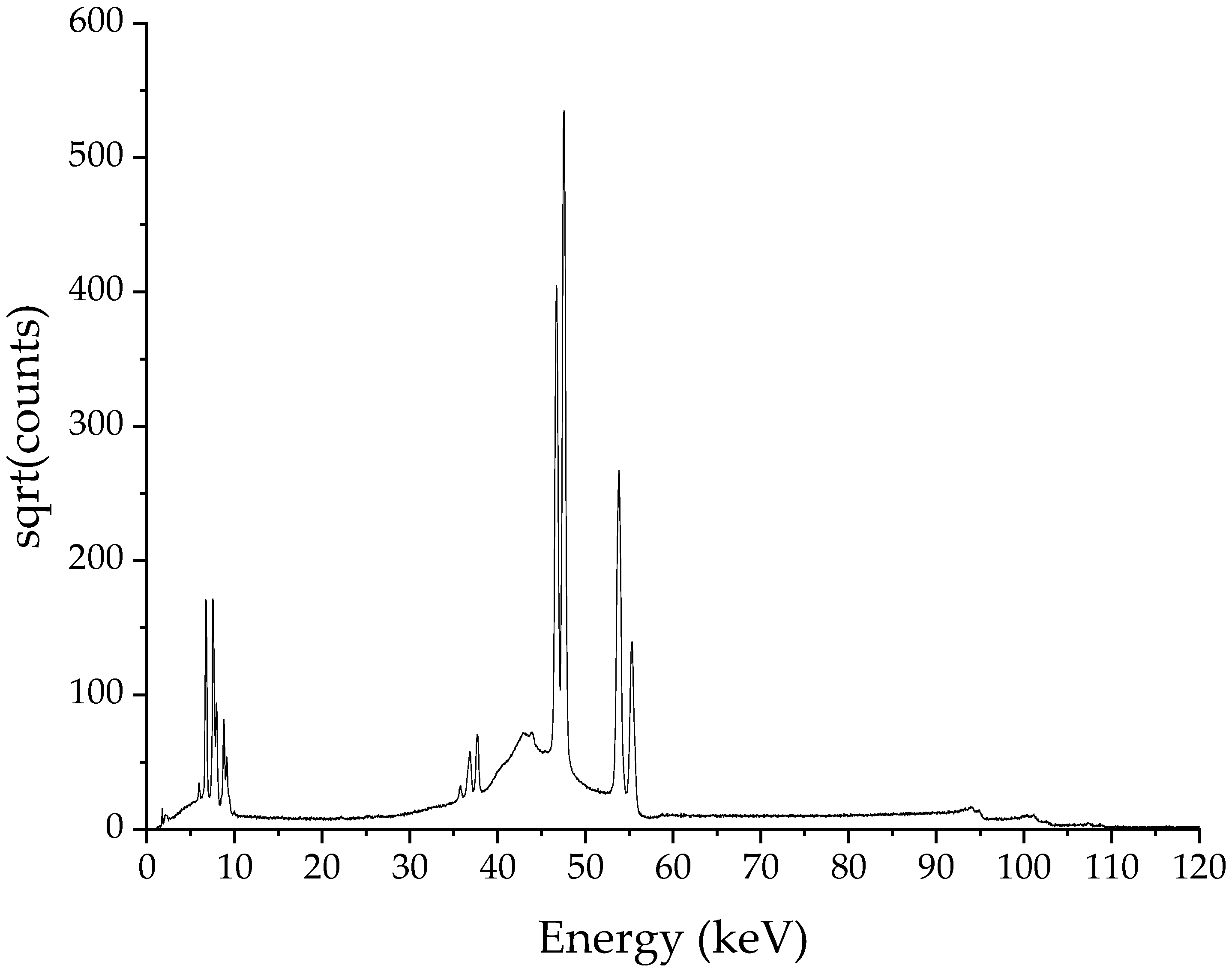
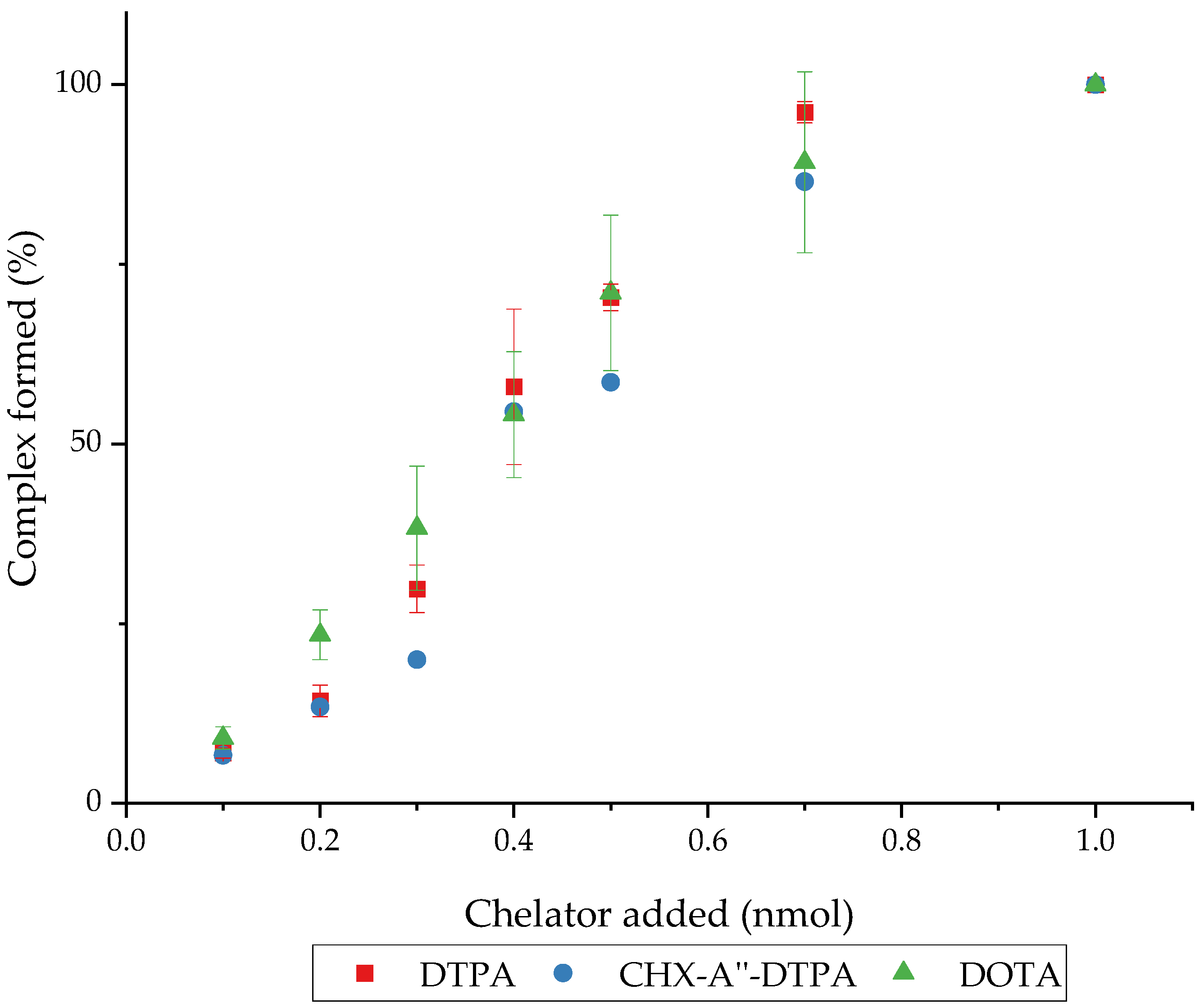
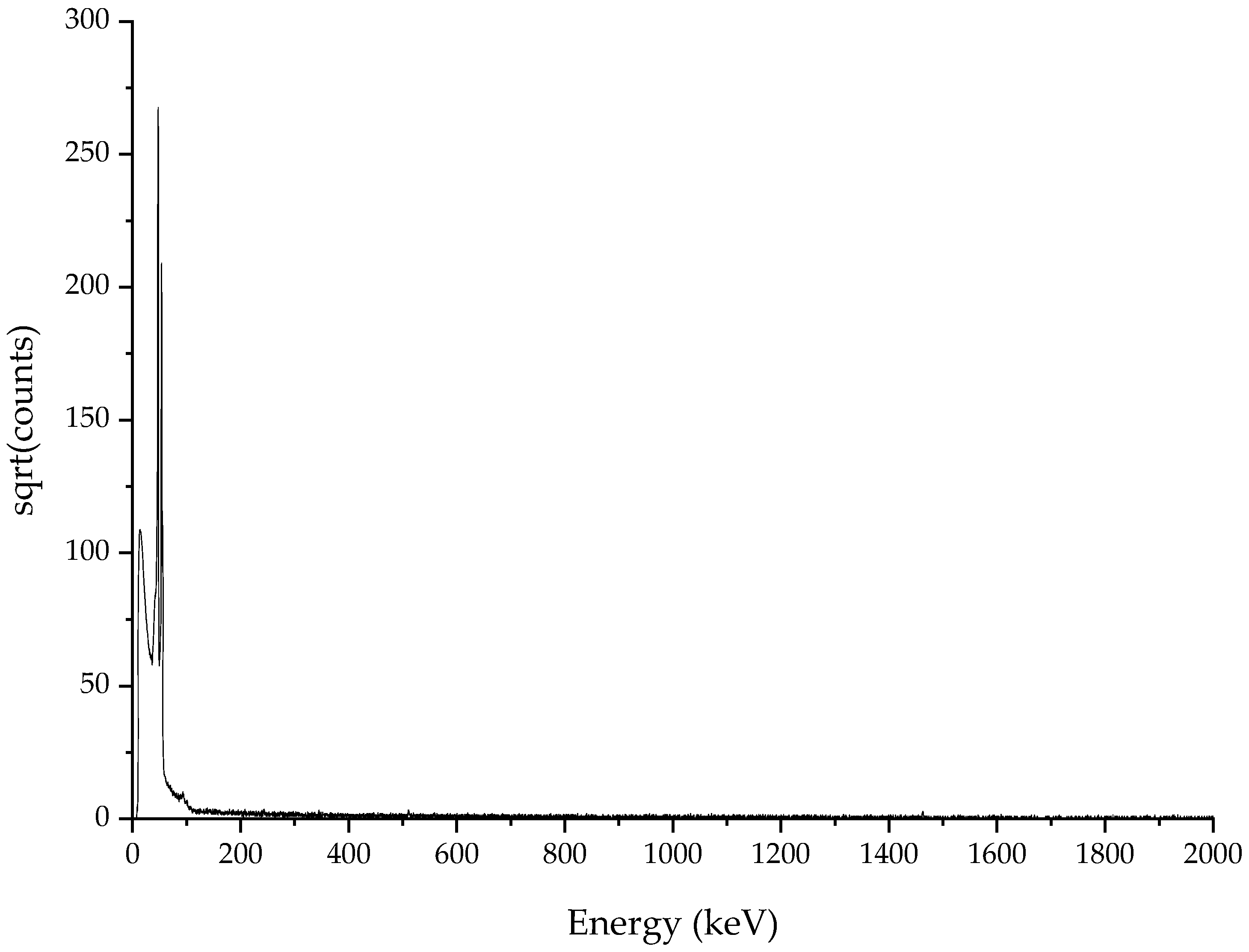
The samples were analyzed by X-ray spectrometry by spotting 10–50 µL of the samples on a piece of paper in a zip-lock plastic bag or by gamma spectrometry. The resolution of the two spectrometers was not sufficient to distinguish between all the emitted X-rays. For the X-ray spectrometry, 165Er was quantified from the 46.7, 47.5, and 55.3 keV lines, and the 53.6 and 53.9 keV lines were combined into one peak at 53.9 keV. For gamma spectrometry, the lines 46.7 and 47.5 keV were combined into one peak at 47.6 keV, and the 53.6 and 53.9 keV lines were also combined and found at 53.9 keV. The dose calibrator was mainly used to give a preliminary estimation of the activity. A calibration factor from a 165Er sample measured with the X-ray detector and the dose calibrator was applied. The calibration factor was 216 for samples in 10 mL glass vials. To determine the amount of stable metal impurities and the apparent molar activity, the samples were analyzed by ICP-OES. The samples were diluted in 1% HNO3 and analyzed against ICP-OES standards containing Er, Ho, Ag, Al, Ba, Ca, Cd, Co, Cr, Cu, Fe, Mg, Mn, Na, Ni, Pb, and Zn. The effective molar activity was measured for three different chelators: DOTA, DTPA, and CHX-A″-DTPA. Samples from the final formulation (10 µL, 14.9 MBq decay corrected to end of bombardment (EOB)) were combined with 230 µL 0.1 M ammonium acetate (pH 5–6) and increasing amounts of chelators (0.1 mM solutions) in 0.1 M ammonium acetate buffer (0.1, 0.2, 0.3, 0.4, 0.5, 0.7, and 1 nmol chelator). The samples containing DOTA were heated to 90 °C for 30 min, while the samples containing DTPA and CHX-A″-DTPA were left at room temperature for 30 min, and the reaction mixtures were spotted on normal phase TLC plates. A 50:50 methanol–water mixture of solvents containing 5% w/v ammonium acetate was used as the mobile phase. The Rf value was 0.4 for the 165Er-DOTA complex, 0.6 for the 165Er-DTPA complex, 0.7–0.8 for the 165Er-CHX-A″-DTPA complex, and 0 for non-chelated 165Er. The amount of metals in the samples was calculated by dividing the amount of added chelator by the ratio of the formed complex. The activity of the sample was divided by the amount of metals in the sample to determine the effective molar activity. Only samples showing 15–85% of complex formed were used for the calculation, as linearity was assumed in this region, and the average of these results was used for the effective molar activity calculation.
2.6. Serum Stability of 165Er Complexes
The stability of complexes prepared by mixing 150 µL of the final formulation (215.6 MBq 165Er decay corrected to EOB) and 15–50 µL of each ligand (DOTA, DTPA, and CHX-A′′-DTPA) solution (1.0 mM in acetate buffer 0.1 M, 15–50 nmol) and 100–150 µL 0.1 M ammonium acetate was evaluated. Full complexation was not seen with one of the samples containing CHX-A″-DTPA, so an additional 15 µL of CHX-A″-DTPA solution was added (30 nmol CHX-A″-DTPA in total), and the sample was heated to 90 °C for 30 min. After confirmation that full complexation was achieved by TLC analysis, 60–80 µL samples were mixed with mouse serum 420–540 µL and incubated for 27–28 h at 37 °C. The mixtures were analyzed by TLC after 0, 1, 3–4, 20–22, and 27–28 h using the same conditions as described in the previous section.
4. Discussion
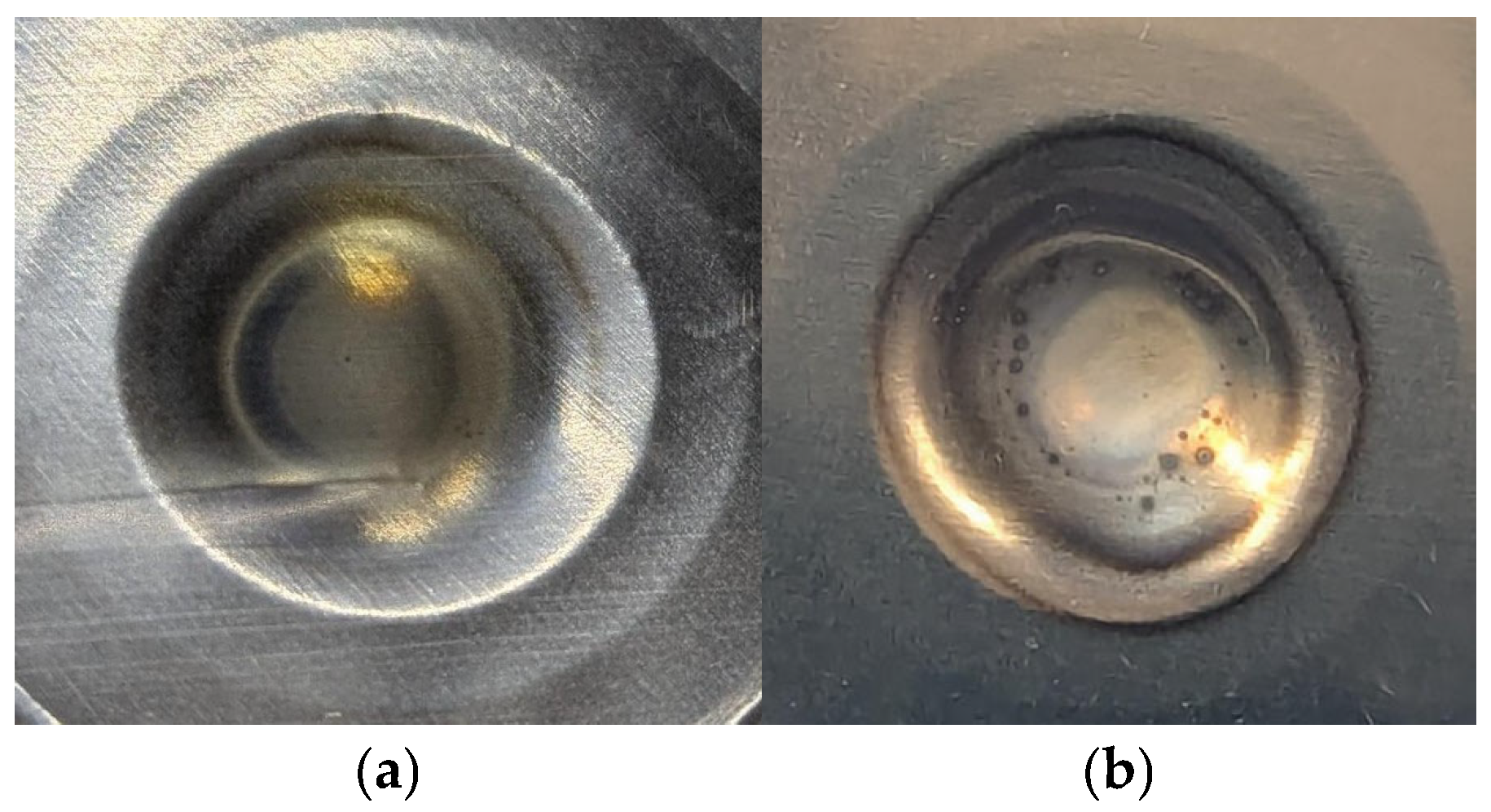
The use of pressed Ho2O3:Al cyclotron targets was suitable for 165Er production. The addition of Al powder to the Ho2O3 target material ensured high robustness and reliability of the target, even though the production yield was compromised. The higher beam current tolerance compensated for this effect, since the current could be increased 4–4.5 times. Due to the limited data available for pressed mixed powder targets, we performed calculations using the numerical solution of the heat transport equations for the target geometry and an estimated thermal conductivity to predict the maximal beam current tolerance of the Ho2O3:Al 1:1 (w/w) target. The calculations gave a beneficial indication and could also be helpful for the further development of pressed powder targets. The quantification of 165Er came with some difficulties due to the absence of γ-ray emission. Small samples spotted on pieces of paper in plastic bags were used for the quantification to simulate point sources and limit absorption of the low-energy X-rays. The resolution on the detectors was not sufficient to resolve all the emitted X-rays, but an acceptable agreement between the different X-ray lines was achieved by combining some of the lines.
The rather low cross-section of the reaction
natHo(p,n)
165Er poses challenges for the scalability of
165Er production on a medical cyclotron. However, the production of radionuclides by irradiation on medical cyclotrons has two advantages: First, competing nuclear reactions leading to the production of multiple radionuclides of the same element can usually be avoided. Second, in comparison to facilities running high-energy beams, there is a larger number of medical cyclotrons available. They offer a reliable and regular supply of the desired radionuclide, as well as shorter transportation times to the receiving medical facilities, which is especially important for radionuclides with half-lives shorter than a day. The half-life of
165Er is relatively short for application in therapy, making local processing and application preferable to obtain the highest possible molar activity. It is also important to apply radiopharmaceuticals with pharmacokinetics that match the half-life of
165Er to obtain high uptake and efficient clearance [
5]. The relatively short half-life of
165Er and the similar chemical properties of Er and Ho are challenges for the separation process, but the
165Er/Ho separation is possible with two LN2 resin columns, one b-DGA resin column, or an evaporation step and one small column containing TK221 resin. In cases where the final chemical purity of the
165Er can be compromised, a shorter purification procedure using, e.g., only one LN2 column could be considered. Higher purity can potentially be obtained by using additional LN2 resin columns, but large volumes (300–400 mL) of eluents are required due to the large amount of resin needed, and the acid concentration needs to be adjusted between the columns, which is time-consuming. We estimate to be limited to around 1 GBq of
165Er at EOP with the current procedure, which is expected to be sufficient for preclinical studies. Despite the challenging scalability and separation procedure,
165Er is highly relevant for studying the AE effect, since only X-rays are emitted together with the AEs. Furthermore, non-enriched target material can be used for production, and conventional chelators can easily be labeled with
165Er. The labeling of the three tested chelators, DOTA, DTPA, and CHX-A″-DTPA, with
165Er was efficient, with a high radiochemical purity and similar effective molar activity. The three
165Er complexes showed no degradation in mouse serum for up to 28 h, which enables the possibility of applying a large variety of radiotracers with one of the three chelators facilitating labeling both at room temperature and at elevated temperatures.





 ,
,