
Article

Effects of Dietary Lysophospholipids on Growth Performance, Hepatic Lipid Metabolism, Intestinal Health and Dietary Lipid Levels of Largemouth Bass (Micropterus salmoides)

1
School of Life Sciences, Huzhou University, Erhuan Donglu 759, Huzhou 313000, China
2
National Local Joint Engineering Laboratory of Aquatic Animal Genetic Breeding and Nutrition, Erhuan Donglu 759, Huzhou 313000, China
3
Linyi Zhengnengliang Biological Co., Ltd., Linyi 276000, China
*
Author to whom correspondence should be addressed.
Fishes 2026, 11(4), 204; https://doi.org/10.3390/fishes11040204
Submission received: 20 January 2026 / Revised: 7 March 2026 / Accepted: 24 March 2026 / Published: 27 March 2026

Abstract

This study investigated the effects of dietary lysophospholipids on growth performance, hepatic lipid metabolism, intestinal health, and dietary lipid levels of largemouth bass. The 56-day experiment included five groups: CON (0% lysophospholipids), LL50 (0.05% lysophospholipids), LP50 (0.05% lysophospholipids—0.5% oil), LP100 (0.1% lysophospholipids—1.0% oil), and LP200 (0.1% lysophospholipids—2.0% oil), with 3 replicates (30 fish/replicate) per group. The results showed that compared with the CON group, dietary supplementation of 0.05% lysophospholipid had no significant effect on the growth performance of largemouth bass, but increased the crude protein content and decreased the crude lipid content in the whole body. An amount of 0.05% lysophospholipid improved hepatic lipid utilization efficiency. Specifically, this supplementation level promoted serum lipid transport (increased serum HDL-C content and decreased triglyceride and LDL-C contents), and enhanced hepatic lipid metabolism by regulating the expression of lipid metabolism-related genes (fas, hsl, and acc) and the levels of lipid metabolites (phosphatidylcholine and fatty acids), thereby reducing hepatic triglyceride content. In addition, 0.05% lysophospholipid improved intestinal health by increasing lipase activity and intestinal villus height, up-regulating the expression of the anti-inflammatory gene (tgf-β1) and tight junction protein genes (claudin-1, claudin-4, and zo-1), and down-regulating the expression of the pro-inflammatory gene (tnf-α). In terms of dietary lipid reduction, supplementation with 0.1% lysophospholipid allowed a 1% reduction in dietary lipid level without affecting the growth performance of largemouth bass, whereas at the same level of lysophospholipid supplementation, a 2% reduction in dietary lipid level resulted in decreased growth performance of largemouth bass. These findings provide theoretical support for the practical application of lysophospholipids, and demonstrate that reducing dietary lipid inclusion by adding lysophospholipids helps to reduce feed costs and improve aquaculture economic benefits.
Key Contribution: This study confirmed that the supplementation of 0.05% lysophospholipids in feed had no effect on the growth performance of largemouth bass, but could improve its hepatic lipid metabolism and intestinal health. In addition, the inclusion of 0.1% lysophospholipids in feed allowed a 1% reduction in dietary lipid level without impairing the growth performance of largemouth bass. Furthermore, this study provides comprehensive mechanistic insights, demonstrating that lysophospholipids, as a functional feed additive, can enhance lipid utilization in largemouth bass by improving hepatic lipid metabolism, thus offering novel insights for the development of more scientific and economical feed formulations for largemouth bass.

1. Introduction

Largemouth bass (Micropterus salmoides) is a significant commercial species. It is one of the most extensively farmed carnivorous fish worldwide and occupies a particularly notable status in China’s aquaculture industry [1]. However, similar to most carnivorous freshwater fish species, the largemouth bass exhibits low efficiency in carbohydrate utilization, as studies demonstrate that carbohydrate-rich diets exert adverse impacts on their growth, antioxidant activity, as well as glucose metabolism [2]. Instead, this species tends to utilize proteins and lipids as its primary energy sources. Lipids have been widely used in aquatic feeds due to their high energy density and protein-sparing effects [3]. However, excessively high dietary lipid levels can induce hepatic oxidative stress and immunosuppression in turbot (Scophthalmus maximus) [4], and lead to hepatic lipid accumulation and ultrastructural damage to mitochondria, nuclei, and endoplasmic reticulum in blunt snout bream (Megalobrama amblycephala) [5]. Research shows that largemouth bass receiving high-fat diets (18% crude lipid) exhibit growth inhibition, lipid deposition in the body and liver, hepatic inflammatory damage, intestinal mucosal barrier dysfunction, intestinal inflammation, and microbiota dysbiosis [6,7]. However, excessively low dietary lipid content (3.3% or 8.2% crude lipid) decreases growth performance of largemouth bass [8]. The suitable dietary lipid level for largemouth bass is 12%, at which the fish exhibit a significantly higher weight gain rate compared to those fed an 8% dietary lipid level [9]. The growth performance, intestinal lipid digestion capacity, and hepatic lipid metabolism capacity of largemouth bass can be improved by functional feed additives (lysophospholipids) [10]. Phospholipids or lysophospholipids are usually used to boost fishes’ lipid utilization efficiency [11].
Lysophospholipids are derivatives of phospholipids, primarily generated by the hydrolysis of phospholipids catalyzed by phospholipase A2 [12]. Compared to phospholipids, lysophospholipids lack one hydrophobic fatty acid chain, resulting in increased hydrophilicity [13]. Lysophospholipids possess a stronger hydrophilic-lipophilic balance (HLB) and are more suitable as oil-in-water (O/W) emulsifiers than phospholipids, which aids in lipid emulsification and absorption [14]. The HLB value of lysophospholipids is two and a half times that of phospholipids [15]. Enhanced O/W emulsification capacity enables lysophospholipids to lower the critical micelle concentration of hydrophilic mixed micelles during digestion, thereby improving the efficiency of lipid digestion and transport in animals [16]. Existing studies demonstrate that dietary lysophospholipids increase intestinal villus height and width in black seabream (Acanthopagrus schlegelii) fed a high-fat diet, improving intestinal lipid digestion and absorption capacity [17]. Furthermore, 0.1% lysophospholipids supplementation downregulates hepatic lipogenic gene expression and upregulates lipolytic gene expression in hybrid grouper (♀ Epinephelus fuscoguttatus × ♂ Epinephelus lanceolatus) fed a high-lipid diet, alleviating excessive hepatic lipid deposition and enhancing lipid metabolic capacity [18]. Additional research has found that lysophospholipids can improve the antioxidant and immune capacity of Litopenaeus vannamei [19]. Lysophospholipids can significantly enhance the gastrointestinal lipase activity and body protein levels in channel catfish (Ictalurus punctatus), while simultaneously decreasing the feed conversion rate and reducing lipid accumulation in the fish body and hepatic tissue [20].
Although previous studies have confirmed that lysophospholipids exert positive effects on lipid utilization in various fish species (including largemouth bass), existing research on largemouth bass has not yet conducted in-depth investigations at the metabolite level, nor explored whether lysophospholipids can reduce dietary lipid levels by improving lipid utilization, thereby lowering feed costs and enhancing aquaculture economic benefits [10,11,21]. The present study aims to investigate the effects of dietary supplementation with lysophospholipids on the growth performance, hepatic lipid metabolism, and intestinal health of largemouth bass, explain the mechanism by which lysophospholipids regulate hepatic lipid metabolism in this fish species through gene expression and metabolite levels, and evaluate whether lysophospholipids can reduce the dietary lipid level without affecting the normal growth of largemouth bass.

2. Materials and Methods

2.1. Experimental Diets

Five isonitrogenous diets (44% crude protein, Table 1) were designed for this experiment. The CON group had a lipid content of 10.20%. Based on the CON group, the LL50 group had 0.05% lysophospholipids; the LP50 group had 0.05% lysophospholipids and reduced 0.50% oil; the LP100 group had 0.1% lysophospholipids and reduced 1.0% oil; and the LP200 group had 0.1% lysophospholipids and reduced 2.0% oil. All feed raw materials were crushed and passed through a 60-mesh sieve. The raw materials for each group were evenly mixed according to the experimental formula. Next, oil and an appropriate amount of water were added, and the mixture was thoroughly stirred until homogenized. After that, it was processed into feed pellets with a radius of 0.75 mm. The pellets were dried at 40 °C for 24 h, then naturally cooled to room temperature, and stored at −20 °C for subsequent experiments.

2.2. Feeding Experiments

The experiment was conducted in the recirculating aquaculture system of Huzhou University (Huzhou, China). The culture tanks used in this recirculating aquaculture system are cylindrical polyethylene tanks with a radius of 0.54 m and a total height of 1.2 m. During actual farming, the water level in each tank is maintained at 1 m, and the circulating water flow rate is approximately 1.5 m3/h. Before the formal experiment, largemouth bass sourced from Zhengda Aquatic (Huzhou, China) were acclimated to both the aquaculture environment and the specified feeding standards for 2 weeks by feeding the CON diet. Then, healthy largemouth bass (10.71 ± 0.30 g, n = 450) were selected and randomly distributed into 5 treatment groups, with each group consisting of 3 tanks and 30 individuals per tank. Fish were manually fed twice daily (08:00 and 17:00) to satiation. During the experiment, fifty percent of the water was changed daily, and fish feces were cleaned out to maintain water cleanliness; the water quality parameters were maintained as follows: water temperature (28–33 °C), dissolved oxygen (concentration ≥ 7 mg/L), and ammonia nitrogen and nitrite (concentration ≤ 0.1 mg/L). The photoperiod followed the natural cycle. The experiment lasted for 56 days.

2.3. Sample Collection and Growth Performance

At the end of the 8-week feeding experiment, the fish in each tank were weighed and counted, and the total feed consumption of each tank was recorded. Subsequently, 4 fish per tank and 12 fish per treatment were randomly selected. These fish were anesthetized with eugenol (18–20 mg/L); their body length and weight were measured. The anesthetized fish were then placed on an ice tray, and blood samples were collected via caudal vein puncture with a 1.5 mL syringe. Thereafter, the fish were dissected along the abdominal midline with a sterile scalpel, and the visceral mass was separated and weighed. The liver and foregut were dissected from the visceral mass and weighed separately. A portion of the intestinal tissue was fixed in 4% paraformaldehyde for hematoxylin and eosin (H&E) staining and section preparation, while the remaining intestinal tissue and liver were stored at −80 °C for subsequent biochemical analyses.
The calculation of growth performance indicators are as follows:
Survival rate (SR, %) = 100 × N(f)/N(i);
Weight gain (WG, %) = 100 × (W(f) − W(i))/W(i);
Specific growth rate (SGR, %/d) = 100 × [ln (W(f)) − ln (W(i))]/D;
Feed conversion ratio (FCR) = F/(W(f) − W(i));
Feed intake rate (FI, %/d) = 100 × F/[D × (W(f) + W(i))/2];
Condition factor (CF, g/cm3) = 100 × W/L3;
Viscerosomatic index (VSI, %) = 100 × (W(v)/W);
Hepatosomatic index (HSI, %) = 100 × (W(l)/W).
Abbreviations: N(f): final number of fish per tank; N(i): initial number of fish per tank; W(f): final average body weight; W(i): initial average body weight; D: days of feeding experiment; F: feed intake per fish; W(v): viscera weight; W(l): liver weight; L: body length; W: body weight.

2.4. Determination of Body Composition

Additionally, 3 fish were randomly collected from each tank, with a total of 9 fish per group. The contents of moisture, crude protein, crude lipid, and ash in feed and whole fish were determined in accordance with the standard methods of AOAC [22]. Moisture content was determined by drying the sample at 105 °C for 8 h until its weight remained constant (method 930.15). Crude protein content was quantified via the Kjeldahl method (method 988.05). Crude lipid content was quantified via ether extraction employing a Soxhlet extractor (method 920.39). Ash content was determined by combusting the sample in a muffle furnace at 550 °C for 6 h until it reached a constant weight (method 942.05).

2.5. Measurement of Serum Biochemical Indicators

After being stored at 4 °C for 12 h, blood samples were centrifuged (3500 rpm, 10 min, 4 °C) to isolate serum. Serum total cholesterol (total cholesterol, No. A111-1-1), triglyceride (triglyceride, No. A110-1-1), high-density lipoprotein cholesterol (HDL-C, No. A112-1-1) and low-density lipoprotein cholesterol (LDL-C, No. A113-1-1) were measured using kits from Nanjing Jiancheng Bioengineering Institute (Nanjing, China). All procedures were performed according to the kit instructions.

2.6. Intestinal Slices

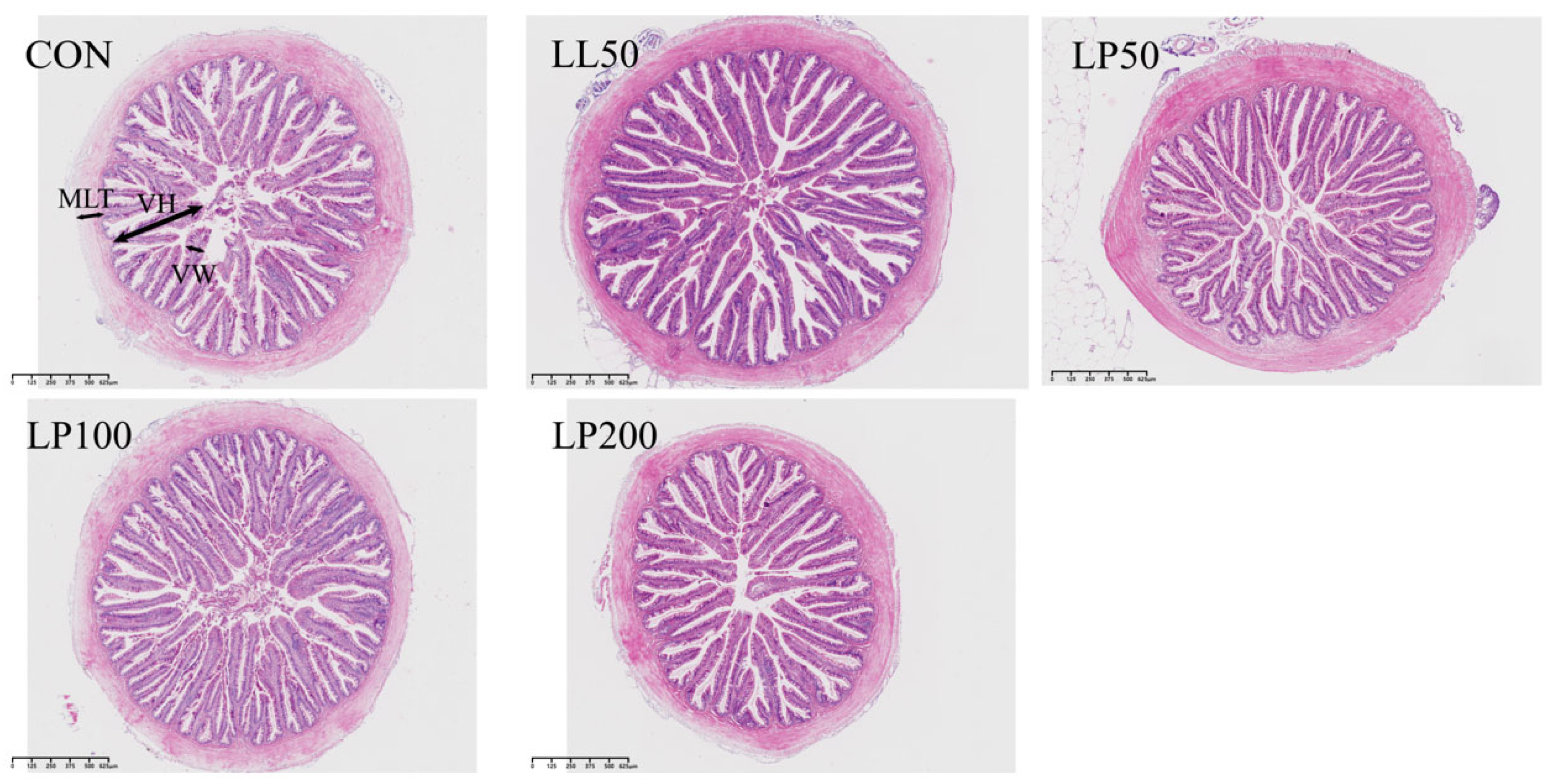
The paraformaldehyde-fixed foregut samples were submitted to Hangzhou Haoke Biotechnology Co., Ltd. (Hangzhou, China) for H&E section preparation and sample photography. The measurement software K-Viewer v.1.7.1.1 provided by the company was used to observe and measure intestinal villus height, villus width, and muscle layer thickness. Fifteen measurements were taken per intestinal section, with the average value considered as the specific measurement for that section.

2.7. Determination of Hepatic Triglyceride and Total Cholesterol Contents and Intestinal Digestive Enzymes Activity

Liver and foregut samples stored at −80 °C were taken out, accurately weighed on a balance, and phosphate buffered saline was added at a ratio of sample mass (g): solution volume (ml) = 1:9. After mechanical homogenization of the mixture, the centrifuge parameters were set with reference to the standard procedure for serum extraction. Then, supernatant was collected after centrifugation. Kits from Nanjing Jiancheng Bioengineering Institute were used to determine the triglyceride and total cholesterol level in the liver, and the activities of α-amylase (No. C016-1-2) and lipase (No. A054-2-1) of the foregut.

2.8. Determination of Expression of Liver Lipid Metabolism-Related Genes and Intestinal Health-Related Genes

Primer sequences (Table 2) were designed via the National Center for Biotechnology Information, and β-actin acted as the housekeeping gene for normalization. Liver and intestinal sample processing, total RNA extraction and quality verification, cDNA acquisition, and the setup and implementation of the quantitative RT-PCR protocol were all performed with reference to the method by Zheng et al. [23]. The 2−ΔΔCt method was employed to calculate the relative gene expression levels [24].

2.9. LC-MS/MS Non-Target Metabonomics

Liver samples from the CON and LL50 groups were subjected to metabolomic analysis by Shanghai Major Bio-Pharmaceutical Technology Co., Ltd. (Shanghai, China). After preprocessing to remove impurities and extract metabolites, the samples were analyzed by LC-MS in both positive (pos) and negative (neg) ionization modes to acquire MS and MS/MS spectral data. Metabolite annotation and data preprocessing were performed using Progenesis QI software v.3.0, generating a final metabolite list and data matrix. By applying unsupervised principal component analysis (PCA) to the preprocessed data matrix, the overall distribution among samples and the dispersion between groups were examined. This was followed by supervised orthogonal projections to latent structures-discriminant analysis (OPLS-DA) to discriminate global metabolic profiles across groups and identify between-group differential metabolites. Significantly differential metabolites were screened by applying Student’s t-test (p < 0.05) and variable importance in projection (VIP) values (VIP > 1 from OPLS-DA models). Further biological insights into these significant differential metabolites were explored through the human metabolome database (HMDB) classification and the Kyoto encyclopedia of genes and genomes (KEGG) pathway enrichment analysis.

2.10. Statistical Analysis

The normality of the data was assessed using the Shapiro-Wilk test. Prior to conducting one-way analysis of variance (ANOVA), homogeneity of variances was evaluated for all data. All experimental data were subjected to ANOVA using SPSS 26.0 software. Data were expressed as mean ± standard error (mean ± SE), and intergroup comparisons were performed using Duncan’s multiple range test, with a p < 0.05 considered statistically significant.

3. Results

3.1. Growth Performance

The effects of dietary lysophospholipids on growth performance of largemouth bass were shown in Table 3. No significant differences were observed in IBW, SR, CF, or HSI among all groups (p > 0.05), nor in FBW, WG, SGR, FI, FCR, or VSI among the CON, LL50, LP50, and LP100 groups (p > 0.05). LP200 had significantly lower FBW than CON, LL50, and LP100 (p < 0.05), along with significantly lower WG and SGR, and higher FCR, than all other groups (p < 0.05). Additionally, LP200’s FI was significantly higher than that of CON, LL50, and LP50 (p < 0.05), and its VSI was significantly lower than CON’s (p < 0.05).

3.2. Nutritional Composition

The effects of dietary lysophospholipids on whole fish nutritional composition of largemouth bass were shown in Table 4. Compared to the CON group, all other groups had significantly higher crude protein contents and significantly lower crude lipid contents (p < 0.05). No significant crude protein difference was found among LL50, LP50, LP100, and LP200 (p > 0.05). Crude lipid content in LP50 and LP200 was significantly lower than in LP100, while that in LP200 was significantly lower than in LP50 and LL50 (p < 0.05). Moisture and ash content did not differ significantly among all groups (p > 0.05).

3.3. Serum Biochemical Indexes

The effects of dietary lysophospholipids on serum biochemical indexes of largemouth bass were shown in Table 5. Serum triglyceride was significantly higher in CON than all other groups (p < 0.05), with LP200 also significantly lower than LL50 (p < 0.05). Serum HDL-C was significantly higher in LP100 than all other groups (p < 0.05), while LL50, LP50, and LP200 also had higher HDL-C than CON (p < 0.05). Serum LDL-C was significantly lower in LP50 than CON (p < 0.05), with no significant differences among LL50, LP100, LP200, and CON (p > 0.05). No significant difference in serum total cholesterol was observed in all groups (p > 0.05).

3.4. Liver Biochemical Indicators

The effects of lysophospholipids on the contents of triglyceride and total cholesterol in liver of largemouth bass were shown in Table 6. The liver triglyceride content in the CON group was significantly higher than other groups (p < 0.05). No significant difference in hepatic total cholesterol was observed in all groups (p > 0.05).

3.5. Liver Gene Expression

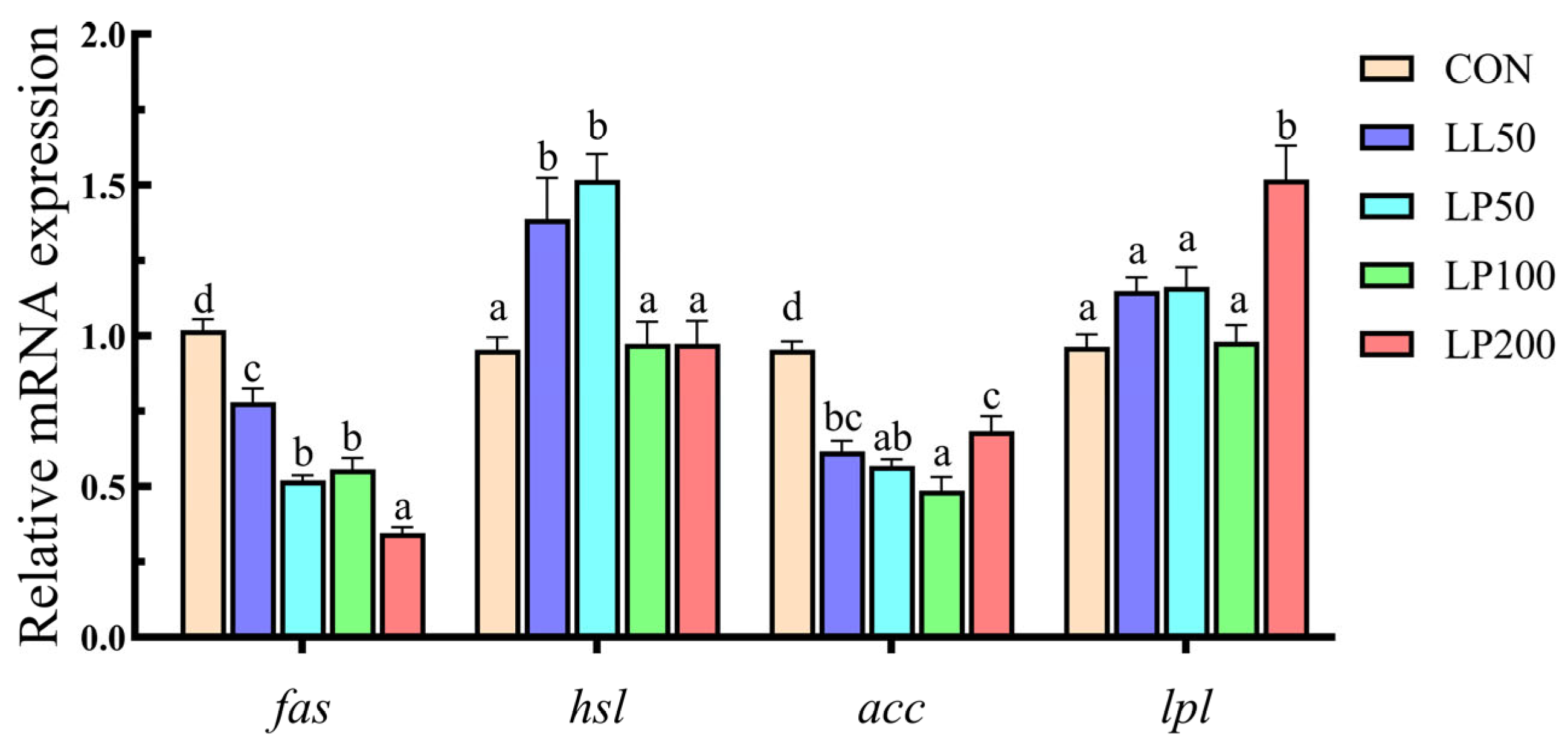
The mRNA expression of liver lipid metabolism-related genes was shown in Figure 1. Compared to CON, hepatic fatty acid synthetase (fas) and acetyl-CoA carboxylase (acc) were significantly downregulated in other groups (p < 0.05); additionally, hepatic fas was lower in LP200 than LL50, LP50, and LP100 (p < 0.05), and hepatic acc was lower in LP100 than LL50 and LP200 (p < 0.05). Hepatic hormone-sensitive triglyceride lipase (hsl) was significantly higher in LL50 and LP50 than CON, LP100, and LP200 (p < 0.05), while hepatic lipoprotein lipase (lpl) was significantly higher in LP200 than other groups (p < 0.05).

3.6. Liver LC-MS/MS Non-Targeted Metabolomics

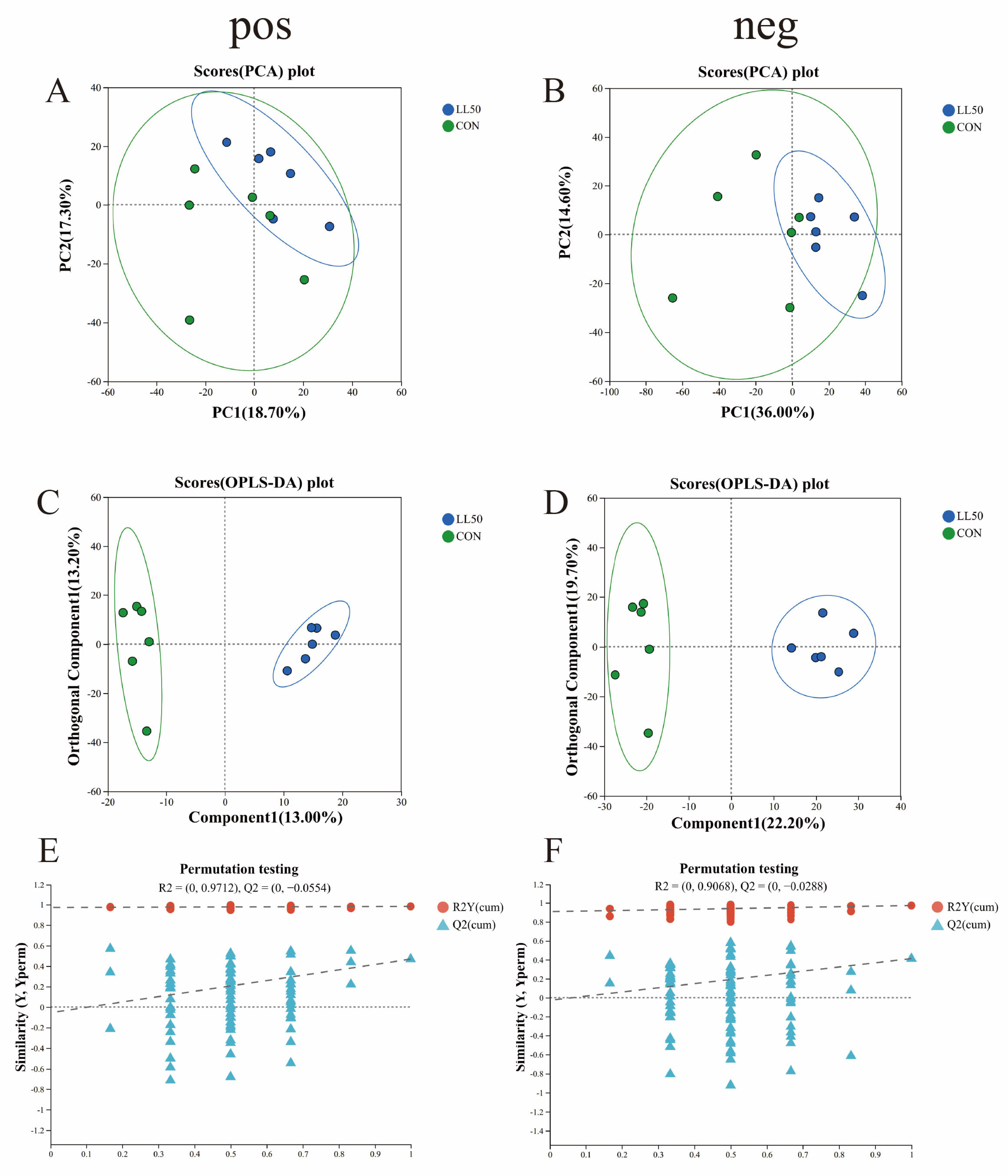
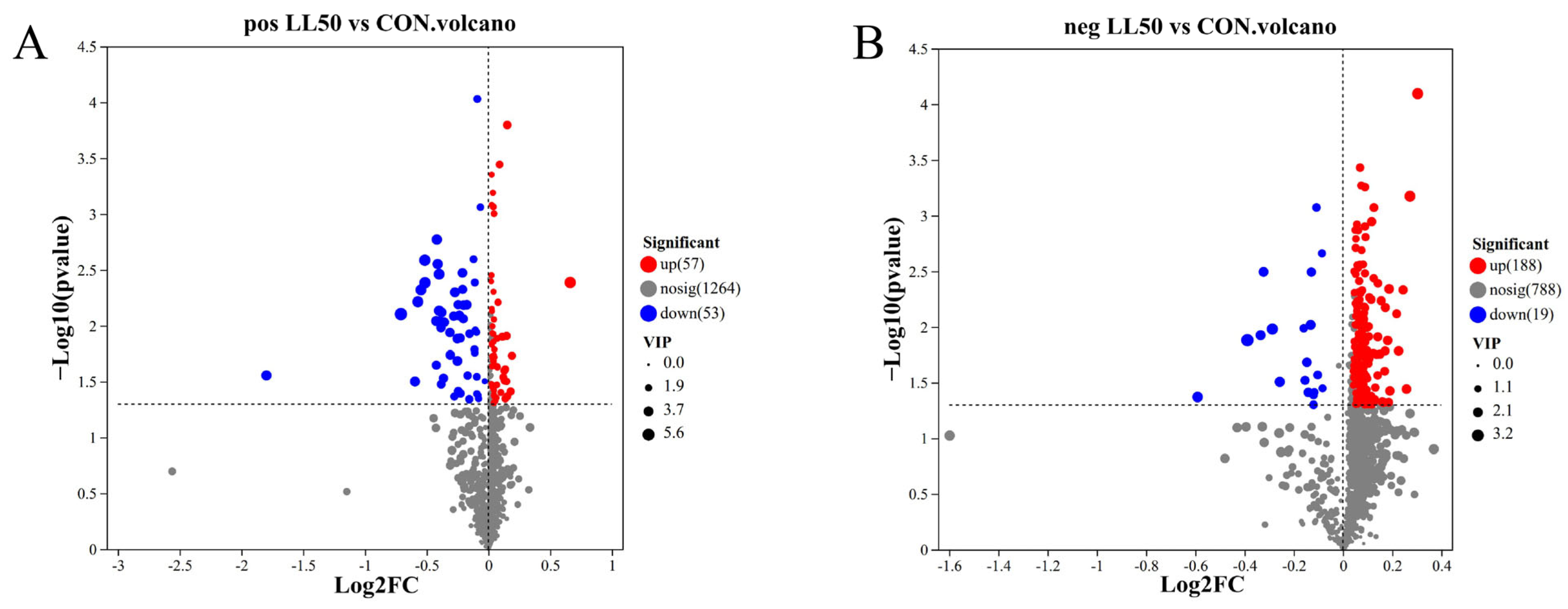
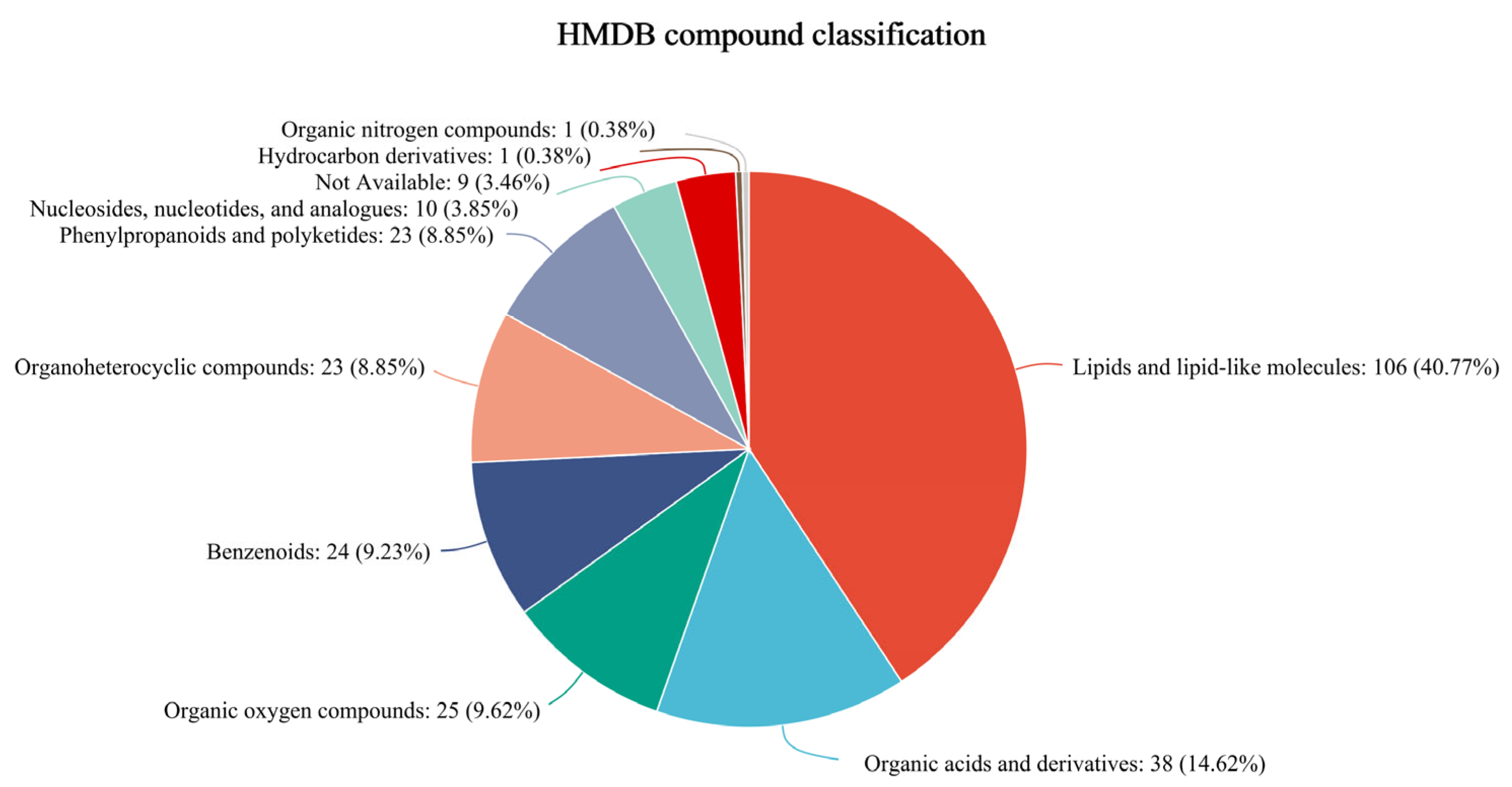
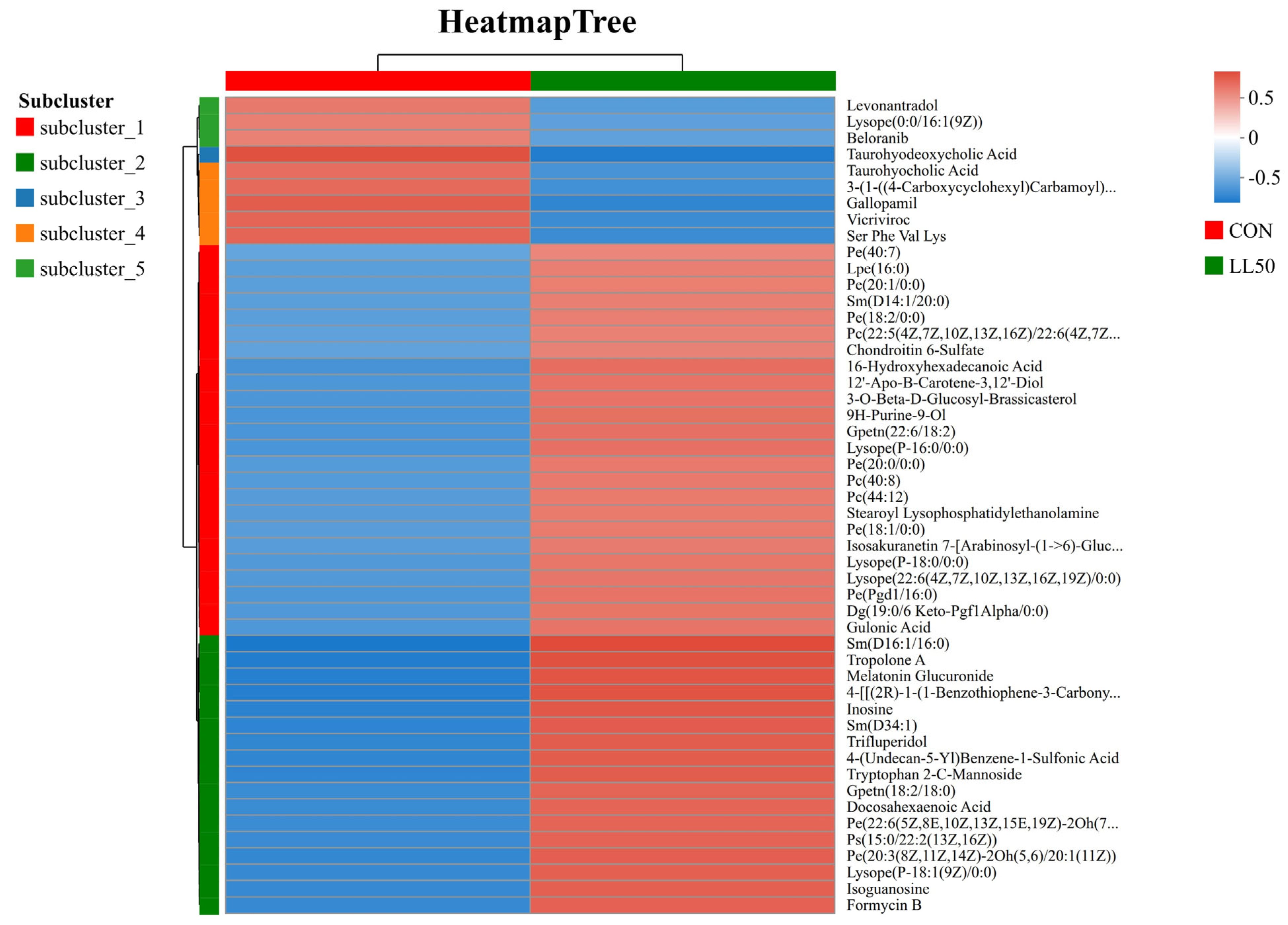
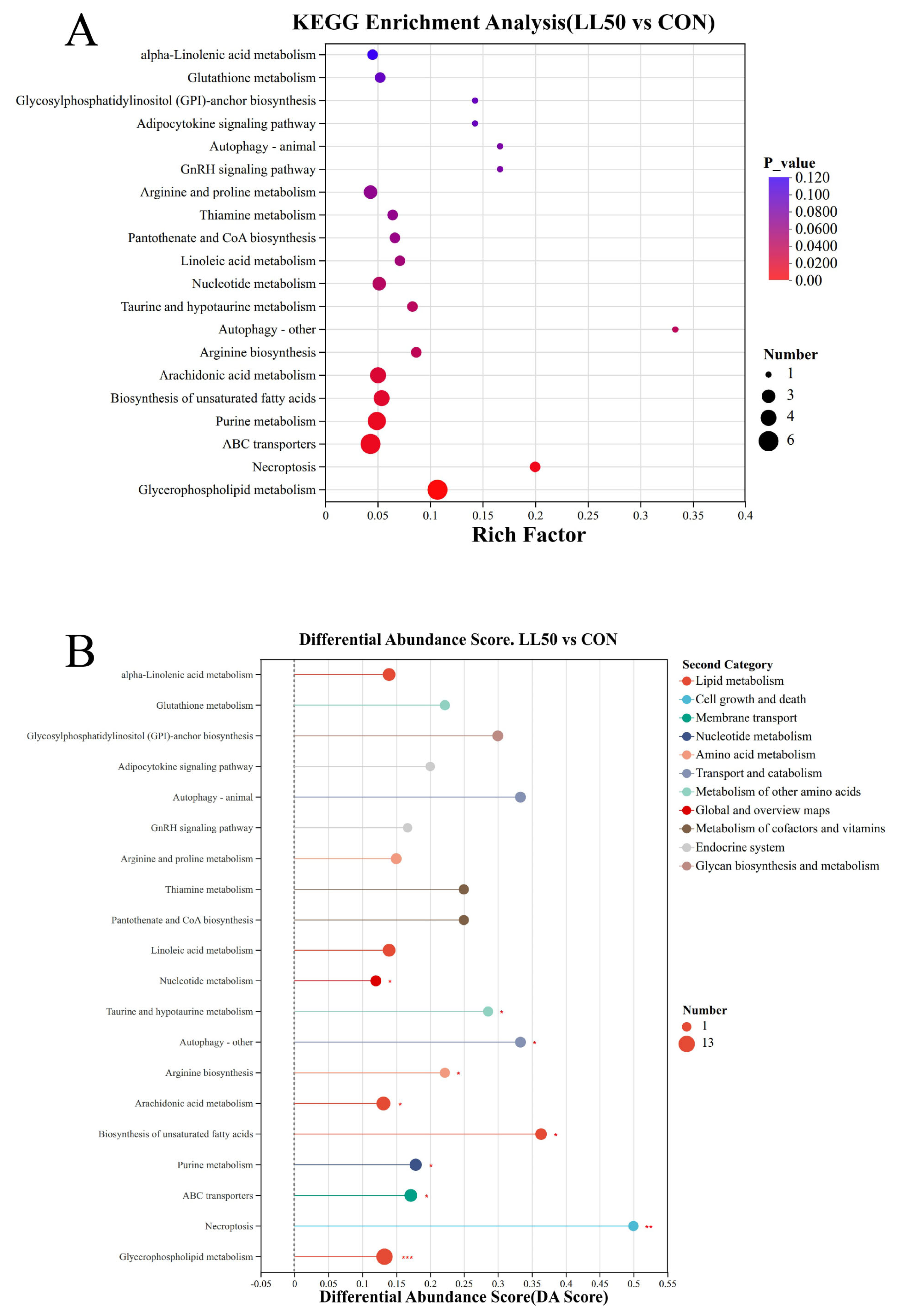
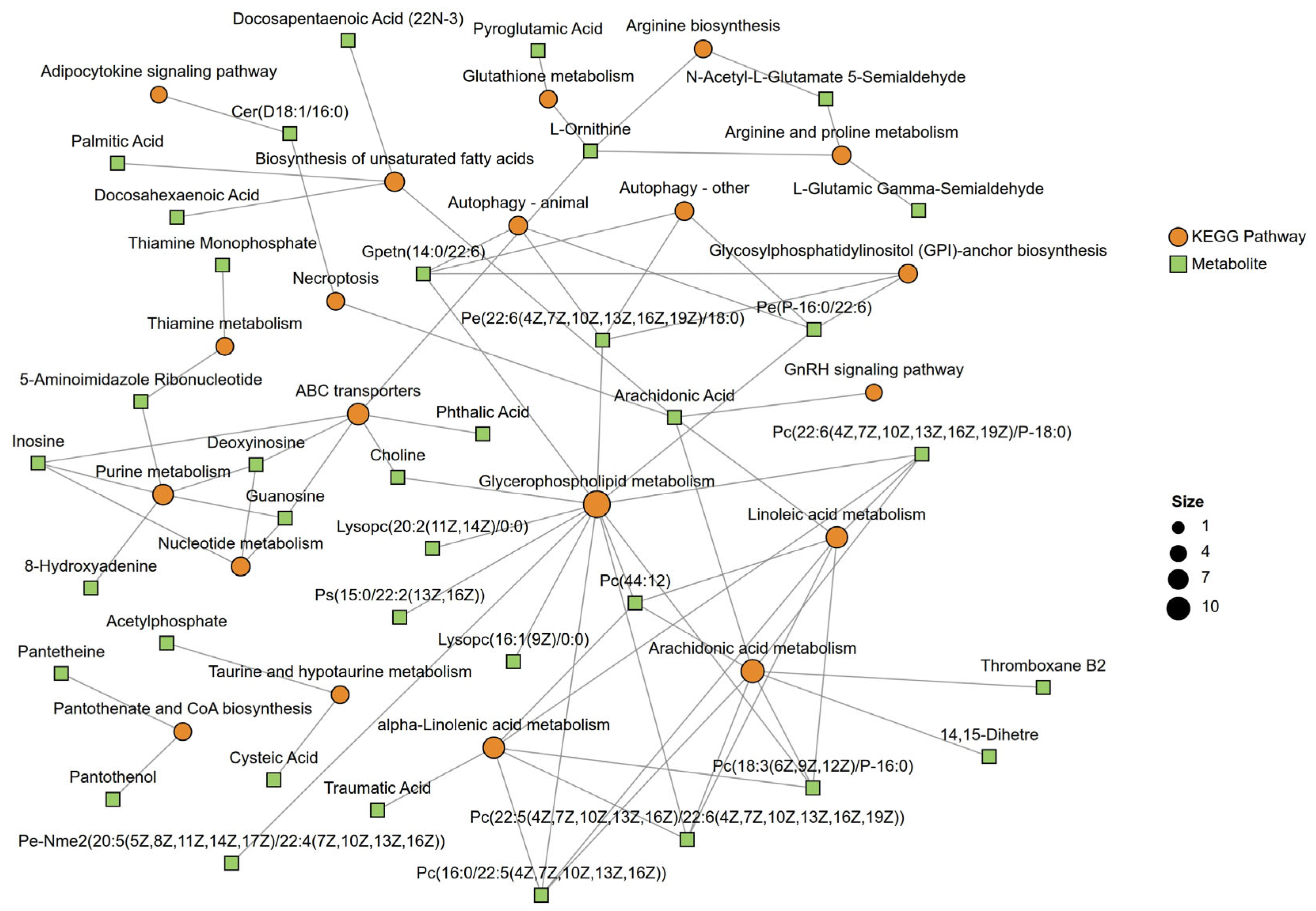
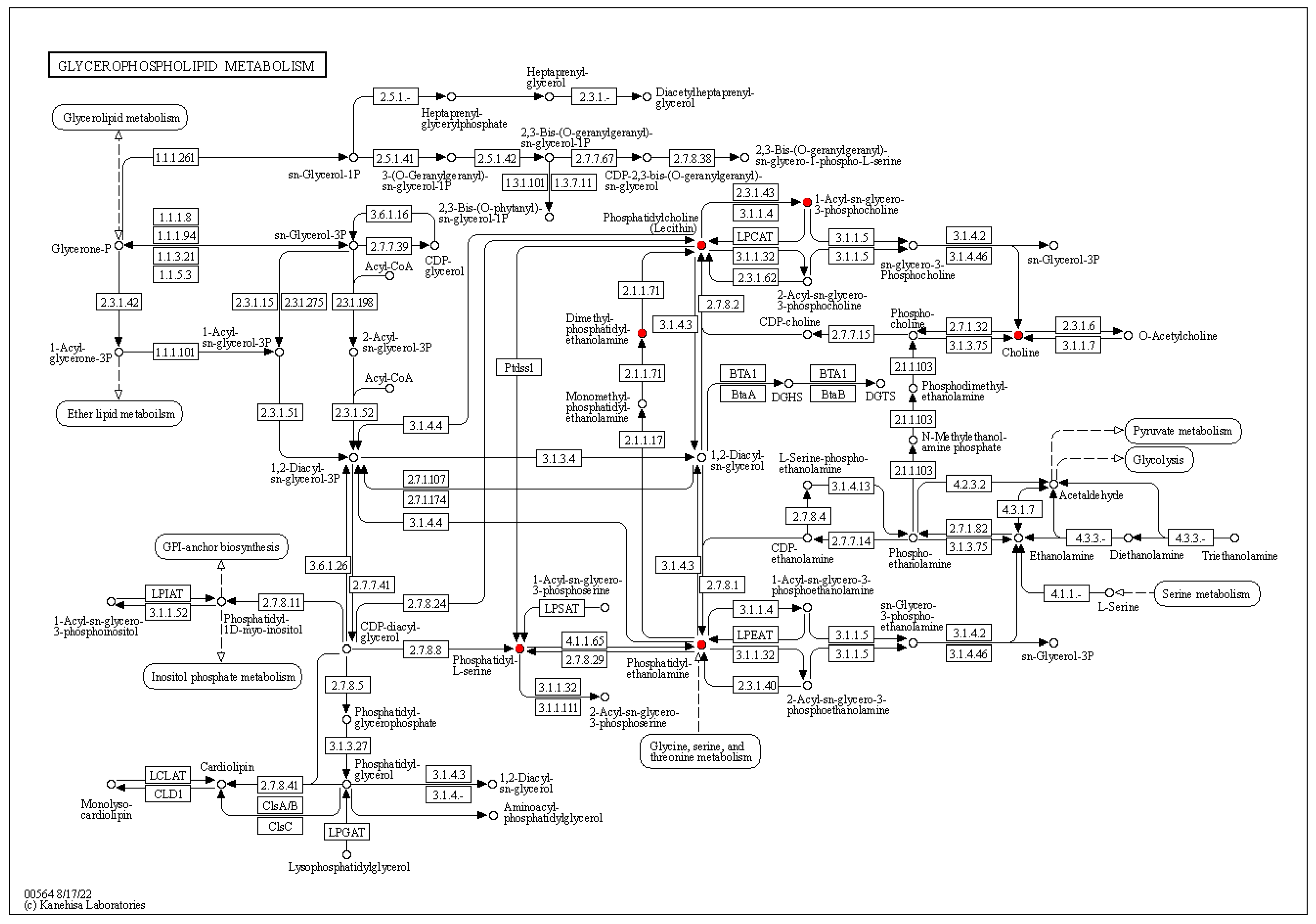
In the PCA (Figure 2A,B), samples from each group clustered together with no outliers exceeding the confidence ellipses, indicating high model reliability. Further analysis using OPLS-DA (Figure 2C,D) revealed distinct separation between the two groups. For the purpose of confirming the credibility of the findings, the OPLS-DA model underwent permutation testing with 100 iterations (Figure 2E,F). The Q2 regression line intercept was below zero, confirming the model was not overfit. The volcano plot of differentially abundant metabolites (VIP > 1 and p < 0.05) obtained from pos and neg mode in the CON and LL50 groups were shown in Figure 3. In mix (pos and neg) mode, there were 317 significantly differential metabolites between LL50 and CON groups. Among them, 245 metabolites were upregulated and 72 metabolites were downregulated in LL50. HMDB classification (Figure 4) was performed on the differential metabolites. The results showed that among all differential metabolites, lipids and lipid-like metabolites comprised 106 species, representing 40.77% of the total. Organic acids and derivatives comprised 38 species, representing 14.62% of the total. The heatmap tree in Figure 5 clearly shows the relative expression levels of the top 50 differential metabolites between the CON and LL50 groups. Multiple differential metabolites that are related to lipid metabolism are shown in Table 7. The KEGG pathway enrichment analysis (Figure 6A) demonstrated that these metabolites were significantly enriched in the following 10 pathways: glycerophospholipid metabolism, necroptosis, ABC transporters, purine metabolism, biosynthesis of unsaturated fatty acids, arachidonic acid metabolism, arginine biosynthesis, autophagy-other, taurine and hypotaurine metabolism, and nucleotide metabolism. Additionally, the KEGG pathway differential abundance score plot (Figure 6B) displayed that all these metabolic pathways were significantly upregulated. The KEGG pathway enrichment analysis network diagram (Figure 7) reveals that lysophospholipids comprehensively regulate the metabolite contents of the other 9 pathways by upregulating the levels of metabolites related to glycerophospholipid metabolism, thereby exerting significant regulatory effects on these metabolic pathways. Further analysis using the glycerophospholipid metabolism pathway map (Figure 8) confirmed that lysophospholipids can increase the levels of metabolites including choline, phosphatidylcholine (PC), dimethyl-phosphatidyl-ethanolamine, phosphatidyl-L-serine, and phosphatidyl-ethanolamine through various metabolic reactions, thereby regulating the glycerophospholipid metabolism process.

3.7. Intestinal Morphological Indices

The effects of lysophospholipids on the intestinal morphology of largemouth bass were shown in Table 8 and Figure 9. Intestinal villus height was significantly lower in CON than other groups (p < 0.05), with no significant differences in villus height among LL50, LP50, LP100 and LP200 (p > 0.05). No significant differences were observed in intestinal villus width or muscular layer thickness in all groups (p > 0.05).

3.8. Intestinal Digestive Enzyme Activities

The effects of lysophospholipids on activity of digestive enzymes in the intestine of largemouth bass were shown in Table 9. LL50 had significantly higher intestinal amylase activity than CON and LP200 (p < 0.05), with LP200 also significantly lower than LP50 and LP100 (p < 0.05). Additionally, LL50’s intestinal lipase activity was significantly higher than CON and LP200 (p < 0.05).

3.9. Intestinal Gene Expression

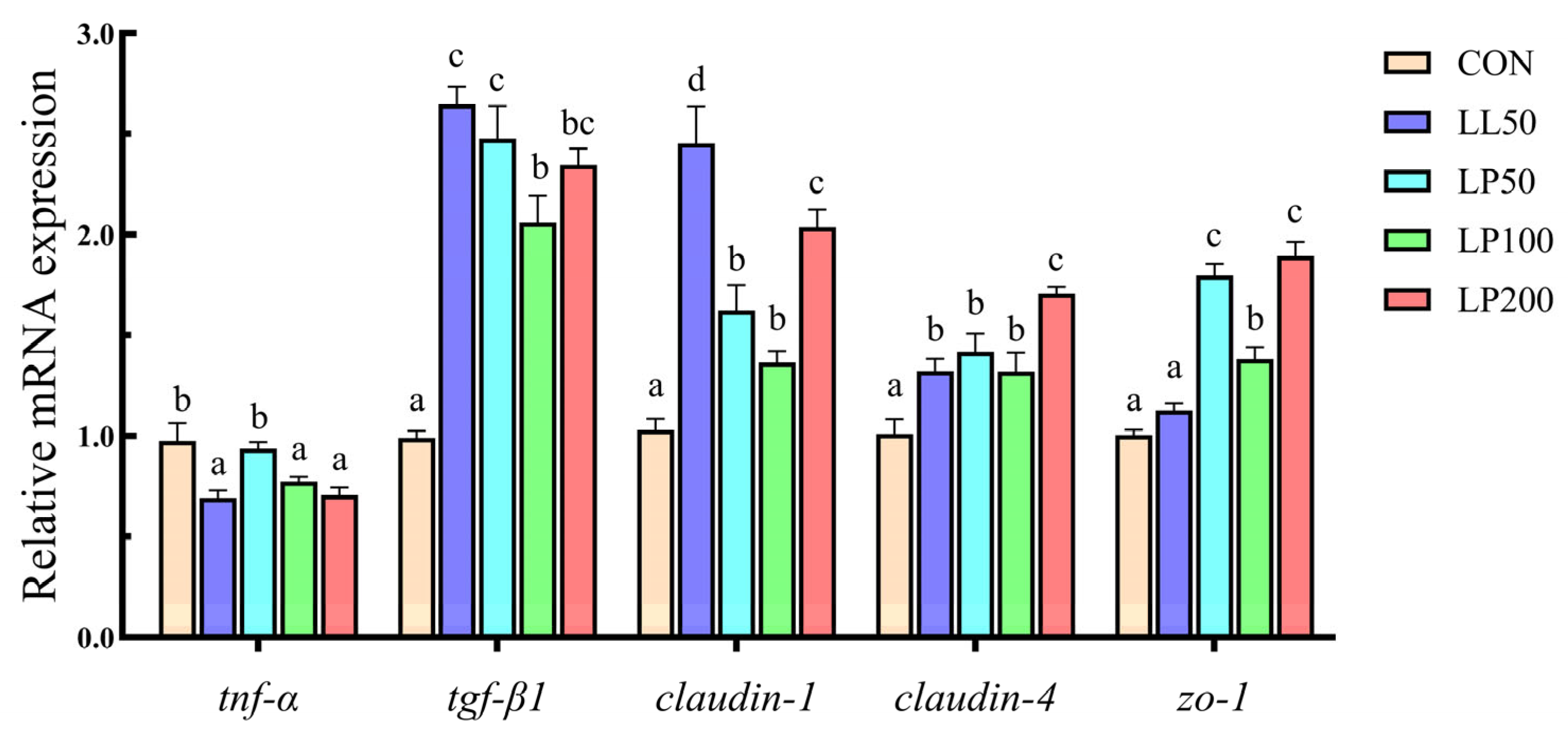
The mRNA expression of intestinal health-related genes were shown in Figure 10. Compared to CON, tumor necrosis factor-alpha (tnf-α) was downregulated in LL50, LP100, and LP200 (p < 0.05); transforming growth factor-beta1 (tgf-β1), claudin-1 and claudin-4 were upregulated in all other groups (p < 0.05); and zonula occludens-1 (zo-1) was elevated in LP50, LP100, and LP200 (p < 0.05).

4. Discussions

4.1. Effects of Dietary Lysophospholipids on Growth Performance, Hepatic Lipid Metabolism, and Intestinal Health of Largemouth Bass

Previous studies have shown that dietary lysophospholipids promotes growth performance in terrestrial animals such as angus bulls (Bos taurus) [25], weanling pigs (Sus scrofa domestica) [26,27], and broiler chickens (Gallus gallus domesticus) [28,29], as well as in aquatic animals including Litopenaeus vannamei [19,30], hybrid grouper [18], Atlantic salmon (Salmo salar) [31], Turbot [32], and largemouth bass [10]. Conversely, some research have shown that dietary lysophospholipids do not promote the growth of fish, including juvenile black seabream [17], largemouth bass [11], and channel catfish [20]. This study found that supplementation of 0.05% lysophospholipids in the diet had no effect on the growth of largemouth bass. The differences in the above research results may be caused by differences in the content of lysophospholipids, feed formulas, feed manufacturing process, fish age stage and fish species. Our study found that supplementing 0.05% lysophospholipids could elevate the body crude protein level and reduce the body crude lipid level of largemouth bass, as observed in the study by Liu et al. [20] and Bao et al. [21]. This may be related to lysophospholipids’ ability to promote fish’s digestion and absorption of dietary lipids, and improve their lipid metabolism capacity, thereby reducing protein catabolism as an energy substrate [10,17,18]. In the study on turbot, 0.25% lysophosphatidylcholine significantly reduced the crude lipid content of fish by regulating hepatic lipid metabolism [32]. Dietary supplementation with 0.05% lysophospholipids can improve the glycolipid metabolism capacity of Litopenaeus vannamei, thereby increasing the crude protein content and decreasing the crude lipid content of this species [33]. In addition, lysophospholipids can promote coat protein complex II (COPII) vesicle budding by reducing membrane rigidity and enhancing COPII recruitment to the membrane, thereby improving intracellular lipid and protein transport function [34].
The serum biochemical status of fish is an indicator of their overall health condition [35]. Serum total cholesterol, triglyceride, HDL-C, and LDL-C play an important role in evaluating the lipid metabolism capacity of fish [36]. Triglyceride serves as a major energy source, but excessive levels increase the risk of cardiovascular diseases in animals [37]. Total cholesterol is related to the production of bile acids [38], steroid hormones [39], and vitamin D [40], regulating essential biochemical processes. HDL-C transports peripheral tissue-derived cholesterol to the liver via the circulatory system, where it undergoes metabolism [41], while LDL-C delivers hepatic cholesterol to peripheral tissues, with elevated levels potentially leading to atherosclerosis [42]. Previous study has found that dietary lysophospholipids could reduce the serum LDL-C content and triglyceride content of black seabream [17]. Moreover, studies on rainbow trout (Oncorhynchus mykiss) have found that lysophospholipids can lower the serum LDL-C level and elevate the serum HDL-C level [43]. Lysophospholipids can promote the biosynthesis of high-density lipoprotein, provide substrates for lipoprotein cholesterol, and maintain the full functionality of lipoproteins [44]. Research has found that lysophospholipids can upregulate the gene expression of apolipoprotein A (apoa), which serves as the core structural protein of HDL [10]. Our study found that lysophospholipids can regulate hepatic glycerophospholipid metabolism to generate PC, and PC functions as an essential substrate in the assembly and maturation of HDL [45]. This study found that supplementation of 0.05% lysophospholipids reduced the serum levels of LDL-C and triglyceride, while increasing that of HDL-C in largemouth bass. These results indicate that lysophospholipids can enhance the transport capacity of blood lipids from peripheral tissues to the liver, thereby improving lipid utilization efficiency.
The liver functions as the central site for biochemical metabolism in fish, with lipid metabolism predominantly localized in hepatocytes. Hepatic lipid metabolism is the primary way for fish to obtain energy [46]. Inappropriate dietary lipid levels can lead to hepatic lipid metabolism disorders, which in turn causes liver damage. Research has indicated that a high-lipid diet directly increases serum and liver lipid levels in mice, and induces negative effects such as intestinal flora imbalance and impaired intestinal barrier function [47]. In studies on aquatic animals, excessive lipid content in feed significantly increases the hepatic crude protein level, serum triglyceride levels, and hepatic malondialdehyde content in juvenile tiger puffer (Takifugu rubripes) [36]. However, an excessively low dietary lipid level (6.87% crude lipid) can lead to elevated serum aspartate transaminase and alanine transaminase levels, reduced hepatic lipid content, as well as decreased hepatic antioxidant and anti-inflammatory capacities in black seabream [48]. Thus, maintaining hepatic lipid metabolic homeostasis and enhancing its lipid utilization capacity are particularly important. Existing studies have confirmed that lysophospholipids promote the hepatic lipid metabolism capacity of terrestrial animals, including weaned piglets [26], yellow-feathered broilers [49], and fattening rabbits [50]. Similarly, in aquatic animals including large yellow croaker (Larimichthys crocea) [51], largemouth bass [10,11,21], black seabream [17], and Litopenaeus vannamei [19,30], lysophospholipids have also been found to improve hepatic lipid metabolism.
Our study found that the supplementation of 0.05% lysophospholipids in the diet significantly reduced the hepatic triglyceride levels, indicating that dietary lysophospholipids can alleviate lipid accumulation in the liver. In the liver, the core rate-limiting enzymes in the de novo fatty acid synthesis pathway are FAS and ACC [52]. The gene expression levels of these two enzymes serve as key molecular markers for evaluating the endogenous fatty acid synthesis capacity of animals [53]. LPL mainly mediates the hydrolysis of triglyceride carried by lipoproteins in the blood, generating free fatty acids for utilization by the organism [54]. In contrast, HSL preferentially catalyzes the decomposition of triglyceride stored in the liver itself [55]. In studies on juvenile black seabream, it has been found that lysophospholipids enhance hepatic lipolytic capacity by upregulating the expression of lipolysis-related genes (cpt1a, lpl, ppara) and downregulating those of lipogenesis-related genes (fas, aco, srebp-1c) [17]. In addition, at a dietary lipid level of 10%, supplementation with 0.1% lysophospholipids significantly down-regulated the expression of hepatic lipogenic genes (fas, acc) and up-regulated the expression of hepatic lipolytic genes (lpl, atgl, hsl) in hybrid grouper [56]. The results of this study on largemouth bass are consistent with those of the aforementioned study on black seabream and hybrid grouper. Specifically, at the gene expression level, 0.05% lysophospholipids significantly downregulated the expression of fas and acc genes in the liver while significantly upregulating the expression of the hsl gene, and although the expression of the lpl gene did not reach a statistically significant difference, its expression level still showed a certain upward trend.
At the metabolite level, treatment with 0.05% lysophospholipids altered the composition of liver metabolites in largemouth bass. Among these changes, the number of differential metabolites related to lipids and lipid-like substances was the highest, and the contents of glycerophospholipid and fatty acid metabolites increased significantly, which indicates that lysophospholipid can significantly enhance the activity of biochemical processes related to liver lipid metabolism. In our study, lysophospholipids can increase the levels of key metabolites such as choline, PC, and phosphatidylethanolamine by regulating various biochemical reactions, and these metabolites can further comprehensively regulate multiple metabolic pathways in the liver of largemouth bass. Among these, the most strongly affected pathway is the glycerophospholipid metabolism pathway, which is closely related to lipid metabolism. Studies on apolipoprotein E-deficient mice have shown that stabilizing glycerophospholipid metabolism can effectively improve hepatic lipid metabolism disorders, reduce abnormal hepatic lipid deposition, and thereby prevent the development of atherosclerosis [57]. Relevant studies on fish have shown that the glycerophospholipid metabolism disorders induced by 6-Benzylaminopurine in zebrafish (Danio rerio) larvae are the main cause of subsequent yolk sac malformation, steatosis, and other hepatopathies [58]. Our study found that PC is the metabolite with the largest variation in glycerophospholipid metabolism, and existing studies have confirmed that PC can alleviate glycerophospholipid metabolism disorders induced by acrylamide in rats, thereby maintaining the homeostasis of glycerophospholipid metabolism [59]. A study by Bao et al. also found that 0.3% lysophospholipid reduced hepatic triglyceride content and increased PC content in largemouth bass [21]. Furthermore, our study revealed a significant increase in the levels of docosapentaenoic acid (DPA) and docosahexaenoic acid (DHA), which are two key metabolites involved in the unsaturated fatty acid biosynthesis pathway. Studies in mice have confirmed that these two substances can effectively prevent the development of fatty liver, while also inhibiting the elevation of serum cholesterol levels, and preventing the abnormal accumulation of cholesterol in the liver [60]. In addition, DHA—rich lysophospholipids can reduce serum and hepatic triglycerides as well as serum cholesterol in rats by regulating the activities of enzymes and the expression of genes related to hepatic lipid metabolism [61]. More importantly, polyunsaturated fatty acids such as DHA and DPA are crucial for human health and exert various physiological functions including promoting brain development, preventing cancer, and alleviating inflammation, yet humans have limited endogenous synthesis capacity and thus need to obtain them from their diet [62,63,64]. However, the overall content of these polyunsaturated fatty acids in freshwater fish is lower than that in marine fish [65]. In studies on finishing bulls, supplementation with 0.075% lysophospholipids can increase the contents of C18:3, C20:5, and total polyunsaturated fatty acids in muscle [25]. In addition, studies using lipidomics have demonstrated that dietary supplementation with lysophosphatidylcholine can regulate the lipid profile in turbot muscle and increase the levels of diacylglycerol, free fatty acids and cardiolipin [66]. Our results may indicate the application value of lysophospholipids in the human diet. Lysophospholipids can effectively enhance the ability of hybrid groupers to utilize lipids in feed by activating the expression of key genes and the levels of metabolites in the PPAR signaling pathway, while inhibiting those in the AMP-activated protein kinase signaling pathway [18]. In addition, other studies have shown that the activation of PPAR-α stimulates lipid catabolism in the liver of largemouth bass [67]. Our experiment revealed that the level of 14,15-Dihetre, a key metabolite, is elevated in the liver. Acting as an endogenous potent PPAR-α agonist, 14,15-Dihetre exerts a regulatory role in lipid metabolism by activating the PPAR signaling pathway: it directly upregulates the gene expression of carnitine palmitoyltransferase 1A to promote fatty acid β-oxidation, upregulates apolipoprotein A-II to enhance lipid transport efficiency, and indirectly regulates related metabolic enzymes to maintain the balance of lipid mediators [68,69]. Based on the above findings regarding gene expression and metabolite levels, lysophospholipids may enhance the triglyceride catabolic capacity in the liver by regulating gene expression, which is consistent with the research results of Deng et al. [18] This process lays a molecular foundation for the accumulation of various fatty acids. In addition, other studies have shown that lysophospholipids can act as carriers in the blood to transport fatty acids and choline to the liver [70,71]. This not only provides sufficient substrates for the oxidative utilization of fatty acids, but also may inhibit endogenous fatty acid synthesis through negative regulation [72]. As mentioned above, Lysophospholipids may promote the oxidative utilization of fatty acids by regulating 14,15-Dihetre levels, or they may positively promote the oxidative utilization of fatty acids by increasing fatty acid levels [73]. Although this study did not directly detect indicators related to fatty acid β-oxidation, combining the reduction in hepatic triglyceride content and changes in fish body composition, it can be inferred that dietary lysophospholipid supplementation alters the lipid utilization capacity of largemouth bass. It increases the proportion of lipids used as energy substrates, thereby reducing the proportion of protein consumed for energy supply.
A healthy gut is a vital cornerstone for food digestion and absorption to occur efficiently [23]. Dietary lipids are susceptible to oxidation, generating peroxidation products that can induce intestinal inflammation [74]. Such inflammation increases intestinal permeability by suppressing transcription of tight junction protein genes, thereby compromising the physical barrier function and overall gut integrity [75]. Morphologically, intestinal inflammation may reduce villus length and width, consequently diminishing the total intestinal absorption area and impairing substance transport capacity [17]. lysophospholipids serve as more potent emulsifiers than phospholipids, effectively reducing O/W interfacial tension to emulsify triglycerides into smaller, more stable droplets [76]. This process increases the contact area between lipid droplets and intestinal villi. Consequently, digestive enzymes receive greater physical and chemical stimulation from substrates, enhancing enzymatic activity and facilitating more efficient breakdown of feed into absorbable molecules [77]. Previous research demonstrated that 0.1% lysophospholipids supplementation significantly increased lipase activity and digestive performance in Litopenaeus vannamei [78]. Furthermore, lysophospholipids promote mitosis at villus tips in broilers, expanding the intestinal absorptive surface and improving digestive efficiency [79]. In the study on rainbow trout fed fat powder diets, lipase activity showed an increasing trend with the elevation of dietary lysophospholipid levels, and reached the highest value at a lysophospholipid supplementation level of 9 g/kg [80]. In our research, the 0.05% lysophospholipid increased the activities of intestinal lipase and amylase in largemouth bass while enhancing villus height, indicating improved intestinal lipid utilization capacity. Studies in weaned rats have demonstrated that lysophospholipids upregulate expression of the tight junction protein gene β-catenin and increase intestinal villus height, thereby improving gut health [81]. Studies have shown that in male cherry valley ducks, lysophospholipids can reduce the concentration of interleukin-1β in jejunal mucus [82]. In fish, lysophospholipids can increase the expression of intestinal tight junction protein genes (oclna, cldni, cldn3, tjp1b) and anti-inflammatory genes (il-10, tgfβ-1), while decreasing the expression of pro-inflammatory genes (tnfα, nf-kb) in black seabream fed high-lipid diet [17]. In addition, in a study on turbot fed a high-fat diet, 0.1–0.5% lysophosphatidylcholine inhibited the expression of intestinal pro-inflammatory genes including tnf-α, il-1β, and bax, and enhanced the activities of intestinal acid phosphatase and alkaline phosphatase, thereby improving the intestinal anti-inflammatory and immune capacity of turbot [83]. In our study, 0.05% lysophospholipids could reduce the expression of the pro-inflammatory gene tnf-α in the intestine, while increasing the expression of the anti-inflammatory gene tgf-β1 and the tight junction protein genes claudin-1 and claudin-4. So, dietary lysophospholipids can enhance the intestinal lipid utilization efficiency by increasing the digestive enzyme activity and intestinal villus height. Furthermore, it can improve intestinal health by regulating the expression of genes related to inflammation and tight junction proteins.

4.2. Dietary Lysophospholipids Can Reduce the Dietary Lipid Level by 1% Without Compromising the Growth Performance of Largemouth Bass

Previous studies have shown that supplementing the diet with 0.1% lysophospholipids while reducing dietary phospholipid or fish oil by 1% can significantly increase the WG and SGR of Litopenaeus vannamei, up-regulate the expression of antioxidant and immune-related genes, and improve their hepatic lipid metabolism [19]. In addition, 0.1% lysophospholipids addition with 1% dietary lipid reduction has no effect on the growth performance of largemouth bass, but it can enhance the activity of intestinal digestive enzymes, improve hepatic lipid metabolism, and promote protein retention in the fish [11]. Another study on Litopenaeus vannamei also found that a 1% reduction in dietary fish oil significantly decreased SGR and significantly increased FCR in this species, while supplementing 0.03–0.06% lysophospholipids to the diet with a 1% fish oil reduction resulted in no significant differences in WG, SGR, and FCR compared with the control diet [30]. This study found that both supplementation of 0.05% lysophospholipids with a 0.5% reduction in dietary lipid levels (LP50) and supplementation of 0.1% lysophospholipids with a 1.0% reduction in dietary lipid levels (LP100) did not affect the normal growth of largemouth bass, which indicates that dietary lysophospholipids can reduce the dietary lipid level by 1% without compromising the growth of largemouth bass. However, supplementation of 0.1% lysophospholipids in the diet alongside a 2% reduction in dietary lipid (LP200) can reduce the growth and feed utilization of largemouth bass, which indicates that while lysophospholipids can improve lipid utilization, the reduced content of lipid may exceed the regulatory lipid metabolism capacity of lysophospholipids, thereby impairing growth performance. Although no significant differences were observed between LP50, LP100, and the CON group, the experimental duration could be appropriately prolonged (> 56 days) to obtain clearer and more accurate results.
In our study, LP50, LP100, and LP200 increased the levels of serum HDL-C and whole-body crude protein, decreased triglyceride levels in the serum, liver, and whole body, improved the expression of hepatic lipid metabolism-related genes, which indicates that the lipid transport and utilization capacities of largemouth bass were enhanced, thereby promoting protein deposition in the fish. Although a reduction in serum triglyceride levels is beneficial to the health of the circulatory system, excessively low levels may lead to insufficient energy supply, and thus induce growth retardation [8]. Combined with the growth of largemouth bass, the dietary treatment of supplementing 0.1% lysophospholipids while reducing 2% dietary oil resulted in excessively low serum triglyceride levels in the fish, ultimately causing insufficient energy supply.
In terms of intestinal health, LP50, LP100, and LP200 downregulated the expression of the tnf-α gene, upregulated the expression of the tgf-β1 gene and the tight junction protein genes claudin-1, claudin-4, and zo-1, and increased intestinal villus height, which indicated an overall improvement in intestinal health status. However, no significant increase in digestive enzyme activity was observed in the LP50, LP100, and LP200. This discrepancy may be attributed to the reduced dietary lipid content, which led to decreased substrate stimulation of digestive enzymes [84].

5. Conclusions

Dietary supplementation with 0.05% lysophospholipids improved hepatic lipid metabolism and intestinal health in largemouth bass; specifically, lysophospholipids enhanced lipid utilization in terms of digestive enzyme activity, lipid transport, hepatic gene expression, and metabolite levels, thereby increasing protein deposition in fish, and also improved intestinal morphological structure, and the expression of both inflammatory genes and tight junction protein genes. In addition, 0.1% lysophospholipids showed the same effects and allowed a 1% reduction in dietary lipid level while maintaining growth performance, which reduced feed costs for largemouth bass aquaculture and provided a reasonable reference for optimizing commercial largemouth bass feed formulations.

Author Contributions

X.F.: Writing—original draft, Methodology, Conceptualization; Y.W. (Yuqiang Wei): Methodology, Resources; J.Z. (Jianguo Zhao): Conceptualization, Methodology; Y.W. (Yajun Wang): Conceptualization, Methodology; J.Z. (Jianhua Zhao): Conceptualization, Methodology; Q.X.: Writing—review and editing, Project administration, Funding acquisition, Supervision. All authors have read and agreed to the published version of the manuscript.

Funding

This work was supported by the “Pioneer” and “Leading Goose” R&D Program of Zhejiang under grant number [2023C02024].

Institutional Review Board Statement

All experimental procedures complied with the relevant regulations of the Animal Experiment Ethics Committee of Huzhou University and obtained its approval (Approval Code: 20220916; Approval Date: 16 September 2022).

Informed Consent Statement

Not applicable.

Data Availability Statement

The raw data supporting the conclusions of this article will be made available by the authors on request.

Acknowledgments

During the preparation of this manuscript, the authors used Doubao v.12.5.0 for the purposes of improving grammatical accuracy, optimizing sentence structure, adjusting wording, and enhancing the overall readability of the text. The authors have reviewed and edited the output and take full responsibility for the content of this publication.

Conflicts of Interest

Authors Yuqiang Wei, Jianguo Zhao, and Yajun Wang are employed by Linyi Zhengnengliang Biological Co., Ltd. The remaining authors declare that the research was conducted in the absence of any commercial or financial relationships that could be construed as potential conflicts of interest.

Abbreviations

The following abbreviations are used in this manuscript:
CON0% lysophospholipids
LL500.05% lysophospholipids
LP500.05% lysophospholipids—0.5% oil
LP1000.1% lysophospholipids—1.0% oil
LP2000.1% lysophospholipids—2.0% oil
H&EHematoxylin and eosin
SRSurvival rate
WGWeight gain
SGRSpecific growth rate
FCRFeed conversion ratio
FIFeed intake rate
CFCondition factor
VSIViscerosomatic index
HSIHepatosomatic index
N(f)Final number of fish per tank
N(i)Initial number of fish per tank
W(f)Final average body weight
W(i)Initial average body weight
DDays of feeding experiment
FFeed intake per fish
W(v)Viscera weight
W(l)Liver weight
LBody length
WBody weight
HDL-CHigh-density lipoprotein cholesterol
LDL-CLow-density lipoprotein cholesterol
PCAPrincipal component analysis
OPLS-DAOrthogonal projections to latent structures-discriminant analysis
VIPVariable importance in projection
HMDBHuman metabolome database
KEGGKyoto encyclopedia of genes and genomes
ANOVAOne-way analysis of variance
HLBHydrophilic-lipophilic balance
O/WOil-in-water
fasHepatic fatty acid synthetase
accAcetyl-CoA carboxylase
hslHormone-sensitive triglyceride lipase
lplHepatic lipoprotein lipase
tnf-αTumor necrosis factor-alpha
tgf-β1Transforming growth factor-beta1
zo-1Zonula occludens-1
PCPhosphatidylcholine
COPIICoat protein complex II
DPADocosapentaenoic acid
DHADocosahexaenoic acid

References

  1. Tao, M.W.; Zhou, H.X.; Wei, J.; Xu, Q. Effects of Astaxanthin on Ovarian Development of Largemouth Bass (Micropterus Salmoides). Aquac. Nutr. 2024, 2024, 2662809. [Google Scholar] [CrossRef] [PubMed]
  2. Gao, B.; Zhang, X.; Zhang, Y.; Li, S.; Lu, L.; Xu, D.; Liu, X. Effects of Dietary Carbohydrate Levels on the Growth, Glycometabolism, Antioxidant Capacity and Metabolome of Largemouth Bass (Micropterus Salmoides). Aquac. Res. 2022, 53, 3748–3758. [Google Scholar] [CrossRef]
  3. Tang, J.; Wang, A.; Miao, Y.; Zhou, Y.; Luo, M.; Xiao, P. Protein-Sparing Effects and LPL Gene Expressions of Dietary Lipids in the Juvenile Soft-Shelled Turtle, Pelodiscussinensis. Aquac. Res. 2016, 47, 579–590. [Google Scholar] [CrossRef]
  4. Jia, Y.; Jing, Q.; Niu, H.; Huang, B. Ameliorative Effect of Vitamin E on Hepatic Oxidative Stress and Hypoimmunity Induced by High-Fat Diet in Turbot (Scophthalmus Maximus). Fish Shellfish Immunol. 2017, 67, 634–642. [Google Scholar] [CrossRef]
  5. Lu, K.; Xu, W.; Li, J.; Li, X.; Huang, G.; Liu, W. Alterations of Liver Histology and Blood Biochemistry in Blunt Snout Bream Megalobrama Amblycephala Fed High-Fat Diets. Fish. Sci. 2013, 79, 661–671. [Google Scholar] [CrossRef]
  6. Chen, W.; Gao, S.; Sun, P.; Han, L.; Zhang, Z. Sodium Butyrate Ameliorates High-Fat Diet-Induced Growth Retardation and Gut Injury in Largemouth Bass (Micropterus Salmoides) by Modulating Gut Mucosal Barrier and Microbiota. Anim. Feed Sci. Technol. 2025, 323, 116283. [Google Scholar] [CrossRef]
  7. Qin, D.; Chen, J.; Li, J.; Liu, Z.; Huang, W.; Yang, Y.; Zhang, J.; Tan, B.; Dong, X. Growth, Fat Metabolism and Hepatic Health in Largemouth Bass Fed Varying Fat-Level Diets. Aquac. Rep. 2025, 40, 102535. [Google Scholar] [CrossRef]
  8. Guo, J.; Zhou, Y.; Zhao, H.; Chen, W.-Y.; Chen, Y.-J.; Lin, S.-M. Effect of Dietary Lipid Level on Growth, Lipid Metabolism and Oxidative Status of Largemouth Bass, Micropterus Salmoides. Aquaculture 2019, 506, 394–400. [Google Scholar] [CrossRef]
  9. Huang, D.; Wu, Y.; Lin, Y.; Chen, J.; Karrow, N.; Ren, X.; Wang, Y. Dietary Protein and Lipid Requirements for Juvenile Largemouth Bass, Micropterus Salmoides. J. World Aquac. Soc. 2017, 48, 782–790. [Google Scholar] [CrossRef]
  10. Che, M.; Lu, Z.; Liu, L.; Li, N.; Ren, L.; Chi, S. Dietary Lysophospholipids Improves Growth Performance and Hepatic Lipid Metabolism of Largemouth Bass (Micropterus Salmoides). Anim. Nutr. 2023, 13, 426–434. [Google Scholar] [CrossRef]
  11. Lu, Z.; Yao, C.; Tan, B.; Dong, X.; Yang, Q.; Liu, H.; Zhang, S.; Chi, S. Effects of Lysophospholipid Supplementation in Feed with Low Protein or Lipid on Growth Performance, Lipid Metabolism, and Intestinal Flora of Largemouth Bass (Micropterus Salmoides). Aquac. Nutr. 2022, 2022, 4347466. [Google Scholar] [CrossRef]
  12. Hui, D.Y. Phospholipase A2 Enzymes in Metabolic and Cardiovascular Diseases. Curr. Opin. Lipidol. 2012, 23, 235–240. [Google Scholar] [CrossRef] [PubMed]
  13. Tocher, D.R.; Bendiksen, E.Å.; Campbell, P.J.; Bell, J.G. The Role of Phospholipids in Nutrition and Metabolism of Teleost Fish. Aquaculture 2008, 280, 21–34. [Google Scholar] [CrossRef]
  14. Joshi, A.; Paratkar, S.G.; Thorat, B.N. Modification of Lecithin by Physical, Chemical and Enzymatic Methods. Eur. J. Lipid Sci. Technol. 2006, 108, 363–373. [Google Scholar] [CrossRef]
  15. Willem, V.N.; Lecipro, C. Lecithins Phospholipid Classification and Characterization; ILPS Lecithin Short Course; ILPS: Surrey, BC, Canada, 2005. [Google Scholar]
  16. Kontara, E.; Djunaidah, I.S.; Coutteau, P.; Sorgeloos, P. Comparison of Native, Lyso and Hydrogenated Soybean Phosphatidylcholine as Phospholipid Source in the Diet of Postlarval Penaeus Japonicus Bate. Arch. Tierernaehrung 1998, 51, 1–19. [Google Scholar] [CrossRef]
  17. Zhu, J.; Gu, Y.; Shen, Y.; Zhao, W.; Bao, Y.; Cheng, H.; Zhi, X.; Hu, X.; Monroig, Ó.; Zhu, T.; et al. The Mitigating Role of Lysophospholipids in Hepatic Lipid Metabolism and Intestinal Immunity in Juvenile Black Seabream (Acanthopagrus Schlegelii) Fed a High-Fat Diet. Aquaculture 2025, 595, 741718. [Google Scholar] [CrossRef]
  18. Deng, H.; Zhang, J.; Liang, W.; Tan, B.; Chi, S. Multi-Omics Interpretation of How Lysophospholipids Regulate Hepatic Lipid Metabolism and Immunity in Hybrid Grouper (♀Epinephelus fuscoguttatus × ♂Epinephelus Lanceolatu) Fed High-Lipid Diets. Anim. Nutr. 2025, 21, 140–154. [Google Scholar] [CrossRef]
  19. Wang, J.; Peng, H.; Jin, M.; Li, M.; He, Y.; Li, S.; Zhu, T.; Zhang, Y.; Tang, F.; Zhou, Q. Dietary Lysophospholipids Supplementation Promotes Growth Performance, Enhanced Antioxidant Capacity, and Improved Lipid Metabolism of Litopenaeus Vannamei. Aquac. Rep. 2024, 39, 102476. [Google Scholar] [CrossRef]
  20. Liu, G.; Ma, S.; Chen, F.; Gao, W.; Zhang, W.; Mai, K. Effects of Dietary Lysolecithin on Growth Performance, Feed Utilization, Intestinal Morphology and Metabolic Responses of Channel Catfish (Ictalurus Punctatus). Aquac. Nutr. 2020, 26, 456–465. [Google Scholar] [CrossRef]
  21. Bao, M.-Y.; Wang, Z.; Nuez-Ortín, W.G.; Zhao, G.; Dehasque, M.; Du, Z.-Y.; Zhang, M.-L. Comparison of Lysophospholipids and Bile Acids on the Growth Performance, Lipid Deposition, and Intestinal Health of Largemouth Bass (Micropterus Salmoides). Aquac. Nutr. 2024, 2024, 1518809. [Google Scholar] [CrossRef]
  22. AOAC. Official Methods of Analysis, 18th ed.; Association of Official Analytical Chemists: Arlington, VA, USA, 2006. [Google Scholar]
  23. Zheng, D.; Yang, X.; Liang, J.; Zhao, J.; Xu, Q. Effects of Dietary α-Ketoglutarate Supplementation on Growth Performance, Digestive Enzyme Activity, Immune Gene Expression, and Intestinal Morphology of Largemouth Bass (Micropterus Salmoides) Fed High Soybean Diet. Aquac. Rep. 2025, 41, 102706. [Google Scholar] [CrossRef]
  24. Livak, K.J.; Schmittgen, T.D. Analysis of Relative Gene Expression Data Using Real-Time Quantitative PCR and the 2−ΔΔCT Method. Methods 2001, 25, 402–408. [Google Scholar] [CrossRef] [PubMed]
  25. Zhang, M.; Bai, H.; Wang, R.; Zhao, Y.; Yang, W.; Liu, J.; Zhang, Y.; Jiao, P. Impact of Dietary Lysophospholipids Supplementation on Growth Performance, Meat Quality, and Lipid Metabolism in Finishing Bulls Fed Diets Varying in Fatty Acid Saturation. J. Anim. Sci. Biotechnol. 2025, 16, 7. [Google Scholar] [CrossRef] [PubMed]
  26. Liu, Y.; Wu, A.; Mo, R.; Zhou, Q.; Song, L.; Li, Z.; Zhao, H.; Fang, Z.; Lin, Y.; Xu, S.; et al. Dietary Lysolecithin Supplementation Improves Growth Performance of Weaned Piglets via Improving Nutrients Absorption, Lipid Metabolism, and Redox Status. J. Anim. Sci. 2023, 101, skad293. [Google Scholar] [CrossRef] [PubMed]
  27. Zhao, P.Y.; Li, H.L.; Hossain, M.M.; Kim, I.H. Effect of Emulsifier (Lysophospholipids) on Growth Performance, Nutrient Digestibility and Blood Profile in Weanling Pigs. Anim. Feed Sci. Technol. 2015, 207, 190–195. [Google Scholar] [CrossRef]
  28. Solbi, A.; Rezaeipour, V.; Abdullahpour, R.; Gharahveysi, S. Efficacy of Lysophospholipids on Growth Performance, Carcase, Intestinal Morphology, Microbial Population and Nutrient Digestibility in Broiler Chickens Fed Different Dietary Oil Sources. Ital. J. Anim. Sci. 2021, 20, 1612–1619. [Google Scholar] [CrossRef]
  29. Zhang, Z.; Zhang, S.; Nie, K.; Zheng, H.; Luo, Z.; Kim, I.-H. Lysolecithin Improves Broiler Growth Performance through Upregulating Growth-Related Genes and Nutrient Transporter Genes Expression Independent of Experimental Diet Nutrition Level. Animals 2022, 12, 3365. [Google Scholar] [CrossRef]
  30. Limwachirakhom, R.; Triwutanon, S.; Zhang, Y.; Jintasataporn, O. Effects of Dietary Lysophospholipids on the Performance of Pacific White Shrimp (Litopenaeus Vannamei) Fed Fish Oil- and Energy-Reduced Diets. Front. Mar. Sci. 2025, 12, 1624057. [Google Scholar] [CrossRef]
  31. Ibarz, A.; Sanahuja, I.; Nuez-Ortín, W.G.; Martínez-Rubio, L.; Fernández-Alacid, L. Physiological Benefits of Dietary Lysophospholipid Supplementation in a Marine Fish Model: Deep Analyses of Modes of Action. Animals 2023, 13, 1381. [Google Scholar] [CrossRef]
  32. Xu, H.; Luo, X.; Bi, Q.; Wang, Z.; Meng, X.; Liu, J.; Duan, M.; Wei, Y.; Liang, M. Effects of Dietary Lysophosphatidylcholine on Growth Performance and Lipid Metabolism of Juvenile Turbot. Aquac. Nutr. 2022, 2022, 3515101. [Google Scholar] [CrossRef]
  33. Li, L.; Wang, J.; Zhao, G.; Le, Y.; Li, F.; Hong, Y.; Nuez-Ortín, W.G.; Bardera, G.; Jiang, X.; Tan, B.; et al. Lysophospholipids Coordinate Glyco-Lipid Metabolism in Litopenaeus Vannamei to Enhance Feed Efficiency under Low-Fishmeal Diets. J. Agric. Food Res. 2026, 27, 102762. [Google Scholar] [CrossRef]
  34. Melero, A.; Chiaruttini, N.; Karashima, T.; Riezman, I.; Funato, K.; Barlowe, C.; Riezman, H.; Roux, A. Lysophospholipids Facilitate COPII Vesicle Formation. Curr. Biol. 2018, 28, 1950–1958.e6. [Google Scholar] [CrossRef] [PubMed]
  35. Wei, J.; Tao, M.; Huang, J.; Zhou, H.; Xu, Q. Reproductive Performance of Female Largemouth Bass (Micropterus Salmoides) Broodstock Was Enhanced by Dietary Small Peptides. Aquac. Rep. 2025, 40, 102558. [Google Scholar] [CrossRef]
  36. Sun, H.; Wang, Y.; Liu, Y.; Liu, Y.; Zhang, J. Dietary Geniposide Supplementation Alleviates Hepatic Lipid Deposition and Oxidative Stress Induced by High-Fat Diet in Juvenile Tiger Puffer, Takifugu Rubripes. Aquac. Rep. 2025, 41, 102711. [Google Scholar] [CrossRef]
  37. Boullart, A.C.I.; de Graaf, J.; Stalenhoef, A.F. Serum Triglycerides and Risk of Cardiovascular Disease. Biochim. Biophys. Acta Mol. Cell Biol. Lipids 2012, 1821, 867–875. [Google Scholar] [CrossRef]
  38. Wang, Q.; Shen, W.; Shao, W.; Hu, H. Berberine Alleviates Cholesterol and Bile Acid Metabolism Disorders Induced by High Cholesterol Diet in Mice. Biochem. Biophys. Res. Commun. 2024, 719, 150088. [Google Scholar] [CrossRef]
  39. Zhu, T.; Jin, M.; Xie, S.; Guo, C.; Luo, J.; Zhang, X.; Shen, Y.; Sun, P.; Jiao, L.; Zhou, Q. Transcriptome and Targeted Metabolomics Revealed That Cholesterol Nutrition Promotes Ovarian Development by Regulating Steroid Hormone Metabolism in Swimming Crab. Aquac. Rep. 2022, 27, 101396. [Google Scholar] [CrossRef]
  40. Averello, V.; Murphy, R.; Chen, C. Altering the Tomato (Solanum Lycopersicum L.) Cholesterol Synthesis Pathway to Produce Vitamin D3. In Proceedings of the ASHS Annual Conferences 2019, Las Vegas, NV, USA, 24 July 2019. [Google Scholar]
  41. Besler, C.; Heinrich, K.; Riwanto, M.; Luescher, T.F.; Landmesser, U. High-Density Lipoprotein-Mediated Anti-Atherosclerotic and Endothelial-Protective Effects: A Potential Novel Therapeutic Target in Cardiovascular Disease. Curr. Pharm. Des. 2010, 16, 1480–1493. [Google Scholar] [CrossRef]
  42. Goldstein, J.L.; Brown, M.S. A Century of Cholesterol and Coronaries: From Plaques to Genes to Statins. Cell 2015, 161, 161–172. [Google Scholar] [CrossRef]
  43. Taghavizadeh, M.; Shekarabi, S.P.H.; Mehrgan, M.S.; Islami, H.R. Efficacy of Dietary Lysophospholipids (LipidolTM) on Growth Performance, Serum Immuno-Biochemical Parameters, and the Expression of Immune and Antioxidant-Related Genes in Rainbow Trout (Oncorhynchus Mykiss). Aquaculture 2020, 525, 735315. [Google Scholar] [CrossRef]
  44. Liang, H.Q.; Rye, K.A.; Barter, P.J. Remodelling of Reconstituted High Density Lipoproteins by Lecithin: Cholesterol Acyltransferase. J. Lipid Res. 1996, 37, 1962–1970. [Google Scholar] [CrossRef] [PubMed]
  45. Torkhovskaya, T.I.; Kudinov, V.A.; Zakharova, T.S.; Ipatova, O.M.; Markin, S.S. High Density Lipoproteins Phosphatidylcholine as a Regulator of Reverse Cholesterol Transport. Russ. J. Bioorg. Chem. 2018, 44, 608–618. [Google Scholar] [CrossRef]
  46. He, J.; Ma, H.; Jiang, D.; Wang, T.; Li, Z.; Shi, G.; Hong, Y.; Zhu, C.; Li, G. Proteomic Analysis Reveals That Dietary Supplementation with Fish Oil Enhances Lipid Metabolism and Improves Antioxidant Capacity in the Liver of Female Scatophagus Argus. Fishes 2025, 10, 128. [Google Scholar] [CrossRef]
  47. Norris, G.H.; Jiang, C.; Ryan, J.; Porter, C.M.; Blesso, C.N. Milk Sphingomyelin Improves Lipid Metabolism and Alters Gut Microbiota in High Fat Diet-Fed Mice. J. Nutr. Biochem. 2016, 30, 93–101. [Google Scholar] [CrossRef]
  48. Shen, Y.; Li, X.; Bao, Y.; Zhu, T.; Wu, Z.; Yang, B.; Jiao, L.; Zhou, Q.; Jin, M. Differential Regulatory Effects of Optimal or Excessive Dietary Lipid Levels on Growth, Lipid Metabolism and Physiological Response in Black Seabream (Acanthopagrus Schlegelii). Aquaculture 2022, 560, 738532. [Google Scholar] [CrossRef]
  49. Zhang, Y.; Zhu, L.; Luo, Z.; Feng, J. The Effect of Lysolecithin Supplementation on Growth Performance, Nutrient Digestibility, Intestinal Morphology, and Lipid Metabolism in Yellow-Feathered Broilers Fed Diets with Different Fat Levels. Animals 2025, 15, 2752. [Google Scholar] [CrossRef]
  50. Liu, N.; Deng, X.; Wang, J.; Dong, S. Effect of Lysophospholipids on the Growth Performance, Nutrient Digestibility, Lipid Metabolism and Meat Quality of Fattening Rabbits. Arch. Anim. Nutr. 2023, 77, 487–496. [Google Scholar] [CrossRef]
  51. Weng, M.; Zhang, W.; Zhang, Z.; Tang, Y.; Lai, W.; Dan, Z.; Liu, Y.; Zheng, J.; Gao, S.; Mai, K.; et al. Effects of Dietary Lysolecithin on Growth Performance, Serum Biochemical Indexes, Antioxidant Capacity, Lipid Metabolism and Inflammation-Related Genes Expression of Juvenile Large Yellow Croaker (Larimichthys Crocea). Fish Shellfish Immunol. 2022, 128, 50–59. [Google Scholar] [CrossRef]
  52. Liu, H.; Witzigreuter, L.; Sathiaseelan, R.; Agbaga, M.-P.; Brush, R.S.; Stout, M.B.; Zhu, S. Obesity Promotes Lipid Accumulation in Mouse Cartilage—A Potential Role of Acetyl-CoA Carboxylase (ACC) Mediated Chondrocyte de Novo Lipogenesis. J. Orthop. Res. 2022, 40, 2771–2779. [Google Scholar] [CrossRef]
  53. Fang, K.; Wu, F.; Chen, G.; Dong, H.; Li, J.; Zhao, Y.; Xu, L.; Zou, X.; Lu, F. Diosgenin Ameliorates Palmitic Acid-Induced Lipid Accumulation via AMPK/ACC/CPT-1A and SREBP-1c/FAS Signaling Pathways in LO2 Cells. BMC Complement. Altern. Med. 2019, 19, 255. [Google Scholar] [CrossRef]
  54. Kobayashi, J.; Mabuchi, H. Lipoprotein Lipase and Atherosclerosis. Ann. Clin. Biochem. 2015, 52, 632–637. [Google Scholar] [CrossRef] [PubMed]
  55. Recazens, E.; Mouisel, E.; Langin, D. Hormone-Sensitive Lipase: Sixty Years Later. Prog. Lipid Res. 2021, 82, 101084. [Google Scholar] [CrossRef]
  56. Zhong, R.; Fan, J.; Zhang, S.; Liu, H.; Xie, S.; Zhang, W.; Tan, B.; Deng, J. Dietary Inclusion of Lysophospholipid Improve Lipid Metabolism and Thereby Reduce Lipid Deposition in Hybrid Grouper (Epinephelus Fuscoguttatus♀ × E. Lanceolatus♂). Anim. Feed Sci. Technol. 2026, 332, 116610. [Google Scholar] [CrossRef]
  57. Lei, P.; Lu, J.; Yao, T.; Zhang, P.; Chai, X.; Wang, Y.; Jiang, M. Verbascoside Exerts an Anti-Atherosclerotic Effect by Regulating Liver Glycerophospholipid Metabolism. Food Sci. Hum. Wellness 2023, 12, 2314–2323. [Google Scholar] [CrossRef]
  58. Gong, G.; Kam, H.; Bai, Y.; Zhao, H.; Giesy, J.P.; Lee, S.M. 6-Benzylaminopurine Causes Lipid Dyshomeostasis via Disruption of Glycerophospholipid Metabolism in Zebrafish. Sci. Total Environ. 2023, 878, 163194. [Google Scholar] [CrossRef]
  59. Li, Y.; Jia, W.; Zhang, Y.; Wu, Y.; Zhu, L.; Jiao, J.; Zhang, Y. Phosphatidylcholine Protects against the Hepatotoxicity of Acrylamide via Maintaining Metabolic Homeostasis of Glutathione and Glycerophospholipid. Food Sci. Hum. Wellness 2025, 14, 9250114. [Google Scholar] [CrossRef]
  60. Guo, X.; Sinclair, A.J.; Kaur, G.; Li, D. Differential Effects of EPA, DPA and DHA on Cardio-Metabolic Risk Factors in High-Fat Diet Fed Mice. Prostaglandins Leukot. Essent. Fat. Acids 2018, 136, 47–55. [Google Scholar] [CrossRef]
  61. Hosomi, R.; Fukunaga, K.; Nagao, T.; Tanizaki, T.; Miyauchi, K.; Yoshida, M.; Kanda, S.; Nishiyama, T.; Takahashi, K. Effect of Dietary Partial Hydrolysate of Phospholipids, Rich in Docosahexaenoic Acid-Bound Lysophospholipids, on Lipid and Fatty Acid Composition in Rat Serum and Liver. J. Food Sci. 2019, 84, 183–191. [Google Scholar] [CrossRef]
  62. Lauritzen, L.; Brambilla, P.; Mazzocchi, A.; Harsløf, L.B.S.; Ciappolino, V.; Agostoni, C. DHA Effects in Brain Development and Function. Nutrients 2016, 8, 6. [Google Scholar] [CrossRef]
  63. Drouin, G.; Rioux, V.; Legrand, P. The N-3 Docosapentaenoic Acid (DPA): A New Player in the n-3 Long Chain Polyunsaturated Fatty Acid Family. Biochimie 2019, 159, 36–48. [Google Scholar] [CrossRef]
  64. Horrocks, L.A.; Yeo, Y.K. Health Benefits of Docosahexaenoic Acid (DHA). Pharmacol. Res. 1999, 40, 211–225. [Google Scholar] [CrossRef]
  65. Tocher, D.R. Fatty Acid Requirements in Ontogeny of Marine and Freshwater Fish. Aquac. Res. 2010, 41, 717–732. [Google Scholar] [CrossRef]
  66. Xu, H.; Luo, X.; Wei, Y.; Liang, M. Dietary Lysophosphatidylcholine Regulates Diacylglycerol, Cardiolipin and Free Fatty Acid Contents in the Fillet of Turbot. Food Chem. X 2022, 14, 100293. [Google Scholar] [CrossRef]
  67. Zhang, Y.-Y.; Wang, J.-X.; Ren, J.; Wang, J.; Qiao, F.; Zhang, M.-L.; Du, Z.-Y. Activation of Peroxisome Proliferator-Activated Receptor-α Stimulated Lipid Catabolism in Liver of Largemouth Bass, Micropterus Salmoides. Aquac. Nutr. 2021, 27, 2749–2758. [Google Scholar] [CrossRef]
  68. Fang, X.; Hu, S.; Xu, B.; Snyder, G.D.; Harmon, S.; Yao, J.; Liu, Y.; Sangras, B.; Falck, J.R.; Weintraub, N.L.; et al. 14,15-Dihydroxyeicosatrienoic Acid Activates Peroxisome Proliferator-Activated Receptor-α. Am. J. Physiol. Heart Circ. Physiol. 2006, 290, H55–H63. [Google Scholar] [CrossRef] [PubMed]
  69. Ng, V.Y.; Huang, Y.; Reddy, L.M.; Falck, J.R.; Lin, E.T.; Kroetz, D.L. Cytochrome P450 Eicosanoids Are Activators of Peroxisome Proliferator-Activated Receptor α. Drug Metab. Dispos. 2007, 35, 1126–1134. [Google Scholar] [CrossRef]
  70. Croset, M.; Brossard, N.; Polette, A.; Lagarde, M. Characterization of Plasma Unsaturated Lysophosphatidylcholines in Human and Rat. Biochem. J. 1999, 345, 61–67. [Google Scholar] [CrossRef]
  71. Thiès, F.; Delachambre, M.C.; Bentejac, M.; Lagarde, M.; Lecerf, J. Unsaturated Fatty Acids Esterified in 2-Acyl-1-Lysophosphatidylcholine Bound to Albumin Are More Efficiently Taken up by the Young Rat Brain than the Unesterified Form. J. Neurochem. 1992, 59, 1110–1116. [Google Scholar] [CrossRef]
  72. Ni, X.; Li, J.; Xiong, H.; Deng, Z.; Sun, Y. Influence of Fatty Acid Distribution on Lipid Metabolism and Cognitive Development in First-Weaned Mice. Food Res. Int. 2025, 209, 116292. [Google Scholar] [CrossRef]
  73. Turner, N.; Bruce, C.R.; Beale, S.M.; Hoehn, K.L.; So, T.; Rolph, M.S.; Cooney, G.J. Excess Lipid Availability Increases Mitochondrial Fatty Acid Oxidative Capacity in Muscle: Evidence Against a Role for Reduced Fatty Acid Oxidation in Lipid-Induced Insulin Resistance in Rodents. Diabetes 2007, 56, 2085–2092. [Google Scholar] [CrossRef]
  74. Liu, S.-H.; Chen, R.-Y.; Chiang, M.-T. Effects and Mechanisms of Chitosan and Chitosan Oligosaccharide on Hepatic Lipogenesis and Lipid Peroxidation, Adipose Lipolysis, and Intestinal Lipid Absorption in Rats with High-Fat Diet-Induced Obesity. IJMS 2021, 22, 1139. [Google Scholar] [CrossRef]
  75. Schulzke, J.D.; Ploeger, S.; Amasheh, M.; Fromm, A.; Zeissig, S.; Troeger, H.; Richter, J.; Bojarski, C.; Schumann, M.; Fromm, M. Epithelial Tight Junctions in Intestinal Inflammation; Fromm, M., Schulzke, J.D., Eds.; Wiley-Blackwell: Hoboken, NJ, USA, 2009; Volume 1165, ISBN 978-1-57331-749-8. [Google Scholar]
  76. Huo, Q.; Li, B.; Cheng, L.; Wu, T.; You, P.; Shen, S.; Li, Y.; He, Y.; Tian, W.; Li, R.; et al. Dietary Supplementation of Lysophospholipids Affects Feed Digestion in Lambs. Animals 2019, 9, 805. [Google Scholar] [CrossRef]
  77. Zeng, X.; Zhang, K.; Tian, G.; Ding, X.; Bai, S.; Wang, J.; Lv, L.; Liao, Y.; Xuan, Y.; Zeng, Q. Effects of Fat Pre-Emulsification on the Growth Performance, Serum Biochemical Index, Digestive Enzyme Activities, Nutrient Utilization, and Standardized Ileal Digestibility of Amino Acids in Pekin Ducks Fed Diets with Different Fat Sources. Animals 2022, 12, 2729. [Google Scholar] [CrossRef] [PubMed]
  78. Yan, H.; Wang, Y.; Liang, H.; Duan, Y.; Wang, J.; Zhou, C.; Huang, Z. Effects of Lysophospholipids on the Antioxidant Capacity, Digestive Performance, and Intestinal Microbiota of Litopenaeus Vannamei. Biology 2025, 14, 90. [Google Scholar] [CrossRef] [PubMed]
  79. Khonyoung, D.; Yamauchi, K.; Suzuki, K. Influence of Dietary Fat Sources and Lysolecithin on Growth Performance, Visceral Organ Size, and Histological Intestinal Alteration in Broiler Chickens. Livest. Sci. 2015, 176, 111–120. [Google Scholar] [CrossRef]
  80. Adhami, B.; Amirkolaei, A.K.; Oraji, H.; Kazemifard, M.; Mahjoub, S. Effects of Lysophospholipid on Rainbow Trout (Oncorhynchus Mykiss) Growth, Biochemical Indices, Nutrient Digestibility and Liver Histomorphometry When Fed Fat Powder Diet. Aquac. Nutr. 2021, 27, 1779–1788. [Google Scholar] [CrossRef]
  81. Kwak, M.; Kim, J.; Hwang, I.H.; Whang, K.Y. Effects of Dietary Lysophospholipids (LipidolTM) on Intestinal Morphology and Gene Expression of Inflammatory Cytokines in Weaned Rats. J. Anim. Sci. 2016, 94, 480–481. [Google Scholar] [CrossRef]
  82. Zhang, Q.; Li, J.; Wang, J.; Nie, K.; Luo, Z.; Xu, S.; Lin, Y.; Feng, B.; Zhuo, Y.; Hua, L.; et al. Effects of Lysophospholipids and Multi-Enzymes on Growth Performance, Antioxidant Capacity, Intestinal Health, and Cecal Microflora of Male Cherry Valley Ducks. J. Anim. Sci. 2023, 101, skad361. [Google Scholar] [CrossRef]
  83. Li, S.; Luo, X.; Liao, Z.; Liang, M.; Xu, H.; Mai, K.; Zhang, Y. Effects of Lysophosphatidylcholine on Intestinal Health of Turbot Fed High-Lipid Diets. Nutrients 2022, 14, 4398. [Google Scholar] [CrossRef]
  84. Ducasse-Cabanot, S.; Zambonino-Infante, J.; Richard, N.; Medale, F.; Corraze, G.; Mambrini, M.; Robin, J.; Cahu, C.; Kaushik, S.; Panserat, S. Reduced Lipid Intake Leads to Changes in Digestive Enzymes in the Intestine but Has Minor Effects on Key Enzymes of Hepatic Intermediary Metabolism in Rainbow Trout (Oncorhynchus Mykiss). Animal 2007, 1, 1272–1282. [Google Scholar] [CrossRef]
Figure 1. Expression of liver lipid metabolism-related genes in largemouth bass fed experimental diets. Note: All data were analyzed using one-way ANOVA, and expressed as mean ± SE (n = 6). Means within the same row with different lowercase letter superscripts are significantly different (p < 0.05). Abbreviations: acc, acetyl-CoA carboxylase; fas, fatty acid synthetase; lpl, lipoprotein lipase; hsl, hormone-sensitive triglyceride lipase; CON: 0% lysophospholipids; LL50: 0.05% lysophospholipids; LP50: 0.05% lysophospholipids—0.5% oil; LP100: 0.1% lysophospholipids—1% oil; LP200: 0.1% lysophospholipids—2% oil.
Fishes 11 00204 g001
Figure 2. PCA, OPLS-DA and OPLS-DA Permutation Test score plots analysis obtained from pos and neg mode in the CON and LL50 groups. (A,B): PCA score plots; (C,D): OPLS-DA score plots; (E,F): OPLS-DA Permutation Test. Note: Sample data from the CON group and the LL50 group were analyzed using Student’s t-test (n = 6). In the PCA score plots, each green circular point represents one sample in the CON group, and each blue square point represents one sample in the LL50 group; after dimensionality reduction analysis, the samples have corresponding coordinate points on the principal components PC1 and PC2, and the distance between each coordinate point represents the degree of aggregation and dispersion among samples—the shorter the distance, the higher the similarity between samples, and the longer the distance, the greater the difference between samples. In the OPLS-DA score plots, Component1 represents the explanatory degree of the first predictive principal component, and Orthogonal Component1 represents the explanatory degree of the first orthogonal component. In the OPLS-DA permutation test, the abscissa indicates the permutation retention of the permutation test, the ordinate indicates the values of R2 (red circular points) and Q2 (blue triangles) in the permutation test, and the two dashed lines represent the regression lines of R2 and Q2, respectively. Abbreviations: PCA, Principal component analysis; OPLS-DA, Orthogonal projections to latent structures-discriminant analysis; CON, 0% lysophospholipids; LL50, 0.05% lysophospholipids.
Fishes 11 00204 g002
Figure 3. Volcano plot of differentially abundant metabolites obtained from pos and neg mode in the CON and LL50 groups. (A), pos mode. (B), neg mode. Note: Sample data from the CON group and the LL50 group were analyzed using Student’s t-test (n = 6). Significantly differential metabolites were screened by applying Student’s t-test (p < 0.05) and variable importance in projection (VIP) values (VIP > 1 from OPLS-DA models). Each red dot represents a differential metabolite upregulated in the LL50 group compared with the CON group, each blue dot represents a differential metabolite downregulated in the LL50 group compared with the CON group, and the size of the dots corresponds to the magnitude of the VIP value. Abbreviations: CON: 0% lysophospholipids; LL50: 0.05% lysophospholipids.
Fishes 11 00204 g003
Figure 4. Pie chart of HMDB classification for significantly differential metabolites obtained from mix (pos and neg) mode in the CON and LL50 groups. Note: Sample data from the CON group and the LL50 group were analyzed using Student’s t-test (n = 6). Significantly differential metabolites were screened by applying Student’s t-test (p < 0.05) and variable importance in projection (VIP) values (VIP > 1 from OPLS-DA models). The color of the sectors in the circle indicates the compound class of the differential metabolites, and the size of the sectors represents the number of differential metabolites. Abbreviations: CON: 0% lysophospholipids; LL50: 0.05% lysophospholipids.
Fishes 11 00204 g004
Figure 5. Heatmap tree for significantly differential metabolites obtained from mix (pos and neg) mode in the CON and LL50 groups. Note: Sample data from the CON group and the LL50 group were analyzed using Student’s t-test (n = 6). Significantly differential metabolites were screened by applying Student’s t-test (p < 0.05) and variable importance in projection (VIP) values (VIP > 1 from OPLS-DA models). Each column in the figure represents a group and each row represents a metabolite; the color indicates the relative expression level of the metabolite in the corresponding group, with the specific variation trend shown by the numerical labels below the color bar in the upper right corner. A metabolite clustering dendrogram is displayed on the left and metabolite names on the right, where the closer two metabolite branches are, the more similar their expression levels are. In the figure, the left column represents the samples of the CON group, and the right column represents the samples of the LL50 group. Abbreviations: CON: 0% lysophospholipids; LL50: 0.05% lysophospholipids.
Fishes 11 00204 g005
Figure 6. KEGG pathway enrichment analysis plot and KEGG pathway differential abundance score plot of significantly differential metabolites obtained from mix (pos and neg) mode in the CON and LL50 groups. (A), KEGG pathway enrichment analysis plot. (B), KEGG pathway differential abundance score plot. Note: In Panel (A), the abscissa represents the enrichment ratio and the ordinate represents KEGG pathways. The size of the bubbles in the figure indicates the number of metabolites enriched in the corresponding pathway within the metabolite set, and the color of the bubbles represents the magnitude of different enrichment significance p-values. In Panel (B), the abscissa represents the differential abundance score, which reflects the overall changes of all metabolites in the metabolic pathway. A score of 1 indicates an upregulated expression trend of all annotated differential metabolites in the pathway, while a score of −1 indicates a downregulated expression trend. The length of the line segment represents the absolute value of the DA Score. The size of the dots indicates the number of annotated differential metabolites in the pathway. *, ** and *** represent p < 0.05, p < 0.01, and p < 0.001, respectively. Abbreviations: CON: 0% lysophospholipids; LL50: 0.05% lysophospholipids.
Fishes 11 00204 g006
Figure 7. The KEGG pathway enrichment analysis network diagram obtained via mixed (pos and neg) modes in the CON group and LL50 group. Note: Sample data from the CON group and the LL50 group were analyzed using Student’s t-test (n = 6). Significantly differential metabolites were screened by applying Student’s t-test (p < 0.05) and variable importance in projection (VIP) values (VIP > 1 from OPLS-DA models). Green square nodes in the figure represent metabolites; orange circular nodes represent KEGG pathways. The size of the nodes corresponds to the number of metabolites in the pathway. Abbreviations: CON: 0% lysophospholipids; LL50: 0.05% lysophospholipids.
Fishes 11 00204 g007
Figure 8. Glycerophospholipid metabolism pathway map obtained through mixed (pos and neg) analysis of the CON group and the LL50 group. Note: Sample data from the CON group and the LL50 group were analyzed using Student’s t-test (n = 6). Significantly differential metabolites were screened by applying Student’s t-test (p < 0.05) and variable importance in projection (VIP) values (VIP > 1 from OPLS-DA models). Red represents upregulated metabolites. Abbreviations: CON: 0% lysophospholipids; LL50: 0.05% lysophospholipids.
Fishes 11 00204 g008
Figure 9. H&E-stained intestinal sections of largemouth bass (magnification ×4, scale bar: 625 μm, VH: villus height, VW: villus width, MLT: muscular layer thickness). CON: 0% lysophospholipids, LL50: 0.05% lysophospholipids, LP50: 0.05% lysophospholipids—0.5% oil, LP100: 0.1% lysophospholipids—1% oil, LP200: 0.1% lysophospholipids—2% oil.
Fishes 11 00204 g009
Figure 10. Expression of intestinal health-related genes in largemouth bass fed experimental diets. Note: All data were analyzed using one-way ANOVA, and expressed as mean ± SE (n = 6). Means within the same row with different lowercase letter superscripts are significantly different (p < 0.05). tnf-α, tumor necrosis factor-alpha; tgf-β1, transforming growth factor-beta1; zo-1, zonula occludens-1; claudin-1, claudin-1; claudin-4, claudin-4; CON: 0% lysophospholipids; LL50: 0.05% lysophospholipids; LP50: 0.05% lysophospholipids—0.5% oil; LP100: 0.1% lysophospholipids—1% oil; LP200: 0.1% lysophospholipids—2% oil.
Fishes 11 00204 g010
Table 1. Ingredients and proximate compositions of the experimental diets (%, dry weight).
ItemCONLL50LP50LP100LP200
Fish meal40.0040.0040.0040.0040.00
Soybean meal12.0012.0012.0012.0012.00
Cottonseed protein8.008.008.008.008.00
Soy protein concentrate17.4017.4017.4017.4017.40
α-Starch10.0010.0010.0010.0010.00
Soy lecithin2.002.002.002.002.00
Soybean oil c2.502.502.252.001.50
Fish oil d2.502.502.252.001.50
Choline chloride0.300.300.300.300.30
Vitamin mix a0.500.500.500.500.50
Mineral mix b0.500.500.500.500.50
Ca(H2PO4)22.002.002.002.002.00
Lysophospholipids e0.000.050.050.100.10
Carboxymethyl cellulose2.002.002.002.002.00
Microcrystalline cellulose0.300.250.751.202.25
Total100.00100.00100.00100.00100.00
Proximate composition (n = 3, mean ± SE)
Moisture7.69 ± 0.047.55 ± 0.027.80 ± 0.017.73 ± 0.027.81 ± 0.03
Crude protein44.07 ± 0.1144.29 ± 0.1544.55 ± 0.2144.43 ± 0.3344.09 ± 0.12
Crude lipid10.60 ± 0.0510.31 ± 0.039.68 ± 0.149.20 ± 0.078.23 ± 0.13
Ash13.26 ± 0.0213.30 ± 0.0213.29 ± 0.0113.16 ± 0.0512.96 ± 0.03
Abbreviations: CON: 0% lysophospholipids; LL50: 0.05% lysophospholipids; LP50: 0.05% lysophospholipids—0.5% oil; LP100: 0.1% lysophospholipids—1% oil; LP200: 0.1% lysophospholipids—2% oil. a Vitamin premix provided the following per kg of diets: Vitamin A: 16,000IU, Vitamin C: 150 mg, Vitamin D3: 2000IU, Vitamin E: 180 mg, Vitamin K3: 10 mg, Vitamin B1: 16 mg, Vitamin B2: 45 mg, Vitamin B6: 20 mg, Vitamin B12: 0.4 mg, Calcium pantothenate: 70 mg, Nicotinamide: 80 mg, Folic acid: 5 mg, Biotin: 1 mg, Zeolite meal: 320 mg. b Mineral premix provided the following per kg of diets: FeSO4•7H2O: 124.13 mg, CuSO4•5H2O: 9.77 mg, MnSO4•H2O: 26.15 mg, ZnSO4•7H2O: 154.53 mg, Na2SeO3: 0.44 mg, Ca(IO3)2: 2.31 mg, CoCl2•6H2O: 1.6 mg, MgSO4•7H2O: 1224.49 mg, Zeolite meal: 3456.59 mg. c Soybean oil was purchased from commercial markets, at a price of ¥8.5 kg−1. d Fish oil was purchased from Sichuan Zhonglian Hechuang Biotechnology Co., Ltd. (Sichuan, China), at a price of ¥12 kg−1. e Lysophospholipids (lysophospholipids ≥ 5.5%, petroleum ether extract ≥ 35%) were provided by Linyi Zhengnengliang Biotechnology Co., Ltd. (Shandong, China), at a price of ¥30 kg−1.
Table 2. Primer sequence of target gene.
GenePrimer Sequence (5′-3′)GenBank No.
β-actinF: GCGTGACATCAAGGAGAAGC
R: CTGGGCAACGGAACCTCT
XM_038695351.1
accF: GCCGTTAAAGCGTCTGTTGG
R: AGGCTGCAAATACGGTGGAG
XM_038709733.1
fasF: GTCCCTGCGACCAAATACCA
R: CGCCATCACAGACCTCGTT
XM_038735140.1
lplF: TGATTGTGAAGTTGCGCTGG
R: GCACTGAAGATCACCTTGGAC
XM_038715978.1
hslF: AAACGTTAATGGGTCCGCCT
R: CTTGGCAACAGTGCCATACG
XM_038725628.1
tnf-αF: CAGTCATACCAAGGGCTCAGG
R: TCCTCCCTGAAAGTGGGACT
XM_038723994.1
tgf-β1F: TGCGGAACTGGCTCAAAG
R: TCCCAGAAATGCCGAAAC
XM_038693206.1
zo-1F: ATCTCAGCAGGGATTCGACG
R: CTTTTGCGGTGGCGTTGG
XM_038700548.1
claudin-1F: CCAGGGAAGGGGAGCAATG
R: GCTCTTTGAACCAGTGCGAC
XM_038713307.1
claudin-4F: AGAAGATGGAGATCGGGGCA
R: CTTTGAGCGGTTGACCTTGG
XM_038708626.1
Abbreviations: β-actin, beta-actin; acc, acetyl-CoA carboxylase; fas, fatty acid synthetase; lpl, lipoprotein lipase; hsl, hormone-sensitive triglyceride lipase; tnf-α, tumor necrosis factor-alpha; tgf-β1, transforming growth factor-beta1; zo-1, zonula occludens-1; claudin-1, claudin-1; claudin-4, claudin-4.
Table 3. Effects of lysophospholipids on growth performance of largemouth bass.
IndexCONLL50LP50LP100LP200
IBW a (g)10.85 ± 0.0710.64 ± 0.2310.61 ± 0.2610.67 ± 0.2810.62 ± 0.25
FBW a (g)66.40 ± 0.50 b65.20 ± 0.22 b64.33 ± 1.40 ab64.75 ± 1.65 b60.88 ± 1.17 a
SR a (%)90.00 ± 1.9292.22 ± 2.2292.22 ± 2.2288.89 ± 1.1191.11 ± 1.11
WG a (%)512.02 ± 8.45 b513.22 ± 12.06 b506.43 ± 6.27 b507.01 ± 3.86 b473.15 ± 2.79 a
SGR a (%/d)3.24 ± 0.02 b3.23 ± 0.04 b3.22 ± 0.02 b3.22 ± 0.01 b3.12 ± 0.01 a
FI a (%/d)2.29 ± 0.03 a2.24 ± 0.04 a2.27 ± 0.05 a2.33 ± 0.02 ab2.40 ± 0.02 b
FCR a0.89 ± 0.01 a0.87 ± 0.01 a0.89 ± 0.02 a0.91 ± 0.01 a0.95 ± 0.01 b
CF b (g/cm3)2.25 ± 0.062.16 ± 0.032.13 ± 0.052.26 ± 0.032.25 ± 0.06
VSI b (%)7.22 ± 0.17 b7.12 ± 0.22 ab6.78 ± 0.21 ab7.04 ± 0.17 ab6.54 ± 0.24 a
HSI b (%)1.56 ± 0.141.30 ± 0.121.23 ± 0.121.61 ± 0.161.19 ± 0.16
Note: All data were analyzed using one-way ANOVA, and expressed as mean ± SE. a: (n = 3). b: (n = 12). Means within the same row with different lowercase letter superscripts are significantly different (p < 0.05). Abbreviations: CON: 0% lysophospholipids; LL50: 0.05% lysophospholipids; LP50: 0.05% lysophospholipids—0.5% oil; LP100: 0.1% lysophospholipids—1% oil; LP200: 0.1% lysophospholipids—2% oil; IBW, initial body weight; FBW, finally body weight; SR, survival rate; WG, weight gain; SGR, special growth rate; FI, feed intake rate; FCR, feed conversion rate; CF, condition factor; VSI, visceral somatic index; HSI, hepatosomatic index. Cost-benefit analysis: weight gain of largemouth bass was used as the reference index. To achieve the same weight gain, one ton of feed formulated with LP100 could save ¥ 72.5 in cost compared with one ton of the CON-formulated feed.
Table 4. Effects of lysophospholipid on whole fish nutritional composition of largemouth bass (fresh weight).
IndexCONLL50LP50LP100LP200
Moisture (%)71.22 ± 0.2071.13 ± 0.4171.67 ± 0.5072.09 ± 0.2972.14 ± 0.25
Crude protein (%)16.90 ± 0.18 a17.92 ± 0.16 b17.89 ± 0.06 b17.74 ± 0.11 b17.83 ± 0.19 b
Crude lipid (%)6.95 ± 0.12 d6.16 ± 0.08 bc5.98 ± 0.07 b6.29 ± 0.10 c5.51 ± 0.02 a
Ash (%)4.23 ± 0.064.27 ± 0.024.21 ± 0.044.23 ± 0.074.25 ± 0.03
Note: All data were analyzed using one-way ANOVA, and expressed as mean ± SE (n = 3). Means within the same row with different lowercase letter superscripts are significantly different (p < 0.05). Abbreviations: CON: 0% lysophospholipids; LL50: 0.05% lysophospholipids; LP50: 0.05% lysophospholipids—0.5% oil; LP100: 0.1% lysophospholipids—1% oil; LP200: 0.1% lysophospholipids—2% oil.
Table 5. Effects of lysophospholipid on serum biochemical indexes of largemouth bass.
IndexCONLL50LP50LP100LP200
Total cholesterol (mmol/L)10.49 ± 0.0810.93 ± 0.4110.44 ± 0.3010.59 ± 0.2010.44 ± 0.51
Triglyceride (mmol/L)5.01 ± 0.37 c3.25 ± 0.21 b2.72 ± 0.43 ab2.79 ± 0.10 ab2.15 ± 0.09 a
HDL-C (mmol/L)4.05 ± 0.19 a4.73 ± 0.05 b4.74 ± 0.09 b5.81 ± 0.17 c4.86 ± 0.03 b
LDL-C (mmol/L)6.71 ± 0.25 b5.49 ± 0.48 ab5.21 ± 0.29 a5.76 ± 0.65 ab5.68 ± 0.11 ab
Note: All data were analyzed using one-way ANOVA, and expressed as mean ± SE (n = 3). Means within the same row with different lowercase letter superscripts are significantly different (p < 0.05). Abbreviations: CON: 0% lysophospholipids; LL50: 0.05% lysophospholipids; LP50: 0.05% lysophospholipids—0.5% oil; LP100: 0.1% lysophospholipids—1% oil; LP200: 0.1% lysophospholipids—2% oil; HDL-C, high density lipoprotein cholesterol; LDL-C, low-density lipoprotein cholesterol.
Table 6. Effects of lysophospholipid on contents of triglyceride and total cholesterol in liver of largemouth bass.
IndexCONLL50LP50LP100LP200
Triglyceride (μmol/g)15.87 ± 0.59 b9.84 ± 1.59 a9.41 ± 2.53 a5.78 ± 1.57 a5.96 ± 0.83 a
Total cholesterol (μmol/g)17.80 ± 0.8618.14 ± 0.8617.57 ± 0.4518.37 ± 0.3016.77 ± 0.40
Note: All data were analyzed using one-way ANOVA, and expressed as mean ± SE (n = 3). Means within the same row with different lowercase letter superscripts are significantly different (p < 0.05). Abbreviations: CON: 0% lysophospholipids; LL50: 0.05% lysophospholipids; LP50: 0.05% lysophospholipids—0.5% oil; LP100: 0.1% lysophospholipids—1% oil; LP200: 0.1% lysophospholipids—2% oil.
Table 7. Levels of various differential metabolites related to lipid metabolism.
Metabolitep ValueVIP OPLS-DAFold Change (LL50/CON)Regulate
Pc(44:12)0.0275 1.1038 1.0356 up
Pc(18:3(6Z,9Z,12Z)/P-16:0)0.0419 1.2923 1.0322 up
Pc(22:6(4Z,7Z,10Z,13Z,16Z,19Z)/P-18:0)0.0399 1.1964 1.0511 up
Pc(16:0/22:5(4Z,7Z,10Z,13Z,16Z))0.0379 1.1634 1.0529 up
Pc(22:5(4Z,7Z,10Z,13Z,16Z)/22:6(4Z,7Z,10Z,13Z,16Z,19Z))0.0394 1.0526 1.0372 up
Choline0.0010 1.5054 1.0323 up
Pe-Nme 2(20:5(5Z,8Z,11Z,14Z,17Z)/22:4(7Z,10Z,13Z,16Z))0.0126 2.3337 1.0815 up
Pe(P-16:0/22:6)0.0258 1.2092 1.0555 up
Pe(22:6(4Z,7Z,10Z,13Z,16Z,19Z)/18:0)0.0028 1.2960 1.0522 up
Pe(14:0/22:6(4Z,7Z,10Z,13Z,16Z,19Z))0.0218 1.2138 1.0474 up
Ps(15:0/22:2(13Z,16Z))0.0059 1.2128 1.0414 up
Docosapentaenoic Acid (22N-3)0.0135 1.3700 1.0615 up
Docosahexaenoic Acid0.0065 1.2790 1.0405 up
Palmitic Acid0.04261.48411.0814up
14,15-Dihetre0.0164 1.7953 1.1697 up
Note: Sample data from the CON group and the LL50 group were analyzed using Student’s t-test (n = 6). Significantly differential metabolites were screened by applying Student’s t-test (p < 0.05) and variable importance in projection (VIP) values (VIP > 1 from OPLS-DA models). Abbreviations: CON: 0% lysophospholipids; LL50: 0.05% lysophospholipids; Pc: Phosphatidylcholine; Pe-Nme2: dimethylphosphatidylethanolamine; Pe: phosphatidylethanolamine; Ps: phosphatidylserine.
Table 8. Effects of lysophospholipids on morphology indicators in intestines of largemouth bass.
IndexCONLL50LP50LP100LP200
Villus height (μm)560.06 ± 39.09 a739.99 ± 40.11 b662.90 ± 3.62 b673.54 ± 7.17 b694.33 ± 46.06 b
Villus width (μm)91.39 ± 3.7394.99 ± 6.8894.97 ± 3.0397.50 ± 1.3696.34 ± 1.93
Muscular layer thickness (μm)168.53 ± 1.02175.24 ± 11.46170.53 ± 6.70162.79 ± 2.84167.50 ± 11.48
Note: All data were analyzed using one-way ANOVA, and expressed as mean ± SE (n = 3). Means within the same row with different lowercase letter superscripts are significantly different (p < 0.05). Abbreviations: CON: 0% lysophospholipids; LL50: 0.05% lysophospholipids; LP50: 0.05% lysophospholipids—0.5% oil; LP100: 0.1% lysophospholipids—1% oil; LP200: 0.1% lysophospholipids—2% oil.
Table 9. Effects of lysophospholipid on activity of digestive enzyme in intestine of largemouth bass.
IndexCONLL50LP50LP100LP200
Amylase (U/mgprot)1.36 ± 0.06 ab2.34 ± 0.32 c1.78 ± 0.21 bc2.11 ± 0.47 bc0.67 ± 0.17 a
Lipase (U/gprot)2.93 ± 0.24 a6.18 ± 1.14 b4.46 ± 0.22 ab4.45 ± 0.26 ab3.39 ± 0.19 a
Note: All data were analyzed using one-way ANOVA, and expressed as mean ± SE (n = 3). Means within the same row with different lowercase letter superscripts are significantly different (p < 0.05). Abbreviations: CON: 0% lysophospholipids; LL50: 0.05% lysophospholipids; LP50: 0.05% lysophospholipids—0.5% oil; LP100: 0.1% lysophospholipids—1% oil; LP200: 0.1% lysophospholipids—2% oil.
Disclaimer/Publisher’s Note: The statements, opinions and data contained in all publications are solely those of the individual author(s) and contributor(s) and not of MDPI and/or the editor(s). MDPI and/or the editor(s) disclaim responsibility for any injury to people or property resulting from any ideas, methods, instructions or products referred to in the content.