
Article

A New Poecilia (Pamphorichthys) Species (Cyprinodontiformes: Poeciliidae) and Its Conservation Implications at the Chapada Diamantina, Bahia, Brazil

by
Luisa Maria Sarmento-Soares
1,2,*,
Carlos Augusto Figueiredo
3 and
Alexandre Clistenes de A. Santos
2
1
Programa de Pós-Graduação em Ciências Biológicas (Biologia Animal), Universidade Federal do Espírito Santo (UFES), Campus Goiabeiras, Av. Fernando Ferrari, 514, Goiabeiras, Vitória 29075-910, ES, Brazil
2
Departamento de Ciências Biológicas, Universidade Estadual de Feira de Santana, Av. Universitária s/n, Novo Horizonte, Feira de Santana 44036-900, BA, Brazil
3
Centro de Estudos em Geografia e Ordenamento do Território—CEGOT, Faculdade de Letras, Departamento de Geografia e Turismo, Universidade de Coimbra, Colégio de S. Jerónimo, 3004-530 Coimbra, Portugal
*
Author to whom correspondence should be addressed.
Fishes 2026, 11(2), 79; https://doi.org/10.3390/fishes11020079
Submission received: 19 December 2025 / Revised: 14 January 2026 / Accepted: 26 January 2026 / Published: 28 January 2026

Abstract

A new species of Poecilia, subgenus Pamphorichthys, is described from the Cachoeirinha River, a tributary of the upper Paraguaçu River basin in the Chapada Diamantina, Bahia, Brazil. Pamphorichthys is diagnosed among the Poecilini by the strongly pigmented gonopodium in mature males and the equally pigmented urogenital region in females. The new species exhibits four diagnostic features defining the Pamphorichthys clade within Poeciliidae. Males display a unique combination of a reticulated body pattern with diffuse vertical bars and a highly modified pelvic fin. The male pelvic fin possesses a subterminal process on the second ray, similar to that found in the limbs of Pamphorichthys, but highly modified. Although it shares the unique pelvic-fin processes of Pamphorichthys, its gonopodium exhibits reduced ornamentation, resembling the condition in P. pertapeh and P. akroa. Its discovery in an isolated drainage within the Chapada Diamantina underscores the notable endemism of the region. However, the species faces an imminent conservation crisis. Its only known habitat has undergone severe degradation in the last few decades. An excessive water withdrawal has collapsed the Utinga River, one of the main tributaries of the upper Paraguaçu River, and anthropogenic degradation can lead to the disappearance of species, even before it becomes known.
Key Contribution: The newly discovered Pamphorichthys species faces an immediate conservation crisis. Its only known habitat, at a key tributary of the upper Paraguaçu, has been severely degraded by excessive water withdrawal, threatening the newly discovered fish population’s survival.

1. Introduction

The Neotropical region harbors a remarkable diversity of freshwater fishes, among which the family Poecilidae represents a prominent and biologically intriguing component. Poeciliids, characterized by internal fertilization and viviparity, have successfully colonized a wide range of aquatic habitats across the Americas [1]. This reproductive strategy provides a significant advantage for dispersal and population establishment. While some species are renowned in the aquarium trade or serve as models in evolutionary research, the taxonomy and phylogenetic relationships within the family remain subjects of ongoing investigation.
In Brazil, the subfamily Poeciliinae comprises two tribes: Cnesterodontini and Poeciliini. The latter includes the diverse genus Poecilia, which is subdivided into several subgenera, including Pamphorichthys [2]. Pamphorichthys species are small viviparous fishes, regionally known as ‘parivivas’ in northeastern Brazil. They are distinguished by a suite of morphological characters, most notably the presence of conspicuous lateral projections on the subdistal portion of the second pelvic-fin ray in males [3]. While historically treated as a distinct genus, Pamphorichthys is currently recognized as a subgenus of Poecilia based on molecular phylogenetic evidence [4,5,6], a classification adopted here to ensure nomenclatural stability.
The systematics of Pamphorichthys have been refined over the last two decades. The early concept of Pamphorichthys was based on a suite of species (P. araguaiensis [7], P. hasemani [8], P. hollandi [8], P. minor, and P. scalpridens) described during the 20th century, which all shared a similar, elaborate pelvic-fin morphology [3]. This character set became the operative diagnosis for the group for decades. The recent descriptions of P. pertapeh [9] and P. akroa [3], however, revealed a broader morphological spectrum within the subgenus, including a simplified gonopodium with reduced ornamentation, deviating from the previously established morphological ground plan and suggesting a more complex evolutionary history within the clade. Furthermore, several Pamphorichthys species are micro-endemics facing significant conservation threats. For instance, P. pertapeh is known only from a single lagoon and classified as Critically Endangered.
The Chapada Diamantina region in Bahia state is a biogeographically complex plateau known for its high levels of endemism and isolated drainages [10]. During ichthyological surveys in the upper Paraguaçu River basin, a distinctive poeciliid fish was collected. A preliminary analysis revealed it to be a new species belonging to the subgenus Pamphorichthys but possessing a unique combination of morphological traits not observed in any known congener.
The present study aims to describe a new Poecilia (Pamphorichthys) from the Chapada Diamantina and address the potential threats to its survival in the face of the water collapse of the Utinga River, its only known habitat.

2. Materials and Methods

2.1. Specimen Collection and Deposition

Specimens were collected using hand seines and sieves in November 2005. After capture, they were euthanized, fixed in a 10% formalin solution, and subsequently transferred to 70% ethanol for long-term preservation. Voucher specimens of the new species were deposited in the ichthyological collection of the Museu Nacional (MNRJ; see Type Material below). Additional comparative material of congeners was examined from the collections listed in Appendix A. Institutional acronyms follow [11]. All recent field procedures were approved by the Animal Use Ethics Committee of the Federal University of Espírito Santo (CEUA-UFES, permit number 008/23) on 30 August 2023. Ancient material stored in collections has an exemption from authorization.

2.2. Morphological Analysis

Morphometric and meristic data were obtained following the methods of [12,13] and [14], with modifications from [9]. Measurements were taken point-to-point using a digital caliper under a stereomicroscope and are expressed as percentages of standard length (SL) or head length (HL). Counts of dorsal- and anal-fin rays refer to the number of branched rays. Caudal-fin ray counts follow the method of [7]. Frequency of meristic counts is given in parentheses, with the holotype value indicated by an asterisk (*).
Tooth counts and osteological examinations were performed on specimens cleared and stained (CS) for bone and cartilage following the protocol of [15]. Osteological terminology follows [16,17]. The male anal fin is referred to as the gonopodium. The terminology for gonopodial lepidotrichia segments and ornamentation follows Ref. [18] as supplemented by Ref. [13].
Following the current taxonomic treatment, the subgenus Pamphorichthys is recognized within Poecilia. For brevity in the text, the new species and its congeners are referred to as Poecilia (Pamphorichthys) [e.g., Poecilia (Pamphorichthys) marconii], abbreviated as Poecilia (Pam.) after the first full mention.

2.3. Imaging and Georeferencing

Images of specimens were captured using a digital camera attached to a stereomicroscope. Each sampling site was georeferenced using a GPS (Global Positioning System) device. Coordinates were recorded in decimal degrees and plotted on a map using GPS Trackmaker Professional 4.9 [19]. Distance and area calculations were performed within the same geographic information system. Historical records from the literature and collection databases were also georeferenced for distributional analysis.

3. Results

3.1. Poecilia (Pamphorichthys) marconii, sp. n. (Figure 1 and Figure 2; Table A1)

Holotype. MNRJ 56133 (male, 22.8 mm SL), Brazil, Bahia, Rio Cachoeirinha on road BA-142, Wagner. 12°23′ S; 41°16′ W, 16 November 2005, A. Clistenes.
Paratypes. MNRJ 21382, 88 alc. (16.9–24.6 mm SL; 8 CS), MNRJ 22247, 17 alc. (18.5–22.5 mm SL), collected with the holotype.
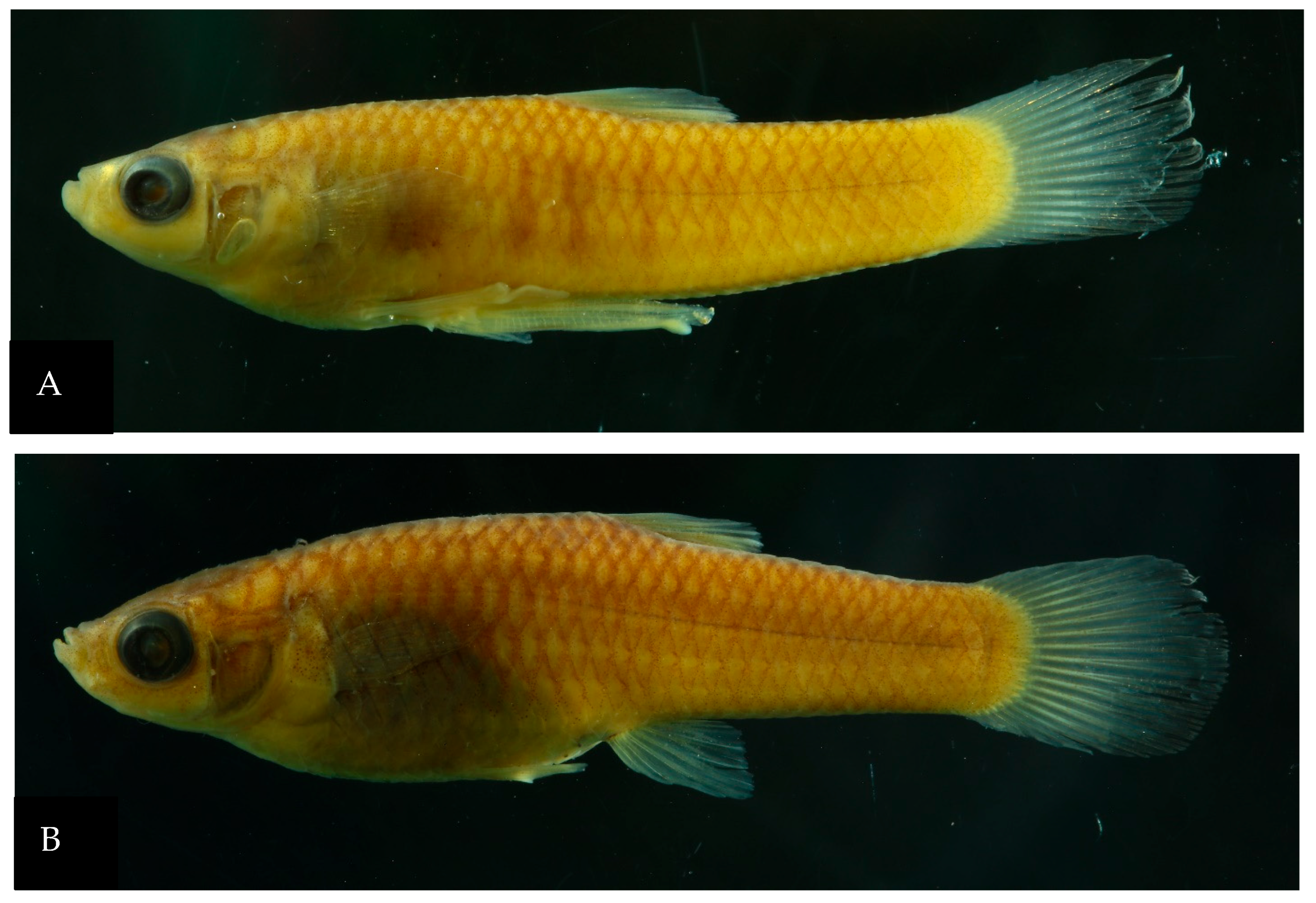
Figure 1. (A) Poecilia (Pamphorichthys) marconii, holotype, male, 22.8 mm SL, MNRJ 56133. Freshly collected specimen. (B) Poecilia (Pamphorichthys) marconii, paratype, female, 22.1 mm SL, MNRJ 21382, same locality as holotype, Rio Cachoeirinha, Utinga, Rio Paraguaçu basin, Bahia, Brazil.
Fishes 11 00079 g001
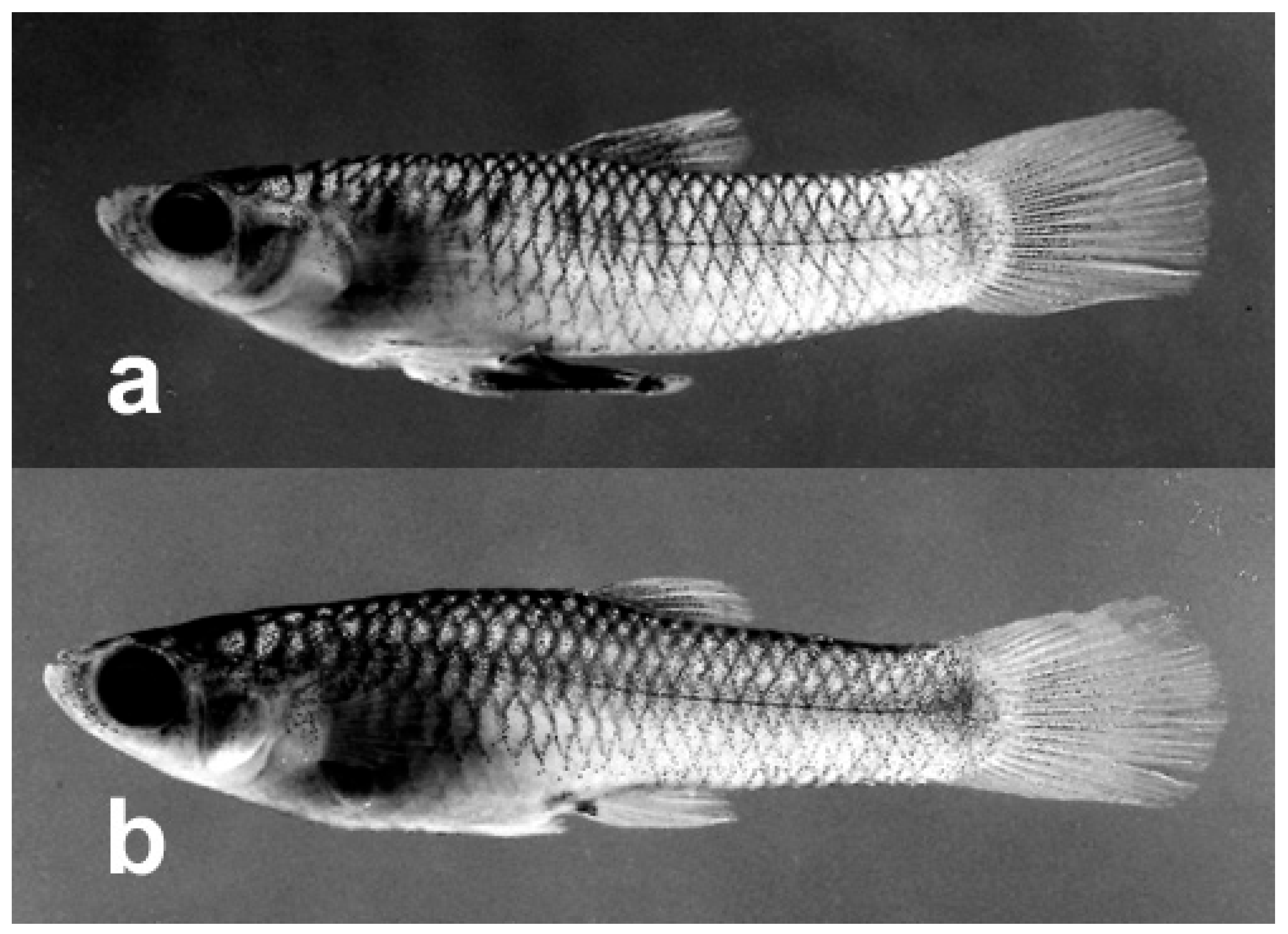
Figure 2. Specimen preserved in ethanol—(a) Poecilia (Pamphorichthys) marconii, holotype, male, 22.8 mm SL, MNRJ 56133. Freshly collected specimen. (b) Specimen preserved in ethanol—Poecilia (Pamphorichthys) marconii, paratype, female, 22.1 mm SL, MNRJ 21382, same locality as holotype, Rio Cachoeirinha, Utinga, Rio Paraguaçu basin, Bahia, Brazil.
Fishes 11 00079 g002

3.2. Diagnosis

Poecilia (Pamphorichthys) marconii is distinguished from all congeners by the following autapomorphies: (1) an ossified lateral process on the distal portion of the first pelvic-fin ray and (2) the unique connection of this process to the prominent subdistal lateral processes of the second pelvic-fin ray via a series of fleshy appendages containing cartilaginous traces.
Additionally, P. (Pam.) marconii is the only species in the subgenus that combines the presence of prominent lateral subdistal processes on the second pelvic-fin ray (shared with the ‘classical’ Pamphorichthys species) with a gonopodium exhibiting reduced ornamentation (a condition otherwise known only in P. pertapeh and P. akroa). A comprehensive comparison with all valid congeners, confirming the uniqueness of this character combination and the autapomorphies listed above, is provided in Supplementary Table S1.
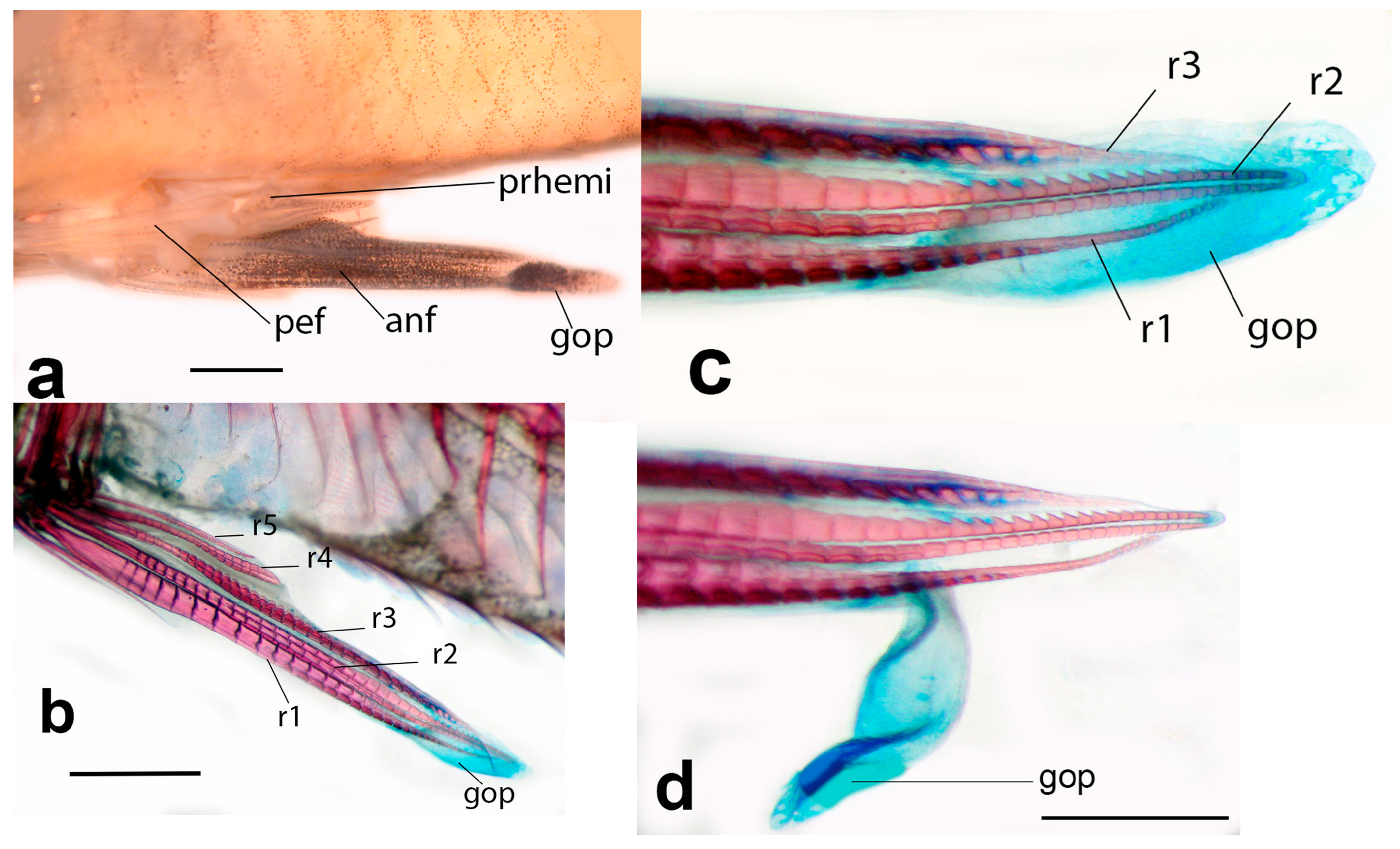
Mature males also exhibit a strongly and diffusely pigmented gonopodium (Figure 3b and Figure 4a) and females a strongly pigmented urogenital region. These pigmentation traits are described in detail in Section 3.3 and Section 3.4.
A comparative matrix of key diagnostic characters across all Pamphorichthys species is provided in Supplementary Table S1, demonstrating the unique combination of character states exhibited by P. (Pam.) marconii.

3.3. Description

Morphometric and meristic data are presented in Table A1. General body shape as described below for each sex.
Males. Dorsal profile slightly convex from tip of snout to origin of dorsal fin; straight to slightly concave from dorsal-fin origin to caudal-fin base. Ventral profile convex from lower jaw to pelvic-fin insertion, with a marked concavity between pelvic-fin and gonopodium insertions; profile nearly straight along gonopodium base. Caudal peduncle depth is moderate. Caudal fin margin intermediate between rounded and truncated. A conspicuous dimorphic feature is the strong, diffuse pigmentation of the entire gonopodium in fully developed males (see Coloration below).
Females. The dorsal profile is slightly convex from the tip of the snout to the dorsal-fin origin and straight from the dorsal-fin base to the caudal-fin base. The ventral profile is convex from the lower jaw to the urogenital papilla, which forms a distinct protrusion, and the anal-fin base is straight. The caudal peduncle is slightly deeper than in males. Caudal fin margin rounded. A prominent dimorphic characteristic is the intensely pigmented urogenital region, which forms a distinct dark field surrounding the urogenital papilla (see Coloration below).
Fins. Dorsal-fin rays i,8 or ii,9 in males; i,8 or ii,8 in females. Anal-fin rays iii,9 in females. Pelvic-fin rays 5. Caudal-fin branched rays 12–13; unbranched superior rays 6 or 7; unbranched inferior rays 6; and Pectoral-fin rays 10 or 11.
Squamation. Scales are in a longitudinal series of 30 or 31 (mode 31) in males and 29–31 (mode 30) in females. Scales are in a transversal series of seven. Scales around the caudal peduncle are 16. Predorsal scales are 17 or 18 (mode 18) in males and 16–17 (mode 17) in females.
Osteology. The precaudal vertebrae are 14, and the caudal vertebrae are 15. The premaxillary teeth on the outer row are 6 in males and 8–10 in females. The dentary teeth on the outer row are 6–7 in males and 8–10 in females. The first proximal radial of the dorsal fin is inserted between the neural spines of vertebrae 11 and 12 (Figure 3). Branchiostegal rays 5.
Gonopodium and suspensory apparatus (Figure 4 and Figure 5). Males have two gonapophyses (modified elements of the axial skeleton) in the gonopodium suspensory apparatus. The first gonapophysis originates at vertebra 14, and the number of gonactinosis is seven. Gonopodium is with a well-developed, elongate gonopodial palp, exceeding the tips of rays 4a and 4p (Figure 4). Ray 3 is robust, with pronounced lateral projections on anterior segments. Projections and ray width gradually diminish posteriorly. Ray 4a is simple, and segments decrease in size distally. Ray 4p is thick on the anterior to subdistal segments, the latter bearing small retrorse serrae. Rays 4a and 4p run parallel distally, joined by a cartilaginous tip. Ray 5 forms a channel in cross-section, its anterior arm (ray 5a) bearing anterior projections. Ray 4 is the longest, and rays 3 and 5 are subequal in length. Pelvic-fin insertion in males is anterior, lying ventral to pectoral-fin insertion.
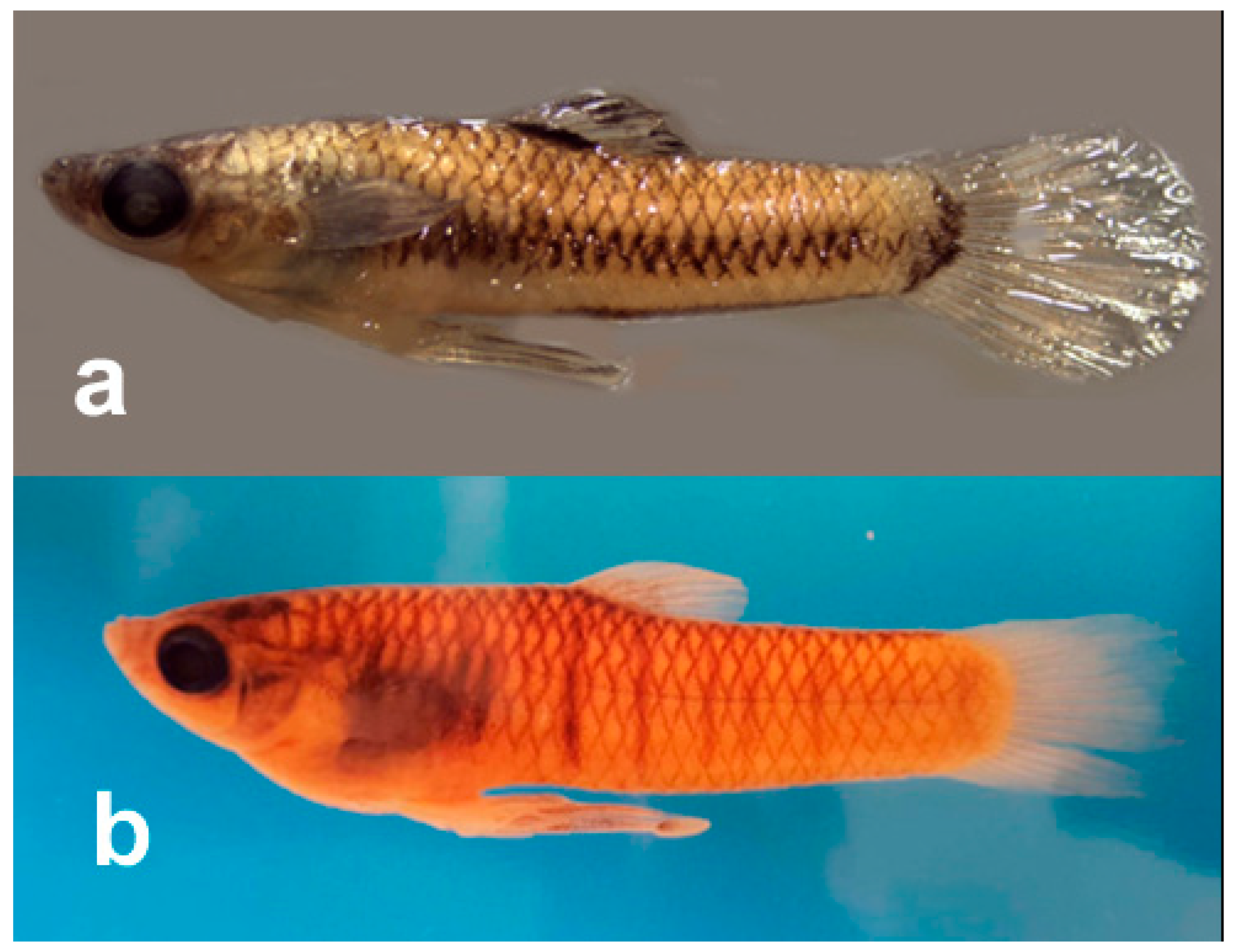
Figure 3. Comparison of body patterns in two geographically proximate Pamphorichthys species. (a) P. hollandi (São Francisco basin, MBML 10087, 17.1 mm SL) with a characteristic zig-zag pattern along the lateral line. (b) Poecilia (Pamphorichthys) (Paraguaçu basin, MNRJ 21382, 19.6 mm SL) with vertical bars on the flanks.
Fishes 11 00079 g003
Figure 4. Poecilia (Pamphorichthys) marconii, MNRJ 22247, male, 20.6 mm SL, lateral view of male anal-fin: (a) position of strongly pigmented anal-fin arranged between the pelvics, (b) anal-fin gonopodium structure, (c) detail of the gonopodium tip, illustrating the well-developed gonopodial palp, and (d) fin rays tip with gonopodial palp moved below. Abbreviations: anf—anal-fin; gop—gonopodial palp; pef—pelvic-fin; prhemi—hemitrichia process; r1—anal fin-ray 1; r2—anal fin-ray 2; r3—anal fin-ray 3; r4—anal fin-ray 4; and r5—anal fin-ray 5. The scale bar shows 1 mm.
Fishes 11 00079 g004
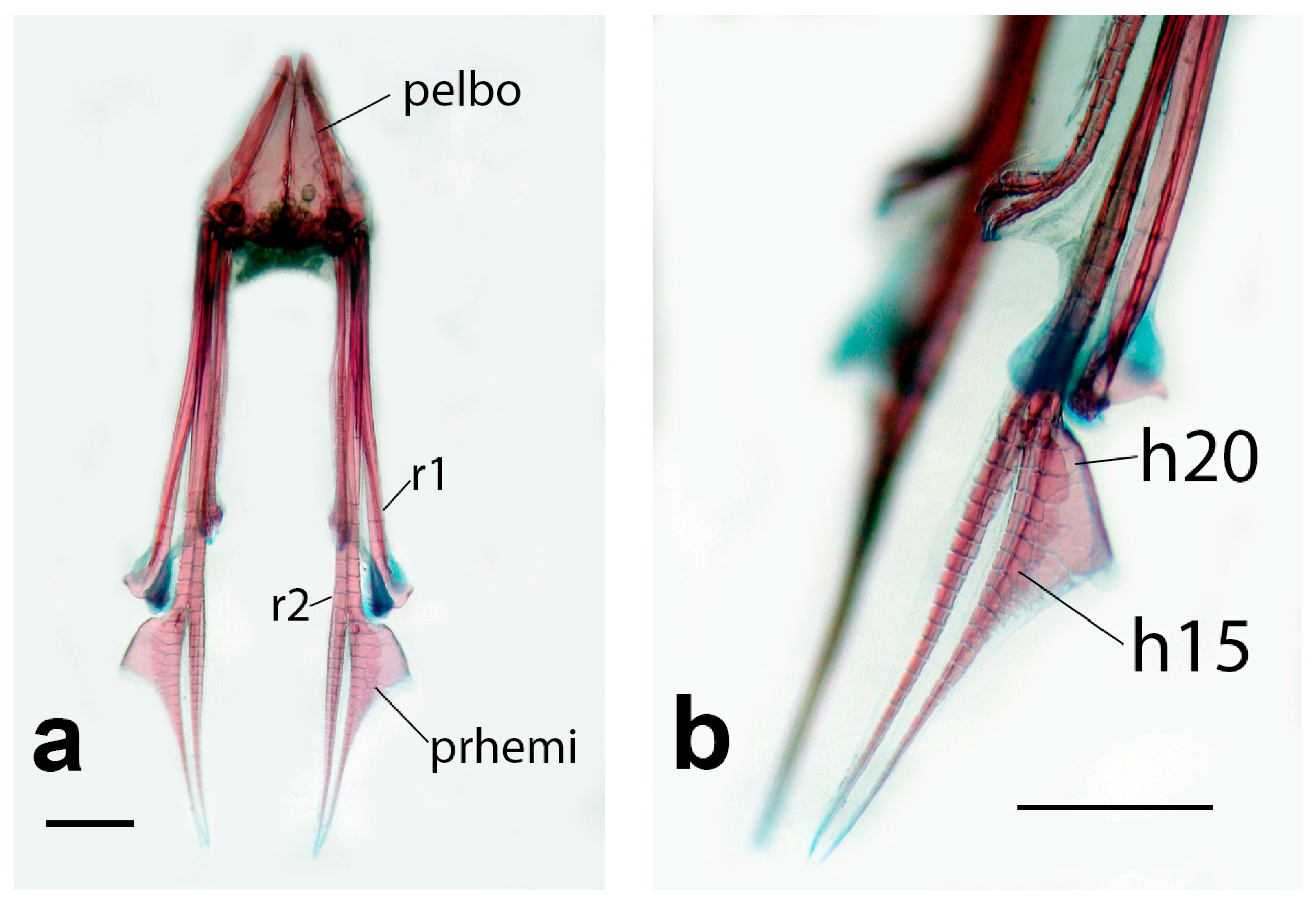
Pelvic fins in mature males (Figure 5a). The second ray is elongated, and the third ray is at its subdistal end. There is a unique deriving condition, which is an ossified lateral process on the distal portion of the first ray connected via fleshy appendages (with associated cartilaginous traces) to the subdistal processes of the second ray (Figure 5b).
Figure 5. Poecilia (Pamphorichthys) marconii, MNRJ 21382, 20.6 mm SL, ventral view of male pelvic fin: (a) ventral view of pelvic girdle and (b) detail of hypertrophied hemitrichia process in ray 2. Abbreviations: h15—hemitrichia 15 of ray 2; h20—hemitrichia 20 of ray 2; pelbo—pelvic bone; prhemi—hemitrichia process; r1—pelvic fin-ray 1; and r2—pelvic fin-ray 2. The scale bar shows 1 mm.
Fishes 11 00079 g005
Sensory system. The cephalic lateralis system is predominantly open, represented by grooves with exposed neuromasts. The preopercular canal may have short, closed sections ventrally.
Sexual dimorphism. Females attain a larger maximum size than males. Strong pigmentation of the gonopodium (males) and urogenital region (females) is the most conspicuous dimorphic feature.

3.4. Coloration in Preserved Specimens

Sexual dichromatism is pronounced and is most strikingly expressed in the strong pigmentation of the gonopodium in males and the urogenital region in females. General body ground color cream to pale yellow. The snout and dorsal half of the head are more densely pigmented. Scales with dark chromatophores concentrated on posterior margins, creating a distinct reticulate pattern over the body, except on the unpigmented abdomen. Reticulation is fainter on the ventrolateral portion of the caudal peduncle. A faint longitudinal band, formed by chromatophores superimposed on the reticulate pattern, runs along the body midline. Horizontal septum marked by a thin, dark line, more conspicuous on the caudal peduncle. A series of dark rhombi is present posterior to the anal fin, formed by pigment on the posterior margins of mid-ventral scales.
Males. Reticulate patterns are present. Vertically elongated, irregularly arranged spots are present along the mid-flank, especially anterior to the caudal peduncle. Dorsal fin with small chromatophores concentrated near the base and on the distal interradial membranes, leaving a medial hyaline area. Gonopodium pigmentation: The gonopodium exhibits strong, diffuse pigmentation across all rays in mature males, a feature not seen in other Pamphorichthys species. The gonopodial palp is particularly densely pigmented. (Figure 1).
Females. The body pattern consists solely of the reticulation. Vertical spots are absent. Dorsal fin pigmentation is similar to that of males but less intense. The urogenital region is surrounded by a very conspicuous, dense, and sharply defined field of dark pigmentation (Figure 2), constituting a striking dimorphic trait. Anal fin with scattered chromatophores, more concentrated on anterior and distal margins. Pelvic fins hyaline. Pectoral fins with scattered chromatophores along rays.

3.5. Coloration in Life

In life, the general coloration described for preserved specimens is more vivid. The ground color is a silvery cream to pale gold. The reticulate pattern formed by dark chromatophores on the scale margins is pronounced and contrasts against the lighter background. The vertical flank bars in males appear as faint, olive-green to dusky vertical bands. The iris may have a silvery to golden hue. The strong pigmentation of the gonopodium in males and the urogenital region in females remains a conspicuous feature. (See Figure 1 and Figure 2).

3.6. Habitat and Ecology

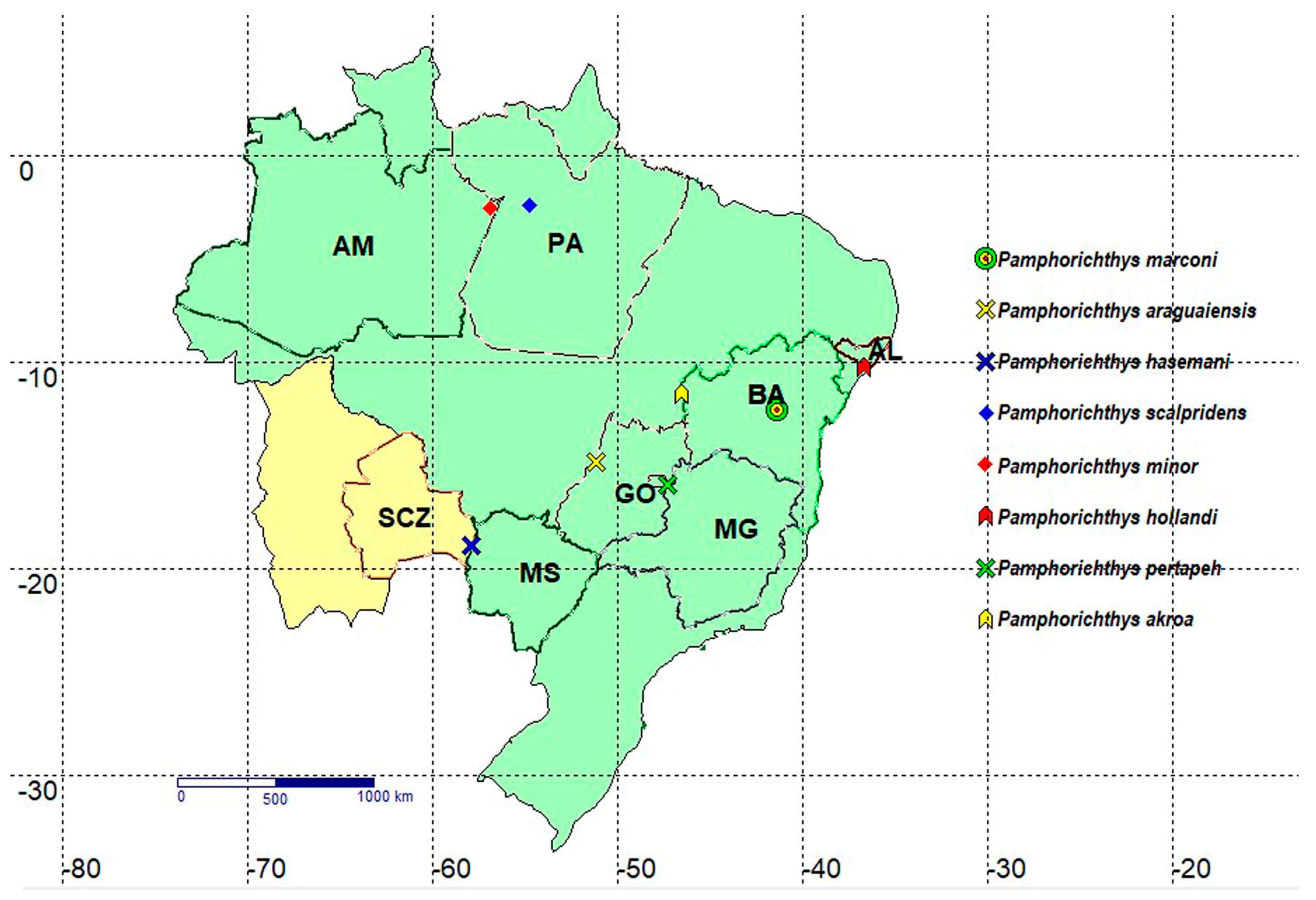
Poecilia (Pamphorichthys) marconii is known only from its type locality, the Rio Cachoeirinha, a third-order tributary of the Rio Utinga in the upper Rio Paraguaçu basin, Chapada Diamantina, Bahia, Brazil (Figure 6 and Figure 7).
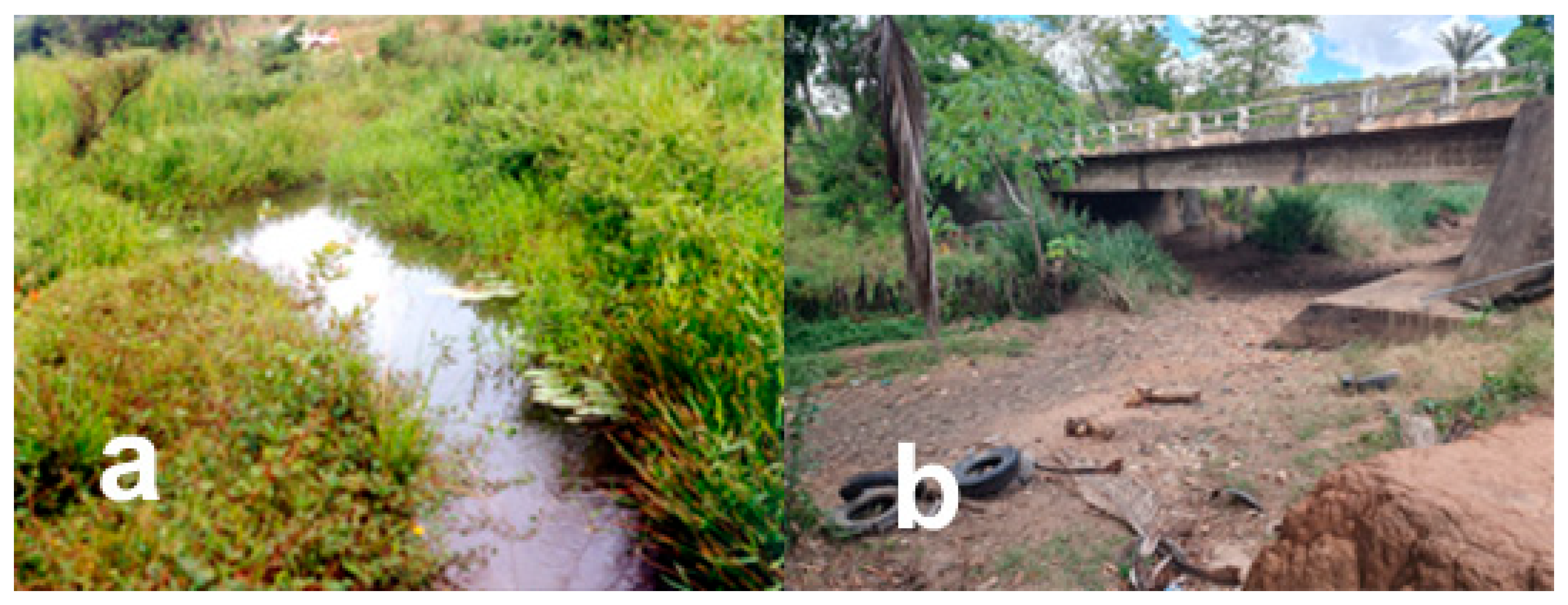
The type locality (Figure 6a) was characterized by dark tea-colored waters with slow current (0.13–1.06 m/s), depth of 35–70 cm, and water temperature of 24 °C in November 2005. The substrate consisted of pebbles, sand, and decomposing plant material. The river channel was densely covered by emerging vegetation (grasses and ferns) and floating macrophytes. The site is at an elevation of 572 m.
Conservation notes. The Rio Utinga, and also its tributary the Rio Cachoeirinha were found completely dry in March 2025 (Figure 6b). The implications of this habitat desiccation and the severe degradation of the Utinga River system for the survival of P. (Pam) marconii are discussed in Section 4.4. Besides trying to locate new samples at Rio Cachoeirinha, other localities were sampled. Tentative of finding populations along the Rio Utinga basin were proceeded at the localities of the Rio do Riachão in September 2012, at the Rio da Soltinha in September 2012, at the Russo Farm downstream from second bridge at January 2024. Additionally, regular incursions to the Rio Utinga at second bridge in June 2011, April and July 2023, February, March and October 2024. None of these field trips were able to find these fishes.

3.7. Etymology

The specific epithet marconii is a noun in apposition, honoring the ichthyologist Marconi Porto Sena, born in Utinga, Chapada Diamantina, in recognition of his remarkable skill in collecting fish and his deep knowledge of their natural history.

4. Discussion

4.1. Taxonomic Placement of Poecilia (Pamphorichthys) marconii

The taxonomic status of Pamphorichthys has been debated. While morphological analyses recovered it as an early-diverging lineage within Poecilia [20], molecular phylogenies consistently place it deeply nested within the genus [4,5,6,21]. Pending a comprehensive analysis that reconciles these data sources, and in line with recent treatments that prioritize nomenclatural stability [3,4,22], we retain Pamphorichthys as a subgenus of Poecilia.
Poecilia (Pamphorichthys) marconii is unequivocally assigned to this subgenus based on its possession of the synapomorphic character states that diagnose the Pamphorichthys clade [3,23]: pectoral-fin rays 10–11, gonapophyses parallel to the vertebral column, a small Hollister foramen tightly surrounding the gonactinosial complex, and a much more anterior pelvic-fin insertion in males. The new species exhibits all these derived features, confirming its placement within this distinct morphological lineage.

4.2. Morphological Significance of Poecilia (Pamphorichthys) marconii

The discovery of P. (Pam.) marconii provides new data for understanding morphological evolution within Pamphorichthys. As detailed in the diagnosis and summarized in Supplementary Table S1, this species presents remarkable, distinctive features. It retains the prominent lateral subdistal processes on the second pelvic-fin ray, a feature considered diagnostic for the Pamphorichthys species described in the 20th century (P. minor, P. scalpridens, P. hollandi, P. hasemani). However, it concurrently exhibits a reduced ornamented gonopodium, a condition otherwise known only in the more recently described P. pertapeh and P. akroa [3,9]. The unique pelvic-fin hypertrophied lepidotrichia on the second ray, plus the anal-fin gonopodial simplification is not observed in any other congener. Additionally, this unique morphology is further defined by exclusive features, most notably the ossified process on the first pelvic-fin ray and its unique fleshy connection to the second ray. The strong pigmentation of the gonopodium in males and the darkly pigmented urogenital region in females provides an additional, readily observable diagnostic trait.
The presence of a mosaic of features in P. (Pam.) marconii challenges a simplistic view of morphological evolution within the subgenus and suggests that the evolution of complex reproductive structures (gonopodium and pelvic fins) may be more decoupled and subject to homoplasy than previously assumed. Based on comparative morphology alone, we can propose preliminary hypotheses. One plausible evolutionary scenario is assuming that the elaborate pelvic processes may have evolved within the group, with independent losses or simplifications occurring in the lineages leading to P. pertapeh and P. akroa. Alternatively, the condition in P. (Pam.) marconii could represent a distinct, derived pathway.
Resolving these evolutionary hypotheses definitively requires a formal phylogenetic analysis that integrates molecular data with a comprehensive morphological matrix, which is out of the scope of the present study. The description and detailed characterization of P. (Pam.) marconii provided herein establish a morphological baseline for its future studies. Its morphology underscores the potential for unrecognized diversity and complex trait evolution within isolated drainages within the Chapada Diamantina.

4.3. Biogeographic Implications

The discovery of Poecilia (Pamphorichthys) in a tributary of the Utinga River (Paraguacu basin) reinforces the pattern of high endemism and complex biogeographic history of the Chapada Diamantina. This ancient plateau, with its isolated drainages, has fostered significant diversification and endemism in several fish groups [24], including other poeciliids as well as lineages in Characidae, Loricariidae, and Trichomycteridae. The occurrence of a potentially basal Pamphorichthys species in the Rio Paraguacu, geographically distant from the São Francisco and Araguaia/Tocantins basins, where most congeners occur, suggests historical connections followed by vicariance events. The distribution pattern of Pamphorichthys presents a complex biogeographic puzzle. The inclusion of Poecilia (Pamphorichthys) in future phylogenetic analyses would be crucial for testing hypotheses about the isolation events that shaped the diversification of this group.

4.4. An Urgent Conservation Imperative

The description of Poecilia (Pamphorichthys) marconii is shadowed by an imminent conservation crisis. Twenty years after the collection of the type series, the Rio Utinga basin shows severe environmental degradation linked to unsustainable water extraction for agriculture [25]. This has led to significant riparian vegetation loss, aquatic fauna decline, and threats to the livelihoods of traditional communities [25,26]. Most critically, the Rio Cachoeirinha—the only known habitat of P. (Pam.) marconii—was completely dry in March 2025 (Figure 6b). The species has not been found in surveys over the past decade, suggesting it may be on the verge of disappearance. This hydrological collapse extends beyond the type locality, affecting the connected aquatic biota of the Marimbus wetlands. Unsustainable water extraction for agriculture remains a primary driver of this degradation [25].
Therefore, this description serves not only as a taxonomic record but as an urgent call for immediate intervention. To prevent the extinction of P. (Pam.) marconii and other endemic aquatic biota of the Chapada Diamantina, it is imperative to (1) regulate and monitor water extraction in the Utinga basin, (2) develop and implement a habitat restoration plan for the Rio Cachoeirinha, and (3) formally assess the conservation status of this species to advocate for legal protection.
Threat vectors to Poecilia (Pamphorichthys) marconii populations, classified following IUCN Red List categories [27], are multiple, synergistic, and officially documented. The primary and immediate threat is the unsustainable abstraction and impoundment of surface water for irrigation (7.2.11, 7.2.1: Dams and water management/use). This is not a hypothetical risk but an ongoing and planned intervention. The complete desiccation of its only known habitat, the Rio Cachoeirinha (Figure 6b), is a direct result of existing unauthorized dams upstream. Furthermore, state technical reports formally designate this same sub-basin for a ‘Hydroagricultural Development’ project, detailing plans for water storage and diversion to irrigate approximately 400 hectares [28]. This institutional framework confirms that the hydrological collapse is driven by the systematic expansion of agribusiness (2.2.2: Small-holder plantations) as a regional priority. Additional compounding pressures include in-stream sand mining (3.2.1) and pollution from domestic waste (9.4.1). These localized anthropogenic threats are exacerbated by the growing frequency and intensity of droughts (11.2) due to climate change, which acts as a final trigger for extinction in an already critically depleted and mismanaged system.
Given the proven adaptability of many poeciliid species to captivity, a complementary ex situ conservation strategy should be urgently explored. The establishment of a captive breeding program for P. (Pam) marconii could serve as a critical insurance population, safeguarding its genetic heritage and providing a potential source for future reintroduction if—and only if—its natural habitat is restored.
Therefore, the protection and urgent restoration of the remaining aquatic refuges in the Rio Utinga basin is the foundational and indispensable conservation action. Securing these habitats is essential not only for the potential recovery of P. (Pam) marconii but also to safeguard the entire unique and threatened aquatic evolutionary heritage of the Chapada Diamantina.

5. Conclusions

Poecilia (Pamphorichthys) marconii is a significant discovery that enriches our understanding of Neotropical poeciliid diversity. Its unique morphology offers valuable insights into the evolution of complex sexual traits. However, its apparent rarity and the critical degradation of its habitat turn this taxonomic description into an urgent call for conservation action. The protection of the aquatic remnants of the Chapada Diamantina is essential to safeguard not only this new species but all the unique biota that depend on these fragile ecosystems.

Supplementary Materials

The following supporting information can be downloaded at: https://www.mdpi.com/article/10.3390/fishes11020079/s1, Table S1: Comparative morphological characters for species of the subgenus Pamphorichthys.

Author Contributions

All authors designed the study; L.M.S.-S. built the species vouchers list and checked species distribution ranges. L.M.S.-S. and C.A.F. performed data curation and taxonomic validation. Fieldwork was performed by A.C.d.A.S. All authors have read and agreed to the published version of the manuscript.

Funding

Fieldwork was in part funded by PPBIO/CNPq. Process number: 441271/2023-5.

Institutional Review Board Statement

The animal study protocol was approved by the Ethics Committee for Animal Use of Federal University of Espírito Santo (CEUA-UFES; permit number: 008/23) on 30 August 2023, for studies involving field methods.

Data Availability Statement

Data are available in Appendix B.

Acknowledgments

We extend our gratitude to Marconi P. Sena for their help with field activities. We are grateful to Cristiano Moreira, Marcelo R. Britto, Paulo A. Buckup (MNRJ), and Anna Carolina for providing collection records and for the courtesy extended during the visit to their institutions. We acknowledge Jonas Andrade for the assistance and laboratory help. We give thanks to the UEFS-Universidade Estadual de Feira de Santana for logistic support during fieldwork. This work received laboratory support from the Instituto Nossos Riachos (INR). We thank ICMBio for the license for field activities. Our gratitude is extended to the population of the city of Utinga, in the Chapada Diamantina, for their partnership. We would like to thank the CNPq/PPBIO Semiarid Network for its support in maintaining collections and in collecting the data used in this work.

Conflicts of Interest

The authors declare no conflicts of interest.

Appendix A

Table A1. Morphometric data for the holotype and adult paratypes of Poecilia (Pamphorichthys) marconii (males, n = 41; females, n = 50). Values are presented as percentages of standard length (SL) or head length (HL). SD = Standard Deviation.
Males (41)Females (50)
HolotypeRangeMeanSDRangeMeanSD
Standard length (mm)22.815.4–22.817.6 18.5–24.621.7
Percentage of standard length
Body depth20.118.6–21.2200.821.3–25.122.91.2
Depth of caudal peduncle17.516.1–18.617.30.714.4–16.815.60.7
Length of caudal peduncle60.251.6–63.259.63.535.9–42.237.71.5
Predorsal length53.148.5–57.953.12.354.5–59.256.91.2
Length of dorsal-fin base10.310.3–12.611.30.68.9–11.810.30.8
Prepelvic length30.728.9–41.232.23.241.2–56.6453.5
Pelvic-fin length20.618.2–27.1212.411.8–14.813.20.9
Preanal length34.633.5–46.336.83.553.8–59.957.61.8
Length of gonopodium37.031.5–37.0341.717.9–22.120.41.1
Head length25.323.1–27.524.81.222.5–25.724.30.9
Percentage of head length
Head depth60.859.0–65.662.32.356.2–76.165.14.4
Head width58.249.9–61.3563.057.0–71.860.93.8
Eye diameter38.735.7–41.138.21.535.9–40.937.71.3
Gape22.121.1–29.523.62.322.1–34.127.23.0

Appendix B. Comparative Material Examined (in Brackets Number of Specimens in Each Lot)

Pamphorichthys araguaiensis. MNRJ 25052 (66); MNRJ 36015 (15); MNRJ 49045 (1); UFRJ 1944 (23).
Pamphorichthys hasemani: MNRJ 30392 (36); MNRJ 52187 (1); UFRJ 3646 (131).
Pamphorichthys hollandi: MBML 10087 (10); MNRJ 22450 (10); MNRJ 30468 (35); UFBA 2984 (25).
Pamphorichthys minor: MNRJ 36020 (20), MNRJ 36021 (2); UFRJ 3944 (50).
Pamphorichthys scalpridens: MNRJ 36030 (28); MNRJ 36031 (2); UFRJ 3862 (24).
Pamphorichthys pertapeh: MNRJ 18090 (48 alc, 6 CS), MNRJ 32467 (1).
Pamphorichthys akroa: MZUSP 83547 (50 alc, 4 CS).

References

  1. Lucinda, P.H.F.; Reis, R.E. Systematics of the subfamily Poeciliinae Bonaparte (Cyprinodontiformes: Poeciliidae), with an emphasis on the tribe Cnesterodontini Hubbs. Neotrop. Ichthyol. 2005, 3, 1–60. [Google Scholar] [CrossRef]
  2. Rosen, D.E.; Bailey, R.M. The poeciliid fishes (Cyprinodontiformes), their structure, zoogeography, and systematics. Bull. Am. Mus. Nat. Hist. 1963, 126, 117–118. [Google Scholar]
  3. Figueiredo, C.A.; Moreira, C.R. Poecilia (Pamphorichthys) akroa, a new poeciliid species (Cyprinodontiformes: Poeciliidae) from the Rio Tocantins basin, Brazil. Zootaxa 2018, 4461, 438–444. [Google Scholar] [CrossRef]
  4. Meredith, R.W.; Pires, M.N.; Reznick, D.N.; Springer, M.S. Molecular phylogenetic relationships and the evolution of the placenta in Poecilia (Micropoecilia) (Poeciliidae: Cyprinodontiformes). Mol. Phylogenet. Evol. 2010, 55, 631–639. [Google Scholar] [CrossRef]
  5. Meredith, R.W.; Pires, M.N.; Reznick, D.N.; Springer, M.S. Molecular phylogenetic relationships and the coevolution of placentotrophy and superfoetation in Poecilia (Poeciliidae: Cyprinodontiformes). Mol. Phylogenet. Evol. 2011, 59, 148–157. [Google Scholar] [CrossRef]
  6. Pollux, B.J.A.; Meredith, R.W.; Springer, M.S.; Garland, T.; Reznick, D.N. The evolution of the placenta drives a shift in sexual selection in livebearing fish. Nature 2014, 513, 233–236. [Google Scholar] [CrossRef] [PubMed]
  7. Costa, W.J.E.M. Description d’une nouvelle espèce du genre Pamphorichthys (Cyprinodontiformes: Poeciliidae) du bassin de l’Araguaia, Brésil. Rev. Fr. Aquariol. Herpétol. 1991, 21, 39–42. [Google Scholar]
  8. Henn, A.W. On various South American poeciliid fishes. Ann. Carnegie Mus. 1916, 10, 93–142. [Google Scholar] [CrossRef]
  9. Figueiredo, C.A. A new Pamphorichthys (Cyprinodontiformes: Poeciliidae: Poeciliini) from central Brazil. Zootaxa 2008, 1918, 59–68. [Google Scholar] [CrossRef]
  10. Moro, M.F.; Amorim, V.O.; de Queiroz, L.P.; da Costa, L.R.F.; Maia, R.P.; Taylor, N.P.; Zappi, D.C. Biogeographical Districts of the Caatinga Dominion: A Proposal Based on Geomorphology and Endemism. Bot. Rev. 2024, 90, 376–429. [Google Scholar] [CrossRef]
  11. Sabaj, M.H. Codes for natural history collections in ichthyology and herpetology. Copeia 2020, 108, 594–669. [Google Scholar] [CrossRef]
  12. Miller, R.R. Cyprinodont fishes of the Death Valley system of Eastern California and Southeastern Nevada. Misc. Publ. Mus. Zool. Univ. Mich. 1948, 68, 1–155. [Google Scholar]
  13. Miller, R.R. Five new species of Mexican poeciliid fishes of the genera Poecilia, Gambusia, and Poeciliopsis. Occas. Pap. Mus. Zool. Univ. Mich. 1975, 672, 1–44. [Google Scholar]
  14. Costa, W.J.E.M. Sistemática e distribuição do complexo de espécies Cynolebias minimus (Cyprinodontiformes, Rivulidae), com a descrição de duas espécies novas. Rev. Bras. Zool. 1988, 4, 557–570. [Google Scholar] [CrossRef]
  15. Taylor, W.R.; Van Dyke, G.C. Revised procedures for staining and clearing small fishes and other vertebrates for bone and cartilage study. Cybium 1985, 9, 107–119. [Google Scholar]
  16. Parenti, L.R. A phylogenetic and biogeographical analysis of Cyprinodontiform fishes (Teleostei, Atherinomorpha). Bull. Am. Mus. Nat. Hist. 1981, 168, 341–557. [Google Scholar]
  17. Weitzman, S.H.; Fink, S.V. Xenurobryconin phylogeny and putative pheromone pumps in glandulocaudine fishes (Teleostei: Characidae). Smithson. Contrib. Zool. 1985, 421, 1–121. [Google Scholar] [CrossRef]
  18. Rosen, D.E.; Gordon, M. Functional anatomy and evolution of male genitalia in poeciliid fishes. Zoologica 1953, 38, 1–47. [Google Scholar] [CrossRef]
  19. Ferreira, J.O. GPS TrackMakerPRO, Version 4.9.610; GeoStudio Technology: Belo Horizonte, Brazil, 2022.
  20. Figueiredo, C.A. Análise cladística da subfamília Poeciliinae (Cyprinodontiformes: Poeciliidae) com ênfase nas interrelações dos gêneros Poecilia, Limia e Pamphorichthys. Ph.D. Thesis, Universidade de São Paulo, São Paulo, Brazil, 2003. [Google Scholar]
  21. Ho, A.L.F.C.; Pruett, C.L.; Lin, J. Phylogeny and biogeography of Poecilia (Cyprinodontiformes: Poeciliinae) across Central and South America based on mitochondrial and nuclear DNA markers. Mol. Phylogenet. Evol. 2016, 101, 32–45. [Google Scholar] [CrossRef]
  22. Huber, J.H. A nomenclatural and systematic analysis of livebearing Cyprinodontiformes (Acanthopterygii: Anablepsinae, Goodeinae, Poeciliidae). Killi-Data Ser. 2019, 4, 4–155. [Google Scholar]
  23. Regan, C.T. A revision of the Cyprinodont fishes of the subfamily Poeciliinae. Proc. Zool. Soc. Lond. 1913, 5, 977–1019. [Google Scholar] [CrossRef]
  24. Santos, A.C.A.; Caramaschi, E.P. Composition and seasonal variation of the ichthyofauna from upper Rio Paraguaçu (Chapada Diamantina, Bahia, Brazil). Neotrop. Ichthyol. 2011, 9, 153–160. [Google Scholar] [CrossRef]
  25. Sarmento-Soares, L.M.; Santos, A.C.A.; Martins-Pinheiro, R.F.; Martins, S.F.; Takako, A.K. The paradox of irrigation efficiency: Brazilian Caatinga’s fish fauna threatened by crop irrigation. Science 2018, 361, 748–750. [Google Scholar]
  26. Sena, M.P. Caracterização da Ictiofauna de Dois Marimbus da Chapada Diamantina, Bahia. Master’s Thesis, Universidade Estadual de Feira de Santana, Feira de Santana, Brazil, 2014. [Google Scholar]
  27. IUCN Standards and Petitions Committee. Guidelines for Using the IUCN Red List Categories and Criteria; Version 15.1; Standards and Petitions Committee: Gland, Switzerland, 2022; Available online: http://www.iucnredlist.org/documents/RedListGuidelines.pdf (accessed on 10 October 2024).
  28. Secretaria de Infraestrutura Hídrica e Saneamento do Estado da Bahia (SIHS). Definição da Área e de Estudos Básicos—Aproveitamento Hidroagrícola do Rio Utinga—Sub-Bacia do Rio Cachoeirinha; Relatório Técnico RAT 04; Governo do Estado da Bahia: Salvador, Brazil, 2016.
Figure 6. (a) Rio Cachoeirinha, a tributary of Rio Utinga, Rio Paraguaçu basin, Bahia, November 2005. Type locality of the new species. (b) The Rio Utinga, to which the Rio Cachoeirinha is a tributary, was completely dry in March 2025.
Fishes 11 00079 g006
Figure 7. The respective type localities of species in Poecilia (Pamphorichthys). The green contour refers to the Brazilian territory. The yellow contour corresponds to Bolivia. The Brazilian states of Amazonas (AM), Pará (PA), Alagoas (AL), Bahia (BA), Goiás (GO), Minas Gerais (MG), and Mato Grosso do Sul (MS) are indicated. Additionally, the Bolivian department of Santa Cruz (SCZ) is signed.
Fishes 11 00079 g007
Disclaimer/Publisher’s Note: The statements, opinions and data contained in all publications are solely those of the individual author(s) and contributor(s) and not of MDPI and/or the editor(s). MDPI and/or the editor(s) disclaim responsibility for any injury to people or property resulting from any ideas, methods, instructions or products referred to in the content.