1. Introduction
Litopenaeus vannamei is characterized by rapid growth, high stress resistance, and wide salinity tolerance, and is widely cultivated worldwide [
1]. According to FAO data, the total global aquaculture production in 2022 was 94.4 billion tons, of which mariculture accounted for 35.5 billion tons, and the output of
L. vannamei was 6.8 million tons [
2].
Fishmeal is the main source of protein in aquaculture. It possesses the advantages of high protein content, excellent amino acid profile, good palatability, and no anti-nutritional factors, which play an especially important role in aquatic feed raw materials [
3]. Due to the unstable fishmeal supply and fluctuating fishmeal prices, developing high-quality fishmeal protein substitutes become more crucial for the high-quality development of aquaculture. There are usually four sources of fishmeal protein substitutes, including animal protein sources [
4], plant protein sources [
5], insect protein sources [
6], and single-cell protein sources [
7]. Soybean meal is a high-quality plant protein source in aquafeed, and using it to replace fishmeal has become a relatively common alternative [
8]. There have been many reports on the effects of using soybean meal to replace fishmeal. Some studies suggested that this substitution did not significantly reduce the growth performance of the organism [
9,
10], whereas others demonstrated that soybean meal substitution could inhibit animal growth, immunity, and antioxidant capacity [
11,
12]. Plant protein substitution for fishmeal may lead to adverse effects, and the main reasons may include the presence of fiber, antinutritional factors, and amino acid imbalance [
13]. Single protein source substitution has limitations. Therefore, it is necessary to explore appropriate strategies to mitigate the adverse effects caused by low-fishmeal diets. The main improvement strategies include supplementing nutrients to balance amino acids [
14], adding probiotics [
15], incorporating functional additives [
16], and processing raw materials [
17].
Red kojic rice (RKR) is produced by fermenting rice with
Monascus spp. It has a history of over a thousand years in China, and its fermentation technology is quite sophisticated [
18]. Notably, it boasts a well-established production chain and stable supply. RKR is widely used in food and medicine due to its health-beneficial biological activities, and related studies have shown that RKR plays a beneficial role as a feed additive [
19]. RKR was produced by the fermentation of
Monascus purpureus, which is a type of probiotic that produces beneficial metabolites including monascus pigments, monacolin K, and Ergosterol [
20]. Relevant studies have confirmed that Monascus is rich in antioxidant and immunomodulatory functional substances. Monascus pigments possess antioxidant activity, which can scavenge free radicals such as hydroxyl radical and superoxide anion radical, and increase antioxidant enzyme activity to reduce reactive oxygen species (ROS) levels, thereby inhibiting the degree of lipid peroxidation and decreasing malondialdehyde (MDA) levels [
21]. Monacolin K can induce apoptosis of human glioma U251 cells by triggering ROS-mediated oxidative damage and regulating the mitogen-activated protein kinase (
mapk) and nuclear factor kappa B (
nf-κb) signaling pathways [
22]. γ-Aminobutyric acid (GABA) exerts beneficial effects on the antioxidant status and resistance to nitrogen stress in salmon [
23]. Ergosterol alleviates cigarette smoke extract-induced chronic obstructive pulmonary disease (COPD) by regulating inflammation, oxidative stress, and apoptosis both in vitro and in vivo [
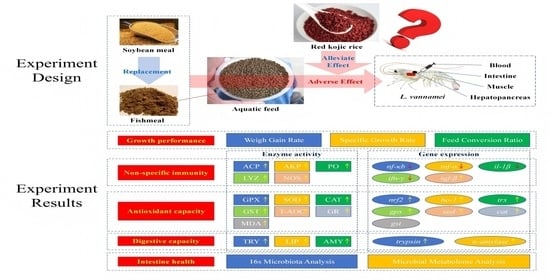
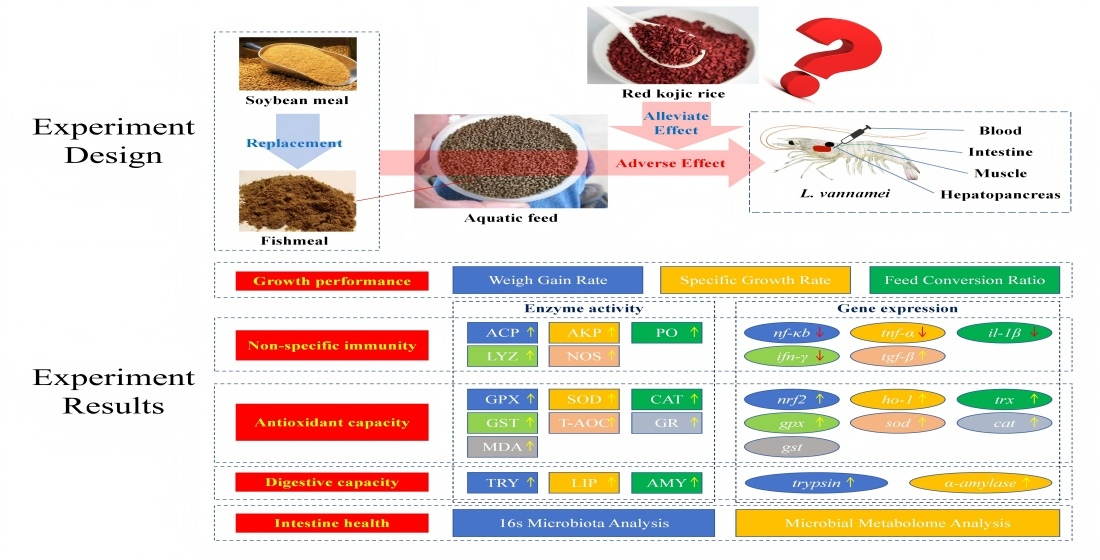
24]. This experiment was designed to investigate whether RKR can alleviate the adverse effects caused by replacing fishmeal with soybean meal, thereby exploring the appropriate dietary supplementation level of RKR within the range of 0–4%.
Hemolymph plays crucial regulatory role in the disease resistance and stress tolerance of shrimp, which has certain immune components. Among these components, acid phosphatase (ACP), alkaline phosphatase (AKP), phenoloxidase (PO), and nitric oxide synthase (NOS) all exert pivotal functions in resisting pathogen infection [
25,
26,
27]. Additionally, lysozyme (LYZ) plays a significant role in the antibacterial responses of innate immunity [
28]. The hepatopancreas plays a crucial regulatory role in the non-specific immunity of crustaceans, while the intestine maintains immune homeostasis through its immune barrier [
29]. Both are important immune organs. The
nf-κb signaling pathway plays a crucial role in regulating host immunity and anti-inflammatory responses. The
nf-κb family is a key player in regulating innate immunity and adaptive immunity, and
nf-κb activity is crucial for the survival and activation of lymphocytes as well as normal immune responses [
30]. In the cell nucleus,
nf-κb binds to target genes, regulating and promoting the expression of tumor necrosis factor-α (
tnf-α) and interleukin-1β (
il-1β, respectively, thereby amplifying the body’s inflammatory response) [
31]. Interferon-γ (
ifn-γ) is a typical pro-inflammatory cytokine that disrupts cellular homeostasis. Transforming growth factor-β (
tgf-β) is a potent anti-inflammatory cytokine that negatively regulates the development of inflammation [
32].
Antioxidant capacity is also an integral part of innate immunity. The
nrf2-
are signaling pathway can promote the expression of antioxidant enzyme genes, including superoxide dismutase (
sod), catalase (
cat), glutathione S-transferase (
gst), and glutathione peroxidase (
gpx) [
33,
34]. Nuclear factor erythroid 2-related factor 2 (
nrf2) is a transcription factor that regulates cellular defense against toxic and oxidative damage by inducing the expression of genes involved in oxidative stress responses and drug detoxification [
35,
36]. Thioredoxin (
trx) can exhibit reciprocal regulation with
nrf2, exerts anti-inflammatory and antioxidant effects on inflammatory damage, and can inhibit the expression of
nf-κb promoted by MAPK phosphorylation [
37]. Heme oxygenase-1 (
ho-1) is also one of the downstream regulatory genes of
nrf2, which is upregulated in cells upon various stimuli and can mediate the production of corresponding antioxidants [
38]. Glutathione Reductase (GR) is crucial for the regeneration of reduced glutathione and is an important indicator reflecting antioxidant capacity [
39]. Total antioxidant capacity (T-AOC) is a comprehensive indicator for evaluating the antioxidant capacity of both enzymatic and non-enzymatic systems [
40]. MDA is a recognized marker of oxidative stress, which can reflect the degree of oxidative damage to the organism [
41].
The animal intestine is an important organ, and most of its functions, such as immunity, health regulation, and nutrient absorption, are realized through bacterial metabolism in the intestine [
42,
43]. Investigating the role of the shrimp intestinal microbiota plays a crucial role in shrimp research. Studies have shown that a diet containing RKR can alleviate oxidative stress-related inflammation and improve the intestinal flora in mouse models [
44]. Other studies have indicated that polysaccharides derived from RKR can protect the intestine by enhancing intestinal barrier integrity, regulating the composition of mouse intestinal microbiota, and adjusting the levels of intestinal metabolites [
45]. RKR fermented by
Monascus purpureus SHM1105 and monascus pigments had a regulatory effect on the intestinal flora of rats fed a high-fat diet [
46]. RKR treatment can cause significant structural changes in the intestinal microbiota of mice fed a high-fat diet [
47]. All the above studies suggested that dietary addition of RKR tended to improve the diversity of intestinal microbiota and metabolic levels in animals. Microbial co-occurrence networks can be used to investigate the interrelationships within microbial communities in specific environments [
48]. By constructing random networks, which can compare with the real network, we could identify the impact of each type of microorganism on the microbial community network. Modularity can reflect the niche differentiation of microbial communities, be used to evaluate microbial synergy and stability, and to a certain extent, indicate the host’s adaptability to the environment and health status [
49]. The “small-world” refers to a phenomenon in which, in the observed network, node connectivity is higher than that of random networks of the same size [
50]. It exhibits high clustering similar to regular networks (with a clustering coefficient much higher than that of random patterns), while possessing a short characteristic path length similar to random graphs (with an average path length close to that of random patterns) [
51].
Numerous studies have been reported on RKR in livestock and poultry, most of which have demonstrated its favorable effects as a feed additive. Studies have shown that compared with the control group, the red yeast rice treatment group has no adverse effects on the total feed intake, daily feed intake, egg production, egg weight, and feed conversion rate of chickens [
52]. Some studies have indicated that a RKR diet can reduce inflammation related to oxidative stress and improve the intestinal flora in mouse models [
44]. Additionally, studies have shown that RKR-derived polysaccharides can protect the intestine by improving and enhancing intestinal barrier integrity, regulating the composition of mouse intestinal microbiota, and adjusting intestinal metabolite levels [
45]. The above reports showed the application of RKR in livestock, poultry, and mammals, but there are few reports on RKR in the aquatic field. Currently, studies have shown that
Monascus purpureus M-32 can promote the growth, immunity, intestinal health, and disease resistance of
L. vannamei [
53]. Meanwhile, replacing soybean meal with soybean meal fermented by
Monascus purpureus M-32 can enhance the growth of
L. vannamei, enhance body immunity, improve morphological indicators, and ameliorate gut microbial diversity as well as metabolic levels [
54]. Studies are very limited on using RKR as an additive to mitigate the adverse effects caused by fishmeal substitution in
L. vannamei diets.
Therefore, it is highly necessary to conduct relevant research. In view of this, our research aims to investigate and evaluate the effects of RKR supplementation on growth performance, digestive enzyme activity, non-specific immunity, antioxidant capacity, and intestinal health of L. vannamei fed a diet with fishmeal replacement by soybean meal.
2. Materials and Methods
2.1. Diet Preparation and Experimental Design
In this experiment, six diets were formulated. The high fishmeal diet contained 32% fishmeal (FM), and the diet with fishmeal replaced by soybean meal (H0) was formulated in which 3% fishmeal was replaced with soybean meal. The remaining four diets were supplemented with 0%, 0.5%, 1%, and 2% RKR (H1, H2, H3, and H4) on the basis of H0. RKR was provided by Shandong Zhonghui Biotechnology Co., Ltd. Diet formulations and nutritional composition are detailed in
Table 1. All ingredients were pulverized into fine powder using a grinder (Model: 4500A, Yongkang City Hongtaiyang Electromechanical Co., Ltd., Yongkang, China) and weighed according to the formulation table. Then all ingredients were mixed uniformly and sieved through a 60-mesh screen. Each addition was adequately homogenized before the next ingredient was added. Oil and water were emulsified separately and uniformly incorporated into the mixture. All the mixtures were sequentially blended using a twin-shaft mixer (Model: CH-50, Daxiang Mechanical Equipment Co., Ltd., Guangzhou, China). The homogenized mixture was extruded through a twin-screw extruder (Model: F-26, South China University of Technology, Guangzhou, China) with die diameters of 1.0 mm and 1.5 mm. Pellets were cut to 1–2 mm length using a pelletizer (Model: G-500, South China University of Technology, Guangzhou, China). Pellets were thermally conditioned at 55 °C for 2 h to enhance stability, air-dried in a ventilated environment until all the diets were dried, and then stored at 4 °C in airtight containers until use.
2.2. Shrimp Rearing and Experimental Conditions
The aquacultural trial was carried out at the Shenzhen Experimental Base of South China Sea Fisheries Research Institute, Chinese Academy of Fishery Sciences. The experiment used 500 L culture buckets equipped with 200–250 L of seawater, as well as corresponding oxygen supply, temperature control, and water inlet or outlet devices. The aquaculture system adopted a running water farming mode. All shrimps used in the experiment were provided by Shenzhen Haiyuan Biotechnology Co., Ltd. (Shenzhen, China). All shrimp larvae were fed with commercial feed for 2 weeks to adapt to the aquaculture system. A total of 540 healthy shrimps with basically consistent specifications and weights were randomly selected, with an initial individual weight of 1.88 ± 0.03g. There were 3 replicates per group, a total of 18 buckets, and 30 shrimps per replicate. Before the start of the aquaculture experiment, the shrimps were starved for 24 h. During the experiment, shrimps were fed three times a day at 8 a.m., 5 p.m., and 10 p.m., with the feed amount being approximately 1–2% of the shrimps’ body weight. The culture period was 8 weeks. The culture buckets were subjected to daily water changes, with 20% of the total culture water volume replaced per water change. A temperature-regulatable heating rod system was operated for 24 h continuous heating to sustain the stable temperature conditions, and the water temperature was maintained between 25 °C and 28 °C. Nitrite and ammonia nitrogen levels were measured on a weekly basis (Catalog No. 52414, Henan Nanhua Qianmu Biotechnology Co., Ltd., Zhengzhou, China). The ammonia nitrogen content was less than 0.005 mg/L; the nitrite content was less than 0.05 mg/L. Throughout the experiment, the light cycle followed the natural day–night photoperiod.
2.3. Sample Collection
After 8 weeks of the breeding experiment, all shrimps ceased feeding for 24 h before sampling to empty their digestive tracts. Before sampling, we measured the body weight and relevant indicators of the shrimps to calculate the growth performance. Ten shrimps were selected from each group and anesthetized with MS—222 (100 mg/L). Hepatopancreas, muscle, and intestinal tissues of shrimp were collected using sterilized scalpels, scissors, and forceps, respectively. Blood samples were collected using a sterile syringe preloaded with acid-citrate dextrose (ACD)-containing anticoagulant (Catalog No. R10202, Beijing Leagene Biotechnology Co., Ltd., Beijing, China), which was inserted into the pericardial cavity from the posteroventral side of the cephalothorax. The blood samples were placed in centrifuge tubes and centrifuged at 5000 r/min for 10 min to obtain the plasma, and then transferred to a −80 °C refrigerator. The enzyme-activity samples were placed in cryogenic storage tubes, quickly put into liquid nitrogen, and then rapidly transferred to a −80 °C refrigerator for storage until the samples were tested. The molecular samples were placed in cryogenic storage tubes containing RNA later, quickly put into liquid nitrogen, and then rapidly transferred to a −80 °C refrigerator for storage until the samples were tested. The intestinal flora samples were placed in cryogenic storage tubes, quickly put into liquid nitrogen, and then rapidly transferred to a −80 °C refrigerator for storage until the samples were tested.
2.4. Determination of Indicators
2.4.1. Growth Performance Parameters
The main measurements include survival rate (SR), specific growth rate (SGR), weight gain rate (WGR), feed coefficient rate (FCR), condition factor (CF), and hepato-somatic index (HIS). The measurement indicators are as follows:
2.4.2. Tissue Homogenate Preparation
Muscle samples (0.3–0.5 g) were weighed, blotted dry with filter paper to remove tissue fluid and blood, and then mixed with 1 mL of physiological saline (containing 20 μL of 0.05 mol/L acetic acid). Ultrasonic homogenization was performed for 20 min to achieve complete tissue disruption. Centrifugation was conducted at 3000 r/min for 10 min, and the supernatant was collected. For the precipitate, 0.5 mL of physiological saline was added, and the above homogenization and centrifugation steps were repeated. The supernatants from both centrifugations were combined. The pH of the mixed supernatant was adjusted to 7.4 using 25 μL of 0.05 mol/L NaOH, yielding the tissue homogenate sample. A total of 10 μL of the supernatant was pipetted into a defined volume of protein reagent for protein content determination, and the protein content was calculated by measuring the absorbance of the mixture.
2.4.3. Determination of Calcium and Phosphorus Contents in Muscle
A blank group and a standard group were set up (samples were treated with distilled water and standard solution, respectively.). Tissue samples were mixed thoroughly with reagents [Ca (Cat. No.: HY-N0021, Beijing Sinouk Institute of Biological Technology, Beijing, China) and P (Cat. No.: HY-N0022, Beijing Sinouk Institute of Biological Technology, Beijing, China)], then incubated for 5 min. The mixture was placed into a preheated spectrophotometer (Model: AF-230E, Haiguang Instrument Co., Ltd., Beijing, China). The reaction temperature was maintained at 37 °C, and the detection wavelengths for Ca and P were set at 600 nm and 340 nm, respectively. Corresponding absorbances (Acontrol and Asample) were recorded. Detailed procedures refer to the kit instruction manual. The element concentration was calculated using the following formula:
2.4.4. Plasma Non-Specific Immune Parameters Assays
Control groups and standard groups were set up (Samples were treated with distilled water and standard solution, respectively.). The plasma samples were mixed thoroughly with reagents from Beijing Sinouk Institute of Biological Technology [Phenoloxidase(PO, Cat. No. HY-M0070, Beijing Sinouk Institute of Biological Technology, Beijing, China), lysozyme (LYZ, Cat. No. HY-M0043, Beijing Sinouk Institute of Biological Technology, Beijing, China) and acid phosphatase (ACP, Cat. No. HY-N0006, Beijing Sinouk Institute of Biological Technology, Beijing, China)], and the mixture was then placed in a microplate reader (Model: DR-200BS, Wuxi Huaweidelang Instrument Co., Ltd., Wuxi, China). Wavelengths were set to measure the absorbance of PO (at 410 nm), LYZ (at 530 nm), and ACP (at 410 nm). The unit concentrations of the standards after serial dilution with buffer were used as the x-axis, and the absorbance (OD values) of the corresponding tubes were used as the y-axis to plot a standard curve. The corresponding ACP concentrations of the test tubes were determined by finding their OD values on the curve. Detailed procedures refer to the kit instruction manual.
The determination of alkaline phosphatase (AKP) required the setup of blank groups (Samples were treated with distilled water and reagents consistent with the experiment samples, respectively.). The samples were mixed thoroughly with the reagent (Cat. No. HY-N0005, Beijing Sinouk Institute of Biological Technology, Beijing, China), and the mixture was then placed in microplate reader (Model: DR-200BS, Wuxi Hiwell-Diatek Instruments Co., Ltd., Wuxi, China). The change in absorbance within one min was measured. Detailed procedures refer to the kit instruction manual. The calculation formula is as follows:
2.4.5. Digestive Enzyme Activities Analysis
The control group and standard group were set up (samples were treated with distilled water and standard solution, respectively.). Hepatopancreas and intestine homogenate samples were mixed with reagents [Trypsin (Cat. No. HY-M0035, Beijing Sinouk Institute of Biological Technology, Beijing, China) lipase (Cat. No. HY-M0021, Beijing Sinouk Institute of Biological Technology, Beijing, China) and α-amylase (Cat. No. HY-M0045, Beijing Sinouk Institute of Biological Technology, Beijing, China)] thoroughly, then placed in a Microplate reader (Model: DR-200BS, Wuxi Hiwell-Diatek Instruments Co., Ltd., Wuxi, China). The detection wavelengths were set (555 nm for trypsin, 405 nm for α-amylase, and 410 nm for lipase) and the absorbance values were measured. We used the unit concentration of the standard after serial dilution with buffer solution as the x-axis, and the corresponding absorbance (OD value) of each tube as the y-axis to plot a standard curve. The corresponding concentration of the test tube was determined by finding its OD value on the standard curve. Detailed procedures refer to the kit instruction manual.
2.4.6. Antioxidant Enzyme Activities Analysis
Blank groups and standard groups were set up. The hepatopancreas homogenate samples were mixed with reagents from Beijing Sinouk Institute of Biological Technology [Glutathione peroxidase (GSH-PX, Cat. No. HY-M0004), malondialdehyde (MDA, Cat. No. HY-M0003), total antioxidant capacity (T-AOC, Cat. No. HY-M0011), total superoxide dismutase (SOD, Cat. No. HY-M0001), catalase (CAT, Cat. No. HY-M0018), glutathione s-transferase (GST, Cat. No. HY-M0007) and glutathione reductase (GR, Cat. No. HY-M0008)], and the mixture was then placed in a microplate reader (Model: DR-200BS, Wuxi Huaweidelang Instrument Co., Ltd., Wuxi, China). Corresponding wavelengths were set, and a distilled water tube with corresponding reagents was used as the blank tube for zero adjustment. The unit concentrations of the standards after serial dilution with buffer (R1) were used as the x-axis, and the absorbance (OD values) of the corresponding tubes were used as the y-axis to plot a standard curve. The corresponding concentrations of the test tubes were determined by finding their OD values on the curve. Detailed procedures refer to the kit instruction manual.
2.5. Quantitative Real-Time PCR (qRT-PCR)
For the collected hepatopancreas and intestinal samples, we used the Trizol reagent (Cat.R480101, Magen Biotechnology Co., Ltd., Guangzhou, China) for RNA extraction, strictly following the operating protocol established by the manufacturer. After RNA extraction, it was first analyzed by agarose gel electrophoresis in order to confirm the integrity of RNA. The concentration and purity of RNA samples were quantified and assessed using a NanoDrop™ One/OneC Microvolume UV-Vis Spectrophotometer (Cat.840-317500, Thermo Fisher Scientific Inc., Waltham, MA, USA). The PrimeScript™ RT Kit from Dalian Takara Company was used to reverse transcribe total RNA into cDNA in strict accordance with the manufacturer’s operating protocol, in preparation for qRT-PCR analysis. The qRT-PCR experiment was performed using a reverse transcription kit (Nanjing Vazyme Biotech Co., Ltd., Nanjing, China). The specific primer sequences used for qRT-PCR are shown in
Table S1. We adopted the 2
−ΔΔCt method to ascertain the relative expression levels of each gene across diverse groups, and all results were normalized against the expression of the housekeeping gene β-actin to ensure the consistency and accuracy of the results [
55].
2.6. Intestinal Microbiota Analysis
Microbial genomic DNA was isolated by means of the OMEGA Soil DNA Kit (M5635-02, Omega Bio-Tek, Norcross, GA, USA), following the manufacturer’s standard operating procedure. The V3-V4 hypervariable regions of the bacterial 16S rRNA gene were amplified by PCR using the forward primer 338F (5′-ACTCCTACGGGAGGCAGCA-3′) and the reverse primer 806R (5′-GGACTACHVGGGTWTCTAAT-3′). The PCR reaction system included 5 μL 5× buffer, 0.25 μL Fast pfu DNA Polymerase (5 U/μL), 2 μL dNTPs (2.5 mM), 1 μL (10 μM) for both forward and reverse primers, 1 μL DNA template, and 14.75 μL ddH2O. Triplicate reactions were performed for each sample. PCR amplicons underwent purification with Vazyme VAHTSTM DNA Clean Beads (Nanjing Vazyme Biotech Co., Ltd., Nanjing, China) and were quantitated via the Quant-iT PicoGreen dsDNA Assay Kit (Invitrogen, Carlsbad, CA, USA). Following individual quantification, the amplicons were combined in equivalent quantities, and pair-end 2250 bp sequencing was carried out on the Illumina NovaSeq platform NovaSeq6000 (Illumina, Inc., San Diego, CA, USA) using the NovaSeq 6000 SP Reagent Kit (Suzhou PANOMIX Biomedical Tech Co. Ltd., Suzhou, China). Raw sequence data were demultiplexed using the demux plugin in QIIME2, followed by primer trimming with the Cutadapt plugin. The resulting sequences were subsequently quality-filtered, denoised, merged, and chimera-removed using the DADA2 plugin to generate high-quality amplicon sequence variants (ASVs). Non-singleton ASVs (i.e., ASVs detected in ≥2 samples) were aligned using MAFFT, and the aligned sequences were used to construct a phylogenetic tree with FastTree2.Alpha-diversity metrics (Chao1, Observed species, Shannon, Simpson, Faith’s PD, Pielou’s evenness, and Good’s coverage), and beta diversity metrics (Bray–Curtis dissimilarity) were estimated using the diversity plugin with samples that were rarefied. Sequence data analyses were mainly performed using QIIME2 and R packages (v3.2.0). ASV-level alpha diversity indices were calculated using the ASV table in QIIME2 and visualized as box plots. ASV-level ranked abundance curves were generated to compare the richness and evenness of ASVs among samples. Beta diversity analysis used Bray–Curtis metrics and was visualized via principal coordinate analysis (PCoA), nonmetric multidimensional scaling (NMDS), and unweighted pair-group method with arithmetic means (UPGMA) hierarchical clustering.
2.7. Intestinal Microbial Metabolome Analysis
Based on the results of growth performance and enzyme activity analysis, we selected the intestinal content microflora from the FM, H0, and H2 groups for metabolomics analysis to investigate the effect of adding RKR to low-fishmeal diets on the metabolic level of L. vannamei. For each experimental group, three biological replicates were prepared: each replicate was a pooled sample containing homogenized gut microbiota from three shrimps, ensuring consistent sample representation across replicates. An appropriate amount of sample was accurately weighed and placed in a 2 mL centrifuge tube. Then, 600 µL of methanol (containing 4 ppm 2-amino-3-(2-chlorophenyl)-propionic acid) was added, followed by vortexing for 30 s. A steel bead was added to the tube, which was then placed in a tissue grinder (Shanghai Jingxin Industrial Development Co., Ltd., Shanghai, China) and ground at 50 Hz for 120 s. The sample was sonicated at room temperature for 10 min and then centrifuged at 12,000 rpm and 4 °C for 10 min. The supernatant was filtered through a 0.22 μm filter membrane and transferred to a detection vial for liquid chromatography–mass spectrometry (LC-MS) analysis. The supernatant was sent to Suzhou Panomix Biomedical Technology Co., Ltd. (Suzhou, China) for detection. Data preprocessing was performed using Proteowizard (v3.0.8789) and R XCMS package. Substance identification was conducted using public databases such as HMDB and MassBank. Data analysis was carried out with the R package Ropls, and the enrichment analysis was performed using the hypergeometric distribution method.
2.8. Network Analysis
The genus-level OTU data (top 80 genera in abundance) of FM, H0, and H2 groups from the 16S rRNA microbiome diversity data were selected to construct the microbial co-occurrence network and analyze the network data. A Spearman’s rank correlation matrix among genera was calculated based on the abundance of various bacterial genera. The relative correlation coefficient threshold was set at 0.04, and the
p-value threshold for the relative coefficient was set at 0.05. Microbial co-occurrence network analysis was completed using the Wekemo Bioincloud (
https://www.bioincloud.tech (accessed on 5 November 2025)). The experimental network was constructed by nodes (genera) and edges (Spearman’s correlation coefficient between two genera), and network visualization was performed using Gephi software (version 0.10.1). Modularity is an essential characteristic of ecological networks, measuring the degree to which a network is compartmentalized into different modules. Network diagrams were plotted according to phylum classification and modularity, respectively. The core genera were identified by their connectivity scale and the number of connected edges, with the most connected genera considered the core genera. Using the “igraph” package in R, Erdös-Réyni random models were run 10,000 times maintaining the same number of nodes and edges as the experimental network, generating corresponding Gephi files for subsequent visualization in Gephi. (R commands are provided in
Method S1).
2.9. Statistical Analysis
Data statistical analysis was performed using SPSS 20.0 software for one-way analysis of variance (ANOVA) and Duncan’s multiple comparison test. Prior to ANOVA, the Shapiro–Wilk test was used to verify data normality, and Levene’s test was applied to confirm the homogeneity of variance, ensuring the validity of parametric test application. Data were expressed as mean ± standard error (mean ± SE), and a value of p < 0.05 was considered to indicate a significant difference.
4. Discussion
To reduce the use of fishmeal in aquatic feeds, we have explored different types of fishmeal alternatives. Soybean meal is a commonly used substitute. However, due to its inherent drawbacks such as nutritional imbalance and the presence of anti-nutritional factors, its application may exert adverse effects on feeds. Therefore, it is crucial to develop strategies to mitigate these negative impacts. Our study found that replacing fishmeal content in the diet significantly decreased the FBW, WGR, and SGR of
L. vannamei, indicating that growth performance was inhibited. Notably, under the condition of diet with fishmeal replaced by soybean meal, dietary supplementation with RKR reversed this trend, suggesting that RKR can alleviate growth inhibition to a certain extent. Calcium and phosphorus are essential factors for the growth and exoskeleton development of crustaceans, which can reflect growth status to a certain extent. We further determined the calcium and phosphorus contents in the shrimp muscle. We found that these contents exhibited an increasing trend following RKR supplementation, which validated the improvement of growth performance. These findings indicate that RKR addition could alleviate the adverse effects of replacing fishmeal with soybean meal to a certain extent. Studies have shown that either dietary supplementation with
Monascus purpureus or replacement of soybean meal with
Monascus purpureus-fermented soybean meal can improve the growth performance of
L. vannamei, which is consistent with our findings. FCR can reflect feed utilization and feeding cost, with a lower FCR value indicating higher feed conversion efficiency [
56]. Supplementation of RKR decreased the FCR of shrimps, which further confirms the improvement in growth performance from the perspective of feed utilization.
Given that RKR possesses antioxidant and immunomodulatory properties, we hypothesize that the growth-promoting effects on
L. vannamei are mediated by regulating the shrimp’s immune and antioxidant capacities. Immune components in plasma play crucial regulatory roles in the disease resistance and stress tolerance of shrimp, such as ACP, AKP, PO, LYZ, and NOS [
27,
57]. Firstly, we determined the related non-specific immune indices in the plasma of
L. vannamei and found that the activity of ACP was significantly increased following dietary supplementation with RKR. Similarly to our study, it has been reported that RKR can enhance the immune status of yellow-feathered chickens [
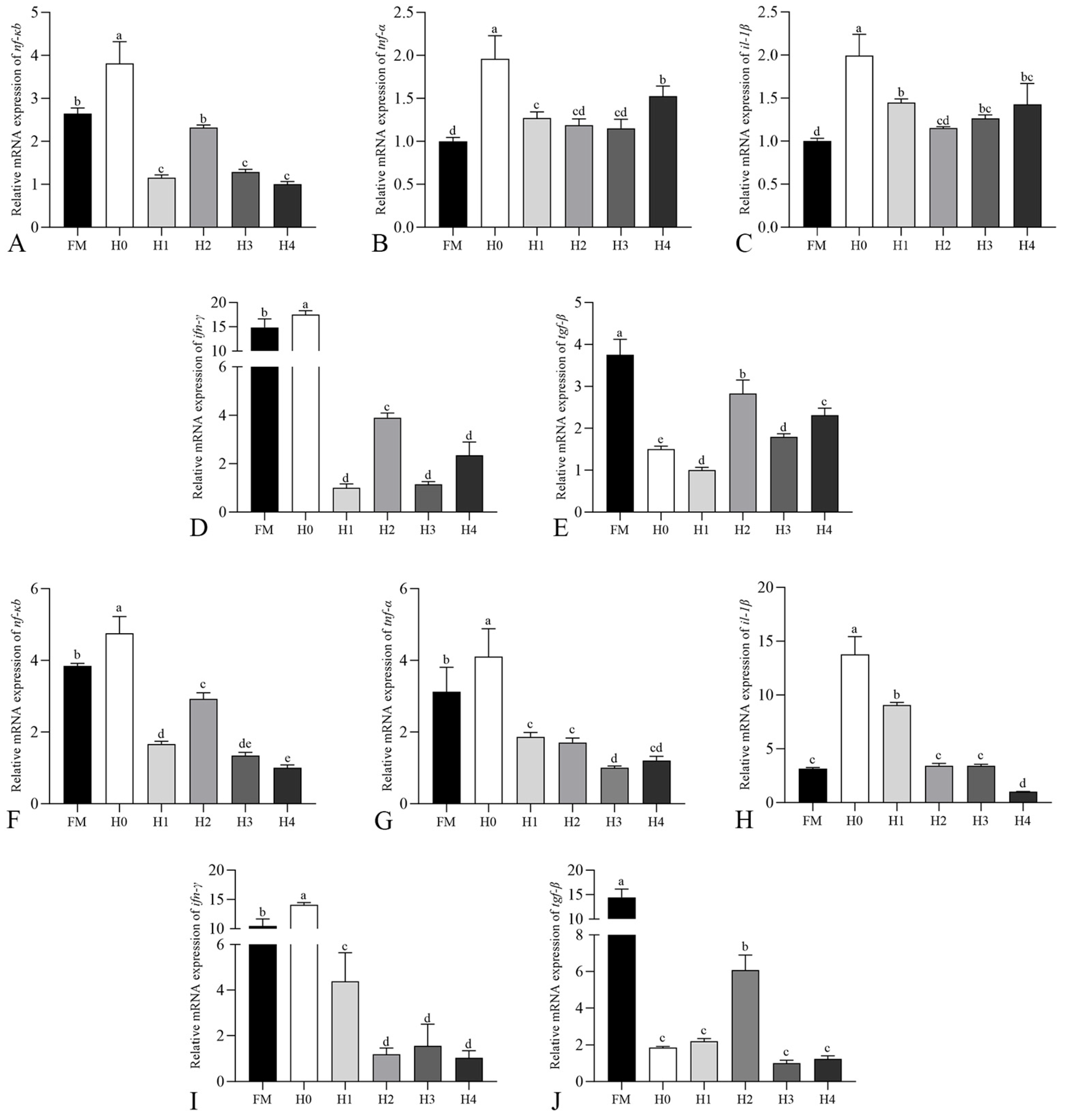
58]. We further detected the expression levels of immunity-related genes in the hepatopancreas and intestine. We found that the pro-inflammatory cytokines
nf-κb,
tnf-α,
il-1β, and
ifn-γ were significantly upregulated in the H0 group, while the anti-inflammatory cytokine
tgf-β was significantly downregulated. These trends were similarly observed in both the hepatopancreas and the intestine. Notably, dietary RKR supplementation reversed this trend. The downregulation of pro-inflammatory factors and the upregulation of anti-inflammatory factors can reflect an enhancement in the body’s anti-inflammatory capacity. We inferred that the improvement of shrimp immune function induced by RKR is mediated through the regulation of the
nf-κb signaling pathway, which further validates the previous results.
Antioxidant-related enzymes and indices play significant roles in responding to organismal stress and resisting oxidative damage, such as GPX, CAT, T-AOC, and GR [
39,
40,
59]. MDA is a well-recognized marker of oxidative stress [
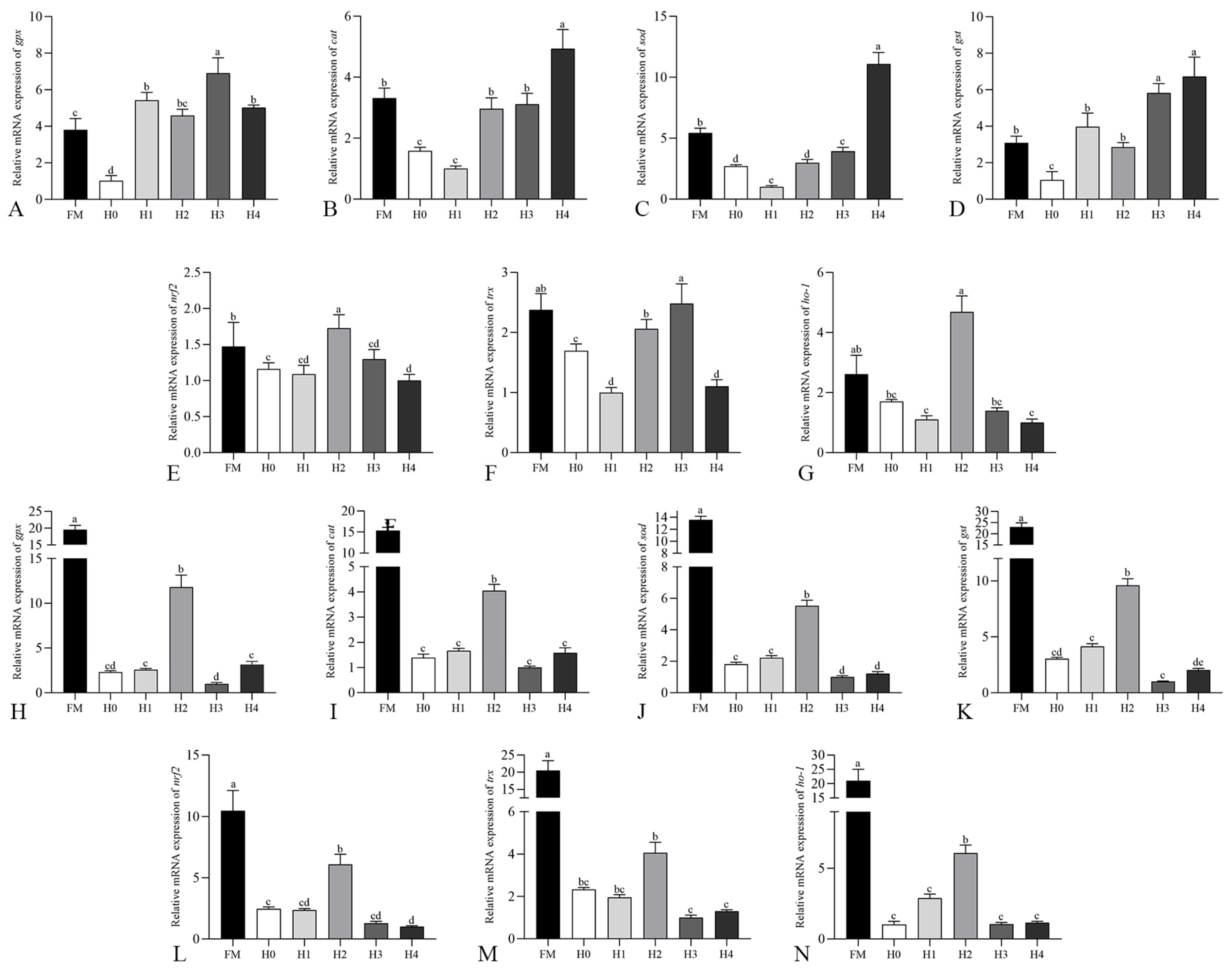
41]. We determined the antioxidant indices in the shrimp hepatopancreas. It was found that the MDA level was significantly decreased, while the GR activity was significantly increased, indicating that RKR improved the antioxidant capacity of the shrimp hepatopancreas. Based on the enzyme activity assays, we further detected the expression levels of antioxidant-related genes in the hepatopancreas and intestine. We found that factors related to the
nrf2 signaling pathway in shrimp were regulated. In the hepatopancreas of the H0 group, the expression levels of
nrf2 and
trx were significantly downregulated, while its downstream target gene
ho-1 and antioxidant genes (
gpx,
cat,
sod, and
gst) were also significantly decreased. This downward trend of the aforementioned genes was reversed in the RKR-supplemented groups, with the most pronounced effect observed in the H2 group. A similar expression pattern was noted in the intestine. Thus, it can be inferred that RKR enhances the antioxidant capacity of shrimp by regulating the
nrf2 signaling pathway and the expression levels of its downstream antioxidant genes, which is consistent with the previous results. Studies have shown that dietary supplementation with red yeast rice polyphenol extract (RYRE) can enhance the antioxidant activity of goats, indicating that RKR supplementation improves the antioxidant capacity of animals. This is consistent with our findings.
In addition to investigating the immune and antioxidant capacities of
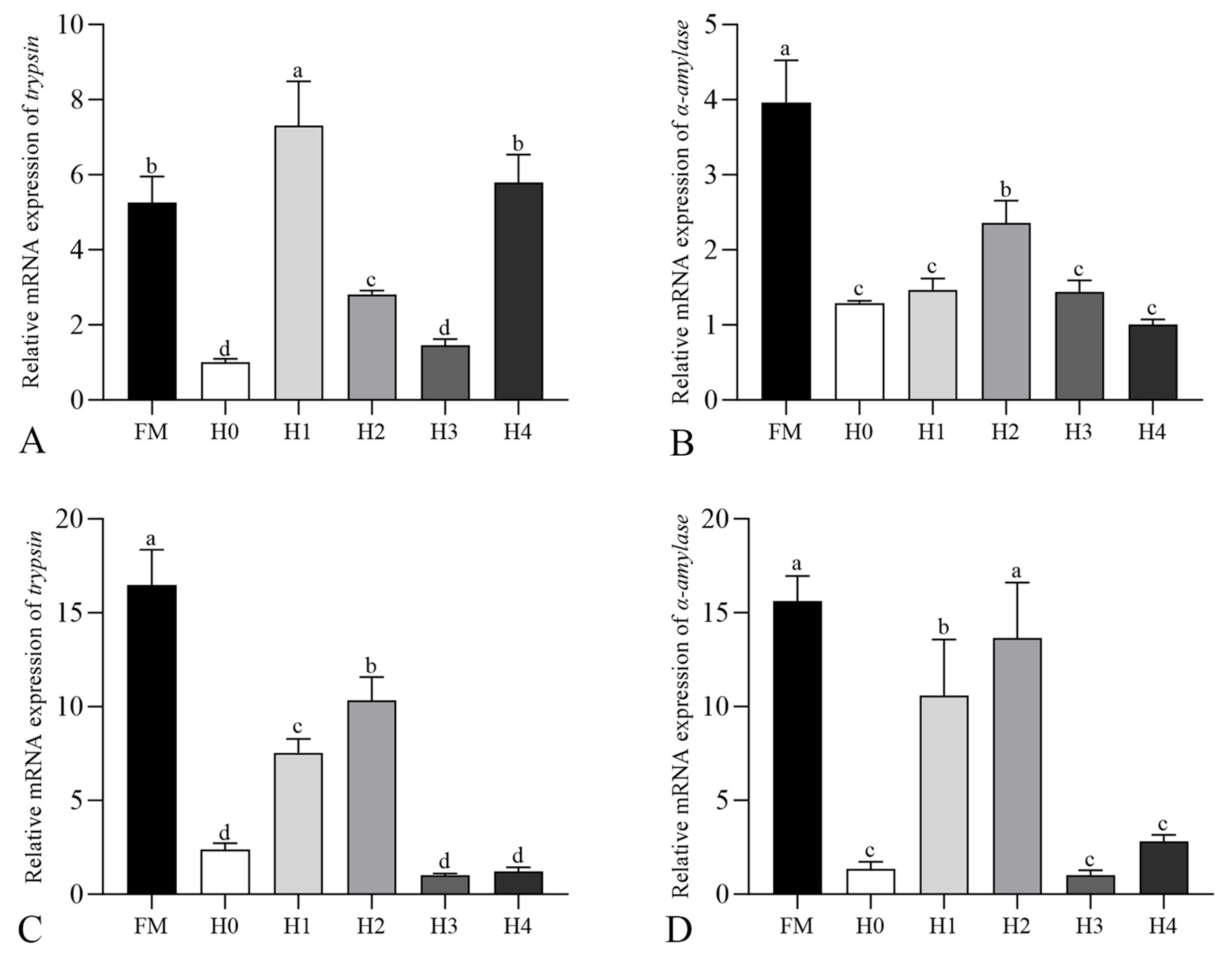
L. vannamei, we also explored the effects of RKR on the digestive capacity of the shrimp. Intestinal digestive enzymes are capable of facilitating the digestion, absorption, and utilization of dietary nutrients in shrimp, such as trypsin, lipase, and α-amylase. In our experiment, the addition of RKR effectively improved the digestive enzyme indices of shrimp. Detection of the digestive enzyme related genes revealed that both
trypsin and
α-amylase genes exhibited a significant upward trend in the hepatopancreas and intestine of the RKR-supplemented groups, which is consistent with the trend of enzyme indices. It has been reported that red yeast rice distiller’s grains can effectively improve nutrient digestibility in goats, with the 10% treatment group achieving the best results [
60]. The research results indicated that adding RKR can enhance the digestive capacity of animals, which was consistent with our findings.
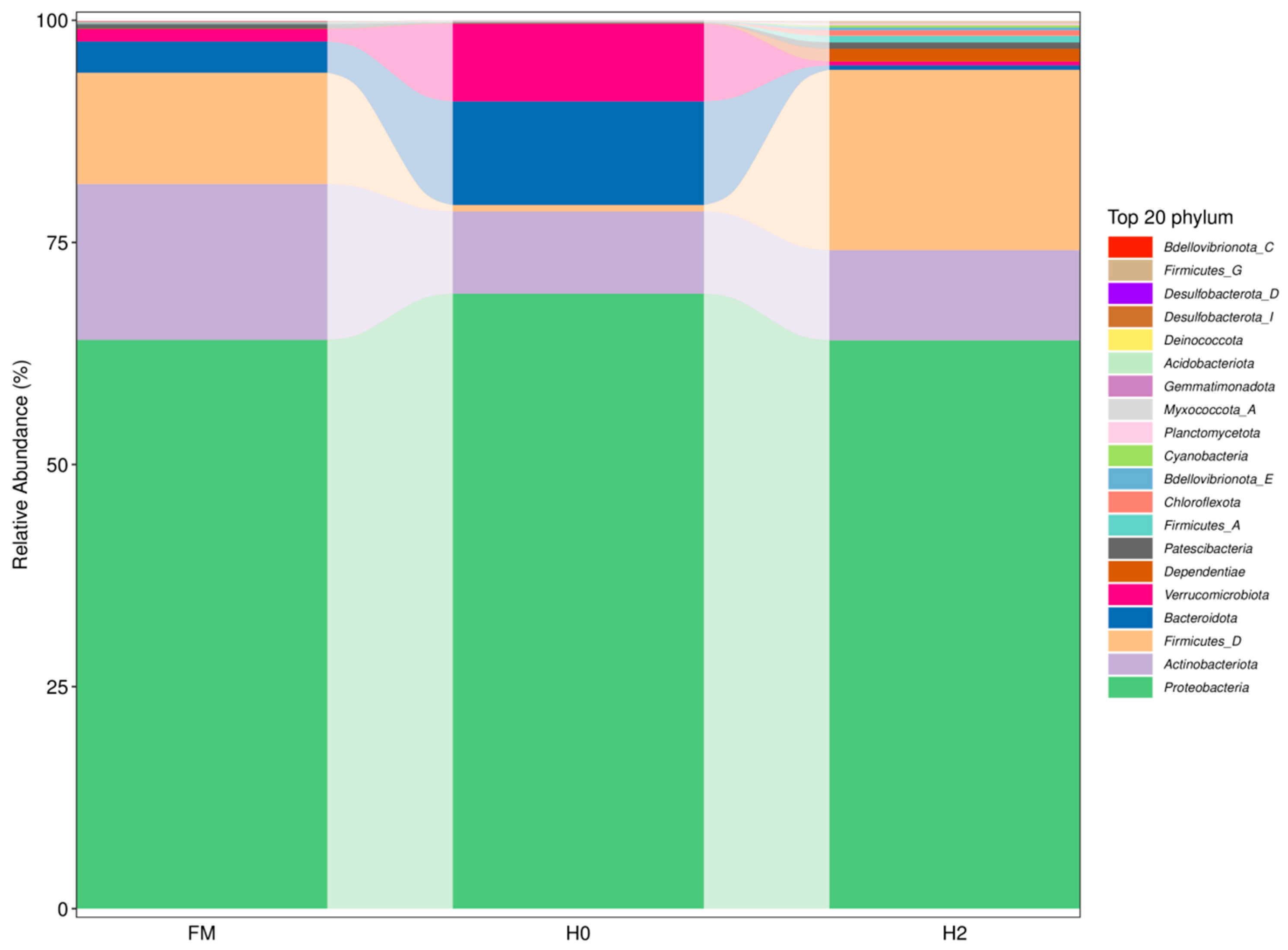
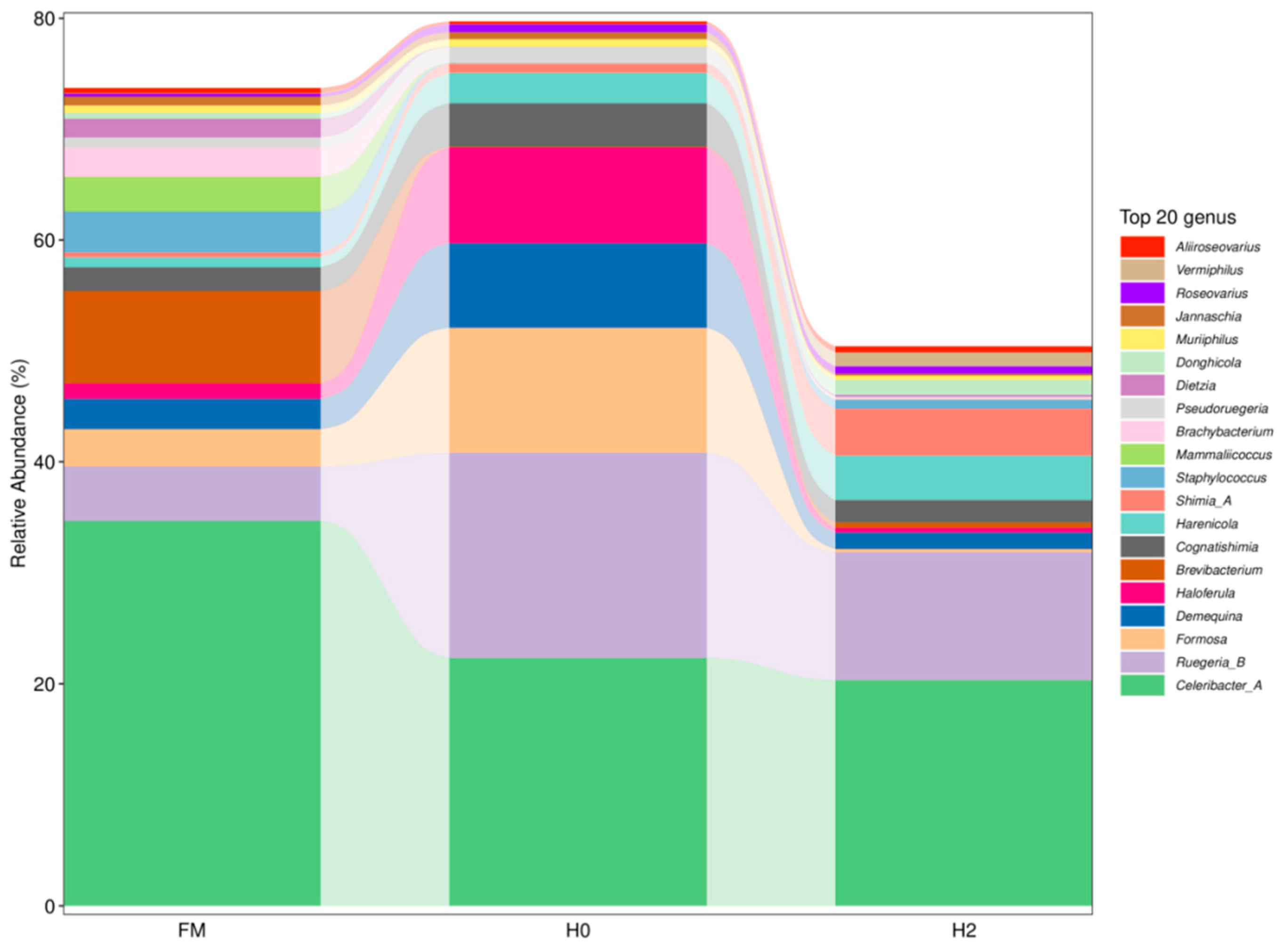
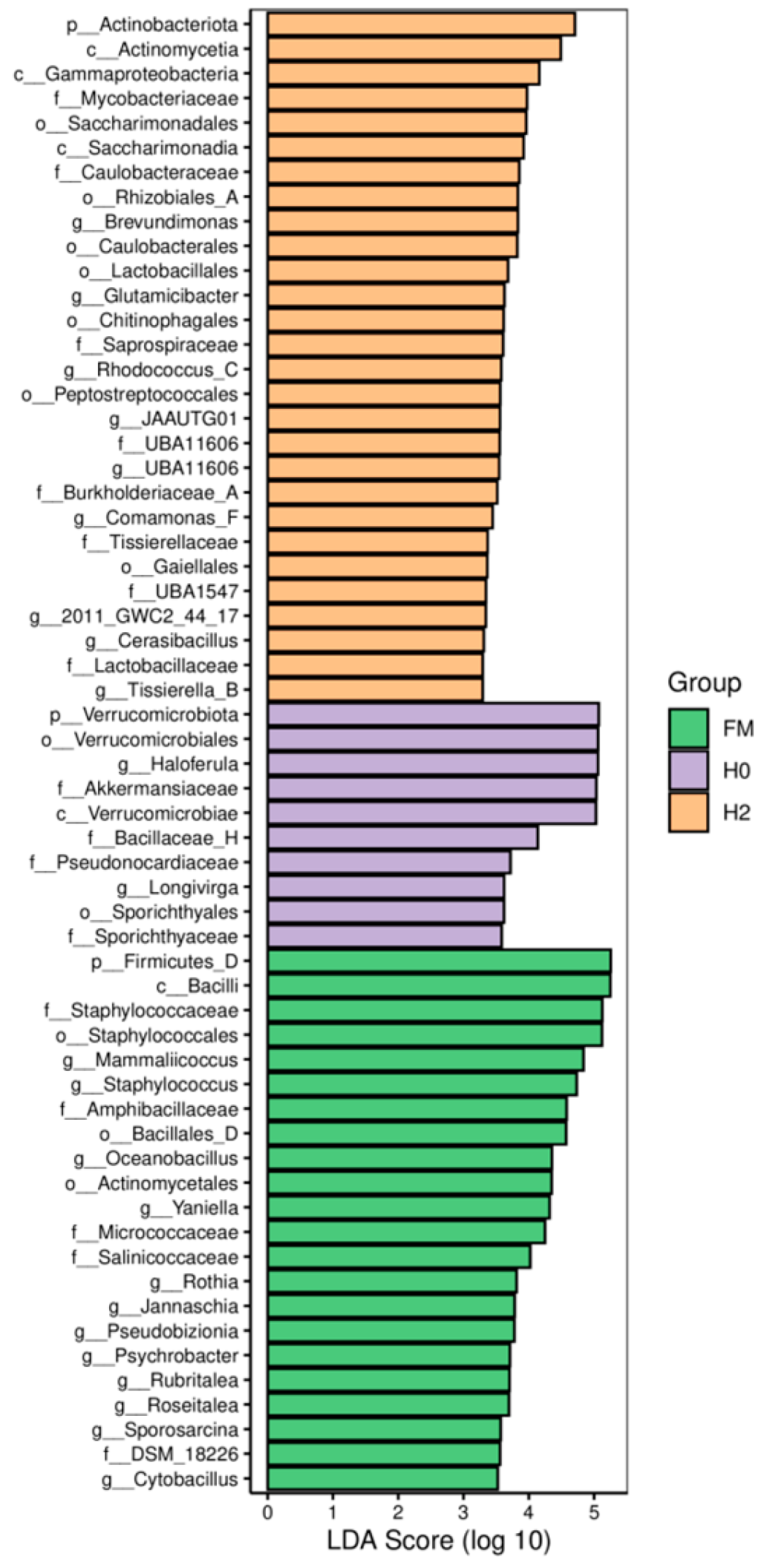
To investigate the effect of dietary RKR addition on the intestinal microbiota of shrimp, we selected the H2 group, which showed better growth performance and enzyme activity, along with the FM and H0 groups for 16S rRNA sequencing. In this experiment, the addition of RKR led to an increase in the four diversity indices of the intestinal microbiota, namely Chao1, Observed_species, Shannon, and Faith_pd. These results indicated that the addition of RKR can improve the community diversity of the intestinal microbiota in shrimp to a certain extent. We also found that Proteobacteria accounted for the largest proportion in the shrimp intestine, followed by Actinobacteriota and Firmicutes. Firmicutes, as one of the dominant bacterial groups in the shrimp intestine, possesses homeostatic functions such as metabolism, genetic information processing, and environmental information processing. Bacillus, widely recognized as a type of probiotic, can participate in regulating the balance of intestinal flora, promote the metabolism and utilization of nutrients, and enhance immunity. The results showed that the abundance of Firmicutes in the H2 group tended to increase, and there was an increasing trend in the abundance of Bacillus at both the class and family levels. At the genus level, the abundances of
Oceanobacillus and
Cytobacillus in the H2 group both showed an increasing trend. Some studies have found that
Oceanobacillus has good biofilm-destroying activity against potential food pathogens [
61]. Other studies have indicated that
Cytobacillus has the potential of antibacterial or anti-biofilm activity and plays a potential ecological role in protecting its host from predation [
62]. The above results suggest that the addition of RKR to the feed can improve the stability of the intestinal microbial ecosystem, thereby exerting a positive impact on the growth and digestion of shrimp. We also found that the abundances of
Harenicola and
Shimia_A in the H2 group showed an increasing trend. These two bacterial species were isolated and identified from seawater in recent years, but their functions in the animal intestine remain unclear. Relevant studies have demonstrated that RKR can modulate the structure of the intestinal microbiota in mice and exert a beneficial regulatory effect, which is consistent with our findings.
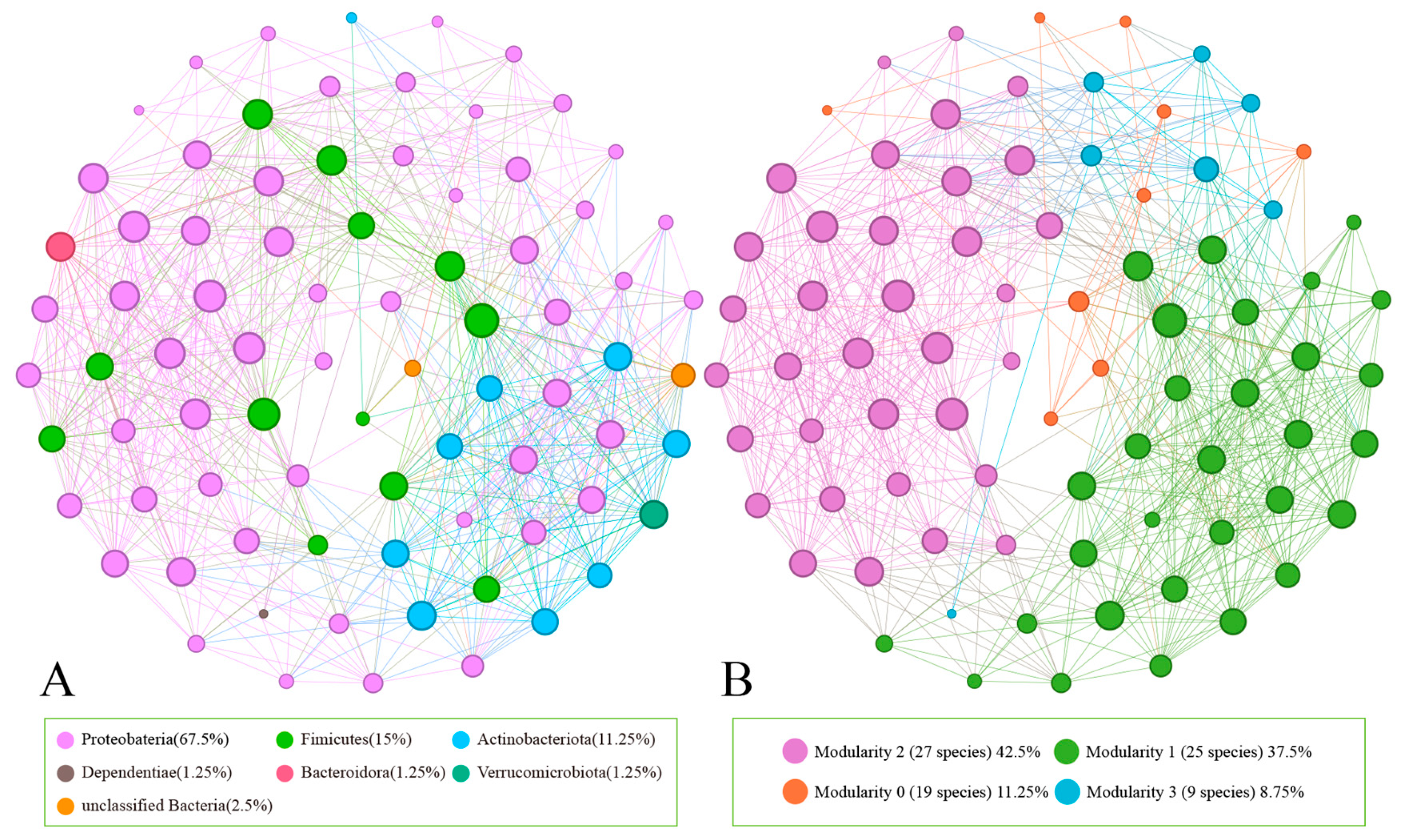
To further investigate the effect of dietary supplementation with RKR on shrimp microbial communities, we constructed the experimental real network, namely the microbial co-occurrence network. We also constructed an ER random network matched to the real network in order to verify the characteristics of the experimental network. In this experiment, the value of CC/CC (random network) was 2.67, and APL/APL (random network) was 1.19, indicating that the experimental network has “small-world” characteristics. In the microbial co-occurrence network of this experiment, the three most relevant phyla are Proteobacteria, Firmicutes, and Actinobacteriota. The most relevant genera are
Mammaliicoccus,
Rhodobacteraceae-related genera,
Sporosarcina,
Ruegeria_B, etc. Notably, 5 out of the top 10 relevant genera belong to the Rhodobacteraceae family. Rhodobacter are ecologically important probiotics, exhibiting functions such as complex carbohydrate degradation, aerobic denitrification, assimilatory nitrate reduction, ammonium assimilation, and sulfur oxidation [
63]. Modularization of the microbial co-occurrence network can achieve the division of network community structure [
64]. A total of four modules were identified in this experiment, each with distinct microbial community structures (
Figure 7B). Proteobacteria was mainly distributed in Module 1, Firmicutes in Module 2, and Actinobacteria in Module 3 (
Table S2). It can be concluded that the network in this experiment has an obvious community structure. Comparing the co-occurrence patterns between the experimental network (Observed) and random networks (RER, RTheo), we can reflect the interactions among microbial groups of the same or different phyla in the network as well as their non-random assembly patterns [
50]. In this study, we found Firmicutes and Actinobacteria exhibited a relatively high intra-phylum co-occurrence incidence in the actual network, with both O/RER and O/RTheo values greater than 1. Firmicutes and Proteobacteria showed a high inter-phylum co-occurrence incidence of 15.04% (
Table S3). The high co-occurrence rate of Firmicutes and Proteobacteria indicates that these two phyla play a significant role in the microbial community structure. Thus, dietary supplementation with RKR exerts a regulatory effect on the intestinal microbial community network of
L. vannamei.
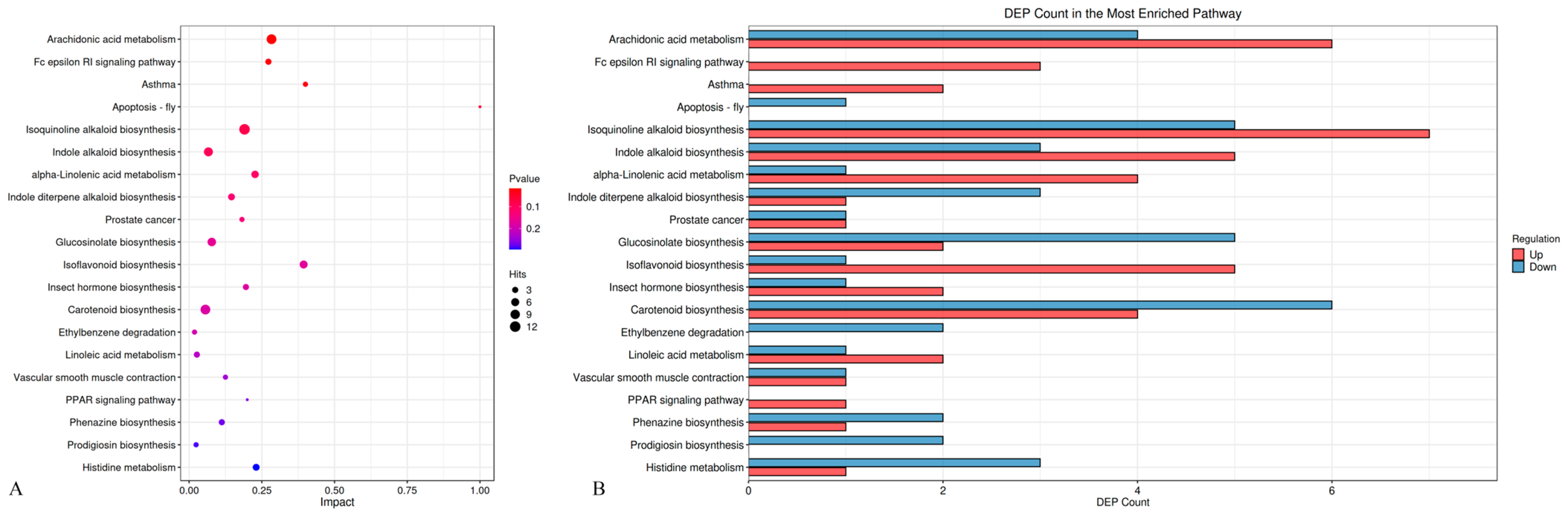
In this study, the results of secondary differential metabolites showed that the metabolites with relatively high positive differential levels in H2 vs. H0 group were N-desmethyl sildenafil, piperonyl butoxide, indole, and its derivatives Bismurrayaquinone A, Imidafenacin, and Harmol. The results could reflect that RKR has a regulatory effect on the intestinal metabolic level of
L. vannamei. Bismurrayaquinone A is a type of carbazole phytochemical. Carbazole alkaloids exhibit various biological activities such as antibacterial, anti-inflammatory, antioxidant, anticancer, and anti-Alzheimer’s effects [
65]. Studies have shown that Bismurrayaquinone A has the function of targeting dihydrofolate reductase and possesses potential in anticancer and antibacterial aspects, though its specific mechanism remains to be further confirmed [
66]. β-carboline alkaloids are naturally occurring plant substances with extensive neuropharmacological, psychopharmacological, and antitumor effects [
67]. Harmol, a β-carboline alkaloid, has been extensively studied in various diseases. Some studies have indicated that it can promote the degradation of α-synuclein by regulating the autophagy–lysosome pathway and alleviate Parkinson’s symptoms [
68]. Other studies have shown that it can reduce dimethylhydrazine-induced colon cancer by downregulating the expression of Bcl2/IL-6/
Tnf-α related to p53-mediated apoptosis [
69]. Among the signaling pathways enriched with differentially expressed metabolites, the top three with the highest degree of difference play important roles in organismal immunity, inflammation, antioxidant capacity, and other related processes. Specifically, the arachidonic acid signaling pathway exerts a function in the organism’s antioxidant defense [
70]. Fc epsilon RI signaling pathway can alleviate inflammation and regulate the intestinal barrier [
71]. The asthma signaling pathway is closely associated with the organism’s immune and inflammatory pathways [
72]. Thus, the ameliorative effects of RKR may be achieved by regulating pathways related to immunity, inflammation, and antioxidant capacity. Based on the above, it can be inferred that the flora in the RKR-added group may improve the growth and metabolic levels of
L. vannamei by influencing functions such as antibacterial, anticancer, and antioxidant activities.
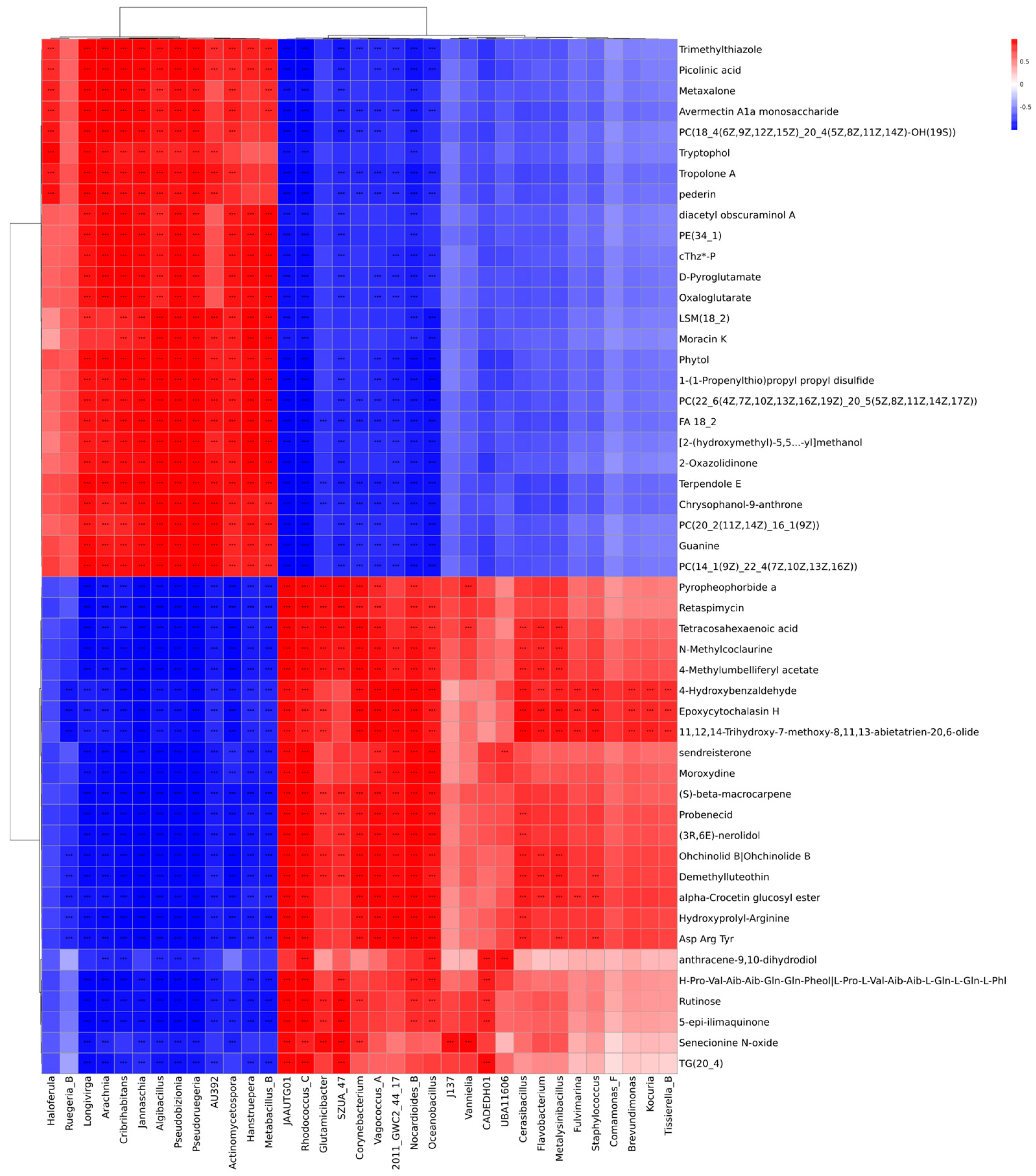
The correlation analysis between 16S rRNA and metabolomics can reveal the interactions and mechanisms between microbial community structure and host metabolic functions. The results showed that
Pseudobizionia,
Pseudoruegeria, and
Rhodococcus_C were significantly correlated with 50 types of metabolites. Studies have indicated that
Pseudoruegeria is a probiotic in the intestine of shrimp and may play a role in inhibiting the growth of pathogenic bacteria such as
Vibrio harveyi [
73].
Rhodococcus is widely used in bioremediation of environmental pollution, such as degradation of xenobiotics, adsorption and reduction in heavy metals, and biological desulfurization [
74]. Oceanobacillus has good biofilm-destroying activity against potential food pathogens [
61]. Results showed that the abundance of
Pseudoruegeria in the H0 group was higher than that in the H2 group (
Figure S5A), while the abundance of
Rhodococcus_C in the H2 group was higher than that in the H0 group (
Figure S5B). In addition,
Oceanobacillus was significantly positively correlated with 21 differential metabolites and significantly negatively correlated with 20 differential metabolites, indicating a high correlation, and its abundance in the H2 group was higher than that in the H0 group (
Figure S5C). The above results suggested that RKR may regulate the intestinal metabolism of shrimp by regulating these types of bacteria to a certain extent.




 ,
,