Article

Transcriptome Analysis of 17α-Methyltestosterone-Induced Sex Reversal in Pseudopleuronectes yokohamae


by
Luyao Cheng
,
Xiaoxuan Sun
,
Zhen Meng
*,
Wenteng Xu
,
Aijun Cui
and
Yongjiang Xu
Marine Fish Breeding and Biotechnology Laboratory, Yellow Sea Fisheries Research Institute, Chinese Academy of Fishery Sciences, Qingdao 266071, China
*
Author to whom correspondence should be addressed.
Submission received: 10 November 2025 / Revised: 17 December 2025 / Accepted: 18 December 2025 / Published: 19 December 2025
(This article belongs to the Section Genetics and Biotechnology)

Abstract

Marbled flounder (Pseudopleuronectes yokohamae) exhibits a distinct female growth advantage and an XX/XY sex determination system. To exploit these traits, we investigated 17α-methyltestosterone (MT)-induced transcriptomic changes in gonadal tissue with the goal of generating pseudomale XX broodstock for all-female fry production. Full-sibling diploid juveniles (60 days post-hatching, dph) were fed diets containing 0 (control), 0.5, or 2 mg/kg MT for 120 days, followed by a 60-day recovery period on a commercial diet prior to sampling. Testicular transcriptomes were profiled via high-throughput sequencing, and key differentially expressed genes were validated using qPCR. Both MT treatments resulted in 100% masculinization. Testicular transcriptome analysis revealed 972 differentially expressed genes (DEGs) (180 up, 792 down) in the 0.5 mg/kg MT-treated males (MT05M) compared to the control males, and 1245 DEGs (842 up, 403 down) in the 2 mg/kg MT group (MT20M). Gene Ontology terms were enriched for extracellular space and signaling receptor regulator activity. KEGG pathway analysis indicated significant enrichment in neuroactive ligand–receptor interaction, ovarian steroidogenesis, and TGF-β signaling. qPCR confirmed significant downregulation (p < 0.05) of sox17, bmp4, and smad6, while dmrt1 was downregulated only in the MT20M group. These findings demonstrate that MT effectively masculinizes P. yokohamae by modulating key sex-related genes and signaling pathways, providing a transcriptomic foundation and potential mechanistic insights for optimizing pseudomale induction to enable all-female aquaculture production.
Key Contribution: This study presents the first report elucidating the molecular mechanism behind 17α-methyltestosterone (MT)-induced sex reversal in Pseudopleuronectes yokohamae through transcriptomic analysis.

1. Introduction

The marbled flounder, Pseudopleuronectes yokohamae, is a cold-water species endemic to the coastal regions of the Yellow Sea and Bohai Sea of China, with significant populations concentrated around Penglai. This species is highly valued for its marketability and richness in essential trace elements. It also exhibits desirable aquacultural traits, including high adaptability to various diets (e.g., formulated feeds) and considerable tolerance to low temperatures [1,2]. These traits have facilitated its emergence as a commercially important farmed species, positioning it as a valuable economic resource within China’s flounder aquaculture industry and encouraging its development as a regionally distinctive sector [3].
A notable feature of the marbled flounder, shared with many other flatfish species, is its pronounced female growth advantage [4]. Exploiting this trait through the production of all-female populations could mitigate constraints associated with its inherently slow growth rate, offering a promising approach for improving production efficiency [5]. The marbled flounder exhibits an XX/XY genetic sex determination mechanism, wherein the induction of pseudomales (XX males) is a critical step for generating all-female populations [6].
Steroid hormones, primarily found in the testes, ovaries and liver, play key roles in regulating gonadal development, sex determination, and growth in aquatic species through their interactions with endocrine pathways [7,8]. The synthetic steroid 17α-methyltestosterone (MT) has been extensively studied in teleosts due to its pronounced influence on male reproductive functions, particularly testicular differentiation and development [9]. Oral administration via MT-supplemented feed represents one of the most practical and widely used methods for inducing sexual differentiation into males [10,11].
MT mediates its masculinizing effects through multiple pathways, including binding to androgen receptors, suppression of aromatase activity, and modulation of gonadotropin and sex hormone levels [12]. However, hormonal responses are highly species-specific. For instance, MT exposure significantly reduced plasma estradiol (E2) and testosterone (T) levels in mosquitofish (Gambusia affinis) [13] and the minnow (Gobiocypris rarus) [14], consistent with observations in common snook (Centropomus undecimalis) [15]. In contrast, E2 levels increased in MT-treated Atlantic cod (Gadus morhua) [16]. At the genetic level, MT treatment modulates the expression of key sex-related genes, typically upregulating male-promoting genes (e.g., amh, dmrt1, gsdf) and downregulating female-associated genes (e.g., bmp15, gdf9), as observed in zebrafish (Danio rerio) [17]. Other than that, cyp19 gene expression was decreased in Nile tilapia (Oreochromis niloticus) following MT treatment [18].
Despite these advances, research on MT-induced sex reversal in marbled flounder remains limited. Previous work by Japanese researchers demonstrated that immersion in 20 μg/L MT could induce sex reversal in juveniles aged 20–80 days post-hatch (dph), yielding an 80% rate of gynogenetic pseudomale production [4]. More recently, we have, for the first time, successfully induced sex reversal in this species through the dietary administration of MT (0.5 and 2.0 mg/kg). After a 240-day trial, survival in the 0.5 mg/kg group (60.3 ± 5.7%) did not differ significantly from the control (64.0 ± 2.0%), whereas the 2.0 mg/kg group (53.7 ± 5.3%) experienced a significant reduction (p < 0.05). Both the 0.5 and 2.0 mg/kg treatments induced 100% masculinization, while the control group maintained a sex ratio close to 1:1, confirming the efficacy of MT treatment. Histological analyses demonstrated preserved testicular microstructure in the 0.5 mg/kg group, featuring distinct spermatogenic lobules and diverse spermatocyte stages, whereas the 2.0 mg/kg group exhibited structural disorganization with diminished spermatocyte populations ([19], accepted for publication). Nevertheless, the endocrine and molecular mechanisms underlying MT-induced masculinization in marbled flounder remain poorly elucidated. In this study, we compared gonadal transcriptomes of normal males and MT-induced pseudomales to identify key genes and metabolic pathways involved in the sex reversal process. Our objective was to clarify the mechanistic basis of MT-mediated masculinization, with the aim of providing a theoretical foundation for optimizing pseudomale induction and establishing a reliable protocol for the production of all-female fry in P. yokohamae aquaculture.

2. Materials and Methods

2.1. Ethics Statement

This study was approved by the Institutional Animal Care and Use Committee (IACUC) of the Yellow Sea Fisheries Research Institute, Chinese Academy of Fishery Sciences (CAFS) (Approval No. 2025074). All experimental procedures were conducted in accordance with the National Institutes of Health (NIH) guidelines for the care and use of laboratory animals (https://www.ncbi.nlm.nih.gov/books/NBK54050/ accessed on 16 December 2025).

2.2. Source of Juveniles

A full-sib family of marbled flounder juveniles was provided by Yantai Development Zone Tianyuan Fisheries Co., Ltd., Yantai, China. Larvae were reared at a water temperature of 15–18 °C and fed a commercial compound feed (Yubao No. 1 and No. 2, Qingdao Tianyi Jixing International Trade Co., Ltd., Qingdao, China). At 53 dph, prior to the onset of gonadal differentiation [20], a total of 900 healthy individuals (mean body length 1.48 ± 0.72 cm) were randomly selected and distributed into nine 150 L experimental tanks (100 individuals per tank). Following a 7-day acclimation period under stable water quality conditions (seawater salinity: 28‰; natural photoperiod: 16L:8D; light intensity: 800 lux) and four daily feedings, the MT treatment trial was initiated.

2.3. Dietary Preparation and Experimental Design

A stock solution of MT (Sigma-Aldrich) was prepared at 5 mg/mL using anhydrous ethanol, following the protocol of El-Greisy and El-Gamal [10], and stored protected from light at 4 °C. Based on the predetermined concentration gradient (0, 0.5, and 2 mg/kg diet), established according to previously effective doses for sex reversal in flatfishes [21], the stock solution was appropriately diluted and evenly sprayed onto the diet. The treated diet was air-dried in a cool, ventilated environment, stored at 4 °C, and freshly prepared every 10 days. The control diet was sprayed with an equivalent amount of anhydrous ethanol alone to account for potential solvent effects.
Three concentration groups (0, 0.5, and 2 mg/kg feed, termed MT00, MT05, and MT20, respectively) were tested, each with three replicate tanks. Juveniles were reared in natural seawater maintained at 15–18 °C and fed the respective diet 5 times daily (08:00, 11:30, 15:00, 18:30, 22:00) for 120 consecutive days. The MT induction phase concluded when the average total length reached ≥ 5 cm (180 dph) [20]. All groups were then switched to a regular diet until the end of the experiment at 240 dph.
At sampling, 30 individuals per replicate were randomly selected. After anesthesia with MS-222 (tricaine methanesulfonate, 150 mg/L, Sigma), gonadal tissues were dissected. Sex was determined via morphological and histological examination, and sex ratios were calculated (n = 30 per replicate). To specifically investigate MT-induced sex reversal in genotypic females (XX), a bioinformatic selection step was employed prior to differential gene expression analysis. This was necessary due to the current lack of a sex-specific genetic marker for P. yokohamae. Therefore, for subsequent transcriptome sequencing, a total of 10 testes samples from male juveniles (MT00M, MT05M, and MT20M) in each experimental group were flash-frozen in liquid nitrogen and stored at −80 °C.

2.4. RNA Isolation

Total RNA was extracted from gonadal tissues using RNAprep Pure Animal Tissue Total RNA Extraction Kit (Tiangen, DP431, China) according to the manufacturer’s instructions. Genomic DNA was eliminated by on-column DNase I digestion (Tiangen, RT411, China). RNA integrity was evaluated using an Agilent 5300 system to determine RNA Integrity Number (RIN), and all samples used in subsequent steps had RIN values ≥ 7.0. In parallel, RNA samples were also checked by 1% agarose gel electrophoresis to visually confirm the presence of intact 28S and 18S rRNA bands. RNA concentration and purity were measured using a NanoDrop One Spectrophotometer (Thermo Scientific, Waltham, MA, USA). All samples met the following quality thresholds: total RNA ≥ 1 μg, concentration ≥ 30 ng/μL, OD260/280 between 1.8–2.2, indicating high purity without protein or chemical contamination.

2.5. Transcriptome Sequencing and Data Assembly

Only high-quality RNA samples (RIN ≥ 7.0) were used for sequencing. The mRNA was enriched with oligo(dT) beads (Yeasen, 19820ES50, China), fragmented with a fragmentation buffer (Qiagen, 333905, Germany), and then reverse transcribed. Double-stranded cDNA was synthesized from the resulting fragments using a SuperScript double-stranded cDNA synthesis kit (Invitrogen, 11917010, Carlsbad, CA, USA). Finally, the cDNA fragments were end-repaired, adenylated, and ligated to Illumina sequencing adapters to construct the final sequencing libraries. The cDNA library was amplified by PCR and quantified. Library quality was assessed using an Agilent 2100 Bioanalyzer. Paired-end sequencing (150 bp) was performed on an Illumina HiSeq 2500 platform (Hangzhou Guangke Ande Biotechnology Co., Ltd., Hangzhou, China). Raw reads were preprocessed by fastp software (v0.23.4, https://github.com/OpenGene/fastp accessed on 16 December 2025) to remove adapters and low-quality sequences, yielding clean reads. De novo transcriptome assembly was conducted using Trinity software (v2.8.5, https://github.com/trinityrnaseq/trinityrnaseq accessed on 16 December 2025) to generate unigenes. Functional annotation of unigenes was performed by aligning unigenes to the NR, KOG, GO, Swiss-Prot, eggNOG, and KEGG databases using Diamond software (v2.1.9, https://github.com/bbuchfink/diamond accessed on 16 December 2025). Domain annotation was carried out via HMMER against the Pfam database.

2.6. Quantitative Real-Time PCR Validation

To validate transcriptome results, first-strand cDNA was synthesized from 1 μg of total RNA using a Thermo Scientific Reverse Transcription Kit (Cat. No. 154402) according to the manufacturer’s instructions. The cDNA was diluted and stored at −20 °C. Quantitative real-time PCR (qRT-PCR) was performed using gene-specific primers (Table 1) with β-actin as the internal reference. Reactions were carried out in a 20 μL system under the following conditions: initial denaturation at 95 °C for 3 min; 40 cycles of denaturation at 95 °C for 7 s, annealing at 57 °C for 10 s, and extension at 72 °C for 15 s. Each sample included three biological replicates (individual fish, n = 3 per group) and three technical replicates. Relative gene expression levels were calculated using the 2−ΔΔCt method.

2.7. Data Statistics and Analysis

Data were expressed as the mean ± standard deviation (mean ± SD). Statistical analyses were performed using SPSS Statistics 27.0. One-way analysis of variance (ANOVA) followed by Duncan’s multiple range test was used to compare survival rates. For gene expression analysis via qRT-PCR, the non-parametric Kruskal–Wallis test was used to compare groups as it does not assume normality or homogeneity of variance, followed by post hoc pairwise comparisons. Differences were considered statistically significant at p < 0.05. Differential gene expression analysis was performed with DESeq2 using criteria of |log2FC| ≥ 1 and adjusted p < 0.05. The adjusted p-value was calculated using the Benjamini–Hochberg false discovery rate (FDR) correction method to control for multiple testing errors.

3. Results

3.1. Overview of Transcriptome Sequencing

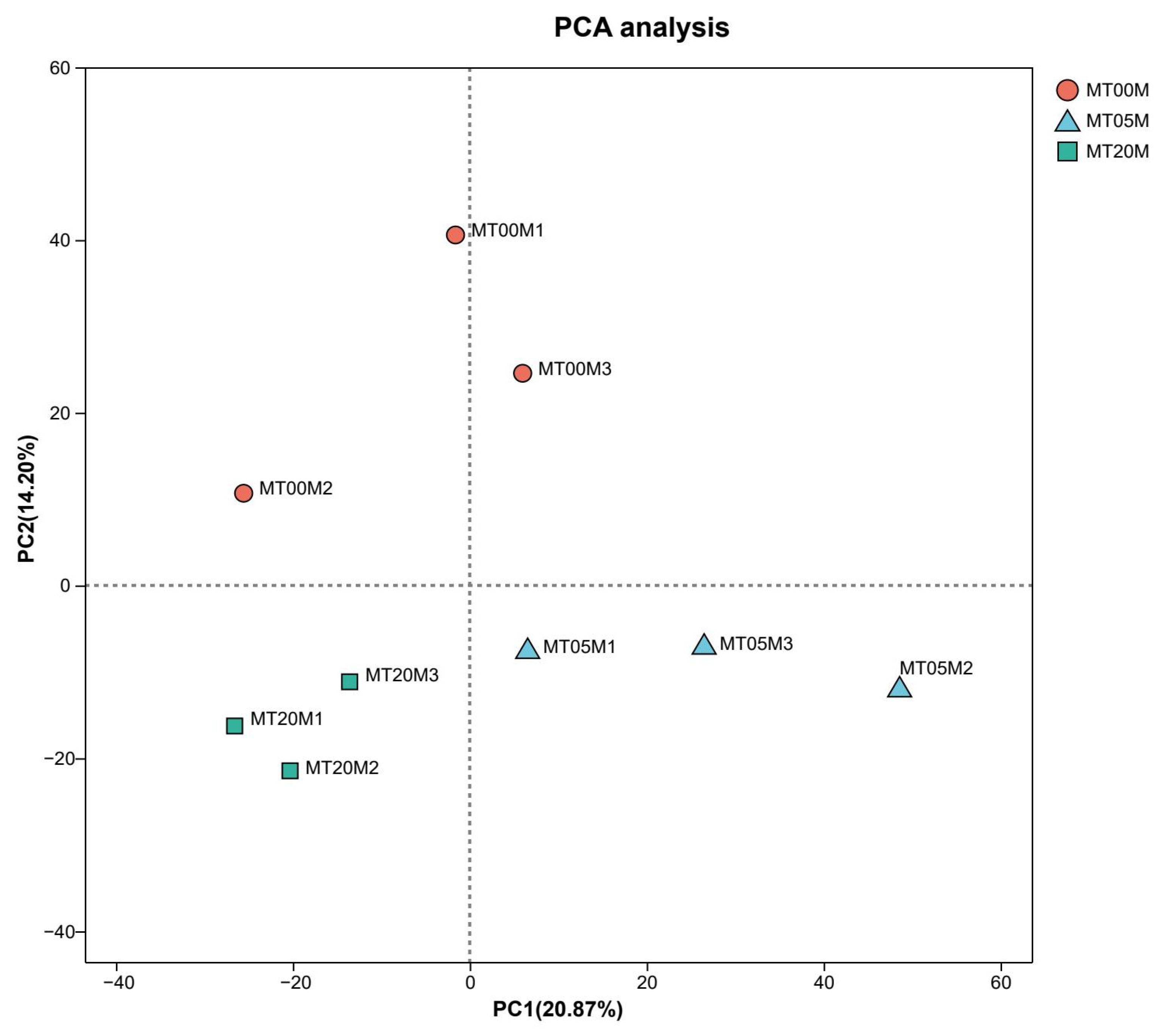
To minimize the potential influence of any normal XY males that might have been present in the treated groups, for subsequent DEG analysis, we selectively used the replicates from the MT05M and MT20M groups that were transcriptionally most distant from the MT00M cluster. Principal component analysis (PCA) revealed clear separation between the control males (MT00M, presumed predominantly XY) and the MT-treated groups along the PC1–PC2 plane, with no overlapping regions observed. Moreover, biological replicates within the same group clustered closely together (Figure 1). This strategy enriches the analyzed dataset for individuals whose testicular transcriptome is a direct consequence of the MT-induced masculinization process in XX fish.
Transcriptome sequencing of gonadal tissues from three individuals per experimental group generated a total of 57.20 Gb of clean data. Each sample yielded more than 5.95 Gb of clean data, with Q30 values exceeding 95.54% and an average GC content of approximately 50%. These metrics indicated high sequencing accuracy and the absence of significant GC or AT bias, confirming the suitability of the data for subsequent bioinformatics analysis. The clean reads were mapped to the assembled Unigenes with alignment rates ranging from 86.68–88.62%, all exceeding the 70% threshold, further supporting the reliability of the data for downstream application (Table 2).
A total of 79,650 Unigenes were aligned against six public databases using DIAMOND. Among these, 23,885 (30.42%) Unigenes were annotated in the eggNOG database, followed by the Swiss-Prot database (21,077, 26.84%), NR (21,029, 26.78%) and Pfam (20,217, 25.75%). Additionally, 20,096 (25.59%) Unigenes were annotated in the KEGG database, while the GO database annotated the fewest Unigenes (15,677, 19.68%).

3.2. Identification and Functional Analysis of Differentially Expressed Genes

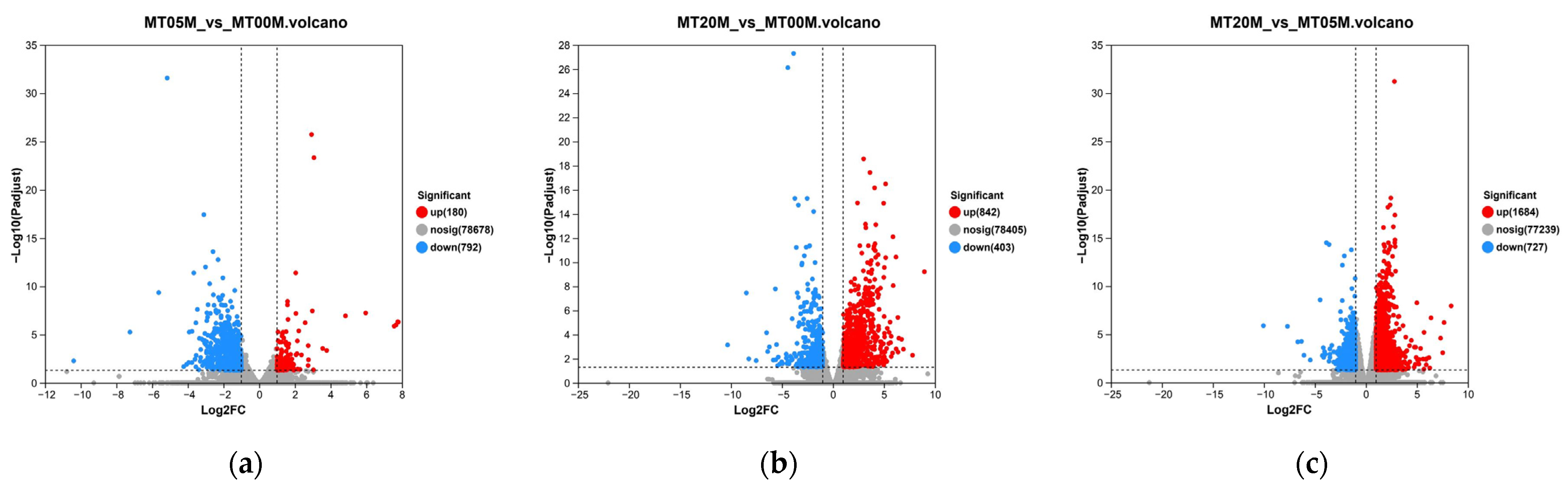
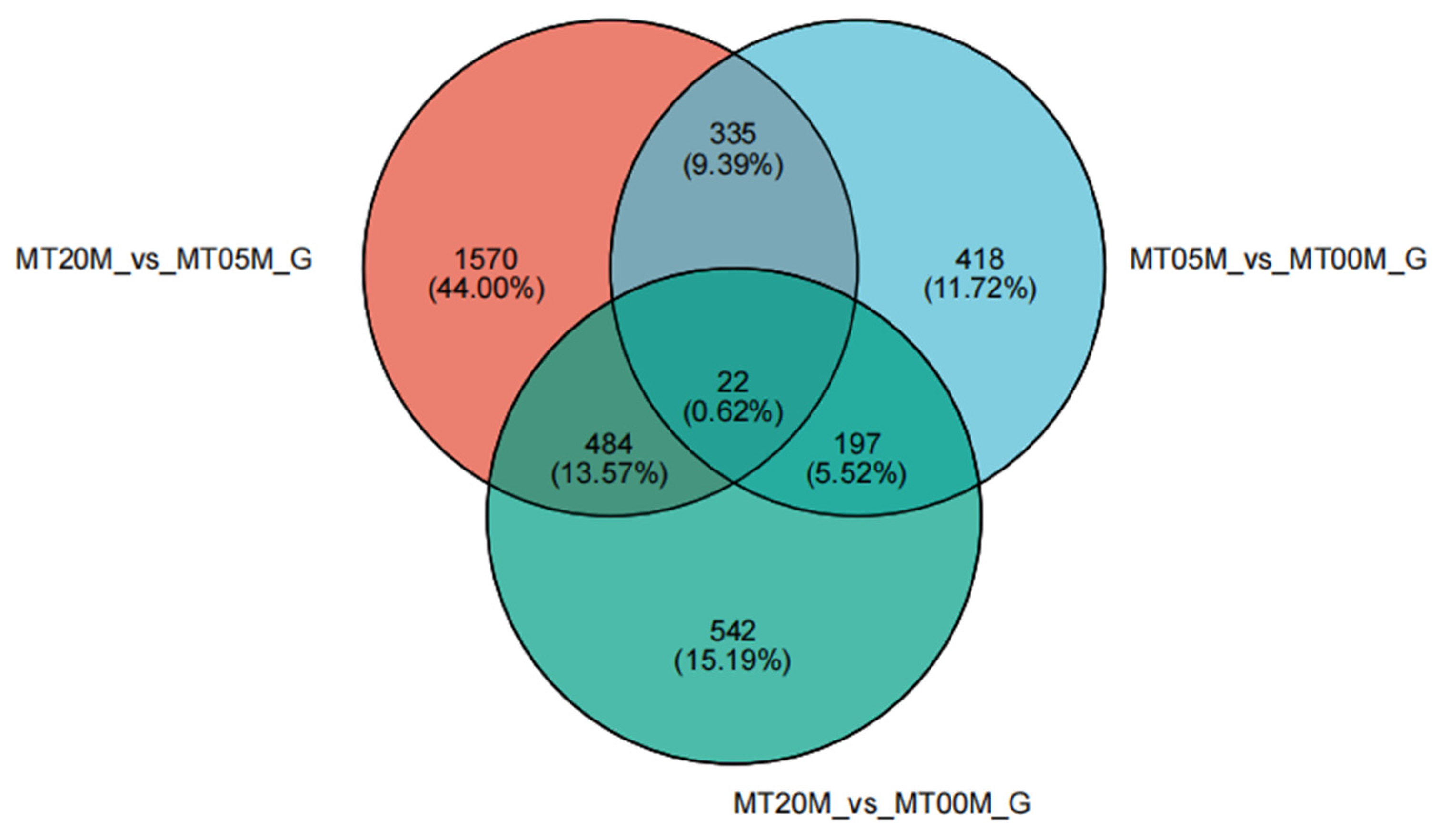
Volcano plots illustrate the differentially expressed genes (DEGs) between the MT-treated and control groups (Figure 2). Compared to the MT00M group, the MT05M group exhibited 972 DEGs, including 180 upregulated and 792 downregulated genes (Figure 2a). The MT20M group showed 1245 DEGs relative to MT00M, with 842 upregulated and 403 downregulated genes (Figure 2b). Between the two MT-treated groups (MT20M vs. MT05M), 2411 DEGs were identified, of which 1684 were upregulated and 727 downregulated (Figure 2c). A Venn diagram illustrates the overlap of DEGs among the three comparisons: 22 DEGs were consistently differentially expressed across all groups (Figure 3). The diagram highlights the large number of dose-unique DEGs and the small core set of common DEGs, underscoring the distinct and shared transcriptomic effects of MT at 0.5 and 2.0 mg/kg. Select DEGs related to gonadal development are summarized in Table 3.

3.3. Gene Ontology Enrichment Analysis

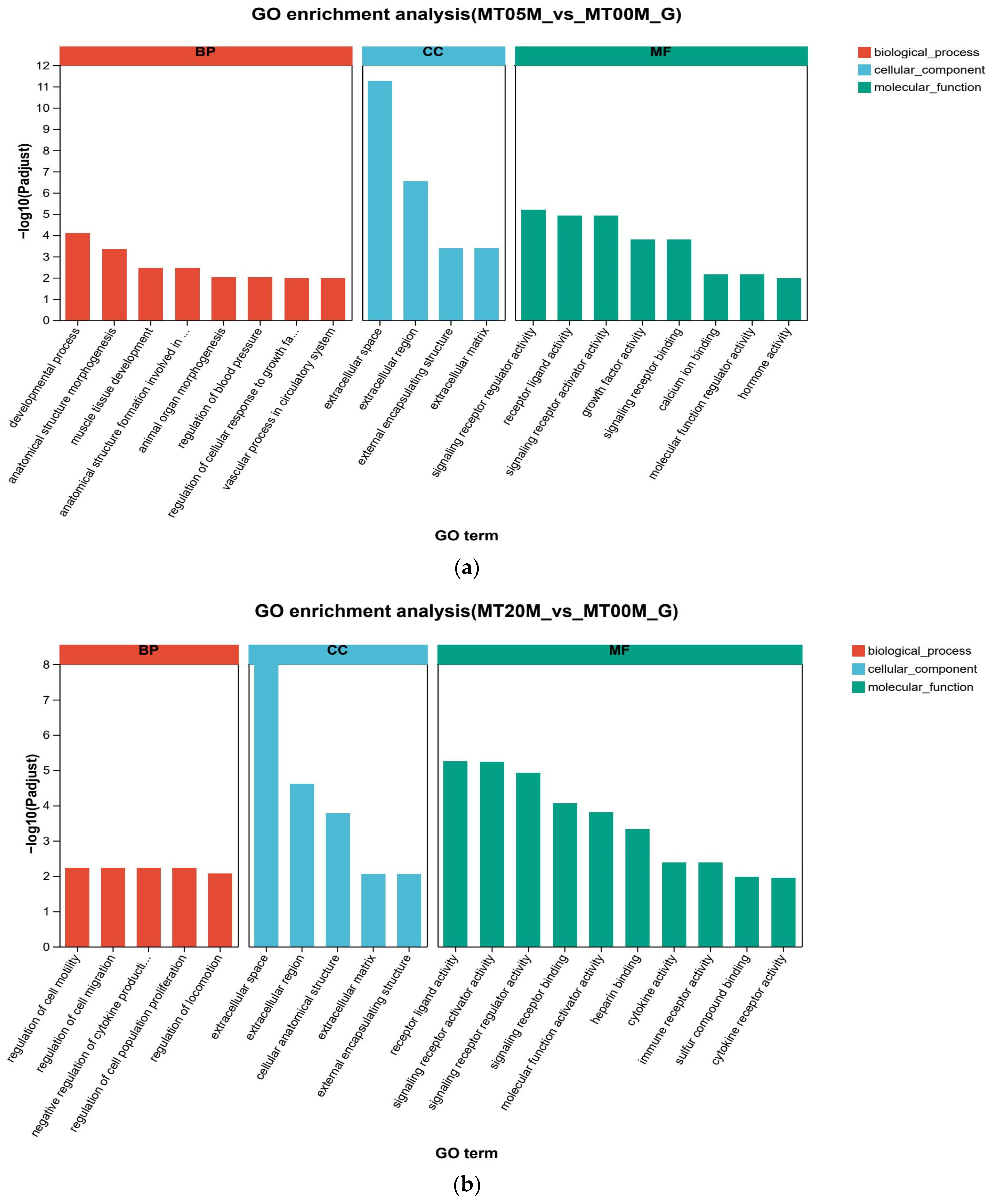
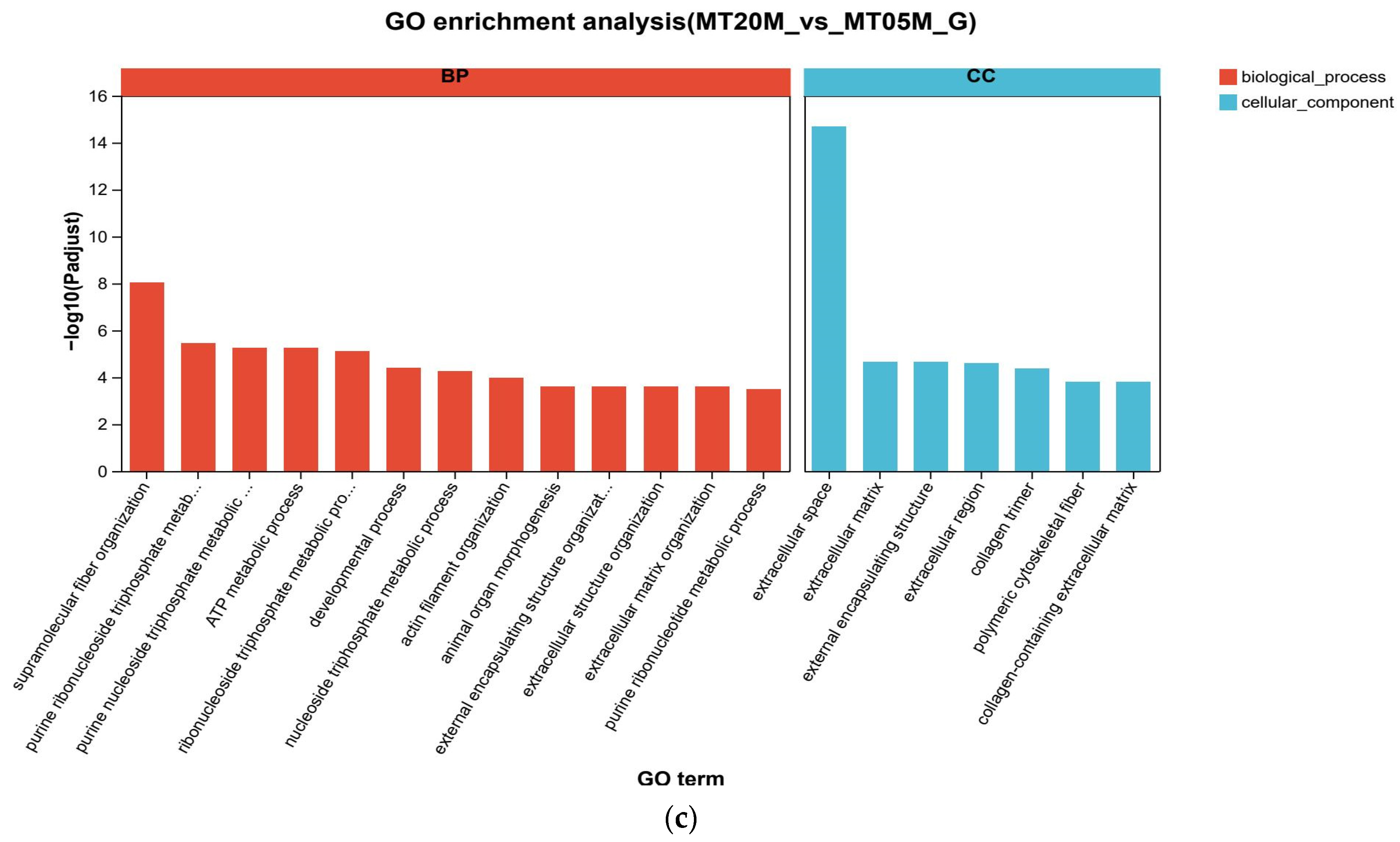
To investigate the functional impact of MT on gonadal gene expression in marbled flounder, Gene Ontology (GO) enrichment analysis was performed on the DEGs (Figure 4). Between the MT05M and MT00M groups, 972 DEGs (p < 0.05) were enriched in 586 GO terms, including 429 biological processes (BP), 27 cellular components (CC), and 130 molecular functions (MF). Prominently enriched terms involved extracellular space, extracellular region, signaling receptor regulator activity, and receptor ligand activity.
Comparison of the MT20M and MT00M groups identified 1245 DEGs, which were assigned to 762 GO terms (566 BP, 42 CC, 154 MF). Significant enrichment was observed in terms such as extracellular space, receptor ligand activity, signaling receptor activator activity, and extracellular region.
Between the MT20M and MT05M groups, 2411 DEGs were enriched in 773 GO terms, comprising 478 BP, 82 CC, and 213 MF categories. Key enriched terms included extracellular space, supramolecular fiber organization, ATP metabolic process, and extracellular matrix.

3.4. KEGG Pathway Enrichment Analysis

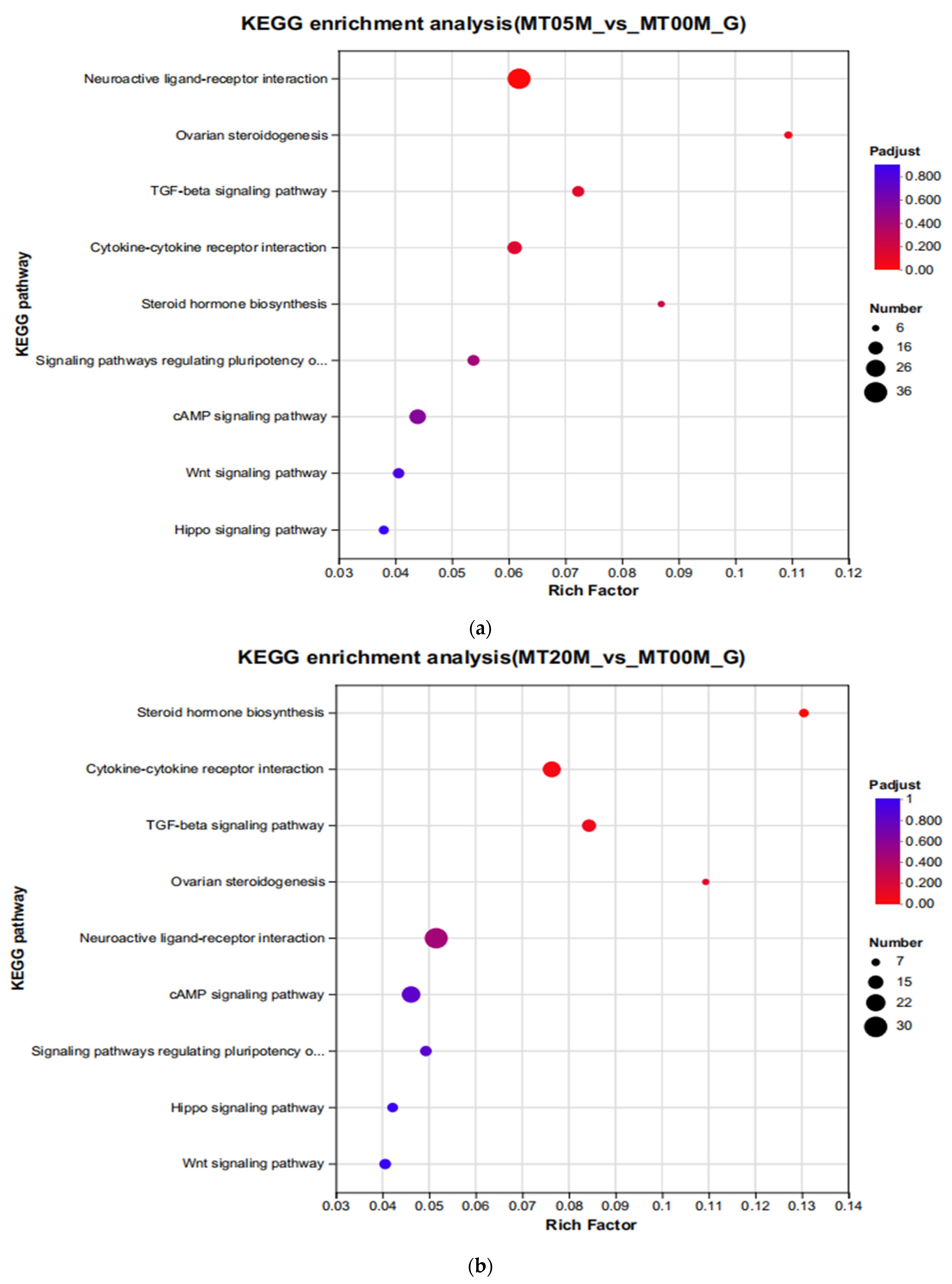
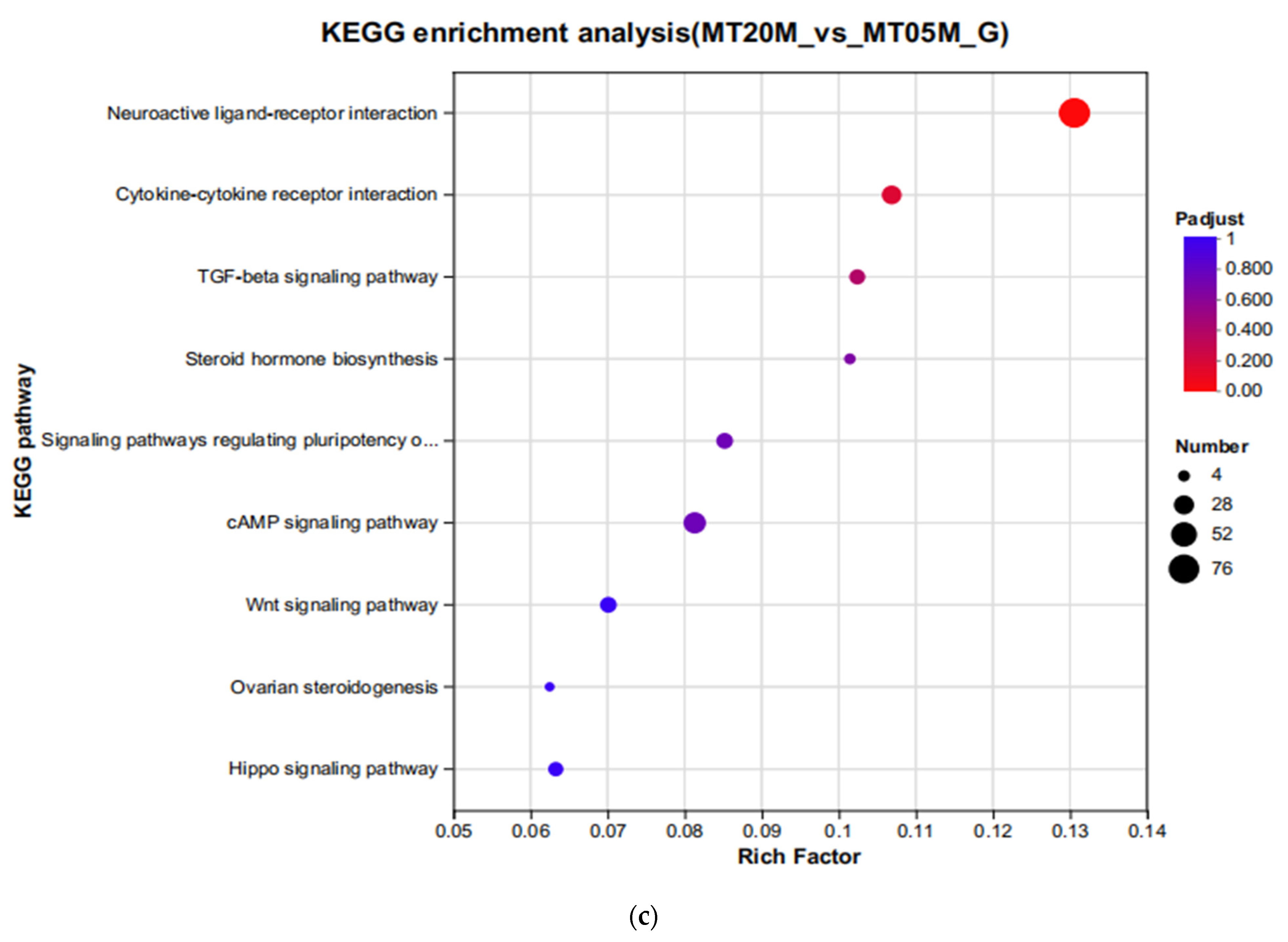
Kyoto Encyclopedia of Genes and Genomes (KEGG) pathway analysis was conducted to identify significantly enriched metabolic and signal transduction pathways among the DEGs (Figure 5).
In the MT05M vs. MT00M comparison, DEGs were enriched in 303 pathways, with 41 significantly enriched. Key pathways related to gonadal development included Neuroactive ligand–receptor interaction, Ovarian steroidogenesis, TGF-β signaling pathway, and Cytokine–cytokine receptor interaction.
For MT20M vs. MT00M, 321 pathways were enriched, with 40 significant ones, including Steroid hormone biosynthesis, Cytokine–cytokine receptor interaction, TGF-β signaling pathway, and Ovarian steroidogenesis.
Between MT20M and MT05M, DEGs were enriched in 342 pathways, with 79 significantly enriched, including Neuroactive ligand–receptor interaction, Cytokine–cytokine receptor interaction, and TGF-β signaling pathway.

3.5. Validation of Transcriptome Results by qRT-PCR

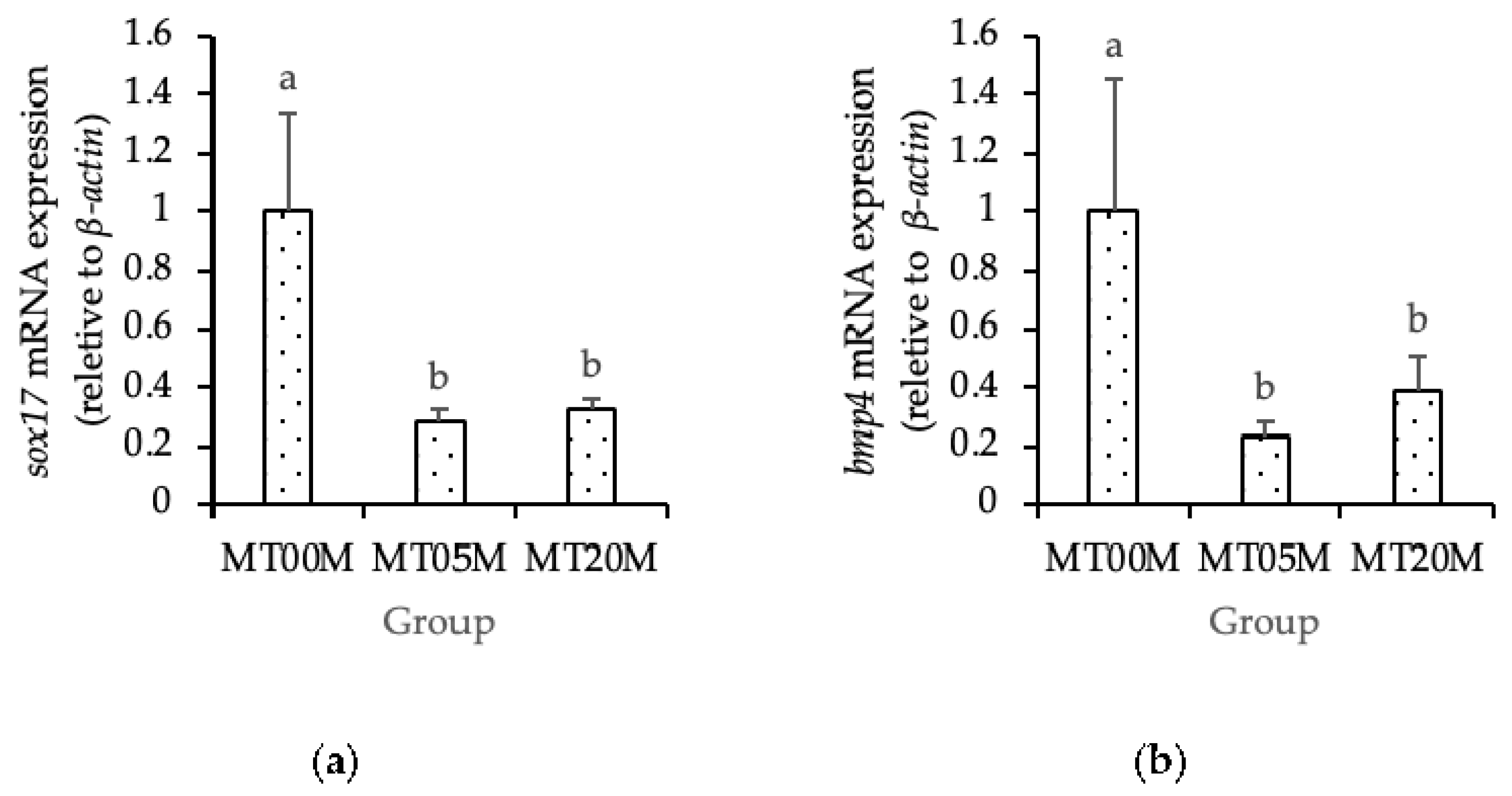
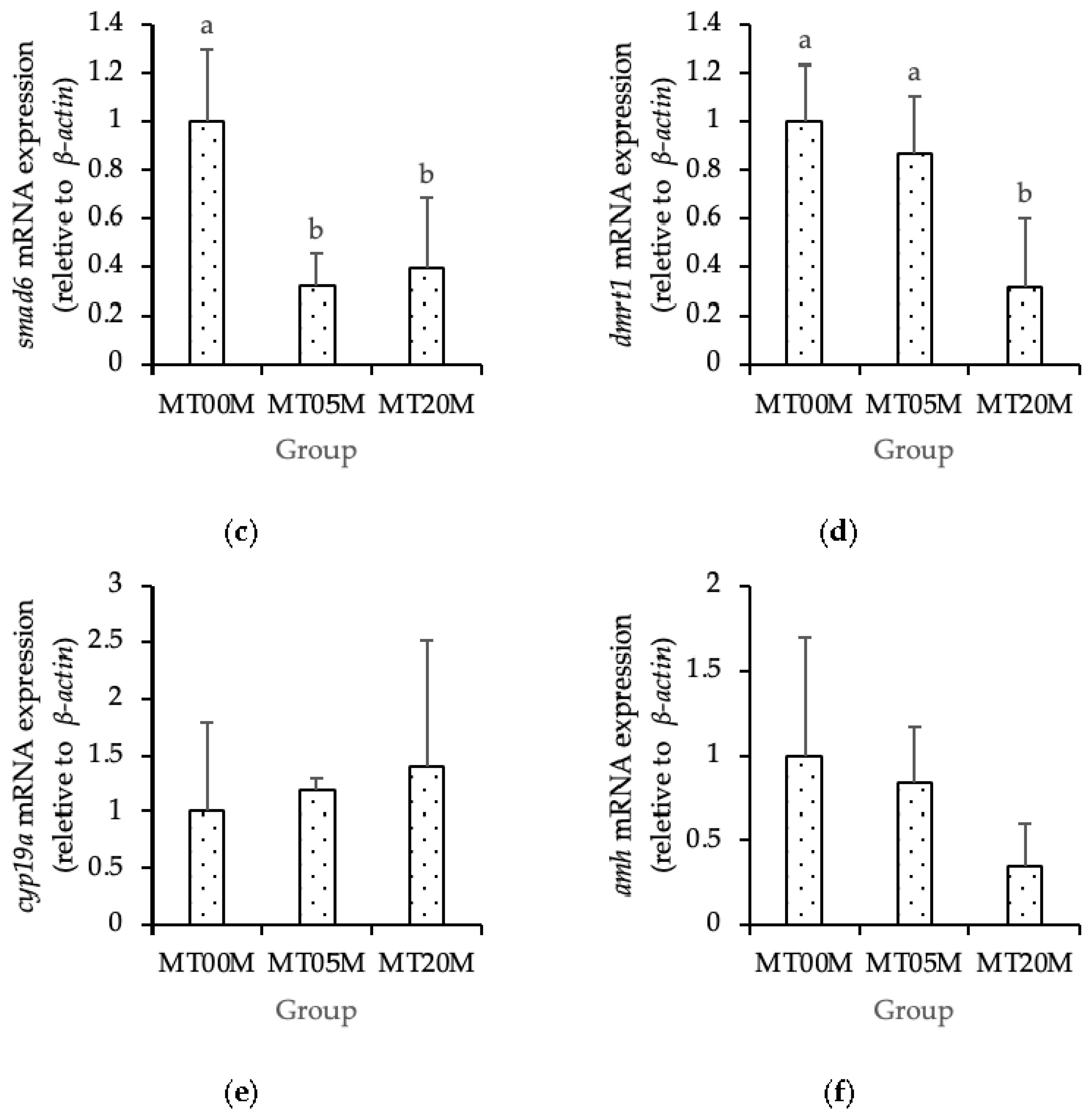
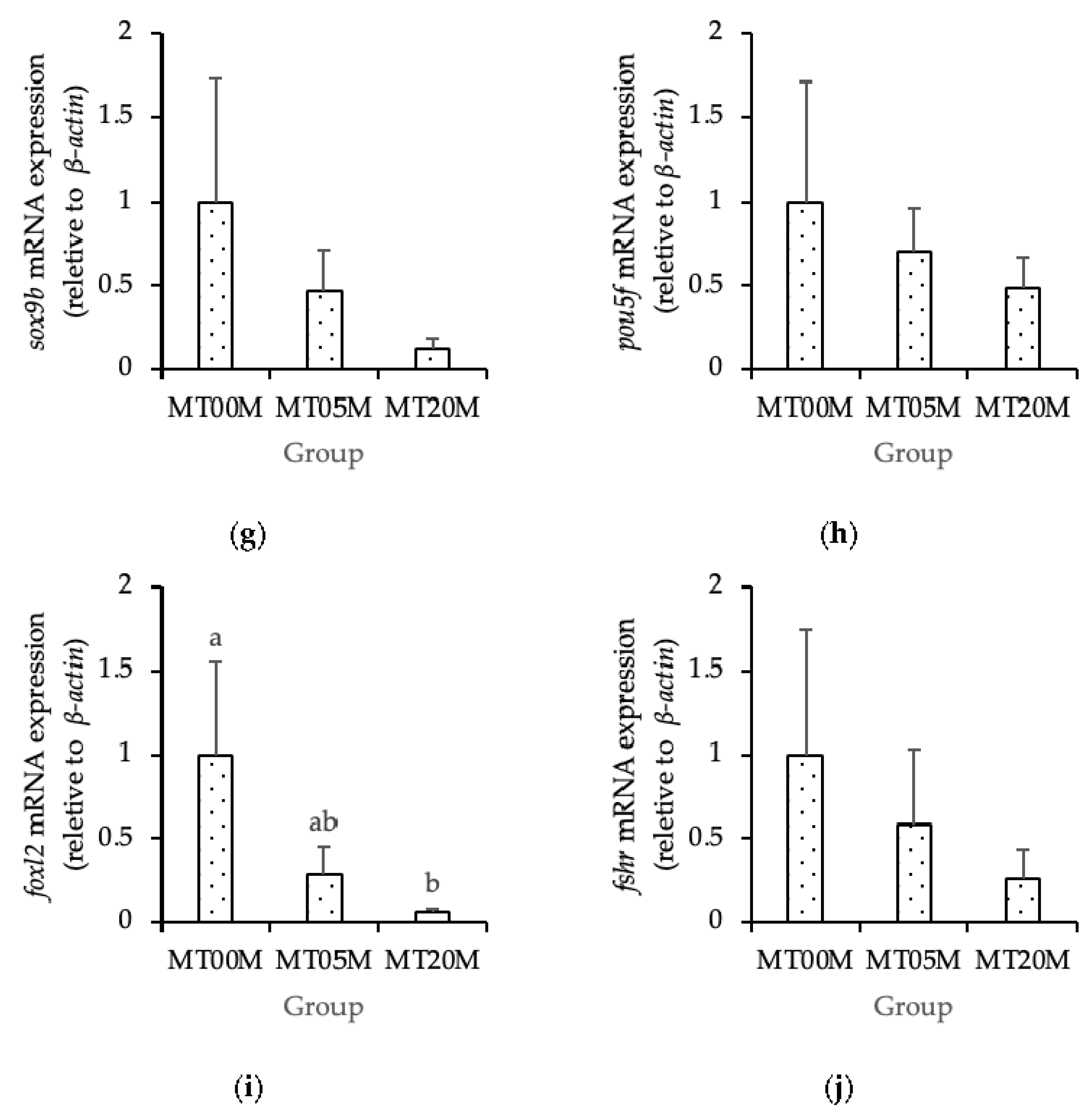
To validate the transcriptome sequencing results, ten DEGs were selected based on GO and KEGG enrichment analysis for qRT-PCR verification (Figure 6). Among these, the expression levels of sox17, bmp4 and smad6 were significantly downregulated (p < 0.05) in both MT-treated groups (MT05M and MT20M) compared to the control. The expression of dmrt1 was significantly downregulated only in the MT20M group (p < 0.05). The expression trends of all ten genes were consistent with the transcriptome sequencing data. Statistical analysis by Kruskal–Wallis test (p < 0.05) confirmed significant differences in gene expression as indicated in Figure 6, thereby confirming the reliability of the RNA-seq results.

4. Discussion

4.1. Functional Enrichment Characteristics of Differentially Expressed Genes

Transcriptomic analysis revealed a substantial number of DEGs between the MT-treated and control groups, with the number of DEGs increasing in a dose-dependent manner (972 in MT05M vs. MT00M; 1245 in MT20M vs. MT00M). This pattern aligns with previous studies in other tissues (e.g., liver) reporting dose-responsive gene expression following androgen treatment in teleosts [22].
Gene Ontology (GO) enrichment further highlighted dose-specific effects. Low-dose MT treatment (0.5 mg/kg) primarily influenced biological terms related to hormone activity and steroid metabolism, suggesting a potential modulatory effect on the endogenous steroidogenic pathway. In contrast, high-dose MT treatment (2 mg/kg) significantly enriched terms related to signaling receptor regulator activity and receptor ligand activity, indicating a broader disruption of signal transduction pathways essential for sex determination [23]. The observation that many DEGs were unique to either the low- or high-dose comparison, rather than exhibiting a graded response, suggests a qualitative shift in the transcriptional response beyond a simple quantitative increase. These distinct GO profiles lead us to hypothesize that MT may operate through divergent mechanisms at different concentrations—potentially involving predominant endocrine modulation at lower doses and broader receptor-mediated signaling interference at higher doses. This hypothesis requires further investigation to delineate the precise molecular pathways involved.
Enrichment of cellular component terms such as extracellular space and extracellular matrix implies structural and microenvironmental remodeling within the gonad tissues, potentially influencing germ cell migration, proliferation and somatic cell communication [24]. Concurrent enrichment of signaling receptor activator activity underscores the potential role of membrane receptors (e.g., GPCRs, cytokine receptors) in mediating non-cell-autonomous effects of MT on gonadal fate [17].

4.2. Perturbation of Key Signaling Pathways

KEGG pathway analysis demonstrated that MT exposure significantly perturbed several signaling pathways pivotal to gonadal development, with the ovarian steroidogenesis pathway being particularly enriched. As the central pathway converting cholesterol to estrogen, ovarian steroidogenesis involves tightly regulated expression of enzymatic genes such as cyp11a (cholesterol side-chain cleavage enzyme) and cyp19a (aromatase) [25].
In this study, cyp19a was significantly upregulated in the MT20M group, whereas cyp11a was downregulated in the MT05M group. These alterations in the downregulation of cyp11a in the MT05M group suggests a potential suppression of endogenous steroid precursor synthesis at lower doses, while the upregulation of cyp19a in the MT20M group could indicate a potential compensatory feedback response [26,27]. This bidirectional modulation aligns with findings in other fish species wherein androgen administration leads to a functional replacement of endogenous steroidogenesis by exogenous hormone [28,29].
The neuroactive ligand–receptor interaction pathway was also significantly enriched, suggesting that MT may interfere with neuroendocrine signaling. This pathway includes multiple G Protein-Coupled Receptors (GPCRs) that regulate gonadotropin release and steroidogenesis [30,31]. Dysregulation of these receptors could alter the activity of the hypothalamic–pituitary–gonadal (HPG) axis, further promoting masculinization [32].
Additionally, the TGF-β signaling pathway was implicated, with genes such as bmp4 and smad6 being downregulated in the MT05M group. bmp4, a promoter of ovarian development, may be suppressed by MT, thereby attenuating female developmental signals [33]. Conversely, downregulation of the inhibitory gene smad6 may enhance TGF-β signaling toward male differentiation [34,35]. This pathway may also interact with extracellular matrix components, reflecting the microenvironmental changes indicated in the GO analysis [36].

4.3. Expression Patterns of Key Sex-Related Genes

qRT-PCR validation confirmed that MT induced pronounced changes in the expression of key sex-related genes. sox17, a critical transcription factor promoting ovarian development, was significantly downregulated in both MT-treated groups. In vertebrates, sox17 helps maintain ovarian identity by activating the Wnt/β-catenin pathway [37]; its suppression is thus consistent with MT-induced masculinization.
Interestingly, dmrt1—a conserved male-determining gene—was downregulated in the high-dose MT group (2.0 mg/kg). This contrasts with the typical upregulation of dmrt1 following androgen treatment in some species, but aligns with reports where high androgen doses suppress endogenous testicular genes via negative feedback [38,39,40,41]. Exogenous MT may indirectly reduce the transcriptional initiation of dmrt1 by inhibiting the activity of upstream regulatory factors such as steroidogenic factor-1 (SF1) [42], consistent with studies reporting the abnormal expression of male development genes under high MT exposure in teleosts [23]. This paradoxical downregulation of a key male gene at the high dose underscores the complexity of the dose–response relationship and suggests potential oversaturation of regulatory systems.

4.4. Transcriptomic Network and Dose-Dependent Synergy

The masculinizing effects of MT appear to be mediated through a complex transcriptional network involving crosstalk among endocrine, paracrine, and neural signaling pathways. This network exhibits a pronounced dose-dependent response, resulting in a coordinated shift toward male differentiation [23].
Mechanistically, multiple pathways act synergistically to promote testicular development. Notably, the simultaneous downregulation of bmp4 (TGF-β pathway) and dkk3 (Wnt inhibitor) collectively suppresses genetic programs underlying female differentiation [43]. Suppression of bmp4 attenuates ovarian-promoting signals [44], while reduced dkk3 expression alleviates inhibition on pro-male Wnt signaling [45], thereby disrupting the default sexual fate and initiating masculinization.
Further reinforcing this process, MT modulates interactions between neuroendocrine signaling and steroidogenesis [32]. GPCRs involved in neuroactive ligand–receptor interactions influence HPG axis activity, subsequently regulating steroidogenic enzymes such as cyp11a and cyp19a [46]. The inferred suppression of cyp11a—potentially reducing endogenous androgen synthesis—could complement exogenous MT supplementation, forming a potential compensatory metabolic loop that maintains stable androgen signaling while minimizing hormonal fluctuations [47].
Notably, the network response was highly dose-dependent. At a low-dose (0.5 mg/kg), MT selectively targeted key feminizing genes (e.g., sox17, bmp4) and Wnt inhibitors (e.g., dkk3) [48]. In contrast, a high-dose (2 mg/kg) induced widespread pathway dysregulation and off-target effects, likely due to androgen receptor saturation and non-specific binding to other nuclear receptors, e.g., glucocorticoid receptors [49,50,51]. This broad transcriptional disruption and non-specific activation likely underlie the significant metabolic disturbance and correlate with the significantly reduced survival observed in the high-dose group [52], highlighting a critical trade-off between induction efficiency and animal welfare in masculinization treatments [53].
It is important to note a limitation of this study: the transcriptomic analysis was conducted with a sample size of n = 3 per group, which is common yet constraining in such sequencing studies. While we mitigated this limitation through robust bioinformatic pipelines (DESeq2), stringent thresholds, and independent qPCR validation of key results, future studies with larger biological replicates would strengthen the statistical power and generalizability of the findings.

5. Conclusions

This study achieved complete (100%) sex reversal in marbled flounder through an optimized MT treatment regimen initiated at 60 dph (20 days prior to gonadal differentiation), administered at doses of 0.5 and 2.0 mg/kg over 120 days. Transcriptomic analysis revealed that MT induces masculinization via multifaceted transcriptional regulation involving dose-dependent crosstalk among endocrine, neural, and paracrine pathways. A low dose of MT (0.5 mg/kg) precisely targeted key feminizing genes and signaling inhibitors, achieving complete masculinization with minimal physiological impact, as reflected in superior survival rates comparable to the controls. In contrast, the high dose (2.0 mg/kg) caused broad pathway dysregulation and reduced survival, likely attributable to androgen receptor saturation and non-specific off-target effects. Despite these advances, the current lack of sex-specific molecular markers limits the ability to distinguish genetic (XY♂) from phenotypic (XX♂) males in transcriptomic datasets. In addition to developing such markers, future studies should utilize gynogenetic progenies to elucidate the regulatory mechanisms of MT in germ cell development and meiotic regulation. Integrating steroid hormone profiling with multi-omics approaches will help delineate the comprehensive regulatory network underlying MT-induced masculinization.
These results provide a theoretical basis for optimizing MT-mediated sex reversal in flatfish aquaculture, with low-dose MT offering a superior balance between induction efficiency and viability. Furthermore, this approach establishes a critical foundation for the subsequent production of pseudomales (XX♂) through the integration of gynogenesis and hormone treatment, thereby enabling the large-scale generation of all-female stocks in the marbled flounder.

Author Contributions

Conceptualization, Z.M.; methodology, L.C. and W.X.; investigation, L.C., X.S. and A.C.; writing—original draft preparation, L.C.; writing—review and editing, Z.M.; supervision, Y.X.; funding acquisition, Z.M. All authors have read and agreed to the published version of the manuscript.

Funding

This research was funded by the Agricultural Variety Improvement Project of Shandong Province, grant number 2025LZGC039, the Central Public-interest Scientific Institution Basal Research Fund, CAFS, grant number 2025XT0502, the National Key R&D Program of China, grant number 2022YFD2400402, the China Agriculture Research System, grant number CARS-47, and the National Science and Technology Innovation 2030 Project, grant number 2023ZD0405505.

Institutional Review Board Statement

The animal study protocol was approved by the Institutional Animal Care and Use Committee (IACUC) of the Yellow Sea Fisheries Research Institute, Chinese Academy of Fishery Sciences (CAFS) (protocol code YSFRI-2025074), approval date 24 March 2025.

Informed Consent Statement

Not applicable.

Data Availability Statement

The original contributions presented in this study are included in the article. Further inquiries can be directed to the corresponding author.

Acknowledgments

The authors are grateful to Jiangbo Qu, Rongjing Xu, and Wenlei Gao at Tianyuan Aquaculture Co., Ltd. (Yantai Economic Development Zone), as well as Ning Zhang, Lu Qi, and Lebin Hu at Yantai Zongzhe Marine Technology Co., Ltd., for their valuable assistance in fish rearing and maintenance throughout this study.

Conflicts of Interest

The authors declare no conflicts of interest.

References

  1. Cho, J.; Park, J.W.; Ryu, Y.; Kim, K.; Hur, S. Morphology, histology, and histochemistry of the digestive tract of the marbled flounder Pseudopleuronectes yokohamae. Animals 2023, 13, 936. [Google Scholar] [CrossRef]
  2. Lee, J.; Kodama, K.; Oyama, M.; Shiraishi, H.; Horiguchi, T. Effect of water temperature on survival of early-life stages of marbled flounder Pseudopleuronectes yokohamae in Tokyo Bay, Japan. Mar. Environ. Res. 2017, 128, 107–113. [Google Scholar] [CrossRef]
  3. Liu, H.; Wang, S.; Zhang, Z.; Yan, H.; He, T.; Wei, X.; Shi, Y.; Chen, Y.; Wang, W.; Li, X. Nanopore-based full-length transcriptome sequencing of the skin in Pseudopleuronectes yokohamae identifies novel antimicrobial peptide genes. Fish Shellfish Immunol. 2024, 154, 109957. [Google Scholar] [CrossRef] [PubMed]
  4. Kakimoto, Y.; Aida, S.; Arai, K.; Suzuki, R. Production of Gynogenetic Diploids by temperature and pressure treatments and sex reversal by immersion in methyltestosterone in marbled sole Limanda yokohamae. J. Fac. Appl. Biol. Sci. Hiroshima Univ. 1994, 33, 113–124. [Google Scholar]
  5. Maekawa, M.; Yoshii, E.; Akase, Y.; Huang, H.; Yoshikawa, S.; Matsuda, M.; Kuruma, Y.; Sawayama, E. Sex-associated SNP confirmation of sex-reversed male farmed Japanese flounder Paralichthys olivaceus. Mar. Biotechnol. 2023, 25, 718–728. [Google Scholar] [CrossRef]
  6. Aida, S.; Arai, K. Sex ratio in the progeny of gynogenetic diploid marbled sole Limanda yokohamae males. Fish. Sci. 1998, 64, 989–990. [Google Scholar] [CrossRef]
  7. Pandian, T.I.; Sheela, S.G. Hormonal induction of sex reversal in fish. Aquaculture 1995, 138, 1–22. [Google Scholar] [CrossRef]
  8. Golan, M.; Levavi-Sivan, B. Artificial masculinization in tilapia involves androgen receptor activation. Gen. Comp. Endocrinol. 2014, 207, 50–55. [Google Scholar] [CrossRef]
  9. Sulaeman; Fotedar, R. Masculinization of silver perch (Bidyanus bidyanus Mitchell 1838) by dietary supplementation of 17α-methyltestosterone. Egypt. J. Aquat. Res. 2017, 43, 109–116. [Google Scholar] [CrossRef]
  10. El-Greisy, Z.A.; El-Gamal, A.E. Monosex production of tilapia, Oreochromis niloticus using different doses of 17α-methyltestosterone with respect to the degree of sex stability after one year of treatment. Egypt. J. Aquat. Res. 2012, 38, 59–66. [Google Scholar] [CrossRef]
  11. Liu, S.; Xu, P.; Liu, X.; Guo, D.; Chen, X.; Bi, S.; Lai, H.; Wang, G.; Zhao, X.; Su, Y.; et al. Production of neo-male mandarin fish Siniperca chuatsi by masculinization with orally administered 17α-methyltestosterone. Aquaculture 2021, 530, 735904. [Google Scholar] [CrossRef]
  12. Zhang, D.; Li, S.; Tian, T.; Du, J.; Lei, C.; Zhu, T.; Han, L.; Song, H. Effects of 17α-methyltestosterone and letrozole on growth and gonadal development in largemouth bass (Micropterus salmodies). Front. Physiol. 2024, 15, 1444918. [Google Scholar] [CrossRef] [PubMed]
  13. Wang, C.; Fang, G.; Li, X.; Huang, G.; Xie, L.; Ying, G. Combined effects of binary mixtures of 17β-estradiol and testosterone in western mosquitofish (Gambusia affinis) after full life-cycle exposure. Comp. Biochem. Physiol. Part C Toxicol. Pharmacol. 2024, 280, 109887. [Google Scholar] [CrossRef]
  14. Liu, S.; Zhou, J.; Yang, Q.; Chen, Y.; Liu, Q.; Wang, W.; Song, J.; Wang, X.; Liu, Y. Comparative analysis of miRNA-mRNA regulation in the testes of Gobiocypris rarus following 17α-methyltestosterone exposure. Int. J. Mol. Sci. 2023, 24, 4239. [Google Scholar] [CrossRef]
  15. Passini, G.; Sterzelecki, F.C.; de Carvalho, C.V.A.; Baloi, M.F.; Naide, V.; Cerqueira, V.R. 17α-methyltestosterone implants accelerate spermatogenesis in common snook, Centropomus undecimalis, during first sexual maturation. Theriogenology 2018, 106, 134–140. [Google Scholar] [CrossRef]
  16. Kortner, T.M.; Arukwe, A. Effects of 17α-methyltestosterone exposure on steroidogenesis and cyclin-B mRNA expression in previtellogenic oocytes of Atlantic cod (Gadus morhua). Comp. Biochem. Physiol. Part C Toxicol. Pharmacol. 2007, 146, 569–580. [Google Scholar] [CrossRef]
  17. Lee, S.L.J.; Horsfield, J.A.; Black, M.A.; Rutherford, K.; Fisher, A.; Gemmell, N.J. Histological and transcriptomic effects of 17α-methyltestosterone on zebrafish gonad development. BMC Genom. 2017, 18, 557. [Google Scholar] [CrossRef]
  18. Wang, J.Y.; Ma, Y.X.; Hu, Q.M.; Peng, F.; Zhou, M.; Ji, X.S.; Zhao, Y. All-male Nile tilapia larvae production using high-temperature and low dose of MT combination treatment. Aquaculture 2022, 546, 737311. [Google Scholar] [CrossRef]
  19. Cheng, L.; Fan, X.; Meng, Z.; Xu, W.; Xu, Y.; Zhang, J.; Zhang, N.; Xu, R. Effects of 17α-methyltestosterone on growth and gonadal development of Pseudopleuronectes yokohamae. Prog. Fish. Sci. 2025. accepted. [Google Scholar]
  20. Suzuki, N.; Tamura, M.; Ohuchi, I.; Hiromatsu, K.; Sugihara, T. Gonadal sex differentiation of hatchery-reared flounder, Limanda yokohamae. Suisanzoshoku 1992, 40, 189–199. [Google Scholar]
  21. Haffray, P.; Lebègue, E.; Jeu, S.; Guennoc, M.; Guiguen, Y.; Baroiller, J.F.; Fostier, A. Genetic determination and temperature effects on turbot Scophthalmus maximus sex differentiation: An investigation using steroid sex-inverted males and females. Aquaculture 2009, 294, 30–36. [Google Scholar] [CrossRef]
  22. Li, T.; Xiong, Z.; Rong, W.; Yang, Q.; Chen, Y.; Zhao, H.; Liu, Q.; Song, J.; Wang, W.; Liu, Y.; et al. Effects of exposure to 17α-methyltestosterone on hepatic lipid metabolism in Gobiocypris rarus. Comp. Biochem. Physiol. Part C 2025, 287, 110041. [Google Scholar] [CrossRef] [PubMed]
  23. Liu, S.; Chen, Y.; Li, T.; Qiao, L.; Yang, Q.; Rong, W.; Liu, Q.; Wang, W.; Song, J.; Wang, X.; et al. Effects of 17α-methyltestosterone on the transcriptome and sex hormones in the brain of Gobiocypris rarus. Int. J. Mol. Sci. 2023, 24, 3571. [Google Scholar] [CrossRef] [PubMed]
  24. Wu, F.; Zhou, L.; Nagahama, Y.; Wang, D. Duplication and distinct expression patterns of two thrombospondin-1 isoforms in teleost fishes. Gene Expr. Patterns 2009, 9, 436–443. [Google Scholar] [CrossRef]
  25. Liang, D.; Fan, Z.; Zou, Y.; Tan, X.; Wu, Z.; Jiao, S.; Li, J.; Zhang, P.; You, F. Characteristics of cyp11a during gonad differentiation of the olive flounder Paralichthys olivaceus. Int. J. Mol. Sci. 2018, 19, 2641. [Google Scholar] [CrossRef]
  26. Nishiyama, M.; Uchida, K.; Abe, N.; Nozaki, M. Molecular cloning of cytochrome P450 side-chain cleavage and changes in its mRNA expression during gonadal development of brown hagfish, Paramyxine atami. Gen. Comp. Endocrinol. 2015, 212, 1–9. [Google Scholar] [CrossRef]
  27. Guiguen, Y.; Fostier, A.; Piferrer, F.; Chang, C. Ovarian aromatase and estrogens: A pivotal role for gonadal sex differentiation and sex change in fish. Gen. Comp. Endocrinol. 2010, 165, 352–366. [Google Scholar] [CrossRef] [PubMed]
  28. Cavaco, J.E.; van Blijswijk, B.; Leatherland, J.F.; Goos, H.J.; Schulz, R.W. Androgen-induced changes in Leydig cell ultrastructure and steroidogenesis in juvenile African catfish, Clarias gariepinus. Cell. Tissue. Res. 1999, 297, 291–299. [Google Scholar] [CrossRef]
  29. Schulz, R.W.; Liemburg, M.; Garcia-Lopez, A.; Dijk, W.V.; Bogerd, J. Androgens modulate testicular androgen production in African catfish (Clarias gariepinus) depending on the stage of maturity and type of androgen. Gen. Comp. Endocrinol. 2008, 156, 154–163. [Google Scholar] [CrossRef]
  30. Guo, H.; Du, X.; Zhang, Y.; Wu, J.; Wang, C.; Li, M.; Hua, X.; Zhang, X.A.; Yan, J. Specific miRNA-G protein-coupled receptor networks regulate sox9a/sox9b activities to promote gonadal rejuvenation in Zebrafish. Stem. Cells. 2019, 37, 1189–1199. [Google Scholar] [CrossRef]
  31. Trudeau, V.L.; Murthy, C.K.; Habibi, H.R.; Sloley, B.D.; Peter, R.E. Effects of sex steroid treatments on gonadotropin-releasing hormone-stimulated gonadotropin secretion from the goldfish pituitary. Biol. Reprod. 1993, 48, 300–307. [Google Scholar] [CrossRef]
  32. Wang, J.; Zhou, J.; Yang, Q.; Wang, W.; Liu, Q.; Liu, W.; Liu, S. Effects of 17α-methyltestosterone on the transcriptome, gonadal histology and sex steroid hormones in Pseudorasbora parva. Theriogenology 2020, 155, 88–97. [Google Scholar] [CrossRef]
  33. Ohinata, Y.; Ohta, H.; Shigeta, M.; Yamanaka, K.; Wakayama, T.; Saitou, M. A signaling principle for the specification of the germ cell lineage in mice. Cell 2009, 137, 571–584. [Google Scholar] [CrossRef]
  34. Timberlake, A.T.; Choi, J.; Zaidi, S.; Lu, Q.; Nelson-Williams, C.; Brooks, E.D.; Bilguvar, K.; Tikhonova, I.; Mane, S.; Yang, J.F.; et al. Two locus inheritance of non-syndromic midline craniosynostosis via rare SMAD6 and common BMP2 alleles. Elife 2016, 5, e20125. [Google Scholar] [CrossRef]
  35. Hyo-Sung Jeon, P.; Jin Jen, M.P. TGF-β signaling and the role of inhibitory Smads in non-small cell lung cancer. J. Thorac. Oncol. 2010, 5, 417–419. [Google Scholar] [CrossRef]
  36. Qian, P.; Kang, J.; Liu, D.; Xie, G. Single cell transcriptome sequencing of zebrafish testis revealed novel spermatogenesis marker genes and stronger leydig-germ cell paracrine interactions. Front. Genet. 2022, 13, 851719. [Google Scholar] [CrossRef] [PubMed]
  37. Mukherjee, S.; Chaturvedi, P.; Rankin, S.A.; Fish, M.B.; Wlizla, M.; Paraiso, K.D.; MacDonald, M.; Chen, X.; Weirauch, M.T.; Blitz, I.L.; et al. Sox17 and β-catenin co-occupy Wnt-responsive enhancers to govern the endoderm gene regulatory network. Elife 2020, 9, e58029. [Google Scholar] [CrossRef] [PubMed]
  38. Sun, W.; Cai, H.; Zhang, G.; Zhang, H.; Bao, H.; Wang, L.; Ye, J.; Qian, G.; Ge, C. Dmrt1 is required for primary male sexual differentiation in Chinese soft-shelled turtle Pelodiscus sinensis. Sci. Rep. 2017, 7, 4433. [Google Scholar] [CrossRef]
  39. Winkler, C.; Hornung, U.; Kondo, M.; Neuner, C.; Duschl, J.; Shima, A.; Schartl, M. Developmentally regulated and non-sex-specific expression of autosomal dmrt genes in embryos of the Medaka fish (Oryzias latipes). Mech. Dev. 2004, 121, 997–1005. [Google Scholar] [CrossRef]
  40. Zhao, H.; Xiao, Y.; Xiao, Z.; Wu, Y.; Ma, Y.; Li, J. Genome-wide investigation of the DMRT gene family sheds new insight into the regulation of sex differentiation in spotted knifejaw (Oplegnathus punctatus) with fusion chromosomes (Y). Int. J. Biol. Macromol. 2024, 257, 128638. [Google Scholar] [CrossRef] [PubMed]
  41. Huang, Y.; Zhang, X.; Bian, C.; Jiao, K.; Zhang, L.; Huang, Y.; Yang, W.; Li, Y.; Shi, G.; Huang, Y.; et al. Allelic variation and duplication of the dmrt1 were associated with sex chromosome turnover in three representative Scatophagidae fish species. Commun. Biol. 2025, 8, 627. [Google Scholar] [CrossRef]
  42. Sekido, R.; Lovell-Badge, R. Sex determination involves synergistic action of SRY and SF1 on a specific Sox9 enhancer. Nature 2008, 453, 930–934. [Google Scholar] [CrossRef]
  43. Childs, A.J.; Kinnell, H.L.; Collins, C.S.; Hogg, K.; Bayne, R.A.L.; Green, S.J.; McNeilly, A.S.; Anderson, R.A. BMP signaling in the human fetal ovary is developmentally regulated and promotes primordial germ cell apoptosis. Stem. Cells. 2010, 28, 1368–1378. [Google Scholar] [CrossRef] [PubMed]
  44. Yang, D.; Yang, X.; Dai, F.; Wang, Y.; Yang, Y.; Hu, M.; Cheng, Y. The role of bone morphogenetic protein 4 in ovarian function and diseases. Reprod. Sci. 2021, 28, 3316–3330. [Google Scholar] [CrossRef]
  45. Xu, Z.; Wang, W.; Jiang, K.; Yu, Z.; Huang, H.; Wang, F.; Zhou, B.; Chen, T. Embryonic attenuated Wnt/β-catenin signaling defines niche location and long-term stem cell fate in hair follicle. Elife 2015, 4, e10567. [Google Scholar] [CrossRef] [PubMed]
  46. Stamatiades, G.A.; Carroll, R.S.; Kaiser, U.B. GnRH-a key regulator of FSH. Endocrinology 2019, 160, 57–67. [Google Scholar] [CrossRef] [PubMed]
  47. Sun, M.; Jiang, S.; Song, W.; Qu, J.; Qi, J. Molecular characterization and functional analysis of cyp11a and cyp11b in black rockfish (Sebastes schlegelii). J. Fish Biol. 2021, 99, 9–17. [Google Scholar] [CrossRef]
  48. Sreenivasan, R.; Jiang, J.; Wang, X.; Bártfai, R.; Kwan, H.Y.; Christoffels, A.; Orbán, L. Gonad differentiation in zebrafish is regulated by the canonical Wnt signaling pathway. Biol. Reprod. 2014, 90, 45. [Google Scholar] [CrossRef]
  49. Tetsuka, M.; Hillier, S.G. Androgen receptor gene expression in rat granulosa cells: The role of follicle-stimulating hormone and steroid hormones. Endocrinology 1996, 137, 4392–4397. [Google Scholar] [CrossRef]
  50. Wilson, V.S.; Cardon, M.C.; Gray, L.E.J.; Hartig, P.C. Competitive binding comparison of endocrine-disrupting compounds to recombinant androgen receptor from fathead minnow, rainbow trout, and human. Environ. Toxicol. Chem. 2007, 26, 1793–1802. [Google Scholar] [CrossRef]
  51. Ankley, G.T.; Santana-Rodriguez, K.; Jensen, K.M.; Miller, D.H.; Villeneuve, D.L. AOP report: Adverse outcome pathways for aromatase inhibition or androgen receptor agonism leading to male-biased sex ratio and population decline in fish. Environ. Toxicol. Chem. 2023, 42, 747–756. [Google Scholar] [CrossRef] [PubMed]
  52. Rivero-Wendt, C.L.G.; Miranda-Vilela, A.L.; Domingues, I.; Oliveira, R.; Monteiro, M.S.; Moura-Mello, M.A.M.; Matias, R.; Soares, A.M.V.M.; Grisolia, C.K. Steroid androgen 17 alpha methyltestosterone used in fish farming induces biochemical alterations in zebrafish adults. J. Environ. Sci. Health. Part A Toxic/Hazard. Subst. Environ. Eng. 2020, 55, 1321–1332. [Google Scholar] [CrossRef] [PubMed]
  53. Li, M.; Zhang, N.; Huang, Y.; Pan, C.; Dong, Z.; Lin, Z.; Li, C.; Jiang, Y.; Liang, Y. The effects of 17alpha-methyltestosterone on gonadal histology and gene expression along hypothalamic-pituitary-gonadal axis, germ cells, sex determination, and hypothalamus-pituitary-thyroid axis in zebrafish (Danio rerio). Environ. Toxicol. 2024, 39, 1494–1504. [Google Scholar] [CrossRef] [PubMed]
Figure 1. PCA analysis of testicular transcriptome samples from P. yokohamae following MT treatment.
Fishes 11 00001 g001
Figure 2. Volcano plot of differential gene expression between control and MT-treated groups: (a) MT05M (0.5 mg/kg MT) vs. MT00M (control); (b) MT20M (2.0 mg/kg MT) vs. MT00M; (c) MT20M vs. MT05M. Red and blue dots represent up- and downregulated genes, respectively.
Fishes 11 00001 g002
Figure 3. Venn diagram illustrating the overlap of differentially expressed genes (DEGs) among the three comparison groups.
Fishes 11 00001 g003
Figure 4. Gene Ontology (GO) functional enrichment analysis of differentially expressed genes (DEGs): (a) MT05M vs. MT00M; (b) MT20M vs. MT00M; (c) MT20M vs. MT05M.
Fishes 11 00001 g004aFishes 11 00001 g004b
Figure 5. KEGG pathway enrichment analysis of differentially expressed genes (DEGs): (a) MT05M vs. MT00M; (b) MT20M vs. MT00M; (c) MT20M vs. MT05M.
Fishes 11 00001 g005aFishes 11 00001 g005b
Figure 6. qRT-PCR validation of ten differentially expressed genes: (a) sox17 mRNA expression; (b) bmp4 mRNA expression; (c) smad6 mRNA expression; (d) dmrt1 mRNA expression; (e) cyp19a mRNA expression; (f) amh mRNA expression; (g) sox9b mRNA expression; (h) pou5f mRNA expression; (i) foxl2 mRNA expression; (j) fshr mRNA expression. Different lowercase letters indicate significant differences among groups (p < 0.05, Kruskal–Wallis test). Groups that share a common letter are not significantly different. n = 3 individuals per group.
Fishes 11 00001 g006aFishes 11 00001 g006bFishes 11 00001 g006c
Table 1. Primer sequences used for qRT-PCR validation of differentially expressed genes and the reference gene (β-actin).
PrimerNucleotide Sequence (5′–3′)
actin-FGTCAGCCACACTGTTCCCATCTA
actin-RTGAGGATCTTCATCAGGTAGTCG
sox17-qFCGAGTTCGAGCAGTATTTGAGTT
sox17-qRCGGGAGGTTAGGAGTTGTTGTA
bmp4-qFTGACGGTAGAGCCTGAGTTCG
bmp4-qRGCCATGACATCGCTTTTGAGTA
smad6-qFAAATGACACTGAGAATCTGTAACGC
smad6-qRGCTCCTGACCCAGTATCCTAAT
dmrt1-qFTAGTTCCCTCATTTGCTGTTGC
dmrt1-qRTGGTGGGAGGAAATCTGTCTAA
cyp19a-qFATCTTTTTCCACAGGGACACG
cyp19a-qRGCACAGCCAGCAACTACTACAA
amh-qFGATGGAGATAACGGAGGTGATAG
amh-qRGGGAAACACTGCTAAACACAAGA
sox9b-qFGAAAACCAGACGCCTCACCAC
sox9b-qRTACGCTGGCAGTTTGTAACCC
pou5f-qFTATCAGACATCTTCCAAAACGC
pou5f-qRGTATTGTGGCAGCAAAACGAC
foxl2-qFTTGGACTGATGGTCATAACTTGTAG
foxl2-qRGACTTAATTGGGGCACCTTGT
fshr-qFGCAGGAGAACAACCACATAGC
fshr-qRAGAAAACAGAGCGGGGTAAAG
Table 2. Transcriptome sequencing and quality control (QC) statistics of testis samples from the three experimental groups.
SampleRaw ReadsRaw_BasesClean_ReadsClean_BasesError%Q20%Q30%GC%
MT00M141,782,8426,309,209,14241,184,4666,176,167,3400.012398.4895.5748.59
MT00M240,894,0146,174,996,11440,406,9686,052,798,3610.012298.5295.6548.95
MT00M346,754,7127,059,961,51246,145,0886,911,821,7630.012398.4995.5448.41
MT05M144,981,8426,792,258,14244,380,4766,651,472,9800.012398.4995.5448.61
MT05M240,411,6906,102,165,19039,910,7765,980,362,3150.012398.595.5848.42
MT05M344,159,8146,668,131,91443,605,0466,535,482,7520.012398.4895.5748.30
MT20M140,301,3566,085,504,75639,771,2005,958,198,1720.012398.5195.648.99
MT20M243,788,6206,612,081,62043,210,9326,472,161,3430.012398.595.6348.83
MT20M343,813,6326,615,858,43243,209,2726,465,745,0090.012398.595.6248.53
Table 3. Differentially expressed genes related to gonadal development identified in the testicular transcriptome.
Gene IDGenesMT05MvsMT00MMT20MvsMT00MMT20MvsMT05M
Log2(FC)pLog2(FC)pLog2(FC)p
TRINITY_DN15040_c0_g1cyp19a--5.214.71 × 10−4--
TRINITY_DN2087_c0_g1cyp11a−2.452.76 × 10−7−3.421.03 × 10−3--
TRINITY_DN15611_c0_g2foxl--2.482.95 × 10−71.962.31 × 10−4
TRINITY_DN497_c2_g1wnt11--4.361.79 × 10−6--
TRINITY_DN8482_c0_g2wt1−1.182.46 × 10−7----
TRINITY_DN63333_c0_g1sox17−1.293.02 × 10−3--1.171.74 × 10−4
TRINITY_DN6000_c0_g1rspo1--1.457.96 × 10−51.211.92 × 10−3
TRINITY_DN3574_c0_g3lhx2-9--−1.245.25 × 10−4--
TRINITY_DN9863_c0_g1bmp4−1.931.05 × 10−6--1.822.91 × 10−8
TRINITY_DN4657_c0_g1dkk3−1.182.05 × 10−3--1.494.78 × 10−9
TRINITY_DN9537_c0_g1pdgfra−1.673.67 × 10−10----
TRINITY_DN15242_c0_g2smad6−1.091.86 × 10−5----
Disclaimer/Publisher’s Note: The statements, opinions and data contained in all publications are solely those of the individual author(s) and contributor(s) and not of MDPI and/or the editor(s). MDPI and/or the editor(s) disclaim responsibility for any injury to people or property resulting from any ideas, methods, instructions or products referred to in the content.