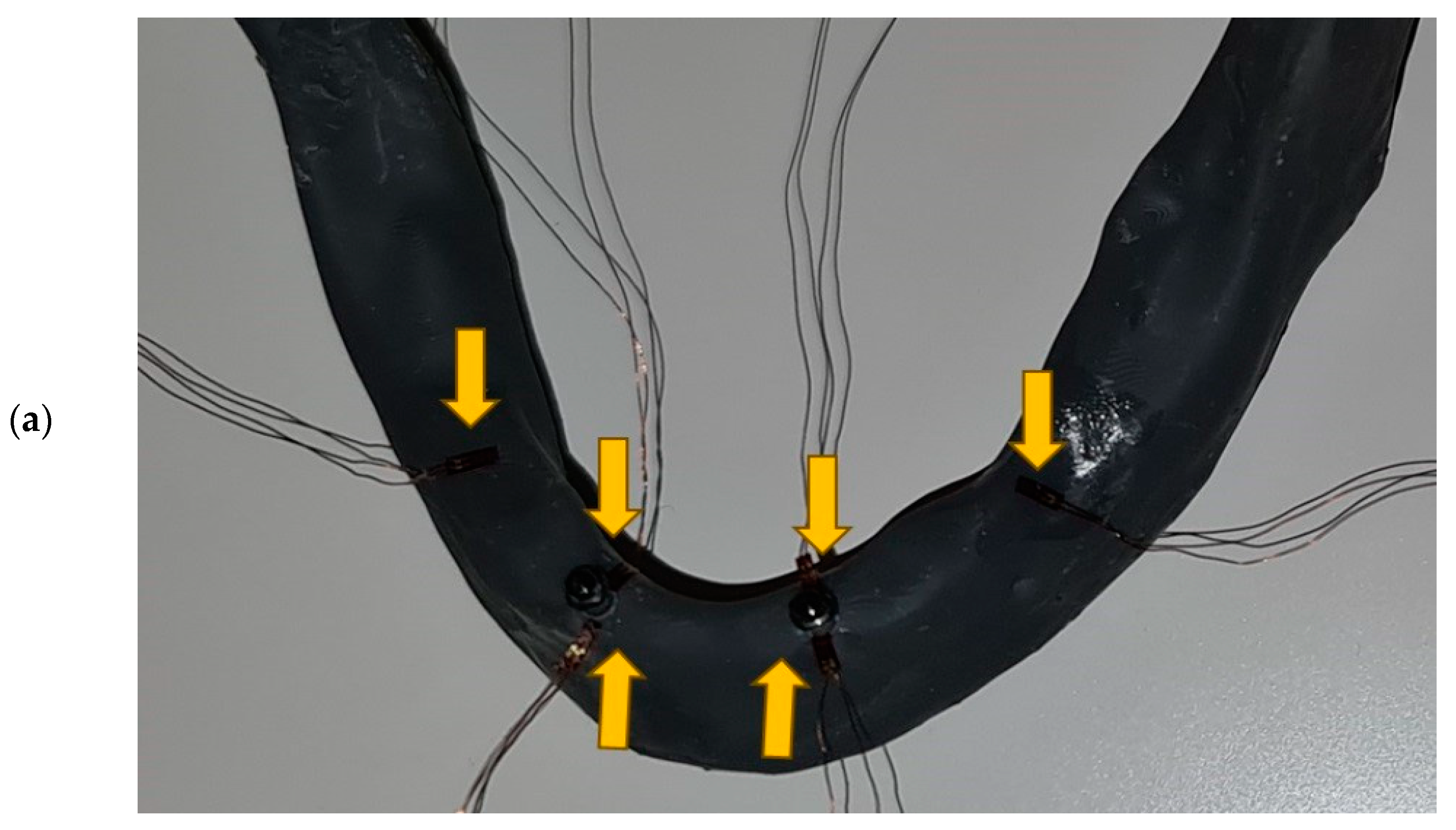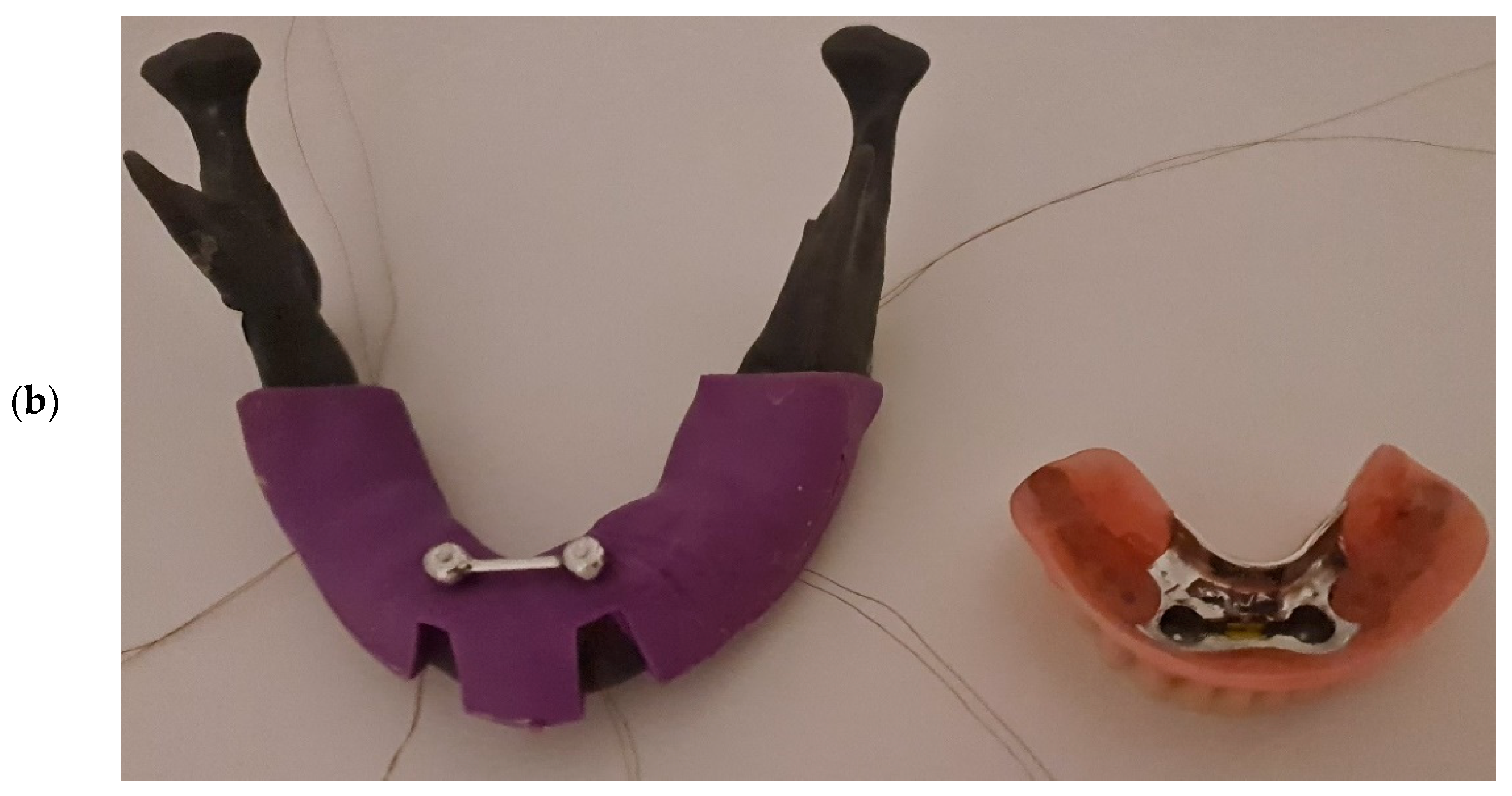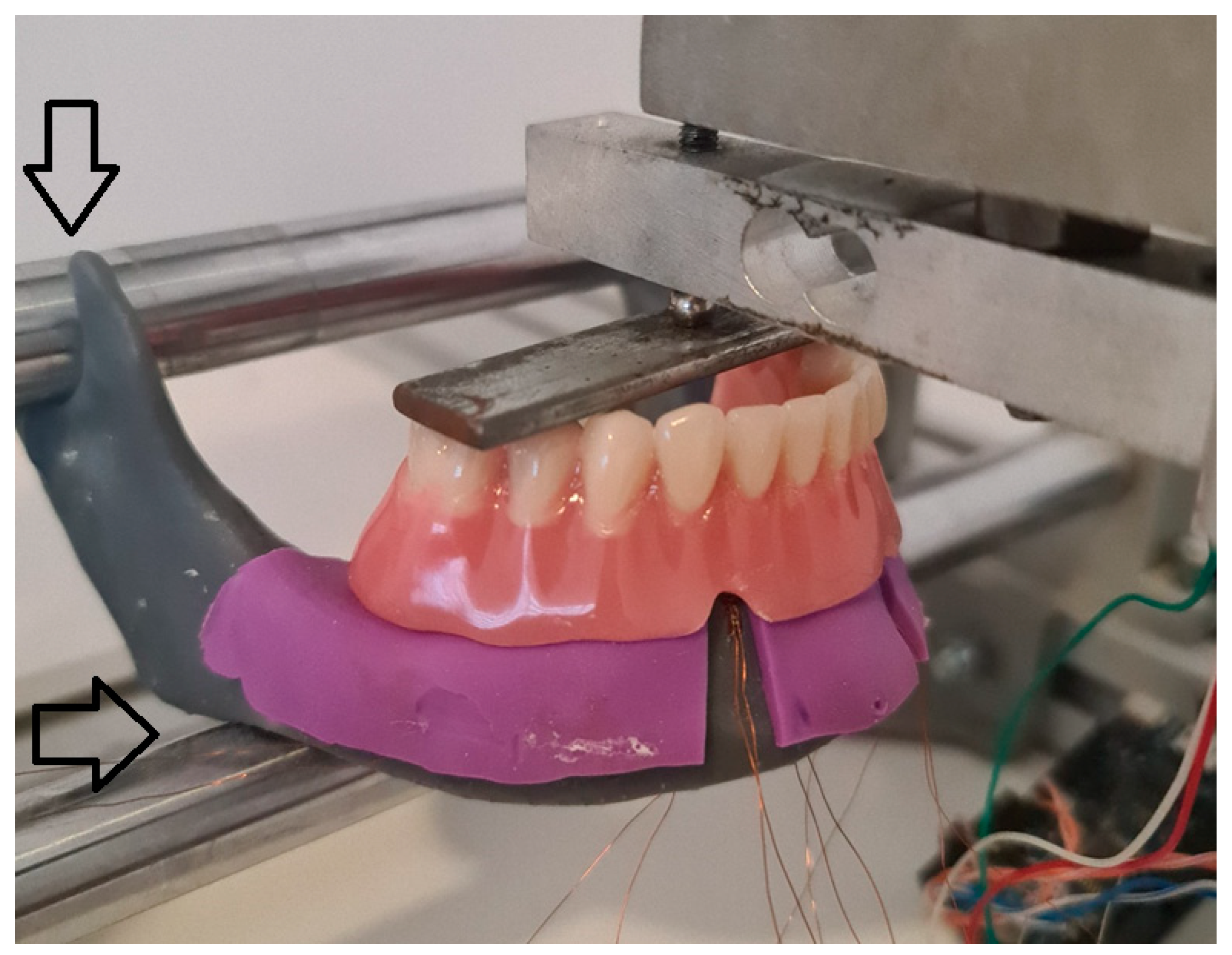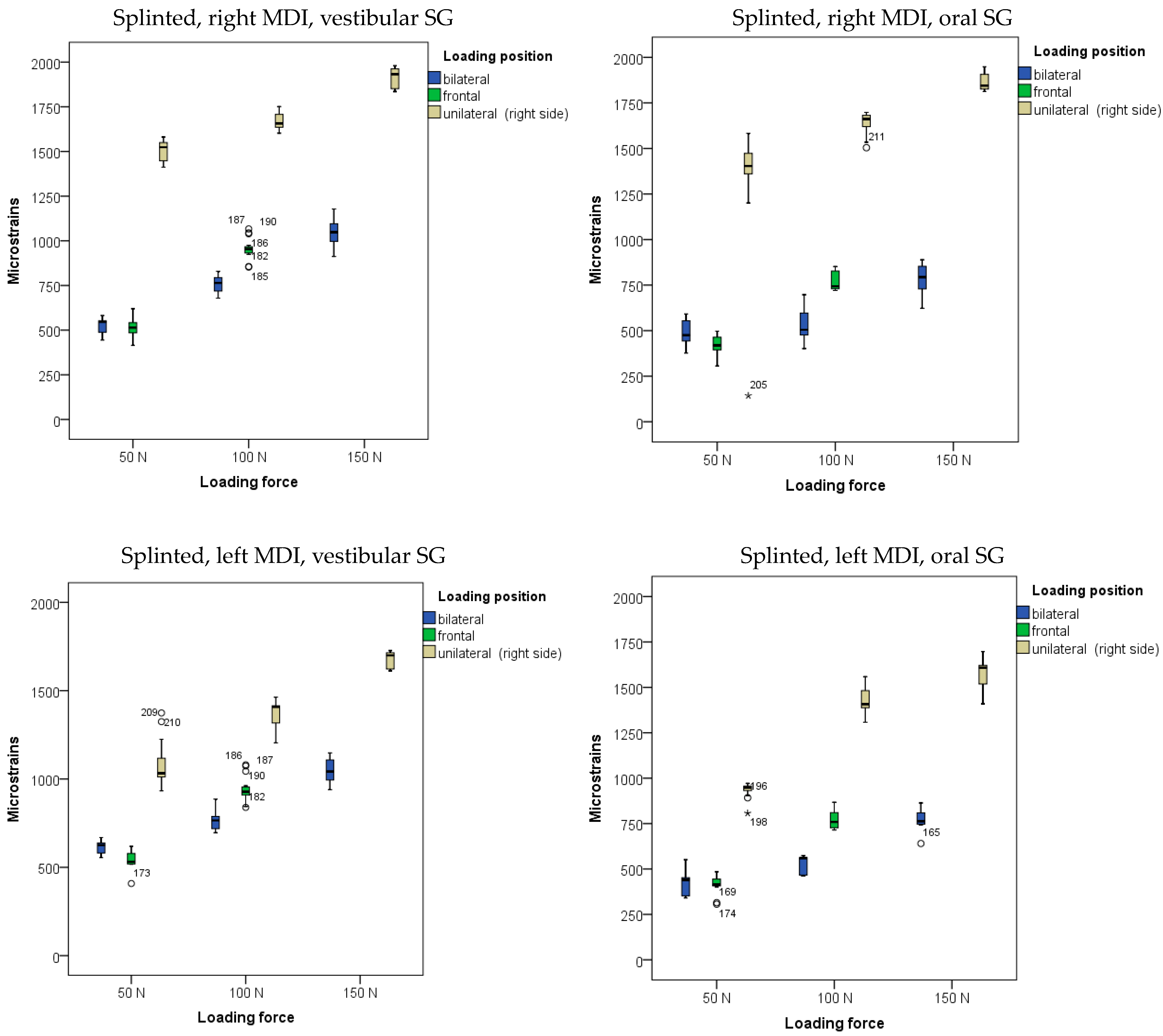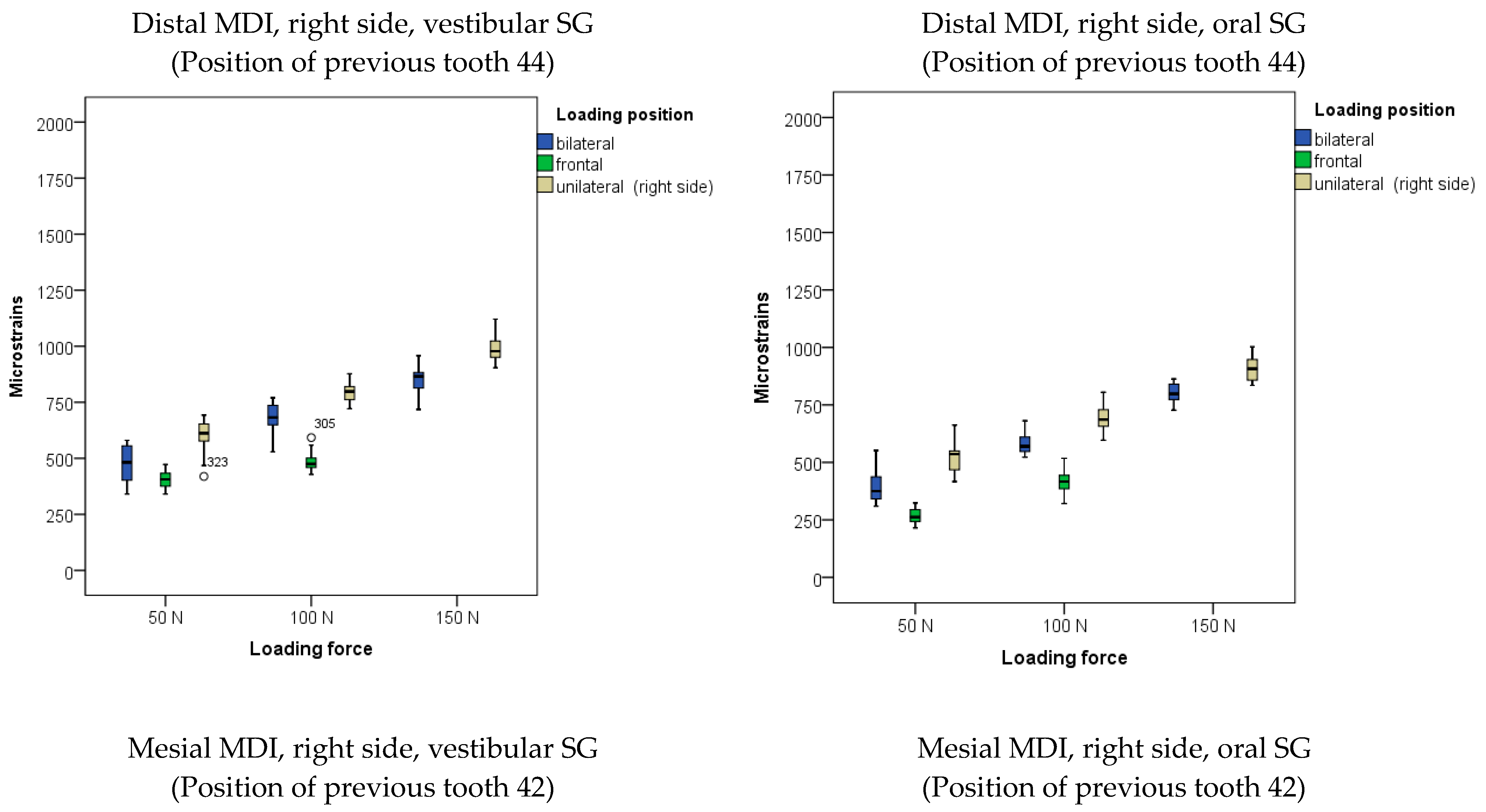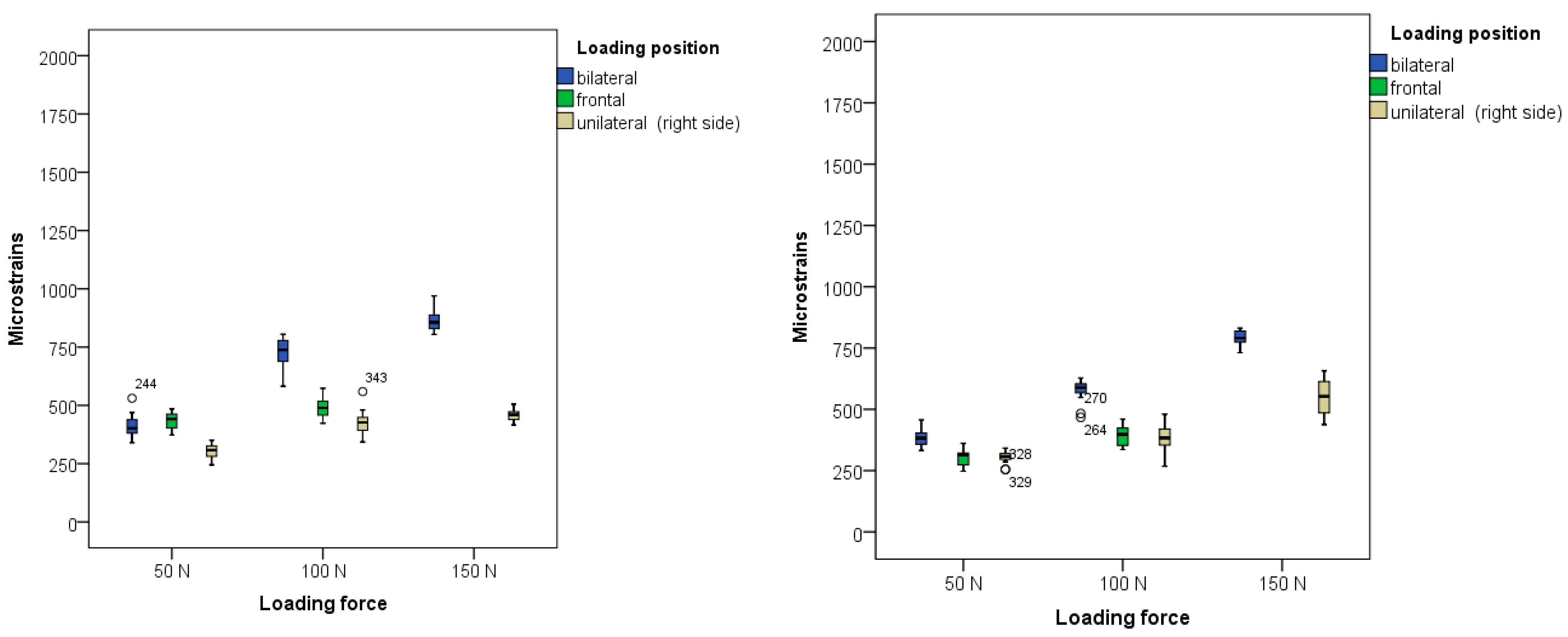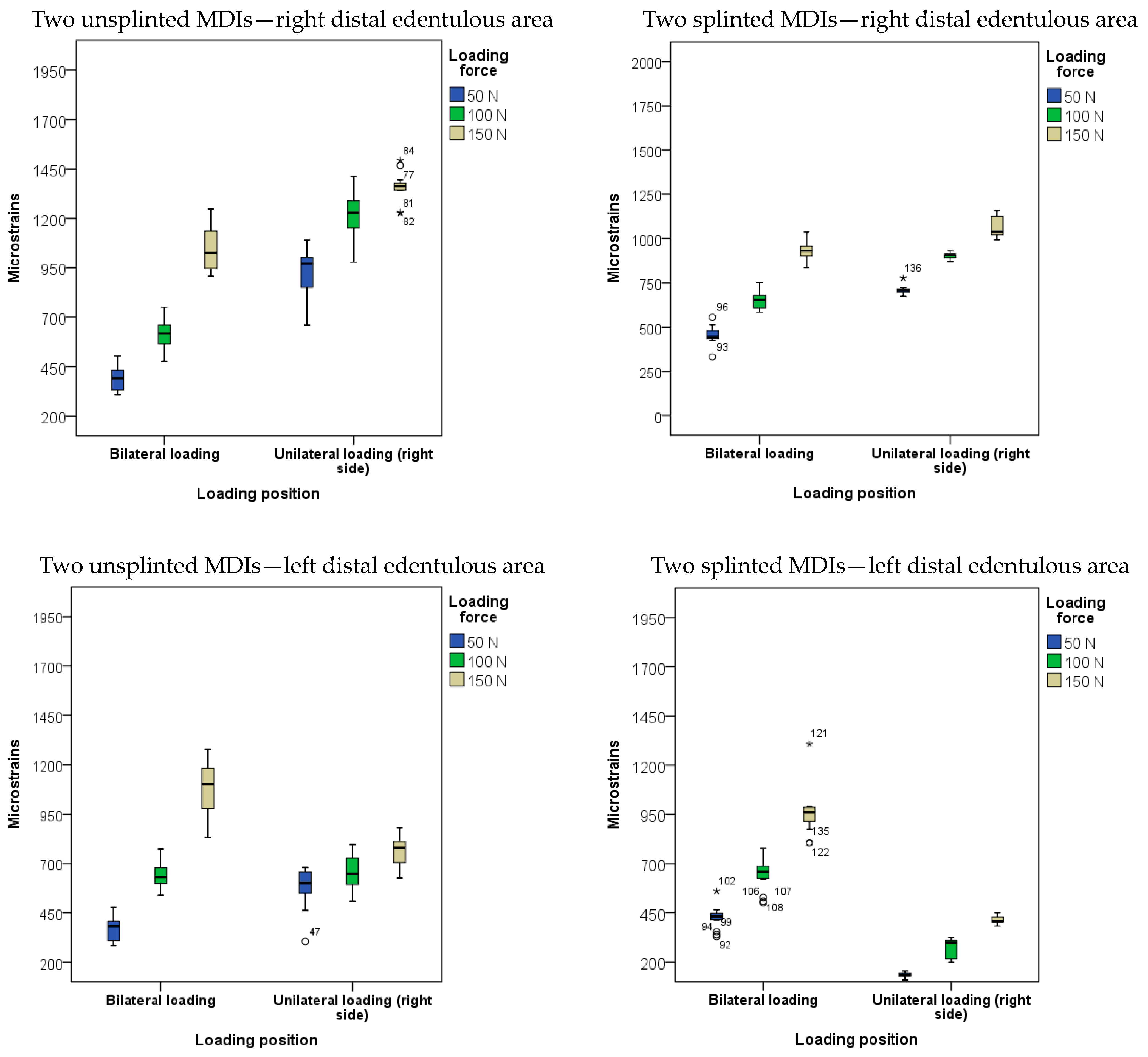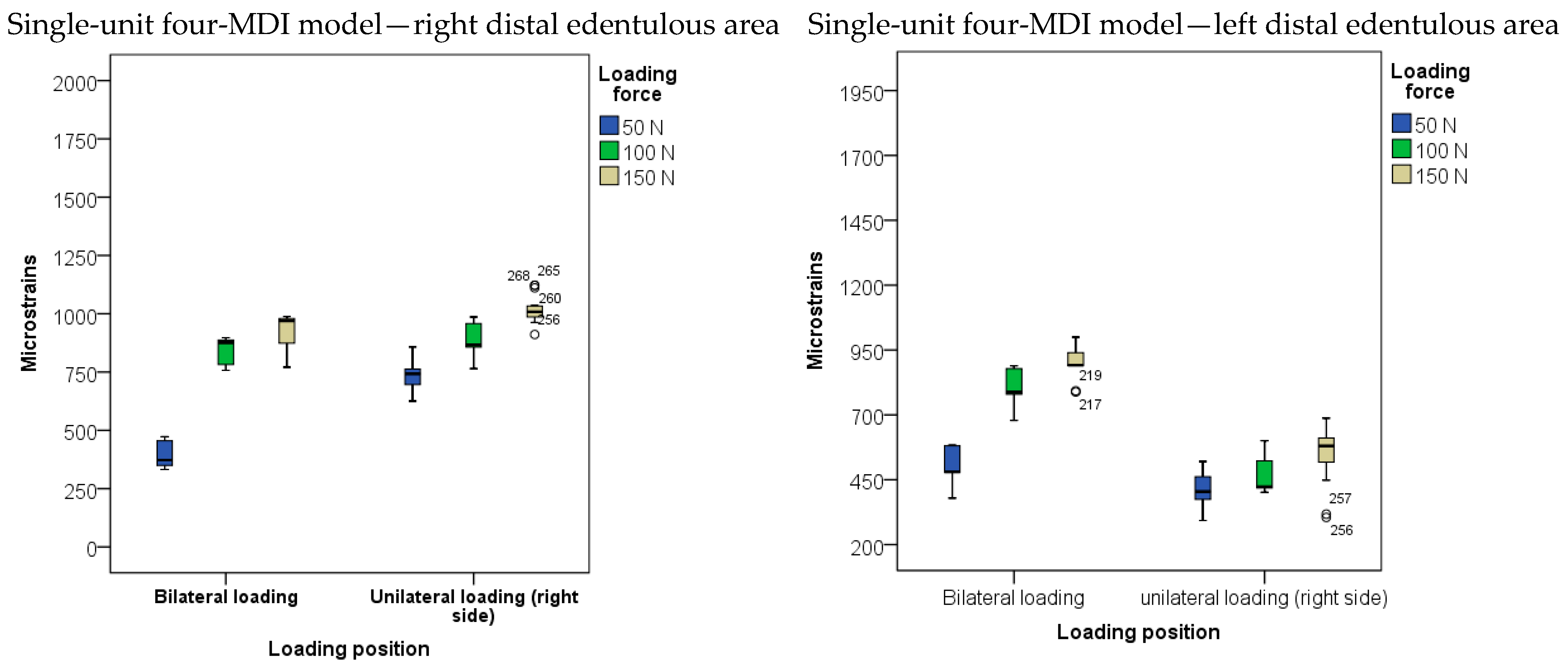

Mandibular Overdenture Supported by Two or Four Unsplinted or Two Splinted Ti-Zr Mini-Implants: In Vitro Study of Peri-Implant and Edentulous Area Strains
 , , ,
, , , Abstract
Share and Cite
Puljic, D.; Petricevic, N.; Celebic, A.; Kovacic, I.; Milos, M.; Pavic, D.; Milat, O. Mandibular Overdenture Supported by Two or Four Unsplinted or Two Splinted Ti-Zr Mini-Implants: In Vitro Study of Peri-Implant and Edentulous Area Strains. Biomimetics 2024, 9, 178. https://doi.org/10.3390/biomimetics9030178
Puljic D, Petricevic N, Celebic A, Kovacic I, Milos M, Pavic D, Milat O. Mandibular Overdenture Supported by Two or Four Unsplinted or Two Splinted Ti-Zr Mini-Implants: In Vitro Study of Peri-Implant and Edentulous Area Strains. Biomimetics. 2024; 9(3):178. https://doi.org/10.3390/biomimetics9030178
Chicago/Turabian StylePuljic, Dario, Nikola Petricevic, Asja Celebic, Ines Kovacic, Manuela Milos, Dalibor Pavic, and Ognjen Milat. 2024. "Mandibular Overdenture Supported by Two or Four Unsplinted or Two Splinted Ti-Zr Mini-Implants: In Vitro Study of Peri-Implant and Edentulous Area Strains" Biomimetics 9, no. 3: 178. https://doi.org/10.3390/biomimetics9030178
APA StylePuljic, D., Petricevic, N., Celebic, A., Kovacic, I., Milos, M., Pavic, D., & Milat, O. (2024). Mandibular Overdenture Supported by Two or Four Unsplinted or Two Splinted Ti-Zr Mini-Implants: In Vitro Study of Peri-Implant and Edentulous Area Strains. Biomimetics, 9(3), 178. https://doi.org/10.3390/biomimetics9030178