Article

Betholletia excelsa Fruit: Unveiling Toughening Mechanisms and Biomimetic Potential for Advanced Materials


by
Marilia Sonego
1,2,*,
Anneke Morgenthal
3,
Claudia Fleck
3,† and
Luiz Antonio Pessan
1,4,†
1
Graduate Program in Materials Science and Engineering (PPGCEM), Federal University of São Carlos (UFSCar), São Carlos 13565-905, SP, Brazil
2
Institute of Mechanical Engineering, Federal University of Itajubá (UNIFEI), Itajubá 37500-903, MG, Brazil
3
Materials Science and Engineering, Technische Universität Berlin, 10623 Berlin, Germany
4
Department of Materials Engineering, Federal University of São Carlos, São Carlos 13565-905, SP, Brazil
*
Author to whom correspondence should be addressed.
These authors contributed equally to this work.
Biomimetics 2023, 8(7), 509; https://doi.org/10.3390/biomimetics8070509

Submission received: 18 August 2023 / Revised: 18 September 2023 / Accepted: 9 October 2023 / Published: 26 October 2023
(This article belongs to the Special Issue The Mechanical Properties of Biomaterials 2.0)

Abstract

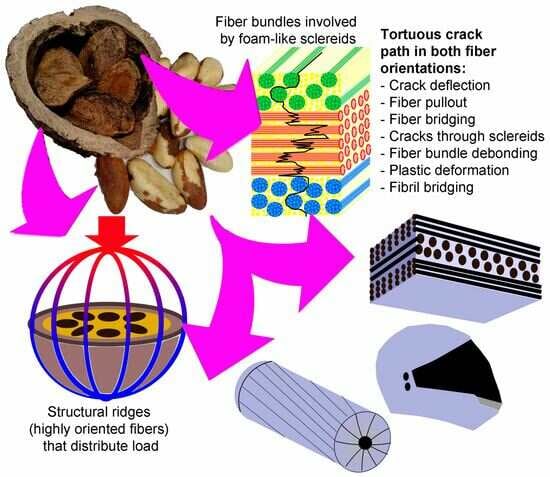

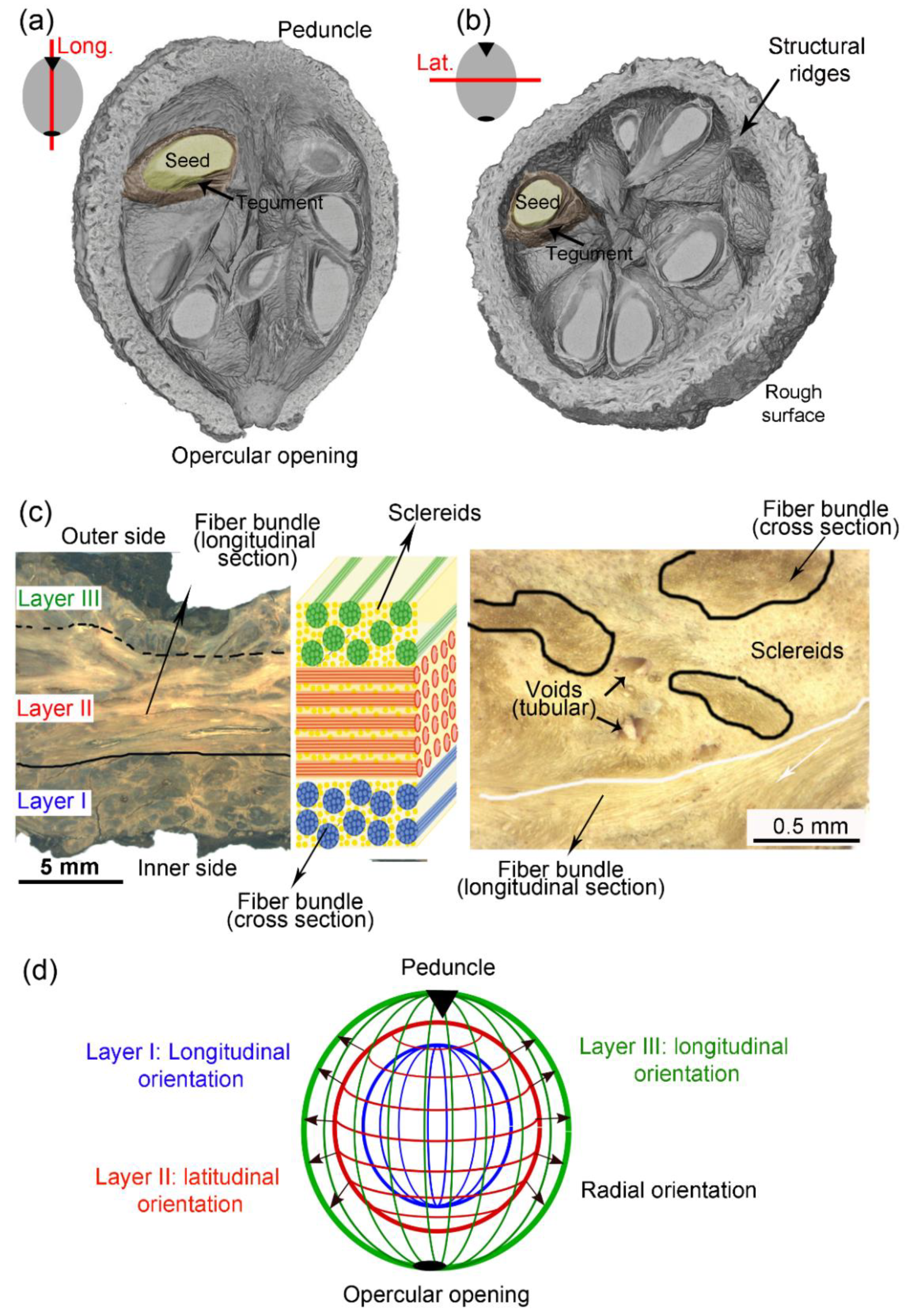
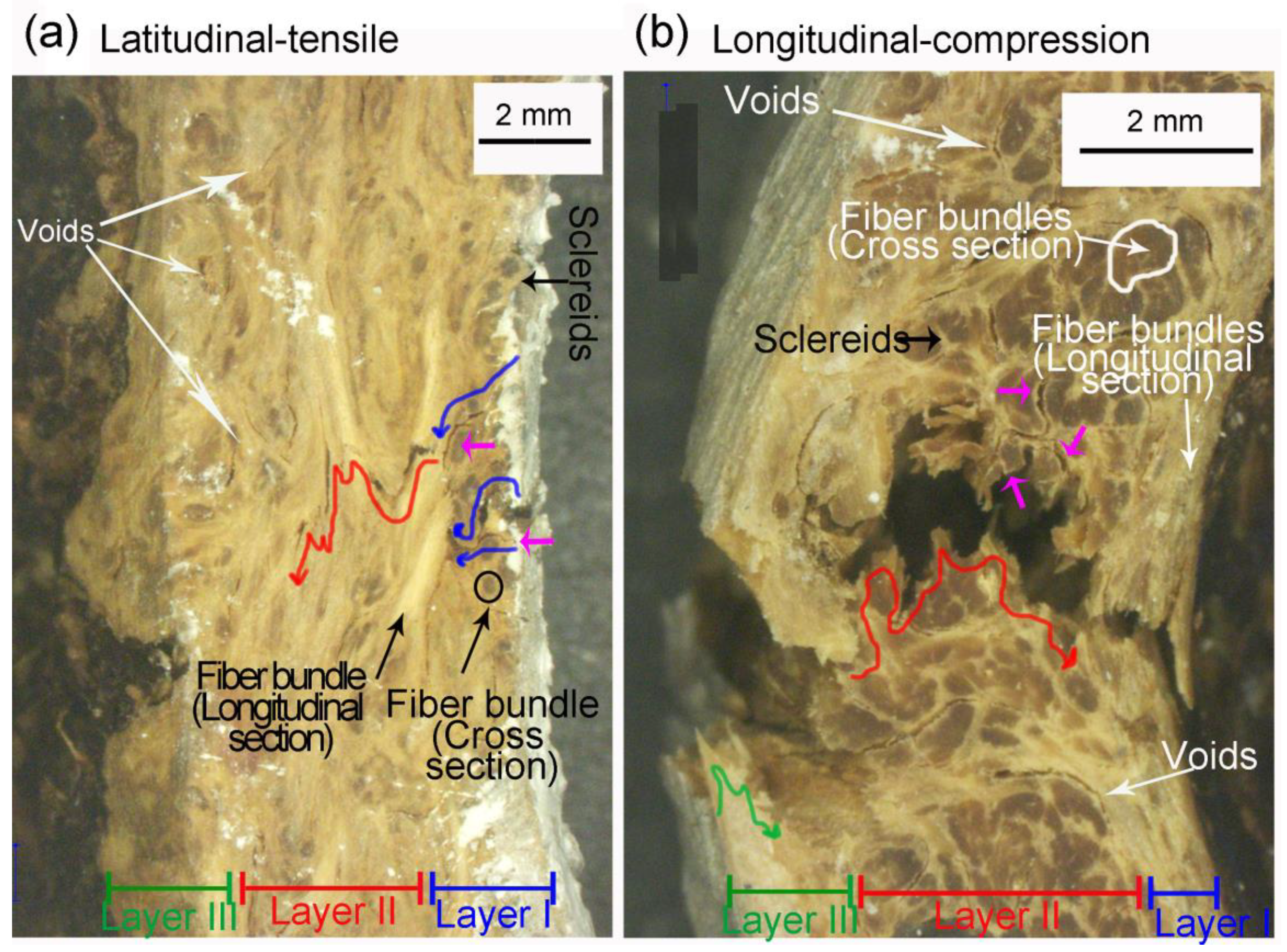
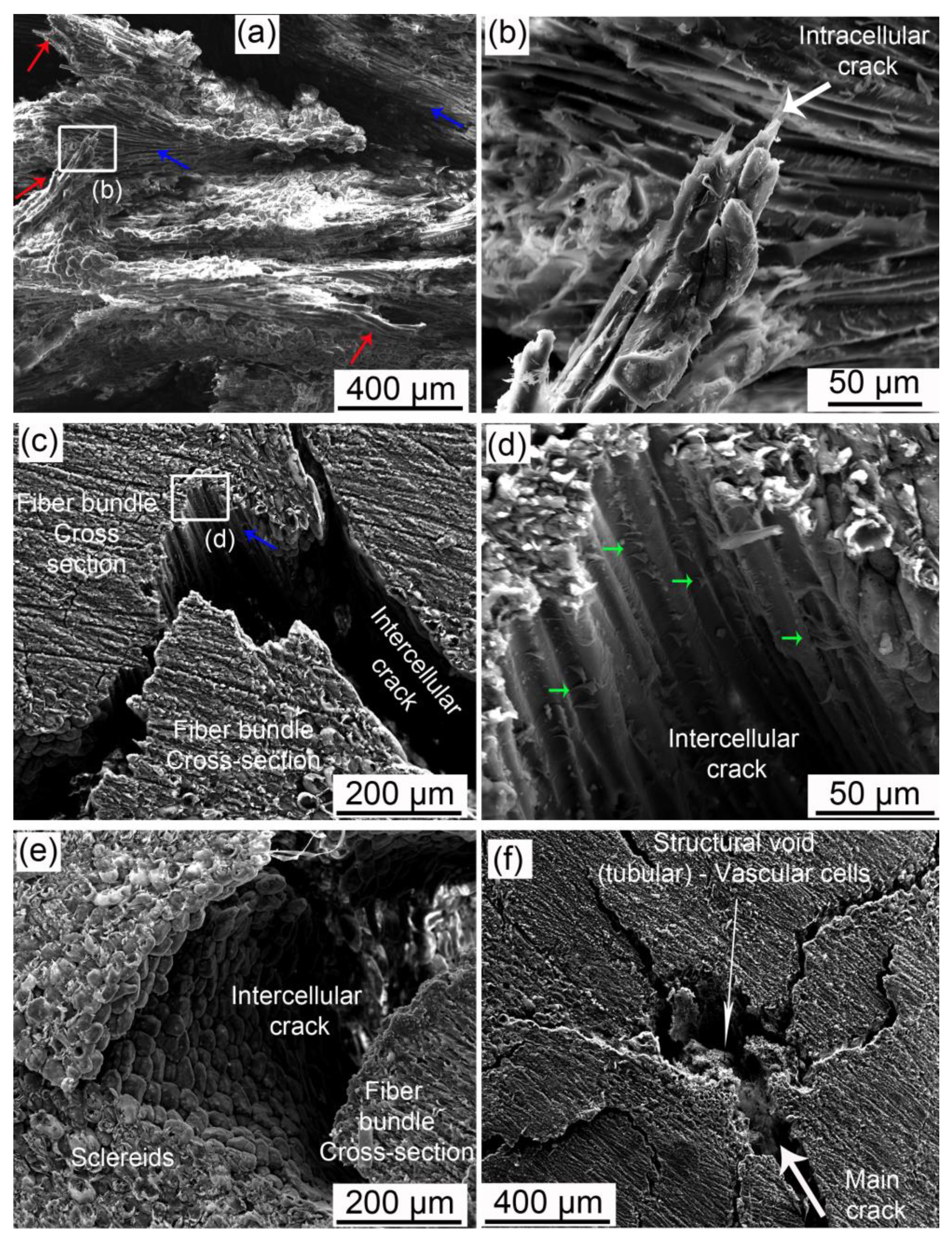
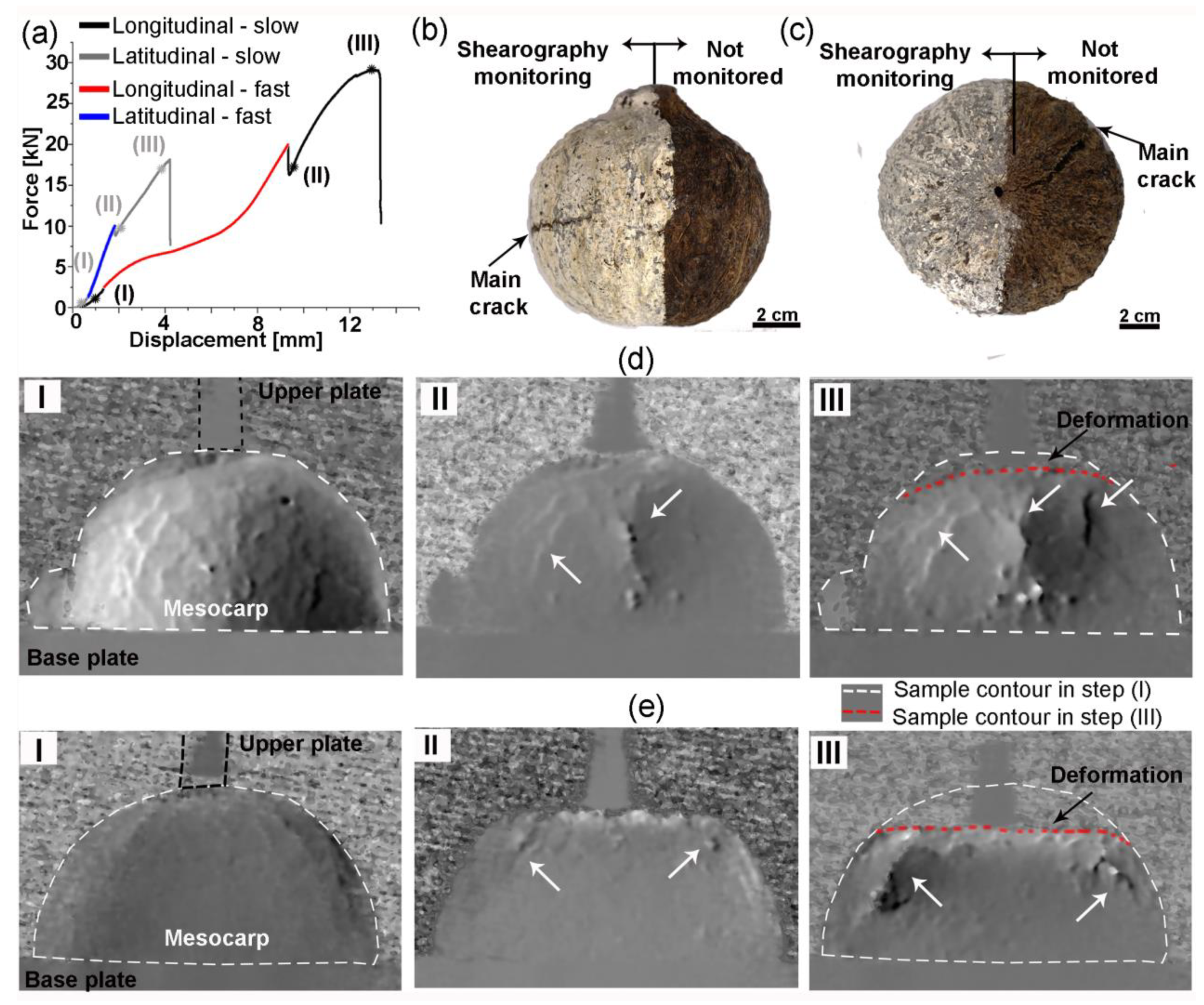
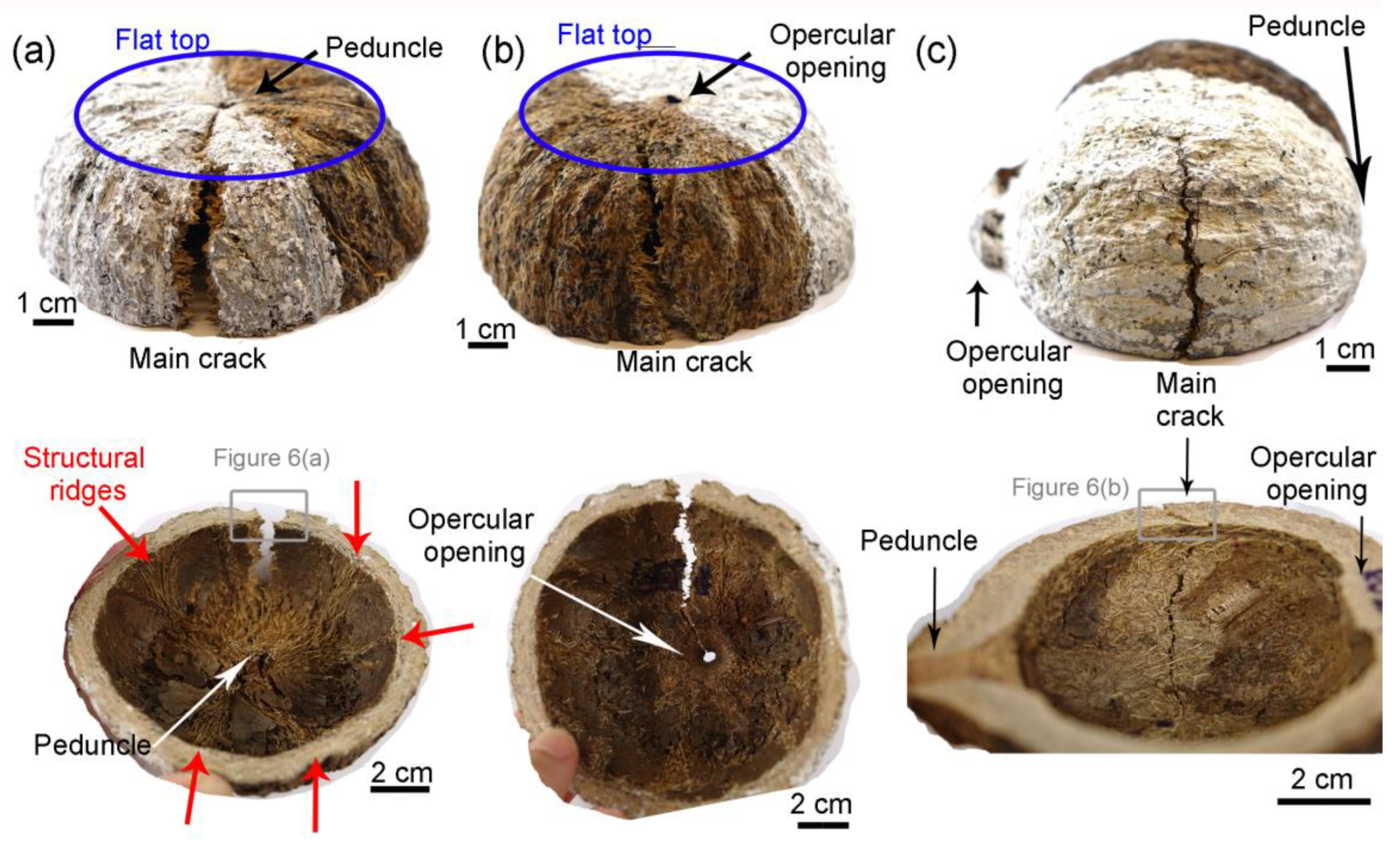
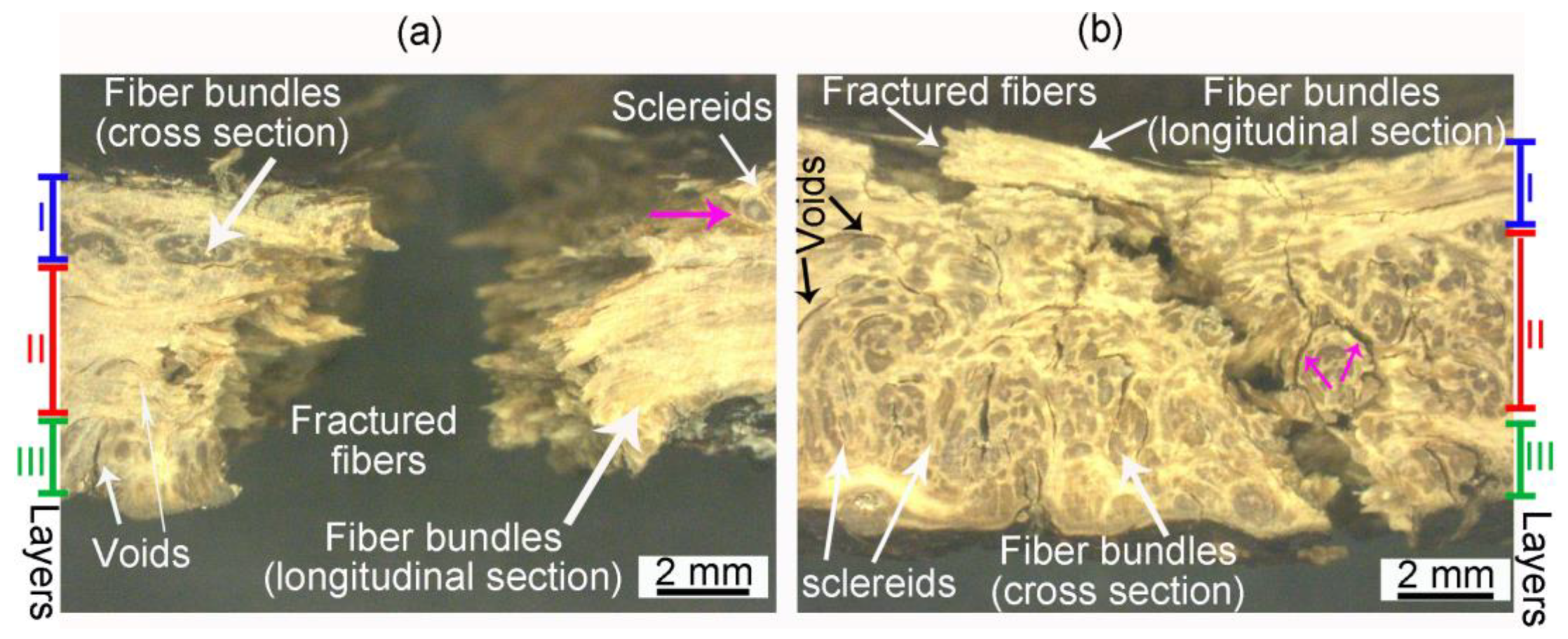
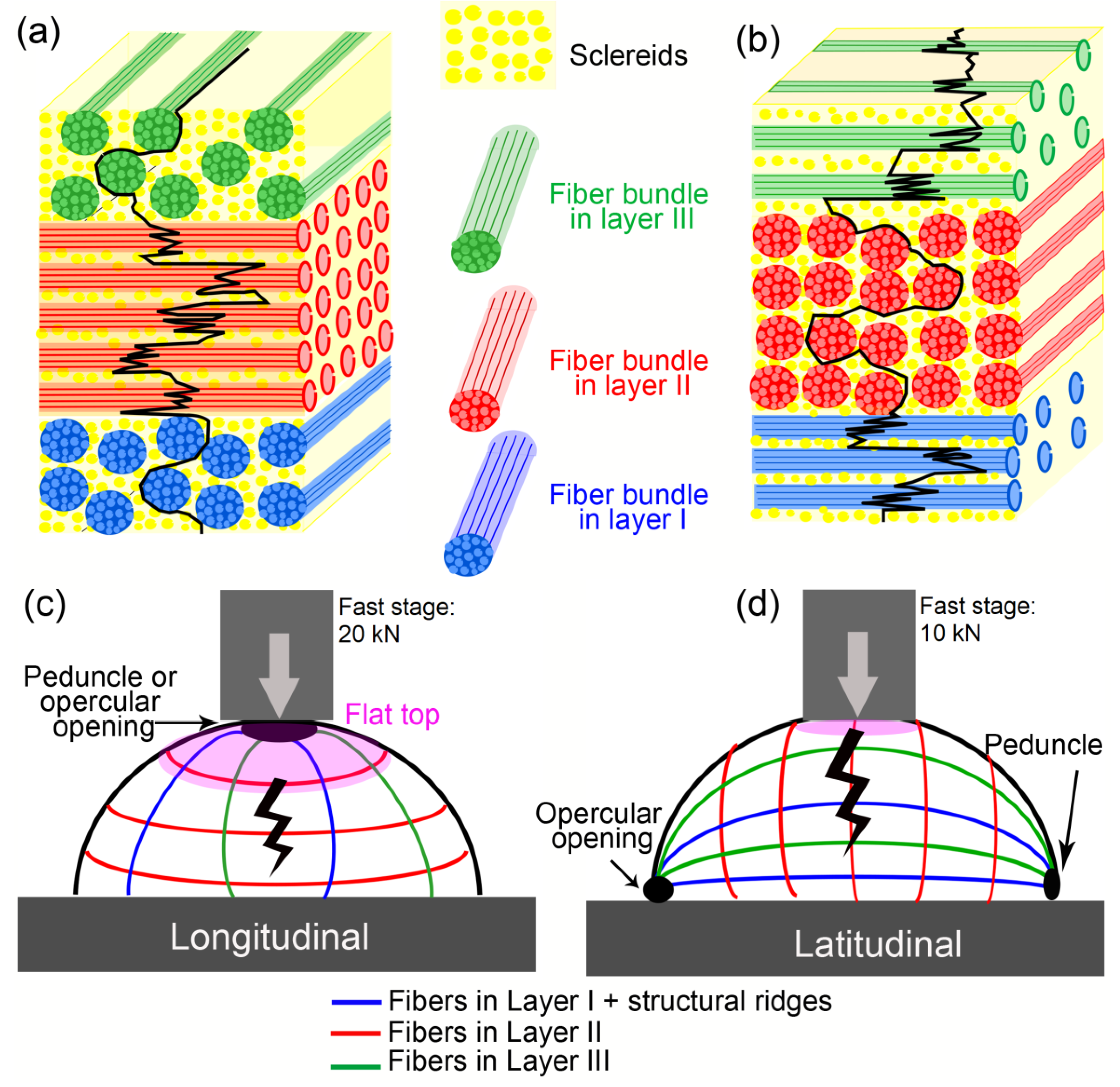
Dry fruits and nutshells are biological capsules of outstanding toughness and strength with biomimetic potential to boost fiber-reinforced composites and protective structures. The strategies behind the Betholletia excelsa fruit mechanical performance were investigated with C-ring and compression tests. This last test was monitored with shearography and simulated with a finite element model. Microtomography and digital and scanning electron microscopy evaluated crack development. The fruit geometry, the preferential orientation of fibers involved in foam-like sclereid cells, promoted anisotropic properties but efficient energy dissipating mechanisms in different directions. For instance, the mesocarp cut parallel to its latitudinal section sustained higher forces (26.0 ± 2.8 kN) and showed higher deformation and slower crack propagation. The main toughening mechanisms are fiber deflection and fiber bridging and pullout, observed when fiber bundles are orthogonal to the crack path. Additionally, the debonding of fiber bundles oriented parallel to the crack path and intercellular cracks through sclereid and fiber cells created a tortuous path.
Keywords: biomimetic; Brazil nut mesocarp; Bertholletia excelsa; fracture analysis biomimetic; Brazil nut mesocarp; Bertholletia excelsa; fracture analysis
Graphical Abstract