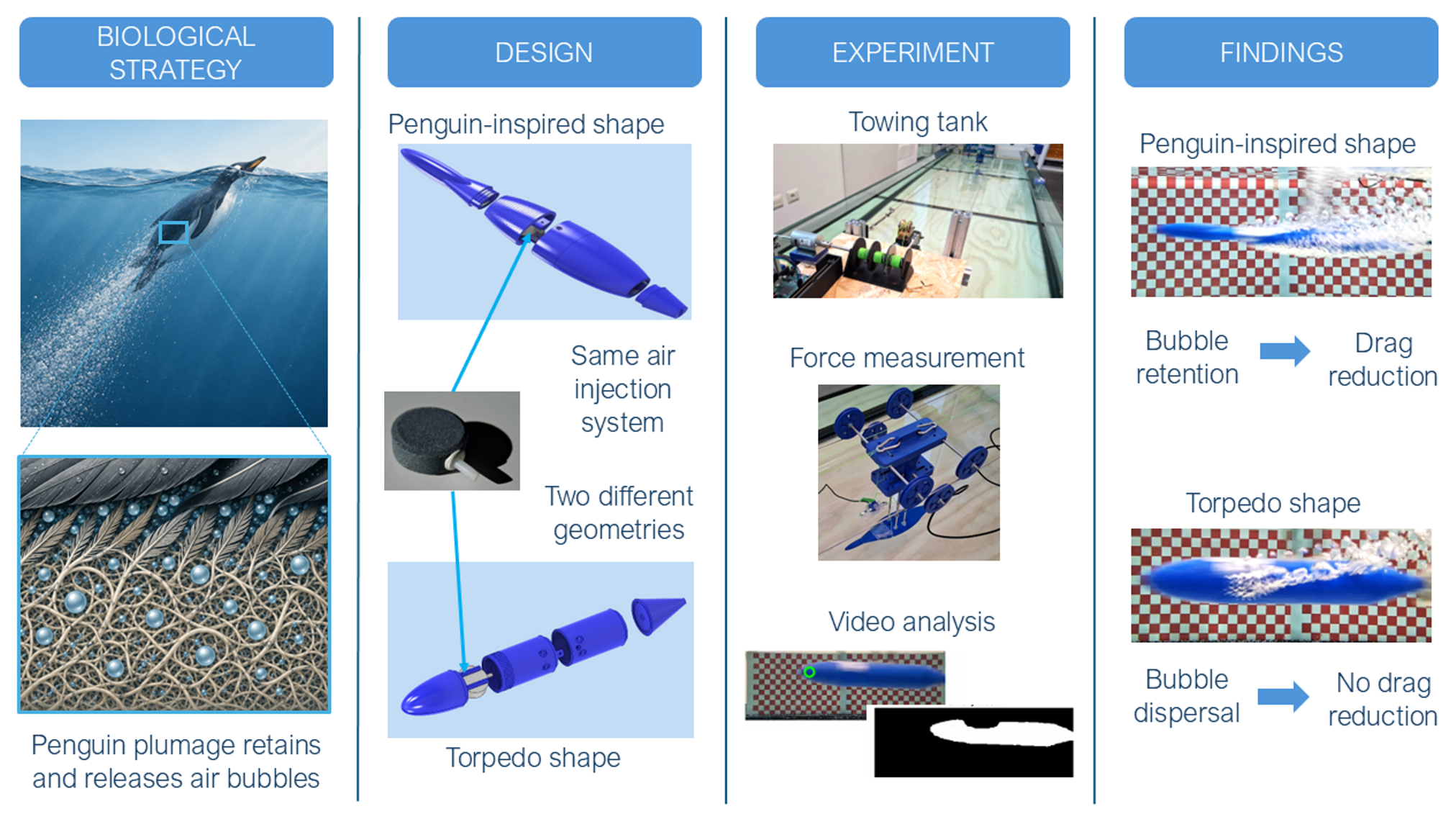


Investigation of the Role of Body Shape on an Air Lubrication System Inspired by Penguins

Abstract
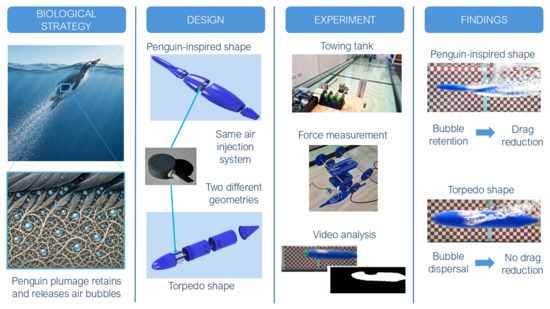
1. Introduction
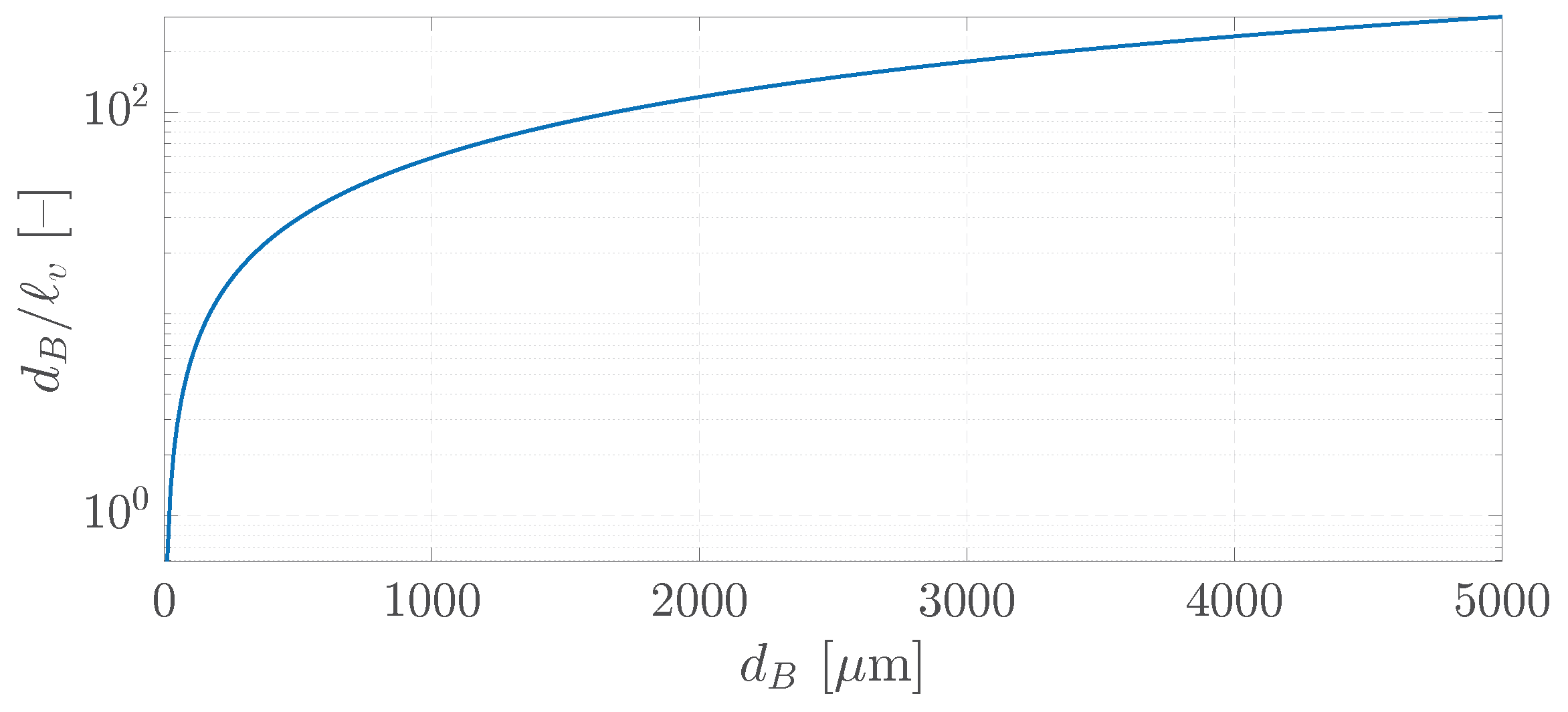
2. Air Retention in Penguin Plumage and Engineering Scaling
3. Materials and Methods
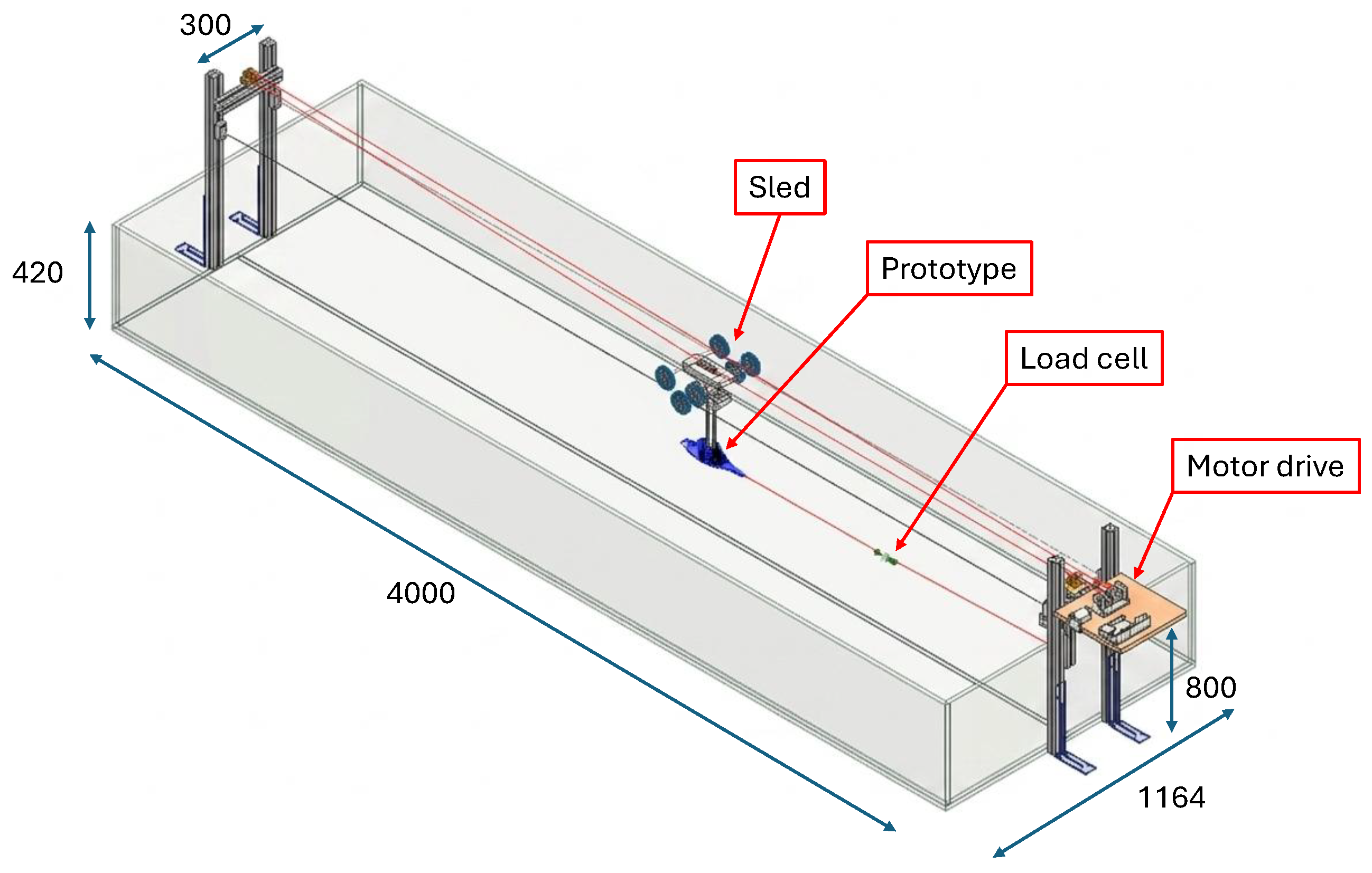
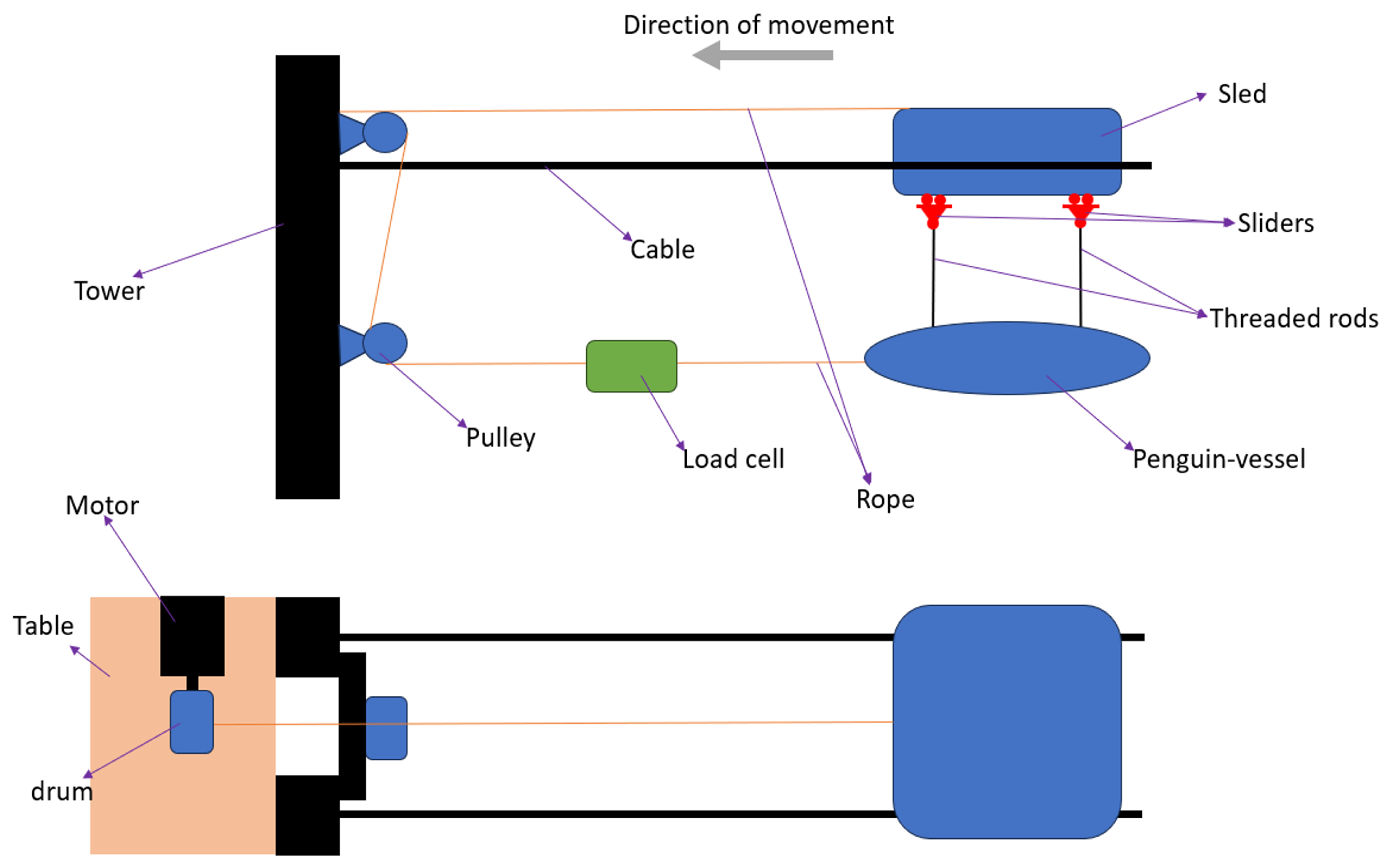
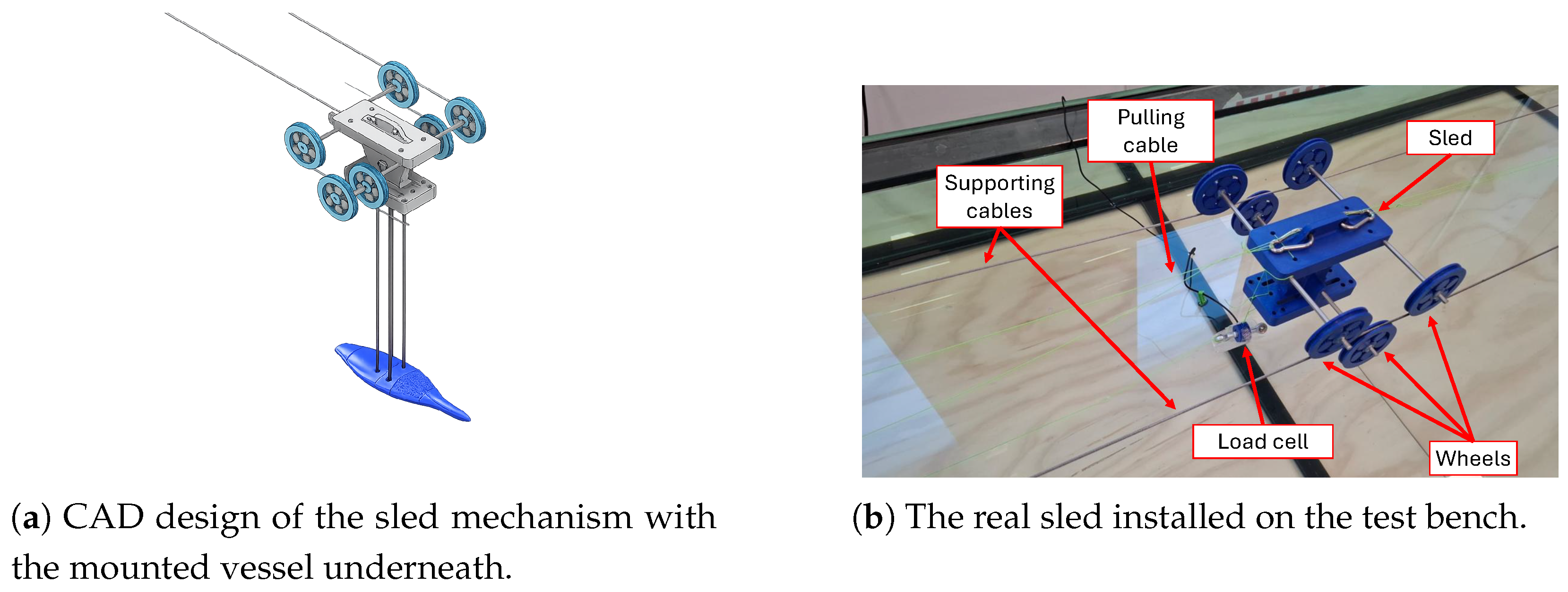
3.1. Test Bench Design
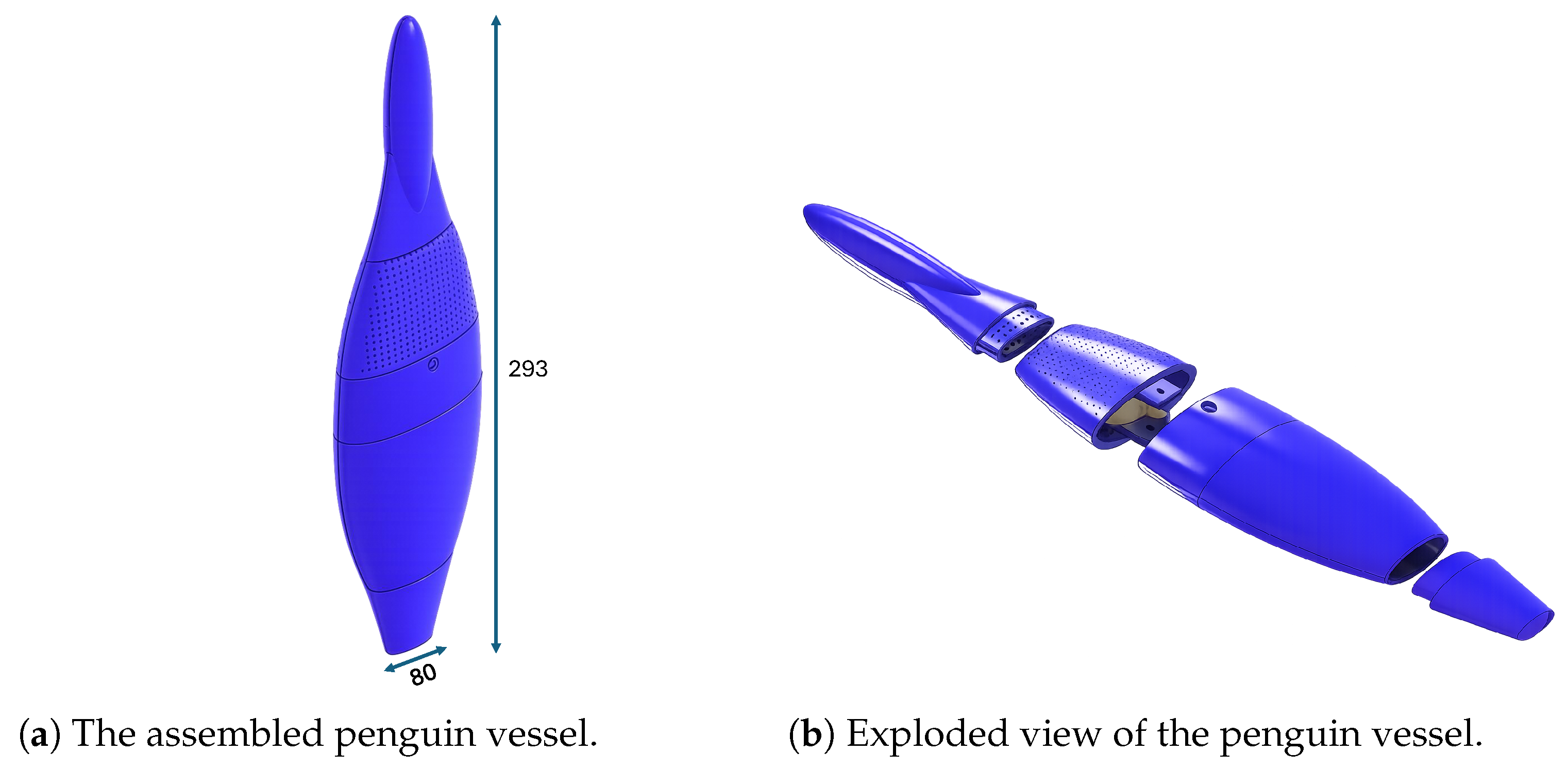
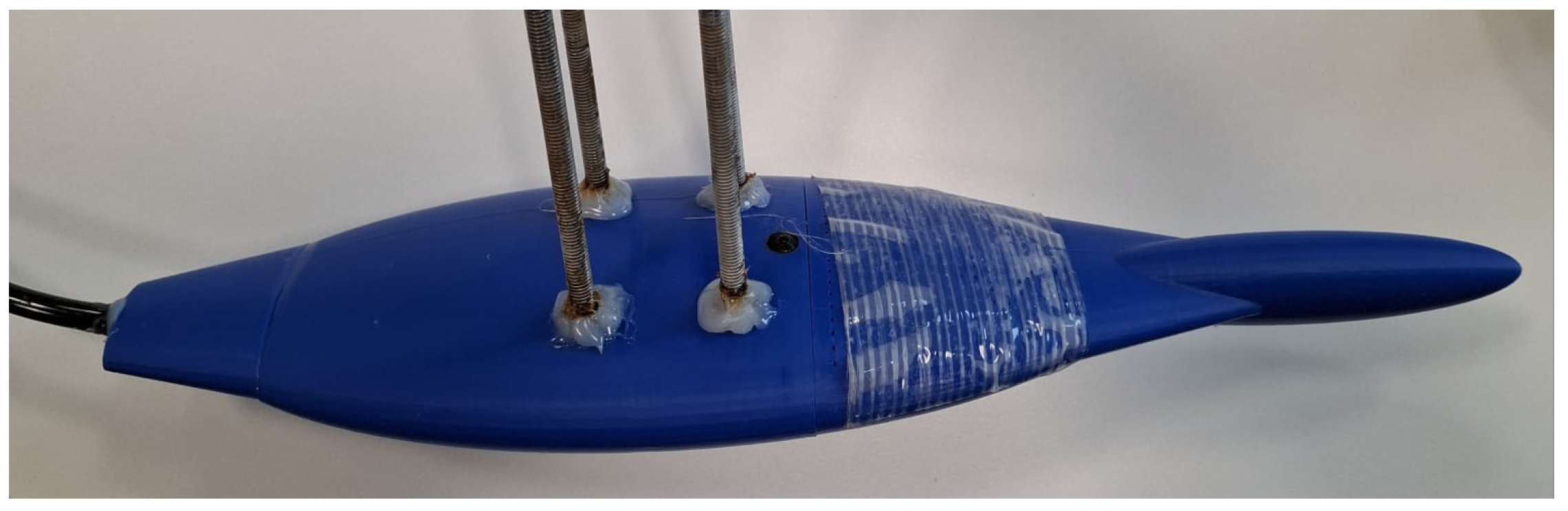
3.2. Penguin-Inspired Vessel
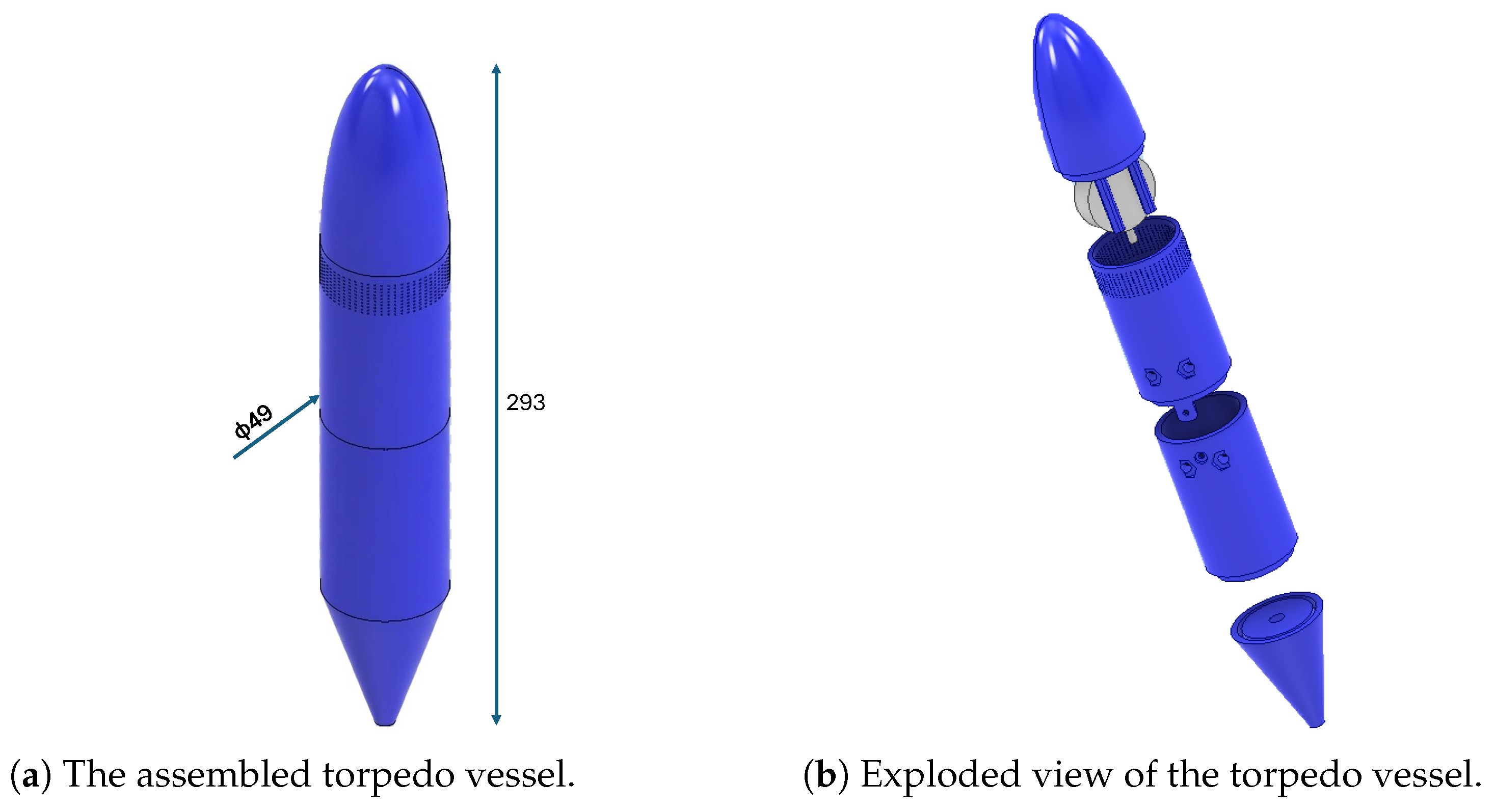
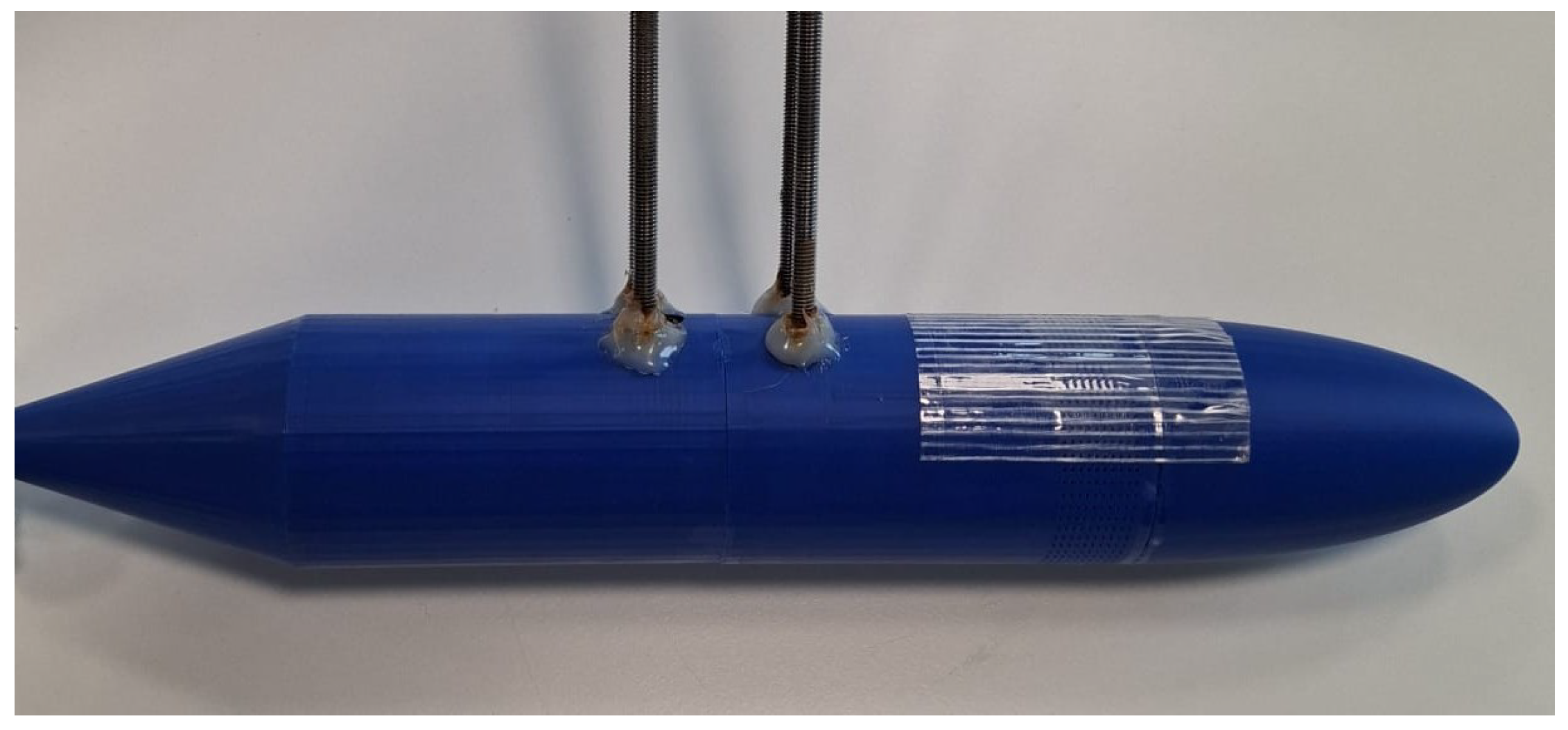
3.3. Torpedo Shaped Vessel
4. Experimental Testing and Results
4.1. Experimental Testing
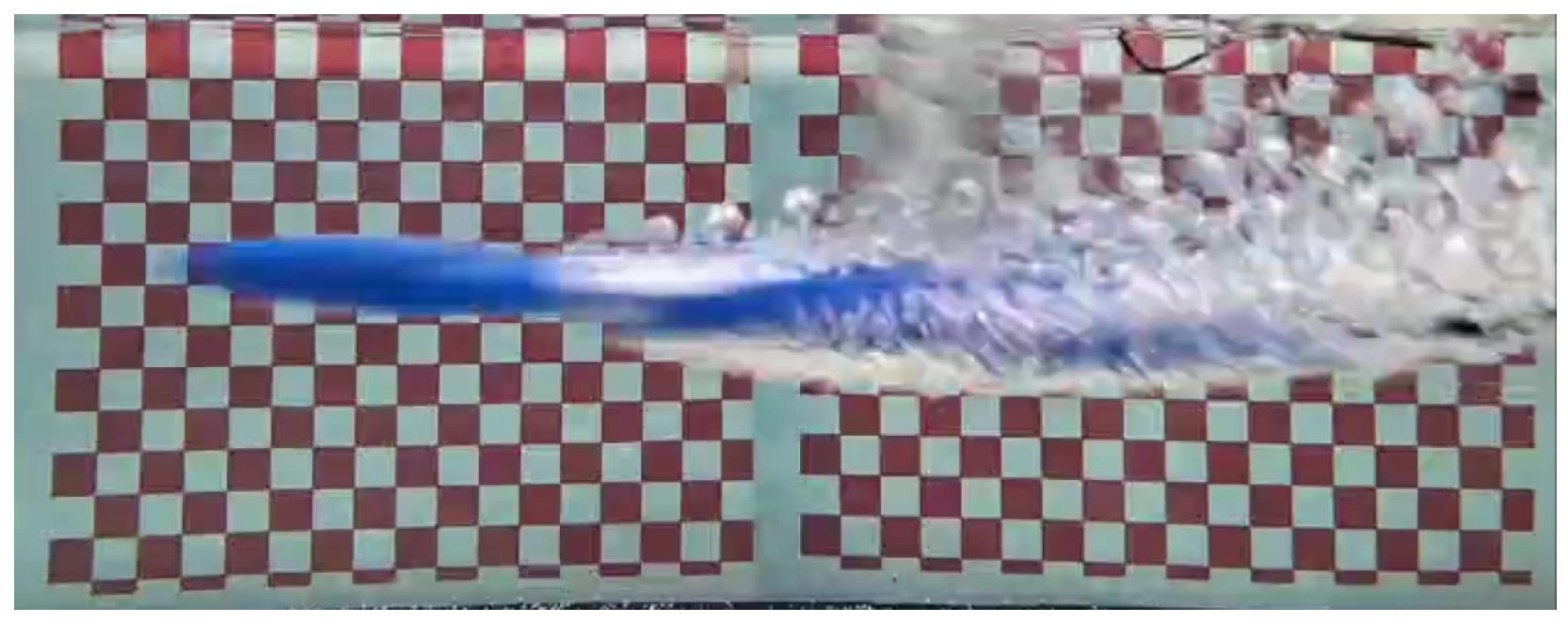
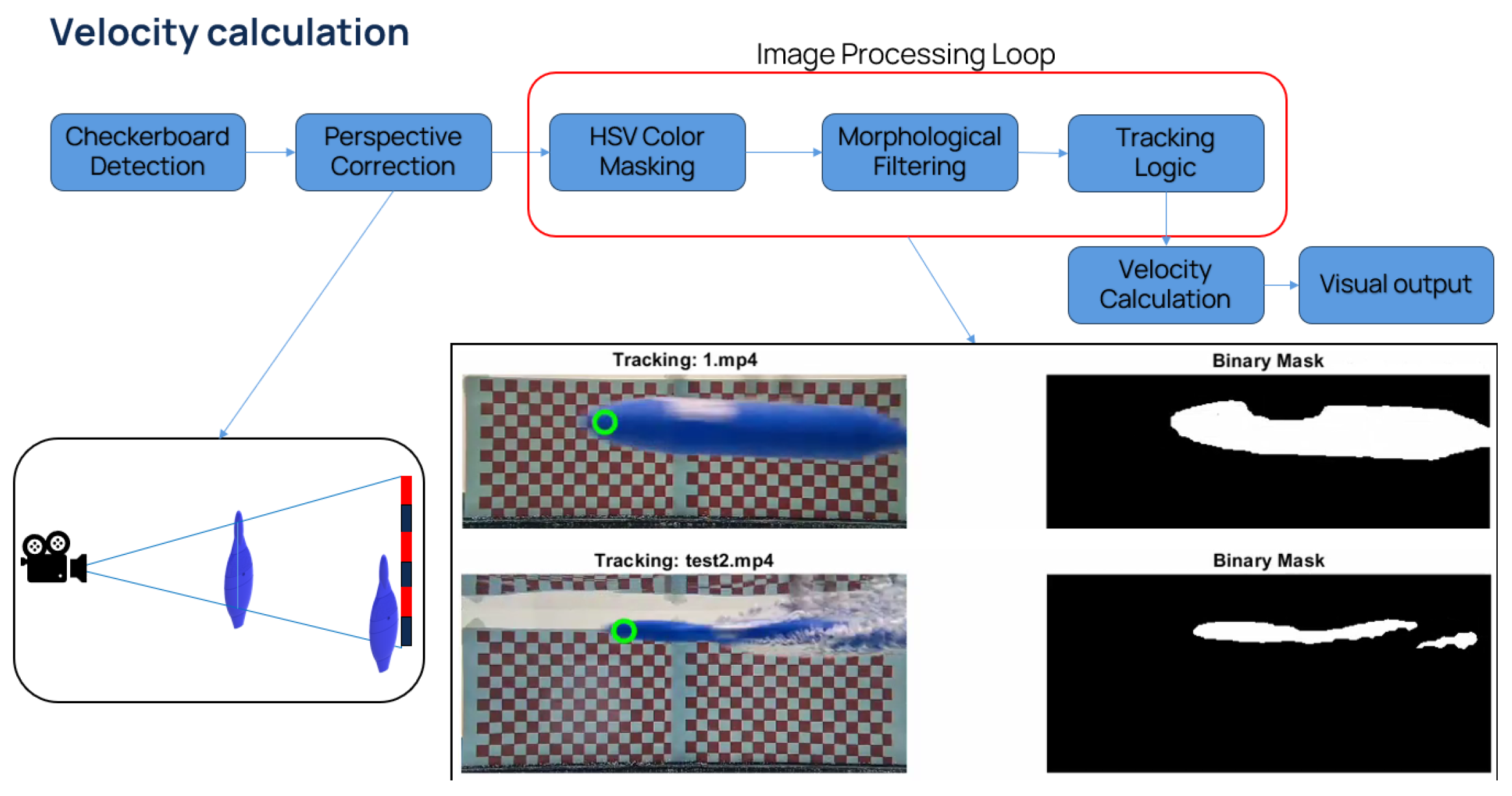
4.1.1. Velocity Calculation
- : Perspective-corrected velocity (cm/s);
- : Euclidean pixel displacement;
- : Calibration factor (cm/px);
- : Distance to vessel ();
- : Distance to calibration grid ();
- : Frame rate (FPS).
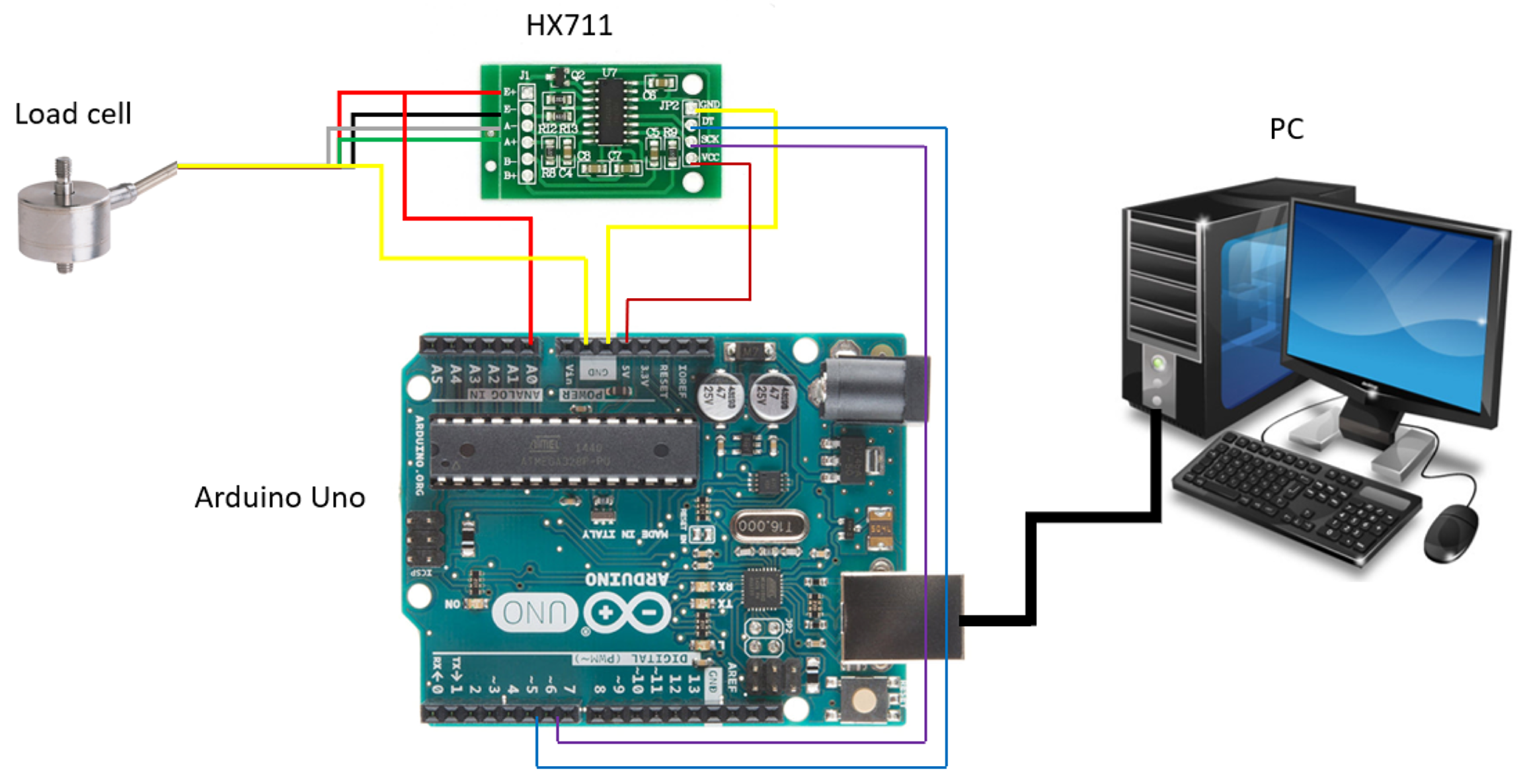
4.1.2. Force Measurements and Calculation of Drag Coefficient
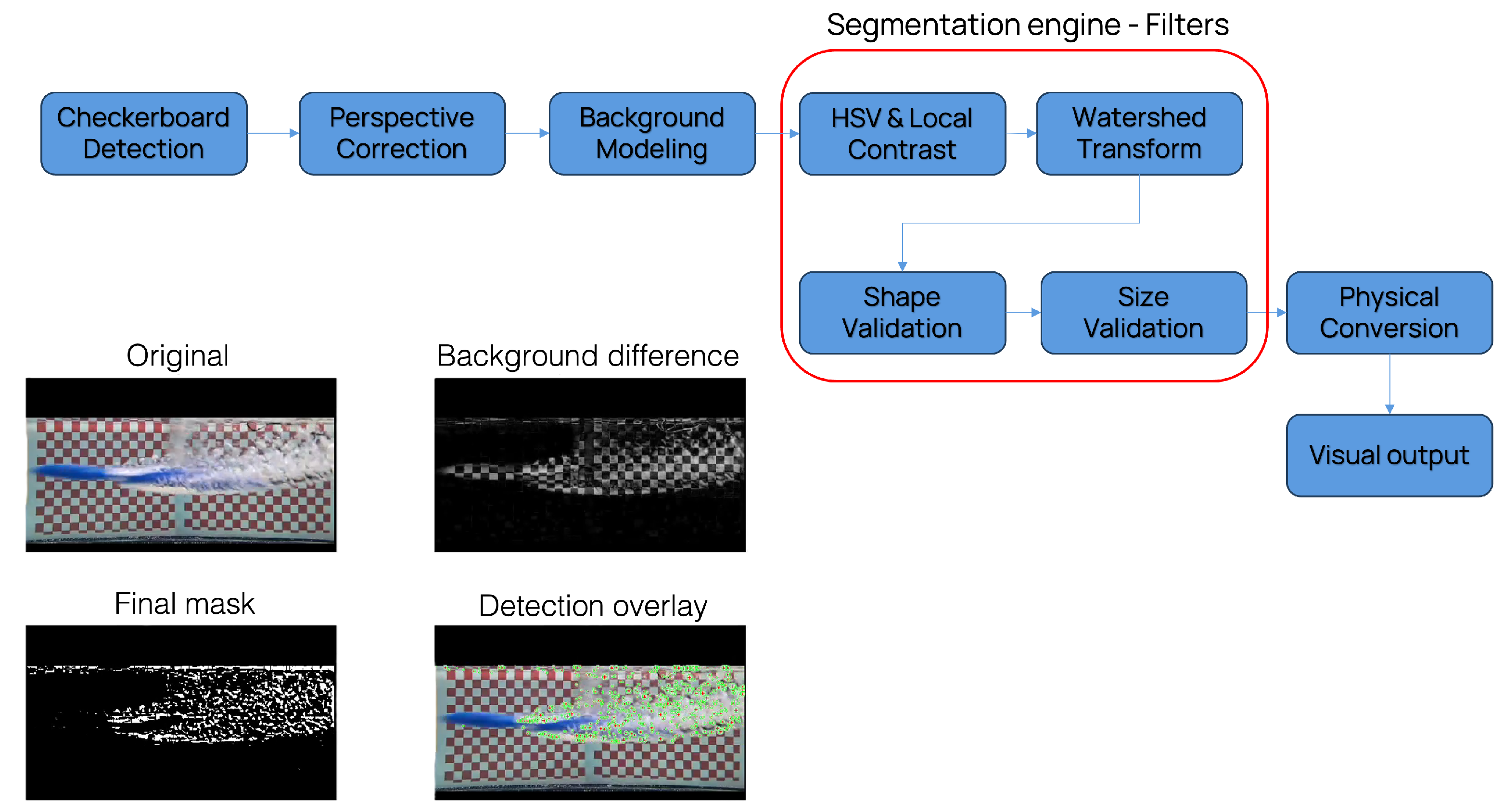
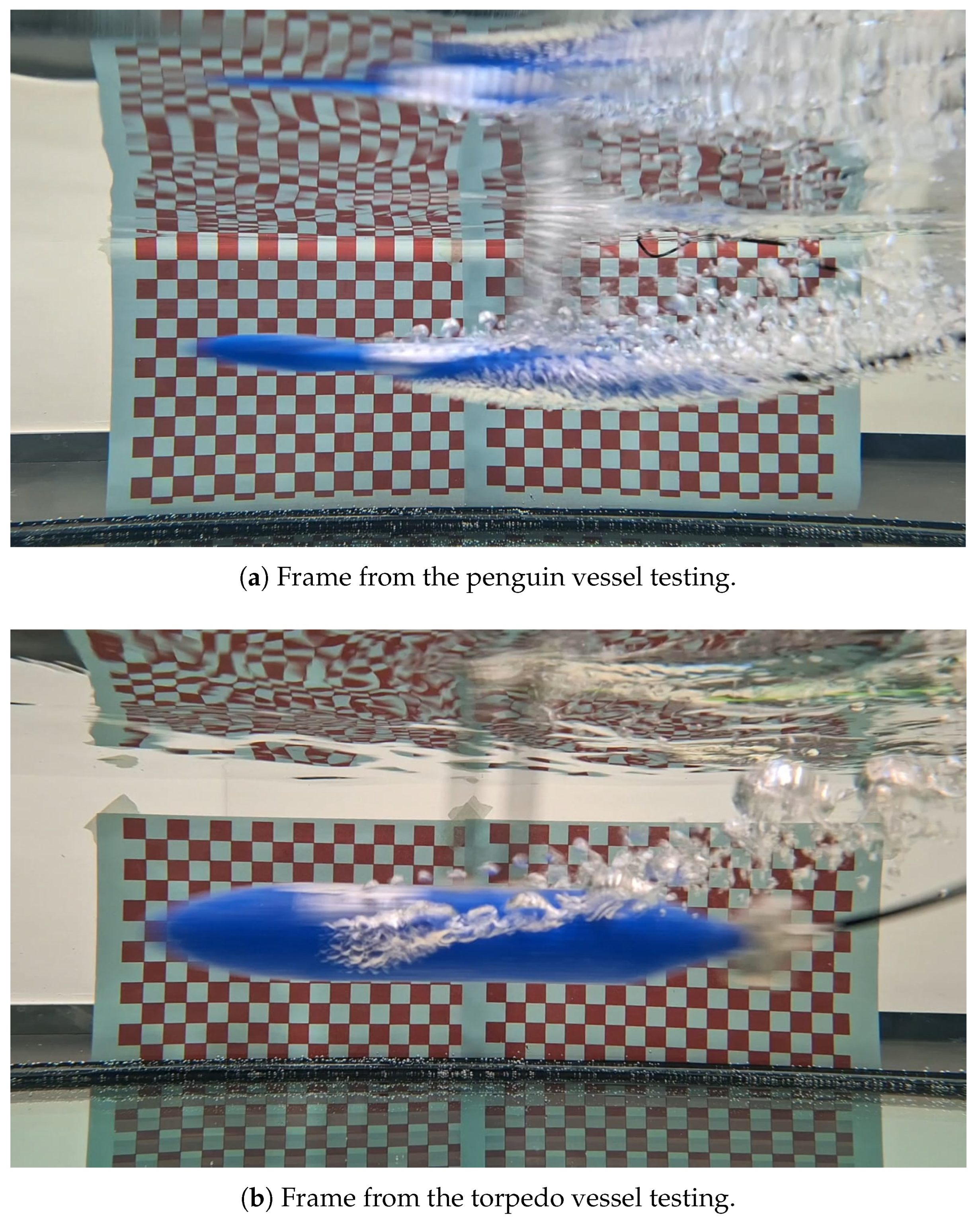
4.1.3. Bubble Tracking
4.2. Results
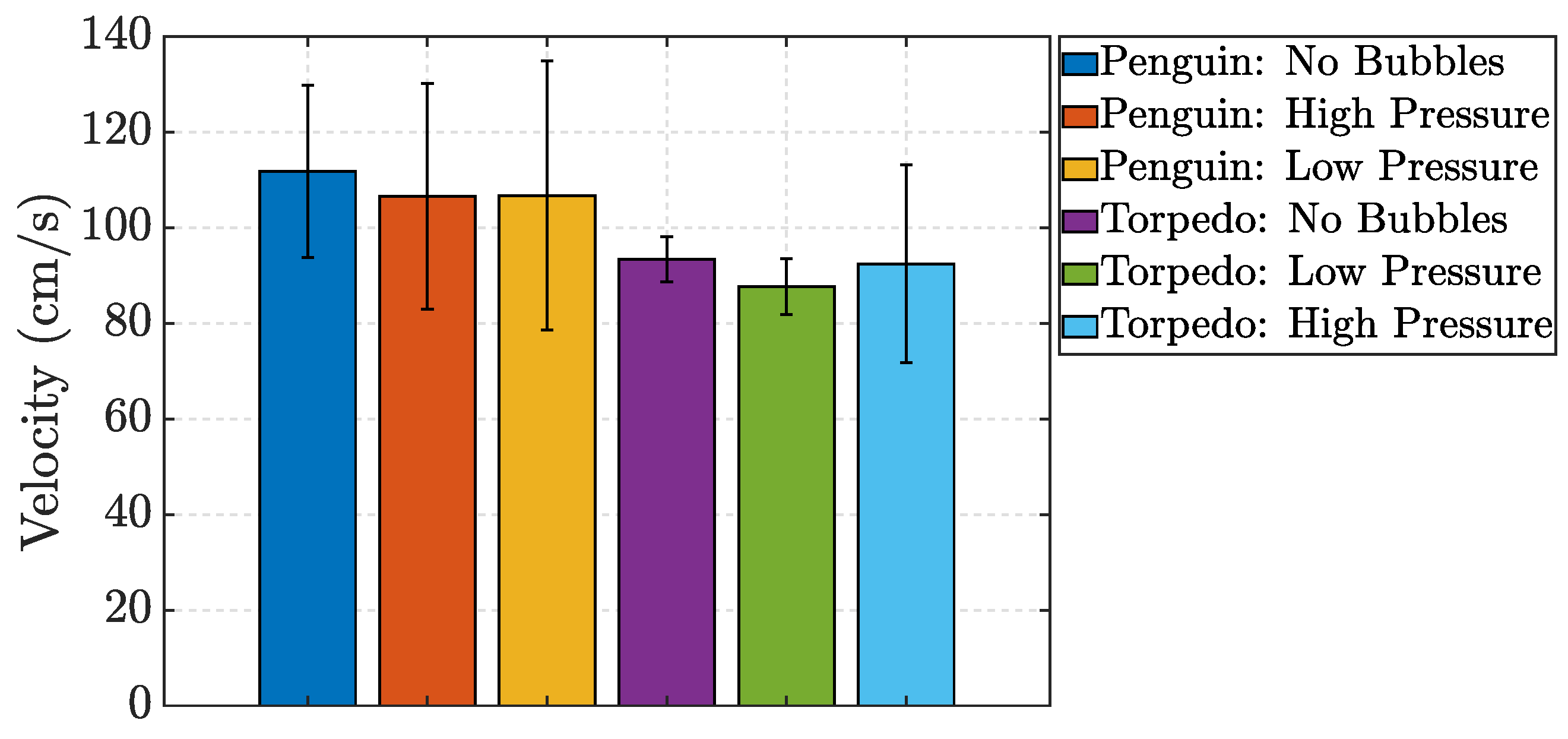
4.2.1. Velocity Results
4.2.2. Force Results and Drag Coefficient Calculation
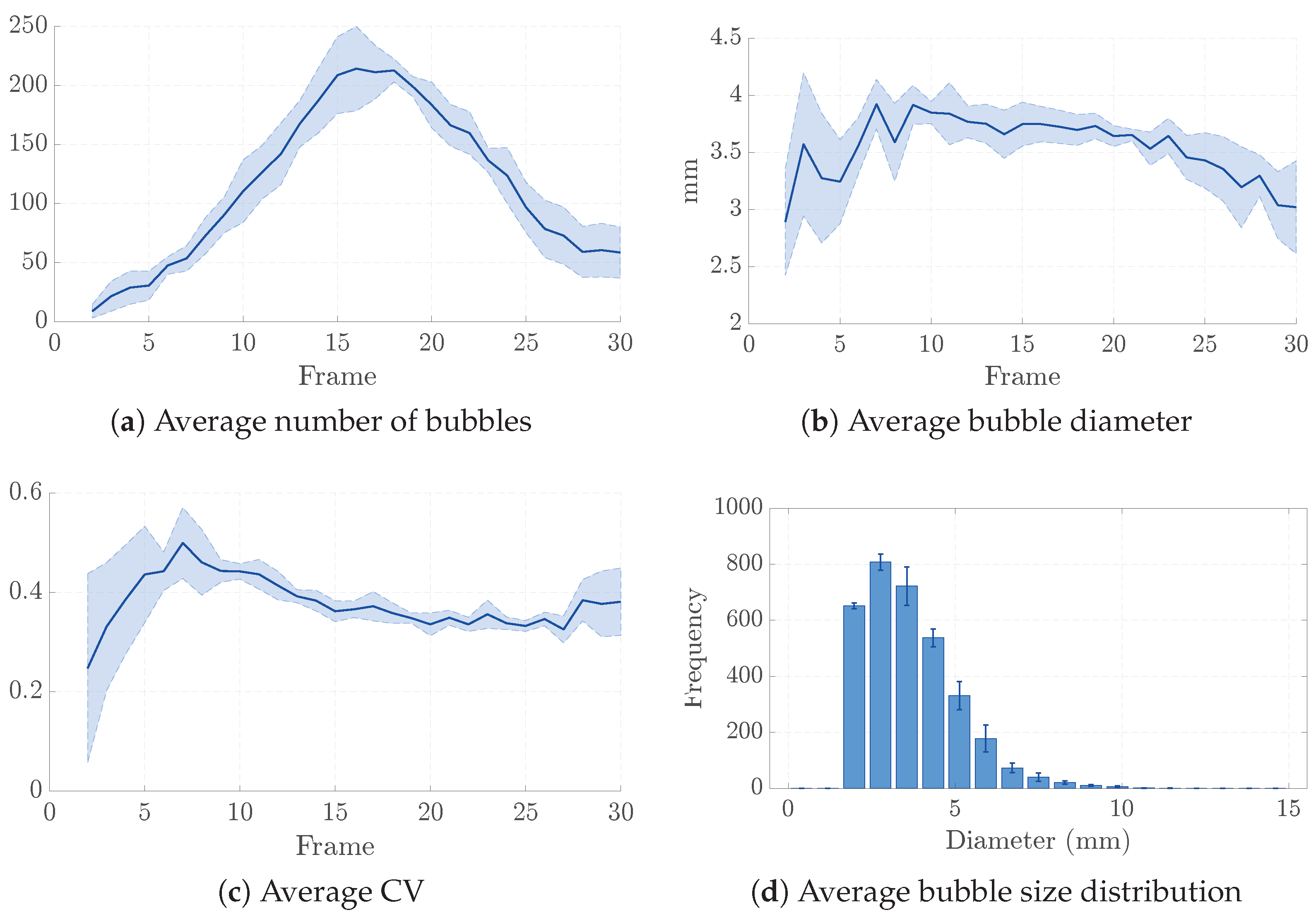
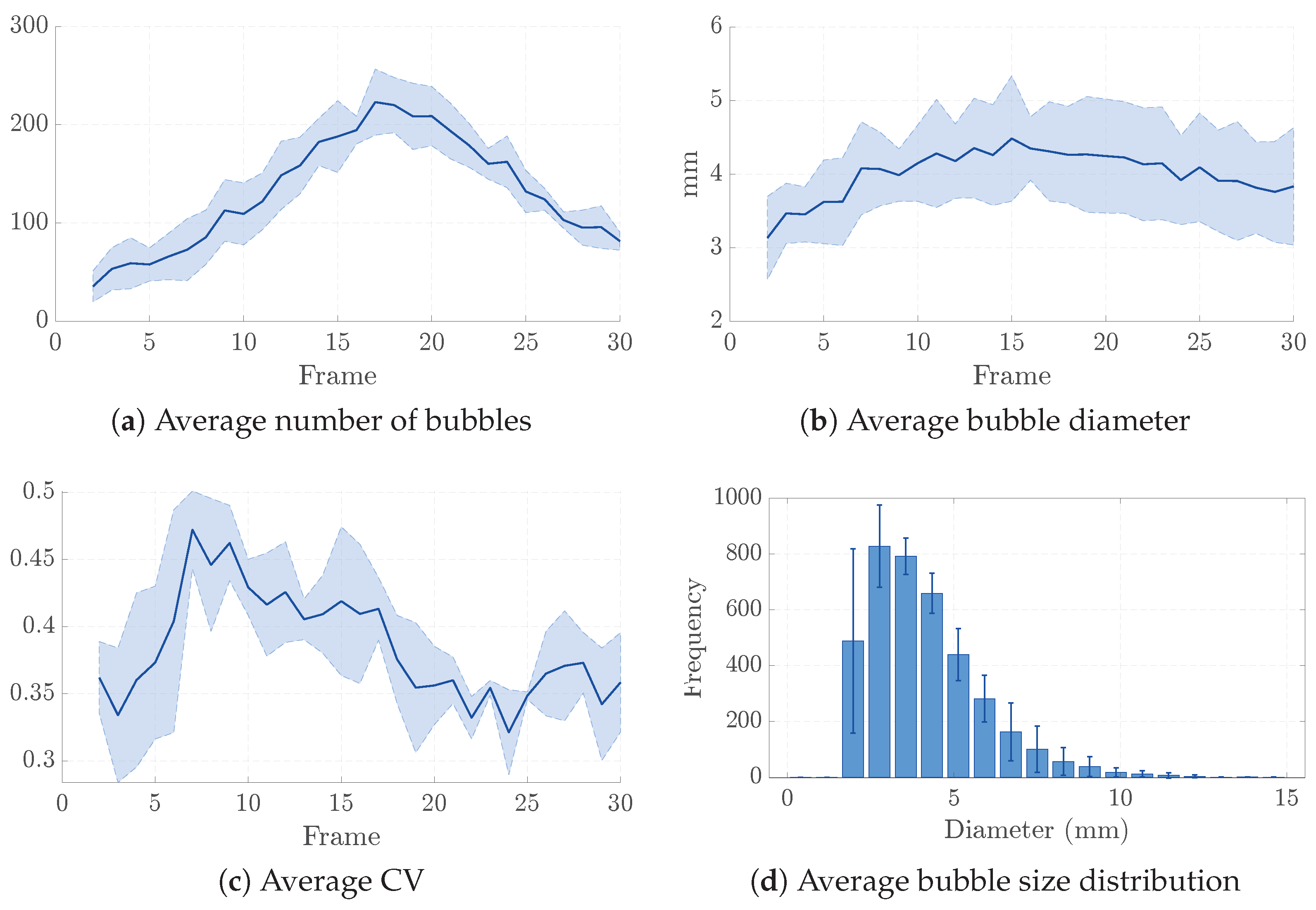
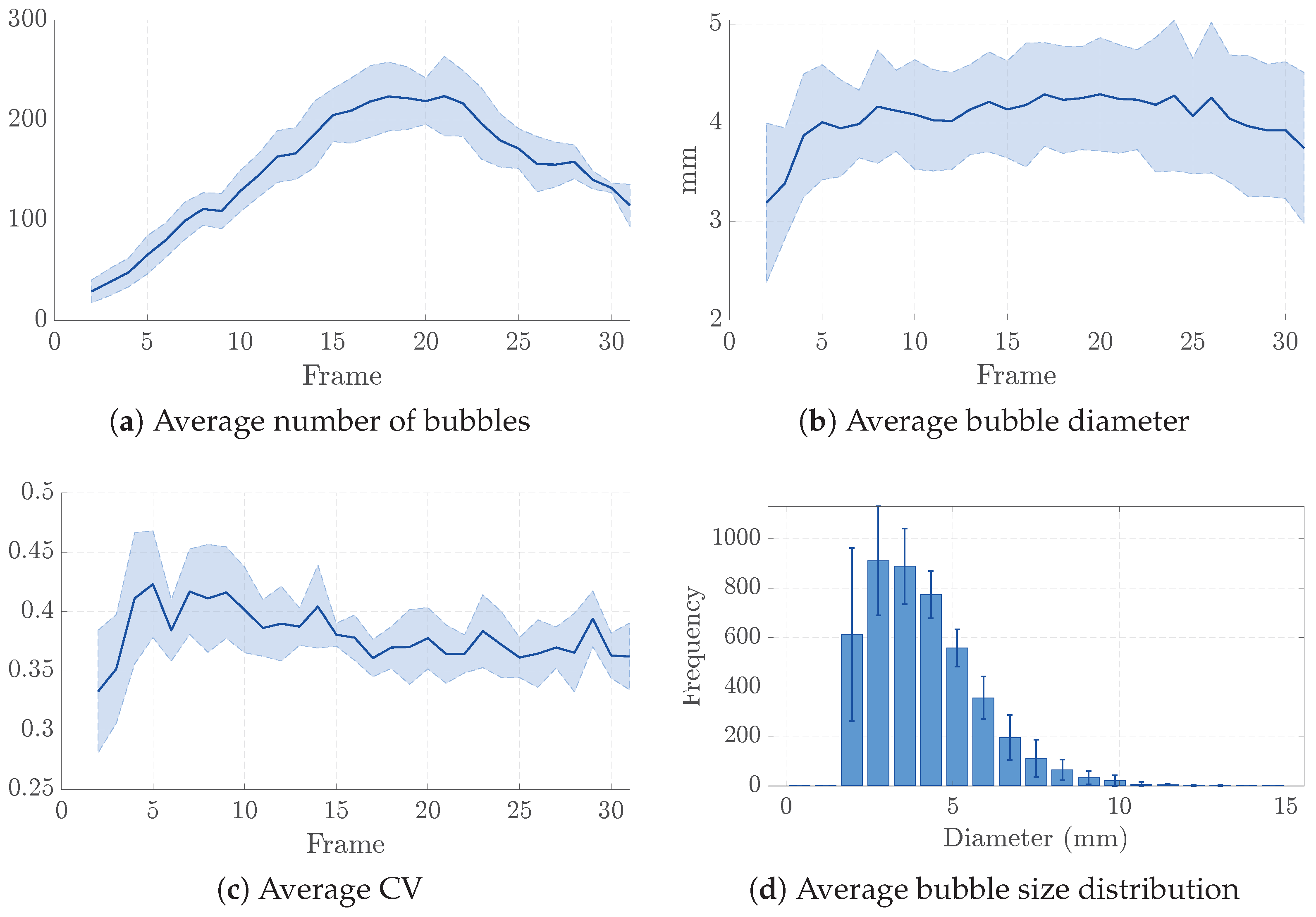
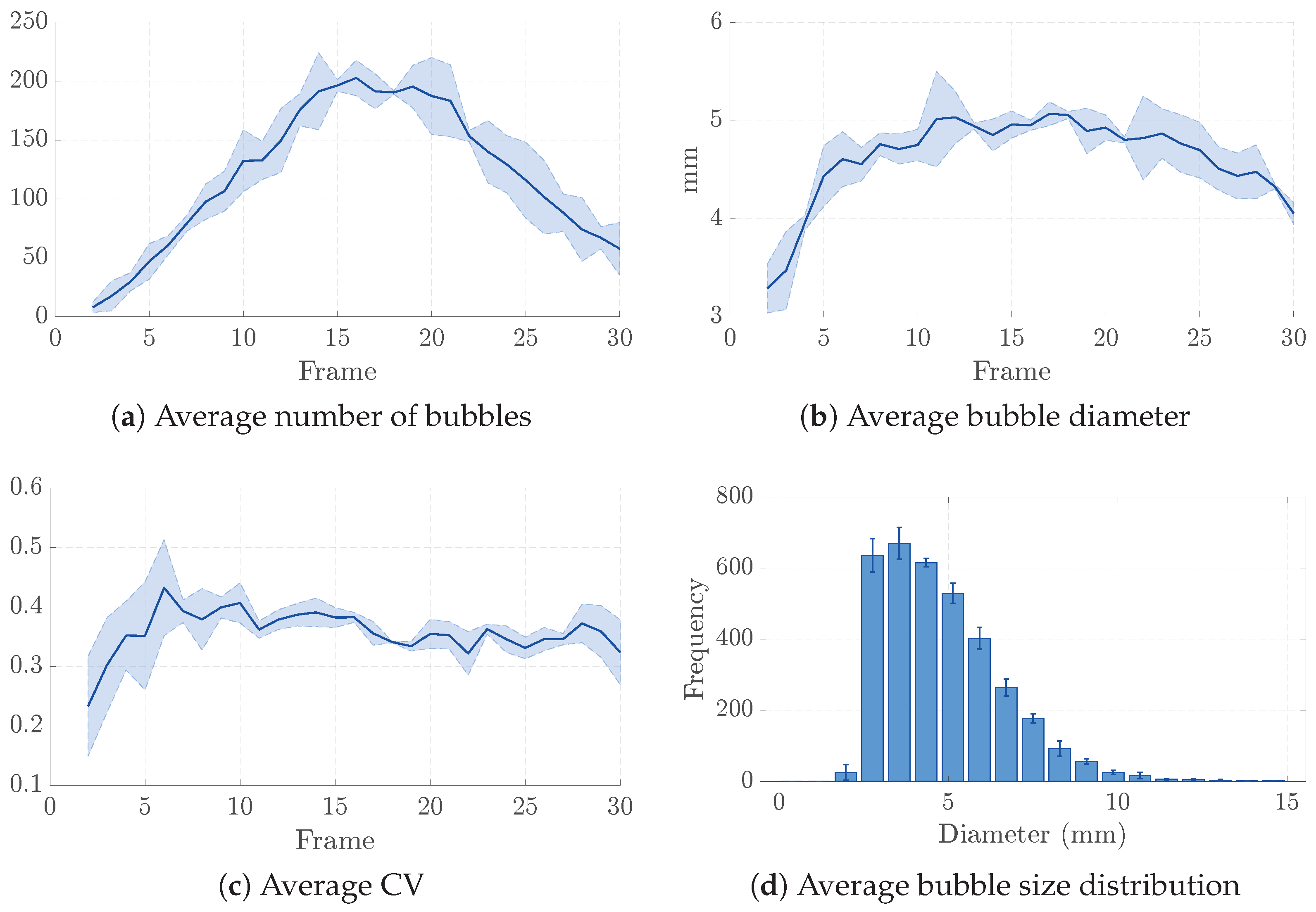
4.2.3. Bubble Dimension Tracking
4.2.4. Bubble Coverage
5. Discussion
6. Conclusions
Supplementary Materials
Author Contributions
Funding
Institutional Review Board Statement
Informed Consent Statement
Data Availability Statement
Conflicts of Interest
References
- Hao, W.; Yongpeng, O.; Qing, Y. Experimental study of air layer drag reduction on a flat plate and bottom hull of a ship with cavity. Ocean. Eng. 2019, 183, 236–248. [Google Scholar] [CrossRef] [Scilit]
- Verschoof, R.A.; van der Veen, R.C.A.; Sun, C.; Lohse, D. Bubble Drag Reduction Requires Large Bubbles. Phys. Rev. Lett. 2016, 117, 104502. [Google Scholar] [CrossRef] [Scilit] [PubMed]
- Aracri, S.; Giorgio-Serchi, F.; Suaria, G.; Sayed, M.E.; Nemitz, M.P.; Mahon, S.; Stokes, A.A. Soft Robots for Ocean Exploration and Offshore Operations: A Perspective. Soft Robot 2021, 8, 625–639. [Google Scholar] [CrossRef] [Scilit] [PubMed]
- Katzschmann, R.K.; DelPreto, J.; MacCurdy, R.; Rus, D. Exploration of underwater life with an acoustically controlled soft robotic fish. Sci. Robot. 2018, 3, eaar3449. [Google Scholar] [CrossRef] [Scilit] [PubMed]
- Luo, Z.; Hu, J.; Li, Y. Synthesis and Drag Reduction Experimental Study of Superhydrophobic Surface Coatings for Underwater Vehicle Hulls. Appl. Sci. 2026, 16, 3801. [Google Scholar] [CrossRef] [Scilit]
- Cho, Y.; Jeon, K.; Lee, S. Evaluation of in-service speed performance improvement by means of FDR-AF (frictional drag reducing anti-fouling) marine coating based on ISO19030 standard. Sci. Rep. 2021, 11, 1062. [Google Scholar] [CrossRef] [Scilit] [PubMed]
- Petritoli, E.; Leccese, F. Autonomous Underwater Glider: A Comprehensive Review. Drones 2025, 9, 21. [Google Scholar] [CrossRef] [Scilit]
- Liu, R.; Hu, X.; Jiang, Z.; Wang, J.; Zhang, W. Survey on heterogeneous aquatic robot systems: Communication, perception, navigation, control, decision-making and energy management. Robot Learn. 2025, 2, 3. [Google Scholar] [CrossRef] [Scilit]
- Davenport, J.; Hughes, R.N.; Shorten, M.; Larsen, P.S. Drag reduction by air release promotes fast ascent in jumping emperor penguins—A novel hypothesis. Mar. Ecol. Prog. Ser. 2011, 430, 171–182. [Google Scholar] [CrossRef]
- Parfitt, A.R.; Vincent, J.F.V. Drag reduction in a swimming humboldt penguin, Spheniscus humboldti, when the boundary layer is turbulent. J. Bionic. Eng. 2005, 2, 57–62. [Google Scholar] [CrossRef] [Scilit]
- Debenedetti, F.; Jung, S. Effect of feathers on drag in plunge-diving birds. Ann. N. Y. Acad. Sci. 2024, 1537, 74–81. [Google Scholar] [CrossRef] [Scilit] [PubMed]
- McCafferty, D.J.; Gilbert, C.; Thierry, A.M.; Currie, J.; Le Maho, Y.; Ancel, A. Emperor penguin body surfaces cool below air temperature. Biol. Lett. 2013, 9, 20121192. [Google Scholar] [CrossRef] [Scilit] [PubMed]
- Sanders, W.C.; Winkel, E.S.; Dowling, D.R.; Perlin, M.; Ceccio, S.L. Bubble friction drag reduction in a high-Reynolds-number flat-plate turbulent boundary layer. J. Fluid Mech. 2006, 552, 353–380. [Google Scholar] [CrossRef] [Scilit]
- Mohammadpour, J.; Salehi, F.; Garaniya, V. Computational analysis of air bubble-induced frictional drag reduction on ship hulls. J. Mar. Sci. Technol. 2024, 29, 696–710. [Google Scholar] [CrossRef] [Scilit]
- Zhang, M.; Wu, W.; Wang, H.; Chen, X.; Zheng, Q. Ship bottom air drag reduction technology and application: A review. Ships Offshore Struct. 2025, 1–13. [Google Scholar] [CrossRef] [Scilit]
- Arakawa, D.; Kawashima, H.; Shiraishi, K. Influence of the air injection pattern in the air lubrication system on the propulsive efficiency of ships. J. Mar. Sci. Technol. 2026, 31, 360–378. [Google Scholar] [CrossRef] [Scilit]
- Williams, C.L.; Hagelin, J.C.; Kooyman, G.L. Hidden keys to survival: The type, density, pattern and functional role of emperor penguin body feathers. Proc. Biol. Sci. 2015, 282, 20152033. [Google Scholar] [CrossRef] [Scilit] [PubMed]
- Lewden, A.; du Fretay, T.H.; Stier, A. Changes in body surface temperature reveal the thermal challenge associated with catastrophic moult in captive gentoo penguins. J. Exp. Biol. 2024, 227, jeb247332. [Google Scholar] [CrossRef] [Scilit] [PubMed]
- Kulp, F.; D’Alba, L.; Shawkey, M.; Clarke, J. Keratin nanofiber distribution and feather microstructure in penguins. Auk Ornithol. Adv. 2018, 135, 777–787. [Google Scholar] [CrossRef] [Scilit]
- Nakaoka, M.; Fukuchi, H.; Ogoshi, M.; Aizawa, S.; Takeuchi, S. Identification of pennaceous barbule cell factor (PBCF), a novel gene with spatiotemporal expression in barbule cells during feather development. Gene 2025, 941, 149244. [Google Scholar] [CrossRef] [Scilit] [PubMed]
- Lee, J.; Sarre, S.; Joseph, L.; Robertson, J. Microscopic characteristics of the plumulaceous feathers of Australian birds: A preliminary analysis of taxonomic discrimination for forensic purposes. Aust. J. Forensic Sci. 2016, 48, 421–444. [Google Scholar] [CrossRef] [Scilit]
- Bormashenko, E.; Bormashenko, Y.; Stein, T.; Whyman, G.; Bormashenko, E. Why do pigeon feathers repel water? Hydrophobicity of pennae, Cassie-Baxter wetting hypothesis and Cassie-Wenzel capillarity-induced wetting transition. J. Colloid Interface Sci. 2007, 311 1, 212–216. [Google Scholar] [CrossRef] [Scilit] [PubMed]
- Alizadeh-Birjandi, E.; Tavakoli-Dastjerdi, F.; Leger, J.S.; Faull, K.F.; Davis, S.H.; Rothstein, J.P.; Kavehpour, H.P. Delay of ice formation on penguin feathers. Eur. Phys. J. Spec. Top. 2020, 229, 1881–1896. [Google Scholar] [CrossRef] [Scilit]
- Deckel, S.C.; Seewagen, C.L. Discordancy of two common methods of measuring feather hydrophobicity. J. Avian Biol. 2025, 2025, e03446. [Google Scholar] [CrossRef] [Scilit]
- Cassie, A.; Baxter, S. Wettability of porous surfaces. Trans. Faraday Soc. 1944, 40, 546–551. [Google Scholar] [CrossRef] [Scilit]
- Muzio, F.M.; Rubega, M. What do we really know about the water repellency of feathers? J. Avian Biol. 2024, 2024, e03259. [Google Scholar] [CrossRef] [Scilit]
- Srinivasan, S.; Chhatre, S.S.; Guardado, J.O.; Park, K.C.; Parker, A.; Rubner, M.; McKinley, G.; Cohen, R. Quantification of feather structure, wettability and resistance to liquid penetration. J. R. Soc. Interface 2014, 11, 20140287. [Google Scholar] [CrossRef] [Scilit] [PubMed]
- Scheff, T.; Acha, F.; Armas, N.D.; Mead, J.; Zhang, J. Tuning Wetting Properties Through Surface Geometry in the Cassie–Baxter State. Biomimetics 2025, 10, 20. [Google Scholar] [CrossRef] [Scilit] [PubMed]
- Tian, L.; Qiu, L. Modeling the Wettability of Microstructured Hydrophobic Surface Using Multiple-relaxation-time Lattice Boltzmann Method. J. Bionic Eng. 2022, 19, 1460–1471. [Google Scholar] [CrossRef] [Scilit]
- Du, N.; Fan, J.; Wu, H.; Chen, S.; Liu, Y. An improved model of heat transfer through penguin feathers and down. J. Theor. Biol. 2007, 248, 727–735. [Google Scholar] [CrossRef] [Scilit] [PubMed]
- Wood, M.J.; Brock, G.; Kietzig, A.M. The penguin feather as inspiration for anti-icing surfaces. Cold Reg. Sci. Technol. 2023, 213, 103903. [Google Scholar] [CrossRef] [Scilit]
- Ceccio, S.L. Friction Drag Reduction of External Flows with Bubble and Gas Injection. Annu. Rev. Fluid Mech. 2010, 42, 183–203. [Google Scholar] [CrossRef] [Scilit]
- Hitchmough, D.; Blanco-Davis, E.; Spiteri, A.; Seddighi, M.; Yuksel, O.; Shagar, G.V.; Wang, J. The Modelling of the Multiphase Flow Mechanics in Air Lubrication Systems and Their Interaction with Appendages: A Review. J. Mar. Sci. Eng. 2025, 13, 2238. [Google Scholar] [CrossRef] [Scilit]
- Schlichting, H. Boundary Layer Theory; Mc Graw-Hill Book Company: New York, NY, USA, 1968. [Google Scholar]
- Yoda, K.; Ropert-Coudert, Y. Decision-rules for leaping Adélie penguins (Pygoscelis adeliae). J. Zool. 2004, 263, 1–5. [Google Scholar] [CrossRef] [Scilit]
- Marshall, S.H.; Chudacek, M.W.; Bagster, D.F. A model for bubble formation from an orifice with liquid cross-flow. Chem. Eng. Sci. 1993, 48, 2049–2059. [Google Scholar] [CrossRef] [Scilit]





| Biological Feature | Engineering Translation | Simplification |
|---|---|---|
| Dense, porous feather-down assembly capable of retaining air | Internal air chamber and porous diffuser used to distribute air before release | Feather microstructure and deformability are not reproduced |
| Fine wire-like network of barbs, barbules, and hamuli | Porous diffuser and external release holes used to generate a bubble cloud | Generated bubbles are larger than the fine bubbles expected from natural plumage |
| Pressure-dependent release of air during ascent | Controlled air injection through 0.6 mm holes near the upstream region of the body | Air release is imposed by supply pressure rather than produced by hydrostatic decompression and feather motion |
| Air-rich region close to the body surface | Bubble cloud intended to remain near the surface | Near-wall coverage depends on geometry, injection pressure, and bubble coalescence |
| Possible active management of plumage through preening and feather orientation | Fixed 3D-printed body with constant geometry during each test | No active surface control or feather-like motion is implemented. |
| Data | Penguin-Inspired Vessel | Torpedo-Inspired Vessel |
|---|---|---|
| Length | 293 mm | 293 mm |
| Max frontal area | 1885 | 1885 |
| Surface area in contact with water | 35,880 | 40,604 |
| Volume | 139,571 | 242,000 |
| Mass | 92.07 g | 123.84 g |
| Number of holes | 600 | 600 |
| Hole diameter | 0.6 mm | 0.6 mm |
| Air injection distance from the head | 102.5 mm | 84.3 mm |
| Print layer height | 0.1 mm | 0.1 mm |
| Body Shape | Air Pressure | Air Flow Rate | Average Force | Change vs. No Air | |
|---|---|---|---|---|---|
| Penguin | No air | 0 L/s | 2.05 N | 0.89 | – |
| Penguin | 0.5 bar | 0.41 L/s | 1.62 N | 0.61 | −31.5% |
| Penguin | 1.5 bar | 0.59 L/s | 2.08 N | 0.77 | −13.5% |
| Torpedo | No air | 0 L/s | 2.44 N | 1.43 | – |
| Torpedo | 0.5 bar | 0.41 L/s | 2.33 N | 1.87 | +30.8% |
| Torpedo | 1.5 bar | 0.59 L/s | 3.52 N | 2.67 | +86.7% |
| Body Shape | Air Pressure | Air Flow Rate | Hull Projected Area | BCR |
|---|---|---|---|---|
| Penguin | No air | 0 L/s | – | |
| Penguin | 0.5 bar | 0.41 L/s | ||
| Penguin | 1.5 bar | 0.59 L/s | ||
| Torpedo | No air | 0 L/s | – | |
| Torpedo | 0.5 bar | 0.41 L/s | ||
| Torpedo | 1.5 bar | 0.59 L/s |
Disclaimer/Publisher’s Note: The statements, opinions and data contained in all publications are solely those of the individual author(s) and contributor(s) and not of MDPI and/or the editor(s). MDPI and/or the editor(s) disclaim responsibility for any injury to people or property resulting from any ideas, methods, instructions or products referred to in the content. |
© 2026 by the authors. Licensee MDPI, Basel, Switzerland. This article is an open access article distributed under the terms and conditions of the Creative Commons Attribution (CC BY) license.
Share and Cite
Giacobbe, A.; Georgoussis, K.; Bianchi, G.; Cinquemani, S. Investigation of the Role of Body Shape on an Air Lubrication System Inspired by Penguins. Biomimetics 2026, 11, 501. https://doi.org/10.3390/biomimetics11070501
Giacobbe A, Georgoussis K, Bianchi G, Cinquemani S. Investigation of the Role of Body Shape on an Air Lubrication System Inspired by Penguins. Biomimetics. 2026; 11(7):501. https://doi.org/10.3390/biomimetics11070501
Chicago/Turabian StyleGiacobbe, Arturo, Konstantinos Georgoussis, Giovanni Bianchi, and Simone Cinquemani. 2026. "Investigation of the Role of Body Shape on an Air Lubrication System Inspired by Penguins" Biomimetics 11, no. 7: 501. https://doi.org/10.3390/biomimetics11070501
APA StyleGiacobbe, A., Georgoussis, K., Bianchi, G., & Cinquemani, S. (2026). Investigation of the Role of Body Shape on an Air Lubrication System Inspired by Penguins. Biomimetics, 11(7), 501. https://doi.org/10.3390/biomimetics11070501