Article

Bio-Inspired Thermoregulatory Textile Enabled by Flexible Bidirectional Shape Memory Polymer

1
School of Textile Science and Engineering, Tiangong University, Tianjin 300387, China
2
Jiangsu Textile Products Quality Supervision and Inspection Institute, Nanjing 210007, China
3
China Knitting Industrial Association, Beijing 100020, China
4
School of Material Science and Engineering, Nanyang Technological University, 50 Nanyang Avenue, Singapore 639798, Singapore
*
Authors to whom correspondence should be addressed.
Biomimetics 2026, 11(5), 345; https://doi.org/10.3390/biomimetics11050345

Submission received: 30 March 2026 / Revised: 7 May 2026 / Accepted: 11 May 2026 / Published: 15 May 2026
(This article belongs to the Special Issue Advances in Biomimetics: 10th Anniversary)

Abstract

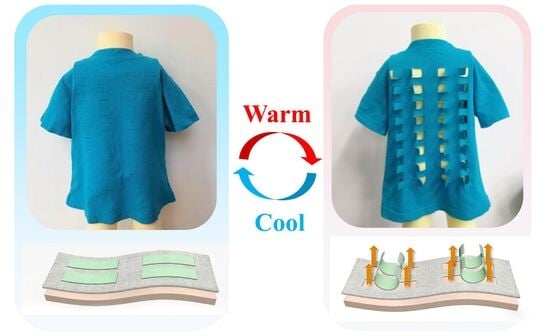
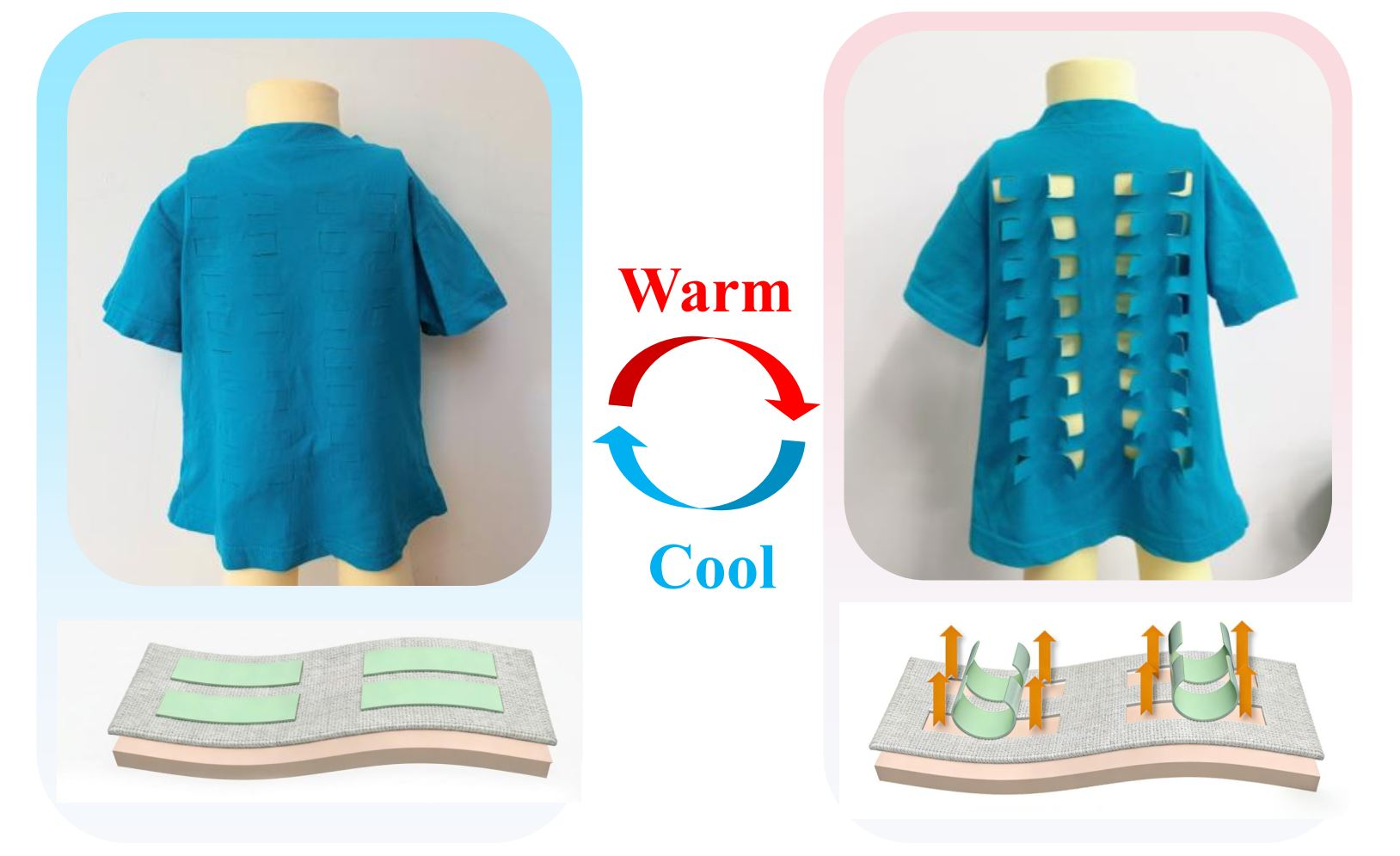
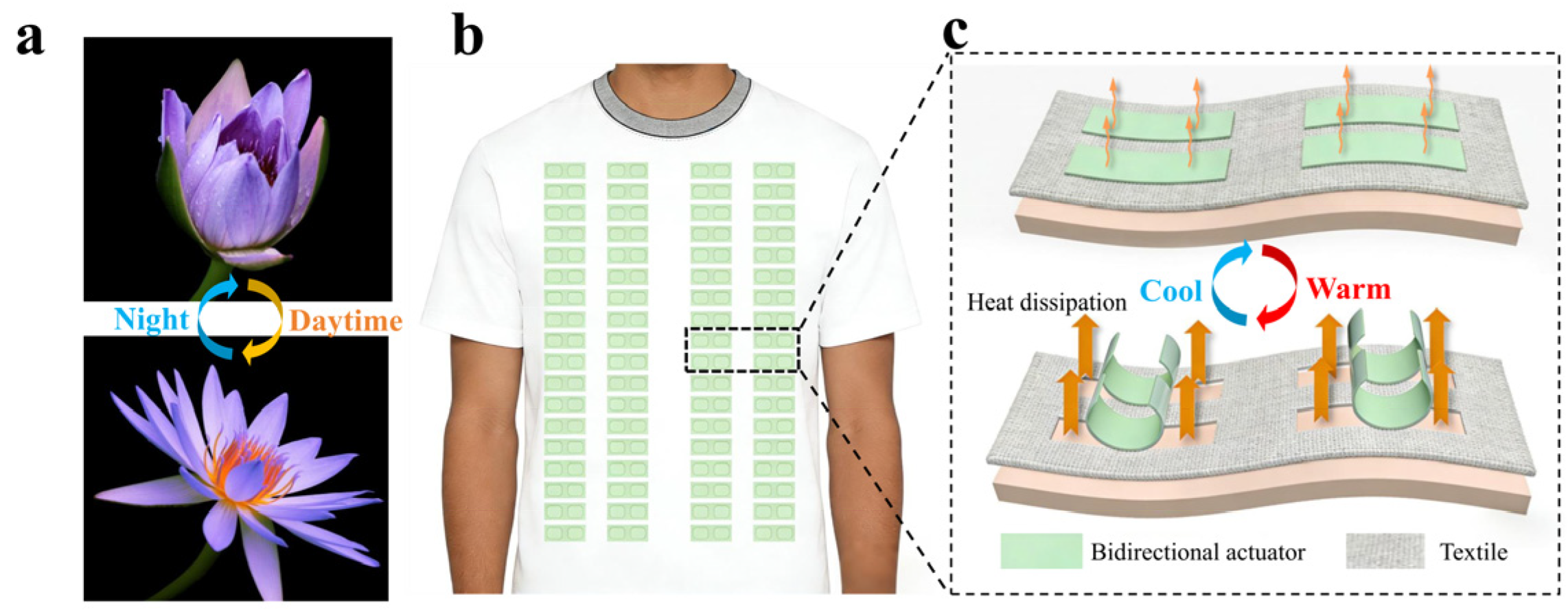
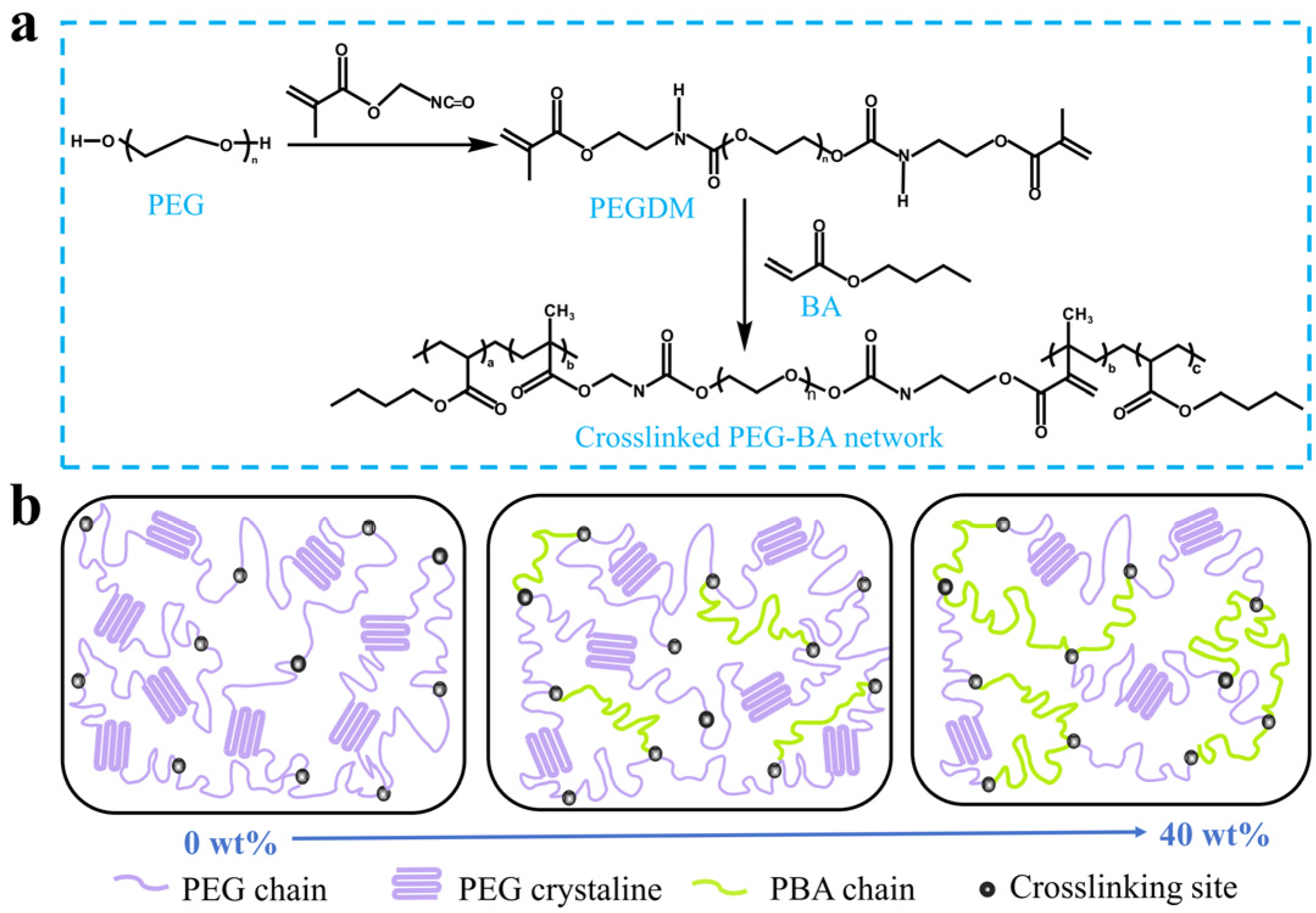
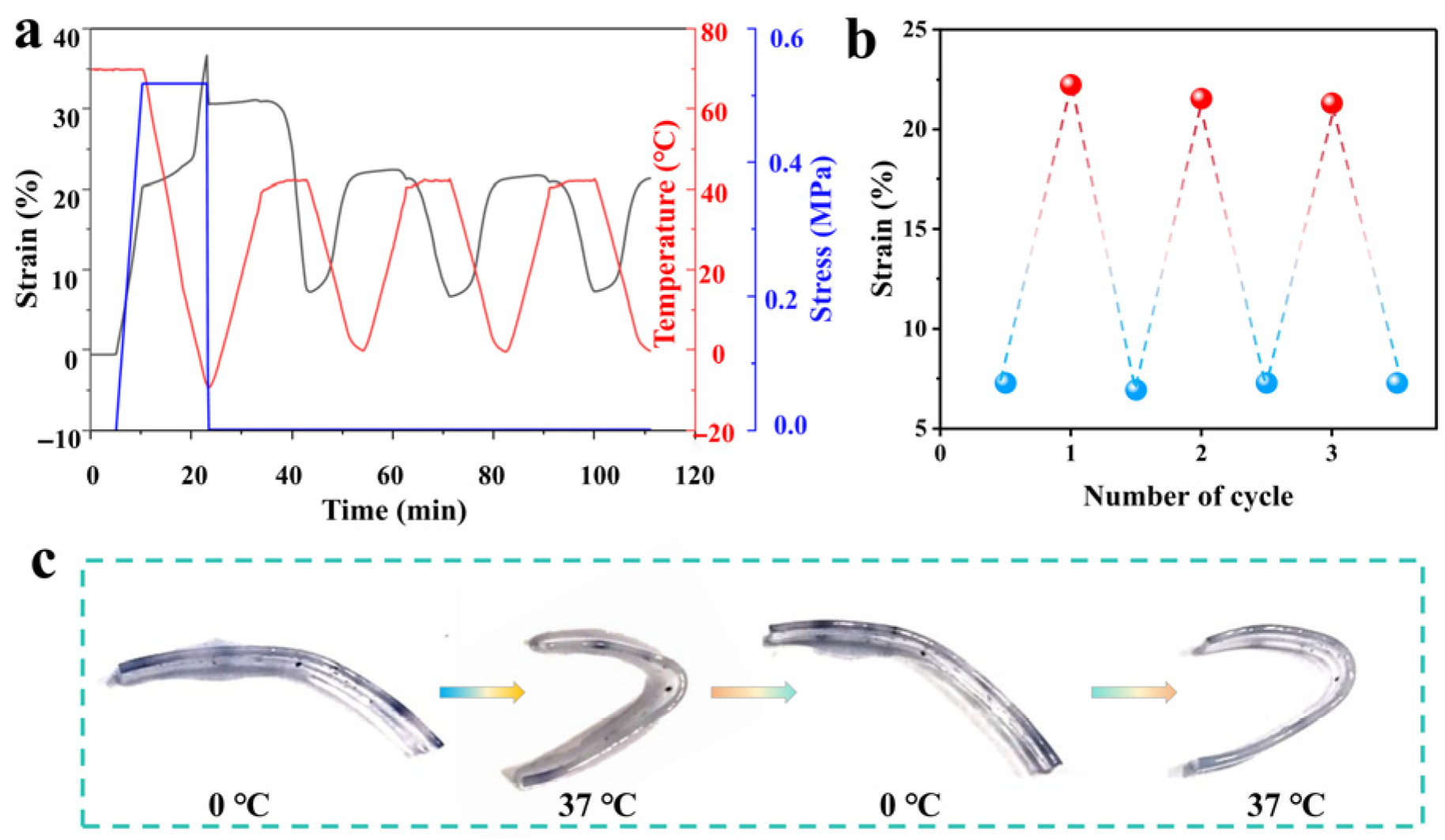
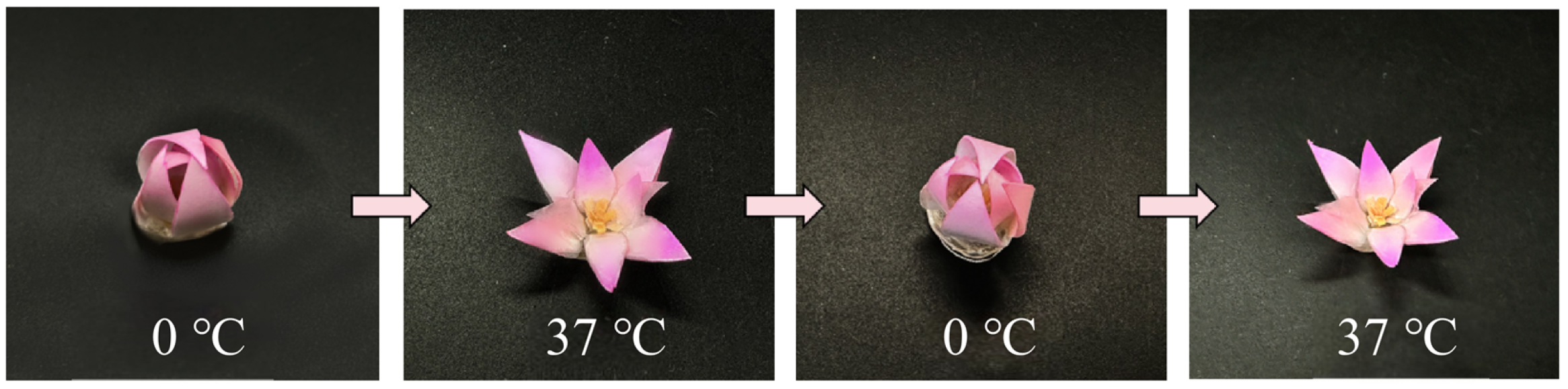
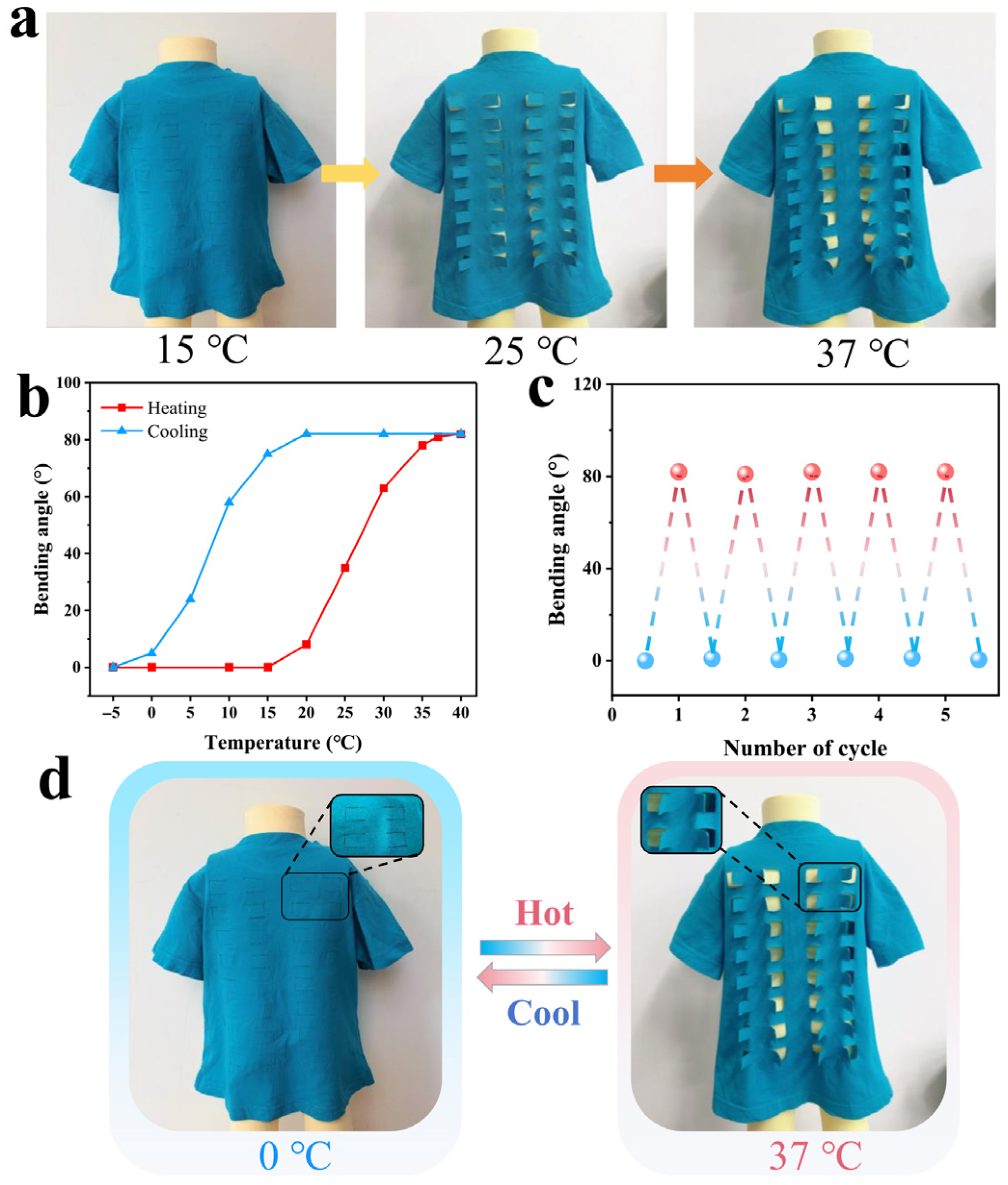
Passive thermoregulatory textiles, operating without external energy input, play a crucial role in maintaining the human body within the thermal comfort zone. However, integrating autonomous environmental adaptability with superior wearing comfort into a single textile remains a challenge. In this work, inspired by the autonomous actuation of water lilies, we proposed an intelligent strategy to fabricate thermoregulatory textiles that dynamically adapted to ambient temperature fluctuations, driven by a bidirectional shape memory polymer (SMP). To concurrently achieve robust thermal adaptability and human-body-compatible softness, a crosslinked polyethylene glycol–butyl acrylate (PEG-BA) bidirectional SMP network was engineered. The PEG phase, featuring a broad crystal size distribution, provided the dynamic skeleton for thermally induced actuation, while the incorporation of the BA component tuned the intrinsic softness to match conventional soft textiles. Consequently, the synthesized PEG-BA network exhibited an exceptional bidirectional shape memory effect with a reversible strain of 15.5%, while maintaining high macroscopic softness comparable to that of human skin. By integrating this bidirectional polymer into a garment to form adaptive vents, the smart textile demonstrated the capability to significantly elevate human thermal comfort. Specifically, the vents autonomously open in hot environments to accelerate heat dissipation and close in cool environments to suppress heat loss. Given its exceptional personal thermoregulatory performance and wearing compliance, this proposed strategy exhibits considerable potential for maintaining optimal human comfort against fluctuating environmental conditions.
Keywords: thermoregulatory textile; environmental adaptability; shape memory polymer; wearing comfort thermoregulatory textile; environmental adaptability; shape memory polymer; wearing comfort
Graphical Abstract