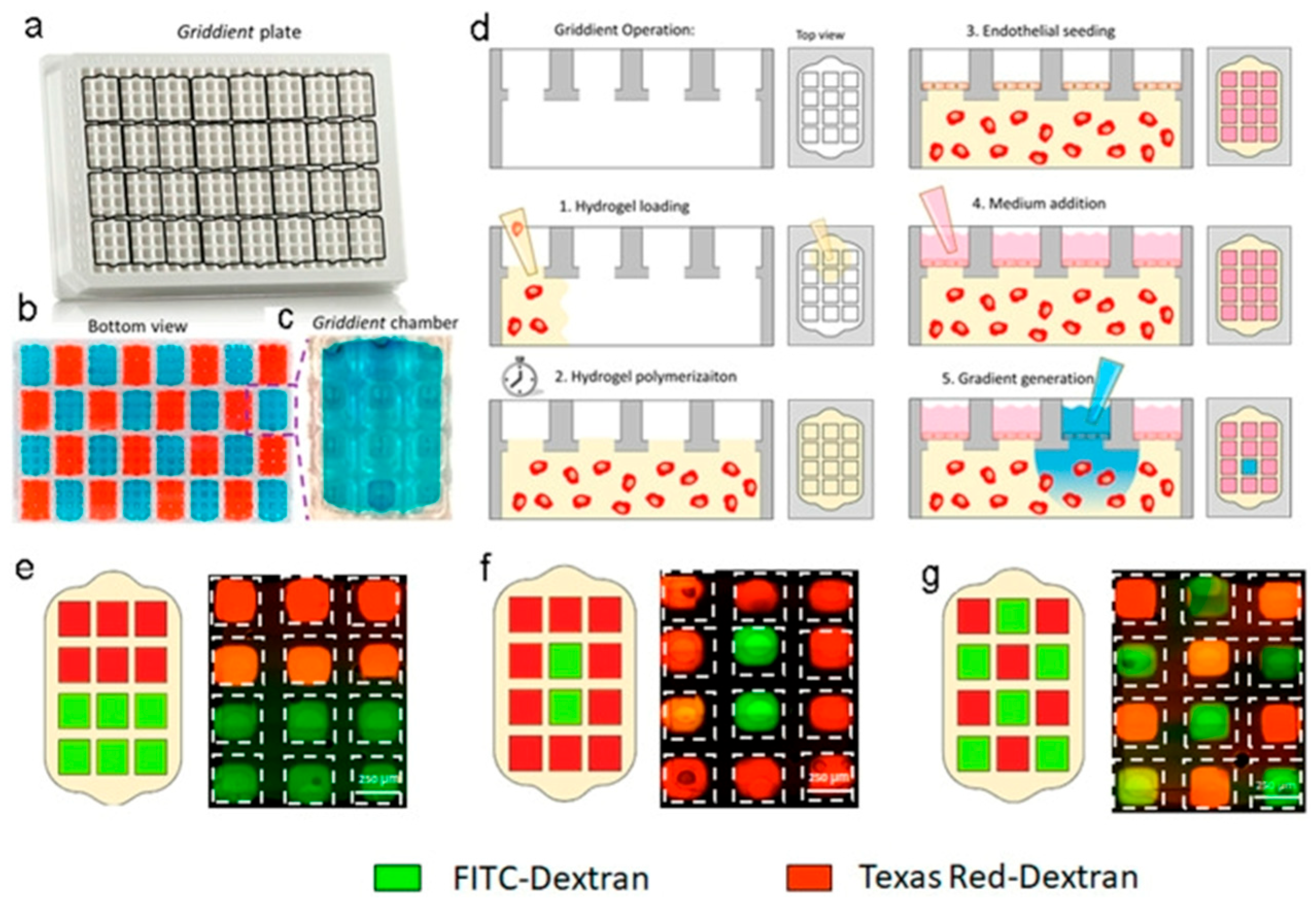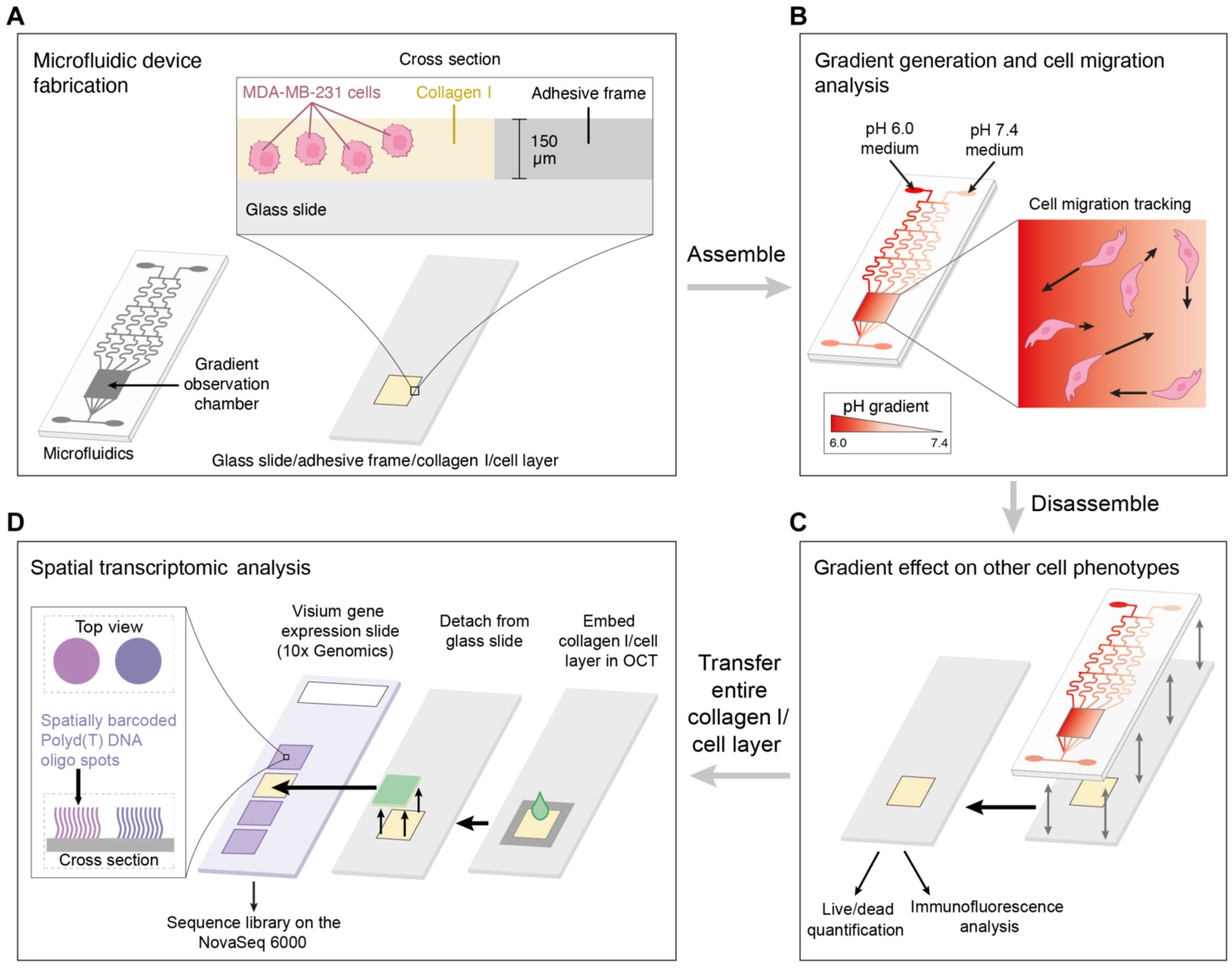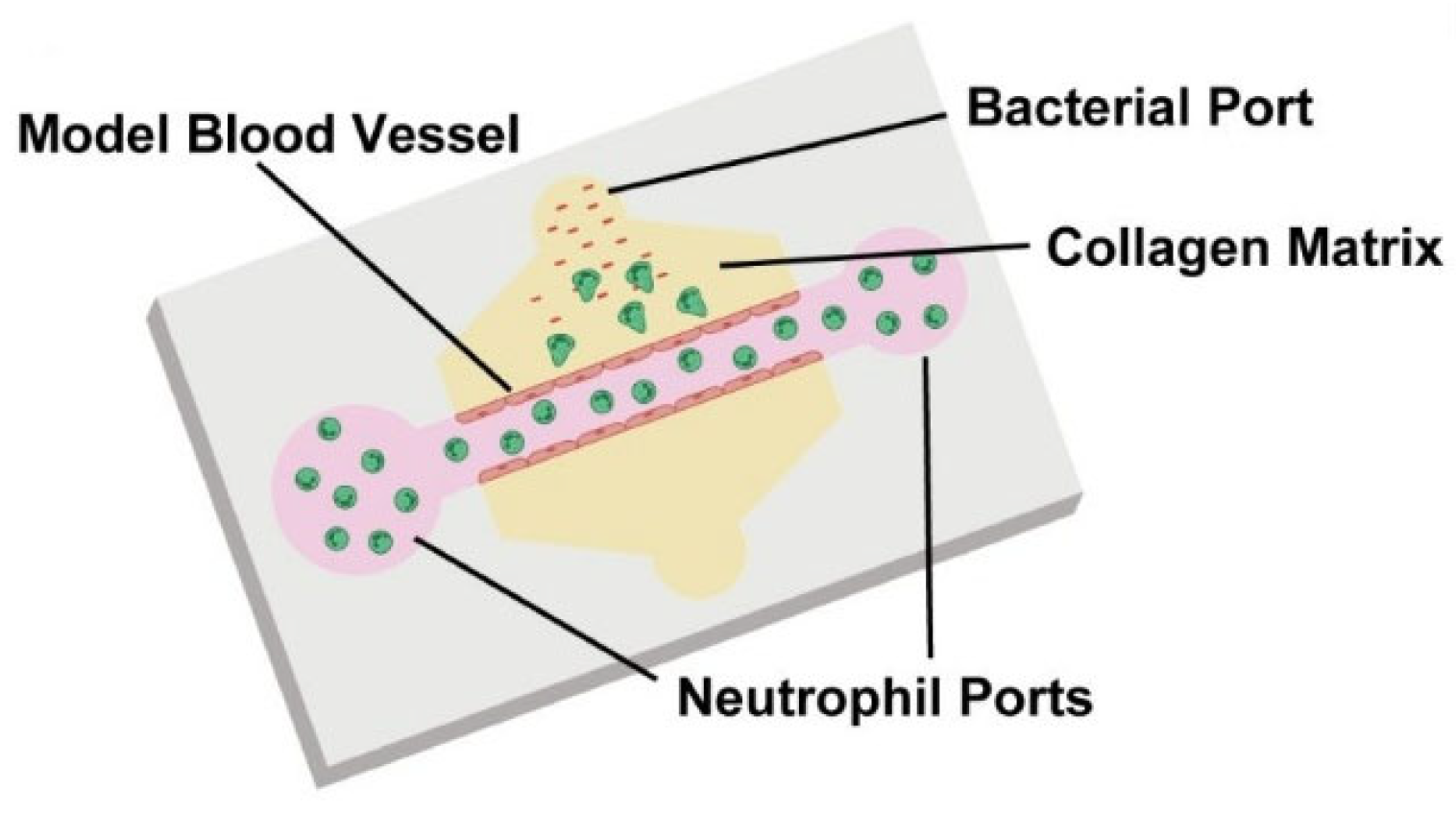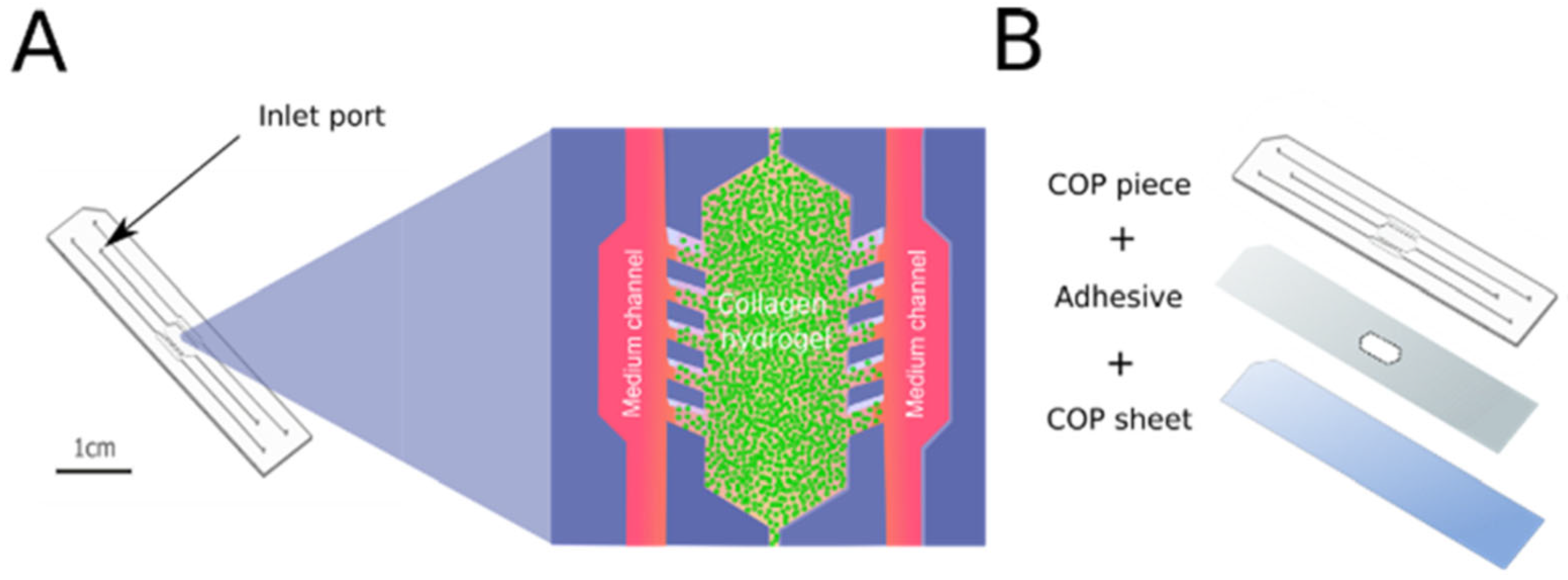

Collagen Type I as a Biological Barrier Interface in Biomimetic Microfluidic Devices: Properties, Applications, and Challenges



Abstract
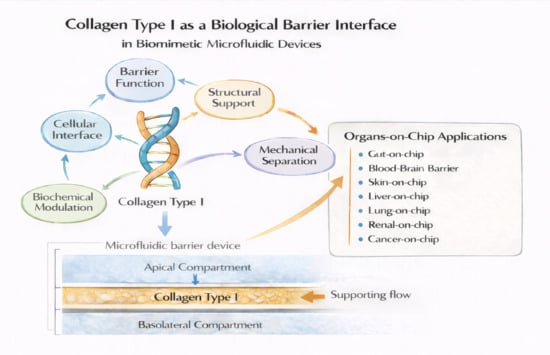
1. Introduction
2. Literature Review
3. Collagen Type I
3.1. Molecular Structure and Physical Properties of Collagen Type I
3.2. Mechanical, Permeability, and Biochemical Properties of Collagen Type I Barrier Interfaces
3.3. Fabrication Techniques of Collagen Type I Barrier Interfaces
3.4. Modifications and Crosslinking Strategies of Collagen Type I Barrier Interfaces
4. Integration of Collagen Type I Barrier Interfaces in Microfluidic Devices
4.1. Methods of Integrating Collagen into Microfluidic Platforms
4.1.1. Sandwiching Pre-Formed Collagen Barrier Interfaces Between PDMS or Other Polymer Layers
4.1.2. In Situ Formation and Patterning Strategies for Collagen Type I
4.1.3. Immobilization of Collagen onto Chemically or Physically Treated Surfaces
4.1.4. Development of Hybrid Devices Combining Collagen with Synthetic Polymers
4.2. Design Considerations
4.2.1. Thickness of Barrier Interfaces
4.2.2. Porosity and Pore Size
4.2.3. Mechanical Stability
4.2.4. Bonding with Device Materials
4.2.5. Biocompatibility
4.2.6. Co-Culture Spatial Arrangements
Apical–Basal (Surface) Seeding onto a Collagen-Bounded Compartment
Lateral (Side-by-Side) Interfaces Across a Collagen Type I Gel Lane
Embedded Tri- or Multiculture in a Single Collagen Type I Compartment with Luminal Seeding
4.2.7. Oxygen Gradient Management
Air–Liquid Interface Delivery
ALI-Dominated Oxygen Delivery
Explicit Oxygen Profiling
4.2.8. Sampling and Monitoring Port Placement
4.2.9. Manipulating Collagen Type I Architectural Design
4.2.10. Microfabrication Challenges
4.3. Computational Modelling and Machine-Learning Frameworks for Collagen Type I Barrier Interfaces
4.3.1. Finite-Element and Poro-Mechanical Analyses of Collagen Gels Under Physiologic Loading
4.3.2. Machine-Learning Models That Predict Barrier Permeability with Experimental Validation
4.3.3. Molecular-Dynamics Simulations to Link Self-Assembly to Mesoscale Barrier Interface Properties
5. Functional Roles of Collagen Type I Barrier Interfaces in Microfluidics
5.1. Barrier Function
5.2. Cellular Interface
5.3. Mechanical Separation and Structural Support
5.4. Biochemical Modulation
6. Applications
6.1. Organ-on-Chip Models
6.1.1. Gut-on-Chip
6.1.2. Blood–Brain Barrier
6.1.3. Skin-on-Chip
6.1.4. Liver-on-Chip
6.1.5. Lung-on-Chip
6.1.6. Oral Mucosa-on-a-Chip
6.1.7. Renal-on-A Chip
6.2. Cancer-on-Chip and Metastasis Studies
6.3. Context-of-Use and Validation Status of Collagen Type I Microfluidic Barriers
6.4. Per-Device Cost and Scalability
7. Limitations and Challenges
8. Conclusions
Author Contributions
Funding
Data Availability Statement
Acknowledgments
Conflicts of Interest
Abbreviations
| ADMSCs | adipose-derived mesenchymal stem cells |
| ALI | air–liquid interface |
| AM | additive manufacturing |
| APTES | 3-aminopropyltriethoxysilane |
| BBB | blood–brain barrier |
| BET | Brunauer, Emmett, and Teller analysis |
| BG NPs | bioglass nanoparticles |
| BSA | bovine serum albumin |
| C6 | glial cell line |
| CAD | computer-aided design |
| CHIPSs | collagen-based high-resolution internally perfusable scaffolds |
| CMFs | collagen type I microfibers |
| CNC | computer numerical control |
| COC | cyclic olefin copolymer |
| COP | cyclic olefin polymer |
| 2D | two dimensional |
| 3D | three dimensional |
| DGEA | collagen-derived peptide motif (sequence Asp-Gly-Glu-Ala) |
| dHAM | decellularized human amniotic |
| DILI | drug-induced liver injury |
| DMEM | Dulbecco’s Modified Eagle Medium |
| Ec | compression modulus |
| ECM | extracellular matrix |
| EDC/NHS | 1‑ethyl‑3‑(3‑dimethylaminopropyl)carbodiimide with N‑hydroxysuccinimide |
| EDS | Energy-dispersive spectroscopy |
| FEA | finite-element analysis |
| FITC | fluorescein isothiocyanate |
| FRESH | freeform reversible embedding of suspended hydrogels |
| G′ | storage modulus |
| G″ | loss modulus |
| GFOGER | high-affinity collagen integrin–binding motif (sequence Gly-Phe-Hyp-Gly-Glu-Arg) |
| GNRs | gold nanorods |
| GTA | glutaraldehyde |
| HGF | hepatocyte growth factor |
| HUVECs | human umbilical vein endothelial cells |
| KoC | kidney-on-chip |
| LSECs | liver sinusoidal endothelial cells |
| MD | molecular dynamics |
| MDCK | Madin–Darby canine kidney |
| MMP | matrix metalloproteinase |
| MPSs | microphysiological systems |
| MSCs | mesenchymal stem cells |
| MTT | 3-(4,5-dimethylthiazol-2-yl)-2,5-diphenyltetrazolium bromide assay |
| MWCNTs | multi-walled carbon nanotubes |
| OoC | organ-on-a-chip |
| PAA-PG | poly(acrylic acid) photografting |
| PBS | phosphate-buffered saline |
| PC | polycarbonate |
| PCL | poly(ε-caprolactone) |
| PDA | polydopamine |
| PDACs | pancreatic ductal adenocarcinoma cells |
| PDL | poly-D-lysine |
| PDMS | polydimethylsiloxane |
| PEG | polyethylene glycol |
| PET | polyethylene terephthalate |
| PLGA | poly lactic-co-glycolic acid |
| PLL | poly-L-lysine |
| PLLA | polylactic acid |
| MP-ECIS | microfluidic platform designed for electrical cell–substrate impedance spectroscopy |
| PMMA | poly(methyl methacrylate) |
| PS | polystyrene |
| PSA | pressure-sensitive adhesive |
| PUMA | polyurethane methacrylate |
| rhBMP-2 | bone morphogenic protein 2 |
| RILD | radiation-induced liver injury |
| RPTECs | renal proximal tubule epithelial cells |
| SEM | Scanning electron microscopy |
| SR | swelling ratio |
| STOMP | suspended tissue open microfluidic patterning |
| TEER | transendothelial/transepithelial electrical resistance |
| TGF-β | transforming growth factor β |
| TNF-α | tumor necrosis factor alpha |
| TPE | thermosetting polyester |
| VAPOR | vascular and perfusion organ-on-a-chip reactor |
| VEGF | vascular endothelial growth factor |
| VFP | viscous finger patterned |
| VoCs | vessel-on-chips |
References
- Wu, J.; Fang, H.; Zhang, J.; Yan, S. Modular microfluidics for life sciences. J. Nanobiotechnol. 2023, 21, 85. [Google Scholar] [CrossRef]
- Moon, H.R.; Surianarayanan, N.; Singh, T.; Han, B. Microphysiological systems as reliable drug discovery and evaluation tools: Evolution from innovation to maturity. Biomicrofluidics 2023, 17, 061504. [Google Scholar] [CrossRef] [PubMed]
- Loewa, A.; Feng, J.J.; Hedtrich, S. Human disease models in drug development. Nat. Rev. Bioeng. 2023, 1, 545–559. [Google Scholar] [CrossRef]
- Tolabi, H.; Davari, N.; Khajehmohammadi, M.; Malektaj, H.; Nazemi, K.; Vahedi, S.; Ghalandari, B.; Reis, R.L.; Ghorbani, F.; Oliveira, J.M. Progress of Microfluidic Hydrogel-Based Scaffolds and Organ-on-Chips for the Cartilage Tissue Engineering. Adv. Mater. 2023, 35, 2208852. [Google Scholar] [CrossRef] [PubMed]
- Ronaldson-Bouchard, K.; Vunjak-Novakovic, G. Organs-On-a-Chip: A Fast Track for Engineering Human Models. Cell Stem Cell 2018, 22, 310–324. [Google Scholar] [CrossRef] [PubMed]
- Leung, C.M.; de Haan, P.; Ronaldson-Bouchard, K.; Kim, G.-A.; Ko, J.; Rho, H.S.; Chen, Z.; Habibovic, P.; Jeon, N.L.; Takayama, S.; et al. A guide to the organ-on-a-chip. Nat. Rev. Methods Primers 2022, 2, 33. [Google Scholar] [CrossRef]
- Corral-Najera, K.; Chauhan, G.; Serna-Saldívar, S.O.; Martínez-Chapa, S.O.; Aeinehvand, M.M. Polymeric and biological membranes for organ-on-a-chip devices. Microsyst. Nanoeng. 2023, 9, 107. [Google Scholar] [CrossRef]
- de Haan, P.; Mathwig, K.; Yuan, L.; Peterson, B.W.; Verpoorte, E. Facile fabrication of microperforated membranes with re-useable SU-8 molds for organs-on-chips. Organs Chip 2023, 5, 100026. [Google Scholar] [CrossRef]
- Quintard, C.; Tubbs, E.; Jonsson, G.; Jiao, J.; Wang, J.; Werschler, N.; Laporte, C.; Pitaval, A.; Bah, T.-S.; Pomeranz, G.; et al. A microfluidic platform integrating functional vascularized organoids-on-chip. Nat. Commun. 2024, 15, 1452. [Google Scholar] [CrossRef]
- Shakeri, A.; Khan, S.; Jarad, N.A.; Didar, T.F. The Fabrication and Bonding of Thermoplastic Microfluidics: A Review. Materials 2022, 15, 6478. [Google Scholar] [CrossRef]
- Ding, C.Z.; Chen, X.; Kang, Q.S.; Yan, X.H. Biomedical application of functional materials in organ-on-a-chip. Front. Bioeng. Biotechnol. 2020, 8, 823. [Google Scholar] [CrossRef]
- Mashiyama, S.; Hemmi, R.; Sato, T.; Kato, A.; Taniguchi, T.; Yamada, M. Pushing the limits of microfluidic droplet production efficiency: Engineering microchannels with seamlessly implemented 3D inverse colloidal crystals. Lab. Chip 2024, 24, 171–181. [Google Scholar] [CrossRef]
- Özkan, A.; LoGrande, N.T.; Feitor, J.F.; Goyal, G.; Ingber, D.E. Intestinal organ chips for disease modelling and personalized medicine. Nat. Rev. Gastroenterol. Hepatol. 2024, 21, 751–773. [Google Scholar] [CrossRef]
- Caló, E.; Khutoryanskiy, V.V. Biomedical applications of hydrogels: A review of patents and commercial products. Eur. Polym. J. 2015, 65, 252–267. [Google Scholar] [CrossRef]
- Ghobadi, F.; Saadatmand, M.; Simorgh, S.; Brouki Milan, P. Microfluidic 3D cell culture: Potential application of collagen hydrogels with an optimal dose of bioactive glasses. Sci. Rep. 2025, 15, 569. [Google Scholar] [CrossRef]
- Tan, Y.H.; Habing, K.M.; Riesterer, J.L.; Stempinski, E.S.; Lewis, S.H.; Pfeifer, C.S.; Malhotra, S.V.; Nakayama, K.H. Engineered nanofibrillar collagen with tunable biophysical properties for myogenic, endothelial, and osteogenic cell guidance. Acta Biomater. 2024, 186, 95–107. [Google Scholar] [CrossRef] [PubMed]
- González-Lana, S.; Randelovic, T.; Ciriza, J.; López-Valdeolivas, M.; Monge, R.; Sánchez-Somolinos, C.; Ochoa, I. Surface modifications of COP-based microfluidic devices for improved immobilisation of hydrogel proteins: Long-term 3D culture with contractile cell types and ischaemia model. Lab Chip 2023, 23, 2434–2446. [Google Scholar] [CrossRef]
- Sarrigiannidis, S.O.; Dobre, O.; Navarro, A.R.; Dalby, M.J.; Gonzalez-Garcia, C.; Salmeron-Sanchez, M. Engineered dual affinity protein fragments to bind collagen and capture growth factors. Mater. Today Bio 2023, 20, 100641. [Google Scholar] [CrossRef] [PubMed]
- Eslam, H.M.; Hataminia, F.; Asadi-Saghandi, H.; Fayazbakhsh, F.; Tabatabaei, N.; Ghanbari, H. Characterization and numerical simulation of a new microfluidic device for studying cells–nanofibers interactions based on collagen/PET/PDMS composite. Front. Lab Chip Technol. 2024, 3, 1411171. [Google Scholar] [CrossRef]
- Samiei, E.; Veres, T.; Günther, A. Microfluidic Synthesis of Collagen-Based Microgels for Tissue Engineering Applications. Nano Sel. 2025, 6, e202400121. [Google Scholar] [CrossRef]
- Guimaraes, A.P.P.; Calori, I.R.; Stilhano, R.S.; Tedesco, A.C. Renal proximal tubule-on-a-chip in PDMS: Fabrication, functionalization, and RPTEC:HUVEC co-culture evaluation. Biofabrication 2024, 16, 25024. [Google Scholar] [CrossRef] [PubMed]
- Ingber, D.E. Human organs-on-chips for disease modelling, drug development and personalized medicine. Nat. Rev. Genet. 2022, 23, 467–491. [Google Scholar] [CrossRef] [PubMed]
- Ramírez-González, G.A.; Consumi-Tubito, C.; Vargas-Méndez, E.; Centeno-Cerdas, C. Advancing Organ-on-a-Chip Systems: The Role of Scaffold Materials and Coatings in Engineering Cell Microenvironment. Polymers 2025, 17, 1263. [Google Scholar] [CrossRef]
- Roth, J.; Hoop, C.; Williams, J.K.; Nanda, V.; Baum, J. Real-time single-molecule observation of incipient collagen fibrillogenesis and remodeling. Biophys. Comput. Biol. 2024, 121, e2401133121. [Google Scholar] [CrossRef]
- Onursal, C.; Dick, E.; Angelidis, I.; Schiller, H.B.; Staab-Weijnitz, C.A. Collagen Biosynthesis, Processing, and Maturation in Lung Ageing. Front. Med. 2021, 8, 593874. [Google Scholar] [CrossRef]
- Giubertoni, G.; Feng, L.; Klein, K.; Giannetti, G.; Rutten, L.; Choi, Y.; van der Net, A.; Castro-Linares, G.; Caporaletti, F.; Micha, D.; et al. Elucidating the role of water in collagen self-assembly by isotopically modulating collagen hydration. Proc. Natl. Acad. Sci. USA 2024, 121, e2313162121. [Google Scholar] [CrossRef] [PubMed]
- Ren, Y.; Alkildani, S.; Burckhardt, K.; Köwitsch, A.; Radenkovic, M.; Stojanovic, S.; Najman, S.; Jung, O.; Liu, L.; Barbeck, M. The influence of different crosslinking agents onto the physical properties, integration behavior and immune response of collagen-based barrier membranes. Front. Bioeng. Biotechnol. 2025, 12, 1506433. [Google Scholar] [CrossRef]
- Bhattacharya, S.; Dubey, D.K. Insights into the role of water concentrations on nanomechanical behavior of type I collagen-hyaluronan interfaces in annulus fibrosus: A molecular dynamics investigation. Int. J. Numer. Method. Biomed. Eng. 2023, 39, e3713. [Google Scholar] [CrossRef]
- Ruliffson, B.N.K.; Larson, S.M.; Xhupi, E.K.; Herrera-Diaz, D.L.; Whittington, C.F. Characterization of Photo-Crosslinked Methacrylated Type I Collagen as a Platform to Investigate the Lymphatic Endothelial Cell Response. Lymphatics 2024, 2, 177–194. [Google Scholar] [CrossRef]
- Zhang, R.; Brooker, C.; Whitehouse, L.L.E.; Thomson, N.H.; Wood, D.; Tronci, G. Mechanical and suture-holding properties of a UV-cured atelocollagen membrane with varied crosslinked architecture. Biomed. Mater. 2024, 19, 065036. [Google Scholar] [CrossRef]
- Zhang, H.; Ma, Y.; Shu, W.; Wang, Y.; Cao, C.; Wan, W.; Shi, N.; Wei, Z.; Pei, D.; Li, A.; et al. Cellular-Scale Matrix Stiffness Gradient at Soft-Hard Tissue Interfaces Regulates Immunophenotype of Mesenchymal Stem Cells. Adv. Funct. Mater. 2024, 34, 2309676. [Google Scholar] [CrossRef]
- Hernández-Hatibi, S.; Borau, C.; Martínez-Bosch, N.; Navarro, P.; García-Aznar, J.M.; Guerrero, P.E. Quantitative characterization of the 3D self-organization of PDAC tumor spheroids reveals cell type and matrix dependence through advanced microscopy analysis. APL Bioeng. 2025, 9, 016116. [Google Scholar] [CrossRef] [PubMed]
- Newton, J.D.; Song, Y.; Park, S.; Kanagarajah, K.R.; Wong, A.P.; Young, E.W.K. Tunable In Situ Synthesis of Ultrathin Extracellular Matrix-Derived Membranes in Organ-on-a-Chip Devices. Adv. Healthc. Mater. 2024, 13, 2401158. [Google Scholar] [CrossRef]
- Calzuola, S.T.; Newman, G.; Feaugas, T.; Perrault, C.M.; Blondé, J.-B.; Roy, E.; Porrini, C.; Stojanovic, G.M.; Vidic, J. Membrane-based microfluidic systems for medical and biological applications. Lab Chip 2024, 24, 3579. [Google Scholar] [CrossRef]
- Cherwin, A.E.; Templeton, H.N.; Ehrlich, A.T.; Patlin, B.H.; Henry, C.S.; Tobet, S.A. Microfluidic organotypic device to test intestinal mucosal barrier permeability ex vivo. Lab Chip 2023, 23, 4126–4133. [Google Scholar] [CrossRef]
- Yang, X.; Shi, J.; Shi, B.; Li, J.; Xue, C.; Ma, J.; Gao, X. Micro- and nano-fibers for organ-on-a-chip: Construction, applications, and prospects. Mater. Today Bio 2024, 29, 101322. [Google Scholar] [CrossRef]
- Bekezhankyzy, Z.; Dauletkanov, B.; Azhibek, D.; Kanabekova, P.; Kostas, K.; Martin, A.; Kulsharova, G. Biomimetic nanofiber membrane for a polymer lung-on-chip device modeled using computational fluid dynamics. In Proceedings of the IEEE 23rd International Conference on Nanotechnology (NANO), Jeju City, Republic of Korea, 2–5 July 2023; pp. 782–786. [Google Scholar] [CrossRef]
- Way, R.; Templeton, H.; Ball, D.; Cheng, M.-H.; Tobet, S.A.; Chen, T. A microphysiological system for studying barrier health of live tissues in real time. Commun. Eng. 2024, 3, 142. [Google Scholar] [CrossRef] [PubMed]
- Farhang Doost, N.; Srivastava, S.K. A Comprehensive Review of Organ-on-a-Chip Technology and Its Applications. Biosensors 2024, 14, 225. [Google Scholar] [CrossRef] [PubMed]
- Mohamadian Namaqi, M.; Moll, F.; Wiedemeier, S.; Grodrian, A.; Lemke, K. Dynamic cell culture modulates colon cancer cell migration in a novel 3D cell culture system. Sci. Rep. 2024, 14, 18851. [Google Scholar] [CrossRef]
- Zauchner, D.; Müller, M.Z.; Horrer, M.; Bissig, L.; Zhao, F.; Fisch, P.; Lee, S.S.; Zenobi-Wong, M.; Müller, R.; Qin, X.-H. Synthetic biodegradable microporous hydrogels for in vitro 3D culture of functional human bone cell networks. Nat. Commun. 2024, 15, 5027. [Google Scholar] [CrossRef]
- Lee, H.; Hong, H.J.; Ahn, S.; Kim, D.; Kang, S.H.; Cho, K.; Koh, W.-G. One-Pot Synthesis of Double-Network PEG/Collagen Hydrogel for Enhanced Adipogenic Differentiation and Retrieval of Adipose-Derived Stem Cells. Polymers 2023, 15, 1777. [Google Scholar] [CrossRef] [PubMed]
- Kim, J.; Yoon, T.; Lee, S.; Kim, P.J.; Kim, Y.T. Reconstitution of human tissue barrier function for precision and personalized medicine. Lab Chip 2024, 24, 3347–3366. [Google Scholar] [CrossRef] [PubMed]
- Palma-Florez, S.; López-Canosa, A.; Moralez-Zavala, F.; Castaño, O.; Kogan, M.J.; Samitier, J.; Lagunas, A.; Mir, M. BBB-on-a-chip with integrated micro-TEER for permeability evaluation of multi-functionalized gold nanorods against Alzheimer’s disease. J. Nanobiotechnol. 2023, 21, 115. [Google Scholar] [CrossRef]
- Baek, S.-H.; Yang, B.-E.; Park, S.-Y.; On, S.-W.; Ahn, K.-M.; Byun, S.-H. Efficacy of Cross-Linked Collagen Membranes for Bone Regeneration: In Vitro and Clinical Studies. Bioengineering 2025, 12, 876. [Google Scholar] [CrossRef]
- Kutluk, H.; Bastounis, E.E.; Constantinou, I. Integration of Extracellular Matrices into Organ-on-Chip Systems. Adv. Healthc. Mater. 2023, 12, 2203256. [Google Scholar] [CrossRef]
- Moreno-Castellanos, N.; Cuartas-Gómez, E.; Vargas-Ceballos, O. Functionalized Collagen/Poly(ethylene glycol) Diacrylate Interpenetrating Network Hydrogel Enhances Beta Pancreatic Cell Sustenance. Gels 2023, 9, 496. [Google Scholar] [CrossRef]
- O’Brien, M.; Spirrison, A.N.; Abdul Halim, M.S.; Li, Y.; Neild, A.; Gemrich, C.; Nosrati, R.; Solorio, L.; Gong, M.M. Open Microfluidic Cell Culture in Hydrogels Enabled by 3D-Printed Molds. Bioengineering 2025, 12, 102. [Google Scholar] [CrossRef]
- Zigan, C.; Benito Alston, C.; Chatterjee, A.; Solorio, L.; Chan, D.D. Characterization of Composite Agarose-Collagen Hydrogels for Chondrocyte Culture. Ann. Biomed. Eng. 2025, 53, 120–132. [Google Scholar] [CrossRef] [PubMed]
- Sampaio, A.R.; Maia, R.F.; Ciardulli, M.C.; Santos, H.A.; Sarmento, B. Organ-on-chip platforms for nanoparticle toxicity and efficacy assessment: Advancing beyond traditional in vitro and in vivo models. Mater. Today Bio 2025, 33, 102053. [Google Scholar] [CrossRef] [PubMed]
- Wang, H.; Li, X.; Shi, P.; You, X.; Zhao, G. Establishment and evaluation of on-chip intestinal barrier biosystems based on microfluidic techniques. Mater. Today Bio 2024, 26, 101079. [Google Scholar] [CrossRef]
- Han, K.; Cheng, Y.; Han, Q.; Chen, J. Extraction of type I collagen and development of collagen methacryloyl (ColMA)/PEGDA ink for digital light processing printing. Int. J. Biol. Macromol. 2024, 282, 137253. [Google Scholar] [CrossRef]
- Firatligil-Yildirir, B.; Bati-Ayaz, G.; Nonappa; Pesen-Okvur, D.; Yalcin-Ozuysal, O. Invasion/chemotaxis- and extravasation-chip models for breast cancer bone metastasis. PLoS ONE 2024, 19, e0309285. [Google Scholar] [CrossRef] [PubMed]
- Rasponi, M. (Ed.) Organ-on-a-Chip, Methods and Protocols; Springer: New York, NY, USA, 2022. [Google Scholar] [CrossRef]
- Rosellini, E.; Cascone, M.G. Microfluidic Fabrication of Natural Polymer-Based Scaffolds for Tissue Engineering Applications: A Review. Biomimetics 2023, 8, 74. [Google Scholar] [CrossRef] [PubMed]
- Zhang, Y.; Malladi, S.; Wang, B.; Son, D.O.; Hinz, B.; Chaikof, E.L.; Günther, A. Microfluidic Production of Ultrathin, Handleable Collagen Sheets Exhibiting Toe-heel Tensile Behavior. Adv. Mater. Technol. 2025, 10, 2401810. [Google Scholar] [CrossRef]
- Jin, S.; Wu, Q.; Chang, S.; Zeng, S.; Yin, J.; Ma, H. Study of the Reciprocal Interaction Between Tumor Cells and Macrophages Based on the Biomimic Microfluidic Device. Electrophoresis 2025, 46, 1388–1396. [Google Scholar] [CrossRef]
- Shiwarski, D.J.; Hudson, A.R.; Tashman, J.W.; Bakirci, E.; Moss, S.; Coffin, B.D.; Feinberg, A.W. 3D bioprinting of collagen-based high-resolution internally perfusable scaffolds for engineering fully biologic tissue systems. Sci. Adv. 2025, 11, eadu5905. [Google Scholar] [CrossRef]
- Lee, Y.; Lee, C.H. Novel Approaches for the 3D Printing of Collagen-Sourced Biomaterials Against Infectious and Cardiovascular Diseases. Gels 2025, 11, 745. [Google Scholar] [CrossRef] [PubMed]
- Hernández-Hatibi, S.; Guerrero, P.E.; García-Aznar, J.M.; García-Gareta, E. Polydopamine Interfacial Coating for Stable Tumor-on-a-Chip Models: Application for Pancreatic Ductal Adenocarcinoma. Biomacromolecules 2024, 25, 5169–5180. [Google Scholar] [CrossRef] [PubMed]
- Liu, D.; Xuanyuan, T.; Liu, X.; Fu, W.; Liu, W. Massive and efficient encapsulation of single cells in monodisperse droplets and collagen–alginate microgels using a microfluidic device. Front. Bioeng. Biotechnol. 2023, 11, 1281375. [Google Scholar] [CrossRef]
- Baddal, B.; Mammadov, E. Design, Manufacture and Characterization of a Liver- Chip Model: A Platform for Disease Modeling and Toxicity Screening. Cyprus J. Med. Sci. 2024, 9, 1–6. [Google Scholar] [CrossRef]
- Ishihara, S.; Kurosawa, H.; Haga, H. Stiffness-Modulation of Collagen Gels by Genipin-Crosslinking for Cell Culture. Gels 2023, 9, 148. [Google Scholar] [CrossRef]
- Santiviparat, S.; Suthithanakom, S.; Bhanpattanakul, S.; Srisuwattanasagul, S.; Melde, K.; Stout, T.A.E.; Tharasanit, T. Development of a two-layer 3D equine endometrial tissue model using genipin-crosslinked collagen scaffolds and 3D printing. Sci. Rep. 2025, 15, 19759. [Google Scholar] [CrossRef] [PubMed]
- Sionkowska, A.; Kulka-Kamińska, K.; Brudzyńska, P.; Lewandowska, K.; Piwowarski, Ł. The Influence of Various Crosslinking Conditions of EDC/NHS on the Properties of Fish Collagen Film. Mar. Drugs 2024, 22, 194. [Google Scholar] [CrossRef] [PubMed]
- De Angelis, M.; Schobesberger, S.; Selinger, F.; Sedlmayr, V.L.; Frauenlob, M.; Corcione, O.; Dong, S.; Gilardi, G.; Ertl, P.; Sadeghi, S.J. A multi-channel microfluidic platform based on human flavin-containing monooxygenase 3 for personalised medicine. RSC Adv. 2024, 14, 13209–13217. [Google Scholar] [CrossRef] [PubMed]
- Alibabaei-Omran, F.; Zabihi, E.; Seifalian, A.M.; Javanmehr, N.; Samadikuchaksaraei, A.; Gholipourmalekabadi, M.; Asghari, M.H.; Nouri, H.R.; Pourbagher, R.; Bouzari, Z.; et al. Bilateral Crosslinking with Glutaraldehyde and 1-Ethyl-3-(3-Dimethylaminopropyl) Carbodiimide: An Optimization Strategy for the Application of Decellularized Human Amniotic Membrane in Tissue Engineering. J. Tissue Eng. Regen. Med. 2024, 2024, 8525930. [Google Scholar] [CrossRef]
- Kim, S.; Lee, J.-B.; Kim, D.; Kim, K.; Sung, G.Y. Fabrication of nephrotoxic model by Kidney-on-a-Chip implementing renal proximal tubular function in vitro. Bio Chip J. 2024, 18, 477–484. [Google Scholar] [CrossRef]
- Cenhrang, K.; Leasor, C.W.; Thotamune, W.; Karunarathne, A.; Baker, L.A.; Martin, R.S. 3D Printed Transwell Microfluidic Devices for Epithelial Cell Culture with Shear Stress. ACS Meas. Sci. Au 2025, 5, 547–558. [Google Scholar] [CrossRef]
- Chernokal, B.; Ferrick, B.J.; Gleghorn, J.P. Zonal patterning of extracellular matrix and stromal cell populations along a perfusable cellular microchannel. Lab Chip 2024, 24, 5238–5250. [Google Scholar] [CrossRef]
- Middelkamp, H.H.T.; Weener, H.J.; Gensheimer, T.; Vermeul, K.; de Heus, L.E.; Albers, H.J.; van den Berg, A.; van der Meer, A.D. Embedded macrophages induce intravascular coagulation in 3D blood vessel-on-chip. Biomed. Microdevices 2023, 26, 2. [Google Scholar] [CrossRef]
- Olaizola-Rodrigo, C.; Palma-Florez, S.; Ranđelović, T.; Bayona, C.; Ashrafi, M.; Samitier, J.; Lagunas, A.; Mir, M.; Doblaré, M.; Ochoa, I.; et al. Tuneable hydrogel patterns in pillarless microfluidic devices. Lab Chip 2024, 24, 2094–2106. [Google Scholar] [CrossRef]
- Giacomini, F.; Baião Barata, D.; Suk Rho, H.; Tahmasebi Birgani, Z.; van Blitterswijk, C.; Giselbrecht, S.; Truckenmüller, R.; Habibović, P. Microfluidically Aligned Collagen to Maintain the Phenotype of Tenocytes In Vitro. Adv. Healthc. Mater. 2024, 13, 2303672. [Google Scholar] [CrossRef]
- Haack, A.J.; Brown, L.G.; Goldstein, A.J.; Mulimani, P.; Berthier, J.; Viswanathan, A.R.; Kopyeva, I.; Whitten, J.M.; Lin, A.; Nguyen, S.H.; et al. Suspended Tissue Open Microfluidic Patterning (STOMP). Adv. Sci. 2025, 12, e2501148. [Google Scholar] [CrossRef] [PubMed]
- Kefallinou, D.; Grigoriou, M.; Constantoudis, V.; Raptis, I.; Xenogiannopoulou, E.; Dimoulas, A.; Boumpas, D.T.; Tserepi, A. Enhanced and stabilized mesenchymal stem cell growth inside plasma pre-treated and collagen-coated PDMS-based microfluidic chambers. Surf. Coat. Technol. 2023, 466, 129658. [Google Scholar] [CrossRef]
- Popovich, K.D.; Vagner, S.A.; Murashko, D.T.; Ten, G.N.; Ryabkin, D.I.; Savelyev, M.S.; Kitsyuk, E.P.; Gerasimenko, E.A.; Edelbekova, P.; Konovalov, A.N.; et al. Stability and Thrombogenicity Analysis of Collagen/Carbon Nanotube Nanocomposite Coatings Using a Reversible Microfluidic Device. Membranes 2023, 13, 403. [Google Scholar] [CrossRef]
- Slepičková Kasálková, N.; Juřicová, V.; Fajstavr, D.; Frýdlová, B.; Rimpelová, S.; Švorčík, V.; Slepička, P. Plasma-Activated Polydimethylsiloxane Microstructured Pattern with Collagen for Improved Myoblast Cell Guidance. Int. J. Mol. Sci. 2024, 25, 2779. [Google Scholar] [CrossRef]
- Alcaide, D.; Alric, B.; Cacheux, J.; Nakano, S.; Doi, K.; Shinohara, M.; Kondo, M.; Bancaud, A.; Matsunaga, Y.T. Laminin and hyaluronan supplementation of collagen hydrogels enhances endothelial function and tight junction expression on three-dimensional cylindrical microvessel-on-a-chip. Biochem. Biophys. Res. Commun. 2024, 724, 150234. [Google Scholar] [CrossRef] [PubMed]
- Kanabekov, P.; Dauletkanov, B.; Bekezhankyzy, Z.; Toktarkan, S.; Martin, A.; Pham, T.T.; Kostas, K.; Kulsharova, G. A hybrid fluorescent nanofiber membrane integrated with microfluidic chips towards lung on-a-chip applications. Lab Chip 2024, 24, 224. [Google Scholar] [CrossRef]
- Choi, B.; Ahn, J.; Choi, D.H.; Oh, D.; Shin, S.-c.; Yang, J.H.; Jang, H.; Chung, S. Investigation of Collagen Network Microstructure and Vascular Sprouting On-Chip Using Non-enzymatic Glycation. BioChip J. 2025, 19, 301–312. [Google Scholar] [CrossRef]
- Licciardello, M.; Traldi, C.; Cicolini, M.; Bertana, V.; Marasso, S.L.; Cocuzza, M.; Tonda-Turo, C.; Ciardelli, G. A miniaturized multicellular platform to mimic the 3D structure of the alveolar-capillary barrier. Front. Bioeng. Biotechnol. 2024, 12, 1346660. [Google Scholar] [CrossRef]
- Ferreira, D.A.; Conde, J.P.; Rothbauer, M.; Ertl, P.; Granja, P.L.; Oliveira, C. Bioinspired human stomach-on-a-chip with in vivo like function and architecture. Lab Chip 2023, 23, 495. [Google Scholar] [CrossRef]
- Russell, T.; Dirar, Q.; Li, Y.; Chiang, C.; Laskowitz, D.T.; Yun, Y. Cortical spheroid on perfusable microvascular network in a microfluidic device. PLoS ONE 2023, 18, e0288025. [Google Scholar] [CrossRef]
- Du, Y.; de Jong, I.E.M.; Gupta, K.; Waisbourd-Zinman, O.; Har-Zahav, A.; Soroka, C.J.; Boyer, J.L.; Llewellyn, J.; Liu, C.; Naji, A.; et al. Human vascularized bile duct-on-a chip: A multi-cellular micro-physiological system for studying cholestatic liver disease. Biofabrication 2024, 16, 015004. [Google Scholar] [CrossRef] [PubMed]
- Gao, W.; Kanagarajah, K.R.; Graham, E.; Soon, K.; Veres, T.; Moraes, T.J.; Bear, C.E.; Veldhuizen, R.A.; Wong, A.P.; Günther, A. Collagen Tubular Airway-on-Chip for Extended Epithelial Culture and Investigation of Ventilation Dynamics. Small 2024, 20, e2309270. [Google Scholar] [CrossRef] [PubMed]
- Chiang, K.H.; Chang, W.J.; Liu, Y.H.; Lin, H.L.; Lin, C.T.; Chiou, T.W.; Wu, H.M.; Tung, Y.C. Quantification of oxygen tension variation in an in vitro tumor microenvironment model based on co-culture of tumor spheroid and endothelial cells in a microfluidic device. Sens. Actuators Rep. 2025, 10, 100396. [Google Scholar] [CrossRef]
- Yrjänäinen, A.; Mesiä, E.; Lampela, E.; Kreutzer, J.; Vihinen, J.; Tornberg, K.; Vuorenpää, H.; Miettinen, S.; Kallio, P.; Mäki, A.-J. Barrier-free, open-top microfluidic chip for generating two distinct, interconnected 3D microvascular networks. Sci. Rep. 2024, 14, 22916. [Google Scholar] [CrossRef]
- Lucchetti, M.; Werr, G.; Johansson, S.; Barbe, L.; Grandmougin, L.; Wilmes, P.; Tenje, M. Integration of multiple flexible electrodes for real-time detection of barrier formation with spatial resolution in a gut-on-chip system. Microsyst. Nanoeng. 2024, 10, 18. [Google Scholar] [CrossRef]
- Bakute, N.; Andriukonis, E.; Kasperaviciute, K.; Dobilas, J.; Sapurov, M.; Mozolevskis, G.; Stirke, A. Microphysiological system with integrated sensors to study the effect of pulsed electric field. Sci. Rep. 2024, 14, 18713. [Google Scholar] [CrossRef]
- Lichtenberg, J.Y.; Leonard, C.E.; Sterling, H.R.; Santos Agreda, V.; Hwang, P.Y. Using Microfluidics to Align Matrix Architecture and Generate Chemokine Gradients Promotes Directional Branching in a Model of Epithelial Morphogenesis. ACS Biomater. Sci. Eng. 2024, 10, 4865–4877. [Google Scholar] [CrossRef]
- Morelli, M.; Rodríguez Cabezuelo, M.; Queiroz, K. A high-throughput gut-on-chip platform to study the epithelial responses to enterotoxins. Sci. Rep. 2024, 14, 5797. [Google Scholar] [CrossRef]
- Fakhri, N.; Khalili, A.; Sachlos, T.; Rezai, P. Fabrication of Porous Collagen Scaffolds Containing Embedded Channels with Collagen Membrane Linings. Micromachines 2024, 15, 1031. [Google Scholar] [CrossRef]
- Mollenkopf, P.; Kochanowski, J.A.; Ren, Y.; Vining, K.H.; Janmey, P.A.; Purohit, P.K. Poroelasticity and permeability of fibrous polymer networks under compression. Soft Matter 2025, 21, 2400–2412. [Google Scholar] [CrossRef] [PubMed]
- Cacheux, J.; Ordonez-Miranda, J.; Bancaud, A.; Jalabert, L.; Alcaide, D.; Nomura, M.; Matsunaga, Y.T. Asymmetry of tensile versus compressive elasticity and permeability contributes to the regulation of exchanges in collagen gels. Sci. Adv. 2023, 9, eadf9775. [Google Scholar] [CrossRef] [PubMed]
- Huang, E.T.C.; Yang, J.S.; Liao, K.Y.K.; Tseng, W.C.W.; Lee, C.K.; Gill, M.; Compas, C.; See, S.; Tsai, F.-J. Predicting blood–brain barrier permeability of molecules with a large language model and machine learning. Sci. Rep. 2024, 14, 15844. [Google Scholar] [CrossRef] [PubMed]
- Chowdhury, A.S.; Oxford, J.T. Collagen Alpha 1(XI) Amino-Terminal Domain Modulates Type I Collagen Fibril Assembly. Biochemistry 2025, 64, 735–747. [Google Scholar] [CrossRef]
- López García, F.; Leng, J.; de Oliveira, H.; Nassoy, P.; Dementhon, K. Collagen-Based Gut-on-Chip for in vitro modeling of intestinal barrier function and host-pathogen interactions. bioRxiv 2025. [Google Scholar] [CrossRef]
- Ugodnikov, A.; Lu, J.; Yechuri, B.; Chebotarev, O.; Takeuchi, L.E.; Simmons, C.A. A Microfluidic Barrier-on-Chip Platform with Integrated Porous Membrane Cell–Substrate Impedance Spectroscopy. ACS Appl. Mater. Interfaces 2025, 17, 45398−45412. [Google Scholar] [CrossRef]
- Komsa-Penkova, R.; Alexandrova-Watanabe, A.; Todinova, S.; Ivanova, V.; Stoycheva, S.; Temnishki, P.; Dimitrov, B.; Dimitrov, D.; Tonchev, P.; Georgieva, G.; et al. Adhesion of Mesenchymal Stem Cells to Glycated Collagen—Comparative Analysis of Dynamic and Static Conditions. Polymers 2025, 17, 821. [Google Scholar] [CrossRef]
- Sanchez-de-Diego, C.; Virumbrales-Muñoz, M.; Hermes, B.; Juang, T.D.; Juang, D.S.; Riendeau, J.; Contreras Guzman, E.; Reed-McBain, C.A.; Abizanda-Campo, S.; Patel, J.; et al. Griddient: A microfluidic array to generate reconfigurable gradients on-demand for spatial biology applications. Commun. Biol. 2023, 6, 925. [Google Scholar] [CrossRef]
- Auxillos, J.; Crouigneau, R.; Li, Y.-F.; Dai, Y.; Stigliani, A.; Tavernaro, I.; Resch-Genger, U.; Sandelin, A.; Marie, R.; Pedersen, S.F. Spatially resolved analysis of microenvironmental gradient impact on cancer cell phenotypes. Sci. Adv. 2024, 10, eadn3448. [Google Scholar] [CrossRef]
- Calo, C.J.; Patil, T.; Palizzi, M.; Wheeler, N.; Hind, L.E. Collagen concentration regulates neutrophil extravasation and migration in response to infection in an endothelium dependent manner. Front. Immunol. 2024, 15, 1405364. [Google Scholar] [CrossRef]
- Nakayama-Kitamura, K.; Shigemoto-Mogami, Y.; Piantino, M.; Naka, Y.; Yamada, A.; Kitano, S.; Furihata, T.; Matsusaki, M.; Sato, K. Collagen I Microfiber Promotes Brain Capillary Network Formation in Three–Dimensional Blood–Brain Barrier Microphysiological Systems. Biomedicines 2024, 12, 2500. [Google Scholar] [CrossRef] [PubMed]
- Nguyen, O.T.P.; Misun, P.M.; Hierlemann, A.; Lohasz, C. A Versatile Intestine-on-Chip System for Deciphering the Immunopathogenesis of Inflammatory Bowel Disease. Adv. Healthc. Mater. 2024, 13, e2302454. [Google Scholar] [CrossRef]
- Li, Y.; Fu, B.M. A Cost-Effective and Easy to Assemble 3D Human Microchannel Blood–Brain Barrier Model and Its Application in Tumor Cell Adhesion Under Flow. Cells 2025, 14, 456. [Google Scholar] [CrossRef]
- Miura, S.; Nie, M.; Emoto, K.; Takeuchi, S. Control of Tissue Strain Is Essential for Enhanced Dermal Innervation in the Three-Dimensional Skin Engineering. ACS Biomater. Sci. Eng. 2025, 11, 442–450. [Google Scholar] [CrossRef]
- Ahn, J.; Ohk, K.; Won, J.; Choi, D.-H.; Jung, Y.H.; Yang, J.H.; Jun, Y.; Kim, J.-A.; Chung, S.; Lee, S.-H. Modeling of three-dimensional innervated epidermal like-layer in a microfluidic chip-based coculture system. Nat. Commun. 2023, 14, 1488. [Google Scholar] [CrossRef] [PubMed]
- Rhee, S.; Xia, C.; Chandra, A.; Hamon, M.; Lee, G.; Yang, C.; Guo, Z.; Sun, B. Full-Thickness Perfused Skin-on-a-Chip with In Vivo-Like Drug Response for Drug and Cosmetics Testing. Bioengineering 2024, 11, 1055. [Google Scholar] [CrossRef]
- Barros, N.R.; Kang, R.; Kim, J.; Ermis, M.; Kim, H.J.; Dokmeci, M.R.; Lee, J. A human skin-on-a-chip platform for microneedling-driven skin cancer treatment. Mater. Today Bio 2024, 30, 101399. [Google Scholar] [CrossRef]
- Ueda, Y.; Omiya, S.; Pinney, J.; Bylicky, M.A.; Aryankalayil, M.J. Liver quad culture chip as a model for radiation injury research. Sci. Rep. 2025, 15, 12414. [Google Scholar] [CrossRef] [PubMed]
- Ferrari, E.; Monti, E.; Cerutti, C.; Visone, R.; Occhetta, P.; Griffith, L.G.; Rasponi, M. A method to generate perfusable physiologic-like vascular channels within a liver-on-chip model. Biomicrofluidics 2023, 17, 064103. [Google Scholar] [CrossRef]
- Li, S.; Li, C.; Khan, M.I.; Liu, J.; Shi, Z.; Gao, D.; Qiu, B.; Ding, W. Microneedle array facilitates hepatic sinusoid construction in a large-scale liver-acinus-chip microsystem. Microsyst. Nanoeng. 2023, 9, 75. [Google Scholar] [CrossRef]
- Negoro, R.; Deguchi, S.; Yamazaki, D.; Takayama, K.; Fujita, T. Genome edited intestine liver on a chip system for integrated intestinal hepatic drug absorption and metabolism evaluation. Sci. Rep. 2025, 15, 38609. [Google Scholar] [CrossRef] [PubMed]
- Park, S.; Newton, J.; Hidjir, T.; Young, E.W.K. Bidirectional airflow in lung airway-on-a-chip with matrix-derived membrane elicits epithelial glycocalyx formation. Lab Chip 2023, 23, 3671–3682. [Google Scholar] [CrossRef]
- Ebisudani, T.; Hamamoto, J.; Togasaki, K.; Mitsuishi, A.; Sugihara, K.; Shinozaki, T.; Fukushima, T.; Kawasaki, K.; Seino, T.; Oda, M.; et al. Genotype-phenotype mapping of a patient-derived lung cancer organoid biobank identifies NKX2-1-defined Wnt dependency in lung adenocarcinoma. Cell Rep. 2023, 42, 112212. [Google Scholar] [CrossRef] [PubMed]
- Saygili, E.; Devamoglu, U.; Bayir, E.; Yesil-Celiktas, O. An optical pH-sensor integrated microfluidic platform multilayered with bacterial cellulose and gelatin methacrylate to mimic drug-induced lung injury. J. Ind. Eng. Chem. 2023, 121, 190–199. [Google Scholar] [CrossRef]
- Muniraj, G.; Tan, R.H.S.; Dai, Y.; Wu, R.; Alberti, M.; Sriram, G. Microphysiological Modeling of Gingival Tissues and Host-Material Interactions Using Gingiva-on-Chip. Adv. Healthc. Mater. 2023, 12, e2301472. [Google Scholar] [CrossRef]
- Kim, S.R.; Min, E.K.; Lee, C.M.; Lee, J.W.; Park, C.H.; Jung, Y.; Oh, B.C.; Lee, H.Y. Development of Advanced Oral-on-a-Chip: Replicating the Intricate Human Oral Microenvironment. Int. J. Biol. Sci. 2024, 20, 5888–5909. [Google Scholar] [CrossRef]
- Machla, F.; Monou, P.K.; Artemiou, P.; Angelopoulos, I.; Zisis, V.; Panteris, E.; Katsamenis, O.; Williams, E.; Tzimtzimis, E.; Tzetzis, D.; et al. Design, additive manufacturing, and characterization of an organ-on-chip microfluidic device for oral mucosa analogue growth. J. Mech. Behav. Biomed. Mater. 2025, 163, 106877. [Google Scholar] [CrossRef]
- Hu, Q.; Acharya, A.; Shum, H.C.; Leung, W.K.; Pelekos, G. Gum-on-a-Chip Exploring Host-Microbe Interactions: Periodontal Disease Modeling and Drug Discovery. J. Tissue Eng. 2025, 16, 20417314251314356. [Google Scholar] [CrossRef]
- Lapin, B.; Vandensteen, J.; Gropplero, G.; Mazloum, M.; Bienaimé, F.; Descroix, S.; Coscoy, S. Decoupling shear stress and pressure effects in the biomechanics of autosomal dominant polycystic kidney disease using a perfused kidney-on-chip. Acta Biomater. 2025, 197, 326–338. [Google Scholar] [CrossRef]
- Villasante, A.; Lopez-Martinez, M.J.; Quiñonero, G.; Garcia-Lizarribar, A.; Peng, X.F.; Samitier, J. Microfluidic model of the alternative vasculature in neuroblastoma. Vitr. Models 2024, 3, 49–63. [Google Scholar] [CrossRef]
- Tan, M.L.; Jenkins-Johnston, N.; Huang, S.; Schutrum, B.; Vadhin, S.; Adhikari, A.; Williams, R.M.; Zipfel, W.R.; Lammerding, J.; Varner, J.D.; et al. Endothelial cells metabolically regulate breast cancer invasion toward a microvessel. APL Bioeng. 2023, 7, 46116. [Google Scholar] [CrossRef]
- Ozer, L.Y.; Fayed, H.S.; Ericsson, J.; Zen, A.A.H. Development of a cancer metastasis-on-chip assay for high throughput drug screening. Front. Oncol. 2024, 13, 1269376. [Google Scholar] [CrossRef]
- Chen, C.; Boché, A.; Wang, Z.; Lopez, E.; Peng, J.; Carreiras, F.; Schanne-Klein, M.-C.; Chen, Y.; Lambert, A.; Aimé, C. The Balance Between Shear Flow and Extracellular Matrix in Ovarian Cancer-on-Chip. Adv. Healthc. Mater. 2024, 13, 2400938. [Google Scholar] [CrossRef]
- Wu, Q.; Jin, S.; Chang, S.; Xu, S.; Xu, Z.; Zeng, S.; Huang, X.; Ma, H. Matrix-free microfluidic 3D biomimetic chip for identifying type I collagen on doxorubicin treated MDA-MB-231 cell. Microfluid. Nanofluid 2025, 29, 49. [Google Scholar] [CrossRef]
- Ikeda, Y.; Kondo, M.; Suehiro, J.I.; Oshima, H.; Kok, S.Y.; Takahashi, K.; Pauty, J.; Wang, D.; Sakurai, H.; Watabe, T.; et al. A tumor-microvessel on-a-chip reveals a mechanism for cancer cell cluster intravasation. iScience 2025, 28, 112517. [Google Scholar] [CrossRef]
- Agarwal, S.S.; Cortes-Medina, M.; Holter, J.C.; Avendano, A.; Tinapple, J.W.; Barlage, J.M.; Menyhert, M.M.; Onua, L.M.; Song, J.W. Rapid low-cost assembly of modular microvessel-on-a-chip with benchtop xerography. Lab Chip 2024, 24, 5065–5076. [Google Scholar] [CrossRef]
- Baranowska, P.; Kopińska, M.; Kołodziejek, D.; Jastrzębska, E.; Brzózka, Z. Microfluidic system for generating a three-dimensional (3D) vascularized islet-on-a-chip model. Sens. Actuators B Chem. 2024, 418, 136302. [Google Scholar] [CrossRef]
- Mori, A.; Vermeer, M.; van den Broek, L.J.; Heijmans, J.; Nicolas, A.; Bouwhuis, J.; Burton, T.; Matsumura, K.; Ohashi, K.; Ito, S.; et al. High-throughput Bronchus-on-a-Chip system for modeling the human bronchus. Sci. Rep. 2024, 14, 26248. [Google Scholar] [CrossRef]
- Rodríguez-Aguilar, M.; Segura-Pacheco, B.; Campillo-Illanes, B.; Córdova-Aguilar, M.S.; Merchant-Larios, H.; Alcalá-Alcalá, S.; Meneses-Acosta, A. The Role of Collagen Rheology in Human Keratinocyte Differentiation: Implications for Skin Substitute Development. Polymers 2025, 17, 2325. [Google Scholar] [CrossRef] [PubMed]
- Böhringer, D.; Cóndor, M.; Bischof, L.; Czerwinski, T.; Gampl, N.; Ngo, P.A.; Bauer, A.; Voskens, C.; López-Posadas, R.; Franze, K.; et al. Dynamic traction force measurements of migrating immune cells in 3D biopolymer matrices. Nat. Phys. 2024, 20, 1816–1823. [Google Scholar] [CrossRef]
- Chavarria, D.; Abbaspour, A.; Celestino, N.; Shah, N.; Sankar, S.; Baker, A.B. A high throughput blood-brain barrier model incorporating shear stress with improved predictive power for drug discovery. Biomicrofluidics 2023, 17, 044105. [Google Scholar] [CrossRef]
- Salthouse, D.; Goulding, P.D.; Reay, S.L.; Jackson, E.L.; Xu, C.; Ahmed, R.; Mearns-Spragg, A.; Novakovic, K.; Hilkens, C.M.U.; Ferreira, A.M. Aminereactive crosslinking enhances type 0 collagen hydrogel properties for regenerative medicine. Front. Bioeng. Biotechnol. 2024, 12, 1391728. [Google Scholar] [CrossRef]
- Bai, M.; Chen, Y.; Zhu, L.; Li, Y.; Ma, T.; Li, Y.; Qin, M.; Wang, W.; Cao, Y.; Xue, B. Bioinspired adaptive lipid-integrated bilayer coating for enhancing dynamic water retention in hydrogel-based flexible sensors. Nat. Commun. 2024, 15, 10569. [Google Scholar] [CrossRef] [PubMed]
- Xiao, Y.; Huang, Q.; Collins, J.W.; Brouchon, J.; Nelson, J.A.; Niziolek, Z.; O’Neil, A.; Ye, F.; Weitz, D.A.; Heyman, J.A. The Rapid Generation of Cell-Laden, FACS-Compatible Collagen Gels. Organoids 2023, 2, 204–217. [Google Scholar] [CrossRef]
- de Graaf, M.N.S.; Vivas, A.; Kasi, D.G.; van den Hil, F.E.; van den Berg, A.; van der Meer, A.D.; Mummery, C.L.; Orlova, V.V. Multiplexed fluidic circuit board for controlled perfusion of 3D blood vessels-on-a-chip. Lab Chip 2023, 23, 168–181. [Google Scholar] [CrossRef] [PubMed]
- Tjahjono, N.S.; Subramanian, D.; Shihabeddin, T.Z.; Hicks, H.D.; Varner, V.D.; Petroll, W.M.; Schmidtke, D.W. Effect of Decorin and Aligned Collagen Fibril Topography on TGF-β1 Activation of Corneal Keratocytes. Bioengineering 2025, 12, 259. [Google Scholar] [CrossRef]
- Ballerini, M.; Galiè, S.; Tyagi, P.; Catozzi, C.; Raji, H.; Nabinejad, A.; Macandog, A.D.G.; Cordiale, A.; Slivinschi, B.I.; Kugiejko, K.K.; et al. A gut-on-a-chip incorporating human faecal samples and peristalsis predicts responses to immune checkpoint inhibitors for melanoma. Nat. Biomed. Eng. 2025, 9, 967–984. [Google Scholar] [CrossRef]
- Ferreira, B.; Ferreira, C.; Martins, C.; Nunes, R.; das Neves, J.; Leite-Pereira, C.; Sarmento, B. Establishment of a 3D multi-layered in vitro model of inflammatory bowel disease. J. Control. Release 2025, 377, 675–688. [Google Scholar] [CrossRef] [PubMed]
- Ohbuchi, M.; Shibuta, M.; Tetsuka, K.; Sasaki-Iwaoka, H.; Oishi, M.; Shimizu, F.; Nagasaka, Y. Modeling of Blood–Brain Barrier (BBB) Dysfunction and Immune Cell Migration Using Human BBB-on-a-Chip for Drug Discovery Research. Int. J. Mol. Sci. 2024, 25, 6496. [Google Scholar] [CrossRef]



| Feature | Synthetic/Hybrid * Collagen Type I Barrier Interfaces | Ref. | Biological (Native/Reconstituted) Collagen Type I Barrier Interfaces | Ref. |
|---|---|---|---|---|
| Biochemical cues | Require functionalization (e.g., with PLLA, PLGA, PCL, or PET nanofibers) to improve adhesion and biochemical signaling | [36,37] | Provide extracellular support that mimics the biochemical and mechanical properties of ECM, enabling direct cell–ECM interactions and supporting cell adhesion, growth, and migration; ECM–barrier biochemical coupling | [17,35,38] |
| Limited integrin-binding motifs without additional surface modification | [36] | Native fibrillar motifs, integrin-binding sites, growth-factor sequestration; strong crosstalk with other ECM proteins (e.g., fibronectin) affecting endothelialization | [7] | |
| Mechanical properties ** | Mechanical properties modulated via crosslinking and polymer hybridization | [19,27] | Cell-remodeled stiffness and viscoelastic drift over culture time; fiber alignment under flow or contraction, leading to evolving matrix mechanics | [39,40] |
| Independently tunable stiffness/viscoelasticity via double networks or porous architectures; engineered stress-relaxation. | [41,42] | Limited mechanical properties and stability | [36] | |
| Permeability ** | Permeability tailored by fiber diameter, porosity, and crosslinking | [36] | Sensitive to gel concentration, polymerization conditions, and enzymatic remodeling | [43] |
| Lower pore volume and diffusivity after crosslinking due to nanofiber densification | [36] | Permeability changes quantified via TEER/marker flux in epithelial/endothelial barriers | [38,43,44] | |
| PEG/collagen hydrogels maintain network integrity under culture while enabling nutrient exchange | [42] | |||
| Biodegradability | Overall degradation rate slowed via crosslinking (e.g., GTA or EDC/NHS) or decoupled via synthetic network (e.g., PEG) to provide stability during long assays | [27,45,46] | Rapid degradation rates | [15] |
| Degradation directly linked to functional stiffness shifts; controlled degradability under culture | [42,47] | Intrinsically enzymatically degradable (MMP/collagenase); degradation links directly to barrier loss and increased transmural transport | [35,38] | |
| Degradation rates tunable from hours to weeks | [27] | |||
| Biomimicry | Mimic native collagen partially | [36] | High structural and functional biomimicry | [23] |
| Can simulate more biophysical conditions in the physiological and pathological microenvironment | [19] | Reproduction of in vivo-like migration patterns and stromal interactions | [40] | |
| Geometry and fiber-like architecture replicated by microfabrication/3D printing; composites (agarose–collagen, chitosan–collagen) capture fibrillar cues while keeping macro-shape/porosity stable | [48,49] | Closest biochemical fidelity to stromal ECM; supports native cell phenotypes in organ-specific barriers (e.g., collagen-based membranes in gut-on-chip) | [7] | |
| Applications | Integrated in hybrid OoC systems (e.g., PET/PDMS nanofiber barrier interfaces) for cell adhesion studies, flow-induced response assays, and nanoparticle exposure under dynamic conditions | [50] | Disease-mechanism studies where ECM remodeling is central (e.g., inflammation- or pathogen-driven barrier failure), and assays probing matrix–cell feedback | [35] |
| High-throughput, long-term organ-on-chip barrier models (gut/BBB/placenta) where stability and controlled mechanics are critical; platforms for drug transport studies | [42,51,52] | Drug transport across collagen-coated/ECM-conditioned barriers | [44] | |
| Collagen type I matrices as the stromal barrier for metastasis-on-chip studies | [53] |
| Crosslinker/Method | Typical Use Case | Stiffness Control | Cytotoxicity Tolerance | Cost/Complexity | Reversibility | Ref. |
|---|---|---|---|---|---|---|
| Genipin (amine crosslinker) | Cell culture substrates to study effects of ECM stiffness (mimic brain, lung, liver, tumor tissues) | Young’s modulus tuned from 0.0292 to 12.5 kPa by 0–10 mM genipin | Low at ≤0.3–0.6 mM; ≤0.5–1 mM often tolerated; higher doses (≥1–2 mM) become toxic | Simple mix-and-gel (inexpensive) | No | [63,64] |
| EDC/EDC+NHS (direct addition); EDC/EDC+NHS (immersion) | Tissue engineering | EDC/NHS (direct addition)—lowest Young’s modulus, tensile strength, and braking force; most flexible; EDC/NHS (immersion)—lower Young’s modulus; highly durable | NA | Moderate (aqueous; protocol-sensitive) | No | [65] |
| GTA cross-linking to collagen and PLL coating | Microfluidic immobilized enzyme reactor for drug metabolism studies and multi-enzyme platform | NA | NA | Cheap, easy to fabricate and adaptable chip structure | No | [66] |
| Single functionalization of atelocollagen with 4-vinylbenzyl chloride (4VBC); UV-cured | Guided bone regeneration membranes | Higher suture retention strength | NA | Cost-effectiveness | No | [30] |
| Sequential functionalization with 4VBC then methacrylic anhydride (MA); UV-cured | Guided bone regeneration membranes | Two-fold increase in compression modulus; two-fold increase in median (interquartile range) elastic modulus | NA | Cost-effectiveness | No | [30] |
| Methods of Integrating Collagen into Microfluidic Platforms | Ease of Fabrication | Biological Fidelity | Mechanical Robustness | Cost | Specific Applications | Ref. |
|---|---|---|---|---|---|---|
| Collagen nanofiber membrane sandwiched between PDMS layers | Easy—oxygen plasma treatment; standard PDMS workflow | Good—HUVECs/C6 co-culture under flow | Good—leak-free; stable at 10 µL/min | Low—simple PDMS-based microfluidic device | Rapid test for drug screening, permeability, cell viability measurements, and disease modeling | [19] |
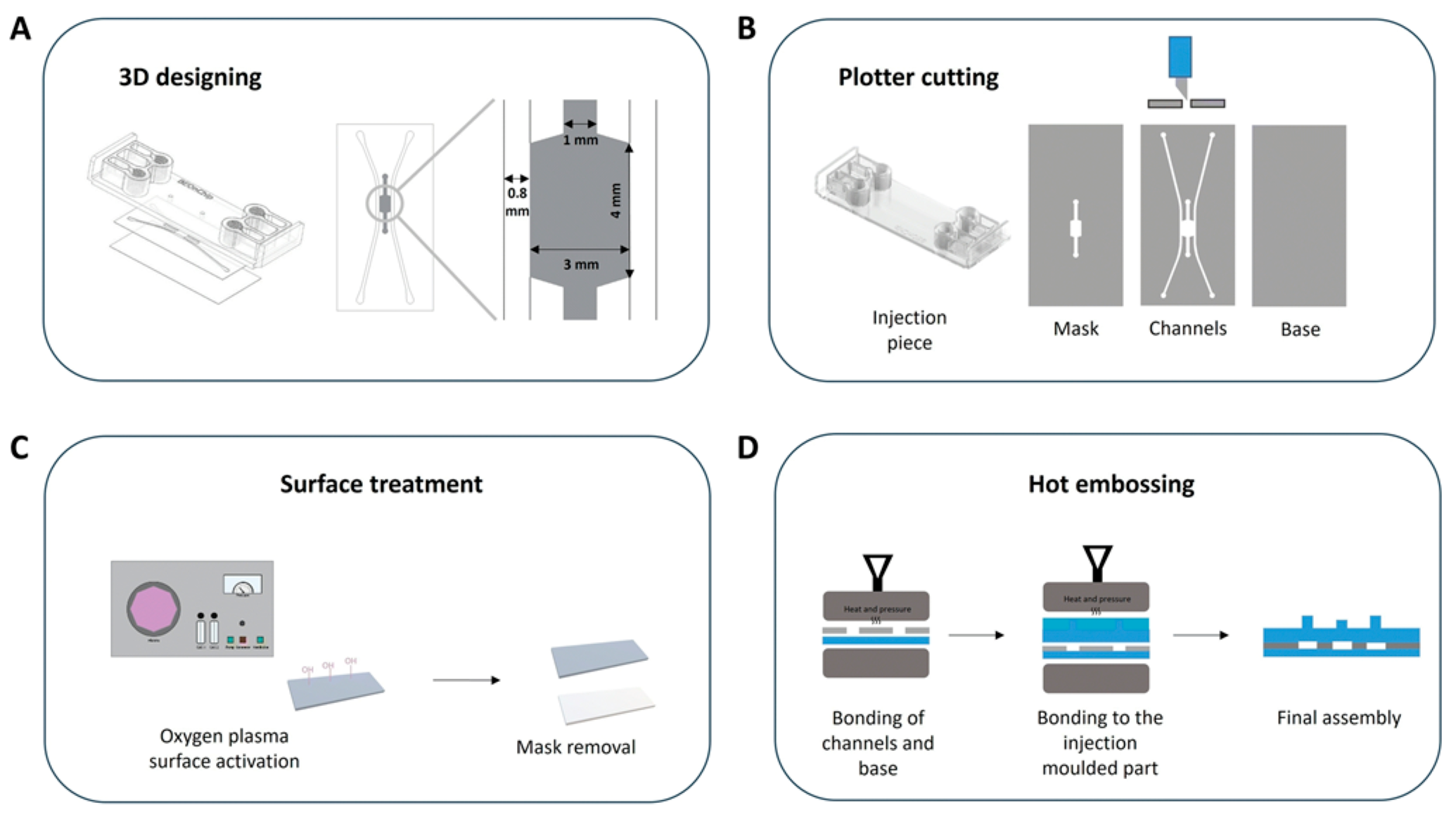
| Collagen-coated PET insert in injection-molded poly-carbonate chip | Moderate—mass-production with injection molding | High—HRPTECs–HUVECs co-culture; TEER/permeability readouts | High—stable under shear conditions for ~14 days | Reduced | Nephrotoxicity modeling with readouts | [68] |
| Cross-linked electrospun collagen scaffold sandwiched between laser-cut Teflon membranes in a 3D-printed housing | Moderate—no cleanroom | High—robust transwell | High—leak-free; 7-day perfusion | Low–Medium—parts printed easily | Transport assays | [69] |
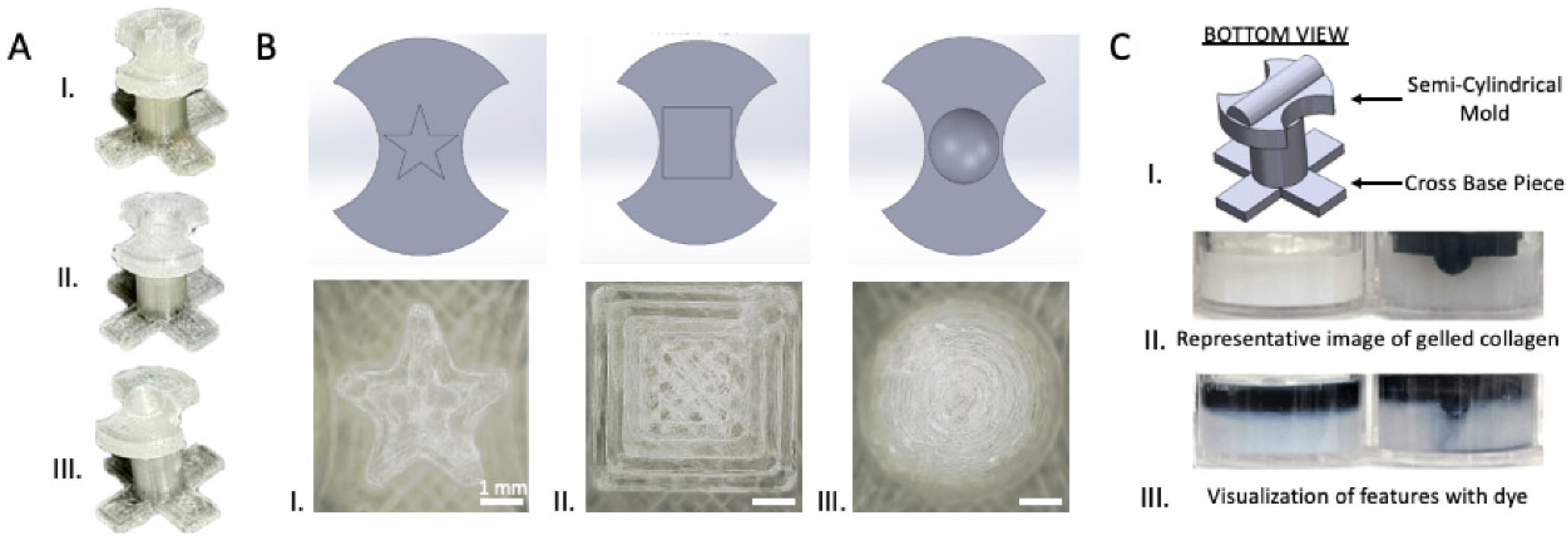
| Open-microfluidic channels molded directly in collagen using 3D-printed forms | Easy—simpler to manufacture than traditional closed microfluidic cell culture systems; minimal specialized equipment | Good/Moderate—HUVECs vessel mimics; high cell viability (>89%); hypoxia-responsive CD31 | Good/Moderate—channels faithful to molds down to 400 µm | Low—materials ≈ $1–2.50 per sample (depending on the type of 3D printing technology used to fabricate the molds) | Open blood vessel mimics; hypoxia/oxygen response assays | [48] |
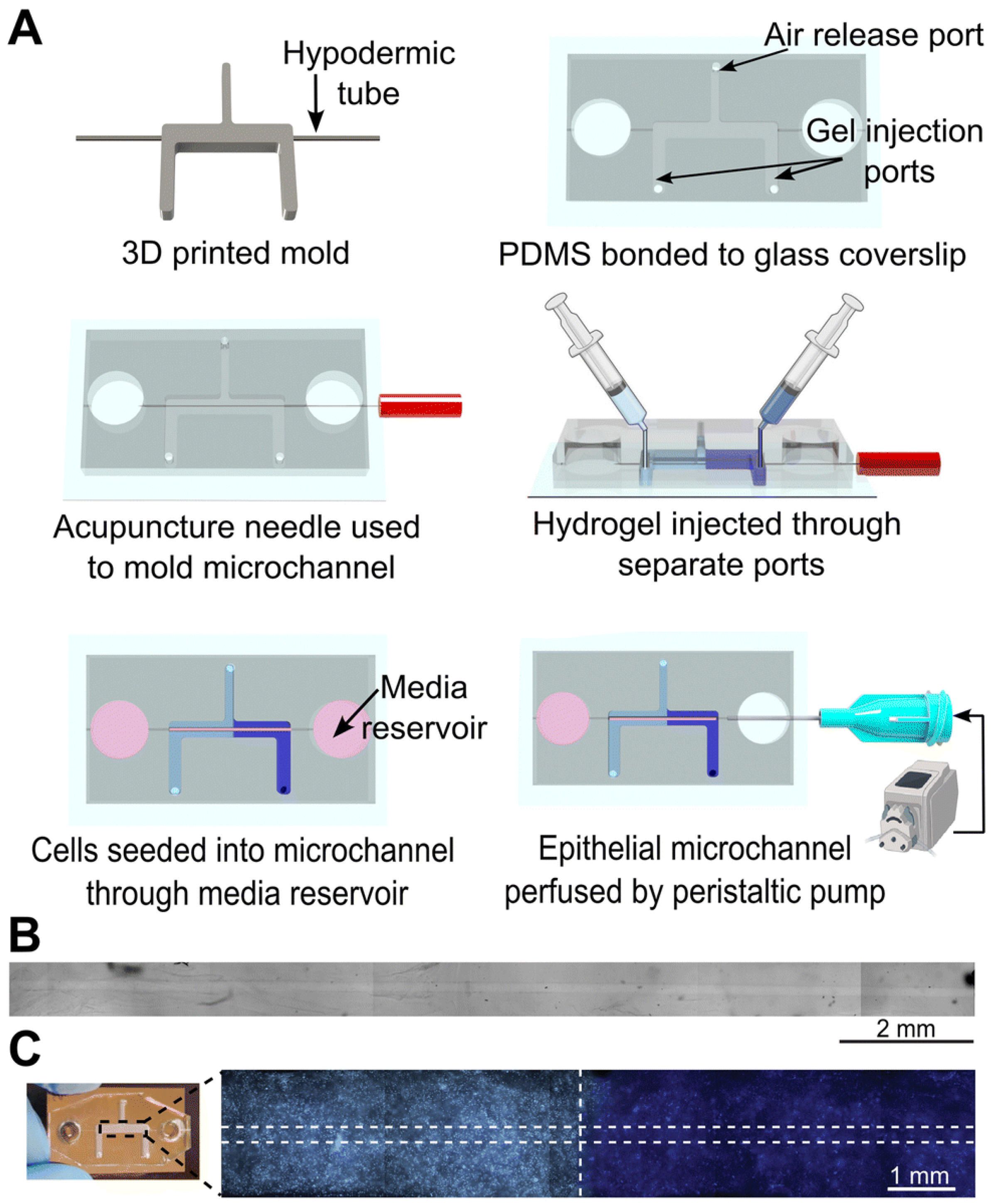
| Serially patterned collagen zones along a perfusable microchannel (needle-molded lumen) | Easy—standard benchtop equipment; avoids photolithography | Good—spatial control of cell–cell interactions; localized epithelial sprouting with stromal patterning | High—parabolic flow profile with no disruptions; consistent diameters; robust microchannels | Low—simple, inexpensive methodology | Interrogation of vascular function and endothelium | [70] |
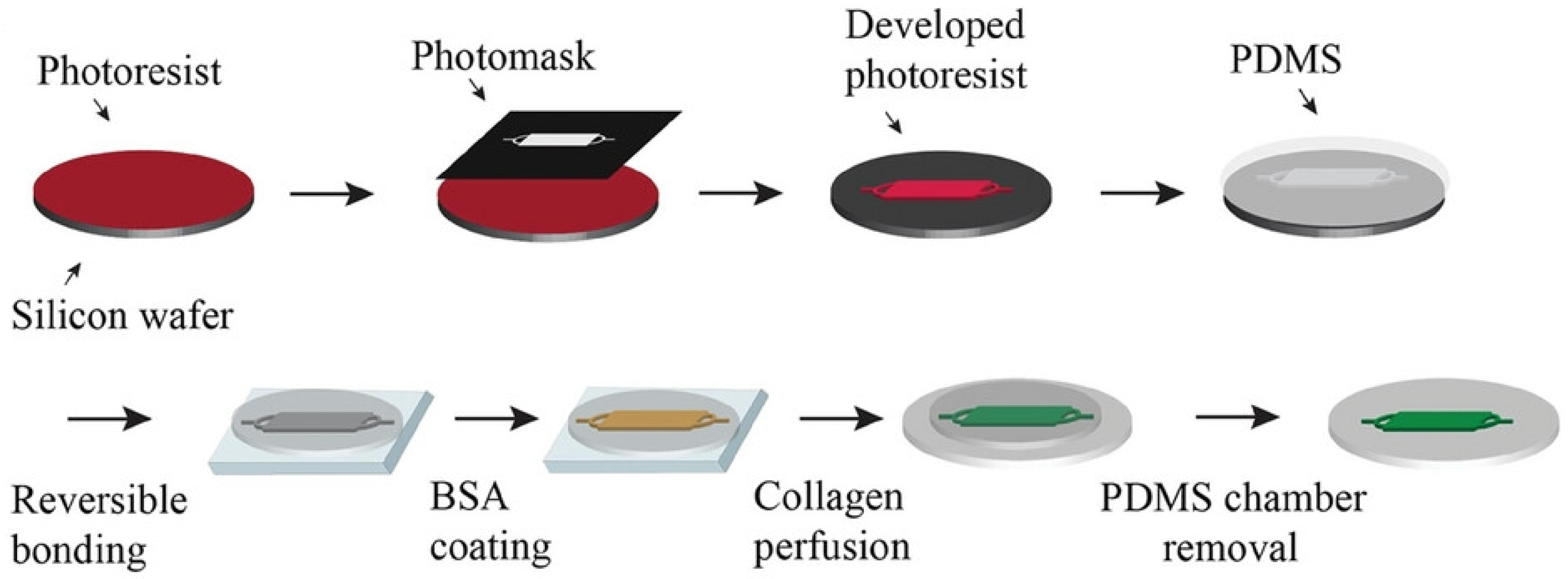
| Viscous-finger patterned collagen lumen with sequential seeding (VoC) | Moderate—PDMS soft-lithography; viscous-finger lumen; perfusion setup | High—hiPSC-EC vessels + embedded macrophages; whole-blood perfusion readouts | High—stable under whole-blood perfusion; thrombus assays | Medium—standard microfluidics + perfusion hardware | Establishing protocols for viscous finger patterning | [71] |
| Pillarless thermoplastic chip with plasma-defined hydrogel confinement (collagen/fibrin) | Moderate—injection-molded parts; oxygen-plasma bonding; simpler than photopatterning | High—BBB model with human astrocytes/pericytes; ~100% survival rate (7 days) | High—hydrogel reliably confined; diffusion/permeability validated (day 7) | Medium—tooling/equipment implied | BBB-assembly in the pillarless microfluidic device | [72] |
| Microfluidically aligned collagen fibers on dishes (micropillar array designs) | Easy—easy-to-use piggyback platform; easy to set up and run | Good—tenocyte elongation; expression of tenocyte markers | Good—fibrillar collagen confirmed (D-banding of 65 nm) | Medium—standard PDMS/UV photolithography | Tendon repair/regeneration | [73] |
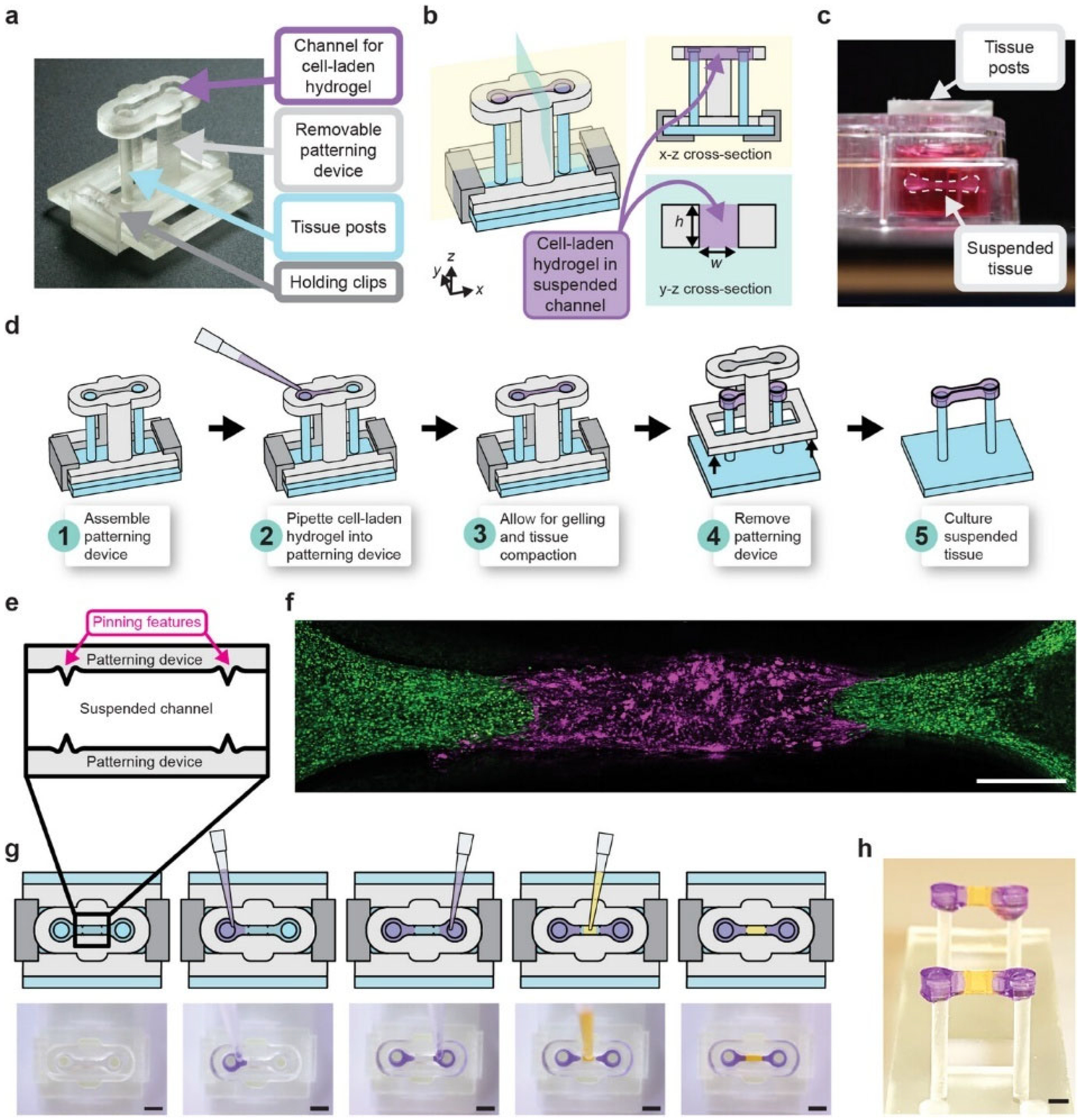
| STOMP: open microfluidics and capillary pinning to pattern free-standing tissues | Easy—open-to-air channels; simple pipetting; removable patterning device | Good/Moderate—multi-region suspended tissues; diseased-healthy boundaries; tissue-type interfaces | Good/Moderate—free-standing constructs via capillary pinning (qualitative) | Low—3D-printed parts; surface-tension driven patterning | Interfacial tissue modelling; suspended tissues with precise patterning; dynamic and spatially controlled constructs | [74] |
| COP-based microfluidic devices with surface plasma activation, APTES, or PAA-PG for covalent bonding | Moderate—UV initiated single-step photografting; silanization workflow on thermoplastics | High—long-term 3D culture of contractile cells; necrotic core model | High—PAA-PG treatment for structure preservation (90% area, 8 days) | Medium—additional reagents (UV, initiators) | Co-culture models of angiogenesis, wound healing, tumour microenvironment and ischaemia | [17] |
| PDMS devices activated by O2 plasma then coated with PDA to enhance adhesion of collagen type I hydrogels | Moderate—standard plasma activation; PDA coating | High—sustained PDAC 3D tumor spheroids | High—stronger adhesion & stability of collagen gels; 7–11-day cultures | Medium—PDA chemistry | Tumor-on-chip | [60] |
| Air-plasma pre-treated PDMS microchambers followed by collagen coating (single-step activation integrated at sealing) | Easy—single-step air plasma activation; collagen coating | Good/Moderate—MSC growth to confluency in 5 days | Good/Moderate—stable hydrophilization; PDMS-collagen composite layer (7 days) | Low/Moderate—air-plasma; culture reagents | Organ-/bone-marrow-on-chip | [75] |
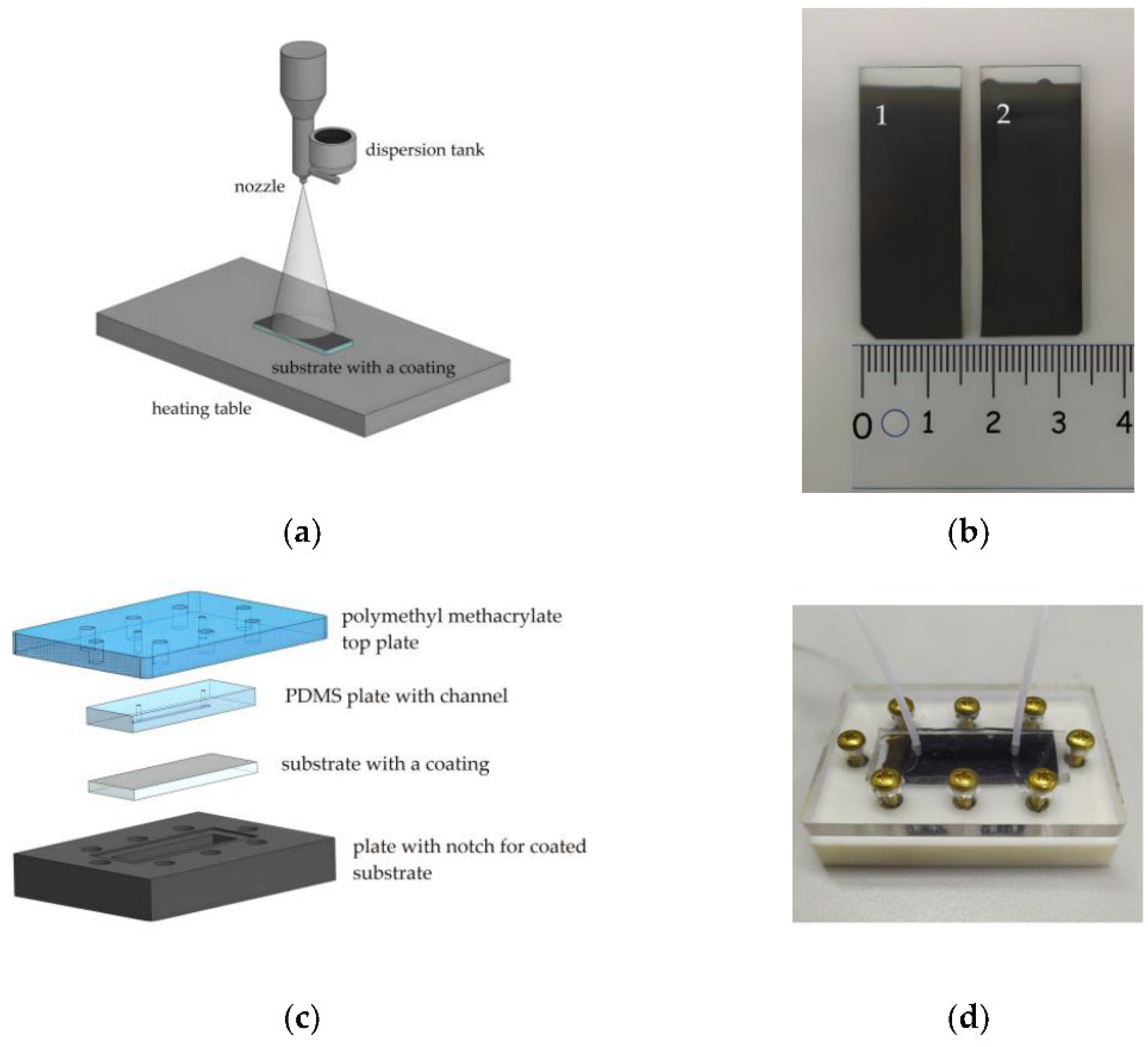
| Collagen/MWCNTs nanocomposite coatings (+ GTA crosslinking) evaluated under shear stress flow | Moderate—nanomaterial dispersion; substrate treatment; coating/GTA crosslinking | Good/Moderate—reduced thrombogenicity compared with titanium | High—high resistance to shear stress flow; GTA crosslinking increases stability (~2 times) | Medium—nanomaterials and instrumentation | Hemodynamics | [76] |
| Argon-plasma activated, microstructured PDMS patterns grafted with collagen type I for guided cell culture | Moderate—photolithography + argon plasma activation + coating | High—excellent myoblast alignment; cytocompatible surface | Good—durable collagen grafting on plasma-activated PDMS microstructures | Medium—microfabrication steps | Myoblast guidance; muscle-relevant tissue engineering | [77] |
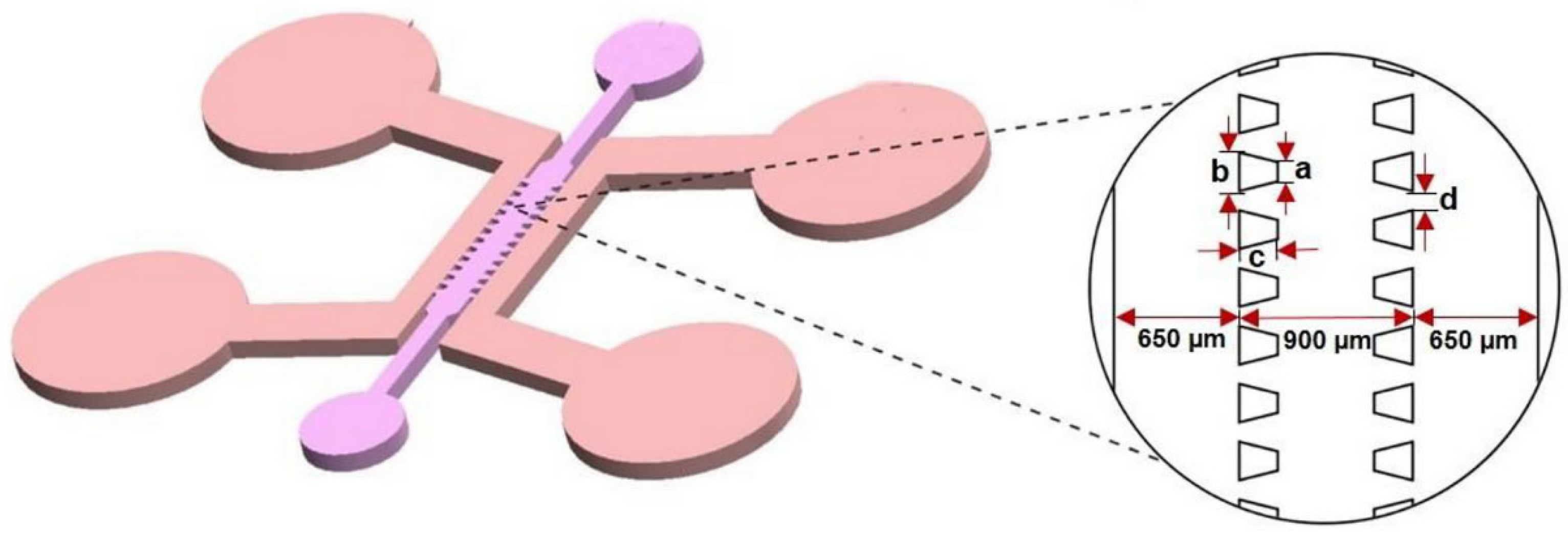
| Collagen type I + BG NPs loaded into PDMS chip with trapezoidal posts (surface-tension gel loading) | Moderate—PDMS, soft-lithography, oxygen-plasma bonding | High—high viability (L929 cells); optimal composite selection for microenvironment mimicry | High—BG NPs raise G′ from 64.7 Pa to 761 Pa (≈12×); stable composite | Medium—standard PDMS soft lithography & rheometer use | 3D cell culture models on microfluidic chips; tissue-like microenvironment | [15] |
| MatriMix composites molded into cylindrical microvessel (needle removal) and endothelialized (HUVECs) | Easy—single-vessel PDMS chip; simple and rapid insertion/removal of needle | High—ZO-1 tight junctions observed in MatriMix; improved barrier function | Good/Moderate—MatriMix slightly stiffer (200–600 Pa vs. 100–500 Pa) and lower permeability (16 vs. 40 ×10−14 m2) than collagen type I | Medium—commercial composite hydrogel + PDMS chip workflow | Vasculature-on-chip | [78] |
Disclaimer/Publisher’s Note: The statements, opinions and data contained in all publications are solely those of the individual author(s) and contributor(s) and not of MDPI and/or the editor(s). MDPI and/or the editor(s) disclaim responsibility for any injury to people or property resulting from any ideas, methods, instructions or products referred to in the content. |
© 2026 by the authors. Licensee MDPI, Basel, Switzerland. This article is an open access article distributed under the terms and conditions of the Creative Commons Attribution (CC BY) license.
Share and Cite
Grumezescu, V.; Duta, L. Collagen Type I as a Biological Barrier Interface in Biomimetic Microfluidic Devices: Properties, Applications, and Challenges. Biomimetics 2026, 11, 66. https://doi.org/10.3390/biomimetics11010066
Grumezescu V, Duta L. Collagen Type I as a Biological Barrier Interface in Biomimetic Microfluidic Devices: Properties, Applications, and Challenges. Biomimetics. 2026; 11(1):66. https://doi.org/10.3390/biomimetics11010066
Chicago/Turabian StyleGrumezescu, Valentina, and Liviu Duta. 2026. "Collagen Type I as a Biological Barrier Interface in Biomimetic Microfluidic Devices: Properties, Applications, and Challenges" Biomimetics 11, no. 1: 66. https://doi.org/10.3390/biomimetics11010066
APA StyleGrumezescu, V., & Duta, L. (2026). Collagen Type I as a Biological Barrier Interface in Biomimetic Microfluidic Devices: Properties, Applications, and Challenges. Biomimetics, 11(1), 66. https://doi.org/10.3390/biomimetics11010066