
Bioinspired Morphing in Aerodynamics and Hydrodynamics: Engineering Innovations for Aerospace and Renewable Energy

 ,
,  ,
,  ,
,
Abstract
1. Introduction
1.1. Historical Development of Morphing Concepts
1.2. Key Bioinspirational Principles
1.3. Significance of Morphing in Fluid Dynamics
1.3.1. Importance of Shape Adaptability
1.3.2. Relationship Between Aerodynamics and Hydrodynamics
1.4. Major Engineering Domains: Aeromechanics and Renewable Energy
1.4.1. Aeromechanics Applications
1.4.2. Renewable Energy Systems
1.5. Scope and Overview of the Review
2. Overview of Morphological Adaptation in Nature
2.1. Morphing Mechanisms in Natural Flyers
2.1.1. Birds
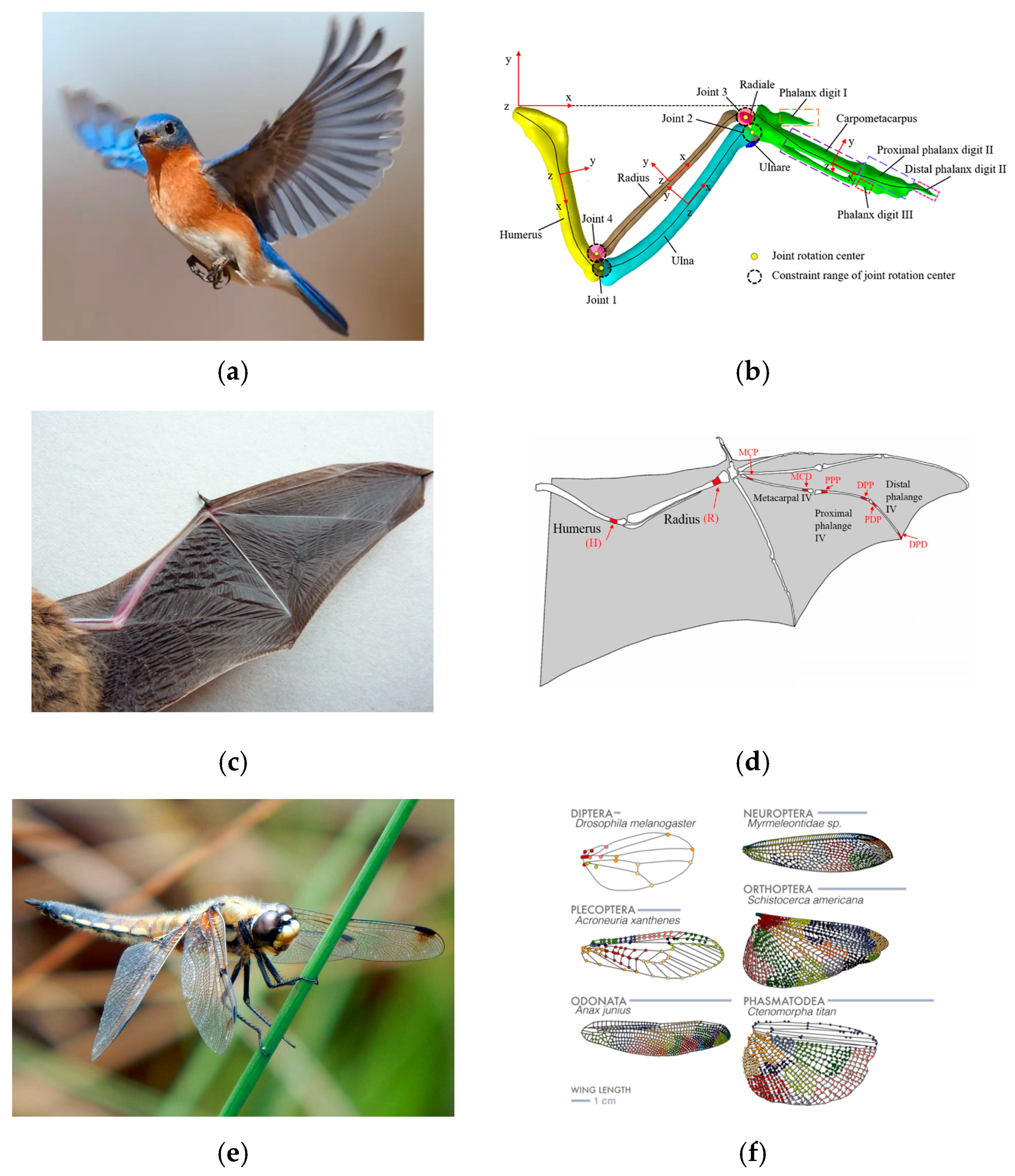
Diversity of Avian Wing Morphology
Wing Flexion and Extension
Feather Articulation and Slotting
Variable Camber and Swept Wings
Aerodynamic Efficiency and Energy Conservation
2.1.2. Bats
Membranous Wing Structure
High Maneuverability and Agile Flight
Distributed Sensing and Control
Potential for Bioinspired Materials
2.1.3. Insects
Exoskeleton-Based Wing Mechanisms
Wing Deformation and Leading-Edge Vortices (LEVs)
Resonant Flight and Power Efficiency
Deployable and Foldable Wings
2.2. Morphing Mechanisms in Natural Swimmers
2.2.1. Fish
General Fish Locomotion
Fin Rays and Mechanically Tunable Fins
Passive Flex Fins
Specialized Morphing Examples: Flying Fish and Others
2.2.2. Cetaceans (Whales, Dolphins)
Flukes and Flippers
Tubercles and Leading-Edge Control
Bioinspired Marine Propulsion
2.2.3. Cephalopods (Squids, Octopuses, and Cuttlefish)
Jet Propulsion and Body Deformation
Fins and Undulating Membranes
Soft Robotics Inspiration
2.3. Bioinspired Concept
3. Physics of Bioinspired Morphing Systems and Mechanisms
3.1. Fundamental Principles of Morphing in Biological Systems
3.1.1. Wing Flexion and Extension in Birds
3.1.2. Passive vs. Active Morphing in Nature
Passive Morphing: Passive morphing relies on inherent material compliance. Birds’ covert feathers, for instance, partly self-adjust in response to airflow changes, reducing separation [63]. Fish fins also bend elastically under fluid forces, maintaining stable thrust across varying swimming speeds [47,64].
Active Morphing: Active morphing involves direct muscular or neural control over shape changes. Bats adjust local membrane tension, and insects rapidly twist wing sections for steering. Although more energy-intensive, active morphing provides fine-tuned control over flight or swimming dynamics, often critical for evading predators or complex maneuvers [18,60,65].
3.1.3. Material and Structural Adaptations Enabling Morphing
Engineers attempt to mimic these properties using advanced polymers and composites that can stretch, self-repair, and maintain aerodynamics under varying load conditions [68]. Shape memory polymers, for instance, can partially mimic the elastic deformation of bat skin [60]. Although conventional materials do not perfectly match the complexity of biological tissues, ongoing research in biomaterials, including genetically engineered or biohybrid materials, hints at future breakthroughs that may bridge this gap [65].
While the remarkable adaptability of cephalopods is underpinned by a sophisticated, distributed nervous system that governs local muscle actuation [69], current cephalopod-inspired robots mainly replicate the soft, deformable body and distributed actuation, not the neural control itself [70]. Developing truly decentralized control that emulates biological neural networks remains an open challenge. Present systems, therefore, rely on centralized controllers or pre-programmed responses. Ongoing work explores embedded sensor–actuator arrays and machine-learning policies [42] to achieve more autonomous, adaptive behaviour, edging soft robots closer to their biological counterparts.
3.1.4. Energy Efficiency in Biological Morphing
A variety of organisms balance the energetic demands of morphological changes by storing and releasing elastic energy within tendons, membranes, or fin rays. Birds exploit tendon elasticity during flapping cycles, and fish leverage body resonances for propulsion [18]. Such cyclic energy exchange reduces the net metabolic cost. In contrast, engineered systems often suffer from actuation inefficiencies unless carefully designed. Bioinspired approaches thus incorporate resonance-based flapping, compliant joints, or tuned stiffness to minimize power consumption during shape changes [71,72].
3.2. FSIs in Morphing Systems
3.2.1. Coupling Between Flexible Structures and Fluid Environments
Shape memory alloy (SMA) spring actuators have been integrated into carangiform-inspired robotic fishtails to achieve efficient, bioinspired propulsion through flexible body deformation. By tuning parameters such as fin geometry, actuation current, PWM signals, and submersion depth, a hybrid caudal fin with a 5000 mm2 surface area generated a peak thrust of 40 gmf at 12.5 cm depth, demonstrating effective fluid–structure interaction [75].
3.2.2. Passive vs. Active Flow Adaptation Inspired by Nature
3.2.3. Influence of FSI on Structural Integrity and Performance
3.3. Aerodynamic Phenomena in Morphing Systems
3.3.1. LEV
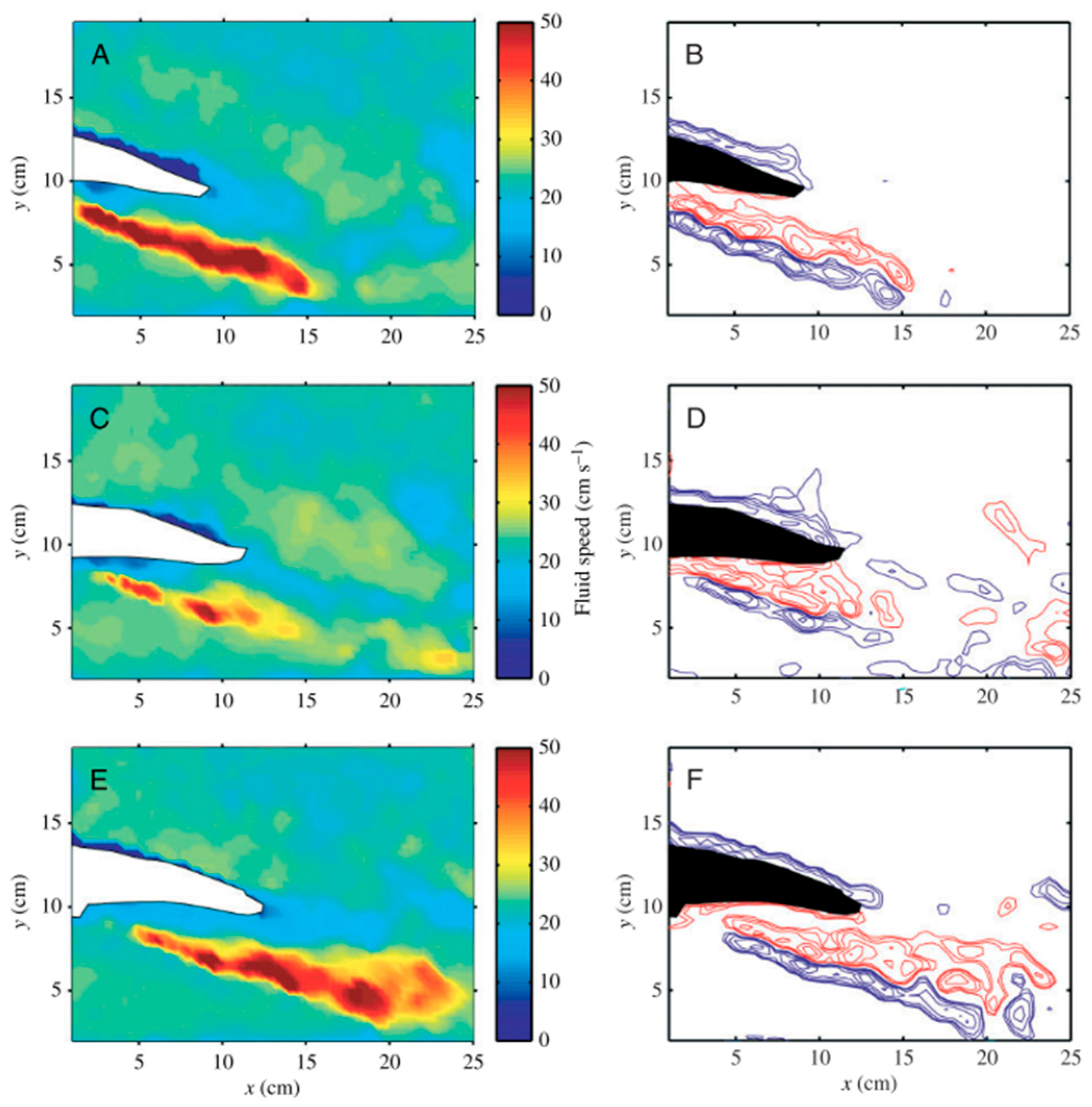
This interplay between structural flexibility and unsteady aerodynamics has inspired the design of flapping-wing MAVs that attempt to replicate insect flight efficiency. Figure 8 (ref. [84]) illustrates the vortex structures observed during the mid-downstroke phase, highlighting variations across different wing shapes and flapping motions [84]. By incorporating flexible wing materials and carefully tuned mass distribution, engineers can reproduce LEV formation and harness the associated lift. However, controlling these unsteady flows in real time remains a significant challenge [85].
3.3.2. Stall and Flow Separation Control
Feather Articulation and Slotting: Similar principles have been explored in engineering contexts. Winglet designs on aircraft wings mimic the function of reducing induced drag by controlling vortex formation. However, nature allows dynamic, real-time adjustments. Accordingly, feathers function like a distributed system of micro-control surfaces, each capable of slight but critical movements to fine-tune flight performance [91].
In engineering, lessons from avian flight can translate to more fuel-efficient aircraft that adapt wing structures in response to varying flight conditions (take off, cruise, landing). Similarly, the concept of dynamic soaring has been studied for UAVs that can harness wind gradients for propulsion, reducing power consumption [92].
3.3.3. Dynamic Stall and Unsteady Aerodynamics
3.4. Hydrodynamic Phenomena in Morphing Systems
3.4.1. Vortex Dynamics and Bioinspired Propulsion
Fish fins containing flexible fin rays of tunable stiffness are of substantial interest to engineers seeking to develop bioinspired propulsors for underwater vehicles. An underwater drone could adapt fin stiffness in response to flow conditions, improving thrust and efficiency [95].
3.4.2. Flow Separation and Drag Reduction
One of the more direct translations of cetacean-inspired morphing to engineering is the application of tubercles on wind turbine blades, aircraft wings, or hydrofoils. While tubercles themselves do not always represent a dynamic morphing mechanism, they can be part of a broader adaptive system if integrated into flexible leading edges [96].
From an engineering perspective, a flexible, sensor-laden ‘smart skin’ that reduces drag or mitigates flow separation could substantially enhance the performance of AUVs or submersibles. Integrating this type of skin with dynamically adjustable internal support structures could emulate certain functionalities observed in cetaceans.
3.5. Energy Efficiency and Elastic Energy Storage in Morphing
Principles of Elastic Energy Storage and Recovery
In fish, the interplay of body bending frequency, amplitude, and stiffness distribution ensures minimal wasted energy in wave propagation. Evolution has converged on optimum designs for flexible fins that resonate with typical swimming speeds. This phenomenon resembles mechanical resonance, where minimal input is required to sustain large oscillations.
Morphing UAV prototypes demonstrate up to 30% improvements in flight endurance compared to similar-weight, rigid-wing drones. Meanwhile, flexible-fin underwater robots have recorded up to 20% improvements in thrust efficiency.
3.6. Stability, Control, and Adaptive Response
Recent flapping-wing UAVs embed arrays of strain or pressure sensors within their compliant membranes; these local signals drive neighboring tendon actuators in millisecond-scale loops, mirroring the distributed proprioceptive feedback of bat wings and allowing rapid disturbance rejection without burdening a central processor [100].
4. Bioinspired Morphing in Aerodynamics
4.1. Bioinspired Mechanisms for Optimizing Aerodynamic Forces
4.1.1. Variable Camber and Real-Time Optimization
- Low-Speed Regimes: During takeoff and landing, an aircraft with morphing capabilities could increase wing camber to generate higher lift, reducing runway length and approach speed. This mirrors birds that fan out their primaries and increase their wing area for better lift at low speeds. Once at a given altitude, the wing could flatten or reduce its camber for a more aerodynamic profile, lowering drag and conserving fuel [109]. Large soaring birds like albatrosses do something similar by locking their wings in a slender, high-aspect-ratio configuration to glide over oceans with minimal energy expenditure.
- Real-Time Optimization: Rapid changes in wing twist or leading-edge shape can help fighters or agile UAVs maintain optimum lift at high angles of attack. Raptor-like dynamic twisting of wingtips allows tight turns or stoops. Real-time optimization loops, often employing CFD coupled with control algorithms, can continuously seek an optimal shape based on sensor feedback (airspeed, angle of attack, load factor), analogous to how birds sense local airflow and respond via muscle forces [110].
4.1.2. Flow Control and Vortex Management
4.1.3. Noise Reduction
4.2. Flapping Wing UAVs and MAVs: Bioinspired Approaches
4.2.1. Insect-Inspired Flapping
4.2.2. Bat-Inspired Membrane Wings
4.2.3. Bioinspiration from Birds, Bats, and Insects
4.3. Morphing Wing Technologies for Aerospace Applications
4.3.1. Adaptive Camber and Variable Thickness
4.3.2. Adaptive Winglets and Leading-Edge Devices
4.4. Materials, Actuation, and Control in Aeromechanics Morphing Systems
4.4.1. Smart Materials
4.4.2. Distributed Actuation Strategies
- SMAs: Alloys like NiTi (Nitinol) can alter their shape when heated above a certain threshold. By embedding SMA wires or ribbons into a flexible wing structure, engineers can achieve localized deformations. Although SMAs are lightweight, they can be slow to cool down and require careful thermal management [124,135].
- Piezoelectric Actuators: Piezoelectric patches convert electrical signals into mechanical strain rapidly. While they produce negligible displacements, attaching them in an amplified or leveraged configuration can yield larger shape alterations. They are often desirable for high-frequency or small-amplitude shape corrections, useful in active flutter control [136,137].
- EAPs: These are polymers that deform significantly under an electric field. They can mimic muscle-like contractions, making them desirable for biomimetic wing designs, especially in smaller drones or MAVs [133].
- Hydraulic or Pneumatic Networks: Inspired by animal blood flow or cephalopod hydrostatics, flexible channels in a wing can inflate or deflate, causing the wing to bulge or flatten. While potentially heavier than other options, such fluidic systems can achieve robust, continuous deformations over large areas [138].
4.4.3. Challenges in Structural Integration
4.4.4. Control and Sensing in Aerodynamic Morphing
4.4.5. Real-Time Control Algorithms
5. Bio-Inspired Morphing in Hydrodynamics
5.1. Morphing Propulsors in Marine Vehicles
5.1.1. Inspirations from Fish Locomotion
Fin Ray Flexibility and Control
Passive vs. Active Morphing
Robotic Fish and Underwater Drones
An early and successful bioinspired robotic fish employed segmented body sections actuated by servo motors. Although more similar to body undulation than fin morphing, it highlighted how continuous shape changes can replicate fish propulsion patterns [153]. Several prototypes include pectoral or caudal fins with embedded actuators that adjust fin shape in real time. The results are quieter operation (minimized propeller noise) and improved maneuverability. Certain fish rely on multiple fins (dorsal, anal, pectoral, pelvic). Similarly, engineers have explored vehicles with multiple morphing fins that coordinate for propulsion and posture control [154].
5.1.2. Marine Mammals: Whales, Dolphins, and the Humpback Whale Phenomenon
Bioinspired Leading-Edge Tubercles
Implications for Large Vessels
5.1.3. Cephalopods and Soft-Bodied Morphing
5.1.4. Leading- and Trailing-Edge Devices
5.1.5. Passive Compliance for Flow Stabilization
5.2. Role of Morphing in Aquatic Environments
5.2.1. Hydrodynamic Efficiency and Drag Reduction
Sharks, for example, have flexible skin with riblet structures that passively modify turbulence and reduce drag. Shark skin features riblet structures aligned in the direction of flow, which can reduce skin friction drag in turbulent flow up to 10%. These riblets lift turbulent vortices away from the surface, minimizing shear stress and drag [164]. Shark scales and flexible skin contribute to drag reduction via passive flow control by managing vortex formation and improving boundary layer characteristics. This mechanism has inspired biomimetic designs for underwater vehicles and other engineering applications (refer to Figure 18) [165]. Similarly, dolphins use compliant, deformable skin to counteract flow instabilities and maintain smooth motion. Inspired by these natural adaptations, engineers have explored flexible hull coatings, compliant surfaces, and actively deforming bodies in underwater vehicles to optimize their performance.
5.2.2. Adaptive Propulsion for Enhanced Performance
For example, tuna and mackerel utilize high-aspect-ratio caudal fins that adjust their stiffness and shape during swimming, enabling precise control over thrust and maneuverability. Humpback whales have tubercle-textured flippers that dynamically modify lift and delay stall during rapid turns. These principles have inspired biomimetic underwater propulsion systems such as flexible propulsors, oscillating foils, and undulating robotic fish that outperform conventional rotary propulsion in maneuverability and efficiency.
5.2.3. Maneuverability and Stability in Unsteady Flows
Octopuses and cuttlefish exhibit extreme morphing capabilities, allowing them to change body shape and squeeze through tight spaces or generate thrust in multiple directions. Their soft, compliant structures offer insights into the design of soft-bodied underwater robots that can morph to avoid obstacles, maneuver through confined spaces, or maintain stability in strong currents [167].
Many fish adjust their tail fin curvature asymmetrically to execute rapid turns or maintain balance during slow swimming. This concept has led to the development of flexible rudders and adaptive stabilizers for submarines and AUVs, where morphing elements allow precise trajectory corrections without requiring excessive control effort [168,169].
5.3. Bioinspired Hydrodynamic Energy Harvesting
5.4. Materials, Actuators, and Control for Underwater Morphing
6. Research Methodology for Bioinspired Morphing Systems
6.1. Theoretical Models
6.1.1. Conventional Fluid Dynamics and Structural Models
6.1.2. Bioinspired Optimization Algorithms
Actual morphing systems can exhibit multiple local minima, strong parameter interactions, and complex fluid–structure couplings. Conventional gradient-based optimizers often get stuck in local optima, while bioinspired methods are more adept at global exploration. They can also incorporate multi-objective criteria, for instance, maximizing lift while minimizing power consumption. By analyzing the Pareto front of solutions, engineers can observe trade-offs between competing objectives [186,187].
6.1.3. Multi-Scale Modelling for Complex Morphing Mechanisms
6.2. Computational Approaches
6.2.1. CFD for Morphing Aerodynamics and Hydrodynamics
6.2.2. FSI Simulations for Adaptive Morphing
Using FSI, one can capture the large amplitude, nonlinear deformation of fins, including the wake vortex structures that contribute to propulsion. In aerodynamics, morphing winglets or variable-camber wings can be optimized with FSI to ensure that structural deflections remain within safe limits while maximizing aerodynamic efficiency [202,203].
6.2.3. Vortex Dynamics and Flow Control Simulations
6.2.4. Bioinspired Optimization Method
6.3. Experimental Approaches
6.3.1. Wind Tunnel and Water Tank Testing of Morphing Structures
6.3.2. Bioinspired Wing and Fin Prototyping
A critical advantage of prototyping is the ability to measure real performance metrics: thrust, efficiency, maneuverability, or stall onset, which can be measured directly. Coupled with motion tracking and flow visualization, prototypes generate invaluable data for validating multi-physics models. This iterative loop—modelling → prototyping → testing → refinement—fuels the discovery of novel morphing concepts not easily predicted by theory alone.
6.3.3. Soft Robotics and Smart Materials Testing
6.4. AI and Deep Learning AI-Driven Design Optimization for Morphing Structures
6.4.1. Deep Learning-Based Flow Prediction and Control
6.4.2. RL for Adaptive Morphing Systems
6.5. Integrating Multi-Disciplinary Approaches
Combining CFD, Experiments, and AI for Holistic Morphing Studies
7. Engineering Challenges and Future Directions
7.1. Material and Structural Challenges
7.1.1. Durability of Morphing Components
- Quantify multi-axial fatigue life in saline and UV-rich environments.
- Embed fiber-optic sensors with <5% mass penalty.
- Develop predictive life-cycle models coupling creep and micro-cracking.
7.1.2. Trade-Offs Between Flexibility and Strength
- Create fast FEA-based surrogates for early-stage design.
- Validate graded-laminate concepts under operational loads.
- Integrate topology optimization with manufacturing constraints.
7.1.3. Environmental Exposure and Degradation
- Develop accelerated life-testing protocols for hybrid materials.
- Engineer microcapsule-based self-healing that activates in situ.
- Model coupled creep, swelling, and micro-delamination over time.
7.2. Manufacturing and Scalability Issues
7.2.1. Key Challenges and Short-Term Fixes
7.2.2. Scaling to Volume and Long-Term Vision
- Automated Quality Assurance: Digital-twin process control, machine-vision inspection to maintain µm-scale alignment across hundreds of parts.
- Economies of Scale: Transition from custom prototypes to modular subassemblies and batch-fabrication to drive down per-unit costs.
- Ecosystem Partnerships: Co-funded manufacturing consortia (OEMs, regulators, materials suppliers) to share risk, standardize processes, and validate supply chains.
7.3. Actuation and Control Challenges
7.3.1. Coupled Fluid-Structure Dynamics
- Develop physics-informed ROMs for real-time FSI prediction.
- Validate the-co-simulation strategies against PIV/strain-gauge experiments.
- Integrate passive morphological features into damp instabilities.
- Energy-Efficient Actuation Strategies
- Quantify energy budgets for hybrid actuator systems.
- Develop bistable mechanisms with tunable snap thresholds.
- Embed energy-harvesting to offset sensor/control power.
7.3.2. Real-Time Sensing and Control for Dynamic Morphing
- Demonstrate INDI/MPC on hardware in the loop morphing rigs.
- Explore RL-based adaptive controllers with safety guarantees.
- Integrate fiber optic and MEMS sensors for sub-MS feedback loops.
8. Translational Value and Multi-Domain Impact of Bioinspired Morphing
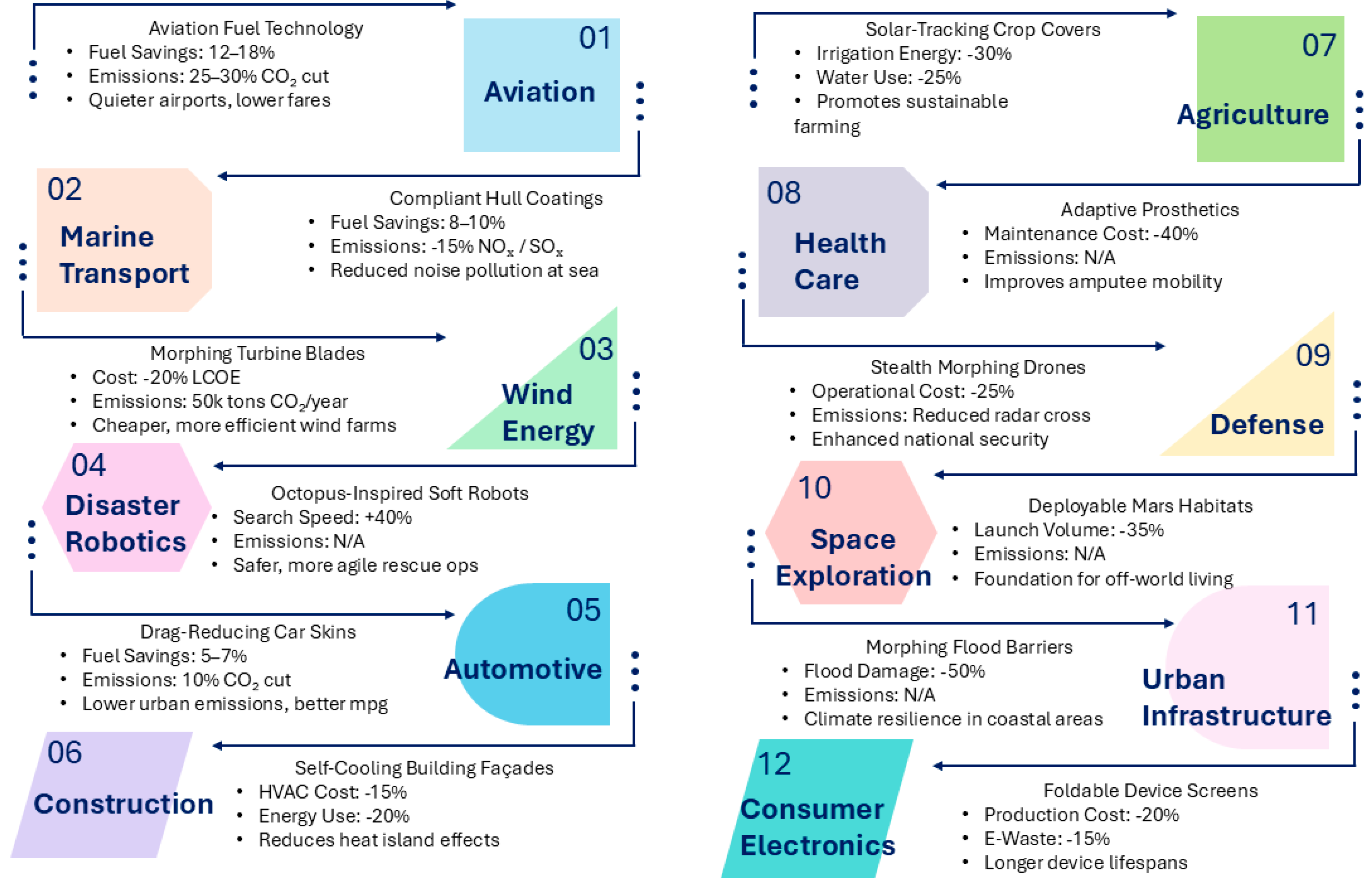
For example, bioinspired morphing wings have demonstrated the ability to adapt their shape for optimal aerodynamic performance, resulting in improved maneuverability and efficiency in drones and aircraft, while similar principles are being applied in biomedical devices and robotics to enhance adaptability and functionality [134,253].
8.1. Aviation: Fuel Efficiency and Quieter Operation
8.2. Marine Transport: Adaptive Hulls for Energy and Noise Reduction
- Fuel savings of 8–10%
- Emission reduction of NOx/SOx pollutants by up to 15%
- Minimized underwater noise pollution, benefiting marine life
8.3. Wind Energy: Lower Costs and Higher Efficiency
- 20% reduction in the levelized cost of energy
- 50,000 tons/year CO2 reduction per large-scale installation
- Enhanced power output reliability under unsteady flow
8.4. Disaster Robotics: Flexible Mobility in Hazardous Environments
- 400% improvement in reach and maneuverability
- Emission-free operation
- Enhanced safety in high-risk rescue scenarios
8.5. Automotive: Drag Reduction and Structural Adaptability
8.6. Construction: Energy-Smart Façades for Climate Adaptation
8.7. Agriculture: Adaptive Systems for Precision Farming
- 30% reduction in irrigation energy
- 25% decrease in water use
- Improved crop yield and resilience in extreme weather
8.8. Health Care: Bioadaptive Mobility Solutions
- 40% reduction in maintenance costs
- Enhanced adaptability to terrain and posture
- Enhanced quality of life for users with mobility impairments
8.9. Defense: Agile and Stealth-Optimized Systems
8.10. Space Exploration: Deployable and Resilient Habitats
8.11. Urban Infrastructure: Adaptive Resilience to Climate Stressors
- 50% reduction in flood damage
- Modular designs to accommodate sea-level rise and storm surge
- Support for climate-smart cities with flexible infrastructure responses
8.12. Consumer Electronics: Flexibility Meets Sustainability
8.13. Summary and Outlook
9. Conclusions
Author Contributions
Funding
Data Availability Statement
Conflicts of Interest
References
- Howard, F. Wilbur and Orville: A Biography of the Wright Brothers; Dover Publications: North Chelmsford, MA, USA, 1998. [Google Scholar]
- Barbarino, S.; Bilgen, O.; Ajaj, R.M.; Friswell, M.I.; Inman, D.J. A Review of Morphing Aircraft. J. Intell. Mater. Syst. Struct. 2011, 22, 823–877. [Google Scholar] [CrossRef] [Scilit]
- McKnight, G.P.; Henry, C.P. Large Strain Variable Stiffness Composites for Shear Deformations with Applications to Morphing Aircraft Skins. In Proceedings of the Behavior and Mechanics of Multifunctional and Composite Materials 2008, San Diego, CA, USA, 10–13 March 2008; Volume 6929. [Google Scholar]
- Li, S.; Wang, K.W. Plant-Inspired Adaptive Structures and Materials for Morphing and Actuation: A Review. Bioinspir. Biomimetics 2016, 12, 011001. [Google Scholar] [CrossRef] [Scilit]
- Kim, S.; Laschi, C.; Trimmer, B. Soft Robotics: A Bioinspired Evolution in Robotics. Trends Biotechnol. 2013, 31, 287–294. [Google Scholar] [CrossRef] [Scilit] [PubMed]
- Kirschner, M.W.; Gerhart, J.C. The Plausibility of Life: Resolving Darwin’s Dilemma; Yale University Press: New Haven, CT, USA, 2005. [Google Scholar]
- McGowan, A.-M.R.; Washburn, A.E.; Horta, L.G.; Bryant, R.G.; Cox, D.E.; Siochi, E.J.; Padula, S.L.; Holloway, N.M. Recent Results from NASA’s Morphing Project. In Proceedings of the SPIE’s 9th Annual International Symposium on Smart Structures and Materials, San Diego, CA, USA, 17–21 March 2002. NASA Technical Reports Server. [Google Scholar]
- Loth, E.; Selig, M.; Moriarty, P. Morphing Segmented Wind Turbine Concept. In Proceedings of the 28th AIAA Applied Aerodynamics Conference, Chicago, IL, USA, 28 June–1 July 2010. AIAA Paper 2010-4400. [Google Scholar]
- Chen, W.; Lu, Y.; Li, S.; Gao, F. A Bio-Inspired Foldable-Wing Wave Energy Converter for Ocean Robots. Appl. Energy 2023, 334, 120696. [Google Scholar] [CrossRef] [Scilit]
- Vogel, S. Life in Moving Fluids; Princeton University Press: Princeton, NJ, USA, 1994; ISBN 9780691212975. [Google Scholar]
- Bar-Cohen, Y. Biomimetics; CRC Press: Boca Raton, FL, USA, 2005; ISBN 9780429122286. [Google Scholar]
- Tang, D.; Shi, W.; Liu, D.; Yang, Y.; Zhu, L.; Xu, L. Quantitative Analysis of the Morphing Wing Mechanism of Raptors: Bionic Design of Falco Peregrinus Wing Skeleton. PLoS ONE 2024, 19, e0299982. [Google Scholar] [CrossRef] [Scilit]
- Cleland, T.P.; Wang, Z.; Wang, B.; Picu, C.R.; Vashishth, D. Mechano-Chemical Regulation of Bat Wing Bones for Flight. J. Mech. Behav. Biomed. Mater. 2021, 124, 104809. [Google Scholar] [CrossRef] [Scilit]
- Salcedo, M.K.; Hoffmann, J.; Donoughe, S.; Mahadevan, L. Computational Analysis of Size, Shape and Structure of Insect Wings. Biol. Open 2019, 8, bio040774. [Google Scholar] [CrossRef] [Scilit]
- Shahid, F.; Kilian, L.; Zhao, J. Kinematic and Aerodynamic Analysis of a Microraptor-Inspired Foldable Wing Mechanism. Proc. Inst. Mech. Eng. C J. Mech. Eng. Sci. 2024, 238, 10978–10996. [Google Scholar] [CrossRef] [Scilit]
- Shahid, F.; Zhao, J.S.; Godefroit, P. Design of Flying Robots Inspired by the Evolution of Avian Flight. Proc. Inst. Mech. Eng. C J. Mech. Eng. Sci. 2019, 233, 7669–7686. [Google Scholar] [CrossRef] [Scilit]
- Di Luca, M.; Mintchev, S.; Heitz, G.; Noca, F.; Floreano, D. Bioinspired Morphing Wings for Extended Flight Envelope and Roll Control of Small Drones. Interface Focus 2017, 7, 20160092. [Google Scholar] [CrossRef] [Scilit]
- Videler, J.J. Avian Flight; Oxford University Press: Oxford, UK, 2005; ISBN 9780198566038. [Google Scholar]
- Shahid, F.; Zhao, J.-S. Practical Investigation of Modern Bird Flight Evolution from Arboreal Ancestors. In Proceedings of the 5th IEEE/IFToMM International Conference on Reconfigurable Mechanisms and Robots, Toronto, ON, Canada, 12–14 August 2021. [Google Scholar]
- Graham, R.R. The Silent Flight of Owls. J. R. Aeronaut. Soc. 1934, 38, 837–843. [Google Scholar] [CrossRef] [Scilit]
- Ajanic, E.; Feroskhan, M.; Wüest, V.; Floreano, D. Sharp Turning Maneuvers with Avian-Inspired Wing and Tail Morphing. Commun. Eng. 2022, 1, 34. [Google Scholar] [CrossRef] [Scilit]
- Tucker, V.A. The Effect of Molting on the Gliding Performance of a Harris’ Hawk (Parabuteo Unicinctus). Auk 1991, 108, 108–113. [Google Scholar]
- Lentink, D.; Dickinson, M.H. Biofluiddynamic Scaling of Flapping, Spinning and Translating Fins and Wings. J. Exp. Biol. 2009, 212, 2691–2704. [Google Scholar] [CrossRef] [Scilit] [PubMed]
- Pennycuick, C.J. THE MECHANICS OF BIRD MIGRATION. Ibis 1969, 111, 525–556. [Google Scholar] [CrossRef] [Scilit]
- Swartz, S.M.; Groves, M.S.; Kim, H.D.; Walsh, W.R. Mechanical Properties of Bat Wing Membrane Skin. J. Zool. 1996, 239, 357–378. [Google Scholar] [CrossRef] [Scilit]
- Norberg, U.M. Morphology of the Wings, Legs and Tail of Three Coniferous Forest Tits, the Goldcrest, and the Treecreeper in Relation to Locomotor Pattern and Feeding Station Selection. Philos. Trans. R. Soc. Lond. B Biol. Sci. 1979, 287, 131–165. [Google Scholar] [CrossRef] [Scilit]
- Sterbing-D’Angelo, S.; Chadha, M.; Chiu, C.; Falk, B.; Xian, W.; Barcelo, J.; Zook, J.M.; Moss, C.F. Bat Wing Sensors Support Flight Control. Proc. Natl. Acad. Sci. USA 2011, 108, 11291–11296. [Google Scholar] [CrossRef] [Scilit]
- Marshall, K.L.; Chadha, M.; de Souza, L.A.; Sterbing-D’Angelo, S.J.; Moss, C.F.; Lumpkin, E.A. Somatosensory Substrates of Flight Control in Bats. Cell Rep. 2015, 11, 851–858. [Google Scholar] [CrossRef] [Scilit]
- Holbrook, K.A.; Odland, G.F. A Collagen and Elastic Network in the Wing of the Bat. J. Anat. 1978, 126 Pt. 1, 21–36. [Google Scholar]
- Cheney, J.A.; Konow, N.; Bearnot, A.; Swartz, S.M. A Wrinkle in Flight: The Role of Elastin Fibres in the Mechanical Behaviour of Bat Wing Membranes. J. R. Soc. Interface 2015, 12, 20141286. [Google Scholar] [CrossRef] [Scilit] [PubMed]
- Wootton, R. The Geometry and Mechanics of Insect Wing Deformations in Flight: A Modelling Approach. Insects 2020, 11, 446. [Google Scholar] [CrossRef] [Scilit] [PubMed]
- Walker, S.M.; Thomas, A.L.R.; Taylor, G.K. Deformable Wing Kinematics in the Desert Locust: How and Why Do Camber, Twist and Topography Vary through the Stroke? J. R. Soc. Interface 2009, 6, 735–747. [Google Scholar] [CrossRef] [Scilit]
- Young, J.; Walker, S.M.; Bomphrey, R.J.; Taylor, G.K.; Thomas, A.L.R. Details of Insect Wing Design and Deformation Enhance Aerodynamic Function and Flight Efficiency. Science 2009, 325, 1549–1552. [Google Scholar] [CrossRef] [Scilit]
- Ellington, C.P.; van den Berg, C.; Willmott, A.P.; Thomas, A.L.R. Leading-Edge Vortices in Insect Flight. Nature 1996, 384, 626–630. [Google Scholar] [CrossRef] [Scilit]
- Sane, S.P. The Aerodynamics of Insect Flight. J. Exp. Biol. 2003, 206, 4191–4208. [Google Scholar] [CrossRef] [Scilit]
- Dickinson, M.H.; Götz, K.G. Unsteady Aerodynamic Performance of Model Wings at Low Reynolds Numbers. J. Exp. Biol. 1993, 174, 45–64. [Google Scholar] [CrossRef] [Scilit]
- Lehmann, F.-O.; Sane, S.P.; Dickinson, M. The Aerodynamic Effects of Wing–Wing Interaction in Flapping Insect Wings. J. Exp. Biol. 2005, 208, 3075–3092. [Google Scholar] [CrossRef] [Scilit] [PubMed]
- Haas, F. Wing Folding in Insects: A Natural, Deployable Structure. In Proceedings of the IUTAM-IASS Symposium on Deployable Structures: Theory and Applications, Cambridge, UK, 6–9 September 1998; Pellegrino, S., Guest, S.D., Eds.; Springer: Dordrecht, The Netherlands, 2000; pp. 137–142. [Google Scholar]
- Fish, F.E. The Hydrodynamics of Fish Fins. J. Exp. Biol. 1993, 184, 85–105. [Google Scholar]
- Flammang, B.E.; Alben, S.; Madden, P.G.A.; Lauder, G.V. Functional Morphology of the Fin Rays of Teleost Fishes. J. Morphol. 2013, 274, 1044–1059. [Google Scholar] [CrossRef] [Scilit]
- Marchese, A.D.; Onal, C.D.; Rus, D. Autonomous Soft Robotic Fish Capable of Escape Maneuvers Using Fluidic Elastomer Actuators. Soft Robot. 2014, 1, 75–87. [Google Scholar] [CrossRef] [Scilit]
- Katzschmann, R.K.; DelPreto, J.; MacCurdy, R.; Rus, D. Exploration of Underwater Life with an Acoustically Controlled Soft Robotic Fish. Sci. Robot. 2018, 3, eaar3449. [Google Scholar] [CrossRef] [Scilit] [PubMed]
- Iguchi, K.; Shimooka, T.; Uchikai, S.; Konno, Y.; Tanaka, H.; Ikemoto, Y.; Shintake, J. Agile Robotic Fish Based on Direct Drive of Continuum Body. npj Robotics 2024, 2, 7. [Google Scholar] [CrossRef] [Scilit]
- Alben, S.; Madden, P.G.; Lauder, G.V. The Mechanics of Active Fin-Shape Control in Ray-Finned Fishes. J. R. Soc. Interface 2007, 4, 243–256. [Google Scholar] [CrossRef] [Scilit] [PubMed]
- Blake, R.W. The Mechanics of Labriform Locomotion. J. Exp. Biol. 1979, 82, 255–271. [Google Scholar] [CrossRef] [Scilit]
- Fish, F.E. Biomechanical Perspective on the Origin of Cetacean Flukes. In The Emergence of Whales; Springer: Boston, MA, USA, 1998; Volume 9, pp. 303–324. [Google Scholar]
- Fish, F.E.; Lauder, G.V. PASSIVE AND ACTIVE FLOW CONTROL BY SWIMMING FISHES AND MAMMALS. Annu. Rev. Fluid. Mech. 2006, 38, 193–224. [Google Scholar] [CrossRef] [Scilit]
- Fish, F.E.; Battle, J.M. Hydrodynamic Design of the Humpback Whale Flipper. J. Morphol. 1995, 225, 51–60. [Google Scholar] [CrossRef] [Scilit]
- Cooper, L.N.; Sedano, N.; Johansson, S.; May, B.; Brown, J.D.; Holliday, C.M.; Kot, B.W.; Fish, F.E. Hydrodynamic Performance of the Minke Whale (Balaenoptera Acutorostrata) Flipper. J. Exp. Biol. 2008, 211, 1859–1867. [Google Scholar] [CrossRef] [Scilit]
- Ayancik, F.; Fish, F.E.; Moored, K.W. Three-Dimensional Scaling Laws of Cetacean Propulsion Characterize the Hydrodynamic Interplay of Flukes’ Shape and Kinematics. J. R. Soc. Interface 2020, 17, 20190655. [Google Scholar] [CrossRef] [Scilit]
- Anderson, J.M.; Streitlien, K.; Barrett, D.S.; Triantafyllou, M.S. Oscillating Foils of High Propulsive Efficiency. J. Fluid. Mech. 1998, 360, 41–72. [Google Scholar] [CrossRef] [Scilit]
- Johnson, W.; Soden, P.D.; Trueman, E.R. A Study in Jet Propulsion: An Analysis of the Motion of the Squid, Loligo Vulgaris. J. Exp. Biol. 1972, 56, 155–165. [Google Scholar] [CrossRef] [Scilit]
- Anderson, E.J.; Grosenbaugh, M.A. Jet Flow in Steadily Swimming Adult Squid. J. Exp. Biol. 2005, 208, 1125–1146. [Google Scholar] [CrossRef] [Scilit]
- Hu, W.; Lum, G.Z.; Mastrangeli, M.; Sitti, M. Small-Scale Soft-Bodied Robot with Multimodal Locomotion. Nature 2018, 554, 81–85. [Google Scholar] [CrossRef] [Scilit] [PubMed]
- Weymouth, G.D.; Subramaniam, V.; Triantafyllou, M.S. Ultra-Fast Escape Maneuver of an Octopus-Inspired Robot. Bioinspir. Biomimetics 2015, 10, 016016. [Google Scholar] [CrossRef] [Scilit]
- Ahmed, F.; Waqas, M.; Shaikh, B.; Khan, U.; Soomro, A.M.; Kumar, S.; Ashraf, H.; Memon, F.H.; Choi, K.H. Multi-Material Bio-Inspired Soft Octopus Robot for Underwater Synchronous Swimming. J. Bionic Eng. 2022, 19, 1229–1241. [Google Scholar] [CrossRef] [Scilit]
- Galloway, K.C.; Becker, K.P.; Phillips, B.; Kirby, J.; Licht, S.; Tchernov, D.; Wood, R.J.; Gruber, D.F. Soft Robotic Grippers for Biological Sampling on Deep Reefs. Soft Robot. 2016, 3, 23–33. [Google Scholar] [CrossRef] [Scilit]
- Han, J.; Hui, Z.; Tian, F.; Chen, G. Review on Bio-Inspired Flight Systems and Bionic Aerodynamics. Chin. J. Aeronaut. 2021, 34, 170–186. [Google Scholar] [CrossRef] [Scilit]
- Othman, A.K.; Zekry, D.A.; Saro-Cortes, V.; Lee, K.J. “Paul”; Wissa, A.A. Aerial and Aquatic Biological and Bioinspired Flow Control Strategies. Commun. Eng. 2023, 2, 30. [Google Scholar] [CrossRef] [Scilit]
- Azuma, A. The Biokinetics of Flying and Swimming; Springer Science & Business Media: Berlin/Heidelberg, Germany, 1992. [Google Scholar]
- Fish, F.E.; Lauder, G.V. Control Surfaces of Aquatic Vertebrates: Active and Passive Design and Function. J. Exp. Biol. 2017, 220, 4351–4363. [Google Scholar] [CrossRef] [Scilit]
- Coues, E. Mechanism of Flexion and Extension in Bixds’ Wings *. Nature 1872, 5, 233–234. [Google Scholar] [CrossRef] [Scilit]
- Carruthers, A.C.; Thomas, A.L.R.; Taylor, G.K. Automatic Aeroelastic Devices in the Wings of a Steppe Eagle Aquila Nipalensis. J. Exp. Biol. 2007, 210, 4136–4149. [Google Scholar] [CrossRef] [Scilit] [PubMed]
- Wainwright, D.K.; Lauder, G.V. Three-Dimensional Analysis of Scale Morphology in Bluegill Sunfish, Lepomis Macrochirus. Zoology 2016, 119, 182–195. [Google Scholar] [CrossRef] [Scilit]
- Rose, J.B.R.; Natarajan, S.G.; Gopinathan, V.T. Biomimetic Flow Control Techniques for Aerospace Applications: A Comprehensive Review. Rev. Environ. Sci. Biotechnol. 2021, 20, 645–677. [Google Scholar] [CrossRef] [Scilit]
- Gad-el-Hak, M. Flow Control; Cambridge University Press: Cambridge, UK, 2000; ISBN 9780521770064. [Google Scholar]
- Wang, J.; Feng, L. Flow Control Techniques and Applications; Cambridge University Press: Cambridge, UK, 2018; ISBN 9781316676448. [Google Scholar]
- Mueller, T.J.; Astronautics, A.I. Fixed and Flapping Wing Aerodynamics for Micro Air Vehicle Applications. In Progress in Astronautics and Aeronautics, v. 195; American Institute of Aeronautics and Astronautics: Reston, VA, USA, 2001; ISBN 1563475170. [Google Scholar]
- Sumbre, G.; Fiorito, G.; Flash, T.; Hochner, B. Motor Control of Flexible Octopus Arms. Nature 2005, 433, 595–596. [Google Scholar] [CrossRef] [Scilit] [PubMed]
- Cianchetti, M.; Calisti, M.; Margheri, L.; Kuba, M.; Laschi, C. Bioinspired Locomotion and Grasping in Water: The Soft Eight-Arm OCTOPUS Robot. Bioinspir. Biomimetics 2015, 10, 035003. [Google Scholar] [CrossRef] [Scilit] [PubMed]
- Heap, H.; Crowther, B. A Review of Current Leading Edge Device Technology and of Options for Innovation Based on Flow Control; University of Manchester: Manchester, UK, 2003. [Google Scholar]
- Savile, O.B.O. ADAPTIVE EVOLUTION IN THE AVIAN WING. Evolution 1957, 11, 212–224. [Google Scholar] [CrossRef] [Scilit]
- Liu, G.; Geng, B.; Zheng, X.; Xue, Q.; Dong, H. Flow-Structure Interaction Modeling of a Fish Caudal Fin during Steady Swimming. In Proceedings of the APS Division of Fluid Dynamics Meeting Abstracts, Denver, CO, USA, 19–21 November 2017; p. 9. [Google Scholar]
- Wang, S.; Zhang, X.; He, G.; Liu, T. Lift Enhancement by Dynamically Changing Wingspan in Forward Flapping Flight. Phys. Fluids 2014, 26, 061903. [Google Scholar] [CrossRef] [Scilit]
- Koiri, M.K.; Dubey, V.; Sharma, A.K.; Chuchala, D. Design of a Shape-Memory-Alloy-Based Carangiform Robotic Fishtail with Improved Forward Thrust. Sensors 2024, 24, 544. [Google Scholar] [CrossRef] [Scilit]
- Huang, H.; Lin, Z.; Zheng, W.; Zhang, J.; Zhou, W.; Zhang, Y. How Biomimetic Morphing Dorsal Fin Affects the Swimming Performance of a Free-Swimming Tuna Robot. arXiv 2023. [Google Scholar] [CrossRef] [Scilit]
- Zhang, Y.; Wu, Z.; Wang, J.; Tan, M. Design and Analysis of a Bionic Gliding Robotic Dolphin. Biomimetics 2023, 8, 151. [Google Scholar] [CrossRef] [Scilit]
- Viswanathan, P.; Prabu, T.; Sivasubramaniam, S.; Rudramoorthy, R. AERODYNAMIC PERFORMANCE EVALUATION OF HUMPBACK WHALE INSPIRED WIND TURBINE BLADE USING CFD. Adv. Appl. Fluid Mech. 2016, 19, 837–849. [Google Scholar] [CrossRef] [Scilit]
- Cao, Z.; Shen, F.; Zhou, C.; Gu, N.; Nahavandi, S.; Xu, D. Heading Control for a Robotic Dolphin Based on a Self-Tuning Fuzzy Strategy. Int. J. Adv. Robot. Syst. 2016, 13, 28. [Google Scholar] [CrossRef] [Scilit]
- Ermakova, A.; Dayyani, I. Shape Optimisation of Composite Corrugated Morphing Skins. Compos. B Eng. 2017, 115, 87–101. [Google Scholar] [CrossRef] [Scilit]
- Schorsch, O.; Lühring, A.; Nagel, C. Elastomer-Based Skin for Seamless Morphing of Adaptive Wings. In Proceedings of the Smart Intelligent Aircraft Structures (SARISTU), Moscow, Russia, 19–21 May 2015; Wölcken, P.C., Papadopoulos, M., Eds.; Springer International Publishing: Cham, Switzerland, 2016; pp. 187–197. [Google Scholar]
- Mathijssen, G.; Schultz, J.; Vanderborght, B.; Bicchi, A. A Muscle-like Recruitment Actuator with Modular Redundant Actuation Units for Soft Robotics. Rob. Auton. Syst. 2015, 74, 40–50. [Google Scholar] [CrossRef] [Scilit]
- Hubel, T.Y.; Tropea, C. The Importance of Leading Edge Vortices under Simplified Flapping Flight Conditions at the Size Scale of Birds. J. Exp. Biol. 2010, 213, 1930–1939. [Google Scholar] [CrossRef] [Scilit]
- Kwon, H.K.; Chang, J.W. Effects of Shapes and Kinematics of Hovering Flapping Wings on Aerodynamic Forces and Vortex Structures. Sci. Rep. 2025, 15, 5098. [Google Scholar] [CrossRef] [Scilit] [PubMed]
- Wilkins, P.C.; Knowles, K. The Leading-Edge Vortex and Aerodynamics of Insect-Based Flapping-Wing Micro Air Vehicles. Aeronaut. J. 2009, 113, 253–262. [Google Scholar] [CrossRef] [Scilit]
- Pennycuick, C.J. Power Requirements For Horizontal Flight in the Pigeon Columba Livia. J. Exp. Biol. 1968, 49, 527–555. [Google Scholar] [CrossRef] [Scilit]
- Ellington, C.P. The Novel Aerodynamics of Insect Flight: Applications to Micro-Air Vehicles. J. Exp. Biol. 1999, 202, 3439–3448. [Google Scholar] [CrossRef] [Scilit]
- Shyy, W.; Aono, H.; Chimakurthi, S.K.; Trizila, P.; Kang, C.-K.; Cesnik, C.E.S.; Liu, H. Recent Progress in Flapping Wing Aerodynamics and Aeroelasticity. Prog. Aerosp. Sci. 2010, 46, 284–327. [Google Scholar] [CrossRef] [Scilit]
- Popov, D.; Gaponov, I.; Ryu, J.-H. Portable Exoskeleton Glove With Soft Structure for Hand Assistance in Activities of Daily Living. IEEE/ASME Trans. Mechatron. 2017, 22, 865–875. [Google Scholar] [CrossRef] [Scilit]
- Tucker, V.A. Gliding Birds: Reduction of Induced Drag by Wing Tip Slots Between the Primary Feathers. J. Exp. Biol. 1993, 180, 285–310. [Google Scholar] [CrossRef] [Scilit]
- Lentink, D.; de Kat, R. Gliding Swifts Attain Laminar Flow over Rough Wings. PLoS ONE 2014, 9, e99901. [Google Scholar] [CrossRef] [Scilit]
- Valasek, J. (Ed.) Morphing Aerospace Vehicles and Structures; Wiley: Hoboken, NJ, USA, 2012; ISBN 9780470972861. [Google Scholar]
- Zou, W.; Li, N.; An, F.; Wang, K.; Dong, C. A Novel Trajectories Optimizing Method for Dynamic Soaring Based on Deep Reinforcement Learning. Def. Technol. 2025, 46, 99–108. [Google Scholar] [CrossRef] [Scilit]
- Gardner, A.D.; Jones, A.R.; Mulleners, K.; Naughton, J.W.; Smith, M.J. Review of Rotating Wing Dynamic Stall: Experiments and Flow Control. Prog. Aerosp. Sci. 2023, 137, 100887. [Google Scholar] [CrossRef] [Scilit]
- Guo, J.; Han, P.; Zhang, W.; Wang, J.; Lauder, G.V.; Di Santo, V.; Dong, H. Vortex Dynamics and Fin-Fin Interactions Resulting in Performance Enhancement in Fish-like Propulsion. Phys. Rev. Fluids 2023, 8, 073101. [Google Scholar] [CrossRef] [Scilit]
- Fish, F.E. Biomimetics and the Application of the Leading-Edge Tubercles of the Humpback Whale Flipper. In Flow Control Through Bio-Inspired Leading-Edge Tubercles; Springer International Publishing: Cham, Switzerland, 2020; pp. 1–39. [Google Scholar]
- Nassar, J.M.; Khan, S.M.; Velling, S.J.; Diaz-Gaxiola, A.; Shaikh, S.F.; Geraldi, N.R.; Torres Sevilla, G.A.; Duarte, C.M.; Hussain, M.M. Compliant Lightweight Non-Invasive Standalone “Marine Skin” Tagging System. npj Flex. Electron. 2018, 2, 13. [Google Scholar] [CrossRef] [Scilit]
- Shaikh, S.F.; Mazo-Mantilla, H.F.; Qaiser, N.; Khan, S.M.; Nassar, J.M.; Geraldi, N.R.; Duarte, C.M.; Hussain, M.M. Noninvasive Featherlight Wearable Compliant “Marine Skin”: Standalone Multisensory System for Deep-Sea Environmental Monitoring. Small 2019, 15, e1804385. [Google Scholar] [CrossRef] [Scilit]
- Lugoda, P.; Oliveros-Mata, E.S.; Marasinghe, K.; Bhaumik, R.; Pretto, N.; Oliveira, C.; Dias, T.; Hughes-Riley, T.; Haller, M.; Münzenrieder, N.; et al. Submersible Touchless Interactivity in Conformable Textiles Enabled by Highly Selective Overbraided Magnetoresistive Sensors. Commun. Eng. 2025, 4, 33. [Google Scholar] [CrossRef] [Scilit]
- Ramezani, A.; Chung, S.-J.; Hutchinson, S. A Biomimetic Robotic Platform to Study Flight Specializations of Bats. Sci. Robot. 2017, 2, eaal2505. [Google Scholar] [CrossRef] [Scilit]
- Jeger, S.L.; Wüest, V.; Toumieh, C.; Floreano, D. Adaptive morphing of wing and tail for stable, resilient, and energy-efficient flight of avian-inspired drones. NPJ Robot 2024, 2, 8. [Google Scholar] [CrossRef] [Scilit] [PubMed]
- Shahid, F.; Zhao, J.; Godefroit, P. Aerodynamics from Cursorial Running to Aerial Gliding for Avian Flight Evolution. Appl. Sci. 2019, 9, 649. [Google Scholar] [CrossRef] [Scilit]
- Wang, W.; Yuan, G. Review on the Structure Design of Morphing Winglets. Aerospace 2024, 11, 1004. [Google Scholar] [CrossRef] [Scilit]
- Taylor, G.K.; Carruthers, A.C.; Hubel, T.Y.; Walker, S.M. Wing Morphing in Insects, Birds and Bats: Mechanism and Function. In Morphing Aerospace Vehicles and Structures; Valasek, J., Ed.; John Wiley & Sons: Chichester, UK, 2012; pp. 11–40. [Google Scholar] [CrossRef] [Scilit]
- Zhu, J.; Yang, J.; Zhang, W.; Gu, X.; Zhou, H. Design and applications of morphing aircraft and their structures. Front. Mech. Eng. 2023, 18, 34. [Google Scholar] [CrossRef] [Scilit]
- Xia, M. Analysis of aerodynamic characteristics of flexible flapping wings mimicking hummingbirds. J. Phys. Conf. Ser. 2024, 2764, 012020. [Google Scholar] [CrossRef] [Scilit]
- Simiriotis, N.; Jodin, G.; Marouf, A.; Elyakime, P.; Hoarau, Y.; Hunt, J.C.R.; Rouchon, J.F.; Braza, M. Morphing of a supercritical wing by means of trailing edge deformation and vibration at high Reynolds numbers: Experimental and numerical investigation. J. Fluids Struct. 2019, 91, 102676. [Google Scholar] [CrossRef] [Scilit]
- Harvey, C.; Gamble, L.L.; Bolander, C.R.; Hunsaker, D.F.; Joo, J.J.; Inman, D.J. A Review of Avian-Inspired Morphing for UAV Flight Control. Prog. Aerosp. Sci. 2022, 132, 100825. [Google Scholar] [CrossRef] [Scilit]
- Negahban, M.H.; Bashir, M.; Traisnel, V.; Botez, R.M. Seamless morphing trailing-edge flaps for UAS-S45 using high-fidelity aerodynamic optimization. Chinese Journal of Aeronautics 2024, 37, 12–29. [Google Scholar] [CrossRef] [Scilit]
- Camacho, E.A.; da Silva, M.M.; Silva, A.R.R.; Marques, F.D. Real-time optimization of wing drag and lift performance using a movable leading edge. Phys. Fluids 2024, 36, 016128. [Google Scholar] [CrossRef] [Scilit]
- Liu, H.; Wang, S.; Liu, T. Vortices and Forces in Biological Flight: Insects, Birds, and Bats. Annu. Rev. Fluid Mech. 2024, 56, 147–170. [Google Scholar] [CrossRef] [Scilit]
- Arifin, M.R.; Yusoff, H.; Yamin, A.F.M.; Abdullah, A.S.; Zakaryia, M.F.; Shuib, S.; Suhaimi, S. Evolution of the leading-edge vortex over a flapping wing mechanism. J. Mech. Eng. Sci. 2020, 14, 6888–6894. [Google Scholar] [CrossRef] [Scilit]
- Fabian, J.; Siwanowicz, I.; Uhrhan, M.; Maeda, M.; Bomphrey, R.J.; Lin, H.-T. Systematic characterization of wing mechanosensors that monitor airflow and wing deformations. iScience 2022, 25, 104150. [Google Scholar] [CrossRef] [Scilit] [PubMed]
- Rao, C.; Ikeda, T.; Nakata, T.; Liu, H. Owl-Inspired Leading-Edge Serrations Play a Crucial Role in Aerodynamic Force Production and Sound Suppression. Bioinspir. Biomimetics 2017, 12, 046008. [Google Scholar] [CrossRef] [Scilit]
- Wei, Z.; Wang, S.; Farris, S.; Chennuri, N.; Wang, N.; Shinsato, S.; Demir, K.; Horii, M.; Gu, G.X. Towards Silent and Efficient Flight by Combining Bioinspired Owl Feather Serrations with Cicada Wing Geometry. Nat. Commun. 2024, 15, 4337. [Google Scholar] [CrossRef] [Scilit] [PubMed]
- Jiang, S.; Hu, Y.; Li, Q.; Ma, L.; Wang, Y.; Zhou, X.; Liu, Q. Design and Analysis of an Innovative Flapping Wing Micro Aerial Vehicle with a Figure Eight Wingtip Trajectory. Mech. Sci. 2021, 12, 603–613. [Google Scholar] [CrossRef] [Scilit]
- Wang, F.; Pei, X.; Wu, G.; Bai, Y. Analysis and Design of Bat-Like Flapping-Wing Aircraft. Aerospace 2024, 11, 325. [Google Scholar] [CrossRef] [Scilit]
- Design and Performance of Insect Inspired High Frequency Flapping. 2002. Available online: https://engineering.purdue.edu/~xdeng/TRMech.pdf (accessed on 19 April 2025).
- Lynch, J.; Gau, J.; Sponberg, S.; Gravish, N. Autonomous Actuation of Flapping Wing Robots Inspired by Asynchronous Insect Muscle. In Proceedings of the 2022 International Conference on Robotics and Automation (ICRA), Philadelphia, PA, USA, 23–27 May 2022. [Google Scholar]
- Mordoch, L.; Sabag, E.; Ribak, G.; Pinchasik, B. Insect-Inspired Drones: Adjusting the Flapping Kinetics of Insect-Inspired Wings Improves Aerodynamic Performance. Adv. Intell. Syst. 2024, 6, 2400173. [Google Scholar] [CrossRef] [Scilit]
- Li, G.; Law, Y.Z.; Jaiman, R.K. A Novel 3D Variational Aeroelastic Framework for Flexible Multibody Dynamics: Application to Bat-like Flapping Dynamics. Comput. Fluids 2019, 180, 96–116. [Google Scholar] [CrossRef] [Scilit]
- Gehrke, A.; Mulleners, K. Highly Deformable Flapping Membrane Wings Suppress the Leading Edge Vortex in Hover to Perform Better. Proc. Natl. Acad. Sci. USA 2025, 122, e2410833121. [Google Scholar] [CrossRef] [Scilit]
- Chu, L.; Li, Q.; Gu, F.; Du, X.; He, Y.; Deng, Y. Design, Modeling, and Control of Morphing Aircraft: A Review. Chin. J. Aeronaut. 2022, 35, 220–246. [Google Scholar] [CrossRef] [Scilit]
- Pan, G.; Cui, X.; Sun, P.; Wang, B. A Brief Review of the Actuation Systems of the Morphing Systems in Wind Tunnel Models and a Case Study. Aerospace 2024, 11, 666. [Google Scholar] [CrossRef] [Scilit]
- Jones, M.P.; Murali, G.G.; Laurin, F.; Robinson, P.; Bismarck, A. Functional Flexibility: The Potential of Morphing Composites. Compos. Sci. Technol. 2022, 230, 109792. [Google Scholar] [CrossRef] [Scilit]
- Fasel, U.; Keidel, D.; Baumann, L.; Cavolina, G.; Eichenhofer, M.; Ermanni, P. Composite Additive Manufacturing of Morphing Aerospace Structures. Manuf. Lett. 2020, 23, 85–88. [Google Scholar] [CrossRef] [Scilit]
- Segui, M.; Abel, F.R.; Botez, R.M.; Ceruti, A. New Aerodynamic Studies of an Adaptive Winglet Application on the Regional Jet CRJ700. Biomimetics 2021, 6, 54. [Google Scholar] [CrossRef] [Scilit] [PubMed]
- Muijres, F.T.; Johansson, L.C.; Hedenström, A. Leading Edge Vortex in a Slow-Flying Passerine. Biol. Lett. 2012, 8, 554–557. [Google Scholar] [CrossRef] [Scilit]
- Muijres, F.T.; Johansson, L.C.; Barfield, R.; Wolf, M.; Spedding, G.R.; Hedenström, A. Leading-Edge Vortex Improves Lift in Slow-Flying Bats. Science 2008, 319, 1250–1253. [Google Scholar] [CrossRef] [Scilit] [PubMed]
- Sicim Demirci, M.S.; Pecora, R.; Chianese, L.; Viscardi, M.; Kaya, M.O. Structural Analysis and Experimental Tests of a Morphing-Flap Scaled Model. Aerospace 2024, 11, 725. [Google Scholar] [CrossRef] [Scilit]
- Zheng, Y.; Cui, L.; Schrooten, J. Temperature Memory Effect of a Nickel–Titanium Shape Memory Alloy. Appl. Phys. Lett. 2004, 84, 31–33. [Google Scholar] [CrossRef] [Scilit]
- Sofla, A.Y.N.; Meguid, S.A.; Tan, K.T.; Yeo, W.K. Shape Morphing of Aircraft Wing: Status and Challenges. Mater. Des. 2010, 31, 1284–1292. [Google Scholar] [CrossRef] [Scilit]
- Usher, T.D.; Ulibarri, K.R.; Camargo, G.S. Piezoelectric Microfiber Composite Actuators for Morphing Wings. ISRN Mater. Sci. 2013, 2013, 189659. [Google Scholar] [CrossRef] [Scilit]
- Sun, J.; Guan, Q.; Liu, Y.; Leng, J. Morphing Aircraft Based on Smart Materials and Structures: A State-of-the-Art Review. J. Intell. Mater. Syst. Struct. 2016, 27, 2289–2312. [Google Scholar] [CrossRef] [Scilit]
- Inoyam, D.; Sanders, B.P.; Joo, J.J. Topology Synthesis Of Distributed Actuation Systems for Morphing Wing Structure (POSTPRINT). J. Aircr. 2007, 44, 1205–1213. [Google Scholar] [CrossRef] [Scilit]
- Henry, A.C.; Molinari, G.; Rivas-Padilla, J.R.; Arrieta, A.F. Smart Morphing Wing: Optimization of Distributed Piezoelectric Actuation. AIAA J. 2019, 57, 2384–2393. [Google Scholar] [CrossRef] [Scilit]
- Wang, S.; Zhao, F.; Zhou, B.; Xue, S. Modeling Mechanical Behavior of Distributed Piezoelectric Actuators for Morphing Wing Applications. Multidiscip. Model. Mater. Struct. 2021, 17, 1093–1107. [Google Scholar] [CrossRef] [Scilit]
- Dimino, I.; Ciminello, M.; Concilio, A.; Pecora, R.; Amoroso, F.; Magnifico, M.; Schueller, M.; Gratias, A.; Volovick, A.; Zivan, L. Distributed Actuation and Control of a Morphing Wing Trailing Edge. In Smart Intelligent Aircraft Structures (SARISTU); Springer: Cham, Switzerland, 2016. [Google Scholar]
- Michaud, F.; Dalir, H.; Joncas, S. Structural Design and Optimization of an Aircraft Morphing Wing: Composite Skin. J. Aircr. 2018, 55, 195–211. [Google Scholar] [CrossRef] [Scilit]
- Dong, C.; Arief, M.M. Morphing Wing Designs in Commercial Aviation. arXiv 2025, arXiv:2502.07182. [Google Scholar]
- Mehra, M. Smart Materials And Their Applications in Aerospace Engineering. IOSR J. Mech. Civ. Eng. 2024, 21, 24–26. [Google Scholar] [CrossRef] [Scilit]
- Perrotta, G.; Scheuer, L.; Kopel, Y.; Basescu, M.; Polevoy, A.; Wolfe, K.; Moore, J. Planning and Control for a Dynamic Morphing-Wing UAV Using a Vortex Particle Model. In Proceedings of the 2023 IEEE/RSJ International Conference on Intelligent Robots and Systems, Detroit, MI, USA, 1–5 October 2023. [Google Scholar]
- Araujo-Estrada, S.A.; Windsor, S.P. Artificial Neural Network-Based Flight Control Using Distributed Sensors on Fixed-Wing Unmanned Aerial Vehicles. In Proceedings of the AIAA Scitech 2020 Forum, Orlando, FL, USA, 6–10 January 2020. [Google Scholar]
- Topac, T.; Ha, S.Y.S.; Chen, X.; Gamble, L.L.; Inman, D.J.; Chang, F.-K. Flight State Monitoring of a Morphing Wing Using Multimodal Distributed Sensors-Informed Prediction Models. In Proceedings of the AIAA SCITECH 2022 Forum, San Diego, CA, USA, 3–7 January 2022; American Institute of Aeronautics and Astronautics: Reston, VA, USA, 2022. [Google Scholar]
- Smoker, J.; Baz, A. Remote Control of a Morphing Model Aircraft with Distributed Sensors. In Sensors and Smart Structures Technologies for Civil, Mechanical, and Aerospace Systems; Tomizuka, M., Yun, C.-B., Giurgiutiu, V., Eds.; SPIE: San Francisco, CA, USA, 2007; p. 65290P. [Google Scholar]
- Mohamed, A.; Clothier, R.; Watkins, S.; Sabatini, R.; Abdulrahim, M. Fixed-Wing MAV Attitude Stability in Atmospheric Turbulence, Part 1: Suitability of Conventional Sensors. Prog. Aerosp. Sci. 2014, 70, 69–82. [Google Scholar] [CrossRef] [Scilit]
- Parancheerivilakkathil, M.S.; Pilakkadan, J.S.; Ajaj, R.M.; Amoozgar, M.; Asadi, D.; Zweiri, Y.; Friswell, M.I. A Review of Control Strategies Used for Morphing Aircraft Applications. Chin. J. Aeronaut. 2024, 37, 436–463. [Google Scholar] [CrossRef] [Scilit]
- Gandhi, N.; Cooper, J.; Ward, D.; Howard, D.; Neal, D.; Cannon, B. A Hardware Demonstration of an Integrated Adaptive Wing Shape and Flight Control Law for Morphing Aircraft. In Proceedings of the AIAA Guidance, Navigation, and Control Conference, Honolulu, HI, USA, 18–21 August 2008; American Institute of Aeronautics and Astronautics: Reston, VA, USA, 2009. [Google Scholar]
- Kordabad, A.B.; Ghosh, A.; Stroeve, S.; Soudjani, S. Intent-Aware MPC for Aircraft Detect-and-Avoid with Response Delay: A Comparative Study with ACAS Xu. arXiv 2025, arXiv:2503.23518. [Google Scholar]
- Salazar, R.; Fuentes, V.; Abdelkefi, A. Classification of Biological and Bioinspired Aquatic Systems: A Review. Ocean Eng. 2018, 148, 75–114. [Google Scholar] [CrossRef] [Scilit]
- Nguyen, K.; Yu, N.; Bandi, M.M.; Venkadesan, M.; Mandre, S. Curvature-Induced Stiffening of a Fish Fin. J. R. Soc. Interface 2017, 14, 20170247. [Google Scholar] [CrossRef] [Scilit] [PubMed]
- Quinn, D.; Lauder, G. Tunable Stiffness in Fish Robotics: Mechanisms and Advantages. Bioinspir. Biomimetics 2022, 17, 011002. [Google Scholar] [CrossRef] [Scilit] [PubMed]
- Shao, J.; Wang, L.; Yu, J. Development of an Artificial Fish-like Robot and Its Application in Cooperative Transportation. Control Eng. Pract. 2008, 16, 569–584. [Google Scholar] [CrossRef] [Scilit]
- Li, Y.; Xu, Y.; Wu, Z.; Ma, L.; Guo, M.; Li, Z.; Li, Y. A Comprehensive Review on Fish-Inspired Robots. Int. J. Adv. Robot. Syst. 2022, 19, 17298806221103707. [Google Scholar] [CrossRef] [Scilit]
- van den Berg, S.C.; Scharff, R.B.N.; Rusák, Z.; Wu, J. OpenFish: Biomimetic Design of a Soft Robotic Fish for High Speed Locomotion. HardwareX 2022, 12, e00320. [Google Scholar] [CrossRef] [Scilit]
- Yu, J.; Chen, S.; Wu, Z.; Wang, W. On a Miniature Free-Swimming Robotic Fish with Multiple Sensors. Int. J. Adv. Robot. Syst. 2016, 13, 62. [Google Scholar] [CrossRef] [Scilit]
- Yang, Q.; Wang, Q.; Cao, Z.; Zhao, Z.; Chen, Y.; Zhong, Y. Development of a Wire-Driven Robotic Fish Based on Double Sine Mechanism. Biomimetics 2025, 10, 136. [Google Scholar] [CrossRef] [Scilit]
- Aftab, S.M.A.; Razak, N.A.; Mohd Rafie, A.S.; Ahmad, K.A. Mimicking the Humpback Whale: An Aerodynamic Perspective. Prog. Aerosp. Sci. 2016, 84, 48–69. [Google Scholar] [CrossRef] [Scilit]
- Falchi, M.; Ortolani, F.; Shi, W.; Stark, C.; Aloisio, G.; Grizzi, S.; Dubbioso, G. Experimental Investigation on the Effect of Leading Edge Tubercles on the Performance of Marine Propellers in Fully Wet Condition. Ocean Eng. 2022, 255, 111249. [Google Scholar] [CrossRef] [Scilit]
- Fish, F.E.; Weber, P.W.; Murray, M.M.; Howle, L.E. The Tubercles on Humpback Whales’ Flippers: Application of Bio-Inspired Technology. Integr. Comp. Biol. 2011, 51, 203–213. [Google Scholar] [CrossRef] [Scilit] [PubMed]
- Hall, R.; Skorina, E.; Chiang, S.-S.; Onal, C.D. The Effect of Design and Control Parameters of a Soft Robotic Fish Tail to Maximize Propulsion Force in Undulatory Actuation. In Proceedings of the 2022 9th IEEE RAS/EMBS International Conference for Biomedical Robotics and Biomechatronics (BioRob), Seoul, Republic of Korea, 21–24 August 2022. [Google Scholar]
- Riedel, J.S.; Healey, A.J.; Marco, D.B.; Beyazay, B. Design and Development of Low Cost Variable Buoyancy System for the Soft Grounding of Autonomous Underwater Vehicles. Available online: https://calhoun.nps.edu/bitstream/10945/36060/1/Riedel_Design_Development_1999.pdf (accessed on 19 April 2025).
- Marimon Giovannetti, L.; Banks, J.; Ledri, M.; Turnock, S.R.; Boyd, S.W. Toward the Development of a Hydrofoil Tailored to Passively Reduce Its Lift Response to Fluid Load. Ocean Eng. 2018, 167, 1–10. [Google Scholar] [CrossRef] [Scilit]
- Dean, B.; Bhushan, B. Shark-Skin Surfaces for Fluid-Drag Reduction in Turbulent Flow: A Review. Philos. Trans. R. Soc. A Math. Phys. Eng. Sci. 2010, 368, 4775–4806. [Google Scholar] [CrossRef] [Scilit] [PubMed]
- Du Clos, K.T.; Lang, A.; Devey, S.; Motta, P.J.; Habegger, M.L.; Gemmell, B.J. Passive Bristling of Mako Shark Scales in Reversing Flows. J. R. Soc. Interface 2018, 15, 20180473. [Google Scholar] [CrossRef] [Scilit]
- Van He, N.; Tuan, V.N.; Van Hien, N. Analysis Hydrodynamic Performance of the Autonomous Underwater Vehicle for a Different Hull Shape. In Regional Conference in Mechanical Manufacturing Engineering; Springer Nature: Singapore, 2022; pp. 458–468. [Google Scholar]
- Sfakiotakis, M.; Kazakidi, A.; Tsakiris, D.P. Octopus-Inspired Multi-Arm Robotic Swimming. Bioinspir. Biomimetics 2015, 10, 035005. [Google Scholar] [CrossRef] [Scilit]
- Triantafyllou, M.S.; Hover, F.S.; Techet, A.H.; Yue, D.K.P. Review of Hydrodynamic Scaling Laws in Aquatic Locomotion and Fishlike Swimming. Appl. Mech. Rev. 2005, 58, 226–237. [Google Scholar] [CrossRef] [Scilit]
- Naddi, A.; Mazlan, A. A Fully Actuated Tail Propulsion System for a Biomimetic Autonomous Underwater Vehicle. Ph.D. Thesis, University of Glasgow, Glasgow, UK, 2015. [Google Scholar]
- Kulkarni, S.; Chapman, C.; Shah, H.; Parn, E.A.; Edwards, D.J. Designing an Efficient Tidal Turbine Blade through Bio-Mimicry: A Systematic Review. J. Eng. Des. Technol. 2018, 16, 101–124. [Google Scholar] [CrossRef] [Scilit]
- Gao, Y.; Xie, L.; Lam, T.L. A Novel and More Efficient Oscillating Foil for Wave-Driven Unmanned Surface Vehicles. Front. Robot. AI 2022, 9, 759200. [Google Scholar] [CrossRef] [Scilit]
- Renewable Energy Source Inspired by Fish—Physics World. Available online: https://physicsworld.com/a/renewable-energy-source-inspired-by-fish/ (accessed on 18 April 2025).
- Jin, Z.; Li, G.; Wang, J.; Zhang, Z. Design, Modeling, and Experiments of the Vortex-Induced Vibration Piezoelectric Energy Harvester with Bionic Attachments. Complexity 2019, 2019, 1670284. [Google Scholar] [CrossRef] [Scilit]
- Shen, Y.; Wang, J. Energy Harvesting by Applying VIV with a Circular Cylinder and Galloping with a Triangle Cylinder in a Low-Speed Water Flume. In Proceedings of the 32nd International Ocean and Polar Engineering Conference (ISOPE 2022), Shanghai, China, 5–10 June 2022; pp. 546–551. [Google Scholar]
- Malefaki, I.E.; Belibassakis, K.A. A Model for Performance Estimation of Flapping Foil Operating as Biomimetic Stream Energy Device. J. Mar. Sci. Eng. 2020, 9, 21. [Google Scholar] [CrossRef] [Scilit]
- Banker, J.G. Titanium for Secondary Marine Structures. 1996. Available online: https://www.alliedtitanium.com/technical/Titanium%20for%20Secondary%20Marine%20Structures.pdf (accessed on 19 April 2025).
- Turkmen, S.; Mylonas, D.; Khorasanchi, M. Smart materials application on high performance sailing yachts for energy harvesting. In Proceedings of the Third International Conference On Innovation in High Performance Sailing Yachts, Lorient, France, 26–28 June 2013. [Google Scholar]
- Li, Y.; Zhang, L.-Y.; Zhang, C.; Zhang, Z.-R.; Liu, L. Bioinspired Antifouling Fe-Based Amorphous Coating via Killing-Resisting Dual Surface Modifications. Sci. Rep. 2022, 12, 819. [Google Scholar] [CrossRef] [Scilit] [PubMed]
- Wang, S.; Sun, Z.; Duan, S.; Zhao, Y.; Sha, X.; Yu, S.; Zuo, L. A Hydrogel-Based Self-Sensing Underwater Actuator. Micromachines 2022, 13, 1779. [Google Scholar] [CrossRef] [Scilit]
- Ul Haq, M.; Gang, Z. Ionic Polymer–Metal Composite Applications. Emerg. Mater. Res. 2016, 5, 153–164. [Google Scholar] [CrossRef] [Scilit]
- Li, D.; Zhao, S.; Da Ronch, A.; Xiang, J.; Drofelnik, J.; Li, Y.; Zhang, L.; Wu, Y.; Kintscher, M.; Monner, H.P.; et al. A Review of Modelling and Analysis of Morphing Wings. Prog. Aerosp. Sci. 2018, 100, 46–62. [Google Scholar] [CrossRef] [Scilit]
- Zhang, J.; Shaw, A.D.; Wang, C.; Gu, H.; Amoozgar, M.; Friswell, M.I.; Woods, B.K.S. Aeroelastic Model and Analysis of an Active Camber Morphing Wing. Aerosp. Sci. Technol. 2021, 111, 106534. [Google Scholar] [CrossRef] [Scilit]
- Yokota, K.; Barthelat, F. Stiff Bioinspired Architectured Beams Bend Saint-Venant’s Principle and Generate Large Shape Morphing. Int. J. Solids Struct. 2023, 274, 112270. [Google Scholar] [CrossRef] [Scilit]
- De Manabendra, M.; Sudhakar, Y.; Gadde, S.; Shanmugam, D.; Vengadesan, S. Bio-Inspired Flapping Wing Aerodynamics: A Review. J. Indian. Inst. Sci. 2024, 104, 181–203. [Google Scholar] [CrossRef] [Scilit]
- Porziani, S.; Biancolini, M.E. Bio-Inspired Optimization Based on Biological Growth Method and Mesh Morphing Surface Sculpting; Springer International Publishing: Berlin/Heidelberg, Germany, 2020; pp. 135–147. [Google Scholar]
- Longtin Martel, S.; Bashir, M.; Botez, R.M.; Wong, T. A Pareto Multi-Objective Optimization of a Camber Morphing Airfoil Using Non-Dominated Sorting Genetic Algorithm. In Proceedings of the AIAA SCITECH 2023 Forum, National Harbor, MD, USA, 23–27 January 2023; American Institute of Aeronautics and Astronautics: Reston, Virginia, 2023. [Google Scholar]
- Machairas, T.T.; Saravanos, D.A. Multi-Objective Optimization of a Morphing Structure Incorporating Shape Memory Alloy Actuators. J. Intell. Mater. Syst. Struct. 2022, 33, 84–104. [Google Scholar] [CrossRef] [Scilit]
- Benz, S.; Majeti, R.K. Optimization of a Rotor with Morphing Blades Using Particle Swarm Algorithm. In Proceedings of the DLRK 2019, Berlin, Germany, 19–21 September 2019. [Google Scholar]
- Akbari, M.; Henteh, M. Comparison of Genetic Algorithm (GA) and Particle Swarm Optimization Algorithm (PSO) for Discrete and Continuous Size Optimization of 2D Truss Structures. J. Soft Comput. Civ. Eng. 2019, 3, 76–97. [Google Scholar] [CrossRef] [Scilit]
- Boston, D.M.; Arrieta, A.F. Homogenization Model for Multistable Honeycomb Metastructures Exhibiting Beam-like Behavior. In Proceedings of the AIAA SCITECH 2023 Forum, National Harbor, MD, USA, 23–27 January 2023; American Institute of Aeronautics and Astronautics: Reston, VA, USA, 2023. [Google Scholar]
- Duflot, M.; Wyart, E.; Lani, F. Application of the EXtended Finite Element Method (XFEM) in Industrial Damage Tolerant Approaches for Aerospace Structures. 2007. Available online: https://www.researchgate.net/profile/Frederic-Lani/publication/330041559_Application_of_the_eXtended_Finite_Element_Method_XFEM_in_industrial_damage_tolerant_approaches_for_aerospace_structures/links/5c2b6590458515a4c70579ba/Application-of-the-eXtended-Finite-Element-Method-XFEM-in-industrial-damage-tolerant-approaches-for-aerospace-structures.pdf (accessed on 19 April 2025).
- Miklosovic, D.S.; Murray, M.M.; Howle, L.E.; Fish, F.E. Leading-Edge Tubercles Delay Stall on Humpback Whale (Megaptera Novaeangliae) Flippers. Phys. Fluids 2004, 16, L39–L42. [Google Scholar] [CrossRef] [Scilit]
- Marciniuk, M.; Piskur, P.; Kiszkowiak, Ł.; Malicki, Ł.; Sibilski, K.; Strzelecka, K.; Kachel, S.; Kitowski, Z. Aerodynamic Analysis of Variable Camber-Morphing Airfoils with Substantial Camber Deflections. Energies 2024, 17, 1801. [Google Scholar] [CrossRef] [Scilit]
- Guo, T.; Zhu, C.; Feng, L.; Duan, Y.; Chen, H. Aerodynamic-Driven Morphing Aircraft and Its Aerodynamic Design. Chin. J. Aeronaut. 2024, 38, 103377. [Google Scholar] [CrossRef] [Scilit]
- Lin, C.; Jia, P.; Wang, C.; Zhong, Z. Fluid Dynamics of a Flapping Wing Interacting with the Boundary Layer at a Flat Wall. Phys. Fluids 2024, 36, 041917. [Google Scholar] [CrossRef] [Scilit]
- Mowla, M.N.; Asadi, D.; Durhasan, T.; Jafari, J.R.; Amoozgar, M. Recent Advancements in Morphing Applications: Architecture, Artificial Intelligence Integration, Challenges, and Future Trends-a Comprehensive Survey. Aerosp. Sci. Technol. 2025, 161, 110102. [Google Scholar] [CrossRef] [Scilit]
- Xiao, L.; Zhao, H.; Xu, Z.; Li, X.; Shen, C.; Wang, K.; Zhang, L. A New Architecture of Morphing Wing Based on Hyperelastic Materials and Metastructures With Tunable Stiffness. Front. Mech. Eng. 2022, 7, 814446. [Google Scholar] [CrossRef] [Scilit]
- Li, Z.; Gao, K.; Wu, Z. Bio-Inspired Flapping Wing Design via a Multi-Objective Optimization Approach Based on Variable Periodic Voronoi Tessellation. Int. J. Mech. Sci. 2025, 291–292, 110160. [Google Scholar] [CrossRef] [Scilit]
- Tung, C.C.; Lai, Y.Y.; Chen, Y.Z.; Lin, C.C.; Chen, P.Y. Optimization of Mechanical Properties of Bio-Inspired Voronoi Structures by Genetic Algorithm. J. Mater. Res. Technol. 2023, 26, 3813–3829. [Google Scholar] [CrossRef] [Scilit]
- Jo, B.W.; Majid, T. Aerodynamic Analysis of Camber Morphing Airfoils in Transition via Computational Fluid Dynamics. Biomimetics 2022, 7, 52. [Google Scholar] [CrossRef] [Scilit]
- Pflüger, J.; Von Langsdorff, M.; Breitsamter, C. Efficacy of an Elasto-Flexible Morphing Wing at High Lift Using Fluid-Structure-Interaction Simulations. Front. Aerosp. Eng. 2022, 1, 975600. [Google Scholar] [CrossRef] [Scilit]
- Lee, A.H.; Campbell, R.L.; Craven, B.A.; Hambric, S.A. Fluid–Structure Interaction Simulation of Vortex-Induced Vibration of a Flexible Hydrofoil. J. Vib. Acoust. 2017, 139, 041001. [Google Scholar] [CrossRef] [Scilit]
- Wang, Y.; Lei, P.; Lv, B.; Li, Y.; Guo, H. Study on Fluid–Structure Interaction of a Camber Morphing Wing. Vibration 2023, 6, 1060–1074. [Google Scholar] [CrossRef] [Scilit]
- Abate, G.; Riemenschneider, J. Fluid-Structure Interaction Tool for Morphing Blades. In Proceedings of the 8th European Congress on Computational Methods in Applied Sciences and Engineering, CIMNE, Oslo, Norway, 5–9 June 2022. [Google Scholar]
- Nabawy, M.R.A.; Crowther, W.J. The Role of the Leading Edge Vortex in Lift Augmentation of Steadily Revolving Wings: A Change in Perspective. J. R. Soc. Interface 2017, 14, 20170159. [Google Scholar] [CrossRef] [Scilit] [PubMed]
- Triantafyllou, M.S.; Triantafyllou, G.S.; Yue, D.K.P. Hydrodynamics of Fishlike Swimming. Annu. Rev. Fluid. Mech. 2000, 32, 33–53. [Google Scholar] [CrossRef] [Scilit]
- Greenblatt, D.; Wygnanski, I.J. The Control of Flow Separation by Periodic Excitation. Prog. Aerosp. Sci. 2000, 36, 487–545. [Google Scholar] [CrossRef] [Scilit]
- Poggie, J.; Tilmann, C.; Flick, P.; Silkey, J.; Osborne, B.; Ervin, G.; Maric, D.; Mangalam, S.; Mangalam, A. Closed-Loop Stall Control on a Morphing Airfoil Using Hot-Film Sensors and DBD Actuators. In Proceedings of the 48th AIAA Aerospace Sciences Meeting Including the New Horizons Forum and Aerospace Exposition, Orlando, FL, USA, 4–7 January 2010; American Institute of Aeronautics and Astronautics: Reston, VA, USA, 2010. [Google Scholar]
- Zeng, J.; Zhu, Q.; Zhao, Y.; Wang, Z.; Yang, Y.; Wu, Q.; Cui, J. Morphological Reconstruction for Variable Wing Leading Edge Based on the Node Curvature Vectors. Biomimetics 2024, 9, 250. [Google Scholar] [CrossRef] [Scilit]
- Zhang, R.; Wang, J.; Liu, C.; Su, K.; Ishibuchi, H.; Jin, Y. Synergistic Integration of Metaheuristics and Machine Learning: Latest Advances and Emerging Trends. Artif. Intell. Rev. 2025, 58, 268. [Google Scholar] [CrossRef] [Scilit]
- Jia, S.; Zhang, Z.; Zhang, H.; Song, C.; Yang, C. Wind Tunnel Tests of 3D-Printed Variable Camber Morphing Wing. Aerospace 2022, 9, 699. [Google Scholar] [CrossRef] [Scilit]
- Roozeboom, N.H.; Baerny, J.K. Guide for Pressure-Sensitive Paint Testing at NASA Ames Research Center Unitary Plan Wind Tunnel; American Institute of Aeronautics and Astronautics: Grapevine, TX, USA, 2017. [Google Scholar]
- Jodin, G.; Motta, V.; Scheller, J.; Duhayon, E.; Döll, C.; Rouchon, J.F.; Braza, M. Dynamics of a Hybrid Morphing Wing with Active Open Loop Vibrating Trailing Edge by Time-Resolved PIV and Force Measures. J. Fluids Struct. 2017, 74, 263–290. [Google Scholar] [CrossRef] [Scilit]
- Lauder, G.V.; Anderson, E.J.; Tangorra, J.; Madden, P.G.A. Fish Biorobotics: Kinematics and Hydrodynamics of Self-Propulsion. J. Exp. Biol. 2007, 210, 2767–2780. [Google Scholar] [CrossRef] [Scilit]
- Keennon, M.; Klingebiel, K.; Won, H. Development of the Nano Hummingbird: A Tailless Flapping Wing Micro Air Vehicle. In Proceedings of the 50th AIAA Aerospace Sciences Meeting including the New Horizons Forum and Aerospace Exposition, Nashville, TN, USA, 9–12 January 2012; American Institute of Aeronautics and Astronautics: Reston, VA, USA, 2012. [Google Scholar]
- Georges, T.; Brailovski, V.; Morellon, E.; Coutu, D.; Terriault, P. Wind-Tunnel Testing of Shape Memory Alloys Actuators as Morphing Wing Driving Systems. In Proceedings of the ASME 2009 Conference on Smart Materials, Adaptive Structures and Intelligent Systems, Multifunctional Materials; Enabling Technologies and Integrated System Design; Structural Health Monitoring/NDE; Bio-Inspired Smart Materials and Structures. Oxnard, CA, USA, 21–23 September 2009; Volume 2, pp. 169–174. [Google Scholar]
- Zhang, B.; Huang, Y.; Wang, Z.; Ma, H. Kinematic Modeling and Experimental Study of a Rope-Driven Bionic Fish. Biomimetics 2024, 9, 345. [Google Scholar] [CrossRef] [Scilit]
- Xie, Z.; Yuan, F.; Liu, J.; Tian, L.; Chen, B.; Fu, Z.; Mao, S.; Jin, T.; Wang, Y.; He, X.; et al. Octopus-Inspired Sensorized Soft Arm for Environmental Interaction. Sci. Robot. 2023, 8, eadh7852. [Google Scholar] [CrossRef] [Scilit] [PubMed]
- Rus, D.; Tolley, M.T. Design, Fabrication and Control of Soft Robots. Nature 2015, 521, 467–475. [Google Scholar] [CrossRef] [Scilit]
- Mazzolai, B.; Margheri, L.; Cianchetti, M.; Dario, P.; Laschi, C. Soft-Robotic Arm Inspired by the Octopus: II. From Artificial Requirements to Innovative Technological Solutions. Bioinspir. Biomimetics 2012, 7, 025005. [Google Scholar] [CrossRef] [Scilit] [PubMed]
- Tan, N.; Gu, X.; Ren, H. Design, Characterization and Applications of a Novel Soft Actuator Driven by Flexible Shafts. Mech. Mach. Theory 2018, 122, 197–218. [Google Scholar] [CrossRef] [Scilit]
- Bil, C.; Massey, K.; Abdullah, E.J. Wing Morphing Control with Shape Memory Alloy Actuators. J. Intell. Mater. Syst. Struct. 2013, 24, 879–898. [Google Scholar] [CrossRef] [Scilit]
- Liu, B.; Liang, H.; Han, Z.-H.; Yang, G. Surrogate-Based Aerodynamic Shape Optimization of a Morphing Wing Considering a Wide Mach-Number Range. Aerosp. Sci. Technol. 2022, 124, 107557. [Google Scholar] [CrossRef] [Scilit]
- Chen, W.; Ramamurthy, A. Deep Generative Model for Efficient 3D Airfoil Parameterization and Generation. In Proceedings of the AIAA Scitech 2021 Forum, Online, 11–15 January 2021; American Institute of Aeronautics and Astronautics: Reston, VA, USA, 2021. [Google Scholar]
- Haughn, K.P.T.; Harvey, C.; Inman, D.J. Deep Learning Reduces Sensor Requirements for Gust Rejection on a Small Uncrewed Aerial Vehicle Morphing Wing. Commun. Eng. 2024, 3, 53. [Google Scholar] [CrossRef] [Scilit]
- Hosseini, M.Y.; Shiri, Y. Flow Field Reconstruction from Sparse Sensor Measurements with Physics-Informed Neural Networks. Phys. Fluids 2024, 36, 073606. [Google Scholar] [CrossRef] [Scilit]
- Rabault, J.; Kuchta, M.; Jensen, A.; Réglade, U.; Cerardi, N. Artificial Neural Networks Trained through Deep Reinforcement Learning Discover Control Strategies for Active Flow Control. J. Fluid. Mech. 2019, 865, 281–302. [Google Scholar] [CrossRef] [Scilit]
- Font, B.; Alcántara-Ávila, F.; Rabault, J.; Vinuesa, R.; Lehmkuhl, O. Deep Reinforcement Learning for Active Flow Control in a Turbulent Separation Bubble. Nat. Commun. 2025, 16, 1422. [Google Scholar] [CrossRef] [Scilit] [PubMed]
- Bhola, S.; Pawar, S.; Balaprakash, P.; Maulik, R. Multi-Fidelity Reinforcement Learning Framework for Shape Optimization. J. Comput. Phys. 2023, 482, 112018. [Google Scholar] [CrossRef] [Scilit]
- He, X.J.; Wang, Y.Z.; Hua, Y.; Chen, Z.H.; Li, Y.B.; Wu, W.T. Policy Transfer of Reinforcement Learning-Based Flow Control: From Two- to Three-Dimensional Environment. Phys. Fluids 2023, 35, 055116. [Google Scholar] [CrossRef] [Scilit]
- Raissi, M.; Perdikaris, P.; Karniadakis, G.E. Physics-Informed Neural Networks: A Deep Learning Framework for Solving Forward and Inverse Problems Involving Nonlinear Partial Differential Equations. J. Comput. Phys. 2019, 378, 686–707. [Google Scholar] [CrossRef] [Scilit]
- Lighthill, M.J. Aquatic Animal Propulsion of High Hydromechanical Efficiency. J. Fluid. Mech. 1970, 44, 265. [Google Scholar] [CrossRef] [Scilit]
- Shi, R.; Chen, J.; Ma, T.; Li, C.; Ouyang, Y. Design and Experimental Investigation of a Positive Feedback Magnetic-Coupled Piezoelectric Energy Harvester. Smart Mater. Struct. 2024, 33, 065003. [Google Scholar] [CrossRef] [Scilit]
- Zhang, W.; Chen, L.; Xia, Z.; Nie, X.; Ou, L.; Gao, R. Numerical and Experimental Studies of a Morphing Airfoil with Trailing Edge High-Frequency Flapping. Phys. Fluids 2023, 35, 121904. [Google Scholar] [CrossRef] [Scilit]
- Boughou, S.; Batistić, I.; Omar, A.; Cardiff, P.; Inman, D.J.; Boukharfane, R. Investigation on Aeroelasticity of Morphing Wing through Dynamic Response and Virtual Structural Damping. Phys. Fluids 2024, 36, 091902. [Google Scholar] [CrossRef] [Scilit]
- Obradovic, B. Modeling and Simulation of the Flight Dynamics of Morphing Wing Aircraft; Faculty of the Graduate School of The University of Texas at Arlington: Arlington, TX, USA, 2009. [Google Scholar]
- Martinez, J.M.; Scopelliti, D.; Bil, C.; Carrese, R.; Marzocca, P.; Cestino, E.; Frulla, G. Design, Analysis and Experimental Testing of a Morphing Wing. In Proceedings of the 25th AIAA/AHS Adaptive Structures Conference, Grapevine, TX, USA, 9–13 January 2017; American Institute of Aeronautics and Astronautics: Reston, VA, USA, 2017. [Google Scholar]
- Soft Robotic Fish Swims alongside Real Ones in Coral Reefs | MIT News | Massachusetts Institute of Technology. Available online: https://news.mit.edu/2018/soft-robotic-fish-swims-alongside-real-ones-coral-reefs-0321?utm_source=chatgpt.com (accessed on 18 April 2025).
- Shape Memory Alloy Is Key to Morphing Wings on Experimental Aircraft. Available online: https://www.theengineer.co.uk/content/news/shape-memory-alloy-is-key-to-morphing-wings-on-experimental-aircraft/?utm_source=chatgpt.com (accessed on 18 April 2025).
- Chaurasia, N.K.; Chakraborty, S. Reconstruction of the Turbulent Flow Field with Sparse Measurements Using Physics-Informed Neural Network. Phys. Fluids 2024, 36, 085187. [Google Scholar] [CrossRef] [Scilit]
- Moreira, S.J.; Tavares, S.M.O.; de Castro, P.M.S.T. Morphing Structures and Fatigue: The Case of an Unmanned Aerial Vehicle Wing Leading Edge. Fatigue Fract. Eng. Mater. Struct. 2017, 40, 1601–1611. [Google Scholar] [CrossRef] [Scilit]
- Deng, J.; Zhou, J.; Wu, T.; Liu, Z.; Wu, Z. Review and Assessment of Fatigue Delamination Damage of Laminated Composite Structures. Materials 2023, 16, 7677. [Google Scholar] [CrossRef] [Scilit]
- Yousif, E.; Haddad, R. Photodegradation and Photostabilization of Polymers, Especially Polystyrene: Review. Springerplus 2013, 2, 398. [Google Scholar] [CrossRef] [Scilit] [PubMed]
- Smoleń, J.; Olesik, P.; Nowacki, B.; Godzierz, M.; Kurtyka, K.; Chaber, P.; Czakiert, J.; Kozioł, M. The Influence of UV Radiation on the Properties of GFRP Laminates in Underwater Conditions. Sci. Rep. 2024, 14, 7446. [Google Scholar] [CrossRef] [Scilit] [PubMed]
- Rubino, F.; Nisticò, A.; Tucci, F.; Carlone, P. Marine Application of Fiber Reinforced Composites: A Review. J. Mar. Sci. Eng. 2020, 8, 26. [Google Scholar] [CrossRef] [Scilit]
- Maraveas, C.; Kyrtopoulos, I.V.; Arvanitis, K.G.; Bartzanas, T. The Aging of Polymers under Electromagnetic Radiation. Polymers 2024, 16, 689. [Google Scholar] [CrossRef] [Scilit]
- Durão, M.L.; Nobre, L.; Mota, C.; Bessa, J.; Cunha, F.; Fangueiro, R. Self-Healing Composites: A Path to Redefining Material Resilience—A Comprehensive Recent Review. Materials 2024, 17, 4681. [Google Scholar] [CrossRef] [Scilit]
- Hanuhov, T.; Cohen, N. Design Principles for 3D-Printed Thermally Activated Shape-Morphing Structures. Int. J. Mech. Sci. 2024, 262, 108716. [Google Scholar] [CrossRef] [Scilit]
- Brasington, A.; Sacco, C.; Halbritter, J.; Wehbe, R.; Harik, R. Automated Fiber Placement: A Review of History, Current Technologies, and Future Paths Forward. Compos. Part. C Open Access 2021, 6, 100182. [Google Scholar] [CrossRef] [Scilit]
- Verrastro, M.; Dimino, I. Chapter 21—Morphing Devices: Safety, Reliability, and Certification Prospects. In Morphing Wing Technologies; Concilio, A., Dimino, I., Lecce, L., Pecora, R., Eds.; Butterworth-Heinemann: Oxford, UK, 2018; pp. 647–682. ISBN 978-0-08-100964-2. [Google Scholar]
- Concilio, A.; Galasso, B.; Ameduri, S. Scaling Effects on Morphing Structures: Preliminary Guidelines for Managing the Effects on a Case Study. Actuators 2023, 12, 366. [Google Scholar] [CrossRef] [Scilit]
- Zhang, L.; Wang, X.; Pei, J.; Zhou, Y. Review of Automated Fibre Placement and Its Prospects for Advanced Composites. J. Mater. Sci. 2020, 55, 7121–7155. [Google Scholar] [CrossRef] [Scilit]
- Zheng, Z.; Wang, H.; Dong, L.; Shi, Q.; Li, J.; Sun, T.; Huang, Q.; Fukuda, T. Ionic Shape-Morphing Microrobotic End-Effectors for Environmentally Adaptive Targeting, Releasing, and Sampling. Nat. Commun. 2021, 12, 411. [Google Scholar] [CrossRef] [Scilit]
- Raman; Labisch, S.; Dirks, J.-H. A Starfish-Inspired 4D Self-Healing Morphing Structure. Sci. Rep. 2024, 14, 22024. [Google Scholar] [CrossRef] [Scilit] [PubMed]
- Raman, R.; Sreenivasan, A.; Suresh, M.; Nedungadi, P. Mapping Biomimicry Research to Sustainable Development Goals. Sci. Rep. 2024, 14, 18613. [Google Scholar] [CrossRef] [Scilit]
- Morphing Enabling Technologies for Propulsion System Nacelles | FP7 | CORDIS | European Commission. Available online: https://cordis.europa.eu/project/id/341509/reporting (accessed on 20 April 2025).
- Wandelt, S.; Blom, H.; Krömer, M.M.; Li, D.; Mitici, M.; Ryley, T.; Stumpf, E.; Wang, K.; Yang, B.; Zanin, M.; et al. DESIGN and Be SMART: Eleven Engineering Challenges to Achieve Sustainable Air Transportation under Safety Assurance in the Year 2050. J. Air Transp. Res. Soc. 2025, 4, 100045. [Google Scholar] [CrossRef] [Scilit]
- Busch, J.; Barthlott, W.; Brede, M.; Terlau, W.; Mail, M. Bionics and Green Technology in Maritime Shipping: An Assessment of the Effect of Salvinia Air-Layer Hull Coatings for Drag and Fuel Reduction. Philos. Trans. R. Soc. A Math. Phys. Eng. Sci. 2019, 377, 20180263. [Google Scholar] [CrossRef] [Scilit]
- Najafian, A.; Jahangirian, A. Optimum Design of Morphing Flaps for Improving Horizontal Axis Wind Turbine Performance. Energy Sci. Eng. 2023, 11, 2431–2443. [Google Scholar] [CrossRef] [Scilit]
- Digumarti, K.M.; Conn, A.T.; Rossiter, J. Euglenoid-Inspired Giant Shape Change for Highly Deformable Soft Robots. IEEE Robot. Autom. Lett. 2017, 2, 2302–2307. [Google Scholar] [CrossRef] [Scilit]
- Nakajima, R.; Shigeno, S.; Zullo, L.; De Sio, F.; Schmidt, M.R. Cephalopods Between Science, Art, and Engineering: A Contemporary Synthesis. Front. Commun. 2018, 3, 20. [Google Scholar] [CrossRef] [Scilit]
- Milana, E. Soft Robotics for Infrastructure Protection. Front. Robot. AI 2022, 9, 1026891. [Google Scholar] [CrossRef] [Scilit]
- Zhang, P.; Blaylock, B. A Reduced-Scale Autonomous Morphing Vehicle Prototype with Enhanced Aerodynamic Efficiency. arXiv 2025, arXiv:2503.22777. [Google Scholar]
- Yu, D.; Wang, Z.; Chi, G.; Zhang, Q.; Fu, J.; Li, M.; Liu, C.; Zhou, Q.; Li, Z.; Chen, D.; et al. Hydraulic-Driven Adaptable Morphing Active-Cooling Elastomer with Bioinspired Bicontinuous Phases. Nat. Commun. 2024, 15, 1179. [Google Scholar] [CrossRef] [Scilit]
- Shashwat, S.; Zingre, K.T.; Thurairajah, N.; Kumar, D.K.; Panicker, K.; Anand, P.; Wan, M.P. A Review on Bioinspired Strategies for an Energy-Efficient Built Environment. Energy Build. 2023, 296, 113382. [Google Scholar] [CrossRef] [Scilit]
- Al-Obaidi, K.M.; Azzam Ismail, M.; Hussein, H.; Abdul Rahman, A.M. Biomimetic Building Skins: An Adaptive Approach. Renew. Sustain. Energy Rev. 2017, 79, 1472–1491. [Google Scholar] [CrossRef] [Scilit]
- Koukelli, C.; Prieto, A.; Asut, S. Kinetic Solar Envelope: Performance Assessment of a Shape Memory Alloy-Based Autoreactive Façade System for Urban Heat Island Mitigation in Athens, Greece. Appl. Sci. 2021, 12, 82. [Google Scholar] [CrossRef] [Scilit]
- Schramma, N.; Perugachi Israëls, C.; Jalaal, M. Chloroplasts in Plant Cells Show Active Glassy Behavior under Low-Light Conditions. Proc. Natl. Acad. Sci. USA 2023, 120, e2216497120. [Google Scholar] [CrossRef] [Scilit]
- Xing, Y.; Wang, X. Precise Application of Water and Fertilizer to Crops: Challenges and Opportunities. Front. Plant Sci. 2024, 15, 1444560. [Google Scholar] [CrossRef] [Scilit]
- Nasir, S.; Khawar Hussain, H.; Hussain, I.; Hussain, H.K. Active Learning Enhanced Neural Networks for Aerodynamics Design in Military and Civil Aviation. Int. J. Multidiscip. Sci. Arts 2024, 3, 152–161. [Google Scholar] [CrossRef]
- Lee, D.; Kang, J.-G.; Han, S. A Highly Maneuverable Flying Squirrel Drone With Agility-Improving Foldable Wings. IEEE Robot. Autom. Lett. 2025, 10, 5783–5790. [Google Scholar] [CrossRef] [Scilit]
- Ellis, B.; Marketyn, S.; Alex, C. Advancements in Metal Additive Manufacturing for Space Applications: Enhancing Structural Integrity and Performance; Elsevier: Amsterdam, The Netherlands, 2022. [Google Scholar]
- Pernigoni, L.; Grande, A.M. Advantages and Challenges of Novel Materials for Future Space Applications. Front. Space Technol. 2023, 4, 1253419. [Google Scholar] [CrossRef] [Scilit]
- Shan, X.; Aerts, J.C.J.H.; Wang, J.; Yin, J.; Lin, N.; Wright, N.; Li, M.; Yang, Y.; Wen, J.; Qiu, F.; et al. Dynamic Flood Adaptation Pathways for Shanghai under Deep Uncertainty. npj Nat. Hazards 2025, 2, 21. [Google Scholar] [CrossRef] [Scilit]
- Yang, Y.; Wang, Y.; Lin, M.; Liu, M.; Huang, C. Bio-Inspired Facile Strategy for Programmable Osmosis-Driven Shape-Morphing Elastomer Composite Structures. Mater. Horiz. 2024, 11, 2180–2190. [Google Scholar] [CrossRef] [Scilit] [PubMed]
- Kim, D.W.; Kim, S.W.; Lee, G.; Yoon, J.; Kim, S.; Hong, J.-H.; Jo, S.-C.; Jeong, U. Fabrication of Practical Deformable Displays: Advances and Challenges. Light. Sci. Appl. 2023, 12, 61. [Google Scholar] [CrossRef] [Scilit] [PubMed]
- Dulal, M.; Afroj, S.; Ahn, J.; Cho, Y.; Carr, C.; Kim, I.-D.; Karim, N. Toward Sustainable Wearable Electronic Textiles. ACS Nano 2022, 16, 19755–19788. [Google Scholar] [CrossRef] [Scilit]
- Biodegradable Smart Textile Reduces E-Waste in Wearables. Available online: https://www.electropages.com/blog/2025/01/scientists-develop-biodegradable-smart-textile (accessed on 20 April 2025).

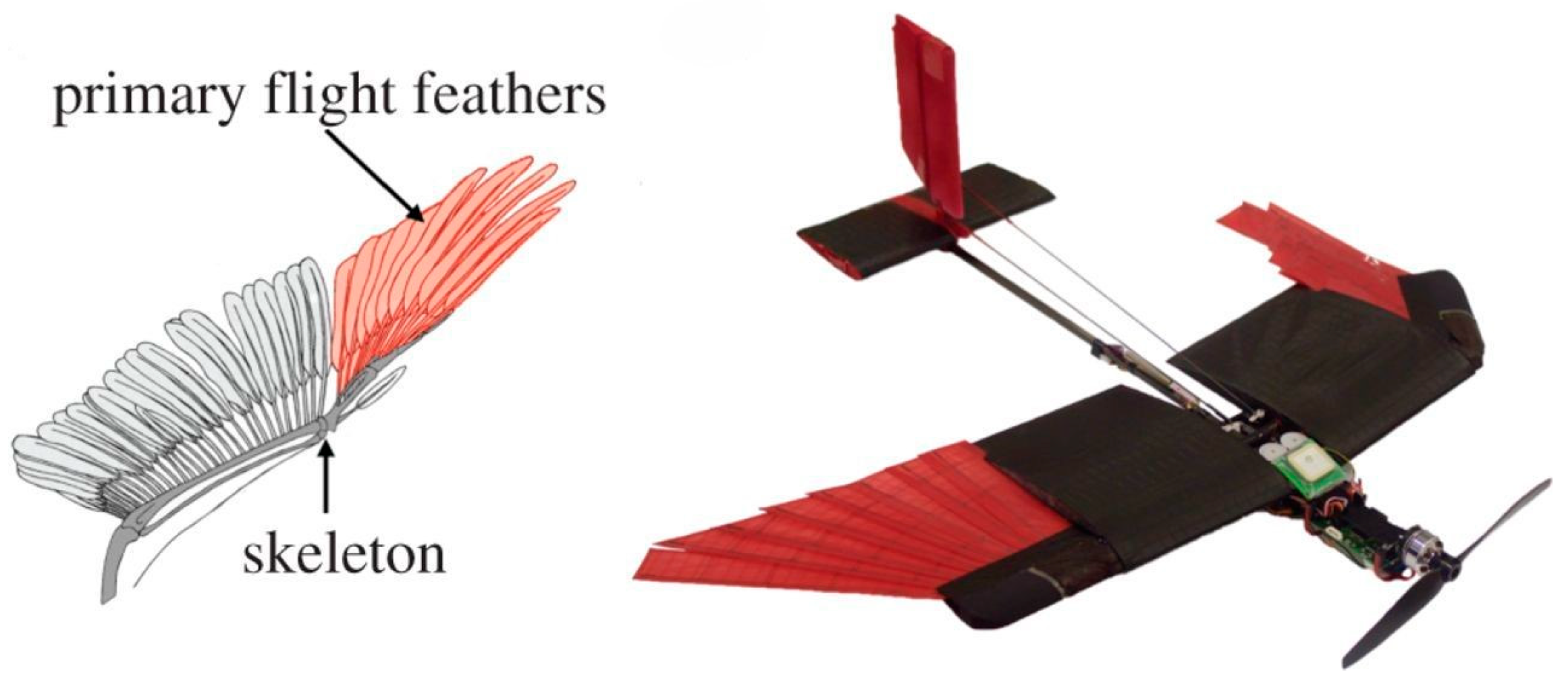
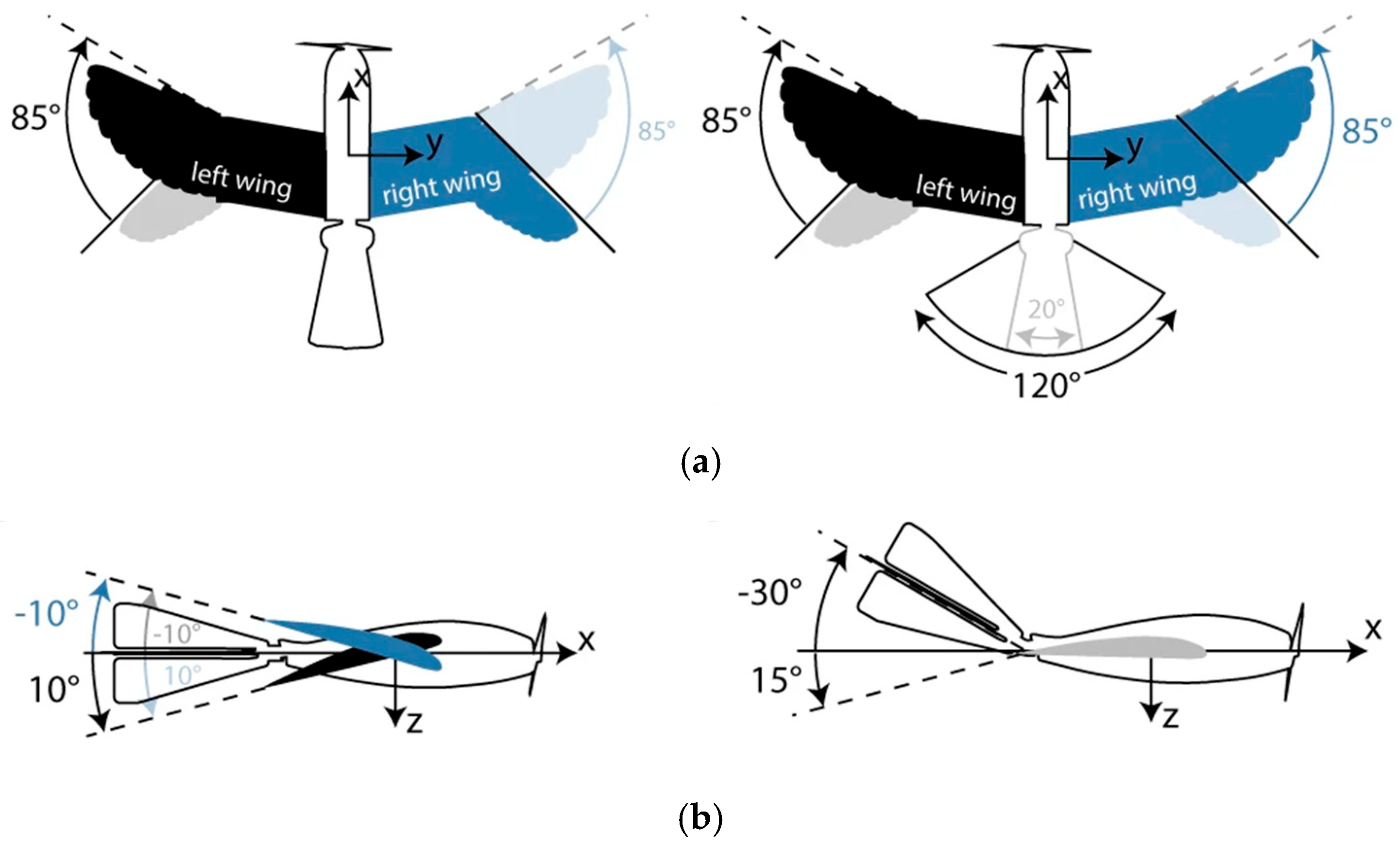
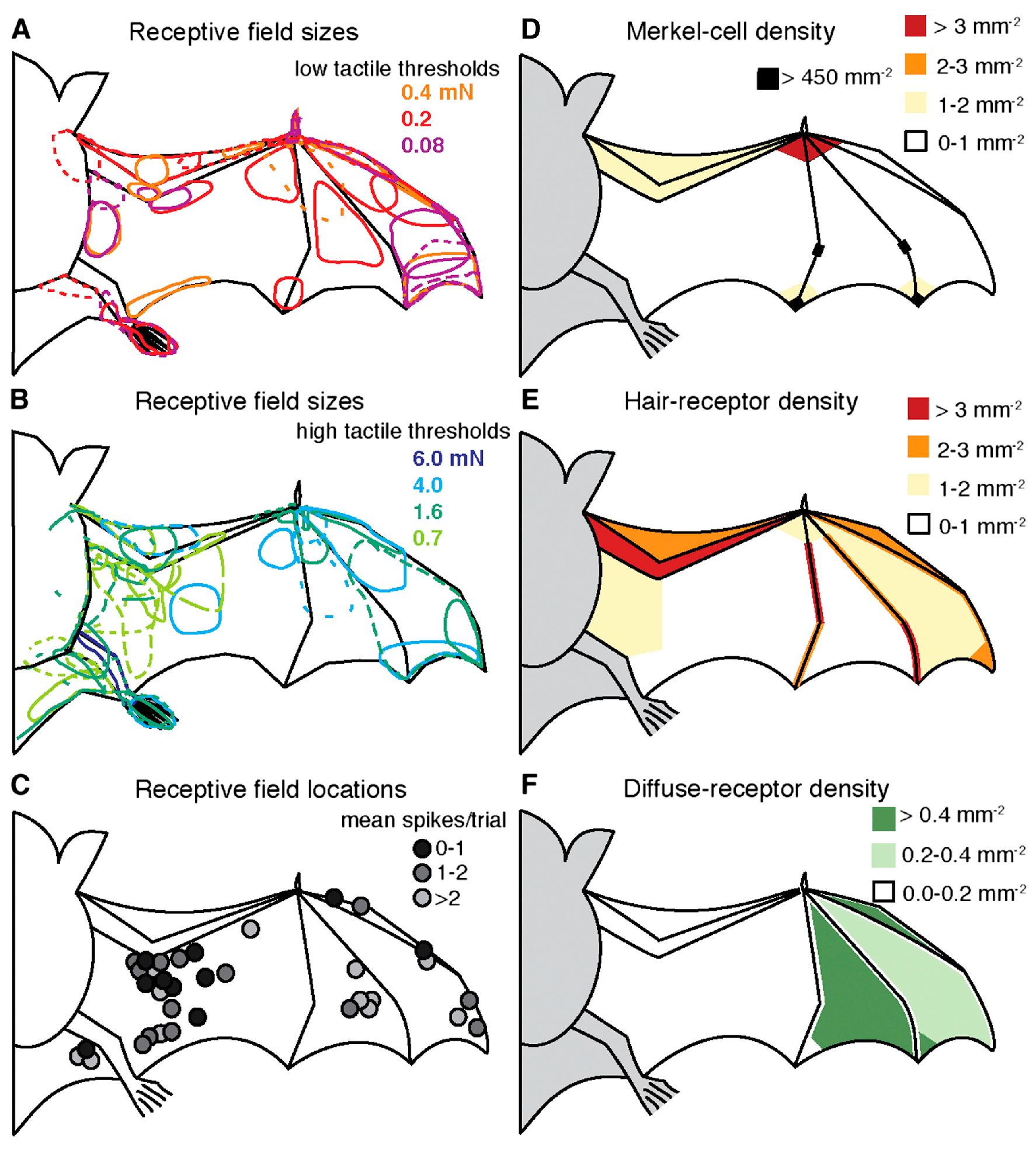

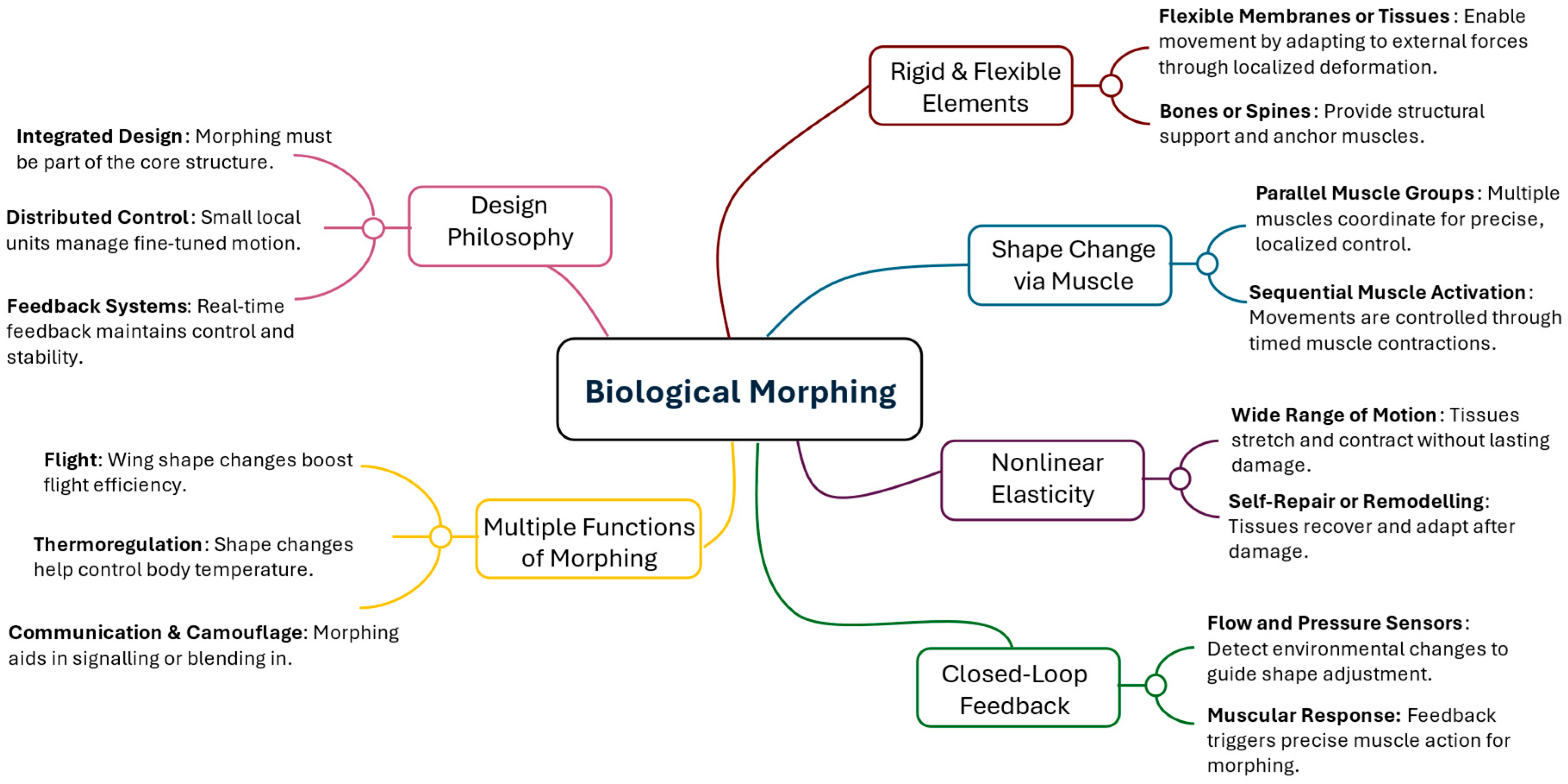
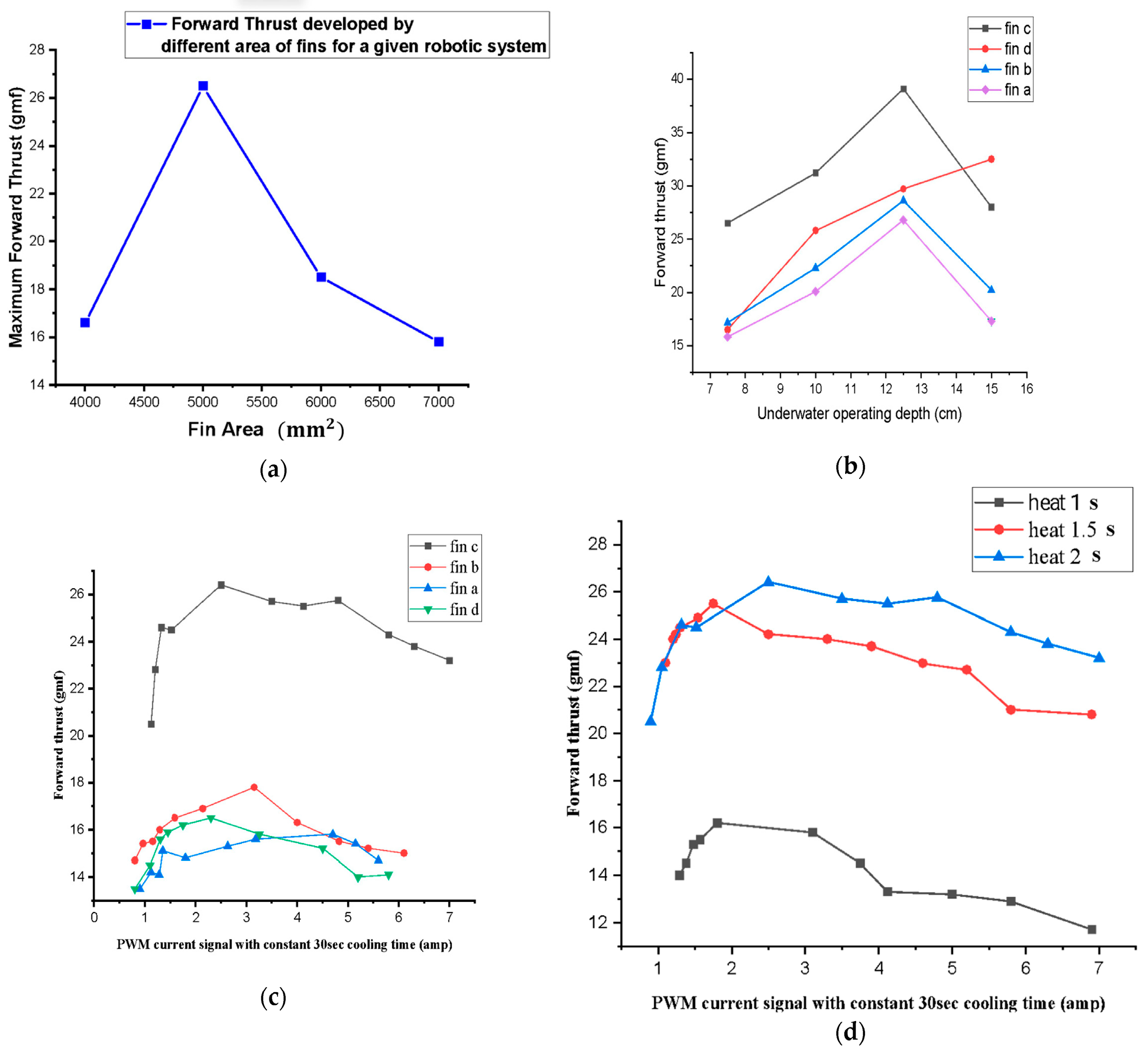
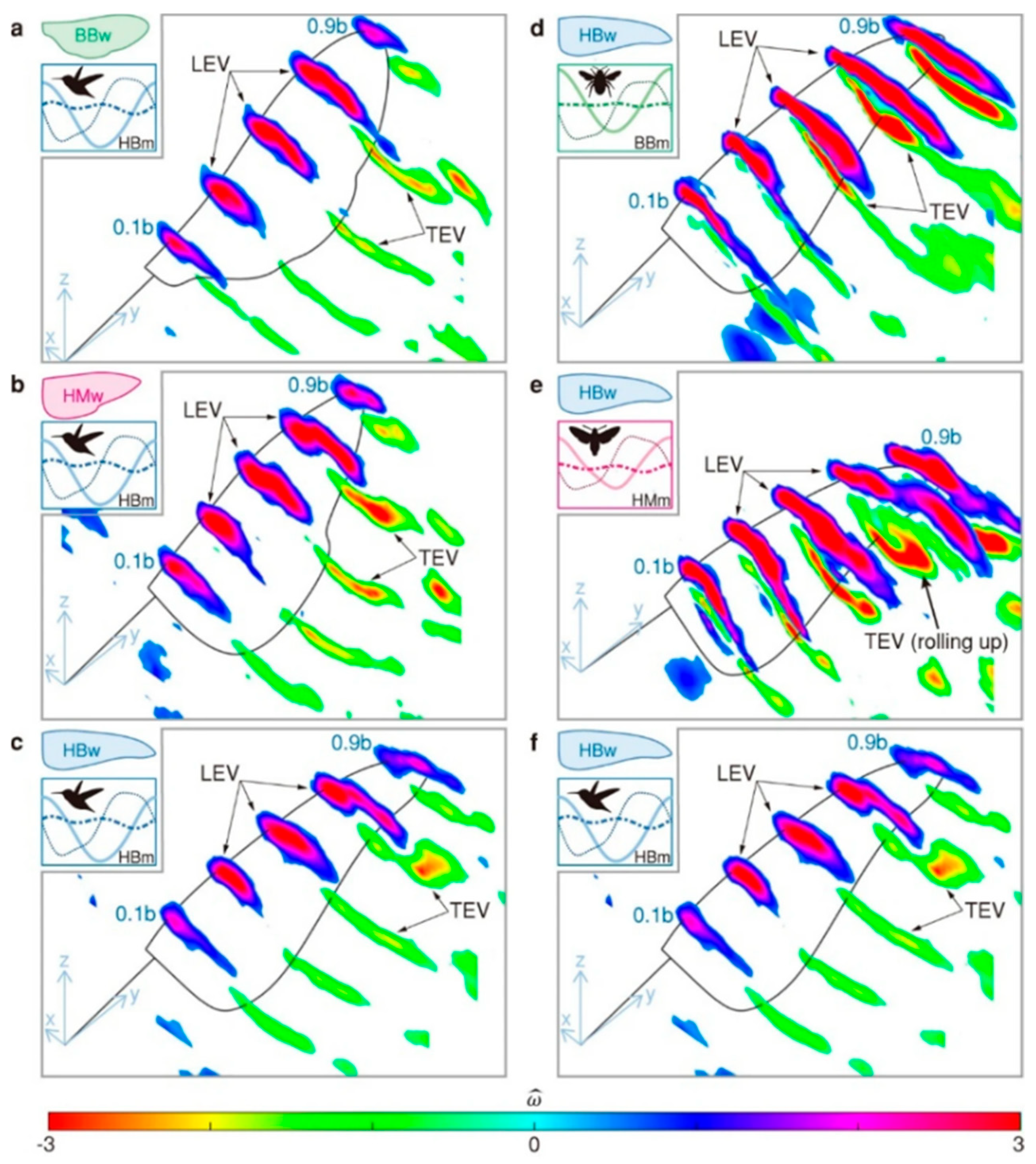
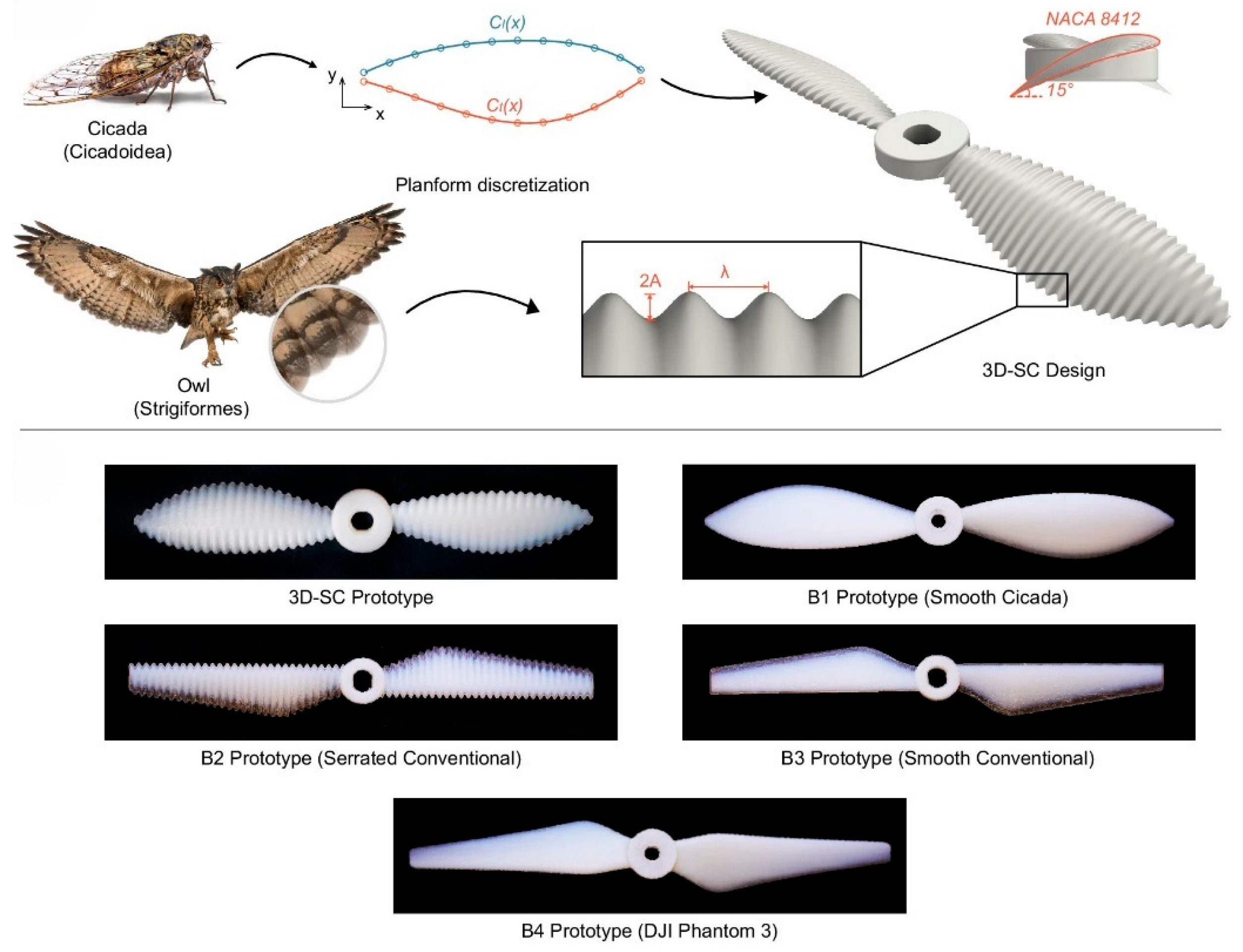
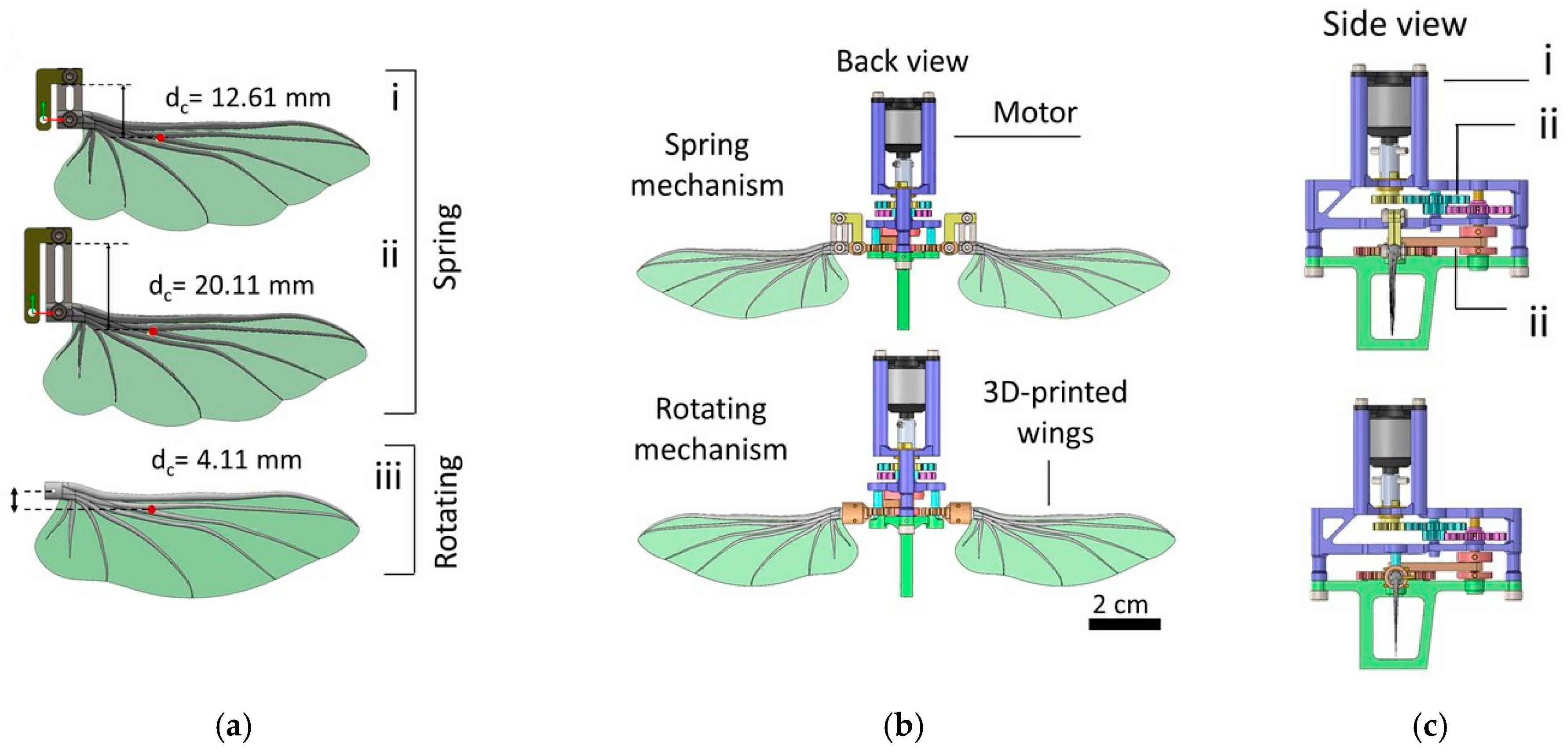
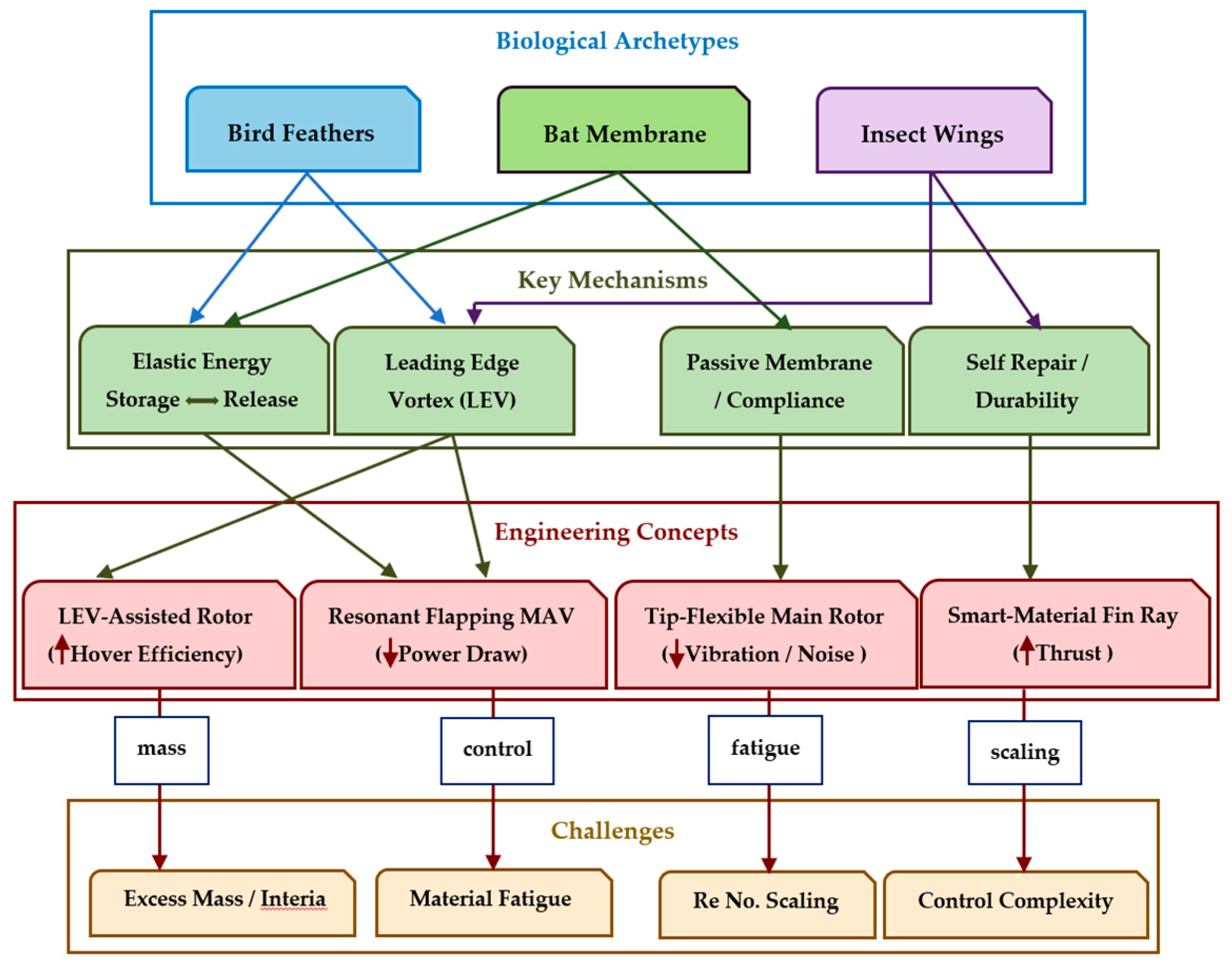
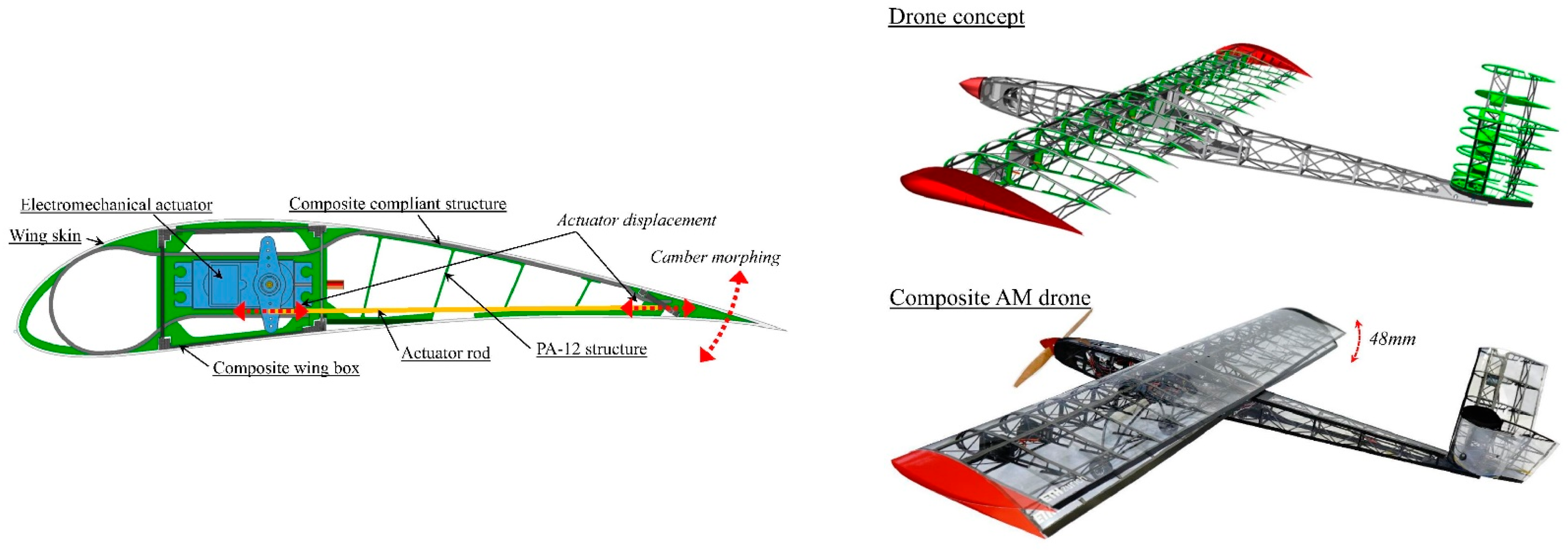
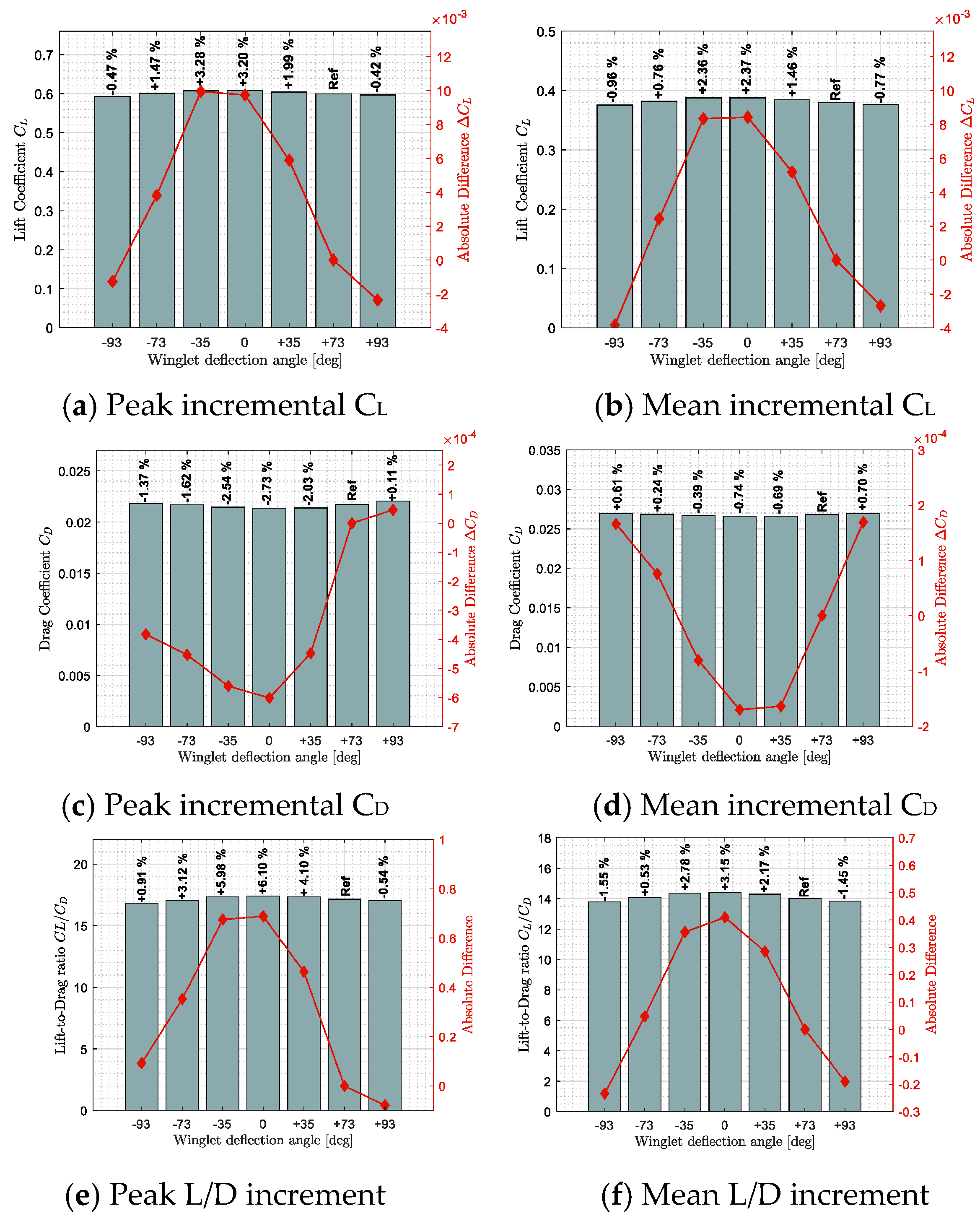
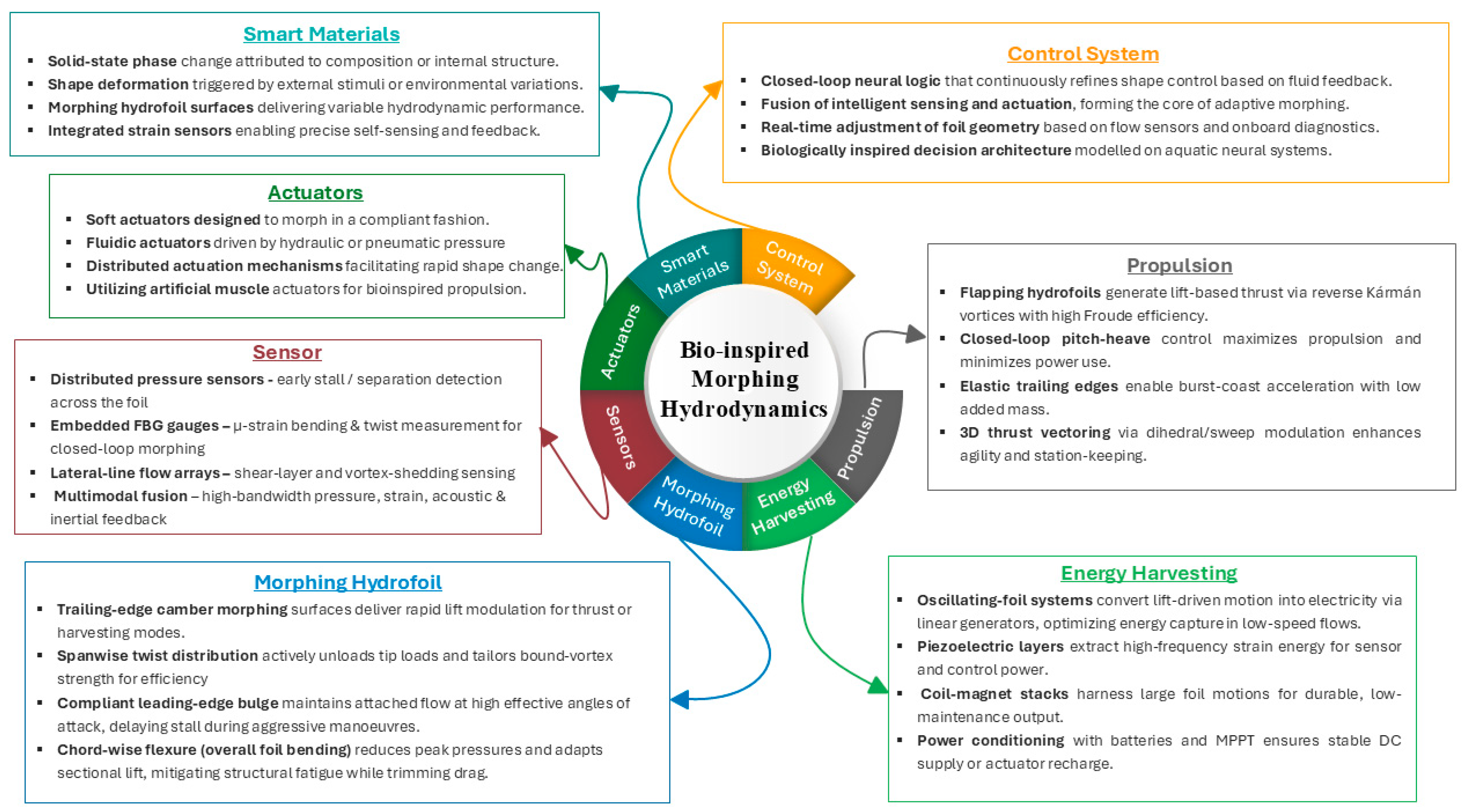

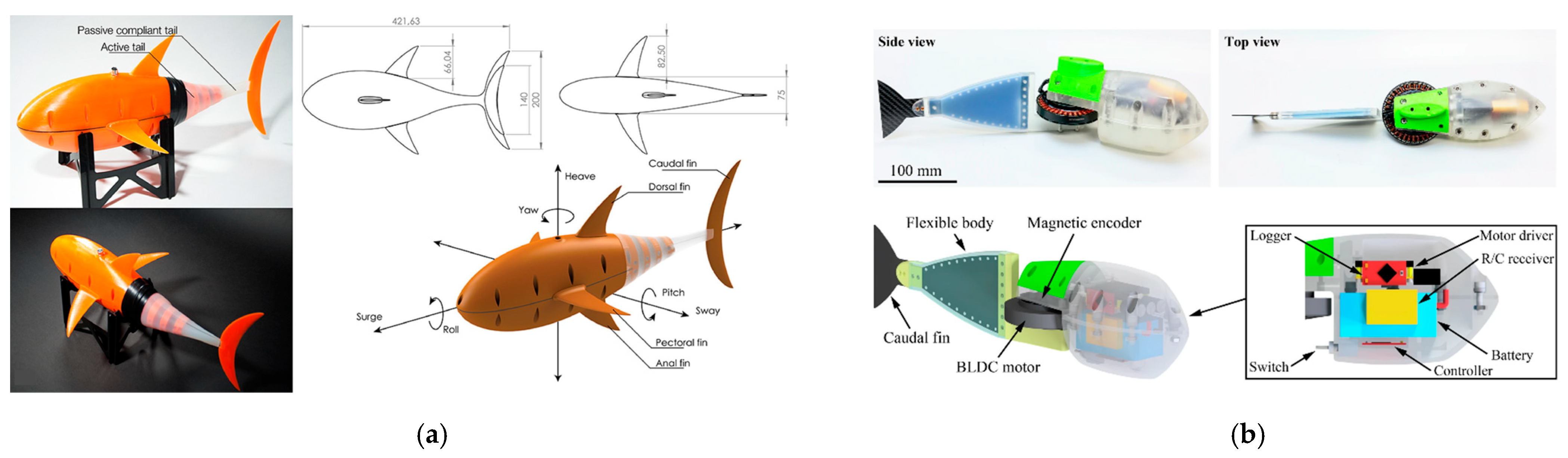
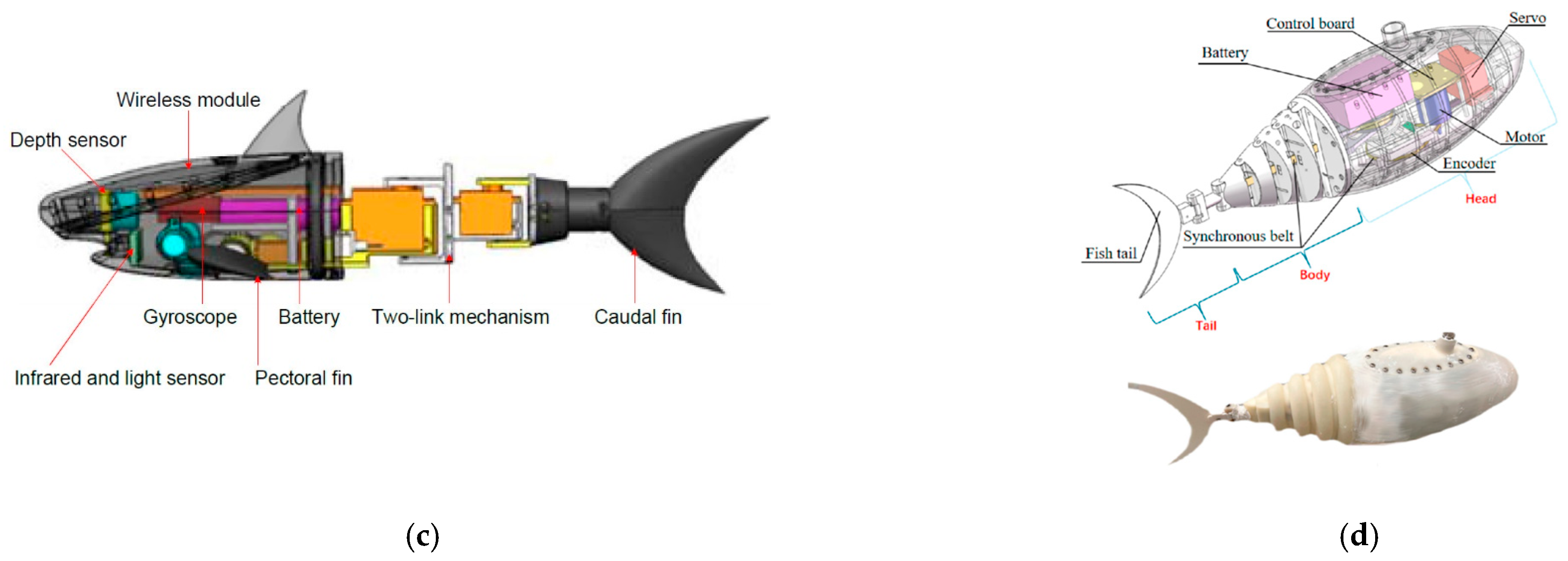
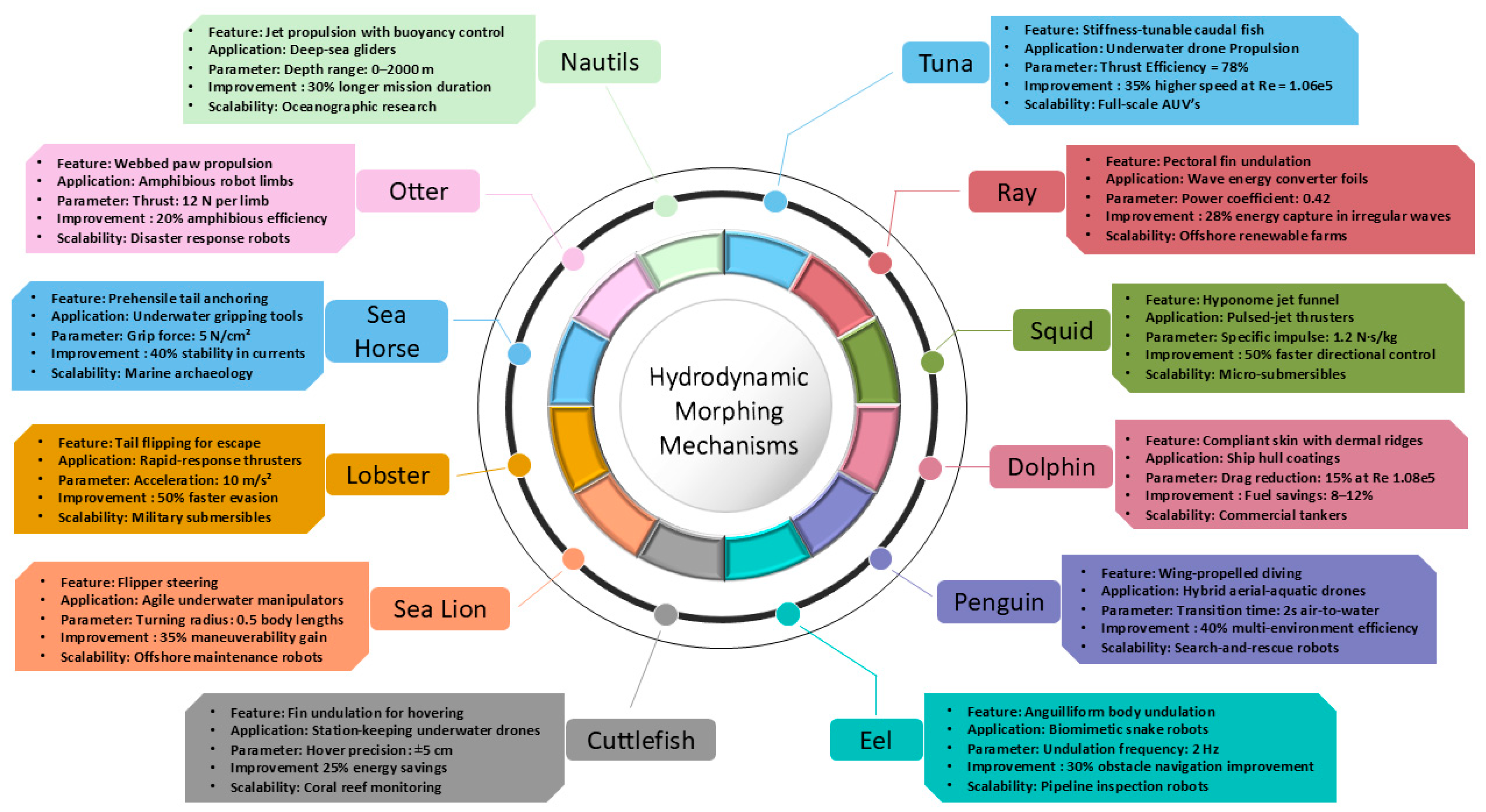
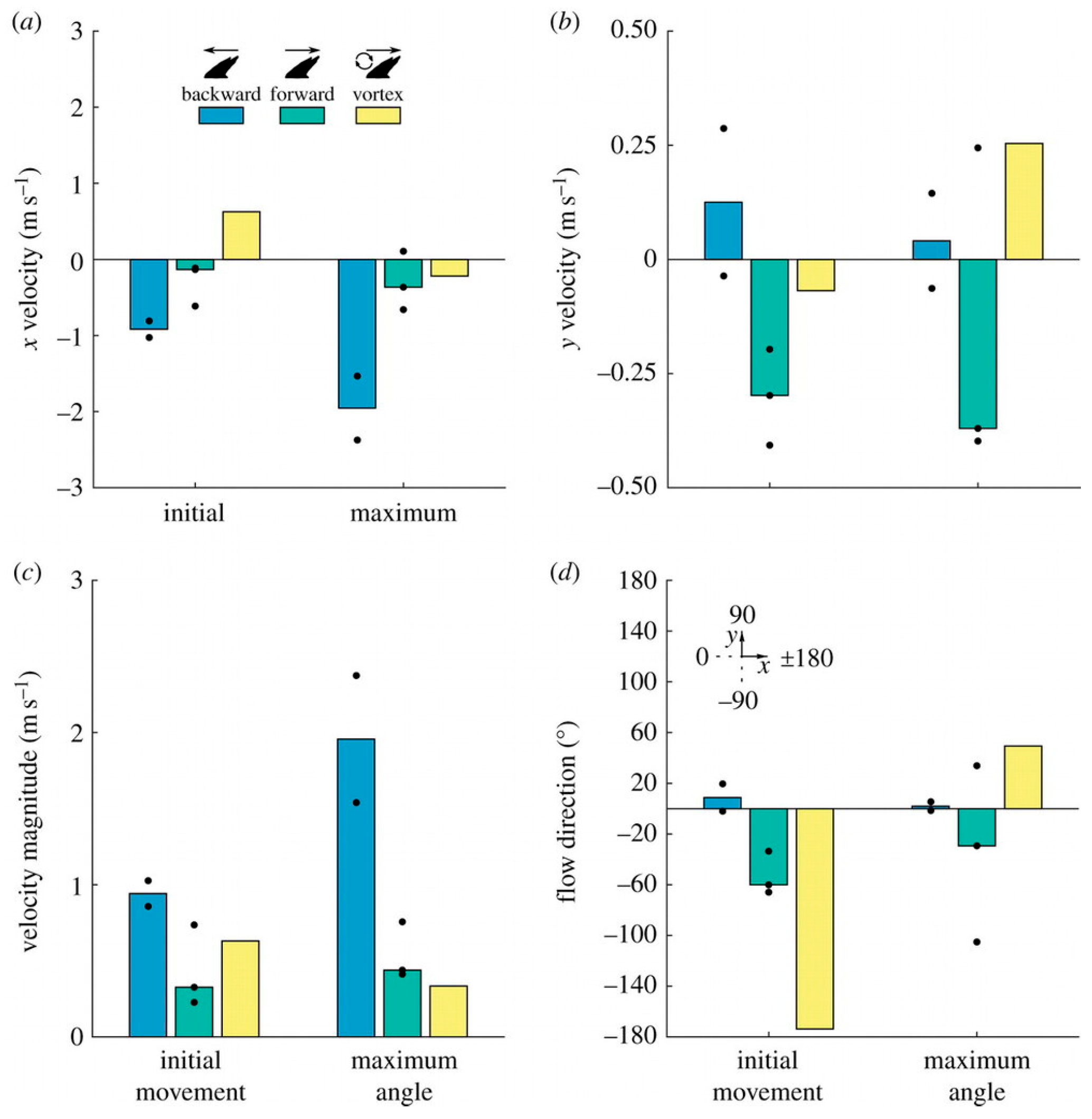
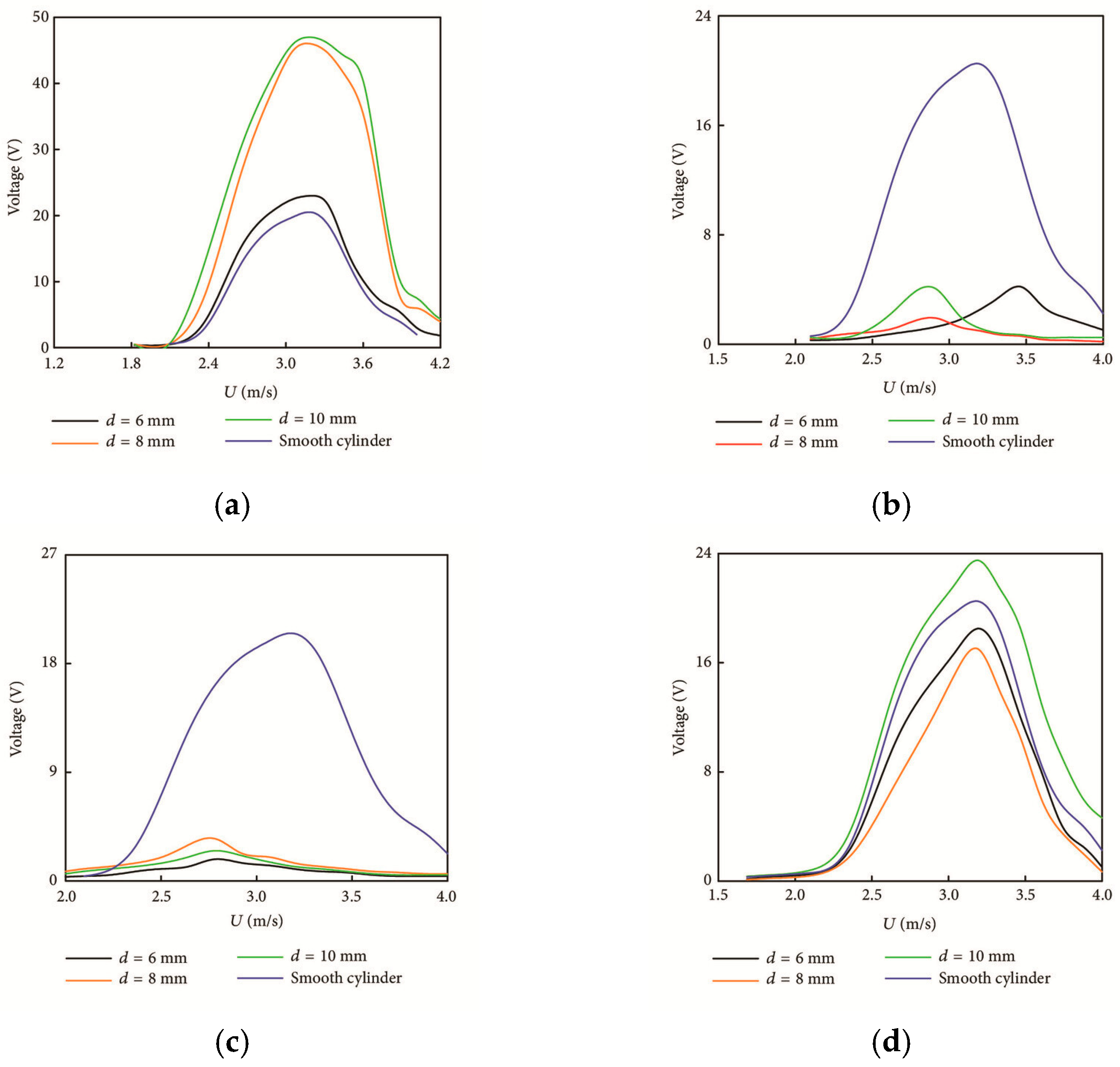
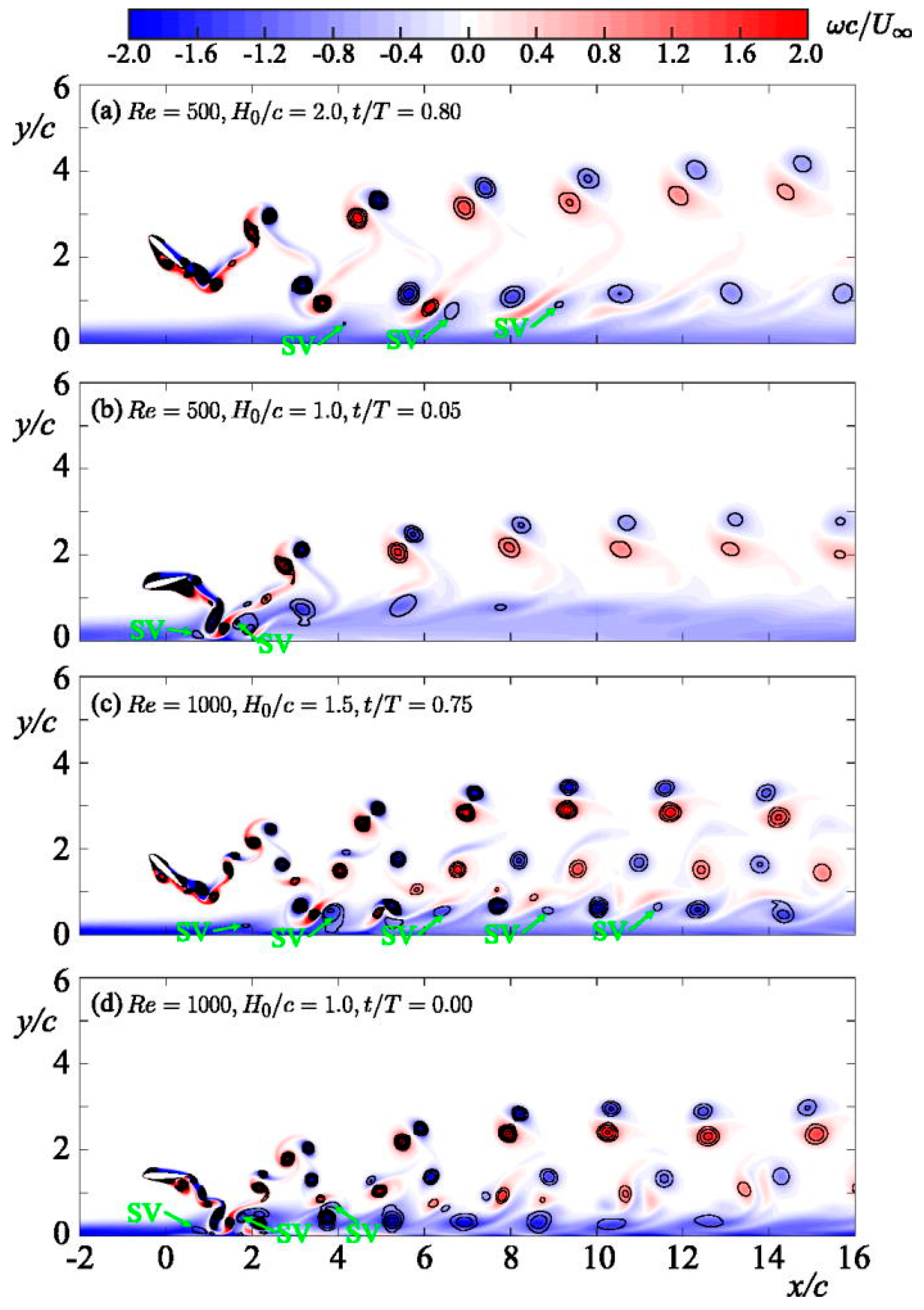
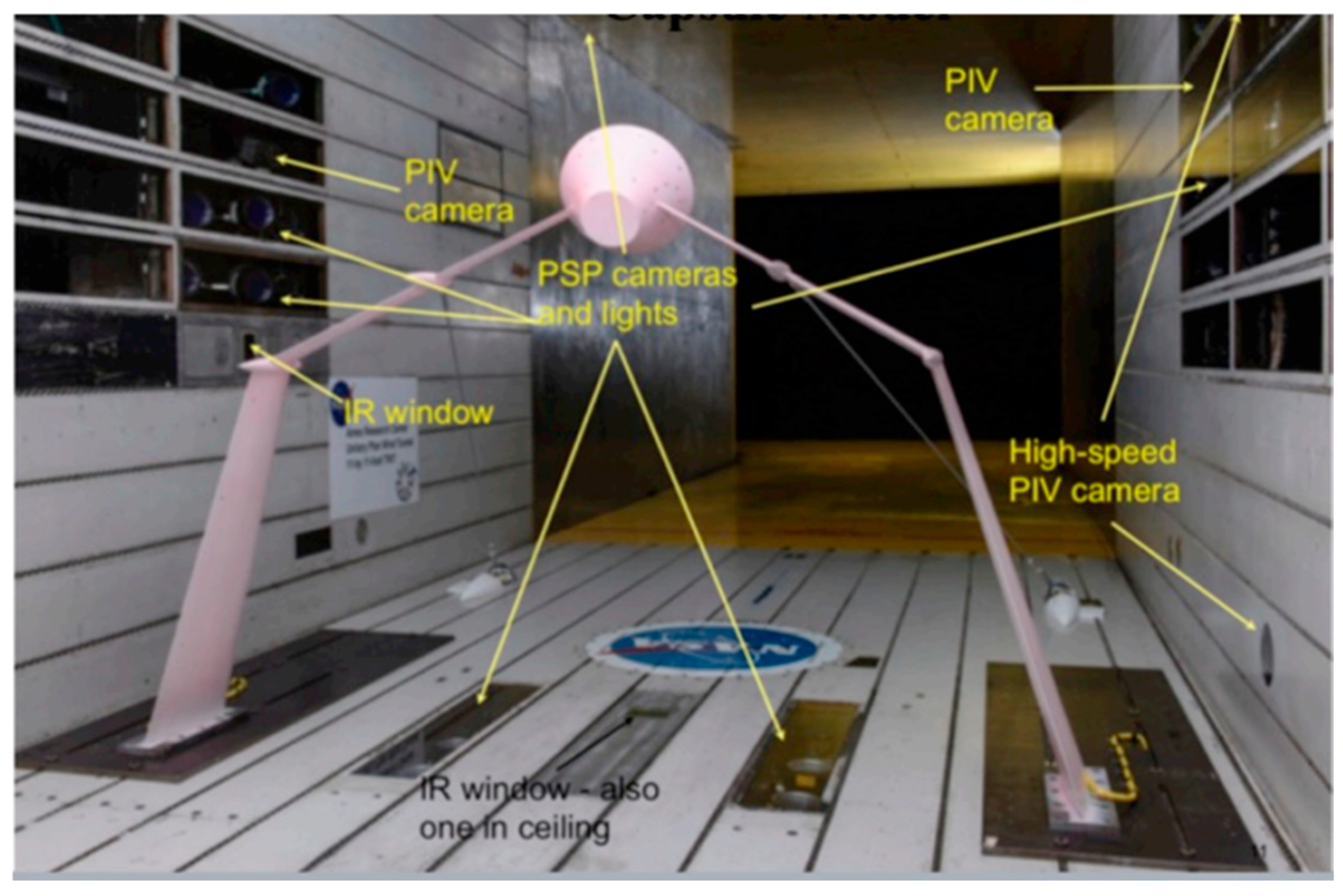
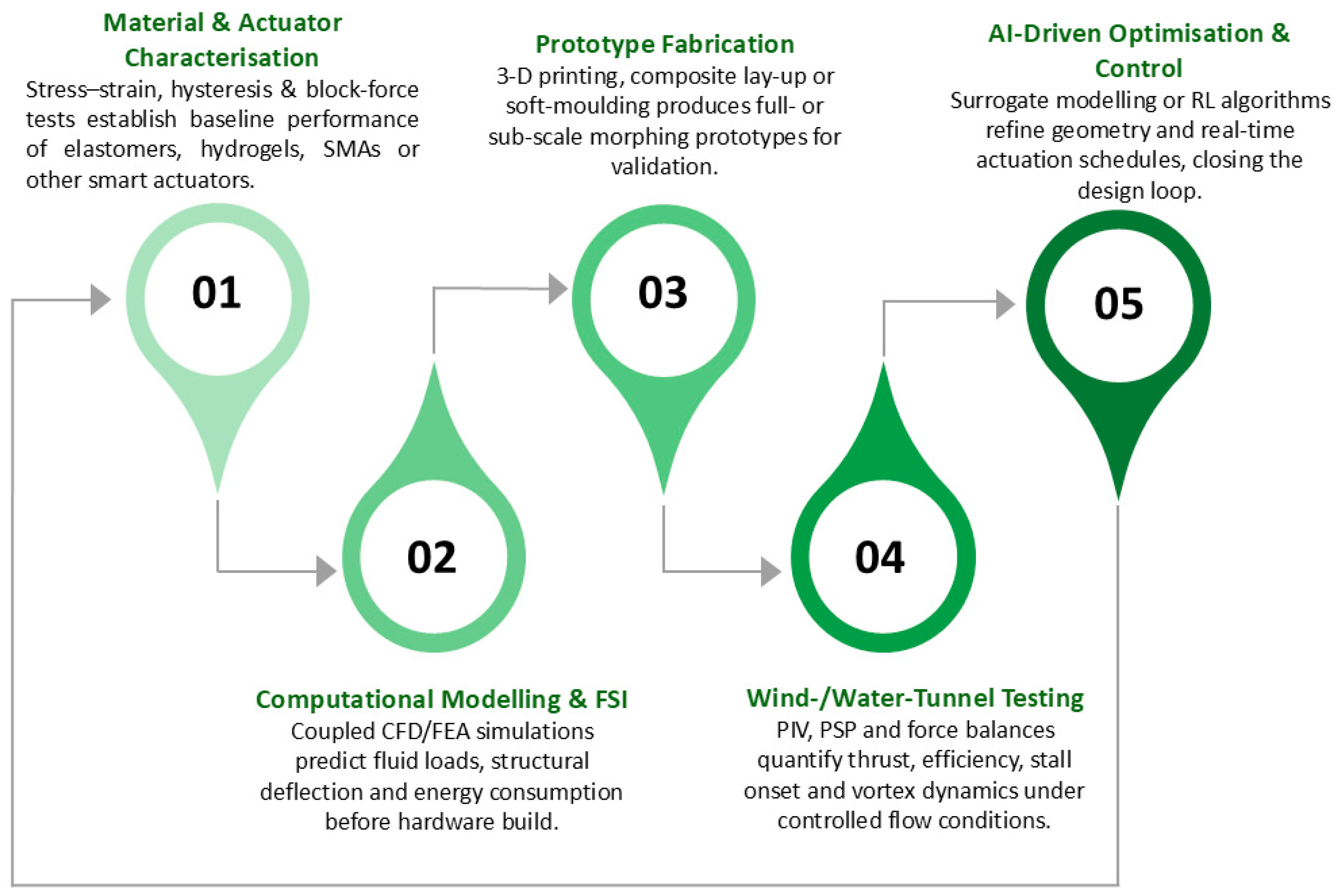


| Technology | Capabilities | Depth Rating | Source |
|---|---|---|---|
| Marine Skin v2 | Depth/temperature/salinity sensing | 2000 m | [97,98] |
| Magneto-resistive textiles | Submerged, touchless control interfaces | Washable | [99] |
| Organism | Morphing Mechanism | Key Parameters | Engineering Analogue | Performance Gain | Innovation Potential | Outcome |
|---|---|---|---|---|---|---|
| Albatross | Wing extension for dynamic soaring | Aspect ratio: 18–22 | Long-endurance UAV wings | 30% drag reduction in crosswinds | Solar-integrated morphing skins | Successful |
| Dragonfly | Corrugated wing leading edge | LEV stability Re: 1.03 × 10⁵, | Micro-drone wing designs | 25% lift enhancement at low Re | 3D-printed corrugated nanocomposites | Successful |
| Humpback Whale | Tubercled flipper leading edge | Tubercle wavelength: 12% chord | Wind turbine blades | 32% stall delay, 8% lift increase | Active morphing tubercles (SMA) | Successful |
| Dandelion Seed | Bristly pappus for passive lift | Porosity: 85%, Re: 1.02 × 10⁵ | Drag-reducing aerial sensors | 40% longer airborne duration | Biodegradable polymer bristles | Successful |
| Octopus | Mantle contraction for jet propulsion | Thrust efficiency: 68%, Re: 1.04 × 10⁵ | Soft underwater thrusters | 55% faster acceleration | Electroactive polymer artificial muscles | Successful |
| Peregrine Falcon | Alula for flow separation control | Angle of attack: 15°, Re: 1.05 × 10⁵ | Aircraft leading-edge slats | 20% stall speed reduction | Adaptive alula-inspired flaps | Successful |
| Humming bird | Wing reversal for hovering | Wingbeat frequency: 79 Hz | Flapping-wing drones | Power increases by 3.2 times | Resonant piezoelectric actuators | Successful |
| Boxfish | Rigid carapace with hydrodynamic shape | Drag coefficient: 0.06 | Submarine hull design | 18% drag reduction at Re 1.06 × 10⁵ | 3D-printed biomimetic hulls | Successful |
| Beetle | Elytra deployment for wing protection | Deployment time: 0.2 s | Retractable UAV wings | 25% storage volume reduction | Shape-memory alloy hinges | Successful |
| Jellyfish | Bell pulsation for efficient propulsion | Propulsive efficiency: 48% | Soft robotic swimmers | 30% energy savings | Dielectric elastomer actuators | Successful |
| Gecko | Toe adhesion via van der Waals forces | Adhesion force: 10 N/cm2 | Climbing robots | 50% surface adaptability | Microstructure polymer adhesives | Successful |
| Shark | Dermal denticles for drag reduction | Skin roughness: 0.1 µm | Ship hull coating | 12% fuel efficiency gain | Laser-etched biomimetic surfaces | Partially Successful |
| Functionality | System | Bio- Inspiration | Actuation | Performance Benefit | Case Study | Outcome |
|---|---|---|---|---|---|---|
| Lift Enhancement | Variable Camber Wings | Bird covert feathers | SMA ribs | Camber ±8°, ↑18% L/D ratio | NASA MAW | Successful |
| Telescopic Wings | Swift retraction | Hydraulic rods | +40% span, 15% fuel saving | Airbus Albatross | Successful | |
| Drag Reduction | Adaptive Winglets | Eagle feathers | Piezo actuators | Twist ±15°, ↓12% induced drag | Boeing Eco Demonstrator | Successful |
| Variable-Sweep Wings | Swift wing dynamics | Electromagnetic | Sweep 20–60°, ↓18% drag | F-14 Retrofit | Successful | |
| Morphing Skins | Fish scales | Elastomer-composite | Smooth airflow, durable under strain | Lockheed Martin Morphing Skin | Successful | |
| Vortex Generators | Shark denticles | MEMS | ↑10% boundary layer stability | NASA Flow Control | Partially Successful | |
| Noise Suppression | Leading Edge Serrations | Owl feathers | Compliant 3D-printed | ↓10 dB noise at 1 kHz | Airbus Silent Falcon | Successful |
| Control and Maneuverability | Inflatable Wingtips | Bat wings | Pneumatic muscles | ↑22% roll authority | DARPA Flex Foil | Successful |
| Deployable Airbrakes | Peacock tail | Shape memory polymers | 90° deploy, ↑30% braking efficiency | BAE Adaptive Airbrake | Successful | |
| Flapping Wing UAVs | Insect thoracic muscles | Piezo flaps | 120 Hz flapping, ↑25% thrust | Harvard RoboBee | Successful | |
| Energy Efficiency | Active Twist Rotors | Dragonfly wings | Piezo fiber composites | ±10° twist, ↓20% vibration | Sikorsky Active Rotor | Partially Successful |
| Morphing Engine Inlets | Whale baleen | Adaptive polymer louvers | ±25% flow, ↑15% compressor efficiency | GE Adaptive Jet Engine | Successful |
| Property | SMA (Shape Memory Alloy) | PZT (Piezoelectric) | EAP (Electroactive Polymer) |
|---|---|---|---|
| Actuation Method | Thermal activation (phase transition) | Electric field (inverse piezo effect) | Electric field (ionic/electrostatic) |
| Strain Capability | High (~4–8%) | Very low (~0.1%) | High (~10–30%) |
| Force Output | High | Very high | Low to moderate |
| Response Speed | Slow | Fast | Moderate |
| Control Precision | Low | High | Moderate |
| Fatigue Durability | Moderate | High | Low–moderate |
| Cost | Moderate | High | Low–moderate |
| Typical Use in Morphing | Large-scale, reversible shape changes (e.g., morphing wings or skins) | High-frequency flapping or surface vibration | Soft actuators for flexible fins, skins, or artificial muscles |
| Tier | Method/Tool | Key Capability | Typical Use-Case | Reference |
|---|---|---|---|---|
| Theoretical | Potential-flow + small-deflection beam theory | Rapid analytic lift-pressure and bending-stress estimates for minor camber/twist changes | First-pass screening of variable-camber wing sections | [181] |
| Lighthill’s elongated-body theory | Closed form thrust and efficiency of undulatory bodies | Conceptual sizing of fish-like propulsors | [232] | |
| Multi-scale homogenization of smart-material lattices | Links actuator micro-physics to global stiffness, mass, and actuation limits | SMA-lattice camber-morphing wings | [233] | |
| Computational | Dynamic-meshing RANS/LES CFD | Resolves time-accurate vortex dynamics around moving geometry | Optimizing camber-schedule at Re ≈ 106 | [234] |
| Partitioned FSI (solids4Foam + OpenFOAM) | Two-way coupling of fluid loads and large structural deflection | Flexible fin or wingtip bending simulations | [235] | |
| Vortex-lattice/discrete-vortex methods | Fast unsteady force prediction with negligible meshing cost | Mission-level optimization for UAV morphing plans | [236] | |
| Experimental | Wind-tunnel PIV on flexible/membrane wings | Full-field velocity and pressure validation of CFD/FSI models | Membrane-wing micro-air-vehicle prototypes | [237] |
| Free-swimming soft-robotic fish in a water flume | Net thrust, efficiency, and kinematics of compliant fins | Dolphin-fluke or caudal-fin morphing tests | [238] | |
| SMA coupon/sub-component tests | Actuation strain, hysteresis, and fatigue life of smart skins | Shape-memory alloy spar for adaptive trailing-edge | [239] | |
| AI and ML | Surrogate-assisted genetic algorithm (Kriging + NSGA-II) | Pareto front discovery with 100× fewer CFD calls | Multi-objective wing-shape and sweep optimization | [223] |
| Deep reinforcement learning (DQN/PPO) | Real-time gust rejection via autonomous camber change | Morphing rotor blades/UAV gust alleviation | [225] | |
| Physics-informed CNN (flow ROM) | Instantaneous flow-field reconstruction from sparse sensors | Closed-loop stall detection and control | [240] |
| Key Failure Modes | Mitigation Strategies | Reference |
|---|---|---|
| Microcracks from cyclic bending | Fatigue-resistant alloys; CNT-reinforced shape-memory polymers | [241] |
| Composite delamination under peel/shear | Reinforced resin matrices; z-pin or stitching reinforcement | [242] |
| Adhesive creep and hinge wear | Self-lubricating polymers; sealed hinge housings | [134] |
| UV-induced polymer embrittlement | UV-stabilizing coatings; carbon-black-loaded skins | [243] |
| Design Dilemma | Short-Term Solutions |
|---|---|
| Overly compliant skins deform uncontrollably | Hybrid multi-material laminates; local stiffening ribs |
| Excessively stiff skin requires a high actuator force | Variable-stiffness layers, graded fiber orientations |
| Tools | Where to Apply |
| FEA to map stress/strain | Identify “soft zones” vs. load paths |
| Topology optimization | Discard unnecessary material in low-stress regions |
| Environmental Stressor | Protective Strategy | Reference |
|---|---|---|
| UV embrittlement of polymers | UV-absorbing coatings; carbon-black additives | [244] |
| Saltwater corrosion of actuators | Sacrificial anti-corrosion layers; sealed housings | [245] |
| Thermal cycling mismatch | Thermal-expansion-matched hybrid materials | [246] |
| Chemical attack on adhesives | Chemically resistant polymers; self-healing resins | [247] |
| Challenge | Short-Term Mitigation | Reference |
|---|---|---|
| Complex multi-material assembly | Automated fiber placement; 3D multi-material printing; inline metrology | [248] |
| Embedding sensors and electronics | Direct-write printed electronics; sealed cable tracks | [249] |
| Complex multi-material assembly | Automated fiber placement; 3D multi-material printing; in-line metrology | [196] |
| Certification and regulatory overhead | Pilot industry–regulator collaborations; shared testbeds | [250] |
| Workforce skill gaps for novel processes | AR/VR-based operator training; digital apprenticeships | [251] |
| Supply-chain variability for smart materials | Multi-source qualification; buffer inventories | [252] |
| FSI Complexity | Modeling/Control Strategy |
|---|---|
| Vortex shedding ↔ structural deformation | High-fidelity CFD/FEA co-simulation; reduced-order FSI |
| Nonlinear, multi-scale time dynamics | Partitioned solvers; phase-lagged ROMs |
| Risk of aero-elastic instabilities | Real-time stability monitoring; passive adaptivity |
| Actuation Trade-Off | Energy-Saving Strategy |
|---|---|
| High-power hydraulics/SMAs | Bi-stable snap-through; elastic strain energy storage |
| Slow SMA response vs. fast piezo | Multi-actuator hybrids; passive morphing alignment |
| Continuous power for hold | Latching mechanisms; bistable structures |
| Control Challenge | Advanced Solution |
|---|---|
| Highly nonlinear, over-actuated morphing systems | INDI with QP allocation; real-time MPC |
| Sensor noise, latency, model uncertainty | Kalman/PINN-based observers; domain randomization |
| Actuator bandwidth limits | Predictive control; sensor-actuator co-design |
| Challenge | Biological Insight | Short-Term Solution | Long-Term Vision | Key Innovation Needed |
|---|---|---|---|---|
| Fatigue in flexible skins | Collagen-elastin networks in bats | Carbon nanotube-reinforced SMPs | Self-healing vascularized materials | 3D-bioprinted hybrid composites |
| Energy-intensive actuation | Resonant insect flight muscles | Regenerative piezoelectric systems | Biohybrid muscles (cells + polymers) | Mitochondrial-inspired energy storage |
| Real-time FSI control | Fish lateral line sensing | MEMS pressure sensor arrays | Neuromorphic computing chips | Quantum-inspired flow prediction |
| Scalability to large systems | Whale fluke biomechanics | Modular morphing subcomponents | Distributed nanoactuator networks | Metamaterial-based structural logic |
| Environmental degradation | Self-cleaning lotus leaves | Superhydrophobic coatings | Photocatalytic self-cleaning skins | TiO2 nanoparticle integration |
| High manufacturing costs | Termite mound construction | 3D-printed hierarchical structures | Self-assembling materials | DNA-origami-inspired fabrication |
| Sensor integration complexity | Spider sensory hairs | Optical fiber Bragg gratings | Distributed neural-like sensor nets | Bioinspired optoelectronic skins |
| Limited morphing range | Chameleon skin chromatophores | Multilayer dielectric elastomers | Programmable color/shape morphing | Quantum dot-embedded polymers |
| Thermal management | Elephant ear convection | Phase-change material cooling | Microfluidic cooling channels | Biomimetic vascular networks |
| Noise generation | Owl feather serrations | Micro-perforated trailing edges | Active noise-cancelling surfaces | Meta-material acoustic cloaking |
| Regulatory compliance | Bird migratory patterns | Adaptive certification frameworks | Global morphing standards | AI-driven regulatory sandboxes |
| Public acceptance | Butterfly aesthetic patterns | Art-integrated morphing designs | Emotion-responsive aesthetics | Neuroaesthetic design principles |
Disclaimer/Publisher’s Note: The statements, opinions and data contained in all publications are solely those of the individual author(s) and contributor(s) and not of MDPI and/or the editor(s). MDPI and/or the editor(s) disclaim responsibility for any injury to people or property resulting from any ideas, methods, instructions or products referred to in the content. |
© 2025 by the authors. Licensee MDPI, Basel, Switzerland. This article is an open access article distributed under the terms and conditions of the Creative Commons Attribution (CC BY) license (https://creativecommons.org/licenses/by/4.0/).
Share and Cite
Shahid, F.; Alam, M.; Park, J.-Y.; Choi, Y.; Park, C.-J.; Park, H.-K.; Yi, C.-Y. Bioinspired Morphing in Aerodynamics and Hydrodynamics: Engineering Innovations for Aerospace and Renewable Energy. Biomimetics 2025, 10, 427. https://doi.org/10.3390/biomimetics10070427
Shahid F, Alam M, Park J-Y, Choi Y, Park C-J, Park H-K, Yi C-Y. Bioinspired Morphing in Aerodynamics and Hydrodynamics: Engineering Innovations for Aerospace and Renewable Energy. Biomimetics. 2025; 10(7):427. https://doi.org/10.3390/biomimetics10070427
Chicago/Turabian StyleShahid, Farzeen, Maqusud Alam, Jin-Young Park, Young Choi, Chan-Jeong Park, Hyung-Keun Park, and Chang-Yong Yi. 2025. "Bioinspired Morphing in Aerodynamics and Hydrodynamics: Engineering Innovations for Aerospace and Renewable Energy" Biomimetics 10, no. 7: 427. https://doi.org/10.3390/biomimetics10070427
APA StyleShahid, F., Alam, M., Park, J.-Y., Choi, Y., Park, C.-J., Park, H.-K., & Yi, C.-Y. (2025). Bioinspired Morphing in Aerodynamics and Hydrodynamics: Engineering Innovations for Aerospace and Renewable Energy. Biomimetics, 10(7), 427. https://doi.org/10.3390/biomimetics10070427