1. Introduction
In order to maintain a competitive advantage and increase market share in today’s dynamic and market-oriented business environment, organizations strive to improve the effectiveness of production processes and enhance the quality of final products by eliminating defects and inconsistencies. Continuous improvement of production processes is achieved through the long-term creation of value for customers and the minimization of non-value-adding activities, which increase production time and generate unnecessary costs [
1]. Product quality is becoming an increasingly important aspect of business in the modern industrial environment. Improving product quality further contributes to enhanced efficiency and productivity, cost reduction, and other operational benefits. Today’s customers demand unique and personalized products with a higher level of compliance, free from irregularities and defects. In order to produce a final product of appropriate quality, it is essential that the assembly of parts and components is carried out properly.
The introduction of new Industry 4.0 technologies, along with digitalization and automation, has contributed to increased efficiency of production processes. However, in many workplaces within modern industrial systems, full automation is not feasible. One such example includes industrial workstations where workers manually perform assembly activities involving parts and components for final product integration. During these activities, workers often assume non-ergonomic and non-physiological body postures. Performing physically and mentally demanding tasks that involve manipulation and precise assembly of parts and components may lead to reduced attention and concentration, which in turn results in mental fatigue [
2]. Workers sometimes repeat the same work operation thousands of times during a single shift, which negatively impacts both productivity and worker satisfaction [
3]. Due to mental fatigue, workers are not fully focused on performing their tasks and are more prone to making errors and executing activities improperly, which may result in reduced final product quality and negatively affect the effectiveness of production processes. Based on the above, it can be concluded that there is a clear need to improve traditional assembly workstations in industrial environments.
In the era of Industry 4.0, ergonomics holds particular importance. The emphasis is placed on adapting innovative technologies to human needs and capabilities, and on optimizing the interaction between humans and other elements of the production system. This approach enhances worker well-being and safety and also contributes to increased productivity and sustainable development in modern industrial environments. On the other hand, the development of new Industry 4.0 technologies has contributed to the transformation of traditional methods and practices of quality management. Quality 4.0, along with the lean philosophy, promotes a culture of continuous improvement and the achievement of zero defects and irregularities at assembly workstations. However, despite numerous studies addressing automation and quality improvement [
4], there is still a lack of comprehensive research focusing on the integration of ergonomic optimization and cognitive workload assessment in manual assembly workstations within Industry 4.0 and 5.0 contexts.
Unlike Industry 4.0, which strives toward the concept of fully automated factories where production processes operate without direct human involvement, Industry 5.0 promotes a human-centered approach and places the worker at the core of production processes (a concept often referred to in scientific research as ‘Worker 5.0’), emphasizing collaboration between humans and smart systems and promoting sustainability and resilience. Ergonomic perspectives have evolved from focusing solely on adapting the human to other entities within the work system to enhancing workers’ cognitive skills to process more information. Consequently, cognitive ergonomics, which concentrates on mental processes such as perception, memory, information processing, and reasoning, is becoming central in Industry 5.0. Special focus is placed on workers’ cognitive abilities and limitations to reduce cognitive load and increase efficiency. This new concept implies a proactive approach, based on predictive analytics and real-time adjustments, with the aim of preventing defects before they arise. The numerous studies in the relevant literature, taking proactivity into consideration, involve the application of Multi-Criteria Decision-Making (MCDM) approaches in the field of ergonomics and occupational safety [
5,
6,
7].
The aim of this research is to demonstrate that ergonomic improvements at industrial assembly workstations can significantly enhance workers’ performance, and consequently the overall production process. The ergonomic improvements were achieved through the application of ergonomic and lean principles.
In this study, psychophysiological methods were applied to monitor the cognitive state of 15 participants who took part in the experiment, with the aim of determining when decreases in concentration and attention occur and identifying the influence of external environmental factors on mental workload and participant productivity. It is important to note that the context of this paper is the seated assembly of complex products with high variability (each component/part for assembly is different) and low volume, in contrast to, for example, automobile assembly.
By analyzing electroencephalography (EEG) signals collected in delta, theta, alpha, and beta frequency bands, changes in cognitive engagement and levels of mental fatigue among participants were identified. Psychophysiological methods enable the objective monitoring of cognitive states during task performance in real time and allow for the prediction of mental workload [
8]. Simultaneously, productivity and the occurrence of defects were tracked for each individual participant.
The research gap addressed in this study relates to the combination of EEG measurements of mental workload, quantification of participant engagement, as well as productivity metrics, such as task completion time and defects. This approach enables a better understanding of the impact of ergonomic optimization on both worker performance and product quality.
2. Theoretical Background
Inadequately designed workstations are a common occurrence in many industrial systems. Improper design and poorly organized or insufficiently structured workplaces can negatively affect workers’ ability to reach their full potential, resulting in decreased productivity and job satisfaction [
3]. Performing monotonous, repetitive manual assembly tasks involving parts and components can lead to a decline in attention and concentration, as well as the onset of mental fatigue [
9], which may result in decreased worker productivity and an increase in defects. In some cases, reduced attention and focus can even lead to workplace injuries. Authors [
10] emphasize that inadequate working conditions can negatively impact workers’ cognitive status. Numerous studies in the literature highlight a strong correlation between unfavorable workplace conditions such as inadequate lighting and noise and increased defect rates [
11].
Neuroergonomics has emerged as one of the main directions in ergonomic research and its focus has shifted toward monitoring workers’ mental workload and analyzing participants’ neurological responses. Mental workload is one of the most frequently used concepts in ergonomics and human factors and represents a topic of growing importance. As modern technologies impose increasingly demanding cognitive requirements, understanding the impact of mental workload on worker performance and well-being is becoming increasingly essential [
12].
Mental Workload (MWL) is defined as the amount of mental or cognitive resources required to meet the demands of a given task which represents the difference between task demands and the worker’s available capacity. Cognitive overload occurs when task demands exceed the natural limitations of human cognitive capacity. Mental workload serves as an indicator of pressure on working memory and is closely related to thinking and reasoning during task execution. In the literature [
13], the term psychological workload can also be found, defined as the amount of brain activity per unit of time which presents the intensity of brain resource utilization, the occupancy rate of cognitive resources, or information processing capacity. The aforementioned research has shown that high cognitive workload may lead to an increased pace of task execution, reduced flexibility, greater defect frequency, frustration, and a negative impact on decision-making processes.
Workers’ cognitive workload is influenced by both external and internal factors. External factors include the complexity of the task, available time, as well as environmental conditions such as temperature, noise level, and lighting. According to [
14], environmental factors (e.g., noise, lighting, temperature) significantly affect the cognitive state of workers. Internal factors are associated with the psychophysiological state of workers during task execution, including their mental and physical capacities, individual characteristics (such as cognitive abilities, training, expertise, work experience), and physiological conditions (e.g., fatigue, stress) [
15]. According to [
16], the most common causes of mental strain among workers include the performance of precise movements over extended periods of time, task and operation diversity, activity repetitiveness, work pace, and the lack or complexity of work instructions. Author [
17] highlights that mental workload is particularly influenced by external environmental noise, emotional stimuli, and individuals’ cognitive abilities.
Various methods are used to assess mental workload. The EEG method is one of the most important techniques for monitoring workers’ mental workload in real time. As noted in the study by authors [
18], in the case of subjective methods, evaluators were trained to assess mental workload during the execution of specific tasks and were later asked to evaluate the difficulty of other tasks. However, the results of mental workload assessment were not satisfactory, even when the assessments for a single task were internally consistent. The EEG method is increasingly being applied in medicine for the diagnosis and treatment of neurological diseases and disorders (such as epilepsy, sleep disorders, dementia), as well as for monitoring the depth of anesthesia during surgery. In the past, EEG recordings were typically evaluated by experienced raters who visually scanned the EEG signals. However, visual inspection is a time-consuming process prone to errors, requires significant financial investment, and does not provide sufficiently reliable information. Therefore, the development of advanced EEG devices is of crucial importance to ensure accurate evaluation and effective treatment of neurological conditions.
In industrial environments, the EEG method is increasingly being applied in ergonomics for monitoring brain activity, assessing cognitive states, and evaluating workers’ mental workload. Numerous experiments have been designed to assess mental workload during the execution of tasks of varying complexity, with a specific focus on memory, attention and concentration, problem-solving, and related cognitive processes [
19]. The most widely used EEG analysis method for assessing mental workload is frequency band analysis, which involves decomposing the brain’s electrical activity into different frequency components [
20]. Different brain waves (delta, theta, alpha, and gamma) influence mental workload. Stress, active thinking, and heightened attention cause a shift in brain wave activity toward higher frequency bands. In numerous studies, alpha, beta, and theta frequency bands (expressed in µV/Hz) have been calculated [
21]. Each frequency band is associated with specific cognitive states, providing insights into cognitive processes and mental conditions based on the relative power within these frequency bands. Specifically, increased activity in higher frequency bands, such as beta and gamma waves, indicates high cognitive workload, intense thinking, and focused attention on work-related tasks. Alpha and theta waves may indicate mental workload [
19]. It has also been established that frontal theta (4–7 Hz) power increases, while parietal alpha (8–12 Hz) power decreases as task demands intensify. Beta and alpha waves respond differently to various types of tasks performed by workers. Variations in the beta range are associated with attention and short-term memory and are related to the frontal region, particularly to electrodes F7, F3, F4, F8, and Fz. An increase in gamma wave activity reflects changes in attention and concentration. An increase in beta wave activity suggests that an individual is engaged in mentally demanding tasks or is under stress, whereas a decrease in beta activity may indicate fatigue or reduced concentration.
Scientific research has examined various ratios of brainwave power to assess an individual’s cognitive state during phases of engagement or relaxation [
22]. A commonly used metric for quantifying mental workload in scientific studies is the mental workload index, which is calculated by dividing the power of the theta band at the mid-frontal EEG channel (Fz) by the power of the alpha band at the parietal channel (Pz). It has been found that this index increases during complex problem-solving and analytical thinking [
23]. A higher value of this index indicates elevated mental workload. Scientific studies have shown that these metrics correlate with certain objective measures of task difficulty as well as with self-assessment techniques [
23].
Cognitive workload of workers can be assessed by monitoring eye-blink rate. Eye-tracking plays a significant role in the field of ergonomics and human factors, as it helps identify decreases in concentration and attention, as well as early signs of fatigue or distraction. In this way, it provides insight into the mental effort or discomfort experienced by workers while performing various tasks, which can negatively impact productivity. As task demands increase, eye strain intensifies, leading to increased concentration and attention.
The most commonly used measures for assessing worker workload through eye movements include blink rate, gaze fixation, saccade velocity, pupil diameter, focal distance, and eye closure duration. The blink rate decreases with increased workload resulting from the processing of visual stimuli. However, it has been observed that the blink rate increases with tasks requiring memory processing. In a study conducted by authors [
24], eye-blink activity was monitored during warehouse operations to gain insight into workers’ cognitive states. The results indicated that blink frequency decreases as visual processing workload increases, suggesting enhanced concentration and greater task focus. Additionally, a correlation was found between increased blink frequency and elevated cognitive workload. On the other hand, author [
25] argues that the correlation between blink rate and cognitive workload is weak. He further emphasizes that eye closure duration tends to decrease with increased workload caused by the processing of visual stimuli or acquisition of more information.
In addition to EEG metrics, other important measures include: error rate, i.e., determining whether the assembly was performed accurately according to the provided instructions or if errors occurred during the assembly process, such as whether components were assembled correctly or incorrectly; assembly time, i.e., the time required to assemble a product or its parts; and self-assessment through questionnaires or interviews, among others. Error rate is an important indicator that reveals whether the assembly was performed in accordance with the given instructions or if mistakes occurred during the process. This metric is widely used in studies evaluating mental workload. Defects made during the assembly of objects and components may indicate a higher level of cognitive load, suggesting that the task was too demanding or that the worker lost focus during the assembly process. In the study by authors [
26], metrics for assessing mental workload were combined with defect rate monitoring. Assembly time is considered one of the key indicators of mental workload during task execution. Longer assembly times may indicate that the task was more demanding, or that the worker was operating under a lower level of cognitive workload. Conversely, if task complexity remains constant, prolonged assembly time may suggest that the worker exerted less mental effort in performing the task.
The Brain Activity Tracker (BAT) is used to determine the degree of engagement in tasks that require mental effort. The Task Activity (TA) indicator is also associated with mental workload; as the value of this parameter increases, so does the mental workload. To gain a better understanding of mental workload from the workers’ perspective, questionnaire-based methods are frequently employed. These tools enable the collection of information regarding mental workload and task complexity based on subjective experiences during task execution. In many studies, mental workload has been assessed using a combination of self-assessment techniques and physiological measurements, including EEG, heart rate variability, galvanic skin response, eye-tracking, and others [
18].
In addition to psychophysiological measurements, production performance indicators such as takt time, cycle time, and defect rate also serve as valuable metrics for evaluating workload and effectiveness in industrial settings. Effectiveness is one of the primary goals of lean manufacturing. Takt time, cycle time, defects, and work-in-progress are key parameters in the assembly process. Takt time refers to the production pace and represents the time required to produce one unit in order to meet customer demand. This indicator reflects the frequency at which a product or a component must be produced at a workstation to fulfill customer requirements. An increase in takt time may indicate an increase in the physical and mental workload of workers. Cycle time refers to the actual time required to complete one production cycle or to manufacture a single unit. It represents the real amount of time a product spends in a specific production segment or throughout the entire production line. While takt time defines the target production rate, cycle time reflects how quickly workers can realistically complete a task. According to authors [
27], cycle time is one of the most important indicators, as it is directly linked to productivity. Ideally, the value of the cycle time should be shorter than the defined takt time. If the cycle time exceeds the takt time, this indicates potential bottlenecks in the process that require optimization. Within the lean manufacturing concept, it is crucial to maintain cycle time in alignment with takt time to avoid waste and ensure continuous production flow.
In order to bring the workplace closer to the worker, ergonomic optimization plays a vital role in enhancing the efficiency and effectiveness of assembly workstations. Ergonomic optimization involves adapting the workspace, tools, and equipment to the needs and characteristics of individuals in order to facilitate more efficient and productive task execution, reduce cognitive workload, and minimize defects. When workstations are designed in accordance with ergonomic principles, aimed at minimizing both physical and mental strain, workers can perform tasks with greater focus and accuracy, resulting in fewer errors and improved product quality. Author [
28] highlighted the positive effects of applying ergonomic principles in workstation design. According to author [
29], designing workstations in accordance with ergonomic principles contributes to increased worker satisfaction and productivity. Studies conducted by authors [
30] demonstrated that worker productivity improved considerably following the implementation of ergonomic principles. Furthermore, authors [
31] reported that ergonomically designed workstations lead to optimized worker performance, reduced defect rates, and improved product quality. The application of ergonomic principles can contribute to increased productivity, whereas insufficient attention to ergonomic aspects may negatively affect productivity, potentially leading to so-called “phantom profit”. It is considered as an illusory gain that will not materialize due to unresolved ergonomic issues. Therefore, special attention must be given to the identification and quantification of ergonomic risks and the implementation of appropriate ergonomic measures [
32].
Although significant progress has been made in understanding ergonomic and technological factors, comprehensive investigations combining physical and cognitive perspectives in manual assembly under Industry 4.0 and 5.0 conditions are still scarce. The primary aim of these studies is to identify and eliminate non-physiological body positions in order to reduce muscular strain and the risk of musculoskeletal disorders. In contrast, significantly fewer studies have addressed the cognitive aspects of the work environment and workers’ mental workload [
33]. However, in recent years, increasing attention has been directed toward monitoring cognitive processes, with an emphasis on understanding brain function under real working conditions. Contemporary research endeavors to record brain activity in real time to identify workers’ cognitive responses during the execution of complex tasks. Particular emphasis is placed on establishing the correlation between the level of cognitive load, productivity, and error frequency, which represents an important step toward a more comprehensive approach to improving work process effectiveness and quality.
3. Methodology
The main objective of the research is to evaluate the impact of applying ergonomic and lean principles, along with “golden zone standard”, on the effectiveness of production processes through a quantitative analysis of cognitive workload, productivity, and defects. “The golden zone standard” refers to the optimal reach area within which workers can perform tasks with minimal physical strain and maximum efficiency. This area is typically defined as the space between the worker’s shoulders and waist, within the natural reach of the arms without requiring trunk movement. Operations performed within this zone reduce the risk of musculoskeletal disorders and contribute to increased productivity. The application of the golden zone principle is one of the key aspects of ergonomic workstation design, particularly in environments involving repetitive and precision-demanding tasks. The study was conducted in a real industrial environment, at a workstation involving repetitive assembly tasks of medium complexity.
The assembly process consists of a sequence of systematically performed operations whose goal is to combine individual components into a complete final product. It typically includes several key activities [
34]. First, part retrieval and selection involve identifying, locating, and choosing the necessary parts, components, and subassemblies required for further work. Once the appropriate elements are prepared, positioning ensures that each part is accurately placed in its intended location relative to the others. This step is closely followed by orientation, which focuses on correctly aligning each component to prevent assembly errors and maintain the quality and functionality of the product.
Assembly activities are characterized by specific features (adapted according to authors [
35]):
Production rates range from low to medium depending on the complexity of the final product, as well as the number and size of the components and parts being assembled.
Assembly tasks are considered relatively complex work activities (complexity varies with the size and structural intricacy of the final product).
Production time is often extended (in some cases, the assembly process may last for several days).
The assembly procedure is organized and synchronized with the timing and location of parts and components being assembled at different stages.
In many cases, assembly operations are performed manually, as automation of certain tasks is considered too complex and financially demanding.
Performing assembly tasks in non-ergonomic postures negatively affects workers’ health.
Prolonged repetitive tasks can lead to mental fatigue and decreased concentration, increasing the risk of workplace injuries.
The quality of the final product largely depends on the skills and abilities of the workers performing the assembly.
Assembly is usually the final stage in which irregularities from previous phases and processes become apparent.
Defects may occur when the product is complex, when parts and components are difficult to integrate or when insertion space is limited, or when assembly activities are performed incorrectly, among other factors.
Within the experimental study, the impact of ergonomic optimization on key parameters of the production process, efficiency, productivity, and defects, was examined. The experimental investigations were conducted under two scenarios: a non-ergonomic scenario (at a traditional workstation) and an ergonomic scenario (at the newly proposed workstation) through three activities that included monitoring of the brain activity, productivity and defects, and tracking of the eye movement.
The main objective was to demonstrate that the proposed assembly workstation which is designed in accordance with workers’ anthropometric characteristics, capabilities, and limitations, results in reduced cognitive workload, increased productivity, and fewer defects. As part of the case study, the following variables were simultaneously monitored: mental workload, eye movements, productivity, defect rate, and participant satisfaction, in order to demonstrate a significant correlation among these parameters.
Brain activity of participants was monitored in real time under both non-ergonomic and ergonomic scenarios using an EEG cap, in order to detect moments of attention decline and mental fatigue during the execution of assembly tasks involving various parts and components. EEG provides the possibility of objectively measuring cognitive workload, unlike traditional subjective self-assessment methods of brain activity [
36]. Author [
37] pointed out the advantages of using the EEG method for monitoring brain activity in workplaces that require high levels of concentration, such as assembly tasks. Earlier studies on cognitive aspects were mostly based on subjective assumptions [
8], making the results obtained by those methods often unreliable and biased. Neuroergonomic measures were applied to assess workers’ cognitive state in various studies. Authors [
38] observed a connection between cognitive load and changes in EEG signals, while authors [
39] assessed mental fatigue using a combination of EEG and heart rate monitoring.
The most commonly used metric for assessing mental fatigue in scientific research is the Mental Workload Index
, also referred to in the literature as the Cognitive Load Index. This index enables the quantitative evaluation of workers’ mental effort during task execution. It allows for tracking variations in cognitive load depending on the complexity of different tasks or the conditions under which the work is performed, and helps identify moments of mental overload or reduced engagement. The
index is calculated as the ratio of frontal theta to parietal alpha. According to authors [
40], due to observable changes in
(4–7 Hz) and
(8–12 Hz) frequency bands, their ratio can be used as a reliable indicator of mental workload. The index is expressed by the following formula:
Variations in brainwave activity are correlated with mental workload. Alpha variations are associated with the parietal and occipital regions of the brain, corresponding to electrodes P7, P3, P4, P8, Pz, O1, and O2. During arithmetic task performance, a reduction in alpha spectral variation is typically observed, whereas creative thinking tends to be associated with increased alpha variation. Theta variations are linked to the frontal and temporal regions, corresponding to electrodes F7, F3, F4, F8, Fz, T7, and T8. An increase in mental workload is typically associated with decreased alpha activity in the parietal region and increased theta activity in the frontal region. An increase in frontal theta activity indicates cognitive effort and heightened focus, particularly during problem-solving and information processing tasks. Conversely, a decrease in alpha activity in the parietal cortex usually reflects increased attentional engagement, which is commonly associated with higher cognitive workload and task demands placed on workers performing complex tasks.
The Engagement Index
is another widely used metric in scientific research for assessing the level of cognitive engagement of workers during task execution. This index provides insight into the cognitive state of an individual and reflects the ability to maintain focus and concentration. Through this index, changes in engagement can be tracked during various phases of activity execution or depending on the complexity of the tasks being performed. The Engagement Index is calculated as the ratio of beta power to the sum of alpha and theta power
.
As highlighted in the studies conducted by authors [
41], this index provides the most accurate reflection of an individual’s engagement.
A third index also reflects a person’s engagement during task execution and is calculated as the ratio of beta power to alpha power.
These indices are among the most commonly used in scientific research.
For the implementation of this study, the MWLi, Ei, and Ei+theta indices were used. These parameters allow for a comprehensive quantification of the participants’ cognitive state throughout the experiment. MWLi measures the overall mental workload, while the Ei and Ei+theta indices relate to the level of participant engagement. The selection of these parameters is based on previously analyzed studies, where they have been shown to be reliable indicators.
By positioning a frontal camera directly in front of the subject, eye movements were monitored. Eye tracking plays a significant role in the field of ergonomics and human factors, as it helps identify a decline in workers’ concentration and attention, gaze focus and detects the first signs of fatigue or distraction. Movements can be classified into the following categories [
42]:
Fixations: During fixation, gaze is relatively stable as the person gathers detailed visual information.
Saccades, involve rapid, ballistic eye movements that allow the gaze to shift from one point of interest to another during visual scanning of the environment.
Vergence movements, involve eye movements in opposite directions to focus on objects at different distances.
Smooth pursuits, involve eye movements that allow the tracking of moving objects while the gaze is fixed.
Vestibular eye reflex, refers to eye movements that compensate for head or body movement, allowing the eyes to move in the opposite direction of the head to maintain focus on the point of interest.
Tracking eye movements, fixation duration, and saccadic patterns provides unique insight into workers’ cognitive processes during task performance and enables a deeper understanding of the mental strain workers are exposed to while performing work tasks, which negatively affects productivity [
43]. Additionally, by observing facial muscle activity during the assembly of parts and components, it is possible to assess whether workers are simultaneously exposed to physical fatigue and mental workload. Frowning and the tension of various facial muscles may indicate the onset of fatigue and dissatisfaction.
In addition, task execution time and defects were monitored. Productivity was assessed based on the time required to complete product assembly, while defects were tracked using a checklist. Both assembly time and defect occurrence are relevant metrics for evaluating mental workload. Longer assembly times may indicate that the task was complex. On the other hand, if task difficulty remains constant, prolonged assembly time may suggest that the worker exerted less mental effort. Regarding defects, a higher number of irregularities and assembly errors may indicate that the worker is exposed to increased cognitive load. Effectiveness, as one of the key indicators of a company’s operational success, is expressed as the ratio between the achieved output
and the amount of labor input, and is compared against objectively planned targets.
Special attention was given to the participatory approach. Participatory approach involves the active engagement of workers in the design and optimization of workstations. This approach ensures that the real needs and experiences of workers are taken into account, allowing the creation of work environments that are better aligned with their physical and cognitive capabilities.
Upon completion of the experiment, a verbal interview was conducted with each participant in order to gather feedback regarding their experiences. The main objective of the interview was to encourage the active involvement of participants in the design and optimization of workstations, with the goal of gaining a better understanding of the problems and challenges they faced while performing daily tasks in a real industrial environment. Participants were asked whether they experienced physical and mental fatigue during assembly activities in both scenarios, whether there were moments of declined concentration, and how frequently such occurrences took place. In addition, a few days after the experiment, a questionnaire was sent to the participants. The survey included questions related to various aspects of their experience while working at the new workstation such as workstation design, task execution, and the work environment.
3.1. Experimental Setup
3.1.1. Laboratory
The experimental study was conducted in the laboratory of the Faculty of Engineering, University of Kragujevac. Participants took part in two experiments, that is, in two scenarios with two sessions each.
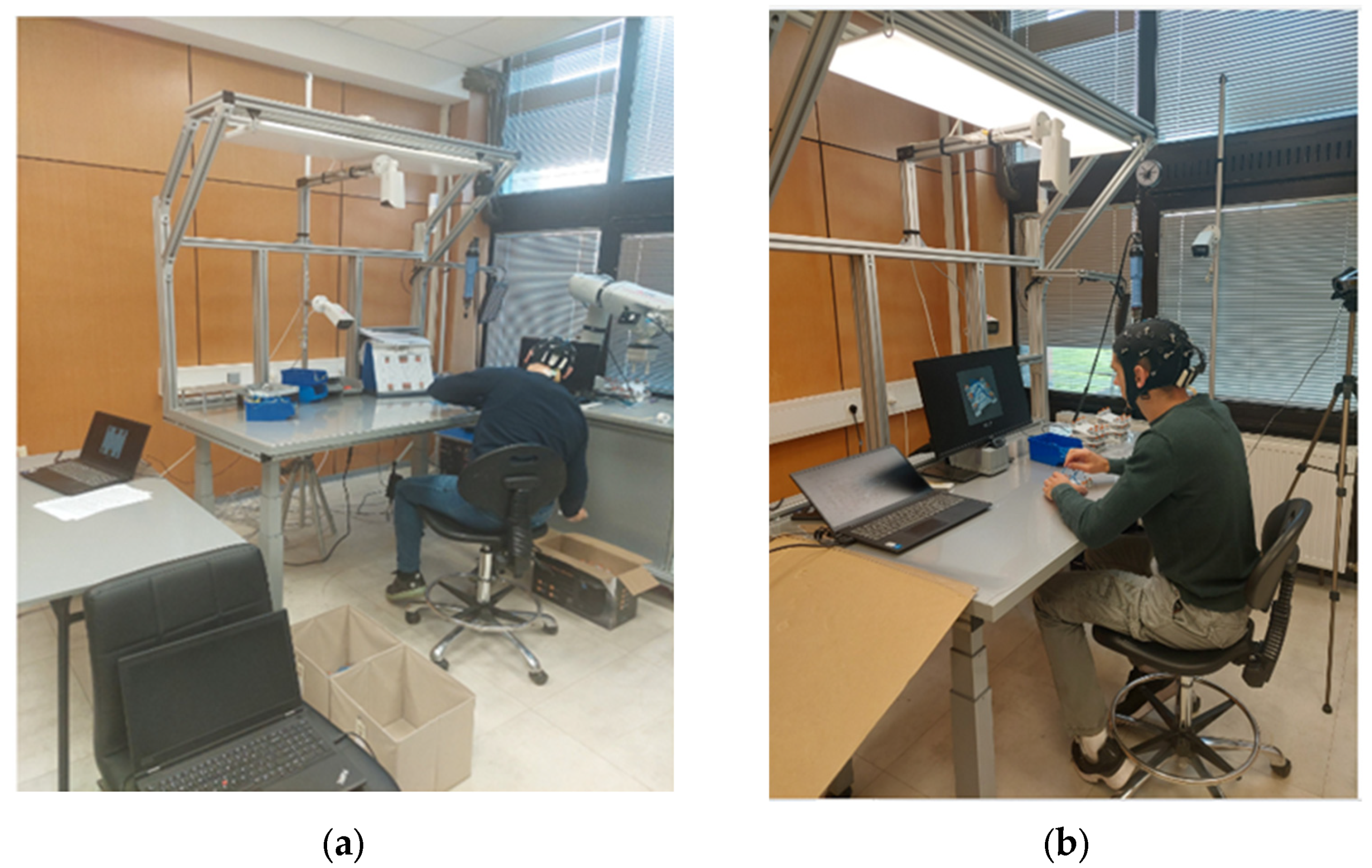
Figure 1 shows the non-ergonomic (
Figure 1a) and the ergonomic workstations (
Figure 1b).
In the traditional scenario, participants performed assembly tasks under conditions analogous to a real industrial environment. In this scenario, the lighting was inadequate, requiring participants to strain their eyes, which resulted in fatigue and decreased concentration. Additionally, participants were exposed to noise, simulating real industrial conditions. The room was not air-conditioned, and the temperature was not optimal during the experiment in the traditional scenario.
In the ergonomic scenario, the experiment was conducted under ideal laboratory conditions. The laboratory in which the experimental research was conducted was air-conditioned, and microclimatic conditions were controlled. The temperature was maintained at 24 ± 1 °C, while the relative humidity ranged between 40% and 60% with workstation, chair and other ergonomic principles adapted.
At the proposed workstation, homogeneous LED lighting was installed, producing only soft shadows that place less strain on the eyes, with the possibility of adjusting the white light (warm white, neutral white, and cool white). In this scenario, the participants were not exposed to noise. A notice was placed on the laboratory door indicating that entry into the laboratory was not permitted during the experiment.
3.1.2. Participants
A total of 15 participants took part in both scenarios. All participants were male, right-handed students enrolled in undergraduate, masters, or doctoral studies at the Faculty of Engineering, University of Kragujevac, aged between 18 and 30 years. Prior to the experiment, participants were informed about the experimental procedure, and basic demographic data were collected, including age, year of birth, height, and weight. Participants were instructed not to consume alcoholic beverages the day before and on the day of the experiment, and to refrain from drinking coffee or caffeine-based beverages for at least three hours prior to the experiment. They were also advised not to take any medications that could affect brain activity monitoring. All participants confirmed that they had a good night’s sleep before the experiment. All participants had normal vision or wore corrective lenses.
All participants provided written consent to take part in this study. Participation was entirely voluntary, and it was made clear that no personal information (e.g., name, surname, address, etc.) that could reveal the identity of the participants would be disclosed in any publications. The study was conducted fully in accordance with ethical principles for research involving human participants.
The sample of 15 participants was considered adequate to observe key differences between the ergonomic and non-ergonomic scenarios. Given that a within-subject design was applied, where the same participants took part in both scenarios, the proposed experiment can be considered valid. During participant selection, the aim was to ensure sufficient heterogeneity in terms of age, height, and body mass.
3.1.3. Product
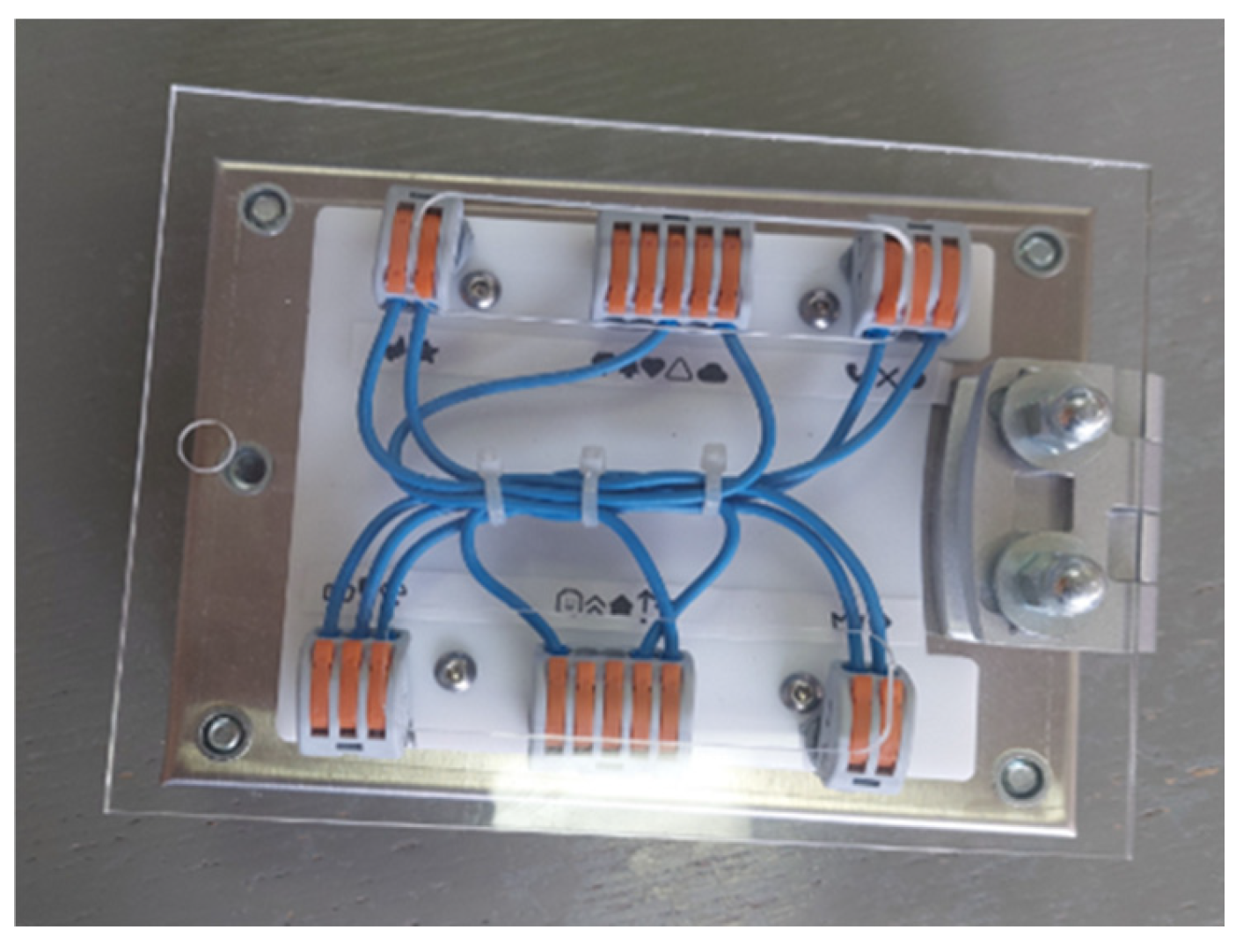
The product assembled by the participants represented an abstract model of a junction plate, consisting of a metal base made of sheet steel with pre-installed threaded elements, and a transparent acrylic cover connected by aluminum hinges (a combination of three different materials) (
Figure 2).
A specific feature of the product is that it can be completely disassembled, which is an important factor for repeated use in multiple experiments. In both scenarios, participants assembled 75 products each (a total of 150 schematics) modeled after industrial products. The experiment was programmed using the Presentation software (SMARTING STREAMER 3.4.3) developed by Neurobehavioral Systems, Inc., Berkeley, CA, USA (available at
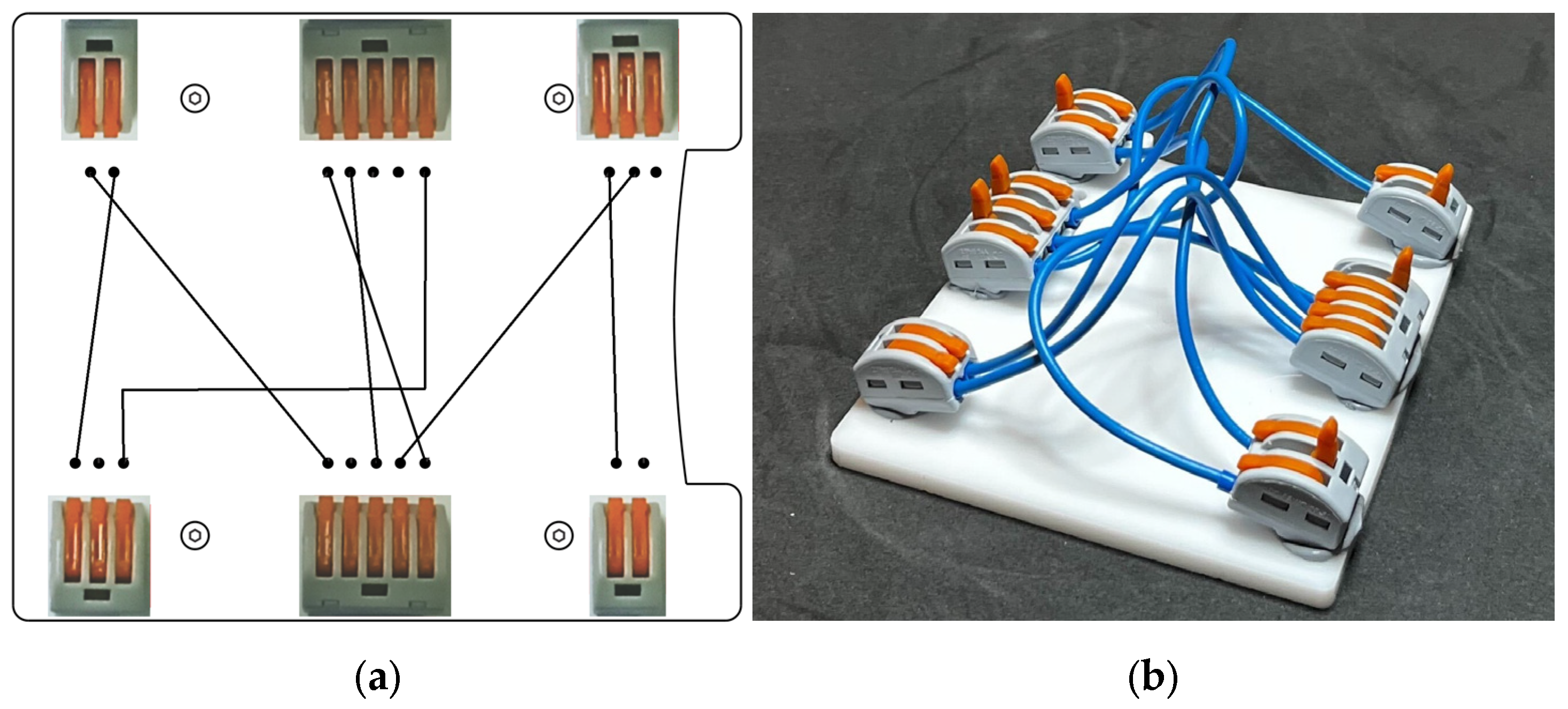
www.neurobs.com). Participants assembled the final product in two formats: schematics (
Figure 3a) and 3D images (
Figure 3b), with the 3D images being significantly more complex to assemble—primarily due to their rotation at various angles [
44].
The schematics were presented in random order. Participants assembled 90 simple and 60 complex schematics following the sequence: complex schematic, simple schematic, complex schematic, two simple schematics. No schematic was repeated during the experiment. Throughout the experiment, an assistant was present to collect and remove the completed products, which participants placed on a side table to the left. Additionally, the assistant monitored the task execution time and performed final product inspections, recording whether each product was assembled correctly or incorrectly. At the end of the experiment, the products were disassembled, and the components were returned to their respective organizers so they could be reused in subsequent experimental sessions.
Figure 4 shows correctly assembled products. As can be seen from the image, all wires were inserted into their appropriate positions, and all switches were properly engaged, etc.
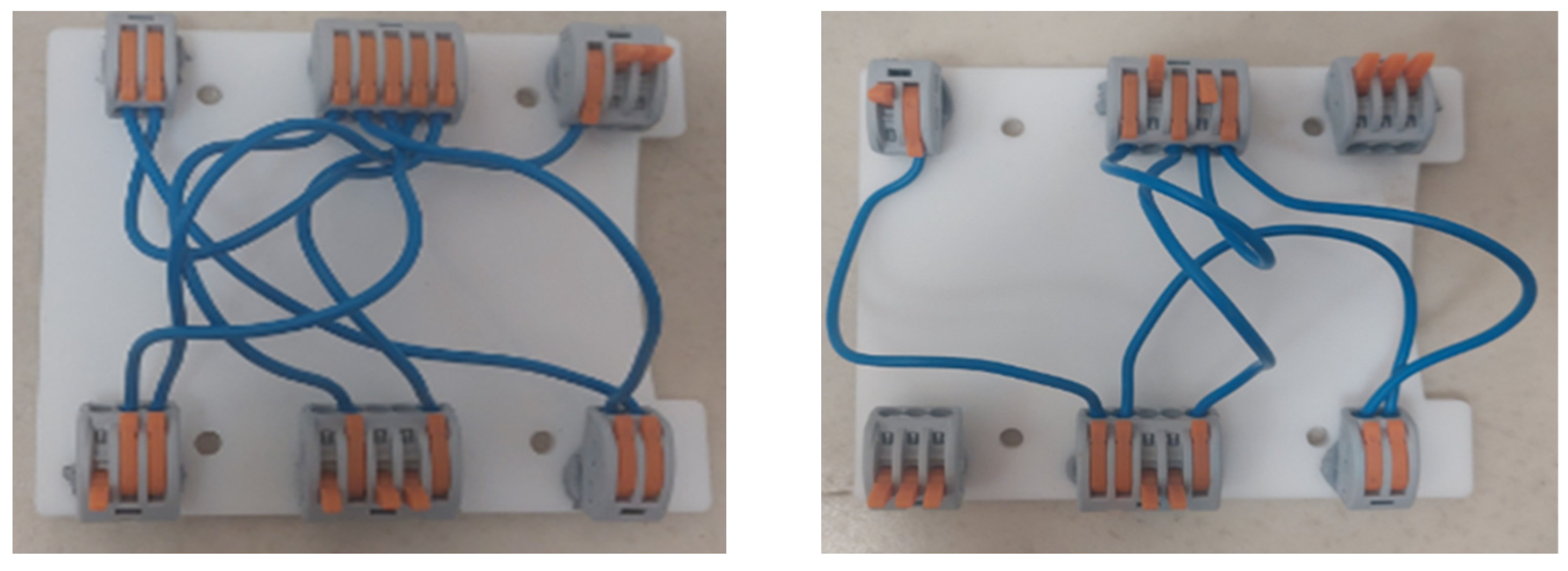
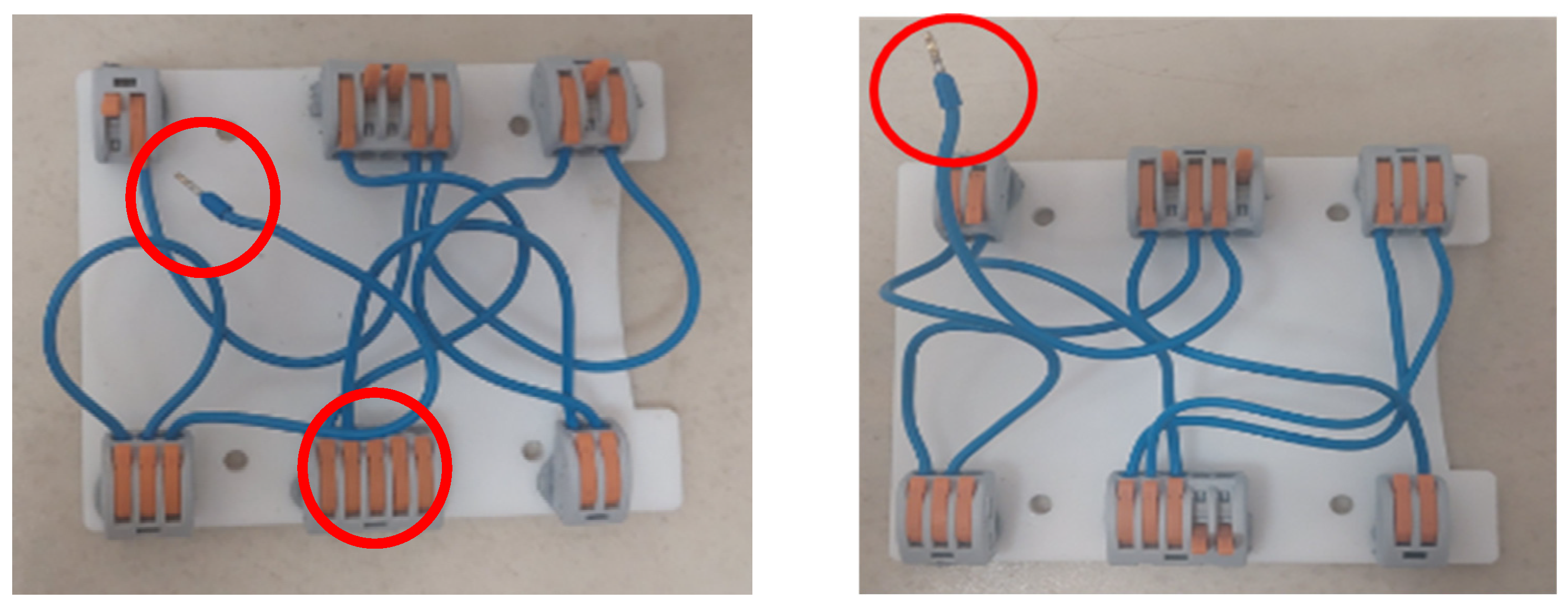
Figure 5 presents examples of defective products. A product was classified as defective if any irregularities were identified during the inspection. These irregularities included: wires dislodged from the switch, failure to engage the switch, or simultaneous engagement of two switches by mistake.
3.1.4. Equipment for Monitoring Brain Activity
An EEG cap with 24 electrodes was placed on the participant’s head in order to measure the action potential of neurons. Timely detection of a decline in attention and concentration can contribute to the prevention of defects and the improvement of efficiency. Since the brain’s architecture is not uniform, EEG signals vary depending on the location of the recording electrodes. It is therefore essential to carefully position the electrodes, as different lobes of the cerebral cortex are responsible for processing different types of activity. The electrodes were spatially positioned on the cap according to the internationally recognized 10–20 electrode placement system. Brain activity was monitored in the frontal (AFz, Fz, Fp1, Fp2, F3, F4, F7, and F8), central (Cz, CPz, C3, and C4), temporal (T7, T8), parietal (CPz, Pz, P3, P4, P7, P8), occipital (O1 and O2), and mastoid (M1 and M2) regions. The FCz electrode was used as the reference electrode, and the ground electrode was placed at position Fpz. The FCz electrode was used as the reference electrode, and the ground electrode was placed at position Fpz. EEG signals were recorded using the SMARTING wireless 24-channel EEG system with a sampling frequency of 250 Hz. The EEG cap was connected to a mobile Smarting amplifier developed by mBrainTrain LLC (Belgrade, Serbia), with dimensions of 85 × 51 × 12 mm and a weight of 60 g. Communication between the SMARTING system and the computer was established via Bluetooth. The advantages of using this EEG system lie in its ability to acquire data in real time without disturbing the participant during assembly tasks. To ensure optimal EEG signal quality during recording, the acquisition software protocol required that electrode impedance values be adjusted below 10 kΩ.
One of the major challenges was the synchronization of all elements in the experimental setup to ensure the precision of the recorded data. For this purpose, a specialized software/API package called Streamer software—Lab Streaming Layer (LSL) was used. This tool enables continuous synchronization of data collected from multiple devices.
3.1.5. EEG Data Preprocessing
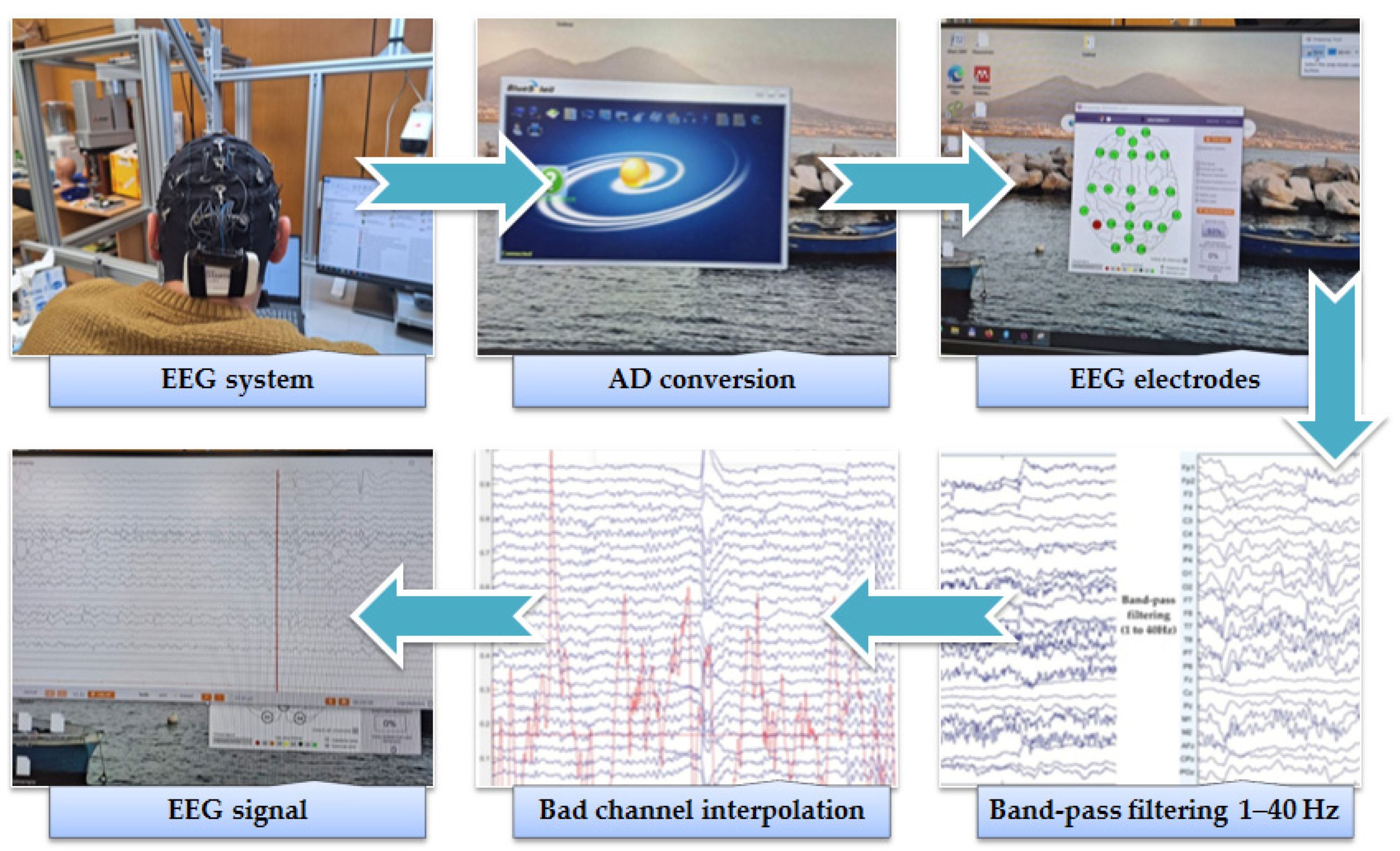
EEG signals were preprocessed and analyzed using EEGLAB 2021.1 toolbox of MATLAB (MATLAB R2021a). Preprocessing of EEG signals is a crucial step in the data analysis pipeline, ensuring the accuracy and reliability of the data for subsequent analysis. EEG signals are highly sensitive to artifacts and noise. Artifacts in EEG recordings can significantly affect the experimental results, which is why their elimination is essential. These artifacts may arise from technical issues or from the behavior and activity of the subject. The primary goal of preprocessing is to remove unwanted artifacts and noise and to enhance the overall quality of the signal. The main steps in EEG signal preprocessing include bandpass filtering, interpolation of bad channels, artifact removal using Artifact Subspace Reconstruction (ASR) algorithm and artifact removal through Independent Component Analysis (ICA) (
Figure 6).
EEG signals were initially filtered within the 1–40 Hz range. Signal filtering is performed to reduce the influence of artifacts such as eye movements and noise. While these artifacts can be identified manually, recent practice increasingly favors automatic artifact detection using low-pass, high-pass, and band-pass filters. If an EEG channel is damaged or contains excessive noise, it can be identified and replaced through interpolation based on surrounding channels, thereby ensuring signal consistency. Interpolation of bad channels was performed using the pop_interp() function. Artifacts were automatically removed using the Artifact Subspace Reconstruction (ASR) algorithm, implemented through the function pop_clean_rawdata(). Further artifact removal was performed manually through ICA, by selecting and eliminating undesired artifact components. All preprocessing steps were carried out using built-in functions within the EEGLAB toolbox.
EEG data were categorized into different frequency bands [
45] and characterized with different types of brain rhythms. Delta waves (0.5–4 Hz) are primarily associated with deep sleep, although their presence in the waking state may indicate extreme fatigue or reduced consciousness. Theta waves (4–8 Hz) are associated with relaxation and creativity, but may indicate an initial level of cognitive load. Alpha waves (8–12 Hz) typically appear when a subject has closed eyes or is in a relaxed state and are linked to reduced attention indicating that the person is awake but not actively processing information. But, if their activity decreases, it may indicate increased mental effort. Beta waves (13–35 Hz) are generated when a subject is aroused and actively engaged in mental activities such as problem-solving, decision-making, and focusing on a task. Increased beta wave activity indicates a high level of cognitive effort and alertness, commonly associated with situations that require intense thinking and concentration. Gamma waves (35–45 Hz) are linked to highly complex mental processes such as learning, memory, and information processing. Increased activity of these waves during task performance often indicates a high level of mental load.
EEG signals were referenced to their average value. Feature extraction followed as the next step after the EEG signal preprocessing phase. The quantification of mental workload during the execution of mentally demanding, repetitive assembly activities in both scenarios was carried out using three indices. For each session, three different EEG indices were calculated based on various combinations of EEG frequency band powers.
3.2. Experimental Procedure
The experimental procedure was carried out in the same manner as in previous publications [
44,
46]. The experiment began at 10 a.m. each day. Participants rotated every two days (on average) in the non-ergonomic scenario, and the experiment was then repeated in the same manner for the ergonomic scenario. Therefore, a maximum of one experiment was conducted per day, and the study for both scenarios lasted approximately two months in total.
In both scenarios, the experiment consisted of two sessions of a maximum of 90 min each, during which the participants performed component assembly tasks according to predefined instructions. Between sessions, participants had a short 15 min break during which they were allowed to stand up and walk around the laboratory before starting the second session. Therefore, including the time required for experiment preparation, equipment setup, participant preparation, and execution of the assembly tasks, the total duration of the experiment was approximately four hours.
It is important to note that each participant was shown in person and graphically how to perform the assembly of the component. The operations are very simple (see
Figure 2). Before the start of the experiment, participants received detailed instructions on how to perform the assembly tasks and were given 15 min to practice these activities. Prior to the first experimental session, they listened to relaxing music for 5 min. After an auditory cue, participants began the assembly tasks by retrieving the wires and acrylic components [
44].
All participants were unfamiliar with the tasks prior to their first (non-ergonomic) experimental session. While it is possible that some reduction in assembly time or defects could be partially attributed to skill acquisition, the assembly operations were very simple and straightforward, making the influence of learning effects minimal. Furthermore, each participant usually had more than a month between the two scenarios, which further lessens the possibility of notable carry-over learning effects.
Experimental research was conducted under two scenarios: non-ergonomic and ergonomic. In the non-ergonomic scenario, participants performed assembly activities at a traditional workstation based on a real industrial environment. In the ergonomic scenario, the participants performed activities at the proposed assembly workstation, which is aligned with ergonomic and lean principles and “golden zone standard”. In both scenarios, participants assembled the final product by connecting blue wires from a binder to the acrylic part and closing a switch. Participants followed instructions (2D or 3D assembly schematics) provided in paper format on a clipboard positioned outside the participant’s optimal reach zone in the non-ergonomic scenario, or on a touch screen monitor placed at eye level in the ergonomic scenario. After completing each assembly task, participants placed the component on a sliding tray located on the left side of the workstation and touched the screen to proceed to the next diagram.
Each participant was engaged in the task for an equal amount of time, as the time available per diagram was limited. The next diagram would automatically appear after the allotted time for the current one expired. For the assembly of easier (2D) schematics, participants had 60 s, while for more complex (3D) schematics they had 90 s, ensuring equal maximum time spent across both diagram types. More time was allocated for the complex schematics as they were expected to be more cognitively demanding. The total duration of each session was also limited. Participants were instructed to proceed to the next diagram upon hearing the sound signal. This meant that if they failed to complete the assembly within the designated time or made an error while connecting the wires, they were required to set the product aside on the left and continue assembling the next diagram according to the list in the binder or following the instructions on the screen, in order to avoid interrupting the workflow. Conversely, if participants completed the diagram before the signal, they would tap the screen to indicate completion and move on to the next task.
During the experiment in both scenarios, smartphones and other electronic devices were turned off. The laptop connected to the EEG system via Bluetooth was placed at the maximum possible distance to eliminate potential technical interference. These conditions were identical across both scenarios to ensure they would not affect the research outcomes. The experimental study monitored the influence of all relevant environmental factors on cognitive workload, productivity, and assembly defects.
4. Results and Discussion
4.1. Monitoring Mental Workload and Participant Engagement
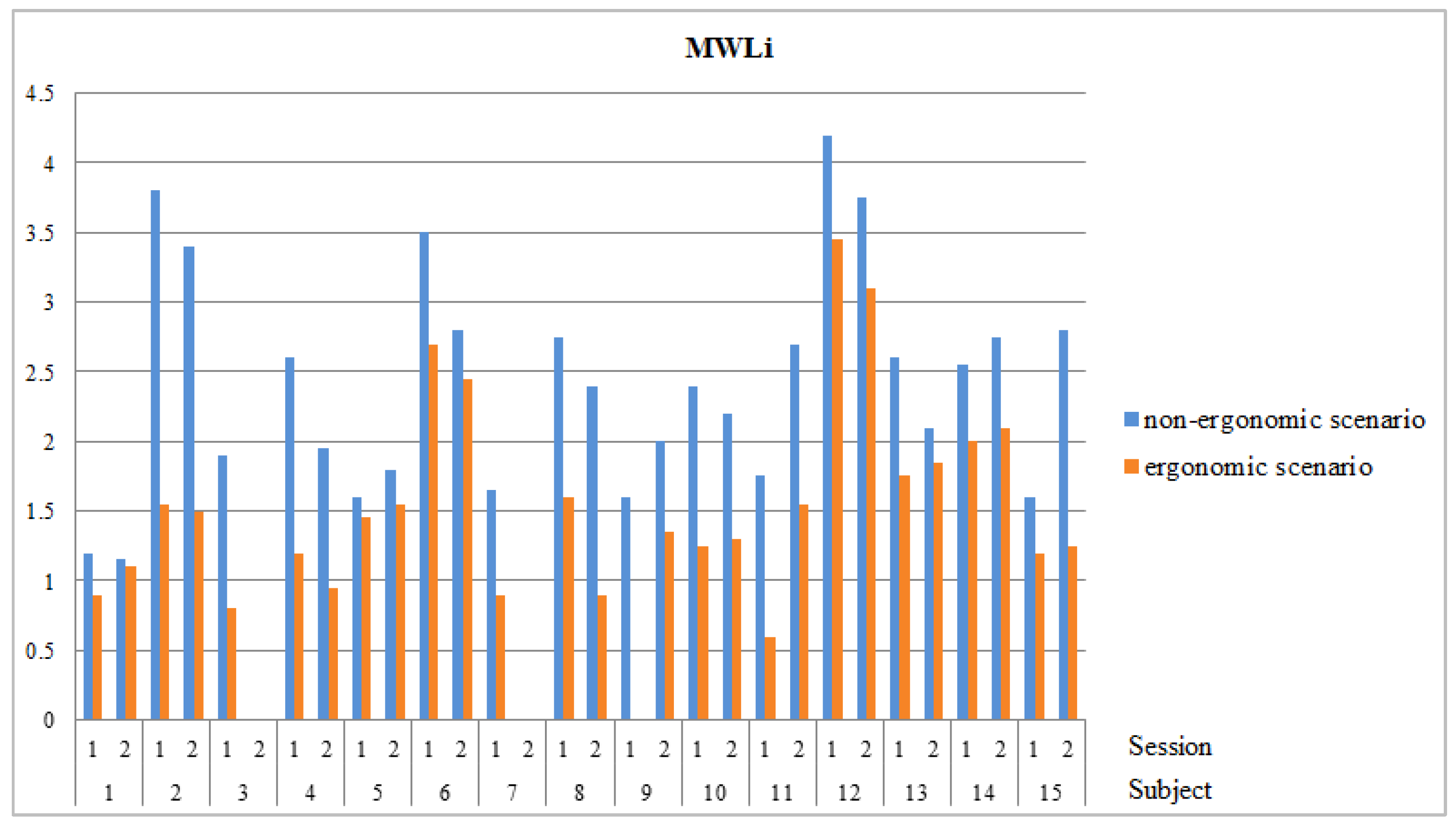
The obtained data were analyzed to determine variations in mental workload. The results of mental workload monitoring for all 15 participants, based on the values of the Mental Workload Index (
MWLi), are presented in
Figure 7.
Part of the presented results was published in paper [
46]. The histogram does not display the values for Participant No. 3 and Participant No. 7 in the second session due to technical issues that occurred during the experimental procedure. If the data from the diagrams were expressed quantitatively, the average
MWLi in the non-ergonomic scenario across both sessions is 2.41. In the ergonomic scenario,
MWLi is significantly lower, at 1.57. Therefore, it can be stated that mental workload in the ergonomic scenario was reduced by approximately 35%, which is a very good result.
Based on the results of mental workload monitoring using the MWLi, it can be concluded that higher MWLi values were recorded for the majority of participants in the non-ergonomic scenario compared to the ergonomic scenario, indicating increased cognitive load. Inadequate working conditions required participants to exert greater effort to complete the task on time, which increased their mental workload and stress levels. Due to the improper setup of the working environment and inefficient workspace organization, participants had to invest additional cognitive effort to complete their tasks within the required timeframe. For most participants, mental workload increased during the second session, which can be attributed to accumulated fatigue and a reduced ability to maintain focus on work activities. The results indicate that, in the traditional scenario, most participants experienced mental fatigue and declining concentration during the second session. This finding is consistent with the outcomes of the verbal interviews conducted immediately after the experiment. Participants reported experiencing greater mental effort and a drop in concentration while performing tasks in the non-ergonomic scenario, especially during the middle and final stages of the second session. As shown in the histogram, lower MWLi values were recorded for most participants in the ergonomic scenario compared to the traditional one. Ergonomic optimization contributed to a reduction in mental workload, as participants were able to focus more effectively on the assembly process itself, without the need for constant effort to compensate for an inadequate working environment.
Multivariate analysis of brain activity, mental workload, and eye movement data revealed a significant correlation between specific eye movement patterns and mental workload levels. Based on eye movement monitoring, it was observed that blinking was reduced and pupil dilation was increased during the formation of more cognitively demanding schematics. This can be justified by the fact that at these moments the subject was maximally concentrated on the task and therefore his attention was increased. Also, as the mental load increased over time, eye movements accelerated. Additionally, as mental workload increased over time, eye movements became more rapid. The obtained results agree with the results of the study conducted by the author [
47]. Workers are forced to maintain focus for a longer period of time, which can lead to eye fatigue, reduced efficiency in information processing and reduced productivity. Also, in a study conducted by the authors [
24], blink rates were monitored during warehouse activities to gain insight into the cognitive state of workers. It was found that eye blink rate decreases with increasing workload due to processing visual stimuli [
48]. This indicates increased concentration and greater focus on work activities.
Participants were exposed to lower levels of mental workload during the rest phase and the phase of retrieving acrylic parts from the box and wires from the sorter. Before the start of the first session, after listening to relaxing music, and at the beginning of the second session following a 15 min break, no signs of mental workload were observed among the participants. This is also consistent with the interview results, where participants stated that at the beginning of the experiment, after listening to relaxing music they did not feel fatigued. Participants reported experiencing higher mental workload and decreased concentration while performing activities in the non-ergonomic scenario. According to their statements, the most prominent mental fatigue occurred from the middle to the end of the first session, and at the end of the second session.
The results further revealed that environmental factors (such as temperature, humidity, lighting, noise, etc.) had a significant impact on participants’ mental workload, and consequently on productivity. A strong correlation was established between unfavorable environmental conditions and increased mental strain. In the traditional scenario, when participants were exposed to high noise levels and inadequate lighting, an increase in mental workload was observed in all participants, compared to the ergonomic scenario. This negatively affected participants’ ability to focus on tasks, increased defect rates, and resulted in longer task execution times, i.e., reduced productivity. Conversely, in the ergonomic scenario, where lighting was adequate and participants were not exposed to noise, mental workload was significantly lower. In addition, the results of participant engagement quantification (based on the MWLi) were also presented, identifying periods of increased and decreased engagement.
Participant engagement was monitored using two indices:
Ei+theta and
Ei.
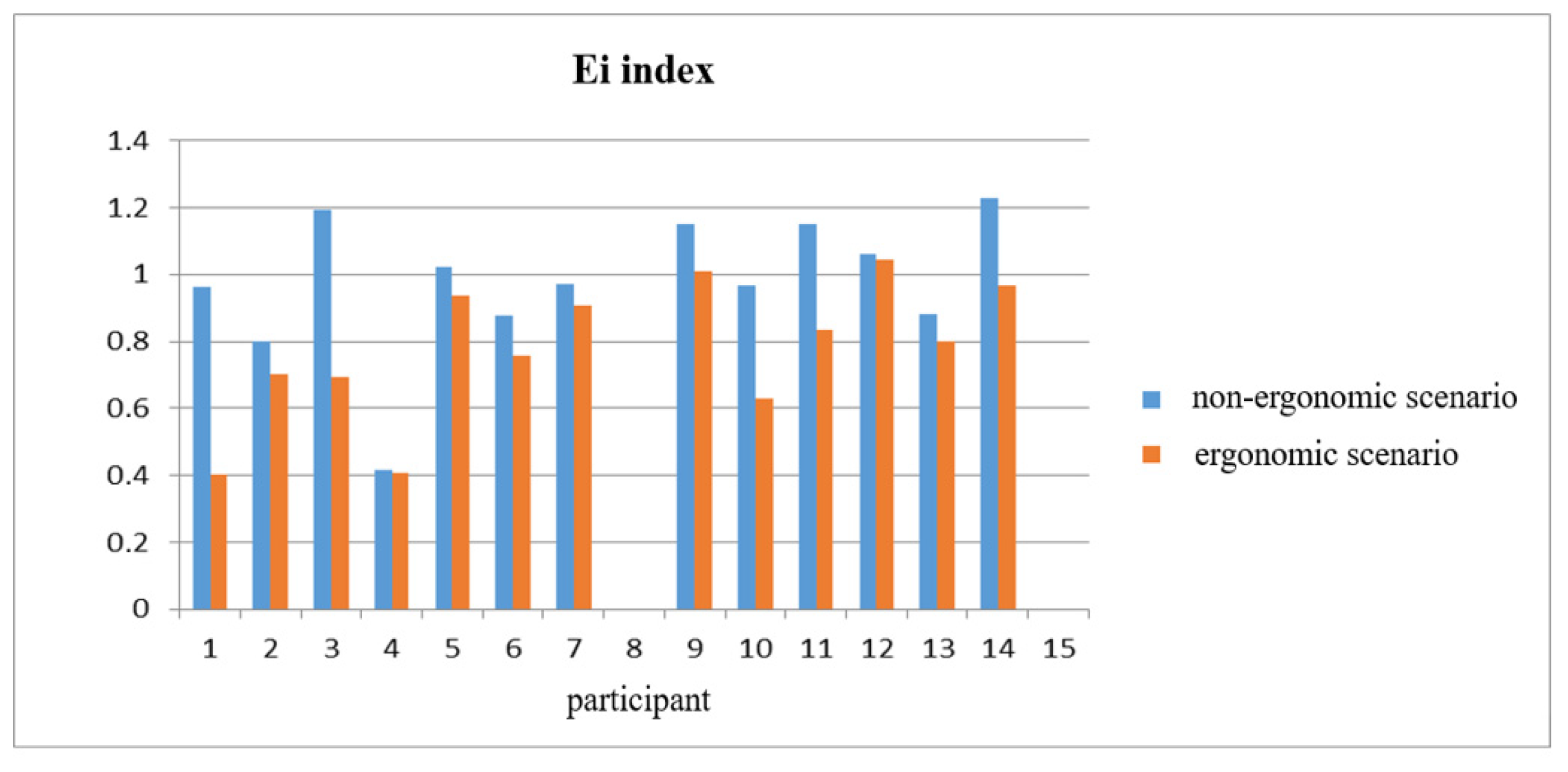
Figure 8 shows the results of engagement monitoring using the
Ei in both the non-ergonomic and ergonomic scenarios.
As shown in
Figure 8, in the non-ergonomic scenario, the
Ei values were generally lower for all participants, indicating reduced engagement due to increased mental workload. In this scenario, participants performed tasks at a workstation that was not ergonomically designed, while also being exposed to noise and inadequate lighting, which disrupted the assembly process. The high cognitive load led to loss of focus and decreased motivation to perform tasks efficiently. In contrast, in the ergonomic scenario, most participants demonstrated higher
Ei values, indicating greater focus and commitment to task execution.
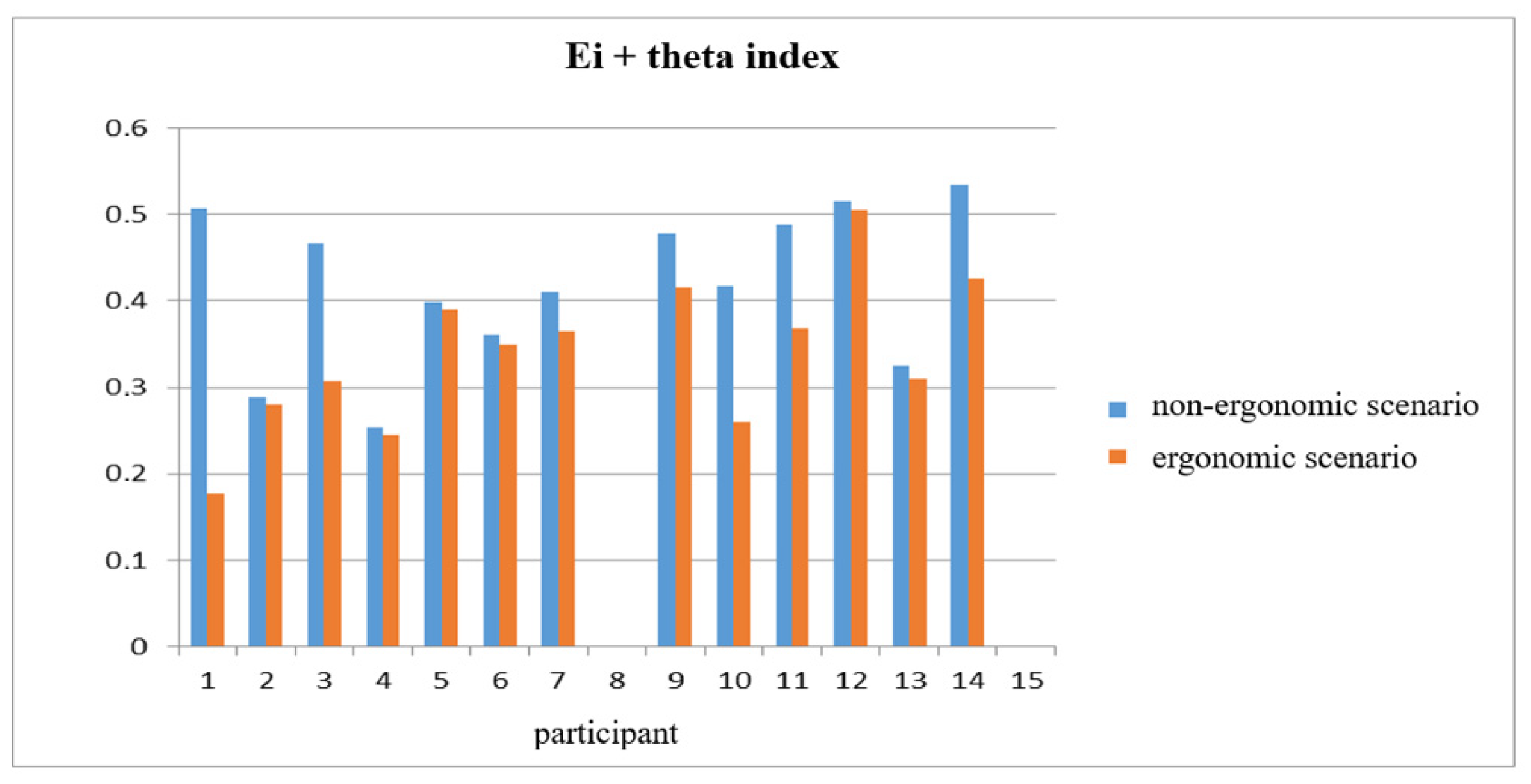
Figure 9 presents the aggregated results of engagement monitoring for all 15 participants using the
Ei+theta index.
In the non-ergonomic scenario, the Ei+theta index values were lower for all participants, which is directly associated with increased cognitive load and reduced efficiency. On the other hand, in the ergonomic scenario, the index values were higher for all participants compared to the non-ergonomic condition.
4.1.1. Correlation Between MWLi, Ei+Theta, and Ei Indices
To examine the relationship between the indices
MWLi,
Ei (beta/(alpha+theta)), and
Ei (beta/alpha), the Pearson correlation coefficient was used. The indicators (
MWLi,
Ei+theta, and
Ei) were calculated as the average values from the first and second sessions, separately for both scenarios (ergonomic and non-ergonomic).
Table 1 and
Table 2 present the correlation coefficients.
Based on
Table 1, it can be concluded that there is a significant, positive, and strong correlation, as all correlation coefficients are positive and statistically significant at the chosen confidence level. Also, it can be concluded that there is a significant, positive, and strong correlation among all indicators:
MWLi and Ei+theta, r (15) = 0.78; p = 0.00
MWLi and Ei, r (15) = 0.74; p = 0.00 and
Ei+theta and Ei, r (15) = 0.96; p = 0.00
4.1.2. Differences Between Scenarios by Indicator
To examine the differences in indicators between the ergonomic and non-ergonomic scenarios, a paired samples t-test was used. The indicators (
MWLi,
Ei+theta, and
Ei) were calculated as the average values from the first and second sessions, separately for each scenario.
Table 2 presents the differences between the scenarios.
MWLi in the non-ergonomic scenario (M = 2.19; SD = 1.16) was significantly higher than MWLi in the ergonomic scenario (M = 1.32; SD = 1.03); t (29) = 7.40; p = 0.00, which can be explained by the fact that participants in the non-ergonomic scenario were exposed to higher mental workload. The difference between Ei+theta in the non-ergonomic and ergonomic scenarios was not statistically significant, nor was the difference between Ei in the non-ergonomic and ergonomic scenarios; p > 0.05.
To examine the differences between sessions, a paired samples t-test was also applied.
Table 3 presents the session-based differences. The results showed that there was no statistically significant difference between sessions for any of the indicators;
p > 0.05.
4.2. Results of Monitoring Productivity and Defects
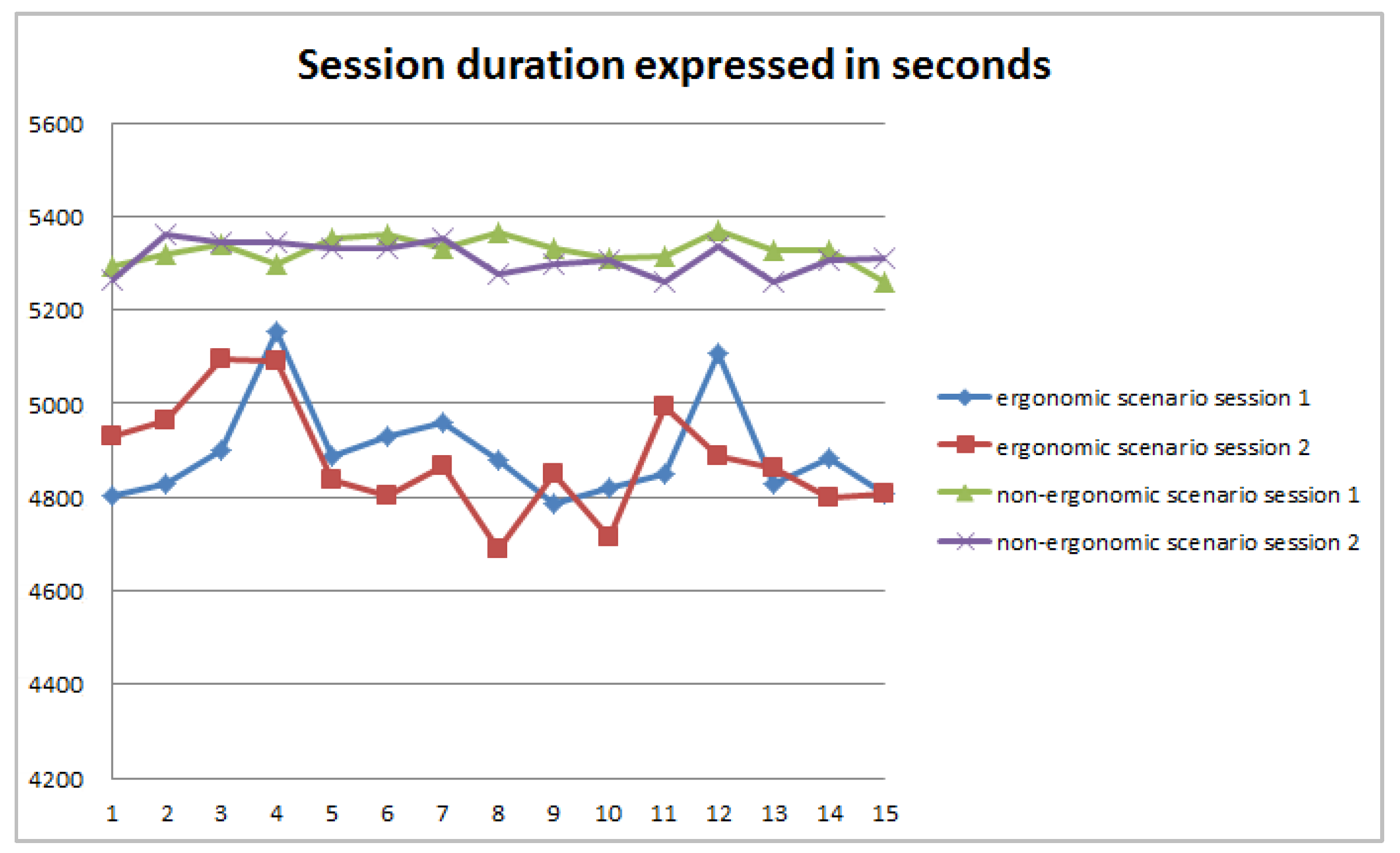
Figure 10 presents the duration of the first and second sessions in both the non-ergonomic and ergonomic scenarios for each participant. In the non-ergonomic scenario, the duration of activities for all participants was longer compared to the ergonomic scenario. This may be associated with the increased mental workload to which participants were exposed in the non-ergonomic setting. A decline in attention and concentration slowed the work pace. The execution time for assembly activities in the ergonomic scenario was significantly shorter compared to the traditional (non-ergonomic) scenario.
Based on the data in
Figure 10, it can be seen that for some participants the duration of the first session was shorter than the second session in both scenarios. For some participants the opposite situation was observed. The results obtained showed that the effective application of ergonomic principles when designing work systems, establishing a balance between worker characteristics and work task requirements, and harmonizing the workspace, tools, and work methods with the physiological, psychological, and cognitive abilities of participants contribute to improving productivity.
The figure also show that the duration of the activity is less in the ergonomic scenario compared to the non-ergonomic scenario for most participants, which indicates that all participants completed work tasks faster in the ergonomic scenario. If this data were expressed quantitatively, the average duration of both sessions in the non-ergonomic scenario was approximately 177 min, while in the ergonomic scenario it was about 162 min. This means that the session duration was reduced by approximately 8%.
The reason for this can be found in the fact that the ergonomic scenario is more suitable for the participants, given that the proposed workstation is aligned with ergonomic and lean principles. Therefore, there was no need for additional stretching and bending of the body. In addition, the clusters with components necessary for performing the assembly process in the ergonomic scenario were placed in accordance with the “golden zone” standards, 5S principles, and therefore the non-value added activities and increase the total duration of the activity was eliminated.
In the traditional scenario, the instructions were presented in paper format in the registers so that the subjects had to turn the pages when moving to the next schematic, which was additionally time-consuming, and in the ergonomic scenario, the instructions were displayed on a touch-sensitive computer monitor that was placed within the golden zone. Also, in the non-ergonomic scenario, the storage bins contained mixed blue, white, green and yellow wires, while in the ergonomic scenario, the bins contained only blue wires, which made it easier for the subjects to perform their work activities. The results obtained coincide with the findings from the oral interview conducted after the experiment. Several participants stated that during the second session their attention and concentration decreased, they felt mentally tired, and therefore needed more time to complete the work task.
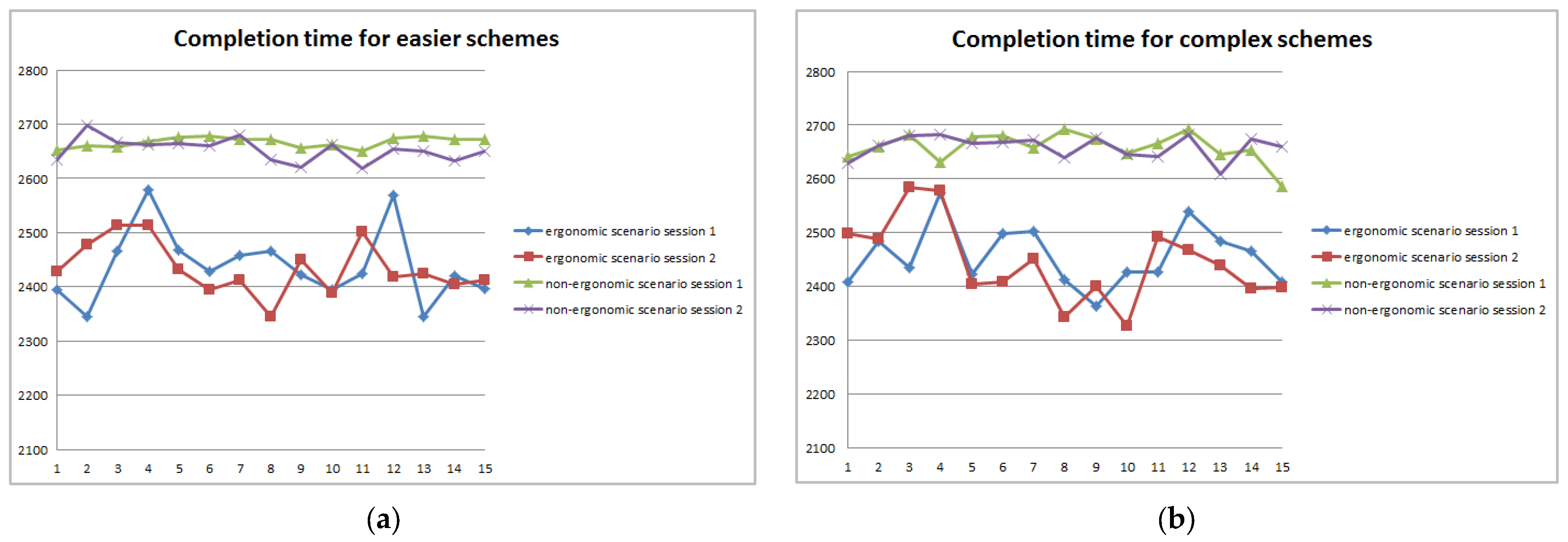
Total duration of the activity when assembling easier schematics in the non-ergonomic and ergonomic scenarios and complex schematics in the non-ergonomic and ergonomic scenarios for each of the 15 participants is presented in
Figure 11a,b, respectively.
By reviewing the data, it can be concluded that for most participants, when assembling either easier or complex schematics, the total duration of the activity was lower in the second session compared to the first session in both scenarios. A comparative analysis of the data indicates that participants required more time to assemble the more complex schematics. The obtained results are consistent with the responses given by participants during the oral interview, as they confirmed that assembling more complex schematics was more challenging. Additionally, in the interview, participants stated that during the second session, there was a noticeable decline in attention and concentration, accompanied by feelings of mental fatigue, which consequently required them to spend more time completing the tasks. Based on participants’ responses, there were two things that, in most cases, were common to all participants and concerned the fact that they performed the assembly tasks as quickly as possible, and most of them did not pay significant attention to the stopwatch, indicating that they were fully focused on executing the task.
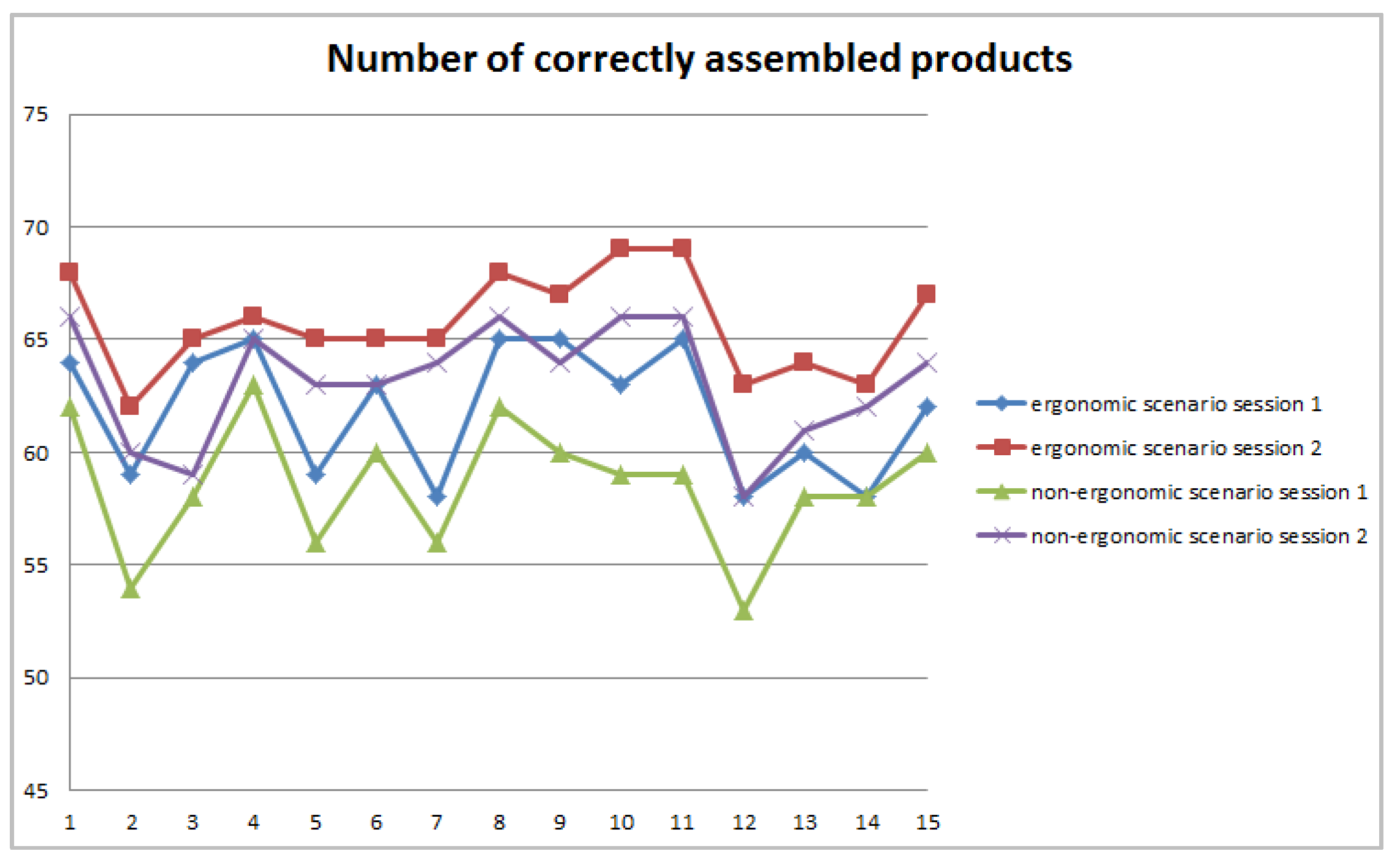
Figure 12 shows a comparative overview of correctly assembled products in the non-ergonomic and ergonomic scenarios. The number of correctly assembled products is significantly higher in the ergonomic scenario.
The percentage of defects was reduced on average nearly by 5% in session 1 and nearly by 4% in session 2 in the ergonomic scenario. The optimization of the workspace, improved organization of components and tools, adaptability of the workstation to the participants, as well as the reduction in mental workload, enabled more precise and efficient performance of assembly tasks, resulting in a higher number of correct products.
4.3. Discussion of Results and Participant Feedback
In the ergonomic scenario, all 15 participants recorded fewer defects. This indicates that ergonomic optimization contributes to the reduction in errors and the improvement of final product quality. This is in line with expectations, as ergonomic optimization significantly reduced both physical and mental workload, allowing participants to focus more on the task and make fewer mistakes.
It was also found that participants made fewer defects in the second session compared to the first session. The obtained results are consistent with the findings of studies conducted by authors [
31,
49], which demonstrate that the application of ergonomic principles contributes to increased productivity and efficiency, as well as improved product quality. Similarly, the results align with those presented in study by [
50], which showed that the integration of lean manufacturing principles, ergonomics, and human factors significantly contributes to continuous improvement of production processes, increased productivity, and enhanced working conditions. The results also correspond with the conclusions of studies by [
51,
52], indicating that the implementation of physical and organizational ergonomic activities reduces defects and improves the quality of final products.
According to the oral interview results regarding the participants’ general impressions of the task, most of the participants considered the task to be moderately difficult, initially interesting, but later monotonous. On the other hand, several participants stated that the task was boring at first but became more interesting over time. Most participants noted that the task was demanding at the beginning and end of the experiment. Some participants required a bit of time to get into the flow of performing the task. A few participants reported that the task was mentally exhausting at first, as they were focused on figuring out how to correctly connect the wires (i.e., how to insert the wires into the holes without making mistakes). But, later during the experiment, they felt more relaxed. Only two participants stated that the task was exhausting and lasted too long.
According to the participants, the wire positioning was generally acceptable. They reported that it was easier to perform assembly tasks using the 2D schematics, as they were clearer and more straightforward. In contrast, the 3D images were more difficult to follow because the images were often rotated at various angles and the wires appeared tangled, making it harder to determine where each wire should be inserted. This led to additional time spent analyzing the image. Participants also found it challenging to insert wires that connected two distant switches, those located at the far ends of the schematic. Most participants stated that the time allocated for assembling the schematics was longer than they had expected, and they felt they had sufficient time to complete the tasks.
During the assembly process, participants encountered minor technical difficulties with the switches. According to the majority, the switches were difficult to operate, particularly when closing them. Participants with thicker fingers had more trouble closing the switches. One participant mentioned that he often accidentally closed two switches instead of one so he had to reopen and adjust them, which was time consuming. It was also reported that inserting wires into the designated positions was sometimes unsuccessful, and in some cases, the wires became stuck. Many participants experienced finger pain because the switches would pinch them during closure.
Based on participants’ statements, the participants generally tried to work as quickly as possible. One participant mentioned that at the beginning, he primarily focused on working as fast as possible. However, later, when he realized that there was enough time to complete task on time, he understood that it was better to spend more time thinking about how to connect the wires than to rush through the process. Most participants managed to complete the majority of the tasks before the alarm sounded and did not pay particular attention to the stopwatch, as they gradually developed an intuitive sense of how much time was needed for each operation. They mostly paid attention to the stopwatch only at the beginning of the experiment. Two participants stated that they paid attention to the stopwatch primarily halfway through each assembly task in order to complete it on time. They also paid more attention to the stopwatch while assembling 3D images rather than the easier 2D schematics. One participant mentioned that he looked at the stopwatch every time he glanced at the screen.
The participants did not follow any particular strategy. Most of them completed the assembly schematics in order, typically starting from a single reference point like first the upper side, and then proceeding to the switches on the lower side. They used the same strategy for both easier and more complex schematics. One participant stated that he first connected the wires that were parallel and then proceeded to connect all the others.
Most participants reported that they did not experience physical fatigue during the first part of the experiment. Physical fatigue and neck pain generally began to appear during the second half of the second part and toward the end of the second part of the experiment in the non-ergonomic scenario. For a few participants, fatigue occurred near the end of the first part of the experiment (approximately after two-thirds of the time had passed since the beginning of the first part). Mental fatigue and loss of concentration occurred for most participants mainly in the middle of the first and second part of the experiment in the non-ergonomic scenario. One participant stated that their concentration frequently wandered during the second part of the experiment but only for short periods. Three participants responded that they generally did not experience a decline in concentration, although they noted a brief loss of focus during the second part of the experiment.
In the non-ergonomic scenario, participants primarily complained about inadequate lighting. Due to reduced visibility, participants had to strain their eyes while performing assembly tasks, which eventually led to fatigue and negatively impacted task completion time. Additionally, participants were disturbed by the noise they were exposed to. The noise negatively affected their concentration and ability to accurately perform tasks, which was reflected in an increase in errors and defects. During task performance in the non-ergonomic scenario, the room was not air-conditioned. Due to elevated temperatures in the laboratory, there was a noticeable decline in attention and concentration, which also negatively affected task execution time and defect rates.
Based on the conclusions drawn from the experiments conducted in the non-ergonomic and ergonomic scenarios, it can be concluded that the reduction in MWLi observed in the ergonomic scenario contributed to improved work productivity and a decrease in defects. Therefore, lower mental workload allowed participants to maintain focus during the tasks, resulting in fewer errors and shorter task completion times. This certainly suggests a causal relationship between mental workload and worker performance at the workstations.
5. Conclusions
Modern industrial systems are increasingly recognizing the importance of optimizing the work environment as a key prerequisite in improving efficiency. Simultaneously, organizations aim to improve the quality of final products, reduce defects, and eliminate excessive rework. While also considerable attention in contemporary organizations is devoted to enhancing employee health, increasing satisfaction, and promoting overall well-being. In this context, ergonomics plays a crucial role in the design of workstations to reduce cognitive load and enhance job performance. Workplaces where employees perform monotonous, repetitive, and fatiguing assembly activities for extended periods are representative examples of settings where full digitalization cannot be implemented. This is primarily due to the fact that assembly workstations typically involve the production of complex final products in small quantities and with high variability.
The primary objective of this research is to examine the impact of applying ergonomic and lean principles, along with golden zone standards, on the effectiveness of production processes and the quality of the product as well. This study includes an analysis of the current state of workplaces where manual assembly of parts and components into final products is performed, identifying key factors contributing to workers’ mental workload and reduced productivity. In the experimental section, a comparative analysis of cognitive workload, productivity, and defects was conducted between the non-ergonomic and ergonomic scenarios.
The contribution of this research lies in the improvement and optimization of traditional industrial workstations, where workers perform manual tasks in a seated position over extended periods of time, as well as in the enhancement of production process effectiveness through the reduction in task execution time. To the best of the authors’ knowledge, no existing studies in the available literature have offered a comprehensive solution addressing this specific problem.
The results of the experimental research indicated a significant reduction in cognitive workload, an increase in productivity, and a decrease in defects among all participants. This can be attributed to the fact that, in the ergonomic scenario, the primary focus was on performing only value-adding activities while eliminating all forms of waste. This contributed to process optimization, increased efficiency, improved final product quality, and reduced defects and costs. The findings demonstrate that redesigning assembly workstations and positioning tools and materials in accordance with lean and ergonomic principles, as well as participants’ anthropometric characteristics, enhances performance. The conclusions confirm the importance of integrating ergonomic measures into industrial practice as a key factor in achieving efficient production.
In order to improve the understanding of the impact of ergonomic interventions on work performance and employee well-being, future research will focus on a broader range of job types in both industrial and non-industrial sectors, as well as the inclusion of a larger number of participants. Special emphasis will be placed on the long-term effects of ergonomic measures on workers’ health status, productivity, costs, turnover, and absenteeism. The evaluation of the cost–benefit ratio of ergonomic interventions represents an important aspect that should be incorporated into future studies to further support the justification for such investments through economic indicators. Subsequent research will aim to integrate the existing results with findings from electromyography (EMG) and RULA analysis in order to objectively quantify both physical and mental workload and worker performance, thereby contributing to the implementation of a holistic approach in the design of the work environment. A topographical representation of the distribution of electrical activity across the brain surface per participant could be another way to identify areas with increased or decreased activity depending on the cognitive state of the participant. Topographic maps display variations in EEG signals over time, which is especially relevant for tracking mental fatigue or responses to different stimuli.
The conclusions and results of this study can potentially have practical implications in the industrial domain. By applying ergonomic and lean principles, companies can optimize their workstations, enabling workers to stay more focused, experience lower mental workload, make fewer errors, and complete tasks more efficiently. Companies would primarily benefit economically from the implementation of these ergonomic measures (through reduced defects and increased production volume with the same number of workers), but these measures do require some financial investment. Therefore, before introducing such interventions, companies should perform a financial analysis and evaluate the return on investment.




 ,
,