1. Introduction
The mining industry plays a pivotal role in global socioeconomic development, providing essential raw materials that drive industrial progress and improve living standards. However, the industry’s activities also generate significant environmental challenges, particularly in waste management. The increasing demand for raw materials, coupled with declining ore quality, has resulted in a dramatic rise in waste generation during mineral processing [
1]. Among these wastes, mine tailings are the primary by-products, comprising approximately 99% of mined material [
2,
3]. Improperly managed tailings can release harmful substances such as heavy metals and sulfide minerals, contaminating ecosystems and groundwater [
4]. Moreover, tailings dam failures can lead to devastating environmental and social consequences, as seen in the 1996 Marcopper mining disaster in Marinduque, Philippines. This catastrophic event caused widespread marine ecosystem damage and left heavy metal-laden sediments along riverbeds and banks, posing long-term risks to local communities and the environment [
5,
6,
7,
8].
Addressing these challenges requires sustainable strategies to recycle mine tailings while immobilizing their heavy metal content [
9]. A promising approach involves utilizing industrial by-products, such as mine tailings, in the production of geopolymer or hybrid geopolymer-cement materials via alkali activation using strong bases such as NaOH or KOH. Early geopolymer research demonstrated the feasibility of using metakaolin [
10], fly ash [
10,
11,
12], and blast furnace slag [
13] as aluminosilicate precursors. However, due to the global transition away from coal-fired power plants, the supply of these precursors has been steadily declining, leading recent research to seek alternative aluminosilicate raw materials. Promising candidates include waste glass [
14], ceramic waste powders [
15], silica fume [
16], red mud [
17,
18], and mine tailings [
19,
20,
21]. With their high silica content and cement-like particle size, mine tailings show potential as partial substitutes for cement, offering an environmentally friendly alternative to conventional construction materials [
22]. This approach can also mitigate the environmental impact of ordinary Portland cement (OPC) production, a major contributor to greenhouse gas emissions [
23]. Research on these mixtures containing fly ash and slag reported very high compressive strength (100 MPa) but poor workability. The poor workability is attributed to both the presence of free lime in the system and the particle size of the fly ash particles. The type, dosage, concentration of alkali activator, temperature of curing, and presence of ionic substances are several factors that affects the hardening rate of the geopolymer [
24].
Geopolymers effectively stabilize heavy metals through mechanisms such as physical encapsulation, gelation, and chemical bonding [
25,
26,
27]. During geopolymerization, heavy metals are immobilized through hydroxide and carbonates precipitation [
28] and silicate phase formation [
29], and integration into the geopolymer’s unique 3D network structure, which supports ion exchange and electrovalence balance [
30,
31]. These mechanisms highlight geopolymers’ potential for both waste valorization and environmental remediation.
Research also indicates that mine tailings can replace natural aggregates in concrete production and has shown promising results [
32], with studies showing the successful incorporation of tailings from iron, gold, copper, and molybdenum mining into concrete formulations [
33,
34,
35]. Despite minor reductions in compressive strength, these applications have proven feasible, with additional uses in cement production and highway concrete [
36]. However, challenges such as reduced mechanical performance and high activation costs persist, underscoring the need for further research.
In the Philippines, limited studies have focused on characterizing mine tailings from various mining sites for geopolymer applications. While existing research largely emphasizes mechanical properties, there is a notable scarcity of data on the leaching behavior of geopolymer-based products. The 1996 Marcopper disaster left substantial deposits of mine tailings and river silt in Marinduque, Philippines, presenting an opportunity for valorization through sustainable construction applications. Thus, this study addresses these gaps by evaluating the feasibility of using copper mine tailings and river silt from Marinduque in hybrid geopolymer-cement mortar bricks. The raw materials and fabricated bricks were comprehensively characterized using particle size analysis, elemental and phase composition studies, and surface morphology and chemical property assessments. Analytical techniques included X-ray fluorescence (XRF), X-ray powder diffraction (XRD), Fourier-transform infrared spectroscopy (FTIR), petrographic analysis, and scanning electron microscopy with energy-dispersive X-ray spectroscopy (SEM-EDS). Process parameters such as cement replacement levels and activator concentration were varied to determine their effects on the physical and chemical properties of the hybrid mortar bricks. Mechanical testing and leaching analyses further evaluated the potential of these materials for sustainable construction, highlighting their contributions to waste management and environmental remediation.
2. Results and Discussion
2.1. Surface Morphology and Elemental Composition
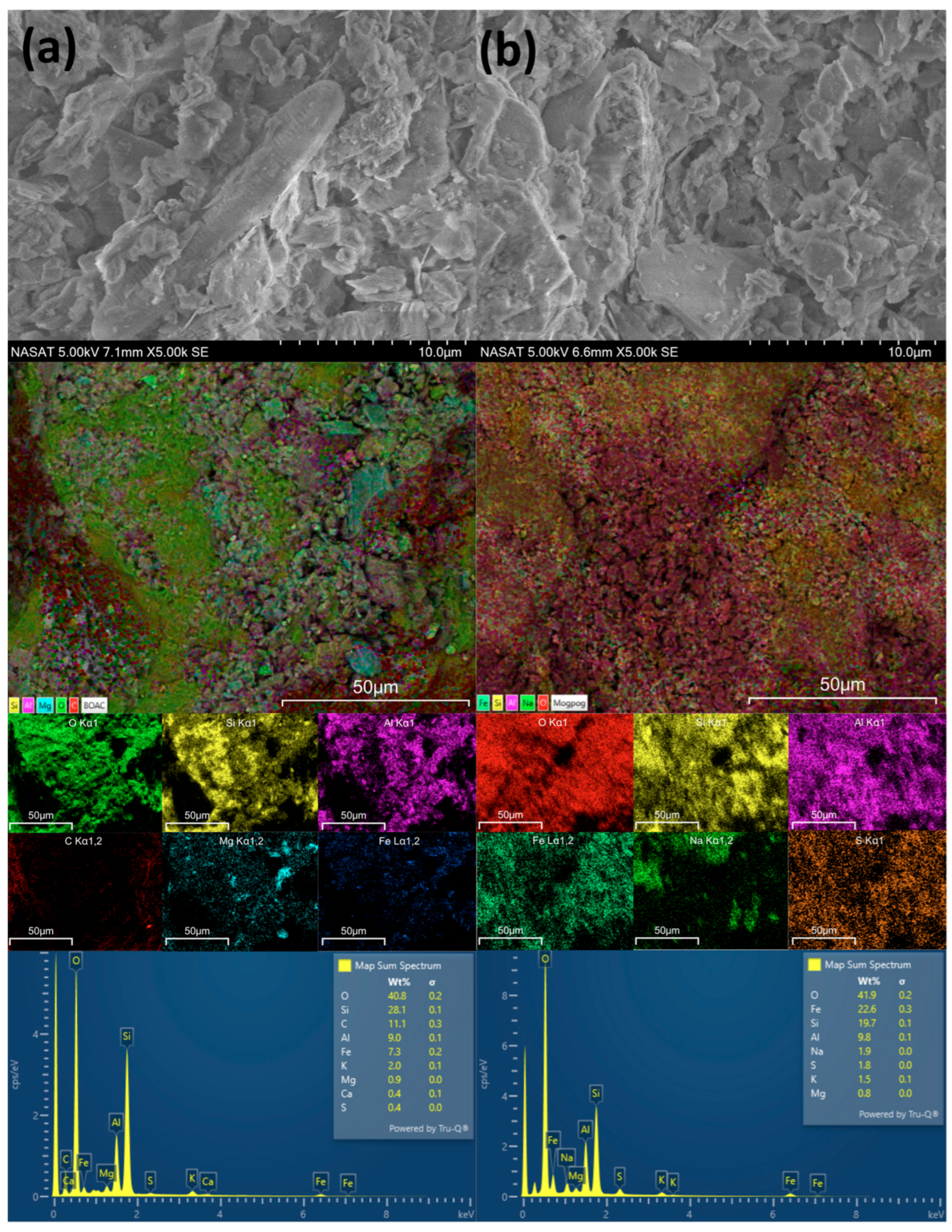
Figure 1 shows the surface morphology and elemental analysis of the as-received copper mine tailings and silt samples using scanning electron microscopy (SEM) coupled with energy-dispersive X-ray spectroscopy (EDX). The SEM images show that the tailings and silt particles from the Boac and Mogpog Rivers exhibit platy and irregularly shaped morphologies with some well-defined edges and faces. There is no significant difference in the surface morphology between the two samples.
Table 1 shows the elemental composition of the two tailing and silt samples determined through X-ray fluorescence analysis. The samples consist mainly of silicon, which constitutes more than 50% of the composition, and aluminum, which makes up around 20% of both sources from the Mogpog and Boac locations. These elemental composition values are generally similar taken from the EDX analysis. The two major components, silicon and aluminum, are important as they are the primary ingredients of a good aluminosilicate precursor for geopolymerization.
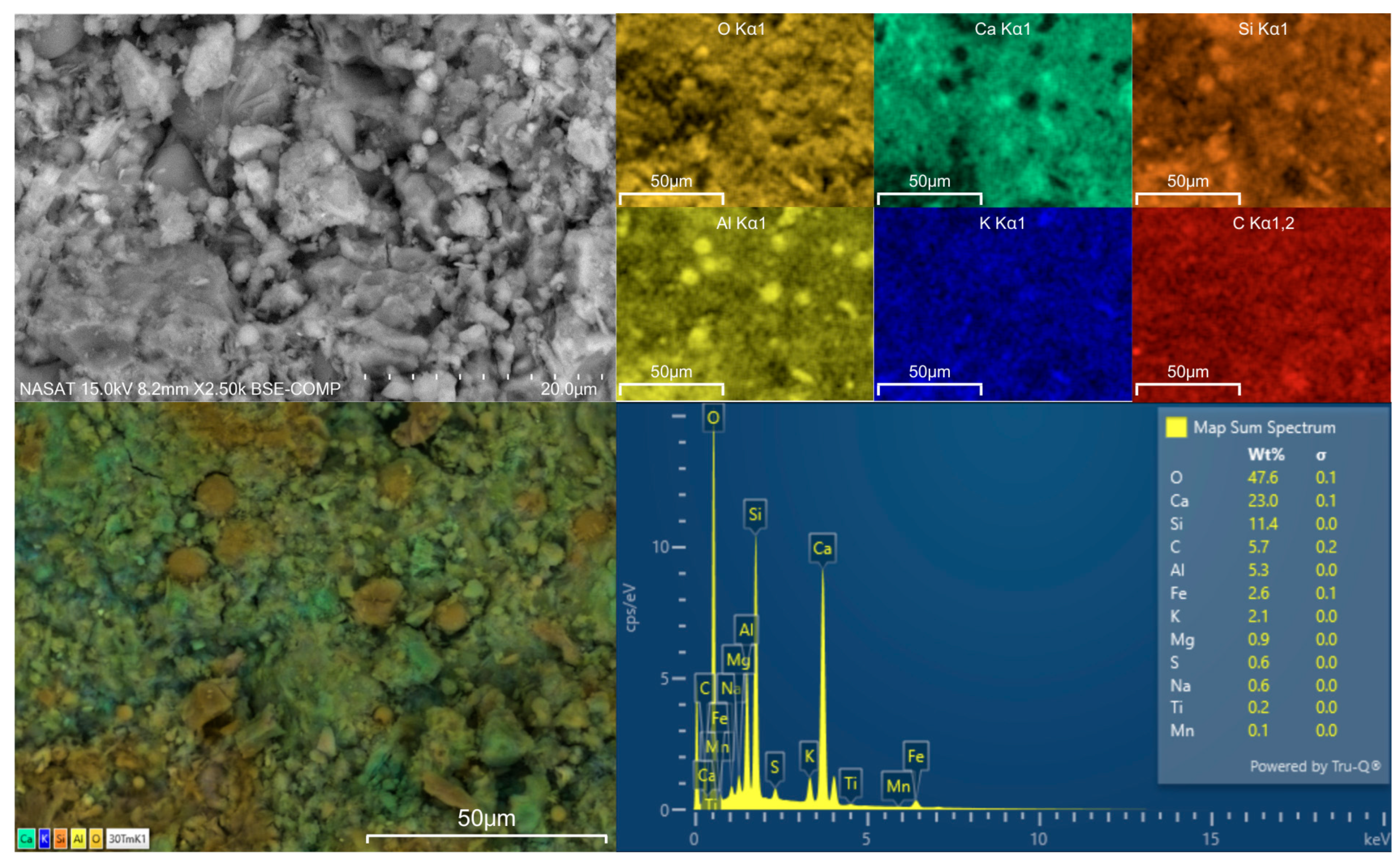
Figure 2 shows the surface morphology and elemental composition of a representative hybrid geopolymer cement sample after the geopolymerization–cement hydration process. The morphology predominantly features rounded or curved structures with grayish-white gel products, which can be attributed to calcium silicate hydrates (C-S-H) and calcium alumino-silicate hydrate (C-A-S-H) gels. Elemental mapping analysis confirms the presence of silicon (Si), aluminum (Al), oxygen (O), and trace elements, including potassium (K), calcium (Ca), and iron (Fe). Energy-dispersive X-ray (EDX) analysis reveals lower Fe concentrations on the surface of the hybrid geopolymer cement mix compared to the mine tailings (MT) samples. This reduction in iron activity suggests the potential stabilization of certain metal ions in the mortar matrix. The Al/Si ratio, a critical parameter indicative of geopolymerization potential, is approximately 1:3 for samples from Boac and 1:2 for those from Mogpog. These ratios reflect a moderate abundance of reactive aluminosilicates in both sampling sites. Typically, a higher Al/Si ratio is associated with greater strength, lower porosity, and enhanced chemical resistance, albeit at the expense of slower setting times. Conversely, a lower Al/Si ratio facilitates faster setting and improved workability but may result in reduced strength and higher porosity [
37].
Elemental mapping further highlights the significant presence of base metals in the MT samples, including iron (Fe), magnesium (Mg), and copper (Cu). These elements may influence the hybrid geopolymer cement’s performance, particularly in terms of its ability to immobilize or leach these metallic components.
2.2. Phase Composition of the Sediments and Hybrid Geopolymer-Cement
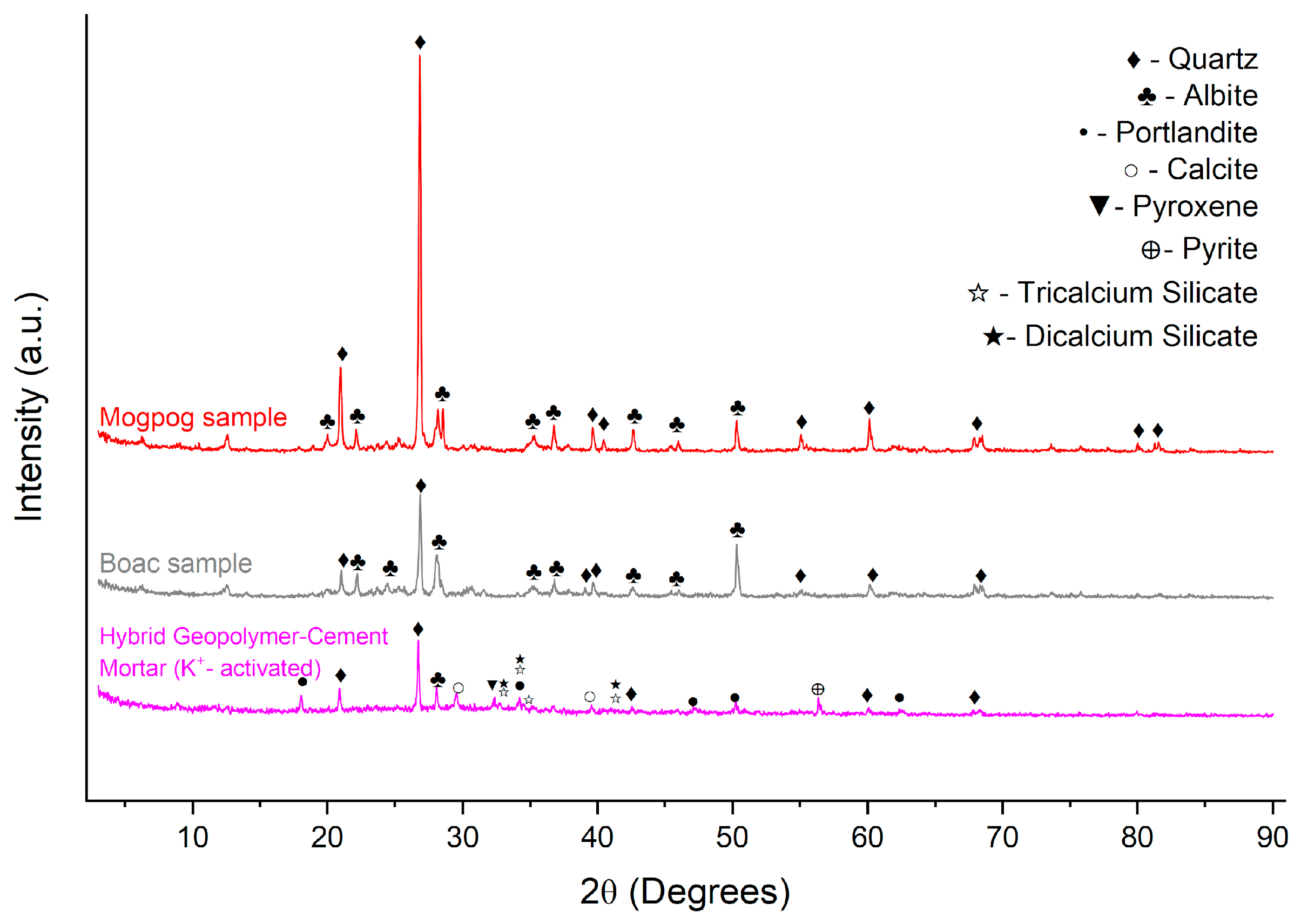
Figure 3 presents the phase composition of the sediment samples laden with tailings and the KOH-activated hybrid geopolymer-concrete block, as analyzed using X-ray diffraction (XRD). The resulting diffractogram reveals that the sediment samples are primarily crystalline materials, with high levels of silica (quartz) and aluminosilicate (albite) content, consistent with the elemental composition in
Table 1. Rietveld analysis indicates that Boac sediment sample consists of 29.1% albite (NaAlSi
3O
8) and 70.9% quartz (SiO
2) while Mogpog sediment sample comprises 62.5% albite and 37.5% quartz. These two main components are aluminosilicate precursors that can undergo geopolymerization reaction via alkali activation.
In this process, when a concentrated alkali solution is added to the mix, the dissolution of these aluminosilicate components gets initiated to form free SiO
4 and AlO
4 tetrahedral units linked in an alternative fashion to produce polymorphic precursors through the sharing of all oxygen atoms between the two tetrahedral units. This initiates the formation of geopolymers, highly stable inorganic materials characterized by an amorphous, three-dimensional structure with interconnected Si–O–Al bonds [
38]. The formation of this amorphous structure is depicted by the decreased intensity of SiO
2 at around the 27° diffraction angle [
39] in the geopolymer sample as shown in diffractogram.
Given the incorporation of OPC as a binder in these hybrid geopolymer cement composites, the formation of hydration products upon curing was also evident. The diffractogram of the hybrid geopolymer cement sample exhibits distinct crystalline peaks corresponding to the primary calcium silicates (C
3S and C
2S) present in Portland cement. Additionally, the presence of portlandite, a hydration product of calcium silicate and water, is evident in the diffractograms, suggesting concurrent geopolymerization and cement hydration processes within the hybrid matrix following alkali activation [
40].
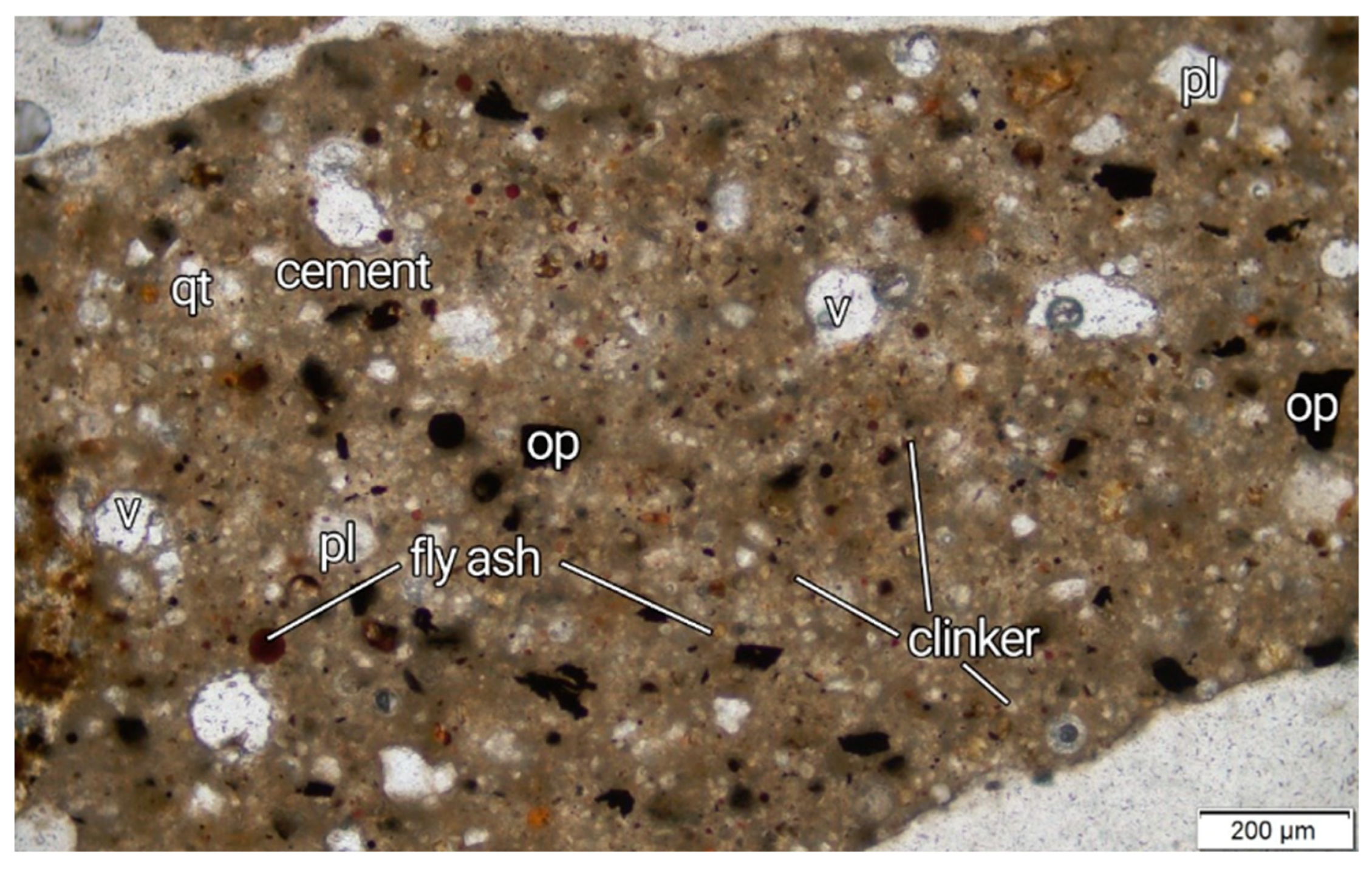
Figure 4 shows the representative photomicrograph of the geopolymer-cement hybrid mortar under a petrographic microscope. The photomicrograph reveals the interaction between the OPC and sediment samples laden with tailings within the geopolymer-cement hybrid mortar. Angular fragments within the mortar structure are visible, displaying fine aggregates comprising plagioclase (NaAlSi
3O
8-CaAl
2Si
2O
8), quartz (SiO
2), and opaque minerals bound together by a light brown cement paste. The cement phase has a clinker composition that includes alite (Ca
3SiO
5), belite (Ca
2SiO
4) and ferrite (C
4AF), along with minor amounts of air voids [
41].
The presence of this cement paste surrounding the mineral particles as well as the inclusion of the alite and belite minerals suggests hydration reactions and indicates a mixture between the tailings and the cement, with the binder creating a cohesive matrix within the geopolymer-cement composite.
2.3. Infrared Spectral Analysis
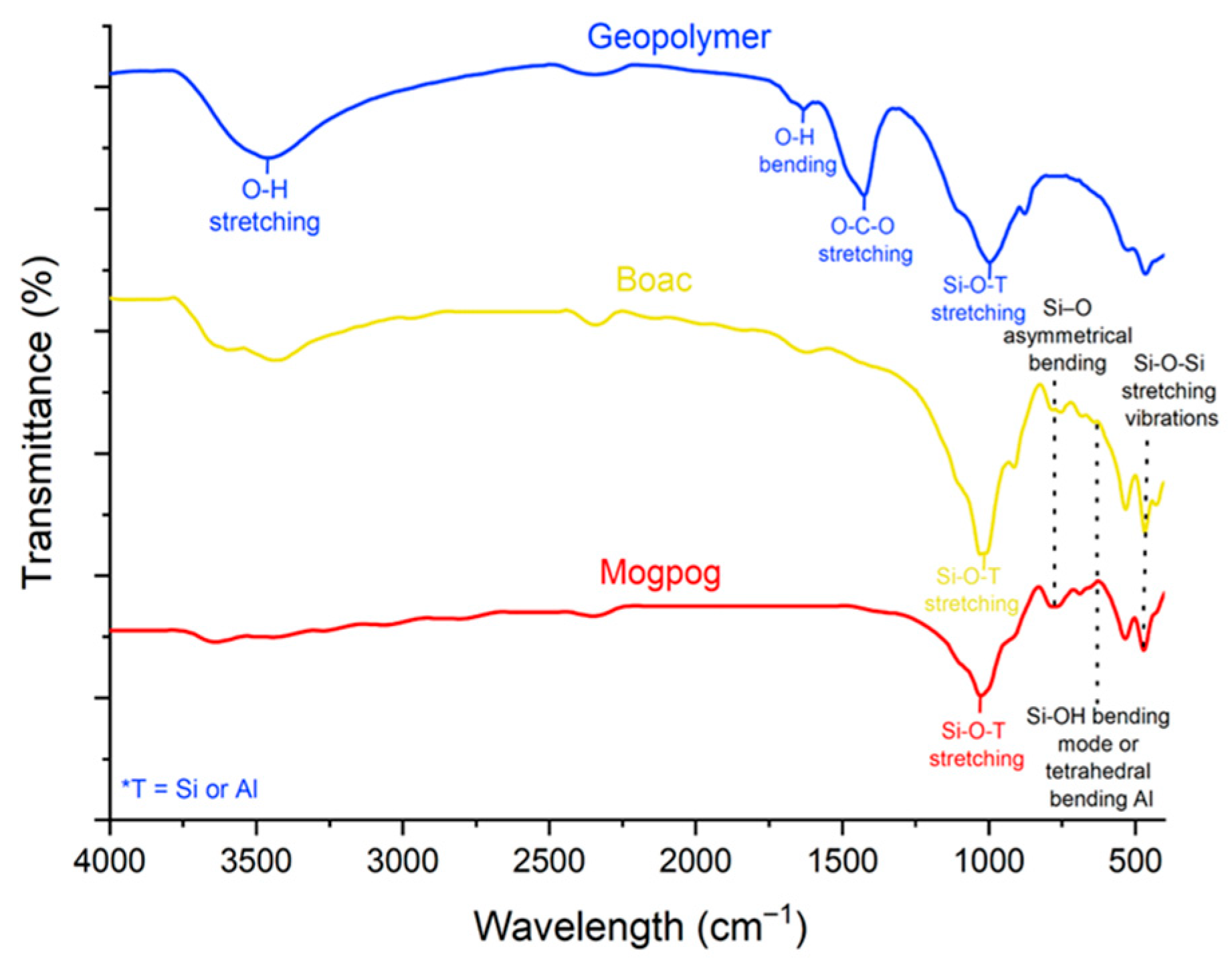
Figure 5 presents the infrared spectral analysis of the sediment samples and a representative hybrid geopolymer sample, composed of 22.5% by weight tailings and prepared with a 1 M KOH alkaline activator. This analysis was conducted to evaluate the geopolymerization process using mine tailing-laden sediments as precursors. For the sediment samples, the absorption peak at 3620 cm
−1 is attributed to Al–OH stretching vibrations, while the peaks observed between 1200 and 950 cm
−1 are assigned to the asymmetric stretching vibrations of Si–O–Al or Al–O–Si bonds. The absorption band around 770 cm
−1 corresponds to tetrahedral-tetrahedral ion vibrations of silicates, while the peaks near 693 cm
−1 are associated with Si–O asymmetrical bending vibrations. Additionally, the bands around 500 cm
−1 indicate Si–O–Si stretching vibrations. These findings confirm the presence of Al- and Si-bearing minerals in the sediment samples, which are critical components for forming a robust geopolymer matrix. This further supports the potential of the mine tailing samples collected from Marinduque as viable precursor materials for geopolymerization.
For the hybrid geopolymer cement sample, a distinct band at 3450 cm
−1 was identified, attributed to the stretching vibration of O–H groups from water adsorbed by the hydrated compounds in the geopolymer matrix. This band was not observed in the MT samples from Mogpog and very limited, as they were thoroughly dried before characterization. Furthermore, a band at 1439 cm
−1 in the geopolymer sample indicates the presence of inorganic carbonate traces, as identified by the asymmetric stretching of the O–C–O bond typical of CO
32− vibration groups [
42,
43]. This observation highlights the incorporation of carbonation during geopolymerization, a feature that can influence the material’s chemical and mechanical properties.
Bands near 500 cm
−1 indicate Si-O-Si bending vibrations, while the bands between 1200 cm
−1 and 900 cm
−1 are attributed to the asymmetric stretching vibrations in Si-O-T (T = Si or Al) [
44]. The Si-O-T stretching band at 900–1200 cm
−1 becomes observably deeper and narrower for the geopolymer sample compared to the band recorded from the mine tailings. An increase in the intensity of the Si-O-T bands could also be observed in the hybrid geopolymer cement sample, indicating the dissolution of the solid aluminosilicate precursors via hydrolysis reaction and subsequent formation of Al-O or Si-O in a tetrahedral configuration. A slight shift to a lower frequency could also be observed in the geopolymer sample for this Si-O-T peak, likely due to the gradual inclusion of Al, reorganization, and condensation of the gel structure brought about by the geopolymerization reaction [
44,
45].
As Al gradually replaces Si in the tetrahedral network to form the Si-O-Al bonds, the lower energy of Al compared to that of Si [
27] results in a downward shift in the wavenumber associated with the asymmetric tensile vibration of the Si-O-T bond. These observed changes suggest that the sediment samples laden with MTs enhance the geopolymer properties primarily through the formation of aluminosilicate gel products that bind the precursor materials together, creating a comparatively dense structure within the geopolymer, as was also reported by Torres Carrasco et al. [
31,
43]. These results corroborate the elemental and mineralogical compositions identified in the XRF and XRD analyses.
2.4. Mechanical Properties Under Unconfined Compression Test
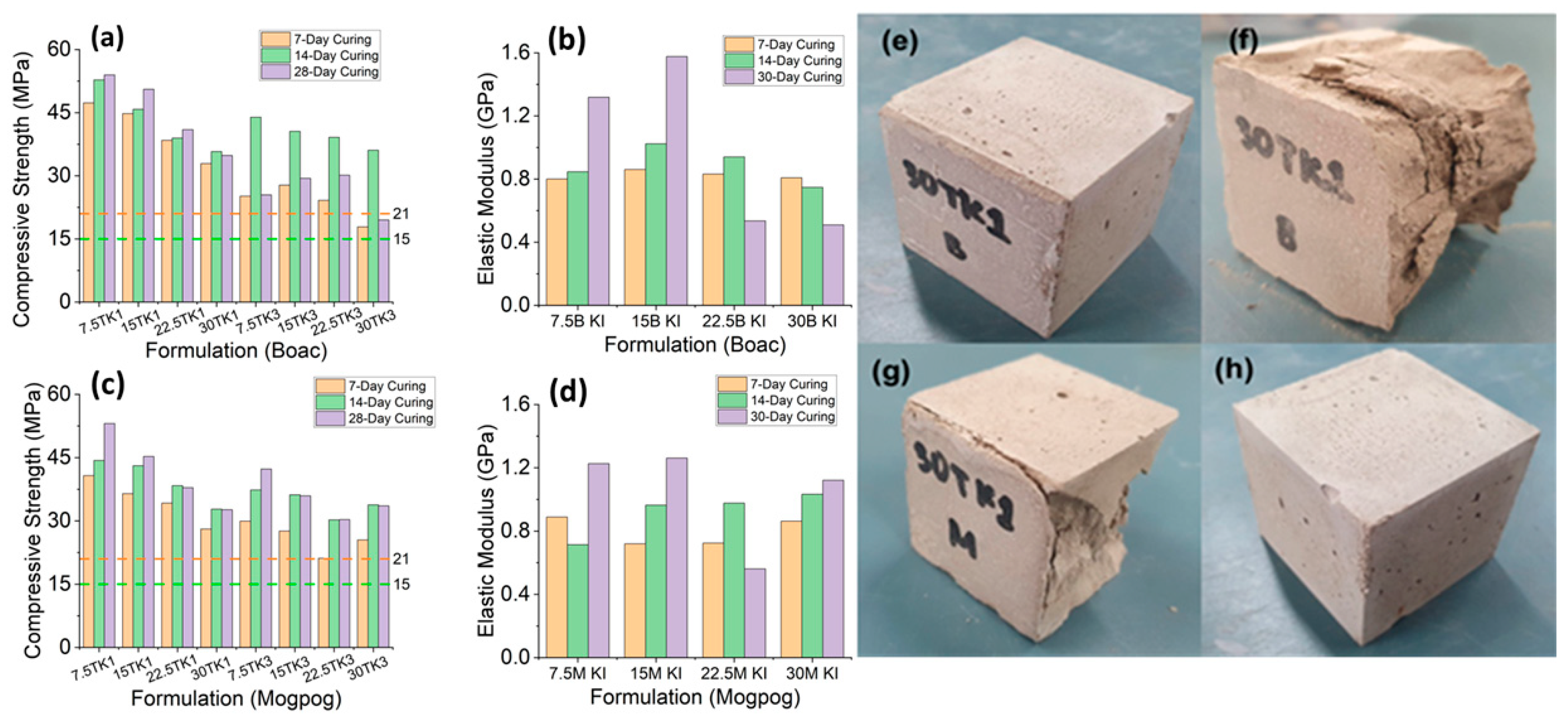
Figure 6 summarizes the variation in average compressive strength and elastic modulus, along with representative images of the hybrid geopolymer-cement mortar block before and after compressive testing. The green line indicates the minimum compressive strength requirement for cement mortars after 7 days of curing, as specified by ASTM C150, while the orange line represents the minimum requirement after 28 days of curing according to the same standard. The highest average compressive strength of 57.55 MPa was observed in hybrid geopolymer-cement samples containing 7.5% Mogpog sediments and activated with a 1 M KOH alkaline solution. Similarly, for Boac sediments, the highest compressive strength was 52.78 MPa. Although the compressive strengths of Mogpog-based samples were generally higher than those of Boac-based samples, the difference was not statistically significant.
In contrast, compressive strength decreased in samples activated with 3 M KOH compared to those activated with 1 M KOH. For samples with a 7.5% replacement of OPC, the compressive strength values ranged from 22.62 MPa to 57.55 MPa for the samples made with Mogpog sediments and 19.49 MPa to 53.99 MPa for Boac sediments-based samples. In addition, the compressive strength of hybrid geopolymer-cement materials generally decreased as the sediment replacement level increased. Despite this, most of the fabricated samples exceeded the compressive strength requirements specified by ASTM C150.
The computed elastic modulus of the 1 M KOH-activated geopolymer-cement samples ranged from 0.442 to 1.262 GPa for Mogpog sediments and from 0.055 to 2.535 GPa for Boac sediments. While materials with higher compressive strength typically exhibit higher elastic modulus values, reflecting greater resistance to deformation and failure [
46], no consistent trend was observed in this study. This variability may be attributed to the heterogeneous microstructure, compositional differences, and testing conditions of the hybrid geopolymer-cement samples. Identifying the elastic modulus is essential for evaluating the potential applications of these hybrid materials, particularly in construction. The relationship between compressive strength and elastic modulus is critical for optimizing the durability and longevity of structures. Materials with high strength and stiffness are more resistant to fatigue and crack propagation under cyclic loads. In load-bearing applications, materials with both high compressive strength and a high elastic modulus are preferred, as they can support heavy loads without significant deformation, enhancing structural performance and reliability [
47].
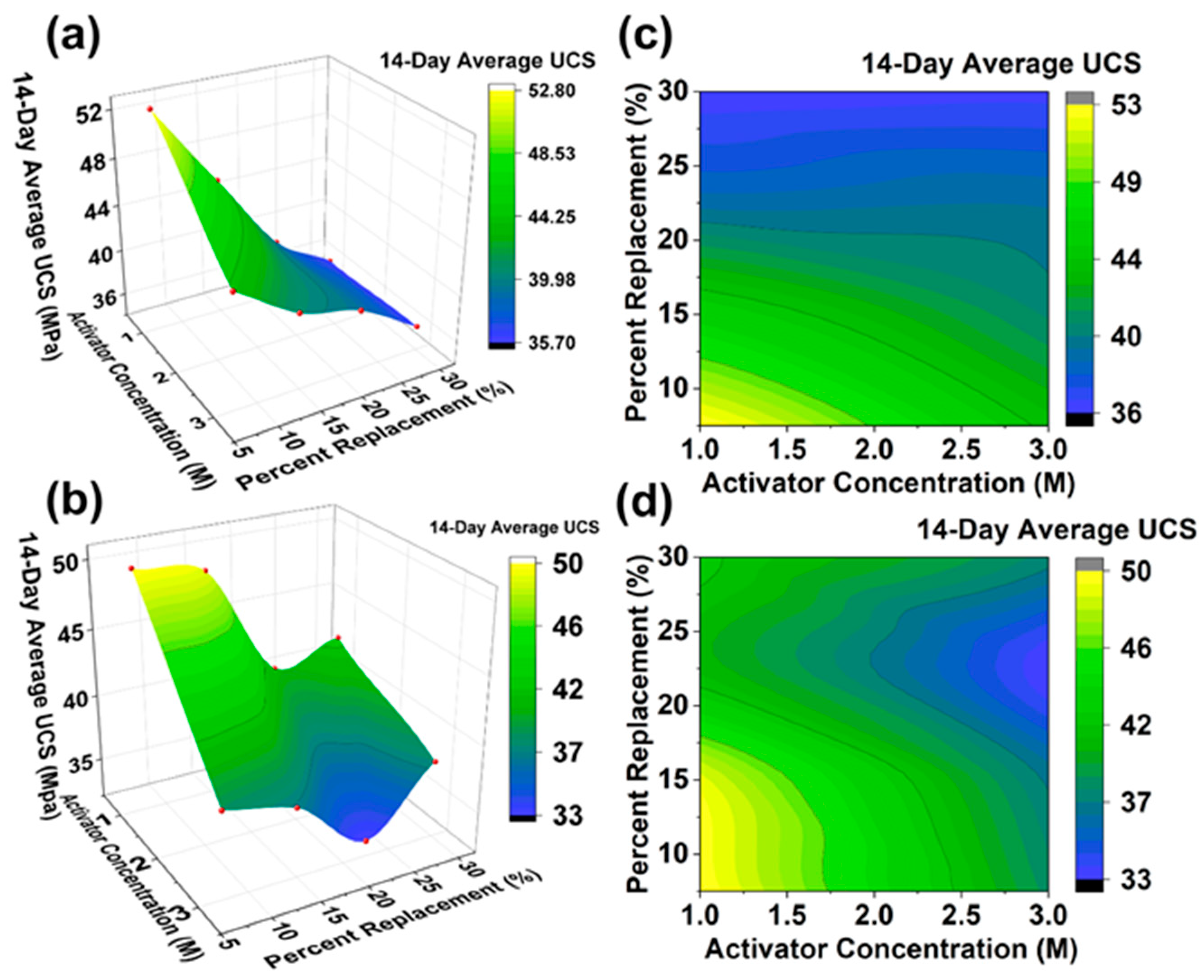
Figure 7 presents the response plot of compressive strengths for the Mogpog and Boac tailings-based briquettes after 14 days of curing, illustrating the relationship between activator concentration and the percentage of OPC replacement. For clarity, only the 14-day unconfined compressive strength (UCS) values are shown, as the general trend aligns with those observed after 28 days of curing. The plot reveals that compressive strength decreases as the percentage of OPC replaced with copper mine tailings increases, consistent with trends reported in the literature [
48,
49]. This decline is attributed to the lower pozzolanic activity of copper mine tailings compared to OPC, which limits their ability to form strength-giving phases, such as calcium silicate hydrates (C-S-H).
Copper mine tailings are primarily composed of crystalline phases, which are less reactive with alkali activators during geopolymerization. These crystalline components function mainly as inert fillers rather than actively contributing to the binding process. During geopolymerization, the alkali activator dissolves and restructures the source material to create a robust three-dimensional network. However, the rigid and crystalline nature of the tailings impedes this process, resulting in limited interaction with the activator and weaker bond formation within the geopolymer matrix. This observation aligns with the findings of [
50], who noted that certain crystalline phases do not actively participate in the geopolymerization process but instead act as internal fillers within the gel phase.
Additionally, the presence of impurities in the tailings further undermines the strength of the briquettes. These impurities are non-reactive in the geopolymerization process and can disrupt the formation of strong bonds, resulting in defects within the geopolymer-cement hydration network. Moreover, the particle size and morphology of the tailings may inhibit efficient packing within the matrix, leading to voids and other structural weaknesses [
51]. These combined factors contribute to the observed reduction in compressive strength as the level of OPC replacement with copper mine tailings increases.
The response plot further demonstrates that geopolymer-cement briquettes fabricated with lower concentrations of alkali activator exhibit higher compressive strength. For instance, a lower alkali concentration, such as 1 M, facilitates a more controlled dissolution of precursor materials, ensuring a steady release of reactive silica and alumina into the solution. This controlled dissolution is critical, as the availability of these components directly influences the formation of the amorphous geopolymer gel. An optimal alkali concentration enhances precursor material dissolution, improving the compressive strength of the resulting geopolymer [
52]. In addition, lower alkali concentrations enhance the interaction between activated quartz and the geopolymer gel, resulting in stronger interfacial bonding and improved structural integrity.
Conversely, higher alkali activator concentrations may lead to rapid precursor dissolution, causing uneven distribution of reactive species and hindering the formation of a cohesive geopolymeric network [
53]. Excessive alkali levels can also result in overproduction of gel that inadequately bonds with the aggregates, further weakening the structure [
52]. It is similarly observed that elevated alkali levels negatively affect compressive strength, workability, and setting time in high-performance cementitious (HPC) mixtures containing aluminosilicate precursors, such as fly ash (FA). They attributed this to alkali cations inhibiting the role of gypsum in OPC by suppressing Ca
2+ release, thereby accelerating C
3A hydration [
54]. Also, the use of KOH instead of conventional NaOH produces higher concentrations of reactive Si and Al ions in solution, which contribute to more effective gelation and thus enhance the mechanical properties of the geopolymer [
53]. Furthermore, high alkalinity could induce the formation of calcium alumino-silicate hydrate (C-A-S-H) gels, a product of calcium hydroxide from cement hydration. These gels encapsulate cement particles within the geopolymer matrix, impeding the full hydration of OPC and diminishing the overall performance of the system [
55].
2.5. Leaching Test
Table 2 provides the concentrations of various metals leached from hybrid geopolymer cement and mine tailing (MT) samples following static leaching tests. These values were compared against the limits established by the United States Environmental Protection Agency (USEPA) [
56] and the Philippine Department of Environment and Natural Resources (DENR) Water Quality Guidelines and General Effluent Standards of 2016 [
57]. Results from the TCLP tests indicate that the copper (Cu) content in the as-collected Boac mine tailings (labeled as Boac MT in the table) reached 42.5 ppm, while Mogpog mine tailings (Mogpog MT) contained 2.045 ppm. Both values exceed the limits recommended by the USEPA and DENR. Additionally, manganese (Mn) levels in the Boac sediments significantly surpassed the permissible thresholds, highlighting the potential environmental and health risks associated with the untreated disposal of these sediments. These findings highlight the importance of implementing treatment strategies to immobilize or reduce the leachable metal concentrations in the sediments, particularly for Cu and Mn, to mitigate their hazardous impact on ecosystems and public health.
Practical treatment strategies may be implemented during the pre-treatment of mine tailing samples through particle size homogenization, washing, and mild neutralization with lime or sodium carbonate to reduce soluble metal ions. Thermal activation (600–800 °C) can also be employed to enhance precursor reactivity and convert metal sulfides into less soluble oxides. During the geopolymerization process, incorporating CaO-, MgO-, or slag-based additives can promote the formation of stable C-A-S-H and M-A-S-H gels that chemically bind metal ions, further supported by phosphate or silicate agents for additional immobilization. Post-curing surface sealing and long-term leaching validation are recommended to ensure sustained immobilization and durability. Collectively, these integrated strategies enhance the mechanical integrity, chemical stability, and environmental safety of the hybrid geopolymer–cement composites.
The results table also indicated a positive outcome for the TCLP test conducted on the fabricated mortar briquettes. As shown, none of the heavy metals leached out from the treated hybrid geopolymer cement samples (30TK1, the representative hybrid geopolymer sample made with 30% Mogpog sediments, and 22.5TK1, the representative geopolymer sample made with 22.5% Boac sediments) exceeded the established threshold limits. This suggests effective encapsulation and immobilization of the metals following the geopolymerization-cement hydration process. The immobilization mechanism can be attributed to the chemical bonding of the contained heavy metal ions within the aluminosilicate gel network formed during geopolymerization and cement hydration. Further, the high pH environment created by the alkaline activator likely promoted the precipitation of metal hydroxides, further enhancing the immobilization of the heavy metals [
26,
28].
3. Materials and Methods
3.1. Raw Materials Collection and Characterization
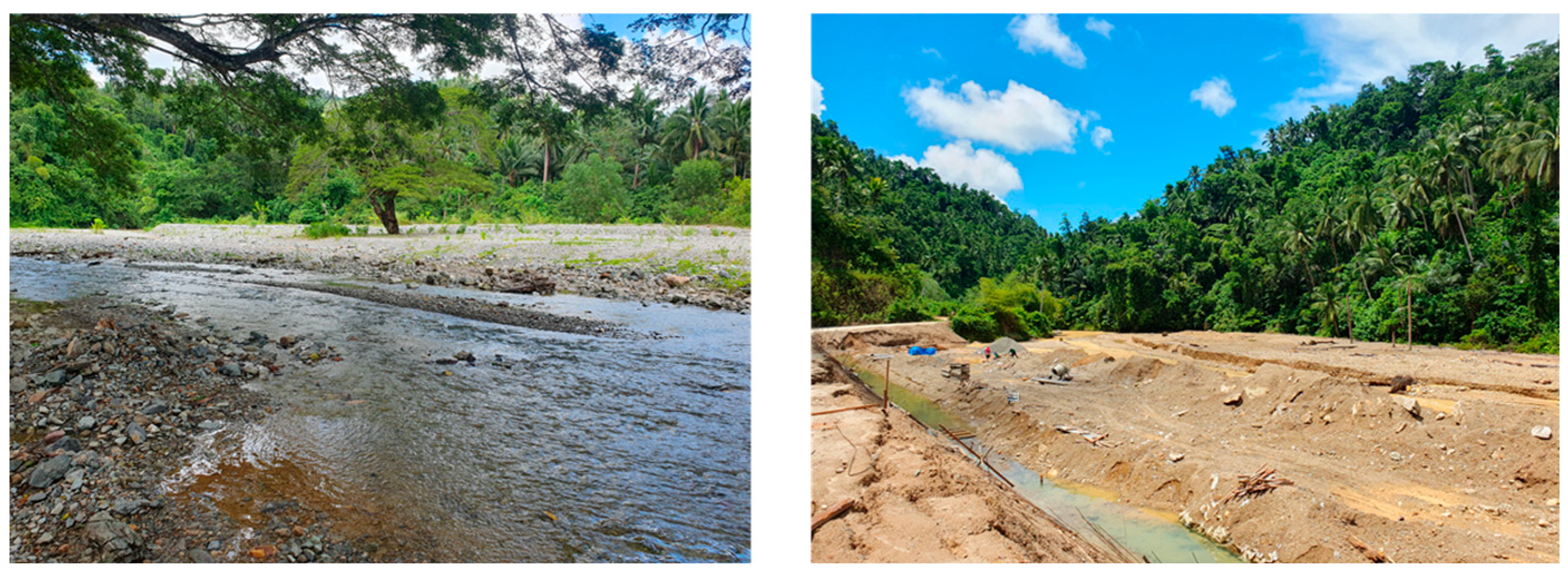
The tailings samples were collected from two sites: upstream of Boac River in Hinapulan, Marinduque (13.410726, 121.944629), and midstream of Mogpog River in Bocboc, Marinduque, Philippines (13.467651, 121.938788), as shown in
Figure 8. The sampling sites were selected to assess whether the sediment flow at the locations (upstream vs. midstream) affects the characteristics of the samples collected, and consequently, the resulting observations and experiments. These specific river sections were also specifically chosen due to their high siltation levels and the associated risks for flooding and groundwater contamination. Furthermore, these sites were selected based on their proximity to communities and upon recommendation of the local environment office. Sediment samples were collected by hand shovel from random locations within the riverbeds of the selected sampling sites.
The sediment samples laden with mine tailings (MT) samples from Boac and Mogpog were prepared and analyzed separately. They were air-dried for 3 days and then oven-dried for 2 to 3 h at 60 °C before use. After drying, the MT samples were sieved through 10 mm screens followed by a 10-mesh sieve to remove large pebbles and avoid agglomeration. Particle sizes of the starting materials (mine tailings and silt) were determined using dynamic light scattering (Micromeritics NanoPlus Particle Size and Zeta Potential Analyzer, Osaka, Japan) with deionized water as the solvent. The chemical compositions of the tailings and geopolymer-cement hybrid samples were determined through X-ray fluorescence analysis (Olympus Innov-X Pro X-ray Fluorescence Spectrometer, Westborough, MA, USA), while the functional groups present were determined via Fourier-transform infrared spectroscopy (FTIR-SPECTRUM ACSII PEDS 1.60, Waltham, MA, USA) in transmission mode. To determine the mineralogical properties of the samples, an X-ray diffraction (Shimadzu MAXima XRD7000, Kyoto, Japan) analysis operating under the following conditions was performed: 2θ from 3° to 90°, at 40 kV, 30 mA with wavelength of 1.54 Å, step size of 0.02°, scanning speed of 2° per minute and Cu-Kα radiation.
The surface morphology of the samples was investigated by scanning electron microscopy (Hitachi SU3800, Tokyo, Japan), and elemental analysis was conducted through energy-dispersive X-ray spectroscopy (Oxford Ultim Max 40, Abingdon, UK). The phase and mineralogical composition of the hybrid geopolymer-cement sample was also investigated via petrographic analysis using the Olympus BX-53 P Petrographic Microscope (Westborough, MA, USA), and photomicrographs were obtained with an Olympus DP74 camera (Westborough, MA, USA). Quantification of the mineral phases was performed using point counting functions of the Olympus Cell-Sens 4.2 imaging software, for a minimum of 600 counts.
For the preparation of the mortar mix, the binder used is a Type IP Ordinary Portland Cement (OPC). The KOH pellets were purchased from QUALIKEMS LIFESCIENCES Pvt. Ltd. (Gujarat, India) The alkaline activator was prepared by mixing the KOH pellets with deionized (DI) water and left at room temperature for 2 h to cool down before being used.
3.2. Hybrid Geopolymer-Cement Mortar Blocks Preparation
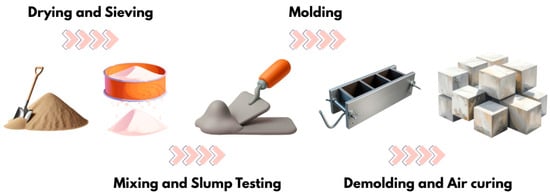
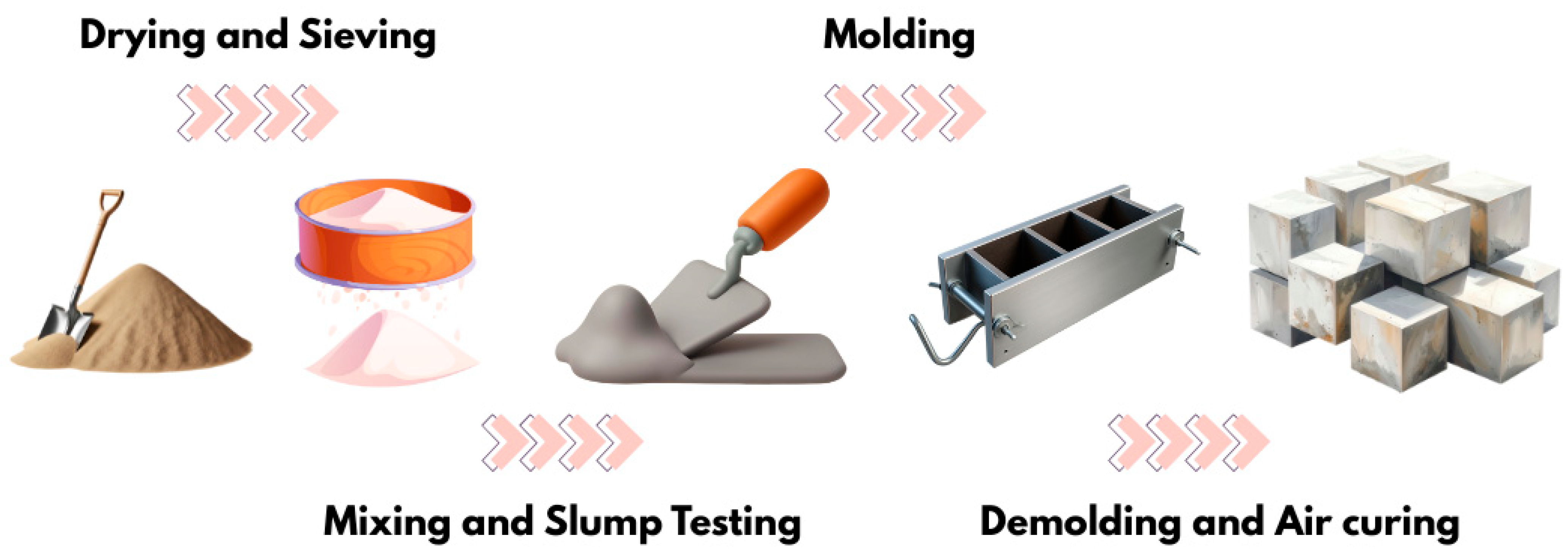
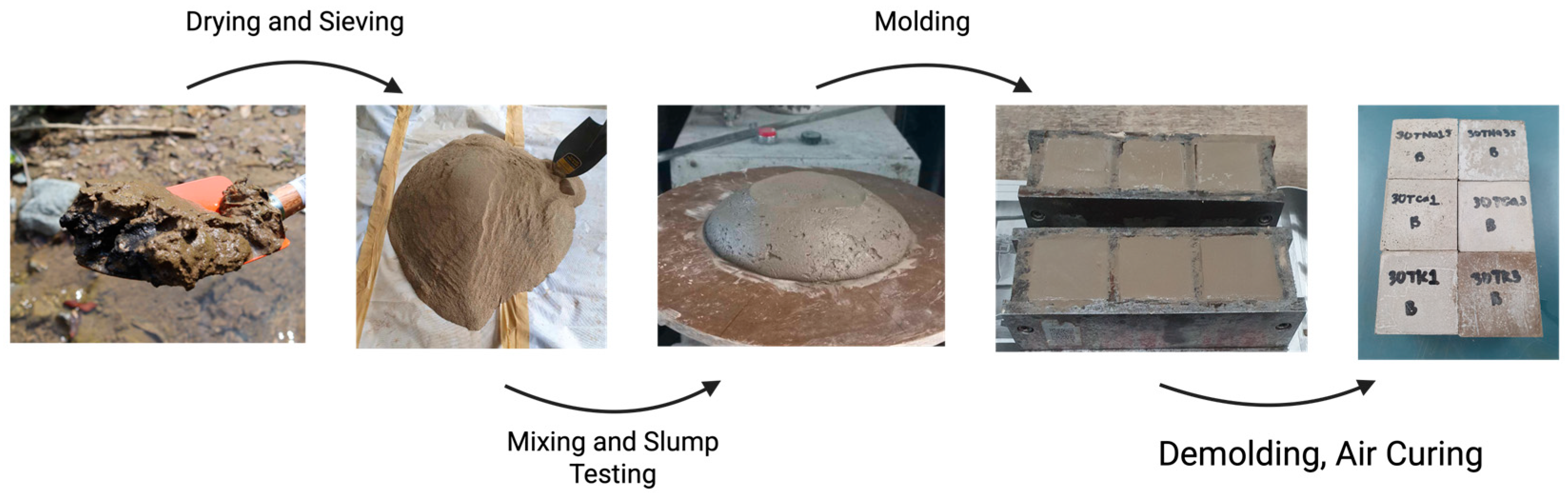
The mortar blocks were prepared through a one-pot method. The as-received dried MT and OPC powders were added to the reactor and mixed thoroughly for 2 min to obtain a homogeneous mixture. OPC was partially replaced by MT at varying replacement levels (7.5%, 15%, 22.5%, and 30%). While mixing, the liquid component composed of a 1:1 ratio of the prepared KOH alkaline activator and tap water was slowly added at a liquid-to-solid (L/S) ratio of 0.26. The mortar mixes were poured into 50 × 50 × 50 mm molds and were allowed to set at room temperature for 24 h. All samples were cured under air-drying conditions.
Figure 9 shows the schematic procedure for the preparation of the hybrid geopolymer cement material. The sample codes and their corresponding compositions are presented in
Table 3.
3.3. Hybrid Geopolymer-Cement Mortar Characterization
Scanning electron microscopy (SEM), X-ray diffraction (XRD), Fourier-transform infrared (FTIR) spectroscopy, and petrographic analyses were employed to characterize the hybrid geopolymer-cement materials.
Unconfined compression tests were conducted in accordance with ASTM C109 after 7, 14, and 28 days of curing to determine the unconfined compressive strength (UCS) of the geopolymer specimens. These tests were performed using a TBTUTM-2000C Universal Testing Machine (Nanjing, China) at a loading rate of 1 kN/s. The study investigated the effects of varying mine tailings composition, potassium hydroxide (KOH) concentration, and activator concentration on UCS.
For leaching assessments, a static leaching procedure was conducted to evaluate the mobility of contaminants, particularly heavy metals, in the fabricated hybrid geopolymer cement samples. Briquette samples were prepared from cementitious mixtures containing different proportions of mine tailings and alkaline activators and cured for 28 days at room temperature. The leaching test followed the US EPA Method 1311: Toxicity Characteristic Leaching Procedure (TCLP), utilizing an extraction fluid with a pH of 4.95, prepared using glacial acetic acid and 1 N NaOH, at a liquid-to-solid (L/S) ratio of 20. To further understand the effects of geopolymerization and cement hydration on contaminant mobility, the test was also performed on sediment powder samples. All samples were immersed in the extraction fluid and agitated at 30 rpm for 18 h using a rotary agitator. After agitation, the solutions were filtered, and the filtrates were acidified with 1 N Nitric Acid up to a pH of <2.00 to ensure that any leached metals from the mortar samples were soluble within the extract. After this, the acidified filtrates were analyzed for leached element concentrations using inductively coupled plasma optical emission spectroscopy (ICP-OES, Teledyne Leeman Prodigy7, Mason, OH, USA).
4. Characterization of Sediments
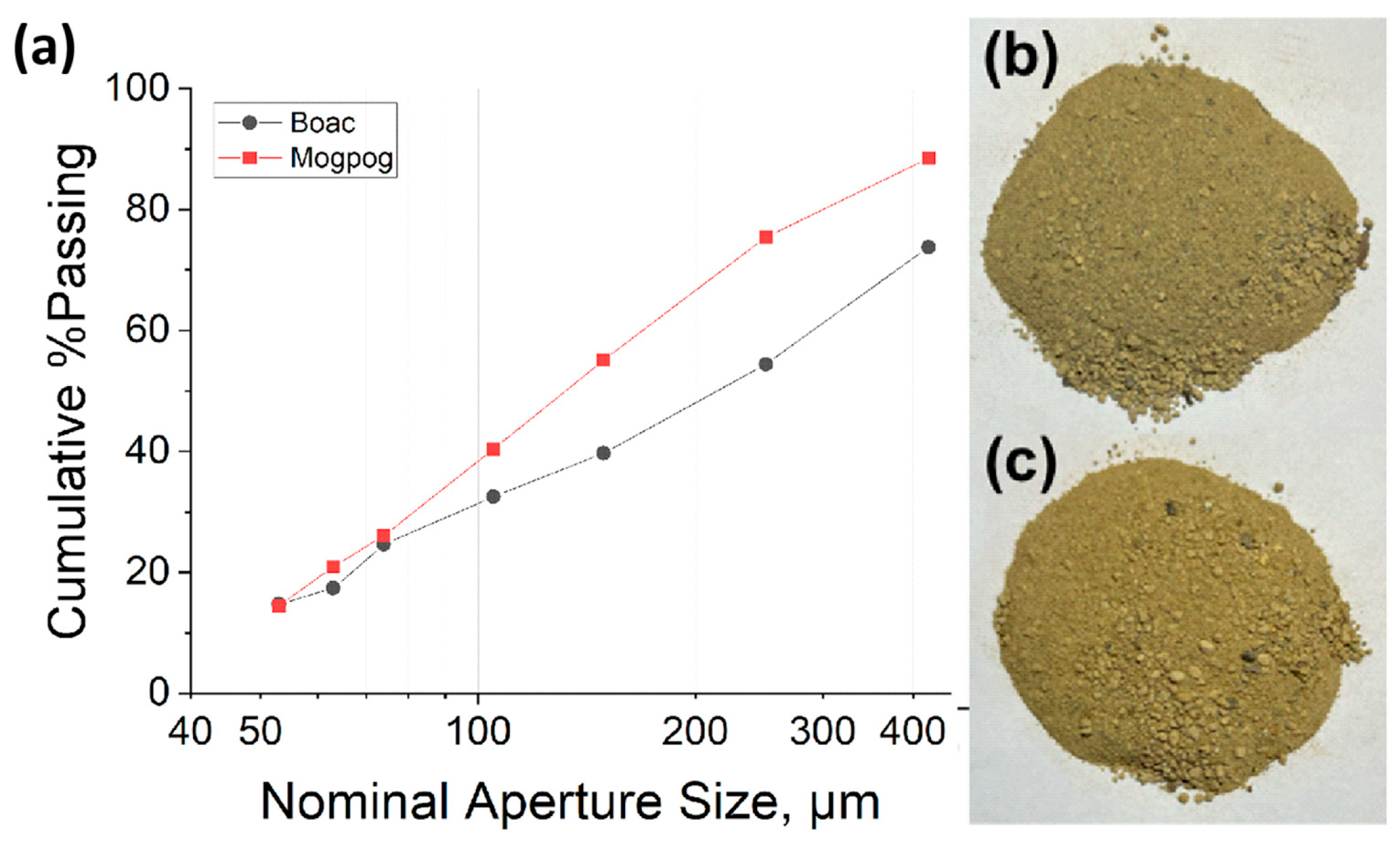
Figure 10 shows the particle size distribution of the sediment samples obtained from two different sources along Mogpog and Boac River, Marinduque, Philippines. Based on the particle size distribution graph, the median particle size (d50) of the Mogpog sample is 167.57 µm, while the d50 for the Boac sample is higher at 220.24 µm. Similarly, the d80 values, representing the size below which 80% of the particles fall, were found to be 289.94 µm for Mogpog and 427.88 µm for Boac. The particle size distribution indicates that the collected sediment samples are fine, and that they can be suitable as fine aggregates for construction materials. Finer particles are favorable in such applications, as particle size strongly influences the early strength development of concrete [
58,
59]. Additionally, geopolymer in hybrid geopolymer-cement samples fabricated from finer particles tends to exhibit improved mechanical properties, due to the reduced occurrence of micro-cracks and air voids, resulting in a denser and more uniform microstructure [
60].
Further comparison of the two samples showed that the particle densities were measured at 2.63 g/cm3 for Boac and 2.78 g/cm3 for Mogpog mine tailings and silt. Since the size of the materials are similar to the fine aggregates used in mortar mix, this study used the raw tailings and river silt samples in their as-dried state, without further mechanical processing.
5. Conclusions
This study demonstrated the feasibility of utilizing copper mine tailings and river silt from Marinduque, Philippines, as sustainable raw materials for producing mortar bricks through combined geopolymerization and cement hydration. The effects of varying the replacement percentage of ordinary Portland cement (OPC) with copper mine tailings and river silt, along with the concentration of the alkaline activator, were systematically analyzed. Results from unconfined compressive strength (UCS) tests revealed that increasing OPC replacement with mine tailings generally decreased strength, while samples activated with 1 M KOH exhibited higher compressive strength than those with 3 M KOH. The resulting hybrid geopolymer–cement mortar blocks achieved compressive strengths between 24.22 MPa and 53.99 MPa, satisfying the ASTM C150 and Philippines (under the Department of Public Works and Highways or DPWH) standards for both non-load-bearing and load-bearing applications. Furthermore, static leaching tests, including the Toxicity Characteristic Leaching Procedure (TCLP), confirmed that heavy metals present in the raw tailings were effectively encapsulated and immobilized within the geopolymer–cement matrix, ensuring environmental safety. These results affirm the potential of geopolymer technology to repurpose mine tailings and other waste-derived materials as eco-friendly substitutes for conventional aggregates, contributing to sustainable construction and circular resource utilization.
To advance the practical application of these hybrid materials, several directions are proposed. Prototype mortar and masonry units will be fabricated and evaluated following appropriate local and international standards and guidelines to validate further their compressive, flexural, and durability performance under real-world conditions. Long-term durability testing, including aging, wet–dry, sulfate, and freeze–thaw cycles, will be conducted to assess service life and reliability. Potential integration with extrusion-based additive manufacturing (3D printing) will also be explored to enable scalable and resource-efficient construction processes. Finally, techno-economic and life-cycle assessments will quantify cost efficiency, material utilization, and carbon footprint to support industrial adoption and policy alignment.




 ,
,