1. Introduction
Lithium-ion batteries are widely used in electric vehicles, portable electronics, and micro-mobility applications owing to their high energy density and compact structure. In particular, 18650 cylindrical nickel manganese cobalt oxide (NMC) batteries are widely used in micro-mobility devices [
1]. While electric vehicles have cooling systems for their batteries, battery packs used in micro-mobility applications generally have limited space, weight, and cost allowance for active or complex cooling systems [
2]. This can result in reduced performance and range when the battery is not kept at the ideal temperature [
3,
4]. Conversely, the absence of cooling systems poses safety risks, such as thermal runaway [
5,
6]. For this reason, it is of great importance to cool low-energy capacity lithium-ion batteries [
7,
8]. Several studies have therefore investigated different battery thermal management strategies for cylindrical lithium-ion cells.
Zadeh et al. [
2] examined the use of various cooling systems, including PCMs, natural convection, forced air, and liquid cooling, for 18650 cylindrical lithium-ion batteries. They concluded that these systems not only improved battery cycle life but also ensured safety. Duh et al. [
9] investigated the thermal runaway behavior of 18650 cells and concluded that effective cooling systems can minimize fire risk, particularly for NMC cells. Tang et al. [
10] investigated the thermal failure behavior of various 18650 cell types, concluding that NMC 18650 cells are more susceptible to high temperatures and that appropriate thermal management is necessary.
In their study, Al-Neama et al. [
11] modeled the thermal behavior of air-cooled 18650 NMC batteries. They concluded that cooling reduces cell temperature and ensures temperature homogeneity, thereby minimizing performance loss at high discharge rates. Xu et al. [
12] investigated the effects of temperature on the performance and safety of lithium-ion batteries, concluding that they should ideally be operated between 15 and 35 °C, as insufficient cooling increases the risk of capacity loss and thermal runaway. Qianqian et al. [
13] compared air, liquid, PCM, and hybrid cooling methods, concluding that hybrid cooling systems more effectively control temperature increases in 18650 cells, thereby improving safety and cycle life. In a study by Kalkan et al. [
14], a new busbar design was developed for the air-cooled 18650 NMC battery module. It was concluded that this improved temperature distribution reduced the maximum temperature and enhanced battery safety. Tripathi et al. [
15] investigated the cooling of 18650 cells using an immersion cooling system and concluded that it prevented capacity loss by reducing the temperature increase.
PCMs are widely investigated for passive battery thermal management because they absorb heat as latent heat during phase transition and suppress rapid temperature rise without requiring external power input. Therefore, PCM-based cooling is particularly suitable for compact battery systems where active cooling may increase cost, weight, and system complexity. However, the cooling performance of PCM systems depends on the phase change temperature, latent heat capacity, thermal conductivity, and thermal contact between the battery surface and the PCM. Lithium-ion batteries generally exhibit optimal performance within a moderate temperature range, commonly reported around 15–35 °C, while excessive temperature rise accelerates degradation and may compromise safety [
12].
Recent studies have reported the use of 3D-printed enclosures and hydrated-salt PCMs for battery thermal management [
16,
17,
18]. Therefore, neither 3D printing nor hydrated-salt PCM alone constitutes the novelty of the present study. Rather, the contribution lies in the experimental integration of an S32 salt hydrate PCM with a simple 3D-printed ABS holder for four series-connected 18650 NMC cells during high-rate discharge, along with thermal, electrical, techno-economic, and environmental evaluations for a micro-mobility application.
This study examines a passive PCM-based battery cooling system for micro-mobility applications. In this context, the design of a structure that keeps the battery temperature at optimal levels during periods of high-power demand was investigated. The proposed structure was designed as a simple, low-cost, and low-maintenance passive cooling solution, and salt hydrate PCM was poured into it. Accordingly, the objectives of this study are to: (i) evaluate the thermal performance of the PCM-based cooling system under high-rate discharge, (ii) assess its effect on battery discharge and energy performance, and (iii) examine its techno-economic and environmental implications for a 1 kWh micro-mobility application.
The effects of discharging the NMC 18650 cylindrical battery at high C-rates on battery surface temperatures and performance were investigated experimentally. Additionally, engineering, economic, and environmental analyses were conducted for a 1-kWh battery system using experimental data. In this respect, the contribution of the present study lies not in the individual use of 3D printing or salt hydrate PCM, but in the integrated experimental evaluation of an S32 salt hydrate PCM within a 3D-printed ABS holder for four series-connected 18650 NMC cells under high-rate (2.85 C) discharge. The experimental thermal and electrical performance results are further extended to a 1 kWh micro-mobility scenario through techno-economic and environmental assessments.
2. Methodology
In the first stage of the study, PCM was placed inside a modular structure designed for four 18650 batteries connected in series. Subsequently, tests were carried out both with and without PCM. Performance data were obtained during discharge from a fully charged state at a rate of 2.85 C, with the batteries’ energy, voltage, current, and power monitored over time. Additionally, surface temperatures were continuously monitored using a thermal camera. Thermal imaging is commonly used in lithium-ion battery studies to monitor cell surface temperature; however, the emissivity setting and measurement distance should be specified to improve measurement reproducibility. In the final stage, a techno-economic and environmental analysis of PCM’s potential use in a 1 kWh micro-mobility system was conducted.
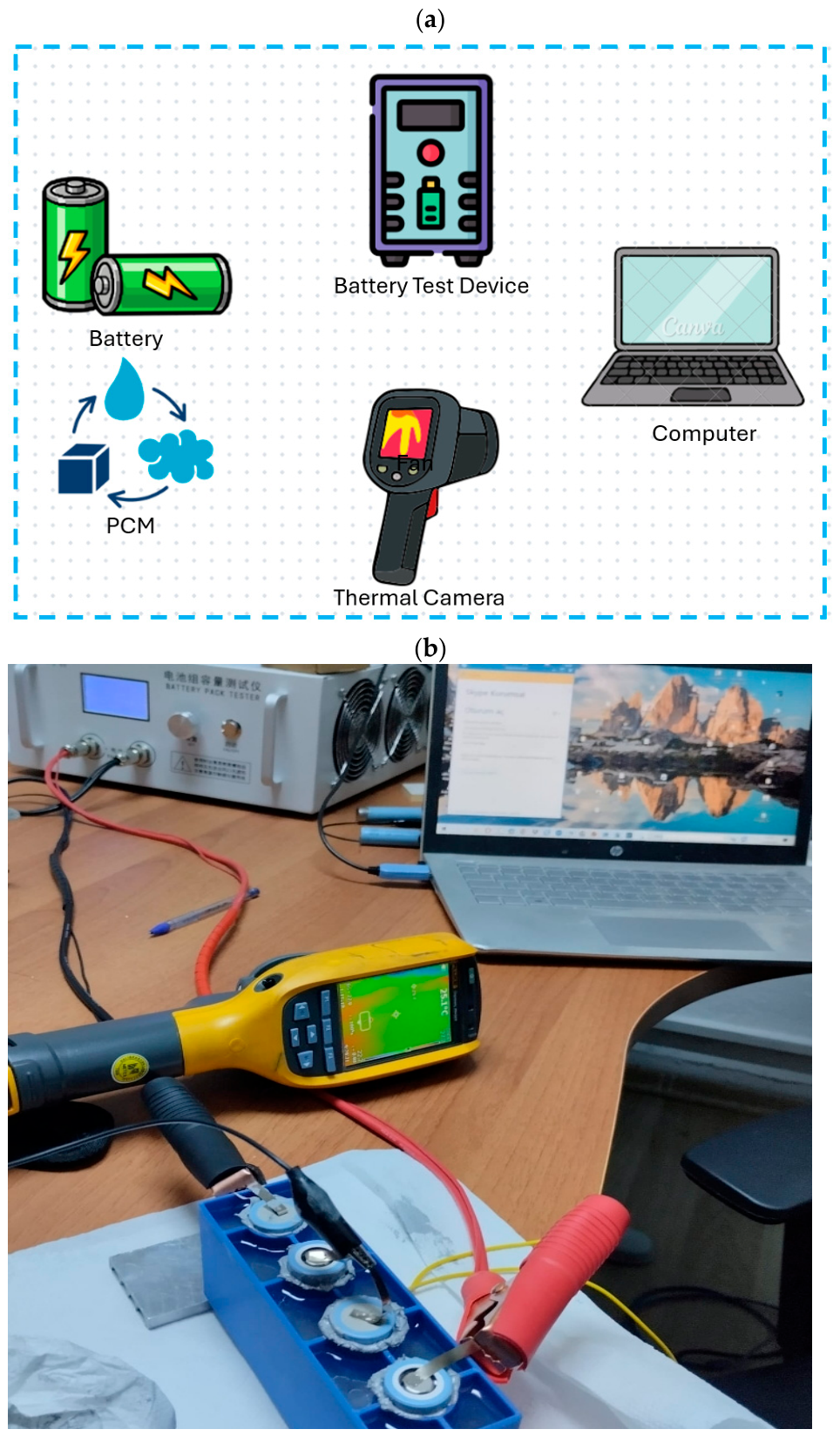
Figure 1 shows a schematic of the battery test setup and a photograph. Aspilsan 18650 cylindrical NMC brand batteries (Aspilsan, Kayseri, Türkiye) were used during the tests. The standard charging current for 18650 cylindrical batteries is 1400 mA, while the continuous discharge current is 14,000 mA. The batteries also have a nominal discharge capacity of 2800 mAh. These batteries have a nominal capacity of 2800 mAh and a nominal voltage of 3.65 V. A Zke-Tech B30H 1700 Watt battery test device (Zhuozhi Electronic Technology, Changsha, China) was used for discharge tests. A constant current of 8 amperes was applied during discharge. This current corresponds to a discharge rate of approximately 2.85 C, calculated from the nominal cell capacity of 2.8 Ah. A Fluke TSI60 thermal camera (Fluke, Washington, DC, USA) was used for temperature analyses. The battery structure, consisting of four batteries connected in series and a PCM, was designed using a 3D design program in a computer environment and then printed from ABS. The ABS housing was printed with 100% infill to reduce the risk of PCM leakage.
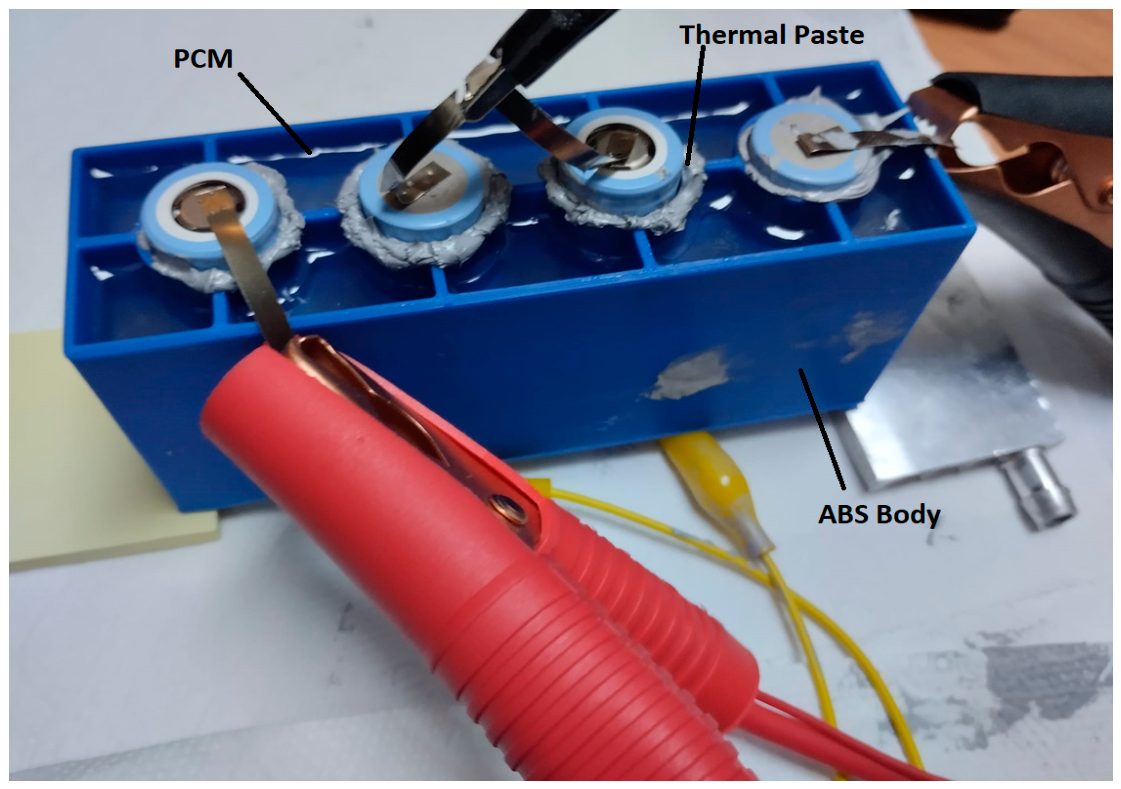
Figure 2 shows PCM and batteries inside the ABS housing. The PCM used was an S32-type salt hydrate from PCM Products. The S32 material reaches its phase change temperature at 32 °C. The product melted in a stainless-steel industrial hot bath and was then filled into the ABS. PCM has a latent heat capacity of 220 kJ/kg. The study aimed to develop a simple, cost-effective passive cooling solution by placing 335.9 g of salt hydrate PCM into an ABS battery holder. The properties of PCM are given in
Table 1. The S32-type salt hydrate PCM, which has a melting temperature of 32 °C, was selected for the study because the aim was for the PCM to remain inactive until temperatures approached 35 °C, activating only when temperatures reached 35 °C to prevent a dramatic drop in efficiency. Additionally, Arctic MX-5 thermal paste (Arctic GmbH, Brunswick, Germany) was applied to the contact point between the batteries and the ABS material to enhance thermal conductivity. This paste was chosen for its thermal conductivity of 12 W/m.K and its ability to operate safely between −40 °C and 180 °C.
3. Results and Discussion
In this study, four Aspilsan 18650 batteries were connected in series and discharged at 2.85 C, both with and without PCM.
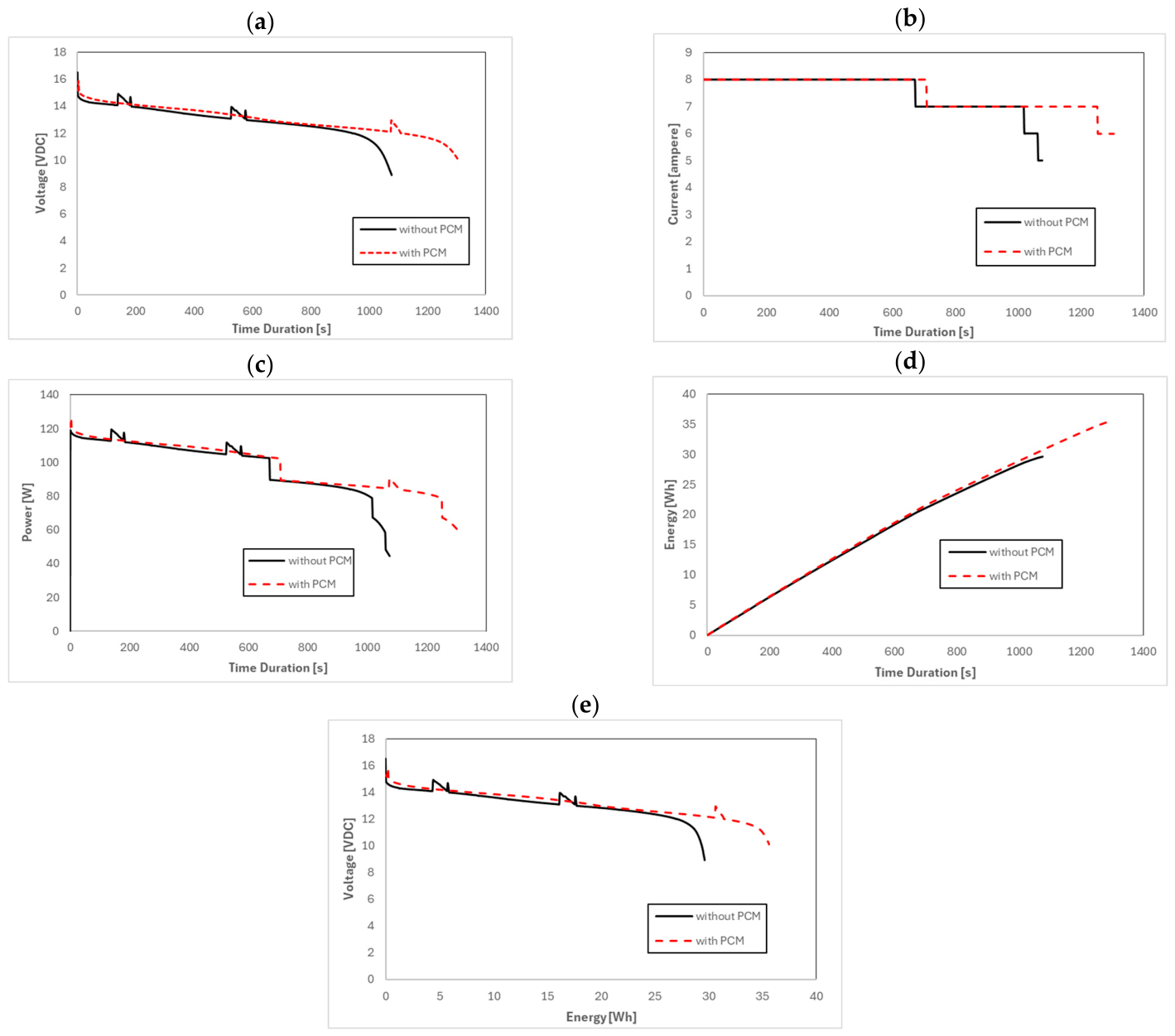
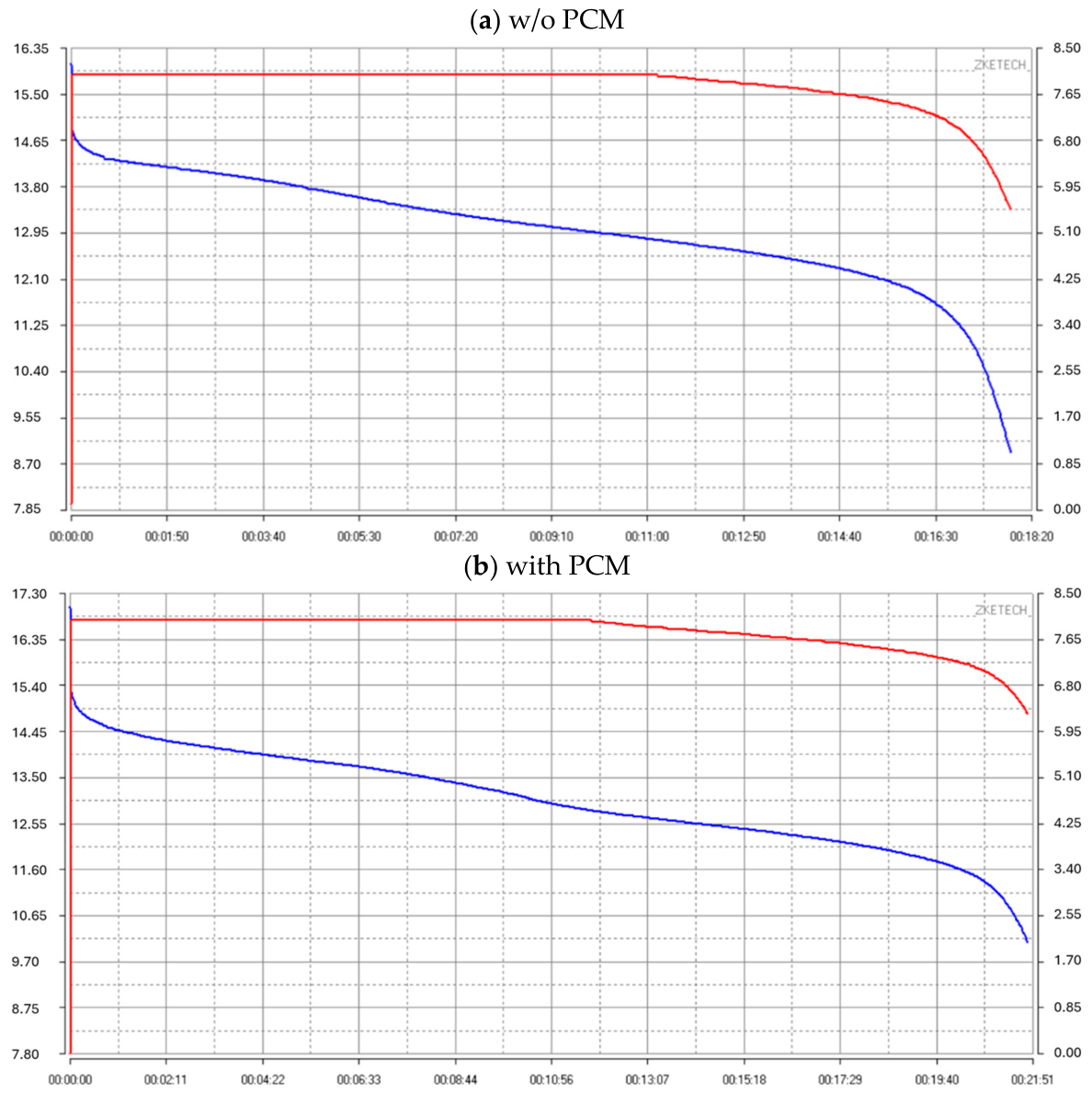
Figure 3 shows graphical representations of the battery discharging systems, both with and without PCM. As shown in the figure, the batteries could be discharged for 18 min and 10 s at a constant current of 8 A without PCM. With PCM, however, the discharging time was 21 min and 51 s. It was observed that in both the PCM and PCM-less systems, the batteries could not maintain a constant current of 8 A. The study did not use an external BMS. However, the battery discharge tester reduces the current as required using its internal PI control when operating in constant current (CC) mode. When necessary, the device lowers the CC setpoint via PI control to prevent sudden voltage drops caused by the internal resistance of the batteries. The use of PCM has slowed the rise in cell and system temperatures, thanks to its high latent heat absorption capacity. As a result, temperature limits were reached later, and the system was able to operate at high current levels for a longer period. Additionally, in both systems, the voltage dropped below 10 VDC, and the system automatically shut down. It was concluded that the four series-connected batteries could be discharged approximately 20% longer with PCM.
Figure 4 shows graphs of the time-dependent changes in voltage, current, power, and energy, as well as the energy-dependent change in voltage, for batteries with and without PCM. At the same time, they are being discharged at a constant current of 2.85 C. Comparing the voltage change graphs, it can be seen that the PCM-equipped batteries maintain their voltage value for a longer period and reach 10 VDC approximately 20% later than the PCM-free system. The battery tester is configured to shut down automatically when the total voltage reaches 9 VDC during battery discharge. However, to ensure the results remained within a safe operating range, the calculations were based on values recorded up to the point where the voltage reached 10 VDC. Furthermore, examining the time-dependent loading curve at a constant current of 8 A (2.85 C) revealed that the PCM-equipped batteries could supply 8 A for a longer period. The PCM-free batteries were unable to maintain a constant current of 8 A for 20% as long as the PCM-containing batteries. Furthermore, the current values of the batteries with and without PCM were compared. Without PCM, the batteries could deliver 7 A instead of 8 A at 673 s (12.813 VDC). With PCM, however, it was observed that they could deliver 7 A instead of 8 A at 711 s (12.809 VDC). Without PCM, the batteries could deliver 6 A instead of 7 A at 1019 s, when the battery voltage was 11.22 VDC. Conversely, with the PCM cooling system, the output decreased from 7 A to 6 A at 1251 s. At this operating point, the battery voltage was 11.264 VDC.
The instantaneous power output of the batteries during discharge was also examined. The PCM-equipped battery could deliver around 120 W for a longer period, whereas the PCM-free battery’s maximum power decreased more quickly. The average power is 101.72 W when PCM is used, compared to 98.65 W when it is not. Furthermore, the average instantaneous power is 126.72 W with PCM, compared to 119.52 W without PCM. It can therefore be concluded that there is an improvement in instantaneous power values. Without PCM, the battery module could not maintain a lower surface temperature during high-rate discharge, which may have contributed to a faster voltage decrease and shorter discharge duration. Furthermore, examining the cumulative energy graphs of PCM-equipped and PCM-free batteries reveals that connecting four batteries in series yields a longer operating time at the ideal temperature, thereby increasing efficiency. Discharging four 18650 batteries at a constant current of 8 A yielded 35.59 Wh of energy for the PCM-equipped system, whereas the PCM-free battery yielded 29.64 Wh. Therefore, the PCM-equipped battery yielded 20.1% more energy than the PCM-free battery.
Figure 3 compares the results obtained with and without PCM cooling. Based on screenshots from the test equipment, the batteries lasted for 18 min and 10 s before dropping to 10 VDC without the PCM cooling system, whereas with the PCM cooling system, they lasted for 21 min and 51 s. It was therefore concluded that the PCM cooling system resulted in a 20.2% improvement in duration compared to the setup without PCM. Thus, it was determined that PCM yielded similar results in both the time required for the batteries to drop to 10 VDC and their improved energy capacity. This indicates that PCM integration improves the discharge performance by limiting temperature rise and extending the useful discharge duration. Examining the voltage and energy graphs during discharge revealed that, under the PCM-equipped condition, the batteries released more energy until the voltage dropped to 10 VDC. In their study, Khateeb et al. [
20] used a PCM-enhanced battery cooling system on a scooter and found that battery capacity efficiency increased by 20–30%. The results of the current study are similar in this respect.
The Root Mean Squared Percentage Error (
RMSPE) method was used to determine the error rate between the two experimental results. The relevant equation is provided below [
21].
In this case, xi represents the results of the first experiment, and yi represents the results of the second experiment.
The results indicate an error rate of 1.0% for experiments without phase change materials (PCM) and 0.9% for experiments with PCM. Similarly, the error rates for instantaneous energy values were 1.1% and 1.0%, respectively. The percentage error method was applied to the time taken for the batteries to discharge from a fully charged state to 10 VDC. Without PCM, the first measurement took 18 min and 10 s, while the second took 18 min and 21 s. This resulted in an error rate of 1%. Conversely, with PCM, the first measurement took 21 min and 51 s, while the second took 22 min and 2 s, resulting in an error rate of approximately 0.8%.
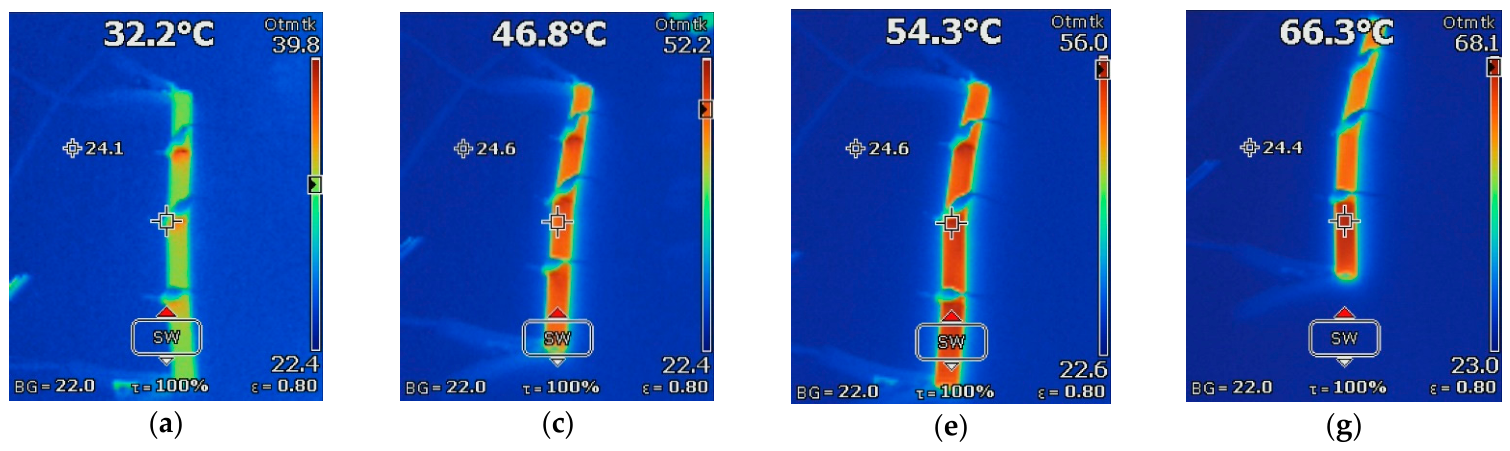
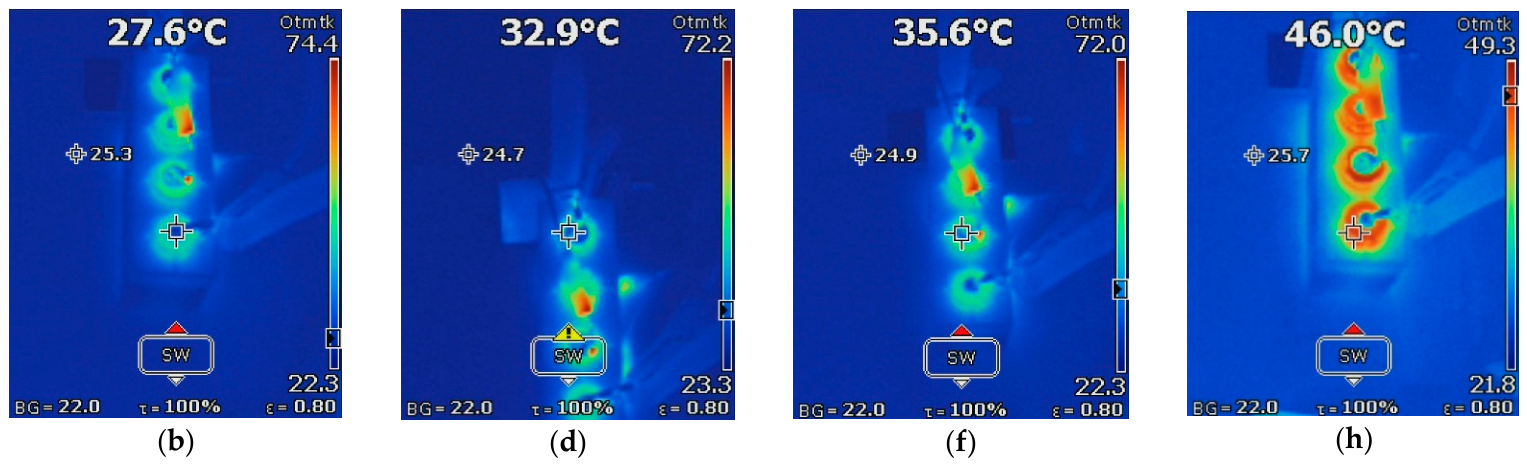
Figure 5 shows thermal camera images of the batteries, both with and without PCM. For both the PCM and PCM-free systems, thermal camera images are provided at 3, 5, 10, and 15 min during a constant-current discharge at 2.85 C (8A). The highest surface temperatures obtained with the thermal camera at the 3rd, 5th, 10th, and 15th minutes in the PCM-free system are 32.2 °C, 46.8 °C, 54.3 °C, and 66.3 °C, respectively. In the PCM-equipped system, the highest surface temperatures obtained with the thermal camera at the 3rd, 5th, 10th, and 15th minutes are 27.6 °C, 32.9 °C, 35.6 °C, and 46 °C, respectively. In the study, wall temperatures were measured using a Fluke TSI60 thermal camera. The camera was mounted on a tripod, and measurements were taken from a distance of 0.5 m, targeting the positive terminal surface of the third battery. The values were then compared for cases with and without PCM. Changes in electrolyte viscosity with temperature can significantly affect performance at the electrolyte-separator interface and, consequently, overall battery performance. While the battery’s internal layer temperatures should ideally be considered, this study adopted a casing-temperature-based approach. The internal temperatures of the cells are naturally higher than the casing temperatures. However, because this was a comparative study, the use of PCM resulted in significant improvements, as indicated by the observed casing temperatures. As shown in the images, using PCM significantly reduces the battery surface temperature. This result is consistent with the expected function of PCM-based passive cooling, in which heat generated during discharge is absorbed during the phase change process, thereby suppressing rapid increases in surface temperature. It is projected that using passive systems, such as phase change materials (PCMs), to cool batteries and control their average and peak operating temperatures will extend their lifespan and delay their transition to ‘second-life’ use. In their study, Ganji et al. [
22] reduced the maximum temperature increase under 3C discharge conditions from 18 °C to 7 °C by using PCM, thereby limiting battery temperatures to 42 °C. The results of the present study demonstrate a similar trend.
In their study, Vashisht and Rakshit [
23] investigated the effect of phase change material (PCM) thickness on temperature and battery performance in 18650 Li-ion cells at various discharge C-rates. They demonstrated that a 1.25 mm PCM layer could reduce the cell surface temperature by 10.09 °C. The researchers concluded that, at high C-rates, the PCM thickness should be between 2.5 and 3 mm. They also found that excessive PCM usage increases system weight and volume, but the resulting performance gains may be limited. As Vashisht and Rakshit [
23] indicated a minimum PCM thickness requirement of 3 mm at high C-rates and the current study employs a PCM thickness of at least 2.2 mm on the outer surface of the cylinder walls, it can be concluded that the design operates within the safe range.
In their study, Weng et al. [
24] investigated a phase change material (PCM) cooling system for Samsung 18650-13R cylindrical cells (1300 mAh capacity) under various cooling conditions. They found that, while the PCM initially limited the temperature rise, it lost its effectiveness with prolonged use. Specifically, under constant-current conditions at an ambient temperature of 45 °C, the PCM’s cooling effect ceased after approximately 1518 s. However, at 35 °C, it remained effective for approximately 2969 s. They consequently concluded that, while PCM-based battery cooling offers significant improvements, the choice of operating modes and strategies—governed by the PCM’s latent heat and capacity—is crucial. In our study, we maintained the temperature at 35.6 °C for the first 10 min (18.7 °C lower than in the case without PCM), reaching 46 °C by the end of the 15 min. This indicates that using 335.9 g of salt hydrate PCM ensures safe operation for 15 min while keeping the temperature rise to around 46 °C. Thus, the results of this study are consistent with those reported by Weng et al. [
24].
In their study, El Idi et al. [
25] tested a 2500 mAh VARTA 18650 cell using a phase change material (PCM)-metal foam composite consisting of paraffin RT27 and aluminum foam. They concluded that improvements in capacity retention and cyclic performance were achieved during PCM-cooled cycles compared to standard sequential charge–discharge cycles. The results of the present study are similar to those of El Idi et al. [
25] in terms of capacity and performance improvements.
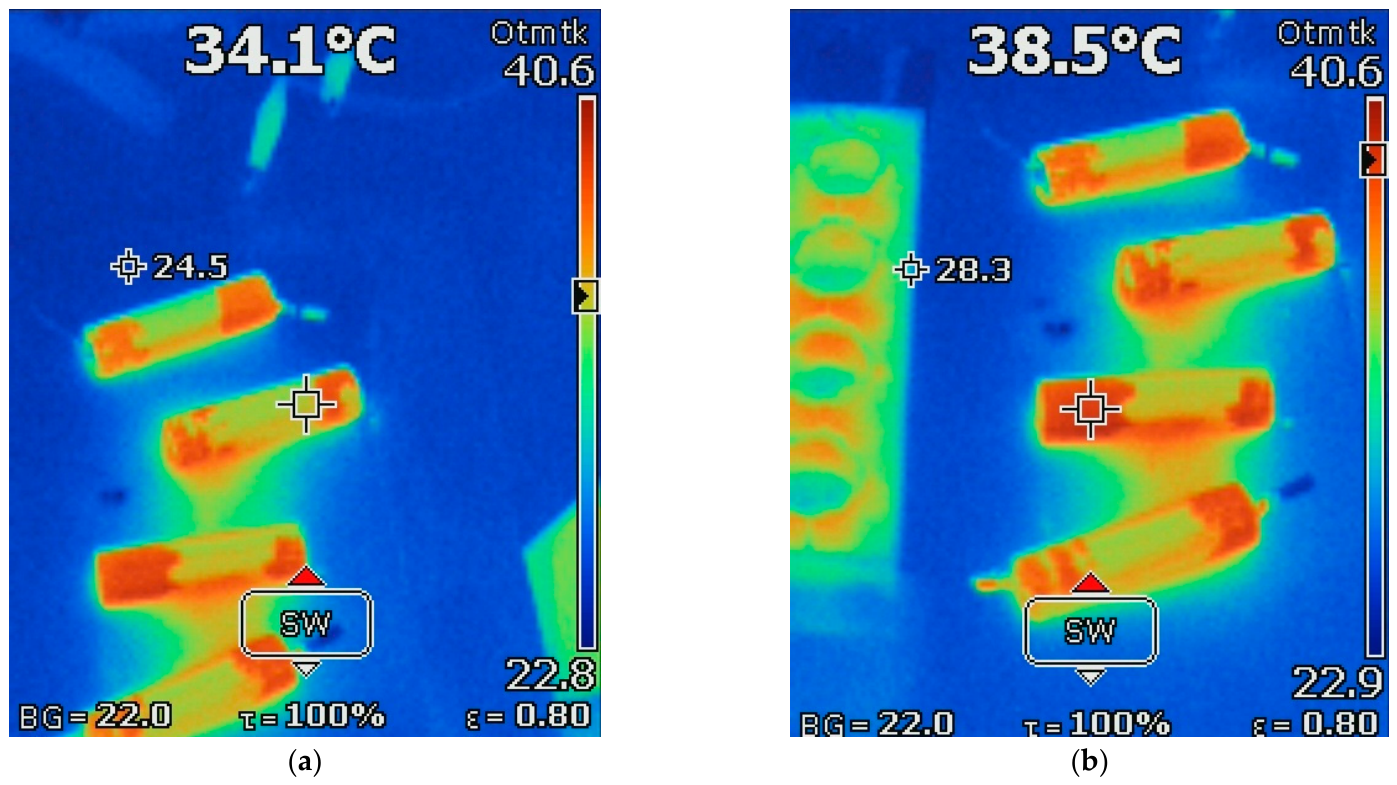
Figure 6 shows thermal camera images obtained 30 s after the PCM-cooled battery casing was removed, following completion of the test. The surface temperatures of the battery parts embedded in the PCM are around 34.1 °C, whereas the temperatures of the unembedded head portions reach around 38.5 °C. Given that the surface temperature of the battery without PCM is approximately 66.3 °C, PCM significantly reduces the temperature. Furthermore, heat was observed in the wall portions where PCMs were in contact with the battery. This supports the PCM’s effectiveness in absorbing and distributing heat from the battery surface during discharge.
In this study, scenarios involving the use or non-use of passive cooling in a small battery module were analyzed. From an economic perspective, it was observed that passive cooling results in both operating and investment costs. Conversely, an enhancement in battery performance is evident with passive battery cooling. Experimental studies have demonstrated that this improvement enables greater energy extraction from the battery. This situation underscores the necessity for an economic evaluation of the passive cooling process.
4. Investigation of Battery Life
The
SoH formulation as a function of temperature and cycle number is presented in Equation (2) below [
26].
Here, N represents the number of cycles, and Ea denotes the activation energy in J/mol. In this formulation, the effect of K can be accounted for by incorporating it into the activation energy as a function of the C-rate. T represents the average battery temperature, calculated in Kelvin.
For NMC batteries,
Ea can be calculated using Equation (3) given below [
27]. This formulation can be used to determine an approximate Arrhenius value dependent on the C-rate for NMC batteries.
The activation energy for the 2.85 C rate was calculated here as 19,983 J/mol.
To determine the aging rates, the formulation given in Equation (4) below was utilized [
28].
Based on this, the calculation performed using the stable surface temperatures obtained from the experimental results (66.3 °C without PCM and 46 °C with PCM, respectively) showed that comparing Case 1 and Case 2 under operating conditions involving the same number of cycles and the same 2.85 C-rate yielded the scenario described in Equation (5).
Assuming an
SoH value of 80%, the service life ratios are calculated using Equation (6).
In this case, an improvement in cycle life is observed when the battery temperature is maintained at 46 °C using PCM at a 2.85 C-rate, compared to when it is maintained at 66.3 °C. This improvement is quantified by the equation below, Equation (7).
Based on the above formulations, it can be concluded that lowering the battery temperature will significantly improve battery life. One limitation of the study is that it used surface temperatures of 66.3 °C and 46 °C. These values were measured using a Fluke thermal camera during testing, so they are only approximate. Furthermore, no modeling based on the state of charge (SOC) value was performed. The primary objective of this study is to demonstrate that using a phase change material (PCM) cooling system significantly improves the lifespan of 18650 batteries.
An economic analysis was performed on the use of PCM in a battery system with a 1 kWh energy capacity. The initial investment cost of PCM and the system holding PCM and batteries together was determined by calculating the amount of PCM required for a 1 kWh battery pack and was found to be
$60. The annual maintenance cost was found to be
$5. The economic analysis assumed that the system consumes 360 kWh of energy per year. Tests were conducted on the assumption that a phase change material (PCM)-based cooling system would yield 20.1% energy savings during discharge. The resulting electrical energy savings and associated CO
2 reduction potential were then calculated. Additionally, a 5% discount rate and an average European market value of
$0.35/kWh were used as the unit cost of electricity [
29].
An economic analysis was conducted by comparing a battery with an integrated PCM cooling system to a battery without a cooling system. Although adding a passive cooling system with integrated PCM to a battery increases investment and operating costs, it also improves performance, potentially enabling greater electricity utilization at higher levels. An economic evaluation of the PCM-supported battery was therefore conducted.
Conversely, improved battery performance reduces emissions by increasing electricity utilization rates. In this scenario, the PCM-assisted battery contributes to environmental improvement by reducing emissions. From this perspective, the environmental benefits of the PCM-assisted battery cooling system have been examined.
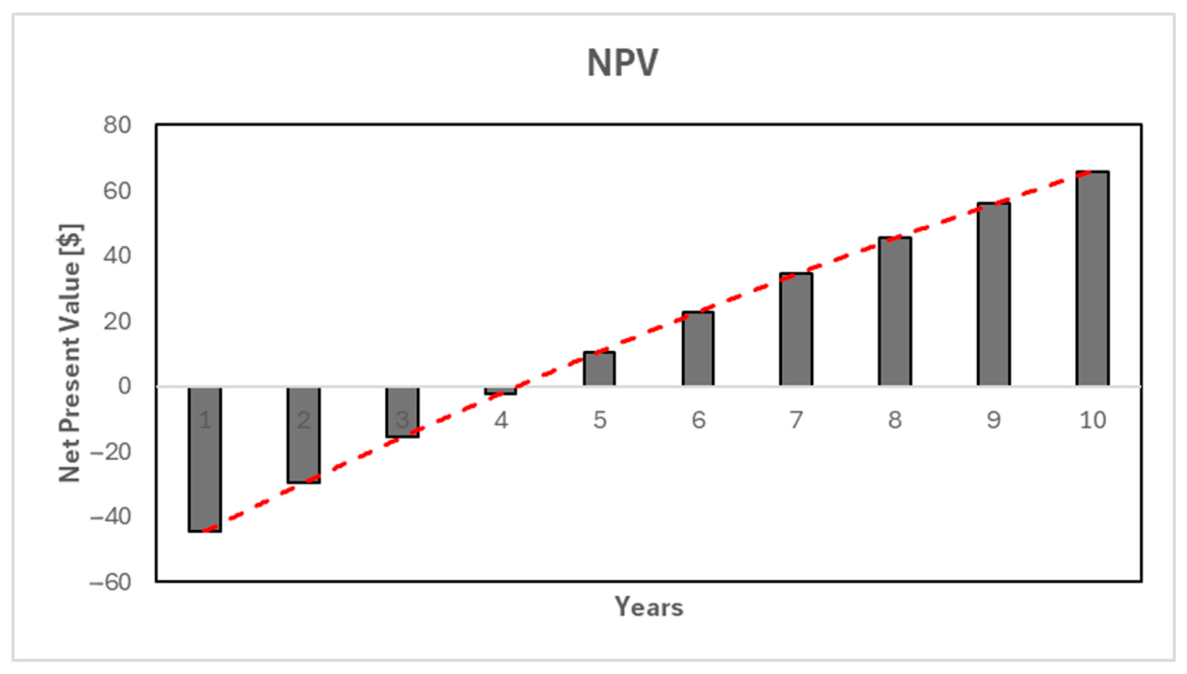
Figure 7 shows the cumulative net present value (NPV) graph for the battery cooling system. As using PCM and a battery cooling system in micro-mobility increases battery efficiency and allows for greater range, an economic analysis was performed to consider initial investment and operating costs. The economic life was taken as 10 years. In this case, the NPV was
$65.86 after 10 years, indicating that the system is economical.
As is well known, the most fundamental parameters used to evaluate the economic viability of systems are the NPV, payback period, and internal rate of return (IRR) values.
Table 2 presents the NPV, payback period, and IRR results from the economic analysis of the PCM-based battery cooling system. Assuming a 10-year economic life and a 5% USD discount rate, the NPV was
$65.86. Furthermore, with an initial investment of
$60 and annual operating and maintenance costs of
$5, the payback period was approximately 4 years and 2 months. The IRR was 109.7%. Taking all these parameters into account, it can be concluded that the PCM-based battery cooling system is economically viable. In their study, Zhang et al. [
30] developed a passive battery thermal management system using a heat pipe and a composite PCM containing expanded graphite (EG) for a module comprising 12 18650 cylindrical lithium-ion cells. They found that the PCM-based cooling system paid for itself within 1.77 years, yielding a high return on investment (ROI) of 182.6%. In terms of economic analysis, these findings are similar to those of the study by Zhang et al. [
30].
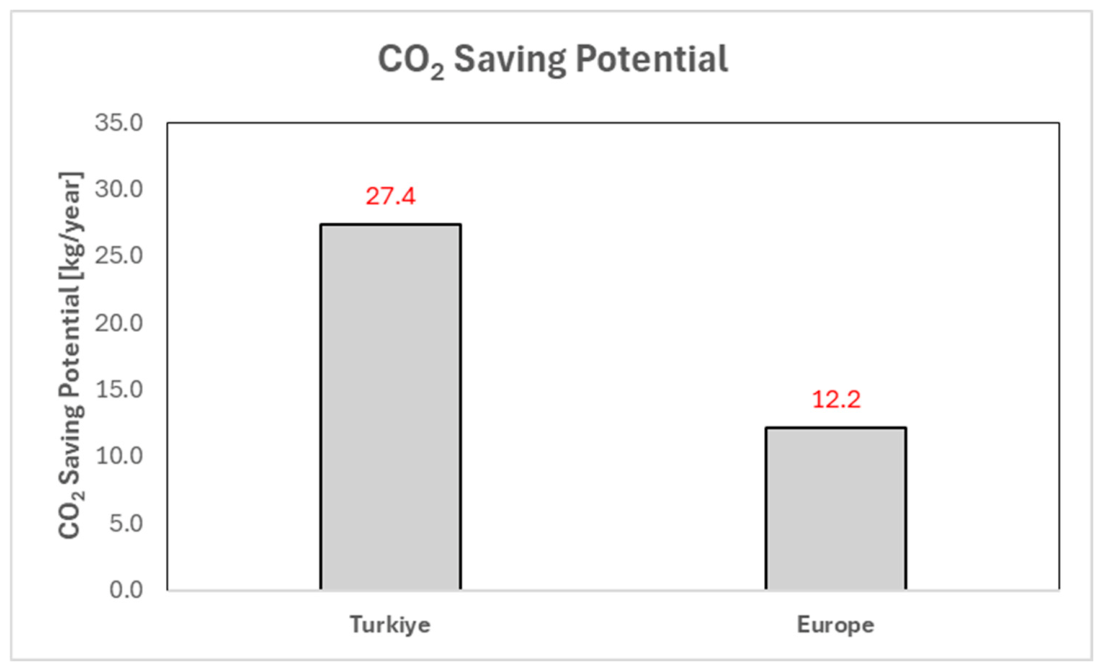
Figure 8 shows the CO
2 saving potential of a battery cooling system with PCMs. As is well known, a cooling system with PCM enables the battery to operate more efficiently, resulting in a longer range and reduced unit electricity consumption. The CO
2 savings potential was calculated based on a scenario in which a 1 kWh battery without PCM requires 360 recharges per year. However, with a PCM system, the batteries operate at a higher efficiency, resulting in lower annual energy consumption. In Türkiye conditions, 450 gCO
2/kWh of emissions are released per unit of energy [
31]. In contrast, in European conditions, 200 gCO
2/kWh of emissions are released per unit of energy [
32]. It was therefore concluded that, under Türkiye’s conditions, there is a potential saving of 27.4 kg of CO
2 emissions per year and 0.274 tonnes over the ten-year economic life of the system. For European conditions, the potential saving was found to be 12.2 kg of CO
2 emissions per year, or 0.122 tonnes over the ten-year economic life of the system.




 ,
,