1. Introduction
The rapid development of electric vehicles (EVs), renewable energy storage systems, and portable electronic devices has significantly increased the demand for high-performance lithium-ion batteries. Despite their advantages, including high energy density, excellent efficiency, and long lifespan, lithium-ion batteries are highly sensitive to thermal conditions. Elevated operating temperatures and non-uniform temperature distributions can accelerate degradation, reduce capacity, shorten service life, and may even trigger thermal runaway. Therefore, an efficient and reliable battery thermal management system (BTMS) is essential to ensure safety, performance, and durability [
1,
2,
3,
4,
5,
6].
BTMS technologies mainly include air cooling, liquid cooling, phase change materials (PCM), heat pipes, and hybrid systems [
1,
2,
3,
4,
5,
6,
7,
8,
9]. Among these, liquid cooling has emerged as the most effective solution for high-power and high-energy-density battery applications, particularly in electric vehicles, due to its superior heat dissipation capability and excellent temperature uniformity [
5,
6,
7,
9,
10]. Within liquid-cooling technologies, cold plates are widely adopted because of their compact structure, high efficiency, and ease of integration with battery modules [
6,
11,
12,
13,
14,
15,
16,
17,
18,
19,
20,
21,
22,
23,
24,
25,
26,
27,
28,
29,
30,
31].
The thermal and hydraulic performance of cold plates is strongly influenced by channel configuration [
11,
12,
13,
16,
19,
20,
24,
25,
26,
28,
30]. Parallel-channel cold plates are especially attractive due to their simple structure, low pressure drop, and uniform flow distribution [
11,
13,
20,
25,
30]. However, their heat transfer performance is often limited by boundary layer development and insufficient fluid mixing [
11,
16,
20,
26,
28]. To overcome these limitations, passive heat transfer enhancement techniques such as ribs, pin fins, vortex generators, grooves, and baffles have been extensively investigated to improve thermo-hydraulic performance without additional energy consumption [
16,
29,
32,
33,
34,
35,
36,
37,
38].
Previous studies have explored a wide range of channel configurations and passive enhancement strategies to improve the thermo-hydraulic performance of battery cold plates and compact liquid-cooled structures. Among channel-layout modifications, serpentine and multi-channel configurations are among the most widely used because of their compactness and effective cooling capability [
11,
12,
13,
20,
25,
26,
30]. For example, Mahmoud et al. [
34] performed combined numerical and experimental investigations on serpentine and multi-mini-channel heat sinks with ribs, grooves, and pin fins, and showed that pin-fin-and-groove structures can improve heat dissipation compared with conventional rib-based designs, although with higher pressure drop. In battery cold plates, Tesla-valve-type channels have been proposed to enhance flow mixing through flow splitting [
16,
33], while cross-linked cold plates were developed to reduce pumping power and improve temperature uniformity [
25]. In addition, zig-zag serpentine channel layouts have also been investigated to increase coolant contact area and improve cooling effectiveness [
26]. These studies indicate that channel-layout modification is a way to improve cooling performance, although the associated hydraulic penalty remains an important concern [
16,
20,
24,
25,
26,
30,
33].
In parallel with channel-layout modifications, many studies have introduced passive internal flow-disturbing structures into cooling channels to enhance convective heat transfer [
14,
15,
16,
19,
20,
23,
24,
25,
26,
27,
28,
29,
30,
32,
33,
34,
35,
36,
37,
39,
40]. Mahmoud et al. [
34] demonstrated that pin-fin-based structures can intensify heat transfer by disrupting the thermal boundary layer and promoting fluid mixing. In battery cold plates, Zhao et al. [
32] reported that optimized internal structures can substantially improve cooling performance and temperature uniformity, while Han et al. [
36] showed that fin-based enhancements can intensify fluid mixing and thermal performance with acceptable hydraulic penalties. More broadly, previous studies have confirmed that passive enhancement structures such as ribs, fins, pin fins, grooves, and baffles can effectively improve thermo-hydraulic performance, but they also highlight the persistent trade-off between heat-transfer enhancement and hydraulic loss.
Despite these advances, several research gaps remain. First, most previous studies have focused on either a single enhancement concept or a limited number of design cases, while systematic and fair comparisons between cylindrical-type and fin-type baffles within the same parallel-channel cold plate and under identical operating conditions remain limited [
16,
20,
23,
24,
25,
26,
30,
32,
33,
34,
35,
36]. Second, many earlier investigations considered only a relatively small design space and therefore could not fully capture the overall performance trends across the geometric parameter space [
16,
19,
23,
24,
25,
26,
30,
33,
35]. Third, thermo-hydraulic evaluation criteria such as REF or PEC have not always been used as a consistent optimization basis in battery cold-plate studies [
16,
20,
24,
30,
32,
35,
36]. Therefore, a more systematic thermo-hydraulic investigation is still needed, one that simultaneously considers heat-transfer enhancement and pressure-drop penalty during design optimization.
Motivated by these research gaps, the present study investigates two enhanced configurations, namely cylindrical-type and fin-type baffles, for a liquid-cooled parallel-channel cold plate in battery thermal management. The main contributions of this work are summarized as follows: (i) a validation-driven CFD-based optimization framework is developed to enable a systematic comparison between the two baffle concepts under identical operating conditions within the same cold-plate platform; (ii) a large-scale parametric study involving 150 configurations is conducted to explore the design space and clarify the thermo-hydraulic trends associated with geometric variation; and (iii) the optimal geometry for each baffle concept is identified using REF as a consistent thermo-hydraulic evaluation criterion, thereby providing a rational basis for design-oriented cold-plate development.
The remainder of this paper is organized as follows.
Section 2 presents the model development, including the physical configurations of the baseline and enhanced cold plates, the governing equations, boundary conditions, and the numerical method with grid independence analysis.
Section 3 describes the model validation process, including the validation setup, evaluation metrics such as the Nusselt number and pressure drop, and detailed comparisons between numerical and experimental results.
Section 4 focuses on the optimization of baffle configurations, including the definition of parametric cases and evaluation criteria, followed by the optimization of cylindrical and fin-type baffles.
Section 5 presents the investigation and evaluation of the optimized model performance, where the thermo-hydraulic characteristics of the baseline, optimized cylindrical-baffle, and optimized fin-type-baffle designs are systematically compared and analyzed. Finally,
Section 6 summarizes the main findings and presents the conclusions of this study.
3. Validation
3.1. Validation Model Description
To assess the accuracy of the numerical method and verify the applicability of the adopted meshing strategy to the present CFD model, a benchmark-based validation study was conducted using the experimentally validated rectangular multi-mini-channel heat sink (MMCHS) reported by Mahmoud et al. [
34]. Although the validation model has different dimensions from the cold-plate configurations investigated in this study, the two problems remain physically comparable because: (i) both employ rectangular parallel-channel cooling structures and belong to the class of forced-convection flow in confined channels; (ii) both involve laminar forced flow of liquid coolant through compact mini-channels; and (iii) both are governed by similar heat-transfer mechanisms, including boundary-layer development, conjugate heat transfer between solid and fluid, and heat-transfer enhancement associated with flow obstruction. Therefore, this benchmark is considered appropriate to validate the solver, the meshing strategy, and the overall numerical framework adopted in the present study.
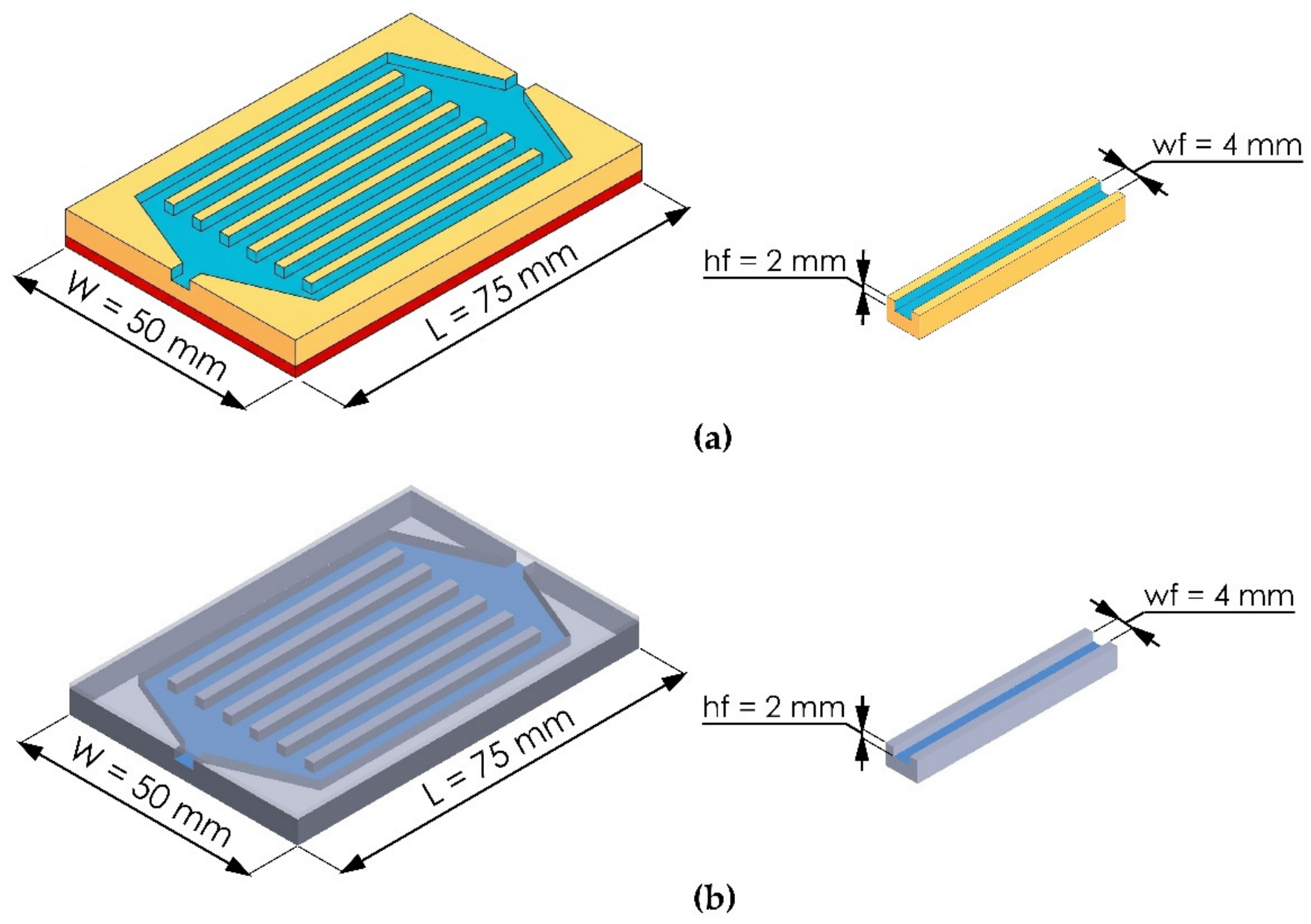
The geometric configuration and operating conditions were established consistently with the reference study, as shown in
Figure 5 and
Table 4, where the cold plate material was set to copper, and the coolant was water. The mass flow rate and heat flux were specified as m = 0.0045 kg/s and q = 20,000 W/m
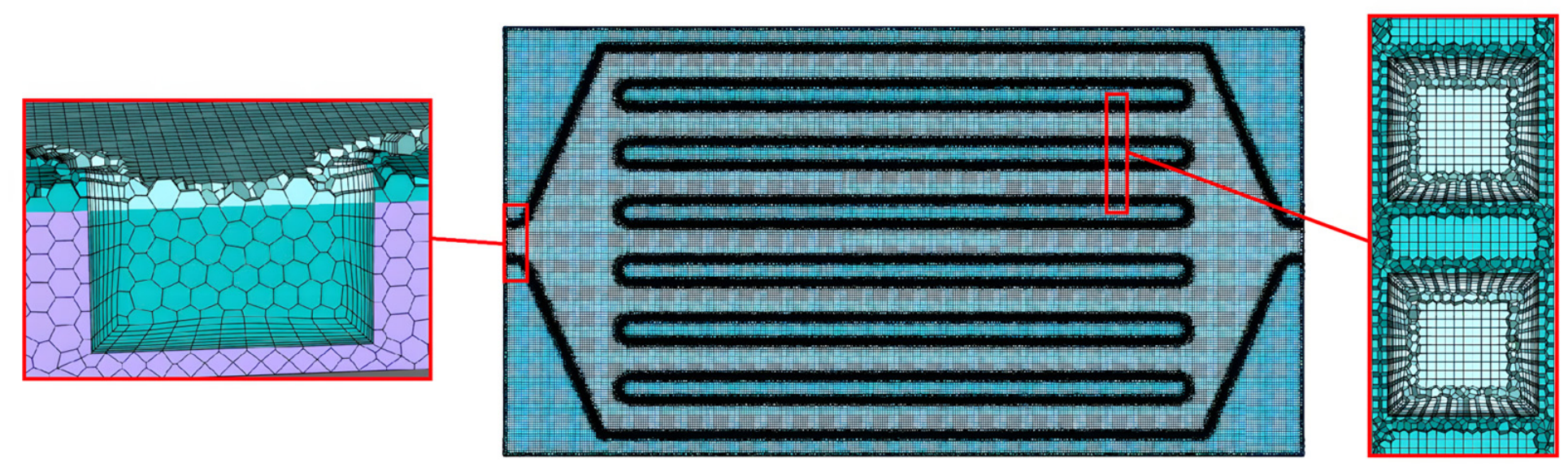
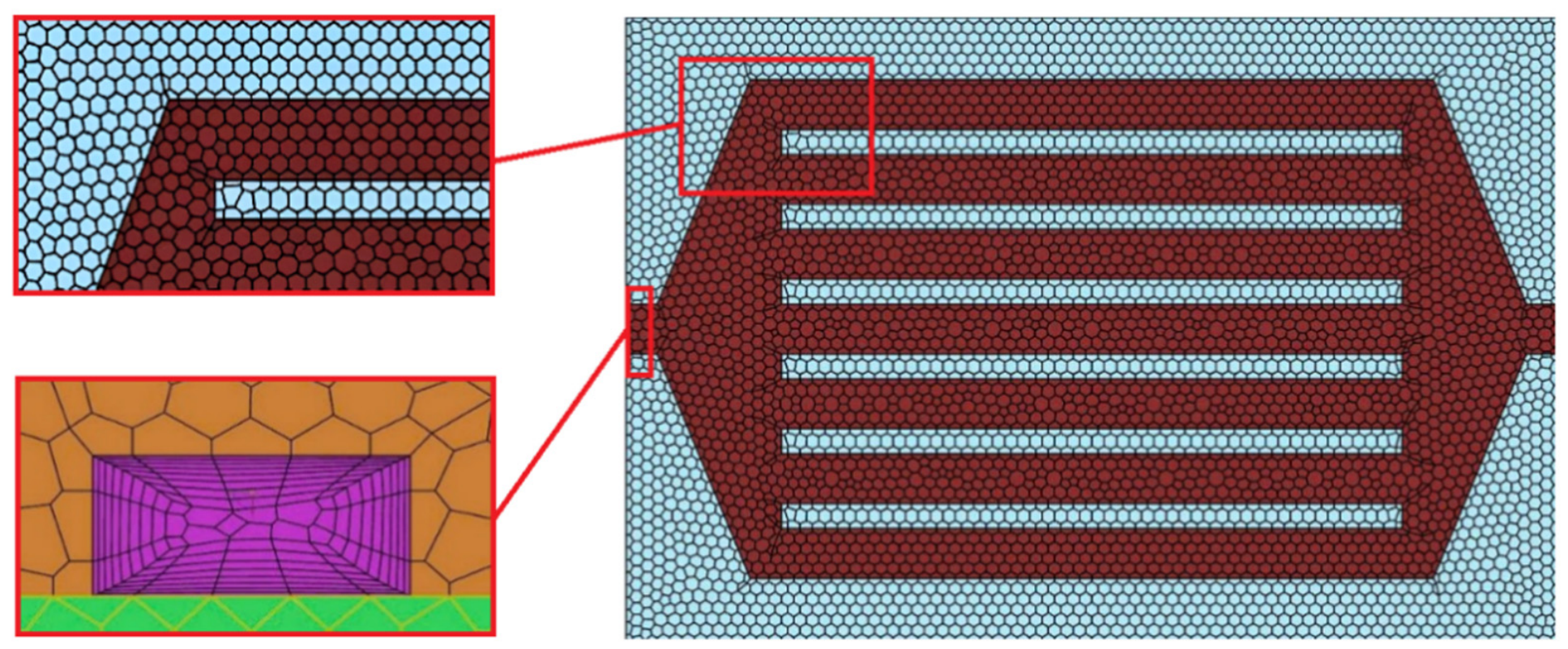
2, respectively. It should be noted that the meshing strategy applied to the validation model is consistent with that described in
Section 2.3. The computational mesh of the MMCHS model, along with the local mesh refinement in critical regions, is illustrated in
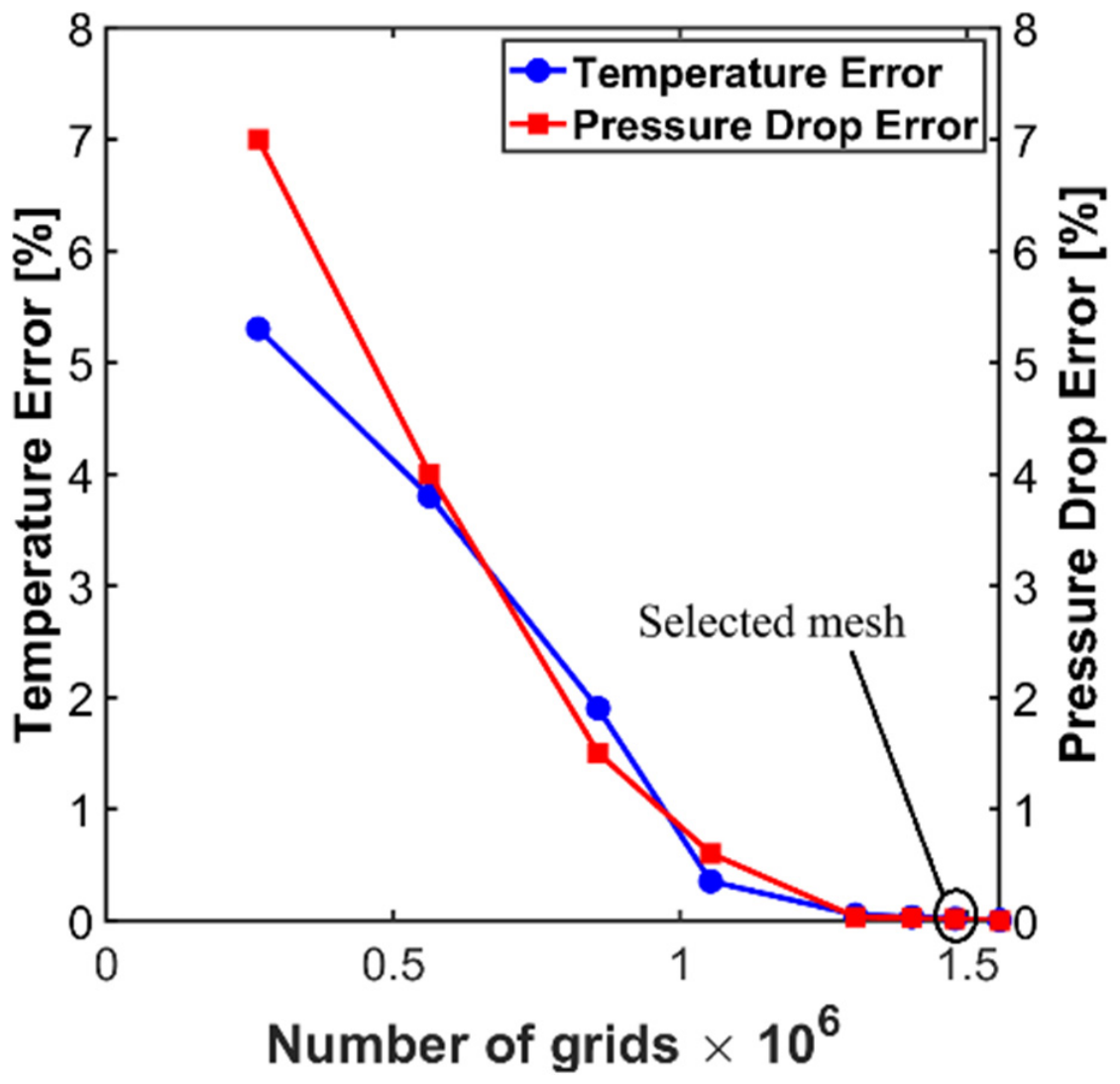
Figure 6. The model consists of approximately 265,407 cells, which significantly reduces the computational cost while maintaining the reliability and accuracy of the simulation results.
3.2. Validation Metrics
In forced-convection cooling systems, evaluating heat-transfer enhancement alone is insufficient for comprehensively assessing the effectiveness of baffle configurations, since improvements in heat transfer are often accompanied by increased pressure drop and pumping-power consumption. In particular, a configuration with a high Nusselt number does not necessarily provide the best overall operating performance if the hydraulic penalty becomes excessively large. Therefore, thermo-hydraulic performance should be evaluated based on both heat-transfer enhancement capability and the corresponding pressure-drop penalty during operation. To quantitatively reflect this trade-off in a consistent manner, the thermo-hydraulic performance factor (REF) is adopted in the present study as the primary evaluation criterion for identifying the most balanced thermal–hydraulic configuration under the same flow-rate condition [
34]. The REF is defined as follows:
where
and
represent the average Nusselt number and pressure drop of the enhanced configuration, respectively, while
and
denote the corresponding values of the baseline model. A larger REF value indicates a more effective balance between heat-transfer enhancement and hydraulic cost. In particular, REF > 1 demonstrates that the enhanced configuration provides superior overall thermo-hydraulic performance compared with the baseline configuration.
In addition to the REF, several other thermal and hydraulic parameters are employed to provide a detailed analysis of the thermo-fluid characteristics of the investigated configurations, including the heat-transfer rate, logarithmic mean temperature difference, average Nusselt number, thermal resistance, and pressure drop. The heat absorbed by the coolant is determined based on the energy balance between the inlet and outlet of the fluid flow, which can be expressed as:
where
is the mass flow rate of the coolant,
is the specific heat capacity of the fluid,
is the temperature rise in the coolant,
is the average convective heat-transfer coefficient, and
is the effective heat-transfer area.
The logarithmic mean temperature difference (LMTD) between the heated surface and the coolant is calculated and presented below [
34]:
where
is the average temperature of the heat-transfer surface, while
and
are the coolant temperatures at the inlet and outlet, respectively.
Based on the calculated heat-transfer rate, the average Nusselt number is used to characterize the convective heat-transfer capability of the cold plate as follows [
34]:
where D is the hydraulic diameter of the channel and
is the thermal conductivity of the coolant. The hydraulic diameter was determined by:
where A is the effective cross-sectional flow area, and B is the wetted perimeter. In the present study, A was evaluated on a cross-sectional plane perpendicular to the flow direction and included the influence of internal structures such as cylindrical baffles or fin-type baffles. Therefore, it represents the actual flow area available to the coolant after excluding the solid region occupied by the internal obstructions.
To evaluate the overall heat-dissipation capability of the cold plate, the thermal resistance is defined as summarized below [
34]:
A lower thermal resistance indicates a stronger overall heat dissipation capability. In addition, the temperature uniformity of the cold-plate surface was assessed using the surface temperature difference:
where
and
are the maximum and minimum temperatures on the cold-plate surface, respectively. A smaller value of
indicates better temperature uniformity.
The inlet and outlet pressures used to calculate the pressure drop were obtained directly from the CFD-predicted pressure field. The hydraulic performance was evaluated through the pressure drop across the channel, which was calculated as:
where
and
are the inlet and outlet pressures, respectively. In the following sections, these parameters are used to compare the thermal and hydraulic behaviors of all investigated channel configurations under different operating conditions.
In this study, the Reynolds number (Re) is also employed to characterize the flow regime inside the parallel-channel system. The Reynolds number is determined based on the nominal average mass flow rate through each channel and is calculated as follows:
where
is the nominal average mass flow rate of the coolant through each channel, and
is the dynamic viscosity of the coolant.
3.3. Validation Results and Discussion
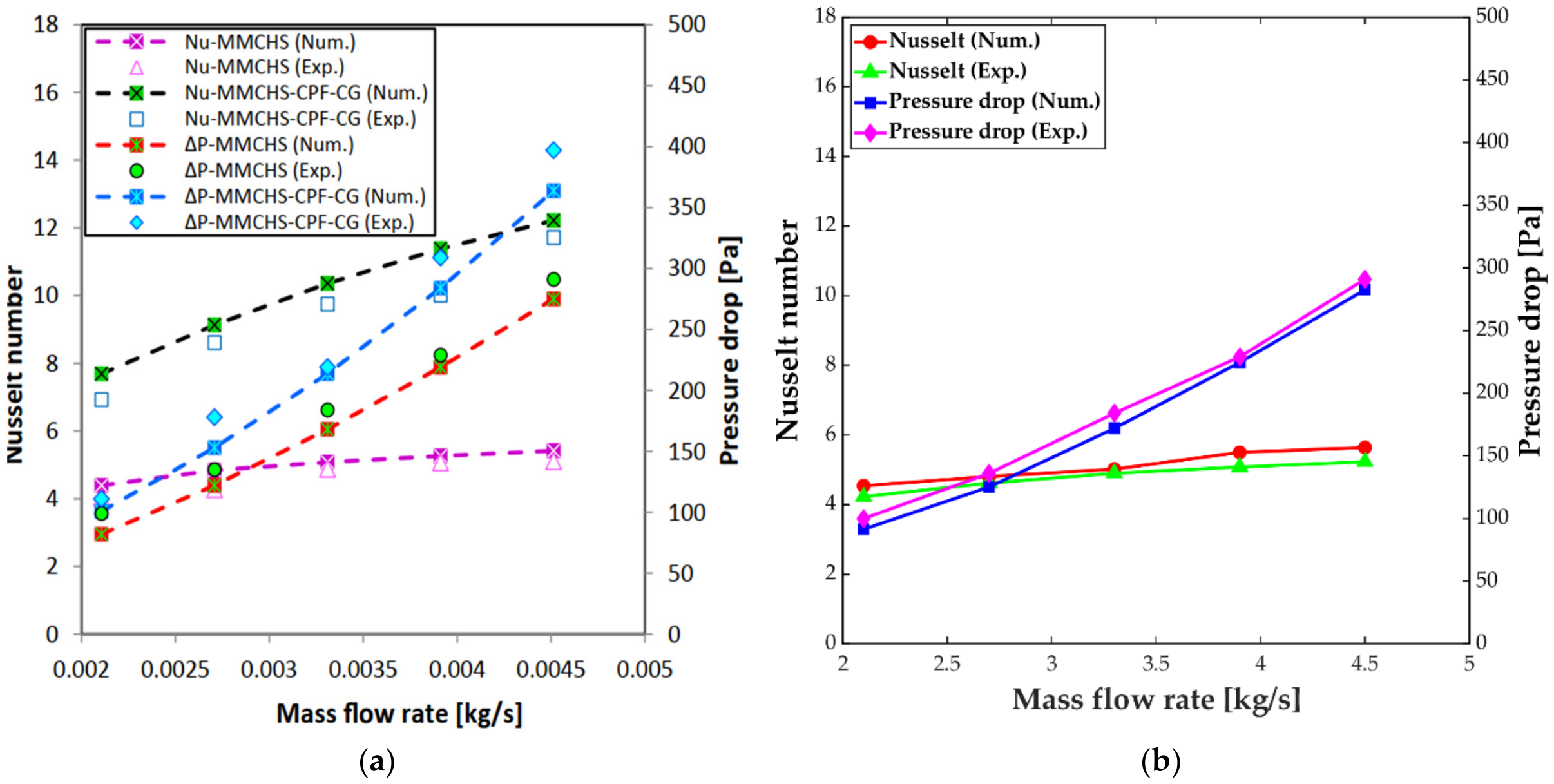
Figure 7 presents the validation of the numerical model through a direct comparison between the reference experimental data (
Figure 7a) and the numerical results obtained in the present study (
Figure 7b) for the MMCHS. As shown in
Figure 7a, the reference data from Mahmoud et al. [
34] provide the experimental trends of the Nusselt number (Nu) and pressure drop (
), while
Figure 7b illustrates the corresponding results predicted by the present model under identical conditions. To further quantify the agreement,
Table 5 summarizes the quantitative discrepancies between the reference experimental data and the present numerical predictions at each investigated mass flow rate for both the Nusselt number and pressure drop. The revised comparison shows that the present model reproduces the benchmark trends well. The deviations are in the ranges of 2.43–8.29% for Nu and 1.94–8.52% for ΔP, indicating good quantitative agreement with the experimental benchmark. Therefore, the present agreement is considered sufficient to support the reliability of the solver, boundary-condition implementation, and meshing strategy adopted in this study.
Importantly, this agreement demonstrates that the proposed meshing strategy, despite employing a reduced number of computational cells, is capable of maintaining high accuracy and reliability in capturing the thermo-hydraulic behavior of the system. The reduced mesh size decreases computational cost while maintaining sufficient numerical accuracy.
Therefore, the validation confirms that the developed numerical framework, including the mesh generation approach and boundary condition implementation, is sufficiently accurate and robust for subsequent simulations of the baseline configuration and the enhanced models considered in this study.
4. Optimization of Baffle Configurations
4.1. Parametric Cases and Evaluation Criteria
To systematically investigate the influence of baffle geometry on the thermo-hydraulic performance of the cold plate, a structured parametric study was conducted under fixed operating conditions. Specifically, the mass flow rate was maintained at 0.06 kg/s, the applied heat flux to the heat transfer surface was set to q = 20,000 W/m2, and the inlet coolant temperature was fixed at 293 K. These operating conditions were selected as a reference baseline to isolate the effect of geometric parameters and to ensure a fair and consistent comparison among all investigated configurations during the optimization process.
For the cylindrical baffles (Module 2) and the fin-type baffles (Module 3), the key geometric parameters were systematically varied to construct the parametric design space. The detailed definitions of the geometric variables, along with their corresponding ranges and increments, are summarized in
Table 6.
A total of 150 configurations were generated for both modules by systematically combining the selected parameter ranges and increments. This structured design space enables a detailed yet computationally manageable evaluation of the effects of baffle geometry on the thermo-hydraulic performance of the cold plate.
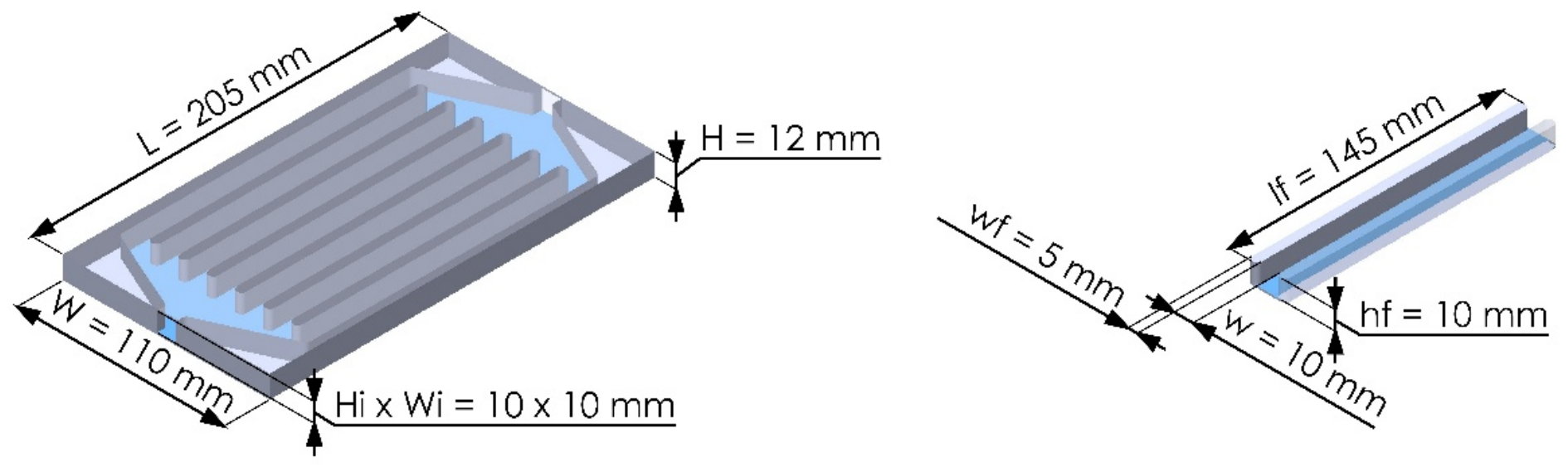
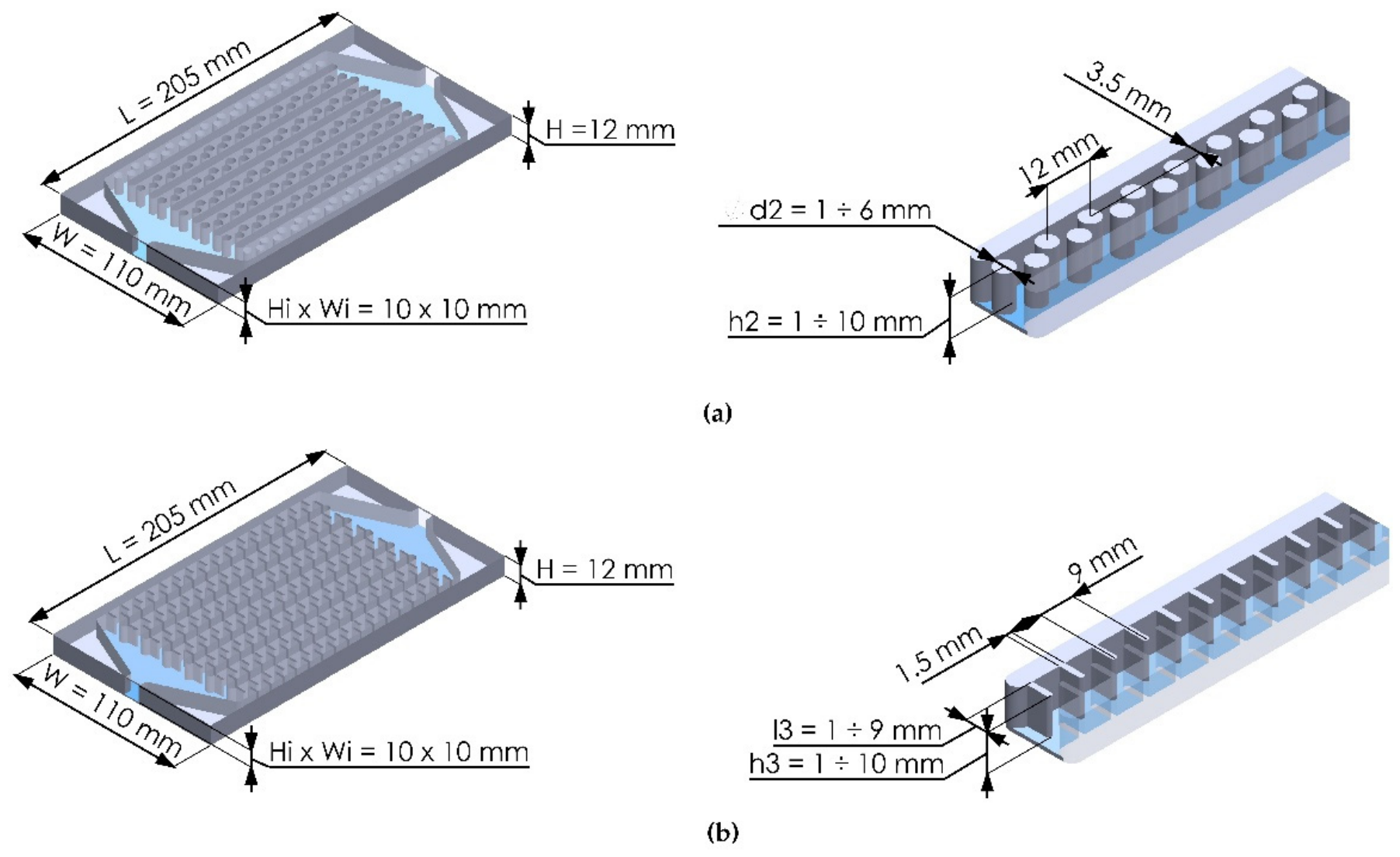
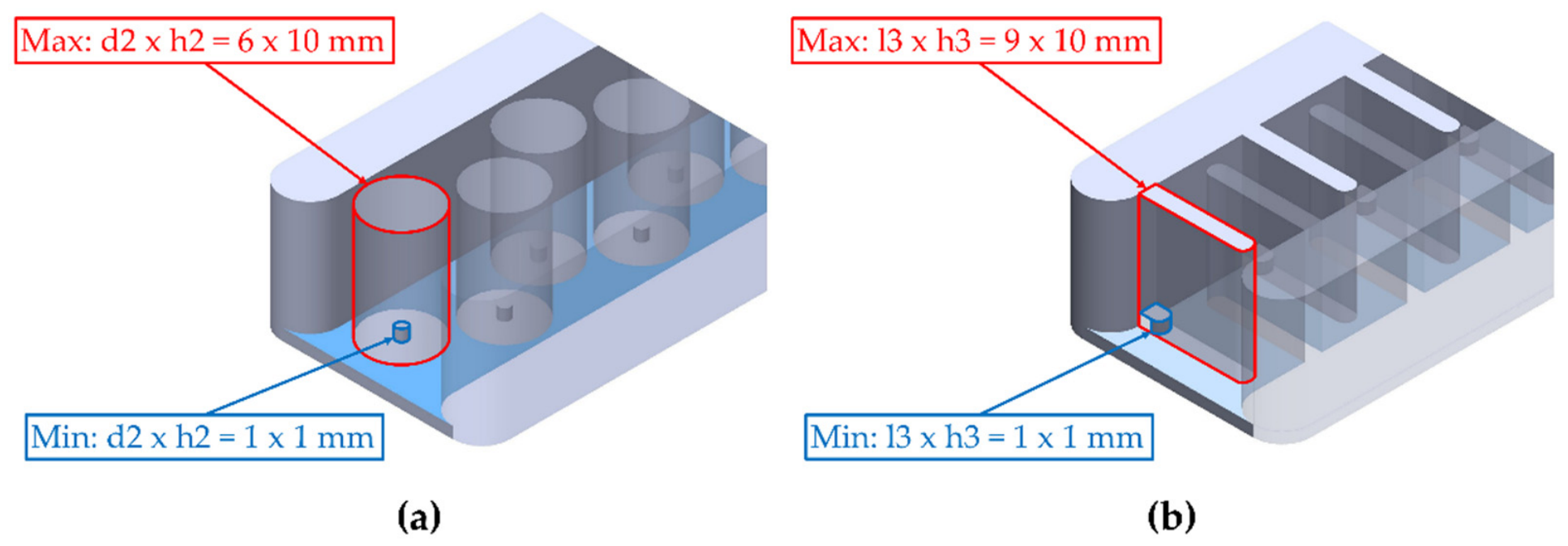
Figure 8 illustrates the investigated geometric parameters and their corresponding minimum–maximum ranges for the enhanced configurations. The selected ranges were based on manufacturing feasibility, mechanical strength, and the geometric limits of the cooling channel. The lower bounds were set to avoid very small features that are difficult to machine accurately in aluminum, are mechanically less robust, and are ineffective in disturbing the flow. The upper bounds were limited by the channel dimensions and by the need to prevent excessive flow blockage and pressure-drop increase. Thus, the adopted ranges provide a practical yet sufficiently wide basis for evaluating the thermo-hydraulic effects of baffle geometry. The spacing, number, and positions of the baffles were kept fixed. This setup enables a clearer and more consistent evaluation of the primary size parameters (
) while also keeping the parametric design space at a manageable scale. In addition, the present study focuses on the analysis and optimization of baffle shape and size under controlled conditions, to clarify the role of these enhancement structures in the thermo-hydraulic behavior of the cold plate. The simultaneous optimization of spacing, number, and position will be considered in future work.
To comprehensively evaluate the performance of all configurations, both thermal and hydraulic criteria were employed, including the average surface temperature (), pressure drop (), average Nusselt number (Nu), thermal resistance (R), and the thermo-hydraulic performance factor (REF). These parameters enable a simultaneous assessment of heat transfer enhancement, flow resistance, and the overall system performance.
4.2. Optimization of Cylindrical-Type Baffles
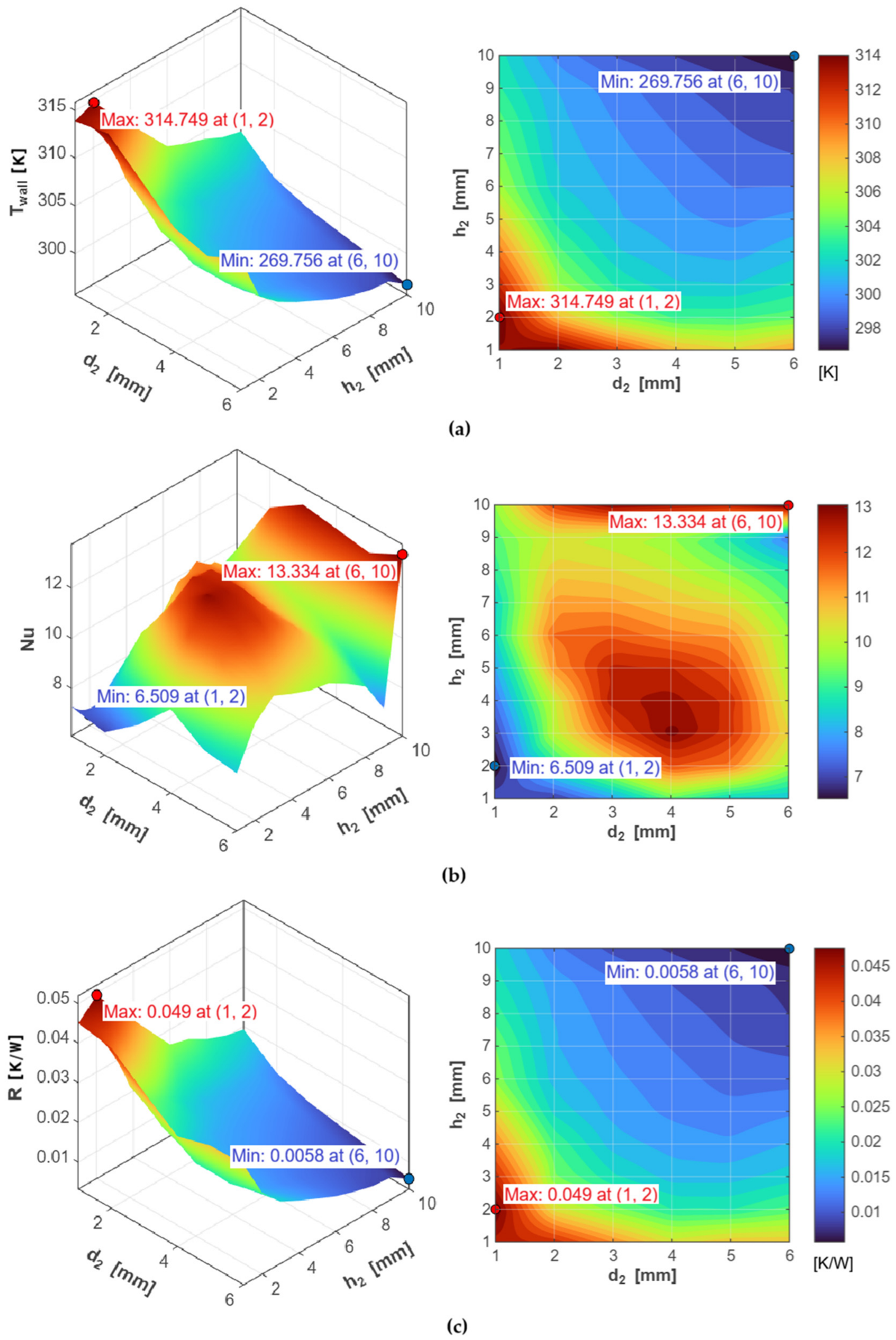
During the parametric investigation of cylindrical baffle geometry, the two design variables d2 and h2 were found to play a dominant role in governing the thermal performance of the cold plate. Increasing these parameters leads to a noticeable improvement in the cooling capability of the system.
As illustrated in
Figure 9a, the average temperature of the heat-transfer surface decreases significantly with increasing d2 and h2, particularly within the ranges of d2 = 1–3 mm and h2 = 1–5 mm. However, beyond these ranges, the rate of temperature reduction gradually diminishes, indicating a saturation trend in heat-transfer enhancement. At relatively small baffle sizes, the flow disturbance generated by the obstacles effectively disrupts the thermal boundary layer and promotes boundary-layer redevelopment. In contrast, further increases in baffle size provide only limited additional enhancement to the heat-transfer process.
The variation in the Nusselt number (
Figure 9b) reveals the existence of high-performance regions within the design space. Specifically, the minimum Nu value is observed at d2 = 1 mm and h2 = 2 mm, after which Nu increases rapidly and forms a region of high heat transfer performance within d2 = 3–5 mm and h2 = 3–6 mm, where relatively high and stable values are maintained. Although the maximum Nu occurs at the upper boundary of the design space (d2 = 6 mm and h2 = 10 mm), the overall distribution shows non-uniformity with local decreases, indicating that heat transfer enhancement does not increase proportionally with geometric size.
The thermal resistance (
Figure 9c) decreases with increasing d2 and h2, indicating an improvement in the overall heat dissipation capability. However, the regions of extreme values for R and Nu do not coincide. This reflects the fundamental difference between local convective heat transfer and global thermal performance. While Nu is governed by convective intensity, R is influenced by the overall heat transfer process within the system.
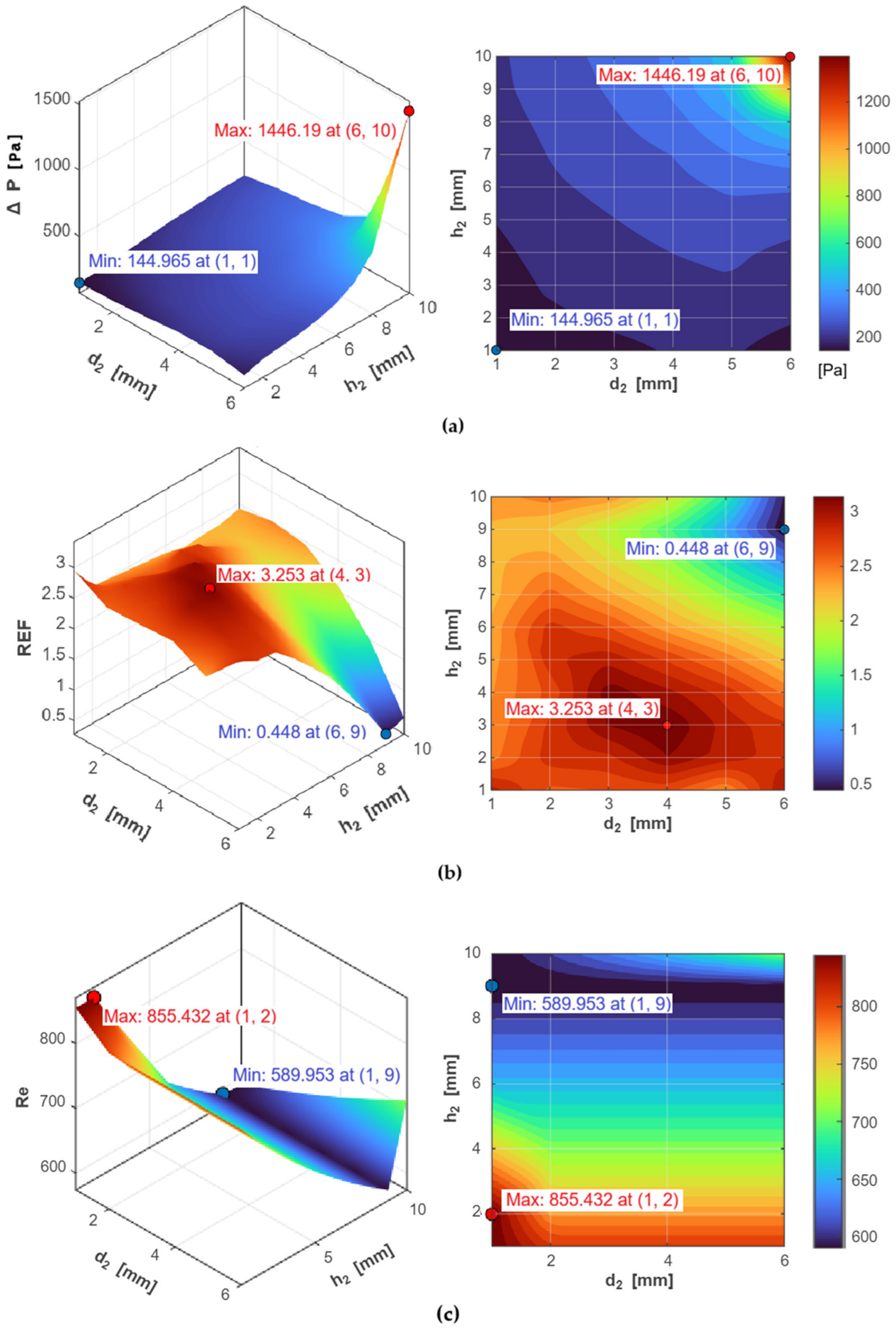
In addition to thermal behavior, the geometric parameters d2 and h2 also strongly affect the hydraulic characteristics. As shown in
Figure 10a, the pressure drop increases significantly with increasing d2 and h2, particularly in the region where h2 > 5 mm and h2 > 7 mm. This increase is caused by the reduction in effective flow area and the increased flow obstruction, leading to higher local velocities, greater frictional losses, and the formation of strong recirculation zones.
The interaction between heat-transfer enhancement and hydraulic penalty is reflected by the thermo-hydraulic performance factor (REF), as presented in
Figure 10b. The maximum REF value is obtained at d2 = 4 mm and h2 = 3 mm, while a relatively stable high-performance region is observed within d2 = 3–5 mm and h2 = 2–5 mm. Within this region, the enhancement in convective heat transfer remains significant while the pressure-drop increase is still moderate, resulting in an effective balance between thermal and hydraulic performance. In contrast, although larger baffle dimensions further improve heat transfer, the REF value decreases noticeably because the hydraulic penalty increases more rapidly than the thermal benefit. This result indicates that optimal thermo-hydraulic performance cannot be achieved by maximizing heat transfer alone, but rather through a balanced compromise between thermal enhancement and flow resistance.
The Reynolds-number distribution shown in
Figure 10c further indicates that all investigated cases remain within the laminar-flow regime. Although the Reynolds number varies with changes in d2 and h2 due to the modification of the local flow field and hydraulic diameter, the calculated values remain below the typical transition threshold for mini-channel flow. This supports the applicability of the laminar-flow assumption adopted in the present numerical model.
Therefore, the optimal configuration of Module 2 is identified at d2 = 4 mm and h2 = 3 mm, where the maximum REF value is achieved while maintaining favorable thermal characteristics and a moderate hydraulic penalty. Under this condition, the cooling performance remains effective without causing an excessive increase in pressure drop, resulting in a favorable balance between thermal enhancement and hydraulic penalty.
4.3. Optimization of Fin-Type Baffles
Following the analysis of cylindrical baffles in
Section 4.2, the geometric parameters l3 and h3 of Module 3 are further investigated to evaluate the performance of the fin-type baffle structure.
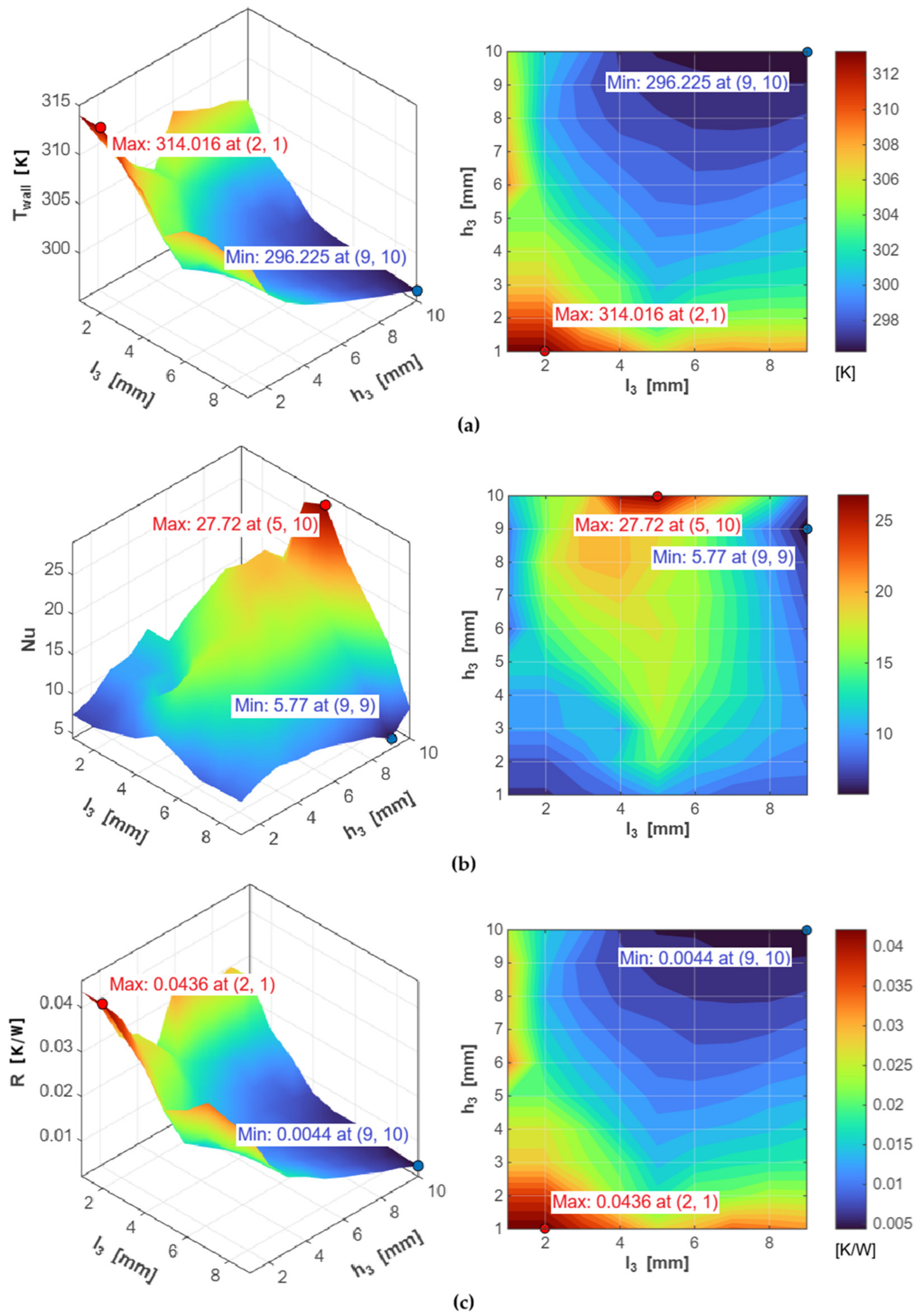
As shown in
Figure 11a, the average surface temperature of the heat-transfer plate decreases with increasing l3 and h3, indicating an enhancement in the cooling capability of the system. Lower temperatures are mainly observed in the large-geometry region, whereas relatively high temperatures remain in the small-size region. Compared with Module 2, Module 3 exhibits a more pronounced temperature reduction as the geometric dimensions increase. This behavior can be attributed to the more continuous flow-guiding effect of the fin-type structure, which promotes stronger near-wall flow redistribution and more effective thermal-boundary-layer redevelopment.
The Nusselt-number distribution shown in
Figure 11b indicates that the baffle height h3 plays a dominant role in heat-transfer enhancement. As h3 increases, the Nusselt number rises significantly due to stronger flow disturbance and improved disruption of the thermal boundary layer. In contrast, the influence of the baffle length l3 is non-monotonic. An optimal heat-transfer region is observed within l3 = 4–6 mm, where relatively high Nu values are maintained. At small l3 values, the induced flow disturbance is insufficient to significantly enhance convective heat transfer. As l3 increases to the intermediate range, localized secondary-flow structures develop more effectively, enhancing fluid interaction between the core flow and near-wall regions. However, excessively large l3 values generate stronger flow blockage and larger low-velocity recirculation regions, which weaken the local heat-transfer effectiveness.
Figure 11c shows that the thermal resistance decreases with increasing l3 and h3, consistent with the trend observed in Module 2. Nevertheless, the region corresponding to the minimum thermal resistance does not fully coincide with the region of maximum Nusselt number. This difference highlights the distinction between local convective heat-transfer enhancement and the overall thermal performance of the cooling system.
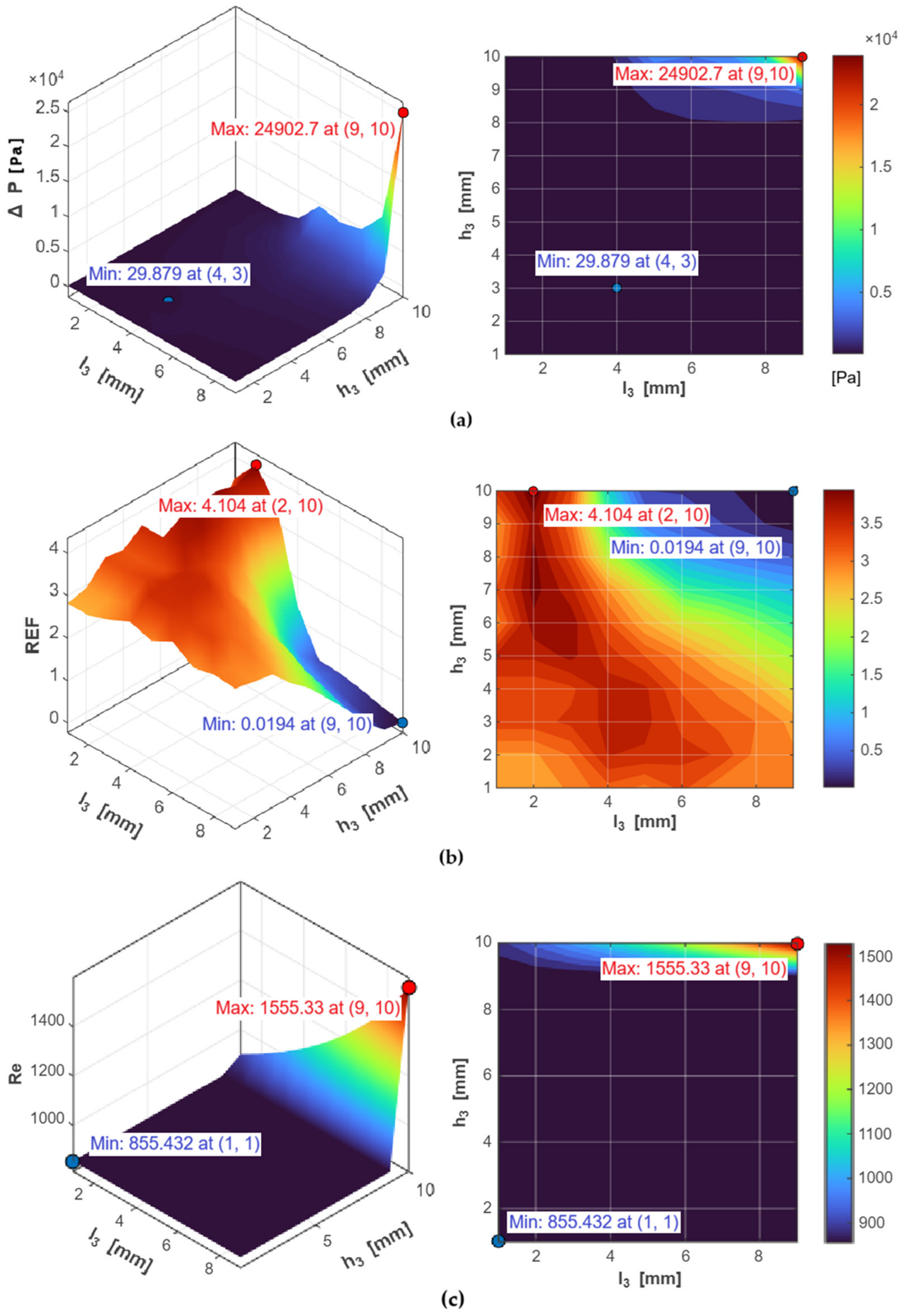
The hydraulic characteristics show a stronger dependence on the geometric parameters. As shown in
Figure 12a, the pressure drop remains relatively low over most of the design space but increases sharply at large values of l3 and h3, particularly at l3 = 9 mm and h3 = 10 mm, where
= 24,902.73 Pa. This indicates significant flow obstruction caused by the increased length and height of the baffles. The combined influence of thermal enhancement and hydraulic penalty is reflected in the thermo-hydraulic performance factor REF, as shown in
Figure 12b. The maximum REF value is obtained at l3 = 2 mm and h3 = 10 mm, while a relatively high-performance region is observed in the range of small-to-moderate l3 and large h3 values. In this region, the enhancement of convective heat transfer remains effective while the pressure-drop increase is still acceptable, resulting in favorable overall thermo-hydraulic performance. In contrast, excessively large l3 values lead to a reduction in REF because the hydraulic penalty increases more rapidly than the thermal benefit, despite the relatively high heat-transfer capability.
The Reynolds-number distribution shown in
Figure 12c further shows that all investigated cases remain within the laminar-flow regime. Although the Reynolds number increases with increasing l3 and h3 due to stronger local flow acceleration, all calculated values remain below the typical transition threshold for mini-channel flow. This result validates the applicability of the laminar-flow assumption adopted in the present numerical model.
Therefore, the optimal configuration of Module 3 is identified at l3 = 2 mm and h3 = 10 mm, where the maximum REF value is achieved while maintaining favorable thermal enhancement and acceptable hydraulic performance within the investigated design space. These results further suggest that the optimal cold plate design should be determined based on a balanced thermo-hydraulic criterion rather than individual thermal or hydraulic indicators alone. The corresponding quantitative thermo-hydraulic performance parameters of Module 2 (Module 2-opt) and Module 3 (Module 3-opt) are summarized in
Table 7.
5. Investigation and Evaluation of the Optimized Model Performance
In this study, to evaluate the influence of cylindrical and fin-type baffles on the thermo-hydraulic performance of the cooling channel under different inlet flow rates, and to compare the Module 2-opt and Module 3-opt, a comparative analysis was conducted with the baseline configuration (Module 1) under identical conditions. The mass flow rate was varied from 0.02 to 0.1 kg/s, while the applied heat flux was fixed at q = 20,000 , and the inlet coolant temperature was maintained at 293 K. The range of 0.02–0.1 kg/s was selected as a practical operating window: lower flow rates would provide insufficient forced convection, whereas higher flow rates would cause a disproportionately large pressure-drop penalty.
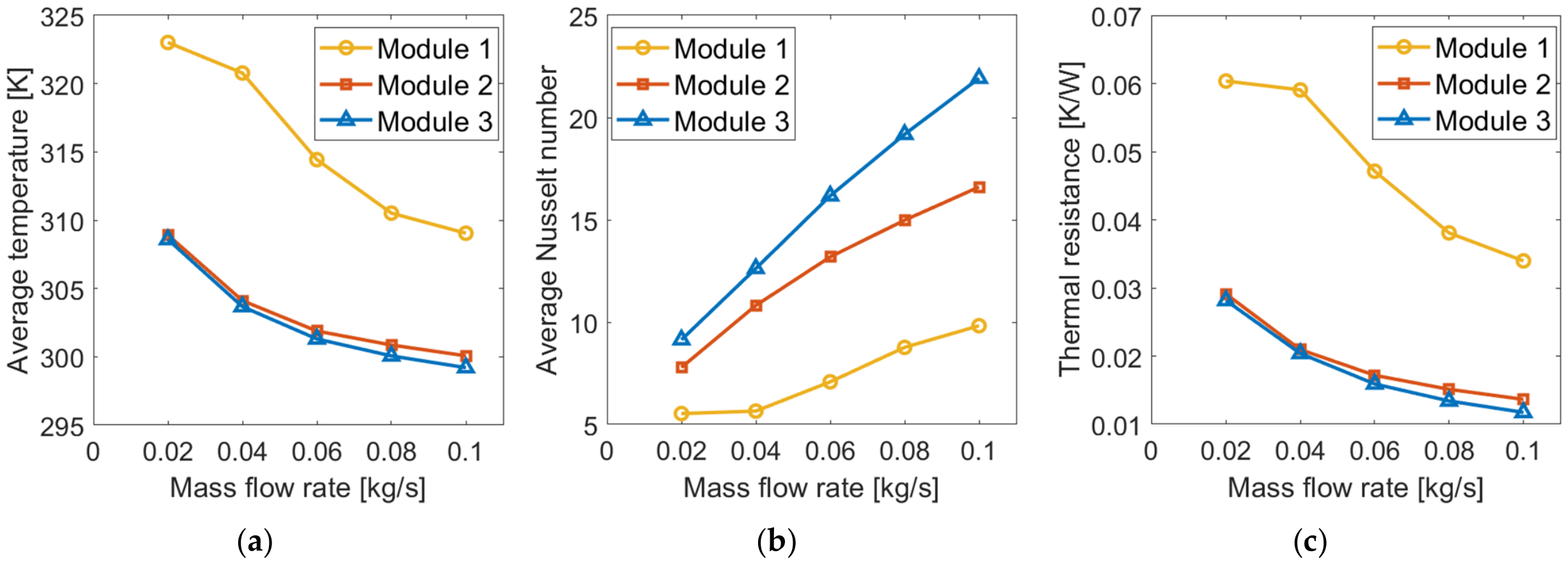
As shown in
Figure 13a, the average surface temperature decreases with increasing mass flow rate for all configurations due to the enhancement of convective heat transfer. Among the investigated cases, Module 3-opt consistently exhibits the lowest wall temperature, followed by Module 2-opt, while the baseline configuration shows the highest values. At a mass flow rate of 0.1 kg/s, the average temperature of the heat-transfer surface of Module 2-opt and Module 3-opt decreases to approximately 300 K and 299 K, respectively, compared with about 309 K for Module 1. This indicates improved cooling performance for the optimized configurations. A similar trend is observed for the Nusselt number in
Figure 13b, where both optimized configurations achieve substantially higher values than the baseline model. Module 3-opt consistently exhibits the highest Nu values across the investigated operating range, indicating stronger convective heat-transfer enhancement due to the fin-type flow-guiding structure. In addition, the thermal resistance shown in
Figure 13c decreases continuously with increasing mass flow rate for all configurations, with Module 3-opt maintaining the lowest values throughout the investigated range. These results demonstrate that the optimized internal structures improve the overall heat-dissipation capability of the cold plate.
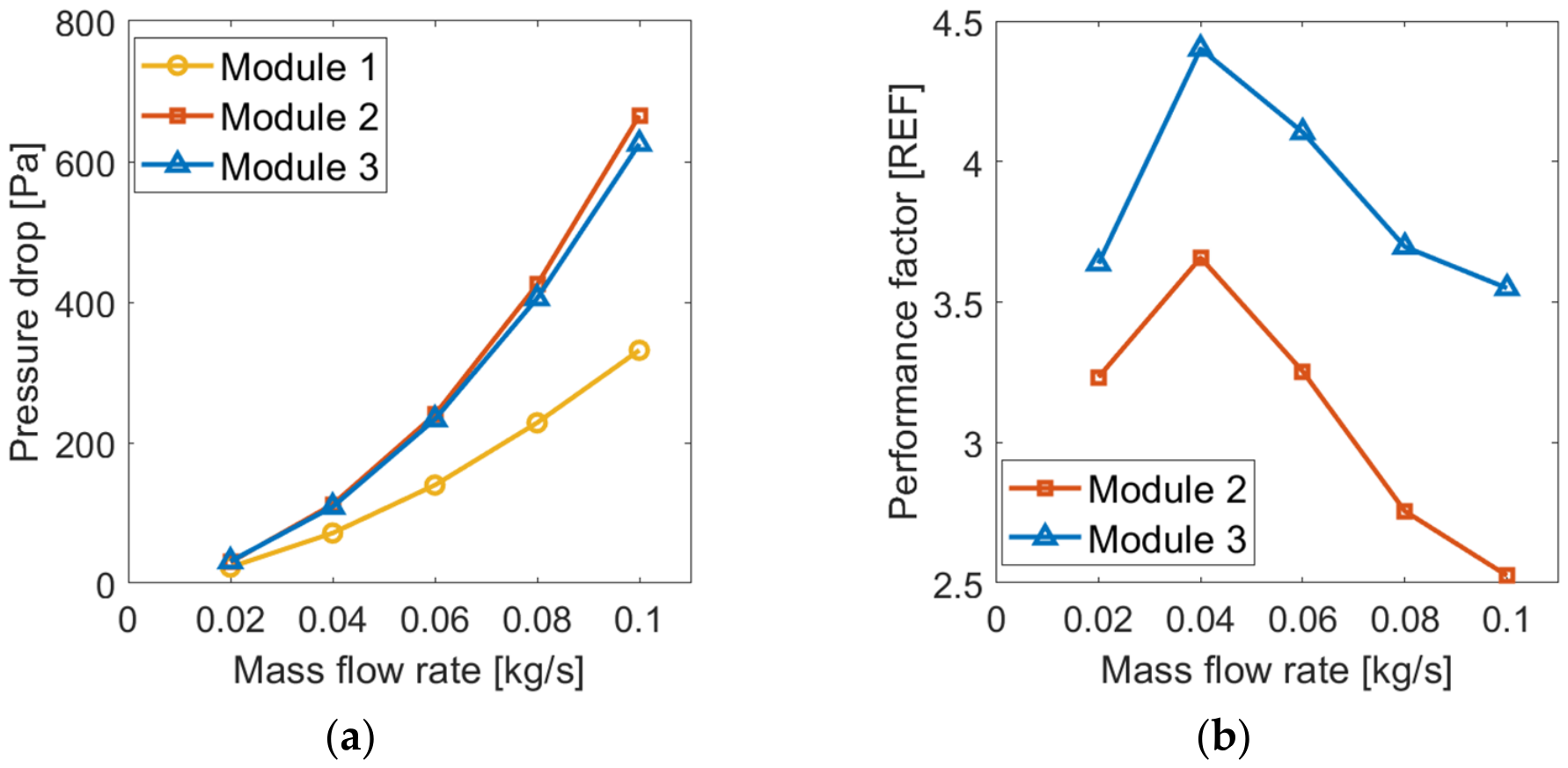
Despite the improvement in thermal performance, the optimized configurations also introduce additional hydraulic losses, as shown in
Figure 14a. The pressure drop increases significantly with increasing mass flow rate for all configurations due to the higher flow velocity and intensified viscous dissipation inside the channels. Compared with the baseline model, both Module 2-opt and Module 3-opt exhibit noticeably larger pressure-drop values because of the additional flow obstruction induced by the internal baffle structures. The combined effect of thermal enhancement and hydraulic penalty is reflected in the thermo-hydraulic performance factor (REF), as shown in
Figure 14b. For both optimized configurations, the REF value initially increases with mass flow rate and reaches a maximum at approximately 0.04 kg/s, after which it gradually decreases as the hydraulic penalty becomes dominant. Across the investigated operating range, Module 3-opt consistently maintains higher REF values than Module 2-opt, indicating a more favorable balance between heat-transfer enhancement and pressure-drop increase.
The detailed quantitative thermal and thermo-hydraulic performance parameters for the three configurations are summarized in
Table 8 to enable a clearer comparison between the baseline and optimized cold-plate designs across different mass flow rates. Particular attention is given to the maximum temperature (
) and temperature difference (
), which are important indicators for evaluating cooling effectiveness and temperature uniformity.
The results demonstrate that both optimized configurations significantly reduce and over the entire investigated operating range compared with the baseline model. For example, at a mass flow rate of 0.06 kg/s, the baseline configuration exhibits a of 325.03 K and a of 26.45 K, whereas Module 2-opt reduces these values to 307.55 K and 11.78 K, respectively. Under the same operating conditions, Module 3-opt further decreases to 307.28 K while maintaining a similarly low of 11.84 K. These reductions indicate a substantial enhancement in thermal management capability and a more uniform temperature distribution across the cold plate surface. A similar trend is observed throughout the investigated mass-flow-rate range. As the mass flow rate increases from 0.02 to 0.10 kg/s, both optimized configurations consistently maintain lower and significantly smaller values than the baseline configuration. This behavior confirms that the introduction of the optimized baffle structures effectively enhances convective heat transfer and improves thermal uniformity within the cooling channels.
In addition, although the pressure drop increases with increasing mass flow rate, the optimized configurations provide considerably higher Nusselt numbers and REF values than the baseline model. Among the investigated cases, Module 3-opt generally exhibits the best overall thermo-hydraulic performance, achieving the highest heat-transfer enhancement while maintaining favorable thermal uniformity characteristics within the studied operating range.
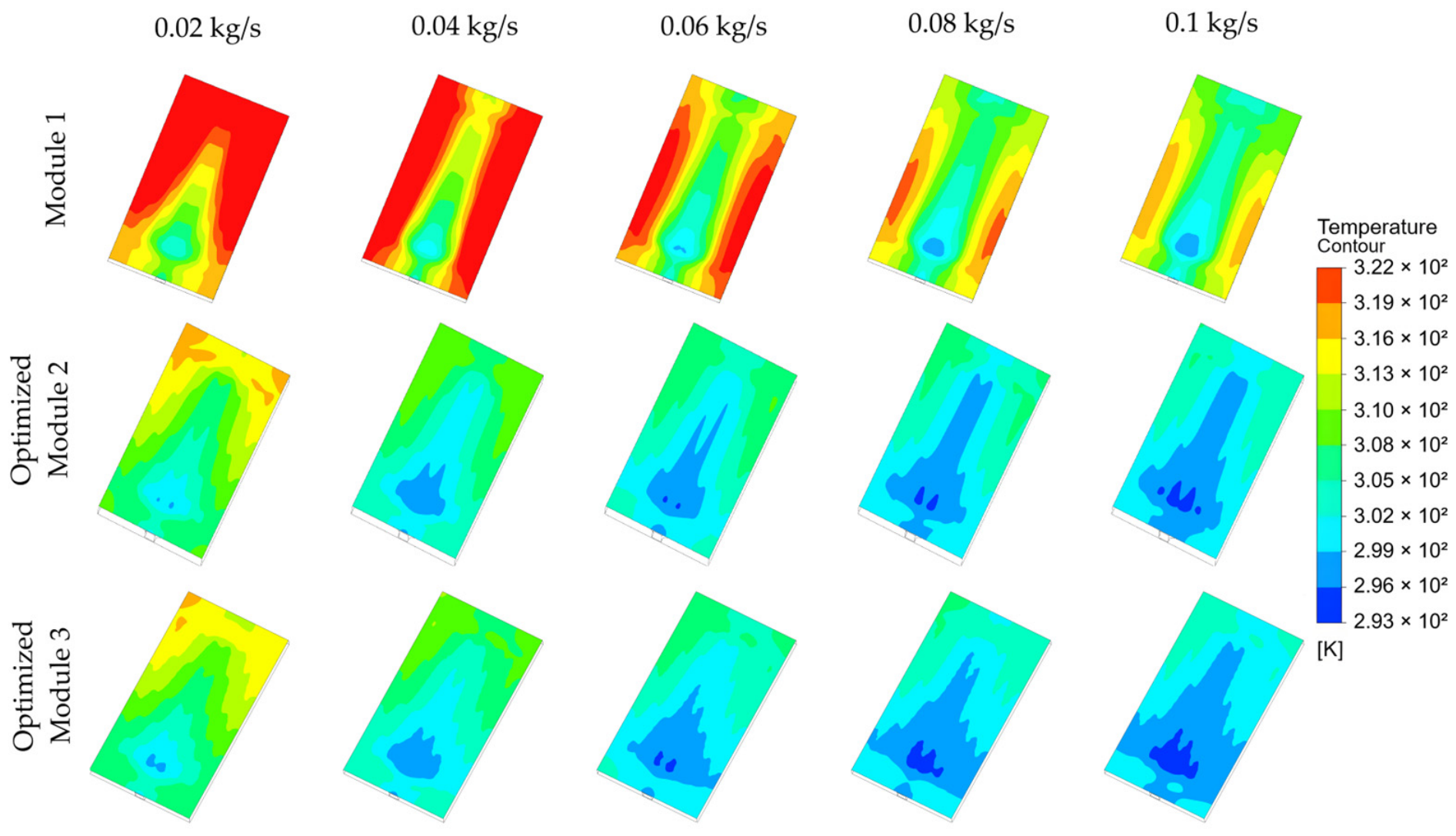
Figure 15 presents the surface temperature distribution of the cold plate for the three configurations under different mass flow rates, showing a clear increase in temperature from inlet to outlet due to heat accumulation and the reduced temperature difference between the coolant and the heat-transfer surface. In the baseline model (Module 1), a pronounced temperature gradient and downstream hotspot are observed, indicating continuous thermal boundary layer development and weak fluid mixing. Although both enhanced configurations (Modules 2-opt and Module 3-opt) exhibit low-temperature regions, their distributions differ: Module 2-opt shows localized and discontinuous cooling due to vortex-induced mixing behind the cylindrical baffles, whereas Module 3-opt presents more widely distributed low-temperature regions, reflecting more uniform flow mixing along the channel. Overall, Module 3-opt achieves the best thermal performance with the most uniform temperature distribution, followed by Module 2-opt and then Module 1, which is consistent with the previously reported higher Nusselt number, lower thermal resistance, and improved temperature uniformity.
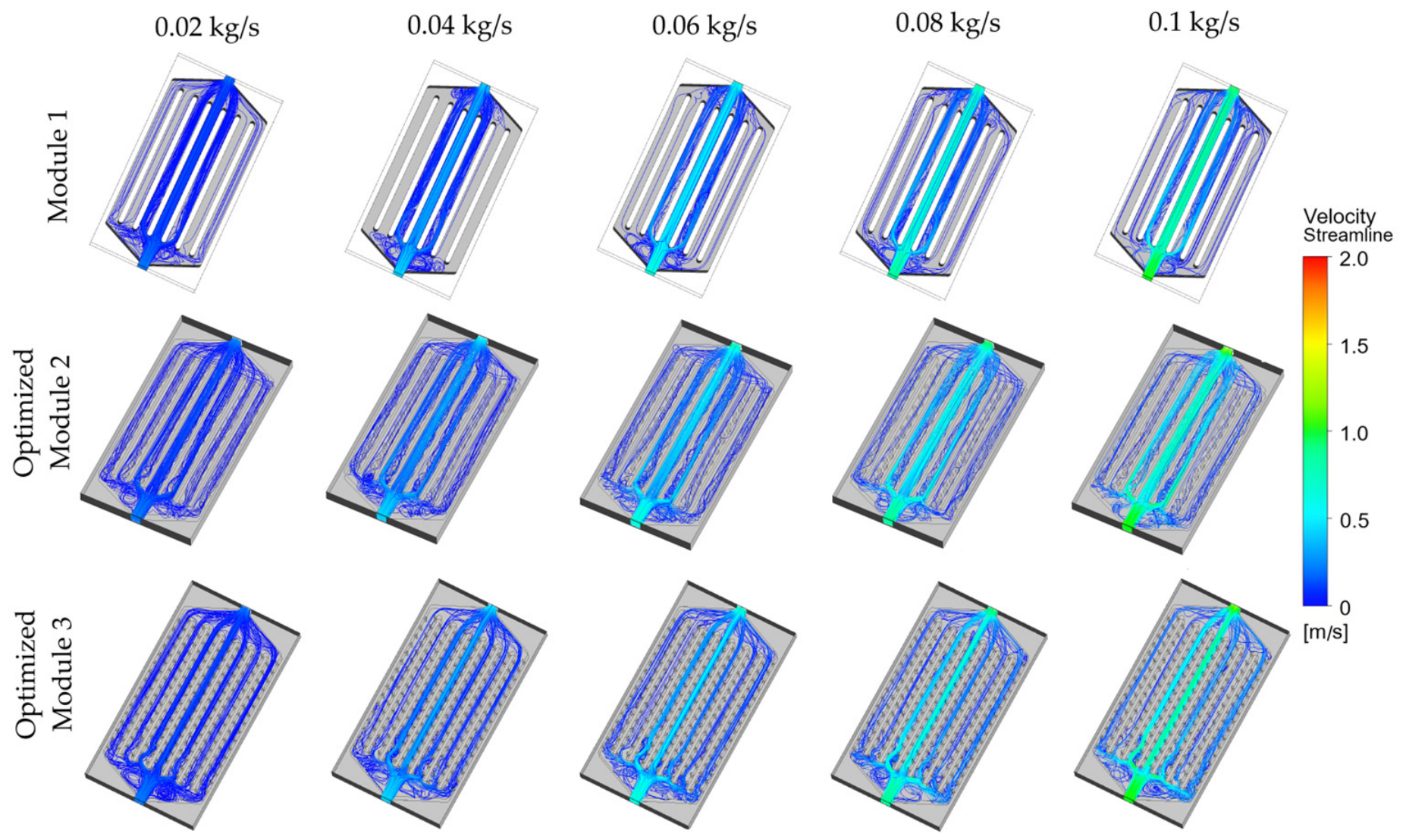
Figure 16 illustrates the velocity streamline distributions of the representative cold-plate configurations under different mass flow rates. As the mass flow rate increases, the flow velocity inside the channels becomes stronger, accompanied by more pronounced secondary-flow development and flow redistribution effects. Compared with the baseline model, both optimized configurations introduce stronger local flow disturbance inside the channels. In the cylindrical-baffle configuration, localized recirculation regions are generated downstream of the baffles, which enhance fluid interaction near the heated surface. In contrast, the fin-type configuration provides a relatively more continuous and uniform flow-guiding effect along the channel direction. These flow characteristics are consistent with the enhanced heat-transfer performance and improved thermo-hydraulic behavior observed for the optimized configurations.
Across the entire investigated range, Module 3-opt consistently maintains higher REF values than Module 2-opt, indicating a more favorable balance between heat transfer enhancement and hydraulic losses. Based on these results, the optimal operating condition is identified at a mass flow rate of approximately 0.04 kg/s, and Module 3-opt provides the best overall thermo-hydraulic performance within the studied range.
6. Conclusions
This study proposes two enhanced configurations for a parallel-channel cold plate used in battery thermal management systems, namely cylindrical-type and fin-type baffles, to improve the thermo-hydraulic performance of the cooling system. A three-dimensional CFD model was developed to simulate the fluid flow and heat-transfer characteristics inside the cold plate. In addition, a Poly-Hexcore meshing strategy combined with local mesh refinement was adopted to ensure numerical accuracy while reducing computational cost and computational time. Based on the validated numerical model, a systematic parametric investigation involving 150 configurations was conducted to analyze and optimize the influence of baffle dimensions on the thermo-hydraulic performance of the system.
The main findings of this study are summarized below:
The introduction of cylindrical-type and fin-type baffles inside the channel improves heat transfer by promoting fluid mixing and disrupting the thermal boundary layer. As a result, the temperature of the heat-transfer surface is reduced and the temperature uniformity is improved.
The geometric parameters of the baffles strongly influence the overall cooling performance of the cold plate. Increasing the baffle size improves the heat-transfer capability by intensifying flow disturbance and convective heat exchange. However, larger baffles also lead to a substantial increase in pressure drop because of increased flow obstruction, frictional losses, and the formation of local recirculation regions.
The thermo-hydraulic performance factor (REF) was found to be effective for simultaneously evaluating heat-transfer enhancement and hydraulic penalty. Based on this criterion, the cylindrical-type baffles achieved the optimal performance at intermediate geometric parameters, whereas the fin-type baffles provided a more favorable balance between heat-transfer enhancement and pressure drop over most of the investigated design space.
The present results further indicate that the thermo-hydraulic optimization of cold plates should be performed through a design-space analysis rather than focusing on a single thermal parameter. The CFD framework proposed in this study enables a consistent evaluation and comparison of different enhancement configurations and may provide a useful reference for the design and optimization of battery cold plates.
Although the present CFD model shows good agreement with the reference experimental data, the optimized configurations investigated in this study have not yet been validated experimentally. In addition, the present work mainly focuses on steady-state flow conditions and a specific operating range. The thermo-hydraulic performance of the proposed configurations may vary under different operating conditions or transient thermal states. Furthermore, the present study mainly uses the thermo-hydraulic performance factor (REF) to evaluate the overall performance and identify the optimal configuration within the investigated operating range. Although REF simultaneously considers heat-transfer enhancement and pressure-drop penalty, it does not fully reflect other important thermal requirements of battery systems, such as the maximum temperature and temperature uniformity.
Therefore, future studies will focus on the experimental validation of the optimized configurations, the extension of the operating range, the investigation of transient heat-transfer characteristics, and the development of multi-objective optimization strategies considering thermo-hydraulic performance, the maximum temperature and temperature uniformity simultaneously. In addition, manufacturability, hybrid enhancement structures, and more complex baffle arrangements will be investigated to further improve the system’s cooling performance.



 ,
,