


Abstract
The accurate estimation of State of Health (SoH) for lithium-ion batteries in real-world electric vehicles (EVs) is critical for ensuring safety, reliability, optimal energy management, and lifecycle sustainability. Unlike laboratory-controlled conditions, real-world EV batteries operate under highly dynamic loads, irregular charging behaviors, diverse environmental conditions, and user-dependent driving patterns. This review provides a comprehensive and structured overview of recent progress in SoH estimation for real-world EV applications. The fundamentals of battery aging mechanisms are summarized, with a clarification of key SoH definitions, metrics, and influencing factors under practical operating conditions. Subsequently, existing methodologies are systematically categorized into physics-based models, data-driven approaches, hybrid/model-assisted frameworks, and uncertainty-aware probabilistic methods, with a focus on their strengths and limitations in real-world deployment. Key challenges, including domain shift, computational constraints, explainability, thermal variability, and data heterogeneity, are critically and systematically analyzed. Finally, future research directions are outlined, emphasizing transfer learning, foundation models, physics-informed AI, self-supervised learning, digital twins, and the need for standardized benchmarks. This review aims to provide researchers and practitioners with a clear roadmap toward reliable, scalable, and trustworthy SoH estimation for next-generation intelligent battery management systems in electric vehicles.
1. Introduction
Lithium-ion (Li-ion) batteries have become the dominant energy storage technology in electric vehicles (EVs) due to their high energy density, long cycle life, and relatively low self-discharge [1]. They serve as the core component that determines vehicle driving range, safety performance, operational cost, and overall reliability. However, Li-ion batteries inevitably degrade over time because of electrochemical aging, mechanical stress, and environmental influences during operation [2]. Despite significant advancements, Li-ion batteries remain inherently degradable systems. Their performance gradually degrades during operation due to complex electrochemical, thermal, and mechanical processes occurring within the cell [3]. This degradation directly affects the battery’s energy storage capacity, power delivery capability, and safety margins. In EVs, where the battery pack represents the most expensive and safety-critical component, understanding and quantifying degradation is of critical importance [4].
State of Health (SoH) has been widely adopted as a standardized metric to evaluate battery degradation. SoH reflects the current condition of a battery relative to its initial state [5]. Typically expressed as a percentage, it provides a quantitative measure of performance degradation over time [6]. From a practical perspective, SoH primarily captures two fundamental degradation indicators, capacity fading and internal resistance growth. Capacity fade refers to the reduction in the maximum charge that a battery can store, which directly limits the driving range of an EV [7]. Internal resistance growth, on the other hand, reduces the battery’s ability to deliver power efficiently and leads to excessive heat generation during operation. Together, these two degradation phenomena determine the functional lifespan of a battery and strongly influence vehicle reliability and safety [8].
Accurate estimation of SoH is therefore essential for effective battery management systems (BMSs) [9]. Modern BMSs rely heavily on health estimation to make critical operational decisions, including charge control, power allocation, thermal regulation, and safety protection [10]. Reliable SoH information enables the prevention of catastrophic failures such as thermal runaway and ensures that batteries operate within safe limits. Beyond operational safety, SoH estimation plays a crucial role in economic and lifecycle management aspects of EVs [11]. Accurate health assessment allows manufacturers to design optimized warranty policies, supports predictive maintenance strategies, and enables better residual value estimation of used batteries [12]. Furthermore, as EV adoption accelerates, large volumes of retired batteries are expected to enter secondary applications such as stationary energy storage. Reliable SoH evaluation is essential for determining their suitability for second-life usage, which is critical for improving sustainability and reducing environmental impact [13].
Although extensive research has been conducted on battery health estimation, accurately determining SoH under real-world EV operating conditions remains an unresolved challenge [14]. Most existing estimation approaches were originally developed using laboratory-controlled datasets, where batteries are subjected to standardized charge and discharge cycles under stable environmental conditions [15]. While such controlled experiments provide valuable insights into degradation mechanisms, they fail to capture the complexity and variability inherent in real vehicle operation. In practical EV scenarios, batteries experience highly dynamic and uncertain conditions [16]. Driving patterns vary significantly depending on user behavior, traffic conditions, and road environments. Charging habits differ widely, including frequent fast charging, partial charging, and irregular charging intervals [17]. Environmental factors such as ambient temperature fluctuations, humidity, and seasonal variations further complicate degradation dynamics. Additionally, operational loads vary continuously due to acceleration, braking, terrain changes, and auxiliary power consumption [18]. Compared with laboratory-controlled environments, real-world EV battery data exhibit significant differences, including irregular sampling, measurement noise, varying load profiles, and changing environmental conditions. In addition, accurate ground-truth SoH labels are generally unavailable in practical applications. These factors introduce uncertainty and make it difficult to directly apply models developed under controlled experimental settings to real-world scenarios.
These real-world conditions introduce nonlinear, stochastic, and time-varying degradation behaviors that are difficult to model accurately [19]. Traditional estimation methods often struggle to maintain accuracy when applied outside laboratory settings because they rely on assumptions that do not hold under real operational conditions [20]. This gap between laboratory research and field application represents one of the most critical barriers to reliable battery health monitoring. The challenges associated with SoH estimation have broader implications for the adoption and sustainability of EVs [21]. Inaccurate health assessment can lead to unexpected battery failures, reduced driving reliability, and increased safety risks. It may also result in inefficient energy management, where conservative control strategies limit vehicle performance to compensate for uncertainty in health estimation [22].
Moreover, SoH estimation plays a pivotal role in determining the economic viability of electric mobility [23]. Battery packs account for a substantial portion of total vehicle cost, and uncertainties in health prediction can significantly impact warranty decisions, resale value, and lifecycle cost optimization. Reliable health estimation is also essential for enabling battery reuse in grid storage applications, which is a key component of circular energy systems [24]. From an environmental perspective, accurate SoH prediction supports sustainable battery lifecycle management by facilitating second-life deployment and recycling strategies. As global EV adoption continues to grow rapidly, the ability to monitor battery health accurately under real-world conditions has become increasingly critical [25].
In 2016, the publication count was relatively moderate at approximately 180 papers, followed by steady growth through 2019, reflecting increasing research interest in battery health monitoring. A more pronounced acceleration is observed from 2020 onward, where publications rise sharply from around 350 to over 700 by 2024, indicating a rapid expansion of research activity. In 2025, the number of papers approaches 800, suggesting that SoH estimation has become a highly active and mature research domain. This substantial growth can be attributed to the rising demand for EVs, renewable energy storage systems, and the increasing adoption of machine learning (ML) and deep learning (DL) techniques for BMSs. This growing research interest is reflected in the rising number of research papers, as shown in Figure 1, which demonstrates the field’s quick development and rising importance in the industry.
Figure 1.
Publication trends in SoH estimation research from 2016 to 2025, highlighting rapid growth driven by electric vehicles and advanced data-driven methods.
Prior survey papers and reviews have addressed SoH estimation, but typically from a general perspective. For instance, Shu et al. [26] reviewed studies focused on ML methods for estimating battery SoH in real EVs. They explain the gap between laboratory testing and real-world driving conditions. Different AI models are compared, along with their strengths and weaknesses. The paper highlights challenges such as data quality and model reliability in practical applications. Wang et al. [27] discuss causes of battery degradation that affect SoH. They review common estimation techniques, including model-based and data-driven approaches. The authors also explain how temperature, charging behavior, and usage patterns impact battery aging. Finally, they suggest strategies to improve battery life and estimation accuracy. Yang et al. [28] provide a structured overview of traditional and modern SoH estimation methods. They compare model-based, data-driven, and hybrid techniques in terms of accuracy and practicality. The paper also discusses limitations in measurement and parameter estimation. It concludes with recommendations for improving reliability in real applications.
More recently, Li et al. [29] provided a comprehensive overview of battery packs rather than single cells. They explain how cell imbalance and interaction make pack-level SoH estimation more complex. Similarly, Fu et al. [30] focused on SoH estimation methods developed in labs performing in real operating conditions. They categorize different techniques and compare their effectiveness. The paper emphasizes the difficulty of applying lab-trained models to real-world EV data. It suggests improving model adaptability and validation methods. Wang et al. [31] review the full ML process for SoH estimation, from data collection to prediction models. They discuss different battery features used for health monitoring. Several algorithms are compared in terms of accuracy and robustness. The study also highlights challenges like limited data and the need for physics-informed models. A summary of these review or perspective papers is presented in Table 1.
Table 1.
Summary of review and perspective studies on SoH estimation for lithium-ion batteries, highlighting key contributions and limitations.
Although several works have examined battery and SoH estimation techniques, most of them primarily focus on laboratory-based analyses and lack a unified perspective for real-world EV applications. Unlike existing reviews, firstly, this work explicitly focuses on the gap between laboratory-developed SoH methods and their real-world EV deployment, providing a critical analysis of failure modes, data challenges, and domain shift issues. Secondly, this paper addresses the limitations of existing review studies by emphasizing SoH estimation for Li-ion batteries under practical operating conditions, where data heterogeneity, environmental variability, and label uncertainty play a critical role. Thirdly, this review provides a structured and application-oriented synthesis by systematically analyzing real-world datasets, estimation methodologies, evaluation metrics, and deployment constraints. In addition, it highlights key challenges and emerging research directions, including the integration of advanced data-driven and AI-based approaches. This comprehensive perspective aims to bridge the gap between controlled experimental research and real-world deployment, offering actionable insights for both academic research and industrial applications.
The key contributions of this paper are as follows:
- 1.
- The paper provides a comprehensive and application-oriented review of SoH estimation methods, with a specific focus on the gap between laboratory-developed approaches and their real-world EV deployment challenges.
- 2.
- It systematically explores a structured classification of SoH estimation approaches, including physics-based models, data-driven techniques, and hybrid frameworks, with critical evaluation of their strengths, limitations, and applicability in practical EV environments.
- 3.
- The study further summarizes commonly used datasets, evaluation metrics, and benchmarking protocols while identifying key challenges, such as data scarcity, measurement noise, model generalization, and computational constraints.
The remainder of this paper is organized as follows, and its structure is also shown in Figure 2. Section 2 provides an overview of the fundamentals of battery aging mechanisms and key definitions of SoH metrics in Li-ion batteries under real-world EV operating conditions. Section 3 explores publicly available and proprietary real-world EV battery datasets, associated data challenges, and commonly used evaluation protocols. Section 4 discusses the major approaches for SoH estimation, including physics-based models, data-driven techniques, hybrid frameworks, and uncertainty-aware methods. Section 5 discusses the key challenges and future directions in real-world SoH estimation, covering Data Quality and Domain Shift, Computational Constraints and Explainability, Transfer Learning and Hybrid AI, and Self-Supervised Learning and Digital Twins. Finally, Section 6 concludes the paper with a summary of key findings, practical implications, and emerging research opportunities.
Figure 2.
Overall structure of the review paper, highlighting key sections including fundamentals, datasets, estimation approaches, challenges, and future research directions in SoH estimation.
2. Fundamentals of Battery Aging and State of Health
Battery aging refers to the underlying physical and chemical processes occurring within the battery, degradation refers to the observable performance decline resulting from aging, and SoH is the quantitative metric used to measure this degradation. Battery aging mechanisms and their impact on health indicators are fundamental for developing reliable SoH estimation and prediction methods [32]. Li-ion battery degradation is a complex and multiscale phenomenon governed by coupled electrochemical, thermal, and mechanical processes. These processes evolve dynamically under real-world EV operating conditions, leading to nonlinear performance deterioration over time [33]. In practical applications, battery aging does not occur uniformly. Instead, it is influenced by diverse operational factors such as temperature fluctuations, charging strategies, load profiles, and environmental conditions [34]. Consequently, accurate SoH estimation requires a comprehensive understanding of the underlying degradation mechanisms, appropriate health metrics, and real-world influencing factors [35]. This section provides a systematic discussion of battery aging fundamentals, including electrochemical degradation processes, SoH definitions and evaluation metrics, and key operational factors that influence battery health under real-world EV usage, as shown in Figure 3.
Figure 3.
Illustration of battery aging mechanisms and associated SoH indicators, highlighting capacity degradation, resistance growth, and key electrochemical processes under real-world operating conditions.
2.1. Battery Aging Mechanisms
Li-ion battery aging arises from irreversible physical and chemical changes occurring within the electrode materials, electrolyte, and interfaces [36]. These degradation processes gradually reduce the battery’s capacity and increase internal resistance, ultimately limiting its useful lifespan. Battery aging mechanisms can generally be categorized into electrochemical degradation, thermal degradation, and mechanical degradation [37].
2.1.1. Electrochemical Degradation Processes
One of the primary aging mechanisms in Li-ion batteries is the formation and growth of the solid electrolyte interphase (SEI) layer [38]. The SEI layer forms on the anode surface during the initial charge cycles as a result of electrolyte decomposition. Although this layer plays a protective role by preventing further electrolyte reactions, its continuous growth consumes active Li ions and increases internal resistance [39]. Over time, SEI thickening leads to capacity loss and reduced power capability. Another critical degradation mechanism is lithium plating, which typically occurs under high charging rates, low temperatures, or high state of charge (SoC) conditions [40]. Lithium plating involves the deposition of metallic lithium on the anode surface instead of intercalation into the graphite structure. This phenomenon not only reduces the available lithium inventory but also poses serious safety risks due to dendrite formation, which can cause internal short circuits [41].
Electrode material degradation also contributes significantly to battery aging. Repeated charge and discharge cycling induces structural changes in electrode materials, including particle cracking, active material loss, and electrode delamination [42]. These structural failures reduce the effective surface area for electrochemical reactions and increase internal resistance. Electrolyte decomposition and transition metal dissolution further exacerbate degradation [43]. Electrolyte breakdown products can accumulate at electrode interfaces, increasing impedance, while dissolved metal ions from cathodes can migrate and contaminate the anode, leading to performance deterioration. These electrochemical processes interact in complex ways, making battery degradation highly nonlinear and difficult to model accurately, particularly under real-world operating conditions [44].
2.1.2. Temperature Effects on Aging
Temperature plays a critical role in influencing Li-ion battery aging [45]. Elevated temperatures accelerate electrochemical reaction rates, leading to faster SEI growth, electrolyte decomposition, and electrode degradation. High temperatures can also increase internal resistance and promote gas generation within the cell, potentially causing swelling and safety hazards [46]. Conversely, low temperatures negatively affect Li-ion diffusion kinetics, increasing polarization and the likelihood of lithium plating during charging [47]. Batteries operating in cold environments often experience reduced capacity, decreased efficiency, and increased degradation rates. Temperature variability in real-world EV environments further complicates aging dynamics [48]. Unlike laboratory settings with controlled thermal conditions, vehicle batteries are exposed to varying ambient temperatures, rapid thermal fluctuations, and uneven heat distribution within battery packs. These thermal effects significantly influence degradation behavior [49].
2.1.3. Cycling Aging and Calendar Aging
Battery aging can be broadly classified into cycling aging and calendar aging. Cycling aging refers to degradation resulting from repeated charge or discharge cycles [50]. It is primarily influenced by depth of discharge, charge rate, and operational current profiles. Frequent deep cycles and high current loads accelerate mechanical stress and electrochemical side reactions, leading to faster degradation [51]. Calendar aging, on the other hand, occurs even when the battery is not actively used. It is driven mainly by storage conditions, such as temperature, SoC, and storage duration [52]. Batteries stored at high SoC levels and elevated temperatures experience faster capacity loss due to continuous SEI growth and electrolyte degradation [53]. In real-world EV applications, both cycling and calendar aging occur simultaneously. Their combined effects create complex degradation patterns that vary significantly across different vehicles, usage scenarios, and environmental conditions [54].
2.2. Definitions and Metrics
Accurate assessment of Li-ion battery condition requires standardized quantitative indicators that describe different aspects of battery status during operation. Among these, SoH, SoC, and State of Power (SoP) are the most widely used metrics in EV BMS. Although these parameters are closely related, they represent distinct physical meanings and operational roles [55,56]. In real-world EV applications, obtaining accurate SoH labels remains a significant challenge due to the absence of controlled capacity measurement procedures. Unlike laboratory environments, where full charge and discharge tests can be conducted to determine battery capacity, real-world data are often collected during normal vehicle operation, where such conditions are not available. As a result, many studies rely on indirect estimation or approximation methods to define SoH, which introduces uncertainty into the dataset. Furthermore, the use of approximated labels can lead to error propagation during model training and evaluation. Models trained on inaccurate labels may learn biased degradation patterns, which reduces their reliability and limits their applicability in practical scenarios. Therefore, the definition and acquisition of SoH labels represent a fundamental challenge in real-world battery health estimation.
2.2.1. State of Health (SoH)
SoH represents the overall condition of a battery relative to its initial performance when it was new. It reflects the extent of degradation caused by aging mechanisms such as active material loss, electrolyte decomposition, and internal resistance growth [57]. In practical applications, SoH is commonly quantified using capacity loss or resistance increase indicators. The most widely adopted definition of SoH is based on the ratio between the present maximum charge capacity and the rated capacity at the beginning of life [58]:
where is the available capacity at the present time and is the nominal capacity when the battery was new. As the battery ages, chemical and structural changes reduce its ability to store charge, leading to gradual capacity fade [59]. Another commonly used metric considers internal resistance growth, which directly affects power delivery and energy efficiency. This form of SoH can be expressed as
where is the resistance at the beginning of life and is the measured resistance during operation. An increase in internal resistance leads to higher heat generation, voltage drops, and reduced power capability, making resistance-based SoH particularly important for safety and performance evaluation [60]. In some advanced applications, a combined health index is used that integrates both capacity fade and resistance growth to provide a more comprehensive measure of battery aging [61]. SoH is defined using a unified framework that distinguishes between capacity-based and resistance-based metrics. Capacity-based SoH reflects energy storage degradation and is most relevant for range estimation, while resistance-based SoH reflects power capability and thermal behavior. In this paper, unless otherwise specified, SoH refers to capacity-based SoH, while resistance-based SoH is explicitly indicated when used. This distinction ensures clarity and avoids ambiguity in subsequent sections.
2.2.2. State of Charge (SoC)
SoC represents the remaining energy level of the battery at a given time. It indicates how much charge is currently available relative to the maximum possible charge capacity. SoC is analogous to a fuel gauge in conventional vehicles [62]. Mathematically, SoC is defined as
where is the available charge at the present time and is the maximum charge capacity of the battery. Unlike SoH, which changes slowly over long periods, SoC varies continuously during charging and discharging cycles. Accurate SoC estimation is essential for real-time energy management and preventing over-charging or deep discharging conditions [63].
2.2.3. State of Power (SoP)
SoP describes the battery’s ability to deliver or absorb power at a specific moment while considering operational constraints such as voltage limits, temperature, and internal resistance [64]. It indicates the maximum allowable power output or input without violating safety boundaries. SoP can be expressed as
where is the instantaneous deliverable power and is the nominal maximum power rating. SoP is strongly influenced by internal resistance and thermal conditions. As the battery ages and resistance increases, SoP decreases even if sufficient charge remains [65]. A detailed summary of SoH metrics is provided in Table 2.
Table 2.
Summary of SoH metrics for Li-ion batteries, highlighting definitions, measurement methods, key advantages, and limitations for practical evaluation.
2.3. Influencing Factors in Real-World EV Use
Battery degradation behavior in real-world EVs is influenced by numerous operational factors that vary significantly across users, environments, and vehicle designs [66]. In contrast to laboratory conditions, real-world EV operation involves dynamic driving patterns, fluctuating temperatures, and inconsistent charging behaviors. These variations lead to complex degradation patterns that are difficult to model accurately and significantly impact the reliability and generalization of SoH estimation methods. These differences significantly affect the reliability and generalization capability of SoH estimation models, making it essential to design methods that are robust to the real-world uncertainties in Table 3.
Table 3.
Comparative analysis of laboratory and real-world EV conditions, emphasizing variations in data quality, operating profiles, and SoH label availability affecting model performance.
2.3.1. Driving Patterns and Charging Behavior
Driving behavior strongly affects battery aging. Aggressive driving involving frequent acceleration and braking results in high current fluctuations and thermal stress, accelerating degradation [67]. Similarly, charging behavior plays a crucial role. Fast charging introduces high current loads that increase lithium-plating risk and thermal stress. Partial charging cycles and irregular charging schedules further complicate degradation patterns, making SoH estimation more challenging [68].
2.3.2. Thermal Environment
Ambient temperature variations significantly influence battery health. EVs operating in hot climates experience accelerated degradation due to increased reaction kinetics, while cold environments increase internal resistance and plating risks [69]. Thermal management systems attempt to regulate battery temperature, but uneven heat distribution within battery packs can still lead to non-uniform aging across cells [70].
2.3.3. Vehicle Load and Accessory Usage
Vehicle load conditions also impact battery degradation. Heavy payloads, uphill driving, and high accessory usage increase power demand and thermal stress, accelerating aging. These real-world factors create highly variable degradation trajectories that differ significantly from laboratory aging patterns [71].
3. Datasets and Evaluation Protocols for Real-World EV Batteries
Recent studies utilize real-world EV operational data, including voltage, current, temperature, mileage, and seasonal variations, collected from battery packs under practical driving conditions. Unlike controlled laboratory datasets, real-world measurements capture stochastic load profiles, environmental variability, and user behavior, enabling more representative SoH estimation, as highlighted by recent analysis of field battery data [72].
For benchmarking, widely used public datasets such as those from the NASA Prognostics Center of Excellence, the CALCE Battery Research Group, and the University of Oxford Battery Degradation Dataset are commonly used, as illustrated in Figure 4. NASA datasets provide controlled cycling data for algorithm validation, and CALCE offers aging experiments under different stress conditions, while Oxford datasets include long-term degradation trajectories. However, these datasets lack the operational complexity observed in field data.
Figure 4.
Overview of dataset sources for SoH estimation, highlighting laboratory-controlled datasets and real-world EV data used for model development and validation.
Model performance is evaluated using standard metrics such as root mean square error (RMSE), mean absolute error (MAE), and capacity estimation deviation. Cross-validation across different operating periods is performed to assess robustness and generalization. Comparative analysis against baseline methods ensures objective evaluation of estimation accuracy and adaptability.
While commonly used error metrics such as RMSE, MAE, and MAPE provide a quantitative measure of prediction accuracy, [73] argues that RMSE is inherently problematic because it varies with error distribution variability and sample size, making MAE a more natural and unambiguous measure of average error. However, their effectiveness strongly depends on the adopted validation strategy. In real-world EV applications, battery data exhibit strong temporal dependency, making conventional random data splitting inappropriate. Instead, time-series-based validation approaches, such as chronological data partitioning and rolling prediction, are more suitable, as they preserve the sequential nature of degradation processes and better reflect practical deployment conditions. Furthermore, the absence of reliable ground-truth SoH labels introduces additional uncertainty in performance evaluation, emphasizing the need for robust and consistent validation frameworks. Therefore, careful selection of both evaluation metrics and validation protocols is essential to ensuring meaningful and reliable assessment of SoH estimation methods in real-world scenarios.
3.1. Public and Proprietary Datasets
Researchers commonly rely on public laboratory datasets such as those from NASA, Oxford, and CALCE, which provide controlled measurements of voltage, current, temperature, and charge and discharge cycles. In contrast to laboratory datasets, real-world EV data are affected by irregular sampling, missing values, and sensor noise. Moreover, the absence of ground-truth SoH labels introduces additional uncertainty, making reliable model development and validation more challenging. For rapid SoH estimation using ML techniques, comprehensive datasets like the one developed by Rashid et al. are particularly valuable, containing EIS measurements across multiple SoC and temperature conditions for cells aged to different SoH breakpoints (80%, 85%, 90%, 95%, and 100%) [74]. In real-world EV applications, telematics systems in vehicles like the Tesla, Nissan Leaf, Renault Zoe, and BYD capture operational data, including voltage, current, temperature, GPS coordinates, and driving patterns. However, access to such real-world data is highly restricted, as it is typically proprietary and owned by automotive manufacturers or fleet operators.
Accurate SoH estimation in real-world EVs requires high-quality field operational data. Unlike laboratory datasets collected under controlled charge and discharge cycles, real-world EV datasets capture dynamic driving conditions, fluctuating loads, regenerative braking events, and environmental variations.
Recent research utilized real-world operational data collected from a pure electric bus operating in Hefei, China. The battery pack consisted of 608 LiFePO4 cells, arranged as 152 series groups, with each group containing four parallel 10 Ah cells. The system voltage was monitored using a distributed BMS architecture with CAN communication. The dataset includes pack voltage, current, individual group voltages, SoC, mileage data, and maximum and minimum cell voltages, with timestamps and a sampling interval of one second. Data were collected over a nine-month period, from December to August, allowing for long-term degradation analysis [75].
The pack voltage and current represent the total voltage and current values of the entire battery system. The individual group voltages refer to the voltages of each of the 152 series-connected groups within the battery pack, with each group consisting of four parallel cells. This detailed information is essential for assessing the health and performance of the battery during different operating conditions. Additionally, the EV experienced various driving modes, including acceleration, braking with regenerative charging, constant-speed driving, and parking, which resulted in non-stationary current profiles and voltage fluctuations [76]. The distinctions between laboratory-controlled environments and field operation data are summarized in Table 4. Unlike laboratory datasets, the telematics data often lacks a direct ground truth for SoH.
Table 4.
Comparison of laboratory and real-world EV data, highlighting differences in dataset characteristics, sampling rates, operating environments, and SoH label availability.
A benchmark-oriented perspective enables clearer evaluation of model generalization and real-world deployment. The datasets used can be broadly categorized into laboratory-controlled datasets and real-world EV datasets, each with distinct characteristics and limitations. Laboratory datasets, such as NASA, CALCE, and MIT, are widely used due to their high-quality labels and controlled experimental conditions. These datasets typically provide high-resolution measurements, well-defined charge/discharge cycles, and accurate ground-truth capacity values. These datasets are generally limited in scale, lack environmental variability, and fail to capture real-world operational uncertainties. In contrast, real-world EV datasets provide heterogeneous and operationally realistic data but suffer from incomplete labels and irregular sampling. The multi-modal framework study leverages data from over 300 EVs collected over three years, highlighting the diversity in usage patterns, temperature conditions, and battery aging behaviors. These datasets include multi-source variables such as voltage, current, temperature, and vehicle operation states but often lack precise SoH labels due to the cost of ground-truth measurements. This comparison highlights that laboratory datasets provide accuracy and control, whereas real-world datasets provide scalability and realism. To provide a more systematic and benchmark-oriented perspective, representative datasets used in SoH estimation are compared in terms of key attributes, as summarized in Table 5.
Table 5.
Comparison of battery datasets, highlighting key features including data sources, sampling characteristics, and label quality for SoH estimation.
Acceleration, in this context, refers to the increase in the vehicle’s speed, which directly impacts the power demand from the battery. The braking mode involves regenerative charging, where the kinetic energy of the vehicle is converted back into electrical energy and stored in the battery, contributing to voltage fluctuations and current variations. These dynamic driving conditions make the dataset particularly useful for studying practical EV usage and provide valuable insights into the real-world performance and degradation patterns of EV batteries [77].
This comparison reveals a fundamental gap between laboratory-based and real-world datasets that directly impacts the reliability and applicability of SoH estimation methods. Laboratory datasets, such as NASA, CALCE, and Oxford, provide high-quality, well-structured, and accurately labeled data, which makes them highly suitable for algorithm development, controlled benchmarking, and performance comparison. However, these datasets are generated under simplified and controlled conditions and therefore do not capture the complexity of real-world EV operation, where battery behavior is influenced by diverse driving patterns, temperature variations, and user-dependent factors. In contrast, real-world datasets, including fleet-level data and onboard BMS measurements, better reflect actual operating conditions and system-level variability. Despite this advantage, they suffer from significant limitations, such as the absence of reliable ground-truth SoH labels, irregular and asynchronous sampling, sensor noise, and incomplete measurements. These challenges make model training, validation, and fair comparison more difficult. The models developed and validated on laboratory datasets often experience performance degradation when deployed in real-world environments due to domain shift and data inconsistency. This analysis highlights the urgent need for more representative datasets, improved labeling strategies, and standardized evaluation frameworks that can bridge the gap between controlled experimental studies and practical EV deployment. Table 6 shows a benchmark-oriented comparison of representative datasets for real-world EV SoH estimation.
Table 6.
Benchmark-oriented comparison of representative datasets for real-world EV SoH estimation.
3.2. Evaluation Protocols
Evaluation protocols play a critical role in ensuring reliable performance assessment of SoH estimation models. Common validation strategies include random, time-wise, vehicle-wise, fleet-wise, and region-wise data splits. In random splitting, data points are randomly divided into training and testing sets; however, this approach is inappropriate for time-series battery data, as it introduces temporal leakage, where future information may be inadvertently used during training. In contrast, time-wise splitting uses earlier cycles for training and later cycles for testing, thereby better reflecting real-world deployment, where battery behavior must be predicted from historical data. Vehicle-wise splitting assigns data from certain vehicles to the training set and others to the testing set, enabling evaluation of a model’s ability to generalize across different batteries with varying degradation patterns. Similarly, fleet-wise splitting separates entire fleets between training and testing, which is important for assessing scalability and robustness under diverse operational conditions. Region-wise splitting divides data based on geographical or environmental conditions, allowing evaluation of model robustness under varying environmental influences.
The importance of these distinctions is further emphasized in real-world EV studies. Battery behavior varies significantly across vehicles, usage patterns, and environmental conditions. In addition, real-world charging processes exhibit irregular and asynchronous patterns, which further complicate fair evaluation. A major source of misleading performance is temporal leakage, where future degradation trends are implicitly learned during training due to improper data splitting. This leads to performance overestimation and unrealistic conclusions about model effectiveness. Consequently, models trained and tested on the same battery or under similar conditions may fail to generalize to new vehicles or unseen environments. As shown in Table 7, improper evaluation strategies, particularly random splitting, may lead to misleading performance due to temporal leakage.
Table 7.
Comparison of key evaluation protocols for SoH estimation in real-world EV applications.
3.3. Data Challenges
In the context of real-world EV applications, battery data presents a multitude of technical challenges that complicate SoH estimation [77]. One primary issue is the lack of ground-truth capacity; since EV batteries are rarely subjected to full charge or discharge cycles during normal operation, direct capacity measurement through ampere-hour integration becomes unfeasible, necessitating online estimation techniques. Compounding this are the nonlinear and time-varying dynamics inherent to battery systems, where terminal voltage is governed by complex relationships involving SoC, internal resistance, and polarization effects, all of which are further obscured by real-world current fluctuations that impede accurate model identification. Temperature variability also plays a critical role, as seasonal changes have been shown to significantly influence degradation rates; for instance, low winter temperatures can accelerate apparent capacity reduction, a factor that must be incorporated into robust SoH attenuation models. Additionally, cell inconsistency emerges as a critical issue in large battery packs, with capacity statistics over nine months revealing an increasing standard deviation among 152 groups, highlighting the progressive divergence in cell performance. Dynamic driving profiles, characterized by frequent acceleration and regenerative braking, introduce sharp current peaks that lead to transient voltage errors, thereby challenging traditional identification algorithms that assume more stable operating conditions. Finally, data acquisition and quality issues are pervasive in large-scale EV datasets, which often suffer from missing data due to communication dropouts, asynchronous sampling across voltage, current, and temperature sensors, and sensor noise that masks the true electrochemical response all of which necessitate robust preprocessing protocols before such data can be reliably used for SoH estimation [76]. From a practical and application-oriented perspective, the current SoH estimation approaches remain limited by their sensitivity to real-world operating variability, data uncertainty, and model generalization issues. While significant progress has been achieved in both physics-based and data-driven methods, their performance often degrades outside controlled environments, highlighting a critical gap between theoretical development and practical deployment. This suggests that future research should move beyond accuracy-focused improvements and prioritize robustness, adaptability, and interpretability, particularly under diverse and uncertain EV operating conditions. In this context, the integration of physical knowledge with advanced data-driven techniques, along with uncertainty-aware modeling, is expected to play a key role in enabling reliable and scalable SoH estimation in real-world applications.
3.3.1. Statistical Error Metrics
The following metrics were used to evaluate open-circuit voltage (OCV) identification and state estimation accuracy. To validate parameter identification and capacity estimation algorithms, standard statistical error metrics were adopted. Let denote the measured reference OCV/terminal voltage at sample i, the corresponding estimated voltage, and N the total number of samples. The statistical error metrics are defined as follows [78].
For voltage estimation, the RMSE is defined in Equation (5), where a perfect prediction corresponds to a value of zero, and the worst value tends toward positive infinity:
Similarly, the MAE, which is less sensitive to outliers than RMSE, is given by Equation (6) and also ranges from zero to positive infinity [78]:
The MAPE, which provides an intuitive interpretation in terms of relative error, is defined in Equation (7) [79]. It is important to note that to express the MAPE explicitly as a percentage, the computed value should be multiplied by 100%, as shown in Equation (8) [78]:
For capacity and SoH validation, since true capacity was unavailable due to the lack of ground-truth data in real-world EV operation, the SoC recorded by the BMS was used as a reference for validation. This definition is consistent with commonly adopted formulations in both data-driven and physics-based frameworks. In the context of SoH estimation, ref. [80] utilized the Mean Bias Error (MBE) and MAE to quantify estimation reliability, where MBE captures the average bias and MAE provides a direct measure of estimation correctness.
In the analysis of statistical distributions, the capacity distributions across 152 groups were analyzed and shown to follow approximately Gaussian behavior, allowing for a statistical evaluation of the consistency of the pack. As highlighted by [81], such statistical evaluations often rely on additional metrics, including the maximum error and minimum error, to provide a comprehensive view of estimation performance.
The study by [77] demonstrates the importance of using long-term real-world EV data for reliable SoH modeling. Compared to laboratory datasets, field data introduce nonlinear dynamics, temperature variations, and pack-level inconsistencies that significantly affect SoH estimation performance. Evaluation protocols rely heavily on RMSE, MAE, and MAPE for voltage and capacity estimation, while SoH validation is conducted through statistical comparison with BMS-reported SoC and long-term degradation trends. The lack of publicly available real-world EV datasets remains a major bottleneck for benchmarking and reproducibility in SoH research.
3.3.2. Prognostic Metrics
For long-term health forecasting, standard error metrics are insufficient, necessitating the adoption of specialized prognostic metrics that evaluate not only the accuracy of predictions but also their timeliness and reliability. The concordance index evaluates the model’s ability to correctly rank the time-to-failure of different battery cells, providing a measure of how well the predicted remaining useful life (RUL) orders the actual failure events. The Prognostic Horizon quantifies the amount of time in advance that the model can predict the end of life within a specified accuracy zone, thereby indicating how early a reliable prediction can be made. Furthermore, the Accuracy serves as a binary metric that checks whether the predicted RUL falls within an accuracy envelope at a specific time , ensuring that the prediction remains within acceptable bounds as the cell approaches failure. Collectively, these prognostic metrics offer a comprehensive framework for assessing the performance of RUL prediction models in BHM applications.
3.3.3. Uncertainty Quantification (UQ)
Because real-world EV data is noisy, point estimates of SoH are often replaced by probability density functions (PDFs). UQ measures, such as confidence intervals (95%) and variance analysis, are used to quantify the trustworthiness of the SoH prediction. In the study of 152 battery groups, capacity distributions were found to follow a Gaussian behavior, allowing for statistical bounds on pack-level inconsistency. Real-world EV datasets present several inherent challenges that critically affect the reliability and generalization of SoH estimation models. Measurement noise, irregular sampling intervals, and missing or incomplete data can distort degradation patterns and introduce bias during model training, leading to reduced prediction accuracy. In addition, reliable ground-truth SoH labels are absent since direct capacity measurement is not feasible during operation, introducing significant uncertainty in both model development and validation. These limitations not only hinder fair comparison across different studies but also restrict the practical applicability of existing approaches. Therefore, addressing data quality issues and establishing standardized datasets and evaluation protocols are essential steps toward developing robust and scalable SoH estimation methods for real-world EV applications.
3.4. Critical Analysis of Dataset Limitations
Although significant progress has been made in developing datasets for SoH estimation, a fundamental limitation lies in the disconnect between data realism and data reliability. Laboratory datasets provide highly accurate and well-labeled measurements; however, they fail to capture the stochastic and heterogeneous nature of real-world EV operation, as highlighted in a recent study [82]. Conversely, real-world datasets offer operational realism but suffer from severe limitations, including the absence of ground-truth SoH labels, irregular sampling, and measurement noise, which significantly affect model robustness and evaluation reliability [83].
This trade-off creates a critical bottleneck in model development. Models trained on laboratory datasets tend to overestimate performance due to idealized conditions, while models trained on real-world data often inherit label uncertainty and noise, leading to unreliable predictions. This issue has been widely recognized as a key barrier to practical deployment of battery health estimation models [84]. Furthermore, the lack of standardized benchmarking datasets prevents fair comparison across different studies, resulting in fragmented progress in the field.
From an application perspective, current datasets remain insufficient for developing truly deployable SoH estimation models. There is a pressing need for hybrid datasets that combine controlled degradation measurements with real-world operational variability, as well as standardized evaluation protocols that reflect practical deployment conditions. Recent works suggest that integrating physics-informed labeling strategies and large-scale field data could significantly improve model generalization and reliability [85].
3.5. Laboratory vs. Real-World: A Critical Gap Analysis
Despite the growing body of research on SoH estimation, the majority of existing methods are validated exclusively under laboratory conditions. However, real-world EV deployment presents fundamentally different operational characteristics that significantly degrade the performance of laboratory-trained models [26]. Table 4 systematically compares key factors across laboratory and real-world EV environments and analyzes their impact on SoH estimation accuracy.
As shown in Table 4, the disparity between laboratory and real-world conditions creates a significant domain shift. Laboratory experiments employ controlled current profiles (CC-CV) and stable temperatures, whereas real-world EV operation involves highly dynamic loads, temperature fluctuations, and irregular sampling. These differences manifest in several ways.
First, models trained on idealized current profiles fail to capture rapid transients caused by acceleration, regenerative braking, and varying driving conditions. This leads to biased SoH estimates when deployed in practice. Second, temperature variability ranging from 10 °C to 45 °C across seasons and spatial gradients exceeding 20 °C within battery packs renders resistance-based SoH metrics unreliable without robust compensation mechanisms. Third, the absence of ground-truth SoH labels in operational EVs precludes the direct application of supervised learning methods, necessitating indirect estimation techniques that introduce additional uncertainty.
Moreover, real-world data acquisition constraints, including low sampling rates (0.1 Hz versus ≥1 Hz in laboratories), missing measurements, and sensor noise, further degrade time-series model performance. The combined effect of these factors explains why many high-accuracy laboratory models fail to generalize when deployed in field conditions.
This analysis demonstrates that many high-accuracy laboratory methods fail to generalize in real-world EV conditions, highlighting the need for robust, adaptive, and deployment-aware SoH estimation frameworks.
In addition to previously discussed datasets, recent fleet-scale datasets from connected EV platforms provide long-term operational data, enabling more realistic degradation modeling. However, challenges related to data privacy, label uncertainty, and heterogeneity remain significant barriers.
4. Approaches for SoH Estimation
Battery SoH modeling approaches are methods used to estimate how healthy and efficient a battery is over time. There are mainly four types of approaches, as illustrated in Figure 5. The first is direct measurement methods, such as Coulomb counting and electrochemical impedance spectroscopy (EIS), which measure battery parameters directly. The second is physics-based models, including ECMs and DFN, which use mathematical equations based on the battery’s physical and chemical behavior [86]. The third is data-driven models, which use artificial intelligence techniques like neural networks and support vector machines to learn from battery data and predict its condition [87]. Lastly, hybrid models combine physics-based and data-driven methods to improve accuracy and reliability.
Figure 5.
Classification of SoH estimation approaches, highlighting direct measurement, physics-based, data-driven, and hybrid methods used for battery health monitoring in electric vehicles.
Although physics-based models provide strong interpretability due to their foundation in electrochemical principles, their performance is highly dependent on accurate parameter identification. In real-world EV conditions, where operating parameters continuously vary, these models often struggle to maintain accuracy and adaptability. Data-driven models are effective in capturing complex nonlinear degradation patterns due to their flexibility and learning capability. However, their performance heavily depends on the availability of large, high-quality datasets, and they often suffer from poor generalization when applied to unseen operating conditions in real-world EV scenarios. Hybrid approaches aim to overcome the limitations of individual methods by combining physical knowledge with data-driven learning. While they improve accuracy and robustness, their implementation complexity and computational requirements can limit their practical applicability. Uncertainty-aware methods enhance the reliability of SoH estimation by providing confidence bounds. However, these approaches typically involve higher computational cost and may not be suitable for real-time implementation in resource-constrained BMSs.
Overall, each SoH estimation approach presents distinct advantages and limitations. Physics-based models offer interpretability but lack adaptability, while data-driven approaches provide flexibility but are sensitive to data quality and domain shifts. Hybrid and uncertainty-aware methods attempt to address these challenges; however, issues related to computational efficiency and deployment remain. Consequently, no single method is universally optimal, and the selection of an appropriate approach depends on the specific application context and operating conditions. To provide a clear and structured understanding of the overall workflow, a generalized SoH estimation pipeline is illustrated in Figure 6. This pipeline represents the typical sequence of steps involved in practical battery health estimation systems, starting from raw data acquisition to final model validation. It highlights how real-world battery data are processed, transformed into meaningful features, and used within different modeling frameworks to estimate SoH accurately.
Figure 6.
The pipeline includes data acquisition from EV sensors, preprocessing (denoising, normalization), feature extraction, model training (physics-based, data-driven, hybrid), and deployment in BMS for real-time SoH estimation.
Despite the wide range of approaches proposed for SoH estimation, a significant gap remains between methodological development and real-world applicability. Physics-based models, although grounded in electrochemical principles, depend heavily on accurate parameter identification, which becomes unreliable under dynamic operating conditions, limiting their practical deployment [88].
Data-driven methods effectively capture nonlinear degradation behavior; however, their dependence on large, high-quality labeled datasets restricts their robustness. In real-world EV scenarios, where data are noisy and labels are uncertain, these models often suffer from overfitting and poor generalization [89]. Additionally, their limited interpretability raises concerns for safety-critical applications.
Hybrid approaches partially address these limitations by integrating physical insights with data-driven learning, but they introduce increased computational complexity and implementation challenges [90]. Furthermore, most existing studies rely on controlled or semi-controlled datasets, which do not adequately reflect real-world variability.
Overall, the key challenge is not the lack of methods but the absence of robust and deployment-ready solutions. Future research should prioritize adaptability, interpretability, and resilience under real-world uncertainty rather than solely focusing on accuracy improvements.
From a deployment perspective, physics-based models exhibit high readiness due to their integration into existing BMSs, while data-driven models remain at a moderate readiness level due to generalization challenges. Hybrid approaches are emerging as promising solutions but require further optimization for real-time deployment. Probabilistic models, although powerful, are currently limited to research-level applications due to computational complexity.
In real-world EVs, battery operation is inherently complex because the system must function reliably under highly variable and uncertain conditions. Unlike controlled laboratory environments, each vehicle experiences different usage patterns, driving behaviors, ambient temperatures, and charging profiles. As a result, challenges such as cross-vehicle variability, temperature disturbances, incomplete sensing, and asynchronous data sampling naturally arise. Two identical batteries may degrade differently due to differences in driving cycles or climate conditions, making it difficult to generalize models across vehicles. Temperature variations significantly affect battery dynamics and aging, while onboard sensors typically measure only limited external variables such as voltage, current and surface temperature, leaving internal states unobserved. Real-world data are often irregular and asynchronously sampled due to communication and storage constraints. Despite these challenges, EV BMSs are designed to operate continuously by relying on robust estimation algorithms that can adapt to uncertainty, handle missing or noisy data, and maintain reliable performance under diverse operating conditions. Therefore, effective SoH estimation in real-world EVs depends on developing methods that are not only accurate but also resilient to variability, incomplete information, and system-level constraints.
4.1. Physics-Based Models
Physics-based models represent a fundamental approach to understanding and predicting Li-ion battery behavior by leveraging electrochemical principles and mathematical representations of internal processes. Unlike purely data-driven methods, these models capture the underlying physical and chemical mechanisms that govern battery operation, including ion transport, electrochemical reactions, and degradation phenomena [91]. By treating the battery as a dynamic electrochemical system governed by conservation laws and kinetic equations, physics-based models enable accurate tracking of internal states and prediction of battery health throughout its lifecycle. Physics-based models can be broadly classified into two types: ECMs and mechanistic models, such as the DFN electrochemical model, as illustrated in Figure 7, which differ in their computational complexity and fidelity in capturing electrochemical and thermal phenomena [92].
Figure 7.
Schematic of the DFN porous-electrode model highlighting ion transport () across anode separator cathode and electron flow through the external circuit.
4.1.1. Equivalent Circuit Models (ECMs)
An ECM is a simplified physics-based approach that represents battery behavior using idealized circuit elements such as resistors, capacitors, and voltage sources, as shown in Figure 8. ECMs are computationally efficient and practical, making them suitable for onboard BMS applications, where real-time estimation of internal states is required. These models represent the internal electrochemical behavior of Li-ion batteries by mimicking voltage losses and transient behaviors occurring during operation [93]. Typically, the battery terminal voltage is represented as the OCV reduced by voltage drops across internal resistive and polarization elements.
Figure 8.
ECM of a battery showing the open-circuit voltage source , ohmic resistance , and n RC polarization branches used to represent dynamic voltage response; is the load current and is the terminal voltage.
However, the simplicity of ECMs comes at the cost of SoH prediction accuracy and limits their ability to capture highly nonlinear and rapid dynamic behaviors [94]. Three primary ECM variants exist in the literature.
The Thevenin model, which consists of an ideal voltage source in series with internal resistance, as shown in Figure 9, is suitable for steady-state analysis and is widely adopted due to its improved dynamic voltage response while maintaining moderate complexity [95]. A key improvement in this model incorporates OCV as a function of both SoC and temperature, with parameters identified through polynomial fitting and genetic algorithms, leading to high terminal voltage prediction accuracy. The nRC model, which uses multiple RC pairs, effectively captures transient and time-dependent characteristics, with a second-order RC model particularly suitable for Li-ion batteries to represent activation and concentration polarization phenomena during charge and discharge cycles [96]. The number of RC pairs influences the model’s ability to represent various electrochemical processes with different time constants. Randle’s Circuit Model extends the Thevenin model by adding elements like capacitance and Warburg impedance to improve the representation of dynamic electrochemical behaviors, particularly useful for capturing diffusion processes and charge transfer phenomena at electrode–electrolyte interfaces [97].
Figure 9.
Thevenin equivalent circuit model for battery representation, highlighting resistor–capacitor network components used to capture dynamic voltage response and internal electrochemical behavior.
The literature indicates that ECMs are preferred for system-level modeling and control applications due to their practical implementation advantages, providing a crucial balance between modeling accuracy and computational efficiency [98]. By providing this balance, these models are uniquely suited for real-time estimation of internal states within BMSs.
ECM parameters are influenced by various operating conditions, with three major factors being particularly significant: SoC, temperature, and SoH. The SoC affects the OCV and internal resistance of the battery, with a nonlinear relationship between the two that must be experimentally determined for improved model accuracy. Temperature impacts battery performance by affecting internal resistance and reaction kinetics, where lower temperatures increase resistive losses, while higher temperatures can enhance conductivity but may also accelerate degradation. Additionally, the SoH is crucial, as battery aging increases internal resistance and reduces capacitance, and neglecting these effects can lead to significant modeling inaccuracies, especially over the long term [93].
The relationship between the ECM parameters and the operating conditions of the battery was investigated using an empirical modeling approach. The ECM parameters considered include the ohmic resistance , polarization resistance , and polarization capacitance . These parameters were analyzed as functions of SoH, SoC, and temperature.
The study by [93] focused on an SoC range between 0.3 and 0.8, reflecting the typical operating window for most practical battery applications. Within this region, the variation in ECM parameters relative to SoH, SoC, and temperature exhibited approximately linear behavior. Crucially, the interaction effects among these variables were not found to be significant. The literature emphasizes that neglecting SoH effects leads to substantial modeling inaccuracies, particularly during long-term battery operation.
Plett et al. [99] established the theoretical foundation for adaptive parameter estimation using Kalman filtering, demonstrating that recursive identification techniques can track time-varying ECM parameters online, enabling continuous model adaptation as batteries degrade.
Furthermore, the relationships between ECM parameters and these three operating factors were observed to be monotonic within the specified range. This characteristic facilitated the development of a simplified first-order linear model, eliminating the need for complex higher-order interaction terms. By excluding these terms, computational complexity is significantly reduced while maintaining sufficient accuracy for real-time BMS applications.
The empirical mathematical model is based on the results from experimental testing, and the parameters for the ECM were represented using a first-order empirical formula. In this model, the parameter being calculated, represented as X, is determined by a base constant added to the individual effects of SoH, temperature, and SoC.
where X represents the parameter being calculated, the internal resistance or RC element value; is a constant term accounting for the baseline contribution; and , , and are empirical coefficients corresponding to the effects of the SoH, temperature (T), and SoC, respectively. The model parameters, denoted by the vector , represent the internal resistance and the RC pair elements and . These parameters are not constant but vary as functions of battery SoH, temperature, and SoC. The coefficients and were calculated using nonlinear regression analysis and specialized curve-fitting tools in MATLAB R2021a, following the methodology established by [93].
Model Parameter Values: Experimental fitting results showed that the resistance parameters and and the capacitance parameter follow opposite sign trends in empirical coefficients. This makes sense physically: as a battery degrades and its health declines, its internal resistance naturally increases, while its ability to store charge (capacitance) decreases [94]. The empirical model enables the prediction of ECM parameters across different operating conditions without requiring frequent battery characterization experiments.
Model Validation: To evaluate the accuracy of the proposed empirical model, validation experiments were conducted using both dynamic and non-dynamic current profiles. The validation included multiple SoH levels and temperature conditions that were different from those used during parameter identification to ensure unbiased performance evaluation [94].
Model Accuracy and Performance: Validation results demonstrated that the empirical model achieved low RMSE and MAPE values under different operating conditions. The model was also compared with conventional ECM approaches that do not consider the SoH variation. The results indicated that including SoH effects significantly reduces voltage prediction errors, with reductions in error values observed to be approximately 50% compared to traditional models [94]. The improved accuracy confirms that the incorporation of SoH-dependent parameter modeling enhances Thevenin ECM performance and enables reliable prediction of battery voltage throughout battery aging.
Thevenin Battery Model: The Thevenin model is a widely adopted equivalent circuit representation that models battery behavior using an OCV source connected with internal resistance and polarization RC networks. This structure provides improved representation of battery transient voltage behavior compared to simpler ECM structures.
In this circuit, is the open-circuit voltage, is the ohmic resistance, and and represent the polarization resistance and capacitance, respectively. The RC branch represents electrochemical polarization and diffusion processes within the battery.
Thevenin Model Voltage Equation: The terminal voltage of the Thevenin model is expressed as
where is the terminal voltage, I is the load current (negative during discharge and positive during charge), and represents the polarization voltage across the RC network. The polarization voltage follows a first-order dynamic system described by
where and correspond to polarization resistance and capacitance , using notation adapted from [95]. These equations allow accurate modeling of transient voltage response during current fluctuations.
Dynamic Behavior Modeling: The RC network in the Thevenin model captures the delay between current input and voltage response. The time constant associated with the polarization branch is defined as
where represents the time constant that determines how quickly the battery voltage stabilizes following changes in load. The RC network in the Thevenin model captures the delay between current input and voltage response, enabling accurate modeling of dynamic behavior. The literature highlights that this time constant determines how quickly the battery voltage stabilizes following load changes.
4.1.2. Electrochemical Models
Electrochemical models (EMs) are the most comprehensive physics-based approach, describing battery behavior through partial differential equations (PDEs) that capture Li-ion diffusion, charge conservation, and electrochemical kinetics within electrodes and electrolyte [100]. The DFN model, also known as the pseudo-two-dimensional (P2D) model, is the most widely accepted electrochemical framework, incorporating porous-electrode theory and concentrated solution dynamics [101]. These models provide detailed insights into internal states such as lithium concentration distribution, overpotentials, and SEI layer growth [102]. However, their high computational complexity limits direct application in real-time BMSs [91].
The DFN model represents the Li-ion battery as a one-dimensional layered structure consisting of the negative electrode (anode), the separator, and the positive electrode (cathode) as discussed in the Table 8.
Table 8.
Conceptual structure of the DFN model, highlighting key components and associated electrochemical phenomena governing lithium-ion battery behavior.
Each region contains solid and electrolyte phases where lithium transport and electrochemical reactions occur. Figure 7 shows the conceptual structure of the DFN model.
Governing Equations of DFN Model: The DFN model consists of several conservation laws describing the electrochemical processes in a battery. Detailed information on the governing equations, variables, and parameters implemented in the DFN framework can be found in the corresponding sections of the literature.
Solid-Phase Lithium Diffusion: The lithium concentration inside the spherical electrode particles is described by Fick’s law of diffusion in spherical coordinates. This is given by the following equation:
where represents the lithium concentration inside the solid phase of electrode j, with denoting the positive and negative electrodes, respectively. Here, r is the radial coordinate within the spherical electrode particle, and is the solid-phase lithium diffusion coefficient. This equation describes the transport of lithium within the electrode particles during both charge and discharge processes [103].
Electrolyte-Phase Ion Transport: Ion transport within the electrolyte phase is described using concentrated solution theory. The conservation of Li ions in the electrolyte phase for the positive electrode is expressed as
where the effective diffusivity is given by
with this equation describing Li-ion transport through the electrolyte.
Charge Conservation in Solid Phase: The conservation of electronic charge in the electrode solid phase follows Ohm’s law. For the positive electrode, this relationship is
where the effective solid conductivity is defined as
which is based on the model presented in [101].
Charge Conservation in Electrolyte Phase: The electrolyte charge balance is represented by
where is the effective ionic conductivity of the electrolyte in the positive electrode, is the electrolyte potential, is the electrolyte concentration, R is the universal gas constant, T is the absolute temperature, F is the Faraday constant, is the cation transference number, is the specific surface area of the positive electrode, and is the electrochemical reaction current density. This equation models ionic charge transport and the effect of concentration gradients within the electrolyte phase.
Electrochemical Reaction Kinetics: Electrochemical reactions at the electrode–electrolyte interfaces are modeled using the Butler–Volmer equation, given by
where is the interfacial current density at the positive electrode, is the reaction rate constant, is the lithium concentration at the surface of the solid particle, is the maximum lithium concentration in the solid, is the charge transfer coefficient, is the solid-phase potential, is the electrolyte potential, is the open-circuit potential of the positive electrode, R is the universal gas constant, T is the absolute temperature, and F is the Faraday constant. This equation defines the electrochemical reaction kinetics at the electrode–electrolyte interface [104].
Terminal Voltage Prediction: The battery terminal voltage is determined by the potential difference between the positive and negative electrode current collectors:
where is the battery terminal voltage at time t, is the solid-phase potential at the positive electrode current collector, and is the solid-phase potential at the negative electrode current collector. This equation predicts the terminal voltage by accounting for internal electrochemical phenomena, enabling accurate modeling under dynamic operating conditions [105]. As shown in Figure 10, the terminal voltage is derived from the potential difference across the electrodes.
Figure 10.
Schematic representation of a Li-ion cell, highlighting electrode regions and separator, where solid-phase potentials at current collectors define the terminal voltage behavior.
4.1.3. Comparison of ECM, Thevenin, and DFN Battery Models
ECM and Thevenin models are widely used due to their computational efficiency and practical implementation capability in BMSs. These models provide acceptable accuracy for voltage prediction and allow dynamic parameter adjustment under varying operating conditions, making them suitable for EV and energy storage applications. However, ECM-based models simplify electrochemical battery behavior and require frequent recalibration, particularly under aging and extreme temperature conditions. These limitations have encouraged the development of electrochemical models [106].
The DFN electrochemical model provides a detailed representation of Li-ion battery internal processes by modeling transport, diffusion, and electrochemical reaction mechanisms. While this model offers superior accuracy and enables advanced battery behavior simulation, it requires significant computational resources and is difficult to implement in a real-time BMS.
Recent studies, such as those by Yuan et al., show that integrating a physics-based model with an ECM enhances accuracy while maintaining computational efficiency, offering a powerful alternative for battery simulation in real-time scenarios [107].
Further, the Thevenin model has been employed to estimate the SoC in Li-ion batteries used in electromobility, as demonstrated by Salazar and Garcia (2022), who compared the Thevenin model’s performance with that of Coulomb counting methods, offering a simpler, more effective solution for SoC estimation [108]. A detailed comparison of physics-based models is provided in Table 9.
Table 9.
Comparison of ECM, Thevenin, and DFN battery models, highlighting differences in modeling complexity, accuracy, and applicability for SoH estimation.
4.1.4. Parameter Estimation Techniques for Physics-Based Models
Accurate parameter estimation is crucial for the reliable application of physics-based models, such as the DFN electrochemical model for Li-ion batteries. These models often contain numerous unknown parameters, kinetic and transport properties that cannot be measured directly and must be inferred from input–output data. For nonlinear state-space models, where the system dynamics and measurements are nonlinear functions of the state and parameters, recursive estimation techniques are essential. This section reviews three prominent nonlinear filtering methods used for this purpose, the Extended Kalman Filter (EKF) [109], the Unscented Kalman Filter (UKF), and the Particle Filter (PF), which can be effectively utilized within a joint state and parameter estimation framework to monitor battery health [110].
A comparative illustration of ARIMA-based offline modeling and Kalman filter-based online recursive estimation is shown in Figure 11. The ARIMA model captures temporal dependencies in historical battery data and is typically applied in offline analysis, whereas the Kalman filter enables real-time state estimation by recursively updating predictions based on incoming measurements. This distinction highlights the trade-off between modeling accuracy and real-time applicability in battery SoH estimation.
Figure 11.
Comparison of ARIMA and Kalman filtering for battery SOH estimation: (a) ARIMA-based offline time-series modeling; (b) Kalman filter-based online recursive state estimation.
A general discrete-time nonlinear state-space model with unknown parameters can be represented as [111]
where is the state vector, is the input, is the measurement, is the vector of unknown static parameters, is the process noise, and is the measurement noise. The objective is to estimate alongside the hidden states .
- 1.
- The EKF is a widely used extension of the classic KF for nonlinear systems. Its core idea is to linearize the nonlinear functions and around the current state estimate using a first-order Taylor series expansion [99]. This linearization requires the computation of Jacobian matrices, which are matrices of partial derivatives. The EKF has been foundational in BMSs, particularly for simultaneous state and parameter estimation.The process begins with the initialization of the state estimate and error covariance , followed by the prediction step, where the state and covariance are propagated using the linearized model, and finally, when a new measurement becomes available, the Kalman gain is computed and the state estimate and covariance are updated.While computationally efficient, the EKF has limitations. It relies on local linear approximation, which can lead to inaccuracies or filter divergence for highly nonlinear models. It also requires the model functions to be differentiable and assumes Gaussian noise [112].
- 2.
- The UKF addresses the limitations of the EKF by avoiding explicit linearization. Instead, it uses the Unscented Transform (UT) to propagate the probability distribution through the nonlinear functions. The UT selects a minimal set of carefully chosen sample points, called sigma points, around the mean. These points are then propagated through the true nonlinear functions, and the statistics (mean and covariance) of the transformed distribution are estimated from the propagated sigma points [113].The process begins with the initialization of the state estimate and covariance . Then, sigma points are generated based on and . In the prediction step, these sigma points are propagated through the nonlinear function to form a new set of predicted points, from which the predicted state and covariance are calculated. Finally, in the update step, the sigma points are propagated through the measurement function to predict measurements, compute the Kalman gain, and update the state estimate and covariance.The UKF is generally more accurate than the EKF for nonlinear systems as it captures the posterior mean and covariance accurately to the third order (Taylor series expansion) for Gaussian inputs. It also does not require the computation of Jacobians, making it suitable for non-differentiable functions. However, like the EKF, it is still an approximate filter that assumes Gaussian distributions, which may not always hold true for battery degradation processes [112].
- 3.
- The PF, also known as Sequential Monte Carlo methods, provides a more powerful and general approach for state and parameter estimation. Unlike the EKF and UKF, which approximate the probability distribution, the PF represents the distribution using a set of random samples called particles with associated weights. This allows them to handle non-Gaussian noise and highly nonlinear models without any approximation of the underlying distributions, making them particularly adaptable for battery state estimation [114].The algorithm relies on importance sampling and resampling. A key concept is that the posterior probability density is approximated by a collection of particles with associated weights.Particles are drawn from an easy-to-sample “importance distribution.” Each particle is then assigned a weight proportional to its likelihood, correcting for the difference between the importance distribution and the true target distribution.A common problem with particle filters is degeneracy, where, after a few iterations, most particles have negligible weight. Resampling solves this by discarding particles with very low weights and multiplying particles with high weights, focusing computational effort on promising regions of the state space [115].The Bootstrap Filter algorithm begins with the initialization step, where N initial particles are generated from an initial distribution. In the prediction step, each particle is propagated through the process model: . During the weight update step, a weight is assigned to each particle based on the measurement likelihood, , and the weights are normalized to sum to 1. The resampling step follows, where N new particles are resampled from the current set with probabilities proportional to their weights. Finally, the state estimate is computed as a weighted average of the particles.
A comparison of nonlinear filtering techniques for parameter estimation, highlighting differences in accuracy, computational cost, and applicability across EKF, UKF, and PF is provided in Table 10.
Table 10.
Comparison of nonlinear filtering techniques for parameter estimation, highlighting differences in accuracy, computational cost, and applicability across EKF, UKF, and PF.
4.1.5. Failure Cases of Physics-Based Models
Physics-based models, such as the Doyle–Fuller–Newman model and the single particle model, often fail in real-world applications due to their high computational complexity and strong dependence on accurate parameterization. These models are governed by nonlinear coupled partial differential equations, making them computationally expensive and unsuitable for real-time implementation in battery management systems (BMSs) [116]. In addition, parameter identification remains a critical limitation, as many model parameters are difficult to estimate or weakly identifiable from measurable signals such as voltage and current [117]. Simplified models introduce approximation errors, leading to reduced prediction accuracy under dynamic conditions compared to full-order models. [118]. Another major failure case arises from poor adaptability to real-world environments, where temperature fluctuations, aging effects, and heterogeneous cell behavior violate model assumptions, resulting in degraded estimation performance. Consequently, physics-based models often struggle to generalize across different batteries and operating scenarios, limiting their practical deployment without hybrid or adaptive enhancements [119].
4.2. Data-Driven Models
Data-driven methods for estimating the SoH of Li-ion batteries are becoming increasingly significant in applications like EVs due to their ability to offer predictions without the need for detailed electrochemical modeling. These methods leverage historical battery data to estimate degradation trends, making them a practical tool in the BMSs of EVs and other energy storage applications [120,121].
Data-driven models can be broadly classified into two categories: model-based and model-less methods.
Model-Based Approaches: These approaches, such as KF, EKF, and UKF, integrate the physical properties of batteries with observed data. They utilize state equations and measurement models to predict battery degradation. These models are typically applied where prior knowledge of battery behavior is available, like ECMs or electrochemical models.
Model-Less Approaches: These methods do not require explicit physical models and instead rely on ML techniques to analyze battery behavior directly from data. Techniques such as GPR, ANN, and SVM are commonly used. These models allow for more flexibility, as they do not require assumptions about the underlying battery processes.
Now, data-driven methods can be further divided into ML and DL methods, both of which are model-less techniques. They focus on learning patterns and making predictions from large datasets.
ML refers to algorithms like SVM, RF, and Gradient Boosting that learn from data to make predictions based on features extracted from the input.
DL, which is a subset of ML, refers to more complex models like CNNs, RNNs, and LSTM networks that are especially good at handling large-scale data and capturing complex, hierarchical relationships in the data.
While data-driven methods offer flexibility, they also come with challenges. They depend heavily on the quality and quantity of the training data available, and the performance of these models can vary with different datasets. However, when used effectively, data-driven models can provide high accuracy and robustness, especially in cases where the system is nonlinear and complex [121]. These models are highly adaptive and useful in real-time applications, particularly in reducing the computational burden when predicting SoH over extended periods, which is crucial for BMSs in EVs [88,120]. Table 11 provides a comparison of ML/DL methods for SoH estimation.
Table 11.
Comparison of ML/DL methods for SoH estimation, highlighting strengths, limitations, and trade-offs across commonly used models.
4.3. ML Methods
ML has become a powerful tool for estimating the SoH of Li-ion batteries, offering advantages over traditional methods that require complex electrochemical modeling. By leveraging large datasets and powerful computational models, ML techniques can provide real-time estimations of battery health without requiring extensive prior knowledge of the underlying physical processes. These models use input features such as voltage, current, temperature, and time and learn the complex relationships between these variables to predict the SoH [94,124].
4.3.1. Support Vector Regression (SVR)
SVR is a nonlinear regression method that has been widely used in SoH estimation due to its ability to handle high-dimensional feature spaces. SVR utilizes the kernel trick, an ML technique commonly used in algorithms like SVM, which transforms nonlinear data into a higher-dimensional space for linear separability by using a mathematical function to compute inner products, avoiding the computational cost of explicit data transformation, to map input features into a higher-dimensional space, allowing it to effectively capture nonlinear relationships between features and SoH. The primary advantage of SVR is its robustness to overfitting, especially when the number of features exceeds the number of samples [123].
Mathematically, the SVR model aims to find a hyperplane that best approximates the relationship between the input features, voltage, current and the target output SoH. The model is trained by minimizing an error function, and an important feature of SVR is the introduction of an error tolerance margin. This margin allows the model to ignore small errors within a defined range, thus stabilizing the predictions [126]. Equation for SVR:
where w is the weight vector, is the mapping function for the kernel, and b is the bias term.
4.3.2. Random Forests (RF)
RF is an ensemble learning method that combines multiple decision trees to improve the accuracy and robustness of predictions. It is particularly effective in handling the nonlinear relationships often found in battery data, such as the relationship between current, voltage, and SoH. Each tree in the forest is trained on a different subset of the data, and the final prediction is made by averaging the results of all the individual trees, making it less prone to overfitting compared to individual decision trees [124].
The RF algorithm performs well in predicting SoH by capturing the underlying data patterns and by providing feature importance scores that help identify which variables, voltage or temperature, most influence the battery’s health. The method’s ability to handle missing data and outliers is another reason for its popularity in BMS.
4.3.3. Gradient Boosting
Gradient Boosting is a powerful ensemble method that builds multiple decision trees sequentially, where each tree attempts to correct the errors made by the previous one. In the context of SoH estimation, Gradient Boosting can efficiently handle complex, nonlinear relationships between battery features and SoH. This method focuses on minimizing the prediction error by iteratively fitting trees to the residuals of the previous trees, making it highly accurate in capturing the intricate behavior of battery degradation [123,126].
The key advantage of Gradient Boosting is its ability to combine weak models’ decision trees into a strong predictive model. It also allows for flexible handling of different types of data and is less sensitive to overfitting when tuned properly. However, the computational complexity of Gradient Boosting can be higher compared to other methods like RF or SVR, especially when dealing with large datasets [124].
4.3.4. Comparison of Machine Learning Methods for SoH Estimation
The choice of ML method for SoH estimation should depend on the specific needs of the BMS. While SVR is good for high-dimensional data and small datasets, RF offers robustness and flexibility, especially in handling noisy data. Gradient Boosting, on the other hand, delivers the best predictive accuracy, but it requires careful tuning and computational resources. A comparative overview of these ML methods for SoH estimation is presented in Figure 12. Each of these methods has its strengths and challenges, which need to be considered when selecting the most suitable method for a given application. Marri et al. (2023) [127] demonstrated that SVR outperforms other traditional ML techniques, such as multiple linear regression, for battery SoH estimation. Furthermore, Eleftheriadis et al. (2024) compared various ML models, emphasizing the advantages of ensemble methods like RF and their superior performance in handling noisy datasets [128].
Figure 12.
Comparison of machine learning methods for SoH estimation, highlighting accuracy, data requirements, computational complexity, and robustness across commonly used algorithms.
Additionally, Madani et al. (2025) explored the use of both ML and DL models for SoH estimation under varying environmental conditions, offering insights into how these models perform under real-world conditions [129].
The work on integrating physics-based models with data-driven approaches further highlights the potential of hybrid models for accurate SoH estimation in practical applications.
4.4. DL Methods
DL, a subset of ML, has emerged as a transformative approach for Li-ion battery SoH estimation due to its ability to automatically learn complex, nonlinear patterns from raw or minimally processed data [130].
Unlike traditional ML methods that require manual feature engineering, DL architectures can hierarchically extract relevant features from time-series data such as voltage, current, and temperature measurements [131]. The deterioration of batteries exhibits a significant degree of nonlinearity owing to the intricate nature of the electrochemical processes at play. DL methods, which are an enhancement of ML techniques, consist of numerous layers and form architectures known as Deep Neural Networks (DNNs) that make models capable of capturing complex patterns and estimating parameters with high accuracy and low computational cost [121].
This section provides an overview of various DL methods and their applications in the research field, including LSTM, GRU, CNNs, and Transformer architectures.
4.4.1. Long Short-Term Memory (LSTM) Networks
LSTM networks, introduced by Hochreiter and Schmidhuber, are a specialized type of RNN designed to address the vanishing and exploding gradient problems encountered by traditional RNNs when handling long-sequence data [125,132]. The key innovation is the memory cell with gating mechanisms that control information flow, allowing the network to retain information for extended periods and connect previous events with subsequent events using feedback connections [123].
The mathematical formulation of an LSTM unit is as follows [125,132,133]:
where represent the forget gate, input gate, and output gate respectively; are weight matrices; are bias vectors; is the sigmoid activation function; tanh is the hyperbolic tangent function; and ⊙ denotes element-wise multiplication [133]. The architecture of an LSTM is similar to a chain, consisting of memory units known as cells, and during training, these gates learn to determine the relevance of information and either keep or discard it accordingly [123]. LSTM networks are widely used for time-series modeling in battery SoH estimation due to their ability to capture long-term dependencies in sequential data. The internal structure of the LSTM unit, including its gating mechanisms and state transitions, is illustrated in Figure 13, providing insight into how information is selectively retained and updated.
Figure 13.
Internal structure of an LSTM unit, highlighting gating mechanisms and state transitions that regulate information flow and enable long-term dependency learning in sequential data.
4.4.2. Gated Recurrent Unit (GRU) Networks
GRU, introduced by Cho et al., is an improved RNN variant that simplifies the LSTM architecture while maintaining its effectiveness [132]. GRU combines the forget and input gates into a single “update gate” and merges the cell state with the hidden state, resulting in fewer parameters and faster computation [123]. This simplification reduces the model’s complexity while preserving its ability to capture long-term dependencies. The mathematical formulation of a GRU unit is as follows:
where and are weight matrices, are bias vectors, is the sigmoid function, and tanh is the hyperbolic tangent function.
4.4.3. Convolutional Neural Networks (CNNs)
CNNs are feedforward neural networks that feature convolutional operations within a deep structure, inspired by animal visual systems [123,134]. The key advantage of CNNs is their ability to automatically extract local features through convolutional kernels, reducing the need for manual feature engineering. They are constructed from layers of interconnected nodes that process inputs in a hierarchical manner, with each layer learning increasingly complex features from the input information. CNNs excel at extracting implicit features from data, while LSTM networks effectively handle long-term sequential data. The combination of these two techniques allows the model to achieve higher accuracy and robustness when processing battery charge discharge data [135].
In CNNs, the convolution operation is used to extract features from the input data by applying a set of learnable filters. This operation is essential for detecting local patterns and structures in the data, such as edges in an image or fluctuations in battery voltage and current time-series data. By capturing local dependencies, the convolution operation helps the model learn hierarchical representations, which are crucial for accurate battery SoH estimation. The convolution operation can be expressed mathematically as [24,136]
where x represents the input, w is the convolutional kernel, b is the bias term, and y is the output feature map. The initial layer of a CNN is usually a convolutional layer that implements several filters on the input data, creating feature maps that highlight patterns in the data. This allows the model to learn complex representations of battery behavior, which are crucial for accurately predicting SoH. A typical CNN architecture consists of several key components. Convolutional layers: Extract local features by scanning input data with learnable kernels. The convolution operation for a specific layer can be expressed as
where represents the ith feature vector of the mth layer, ∗ denotes the convolution operator, is the weight matrix of the ith filter, is the output of the previous layer, and is the bias value.
Pooling layers: Reduce dimensionality through downsampling and feature compression, aiming to avoid overfitting. The pooling operation is typically
where represents an element in the ith feature matrix after pooling, denotes elements in the feature matrix of the mth layer, and signifies the jth pooling region [136]. Common pooling methods include max pooling and average pooling.
4.4.4. Transformer Architecture
The Transformer architecture revolutionized sequence modeling by replacing recurrent structures with self-attention mechanisms. Unlike RNN-based models that process sequences step by step, Transformers process all elements in parallel, capturing global dependencies through attention scores [132]. This architecture enables modeling of long-range dependencies and interactions between features across time steps, making it particularly effective for battery degradation modeling, where historical patterns influence future health states. The core components of the Transformer encoder are described below.
Self-Attention Mechanism: The self-attention mechanism computes attention scores to capture relationships between different positions in the input sequence:
where Q (queries), K (keys), and V (values) are linear transformations of the input, and is the dimension of the key vectors [132]. The scaling factor prevents the dot products from growing too large, which could push the softmax function into regions with extremely small gradients.
Multi-Head Attention: To enhance the model’s ability to learn different feature subspaces, the Transformer introduces a multi-head attention mechanism that performs self-attention multiple times in parallel.
where are independent projection matrices for each head, and is the output projection matrix. This mechanism allows the Transformer to attend to information from different representation subspaces simultaneously.
Positional Encoding: Since the Transformer contains no recurrence and no convolution, it has no inherent sense of sequence order. To preserve sequence order information, positional encodings are added to the input embeddings.
where represents the input to the Transformer model after incorporating positional information, is the embedding of the input sequence X, and PosEncoding is the positional encoding vector that encodes the position of each element in the sequence. Positional encodings are typically generated using sine and cosine functions of different frequencies.
where is the position and i is the dimension. This ensures that the positional information of the sequence is embedded into the model, compensating for the Transformer’s inability to perceive sequence order directly.
Feedforward Network: The output after the attention layer is further processed by a position-wise feedforward network for feature transformation.
where and are weight matrices, and are bias vectors, and ReLU is the activation function [132]. This network is applied identically to each position separately and independently.
Residual Connection and Layer Normalization: Residual connections and layer normalization are used after each sublayer to stabilize the training process and enable deeper networks.
where Sublayer (x) represents either the multi-head attention or feedforward network output. This architecture facilitates gradient flow during training and helps prevent vanishing gradient problems in deep networks.
4.4.5. Temporal Models Capturing History Effects
Temporal models such as LSTM networks and GRU are essential for battery SoH estimation because they effectively capture long-term dependencies and historical patterns from time-series data, linking past battery events to current degradation states. These architectures are designed with gating mechanisms that control information flow, allowing them to remember relevant historical information over extended periods and overcome the limitations of traditional methods that struggle with time-series data [136,137]. For instance, LSTMs have been successfully applied to learn from historical operational data and predict future health states by understanding how past behavior influences current capacity fade [123]. Their ability to process sequences and retain information makes them particularly well-suited for modeling the gradual and nonlinear degradation processes inherent in Li-ion batteries. A broader comparison of deep prognostic models, including LSTM, GRU, and other advanced architectures, is illustrated in Figure 14.
Figure 14.
Deep prognostic models for battery SoH prediction, using LSTM/GRU, temporal convolutional networks (TCNs), and Transformer models to analyze time-series data and capture key degradation patterns.
4.4.6. Feature Engineering: ICA, Delta Q, and Voltage Curvature
Feature engineering plays a critical role in battery SoH estimation by transforming raw voltage and current data into meaningful indicators of degradation. Incremental capacity analysis (ICA) is a widely used diagnostic technique that computes the rate of change in charge with voltage, expressed as
where peaks in the ICA curve correspond to phase transitions in the electrode active materials during constant-current cycling [138]. By monitoring the location, magnitude, width, and area of these peaks, researchers can non-destructively study electrochemical changes and quantify degradation modes such as loss of active material and loss of lithium inventory. However, ICA is sensitive to charge/discharge rates; higher currents introduce polarization effects that shift peaks and reduce definition, potentially masking subtle degradation features. To address this, polarization compensation using current interrupt resistance measurements can correct peak shift through Ohm’s law (V = IR), enabling reliable analysis at practically relevant rates such as C/6. This allows ICA to be deployed for onboard diagnostics within realistic charging times while maintaining accuracy with peak location predicted within 0.59% of a 48 h quasi-steady-state charge.
4.5. Hybrid/Model-Assisted Data-Driven
Hybrid or model-assisted data-driven approaches represent a paradigm shift in battery state estimation, moving beyond purely empirical black-box models by integrating physical knowledge into the learning framework. These methods aim to leverage the complementary strengths of physics-based modeling and ML, combining the interpretability and generalizability of physical laws with the flexibility and pattern recognition capabilities of neural networks. As Aykol et al. [139] highlight, purely data-driven models often struggle to generalize to unseen scenarios without considering underlying physical processes, while physics-based models alone are constrained by parameter complexity and computational demands. Hybrid architectures address this gap by embedding electrochemical principles directly into data-driven pipelines, enabling more robust, accurate, and transferable SoH and SoC estimations across diverse operating conditions and battery chemistries.
Hybrid models achieve a favorable balance between computational complexity and estimation accuracy, making them particularly promising for real-world EV deployment scenarios.
Hybrid models can be categorized into three main strategies: (1) physics-informed learning, where physical constraints are embedded into PINNs, (2) model-assisted learning, where physics-based outputs are used as features for ML models, and (3) residual learning, where data-driven models learn the error between physics-based predictions and actual measurements. These strategies improve generalization and robustness under real-world conditions.
Figure 15 illustrates the framework of a hybrid SoH estimation approach that integrates data-driven and model-based feature extraction from battery operational data, followed by feature fusion and learning-based prediction for accurate SoH estimation.
Figure 15.
Scheme of a hybrid SoH estimation approach based on data-driven and model-based parameter extraction, incorporating feature fusion and learning-based prediction for accurate battery health assessment.
4.5.1. Physics-Informed Neural Networks (PINNs)
PINNs represent one of the most powerful implementations of hybrid modeling, where physical laws expressed as partial differential equations (PDEs) are incorporated into the neural network’s loss function during training. The fundamental concept, illustrated in Figure 16, involves training a neural network to satisfy both the observed data and the governing physical equations simultaneously [140]. For Li-ion batteries, the solid-phase diffusion of Li ions within electrode particles follows Fick’s law, which can be expressed as
where is the Li-ion concentration in the solid particles, is the solid-phase diffusion coefficient, r is the radial coordinate, and j denotes the positive or negative electrode. The boundary conditions at the particle center and surface are given by
where is the applied current at time t, A is the cross-sectional area of the electrode, is the thickness of electrode j, F is the Faraday constant, and is the specific surface area of the electrode particles. This boundary condition describes the flux of Li ions at the particle surface due to the intercalation or deintercalation reaction during charging and discharging.
Figure 16.
PINN architecture for lithium concentration modeling, integrating experimental data and collocation points through a composite loss function with data fidelity and physics-based terms.
Singh et al. developed a PINN framework that embeds these equations into the loss function, creating a composite objective that balances data fidelity with physical consistency [140]. The total loss function takes the form
where measures the discrepancy between predicted and measured concentrations, and enforces satisfaction of Fick’s diffusion equation at collocation points throughout the spatiotemporal domain. This approach ensures that the network’s predictions remain consistent with solid-phase Li-ion diffusion dynamics, even when trained on limited experimental data. The authors demonstrated that PINNs could estimate SoC with RMSE as low as 0.014% to 0.2% and SoH within 1.1% to 2.3%, while requiring substantially less training data than CNNs. Critically, they showed through ablation studies that models trained solely on data or solely on physics underperformed compared to the hybrid PINN approach, confirming the synergistic value of combining both information sources. Table 12 summarizes their comparative results.
Table 12.
Comparison of PINN performance against data-only and physics-only approaches [140].
Similarly, Lixin et al. (2025) [141] applied PINNs to supercapacitor degradation prediction by embedding an empirical aging equation into an LSTM-based loss function. The aging model captures the nonlinear degradation pattern observed in carbon-electrode supercapacitors:
where parameters A and B are iteratively updated during network training alongside the neural network weights. The hybrid loss function combines data-driven and physics-based components:
where n is the number of training samples, is the measured or observed value for sample i, is the predicted value by the neural network, and is the value predicted according to the physics-based model from Fick’s law of diffusion. The first term represents the data loss, measuring the discrepancy between predicted and observed values, while the second term represents the physics loss, enforcing the physical constraints in the predictions. This total loss ensures that the PINN predictions remain consistent with both experimental data and the underlying physical laws. Through Bayesian optimization, the weighting between these loss components was dynamically adjusted, with the optimal hyperparameter varying from 4.116 when only 100 cycles of training data were available to 1.09 with 500 cycles, demonstrating that physical constraints become increasingly important under data-scarce conditions [141]. The model achieved an 85% reduction in RMSE compared to pure data-driven methods when only 100 cycles of training data were available, with full results shown in Table 13. The physics constraints effectively compensated for data scarcity, guiding the network toward physically plausible degradation trajectories.
Table 13.
Supercapacitor degradation prediction results under different training data lengths [141].
Model Residual Learning: Model residual learning offers another effective hybridization strategy, where an ML model learns to correct the errors or capture the unmodeled dynamics of a baseline physics-based model. Hofmann et al. developed a transfer learning PINN architecture that temporally decouples complex P2D model simulations from neural network training [24]. The P2D model, originally developed by Doyle, Fuller, and Newman, solves mass and charge conservation equations across the cell thickness and within electrode particles. The governing equations include mass balance in the liquid phase:
where the porosity () of the electrode represents the fraction of the volume occupied by the electrolyte. The time rate of change in the concentration of species 1 () in the liquid phase within the electrode, at position x and time t, is given by . The spatial derivative () represents the position across the thickness of the electrode or cell. The effective diffusion coefficient () of species-1 Li ions in the electrolyte phase accounts for the porous structure of the electrode. The spatial gradient of the concentration of species 1, represented as , gives the rate of change in concentration in the direction of the electrode thickness. The current density () for the reaction at the electrode, as a function of position and time, is the rate of charge or discharge of Li ions at a specific point in the electrode. Faraday’s constant (F) is a fundamental physical constant representing the charge of one mole of electrons, typically in units of Coulombs per mole. The transference number () for Li ions in the electrolyte represents the fraction of the total ionic current carried by Li ions.
Butler Volmer kinetics describing the electrochemical reaction rate:
where the equation provided is the Butler Volmer equation, which models the electrochemical reaction rate at the electrode electrolyte interface. The current density is described as the difference between the anodic and cathodic current densities. The equation includes several important components: , which represents the exchange current density and indicates the rate of the electrochemical reaction under equilibrium conditions; F, Faraday’s constant, which represents the charge of one mole of electrons; and and , the anodic and cathodic charge transfer coefficients, respectively, which determine how much voltage is required to move electrons at the anode and cathode. The temperature T and the overpotential , which is the difference between the applied potential and the equilibrium potential, are also important in this equation. The terms in the exponentials determine how the reaction rates vary with respect to the overpotential, with the anodic reaction rate increasing with positive overpotential and the cathodic reaction rate increasing with negative overpotential.
In their approach, the physics-based model generates synthetic data containing internal battery states such as solid-phase concentrations and potential quantities not directly measurable in real-world applications. These simulated internal states are then fused with experimental measurements of current, voltage, and temperature to train a neural network for SoH estimation. The resulting model achieved RMSE below 2% for simulation data and below 3% for laboratory test data, significantly outperforming purely data-driven LSTM, feedforward neural network (FNN), and RNN baselines [24]. Table 14 presents a comprehensive comparison of these methods. The inclusion of internal states from the physics model provided critical information that enhanced the network’s ability to generalize across different current profiles and temperature conditions. Park et al. similarly combined a single particle model with an RNN, where the neural network captured dynamics not represented in the reduced-order electrochemical model, improving voltage prediction accuracy under various C-rates [142]. The single particle model simplifies the full P2D model by representing each electrode as a single spherical particle, reducing computational complexity while retaining essential electrochemical behavior.
Table 14.
Benchmark comparison of PINN and data-driven models, highlighting RMSE performance across simulation, laboratory, and in-vehicle conditions [24].
4.5.2. Feature Augmentation with Physical Parameters
Feature augmentation with physical parameters involves enriching the input space of data-driven models with features derived from electrochemical principles or physics-based simulations. Hofmann et al. [24] conducted an extensive correlation and sensitivity analysis to identify the most informative physical features for SoH estimation. Table 15 summarizes the Pearson correlation coefficients between various features and SoH, revealing that features derived from solid-phase concentrations showed the strongest correlation (up to 29.2%). The feature set included scalar features such as minimum, maximum, and mean values, as well as vectorized features like windowed derivatives and resistance calculations:
where represents the internal resistance of the battery at time step k, and are the measured voltages at consecutive time steps k and , and and are the corresponding currents. This equation captures the dynamic resistance behavior of the battery over small time intervals.
where represents the cumulative charge balance at time t, is the current at time step k, and is the time interval between consecutive measurements. This equation reflects the total charge transferred during operation and is closely related to battery degradation and SoH [85].
Table 15.
Pearson correlation coefficients between physical features and SoH, highlighting relationships across different signals and statistical indicators [24].
These features were incorporated into the neural network alongside standard measurements of current, voltage, and temperature, with a binary decision column indicating feature availability across different data sources: simulation, laboratory, and in-vehicle data. The sensitivity analysis, evaluating 512 different feature combinations, demonstrated that features derived from solid-phase concentrations provided the greatest improvement in estimation accuracy, particularly for experimental data where internal states are not directly measurable. Thelen et al. demonstrated a similar approach by fusing experimental cycling data with simulated half-cell potential curves, using differential voltage analysis (DVA) features to train neural networks for degradation mode identification and SoH estimation [85]. Their results showed that models trained on combined physics-augmented datasets achieved RMSEs of 0.74% for SoH estimation and 2.85% for degradation mode estimation (loss of active material and loss of lithium inventory), outperforming models trained on experimental data alone. Table 16 compares their sequential residual learning and transfer learning approaches, confirming the superiority of physics-informed feature augmentation.
Table 16.
Comparison of sequential residual learning and transfer learning approaches [85].
Collectively, these hybrid methodologies demonstrate that embedding physical knowledge into data-driven frameworks not only improves prediction accuracy but also enhances model interpretability, reduces training data requirements, and enables reliable extrapolation beyond the training domain—critical advantages for real-world BMS operating under diverse and unpredictable conditions. Table 17 provides a comprehensive summary of the hybrid methods discussed, their key features, and reported accuracies.
Table 17.
Summary of hybrid/model-assisted data-driven methods for battery state estimation.
4.6. Uncertainty-Aware and Probabilistic Methods
Real-world EV battery data is inherently noisy and stochastic. Unlike laboratory settings, where controlled conditions yield repeatable degradation trajectories, field data suffer from measurement noise, cell-to-cell variability, and unpredictable user behavior. These operational uncertainties make point estimates of SoH insufficient for safe BMS decision-making. Therefore, UQ is essential. As introduced in Section 3.3.3, UQ provides confidence bounds (95% intervals) and probability density functions around SoH predictions, enabling risk-informed decisions such as adjusting charging limits or scheduling maintenance.
Accurate SoH estimation faces inherent uncertainties from sensor noise, cell variability, and stochastic degradation. Traditional point estimates lack confidence measures, risking unsafe BMS decisions. Probabilistic methods address this by quantifying prediction uncertainty, enabling risk-informed operation [143]. Bayesian learning, Gaussian processes, and ensemble networks are the predominant approaches.
Bayesian Learning
Bayesian learning treats model parameters as random variables with prior distributions updated to posteriors using observed data. Sparse Bayesian learning (SBL) is particularly useful for battery applications where interpretability matters. The SBL model assumes
where t is the vector of observed outputs, is the design matrix containing the basis functions (or features), w is the vector of model weights, and is the observation noise.
The posterior distribution over the weights is given by
where is the posterior distribution of the weights, is the likelihood of observing the data given the weights and noise variance , is the prior over weights parameterized by hyperparameters , and the integral in the denominator normalizes the distribution.
SBL encourages sparsity, driving irrelevant weights to zero and retaining only the key basis functions. Validation on NASA and Oxford datasets achieved MAE below 1.5% with probabilistic confidence intervals (Table 18).
Table 18.
SBL SoH estimation errors [144].
4.7. Bayesian Neural Networks (BNNs)
BNNs extend Bayesian learning to deep architectures, learning a weight posterior over network parameters given data D. Predictions are obtained by integrating over the posterior:
where is the predicted output for a new input , is the likelihood of given the network parameters , and is the posterior distribution of the network weights given the training data D. The integral marginalizes over all possible weight configurations.
Using Monte Carlo (MC) dropout for efficient inference, the predictive mean and 95% confidence interval (CI) can be approximated as
where is the i-th stochastic forward pass of the neural network using dropout, N is the number of MC samples, is the estimated predictive mean, and represents the lower and upper bounds of the 95% confidence interval.
Across four datasets, the BNN achieved an average RMSE of 0.97% and MAPE of 0.87%, demonstrating both accuracy and uncertainty quantification in battery degradation prediction [145].
4.8. Gaussian Process Regression
GPR offers non-parametric Bayesian modeling with natural uncertainty bounds. A GP is specified by a mean function and a covariance function :
where is the function value at input x, is the mean function, and is the covariance (kernel) function capturing correlations between inputs x and .
The predictive distribution for a new input is
where is the predicted mean at , X is the matrix of training inputs, y is the vector of observed outputs, is the covariance matrix of training inputs, and is the covariance vector between the new input and the training inputs.
The predictive variance is
where quantifies the uncertainty of the prediction at , is the covariance of the new input with itself, and is the covariance between training inputs and the new input.
A composite kernel capturing both degradation trends and local regeneration is given by
where x and are input vectors, is the signal variance, and is the length-scale matrix controlling how quickly correlations decay.
This GPR model achieved an MAE of 1.7% and RMSE of 2.41% on NASA data, while the performance of different kernels is summarized in Table 19.
Table 19.
Kernel comparison for GPR (B#5) [146].
CNN and GPR combine feature extraction with probabilistic regression, achieving MAE below 0.7% on static or dynamic data while generalizing across usage histories [147].
Ensemble Neural Networks
Ensemble methods offer a powerful approach to uncertainty quantification by combining multiple neural networks to capture both epistemic uncertainty (model uncertainty) and aleatoric uncertainty (data noise) [145]. DNN ensembles train several independent networks with different initializations or bootstrap-sampled training data and then aggregate their predictions to produce more robust estimates with confidence bounds. The final prediction is typically computed as the average of individual network outputs, while the prediction variance captures the disagreement among ensemble members, providing a natural measure of uncertainty. Ke et al. [145] demonstrated that DNN ensembles achieve comparable accuracy to Bayesian neural networks, with RMAE of 0.99% across four diverse battery datasets covering regular charging, fast charging, and second-use applications, though at the cost of increased training time due to the need for training multiple networks.
Rieger et al. developed an autoregressive LSTM ensemble specifically designed for early prediction of full battery degradation trajectories with comprehensive uncertainty quantification [143]. Their model accepts an arbitrary number of initial cycles as input and predicts the complete capacity fade curve until the battery reaches its end of life. Validated on 124 LFP/graphite cells subjected to diverse fast-charging protocols, the ensemble LSTM achieved an RMSE of 106 cycles for end-of-life prediction and a MAPE of 10.6%. Critically, the uncertainty estimates appropriately widen for cells with lifetimes beyond the training distribution, demonstrating the model’s ability to recognize when predictions become unreliable, an essential feature for safe deployment in BMSs. Uncertainty quantification enables (1) early warning for unreliable predictions, (2) risk-informed decision-making, and (3) active learning for new chemistries [143].
A comparative analysis of the reviewed SoH estimation approaches reveals distinct trade-offs among different methodologies, as summarized in Table 20. Physics-based models provide strong interpretability and are grounded in electrochemical principles; however, their performance is sensitive to parameter variations and modeling complexity under dynamic operating conditions. In contrast, data-driven approaches offer high flexibility and the ability to capture complex nonlinear degradation patterns, but they require large volumes of high-quality data and often suffer from limited generalization to unseen scenarios. Hybrid methods attempt to combine the strengths of both approaches by integrating physical insights with data-driven learning, resulting in improved accuracy and robustness. Meanwhile, uncertainty-aware methods enhance reliability by quantifying prediction confidence, but their practical deployment is often constrained by higher computational requirements.
Table 20.
Uncertainty-aware methods’ comparison.
Although a wide range of SoH estimation methods have demonstrated strong performance under controlled experimental conditions, their practical applicability in real-world EV systems remains limited. In actual operation, batteries are subjected to highly dynamic load profiles, varying environmental temperatures, and user-dependent driving and charging behaviors, which introduce significant variability and uncertainty in the data. These factors are rarely captured in laboratory-based studies, leading to a gap between theoretical model performance and real-world reliability. As a result, many existing approaches may exhibit degraded accuracy and limited robustness when deployed in practical EV scenarios, highlighting the need for methods that are explicitly designed and validated under real-world operating conditions. Bridging this gap is essential for enabling trustworthy and scalable SoH estimation in next-generation BMS.
From an industrial perspective, the requirements for SoH estimation vary significantly across different stakeholders, leading to diverse expectations in terms of model selection, data usage, accuracy, and deployment cost. Vehicle manufacturers prioritize reliable and consistent SoH estimation for warranty management and long-term performance monitoring, often requiring robust methods that can operate under varying environmental and usage conditions. BMS developers focus on real-time implementation, emphasizing computational efficiency, low latency, and integration within embedded systems. Fleet operators, on the other hand, are primarily concerned with predictive maintenance and operational optimization, requiring scalable solutions that can handle large volumes of heterogeneous data across multiple vehicles. In contrast, second-life utilization enterprises require accurate and reliable SoH estimation to assess residual capacity and safety for repurposing applications, where misestimation may lead to economic loss or safety risks. These differing requirements highlight the need for application-specific SoH estimation strategies that balance accuracy, robustness, computational cost, and scalability in real-world deployments.
4.9. Critical Summary of Method Trade-Offs
From a critical perspective, no single SoH estimation method is universally optimal. Physics-based models offer interpretability but lack adaptability to dynamic real-world conditions. Data-driven models capture complex nonlinear patterns but suffer from domain shift and require large, high-quality datasets. Hybrid approaches balance these trade-offs but increase computational complexity. Probabilistic methods provide essential uncertainty quantification but face deployment challenges due to high computational demands. Therefore, future research must prioritize adaptive, robust, and deployment-oriented frameworks over accuracy alone. Table 21 quantitatively summarizes these trade-offs.
Table 21.
Quantitative comparison of SoH estimation approaches, highlighting trade-offs in accuracy, data requirements, computational cost, and robustness.
Different SoH estimation methods exhibit varying performance depending on operating conditions, data availability, and system constraints, which directly affects their practical deployment. Physics-based models are effective when accurate system parameters and controlled conditions are available, as they provide strong interpretability. However, they may fail under real-world variability due to parameter uncertainty and high computational requirements. Data-driven methods perform well in capturing complex nonlinear patterns when large and high-quality datasets are available, but they are sensitive to distribution shifts and may degrade significantly when applied to unseen vehicles or operating conditions. Hybrid approaches attempt to combine the strengths of both, offering improved robustness, but often introduce additional complexity and integration challenges. From a deployment perspective, lightweight and computationally efficient models are more suitable for embedded BMSs, where real-time processing and resource constraints are critical. In contrast, computationally intensive models can be effectively utilized in cloud-based environments, where large-scale data processing and model updating are feasible. Vehicle cloud collaborative frameworks provide a balanced solution by enabling real-time estimation onboard while leveraging cloud resources for model refinement and large-scale learning as shown in the Figure 17. Therefore, selecting an appropriate method requires careful consideration of accuracy, robustness, computational cost, and deployment architecture.
Figure 17.
Comparison of SoH estimation approaches, highlighting trade-offs between accuracy, interpretability, and computational complexity across physics-based, data-driven, hybrid, and probabilistic methods.
5. Challenges and Future Directions in Real-World Battery SoH Estimation
5.1. The Laboratory-to-Field Gap: Why Models Fail in Practice
A fundamental challenge in real-world SoH estimation is the substantial gap between laboratory validation and field deployment. As quantified in Table 4, laboratory experiments employ constant-current protocols under stable temperatures (25 °C) with high-frequency sampling (>1 Hz). In contrast, real-world EVs operate under dynamic loads influenced by driving behavior and traffic. Temperatures fluctuate across seasons, with spatial gradients across battery packs exceeding 20 °C; sampling rates are often limited to 0.1 Hz due to telemetry constraints; and data streams suffer from missing values and sensor noise. These differences fundamentally alter degradation pathways, including lithium plating and SEI growth, causing laboratory-trained models to fail when deployed in operational settings [148].
5.2. Data Quality and Domain Shift
Real-world battery SoH estimation faces several challenges due to data quality issues, domain shift, and variability in operating conditions such as the mismatch between laboratory and field conditions, as illustrated in Figure 18. Unlike controlled laboratory environments with standardized protocols and high-precision sensors, EV operation generates data with irregular sampling, missing values, sensor noise, and unpredictable usage patterns [26]. Cloud-based data typically samples at only 0.1 Hz due to transmission constraints, while laboratory acquisition exceeds 1 Hz, creating significant temporal resolution discrepancies [30]. Additionally, real-world data suffers from electromagnetic interference and communication disruptions, resulting in gaps that complicate health indicator extraction [26].
Figure 18.
Visualizing the key challenges in real-world battery SoH estimation: Data quality issues and domain shift challenges, along with future directions like robust models and advanced transfer learning.
The domain shift between laboratory-aged cells and field-deployed batteries presents a more fundamental obstacle. Laboratory aging employs simplified current-constant voltage protocols, while real-world batteries experience complex dynamic loads influenced by driving behavior, traffic, and ambient temperature variations. Thermal environments differ dramatically. Laboratory tests maintain controlled temperatures, whereas field batteries experience diurnal cycles and spatial gradients exceeding 20 °C across cells [94]. These differences fundamentally alter degradation pathways, including lithium plating, solid electrolyte interphase growth, and particle cracking, which exhibit strong temperature and current-rate dependencies [137]. Consequently, models trained exclusively on laboratory data frequently fail when deployed in operational settings.
This performance degradation stems from systematic differences between training and deployment distributions, a phenomenon known as domain shift. A model trained on constant-current cycling at 25 °C will not capture the rapid current transients from regenerative braking or the low-temperature lithium-plating risk in winter. Addressing this gap requires domain adaptation techniques, transfer learning, and physics-informed models that decouple fundamental degradation mechanisms from specific operating conditions.
The challenges of data quality and domain shift emphasize the critical need for advanced algorithms to bridge the gap between laboratory models and real-world applications. Recent approaches are increasingly focusing on robust feature engineering and domain adaptation techniques to mitigate these discrepancies. For instance, transfer learning strategies are being employed to fine-tune models pretrained on extensive laboratory datasets using limited field data. Furthermore, physics-informed ML is emerging as a promising solution, embedding fundamental electrochemical principles within the model architecture to guide predictions even when data is sparse or noisy.
5.3. Computational Constraints and Explainability
Deploying sophisticated SoH algorithms within operational BMS is severely constrained by limited computational resources in automotive embedded platforms, as illustrated in Figure 19. Unlike cloud servers with virtually unlimited capacity, BMS microcontrollers operate with constrained memory, clock speeds, and energy budgets that preclude complex DL architectures [26,149]. RNNs, LSTM networks, and Transformer-based models, while achieving impressive laboratory accuracy, require resources exceeding current automotive-grade microcontrollers, creating fundamental tension between sophistication and deployability [150]. Even adaptive filtering methods like recursive least squares and KFs demand real-time matrix operations that strain embedded processors, particularly for high-order models. These practical limitations and deployment challenges are summarized in Table 22.
Figure 19.
Challenges and solutions in SoH estimation, highlighting computational constraints, model explainability issues, and strategies for efficient, interpretable, and deployable battery management systems.
In practical EV applications, SoH estimation algorithms must be integrated within BMSs operating under strict computational, memory, and real-time constraints. This significantly limits the deployment of highly complex models, particularly DL architectures with high computational overhead. Furthermore, scalability across large battery packs and fleets requires efficient data processing and model updating strategies. Therefore, achieving an optimal balance between estimation accuracy, computational efficiency, and real-time feasibility remains a critical challenge for practical implementation.
Equally challenging is the requirement for model explainability in safety-critical applications. Black-box ML models offer limited insight into the mechanistic basis for their estimations, complicating validation against physical understanding and regulatory requirements [137,151]. When a neural network predicts unexpected values, engineers cannot trace decisions back to underlying electrochemical phenomena. Automotive functional safety standards increasingly demand explainability for AI-based components to enable verification across operating conditions [94]. Without transparent decision-making aligned with electrochemical understanding, regulatory certification of ML-based BMS remains an unresolved challenge.
Table 22.
Summary of key challenges in real-world SoH estimation, highlighting data quality, domain shift, and computational constraints.
5.4. Transfer Learning and Hybrid AI
5.4.1. Transfer Learning
This technique is used to adapt models trained on one fleet of vehicles to another fleet. This is particularly useful in scenarios where training data is limited, and it helps improve the performance and generalization of SoH estimation models. The paper highlights how transfer learning allows the model to leverage existing knowledge, reducing the need for large amounts of new data for each fleet [97]. Transfer learning approaches are gaining traction in battery SoH estimation due to their ability to tackle the challenges of data scarcity and domain shifts [154]. Transfer learning, by leveraging knowledge from one domain to another, is beneficial in cases where limited target domain data is available. Knowledge from a source domain can be pretrained and transferred to improve forecasting performance in target domains with minimal labeled data [155].
5.4.2. Hybrid AI Models
Hybrid AI for SoH estimation uses Deep Domain Adaptation Networks (DDANs), combining domain adversarial mechanisms and MMD loss to adapt features from source to target batteries. This reduces estimation errors and improves accuracy with less data, particularly in unsupervised and supervised learning scenarios [156]. Hybrid AI models, which integrate physics-based models and ML techniques, further enhance accuracy and robustness [157]. These hybrid approaches, including the combination of CNN and LSTM, address the limitations of individual models and are particularly effective when applied in domains like solar radiation forecasting [158]. In battery applications, similar hybrid techniques have been utilized to predict battery health, where knowledge from other systems, combined with data-driven methods, optimizes SoH estimation. The integration of transfer learning and hybrid AI approaches for improving battery SoH estimation is illustrated in Figure 20, highlighting how knowledge transfer and data-driven modeling can be combined to enhance accuracy and real-time deployment.
Figure 20.
The integration of transfer learning and hybrid AI for improved battery SoH estimation, combining knowledge transfer and data-driven models for accurate predictions and real-time deployment.
5.5. Self-Supervised Learning and Digital Twins
Self-supervised learning (SSL) is used to estimate the SoH of EV batteries by learning data representations from unlabeled data, with no need for labeled samples, improving SoH prediction by reducing reliance on expensive labeled data [159]. Moreover, autoencoder-based self-supervised approaches have shown that robust SoH estimation can be achieved with only sparse labeled samples by leveraging unlabeled operational data to learn intrinsic degradation patterns [160]. This is further supported by recent SSL frameworks that pretrain models on large-scale unlabeled cycling data and fine-tune them with minimal supervision, enabling accurate SoH prediction even under severe label scarcity [161]. SSL is combined with federated learning to enable data privacy while optimizing the BMS across fleets [162]. Additionally, the concept of digital twins is applied in healthcare to create virtual patient models from non-invasive data, where SSL helps extract patient-specific parameters, enabling simulations of physiological states without invasive procedures [163].
Another promising direction involves integrating SSL with contrastive learning and temporal representation learning to better capture degradation dynamics in battery data. By constructing positive and negative sample pairs from different charge–discharge cycles or operating conditions, contrastive SSL frameworks can learn invariant features that represent the intrinsic aging patterns of batteries. These learned representations improve the robustness of downstream SoH estimation models, particularly when labeled degradation data are scarce.
Emerging approaches such as transfer learning, SSL, physics-informed AI, and digital twins show strong potential for improving SoH estimation in real-world EV applications; however, they remain constrained by several limitations. Transfer learning is affected by domain mismatch and negative transfer, SSL faces challenges in pretext task design and noisy data, physics-informed AI is limited by integration of electrochemical knowledge and parameter identification, and digital twins are constrained by high computational cost and system complexity. These challenges highlight the need for adaptive, efficient, and application-specific solutions, as summarized in Table 23. Future research directions and promising approaches for improving real-world SoH estimation are summarized in Table 24.
Table 23.
Key limitations and future research requirements of emerging approaches for real-world SoH estimation in Li-ion batteries.
Table 24.
Future directions in SoH estimation, highlighting key approaches and their potential impact on battery management systems.
From an analytical perspective, different stakeholders impose distinct and often conflicting requirements on SoH estimation systems. Vehicle manufacturers prioritize reliability and consistency for warranty and lifecycle management, requiring robust and stable estimation under diverse operating conditions. BMS developers focus on real-time implementation, emphasizing computational efficiency and low-latency processing. Fleet operators require scalable and data-driven solutions for predictive maintenance and operational optimization across large vehicle populations. In contrast, second-life application providers demand highly accurate SoH estimation to assess residual capacity and ensure safety in repurposed applications. These differences highlight that no single method can satisfy all requirements, and application-specific trade-offs between accuracy, robustness, and computational cost must be carefully considered. From a development perspective, future research directions can be prioritized based on their practical urgency and technological maturity. In the short term, addressing data-related challenges such as label scarcity, noise, and domain variability is critical for improving model reliability in real-world conditions. In the medium term, integrating physical knowledge with data-driven methods is essential for enhancing robustness and interpretability. In the long term, advanced frameworks such as digital twins and large-scale predictive systems are expected to enable comprehensive and real-time battery lifecycle management.
5.6. Explainable AI for Battery Health Estimation
Explainable artificial intelligence (XAI) techniques enhance transparency and trustworthiness in data-driven SoH estimation models for safety-critical applications such as EVs. XAI interprets model predictions by identifying input feature contributions and clarifying decision-making processes, helping users understand and validate model outputs [164]. SHAP (Shapley Additive exPlanations) quantifies feature importance using cooperative game theory, providing local and global interpretability of model predictions.
Attention mechanisms in DL models offer model-specific interpretability by highlighting temporal segments and operational conditions that influence battery degradation predictions. These mechanisms identify voltage, current, or temperature patterns that contribute to SoH estimation, improving model transparency and diagnostic capability. Model-agnostic techniques (LIME, SHAP) and model-specific approaches (Grad-CAM, DeepLIFT) provide complementary interpretability perspectives, supporting reliability and decision-making in energy and BMSs [165].
6. Conclusions
Accurate SoH estimation for Li-ion batteries in real-world EVs remains a fundamental requirement for safe, reliable, and sustainable electric mobility. This study systematically reviewed the foundations of battery aging mechanisms, clarified SoH definitions and evaluation metrics, and analyzed publicly available and proprietary real-world datasets. It further categorized existing approaches into physics-based models, data-driven techniques, hybrid frameworks, and uncertainty-aware methods, with particular emphasis on their applicability under dynamic operating conditions. By examining methods ranging from ECMs to electrochemical frameworks such as the DFN model, alongside ML and DL approaches, the study highlights the trade-offs between interpretability, computational complexity, and generalization capability in practical BMS.
This review also provides a structured framework for understanding how SoH estimation methods can be deployed in real-world EV environments. It outlines dataset characteristics, data challenges such as domain shift, lack of ground truth, temperature variability, and pack-level inconsistency and summarizes commonly used evaluation protocols, including statistical, prognostic, and uncertainty quantification metrics. By comparing the strengths and limitations of physics-based, data-driven, and hybrid approaches, the study offers insights into their suitability for onboard implementation, long-term forecasting, and large-scale fleet monitoring. The importance of adaptive parameter estimation, transfer learning, and physics-informed modeling is emphasized as key enablers for bridging the gap between laboratory validation and field deployment.
Looking ahead, several critical research directions are identified for advancing real-world SoH estimation. These include the development of large-scale open-field datasets for benchmarking, the integration of uncertainty-aware and probabilistic frameworks for trustworthy prediction, and the design of computationally efficient models suitable for embedded BMS hardware. Furthermore, transfer learning, SSL, and digital twin technologies are highlighted as promising pathways to enhance model robustness and scalability. Advancing these directions will be essential to achieving reliable, interpretable, and deployment-ready SoH estimation systems capable of supporting next-generation intelligent BMSs in EVs.
Author Contributions
Conceptualization, H.L. and M.B.K.; methodology, H.S., F.Z. and H.M.H.; software, H.S.; validation, H.S. and R.Z.; formal analysis, F.Z. and H.M.H.; investigation, R.Z., H.L. and M.B.K.; resources, H.L. and R.Z.; data curation, H.S.; writing original draft preparation, H.S., F.Z. and H.M.H.; writing review and editing, R.Z., H.L. and M.B.K.; visualization, H.S.; supervision, H.L. and R.Z.; project administration, H.L.; funding acquisition, H.L. All authors have read and agreed to the published version of the manuscript.
Funding
This work was partially supported by the Natural Science Foundation of China (No. 52377221) and the Key Laboratory of Electrochemical Energy Safety, Ministry of Emergency Management (National Institute of Guangdong Advanced Energy Storage, No. EES2025KF21).
Data Availability Statement
The data and materials used to support the findings of this study are available from the corresponding author upon reasonable request.
Conflicts of Interest
The authors declare no conflicts of interest.
Abbreviations
SoH, State of Health; SoC, State of Charge; SoP, State of Power; RUL, Remaining Useful Life; EV, Electric Vehicle; BMS, Battery Management System; Li-ion, Lithium-Ion; ECM, Equivalent Circuit Model; DFN, Doyle–Fuller–Newman Model; P2D, Pseudo-Two-Dimensional Model; EKF, Extended Kalman Filter; UKF, Unscented Kalman Filter; PF, Particle Filter; ML, Machine Learning; DL, Deep Learning; LSTM, Long Short-Term Memory; GRU, Gated Recurrent Unit; CNN, Convolutional Neural Network; RF, Random Forest; SVR, Support Vector Regression; PINNs, Physics-Informed Neural Networks; ICA, Incremental Capacity Analysis; RMSE, Root Mean Square Error; MAE, Mean Absolute Error; MAPE, Mean Absolute Percentage Error; R2, Coefficient of Determination.
References
- Alqahtani, H.; Kumar, G. Machine learning for enhancing transportation security: A comprehensive analysis of electric and flying vehicle systems. Eng. Appl. Artif. Intell. 2024, 129, 107667. [Google Scholar] [CrossRef] [Scilit]
- Bobobee, E.D.; Wang, S.; Takyi-Aninakwa, P.; Liu, G.; Koukoyi, E. State of charge estimation of lithium-ion batteries using improved multi-attention long short-term memory extended Kalman filtering model. Eng. Appl. Artif. Intell. 2025, 158, 111526. [Google Scholar] [CrossRef] [Scilit]
- Ji, C.; Jin, G.; Zhang, R. Comprehensive fault diagnosis of lithium-ion batteries: An innovative approach based on hybrid coding and genetic search. Eng. Appl. Artif. Intell. 2025, 141, 109842. [Google Scholar] [CrossRef] [Scilit]
- Zhao, J.; Feng, X.; Pang, Q.; Wang, J.; Lian, Y.; Ouyang, M.; Burke, A.F. Battery prognostics and health management from a machine learning perspective. J. Power Sources 2023, 581, 233474. [Google Scholar] [CrossRef] [Scilit]
- Zhang, Y.; Li, Y.F. Prognostics and health management of Lithium-ion battery using deep learning methods: A review. Renew. Sustain. Energy Rev. 2022, 161, 112282. [Google Scholar] [CrossRef] [Scilit]
- Dai, H.; Wei, X.; Sun, Z.; Wang, J.; Gu, W. Online cell SOC estimation of Li-ion battery packs using a dual time-scale Kalman filtering for EV applications. Appl. Energy 2012, 95, 227–237. [Google Scholar] [CrossRef] [Scilit]
- Ye, M.; Guo, H.; Xiong, R.; Yu, Q. A double-scale and adaptive particle filter-based online parameter and state of charge estimation method for lithium-ion batteries. Energy 2018, 144, 789–799. [Google Scholar] [CrossRef] [Scilit]
- Liu, Y.; Liu, Y.; Shen, H.; Ding, L. Battery state of health estimation using a novel BiLSTM-Mamba2 network with differential voltage features and transfer learning. J. Energy Storage 2025, 110, 115347. [Google Scholar] [CrossRef] [Scilit]
- Zhou, K.Q.; Qin, Y.; Yuen, C. Graph neural network-based lithium-ion battery state of health estimation using partial discharging curve. J. Energy Storage 2024, 100, 113502. [Google Scholar] [CrossRef] [Scilit]
- Pradhan, S.K.; Chakraborty, B. Battery management strategies: An essential review for battery state of health monitoring techniques. J. Energy Storage 2022, 51, 104427. [Google Scholar] [CrossRef] [Scilit]
- Mukherjee, S.; Chowdhury, K. State of charge estimation techniques for battery management system used in electric vehicles: A review. Energy Syst. 2023, 16, 1521–1564. [Google Scholar] [CrossRef] [Scilit]
- Sun, W.; Wu, C.; Xie, C.; Wang, X.; Guo, Y.; Tang, Y.; Zhang, Y.; Li, K.; Du, G.; Yang, Z.; et al. Fine-tuning enables state of health estimation for lithium-ion batteries via a time series foundation model. Energy 2025, 318, 134177. [Google Scholar] [CrossRef] [Scilit]
- Liu, W.; Tian, J.; Li, X.; Tian, Y.; Li, G. A Fourier Graph Neural Network for SOH Estimation of Lithium-ion Batteries Simultaneously Considering Spatio-Temporal Features. Green Energy Intell. Transp. 2025, 5, 100301. [Google Scholar] [CrossRef] [Scilit]
- Chen, B.; Liu, Y.; Xiao, B. A novel hybrid neural network-based SOH and RUL estimation method for lithium-ion batteries. J. Energy Storage 2024, 98, 113074. [Google Scholar] [CrossRef] [Scilit]
- Wang, Y.; Tian, J.; Sun, Z.; Wang, L.; Xu, R.; Li, M.; Chen, Z. A comprehensive review of battery modeling and state estimation approaches for advanced battery management systems. Renew. Sustain. Energy Rev. 2020, 131, 110015. [Google Scholar] [CrossRef] [Scilit]
- Liu, F.; Chen, H. Lithium-ion battery state prediction based on CEEMDAN and ISOA-ELM. Energy Storage Sci. Technol. 2023, 12, 1244. [Google Scholar]
- Zafar, M.H.; Khan, N.M.; Houran, M.A.; Mansoor, M.; Akhtar, N.; Sanfilippo, F. A novel hybrid deep learning model for accurate state of charge estimation of Li-Ion batteries for electric vehicles under high and low temperature. Energy 2024, 292, 130584. [Google Scholar] [CrossRef] [Scilit]
- Zhang, S.; Liu, Z.; Xu, Y.; Guo, J.; Su, H. A Physics-Informed Hybrid Data-Driven Approach With Generative Electrode-Level Features for Lithium-Ion Battery Health Prognostics. IEEE Trans. Transp. Electrif. 2025, 11, 4857–4871. [Google Scholar] [CrossRef] [Scilit]
- Yao, X.Y.; Chen, G.; Pecht, M.; Chen, B. A novel graph-based framework for state of health prediction of lithium-ion battery. J. Energy Storage 2023, 58, 106437. [Google Scholar] [CrossRef] [Scilit]
- Wei, Z.; Wu, M.; Wu, J.; Zhang, X.; Fei, K.; He, Q.; Shen, Z.; Li, Z.; Zhao, Y. Localized feature selection augmented dual-stream fusion network for state of health estimation of lithium-ion batteries. J. Energy Chem. 2025, 109, 879–892. [Google Scholar] [CrossRef] [Scilit]
- Chen, Y.; Cai, Y.; Mu, C.; Chen, L.; Wu, M.; Li, H. A multi-source domain transfer learning method based on ensemble learning model for lithium-ion batteries SOC estimation in small sample real vehicle data. Energy 2025, 334, 137781. [Google Scholar] [CrossRef] [Scilit]
- Yu, Q.; Nie, Y.; Guo, S.; Li, J.; Zhang, C. Machine learning enables rapid state of health estimation of each cell within battery pack. Appl. Energy 2024, 375, 124165. [Google Scholar] [CrossRef] [Scilit]
- Shen, S.; Sadoughi, M.; Chen, X.; Hong, M.; Hu, C. A deep learning method for online capacity estimation of lithium-ion batteries. J. Energy Storage 2019, 25, 100817. [Google Scholar] [CrossRef] [Scilit]
- Hofmann, T.; Hamar, J.; Rogge, M.; Zoerr, C.; Erhard, S.; Philipp Schmidt, J. Physics-Informed Neural Networks for State of Health Estimation in Lithium-Ion Batteries. J. Electrochem. Soc. 2023, 170, 090524. [Google Scholar] [CrossRef] [Scilit]
- Li, J.; Ye, M.; Ma, X.; Wang, Q.; Wang, Y. SOC estimation and fault diagnosis framework of battery based on multi-model fusion modeling. J. Energy Storage 2023, 65, 107296. [Google Scholar] [CrossRef] [Scilit]
- Shu, X.; Shen, J.; Guo, F.; Liu, Y.; Zhang, Y.; Chen, Z.; Zhao, H. Towards real-world battery health intelligence: A review of machine learning advances and challenges in SOH estimation. eTransportation 2025, 26, 100509. [Google Scholar] [CrossRef] [Scilit]
- Wang, B.; Wang, X.; Hu, B.; Xu, L.; Xiao, Y. A review on influencing factors, estimation methods, and improvement strategies for state of health in lithium-ion batteries. J. Energy Storage 2025, 139, 118577. [Google Scholar] [CrossRef] [Scilit]
- Yang, B.; Qian, Y.; Li, Q.; Chen, Q.; Wu, J.; Luo, E.; Xie, R.; Zheng, R.; Yan, Y.; Su, S.; et al. Critical summary and perspectives on state-of-health of lithium-ion battery. Renew. Sustain. Energy Rev. 2024, 190, 114077. [Google Scholar] [CrossRef] [Scilit]
- Li, Q.; Song, R.; Wei, Y. A review of state-of-health estimation for lithium-ion battery packs. J. Energy Storage 2025, 118, 116078. [Google Scholar] [CrossRef] [Scilit]
- Fu, S.; Fan, H.; Jin, Z.; Ji, F.; Tao, Y.; Dong, Y.; Chen, X.; Shao, M.; Yuan, S.; Wang, Y.; et al. Recent progress in state of health estimation for lithium-ion batteries: From laboratory to practical application. Renew. Sustain. Energy Rev. 2026, 226, 116323. [Google Scholar] [CrossRef] [Scilit]
- Wang, Y.; Guo, S.; Cui, Y.; Deng, L.; Zhao, L.; Li, J.; Wang, Z. A comprehensive review of machine learning-based state of health estimation for lithium-ion batteries: Data, features, algorithms, and future challenges. Renew. Sustain. Energy Rev. 2025, 224, 116125. [Google Scholar] [CrossRef] [Scilit]
- Wang, P.; Xiong, R.; Shen, W.; Sun, F. Aging-induced, rate-independent Lithium plating: A complete mechanism analysis throughout the battery lifecycle. Appl. Energy 2025, 393, 126094. [Google Scholar] [CrossRef] [Scilit]
- Xiong, R.; Li, Z.; Li, H.; Wang, J.; Liu, G. A novel method for state of charge estimation of lithium-ion batteries at low-temperatures. Appl. Energy 2025, 377, 124514. [Google Scholar] [CrossRef] [Scilit]
- Feng, X.; Zhang, Y.; Xiong, R.; Wang, C. Comprehensive performance comparison among different types of features in data-driven battery state of health estimation. Appl. Energy 2024, 369, 123555. [Google Scholar] [CrossRef] [Scilit]
- Tian, J.; Xiong, R.; Shen, W.; Lu, J. State-of-charge estimation of LiFePO4 batteries in electric vehicles: A deep-learning enabled approach. Appl. Energy 2021, 291, 116812. [Google Scholar] [CrossRef] [Scilit]
- Qiu, Y.; Wen, S.; Zhao, Q.; Zhang, B.; Wu, G.; Zhu, M. Multi-model deep learning-based state of charge estimation for shipboard lithium batteries with feature extraction and Spatio-temporal dependency. J. Power Sources 2025, 629, 235983. [Google Scholar] [CrossRef] [Scilit]
- Yuan, T.; Gao, F.; Bai, J.; Sun, H. A lithium-ion battery state of health estimation method utilizing convolutional neural networks and bidirectional long short-term memory with attention mechanisms for collaborative defense against false data injection cyber-attacks. J. Power Sources 2025, 631, 236193. [Google Scholar] [CrossRef] [Scilit]
- Chen, M.; Ma, G.; Liu, W.; Zeng, N.; Luo, X. An overview of data-driven battery health estimation technology for battery management system. Neurocomputing 2023, 532, 152–169. [Google Scholar] [CrossRef] [Scilit]
- Pandey, S.V.; Parikh, N.; Prochowicz, D.; Akin, S.; Satapathi, S.; Tavakoli, M.M.; Kalam, A.; Yadav, P. Predicting the state parameters of lithium ion batteries: The race between filter-based and data driven approaches. Sustain. Energy Fuels 2023, 7, 598–628. [Google Scholar] [CrossRef] [Scilit]
- Zhu, J.; Knapp, M.; Sørensen, D.R.; Heere, M.; Darma, M.S.; Müller, M.; Mereacre, L.; Dai, H.; Senyshyn, A.; Wei, X.; et al. Investigation of capacity fade for 18650-type lithium-ion batteries cycled in different state of charge (SoC) ranges. J. Power Sources 2021, 489, 229422. [Google Scholar] [CrossRef] [Scilit]
- Goud, J.S.; R, K.; Singh, B. An Online Method of Estimating State of Health of a Li-Ion Battery. IEEE Trans. Energy Convers. 2021, 36, 111–119. [Google Scholar] [CrossRef] [Scilit]
- Nazaralizadeh, S.; Banerjee, P.; Srivastava, A.K.; Famouri, P. Battery Energy Storage Systems: A Review of Energy Management Systems and Health Metrics. Energies 2024, 17, 1250. [Google Scholar] [CrossRef] [Scilit]
- Kumar, P.; Kim, H.S.; Kim, S.; Kim, H.S.; Moon, J. Recent Advances in Artificial Intelligence-Driven Prognostics and Health Management of Mobility Batteries. Multiscale Sci. Eng. 2025, 7, 98–113. [Google Scholar] [CrossRef] [Scilit]
- Li, H.; Shaukat, H.; Zhu, R.; Bin Kaleem, M.; Wu, Y. Fault Detection of Lithium-ion Batteries in Electric Vehicles: A Comprehensive Review. Sustainability 2025, 17, 6322. [Google Scholar]
- Madani, S.S.; Shabeer, Y.; Allard, F.; Fowler, M.; Ziebert, C.; Wang, Z.; Panchal, S.; Chaoui, H.; Mekhilef, S.; Dou, S.X.; et al. A Comprehensive Review on Lithium-Ion Battery Lifetime Prediction and Aging Mechanism Analysis. Batteries 2025, 11, 127. [Google Scholar] [CrossRef] [Scilit]
- Huang, R.; Wei, G.; Wang, X.; Jiang, B.; Zhu, J.; Chen, J.; Wei, X.; Dai, H. Revealing the low-temperature aging mechanisms of the whole life cycle for lithium-ion batteries (nickel-cobalt-aluminum vs. graphite). J. Energy Chem. 2025, 106, 31–43. [Google Scholar] [CrossRef] [Scilit]
- Kabra, V.; Karmakar, A.; Vishnugopi, B.S.; Mukherjee, P.P. Quantifying the effect of degradation modes on Li-ion battery thermal instability and safety. Energy Storage Mater. 2025, 74, 103878. [Google Scholar] [CrossRef] [Scilit]
- Yang, X.G.; Leng, Y.; Zhang, G.; Ge, S.; Wang, C.Y. Modeling of lithium plating induced aging of lithium-ion batteries: Transition from linear to nonlinear aging. J. Power Sources 2017, 360, 28–40. [Google Scholar] [CrossRef] [Scilit]
- Waldmann, T.; Wilka, M.; Kasper, M.; Fleischhammer, M.; Wohlfahrt-Mehrens, M. Temperature dependent ageing mechanisms in Lithium-ion batteries – A Post-Mortem study. J. Power Sources 2014, 262, 129–135. [Google Scholar] [CrossRef] [Scilit]
- Lin, J.; Hu, W.; Yang, J.; Hu, Y.; Ma, S.; Pan, L.; Wen, F.; Ding, M.; Tang, S.; Wei, Y.; et al. Quantifying aging kinetics in LiFePO4/graphite pouch cells: Cycle aging vs calendar aging via a novel impedance descriptor. Energy Storage Mater. 2026, 86, 104926. [Google Scholar] [CrossRef] [Scilit]
- Wang, Y.; Ye, S.; Fan, G.; Wang, Y.; Zhou, B.; Pang, T.; Zhang, X. A semi-empirical aging model considering the coupling effects of cycling and calendar aging. J. Power Sources 2026, 662, 238754. [Google Scholar] [CrossRef] [Scilit]
- Shi, W.; Liu, L.; Xu, R.; Sun, R.; Dong, J.; Kang, X. State-of-charge mediated short-term low-temperature calendar aging impacts the cycling stability of Ni-rich cathodes in pouch full cells. Energy Storage Mater. 2025, 76, 104143. [Google Scholar] [CrossRef] [Scilit]
- Kiefer, S.; Bruch-Rosar, M.; Henning, H.M.; Graczyk-Zajac, M. Quantifying battery stress factors: An intuitive generic model for calendar and cycle aging simulation using time series analysis. J. Power Sources 2026, 663, 238815. [Google Scholar] [CrossRef] [Scilit]
- Vachenauer, V.; Karger, A.; Naumann, M.; Durdel, A.; Jossen, A. Shelf life of lithium-ion batteries: Recommissioning LiFePO4/C cells after ten years of uninterrupted calendar aging. J. Power Sources 2025, 654, 237779. [Google Scholar] [CrossRef] [Scilit]
- Padder, S.G.; Ambulkar, J.; Banotra, A.; Modem, S.; Maheshwari, S.; Jayaramulu, K.; Kundu, C. Data-Driven Approaches for Estimation of EV Battery SoC and SoH: A Review. IEEE Access 2025, 13, 35048–35067. [Google Scholar] [CrossRef] [Scilit]
- Kim, E.; Jung, S. Battery State of Health Estimation Methods: Implementation and Comparison of 11 Algorithms. IEEE Access 2025, 13, 55599–55615. [Google Scholar] [CrossRef] [Scilit]
- Chen, J.; Kollmeyer, P.; Ahmed, R.; Emadi, A. Battery state-of-health estimation using CNNs with transfer learning and multi-modal fusion of partial voltage profiles and histogram data. Appl. Energy 2025, 391, 125923. [Google Scholar] [CrossRef] [Scilit]
- Yang, D.; Wang, Y.; Pan, R.; Chen, R.; Chen, Z. State-of-health estimation for the lithium-ion battery based on support vector regression. Appl. Energy 2018, 227, 273–283. [Google Scholar] [CrossRef] [Scilit]
- Ozkurt, C.; Camci, F.; Atamuradov, V.; Odorry, C. Integration of sampling based battery state of health estimation method in electric vehicles. Appl. Energy 2016, 175, 356–367. [Google Scholar] [CrossRef] [Scilit]
- Steininger, V.; Quade, K.L.; Rumpf, K.; Bihn, S.; Ringler, J.; Sauer, D.U.; Li, W. Detection of abnormal SOH estimates in battery field data using statistical learning. Cell Rep. Phys. Sci. 2025, 6, 102788. [Google Scholar] [CrossRef] [Scilit]
- Sylvestrin, G.R.; Maciel, J.N.; Amorim, M.L.M.; Carmo, J.P.; Afonso, J.A.; Lopes, S.F.; Ando Junior, O.H. State of the Art in Electric Batteries’ State-of-Health (SoH) Estimation with Machine Learning: A Review. Energies 2025, 18, 746. [Google Scholar] [CrossRef] [Scilit]
- Sun, L.; Li, G.; You, F. Combined internal resistance and state-of-charge estimation of lithium-ion battery based on extended state observer. Renew. Sustain. Energy Rev. 2020, 131, 109994. [Google Scholar] [CrossRef] [Scilit]
- Wu, Y.; Bai, D.; Zhang, K.; Li, Y.; Yang, F. Advancements in the estimation of the state of charge of lithium-ion battery: A comprehensive review of traditional and deep learning approaches. J. Mater. Inform. 2025, 5, 18. [Google Scholar] [CrossRef] [Scilit]
- Zhang, Q.; Rong, H.; Zhao, D.; Pei, M.; Dong, X. A Critical Review of the State Estimation Methods of Power Batteries for Electric Vehicles. Energies 2025, 18, 3834. [Google Scholar] [CrossRef] [Scilit]
- Guo, R.; Shen, W. A Review of Equivalent Circuit Model Based Online State of Power Estimation for Lithium-Ion Batteries in Electric Vehicles. Vehicles 2022, 4, 1–29. [Google Scholar] [CrossRef] [Scilit]
- Mukherjee, S.C.; Ryan, L. Factors influencing early battery electric vehicle adoption in Ireland. Renew. Sustain. Energy Rev. 2020, 118, 109504. [Google Scholar] [CrossRef] [Scilit]
- Du, X.; Cai, W.; Gui, Y.; Li, X.; Zheng, H.; Li, J. A Review of Electric Vehicle Charging Behavior and Its Influencing Factors from a Multidimensional Perspective. In Proceedings of the 2025 IEEE International Conference on Power Systems and Smart Grid Technologies (PSSGT); IEEE: New York, NY, USA, 2025; pp. 18–23. [Google Scholar]
- Kamana-Williams, B.; Bishop, D.; Hooper, G.; Chase, J. Driving change: Electric vehicle charging behavior and peak loading. Renew. Sustain. Energy Rev. 2024, 189, 113953. [Google Scholar] [CrossRef] [Scilit]
- Mahmud, M.; Rahman, K.S.; Rokonuzzaman, M.; Habib, A.A.; Islam, M.R.; Motakabber, S.; Channumsin, S.; Chowdhury, S. Lithium-ion battery thermal management for electric vehicles using phase change material: A review. Results Eng. 2023, 20, 101424. [Google Scholar] [CrossRef] [Scilit]
- Soltani, M.; Beheshti, S.H. A comprehensive review of lithium ion capacitor: Development, modelling, thermal management and applications. J. Energy Storage 2021, 34, 102019. [Google Scholar] [CrossRef] [Scilit]
- Varlese, C.; Konrad, J.; Volf, T.; Brunner, D.; Hametner, C.; Hofmann, P. Predictive power demand for energy management of hybrid electric tractors. Smart Agric. Technol. 2025, 11, 101026. [Google Scholar] [CrossRef] [Scilit]
- Pozzato, G.; Allam, A.; Pulvirenti, L.; Negoita, G.A.; Paxton, W.A.; Onori, S. Analysis and key findings from real-world electric vehicle field data. Joule 2023, 7, 2035–2053. [Google Scholar] [CrossRef] [Scilit]
- Willmott, C.J.; Matsuura, K. Advantages of the mean absolute error (MAE) over the root mean square error (RMSE) in assessing average model performance. Clim. Res. 2005, 30, 79–82. [Google Scholar] [CrossRef] [Scilit]
- Rashid, M.; Faraji-Niri, M.; Sansom, J.; Sheikh, M.; Widanage, D.; Marco, J. Dataset for rapid state of health estimation of lithium batteries using EIS and machine learning: Training and validation. Data Brief 2023, 48, 109157. [Google Scholar] [CrossRef] [Scilit]
- Sarrafan, K.; Muttaqi, K.M.; Sutanto, D. Real-time state-of-charge tracking embedded in the advanced driver assistance system of electric vehicles. IEEE Trans. Intell. Veh. 2020, 5, 497–507. [Google Scholar] [CrossRef] [Scilit]
- Xu, Z.; Wang, J.; Lund, P.D.; Zhang, Y. Estimation and prediction of state of health of electric vehicle batteries using discrete incremental capacity analysis based on real driving data. Energy 2021, 225, 120160. [Google Scholar] [CrossRef] [Scilit]
- Tian, J.; Liu, X.; Li, S.; Wei, Z.; Zhang, X.; Xiao, G.; Wang, P. Lithium-ion battery health estimation with real-world data for electric vehicles. Energy 2023, 270, 126855. [Google Scholar] [CrossRef] [Scilit]
- Chicco, D.; Warrens, M.J.; Jurman, G. The coefficient of determination R-squared is more informative than SMAPE, MAE, MAPE, MSE and RMSE in regression analysis evaluation. Peerj Comput. Sci. 2021, 7, e623. [Google Scholar] [CrossRef] [Scilit]
- De Myttenaere, A.; Golden, B.; Le Grand, B.; Rossi, F. Mean absolute percentage error for regression models. Neurocomputing 2016, 192, 38–48. [Google Scholar] [CrossRef] [Scilit]
- Iurilli, P.; Brivio, C.; Carrillo, R.E.; Wood, V. Physics-based soh estimation for li-ion cells. Batteries 2022, 8, 204. [Google Scholar] [CrossRef] [Scilit]
- Teng, J.H.; Chen, R.J.; Lee, P.T.; Hsu, C.W. Accurate and efficient SOH estimation for retired batteries. Energies 2023, 16, 1240. [Google Scholar] [CrossRef] [Scilit]
- Severson, K.A.; Attia, P.M.; Jin, N.; Perkins, N.; Jiang, B.; Yang, Z.; Chen, M.H.; Aykol, M.; Herring, P.K.; Fraggedakis, D.; et al. Data-driven prediction of battery cycle life before capacity degradation. Nat. Energy 2019, 4, 383–391. [Google Scholar] [CrossRef] [Scilit]
- Han, T.; Tian, J.; Wei, Y.M. Challenges and opportunities for battery health estimation: Bridging laboratory research and real-world applications. J. Energy Chem. 2024, 89, 434–436. [Google Scholar] [CrossRef] [Scilit]
- Roy, P.K.; Shahjalal, M.; Shams, T.; Fly, A.; Stoyanov, S.; Ahsan, M.; Haider, J. A critical review on battery aging and state estimation technologies of lithium-ion batteries: Prospects and issues. Electronics 2023, 12, 4105. [Google Scholar] [CrossRef] [Scilit]
- Thelen, A.; Lui, Y.H.; Shen, S.; Laflamme, S.; Hu, S.; Ye, H.; Hu, C. Integrating physics-based modeling and machine learning for degradation diagnostics of lithium-ion batteries. Energy Storage Mater. 2022, 50, 668–695. [Google Scholar] [CrossRef] [Scilit]
- Dini, P.; Colicelli, A.; Saponara, S. Review on modeling and SOC/SOH estimation of batteries for automotive applications. Batteries 2024, 10, 34. [Google Scholar] [CrossRef] [Scilit]
- Lin, C.; Tang, A.; Wang, W. A review of SOH estimation methods in Lithium-ion batteries for electric vehicle applications. Energy Procedia 2015, 75, 1920–1925. [Google Scholar] [CrossRef] [Scilit]
- Li, H.; Zhuo, S.; Zhou, Y.; Bin Kaleem, M.; Jiang, Y.; Jiang, F. Robust SOH estimation for Li-ion battery packs of real-world electric buses with charging segments. Sci. Rep. 2025, 15, 24871. [Google Scholar] [CrossRef] [Scilit]
- Chemali, E.; Kollmeyer, P.J.; Preindl, M.; Emadi, A. State-of-charge estimation of Li-ion batteries using deep neural networks: A machine learning approach. J. Power Sources 2018, 400, 242–255. [Google Scholar] [CrossRef] [Scilit]
- Xiong, R.; Sun, F.; Gong, X.; Gao, C. A data-driven based adaptive state of charge estimator of lithium-ion polymer battery used in electric vehicles. Appl. Energy 2014, 113, 1421–1433. [Google Scholar] [CrossRef] [Scilit]
- Li, J.; Adewuyi, K.; Lotfi, N.; Landers, R.G.; Park, J. A single particle model with chemical/mechanical degradation physics for lithium ion battery State of Health (SOH) estimation. Appl. Energy 2018, 212, 1178–1190. [Google Scholar] [CrossRef] [Scilit]
- Kumar, S.P. Mathematical Modeling and Simulation of Electrochemical Dynamics in Next-Generation Energy Storage Systems. J. Appl. Math. Model. Eng. 2025, 1, 14–22. [Google Scholar]
- Tran, M.K.; Mathew, M.; Janhunen, S.; Panchal, S.; Raahemifar, K.; Fraser, R.; Fowler, M. A comprehensive equivalent circuit model for lithium-ion batteries, incorporating the effects of state of health, state of charge, and temperature on model parameters. J. Energy Storage 2021, 43, 103252. [Google Scholar] [CrossRef] [Scilit]
- Gong, J.; Xu, B.; Chen, F.; Zhou, G. Predictive modeling for electric vehicle battery state of health: A comprehensive literature review. Energies 2025, 18, 337. [Google Scholar] [CrossRef] [Scilit]
- Ding, X.; Zhang, D.; Cheng, J.; Wang, B.; Luk, P.C.K. An improved Thevenin model of lithium-ion battery with high accuracy for electric vehicles. Appl. Energy 2019, 254, 113615. [Google Scholar] [CrossRef] [Scilit]
- Hu, X.; Li, S.; Peng, H. A comparative study of equivalent circuit models for Li-ion batteries. J. Power Sources 2012, 198, 359–367. [Google Scholar] [CrossRef] [Scilit]
- Li, H.; Kaleem, M.B.; Liu, Z.; Wu, Y.; Liu, W.; Huang, Z. IoB: Internet-of-batteries for electric Vehicles–Architectures, opportunities, and challenges. Green Energy Intell. Transp. 2023, 2, 100128. [Google Scholar] [CrossRef] [Scilit]
- Xiong, R.; Li, L.; Tian, J. Towards a smarter battery management system: A critical review on battery state of health monitoring methods. J. Power Sources 2018, 405, 18–29. [Google Scholar] [CrossRef] [Scilit]
- Plett, G.L. Extended Kalman filtering for battery management systems of LiPB-based HEV battery packs: Part 3. State and parameter estimation. J. Power Sources 2004, 134, 277–292. [Google Scholar] [CrossRef] [Scilit]
- Doyle, M.; Fuller, T.F.; Newman, J. Modeling of galvanostatic charge and discharge of the lithium/polymer/insertion cell. J. Electrochem. Soc. 1993, 140, 1526. [Google Scholar] [CrossRef] [Scilit]
- Lee, S.B.; Onori, S. A robust and sleek electrochemical battery model implementation: A MATLAB® framework. J. Electrochem. Soc. 2021, 168, 090527. [Google Scholar] [CrossRef] [Scilit]
- Xiong, R.; Li, L.; Li, Z.; Yu, Q.; Mu, H. An electrochemical model based degradation state identification method of lithium-ion battery for all-climate electric vehicles application. Appl. Energy 2018, 219, 264–275. [Google Scholar] [CrossRef] [Scilit]
- Lee, S.B.; Pathak, C.; Ramadesigan, V.; Gao, W.; Subramanian, V.R. Direct, efficient, and real-time simulation of physics-based battery models for stand-alone pv-battery microgrids. J. Electrochem. Soc. 2017, 164, E3026–E3034. [Google Scholar] [CrossRef] [Scilit]
- Kolluri, S.; Aduru, S.V.; Pathak, M.; Braatz, R.D.; Subramanian, V.R. Real-time nonlinear model predictive control (NMPC) strategies using physics-based models for advanced lithium-ion battery management system (BMS). J. Electrochem. Soc. 2020, 167, 063505. [Google Scholar] [CrossRef] [Scilit]
- Chen, C.H.; Brosa Planella, F.; O’regan, K.; Gastol, D.; Widanage, W.D.; Kendrick, E. Development of experimental techniques for parameterization of multi-scale lithium-ion battery models. J. Electrochem. Soc. 2020, 167, 080534. [Google Scholar] [CrossRef] [Scilit]
- Wu, Y.; Balasingam, B. A comparison of battery equivalent circuit model parameter extraction approaches based on electrochemical impedance spectroscopy. Batteries 2024, 10, 400. [Google Scholar] [CrossRef] [Scilit]
- Yuan, H.; Li, S.; Zhu, T.; O’Kane, S.; Garcia, C.; Offer, G.; Marinescu, M. A computational framework integrating physics-based model and equivalent circuit network model to simulate li-ion batteries. arXiv 2023, arXiv:2303.09838. [Google Scholar]
- Salazar, D.; Garcia, M. Estimation and comparison of soc in batteries used in electromobility using the thevenin model and coulomb ampere counting. Energies 2022, 15, 7204. [Google Scholar] [CrossRef] [Scilit]
- Huang, S.C.; Tseng, K.H.; Liang, J.W.; Chang, C.L.; Pecht, M.G. An online SOC and SOH estimation model for lithium-ion batteries. Energies 2017, 10, 512. [Google Scholar] [CrossRef] [Scilit]
- Murnane, M.; Ghazel, A. A closer look at state of charge (SOC) and state of health (SOH) estimation techniques for batteries. Analog Devices 2017, 2, 426–436. [Google Scholar]
- Chitralekha, S.; Prakash, J.; Raghavan, H.; Gopaluni, R.; Shah, S. Comparison of expectation-maximization based parameter estimation using particle filter, unscented and extended Kalman filtering techniques. IFAC Proc. Vol. 2009, 42, 804–809. [Google Scholar] [CrossRef] [Scilit]
- Liu, D.; Yin, X.; Song, Y.; Liu, W.; Peng, Y. An On-line State of Health Estimation of Lithium-Ion Battery Using Unscented Particle Filter. IEEE Access 2020, 8, 21390–21401. [Google Scholar] [CrossRef] [Scilit]
- Andre, D.; Appel, C.; Soczka-Guth, T.; Sauer, D.U. Advanced mathematical methods of SOC and SOH estimation for lithium-ion batteries. J. Power Sources 2013, 224, 20–27. [Google Scholar] [CrossRef] [Scilit]
- Dong, G.; Chen, Z.; Wei, J.; Zhang, C.; Wang, P. An online model-based method for state of energy estimation of lithium-ion batteries using dual filters. J. Power Sources 2016, 301, 277–286. [Google Scholar] [CrossRef] [Scilit]
- Konatowski, S.; Kaniewski, P.; Matuszewski, J. Comparison of estimation accuracy of EKF, UKF and PF filters. Annu. Navig. 2016, 23, 69–87. [Google Scholar] [CrossRef] [Scilit]
- Luder, D.; Caliandro, P.; Vezzini, A. Enhanced physics-based models for state estimation of Li-Ion batteries. In Proceedings of the Comsol Conference, Virtual, 7–8 October 2020. [Google Scholar]
- Li, Y.; Karunathilake, D.; Vilathgamuwa, D.M.; Mishra, Y.; Farrell, T.W.; Choi, S.S.; Zou, C. Model order reduction techniques for physics-based lithium-ion battery management: A survey. IEEE Ind. Electron. Mag. 2021, 16, 36–51. [Google Scholar] [CrossRef] [Scilit]
- Ali, H.A.A.; Raijmakers, L.H.; Chayambuka, K.; Danilov, D.L.; Notten, P.H.; Eichel, R.A. A comparison between physics-based Li-ion battery models. Electrochim. Acta 2024, 493, 144360. [Google Scholar] [CrossRef] [Scilit]
- Brosa Planella, F.; Ai, W.; Boyce, A.M.; Ghosh, A.; Korotkin, I.; Sahu, S.; Sulzer, V.; Timms, R.; Tranter, T.G.; Zyskin, M.; et al. A continuum of physics-based lithium-ion battery models reviewed. Prog. Energy 2022, 4, 042003. [Google Scholar] [CrossRef] [Scilit]
- Pang, B.; Chen, L.; Dong, Z. Data-driven degradation modeling and SOH prediction of Li-ion batteries. Energies 2022, 15, 5580. [Google Scholar] [CrossRef] [Scilit]
- Oji, T.; Zhou, Y.; Ci, S.; Kang, F.; Chen, X.; Liu, X. Data-driven methods for battery soh estimation: Survey and a critical analysis. IEEE Access 2021, 9, 126903–126916. [Google Scholar] [CrossRef] [Scilit]
- Li, K.; Chen, X. Machine learning-based lithium battery state of health prediction research. Appl. Sci. 2025, 15, 516. [Google Scholar] [CrossRef] [Scilit]
- Eleftheriadis, P.; Giazitzis, S.; Ozmalatyalilar, C.; Leva, S.; Zich, R. An overview of data-driven methods for the state of health estimation. In Proceedings of the 2023 IEEE International Conference on Environment and Electrical Engineering and 2023 IEEE Industrial and Commercial Power Systems Europe (EEEIC/I&CPS Europe); IEEE: New York, NY, USA, 2023; pp. 1–6. [Google Scholar]
- Vidal, C.; Malysz, P.; Kollmeyer, P.; Emadi, A. Machine learning applied to electrified vehicle battery state of charge and state of health estimation: State-of-the-art. IEEE Access 2020, 8, 52796–52814. [Google Scholar] [CrossRef] [Scilit]
- Yayan, U.; Arslan, A.T.; Yucel, H. A novel method for SoH prediction of batteries based on stacked LSTM with quick charge data. Appl. Artif. Intell. 2021, 35, 421–439. [Google Scholar] [CrossRef] [Scilit]
- Sui, X.; He, S.; Vilsen, S.B.; Meng, J.; Teodorescu, R.; Stroe, D.I. A review of non-probabilistic machine learning-based state of health estimation techniques for Lithium-ion battery. Appl. Energy 2021, 300, 117346. [Google Scholar] [CrossRef] [Scilit]
- Marri, I.; Petkovski, E.; Cristaldi, L.; Faifer, M. Comparing machine learning strategies for soh estimation of lithium-ion batteries using a feature-based approach. Energies 2023, 16, 4423. [Google Scholar] [CrossRef] [Scilit]
- Eleftheriadis, P.; Gangi, M.; Leva, S.; Rey, A.V.; Groppo, E.; Grande, L. Comparative study of machine learning techniques for the state of health estimation of Li-Ion batteries. Electr. Power Syst. Res. 2024, 235, 110889. [Google Scholar] [CrossRef] [Scilit]
- Madani, S.S.; Hébert, M.; Boulon, L.; Lupien-Bédard, A.; Allard, F. Comparative Analysis of ML and DL Models for Data-Driven SOH Estimation of LIBs Under Diverse Temperature and Load Conditions. Batteries 2025, 11, 393. [Google Scholar] [CrossRef] [Scilit]
- Khumprom, P.; Yodo, N. A data-driven predictive prognostic model for lithium-ion batteries based on a deep learning algorithm. Energies 2019, 12, 660. [Google Scholar] [CrossRef] [Scilit]
- Renold, A.P.; Kathayat, N.S. Comprehensive review of machine learning, deep learning, and digital twin data-driven approaches in battery health prediction of electric vehicles. IEEE Access 2024, 12, 43984–43999. [Google Scholar] [CrossRef] [Scilit]
- Chen, B.; Zhang, Y.; Wu, J.; Yuan, H.; Guo, F. Lithium-ion battery state of health estimation based on feature reconstruction and Transformer-GRU parallel architecture. Energies 2025, 18, 1236. [Google Scholar] [CrossRef] [Scilit]
- Ma, Y.; Shan, C.; Gao, J.; Chen, H. A novel method for state of health estimation of lithium-ion batteries based on improved LSTM and health indicators extraction. Energy 2022, 251, 123973. [Google Scholar] [CrossRef] [Scilit]
- Chemali, E.; Kollmeyer, P.J.; Preindl, M.; Fahmy, Y.; Emadi, A. A convolutional neural network approach for estimation of li-ion battery state of health from charge profiles. Energies 2022, 15, 1185. [Google Scholar] [CrossRef] [Scilit]
- Zheng, M.; Luo, X. Joint estimation of state of charge (SOC) and state of health (SOH) for lithium ion batteries using support vector machine (SVM), convolutional neural network (CNN) and long sort term memory network (LSTM) models. Int. J. Electrochem. Sci. 2024, 19, 100747. [Google Scholar] [CrossRef] [Scilit]
- Huang, J.; He, T.; Zhu, W.; Liao, Y.; Zeng, J.; Xu, Q.; Niu, Y. A lithium-ion battery SOH estimation method based on temporal pattern attention mechanism and CNN-LSTM model. Comput. Electr. Eng. 2025, 122, 109930. [Google Scholar] [CrossRef] [Scilit]
- Li, H.; Kaleem, M.B.; Liu, K.; Wu, Y.; Liu, W.; Peng, Q. Fault prognosis of Li-ion batteries in electric vehicles: Recent progress, challenges and prospects. J. Energy Storage 2025, 116, 116002. [Google Scholar] [CrossRef] [Scilit]
- Fly, A.; Chen, R. Rate dependency of incremental capacity analysis (dQ/dV) as a diagnostic tool for lithium-ion batteries. J. Energy Storage 2020, 29, 101329. [Google Scholar] [CrossRef] [Scilit]
- Aykol, M.; Gopal, C.B.; Anapolsky, A.; Herring, P.K.; van Vlijmen, B.; Berliner, M.D.; Bazant, M.Z.; Braatz, R.D.; Chueh, W.C.; Storey, B.D. Perspective—combining physics and machine learning to predict battery lifetime. J. Electrochem. Soc. 2021, 168, 030525. [Google Scholar] [CrossRef] [Scilit]
- Singh, S.; Ebongue, Y.E.; Rezaei, S.; Birke, K.P. Hybrid modeling of lithium-ion battery: Physics-informed neural network for battery state estimation. Batteries 2023, 9, 301. [Google Scholar] [CrossRef] [Scilit]
- Lixin, E.; Wang, J.; Yang, R.; Wang, C.; Li, H.; Xiong, R. A physics-informed neural network-based method for predicting degradation trajectories and remaining useful life of supercapacitors. Green Energy Intell. Transp. 2025, 4, 100291. [Google Scholar]
- Park, S.; Zhang, D.; Moura, S. Hybrid electrochemical modeling with recurrent neural networks for li-ion batteries. In Proceedings of the 2017 American Control Conference (ACC); IEEE: New York, NY, USA, 2017; pp. 3777–3782. [Google Scholar]
- Rieger, L.H.; Flores, E.; Nielsen, K.F.; Norby, P.; Ayerbe, E.; Winther, O.; Vegge, T.; Bhowmik, A. Uncertainty-aware and explainable machine learning for early prediction of battery degradation trajectory. Digit. Discov. 2023, 2, 112–126. [Google Scholar] [CrossRef] [Scilit]
- Li, X.; Lyu, M.; Li, K.; Gao, X.; Liu, C.; Zhang, Z. Lithium-ion battery state of health estimation based on multi-source health indicators extraction and sparse Bayesian learning. Energy 2023, 282, 128838. [Google Scholar] [CrossRef] [Scilit]
- Ke, Y.; Long, M.; Yang, F.; Peng, W. A Bayesian deep learning pipeline for lithium-ion battery SOH estimation with uncertainty quantification. Qual. Reliab. Eng. Int. 2024, 40, 406–427. [Google Scholar] [CrossRef] [Scilit]
- Wang, J.; Deng, Z.; Yu, T.; Yoshida, A.; Xu, L.; Guan, G.; Abudula, A. State of health estimation based on modified Gaussian process regression for lithium-ion batteries. J. Energy Storage 2022, 51, 104512. [Google Scholar] [CrossRef] [Scilit]
- Buchanan, S.; Crawford, C. Probabilistic lithium-ion battery state-of-health prediction using convolutional neural networks and Gaussian process regression. J. Energy Storage 2024, 76, 109799. [Google Scholar] [CrossRef] [Scilit]
- Wang, J.; Zhang, C.; Meng, X.; Zhang, L.; Li, X.; Zhang, W. A novel feature engineering-based soh estimation method for lithium-ion battery with downgraded laboratory data. Batteries 2024, 10, 139. [Google Scholar] [CrossRef] [Scilit]
- Noura, N.; Boulon, L.; Jemei, S. A review of battery state of health estimation methods: Hybrid electric vehicle challenges. World Electr. Veh. J. 2020, 11, 66. [Google Scholar] [CrossRef] [Scilit]
- Yao, L.; Xu, S.; Tang, A.; Zhou, F.; Hou, J.; Xiao, Y.; Fu, Z. A review of lithium-ion battery state of health estimation and prediction methods. World Electr. Veh. J. 2021, 12, 113. [Google Scholar] [CrossRef] [Scilit]
- Kumar, D.; Nasimov, R.; Singh, A.; Jha, A.; Jha, A.; Rizwan, M. Artificial intelligence approaches for SOH estimation in lithium-ion batteries: A comprehensive review of progress, critical evaluations, challenges, and toward future outlooks. Appl. Comput. Intell. Soft Comput. 2025, 2025, 5569667. [Google Scholar] [CrossRef] [Scilit]
- Zhang, Y.; Xie, J.; Wang, C.; Xie, Q.; Wang, N. State-of-health estimation of lithium-ion batteries based on self-transformer with few-labeled data and label noise. J. Power Sources 2025, 649, 237424. [Google Scholar] [CrossRef] [Scilit]
- Han, D.; Zhang, Y.; Ruan, H. Improving the state-of-health estimation of lithium-ion batteries based on limited labeled data. J. Energy Storage 2024, 100, 113744. [Google Scholar] [CrossRef] [Scilit]
- Pałczyński, K.; Śmigiel, S.; Gackowska, M.; Ledziński, D.; Bujnowski, S.; Lutowski, Z. IoT application of transfer learning in hybrid artificial intelligence systems for acute lymphoblastic leukemia classification. Sensors 2021, 21, 8025. [Google Scholar] [CrossRef] [Scilit]
- Yang, M.D.; Kebede, Y.B.; Shikur, H.D. Enhancing asphalt mix design with transfer learning and hybrid artificial intelligence. Case Stud. Constr. Mater. 2025, 23, e05258. [Google Scholar] [CrossRef] [Scilit]
- Ni, Z.; Li, B.; Yang, Y. Deep domain adaptation network for transfer learning of state of charge estimation among batteries. J. Energy Storage 2023, 61, 106812. [Google Scholar] [CrossRef] [Scilit]
- Niu, T.; Li, J.; Wei, W.; Yue, H. A hybrid deep learning framework integrating feature selection and transfer learning for multi-step global horizontal irradiation forecasting. Appl. Energy 2022, 326, 119964. [Google Scholar] [CrossRef] [Scilit]
- Sharma, M.; Holmes, M.P.; Santamaría, J.C.; Irani, A.; Isbell, C.L., Jr.; Ram, A. Transfer Learning in Real-Time Strategy Games Using Hybrid CBR/RL. In Proceedings of the IJCAI; Morgan Kaufmann Publishers Inc.: San Francisco, CA, USA, 2007; Volume 7, pp. 1041–1046. [Google Scholar]
- Ismail, M.; Vidal, C.; Ahmed, R. Self-Supervised Learning and Federated Learning for First-Life Batteries. In Proceedings of the 2025 IEEE/AIAA Transportation Electrification Conference and Electric Aircraft Technologies Symposium (ITEC+ EATS); IEEE: New York, NY, USA, 2025; pp. 1–4. [Google Scholar]
- Che, Y.; Zheng, Y.; Sui, X.; Teodorescu, R. Boosting battery state of health estimation based on self-supervised learning. J. Energy Chem. 2023, 84, 335–346. [Google Scholar] [CrossRef] [Scilit]
- Yun, J.Y.; Kim, H.; Lee, J.M. Label-Efficient Battery SOH Estimation via Domain-Aware Self-Supervised Learning. In Proceedings of the AI4X— Accelerate Conference, Singapore, 15–19 June 2026. [Google Scholar]
- Li, Y.; Kang, L.; Wang, X.; Xie, D.; Wang, S. State of Health Prediction of Lithium-Ion Batteries Based on Dual-Time-Scale Self-Supervised Learning. Batteries 2025, 11, 302. [Google Scholar] [CrossRef] [Scilit]
- Kuang, K.; Dean, F.; Jedlicki, J.B.; Ouyang, D.; Philippakis, A.; Sontag, D.; Alaa, A.M. Med-real2sim: Non-invasive medical digital twins using physics-informed self-supervised learning. Adv. Neural Inf. Process. Syst. 2024, 37, 5757–5788. [Google Scholar]
- Dwivedi, R.; Dave, D.; Naik, H.; Singhal, S.; Omer, R.; Patel, P.; Qian, B.; Wen, Z.; Shah, T.; Morgan, G.; et al. Explainable AI (XAI): Core ideas, techniques, and solutions. ACM Comput. Surv. 2023, 55, 194. [Google Scholar] [CrossRef] [Scilit]
- Machlev, R.; Heistrene, L.; Perl, M.; Levy, K.Y.; Belikov, J.; Mannor, S.; Levron, Y. Explainable Artificial Intelligence (XAI) techniques for energy and power systems: Review, challenges and opportunities. Energy AI 2022, 9, 100169. [Google Scholar] [CrossRef] [Scilit]
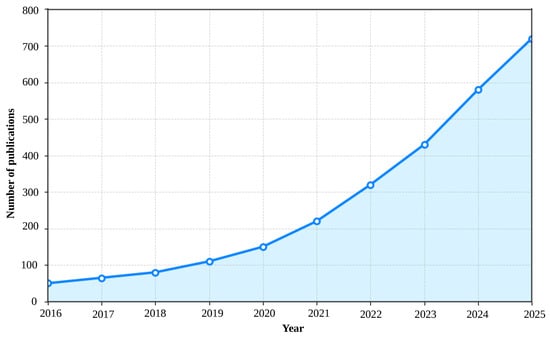
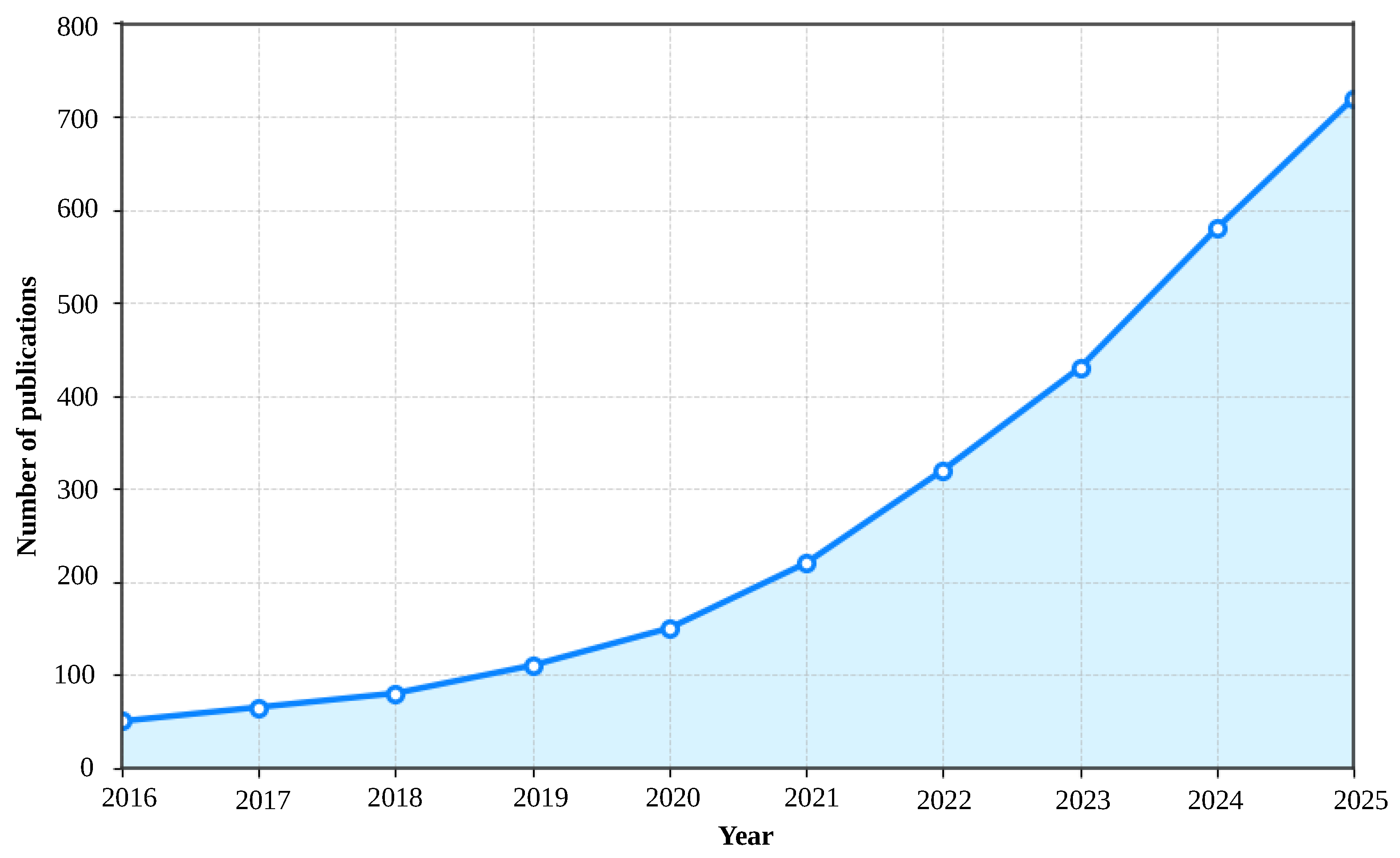
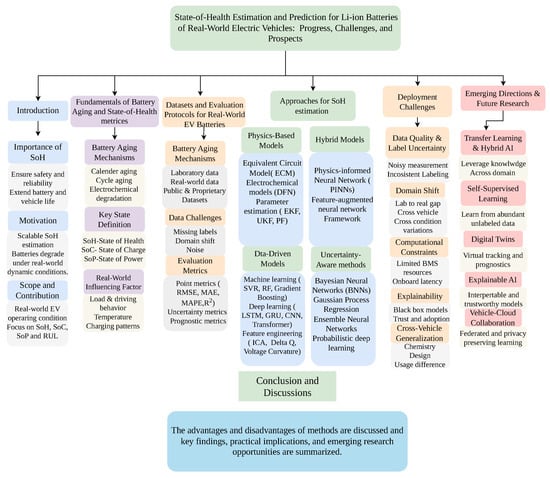

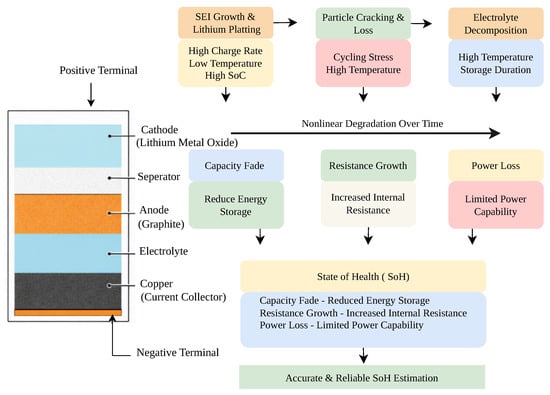
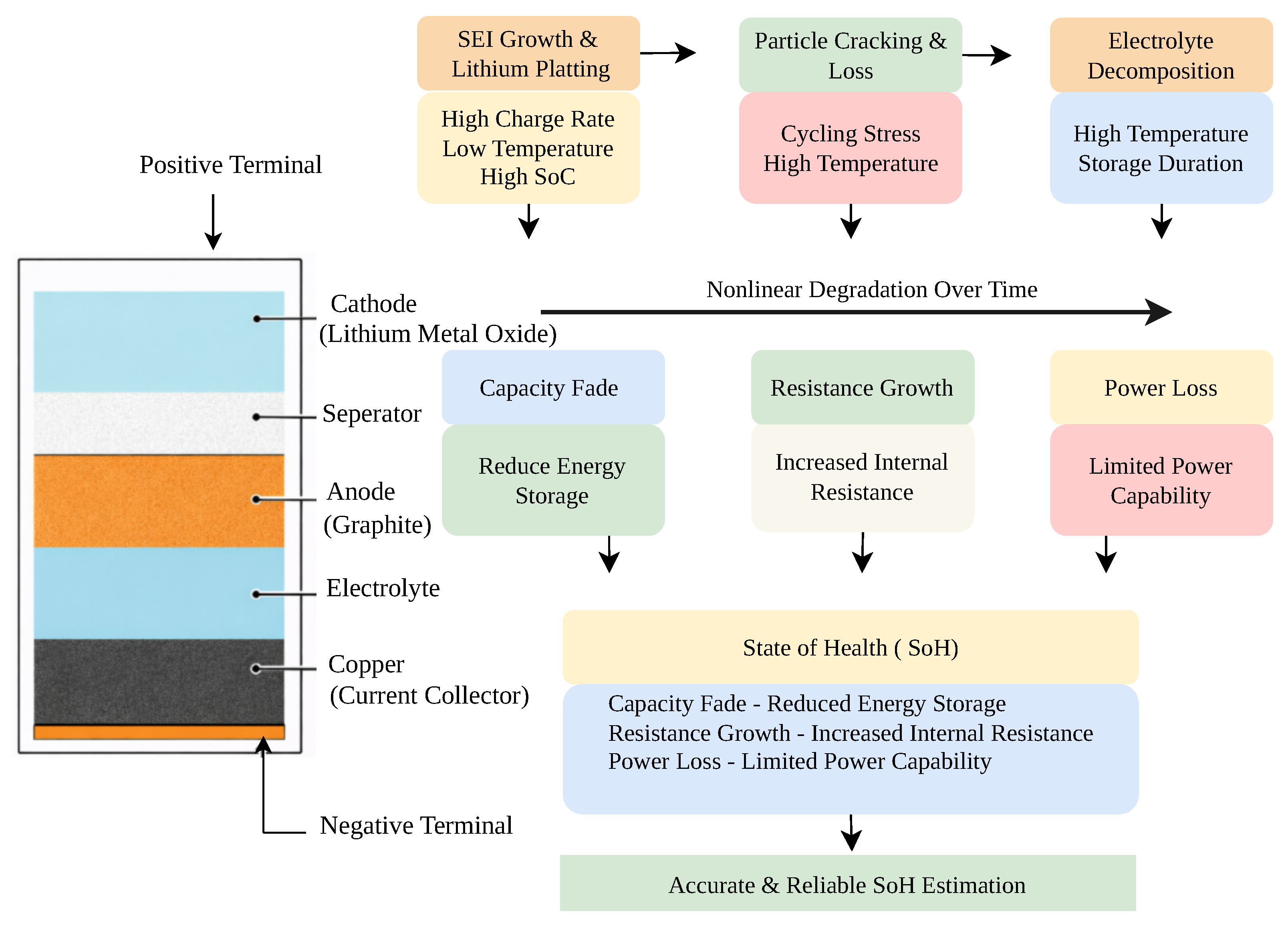
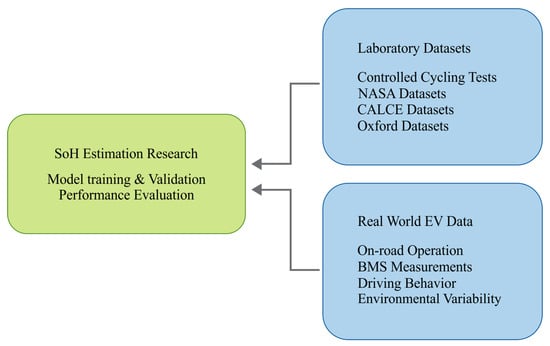
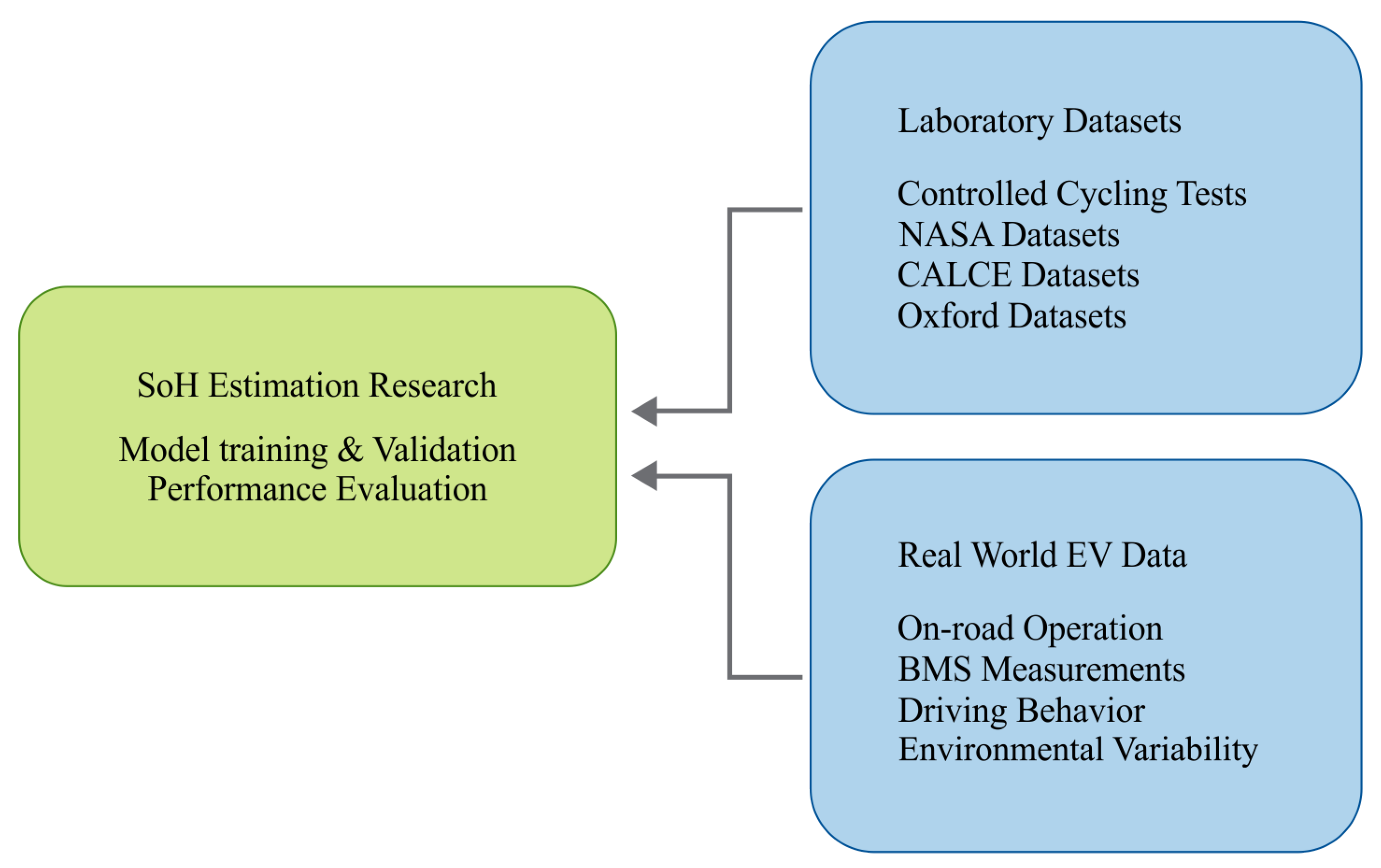
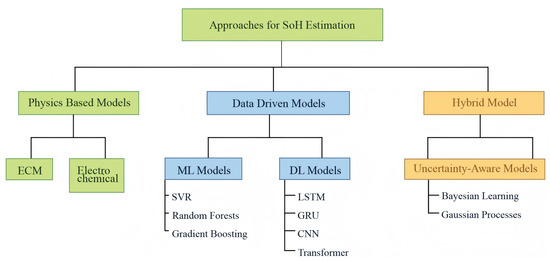
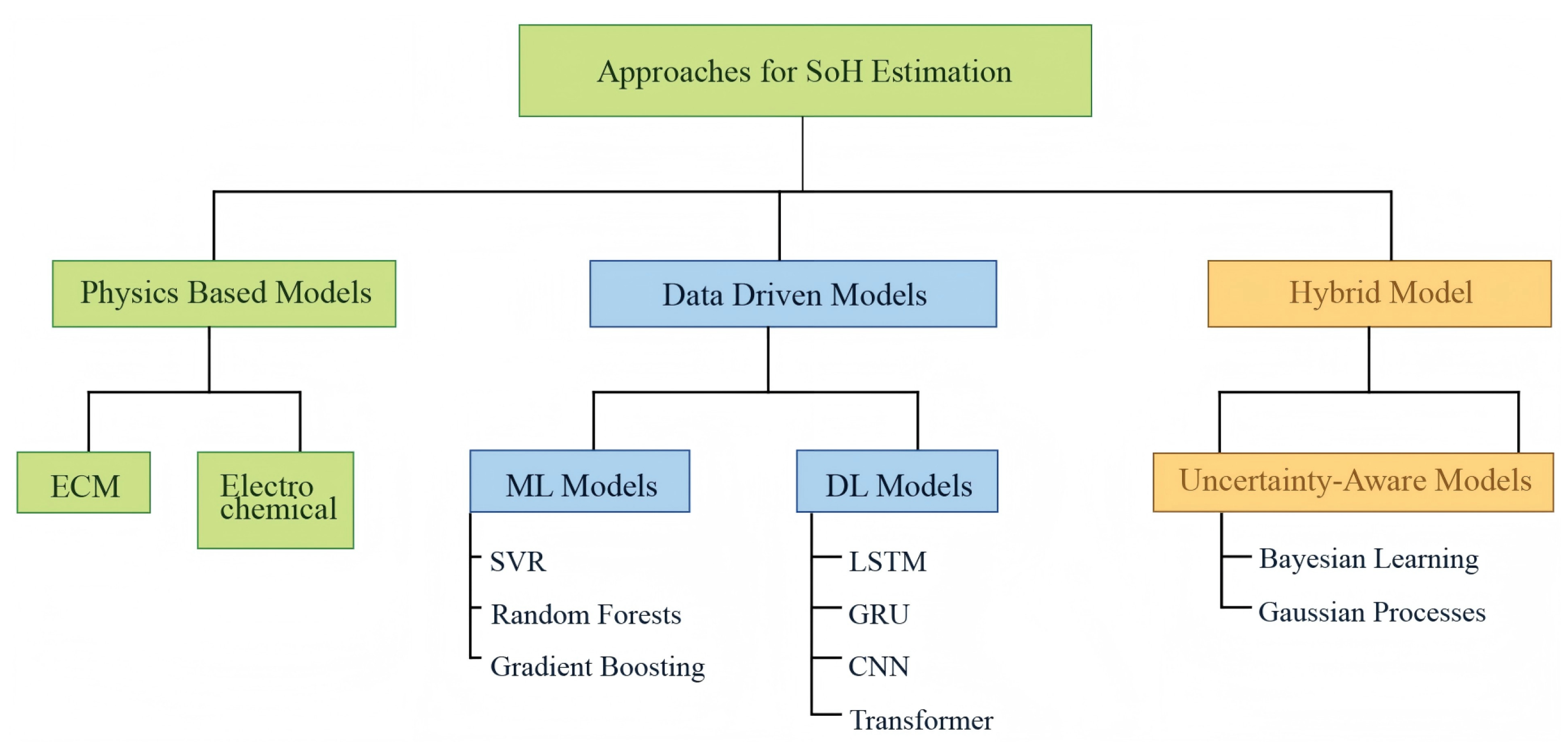
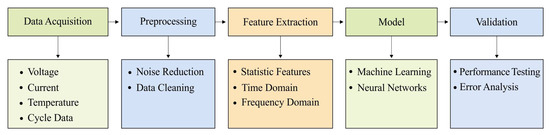
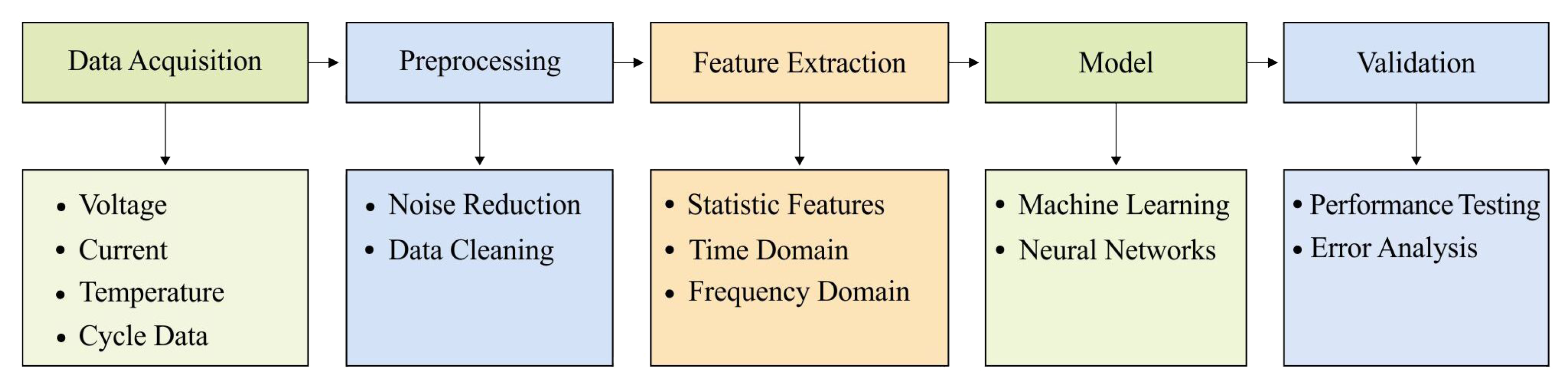
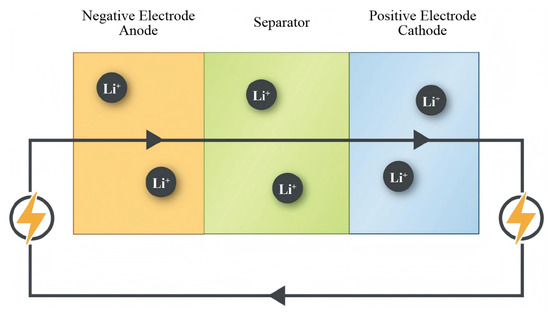
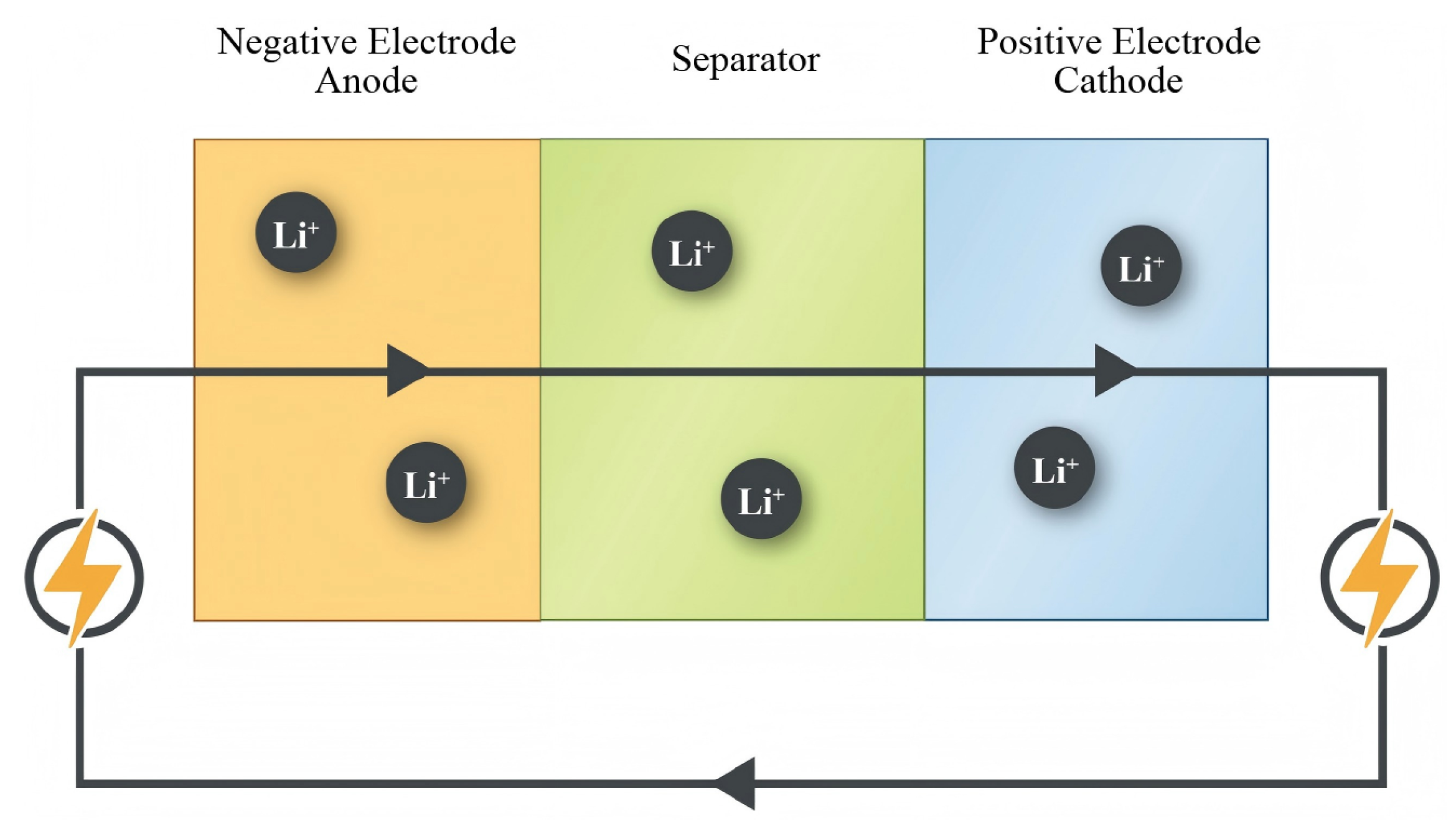
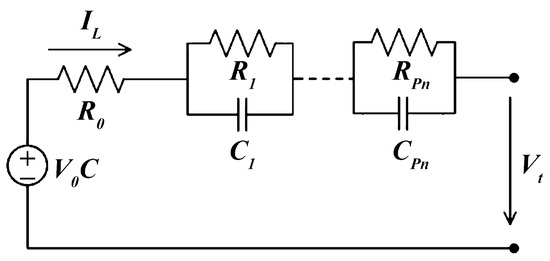
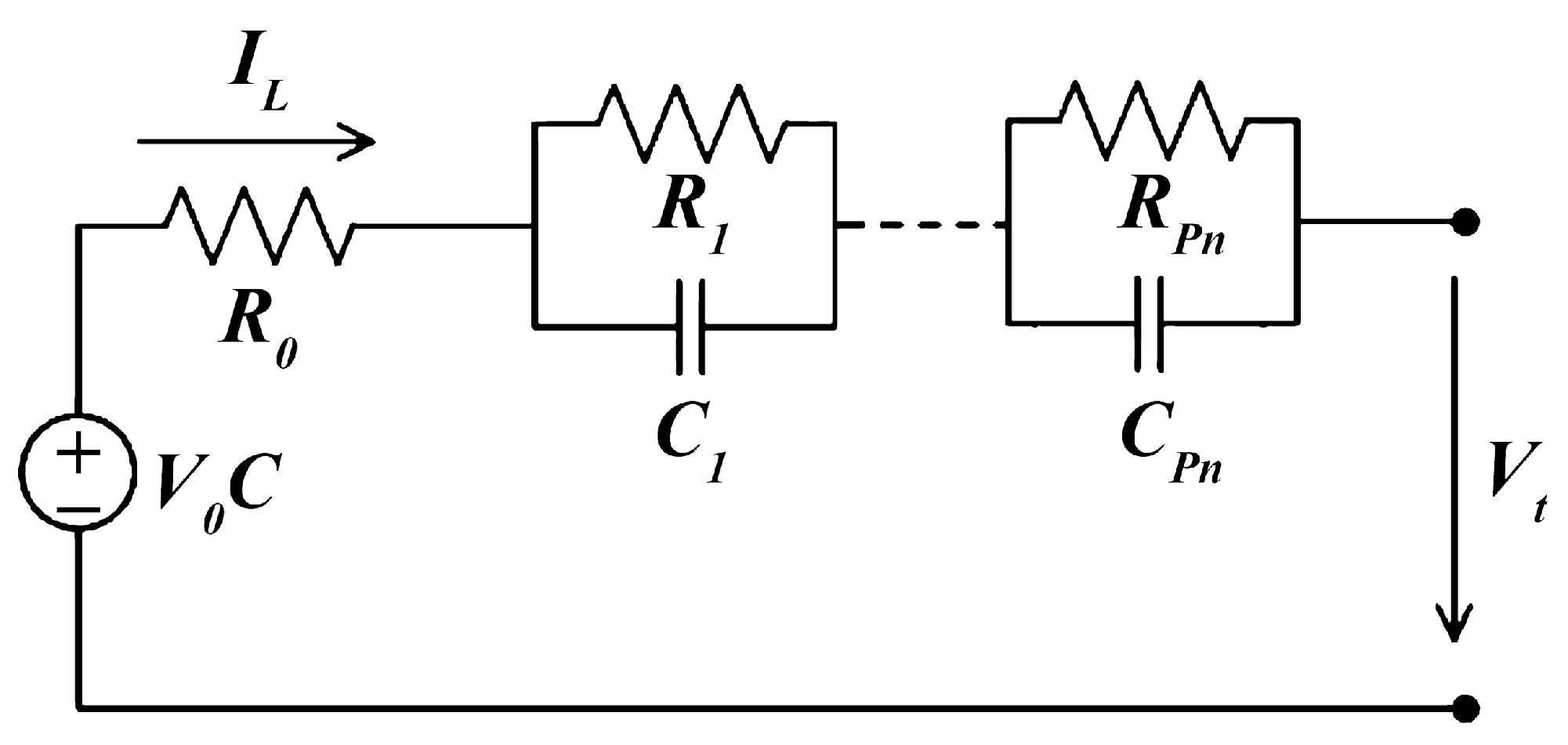
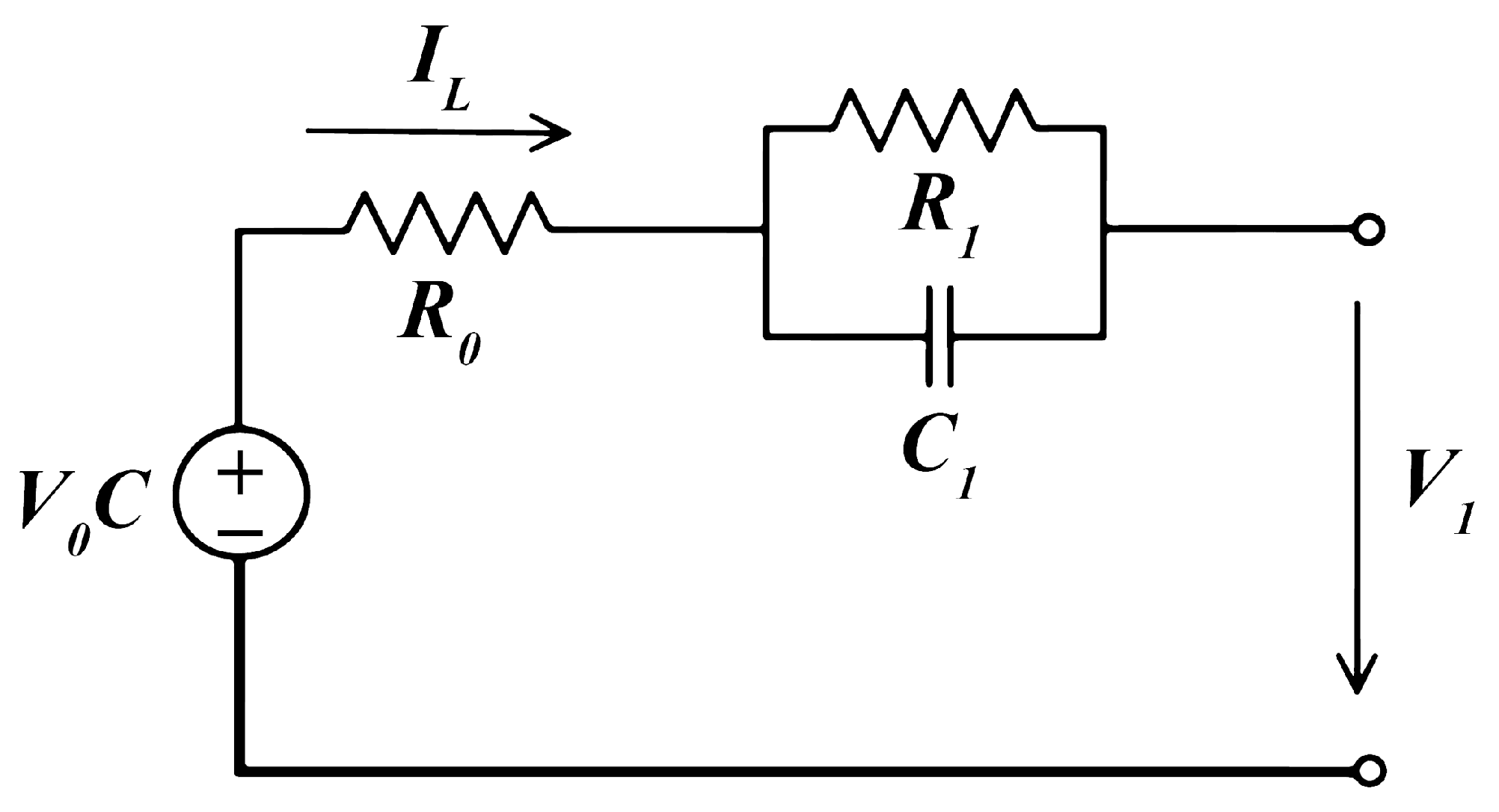
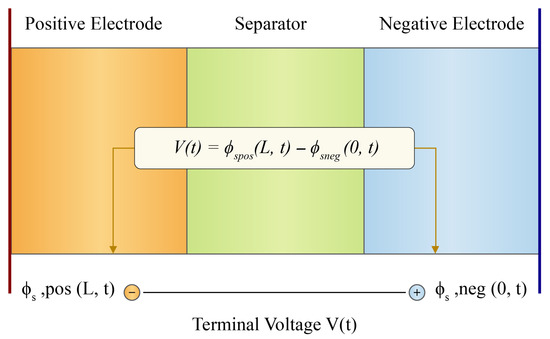
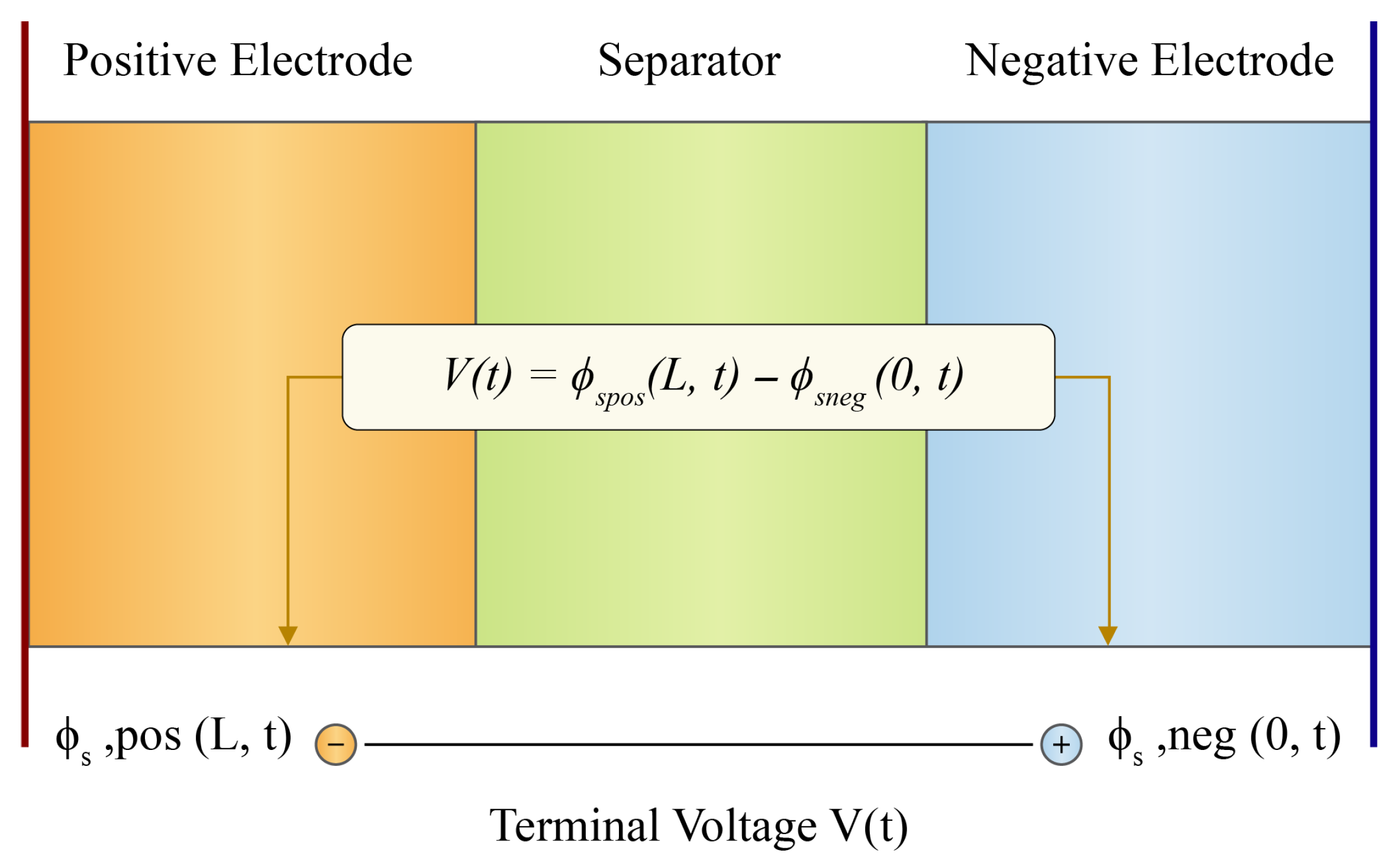
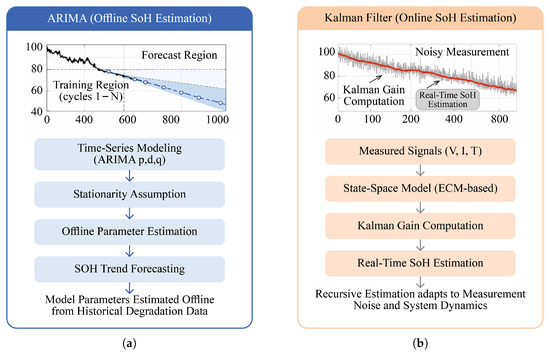
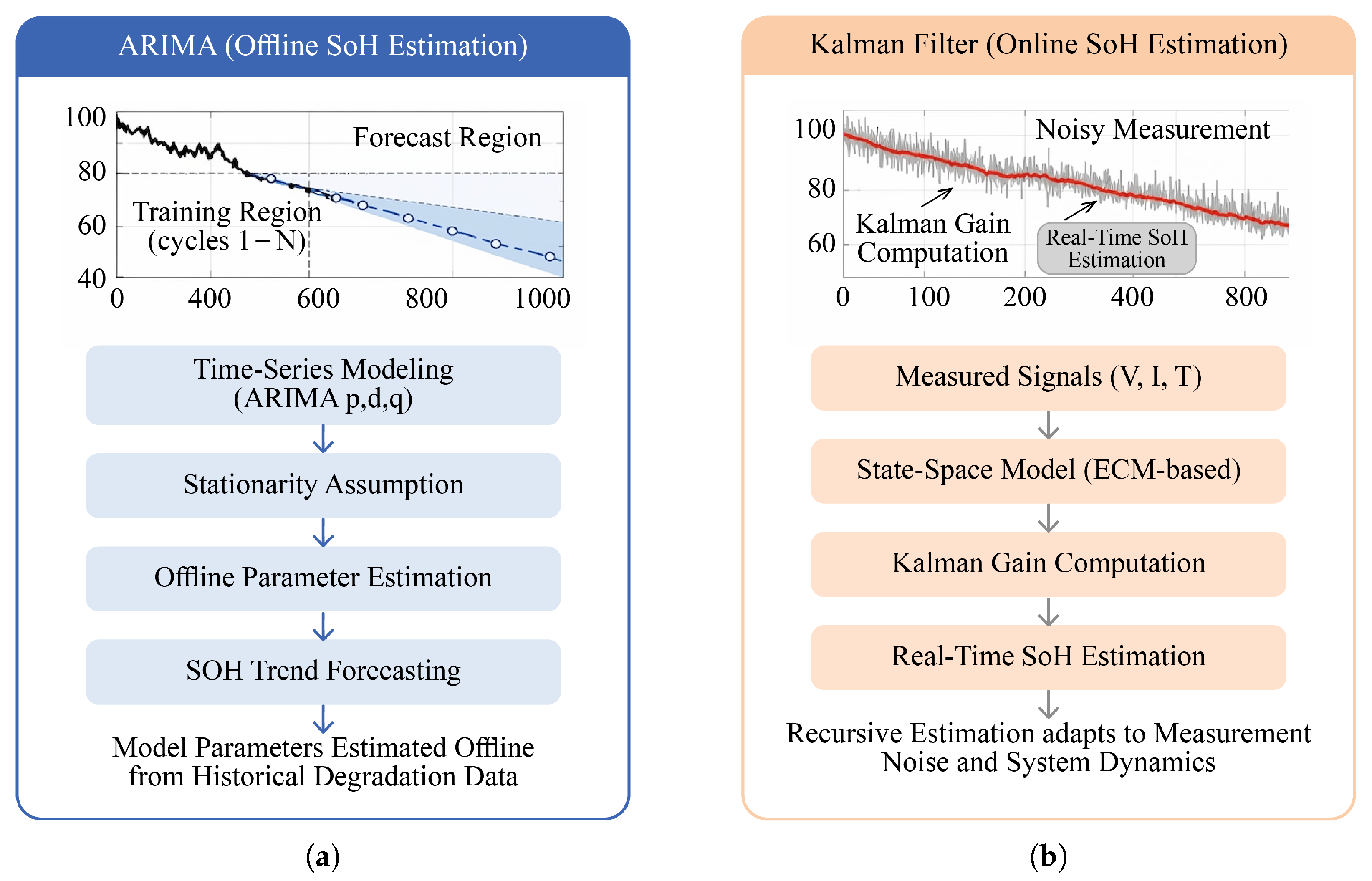
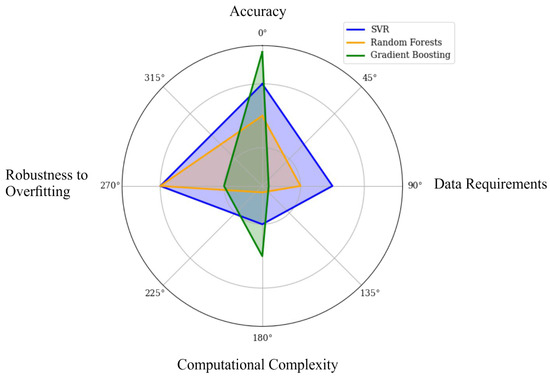
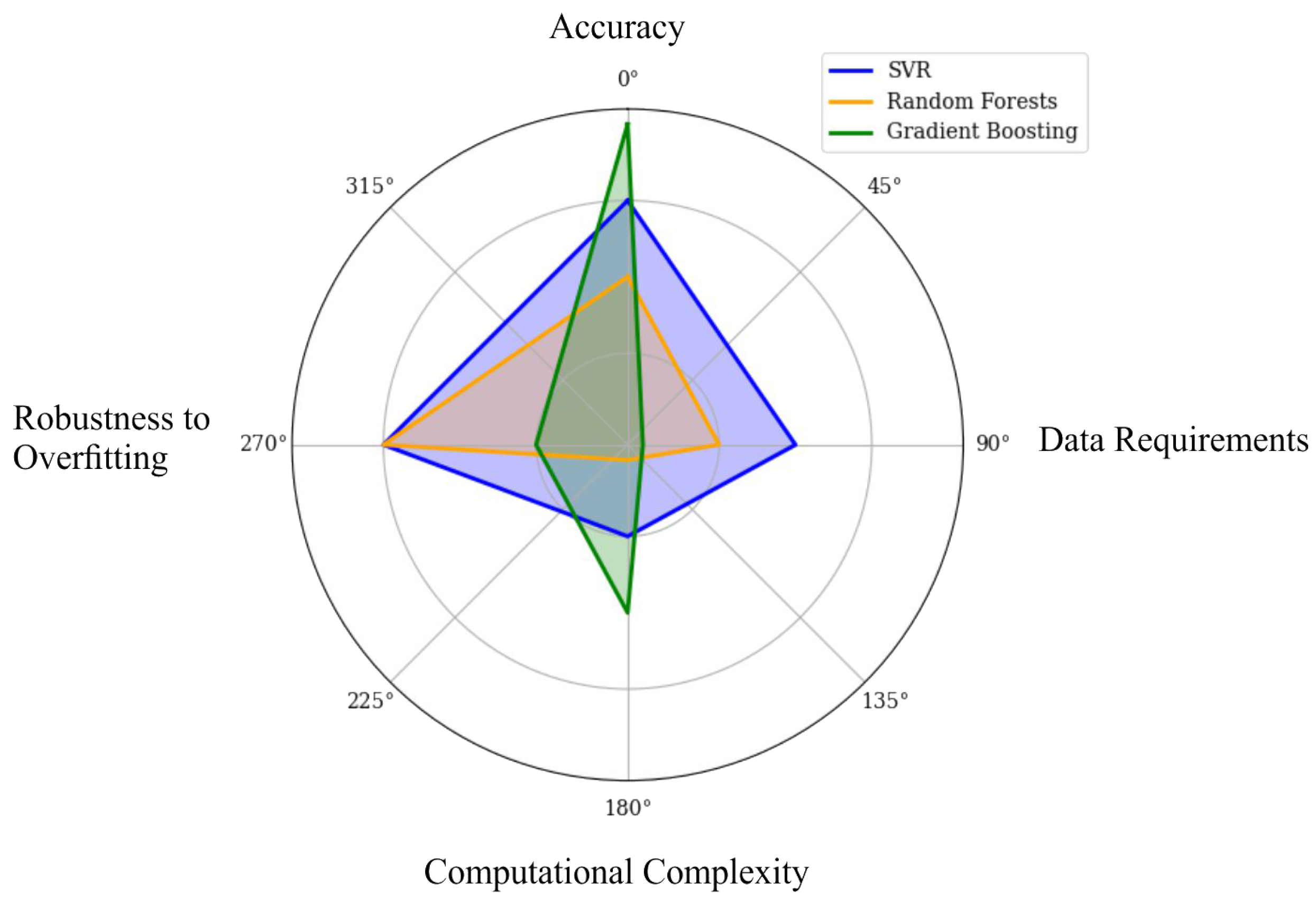
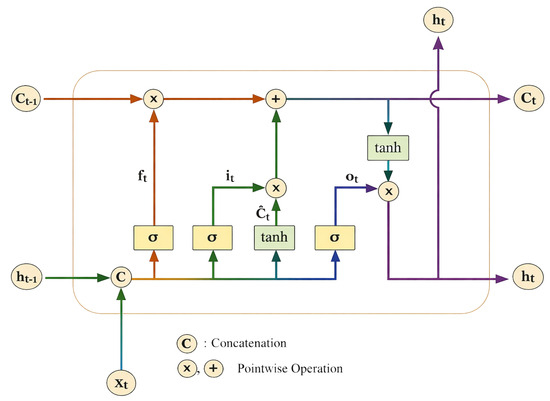
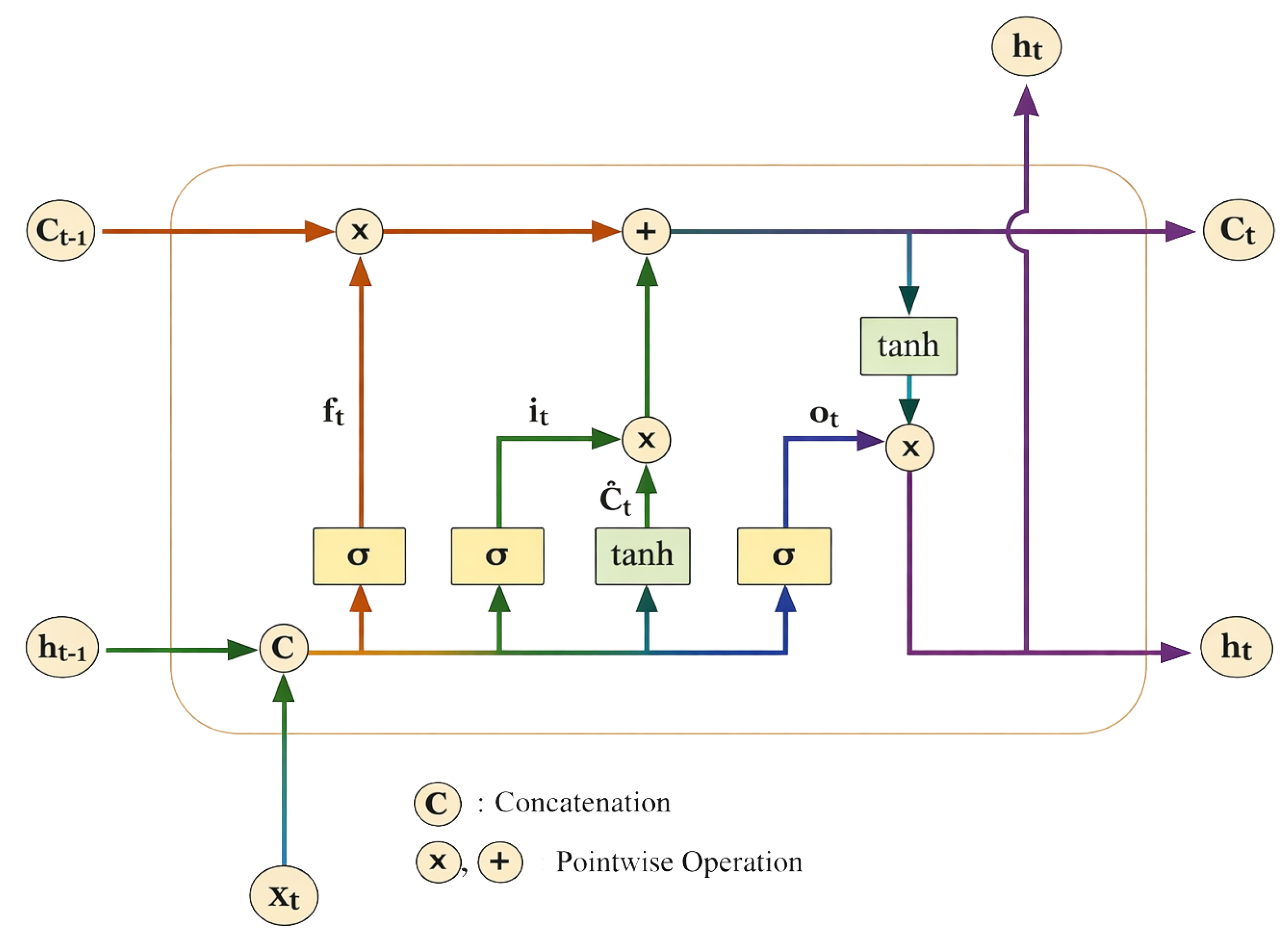
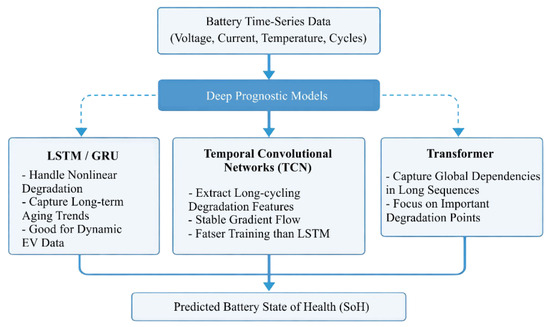
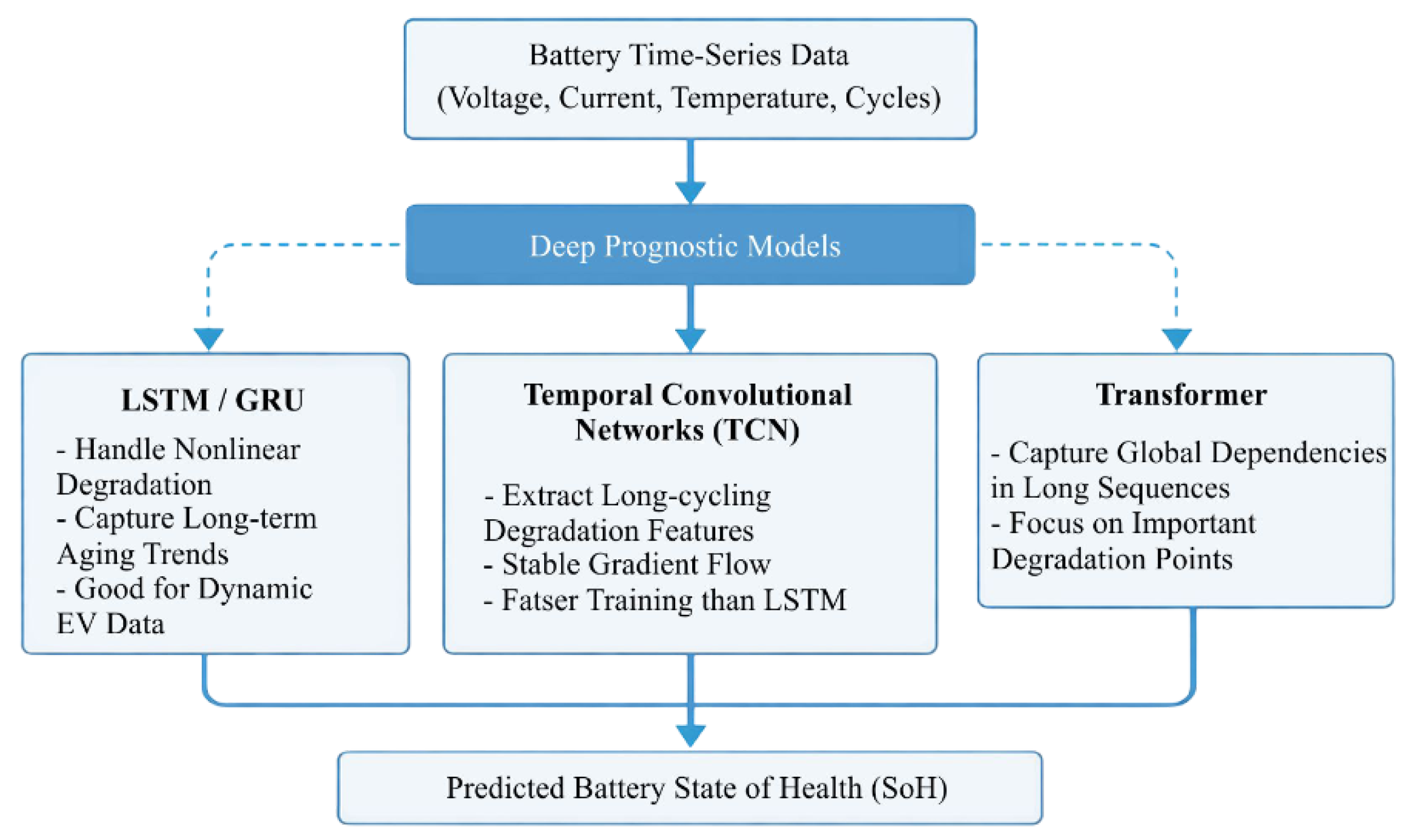
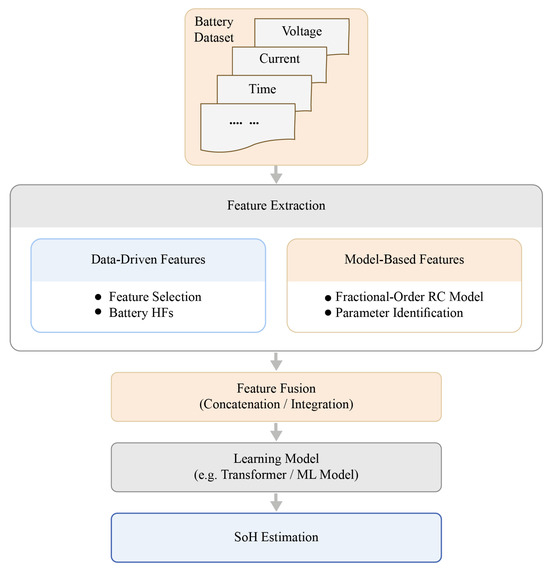
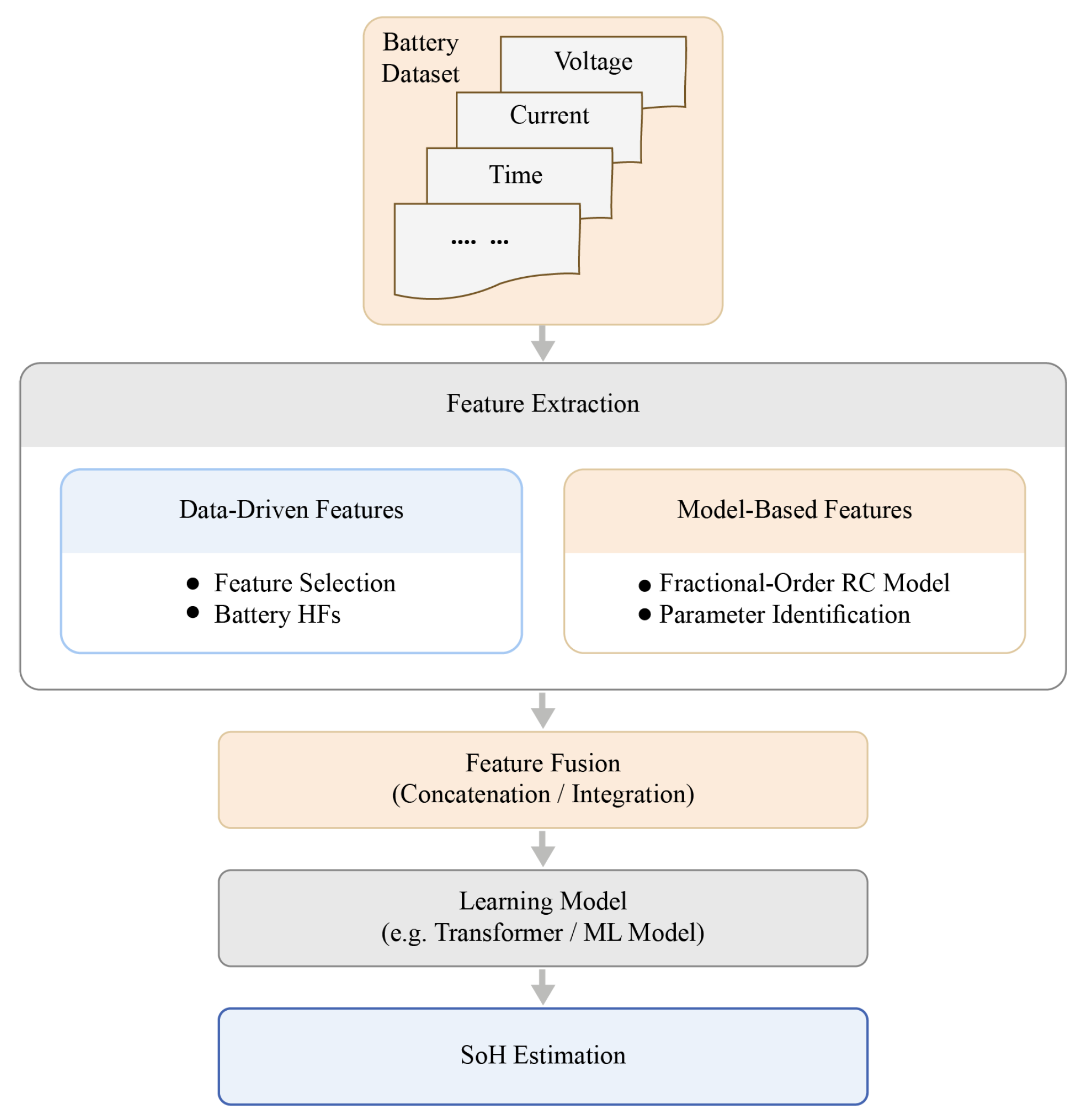
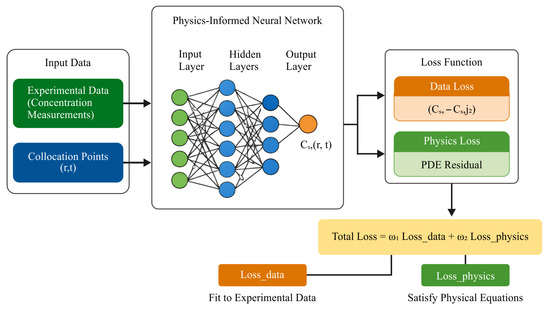
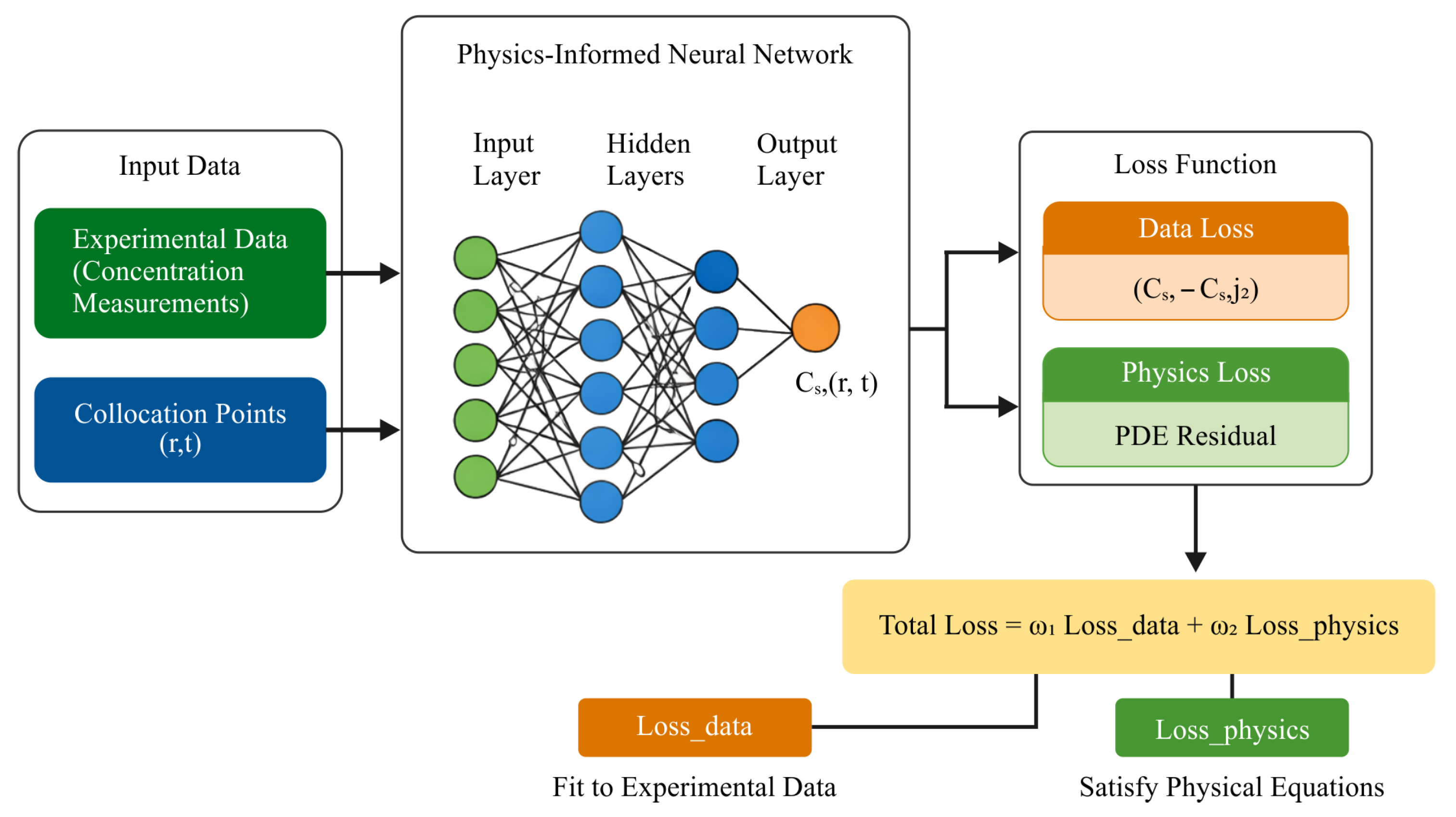
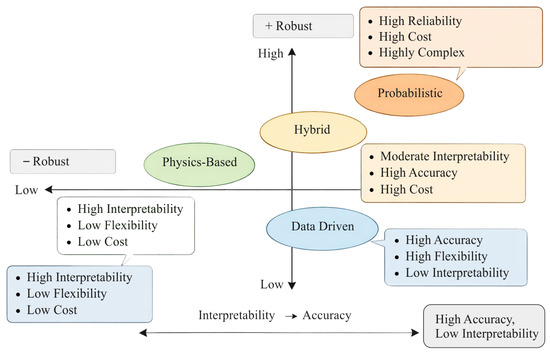
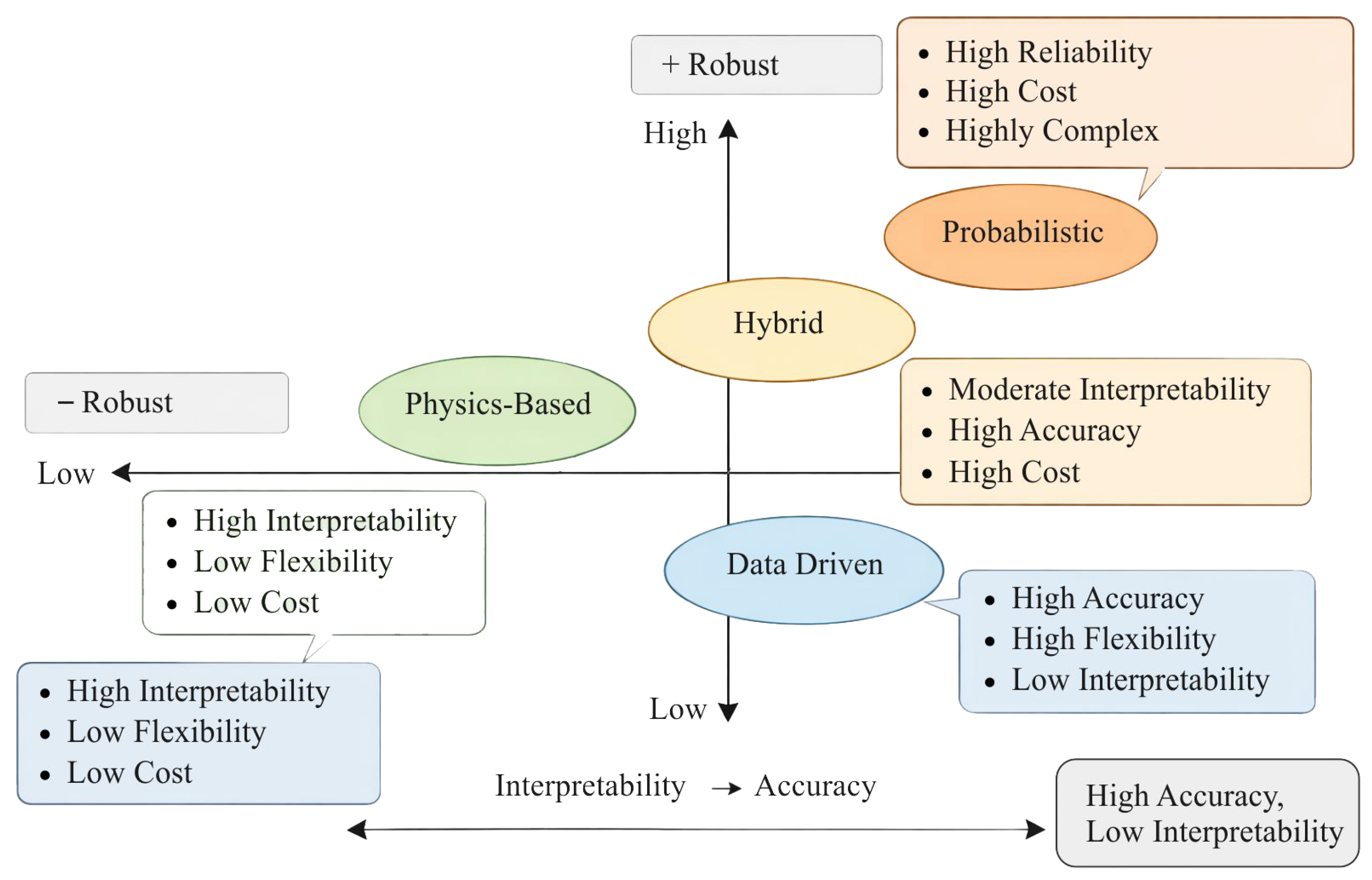
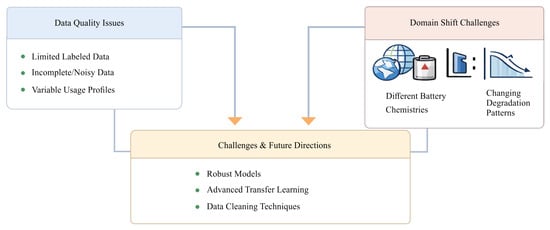
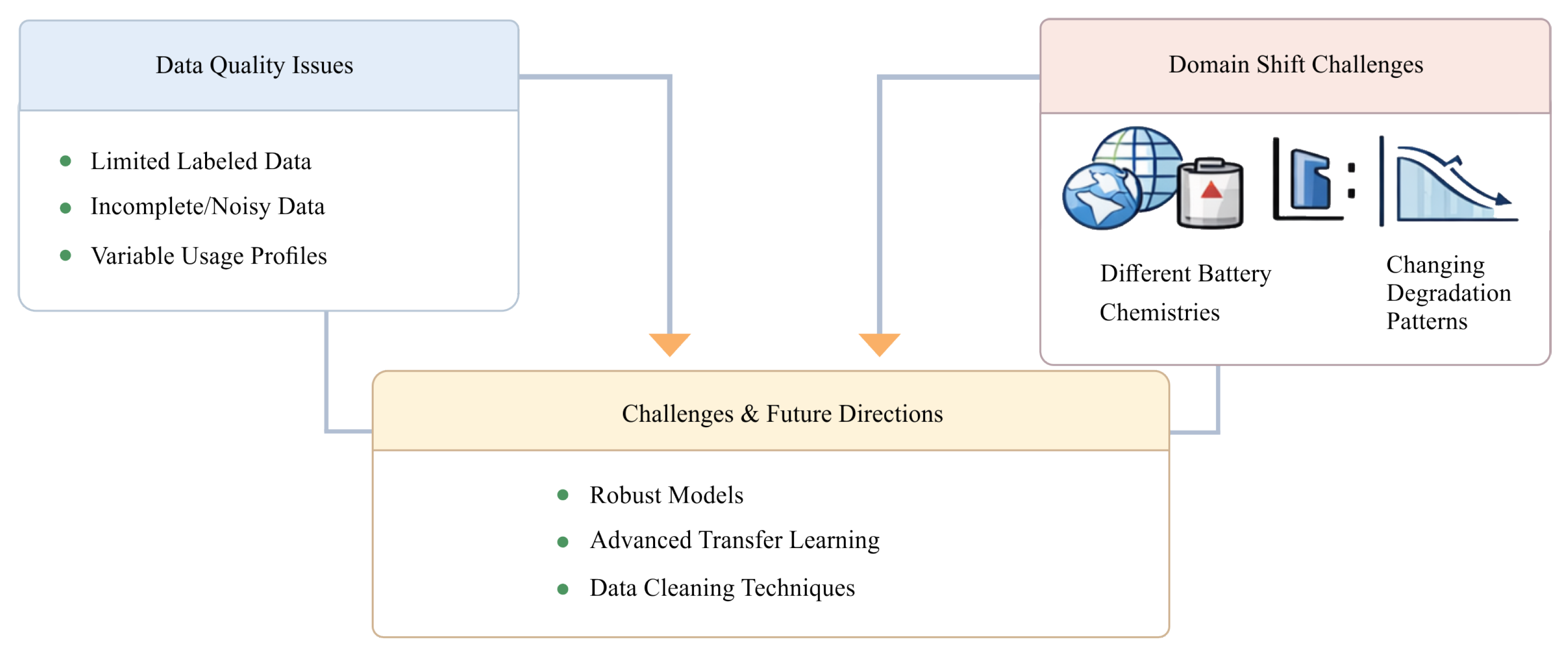
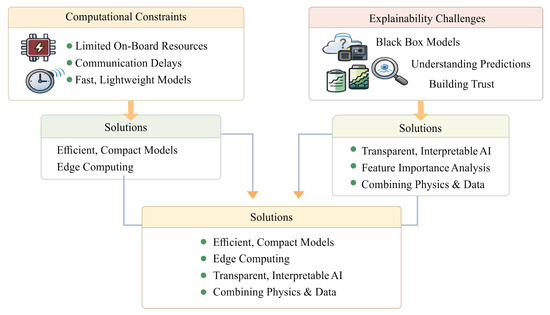
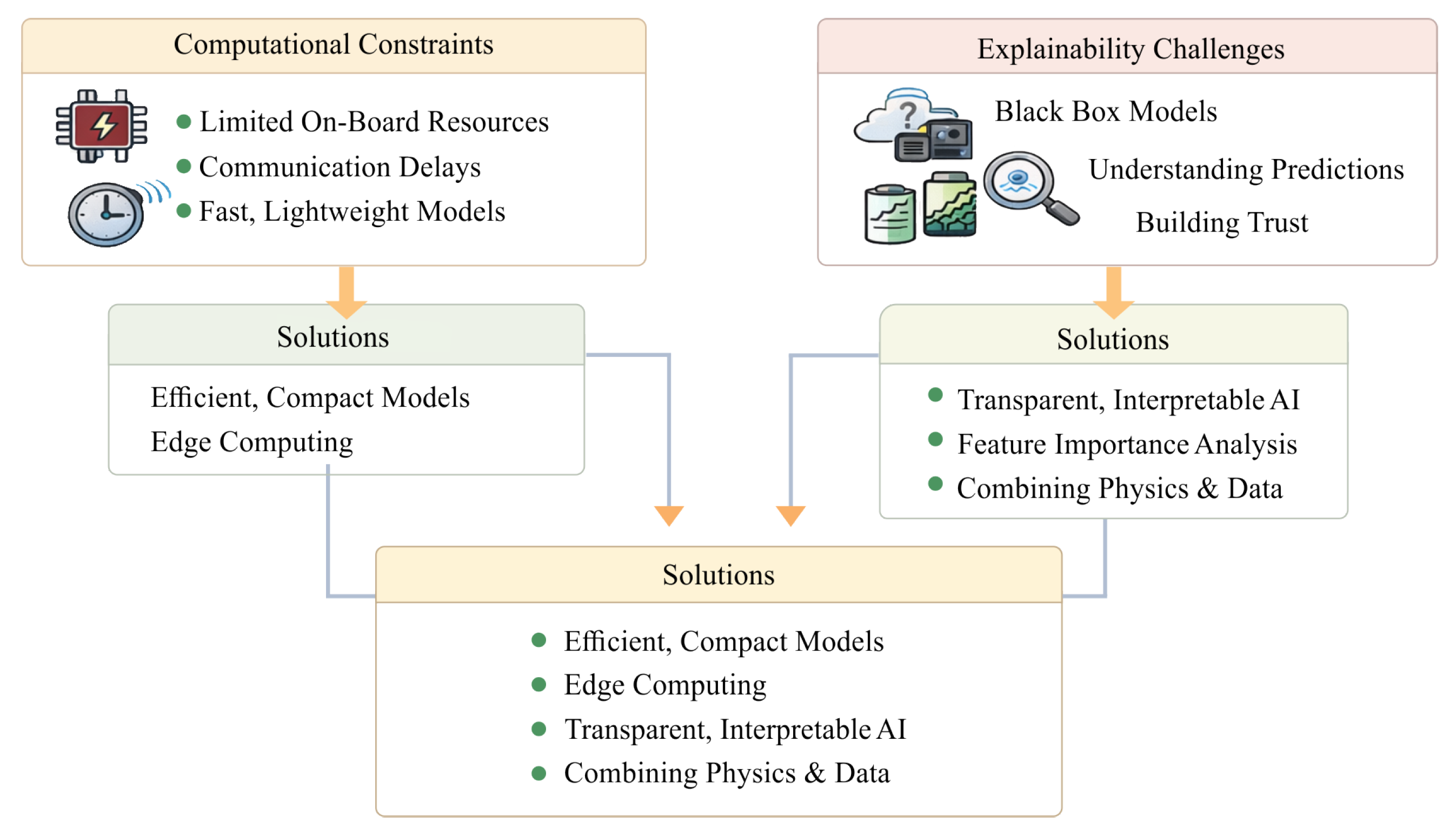
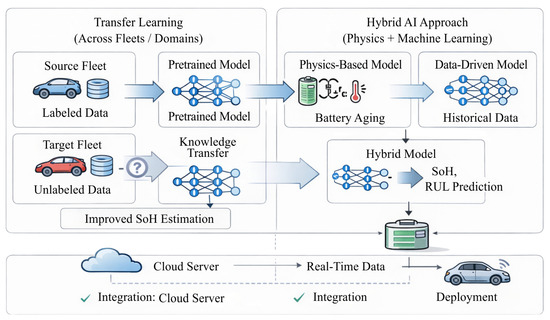
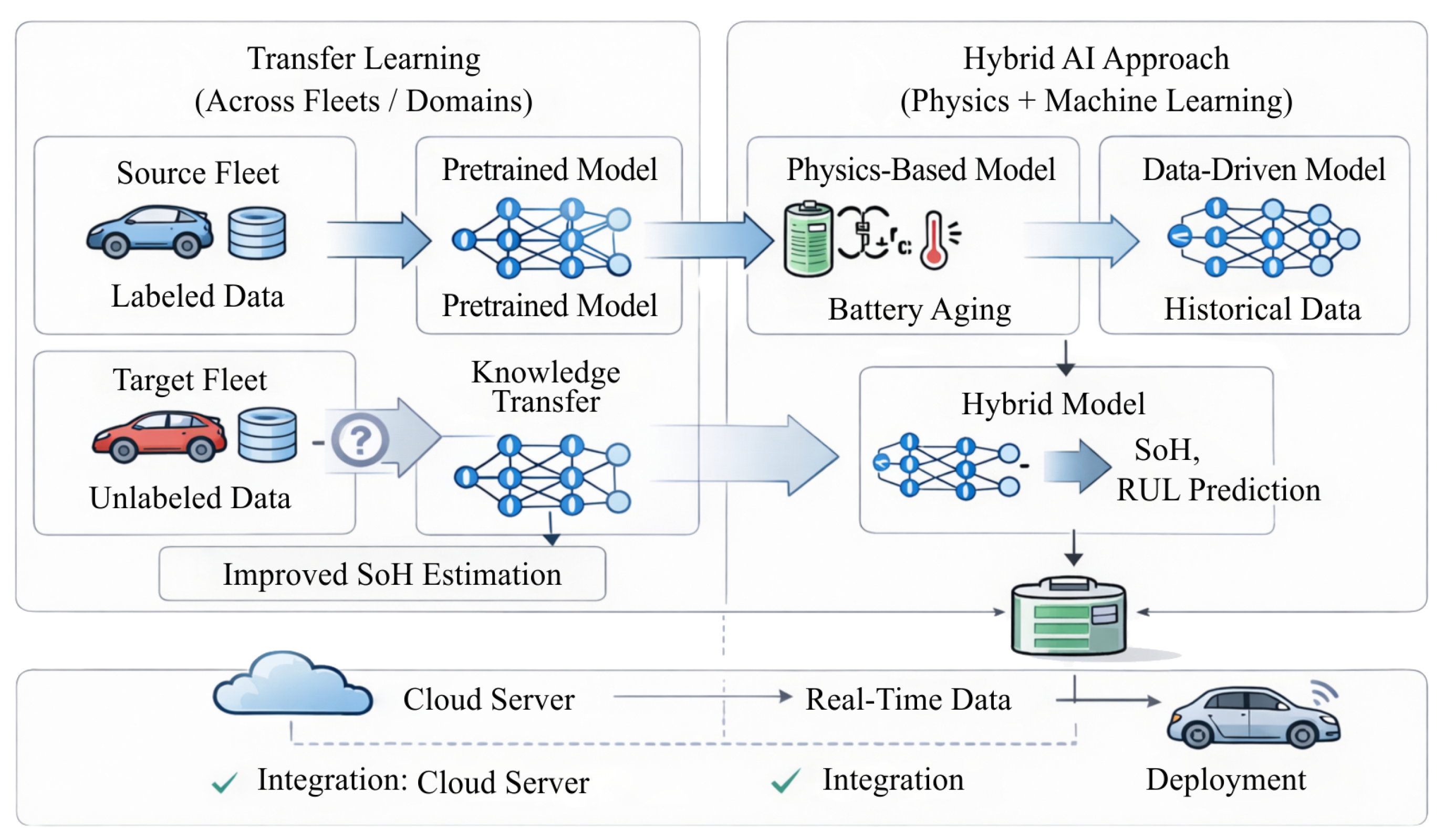

Disclaimer/Publisher’s Note: The statements, opinions and data contained in all publications are solely those of the individual author(s) and contributor(s) and not of MDPI and/or the editor(s). MDPI and/or the editor(s) disclaim responsibility for any injury to people or property resulting from any ideas, methods, instructions or products referred to in the content. |
© 2026 by the authors. Licensee MDPI, Basel, Switzerland. This article is an open access article distributed under the terms and conditions of the Creative Commons Attribution (CC BY) license.