1. Introduction
Today, the emerging global demand for renewable energy sources and electric mobility has catalyzed transformative changes in various sectors, especially in transportation and power generation. As most countries (economies) strive to achieve ambitious sustainability goals and move away from the massive use of fossil fuels, the need for high-performance, durable and cost-effective batteries has never been more critical [
1]. Batteries serve as the backbone of this new energy paradigm, enabling the efficient storage and use of renewable energy from sources such as solar and wind power, as well as powering electric vehicles (EVs). However, achieving optimal battery performance (characterized by high energy density, fast charging cycles, and extended lifetime) is still a work in progress, as significant challenges remain to be overcome. The most important challenge to battery (electrochemical cell) performance is considered to be the effect of temperature on state of health (SoH) and lifetime (operating life) [
2]. Operating temperature significantly affects both battery lifetime and state of charge (SoC) of rechargeable batteries, especially lithium-ion cells (most commonly found in electric vehicles and energy storage systems) [
3,
4].
The effect on battery life (and thus SoH) is mainly related to the effect of temperature on the dynamics of chemical reactions inside electrochemical cells. High operating temperatures can lead to increased self-discharge rates, meaning the battery loses stored energy more quickly. It can also accelerate electrolyte decomposition and the growth of solid electrolyte interphase (SEI) layers on the anode, resulting in reduced battery life [
5,
6]. Also, in this context, it should be noted that prolonged exposure of the electrochemical cell to high temperatures can cause thermal runaway, a phenomenon that often leads to fires. From the point of view of operating batteries at low ambient temperatures, the electrochemical reactions inside the electrochemical cell can be substantially reduced, leading to a decrease in capacity and power, which means poorer delivered (expected) energy performance. Battery life, defined as the number of charge–discharge cycles that a battery can complete before its capacity drops below a certain threshold, is also influenced by temperature variations beyond acceptable limits. Batteries that are operated (or frequently fast-charged) at high temperatures will generally have a shorter lifespan, while repeated operation of batteries at low temperatures can lead to the main problems previously presented, such as lithium plating, anode damage and SoH degradation. Maintaining temperatures within the optimal operating range of Li-ion batteries can be approached from two main specific directions: [
7]:
Improving the battery lifetime by controlling temperature,
Optimizing the configuration of electrochemical cells within a battery.
In the energy efficiency premises presented above, the need arises to manage the battery operating temperature within optimal limits (usually between 15 °C and 35 °C for lithium-ion batteries [
8,
9]), which occurs through the use of thermal management systems [
10,
11].
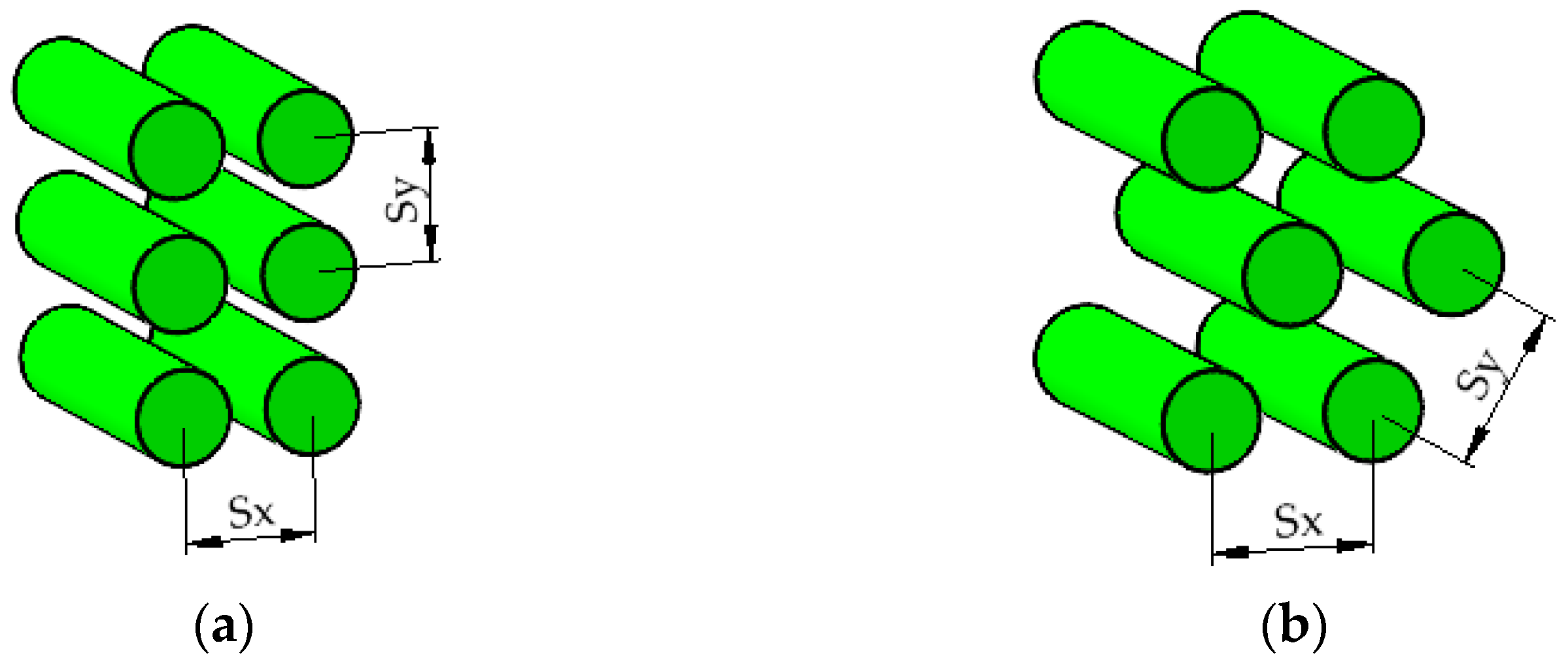
Relatively recent research conducted for this purpose by various researchers is presented below. The effects of the horizontal and vertical cell spacing in a battery layout on the performance of maintaining an optimal temperature are analyzed from the point of view of thermal loads in Ref. [
12]. For the aligned arrangement of battery pack cells, the average temperature rise of the individual cells decreases as the horizontal spacing increases. In contrast, the battery temperature rise is positively correlated, on average, with the horizontal spacing for the staggered arrangement of the cells (
Figure 1).
The analysis in terms of temperature rise performance, temperature uniformity, power requirement and cooling index is performed according to the simulation results. The best result regarding the efficiency of the thermal air management system was obtained for a horizontal spacing of 34 mm and a vertical spacing of 32 mm between the cells (but with a considerably increased battery volume). In terms of cooling efficiency and energy requirements of the air thermal management solution, it was found that for the aligned array they are 26.1% higher and 54.5% lower, respectively, than those of the staggered array.
A study on the optimization of the geometric placement (spacing) of cells (type 18650) in thermal management systems of large-scale air-cooled batteries was carried out using an innovative modeling approach (through independent sub-models that allow for accurate transient simulations) [
13]. Multiple conclusions resulted from the research, but among the most important is the fact that the maximum temperature in the cells is positively correlated with the vertical and horizontal distances between the cells. Also, a considerable temperature non-uniformity was observed in the first rows of cells, which reduces as the distances between the cells decrease (in the studied configuration, optimal thermal conditions were obtained at vertical and horizontal pitch ratios of 1.66 and 0.83, respectively).
The possibilities of improving the thermal management system heat transfer coefficient (with a minimal increase in costs) were studied by choosing the variation in the vertical cell spacing of a battery module consisting of 45 cells, type 21700 (5 × 9) [
14]. The results show that smaller distances are beneficial for the overall cooling performance of the models with constant vertical distances at almost all air flows. From the point of view of the geometric placement of the cells, it was also shown that increasing the values of the vertical distances of the model with constant vertical spacing was ineffective in reducing the maximum temperature and the temperature gradient. Smaller cell spacings are beneficial for the overall cooling performance of models with constant vertical spacings at low airflows, but as the airflow increased (doubling), the model with larger gradient vertical spacings (44/33/26.4 mm) exhibited excellent temperature uniformity (ΔT = 2.6 K).
In Ref. [
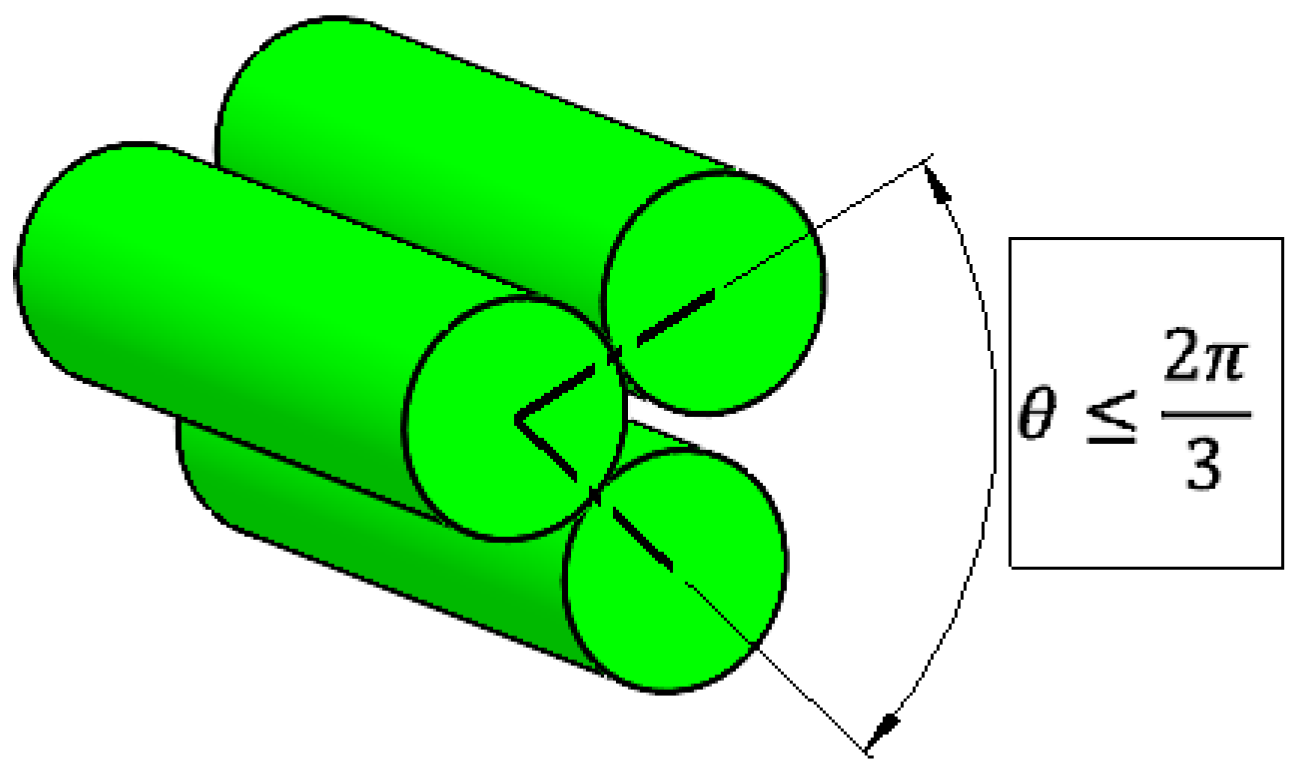
15], two Panasonic Li-ion battery cell (NCR18650BF and NCR21700A) layout models with arrangement angles θ of 2π/3, π/3 and π were analyzed to investigate the maintenance of the battery operating temperature at the optimum of 25 °C (
Figure 2). A computational fluid dynamics (CFD) analysis was used to obtain the maximum and average temperature and also the fluid flow velocity (water was used as a cooling agent). The results obtained showed that the battery pack design with three parallel batteries and eight series batteries (with the cell arrangement angle of π/3) is the most feasible from a thermal point of view. Moreover, this design uses a volume 15% smaller than the other considered case, allowing for the incorporation of more battery packs in an electric vehicle.
Another study that analyzed the possibility of optimizing cell spacing was conducted in Ref. [
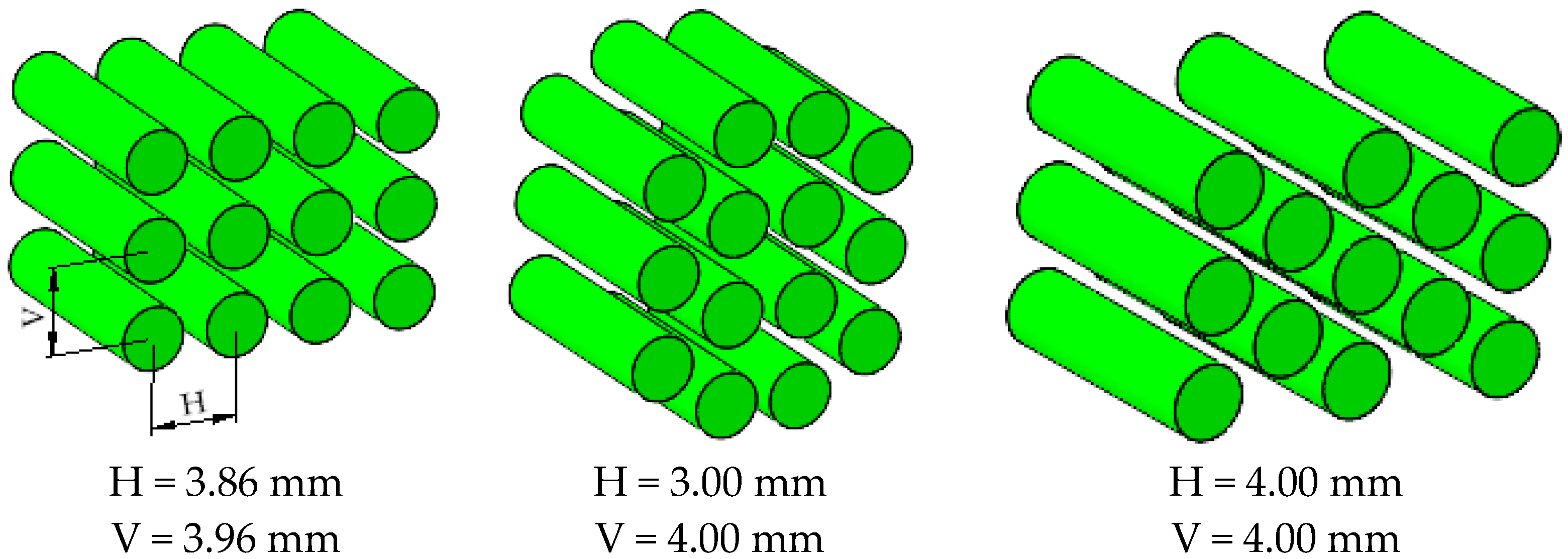
16]. This study presents a module-based optimization methodology for the comprehensive conceptual design of a lithium-ion (Li-ion) battery pack. First, the module arrangement is optimized and realized using PSO (particle swarm optimization) algorithms, considering various configurations: rectangular, diamond, and staggered (
Figure 3).
Through initial optimization of the cell position (PSO algorithm), three battery module shape configurations were obtained: rectangular, diamond, and staggered cells. The objective of the study was to design the optimal distance between the module cells considering a maximum allowable cell temperature. The conclusions drawn from the simulations concluded that the staggered arrangement has a greater impact on the heat dissipation performance of the battery pack, and the optimal range of the distance between the cells is between 4 mm in both the horizontal and vertical planes (the average temperature difference was 26.23 °C).
In the current context of rapid technological evolution, artificial intelligence (AI) has emerged as a revolutionary factor (and possibly as a vital tool to overcome traditional engineering barriers), offering innovative solutions to accelerate the development and optimization of batteries. Traditional battery development processes often involve long and expensive trial-and-error methods, which can hinder the pace of innovation, but by integrating AI techniques at various stages, researchers can significantly improve battery design, thus overcoming these barriers (AI facilitates the analysis of vast datasets, leveraging machine learning algorithms to identify patterns and correlations that may not be evident through conventional/classical analysis). This predictive capacity enables the design, construction and development of batteries (minimizing the need for prototyping and physical experimentation) that meet rigorous performance standards but also have the potential to provide the necessary scalability for the adoption of identified and applied solutions on a large scale. One comprehensive research study [
17] evaluates and discusses the benefits, disadvantages, and specific applications of each BTMS method through its effects on battery life, charging speed, and environmental impact. It notes the automotive industry’s ongoing efforts to advance in this critical area by discovering new technologies, including the application of predictive control algorithms and superior thermal materials.
The integration of intelligent algorithms into lithium-ion battery thermal management systems (BTMSs) has significantly improved their efficiency, adaptability and reliability. In the multitude of AI-based research optimization methods, the application/use of particle swarm optimization (PSO) and genetic algorithms (GAs) has demonstrated their ability to provide robust solutions, even though more advanced methods, such as artificial neural networks (ANNs), support vector regression (SVR) and reinforcement learning (RL), are emerging as powerful (but resource-intensive) approaches to handling the complex challenges of efficient battery thermal management [
18].
One of the key applications of artificial intelligence in battery development is optimizing material selection [
19]. The performance of a battery depends largely on the quality and characteristics of its constituent materials. Artificial intelligence can be used to simulate and predict the performance of different chemical compositions during the design phase, thereby guiding researchers towards materials that offer the best balance between performance, cost and environmental sustainability. By using predictive models based on artificial intelligence, battery designers can minimize the need for physical experimentation, significantly accelerating the research and development process. Furthermore, artificial intelligence can improve battery lifecycle management through predictive maintenance and real-time monitoring [
20]. By using machine learning algorithms, it is possible to analyze data from battery management systems in electric vehicles and energy storage systems, leading to proactive insights into potential failures or degradation patterns [
21]. An AI model using LSTM networks can forecast future battery energy capacities using the Gaussian regression technique (to compensate for errors induced by temporal and thermal variations) [
22]. The model built on 29 months of data collected from 20 electric vehicles was able to accurately forecast battery capacity for the next 23 months, achieving an MAE of 1.24% and an RMSE of 1.53%.
This predictive maintenance approach allows for timely interventions, extending the operational life of the battery and increasing the overall reliability of electric mobility solutions. In addition, artificial intelligence facilitates the optimization of the manufacturing processes involved in battery production. The complexity of battery cell manufacturing often leads to inefficiencies and defects, which can lead to increased costs and reduced performance. To improve cell efficiency from the manufacturing stage, it is anticipated that the optimization of electrolyte injection and wetting processes in cells will advance significantly by integrating multiscale simulations with advanced technologies (fundamental principles computing, artificial intelligence-based simulation optimization, large-scale models, and large-scale language models) [
23].
Artificial intelligence algorithms can analyze production data to identify inefficiencies, streamline workflows and ensure higher quality control standards, and by optimizing these processes, manufacturers can produce batteries at lower costs and with improved consistency, further contributing to the viability of electric mobility solutions [
24]. In this context, the integration of artificial intelligence (AI) appears as a vital tool to overcome traditional barriers in battery research, design, and manufacturing, and the field of battery construction optimization from the design phase is the subject of the study presented in this article.
The previously presented reviewed literature includes several studies on the influence of geometry (spacing, cell arrangements) and optimizations by PSO, GA, or simple surrogate models. The novelty of the article is that it proposes a complete workflow (from CFD simulations → Rbf interpolation → generation of a continuous temperature map of the entire 2D space by an NN model → DSO and MOO optimization) and is presented as a replicable procedure, not just a point application. The process of combining data into a coherent procedural flow is not documented in the cited studies. Even if one starts and studies a particular case, the way of approaching the problem makes the work usable as a methodology and not just as an applicative result. This methodological integration and the identification of new optimal values constitute the main original contributions of the work.
The paper is structured in five chapters. The first chapter presents the need, directions and results of research carried out on this topic. The research methodology is presented in chapter 2 (working hypotheses, methods used, research activity algorithm, etc.), and the creation and effective application of the NN model is presented in chapter three (for two chosen optimization directions: optimization of the design space (DSO) and multi-objective optimization (MOO)). Chapter four proposes discussions based on (the edge of) the results obtained, taking into account the differences and particularities identified, and the general conclusions regarding the present paper are summarized in the Conclusions chapter.
2. Materials and Methods
2.1. Research Methodology
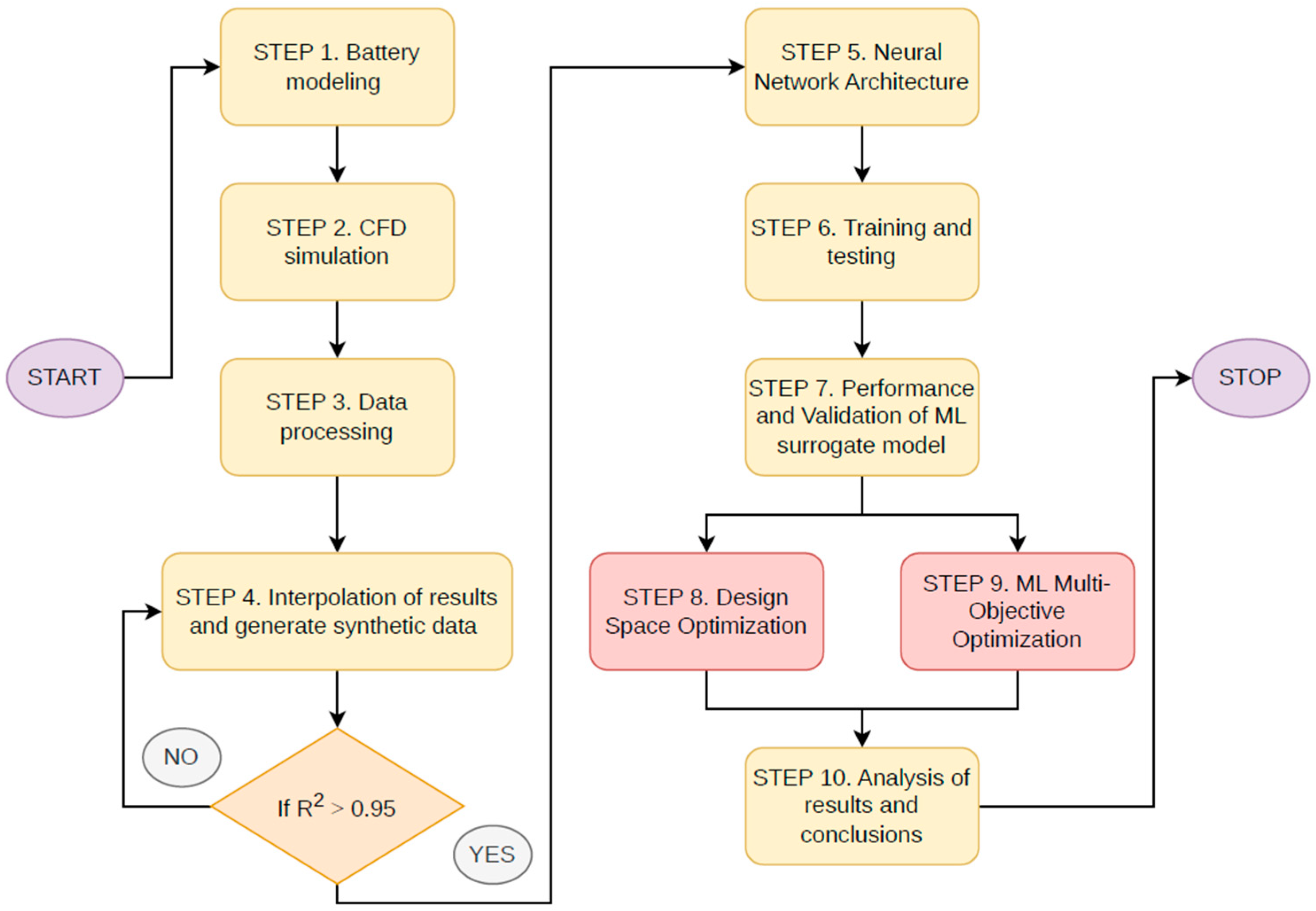
The development and application of the research methodology and methods started from the desire to investigate the possibilities of applying AI techniques (and to define a specific workflow) in the constructive–functional optimization process of batteries built with Li-ion cells, type 18650. The research was carried out in 4 main stages: modeling and thermal simulation of a battery in the 4 × 4 cell configuration, generation of an extended thermal landscape, creation of a neural network, optimization of the spacing between the cells according to the chosen objectives of the study (obtaining a minimum temperature and identifying the curve of the balance between cooling efficiency and energy consumption).
The relationship between Rbf interpolation, neural model and dense thermal map is essential for the proposed research methodology. They are not separate steps but form a unitary chain that transforms a small set of CFD data into a continuous, fully explorable space of battery thermal behavior. Procedurally, Rbf creates a dense thermal map based on the 12 CFD simulations, continuously extending the data across the entire geometric domain. Further, the NN model learns this thermal map, transforming it into a fast, continuous and extremely accurate mathematical model, and thus the NN model becomes the central tool for instantly generating thermal maps and performing complex optimizations impossible through direct CFD. By using Rbf interpolation to generate a dense thermal map and subsequently training the neural model on this extended space, the NN becomes a true Digital Twin capable of instantly recreating the thermal landscape of the battery, allowing for continuous exploration and efficient optimization of constructive configurations. The steps in the algorithmic structure of the research carried out are presented in
Figure 4, and concrete details are presented in the subchapters dedicated to the research stages.
The computational models were developed within the SolidWorks 2025 software environment (Dassault Systèmes, Paris, France), where the three-dimensional geometries were generated using the native CAD module. The computational fluid dynamics analyses were performed by employing the integrated SolidWorks Flow Simulation solver, ensuring methodological consistency within a unified CAD–CAE framework. All numerical simulations were performed on a dedicated graphical workstation equipped with an Intel® Xeon® Gold 6134 processor operating at 3.20 GHz, with an effective clock speed of 3192 MHz. The system was configured with 128 GB of RAM, of which 117 GB were available for computational tasks. These hardware resources ensured stable execution of the transient conjugate heat transfer simulations and enabled efficient processing of the complete dataset, comprising multiple geometric and flow configurations. Creation of the neural network and the application of optimization methods was achieved by creating a software program in the Python software (Anaconda environment, v. 24.5.0) by importing specific libraries (pandas, numpy, matplotlib.pyplot, seaborn, time, os, sklearn.neural_network, sklearn.model_selection, sklearn.preprocessing, sklearn.metrics, scipy.interpolate, scipy.optimize) to carry out the optimization workflow.
2.2. CFD Modeling and Simulation
This section presents the numerical methodology adopted to investigate the transient thermo-fluid behavior of an air-cooled lithium-ion battery module composed of sixteen cylindrical 18650 cells. The simulations were performed to evaluate the influence of inter-cell spacing and airflow conditions on temperature distribution and thermal uniformity under a constant charging condition of 1C, corresponding to a heat generation rate of 8 W per cell. A time-dependent conjugate heat transfer approach was employed to capture the coupled interaction between airflow and heat conduction within the solid components.
The numerical study was conducted using transient internal flow analysis, incorporating fluid flow, heat conduction in solids, and time-dependent thermal effects. The computational model resolves the interaction between the cooling air and the battery cells through conjugate heat transfer, enabling accurate prediction of temperature evolution within the pack.
Automatic geometry recognition based on CAD Boolean operations was employed to ensure consistent identification of solid and fluid domains across all simulated configurations. This approach allows for direct comparison between different geometric cases while maintaining identical physical modeling assumptions.
A three-dimensional CAD model of the battery module was developed to represent the geometric layout of the sixteen cylindrical 18650 cells and the surrounding enclosure. Each cell has a nominal diameter of 18 mm and a height of 65 mm. The cells are arranged in a regular matrix configuration inside an aluminum housing that guides the cooling airflow from inlet to outlet.
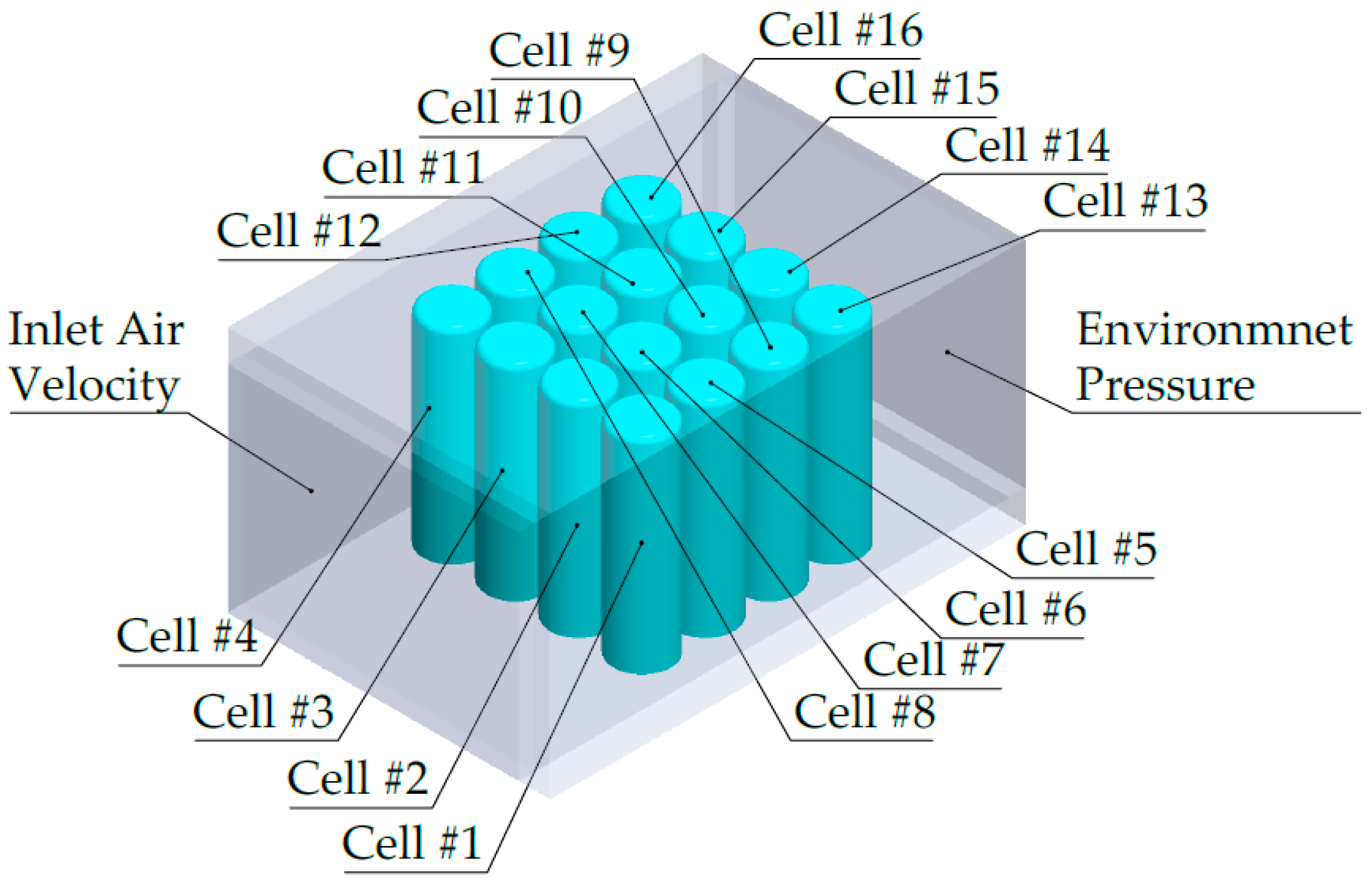
A representative three-dimensional view of the computational model, including the spatial arrangement of the sixteen cells, is shown in
Figure 5. This figure illustrates the relative positioning of the cells, the airflow direction, and the enclosing structure used for all simulations.
2.2.1. Parametric Definition of Inter-Cell Spacing and Simulated Cases
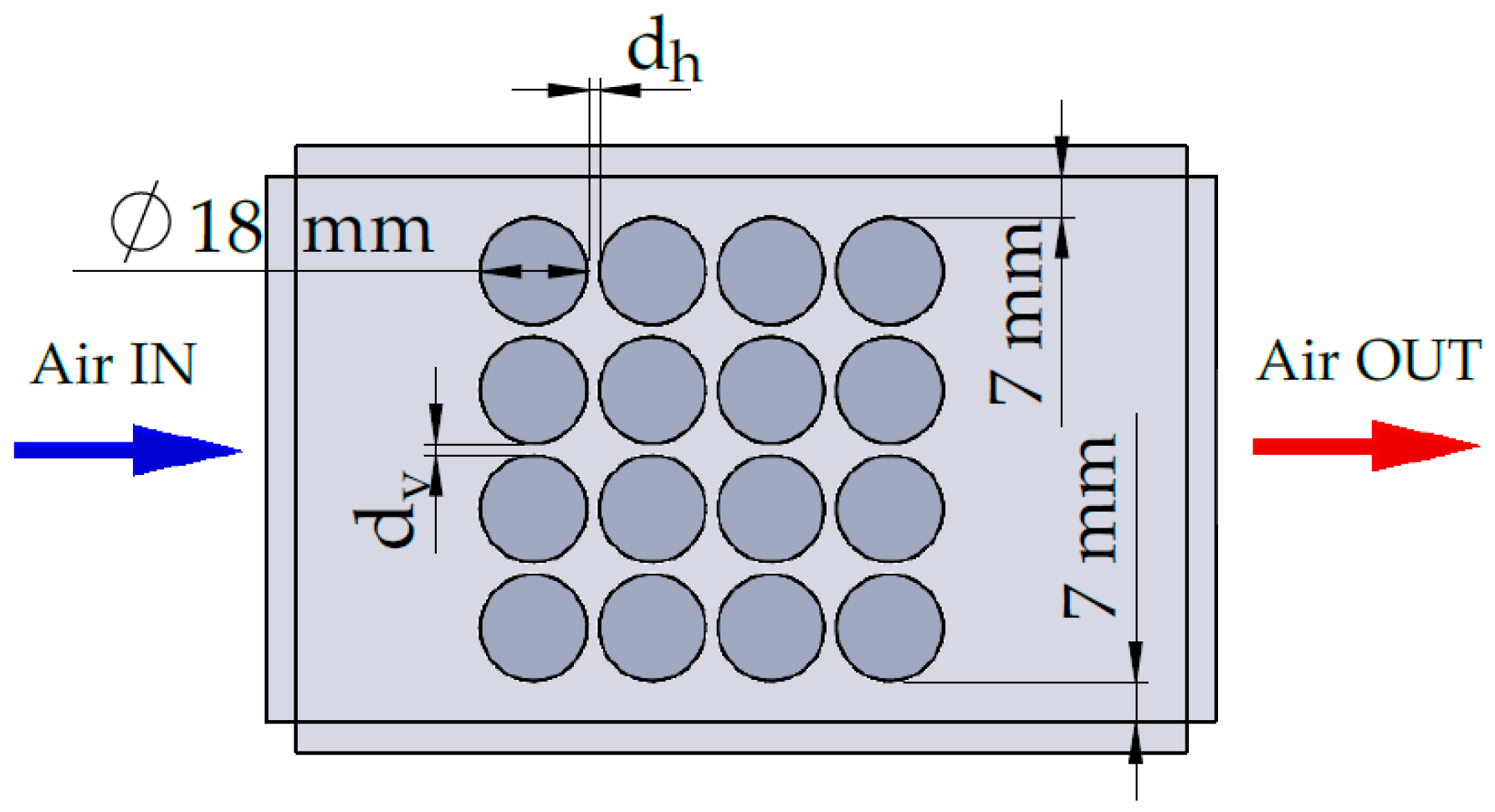
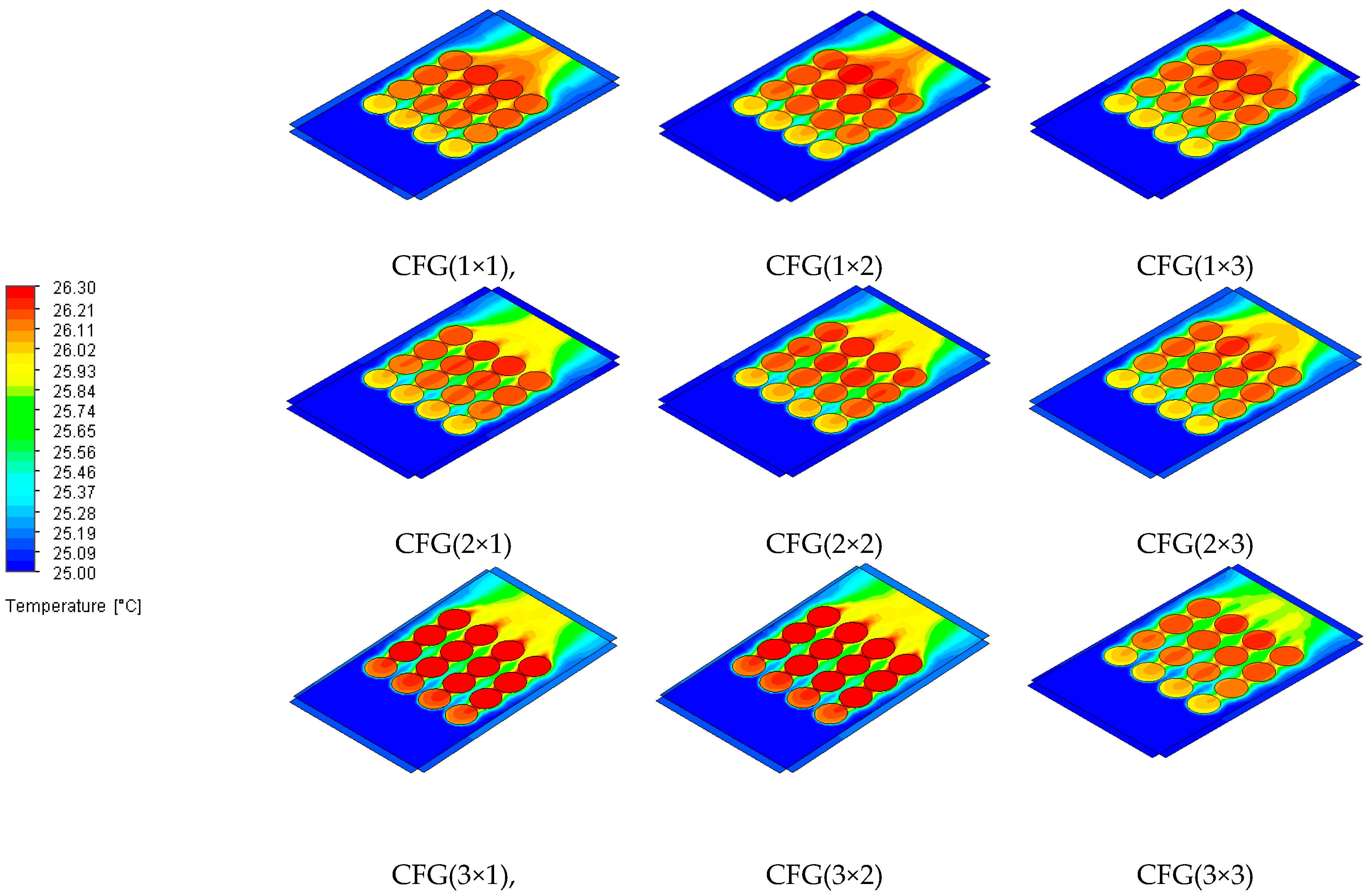
The geometric configuration of the battery module was parameterized by defining two independent spacing variables: the horizontal/vertical distance between adjacent cells (dh) and the vertical distance between cells (dv). In the CFD simulations, both parameters were varied between 1 mm and 3 mm (a range considered to preserve the compactness and reduced geometric dimensions of the battery pack), resulting in nine distinct geometric configurations. The investigated configurations were identified using general notation CFG(d
h × d
v) and correspond to the following combinations: CFG(1×1), CFG(1×2), CFG(1×3), CFG(2×1), CFG(2×2), CFG(2×3), CFG(3×1), CFG(3×2), and CFG(3×3). These nine cases constitute the complete parametric matrix analyzed in the present study and are summarized in
Table 1, which reports the geometric input parameters used for each simulation. A schematic representation of the inter-cell spacing definition is included in
Figure 6, where the parameters
and
are explicitly indicated on the 3D model.
2.2.2. Input Data and Physical Properties
The fluid domain was defined as air, with both laminar and turbulent flow regimes enabled, allowing the solver to adapt automatically to local flow conditions within the narrow inter-cell channels. Air was treated as an incompressible Newtonian fluid with temperature-dependent thermophysical properties.
The solid domain consists of two materials. The enclosure was modeled using aluminum, selected for its relevance in battery pack structures and favorable thermal conductivity. The battery cells were modeled as a homogeneous, user-defined material with effective thermophysical properties representative of lithium-ion cells at the module scale. The assigned properties include a density of 2725 kg/m3, a specific heat capacity of 960 J/(kg·K), and an isotropic thermal conductivity of 3.35 W/(m·K). Electrical conductivity was defined as dielectric, as electrical effects were not considered.
Initial conditions were defined using thermodynamic parameters, with a uniform initial temperature of 25 °C applied to both solid and fluid domains and an initial pressure of 101,325 Pa. Forced-air cooling was imposed via a prescribed inlet velocity, while an environmental pressure condition was applied at the outlet.
2.2.3. Mesh Generation and Discretization Strategy
The computational domain was discretized using a three-dimensional finite-volume mesh, with separate discretization applied to solid and fluid regions. The solid domains representing the battery cells and enclosure were meshed to accurately resolve heat conduction, while the fluid domain was discretized to capture velocity and temperature gradients within the airflow.
Particular attention was given to the interfaces between solid and fluid regions. A gradual mesh transition was applied at solid–fluid intersections to ensure numerical stability and accurate resolution of conjugate heat transfer. This refinement strategy is especially important in the narrow gaps between adjacent cells, where steep thermal and velocity gradients occur.
The total number of discretized cells resulting from the meshing process for each configuration is reported in
Table 1. This table summarizes the mesh density in the solid and fluid domains and highlights the variation in total cell count associated with different inter-cell spacing configurations.
A mesh sensitivity study was conducted on representative cases to ensure numerical independence of the results. The final mesh resolution was selected such that further refinement led to variations of less than 1% in the maximum battery cell temperature.
2.2.4. Transient Simulation Settings and Workflow
All simulations were performed as time-dependent analyses with a total simulation time of 600 s, sufficient for the system to approach a quasi-steady thermal state under continuous 1C-rate charging. Heat generation within each cell was modeled using a uniform volumetric heat source of 8 W per cell, applied throughout the simulation time.
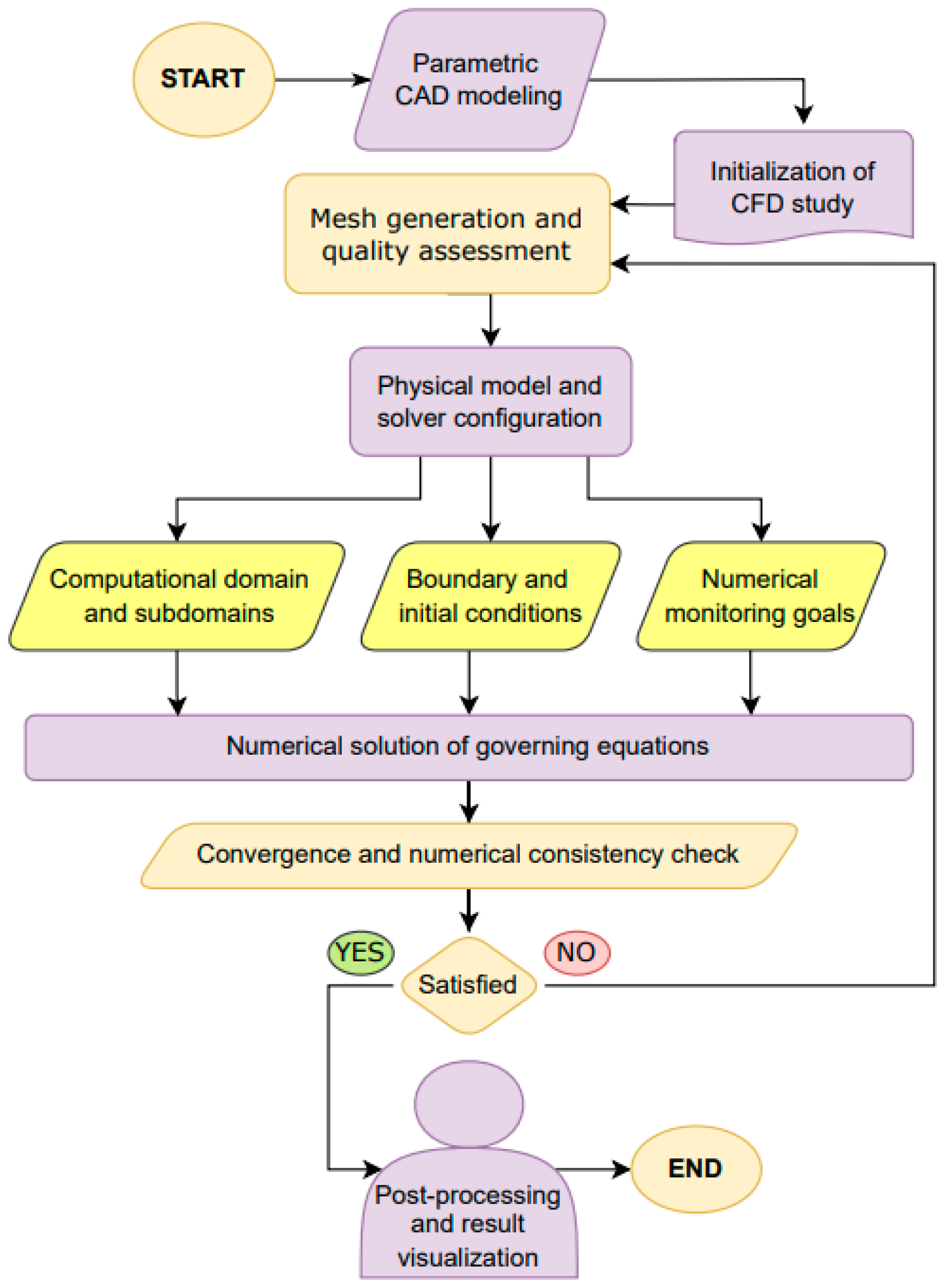
A structured simulation workflow was adopted and is illustrated in
Figure 7. The workflow consists of three main stages: pre-processing, numerical solution, and post-processing. Pre-processing includes geometry generation, meshing, material assignment, and definition of boundary and initial conditions. The numerical solution stage involves solving the coupled governing equations for fluid flow and heat transfer, while post-processing focuses on extracting thermal and aerodynamic data for analysis.
Mesh generation and quality assessment were treated as a single pre-processing stage, including discretization of solid and fluid domains, gradual refinement at solid–fluid interfaces, and verification of numerical quality criteria.
2.3. Development of Neural Network Model
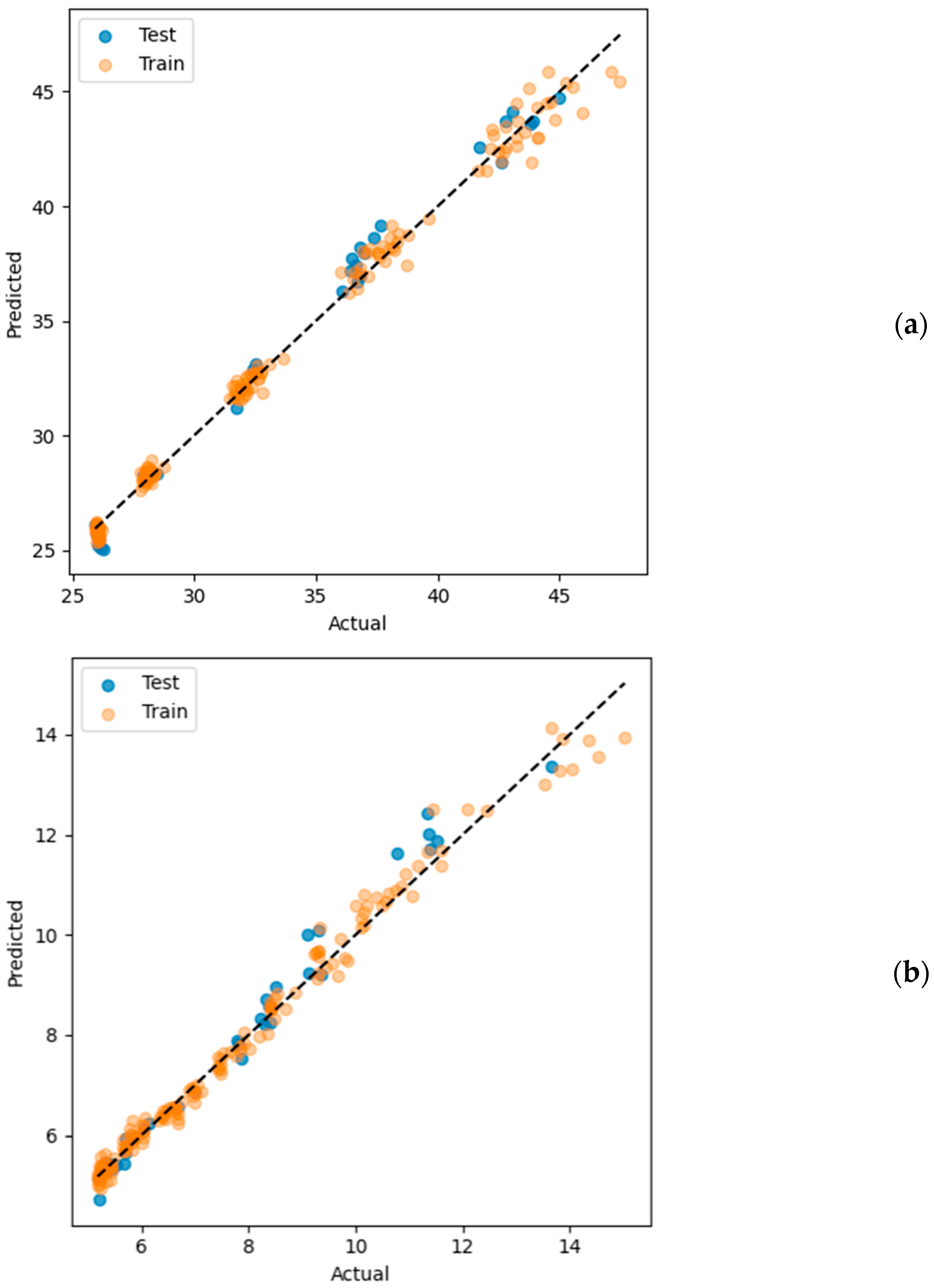
Developing a robust neural network (NN) model that provides the necessary accuracy based on the data obtained through the CFD simulation of the battery requires primary actions related to the data featuring process. Considering that the initial data sample is small, this can lead to overfitting of the neural network, so after processing and cleaning the data, it was chosen to generate synthetic data (later used for training and testing the NN model). The original dataset comes from only 12 simulation cases, which is insufficient for the efficient training of a deep neural network, and therefore it was necessary to increase the amount of data through the interpolation process (achieved by using radial basis function interpolation—Rbf). The original data were transposed to align the input characteristics of the model (inlet air velocity in m/s, horizontal distance between cells in mm, vertical distance between cells in mm) and the cell temperatures as targets (output).
Radial basis function (Rbf) interpolation is a powerful method for approximating functions from sparse data [
25]. The Rbf interpolation method, using the multiquadric kernel, offers clear superiority over classical interpolation techniques by generating continuous and extremely smooth surfaces, as it is able to faithfully reproduce the steep variations and thermal gradients specific to CFD analyses; unlike polynomial approximations or local schemes, which can introduce discontinuities or structural errors, the Rbf kernel ensures high flexibility and increased accuracy in modeling complex thermal fields. In the context of the original sparse dataset, the interpolation process served to generate a dense and continuous temperature map based on a few discrete points obtained by CFD simulation, and the results were accepted for an R
2 value > 0.95.
Theoretically, a radial basis function (Rbf) is a real-value function (φ) whose value depends only on the distance from the origin or a central point (c). Mathematically, the value φ (x, c) = φ (||x − c||), where ||·|| usually represents the Euclidean distance, and the goal of Rbf interpolation is to construct a function f(x) that passes exactly through all N original data points, with coordinates (x
i, y
i). The interpolation relation is given by Equation (1) [
25]:
where x is the input point, x
i is the coordinates of the original CFD cases, λ
i is the weights determined during the adjustment process and φ is the chosen kernel function.
For our model, the multiquadric function was used, which is defined as Equation (2):
where x is the distance and ε is a scale parameter. This choice (kernel) is recommended in engineering and physics-based surrogate modeling because it produces very smooth (globally continuous) surfaces that capture trends (such as thermal gradients in our case) better than simple linear or polynomial interpolation.
Thus, in this procedure, the interpolation of the original data was achieved using radial basis function (Rbf) interpolation. This created an additional 400 synthetic data points (with values) in the parameter ranges of the original study, which preserves the smooth trends from the thermal CFD results. Generating the additional 400 synthetic data points required to create a robust NN model followed a four-step engineering workflow.
The working domain was defined by applying the CFD study limits, where the air velocity has values between 0.5 and 2.0 m/s (0.5 m/s step) and the cell spacing (horizontal and vertical) between 1 and 3 mm (1 mm step).
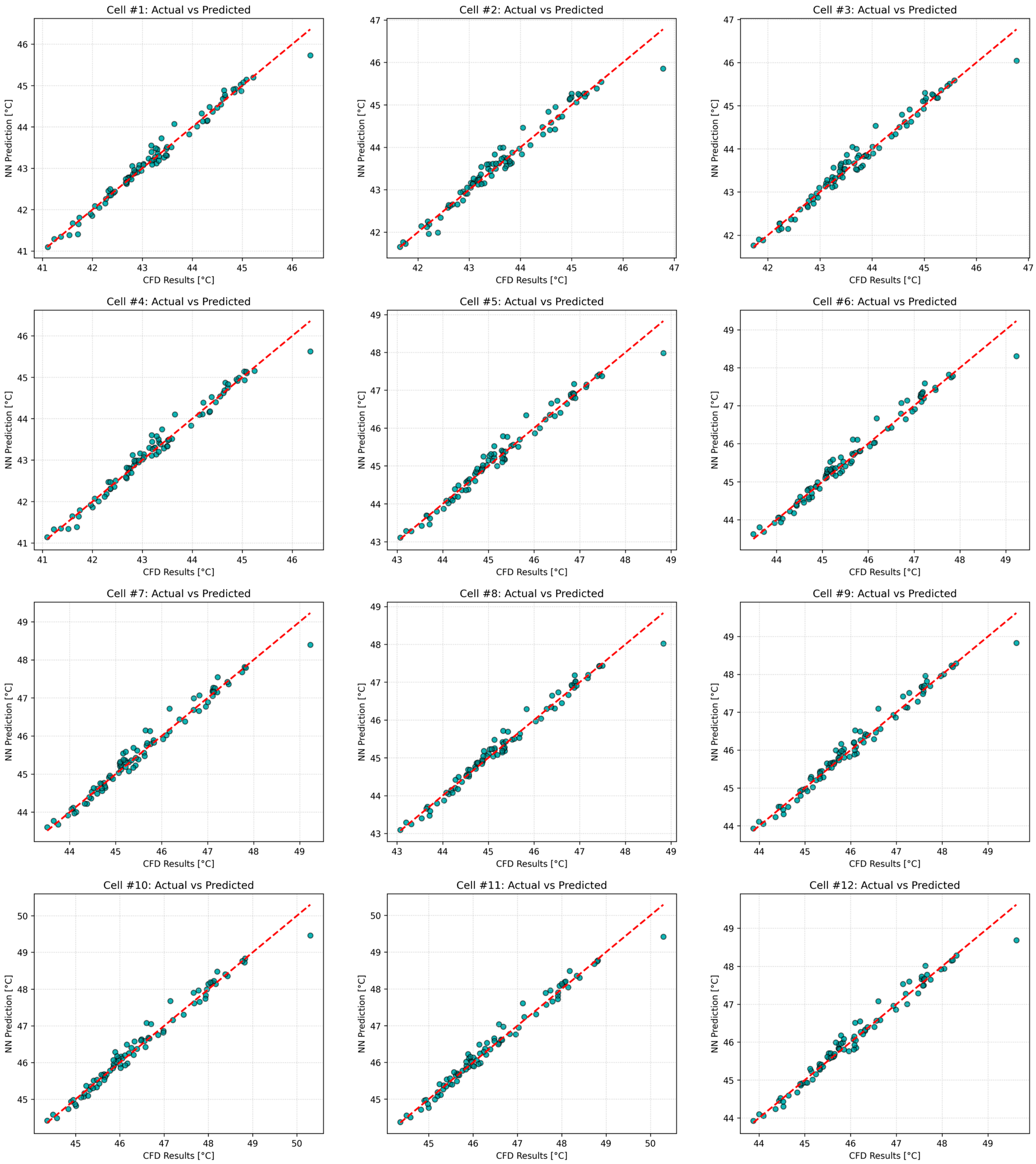
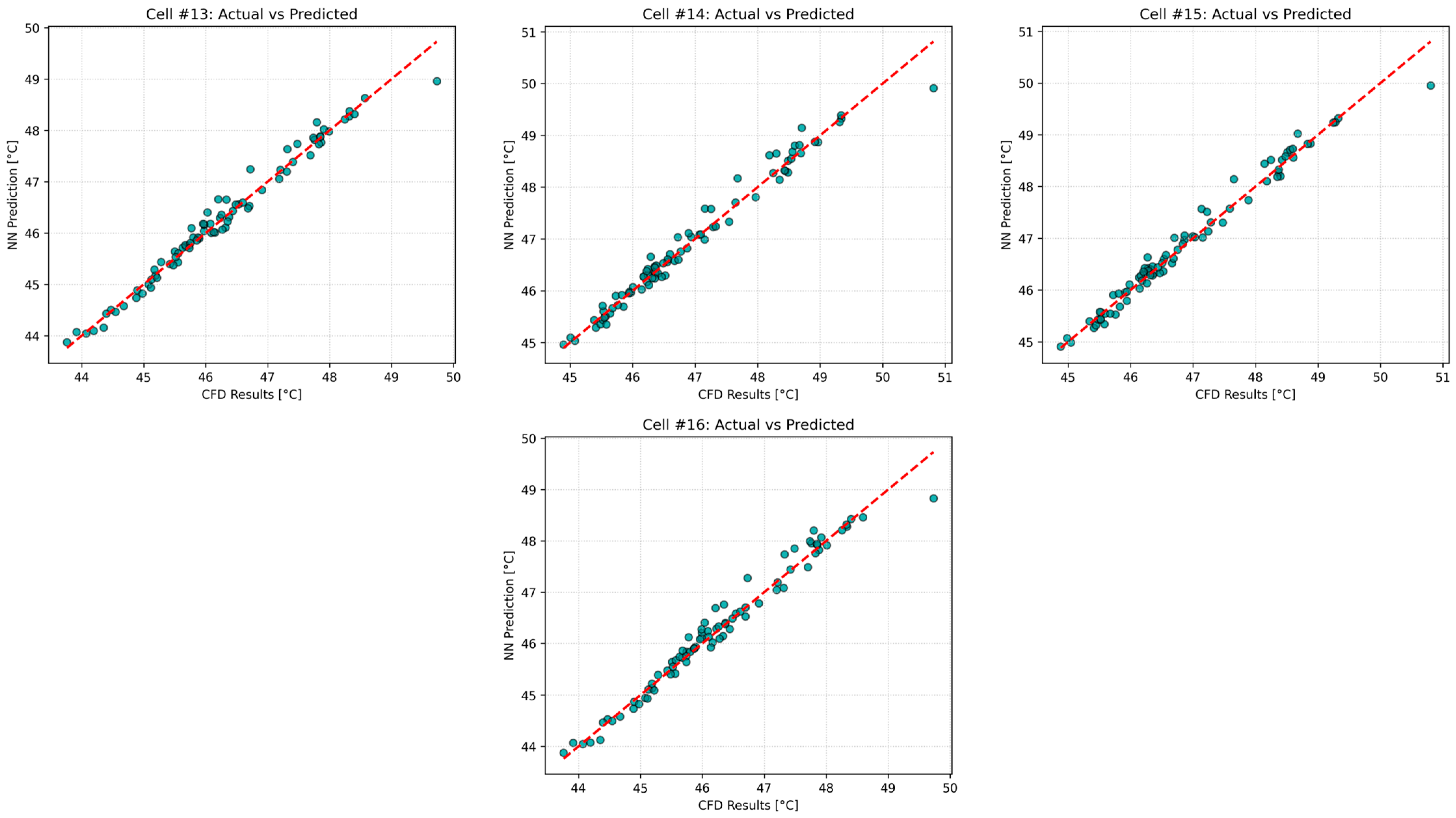
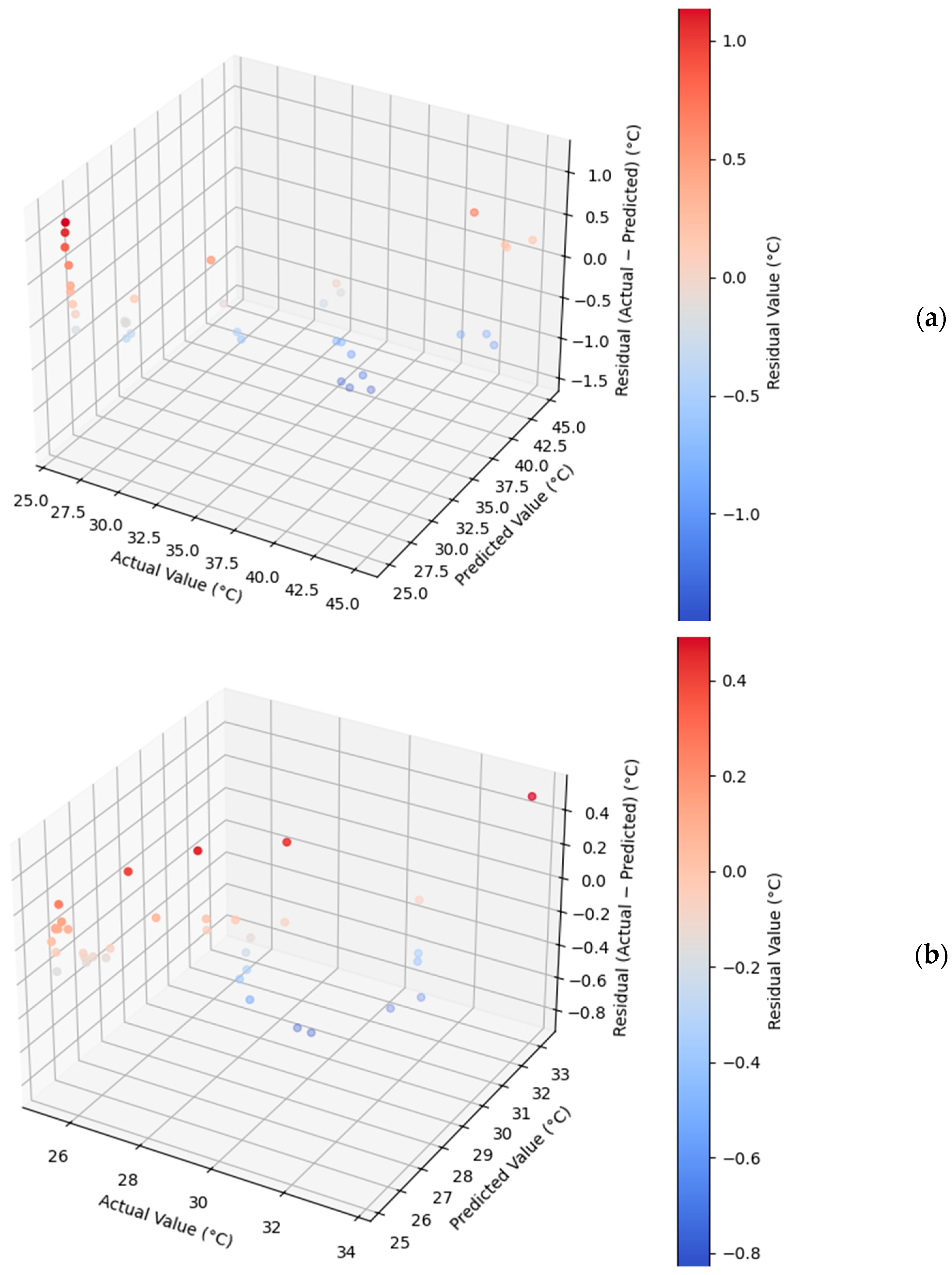
For each target (e.g., the temperature of cell #1), the algorithm sets up a system of linear equations using the original 12 CFD points. It determines the weights (λ) so that the predicted temperature at those 12 specific coordinates exactly matches the CFD results and the synthetic data are robust. In addition, by generating 400 new points, a high-resolution grid with 20 velocity steps and 20 spacing steps was created (20 × 20 = 400 new points). For each point on this grid, the model calculates the distance to all 12 original CFD points, applies the multiquadric formula and sums them using the calculated weights. The actual vs. predicted temperature diagrams for each cell are presented in
Figure 8.
These 400 “virtual experiments” are then combined with the original 12 points (data augmentation), which provides the NN model with a much richer landscape of cost functions, allowing it to learn the relationship between parameters based on the laws of physics (e.g., higher air speed leads to lower cell temperature), without being limited by the small sample size of the original data.
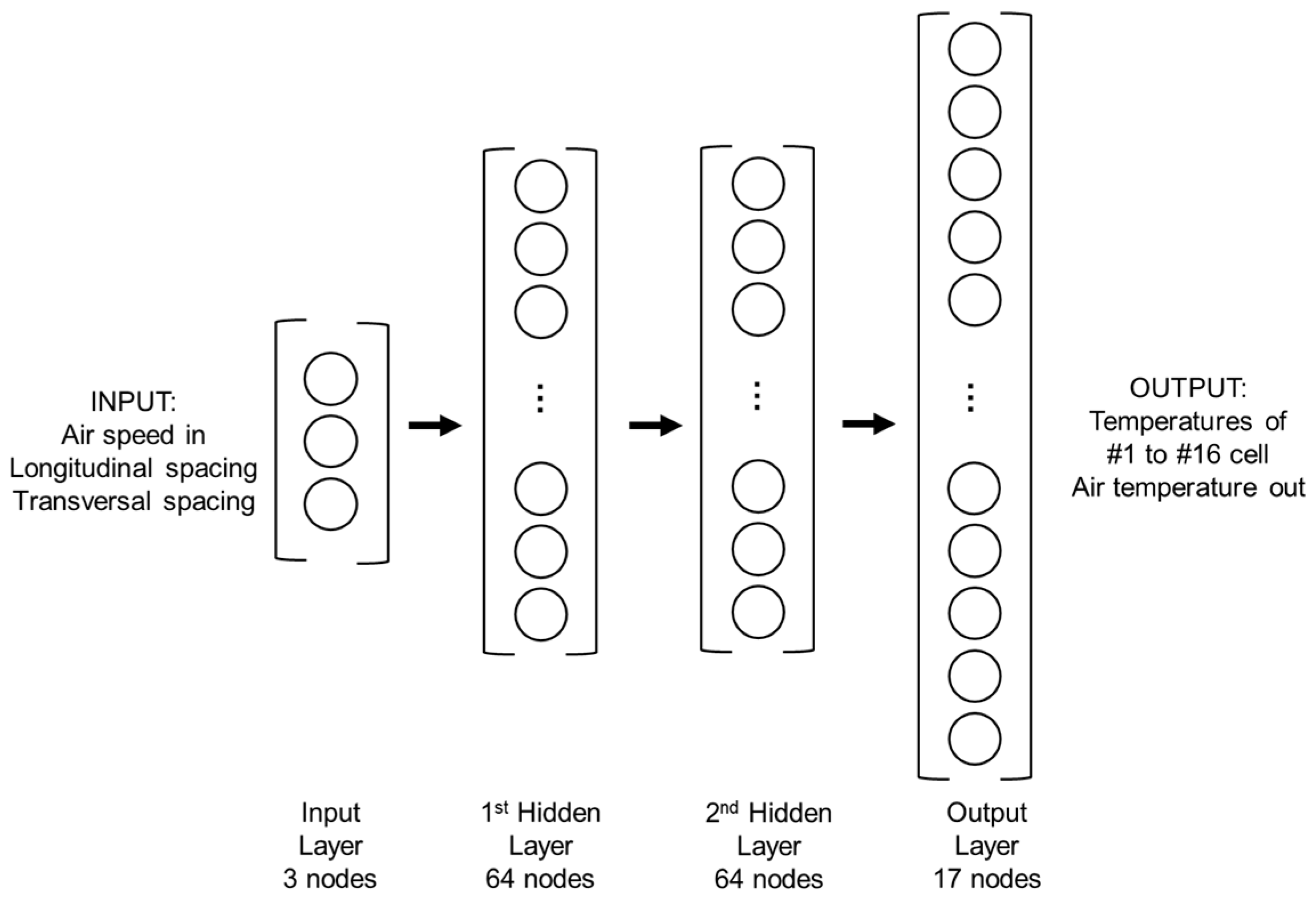
The neural network architecture was achieved by implementing a Multi-Layer Perceptron (MLP) regressor with the following configuration (
Figure 9):
Input layer (3 nodes): Main control parameters are inlet air speed (m/s), horizontal distance between cells (mm) and vertical distance between cells (mm).
Hidden layer: 2 layers with 64 neurons each.
Activation function: ReLU (Rectified Linear Unit) to capture non-linear thermal relationships.
Output layer (17 nodes): Predicts all target variables simultaneously; 1 node for the outlet air temperature and 16 nodes for the maximum temperature of each individual battery cell.
Optimizer: Adam.
Scaling: Input features and target values were standardized using StandardScaler to ensure stable convergence.
2.4. Design Space Optimization Method
Design Space Optimization—DSO (also known in engineering as the Parameter Tuning Process) involves using the trained NN model as an objective function to search for the best design configuration [
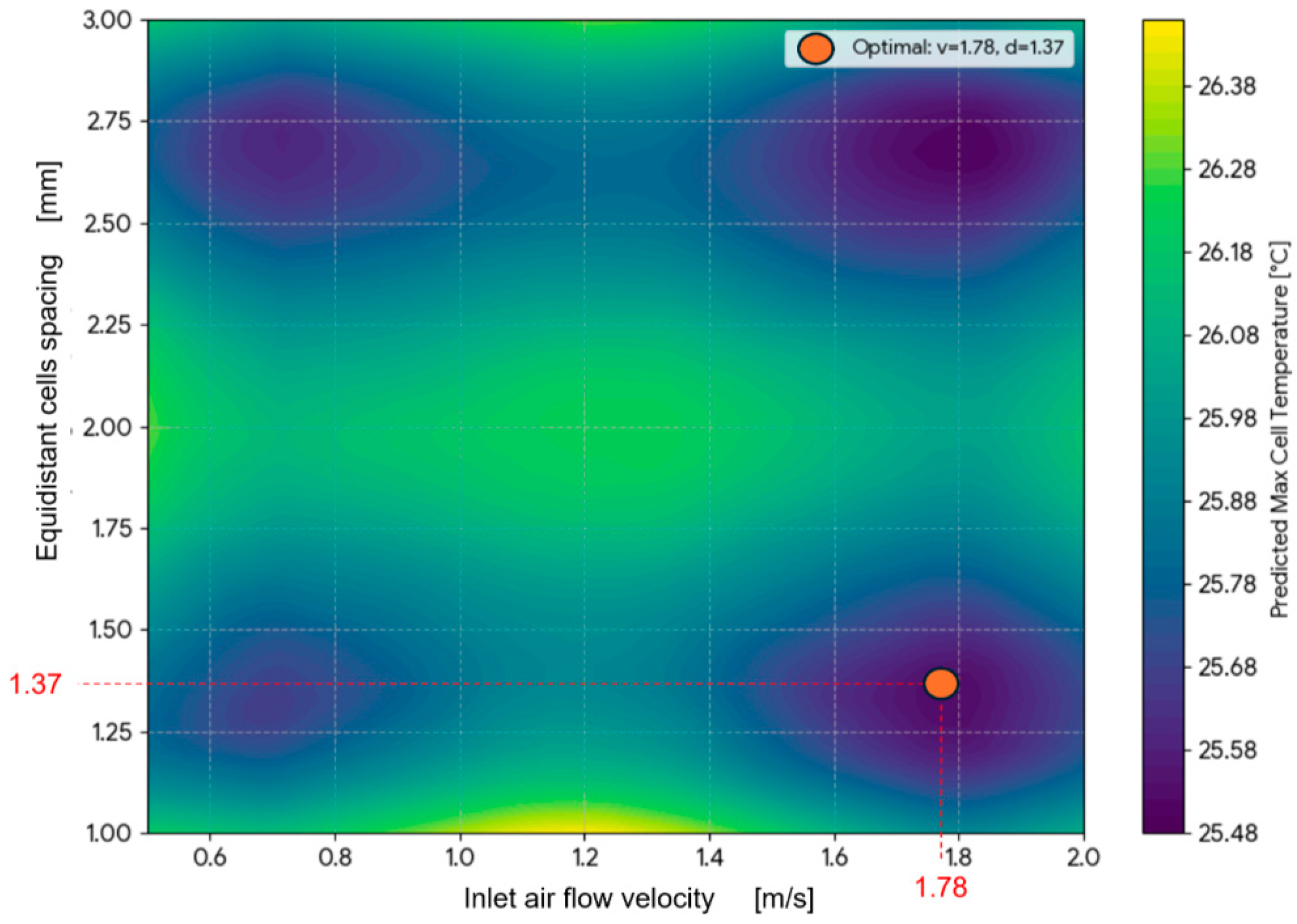
26]. In this specific case, the goal was to find the combination of input speed and cell spacing (equidistant on both the horizontal and vertical planes) that results in the lowest possible peak temperature within the battery pack, and for this the L-BFGS-B algorithm was used.
The L-BFGS-B (Limited-memory Broyden–Fletcher–Goldfarb–Shanno with Bound constraints) algorithm is a sophisticated optimization method used to find the minimum of a function [
27]. In our case, this algorithm acts as a search engine that navigates the thermal landscape created by the NN model (since the NN model was trained on Rbf interpolated data, the landscape was smooth, and L-BFGS-B performs well on smooth surfaces). The L-BFGS-B algorithm is a quasi-Newton method, designed to mimic the behavior of Newton’s method using second-order derivatives, but without the massive computational cost. The core of the algorithm (BFGS) approximates the Hessian matrix (a matrix of second-order partial derivatives that describes the curvature of the landscape), which allows the algorithm to understand whether it is in a steep valley or on a flat plain. The limited-memory component (L), instead of storing the entire (N × N) Hessian matrix (which can be huge), stores only a few vectors to approximate the curvature. The limited-constraints component (B) ensures that the optimizer keeps the solution within the physical limits of the design data (known airspeed and cell spacing limits).
The optimization was configured as a “black box” minimization problem, in which the NN model provided the values. The objective function J(v, d) was defined to minimize relation (Equation (3)) [
27]:
where v is the air velocity, d is the cell spacing, and the temperature T is the outputs of the trained NN model. The maximum temperature was chosen as the predictor because the goal is to prevent exceeding the safety limits in the “hottest spot/hottest cell” of the battery pack.
The algorithm started the iterations at a midpoint of the domain (v = 1.25 m/s and d = 2.0 mm) and estimated the gradient (δJ/δv) in small iterative steps (Equation (4)):
Using the gradient and the approximate Hessian equation, L-BFGS-B determines the most efficient descending path. It calculates how far it must travel on that path to reach the lowest temperature without exceeding the imposed limits. The iteration process was repeated until the temperature change became smaller than the established threshold (10−7—selected in accordance with standard practices for quasi-Newton optimization for optimal balance between numerical precision and computational efficiency), which means that the global minimum sought was found.
2.5. Multi-Objective Optimization Method
Multi-Objective Optimization (MOO) is a branch of mathematical optimization that solves problems involving multiple objective functions that must be minimized or maximized simultaneously [
28,
29]. In general, a multi-objective optimization problem is usually defined as in Equation (5) [
29]:
and subject to the constraints in Equation (6):
where x is the decision vector (in our case, x = [air velocity, cell spacing]), Ω is the feasible design space and f
i(x) is the objective function (f
1 = peak temperature and f
2 = fan power).
In single-objective optimization, one solution is better than another if its value is lower, and generally in the MOO process of engineering design problems, the concept of Pareto dominance is preferred [
29]. That means that a design vector x
1 dominates another vector x
2 if and only if:
1. x
1 is no worse than x
2 in all objectives (Equation (7)):
2. x
1 is strictly better that x
2 in at least one objective (Equation (8)):
If a point is not dominated by any other point in the Ω feasible space, it is called a “non-dominated point”.
The goal of MOO using the Pareto front is not to find a single (correct) answer, but to define the image of the Pareto optimal set (the front), so that a human decision-maker (the engineer) can choose the best compromise. The Pareto front method, unlike the scalarization (weighted sum) method, presents the full range of possibilities first, allowing for consideration of weights later, and eliminates a common mistake in early engineering design, which considers combining objectives into a single value using weights (assumed as value and/or importance).
4. Discussion
Based on the results obtained from the application of two battery design optimization processes (by optimizing the cell spacing), it can be seen that different results were obtained (see
Table 4 and
Table 5).
It should be emphasized from the beginning that the main difference between the two optimization methods used and analyzed (DSO and MOO) actually lies in the engineering approach to the studied problem (or so-called “Philosophy of Choice”). While the first optimization approach finds a single perfect (pinpoint) mathematical answer, the second approach offers a menu of options balanced between two or more parameters considered important in optimization.
In the optimization problem, by optimizing the battery space by optimal cell spacing (DSO), the chosen and used algorithm had to achieve a single objective, namely finding the best cell spacing configuration for the lowest possible cell temperature (regardless of cost or other restrictions). This approach assumes from the start that cooling is the only priority. It does not matter if the fan has to spin at full speed and drain the battery faster, as long as the temperature is as low as possible.
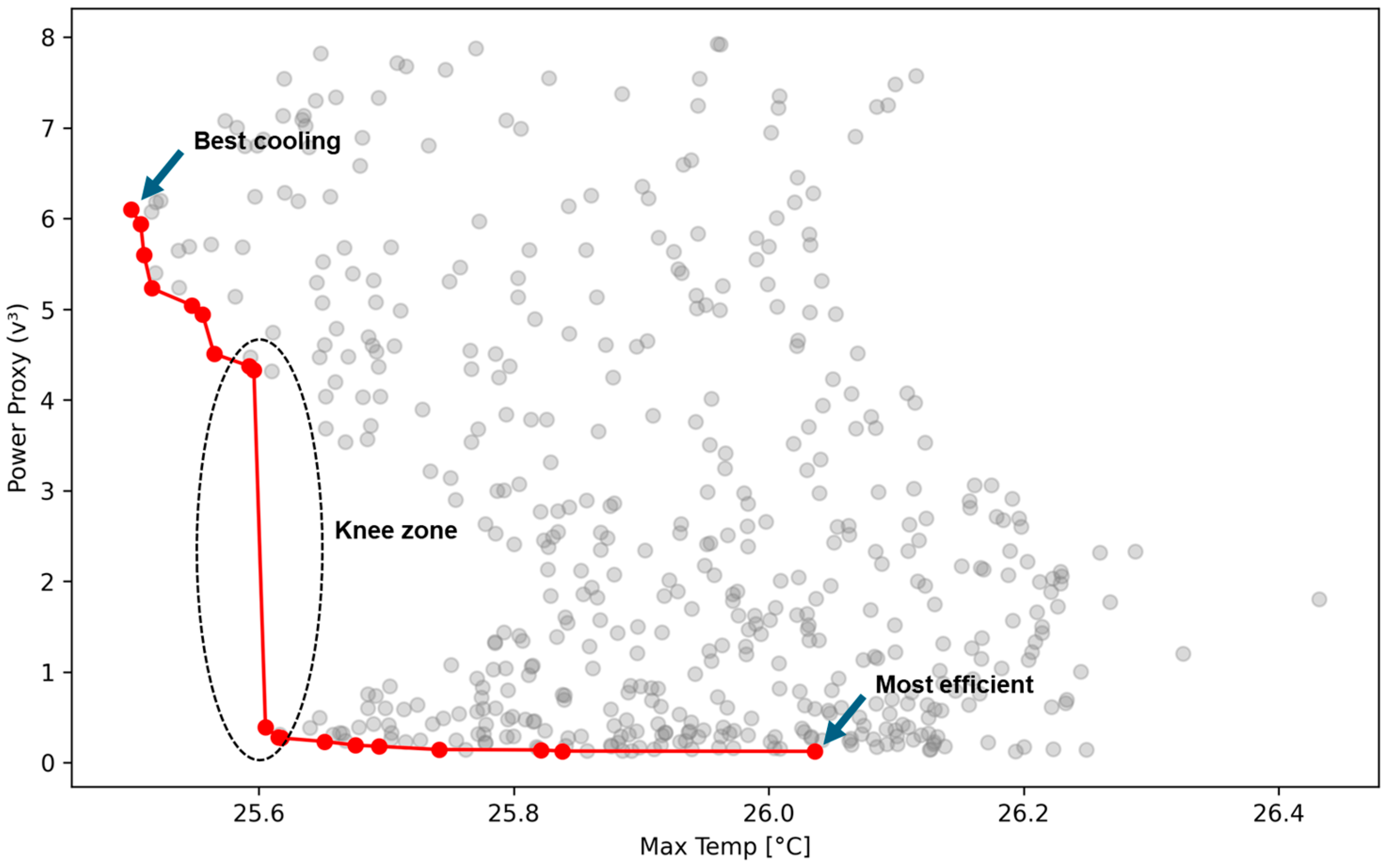
In the MOO approach, the premise is to obtain the most efficient compromise between the variables considered for optimization. In our case, we wanted to minimize the cell temperature while minimizing the energy consumed by the fan (i.e., a compromise between thermal balance and energy efficiency). The optimization process (through Pareto front curves) recognizes that a maximum cell temperature result of 25.5 °C is excellent, but if it can obtain a temperature of 25.8 °C that uses 75% less energy for the fan, the latter result could actually be a better design for the battery application for an electric vehicle (reduces energy consumption and increases the vehicle’s autonomy). The conclusion when applying this method is that it cannot improve cell cooling without wasting more energy and cannot save more energy without the cells heating up more. Hence the need for compromise, as seen from the perspective of the functional application of the battery. Concrete and practical preselection criteria that can be applied before selecting the final MOO candidates and several simple filtering strategies can be chosen/implemented to narrow the Pareto set while maintaining functional optimality:
Temperature-based threshold—eliminate all solutions whose maximum cell temperature exceeds a user-defined engineering threshold (e.g., 26.0 °C).
Fan power threshold—eliminate solutions with excessive fan power (above a project-specific limit), reducing energy-inefficient options while preserving thermally competitive options.
Knee region preselection—identify solutions around the Pareto “knee” where improvements in one objective require disproportionately large sacrifices in the other; these points typically represent the most balanced engineering trade-offs.
Spacing range restrictions—since both optimization methods indicated a consistent optimal spacing band (2.6–2.7 mm), designs outside this range can be pre-excluded to reduce geometric dimensions (battery volume).
These few immediate criteria provide simple and transparent ways to reduce the number of possible solutions before final selection, supporting better engineering decision-making (while maintaining the integrity of the Pareto-based methodology).
The comparison of the results of the two AI optimization methods used based on several features is presented in
Table 6.
To validate the results obtained, new CFD simulations were performed based on the results obtained by the two optimization methods. For the DSO case (equidistant cell spacing of 1.37 mm, air speed 1.78 m/s) the error was 2.7%, and for the MOO case (equidistant cell spacing of 2.64 mm, air speed 0.5 m/s) 1.01%. Both errors fall within the errors generated by simulations performed by the CFD method since they depend to a large extent on the mesh fineness and the fineness of the discretized network, which can also translate into high computational time (for very fine meshes, but which capture the physical phenomena better).
5. Conclusions
The integration of artificial intelligence (AI) has become a pivotal strategy for addressing long-standing challenges in battery research, design, and manufacturing. The present study focuses on the optimization of battery construction during the design phase and demonstrates the considerable advantages offered by AI-based neural models over classical computational methods. These advantages include significantly accelerated simulations, improved predictive accuracy, and the capacity to algorithmically explore extensive design spaces that would otherwise be prohibitive through conventional approaches.
This work illustrates how AI techniques can be systematically employed to resolve complex engineering problems, specifically the optimization of battery thermal management via the adjustment of cell spacing. A central contribution of this study is the development of a fully integrated and replicable workflow that encompasses CFD simulations -> radial basis function (Rbf) interpolation -> neural network-based reconstruction of continuous temperature fields across the 2D domain -> both deterministic single-objective (DSO) and multi-objective optimization (MOO). Unlike previous studies that typically present isolated or application-specific implementations, the workflow proposed here offers a methodologically coherent pipeline. Its novelty stems from the seamless integration of heterogeneous computational stages, enabling the identification of new optimal design parameters and demonstrating the broader methodological value of such combined approaches.
The surrogate model developed in this work—effectively a Digital Twin of the physical battery system—demonstrates substantial utility for engineering analysis. It enables the rapid evaluation of thousands of additional design points to identify the narrow region of optimal performance, thereby filtering out large sets of energy-intensive and suboptimal configurations. In contrast to the computational effort required for high-fidelity CFD simulations, which would demand several days to obtain a full grid-based thermal map, the neural network generates the complete temperature field and locates the optimal configuration in under two seconds.
In this study, 36 transient CFD simulations were performed for a 4 × 4 cell aligned arrangement, with air inlet velocities ranging from 0.5 to 2.0 m/s (in increments of 0.5 m/s) and equidistant horizontal and vertical cell spacing values between 1 and 3 mm (in increments of 1 mm) to obtain original raw data. Further, Rbf interpolation was used to generate synthetic data for a neural network model to generate a continuous 2D temperature map. The DSO optimization results indicate that an air inlet velocity of 1.78 m/s and a cell spacing of 1.37 mm yield a peak temperature of 25.53 °C. For the MOO optimization:
Maximum cooling performance: Peak temperature of 25.50 °C at 1.83 m/s and 2.68 mm spacing,
Maximum energy efficiency: Peak temperature of 26.17 °C at 0.50 m/s and 2.64 mm spacing.
The selection between DSO and MOO optimization depends on the design objectives and stage of development. DSO is particularly suitable for early-stage battery design when strict thermal-safety thresholds exist—for example, ensuring that maximum cell temperature remains below 26.0 °C. By contrast, the MOO–Pareto approach is more appropriate for designing an operational product where multiple performance metrics, such as cooling performance and system-level energy efficiency, must be balanced.
The limitations of this study stem from assumptions such as equidistant and aligned cell arrangements, a constant low charge/discharge rate (1C), restricted spacing ranges (1–3 mm), fixed battery-pack geometry, and reliance on CFD-generated data. Future research avenues include sensitivity analyses to identify variables with the greatest influence on thermal behavior, inverse design strategies to determine the airflow required to maintain a specified critical temperature, and uncertainty/robustness assessments employing Monte Carlo simulations to evaluate performance under realistic fluctuations in airflow or operating conditions.