1. Introduction
The global energy landscape is transforming, driven by the urgent need to address climate change and transition towards a sustainable, decarbonized future [
1,
2]. The European Commission (EC) aligns with global objectives and has set short- and long-term targets to reduce greenhouse gas (GHG) emissions [
3,
4].
Renewable energy sources (RES), such as solar (photovoltaic) and wind power, are abundant and clean, offering a sustainable alternative to fossil fuels. However, a significant challenge with many RES, particularly solar and wind, is their inherent intermittency and variability—they only generate power when the sun shines, or the wind blows. This variability creates challenges for maintaining grid stability and ensuring a continuous supply of electricity that matches demand. Based on the above, battery energy storage systems (BESS) have become crucial. BESS is a technology, typically involving large-scale battery installations, designed to store and discharge electricity as needed. They act as a buffer, absorbing excess electricity generated by RES during periods of high generation and discharging it back into the grid during periods of high demand or low RES output. BESS is essential for smoothing RES output, improving grid reliability, minimizing operating cost, and maximizing the utilization of renewable generation.
On the other hand, electric vehicles (EV) also present a unique opportunity for their onboard batteries to act as mobile energy storage units with the right technology, i.e., vehicle-to-grid (V2G) capabilities. EVs can potentially provide electricity back to the grid or shift their charging times to coincide with high RES availability or low grid demand, effectively becoming part of the energy solution rather than just a load [
5]. Given their well-recognized advantages, the integration of BESSs and Electric Vehicles (EVs) has increased significantly, driven by these benefits. By 2023, the total capacity of batteries used in the energy sector exceeded 2400 GWh, while annual EV battery deployment exceeded 750 GWh [
6].
In the literature, the development of simplified battery models predominates in power system studies, as noted in ref. [
7]. Unlike electrochemical models, empirical models do not represent the cell’s internal processes, but they are much more computationally efficient. A widely used empirical approach is the equivalent-circuit model, which depends heavily on the input data. Therefore, its application under real dynamic operating conditions may yield inaccurate estimates of available energy [
8]. The relationship between physical principles and equivalent circuit model structure and parameters provides a suitable balance between accuracy and computational efficiency, which is acceptable for power system applications.
Given that BESS provides operational flexibility, accurate SOE estimation, and BESS power capability within an energy management system (EMS) are necessary to support optimal decision-making and the planning horizon. A BESS comprises a bidirectional power converter and a battery, and the two components can be treated separately with respect to efficiency [
9]. Some authors consider the bidirectional power converter’s load-dependent efficiency in their models [
10,
11]. Since power-electronic losses in the BESS converter can be readily incorporated into the efficiency characteristic, this paper and this literature review will focus solely on accurate battery modeling.
Numerous examples of the basic BESS model can be found in the literature [
12,
13,
14,
15,
16,
17,
18,
19,
20,
21]. The basic model of the BESS assumes constant charge-discharge efficiency, or round-trip efficiency, which does not depend on charging or discharging power, and uses the charging and discharging power to estimate the battery state of energy (SOE). The term SOE is preferred for application in the energy sector, i.e., the electricity market, over the state of charge (SOC) term [
22,
23]. Rarely do authors incorporate efficiency that depends on charging and discharging power, as found in refs. [
7,
24]. Considering the above, estimating the SOE level using the basic model introduces an error [
21]. Furthermore, according to the basic model, the SOE level does not affect charging or discharging power, which presents an error. The charging power depends on the SOE level; the higher the SOE, the lower the charging power, according to ref. [
23]. The dependence of available battery discharge power on SOE should also be considered, which is the focus of this work.
A literature review identified papers in which authors integrate more complex BESS models into EMS development. An improved BESS model is presented in the paper [
11]. The presented model assumes constant charging and discharging efficiencies and is independent of power. Furthermore, in the presented BESS model, the authors employ the Constant-Voltage (CV) method for charging the battery and the Constant-Current (CC) method for discharging the battery, which enhances the quality of the presented BESS model by allowing the SOE value to be monitored and the charging power and discharge power to be adjusted accordingly. The presented model was developed for aggregators to provide optimal flexibility services.
Authors in ref. [
23] presented the Energy Charging Model (ECM) and demonstrated that the proposed model yields more accurate results than the model that applies the CC/CV method. The ECM adjusts the battery charging power based on the SOE value. The shortcoming of the presented model is that the authors use the basic model during battery discharge without correcting the discharge power based on the SOE. Additionally, the authors use the round-trip energy efficiency in the proposed model, which is constant and independent of the battery’s charging or discharging power.
Recognizing the shortcomings of the CC/CV method and the advantages of the ECM, the authors of ref. [
10] developed a BESS model for use in a microgrid. In the presented BESS model, the authors account for the ECM. The disadvantages of the presented model are that the authors use a constant round-trip energy efficiency that does not depend on the battery’s charging or discharging power, and employ a basic discharge model.
Authors in ref. [
24] considered the energy efficiency of charging and discharging the battery depending on the power. The ECM was used, but battery discharge was modeled using the basic model. Also, the energy efficiency of the battery has not been experimentally measured, which is a disadvantage. The proposed BESS model was developed as part of the EMS to support its application within the energy community. The authors also applied the developed battery model to both BESS and EV batteries.
In ref. [
7], the authors presented a battery model with variable charging and discharging efficiencies and a nonlinear charging energy curve, which can be used in various power system studies. Additionally, the presented methodology enables the determination of model parameters from experimental data obtained from four lithium-based battery cell technologies, which are based on fundamental curves and are difficult to obtain.
In ref. [
22], the authors determined the one-way energy efficiency of lithium-ion batteries in relation to C-rates and Coulomb losses. Conducted experiments aimed to obtain fundamental curves, specifically charge-discharge curves and open-circuit voltage characteristics. The authors claim that utilizing accurate one-way efficiencies improves both battery models and SOE estimation. Furthermore, the determination of lithium-ion battery capacity for practical applications is discussed in ref. [
8]. The authors experimentally determined the one-way energy efficiency as a function of load, which directly affects the estimation of the battery’s SOE, but the approach is also based on fundamental curves. Also, authors concluded that P-rate directly affects one-way efficiency, which decreases with increasing P-rate, and defined P-rate as the ratio of charging or discharging power in watts (W) to the battery’s nominal energy capacity in watt-hours (Wh).
A review of papers indicates that, when modeling a BESS, authors most often use simplified models, leading to errors in estimating the battery’s SOE. The error occurs because simplified BESS models do not account for the charging and discharging efficiencies that depend on the battery’s charging and discharging power. Another disadvantage of simplified models is that they do not account for the dependence of charging and discharging power on SOE, instead assuming the battery (or BESS) can provide constant charging and discharging power regardless of SOE. The charging and discharging power depend on the SOE level, which should be considered when developing a BESS model.
Given the review of the papers and the identified gaps, this paper proposes the development of a BESS model that includes:
Following
Section 1, which introduces the research context and motivation,
Section 2 presents the proposed framework for advanced battery modeling.
Section 3 presents the experimental evaluation of the proposed framework, while
Section 4 provides the conclusions and summarizes the study’s key findings.
2. Proposed Framework for Advanced Battery Modeling
This section begins by outlining the motivation for enhancing the battery model, considering the limitations of existing approaches. The proposed advanced battery model is then presented in detail, emphasizing its formulation, underlying assumptions, and key improvements over conventional models.
2.1. Motivation for the Development of an Advanced Battery Model
A review of the literature in the introductory chapter reveals that authors most commonly employ simplified BESS models. These models typically assume constant efficiency during charging and discharging, while charging and discharging power are independent of SOE. The motivation for improving the BESS model stems from measurements of the batteries’ charging and discharging cycles.
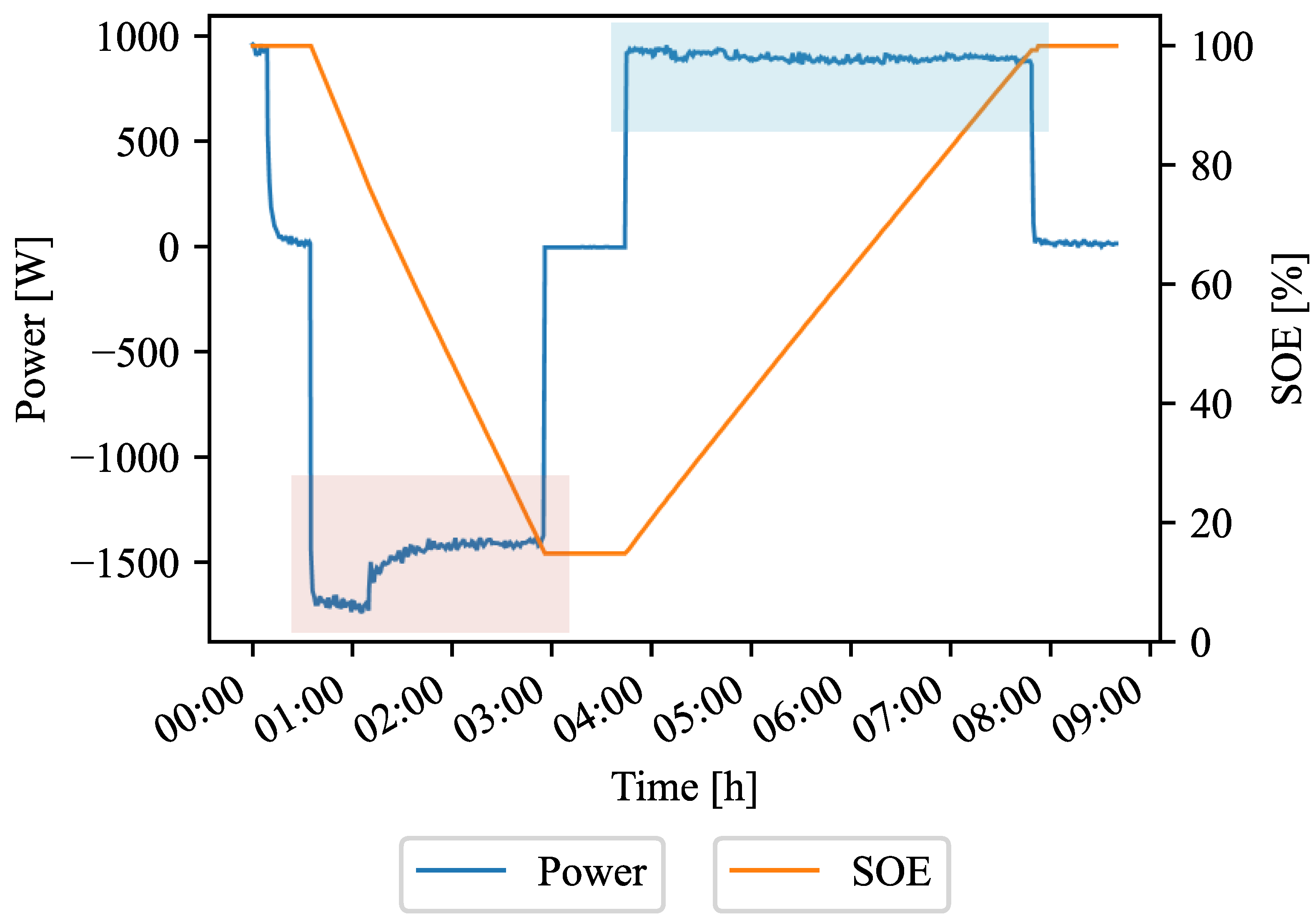
Figure 1 shows the dependence of the charging and discharging power on the SOE level (Power-SOE). The measurement was carried out in the laboratory on a 7-year-old
lead-acid GEL battery with a capacity of
coupled with Victron Energy MultiPlus Compact 24/800/16-16 230 V bidirectional power converter [
21].
During the discharging phase of the GEL battery pack (light red-marked area in
Figure 1), significant fluctuations are observed in the power profile. These fluctuations are caused by activation of the battery management system’s low-voltage protection, which interrupts the bidirectional power converter’s operation to prevent overdischarging. Notably, this protection is triggered even when the SOE remains relatively high, a situation that would not typically prompt such intervention. This unexpected behavior suggests that, due to aging and the corresponding increase in resistance, the voltage drop under load becomes larger, naturally causing an earlier cut-off.
Since it is an older battery, it can be seen that it cannot provide stable power during discharge and that discharge power depends heavily on the SOE level. During the charging process (blue-marked area in
Figure 1), the variation in power is more pronounced, especially at high SOE.
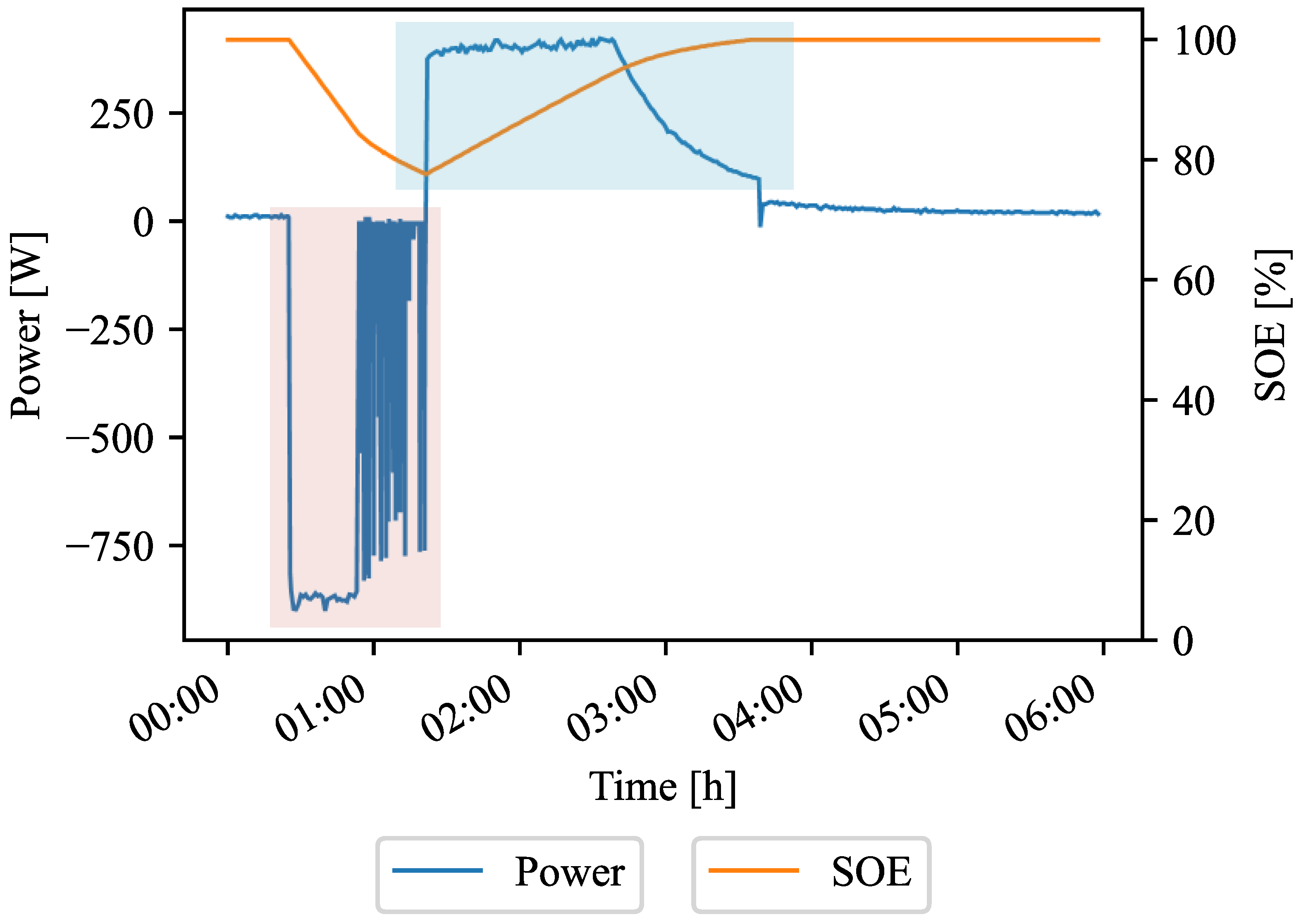
Figure 2 shows the Power-SOE profiles of a new
,
lithium iron phosphate (
) battery. Measurements were conducted in a laboratory on the mentioned battery coupled with the Victron Energy MultiPlus Compact 24/800/16-16 230 V bidirectional power converter [
21]. It can be concluded that the charging (light red-marked area in
Figure 2) and discharging (blue-marked area in
Figure 2) power do not depend entirely on the battery’s SOE level. This is partly because it is a new battery, and partly because of the battery manufacturing technology.
In addition to the presented Power-SOE profiles, the /SOE characteristics of the EV battery and battery cell are also analyzed. Although /SOE is directly related to power, it is also necessary to show these characteristics because EMS combines different time step lengths within the scheduling horizon, and the relationship between energy and power is defined below.
The characteristic of the dependence of the charging power (energy) on the SOE level of the EV battery is shown in
Figure 3. Measurements were conducted on the Hyundai Ioniq, with a 28 kWh battery capacity, during one charging cycle using an on-site 11 kW Schrack charger and the PQ-Box 200 power quality meter. It can also be concluded that the charging power decreases as the SOE level increases. This is partly due to the reasons already mentioned above and partly to safety considerations that must be accounted for when charging an EV battery at high power.
Figure 4 and
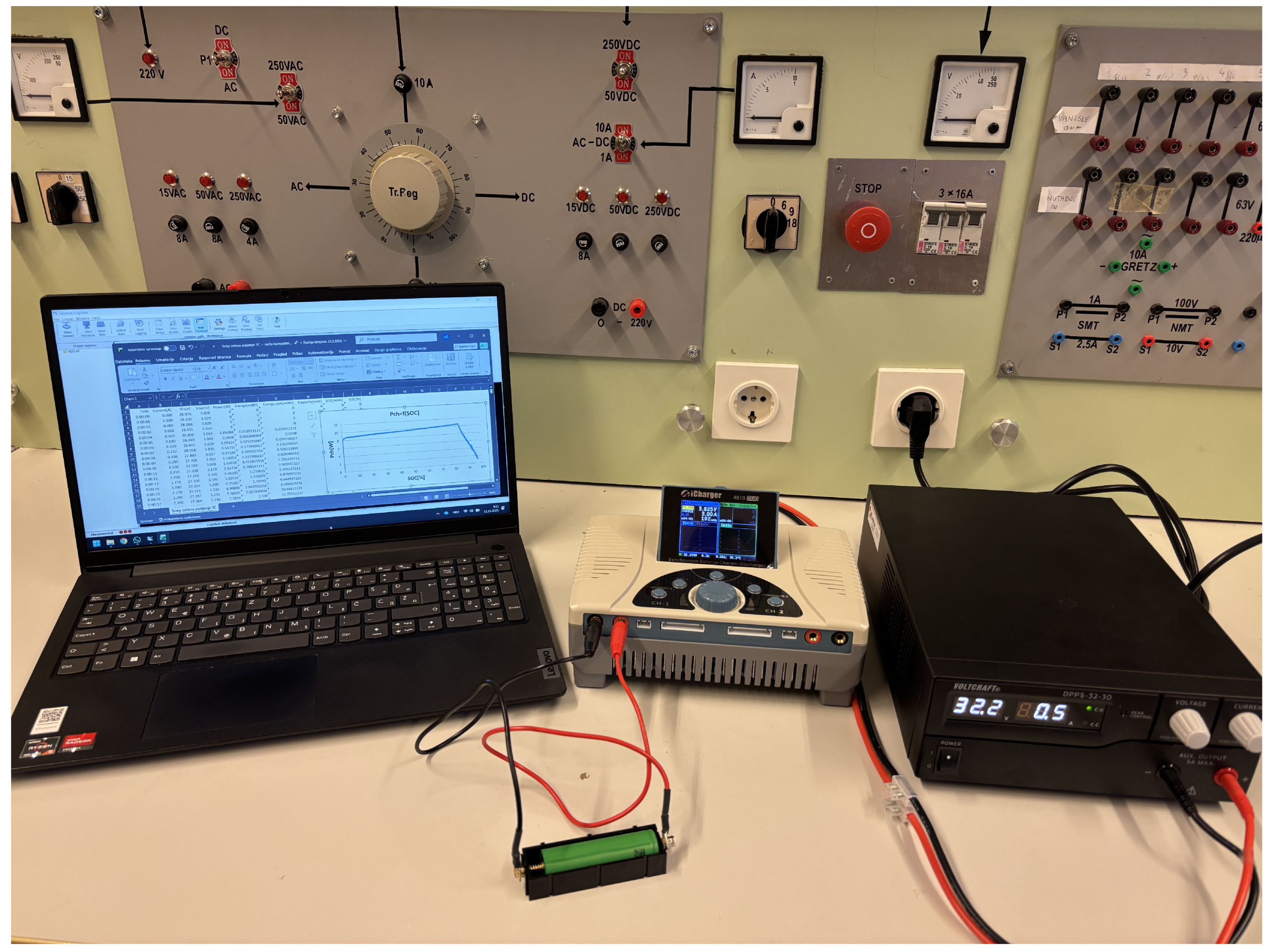
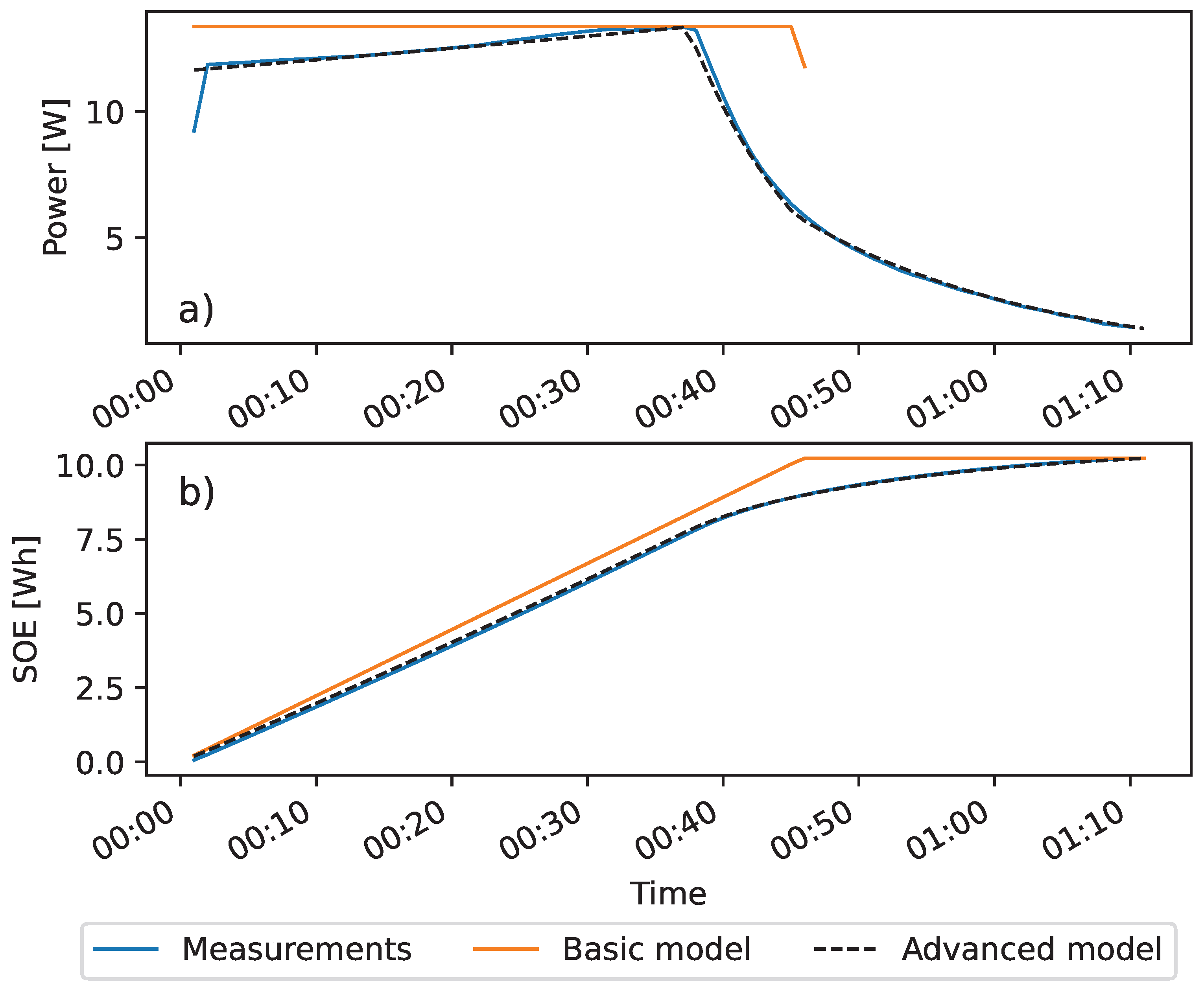
Figure 5 show the charging and discharging power (energy) as a function of SOE for the LG 18650HG2 battery cell with a capacity of 3000 mAh. The measurements were performed in the laboratory using the ICharger 4010DUO. The battery cells clearly exhibit the dependencies described above, as the charging and discharging processes can be performed without complex battery management systems that could affect the observed characteristics.
Measurements conducted on real systems or batteries show that efficiency depends on the charging and discharging rate (C-rate) or the charging and discharging power (P-rate). This dependence directly affects the available energy, i.e., the portion of the nominal capacity that can actually be utilized under the given charging/discharging conditions (effective capacity). Furthermore, the charging and discharging power depend on the battery’s SOE level. A higher SOE level in the battery reduces charging power and increases discharging power. On the other hand, a low SOE allows the battery to be charged at higher power, and during discharge, the power decreases with the SOE.
2.2. Basic Battery Model
The basic battery model typically comprises an estimate of the SOE level, constant charging and discharging power, and constant energy efficiency throughout charging and discharging.
Expression (
1) estimates the SOE level at the end of the first time step, while expression (
2) estimates the SOE level at the end of every next time step of the scheduling horizon. Furthermore, although SOE is computed directly, it remains an estimate of the battery’s available energy. For this reason, the term SOE estimation is retained to describe the procedure.
where:
[kWh]—the initial SOE level in the battery,
[kWh]—SOE level in the battery at time step t,
[kWh]—SOE level in the battery at the previous time step t,
[kWh]—energy required for charging the BESS at time step t,
[kWh]—energy obtained by discharging the BESS at time step t.
The energy required to charge or obtain when discharging the BESS is defined by expressions (
3) and (
4), respectively.
where:
[kW]—the power required to charge the BESS on the direct current (DC) side at time step t,
[kW]—the power obtained from discharging the BESS on the DC side at time step t,
[h]—time step duration t.
The charging and discharging power on the DC side of the BESS depends on the constant efficiency and is defined by expressions (
5) and (
6).
where:
[kW]—the power required to charge the BESS on the alternating current (AC) side at time step t,
[kW]—the power obtained from discharging the BESS on the AC side at time step t,
—the constant charging efficiency of the BESS,
—the constant discharging efficiency of the BESS.
The maximum charging and discharging power limits are defined by expressions (
7)–(
10).
where:
[kW]—the maximum allowed charging power of the BESS on the AC side, i.e., the converter side,
[kW]—the maximum allowed discharging power of the BESS on the AC side, i.e., the converter side,
[kW]—the maximum allowed charging power of the BESS on the DC side, i.e., the battery side,
[kW]—the maximum allowed discharging power of the BESS on the DC side, i.e., the battery side,
—binary decision variables for charging the BESS at time step t,
—binary decision variables for discharging the BESS at time step t.
The limit on simultaneous charging and discharging of a battery is defined by expression (
11). In the basic BESS model, neglecting expression (
11) may lead to a problem if the charging and discharging efficiencies are equal.
The lower and upper limits of the SOE level are defined by expression (
12).
where:
[kWh]—the minimum SOE level of the battery,
[kWh]—the maximum SOE of the battery.
2.3. Proposed Energy-Based Battery Model
While the simplified model provides a first-order approximation of battery behavior, it neglects several important characteristics observed in real systems, including the dependence of efficiency on charging and discharging rates (C-rate or P-rate) and the influence of SOE on available power. As a result, the basic model can produce inaccurate estimations of available energy, power limits, and overall system performance.
To overcome these limitations, the proposed advanced battery model accounts for the dependence of efficiency on charging and discharging rates, as well as the influence of SOE on available power. This approach enables a more realistic representation of the battery’s energy throughput and dynamic power capability under varying operating conditions. The expressions (
1)–(
8), originally defined for the basic BESS model, are also applicable to the advanced battery model.
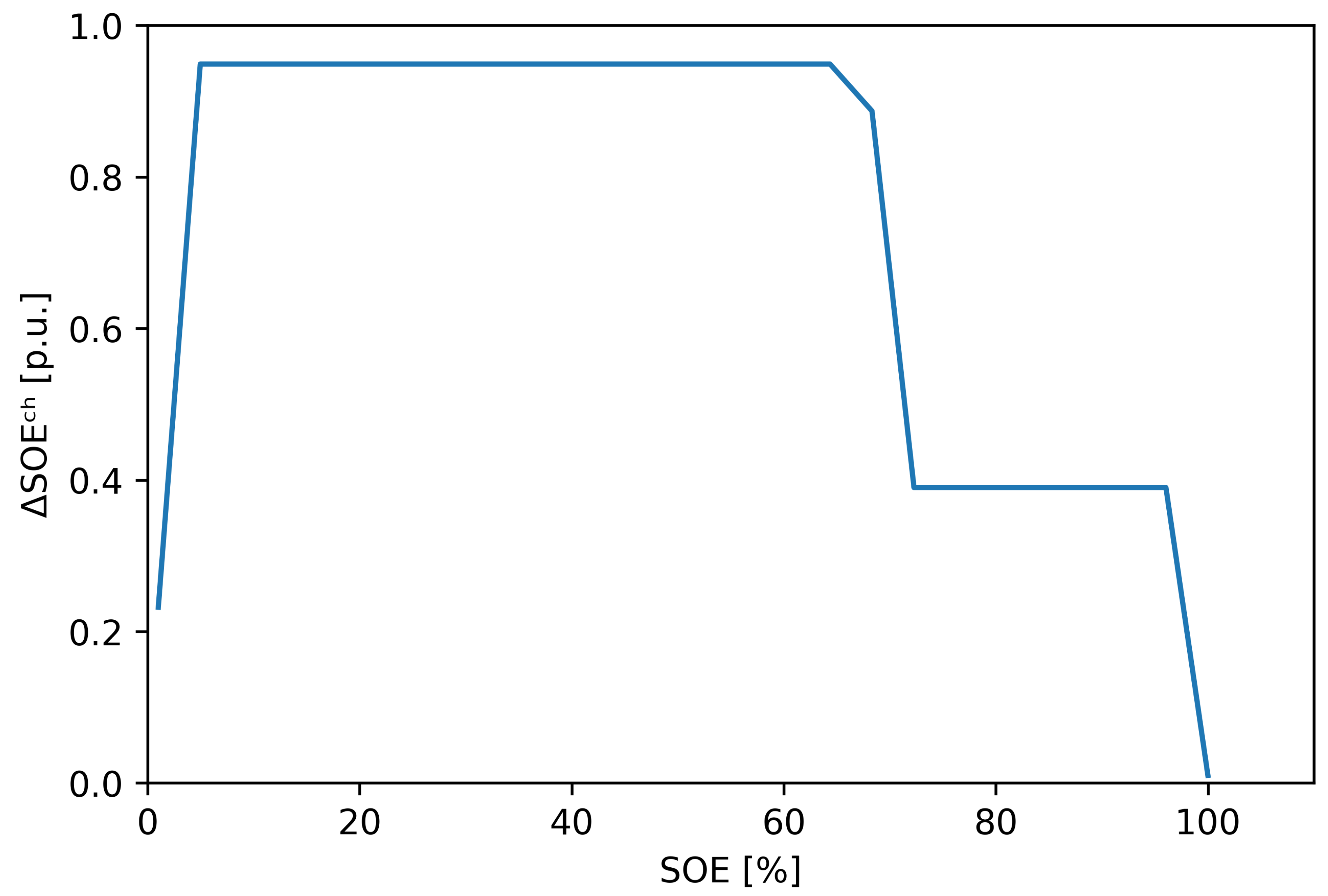
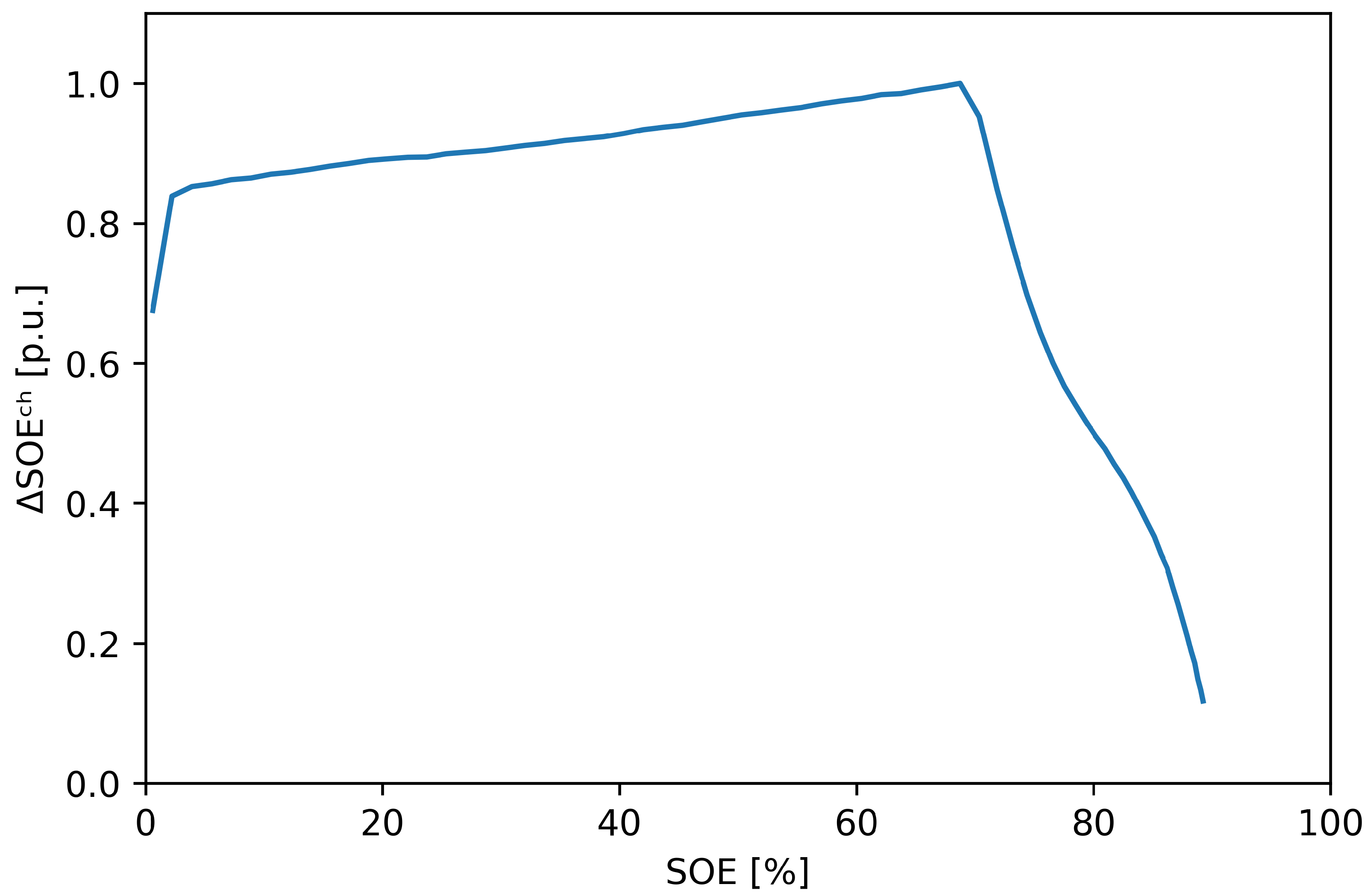
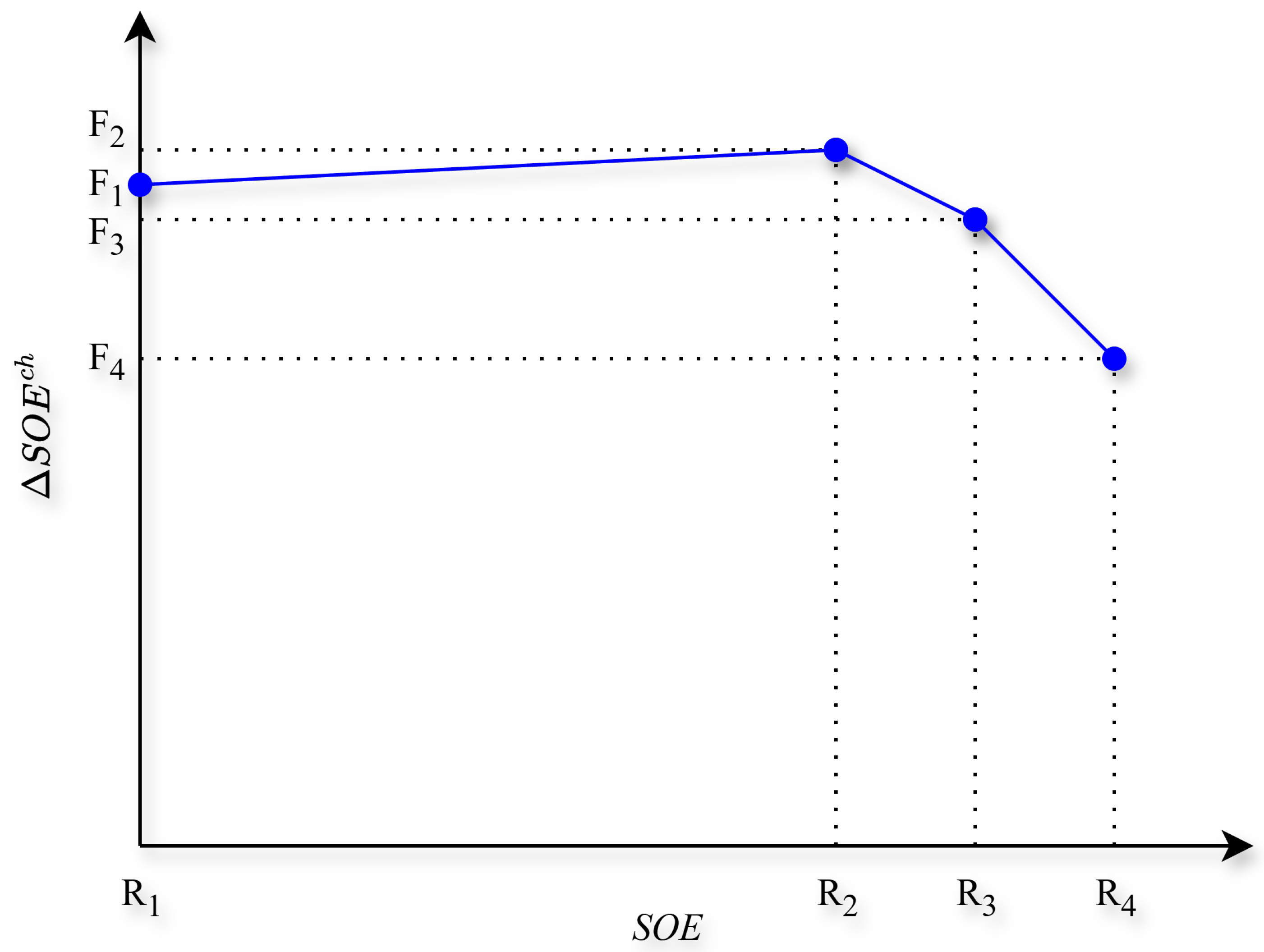
Figure 6 shows the characteristic
/
of the ECM. This characteristic indicates that charging power depends on SOE, with higher SOE values corresponding to a steeper reduction in charging power. Furthermore, the
/
characteristic is influenced by the charging power (i.e., the P-rate) and the specific type of battery.
Expressions (
13)–(
16) describe the ECM according to ref. [
23].
Expression (13) divides the battery SOE into
segments, whose total number is determined by the
breakpoints of the underlying piecewise formulation. Constraint (14) enforces the energy limit for each SOE segment,
. The maximum charging energy and the corresponding power limit at each time step are given in (15) and (16), respectively. When the battery is empty, its charging capability is
. Any positive value of
affect the battery’s charging capability.
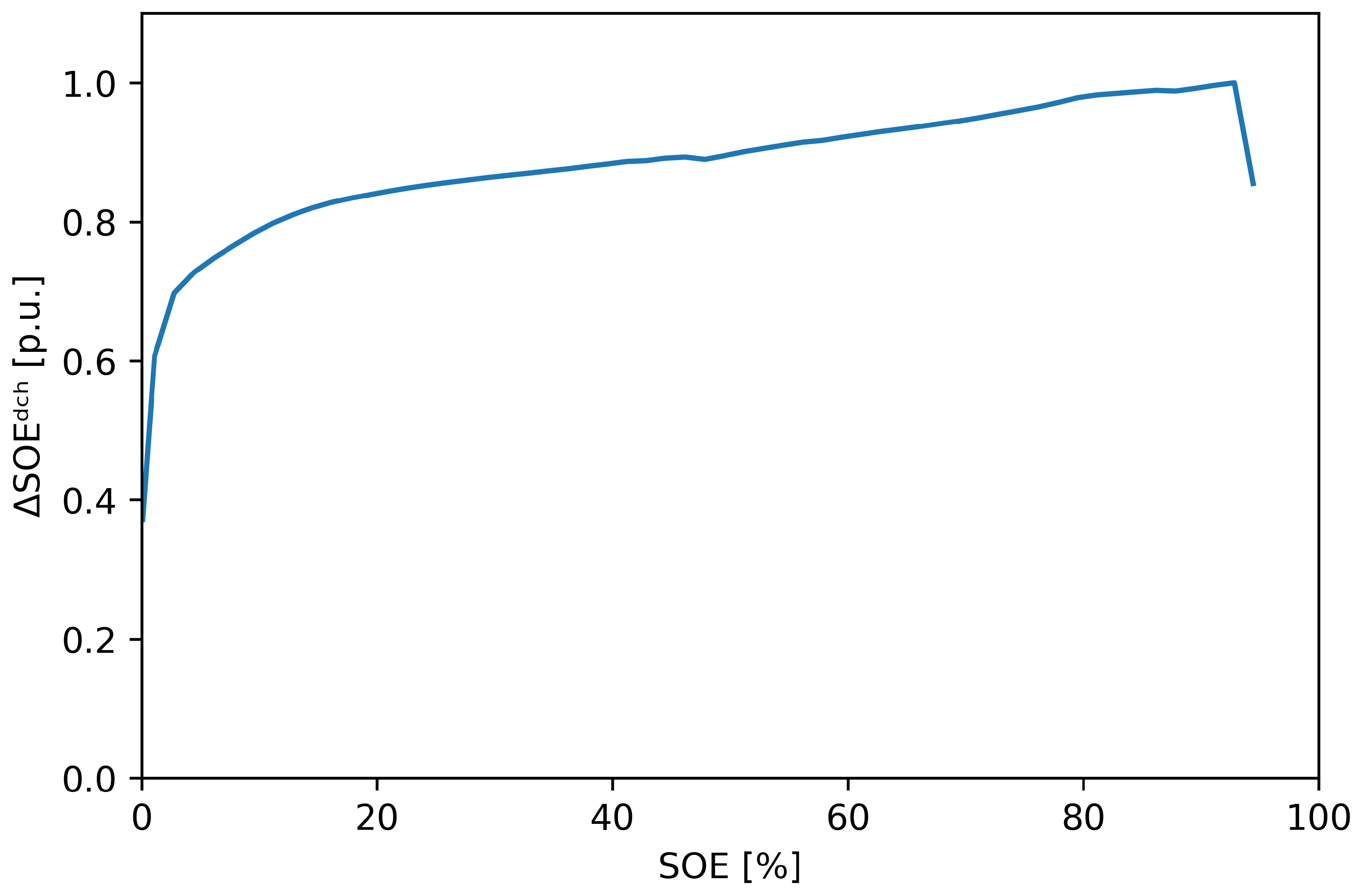
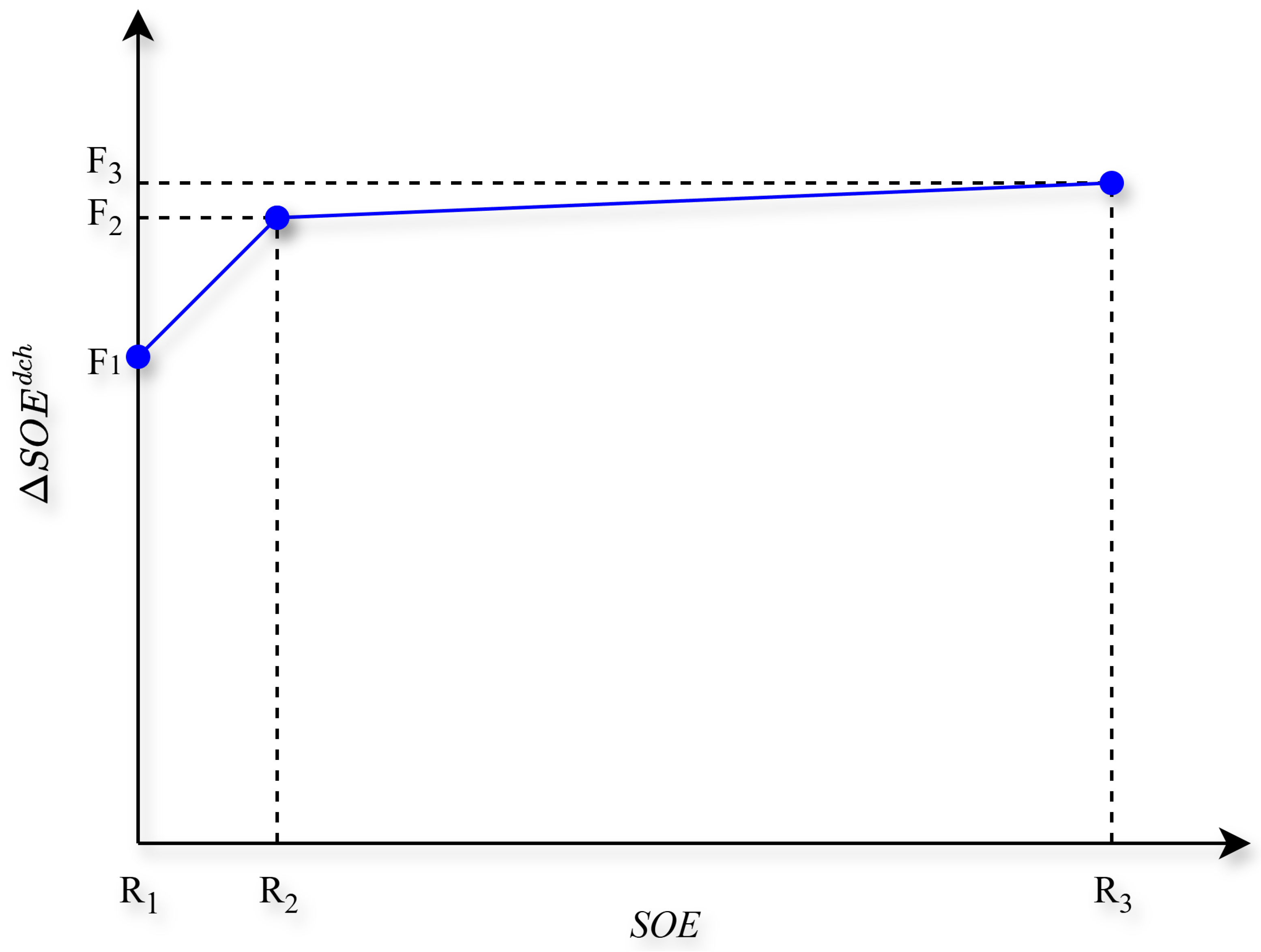
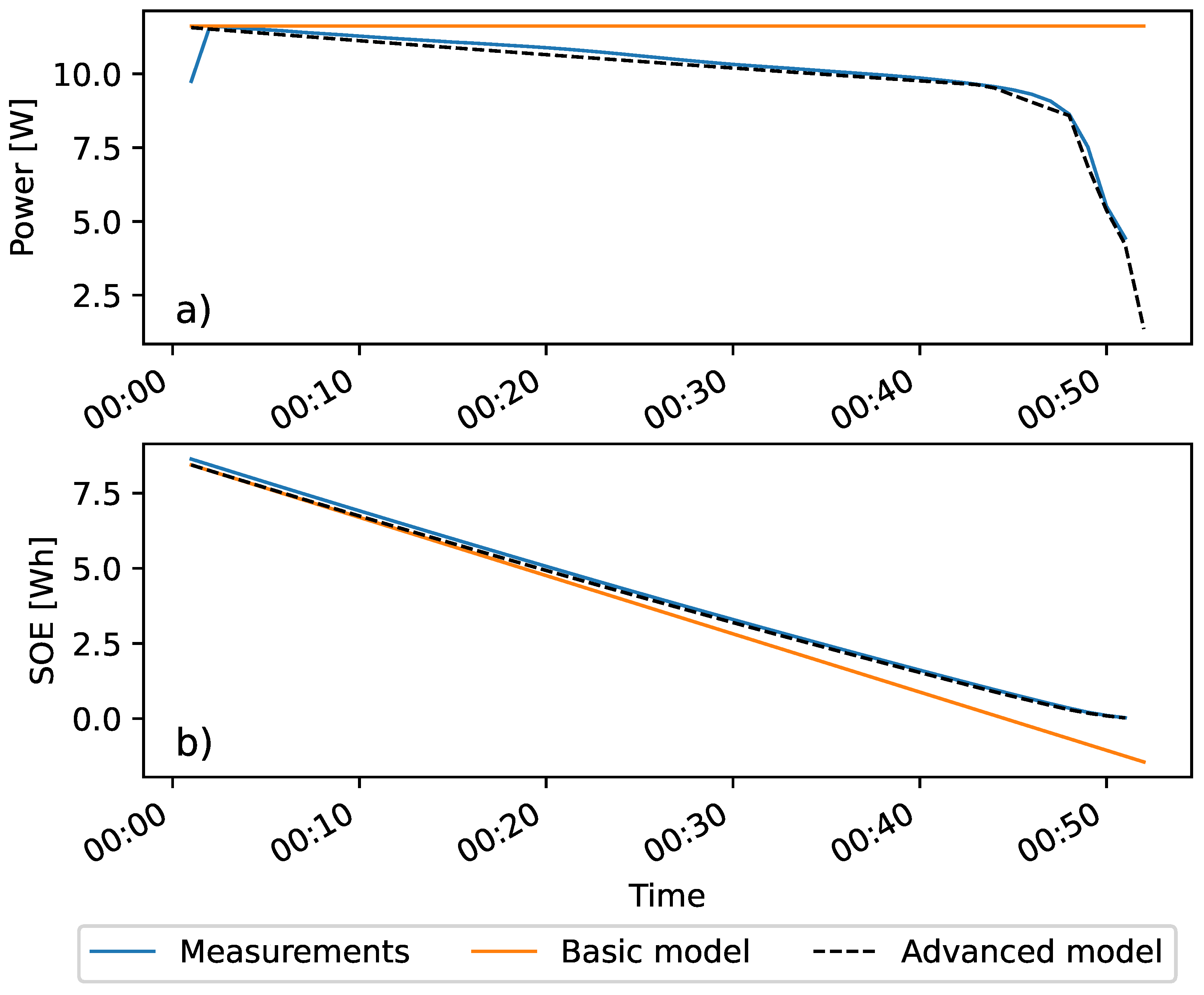
The existing ECM was enhanced with EDM, and the characteristic
/
obtained in the laboratory is shown in
Figure 7. According to the characteristic
/
, the battery cannot maintain a constant discharge power across the entire SOE range; discharge power decreases as SOE decreases.
EDM is described by expressions (
17)–(
22), which arise from the characteristic shown in
Figure 7.
As with the ECM, expression (17) divides the battery SOE into
segments, whose total number is determined by the
breakpoints of the underlying piecewise formulation. Constraint (18) enforces the energy limit for each SOE segment,
. The maximum discharging energy and the corresponding power limit at each time step are given in (19) and (20), respectively. When the battery is empty, its discharging capability is
. Any positive value of
increase the battery’s discharging capability.
where:
[kWh]—energy limit of each state within the energy segment of the BESS during the charging process at time step t,
[kWh]—energy limit of each state within the energy segment of the BESS during the discharging process at time step t,
, , —coefficients required to define each state of the energy segments of the BESS during the charging process,
, , —coefficients required to define each state of the energy segments of the BESS during the discharging process,
[kWh]—the allowed energy change of the BESS during the charging process at time step t,
[kWh]—the allowed energy change of the BESS during the discharging process at time step t.
Finally, the charging and discharging power on the DC side of the BESS depends on the load-dependent charging and discharging efficiency as defined by expressions (
21) and (
22).
where:
—the load-dependent charging efficiency of the BESS,
—the load-dependent discharging efficiency of the BESS.
2.4. Proposed Novel Algorithm for Determining One-Way Efficiencies and Characteristics
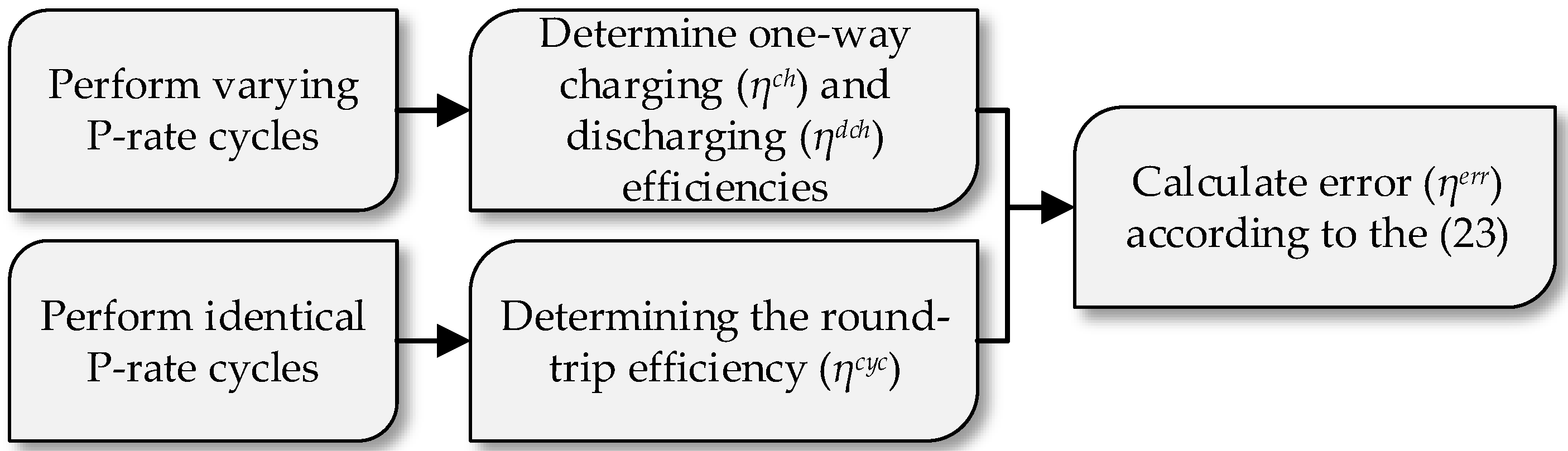
The proposed algorithm, shown in
Figure 8, is applied to determine the one-way efficiency during both charging and discharging processes.
The first stage involves performing experimental measurements of charging and discharging cycles. Two primary types of cycles are required: identical P-rate cycles and varying P-rate cycles. The identical P-rate cycles are employed to determine the round-trip (energy) efficiency (
) of the battery. Conversely, the varying P-rate cycles are used to evaluate battery efficiency in accordance with IEC 61960-3 [
25]. This standard specifies procedures for capacity and energy measurement, including constant-current discharge methods such as 0.2 ItA (P-rate). The varying P-rate cycles can be further categorized into two subtypes:
Constant-discharge cycles: The discharge P-rate is fixed at 0.2 P, while the charging P-rate varies across tests. These cycles are used to determine the charging efficiency ();
Constant-charge cycles: The charging P-rate is fixed at 0.2 P, while the discharge P-rate varies across tests. These cycles are used to determine the discharging efficiency ().
In the final stage, the accuracy of the proposed approach is evaluated using expression (
23). The index
represents the percentage deviation between the round-trip efficiency calculated from one-way efficiencies and the round-trip efficiency experimentally determined from identical P-rate cycles.
As Coulombic losses for the observed lithium-ion battery cell are less than 1%, their effect is neglected in this research [
26]. In addition to Coulombic efficiency, which is determined from current measurements, voltage efficiency is defined based on voltage measurements [
27]. Energy efficiency, by contrast, depends on both current and voltage measurements [
8].
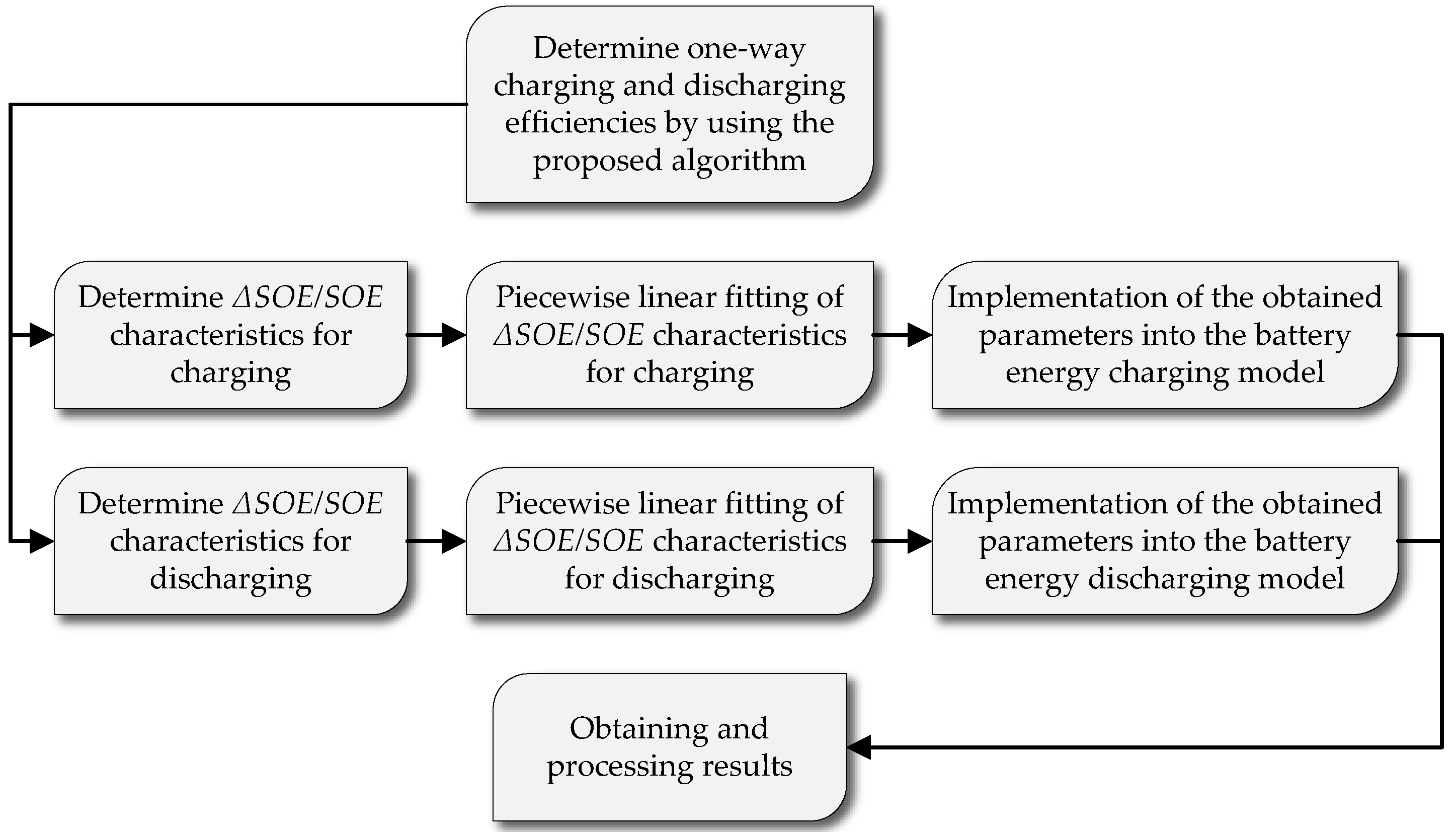
After determining the one-way charging and discharging efficiencies, the algorithm for determining the
characteristics of the proposed energy battery model is presented in
Figure 9.
In the subsequent stage, the characteristics are determined based on capacity and energy measurements obtained in the previous steps. After that, non-linear characteristics are linearized in the next stage to determine breakpoints (coordinates) of linear segments to be able to incorporate into linear optimization problems and to obtain results in the final stage.
It is worth noting that BESS bidirectional electronic-converter losses are not considered in this paper due to a lack of relevant manufacturer data and the inability to perform measurements. However, these losses could be straightforwardly incorporated into the efficiency characteristic.
In Python, nonlinear functions were approximated by piecewise linear models using the
pwlf (2.2.1) package, based on a least-squares optimization with a user-defined number of segments. Furthermore, specially ordered variables of type 2 (SOS2) were introduced to join linearized functional relationships [
28,
29]. Piecewise linear models with four segments provide a good compromise between model fidelity and solver efficiency.
4. Conclusions
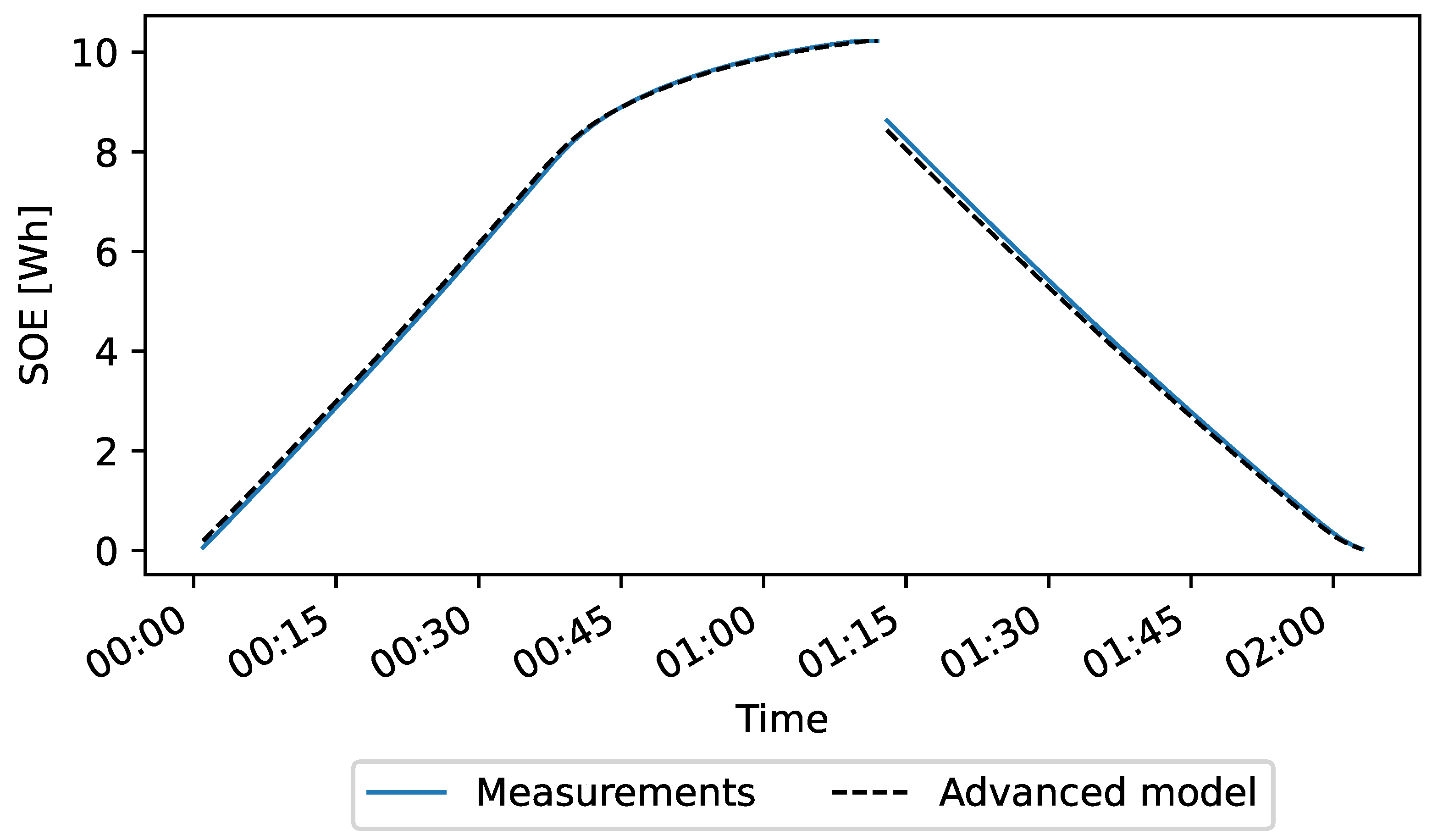
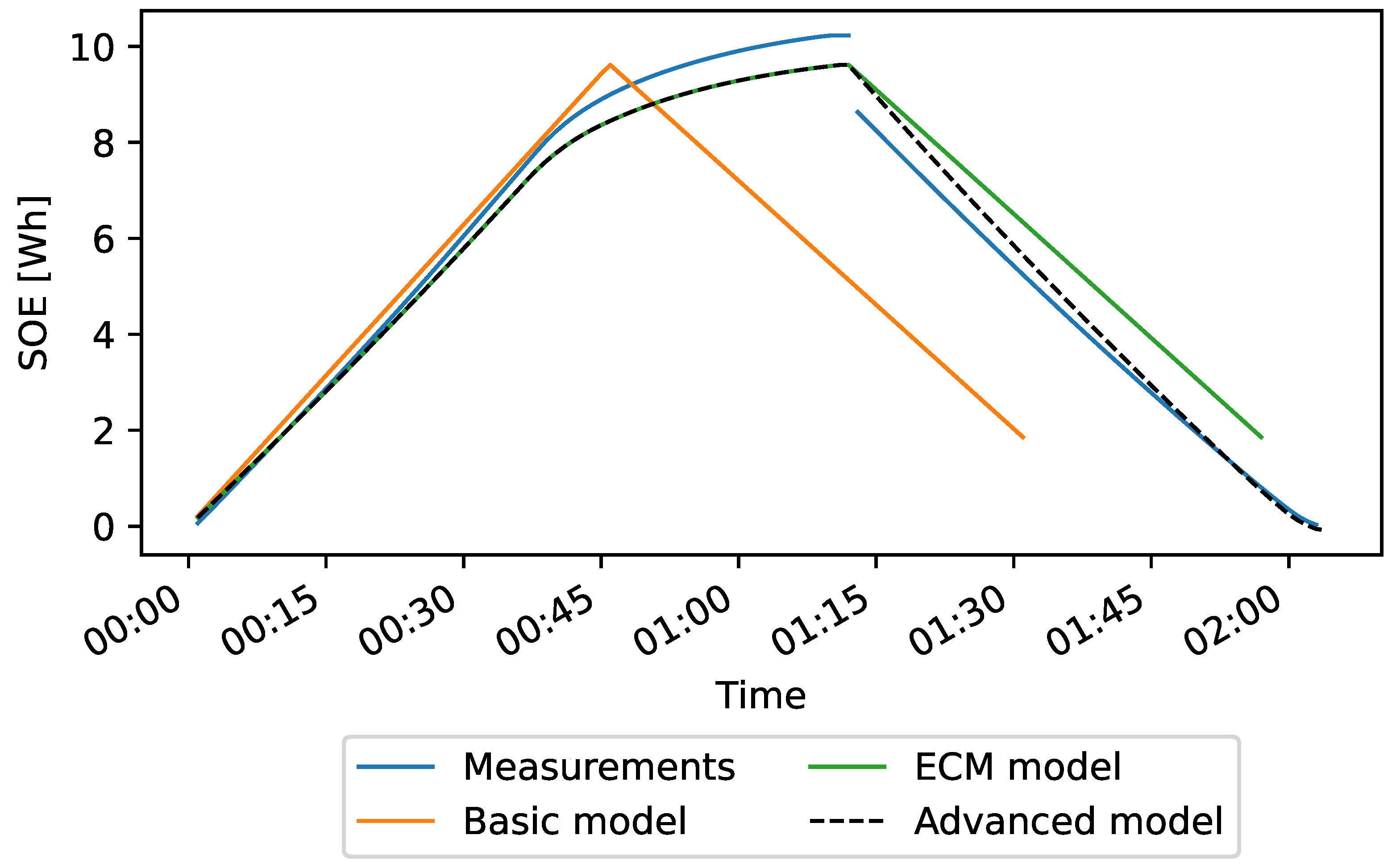
In summary, this study presents an advanced energy-based battery model that significantly enhances the accuracy of estimating critical battery states, particularly the SOE and available power. The model accurately captures complex electrochemical and dynamic behaviors under realistic operating conditions, providing a robust foundation for advancing the performance of battery-dependent systems. Experimental validation across multiple charge–discharge cycles demonstrated reduced SOE estimation error and improved accuracy in instantaneous power-capacity prediction compared with conventional models. These results directly address key limitations of existing modeling approaches, enabling more reliable and efficient control of charging and discharging processes. Consequently, the proposed model enhances the utilization of batteries in EV and grid-scale energy storage systems. Overall, this work underscores the critical importance of accurate battery modeling in unlocking the full potential of modern battery energy storage technologies across diverse energy management applications.
In future work, the advanced energy-based battery model will be integrated into prosumer and microgrid-oriented EMS to enable real-time optimization of distributed energy resources. This integration will support predictive control of charging strategies, adaptive coordination of renewable generation and storage, and enhanced operational flexibility under varying load and environmental conditions. Ultimately, such integration is expected to improve energy efficiency further, extend battery life, and contribute to the development of intelligent, resilient, and sustainable decentralized energy systems. In addition, future research will focus on extending the validation of the proposed framework to dynamic drive cycles and multiple battery chemistries, allowing a more comprehensive assessment of model robustness and applicability. It should be noted that the current validation and modeling focus on BESS setups that operate under controlled conditions (e.g., constant temperature). For applications such as electric vehicles, where conditions vary more widely, additional adaptations would be required to ensure accurate energy estimation and power-limit prediction.