
Article

Heat Pipe Embedded Battery Cooling System for Future Electric Vehicle
School of Mechanical Engineering, College of Engineering, Chungbuk National University, 1 Chungdae-ro, Cheongju 28644, Chungbuk, Republic of Korea
*
Author to whom correspondence should be addressed.
These authors contributed equally to this work.
Batteries 2025, 11(4), 164; https://doi.org/10.3390/batteries11040164

Submission received: 19 February 2025 / Revised: 9 April 2025 / Accepted: 18 April 2025 / Published: 20 April 2025
(This article belongs to the Special Issue Advances in Thermal Management for Batteries: 2nd Edition)

Abstract

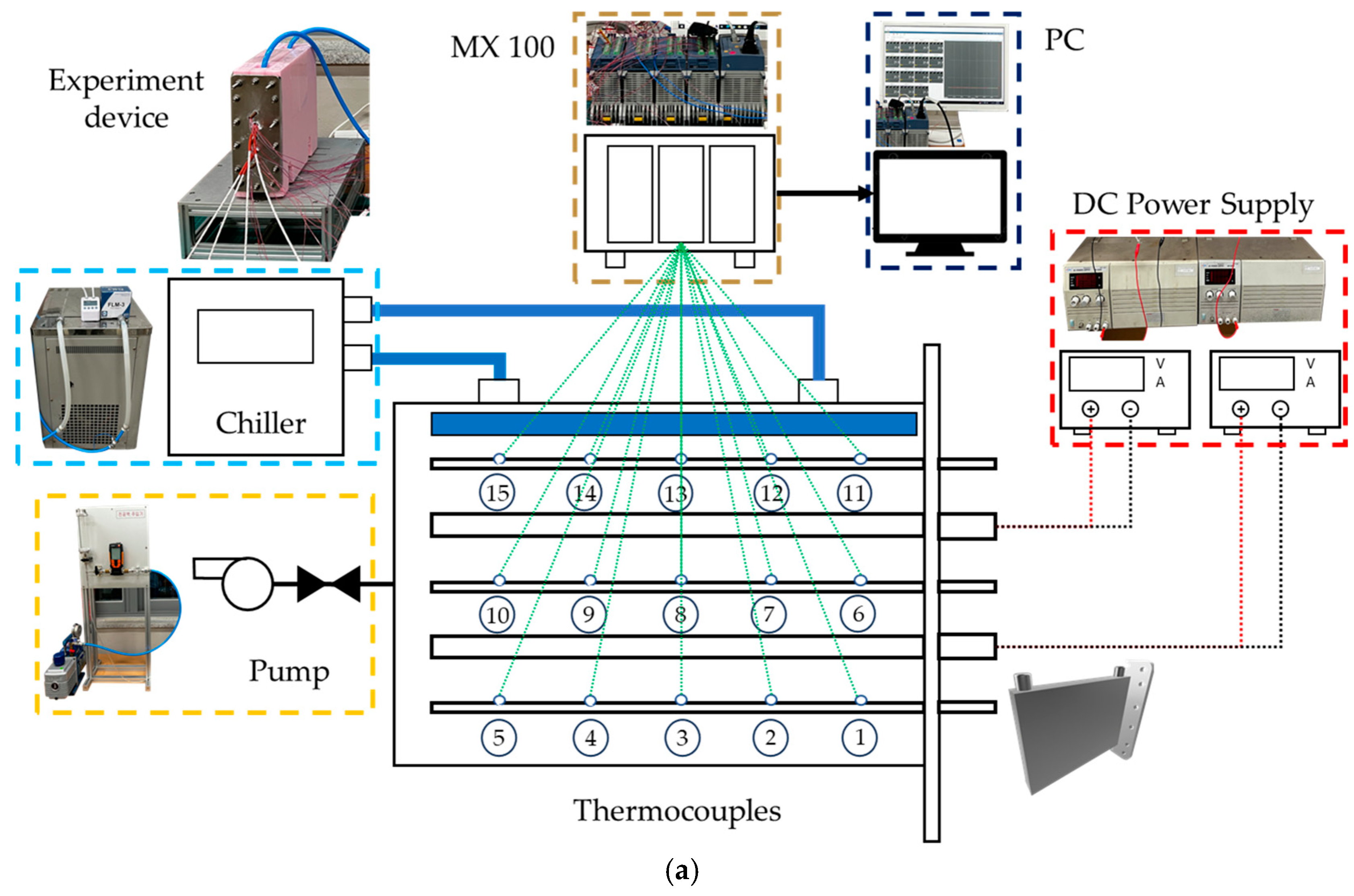
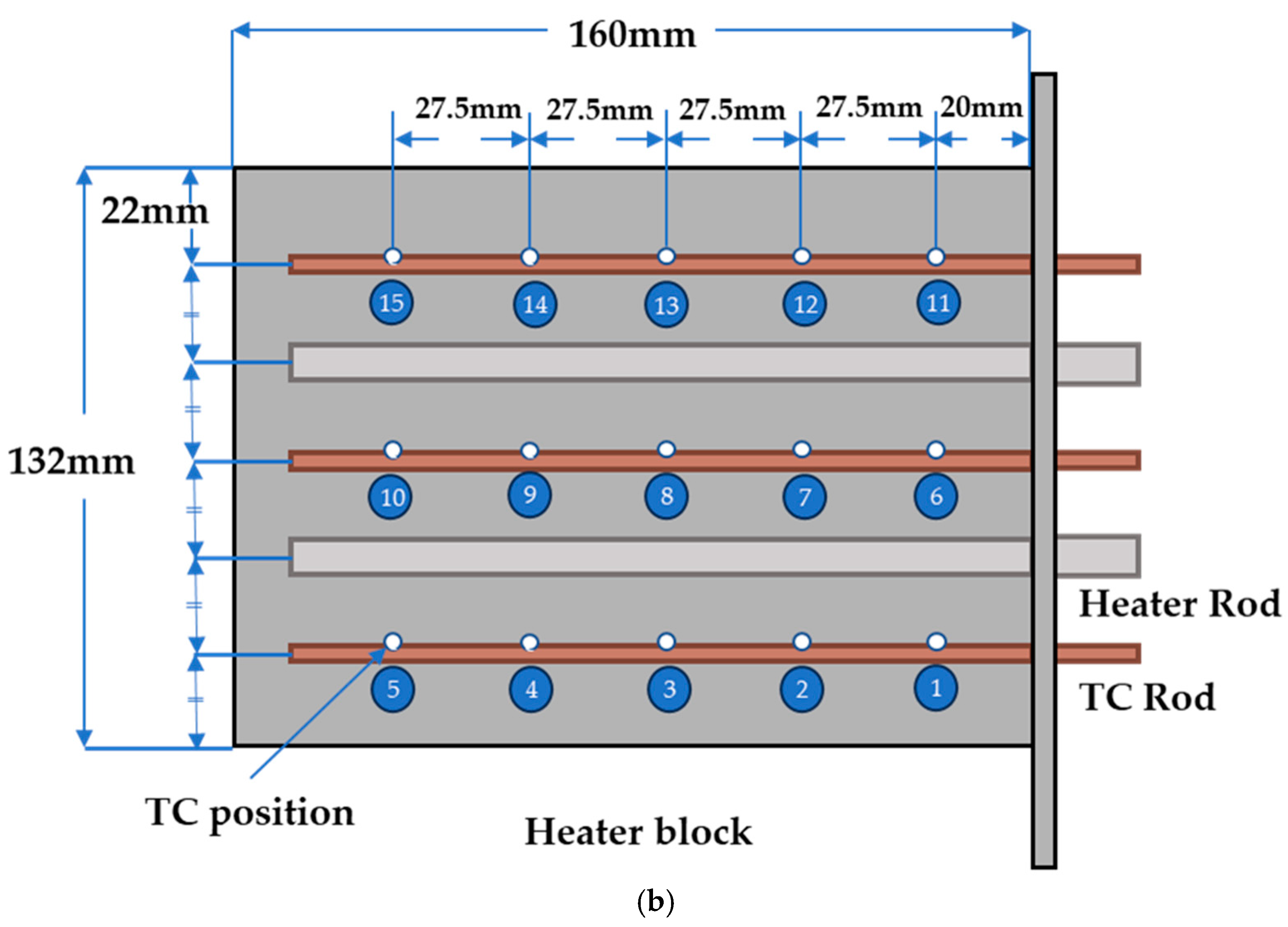
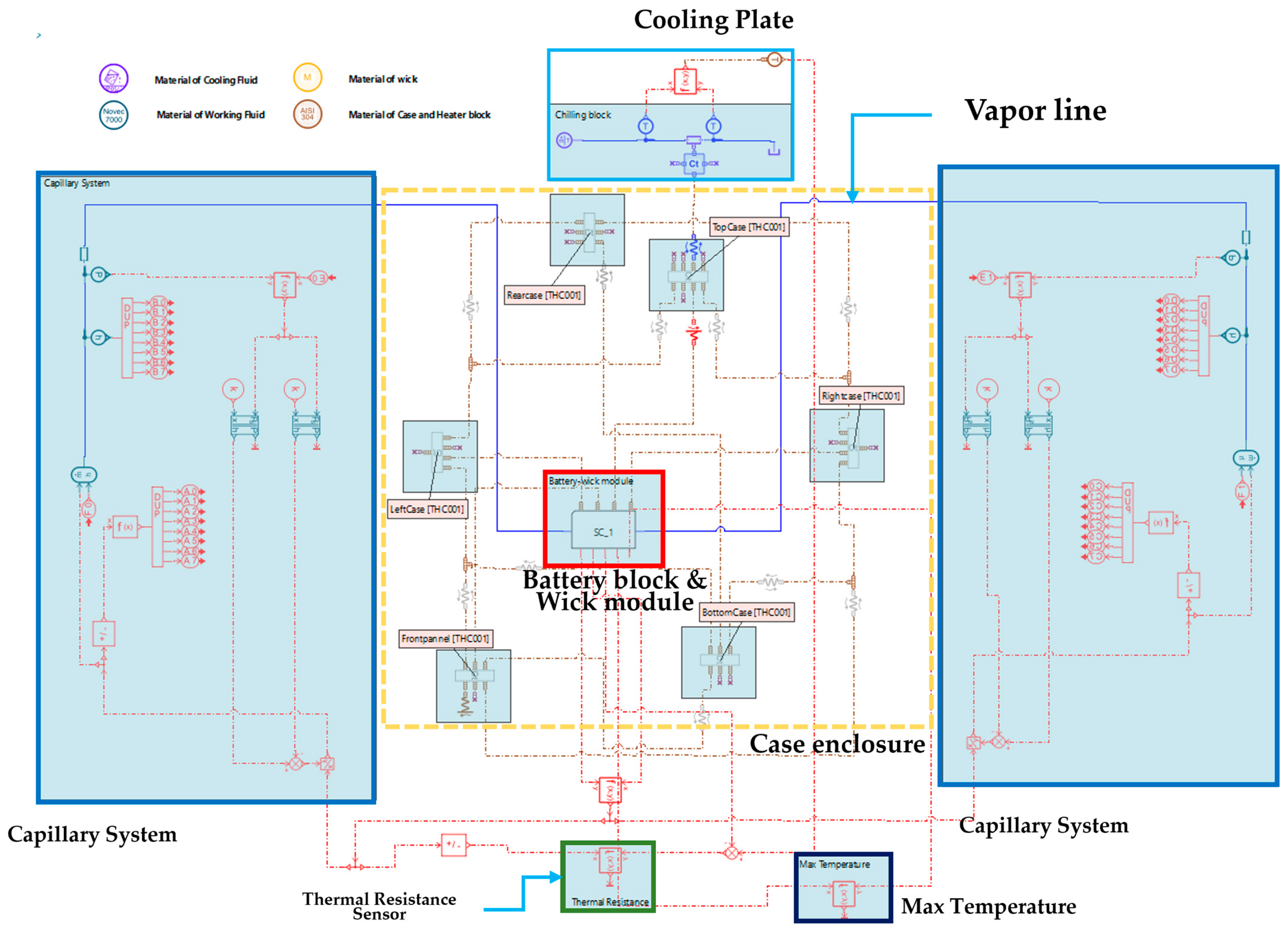
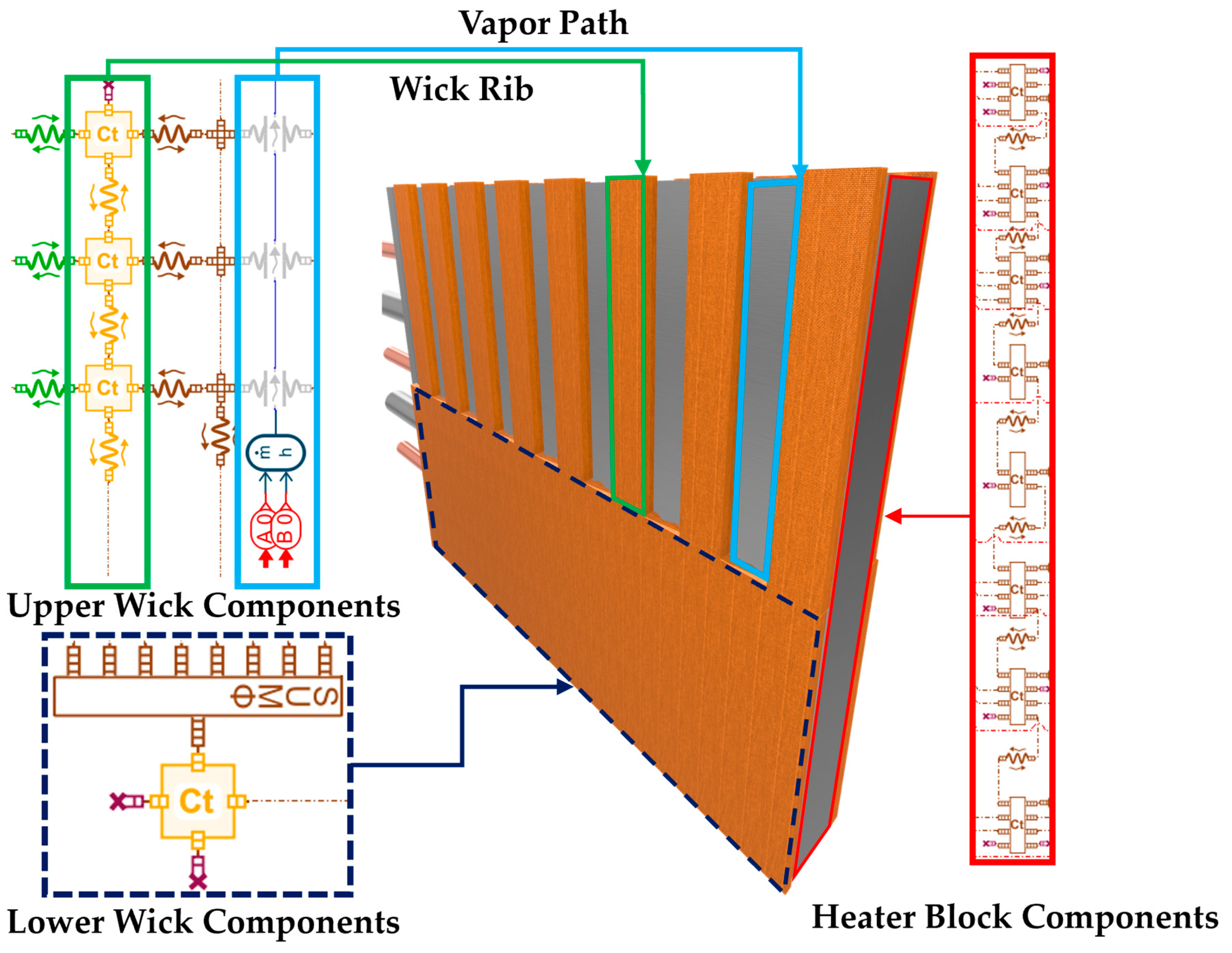
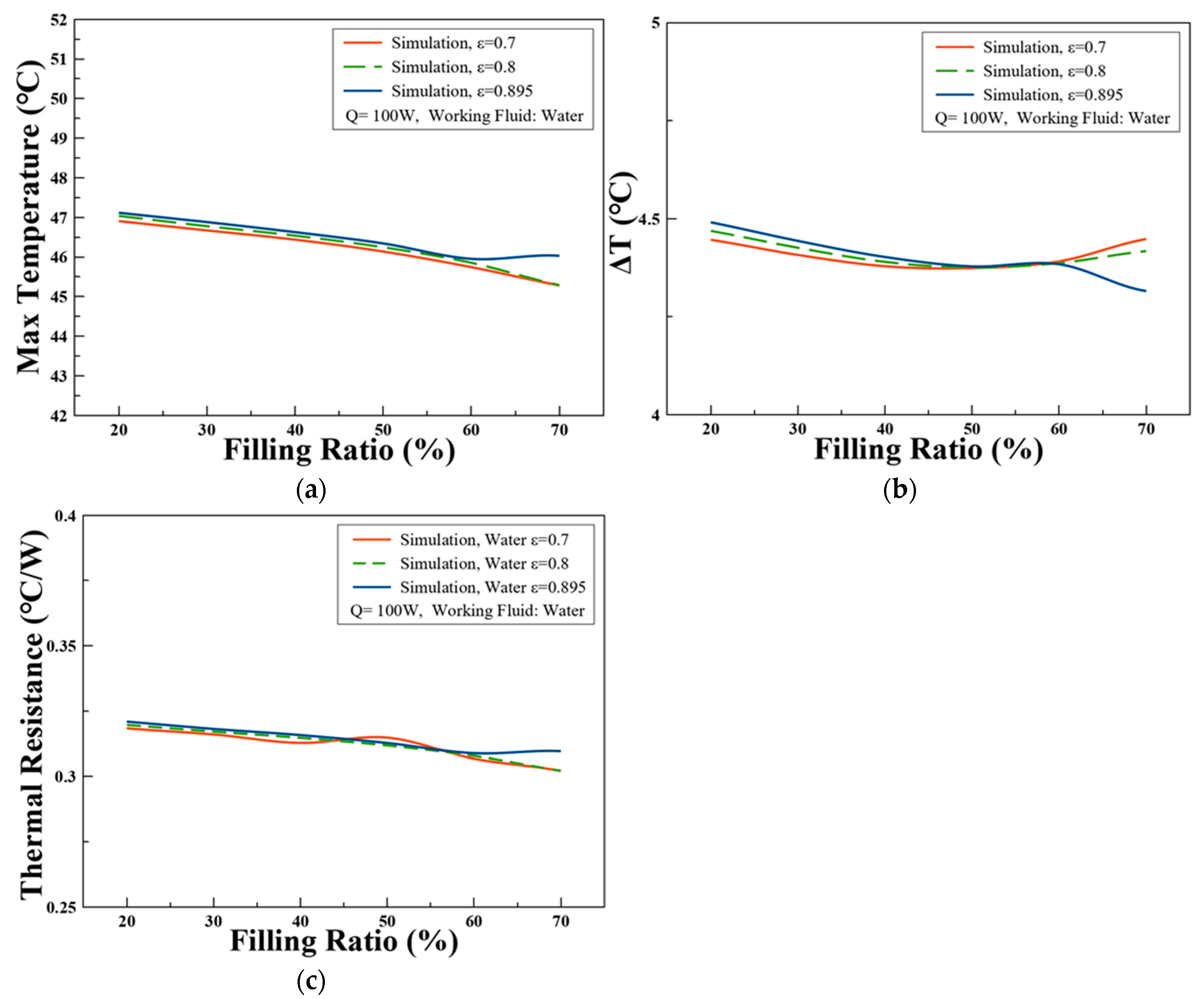
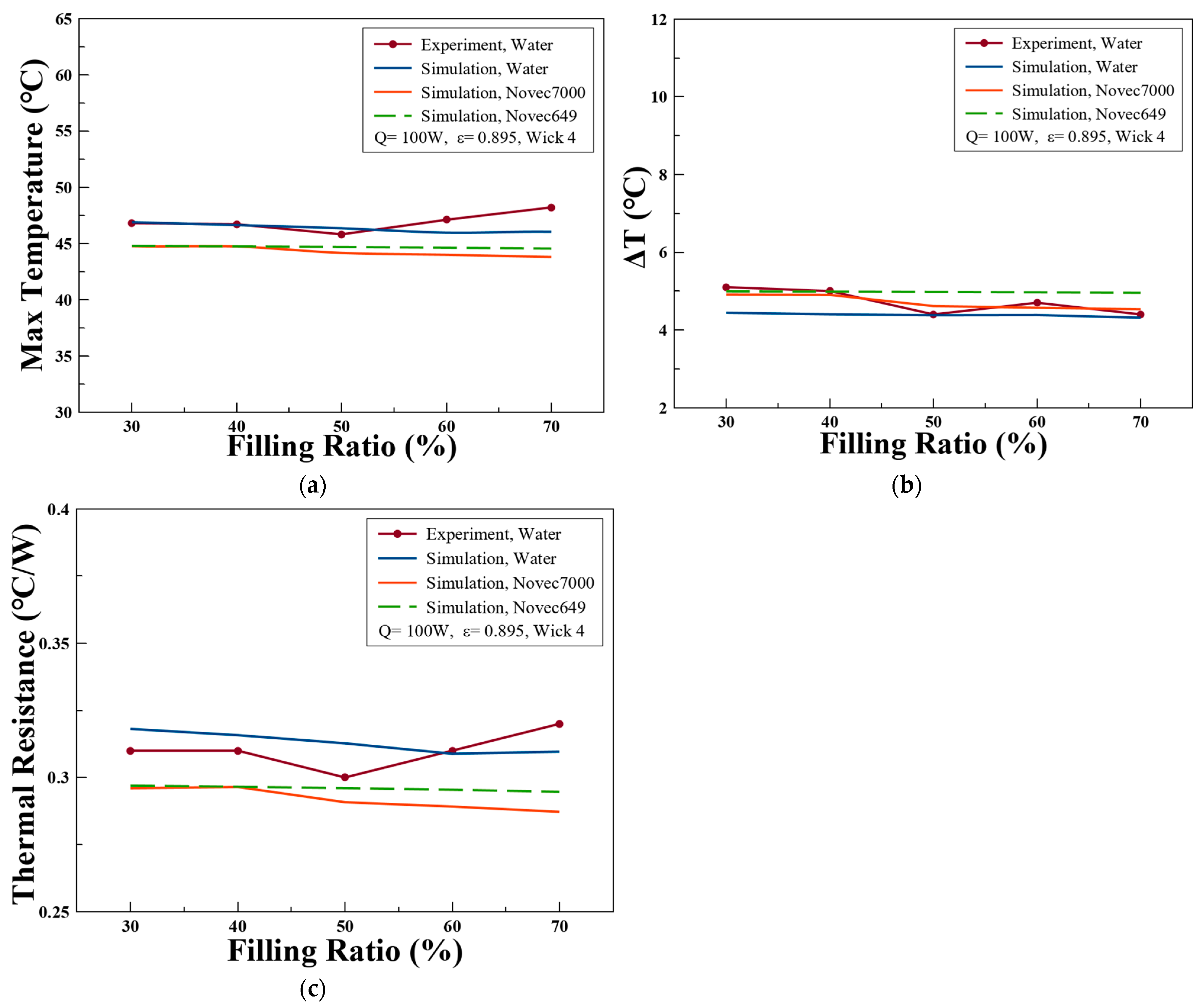
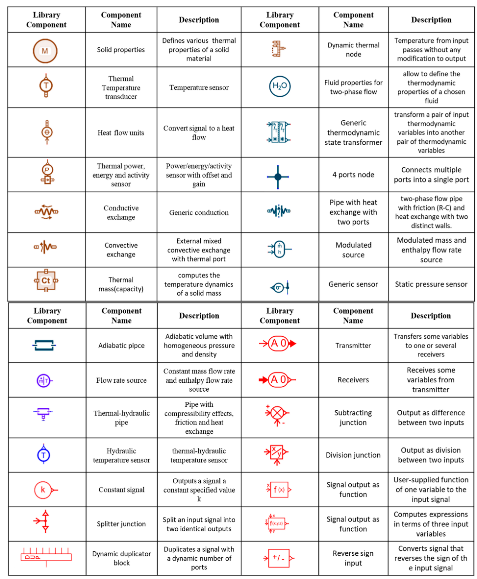
The purpose of this study is to examine the performance of a new cooling system whose mechanism is integrated with an immersion cooling system and a heat pipe mechanism. The study comprises an experimental test and a numerical analysis using the 1-D model. In the experiment, a metal heating block that simulated the pouch-type cell was used. It was composed of multiple heaters and thermal sensors, working as a heating model of the battery while observing the thermal behavior of the cell at the same time. The temperature of the heating block was influenced by the types of working fluid and wick structure, which are the key points of this system. Their role is to promote the heat exchange process by facilitating the evaporation and condensation processes. Their performance was evaluated based on different types of shapes and materials of wicks. The simulation model was designed and its feasibility verified with the experiment results. Furthermore, different types of dielectric working fluids and variations in porosities were examined through the simulation model, which are crucial to determining the characteristics of the wick structure.
Keywords: heat pipe; battery cooling; electric vehicles; thermal management; liquid cooling; thermal runaway heat pipe; battery cooling; electric vehicles; thermal management; liquid cooling; thermal runaway