

Alginate-Based Edible Coatings Enriched with Essential Oils for Enhancing Postharvest Quality and Bioactive Stability of Cherry Tomatoes (Solanum lycopersicum var. cerasiforme)


 , , ,
, , ,  and
and
Abstract
1. Introduction
2. Materials and Methods
2.1. Essential Oils and Volatile Components
2.2. Fruits and Treatments
2.3. Physicochemical and Quality Measurements
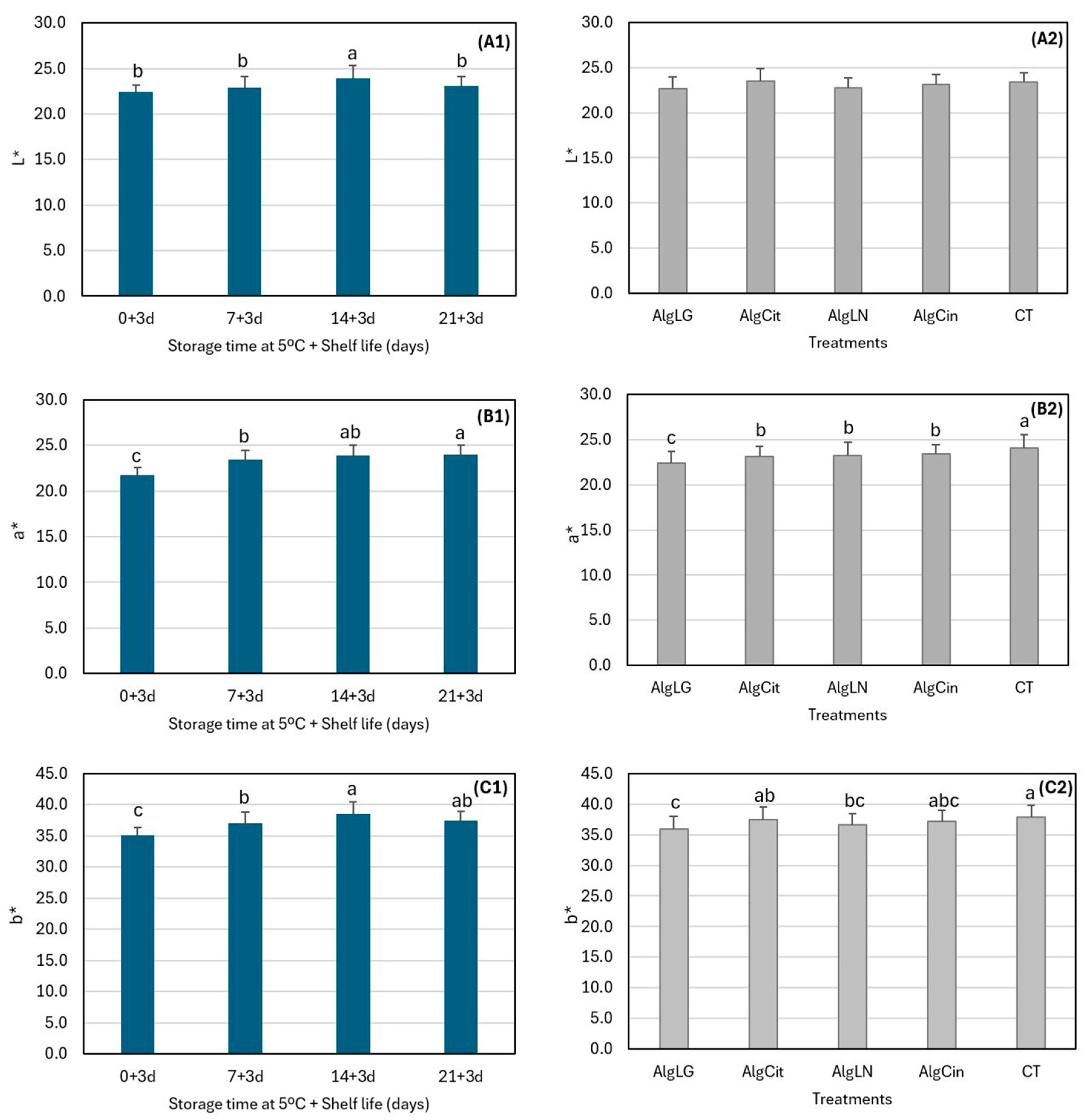
2.3.1. Color Measurements
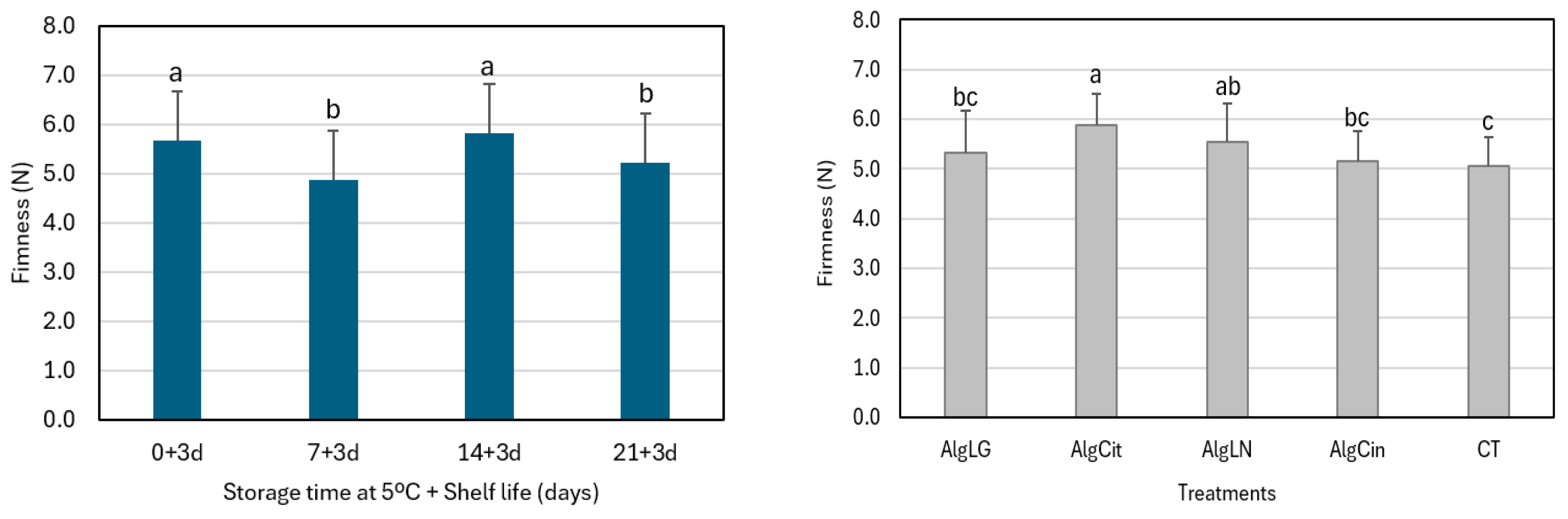
2.3.2. Firmness
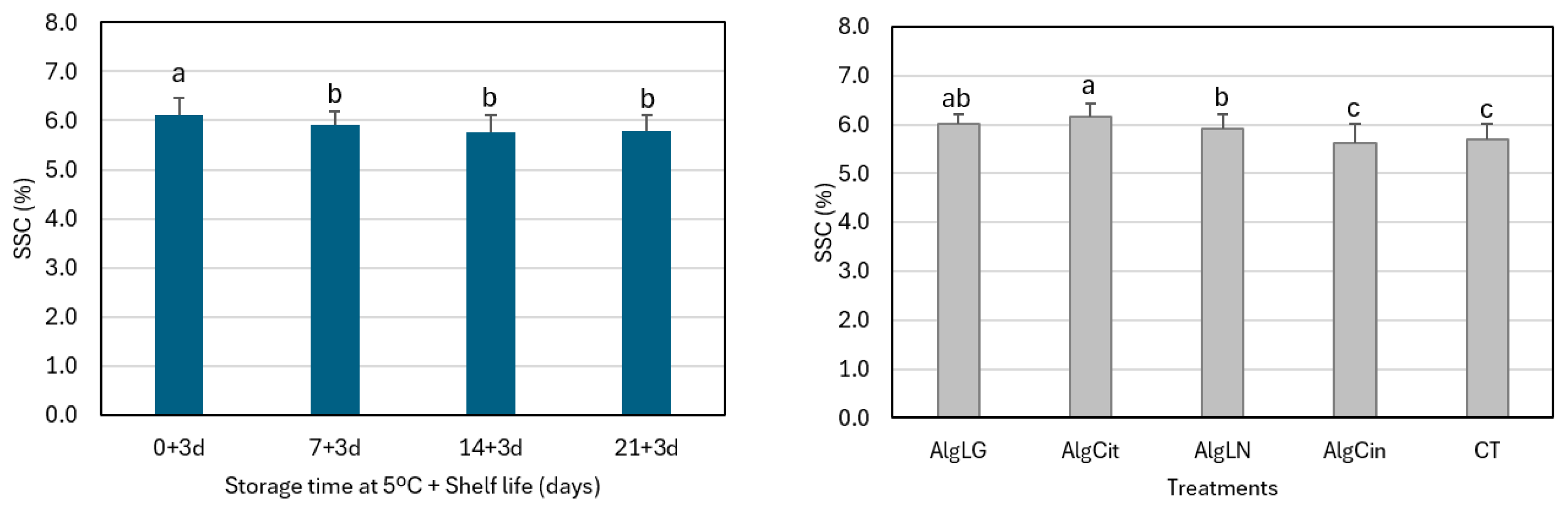
2.3.3. Soluble Solid Content
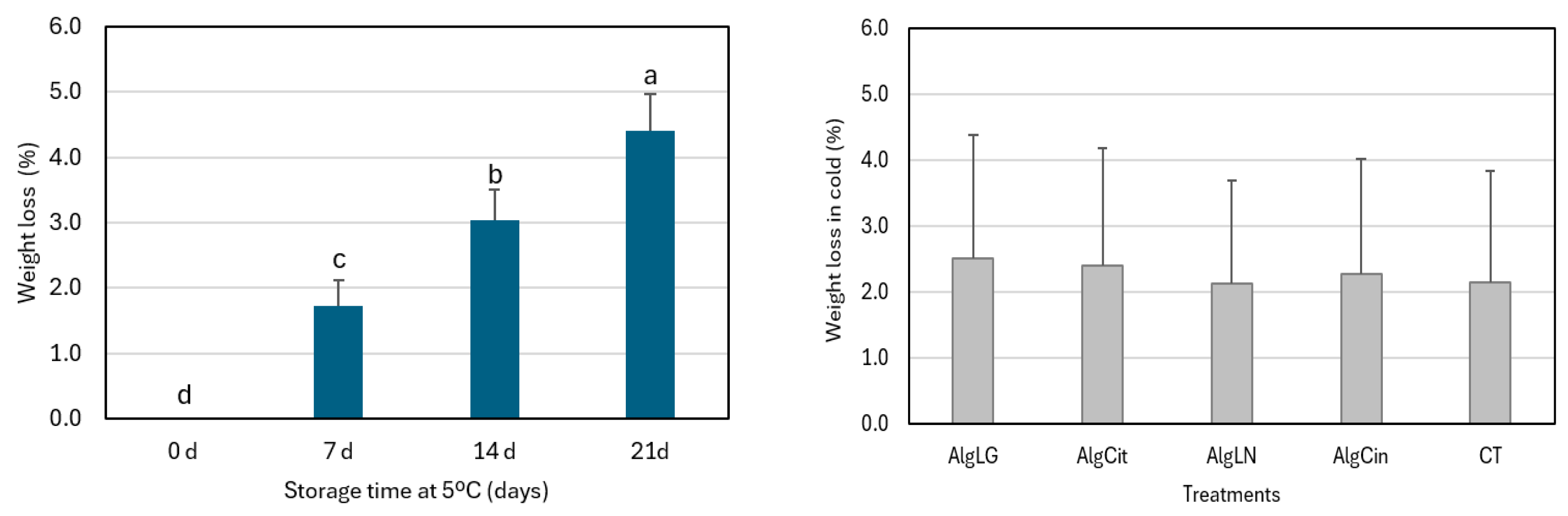
2.3.4. Weight Loss
2.4. Antioxidant and Phytochemical Analyses
2.4.1. 2,2-Diphenyl-1-picrylhydrazyl (DPPH) Radical-Scavenging Activity
2.4.2. Total Phenolics
2.4.3. Carotenoids (Lycopene and β-Carotene) Extraction and Quantification
2.5. Microbiological Analyses
2.6. Statistical Analysis
3. Results and Discussion
3.1. Chemical Composition of Essential Oils
3.2. Fruit Characterization at Harvest
3.3. Quality Parameters
3.4. Bioactive Compounds
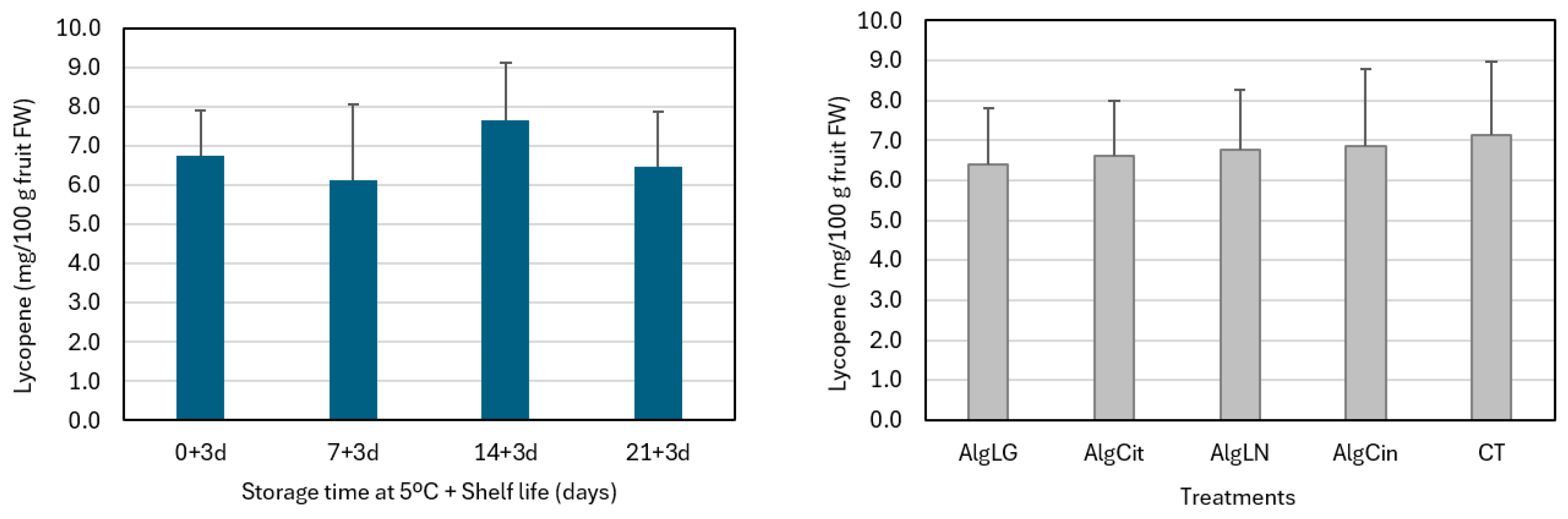
3.4.1. Lycopene
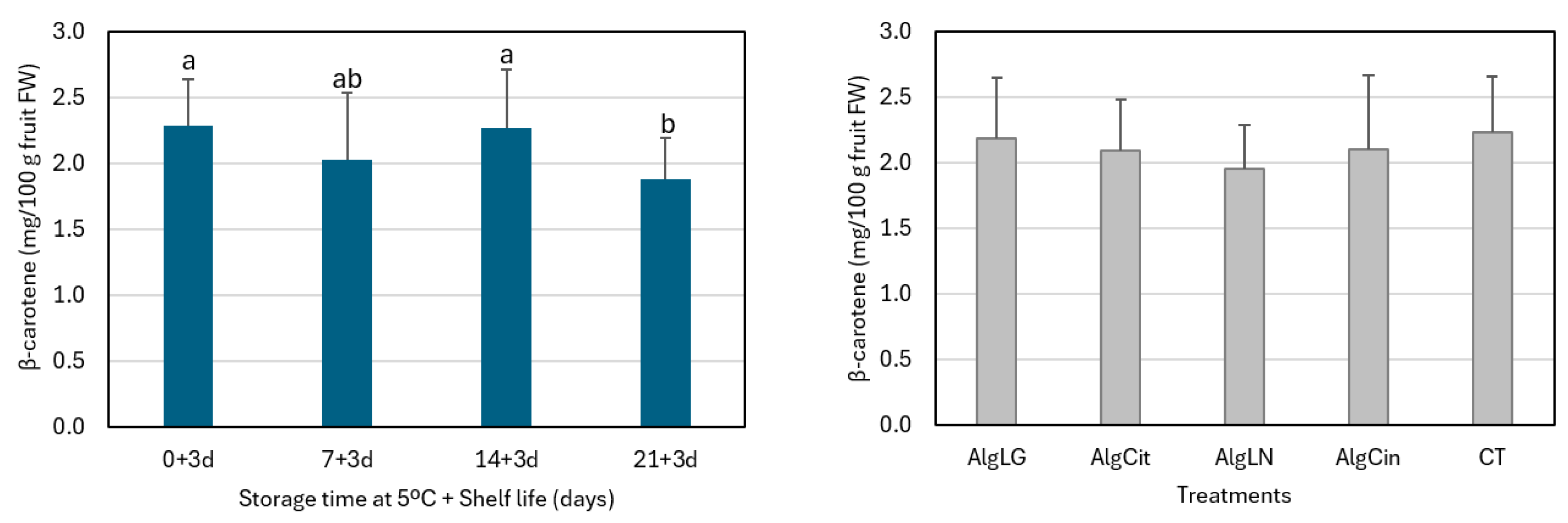
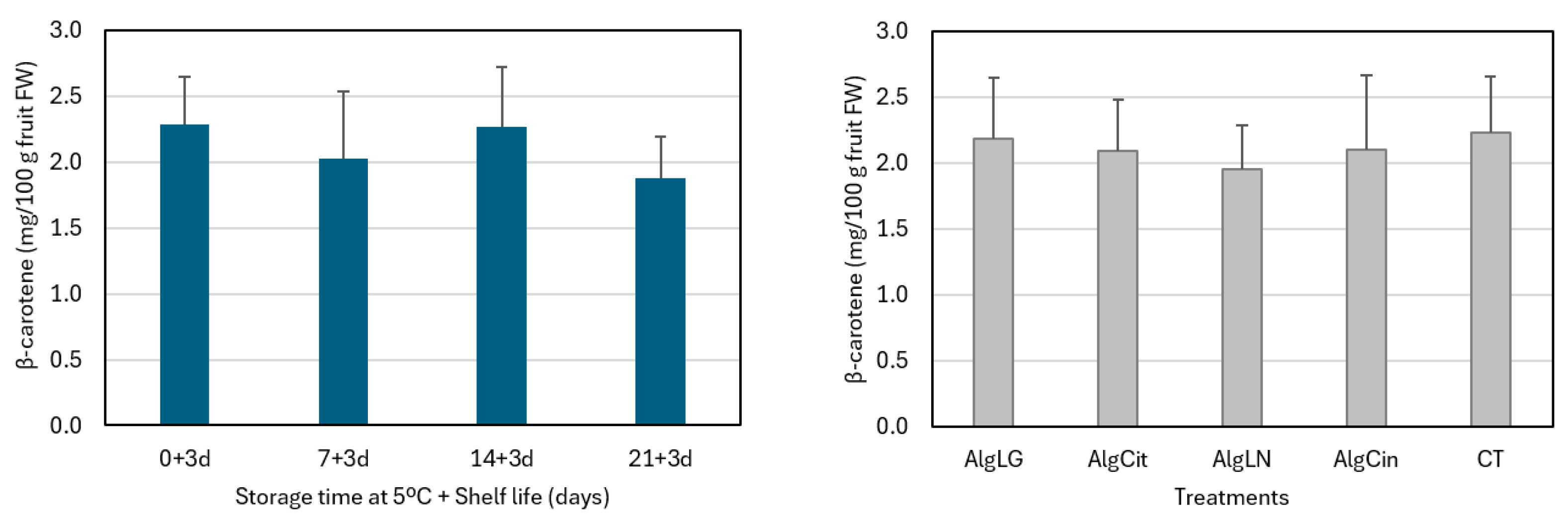
3.4.2. β-Carotene
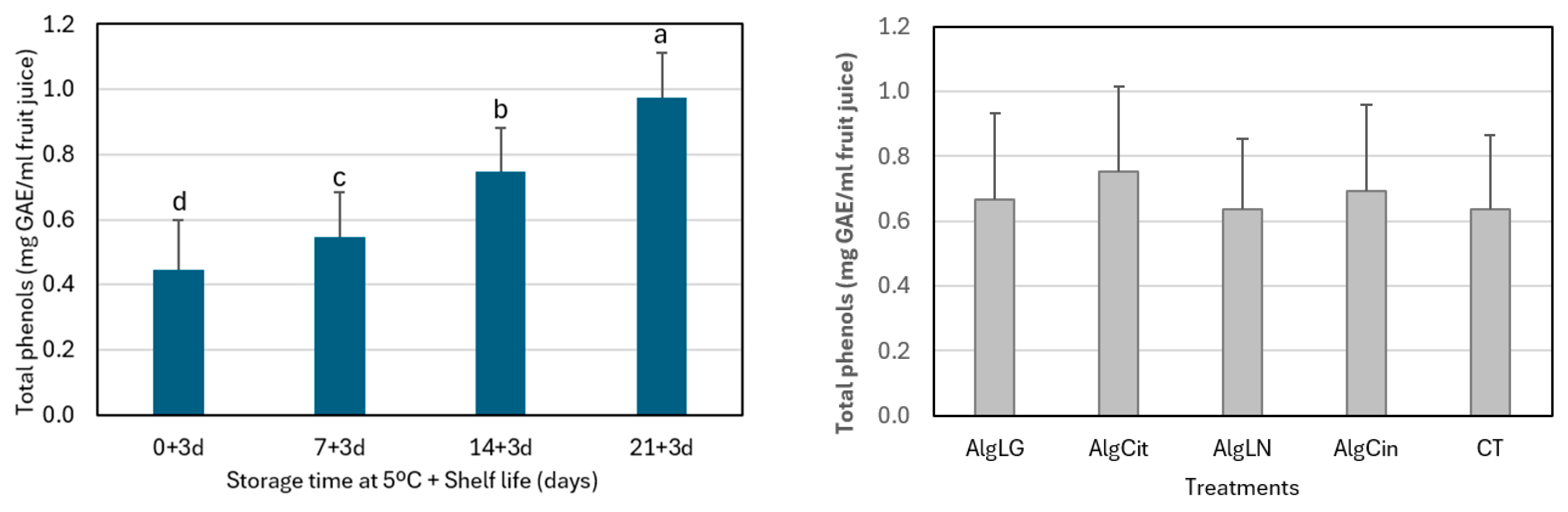
3.4.3. Total Content of Phenols
3.5. Antioxidant Activity

3.6. Microbiological Results
4. Conclusions
Supplementary Materials
Author Contributions
Funding
Data Availability Statement
Acknowledgments
Conflicts of Interest
References
- Rapa, M.; Ciano, S.; Ruggieri, R.; Vinci, G. Bioactive compounds in cherry tomatoes (Solanum lycopersicum var. cerasiforme): Cultivation techniques classification by multivariate analysis. Food Chem. 2021, 355, 129630. [Google Scholar] [CrossRef] [Scilit] [PubMed]
- Shafe, M.O.; Gumede, N.M.; Nyakudya, T.T.; Chivandi, E. Lycopene: A potent antioxidant with multiple health benefits. J. Nutr. Metab. 2024, 2024, 6252426. [Google Scholar] [CrossRef] [Scilit] [PubMed]
- Oladipo, E.K.; Oladipo, B.; Ojumu, T.V.; Caleb, O.J. Postharvest losses of tomato: Causes, spoilage mechanisms, and advances in conventional and emerging technologies for preservation. Food Res. Int. 2025, 227, 118247. [Google Scholar] [CrossRef] [Scilit] [PubMed]
- Razali, Z.; Somasundram, C.; Nurulain, S.Z.; Kunasekaran, W.; Alias, M.R. Postharvest quality of cherry tomatoes coated with mucilage from dragon fruit and irradiated with UV-C. Polymers 2021, 13, 2919. [Google Scholar] [CrossRef] [Scilit] [PubMed]
- Wang, A.; Liu, X.; Ahmad, I.; Wu, L.; Siddique, B. Sodium alginate edible coating augmented with essential oils maintains fruits postharvest physiology during preservation: A review. Int. J. Multidiscip. Res. Dev. 2020, 7, 135–140. [Google Scholar]
- Walait, M.; Mir, H.R.; Anees, K. Edible biofilms and coatings; its characterization and advanced industrial applications. Nat. Res. Hum. Health 2022, 3, 28–37. [Google Scholar] [CrossRef] [Scilit]
- Faheem, F.; Liu, Z.W.; Rabail, R.; Haq, I.U.; Gul, M.; Bryła, M.; Roszko, M.; Kieliszek, M.; Din, A.; Aadil, R.M. Uncovering the industrial potentials of lemongrass essential oil as a food preservative: A review. Antioxidants 2022, 11, 720. [Google Scholar] [CrossRef] [Scilit] [PubMed]
- Al-Maqtari, Q.A.; Rehman, A.; Mahdi, A.A.; Al-Ansi, W.; Wei, M.; Yanyu, Z.; Phyo, H.M.; Galeboe, O.; Yao, W. Application of essential oils as preservatives in food systems: Challenges and future prospectives—A review. Phytochem. Rev. 2022, 21, 1209–1246. [Google Scholar] [CrossRef] [Scilit]
- Duguma, H.T. Potential applications and limitations of edible coatings for maintaining tomato quality and shelf life. Int. J. Food Sci. Technol. 2022, 57, 1353–1366. [Google Scholar] [CrossRef] [Scilit]
- Bal, E. Storage life extension of cherry tomato by alginate-based edible coating in combination with UV-C treatment. J. Hortic. Postharvest Res. 2021, 4, 453–466. [Google Scholar]
- Piña-Barrera, A.M.; Pérez, M.S.R.; Román, R.Á.; González, J.G.B.; Guerra, C.A.A.; Rodríguez, S.A.G. Edible alginate-based coating in combination with nanoencapsulated eugenol and its preservative effect on the shelf life of tomato (Solanum lycopersicum). Charact. Appl. Nanomat. 2022, 5, 47–57. [Google Scholar] [CrossRef] [Scilit]
- Nkede, F.N.; Wardak, M.H.; Fanze, M.; Kondo, N.; Wardana, A.A.; Jothi, J.S.; Tanaka, F.; Tanaka, F. The potential of Helichrysum italicum essential oil-infused alginate coatings and film for prolonging the shelf life of cherry tomatoes. Food Packag. Shelf Life 2024, 46, 101381. [Google Scholar] [CrossRef] [Scilit]
- Mrvová, M.; Medo, J.; Lakatošová, J.; Barboráková, Z.; Golian, M.; Mašková, Z.; Tančinová, D. Vapor-phase essential oils as antifungal agents against Penicillium olsonii causing postharvest cherry tomato rot. Foods 2024, 13, 3202. [Google Scholar] [CrossRef] [Scilit] [PubMed]
- Celina, A.; Rahmawati, D.; Permana, T. Application of lemongrass essential oil as a natural preservative agent for pineapple juice. Iconiet Proc. 2019, 2, 69–78. [Google Scholar] [CrossRef] [Scilit]
- Ordoudi, S.A.; Papapostolou, M.; Nenadis, N.; Mantzouridou, F.T.; Tsimidou, M.Z. Bay laurel (Laurus nobilis L.) essential oil as a food preservative source: Chemistry, quality control, activity assessment, and applications to olive industry products. Foods 2022, 11, 752. [Google Scholar] [CrossRef] [Scilit] [PubMed]
- El, S.N.; Karagozlu, N.; Karakaya, S.; Sahın, S.; El, S.N.; Karagozlu, N.; Karakaya, S.; Sahın, S. Antioxidant and antimicrobial activities of essential oils extracted from Laurus nobilis L. leaves by using solvent-free microwave and hydrodistillation. Food Nutr. Sci. 2014, 5, 97–106. [Google Scholar] [CrossRef]
- Póvoa, O.; Farinha, N.; Lopes, V.; Machado, A.M.; Figueiredo, A.C. Coriander (Coriandrum sativum L.) from Alentejo (South Portugal): Ethnobotany and potential industrial use. Foods 2024, 13, 929. [Google Scholar] [CrossRef] [Scilit] [PubMed]
- Guerreiro, A.C.; Gago, C.M.L.; Faleiro, M.L.; Miguel, M.G.C.; Antunes, M.D.C. The effect of alginate-based edible coatings enriched with essential oils constituents on Arbutus unedo L. fresh fruit storage. Postharvest Biol. Technol. 2015, 100, 226–233. [Google Scholar] [CrossRef] [Scilit]
- Aminifard, M.H.; Mohammadi, S. Essential oils to control Botrytis cinerea in vitro and in vivo on plum fruits. J. Sci. Food Agric. 2012, 93, 348–353. [Google Scholar] [CrossRef] [Scilit] [PubMed]
- Kgang, I.E.; Mathabe, P.M.K.; Klein, A.; Kalombo, L.; Belay, Z.A.; Caleb, O.J. Effects of lemon (Citrus limon L.), lemongrass (Cymbopogon citratus) and peppermint (Mentha piperita L.) essential oils against of Botrytis cinerea and Penicillium expansum. JSFA Rep. 2022, 2, 405–414. [Google Scholar] [CrossRef] [Scilit]
- Nagata, M.; Yamashita, I. Simple method for simultaneous determination of chlorophyll and carotenoids in tomato fruit. J. Jpn. Soc. Food. Sci. Technol. 1992, 39, 925–928. [Google Scholar] [CrossRef] [Scilit]
- NP-4405; Food Microbiology—General Rules for Microorganism Counts. Colonies Count at 30 °C. Instituto Português da Qualidade: Lisboa, Portugal, 2002. (In Portuguese)
- ISO 21527-2; Microbiology of Food and Animal Feeding Stuffs—Horizontal Method for the Enumeration of Yeasts and Moulds—Part 2: Colony Count Technique in Products with Water Activity Less Than or Equal to 0.95. International Standards Organization: Geneva, Switzerland, 2008.
- Awada, F.; Hamade, K.; Kassir, M.; Hammoud, Z.; Mesnard, F.; Rammal, H.; Fliniaux, O. Laurus nobilis leaves and fruits: A review of metabolite composition and interest in human health. Appl. Sci. 2023, 13, 4606. [Google Scholar] [CrossRef] [Scilit]
- Bouzidi, O.; Tine-Djebbar, F.; Tine, S.; Soltani, N. Larvicidal activity, biochemical effect, histopathological alteration, and biomarker responses induced by Laurus nobilis essential oil in Culex pipiens (Diptera: Culicidae). Physiol. Entomol. 2026, 51, 163–177. [Google Scholar] [CrossRef] [Scilit]
- Boukhennoufa, A.; Fergane, I.; Fergane, N.E.H.; Meddah, B.; Touil, A.M.T.; Youcef, F.A.B. Use of Laurus nobilis (Noble Bay) essential oil as a preservative for a meat product, mortadella. Int. J. Environ. Qual. 2026, 70, 114–119. [Google Scholar] [CrossRef] [Scilit] [PubMed]
- Boudechicha, A.; Aouf, A.; Farouk, A.; Ali, H.S.; Elkhadragy, M.F.; Yehia, H.M.; Badr, A.N. Microfluidizing technique application for Algerian Cymbopogon citratus (DC.) Stapf effects enahnced volatile content, antimicrobial, and anti-mycotoxigenic properties. Molecules 2023, 28, 5367. [Google Scholar] [CrossRef] [Scilit] [PubMed]
- Wan, S.; Xing, B. Research progress on chemical composition, biological activity and application of lemongrass and its essential oils. J. Funct. Foods. 2025, 135, 107083. [Google Scholar] [CrossRef] [Scilit]
- Pant, K.; Bhattacharya, B. trans-Cinnamaldehyde-loaded cyclodextrin nanosponge impregnated chitosan composite coating for cherry tomato preservation. ACS Food Sci. Technol. 2025, 5, 4418–4435. [Google Scholar] [CrossRef] [Scilit]
- Tian, X.; Huo, X.; Li, X.; Wang, D.; Lu, J.; Ren, X.; Kong, Q. Characterization of the sodium alginate/essential oil emulsion film and its efficacy in controlling postharvest Penicillium expansum disease in cherry tomatoes. Int. J. Biol. Macromol. 2025, 318, 144853. [Google Scholar] [CrossRef] [Scilit] [PubMed]
- Guerreiro, A.C.; Gago, C.M.L.; Faleiro, M.L.; Miguel, M.G.C.; Antunes, M.D.C. The use of polysaccharide-based edible coatings enriched with essential oils to improve shelf life of strawberries. Postharvest Biol. Technol. 2015, 110, 51–60. [Google Scholar] [CrossRef] [Scilit]
- Lopes, A.I.; Melo, A.; Afonso, T.B.; Silva, S.; Barros, L.; Tavaria, F.K.; Pintado, M. Alginate edible films containing essential oils: Characterization and bioactive potential. Polymers 2025, 17, 1188. [Google Scholar] [CrossRef] [Scilit] [PubMed]
- Cantwell, M.; Nie, X.; Hong, G. Impact of storage conditions on grape tomato quality. In Proceedings of the 6th ISHS Postharvest Symposium, Antalya, Turkey, 8–12 April 2009. [Google Scholar]
- Li, X.; Huang, H.; Zhang, L.; Zhao, L. Effect of Postharvest Storage Temperature and Duration on Tomato Fruit Quality. Foods 2025, 14, 1002. [Google Scholar] [CrossRef] [Scilit] [PubMed]
- Miranda, M.; De Mori M. Ribeiro, M.; Spricigo, P.; Pilon, L.; Mitsuyuki, M.C.; Corrêa, D.; Ferreira, M.D. Carnauba wax nanoemulsion applied as an edible coating on fresh tomato for postharvest quality evaluation. Heliyon 2022, 8, e09803. [Google Scholar] [CrossRef] [Scilit] [PubMed]
- Mohammed, O.; Azzazy, M.; Badawe, S.E.A. Effect of some edible coating materials on quality and postharvest rots of cherry tomato fruits during cold storage. J. Agric. Res. 2021, 48, 37–54. [Google Scholar] [CrossRef] [Scilit]
- Nkede, F.N.; Wardana, A.A.; Phuong, N.T.H.; Takahashi, M.; Koga, A.; Wardak, M.H.; Fanze, M.; Tanaka, F.; Tanaka, F. Preparation and characterization of chitosan/lemongrass oil/cellulose nanofiber pickering emulsions active packaging and its application on tomato preservation. J. Polym. Environ. 2023, 31, 4930–4945. [Google Scholar] [CrossRef] [Scilit]
- Siracusa, V.; Romani, S.; Gigli, M.; Mannozzi, C.; Cecchini, J.P.; Tylewicz, U.; Lotti, N. Characterization of active edible films based on citral essential oil, alginate and pectin. Materials 2018, 11, 1980. [Google Scholar] [CrossRef] [Scilit] [PubMed]
- Simsek, M.; Eke, B.; Demir, H. Characterization of carboxymethyl cellulose-based antimicrobial films incorporated with plant essential oils. Int. J. Biol. Macrolmol. 2020, 163, 2172–2179. [Google Scholar] [CrossRef] [Scilit] [PubMed]
- Jahani, R.; Behnamian, M.; Dezhsetan, S.; Karimirad, R.; Chamani, E. Chitosan nano-biopolymer/Citrus paradisi peel oil delivery system enhanced shelf life and postharvest quality of cherry tomato. Int. J. Biol. Macromol. 2023, 225, 1212–1223. [Google Scholar] [CrossRef] [Scilit] [PubMed]
- Shirazi, A.; Cameron, A.C. Measuring transpiration rates of tomato and other detached fruit. HortScience 1993, 28, 1035–1038. [Google Scholar] [CrossRef] [Scilit]
- Bouzo, C.A.; Gariglio, N. Relationship between different physical properties of tomato fruits and water loss during postharvest. Acta Sci. Pol. Hortorum Cultus 2016, 15, 13–25. [Google Scholar]
- Fagundes, C.; Palou, L.; Monteiro, A.R.; Pérez-Gago, M.B. Hydroxypropyl methylcellulose-beeswax edible coatings formulated with antifungal food additives to reduce alternaria black spot and maintain postharvest quality of cold-stored cherry tomatoes. Sci. Hortic. 2015, 193, 249–257. [Google Scholar] [CrossRef] [Scilit]
- Nawab, A.; Alam, F.; Hasnain, A. Mango kernel starch as a novel edible coating for enhancing shelf life of tomato (Solanum lycopersicum) fruit. Int. J. Biol. Macromol. 2017, 103, 581–586. [Google Scholar] [CrossRef] [Scilit] [PubMed]
- Gutiérrez-Jara, C.; Bilbao-Sainz, C.; McHugh, T.; Chiou, B.-S.; Williams, T.; Villalobos-Carvajal, R. Effect of Cross-Linked Alginate/Oil Nanoemulsion Coating on Cracking and Quality Parameters of Sweet Cherries. Foods 2021, 10, 449. [Google Scholar] [CrossRef] [Scilit] [PubMed]
- Zhang, Y.; Kong, Q.; Niu, B.; Liu, R.; Chen, H.; Xiao, S.; Wu, W.; Zhang, W.; Gao, H. The dual function of calcium ion in fruit edible coating: Regulating polymer internal crosslinking state and improving fruit postharvest quality. Food Chem. 2024, 447, 138952. [Google Scholar] [CrossRef] [Scilit] [PubMed]
- Flores-López, M.L.; Vieira, J.M.; Rocha, C.M.R.; Lagarón, J.M.; Cerqueira, M.A.; Rodríguez, D.J.; Vicente, A.A. Postharvest quality improvement of tomato (Solanum lycopersicum L.) fruit using a nanomultilayer coating containing Aloe vera. Foods 2024, 13, 83. [Google Scholar] [CrossRef] [Scilit] [PubMed]
- Fraser, P.D.; Truesdale, M.R.; Bird, C.R.; Schuch, W.; Bramley, P.M. Carotenoid biosynthesis during tomato fruit development. Plant Physiol. 1994, 105, 405–413. [Google Scholar] [CrossRef] [Scilit] [PubMed]
- Carrillo-López, A.; Yahia, E.M. Changes in color-related compounds in tomato fruit exocarp and mesocarp during ripening using HPLC-APcl+-mass spectrometry. J. Food Sci. Technol. 2014, 51, 2720–2726. [Google Scholar] [CrossRef] [Scilit] [PubMed]
- Giacondino, C.; de Bruno, A.; Puntorieri, D.; Pizzimenti, M.; Piscopo, A. Impact of antioxidant-enriched edible gel coatings and bio-based packaging on cherry tomato preservation. Gels 2024, 10, 549. [Google Scholar] [CrossRef] [Scilit] [PubMed]
- Barreto, T.A.; Andrade, S.C.A.; Maciel, J.F.; Arcanjo, N.M.O.; Madruga, M.S.; Meireles, B.; Cordeiro, A.M.T.; Souza, E.L.; Magnani, M. A chitosan coating containing essential oil from Origanum vulgare L. to control postharvest mold infections and keep the quality of cherry tomato fruit. Front. Microbiol. 2016, 7, 1724. [Google Scholar] [CrossRef] [Scilit] [PubMed]
- Su, A.; Liu, C.; Yang, Y.; Wang, X.; Wu, C.; Li, D.; Zhang, H.; Liu, D.; Xu, X.; Zhao, T. Metabolic profiling and functional metabolite distribution in colored tomatoes. Foods 2025, 14, 4044. [Google Scholar] [CrossRef] [Scilit] [PubMed]
- Raybaudi-Massilia, R.M.; Rojas-Graü, M.A.; Mosqueda-Melgar, J.; Martín-Belloso, O. Comparative study on essential oils incorporated into na alginate-based edible coating to assure the safety and quality of fresh-cut Fuji apples. J. Food Prot. 2008, 71, 1150–1161. [Google Scholar] [CrossRef] [Scilit] [PubMed]
- Raeisi, M.; Hashemi, M.; Aminzare, M.; Bidkorpeh, F.G.; Ebrahimi, M.; Jannat, B.; Tepe, B.; Noori, S.M.A. Effects of sodium alginate and chitosan coating combined with three different essential oils on microbial and chemical attributes of rainbow trout fillets. J. Aquat. Food Prod. Technol. 2020, 29, 253–263. [Google Scholar] [CrossRef] [Scilit]
- HM.Clause. Dolcetini F1. HM.Clause España. Available online: https://hmclause.es/especies/tomate-indeterminado (accessed on 27 July 2026).
- Díaz-Pérez, M.; Carreño-Ortega, Á.; Gómez-Galán, M.; Callejón-Ferre, Á.J. Marketability probability study of cherry tomato cultivars based on logistic regression models. Agronomy 2018, 8, 176. [Google Scholar] [CrossRef] [Scilit]



| Components | RI | OE_1 (%) | OE_2 (%) |
|---|---|---|---|
| Tricyclene | 921 | t | t |
| α-Thujene | 924 | 0.3 | |
| α-Pinene | 930 | t | 1.9 |
| Camphene | 938 | t | 0.2 |
| Sabinene | 958 | 5.5 | |
| 6-Methyl-5-hepten-2-one | 960 | 0.7 | |
| β-Pinene | 963 | t | 2.2 |
| Dehydro-1,8-cineole | 973 | t | |
| β-Myrcene | 975 | 5.2 | 0.5 |
| α-Phellandrene | 995 | 0.1 | |
| α-Terpinene | 1002 | 0.4 | |
| p-Cymene | 1003 | t | 0.4 |
| 1,8-Cineole | 1005 | 0.1 | 38.0 |
| β-Phellandrene | 1005 | t | |
| Limonene | 1009 | 0.1 | 1.4 |
| cis-β-Ocimene | 1027 | 0.1 | t |
| trans-β-Ocimene | 1027 | 0.1 | t |
| γ-Terpinene | 1035 | 0.5 | |
| trans-Sabinene hydrate | 1037 | 0.5 | |
| cis-Linalool oxide (furanoid) | 1045 | t | |
| 2-Nonanone | 1058 | t | |
| trans-Linalool oxide (furanoid) | 1059 | t | |
| Terpinolene | 1064 | 0.3 | |
| 6,7-Epoxymyrcene | 1064 | 0.2 | |
| cis-Sabinene hydrate | 1066 | 0.4 | |
| Linalool | 1074 | 0.6 | 9.8 |
| trans-p-2-Menthen-1-ol | 1099 | 0.1 | |
| trans-Pinocarveol | 1106 | t | |
| cis-p-2-Menthen-1-ol | 1114 | 0.1 | |
| trans-Verbenol | 1114 | 0.1 | |
| trans-Limonene oxide | 1120 | t | |
| Citronellal | 1121 | 0.2 | |
| Isoneral * | 1123 | 0.8 | |
| δ-Terpineol | 1134 | 0.6 | |
| cis-Chrysanthenol * | 1140 | 1.2 | |
| Terpinen-4-ol | 1148 | 2.1 | |
| α-Terpineol | 1159 | 2.3 | |
| Nerol | 1206 | 0.4 | |
| Citronellol | 1207 | t | |
| Neral (=cis-citral, β-citral) | 1210 | 33.1 | |
| Piperitone | 1211 | t | |
| trans-Cinnamaldehyde | 1224 | 0.1 | |
| Geraniol | 1236 | 2.2 | 0.1 |
| Geranial (=trans-citral, α-citral) | 1240 | 49.3 | |
| Linalyl acetate | 1245 | 0.3 | |
| Citronellyl formate | 1251 | t | |
| Bornyl acetate | 1265 | 0.4 | |
| Thymol | 1275 | 0.2 | |
| 2-Undecanone | 1275 | 0.2 | 0.1 |
| Carvacrol | 1286 | t | 0.9 |
| δ-Terpineol acetate * | 1306 | 0.6 | |
| Eugenol | 1327 | 0.8 | |
| α-Terpenyl acetate | 1334 | 12.9 | |
| Geranic acid * | 1343 | 0.7 | |
| Geranyl acetate | 1370 | t | t |
| Methyl eugenol | 1377 | 3.6 | |
| β-Cubebene | 1385 | 0.1 | |
| β-Elemene | 1388 | 0.3 | |
| β-Caryophyllene | 1414 | t | 0.7 |
| cis-Methyl isoeugenol | 1428 | t | |
| α-Guaiene | 1428 | t | |
| trans-α-Bergamotene | 1434 | t | |
| α-Humulene | 1447 | 0.1 | |
| allo-Aromadendrene | 1456 | t | |
| trans-Methyl isoeugenol | 1469 | 0.7 | |
| Germacrene D | 1474 | 0.2 | |
| 2-Tridecanone * | 1479 | t | |
| Bicyclogermacrene | 1487 | 0.2 | |
| γ-Cadinene | 1500 | t | 0.4 |
| δ-Cadinene | 1505 | t | 0.3 |
| Elemicin | 1525 | 0.4 | |
| Elemol | 1530 | t | 0.1 |
| Spathulenol | 1551 | 1.6 | |
| β-Caryophyllene oxide | 1561 | 1.2 | |
| Globulol | 1566 | t | |
| Viridiflorol | 1569 | 0.2 | |
| Humulene oxide | 1580 | 0.3 | |
| trans-Isoelemicin | 1583 | 0.2 | |
| T-Cadinol | 1616 | 0.1 | 0.1 |
| β-Eudesmol | 1622 | 0.3 | |
| α-Cadinol | 1630 | 0.1 | 0.7 |
| α-Eudesmol | 1634 | 0.5 | |
| % of identification | 95.5 | 96.2 | |
| Grouped components | |||
| Monoterpene hydrocarbons | 5.5 | 13.7 | |
| Oxygen-containing monoterpenes | 88.4 | 69.9 | |
| Sesquiterpene hydrocarbons | t | 2.3 | |
| Oxygen-containing sesquiterpenes | 0.7 | 4.5 | |
| Phenylpropanoids | 5.7 | ||
| Others | 0.9 | 0.1 |
| Fruit Characteristics at Harvest (Time 0) | |
|---|---|
| L* | 23.26 ± 0.70 |
| a* | 18.62 ± 1.88 |
| b* | 34.61 ± 0.74 |
| C* | 39.52 ± 1.20 |
| hue | 62.09 ± 2.41 |
| Firmness (N) | 7.38 ± 1.58 |
| SSC (%) | 5.58 ± 0.66 |
| Phenols (mM gallic acid equivalent, GAE/mL juice) | 0.35 ± 0.11 |
| 2,2-Diphenyl-1-picrylhydrazyl (DPPH) (mM eq. Trolox/mL juice) | 0.40 ± 0.20 |
| β-Carotene (mg/100 g fresh fruit) | 2.01 ± 0.25 |
| Lycopene (mg/100 g fresh fruit) | 5.62 ± 1.08 |
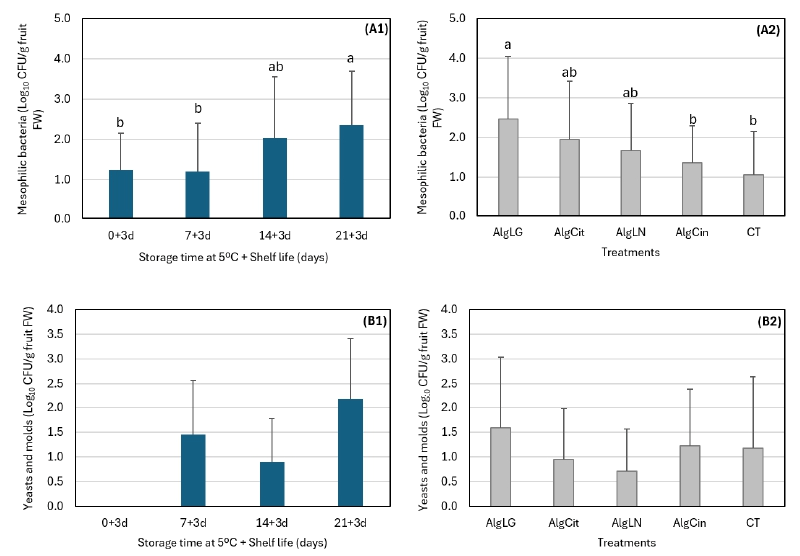
| Mesophilic Bacteria (Log10 CFU, Colony Forming Unit/g of fruit) | 3.69 ± 0.18 |
| Yeasts and molds (Log10 CFU/g of fruit) | ND |
Disclaimer/Publisher’s Note: The statements, opinions and data contained in all publications are solely those of the individual author(s) and contributor(s) and not of MDPI and/or the editor(s). MDPI and/or the editor(s) disclaim responsibility for any injury to people or property resulting from any ideas, methods, instructions or products referred to in the content. |
© 2026 by the authors. Licensee MDPI, Basel, Switzerland. This article is an open access article distributed under the terms and conditions of the Creative Commons Attribution (CC BY) license.
Share and Cite
Gago, C.; Mendonça, E.; Sapryha, I.; Bakchiche, B.; Machado, A.; Figueiredo, A.C.; Antunes, D.; Miguel, M.G. Alginate-Based Edible Coatings Enriched with Essential Oils for Enhancing Postharvest Quality and Bioactive Stability of Cherry Tomatoes (Solanum lycopersicum var. cerasiforme). Horticulturae 2026, 12, 1060. https://doi.org/10.3390/horticulturae12091060
Gago C, Mendonça E, Sapryha I, Bakchiche B, Machado A, Figueiredo AC, Antunes D, Miguel MG. Alginate-Based Edible Coatings Enriched with Essential Oils for Enhancing Postharvest Quality and Bioactive Stability of Cherry Tomatoes (Solanum lycopersicum var. cerasiforme). Horticulturae. 2026; 12(9):1060. https://doi.org/10.3390/horticulturae12091060
Chicago/Turabian StyleGago, Custódia, Elizabete Mendonça, Ilona Sapryha, Boulanouar Bakchiche, Alexandra Machado, Ana Cristina Figueiredo, Dulce Antunes, and Maria Graça Miguel. 2026. "Alginate-Based Edible Coatings Enriched with Essential Oils for Enhancing Postharvest Quality and Bioactive Stability of Cherry Tomatoes (Solanum lycopersicum var. cerasiforme)" Horticulturae 12, no. 9: 1060. https://doi.org/10.3390/horticulturae12091060
APA StyleGago, C., Mendonça, E., Sapryha, I., Bakchiche, B., Machado, A., Figueiredo, A. C., Antunes, D., & Miguel, M. G. (2026). Alginate-Based Edible Coatings Enriched with Essential Oils for Enhancing Postharvest Quality and Bioactive Stability of Cherry Tomatoes (Solanum lycopersicum var. cerasiforme). Horticulturae, 12(9), 1060. https://doi.org/10.3390/horticulturae12091060