Article

Ionomic and Transcriptomic Reprogramming Reveal Contrasting Iron Deficiency and Excess Responses in Potato (Solanum tuberosum L.)

Biotechnology Institute, Academy of Agriculture and Forestry Sciences, Qinghai University, Xining 810016, China
*
Authors to whom correspondence should be addressed.
Horticulturae 2026, 12(8), 945; https://doi.org/10.3390/horticulturae12080945

Submission received: 25 June 2026 / Revised: 24 July 2026 / Accepted: 25 July 2026 / Published: 1 August 2026

Abstract

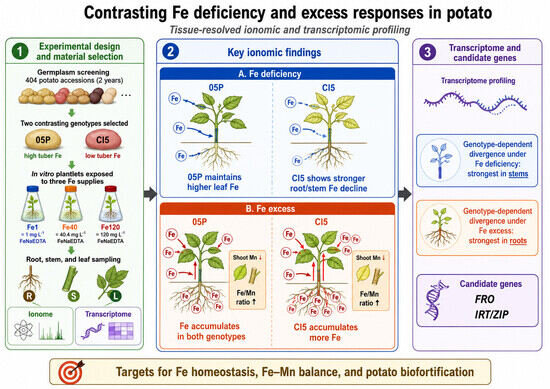
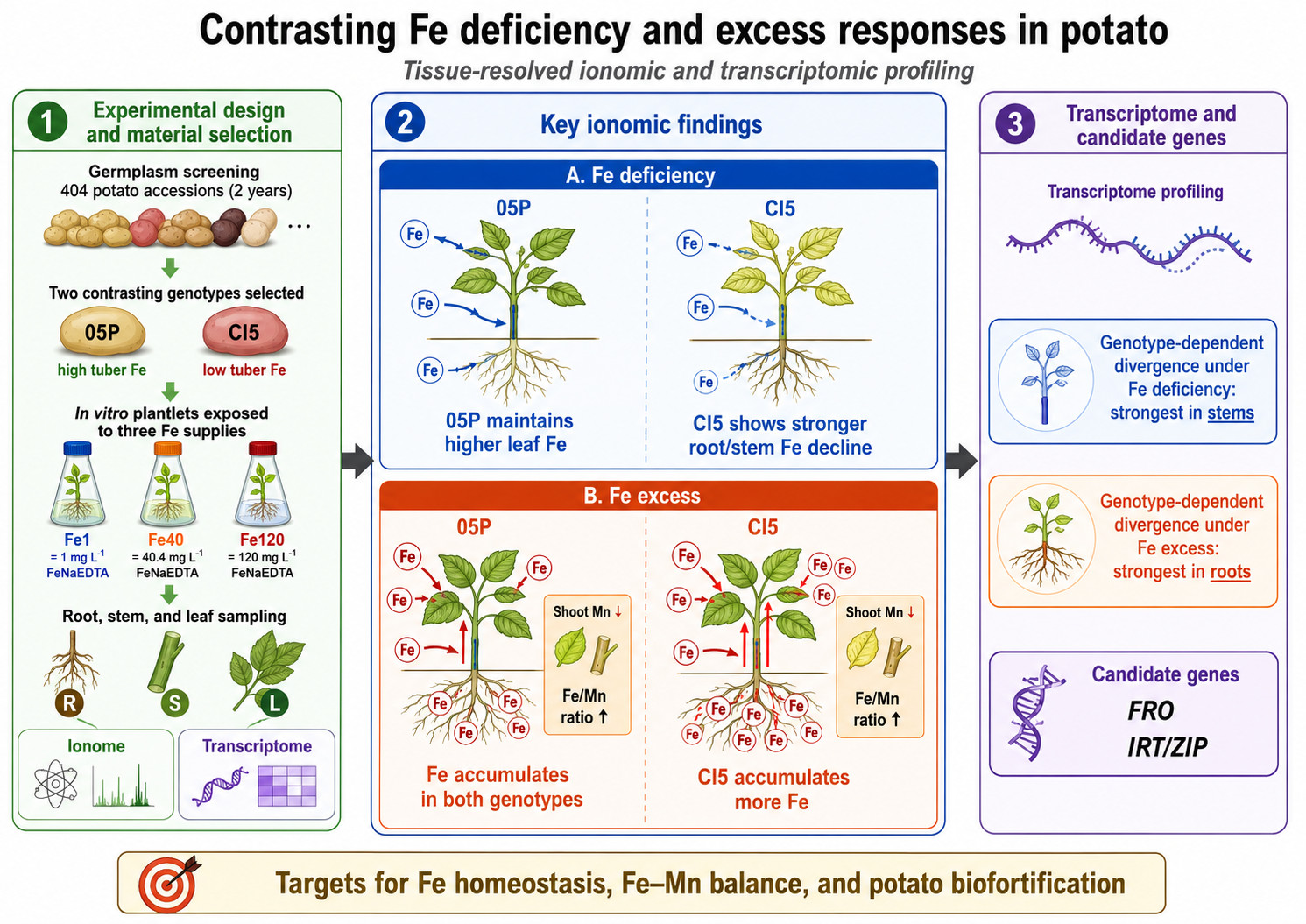
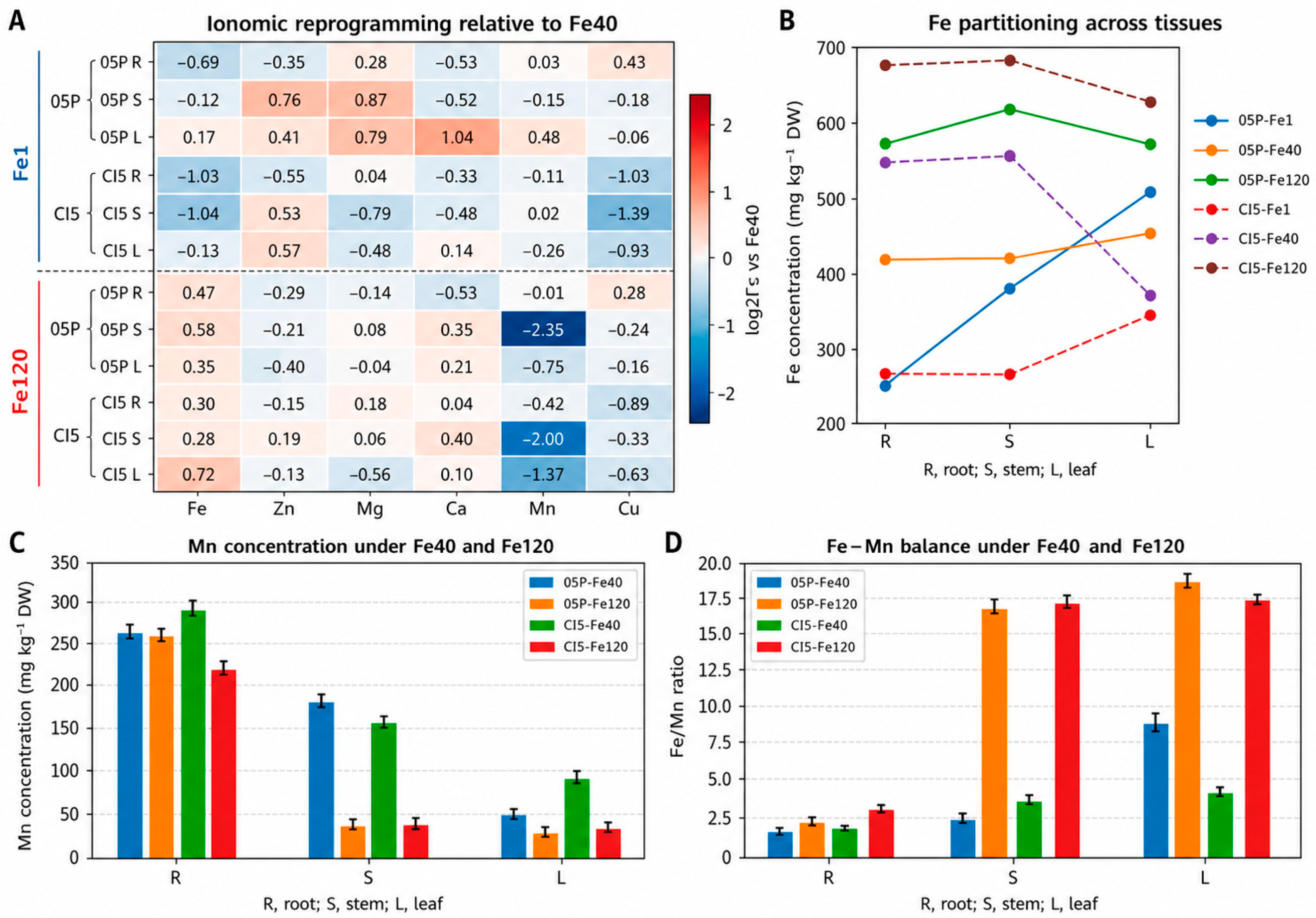
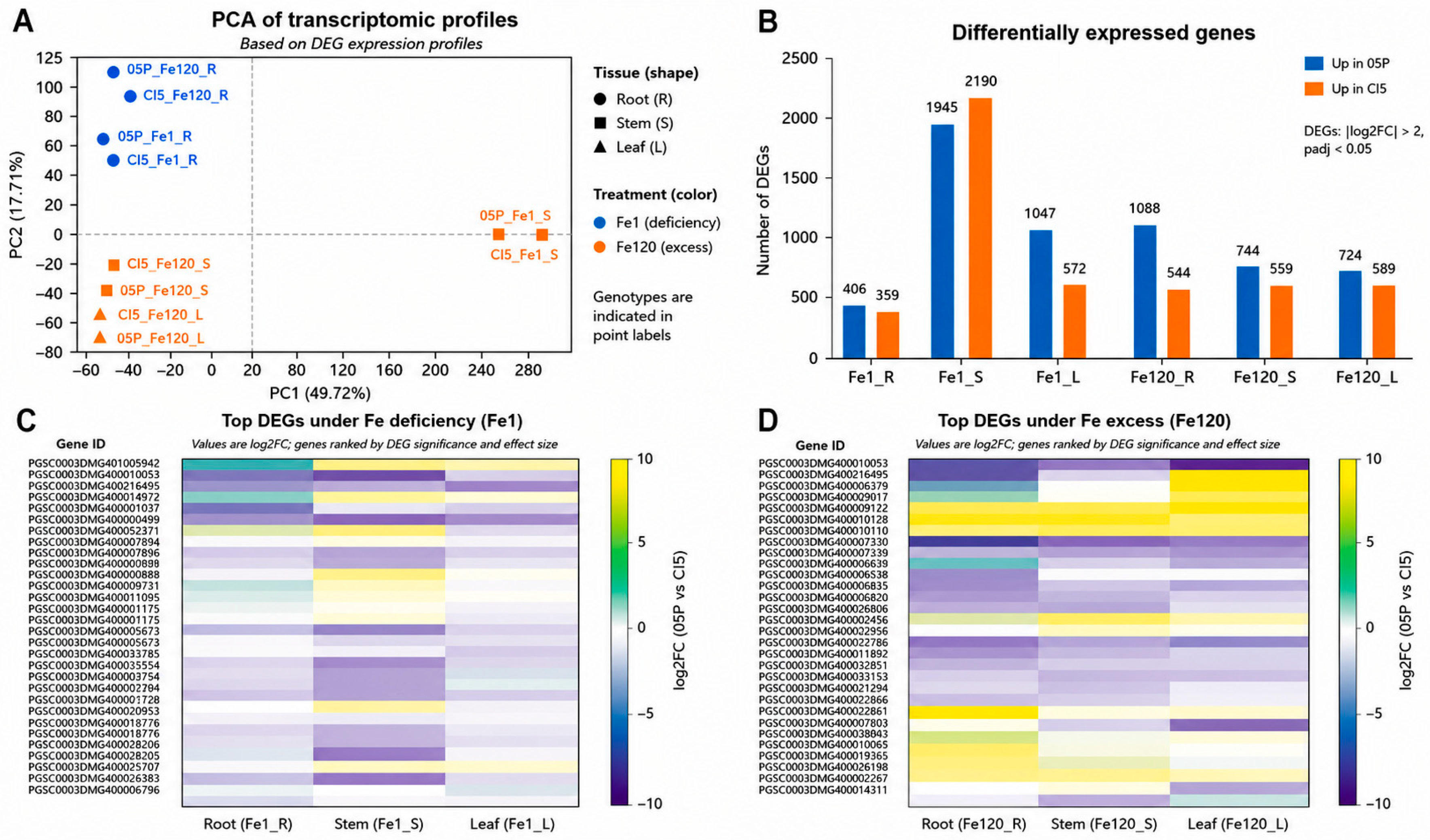
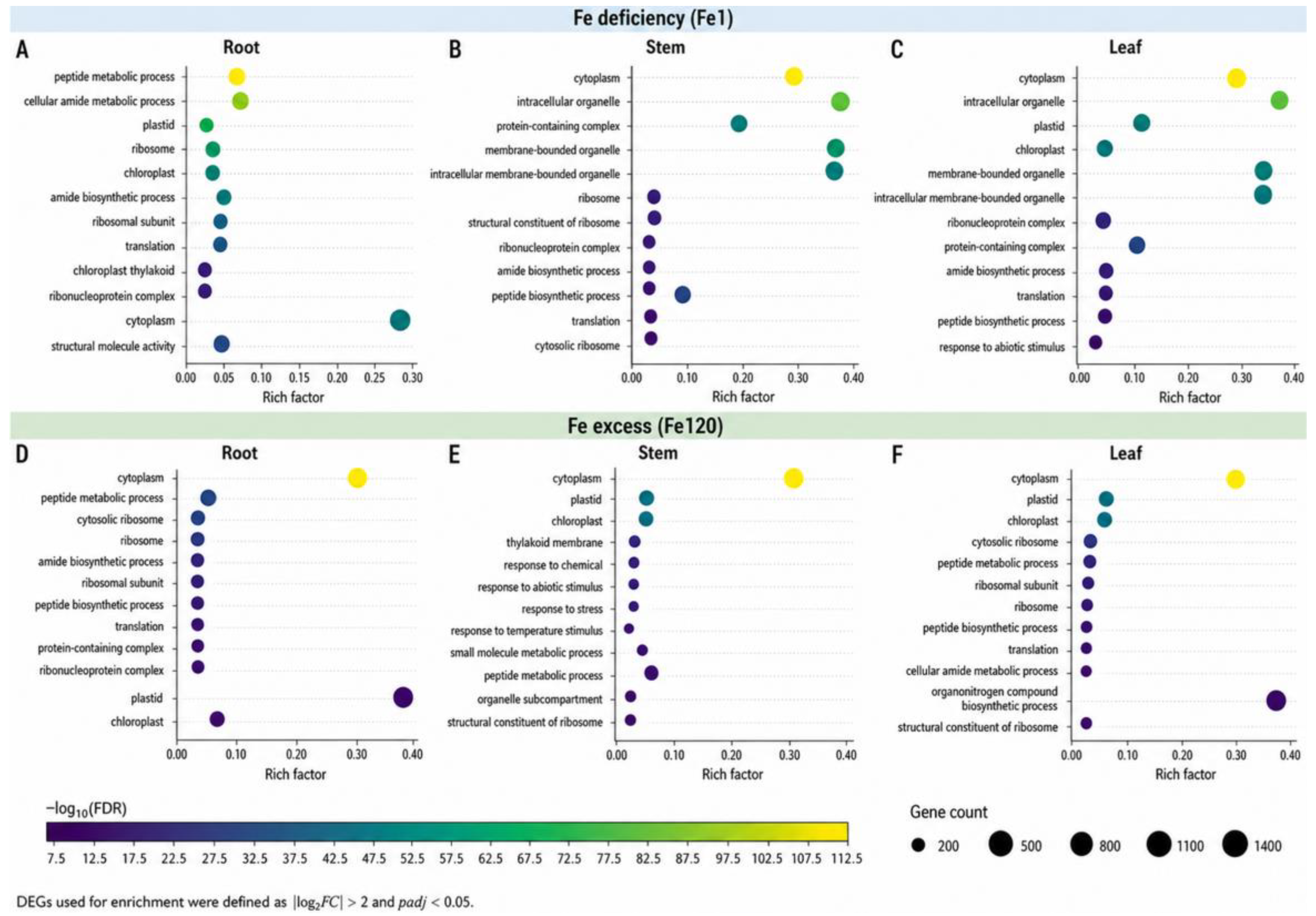
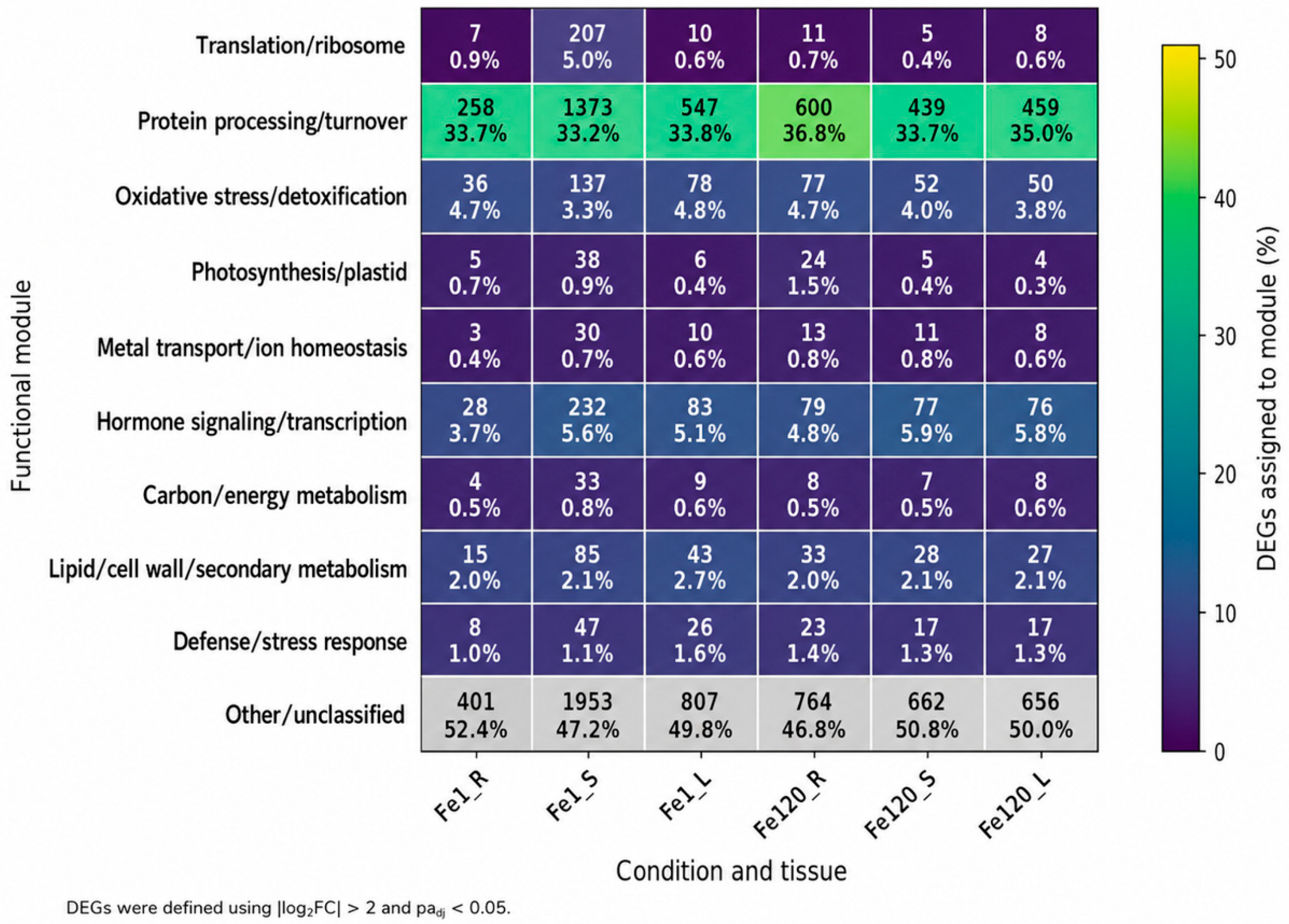
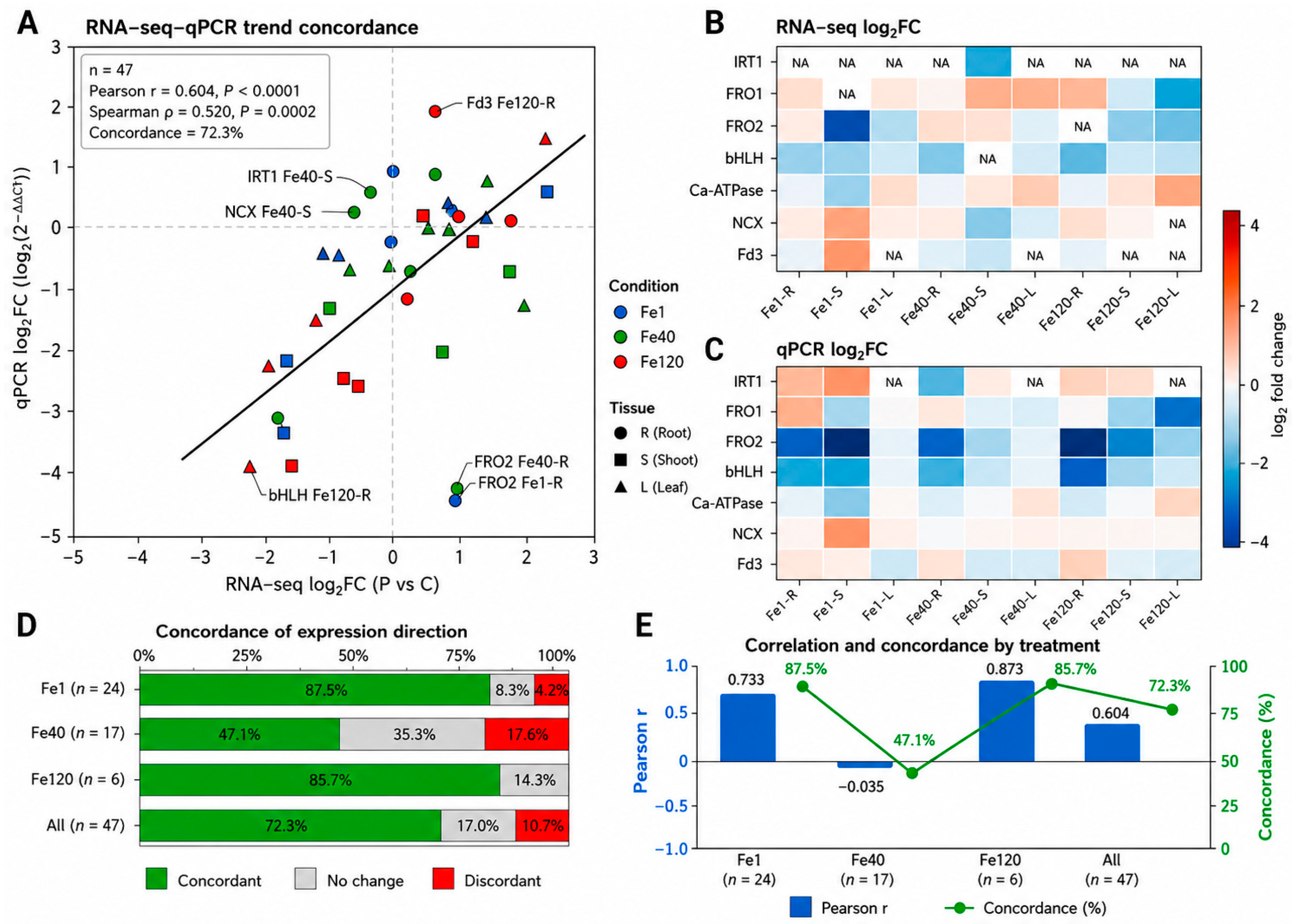
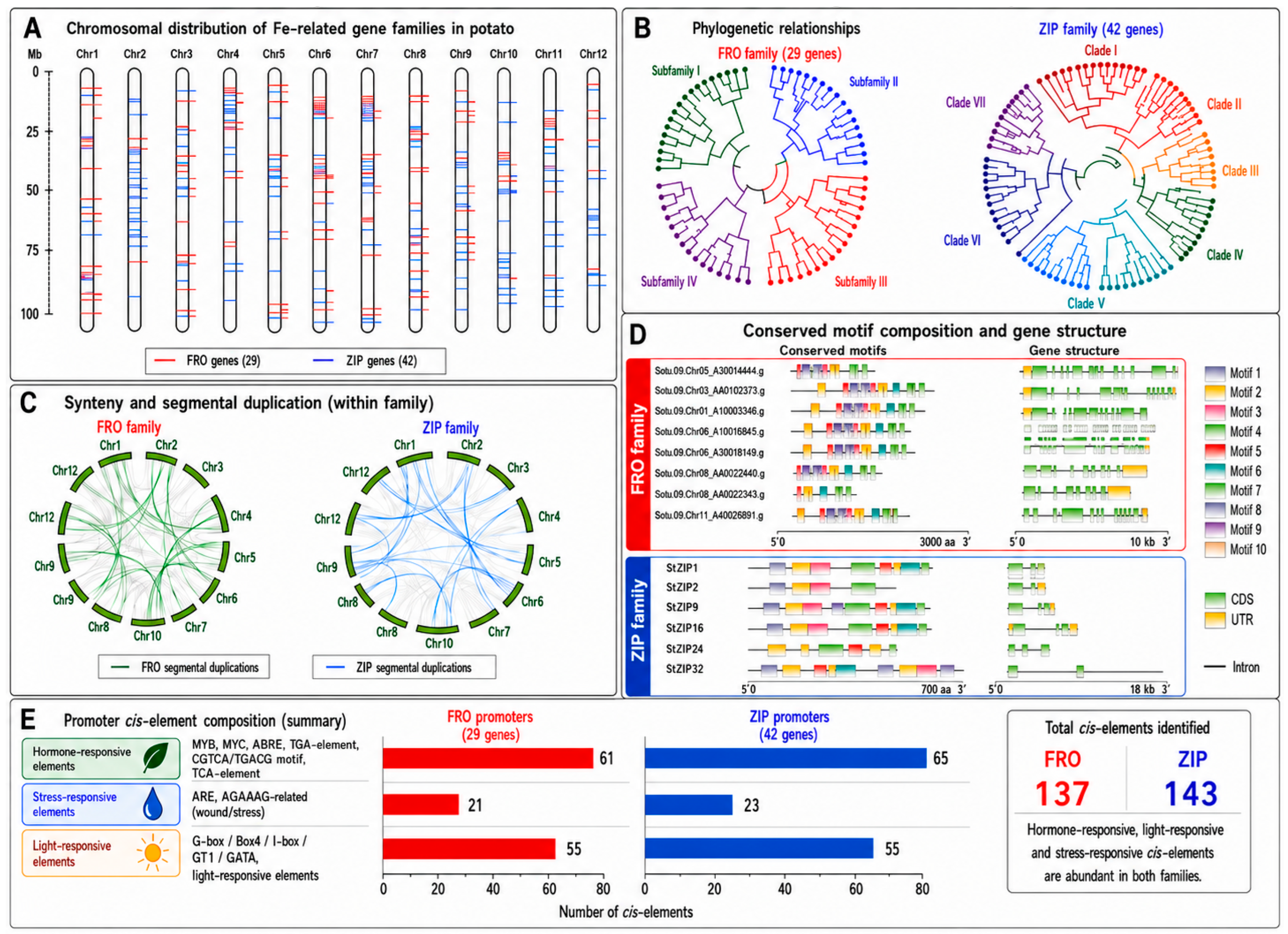
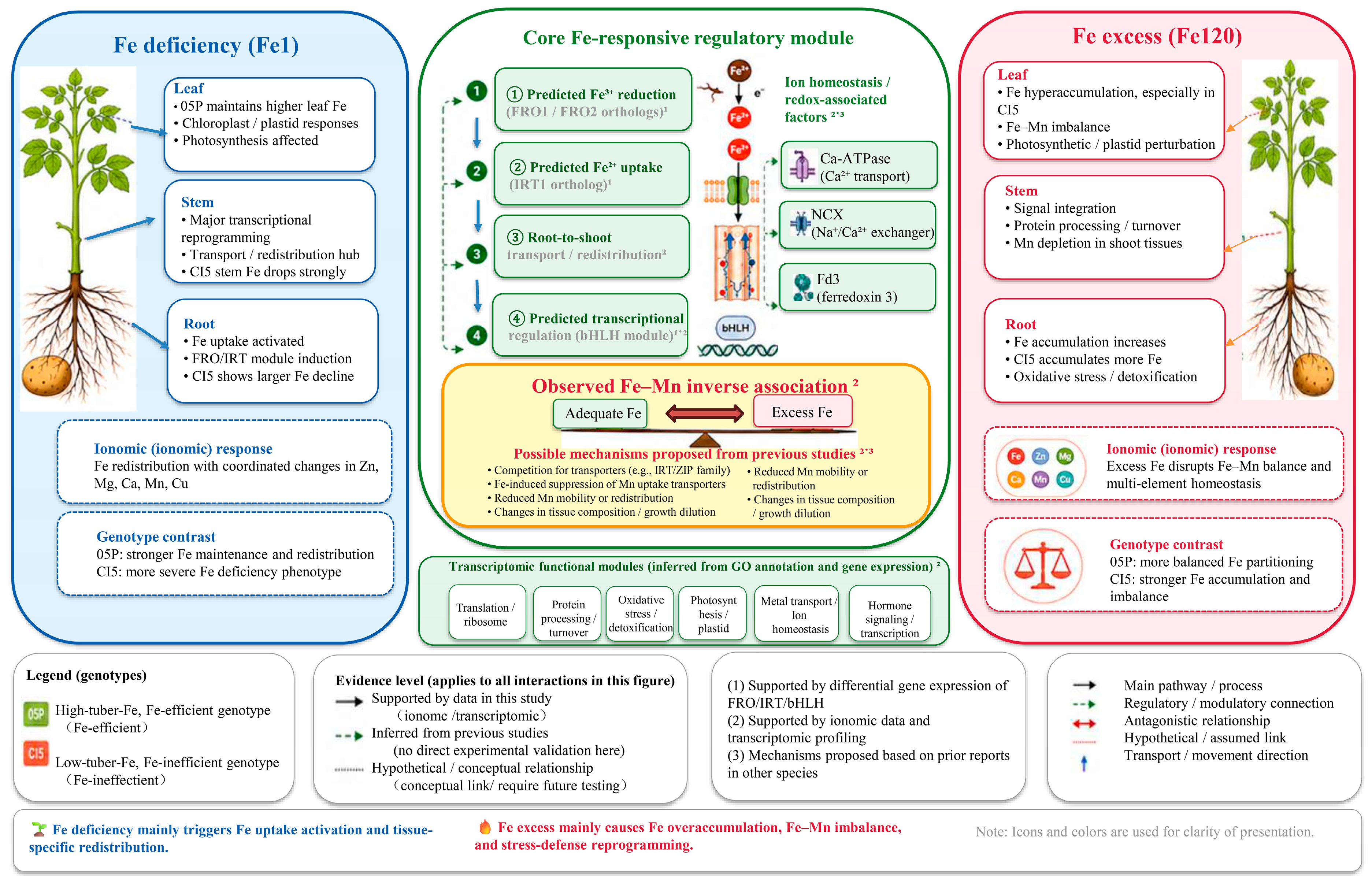
Iron (Fe) is an essential micronutrient for plant growth, serving as a cofactor in chlorophyll synthesis, photosynthetic electron transport, and redox reactions. Both Fe deficiency and excess disrupt mineral nutrient homeostasis, but the ionomic and transcriptomic mechanisms underlying genotype-specific responses in potato remain elusive. We profiled the ionome and transcriptome of two potato genotypes, 05P and CI5, grown under Fe-deficient, Fe-sufficient and Fe-excess conditions represented by 1, 40.4 and 120 mg L−1 FeNaEDTA, respectively. Ionomic analysis detected significant alterations in Fe, Mn, Zn, Ca, Mg, and Cu concentrations across roots, stems, and leaves, with the direction and magnitude of change varying by organ and genotype. Under Fe deficiency, CI5 showed steeper declines in root and stem Fe than 05P, while 05P retained higher leaf Fe, reflecting genotype-dependent patterns of shoot Fe distribution. Fe excess caused Fe accumulation in both genotypes, but coincided with Mn depletion in shoots, raising Fe/Mn ratios, consistent with potential antagonistic Fe–Mn interactions at the transport level. This pattern is consistent with potential antagonistic Fe–Mn interactions, although alternative mechanisms such as Mn uptake inhibition or dilution effects cannot be ruled out without direct experimental evidence. Transcriptome analysis showed organ-biased responses: Fe deficiency upregulated more genes in stems, whereas Fe excess triggered stronger transcriptional shifts in roots. No KEGG pathways remained significant after false discovery rate (FDR) correction, suggesting that genotype-dependent Fe-responsive divergence was not concentrated in a limited number of canonical KEGG pathways under the present analytical framework. Joint analysis of ionomic and transcriptomic data highlighted ferric-chelate reductase oxidase (FRO) and zinc-regulated transporter/iron-regulated transporter-like protein (IRT/ZIP) family members as genes associated with Fe reduction, divalent metal uptake, and Fe–Mn balance based on differential expression and orthology with functionally characterized Arabidopsis homologs. Comparative genomics showed that FRO and ZIP families have expanded in potato, with conserved domain architectures but divergent gene structures and promoter architectures, consistent with potential functional diversification related to metal transport. In conclusion, under Fe deficiency, genotype-dependent transcriptional divergence was most pronounced in stems, whereas under Fe excess it was more evident in roots, jointly maintaining systemic Fe–Mn homeostasis in potato.
Keywords: potato; iron stress; ionomics; transcriptome; iron homeostasis; biofortification potato; iron stress; ionomics; transcriptome; iron homeostasis; biofortification
Graphical Abstract