Article

Hydromulching Improves the Physical Quality and Induces Bioactive Compounds Synthesis in Artichoke (Cynara cardunculus subsp. scolymus L. (Heigi)) Plants by Enhancing the Nutritional Traits of the Soil


by
Miriam Romero-Muñoz
1,
Amparo Gálvez
1,
Purificación A. Martínez-Melgarejo
2,
Josefa López-Marín
1 and
Alfonso Albacete
1,*
1
Institute for Agroenvironmental Research and Development of Murcia (IMIDA), C/Mayor, s/n, E-30150 Murcia, Spain
2
Centro de Edafología y Biología Aplicada del Segura (CEBAS-CSIC), Department of Plant Nutrition, Campus Universitario de Espinardo, 25, E-30100 Murcia, Spain
*
Author to whom correspondence should be addressed.
Horticulturae 2026, 12(7), 786; https://doi.org/10.3390/horticulturae12070786 (registering DOI)
Submission received: 26 May 2026 / Revised: 22 June 2026 / Accepted: 25 June 2026 / Published: 27 June 2026

Abstract

The adoption of sustainable agricultural practices is essential to cope with climate change and to ensure soil health, efficient nutrient use, and food security. This study aims to delve into the effects of the use of different mulching techniques, both traditional and with an innovative ecological and sustainable mulch called hydromulch, on soil quality parameters, gas-exchange parameters and the final quality of the artichoke fruit (Cynara cardunculus subsp. scolymus L. (Heigi) cv. Symphony), as well as its impact on the metabolomics profile. The experimental design consisted of three blocks, each with three treatments: traditional polyethylene (PE) mulch, a rice husk-based hydromulch, and a bare soil control. The results show an increase in the physical quality of the artichokes grown with both mulches, as well as a direct impact on the primary and secondary metabolism, being more pronounced in the artichokes grown with hydromulch. In particular, hydromulch significantly up-regulated metabolites associated with the melatonin, serotonin, and polyamine pathways, suggesting a marked metabolic response compared with both polyethylene mulch and bare soil treatments. Furthermore, soil organic carbon (SOC) and soil organic matter (SOM) were increased in hydromulched soils. Gas exchange measurements revealed that hydromulched plants reduced stomatal conductance and transpiration, resulting in enhanced intrinsic water use efficiency. These improvements contribute to the production of high-quality, nutritionally enriched crops with direct relevance to food safety and sustainable agri-food systems.

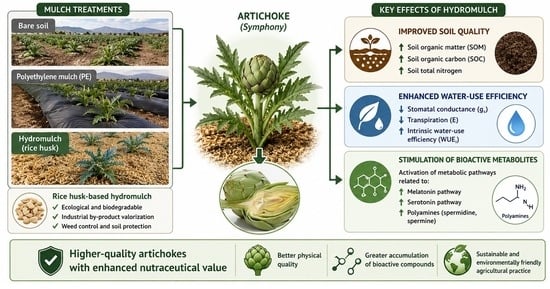
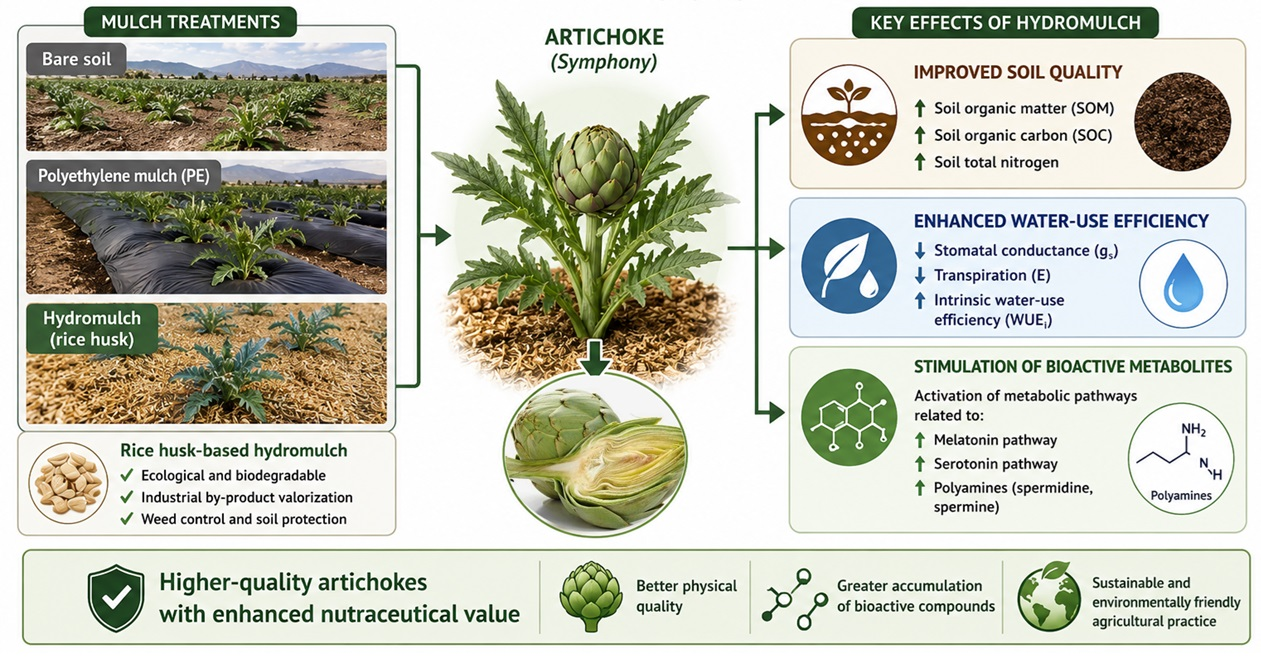
Graphical Abstract

1. Introduction

Artichoke is one of the most important vegetable crops in the Mediterranean region due to its economic value and its recognized nutritional and nutraceutical properties [1]. Its edible heads are rich in dietary fiber, minerals, polyphenols, flavonoids, and other bioactive compounds associated with antioxidant activity and potential health-promoting effects [2]. Furthermore, as a horticultural crop commonly cultivated under intensive management conditions, artichoke is particularly suitable for evaluating the impact of sustainable agronomic practices, such as mulching, on crop performance, quality, and metabolomic composition [1,3]. Therefore, different agronomic management techniques are being used to increase the productivity and quality of the artichoke. Mulching is an agrotechnological practice commonly used in Mediterranean horticulture, since it has important benefits in regulating soil moisture and temperature, weed control, and conservation of mineral nutrients [3]. The mulching technique has traditionally been based on the use of polyethylene covers. However, this type of mulch, as it is not biodegradable, has been shown to have negative environmental effects, such as the alteration of the soil structure, alteration of the physical–chemical properties of food, and pollution in terrestrial and marine ecosystems [4]. Since traditional mulching materials are derived from hydrocarbons, their degradation is complex, fragmenting into microplastics, which can cause very significant damage to terrestrial and marine ecosystems. In addition, it has been seen that they can alter the structure and quality of the soil, accelerate nitrogen metabolism, sequester organic matter from the soil, and even generate greenhouse gases [5]. Furthermore, environmental regulations require the removal of these covers for later management, which entails an additional cost for the farmer, which is reflected in the final prices of the product [6].
Different alternatives have been developed to minimize the environmental and economic impact of polyethylene mulch. One of these alternatives is the use of hydromulch, which is produced from a mixture of water with a lignocellulosic-type polymer, plus other additives, in such a way that a liquid film is obtained [3]. This mulch is applied as a paste that covers the surface of the ground and mimics the beneficial effects of traditional mulch, although its efficiency depends on various associated factors, such as orography, weather, and geographic location. This type of liquid mulch has been applied in reforestation to mitigate runoff and erosion, as well as on slopes to prevent their degradation. At an experimental level, it has been used in fruit crops [7] and, in addition, it has been seen that it can be an excellent method for weed control in perennials and horticultural crops [4]. Previous studies have reported that biodegradable mulches and hydromulch-based formulations can improve soil water retention, reduce evaporation losses, and maintain crop productivity in horticultural systems [5,7]. Compared with conventional polyethylene mulch, hydromulch offers important environmental advantages because it is biodegradable and does not generate persistent plastic residues in agricultural soils [8,9]. However, unlike polyethylene mulch, its durability and field performance may be influenced by climatic conditions, soil characteristics, and the specific composition of the hydromulch formulation. In preliminary studies, recycled paper pulp combined with different types of industrial by-products, such as rice husk, straw, and depleted substrate from mushroom production, has been proven to be an innovative and effective ecological mulch alternative [8]. Accordingly, the use of ecological and biodegradable soil mulches, derived from industrial or agricultural by-products, is an innovative option that, moreover, maintains or even improves the agronomic benefits of traditional mulching, contributes to improved soil quality and the soil–plant environment, and can also influence crop quality and chemical composition [7,9]. The quality and chemical composition of the artichoke have been well characterized in recent years. Very important concentrations of polyphenols have been detected, mainly flavonoids and chlorogenic acid, with antioxidant properties [10,11]. However, there are no studies that address in depth the metabolomic profile of artichoke in relation to the benefits for human health [12]. In fact, the knowledge and development of plant metabolites has evolved over the years, since it has been shown that the quality of a food of plant origin depends, to a great extent, on the biotic and abiotic environment in which it is produced, as well as the agronomic management. Furthermore, although it is known that in the plant kingdom there are more than 200,000 metabolites, until a few years ago, there was no analytical technology capable of characterizing the entire plant metabolome, due to the great variety and complexity of the chemical compounds involved. The development of high-resolution mass spectrometry has revolutionized one of the most emerging “-omics” technologies, metabolomics, since it is considered the final link in the integration of genomics (genes), transcriptomics (gene expression), and proteomics (proteins and enzymes) in systems biology. It has been used successfully in the study of molecular phenotypes of plants in response to abiotic stress to find particular responses associated with stress tolerance [13]. In addition, it allows studying phytochemical profiles and evaluating the environmental impact [14]. The metabolomic approach that has been used in this study combines ultra-high-efficiency liquid chromatography technology with the highest resolution mass spectrometry technology, Orbitrap detection (U-HPLC-HRMS-Orbi). This has made it possible to detect metabolic profiles in complex artichoke extracts associated with the use of ecological hydromulch and to identify functional chemical compounds of nutritional and biological interest. To the best of our knowledge, no previous studies have evaluated the influence of rice husk-based hydromulch on soil quality, physiological performance, and metabolomic composition in artichoke. Therefore, this study represents one of the first attempts to integrate agronomic, physiological, and metabolomic approaches for the assessment of this sustainable mulching technology. The working hypothesis of this study was that the use of hydromulch, as a sustainable alternative to traditional polyethylene mulching, could make an impact on soil quality and on the physical and chemical quality of the artichoke, modifying its metabolic profile and promoting the biosynthesis of functional compounds of nutritional interest. Based on this hypothesis, the objectives were to study the influence of ecological hydromulch on soil quality, gas-exchange parameters and on the physical and chemical quality of artichoke, in comparison with bare soil and conventional polyethylene mulch; to assess the influence of different mulching strategies on the artichoke metabolomic profile; and to identify bioactive and functional compounds specifically promoted by hydromulch technology, with potential benefits for human health and sustainable agri-food systems.

2. Materials and Methods

2.1. Plant Material and Experimental Conditions

The field experiment was conducted during the 2022–2023 growing season at the IMIDA experimental farm located in Murcia, Spain (37°45′ N, 0°59′ W). The experimental soil was classified as a Haplic Calcisol according to the World Reference Base for Soil Resources (WRB). Meteorological conditions recorded during the growing season are provided in Supplementary Table S1, while the baseline physicochemical properties of the soil are presented in Supplementary Table S2. Artichoke plants (Cynara cardunculus subsp. scolymus L. (Heigi)) cv. Symphony (Nunhens-BASF) were cultivated at a crop density of 1 plant m−2. A standard nutrient solution for artichoke was used, applied through an underground drip irrigation system at a depth of 5 cm, with emitters of 4 L h−1. Three random cultivation blocks were established with 3 treatments: hydromulch based on rice husk, two-color low-density polyethylene (PE), and a control treatment without mulching on bare soil. The rice husk-based hydromulch was prepared as a slurry composed of rice husk (1259 g m−2), gypsum (1000 g m−2), Kraft paper (209 g m−2), and paper pulp (16.7 L m−2). The mixture was thoroughly homogenized and applied directly to the soil surface at the beginning of the cropping cycle, forming a continuous biodegradable mulch layer approximately 1–2 cm thick. Hydromulch was applied once and maintained throughout the experimental period as an alternative to conventional polyethylene mulch. Artichokes were harvested during the fruiting stage. Samples were taken for analysis of physical quality and metabolomics in 4 plants per treatment of each of the blocks. The collected material was kept at −80 °C until further analysis.

2.2. Soil Sampling and Measurements

Soil samples were collected from the 0–20 cm soil layer at the conclusion of the experimental period. Samples intended for physicochemical characterization were air-dried and stored at ambient temperature until analysis. Total soil nitrogen (N, g kg−1) was quantified by dry combustion using a nitrogen analyzer (LECO FP-528, Leco Corp., St. Joseph, MI, USA), with certified reference material employed for instrument calibration. Soil organic carbon (SOC) and soil organic matter (SOM) were determined using the dichromate oxidation method in acidic medium as described by Walkley and Black [15]. All measurements were performed with a minimum of four replicates.

2.3. Physical Characterization

Fully artichoke heads were harvested and weighed for fresh weight (FW) determination, the equatorial and longitudinal diameter, using a digital gauge, and the firmness, using a TA-XT2i texturometer (Stable Micro Systems, Godalming, UK), validated for tensile, compression, and flexure tests. Then part of the receptacle was weighed and lyophilized (for 120 h) (Christ Alpha 1–2 LDplus, Osterode am Harz, Germany). Analyses were run in twelve replicates. Gas exchange was monitored in fully expanded leaves at the plant’s vegetative stage.

2.4. Gas Exchange Measurements

Leaf gas exchange parameters, including maximum net CO2 assimilation rate (Amax, μmol CO2 m−2 s−1), stomatal conductance to water vapor (gs, mmol H2O m−2 s−1), and transpiration rate (E, mmol H2O m−2 s−1), were recorded under steady-state conditions using an LI-6400 portable photosynthesis system (LI-COR, Lincoln, NE, USA). Measurements were conducted at saturating photon flux density (800 μmol m−2 s−1) and an ambient CO2 concentration of 400 ppm. Intrinsic water use efficiency (WUEi) was subsequently derived from gas exchange measurements as the ratio between net CO2 assimilation and transpiration rate (Amax/E).

2.5. Extraction Procedure and U-HPLC-HRMS Analysis

The metabolic profile was determined in 50 mg of the extract of freeze-dried receptacles. The extraction process was carried out in the internal part of the artichoke, which is the edible part. One mL of extraction buffer (methanol/water, 80/20, v/v) was added to 50 mg of previously freeze-dried and ground sample. The samples were homogenized and incubated at 4 °C for 30 min, with shaking. After incubation, they were centrifuged at 20,000× g for 15 min at 4 °C. The supernatant was passed through C18 solid phase extraction columns (Chromafix, Macherey-Nagel, Düren, Germany) to remove macromolecules that could interfere with the analysis by U-HPLC-HRMS. The samples were concentrated in a “SpeedVac” rotary evaporator (UniVapo, Uniequip, Martinsried, Germany) and reconstituted in 1 mL of buffer composed of a mixture of methanol/water (20/80, v/v) in an ultrasound bath for 10 min. Finally, the samples were centrifuged for 15 min at 4 °C and 20,000× g, and 100 µL of supernatant from each of the samples was introduced into the wells of an ELISA96 microplate. From each well of the plate, 10 μL of sample was injected into the U-HPLC-HRMS system, made up of a high-performance liquid chromatograph (ACCELA, ThermoFisher Scientific, Waltham, MA, USA), coupled to a mass spectrometer with a high-resolution Orbitrap detector (EXACTIVE, ThermoFisher Scientific, Waltham, MA, USA), using a heated source of electro-spray ionization (HESI). The molecules and compounds were separated on a reversed-phase column (ACCUCORE 2.6 µm RP-MS 50 × 2.1 mm, ThermoFisher Scientific, Waltham, MA, USA) at 30 °C and an elution flow of 300 µL/min. Two mobile phases were used in the elution flow: phase A, made up of a solution of methanol/water (5/95, v/v) at pH 7, and mobile phase B, also at pH 7, consisting of a methanol/water mixture (10/90, v/v). Acetic acid was used to adjust the pH of mobile phase B.

2.6. Compound Identification and Metabolic Pathways Integration

The identification of the compounds was carried out based on the representative m/z ratios obtained and their comparison with databases of chemical compounds. The databases used were METLIN (Scripps Center for Metabolomics), PUBCHEM (National Center for Biotechnology Information, NCBI), HMDB (Human Metabolome Database), and KEGG (Kyoto Encyclopedia of Genes and Genomes). A list of the identified compounds was obtained with their associated mass tolerance values, expressed in ppm. The tolerance values set were very low due to the high resolution of the HPLC-MS system used. When there was a coincidence of the m/z ratio, the compounds were fragmented in the collision cell of the mass spectrometer. The fragments obtained were compared with each other to establish the identity of the test compounds. Using the “Connection Report” tool of the XCMS platform, the identified compounds were integrated into the different pathways of primary and secondary metabolism, with the main importance of this latter and its implication in plant physiology and plant metabolism. For that purpose, statistical modules were established, ordered by probability (p-value), made up of compound groups and their associated metabolic routes.

2.7. Statistical Analysis and Data Processing

Data were tested for homogeneity of variance and normality of distribution. The significance of the treatment effects was determined by analysis of variance (ANOVA), and the significance (p < 0.05) of the differences between mean values was tested by Tukey’s honestly significant difference (HSD) test using R Software (RStudio version 3.5.0). XCALIBUR software (version 2.2, ThermoFisher Scientific, Waltham, MA, USA) was used to process the metabolomic data. Molecular indices and retention times were extracted from mass chromatograms, which allowed obtaining and defining the target peaks that were included to extract their m/z ratio in the metabolic profile of artichoke extracts. The MSConvert computer program (Proteowizard, Los Angeles, CA, USA) was used to align and normalize both the chromatograms and the m/z ratios, generating a characteristic mass table that was subjected to the statistical and metabolomic analysis tools. The metabolic profiles were processed using the XCMS metabolomics platform of the Scripps Center for Metabolomics and Mass Spectrometry. To reduce the dimensionality of the data generated, a principal component analysis (PCA) was applied. This analysis was performed using the XCMS platform and the MetaGeneAnalyse server (Max Planck Society, Munich, Germany). Two types of PCA were generated: one based on the metabolites detected (Loading PCA), which was used to identify the metabolites contributing most strongly to sample discrimination, and another based on the scores of the analyzed samples (Score PCA), which was used to visualize clustering patterns among treatments.

3. Results

3.1. Artichoke Physical Parameters, Gas Exchange and Soil Quality

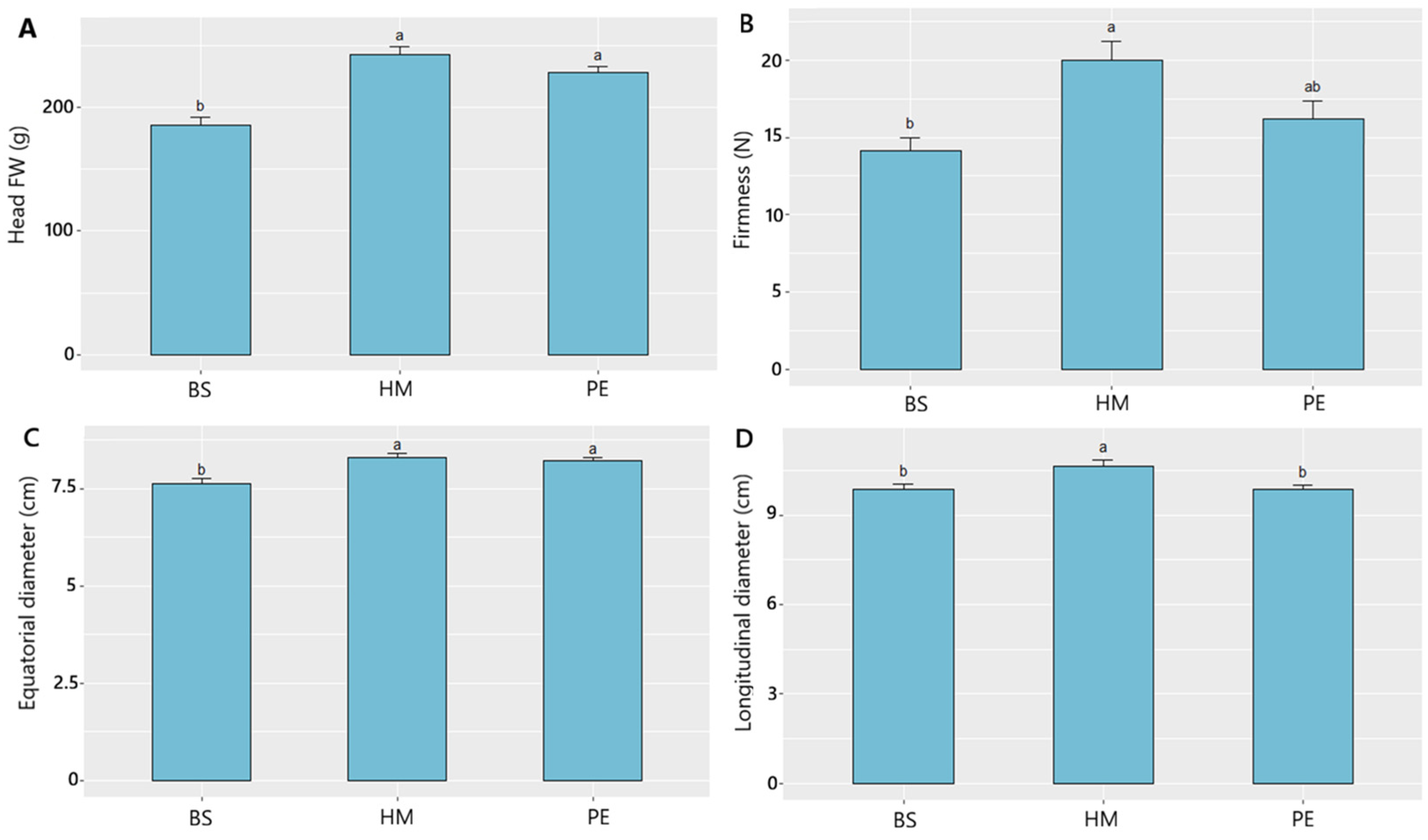
To study the effect of hydromulch on the physical quality of artichoke, regarding traditional mulch with polyethylene and bare soil, the most important physical quality parameters in artichoke were analyzed: head fresh weight (g), equatorial and longitudinal diameter (cm), and firmness (N). The mulch treatments increased significantly the fresh weight per head of the artichoke in relation to bare soil, being higher in hydromulch treatment (23.55%) than polyethylene (18.85%) (Figure 1A). Both hydromulches cause a significant increase in the longitudinal and equatorial diameter of the inflorescence (Figure 1C). These results imply a greater development in artichoke grown with mulch. In addition, the firmness of the artichoke, which indicates its resistance to deformation, was the physical quality parameter that increased the most with respect to bare soil (70.30%), although no significant differences were observed with the polyethylene mulch (Figure 1D).
To evaluate the effect of mulching treatments on soil nutrient status in artichoke cv. ‘Symphony’, key soil quality parameters were analyzed, including soil organic matter (SOM), soil organic carbon (SOC), total nitrogen (N), and the C:N ratio (Table 1). Mulching significantly increased SOM and SOC compared with bare soil, with the highest values observed under rice husk-based hydromulch, which showed increases of 67.5% and 67.5%, respectively, relative to the bare soil treatment. Polyethylene mulch also enhanced SOM and SOC, although to a lesser extent, showing intermediate values without significant differences from either bare soil or hydromulch. Total soil nitrogen content was significantly higher under hydromulch compared with bare soil and polyethylene mulch, indicating an improved nitrogen status associated with the biodegradable mulching system. Consequently, the C:N ratio increased in mulched soils, particularly under hydromulch, reaching values 28.6% higher than those observed in bare soil, although no significant differences were observed. Similarly, polyethylene mulch also resulted in an increased C:N ratio although differences were not statistically significant compared with bare soil.
Regarding gas-exchange parameters (Table 2), no significant differences were observed in the net photosynthetic rate (Amax) among treatments, indicating that carbon assimilation was maintained under bare soil, polyethylene mulch, and rice husk-based hydromulch conditions. In contrast, stomatal conductance and transpiration rate were significantly affected by the mulching strategy. Artichoke plants grown under hydromulch exhibited a significant reduction in stomatal conductance (21.2%) and transpiration rate (22.2%) compared with bare soil, while polyethylene mulch showed intermediate values. Despite these reductions, photosynthetic activity remained unchanged, resulting in a significantly higher intrinsic water use efficiency in mulched treatments. Intrinsic water use efficiency was significantly enhanced in artichokes grown under hydromulch and polyethylene mulch compared with bare soil, with the highest WUEi values recorded under hydromulch, representing an increase of approximately 31.2% relative to bare soil.

3.2. Metabolic Profile and Paired Analyses

In order to see if the covering of the cropping soil with ecological hydromulch induces changes in the phytochemical profile of artichoke that would complement the benefits observed in its physical quality, paired studies of the metabolic effects of traditional mulch and hydromulch in comparison were carried out with the bare soil, which was taken as an absolute control. The columns of Supplementary Tables S1 and S2 show the parameters of fold-change, the value of statistical significance p-value, the direction of change “up” (increase) or “down” (decrease) with respect to the control treatment with bare soil, the m/z ratio, and the retention time. In the analysis of the intensity of the characteristic compounds, the adduct effect was considered. This parameter is very important since, in mass spectrometry, during the ionization process, the ions can associate with other species of the sample matrix or the mobile phase, giving rise to a modification of the m/z ratio, and therefore, of its intensity [16]. In the paired analysis between the treatment with plastic mulch and bare soil, 6013 metabolites were found, with a statistically significant representation (p ≤ 0.05) of 14%. In Supplementary Table S3, only the significant metabolites that presented a lower p-value are presented. Although there were statistical differences in a significant number of compounds between bare soil and polyethylene mulch, the intensity of change was not very marked, highlighting only the compound identified as M97T9_2, which turned out to be 63.86 times higher. The paired analysis of the hydromulch metabolic profiles with respect to bare soil revealed a similar number of detected compounds (6105), but the percentage of statistically different metabolites (p ≤ 0.05) increased to 18% (Supplementary Table S4). These results indicate that hydromulch induced a broader metabolic response than polyethylene mulch, supporting its stronger impact on the artichoke metabolome.

3.2.1. Cloud Plots

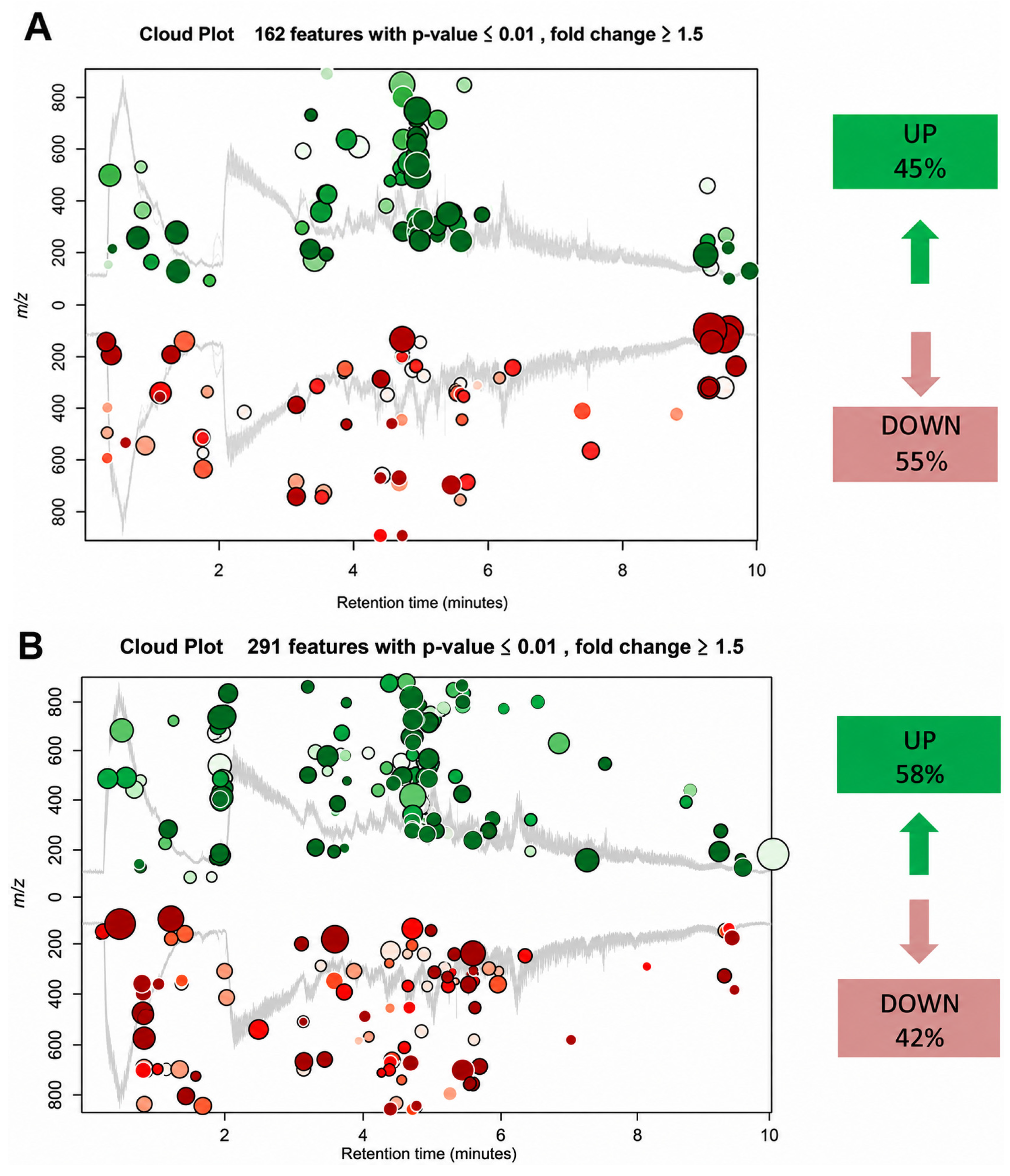
From the paired analyses, cloud plots were constructed (Figure 2). These comparative diagrams represent the metabolites that showed significant differences with a p ≤ 0.01 and a change intensity greater than 1.5 in polyethylene or hydromulch treatment compared with bare soil. In the comparative analyses of traditional mulch, 45% of the significant metabolites (162) increased in artichoke plants grown on this treatment compared with plants grown in bare soil (Figure 2A). The cloud plot also revealed an increase in the number of significant metabolites that varied in the comparison between hydromulch and bare soil, being 291, and of these, 58% increased in the treatment with ecological hydromulch (Figure 2B). As stated above, the plots show that the number of ions/features (metabolites) that were extracted are associated with the use of the mulching technique. Therefore, both traditional mulch and hydromulch have a direct influence on the artichoke metabolic profile, although the effect is more pronounced in ecological hydromulch.

3.2.2. Principal Component Analysis

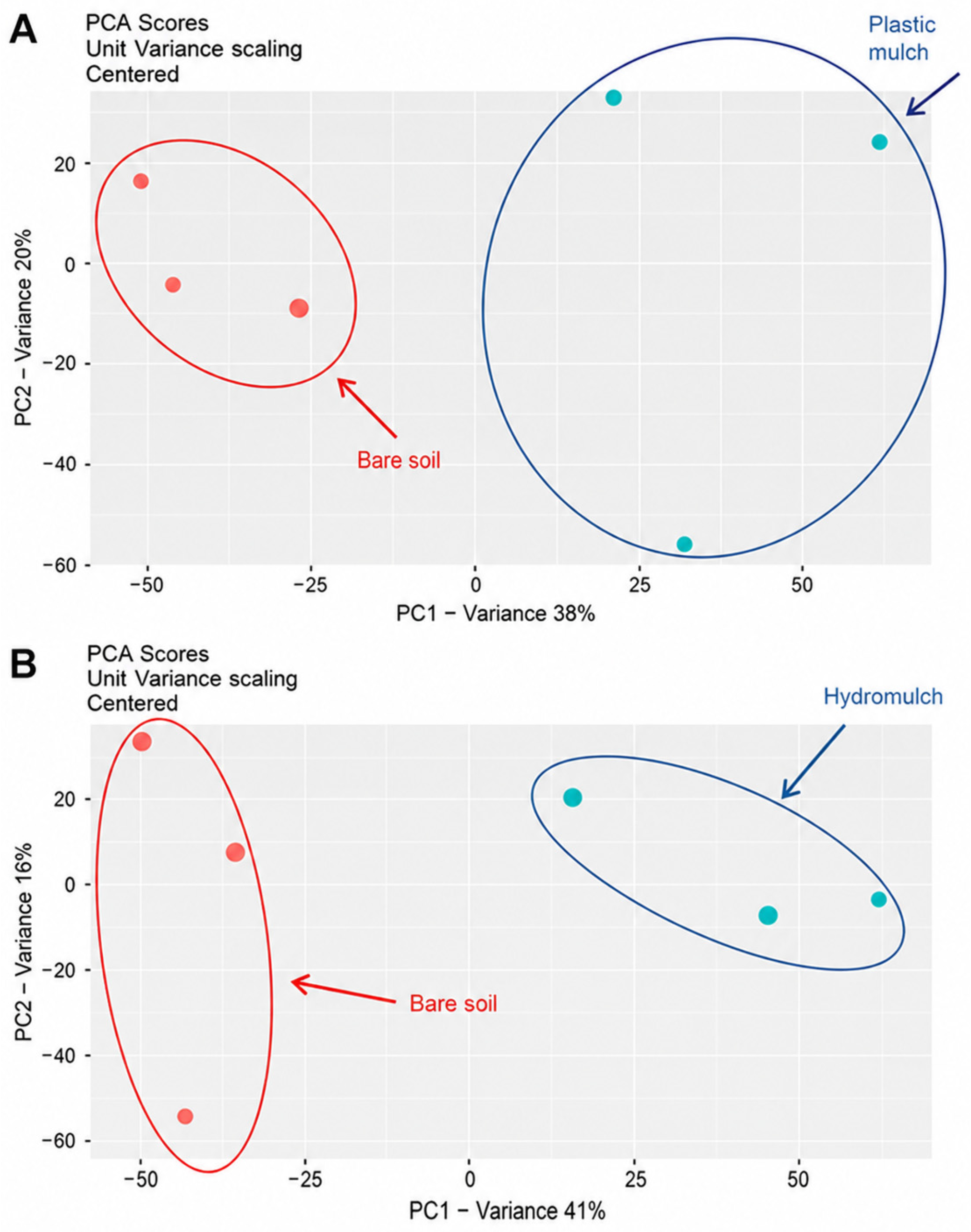
Although different metabolite patterns could be observed by visual inspection of the plots (Figure 2), PCA was performed to reduce the size and complexity of the data set obtained. PCA is an unsupervised clustering method requiring no knowledge of the data set and acts to reduce the dimensionality of multivariate data while preserving most of the variance within. Figure 3 shows the “PCA scores”, which represent the scores on the axes of the diagram or principal components (PC), of each of the individual samples analyzed, associated in clusters. As can be appreciated in Figure 3A, the score values of the metabolic profiles of the artichoke grown on bare soil are represented with red dots and were associated in a different cluster than the plants grown with plastic mulch (blue dots). Both associations were established around PC1, which represented 38% of the chemical variability of the population, while PC2 only accounted for 20% of the variability. The clear separation of the clusters indicates that polyethylene mulch induced measurable changes in the metabolic profile of artichoke plants compared with bare soil. The proportion of variance explained by PC1 and PC2 suggests that these components captured a substantial part of the metabolomic variability associated with the cultivation treatments.
In the same way, the scores of the artichoke plants grown with hydromulch (blue points) were grouped differentially with respect to the control plants on bare soil (red dots) (Figure 3B). These clusters were also carried out mainly around PC1, which represented 41% of the metabolic variability. The distinct clustering observed for hydromulch-treated plants further supports the existence of a specific metabolic signature associated with this treatment, which was more pronounced than that observed for polyethylene mulch. Therefore, the effect of mulches on the chemical variability of the artichoke is demonstrated through an advanced statistical analysis of size reduction.
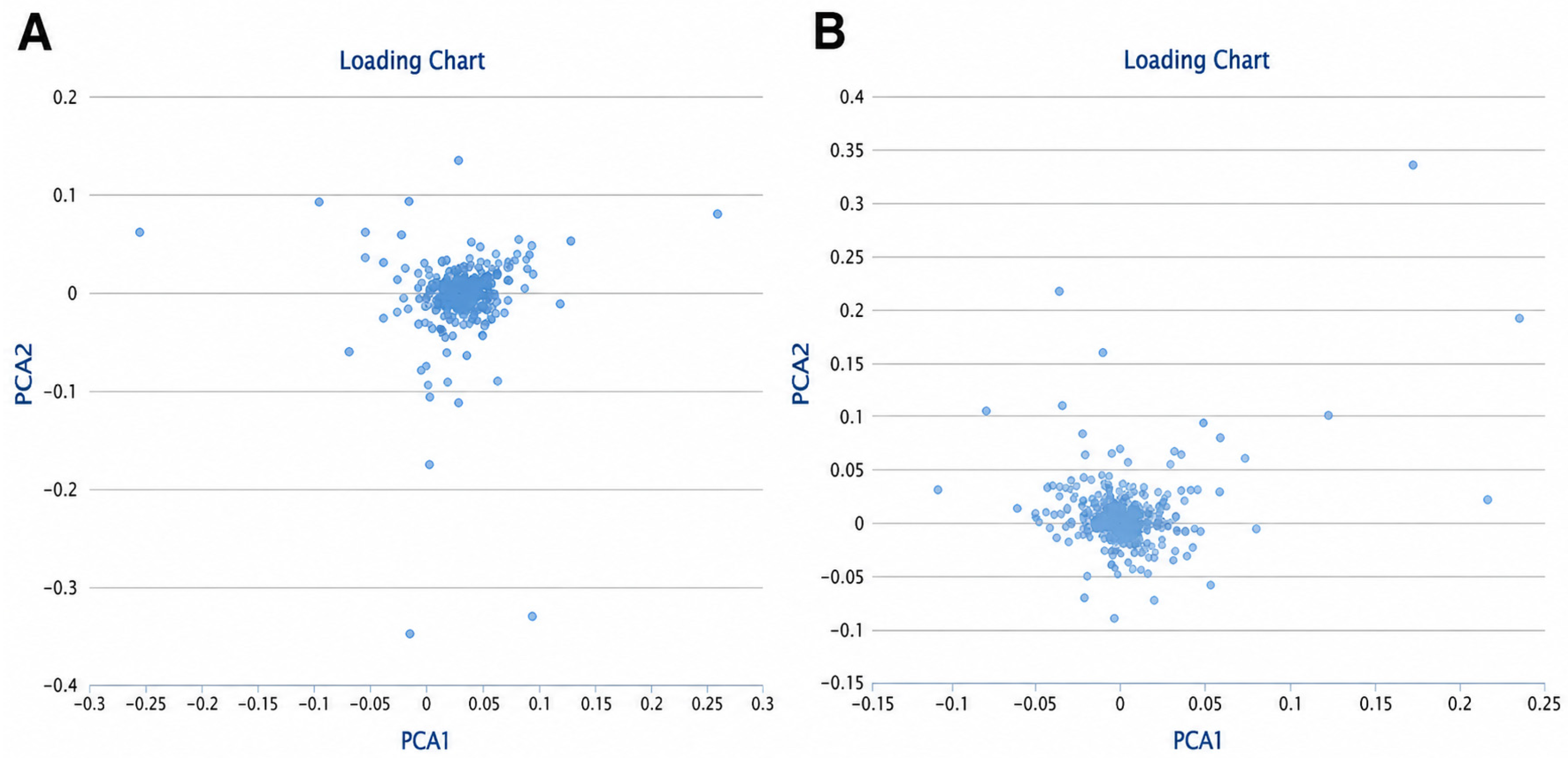
Furthermore, by loading PCA, the metabolic separation between traditional polyethylene and hydromulch was established. The loading PCA shows the metabolites detected as a linear combination of two PCs, in such a way that those that are further away from the center of the distribution have a greater statistical contribution. The statistical distance with respect to the bare soil was greater in the hydromulch (Figure 4B) than in the polyethylene mulch (Figure 4A), which statistically demonstrates the greater chemical separation and, consequently, the metabolic specificity of the hydromulch with respect to the bare soil.

3.2.3. Metabolic Pathways and Component Identification

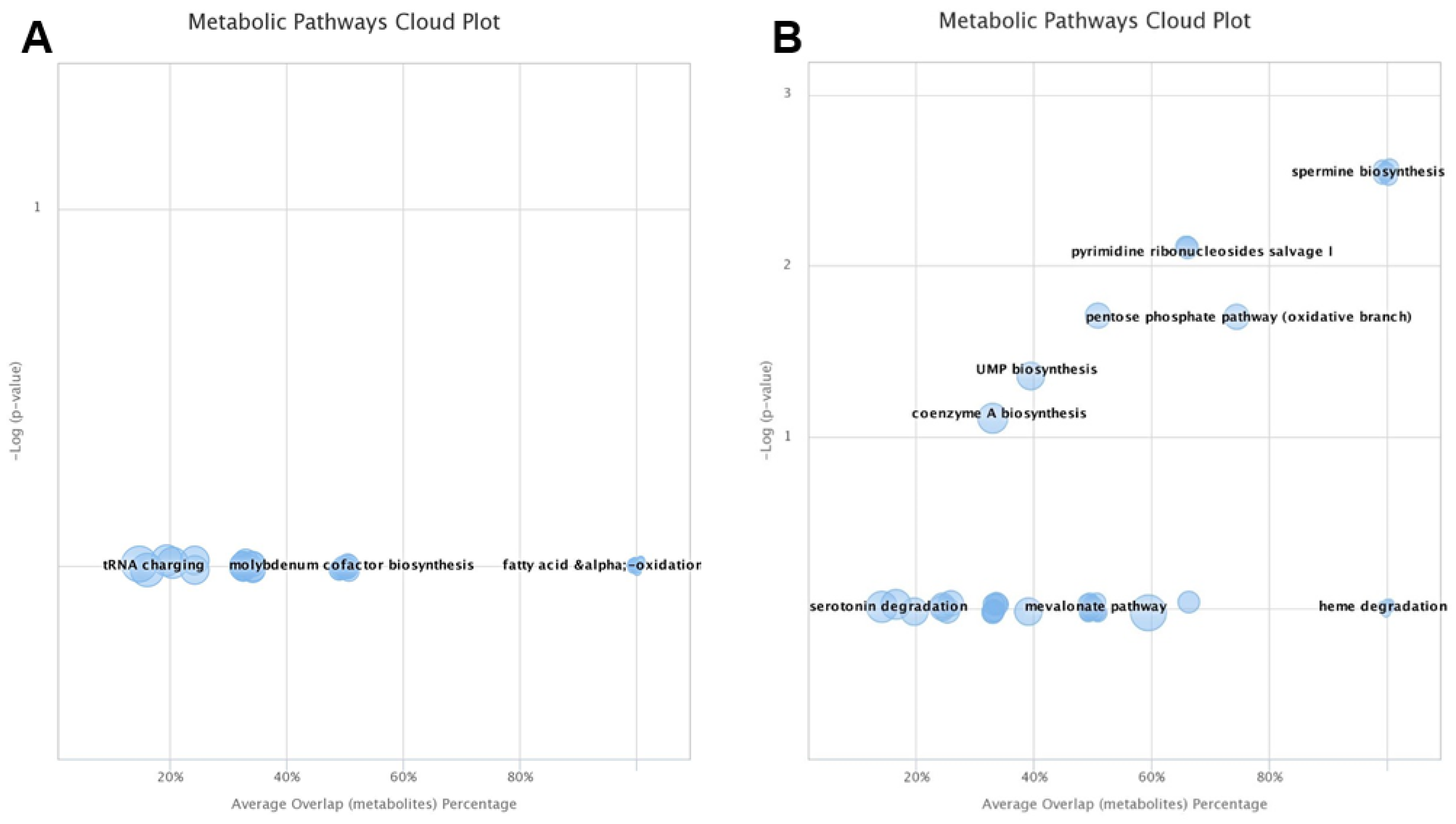
In order to identify specific compounds of the primary and secondary metabolism that are produced as a consequence of the use of mulches in artichoke with potential bioactive properties beneficial to health, analyses of metabolic connections and comparisons with chemical and metabolic databases were carried out (Figure 5). The use of the mulching technique has a direct impact on the primary and secondary metabolism. The number of metabolic pathways affected was greater in artichoke cultivated with hydromulch than in artichoke cultivated with polyethylene (Figure 5), activating in the case of polyethylene above all, metabolic pathways belonging to primary metabolism (tRNA charging pathway, molybdenum cofactor biosynthesis, and fatty acid oxidation). It should be noted that most of the metabolic pathways affected in plants grown with hydromulch belong to secondary metabolism, where the spermine synthesis pathway and serotonin degradation pathway stand out, which is the common precursor of hormones as important as melatonin and salicylic acid [17]. The activation of the mevalonate pathway is especially remarkable in artichokes cultivated with hydromulch (Figure 5B), and it plays a fundamental role in the biosynthesis of isoprenoids and compounds as important as vitamin K and steroid hormones [18]. Numerous metabolites were identified whose levels were significantly affected in artichokes cultivated with traditional mulch and with hydromulch (Annex Table 3 and Table 4). Those compounds that presented a fold-change ≥ 1.5 and a p-value ≤ 0.05 in the range of retention time between 0.5 and 8 min were selected (Table 3 and Table 4). In Table 3 and Table 4, different metabolites were identified using several databases such as KEGG, PUBCHEM, and HMDB. These results coincide with those shown in Figure 5. The metabolic pathways most affected by the treatment with polyethylene correspond to the primary metabolism, except for the metabolite N-Acetyl-β-glucosaminilamine, which belongs to the melatonin pathway. The results show that there is a direct effect between the hydromulch cover and the activation of the secondary metabolism with such important compounds as serotonin, spermidine, spermine, and asparagine.

4. Discussion

Replacing polyethylene with biodegradable hydromulching represents a sustainable soil management strategy that reduces plastic inputs and supports environmentally friendly farming practices. In our study, the use of rice husk-based hydromulch led to a clear improvement in key soil quality parameters, including soil organic matter, organic carbon, nitrogen content, and the C:N ratio, compared with bare soil and, in most cases, conventional polyethylene mulch (Table 1). The increase in SOM and SOC under hydromulch may be explained by several complementary mechanisms. First, the rice husk-based hydromulch represents an external input of lignocellulosic organic material, which can gradually contribute to soil organic matter formation as it decomposes [3,9]. Second, the mulch layer may improve soil moisture retention and buffer soil temperature fluctuations, creating a more favorable microenvironment for microbial activity and nutrient cycling. Organic mulching has been reported to increase microbial biomass, enzymatic activity, and carbon and nitrogen cycling in soil, thereby contributing to greater organic matter accumulation and soil fertility [9,19,20]. These improvements likely contributed to a more favorable soil–plant environment, promoting nutrient availability and supporting plant physiological functioning. In this context, gas exchange measurements provide additional insight into the plant-level responses associated with mulching practices. Although net photosynthetic rates were not significantly affected by the different treatments, both biodegradable hydromulch and polyethylene mulch significantly reduced stomatal conductance and transpiration compared with bare soil (Table 2). This coordinated stomatal regulation resulted in a marked increase in WUEi, particularly under hydromulch conditions, indicating that plants were able to maintain carbon assimilation while reducing water loss. Such physiological behavior is consistent with improved soil moisture retention and a more stable soil microclimate under mulching conditions, which may contribute to improved plant performance [3,21]. The enhanced WUEi observed under hydromulch is especially relevant in Mediterranean agroecosystems, where water availability is a major limiting factor for crop productivity. Moreover, several studies have revealed the beneficial effects of soil mulch on the physicochemical quality of foods of plant origin. One of our goals in this work has been to check if there is a relation between the use of hydromulch and the improvement of the final quality of the product. Improved physiological efficiency under these conditions may contribute to the improved physical quality of artichoke heads observed in this study, reinforcing the role of hydromulch as a climate-smart soil management practice that links soil quality improvements with plant physiological resilience and the physical quality of the fruits [21]. The use of biodegradable mulches has been shown to increase the productivity and quality of tomato fruit [22]. In cucurbitaceae crops, it has been seen that organic mulch increased the fresh weight of the fruits and some chemical quality parameters, such as the levels of antioxidant compounds [23]. A positive effect of the use of mulch technology has also been seen on the physical quality (mainly color and firmness) of the tomato fruit when biodegradable polymers [24] or inorganic mulches [25] were used. In line with these findings, our results show that the use of hydromulch as an ecological alternative to polyethylene is associated with improved physical quality of artichoke heads, supporting the role of sustainable mulching practices in enhancing crop quality.
The artichoke is a vegetable origin food that is increasingly consumed, especially in the Mediterranean area [26], not only for its organoleptic and nutritional properties, but also for the abundance of functional compounds [1,24,27]. Furthermore, it contains high levels of polyphenols, especially flavonoids, which have been shown to possess anticancer properties, reducing uncontrolled cell proliferation and damage to healthy cells caused by cytotoxic agents [28]. Primary metabolites are essential for the basic functions of plants, while secondary metabolites belong to well-differentiated chemical groups, with very diverse functions [7]. It has been observed that many of them are produced in the plant in response to environmental stress conditions, such as antioxidants, coenzymes, and other regulatory molecules, as an effective protection mechanism against oxidative stress [29,30,31]. Recent UHPLC-HRMS studies have identified, in artichoke bracts and leaf by-products, significant concentrations of phenolic compounds, including caffeoylquinic acid derivatives and flavonoids [32,33,34]. While the bracts are highly rich in inulin [17], artichoke leaves are a natural source of cynarin (1,3-dicaffeoylquinic acid), along with its precursor chlorogenic acid (5-caffeolquinic acid) [10,35]. UHPLC-MS metabolic profiling highlighted dynamic metabolic changes in plants that have been treated with a mulching material, and these changes were found to be mulching material-specific.
To our knowledge, from a metabolic approach, this is the first work that addresses the influence of the use of hydromulch on the activation of certain metabolic pathways and its implications in plant physiology. Our results reveal the existence of a differential profile between the use of mulching techniques in the artichoke crop, entailing a change in the plant metabolome. Both traditional mulch and hydromulch have a direct influence on the artichoke metabolic profile, although the effect is more pronounced in ecological hydromulch. As the PCA Score shows (Figure 3), there is a clearer separation in the hydromulch cluster from the polyethylene cluster, which implies that the metabolic group is more defined. Using the Loading PCA, the results of the PCA Score (Figure 4) are complemented and a greater metabolic specificity is observed in the use of hydromulch with respect to bare soil. Other studies have performed this statistical technique to reduce the dimensionality of the data and thus obtain clearer results [34]. Those studies have been focused on the study of different artichoke cultivars, hydroponic crop techniques [35,36], or through changes induced by certain environmental stresses, such as salinity, drought, or extreme temperatures [32]. However, to date, no work has delved into the phytochemical profile of artichoke influenced by mulching techniques and, in particular, the use of a cultivation technique as innovative as hydromulch. Although recent metabolomic studies have improved the characterization of artichoke phytochemical composition using high-resolution mass spectrometry approaches [33,34].
The link between primary and secondary plant metabolism plays a pivotal role in mediating environmental interactions. Plant interactions with their environment lead to changes in primary metabolism (mostly for energy production and biosynthesis of precursors for secondary metabolism) and modification of secondary metabolism [35]. As Figure 5 shows, the use of the mulching technique has a direct impact on the primary and secondary metabolism. In primary metabolism, some of the identified metabolites accumulated in the two mulching treatments, such as porphyrin and ubiquinol. Protoporphyrin IX is characterized by its side chain and is often named by the number of carboxylic acid groups. Heme is a porphyrin ring complexed with ferrous iron and protoporphyrin IX, which constitutes an essential protein group with various biological functions and acts as a precursor in hemoglobin [36]. Ubiquinol is the antioxidant form of CoQ10 and acts as a powerful free radical scavenger. It is considered, to date, the only fat-soluble antioxidant, and protects lipids from peroxidative damage, with an effect similar to that of α-tocopherol [37]. Compounds related to amino acid and nucleic acid biosynthesis have been found in both mulching treatments. In the case of polyethylene, the metabolites γ-L-glutamyl 5-phosphate and γ-L-glutamyl-L-cysteine (GGC) have been found; both belong to the class of organic compounds known as glutamic acid and derivatives, which are related to oxidative metabolism intervening in the proline and glutathione biosynthesis, respectively. Both molecules accumulate in plants in response to a wide range of environmental stresses, including water deprivation, salinity, low and high temperatures, nutrient deficiency, and UV irradiation [31,38]. Also, GGC interferes in the Coenzyme A (CoA) biosynthesis, which is a cofactor in a multitude of enzymatic reactions, including the oxidation of fatty acids, carbohydrates, and amino acids, and many other biosynthetic reactions. CoA biosynthesis matches with AMP metabolite, found also in this treatment, which is associated with de fatty acid oxidation. Several of the above authors report on the deep impact of CoA on cellular metabolism, also showing an important role in the plant’s response to saline or osmotic stress situations, for example, through osmolyte synthesis [39].
There is another metabolite that interferes with CoA biosynthesis, and it is found in plants grown with plants, (R)-4′-Phosphopantothenoyl-L-cysteine. This metabolite belongs to the class of organic compounds known as hybrid peptides, and it is involved in pantothenate and CoA biosynthesis. It is also a key metabolite in isoprenoid biosynthesis in the mevalonate cytosolic pathway (MVA). This route is activated in artichokes grown with hydromulch treatment (Figure 5), and it has a major significance in plants since products of this pathway are associated with plant growth and development and have been previously linked to plant adaptation to environmental stresses. A large number of isoprenoids in the MVA pathway play important roles as mediators of interactions between plants and their environment, such as defense responses against biotic and abiotic stresses. Isopentenyl diphosphate (IPP), a universal precursor of isoprenoids, is used for the biosynthesis of phytosterols and dolichols that are essential components of the cell membrane and also the biosynthesis of isoprenoid-derived phytohormones (e.g., abscisic acid, brassinosteroids, gibberellic acid, strigolactones, and cytokinins), which regulate plant growth and development [40,41]. Another compound related to the metabolism of amino acids is N-acetyl-β-glucosaminilamine. This metabolite has been found exclusively in hydromulch treatment and belongs to the class of organic compounds known as hexoses. It is implicated in the asparagine degradation pathway, releasing aspartate and ammonia. It is well established that the concentration of free proline increases dramatically in plant tissues that have been subjected to drought or salt stress [27,38]. However, there is evidence that asparagine also accumulates to a considerable extent at the same time as proline [42]. The aspartate-family pathway of plants is highly important from a nutritional standpoint because it leads to the synthesis of the four essential amino acids lysine, threonine, methionine, and isoleucine. A lipid compound specifically identified in hydromulch-grown artichokes was sphingosine-1-phosphate. Sphingolipid metabolites have important roles in regulating responses to stress [43].
Hydromulch also stimulated the accumulation of the metabolite orotate, well known as a precursor in pyrimidine biosynthesis. This compound is transformed into uridine, which was also identified as a significantly overproduced compound in artichoke by hydromulch. Uridine is a pyrimidine compound, and together with thymidine, guanosine, and adenosine, they form nucleic acids [44]. As stated above, several pathways are linked in regulating responses to environmental stresses. In artichokes grown under polyethylene mulch, the activation of proline biosynthesis through γ-L-glutamyl 5-phosphate, together with glutathione and CoA biosynthesis pathways involving γ-L-glutamyl-L-cysteine, suggests the stimulation of metabolic processes commonly associated with plant responses to abiotic and biotic stresses. Proline accumulation and glutathione metabolism are widely recognized as key components of plant defense mechanisms against drought, salinity, temperature extremes, and oxidative stress [45,46]. Similarly, sphingosine-1-phosphate, identified in hydromulch-grown artichokes, is involved in sphingolipid metabolism, a signaling network that plays an important role in regulating plant responses to environmental stresses [47]. These processes are closely linked with biotic and abiotic stress responses. Similarly, other metabolites found in artichoke grown with hydromulch are related to stress metabolism, such as sphingosine 1-phosphate, linked to sphingolipid metabolism, which have an important role in regulating responses to stress [48,49]. Nonetheless, there is a greater number of metabolites in primary metabolism related to buffering capacity against environmental stress in the treatment with polyethylene compared with the treatment with hydromulch, which suggests that the use of hydromulch in artichoke produces a positive effect on the physiology of the plant with regard to environmental stresses.
There are several metabolites implicated in the synthesis of melatonin in both mulching treatments. N-acetyl-serotonin is a chemical intermediate in the pathway for the synthesis of the hormone melatonin from serotonin. In artichoke grown with polyethylene mulch, this metabolite was found to be bound to a glucuronide. Melatonin glucuronide is a metabolite that results from the synthesis of this hormone. In the hydromulch treatment, artichokes accumulated a metabolite very close to N-acetyl-serotonin, trans-3′-hydroxycotinine, which is conjugated with a glucuronide [50]. Another compound related to the two previous ones that was identified in artichokes cultivated with hydromulch is N-acetyl-serotonin sulfate, which is also part of the pathway in the synthesis of melatonin. Therefore, the data seem to indicate that hydromulch stimulates the production of compounds related to the synthesis of melatonin. This hormone has been considered for a long time to play an important role in the plant responses to biotic and abiotic stress factors and indeed has been identified as the first plant melatonin receptor, hence it could be considered a new plant hormone [17]. Several authors revealed that melatonin, with its precursors and derivatives, acts as a powerful growth regulator, bio-stimulator, and antioxidant, which delays leaf senescence, lessens photosynthesis inhibition, and improves redox homeostasis and the antioxidant system through a direct scavenging of reactive oxygen species (ROS) and reactive nitrogen species (RNS) under abiotic and biotic stress conditions. In addition, exogenous melatonin boosted the growth, photosynthetic, and antioxidant activities in plants, confirming their tolerances against drought, unfavorable temperatures, salinity, heavy metals, acid rain, and pathogens [50].
Another compound linked with melatonin metabolism and found exclusively in artichokes grown with hydromulch is serotonin O-sulfate, which is intrinsically associated with serotonin metabolism. Serotonin (5-hydroxytryptamine) is an ancient indoleamine produced in close association with melatonin (N-acetyl-5-methoxytryptamine). Several studies reveal the strong antioxidant potential of these compounds [50,51]. Serotonin has been recognized as an important plant growth regulator. It is involved in diverse growth processes, notably root and shoot organogenesis and patterning, including cell division and differentiation, biomass production, and modulation of germination, as well as somatic embryogenesis and senescence [52]. A very interesting feature that should be considered is the activation of the polyamine biosynthesis pathways through two metabolites found exclusively in artichokes grown with hydromulch. The polyamines spermidin and spermine are synthesized through S-adenosil 3-(methylyhio)propylamin and 5′-S-methyl-5′-thioadenosine. It is well known that polyamine plant metabolism is altered in response to a wide array of abiotic and biotic stress conditions, improving their levels and acting as free radical scavengers and membrane stabilizers to protect against different environmental stresses [53,54]. Spermidin and spermine are also involved in the regulation of diverse physiological processes, such as flower development, embryogenesis, organogenesis, senescence, and fruit maturation and development [55]. As we mentioned above, numerous pathways linked with the secondary metabolism were activated and overexpressed in artichokes grown with hydromulch treatment. These pathways are most especially expressed in order to buffer abiotic changes in the crop ecosystem. Currently, and in particular in the southeast Mediterranean, crop production suffers from the scarcity of water for crops, together with a continuous increase in ambient temperature, which is likely to worsen as climatic conditions become more extreme due to global warming, resulting in more frequent and severe droughts and extreme temperatures leading to increased soil degradation and nutrient leaching. This is why deepening our knowledge of stress responses of crop plants is crucial to ensure and sustain future food production, with the search for crop strategies that are sustainable and at the same time equally productive, maintaining the physical–chemical quality of food. These results will contribute to meeting the goal of increased plant stress tolerance and productivity in an ever-changing environment using an innovative technique, such as hydromulch.

5. Conclusions

The results of the present study demonstrate that biodegradable hydromulching constitutes a sustainable and environmentally sound alternative to conventional polyethylene mulching, contributing not only to improved physical–chemical quality of artichoke heads but also to enhanced soil quality and a more favorable soil–plant environment. Our findings indicate that mulching practices, particularly rice husk-based hydromulch, modulate the metabolic profile of artichoke, leading to greater chemical specificity and the accumulation of bioactive compounds associated with stress regulation and antioxidant activity. While both mulching systems promoted the synthesis of metabolites of nutritional and biological interest, hydromulch activated a wider range of metabolic pathways, notably those related to melatonin, serotonin, and polyamine metabolism. These metabolic adjustments suggest an improved capacity of plants to cope with environmental stress, supporting the role of hydromulching as a climate-smart agricultural practice. Overall, the adoption of biodegradable hydromulch represents a promising strategy to reduce plastic inputs, promote sustainable soil management, enhance crop quality and phytochemical value, and improve the nutritional quality of agricultural products within environmentally friendly production systems.

Supplementary Materials

The following supporting information can be downloaded at: https://www.mdpi.com/article/10.3390/horticulturae12070786/s1, Supplementary Table S1: Mean monthly air temperature, rainfall, and relative humidity during the growing season of this study; Supplementary Table S2: Physical and chemical soil properties; Supplementary Table S3: Metabolites showing significant variation in artichoke plants cultivated with traditional polyethylene mulch; Supplementary Table S4: Metabolites showing significant variation in artichoke plants cultivated with rice husk-based hydro-mulching.

Author Contributions

Conceptualization: A.A.; methodology: A.A., M.R.-M., A.G. and P.A.M.-M.; formal analysis: M.R.-M., A.G. and P.A.M.-M.; resources: A.A.; data curation: A.A.; writing—original draft preparation: A.A. and M.R.-M.; writing—review and editing: A.A., M.R.-M., A.G., P.A.M.-M. and J.L.-M.; supervision: A.A.; funding acquisition: J.L.-M. All authors have read and agreed to the published version of the manuscript.

Funding

This research was funded by the Spanish Ministry of Science and Innovation, projects RTA2015-00047-C05-02 and PID2020-113865RR-C42.

Data Availability Statement

The original contributions presented in this study are included in the article/Supplementary Materials. Further inquiries can be directed to the corresponding author.

Acknowledgments

The authors thank José Sáez-Sironi for technical assistance with ion analyses.

Conflicts of Interest

The authors declare no conflicts of interest.

References

  1. Christaki, E.; Bonos, E.; Florou-Paneri, P. Nutritional And Functional Properties of Cynara Crops (Globe Artichoke and Cardoon) and Their Potential Applications: A Review. Int. J. Appl. Sci. Technol. 2012, 2, 64–70. [Google Scholar] [CrossRef]
  2. Ceccarelli, N.; Curadi, M.; Picciarelli, P.; Martelloni, L.; Sbrana, C.; Giovannetti, M. Globe Artichoke as a Functional Food. Mediterr. J. Nutr. Metab. 2010, 3, 197–201. [Google Scholar] [CrossRef]
  3. Chakraborty, D.; Nagarajan, S.; Aggarwal, P.; Gupta, V.K.; Tomar, R.K.; Garg, R.N.; Sahoo, R.N.; Sarkar, A.; Chopra, U.K.; Sarma, K.S.S.; et al. Effect of Mulching on Soil and Plant Water Status, and the Growth and Yield of Wheat (Triticum aestivum L.) in a Semi-Arid Environment. Agric. Water Manag. 2008, 95, 1323–1334. [Google Scholar] [CrossRef]
  4. Claramunt, J.; Mas, M.T.; Pardo, G.; Cirujeda, A.; Verdú, A.M.C. Mechanical Characterization of Blends Containing Recycled Paper Pulp and Other Lignocellulosic Materials to Develop Hydromulches for Weed Control. Biosyst. Eng. 2020, 191, 35–47. [Google Scholar] [CrossRef]
  5. Steinmetz, Z.; Wollmann, C.; Schaefer, M.; Buchmann, C.; David, J.; Tröger, J.; Muñoz, K.; Frör, O.; Schaumann, G.E. Plastic Mulching in Agriculture. Trading Short-Term Agronomic Benefits for Long-Term Soil Degradation? Sci. Total Environ. 2016, 550, 690–705. [Google Scholar] [CrossRef] [PubMed]
  6. Moreno, M.M.; Moreno, A. Effect of Different Biodegradable and Polyethylene Mulches on Soil Properties and Production in a Tomato Crop. Sci. Hortic. 2008, 116, 256–263. [Google Scholar] [CrossRef]
  7. Cline, J.; Neilsen, G.; Hogue, E.; Kuchta, S.; Neilsen, D. Spray-on-Mulch Technology for Intensively Grown Irrigated Apple Orchards: Influence on Tree Establishment, Early Yields, and Soil Physical Properties. HortTechnology 2011, 21, 398–411. [Google Scholar] [CrossRef]
  8. Romero, M.; Gálvez, A.; Del Amor, F.M.; López-Marín, J. Evaluación Preliminar Del Comportamiento Agronómico de Un Cultivo de Alcachofa Con Hidromulch. In Actas de Horticultura N° 83; Sánchez-Manzanera, C.A., Calvo, Y.S., Izquierdo, R.V., Mínguez, J.J.M., García, I.L., Soria, C.B., Eds.; Sociedad Española de Ciencias Hortícolas: Valladolid, Spain, 2019; pp. 152–156. [Google Scholar]
  9. Kader, M.A.; Senge, M.; Mojid, M.A.; Ito, K. Recent Advances in Mulching Materials and Methods for Modifying Soil Environment. Soil Tillage Res. 2017, 168, 155–166. [Google Scholar] [CrossRef]
  10. Rocchetti, G.; Giuberti, G.; Lucchini, F.; Lucini, L. Polyphenols and Sesquiterpene Lactones from Artichoke Heads: Modulation of Starch Digestion, Gut Bioaccessibility, and Bioavailability Following in Vitro Digestion and Large Intestine Fermentation. Antioxidants 2020, 9, 306. [Google Scholar] [CrossRef] [PubMed]
  11. Fratianni, F.; Tucci, M.; De Palma, M.; Pepe, R.; Nazzaro, F. Polyphenolic Composition in Different Parts of Some Cultivars of Globe Artichoke (Cynara cardunculus L. Var. scolymus (L.) Fiori). Food Chem. 2007, 104, 1282–1286. [Google Scholar] [CrossRef]
  12. Lattanzio, V.; Kroon, P.A.; Linsalata, V.; Cardinali, A. Globe Artichoke: A Functional Food and Source of Nutraceutical Ingredients. J. Funct. Foods 2009, 1, 131–144. [Google Scholar] [CrossRef]
  13. Saito, K.; Matsuda, F. Metabolomics for Functional Genomics, Systems Biology, and Biotechnology. Annu. Rev. Plant Biol. 2010, 61, 463–489. [Google Scholar] [CrossRef] [PubMed]
  14. Fiehn, O. Metabolomics—The Link between Genotypes and Phenotypes. Plant Mol. Biol. 2002, 48, 155–171. [Google Scholar] [CrossRef]
  15. Walkley, A.; Black, I.A. An examination of the Degtjareff method for determining soil organic matter, and a proposed modification of the chromic acid titration method. Soil Sci. 1934, 37, 29–38. [Google Scholar] [CrossRef]
  16. Wu, X.; Zhu, L.; Ma, J.; Ye, Y.; Lin, G. Adduct Ion-Targeted Qualitative and Quantitative Analysis of Polyoxypregnanes by Ultra-High Pressure Liquid Chromatography Coupled with Triple Quadrupole Mass Spectrometry. J. Pharm. Biomed. Anal. 2017, 145, 127–136. [Google Scholar] [CrossRef] [PubMed]
  17. Albacete, A. Get Together: The Interaction between Melatonin and Salicylic Acid as a Strategy to Improve Plant Stress Tolerance. Agronomy 2020, 10, 1486. [Google Scholar] [CrossRef]
  18. Buhaescu, I.; Izzedine, H. Mevalonate Pathway: A Review of Clinical and Therapeutical Implications. Clin. Biochem. 2007, 40, 575–584. [Google Scholar] [CrossRef] [PubMed]
  19. Parhizkar, M.; Cerdà, A.; Keesstra, S.; Rodrigo-Comino, J. Comparing the Effects of Hydromulching and Application of Biodegradable Plastics on Surface Runoff and Soil Erosion in Deforested and Burned Lands. J. Hydrol. Hydromech. 2024, 72, 422–435. [Google Scholar] [CrossRef]
  20. Ramadhani, A.M.; Nassary, E.K.; Rwehumbiza, F.B.; Massawe, B.H.J.; Nchimbi-Msolla, S. Impact of Mulching Treatments on Growth, Yields, and Economics of Common Bean (Phaseolus vulgaris L.) in Eastern Tanzania. Front. Sustain. Food Syst. 2024, 8, 1455206. [Google Scholar] [CrossRef]
  21. Leskovar, D.I.; Xu, C.; Agehara, S. Planting Configuration and Plasticulture Effects on Growth, Physiology, and Yield of Globe Artichoke. HortScience 2013, 48, 1496–1501. [Google Scholar] [CrossRef]
  22. Zhang, X.; You, S.; Tian, Y.; Li, J. Comparison of Plastic Film, Biodegradable Paper and Bio-Based Film Mulching for Summer Tomato Production: Soil Properties, Plant Growth, Fruit Yield and Fruit Quality. Sci. Hortic. 2019, 249, 38–48. [Google Scholar] [CrossRef]
  23. Bucki, P.; Siwek, P. Organic and Non-Organic Mulches—Impact on Environmental Conditions, Yield, and Quality of Cucurbitaceae. Folia Hortic. 2019, 31, 129–145. [Google Scholar] [CrossRef]
  24. Sekara, A.; Pokluda, R.; Cozzolino, E.; del Piano, L.; Cuciniello, A.; Caruso, G. Plant Growth, Yield, and Fruit Quality of Tomato Affected by Biodegradable and Non-Degradable Mulches. Hortic. Sci. 2019, 46, 138–145. [Google Scholar] [CrossRef]
  25. Ozer, H. Organic Tomato (Solanum lycopersicum L.) Production under Different Mulches in Greenhouse. J. Anim. Plant Sci. 2017, 27, 1565–1572. [Google Scholar]
  26. Dosi, R.; Daniele, A.; Guida, V.; Ferrara, L.; Severino, V.; Di Maro, A. Nutritional and Metabolic Profiling of the Globe Artichoke (Cynara scolymus L. Cv. Capuanella heads) in Province of Caserta, Italy. Aust. J. Crop Sci. 2013, 7, 1927–1934. [Google Scholar]
  27. Rouphael, Y.; Colla, G.; Graziani, G.; Ritieni, A.; Cardarelli, M.; De Pascale, S. Phenolic Composition, Antioxidant Activity and Mineral Profile in Two Seed-Propagated Artichoke Cultivars as Affected by Microbial Inoculants and Planting Time. Food Chem. 2017, 234, 10–19. [Google Scholar] [CrossRef] [PubMed]
  28. Hassabou, N.F.; Farag, A.F. Anticancer Effects Induced by Artichoke Extract in Oral Squamous Carcinoma Cell Lines. J. Egypt. Natl. Cancer Inst. 2020, 32, 17. [Google Scholar] [CrossRef] [PubMed]
  29. Arbona, V.; Manzi, M.; de Ollas, C.; Gómez-Cadenas, A. Metabolomics as a Tool to Investigate Abiotic Stress Tolerance in Plants. Int. J. Mol. Sci. 2013, 14, 4885–4911. [Google Scholar] [CrossRef] [PubMed]
  30. Albacete, A.A.; Martínez-Andújar, C.; Pérez-Alfocea, F. Hormonal and Metabolic Regulation of Source-Sink Relations under Salinity and Drought: From Plant Survival to Crop Yield Stability. Biotechnol. Adv. 2014, 32, 12–30. [Google Scholar] [CrossRef] [PubMed]
  31. Kurutas, E.B. The Importance of Antioxidants Which Play the Role in Cellular Response against Oxidative/Nitrosative Stress: Current State. Nutr. J. 2016, 15, 71. [Google Scholar] [CrossRef] [PubMed]
  32. Pandino, G.; Lombardo, S.; Mauromicale, G.; Williamson, G. Profile of Polyphenols and Phenolic Acids in Bracts and Receptacles of Globe Artichoke (Cynara cardunculus Var. Scolymus) Germplasm. J. Food Compos. Anal. 2011, 24, 148–153. [Google Scholar] [CrossRef]
  33. Pagliari, S.; Cannavacciuolo, C.; Celano, R.; Carabetta, S.; Russo, M.; Labra, M.; Campone, L. Valorisation, Green Extraction Development, and Metabolomic Analysis of Wild Artichoke By-Product Using Pressurised Liquid Extraction, UPLC–HRMS and Multivariate Data Analysis. Molecules 2022, 27, 7157. [Google Scholar] [CrossRef] [PubMed]
  34. Cerulli, A.; Masullo, M.; Napolitano, A.; Piacente, S.; Pizza, C. In-Depth LC-ESI/HRMS-Guided Phytochemical Analysis and Antioxidant Activity Analysis of Eco-Sustainable Extracts of Cynara cardunculus (Carciofo di Paestum PGI) Leaves. Plants 2024, 13, 3591. [Google Scholar] [CrossRef] [PubMed]
  35. Barracosa, P.; Barracosa, M.; Pires, E. Cardoon as a Sustainable Crop for Biomass and Bioactive Compounds Production. Chem. Biodivers. 2019, 16, e1900498. [Google Scholar] [CrossRef] [PubMed]
  36. Masike, K.; Khoza, B.S.; Steenkamp, P.A.; Smit, E.; Dubery, I.A.; Madala, N.E. A Metabolomics-Guided Exploration of the Phytochemical Constituents of Vernonia Fastigiata with the Aid of Pressurized Hot Water Extraction and Liquid Chromatography-Mass Spectrometry. Molecules 2017, 22, 1200. [Google Scholar] [CrossRef] [PubMed]
  37. Farag, M.A.; El-Ahmady, S.H.; Elian, F.S.; Wessjohann, L.A. Metabolomics Driven Analysis of Artichoke Leaf and Its Commercial Products via UHPLC-q-TOF-MS and Chemometrics. Phytochemistry 2013, 95, 177–187. [Google Scholar] [CrossRef] [PubMed]
  38. Isah, T. Stress and Defense Responses in Plant Secondary Metabolites Production. Biol. Res. 2019, 52, 39. [Google Scholar] [CrossRef] [PubMed]
  39. Rubio, S.; Whitehead, L.; Larson, T.R.; Graham, I.A.; Rodriguez, P.L. The Coenzyme A Biosynthetic Enzyme Phosphopantetheine Adenylyltransferase Plays a Crucial Role in Plant Growth, Salt/Osmotic Stress Resistance, and Seed Lipid Storage. Plant Physiol. 2008, 148, 546–556. [Google Scholar] [CrossRef] [PubMed]
  40. Frei, B.; Kim, M.C.; Ames, B.N. Ubiquinol-10 Is an Effective Lipid-Soluble Antioxidant at Physiological Concentrations. Proc. Natl. Acad. Sci. USA 1990, 87, 4879–4883. [Google Scholar] [CrossRef] [PubMed]
  41. Stein, H.; Honig, A.; Miller, G.; Erster, O.; Eilenberg, H.; Csonka, L.N.; Szabados, L.; Koncz, C.; Zilberstein, A. Elevation of Free Proline and Proline-Rich Protein Levels by Simultaneous Manipulations of Proline Biosynthesis and Degradation in Plants. Plant Sci. 2011, 181, 140–150. [Google Scholar] [CrossRef] [PubMed]
  42. Zhang, H.; Ohyama, K.; Boudet, J.; Chen, Z.; Yang, J.; Zhang, M.; Muranaka, T.; Maurel, C.; Zhu, J.K.; Gonga, Z. Dolichol Biosynthesis and Its Effects on the Unfolded Protein Response and Abiotic Stress Resistance in Arabidopsis. Plant Cell 2008, 20, 1879–1898. [Google Scholar] [CrossRef] [PubMed]
  43. Löffler, M.; Carrey, E.A.; Zameitat, E. Orotate (Orotic Acid): An Essential and Versatile Molecule. Nucleosides Nucleotides Nucleic Acids 2016, 35, 566–577. [Google Scholar] [CrossRef] [PubMed]
  44. Doi, M.; Asahi, S.; Izawa, M. Fermentative Production of Uridine and Cytidine. Biosci. Ind. 1993, 51, 952–956. [Google Scholar]
  45. Liao, P.; Hemmerlin, A.; Bach, T.J.; Chye, M.L. The Potential of the Mevalonate Pathway for Enhanced Isoprenoid Production. Biotechnol. Adv. 2016, 34, 697–713. [Google Scholar] [CrossRef] [PubMed]
  46. Szabados, L.; Savouré, A. Proline: A Multifunctional Amino Acid. Trends Plant Sci. 2010, 15, 89–97. [Google Scholar] [CrossRef] [PubMed]
  47. Hasanuzzaman, M.; Nahar, K.; Anee, T.I.; Fujita, M. Glutathione in Plants: Biosynthesis and Physiological Role in Environmental Stress Tolerance. Physiol. Mol. Biol. Plants 2017, 23, 249–268. [Google Scholar] [CrossRef] [PubMed]
  48. Huby, E.; Napier, J.A.; Baillieul, F.; Michaelson, L.V.; Dhondt-Cordelier, S. Sphingolipids: Towards an Integrated View of Metabolism during the Plant Stress Response. New Phytol. 2020, 225, 659–670. [Google Scholar] [CrossRef] [PubMed]
  49. Ali, U.; Li, H.; Wang, X.; Guo, L. Emerging Roles of Sphingolipid Signaling in Plant Response to Biotic and Abiotic Stresses. Mol. Plant 2018, 11, 1328–1343. [Google Scholar] [CrossRef] [PubMed]
  50. Erland, L.A.E.; Turi, C.E.; Saxena, P.K. Serotonin: An Ancient Molecule and an Important Regulator of Plant Processes. Biotechnol. Adv. 2016, 34, 1347–1361. [Google Scholar] [CrossRef] [PubMed]
  51. Lea, P.J.; Sodek, L.; Parry, M.A.J.; Shewry, P.R.; Halford, N.G. Asparagine in Plants. Ann. Appl. Biol. 2007, 150, 1–26. [Google Scholar] [CrossRef]
  52. Spiegel, S.; Milstien, S. Sphingosine-1-Phosphate: An Enigmatic Signalling Lipid. Nat. Rev. Mol. Cell Biol. 2003, 4, 397–407. [Google Scholar] [CrossRef] [PubMed]
  53. Debnath, B.; Islam, W.; Li, M.; Sun, Y.; Lu, X.; Mitra, S.; Hussain, M.; Liu, S.; Qiu, D. Melatonin Mediates Enhancement of Stress Tolerance in Plants. Int. J. Mol. Sci. 2019, 20, 1040. [Google Scholar] [CrossRef] [PubMed]
  54. Gupta, K.; Dey, A.; Gupta, B. Plant Polyamines in Abiotic Stress Responses. Acta Physiol. Plant. 2013, 35, 2015–2036. [Google Scholar] [CrossRef]
  55. Chen, D.; Shao, Q.; Yin, L.; Younis, A.; Zheng, B. Polyamine Function in Plants: Metabolism, Regulation on Development, and Roles in Abiotic Stress Responses. Front. Plant Sci. 2019, 9, 1945. [Google Scholar] [CrossRef] [PubMed]
Figure 1. (A) Fresh weight per head (g), (B) firmness (N), (C) equatorial diameter (cm) and (D) longitudinal diameter (cm) in artichoke heads cv. “Symphony” grown in bare soil, polyethylene mulch and hydromulch rice husk. Graphical bars represent the mean of 12 plants ± standard error (±SE). Different letters between bars show significant differences according to the Tukey test (p ≤ 0.05). Abbreviations used: BS (Bare soil); HM (Hydromulch) and PE (Polyethylene).
Horticulturae 12 00786 g001
Figure 2. Cloud plots showing metabolites that show statistically significant differences in the metabolic profile of the artichoke variety “Symphony” grown (A) with traditional polyethylene mulch (in green, “UP”) compared with bare soil (in red, “DOWN”), and (B) with ecological hydromulch (in green, “UP”) compared with bare ground (in red, “DOWN”). Each bubble in the plot corresponds to a metabolite feature. Metabolite features are projected depending on their retention time (x-axis) and m/z (y-axis). The color of the bubble denotes directionality of fold change and the size of the bubble denotes the extent of the fold change. Statistical significance (p-value) is represented by the bubble’s color intensity.
Horticulturae 12 00786 g002
Figure 3. Score PCA that represents the score values of the metabolic profile of (A) polyethylene (in blue) compared with the bare soil (in red) and (B) hydromulch based on rice husk (in blue) compared with the bare soil (in red).
Horticulturae 12 00786 g003
Figure 4. Main components represented in metabolite loading values in (A) polyethylene mulch with respect to bare soil and (B) the rice husk-based hydromulch relative to bare soil.
Horticulturae 12 00786 g004
Figure 5. Metabolic pathways affected by use in artichoke plants cultivated (A) with traditional polyethylene mulch and (B) with rice husk-based hydromulch.
Horticulturae 12 00786 g005
Table 1. Effect of mulching treatments on soil organic matter (SOM), carbon (SOC) and nitrogen content, and C:N ratio in artichoke cv. ‘Symphony’ grown under bare soil, polyethylene (PE) mulch, and rice husk-based hydromulch conditions.
MulchSOM (gr kg−1)SOC (gr kg−1)N (gr kg−1)C:N
Bare soil10.11 ± 1.34 b5.88 ± 0.78 b0.68 ± 0.19 a9.92 ± 2.29 a
Hydromulch16.93 ± 0.55 a9.85 ± 0.32 a0.78 ± 0.08 a12.76 ± 1.04 a
PE13.23 ± 0.96 ab7.69 ± 0.56 ab0.63 ± 0.03 a12.26 ± 1.08 a
All data are expressed as mean ± standard error of mean, n = 4. Different letters show significant differences among mulching treatments according to Tukey’s HDS test (p ≤ 0.05).
Table 2. Photosynthetic rate (Amax), (B) stomatal conductance (gs), (C) transpiration rate (E), and (D) intrinsic water use efficiency (WUEi) in artichoke cv. ‘Symphony’ grown under bare soil, polyethylene (PE) mulch, and rice husk-based hydromulch conditions.
MulchAmax
(μmol CO2 m−2 s−1)
gs
(mmol H2O m−2 s−1)
E
(mmol m−2 s−1)
WUEi
Bare soil13.59 ± 0.54 a0.33 ± 0.02 a4.01 ± 0.15 a3.40 ± 0.13 b
Hydromulch13.85 ± 0.36 a0.26 ± 0.01 b3.12 ± 0.10 b4.46 ± 0.17 a
PE13.64 ± 0.16 a0.30 ± 0.02 ab3.39 ± 0.10 ab4.03 ± 0.11 a
All data are expressed as mean ± standard error of mean, n = 6. Different letters show significant differences among mulching treatments according to Tukey’s HDS test (p ≤ 0.05).
Table 3. Selected metabolites that varied significantly in artichoke plants grown with traditional polyethylene-based mulch.
Primary Metabolism
MetaboliteMetabolic PathwayFold-Changep-Valuem/z
AMPFatty acid α-oxidation
Fatty acid α-oxidation
tRNA Charging
Protoporphyrin IXHeme biosynthesis1.89.1 × 10−4561,251
Ubiquinol-10Ubiquinol-10 biosynthesis2.95.8 × 10−3884,667
γ-L-glutamyl 5-phosphateProline biosynthesis10.68.5 × 10−3287,041
γ-L-glutamyl-L-cysteineGlutathione biosynthesis
Coenzyme A biosynthesis
3.87.9 × 10−3286,039
Secondary metabolism
MetaboliteMetabolic pathwayFold-changep-valuem/z
N-acetil-serotonine glucuronideMelatonin degradation I5.04.4 × 10−2414,103
Table 4. Selected metabolites that varied significantly in artichoke plants grown with rice husk-based hydromulch.
Primary Metabolism
MetaboliteMetabolic PathwayFold-Changep-Valuem/z
N-Acetil-β-glucosaminilamineAsparagine degradation2.02.1 × 10−2279,119
OrotateUMP biosynthesis1.62.5 × 10−3215,097
Protoporfirin IXHeme byosynthesis4.51.3 × 10−2561,251
(R)-4′-Phosphopantothenoyl-L-cysteineCoenzyme A biosynthesis2.76.3 × 10−3365,058
Sphingosine-1-phosphateSphingosine and sphingosine-1-phosphate metabolism1.63.2 × 10−2415,225
Ubiquinol-10Ubiquinol-10 biosynthesis2.02.1 × 10−2884,666
UMPUMP biosynthesis3.55.6 × 10−3305,017
UridineUTP and CTP dephosphorylation I
Pyrimidine ribonucleosides degradation
2.84.4 × 10−2289,067
Secondary metabolism
MetaboliteMetabolic pathwayFold-changep-valuem/z
N-acetil-serotonin sulfateMelatonin degradation I2.15.8 × 10−3297,055
S-Adenosil 3-(methylyhio)propylaminSpermidine biosynthesis
Spermine biosynthesis
1.54.2 × 10−2337,146
5′-S-methyl-5′-thioadenosineSpermidine biosynthesis
Spermine biosynthesis
Diphthamide biosynthesis
2.44.6 × 10−2342,086
Serotonin O-sulfateSerotonin degradation4.46.6 × 10−5237,033
trans-3′-HydroxycotinineNicotine degradation III2.33.0 × 10−2237,071
Disclaimer/Publisher’s Note: The statements, opinions and data contained in all publications are solely those of the individual author(s) and contributor(s) and not of MDPI and/or the editor(s). MDPI and/or the editor(s) disclaim responsibility for any injury to people or property resulting from any ideas, methods, instructions or products referred to in the content.