Article

Defense Mechanisms Induced by DYDS and Dufulin Against Alfalfa Mosaic Virus (AMV) Infection in Cowpea

Biocontrol Engineering Laboratory of Crop Diseases and Pests, College of Plant Protection, Gansu Agricultural University, Lanzhou 730070, China
*
Author to whom correspondence should be addressed.
Horticulturae 2026, 12(3), 289; https://doi.org/10.3390/horticulturae12030289
Submission received: 17 January 2026 / Revised: 16 February 2026 / Accepted: 25 February 2026 / Published: 28 February 2026
(This article belongs to the Section Plant Pathology and Disease Management (PPDM))

Abstract

Alfalfa mosaic virus (AMV) is a devastating plant pathogen with an extensive host range, yet effective control strategies remain limited. This study investigated the prophylactic efficacy and molecular mechanisms of two plant immune inducers, the Paecilomyces variotii extract DYDS and the antiviral agent Dufulin, against AMV infection in cowpea (Vigna unguiculata). Our results demonstrate that both agents possess potent antiviral activity, with inactivation, protective, and therapeutic efficacies all exceeding 21.00%. Notably, DYDS exhibited superior overall performance. RT-qPCR and immunofluorescence assays confirmed a significant downregulation of AMV coat protein (CP) expression in treated plants. Furthermore, exogenous application of these inducers mitigated chlorophyll loss and markedly augmented the activities of key defense enzymes’ activity, including superoxide dismutase (SOD), peroxidase (POD), catalase (CAT), polyphenol oxidase (PPO), and L-phenylalanine ammonia-lyase (PAL), peaking at 5 days post-inoculation. In silico molecular docking simulations further revealed that DYDS and Dufulin interact spontaneously with the AMV-CP, yielding binding free energies of −6.5 and −5.8 kcal/mol, respectively. Gene expression analysis indicated that these inducers trigger a robust immune response through the integrated activation of the salicylic acid (SA), jasmonic acid (JA), and ethylene (ET) signaling pathways. Collectively, these findings suggest that DYDS and Dufulin provide a dual mode of action—direct viral inhibition and host immune priming—offering a promising and sustainable approach for the management of AMV in leguminous crops.

1. Introduction

Plant viruses are obligate intracellular pathogens that encapsidate their genomic nucleic acids within protein coats. To date, more than 2000 viral species have been formally recognized [1]. Among them, alfalfa mosaic virus (AMV) is the only species of the genus Alfamovirus in the family Bromoviridae. The genome consists of three single-stranded sense RNAs, which are named RNA1, RNA2, and RNA3 according to their length [2]. RNA1 and RNA2 encode replicase subunits 1a and 2a, and RNA3 encodes a movement protein (movement protein, MP) and coat protein (coat protein, CP) [3]. Coat protein (CP) is the main component of the viral coat. It wraps and protects the genetic material of the virus and is involved in its replication, the translation of its RNA, its movement, the formation of symptoms, and its pathogenesis [4]. Moreover, alfalfa mosaic virus coat protein (AMV-CP) is involved in the systemic infection of host plants, and specific mutation of this gene prevents the virus from entering uninoculated upper leaves [5]. AMV has a wide range of hosts. In addition to infecting legume forages such as alfalfa and clover, it can also infect more than 430 plant species belonging to 51 families, including legume vegetables, Solanaceae crops (e.g., tobacco, tomato, potato), and Chenopodiaceae species, and induces different symptoms, such as mosaic and necrosis, on different hosts. For example, when infecting alfalfa and cowpea, it may induce such symptoms as mosaic, mottling, necrotic lesions, deformations and leaf distortion, often culminating in a dwarfing phenotype that significantly compromises plant vigor, development, and yield [6,7,8].
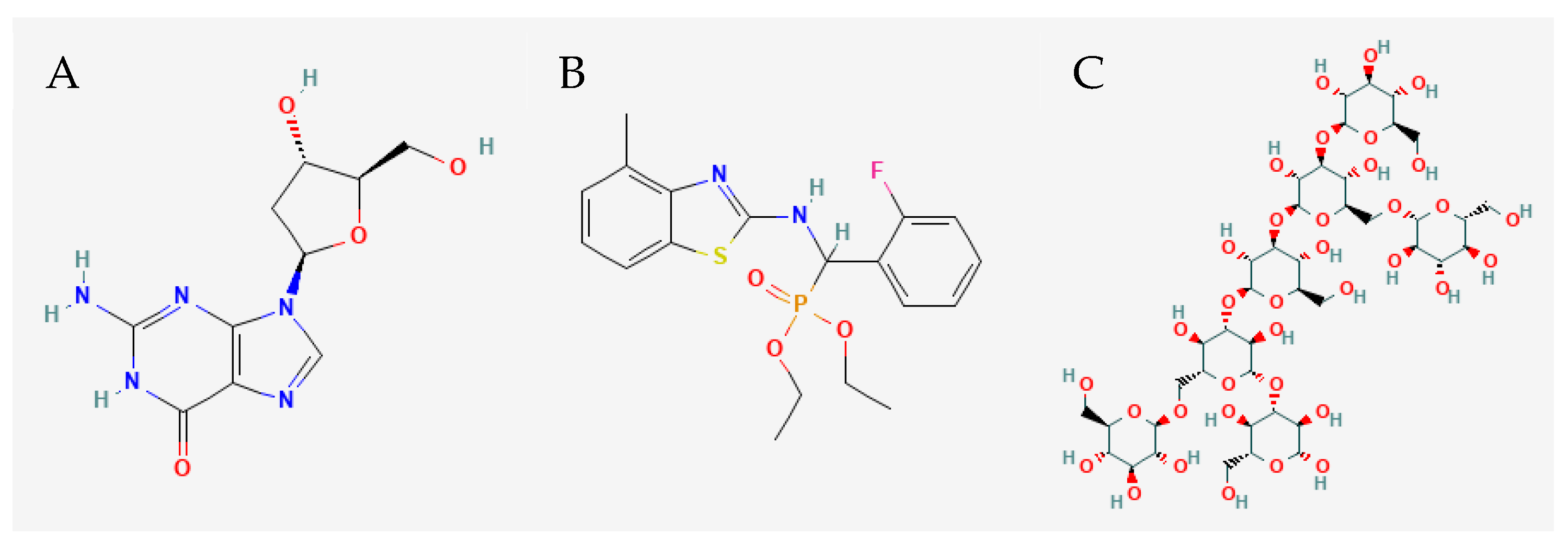
There is still a lack of direct and effective agents for the prevention and control of viral diseases. As small-molecule organic compounds that are safe for beneficial organisms and the ecological environment, plant immune inducers can effectively improve the defense and disease resistance of crops and are widely used in the prevention and control of plant viral diseases [9]. A plant immune inducer can activate the plant immune system in advance by vaccinating healthy plants so that plants can acquire resistance to pathogenic microorganisms in advance before they are infected by fungi, bacteria, viruses, and other harmful microorganisms, increase the ability of plants to resist cold, drought and waterlogging, and ensure the normal physiological function of crops. Furthermore, a class of drugs or some natural metabolites that improve crop yield and quality [10], such as Lentinan (LNT), is a new type of natural functional polysaccharide isolated from the fruiting body of Lentinus edodes that stimulates the plant immune system response, improves plant disease resistance and regulates plant growth; its chemical formula is: C42H72O36 [11]. DYDS is a new, efficient, and environmentally friendly extract of Paecilomyces variotii, an endophytic fungus. As an elicitor, it can not only protect crops from pathogens but also promote crop growth; its chemical formula is: C10H13N5O4 [12]. Dufulin (DFL) is a new type of immune-induced pesticide with independent intellectual property rights that has good control effects on tobacco, cucumber, and other virus diseases; its chemical formula is: C19H22FN2O3PS (Figure 1) [13]. Research on its disease prevention mechanism revealed that different immune inducers can activate different signaling pathways. The molecular mechanism of its interaction with plants may be related to the elimination of reactive oxygen species; stimulation of allergic reactions; and the production of plant defensins and defense enzymes such as superoxide dismutase (SOD), peroxidase (POD), catalase (CAT), polyphenol oxidase (PPO) and L-phenylalanine ammonia-lyase (PAL) [14,15].
However, there are no systematic reports on the use of these agents to control virus diseases caused by AMV infection of cowpeas or the associated prevention mechanism. Therefore, in this study, the symptoms of cowpea inoculated with AMV, the virus content in leaves, the relative expression of AMV coat protein, the activity of five defense enzymes, and the interaction between the two immune inducers and AMV-CP were studied after the treatment of cowpea with the Paecilomyces variotii extracts DYDS and Dufulin. The purpose of this study was to explore the preventive effects and mechanisms of DYDS and Dufulin against AMV infection in cowpeas and to provide a theoretical basis for the use of immune inducers to control viral diseases.

2. Materials and Methods

2.1. Virus and Agent Materials

AMV was purified via Tian’s method [7]. Provided by the Pesticide Laboratory, School of Plant Protection, Gansu Agricultural University, the concentration was 300.00 pg/mL, and the samples were stored at −80 °C. DYDS, an ethanol crude extract of Paecilomyces variotii, was obtained from Shandong Pengbo Biotechnology Co., Ltd. (Taian, China). Dufulin (DFL) (30%) was purchased from Guangxi Tianyuan Biochemical Co., Ltd. (Nanning, China). Lentinan (LNT) (1%) was purchased from Beijing Multigrass Formulation Co., Ltd. (Beijing, China).

2.2. Tested Plants and Growth Conditions

Cowpea (Vigna unguiculata (L.) Walp.) and Nicotiana benthamiana were used in this study. For the plants, we referred to the method of Chen et al. [4]. The seeds were first washed with deionized water 2–3 times and then placed in an incubator at 25 °C in the dark to germinate. After germination, the seeds were sown in sterilized soil and cultured in an artificial climate chamber at 25 °C with 60–70% relative humidity (16 h light/8 h dark cycle, light intensity of 10,000 lux).

2.3. In Vitro Antiviral Activity Assay

The inhibitory effects of DYDS and Dufulin against AMV were evaluated using the half-leaf dead spot method [16]. Thirty-six uniformly grown two-leaf cowpea plants were divided into four treatment groups: AMV inoculation control (virus only), chemical control (2500 μg·mL−1 lentinan), DYDS treatment (40 μg·mL−1), and Dufulin treatment (2000 μg·mL−1) [13]. Compounds were dissolved in sterile water at 2× final concentration, mixed 1:1 (v/v) with purified AMV, and incubated for 5–30 min. The mixtures (30 μL/leaf) were mechanically rub-inoculated onto carborundum-dusted leaves, followed by sterile water rinsing. Three replicates per treatment were maintained in a growth chamber (25 ± 1 °C, 60% RH, 16 h photoperiod). Necrotic lesions were enumerated at 3 days post-inoculation (dpi). AMV-CP gene expression was quantified by RT-qPCR at 7 dpi to calculate inhibition rates.

2.4. Protective and Therapeutic Efficacy Evaluation

This evaluation was carried out by referring to the method of Chen et al. [4]. Test compounds, DYDS (20 μg·mL−1), Dufulin (DFL; 1000 μg·mL−1), and Lentinan (LNT; 1250 μg·mL−1), were prepared in sterile water. Seventy-two plants were assigned to two experimental sets: protective activity: foliar spray with compounds (AMV challenge 24 h later); therapeutic activity: AMV inoculation (compound application 24 h post-infection). Each treatment had 9 replicates. All plants were cultured under controlled conditions (25 ± 1 °C, 60% RH, 10,000 lux, 16 h light). Lesion counts were recorded at 3 dpi. AMV-CP gene expression (RT-qPCR) was analyzed at 7 dpi. RNA extraction: TRIzol reagent (TaKaRa, Dalian, China); cDNA synthesis: PrimeScript RT kit (TaKaRa); RT-qPCR: SYBR Green Premix (TianGen, Beijing, China) with 40 cycles (95 °C/15 s, 55 °C/30 s, 72 °C/30 s). Data were normalized using the 2−ΔΔCt method. Primer sequences are provided in Table 1.

2.5. Effects of Dyds and Dufulin on the Expression of Amv-Cp-Gfp in N. benthamiana

2.5.1. Transient Expression of Amv-Cp-Gfp in N. benthamiana via Agrobacterium Infiltration

The binary vector pCAMBIA2300-GFP-AMV-CP was introduced into Agrobacterium tumefaciens GV3101 competent cells via transformation. The transformed cells were subsequently plated on LB agar supplemented with kanamycin (Kan) and rifampicin (Rif), followed by incubation at 28 °C for 2–3 days in an inverted position. A single colony of Agrobacterium harboring AMV CP-GFP was selected and inoculated into 50 mL of LB medium containing Kan and Rif and then cultured at 28 °C with shaking at 200 rpm for 14–16 h. The bacterial cells were harvested by centrifugation and washed twice with infiltration buffer (containing 500 μL of MES, 500 μL of acetosyringone (AS), and 100 μL of MgCl2, adjusted to 50 mL with sterile water). The pellet was resuspended in the same buffer and adjusted to an OD600 = 0.5. After incubation at room temperature in the dark for 3 h, the bacterial suspension was infiltrated into the abaxial leaf surface of N. benthamiana via a needleless syringe.

2.5.2. Effects of Dyds and Dufulin on Amv-Cp Expression in N. benthamiana

This was carried out by referring to the method of Wuzilin et al. [17]. A total of 36 healthy N. benthamiana plants at the 4–5-leaf stage were selected for the experiment. Following the protective treatment method described in Section 2.4, the plants were divided into four groups and sprayed with (1) DYDS (20 μg·mL−1), (2) Dufulin (1000 μg·mL−1), (3) lentinan (1250 μg·mL−1), or (4) sterile water (control), while sterile water was used as the control. After 24 h, the Agrobacterium suspension (OD600 = 0.5) was infiltrated into the abaxial side of the lower leaves. Three biological replicates were performed, with three plants per treatment group. All treated plants were labeled and transferred to low-light conditions for cultivation.
At 3 days post-infiltration (dpi), leaves from each treatment group were collected and observed via confocal microscopy (excitation: 488 nm; emission: 520–550 nm) to detect GFP fluorescence to observe the GFP fluorescence of AMV-CP-GFP at the infiltration sites.

2.6. Molecular Docking

Molecular docking was carried out with the method of Wuzilin et al. [17]. The molecular structures of DYDS, Dufulin, and Lentinan were retrieved from the PubChem database. These structures were then hydrogenated and assigned charges via AutoDock 4 Tools for further docking analysis.
The AMV-CP (Template PDB ID: 7epp, sequence identity: 95.93%) amino acid sequence was submitted to SWISS-MODEL for homology modeling. The predicted tertiary structure (in PDB format) was downloaded, and excess water molecules were removed via PyMOL 3.1. Protein and ligand structures were prepared for docking by adding polar hydrogens and optimizing charges. Molecular docking was performed via AutoDock Vina to predict the binding modes of DYDS, Dufulin, and Lentinan to AMV-CP. Binding affinities were evaluated on the basis of docking scores (lower values indicate stronger binding). The most favorable conformations (lowest binding energy) were selected for visualization in PyMOL to analyze interacting residues and molecular forces (e.g., hydrogen bonds and hydrophobic interactions).

2.7. Effects of Dyds and Dufulin on Physiological and Biochemical Parameters in AMV-Infected Cowpea

On the basis of the test results in Section 2.4, uniform two-leaf-stage cowpea plants were selected for protective or therapeutic treatment. The plants were coinoculated with the immune inducer (DYDS, Dufulin) and AMV. There were 5 treatments: inoculation control (AMV), health control (CK), agent control (LNT + AMV), DFL + AMV (concentration of 1000 μg·mL−1) and DYDS + AMV (concentration of 20 μg·mL−1). Each treatment included three biological replicates (3 plants per replicate), totaling 45 plants. After inoculation (protective or therapeutic method described in Section 2.4), the plants were labeled and maintained in a climate-controlled chamber at 25 ± 1 °C with 60% relative humidity. Fully expanded leaves were collected at 1, 3, 5, 7, and 9 days post-inoculation (dpi). For each time point, three plants per treatment were randomly sampled, with three technical replicates per sample.

2.8. Chlorophyll Content Test

The chlorophyll content was determined according to Chen Ying’e’s method [18], with slight modifications. Leaf samples (0.5 g fresh weight) were weighed after removing the midribs. The samples were homogenized in 25 mL of 95% ethanol containing 0.1 g of CaCO3, kept in darkness for 24 h, and then centrifuged at 5000× g for 5 min. The absorbance of the supernatant was recorded at wavelengths of 665 nm, 649 nm, and 470 nm (Unicam UV 9000S, Thermo Spectronic, Shanghai, China). The contents of Chla and Chlb and the sum of carotenoids (Car) were calculated via the following equations.
Ch1a = ((13.95 × A665 − 6.88 × A649) × V)/FW × 1000
Ch1b = ((24.96 × A649 − 7.32 × A665) × V)/FW × 1000
T-Ch1 = Ch1a + Ch1b
Car = ((1000 × A470 − 2.05 × Ch1a − 114.8 × Ch1b)/245 × V)/FW × 1000
where Ch1a and Ch1b represent the concentrations of chlorophyll a and chlorophyll b (mg/g), respectively; T-Ch1 represents the concentration of total chlorophyll (mg/g); Car represents the concentration of carotenoids (mg/g); and A665, A649, and A470 denote the absorbance values of the extraction solution at wavelengths of 665 nm, 649 nm, and 470 nm, respectively.

2.9. Defense Enzyme Activity Assay

Leaf samples (1.0 g fresh weight) were weighed after removing the midribs and immediately placed in a prechilled mortar. Then, 0.05 mol/L phosphate buffer (pH 7.2, containing 1% polyvinylpyrrolidone) was added at a ratio of 1:5 (w/v), and the mixture was ground into a homogenate in an ice bath. After centrifugation at 10,000 rpm for 15 min at 4 °C, the supernatant was divided into five 1.5 mL centrifuge tubes and stored at −80 °C.
The activity of SOD was determined via WANG’s method, with slight changes [19]. The reaction system was 3.9 mL 0.05 mol/L PBS buffer (pH 7.8), 0.5 mL 130 mmol/L methionine solution (Met), 0.5 mL 750 μmol/L nitrogen blue tetrazolium solution (NBT), 0.5 mL 100 μmol/L EDTA-Na2 solution, 0.5 mL 20 μmol/L riboflavin solution and 0.1 mL crude enzyme solution. After mixing, a set of control tubes was placed in the dark. One group of control tubes was placed in the light without enzyme solution, and the other tubes were placed in 4000 lx sunlight for 20 min. The absorbance of each tube was measured at 560 nm, and 50% of the inhibition of NBT photochemical reduction was 1 enzyme activity unit/g. The OD value was recorded every min for a total of 5 times, and each treatment was repeated 3 times. The OD560 value was reduced by 0.01 within 1 min as an enzyme activity unit (U), and the SOD activity was calculated according to the following formula:
S O D U mi n 1 g 1 F W = V T × Δ A 560 0.01 × V t × F W × t
where ΔA560 is the change in the absorption value at a wavelength of 560 nm; FW is the fresh weight of the sample (g); t is the reaction time (min); VT is the total volume of the extract; and Vt is the volume of the enzyme mixture (mL).
POD activity was determined as described by Rathmell & Sequeira [20]. The reaction system was 2.9 mL of 0.05 mol/L PBS buffer (pH 5.5), 1.0 mL of 2% H2O2, 1.0 mL of 0.05 mol/L guaiacol and 0.1 mL of enzyme mixture. The enzyme mixture was incubated in a 37 °C water bath for 5 min, and PBS was used as the blank control. Immediately after mixing, the absorbance change within 3 min was measured at 470 nm, and the change in the OD470 value per minute was 0.01 as an enzyme activity unit U/(g·min).
POD   ( U · m i n 1 g 1 FW ) = A 470   × V T FW   ×   V t × t × 0.01
where ΔA470 is the change in the absorption value at a wavelength of 470 nm; FW is the fresh weight of the sample (g); t is the reaction time (min); VT is the total volume of the extract; and Vt is the volume of the enzyme mixture (mL).
CAT activity was determined according to the methods of Lu Shaoyun [21]. The reaction system included 2.0 mL of 0.05 mol/L PBS buffer (pH 7.8), 1.0 mL of 0.08% H2O2, 0.05 mL of enzyme mixture, and PBS instead of enzyme mixture as a blank control. The absorbance was measured at 240 nm, and the final reading was read after 3 min. The change in OD240 per minute was 0.01 as one unit of enzyme activity U/(g·min). The change in OD240 per minute was substituted into the following formula for calculation:
CAT   ( U · m i n 1 g 1 FW )   = A 240 × V T 0.01 × Vt × FW   · t  
where ΔA240 is the change in the absorption value at a wavelength of 240 nm; FW is the fresh weight of the sample (g); t is the reaction time (min); VT is the total volume of the extract; and Vt is the volume of the enzyme mixture (mL).
PAL activity was determined as described by Gonz’alez-Aguilar [22]. The reaction mixture consisted of 1.4 mL of 0.1 mol/L boric acid buffer (pH 8.8), 0.5 mL of 0.02 mol/L L-phenylalanine, 0.1 mL of enzyme mixture, and boric acid buffer instead of an enzyme mixture as a blank control. The temperature of the constant-temperature water bath was adjusted to 37 °C in advance. When the temperature was suitable, the enzyme plate was placed in a water bath for 30 min, and the reaction was stopped on ice. The absorbance was measured at 290 nm with a microplate reader. The change in the value of OD290 per hour was substituted into the following formula for calculation:
PAL   ( U · m i n 1 g 1 FW )   = A 290 × V T FW   ×   V t ×   0.01
where ΔA290 is the change in absorbance at 290 nm, VT is the total volume of the extract (mL), Vt is the volume of enzyme mixture (mL) used in the determination, and FW is the fresh weight (g).
The PPO activity was assayed via the method of Flurkey [23]. The reaction system included 2.0 mL of 0.1 mol/L PBS buffer (pH 6.5), 1.0 mL of 0.02 mol/L catechol, 0.5 mL of enzyme mixture, and PBS instead of enzyme mixture as a blank control. After being preheated at 37 °C for 5 min, the absorbance change was measured at 420 nm within 5 min, and the change in OD420 per minute was 0.01 as one unit of enzyme activity U/(g·min). The change in the OD420 per minute was substituted into the following formula for calculation:
PPO   ( U · m i n 1 g 1 FW )   = A 420 0.01 FW   ×   t  
where ΔA420 is the change in absorbance at 420 nm; FW is the fresh weight of the sample (g); and t is the reaction time (min).

2.10. Determination of the Relative Expression of Defense Genes

Leaf samples were collected at 1, 3, 5, 7, and 9 days post-inoculation (dpi). Total RNA was extracted via TRIzol® reagent (Invitrogen, Shanghai, China), quantified via spectrophotometry, and reverse-transcribed via the PrimeScript™ RT Reagent Kit (Takara Bio Inc., Kusatsu, Japan). The gene expression of PR1, NPR1, ERF1, AOS, MYC, and JAZ was analyzed via qPCR, with Actin as the reference gene (primers in Table 2). Reactions were performed in triplicate via SYBR® Premix Ex Taq™ (Takara Bio) on a QuantStudio 5 system (Applied Biosystems, Foster City, CA, USA). Relative expression was calculated via the 2−ΔΔCt method with three biological and technical replicates. Thermal cycling: 40 cycles of 95 °C for 6 min (initial denaturation), 95 °C for 15 s, 55 °C for 30 s, and 72 °C for 30 s. Melting curve analysis was carried out (65–95 °C).

2.11. Data Analysis

All the assays were conducted in triplicate, with at least three replicates, and the data were analyzed using SPSS 21.0. A one-way analysis of variance (ANOVA) was employed to analyze the data, and significant differences between the treatment groups were determined using Tukey’s honest significant difference (HSD) test at a significance level of p < 0.05. Microsoft Excel 2023 (Microsoft, Redmond, WA, USA) was used to plot the graphs and tables.

3. Results

3.1. Antiviral Activities of DYDS and Dufulin

3.1.1. Passivation Effects of Dyds and Dufulin on AMV

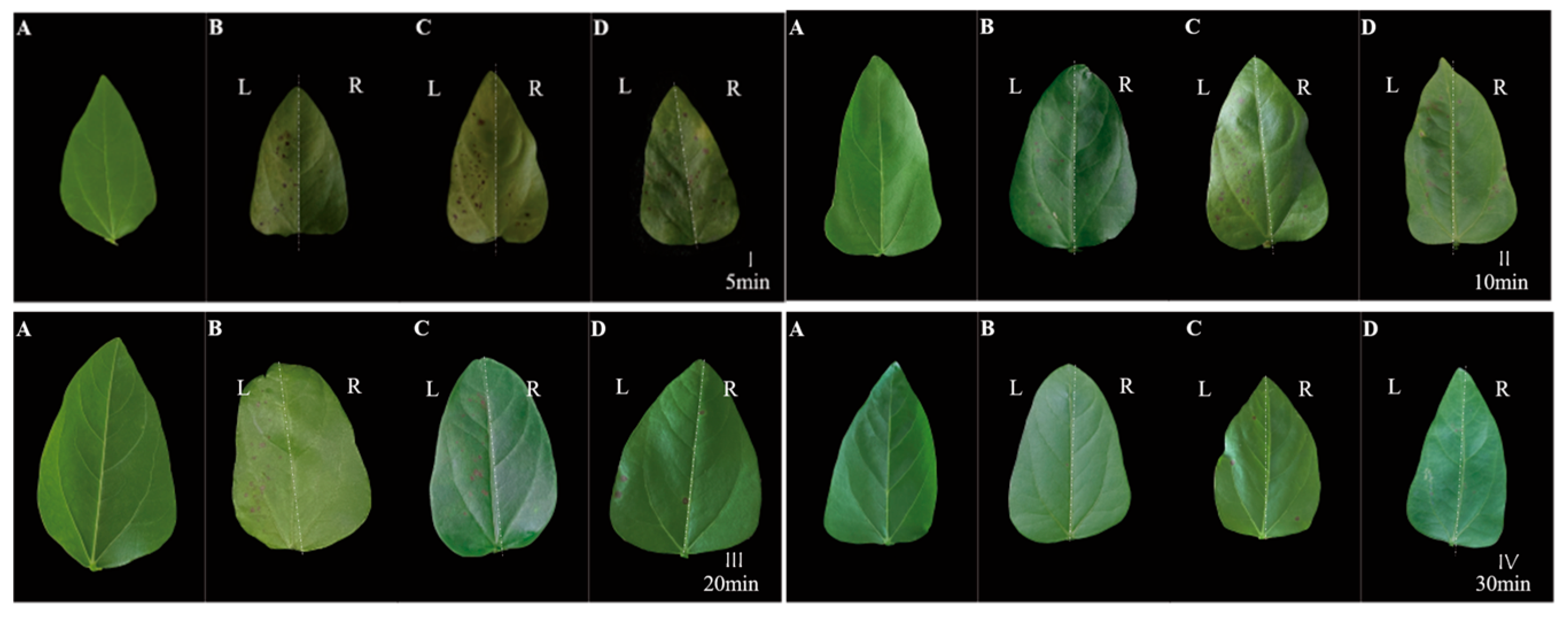
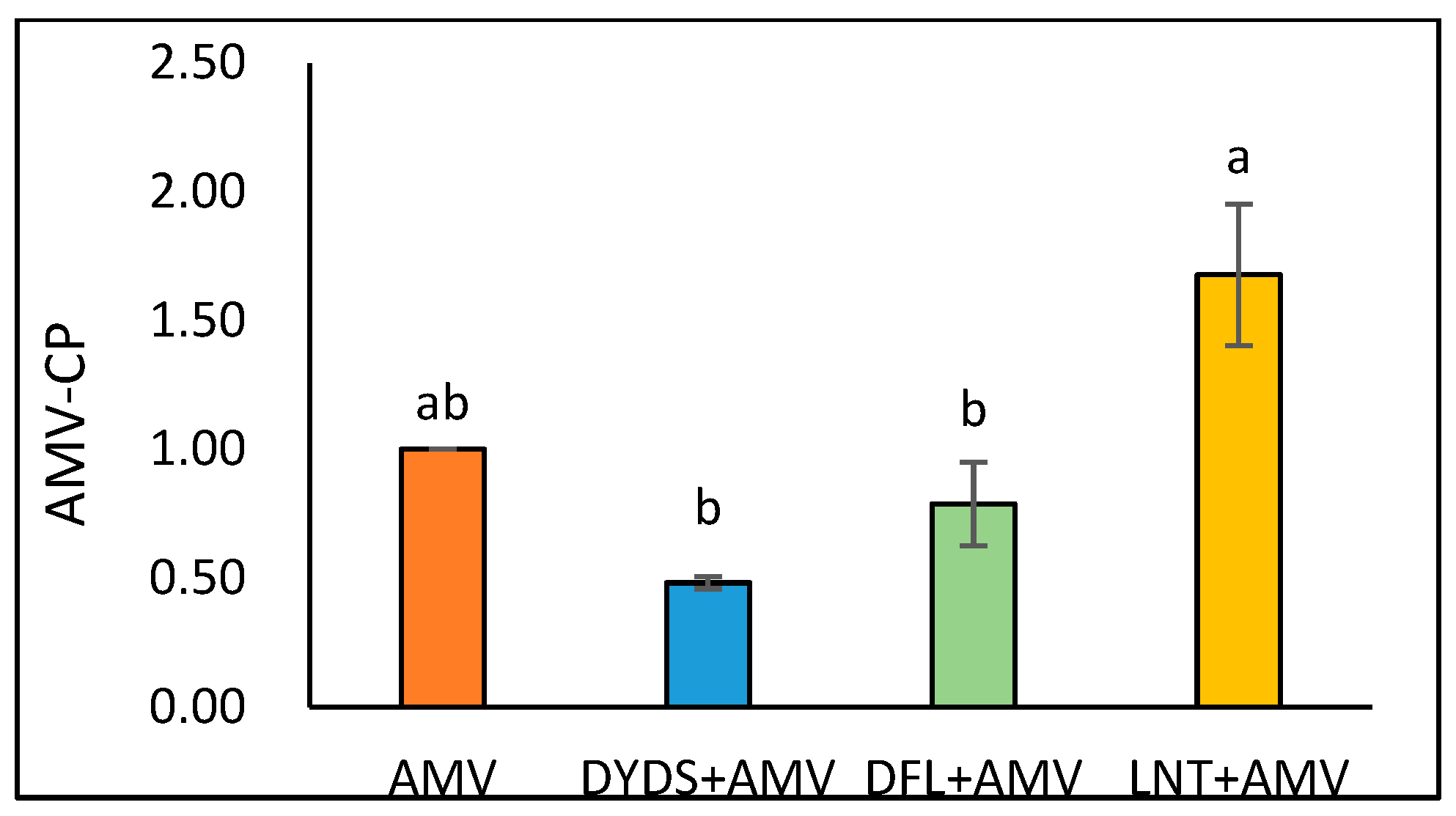
The results showed that DYDS and Dufulin had strong passivation effects on AMV. After 5 min of virus treatment, the number of withered spots on cowpea leaves was 1.83 and 2.39, respectively, which were 87.91% and 84.25% lower than those of the control. Compared with that of LNT, the passivation effect increased by 34.00% and 14.00%, respectively (Figure 2I, Table 3). Over time, the inhibition rate increased gradually. When the AMV was passivated for 30 min, the passivation effect of the DYDS and Dufulin treatments reached 100.00% (Figure 2IV, Table 3). The RT-qPCR results revealed that after DYDS and Dufulin treatment, the AMV content in the plants was 0.48 and 0.79, respectively, which was significantly lower than that in the inoculated control and Lentinan control (1.68) plants, and there was a significant difference in the inhibition rates of the drug treatments (p < 0.05) (Figure 3).

3.1.2. Protective and Therapeutic Activities of Dyds and Dufulin on Cowpea Infected with AMV

This experiment revealed that the protection and treatment of cowpea leaves inoculated with the virus after DYDS and Dufulin treatment were greater than those after Lentinan treatment. The statistics of the number of local lesions revealed that the protective and therapeutic effects of DYDS and Dufulin were 49.00% and 54.15% and 43.26% and 40.95%, respectively. Compared with those in Lentinan, the control effects were 28.32% and 35.13% greater and 20.45% and 15.96% greater, respectively (Table 4).
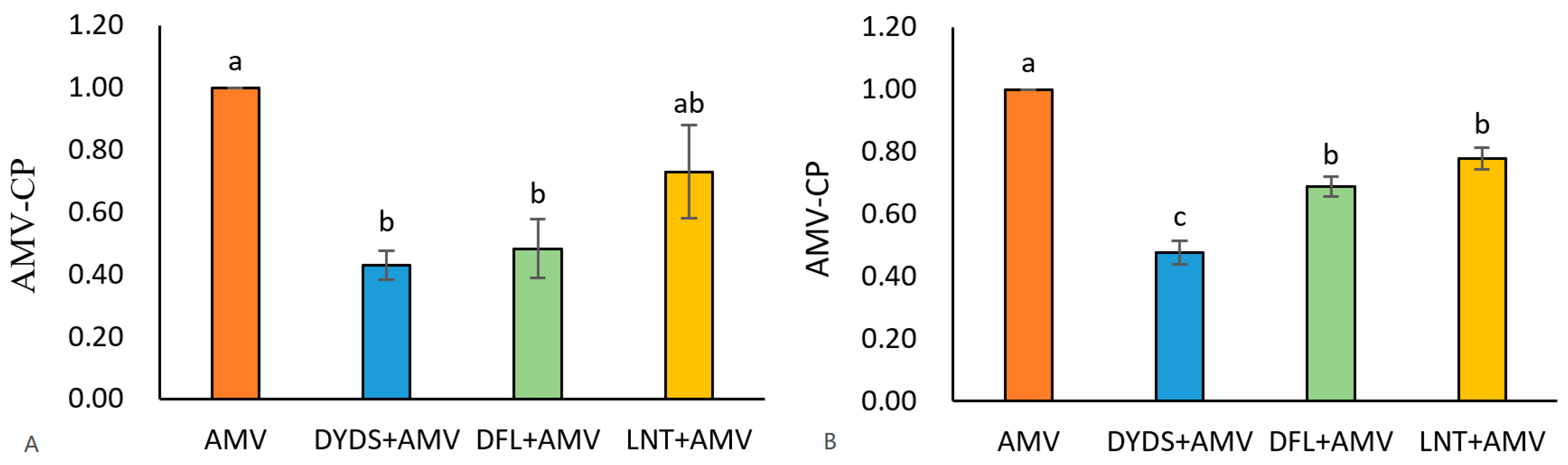
Furthermore, RT-qPCR analysis showed that the relative expression levels of the AMV-CP gene in the DYDS and Dufulin groups were significantly lower than those in the control and Lentinan groups. Under protective treatment, the relative expression levels were 0.43 and 0.48 for DYDS and Dufulin, respectively (Figure 4A), while under therapeutic treatment, the levels were 0.48 and 0.69 (Figure 4B). The control effects of the protective and therapeutic effects were 56.85%, 52.41% and 51.53%, 31.04%, respectively. Compared with those in Lentinan, the control effects were increased by 48.78%, 35.72% and 39.11%, 11.76%, respectively, and these differences were significant (p < 0.05).

3.1.3. Effects of Dyds and Dfl on the Fluorescence of AMV-Cp

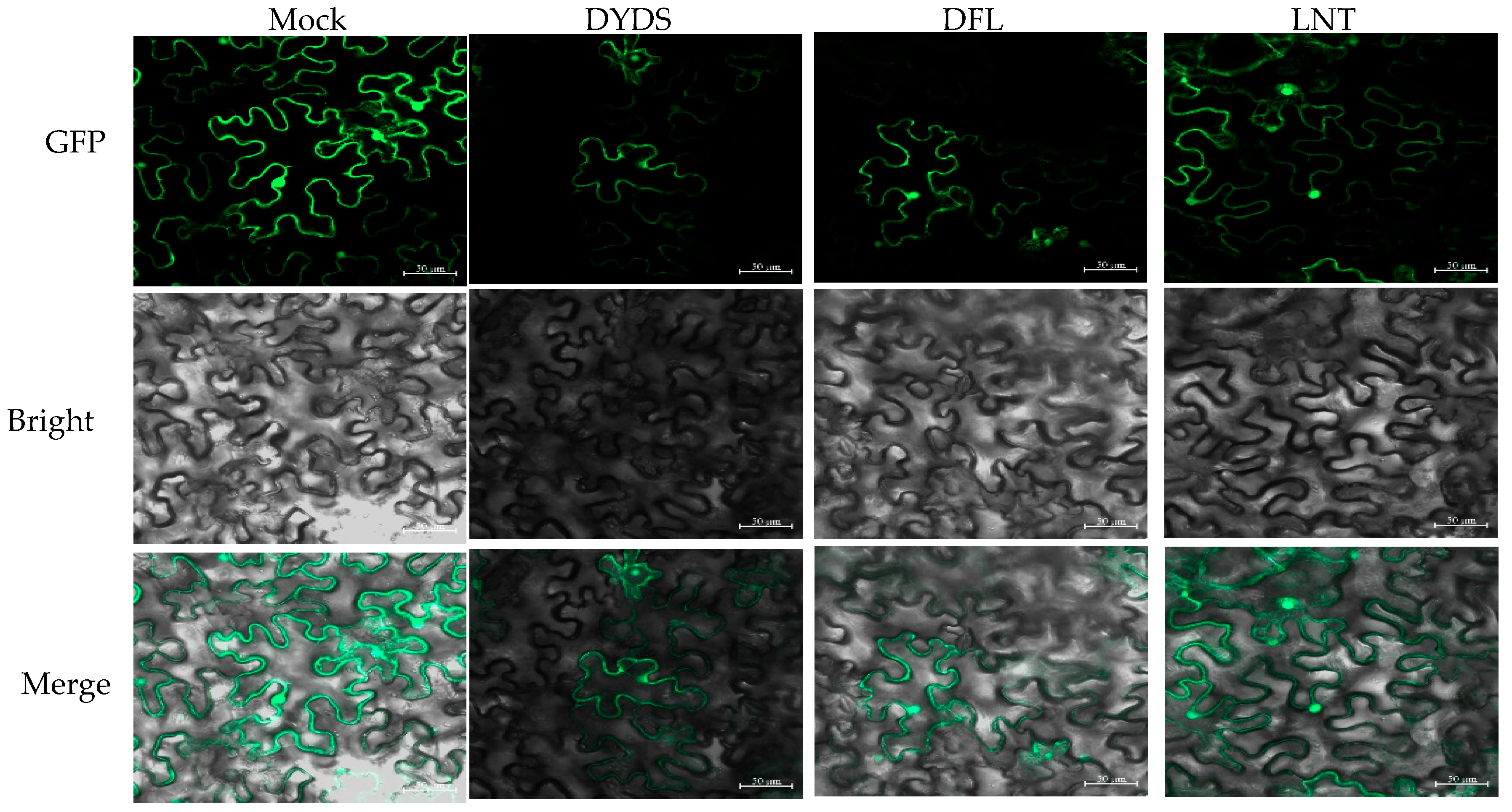
Different antiviral substances exhibit distinct antiviral mechanisms depending on their specific molecular targets, primarily through the inhibition of viral infection, the suppression of viral replication and proliferation, and the induction of host plant resistance [14]. Confocal laser scanning microscopy (CLSM) revealed that AMV-CP was localized in both the nucleus and cytoplasm of Nicotiana benthamiana cells. Following treatment with DYDS or Dufulin prior to AMV-CP inoculation, fluorescence intensity was significantly lower than that of both the AMV-only and Lentinan-treated controls (Figure 5). These results demonstrate that DYDS and Dufulin effectively inhibit AMV-CP polymerization, thereby disrupting viral coat protein assembly and expression.

3.1.4. Molecular Docking

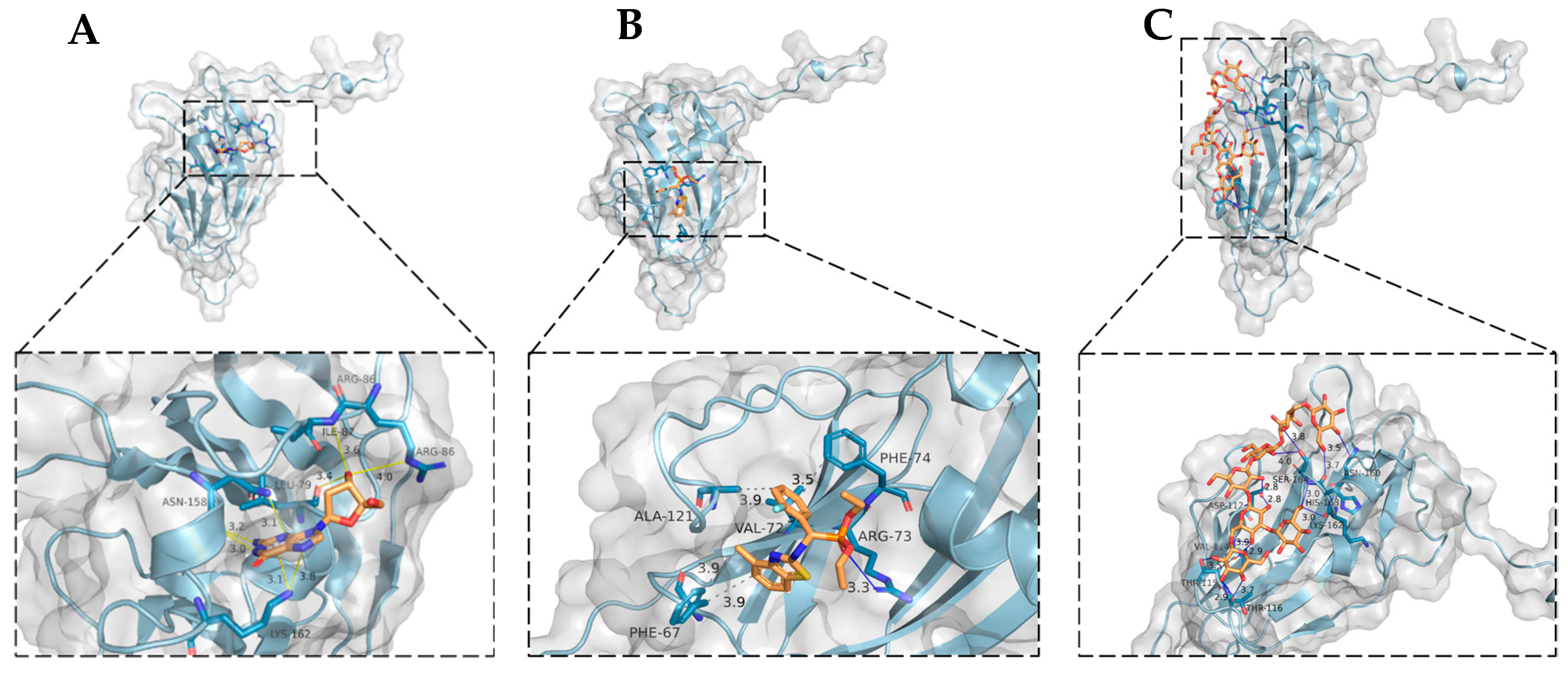
Molecular docking studies of DYDS and AMV-CP revealed their specific binding patterns, revealing targeted interactions between these compounds and the viral coat protein. DYDS established connections with AMV-CP through hydrogen bonds and π-cation interactions, whereas Dufulin interacted via both hydrogen bonding and hydrophobic forces. The binding energy for the DYDS-AMV-CP interaction was calculated to be −5.24 kcal/mol, with DYDS occupying the active pocket formed by the amino acid residues Leu79, Arg86, Ile87, Asn158, and Lys162 (Figure 6A). DYDS formed hydrogen bonds with Leu79 (3.4 Å), Arg86 (4.0 Å), Ile87 (3.6 Å), Asn158 (three bonds at 3.2 Å, 3.0 Å, and 3.1 Å), and Lys162 (3.8 Å), along with a π-cation interaction with Lys162 (3.1 Å). Dufulin exhibited stronger binding affinity (−5.93 kcal/mol), interacting with residues Arg73, Phe67 (two sites), Val72, Phe74, and Ala121 (Figure 6B), forming a hydrogen bond with Arg73 (3.3 Å) and hydrophobic interactions with Phe67, Val72, Phe74, and Ala121. Lentinan showed multiple hydrogen bonds with Asp112 (2.8 Å, two sites), Val114 (3.9 Å and 2.9 Å), Thr115 (3.5 Å), Thr116 (2.9 Å and 3.7 Å), Asn160 (3.5 Å), Lys162 (3.0 Å), His163 (3.7 Å), and Ser164 (3.8 Å, 4.0 Å, and 3.0 Å). Although Lentinan has more binding sites, its antiviral activity is inferior to that of DYDS and Dufulin, potentially because it relies solely on hydrogen bonding without additional interaction forces; however, the exact mechanism requires further investigation (Figure 6C).

3.2. Physiological Effects of DYDS and Dufulin in Inducing Antiviral Resistance in Cowpea

3.2.1. Changes in Chlorophyll Content in Cowpea Infected with AMV by Dyds and Dufulin Induction Treatment

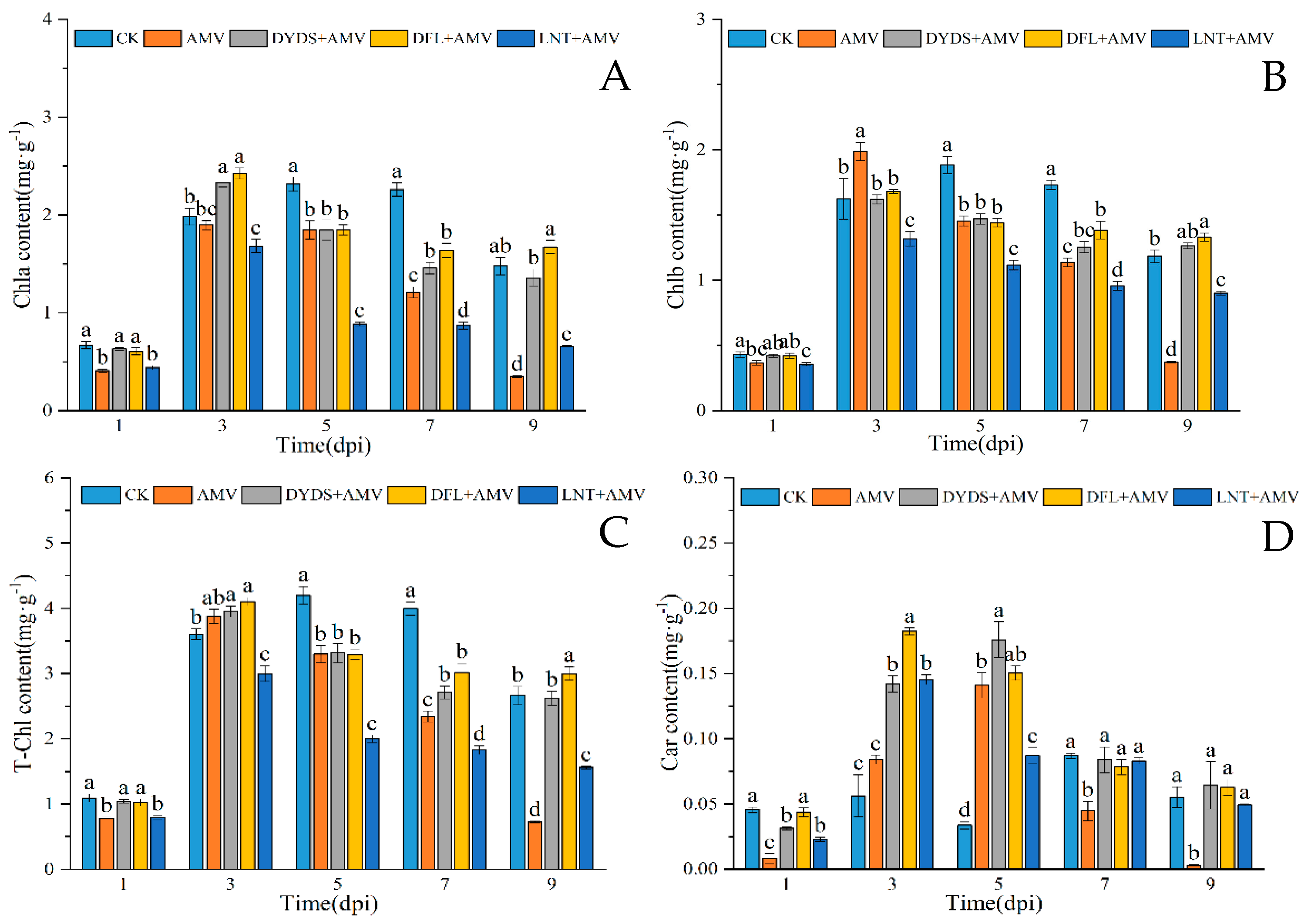
Compared with those in cowpea leaves, the contents of chlorophyll a, chlorophyll b, total chlorophyll, and carotenoids in cowpea leaves increased more than those in AMV-infected leaves did on the 9th day. The total chlorophyll and chlorophyll contents of DYDS + AMV and DFL + AMV were greater than those of AMV and LNT + AMV from 1–9 days. On the 9th day, the chlorophyll a contents of DYDS + AMV and DFL + AMV were 1.36 mg·g−1 and 1.67 mg·g−1 greater than those of AMV infection, respectively. On the 9th day, the chlorophyll b contents of DYDS + AMV and DFL + AMV were 2.26 mg·g−1 and 1.33 mg·g−1, respectively (Figure 7A), which were 2.38 and 2.56 times greater than those of AMV (Figure 7B), and the total chlorophyll contents of DYDS + AMV and DFL + AMV were 2.62 mg·g−1 and 3.00 mg·g−1 on the 9th day, which were 2.63 and 3.15 times greater than those of AMV infection (Figure 7C). The carotenoid contents of the DYDS + AMV and DFL + AMV treatments were 0.0064 mg·g−1 and 0.0063 mg·g−1 on the 9th day, respectively, which were 20.44 and 19.89 times higher than those of AMV infection (Figure 7D).

3.2.2. Defense Enzyme Activity Analysis

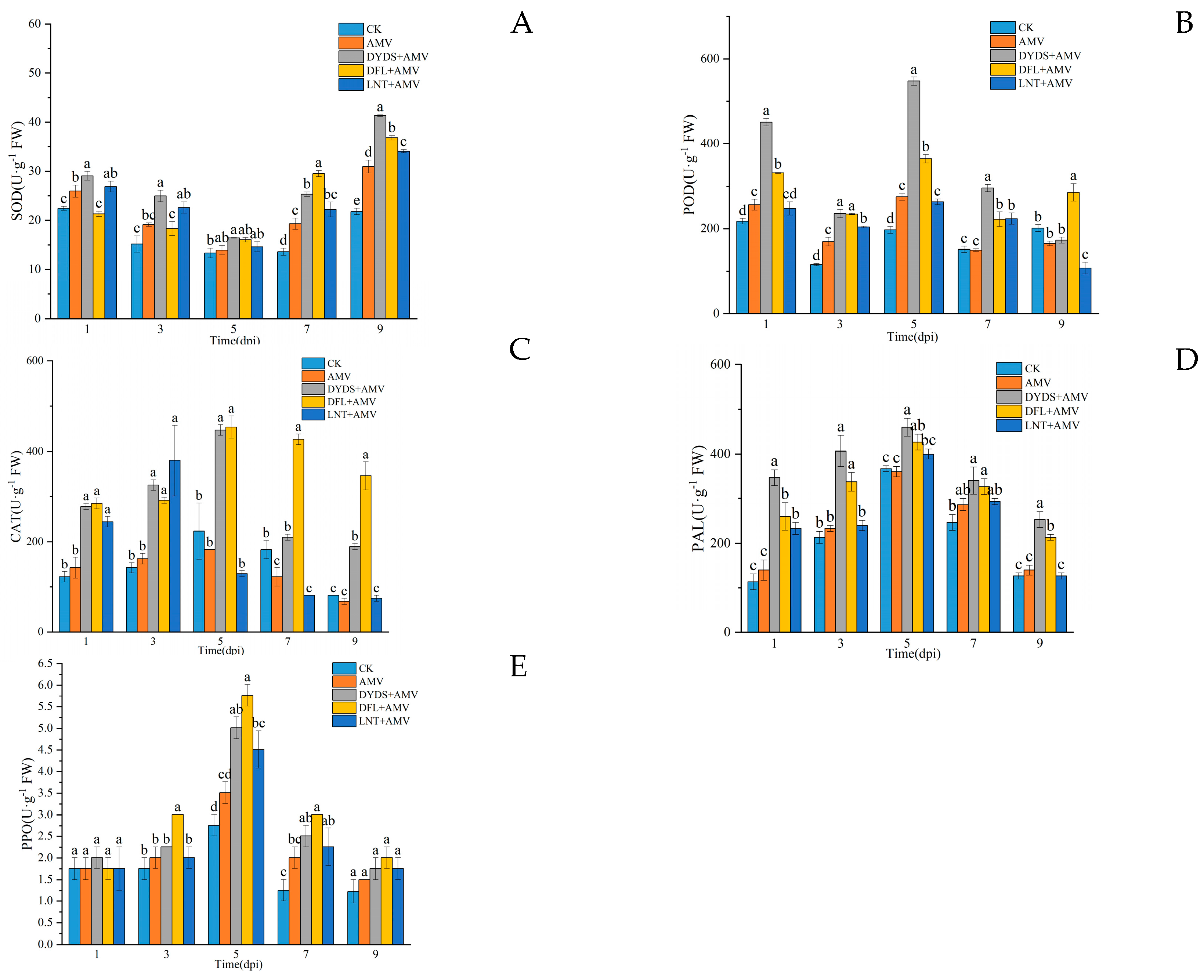
To further prove that plants have a stronger antioxidant capacity after spraying immune inducers, we determined SOD/POD/CAT/PPO/PAL activities. The SOD activity of DYDS + AMV and DFL + AMV was greater than that of CK, AMV, and Lentinan + AMV at 5–9 d and reached a maximum at 9 d after treatment, at 41.32 U·min−1·g−1 FW and 36.81 U·min−1·g−1 FW, respectively. These values were 47.28%, 25.12%, and 17.53% (DYDS + AMV) and 40.83%, 15.95%, and 7.42% (Dufulin + AMV) higher than those of the CK, AMV, and Lentinan + AMV treatments, respectively (Figure 8A). We speculate that DYDS and DFL may enhance the ability of the host to scavenge oxygen-free radicals.
The POD activity of DYDS + AMV and Dufulin + AMV was greater than that of CK, AMV, and Lentinan + AMV at 1–7 d and reached a maximum at 5 d, with values of 547.11 U·min−1·g−1 FW and 364.67 U·min−1·g−1 FW, respectively. Compared with those in the CK, AMV, and Lentinan + AMV treatments, these values increased by 64.01%, 49.68%, and 51.83% (DYDS + AMV) and 46.01%, 24.50%, and 27.73% (Dufulin + AMV), respectively (Figure 8B). We speculate that DYDS and Dufulin induce the POD reaction to scavenge excess oxygen free radicals and hydrogen peroxide.
The CAT activity of DYDS + AMV and Dufulin + AMV was greater than that of CK, AMV, and Lentinan + AMV, except that it was lower than that of Lentinan + AMV on the third day, and the activity reached a maximum on the fifth day, which was 447.33 U·min−1·g−1 FW and 454.11 U·min−1·g−1 FW, respectively, which was 50.00%, 59.70%, and 71.21% (DYDS + AMV) and 50.75%, 59.70%, and 71.64% (Dufulin + AMV) greater than that of CK, AMV and Lentinan + AMV, respectively (Figure 8C).
The activity of PAL in cowpea leaves inoculated with AMV after DYDS and Dufulin treatment was greater than that of CK, AMV, and Lentinan + AMV at 1–9 d and reached a maximum at 5 d, with values of 460.00 U·min−1·g−1FW and 426.67 U·min−1·g−1FW, respectively, compared with those of CK, AMV, and Lentinan + AMV, which increased by 20.29%, 21.74% and 13.04% (DYDS + AMV) and 14.06%, 15.63%, and 6.25% (Dufulin + AMV), respectively, and there were significant differences (p < 0.05) (Figure 8D).
The PPO activity results are shown in Figure 9E. The activity of DYDS + AMV and Dufulin + AMV was greater than that of CK, AMV, and Lentinan + AMV at 1–9 d, and the activity reached a maximum on the 5th day, which was 5.01 U·min−1·g−1 FW and 5.76 U·min−1·g−1 FW, respectively, which were 44.99%, 30.00%, and 10.00% (DYDS + AMV) and 52.17%, 39.13%, and 21.74% (Dufulin + AMV) greater than those of CK, AMV and Lentinan + AMV, respectively, and the differences were significant (p < 0.05) (Figure 8E).

3.2.3. DYDS and Dufulin Upregulate Defense-Related Gene Expression in AMV-Infected Cowpea

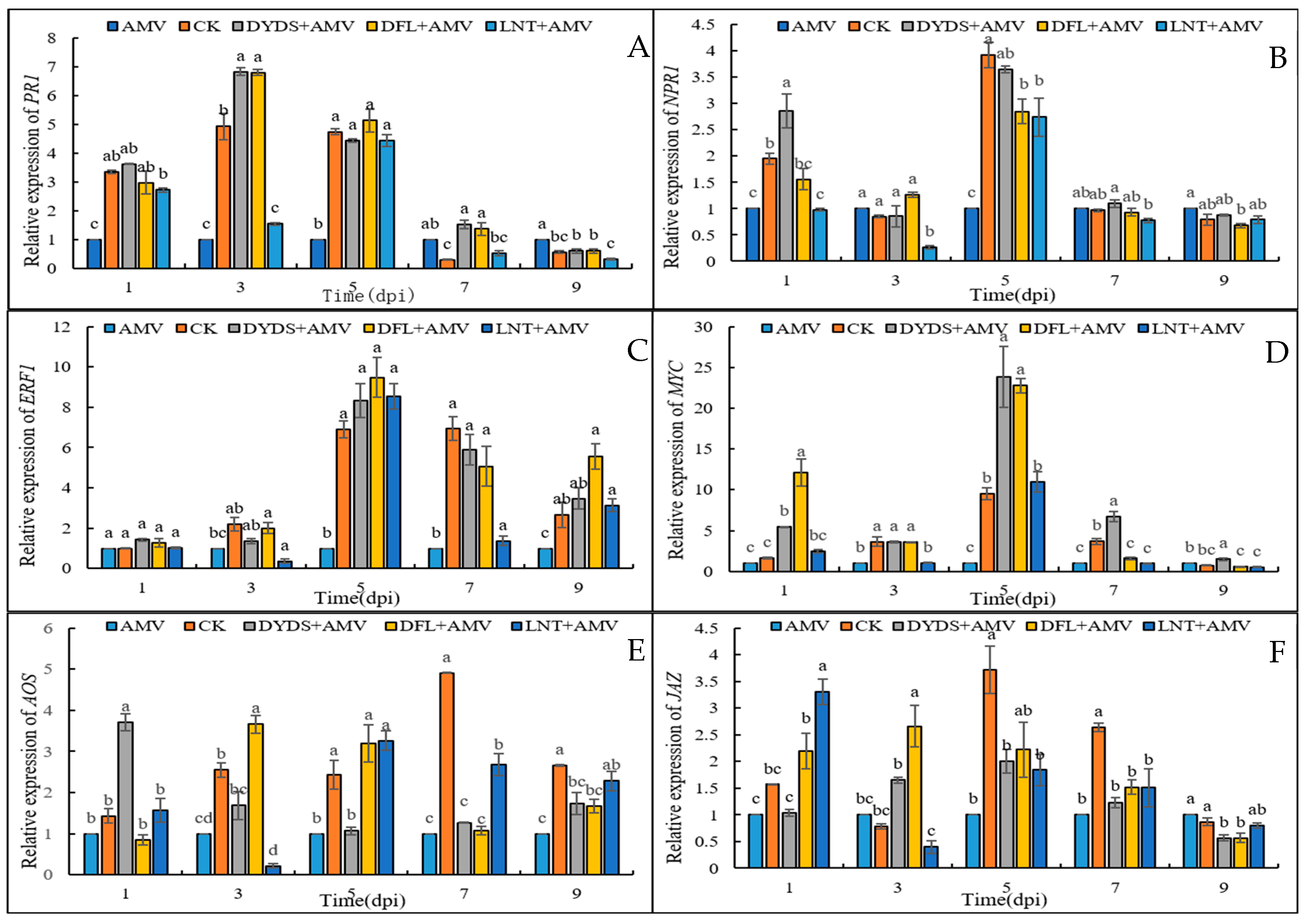
To further elucidate the immune-inducing functions of DYDS and Dufulin in cowpea, we quantified the expression of defense-related genes (PR1, NPR1, ERF1, MYC, AOS, and JAZ) via RT-qPCR. Compared with the CK + AMV control, both the DYDS + AMV and DFL + AMV treatments significantly up-regulated PR1 expression, with peak levels observed at 3 days post-inoculation (dpi). At maximum expression, the PR1 levels were 5.84-fold and 5.81-fold higher than those in CK + AMV and 3.44-fold and 3.42-fold higher than those in LNT + AMV, respectively (Figure 9A).
NPR1 gene expression in the DYDS + AMV and DFL + AMV treatments consistently exceeded that in the CK + AMV and LNT + AMV treatments from 1–7 dpi, reaching maximum levels at 5 dpi. At peak expression, NPR1 presented 2.65-fold and 1.85-fold increases over CK + AMV and 33% and 4% greater LNT + AMV levels, respectively (Figure 9B).
ERF1 expression in the DYDS + AMV- and DFL + AMV-treated leaves surpassed that in the CK + AMV- and LNT + AMV-treated leaves throughout 1–9 dpi, peaking at 5 dpi, with 7.55-fold and 8.48-fold increases over that in the CK + AMV-treated leaves and 0.02-fold and 0.14-fold increases, respectively, relative to that in the LNT + AMV-treated leaves (Figure 9C).
For the MYC and JAZ genes, the maximum expression occurred at 5 dpi in the DYDS + AMV and DFL + AMV treatments, with 13.69-fold and 21.77-fold increases over that in the CK + AMV treatment and 0.34-fold and 1.07-fold increases over that in the LNT + AMV treatment, respectively (Figure 9D, Figure 9F).
In the DYDS + AMV treatment group, AOS expression peaked at 1 dpi, with 2.71-fold and 1.38-fold increases over those in the CK + AMV and LNT + AMV groups, respectively, whereas in the DFL + AMV group, AOS expression reached a maximum at 3 dpi (2.66-fold and 15.64-fold increases versus the respective controls) (Figure 9E). These results collectively demonstrate that DYDS and Dufulin potentially enhance plant defense mechanisms by up-regulating key resistance-related genes.

4. Discussion

4.1. Antiviral Effects of DYDS and Dufulin Through Virus Passivation, Protection, and Therapeutic Activity

The development of immune inducers represents a sustainable frontier in crop protection. In the present study, DYDS, a Paecilomyces variotii-derived inducer, and Dufulin, a synthetic α-aminophosphonate, both exhibited robust antiviral efficacy against alfalfa mosaic virus (AMV), with protection rates exceeding 40.95%. These findings are consistent with previous reports where Paecilomyces variotii extracts significantly reduced tobacco mosaic virus (TMV) accumulation by up to 74.42% [24,25,26,27,28]. While Dufulin has been well-documented for its potency against CMV and SRBSDV [13,29,30,31], our data extend its functional spectrum to include the management of AMV in cowpea.
The significant reduction in AMV-CP expression, confirmed via both RT-qPCR and immunofluorescence analysis, underscores the inhibitory impact of these treatments on viral loading. The viral coat protein (CP) is indispensable for virion assembly, systemic movement, and the modulation of host pathogenesis [32,33]. The observed decline in CP fluorescence intensity in DYDS- and Dufulin-treated plants—paralleling results observed in PVY-infected tissues treated with similar inducers [17]—suggests that these agents interfere with the early stages of the viral life cycle or restrict the accumulation of viral structural proteins.
Interestingly, our study reveals a distinct functional divergence between the two agents. DYDS conferred significant resistance both pre- and post-infection, indicating a versatile mode of action that encompasses both prophylactic priming and curative intervention. In contrast, Dufulin functioned primarily as a preventive agent. This suggests that while Dufulin likely relies on the pre-activation of the salicylic acid (SA)-mediated signaling pathway [28], DYDS may trigger a more rapid or sustained immune memory that remains effective even after the viral pathogen has established its initial infection. These results provide a certain theoretical basis for the strategic application of DYDS and Dufulin as specialized immune inducers for the sustainable prevention and control of AMV in cowpea.

4.2. Mechanisms of Induced Antiviral Resistance in Cowpea Treated with DYDS and Dufulin

It was revealed in this study that both DYDS and Dufulin function as potent immune inducers capable of significantly enhancing the defensive enzyme systems and photosynthetic stability of cowpea. In AMV-infected leaves, treatments with these agents effectively increased chlorophyll content and boosted the activities of peroxidase (POD), catalase (CAT), superoxide dismutase (SOD), polyphenol oxidase (PPO), and phenylalanine ammonia-lyase (PAL), with DYDS emerging as the optimal treatment.
The defense enzyme activities reached peak levels at 5 days post-inoculation, thereby reinforcing the plant’s capacity to withstand external biotic stress, specifically AMV. These results are in alignment with reports on Pepper mild mottle virus (PMMoV) and Potato virus Y (PVY) [34,35], suggesting that such compounds enhance antioxidant capacity and mitigate oxidative damage, which is a critical factor in improving plant resilience. Furthermore, the restoration of chlorophyll levels implies that these inducers may protect the photosynthetic apparatus or up-regulate photosynthesis-related genes to maintain host growth under viral pressure, consistent with the hypothesis that plant resistance is intrinsically linked to photosynthetic efficiency [36,37,38].
At the molecular level, the orchestration of plant immunity often involves a sophisticated crosstalk between phytohormone signaling pathways. In our research, the up-regulation of PR1 and NPR1 in treated cowpea indicates the activation of the salicylic acid (SA) pathway, while the concurrent induction of MYC, AOS, and JAZ symbols points to the coordinated involvement of jasmonic acid (JA) signaling.
Such synergistic interactions are crucial for defending against biotic stress, as SA modulates reactive oxygen species (ROS) levels to limit viral spread [36,37]. Moreover, the induction of ERF transcription factors further underscores the role of these inducers in fine-tuning defense genes and ROS scavenging systems, often acting as a bridge between ethylene and JA signaling to confer broad-spectrum resistance [38,39,40].
However, while this study illustrates the physiological and biochemical mechanisms by which DYDS and Dufulin control AMV infection, the precise molecular interactome and the specific downstream targets within the SA and JA pathways remain to be fully elucidated. Future research is warranted to explore the deep molecular mechanisms and potential interaction effects of these biological agents to optimize their application in sustainable crop protection.

5. Conclusions

This study demonstrates that DYDS and Dufulin significantly inhibit AMV replication and expression in cowpea, achieving protective and therapeutic effects exceeding 40.95% and 31.04% (verified by RT-qPCR), respectively. Beyond reducing viral accumulation by disrupting coat protein assembly, these agents enhance host resilience by restoring chlorophyll content and boosting the activities of key defense enzymes (POD, CAT, SOD, PPO, and PAL). Molecular analysis further confirms that DYDS and Dufulin function as potent plant immune inducers, triggering the up-regulation of defense-related genes to suppress viral expansion, thereby providing a robust theoretical foundation for developing novel strategies to manage viral diseases.

Author Contributions

X.Z.: Writing—Original Draft, Validation, Methodology, Investigation, Formal Analysis, and Data Curation. Q.L.: Writing—Review and Editing, Supervision, Funding Acquisition. L.W.: Visualization, Methodology, Data Curation. Y.C.: Visualization, Methodology, Formal Analysis, Data Curation. S.L.: Visualization, Methodology, Data Curation. All authors have read and agreed to the published version of the manuscript.

Funding

This work was supported by the National Natural Science Foundation of China (31860039) and Gansu Provincial Science and Technology Program-Key R&D Project (25YFNA031).

Data Availability Statement

The data presented in this study are available on request from the corresponding author. The key findings and analyzed datasets are included within this article.

Acknowledgments

We thank the State Key Laboratory of Aridland Crop Science for the technical support of this experiment and Yawen Chen, Lixiang Cheng and Yongmei Zhang for their help with this experiment. The author expresses his heartfelt thanks to Shandong Pengbo Biotechnology Co., Ltd., for providing DYDS.

Conflicts of Interest

The authors declare that they have no conflicts of interest.

References

  1. Gao, M.; Gong, P.; Zhou, X.; Li, F. Advances in research on additional small proteins encoded by plant viruses. J. Plant Prot. 2025, 52, 1325–1342. (In Chinese) [Google Scholar] [CrossRef]
  2. Bujarski, J.; Gallitelli, D.; Garcia-Arenal, F.; Pallas, V.; Palukaitis, P.; Reddy, M.K.; Wang, A.; Lefkowitz, E.J.; Davison, A.J.; Siddell, S.G.; et al. ICTV Virus Taxonomy Profile: Bromoviridae. J. Gen. Virol. 2019, 100, 1206–1207. [Google Scholar] [CrossRef]
  3. Taschner, P.E.; van der Kuyl, A.C.; Neeleman, L.; Bol, J.F. Replication of an incomplete alfalfa mosaic virus genome in plants transformed with viral replicase genes. Virology 1991, 181, 445–450. [Google Scholar] [CrossRef]
  4. Chen, Y.; Liang, Q.; Wei, L.; Zhou, X.; Lai, S. Molecular Mutation of the Coat Protein (CP) Gene in Alfalfa Mosaic Virus (AMV) and White Clover Mosaic Virus (WCMV) Combined Infection and the Role of the WCMV CP Gene When Infected with AMV. Agronomy 2025, 15, 1646. [Google Scholar] [CrossRef]
  5. Spitsin, S.; Steplewski, K.; Fleysh, N.; Belanger, H.; Mikheeva, T.; Shivprasad, S.; Dawson, W.; Koprowski, H.; Yusibov, V. Expression of alfalfa mosaic virus coat protein in tobacco mosaic virus (TMV) deficient in the production of its native coat protein supports long-distance movement of a chimeric TMV. Proc. Natl. Acad. Sci. USA 1999, 96, 2549–2553. [Google Scholar] [CrossRef]
  6. Chen, J.; Feng, M. Statistical features and grouping of alfalfa mosaic virus particles. J. Zhejiang Univ. Agric. Life Sci. 2000, 26, 18–21. (In Chinese) [Google Scholar]
  7. Tian, L.; Liang, Q.; Wei, L.; Chen, Y.E.; Chen, S. Effects of Alfalfa Mosaic Virus(AMV) and White Clover Mosaic Virus(WCMV) Co-infection on Four Endogenous Hormones in Nicotiana benthamiana. Chin. J. Grassl. 2023, 45, 99–108. (In Chinese) [Google Scholar] [CrossRef]
  8. Zhou, J.; Liang, Q.; Wei, L.; Zhou, Q.; Tian, L.; Chen, Y.E.; Wang, C.; Zhang, G. Detection of AMV pathogen of alfalfa virus diseases with different symptom types and its host ranges. Acta Pratacult. Sin. 2024, 33, 126–137. (In Chinese) [Google Scholar] [CrossRef]
  9. Qiu, D. Progress and Prospect of Plant Immunity Inducer. J. Agric. Sci. Technol. 2014, 16, 39–45. (In Chinese) [Google Scholar] [CrossRef]
  10. Sun, P.; Huang, Y.; Yang, X.; Liao, A.; Wu, J. The role of indole derivative in the growth of plants: A review. Front. Plant Sci. 2023, 13, 1120613. [Google Scholar] [CrossRef] [PubMed]
  11. Wang, J.; Wang, H.-Y.; Xia, X.-M.; Li, P.-P.; Wang, K.-Y. Inhibitory effect of sulfated lentinan and lentinan against tobacco mosaic virus (TMV) in tobacco seedlings. Int. J. Biol. Macromol. 2013, 61, 264–269. [Google Scholar] [CrossRef] [PubMed]
  12. Peng, C.; Zhang, A.; Wang, Q.; Song, Y.; Zhang, M.; Ding, X.; Li, Y.; Geng, Q.; Zhu, C. Ultrahigh-activity immune inducer from Endophytic Fungi induces tobacco resistance to virus by SA pathway and RNA silencing. BMC Plant Biol. 2020, 20, 169. [Google Scholar] [CrossRef] [PubMed]
  13. Chen, Z.; Zeng, M.; Song, B.; Hou, C.; Hu, D.; Li, X.; Wang, Z.; Fan, H.; Bi, L.; Liu, J.; et al. Dufulin Activates HrBP1 to Produce Antiviral Responses in Tobacco. PLoS ONE 2012, 7, e37944. [Google Scholar] [CrossRef] [PubMed]
  14. Jiang, Y.; Pan, X.; Li, Y.; Yang, Y.; Jia, Y.; Lei, B.; Feng, J.; Ma, Z.; Liu, X.; Yan, H. Linalool Induces Resistance Against Tobacco Mosaic Virus in Tobacco Plants. Plant Dis. 2023, 107, 2144–2152. [Google Scholar] [CrossRef]
  15. Sticher, L.; Mauch-Mani, B.; Metraux, J.P. Systemic acquired resistance. Annu. Rev. Phytopathol. 1997, 35, 235–270. [Google Scholar] [CrossRef]
  16. Song, B.; Zhang, H.; Wang, H.; Yang, S.; Jin, L.; Hu, D.; Pang, L.; Xue, W. Synthesis and Antiviral Activity of Novel Chiral Cyanoacrylate Derivatives. J. Agric. Food Chem. 2005, 53, 7886–7891. [Google Scholar] [CrossRef]
  17. Wu, Z.; Huang, M.; Jiang, J.; Zhang, C.; Hao, G.; Chen, M.; Li, Q.X.; Jia, M.; Liu, J.; Li, X. Ningnanmycin Activates Defense Systems against Potato Virus Y in Nicotiana benthamiana. J. Agric. Food Chem. 2024, 72, 26633–26643. [Google Scholar] [CrossRef]
  18. Chen, Y.E.; Liang, Q.L.; Wei, L.X.; Zhou, X. Double infection of Nicotiana benthamiana with AMV and WCMV increases both virus concentrations and synergistically changes both host organelle ultrastructure and chlorophyll content. Microb. Pathog. 2024, 196, 106956. [Google Scholar] [CrossRef]
  19. Wang, S.-D.; Zhu, F.; Yuan, S.; Yang, H.; Xu, F.; Shang, J.; Xu, M.-Y.; Jia, S.-D.; Zhang, Z.-W.; Wang, J.-H.; et al. The roles of ascorbic acid and glutathione in symptom alleviation to SA-deficient plants infected with RNA viruses. Planta 2011, 234, 171–181. [Google Scholar] [CrossRef]
  20. Rathmell, W.G.; Sequeira, L. Soluble peroxidase in fluid from the intercellular spaces of tobacco leaves. Plant Physiol. 1974, 53, 317–318. [Google Scholar] [CrossRef]
  21. Lu, S.; Su, W.; Li, H.; Guo, Z. Abscisic acid improves drought tolerance of triploid bermudagrass and involves H2O2 and NO induced antioxidant enzyme activities. Plant Physiol. Biochem. PPB 2009, 47, 132–138. [Google Scholar] [CrossRef] [PubMed]
  22. Gonzalez-Aguilar, G.A.; Tiznado-Hernandez, M.E.; Zavaleta-Gatica, R.; Martinez-Tellez, M.A. Methyl jasmonate treatments reduce chilling injury and activate the defense response of guava fruits. Biochem. Biophys. Res. Commun. 2004, 313, 694–701. [Google Scholar] [CrossRef]
  23. Flurkey, W.H. In Vitro Biosynthesis of Vicia faba Polyphenoloxidase. Plant Physiol. 1985, 79, 564–567. [Google Scholar] [CrossRef]
  24. Cao, J.; Liu, B.; Xu, X.; Zhang, X.; Zhu, C.; Li, Y.; Ding, X. Plant Endophytic Fungus Extract ZNC Improved Potato Immunity, Yield, and Quality. Front. Plant Sci. 2021, 12, 707256. [Google Scholar] [CrossRef]
  25. Jiang, L.; Wang, Q.; Zhang, S.; Liu, C.; Wang, K.; Li, F.; Wang, X.; Liu, W.; Ma, X.; Fan, G.; et al. Fabrication of an alginate-based ZhiNengCong gel showed an enhanced antiviral and plant growth promoting functions. Pestic. Biochem. Physiol. 2023, 191, 105373. [Google Scholar] [CrossRef]
  26. Lu, C.; Liu, H.; Jiang, D.; Wang, L.; Jiang, Y.; Tang, S.; Hou, X.; Han, X.; Liu, Z.; Zhang, M.; et al. Paecilomyces variotii extracts (ZNC) enhance plant immunity and promote plant growth. Plant Soil 2019, 441, 383–397. [Google Scholar] [CrossRef]
  27. Li, X.; Liu, J.; Yang, X.; Ding, Y.; Wu, J.; Hu, D.; Song, B. Studies of binding interactions between Dufulin and southern rice black-streaked dwarf virus P9-1. Bioorganic Med. Chem. 2015, 23, 3629–3637. [Google Scholar] [CrossRef]
  28. Zhang, G.; Hao, G.; Pan, J.; Zhang, J.; Hu, D.; Song, B. Asymmetric Synthesis and Bioselective Activities of α-Aminophosphonates Based on the Dufulin Motif. J. Agric. Food Chem. 2016, 64, 4207–4213. [Google Scholar] [CrossRef] [PubMed]
  29. Qian, X.; Lee, P.W.; Cao, S. China: Forward to the Green Pesticides via a Basic Research Program. J. Agric. Food Chem. 2010, 58, 2613–2623. [Google Scholar] [CrossRef]
  30. Song, H.-J.; Liu, Y.-X.; Liu, Y.-X.; Huang, Y.-Q.; Li, Y.-Q.; Wang, Q.-M. Design, synthesis, anti-TMV, fungicidal, and insecticidal activity evaluation of 1,2,3,4-tetrahydro-β-carboline-3-carboxylic acid derivatives based on virus inhibitors of plant sources. Bioorganic Med. Chem. Lett. 2014, 24, 5228–5233. [Google Scholar] [CrossRef]
  31. Zhou, X.; Ye, Y.; Liu, S.; Shao, W.; Liu, L.; Yang, S.; Wu, Z. Design, synthesis and anti-TMV activity of novel α-aminophosphonate derivatives containing a chalcone moiety that induce resistance against plant disease and target the TMV coat protein. Pestic. Biochem. Physiol. 2021, 172, 104749. [Google Scholar] [CrossRef]
  32. Ivanov, K.I.; Makinen, K. Coat proteins, host factors and plant viral replication. Curr. Opin. Virol. 2012, 2, 712–718. [Google Scholar] [CrossRef]
  33. Naderi, M.; Berger, P.H. Effects of chloroplast targeted potato virus Y coat protein on transgenic plants. Physiol. Mol. Plant Pathol. 1997, 50, 67–83. [Google Scholar] [CrossRef]
  34. Li, C.; Song, R.; He, S.; Wu, S.; Wu, S.; Wu, Z.; Hu, D.; Song, B. First Discovery of Imidazo 1,2-a pyridine Mesoionic Compounds Incorporating a Sulfonamide Moiety as Antiviral Agents. J. Agric. Food Chem. 2022, 70, 7375–7386. [Google Scholar] [CrossRef] [PubMed]
  35. Shi, J.; He, H.; Hu, D.; Song, B. Defense Mechanism of Capsicum annuum L. Infected with Pepper Mild Mottle Virus Induced Vanisulfane. J. Agric. Food Chem. 2022, 70, 3618–3632. [Google Scholar] [CrossRef] [PubMed]
  36. Derksen, H.; Rampitsch, C.; Daayf, F. Signaling cross-talk in plant disease resistance. Plant Sci. 2013, 207, 79–87. [Google Scholar] [CrossRef] [PubMed]
  37. Alazem, M.; Lin, N.-S. Roles of plant hormones in the regulation of host-virus interactions. Mol. Plant Pathol. 2015, 16, 529–540. [Google Scholar] [CrossRef]
  38. Xu, S.; Geng, X.; Wang, L. A review of the structure, function and expression regulation ofethylene response factors (ERF) in plant. J. Zhejiang A&F Univ. 2021, 38, 624–633. (In Chinese) [Google Scholar] [CrossRef]
  39. Froeschel, C.; Iven, T.; Walper, E.; Bachmann, V.; Weiste, C.; Droege-Laser, W. A Gain-of-Function Screen Reveals Redundant ERF Transcription Factors Providing Opportunities for Resistance Breeding Toward the Vascular Fungal Pathogen Verticillium longisporum. Mol. Plant-Microbe Interact. 2019, 32, 1095–1109. [Google Scholar] [CrossRef]
  40. Mishra, S.; Phukan, U.J.; Tripathi, V.; Singh, D.K.; Luqman, S.; Shukla, R.K. PsAP2 an AP2/ERF family transcription factor from Papaver somniferum enhances abiotic and biotic stress tolerance in transgenic tobacco. Plant Mol. Biol. 2015, 89, 173–186. [Google Scholar] [CrossRef]
Figure 1. Chemical formula. Note: (A), Paecilomyces variotii, (B), Dufulin, (C), Lentinan.
Horticulturae 12 00289 g001
Figure 2. Effects of DYDS and Dufulin on symptoms, virus concentration, and inhibition rate in alfalfa mosaic virus-infected cowpea. (I) Passivation for 5 min, (II) passivation for 10 min, (III) passivation for 20 min, (IV) passivation for 30 min. (A) CK, (B) DYDS treatment, (C) Dufulin treatment, (D) Lentinan treatment. On the left (L) is AMV inoculation, and on the right (R) is treatment.
Horticulturae 12 00289 g002
Figure 3. Relative expression levels of AMV-CP under inactivation treatment. Different lowercase letters indicate significant differences among treatments (p < 0.05, one-way ANOVA with Tukey’s honest significant difference (HSD) test).
Horticulturae 12 00289 g003
Figure 4. Effect of DYDS and Dufulin different treatments on AMV-CP gene expression. (A) Relative expression levels of AMV-CP under protective treatment, (B) relative expression levels of AMV-CP under curative activity. Different lowercase letters indicate significant differences among treatments (p < 0.05, one-way ANOVA with Tukey’s honest significant difference (HSD) test).
Horticulturae 12 00289 g004
Figure 5. The localization and fluorescence observation of AMV-CP-GFP in N. benthamiana after DYDS and Dufulin treatment and then inoculation with AMV-CP.GFP: green fluorescent protein. Bright: bright field. Merge: green fluorescent protein and bright field superimposed.
Horticulturae 12 00289 g005
Figure 6. Three immune inducers were docked with AMV-CP. (A) DYDS, (B) Dufulin, (C) Lentinan.
Horticulturae 12 00289 g006
Figure 7. Effects of DYDS and Dufulin treatments on chlorophyll content of cowpea leaves. (A) Chla, (B) Chlb, (C) T-Chl and (D) Car (bars with different letters are significantly different and values are mean ± S.E. (standard errors); p < 0.05).
Horticulturae 12 00289 g007
Figure 8. The effect of cowpea leaves treated with DYDS, Dufulin and Lentinan on defense enzyme activities. The effect on (A) SOD, (B) POD, (C) CAT, (D) PAL, and (E) PPO, (bars with different letters are significantly different and values are mean ± S.E. (standard errors); p < 0.05).
Horticulturae 12 00289 g008
Figure 9. Effects of DYDS, Dufulin and Lentinan treatments on defense-related gene expression in cowpea leaves. Notes: (A) PR1, (B) NPR1, (C) ERF1, (D) MYC, (E) JAZ, and (F) AOS. Different lowercase letters indicate significant differences among treatments (p < 0.05, one-way ANOVA with Tukey’s honest significant difference (HSD) test). Data are presented as the mean ± SD (n = 3).
Horticulturae 12 00289 g009
Table 1. Primer sequences in RT-qPCR.
GeneForward PrimerReverse Primer
AMV-CPGCATCCCTAGGGGCATTCATGCAATCATTGATCGGTAATGGGCCGTT
25SAAGGCCGAAGAGGAGAAAGGTCGTCCCTTAGGATCGGCTTAC
Table 2. Primer sequences in RT-qPCR.
GeneForward PrimerReverse Primer
ActinCAAGGAAATCACCGCTTTGGAAGGGATGCGAGGATGGA
PR1ATGGTCAATACGGCGAAAACCCTAGCACATCCAACACGAA
NPR1GCAGTGGAGGCAAGAGTAGCGGATGAGATCAGACCAAGTGAG
ERF1GCTCTTAACGTCGGATGGTCAGCCAAACCCTAGCTCCATT
MYCCGGTTCTTCTTCCGTCTTCTTACGCTGTTGAAGGGTTTCT
JAZCTGGTGTCGGGCAGAAAATGGGTTGGAAACTGGGAG
AOSTCTCATAGCAGCCGTCAATCAAAACACGCACACACATACA
Table 3. Inactivation of immune inducers to AMV in vitro.
Immune InducerInactivating Activity (%)
5 min10 min20 min30 min
DYDS87.91 ± 1.10 a88.80 ± 0.72 a88.80 ± 0.72 ab100 ± 0.00 a
Dufulin (DFL)84.25 ± 0.64 b91.53 ± 2.05 a93.63 ± 2.10 a100 ± 0.00 b
lentinan (LNT)81.69 ± 0.64 c81.69 ± 0.37 b83.21 ± 2.69 b96.04 ± 2.69 c
Different lowercase letters indicate significant differences among treatments.
Table 4. Control effect of immune inducers to AMV in vitro.
Immune InducerProtective Activity (%)Curative Activity (%)
DYDS49.00 ± 1.79 a43.26 ± 0.67 a
Dufulin (DFL)54.15 ± 1.62 a40.95 ± 1.44 a
Lentinan (LNT)35.13 ± 1.36 b34.42 ± 0.39 b
Different lowercase letters indicate significant differences among treatments (p < 0.05).
Disclaimer/Publisher’s Note: The statements, opinions and data contained in all publications are solely those of the individual author(s) and contributor(s) and not of MDPI and/or the editor(s). MDPI and/or the editor(s) disclaim responsibility for any injury to people or property resulting from any ideas, methods, instructions or products referred to in the content.