Article

The bZIP Transcription Factor PgbZIP48-3 Gene Regulates Ginsenoside Biosynthesis in Panax ginseng
1
College of Life Science, Jilin Agricultural University, Changchun 130118, China
2
Jilin Engineering Research Center Ginseng Genetic Resources Development and Utilization, Jilin Agricultural University, Changchun 130118, China
3
Laboratory for Cultivation and Breeding of Medicinal Plants of National Administration of Traditional Chinese Medicine, Jilin Agricultural University, Changchun 130118, China
*
Authors to whom correspondence should be addressed.
These authors contributed equally to this work.
Horticulturae 2026, 12(2), 212; https://doi.org/10.3390/horticulturae12020212
Submission received: 14 January 2026 / Revised: 1 February 2026 / Accepted: 4 February 2026 / Published: 9 February 2026

Abstract

Panax ginseng is a traditional Chinese herbal medicine. Ginsenosides, the main bioactive components responsible for the medicinal value of ginseng, are regulated by transcription factors. Among these regulatory factors, basic leucine zipper (bZIP) transcription factors play crucial roles in plant development and secondary metabolism. To verify that members of the bZIP gene family are involved in regulating ginsenoside biosynthesis and explore their potential mechanisms of action, a correlation analysis was first conducted in this study between the expression levels of PgbZIP genes and ginsenoside content. Additionally, the effects of single-nucleotide polymorphisms (SNPs) and Insertions/Deletions (InDels) on ginsenoside content were analyzed in this study. Through these analyses, PgbZIP48-3, a gene highly associated with ginsenoside biosynthesis, was identified. Subsequently, we systematically analyzed PgbZIP48-3, including its gene structure, protein properties, and phylogenetic relationships. To further verify the function of PgbZIP48-3, an overexpression vector was constructed. Positive ginseng hairy roots were obtained via Agrobacterium-mediated transformation of explants, and the ginsenoside content in these positive hairy roots was determined. The results showed that in the PgbZIP48-3 overexpression positive lines, the contents of ginsenosides Re, Rb2, Rb3, Rc, and Rd were significantly higher than those in the control group, whereas the contents of ginsenosides Rg1, Rf, and Rb1 were lower than those in the control group. Finally, by investigating the SNP/InDel data of PgbZIP48-3 in 346 accessions of a natural P. ginseng population and constructing a predicted interaction map between PgbZIP48-3 and key enzyme genes involved in ginsenoside synthesis, this study preliminarily revealed the potential molecular mechanism by which PgbZIP48-3 regulates ginsenoside biosynthesis from two dimensions: gene mutation and gene expression correlation. Meanwhile, this study provides genetic resources for the breeding of ginseng cultivars with high ginsenoside content.

1. Introduction

Transcription factors are critical regulators of many signaling networks involved in growth, development, and signal transduction. They can combine with a cis-acting element in the specific target gene promoter to regulate its expression, thereby controlling plant development, stress response, and participation in secondary metabolic processes; hence, they are also called trans-acting factors. Transcription factors can be grouped into different classifications based on structural and functional similarities [1,2], such as bHLH, bZIP, WRKY, MYB, and NAC. Basic leucine zipper (bZIP) transcription factors are one of the largest and most conserved families of transcription factors in eukaryotes [3], and are named according to the conserved bZIP structural domain. Typically, the bZIP structural domain consists of a highly conserved 60–80 amino acids, including two parts: the basic region and the leucine zip region [4]. The basic region is composed of a highly conserved 18 amino acid residue N-x7-R/K motif immediately at the N-terminal end of the leucine zipper structural domain [5,6], which determines nuclear localization and DNA binding specificity. The leucine ZIP region consists of several heptapeptide repeat units (e.g., Ile, Phe, Met, or Val) of leucine or other hydrophobic amino acids [7], and structurally, the leucine ZIP region can form an amphipathic helix structure that is primarily involved in specific DNA recognition and dimerization. In addition to the bZIP structural domain, there are other conserved domains, including those rich in acidic amino acids, glutamine, and proline, which may be involved in the activation of transcription [8,9]. Plant bZIP proteins recognize and specifically bind DNA sequences containing the ACGT core and preferentially bind to sequences containing this core. Upon DNA combination, the N-terminal half of the base area is inserted into the large slot of the double-stranded DNA, with the leucine zip C-terminal half mediating dimerization to form a stacked coiled-coil helix structure [10,11]. At present, the widely accepted classification method for bZIP transcription factors is derived from studies on this family in Arabidopsis thaliana. Based on differences in the homology of the basic region and conserved motifs, bZIP transcription factors are divided into 13 groups (A to M) For example, Group A is involved in the response to the ABA signaling pathway; both Group B and Group K participate in the unfolded protein response; Group C and Group S1 are implicated in the response to the energy starvation signaling pathway; Group D is associated with plant defense, metabolism and development; and Group H is generally involved in the responses to light, hormone and nutrient signaling pathways [12].
bZIP transcription factors are implicated in functions related to plant development, environmental signaling and responses to stress, plant defense, and hormone responses, and also play an extremely significant role in plant secondary metabolite synthesis. AaTGA6 is involved in salicylic acid (SA) signaling and thus in the regulation of artemisinin biosynthesis [13]. Overexpression and RNAi of the AaHY5 gene showed that AaHY5 was a positive controller of artemisinin biosynthesis key gene expression and artemisinin accumulation [14]. PgbZIP16 and PgbZIP34, which were cloned from pomegranate (Punica granatum), are highly expressed at the flowering stage and promote the accumulation of anthocyanins in tobacco, upregulating anthocyanin synthesis gene expression [15]. OsTGAP1 can positively regulate phycocyanin biosynthesis by regulating the expression of key enzyme genes in the diterpenoid phycocyanin biosynthetic pathway in rice [16]. Another bZIP transcription factor in rice, OsbZIP79, overexpression of this gene can reduce the expression of genes that promote diterpene phycocyanin biosynthesis, thus reducing diterpene phycocyanin content [17]. TbbZIP1, a transcription factor in short-horned dandelion, specifically binds to TbSRPP1, a key protein in rubber synthesis, which in turn regulates the synthesis of rubber, a poloterpene [18]. The bZIP transcription factor LcABF1/2/3 in lychee is an ABA-dependent transcriptional regulator that is important in the ripening process of lychee fruit and is involved in the synthesis of anthocyanins [19]. The grapevine bZIP transcription factor VqbZIP1 is involved in the ABA signaling pathway and the regulation of stilbene synthesis [20]. Two bZIP transcription factor genes, CrGBF1 and CrGBF2, were isolated from periwinkle and transformed into periwinkle plants. These two genes were found to inhibit the expression of isocarotene synthase and consequently reduce the periwinkle content, suggesting that GBF1 and GBF2 play a negative role in regulating the synthesis of periwinkle [21]. HY5 belongs to subclass H of the bZIP gene family, and in Ginkgo biloba, GbbZIP08 and GbbZIP15 of the HY5 class are involved in anthocyanin biosynthesis [22].
Currently, bZIP transcription factors have been identified in several plants. For example, Arabidopsis (75) [23], rice (89) [3], tomato (69) [24], maize (125) [25], soybean (131) [26], grape (55) [27], cucumber (64) [28], castor bean (49) [29], sorghum (92) [30], barley (89) [31], and safflower (52) [32]. The bZIP transcription factor has also been identified in ginseng and has been found to respond to drought stress [33]. However, studies on bZIP transcription factors related to secondary metabolism in ginseng have not yet been reported.
Ginseng (Panax ginseng) has been known as the “King of All Herbs” throughout history for its many important medicinal properties. Ginseng has a long history of use, having existed on earth for millions of years, and is an extremely valuable herb that has survived to date [34]. Ginseng is rich in diverse bioactive components [35], among which ginsenosides are one of the most important [36]. Owing to their multiple pharmacological effects including anti-aging, cardiovascular function improvement and amelioration of memory dysfunction, ginsenosides have become a research hotspot in recent years [37]. The biosynthetic pathway of ginsenosides has been continuously elucidated and improved; however, in-depth studies have revealed that ginsenoside biosynthesis is not only affected by the catalytic efficiency of key enzymes in the synthetic pathway, but also regulated by a variety of transcription factors. Among these, the bZIP transcription factor is the key research object of this study.
In this study, members of the bZIP gene family were subjected to localization and collinearity analyses. Through correlation analysis of gene expression, SNP/InDel information, and ginsenoside levels, PgbZIP48-3, a key gene regulating ginsenoside biosynthesis, was identified, and its function was verified by overexpression experiments. Finally, combined with the expression levels of key enzymes in the ginsenoside biosynthesis pathway, the regulatory network of PgbZIP48-3 in ginsenoside synthesis was deduced. Furthermore, the impact of SNPs/InDels of this gene on ginsenoside content was explored to clarify the core regulatory domain of the encoded protein, thereby providing genetic resources for the regulatory network of ginsenoside biosynthesis in ginseng.

2. Materials and Methods

2.1. Plant Material and Data Sources

The database used in this study was the ginseng transcriptome and gene expression database (PRJNA302556) [38]. The vectors (pGM-T and pBI121 vectors) and strains (E. coli DH5α and Agrobacterium tumefaciens A4) were maintained in our laboratory. The transgenic receptor materials were stem segments of aseptic seedlings obtained by germinating the embryos of Panax ginseng on MS medium followed by four weeks of culture.

2.2. Chromosomal Localization and Gene Duplication in the PgbZIP Gene Family

Blastn alignment was performed between the previously identified PgbZIP gene [33] and the ginseng whole-genome sequence database (PRJCA006678) to determine its genomic location. With the alignment criteria of identity ≥ 99% and coverage length ≥ 300 bp, the chromosomal locations of PgbZIP gene family members that met these criteria were visualized using the MG2C online tool (http://mg2c.iask.in/mg2c_v2.1/index.html (accessed on 1 July 2025)). The distribution of gene families in the ginseng genome was compared using the R-Package Circlize34 structure to identify pan- and core transcripts of gene families in the ginseng genotype.

2.3. Identification of Candidate Genes Associated with Ginsenoside Synthesis

Pearson correlation analysis was performed on the ginsenoside contents and the expression levels of bZIP gene family members in 42 farm cultivars of Panax ginseng from Jilin Province using SPSS Statistics 26.0 (p ≤ 0.05). Meanwhile, Pearson correlation analysis was also conducted on the expression levels of bZIP gene family members and 16 key enzyme genes involved in the ginsenoside biosynthetic pathway (p ≤ 0.05), and the bZIP family members identified by the two analytical approaches were subjected to intersection analysis.
The SNP loci of the above-mentioned duplicate genes in the 42 farm cultivars were extracted from the ginseng Unigenes SNP database constructed in our laboratory, and the correlation between the above SNPs and saponin content was calculated using SPSS Statistics 26.0 to screen out the SNP loci significantly correlated with changes in saponin content and identify candidate genes.

2.4. Characterization and Analysis of the PgbZIP48-3 Gene

The amino acid sequences of the candidate genes were submitted to the ExPASy website (https://www.expasy.org/ (accessed on 10 July 2025)) [39], and the ProtParam tool was employed to analyze the physicochemical properties of the proteins, including amino acid composition, hydrophobicity/hydrophilicity and isoelectric point. The protein sequences of the candidate genes were entered into the SOPMA website (https://npsa.lyon.inserm.fr/cgi-bin/npsa_automat.pl?page=/NPSA/npsa_sopma.html (accessed on 10 July 2025)) [40], and the secondary structures of the proteins of the target genes were predicted. The protein sequences of the candidate genes were entered into the SWISS-MODEL website (https://swissmodel.expasy.org/ (accessed on 10 July 2025)) [41], and the WoLFPSORT II website (https://wolfpsort.hgc.jp/ (accessed on 11 July 2025)) [41] was used [42] to predict the tertiary structure of the protein encoded by the candidate gene. Three monocot species (Bambusa emeiensis, Oryza sativa Japonica, Triticum aestivum) and seven dicot species (Arabidopsis thaliana, Artemisia annua, Camellia sinensis, Diospyros kaki, Glycine max, Solanum lycopersicum, Taraxacum brevicorniculatum) were selected from the NCBI database (https://www.ncbi.nlm.nih.gov/ (accessed on 11 July 2025)) (Table S4). The cloned and functionally validated bZIP protein sequences were downloaded and imported into MEGA version X software [43]. Multiple sequence alignment was performed via the MUSCLE algorithm, and a phylogenetic tree was constructed using the maximum likelihood (ML) method with the LG+G+I+F model, in which the number of bootstrap replications was set to 1000.

2.5. Expression Pattern Analysis of the PgbZIP48-3 Gene

The expression levels of candidate bZIP genes in the main roots at four different age stages (5, 12, 18, and 25 years old), 14 different tissues, and the main roots of 42 farm cultivars of Panax ginseng were extracted from the transcriptome database of Jilin ginseng. The expression level data were log2-transformed, and the expression heatmap was plotted using the Heatmap package in TBtools version II software [44].

2.6. RNA Extraction and Cloning of the PgbZIP48-3 Gene

0.1 g the main root sample of Panax ginseng was weighed, RNA was extracted using the TransZol (TransGen Biotech, Beijing, China). The integrity of RNA was verified by agarose gel electrophoresis, and its concentration and purity were determined using a Nanodrop spectrophotometer. Subsequently, 2 μg of intact RNA was taken for reverse transcription to obtain cDNA with the SPARKscript II RT Plus Kit (Sparkjade, Jinan, China), and stored at −20 °C for backup after passing the quality test. Upstream and downstream primers were designed before and after the open reading frame (ORF) of the PgbZIP48-3 gene, with the enzyme cleavage site and protection base at the 5′ end of the primers. PgbZIP48-3-F: 5′ CGCGGATCCATGGATAGGGTGTTT 3′, PgbZIP48-3-R: 5′ TCCCCCGGGCTACTGCTCCCCAC 3′. PCR amplification conditions were as follows: pre-denaturation, 94 °C, 2 min; denaturation, 94 °C, 45 s; annealing, 61 °C, 30 s; extension, 72 °C, 1 min; post-extension, 72 °C, 10 min; denaturation, annealing, and extension were carried out for 30 cycles and then stored in a refrigerator at 4 °C.

2.7. Overexpression Vector Construction

The obtained gene fragment was ligated to the pGM-T vector, and the ligated cloning vector pGM-T and overexpression vector pBI121 were subjected to BamHI and SmaI double digestion, followed by ligation of the target gene fragment to the pBI121 vector. The overexpression vector was transformed into E. coli DH5α receptor cells for storage.

2.8. Genetic Transformation of Ginseng Explants

The constructed recombinant overexpression vector was transformed into Agrobacterium tumefaciens strain A4, which was then cultured on solid medium containing kanamycin. Single colonies were picked and propagated, and the bacterial suspension was subjected to PCR identification. Positive strains were cultured to an expanded scale prior to the infection of explants. Mature ginseng seeds were stripped of their hulls, and the ginseng embryos were stripped out and inoculated on solid 1/2 MS medium and cultured for 4 weeks at 22 °C with a 16 h/8 h photoperiod. The petioles and roots of sterile seedlings were then cut off, placed on MS solid medium containing antibiotics, and pre-cultured for 2 d at 22 °C with a 16 h/8 h photoperiod. The pre-cultured ginseng explants were then cut into 3–5 mm lengths and placed into the cultured Agrobacterium A4 bacterial solution for 15 min, inserted onto solid medium, and incubated at 22 °C in the dark and observed and recorded until roots grew.

2.9. Detection of Positive Ginseng Hairy Roots in Single Root Systems

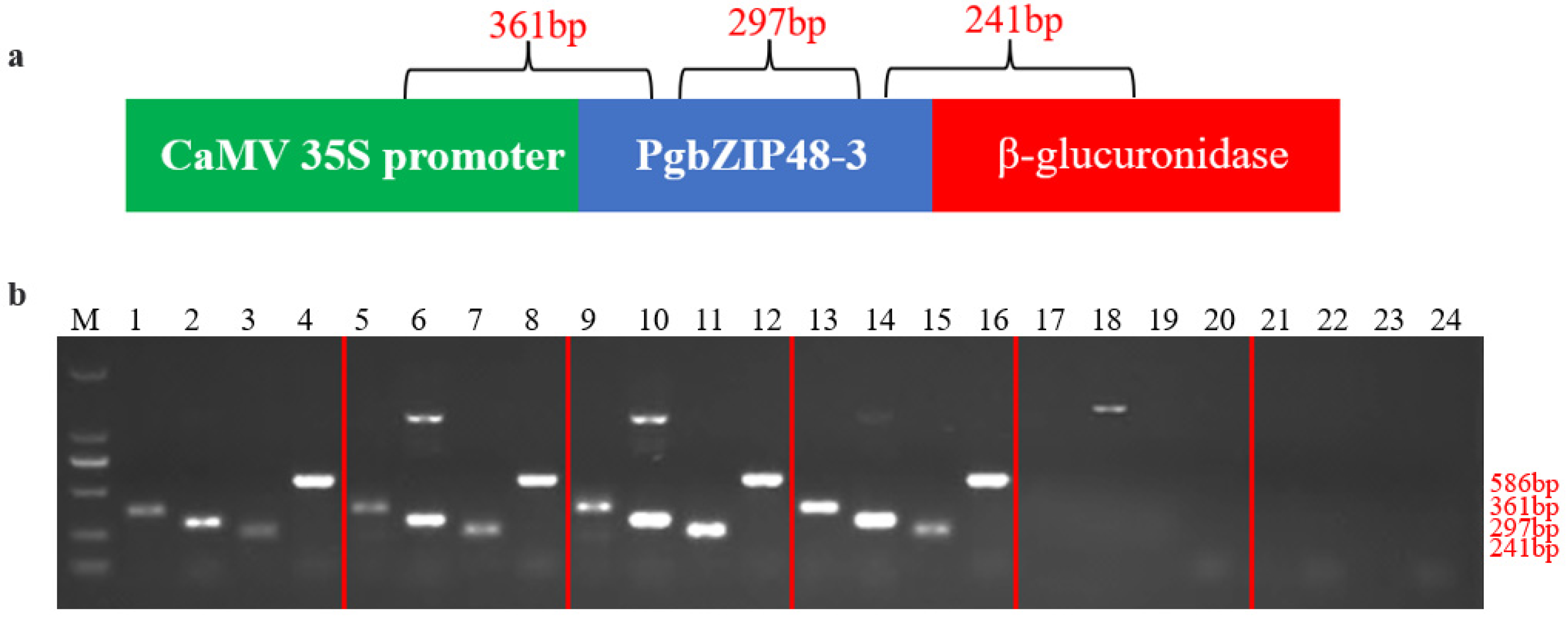
0.1 g of hairy roots was weighed into 500 μL of TPS solution, and the mixture was homogenized with a grinder. After incubation at 75 °C for 30 min, the homogenate was centrifuged at 12,000 rpm for 10 min. The supernatant was aspirated, and an equal volume of isopropanol was added with repeated inversion for mixing. The mixture was placed at −20 °C for 30 min for precipitation, then centrifuged at 12,000 rpm for 5 min, and the supernatant was discarded. 1 mL of 75% ethanol was added to the precipitate, and the mixture was inverted several times. The ethanol was discarded, and the precipitate was air-dried at room temperature for several minutes. Finally, the precipitate was resuspended in 50 μL of TE buffer, and genomic DNA of hairy roots was obtained. Genomic DNA from the overexpressed hairy roots was used as the template, and three pairs of primers were designed in the T-DNA region. The amplified products were 361 bp, 297 bp and 241 bp in length, respectively (Table 1). The transformation efficiency of the overexpressed hairy roots was verified by the electrophoresis results of the amplified products.

2.10. Determination of the Saponin Content of the Positive Material

The positive ginseng hairy roots were dried in an oven at 37 °C for 72 h, removed, and weighed. A total of 1.0 g of the dry weight material was ground into a powder, and ginsenosides were extracted using the Soxhlet extraction method. The extracted ginsenosides were then purified and prepared. Ginsenosides were separated by a Waters e2695 high-performance liquid chromatography (HPLC) system with a Waters C18 column (4.6 × 250 mm, 5 μM) adopted. The mobile phase was composed of Phase A (18% acetonitrile) and Phase B (82% water) at a flow rate of 1.0 mL/min; the column temperature was set at 35 °C and the injection volume was 20 μL. The isolated monomeric ginsenosides were detected by a Waters 2695 ultraviolet (UV) detector with the detection wavelength adjusted to 203 nm and the total detection time set at 120.0 min. Preparation of ginsenoside standard solution: Each ginsenoside standard was weighed separately and dissolved in an appropriate amount of methanol. The standard solution was filtered through a 0.22 μM organic phase filter membrane.

2.11. Putative Regulatory Network of PgbZIP48-3 in Ginsenoside Biosynthesis

IBM SPSS Statistics version 26.0 was used to calculate the Spearman correlation among the gene expression levels of PgbZIP48-3, 16 functionally validated key enzymes in the ginsenoside synthesis pathway in 42 local cultivars, and the contents of nine ginsenoside monomers. We hypothesized that the correlation coefficient between genes or ginsenosides with direct interactions in the ginsenoside synthesis pathway is much higher than that between genes or ginsenosides with indirect interactions. Based on this hypothesis, a potential regulatory network of PgbZIP48-3 in ginsenoside biosynthesis was constructed, where PgbZIP48-3 was defined as the hub gene, and other genes were connected to the hub gene according to their correlation coefficients. The potential regulatory network was then mapped.

2.12. Analysis of the Regulatory Effects of SNP/InDels in the PgbZIP48-3 on Ginsenosides

To further investigate the regulatory mechanism of the PgbZIP48-3 gene on ginsenosides, this study used the SNP/InDels information of this gene in a natural population consisting of 346 ginseng samples as the starting point and conducted an association analysis between this information and the nine ginsenoside monomers in the 346 ginseng samples. Through this analysis, SNP/InDel loci that exerted a significant impact on ginsenoside biosynthesis were identified. Additionally, the ORF Finder tool in NCBI was used to explore the effects of these loci on the amino acid sequence of the protein, and the impact rate of each locus on ginsenoside biosynthesis was calculated.

3. Results

3.1. Chromosomal Localization and Gene Duplication of the PgbZIP Gene

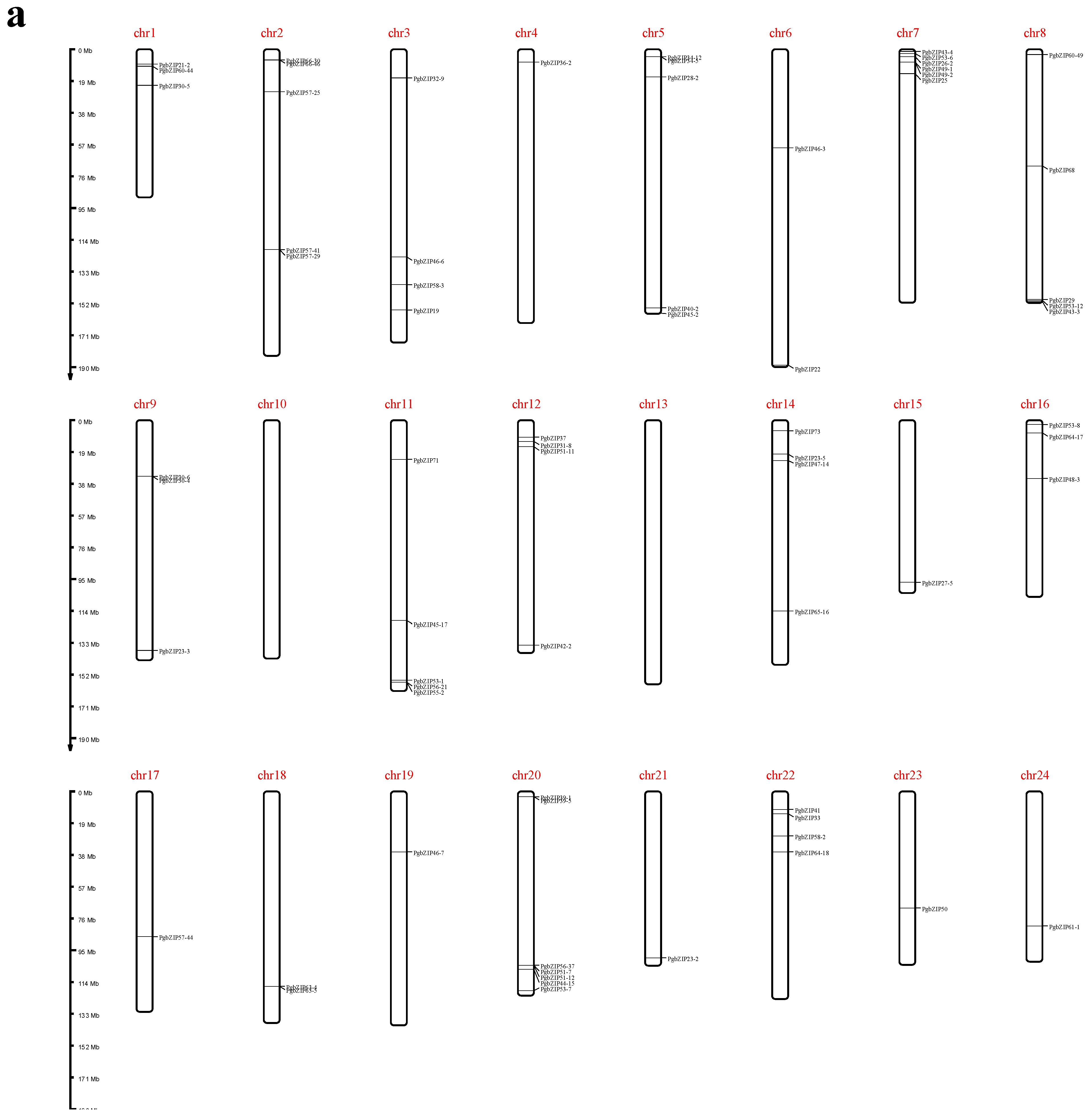
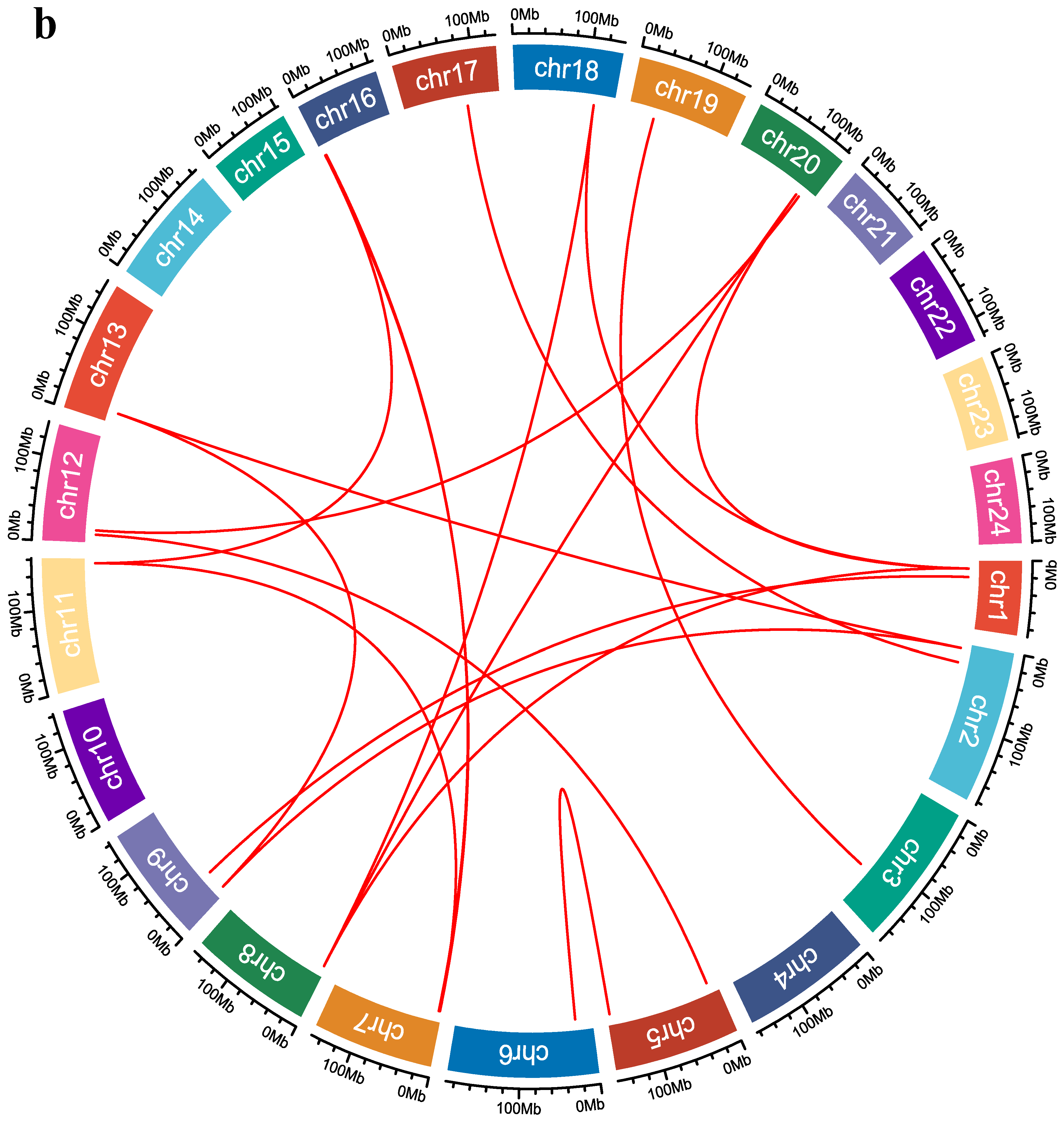
We found that PgbZIP gene family members showed a differential spread on chromosome 24 in ginseng (Figure 1a). These genes were absent on chromosomes 10 and 13 of the genome. We observed that PgbZIP had the largest gene density on chromosome 20, with seven different PgbZIP genes located at different positions on chromosome 20. However, chromosomes 4, 15, 17, 19, 21, 23, and 24 each contained only one PgbZIP gene. Based on the experimental results, we discovered that the PgbZIP gene was collinearly segmentally replicated in ginseng (Figure 1b), which coincides with the presence of PgbZIP gene replication events in ginseng.

3.2. Identification of PgbZIP Candidate Genes Associated with Ginsenoside Synthesis

To investigate the association between PgbZIPs and ginsenoside synthesis, we conducted a preliminary correlation analysis using bioinformatics. The expression data of PgbZIPs and the data of each monomeric saponin and total saponin content of ginseng were collated, and Pearson’s correlation coefficient analysis was performed using SPSS Statistics version 26.0 software. Sixty transcripts of PgbZIPs were obtained, and ginsenoside content was significantly correlated (Table S1), of which 43 PgbZIPs were positively correlated and 17 PgbZIPs were negatively correlated. To further investigate the relationship between PgbZIPs and ginsenoside synthesis, we collated the expression data of PgbZIPs and expression data of key enzyme genes in Jilin ginseng and conducted Pearson correlation coefficient analysis using SPSS software. A total of 104 transcripts of PgbZIPs were obtained, which were significantly correlated with the expression of the key enzymes (Table S2). Of these, 79 PgbZIPs were positively correlated and 25 were negatively correlated. In summary, 54 PgbZIP transcripts were associated with both ginsenosides and key enzymes, of which 39 PgbZIPs were positively correlated and 15 were negatively correlated. These 54 PgbZIPs were used as candidate genes for subsequent analyses.
The SNP data of 54 PgbZIPs were extracted from the Jilin ginseng Unigenes SNP database, and 216 SNP loci were obtained for 26 genes, with 28 PgbZIPs having no SNP loci identified. The relationship between these SNP mutant loci and the saponin content of candidate genes was calculated using SPSS software, and finally, 29 SNP loci for 16 genes were significantly correlated with saponin content (Table S3), of which nine PgbZIPs were positively correlated and seven PgbZIPs were negatively correlated. The results of these correlation analyses were combined, and one sequence (PgbZIP48-3) with the smallest p-value (p = 2.39 × 10⁻⁴), a highly significant correlation between SNP sites and saponin content, and a positive correlation between gene expression and ginsenoside content was selected from the PgbZIPs related to saponin synthesis for subsequent functional validation.

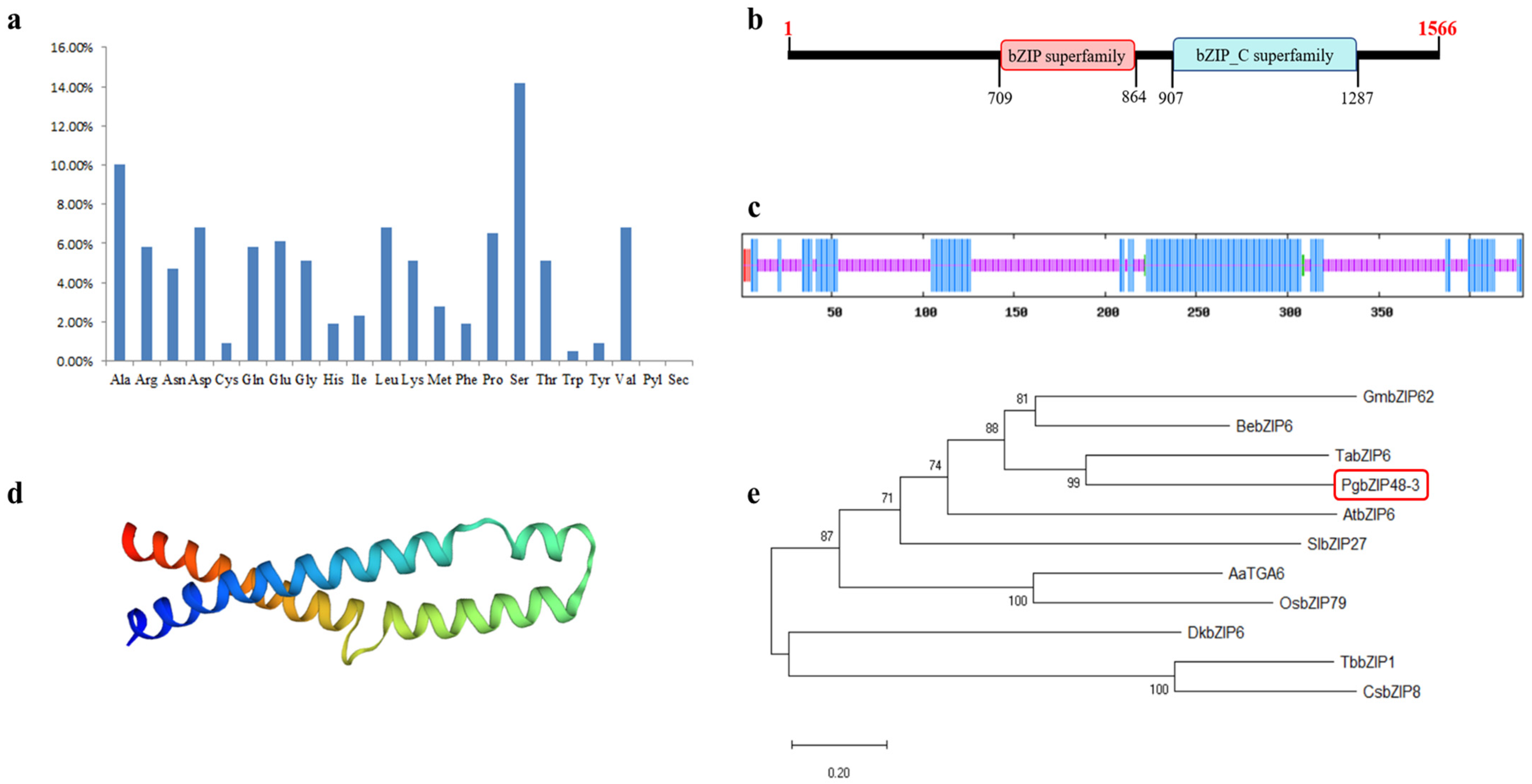
3.3. Characterization of the PgbZIP48-3 Gene

The nucleic acid and protein sequences of PgbZIP48-3 were entered into the NCBI and ExPASy websites, respectively, and their physicochemical properties were predicted online. The results showed that the full-length sequence of the PgbZIP48-3 gene cDNA was 1566 bp, with an ORF length of 1290 bp, and encoded 429 amino acids. The Ser content was the highest, accounting for 14.2%, whereas the Pyl and Sec contents were the lowest at 0.0% (Figure 2a); the predicted molecular weight was 47.3 kDa; the isoelectric point was 5.61, acidic; the relative molecular weight was 46,063.93; the mean value of hydrophilicity was −0.674; the lipid index was 65.08; the instability index of the gene was 56.79, indicating that the gene was an unstable protein; the negatively charged residues included Asp. The NCBI results showed that PgbZIP48-3 has two typical bZIP structural domains, bZIP Superfamily and Basic leucine-zipper C terminal (Figure 2b), located at bases 709–864 bases and 907–1287 bases. To predict the structure of PgbZIP48-3, we first predicted its secondary structure of PgbZIP48-3. The protein sequence of PgbZIP48-3 was submitted to the SOPMA online website to obtain the predicted secondary structure of PgbZIP48-3, which included α-helix (38.69%), β-turn (0.70%), extended chain (0.93%), and random coiling (59.67%) (Figure 2c). Next, we predicted the tertiary structure of PgbZIP48-3. The protein sequence of PgbZIP48-3 was submitted to the SWISS-MODEL online website to obtain the predicted tertiary structure of PgbZIP48-3, which was found to have a typical structural model of a transcription factor (Figure 2d). Finally, we predicted the subcellular localization of PgbZIP48-3 by submitting the PgbZIP48-3 protein sequence to the WoLFPSORT II website, which revealed that PgbZIP48 is localized in the nucleus. To show the evolutionary relationship between bZIP genes of various cultivars, we downloaded the protein sequences of bZIP family members of 10 species from NCBI (Table S4) and constructed a phylogenetic tree using the bZIP protein sequences of PgbZIP48-3 and 10 other species (Figure 2e). Phylogenetic tree analysis revealed that the bZIP family was clustered into two clades based on amino acid homology. Among them, CsbZIP8 and DkbZIP6 were grouped into the same clade, which might be attributed to the fact that Camellia sinensis and Diospyros kaki are both woody plants, whose bZIP gene differentiation patterns are significantly different from those of other herbaceous plants. In addition, PgbZIP48-3 exhibited the closest genetic relationship with TabZIP6 transcription factor from wheat, with extremely high bootstrap support for this clade. Given that TabZIP6 plays a crucial role in cold stress response, it is suggested that PgbZIP48-3 may possess a similar biological function to TabZIP6.

3.4. Analysis of the Expression Pattern of the PgbZIP48-3 Gene

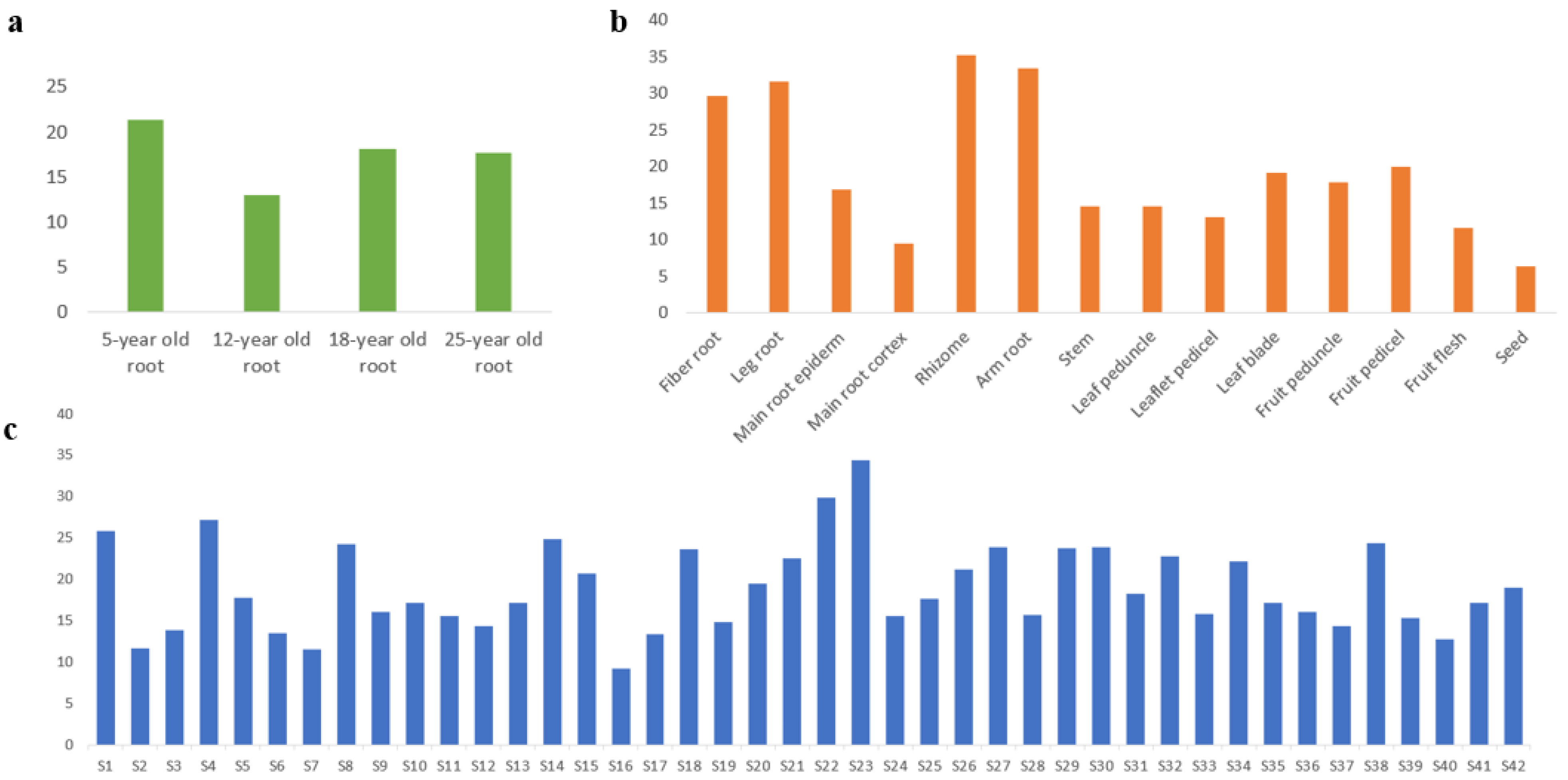
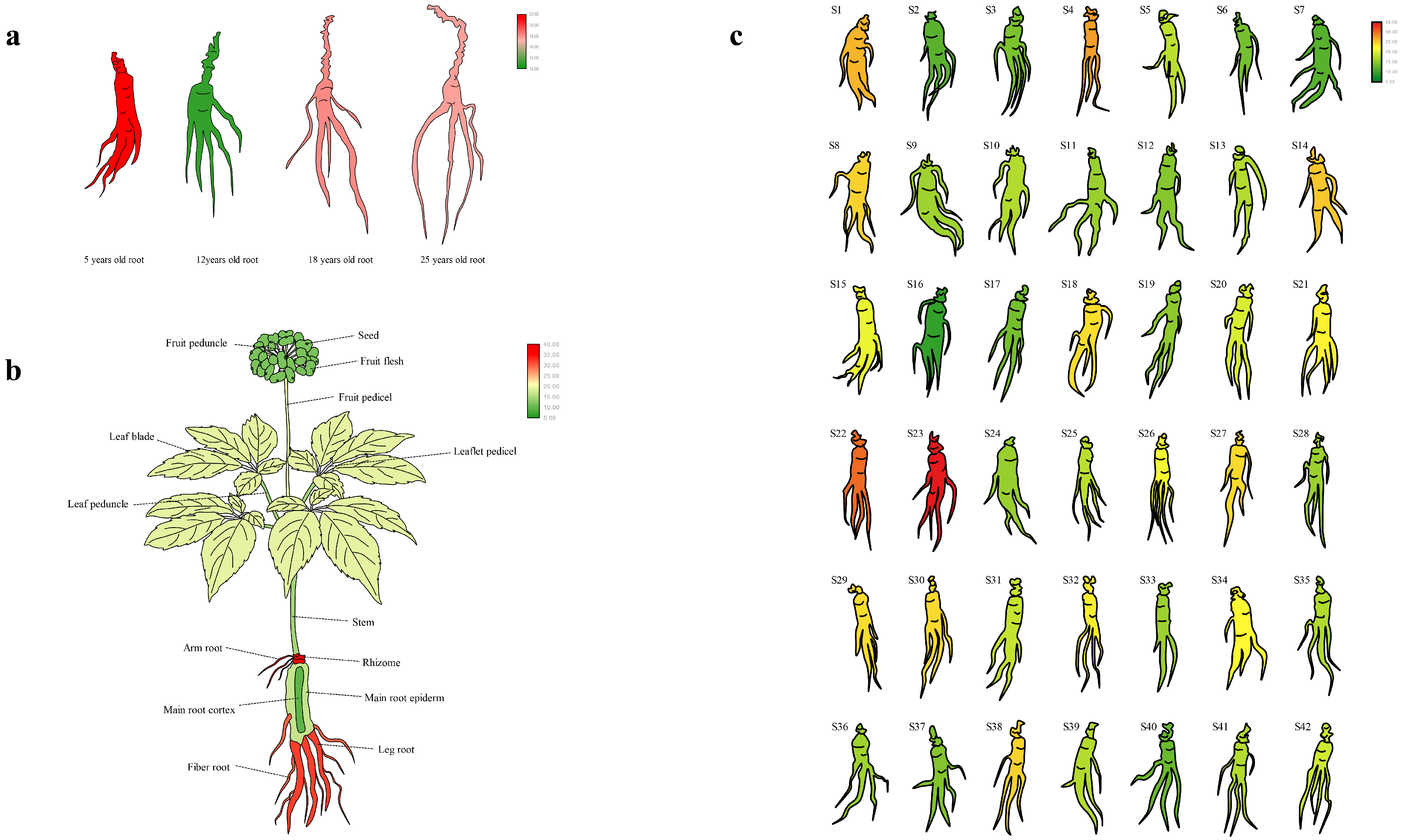
To investigate the pattern of PgbZIP48-3 gene expression in ginseng, we extracted PgbZIP48-3 gene expression data from four different aged ginseng roots, 14 different ginseng tissues, and 42 ginseng cultivars and plotted the histograms (Figure 3). To better visualize the expression of PgbZIP48-3, we plotted a gene expression heat map. The PgbZIP48-3 gene had the highest expression in the 5-year-old ginseng roots and the lowest expression in the 12-year-old ginseng roots (Figure 4a). PgbZIP48-3 was expressed in all 14 different ginseng tissues, with high expression in the underground parts compared to the above-ground tissues, and in the rhizome, arm roots, fiber root, and leg root (Figure 4b). The expression of the PgbZIP48-3 gene varied considerably in most of the 42 farm cultivars, with expression is higher in S23 and lower in S16 (Figure 4c).

3.5. Cloning of the PgbZIP48-3 Gene and Construction of the Vector

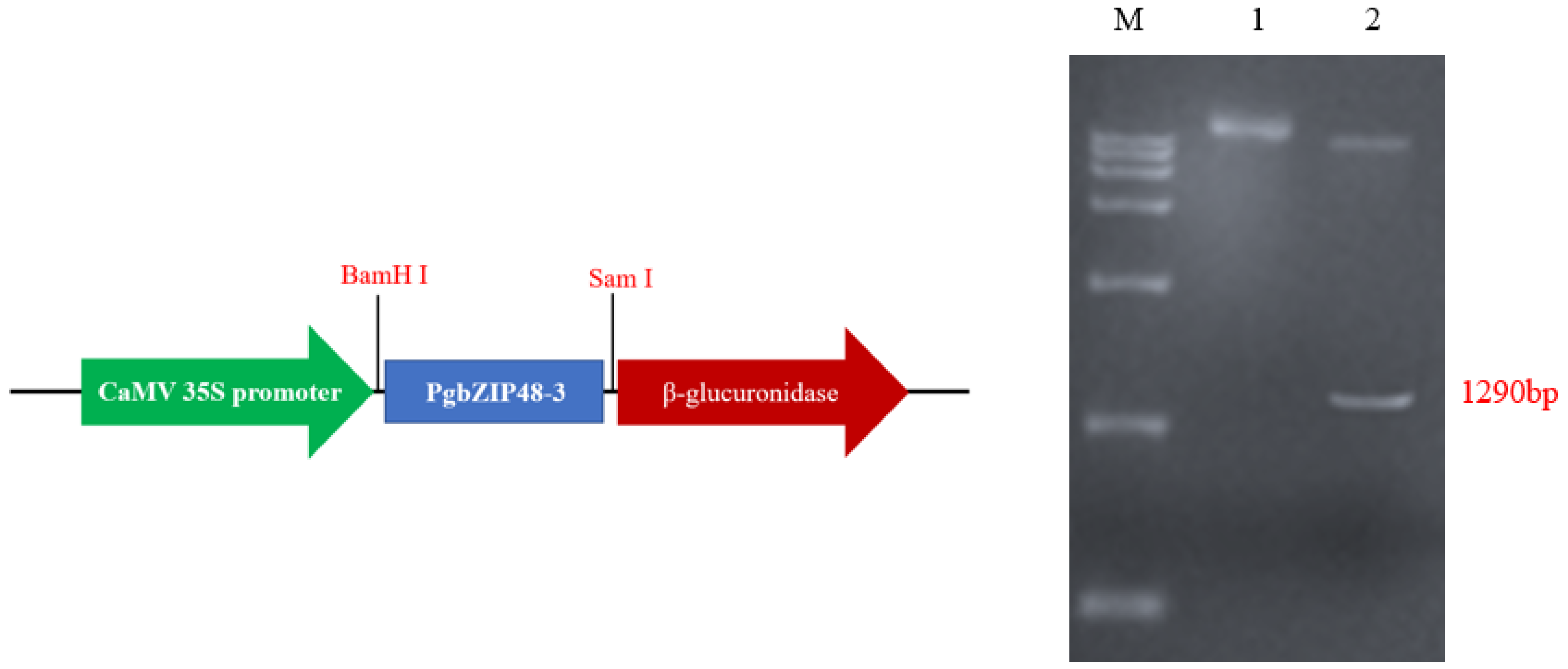
Total RNA was extracted from ginseng, reverse transcribed into cDNA, and the PgbZIP48-3 gene was cloned by PCR and ligated into the pGM-T vector. The target gene of the ligated cloning vector and the overexpression vector pBI121 were simultaneously digested with restriction endonucleases BamHI and SmaI. After connection, E. coli DH5α receptor cells were transformed, and positive colonies were verified by double digestion (Figure 5), confirming that the plant overexpression vector pBI121-PgbZIP48-3 was successfully constructed.

3.6. Genetic Transformation of the PgbZIP48-3 Gene

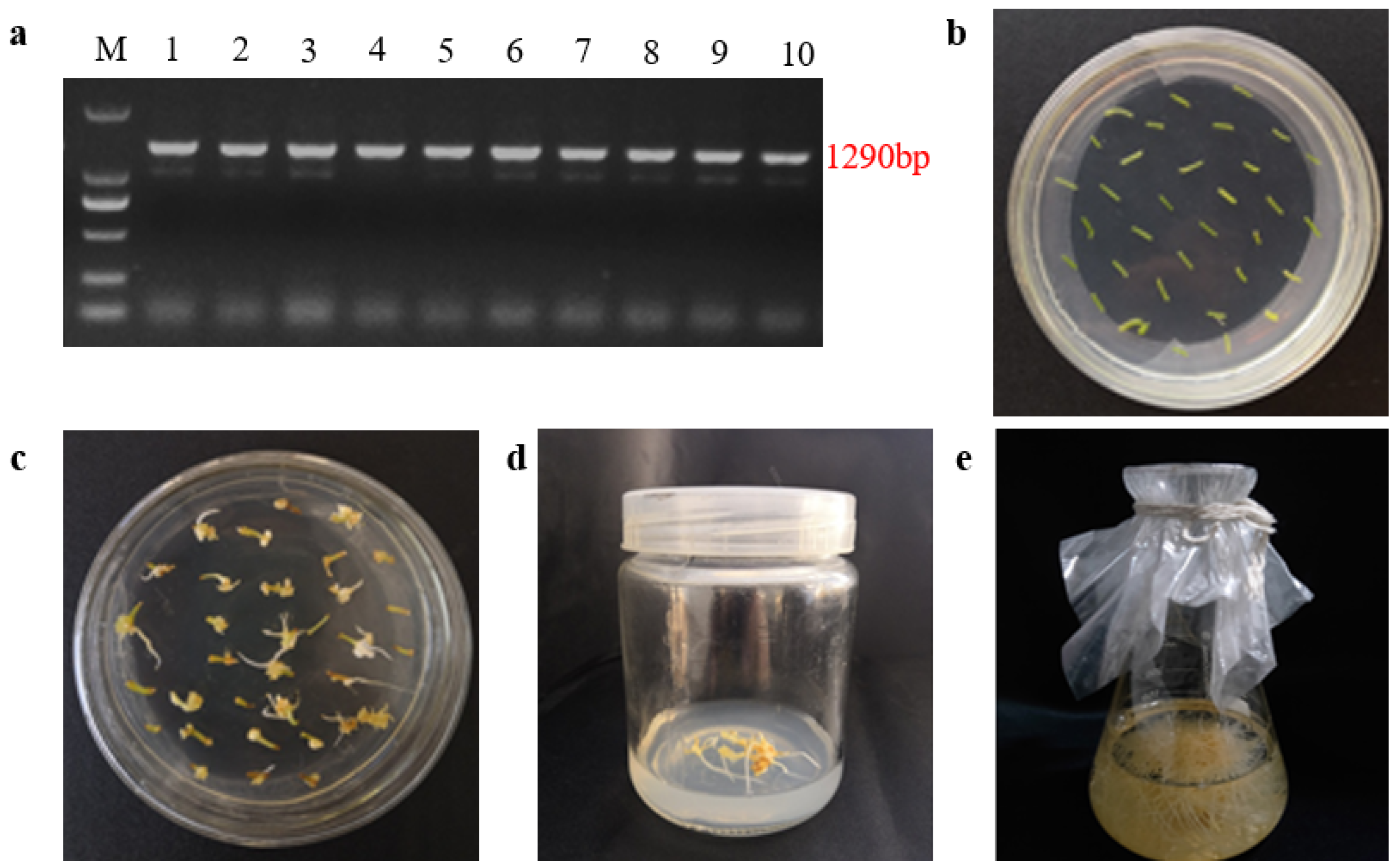
The recombinant plasmid pBI121-PgbZIP48-3, which was successfully ligated with the overexpression vector, was transformed into Agrobacterium tumefaciens A4 receptor cells (Figure 6a) was used for subsequent experiments. The successfully engineered bacteria were used to infest ginseng explants using an Agrobacterium-mediated method (Figure 6b), and ginseng hairy roots were grown in dark culture for a period of time (Figure 6c), followed by successive cultures after 1 cm of hairy roots (Figure 6d), and the material was expanded through a 250 mL shake flask culture (Figure 6e). A total of 38 hairy roots were obtained from 3000 transformed materials transferred with the PgbZIP48-3 gene overexpression vector, with an induction rate of 1.3.

3.7. Detection of Positive Ginseng Hairy Roots in Single Root Systems

The genomic DNA of each single root line of the ginseng hairy roots was extracted and used as a template to assay the genome of the hairy roots obtained and the rol C region of the hairy roots. The detection region is illustrated in Figure 7a. Meanwhile, ddH2O was used as a blank control, and wild-type ginseng sterile seedling genomic DNA was used as a template for the negative control. The results demonstrated that successful transgenic ginseng hairy root single root lines were obtained (Figure 7b), and 10 were identified as positive materials by PCR, with a transformation rate of 26.3%, in which two bands were found in the second lane of each sample, presumably indicating that The PgbZIP48-3 gene contains introns in the genome. Comparison with the genomic database confirmed that the presumptions were correct, and the positive samples were retained for subsequent experiments.

3.8. Determination and Analysis of the Saponin Content of the Positive Material

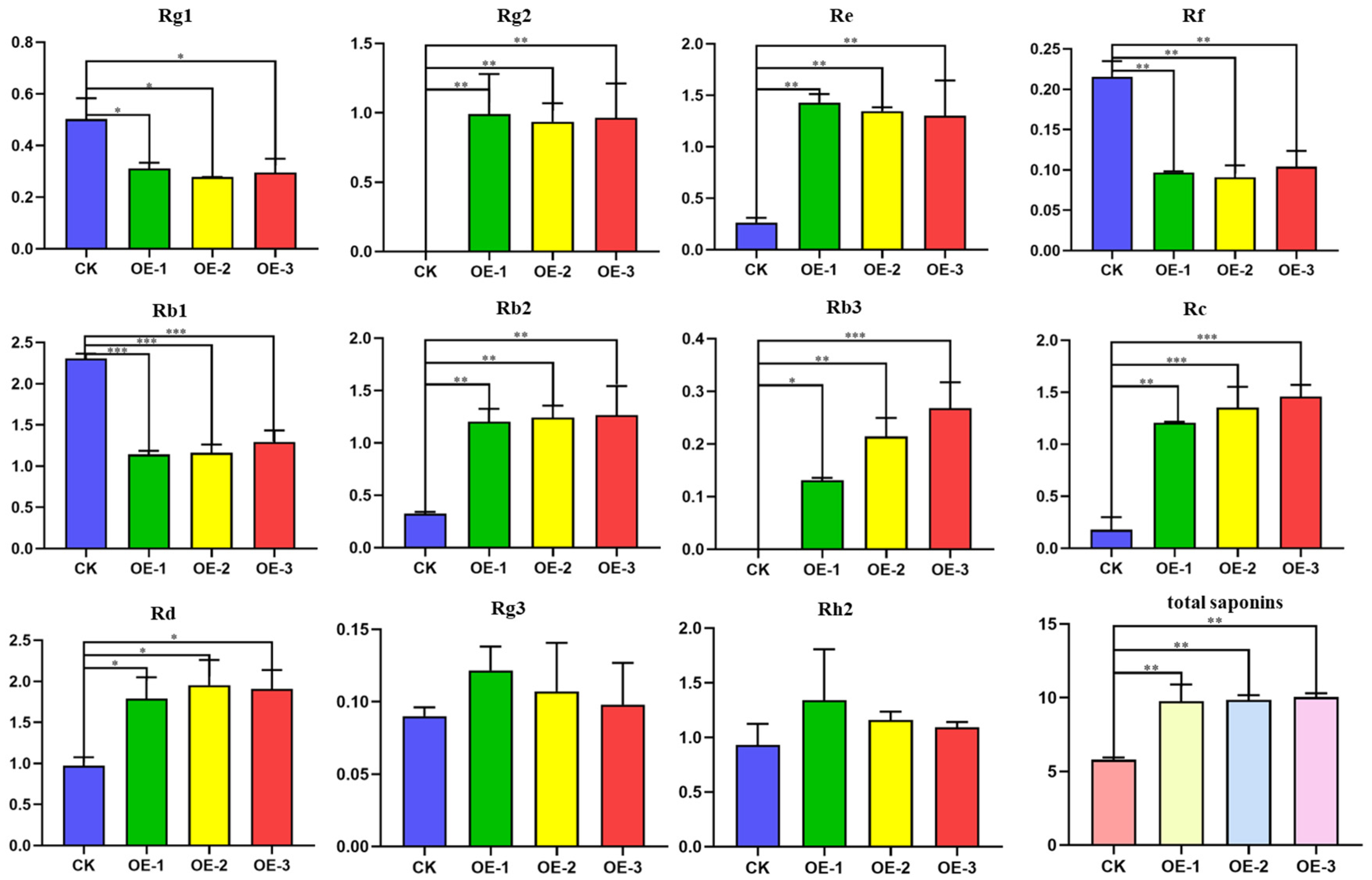
Ginsenosides from positive hairy roots were extracted, purified, and assayed for the content of each monomeric saponin using high-performance liquid chromatography, while non-transgenic hairy roots of ginseng cultured at the same time were used as controls. The results showed that all monomeric saponins tested were significantly increased in the transgenic hairy roots compared to the controls, except for three monomeric saponins Rg1, Rf, and Rb1, while it was found that the PgbZIP48-3 gene also showed a highly significant increase in the total saponin content in the hairy roots (Figure 8). The results indicate that the PgbZIP48-3 gene can increase the content of ginsenosides and promote the synthesis of ginsenosides, and at the same time, has practical application for the production of ginsenosides.

3.9. Construction of the Regulatory Network of PgbZIP48-3 in Ginsenoside Biosynthesis

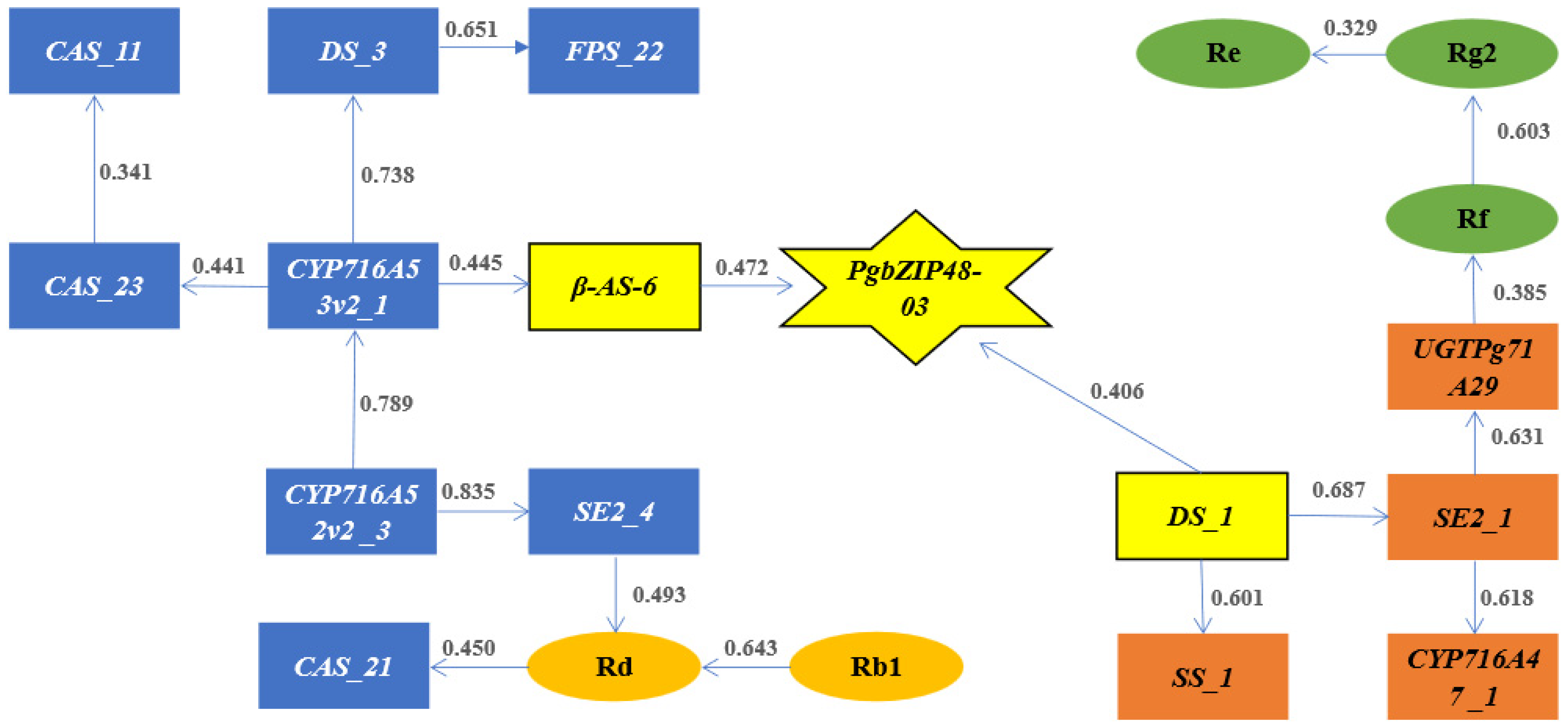
The regulatory network diagram constructed based on correlation analysis indicated that the core gene PgbZIP48-03 may regulate ginsenoside biosynthesis through two potential pathways (Figure 9). One of these pathways includes 10 key enzyme genes, as well as ginsenosides Rb1 and Rd. Within this potential pathway, PgbZIP48-03 is highly likely to interact with β-AS-6 to regulate its expression, which in turn affects the expression of genes such as CYP716A53v2_1, ultimately influencing the levels of ginsenosides Rb1 and Rd. The other pathway suggests that PgbZIP48-03 may interact with the key enzyme gene DS_1, thereby affecting the biosynthesis of ginsenoside monomers Rf, Rg2, and Re. Interestingly, one of these pathways affects protopanaxadiol-type ginsenosides, whereas the other affects protopanaxatriol-type ginsenosides. This finding also confirms that PgbZIP48-03, as the core gene of this regulatory network, exhibits broad regulatory activity in ginsenoside biosynthesis.

3.10. Analysis of the Regulatory Effects of SNP/InDels in the PgbZIP48-03 on Ginsenosides

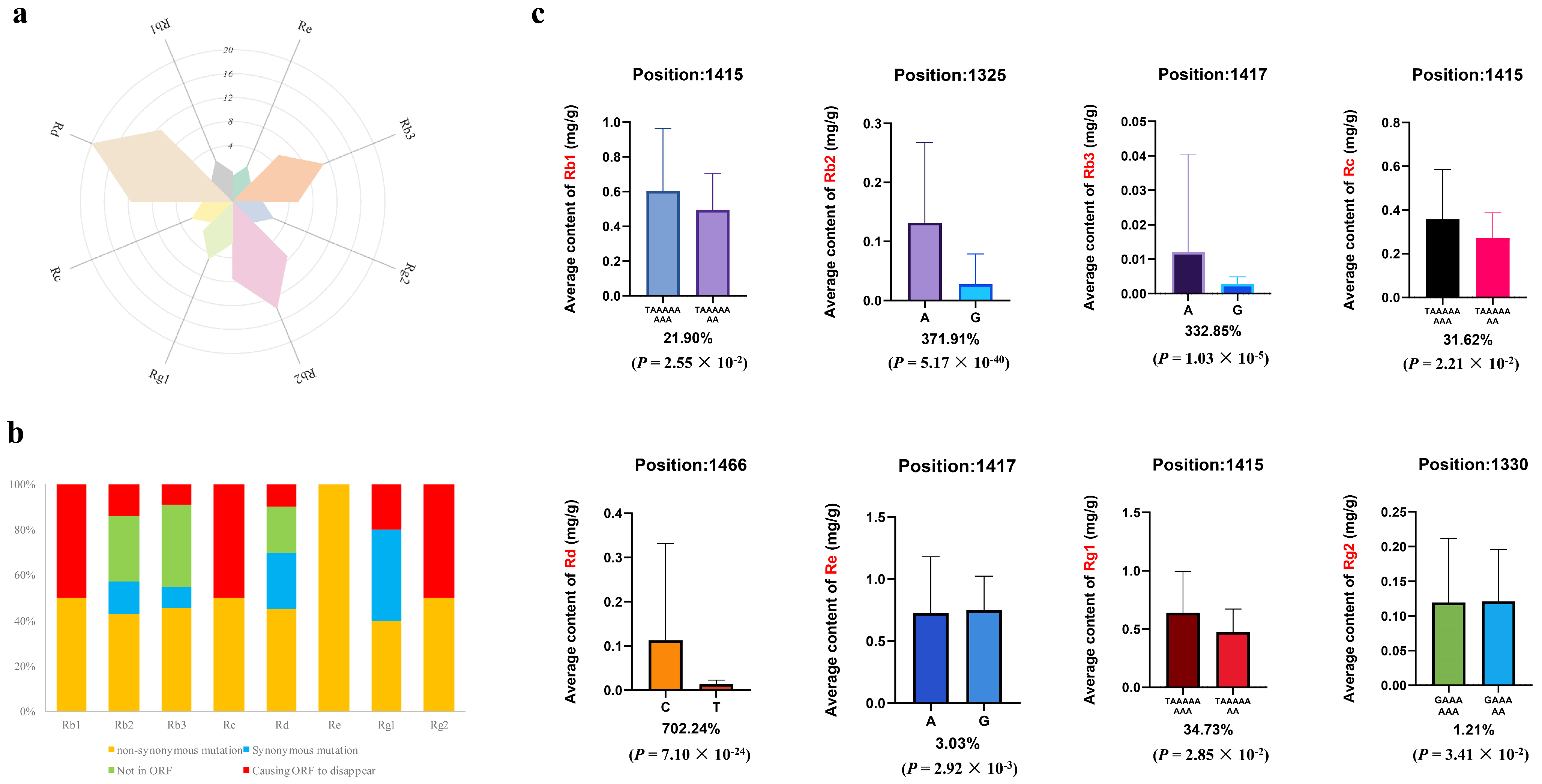
The study revealed that the PgbZIP48-03 gene contained 55 SNP/InDel loci across 346 ginseng samples. Through statistical analysis, 23 SNP/InDel loci that exerted a significant influence on the contents of the eight ginsenoside monomers were identified (Table S5). Among these, 20 loci had a significant effect on ginsenoside Rd, followed by Rb2. The impact rates of these loci on the content of individual ginsenoside monomers ranged from 0.12% to 702.24% (Figure 10). Notably, in the natural population, a transversion (A ↔ G) at the 1417th base of this gene significantly affected the content of seven ginsenoside monomers. This transversion resulted in a non-synonymous mutation, leading to two possible amino acid variations at this position: phenylalanine (Phe) and serine (Ser). This variation may alter the spatial conformation or hydrophilic-hydrophobic properties of the protein, thereby modifying its regulatory function.

4. Discussion

We analyzed the sequence characteristics, phylogeny, and expression pattern of the PgbZIP48-3 gene and found that it had the highest Ser content, two typical bZIP conserved structural domains, and was evolutionarily closest to wheat. After analyzing the expression pattern of the PgbZIP48-3 gene, we found that PgbZIP48-3 was expressed in all 42 farm cultivars of 4-year-old ginseng roots, indicating the widespread expression of PgbZIP48-3. However, PgbZIP48-3 was also specific, with higher expression in the S23 cultivar, and the expression of PgbZIP48-3 in 14 different tissues of 4-year-old ginseng was also specific, suggesting that the expression of PgbZIP48-3 in ginseng is spatially and temporally specific.
bZIP transcription factors are involved in many biological processes, such as growth and development [45,46], and the biosynthesis of secondary metabolites [15,47]. AaABF3, a member of the bZIP family, regulates artemisinin synthesis in Artemisia annua [48]. BcbZIP134 may play a negative regulatory role in the biosynthesis of Caihu saponins [49]. This suggests that bZIP is involved in secondary plant metabolism. The main active component of ginseng is ginsenoside, and it has been shown that other transcription factors are involved in the biosynthesis of ginsenoside [50]. In this process, we correlated PgbZIP genes with ginsenosides, key enzyme genes for ginsenoside synthesis, and SNPs of PgbZIPs, and identified genes that significantly regulate ginsenoside synthesis. We screened genes that significantly regulate ginsenoside synthesis. The results were screened from multiple sources to ensure rigor and accuracy and to lay the foundation for subsequent studies on the effects of single-base variants on ginsenoside synthesis.
Given the long growth cycle of ginseng, this study used Agrobacterium tumefaciens-mediated genetic transformation to produce ginseng hairy roots to verify the function of the PgbZIP48-3 gene. To ensure that the ginseng explants had the same genetic background, the same ginseng adventitious root asexual line was expanded as the material for the transformation process. The hormonally autotrophic nature of hairy roots, their rapid reproduction rate, and genetic stability guarantee the use of the genetic transformation method to verify gene function. Functional validation of genes such as PgHMGR1 [51], PgMVD and PgFPS [52], and PgGRAS68-01 [50] was achieved using Agrobacterium tumefaciens-mediated assays. We successfully constructed an overexpression vector for the PgbZIP48-3 gene, transferred the recombinant plasmid into ginseng explants using an Agrobacterium-mediated method, confirmed successful transformation, and then assayed the ginsenoside content using high-performance liquid chromatography. The results showed that PgbZIP48-3 significantly increased the content of several monomeric ginsenoside saponins. Notably, the levels of three monomeric saponins, Rg1, Rf, and Rb1, were reduced in the transgenic hairy roots. It was hypothesized that the factors determining ginsenoside content are not controlled by a single gene and that the target gene may act together with other genes to regulate ginsenoside synthesis. These results demonstrate that PgbZIP48-3 plays an important role in the biosynthesis of several monomeric saponins. It was also found that the total ginsenoside content of ginseng was highly significantly increased compared to the control group, further indicating that the overexpression of PgbZIP48-3 gene plays a role in promoting the synthesis of ginsenosides.
The regulatory role of PgbZIP48-3 in ginsenosides is also reflected in the effects of SNPs/InDels on ginsenoside content within its natural population. Notably, nucleotide variations at positions 1417 and 1423 of this gene affect the contents of seven and five ginsenoside species, respectively, and both mutations result in non-synonymous substitutions. A mutation at position 1417 leads to two allelic variants encoding either phenylalanine or serine at this site, which may alter the polarity of the protein’s carboxyl terminus. The mutation at position 1423 resulted in two amino acid variants, namely valine and glycine. Although both amino acids are non-polar, valine has an isopropyl side chain, whereas glycine has only a hydrogen atom as its side chain. The side-chain groups of these two amino acids exhibit substantial differences in steric hindrance during protein folding, which may impair the regulatory function of the protein and thereby affect ginsenoside content. Meanwhile, SNPs/InDels that exert significant effects on ginsenosides are also enriched in the 3′ region of this transcript. This enrichment may modulate transcript stability, thereby regulating its function at the transcriptional level.
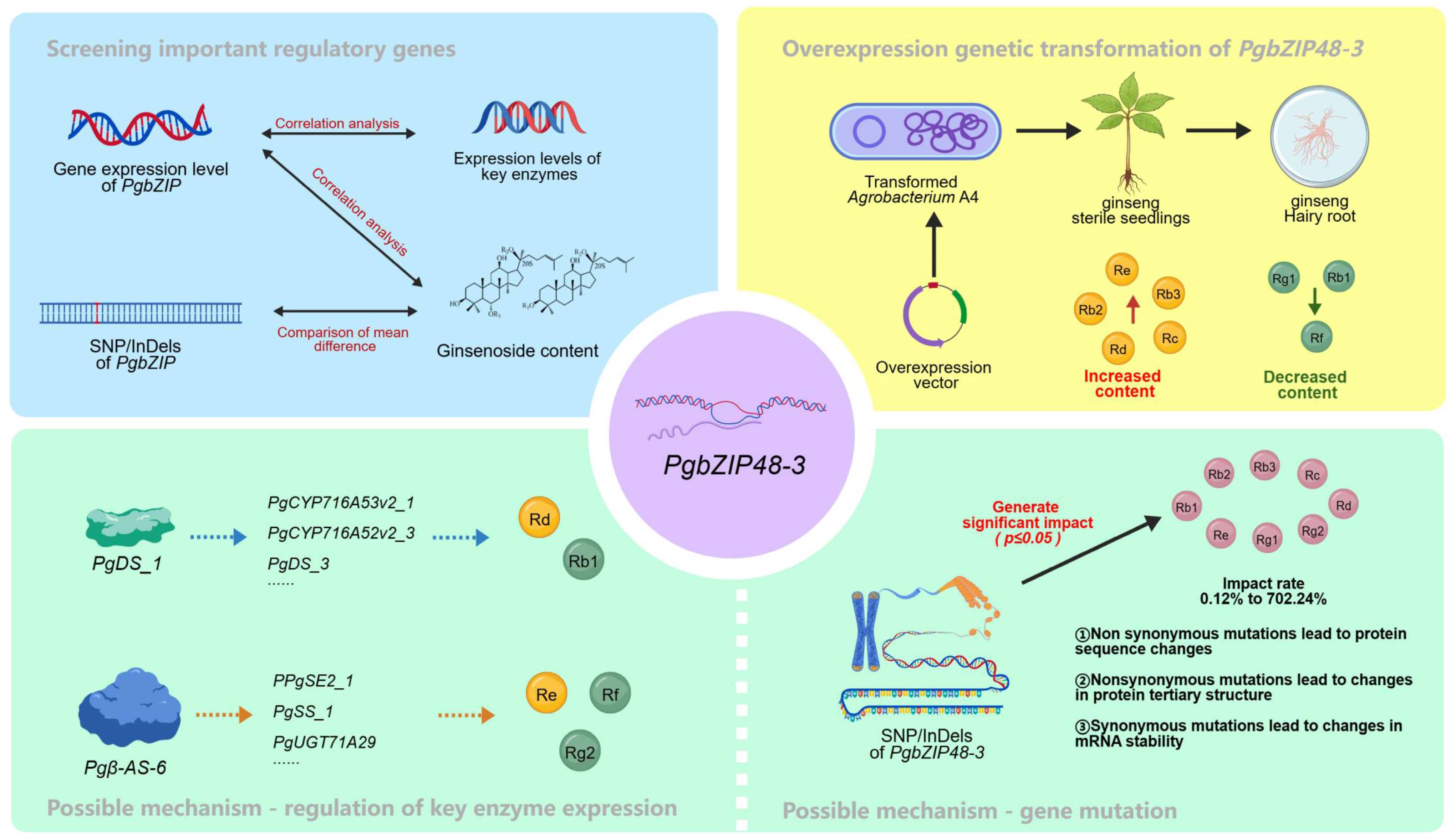
Although this study provides a comprehensive analysis of the expression pattern, protein properties, and structural features of the PgbZIP48-3 gene, verifies its definitive function in regulating ginsenoside biosynthesis through overexpression experiments, and predicts its potential molecular mechanism based on gene mutation analysis and the interaction profile of key enzymes involved in the pathway, a schematic diagram of the function of the PgbZIP48-3 gene in ginseng has been drawn (Figure 11). However, this predicted mechanism lacks experimental validation, leaving ample scope for further in-depth investigation.

5. Conclusions

In this study, PgbZIP genes were localized on chromosome 24 of ginseng, and their family members were found to be genetically duplicated in ginseng. The gene PgbZIP48-3, which was highly correlated with ginsenoside content, was screened by correlation analysis of PgbZIP genes with ginsenoside and key enzyme genes, followed by SNP analysis. Sequence characterization and expression pattern analysis revealed that the expression of PgbZIP48-3 was spatiotemporally specific. The overexpression and interference vectors of the PgbZIP48-3 gene were successfully constructed, and the recombinant vector transformed ginseng explants, successfully inducing positive hairy roots. Overexpression of this gene can promote the synthesis of ginsenosides Re, Rb2, Rb3, Rc, and Rd. Based on the correlation with key enzymes, a hypothetical regulatory pathway for PgbZIP48-3 in modulating the biosynthesis of diol-type and triol-type ginsenosides was proposed. Furthermore, the key sites involved in the regulation of ginsenoside synthesis were explored using SNP/InDel information from natural populations of ginseng in Jilin Province.

Supplementary Materials

The following supporting information can be downloaded at: https://www.mdpi.com/article/10.3390/horticulturae12020212/s1, Table S1: PgbZIPs related to the contents of ginseng monomer and total saponins. Table S2: The PgbZIP genes related to ginsenoside biosynthesis key enzyme genes. Table S3: SNP analysis of PgbZIPs associated with ginsenoside. Table S4: Protein sequences of foreign species. Table S5: The PgbZIP48-03 gene contains SNP/InDel mutations that significantly affect the content of eight monomeric saponins (Rb1, Rb2, Rb3, Rc, Rd, Re, Rg1, Rg2) and the effect of their gene SNPs/InDel on the content of the nine saponins.

Author Contributions

Y.W. (Yi Wang), M.Z. (Meiping Zhang) and K.W. designed the experiments of the study. A.W. and K.W. wrote and revised the manuscript. A.W., M.F., H.L., Y.W. (Yanfang Wang), M.Z. (Mingzhu Zhao) and K.W. performed the experiments and contributed to data analysis. All authors have read and agreed to the published version of the manuscript.

Funding

This work was supported by the Department of Science and Technology of Jilin Province (20240402046GH).

Institutional Review Board Statement

Not applicable.

Informed Consent Statement

Not applicable.

Data Availability Statement

All ginseng samples can be accessed upon request from the corresponding author.

Conflicts of Interest

The authors declare no conflicts of interest.

References

  1. Riechmann, J.L.; Heard, J.; Martin, G.; Reuber, L.; Jiang, C.; Keddie, J.; Adam, L.; Pineda, O.; Ratcliffe, O.J.; Samaha, R.R.; et al. Arabidopsis transcription factors: Genome-wide comparative analysis among eukaryotes. Science 2000, 290, 2105–2110. [Google Scholar] [CrossRef]
  2. Warren, A.J. Eukaryotic transcription factors. Curr. Opin. Struct. Biol. 2002, 12, 107–114. [Google Scholar] [CrossRef] [PubMed]
  3. Nijhawan, A.; Jain, M.; Tyagi, A.K.; Khurana, J.P. Genomic survey and gene expression analysis of the basic leucine zipper transcription factor family in rice. Plant. Physiol. 2008, 146, 333–350. [Google Scholar] [CrossRef]
  4. Talanian, R.V.; McKnight, C.J.; Kim, P.S. Sequence-specific DNA binding by a short peptide dimer. Science 1990, 249, 769–771. [Google Scholar] [CrossRef]
  5. Hu, W.; Yang, H.; Yan, Y.; Wei, Y.; Tie, W.; Ding, Z.; Zuo, J.; Peng, M.; Li, K. Genome-wide characterization and analysis of bZIP transcription factor gene family related to abiotic stress in cassava. Sci. Rep. 2016, 6, 22783. [Google Scholar] [CrossRef] [PubMed]
  6. Liu, X.; Chu, Z. Genome-wide evolutionary characterization and analysis of bZIP transcription factors and their expression profiles in response to multiple abiotic stresses in Brachypodium distachyon. BMC Genom. 2015, 16, 227. [Google Scholar] [CrossRef]
  7. Glover, J.N.; Harrison, S.C. Crystal structure of the heterodimeric bZIP transcription factor c-Fos-c-Jun bound to DNA. Nature 1995, 373, 257–261. [Google Scholar] [CrossRef]
  8. Schindler, U.; Menkens, A.E.; Beckmann, H.; Ecker, J.R.; Cashmore, A.R. Heterodimerization between light-regulated and ubiquitously expressed Arabidopsis GBF bZIP proteins. EMBO J. 1992, 11, 1261–1273. [Google Scholar] [CrossRef] [PubMed]
  9. Vettore, A.L.; Yunes, J.A.; Cord, N.G.; Silva, M.J.; Arruda, P.; Leite, A. The molecular and functional characterization of an Opaque2 homologue gene from Coix and a new classification of plant bZIP proteins. Plant Mol. Biol. 1998, 36, 249–263. [Google Scholar] [CrossRef]
  10. Ellenberger, T.E.; Brandl, C.J.; Struhl, K.; Harrison, S.C. The GCN4 basic region leucine zipper binds DNA as a dimer of uninterrupted alpha helices: Crystal structure of the protein-DNA complex. Cell 1992, 71, 1223–1237. [Google Scholar] [CrossRef]
  11. Landschulz, W.H.; Johnson, P.F.; McKnight, S.L. The leucine zipper: A hypothetical structure common to a new class of DNA binding proteins. Science 1988, 240, 1759–1764. [Google Scholar] [CrossRef] [PubMed]
  12. Dröge-Laser, W.; Snoek, B.L.; Snel, B.; Weiste, C. The Arabidopsis bZIP transcription factor family—An update. Curr. Opin. Plant Biol. 2018, 45, 36–49. [Google Scholar] [CrossRef] [PubMed]
  13. Lv, Z.; Guo, Z.; Zhang, L.; Zhang, F.; Jiang, W.; Shen, Q.; Fu, X.; Yan, T.; Shi, P.; Hao, X.; et al. Interaction of bZIP transcription factor TGA6 with salicylic acid signaling modulates artemisinin biosynthesis in Artemisia annua. J. Exp. Bot. 2019, 70, 3969–3979. [Google Scholar] [CrossRef]
  14. Hao, X.; Zhong, Y.; Nï, H.W.; Fu, X.; Yan, T.; Shen, Q.; Chen, M.; Ma, Y.; Zhao, J.; Osbourn, A.; et al. Light-induced artemisinin biosynthesis is regulated by the bZIP transcription factor AaHY5 in Artemisia annua. Plant Cell Physiol. 2019, 60, 1747–1760. [Google Scholar] [CrossRef]
  15. Wang, S.; Zhang, X.; Li, B.; Zhao, X.; Shen, Y.; Yuan, Z. Genome-wide identification and characterization of bZIP gene family and cloning of candidate genes for anthocyanin biosynthesis in pomegranate (Punica granatum). BMC Plant Biol. 2022, 22, 170. [Google Scholar] [CrossRef]
  16. Okada, A.; Okada, K.; Miyamoto, K.; Koga, J.; Shibuya, N.; Nojiri, H.; Yamane, H. OsTGAP1, a bZIP transcription factor, coordinately regulates the inductive production of diterpenoid phytoalexins in rice. J. Biol. Chem. 2009, 284, 26510–26518. [Google Scholar] [CrossRef]
  17. Miyamoto, K.; Nishizawa, Y.; Minami, E.; Nojiri, H.; Yamane, H.; Okada, K. Overexpression of the bZIP transcription factor OsbZIP79 suppresses the production of diterpenoid phytoalexin in rice cells. J. Plant Physiol. 2015, 173, 19–27. [Google Scholar] [CrossRef]
  18. Fricke, J.; Hillebrand, A.; Twyman, R.M.; Prüfer, D.; Gronover, C.S. Abscisic acid-dependent regulation of small rubber particle protein gene expression in Taraxacum brevicorniculatum is mediated by TbbZIP1. Plant Cell Physiol. 2013, 54, 448–464. [Google Scholar] [CrossRef] [PubMed]
  19. Hu, B.; Lai, B.; Wang, D.; Li, J.; Chen, L.; Qin, Y.; Wang, H.; Qin, Y.; Hu, G.; Zhao, J. Three LcABFs are involved in the regulation of chlorophyll degradation and anthocyanin biosynthesis during fruit ripening in Litchi chinensis. Plant Cell Physiol. 2019, 60, 448–461. [Google Scholar] [CrossRef]
  20. Wang, D.; Jiang, C.; Li, R.; Wang, Y. VqbZIP1 isolated from Chinese wild Vitis quinquangularis is involved in the ABA signaling pathway and regulates stilbene synthesis. Plant Sci. 2019, 287, 110202. [Google Scholar] [CrossRef]
  21. Sibéril, Y.; Benhamron, S.; Memelink, J.; Giglioli-Guivarc’h, N.; Thiersault, M.; Boisson, B.; Doireau, P.; Gantet, P. Catharanthus roseus G-box binding factors 1 and 2 act as repressors of strictosidine synthase gene expression in cell cultures. Plant Mol. Biol. 2001, 45, 477–488. [Google Scholar] [CrossRef]
  22. Han, H.; Xu, F.; Li, Y.; Yu, L.; Fu, M.; Liao, Y.; Yang, X.; Zhang, W.; Ye, J. Genome-wide characterization of bZIP gene family identifies potential members involved in flavonoids biosynthesis in Ginkgo biloba L. Sci. Rep. 2021, 11, 23420. [Google Scholar] [CrossRef] [PubMed]
  23. Jakoby, M.; Weisshaar, B.; Dröge-Laser, W.; Vicente-Carbajosa, J.; Tiedemann, J.; Kroj, T.; Parcy, F. bZIP transcription factors in Arabidopsis. Trends Plant Sci. 2002, 7, 106–111. [Google Scholar] [CrossRef] [PubMed]
  24. Li, D.; Fu, F.; Zhang, H.; Song, F. Genome-wide systematic characterization of the bZIP transcriptional factor family in tomato (Solanum lycopersicum L.). BMC Genom. 2015, 16, 771. [Google Scholar] [CrossRef]
  25. Wei, K.; Chen, J.; Wang, Y.; Chen, Y.; Chen, S.; Lin, Y.; Pan, S.; Zhong, X.; Xie, D. Genome-wide analysis of bZIP-encoding genes in maize. DNA Res. 2012, 19, 463–476. [Google Scholar] [CrossRef]
  26. Liao, Y.; Zou, H.; Wei, W.; Hao, Y.; Tian, A.; Huang, J.; Liu, Y.; Zhang, J.; Chen, S. Soybean GmbZIP44, GmbZIP62 and GmbZIP78 genes function as negative regulator of ABA signaling and confer salt and freezing tolerance in transgenic Arabidopsis. Planta 2008, 228, 225–240. [Google Scholar] [CrossRef] [PubMed]
  27. Liu, J.; Chen, N.; Chen, F.; Cai, B.; Dal, S.S.; Tornielli, G.B.; Pezzotti, M.; Cheng, Z. Genome-wide analysis and expression profile of the bZIP transcription factor gene family in grapevine (Vitis vinifera). BMC Genom. 2014, 15, 281. [Google Scholar] [CrossRef]
  28. Baloglu, M.C.; Eldem, V.; Hajyzadeh, M.; Unver, T. Genome-wide analysis of the bZIP transcription factors in cucumber. PLoS ONE 2014, 9, e96014. [Google Scholar] [CrossRef]
  29. Jin, Z.; Xu, W.; Liu, A. Genomic surveys and expression analysis of bZIP gene family in castor bean (Ricinus communis L.). Planta 2014, 239, 299–312. [Google Scholar] [CrossRef]
  30. Wang, J.; Zhou, J.; Zhang, B.; Vanitha, J.; Ramachandran, S.; Jiang, S.Y. Genome-wide expansion and expression divergence of the basic leucine zipper transcription factors in higher plants with an emphasis on sorghum. J. Integr. Plant Biol. 2011, 53, 212–231. [Google Scholar] [CrossRef]
  31. Pourabed, E.; Ghane, G.F.; Soleymani, M.P.; Razavi, S.M.; Shobbar, Z.S. Basic leucine zipper family in barley: Genome-wide characterization of members and expression analysis. Mol. Biotechnol. 2015, 57, 12–26. [Google Scholar] [CrossRef]
  32. Li, H.; Li, L.; Shang, G.; Jia, C.; Deng, S.; Noman, M.; Liu, Y.; Guo, Y.; Han, L.; Zhang, X.; et al. Genome-wide identification and expression analysis of bZIP gene family in Carthamus tinctorius L. Sci. Rep. 2020, 10, 15521. [Google Scholar] [CrossRef]
  33. Li, H.; Chen, J.; Zhao, Q.; Han, Y.; Li, L.; Sun, C.; Wang, K.; Wang, Y.; Zhao, M.; Chen, P.; et al. Basic leucine zipper (bZIP) transcription factor genes and their responses to drought stress in ginseng, Panax ginseng C.A. Meyer. BMC Genom. 2021, 22, 316. [Google Scholar] [CrossRef] [PubMed]
  34. Xu, W.; Choi, H.K.; Huang, L. State of Panax ginseng research: A global analysis. Molecules 2017, 22, 1518. [Google Scholar] [CrossRef]
  35. Liu, H.; Lu, X.; Hu, Y.; Fan, X. Chemical constituents of Panax ginseng and Panax notoginseng explain why they differ in therapeutic efficacy. Pharmacol. Res. 2020, 161, 105263. [Google Scholar] [CrossRef] [PubMed]
  36. Attele, A.S.; Wu, J.A.; Yuan, C.S. Ginseng pharmacology: Multiple constituents and multiple actions. Biochem. Pharmacol. 1999, 58, 1685–1693. [Google Scholar] [CrossRef] [PubMed]
  37. Kiefer, D.; Pantuso, T. Panax ginseng. Am. Fam. Physician 2003, 68, 1539–1542. [Google Scholar]
  38. Wang, K.; Jiang, S.; Sun, C.; Lin, Y.; Yin, R.; Wang, Y.; Zhang, M. The spatial and temporal transcriptomic landscapes of ginseng, Panax ginseng C. A. Meyer. Sci. Rep. 2015, 5, 18283. [Google Scholar] [CrossRef]
  39. Wilkins, M.R.; Gasteiger, E.; Bairoch, A.; Sanchez, J.C.; Williams, K.L.; Appel, R.D.; Hochstrasser, D.F. Protein identification and analysis tools in the ExPASy server. Methods Mol. Biol. 1999, 112, 531–552. [Google Scholar]
  40. Geourjon, C.; Deléage, G. SOPMA: Significant improvements in protein secondary structure prediction by consensus prediction from multiple alignments. Comput. Appl. Biosci. 1995, 11, 681–684. [Google Scholar] [CrossRef]
  41. Biasini, M.; Bienert, S.; Waterhouse, A.; Arnold, K.; Studer, G.; Schmidt, T.; Kiefer, F.; Gallo, C.T.; Bertoni, M.; Bordoli, L.; et al. SWISS-MODEL: Modelling protein tertiary and quaternary structure using evolutionary information. Nucleic Acids Res. 2014, 42, W252–W258. [Google Scholar] [CrossRef]
  42. Horton, P.; Park, K.J.; Obayashi, T.; Fujita, N.; Harada, H.; Adams-Collier, C.J.; Nakai, K. WoLF PSORT: Protein localization predictor. Nucleic Acids Res. 2007, 35, W585–W587. [Google Scholar] [CrossRef]
  43. Kumar, S.; Stecher, G.; Li, M.; Knyaz, C.; Tamura, K. MEGA X: Molecular evolutionary genetics analysis across computing platforms. Mol. Biol. Evol. 2018, 35, 1547–1549. [Google Scholar] [CrossRef]
  44. Chen, C.; Wu, Y.; Li, J.; Wang, X.; Zeng, Z.; Xu, J.; Liu, Y.; Feng, J.; Chen, H.; He, Y.; et al. TBtools-II: A “one for all, all for one” bioinformatics platform for biological big-data mining. Mol. Plant 2023, 16, 1733–1742. [Google Scholar] [CrossRef]
  45. Abe, M.; Kobayashi, Y.; Yamamoto, S.; Daimon, Y.; Yamaguchi, A.; Ikeda, Y.; Ichinoki, H.; Notaguchi, M.; Goto, K.; Araki, T. FD, a bZIP protein mediating signals from the floral pathway integrator FT at the shoot apex. Science 2005, 309, 1052–1056. [Google Scholar] [CrossRef]
  46. Lee, S.C.; Choi, H.W.; Hwang, I.S.; Choi, D.S.; Hwang, B.K. Functional roles of the pepper pathogen-induced bZIP transcription factor, CAbZIP1, in enhanced resistance to pathogen infection and environmental stresses. Planta 2006, 224, 1209–1225. [Google Scholar] [CrossRef] [PubMed]
  47. Song, Y.; Luo, G.; Shen, L.; Yu, K.; Yang, W.; Li, X.; Sun, J.; Zhan, K.; Cui, D.; Liu, D.; et al. TubZIP28, a novel bZIP family transcription factor from Triticum urartu, and TabZIP28, its homologue from Triticum aestivum, enhance starch synthesis in wheat. New Phytol. 2020, 226, 1384–1398. [Google Scholar] [CrossRef]
  48. Zhong, Y.; Li, L.; Hao, X.; Fu, X.; Ma, Y.; Xie, L.; Shen, Q.; Kayani, S.; Pan, Q.; Sun, X.; et al. AaABF3, an abscisic acid-responsive transcription factor, positively regulates artemisinin biosynthesis in Artemisia annua. Front. Plant Sci. 2018, 9, 1777. [Google Scholar] [CrossRef] [PubMed]
  49. Xu, J.; Wu, S.; Xu, Y.; Ge, Z.; Sui, C.; Wei, J. Overexpression of BcbZIP134 negatively regulates the biosynthesis of saikosaponins. Plant Cell Tissue Organ Cult. (PCTOC) 2019, 137, 297–308. [Google Scholar] [CrossRef]
  50. Liu, C.; Wang, K.; Yun, Z.; Liu, W.; Zhao, M.; Wang, Y.; Hu, J.; Liu, T.; Wang, N.; Wang, Y.; et al. Functional study of PgGRAS68-01 gene involved in the regulation of ginsenoside biosynthesis in Panax ginseng. Int. J. Mol. Sci. 2023, 24, 3347. [Google Scholar] [CrossRef] [PubMed]
  51. Kim, Y.J.; Lee, O.R.; Oh, J.Y.; Jang, M.G.; Yang, D.C. Functional analysis of 3-hydroxy-3-methylglutaryl coenzyme a reductase encoding genes in triterpene saponin-producing ginseng. Plant Physiol. 2014, 165, 373–387. [Google Scholar] [CrossRef] [PubMed]
  52. Kim, Y.K.; Kim, Y.B.; Uddin, M.R.; Lee, S.; Kim, S.U.; Park, S.U. Enhanced triterpene accumulation in Panax ginseng hairy roots overexpressing mevalonate-5-pyrophosphate decarboxylase and farnesyl pyrophosphate synthase. ACS Synth. Biol. 2014, 3, 773–779. [Google Scholar] [CrossRef] [PubMed]
Figure 1. Chromosomal localization and synteny block of the PgbZIP gene family in Panax ginseng. (a) Chromosomal localization of the bZIP gene family in ginseng. (b) Synteny block of PgbZIP transcriptional gene family members within the ginseng genome. Red arcs indicate synteny between genes, Chr: Chromosome, extrachromosomal scale represents the length of chromosome (Mb).
Horticulturae 12 00212 g001aHorticulturae 12 00212 g001b
Figure 2. Characterization of the PgbZIP48-3 gene. (a) Amino acid distribution of PgbZIP48-3 protein. (b) Gene sequence analysis of PgbZIP48-3. (c) Secondary structure analysis of PgbZIP48-3 protein in ginseng. The blue, green, purple and red lines represent alpha helix, beta turn, random coil and extended strand. (d) Tertiary structure of PgbZIP48-3 protein. (e) Evolutionary relationships between PgbZIP48-3 and other members of the bZIP gene family in other species. The red box represents the PgbZIP48-3 genes in this study.
Horticulturae 12 00212 g002
Figure 3. Expression of PgbZIP48-3 gene in ginseng. (a) Expression of PgbZIP48-3 gene in the 4 different aged stages of ginseng roots. (b) Expression of PgbZIP48-3 gene in 14 different tissues of 4-year-old ginseng. (c) Expression of PgbZIP48-3 gene in the 42 farm cultivars of 4-year-old ginseng roots.
Horticulturae 12 00212 g003
Figure 4. Heatmaps analysis spatiotemporal expression patterns of PgbZIP48-3 gene in Panax ginseng. (a) The PgbZIP48-3 gene expressed in the 4 different aged stages (5, 12, 18, 25 years old) of ginseng roots. (b) The PgbZIP48-3 gene expressed in the 14 different tissues of 4-year-old ginseng. (c) The PgbZIP48-3 gene expressed in the 42 farm cultivars of 4-year-old ginseng roots.
Horticulturae 12 00212 g004
Figure 5. The vector construction of PgbZIP48-3 gene. Construction of excess expression vector. On the left is the overexpression vector pBI121-PgbZIP48-3 successfully constructed. At the right is an overexpression vector enzyme digestion verification electrophoresis. M: DL15000 Maker; 1: Recombinant plasmid; 2: Double enzyme digestion.
Horticulturae 12 00212 g005
Figure 6. Hairy roots and propagation induced by transformation of PgbZIP48-3 gene overexpression vector. (a) PCR electrophoresis of A4 bacterial solution containing pBI121-PgbZIP48-3 recombinant plasmid. M: DL2000 Maker; 1–10: The result of bacterial PCR. (b) Pre cultured ginseng explants. (c) A4 infected explants containing PgbZIP48-3. (d) Induced hairy roots. (e) Positive hairy roots of propagation.
Horticulturae 12 00212 g006
Figure 7. Verification of plant lines with positive PgbZIP48-3 gene overexpression. (a) Design of primers for PCR positive validation. (b) PCR method tests for some positive hair root strains. M: DL2000 Maker; 1–16: positive plants (tripartite PCR + Rol C); 17–20: negative control; 21–24: blank control.
Horticulturae 12 00212 g007
Figure 8. Detection of ginsenoside content in positive hair root. CK: control check; OE-1, OE-2, OE-3: overexpression-1, overexpression-2, overexpression-3. The ordinate is the relative ginsenoside content. “*” indicate significant difference at p ≤ 0.05, “**” indicate significant difference at p ≤ 0.01, “***” indicate significant difference at p ≤ 0.001, respectively.
Horticulturae 12 00212 g008
Figure 9. Putative regulatory network of PgbZIP48-03 in ginsenoside biosynthesis. Under the condition of p ≤ 0.01, ellipses represent ginsenoside monomers, rectangles represent key enzyme genes, and the yellow color indicates hub genes in the putative pathway.
Horticulturae 12 00212 g009
Figure 10. Analysis of the regulatory effects of SNP/InDels in the PgbZIP48-03 on ginsenosides. (a) Significantly affect the distribution of the number of loci for each ginsenoside monomer. (b) Significantly affect the effect and proportion of each ginsenoside locus. (c) The biological effects of significantly influential SNPs/InDels on the content of each ginsenoside monomer.
Horticulturae 12 00212 g010
Figure 11. Schematic representation of PgbZIP48-3 gene regulation in ginsenoside biosynthesis.
Horticulturae 12 00212 g011
Table 1. Primers for three-stage PCR.
Primer NameSequence
PBI121-1F5′ GGAGCATCGTGGAAAAAGAAG 3′
PgbZIP48-3-1R5′ AGGAGGGGAGGAATCCAATG 3′
PgbZIP48-3-2F5′ GAGGATCTGGGCATGAGTTATC 3′
PgbZIP48-3-2R5′ GAGAAACCTGTGTCTCTAGCTCAG 3′
PgbZIP48-3-3F5′ CAGTTGACGGGAACAAGATG 3′
PBI121-3R5′ GCTGATCAATTCCACAGTTTTC 3′
Disclaimer/Publisher’s Note: The statements, opinions and data contained in all publications are solely those of the individual author(s) and contributor(s) and not of MDPI and/or the editor(s). MDPI and/or the editor(s) disclaim responsibility for any injury to people or property resulting from any ideas, methods, instructions or products referred to in the content.