Article

Effects of Biochar on Soil Nutrients and Microorganisms in Litchi Seedling Cultivation

Guangdong Provincial Key Laboratory of Science and Technology Research on Fruit Tree, Key Laboratory of South Subtropical Fruit Biology and Genetic Resource Utilization, Ministry of Agriculture and Rural Affairs, Institute of Fruit Tree Research, Guangdong Academy of Agricultural Sciences, Guangzhou 510640, China
*
Author to whom correspondence should be addressed.
Horticulturae 2026, 12(1), 119; https://doi.org/10.3390/horticulturae12010119

Submission received: 17 December 2025 / Revised: 18 January 2026 / Accepted: 20 January 2026 / Published: 21 January 2026
(This article belongs to the Section Plant Nutrition)

Abstract

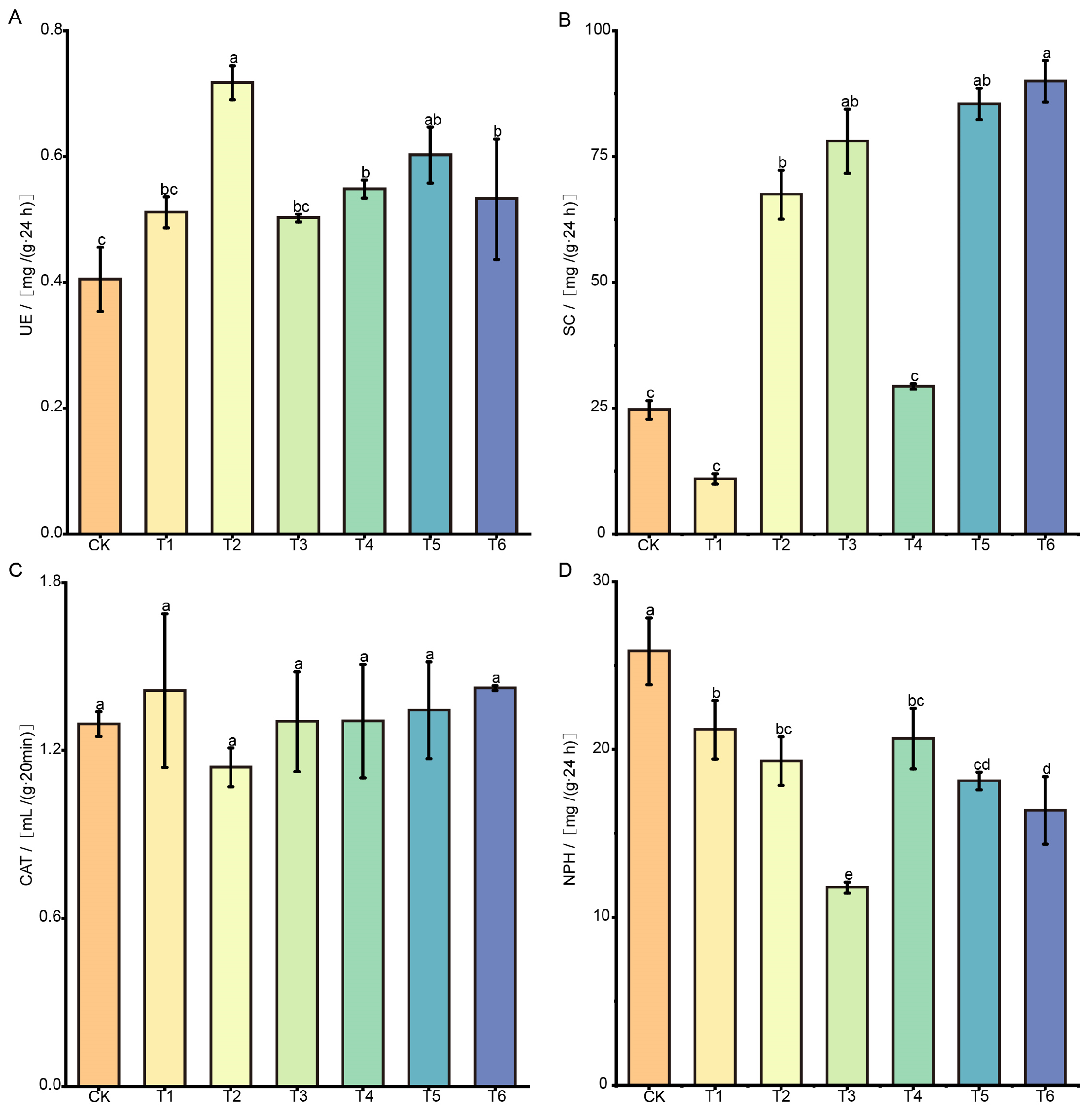
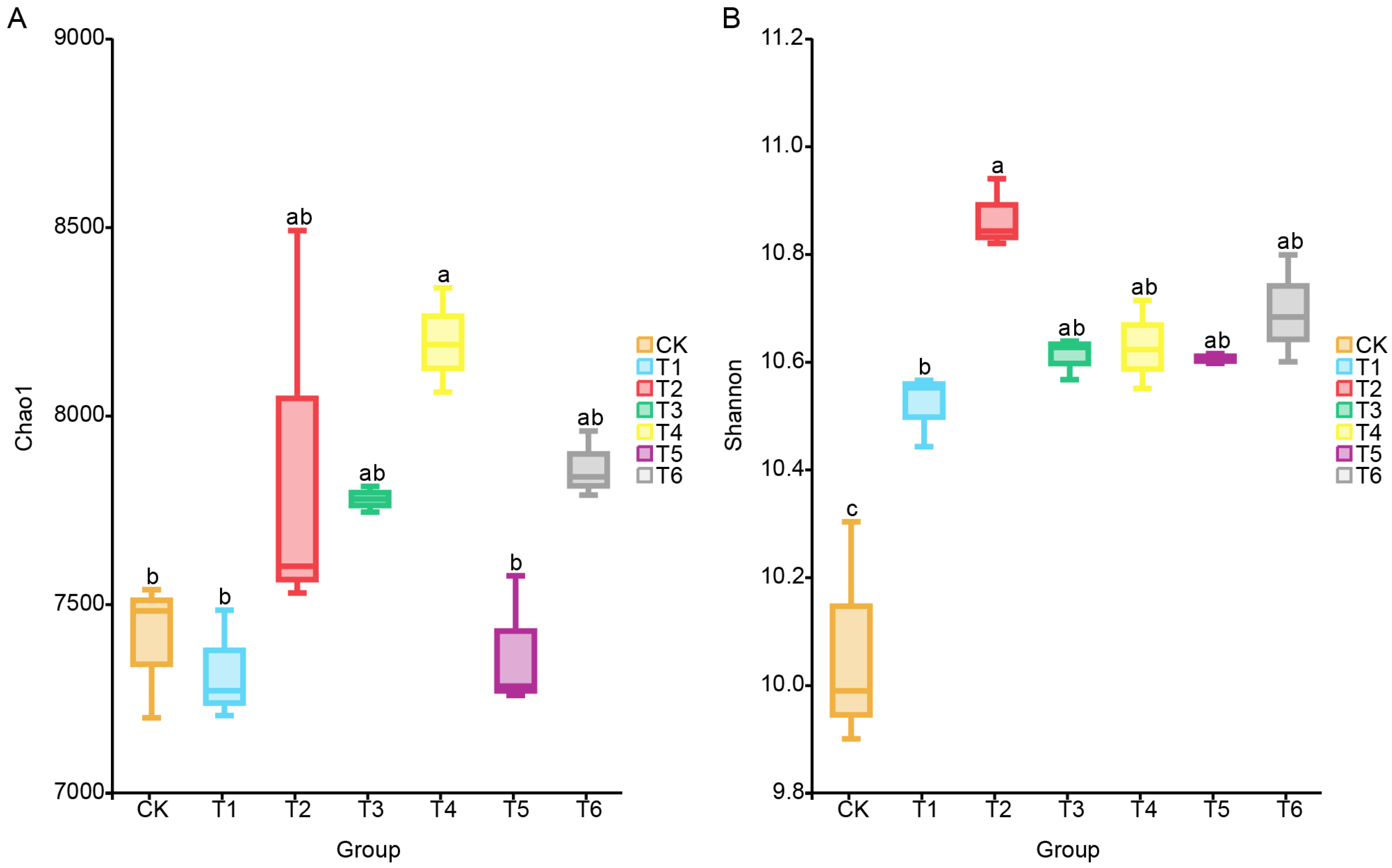
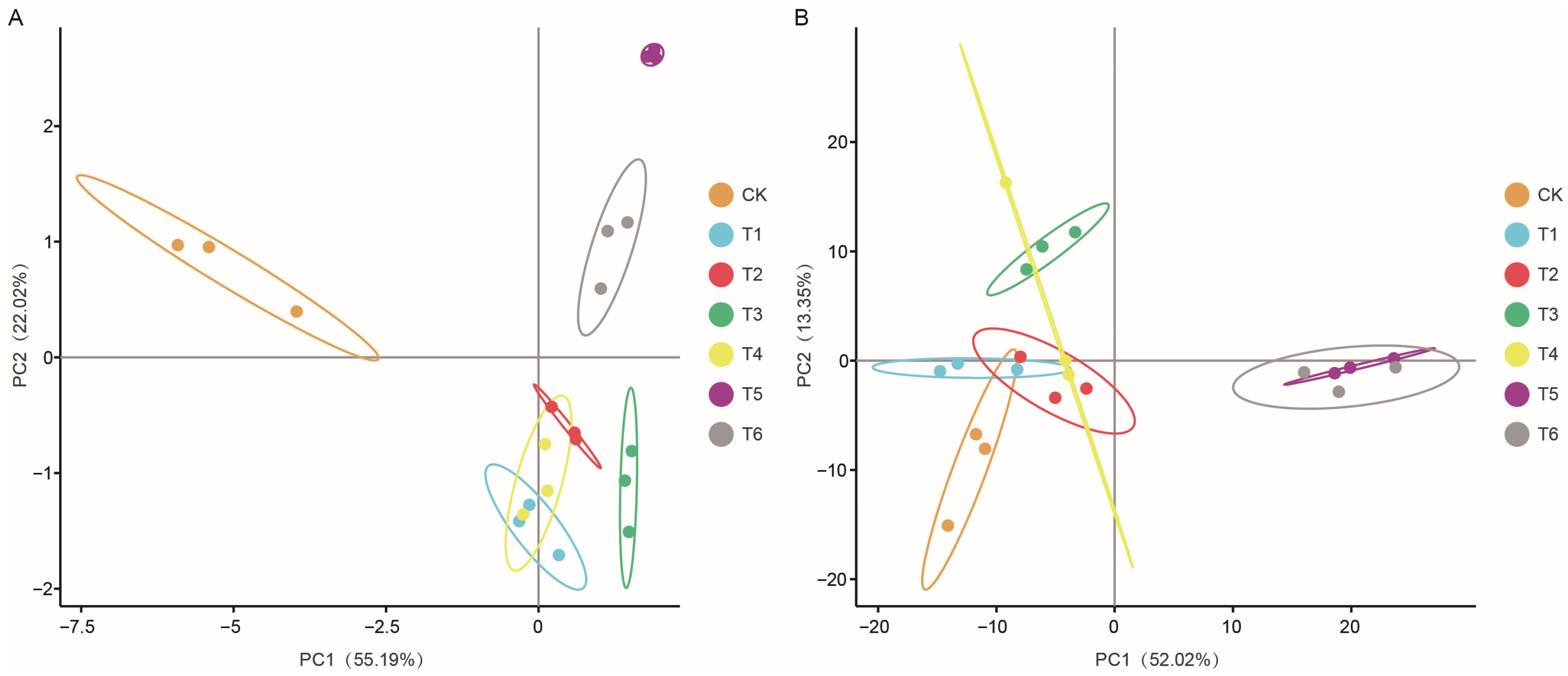
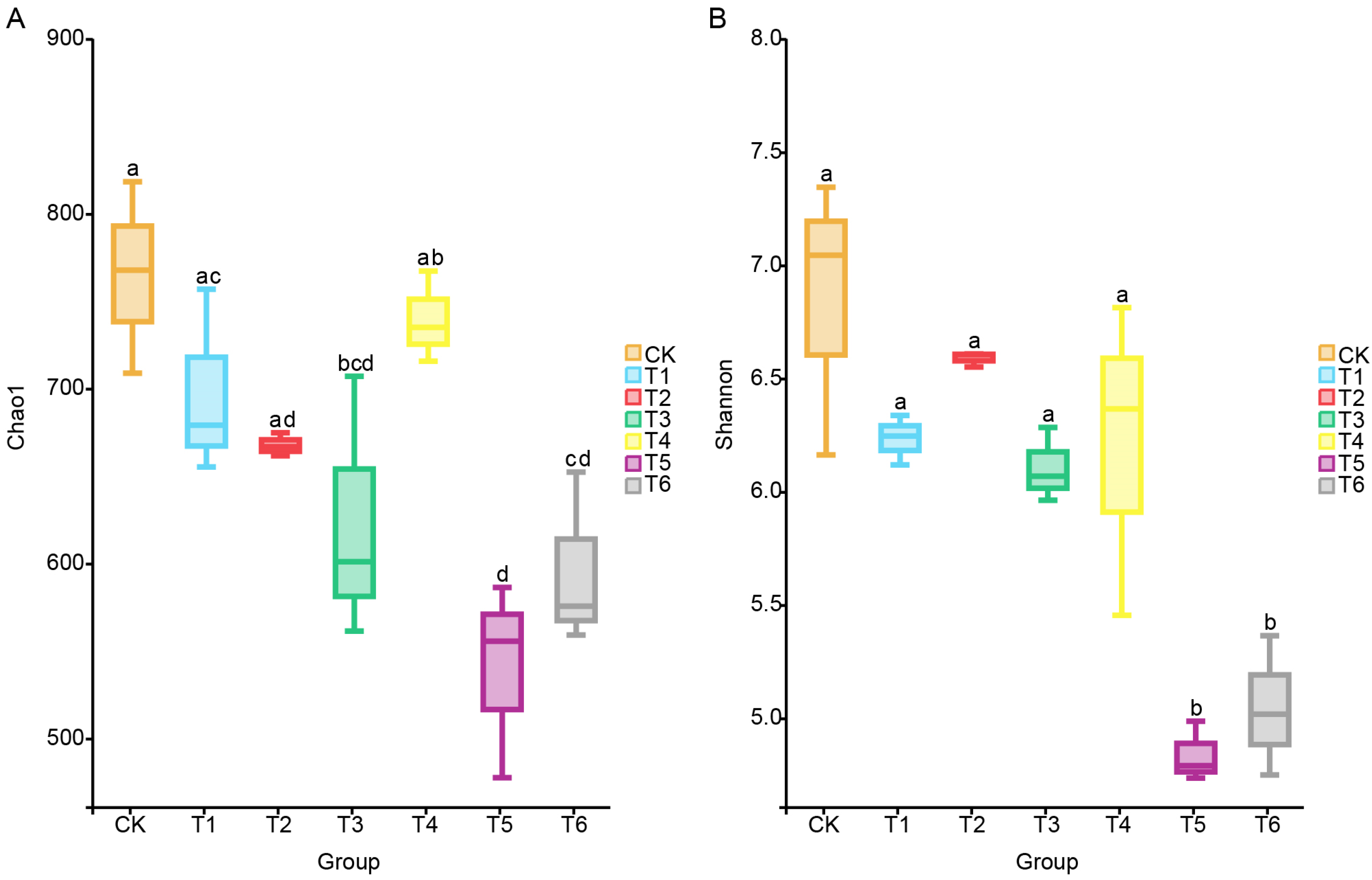
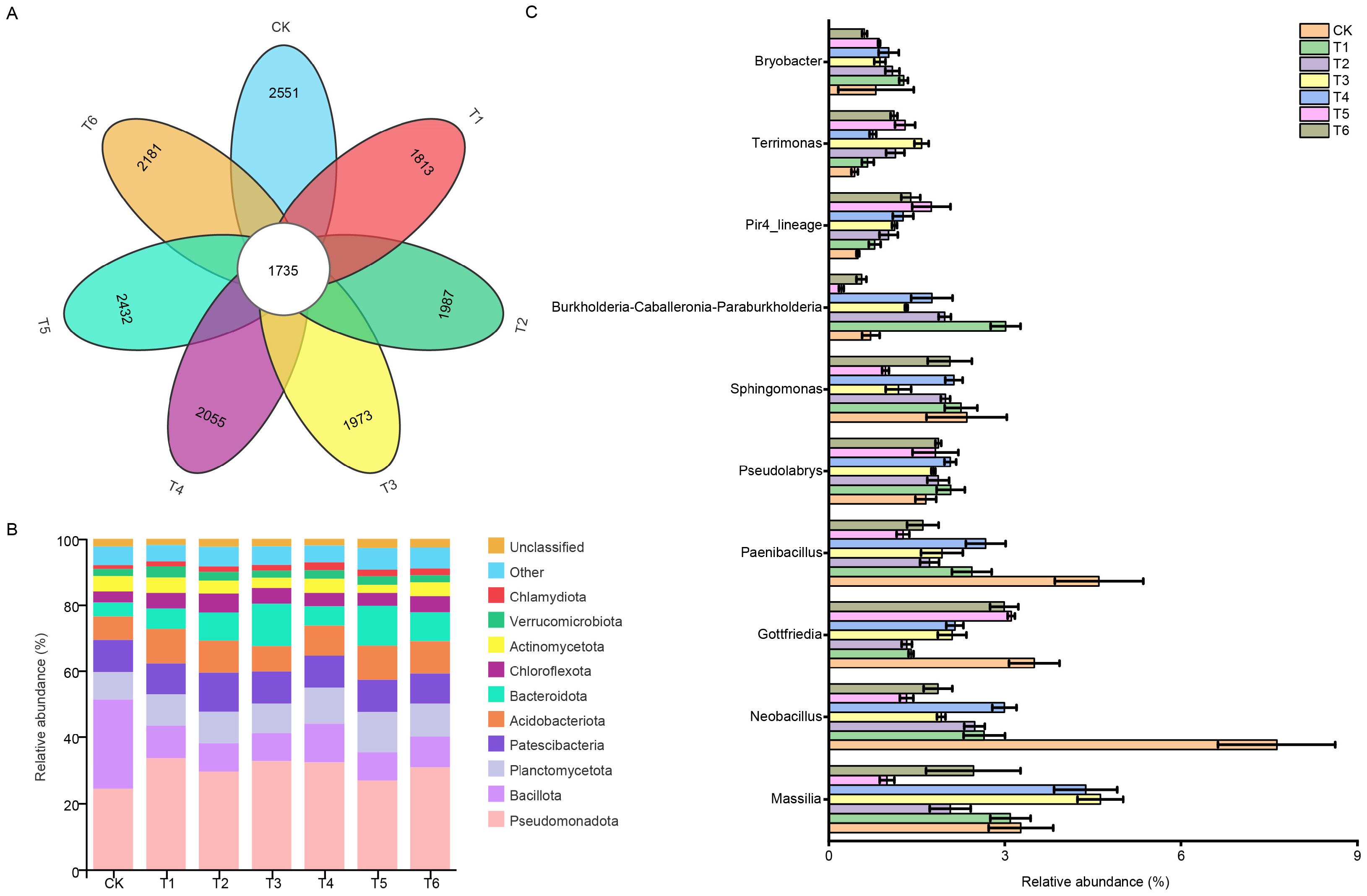
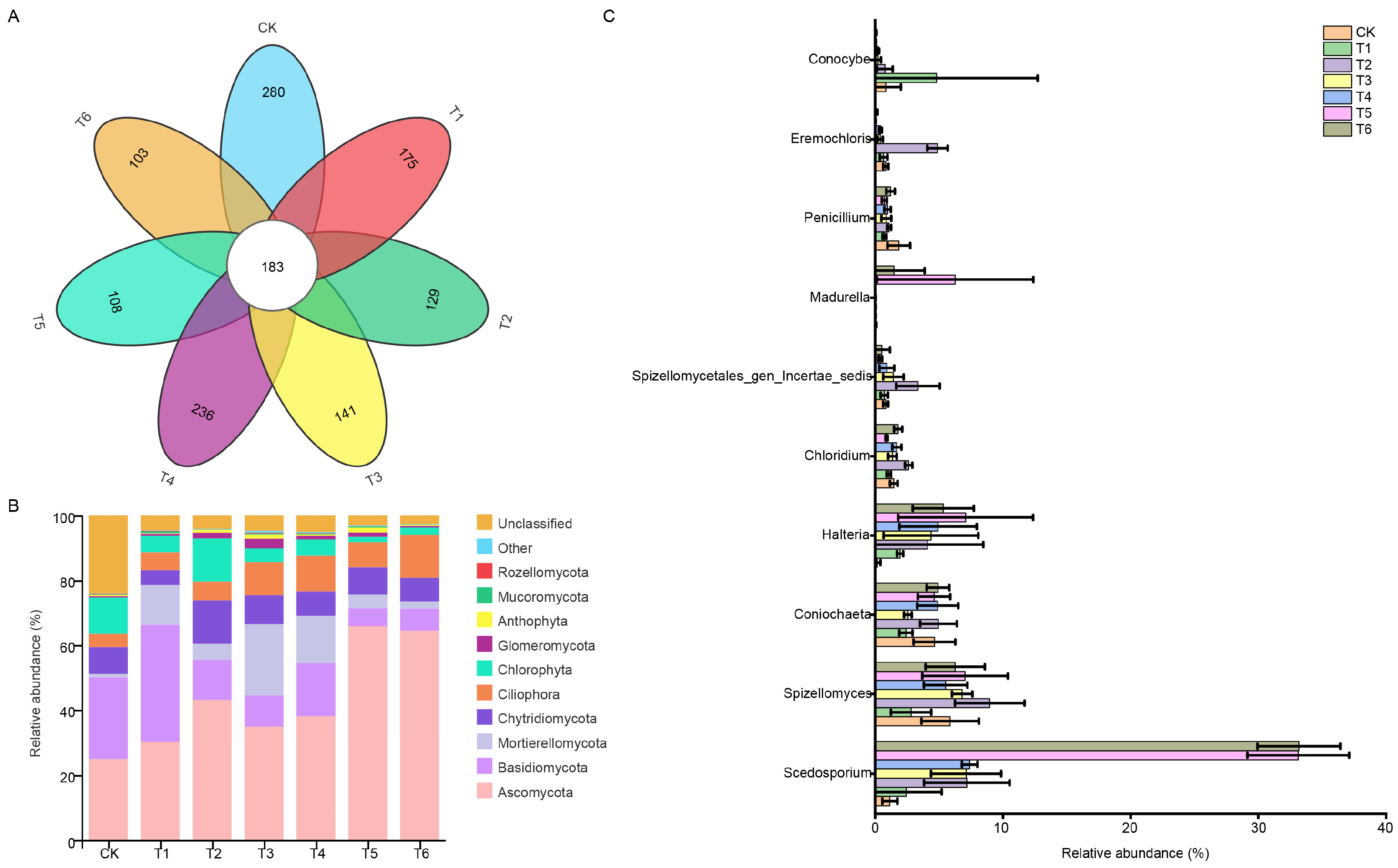
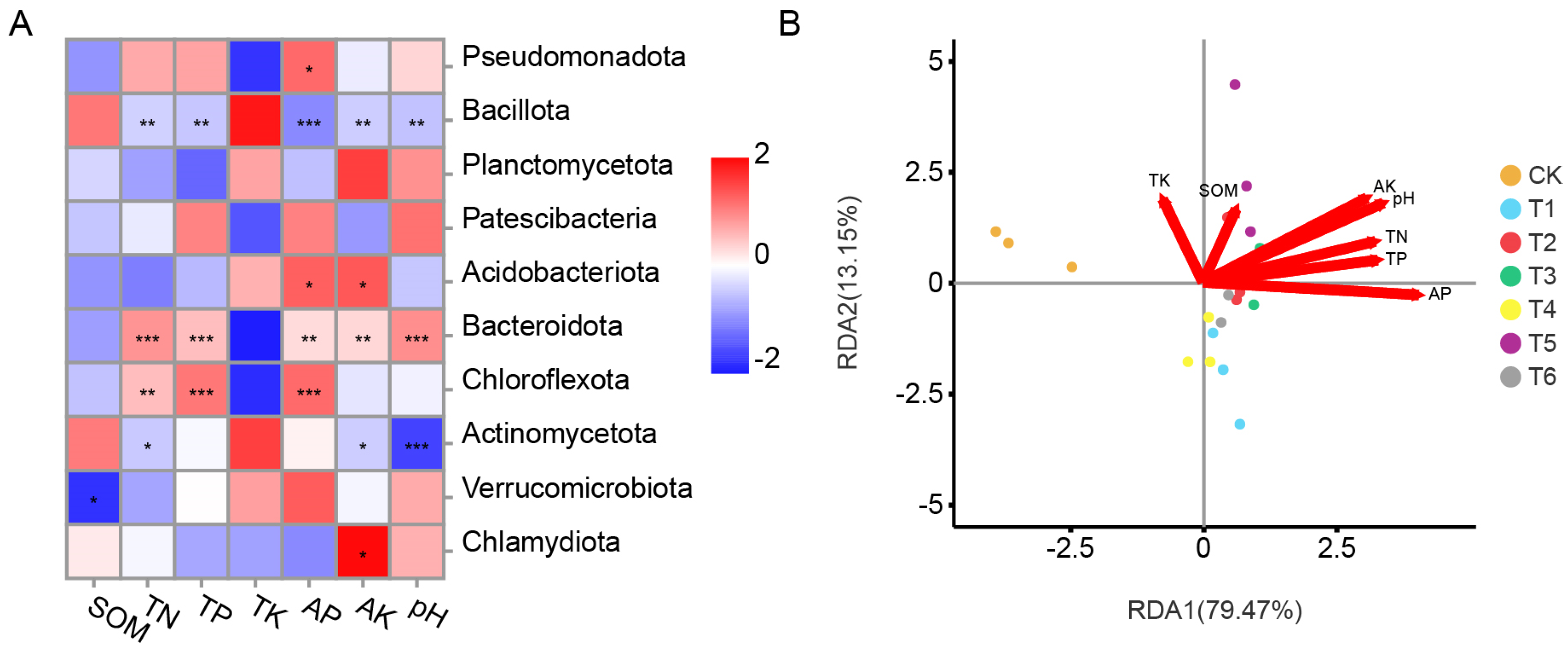
Biochar, a highly effective amendment, is widely used for soil improvement and environmental remediation. However, research on its application in litchi (Litchi chinensis) cultivation is relatively scarce, particularly regarding its potential to enhance the rhizospheric soil ecological environment. In this study, a pot experiment was conducted to investigate the effects of biochar derived from maize (Zea mays) and rice (Oryza sativa), applied at different rates (3%, 6%, 10%), on the physical and chemical properties, enzyme activities, and microbial community structure and diversity in the rhizospheric soil of litchi seedlings. The results showed that biochar application significantly (p < 0.05) improved soil nutrient conditions, including total nitrogen (TN), total phosphorus (TP), available phosphorus (AP), available potassium (AK), pH, and soil sucrase (SC) enzyme activity. Notably, treatment with 10% maize biochar exhibited the most pronounced improvement across all parameters, barring AP. Furthermore, biochar application stimulated the proliferation of specific bacterial taxa (Acidobacteriota, Bacteroidota, and Chloroflexota) and fungal phyla (Ascomycota and Mortierellomycota), increasing bacterial diversity while decreasing fungal diversity and richness. Correlation analysis further revealed the close relationships between soil microbial communities and fertility factors. This study provides substantial evidence regarding the efficacy and feasibility of biochar in improving the rhizospheric soil ecological environment of litchi. It offers a theoretical foundation for the scientific application of biochar in orchard soil management.
Keywords: biochar; litchi; soil nutrients; enzyme activity; bacteria; fungi biochar; litchi; soil nutrients; enzyme activity; bacteria; fungi