Article

Growth and Photosynthetic Responses of Lactuca sativa L. to Different Zinc Fertilizer Sources and Applications


by
Marina de-Francisco
1,
Esther Hernández-Montes
2,3,*,
Sarah DeSanto
4,5,
Monica Montoya
1,2,
Ana Obrador
1,2 and
Patricia Almendros
1,2,*
1
Department of Chemical and Food Technology, Universidad Politécnica de Madrid (UPM), 28040 Madrid, Spain
2
Research Centre for the Management of Agricultural and Environmental Risks (CEIGRAM), Universidad Politécnica de Madrid (UPM), 28040 Madrid, Spain
3
Department of Agricultural Production, Agronomic, Food and Biosystems Engineering School, Universidad Politécnica de Madrid (UPM), 28040 Madrid, Spain
4
Department of Environmental Studies, Hamilton College, Clinton, NY 13323, USA
5
Yale School of the Environment, Yale University, New Haven, CT 06511, USA
*
Authors to whom correspondence should be addressed.
Horticulturae 2025, 11(10), 1221; https://doi.org/10.3390/horticulturae11101221

Submission received: 17 September 2025 / Revised: 7 October 2025 / Accepted: 8 October 2025 / Published: 10 October 2025
(This article belongs to the Special Issue 10th Anniversary of Horticulturae—Recent Outcomes and Perspectives)

Abstract

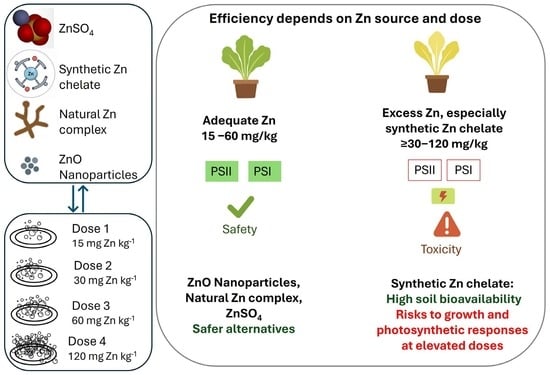
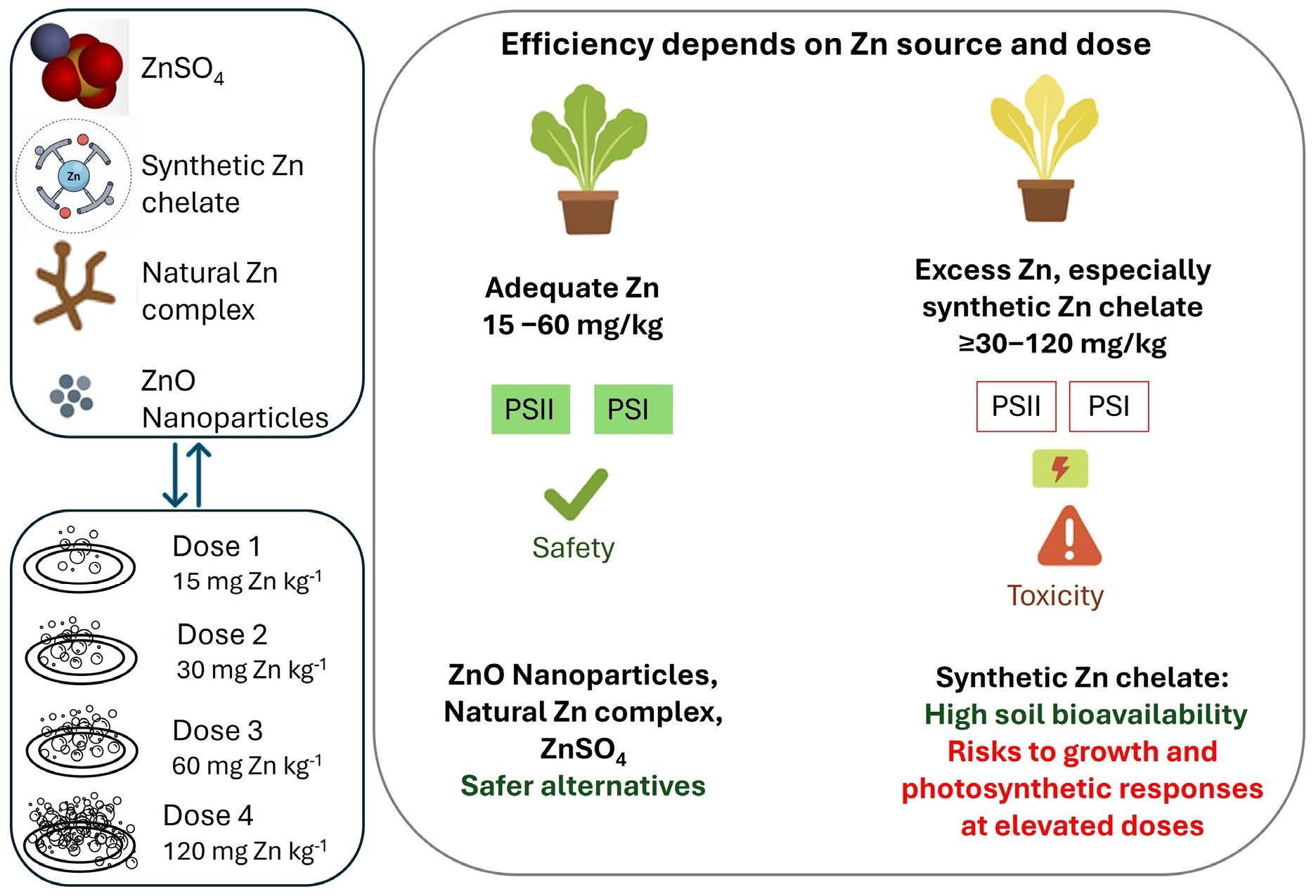
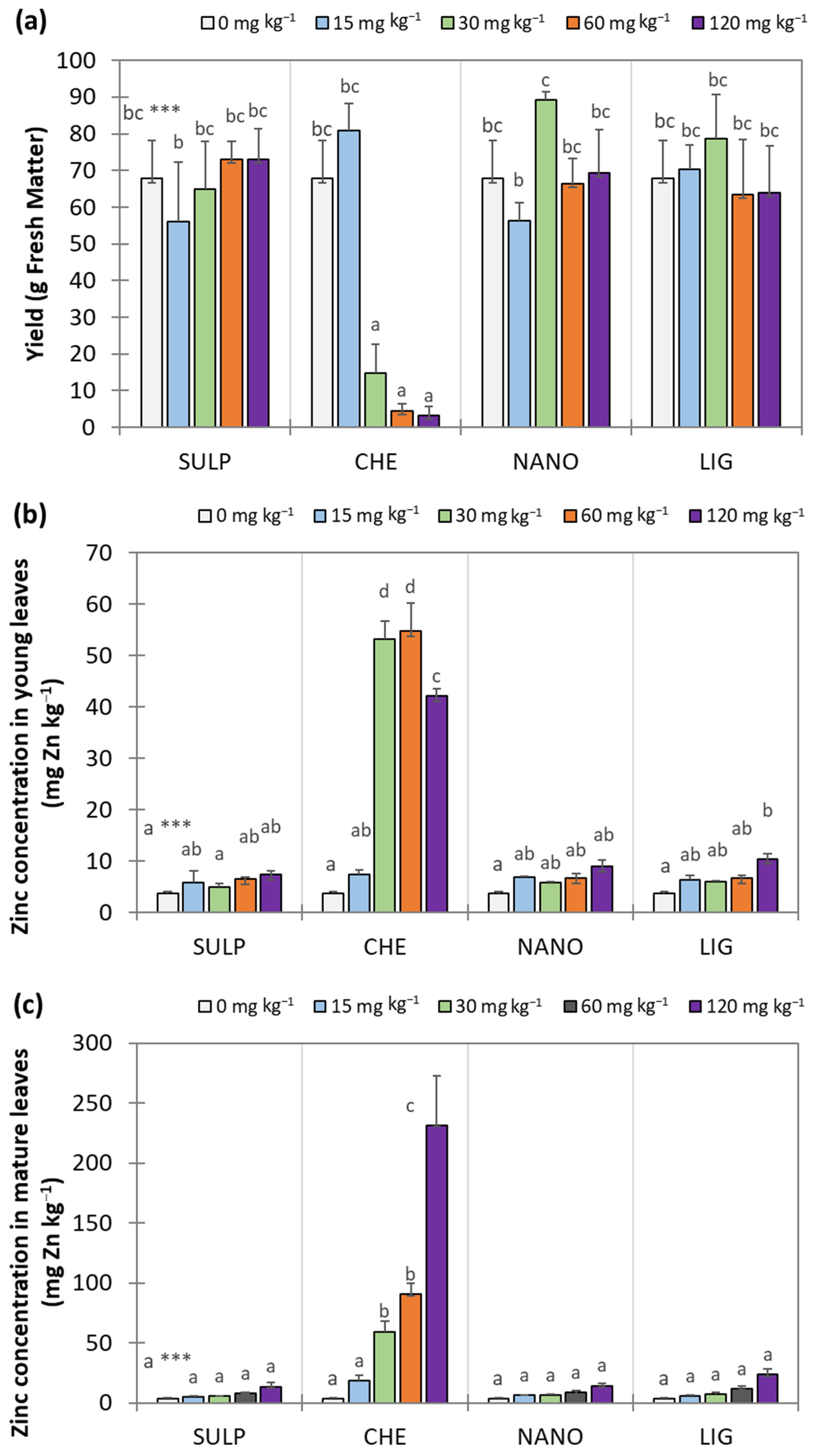
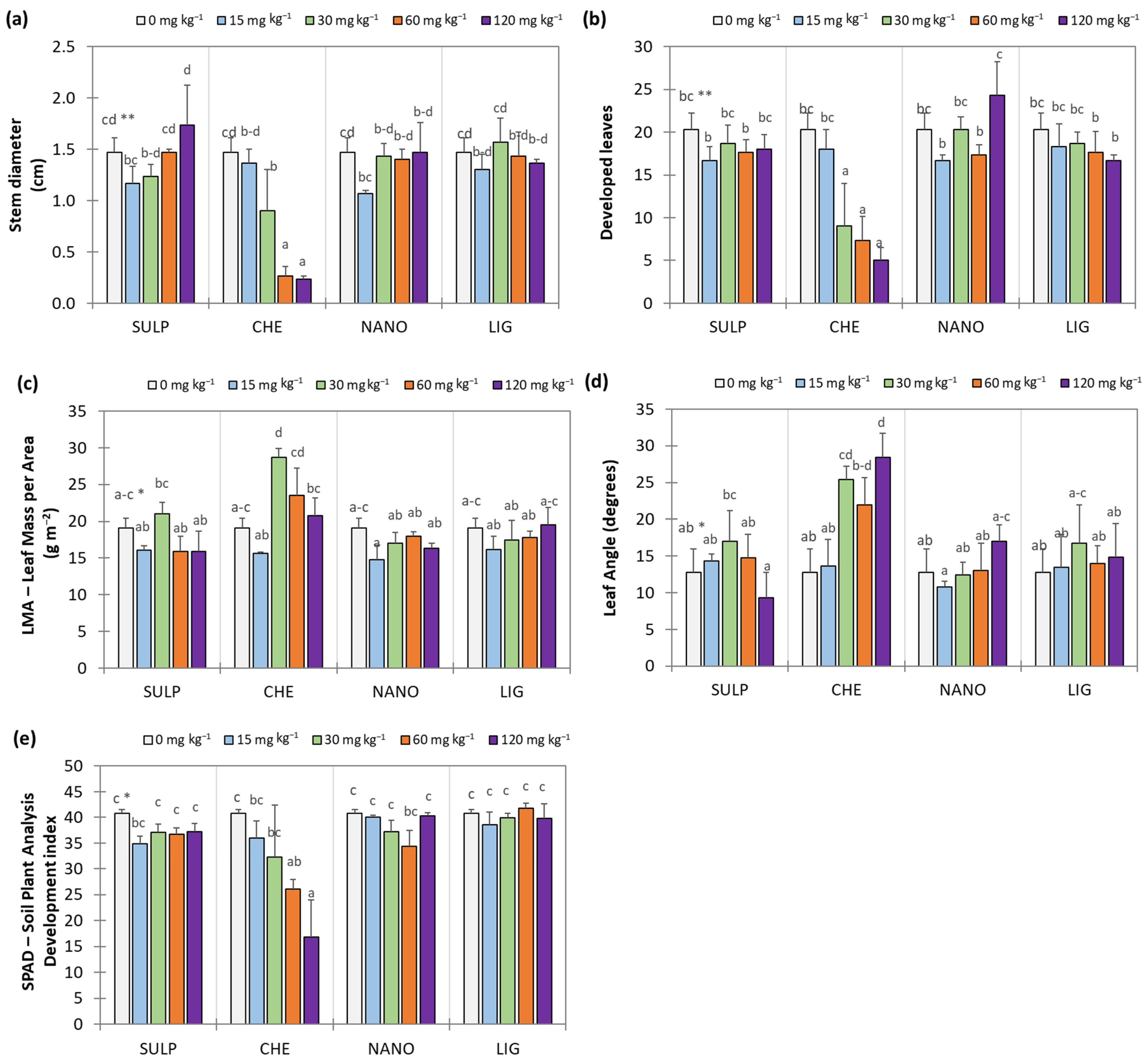
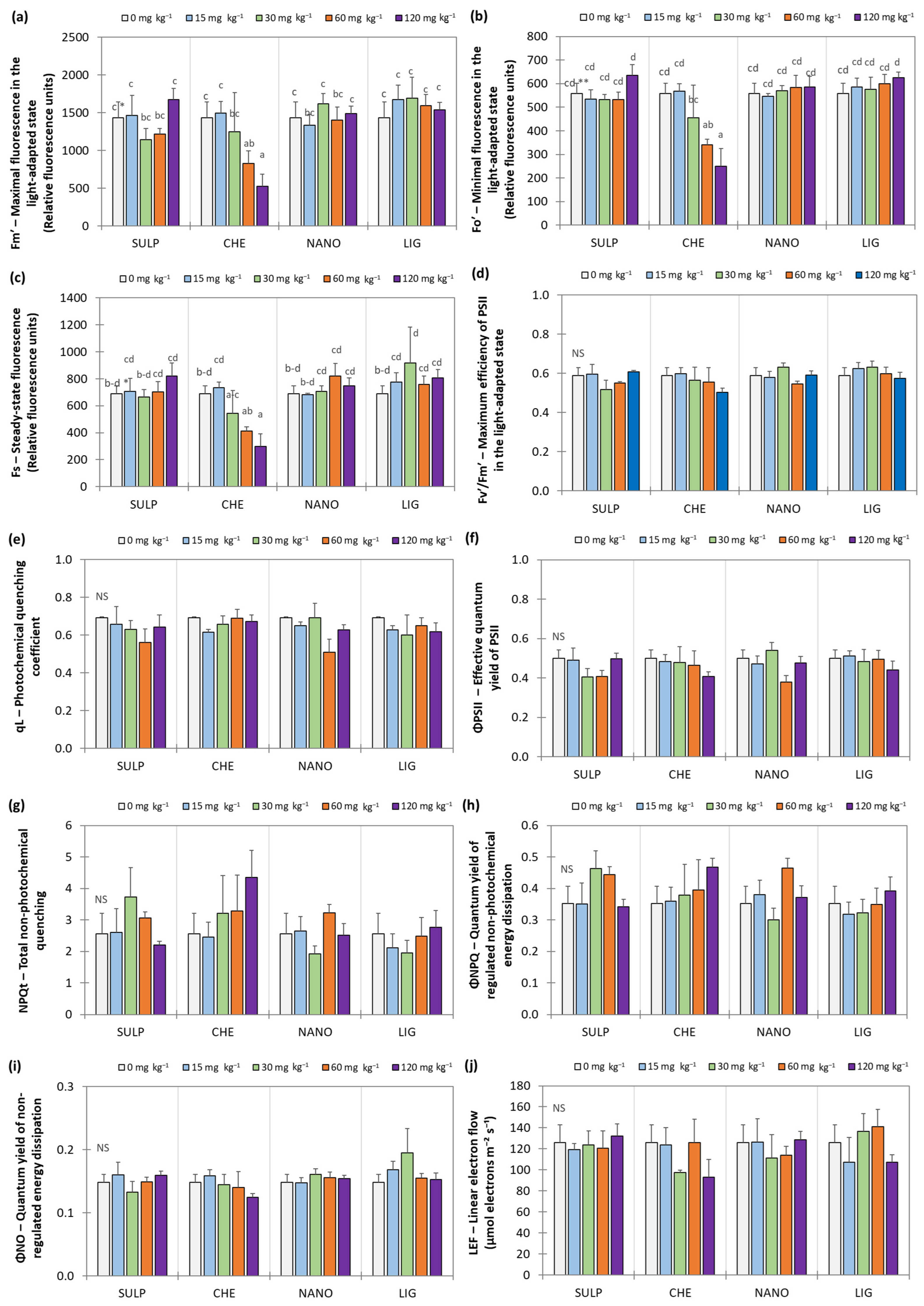
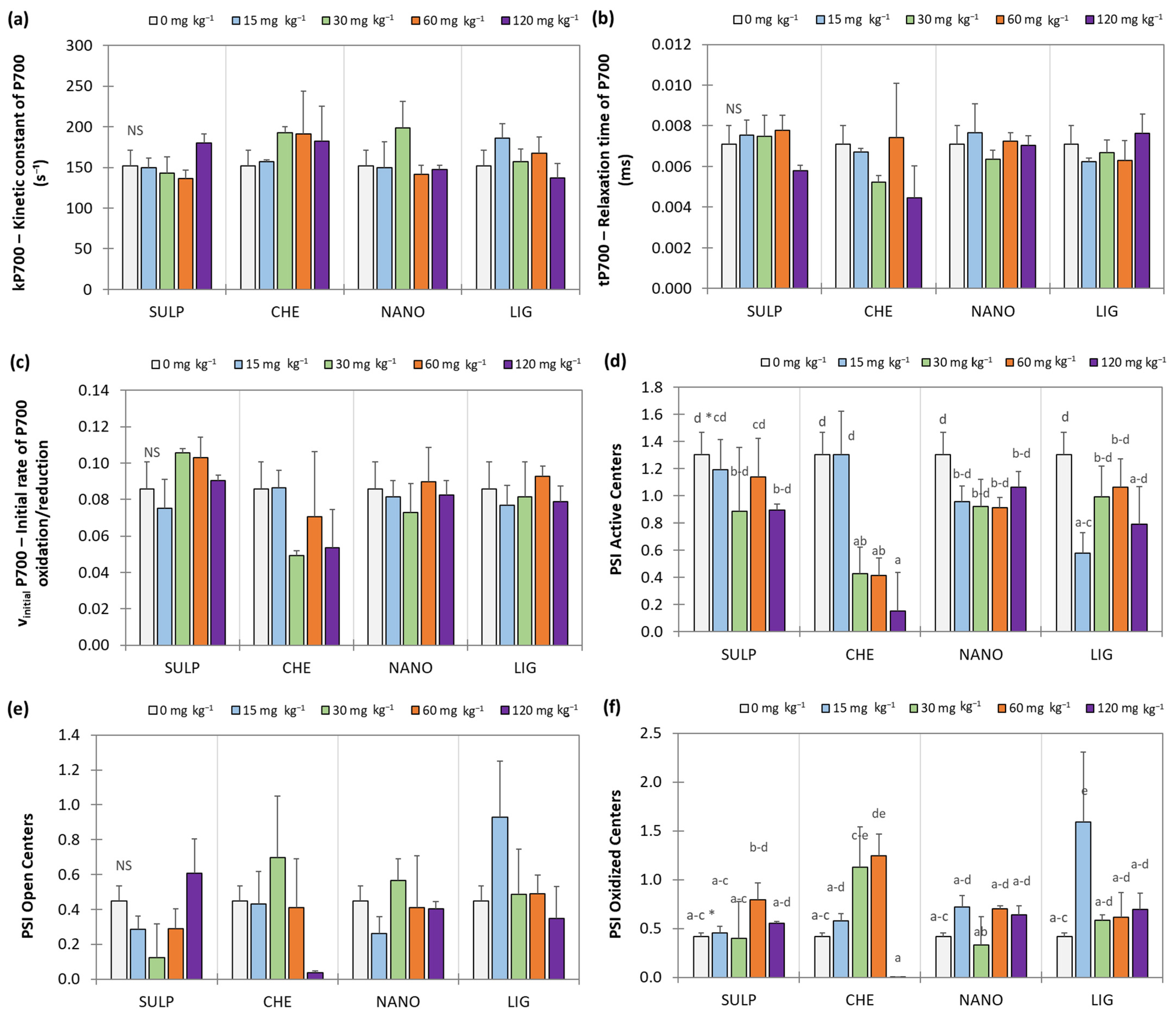
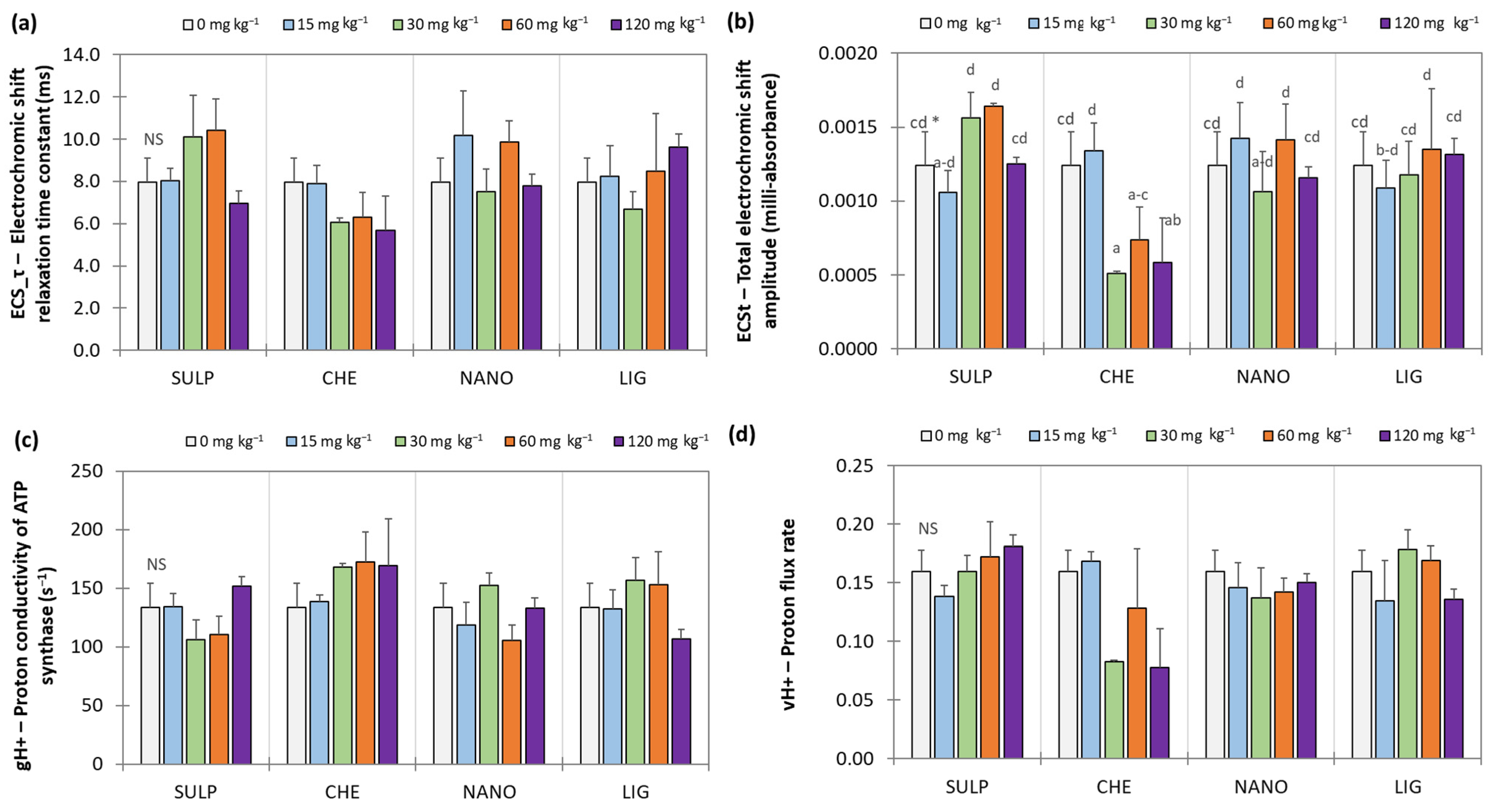
Zinc (Zn) is an essential micronutrient for plant growth, serving as a co-factor in enzymatic processes and pigment biosynthesis. In horticultural crops such as lettuce, Zn fertilization is increasingly relevant for optimizing yield and nutritional quality. In this study, a greenhouse pot experiment was conducted using Lactuca sativa L. cv. Romana Verano (Ramiro Arnedo) to evaluate the effects of four Zn sources with contrasting physio-chemical properties—ZnSO4, a synthetic chelate containing DTPA, EDTA, and HEDTA, a Zn–lignosulphonate complex, and ZnO nanoparticles—applied to soil at rates of 15, 30, 60, and 120 mg Zn·kg−1. Morphometric traits, photosynthetic pigmentation, and photosystem performance were assessed to determine differences in plant response. Results showed that low to moderate Zn supply (15–60 mg Zn·kg−1) maintained growth, leaf number, stem diameter, and biomass without significant changes compared to the control. In contrast, the highest dose (120 mg Zn·kg−1), particularly in chelated forms, led to reductions in growth and yield exceeding 80%, reflecting supra-optimal effects. Although lignosulphonate and nanoparticles sources lowered soil Zn availability, they did not affect lettuce growth or yield, indicating their potential as safer agricultural alternatives to conventional Zn fertilizers. Photosynthetic efficiency, measured through chlorophyll fluorescence and electron transport activity, was positively modulated by adequate Zn levels but declined at excessive concentrations. These findings highlight that Zn efficiency strongly depends on its chemical form and applied dose, providing practical insights for optimizing Zn fertilization strategies in lettuce and other horticultural crops.
Keywords: zinc fertilization; lettuce (Lactuca sativa); morphometric traits; photosynthetic pigments; photosystem efficiency; Zn sources; chelates; nanoparticles; horticultural crops zinc fertilization; lettuce (Lactuca sativa); morphometric traits; photosynthetic pigments; photosystem efficiency; Zn sources; chelates; nanoparticles; horticultural crops
Graphical Abstract