
Article

Emotional State as a Key Driver of Public Preferences for Flower Color
College of Landscape Architecture, Zhejiang Agriculture and Forestry University, Hangzhou 311300, China
*
Author to whom correspondence should be addressed.
Horticulturae 2025, 11(1), 54; https://doi.org/10.3390/horticulturae11010054

Submission received: 8 December 2024 / Revised: 4 January 2025 / Accepted: 5 January 2025 / Published: 7 January 2025

Abstract

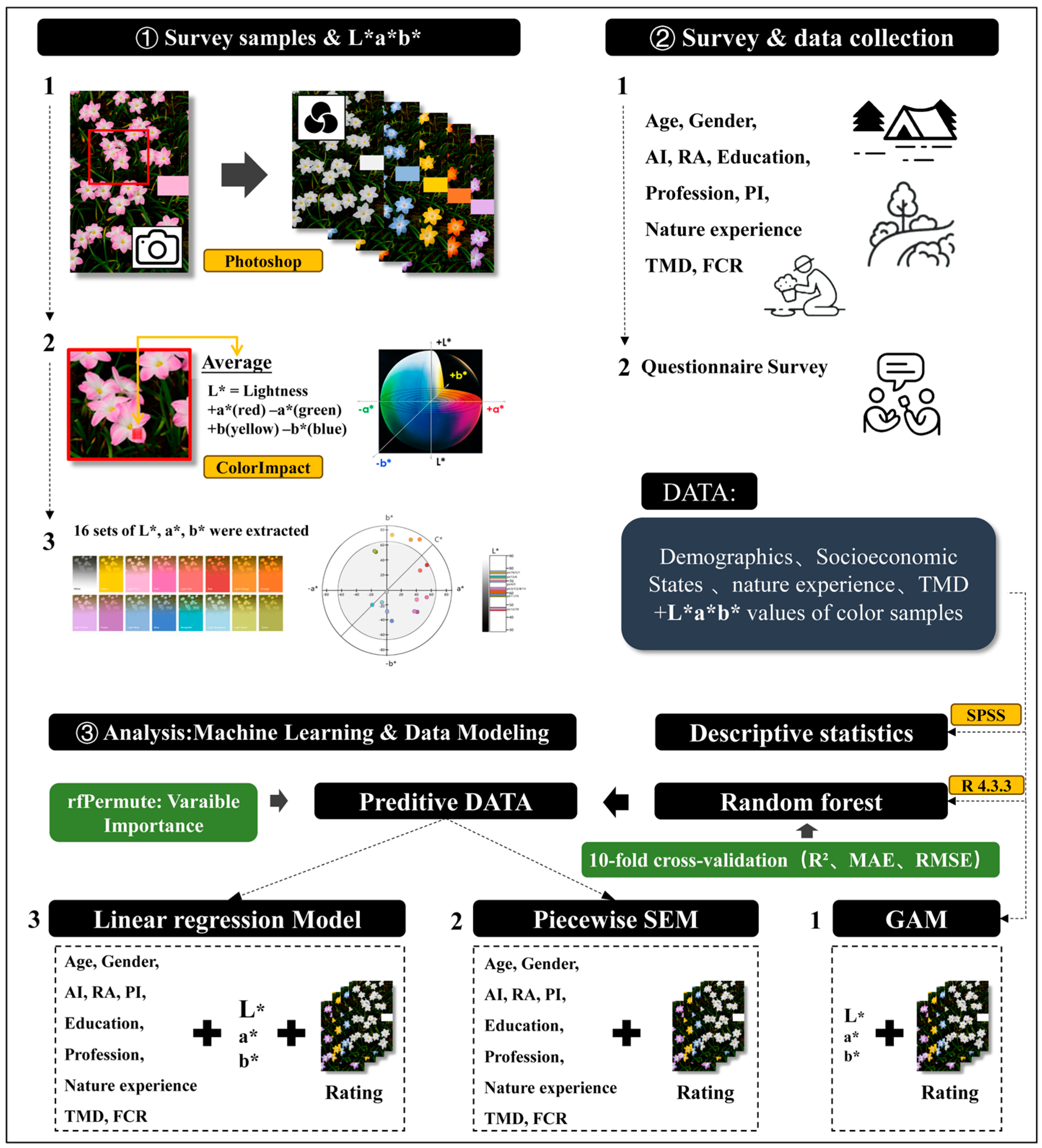
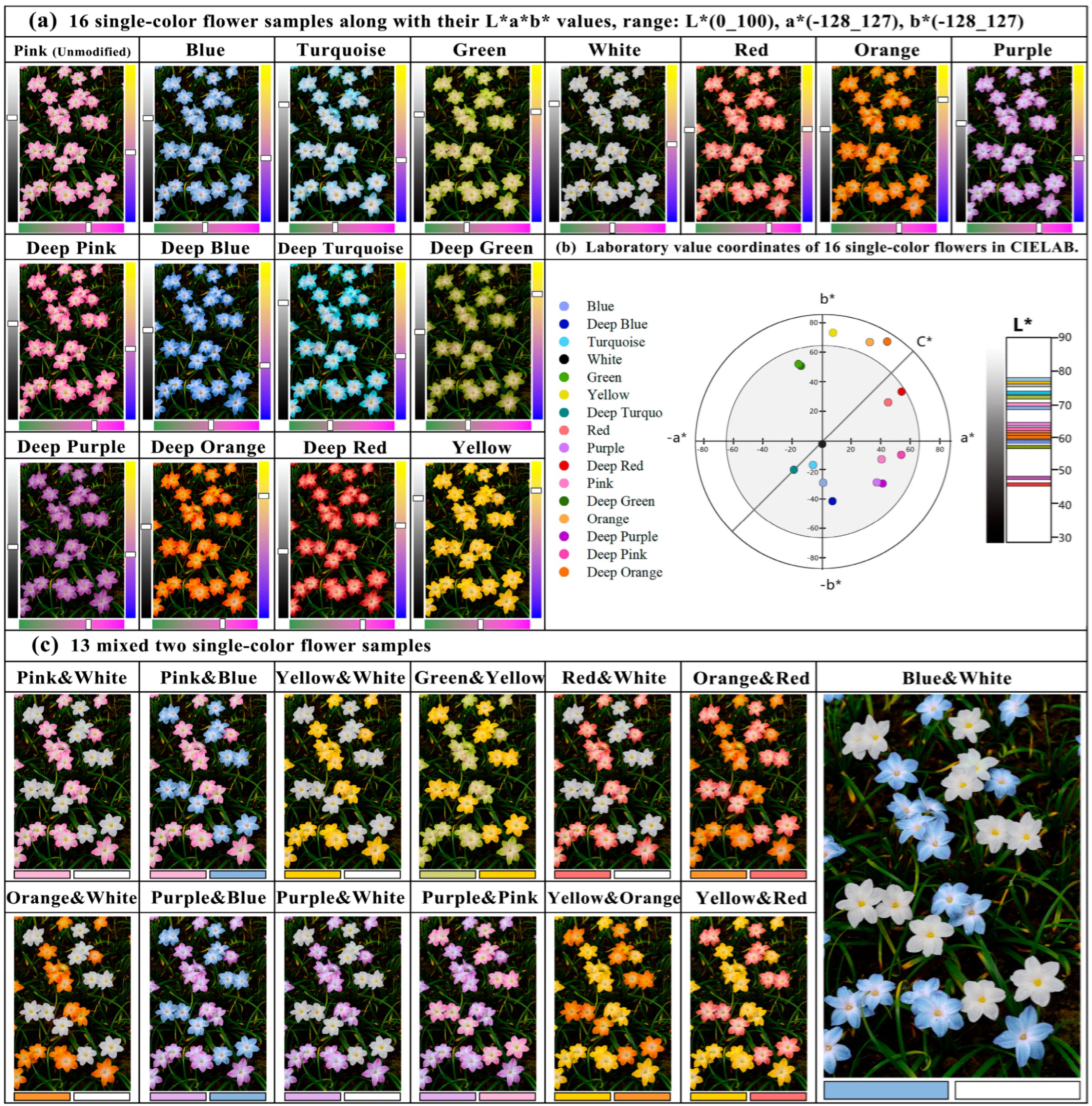
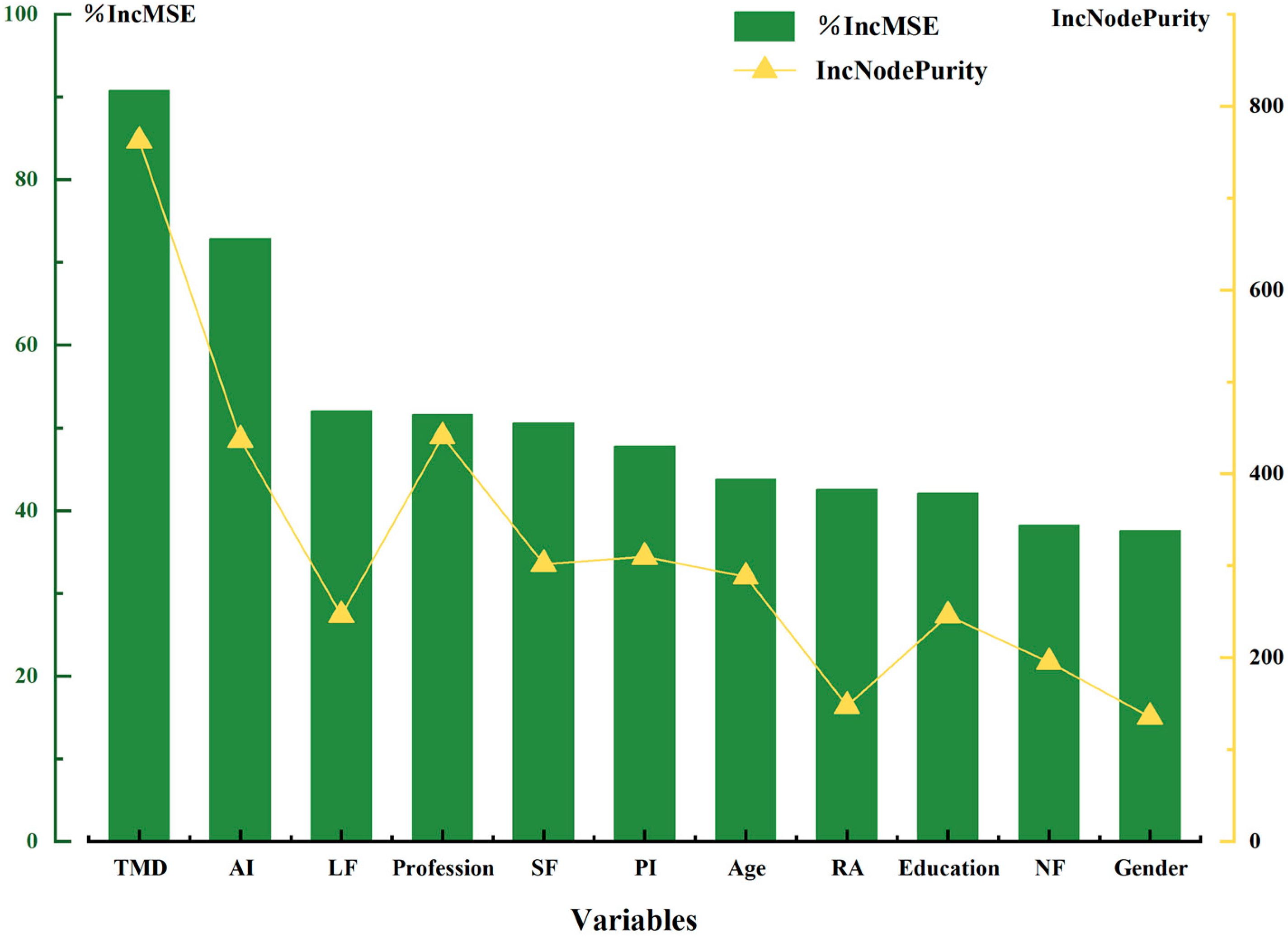
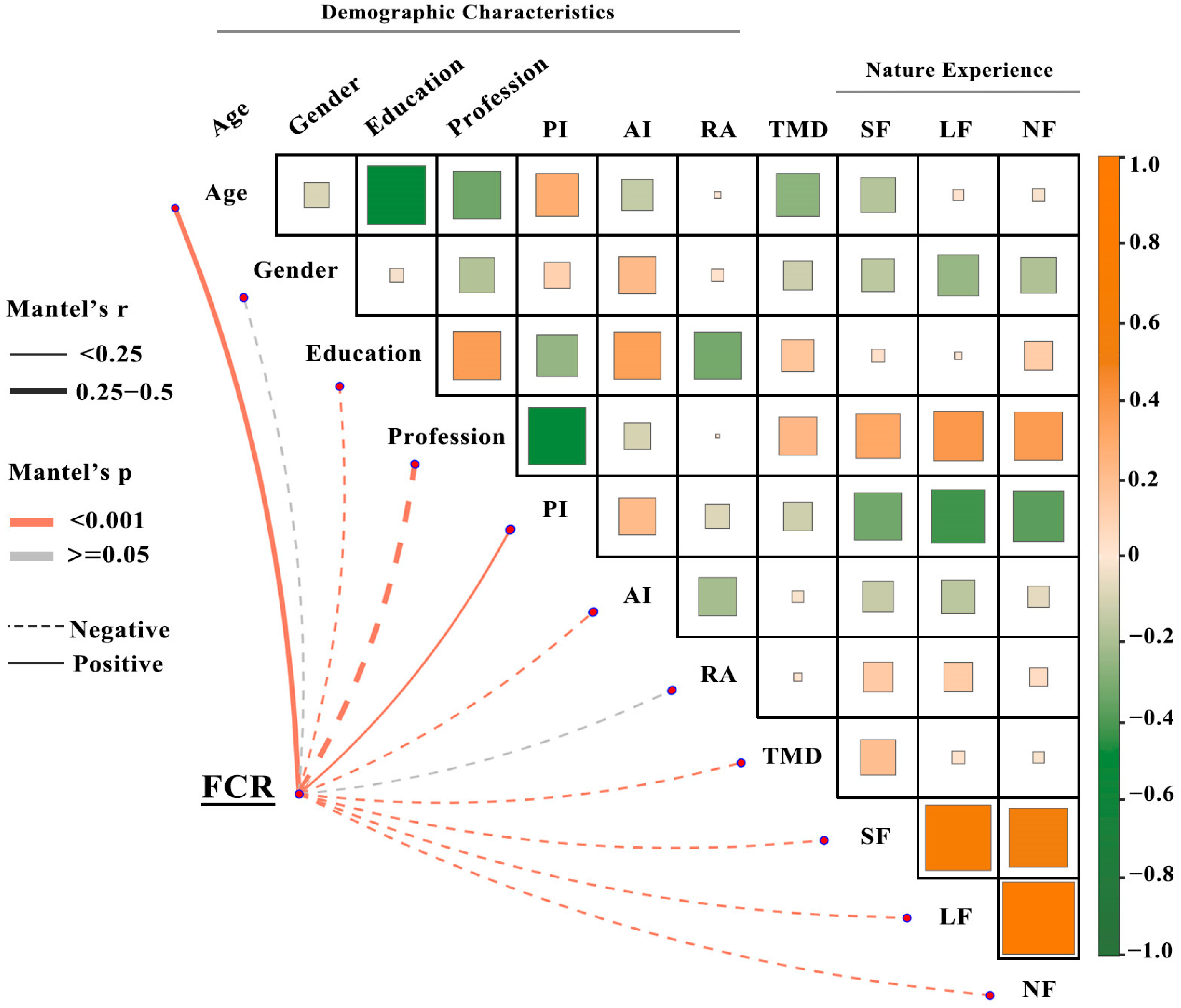
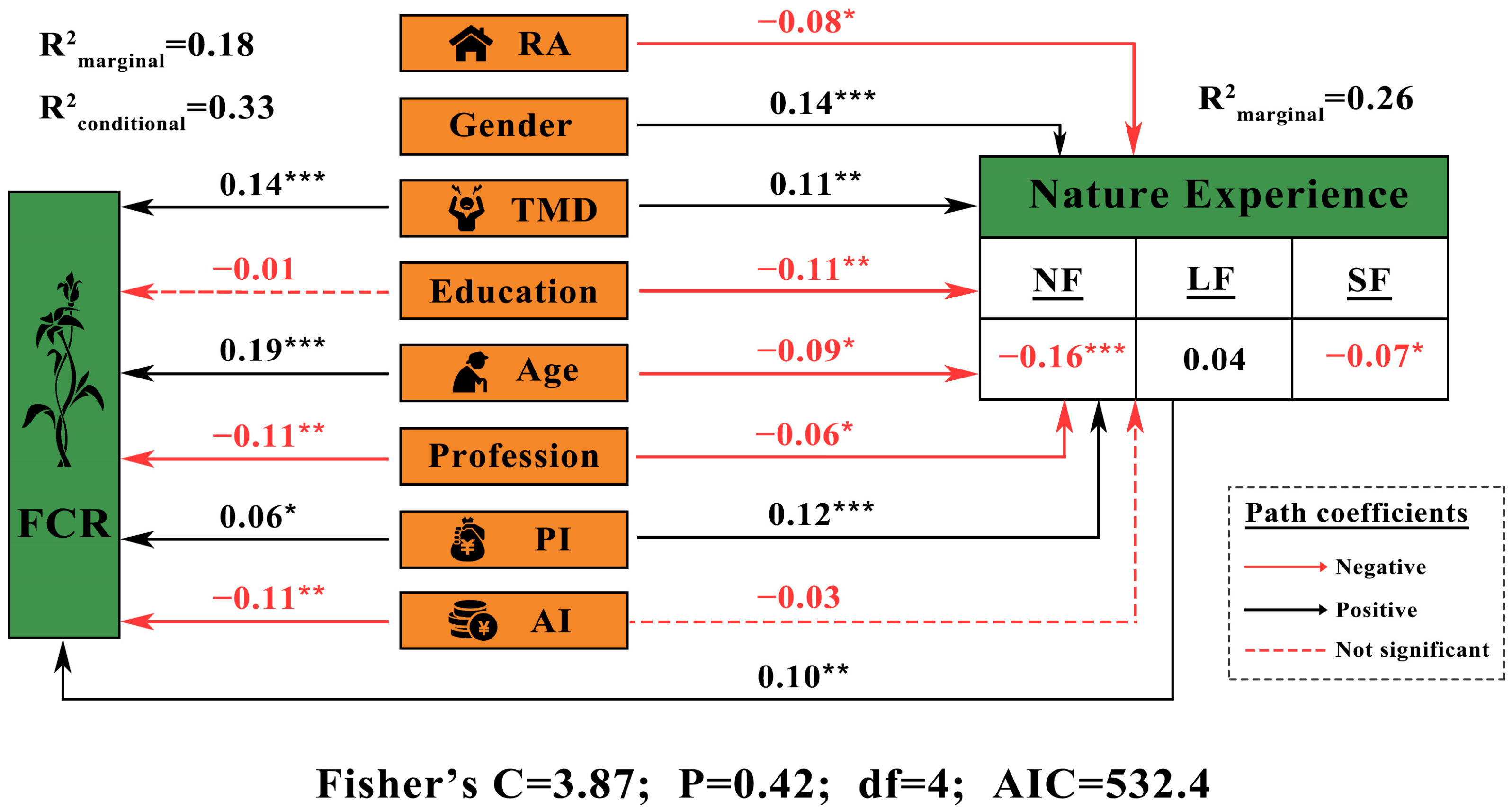
Flowers, as integral elements of urban landscapes, are critical not only for aesthetic purposes but also for fostering human–nature interactions in green spaces. However, research on flower color preferences has largely been descriptive, and there is a lack of exploration of potential mechanisms influencing flower color preferences, such as economic and social factors. This study created visual samples through precise color adjustment techniques and introduced the L*, a*, and b* parameters from the CIELAB color system to quantify the flower colors of the survey samples, conducting an online survey with 354 Chinese residents. The complex aesthetic process’s driving factors were unveiled through a comprehensive analysis using a Generalized Additive Model (GAM), a piecewise Structural Equation Model (SEM), and linear regression models. The results show that the public’s flower color preference is primarily related to the a* and b* parameters, which represent color dimensions in the CIELAB color space, and it is not significantly related to L* (lightness). Factors such as age, annual household income level (AI), personal income sources (PI), nature experience, and emotional state (TMD) significantly influence color preferences, with emotional state identified as the most critical factor. Lastly, linear regression models further explain the potential mechanism of the influencing factors. This study proposes a framework to assist urban planners in selecting flower colors that resonate with diverse populations, enhancing both the attractiveness of urban green spaces and their potential to promote pro-environmental behavior. By aligning flower color design with public preferences, this study contributes to sustainable urban planning practices aimed at improving human well-being and fostering deeper connections with nature.
Keywords: flower color; preference; nature experience; emotional state; piecewise structural equation model flower color; preference; nature experience; emotional state; piecewise structural equation model