Review

Microbial Ecology and Fermentation Dynamics of Moroccan Lben

by
Sergi Maicas
1,2,* and
Ismail Moukadiri
2,3,*
1
Department of Microbiology and Ecology, Universitat de València, Av. Vicent Andrés Estellés, 19, 46100 Burjassot, Spain
2
Faculty of Pharmacy, Euromed University of Fes, Eco-Campus UEMF, Route de Meknes (RN6, Rond-Point Bensouda), Fez 30070, Morocco
3
Engineering School in Biomedical and Biotechnology, Euromed University of Fes, Eco-Campus UEMF, Route de Meknes (RN6, Rond-Point Bensouda), Fez 30070, Morocco
*
Authors to whom correspondence should be addressed.
Fermentation 2026, 12(3), 142; https://doi.org/10.3390/fermentation12030142
Submission received: 28 January 2026 / Revised: 27 February 2026 / Accepted: 5 March 2026 / Published: 6 March 2026
(This article belongs to the Special Issue Microbial Ecosystems in Fermented Foods)

Abstract

Moroccan lben is a traditional spontaneously fermented milk widely consumed across the Maghreb. In this review, we synthesize data on spontaneously fermented milks from Morocco and the wider Maghreb–Middle Eastern region to infer the likely microbiota of Moroccan lben, with particular emphasis on dominant lactic acid bacteria such as Lactococcus lactis, Streptococcus thermophilus, Leuconostoc mesenteroides and lactobacilli sensu lato, alongside yeasts including Kluyveromyces marxianus and Saccharomyces cerevisiae. These communities drive a staged fermentation in which early mesophilic lactic acid bacteria (LAB) rapidly acidify the milk and initiate coagulation, intermediate heterofermentative LAB and yeasts generate key aroma compounds and mild effervescence, and late acid-tolerant lactobacilli contribute to flavor refinement and microbiological stability. We summarize how these bacteria and fungi collectively shape physicochemical, sensory and safety attributes through pH reduction, organic acid and bacteriocin production, proteolysis, and volatile formation, and discuss potential nutritional and health-related effects associated with bioactive peptides and putative probiotic strains. Finally, we identify major research gaps, including the need for high-resolution, culture-dependent and culture-independent studies, systematic safety assessments, and rational design of starter and adjunct cultures that reproduce traditional sensory profiles while improving process control.

1. Introduction

Lben is a traditional Moroccan acid-alcoholic fermented milk that plays a central role in the local diet and dairy sector and is produced at both household and small industrial scales. It belongs to a broader family of spontaneously fermented milk products that are key components of traditional diets in many regions of the world. In North Africa and the Middle East, products such as lben, laban, rayeb, jben, and related fermented milks and soft cheeses have historically served both as effective means of milk preservation and as important sources of nutrients, hydration, and culinary identity [1,2]. Algerian lben, Lebanese and other cow fermented milks Moroccan lben is one of the most emblematic examples within this group. It is a slightly viscous, acidified fermented milk that is typically consumed chilled as a refreshing beverage, eaten alongside bread, or incorporated into a variety of culinary preparations. Traditional processing generally involves the spontaneous fermentation of raw cow, goat, sheep, or camel milk at ambient temperature, followed by agitation or churning to separate the fermented buttermilk (lben) from the butter phase [1,3]. This spontaneous microbiological ‘typicity’ is a double-edged sword, as it can also allow the persistence or introduction of spoilage or pathogenic microorganisms when hygienic conditions and raw milk quality are not adequately controlled.
Several recent investigations have begun to elucidate its physicochemical and microbiological characteristics, including targeted studies on Moroccan lben and related fermented milks that document LAB diversity, volatile compound profiles, and the impact of processing conditions on product quality. These studies, together with earlier work on traditional Moroccan dairy products, provide a critical foundation but still offer only a partial view of lben microbiota, particularly with respect to high resolution, culture independent analyses and strain level functional traits. Consequently, much of the current understanding of its fermentation process is inferred from other studies on related traditional fermented milks from the Maghreb region, as well as from the broader Middle Eastern context [4,5,6,7,8]. These products share comparable processing workflows—namely spontaneous fermentation at ambient temperature, the use of raw or gently heated milk, and the persistence of microbial communities through residual microbiota or informal back-slopping practices—and are typically dominated by similar LAB consortia, often accompanied by yeasts [9,10,11].
The objective of this work is to synthesize available microbiological and technological knowledge relevant to Moroccan lben, with particular emphasis on its fermentative microbiota. By drawing parallels with closely related spontaneously fermented milks, we aim to propose a conceptual model of lben fermentation dynamics and to identify key knowledge gaps that warrant targeted experimental and metagenomic investigation.
This narrative review was based on a structured literature search conducted in Web of Science, Scopus, PubMed and Google Scholar using combinations of the keywords “lben”, “leben”, “Moroccan fermented milk”, “Maghreb fermented dairy”, “laban”, “rayeb”, “jben”, “spontaneous fermentation”, “lactic acid bacteria”, “yeasts”, “microbiota”, and “safety”. We prioritized peer-reviewed articles and reviews in English, with a particular focus on studies published in the last ten years, while also retaining older works that provide essential background or remain key references for Moroccan traditional dairy products. Studies not dealing with fermented milks or lacking microbiological, technological, sensory or safety information relevant to Moroccan lben or closely related products were excluded.
Approximately 50 relevant articles and reviews were retained after screening titles and abstracts but some older but relevant articles were also included in this review.

2. Traditional Manufacture of Moroccan Lben

2.1. Raw Materials and Processing Practices

Lben is traditionally produced from whole cow’s milk, although milk from goats or sheep may also be used in rural or mixed-farming contexts. Milk may be used raw or subjected to boiling or scalding, depending on household practice and perceived safety [1,12]. In many traditional preparations, the milk is heated to near boiling and then cooled to ambient temperature before fermentation, which both reduces the initial microbial load and modifies the physicochemical properties of the milk (e.g., whey protein denaturation), impacting the final texture [13,14]. Fermentation is initiated spontaneously, without the intentional addition of a defined starter culture. The inoculum derives from residual microbiota adhered to the walls of the vessel (often clay, glass, or plastic) from previous batches, from microorganisms present in the milk (raw milk microbiota or heat-resistant survivors), and from the environment (utensils and air). This informal back-slopping effect, even when unintentional, tends to maintain a “house” microbiota over time and contributes to the sensory identity of the product, although it may also introduce variability in hygienic quality and microbiological safety that requires careful consideration [1,15]. A schematic overview of the process is depicted in Figure 1, which summarizes the typical sequence of fermentation stages from raw milk to final lben, along with the dominant LAB groups and the approximate pH range. This conceptual framework highlights the early dominance of mesophilic cocci, the intermediate contribution of heterofermentative LAB, and the late stabilization by acid-tolerant lactobacilli, providing a basis for understanding the microbial succession described in Section 3 and Section 4.

2.2. Fermentation Conditions and Product Characteristics

Lben is a distinctly acidic fermented milk, reflecting active lactic fermentation. It contains moderate salt and residual sugars, which contribute to both flavor and sweetness. The product is relatively rich in fat and proteins, particularly caseins, giving it substantial nutritional value and a creamy texture. Volatile compounds such as ethanol, acetaldehyde, diacetyl, and acetone play an important role in shaping lben’s characteristic aroma and overall sensory profile. Together, these physicochemical and volatile characteristics provide a comprehensive overview of lben’s composition, offering insights relevant to both microbiological studies and technological applications.
The physicochemical characteristics of traditional Moroccan lben have been previously described in detail by Mangia et al. [16]. According to that study, traditional lben is characterized by a low pH (approximately 3.8), reflecting an intense lactic fermentation, together with relatively low residual lactose concentrations and elevated lactic acid levels. The product also exhibits moderate fat and dry matter contents, along with appreciable amounts of ash, casein, and total nitrogen, consistent with its dairy origin. In addition, significant levels of volatile compounds have been reported, which contribute substantially to the typical aroma and sensory profile of lben [16].
Fermentation is usually carried out at ambient temperatures, typically between 20–30 ° C, depending on season and region [11]. Fermentation times may range from approximately 12 to 48 h. During this period, LAB grow, ferment lactose to lactic acid, and progressively reduce the pH, usually to the range of approximately 4.0–4.5. The acidification leads to destabilization and coagulation of casein micelles, resulting in a slightly thickened, sometimes mildly grainy, yet drinkable texture [17]. The flavor profile is dominated by lactic and slightly buttery or creamy notes, often associated with diacetyl and related compounds produced by certain LAB, particularly heterofermentative cocci and some lactococci [10]. A mild effervescence can occasionally be observed, especially when yeasts are present, contributing to a light refreshing sensation [18].

3. Microbial Ecology of Moroccan Lben

Detailed culture-dependent and culture-independent studies on Moroccan lben are limited. The following overview integrates general knowledge from fermented milks of the Maghreb and Middle East and from spontaneous dairy fermentations with similar technological workflows [1,12]. The microbiota can be broadly categorized into LAB and yeasts [12,19], with LAB being the primary drivers of fermentation [20]. Early works showed that lben harbours high counts of LAB, accompanied by strong acidification and a characteristic microbiological profile dominated by mesophilic fermentative species [3,21]. More recent surveys and reviews confirm that indigenous LAB communities are responsible for acidification, safety and much of the sensory quality of lben and other Moroccan fermented dairy products [1,22]. Polyphasic identification of isolates from raw milk and traditional fermented products across Morocco has revealed a diverse LAB population including Lactococcus, Leuconostoc, Lactobacillus and Enterococcus spp. [23]. These findings are consistent with aroma-focused work on lben, which linked key odor-active compounds to the activity of mesophilic LAB such as Lactococcus lactis, Leuconostoc mesenteroides and Lactobacillus plantarum [24]. Field studies on camel and cow milks and their fermented derivatives, including traditional lben, highlight both the predominance of LAB and the impact of hygiene and handling on microbial quality and safety indicators [25]. Together, these data support the view of lben as a complex, LAB-driven ecosystem where spontaneous fermentation contributes to biopreservation, but also requires careful control when moving from artisanal to industrial production [1,22].
Early culture-dependent studies on Moroccan raw milk and traditional lben consistently reported LAB dominance reported in the last sentences, with variability linked to region and hygiene practices. These foundational observations, later confirmed by broader surveys of Moroccan fermented dairy products, provide an essential baseline for interpreting more recent ecological and technological studies [23,25,26].
In order to better understand the process, lben microbiota can be classified in several groups of LAB and yeasts.

3.1. Lactic Acid Bacteria (LAB)

3.1.1. Mesophilic Cocci

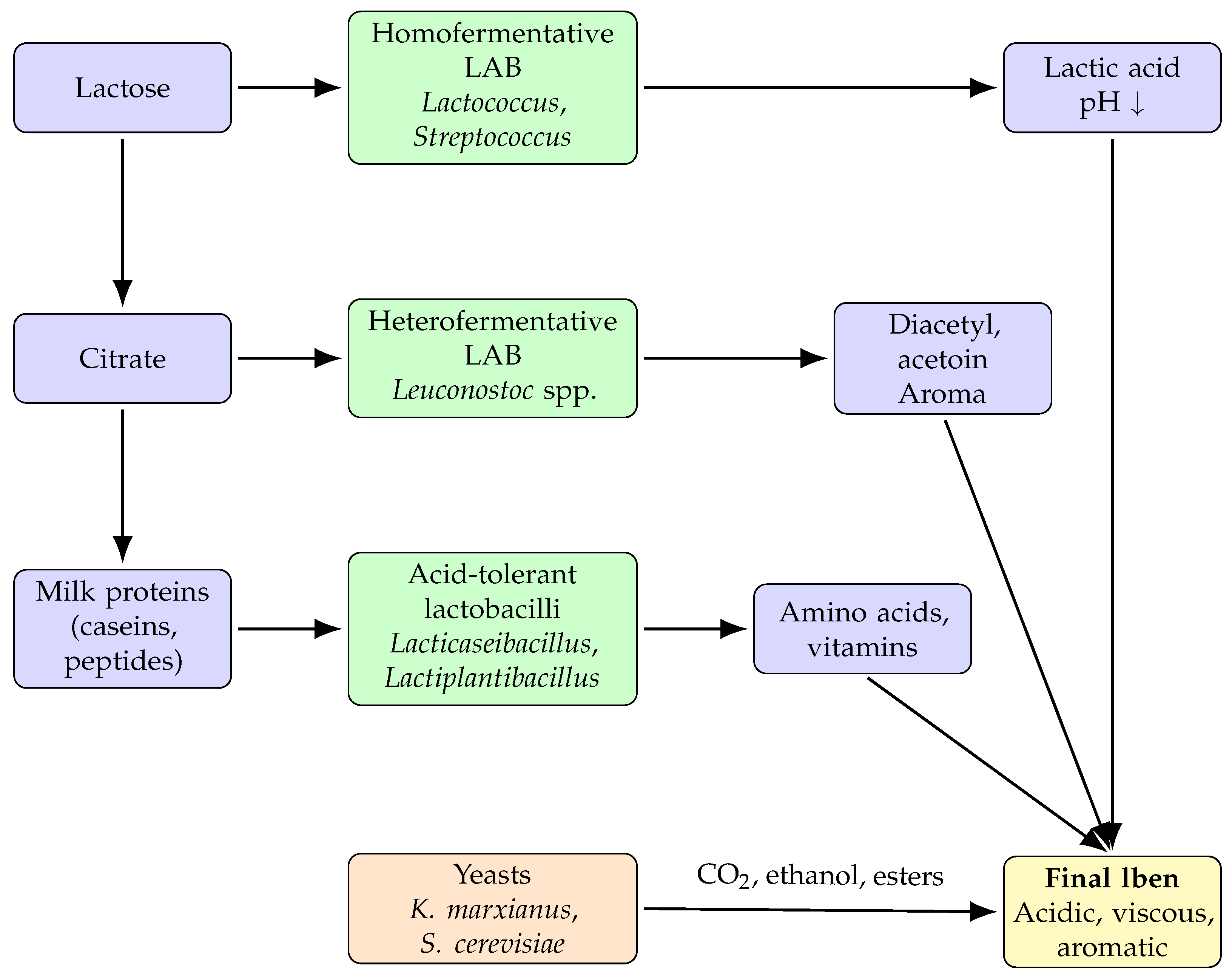
Early colonizers and main acidifiers in spontaneous milk fermentations are mesophilic cocci [27,28,29]. The most relevant genera and species, also expected to play key roles in lben, include Lactococcus lactis subsp. lactis and subsp. cremoris [27,28] (Figure 1). These species are classic dairy starters, responsible for rapid acidification in numerous fermented milks and cheeses [20,27,28,29]. In spontaneous systems, they are commonly present in the raw milk and in dairy equipment biofilms. Their growth is associated with the initial drop in pH and the onset of casein coagulation [27,28]. Although traditionally associated with thermophilic yogurt cultures, Streptococcus thermophilus can also participate in mixed fermentations at moderate temperatures, especially when initial inoculation occurs at higher temperatures or when residual heat from boiled milk persists. It contributes to acidification and can interact synergistically with lactobacilli [30,31]. Altogether, these early colonizing mesophilic cocci likely set the trajectory of lben fermentation by rapidly lowering pH and defining initial texture, thereby shaping the ecological niche for subsequent colonizers and contributing to early safety through competitive exclusion of non-acid-tolerant contaminants.

3.1.2. Heterofermentative LAB

Leuconostoc mesenteroides, Lc. lactis and related taxa are frequently found in traditional fermented milks and are likely contributors in Moroccan lben [13] (Figure 1). These organisms ferment lactose and citrate, producing lactic acid, carbon dioxide, ethanol, and flavor compounds such as diacetyl and acetoin [32]. In fermented milks and cultured creams, Leuconostoc is strongly associated with buttery and creamy aromatic notes [33]. Its CO 2 production can enhance perceived freshness and light effervescence [20]. In Moroccan lben, such heterofermentative LAB are therefore expected to be key contributors to buttery, creamy and mildly effervescent sensory notes, and to interact functionally with both early acidifiers and yeasts to diversify flavor compounds.

3.1.3. Lactobacilli and Related Genera (Lactobacilli sensu lato)

Some lactobacilli can also be found in lben [13,15]. Lactobacillus delbrueckii subsp. bulgaricus are classical yogurt bacterium that can participate in spontaneous fermentations, especially when residual yogurt or previous fermented batches inoculate fresh milk [30]. Lacticaseibacillus casei (formerly L. casei), a robust, acid-tolerant species capable of growth in later fermentation stages. It can contribute to ongoing acidification and flavor development. Lactiplantibacillus plantarum (formerly L. plantarum), a versatile species commonly found in plant and dairy fermentations. It thrives under acidic conditions and is associated with flavor compound production and potential probiotic properties. Limosilactobacillus fermentum (formerly L. fermentum), a heterofermentative species present in various traditional fermented foods, able to contribute to acidity, aroma, and, occasionally, mild gas production [13,15,20] (Figure 1). In lben, these lactobacilli sensu lato are expected to become more prominent as pH decreases, shaping the final stages of fermentation and contributing to stability during storage [13,15]. From an applied perspective, these late-stage lactobacilli sensu lato represent promising candidates for starter or adjunct cultures aimed at enhancing flavor complexity and stability during storage, provided that their safety and technological performance are thoroughly characterized.

3.2. Yeasts

Yeasts are not always dominant but often occur in spontaneously fermented milks, especially in systems without strict heat treatment and in rural settings [19,34]. Kluyveromyces marxianus, a lactose-fermenting yeast frequently isolated from dairy environments that can produce ethanol, carbon dioxide, and flavor compounds to contribute to complexity [34]. Saccharomyces cerevisiae and related yeasts, while not specifically adapted to lactose, can also grow in dairy environments by metabolizing other sugars or nutrients. Its presence may influence aroma and slight carbonation [34,35,36].
Interestingly, yeasts can interact with LAB through cross-feeding (e.g., utilization of amino acids and peptides released by LAB, and provision of vitamins or growth factors), thereby affecting growth kinetics and the sensory profile of the final product [35]. The presence and activity of yeasts thus add a layer of metabolic and sensory complexity to lben fermentations, which may partly explain product-to-product variability and should be explicitly considered in future microbiota profiling and starter design strategies.
The available data support a picture of Moroccan lben as a LAB-dominated yet microbially diverse ecosystem in which mesophilic cocci, heterofermentative LAB, acid-tolerant lactobacilli and yeasts interplay to shape acidification, aroma and stability. However, most evidence is indirect or extrapolated from related products, underlining the need for targeted culture-dependent and high-throughput studies focused specifically on the microbiota and their functional attributes.

4. Fermentation Dynamics and Ecological Succession

The fermentation of lben can be conceptually divided into three overlapping phases characterized by shifts in microbial dominance and metabolic activities (Figure 2).

4.1. Initial Phase: Rapid Acidification

In the first hours (approximately 0–6 h), fast-growing mesophilic LAB such as Lactococcus lactis and, depending on temperature, Streptococcus thermophilus, proliferate rapidly [27,28]. Their primary metabolic activity is the homofermentative conversion of lactose to lactic acid, leading to a rapid pH decrease from values near neutrality to around 5.0–5.5 [27,37]. This acidification inhibits many competing bacteria, including potential spoilage and pathogenic species, and alters casein micelle stability, initiating coagulation [27,37].

4.2. Intermediate Phase: Flavor Formation and Coagulation

As the fermentation progresses (approximately 6–18 h), heterofermentative LAB such as Leuconostoc spp. and certain lactobacilli become more prominent [14,32]. These organisms metabolize lactose and citrate, generating lactic acid, CO 2 , ethanol, diacetyl, and acetoin. This phase is particularly relevant for aroma development: diacetyl and related compounds confer buttery, creamy notes characteristic of many cultured milks [20,32].
At this stage, casein coagulation becomes more pronounced, increasing viscosity and forming a cohesive but still drinkable matrix [30,37]. If yeasts are present, they may begin to grow, contributing additional volatile compounds and mild effervescence [19].

4.3. Late Phase: Stabilization Under Acidic Conditions

In the later stages (approximately 18–48 h), acid-tolerant lactobacilli sensu lato, such as Lacticaseibacillus casei, Lactiplantibacillus plantarum and Limosilactobacillus fermentum, tend to dominate [38]. The pH generally stabilizes between 4.0 and 4.5. Further metabolic activity refines the flavor profile (production of organic acids, aldehydes, alcohols, and esters) and may slightly change the texture through proteolysis and exopolysaccharide production by certain strains [38,39].
The resulting product is microbiologically more stable than fresh milk, with improved safety resulting from the combined effects of a low pH, organic acids, and bacteriocin production by some LAB strains [28,40]. Consequently, the ecological succession from early mesophilic cocci to late acid-tolerant lactobacilli and, in some cases, yeasts provides the mechanistic basis for the safety, nutritional enhancement and sensory profile of the final lben.

5. Functional Properties and Safety Aspects

5.1. Antimicrobial Effects and Safety Enhancement

The microbial consortia described above not only drive the biochemical conversion of milk but also determine key quality attributes of Moroccan lben, including safety, nutritional value and sensory properties. Their collective activities in acid and bacteriocin production, proteolysis and volatile formation underpin the functional characteristics discussed in the following subsections. The lactic acid bacteria (LAB) community in Moroccan lben plays a central role in product safety through a combination of physicochemical and biological mechanisms [20,40]. Rapid acidification during fermentation leads to a marked decrease in pH, which inhibits the growth of many foodborne pathogens and spoilage microorganisms, while the accumulation of organic acids, primarily lactic acid and occasionally acetic acid, exerts additional direct antimicrobial effects [20,39]. Moreover, certain LAB strains commonly associated with fermented milks, including Lactococcus lactis and Lactiplantibacillus plantarum, are capable of producing bacteriocins that further suppress competing and potentially harmful bacteria, enhancing microbial stability [40,41]. These effects are reinforced by competitive exclusion, as dense and rapidly growing LAB populations efficiently occupy ecological niches and consume available nutrients, thereby limiting opportunities for pathogen establishment [40]. Nevertheless, as with other spontaneously fermented products prepared from raw or only partially heated milk, overall safety remains strongly dependent on the initial microbiological quality of the milk, hygienic conditions during processing, fermentation temperature and duration, and subsequent storage practices [42]. Traditional boiling or scalding steps, when applied before fermentation, substantially reduce the initial microbial load and are therefore considered important contributors to the safety of traditional lben production [27,42]. Recent work on traditional fermented milks from North Africa and the Middle East, combining culture-dependent, metagenomic and antimicrobial resistance profiling approaches, underscores both the protective role of LAB and the need for systematic hazard characterization in raw milk fermentations [6].

5.2. Nutritional and Potential Health Benefits

Fermented milks such as Moroccan lben are widely recognized for their enhanced nutritional and potential health-promoting properties compared with raw milk [43,44]. During fermentation, microbial β -galactosidase activity contributes to improved lactose digestibility, which may alleviate symptoms of lactose intolerance in sensitive consumers [43]. In parallel, proteolytic activity by lactic acid bacteria increases the bioavailability of amino acids and micronutrients and leads to the release of bioactive peptides with reported antihypertensive, immunomodulatory, or antimicrobial properties [38,44]. Fermented milks may also exert probiotic effects when specific LAB strains with documented health benefits are present in sufficient numbers and can survive gastrointestinal transit [45]. Although strain-level characterization of the Moroccan lben microbiota remains limited, the frequent detection of genera that include well known probiotic strains, such as Lactobacillus sensu lato, Lacticaseibacillus and Lactiplantibacillus, suggests that certain lebn microbiomes may harbor individual strains with probiotic potential. Importantly, probiotic properties are highly strain specific and cannot be generalized to entire genera or species, so dedicated strain level characterization and clinical evaluation would be required before any health claims can be substantiated [12,45]. This represents a promising avenue for future strain-level, functional, and clinical studies aimed at substantiating the health relevance of this traditional fermented milk.

5.3. Sensory Attributes and Consumer Perception

The sensory profile of Moroccan lben is largely determined by the metabolic activity of its microbial community, which governs acidity, aroma, and texture [27,32]. Lactic acid produced by lactic acid bacteria is primarily responsible for the characteristic acidity and perceived freshness of the product, while citrate-fermenting LAB, particularly Leuconostoc spp. and certain lactobacilli, generate diacetyl and acetoin that contribute creamy and buttery notes typical of many traditional fermented milks [14,32]. In some preparations, the presence of yeasts and heterofermentative lactobacilli may add mild fruity or fermented nuances through the production of alcohols, esters, and carbonyl compounds [14,19]. Texture is shaped by acid-induced casein coagulation and may be further modulated by exopolysaccharide production by specific LAB strains, as well as by the intrinsic fat content of the milk [27,39]. Beyond these biochemical determinants, cultural familiarity and household-specific microbiota strongly influence consumer perception, fostering a sense of identity and attachment to particular styles of lben [46]. Consequently, any attempt to standardize Moroccan lben for wider distribution must carefully balance safety and product consistency with the preservation of local sensory diversity that underpins its cultural and gastronomic value [46]. Controlled inoculation of autochthonous LAB strains isolated from lben has been shown to reproducibly modulate aroma, texture, and consumer acceptance, while preserving sensory traits associated with traditional products, supporting the feasibility of rational starter formulation without sensory standardization [7,16].
GC–MS based aroma analyses of Moroccan lben and related fermented milks have identified a complex bouquet of volatiles, including acetaldehyde, ethanol, diacetyl, acetoin, various esters and other carbonyl compounds that collectively shape the perceived flavor profile. Such studies show that specific LAB genera, particularly Lactococcus, Leuconostoc and lactobacilli sensu lato, are associated with the production of diacetyl, acetoin and certain esters, whereas yeasts contribute additional alcohols and fruity esters that may distinguish household-specific products. Integrating sensory evaluations with targeted or untargeted GC–MS profiling therefore, represents a powerful approach to link microbial composition, metabolite production and consumer perception of Moroccan lben [24].

6. Research Gaps and Future Perspectives

Despite its cultural significance in Morocco, Moroccan lben remains insufficiently explored from both microbiological and technological perspectives [12,47]. Important knowledge gaps therefore persist, offering multiple opportunities for future research. In this context, our research group intends to focus on the following priority areas:
  • Comprehensive microbiota profiling: the application of high-throughput sequencing techniques, including 16S rRNA gene amplicon sequencing, shotgun metagenomics, and ITS-based approaches for fungal communities, is essential to achieve a detailed and accurate characterization of the lben. Such approaches will allow the assessment of microbial variability linked to geographical origin, seasonal factors, and production practices [48,49].
  • Strain-level isolation and characterization of LAB and yeasts, followed by thorough phenotypic and genomic analyses, would facilitate the identification of strains with desirable technological and potential probiotic traits. These include acidification capacity, bacteriocin production, exopolysaccharide synthesis, and tolerance to environmental stresses commonly encountered during fermentation and storage [20,43,45].
  • Time-resolved investigations throughout the fermentation process are needed to elucidate microbial succession patterns and to better understand the ecological roles of dominant and subdominant microbial groups. The integration of multi-omics approaches, such as metatranscriptomics and metabolomics, may provide valuable insights into the links between microbial taxa, metabolic pathways, and the formation of key flavor compounds [49,50,51].
  • Systematic evaluations of microbiological safety, including the assessment of pathogenic microorganisms and the occurrence of antibiotic resistance genes, are crucial for developing evidence-based recommendations. Such data are particularly important to support safe traditional production practices and to enable the potential commercialization of lben [29].
  • Starter culture design and controlled fermentation. Knowledge gained from microbial ecology and strain-level studies can be leveraged to design tailored starter or adjunct cultures that retain the characteristic sensory profile of traditional lben while improving process reproducibility and safety. The development of such cultures should balance technological performance with the preservation of regional and artisanal identity [43]. Recent experimental studies on Moroccan lben have demonstrated that dominant autochthonous LAB strains can be successfully transitioned from spontaneous fermentation systems to defined starter cultures, maintaining key biochemical, technological, and sensory attributes of the traditional product. These findings illustrate a viable pathway for bridging artisanal knowledge with controlled fermentation, reinforcing the relevance of strain-level selection and mixture design approaches for future lben valorization [6,7].
  • Valorization of dominant microbiota as starter cultures. Although some studies have explored the use of autochthonous LAB from traditional lben and related fermented milks as starter or adjunct cultures, systematic starter design for Moroccan lben remains in its infancy. Dominant isolates such as Lactococcus lactis, Leuconostoc mesenteroides and lactobacilli sensu lato could be selected, characterized and combined into defined or semi-defined consortia that reproduce the acidification kinetics, flavor formation and safety attributes of spontaneous fermentations. Future work should therefore link detailed strain level phenotyping (acidification, bacteriocin and exopolysaccharide production, tolerance to stress) with pilot scale fermentation trials in order to assess their suitability as starter cultures and to evaluate how far traditional sensory diversity can be maintained under controlled conditions.
  • In-depth microbiological characterization may also play a key role in the valorization of lben as a product of cultural heritage. This scientific evidence could contribute to the establishment of geographical indication schemes and support sustainable local economic development [12].

7. Conclusions

The available evidence supports a coherent model in which complex, LAB-dominated consortia transform raw or gently heated milk into a microbiologically safer, nutritionally enriched and sensorially distinctive fermented milk that plays a central role in Moroccan food culture. Advancing high resolution microbiota profiling, strain-level functional characterization, safety assessments and starter design will be essential for safeguarding artisanal practices while enabling controlled production of authentic lben-like products for broader markets.
Future research should combine culture-dependent and omics-based approaches to obtain a high-resolution picture of Moroccan lben microbiota, their functional roles, and their variability [48,49]. Such knowledge will be essential for safeguarding this traditional product, supporting safe artisanal practices, and enabling the development of standardized yet authentic lben-like products for broader markets [44].

Author Contributions

Conceptualization, investigation, writing—review and editing, S.M. and I.M. All authors have read and agreed to the published version of the manuscript.

Funding

This research received no external funding.

Institutional Review Board Statement

Not applicable.

Informed Consent Statement

Not applicable.

Data Availability Statement

No new data were created or analyzed in this study. Data sharing is not applicable to this article.

Conflicts of Interest

The authors declare no conflicts of interest.

Abbreviations

The following abbreviations are used in this manuscript:
LABLactic acid bacteria

References

  1. Benkerroum, N.; Tamime, A. Technology transfer of some Moroccan traditional dairy products (lben, jben and smen) to small industrial scale. Food Microbiol. 2004, 21, 399–413. [Google Scholar] [CrossRef]
  2. Mallappa, R.H.; Balasubramaniam, C.; Nataraj, B.H.; Ramesh, C.; Kadyan, S.; Pradhan, D.; Muniyappa, S.K.; Grover, S. Microbial diversity and functionality of traditional fermented milk products of India: Current scenario and future perspectives. Int. Dairy J. 2021, 114, 104941. [Google Scholar] [CrossRef]
  3. Council, N.R. Moroccan Traditional Fermented Dairy Products. In Rediscovering Traditional African Foods; National Academies Press: Washington, DC, USA, 1992. [Google Scholar]
  4. Hemme, D.; Foucaud-Scheunemann, C. Leuconostoc, characteristics, use in dairy technology and prospects in functional foods. Int. Dairy J. 2004, 14, 467–494. [Google Scholar] [CrossRef]
  5. Ho, T.M.; Bansal, N. α-Lactalbumin. In Encyclopedia of Dairy Sciences, 3rd ed.; McSweeney, P.L.H., McNamara, J.P., Eds.; Academic Press: Cambridge, MA, USA, 2022. [Google Scholar] [CrossRef]
  6. Sarhir, S.T.; Amanpour, A.; Bouseta, A.; Selli, S. Evaluation of techno-functional and biochemical characteristics of selected lactic acid bacteria used for the production of Moroccan fermented milk: Lben. Int. Dairy J. 2023, 140, 105592. [Google Scholar] [CrossRef]
  7. Sarhir, S.T.; Amanpour, A.; Bouseta, A.; Selli, S. A mixture design approach to develop new starter formulation for Lben: Key aroma compounds, physical, chemical and sensory properties of the product. Int. Dairy J. 2024, 157, 106001. [Google Scholar] [CrossRef]
  8. Sarhir, S.T.; Belkhou, R.; Bouseta, A.; Hayaloglu, A.A. An optimization approach on the determination of volatile composition, bioactive compounds and sensory properties of Lben: Effect of fermentation conditions, starter system and substrate composition. J. Food Compos. Anal. 2024, 125, 105778. [Google Scholar] [CrossRef]
  9. Yasir, M.; Bibi, F.; Hashem, A.M.; Azhar, E.I. Comparative metagenomics and characterization of antimicrobial resistance genes in pasteurized and homemade fermented Arabian laban. Food Res. Int. 2020, 137, 109639. [Google Scholar] [CrossRef]
  10. Abi Khalil, R.; Yvon, S.; Couderc, C.; Jard, G.; El Rammouz, R.; Eutamène, H.; Ayoub, M.J. Traditional fermented milk products of Eastern Mediterranean countries: A cultural heritage to preserve. Int. Dairy J. 2023, 147, 105768. [Google Scholar] [CrossRef]
  11. Mefleh, M.; Darwish, A.M.G.; Mudgil, P.; Maqsood, S.; Boukid, F. Traditional Fermented Dairy Products in Southern Mediterranean Countries: From Tradition to Innovation. Fermentation 2022, 8, 743. [Google Scholar] [CrossRef]
  12. Tamang, J.P.; Watanabe, K.; Holzapfel, W.H. Review: Diversity of microorganisms in global fermented foods and beverages. Front. Microbiol. 2016, 7, 377. [Google Scholar] [CrossRef]
  13. Wouters, J.T.M.; Ayad, E.H.E.; Hugenholtz, J.; Smit, G. Microbes from raw milk for fermented dairy products. Int. Dairy J. 2002, 12, 91–109. [Google Scholar] [CrossRef]
  14. McSweeney, P.L.H. Cheese: Chemistry, Physics and Microbiology; Elsevier: Amsterdam, The Netherlands, 2004; Volume 1. [Google Scholar]
  15. Settanni, L.; Moschetti, G. Non-starter lactic acid bacteria used to improve cheese quality and provide health benefits. Food Microbiol. 2010, 27, 691–697. [Google Scholar] [CrossRef] [PubMed]
  16. Mangia, N.P.; Garau, G.; Murgia, M.A.; Bennani, A.; Deiana, P. Influence of autochthonous lactic acid bacteria and enzymatic yeast extracts on the microbiological, biochemical and sensorial properties of Lben generic products. J. Dairy Res. 2014, 81, 193–201. [Google Scholar] [CrossRef] [PubMed]
  17. Gaggia, F.; Di Gioia, D.; Baffoni, L.; Biavati, B. The role of protective and probiotic cultures in food and feed and their impact in food safety. Trends Food Sci. Technol. 2011, 22, S58–S66. [Google Scholar] [CrossRef]
  18. Bintsis, T. The Evolution of Fermented Milks from Artisanal to Industrial Products. Fermentation 2022, 8, 679. [Google Scholar] [CrossRef]
  19. Fleet, G.H. Yeasts in dairy products. J. Appl. Bacteriol. 1990, 68, 199–211. [Google Scholar] [CrossRef]
  20. Leroy, F.; De Vuyst, L. Lactic acid bacteria as functional starter cultures for the food fermentation industry. Trends Food Sci. Technol. 2004, 15, 67–78. [Google Scholar] [CrossRef]
  21. Hamama, A.; Bayi, M. Composition and Microbiological Profile of Two Moroccan Traditional Dairy Products: Raib and jben. Int. J. Dairy Technol. 1991, 44, 21–24. [Google Scholar] [CrossRef]
  22. Benkirane, G.; Ananou, S.; Dumas, E.; Ghnimi, S.; Gharsallaoui, A. Moroccan Traditional Fermented Dairy Products: Current Processing Practices and Physicochemical and Microbiological Properties—A Review. J. Microbiol. Biotechnol. Food Sci. 2022, 12, e5636. [Google Scholar] [CrossRef]
  23. Ouadghiri, M.; Amar, M.; Vancanneyt, M.; Swings, J. Identification of Lactic Acid Bacteria in Moroccan Raw Milk and Traditional Fermented Products. J. Appl. Microbiol. 2009, 106, 486–495. [Google Scholar] [CrossRef]
  24. Sarhir, S.T.; Amanpour, A.; Bouseta, A.; Selli, S. Key odorants of a Moroccan fermented milk product “Lben” using aroma extract dilution analysis. J. Food Sci. Technol. 2019, 56, 3836–3845. [Google Scholar] [CrossRef] [PubMed]
  25. Elmoslih, A.; Achemchem, F.; Zakri1, Q.; Boudyach, E.; Ait Ben Aoumar, A. Microbiological testing quality of raw and fermented milk of Moroccan cows and camels and isolation of antagonistic lactic acid Bacteria. Moroc. J. Biol. 2016, 13, 52–59. [Google Scholar]
  26. Tantaoui-Elaraki, A.; El Marrakchi, A. Study of Moroccan dairy products: Lben and smen. MIRCEN J. 1987, 3, 211–220. [Google Scholar] [CrossRef]
  27. Walstra, P.; Wouters, J.T.M.; Geurts, T.J. Dairy Science and Technology, 2nd ed.; CRC Press: Boca Raton, FL, USA, 2006. [Google Scholar] [CrossRef]
  28. Fox, P.F.; Guinee, T.P.; Cogan, T.M.; McSweeney, P.L.H. Fundamentals of Cheese Science, 2nd ed.; Springer: New York, NY, USA, 2017. [Google Scholar] [CrossRef]
  29. Montel, M.C.; Buchin, S.; Mallet, A.; Delbes-Paus, C.; Vuitton, D.A.; Desmasures, N.; Berthier, F. Traditional cheeses: Rich and diverse microbiota with associated benefits. Int. J. Food Microbiol. 2014, 177, 136–154. [Google Scholar] [CrossRef]
  30. Tamime, A.Y. Fermented milks: A historical food with modern applications—A review. Eur. J. Clin. Nutr. 2002, 56, S2–S15. [Google Scholar] [CrossRef]
  31. Sieuwerts, S.; de Bok, F.A.M.; Hugenholtz, J.; van Hylckama Vlieg, J.E.T. Unraveling microbial interactions in food fermentations: From classical to genomics approaches. Appl. Environ. Microbiol. 2008, 74, 4997–5007. [Google Scholar] [CrossRef]
  32. Hugenholtz, J. Citrate metabolism in lactic acid bacteria. FEMS Microbiol. Rev. 1993, 12, 165–178. [Google Scholar] [CrossRef]
  33. Cogan, T.M.; Jordan, K.N. Metabolism of Leuconostoc bacteria. J. Dairy Sci. 1994, 77, 2704–2717. [Google Scholar] [CrossRef]
  34. Viljoen, B.C. The interaction between yeasts and bacteria in dairy environments. Int. J. Food Microbiol. 2001, 69, 37–44. [Google Scholar] [CrossRef]
  35. Narvhus, J.A.; Gadaga, T.H. The role of interaction between yeasts and lactic acid bacteria in African fermented milks. Int. J. Food Microbiol. 2003, 86, 51–60. [Google Scholar] [CrossRef]
  36. Gadaga, T.H.; Mutukumira, A.N.; Narvhus, J.A. The growth and interaction of yeasts and lactic acid bacteria isolated from Zimbabwean fermented milk in UHT milk. Int. J. Food Microbiol. 2001, 68, 21–32. [Google Scholar] [CrossRef]
  37. Lucey, J.A. Formation and physical properties of milk protein gels. J. Dairy Sci. 2002, 85, 281–294. [Google Scholar] [CrossRef] [PubMed]
  38. Gobbetti, M.; De Angelis, M.; Di Cagno, R.; Calasso, M.; Archetti, G.; Rizzello, C.G. Novel insights on the functional/nutritional features of the sourdough fermentation. Int. J. Food Microbiol. 2019, 302, 103–113. [Google Scholar] [CrossRef] [PubMed]
  39. De Vuyst, L.; Degeest, B. Heteropolysaccharides from lactic acid bacteria. FEMS Microbiol. Rev. 1999, 23, 153–177. [Google Scholar] [CrossRef] [PubMed]
  40. Cotter, P.D.; Hill, C.; Ross, R.P. Bacteriocins: Developing innate immunity for food. Nat. Rev. Microbiol. 2005, 3, 777–788. [Google Scholar] [CrossRef]
  41. Caplice, E.; Fitzgerald, G.F. Food fermentations: Role of microorganisms in food production and preservation. Int. J. Food Microbiol. 1999, 50, 131–149. [Google Scholar] [CrossRef]
  42. Tamime, A.Y.; Robinson, R.K. Yoghurt: Science and Technology, 3rd ed.; Woodhead Publishing: Cambridge, UK, 2007. [Google Scholar] [CrossRef]
  43. Marco, M.L.; Heeney, D.; Binda, S.; Cifelli, C.J.; Cotter, P.D.; Foligné, B.; Gänzle, M.; Kort, R.; Pasin, G.; Pihlanto, A.; et al. Health benefits of fermented foods: Microbiota and beyond. Curr. Opin. Biotechnol. 2017, 44, 94–102. [Google Scholar] [CrossRef]
  44. Zou, H.; Wang, H.; Zhang, Z.; Lin, H.; Li, Z. Immune regulation by fermented milk products: The role of the proteolytic system of lactic acid bacteria in the release of immunomodulatory peptides. Crit. Rev. Food Sci. Nutr. 2024, 64, 10498–10516. [Google Scholar] [CrossRef]
  45. Hill, C.; Guarner, F.; Reid, G.; Gibson, G.R.; Merenstein, D.J.; Pot, B.; Morelli, L.; Canani, R.B.; Flint, H.J.; Salminen, S.; et al. Expert consensus document: The International Scientific Association for Probiotics and Prebiotics consensus statement on the scope and appropriate use of the term probiotic. Nat. Rev. Gastroenterol. Hepatol. 2014, 11, 506–514. [Google Scholar] [CrossRef]
  46. Chambers, E. Analysis of Sensory Properties in Foods: A Special Issue. Foods 2019, 8, 291. [Google Scholar] [CrossRef]
  47. Benkerroum, N. Traditional fermented foods of North African countries: Technology and food safety challenges with regard to microbiological risks. Compr. Rev. Food Sci. Food Saf. 2013, 12, 54–89. [Google Scholar] [CrossRef]
  48. De Filippis, F.; Parente, E.; Ercolini, D. Metagenomics insights into food fermentations. Microb. Biotechnol. 2017, 10, 91–102. [Google Scholar] [CrossRef] [PubMed]
  49. Ercolini, D. High-Throughput Sequencing and Metagenomics: Moving Forward in the Culture-Independent Analysis of Food Microbial Ecology. Appl. Environ. Microbiol. 2013, 79, 3148–3155. [Google Scholar] [CrossRef] [PubMed]
  50. Cocolin, L.; Ercolini, D. Zooming into food-associated microbial consortia: A ‘cultural’ evolution. Curr. Opin. Food Sci. 2015, 2, 43–50. [Google Scholar] [CrossRef]
  51. Smid, E.J.; Lacroix, C. Microbe–microbe interactions in mixed culture food fermentations. Curr. Opin. Biotechnol. 2013, 24, 148–154. [Google Scholar] [CrossRef]
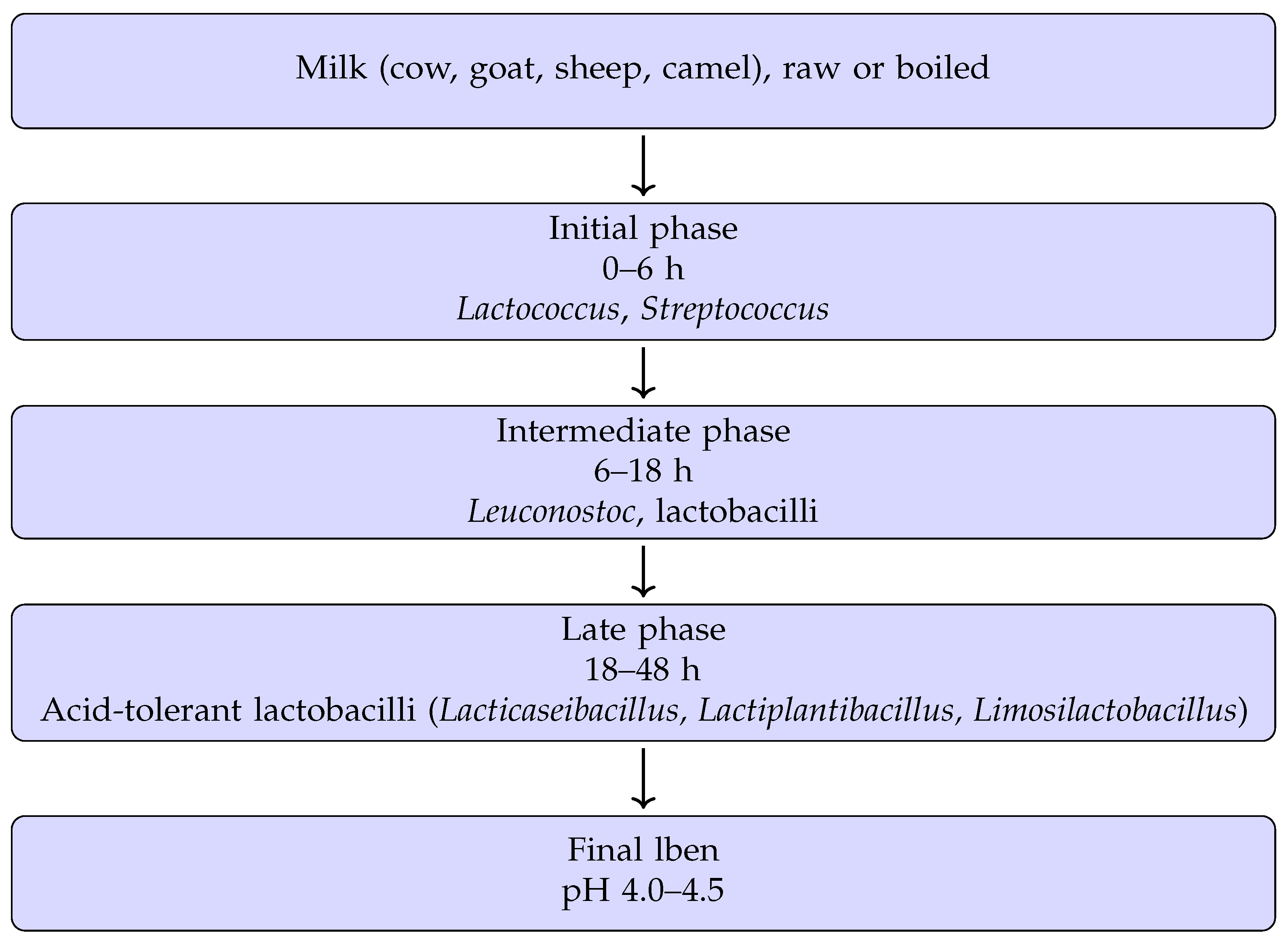
Figure 1. Schematic overview of the spontaneous fermentation process of lben.
Fermentation 12 00142 g001
Figure 2. Detailed metabolic and ecological interactions during spontaneous fermentation of Moroccan lben. Homofermentative LAB drive early acidification; heterofermentative LAB produce aroma compounds; acid-tolerant lactobacilli contribute to late-stage stability; yeasts provide volatile compounds and cross-feeding interactions.
Fermentation 12 00142 g002
Disclaimer/Publisher’s Note: The statements, opinions and data contained in all publications are solely those of the individual author(s) and contributor(s) and not of MDPI and/or the editor(s). MDPI and/or the editor(s) disclaim responsibility for any injury to people or property resulting from any ideas, methods, instructions or products referred to in the content.