


Abstract
Urban rivers are essential resources for human societies; however, their degradation poses serious public health, economic, and environmental risks. Conventional physical remediation methods can partially mitigate pollution by targeting specific contaminants, but they are often limited in scope, lack long-term sustainability, and fail to restore ecological functions. In contrast, biotechnological approaches integrated with ecological engineering offer sustainable and nature-based solutions for river depollution, conservation, and revitalization. Although these strategies are supported by a solid theoretical framework and successful applications in other aquatic systems, their large-scale implementation in urban rivers has only recently begun to gain momentum. This review critically examines strategies for the revitalization of polluted urban rivers, progressing from conventional remediation techniques to advanced biotechnological interventions. It highlights real-world applications, evaluates their advantages and limitations, and discusses policy frameworks and management strategies required to promote the broader adoption of biotechnological solutions for sustainable urban river restoration. The goal is to demonstrate the transformative potential of integrated biotechnological, eco-engineering, and data-driven approaches—particularly microbial, phytoplankton-based, and biofilm systems—to reduce energy demand and carbon emissions in urban river restoration while highlighting the need for scalable designs, adaptive management, and supportive regulatory frameworks to enable their large-scale implementation.
1. Introduction
Urban rivers play a fundamental role in the development and functioning of human societies. Historically, they have supplied drinking water, food resources, transportation routes, communication corridors, recreational spaces, and areas for social interaction, which explains why many cities have emerged and expanded along their banks [1]. Rivers and streams are key components of watershed systems, acting as natural catchment areas that collect precipitation and surface runoff from diverse sources and channel them toward a common outlet. Within these systems, micro-basins may exist, in which all drainage converges into the main watercourse of a sub-basin [2].
Understanding the ecological and spatial dynamics of urban watersheds is therefore essential, as urban analyses often begin with the largest river traversing a populated area. This perspective helps reveal land-use patterns associated with housing, transportation infrastructure, industrial development, agriculture, and other anthropogenic activities that have significantly altered riverine ecosystems [3]. For example, contamination by fecal pathogens originating from agricultural runoff and dispersed settlements represents a major public health concern [4].
Pollution in urban rivers has been linked to a wide range of health impacts, including gastrointestinal illnesses, dehydration, skin and textile damage caused by iron oxidation, and, in severe cases, life-threatening conditions, particularly among vulnerable populations. Long-term exposure to chemical and biological contaminants may also lead to organ damage, developmental disorders, reproductive impairments, and an increased risk of cancer [5,6].
In addition to public health consequences, river pollution generates substantial economic impacts. The collapse of the Doce River ecosystem following a dam failure resulted in massive fish mortality, severely affecting fishermen, riverside populations, and Indigenous communities who lost their primary sources of income and subsistence [7]. Similarly, in the São Francisco River basin (Brazil), declining fish stocks have compelled many fishermen to abandon traditional livelihoods or migrate to urban centers, especially younger generations facing limited economic prospects [8]. Nature-based tourism, which depends on preserved aquatic and riparian ecosystems, is also adversely affected, as environmental degradation undermines its regenerative and economic potential [9].
The revitalization of urban rivers through improved sanitation, pollutant removal, and flow restoration is therefore essential for sustainable development. When properly managed, urban rivers can be transformed into transportation corridors, recreational areas, and cultural landmarks, enhancing real estate value and improving overall quality of life [10]. River restoration can also contribute to carbon capture by reestablishing ecological processes that sequester atmospheric carbon and stabilize it in sediments and biomass [11]. Successful revitalization initiatives worldwide include the Isar River (Austria and Germany) [12], Cheonggyecheon Stream (South Korea) [13], Medellín River (Colombia), Thames River (United Kingdom) [14], Seine River (France), and Anacostia River (United States).
This review critically examines strategies for the remediation and revitalization of polluted urban rivers, with emphasis on pollution types, sources, and mitigation approaches that promote ecological balance, human well-being, and carbon sequestration. Specifically, it addresses: (i) how biotechnological tools and ecological engineering can support urban river restoration through bio-based systems, and (ii) how these approaches provide more sustainable and resilient outcomes compared with conventional river pollution management practices. Finally, the review discusses key barriers to large-scale implementation, including regulatory challenges, the need for supportive public policies, engagement from sanitation companies, and the mobilization of private investment to enable the deployment of bio-based river revitalization projects.
2. Types and Sources of Urban River Pollution
Pollution sources in urban river systems are generally classified as point sources or non-point (diffuse) sources. Point-source pollution typically originates from identifiable discharges, such as domestic sewage and industrial effluents, whereas non-point pollution arises from rainwater runoff that transports contaminants from urban, rural, and atmospheric origins into aquatic environments [15].
While point sources can often be monitored, regulated, and controlled, non-point sources are inherently more difficult to quantify and manage [16]. In many regions, including Brazil, the scarcity of data on diffuse pollution limits the development of robust models to estimate pollutant generation, transport, and accumulation within watersheds [17]. As a result, even watercourses lacking visible point-source discharges may remain significantly contaminated. This situation has serious economic implications, particularly for water supply utilities and fisheries, since polluted streams frequently sustain little to no aquatic life and are unsuitable for recreation or abstraction [18].
Point-source pollution is commonly associated with industrial effluents, untreated or partially treated domestic sewage, and stormwater overflows. These discharges often contain high concentrations of toxic substances and occur intermittently, typically during specific operational periods, which facilitates detection and enforcement actions [19]. In contrast, diffuse-source pollution originates from agricultural runoff, urban drainage systems, and atmospheric deposition. Although individual contaminant concentrations are generally lower, their continuous input leads to accumulation over time, posing chronic environmental risks. In such cases, educational programs, land-use planning, and economic incentives may be more effective than purely punitive approaches for pollution mitigation [20].
Surface water pollution in rivers, lakes, and ponds encompasses a broad spectrum of biological and chemical contaminants, including heavy metals, nutrients, persistent organic pollutants, pathogens, human waste, and food residues derived from domestic and industrial sewage [19]. Common manifestations include sludge accumulation, septic conditions, oxygen depletion, nutrient imbalances (e.g., excess nitrogen and phosphorus), algal blooms, non-biodegradable organic matter, toxic compounds, surfactants, and metals such as arsenic, cadmium, chromium, copper, mercury, nickel, lead, and zinc [21,22,23].
An emerging and particularly critical concern is the dissemination of multidrug-resistant bacteria, especially those originating from hospital wastewater. Pathogens such as Mycobacterium tuberculosis, Pseudomonas aeruginosa, Escherichia coli, Klebsiella pneumoniae, Staphylococcus aureus, Streptococcus pneumoniae, Salmonella spp., Shigella spp., and Neisseria gonorrhoeae represent a global health threat, as they reduce the effectiveness of existing antimicrobial therapies [24,25].
Hospital effluents are commonly discharged into municipal sewer systems and treated alongside domestic wastewater. However, insufficient treatment efficiency enables resistant microorganisms and resistance determinants to enter natural water bodies [26,27]. Once released, these pathogens can spread beyond clinical settings, facilitating the dissemination of antimicrobial resistance throughout aquatic ecosystems [28]. Urban rivers, which often receive untreated or inadequately treated hospital and industrial discharges, therefore represent not only ecological hotspots of contamination but also critical nodes within the broader public health and environmental safety framework [29,30].
3. Traditional Methods for River Revitalization
Historically, river revitalization efforts have relied primarily on physical and chemical remediation techniques to mitigate pollution and restore ecological balance. Among these conventional approaches, dredging, aeration, and chemical treatment represent the most widely applied interventions, each characterized by distinct mechanisms, efficiencies, and operational challenges. Although these methods can be effective for targeted pollution control and rapid water quality improvement, they also exhibit substantial environmental, economic, and sustainability limitations. These constraints underscore the need for more integrated, adaptive, and ecosystem-based restoration strategies.
3.1. Dredging for River Revitalization
Dredging involves the mechanical removal of contaminated sediments from riverbeds (Figure 1) using equipment such as cutter-suction dredgers, backhoes, or clamshell dredges. The excavated material is typically treated or disposed of in controlled facilities to prevent secondary contamination. Meta-analytical studies have demonstrated that dredging can significantly reduce pollutant loads in aquatic ecosystems, achieving average reductions in more than 77% in before–after assessments and up to 84% in control–impact models worldwide [31]. Substantial decreases in chlorophyll-a, total phosphorus (TP), and total nitrogen (TN) concentrations—often exceeding 30%—have also been reported [32].
Figure 1.
Integrated physical interventions for river revitalization: dredging and aeration pathways.
Targeted dredging in highly contaminated zones has proven effective in removing heavy metals and persistent organic pollutants (POPs) [33]. Optimal dredging depths ranging from 40 to 60 cm are associated with the most pronounced water quality improvements, particularly when sufficient post-dredging recovery periods are allowed [32]. Moreover, precision dredging guided by ecological risk indices enables the identification of “critical-risk depths,” reducing operational costs by up to 45% compared with conventional blanket dredging approaches [34,35].
Despite its effectiveness, dredging can induce adverse environmental effects, including sediment resuspension, disruption of nutrient cycling, and the release of bound heavy metals during operations [36,37]. To mitigate these impacts and enhance restoration outcomes, dredging is increasingly combined with complementary techniques, such as aeration and biological treatments [38].
3.2. Aeration for River Revitalization
Aeration enhances dissolved oxygen (DO) concentrations in river water through the use of mechanical aerators, air diffusers, or artificial waterfalls (Figure 1). Increased oxygen availability stimulates aerobic microbial processes, thereby promoting the degradation of organic pollutants, sewage-derived contaminants, and ammonium nitrogen (NH4+-N) [39]. Beyond pollutant removal, aeration improves habitat quality and supports the recovery of fish and invertebrate communities.
Aeration also plays an important role in controlling cyanobacterial blooms. For example, studies conducted in eastern Poland demonstrated that underwater aeration systems effectively suppressed cyanobacterial scum formation, contributing to improved ecosystem stability [40]. In addition, aeration influences greenhouse gas (GHG) dynamics by reducing emissions of CO2, CH4, and N2O over time [41]. However, when applied in combination with dredging, careful monitoring is required, as short-term increases in N2O emissions may occur following intervention.
The integration of aeration with other biotechnological systems further enhances treatment efficiency. Floating Treatment Wetlands (FTWs) combined with aeration have achieved removal efficiencies approaching 99% for chemical oxygen demand (COD), NH4+-N, and Escherichia coli [42]. Similarly, the incorporation of sulfur–iron autotrophic denitrification into Moving Bed Biofilm Reactors (MBBRs) has significantly increased nitrogen and phosphorus removal, reaching up to 85.65% and 78.02%, respectively [41].
Advanced modeling tools are increasingly employed to optimize aeration-based interventions. Reaction–diffusion–advection models [43,44] and Laplace-transform approaches [45] provide predictive frameworks for sustaining oxygenation and enhancing pollutant degradation. Applications such as those in the Nkisa River (Nigeria) highlight the role of re-aeration in strengthening the natural self-purification capacity of river systems [43].
Conventional river revitalization techniques such as dredging and artificial aeration are widely applied to improve water quality, yet they are often associated with high energy consumption and significant carbon emissions. Dredging requires intensive mechanical operations, fuel-powered equipment, sediment transport, and disposal, resulting in substantial greenhouse gas emissions and disturbance of benthic habitats. In addition, the handling and treatment of dredged sediments may generate secondary emissions and environmental impacts, particularly when contaminated materials require specialized disposal. Similarly, continuous aeration systems rely on electricity-intensive blowers or pumps to maintain dissolved oxygen levels, leading to sustained energy demand and elevated operational costs. In contrast, biotechnological approaches—such as microbial bioremediation, phytoremediation, floating treatment wetlands, and microalgae-based systems—generally operate with lower energy inputs and reduced carbon footprints. These nature-based solutions harness biological metabolism and ecosystem processes to remove nutrients, organic pollutants, and metals, often while simultaneously sequestering carbon in biomass or sediments. Moreover, many biotechnological systems can be integrated into circular economy frameworks, enabling resource recovery, biomass valorization, and partial energy self-sufficiency, thereby further offsetting emissions. As a result, biotechnological strategies offer a more energy-efficient and climate-resilient pathway for long-term river revitalization compared to conventional engineering-intensive interventions.
3.3. Chemical Treatment for River Revitalization
Chemical treatment involves the application of agents such as coagulants (e.g., aluminum sulfate, ferric chloride), oxidants (e.g., ozone, hydrogen peroxide), and pH modifiers to neutralize, precipitate, or chemically degrade pollutants [46]. This approach enables rapid control of pathogens, nutrients, and organic contaminants, making it particularly valuable during pollution emergencies or acute contamination events. Chemical treatment is frequently combined with sedimentation, filtration, or physical separation processes to enhance overall effectiveness.
Despite its rapid action, chemical treatment presents notable risks, including secondary pollution from residual chemicals, toxicity to aquatic organisms when overdosing occurs, and challenges in achieving uniform distribution across large or dynamic water bodies. Consequently, continuous monitoring and careful dosage control are essential to minimize unintended ecological impacts [47,48].
Overall, traditional methods such as dredging, aeration, and chemical treatment remain indispensable tools for river revitalization, providing immediate and measurable improvements in water quality and ecosystem condition. However, their high operational costs, environmental trade-offs, and limited long-term sustainability necessitate a transition toward integrated, adaptive, and nature-based restoration approaches [47]. Future river management strategies should combine conventional techniques with ecological and biotechnological solutions to enhance system resilience and achieve global water sustainability objectives. The main challenges and bottlenecks associated with traditional river restoration methods are summarized in Table 1.
Table 1.
Major bottlenecks in traditional approaches to river restoration.
3.4. Bacterial and Fungi Biotechnological Approaches to River Revitalization
Urban rivers are increasingly impacted by a broad spectrum of contaminants, including heavy metals, organic pollutants, nutrients, persistent organic pollutants (POPs), and pathogenic microorganisms, largely as a consequence of rapid urbanization and industrial expansion [5]. Although conventional remediation strategies, such as sediment dredging and sewage interception, can reduce pollutant loads, they often require extensive infrastructure, high energy input, and long implementation times. In contrast, biotechnological approaches—particularly those based on microbial bioremediation—offer more sustainable, decentralized, and cost-effective alternatives for addressing complex pollution scenarios in urban river systems.
Bioremediation exploits the intrinsic metabolic capabilities of microorganisms, plants, and enzymes to remove, transform, or detoxify environmental contaminants. Within this framework, microbial biotechnology (Figure 2) harnesses bacteria and fungi capable of degrading organic compounds, immobilizing or transforming heavy metals, and eliminating emerging contaminants such as pharmaceutical residues. These microorganisms employ multiple mechanisms, including biodegradation, biotransformation, biosorption mediated by extracellular polymeric substances (EPS), and intracellular bioaccumulation, enabling efficient detoxification of polluted aquatic environments [49,50,51].
Figure 2.
Microbial biotechnology and its mechanisms for removing pollutants from different sources.
3.4.1. Heavy Metal Removal by Microorganisms
When exposed to toxic metals or adverse environmental conditions, microorganisms activate stress-response pathways that enhance their survival and remediation capacity (Figure 3). These responses include the production of bound polysaccharides and EPS capable of chelating and adsorbing metal ions, regulating local pH, and reducing metal bioavailability [52,53]. In parallel, microorganisms induce enzymatic systems involved in stress management, contaminant transformation, and the repair of damaged cellular structures [54,55,56]. Intracellular enzymes further contribute to detoxification by transforming ionic metal species into less toxic forms.
Figure 3.
Bio-based mechanisms for heavy metal removal.
Bacterial and fungal genera such as Sphingomonas and Fusarium have demonstrated strong potential for the removal of heavy metals (Table 2), including lead (Pb), cadmium (Cd), and arsenic (As), through mechanisms such as ion exchange, complexation, and biosorption [51]. Sphingomonas strains isolated from contaminated environments often exhibit high metal uptake capacities, while Fusarium species have shown notable efficiency in uranium biosorption [49]. Moreover, mixed bacterial–fungal consortia frequently outperform monocultures, as complementary metabolic pathways enhance overall pollutant removal efficiency, making such consortia particularly suitable for riverbank restoration and wastewater treatment applications [57].
In addition to metal remediation, microbial systems are effective in removing organic contaminants. For example, Fusarium culmorum has been employed for the removal of cadmium and zinc [58], while diverse bacterial and fungal species are capable of degrading petroleum hydrocarbons, including crude oil and polycyclic aromatic hydrocarbons (PAHs) [59]. These findings underscore the versatility of microbial bioremediation strategies for addressing the complex pollutant mixtures typically found in urban river environments.
Microbial remediation of heavy metals is especially critical due to the severe ecological and human health risks associated with these contaminants. Microorganisms mediate metal detoxification through enzymatic processes such as reduction, methylation, and precipitation. Rhizobacteria utilize organic or inorganic electron donors to reduce hexavalent chromium (CrO4−) to the less toxic trivalent form, Cr(OH)3 [51].
The effectiveness of microbial and fungal heavy metal remediation in urban rivers is governed not only by biological mechanisms—biosorption, bioaccumulation, biotransformation, and biomineralization—but also by environmental parameters that directly regulate these processes. Among the most influential factors are pH and temperature, which affect metal speciation, microbial metabolism, enzyme activity, and cell surface chemistry [60].
At the molecular level, biosorption relies primarily on negatively charged functional groups, including carboxyl, hydroxyl, phosphoryl, and amine moieties, present on microbial cell walls [61,62] and within EPS matrices [63]. The ionization state of these groups is pH-dependent and determines their metal-binding capacity. Under acidic conditions (pH < 4), protonation reduces surface negativity and limits cation binding due to competition with H+ ions [60]. As pH increases, deprotonation restores negative charges, enhancing electrostatic attraction and ion-exchange processes. Consequently, many bacterial and fungal species exhibit maximal biosorption capacities within a pH range of 5–8 [60,64]. In contrast, bioleaching processes driven by microbial acid production require highly acidic conditions to solubilize otherwise immobile metals [65].
Bioaccumulation and enzymatic biotransformation are similarly sensitive to pH, as these processes depend on active transport systems and redox enzymes whose structural stability and catalytic efficiency vary with proton availability. For instance, chromate reductases involved in CrO4− reduction show optimal activity near neutral pH, whereas the mercury resistance (MerA) enzyme system is inhibited under acidic conditions [66,67,68].
Temperature also modulates both passive and active remediation mechanisms. While biosorption is relatively insensitive to temperature fluctuations, higher temperatures generally enhance metal ion mobility and diffusion, facilitating passive uptake. In contrast, active processes such as bioaccumulation, enzymatic reduction, and biomineralization are strongly linked to microbial metabolic rates, which typically peak under mesophilic conditions (20–40 °C) [69,70,71]. Deviations from this range may impair enzyme stability or compromise membrane integrity, reducing remediation efficiency. Nevertheless, thermophilic and psychrophilic microorganisms remain metabolically active under extreme temperature conditions [72], enabling bioremediation strategies across diverse climatic regions.
Environmental conditions further influence metal speciation and solubility, directly affecting bioavailability. For example, CrO4− reduction to Cr(OH)3 is favored under near-neutral pH and moderate temperatures, whereas carbonate and phosphate precipitation processes that immobilize Pb2+, Cd2+, and Zn2+ are more efficient under alkaline conditions [73]. Likewise, sulfate-reducing bacteria require anaerobic environments and moderate temperatures to produce sulfides that precipitate metals as insoluble metal sulfides.
From a critical standpoint, these mechanistic–environmental interactions indicate that microbial remediation is not universally effective under all conditions. Instead, its success is highly species-specific and dependent on the physicochemical characteristics of the contaminated environment. Fungi often exhibit greater tolerance to low pH and high metal concentrations than bacteria, largely due to their robust cell wall structures enriched in chitin and melanin, as well as their capacity to secrete organic acids that promote bioleaching. These traits make fungi particularly advantageous for remediation in acidic or heavily contaminated sediments. Conversely, bacterial consortia tend to perform optimally under moderate pH and temperature conditions, where synergistic mechanisms—biosorption, enzymatic transformation, and mineral precipitation—can operate simultaneously.
Effective implementation of microbial and fungal biotechnologies for urban river revitalization therefore requires careful alignment between microbial metabolic potential and site-specific environmental conditions. Accounting for these mechanistic and environmental dependencies is essential for the rational design of bioaugmentation strategies, the selection of functional microbial consortia, and the optimization of field-scale bioremediation systems in urban river ecosystems.
3.4.2. Nutrient Pollution and Eutrophication
Nutrient pollution represents another major challenge for urban river systems, particularly the excessive inputs of nitrogen and phosphorus derived from urban runoff, industrial effluents, and insufficiently treated wastewater, which collectively drive eutrophication processes (Figure 4). Microorganisms—especially bacteria and fungi—play a central role in nutrient attenuation through biochemical pathways such as nitrification, denitrification, and biological phosphorus removal. Nitrification, which converts ammonia (NH3/NH4+) into nitrate (NO3−), followed by denitrification, where nitrate is reduced to inert nitrogen gas (N2), constitutes the primary microbial route for mitigating nitrogen pollution in aquatic environments.
Figure 4.
Nutrient pollution and nitrogen and phosphorus cycles in river revitalization processes.
In parallel, phosphorus is removed through microbial assimilation and immobilization. Certain microorganisms accumulate phosphorus intracellularly as polyphosphate granules, while others mineralize organic phosphates, thereby reducing the risk of eutrophication [74,75]. Field-scale studies, such as those conducted in Guangzhou (China), demonstrate that microbial nutrient-removal processes are significantly enhanced when coupled with artificial aeration or submerged macrophyte restoration, leading to substantial reductions in sediment-bound nitrogen and phosphorus [74]. Likewise, bioretention systems employing washed sea sand have shown effective nitrogen removal efficiencies, highlighting their potential as cost-effective solutions for urban runoff management [76].
Microbial nitrogen and phosphorus removal in contaminated urban rivers is governed by highly coordinated biochemical pathways that are strongly influenced by environmental conditions. In nitrogen cycling, the heterotrophic nitrification–aerobic denitrification (HN–AD) pathway is particularly advantageous, as it enables microorganisms to oxidize and reduce nitrogen species simultaneously under oxic conditions. This metabolic flexibility is especially relevant in shallow or turbulent urban rivers, where dissolved oxygen concentrations fluctuate rapidly [77]. During nitrification, enzymes such as ammonia monooxygenase (AMO) and hydroxylamine oxidoreductase catalyze the stepwise oxidation of ammonium (NH4+) to hydroxylamine (NH2OH), nitrite (NO2−), and nitrate (NO3−) [78]. Denitrification subsequently proceeds through the sequential action of nitrate reductases (NapA or NarG), nitrite reductases (nirK/nirS), nitric oxide reductase, and nitrous oxide reductase (nosZ), ultimately yielding dinitrogen gas (N2) [79]. These pathways are tightly regulated by enzyme expression, redox balance, and cellular energy availability, rendering nutrient removal highly sensitive to environmental stressors. In addition to dissimilatory pathways, many HN–AD bacteria assimilate nitrogen into biomass, contributing further to inorganic nitrogen depletion even under suboptimal conditions.
Phosphorus removal relies on equally complex microbial strategies. Unlike classical phosphate-accumulating organisms (PAOs), which require alternating anaerobic–aerobic cycles, several multifunctional HN–AD–syncretic nitrogen and phosphorus removal (HNAD–SNPR) strains can assimilate phosphate efficiently under strictly aerobic conditions [80]. These microorganisms import phosphate through high-affinity transport systems such as PstSCAB, enabling uptake even at low ambient phosphate concentrations [81]. Intracellular phosphorus is incorporated into nucleic acids, phospholipids, or stored as phosphate monoesters and diesters. While some strains synthesize polyphosphate via polyphosphate kinase (Ppk), many urban river isolates preferentially immobilize phosphorus within extracellular polymeric substances (EPS) [81]. EPS-rich biofilms can bind large quantities of phosphate, effectively retaining it on sediment surfaces, macrophyte roots, and riverbed substrates [82]. In iron-rich systems, phosphorus may also precipitate abiotically as iron phosphates (e.g., FePO4), providing an additional removal pathway in metal-enriched urban rivers.
Temperature exerts a strong control over these microbial processes by regulating enzyme kinetics, membrane fluidity, and growth rates. Most HN–AD and HNAD–SNPR bacteria exhibit optimal activity between 25 and 37 °C [77], a range typical of tropical and subtropical rivers. Below approximately 20 °C, nitrification and denitrification rates decline sharply due to reduced AMO and reductase activity [83]. Nitrite-oxidizing bacteria (NOB) are particularly sensitive to low temperatures, often leading to nitrite accumulation and incomplete nitrogen removal [84]. Phosphorus uptake is similarly constrained, as reduced ATP generation suppresses Ppk activity and limits phosphate incorporation into cellular and extracellular pools [85]. Although some psychrotolerant strains maintain nitrate removal at temperatures as low as 5–10 °C, reaction rates remain slower and require extended hydraulic retention times for effective remediation [86,87].
pH is equally critical, as it influences nutrient speciation, proton gradients, and enzyme conformation. Most microbial nutrient-removal pathways operate optimally at neutral to slightly alkaline pH values (≈7.5–8.5). Within this range, the NH4+/NH3 equilibrium favors the substrate preferred by AMO, enhancing nitrification efficiency [88,89].
Denitrification is also favored due to stable nitrate reductase activity and efficient electron transport. Acidic conditions (pH ≤ 5) inhibit key redox enzymes, suppress nitrification, increase N2O emissions, and reduce phosphorus uptake by limiting Ppk activity [90]. Conversely, highly alkaline conditions (pH > 10) increase free ammonia concentrations, which can be toxic to nitrifiers, although some specialized strains tolerate such extremes. Alkalinity also promotes chemical precipitation of phosphate as metal–phosphate complexes, partially compensating for reduced biological uptake under extreme conditions [90].
Collectively, these environmental controls determine the efficiency of microbially driven eutrophication mitigation in urban rivers. Temperature dictates the metabolic rate of microbial reactions, while pH defines the chemical framework in which these reactions occur. Given that urban rivers experience rapid shifts in temperature, dilution during storm events, industrial discharges, and diurnal pH fluctuations driven by photosynthetic activity, strong selective pressures act on microbial communities. The resilience of emerging HN–AD and HNAD–SNPR strains lies in their capacity to maintain functional enzyme systems across broad environmental gradients, making them promising candidates for nutrient remediation in highly urbanized and eutrophic river systems.
3.4.3. Persistent Organic Pollutants and Their Bioremediation
Persistent organic pollutants (POPs), including pesticides, industrial chemicals, pharmaceuticals, and combustion by-products, pose severe risks to urban river ecosystems due to their toxicity, chemical stability, bioaccumulative behavior, and resistance to natural attenuation. These compounds enter riverine environments primarily through industrial discharges, hospital effluents, domestic wastewater, and urban runoff, making polluted urban rivers major sinks for both legacy and emerging POPs [91,92,93].
The most frequently detected POP classes in urban rivers include polycyclic aromatic hydrocarbons (PAHs), such as phenanthrene and anthracene, derived from incomplete fossil fuel combustion and petroleum contamination, which preferentially accumulate in sediments [94,95]. Polychlorinated biphenyls (PCBs), formerly used as dielectric fluids, remain problematic due to their carcinogenicity and strong biomagnification potential [96,97]. Organochlorine pesticides (OCPs), including DDT, lindane, and endosulfan, persist as residues of historical agricultural practices [98,99]. Emerging contaminants, notably per- and polyfluoroalkyl substances (PFAS), are of particular concern due to the exceptional stability of carbon–fluorine bonds, which severely limits natural degradation processes [100,101]. Pharmaceuticals and personal care products (PPCPs), such as antibiotics, analgesics, and hormones, are increasingly reported in urban rivers as a consequence of inadequate wastewater treatment [102]. Highly toxic dioxins and furans (PCDD/Fs), unintentionally generated during combustion and chlorine-based industrial processes, further exacerbate ecological and human health risks even at trace concentrations [103].
Bioremediation offers a sustainable strategy for POPs mitigation and largely operates through natural self-purification processes mediated by interactions among microorganisms, aquatic vegetation, sediments, and hydrodynamics [104]. Streambed biofilms constitute particularly active zones, where bacteria, fungi, microalgae, and EPS retain, transform, and degrade contaminants [95,105]. These processes can be enhanced through biostimulation or bioaugmentation to promote specialized degraders capable of targeting recalcitrant compounds [93,106]. In engineered or highly contaminated systems, electro-bioremediation has emerged as a complementary approach, improving pollutant mobilization and bioavailability under low-intensity electric fields [107].
At the mechanistic level, POPs removal involves biosorption onto microbial and algal cell surfaces or EPS matrices via functional groups such as carboxyl, hydroxyl, and amine moieties [108,109]. Bioaccumulation contributes through active uptake and intracellular sequestration [108]. However, biodegradation and biotransformation are the most critical processes. Aerobic microorganisms utilize oxygenases to cleave aromatic rings, while anaerobic consortia in sediments perform reductive dehalogenation of chlorinated POPs, including PCBs and OCPs [110,111]. Fungal and bacterial enzymes, such as laccases and peroxidases, further enhance the breakdown of highly recalcitrant compounds [110]. Phytoremediation complements these processes through contaminant uptake and rhizodegradation, whereby root exudates stimulate microbial activity in contaminated sediments [98,112].
3.4.4. Pathogen Removal and Pollution Mitigation
In addition to chemical contaminants, urban rivers frequently harbor a wide range of microorganisms—pathogenic bacteria, viruses, and protozoa, as well as multicellular parasites such as helminths, posing significant risks to public health and aquatic ecosystems. Pathogen dynamics in river systems are governed by the interplay of physical, chemical, and biological processes, including microbial growth, natural mortality, light-induced inactivation, and particulate settling. The persistence of microbial contaminants, including Escherichia coli, Klebsiella pneumoniae, Enterococcus faecalis, Salmonella enterica, Shigella strains, Campylobacter jejuni and viral pathogens, is primarily regulated by microbial growth dynamics, natural mortality, light-induced inactivation, and particulate settling. While these intrinsic mechanisms underpin river self-purification, increasing anthropogenic pressures necessitate targeted bio-based strategies to enhance pathogen attenuation [113]. Although these intrinsic mechanisms underpin river self-purification, increasing anthropogenic pressures necessitate targeted biotechnological interventions to enhance pathogen attenuation.
Bioremediation plays a central role in pathogen control through microbial antagonism, enzymatic degradation, and competitive exclusion, each operating via distinct mechanisms (Figure 5).
Figure 5.
Bio-based mechanisms for the removal of pathogens.
Beneficial bacteria suppress pathogens by rapidly assimilating nutrients, while fungi such as Trichoderma spp. produce antimicrobial peptides that inhibit pathogen proliferation. Enzymatic activities, including chitinase and glucanase production, further disrupt pathogen cell walls and reduce viability [50]. These effects are amplified in biofilm-rich environments, where microbial density and metabolite concentrations exceed those in the bulk water phase.
Among nature-based solutions (Table 2), riverbank filtration (RBF) represents a key biotechnological interface between surface waters and subsurface ecosystems. During subsurface passage, pathogens are attenuated through hydrodynamic dilution, mechanical straining, physicochemical interactions (e.g., sorption and redox reactions), and microbial biodegradation. Viral reductions of up to 3.1 log units, including adenoviruses, have been reported during early filtration stages, although removal efficiency is strongly influenced by pH and ionic strength [114], underscoring the role of sediment-associated microbial communities. Other clinically important viral agents that must be addressed by such approaches include Coxsackieviruses and rotaviruses.
Conventional non-biological approaches, such as advanced oxidation and disinfection, can complement bio-based strategies in highly impacted river reaches. Ozonation disrupts microbial membranes, while ultraviolet (UV) irradiation induces irreversible nucleic acid damage [115]. Combined O3/UV systems generate hydroxyl radicals (-OH), enabling non-selective oxidation of organic matter and reducing the dissemination of chromosomal antibiotic resistance genes (cARGs) through structural modification of dissolved organic matter [116]. However, high energy demand and operational costs limit large-scale deployment, reinforcing the need for sustainable biological alternatives.
Recent advances emphasize biological antagonism and pathogen capture as scalable solutions. Synthetic microbial communities (SMCs) performing heterotrophic nitrification–aerobic denitrification (HN–AD) simultaneously enhance nitrogen removal and suppress pathogens through metabolic competition. The production of organic acids, such as lactic and acetic acids, creates inhibitory microenvironments that restrict the growth of opportunistic bacteria, including Vibrio spp. [117]. These effects are most pronounced in low-flow, high-retention zones such as constructed wetlands, side channels, riverbank filtration areas, and polishing reaches downstream of wastewater treatment plants.
Functionalized biochar has also emerged as an effective bio-based material for pathogen capture in filtration and interception zones, including permeable reactive barriers and hybrid wetland–biofilter systems. Pathogens are immobilized through electrostatic and hydrophobic interactions and binding to surface functional groups, where oxidative stress and antagonistic microbial colonization further reduce viability [118].
Collectively, these bio-based mechanisms (Table 2) transform targeted river segments into self-sustaining biotechnological treatment hotspots, enabling continuous pathogen retention and inactivation at sediment–water interfaces and within engineered substrates. Although microfiltration technologies, such as ceramic membranes (~0.5 µm), can achieve near-complete E. coli removal [119], their cost and maintenance requirements limit widespread application. Moreover, persistent stressors, including PFAS contamination, may selectively favor pathogenic microorganisms over beneficial communities, challenging long-term system resilience. These findings support the conceptualization of urban rivers as biologically active purification systems, where integrated bio-based interventions harness microbial competition, material-assisted capture, and ecosystem processes to achieve resilient and sustainable pathogen control.
Table 2.
Bio-based approaches, their target contaminants, and key findings from recent literature.
4. Role of Phytoplankton on Contaminated River Revitalization
Phytoplankton, including microalgae and cyanobacteria, have emerged as powerful agents for the restoration of polluted urban rivers, offering environmentally sustainable alternatives to conventional remediation technologies. Their capacity to remove nutrients and toxic contaminants, improve water quality, and simultaneously generate valuable biomass has been extensively demonstrated in wastewater treatment systems [136,137]. More recently, these attributes have attracted growing attention in the context of urban river revitalization, where phytoplankton-based processes can function as both remediation and resource recovery strategies (Figure 6).
Figure 6.
Role and mechanisms of phytoplankton in revitalizing polluted urban rivers.
Cyanobacteria such as Nostoc, Anabaena, Phormidium, and Oscillatoria have shown remarkable bioremediation performance in highly polluted environments. In the Yamuna River (Delhi, India), these organisms outperformed conventional wastewater treatment plants (WWTPs) by achieving substantially higher reductions in organic pollution. Oscillatoria removed up to 72.4 ± 4.11% of biological oxygen demand (BOD) and 63.90 ± 3.67% of chemical oxygen demand (COD), while Nostoc achieved BOD and COD removals of 59 ± 5.1% and 68.46 ± 3.87%, respectively, compared with approximately 25% removal by WWTPs. In addition, Nostoc exhibited a high capacity for chromium biosorption, removing 30.7 ± 2.13% of CrO4− within three days, highlighting the potential of cyanobacteria for heavy metal remediation in urban rivers [138].
Microalgae have similarly demonstrated strong phycoremediation capabilities. For instance, Selenastrum sp. cultivated in polluted river water under mixotrophic conditions significantly improved water quality by reducing pH, total dissolved solids (TDS), BOD, and COD, while producing lipid-rich biomass. The lipid fraction, dominated by saturated and monounsaturated fatty acids such as palmitic and oleic acids, was suitable for biofuel production, illustrating the added value of integrating bioremediation with biomass valorization [139].
Field-scale studies have further confirmed the effectiveness of indigenous microalgal strains. Chlorella sp., isolated from the Thirumanimutharu River, achieved reductions of 34.51% in BOD and 32.53% in COD, completely removed free ammonia, and increased dissolved oxygen (DO) by 88.47%. Fourier-transform infrared (FTIR) analysis identified functional groups involved in pollutant adsorption, while scanning electron microscopy (SEM) revealed morphological changes associated with contaminant binding [140].
Phytoplankton also play a significant role in heavy metal remediation. Species such as Synechococcus elongatus and Chlorococcum infusionum isolated from the Rio Doce River exhibited high removal efficiencies for iron (Fe) and manganese (Mn), with C. infusionum achieving up to 79% removal. Importantly, these species maintained metal removal capacity under saline conditions, underscoring their applicability across diverse and dynamic urban river environments [141].
In addition to pollutant removal, phytoplankton contribute to contaminant biotransformation. Freshwater microalgae such as Closterium aciculare and Pediastrum duplex have been shown to biotransform toxic arsenate (As(V)) into less toxic methylated arsenic species under varying salinity regimes, thereby reducing metal bioavailability and ecological risk [142].
Despite these advantages, phytoplankton-based remediation is associated with ecological risks when not properly managed. In nutrient-rich urban rivers, excessive phytoplankton growth can lead to harmful algal blooms, resulting in hypoxia, fish mortality, and toxin production. This phenomenon has been observed in urban rivers supplemented with reclaimed water, where elevated nitrogen concentrations favored the dominance of Chlorophyta and Bacillariophyta species such as Chlorella, Cyclotella, and Coscinodiscus. Although algal abundance declined from spring to autumn, spring conditions presented a particularly high bloom risk [143].
Bloom dynamics are influenced by multiple factors, including light intensity, nutrient availability, and metal ion concentrations. Predictive modeling using autoregressive integrated moving average (ARIMA) approaches has effectively captured seasonal changes in algal density, emphasizing the importance of managing environmental parameters to prevent unintended phytoplankton proliferation [143].
Another critical limitation of phytoplankton-based remediation is the potential for secondary pollution. Metal accumulation within phytoplankton biomass can pose risks if biomass is not adequately harvested and managed. Moreover, physiological stress caused by high salinity or metal overload may induce cell lysis and the release of intracellular contents, leading to the reintroduction of previously immobilized pollutants into the water column [142].
Overall, phytoplankton exhibit a dual role in urban river revitalization. On one hand, their capacity for nutrient removal, heavy metal biosorption, contaminant biotransformation, and biomass generation provides sustainable pathways for bioremediation and bioresource valorization. On the other hand, uncontrolled proliferation and improper biomass handling may result in eutrophication and secondary contamination. Consequently, effective phytoplankton-based restoration requires carefully designed, well-monitored strategies that integrate biological processes with conventional management approaches.
Despite their demonstrated potential, the large-scale implementation of microalgae-based remediation technologies remains constrained by a major bottleneck: the efficient and cost-effective harvesting of microalgal biomass [144]. Urban rivers typically contain low algal biomass concentrations, high loads of suspended solids, and highly variable environmental conditions, making solid–liquid separation technically and economically challenging. Biomass harvesting alone can account for 20–30% of total production costs, and in some cases up to 50% [145], due to intrinsic cellular properties such as small cell size, low culture density, and negatively charged cell surfaces that stabilize colloidal suspensions [146].
Conventional harvesting techniques—including centrifugation, membrane filtration, sedimentation, and flotation—exhibit significant trade-offs when applied to polluted river systems [147]. Centrifugation provides high recovery efficiencies but is energy-intensive and impractical for large-scale river restoration. Membrane filtration yields high-quality biomass but is prone to severe fouling in wastewater-derived cultures rich in algogenic organic matter [148]. Sedimentation is generally ineffective for small-celled microalgae and requires long retention times [149], while flotation technologies, such as dissolved air flotation (DAF) or electrolytic flotation, often require chemical additives or high energy inputs, particularly under fluctuating pH and ionic strength conditions typical of urban rivers [150].
Chemical and electro-assisted flocculation can improve harvesting efficiency but introduce environmental and operational constraints. Inorganic coagulants, although cost-effective, contaminate biomass with metals and limit downstream valorization. In contrast, bio-based flocculants, including chitosan and tannin-derived polymers, offer more sustainable alternatives by achieving high recovery efficiencies while preserving biomass quality and compatibility with complex pollutant matrices [151]. Nevertheless, flocculant dosage optimization, pH sensitivity, and process control remain important challenges. Electrocoagulation eliminates chemical inputs but is hindered by electrode degradation, scaling, and elevated energy demand. Hybrid strategies—such as flocculation–flotation or flocculation–filtration—have demonstrated high harvesting efficiencies (>95%) while reducing energy consumption and environmental impact [152].
To overcome these limitations, biofilm-based microalgae cultivation has emerged as a particularly promising approach. In contrast to suspended cultures, biofilm systems promote microalgal growth directly on solid substrates, greatly simplifying biomass recovery [153]. Mature biofilms can be harvested by simple mechanical scraping, eliminating the need for energy-intensive centrifugation or chemical flocculation [154]. This approach is especially attractive for urban river restoration, where large water volumes, low biomass densities, and decentralized deployment demand robust and low-cost harvesting solutions.
Biofilm-based systems also confer functional advantages under polluted river conditions, including improved light utilization, enhanced gas exchange, tolerance to hydrodynamic fluctuations, and reduced space and infrastructure requirements. Biofilm formation is mediated by extracellular polymeric substances (EPS), which facilitate cell adhesion and structural stability. Natural lignocellulosic carriers, such as pine wood and soybean shells, have proven particularly effective due to their hydrophilic functional groups (e.g., carboxyl, hydroxyl, methoxy) and porous microstructures that promote EPS binding and microalgal attachment [155,156]. These materials also exhibit high water retention capacity, supporting sustained growth under variable flow regimes. Reported biofilm productivities for Chlorella spp. reach 9–15 g m−2 day−1 under regrowth conditions, substantially exceeding those of suspended cultures [153].
When applied to river revitalization, algal biofilms offer distinct ecological and operational advantages: (i) modular deployment of carriers directly within river channels; (ii) enhanced nutrient and metal removal via combined adsorption and active uptake [157]; (iii) minimized pollutant resuspension during harvesting; and (iv) straightforward recovery of biomass for downstream applications such as biofertilizers, bioenergy, and biopolymer production [158]. Importantly, simplified harvesting reduces the risk of secondary pollution associated with biomass degradation or metal re-release—an issue of particular relevance when phytoplankton accumulate toxic metals or organic pollutants [159].
While conventional harvesting technologies impose major economic and operational constraints on phytoplankton-based remediation of urban rivers, biofilm-based cultivation represents a transformative strategy that directly addresses the challenge of algal–water separation. Integrating attached-growth phytoplankton systems with traditional phycoremediation approaches can significantly enhance process feasibility, environmental resilience, and biomass valorization potential. Future urban river restoration programs should therefore include comprehensive techno-economic assessments of biofilm-based microalgal systems as part of a scalable, low-cost, and sustainable framework for improving water quality.
5. Biotechnological Strategies for the Removal of Multidrug-Resistant Microorganisms and Genes from Rivers
It is well known that rivers worldwide are, to varying degrees, polluted with solid waste, biological residues, pesticides, and pharmaceutical contaminants, among which antimicrobials stand out [160]. These compounds, whether synthetic or natural, are classified as Contaminants of Emerging Concern (CECs) and are commonly discharged into wastewater, surface, and groundwater systems. Once disseminated into human and animal bodies or ecosystems, CECs can cause ecotoxicological and degrading effects, which are being increasingly studied from a One Health perspective [161]. Moreover, such contaminants exert selective pressure on microorganisms, potentially leading to resistance against various chemical agents such as heavy metals, disinfectants and antimicrobials [162,163].
The presence of multidrug-resistant microorganisms and resistance genes in aquatic ecosystems is especially concerning in areas with inadequate sanitation infrastructure, such as in parts of Latin America. This situation contributes to a rise in antimicrobial resistance cases, mortality rates, and contamination of habitats and living organisms [160,161]. Among the resistant organisms, Gram-negative bacilli are particularly concerning and are prioritized for the development of antimicrobial resistance mitigation strategies [25].
The primary sources of river contamination include untreated or inadequately treated effluents from hospitals, agriculture, domestic, and industrial sources. Often, these effluents are sent to wastewater treatment plants that function as reservoirs for a broad spectrum of contaminants and microorganisms [164]. These environments facilitate the transfer of resistance genes via plasmids, transposons, and other mobile genetic elements, both vertically (within the same species) and horizontally (across different species) [163].
Given this growing threat, researchers have been developing promising strategies to mitigate the issue. This chapter section highlights and discusses some of the most innovative techniques being developed in the fields of microbiology, nanotechnology, and molecular biology.
5.1. Bioremediation as a Strategy Against Resistance Genes
Bioremediation is one of the primary techniques used for removing organic and inorganic contaminants from polluted environments. This method is widely favored for its low cost and the potential use of native microorganisms or introduced strains suited to the target ecosystem [165]. It involves the degradation of chemical compounds by bacteria, fungi, or algae, which metabolize these compounds as carbon sources. The choice of microorganism depends on the physicochemical characteristics of the environment and the nature of the pollutants.
Although some plants may also be employed for remediation, microbial bioremediation is generally more effective due to faster generation times and easier cultivation and maintenance of microbial consortia [166]. Microorganisms remove antibiotics and other chemical pollutants either through immobilization, reducing their availability and spread, or mobilization, increasing bioavailability for degradation, albeit with a risk of wider environmental dissemination [166]. When microalgae are integrated into bioremediation processes, overall efficiency can be increased because they release oxygen and synthesize organic compounds that sustain and strengthen the microbial consortium, thus complementing the mechanisms described before [167]. Bioremediation can be performed in situ or ex situ, depending on specific goals.
One of the most cost-effective and ecologically safe methods for removing pharmaceutical residues is adsorption or biosorption. This process is typically carried out by bacteria such as Pseudomonas sp. and Bacillus sp., which bind pollutants to their cell surfaces via ionic interactions, especially when metallic elements are present [165,166]. Filamentous fungi, such as white-rot fungi, can also adsorb, transform, and mineralize various CECs, such as fluoroquinones and ampicillin, through laccase-catalyzed oxidation (also present in Pseudomonas sp. and Bacillus sp.), reducing selection by qnr, ampC, blaTEM and similar genes [168]. Other enzymes may also be involved in this process, depending on the species of microorganism, such as dioxygenases, hydroxylases, etc. Despite its promise, bioremediation has limitations. It is influenced by environmental conditions, is effective only for biodegradable compounds, and its scalability remains a challenge.
5.2. Phages as Biocontrol Agents Against Multidrug-Resistant Bacteria
Phages, or bacteriophages, are viruses that infect and destroy specific bacterial targets. Their mechanism involves binding to bacterial membranes via lock-and-key interactions and lysing the host cells through the lytic cycle [169]. This high specificity, determined by tail fibers, allows phages to target harmful bacteria without affecting beneficial microbial communities, a feature demonstrated even in human applications.
In aquatic and wastewater environments, bacteriophages act as natural regulators of bacterial abundance, diversity, and succession. Phage-mediated lysis releases intracellular metabolites and dissolved organic matter, influencing carbon turnover and nutrient cycling—processes that directly affect microbial fermentation pathways in activated sludge and biofilm-based treatment systems. From a fermentation and bioprocess perspective, bacteriophages represent key regulators of microbial population dynamics, metabolic fluxes, and community stability.
The dissemination of antimicrobial-resistant (AMR) bacteria in rivers and wastewater treatment plants (WWTPs) has intensified due to sanitation deficits, rapid urbanization, and the discharge of domestic, hospital, industrial, and agricultural effluents. These systems function as open, large-scale microbial reactors in which selective pressures favor resistant phenotypes and facilitate the spread of antimicrobial resistance genes (ARGs). In this context, bacteriophages emerge as promising biological control agents capable of modulating microbial communities without disrupting essential fermentation and biological treatment processes.
Phages also drive microbial evolution through horizontal gene transfer, shaping bacterial adaptation to operational stresses such as temperature fluctuations, oxygen gradients, nutrient loading, and exposure to xenobiotics, all of which are characteristic of Brazilian WWTPs operating under tropical conditions. These interactions position bacteriophages as intrinsic modulators of microbial fermentation efficiency and stability.
Phages are naturally abundant, easy to isolate, and fast to propagate [170,171]. They are already being explored for the treatment of waterborne multidrug-resistant pathogens, regardless of Gram classification [169]. Phages can even penetrate and destroy biofilms in wastewater [171], and contaminated rivers and effluents themselves can be a source of effective phages [172]. Moreover, phages can be combined in engineered consortial (algae–bacteria–phage) to simultaneously achieve pollutant removal and targeted suppression of multidrug-resistant bacteria, thereby establishing multifunctional platforms for ecological remediation [173]. This approach can be observed in the use of activated sludge in sewage treatment plants [173].
Phages can be applied as cocktails, targeting multiple species, or as single phage therapies, which are particularly useful for reducing foaming and biofilms in wastewater treatment [169,171]. One concern is the potential for phage therapy to facilitate horizontal gene transfer. Upon host cell lysis, resistance genes housed in plasmids may be released into the environment. Other challenges include regulatory and biosafety concerns in in situ applications and the need for long-term ecological monitoring.
Bacteriophages represent a biologically robust and environmentally compatible tool for controlling antimicrobial-resistant bacteria in rivers and wastewater fermentation systems. Their strategic integration into wastewater treatment processes may enhance microbial community stability, improve treatment performance, and reduce the environmental dissemination of antimicrobial resistance. Future research should focus on large-scale field validation, process integration studies, and regulatory frameworks to enable safe and effective phage-based applications within fermentation-driven treatment systems.
5.3. Nanotechnology: An Innovative Alternative for Destroying Bacterial Cells and Resistance Genes
Nanotechnology involves manipulating materials at the nanoscale (1–100 nm). The concept was first proposed by Richard Feynman in 1959 [174]. Materials are typically classified as metals, polymers, semiconductors, ceramics, or composites, with differences in composition, hardness, thermal and electrical conductivity, and optical properties. A nanomaterial must exhibit at least one physical or chemical property at the nanoscale that significantly differs from its bulk form [175,176]. Nanoparticles can also be found in nature, such as gold and silver nanoparticles that can be synthesized by microalgae of the species Sargassum incisifolium [177].
At this critical size, materials may show altered melting points, conductivity, and even color due to changes in particle size and morphology. These unique properties have opened up diverse industrial and biomedical applications. For example, silver nanoparticles are used in textiles to prevent odors, nanocapsules enhance drug delivery, and “cyborg cells” have been developed to selectively target cancer cells [178].
In environmental applications, the degradation of antibiotics, pesticides, resistance genes, and heavy metals is commonly achieved through the use of nanoparticles such as silver, gold, zinc oxide, magnetite, manganese oxide, and cerium dioxide [179,180]. Among these, magnetite nanoparticles are particularly notable for their ability to bind DNA fragments containing resistance genes, which can then be recovered through magnetic separation. Cerium monoxide is also under investigation for its potential use in tap water treatment and in nanofilters designed to enable both physical and chemical removal of pathogens and resistance genes [180]. These nanomaterials can be incorporated into filtration systems, immobilized on activated carbon, directly dispersed into water or soil, or adhered to microorganisms to form bio-nanocomposites [180]. In particular, the attachment of nanoparticles to microalgae has been shown to expand the spectrum of bioremediation activity while offering a more environmentally sustainable approach [181,182].
Combining photocatalytic nanomaterials, such as titanium dioxide, with natural biocides or disinfection methods, as UV light, enhances efficacy. These materials generate reactive oxygen species (ROS) under light exposure, such as zinc oxide, titanium monoxide, bismuth trioxide, and silver orthophosphate, leading to membrane and organelle damage in resistant bacteria [183].
Advantages include low toxicity (when using appropriate nanoparticles), reusability, limited horizontal gene transfer, and effectiveness against both bacteria and resistance genes. Compared to conventional disinfectants, nanotechnology offers promising alternatives that reduce the formation of toxic by-products and selective pressure on microbial communities [184]. However, large-scale implementation requires investment, studies on environmental persistence and toxicity, and appropriate regulation to ensure safety.
6. Sustainable Strategies for Urban River Revitalization
In addition to the remediation approaches discussed above, the sustainable revitalization of urban rivers requires the integrated application of ecological, infrastructural, and urban planning strategies. Urban river ecosystems have experienced extensive degradation as a result of rapid urbanization, industrial effluent discharge, and unsustainable land-use practices. Effective restoration therefore demands holistic frameworks that balance ecological integrity, social functionality, and economic feasibility [47]. Within this context, urban river revitalization must incorporate innovative and adaptive solutions capable of harmonizing environmental recovery with urban development objectives [5]. This section examines sustainable strategies that emphasize eco-engineering solutions, green infrastructure, and biotechnological approaches for riverbank restoration.
6.1. Eco-Engineering Solutions: Integrating Natural Processes and Engineering for Sustainable Outcomes
Eco-engineering solutions play a central role in urban river revitalization by harnessing natural processes to restore ecological function while addressing water quality and hydrological challenges. These approaches prioritize the design and implementation of systems that mimic or enhance ecosystem services such as nutrient cycling, sediment retention, and habitat creation [185]. By integrating ecological principles with engineering design, eco-engineering promotes multifunctional river corridors that support biodiversity, mitigate pollution, and increase resilience to urban stressors [186]. Compared with conventional gray infrastructure, eco-engineering solutions offer adaptive, cost-effective, and environmentally sustainable pathways for restoring degraded urban waterways.
Among the wide range of eco-engineering strategies, constructed wetlands and floating treatment wetlands represent well-established approaches that combine ecological processes with engineered design to improve water quality and ecosystem functionality. These systems are described in detail in the following subsections.
6.1.1. Constructed Wetlands
Constructed wetlands (CWs) are engineered systems designed to replicate the functions of natural wetlands and are widely used for the treatment of urban wastewater. They facilitate a combination of physical, chemical, and biological processes that promote the removal of organic matter, nutrients (nitrogen and phosphorus), heavy metals, and pathogens.
CWs are generally classified into surface flow and subsurface flow systems. Surface flow wetlands allow water to flow over a vegetated soil surface, resembling natural marsh ecosystems. In contrast, subsurface flow wetlands direct water through a gravel or sand matrix planted with macrophytes such as Phragmites australis and Typha spp. These plants play a critical role in oxygenating the rhizosphere and supporting diverse microbial communities capable of degrading and transforming pollutants [187].
Numerous studies have demonstrated that constructed wetlands can achieve reductions exceeding 70% in biochemical oxygen demand (BOD) and total nitrogen (TN), depending on hydraulic retention time, temperature, and pollutant loading rates [188]. Although the relatively large land area required may limit their application in densely urbanized settings, their low operational costs, minimal energy demand, and robustness make CWs particularly suitable for urban retrofitting and decentralized treatment, especially in developing regions [189].
6.1.2. Floating Treatment Wetlands
Floating treatment wetlands (FTWs) consist of buoyant platforms planted with emergent vegetation and deployed on the surface of water bodies. Unlike constructed wetlands, FTWs do not rely on soil substrates; instead, plant roots are suspended directly into the water column, where they provide extensive surfaces for microbial biofilm development and nutrient uptake [190].
FTWs are especially advantageous in urban rivers characterized by limited riparian space, channelized morphology, or impervious surroundings. The synergistic interaction between plant roots and associated microbial communities enhances nitrogen removal through coupled nitrification–denitrification processes and phosphorus removal via plant uptake and sedimentation. In addition, FTWs contribute to habitat creation and can mitigate urban heat island effects by shading the water surface [191]. Field-scale applications in urban rivers and lakes have reported phosphate removal efficiencies exceeding 50% and nitrate reductions of up to 70%, highlighting the potential of FTWs as modular, low-impact solutions for urban river restoration.
6.2. Green Infrastructure: Integrating Nature into Urban Planning
Green infrastructure encompasses networks of natural and semi-natural systems designed to deliver essential ecosystem services, including stormwater regulation, pollutant attenuation, air quality improvement, and thermal regulation. In urban river contexts, green infrastructure seeks to restore hydrological connectivity, enhance biodiversity, and reduce pollutant inputs to aquatic ecosystems [192].
Key components of green infrastructure include bioswales and rain gardens, which capture and filter stormwater runoff before it enters river systems; green roofs and living walls, which reduce runoff volume, moderate urban temperatures, and provide habitat; and permeable pavements, which facilitate water infiltration, reduce surface runoff, and promote groundwater recharge [193]. Implementation of green infrastructure across urban catchments has been shown to attenuate peak storm flows, reduce total suspended solids, and decrease nutrient loading to rivers. Moreover, embedding green infrastructure within urban planning and zoning regulations enhances climate resilience, improves urban aesthetics, and supports long-term biodiversity conservation.
6.3. Riverbank Restoration: Biotechnological Approaches to Riparian Revitalization
Riparian zones represent critical interfaces between terrestrial and aquatic ecosystems, yet they are frequently degraded by erosion, habitat fragmentation, and invasion by non-native species. Biotechnological approaches offer innovative tools for restoring riparian environments while reinforcing their ecological functions.
Phytoremediation involves the use of plants to remove, degrade, or immobilize contaminants in soils and water. In riverbank restoration, species such as Chrysopogon zizanioides, Salix spp., and Populus spp. are commonly employed to stabilize sediments and uptake pollutants, including heavy metals and hydrocarbons [194,195]. These species combine deep root systems with high biomass production, making them particularly effective for erosion control and contaminant sequestration.
Bioengineering techniques further integrate living plant materials with structural components such as fascines, coir logs, and brush mattresses to reinforce riverbanks, dissipate hydraulic energy, and establish stable vegetation cover. These systems are especially valuable in flood-prone environments, as they form adaptive, self-repairing structures that evolve alongside natural ecological succession [196].
Advances in environmental biotechnology have also highlighted the importance of beneficial microbial consortia in riparian restoration. The application of plant growth-promoting rhizobacteria (PGPR) and arbuscular mycorrhizal fungi as inoculants can significantly enhance plant establishment, nutrient acquisition, and tolerance to abiotic stress [197]. Such bioaugmentation strategies accelerate revegetation, improve soil structure, and increase microbial diversity, thereby strengthening the long-term stability and functionality of riparian zones. Inoculated plantings have consistently demonstrated higher biomass production, survival rates, and pollutant uptake capacity in contaminated or nutrient-poor riverbanks.
Beyond erosion control and pollution mitigation, restored riparian zones deliver a wide range of ecosystem services, including carbon sequestration, habitat provision, and recreational and aesthetic benefits. Socioeconomic assessments indicate that riverbank restoration can increase property values, promote ecotourism, and foster community engagement in environmental stewardship initiatives. In summary, sustainable urban river revitalization depends on the synergistic integration of ecological principles, engineering innovation, and societal participation [198]. Eco-engineering solutions such as constructed and floating wetlands provide effective, modular treatment systems; green infrastructure embeds water-sensitive design within urban landscapes; and biotechnological riverbank restoration promotes resilient, self-sustaining riparian ecosystems [199]. When implemented within a holistic watershed management framework, these strategies offer transformative potential for restoring urban rivers and safeguarding their long-term ecological integrity.
7. Circular Economy in Urban River Revitalization
The revitalization of urban rivers requires innovative and sustainable solutions that move beyond conventional, linear remediation strategies. The integration of circular economy principles—aimed at minimizing waste, maximizing resource efficiency, enabling continuous monitoring, and closing material and energy loops—has emerged as a transformative paradigm for urban river restoration (Figure 7). This section examines the application of waste-to-resource frameworks, resource recovery technologies, and closed-loop systems in urban river revitalization, grounded in recent scientific advances.
Figure 7.
Systems-based circular model for sustainable assessment, implementation, and valorization.
Urban rivers frequently function as terminal sinks for anthropogenic wastes, accumulating heavy metals, nutrients, and persistent organic contaminants. A circular economy perspective redefines these pollutants as recoverable resources, thereby reducing environmental burdens while generating economic and social value. Floating treatment wetlands (FTWs) exemplify this approach by combining pollutant removal with biomass generation (Figure 8). Emergent macrophytes grown on floating platforms remove contaminants through plant uptake, microbial degradation, and sedimentation without requiring additional land area [200]. Importantly, the harvested biomass can be valorized for bioenergy, biofertilizers, or other bioproducts, directly supporting circular bioeconomy objectives.
Figure 8.
Floating treatment wetlands and their integration into the circular bioeconomy.
Similarly, calcite-rich residues generated during industrial effluent treatment have demonstrated strong potential as substitutes for commercial limestone in passive dispersed alkaline substrate systems for acid mine drainage remediation. Removal efficiencies of 90–100% for Fe, Al, and Cu have been reported, effectively transforming a treatment by-product into a valuable environmental resource [201]. In another example, drinking water treatment residues (DWTRs) have been successfully reused as soil amendments in mining-impacted areas, significantly reducing the bioavailability of toxic metals such as Pb and Cu and reinforcing zero-waste, resource-recovery strategies [202].
Biotechnology plays a central role in circular urban river revitalization by enabling the conversion of pollutants into valuable products. The ALGEBRA project illustrates this concept through the use of microalgae, including Chlorella vulgaris and Spirulina platensis, for the removal of heavy metals from contaminated waters. Simultaneously, algal cultivation produces biomass suitable for biofuels, fertilizers, and pharmaceutical applications, forming a closed-loop and regenerative system [203].
Bioeconomy-driven approaches further emphasize the use of biological diversity for pollution control and resource recovery. Through bioremediation, contaminated river sediments and waters become renewable sources of bioproducts (Figure 9), strengthening the bio-based economy while mitigating environmental impacts [204]. For example, Salix spp. have been applied successfully for the remediation of contaminated dredged sediments, with heavy metals predominantly retained in root tissues, enabling both phytoremediation and targeted nutrient or metal recovery [205].
Figure 9.
Transition from traditional linear waste management to a circular economy model for river depollution and resource valorization.
The full realization of circular economy principles in urban river revitalization requires the design of closed-loop systems that continuously recycle resources while minimizing waste outputs. Green corridor initiatives, such as the Huatanay River restoration project in Cuzco, Peru, exemplify this approach by integrating riparian reforestation, ecological restoration, renewable energy generation via biodigesters, and public green spaces into self-sustaining urban ecosystems [206].
Additional examples include photovoltaic-powered drip irrigation systems in Egypt, which combine smart technologies, renewable energy, and efficient water use to address water scarcity while enhancing agricultural productivity [207]. Although urban river restoration remains complex—given the multiple stressors affecting most river systems—projects rooted in circular economy principles consistently demonstrate greater long-term sustainability than linear remediation approaches [5].
Recent assessments in cities such as Shenzhen, China, further emphasize the need to move beyond water quality metrics alone toward holistic ecosystem recovery, including biodiversity restoration and aquatic community rehabilitation [208]. Moreover, participatory and co-evolutionary governance models, such as those implemented in Kerala, India, highlight the importance of community engagement in sustaining circular river management strategies [209]. Ultimately, closing material and energy loops in urban river systems requires the co-development of technical, ecological, and social dimensions.
8. Real World Case Studies of Successful Biotechnological and Sustainable River Revitalization
Globally, urban rivers have experienced severe degradation due to industrial discharges, agricultural runoff, and unregulated urban expansion. Conventional restoration approaches are often costly, time-intensive, and reliant on disruptive engineering works. In contrast, recent biotechnological innovations provide scalable, cost-effective, and environmentally sustainable alternatives for river revitalization (Table 3).
Table 3.
Recent real-world biotechnological applications for river revitalization.
A prominent example of urban river degradation driven by unplanned urbanization is Salvador, the capital of Bahia, Brazil. Rapid and disorderly expansion has severely impacted watersheds such as the Camarajipe River Basin. Pollution from clandestine sewage discharges, solid waste dumping, industrial effluents, and deforestation has significantly compromised water quality and public health.
To address these challenges, the project “Application of Biotechnological and Sustainable Strategies to Mitigate Environmental Degradation in the Camarajipe River Basin and to Control Aedes aegypti and Agricultural Pests in Family Farming Systems” proposes an integrated suite of biotechnological interventions. These include pilot-scale composting facilities for organic waste conversion into biofertilizers using microbial accelerators (Bacillus thuringiensis, Trichoderma spp., Bacillus subtilis), supporting riparian reforestation and soil recovery [212]. In parallel, locally isolated microbial consortia developed in collaboration with the International Centre for Genetic Engineering and Biotechnology (ICGEB) are applied as biofertilizers and bioinsecticides to rehabilitate degraded areas.
Additional strategies include photonic biostimulation to enhance microbial productivity and plant development, as well as the deployment of entomopathogenic B. thuringiensis strains to control Aedes aegypti populations in flood-prone zones, contributing to public health protection [210,211]. An innovative Eco-Plant facility further valorizes urban waste streams (e.g., coconut husks, plastics, tires, construction debris) into biocomposites used in modular wastewater treatment systems and urban infrastructure.
Riparian restoration efforts prioritize native species (Hymenaea courbaril, Handroanthus impetiginosus, Paubrasilia echinata) alongside aquatic macrophytes to enhance phytoremediation capacity. Extensive capacity-building initiatives—workshops, extension programs, and community engagement—ensure long-term sustainability and social inclusion. Collectively, these integrated biotechnological interventions provide a replicable model for urban river restoration across Brazil.
Comparable successes have been reported elsewhere. In China, direct application of a microbial agent (HP-RPe-3) to the Chengnan River resulted in significant improvements in dissolved oxygen, ammonia nitrogen, and COD, eliminating black-odor conditions without dredging or aeration [130]. In South Africa, biofilm-based bioreactors using bioballs achieved substantial heavy metal removal in the Plankenburg River, driven by Pseudomonas, Sphingomonas, and Bacillus species [213]. In Slovakia, indigenous bacterial consortia degraded up to 85% of PCB congeners in contaminated sediments [214]. At the Savannah River Site (USA), in situ stimulation of methanotrophic bacteria enhanced trichloroethylene removal beyond conventional extraction methods [215]. In India, integrated biomonitoring and bioremediation of the Subarnarekha River highlighted the functional role of aquatic biota in ecosystem-based river management [216].
Together, these case studies demonstrate that site-adapted biotechnological approaches can deliver effective and sustainable river restoration outcomes when guided by local environmental conditions and adaptive management strategies.
9. Challenges, Future Directions and Artificial Intelligence
The application of biotechnological and sustainable strategies for river ecosystem revitalization has advanced substantially in recent years. Nevertheless, major challenges remain in scaling these approaches, establishing appropriate regulatory frameworks, and ensuring their long-term environmental effectiveness. This section critically examines the principal technical, ecological, and policy-related constraints, while highlighting emerging research directions and the growing role of artificial intelligence (AI) in urban river management.
Scaling biotechnological solutions from laboratory and pilot-scale studies to full-scale river restoration presents considerable technical obstacles. Many bioengineering strategies—including microbial bioremediation, biofilm-based systems, and the deployment of engineered or selected plant species—require tightly controlled conditions to maintain performance. In open and dynamic river environments, these conditions are difficult to reproduce due to spatial heterogeneity, fluctuating water chemistry, temperature variability, and seasonal hydrological changes [217,218].
Environmental risks further complicate large-scale implementation. The introduction of engineered organisms or novel biological agents into natural ecosystems may lead to unintended consequences, such as disruption of native communities, altered trophic interactions, unexpected bioaccumulation of contaminants, or horizontal gene transfer. In addition, the long-term stability, persistence, and ecological behavior of bioengineered systems remain insufficiently characterized, raising concerns about potential secondary impacts and the durability of remediation outcomes [219,220,221].
Ecosystem heterogeneity represents an additional challenge. Rivers differ widely in flow regimes, sediment dynamics, nutrient composition, and biological assemblages, meaning that technologies effective in one system may perform poorly in another. Consequently, biotechnological river restoration must rely on adaptive, site-specific designs supported by comprehensive environmental risk assessments prior to field deployment.
Regulatory frameworks governing biotechnological interventions in river systems have not yet kept pace with technological innovation. In many jurisdictions, the environmental release of genetically modified organisms is subject to strict regulation or prolonged approval procedures. International agreements, such as the Cartagena Protocol on Biosafety, impose additional restrictions on the transboundary movement of living modified organisms, complicating the implementation of biotechnological solutions in shared river basins [222,223].
Clear and harmonized regulatory guidelines are therefore needed to evaluate, authorize, and monitor biotechnological river restoration initiatives. Existing environmental legislation often fails to distinguish adequately between chemical and biological remediation strategies, creating regulatory uncertainty and hindering innovation. Furthermore, policies must explicitly address liability, risk management, and remediation responsibility in cases where biotechnological interventions underperform or generate unintended impacts.
Public perception and societal acceptance are equally critical. The success of biotechnological river revitalization depends not only on technical effectiveness but also on public confidence in the safety, transparency, and benefits of these approaches. Open communication, stakeholder engagement, and participatory decision-making processes are essential for building trust and facilitating regulatory approval.
Several emerging technologies hold significant promise for advancing biotechnological river revitalization. Synthetic biology enables the rational design of microorganisms with enhanced pollutant-degradation capabilities or ecosystem service functions, incorporating built-in safety mechanisms such as genetic kill switches to prevent uncontrolled environmental spread. In parallel, environmental DNA monitoring provides a powerful, non-invasive tool for real-time assessment of biodiversity and microbial community dynamics, enabling adaptive optimization of biotechnological interventions [224].
Bioelectrochemical systems, including microbial fuel cells, represent another promising avenue by simultaneously treating contaminated water and generating renewable energy. Advances in nanobiotechnology, particularly the development of biocompatible and environmentally benign nanomaterials, offer opportunities to enhance pollutant adsorption, catalysis, and bioavailability without adversely affecting aquatic organisms.
AI, machine learning, and neural network approaches are increasingly recognized as transformative tools for urban river revitalization. These technologies enable high-resolution monitoring, predictive modeling, and optimization of depollution strategies in complex and highly dynamic aquatic systems [225,226]. Urban rivers are characterized by nonlinear interactions among industrial effluents, domestic wastewater, stormwater runoff, and diffuse agricultural inputs, necessitating advanced data-driven approaches capable of handling non-stationary, multivariate datasets [226].
AI-driven frameworks integrate real-time data from Internet of Things-based sensors to continuously monitor key water quality parameters, including pH, dissolved oxygen, turbidity, and heavy metal concentrations, supporting early detection of pollution events and adaptive management responses [226]. Deep learning architectures, particularly Long Short-Term Memory (LSTM) networks, have demonstrated superior performance in forecasting temporal variations in nutrients and metals compared to conventional statistical models [227,228,229]. AI-enhanced remote sensing further expands spatial coverage by enabling large-scale assessment of land-use change, algal blooms, and surface pollution using satellite and drone imagery [230,231].
Beyond monitoring and prediction, AI is increasingly applied to optimize treatment processes. Machine learning models, such as artificial neural networks and random forest algorithms, are used to fine-tune coagulation–flocculation systems, achieving high pollutant removal efficiencies while minimizing chemical consumption and sludge generation [232]. Similar approaches enhance performance prediction for membrane filtration, biochar-based adsorption, and chemical precipitation pathways for contaminant immobilization [233,234].
AI also supports advanced bioremediation strategies by enabling data-driven design of phytobial systems and microbial consortia. Real-time analysis of plant–microbe interactions and contaminant bioavailability improves the efficiency of arsenic and mercury removal [235]. At the microbial level, AI-assisted genomic screening and metabolic modeling facilitate the selection and optimization of microorganisms as tailored “cell factories” for treating oily sludge and industrial effluents [236].
Despite its substantial potential, the application of AI in river revitalization faces important limitations. Many deep learning models operate as “black boxes,” limiting mechanistic interpretability and complicating regulatory acceptance. This challenge underscores the need for explainable AI frameworks, such as SHAP and LIME, to improve transparency and trust [232,236]. Moreover, AI performance is highly dependent on data availability and quality; sparse or site-specific datasets increase the risk of overfitting and poor generalization under real river conditions [226,237]. Cross-system transferability remains a major obstacle, as models trained for one river often perform poorly when applied to systems with different hydrological, climatic, or pollution characteristics [232].
Nevertheless, AI is emerging as a central decision-support layer for future river revitalization strategies, capable of integrating monitoring, prediction, and process optimization into unified management frameworks. Addressing challenges related to transparency, data robustness, and model generalization will be essential for translating AI-driven approaches from experimental studies into reliable, large-scale tools for sustainable river depollution.
Future research must also prioritize system resilience and adaptability. Biotechnological and AI-assisted solutions capable of adjusting to variable environmental conditions and recovering from disturbances will be critical for long-term success. Achieving this goal will require close multidisciplinary collaboration among biotechnologists, ecologists, hydrologists, data scientists, and policymakers to develop restoration strategies that are ecologically sound, economically viable, and socially acceptable.
10. Concluding Remarks
The revitalization of urban rivers through biotechnological and sustainable strategies is a critical pillar of urban sustainability. Healthy river systems are fundamental to maintaining water quality, supporting biodiversity, and enhancing human well-being. Beyond ecological restoration, sustainable river management strengthens urban resilience, improves public health, and generates socio-economic opportunities for surrounding communities. By integrating environmentally friendly biotechnological solutions with circular economy principles, cities can transition toward regenerative urban landscapes that deliver long-term ecological, social, and economic benefits. Achieving effective urban river management requires the coordinated integration of biotechnological innovations, ecosystem-based approaches, and sustainable planning strategies. When embedded within holistic watershed management frameworks, these approaches offer transformative pathways for river revitalization. Collaboration among scientists, urban planners, policymakers, and local communities is essential for developing adaptive, site-specific solutions that address local environmental pressures while fostering long-term resilience. Continued investment in research, regulatory development, and community engagement will be decisive in ensuring the effectiveness and sustainability of future interventions. Ultimately, the success of urban sustainability agendas depends on the ability to restore and safeguard clean, resilient river systems for present and future generations.
The key findings of this review can be summarized as follows:
- (I)
- Traditional remediation methods can provide short-term improvements in urban river quality; however, their long-term effectiveness is constrained by environmental impacts, economic costs, and sustainability limitations. Integrated frameworks that combine conventional techniques with ecosystem-based and nature-based solutions are essential for achieving durable river resilience.
- (II)
- Biotechnological approaches—particularly those based on bacterial and fungal processes—offer environmentally friendly and versatile solutions for the remediation of polluted urban rivers. These strategies effectively target heavy metals, organic contaminants, and pathogens while supporting ecological recovery. Continued technological innovation and system integration are necessary to enable large-scale implementation.
- (III)
- Phytoplankton-based approaches represent a sustainable tool for river revitalization through pollutant removal and biomass generation. However, their application requires careful management to prevent adverse outcomes such as harmful algal blooms and secondary pollution. Long-term success depends on balanced strategies that integrate biological and conventional control measures.
- (IV)
- The incorporation of circular economy principles into urban river restoration promotes regenerative systems that convert waste streams into valuable resources. Evidence from successful applications demonstrates that closing material and energy loops not only enhances ecosystem recovery but also creates socio-economic value. Resilient river restoration therefore relies on the synergy of ecological, technological, and community-driven approaches.
- (V)
- Advanced biotechnological innovations, including targeted microbial applications and biofilm-based systems, provide effective and sustainable alternatives for river revitalization across diverse environmental contexts. Addressing challenges related to microbial stability, process control, and site specificity will be critical for scaling these technologies.
- (VI)
- Despite their transformative potential, biotechnological solutions face technical, environmental, and regulatory barriers. Future efforts must prioritize adaptive, site-specific designs, strengthened regulatory frameworks, and transparent stakeholder engagement to build public trust. Multidisciplinary collaboration and continued innovation will be essential to achieving robust, sustainable, and resilient outcomes in urban river revitalization.
Author Contributions
Conceptualization, I.C.F.S. and P.F.d.A.; writing—original draft preparation, I.C.F.S., V.d.L.C.d.S., I.V.L.d.M., G.L.M.C., E.S.B.d.O., J.A. and P.F.d.A.; writing—review and editing, I.C.F.S. and P.F.d.A. All authors have read and agreed to the published version of the manuscript.
Funding
This research received no external funding. Paulo F. de Almeida and Igor C.F. Sampaio acknowledge the Brazilian agency National Council for Scientific and Technological Development (CNPq) for a productivity fellowship (process number 302753/2020-6) and a postdoctoral fellowship (process number 152883/2024-0), respectively.
Institutional Review Board Statement
Not applicable.
Informed Consent Statement
Not applicable.
Data Availability Statement
No new data were created or analyzed in this study. Data sharing is not applicable.
Conflicts of Interest
The authors declare no conflicts of interest.
Abbreviations
The following abbreviations are used in this manuscript:
| TP | Total phosphorus |
| TN | Total nitrogen |
| POPs | Persistent organic pollutants |
| PCBs | Polychlorinated biphenyls |
| DO | Dissolved oxygen |
| DDT | Dichlorodiphenyltrichloroethane |
| GHG | Greenhouse gas |
| FTWs | Floating Treatment Wetlands |
| COD | Chemical oxygen demand |
| MBBRs | Moving Bed Biofilm Reactors |
| SRB | Sulfate-reducing bacteria |
| Cr(VI) | Hexavalent chromium |
| Cr(III) | Trivalent chromium |
| NH3 | Ammonia |
| NO3− | Nitrate |
| PAHs | Polycyclic aromatic hydrocarbons |
| OPAA-FL | Organophosphorus Acid Anhydrolase |
| WWTPs | Wastewater treatment plants |
| BOD | Biological oxygen demand |
| FTIR | Fourier transform infrared spectroscopy |
| SEM | Scanning electron microscopy |
| As(V) | Arsenate |
| CECs | Contaminants of emerging concern |
| ROS | Reactive oxygen species |
| CWs | Constructed wetlands |
| TCE | Trichloroethylene |
| WQI | Water Quality Index |
| PLI | Pollution Load Index |
| BCF | Bio-Concentration Factor |
| GMOs | Genetically modified organisms |
| eDNA | Environmental DNA |
| MBS | Microalgae–bacteria systems |
| NH3-N | Ammoniacal nitrogen |
| AI | Artificial Intelligence |
References
- Olcina Cantos, J.; Farguell Pérez, J.; Santasusagna Riu, A. Urban and Metropolitan Rivers: Current Processes, Trends and Challenges. In Urban and Metropolitan Rivers; Farguell Pérez, J., Santasusagna Riu, A., Eds.; The Urban Book Series; Springer International Publishing: Cham, Switzerland, 2024; pp. 1–24. ISBN 978-3-031-62640-1. [Google Scholar]
- Shekar, P.R.; Mathew, A. Morphometric Analysis for Prioritizing Sub-Watersheds of Murredu River Basin, Telangana State, India, Using a Geographical Information System. J. Eng. Appl. Sci. 2022, 69, 44. [Google Scholar] [CrossRef] [Scilit]
- Rodrigues Junior, J.C.; Dos Santos, E.M.; De Almeida, A.C.S.F.B.; Florencio, L.; De Paiva, A.L.R. Water Quality and Land Use and Occupation in a Brazilian River Basin: Identification of Socio-Environmental Dynamics for Water Resource Management. GeoJournal 2025, 90, 82. [Google Scholar] [CrossRef] [Scilit]
- Suttner, B.; Johnston, E.R.; Orellana, L.H.; Rodriguez-R, L.M.; Hatt, J.K.; Carychao, D.; Carter, M.Q.; Cooley, M.B.; Konstantinidis, K.T. Metagenomics as a Public Health Risk Assessment Tool in a Study of Natural Creek Sediments Influenced by Agricultural and Livestock Runoff: Potential and Limitations. Appl. Environ. Microbiol. 2020, 86, e02525-19. [Google Scholar] [CrossRef] [Scilit] [PubMed]
- Silva, C.F.D.; Pereira, E.A.; Carvalho, M.D.A.R.; Botero, W.G.; De Oliveira, L.C. Urban River Recovery: A Systematic Review on the Effectiveness of Water Clean-up Programs. Environ. Sci. Pollut. Res. 2024, 31, 26355–26377. [Google Scholar] [CrossRef] [Scilit] [PubMed]
- Babuji, P.; Thirumalaisamy, S.; Duraisamy, K.; Periyasamy, G. Human Health Risks Due to Exposure to Water Pollution: A Review. Water 2023, 15, 2532. [Google Scholar] [CrossRef] [Scilit]
- Fernandes, G.W.; Goulart, F.F.; Ranieri, B.D.; Coelho, M.S.; Dales, K.; Boesche, N.; Bustamante, M.; Carvalho, F.A.; Carvalho, D.C.; Dirzo, R.; et al. Deep into the Mud: Ecological and Socio-Economic Impacts of the Dam Breach in Mariana, Brazil. Nat. Conserv. 2016, 14, 35–45. [Google Scholar] [CrossRef] [Scilit]
- Carvalho, K.M.D.; Santos, M.E.P.D.; Silva, J.A.C.; Azevedo, R.E.A.; Santos, V.D.L.C.D. Upstream, downstream: Fishermen, river and risks in low são francisco river. Ambient. Soc. 2020, 23, e00931. [Google Scholar] [CrossRef] [Scilit]
- Liu, Z.; Lan, J.; Chien, F.; Sadiq, M.; Nawaz, M.A. Role of Tourism Development in Environmental Degradation: A Step towards Emission Reduction. J. Environ. Manag. 2022, 303, 114078. [Google Scholar] [CrossRef] [Scilit]
- Veról, A.P.; Bigate Lourenço, I.; Fraga, J.P.R.; Battemarco, B.P.; Linares Merlo, M.; Canedo De Magalhães, P.; Miguez, M.G. River Restoration Integrated with Sustainable Urban Water Management for Resilient Cities. Sustainability 2020, 12, 4677. [Google Scholar] [CrossRef] [Scilit]
- Schuster, L.; Trevathan-Tackett, S.; Carnell, P.; Morris, K.; Mole, B.; Malerba, M.E. Restoring Riparian Wetlands for Carbon and Nitrogen Benefits and Other Critical Ecosystem Functions. J. Environ. Manag. 2025, 391, 126433. [Google Scholar] [CrossRef] [Scilit]
- Zingraff-Hamed, A.; Lupp, G.; Bäumler, K.; Huang, J.; Pauleit, S. The Isar River: Social Pride as a Driver of River Restoration. In River Culture: Life as a Dance to the Rhythm of the Waters; Wantzen, K.M., Ed.; UNESCO: London, UK, 2023; pp. 611–636. ISBN 978-92-3-100540-4. [Google Scholar]
- Robinson, A.; Hopton, M. Cheonggyecheon Stream Restoration Project. In Landscape Performance Series; Landscape Architecture Foundation: Washington, DC, USA, 2011. [Google Scholar] [CrossRef] [Scilit]
- Richardson, M.; Soloviev, M. The Thames: Arresting Ecosystem Decline and Building Back Better. Sustainability 2021, 13, 6045. [Google Scholar] [CrossRef] [Scilit]
- Mansor, M.T.C.; Teixeira Filho, J.; Roston, D.M. Avaliação Preliminar Das Cargas Difusas de Origem Rural, Em Uma Sub-Bacia Do Rio Jaguari, SP. Rev. Bras. Eng. Agric. Amb. 2006, 10, 715–723. [Google Scholar] [CrossRef] [Scilit]
- Blanco, A.; Roper, W.E. Remote Sensing Techniques to Detect Surface Water Quality Constituents in Coastal and Inland Water Bodies from Point or Non Point Pollution Sources. Proc. Water Environ. Fed. 2007, 2007, 2039–2067. [Google Scholar] [CrossRef] [Scilit]
- Mello, K.D.; Taniwaki, R.H.; Paula, F.R.D.; Valente, R.A.; Randhir, T.O.; Macedo, D.R.; Leal, C.G.; Rodrigues, C.B.; Hughes, R.M. Multiscale Land Use Impacts on Water Quality: Assessment, Planning, and Future Perspectives in Brazil. J. Environ. Manag. 2020, 270, 110879. [Google Scholar] [CrossRef] [Scilit] [PubMed]
- U.S. Environmental Protection Agency. National Rivers and Streams Assessment: The Third Collaborative Survey; EPA 841-R-22-004; Revised from December 2023; U.S. Environmental Protection Agency, Office of Water and Office of Research and Development: Washington, DC, USA, 2024. Available online: https://riverstreamassessment.epa.gov/webreport (accessed on 10 August 2025).
- Singh, P.K.; Kumar, U.; Kumar, I.; Dwivedi, A.; Singh, P.; Mishra, S.; Seth, C.S.; Sharma, R.K. Critical Review on Toxic Contaminants in Surface Water Ecosystem: Sources, Monitoring, and Its Impact on Human Health. Environ. Sci. Pollut. Res. 2024, 31, 56428–56462. [Google Scholar] [CrossRef] [Scilit] [PubMed]
- Tong, J.; Yang, Y.; Zheng, C.; Zheng, M. Do Fiscal Incentives Contribute to Pollution Control? Empirical Evidence from China. Sustainability 2024, 16, 9632. [Google Scholar] [CrossRef] [Scilit]
- Rahman, Z.; Singh, V.P. The Relative Impact of Toxic Heavy Metals (THMs) (Arsenic (As), Cadmium (Cd), Chromium (Cr)(VI), Mercury (Hg), and Lead (Pb)) on the Total Environment: An Overview. Environ. Monit. Assess. 2019, 191, 419. [Google Scholar] [CrossRef] [Scilit]
- Ruziwa, D.T.; Rutsito, D.D.; Chaukura, N. Environmental Pollutants: Organic and Emerging Contaminants. In Biotechnology for Environmental Protection; Selvasembian, R., Van Hullebusch, E.D., Mal, J., Eds.; Springer Nature: Singapore, 2022; pp. 25–41. ISBN 978-981-19-4936-4. [Google Scholar]
- Anderson, D.M.; Glibert, P.M.; Burkholder, J.M. Harmful Algal Blooms and Eutrophication: Nutrient Sources, Composition, and Consequences. Estuaries 2002, 25, 704–726. [Google Scholar] [CrossRef] [Scilit]
- Bordignon, J.C.; Lima, L.R.D. Etiologia de Infecções Hospitalares e Perfil de Sensibilidade Aos Antimicrobianos Em Um Hospital Do Sudoeste Do Paraná, Brasil. Rev. Bras. Análises Clínicas 2017, 49, 283–288. [Google Scholar] [CrossRef] [Scilit]
- WHO. WHO Bacterial Priority Pathogens List 2024: Bacterial Pathogens of Public Health Importance, to Guide Research, Development, and Strategies to Prevent and Control Antimicrobial Resistance, 1st ed.; World Health Organization: Geneva, Switzerland, 2024; ISBN 978-92-4-009346-1. [Google Scholar]
- Ramírez-Coronel, A.A.; Mohammadi, M.J.; Majdi, H.S.; Zabibah, R.S.; Taherian, M.; Prasetio, D.B.; Gabr, G.A.; Asban, P.; Kiani, A.; Sarkohaki, S. Hospital Wastewater Treatment Methods and Its Impact on Human Health and Environments. Rev. Environ. Health 2024, 39, 423–434. [Google Scholar] [CrossRef] [Scilit]
- Zagui, G.S.; Tonani, K.A.A.; Fregonesi, B.M.; Machado, G.P.; Silva, T.V.; Andrade, L.N.; Andrade, D.; Segura-Muñoz, S.I. Tertiary Hospital Sewage as Reservoir of Bacteria Expressing MDR Phenotype in Brazil. Braz. J. Biol. 2022, 82, e234471. [Google Scholar] [CrossRef] [Scilit]
- McEwen, S.A.; Collignon, P.J. Antimicrobial Resistance: A One Health Perspective. Microbiol. Spectr. 2018, 6, 521–547. [Google Scholar] [CrossRef] [Scilit]
- Zhang, L.; Tu, D.; Li, X.; Lu, W.; Li, J. Impact of Long-Term Industrial Contamination on the Bacterial Communities in Urban River Sediments. BMC Microbiol. 2020, 20, 254. [Google Scholar] [CrossRef] [Scilit] [PubMed]
- Al Salah, D.M.M.; Ngweme, G.N.; Laffite, A.; Otamonga, J.-P.; Mulaji, C.; Poté, J. Hospital Wastewaters: A Reservoir and Source of Clinically Relevant Bacteria and Antibiotic Resistant Genes Dissemination in Urban River under Tropical Conditions. Ecotoxicol. Environ. Saf. 2020, 200, 110767. [Google Scholar] [CrossRef] [Scilit] [PubMed]
- Wan, W.; Grossart, H.-P.; Wu, Q.L.; Xiong, X.; Yuan, W.; Zhang, W.; Zhang, Q.; Liu, W.; Yang, Y. Global Meta-Analysis Deciphering Ecological Restoration Performance of Dredging: Divergent Variabilities of Pollutants and Hydrobiontes. Water Res. 2025, 280, 123506. [Google Scholar] [CrossRef] [Scilit] [PubMed]
- Xiang, H.; Li, X.; Xiao, R.; Chen, J.; Dai, W. Is Dredging an Effective Ecological Restoration Method to Improve Water Quality in Freshwater Ecosystems? Ecol. Eng. 2024, 209, 107425. [Google Scholar] [CrossRef] [Scilit]
- Liu, C.; Shao, S.; Shen, Q.; Fan, C.; Zhou, Q.; Yin, H.; Xu, F. Use of Multi-Objective Dredging for Remediation of Contaminated Sediments: A Case Study of a Typical Heavily Polluted Confluence Area in China. Environ. Sci. Pollut. Res. 2015, 22, 17839–17849. [Google Scholar] [CrossRef] [Scilit]
- Ding, T.; Tian, Y.; Liu, J.; Hou, J.; Guo, Z.; Wang, J. Calculation of the Environmental Dredging Depth for Removal of River Sediments Contaminated by Heavy Metals. Environ. Earth Sci. 2015, 74, 4295–4302. [Google Scholar] [CrossRef] [Scilit]
- Zhang, R.; Zeng, F.-X.; Liu, W.-J.; Zeng, R.J.; Jiang, H. Precise and Economical Dredging Model of Sediments and Its Field Application: Case Study of a River Heavily Polluted by Organic Matter, Nitrogen, and Phosphorus. Environ. Manag. 2014, 53, 1119–1131. [Google Scholar] [CrossRef] [Scilit]
- Manap, N.; Voulvoulis, N. Data Analysis for Environmental Impact of Dredging. J. Clean. Prod. 2016, 137, 394–404. [Google Scholar] [CrossRef] [Scilit]
- Yan, J.; Li, F. Effects of Sediment Dredging on Freshwater System: A Comprehensive Review. Environ. Sci. Pollut. Res. 2023, 30, 119612–119626. [Google Scholar] [CrossRef] [Scilit]
- Liu, L.; Yang, K.; Li, L.; Liu, W.; Yuan, H.; Han, Y.; Zhang, E.; Zheng, Y.; Jia, Y. The Aeration and Dredging Stimulate the Reduction of Pollution and Carbon Emissions in a Sediment Microcosm Study. Sci. Rep. 2024, 14, 26172. [Google Scholar] [CrossRef] [Scilit]
- Dong, H.; Qiang, Z.; Li, T.; Jin, H.; Chen, W. Effect of Artificial Aeration on the Performance of Vertical-Flow Constructed Wetland Treating Heavily Polluted River Water. J. Environ. Sci. 2012, 24, 596–601. [Google Scholar] [CrossRef] [Scilit]
- Chmiel, S.; Ziółek, M.; Kończak, M.; Pliżga, M.; Zielińska, B.; Maliszewski, G.; Biruk, M.; Duda-Saternus, S. Assessment of the Applicability of Compact Aerating Reactors for the Improvement of Water Quality in a Small Water Body Functioning in an Agricultural Catchment. Sustainability 2024, 16, 5629. [Google Scholar] [CrossRef] [Scilit]
- Xue, Y.; Zhang, M.; Zhu, M.; Chen, Z. Study on the Treatment of Black and Odorous Water Bodies by Aeration Combined with Sulfur-Iron Autotrophic Denitrification MBBR. Water Sci. Technol. 2024, 90, 1629–1646. [Google Scholar] [CrossRef] [Scilit]
- Tran, P.-Y.-N.; Dao, T.-V.-H.; Vo, T.-K.-Q.; Nguyen, T.-A.-C.; Nguyen, T.-M.-X.; Tran, C.-S.; Nguyen, T.-Y.-P.; Le, L.-T.; Tra, V.-T.; Phan, N.-N.; et al. Enhanced Pollution Removal from Canal Water by Coupling Aeration to Floating Treatment Wetlands. Int. J. Phytoremediat. 2025, 27, 84–95. [Google Scholar] [CrossRef] [Scilit] [PubMed]
- Tandel, P.V.; Maisuria, M.A.; Patel, T. Two-Dimensional Time Fractional River-Pollution Model and Its Remediation by Unsteady Aeration. Axioms 2024, 13, 654. [Google Scholar] [CrossRef] [Scilit]
- Zhang, L. A Study of Polluted River Remediation by Aeration. In Proceedings of the 6th International Asia Conference on Industrial Engineering and Management Innovation; Qi, E., Ed.; Atlantis Press: Paris, France, 2016; pp. 451–461. ISBN 978-94-6239-147-5. [Google Scholar]
- Ibrahim, F.N.; Dimian, M.F.; Wadi, A.S. Remediation of Pollution in a River by Unsteady Aeration with Arbitrary Initial and Boundary Conditions. J. Hydrol. 2015, 525, 793–797. [Google Scholar] [CrossRef] [Scilit]
- Tomar, S.; Shahadat, M.; Ali, S.W.; Joshi, M.; Butola, B.S. Treatment of Textile-Wastewater Using Green Technologies. In Green Chemistry for Sustainable Water Purification; Shahid-ul-Islam, Shalla, A.H., Shahadat, M., Eds.; Wiley: Hoboken, NJ, USA, 2023; pp. 129–156. ISBN 978-1-119-85229-2. [Google Scholar]
- Md Anawar, H.; Chowdhury, R. Remediation of Polluted River Water by Biological, Chemical, Ecological and Engineering Processes. Sustainability 2020, 12, 7017. [Google Scholar] [CrossRef] [Scilit]
- Zhang, X.; Liu, X.; Zhan, C. Emerging Contaminants in Aquatic Ecosystems: Sources, Effects, and Mitigation Approaches. J. Integr. Agric. 2024, 14, 232–240. [Google Scholar] [CrossRef] [Scilit]
- Li, Q.; Feng, G.; Chen, H.; Cai, C.; Mao, P. Adsorption Capacity and Mechanism of Uranium by Fusarium Verticillioides HX-3 Isolated from a Uranium Mining Site. Appl. Radiat. Isot. 2025, 222, 111857. [Google Scholar] [CrossRef] [Scilit]
- Sampaio, I.C.F.; Jorge Louro Crugeira, P.; de Azevedo Santos Ferreira, J.; Nunes dos Santos, J.; Borges Torres Lima Matos, J.; Luiz Barbosa Pinheiro, A.; Chinalia, F.A.; Fernando de Almeida, P. Up-recycling Oil Produced Water as the Media-base for the Production of Xanthan Gum. Biopolymers 2022, 113, e23488. [Google Scholar] [CrossRef] [Scilit]
- Li, X.; Li, D.; Yan, Z.; Ao, Y. Biosorption and Bioaccumulation Characteristics of Cadmium by Plant Growth-Promoting Rhizobacteria. RSC Adv. 2018, 8, 30902–30911. [Google Scholar] [CrossRef] [Scilit] [PubMed]
- Sampaio, I.C.F.; Crugeira, P.J.L.; de Azevedo Santos Ferreira, J.; de Almeida Santos, J.; dos Santos, J.N.; Ramos-de-Souza, E.; Pinheiro, A.L.B.; Matos, J.B.T.L.; Chinalia, F.A.; de Almeida, P.F. Surfactant/Alkali Stress Effect in Exopolysaccharide Production by Xanthomonas and Enterobacter Strains. In Functional Properties of Advanced Engineering Materials and Biomolecules; Springer: Berlin/Heidelberg, Germany, 2021; pp. 695–717. [Google Scholar]
- Ferreira, J.d.A.S.; Sampaio, I.C.F.; da Cruz Hora, C.E.; Torres Lima Matos, J.B.; de Almeida, P.F.; Chinalia, F.A. Culturing Strategy for Producing Levan by Upcycling Oil Produced Water Effluent as Base Medium for Zymomonas mobilis. Process Biochem. 2022, 115, 49–56. [Google Scholar] [CrossRef] [Scilit]
- Guan, N.; Li, J.; Shin, H.; Du, G.; Chen, J.; Liu, L. Microbial Response to Environmental Stresses: From Fundamental Mechanisms to Practical Applications. Appl. Microbiol. Biotechnol. 2017, 101, 3991–4008. [Google Scholar] [CrossRef] [Scilit]
- Sampaio, I.C.F.; de Moura, I.V.L.; dos Santos, J.N.; Matos, J.B.T.L.; Jones, C.M.; de Almeida, P.F. Pulsed Electric Field and Ultrasound Applied to Proteins, Enzymes and Peptides. In Research Topics in Bioactivity, Environment and Energy; Taft, C.A., de Lazaro, S.R., Eds.; Engineering Materials; Springer International Publishing: Cham, Switzerland, 2022; pp. 501–517. ISBN 978-3-031-07621-3. [Google Scholar]
- Tan, Y.-S.; Zhang, R.-K.; Liu, Z.-H.; Li, B.-Z.; Yuan, Y.-J. Microbial Adaptation to Enhance Stress Tolerance. Front. Microbiol. 2022, 13, 888746. [Google Scholar] [CrossRef] [Scilit] [PubMed]
- Li, X.; An, X.; Jiao, K.; Pan, H.; Lian, B. Current State of the Heavy Metal Pollution, Microbial Diversity, and Bioremediation Experiments around the Qixia Mountain Lead–Zinc Mine in Nanjing, China. RSC Adv. 2025, 15, 8795–8808. [Google Scholar] [CrossRef] [Scilit]
- Jaroszuk-Ściseł, J.; Nowak, A.; Pac-Sosińska, M.; Kołodyńska, D.; Komaniecka, I. Heavy Metal Biosorption Ability of EPS Obtained from Cultures of Fusarium Culmorum Strains with Different Effects on Cereals. Sustainability 2025, 17, 3744. [Google Scholar] [CrossRef] [Scilit]
- Ameen, F.; Alsarraf, M.J.; Abalkhail, T.; Stephenson, S.L. Evaluation of Resistance Patterns and Bioremoval Efficiency of Hydrocarbons and Heavy Metals by the Mycobiome of Petroleum Refining Wastewater in Jazan with Assessment of Molecular Typing and Cytotoxicity of Scedosporium Apiospermum JAZ-20. Heliyon 2024, 10, e32954. [Google Scholar] [CrossRef] [Scilit]
- Ghosh, A.; Chakraborty, M.; Sah, D.; Rai, J.P.N. Augmented Elimination of Cadmium and Mercury by Cytobacillus Firmus and Paenibacillus Massiliensis Isolated from Heavy Metal Contaminated Soil Samples. Biocatal. Agric. Biotechnol. 2025, 67, 103669. [Google Scholar] [CrossRef] [Scilit]
- Sreedevi, P.R.; Suresh, K.; Jiang, G. Bacterial Bioremediation of Heavy Metals in Wastewater: A Review of Processes and Applications. J. Water Process Eng. 2022, 48, 102884. [Google Scholar] [CrossRef] [Scilit]
- Pinto, S.O.; Sampaio, I.C.F.; Dos Anjos, P.N.M.; Silva, A.G.; Franco, M.; Santos, L.N. Production and Characterization of Fermented Solid Derived from Cocoa Waste for Lead Adsorption in Water. Environ. Sci. Pollut. Res. 2025, 32, 21399–21412. [Google Scholar] [CrossRef] [Scilit]
- Sampaio, I.C.F.; Viana Lopes De Moura, I.; Louro Crugeira, P.J.; Widmer, L.F.; Pinto De Oliveira, J.; Alves Cassini, S.T.; Fernando De Almeida, P. Copper-Induced Exopolysaccharide Production by Lelliottia Amnigena Strain LABEM. Biocatal. Agric. Biotechnol. 2024, 56, 102996. [Google Scholar] [CrossRef] [Scilit]
- Kumar, V.; Singh, V.; Pandit, S. Advanced Omics Approach and Sustainable Strategies for Heavy Metal Microbial Remediation in Contaminated Environments. Bioresour. Technol. Rep. 2025, 29, 102040. [Google Scholar] [CrossRef] [Scilit]
- Zheng, X.; Lin, H.; Du, D.; Li, G.; Alam, O.; Cheng, Z.; Liu, X.; Jiang, S.; Li, J. Remediation of Heavy Metals Polluted Soil Environment: A Critical Review on Biological Approaches. Ecotoxicol. Environ. Saf. 2024, 284, 116883. [Google Scholar] [CrossRef] [Scilit]
- Cárdenas González, J.F.; Acosta Rodríguez, I.; Terán Figueroa, Y.; Lappe Oliveras, P.; Martínez Flores, R.; Rodríguez Pérez, A.S. Biotransformation of Chromium (VI) via a Reductant Activity from the Fungal Strain Purpureocillium lilacinum. J. Fungi 2021, 7, 1022. [Google Scholar] [CrossRef] [Scilit]
- Hou, Y.; Li, Y.; Wang, Y.; Zhu, Z.; Tang, S.; Zhang, J.; Pan, Q.; Hu, T. Goethite Enhances Cr(VI) Reduction by S. Oneidensis MR-1 under Different Conditions: Mechanistic Insights. Microorganisms 2024, 12, 754. [Google Scholar] [CrossRef] [Scilit] [PubMed]
- Kumar, V.; Umesh, M.; Shanmugam, M.K.; Chakraborty, P.; Duhan, L.; Gummadi, S.N.; Pasrija, R.; Jayaraj, I.; Dasarahally Huligowda, L.K. A Retrospection on Mercury Contamination, Bioaccumulation, and Toxicity in Diverse Environments: Current Insights and Future Prospects. Sustainability 2023, 15, 13292. [Google Scholar] [CrossRef] [Scilit]
- Jin, Y.; Luan, Y.; Ning, Y.; Wang, L. Effects and Mechanisms of Microbial Remediation of Heavy Metals in Soil: A Critical Review. Appl. Sci. 2018, 8, 1336. [Google Scholar] [CrossRef] [Scilit]
- Mafane, D.; Ngulube, T.; Mphahlele-Makgwane, M.M. Anaerobic Bioremediation of Acid Mine Drainage Using Sulphate-Reducing Bacteria: Current Status, Challenges, and Future Directions. Sustainability 2025, 17, 3567. [Google Scholar] [CrossRef] [Scilit]
- Roșca, M.; Diaconu, M.; Hlihor, R.-M.; Cozma, P.; Silva, B.; Tavares, T.; Gavrilescu, M. Evaluation of Microbial Biosorbents for Efficient Cd(II) Removal from Aqueous Solutions. Water 2024, 16, 3660. [Google Scholar] [CrossRef] [Scilit]
- Jeong, S.-W.; Choi, Y.J. Extremophilic Microorganisms for the Treatment of Toxic Pollutants in the Environment. Molecules 2020, 25, 4916. [Google Scholar] [CrossRef] [Scilit]
- Mallick, S.; Pradhan, T.; Das, S. Bacterial Biomineralization of Heavy Metals and Its Influencing Factors for Metal Bioremediation. J. Environ. Manag. 2025, 373, 123977. [Google Scholar] [CrossRef] [Scilit]
- Chen, W.-L.; Zhang, M.; Wang, J.-G.; Huang, W.-J.; Wu, Q.; Zhu, X.-P.; Li, N.; Wu, Q.; Guo, W.; Chen, J. Microbial Mechanisms of C/N/S Geochemical Cycling during Low-Water-Level Sediment Remediation in Urban Rivers. J. Environ. Manag. 2024, 359, 120962. [Google Scholar] [CrossRef] [Scilit]
- Cui, Z.; Chen, C.; Chen, Q.; He, M.; Fan, W. Effects of Ecological Restoration on Microbial-Mediated Ammonia Removal in Polluted Rivers: Microcosm Experiment and Physical Modelling. J. Clean. Prod. 2025, 486, 144529. [Google Scholar] [CrossRef] [Scilit]
- Ding, W.; Xie, C.; Wang, F.; Yu, S.; Fan, W.; Zhang, Y.; Qin, H. Effects of Sea Sand Media on Nitrogen Removal and Microbial Communities in Bioretention Systems. J. Environ. Chem. Eng. 2025, 13, 115597. [Google Scholar] [CrossRef] [Scilit]
- Zhai, T.; Zhang, L.; Teng, L.; Liu, H.; Du, J.; Xing, Z.; Zhao, T. A Dual-Stress-Resistant Halomonas ZC-1 Exhibiting Efficient Heterotrophic Nitrification and Aerobic Denitrification under Low-Temperature and High- Salinity Conditions. J. Environ. Chem. Eng. 2025, 13, 119586. [Google Scholar] [CrossRef] [Scilit]
- Wang, F.; Ren, J.; Wang, X.; Zhang, Y.; Liang, S.; Geng, K.; Wang, L.; Cong, Y.; Wang, Y.; Wang, L.; et al. Rapid and Efficient Low-Temperature Nitrate Reduction in Aquaculture Wastewater by a Recombinant Nitrate Reductase: Biochemical Characterization and Applied Insights. Int. J. Biol. Macromol. 2025, 320, 145967. [Google Scholar] [CrossRef] [Scilit]
- Li, S.; He, Z.; Li, C.; Lichtfouse, E.; Sun, C.; Zhang, Y.; Yu, J. Nitrogen Removal by Heterotrophic Nitrification-Aerobic Denitrification Bacteria: A Review. Desalination Water Treat. 2024, 317, 100227. [Google Scholar] [CrossRef] [Scilit]
- Huang, M.-Q.; Cui, Y.-W.; Huang, J.-L.; Sun, F.-L.; Chen, S. A Novel Pseudomonas Aeruginosa Strain Performs Simultaneous Heterotrophic Nitrification-Aerobic Denitrification and Aerobic Phosphate Removal. Water Res. 2022, 221, 118823. [Google Scholar] [CrossRef] [Scilit]
- Chen, X.; Ma, Z.; Shu, Y.; You, N.; Wang, X.; Chen, G. An Acid- and Low-Temperature-Tolerant Heterotrophic Nitrification-Aerobic Denitrification Strain for Soybean Processing Wastewater Treatment. J. Water Process Eng. 2025, 78, 108728. [Google Scholar] [CrossRef] [Scilit]
- Xu, M.-J.; Cui, Y.-W. Simultaneous Aerobic Nitrogen and Phosphorus Removal by Novel Halotolerant Fungus Mucor Circinelloides SNDM1: Function and Metabolism Pathway. Bioresour. Technol. 2024, 410, 131257. [Google Scholar] [CrossRef] [Scilit]
- Wu, Q.; He, T.; Chen, M.; Zhang, M. Elucidating the Mechanisms Underlying Heterotrophic Nitrification-Aerobic Denitrification and Cold Tolerance in Pseudomonas Fragi EH-H1 under Weakly Acidic Conditions. Int. Biodeterior. Biodegrad. 2025, 200, 106046. [Google Scholar] [CrossRef] [Scilit]
- Ma, Z.-S.; Zhang, H.-M.; Ma, W.-J.; Liu, N.-Y.; Yu, X.-C. Advanced Total Nitrogen Removal in Low C/N Wastewater through Simultaneous Nitrification-Heterotrophic Denitrification Coupled with Sulfur-Driven Autotrophic Denitrification: Performance and Microbial Succession. Environ. Res. 2025, 286, 122839. [Google Scholar] [CrossRef] [Scilit]
- Chen, H.; Wang, D.; Li, X.; Yang, Q.; Luo, K.; Zeng, G. Temperature Influence on Biological Phosphorus Removal Induced by Aerobic/Extended-Idle Regime. Environ. Sci. Pollut. Res. 2014, 21, 6034–6043. [Google Scholar] [CrossRef] [Scilit] [PubMed]
- He, T.; Ye, Q.; Sun, Q.; Cai, X.; Ni, J.; Li, Z.; Xie, D. Removal of Nitrate in Simulated Water at Low Temperature by a Novel Psychrotrophic and Aerobic Bacterium, Pseudomonas taiwanensis Strain. BioMed Res. Int. 2018, 2018, 4984087. [Google Scholar] [CrossRef] [Scilit] [PubMed]
- Halmø, G.; Eimhjellen, K. Low Temperature Removal of Nitrate by Bacterial Denitrification. Water Res. 1981, 15, 989–998. [Google Scholar] [CrossRef] [Scilit]
- He, X.; Li, M.; Zhou, M.; Zhou, W.; Chen, G.; Zhang, Y.; Li, Y.; Zeng, M.; Gao, X.; Lan, T. Gross Nitrogen Transformations and Ammonia Oxidizers Affected by Nitrification Inhibitors and/or Organic Amendments in a Calcareous Soil: A 15N Tracing Study. Appl. Soil. Ecol. 2023, 188, 104926. [Google Scholar] [CrossRef] [Scilit]
- Prinčič, A.; Mahne, I.; Megušar, F.; Paul, E.A.; Tiedje, J.M. Effects of pH and Oxygen and Ammonium Concentrations on the Community Structure of Nitrifying Bacteria from Wastewater. Appl. Environ. Microbiol. 1998, 64, 3584–3590. [Google Scholar] [CrossRef] [Scilit]
- Jiménez, E.; Giménez, J.B.; Ruano, M.V.; Ferrer, J.; Serralta, J. Effect of pH and Nitrite Concentration on Nitrite Oxidation Rate. Bioresour. Technol. 2011, 102, 8741–8747. [Google Scholar] [CrossRef] [Scilit]
- Tufail, M.A.; Iltaf, J.; Zaheer, T.; Tariq, L.; Amir, M.B.; Fatima, R.; Asbat, A.; Kabeer, T.; Fahad, M.; Naeem, H.; et al. Recent Advances in Bioremediation of Heavy Metals and Persistent Organic Pollutants: A Review. Sci. Total Environ. 2022, 850, 157961. [Google Scholar] [CrossRef] [Scilit] [PubMed]
- Saleem, M.H.; Mfarrej, M.F.B.; Khan, K.A.; Alharthy, S.A. Emerging Trends in Wastewater Treatment: Addressing Microorganic Pollutants and Environmental Impacts. Sci. Total Environ. 2024, 913, 169755. [Google Scholar] [CrossRef] [Scilit]
- Fardin, A.B.; Jamshidi-Zanjani, A.; Saeedi, M. A Comprehensive Review of Soil Remediation Contaminated by Persistent Organic Pollutants Using Electrokinetic: Challenging Enhancement Techniques. J. Environ. Manag. 2025, 373, 123587. [Google Scholar] [CrossRef] [Scilit]
- Guoliang, Y.; Fang, D.; Chowdhury, A.; Aixin, Z.; Sajid, M. Persistent Organic Pollutants in Chinese Waterways: Occurrence, Remediation, and Epidemiological Perspectives. Reg. Stud. Mar. Sci. 2022, 56, 102688. [Google Scholar] [CrossRef] [Scilit]
- Marizzi Del Olmo, A.; López-Doval, J.C.; Hidalgo, M.; Serra, T.; Colomer, J.; Salvadó, V.; Escolà Casas, M.; Medina, J.S.; Matamoros, V. Holistic Assessment of Chemical and Biological Pollutants in a Mediterranean Wastewater Effluent-Dominated Stream: Interactions and Ecological Impacts. Environ. Pollut. 2025, 370, 125833. [Google Scholar] [CrossRef] [Scilit] [PubMed]
- Guo, W.; Ren, H.; Jin, Y.; Chai, Z.; Liu, B. The Bioremediation of the Typical Persistent Organic Pollutants (POPs) by Microalgae-Bacteria Consortia: A Systematic Review. Chemosphere 2024, 355, 141852. [Google Scholar] [CrossRef] [Scilit] [PubMed]
- Chettri, D.; Verma, A.K.; Chirania, M.; Verma, A.K. Metagenomic Approaches in Bioremediation of Environmental Pollutants. Environ. Pollut. 2024, 363, 125297. [Google Scholar] [CrossRef] [Scilit] [PubMed]
- Carolin, C.F.; Kamalesh, T.; Senthil Kumar, P.; Rangasamy, G. An Insights of Organochlorine Pesticides Categories, Properties, Eco-Toxicity and New Developments in Bioremediation Process. Environ. Pollut. 2023, 333, 122114. [Google Scholar] [CrossRef] [Scilit] [PubMed]
- Adithya, S.; Jayaraman, R.S.; Krishnan, A.; Malolan, R.; Gopinath, K.P.; Arun, J.; Kim, W.; Govarthanan, M. A Critical Review on the Formation, Fate and Degradation of the Persistent Organic Pollutant Hexachlorocyclohexane in Water Systems and Waste Streams. Chemosphere 2021, 271, 129866. [Google Scholar] [CrossRef] [Scilit]
- Bhattacharya, A.; Fathima, J.; Varghese, S.; Chatterjee, P.; Gadhamshetty, V. Advances in Bioremediation Strategies for PFAS-Contaminated Water and Soil. Soil Environ. Health 2025, 3, 100126. [Google Scholar] [CrossRef] [Scilit]
- Chakravarty, S.; Poluri, K.M. Microalgae-Based Treatment of per- and Polyfluoroalkyl Substances-Interaction, Bioremediation, Challenges, and Opportunities. J. Water Process Eng. 2025, 78, 108825. [Google Scholar] [CrossRef] [Scilit]
- Naseem, A.; Alneghery, L.M.; Al-Zharani, M.; Nasr, F.A.; Jawad, S.S.; Umer, M.; Sayyed, R.; Ilyas, N. An Insight into the Impacts of Pharmaceutical Pollutants on the Ecosystem and the Potential Role of Bioremediation in Mitigating Pharmaceutical Pollutants. Int. J. Pharm. 2025, 680, 125791. [Google Scholar] [CrossRef] [Scilit]
- Bhaskaralingam, A.; Sharma, G.; Wang, T.; Kumar, A.; Dhiman, P.; Kumar, D.; Shi, H. Bioremediation of Pharmaceuticals Waste and Pesticides Using Various Microorganisms: A Review. Process Saf. Environ. Prot. 2025, 194, 1116–1132. [Google Scholar] [CrossRef] [Scilit]
- Jain, M.; Khan, S.A.; Sharma, K.; Jadhao, P.R.; Pant, K.K.; Ziora, Z.M.; Blaskovich, M.A.T. Current Perspective of Innovative Strategies for Bioremediation of Organic Pollutants from Wastewater. Bioresour. Technol. 2022, 344, 126305. [Google Scholar] [CrossRef] [Scilit]
- Wang, Y.; Hu, P.; Friedler, E.; Furman, A.; Habimana, O. Harnessing Biofilm-Mediated Bioremediation for Sustainable Wastewater Reuse: From Mechanisms to Policy Integration. Water Res. X 2025, 29, 100456. [Google Scholar] [CrossRef] [Scilit]
- Elias, C.; Ranque, S.; Malleret, L. State of the Art on Fungal Biodegradation of Persistent Organic Pollutants in Soils and Innovative Strategies for Isolating Relevant Candidate Strains. Environ. Technol. Innov. 2025, 39, 104247. [Google Scholar] [CrossRef] [Scilit]
- Tsipa, A.; Puig, S.; Peixoto, L.; Paquete, C.M. Electro-Bioremediation of Wastewater: Transitioning the Focus on Pure Cultures to Elucidate the Missing Mechanistic Insights upon Electro-Assisted Biodegradation of Exemplary Pollutants. J. Environ. Manag. 2025, 373, 123726. [Google Scholar] [CrossRef] [Scilit]
- Ethiraj, S.; Samuel, M.S.; Indumathi, S.M. A Comprehensive Review of the Challenges and Opportunities in Microalgae-Based Wastewater Treatment for Eliminating Organic, Inorganic, and Emerging Pollutants. Biocatal. Agric. Biotechnol. 2024, 60, 103316. [Google Scholar] [CrossRef] [Scilit]
- Dubey, S.; Chen, C.-W.; Haldar, D.; Tambat, V.S.; Kumar, P.; Tiwari, A.; Singhania, R.R.; Dong, C.-D.; Patel, A.K. Advancement in Algal Bioremediation for Organic, Inorganic, and Emerging Pollutants. Environ. Pollut. 2023, 317, 120840. [Google Scholar] [CrossRef] [Scilit]
- Aghaee, M.; Salehipour, M.; Rezaei, S.; Mogharabi-Manzari, M. Bioremediation of Organic Pollutants by Laccase-Metal–Organic Framework Composites: A Review of Current Knowledge and Future Perspective. Bioresour. Technol. 2024, 406, 131072. [Google Scholar] [CrossRef] [Scilit] [PubMed]
- Veluchamy, A.; Jeyabalan, J.; Singh, A.; Narayanasamy, S.; Verma, A. A Review on Recent Insights of Azoreductases Mediated Dye Degradation: A Sustainable Approach for Bioremediation of Industrial Wastewater. J. Water Process Eng. 2024, 68, 106403. [Google Scholar] [CrossRef] [Scilit]
- Krishnani, K.K.; Boddu, V.M.; Nagendrasai, K.; Arambam, K.; Jacob, J.; Chakraborty, P.; Dixit, A.; Raghuvanshi, M.S.; Verma, A.K.; Brooks, L.; et al. The Invasive Aquatic Macrophyte Weed–Eichhornia: Its Management, Bioremediation Potential, and Valorisation. J. Environ. Chem. Eng. 2025, 13, 119462. [Google Scholar] [CrossRef] [Scilit]
- Hutchins, M.; Gardner, E.; Gechelle, L.; Johnson, A.; Qu, Y.; Sadykova, D.; Bowes, M.; Read, D.; Robertson, C. What Controls Current and Future Background Vulnerability of Rivers to Eutrophication and Pathogens? J. Hydrol. 2026, 665, 134713. [Google Scholar] [CrossRef] [Scilit]
- Wang, H.; Knabe, D.; Engelhardt, I.; Droste, B.; Rohns, H.-P.; Stumpp, C.; Ho, J.; Griebler, C. Dynamics of Pathogens and Fecal Indicators during Riverbank Filtration in Times of High and Low River Levels. Water Res. 2022, 209, 117961. [Google Scholar] [CrossRef] [Scilit]
- Obayomi, O.V.; Olawoyin, D.C.; Oguntimehin, O.; Mustapha, L.S.; Kolade, S.O.; Oladoye, P.O.; Oh, S.; Obayomi, K.S. Exploring Emerging Water Treatment Technologies for the Removal of Microbial Pathogens. Curr. Res. Biotechnol. 2024, 8, 100252. [Google Scholar] [CrossRef] [Scilit]
- Xue, W.; Zhang, C.; Cui, H.; Zhou, D. Potential of Ozone-Ultraviolet Combined Technology on Mitigating the Aquatic Risks of Receiving River: The Significance of Dissolved Organic Matter. J. Clean. Prod. 2025, 519, 146022. [Google Scholar] [CrossRef] [Scilit]
- Liao, L.; Song, J.; Qiu, R.; Liu, C.; Li, T.; Pan, L. Synthetic Microbial Communities for Simultaneous Nitrogen Removal and Pathogen Control: Probiotic Isolation, Efficacy Analysis, Consortium Construction and Application Potential. J. Water Process Eng. 2025, 77, 108400. [Google Scholar] [CrossRef] [Scilit]
- Zhang, R.; Ding, A.; Cai, X.; Bai, L.; Li, G.; Liang, H.; Tang, C.Y. Enhancement of Waterborne Pathogen Removal by Functionalized Biochar with ε-Polylysine “dynamic Arms”: Potential Application in Ultrafiltration System. Water Res. 2024, 259, 121834. [Google Scholar] [CrossRef] [Scilit]
- Al-Tamimi, N.J.; Al-Alawy, A.F.; Al-Shaeli, M. Process Efficiency Assessment of Turbidity Removal from Tigris River Using Microfiltration Membranes. Desalination Water Treat. 2024, 320, 100879. [Google Scholar] [CrossRef] [Scilit]
- Shalaby, M.G.; AboZeid, A.M.; Mahmoud, Y.A.-G.; Al-Hossainy, A.F.; Darwesh, O.M.; Ali, S.S. Exploring the Potential of [F. oxysporum/PSCO11Cu7]BNC as a Novel Copper-Fusarium oxysporum Bio-Hybrid Nanocomposite for Wastewater Treatment. J. Mol. Struct. 2023, 1281, 135119. [Google Scholar] [CrossRef] [Scilit]
- Li, Y.; Niu, H.; Li, S.; Yue, M.; Zhang, G. UV-C Exposure Enhanced the Cd2+ Adsorption Capability of the Radiation-Resistant Strain Sphingomonas sp. M1-B02. Microorganisms 2024, 12, 2620. [Google Scholar] [CrossRef] [Scilit]
- Mihoubi, N.; Ferhat, S.; Nedjhioui, M.; Zenati, B.; Lekmine, S.; Boudraa, R.; Ola, M.S.; Zhang, J.; Amrane, A.; Tahraoui, H. A Novel Halophilic Bacterium for Sustainable Pollution Control: From Pesticides to Industrial Effluents. Water 2025, 17, 888. [Google Scholar] [CrossRef] [Scilit]
- Jaiswal, S.; Dhingra, I.; Joshi, A.; Kodgire, P. Efficacious Bioremediation of Pesticide-Contaminated Water Using Immobilized Organophosphorus Acid Anhydrolase–FL Variant (OPAA-FL) Enzyme in a Lab-Scale Bioreactor. J. Water Process Eng. 2025, 71, 107357. [Google Scholar] [CrossRef] [Scilit]
- Farias, J.D.M.; Argolo, L.A.; Neves, R.A.F.; Krepsky, N.; Bitencourt, J.A.P. Mangrove Consortium Resistant to the Emerging Contaminant DEHP: Composition, Diversity, and Ecological Function of Bacteria. PLoS ONE 2025, 20, e0320579. [Google Scholar] [CrossRef] [Scilit] [PubMed]
- Rajan, S.; Rex, K.R.; Pasupuleti, M.; Muñoz-Arnanz, J.; Jiménez, B.; Chakraborty, P. Soil Concentrations, Compositional Profiles, Sources and Bioavailability of Polychlorinated Dibenzo Dioxins/Furans, Polychlorinated Biphenyls and Polycyclic Aromatic Hydrocarbons in Open Municipal Dumpsites of Chennai City, India. Waste Manag. 2021, 131, 331–340. [Google Scholar] [CrossRef] [Scilit] [PubMed]
- Mousavi-Kouhi, S.M. Phytoremediation of Nanoparticles, as Future Water Pollutants, Using Aquatic and Wetland Plants: Feasibility, Benefits and Risks, and Research Gaps. Environ. Sci. Pollut. Res. 2025, 32, 6287–6316. [Google Scholar] [CrossRef] [Scilit]
- Sharma, B.; Ram, S.; Vyas, S. Characterization of Yamuna River Water Quality and Its Remediation by Phytoremediation Technique. S. Afr. J. Chem. Eng. 2025, 53, 49–59. [Google Scholar] [CrossRef] [Scilit]
- Ferreira-Rodríguez, N.; Nión-Cabeza, P.; Trigo-Tasende, N.; Conde-Pérez, K.; Aja-Macaya, P.; Nasser-Ali, M.; Bou, G.; Poza, M.; Vallejo, J. Native and Non-Native Freshwater Bivalves in the Bioremediation of Bacterial Pollution Caused by the Disposal of Sewage. Environ. Pollut. 2024, 360, 124648. [Google Scholar] [CrossRef] [Scilit]
- Sousa, J.F.; Amaro, H.M.; Ribeirinho-Soares, S.; Esteves, A.F.; Salgado, E.M.; Nunes, O.C.; Pires, J.C.M. Native Microalgae-Bacteria Consortia: A Sustainable Approach for Effective Urban Wastewater Bioremediation and Disinfection. Microorganisms 2024, 12, 1421. [Google Scholar] [CrossRef] [Scilit] [PubMed]
- Gao, H.; Xie, Y.; Hashim, S.; Akhtar Khan, A.; Wang, X.; Xu, H. Application of Microbial Technology Used in Bioremediation of Urban Polluted River: A Case Study of Chengnan River, China. Water 2018, 10, 643. [Google Scholar] [CrossRef] [Scilit]
- Orji, O.U.; Awoke, J.N.; Aja, P.M.; Aloke, C.; Obasi, O.D.; Alum, E.U.; Udu-Ibiam, O.E.; Oka, G.O. Halotolerant and Metalotolerant Bacteria Strains with Heavy Metals Biorestoration Possibilities Isolated from Uburu Salt Lake, Southeastern, Nigeria. Heliyon 2021, 7, e07512. [Google Scholar] [CrossRef] [Scilit] [PubMed]
- Yaashikaa, P.R.; Palanivelu, J.; Hemavathy, R.V. Sustainable Approaches for Removing Toxic Heavy Metal from Contaminated Water: A Comprehensive Review of Bioremediation and Biosorption Techniques. Chemosphere 2024, 357, 141933. [Google Scholar] [CrossRef] [Scilit]
- Bharagava, R.N.; Mishra, S. Hexavalent Chromium Reduction Potential of Cellulosimicrobium Sp. Isolated from Common Effluent Treatment Plant of Tannery Industries. Ecotoxicol. Environ. Saf. 2018, 147, 102–109. [Google Scholar] [CrossRef] [Scilit]
- Ma, D.; Wang, J.; Wang, L.; Wang, S.; He, X.; Yue, Z. A Pilot-Scale Study on the in-Situ Remediation of Acid Mine Drainage with Supplemental of External Nutrition: Performance, Heavy Metal Removal and Microbial Community Evolution. J. Environ. Chem. Eng. 2024, 12, 113373. [Google Scholar] [CrossRef] [Scilit]
- Chambi Mamani, C.; Zuñiga Enriquez, M.; Pacheco Umpire, P.B.; Ticona Cayte, A.E.; Ranilla Falcon, C.A.; Montalvo Andia, J.P. Bioremediation of Heavy Metals (Cr6+ and Cu2+) through the Activity and Subproduct Generation of Native Bacteria Isolated from a Highly Contaminated Environment in the South American Andes. Bioresour. Technol. Rep. 2025, 32, 102346. [Google Scholar] [CrossRef] [Scilit]
- Estevam, R.; Franci Gonçalves, R.; Oss, R.N.; Sampaio, I.C.F.; Cassini, S.T. Effects of Different Thermal and Thermochemical Pretreatments on the Anaerobic Digestion of Algal Biomass Cultivated in Urban Wastewater and Collected with and without Chemical Coagulants. Algal Res. 2024, 78, 103417. [Google Scholar] [CrossRef] [Scilit]
- Ruales, E.; Bellver, M.; Álvarez-González, A.; Carvalho Fontes Sampaio, I.; Garfi, M.; Ferrer, I. Carotenoids and Biogas Recovery from Microalgae Treating Wastewater. Bioresour. Technol. 2025, 428, 132427. [Google Scholar] [CrossRef] [Scilit] [PubMed]
- Kumar, D.; Qureshi, S.; Sahoo, D. Bioremediation of Complex Contaminated Yamuna River India by Using Selected Cyanobacteria. Bioremediat. J. 2024, 1–18. [Google Scholar] [CrossRef] [Scilit]
- Ummalyma, S.B.; Singh, A. Biomass Production and Phycoremediation of Microalgae Cultivated in Polluted River Water. Bioresour. Technol. 2022, 351, 126948. [Google Scholar] [CrossRef] [Scilit]
- Narayanan, M.; Prabhakaran, M.; Natarajan, D.; Kandasamy, S.; Raja, R.; Carvalho, I.S.; Ashokkumar, V.; Chinnathambi, A.; Alharbi, S.A.; Devarayan, K.; et al. Phycoremediation Potential of Chlorella Sp. on the Polluted Thirumanimutharu River Water. Chemosphere 2021, 277, 130246. [Google Scholar] [CrossRef] [Scilit]
- Gomes, M.P.; Kochi, L.Y.; Freitas, P.L.; Figueredo, C.C.; Juneau, P. Periphytic Algae and Cyanobacteria from the Rio Doce Basin Respond Differently to Metals and Salinity, Showing Different Potential for Bioremediation. Plants 2021, 10, 2349. [Google Scholar] [CrossRef] [Scilit]
- Papry, R.I.; Fujisawa, S.; Zai, Y.; Akhyar, O.; Mashio, A.S.; Hasegawa, H. Freshwater Phytoplankton: Salinity Stress on Arsenic Biotransformation. Environ. Pollut. 2021, 270, 116090. [Google Scholar] [CrossRef] [Scilit]
- Lv, X.; Zhang, J.; Liang, P.; Zhang, X.; Yang, K.; Huang, X. Phytoplankton in an Urban River Replenished by Reclaimed Water: Features, Influential Factors and Simulation. Ecol. Indic. 2020, 112, 106090. [Google Scholar] [CrossRef] [Scilit]
- Ruiz, A.O.; Serrano, J.G.; Montero, R.D.; Sampaio, I.C.F.; De Morais, E.G. Harvesting Microalgae: Overcoming the Bottlenecks in Microalgae-Based Wastewater Treatment Through Industrial-Scale Gravity Sedimentation and Thickening. In Microalgal Bioengineering; Costa, J.A.V., Mitchell, B.G., Benemann, J., Eds.; Springer International Publishing: Cham, Switzerland, 2024; pp. 83–102. ISBN 978-3-031-61252-7. [Google Scholar]
- Najjar, Y.S.H.; Abu-Shamleh, A. Harvesting of Microalgae by Centrifugation for Biodiesel Production: A Review. Algal Res. 2020, 51, 102046. [Google Scholar] [CrossRef] [Scilit]
- Li, Y.; Yin, Z.; Tian, L.; Yang, J.; Wang, Q.; Ma, H.; Zhu, L. Synergistic Enhancement of Chitosan-Diatomite Composite in Microalgae Flocculation: Mechanistic Insights into Extracellular Polymeric Substances-Mediated Harvesting. Int. J. Biol. Macromol. 2025, 325, 147368. [Google Scholar] [CrossRef] [Scilit]
- Abuhasheesh, Y.; Banat, F.; Show, P.L.; Hasan, S.W. Electro-Assisted Microalgae Cultivation, Harvesting, and Recovery of High-Value Products: A Review. Bioresour. Technol. 2025, 438, 133269. [Google Scholar] [CrossRef] [Scilit]
- Soydemir, G. Harvesting of Mixed Microalgae Culture Grown in Actual Wastewater Using Cross-Flow Ceramic Membrane Filtration: Filtration Performances and Membrane Fouling Mechanisms. Algal Res. 2025, 92, 104405. [Google Scholar] [CrossRef] [Scilit]
- Lam, M.K.; Lee, K.T. Scale-Up and Commercialization of Algal Cultivation and Biofuel Production. In Biofuels from Algae; Elsevier: Amsterdam, The Netherlands, 2014; pp. 261–286. ISBN 978-0-444-59558-4. [Google Scholar]
- Selvaraj, D.; Sanjiv, R.; Banu, S.S.; Arivazhagan, M. Recent Advances in Microalgae Harvesting and Dewatering: A Techno-Economic Evaluation Perspective. Bioresour. Technol. Rep. 2025, 31, 102201. [Google Scholar] [CrossRef] [Scilit]
- Khalatbari, S.; Tuppurainen, V.; Bello, A.; Sotaniemi, V.-H.; Moilanen, U.; Tanskanen, J.; Leiviskä, T. Optimisation of Chemical Harvesting of Microalgae from Fish Processing Wastewater and Economic Assessment Based on Process Modelling. Chem. Eng. J. 2025, 524, 169036. [Google Scholar] [CrossRef] [Scilit]
- Zhu, X.; Yin, T.; Yin, L.; Jia, X.; Wang, J. Efficient Microalgae Harvesting: Synergistic Flocculation and Flotation with Polyacrylamide and Graphite Electrolysis. Environ. Technol. Innov. 2025, 39, 104281. [Google Scholar] [CrossRef] [Scilit]
- Lu, R.; Hong, B.; Wang, Y.; Cui, X.; Liu, C.; Liu, Y.; Wu, X.; Ruan, R.; Zhang, Q. Microalgal Biofilm Cultivation on Lignocellulosic Based Bio-Carriers: Effects of Material Physical Characteristics on Microalgal Biomass Production and Composition. Chem. Eng. J. 2025, 510, 161656. [Google Scholar] [CrossRef] [Scilit]
- Hoh, D.; Watson, S.; Kan, E. Algal Biofilm Reactors for Integrated Wastewater Treatment and Biofuel Production: A Review. Chem. Eng. J. 2016, 287, 466–473. [Google Scholar] [CrossRef] [Scilit]
- Chen, Z.; Chen, L.; Khoo, K.S.; Gupta, V.K.; Sharma, M.; Show, P.L.; Yap, P.-S. Exploitation of Lignocellulosic-Based Biomass Biorefinery: A Critical Review of Renewable Bioresource, Sustainability and Economic Views. Biotechnol. Adv. 2023, 69, 108265. [Google Scholar] [CrossRef] [Scilit]
- Da Silva Souza, M.; Sampaio, I.C.F.; De Carvalho Tavares, I.M.; Pimentel, A.B.; Dos Anjos, P.N.M.; De Moura, I.V.L.; Da Silva Quinto, A.S.; Irfan, M.; De Jesus, G.L.S.; De Carvalho, M.S.; et al. Fermented Cocoa Bean Shell By-Product as an Enhanced Adsorbent for Dye of the Textile Industry. Biomass Conv. Bioref. 2025, 15, 24641–24658. [Google Scholar] [CrossRef] [Scilit]
- Mahlangu, D.; Mphahlele, K.; De Paola, F.; Mthombeni, N.H. Microalgae-Mediated Biosorption for Effective Heavy Metals Removal from Wastewater: A Review. Water 2024, 16, 718. [Google Scholar] [CrossRef] [Scilit]
- Xu, S.; Li, Z.; Yu, S.; Chen, Z.; Xu, J.; Qiu, S.; Ge, S. Microalgal–Bacteria Biofilm in Wastewater Treatment: Advantages, Principles, and Establishment. Water 2024, 16, 2561. [Google Scholar] [CrossRef] [Scilit]
- Zhang, H.; Yan, Q.; An, Z.; Wen, Z. A Revolving Algae Biofilm Based Photosynthetic Microbial Fuel Cell for Simultaneous Energy Recovery, Pollutants Removal, and Algae Production. Front. Microbiol. 2022, 13, 990807. [Google Scholar] [CrossRef] [Scilit]
- Bouzas-Monroy, A.; Wilkinson, J.L.; Melling, M.; Boxall, A.B.A. Assessment of the Potential Ecotoxicological Effects of Pharmaceuticals in the World’s Rivers. Environ. Toxicol. Chem. 2022, 41, 2008–2020. [Google Scholar] [CrossRef] [Scilit]
- Wang, F.; Xiang, L.; Sze-Yin Leung, K.; Elsner, M.; Zhang, Y.; Guo, Y.; Pan, B.; Sun, H.; An, T.; Ying, G.; et al. Emerging Contaminants: A One Health Perspective. Innovation 2024, 5, 100612. [Google Scholar] [CrossRef] [Scilit]
- Pereira, A.L.; De Oliveira, P.M.; Faria-Junior, C.; Alves, E.G.; De Castro E Caldo Lima, G.R.; Da Costa Lamounier, T.A.; Haddad, R.; De Araújo, W.N. Environmental Spreading of Clinically Relevant Carbapenem-Resistant Gram-Negative Bacilli: The Occurrence of blaKPC-or-NDM Strains Relates to Local Hospital Activities. BMC Microbiol. 2022, 22, 6. [Google Scholar] [CrossRef] [Scilit]
- Canan-Rochenbach, G.; Barreiros, M.A.B.; Lima, A.O.S.; Bauda, P.; Sanches-Simões, E.; Pimentel-Almeida, W.; Ariente-Neto, R.; Somensi, C.A.; Almeida, T.C.M.; Corrêa, R.; et al. Characterization of Bacterial Resistance in Treated Hospital Wastewater. Environ. Technol. 2024, 45, 120–128. [Google Scholar] [CrossRef] [Scilit]
- Costa, G.L.M. Resistência Bacteriana Em Efluentes Latino-Americanos Tratados: Uma Revisão Sistemática. Available online: http://cienciaesaudecoletiva.com.br/artigos/resistencia-bacteriana-em-efluentes-latinoamericanos-tratados-uma-revisao-sistematica/19579 (accessed on 26 June 2025).
- Shishir, T.A.; Mahbub, N.; Kamal, N.E. Review on Bioremediation: A Tool to Resurrect the Polluted Rivers. Pollution 2019, 5, 555–568. [Google Scholar] [CrossRef] [Scilit]
- Ayilara, M.S.; Babalola, O.O. Bioremediation of Environmental Wastes: The Role of Microorganisms. Front. Agron. 2023, 5, 1183691. [Google Scholar] [CrossRef] [Scilit]
- Cai, Z.; Karunakaran, E.; Pandhal, J. Bottom-up Construction and Screening of Algae-Bacteria Consortia for Pollutant Biodegradation. Front. Microbiol. 2024, 15, 1349016. [Google Scholar] [CrossRef] [Scilit]
- Ghariani, B.; Alessa, A.H.; Ben Atitallah, I.; Louati, I.; Alsaigh, A.A.; Mechichi, T.; Zouari-Mechichi, H. Fungal Bioremediation of the β-Lactam Antibiotic Ampicillin under Laccase-Induced Conditions. Antibiotics 2024, 13, 407. [Google Scholar] [CrossRef] [Scilit]
- Alharbi, N.M.; Ziadi, M.M. Wastewater as a Fertility Source for Novel Bacteriophages against Multi-Drug Resistant Bacteria. Saudi J. Biol. Sci. 2021, 28, 4358–4364. [Google Scholar] [CrossRef] [Scilit] [PubMed]
- Soliman, R.M.; Othman, B.A.; Shoman, S.A.; Azzam, M.I.; Gado, M.M. Biocontrol of Multi-Drug Resistant Pathogenic Bacteria in Drainage Water by Locally Isolated Bacteriophage. BMC Microbiol. 2023, 23, 118. [Google Scholar] [CrossRef] [Scilit] [PubMed]
- Ragab, S.; Mustafa, M.K.; Hassan, Y.Y.; Nasr, A.; Hady, B.H.A.E.; El-Shibiny, A. Potential Use of Bacteriophages as Biocontrol Agents against Multidrug-Resistant Pathogens in Wastewater Treatment: A Review. Environ. Sustain. 2024, 7, 287–302. [Google Scholar] [CrossRef] [Scilit]
- Lobocka, M.; Hejnowicz, M.S.; Gągała, U.; Weber-Dąbrowska, B.; Węgrzyn, G.; Dadlez, M. The First Step to Bacteriophage Therapy–How to Choose the Correct Phage. In Phage Therapy: Current Research and Applications; Borysowski, J., Międzybrodzki, R., Górski, A., Eds.; Caister Academic Press: Norfolk, UK, 2014; pp. 23–69. ISBN 978-1-908230-40-9. [Google Scholar]
- Zheng, Z.; Liao, C.; Chen, Y.; Ming, T.; Jiao, L.; Kong, F.; Su, X.; Xu, J. Revealing the Functional Potential of Microbial Community of Activated Sludge for Treating Tuna Processing Wastewater through Metagenomic Analysis. Front. Microbiol. 2024, 15, 1430199. [Google Scholar] [CrossRef] [Scilit]
- Feynman, R.P. There’s Plenty of Room at the Bottom; CRC Press: Boca Raton, FL, USA, 1959. [Google Scholar]
- Zarbin, A.J.G. Química de (Nano)Materiais. Quím. Nova 2007, 30, 1469–1479. [Google Scholar] [CrossRef] [Scilit]
- Roduner, E. Size Matters: Why Nanomaterials Are Different. Chem. Soc. Rev. 2006, 35, 583–592. [Google Scholar] [CrossRef] [Scilit]
- Mmola, M.; Roes-Hill, M.; Durrell, K.; Bolton, J.; Sibuyi, N.; Meyer, M.; Beukes, D.; Antunes, E. Enhanced Antimicrobial and Anticancer Activity of Silver and Gold Nanoparticles Synthesised Using Sargassum Incisifolium Aqueous Extracts. Molecules 2016, 21, 1633. [Google Scholar] [CrossRef] [Scilit]
- Contreras-Llano, L.E.; Liu, Y.; Henson, T.; Meyer, C.C.; Baghdasaryan, O.; Khan, S.; Lin, C.; Wang, A.; Hu, C.J.; Tan, C. Engineering Cyborg Bacteria Through Intracellular Hydrogelation. Adv. Sci. 2023, 10, 2204175. [Google Scholar] [CrossRef] [Scilit]
- Bhatt, P.; Pandey, S.C.; Joshi, S.; Chaudhary, P.; Pathak, V.M.; Huang, Y.; Wu, X.; Zhou, Z.; Chen, S. Nanobioremediation: A Sustainable Approach for the Removal of Toxic Pollutants from the Environment. J. Hazard. Mater. 2022, 427, 128033. [Google Scholar] [CrossRef] [Scilit] [PubMed]
- Ojemaye, M.O.; Okoh, O.O.; Okoh, A.I. Effectiveness of Magnetite Nanoparticles for the Removal of DNA of Multidrug-Resistant Escherichia coli from Municipal Wastewater. Environ. Sci. Pollut. Res. 2024, 31, 15378–15395. [Google Scholar] [CrossRef] [Scilit]
- Anthony, E.T.; Ojemaye, M.O.; Okoh, O.O.; Okoh, A.I. Influence of Different Ag/ZnO Heterostructures on the Removal Efficiency of Multidrug-resistant Enterococcus faecium Harboring Multiple Resistance Genes from Tap Water. Environ. Prog. Sustain. Energy 2022, 41, e13925. [Google Scholar] [CrossRef] [Scilit]
- Ezeuko, A.S.; Ojemaye, M.O.; Okoh, O.O.; Okoh, A.I. Influence of Different Chaotropic Salts on Etched Mesoporous Silica Nanoparticles for the Removal of Bacteria DNA Conveying Antibiotic Resistance Genes from Hospital Wastewater. J. Clean. Prod. 2022, 381, 135157. [Google Scholar] [CrossRef] [Scilit]
- Mandal, T.K. Nanomaterial-Enhanced Hybrid Disinfection: A Solution to Combat Multidrug-Resistant Bacteria and Antibiotic Resistance Genes in Wastewater. Nanomaterials 2024, 14, 1847. [Google Scholar] [CrossRef] [Scilit]
- Olawade, D.B.; Wada, O.Z.; Fapohunda, O.; Egbewole, B.I.; Ajisafe, O.; Ige, A.O. Nanoparticles for Microbial Control in Water: Mechanisms, Applications, and Ecological Implications. Front. Nanotechnol. 2024, 6, 1427843. [Google Scholar] [CrossRef] [Scilit]
- Hack, J.; Schröter, B. Nature-Based Solutions for River Restoration in Metropolitan Areas: The Example of Costa Rica. In The Palgrave Encyclopedia of Urban and Regional Futures; Springer: Berlin/Heidelberg, Germany, 2021; pp. 1–10. [Google Scholar]
- Ryan, R.L. Richard Smardon, Sharon Moran, and April Karen Baptiste. Revitalizing Urban Waterway Communities: Streams of Environmental Justice. J. Environ. Stud. Sci. 2019, 9, 148–150. [Google Scholar] [CrossRef] [Scilit]
- Wang, Q.; Hu, Y.; Xie, H.; Yang, Z. Constructed Wetlands: A Review on the Role of Radial Oxygen Loss in the Rhizosphere by Macrophytes. Water 2018, 10, 678. [Google Scholar] [CrossRef] [Scilit]
- Khazaleh, M.; Gopalan, B. Constructed Wetland for Wastewater Treatment. J. Mod. Sci. Technol. 2018, 6, 78–86. [Google Scholar]
- Stefanakis, A.; Akratos, C.S.; Tsihrintzis, V.A. Vertical Flow Constructed Wetlands: Eco-Engineering Systems for Wastewater and Sludge Treatment, 1st ed.; Elsevier: Amsterdam, The Netherlands, 2014; ISBN 978-0-12-404612-2. [Google Scholar]
- Batista, G.D.S.; Rocha, E.G.; De Lacerda, M.C.; Macêdo Barros Filho, M.N.; Calheiros, C.S.C. Applications of Floating Treatment Wetlands for Remediation of Rainwater and Polluted Waters: A Systematic Review and Bibliometric Analysis. Wetl. Ecol. Manag. 2025, 33, 27. [Google Scholar] [CrossRef] [Scilit]
- Ayres, J.; Awad, J.; Walker, C.; Page, D.; Van Leeuwen, J.; Beecham, S. Constructed Floating Wetlands for the Treatment of Surface Waters and Industrial Wastewaters. In Regional Perspectives of Nature-based Solutions for Water: Benefits and Challenges; Pachova, N., Velasco, P., Torrens, A., Jegatheesan, V., Eds.; Applied Environmental Science and Engineering for a Sustainable Future; Springer International Publishing: Cham, Switzerland, 2022; pp. 35–66. ISBN 978-3-031-18411-6. [Google Scholar]
- Paredes Méndez, D.; Pérez-Sánchez, M.; Sánchez-Romero, F.J.; Coronado-Hernández, O.E. Assessment of the Effectiveness of Green Infrastructure Interventions to Enhance the Ecosystem Services in Developing Countries. Urban. Sci. 2025, 9, 85. [Google Scholar] [CrossRef] [Scilit]
- Ogwu, M.C.; Kosoe, E.A.; Alaka, A.C.; Xu, J. Green Infrastructure and Environmental Health Security: The Role of Nature-Based Solutions in Improving Urban Health. In Innovative Approaches in Environmental Health Management; Chibueze Izah, S., Chidozie Ogwu, M., Eds.; Environmental Science and Engineering; Springer Nature: Cham, Switzerland, 2025; pp. 225–255. ISBN 978-3-031-81965-0. [Google Scholar]
- Prouzová, N.; Kubátová, P.; Mercl, F.; Száková, J.; Najmanová, J.; Tlustoš, P. Biomass Yield and Metal Phytoextraction Efficiency of Salix and Populus Clones Harvested at Different Rotation Lengths in the Field Experiment. Chem. Biol. Technol. Agric. 2024, 11, 78. [Google Scholar] [CrossRef] [Scilit]
- Ramos-Arcos, S.A.; González-Mondragón, E.G.; López-Hernández, E.S.; Rodríguez-Luna, A.R.; Morales-Bautista, C.M.; Lagunas-Rivera, S.; López-Martínez, S. Phytoremediation Potential of Chrysopogon zizanioides for Toxic Elements in Contaminated Matrices. In Biodegradation Technology of Organic and Inorganic Pollutants; Ferreira Mendes, K., Nogueira De Sousa, R., Cabral Mielke, K., Eds.; IntechOpen: London, UK, 2022; ISBN 978-1-83968-895-9. [Google Scholar]
- Sangalli, P.; Fernandes, J.P.; Tardío, G. Soil and Water Bioengineering as Natural-Based Solutions. In Urban Services to Ecosystems; Catalano, C., Andreucci, M.B., Guarino, R., Bretzel, F., Leone, M., Pasta, S., Eds.; Future City; Springer International Publishing: Cham, Switzerland, 2021; Volume 17, pp. 317–332. ISBN 978-3-030-75928-5. [Google Scholar]
- Cao, Z.; Yan, W.; Ding, M.; Yuan, Y. Construction of Microbial Consortia for Microbial Degradation of Complex Compounds. Front. Bioeng. Biotechnol. 2022, 10, 1051233. [Google Scholar] [CrossRef] [Scilit]
- Wagley, M.P.; Karki, M. Ecosystem-Based Integrated and Participatory Watershed Management. In Nature-Based Solutions for Resilient Ecosystems and Societies; Dhyani, S., Gupta, A.K., Karki, M., Eds.; Disaster Resilience and Green Growth; Springer Singapore: Singapore, 2020; pp. 51–68. ISBN 978-981-15-4711-9. [Google Scholar]
- Thomas, C.C.; Huber, C.; Skrabis, K.E.; Hoelzle, T.B. A Framework for Estimating Economic Impacts of Ecological Restoration. Environ. Manag. 2024, 74, 1239–1259. [Google Scholar] [CrossRef] [Scilit]
- Bista, S.; Karki, B.K.; Maharjan, R. A Review Paper on Floating Treatment Wetlands: Working Principles and Applications for River Water Remediation. J. Adv. Coll. Engin. Mgt. 2025, 10, 13–30. [Google Scholar] [CrossRef] [Scilit]
- Millán-Becerro, R.; León, R.; Romero-Matos, J.; Moreno-González, R.; Pérez-López, R. Towards Circular and Sustainable Restoration of a Deeply Polluted River Basin: The Odiel River Catchment (SW Spain). Sci. Total Environ. 2024, 907, 168078. [Google Scholar] [CrossRef] [Scilit]
- Nunn, B.; Lord, R.; Davidson, C.M. A Circular Economy Approach to Drinking Water Treatment Residue Management in a Catchment Impacted by Historic Metal Mines. J. Environ. Manag. 2023, 345, 118809. [Google Scholar] [CrossRef] [Scilit] [PubMed]
- Kazakis, N.A. Green Approaches to Heavy Metal Removal from Wastewater: Microalgae Solutions in a Circular Economy Framework. Soc. Impacts 2025, 5, 100103. [Google Scholar] [CrossRef] [Scilit]
- Prasad, M.N.V. Bioremediation, Bioeconomy, Circular Economy, and Circular Bioeconomy—Strategies for Sustainability. In Bioremediation and Bioeconomy; Elsevier: Amsterdam, The Netherlands, 2024; pp. 3–32. ISBN 978-0-443-16120-9. [Google Scholar]
- Sandhi, A.; Gao, L.; Rosenlund, J.; Landberg, T. Growing Salix spp. on Heavy Metal Contaminated Sediment (Oskarshamn, Sweden) as a Joint Phytoremediation and Circular Economy Approach. Environ. Adv. 2023, 14, 100438. [Google Scholar] [CrossRef] [Scilit]
- Larrea, V.; Pelaez, F.; Esenarro, D. Design of a Green Corridor and the Revitalization of the Huatanay River, City of Cuzco, Peru—2024. Urban. Sci. 2024, 8, 185. [Google Scholar] [CrossRef] [Scilit]
- Abdelzaher, M.A.; Awad, M.M. Sustainable Development Goals for the Circular Economy and the Water-Food Nexus: Full Implementation of New Drip Irrigation Technologies in Upper Egypt. Sustainability 2022, 14, 13883. [Google Scholar] [CrossRef] [Scilit]
- Fu, L.; Dong, X.; Shen, H.; Zhu, T.; Sun, F. River Ecosystem Health Assessment in Rapid Urbanization Regions (Shenzhen, China) under the Guidance of Bioremediation Objectives. Water 2023, 15, 3859. [Google Scholar] [CrossRef] [Scilit]
- Chattopadhyay, S. Urban River Restoration: A Methodological Discourse with Examples from Kerala, India. In Methodological Approaches in Physical Geography; Mustafa, F.B., Ed.; Geography of the Physical Environment; Springer International Publishing: Cham, Switzerland, 2022; pp. 147–163. ISBN 978-3-031-07112-6. [Google Scholar]
- Crugeira, P.J.L.; Pires-Santos, G.M.; de Oliveira, S.C.P.S.; Sampaio, F.J.P.; Correia, N.A.; Fagnani, S.R.C.d.A.; Chinalia, F.A.; de Almeida, P.F.; Pinheiro, A.L.B. Photobiological Effect of Laser or LED Light in a Thermophilic Microbial Consortium. J. Photochem. Photobiol. B Biol. 2018, 181, 115–121. [Google Scholar] [CrossRef] [Scilit]
- Crugeira, P.J.L.; Santos, G.M.P.; de Oliveira, S.C.; Sampaio, F.J.P.; Fagnani, S.R.; Sampaio, I.C.F.; de Almeida, P.F. Effects of Photostimulation on the Catabolic Process of Xenobiotics. J. Photochem. Photobiol. B Biol. 2019, 191, 38–43. [Google Scholar] [CrossRef] [Scilit] [PubMed]
- Gomis-Cebolla, J.; Berry, C. Bacillus thuringiensis as a Biofertilizer in Crops and Their Implications in the Control of Phytopathogens and Insect Pests. Pest. Manag. Sci. 2023, 79, 2992–3001. [Google Scholar] [CrossRef] [Scilit]
- Jackson, V.A.; Paulse, A.N.; Bester, A.A.; Neethling, J.H.; Khan, S.; Khan, W. Bioremediation of Metal Contamination in the Plankenburg River, Western Cape, South Africa. Int. Biodeterior. Biodegrad. 2009, 63, 559–568. [Google Scholar] [CrossRef] [Scilit]
- Horváthová, H.; Lászlová, K.; Dercová, K. Bioremediation of PCB-Contaminated Shallow River Sediments: The Efficacy of Biodegradation Using Individual Bacterial Strains and Their Consortia. Chemosphere 2018, 193, 270–277. [Google Scholar] [CrossRef] [Scilit]
- Travis, B.J.; Rosenberg, N.D. Modeling in Situ Bioremediation of TCE at Savannah River: Effects of Product Toxicity and Microbial Interactions on TCE Degradation. Environ. Sci. Technol. 1997, 31, 3093–3102. [Google Scholar] [CrossRef] [Scilit]
- Chakraborty, S.K.; Pakhira, H.; Paria, K. Biomonitoring and Bioremediation of a Transboundary River in India: Functional Roles of Benthic Mollusks and Fungi. In Spatial Modeling and Assessment of Environmental Contaminants; Shit, P.K., Adhikary, P.P., Sengupta, D., Eds.; Environmental Challenges and Solutions; Springer International Publishing: Cham, Switzerland, 2021; pp. 611–661. ISBN 978-3-030-63421-6. [Google Scholar]
- De Mello, A.F.M.; De Souza Vandenberghe, L.P.; Herrmann, L.W.; Letti, L.A.J.; Burgos, W.J.M.; Scapini, T.; Manzoki, M.C.; De Oliveira, P.Z.; Soccol, C.R. Strategies and Engineering Aspects on the Scale-up of Bioreactors for Different Bioprocesses. Syst. Microbiol. Biomanuf 2024, 4, 365–385. [Google Scholar] [CrossRef] [Scilit]
- Zhang, M. Pilot-Scale Studies, Scaling-Up, and Technology Transfer. In Iron Ores Bioprocessing; Springer International Publishing: Cham, Switzerland, 2023; pp. 161–167. ISBN 978-3-031-10100-7. [Google Scholar]
- Snow, A.A.; Andow, D.A.; Gepts, P.; Hallerman, E.M.; Power, A.; Tiedje, J.M.; Wolfenbarger, L.L. Genetically Engineered Organisms and the Environment: Current Status and Recommendations. JSTOR 2005, 15, 377–404. [Google Scholar] [CrossRef] [Scilit]
- Bauer-Panskus, A.; Miyazaki, J.; Kawall, K.; Then, C. Risk Assessment of Genetically Engineered Plants That Can Persist and Propagate in the Environment. Environ. Sci. Eur. 2020, 32, 32. [Google Scholar] [CrossRef] [Scilit]
- Kuzma, J. Engineered Gene Drives: Ecological, Environmental, and Societal Concerns. In GMOs; Chaurasia, A., Hawksworth, D.L., Pessoa De Miranda, M., Eds.; Topics in Biodiversity and Conservation; Springer International Publishing: Cham, Switzerland, 2020; Volume 19, pp. 371–399. ISBN 978-3-030-53182-9. [Google Scholar]
- Stasi, A. Biotechnology Law and Policy: Emerging Legal Issues, Cases and Materials; Springer Nature: Singapore, 2023; ISBN 978-981-99-2134-8. [Google Scholar]
- Tomar, M.R. Legal Challenges and Opportunities in Regulating Biotechnology and Nanotechnology for Environmental Protection: A Comparative Analysis of International and National Frameworks. Annu. Int. J. Anal. Contemp. Leg. Aff. 2024, 4, 160–174. [Google Scholar]
- Yan, Q.; Ming, Y.; Liu, J.; Yin, H.; He, Q.; Li, J.; Huang, M.; He, Z. Microbial Biotechnology: From Synthetic Biology to Synthetic Ecology. Adv. Biotechnol. 2025, 3, 1. [Google Scholar] [CrossRef] [Scilit] [PubMed]
- Banad, Y.M.; Sharif, S.S.; Rezaei, Z. Artificial Intelligence and Machine Learning for Smart Grids: From Foundational Paradigms to Emerging Technologies with Digital Twin and Large Language Model-Driven Intelligence. Energy Convers. Manag. X 2025, 28, 101329. [Google Scholar] [CrossRef] [Scilit]
- Bhatt, D.; Swain, M.; Yadav, D. Artificial Intelligence Based Detection and Control Strategies for River Water Pollution: A Comprehensive Review. J. Contam. Hydrol. 2025, 271, 104541. [Google Scholar] [CrossRef] [Scilit] [PubMed]
- Hanson, P.C.; Stillman, A.B.; Jia, X.; Karpatne, A.; Dugan, H.A.; Carey, C.C.; Stachelek, J.; Ward, N.K.; Zhang, Y.; Read, J.S.; et al. Predicting Lake Surface Water Phosphorus Dynamics Using Process-Guided Machine Learning. Ecol. Model. 2020, 430, 109136. [Google Scholar] [CrossRef] [Scilit]
- Kumar, M.; Singh, T.; Maurya, M.K.; Shivhare, A.; Raut, A.; Singh, P.K. Quality Assessment and Monitoring of River Water Using IoT Infrastructure. IEEE Internet Things J. 2023, 10, 10280–10290. [Google Scholar] [CrossRef] [Scilit]
- Kumar, A.; Mishra, S.; Taxak, A.K.; Pandey, R.; Yu, Z.-G. Nature Rejuvenation: Long-Term (1989–2016) vs Short-Term Memory Approach Based Appraisal of Water Quality of the Upper Part of Ganga River, India. Environ. Technol. Innov. 2020, 20, 101164. [Google Scholar] [CrossRef] [Scilit] [PubMed]
- Sharma, A.K.; Sharma, M.; Sharma, S.; Malik, D.S.; Sharma, M.; Sharma, M.; Sharma, A.K. A Systematic Review on Assessment of Heavy Metals Toxicity in Freshwater Fish Species: Current Scenario and Remedial Approaches. J. Geochem. Explor. 2024, 262, 107472. [Google Scholar] [CrossRef] [Scilit]
- Rajeswari, S.; Saravanan, P.; Linkesver, M.; Rajeshkannan, R.; Rajasimman, M. Identifying Global Status and Research Hotspots of Heavy Metal Remediation: A Phase Upgrade Study. J. Environ. Manag. 2022, 324, 116265. [Google Scholar] [CrossRef] [Scilit] [PubMed]
- Jaganathan, J.S.; Abdullah, S.R.S.; Sanusi, S.N.A.; Ramli, N.N.; Alias, J.; Subramaniam, S.V.; Daud, N.M.; Buslima, F.A.; Said, N.S.M.; Buhari, J.; et al. Machine Learning and Explainable Artificial Intelligence in Coagulation–Flocculation: A Contemporary Review. J. Environ. Chem. Eng. 2025, 13, 119664. [Google Scholar] [CrossRef] [Scilit]
- Nti, E.K.; Cobbina, S.J.; Attafuah, E.E.; Senanu, L.D.; Amenyeku, G.; Gyan, M.A.; Forson, D.; Safo, A.-R. Water Pollution Control and Revitalization Using Advanced Technologies: Uncovering Artificial Intelligence Options towards Environmental Health Protection, Sustainability and Water Security. Heliyon 2023, 9, e18170. [Google Scholar] [CrossRef] [Scilit]
- Khan, R.S.; Bhuiyan, M.A.E. Artificial Intelligence-Based Techniques for Rainfall Estimation Integrating Multisource Precipitation Datasets. Atmosphere 2021, 12, 1239. [Google Scholar] [CrossRef] [Scilit]
- Roy, M.; Giri, A.K.; Dutta, S.; Mukherjee, P. Integrated Phytobial Remediation for Sustainable Management of Arsenic in Soil and Water. Environ. Int. 2015, 75, 180–198. [Google Scholar] [CrossRef] [Scilit]
- Gedela, R.; Vantaku, V.R.; Dasu, V.V.; Pakshirajan, K. Artificial Intelligence and Machine Learning-Assisted Metabolite Profiling of Oleaginous Yeast Rhodotorula Mucilaginosa. Bioresour. Technol. Rep. 2025, 32, 102431. [Google Scholar] [CrossRef] [Scilit]
- Wang, K.; Cong, L.; Jing, Z.; Li, Z.; Wang, Y.; Chi, Y.; Liang, H. Artificial Intelligence and Machine Learning for Green and Intelligent Shipping: Methods, Applications and Challenges. Comput. Ind. Eng. 2026, 211, 111647. [Google Scholar] [CrossRef] [Scilit]
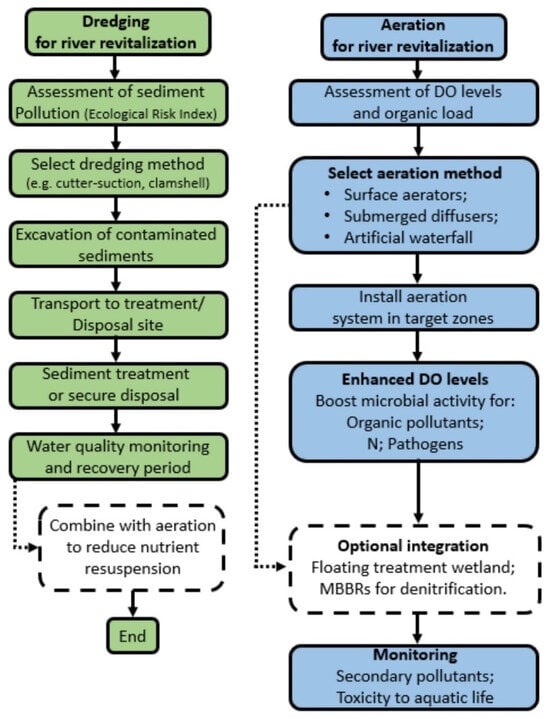
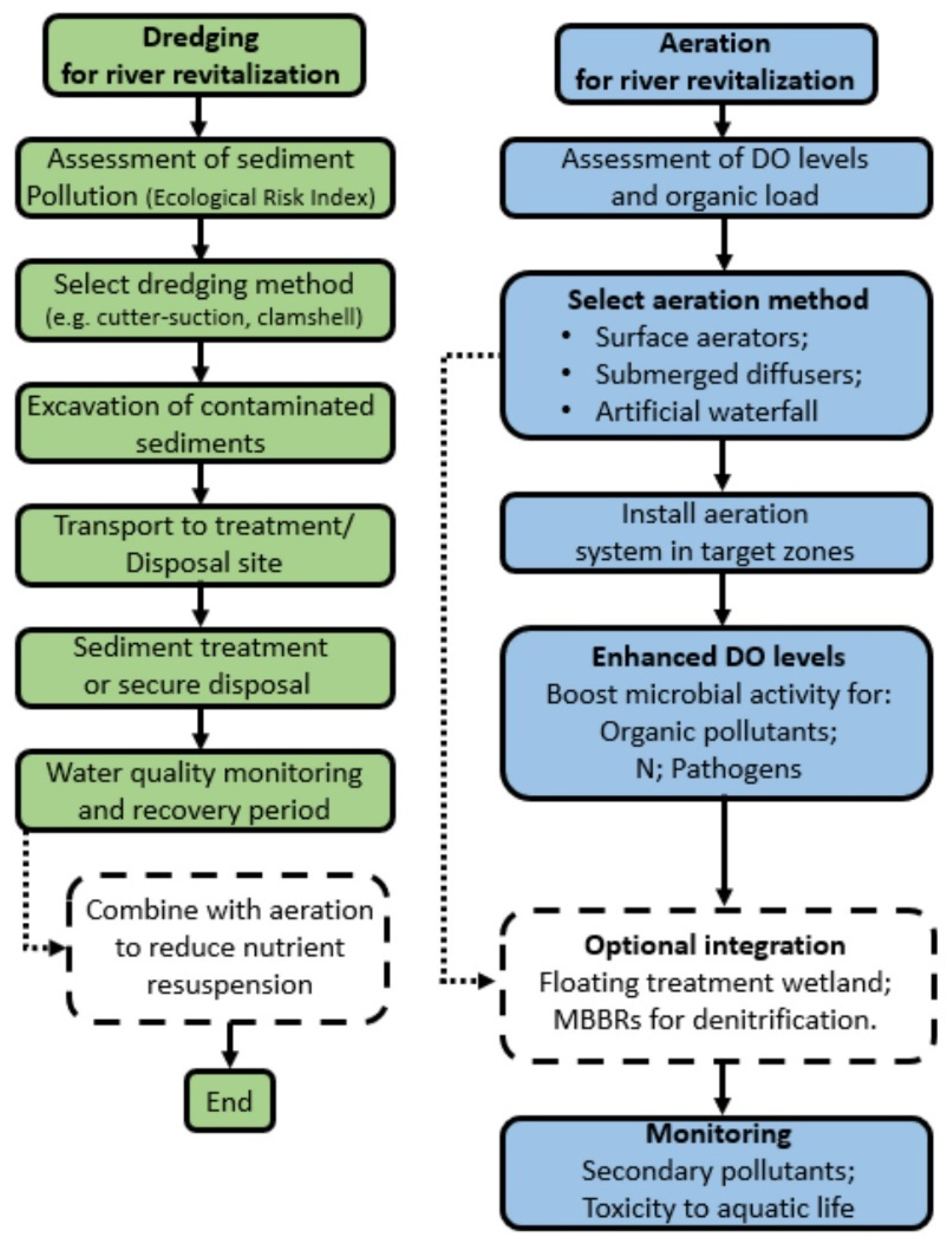
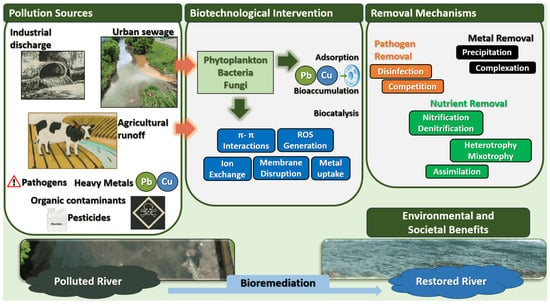
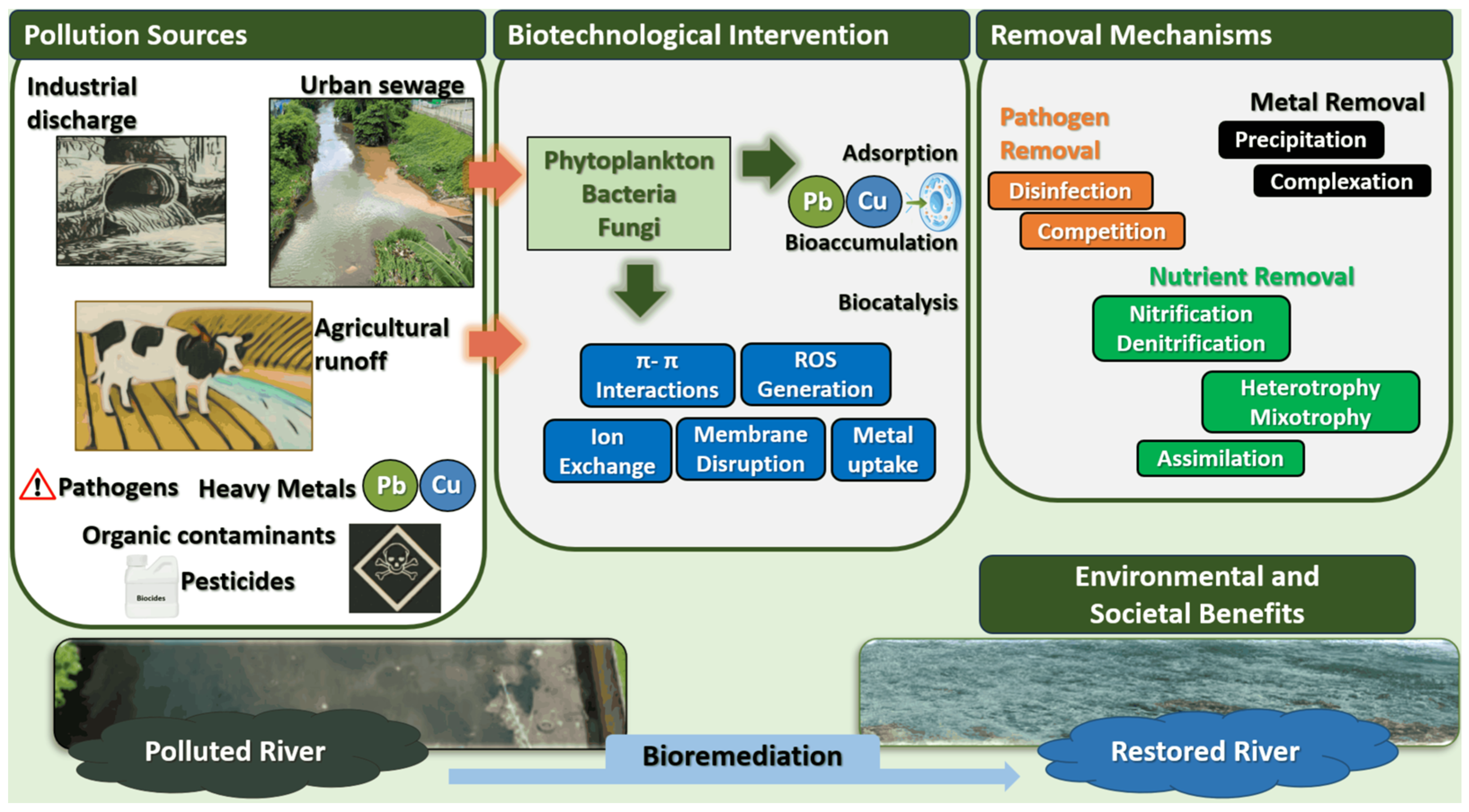
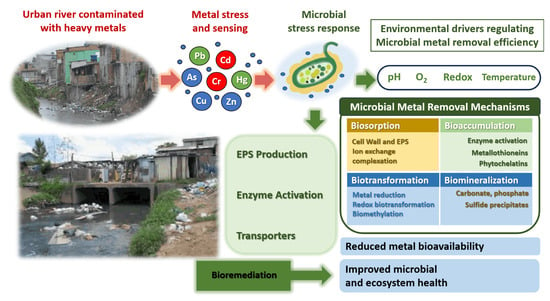
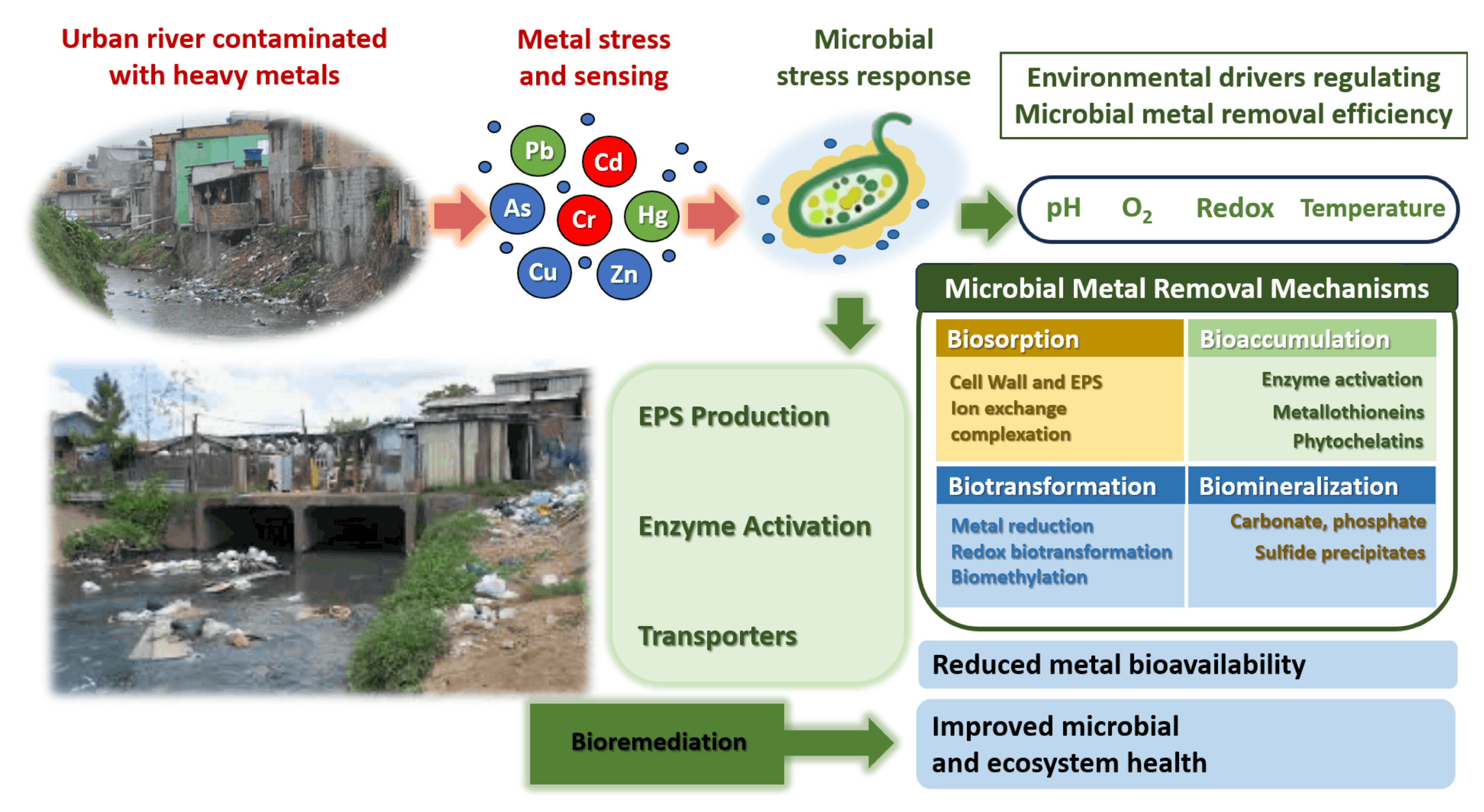
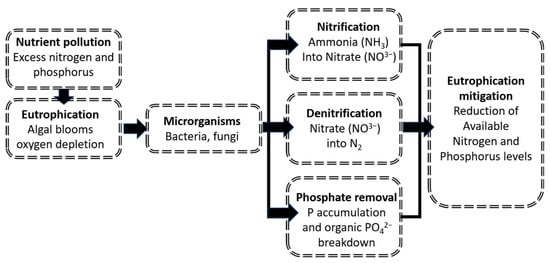
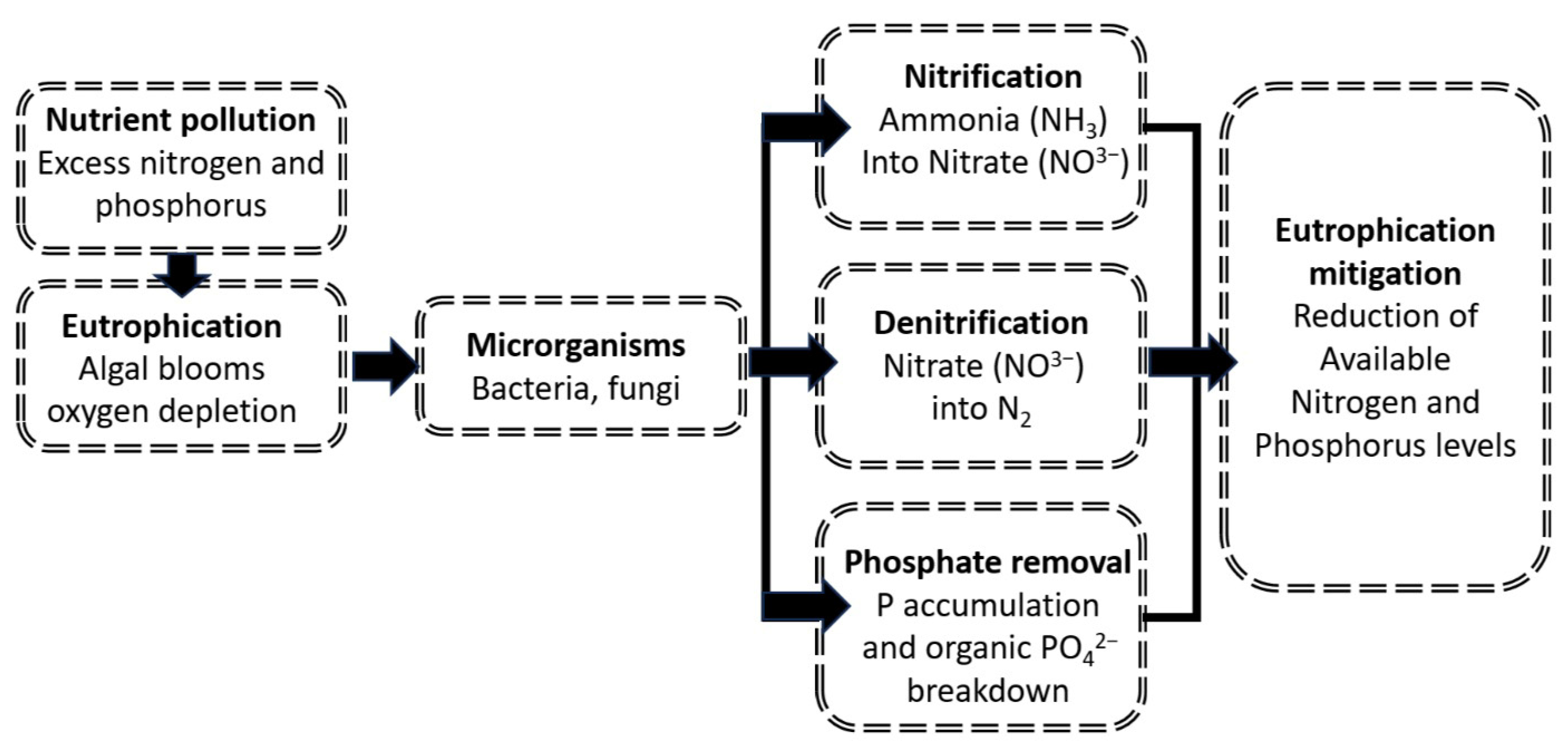
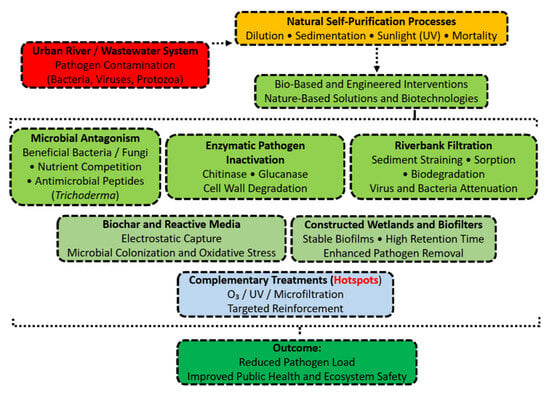
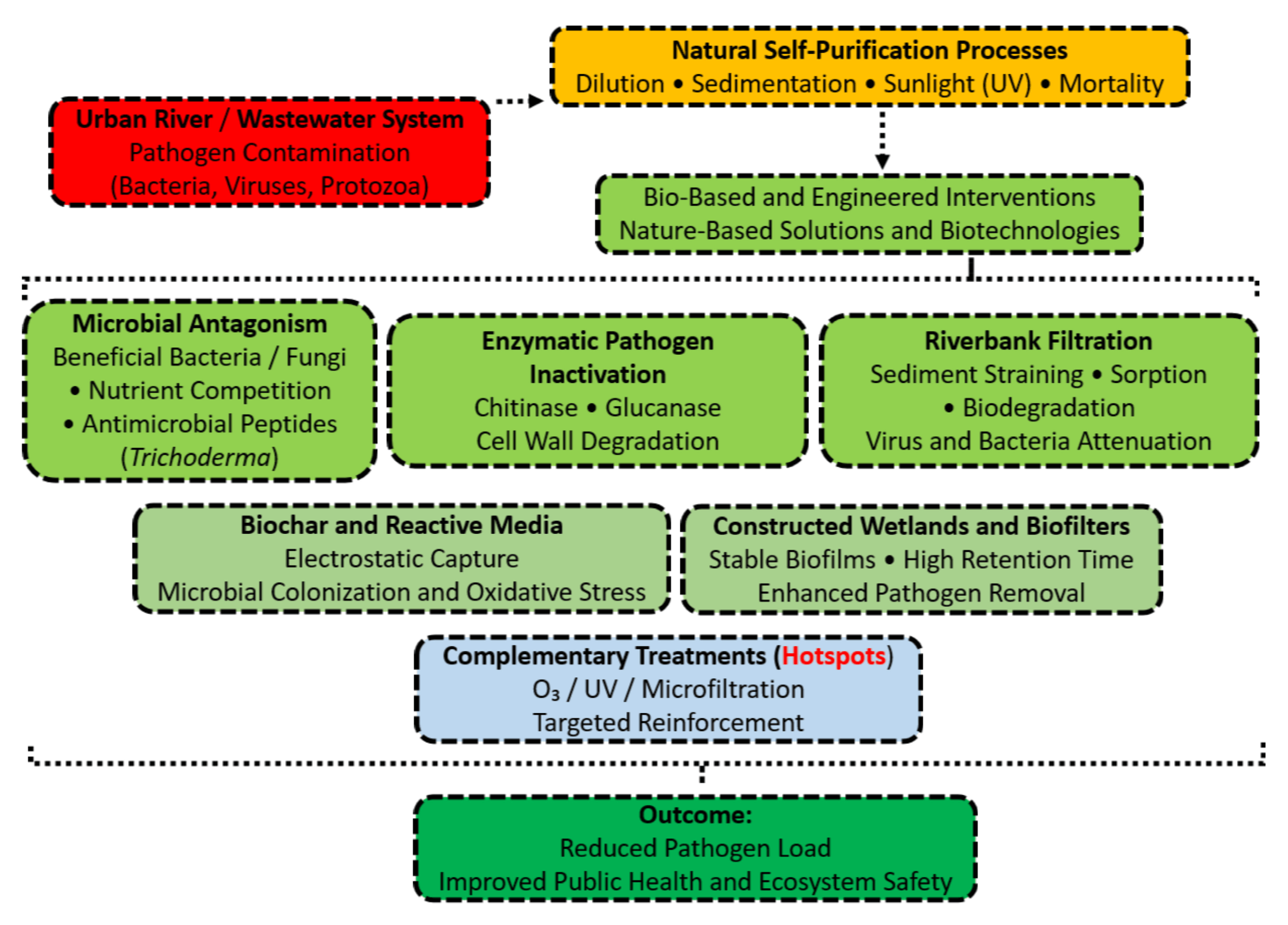
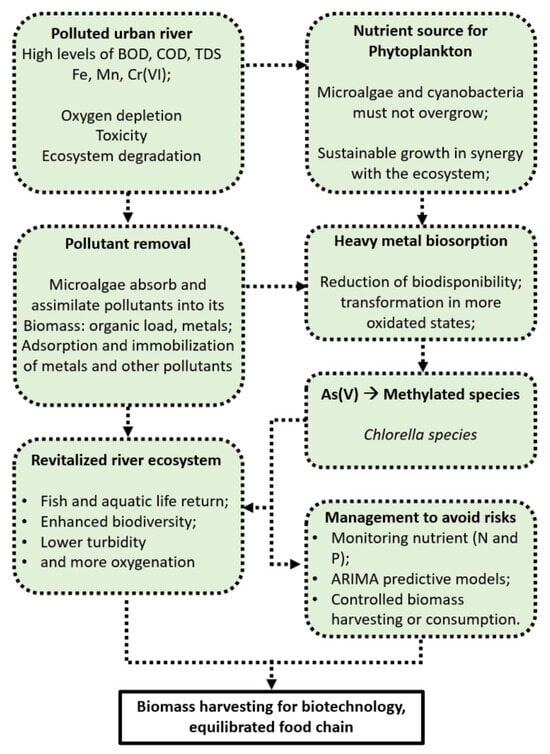
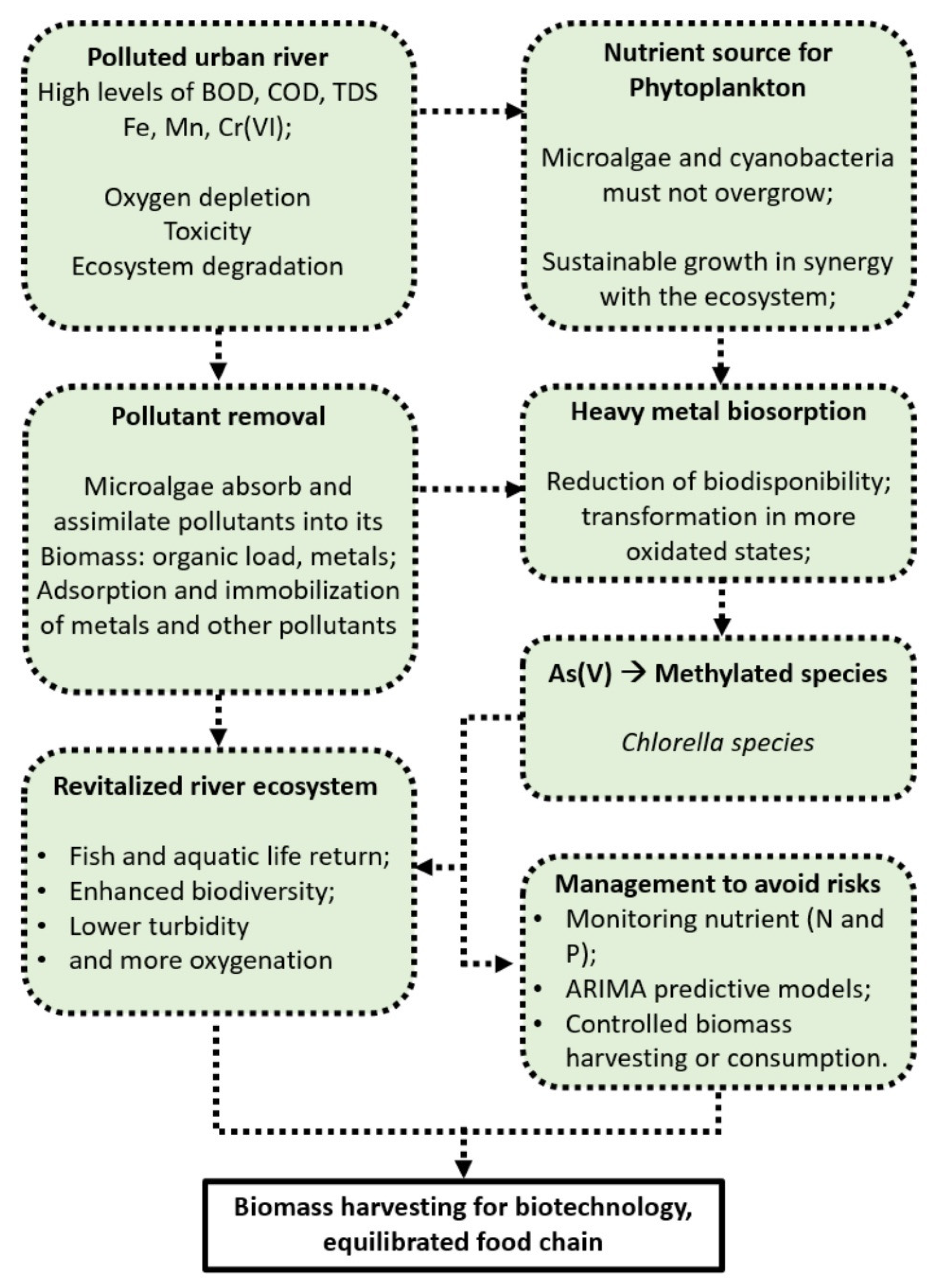
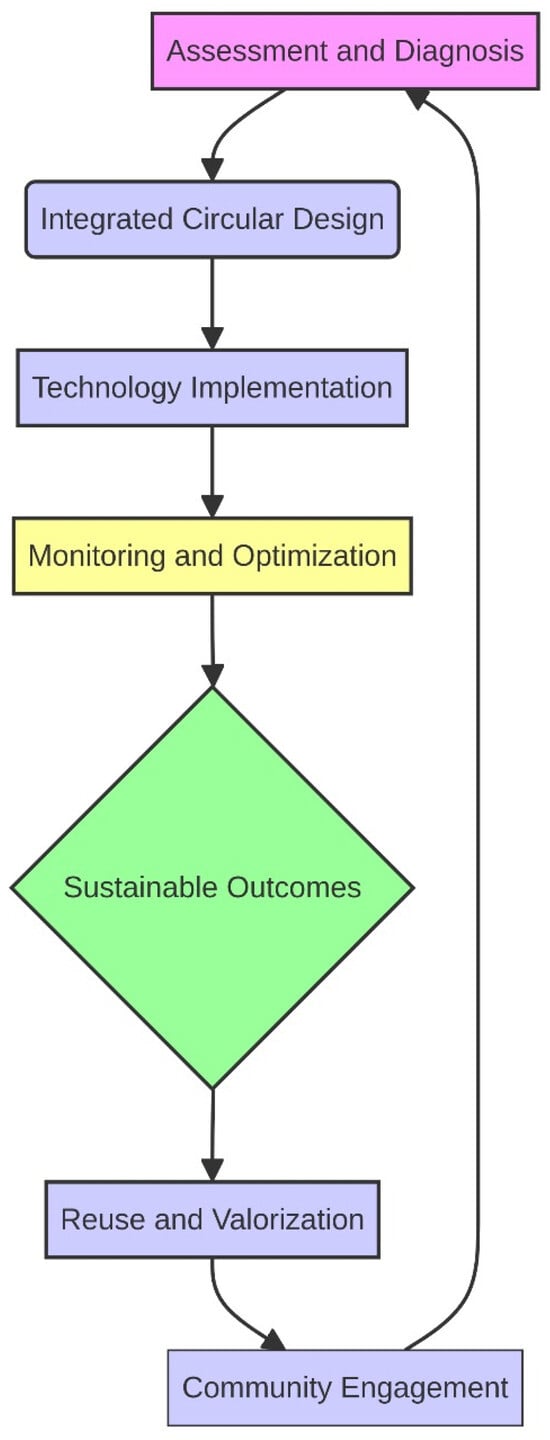
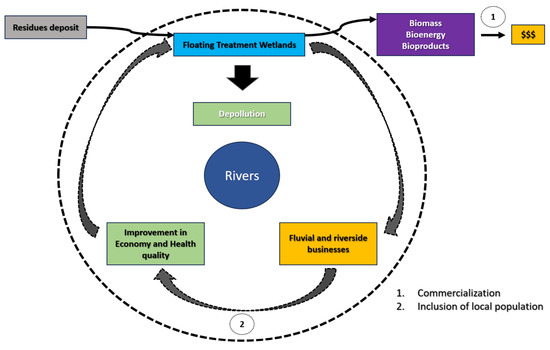
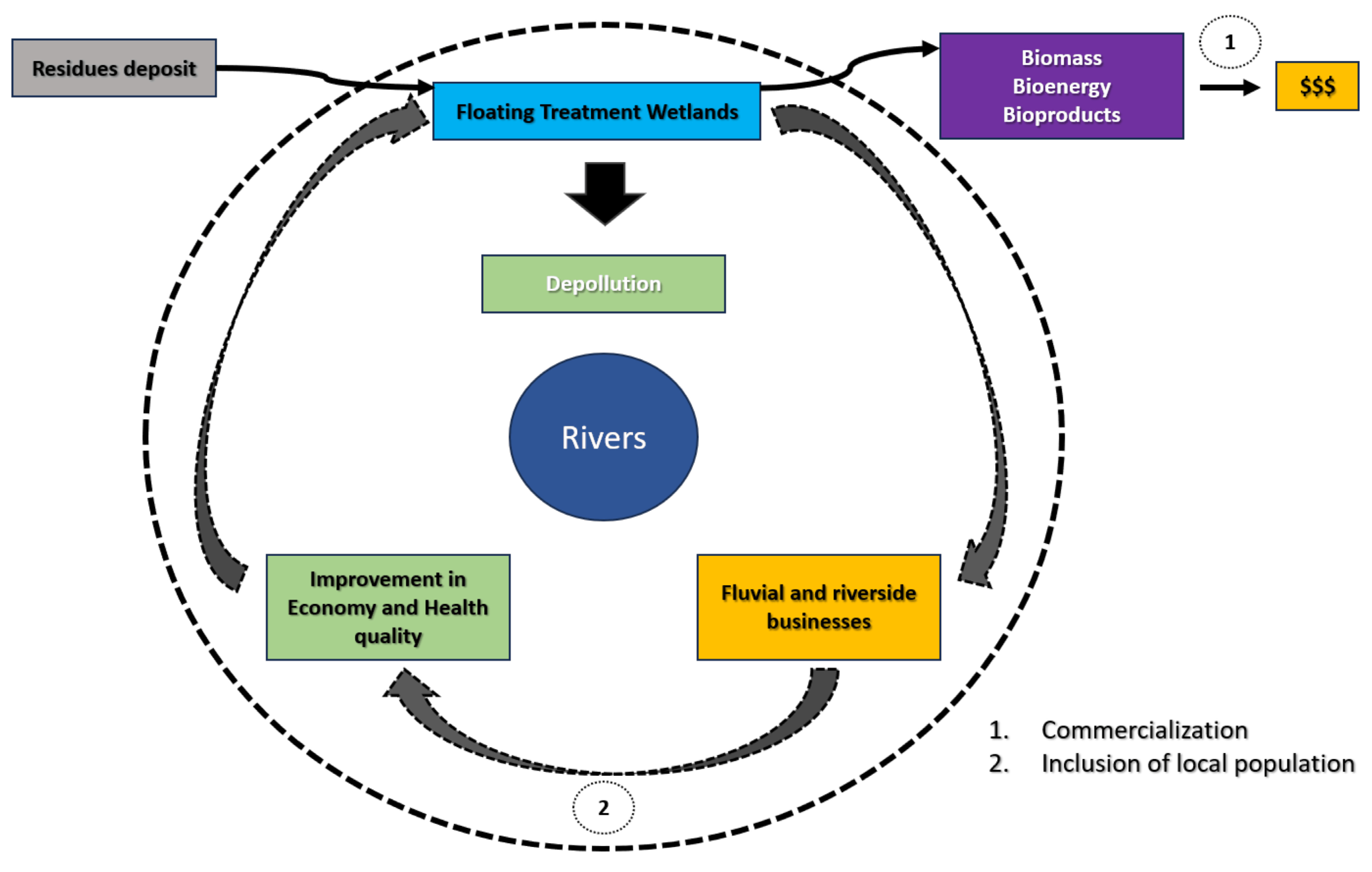
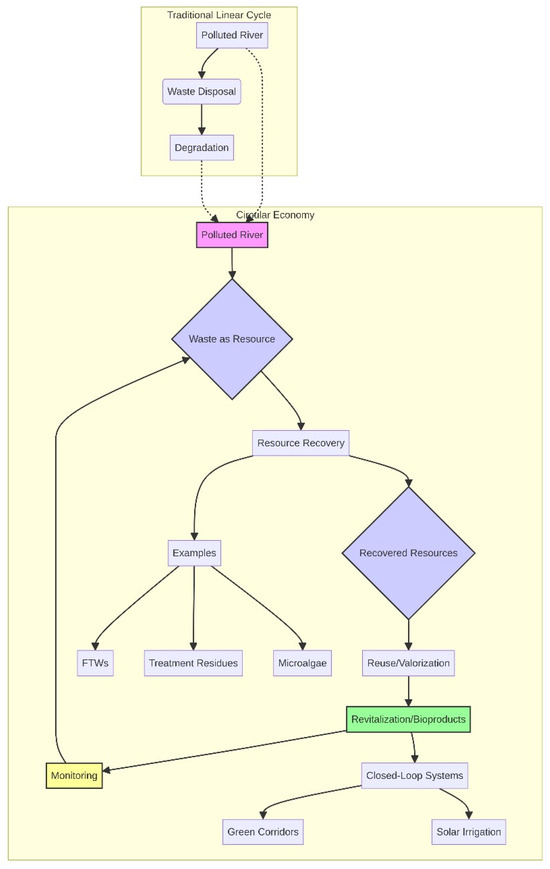
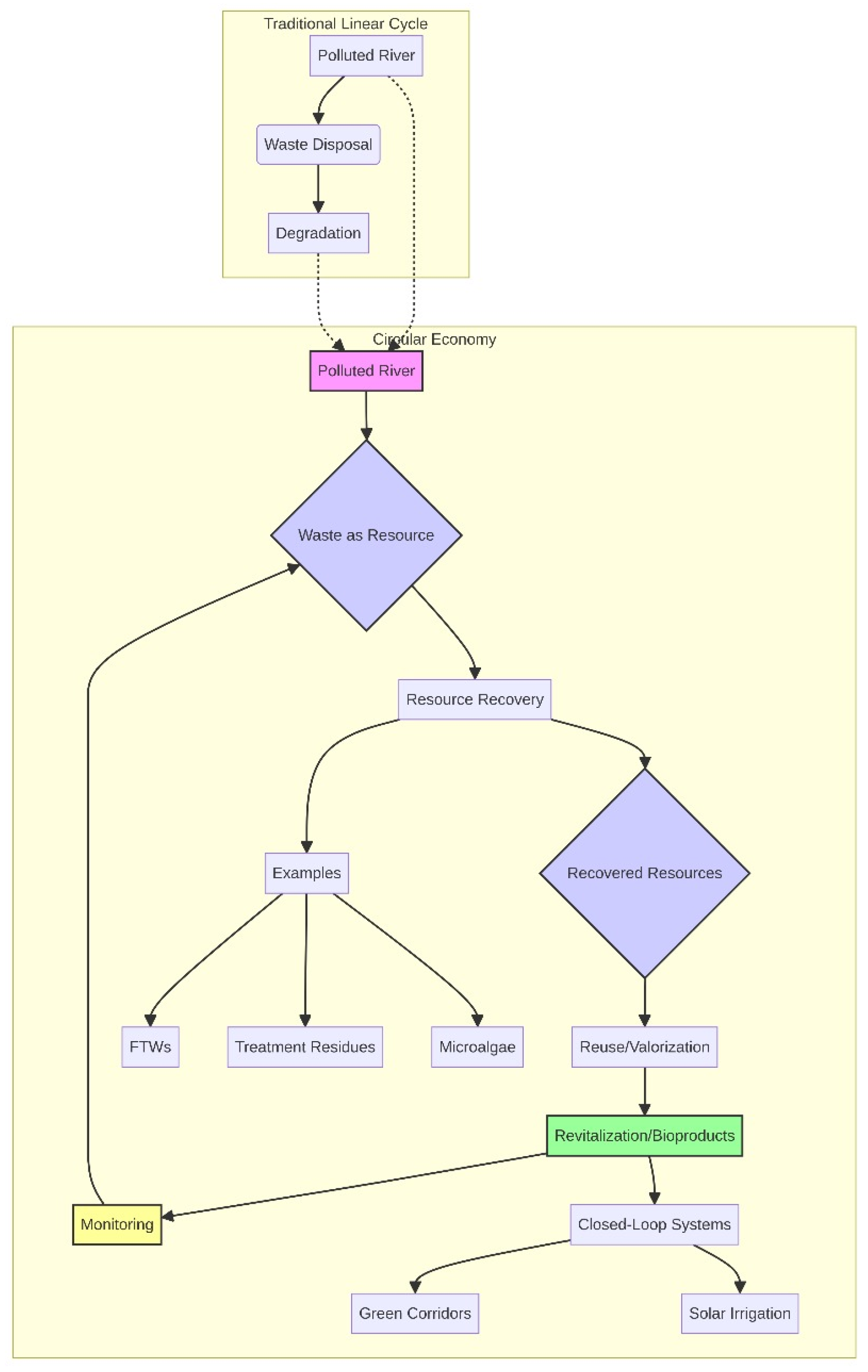

Disclaimer/Publisher’s Note: The statements, opinions and data contained in all publications are solely those of the individual author(s) and contributor(s) and not of MDPI and/or the editor(s). MDPI and/or the editor(s) disclaim responsibility for any injury to people or property resulting from any ideas, methods, instructions or products referred to in the content. |
© 2026 by the authors. Licensee MDPI, Basel, Switzerland. This article is an open access article distributed under the terms and conditions of the Creative Commons Attribution (CC BY) license.