
Article

Microbial Deodorization of Gastrodia elata: Aroma Profile Improvement and Gastrodin Enrichment via ANN-GA-Guided Fermentation

1
Key Laboratory of Plant Resource Conservation and Germplasm Innovation in Mountainous Region (Ministry of Education), College of Life Sciences/Institute of Agro-Bioengineering, Guizhou University, Guiyang 550025, China
2
Guizhou Key Laboratory of Agricultural Microbiology, Guizhou Academy of Agricultural Sciences, Guiyang 550009, China
3
Biotechnology Institute of Guizhou Province, Guiyang 550009, China
*
Author to whom correspondence should be addressed.
Fermentation 2025, 11(11), 651; https://doi.org/10.3390/fermentation11110651
Submission received: 1 October 2025 / Revised: 11 November 2025 / Accepted: 13 November 2025 / Published: 19 November 2025
(This article belongs to the Special Issue Advances in Functional Fermented Foods)

Abstract

The industrial potential of Gastrodia elata is constrained by its distinct sensory characteristics. This work employed a computational optimization approach to refine the solid-state biotransformation using Aspergillus cristatus, aiming to boost the yield of the target metabolite while addressing undesirable volatiles. Through this strategy, the content of the principal bioactive compound reached 0.3887 ± 0.05 mg/g, marking a 1.5-fold increase compared to untreated samples (p = 0.023). Volatile profiling via HS-SPME-GC/MS revealed significant reductions in three major off-flavour contributors: phenethyl alcohol (90.9% decrease, p < 0.01), 3-mercapto-2-pentanone (85.6% decrease, p < 0.01), and 4-aminopyridine (82.8% decrease, p < 0.01). Metabolic analysis elucidated two underlying mechanisms: the suppression of sulphur-containing volatiles through the downregulation of the glutathione and glucosinolate pathways, and the generation of favourable notes via the augmented synthesis of (E, Z)-2,6-nonadienal (7.4-fold) and 2,4-undecadienal (3.3-fold). This study demonstrates how machine learning-driven microbial processing can simultaneously enhance functional constituents and mitigate sensory limitations in herbal materials, offering a viable route for value-added utilization.

1. Introduction

Gastrodia elata Bl. (GE) belongs to the orchid family. It is a perennial heterotrophic herb that forms a symbiotic relationship with Armillaria mellea (Vahl) P. Kumm. GE is found mainly in the mountainous regions of East Asia, including in China, Bhutan, Japan and Korea. In China, GE is widely cultivated in provinces such as Yunnan, Guizhou, Sichuan and Shaanxi, among which Guizhou Province has the largest planting area [1]. Among the six varieties of GE, Gastrodia elata Bl. f. glauca S. Chow is the most widely cultivated. Historically, GE has been used in medicine; it is known to calm wind, relieve spasms, pacify the liver yang, and expel wind to clear collaterals [2]. GE also has dietary benefits. People in China have consumed it for more than two thousand years. In 2023, the Chinese government officially classified GE as both a medicinal and edible substance [3]. GE is rich in nutrients, and contains protein, mineral elements, starch, and other essential nutrients [4,5]. Research shows that GE contains several compounds, including phenols, glycosides, organic acids, sterols, and polysaccharides. Among them, gastrodin and p-hydroxybenzyl alcohol are the main active components [6]. Gastrodin is an organic compound extracted from the dried rhizomes of the orchid plant GE. As one of the main active substances of GE, gastrodin has many health benefits, including neuroprotective and anti-brain damage effects, cardiovascular protection, and inflammation reduction. Gastrodin is used in many fields, such as medicine, nutraceuticals, functional foods, cosmetics, and scientific research. As research continues, its applications will expand further, helping to improve human health. However, few studies have compared different processing methods for GE. These studies examine how processing affects the flavour, metabolic characteristics, and biological activity. Currently, GE has a strong “horse urine” smell, and many consumers dislike this odour [7]. Because of this, the use of GE as a food product is limited. To produce high-value-added GE products, reducing this unpleasant smell is crucial.
Microbial fermentation plays a key role in shaping food flavour and is widely used to remove odour and enhance flavour [8]. Fermented products can also be dried directly for medicinal use. This approach reduces material waste and outperforms traditional methods such as frying, boiling, stewing, roasting, steaming and soaking [9]. Aspergillus cristatus is a probiotic known as the “golden flower” [10,11]. It drives the flowering process in Fuzhuan tea, contributing to a distinctive “mushroom flower” aroma and smooth flavour. Studies have shown that raw materials fermented by A. cristatus, or its metabolites, offer a wide range of health benefits. These include antioxidant, antibacterial, lipid-lowering, weight loss and hypoglycaemic effects [12,13]. Owing to these properties, A. cristatus has attracted considerable attention for its functional and fermentation applications. Research now includes tea processing, cereal/legume food production, and deep processing of Chinese herbal medicines [14].
To achieve optimal GE processing, suitable conditions must be selected before fermentation. Response surface methodology (RSM) is commonly used for prediction and optimization in food science research. Recently, artificial neural networks (ANNs) have shown superior performance to RSMs, offering more accurate predictions and better optimization [15]. In bioprocess optimization, the genetic algorithm (GA) has emerged as another valuable artificial intelligence tool. The combined ANN-GA approach uses RSM-ANN-generated data points for algorithm initialization [16]. This technology produces more accurate predictions than the RSM alone does, with results closer to actual experimental data [17].
This study investigated the solid-state fermentation of GE using A. cristatus as the microbial starter, with the dual objectives of process optimization and aroma modulation mechanism elucidation. A hybrid ANN-GA model was employed to optimize critical fermentation parameters for enhancing gastrodin biosynthesis. Concurrently, a comprehensive analysis of volatile organic compounds was conducted to decipher the metabolic pathways underlying the attenuation of characteristic off-flavour components (particularly those responsible for the “horse urine-like” odour) during fungal fermentation. The optimized bioprocess demonstrated significant potential for both improving the bioactive compound yield and modifying organoleptic properties through microbial transformation. These findings provide critical insights into the metabolic regulation of A. cristatus in GE substrate processing, establishing a scientific foundation for developing value-added GE-derived products with enhanced pharmacological properties and consumer acceptability.

2. Materials and Methods

2.1. Preparation of Materials and Microorganisms

The GE tablets were purchased from Guizhou Yunshang Wumeng Gastrodia Biotechnology Co., Ltd., Bijie, Guizhou Province, China. The dried tablets were ground using an electric mixer (Midea Co., Ltd., Guangdong Province, Foshan, China) until a 10-mesh screening size was achieved. A. cristatus (strain preservation number: CGMCC 7.193) was obtained from the Key Laboratory of Agricultural Biotechnology of Guizhou Province.
MAY media supplemented with 5% (m/v) NaCl was prepared as follows: malt extract (20 g/L), sucrose (30 g/L), yeast extract (5 g/L), NaCl (50 g/L), and agar powder (15 g/L). The medium was sterilized at 121 °C for 15 min.

2.2. Design of the Optimized Extraction Method

Central composite design (CCD) response surface methodology (RSM) was used to study the effects of different combinations of fermentation conditions on the fermentation of A. cristatus. The experiments were designed via the statistical programme Design-Expert 13 (Stat-Ease, Inc., Minneapolis, MN, USA). Based on previous experiments, the Box–Behnken design used four variables (X1: extraction time (min); X2: temperature (°C); X3: water content (%); X4: inoculated quantity (spores/mL)) at three levels (10, 12, and 14 days; 24, 28, and 32 °C; 60, 70, and 80%; and 104, 105, 106 spores/mL) to determine the optimal extraction parameters for gastrodin (Table 1).

2.3. GE Fermentation

Preparation of the A. cristatus spore suspension: Activated A. cristatus was inoculated into 5% NaCl MYA media and incubated for 5 days. Spores of A. cristatus were scraped under a sterile laminar flow hood and transferred into a sterile triangular flask containing a certain amount of sterile water. Sterilized glass beads were added, and the mixture was shaken at 150 rpm for 30 min.
Sample preparation for the fermentation group (FE group): GE tablets were crushed into 10-mesh particles. A total of 15 g of GE granules was weighed and placed into a 100 mL fermentation bottle. Fermentation was carried out by sterilizing the GE granules at 121 °C for 15 min and then inoculating the spore suspension. The detailed fermentation conditions of the 29 runs are shown in Table 1. Samples without microbial fermentation were prepared as the control group (CK group). Each experiment was performed three times in parallel.

2.4. Artificial Neural Network (ANN) and Genetic Algorithm (GA)

This study established four neuron input layers as independent variables: temperature, water content, inoculated quantity, and extraction time, whereas the output layer represented the dependent variable of gastrodin content, with 20 hidden layers configured [18]. The network was subsequently developed via backpropagation, the Levenberg–Marquardt algorithm, and the mean square error performance function. The 29 samples were categorized into three groups: training (70% of the dataset), validation (15% of the dataset), and testing (15% of the dataset). The selection criteria encompass the maximum correlation coefficient (R2) and the minimum root mean square error (RMSE) for both the training and test datasets. Three transfer functions exist: the linear transfer function (purelin, Equation (1)), the logarithmic sigmoid transfer function (logsig, Equation (2)), and the hyperbolic tangent S-shaped transfer function (tansig, Equation (3)). The R2 is computed via Equation (4), the RMSE is computed via Equation (5), and the average deviation (ADD) is computed via Equation (6) below:
p u r e l i n x = x
l o g s i g x = 1 1 + e x
t a n s i g x = 1 e 2 x 1 + e 2 x
R 2 = 1 i = 1 n Y i , p Y i , e 2 i = 1 n Y i , e Y m 2
R M S E = i = 1 n Y i , p Y i , e 2 n
A D D = i = 1 n Y i , p Y i , e i , e Y i , e n × 100
where x denotes skewed weighted data, n signifies the number of trials, Yi,e represents the trial value, Yi,p indicates the ANN prediction value, and Ym refers to the mean of the trial values.
A genetic algorithm emulates natural selection and genetic principles to identify optimal solutions. It encodes prospective answers as “chromosomes,” evolves them across generations, and decodes the optimal outcomes. The algorithm was configured in MATLAB R2021b’s Optimization Toolbox with a crossover probability of 0.8 and a mutation probability of 0.05. The method was conducted over 150 generations, utilizing the “best fitness” option for evaluation. Upon identifying the optimal fermentation conditions, the procedure was evaluated and validated.

2.5. Determination of Gastrodin Content

At the end of the fermentation period, samples were collected from each bottle under sterile conditions. The determination of gastrodin was performed according to the methods of Li Chen [19]. The test samples were processed as follows: 2.5 g of GE powder was accurately weighed and placed into a 100 mL beaker, 40 mL of 55% (v/v) ethanol was added, the beaker mouth was sealed with plastic wrap, the test samples were extracted in a water bath at 50 °C for 60 min, and the extraction was repeated twice.

2.6. E-Nose

The two groups of samples were weighed (0.2 g), immediately placed into 15 mL electronic nose sampling bottles, and the bottles were sealed. The headspace sampling method was used for detection via an electronic nose, and the samples were analyzed in parallel three times. The detection time was 100 s, and the cleaning time of the sensor was 120 s. Principal component analysis (PCA) was performed via PEN3 Winmuster-GDA software (Air Sense).
A comprehensive metabolomic analysis of GE was performed via UPLC-MS/MS technologies at Wuhan MetWare Metabolic Biotechnology Co., Ltd., Hubei Province. Volatile chemicals were removed via headspace solid-phase microextraction (HS-SPME). Subsequently, 500 mg (1 mL) of powdered sample was swiftly transferred to a 20 mL headspace vial (Agilent, Palo Alto, CA, USA) containing a NaCl-saturated solution to inhibit enzymatic processes. The vials were sealed with crimp-top caps equipped with TFE-silicone septa (Agilent). For SPME, each vial was heated to 60 °C for 5 min, after which a 120 µm DVB/CWR/PDMS fibre (Agilent Palo Alto, CA, USA) was exposed to the headspace for 15 min at the same temperature.
Following sampling, volatile organic compounds (VOCs) were desorbed from the fibre in the GC injection port (Agilent Model 8890, Agilent, Palo Alto, CA, USA) at 250 °C for 5 min in splitless mode. Volatile organic compound identification and quantification were conducted via a gas chromatograph paired with a 7000D mass spectrometer (Agilent) fitted with a 30 m × 0.25 mm × 0.25 μm DB-5MS capillary column. Helium functioned as the carrier gas at a flow rate of 1.2 mL/min. The injector temperature was set at 250 °C, and the oven temperature gradient commenced at 40 °C (held for 3.5 min), increased to 100 °C at a rate of 10 °C/min, increased to 180 °C at 7 °C/min, and ultimately reached 280 °C at 25 °C/min, followed by a 5 min hold. Mass spectra were obtained in electron impact (EI) mode at 70 eV, with the quadrupole, ion source, and transfer line temperatures maintained at 150 °C, 230 °C, and 280 °C, respectively. Analytes were discovered and quantified via selective ion monitoring (SIM) mode.

2.7. Calculation of the Odour Activity Value (rOAV)

The relative odour activity value (rOAV) is a quantitative approach for identifying essential taste components in food products. The calculation is based on the ratio of a compound’s concentration to its sensory detection threshold. This technique measures the impact of certain aroma components on the overall flavour profile of a sample. In recent years, rOAV analysis has become increasingly prevalent in food taste chemistry research and has been effectively utilized across many food matrices. Compounds with rOAV values equal to or greater than 1 are deemed to exert substantial flavour influences based on recognized sensory evaluation standards.
r O A V = C i T i
where Ci represents the concentration of the volatile molecule (µg/g) and Ti denotes the olfactory threshold of the aroma component (µg/g).

2.8. LC–MS/MS Analysis

All samples were obtained via the LC–MS technique in accordance with machine directives. The analytical parameters were as follows: UPLC: column, Waters ACQUITY UPLC HSS T3 (1.8 µm, 2.1 mm × 100 mm); column temperature, 40 °C; flow rate, 0.40 mL/min; injection volume, 4 µL; solvent system, water (0.1% formic acid): acetonitrile (0.1% formic acid); and sample measurements were conducted via a gradient programme that included 95% A and 5% B. A linear gradient to 35% A and 65% B was programmed over 5 min, followed by a linear gradient to 1% A and 99% B over 1 min, which was maintained for 1.5 min. A mixture of 95% A and 5.0% B was modified within 0.1 min and maintained for 2.4 min.

2.9. Statistical Analysis

The experiment was performed three times, with each outcome averaged over six replicates. To assess the influence of A. cristatus fermentation on the principal volatile and nonvolatile metabolites of GE, statistical techniques such as PCA, OPLS-DA, rOAV, and HCA were employed to compare fermented and unfermented samples. Venn diagrams illustrating metabolite profiles were created via R (http://www.r-project.org/) following published methodologies [20]. Differentially abundant metabolites were identified based on the criteria of VIP > 1, p-value < 0.05 (one-way ANOVA), and fold change ≥2 or ≤0.5. Data visualization and analysis were conducted with GraphPad Prism 6.0 (San Diego, CA, USA).

3. Results

3.1. Artificial Neural Network and Genetic Algorithm

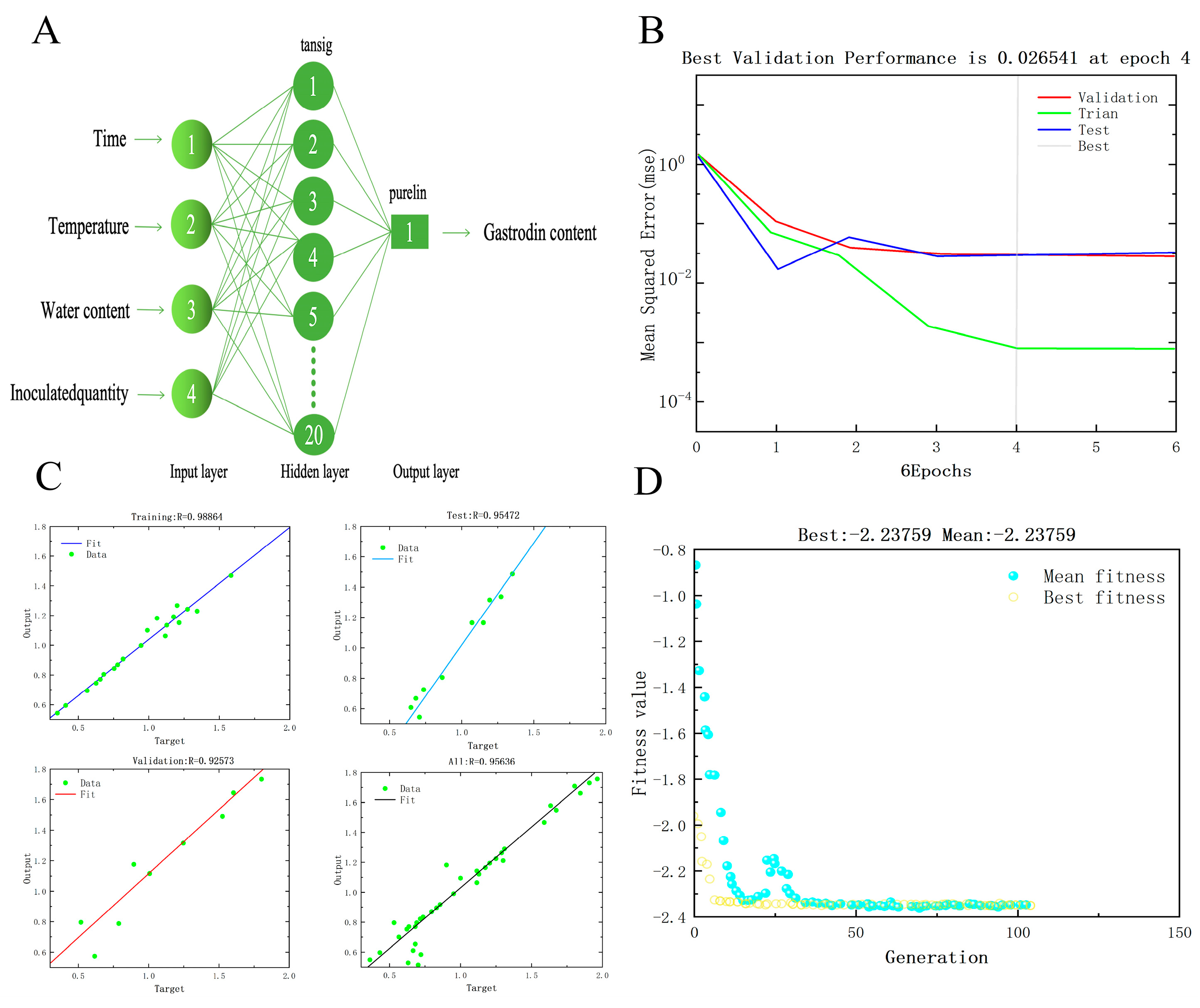
The present study draws parallels between the experimental gastrodin content of 29 samples that underwent fermentation under varying conditions and the values that were predicted by an artificial neural network (ANN) (Table 1). To optimize gastrodin yields, an ANN and a genetic algorithm (GA) were employed. MATLAB, which offers computational and graphical tools, facilitated the design, testing, and debugging of the models. A regression-based statistical model enhanced with an ANN was utilized to predict the gastrodin yield in fermented GE (Figure 1A), which illustrates the optimal ANN architecture for determining the gastrodin content, featuring a hidden layer with 20 neurons and transfer functions of “transit” and “purely” for the hidden and output layers, respectively. The mean squared errors (MSEs) for training performance are depicted in Figure 1B, which shows that the network achieves optimal learning with the lowest MSE (0.026541) by the fourth iteration, after which training ceases. Figure 1C shows regression correlation coefficients (R) for the training, validation, testing, and overall network output, all of which exceed 0.95. The root mean squared error (RMSE) and average absolute deviation (AAD) were 0.1091 and 8.5%, respectively, with a coefficient of determination (R2) of 0.92, confirming the model’s robust performance across all stages.
The ANN model was utilized to identify the optimal fermentation conditions for maximizing the gastrodin content via A. cristatus fermentation. To find the maximum yield, an objective function that takes into account factors such as the inoculum size, temperature, duration, and moisture content was used. The selection function, crossover, mutation rate, and population size are among the characteristics that affect the results of the genetic algorithm (GA). After 100 generations, the GA determined the model’s peak value after the gastrodin fitness function stabilized in light of these characteristics (Figure 1D). The gastrodin content reached 0.3910 mg/g at 10.05 days, 28.12 °C, 67.62% moisture, and 4.12 × 10⁴ spores/mL, which was the highest yield predicted by the ANN model.
The ANN-GA hybrid model identified the optimal fermentation parameters through multiobjective optimization, which was determined as follows: an incubation duration of 10 days, with temperature maintained at 28 °C, the moisture content controlled at 68%, and an inoculum density of 104 spores/mL, which are aligned with industrial-scale feasibility constraints. Triplicate independent validation experiments under these conditions yielded a mean gastrodin concentration of 0.3887 mg/g (SD ± 0.02), indicating a 1.0% relative error between the predicted and experimental values. This minimal discrepancy (R2 = 0.98) confirms the reliability of the GA-optimized parameters in bridging theoretical models with practical implementation. Comparative analysis of the gastrodin content revealed that A. cristatus-mediated solid-state fermentation significantly reached the gastrodin accumulation to 0.3887 ± 0.05 mg/g, representing a 1.5-fold increase compared with that of nonfermented controls (0.254 ± 0.01 mg/g; p < 0.05). Notably, adjusting the above process parameters may simultaneously affect the volatile flavour profile of GE, the exact mechanism of which is discussed in detail below.

3.2. E-Nose Analysis

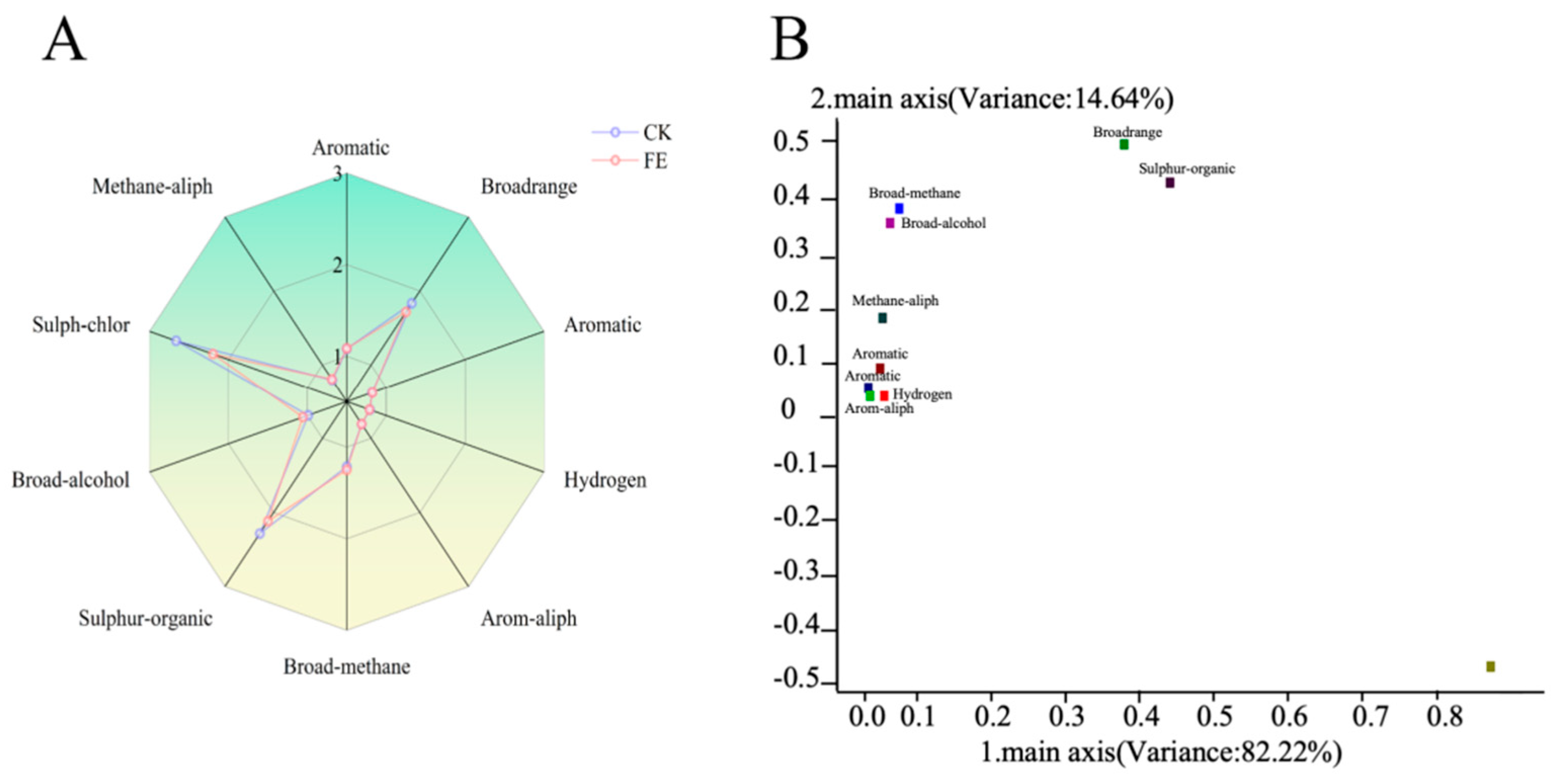
E-nose principal component analysis (PCA) is frequently used to visualize and analyze odour differences between samples. The changes in the response values of the CK and FE samples are shown in Figure 2A, demonstrating that fermentation significantly influenced the overall flavour of GE. The response of sensor terpenoids and organic sulphur compounds (Sulphur-organic), nitrogen oxides, and aromatic (Broadrange) and organic sulphur compounds (Sulph-chlor) to the volatile aroma components of unfermented GE was notable. In contrast, the response of sensor alcohols, aldehydes, ketones (Broad-alcohol), and p-methyl compounds (Broad-methane) to the volatile aroma components of fermented GE was significant. The principal component (PC) results of the GE samples under different treatments are shown in Figure 2B. Based on the response of the electronic nose sensors, PCA revealed that the contribution rate of the first principal component was 82.22% (Sulph-chlor), and the contribution rate of the second principal component was 14.64% (Broadrange), with a cumulative contribution rate of 96.86%. Since this cumulative rate exceeded 95.00%, it was considered sufficient to explain nearly all the variation information of the original variables.

3.3. Volatiles in Fermented GE Identified by HS-SPME-GC–MS

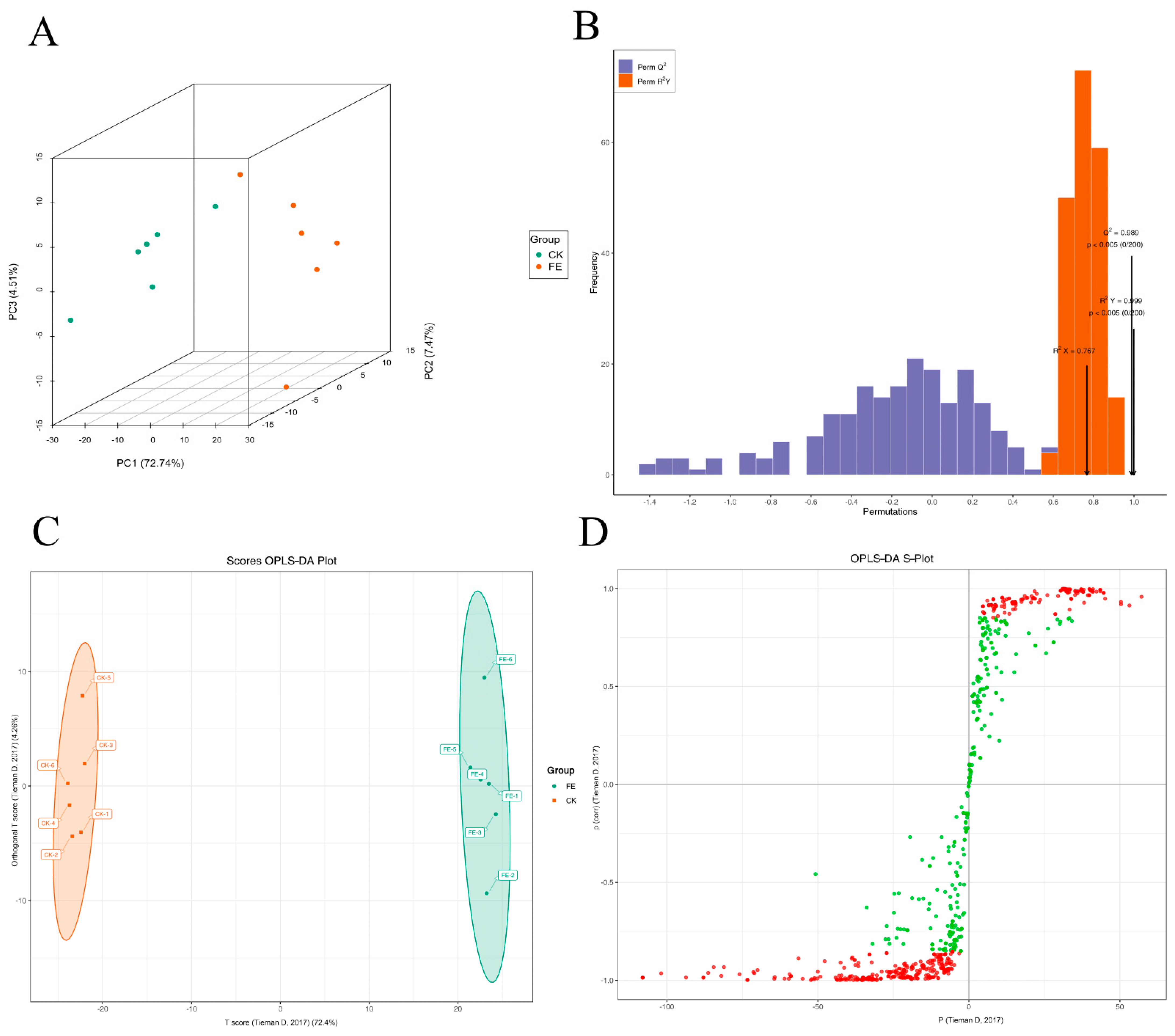
To better compare the volatile organic compounds (VOCs) of the GE samples before and after A. cristatus fermentation, the detected VOCs were treated as the dependent variable, while the fermentation treatment was used as the independent variable. PCA and orthogonal partial least squares discriminant analysis (OPLS-DA) were used to differentiate the VOC contents of the fermented and unfermented GE samples. Score plots of the OPLS-DA model and 200-fold replacement test results are shown in Figure A1. The values of the independent variable fitting index (R2X), dependent variable fitting index (R2Y), and model prediction index (Q2) were found to be 0.615, 1, and 0.992, respectively. These results indicate that the model fit was acceptable and that the validity of the model was good. The CK group and the FE group were better able to distinguish the unique odour characteristics of GE.
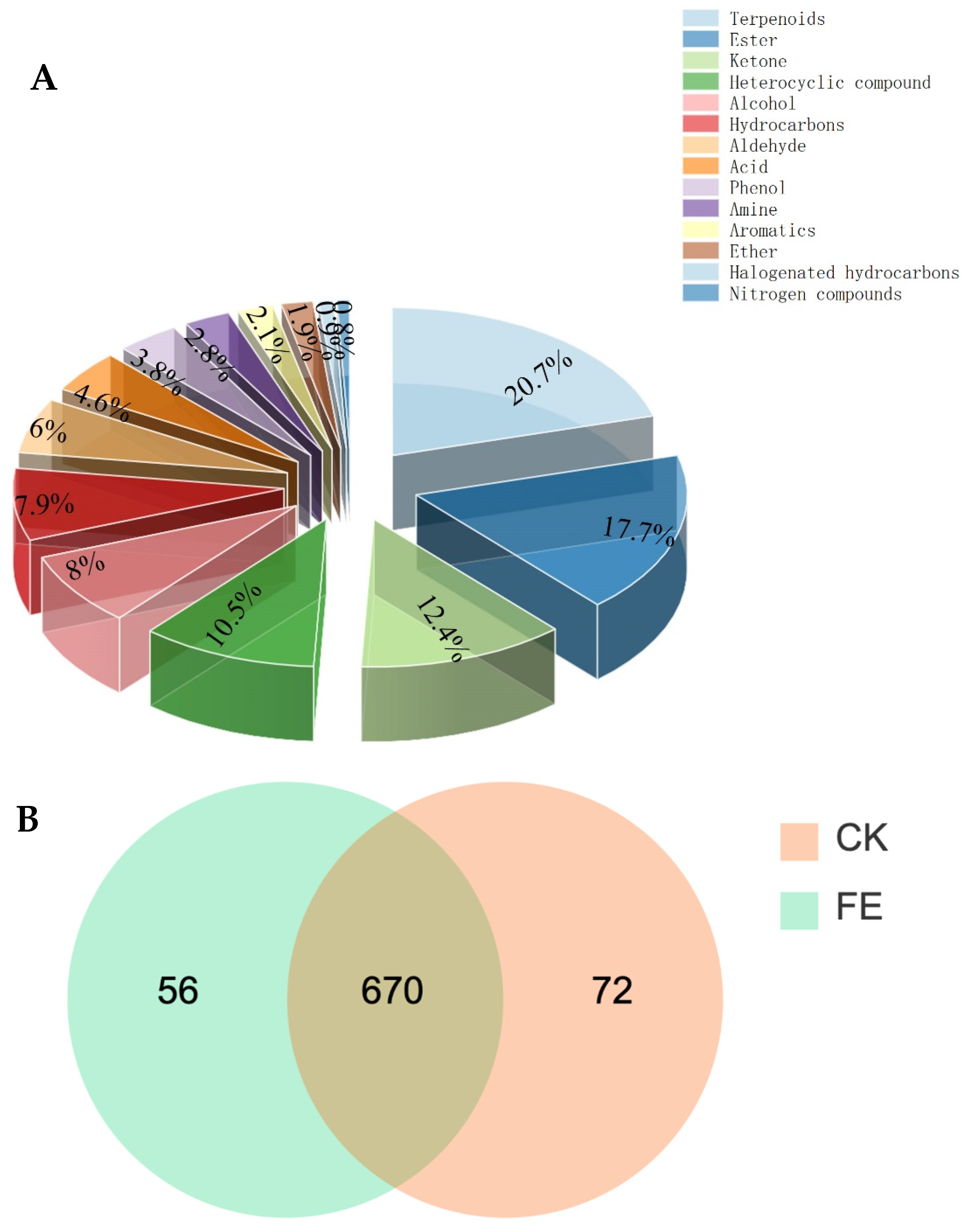
As illustrated in Figure A2A, the volatile components of GE were observed to undergo dynamic changes during fermentation. A total of 798 volatile organic compounds (VOCs), including 165 terpenes, 141 esters, 99 ketones, 84 heterocyclic compounds, 64 alcohols, 63 hydrocarbons, and 48 aldehydes, were detected across all the samples. Venn diagram analysis revealed (Figure A2B) that during the fermentation of A. cristatus, different possible aromatic compounds were generated and consumed. In addition to 670 common volatile components, 62 unique compounds were detected in the FE samples. Terpenoids (37.5%), hydrocarbons (12.5%), and alcohols (12.5%) were identified as the main contributors to the aroma profile after fermentation. In contrast, 72 compounds were detected in the CK samples, with ketones (23.6%), heterocyclic compounds (18.0%), and esters (15.2%) being the predominant components. Following fermentation with A. cristatus, the quantities of objectionable aroma compounds, including p-aminotoluene, pyrazine, 2,5-dimethyl-3-(3-methylbutyl)-, 2-butene, 1-isothiocyanato-, hexane, and 1,1-dimethoxy-, in GE decreased. On the other hand, the concentrations of sweet and green/vegetable flavourings, such as isopulegol acetate, dihydrocarvyl acetate, and L-menthone, rose.

3.4. Multivariate Statistical Analysis and Identification of Key Odour Compounds

To objectively evaluate the contribution of volatile organic compounds (VOCs) to the specific odour of GE under fermented and unfermented conditions, the key odour compounds in each group were further identified by calculating the relative odour activity value (rOAV) [21] and the importance of projected variables (VIPs). Typically, compounds with rOAVs > 1 are labelled key volatiles that contribute to the aroma characteristics of the sample, and compounds with higher rOAVs are considered to contribute more to the overall odour. In this study, a total of 65 volatile components with rOAVs > 1 were identified (Table A1), including 15 aldehydes, 13 ketones, 9 heterocyclic compounds, 7 terpenoids, 7 esters, 6 phenols, 4 alcohols, 1 nitrogenous compound, and 1 hydrocarbon compound. Among these, 35 compounds were found to have VIP ≥ 1, with the top 10 compounds in the FE group being food spices, which were identified as the main aroma sources of fermented GE. Notably, 1-p-menthene-8-thiol (rOAV = 62,450.493), β-ionone (rOAV = 1466.773), and 1-nonen-3-one (rOAV = 859.504) were found to statistically significant contribute to the aroma of GE (p < 0.001). Notably, aldehydes, ketones, and terpenes were identified as the main odour types in both the FE and CK groups.

3.5. Correlations of Volatile Aroma Substances

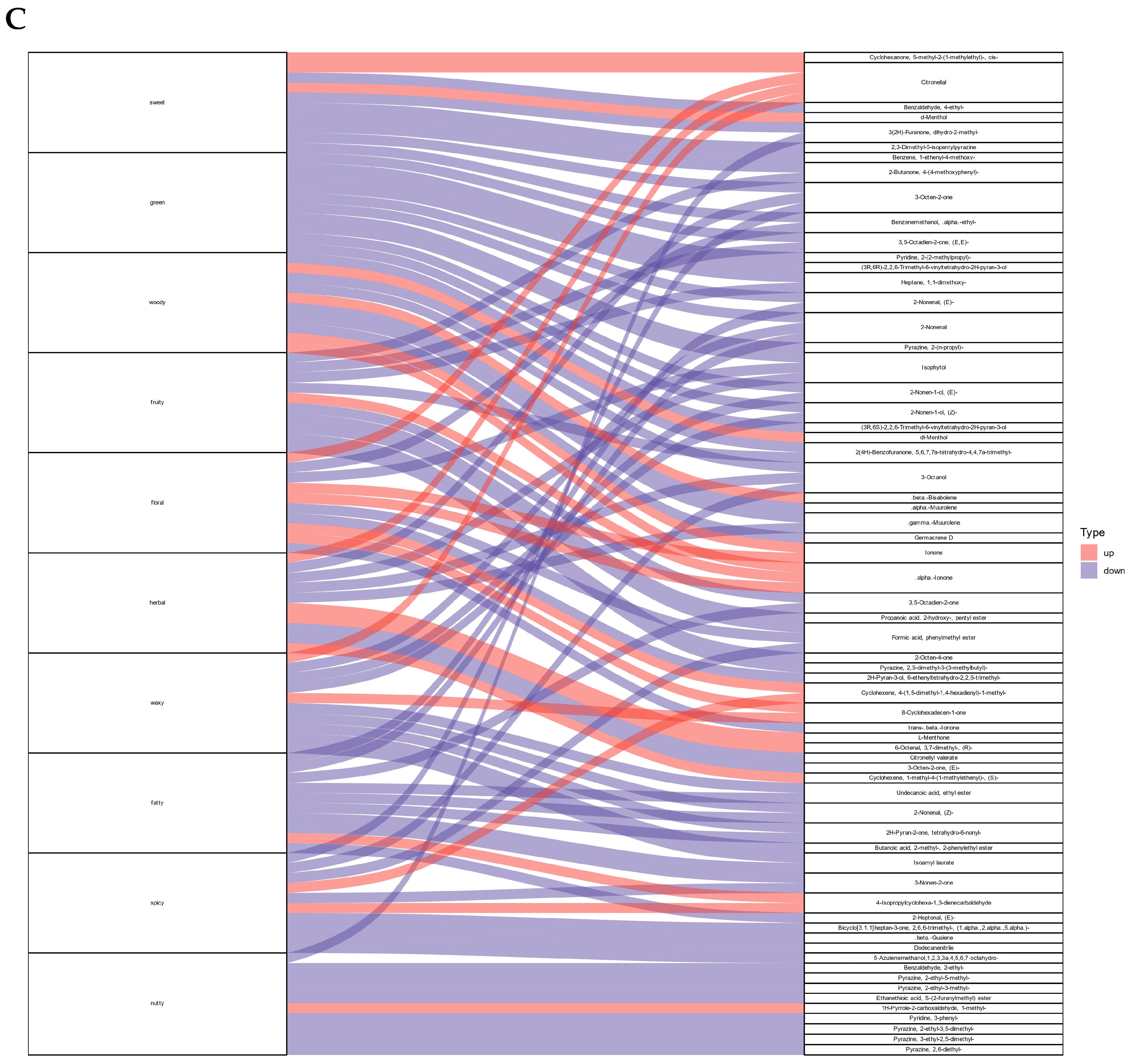
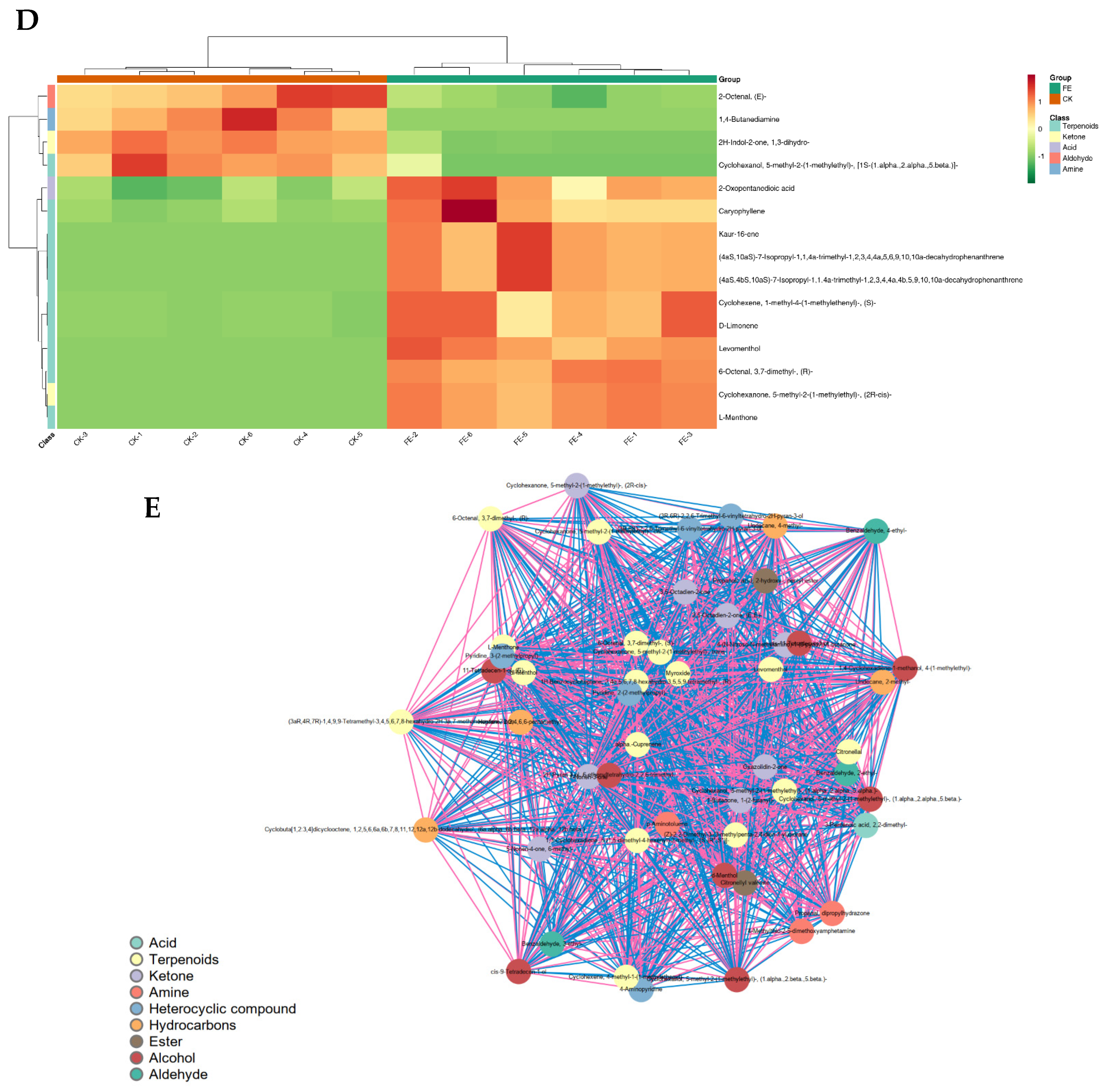
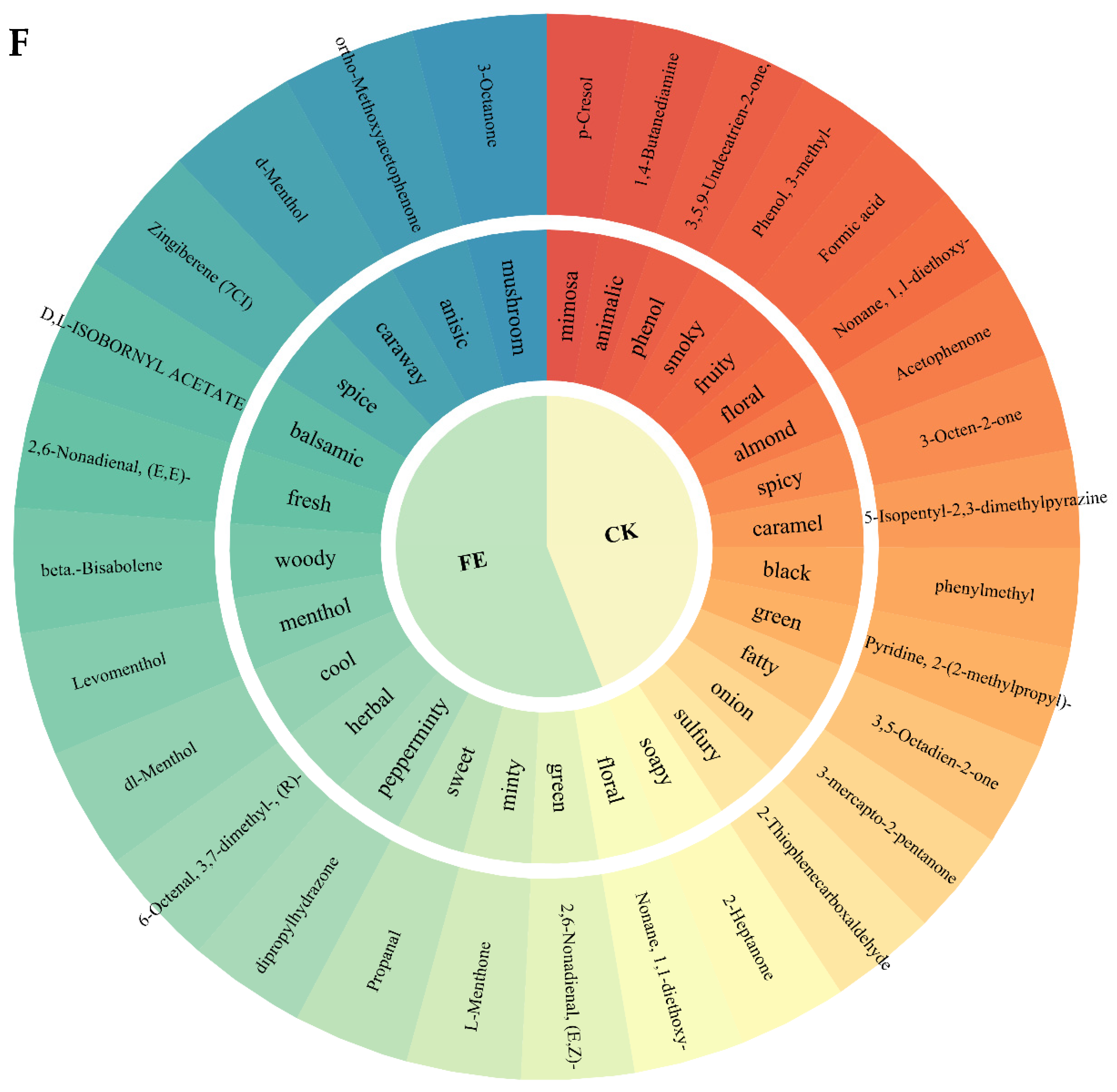
The synergistic or antagonistic relationships between different metabolites can be analyzed through correlation analysis, which helps to measure the metabolic proximities among significantly different metabolites. This information is beneficial for further understanding the mutual regulatory relationships between metabolites during changes in biological states. These compounds are derived from geranyl diphosphate (GPP) and are involved in monoterpenoid biosynthesis (Figure A2D). They are known for their unique aromatic and flavour properties and are found in volatile oils such as the essential oils of coniferous plants, turpentine, and oleoresins. As shown in Figure A2E, the Pearson correlation analysis method was used to analyze the correlations among the screened differentially abundant metabolites. L-menthone, L-menthol, and (2R-cis)-5-methyl-2-(1-methylethyl) cyclohexanone, which is a monoterpenoid, exhibited positive correlations. The differentially abundant metabolites identified based on screening criteria in each comparison group, along with their annotated sensory flavour characteristics, are shown in the figure. Among these genes, L-menthone in the sweet category was significantly upregulated (Figure A2C,F).

4. Discussion

In this study, because A. cristatus can produce unique floral aroma substances during fermentation, we aimed to improve flavour characteristics by fermenting A. cristatus an ANN-GA multiobjective nonlinear optimization strategy for probiotic fermentation of medicinal and food products.
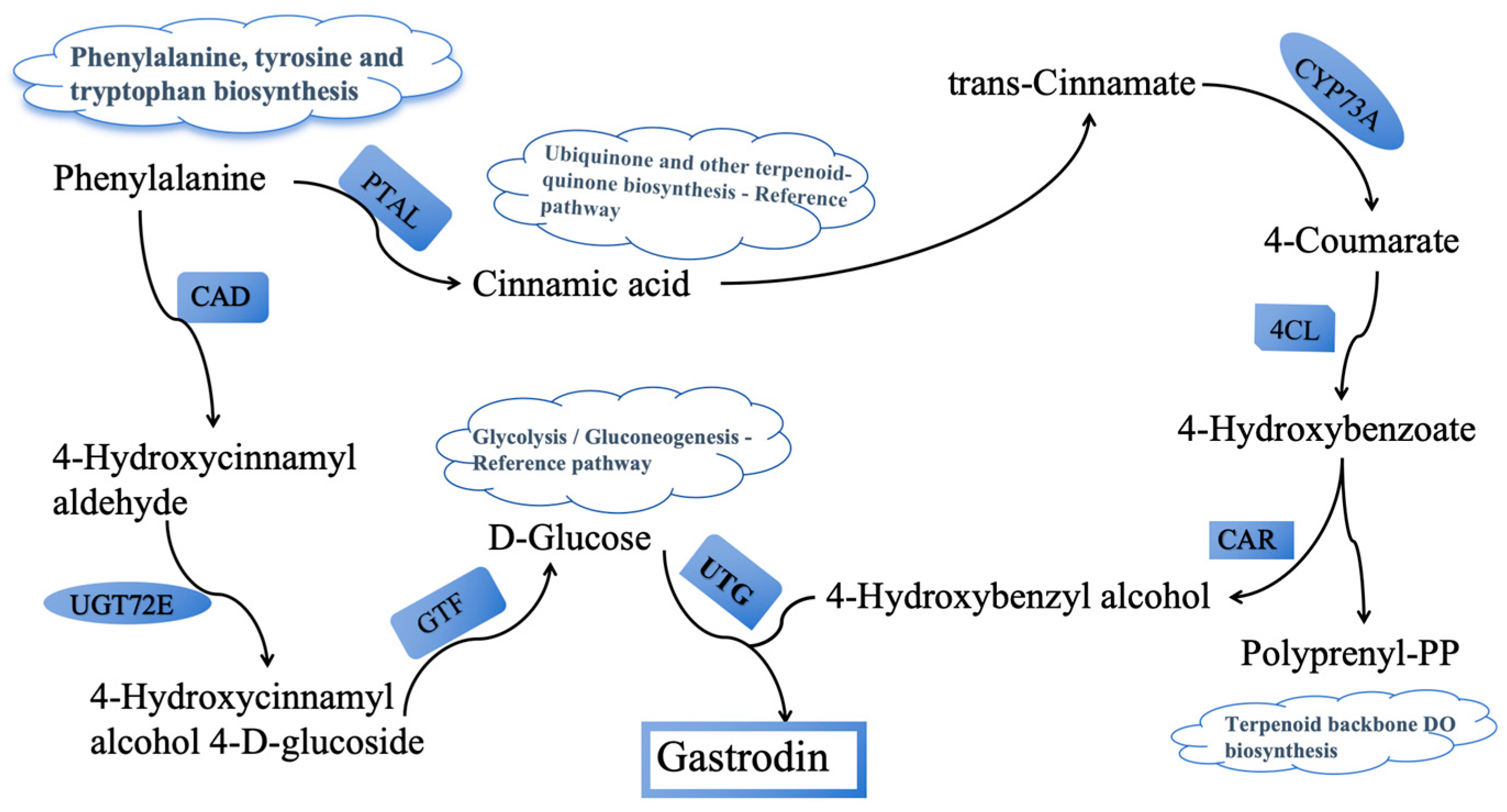
The solid-state fermentation process was optimized by constructing an ANN-GA model. Unlike conventional single-objective approaches, under the optimized conditions, a gastrodin content of 0.3887 mg/g was obtained, with a relative error of 1.0% between the predicted and experimental values, indicating the high reliability of the model. While traditional lactic acid bacteria fermentation decreases gastrodin content, Aspergillus cristatus fermentation markedly enhances it (p < 0.05) [22]. Gastrodin is formed by the β-glycosidic bond conjugation of 4-hydroxybenzyl alcohol and glucose, and its biosynthesis is closely linked to the phenylpropanoid biosynthetic pathway [23]. In this study, metabolites in the phenylpropanoid biosynthetic pathway, such as L-phenylalanine, were decreased significantly, whereas metabolites linked to the biosynthesis of ubiquinone and other terpenoid quinones, including 4-hydroxybenzoic acid, were upregulated. Intermediate metabolites of glycolysis, such as D-glucose, were also substantially reduced. It was hypothesized that a specific UDP (Uridine diphosphate-dependent)-glycosyltransferase (UGT) produced by Aspergillus cristatus during fermentation catalyzes the conjugation of 4-hydroxybenzyl alcohol with UDP-glucose via a β-glycosidic linkage, leading to increased gastrodin synthesis (Figure 3). Phenylpropanoid/benzene-derived compounds are recognized as major contributors to aromatic profiles in many plant species and play critical roles in shaping floral flavours [24,25]. Consequently, methyl isoeugenol—a compound with spicy, clove-like properties in the phenylpropanoid pathway—exhibited a significant reduction in relative content post fermentation. As a core pathway in plant secondary metabolism, the phenylpropanoid pathway frequently interacts with or synergizes with other biosynthetic routes. Notably, the contents of limonene and caryophyllene—associated with pleasant aromas—were markedly increased, whereas the content of the rotten, fishy odourant 1,4-butanediamine was considerably reduced.
Significant responses to terpenoids, organic sulphur compounds, nitrogen oxides, aromatic compounds and organic sulphur compounds in the volatile aroma components of unfermented GE have been observed via electronic nose sensors, with slight differences from the results reported by Ma [26]. This discrepancy was hypothesized to be due to differences in processing methods. In contrast, significant sensor responses were demonstrated for alcohols, aldehydes, ketones and p-methyl compounds in the volatile aroma components of fermented GE, which was consistent with the results of Zhang [27], who studied A. cristatus-fermented black tea. This observation suggests that fermentation by A. cristatus may facilitate the degradation of sulphur compounds. After A. cristatus fermentation, the glutathione biosynthesis pathway was affected, resulting in decreased glutathione levels. Moreover, the methionine levels in the glucosinolate pathway were downregulated, leading to the degradation of volatile sulphur compounds in GE. Cysteine and methionine, which are abundant in various foods, have been identified as important precursors for the production of various volatile sulphur compounds [28]. Among the volatile metabolites of A. cristatus-fermented GE, terpenoid metabolites were the most abundant. Aldehydes, ketones, and terpenoids were identified as the main odour types in both the FE and CK groups.
Aldehydes are typically naturally produced through the lipoxygenase pathway, have a low flavour threshold and produce desirable odour notes. However, when their concentration exceeds a critical value, they can emit a rancid or pungent odour [29]. The main aldehydes identified in GE include (E, Z)-2,6-nonadienal, (trans, trans)-2,4-undecadienal, (Z)-6-nonenal,2-nonenal,2-octenal, nonanal, and phenylacetaldehyde. Among these compounds, (E, Z)-2,6-nonadienal, (trans, trans)-2,4-undecadienal, and (Z)-6-nonenal belong to the green leaf volatile C6/C9 aldehyde group, which is naturally produced through the lipoxygenase pathway and contributes to a fresh, green, and melon-like aroma in the FE and CK groups [30]. Specifically, 2,6-nonadienal, the main volatile substance of cucumber, produces a cucumber and green odour. Its relative content in the FE group was 8.4 times greater than that in the CK group. Trans-2,4-undecadienal, a compound found in fennel [20] and naturally occurring in cilantro, has been described as having green and buttery notes; it plays an important role in masking undesirable odour, such as those from pork intestines and trimethylamine, through its strong flavour [31]. Its relative content in the FE group was 3.7 times greater than that in the CK group. The odour of 2-nonenal was described as fatty, with its relative content in the CK group being 7.6 times greater than that in the FE group. Similarly, 2-octenal, described as having fatty and grassy notes, had a relative content in the CK group that was 5.3 times greater than that in the FE group. Phenylacetaldehyde, described as nutty or pungent, had a relative content in the CK group that was 10.6 times greater than that in the FE group. The relative contents of these four volatiles were significantly lower in the FE group (p < 0.001), suggesting that aldehydes play an important role in the special odour of GE. The increase in the contents of some aldehydes, such as 2-nonenal and 2-octenal, further suggested that A. cristatus promoted the transformation of these materials [32]. This finding is supported by the study of Duan et al. on the four flavours of GE in Yunnan [4].
A correlation analysis of volatile metabolites revealed that L-menthone, L-menthol, and the monoterpene (2R-cis)-5-methyl-2-(1-methyl) cyclohexanone is known for their distinctive aromatic and flavouring properties in volatile oils such as coniferous essential oils, turpentine, and oleoresin. Positive correlations were also observed between oxazolidin-2-one and p-aminotoluene [33], suggesting that they may collectively contribute to the pungent odour in GE. It has been reported that 3-methylthiopropanal, 2-methylbutanal and 3-methylbutanal, which have a strong smell of 3-methylthiopropane, may be the main components of the distinctive horse urine odour emitted by GE, but the taste is unpleasant and irritating [29]. Therefore, this study speculates that oxazolidin-2-one and p-aminotoluene from urinary excretions are the main sources of the characteristic horse urine odour of GE. Conversely, a negative correlation was found between L-menthone and p-aminotoluene, indicating opposite trends in their content changes. L-Menthone, a food flavouring agent (flavour enhancer), has a minty aroma and is an isomer of L-menthone, which has been proven to lack persistence, bioaccumulation, and toxicity [34]. It is speculated that L-menthone plays a major role in improving the off-flavour of GE. In contrast, dodecanenitrile, which falls into the pungent category, experienced a significant reduction of 30%. In contrast, dodecanenitrile in the pungent category was substantially reduced downregulated. This compound is used as a temporary coating and a potent fragrance diffuser in soaps.
In this study, A. cristatus was used to mitigate the “horse urine odour” of GE, and for the first time, the potentially characteristic aromatic compounds consumed and produced by A. cristatus were analyzed. These findings are valuable for the further development of palatable processed GE products. Further research is necessary to determine the optimal proportion of A. cristatus to enhance the deodorizing and flavouring properties of the fermentation process. Further studies are expected to enable better control of the flavour of GE, particularly by increasing the concentrations of aldehydes, alcohols and esters while reducing the concentrations of pungent, waxy and odour-stimulating substances. To facilitate industrial application, however, several aspects require further development. The current process, optimized at laboratory scale, must be validated under industrial fermentation conditions to assess scalability, process stability, and economic viability. In addition, systematic sensory evaluation is essential to objectively quantify flavour improvement and confirm consumer acceptance.
Future research should focus on optimizing inoculation strategies and process parameters for large-scale production, while establishing standardized sensory quality control protocols. Further efforts are also warranted to precisely regulate the flavour profile of GE—specifically by enhancing desirable aldehydes, alcohols, and esters, while reducing pungent, waxy, and irritating compounds. Such advancements will be critical to achieving consistent flavour quality and accelerating the commercialization of GE-derived functional foods with enhanced sensory attributes.

5. Conclusions

In this study, an ANN-GA was successfully introduced for the optimization of GE fermentation, and the ideal fermentation conditions of A. cristatus for increasing the gastrodin content of GE were effectively determined. This breakthrough verifies the technical advantages of the multiobjective nonlinear optimization strategy in the fungal fermentation of medicinal plants. Fermentation by A. cristatus successfully removed the characteristic “horse urine odour” of GE and greatly elevated the concentration of gastrodin. For the first time, the dynamics of the unique volatile aromatic compounds associated with the increase in gastrodin during fermentation were studied in depth. The discovery and examination of unique aromatic compounds produced and consumed by the putative A. cristatus revealed the mechanism by which A. cristatus improves flavour through the breakdown of sulphur-containing precursors and the production of terpene aroma substances. By precisely regulating fermentation protocols to promote the generation of specific aldehydes while suppressing the synthesis of undesirable odorous compounds, this approach provides a robust theoretical foundation and practical strategy for achieving targeted, efficient optimization of the flavour profile in GE and its processed products. This research mechanistically elucidates GE’s off-flavour transformations, advancing our understanding of fermentation-driven biochemical changes. These findings have significant implications for developing high-value-added GE products with improved consumer acceptance. This study presents an efficient and controllable fermentation technological solution for the deep processing of GE as well as a new method for the precise biotransformation of medicinal and food resources through the deep coupling of intelligent algorithms and microbial metabolic engineering. Although this study demonstrated the potential of ANN-GA in optimizing this specific fermentation system, future research will further train and validate the model by expanding the experimental scale and incorporating data from more batches to achieve stronger predictive capabilities and universality.

Author Contributions

L.Q.: Writing—review and editing, Writing—original draft, Methodology, Investigation. S.S.: Data curation, Conceptualization. S.H.: Resources, Formal analysis. L.Z.: Methodology, Investigation. Y.T.: Resources, Project administration. Y.L.: Writing—review and editing, Validation. All authors have read and agreed to the published version of the manuscript.

Funding

This research was supported by the Science and Technology Plan Project of Guizhou Province (QianKeHe Zhicheng [2023] Yiban 237), the Central Government Guidance for Local Science and Technology Development Projects for Guizhou Province ([2023] 027), and the Basic Research Program of Guizhou Academy of Agricultural Sciences (QianKeHe JBGS [2024] 04).

Institutional Review Board Statement

Not applicable.

Informed Consent Statement

Not applicable.

Data Availability Statement

The original contributions presented in this study are included in the article. Further inquiries can be directed to the corresponding author.

Conflicts of Interest

The authors declare no conflict of interest.

Appendix A

Figure A1. OPLS-DA score plot. (A): PCA 3D; (B): OPLS-DA verification diagram; (C): OPLS-DA score plot; (D): OPLS-DA S-plot, red dots indicate that the VIP values of these metabolites are greater than 1, while green dots indicate that the VIP values of these metabolites are less than or equal to 1 [35].
Fermentation 11 00651 g0a1
Figure A2. (A) Metabolite category composition chart; (B) network diagram of sensory flavour characteristics and differentially abundant metabolites; (D) cluster analysis of KEGG pathway differentially abundant metabolites; (C) Sankey diagram of flavour omics (the top 10 sensory flavours with the greatest number of notes are presented); (E) Venn diagram of the effects of the two treatments on the flavour characteristics of GE; (F) comparison of the aroma of GE before and after fermentation.
Fermentation 11 00651 g0a2aFermentation 11 00651 g0a2bFermentation 11 00651 g0a2cFermentation 11 00651 g0a2d
Table A1. Effects of the two treatments on the relative odour activity of GE. CK group: unfermented GE group; FE group: subjected to GE fermentation by A. cristatus.
CompoundClass IOdourThresholdRelative Content/%VIP
CKFE
3-Cyclohexene-1-methanethiol, alpha., alpha., 4-trimethyl-Alcoholsulphury, aromatic, grapefruit, naphthyl, resinous, woody<0.00018704.7562,450.491.1468
2(5H)-Furanone, 5-ethyl-3-hydroxy-4-methyl-Ketonesweet, fruity, caramel, maple, fenugreek, brown, sugar, nutty, chicory, praline, butterscotch<0.000142,456.6531,567.07<1
3-Buten-2-one, 4-(2,6,6-trimethyl-1-cyclohexen-1-yl)-Terpenoidsfloral, woody, sweet, fruity, berry, tropical, beeswax<0.00015161.421466.771.0198
Damascone,. beta. -Terpenoidsfruity, floral, berry, plum, black currant, honey, rose, tobacco<0.0001298.32491280.61<1
1-Nonen-3-oneKetonepungent, mushroom<0.00016496.13859.50391.1704
p-CresolPhenolphenol, narcissus, animalic, mimosa0.00022154.62313.68291.1549
2,6-Nonadienal, (E, Z)-Aldehydecucumber, green<0.000117.7936137.66121.1549
Butanoic acid, 3-methyl-, 2-phenylethyl esterEsterfloral, fruity, sweet, rose, peach, apricot<0.0001448.6524120.25481.1582
2-Hexenal, (E)-Aldehydegreen, grassy0.0031113.7016112.2291<1
FuraneolKetonesweet, cotton, candy, caramel, strawberry, sugar0.001103.607477.7266<1
6-Nonenal, (E)-Aldehyde-<0.000154.172287.421<1
2,4-UndecadienalAldehydegreen, buttery, spicy, baked, fruity, fatty, aldehydic, chicken<0.000127.571392.45711.0221
trans-. beta. -IononeTerpenoidsdry, powdery, floral, woody, orris0.0002180.649751.3371.159
2-Nonenal, (E)-Aldehydefatty, green, cucumber, aldehydic, citrus0.0001450.080555.24881.1695
2-Furanmethanethiol, 5-methyl-Alcoholsulphury, roasted, coffee0.000140.117266.5518<1
3(2H)-Furanone, dihydro-2-methyl-Ketonesweet, solvent, bread, buttery, nutty<0.0001583.804947.41061.1677
2-NonenalAldehydefatty, green, waxy, cucumber, melon0.0001360.064444.1991.1695
4-(2,6,6-Trimethylcyclohexa-1,3-dienyl) but-3-en-2-oneKetone-0.0001126.272730.44751.1543
Octane, 1-iodo-Halogenated hydrocarbons-0.000261.391229.7256<1
DodecanenitrileNitrogen compoundscitrus, orange, peel, metallic, spicy0.000176.558523.12571.1577
Pyrazine, 2,3-diethyl-5-methyl-Heterocyclic compoundmusty, nut skin, earthy, roasted, hazelnut, toasted, potato, dusty, foliage, vegetable<0.0001160.66924.9115<1
2-HexenalAldehydesweet, almond, fruity, green, leafy, apple, plum, vegetable0.01720.733820.4653<1
trans, cis-2,6-Nonadien-1-olAlcoholgreen, cucumber, oily, violet, leafy0.00127.244616.7011<1
6-Nonenal, (Z)-Aldehydegreen, cucumber, melon, cantaloupe, honeydew, waxy, vegetable, orris, violet, leafy0.00018.512813.7376<1
3-Octen-2-oneKetoneearthy, spicy, herbal, sweet, mushroom, hay, blueberry<0.000185.116813.20611.1631
1-Octen-3-oneKetonemushroom<0.0001147.825352.1666<1
NonanalAldehydealdehyde, citrus, orange peel0.00111.63717.7939<1
2-octenalAldehydefatty, green, herbal0.000229.04595.09551.0198
Ethyl maltolPhenolsweet, caramel, jammy, strawberry, cotton, candy0.0446.68884.777<1
2-Undecenal, E-Aldehydefresh, fruity, citrus, orange, peel0.00082.29873.0524<1
Germacrene DTerpenoidswoody, spice0.001214.71892.74491.1648
Bicyclo [2.2.1] heptan-2-ol, 1,7,7-trimethyl-, (1S-endo)-Terpenoidspine, woody, camphor0.0483.54081.6231.158
Phenol, 3-ethyl-Phenolmusty0.00092.82981.5863<1
Furan, 2-pentyl-Heterocyclic compoundfruity, green, earthy, beany, vegetable, metallic0.0061.77661.9013<1
cis-3-Hexenyl isovalerateEsterfresh, green, apple, fruity, tropical, pineapple0.022.27711.3379<1
Pyrazine, 2-methyl-3-(methylthio)-Heterocyclic compoundroasted meat, nutty, almond, vegetable0.0011.20061.4621<1
3,4-Dimethyl-1,2-cyclopentadioneKetonesweet, maple, caramel, sugar, fenugreek, licorice0.0171.59970.953<1
Pyrazine, 2-ethyl-3,5-dimethyl-Heterocyclic compoundburnt, almond, roasted, nutty, coffee0779.28482.56371.1586
2(3H)-Furanone, dihydro-5-(2-octenyl)-, (Z)-Estersweet, fatty, waxy, dairy, creamy, fruity0.00544.76931.66231.101
2-Nonenal, (Z)-Aldehydeorris, fatty, waxy, cucumber0.00458.00140.98221.1695
3-mercapto-2-pentanoneKetonesulphury, metallic, roasted, onion, horseradish, potato0.00076.87520.99311.1669
Phenol, 2,4-dichloro-Phenol-0.00141.14170.9105<1
2(4H)-Benzofuranone, 5,6,7,7a-tetrahydro-4,4,7a-trimethyl-, (R)-Estermusky, coumarin0.00215.57190.8981.1698
3-NonanoneKetonecaramel, spicy, sweet0.0171.7930.9384<1
1,3-Cyclohexadiene-1-carboxaldehyde, 2,6,6-trimethyl-Terpenoidsfresh, herbal, phenol, metallic, rosemary, tobacco, spicy0.0031.12990.7016<1
Propanoic acid, hexyl esterEsterpear, green, fruity, musty, rotten0.0081.60310.7625<1
D-CarvoneTerpenoidsspice, minty, bread, caraway0.011.24950.7563<1
Cyclopentaneacetic acid, 3-oxo-2-pentyl-, methyl esterEsterfloral, oily, jasmine, green, lactonic0.0134.25821.32841.0745
2-Decenal, (Z)-Aldehydetallow0.051.08140.5998<1
1,3-Dithiolo[4,5-b] furan, tetrahydro-3a-methyl-Heterocyclic compoundboiled, milky, chicken, cooked beef, rubbery, sulfury, thiamin0.0061.16240.51141.143
1-Octen-3-olAlcoholfatty, fruity, grassy, mushroom, perfumy, sweet0.0011.06020.9386<1
. delta. -DodecalactoneEsterpeachy, oily, creamy, soapy0.00761.3060.41351.1626
Pyrazine, 2-ethyl-5-methyl-Heterocyclic compoundcoffee, beany, nutty, grassy, roasted0.0162.35470.37671.1681
trans-IsoeugenolPhenolfloral, clove0.0063.7280.36861.1512
2(5H)-Furanone, 5-ethyl-Ketonespice0.00971.03950.2666<1
2-Methyl-1,3-dithiacyclopentaneHeterocyclic compoundsulphury, alliaceous, smoky, savoury, vegetable0.021.15680.33731.1563
2-Octenal, (E)-Aldehydefresh, cucumber, fatty, green, herbal, banana, waxy, leafy0.0031.93640.33971.0198
3,5-Octadien-2-one, (E, E)-Ketonefruity, green, grassy0.00052.14990.28041.1739
3-Butylisobenzofuran-1(3H)-oneKetoneherbal, phenol, celery0.011.23320.42111.097
Phenol, 3-methyl-Phenolsmoky, petroleum0.381.36080.19811.1594
BenzeneacetaldehydeAldehydefloral, honey, rose, cherry0.00631.92850.17521.0438
Pyrazine, 2,6-diethyl-Heterocyclic compoundnutty, hazelnut0.0065.19520.01711.1586
Pyrazine, 3-ethyl-2,5-dimethyl-Heterocyclic compoundpotato, cocoa, roasted, nutty0.00863.62460.01191.1586
2,6-Nonadienal, (E, E)-Aldehydefresh, citrus, green, cucumber, melon0.00050.35592.75321.1549

References

  1. Wang, L.; Huang, Y.; Li, Y.; Chen, Y.; Chen, G.; Fang, H.; Ge, Y. Analysis of key volatile components and their influencing factors in the production of Indigenous Gastrodia elata in Guizhou. LWT 2025, 220, 117513. [Google Scholar] [CrossRef]
  2. Zhan, H.; Zhou, H.; Sui, Y.; Du, X.; Wang, W.; Dai, L.; Sui, F.; Huo, H.; Jiang, T. The rhizome of Gastrodia elata Blume—An ethnopharmacological review. J. Ethnopharmacol. 2016, 189, 361–385. [Google Scholar] [CrossRef] [PubMed]
  3. Zhang, J.; Wang, B.; Zhang, Y.; Wu, Y.; Li, M.; Gao, T.; Lu, T.; Bian, Z.; Su, L. E-eye and FT-NIR combined with multivariate algorithms to rapidly evaluate the dynamic changes in the quality of Gastrodia elata during steaming process. Food Chem. 2024, 439, 138148. [Google Scholar] [CrossRef] [PubMed]
  4. Duan, H.; Zhou, S.; Guo, J.; Yan, W. HS-GC-IMS Analysis of Volatile Organic Compounds in Different Varieties and Harvesting Times of Rhizoma gastrodiae (Tian Ma) in Yunnan Province. Molecules 2023, 28, 6705. [Google Scholar] [CrossRef]
  5. Li, X.; Zhang, C.; Cheng, M.; Min, C.; Dan, Q.; Ke, T.; Guang, Y. Analysis of main nutrient content of Gastrodia with different specifications. Chin. J. Tradit. Chin. Med. 2024, 49, 4572–4577. [Google Scholar] [CrossRef]
  6. Gong, M.; Lai, F.; Chen, J.; Li, X.; Chen, Y.; He, Y. Traditional uses, phytochemistry, pharmacology, applications, and quality control of Gastrodia elata Blume: A comprehensive review. J. Ethnopharmacol. 2024, 319, 117128. [Google Scholar] [CrossRef] [PubMed]
  7. Song, Y.; Lee, I.; Song, E.; Choi, M.; Han, H.; Shin, S.; Choi, S.; Lee, K.K.; Kim, M.K.; Park, S.Y. Changes of off-odor constituent and parishin derivatives of fermentation of Gastrodia elata rhizome by lactic acid bacteria strains. Korean J. Food Nutr. 2017, 30, 973–982. [Google Scholar] [CrossRef]
  8. Liu, L.; Liu, T.; Wang, H.; Zhao, Y.; Xu, X.; Zeng, M. Identification and validation of core microbes for the formation of the characteristic flavor of fermented oysters (Crassostrea gigas). Food Chem. 2024, 449, 138970. [Google Scholar] [CrossRef]
  9. Hao, B.; Wang, S.; Chen, Q. Research on Probiotic Fermentation of Traditional Chinese Medicine. In The Science of Fermentation; IntechOpen: London, UK, 2024. [Google Scholar] [CrossRef]
  10. Ge, Y.; Wang, Y.; Liu, Y.; Tan, Y.; Ren, X.; Zhang, X.; Hyde, K.D.; Liu, Y.; Liu, Z. Comparative genomic and transcriptomic analyses of the Fuzhuan brick tea-fermentation fungus Aspergillus cristatus. BMC Genom. 2016, 17, 428. [Google Scholar] [CrossRef]
  11. Park, S.C.; Ji, Y.; Ryu, J.; Kyung, S.; Kim, M.; Kang, S.; Jang, Y.P. Anti-aging efficacy of solid-state fermented ginseng with Aspergillus cristatus and its active metabolites. Front. Mol. Biosci. 2022, 9, 984307. [Google Scholar] [CrossRef]
  12. Chan, L.Y.; Takahashi, M.; Lim, P.J.; Aoyama, S.; Makino, S.; Ferdinandus, F.; Ng, S.Y.C.; Arai, S.; Fujita, H.; Tan, H.C.; et al. Eurotium Cristatum Fermented Okara as a Potential Food Ingredient to Combat Diabetes. Sci. Rep. 2019, 9, 17536. [Google Scholar] [CrossRef]
  13. Zhang, H.; Hui, J.; Yang, J.; Deng, J.; Fan, D. Eurocristatine, a plant alkaloid from Eurotium cristatum, alleviates insulin resistance in db/db diabetic mice via activation of PI3K/AKT signaling pathway. Eur. J. Pharmacol. 2020, 887, 173557. [Google Scholar] [CrossRef]
  14. Liu, L.; Yuan, Y.; Yue, T. Preparation of Pueraria hypotensive tea and its antihypertensive effect on spontaneously hypertensive rats. Food Mach. 2022, 38, 213–219. [Google Scholar] [CrossRef]
  15. Onu, C.E.; Nwabanne, J.T.; Ohale, P.E.; Asadu, C.O. Comparative analysis of RSM, ANN and ANFIS and the mechanistic modeling in eriochrome black-T dye adsorption using modified clay. S. Afr. J. Chem. Eng. 2021, 36, 24–42. [Google Scholar] [CrossRef]
  16. Aung, T.; Kim, S.-J.; Eun, J.-B. A hybrid RSM-ANN-GA approach on optimisation of extraction conditions for bioactive component-rich laver (Porphyra dentata) extract. Food Chem. 2022, 366, 130689. [Google Scholar] [CrossRef]
  17. Yahya, H.S.M.; Abbas, T.; Amin, N.A.S. Optimization of hydrogen production via toluene steam reforming over Ni–Co supported modified-activated carbon using ANN coupled GA and RSM. Int. J. Hydrogen Energy 2021, 46, 24632–24651. [Google Scholar] [CrossRef]
  18. Yang, S.; Tao, Y.; Maimaiti, X.; Su, W.; Liu, X.; Zhou, J.; Fan, L. Investigation on the exopolysaccharide production from blueberry juice fermented with lactic acid bacteria: Optimization, fermentation characteristics and Vis-NIR spectral model. Food Chem. 2024, 452, 139589. [Google Scholar] [CrossRef]
  19. Li, C.; Ye, L.; Li, Y.; Wen, R.; Chen, Y. Optimisation and validation of the extraction process of gastrodin. J. Chengdu Med. Coll. 2019, 14, 309–312+316. [Google Scholar] [CrossRef]
  20. Domínguez-Vigil, I.G.; Mata-Cárdenas, B.D.; Esquivel-Ferriño, P.C.; Avalos-Alanís, F.G.; Vargas-Villarreal, J.; Camacho-Corona, M.d.R. Antigiardial Activity of Foeniculum vulgare Hexane Extract and Some of Its Constituents. Plants 2022, 11, 2212. [Google Scholar] [CrossRef] [PubMed]
  21. Xue, J.; Liu, P.; Yin, J.; Wang, W.; Zhang, J.; Wang, W.; Le, T.; Ni, D.; Jiang, H. Dynamic Changes in Volatile Compounds of Shaken Black Tea during Its Manufacture by GC × GC–TOFMS and Multivariate Data Analysis. Foods 2022, 11, 1228. [Google Scholar] [CrossRef] [PubMed]
  22. Zhang, C.; Zhang, X.; Wang, Y.; Liu, Y.; Zhang, C.; Zhang, Q. Sleep promoting and omics exploration on probiotics fermented Gastrodia elata Blume. npj Sci. Food 2024, 8, 33. [Google Scholar] [CrossRef]
  23. Liu, B.; Chen, J.; Zhang, W.; Huang, Y.; Zhao, Y.; Juneidi, S.; Dekebo, A.; Wang, M.; Shi, L.; Hu, X. The gastrodin biosynthetic pathway in Pholidota chinensis Lindl. revealed by transcriptome and metabolome profiling. Front. Plant. Sci. 2022, 13, 1024239. [Google Scholar] [CrossRef]
  24. Chen, Y.; Lu, X.; Gao, T.; Zhou, Y. The Scent of Lily Flowers: Advances in the Identification, Biosynthesis, and Regulation of Fragrance Components. Int. J. Mol. Sci. 2025, 26, 468. [Google Scholar] [CrossRef]
  25. Zhao, Q.; Gu, L.; Li, Y.; Zhi, H.; Luo, J.; Zhang, Y. Volatile Composition and Classification of Paeonia lactiflora Flower Aroma Types and Identification of the Fragrance-Related Genes. Int. J. Mol. Sci. 2023, 24, 9410. [Google Scholar] [CrossRef]
  26. Ma, T.; Chen, P.; Dong, H.; Wang, X. Identification of key anti-neuroinflammatory components in Gastrodiae Rhizoma based on spectrum-effect relationships and its mechanism exploration. J. Pharm. Biomed. Anal. 2024, 248, 116266. [Google Scholar] [CrossRef]
  27. Zhang, D.; Huang, Y.; Fan, X.; Zeng, X. Effects of solid-state fermentation with Aspergillus cristatus (MK346334) on the dynamics changes in the chemical and flavor profile of dark tea by HS-SPME-GC–MS, HS-GC-IMS and electronic nose. Food Chem. 2024, 455, 139864. [Google Scholar] [CrossRef] [PubMed]
  28. Dordevic, D.; Capikova, J.; Dordevic, S.; Tremlová, B.; Gajdács, M.; Kushkevych, I. Sulfur content in foods and beverages and its role in human and animal metabolism: A scoping review of recent studies. Heliyon 2023, 9, e15452. [Google Scholar] [CrossRef] [PubMed]
  29. Li, S.; He, X.; Zhang, X.; Kong, K.W.; Xie, J.; Sun, J.; Wang, Z. Integration of volatile and non-volatile metabolite profile, and in vitro digestion reveals the differences between different preparation methods on physico-chemical and biological properties of Gastrodia elata. Food Chem. 2025, 463, 141177. [Google Scholar] [CrossRef]
  30. Faillace, E.; Brunini-Bronzini de Caraffa, V.; Mariani, M.; Berti, L.; Maury, J.; Vincenti, S. Optimizing the First Step of the Biocatalytic Process for Green Leaf Volatiles Production: Lipase-Catalyzed Hydrolysis of Three Vegetable Oils. Int. J. Mol. Sci. 2023, 24, 12274. [Google Scholar] [CrossRef] [PubMed]
  31. Garg, P.; Carpenter, K.; Chong, S.; Christodoulou, J. A Pilot Study of the Effect of (E, E)-2, 4-Undecadienal on the Offensive Odour of Trimethylamine. In JIMD Reports—Case and Research Reports, 2012/5; Springer: Berlin/Heidelberg, Germany; pp. 11–15. [CrossRef]
  32. Cao, L.; Guo, X.; Liu, G.; Song, Y.; Ho, C.-T.; Hou, R.; Zhang, L.; Wan, X. A comparative analysis for the volatile compounds of various Chinese dark teas using combinatory metabolomics and fungal solid-state fermentation. J. Food Drug Anal. 2018, 26, 112–123. [Google Scholar] [CrossRef]
  33. Chinthakindi, S.; Kannan, K. Variability in urinary concentrations of primary aromatic amines. Sci. Total Environ. 2022, 831, 154768. [Google Scholar] [CrossRef] [PubMed]
  34. Api, A.; Bartlett, A.; Belsito, D.; Botelho, D.; Bruze, M.; Bryant-Freidrich, A.; Burton, G., Jr.; Cancellieri, M.; Chon, H.; Dagli, M. RIFM fragrance ingredient safety assessment, d, l-menthone 1, 2-glycerol ketal, CAS Registry Number 63187-91-7. Food Chem. Toxicol. 2024, 189, 114758. [Google Scholar] [CrossRef] [PubMed]
  35. Tieman, D.; Zhu, G.; Resende, M.F., Jr.; Lin, T.; Nguyen, C.; Bies, D.; Jose Luis Rambla, J.L.; Beltran, K.S.O.; Taylor, M.; Zhang, B.; et al. A chemical genetic roadmap to improved tomato flavor. Science 2017, 355, 391–394. [Google Scholar] [CrossRef] [PubMed]
Figure 1. Optimization of artificial neural networks and genetic algorithms for maximum gastrodin content in fermented GE. (A) Optimal topology of the ANL model; (B) training performance of the ANL; (C) the value (R) of the network outputs of all the regression relationships used for training, validation, testing, and the overall network output; and (D) the optimization process of the genetic algorithm for gastrodin content.
Fermentation 11 00651 g001
Figure 2. Volatile substances of GE under different treatments based on electronic nose data. (A) Radar chart; (B) PCA.
Fermentation 11 00651 g002
Figure 3. Diagram of the gastrodin synthesis pathway analysis (PTAL: phenylalanine/tyrosine ammonia-lyase; CAD: cinnamyl-alcohol dehydrogenase; UGT72E: coniferyl-alcohol glucosyltransferase; GTF: coniferin beta-glucosidase; UTG: glycosyltransferase; CAR: 4-methylphenol dehydrogenase; 4CL:4-coumarate--CoA ligase; CYP73A: trans-cinnamate 4-monooxygenase).
Fermentation 11 00651 g003
Table 1. Experimental design of the response surface methodology, which yielded experimental values of gastrodin content from 29 samples subjected to fermentation under diverse combinations of conditions. The anticipated values of the artificial neural network were also acquired.
RunTime (d)Temperature (°C)Water Content (%)Inoculated Quantity (Spores/mL)Gastrodin Content (mg/g)
X1X2X3X4ExperimentalPredicted
11028701060.25740.2645
21428701060.2270.2334
31228701050.18330.222
41228701050.19220.2049
51232701040.27270.2153
61228801040.22240.2573
71224701060.16770.1126
81228601060.1370.1459
91428701040.30280.3077
101028601050.12350.1123
111232601050.22570.2618
121232701060.25530.3181
131028701040.22590.2425
141032701050.21120.2131
151428601050.23160.2266
161224801050.08820.1281
171232801050.25390.26
181424701050.21240.2237
191228601040.11070.2104
201224701040.12470.1391
211228801060.09650.0876
221228701050.13040.222
231228701050.15010.222
241028801050.16290.1847
251228701050.24270.222
261432701050.1980.1978
271024701050.12970.117
281224601050.25310.2618
291428801050.22680.2528
Disclaimer/Publisher’s Note: The statements, opinions and data contained in all publications are solely those of the individual author(s) and contributor(s) and not of MDPI and/or the editor(s). MDPI and/or the editor(s) disclaim responsibility for any injury to people or property resulting from any ideas, methods, instructions or products referred to in the content.