
Article

Anti-Fouling Performance of Hydrophobic Hydrogels with Unique Surface Hydrophobicity and Nanoarchitectonics

1
School of Chemical Engineering and Technology, Sun Yat-sen University, Zhuhai 519082, China
2
School of Materials Science and Engineering, Sun Yat-sen University, Guangzhou 510275, China
3
State Key Laboratory of Quality Research in Chinese Medicine and School of Pharmacy, Macau University of Science and Technology, Taipa 999078, Macao
*
Authors to whom correspondence should be addressed.
Gels 2022, 8(7), 407; https://doi.org/10.3390/gels8070407
Submission received: 12 May 2022 / Revised: 11 June 2022 / Accepted: 16 June 2022 / Published: 27 June 2022
(This article belongs to the Special Issue Strong Adhesion, High Toughness Hydrophobic Hydrogels)

Abstract

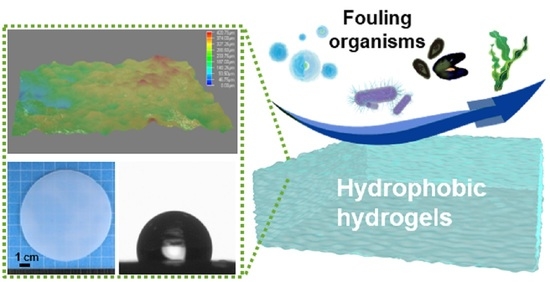
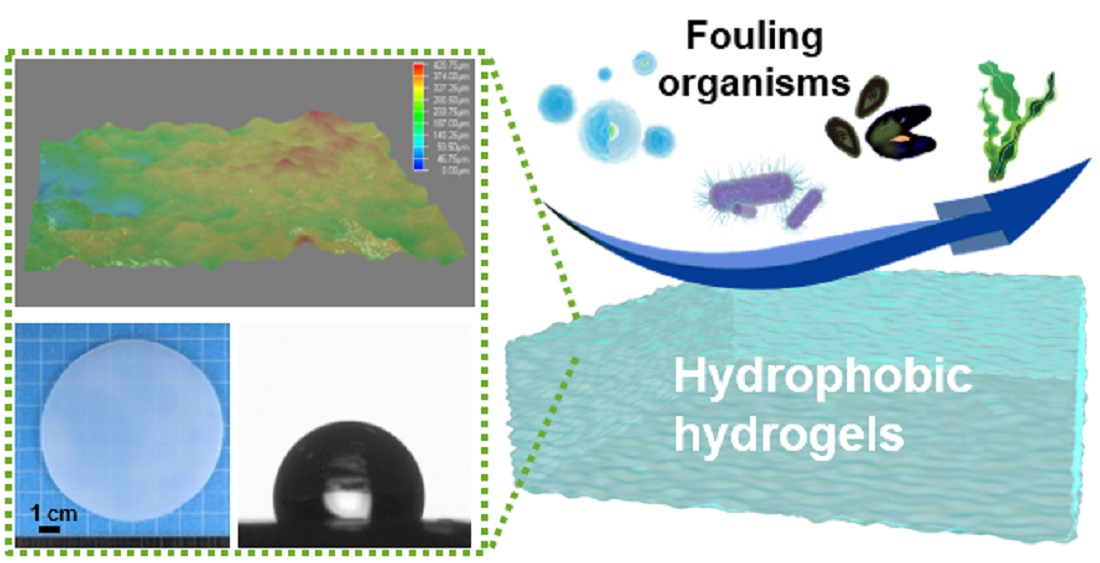
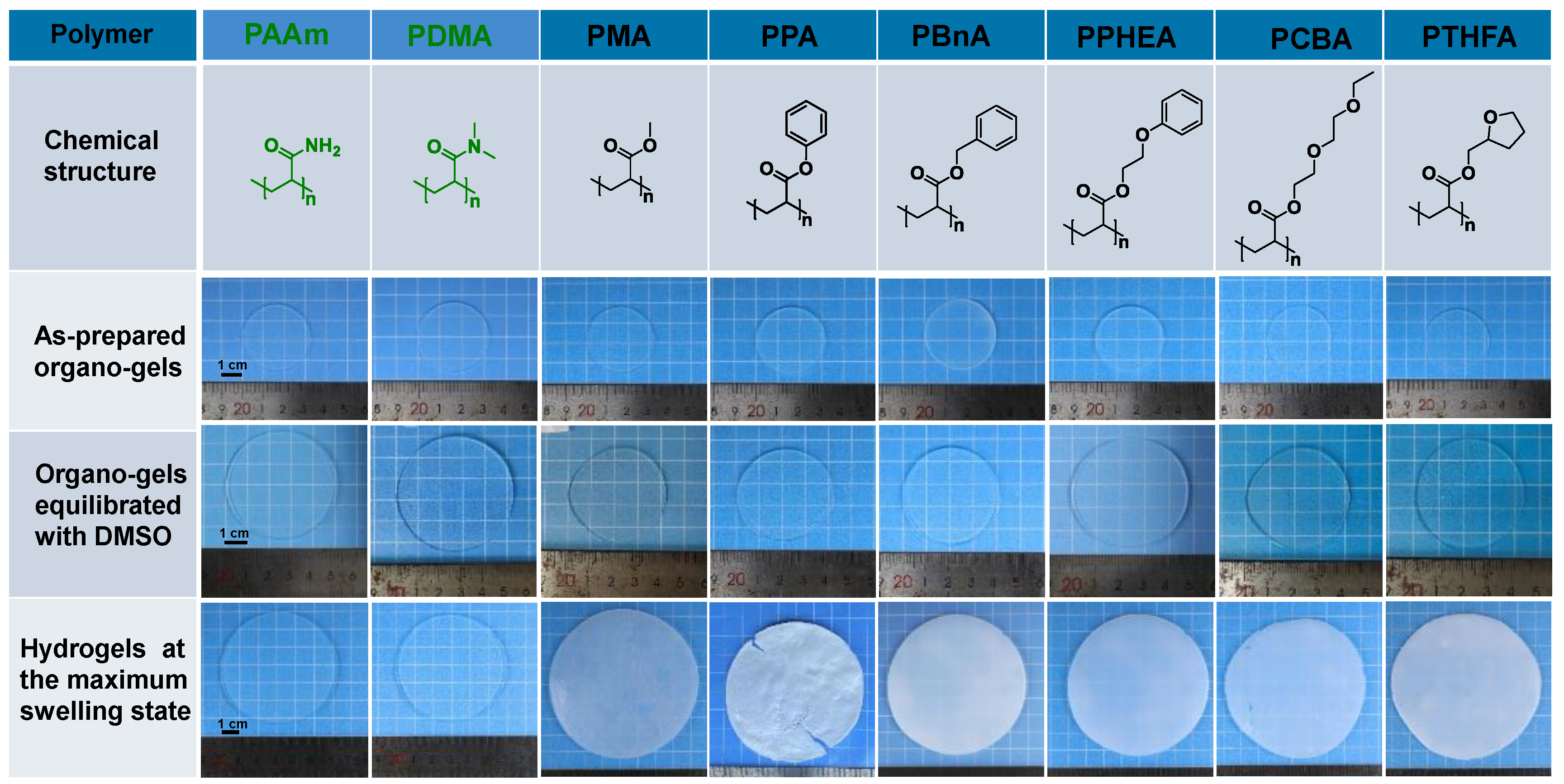
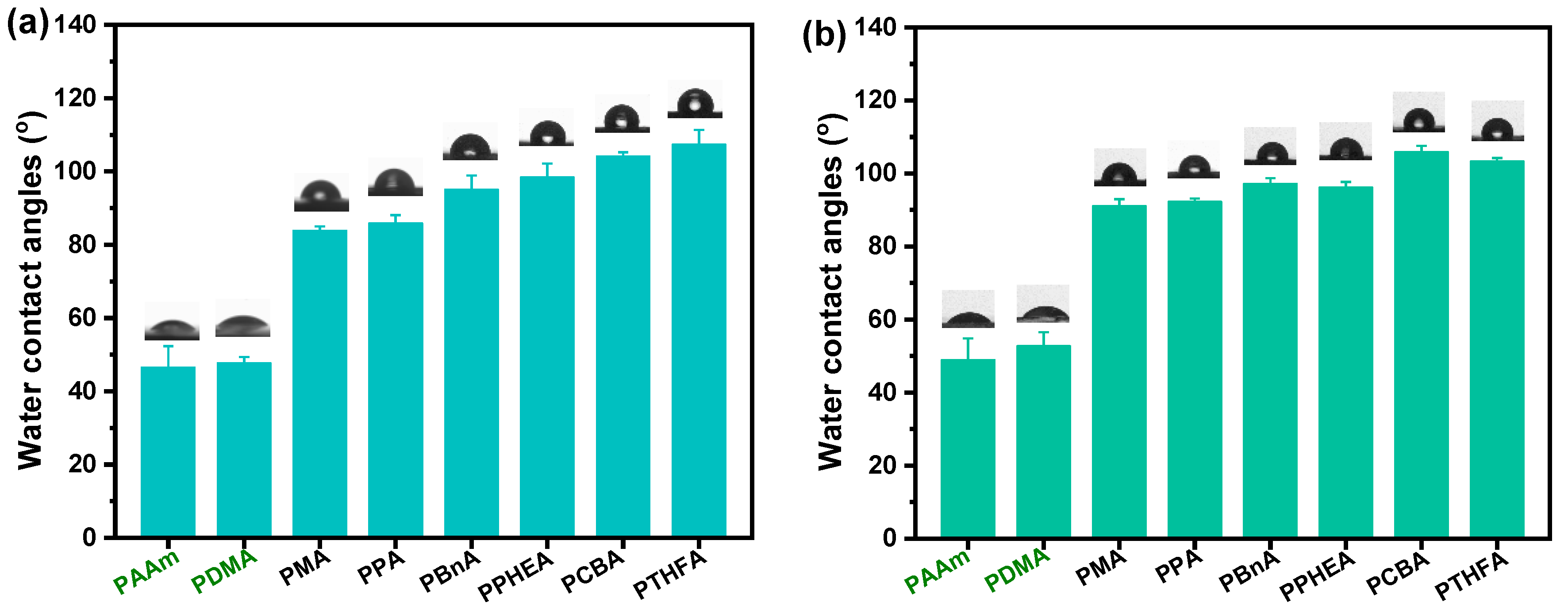
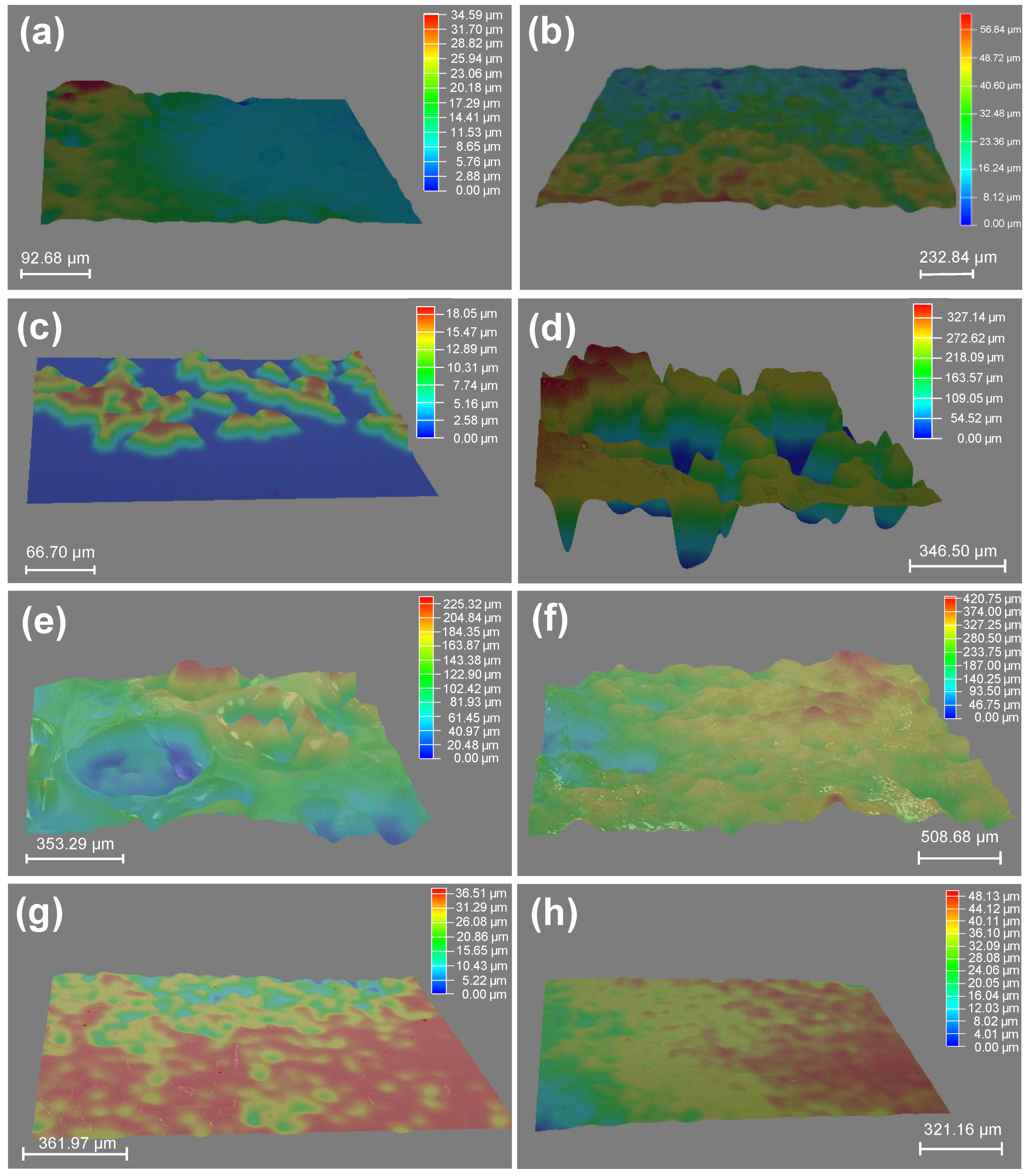
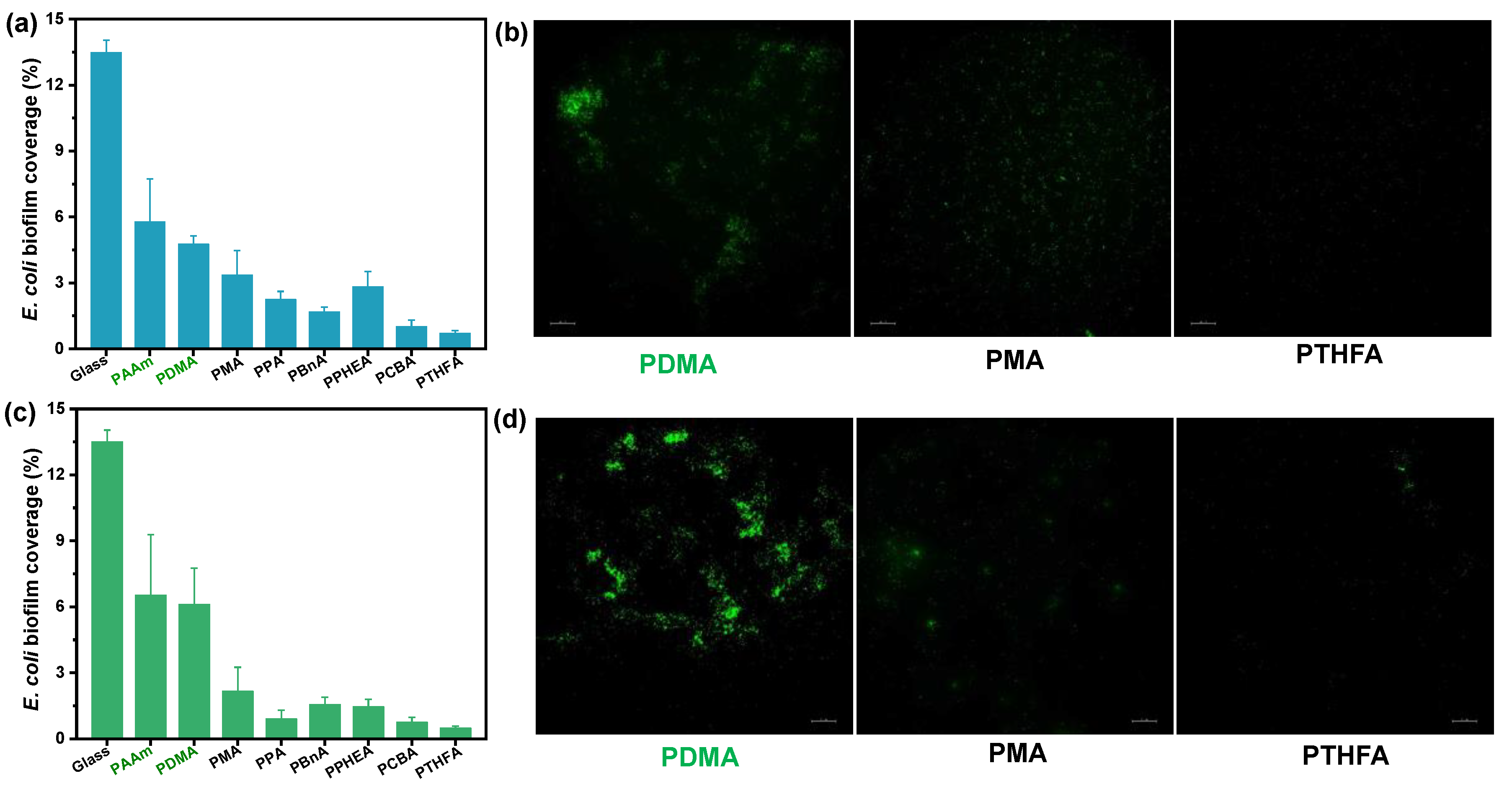
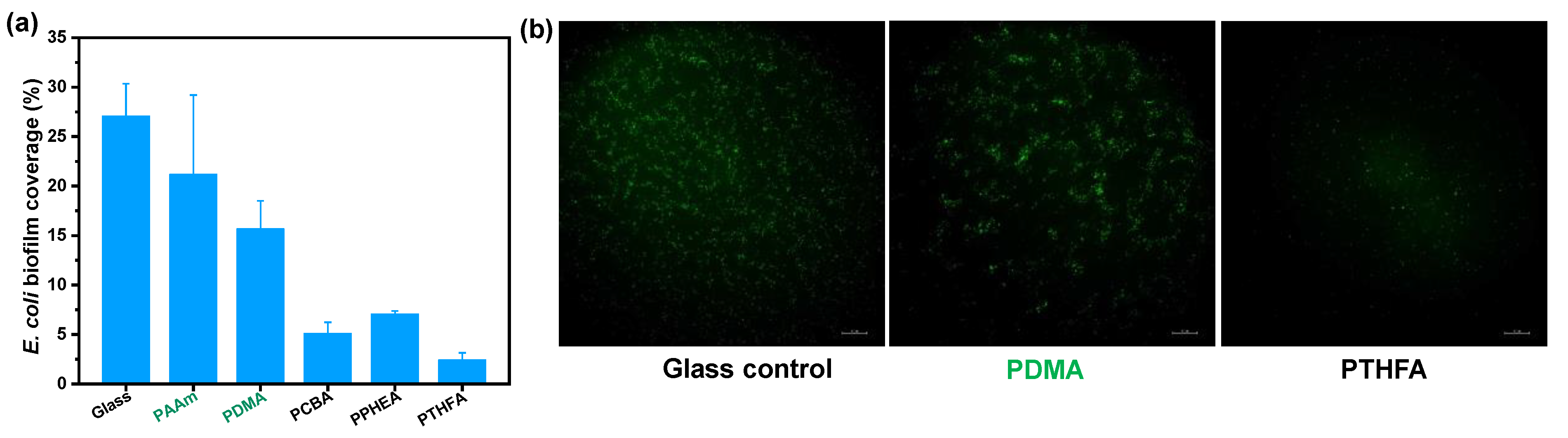
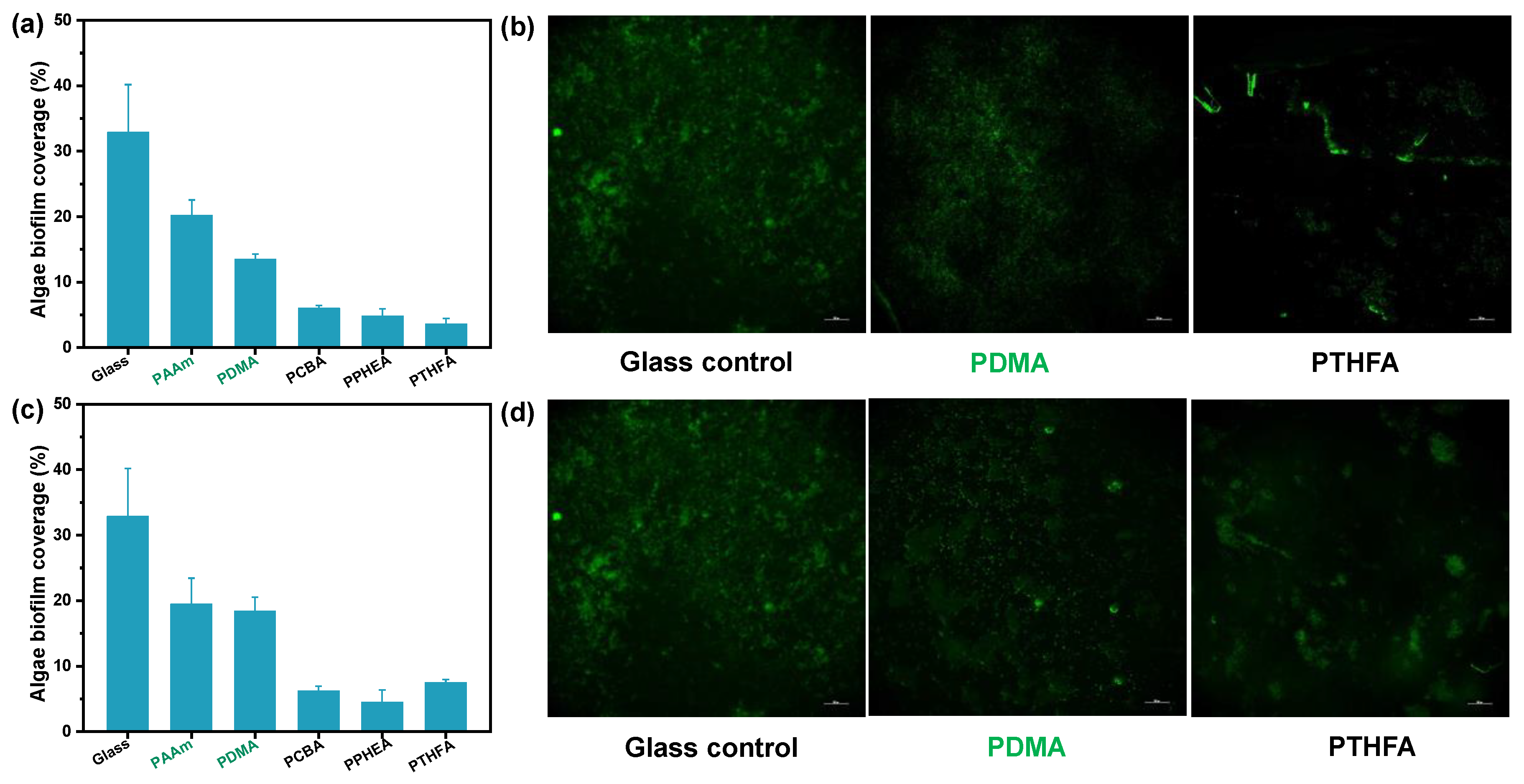
Hydrogel is a kind of soft and wet matter, which demonstrates favorable fouling resistance owing to the hydration anti-adhesive surfaces. Different from conventional hydrogels constructed by hydrophilic or amphiphilic polymers, the recently invented “hydrophobic hydrogels” composed of hydrophobic polymers exhibit many unique properties, e.g., surface hydrophobicity and high water content, suggesting promising applications in anti-fouling. In this paper, a series of hydrophobic hydrogels were prepared with different chemical structures and water content for anti-fouling investigations. The hydrophobic hydrogels showed high static water contact angles (WCAs > 90°), indicating remarkable surface hydrophobicity, which is abnormal for conventional hydrogels. Compared with the conventional hydrogels, all the hydrophobic hydrogels exhibited less than 4% E. coli biofilm coverage, showing a contrary trend of anti-fouling ability to the water content inside the polymer. Typically, the poly(2-(2-ethoxyethoxy)ethyl acrylate) (PCBA) and poly(tetrahydrofurfuryl acrylate) (PTHFA) hydrogels with relatively high surface hydrophobicity showed as low as 5.1% and 2.4% E. coli biofilm coverage even after incubation for 7 days in bacteria suspension, which are about 0.32 and 0.15 times of that on the hydrophilic poly(N,N-dimethylacrylamide) (PDMA) hydrogels, respectively. Moreover, the hydrophobic hydrogels exhibited a similar anti-adhesion ability and trend to algae S. platensis. Based on the results, the surface hydrophobicity mainly contributes to the excellent anti-fouling ability of hydrophobic hydrogels. In the meantime, the too-high water content may be somehow detrimental to anti-fouling performance.
Keywords: water content; hydrophobic hydrogels; surface hydrophobicity; anti-fouling water content; hydrophobic hydrogels; surface hydrophobicity; anti-fouling
Graphical Abstract