
Review

Emerging Nanobiochar –Hydrogel Therapeutic Systems: Redox Modulation, Biointerface Interactions, and Critical Gaps in In Vitro Evaluation

by
Vidhya Sunil Bhaskarakurup
,
Leena Thomas
,
Rawan Abusirdaneh
,
Dali Vilma Francis
* and
Rema M. Amawi
*
Department of Math & Sciences, Rochester Institute of Technology (RIT), Dubai 345055, United Arab Emirates
*
Authors to whom correspondence should be addressed.
Gels 2026, 12(8), 660; https://doi.org/10.3390/gels12080660
Submission received: 20 June 2026 / Revised: 19 July 2026 / Accepted: 21 July 2026 / Published: 23 July 2026
(This article belongs to the Topic Advanced Biomaterials in Tissue Engineering)

Abstract

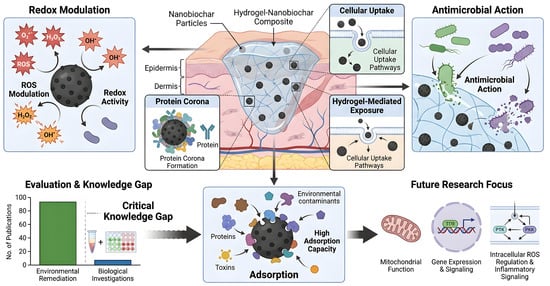
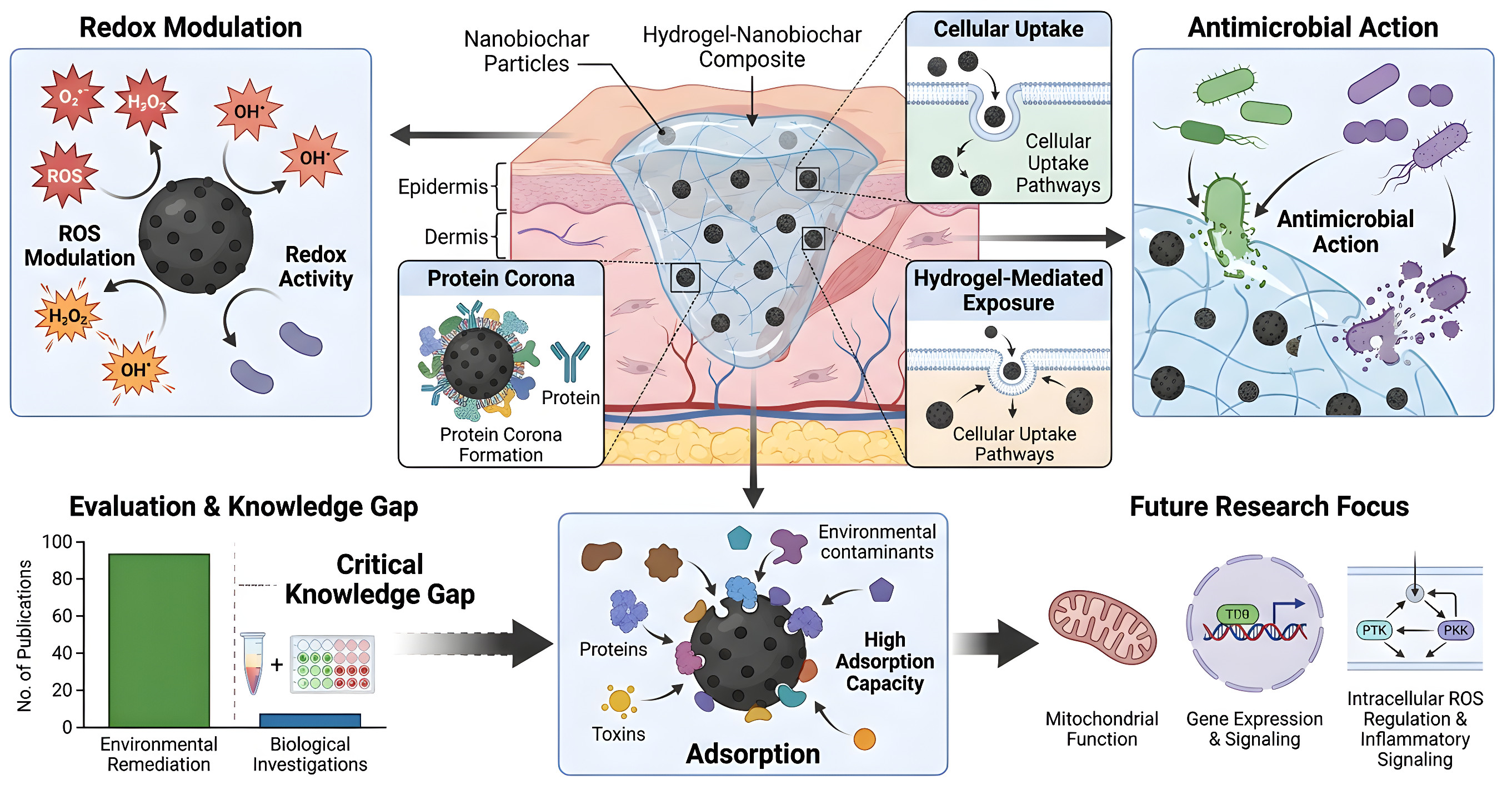
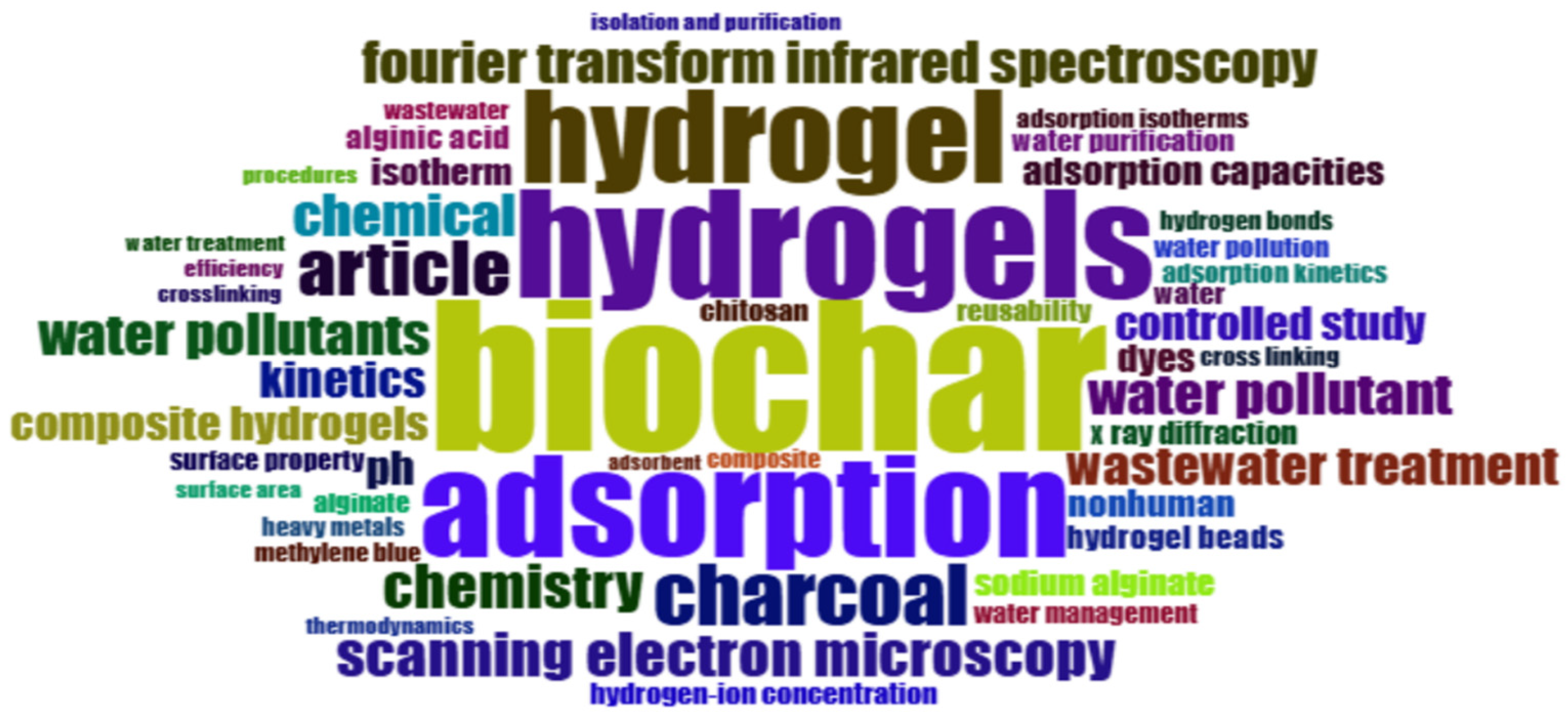
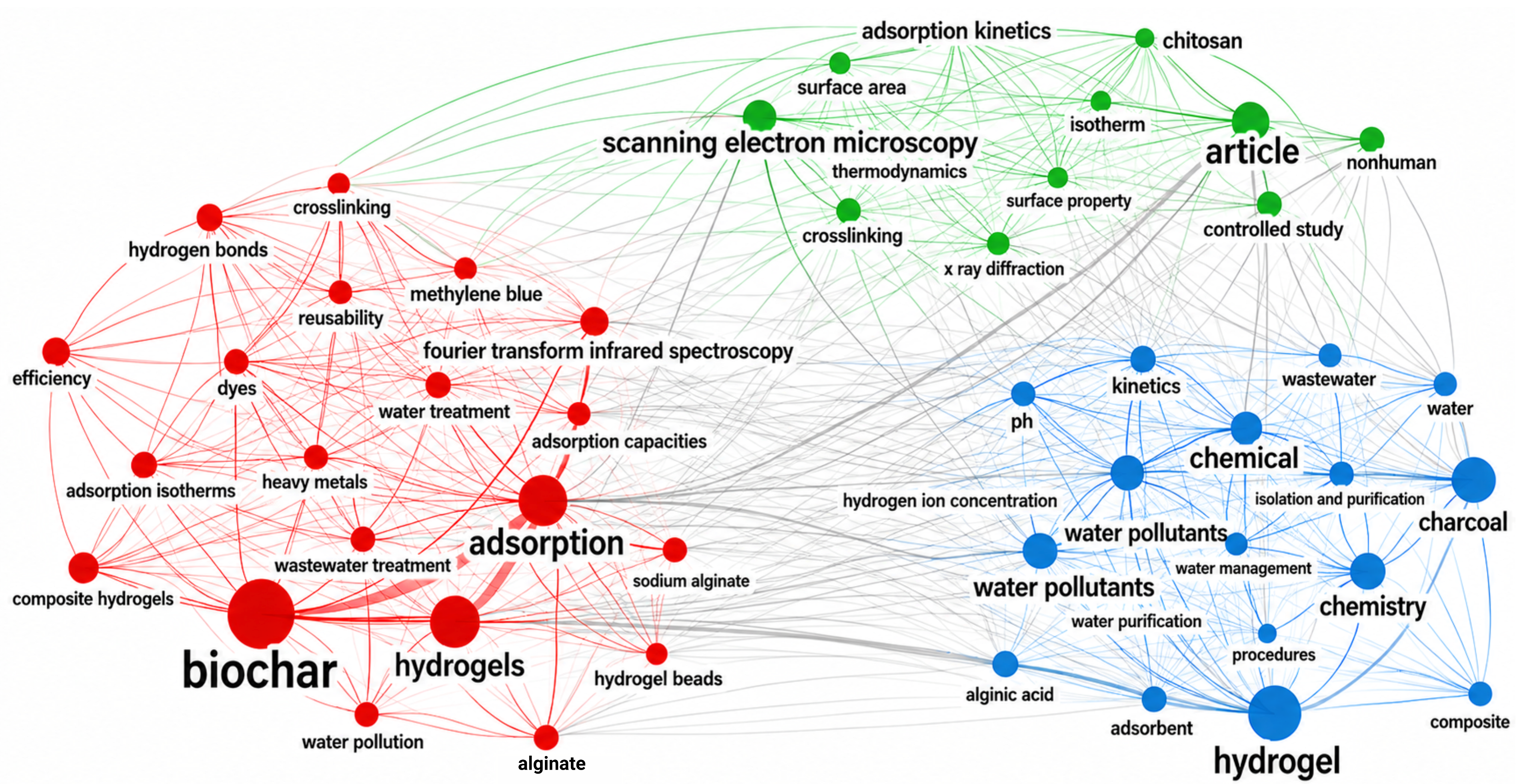
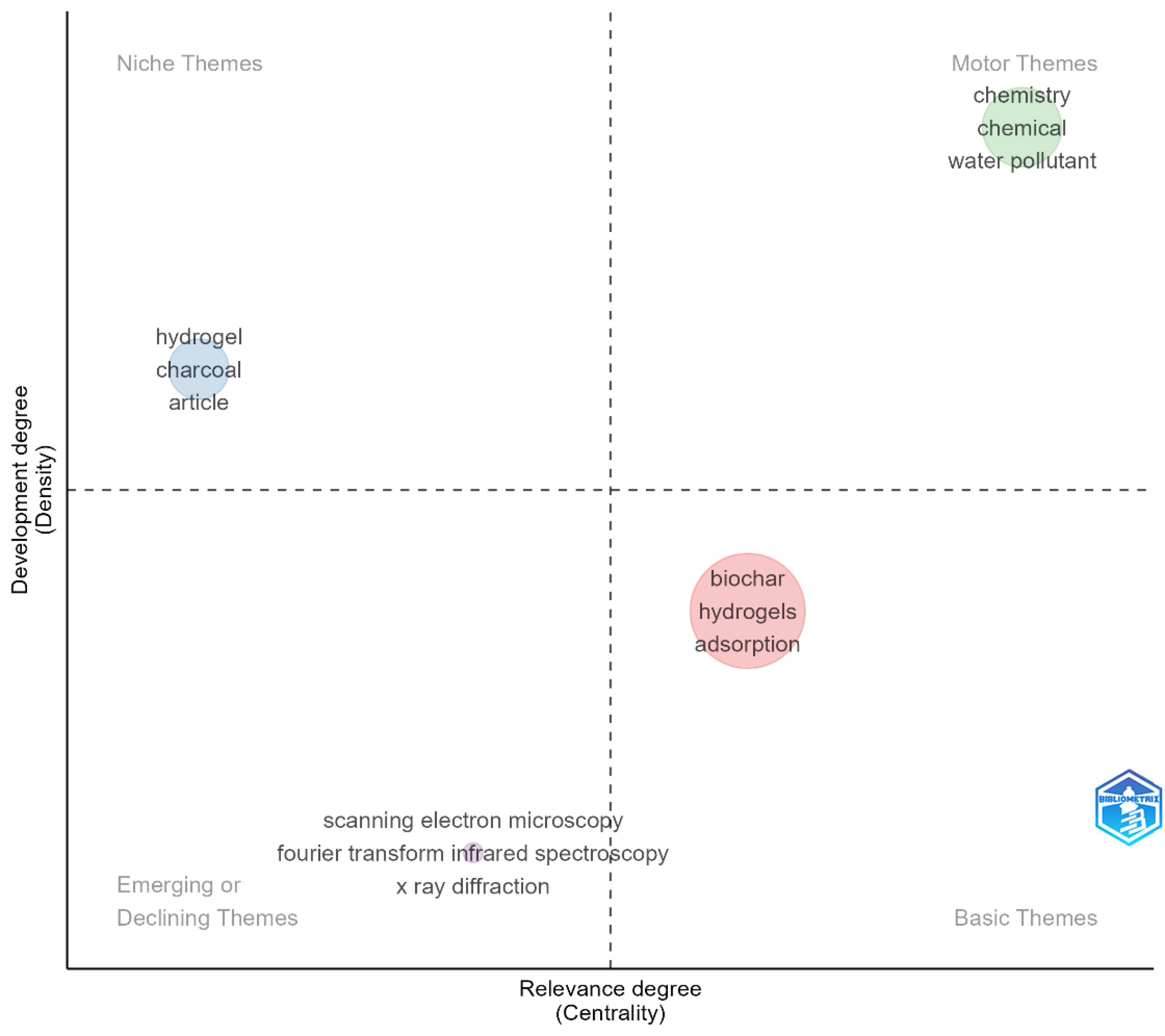
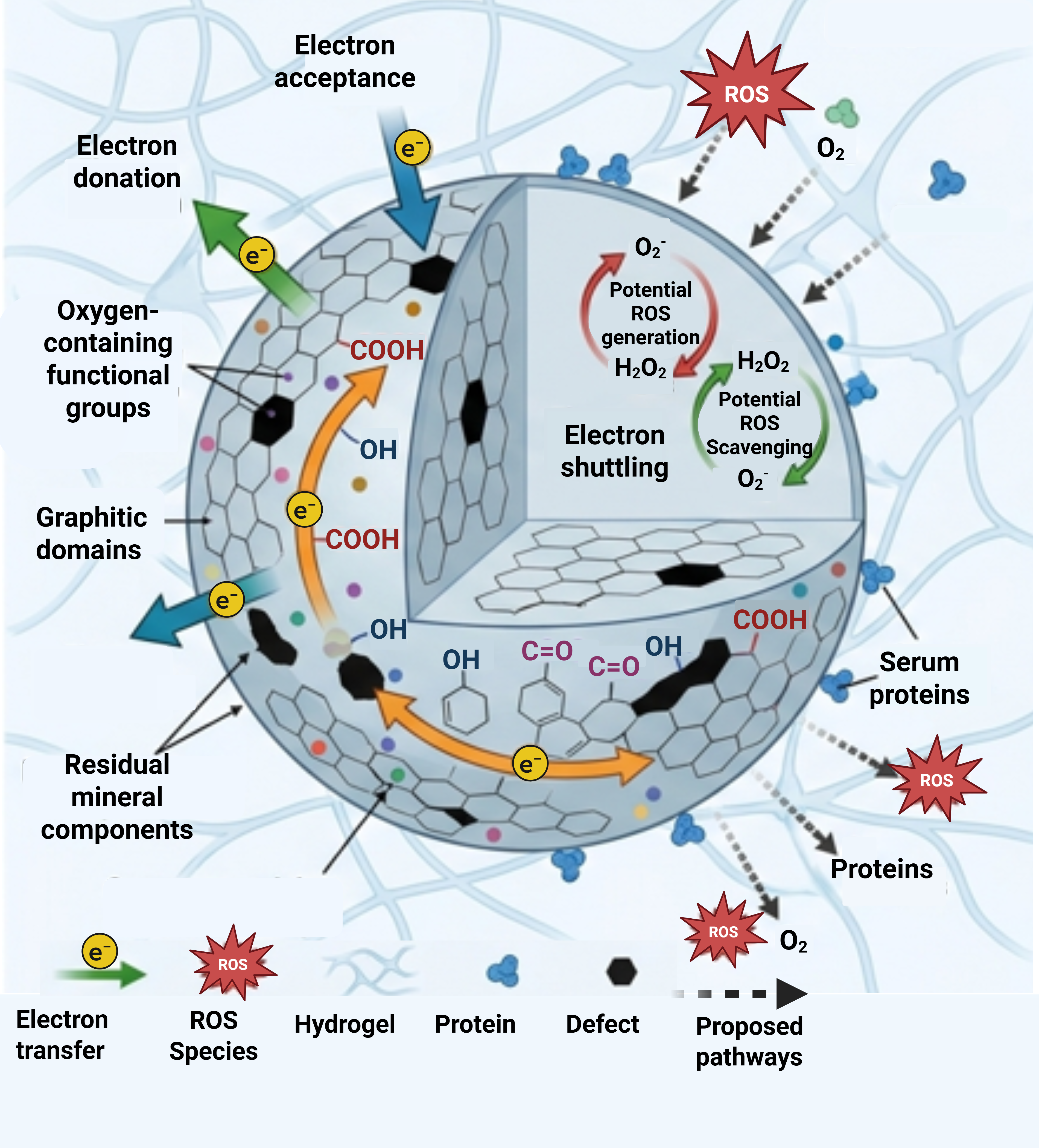
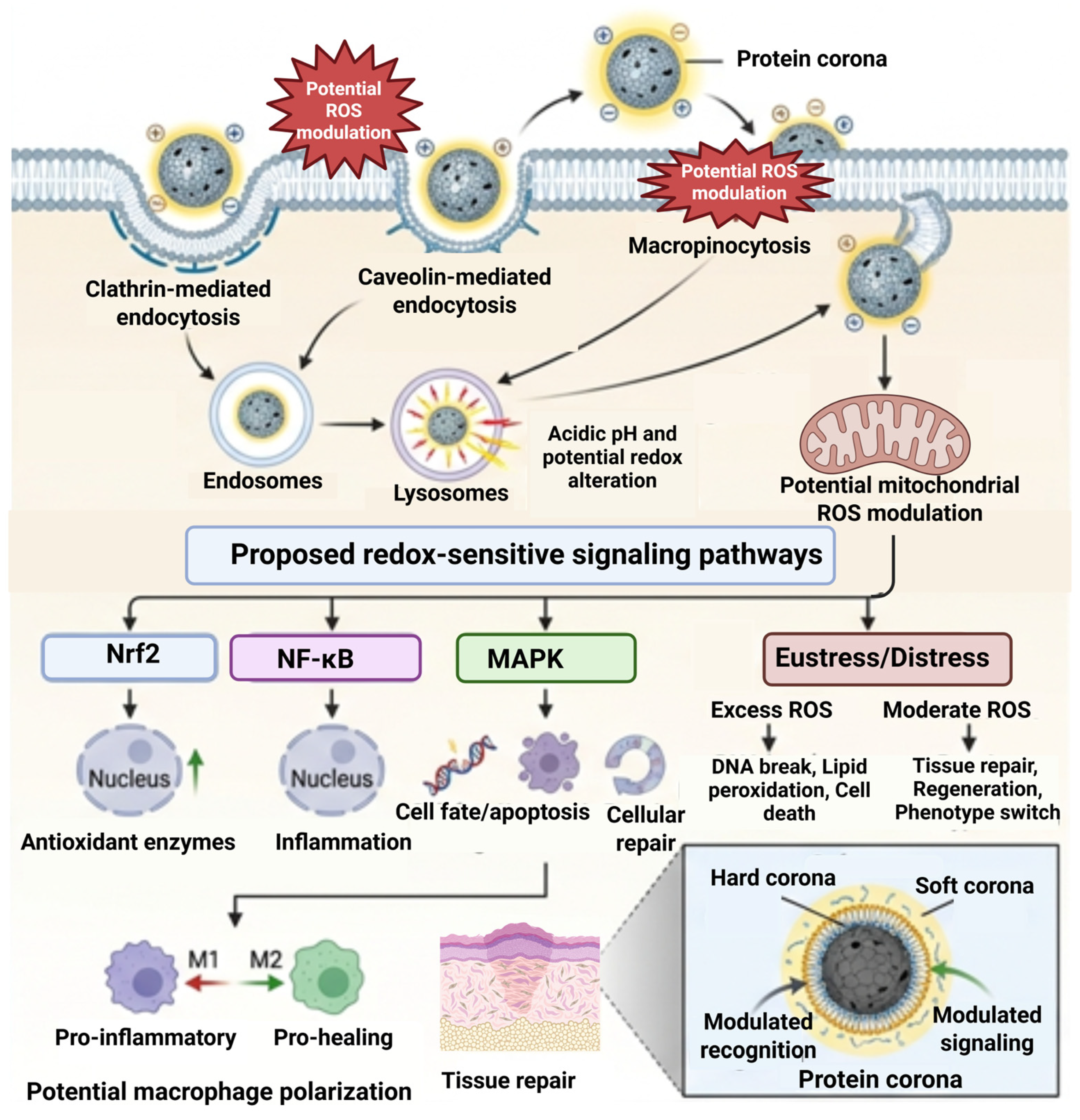
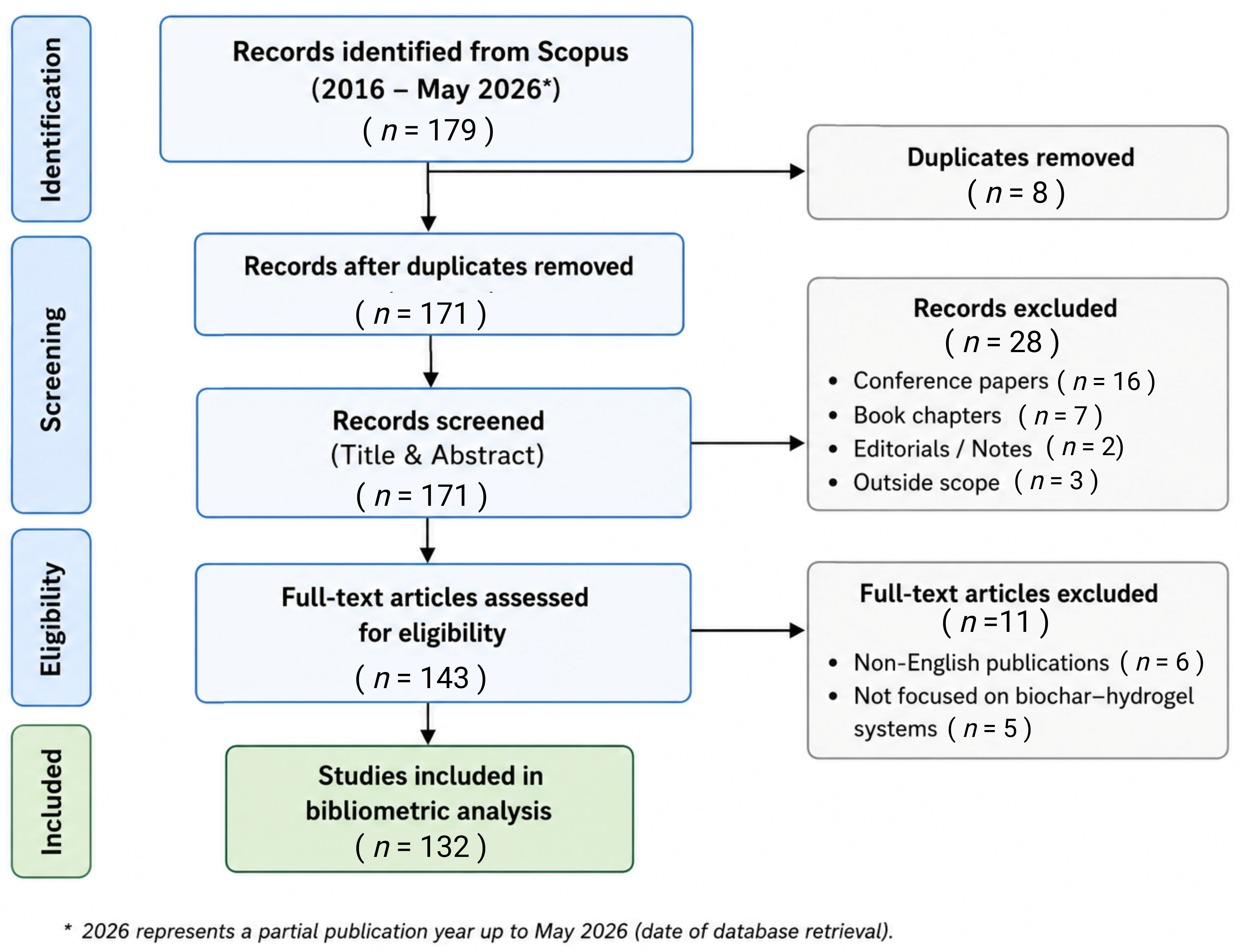
Nanobiochar has attracted increasing attention as a redox-active carbon nanomaterial with potential applications beyond its traditional roles in environmental remediation and adsorption technologies. When integrated into hydrogel matrices, nanobiochar may provide a unique combination of physicochemical and biological functionalities, including reactive oxygen species (ROS) modulation, antimicrobial activity, high adsorption capacity, and localized therapeutic delivery. Such properties are particularly relevant to emerging wound-healing and regenerative medicine applications; however, the biological mechanisms governing the performance of nanobiochar–hydrogel systems remain poorly understood. Because direct studies on nanobiochar–hydrogel therapeutic systems remain scarce, this review integrates evidence from the limited nanobiochar literature together with evidence from studies on conventional biochar, hydrogel biomaterials, and related carbon nanomaterial to critically evaluate emerging biological mechanisms and identify future research priorities. This review combines bibliometric analysis with mechanistic evaluation to assess the potential of nanobiochar–hydrogel systems as therapeutic biomaterials while highlighting critical knowledge gaps limiting their development. Bibliometric findings reveal that research on biochar–hydrogel composites is dominated by environmental remediation, adsorption processes, and material characterization, whereas investigations addressing biological responses and therapeutic functionality remain limited. Building upon these observations, this review examines nanobiochar surface chemistry, electron transfer behavior, and redox-active properties that may influence ROS regulation at biological interfaces. Particular emphasis is placed on biointerface interactions, including protein adsorption, protein corona formation, cellular uptake pathways, and the influence of hydrogel-mediated exposure on biological responses. The review further evaluates potential antimicrobial mechanisms, redox-sensitive signaling pathways, cytocompatibility assessment strategies, and the behavior of nanobiochar-containing systems under physiologically relevant conditions. Current evidence indicates a strong reliance on chemical antioxidant assays and short-term viability measurements, while mechanistic investigations involving intracellular ROS regulation, inflammatory signaling, mitochondrial function, and gene expression responses remain scarce. Collectively, the literature discussed in this article highlights the substantial gap between material development and biological validation and provides a framework for future studies aimed at evaluating the suitability of nanobiochar–hydrogel systems for wound-healing and regenerative applications.
Keywords: nanobiochar; hydrogel; wound healing; redox modulation; reactive oxygen species; biointerface interactions; protein corona; cellular signaling; cytocompatibility; regenerative medicine nanobiochar; hydrogel; wound healing; redox modulation; reactive oxygen species; biointerface interactions; protein corona; cellular signaling; cytocompatibility; regenerative medicine
Graphical Abstract