
Cellulose-Based Hydrogels for Chronic Wound Healing: Bridging Biomaterial Design and Clinical Unmet Needs


Abstract
1. Introduction
Critical Gaps in Current Knowledge
- (i)
- (ii)
- Limited chronic wound models: The majority of preclinical studies use acute, full-thickness wounds in healthy animals, which do not replicate the complex pathophysiology of human chronic wounds, such as diabetic ulcers, pressure sores, or venous leg ulcers [22].
- (iii)
- (iv)
- (v)
- Translational bottlenecks: Scalability, sterilization (particularly the impact of gamma vs. E-beam on cellulose chain integrity), regulatory classification, and cost-effectiveness remain poorly addressed in the academic literature, hindering the move from laboratory to clinic [27].
- (i)
- An integrated analysis linking cellulose source, network architecture, and clinical performance [20];
- (ii)
- A critical comparison of different biofunctionalization strategies with their respective advantages and limitations [28].
- (iii)
- A structured framework for stimuli-responsive design based on wound microenvironment cues (pH, ROS, enzymes) [29];
- (iv)
- A realistic assessment of translational barriers, including scalability, sterilization, and regulatory pathways [30].
- -
- Standardized comparative studies: Head-to-head comparisons of BC, CMC, CNC, and CNF hydrogels in identical chronic wound models (diabetic, ischemic, biofilm-infected) using standardized endpoints to reduce inter-study variability [31].
- -
- Long-term safety studies: Six-to-twelve month implantation studies in large animals with comprehensive immunotoxicity assessment, focusing on macrophage polarization (M1/M2) and nanocellulose bioaccumulation in the reticuloendothelial system [32].
- -
- Multi-stimuli-responsive systems: Integration of pH, ROS, glucose, and enzyme responsiveness into single platforms for closed-loop wound management and “smart” drug release [33].
- -
- Scalable manufacturing processes: Transition from lab-scale static BC culture to continuous bioreactor systems and the implementation of roll-to-roll hydrogel fabrication for industrial-scale supply [34].
- -
- Regulatory science: Development of harmonized nanocellulose characterization standards and streamlined testing cascades for combination products under the new MDR and FDA guidelines [32].
- -
- Clinical validation: Randomized controlled trials in patients with diabetic foot ulcers and pressure sores, emphasizing patient-reported outcomes (pain, quality of life) and health economic analysis to justify reimbursement [35].
2. Cellulose as a Biomaterial for Wound Care: From Molecular Architecture to Hydrogel Design
2.1. Sources of Cellulose for Wound Healing Applications
2.1.1. Plant-Derived Cellulose and Nanocellulose (CNC/CNF)
2.1.2. Bacterial Cellulose
2.1.3. Semi-Synthetic Cellulose Derivatives
2.2. Physicochemical Foundations: Meeting Clinical Demands
- (i)
- Water management (swelling kinetics). Chronic wounds are frequently either desiccated or highly exudative. Cellulose hydrogels and derivatives can be formulated to donate moisture (rehydrating necrotic tissue) or to absorb and retain large volumes of exudate while still maintaining a moist environment, in line with moist-wound-healing principles [14,21,37,39,41]. Swelling behavior is tuned through crosslink density, degree of substitution, and nanocellulose content, enabling precise control over fluid balance [21,37,41].
- (ii)
- Surface chemistry. The dense array of surface hydroxyl (–OH) groups enables straightforward grafting of stimuli-responsive polymers, bioactive ligands, and antimicrobial moieties. Cellulose hydrogels have been functionalized with temperature-, pH-, or redox-responsive components and with antimicrobial agents (e.g., silver nanoparticles, quaternary ammonium groups, chitosan) to create “smart” wound dressings with on-demand drug release and active infection control [37,39,41,51,54,55].
- (iii)
- Mechanical conformability. Chronic wounds often occur at mechanically challenging sites (heels, sacral region, joints). Reinforcing cellulose matrices with CNFs or CNCs markedly increases tensile and compressive strength while preserving flexibility and softness, allowing dressings to withstand compression therapy and body motion yet conform closely to irregular wound cavities [16,37,39,40,45]. Double-network or nanocomposite cellulose hydrogels further enhance toughness and durability under cyclic loading [16,54,56].
2.3. Comparative Analysis of Cellulose Types in Clinical Context
2.4. Sustainability and “Green” Synthesis as a New Clinical Requirement
2.5. Safety, Biocompatibility, and the “Non-Enzymatic” Barrier
2.5.1. Implications for Injectable and Deep-Wound Applications
2.5.2. Strategies for Degradability
- (a)
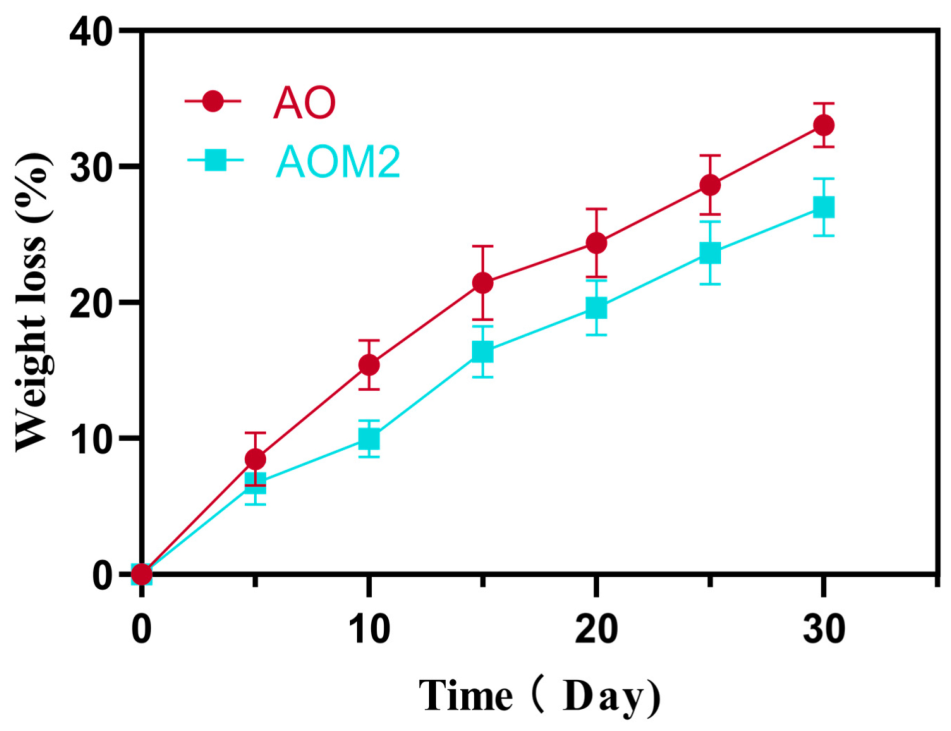
- Partial oxidation (10–50% degree of oxidation) using periodate or TEMPO-mediated systems, which introduces hydrolytically labile hemiacetal linkages and reduces in vivo persistence to 4–8 weeks [60].
- (b)
- Blending with biodegradable polymers (alginate, chitosan, gelatin, PVA) at 20–70 wt%, creating composite networks where degradation of the labile component creates porosity and accelerates overall resorption [61]; and
- (c)
- Introduction of enzyme-cleavable crosslinkers (e.g., MMP-sensitive peptides) that enable cell-mediated degradation matching the rate of new tissue formation [62].
2.6. Long-Term Biocompatibility and Immunological Considerations
- (i)
- 6-month implantation studies in relevant large animal models (porcine or ovine) [65].
- (ii)
- quantitative histomorphometry of peri-implant fibrosis and vascularity [67], and
- (iii)
- biodistribution studies using radiolabeled or fluorescently tagged nanocellulose to assess particle migration and clearance [68].
3. Types of Cellulose-Based Hydrogels
3.1. Native and Regenerated Networks: The Structural Foundation
3.2. Chemically Modified Derivatives: Tuning the Bio-Interface
3.3. Hybrid and Multi-Network Systems: Overcoming Clinical Bottlenecks
3.3.1. Nanomaterial-Reinforced “Active” Matrices
3.3.2. Double-Network (DN) Hydrogels: The “Toughness” Breakthrough
4. Physicochemical and Biological Foundations for Wound Healing
4.1. Fluid Handling: Swelling, Retention, and Moisture Balance
4.2. Mechanical Performance and Conformability
4.3. Gas Exchange and Oxygen Permeability
4.4. Antibacterial Functionalization: From Metal Ions to Advanced Therapies
4.5. Biocompatibility and Cellular Interactions
4.6. Degradation and Stability in the Wound Milieu
4.7. Hemostatic Properties: From Passive Barriers to Active Sealants
5. Cellulose Hydrogels Biofunctionalization Strategies for Active Wound Healing
5.1. Antimicrobial Functionalization: Eradicating Infection at the Interface
5.1.1. Metal-Based Antimicrobials: Nanoparticles and Ions
5.1.2. Natural Antimicrobials: Essential Oils and Plant Extracts
- (i)
- Essential oils. Oils such as oregano, clove, tea tree, and sage contain phenolic constituents (e.g., eugenol, thymol, carvacrol) that disrupt bacterial membranes and interfere with microbial metabolism [176,177,180]. Hydrogel membranes incorporating clove oil have demonstrated substantial inhibition zones against E. coli and S. aureus, often outperforming oregano oil [181,182]. When integrated into polysaccharide-based hydrogels, including those based on cellulose, chitosan, and starch, essential oils yield dressings with strong bactericidal activity and improved wound healing [178,183,184,185]. A notable example involves hydrogels combining Ag nanoparticles with Origanum vulgare essential oil, achieving rapid killing of multidrug-resistant burn pathogens ex vivo and in vivo, with performance comparable to silver sulfadiazine [186]. Cyclodextrin–essential oil inclusion complexes within CMC hydrogels further enhance solubilization and controlled release, improving stability and antimicrobial efficacy in diabetic wound models [184,187].
- (ii)
- Plant extracts and phytochemicals. Polyphenol-rich plant extracts (such as those from aloe vera, Calendula, Centella asiatica, curcumin, and propolis) provide combined antimicrobial, antioxidant, and anti-inflammatory effects [91,177,179,187]. Hydrogels containing nanoAg alongside multiple plant extracts (e.g., aloe vera, curcumin, plantain peel) exhibit strong antibacterial action, enhanced fibroblast migration, and accelerated wound closure compared to nanoAg alone, highlighting the synergy between nanometals and phytochemicals [178,188,189]. In cellulose-based systems, plant-derived polyphenols can be physically loaded or covalently linked, contributing both to antimicrobial function and to ROS scavenging and cytokine modulation [91,177,188,190]. Such multifunctional hydrogels consistently show improved granulation tissue formation and collagen deposition in vivo [178,183,190,191].
5.2. Anti-Inflammatory and Antioxidant Strategies
5.2.1. Polyphenols and Flavonoids
5.2.2. ROS-Scavenging Systems and Enzyme-Mimetic Strategies
5.3. Growth Factors and Cell-Instructive Cues
Angiogenic and Regenerative Additives
- (i)
- Mineralized cellulose for angiogenic niches. TEMPO-oxidized bacterial cellulose (BC) nanofibers, enzymatically mineralized and embedded in gelatin methacryloyl (GelMA) alongside mesoporous silica nanoparticles loaded with dimethyloxalylglycine (DMOG), create bioactive hydrogels that enhance both osteogenesis and angiogenesis [200]. The mineralized nanofibers improve mechanical properties, printability, and osteoconduction, while DMOG release upregulates angiogenic genes and endothelial tube formation in vitro and promotes revascularized bone regeneration in vivo [247]. Related mineralized hydrogels incorporating TEMPO-oxidized cellulose nanofibrils in alginate/PVA matrices similarly support skin-cell viability and are proposed for combined bone and wound healing applications [248].
- (ii)
- Cell-instructive ECM-mimetic cues. Cellulose composites with ECM-like proteins or peptides (e.g., sericin, gelatin, RGD motifs) provide adhesion sites that support fibroblast and keratinocyte attachment, spreading, and migration [247,249,250,251,252]. CMC–sericin hydrogels not only modulate oxidative stress and inflammation but also restore skin appendages (hair follicles) and collagen architecture in diabetic wounds, indicating strong regenerative signaling [223,252]. CNF/PVA hydrogels containing curcumin–silver nanoparticles or curcumin alone promote fibroblast proliferation, angiogenesis, re-epithelialization, and dense collagen deposition in chronic or full-thickness wound models, demonstrating combined structural and biochemical instructive cues [253,254,255,256]. Furthermore, 3D or injectable alginate–/HA–CMC hydrogels reinforced with cellulose nanofibers or nanocrystals maintain fibroblast-like phenotypes and sustain VEGF and FGF/PDGF secretion or release for days to weeks, suggesting that cellulose-containing matrices can themselves promote an angiogenic, ECM-rich environment supportive of microvascular network formation [229,248,253,257].
5.4. Toward Multifunctional Synergy: Combining Strategies for Complex Wounds
6. Stimuli-Responsive and Smart Cellulose Hydrogels
6.1. pH-Responsive Cellulose Hydrogels
- -
- Grafting or blending with polyelectrolytes. CMC, oxidized cellulose, or acrylic acid–grafted cellulose introduce anionic carboxyl groups that deprotonate at higher pH, promoting swelling and enhanced permeability; conversely, cationic derivatives (quaternized cellulose, amino-celluloses) carry pH-dependent positive charge [134,268,271].
- -
- -
6.2. Temperature-Responsive Systems
6.3. ROS- and Enzyme-Responsive Cellulose Hydrogels
6.3.1. ROS-Responsive Designs
- -
- -
- -
6.3.2. Enzyme-Responsive Systems
- -
- -
6.4. On-Demand Drug Release Mechanisms
Mechanistic Basis
- -
- -
- -
7. Cellulose Hydrogel Scaffolds for Skin Regeneration
In Vitro and In Vivo Skin Regeneration Studies
8. Advanced Applications in Wound Care
8.1. Chronic Wounds: Diabetic Ulcers and Pressure Sores
8.2. Infected and Biofilm-Associated Wounds
8.3. Burn Wounds and Large-Area Skin Defects
8.4. Hemostatic Cellulose Hydrogels
9. Current Challenges, Future Perspectives, and Clinical Outlook
9.1. Mechanical Strength vs. Flexibility Trade-Offs
9.2. Sterilization and Storage
9.3. Scalability and Manufacturing Challenges
9.3.1. Production Cost Analysis
9.3.2. Scalability Barriers and Emerging Solutions
- (i)
- agitated or stirred-tank bioreactors with BC-producing strains adapted to shear stress, achieving 10–50× higher volumetric productivity [328].
- (ii)
- continuous belt or rotating disk bioreactors that harvest BC pellicles continuously [317]; and
- (iii)
- submerged fermentation with Komagataeibacter strains engineered for enhanced oxygen tolerance and reduced byproduct formation [329].
9.3.3. High-Throughput Manufacturing Strategies
- (a)
- roll-to-roll continuous casting, where cellulose solution is spread onto a moving belt and gelled via UV or thermal crosslinking [330].
- (b)
- 3D bioprinting of patient-specific hydrogels using multiple printheads (4–16 nozzles) operating in parallel, enabling personalized wound dressings at production rates of 50–200 dressings/hour [331] and
- (c)
- electrospinning combined with in situ crosslinking to produce nanofibrous hydrogel mats at commercial scale [332].
9.3.4. Economic Comparison
9.3.5. Cost-Reduction Strategies
- (i)
- utilization of agricultural waste (rice straw, corn stover, sugarcane bagasse) as low-cost cellulose feedstocks [336].
- (ii)
- recycling of BC culture media, with spent medium supplemented with 30–50% fresh nutrients supporting 5–10 consecutive production cycles [338]; and
- (iii)
- integration of cellulose production with existing biorefineries to share infrastructure and utilities [339].
9.4. Regulatory and Clinical Translation Barriers
9.4.1. Standardization Protocols for Nanocellulose
9.4.2. ‘Non-Essential’ Regulatory Complications
9.4.3. Streamlined Testing Cascades
9.4.4. Early Regulatory Engagement Strategies
9.5. Intelligent and Multifunctional Platforms
9.6. Sensing, Digital Health, and Personalization
9.7. The Translational Gap: Preclinical Success vs. Clinical Reality
9.7.1. Different Wound Types and Healing Mechanisms
9.7.2. Biofilms and Infection Complexity
9.7.3. Protease-Rich Wound Fluid and Hydrogel Degradation
9.7.4. Immune Dysregulation and Comorbidities
9.7.5. Time Scales and Mechanical Demands
9.7.6. Strategies to Improve Translation
9.8. Outlook Toward Clinical Adoption
Phased Roadmap for Clinical Translation
10. Conclusions
Author Contributions
Funding
Institutional Review Board Statement
Informed Consent Statement
Data Availability Statement
Acknowledgments
Conflicts of Interest
References
- Han, G.; Ceilley, R. Chronic Wound Healing: A Review of Current Management and Treatments. Adv. Ther. 2017, 34, 599–610. [Google Scholar] [CrossRef] [PubMed]
- Sen, C.K. Human Wound and Its Burden: Updated 2020 Compendium of Estimates. Adv. Wound Care 2021, 10, 281–292. [Google Scholar] [CrossRef]
- Raziyeva, K.; Kim, Y.; Zharkinbekov, Z.; Kassymbek, K.; Jimi, S.; Saparov, A. Immunology of Acute and Chronic Wound Healing. Biomolecules 2021, 11, 700. [Google Scholar] [CrossRef]
- Mamun, A.A.; Shao, C.; Geng, P.; Wang, S.; Xiao, J. Recent Advances in Molecular Mechanisms of Skin Wound Healing and Its Treatments. Front. Immunol. 2024, 15, 1395479. [Google Scholar] [CrossRef]
- Kolimi, P.; Narala, S.; Nyavanandi, D.; Youssef, A.A.A.; Dudhipala, N. Innovative Treatment Strategies to Accelerate Wound Healing: Trajectory and Recent Advancements. Cells 2022, 11, 2439. [Google Scholar] [CrossRef]
- Martinengo, L.; Olsson, M.; Bajpai, R.; Soljak, M.; Upton, Z.; Schmidtchen, A.; Car, J.; Järbrink, K. Prevalence of Chronic Wounds in the General Population: Systematic Review and Meta-Analysis of Observational Studies. Ann. Epidemiol. 2019, 29, 8–15. [Google Scholar] [CrossRef] [PubMed]
- Hurlow, J.; Wolcott, R.D.; Bowler, P.G. Clinical Management of Chronic Wound Infections: The Battle against Biofilm. Wound Repair Regen. 2025, 33, e13241. [Google Scholar] [CrossRef] [PubMed]
- Feng, F.; Zhao, Z.; Li, J.; Huang, Y.; Chen, W. Multifunctional Dressings for Wound Exudate Management. Prog. Mater. Sci. 2024, 146, 101328. [Google Scholar] [CrossRef]
- Burgess, J.L.; Wyant, W.A.; Abdo Abujamra, B.; Kirsner, R.S.; Jozic, I. Diabetic Wound-Healing Science. Medicina 2021, 57, 1072. [Google Scholar] [CrossRef]
- Brumberg, V.; Astrelina, T.; Malivanova, T.; Samoilov, A. Modern Wound Dressings: Hydrogel Dressings. Biomedicines 2021, 9, 1235. [Google Scholar] [CrossRef] [PubMed]
- Vakarin, V.; Melati, D.; Dinh, T.T.D.; Roux, X.L.; Kan, W.K.K.; Dupré, C.; Szelag, B.; Monfray, S.; Boeuf, F.; Cheben, P.; et al. Metamaterial-Engineered Silicon Beam Splitter Fabricated with Deep Uv Immersion Lithography. Nanomaterials 2021, 11, 2949. [Google Scholar] [CrossRef]
- Curvello, R.; Raghuwanshi, V.S.; Garnier, G. Engineering Nanocellulose Hydrogels for Biomedical Applications. Adv. Colloid Interface Sci. 2019, 267, 47–61. [Google Scholar] [CrossRef]
- Dutta, S.D.; Patel, D.K.; Lim, K.-T. Functional Cellulose-Based Hydrogels as Extracellular Matrices for Tissue Engineering. J. Biol. Eng. 2019, 13, 55. [Google Scholar] [CrossRef] [PubMed]
- Alven, S.; Aderibigbe, B.A. Chitosan and Cellulose-Based Hydrogels for Wound Management. Int. J. Mol. Sci. 2020, 21, 9656. [Google Scholar] [CrossRef]
- Alberts, A.; Tudorache, D.-I.; Niculescu, A.-G.; Grumezescu, A.M. Advancements in Wound Dressing Materials: Highlighting Recent Progress in Hydrogels, Foams, and Antimicrobial Dressings. Gels 2025, 11, 123. [Google Scholar] [CrossRef] [PubMed]
- Zhang, S.; Gatsi, B.; Yao, X.; Jin, Y.; Amhal, H. Cellulose Nanofiber-Reinforced Antimicrobial and Antioxidant Multifunctional Hydrogel with Self-Healing, Adhesion for Enhanced Wound Healing. Carbohydr. Polym. 2025, 352, 123189. [Google Scholar] [CrossRef]
- Deng, L.; Wang, B.; Li, W.; Han, Z.; Chen, S.; Wang, H. Bacterial Cellulose Reinforced Chitosan-Based Hydrogel with Highly Efficient Self-Healing and Enhanced Antibacterial Activity for Wound Healing. Int. J. Biol. Macromol. 2022, 217, 77–87. [Google Scholar] [CrossRef] [PubMed]
- Sun, X.; Zhang, Y.; Ma, C.; Yuan, Q.; Wang, X.; Wan, H.; Wang, P. A Review of Recent Advances in Flexible Wearable Sensors for Wound Detection Based on Optical and Electrical Sensing. Biosensors 2021, 12, 10. [Google Scholar] [CrossRef]
- Sharma, G.; George Joy, J.; Sharma, A.R.; Kim, J.-C. Accelerated Full-Thickness Skin Wound Tissue Regeneration by Self-Crosslinked Chitosan Hydrogel Films Reinforced by Oxidized CNC-AgNPs Stabilized Pickering Emulsion for Quercetin Delivery. J. Nanobiotechnol. 2024, 22, 323. [Google Scholar] [CrossRef]
- Fu, L.-H.; Qi, C.; Ma, M.-G.; Wan, P. Multifunctional Cellulose-Based Hydrogels for Biomedical Applications. J. Mater. Chem. B 2019, 7, 1541–1562. [Google Scholar] [CrossRef]
- Abazari, M.F.; Gholizadeh, S.; Karizi, S.Z.; Birgani, N.H.; Abazari, D.; Paknia, S.; Derakhshankhah, H.; Allahyari, Z.; Amini, S.M.; Hamidi, M. Recent Advances in Cellulose-Based Structures as the Wound-Healing Biomaterials: A Clinically Oriented Review. Appl. Sci. 2021, 11, 7769. [Google Scholar] [CrossRef]
- Tao, Y.; Zeng, X.; Mao, H. Predictive Models for Chemotherapy-Induced Oral Mucositis: A Systematic Review. Front. Oncol. 2025, 15, 1608505. [Google Scholar] [CrossRef]
- Čolić, M.; Tomić, S.; Bekić, M. Immunological Aspects of Nanocellulose. Immunol. Lett. 2020, 222, 80–89. [Google Scholar] [CrossRef]
- Shatkin, J.A.; Kim, B. Cellulose Nanomaterials: Life Cycle Risk Assessment, and Environmental Health and Safety Roadmap. Environ. Sci. Nano 2015, 2, 477–499. [Google Scholar] [CrossRef]
- Liu, Y.; Liu, H.; Guo, S.; Qi, J.; Zhang, R.; Liu, X.; Sun, L.; Zong, M.; Cheng, H.; Wu, X.; et al. Applications of Bacterial Cellulose-Based Composite Materials in Hard Tissue Regenerative Medicine. Tissue Eng. Regen. Med. 2023, 20, 1017–1039. [Google Scholar] [CrossRef]
- Yang, L.; Yuan, Q.-Y.; Li, T.-T.; Lou, C.-W.; Hung, C.; Lin, J.-H. Recent Developments and Applications of pH-Responsive Polymers. Text. Res. J. 2025, 95, 2248–2272. [Google Scholar] [CrossRef]
- Thomas, B.; Raj, M.C.; Athira, K.B.; Rubiah, M.H.; Joy, J.; Moores, A.; Drisko, G.L.; Sanchez, C. Nanocellulose, a Versatile Green Platform: From Biosources to Materials and Their Applications. Chem. Rev. 2018, 118, 11575–11625. [Google Scholar] [CrossRef]
- Blanco Parte, F.G.; Santoso, S.P.; Chou, C.-C.; Verma, V.; Wang, H.-T.; Ismadji, S.; Cheng, K.-C. Current Progress on the Production, Modification, and Applications of Bacterial Cellulose. Crit. Rev. Biotechnol. 2020, 40, 397–414. [Google Scholar] [CrossRef] [PubMed]
- Rebouillat, S.; Pla, F. State of the Art Manufacturing and Engineering of Nanocellulose: A Review of Available Data and Industrial Applications. J. Biomater. Nanobiotechnol. 2013, 4, 165–188. [Google Scholar] [CrossRef]
- Clauser, N.M.; Felissia, F.F.; Area, M.C.; Vallejos, M.E. Technological and Economic Barriers of Industrial-Scale Production of Nanocellulose. In Green Nanomaterials for Industrial Applications; Elsevier: Amsterdam, The Netherlands, 2022; pp. 21–39. [Google Scholar]
- He, W.; Wu, J.; Xu, J.; Mosselhy, D.A.; Zheng, Y.; Yang, S. Bacterial Cellulose: Functional Modification and Wound Healing Applications. Adv. Wound Care 2021, 10, 623–640. [Google Scholar] [CrossRef] [PubMed]
- Foster, E.J.; Moon, R.J.; Agarwal, U.P.; Bortner, M.J.; Bras, J.; Camarero-Espinosa, S.; Chan, K.J.; Clift, M.J.; Cranston, E.D.; Eichhorn, S.J. Current Characterization Methods for Cellulose Nanomaterials. Chem. Soc. Rev. 2018, 47, 2609–2679. [Google Scholar] [CrossRef]
- Pita-Vilar, M.; Concheiro, A.; Alvarez-Lorenzo, C.; Diaz-Gomez, L. Recent Advances in 3D Printed Cellulose-Based Wound Dressings: A Review on in Vitro and in Vivo Achievements. Carbohydr. Polym. 2023, 321, 121298. [Google Scholar] [CrossRef]
- Venturelli, G.; Villa, F.; Petraretti, M.; Guagliano, G.; Levi, M.; Petrini, P. Bacterial Cellulose for Scalable and Sustainable Bio-Gels in the Circular Economy. Gels 2025, 11, 262. [Google Scholar] [CrossRef]
- Woods, T.-J.; Tesfay, F.; Speck, P.; Kaambwa, B. Economic Evaluations Considering Costs and Outcomes of Diabetic Foot Ulcer Infections: A Systematic Review. PLoS ONE 2020, 15, e0232395. [Google Scholar] [CrossRef] [PubMed]
- Naomi, R.; Bt Hj Idrus, R.; Fauzi, M.B. Plant-vs. Bacterial-Derived Cellulose for Wound Healing: A Review. Int. J. Environ. Res. Public Health 2020, 17, 6803. [Google Scholar] [CrossRef]
- Seddiqi, H.; Oliaei, E.; Honarkar, H.; Jin, J.; Geonzon, L.C.; Bacabac, R.G.; Klein-Nulend, J. Cellulose and Its Derivatives: Towards Biomedical Applications. Cellulose 2021, 28, 1893–1931. [Google Scholar] [CrossRef]
- Tabatabaei Hosseini, B.S.; Meadows, K.; Gabriel, V.; Hu, J.; Kim, K. Biofabrication of Cellulose-based Hydrogels for Advanced Wound Healing: A Special Emphasis on 3D Bioprinting. Macromol. Biosci. 2024, 24, 2300376. [Google Scholar] [CrossRef] [PubMed]
- Datta, R. Enzymatic Degradation of Cellulose in Soil: A Review. Heliyon 2024, 10, e24022. [Google Scholar] [CrossRef] [PubMed]
- Bacakova, L.; Pajorova, J.; Bacakova, M.; Skogberg, A.; Kallio, P.; Kolarova, K.; Svorcik, V. Versatile Application of Nanocellulose: From Industry to Skin Tissue Engineering and Wound Healing. Nanomaterials 2019, 9, 164. [Google Scholar] [CrossRef]
- Rumon, M.M.H. Advances in Cellulose-Based Hydrogels: Tunable Swelling Dynamics and Their Versatile Real-Time Applications. RSC Adv. 2025, 15, 11688–11729. [Google Scholar] [CrossRef]
- Tudoroiu, E.-E.; Dinu-Pîrvu, C.-E.; Albu Kaya, M.G.; Popa, L.; Anuța, V.; Prisada, R.M.; Ghica, M.V. An Overview of Cellulose Derivatives-Based Dressings for Wound-Healing Management. Pharmaceuticals 2021, 14, 1215. [Google Scholar] [CrossRef]
- Teixeira, M.A.; Paiva, M.C.; Amorim, M.T.P.; Felgueiras, H.P. Electrospun Nanocomposites Containing Cellulose and Its Derivatives Modified with Specialized Biomolecules for an Enhanced Wound Healing. Nanomaterials 2020, 10, 557. [Google Scholar] [CrossRef]
- Alavi, M.; Nokhodchi, A. An Overview on Antimicrobial and Wound Healing Properties of ZnO Nanobiofilms, Hydrogels, and Bionanocomposites Based on Cellulose, Chitosan, and Alginate Polymers. Carbohydr. Polym. 2020, 227, 115349. [Google Scholar] [CrossRef]
- Berglund, L.; Squinca, P.; Baş, Y.; Zattarin, E.; Aili, D.; Rakar, J.; Junker, J.; Starkenberg, A.; Diamanti, M.; Sivlér, P.; et al. Self-Assembly of Nanocellulose Hydrogels Mimicking Bacterial Cellulose for Wound Dressing Applications. Biomacromolecules 2023, 24, 2264–2277. [Google Scholar] [CrossRef] [PubMed]
- Horue, M.; Silva, J.M.; Berti, I.R.; Brandão, L.R.; Barud, H.d.S.; Castro, G.R. Bacterial Cellulose-Based Materials as Dressings for Wound Healing. Pharmaceutics 2023, 15, 424. [Google Scholar] [CrossRef]
- Portela, R.; Leal, C.R.; Almeida, P.L.; Sobral, R.G. Bacterial Cellulose: A Versatile Biopolymer for Wound Dressing Applications. Microb. Biotechnol. 2019, 12, 586–610. [Google Scholar] [CrossRef]
- Pourmadadi, M.; Rahmani, E.; Shamsabadipour, A.; Samadi, A.; Esmaeili, J.; Arshad, R.; Rahdar, A.; Tavangarian, F.; Pandey, S. Novel Carboxymethyl Cellulose Based Nanocomposite: A Promising Biomaterial for Biomedical Applications. Process Biochem. 2023, 130, 211–226. [Google Scholar] [CrossRef]
- Sannino, A.; Demitri, C.; Madaghiele, M. Biodegradable Cellulose-Based Hydrogels: Design and Applications. Materials 2009, 2, 353–373. [Google Scholar] [CrossRef]
- Kamoun, E.A. N-Succinyl Chitosan–Dialdehyde Starch Hybrid Hydrogels for Biomedical Applications. J. Adv. Res. 2016, 7, 69–77. [Google Scholar] [CrossRef] [PubMed]
- Sarkar, N. Thermal Gelation Properties of Methyl and Hydroxypropyl Methylcellulose. J. Appl. Polym. Sci. 1979, 24, 1073–1087. [Google Scholar] [CrossRef]
- Kwon, S.S.; Kong, B.J.; Park, S.N. Physicochemical Properties of pH-Sensitive Hydrogels Based on Hydroxyethyl Cellulose–Hyaluronic Acid and for Applications as Transdermal Delivery Systems for Skin Lesions. Eur. J. Pharm. Biopharm. 2015, 92, 146–154. [Google Scholar] [CrossRef]
- Lewis, K.M.; Spazierer, D.; Urban, M.D.; Lin, L.; Redl, H.; Goppelt, A. Comparison of Regenerated and Non-Regenerated Oxidized Cellulose Hemostatic Agents. Eur. Surg. 2013, 45, 213–220. [Google Scholar] [CrossRef] [PubMed]
- Gao, Z.; Li, Y.; Li, X.; Chen, H.; Li, C.; Xie, X.; Zhao, Y.; Yan, H.; Yang, Z.; Hou, G. Bifunctional Modified Bacterial Cellulose-Based Hydrogel through Sequence-Dependent Crosslinking towards Enhanced Antibacterial and Cutaneous Wound Healing. Int. J. Biol. Macromol. 2025, 296, 139737. [Google Scholar] [CrossRef]
- Yang, Y. Overview of the Current State of Research on Metamaterials in Biomedicine. In Proceedings of the BIO Web of Conferences; EDP Sciences: Les Ulis, France, 2024; Volume 142. [Google Scholar]
- Hu, W.; Chen, Z.; Chen, X.; Feng, K.; Hu, T.; Huang, B.; Tang, J.; Wang, G.; Liu, S.; Yang, G. Double-Network Cellulose-Based Hybrid Hydrogels with Favourable Biocompatibility and Antibacterial Activity for Wound Healing. Carbohydr. Polym. 2023, 319, 121193. [Google Scholar] [CrossRef] [PubMed]
- Hickey, R.J.; Pelling, A.E. Cellulose Biomaterials for Tissue Engineering. Front. Bioeng. Biotechnol. 2019, 7, 45. [Google Scholar] [CrossRef]
- Onofrei, M.; Filimon, A. Cellulose-Based Hydrogels: Designing Concepts, Properties, and Perspectives for Biomedical and Environmental Applications. In Polymers: Science, Research, Advances, Practical Applications, and Educational Aspects; Scion Publishing Ltd.: Oxford, UK, 2016; pp. 108–120. [Google Scholar]
- Helenius, G.; Bäckdahl, H.; Bodin, A.; Nannmark, U.; Gatenholm, P.; Risberg, B. In Vivo Biocompatibility of Bacterial Cellulose. J. Biomed. Mater. Res. A 2006, 76, 431–438. [Google Scholar] [CrossRef] [PubMed]
- Saito, T.; Kimura, S.; Nishiyama, Y.; Isogai, A. Cellulose Nanofibers Prepared by TEMPO-Mediated Oxidation of Native Cellulose. Biomacromolecules 2007, 8, 2485–2491. [Google Scholar] [CrossRef]
- Sreedharan, M.; Vijayamma, R.; Liyaskina, E.; Revin, V.V.; Ullah, M.W.; Shi, Z.; Yang, G.; Grohens, Y.; Kalarikkal, N.; Ali Khan, K.; et al. Nanocellulose-Based Hybrid Scaffolds for Skin and Bone Tissue Engineering: A 10-Year Overview. Biomacromolecules 2024, 25, 2136–2155. [Google Scholar] [CrossRef]
- Zattarin, E.; Kebede, W.B.; Sotra, Z.; Shamasha, R.; Starkenberg, A.; Guerrero-Florez, V.; Khare, L.P.; Bengtsson, T.; Khalaf, H.; Björk, E.M. Enzyme Responsive Antimicrobial Hyaluronan-Nanocellulose Hybrid Wound Dressings for the Treatment of Infected Wounds. Bioact. Mater. 2026, 61, 150–171. [Google Scholar] [CrossRef]
- Seneviratne, D.M.; Whiteside, E.J.; Windus, L.C.; Burey, P.; Ward, R.; Annamalai, P.K. Scoping Review of the Biomedical Investigations of Cellulose Nanocrystal-Based Hydrogels: A Critical Analysis of Current Evidence, Research Gaps and Future Perspectives. Gels 2026, 12, 207. [Google Scholar] [CrossRef]
- Roth, G.A.; Gale, E.C.; Alcántara-Hernández, M.; Luo, W.; Axpe, E.; Verma, R.; Yin, Q.; Yu, A.C.; Lopez Hernandez, H.; Maikawa, C.L.; et al. Injectable Hydrogels for Sustained Codelivery of Subunit Vaccines Enhance Humoral Immunity. ACS Cent. Sci. 2020, 6, 1800–1812. [Google Scholar] [CrossRef]
- Lin, H.A.; Varma, D.M.; Hom, W.W.; Cruz, M.A.; Nasser, P.R.; Phelps, R.G.; Iatridis, J.C.; Nicoll, S.B. Injectable Cellulose-Based Hydrogels as Nucleus Pulposus Replacements: Assessment of in Vitro Structural Stability, Ex Vivo Herniation Risk, and in Vivo Biocompatibility. J. Mech. Behav. Biomed. Mater. 2019, 96, 204–213. [Google Scholar] [CrossRef]
- ISO 10993-1; Biological Evaluation of Medical Devices—Part 1: Evaluation and Testing Within a Risk Management Process. ISO: Geneva, Switzerland, 2018.
- Colombo, L.; Zoia, L.; Violatto, M.B.; Previdi, S.; Talamini, L.; Sitia, L.; Nicotra, F.; Orlandi, M.; Salmona, M.; Recordati, C.; et al. Organ Distribution and Bone Tropism of Cellulose Nanocrystals in Living Mice. Biomacromolecules 2015, 16, 2862–2871. [Google Scholar] [CrossRef] [PubMed]
- da Costa, J.D.; Araújo, E.I.d.S.; de Castro, J.F.S.; Costa, T.B.; Luz, É.P.C.G.; Vieira, R.S.; Castro-Silva, I.I. Evaluation of Toxicity, Local Biocompatibility, Biodegradation, and Systemic Metabolism of Cellulose/Alginate/Strontium Apatite Membranes Implanted Subcutaneously in Mice. Acta Cirúrgica Bras. 2025, 40, e401925. [Google Scholar] [CrossRef] [PubMed]
- Tian, X.; Wen, Y.; Zhang, Z.; Zhu, J.; Song, X.; Phan, T.T.; Li, J. Recent Advances in Smart Hydrogels Derived from Polysaccharides and Their Applications for Wound Dressing and Healing. Biomaterials 2025, 318, 123134. [Google Scholar] [CrossRef]
- Serpico, L.; Dello Iacono, S.; Cammarano, A.; De Stefano, L. Recent Advances in Stimuli-Responsive Hydrogel-Based Wound Dressing. Gels 2023, 9, 451. [Google Scholar] [CrossRef]
- Ciolacu, D.E.; Nicu, R.; Ciolacu, F. Cellulose-Based Hydrogels as Sustained Drug-Delivery Systems. Materials 2020, 13, 5270. [Google Scholar] [CrossRef] [PubMed]
- Capanema, N.S.; Mansur, A.A.; de Jesus, A.C.; Carvalho, S.M.; de Oliveira, L.C.; Mansur, H.S. Superabsorbent Crosslinked Carboxymethyl Cellulose-PEG Hydrogels for Potential Wound Dressing Applications. Int. J. Biol. Macromol. 2018, 106, 1218–1234. [Google Scholar] [CrossRef]
- Xue, H.; Zhu, C.; Wang, Y.; Gu, Q.; Shao, Y.; Jin, A.; Zhang, X.; Lei, L.; Li, Y. Stimulus-Responsive Cellulose Hydrogels in Biomedical Applications and Challenges. Mater. Today Bio 2025, 32, 101814. [Google Scholar] [CrossRef] [PubMed]
- Zhang, K.P.; Liao, Y.F.; Qiu, B.; Zheng, Y.K.; Yu, L.K.; He, G.H.; Chen, Q.N.; Sun, D.H. 3D Printed Embedded Metamaterials. Small 2021, 17, 2103262. [Google Scholar] [CrossRef]
- Akter, M.; Bhattacharjee, M.; Dhar, A.K.; Rahman, F.B.A.; Haque, S.; Rashid, T.U.; Kabir, S.F. Cellulose-Based Hydrogels for Wastewater Treatment: A Concise Review. Gels 2021, 7, 30. [Google Scholar] [CrossRef]
- Ciolacu, D.; Rudaz, C.; Vasilescu, M.; Budtova, T. Physically and Chemically Cross-Linked Cellulose Cryogels: Structure, Properties and Application for Controlled Release. Carbohydr. Polym. 2016, 151, 392–400. [Google Scholar] [CrossRef]
- Huang, A.; Chen, Y.; Wu, C. Wound Dressing Double-Crosslinked Quick Self-Healing Hydrogel Based on Carboxymethyl Chitosan and Modified Nanocellulose. Polymers 2023, 15, 3389. [Google Scholar] [CrossRef]
- Hosseini, B.S.T.; Rezaei, N.T.; Oustadi, F.; Badv, M.; Gabriel, V.; Kim, K.; Hu, J. Development and Optimization of a Multifunctional Cellulose-Based Hydrogel for Enhanced Crosslinking and Tunability. Biomater. Adv. 2025, 179, 214490. [Google Scholar] [CrossRef]
- Yang, G.; Zhang, Z.; Liu, K.; Ji, X.; Fatehi, P.; Chen, J. A Cellulose Nanofibril-Reinforced Hydrogel with Robust Mechanical, Self-Healing, pH-Responsive and Antibacterial Characteristics for Wound Dressing Applications. J. Nanobiotechnol. 2022, 20, 312. [Google Scholar] [CrossRef]
- Khan, R.; Aslam Khan, M.U.; Stojanović, G.M.; Javed, A.; Haider, S.; Abd Razak, S.I. Fabrication of Bilayer Nanofibrous-Hydrogel Scaffold from Bacterial Cellulose, PVA, and Gelatin as Advanced Dressing for Wound Healing and Soft Tissue Engineering. ACS Omega 2024, 9, 6527–6536. [Google Scholar] [CrossRef]
- Capanema, N.S.V.; Mansur, A.A.P.; Carvalho, I.C.; Carvalho, S.M.; Mansur, H.S. Bioengineered Water-Responsive Carboxymethyl Cellulose/Poly (Vinyl Alcohol) Hydrogel Hybrids for Wound Dressing and Skin Tissue Engineering Applications. Gels 2023, 9, 166. [Google Scholar] [CrossRef]
- Choi, S.; Jo, J.; Park, J.; Kim, S.; Jeong, S.; Jeong, S.Y.; Jung, S.H.; Choi, E.; Kim, H. Stimuli-Responsive, Methyl Cellulose-Based, Interpenetrating Network Hydrogels: Non-Covalent Design, Injectability, and Controlled Release. Carbohydr. Polym. 2025, 347, 122689. [Google Scholar] [CrossRef] [PubMed]
- Dai, L.; Geng, Y.; Ding, X.; Zhang, Z.; Lai, C.; Zhang, D.; Xia, C.; Lai, Y. Highly Stretchable, Self-Adhesive, and Biocompatible Cellulose/Chitosan Based Double Network Hydrogel for Wound Dressing. Carbohydr. Polym. 2025, 366, 123869. [Google Scholar] [CrossRef] [PubMed]
- Zhong, Y.; Seidi, F.; Li, C.; Wan, Z.; Jin, Y.; Song, J.; Xiao, H. Antimicrobial/Biocompatible Hydrogels Dual-Reinforced by Cellulose as Ultrastretchable and Rapid Self-Healing Wound Dressing. Biomacromolecules 2021, 22, 1654–1663. [Google Scholar] [CrossRef] [PubMed]
- Salleh, A.; Mustafa, N.; Teow, Y.H.; Fatimah, M.N.; Khairudin, F.A.; Ahmad, I.; Fauzi, M.B. Dual-Layered Approach of Ovine Collagen-Gelatin/Cellulose Hybrid Biomatrix Containing Graphene Oxide-Silver Nanoparticles for Cutaneous Wound Healing: Fabrication, Physicochemical, Cytotoxicity and Antibacterial Characterisation. Biomedicines 2022, 10, 816. [Google Scholar] [CrossRef] [PubMed]
- Lu, J.; Zhang, X.; Su, G.; Yang, W.; Han, K.; Yu, X.; Wan, Y.; Wang, X.; Yang, P. Large-Area Uniform Few-Layer PtS2: Synthesis, Structure and Physical Properties. Mater. Today Phys. 2021, 18, 100376. [Google Scholar] [CrossRef]
- Rafati, N.; Zarepour, A.; Khosravi, A.; Iravani, S.; Zarrabi, A. Chitosan–Cellulose Hydrogels: Advances in Stimuli-Responsive Biomedical Therapeutics. RSC Adv. 2026, 16, 20575–20599. [Google Scholar] [CrossRef]
- Guamba, E.; Vispo, N.S.; Whitehead, D.C.; Singh, A.K.; Santos-Oliveira, R.; Niebieskikwiat, D.; Zamora-Ledezma, C.; Alexis, F. Cellulose-Based Hydrogels towards an Antibacterial Wound Dressing. Biomater. Sci. 2023, 11, 3461–3468. [Google Scholar] [CrossRef] [PubMed]
- Chen, J.; Liu, S.; Tang, Y.; Guan, X.; Wang, Y.; Li, Q.; Fu, S. Curcumin-Loaded Hydrogels Promote Skin Wound Healing. Soft Matter 2025, 21, 7184–7203. [Google Scholar] [CrossRef]
- Xiang, C.; Zhang, X.; Zhang, J.; Chen, W.; Li, X.; Wei, X.; Li, P. A Porous Hydrogel with High Mechanical Strength and Biocompatibility for Bone Tissue Engineering. J. Funct. Biomater. 2022, 13, 140. [Google Scholar] [CrossRef]
- Sun, Y.; Wang, J.; Li, D.; Cheng, F. The Recent Progress of the Cellulose-Based Antibacterial Hydrogel. Gels 2024, 10, 109. [Google Scholar] [CrossRef]
- Deng, L.; Huang, Y.; Chen, S.; Han, Z.; Han, Z.; Jin, M.; Qu, X.; Wang, B.; Wang, H.; Gu, S. Bacterial Cellulose-Based Hydrogel with Antibacterial Activity and Vascularization for Wound Healing. Carbohydr. Polym. 2023, 308, 120647. [Google Scholar] [CrossRef]
- Li, L.; Wang, L.; Luan, X.; Pang, Y.; Zhang, K.; Cheng, Y.; Ji, Z.; Pang, J. Adhesive Injectable Cellulose-Based Hydrogels with Rapid Self-Healing and Sustained Drug Release Capability for Promoting Wound Healing. Carbohydr. Polym. 2023, 320, 121235. [Google Scholar] [CrossRef]
- Gürsoy, E.N.; Sener, K.; Külahci, M.B.; Balabanli, K.B.; Cevher, Ş.C. Modern Strategies in Wound Healing: The Rise of Bacterial Cellulose Dressings. Adv. Ther. 2025, 8, e00072. [Google Scholar] [CrossRef]
- Palácio, S.B.; Penello, S.O.; Hodel, K.V.S.; Barbosa, W.T.; Reis, G.A.; Machado, B.A.S.; Godoy, A.L.P.C.; Tavares, M.I.B.; Mahnke, L.C.; Viana Barbosa, J.D. Commercial, Non-Commercial and Experimental Wound Dressings Based on Bacterial Cellulose: An In-Depth Comparative Study of Physicochemical Properties. Fibers 2025, 13, 127. [Google Scholar] [CrossRef]
- Mo, M.; Wu, C.; Chen, Y. Bacterial Cellulose-Based Superabsorbent Hydrogel for Wet Wound Dressing. Molecules 2025, 30, 737. [Google Scholar] [CrossRef] [PubMed]
- Li, Z.; Man, J.; Wang, X.; Zhang, Y. Biodegradable Sodium Alginate/Carrageenan/Cellulose Composite Hydrogel Wound Dressings Containing Herbal Extracts for Promoting Blood Coagulation and Wound Healing. Macromol. Biosci. 2023, 23, 2200235. [Google Scholar] [CrossRef]
- Yu, P.; Wei, L.; Yang, Z.; Liu, X.; Ma, H.; Zhao, J.; Liu, L.; Wang, L.; Chen, R.; Cheng, Y. Hydrogel Wound Dressings Accelerating Healing Process of Wounds in Movable Parts. Int. J. Mol. Sci. 2024, 25, 6610. [Google Scholar] [CrossRef] [PubMed]
- Shao, M.; Shi, Z.; Zhang, C.; Li, Z.; Zhai, B. Preparation and Performance of Bacterial Cellulose-Based Enzyme-Carrying Composite Hydrogels as Wound Healing Material. J. Bioact. Compat. Polym. 2023, 38, 123–141. [Google Scholar] [CrossRef]
- Tamo, A.K. Nanocellulose-Based Hydrogels as Versatile Materials with Interesting Functional Properties for Tissue Engineering Applications. J. Mater. Chem. B 2024, 12, 7692–7759. [Google Scholar] [CrossRef]
- Zhao, J.; Wang, P.; Sun, L.; Sun, S.; Cao, X. Cellulose Nanocrystals Reinforced Polyvinyl Alcohol Hydrogel with Thermal, Mechanical, and Ionic Responsive Behavior. Int. J. Biol. Macromol. 2025, 321, 146589. [Google Scholar] [CrossRef]
- Torres-Rendon, J.G.; Köpf, M.; Gehlen, D.; Blaeser, A.; Fischer, H.; Laporte, L.D.; Walther, A. Cellulose Nanofibril Hydrogel Tubes as Sacrificial Templates for Freestanding Tubular Cell Constructs. Biomacromolecules 2016, 17, 905–913. [Google Scholar] [CrossRef]
- Chen, Y.; Yang, M.; Zhang, W.; Guo, W.; Zhang, X.; Zhang, B. Facile Preparation of Irradiated Poly (Vinyl Alcohol)/Cellulose Nanofiber Hydrogels with Ultrahigh Mechanical Properties for Artificial Joint Cartilage. Materials 2024, 17, 4125. [Google Scholar] [CrossRef]
- Gefen, A.; Alves, P.; Beeckman, D.; Lázaro-Martínez, J.L.; Lev-Tov, H.; Najafi, B.; Swanson, T.; Woo, K. Mechanical and Contact Characteristics of Foam Materials within Wound Dressings: Theoretical and Practical Considerations in Treatment. Int. Wound J. 2023, 20, 1960–1978. [Google Scholar] [CrossRef] [PubMed]
- Minsart, M.; Van Vlierberghe, S.; Dubruel, P.; Mignon, A. Commercial Wound Dressings for the Treatment of Exuding Wounds: An in-Depth Physico-Chemical Comparative Study. Burn. Trauma 2022, 10, tkac024. [Google Scholar] [CrossRef]
- Cherng, J.-H.; Chou, S.-C.; Chen, C.-L.; Wang, Y.-W.; Chang, S.-J.; Fan, G.-Y.; Leung, F.-S.; Meng, E. Bacterial Cellulose as a Potential Bio-Scaffold for Effective Re-Epithelialization Therapy. Pharmaceutics 2021, 13, 1592. [Google Scholar] [CrossRef]
- Zhang, W.; Liu, L.; Cheng, H.; Zhu, J.; Li, X.; Ye, S.; Li, X. Hydrogel-Based Dressings Designed to Facilitate Wound Healing. Mater. Adv. 2024, 5, 1364–1394. [Google Scholar] [CrossRef]
- Tu, L.; Luo, X.; Jiang, L.; Luo, M.; Liu, W.; Xie, X.; Zhao, L.; Li, L.; Zhang, M. Recent Advances in Hydrogel-Based Strategies for Promoting Wound Healing. J. Polym. Sci. 2026, 64, 461–496. [Google Scholar] [CrossRef]
- Fadakar Sarkandi, A.; Montazer, M.; Mahmoudi Rad, M. Oxygenated-bacterial-cellulose Nanofibers with Hydrogel, Antimicrobial, and Controlled Oxygen Release Properties for Rapid Wound Healing. J. Appl. Polym. Sci. 2022, 139, 51974. [Google Scholar] [CrossRef]
- Won, T.; Goh, M.; Lim, C.; Moon, J.; Lee, K.; Park, J.; Chung, K.; Kim, Y.; Lee, S.; Hong, H.J. Recent Progress in Cellulose Nanofibril Hydrogels for Biomedical Applications. Polymers 2025, 17, 2272. [Google Scholar] [CrossRef] [PubMed]
- Mohamad, N.; Buang, F.; Mat Lazim, A.; Ahmad, N.; Martin, C.; Mohd Amin, M.C.I. Characterization and Biocompatibility Evaluation of Bacterial Cellulose-based Wound Dressing Hydrogel: Effect of Electron Beam Irradiation Doses and Concentration of Acrylic Acid. J. Biomed. Mater. Res. B Appl. Biomater. 2017, 105, 2553–2564. [Google Scholar] [CrossRef]
- Eskilson, O.; Zattarin, E.; Berglund, L.; Oksman, K.; Hanna, K.; Rakar, J.; Sivlér, P.; Skog, M.; Rinklake, I.; Shamasha, R. Nanocellulose Composite Wound Dressings for Real-Time pH Wound Monitoring. Mater. Today Bio 2023, 19, 100574. [Google Scholar] [CrossRef]
- Zahel, P.; Beekmann, U.; Eberlein, T.; Schmitz, M.; Werz, O.; Kralisch, D. Bacterial Cellulose—Adaptation of a Nature-Identical Material to the Needs of Advanced Chronic Wound Care. Pharmaceuticals 2022, 15, 683. [Google Scholar] [CrossRef]
- Demeter, M.; Scărișoreanu, A.; Călina, I. State of the Art of Hydrogel Wound Dressings Developed by Ionizing Radiation. Gels 2023, 9, 55. [Google Scholar] [CrossRef] [PubMed]
- Oliveira, D.N.; Oliveira, L.L.; Macedo, H.L.; Ruiz, Y.P.; Galembeck, A.; Xavier, D.E.; Aguiar, J.L.; Campos, L.A.; Cavalcanti, I.M. Bacterial Cellulose Hydrogel Incorporating Silver Nanoparticles: A Nanobiotechnological Approach for Skin Infections Caused by MRSA and MRSE. Pharmaceuticals 2026, 19, 409. [Google Scholar] [CrossRef]
- Yang, Y.; Zhou, R.; Yuan, M.; He, H. Nano Ag/PPy Biocomposites Based on Graphene Oxide Modified Bacterial Cellulose from the Juice of Xinhui Citrus and Its Antibacterial Activity. Micromachines 2023, 14, 1809. [Google Scholar] [CrossRef]
- Song, L.; Shu, L.; Wang, Y.; Zhang, X.-F.; Wang, Z.; Feng, Y.; Yao, J. Metal Nanoparticle-Embedded Bacterial Cellulose Aerogels via Swelling-Induced Adsorption for Nitrophenol Reduction. Int. J. Biol. Macromol. 2020, 143, 922–927. [Google Scholar] [CrossRef]
- Liu, J.; Jiang, W.; Xu, Q.; Zheng, Y. Progress in Antibacterial Hydrogel Dressing. Gels 2022, 8, 503. [Google Scholar] [CrossRef]
- Rivero-Buceta, V.; Aguilar, M.R.; Hernández-Arriaga, A.M.; Blanco, F.; San Román, J.; Prieto, A. Bacterial Cellulose-Polyhydroxyalkanoate Hydrogels with Antimicrobial Capacity against Staphylococcus Aureus. In Proceedings of the 4th International Symposium on Bacterial Nanocellulose, Porto, Portugal, 3–4 October 2019. [Google Scholar]
- Ali, I.; Shahid, U.; Kim, S.-H.; Ramamoorthy, S.; Han, W.; Kim, M.; Gavande, V.; Lee, W.-K.; Shin, J.H.; Park, S.-H. CMC-Based Injectable Hydrogels Crosslinked by Diels–Alder Chemistry for Wound Healing Applications. Gels 2025, 11, 674. [Google Scholar] [CrossRef] [PubMed]
- Altintas, A.; Tabanca, N.; Tyihák, E.; Ott, P.G.; Móricz, Á.M.; Mincsovics, E.; Wedge, D.E. Characterization of Volatile Constituents from Origanum Onites and Their Antifungal and Antibacterial Activity. J. AOAC Int. 2013, 96, 1200–1208. [Google Scholar] [CrossRef]
- Mokhtari, N.; Memarpour, M.; Alizadeh, M.; Rafiee, A. Evaluation of Antibacterial, Physicochemical, and Mechanical Properties of a Pit and Fissure Material Containing Silver Nanoparticles Attached to Metal-Organic Framework. J. Dent. 2025. Epub ahead of printing. [Google Scholar]
- Xu, M.; Yue, C.; Hu, M.; Liao, M.; Zhang, R.; Cai, G.; Cheng, B. Tannic Acid-Mediated Multifunctional Collagen/Cellulose Nanofiber Composite Aerogels for Sustained Drug Release, Antibacterial Properties, and Hemostasis. ACS Appl. Polym. Mater. 2025, 7, 9750–9763. [Google Scholar] [CrossRef]
- Li, X.; Li, Y.; Tehoungue, A.; Wang, Q.; Yan, H.; Zhang, G.; Zhang, Y. An Antibacterial Hydrogel Based on Silk Sericin Cross-Linking Glycyrrhizic Acid and Silver for Infectious Wound Healing. Biomacromolecules 2025, 26, 2356–2367. [Google Scholar] [CrossRef]
- Zhu, J.; Cheng, H.; Zhang, Z.; Chen, K.; Zhang, Q.; Zhang, C.; Gao, W.; Zheng, Y. Antibacterial Hydrogels for Wound Dressing Applications: Current Status, Progress, Challenges, and Trends. Gels 2024, 10, 495. [Google Scholar] [CrossRef]
- Patel, K.; Shaikh, J.; Khan, T. Advances in Nanocellulose for Wound Healing Applications. In Handbook of Nanocelluloses; Barhoum, A., Ed.; Springer International Publishing: Cham, Switzerland, 2022; pp. 677–708. ISBN 978-3-030-89620-1. [Google Scholar]
- Esmail, A.; Rovisco, A.; Morais, M.; Pimentel, A.; Fortunato, E.; Serra, A.T.; Freitas, F. Bacterial Cellulose-FucoPol Composite Hydrogel Dressings for Advanced Wound Treatment. Int. J. Biol. Macromol. 2025, 327, 147320. [Google Scholar] [CrossRef]
- Rivero-Buceta, V.; Aguilar, M.R.; Hernández-Arriaga, A.M.; Blanco, F.G.; Rojas, A.; Tortajada, M.; Ramírez-Jiménez, R.A.; Vazquez-Lasa, B.; Prieto, A. Anti-Staphylococcal Hydrogels Based on Bacterial Cellulose and the Antimicrobial Biopolyester Poly (3-Hydroxy-Acetylthioalkanoate-Co-3-Hydroxyalkanoate). Int. J. Biol. Macromol. 2020, 162, 1869–1879. [Google Scholar] [CrossRef]
- Bundjaja, V.; Santoso, S.P.; Angkawijaya, A.E.; Yuliana, M.; Soetaredjo, F.E.; Ismadji, S.; Ayucitra, A.; Gunarto, C.; Ju, Y.-H.; Ho, M.-H. Fabrication of Cellulose Carbamate Hydrogel-Dressing with Rarasaponin Surfactant for Enhancing Adsorption of Silver Nanoparticles and Antibacterial Activity. Mater. Sci. Eng. C 2021, 118, 111542. [Google Scholar] [CrossRef]
- Khan, M.U.A.; Stojanović, G.M.; Hassan, R.; Anand, T.J.S.; Al-Ejji, M.; Hasan, A. Role of Graphene Oxide in Bacterial Cellulose−Gelatin Hydrogels for Wound Dressing Applications. ACS Omega 2023, 8, 15909–15919. [Google Scholar] [CrossRef]
- Narayanan, K.B.; Bhaskar, R.; Sudhakar, K.; Nam, D.H.; Han, S.S. Polydopamine-Functionalized Bacterial Cellulose as Hydrogel Scaffolds for Skin Tissue Engineering. Gels 2023, 9, 656. [Google Scholar] [CrossRef]
- Bîrcă, A.C.; Minculescu, M.A.; Niculescu, A.-G.; Hudiță, A.; Holban, A.M.; Alberts, A.; Grumezescu, A.M. Nanoparticle-Enhanced Collagen Hydrogels for Chronic Wound Management. J. Funct. Biomater. 2025, 16, 91. [Google Scholar] [CrossRef] [PubMed]
- Lei, D.; Zhao, J.; Zhu, C.; Jiang, M.; Ma, P.; Mi, Y.; Fan, D. Multifunctional Oxidized Dextran Cross-Linked Alkylated Chitosan/Drug-Loaded and Silver-Doped Mesoporous Bioactive Glass Cryogel for Hemostasis of Noncompressible Wounds. Gels 2023, 9, 455. [Google Scholar] [CrossRef] [PubMed]
- Ciolacu, D.E.; Nicu, R.; Suflet, D.M.; Rusu, D.; Darie-Nita, R.N.; Simionescu, N.; Cazacu, G.; Ciolacu, F. Multifunctional Hydrogels Based on Cellulose and Modified Lignin for Advanced Wounds Management. Pharmaceutics 2023, 15, 2588. [Google Scholar] [CrossRef]
- Jiang, F.; Zhang, W.; Guo, S.; Zhang, X. Preparation and Properties of pH-Responsive Intelligent Medical Dressing Based on Bacterial Cellulose/Polyacrylic Acid. Mater. Sci. Appl. 2022, 13, 107–131. [Google Scholar] [CrossRef]
- Erdal, N.B.; Hakkarainen, M. Degradation of Cellulose Derivatives in Laboratory, Man-Made, and Natural Environments. Biomacromolecules 2022, 23, 2713–2729. [Google Scholar] [CrossRef] [PubMed]
- Kalita, N.K.; Hakkarainen, M. Triggering Degradation of Cellulose Acetate by Embedded Enzymes: Accelerated Enzymatic Degradation and Biodegradation under Simulated Composting Conditions. Biomacromolecules 2023, 24, 3290–3303. [Google Scholar] [CrossRef] [PubMed]
- Vazquez-Rivas, E.; Desales-Guzman, L.A.; Pacheco-Sanchez, J.H.; Burillo-Amezcua, S.G. Cellulose-Based Hybrid Hydrogels for Tissue Engineering Applications: A Sustainable Approach. Gels 2025, 11, 438. [Google Scholar] [CrossRef]
- Lee, K.Y.; Bouhadir, K.H.; Mooney, D.J. Controlled Degradation of Hydrogels Using Multi-Functional Cross-Linking Molecules. Biomaterials 2004, 25, 2461–2466. [Google Scholar] [CrossRef]
- Di, J.; Li, J.; Sun, C.; Xu, L.; Li, X. Advances in Cellulose-Based Hydrogels for Drug Delivery: Preparation, Modification and Challenges. Gels 2025, 11, 938. [Google Scholar] [CrossRef]
- Bora, N.S.; Kashyap, B.; Barua, S.; Baruah, S. Conclusion and Future Prospects of Cellulose-Based Hydrogels. In Cellulose-Based Hydrogells; Elsevier: Amsterdam, The Netherlands, 2025; pp. 459–476. [Google Scholar]
- Han, Z.; Deng, L.; Chen, S.; Wang, H.; Huang, Y. Zn2+-Loaded Adhesive Bacterial Cellulose Hydrogel with Angiogenic and Antibacterial Abilities for Accelerating Wound Healing. Burn. Trauma 2023, 11, tkac048. [Google Scholar] [CrossRef]
- Yang, B.; Song, J.; Jiang, Y.; Li, M.; Wei, J.; Qin, J.; Peng, W.; López Lasaosa, F.; He, Y.; Mao, H.; et al. Injectable Adhesive Self-Healing Multicross-Linked Double-Network Hydrogel Facilitates Full-Thickness Skin Wound Healing. ACS Appl. Mater. Interfaces 2020, 12, 57782–57797. [Google Scholar] [CrossRef] [PubMed]
- Chen, Y.; Cao, Y.; Cui, P.; Lu, S. Mussel-Inspired Hydrogel Applied to Wound Healing: A Review and Future Prospects. Biomimetics 2025, 10, 206. [Google Scholar] [CrossRef]
- Yao, L.; Gao, H.; Lin, Z.; Dai, Q.; Zhu, S.; Li, S.; Liu, C.; Feng, Q.; Li, Q.; Wang, G. A Shape Memory and Antibacterial Cryogel with Rapid Hemostasis for Noncompressible Hemorrhage and Wound Healing. Chem. Eng. J. 2022, 428, 131005. [Google Scholar] [CrossRef]
- Lubna, M.A.; Thampi, A.R.; Krishna, N.; Rajanikant, G.K. Cellulose-Based Hemostatic Agents: Innovations and Applications in Wound Healing. In Sustainable Cellulose Materials for Biomedical Applications; Sustainable Materials and Technology; Malviya, R., Sundram, S., Eds.; Springer Nature: Singapore, 2025; pp. 523–577. ISBN 978-981-96-9903-2. [Google Scholar]
- Sulaeva, I.; Henniges, U.; Rosenau, T.; Potthast, A. Bacterial Cellulose as a Material for Wound Treatment: Properties and Modifications. A Review. Biotechnol. Adv. 2015, 33, 1547–1571. [Google Scholar] [CrossRef]
- Zhao, X.; Liang, Y.; Huang, Y.; He, J.; Han, Y.; Guo, B. Physical Double-Network Hydrogel Adhesives with Rapid Shape Adaptability, Fast Self-Healing, Antioxidant and NIR/pH Stimulus-Responsiveness for Multidrug-Resistant Bacterial Infection and Removable Wound Dressing. Adv. Funct. Mater. 2020, 30, 1910748. [Google Scholar] [CrossRef]
- Sen, C.K. Human Wound and Its Burden: Updated 2022 Compendium of Estimates. Adv. Wound Care 2023, 12, 657–670. [Google Scholar] [CrossRef]
- Liang, Y.; He, J.; Guo, B. Functional Hydrogels as Wound Dressing to Enhance Wound Healing. ACS Nano 2021, 15, 12687–12722. [Google Scholar] [CrossRef]
- Yang, B.; Xu, J.; Liu, S.; Wu, C.; Li, Y.; Lv, M.; Chen, T.; Zhao, C.; Pu, D.; Tang, C.; et al. Applications of Bioactive Herbal Extracts in Dressing Materials for Skin Wound Repair: Ingredients, Mechanisms and Innovations. Interdiscip. Med. 2025, 3, e20240117. [Google Scholar] [CrossRef]
- Percival, S.L.; Hill, K.E.; Williams, D.W.; Hooper, S.J.; Thomas, D.W.; Costerton, J.W. A Review of the Scientific Evidence for Biofilms in Wounds. Wound Repair Regen. 2012, 20, 647–657. [Google Scholar] [CrossRef]
- Zhang, M.; Chen, S.; Wang, H. Cellulose-Based Hydrogels for Woung Dressing. In Cellulose-Based Hydrogels and Aerogels; Lecture Notes in Nanoscale Science and Technology; Wei, G., Zhang, J., Eds.; Springer Nature: Cham, Switzerland, 2025; Volume 41, pp. 69–89. ISBN 978-3-032-03007-8. [Google Scholar]
- Bao, Y.; He, J.; Song, K.; Guo, J.; Zhou, X.; Liu, S. Functionalization and Antibacterial Applications of Cellulose-Based Composite Hydrogels. Polymers 2022, 14, 769. [Google Scholar] [CrossRef] [PubMed]
- Lade, H.; Kim, J.-S. Bacterial Targets of Antibiotics in Methicillin-Resistant Staphylococcus Aureus. Antibiotics 2021, 10, 398. [Google Scholar] [CrossRef]
- Slavin, Y.N.; Asnis, J.; Häfeli, U.O.; Bach, H. Metal Nanoparticles: Understanding the Mechanisms behind Antibacterial Activity. J. Nanobiotechnol. 2017, 15, 65. [Google Scholar] [CrossRef]
- Li, S.; Jiang, S.; Jia, W.; Guo, T.; Wang, F.; Li, J.; Yao, Z. Natural Antimicrobials from Plants: Recent Advances and Future Prospects. Food Chem. 2024, 432, 137231. [Google Scholar] [CrossRef]
- Stokes, J.M.; Lopatkin, A.J.; Lobritz, M.A.; Collins, J.J. Bacterial Metabolism and Antibiotic Efficacy. Cell Metab. 2019, 30, 251–259. [Google Scholar] [CrossRef] [PubMed]
- Luo, L.; Huang, W.; Zhang, J.; Yu, Y.; Sun, T. Metal-Based Nanoparticles as Antimicrobial Agents: A Review. ACS Appl. Nano Mater. 2024, 7, 2529–2545. [Google Scholar] [CrossRef]
- Oliveira, C.S.; Rocha, A.; Antunes, J.; Silva, A.; Silva, C.; Tavaria, F.K. Boosting Textiles with Plant Extracts: An Advanced Sustainable Antimicrobial Innovation for Direct Skin Applications. 3 Biotech 2025, 15, 300. [Google Scholar] [CrossRef]
- Rodrigues, A.S.; Batista, J.G.; Rodrigues, M.Á.; Thipe, V.C.; Minarini, L.A.; Lopes, P.S.; Lugão, A.B. Advances in Silver Nanoparticles: A Comprehensive Review on Their Potential as Antimicrobial Agents and Their Mechanisms of Action Elucidated by Proteomics. Front. Microbiol. 2024, 15, 1440065. [Google Scholar] [CrossRef]
- Khalifa, H.O.; Oreiby, A.; Mohammed, T.; Abdelhamid, M.A.; Sholkamy, E.N.; Hashem, H.; Fereig, R.M. Silver Nanoparticles as Next-Generation Antimicrobial Agents: Mechanisms, Challenges, and Innovations against Multidrug-Resistant Bacteria. Front. Cell. Infect. Microbiol. 2025, 15, 1599113. [Google Scholar] [CrossRef]
- Aouay, M.; Aguado, R.J.; Bayés, G.; Fiol, N.; Putaux, J.-L.; Boufi, S.; Delgado-Aguilar, M. In-Situ Synthesis and Binding of Silver Nanoparticles to Dialdehyde and Carboxylated Cellulose Nanofibrils, and Active Packaging Therewith. Cellulose 2024, 31, 5687–5706. [Google Scholar] [CrossRef]
- Długosz, O.; Żebracka, A.; Sochocka, M.; Franz, D.; Ochnik, M.; Chmielowiec-Korzeniowska, A.; Banach, M. Selective and Complementary Antimicrobial and Antiviral Activity of Silver, Copper, and Selenium Nanoparticle Suspensions in Deep Eutectic Solvent. Environ. Res. 2025, 264, 120351. [Google Scholar] [CrossRef] [PubMed]
- Lithi, I.J.; Nakib, K.I.A.; Chowdhury, A.S.; Hossain, M.S. A Review on the Green Synthesis of Metal (Ag, Cu, and Au) and Metal Oxide (ZnO, MgO, Co3O4, and TiO2) Nanoparticles Using Plant Extracts for Developing Antimicrobial Properties. Nanoscale Adv. 2025, 7, 2446–2473. [Google Scholar] [CrossRef] [PubMed]
- He, J.; Kunitake, T.; Nakao, A. Facile In Situ Synthesis of Noble Metal Nanoparticles in Porous Cellulose Fibers. Chem. Mater. 2003, 15, 4401–4406. [Google Scholar] [CrossRef]
- Dong, B.H.; Hinestroza, J.P. Metal Nanoparticles on Natural Cellulose Fibers: Electrostatic Assembly and In Situ Synthesis. ACS Appl. Mater. Interfaces 2009, 1, 797–803. [Google Scholar] [CrossRef]
- Zeng, Q.; Duan, S.; Zhao, Z.; Wang, P.; Lei, H. Inverse Design of Energy-Absorbing Metamaterials by Topology Optimization. Adv. Sci. 2023, 10, 2204977. [Google Scholar] [CrossRef]
- Eisa, W.H.; Abdelgawad, A.M.; Rojas, O.J. Solid-State Synthesis of Metal Nanoparticles Supported on Cellulose Nanocrystals and Their Catalytic Activity. ACS Sustain. Chem. Eng. 2018, 6, 3974–3983. [Google Scholar] [CrossRef]
- Mao, L.; Wang, L.; Zhang, M.; Ullah, M.W.; Liu, L.; Zhao, W.; Li, Y.; Ahmed, A.A.Q.; Cheng, H.; Shi, Z.; et al. In Situ Synthesized Selenium Nanoparticles-Decorated Bacterial Cellulose/Gelatin Hydrogel with Enhanced Antibacterial, Antioxidant, and Anti-Inflammatory Capabilities for Facilitating Skin Wound Healing. Adv. Healthc. Mater. 2021, 10, 2100402. [Google Scholar] [CrossRef] [PubMed]
- Wu, J.; Zheng, Y.; Song, W.; Luan, J.; Wen, X.; Wu, Z.; Chen, X.; Wang, Q.; Guo, S. In Situ Synthesis of Silver-Nanoparticles/Bacterial Cellulose Composites for Slow-Released Antimicrobial Wound Dressing. Carbohydr. Polym. 2014, 102, 762–771. [Google Scholar] [CrossRef] [PubMed]
- Gupta, A.; Briffa, S.M.; Swingler, S.; Gibson, H.; Kannappan, V.; Adamus, G.; Kowalczuk, M.; Martin, C.; Radecka, I. Synthesis of Silver Nanoparticles Using Curcumin-Cyclodextrins Loaded into Bacterial Cellulose-Based Hydrogels for Wound Dressing Applications. Biomacromolecules 2020, 21, 1802–1811. [Google Scholar] [CrossRef]
- Yang, X.; Li, C.; Li, B.; Zhang, Y.; Li, J.; Liu, N.; Nie, X.; Zhang, D.; Zhou, M.; Liao, X. Bio-Inspired Lotus-Fiber and Mussel-Based Multifunctional Hydrogels for Wound Healing: Super-Stretchability, Self-Healing, Adhesion and Antibacterial Properties. Regen. Biomater. 2025, 12, rbaf031. [Google Scholar] [CrossRef]
- Nabilah, R.; Sin, N.M.; Rosli, N.I.; Kumar, M.; Hilles, A.R.; Shaik, N.; Aramwit, P.; Mahmood, S. Development of a Multifunctional Hydrogel Coloaded with Chitosan-Curcumin and Silver Nanoparticles: Fabrication, Characterization, and Antibacterial Activity. ACS Omega 2025, 10, 49602–49622. [Google Scholar] [CrossRef] [PubMed]
- Bhubhanil, S.; Talodthaisong, C.; Khongkow, M.; Namdee, K.; Wongchitrat, P.; Yingmema, W.; Hutchison, J.A.; Lapmanee, S.; Kulchat, S. Enhanced Wound Healing Properties of Guar Gum/Curcumin-Stabilized Silver Nanoparticle Hydrogels. Sci. Rep. 2021, 11, 21836. [Google Scholar] [CrossRef]
- Deleanu, I.M.; Busuioc, C.; Deleanu, M.; Stoica-Guzun, A.; Rotaru, M.; Ștefan, V.A.; Isopencu, G. Antimicrobial Carboxymethyl Cellulose-Bacterial Cellulose Composites Loaded with Green Synthesized ZnO and Ag Nanoparticles for Food Packaging. Int. J. Mol. Sci. 2024, 25, 12890. [Google Scholar] [CrossRef]
- Álvarez-Martínez, F.J.; Barrajón-Catalán, E.; Herranz-López, M.; Micol, V. Antibacterial Plant Compounds, Extracts and Essential Oils: An Updated Review on Their Effects and Putative Mechanisms of Action. Phytomedicine 2021, 90, 153626. [Google Scholar] [CrossRef]
- Alven, S.; Peter, S.; Aderibigbe, B.A. Polymer-Based Hydrogels Enriched with Essential Oils: A Promising Approach for the Treatment of Infected Wounds. Polymers 2022, 14, 3772. [Google Scholar] [CrossRef]
- Rahman, M.M.; Rahaman, M.S.; Islam, M.R.; Hossain, M.E.; Mannan Mithi, F.; Ahmed, M.; Saldías, M.; Akkol, E.K.; Sobarzo-Sánchez, E. Multifunctional Therapeutic Potential of Phytocomplexes and Natural Extracts for Antimicrobial Properties. Antibiotics 2021, 10, 1076. [Google Scholar] [CrossRef]
- Paniagua-García, A.I.; Ibáñez, A.; Díez-Antolínez, R. Green Antimicrobials: Innovative Applications of Hops Extracts as Biocontrol Agents. Pathogens 2025, 14, 418. [Google Scholar] [CrossRef]
- Altaf, F.; Niazi, M.B.K.; Jahan, Z.; Ahmad, T.; Akram, M.A.; Safdar, A.; Butt, M.S.; Noor, T.; Sher, F. Synthesis and Characterization of PVA/Starch Hydrogel Membranes Incorporating Essential Oils Aimed to Be Used in Wound Dressing Applications. J. Polym. Environ. 2021, 29, 156–174. [Google Scholar] [CrossRef]
- Suflet, D.M.; Constantin, M.; Pelin, I.M.; Popescu, I.; Rimbu, C.M.; Horhogea, C.E.; Fundueanu, G. Chitosan–Oxidized Pullulan Hydrogels Loaded with Essential Clove Oil: Synthesis, Characterization, Antioxidant and Antimicrobial Properties. Gels 2024, 10, 227. [Google Scholar] [CrossRef]
- Wang, H.; Liu, Y.; Cai, K.; Zhang, B.; Tang, S.; Zhang, W.; Liu, W. Antibacterial Polysaccharide-Based Hydrogel Dressing Containing Plant Essential Oil for Burn Wound Healing. Burn. Trauma 2021, 9, tkab041. [Google Scholar] [CrossRef]
- Qiu, Y.; Yang, T.; Zhang, H.; Dai, H.; Gao, H.; Feng, W.; Xu, D.; Duan, J. The Application of pH-Responsive Hyaluronic Acid-Based Essential Oils Hydrogels with Enhanced Anti-Biofilm and Wound Healing. Int. J. Biol. Macromol. 2024, 275, 133559. [Google Scholar] [CrossRef]
- Rusu, A.G.; Niță, L.E.; Roșca, I.; Croitoriu, A.; Ghilan, A.; Mititelu-Tarțău, L.; Grigoraș, A.V.; Crețu, B.-E.-B.; Chiriac, A.P. Alginate-Based Hydrogels Enriched with Lavender Essential Oil: Evaluation of Physicochemical Properties, Antimicrobial Activity, and in Vivo Biocompatibility. Pharmaceutics 2023, 15, 2608. [Google Scholar] [CrossRef] [PubMed]
- Kimura, A.H.; Dahmer, D.; Isawa, L.A.; da Silva, A.B.O.; Souza, L.M.d.S.; Takata, P.H.; Scandorieiro, S.; Deonas, A.N.; Germiniani-Cardozo, J.; Vespero, E.C. Hydrogel Containing Biogenic Silver Nanoparticles and Origanum Vulgare Essential Oil for Burn Wounds: Antimicrobial Efficacy Using Ex Vivo and in Vivo Methods against Multidrug-Resistant Microorganisms. Pharmaceutics 2025, 17, 503. [Google Scholar] [CrossRef]
- Jenny, J.C.; Kuś, P.M.; Szweda, P. Investigation of Antifungal and Antibacterial Potential of Green Extracts of Propolis. Sci. Rep. 2024, 14, 13613. [Google Scholar] [CrossRef]
- Zhong, Y.; Xiao, H.; Seidi, F.; Jin, Y. Natural Polymer-Based Antimicrobial Hydrogels without Synthetic Antibiotics as Wound Dressings. Biomacromolecules 2020, 21, 2983–3006. [Google Scholar] [CrossRef] [PubMed]
- Vaou, N.; Stavropoulou, E.; Voidarou, C.; Tsakris, Z.; Rozos, G.; Tsigalou, C.; Bezirtzoglou, E. Interactions between Medical Plant-Derived Bioactive Compounds: Focus on Antimicrobial Combination Effects. Antibiotics 2022, 11, 1014. [Google Scholar] [CrossRef] [PubMed]
- Wang, Y.; Xiao, D.; Tang, Y.; Xia, Y.; Zhong, Y.; Zhang, L.; Sui, X.; Wang, B.; Feng, X.; Xu, H.; et al. Carboxymethyl Cellulose-Based Injectable Hydrogel Loaded with a Composite of Melatonin and γ-Cyclodextrin with Antioxidant Property for Diabetic Wound Repair. Cellulose 2023, 30, 1791–1810. [Google Scholar] [CrossRef]
- Li, M.; Li, F.; Wang, T.; Zhao, L.; Shi, Y. Fabrication of Carboxymethylcellulose Hydrogel Containing β-Cyclodextrin–Eugenol Inclusion Complexes for Promoting Diabetic Wound Healing. J. Biomater. Appl. 2020, 34, 851–863. [Google Scholar] [CrossRef] [PubMed]
- Pranantyo, D.; Yeo, C.K.; Wu, Y.; Fan, C.; Xu, X.; Yip, Y.S.; Vos, M.I.G.; Mahadevegowda, S.H.; Lim, P.L.K.; Yang, L. Hydrogel Dressings with Intrinsic Antibiofilm and Antioxidative Dual Functionalities Accelerate Infected Diabetic Wound Healing. Nat. Commun. 2024, 15, 954. [Google Scholar] [CrossRef] [PubMed]
- Maeso, L.; Antezana, P.E.; Hvozda Arana, A.G.; Evelson, P.A.; Orive, G.; Desimone, M.F. Progress in the Use of Hydrogels for Antioxidant Delivery in Skin Wounds. Pharmaceutics 2024, 16, 524. [Google Scholar] [CrossRef]
- Huang, C.; Dong, L.; Zhao, B.; Lu, Y.; Huang, S.; Yuan, Z.; Luo, G.; Xu, Y.; Qian, W. Anti-inflammatory Hydrogel Dressings and Skin Wound Healing. Clin. Transl. Med. 2022, 12, e1094. [Google Scholar] [CrossRef] [PubMed]
- Ukaegbu, K.; Allen, E.; Svoboda, K.K.H. Reactive Oxygen Species and Antioxidants in Wound Healing: Mechanisms and Therapeutic Potential. Int. Wound J. 2025, 22, e70330. [Google Scholar] [CrossRef]
- Zhao, Y.; Zhao, Y.; Xu, B.; Liu, H.; Chang, Q. Microenvironmental Dynamics of Diabetic Wounds and Insights for Hydrogel-Based Therapeutics. J. Tissue Eng. 2024, 15, 20417314241253290. [Google Scholar] [CrossRef]
- Chang, H.; Tian, P.; Hao, L.; Hu, C.; Liu, B.; Meng, F.; Yi, X.; Pan, X.; Hu, X.; Wang, H. Antioxidative Bioactive Glass Reinforced Injectable Hydrogel with Reactive Oxygen Species Scavenging Capacity for Diabetic Wounds Treatment. Chem. Eng. J. 2024, 481, 148768. [Google Scholar] [CrossRef]
- Xu, Z.; Han, S.; Gu, Z.; Wu, J. Advances and Impact of Antioxidant Hydrogel in Chronic Wound Healing. Adv. Healthc. Mater. 2020, 9, 1901502. [Google Scholar] [CrossRef]
- Tu, C.; Lu, H.; Zhou, T.; Zhang, W.; Deng, L.; Cao, W.; Yang, Z.; Wang, Z.; Wu, X.; Ding, J. Promoting the Healing of Infected Diabetic Wound by an Anti-Bacterial and Nano-Enzyme-Containing Hydrogel with Inflammation-Suppressing, ROS-Scavenging, Oxygen and Nitric Oxide-Generating Properties. Biomaterials 2022, 286, 121597. [Google Scholar] [CrossRef]
- Cometa, S.; Licini, C.; Bonifacio, M.A.; Mastrorilli, P.; Mattioli-Belmonte, M.; De Giglio, E. Carboxymethyl Cellulose-Based Hydrogel Film Combined with Berberine as an Innovative Tool for Chronic Wound Management. Carbohydr. Polym. 2022, 283, 119145. [Google Scholar] [CrossRef]
- Rudrapal, M.; Khairnar, S.J.; Khan, J.; Dukhyil, A.B.; Ansari, M.A.; Alomary, M.N.; Alshabrmi, F.M.; Palai, S.; Deb, P.K.; Devi, R. Dietary Polyphenols and Their Role in Oxidative Stress-Induced Human Diseases: Insights into Protective Effects, Antioxidant Potentials and Mechanism(s) of Action. Front. Pharmacol. 2022, 13, 806470. [Google Scholar] [CrossRef]
- Cione, E.; La Torre, C.; Cannataro, R.; Caroleo, M.C.; Plastina, P.; Gallelli, L. Quercetin, Epigallocatechin Gallate, Curcumin, and Resveratrol: From Dietary Sources to Human microRNA Modulation. Molecules 2019, 25, 63. [Google Scholar] [CrossRef] [PubMed]
- Hayakawa, S.; Ohishi, T.; Oishi, Y.; Isemura, M.; Miyoshi, N. Contribution of Non-Coding RNAs to Anticancer Effects of Dietary Polyphenols: Chlorogenic Acid, Curcumin, Epigallocatechin-3-Gallate, Genistein, Quercetin and Resveratrol. Antioxidants 2022, 11, 2352. [Google Scholar] [CrossRef]
- Liu, H.-M.; Cheng, M.-Y.; Xun, M.-H.; Zhao, Z.-W.; Zhang, Y.; Tang, W.; Cheng, J.; Ni, J.; Wang, W. Possible Mechanisms of Oxidative Stress-Induced Skin Cellular Senescence, Inflammation, and Cancer and the Therapeutic Potential of Plant Polyphenols. Int. J. Mol. Sci. 2023, 24, 3755. [Google Scholar] [CrossRef]
- Rana, A.; Samtiya, M.; Dhewa, T.; Mishra, V.; Aluko, R.E. Health Benefits of Polyphenols: A Concise Review. J. Food Biochem. 2022, 46, e14264. [Google Scholar] [CrossRef] [PubMed]
- Wang, W.; Zheng, J.; Hong, X.; Zhou, J.; Xiong, Y.; Yang, H.; Li, S.; Chen, G.; Su, Q.; Li, W. Micro-Environment Triple-Responsive Hyaluronic Acid Hydrogel Dressings to Promote Antibacterial Activity, Collagen Deposition, and Angiogenesis for Diabetic Wound Healing. J. Mater. Chem. B 2024, 12, 4613–4628. [Google Scholar] [CrossRef] [PubMed]
- Pan, W.; Qi, X.; Xiang, Y.; You, S.; Cai, E.; Gao, T.; Tong, X.; Hu, R.; Shen, J.; Deng, H. Facile Formation of Injectable Quaternized Chitosan/Tannic Acid Hydrogels with Antibacterial and ROS Scavenging Capabilities for Diabetic Wound Healing. Int. J. Biol. Macromol. 2022, 195, 190–197. [Google Scholar] [CrossRef]
- Liu, N.; Zhu, S.; Deng, Y.; Xie, M.; Zhao, M.; Sun, T.; Yu, C.; Zhong, Y.; Guo, R.; Cheng, K. Construction of Multifunctional Hydrogel with Metal-Polyphenol Capsules for Infected Full-Thickness Skin Wound Healing. Bioact. Mater. 2023, 24, 69–80. [Google Scholar] [CrossRef]
- Li, H.; Wang, Y.; Che, X.; Guo, L.; Huang, L.; Li, X.; Gao, W. A Novel pH/ROS Dual Responsive Engineering Hydrogels Based on Poly (Tannic Acid)-Assisted Surface Deposition of Nano-Enzymes with Efficient Antibacterial and Antioxidant Activity for Diabetic Wound Healing. Chem. Eng. J. 2024, 496, 153370. [Google Scholar] [CrossRef]
- Ni, Z.; Yu, H.; Wang, L.; Huang, Y.; Lu, H.; Zhou, H.; Liu, Q. Multistage ROS-Responsive and Natural Polyphenol-Driven Prodrug Hydrogels for Diabetic Wound Healing. ACS Appl. Mater. Interfaces 2022, 14, 52643–52658. [Google Scholar] [CrossRef] [PubMed]
- Du, L.; Sun, X.; Meng, Y.; Wang, H.; Li, L. pH-Responsive Multifunction Antibacterial Hydrogel with Remodeling the Wound Microenvironment for Treating Diabetic Wound. Colloids Surf. B Biointerfaces 2025, 258, 115238. [Google Scholar] [CrossRef] [PubMed]
- Wang, Z.; Shi, R.; Niu, M.; Liu, Y.; Tang, C.; Li, S.; Lv, Y.; Liu, Z.; Zhao, X. A Metal-Phenolic Functionalized Bacterial Cellulose Hydrogel: A Novel Strategy for near Infrared Triggered Multistage Regulation of Infected Wound Healing. Int. J. Biol. Macromol. 2025, 331, 148452. [Google Scholar] [CrossRef]
- Ye, J.; Li, Q.; Zhang, Y.; Su, Q.; Feng, Z.; Huang, P.; Zhang, C.; Zhai, Y.; Wang, W. ROS Scavenging and Immunoregulative EGCG@ Cerium Complex Loaded in Antibacterial Polyethylene Glycol-Chitosan Hydrogel Dressing for Skin Wound Healing. Acta Biomater. 2023, 166, 155–166. [Google Scholar] [CrossRef]
- Ahmed, M. Targeting Aging Pathways with Natural Compounds: A Review of Curcumin, Epigallocatechin Gallate, Thymoquinone, and Resveratrol. Immun. Ageing 2025, 22, 28. [Google Scholar] [CrossRef]
- Wang, S.; Liu, Y.; Sun, Q.; Zeng, B.; Liu, C.; Gong, L.; Wu, H.; Chen, L.; Jin, M.; Guo, J.; et al. Triple Cross-linked Dynamic Responsive Hydrogel Loaded with Selenium Nanoparticles for Modulating the Inflammatory Microenvironment via PI3K/Akt/NF-κB and MAPK Signaling Pathways. Adv. Sci. 2023, 10, 2303167. [Google Scholar] [CrossRef]
- Jomova, K.; Alomar, S.Y.; Alwasel, S.H.; Nepovimova, E.; Kuca, K.; Valko, M. Several Lines of Antioxidant Defense against Oxidative Stress: Antioxidant Enzymes, Nanomaterials with Multiple Enzyme-Mimicking Activities, and Low-Molecular-Weight Antioxidants. Arch. Toxicol. 2024, 98, 1323–1367. [Google Scholar] [CrossRef]
- Zhou, S.; Cai, H.; He, X.; Tang, Z.; Lu, S. Enzyme-Mimetic Antioxidant Nanomaterials for ROS Scavenging: Design, Classification, and Biological Applications. Coord. Chem. Rev. 2024, 500, 215536. [Google Scholar] [CrossRef]
- Liu, F.; Li, G.; An, Z.; Wang, S.; Xu, S.; Liu, H. Dynamic Boronate Ester Based Hydrogel with Enhanced Mechanical Properties and Multi-Stimuli-Triggered Release for Tissue Repair and Antioxidant Therapy. Gels 2025, 11, 370. [Google Scholar] [CrossRef]
- Sun, H.; Xu, J.; Wang, Y.; Shen, S.; Xu, X.; Zhang, L.; Jiang, Q. Bone Microenvironment Regulative Hydrogels with ROS Scavenging and Prolonged Oxygen-Generating for Enhancing Bone Repair. Bioact. Mater. 2023, 24, 477–496. [Google Scholar] [CrossRef] [PubMed]
- Li, Z.; Zhao, Y.; Huang, H.; Zhang, C.; Liu, H.; Wang, Z.; Yi, M.; Xie, N.; Shen, Y.; Ren, X.; et al. A Nanozyme-Immobilized Hydrogel with Endogenous ROS-Scavenging and Oxygen Generation Abilities for Significantly Promoting Oxidative Diabetic Wound Healing. Adv. Healthc. Mater. 2022, 11, 2201524. [Google Scholar] [CrossRef]
- Li, H.; Wei, S.; Ling, Q.; Wang, R.; Liu, T.; Yu, H.; Zhao, P.; Zhang, K.; Bian, L.; Liao, W. Nanozyme-Reinforced Hydrogel Spray as a Reactive Oxygen Species-Driven Oxygenator to Accelerate Diabetic Wound Healing. Adv. Mater. 2025, 37, 2504829. [Google Scholar] [CrossRef] [PubMed]
- Lee, J.; Kim, J.; Kim, J.; Song, S. Synergistic Effect of Prolonged Oxygenation and Reactive Oxygen Species Scavenging on Diabetic Wound Healing Using an Injectable Thermoresponsive Hydrogel. Small 2025, 21, 2502399. [Google Scholar] [CrossRef]
- El-Samad, L.M.; Hassan, M.A.; Basha, A.A.; El-Ashram, S.; Radwan, E.H.; Aziz, K.K.A.; Tamer, T.M.; Augustyniak, M.; El Wakil, A. Carboxymethyl Cellulose/Sericin-Based Hydrogels with Intrinsic Antibacterial, Antioxidant, and Anti-Inflammatory Properties Promote Re-Epithelization of Diabetic Wounds in Rats. Int. J. Pharm. 2022, 629, 122328. [Google Scholar] [CrossRef]
- Zhang, Y.; Wang, T.; Zhang, D.; Xia, S.; Jiao, Z.; Cai, B.; Shen, P.; Yang, C.; Deng, Y. Chitosan Based Macromolecular Hydrogel Loaded Total Glycosides of Paeony Enhances Diabetic Wound Healing by Regulating Oxidative Stress Microenvironment. Int. J. Biol. Macromol. 2023, 250, 126010. [Google Scholar] [CrossRef] [PubMed]
- Chuysinuan, P.; Pengsuk, C.; Lirdprapamongkol, K.; Thanyacharoen, T.; Techasakul, S.; Svasti, J.; Nooeaid, P. Turmeric Herb Extract-Incorporated Biopolymer Dressings with Beneficial Antibacterial, Antioxidant and Anti-Inflammatory Properties for Wound Healing. Polymers 2023, 15, 1090. [Google Scholar] [CrossRef]
- Chen, Y.; Yuan, B.; Yang, Z.; Yan, S.; Ren, K.; Pi, Q.; Liu, Y.; Yin, J. Catalase-like Nanozyme-Hybrid Hydrogels Utilizing Endogenous ROS as an Oxygen Source To Synergically Regulate Oxidative Stress and Hypoxia for Enhanced Diabetic Wound Healing. Biomacromolecules 2025, 26, 1672–1685. [Google Scholar] [CrossRef]
- Qin, X.; Wu, C.; Niu, D.; Qin, L.; Wang, X.; Wang, Q.; Li, Y. Peroxisome Inspired Hybrid Enzyme Nanogels for Chemodynamic and Photodynamic Therapy. Nat. Commun. 2021, 12, 5243. [Google Scholar] [CrossRef]
- Xie, H.; Qian, Y.; Ding, J.; Zhao, R.; Huang, L.; Shen, J.; Zhou, Z. Double Enzyme Active Hydrogel Program Regulates the Microenvironment of Staphylococcus Aureus-Infected Pressure Ulcers. Adv. Healthc. Mater. 2025, 14, 2402363. [Google Scholar] [CrossRef] [PubMed]
- Silva, C.R.; Babo, P.S.; Gulino, M.; Costa, L.; Oliveira, J.M.; Silva-Correia, J.; Domingues, R.M.; Reis, R.L.; Gomes, M.E. Injectable and Tunable Hyaluronic Acid Hydrogels Releasing Chemotactic and Angiogenic Growth Factors for Endodontic Regeneration. Acta Biomater. 2018, 77, 155–171. [Google Scholar] [CrossRef]
- Abune, L.; Zhao, N.; Lai, J.; Peterson, B.; Szczesny, S.; Wang, Y. Macroporous Hydrogels for Stable Sequestration and Sustained Release of Vascular Endothelial Growth Factor and Basic Fibroblast Growth Factor Using Nucleic Acid Aptamers. ACS Biomater. Sci. Eng. 2019, 5, 2382–2390. [Google Scholar] [CrossRef]
- Bastard, C.; Günther, D.; Gerardo-Nava, J.; Dewerchin, M.; Sprycha, P.; Licht, C.; Lüken, A.; Wessling, M.; De Laporte, L. How Does Temporal and Sequential Delivery of Multiple Growth Factors Affect Vascularization Inside 3D Hydrogels? Adv. Ther. 2024, 7, 2300091. [Google Scholar] [CrossRef]
- Aguilar, L.M.C.; Silva, S.M.; Moulton, S.E. Growth Factor Delivery: Defining the next Generation Platforms for Tissue Engineering. J. Control. Release 2019, 306, 40–58. [Google Scholar] [CrossRef]
- Svendsen, J.E.; Asnes, C.L.; Nightheart, S.R.; Ford, M.R.; Hajarizadeh, A.; Oh, S.C.; Hochstatter, H.B.; O’Hara-Smith, J.R.; Guldberg, R.E.; Hettiaratchi, M.H. Phased Affinity-Controlled Delivery of Vascular Endothelial Growth Factor, Fibroblast Growth Factor-2, and Platelet Derived Growth Factor Enhances in Vitro Angiogenesis. bioRxiv 2025. [Google Scholar] [CrossRef]
- Puiggali-Jou, A.; Asadikorayem, M.; Maniura-Weber, K.; Zenobi-Wong, M. Growth Factor–Loaded Sulfated Microislands in Granular Hydrogels Promote hMSCs Migration and Chondrogenic Differentiation. Acta Biomater. 2023, 166, 69–84. [Google Scholar] [CrossRef] [PubMed]
- Shan, B.; Wu, F. Hydrogel-Based Growth Factor Delivery Platforms: Strategies and Recent Advances. Adv. Mater. 2024, 36, 2210707. [Google Scholar] [CrossRef]
- Kong, M.S.; Koh, W.-G.; Lee, H.J. Controlled Release of Epidermal Growth Factor from Furfuryl-Gelatin Hydrogel Using in Situ Visible Light-Induced Crosslinking and Its Effects on Fibroblasts Proliferation and Migration. Gels 2022, 8, 214. [Google Scholar] [CrossRef]
- Gnavi, S.; Di Blasio, L.; Tonda-Turo, C.; Mancardi, A.; Primo, L.; Ciardelli, G.; Gambarotta, G.; Geuna, S.; Perroteau, I. Gelatin-Based Hydrogel for Vascular Endothelial Growth Factor Release in Peripheral Nerve Tissue Engineering: VEGF-Releasing Hydrogel. J. Tissue Eng. Regen. Med. 2017, 11, 459–470. [Google Scholar] [CrossRef] [PubMed]
- Claaßen, C.; Sewald, L.; Tovar, G.E.; Borchers, K. Controlled Release of Vascular Endothelial Growth Factor from Heparin-Functionalized Gelatin Type A and Albumin Hydrogels. Gels 2017, 3, 35. [Google Scholar] [CrossRef] [PubMed]
- Trujillo, S.; Gonzalez-Garcia, C.; Rico, P.; Reid, A.; Windmill, J.; Dalby, M.J.; Salmeron-Sanchez, M. Engineered 3D Hydrogels with Full-Length Fibronectin That Sequester and Present Growth Factors. Biomaterials 2020, 252, 120104. [Google Scholar] [CrossRef]
- Nazemidashtarjandi, S.; Larsen, B.; Cheng, K.; Faulkner, S.; Peppas, N.A.; Parekh, S.H.; Zoldan, J. Near-Infrared Light-Responsive Hydrogels for on-Demand Dual Delivery of Proangiogenic Growth Factors. Acta Biomater. 2024, 183, 61–73. [Google Scholar] [CrossRef]
- Fukunaga, T.; Pearson, J.J.; Miller, R.C.; Zhang, C.; Lakrat, M.; Haglund, L.; Diaz-Hernandez, M.E.; Temenoff, J.S.; Drissi, H. PDGF-Releasing Hydrogels for Enhanced Proliferation of Human Nucleus Pulposus Cells. J. Biomed. Mater. Res. A 2025, 113, e37918. [Google Scholar] [CrossRef]
- Yang, L.; Jing, F.; Wei, D.; Zhao, X.; Tao, Y.; Liu, T.; Zhang, T. Assembled Granular Hydrogels Loaded with Growth Factors for Enhanced Mesenchymal Stem Cell Therapy in Abdominal Wall Defect Repair. J. Control. Release 2025, 381, 113630. [Google Scholar] [CrossRef] [PubMed]
- Modaresifar, K.; Hadjizadeh, A.; Niknejad, H. Design and Fabrication of GelMA/Chitosan Nanoparticles Composite Hydrogel for Angiogenic Growth Factor Delivery. Artif. Cells Nanomed. Biotechnol. 2017, 46, 1799–1808. [Google Scholar] [CrossRef]
- Min, K.; Tae, G. Cellular Infiltration in an Injectable Sulfated Cellulose Nanocrystal Hydrogel and Efficient Angiogenesis by VEGF Loading. Biomater. Res. 2023, 27, 28. [Google Scholar] [CrossRef] [PubMed]
- Freudenberg, U.; Zieris, A.; Chwalek, K.; Tsurkan, M.V.; Maitz, M.F.; Atallah, P.; Levental, K.R.; Eming, S.A.; Werner, C. Heparin Desulfation Modulates VEGF Release and Angiogenesis in Diabetic Wounds. J. Control. Release 2015, 220, 79–88. [Google Scholar] [CrossRef]
- Huang, M.; Vitharana, S.N.; Peek, L.J.; Coop, T.; Berkland, C. Polyelectrolyte Complexes Stabilize and Controllably Release Vascular Endothelial Growth Factor. Biomacromolecules 2007, 8, 1607–1614. [Google Scholar] [CrossRef]
- Liu, W.; Gao, R.; Yang, C.; Feng, Z.; Ou-Yang, W.; Pan, X.; Huang, P.; Zhang, C.; Kong, D.; Wang, W. ECM-Mimetic Immunomodulatory Hydrogel for Methicillin-Resistant Staphylococcus aureus–Infected Chronic Skin Wound Healing. Sci. Adv. 2022, 8, eabn7006. [Google Scholar] [CrossRef]
- Abouzeid, R.E.; Salama, A.; El-Fakharany, E.M.; Guarino, V. Mineralized Polyvinyl Alcohol/Sodium Alginate Hydrogels Incorporating Cellulose Nanofibrils for Bone and Wound Healing. Molecules 2022, 27, 697. [Google Scholar] [CrossRef] [PubMed]
- Mansur, A.A.P.; Rodrigues, M.A.; Capanema, N.S.V.; Carvalho, S.M.; Gomes, D.A.; Mansur, H.S. Functionalized Bioadhesion-Enhanced Carboxymethyl Cellulose/Polyvinyl Alcohol Hybrid Hydrogels for Chronic Wound Dressing Applications. RSC Adv. 2023, 13, 13156–13168. [Google Scholar] [CrossRef]
- Ahn, S.; Chantre, C.O.; Gannon, A.R.; Lind, J.U.; Campbell, P.H.; Grevesse, T.; O’Connor, B.B.; Parker, K.K. Soy Protein/Cellulose Nanofiber Scaffolds Mimicking Skin Extracellular Matrix for Enhanced Wound Healing. Adv. Healthc. Mater. 2018, 7, 1701175. [Google Scholar] [CrossRef]
- Wang, X.; Tang, S.; Chai, S.; Wang, P.; Qin, J.; Pei, W.; Bian, H.; Jiang, Q.; Huang, C. Preparing Printable Bacterial Cellulose Based Gelatin Gel to Promote in Vivo Bone Regeneration. Carbohydr. Polym. 2021, 270, 118342. [Google Scholar] [CrossRef]
- Liu, X.; Hu, H.; Ma, J.; Wang, B. Mineralized Cellulose Nanofibers Reinforced Bioactive Hydrogel Remodels the Osteogenic and Angiogenic Microenvironment for Enhancing Bone Regeneration. Carbohydr. Polym. 2025, 357, 123480. [Google Scholar] [CrossRef] [PubMed]
- Zhou, J.; Liu, Y.; Liu, X.; Wan, J.; Zuo, S.; Pan, T.; Liu, Y.; Sun, F.; Gao, M.; Yu, X. Hyaluronic Acid-Based Dual Network Hydrogel with Sustained Release of Platelet-Rich Plasma as a Diabetic Wound Dressing. Carbohydr. Polym. 2023, 314, 120924. [Google Scholar] [CrossRef] [PubMed]
- He, W.; Xu, J.; Zheng, Y.; Chen, J.; Yin, Y.; Mosselhy, D.A.; Zou, F.; Ma, M.; Liu, X. Bacterial Cellulose/Soybean Protein Isolate Composites with Promoted Inflammation Inhibition, Angiogenesis and Hair Follicle Regeneration for Wound Healing. Int. J. Biol. Macromol. 2022, 211, 754–766. [Google Scholar] [CrossRef]
- Shah, S.A.; Sohail, M.; Karperien, M.; Johnbosco, C.; Mahmood, A.; Kousar, M. Chitosan and Carboxymethyl Cellulose-Based 3D Multifunctional Bioactive Hydrogels Loaded with Nano-Curcumin for Synergistic Diabetic Wound Repair. Int. J. Biol. Macromol. 2023, 227, 1203–1220. [Google Scholar] [CrossRef]
- Jose, J.; Pai, A.R.; Gopakumar, D.A.; Dalvi, Y.; Ruby, V.; Bhat, S.G.; Pasquini, D.; Kalarikkal, N.; Thomas, S. Novel 3D Porous Aerogels Engineered at Nano Scale from Cellulose Nano Fibers and Curcumin: An Effective Treatment for Chronic Wounds. Carbohydr. Polym. 2022, 287, 119338. [Google Scholar] [CrossRef]
- Baptista-Silva, S.; Bernardes, B.G.; Borges, S.; Rodrigues, I.; Fernandes, R.; Gomes-Guerreiro, S.; Pinto, M.T.; Pintado, M.; Soares, R.; Costa, R. Exploring Silk Sericin for Diabetic Wounds: An in Situ-Forming Hydrogel to Protect against Oxidative Stress and Improve Tissue Healing and Regeneration. Biomolecules 2022, 12, 801. [Google Scholar] [CrossRef]
- Guo, Y.; Zhang, C.; Xie, B.; Xu, W.; Rao, Z.; Zhou, P.; Ma, X.; Chen, J.; Cai, R.; Tao, G.; et al. Multifunctional Microneedle Patch Based on Metal-Phenolic Network with Photothermal Antimicrobial, ROS Scavenging, Immunomodulatory, and Angiogenesis for Programmed Treatment of Diabetic Wound Healing. ACS Appl. Mater. Interfaces 2024, 16, 33205–33222. [Google Scholar] [CrossRef] [PubMed]
- Fan, X.; Huang, J.; Zhang, W.; Su, Z.; Li, J.; Wu, Z.; Zhang, P. A Multifunctional, Tough, Stretchable, and Transparent Curcumin Hydrogel with Potent Antimicrobial, Antioxidative, Anti-Inflammatory, and Angiogenesis Capabilities for Diabetic Wound Healing. ACS Appl. Mater. Interfaces 2024, 16, 9749–9767. [Google Scholar] [CrossRef]
- Yang, Y.; Wang, J.; Huang, S.; Li, M.; Chen, J.; Pei, D.; Tang, Z.; Guo, B. Bacteria-Responsive Programmed Self-Activating Antibacterial Hydrogel to Remodel Regeneration Microenvironment for Infected Wound Healing. Natl. Sci. Rev. 2024, 11, nwae044. [Google Scholar] [CrossRef]
- Li, Y.; Miao, Y.; Yang, L.; Zhao, Y.; Wu, K.; Lu, Z.; Hu, Z.; Guo, J. Recent Advances in the Development and Antimicrobial Applications of Metal–Phenolic Networks. Adv. Sci. 2022, 9, 2202684. [Google Scholar] [CrossRef]
- Tritean, N.; Dimitriu, L.; Dima, Ș.-O.; Ghiurea, M.; Trică, B.; Nicolae, C.-A.; Moraru, I.; Nicolescu, A.; Cimpean, A.; Oancea, F. Bioactive Hydrogel Formulation Based on Ferulic Acid-Grafted Nano-Chitosan and Bacterial Nanocellulose Enriched with Selenium Nanoparticles from Kombucha Fermentation. J. Funct. Biomater. 2024, 15, 202. [Google Scholar] [CrossRef]
- Tritean, N.; Dimitriu, L.; Dima, Ș.-O.; Stoica, R.; Trică, B.; Ghiurea, M.; Moraru, I.; Cimpean, A.; Oancea, F.; Constantinescu-Aruxandei, D. Cytocompatibility, Antimicrobial and Antioxidant Activity of a Mucoadhesive Biopolymeric Hydrogel Embedding Selenium Nanoparticles Phytosynthesized by Sea Buckthorn Leaf Extract. Pharmaceuticals 2023, 17, 23. [Google Scholar] [CrossRef]
- Shefa, A.A.; Sultana, T.; Park, M.K.; Lee, S.Y.; Gwon, J.-G.; Lee, B.-T. Curcumin Incorporation into an Oxidized Cellulose Nanofiber-Polyvinyl Alcohol Hydrogel System Promotes Wound Healing. Mater. Des. 2020, 186, 108313. [Google Scholar] [CrossRef]
- Qin, X.; Tian, R.; Wang, B.; Yang, H.; Chen, J.; Wang, X.; Zhou, J.; Chen, Q.; Tian, J.; Yang, Y. Metal-Phenolic Nanocapsules with Photothermal Antibacterial and Ros Scavenging Ability for Diabetic Wound Healing. Adv. Healthc. Mater. 2024, 13, 2303604. [Google Scholar] [CrossRef]
- Zhang, Y.; Yu, H.; Liu, J.; Pei, Y.; Zheng, X.; Tang, K. Adhesive and Antibacterial Dialdehyde Microfibrillated Cellulose/Gelatin Hydrogel Incorporating Core-Shell Structured Agnps@ Pa for Wound Management. Int. J. Biol. Macromol. 2025, 319, 145505. [Google Scholar] [CrossRef] [PubMed]
- Zhang, Y.; Wu, B.M. Current Advances in Stimuli-Responsive Hydrogels as Smart Drug Delivery Carriers. Gels 2023, 9, 838. [Google Scholar] [CrossRef] [PubMed]
- Gao, K.; Xu, K. Advancements and Prospects of pH-Responsive Hydrogels in Biomedicine. Gels 2025, 11, 293. [Google Scholar] [CrossRef]
- Protsak, I.S.; Morozov, Y.M. Fundamentals and Advances in Stimuli-Responsive Hydrogels and Their Applications: A Review. Gels 2025, 11, 30. [Google Scholar] [CrossRef] [PubMed]
- Karoyo, A.H.; Wilson, L.D. A Review on the Design and Hydration Properties of Natural Polymer-Based Hydrogels. Materials 2021, 14, 1095. [Google Scholar] [CrossRef]
- Chatterjee, S.; Chi-leung HUI, P. Review of Stimuli-Responsive Polymers in Drug Delivery and Textile Application. Molecules 2019, 24, 2547. [Google Scholar] [CrossRef] [PubMed]
- Lei, L.; Bai, Y.; Qin, X.; Liu, J.; Huang, W.; Lv, Q. Current Understanding of Hydrogel for Drug Release and Tissue Engineering. Gels 2022, 8, 301. [Google Scholar] [CrossRef]
- Terriac, L.; Helesbeux, J.-J.; Maugars, Y.; Guicheux, J.; Tibbitt, M.W.; Delplace, V. Boronate Ester Hydrogels for Biomedical Applications: Challenges and Opportunities. Chem. Mater. 2024, 36, 6674–6695. [Google Scholar] [CrossRef] [PubMed]
- Moon, Y.E.; Jeong, J.-O.; Choi, H. Inflammation-Responsive Hydrogels in Perioperative Pain and Wound Management: Design Strategies and Emerging Potential. Gels 2025, 11, 691. [Google Scholar] [CrossRef] [PubMed]
- Wang, T.; Huang, C.; Fang, Z.; Bahatibieke, A.; Fan, D.; Wang, X.; Zhao, H.; Xie, Y.; Qiao, K.; Xiao, C. A Dual Dynamically Cross-Linked Hydrogel Promotes Rheumatoid Arthritis Repair through ROS Initiative Regulation and Microenvironment Modulation-Independent Triptolide Release. Mater. Today Bio 2024, 26, 101042. [Google Scholar] [CrossRef]
- Zhang, R.; Tan, S.F.; Wang, Y.; Wu, J.; Zhang, C. Hydrogels Incorporating Active Compounds from Traditional Chinese Medicine for Diabetic Wound Healing: Mechanistic Pathways and Bioengineering Progress. Front. Cell Dev. Biol. 2025, 13, 1666646. [Google Scholar] [CrossRef]
- Zu, Y.; Wang, Y.; Yao, H.; Yan, L.; Yin, W.; Gu, Z. A Copper Peroxide Fenton Nanoagent-Hydrogel as an In Situ pH-Responsive Wound Dressing for Effectively Trapping and Eliminating Bacteria. ACS Appl. Bio Mater. 2022, 5, 1779–1793. [Google Scholar] [CrossRef]
- Feng, Y.; Su, L.; Zhang, Z.; Chen, Y.; Younis, M.R.; Chen, D.; Xu, J.; Dong, C.; Que, Y.; Fan, C.; et al. pH-Responsive Wound Dressing Based on Biodegradable CuP Nanozymes for Treating Infected and Diabetic Wounds. ACS Appl. Mater. Interfaces 2024, 16, 95–110. [Google Scholar] [CrossRef]
- Li, X.; Meng, Z.; Guan, L.; Liu, A.; Li, L.; Nešić, M.D.; Yang, B.; Qu, W.; Lin, Q. Glucose-Responsive Hydrogel Optimizing Fenton Reaction to Eradicate Multidrug-Resistant Bacteria for Infected Diabetic Wound Healing. Chem. Eng. J. 2024, 487, 150545. [Google Scholar]
- Shi, M.; Zhang, H.; Song, T.; Liu, X.; Gao, Y.; Zhou, J.; Li, Y. Sustainable Dual Release of Antibiotic and Growth Factor from pH-Responsive Uniform Alginate Composite Microparticles to Enhance Wound Healing. ACS Appl. Mater. Interfaces 2019, 11, 22730–22744. [Google Scholar] [CrossRef]
- Wang, N.; Wei, Y.; Hu, Y.; Sun, X.; Wang, X. Microfluidic Preparation of pH-Responsive Microsphere Fibers and Their Controlled Drug Release Properties. Molecules 2023, 29, 193. [Google Scholar] [CrossRef]
- Zhao, L.; Niu, L.; Liang, H.; Tan, H.; Liu, C.; Zhu, F. pH and Glucose Dual-Responsive Injectable Hydrogels with Insulin and Fibroblasts as Bioactive Dressings for Diabetic Wound Healing. ACS Appl. Mater. Interfaces 2017, 9, 37563–37574. [Google Scholar] [CrossRef] [PubMed]
- Zhou, Y.; Dai, F.; Zhao, S.; Li, Z.; Liang, H.; Wang, X.; Zhao, L.; Tan, H. pH and Glucose Dual-Responsive Hydrogels Promoted Diabetic Wound Healing by Remodeling the Wound Microenvironment. Adv. Healthc. Mater. 2025, 14, 2500810. [Google Scholar] [CrossRef]
- Liang, Y.; Li, M.; Yang, Y.; Qiao, L.; Xu, H.; Guo, B. pH/Glucose Dual Responsive Metformin Release Hydrogel Dressings with Adhesion and Self-Healing via Dual-Dynamic Bonding for Athletic Diabetic Foot Wound Healing. ACS Nano 2022, 16, 3194–3207. [Google Scholar] [CrossRef] [PubMed]
- Zhou, W.; Duan, Z.; Zhao, J.; Fu, R.; Zhu, C.; Fan, D. Glucose and MMP-9 Dual-Responsive Hydrogel with Temperature Sensitive Self-Adaptive Shape and Controlled Drug Release Accelerates Diabetic Wound Healing. Bioact. Mater. 2022, 17, 1–17. [Google Scholar] [CrossRef]
- Zhang, S.; Huang, D.; Lin, H.; Xiao, Y.; Zhang, X. Cellulose Nanocrystal Reinforced Collagen-Based Nanocomposite Hydrogel with Self-Healing and Stress-Relaxation Properties for Cell Delivery. Biomacromolecules 2020, 21, 2400–2408. [Google Scholar] [CrossRef]
- Nie, M.; Kong, B.; Chen, G.; Xie, Y.; Zhao, Y.; Sun, L. MSCs-Laden Injectable Self-Healing Hydrogel for Systemic Sclerosis Treatment. Bioact. Mater. 2022, 17, 369–378. [Google Scholar] [CrossRef] [PubMed]
- Princen, K.; Marien, N.; Guedens, W.; Graulus, G.; Adriaensens, P. Hydrogels with Reversible Crosslinks for Improved Localised Stem Cell Retention: A Review. ChemBioChem 2023, 24, e202300149. [Google Scholar] [CrossRef]
- Zhang, X.; Liu, Y.; Wang, Z.; Zhao, H.; Zhan, L.; Gui, H.; Xu, X.; Ma, X.; Ma, B. pH-Responsive and Self-Adaptive Injectable Sodium Alginate/Carboxymethyl Chitosan Hydrogel Accelerates Infected Wound Healing by Bacteriostasis and Immunomodulation. Carbohydr. Polym. 2025, 354, 123322. [Google Scholar] [CrossRef]
- Behjat, E.; Koohikar, A.; Rahmati, S.; Fathollah Maghsoudi, M.A.; Gholami, R.; Kadkhodaie Kashani, G.; Tajabadi, M.; Naghib, S.M.; Rezaie, H.R. Antibacterial, Self-Healing, and pH-Responsive PVA/ZIF-8@ Tannic Acid Nanocomposite Hydrogel for Sustained Delivery of Garlic Extract. Sci. Rep. 2025, 15, 21939. [Google Scholar] [CrossRef]
- Xiong, H.; Xie, J.Y.; Liu, Y.J.; Wang, B.X.; Xiao, D.P.; Zhang, H.Q. Microwave Hyperthermia Technology Based on Near-Field Focused Metasurfaces: Design and Implementation. Adv. Funct. Mater. 2024, 35, 2411842. [Google Scholar] [CrossRef]
- Khan, B.; Arbab, A.; Khan, S.; Fatima, H.; Bibi, I.; Chowdhry, N.P.; Ansari, A.Q.; Ursani, A.A.; Kumar, S.; Hussain, J.; et al. Recent Progress in Thermosensitive Hydrogels and Their Applications in Drug Delivery Area. MedComm–Biomater. Appl. 2023, 2, e55. [Google Scholar] [CrossRef]
- Chen, Y.; Li, Y.; Song, H.; Liu, X.; Zhang, H.; Jiang, J.; Liu, H.; Zhuo, R.; Cheng, G.; Fang, J.; et al. Injectable Nanocomposite Hydrogel for Accelerating Diabetic Wound Healing Through Inflammatory Microenvironment Regulation. Int. J. Nanomed. 2025, 20, 1679–1696. [Google Scholar] [CrossRef]
- Wang, J.; Lin, Y.; Fan, H.; Cui, J.; Wang, Y.; Wang, Z. ROS/pH Dual-Responsive Hydrogel Dressings Loaded with Amphiphilic Structured Nano Micelles for the Repair of Infected Wounds. Int. J. Nanomed. 2025, 20, 8119–8142. [Google Scholar] [CrossRef]
- Lu, H.; Li, X.; Zhang, M.; Xu, C.; Li, W.; Wan, L. Antibacterial Cellulose Nanocrystal-Incorporated Hydrogels with Satisfactory Vascularization for Enhancing Skin Regeneration. Front. Bioeng. Biotechnol. 2022, 10, 876936. [Google Scholar] [CrossRef] [PubMed]
- Raza, A.; Rasheed, T.; Nabeel, F.; Hayat, U.; Bilal, M.; Iqbal, H.M. Endogenous and Exogenous Stimuli-Responsive Drug Delivery Systems for Programmed Site-Specific Release. Molecules 2019, 24, 1117. [Google Scholar] [CrossRef]
- Sood, N.; Bhardwaj, A.; Mehta, S.; Mehta, A. Stimuli-Responsive Hydrogels in Drug Delivery and Tissue Engineering. Drug Deliv. 2016, 23, 748–770. [Google Scholar] [CrossRef] [PubMed]
- Loh, E.Y.X.; Mohamad, N.; Fauzi, M.B.; Ng, M.H.; Ng, S.F.; Mohd Amin, M.C.I. Development of a Bacterial Cellulose-Based Hydrogel Cell Carrier Containing Keratinocytes and Fibroblasts for Full-Thickness Wound Healing. Sci. Rep. 2018, 8, 2875. [Google Scholar] [CrossRef]
- Budharaju, H.; Bagewadi, S.; Devanathan, P.; Chellappan, D.; Chinnaswamy, P.; Sethuraman, S.; Sundaramurthi, D. Carboxymethyl Cellulose-Agarose Hydrogel in Poly (3-Hydroxybutyrate-Co-3-Hydroxyvalerate) Nanofibers: A Novel Tissue Engineered Skin Graft. Int. J. Biol. Macromol. 2024, 264, 130565. [Google Scholar] [CrossRef] [PubMed]
- Seifi, S.; Shamloo, A.; Tavoosi, S.N.; Almasi-Jaf, A.; Shaygani, H.; Sayah, M.R. A Novel Multifunctional Chitosan-Gelatin/Carboxymethyl Cellulose-Alginate Bilayer Hydrogel Containing Human Placenta Extract for Accelerating Full-Thickness Wound Healing. Int. J. Biol. Macromol. 2023, 253, 126929. [Google Scholar] [CrossRef] [PubMed]
- Mansur, A.A.; Carvalho, S.M.; Brito, R.M.d.M.; Capanema, N.S.; Duval, I.d.B.; Cardozo, M.E.; Rihs, J.B.; Lemos, G.G.; Lima, L.C.; Reys, M.P. dos Arginine-Biofunctionalized Ternary Hydrogel Scaffolds of Carboxymethyl Cellulose–Chitosan–Polyvinyl Alcohol to Deliver Cell Therapy for Wound Healing. Gels 2024, 10, 679. [Google Scholar] [CrossRef]
- Gao, D.; Zhang, Y.; Bowers, D.T.; Liu, W.; Ma, M. Functional Hydrogels for Diabetic Wound Management. APL. Bioeng. 2021, 5, 031503. [Google Scholar] [CrossRef] [PubMed]
- Srivastava, S.K.; Tripathi, S.; Agarwal, S.; Ranjan, R.; Agrawal, S.; Dhar, P.; Postnikov, E.B.; Chaudhary, S.; Tiwari, V.; Parmar, A.S. Skin Adhesive 3D-Printable BSA-Amyloid/Cellulose Hybrid Hydrogel Film for Rapid Wound Healing and Skin Regeneration with Enhanced Antioxidant and Anti-Inflammatory Properties. ACS Appl. Bio Mater. 2025, 8, 9893–9906. [Google Scholar] [CrossRef]
- Mallanagoudra, P.; M Ramakrishna, S.S.; Jaiswal, S.; Keshava Prasanna, D.; Seetharaman, R.; Palaniappan, A.; Kini, S. Progressive Hydrogel Applications in Diabetic Foot Ulcer Management: Phase-Dependent Healing Strategies. Polymers 2025, 17, 2303. [Google Scholar] [CrossRef] [PubMed]
- Koivunotko, E.; Koivuniemi, R.; Monola, J.; Harjumäki, R.; Pridgeon, C.S.; Madetoja, M.; Linden, J.; Paasonen, L.; Laitinen, S.; Yliperttula, M. Cellulase-Assisted Platelet-Rich Plasma Release from Nanofibrillated Cellulose Hydrogel Enhances Wound Healing. J. Control. Release 2024, 368, 397–412. [Google Scholar] [CrossRef]
- Sun, J.; Song, L.; Zhou, Y.; Wu, K.; Li, C.; Han, B.; Chang, J. Advances in Multifunctional Hydrogels Based on Carbohydrate Polymer and Protein in the Treatment of Diabetic Wounds. Int. J. Biol. Macromol. 2025, 309, 142693. [Google Scholar] [CrossRef]
- Tehrany, P.M.; Rahmanian, P.; Rezaee, A.; Ranjbarpazuki, G.; Fard, F.S.; Zandieh, M.A.; Ranjbarpazuki, A.; Asghari, S.; Javani, N.; Nabavi, N. Multifunctional and Theranostic Hydrogels for Wound Healing Acceleration: An Emphasis on Diabetic-Related Chronic Wounds. Environ. Res. 2023, 238, 117087. [Google Scholar] [CrossRef]
- Ghasemi Toudeshkchouei, M.; Abdoos, H.; Ai, J.; Nourbakhsh, M.S. Cellulose-Based Hydrogels Enhanced with Bioactive Molecules for Optimal Chronic Diabetic Wound Management. J. Microencapsul. 2025, 42, 313–336. [Google Scholar] [CrossRef]
- Duarte, J.; Mascarenhas-Melo, F.; Pires, P.C.; Veiga, F.; Paiva-Santos, A.C. Multifunctional Hydrogels-Based Therapies for Chronic Diabetic Wound Healing. Eur. Polym. J. 2024, 211, 113026. [Google Scholar] [CrossRef]
- Wang, Y.; Wu, H.; Pan, Y.; Xiao, Y.; Chen, Y.; Yang, S.; Wang, J.; Feng, W.; Hu, C.; Niu, X. Innovations in Hydrogel Therapies for Diabetic Wound Healing: Bridging the Gap between Pathophysiology and Clinical Application. Burn. Trauma 2025, 13, tkaf025. [Google Scholar] [CrossRef] [PubMed]
- Sajjad, W.; Xiong, Y.; Ahmad, W.; Dutta, D.; Mukerabigwi, J.F.; Theoneste, M.; Lu, T.; Ge, Z. Multifunctional Bacterial Cellulose Hydrogel Membranes with Antibacterial and Tissue-Regenerating Properties for Treatment of Infected Diabetic Wound. Biomacromolecules 2025, 26, 5320–5335. [Google Scholar] [CrossRef] [PubMed]
- Yu, G.; Wu, W.; Shi, J.; Jiang, L.; Wang, H. Conductive and Antibacterial Hydrogel Based on Bacterial Cellulose@Cu NPs for Accelerated Diabetic Wound Healing and Health Monitoring. ACS Appl. Mater. Interfaces 2025, 17, 61905–61918. [Google Scholar] [CrossRef]
- Xiang, T.; Guo, Q.; Jia, L.; Yin, T.; Huang, W.; Zhang, X.; Zhou, S. Multifunctional Hydrogels for the Healing of Diabetic Wounds. Adv. Healthc. Mater. 2024, 13, 2301885. [Google Scholar] [CrossRef]
- Lu, S.; Zhang, X.; Tang, Z.; Xiao, H.; Zhang, M.; Liu, K.; Chen, L.; Huang, L.; Ni, Y.; Wu, H. Mussel-Inspired Blue-Light-Activated Cellulose-Based Adhesive Hydrogel with Fast Gelation, Rapid Haemostasis and Antibacterial Property for Wound Healing. Chem. Eng. J. 2021, 417, 129329. [Google Scholar] [CrossRef]
- Hua, S.; Zhang, Y.; Zhu, Y.; Fu, X.; Meng, L.; Zhao, L.; Kong, L.; Pan, S.; Che, Y. Tunicate Cellulose Nanocrystals Strengthened Injectable Stretchable Hydrogel as Multi-Responsive Enhanced Antibacterial Wound Dressing for Promoting Diabetic Wound Healing. Carbohydr. Polym. 2024, 343, 122426. [Google Scholar] [CrossRef]
- Gorgieva, S.; Trček, J. Bacterial Cellulose: Production, Modification and Perspectives in Biomedical Applications. Nanomaterials 2019, 9, 1352. [Google Scholar] [CrossRef]
- Jacob, S.; Reshmy, R.; Antony, S.; Madhavan, A.; Sindhu, R.; Kumar Awasthi, M.; Kuddus, M.; Pillai, S.; Varjani, S.; Pandey, A.; et al. Nanocellulose in Tissue Engineering and Bioremediation: Mechanism of Action. Bioengineered 2022, 13, 12823–12833. [Google Scholar] [CrossRef]
- Khan, S.; Siddique, R.; Huanfei, D.; Shereen, M.A.; Nabi, G.; Bai, Q.; Manan, S.; Xue, M.; Ullah, M.W.; Bowen, H. Perspective Applications and Associated Challenges of Using Nanocellulose in Treating Bone-Related Diseases. Front. Bioeng. Biotechnol. 2021, 9, 616555. [Google Scholar] [CrossRef] [PubMed]
- Zhu, Y.; Song, S.; Yang, Y.; Zhang, R.; Xie, D.; Zhang, C.; Song, Y. Regenerated Cellulose Hydrogel with Excellent Mechanical Properties for Flexible Sensors. Ind. Crops Prod. 2024, 210, 118026. [Google Scholar] [CrossRef]
- Elangwe, C.N.; Morozkina, S.N.; Olekhnovich, R.O.; Krasichkov, A.; Polyakova, V.O.; Uspenskaya, M.V. A Review on Chitosan and Cellulose Hydrogels for Wound Dressings. Polymers 2022, 14, 5163. [Google Scholar] [CrossRef] [PubMed]
- Liu, Y.; Zhang, Y.; Yang, Q.; Yu, Z.; He, M.; Zhu, Y.; Fu, X.; Meng, F.; Ma, Q.; Kong, L. Tunicate Cellulose Nanocrystal Reinforced Multifunctional Hydrogel with Super Flexible, Fatigue Resistant, Antifouling and Self-Adhesive Capability for Effective Wound Healing. Int. J. Biol. Macromol. 2024, 277, 134337. [Google Scholar] [CrossRef]
- Ansar, R.; Saqib, S.; Mukhtar, A.; Niazi, M.B.K.; Shahid, M.; Jahan, Z.; Kakar, S.J.; Uzair, B.; Mubashir, M.; Ullah, S. Challenges and Recent Trends with the Development of Hydrogel Fiber for Biomedical Applications. Chemosphere 2022, 287, 131956. [Google Scholar] [CrossRef]
- Muselík, J.; Wojnarová, L.; Masteiková, R.; Sopuch, T. Evaluation of the Influence of Sterilization Method on the Stability of Carboxymethyl Cellulose Wound Dressing. Ceska Slov. Farm. 2013, 62, 95–98. [Google Scholar]
- Tranquilan-Aranilla, C.; Flores, J.; Gallardo, A.K.; Abrera, G.; Pares, F. Radiation Processing of Bacterial Cellulose-Monolaurin Wound Dressing: Physicochemical Effects, Functional Analysis, and Sterilization. J. Biomater. Appl. 2024, 38, 721–732. [Google Scholar] [CrossRef]
- de Amorim, J.D.P.; Cavalcanti, Y.d.F.; de Medeiros, A.D.M.; da Silva Junior, C.J.G.; Durval, I.J.B.; Costa, A.F.d.S.; Sarubbo, L.A. Synthesis of Transparent Bacterial Cellulose Films as a Platform for Targeted Drug Delivery in Wound Care. Processes 2024, 12, 1282. [Google Scholar] [CrossRef]
- Zou, J.; Wu, S.; Chen, J.; Lei, X.; Li, Q.; Yu, H.; Tang, S.; Ye, D. Highly Efficient and Environmentally Friendly Fabrication of Robust, Programmable, and Biocompatible Anisotropic, All-Cellulose, Wrinkle-Patterned Hydrogels for Cell Alignment. Adv. Mater. 2019, 31, 1904762. [Google Scholar] [CrossRef]
- Yi, C.; Niu, H.-Y.; Sui, L.; Zhu, J.-J.; Tian, Y.; Niu, C.-G.; Chen, Z.-L.; Wei, H.; Huang, D.-W. A Low-Cost Bio-Based Cellulose Composite Hydrogel with Cross-Linked Structures for Efficient Capture of Heavy Metal Ions. Sep. Purif. Technol. 2025, 358, 130213. [Google Scholar] [CrossRef]
- Yu, A.C.; Chen, H.; Chan, D.; Agmon, G.; Stapleton, L.M.; Sevit, A.M.; Tibbitt, M.W.; Acosta, J.D.; Zhang, T.; Franzia, P.W.; et al. Scalable Manufacturing of Biomimetic Moldable Hydrogels for Industrial Applications. Proc. Natl. Acad. Sci. USA 2016, 113, 14255–14260. [Google Scholar] [CrossRef]
- Güngör, M.; Sağlamkol, K.; Baydemir, Z.Y.; Kilic, A. Production of Gelatin Fibrous Mats Using Different Nanofiber Production Methods for Medical Applications and Comparison of Their Properties. Turk. J. Chem. 2023, 47, 1508–1517. [Google Scholar] [CrossRef]
- Liyanage, S.; Acharya, S.; Parajuli, P.; Shamshina, J.L.; Abidi, N. Production and Surface modification of cellulose bioproducts. Polymers 2021, 13, 3433. [Google Scholar] [CrossRef]
- Tofanica, B.-M.; Mikhailidi, A.; Samuil, C.; Ungureanu, O.C.; Fortună, M.E.; Ungureanu, E. Advances in Cellulose-Based Hydrogels: Current Trends and Challenges. Gels 2024, 10, 842. [Google Scholar] [CrossRef] [PubMed]
- Dou, Y.; Wang, S.; Gibril, M.E.; Kong, F. Electrospun of Polyvinyl Alcohol Composite Hydrogel Nanofibers Prepared by In-Situ Polymerization: A Novel Approach to Fabricate Hydrogel Nanofiber Membrane for Lithium-Ion Batteries. Chem. Eng. J. 2024, 481, 148435. [Google Scholar] [CrossRef]
- Felgueiras, C.; Azoia, N.G.; Gonçalves, C.; Gama, M.; Dourado, F. Trends on the Cellulose-Based Textiles: Raw Materials and Technologies. Front. Bioeng. Biotechnol. 2021, 9, 608826. [Google Scholar] [CrossRef] [PubMed]
- Wafaa, M.O.; Elrayah, A.A.; Abdullah, B.K.; Amel, A.N. A Techno-Economic Feasibility Study: Carboxymethyl Cellulose Production from Date Palm Biomass for Industrial Applications. Indian J. Adv. Chem. 2025, 5, 9–18. [Google Scholar] [CrossRef]
- Akhlaq, M.; Uroos, M. Evaluating the Impact of Cellulose Extraction via Traditional and Ionosolv Pretreatments from Domestic Matchstick Waste on the Properties of Carboxymethyl Cellulose. ACS Omega 2023, 8, 8722–8731. [Google Scholar] [CrossRef]
- Kamal, T.; Ul-Islam, M.; Fatima, A.; Ullah, M.W.; Manan, S. Cost-Effective Synthesis of Bacterial Cellulose and Its Applications in the Food and Environmental Sectors. Gels 2022, 8, 552. [Google Scholar] [CrossRef]
- Cheng, K.-C.; Catchmark, J.; Demirci, A. Enhanced Production of Bacterial Cellulose Production by Using Biofilm Reactor and Its Material Property Analysis. In Proceedings of the 2009 ASABE Annual International Meeting, Reno, NV, USA, 21–24 June 2009; American Society of Agricultural and Biological Engineers: St. Joseph, MI, USA, 2009; p. 1. [Google Scholar]
- Barathi, A.; Kundu, D.; Pooja, K.; Surya, M.; Jacob, S.; Samanta, P.; Kumar, V.; Kuila, A. Toward Sustainable Industry: Integrating Industrial Symbiosis, Biorefineries, and Circular Economy for SDG Alignment. Sustain. Energy Fuels 2026, 10, 1816–1844. [Google Scholar] [CrossRef]
- Cherubini, F. The Biorefinery Concept: Using Biomass Instead of Oil for Producing Energy and Chemicals. Energy Convers. Manag. 2010, 51, 1412–1421. [Google Scholar] [CrossRef]
- Martin, S.S.; Gan, L.; Zhang, L.; Yang, X.; Tan, Z.; Shi, H.; Long, L.; Li, H. Cellulose Nanocrystal-Based Intelligent Hydrogels: Innovations, Challenges, and Prospective Application in Advanced Wound Healing. Int. J. Biol. Macromol. 2025, 316, 144752. [Google Scholar] [CrossRef]
- Kane, S.; Miller, S.A.; Kurtis, K.E.; Youngblood, J.P.; Landis, E.N.; Weiss, W.J. Harmonized Life-Cycle Inventories of Nanocellulose and Its Application in Composites. Environ. Sci. Technol. 2023, 57, 19137–19147. [Google Scholar] [CrossRef] [PubMed]
- Balea, A.; Blanco, A.; Delgado-Aguilar, M.; Monte, M.C.; Tarres, Q.; Fuente, E.; Mutje, P.; Negro, C. Nanocellulose Characterization Challenges. BioResources 2021, 16, 4382. [Google Scholar] [CrossRef]
- Ju, X.; Bowden, M.; Brown, E.E.; Zhang, X. An Improved X-Ray Diffraction Method for Cellulose Crystallinity Measurement. Carbohydr. Polym. 2015, 123, 476–481. [Google Scholar] [CrossRef] [PubMed]
- Ventura, C.; Pinto, F.; Lourenço, A.F.; Ferreira, P.J.T.; Louro, H.; Silva, M.J. On the Toxicity of Cellulose Nanocrystals and Nanofibrils in Animal and Cellular Models. Cellulose 2020, 27, 5509–5544. [Google Scholar] [CrossRef]
- Harper, B.J.; Clendaniel, A.; Sinche, F.; Way, D.; Hughes, M.; Schardt, J.; Simonsen, J.; Stefaniak, A.B.; Harper, S.L. Impacts of Chemical Modification on the Toxicity of Diverse Nanocellulose Materials to Developing Zebrafish. Cellulose 2016, 23, 1763–1775. [Google Scholar] [CrossRef]
- Kondo, T.; Rytczak, P.; Bielecki, S. Bacterial Nanocellulose Characterization. In Bacterial Nanocellulose; Elsevier: Amsterdam, The Netherlands, 2016; pp. 59–71. [Google Scholar]
- Pyrgiotakis, G.; Luu, W.; Zhang, Z.; Vaze, N.; DeLoid, G.; Rubio, L.; Graham, W.A.C.; Bell, D.C.; Bousfield, D.; Demokritou, P. Development of High Throughput, High Precision Synthesis Platforms and Characterization Methodologies for Toxicological Studies of Nanocellulose. Cellulose 2018, 25, 2303–2319. [Google Scholar] [CrossRef]
- Basheer, J.; Uthaman, A.; Lal, H.M.; Thomas, S.; Gopakumar, D.A.; George, J.J. Nanocellulose: A Sustainable Functional Construct for the Remediation of Heavy Metal Ions from Water. J. Thermoplast. Compos. Mater. 2025, 38, 371–404. [Google Scholar] [CrossRef]
- Li, Y.; Jiao, H.; Zhang, H.; Wang, X.; Fu, Y.; Wang, Q.; Liu, H.; Yong, Y.; Guo, J.; Liu, J. Biosafety Consideration of Nanocellulose in Biomedical Applications: A Review. Int. J. Biol. Macromol. 2024, 265, 130900. [Google Scholar] [CrossRef]
- Mattonai, M.; Pawcenis, D.; Del Seppia, S.; Łojewska, J.; Ribechini, E. Effect of Ball-Milling on Crystallinity Index, Degree of Polymerization and Thermal Stability of Cellulose. Bioresour. Technol. 2018, 270, 270–277. [Google Scholar] [CrossRef]
- Beck, S.; Walker, C.C.; Batchelor, W. Priorities for Development of Standard Test Methods to Support the Commercialization of Cellulose Nanomaterials. In Proceedings of the International Conference on Nanotechnology for Renewable Materials 2019, Chiba, Japan, 7 June 2019; pp. 1041–1048. [Google Scholar]
- Lee, Y.J.; Lee, T.-J.; Kim, H.J. Cellulose I Crystallinity Estimation Using a Combination of Infrared Spectroscopy and Machine Learning Approaches. Carbohydr. Polym. 2025, 368, 124210. [Google Scholar] [CrossRef]
- Reshmy, R.; Philip, E.; Madhavan, A.; Pugazhendhi, A.; Sindhu, R.; Sirohi, R.; Awasthi, M.K.; Pandey, A.; Binod, P. Nanocellulose as Green Material for Remediation of Hazardous Heavy Metal Contaminants. J. Hazard. Mater. 2022, 424, 127516. [Google Scholar] [CrossRef]
- Shah, A.R.; Goyal, R.K. Current Status of the Regulation for Medical Devices. Indian J. Pharm. Sci. 2008, 70, 695. [Google Scholar]
- Rezvani Ghomi, E.; Khalili, S.; Nouri Khorasani, S.; Esmaeely Neisiany, R.; Ramakrishna, S. Wound Dressings: Current Advances and Future Directions. J. Appl. Polym. Sci. 2019, 136, 47738. [Google Scholar] [CrossRef]
- Medical Device Coordination Group (MDCG). Guidance on Classification of Medical Devices (MDCG 2021-24); Directorate-General for Health and Food Safety, European Commission: Brussel, Belgium, 2021; Available online: https://health.ec.europa.eu/system/files/2021-10/mdcg_2021-24_en_0.pdf (accessed on 27 April 2026).
- Hoffman, A.S. Hydrogels for Biomedical Applications. Adv. Drug Deliv. Rev. 2012, 64, 18–23. [Google Scholar] [CrossRef]
- Kangas, H.; Pitkänen, M. Environmental, Health & Safety (EHS) Aspects of Cellulose Nanomaterials (CN) and CN-Based Products. Nord. Pulp Pap. Res. J. 2016, 31, 179–190. [Google Scholar] [CrossRef]
- Mayer, S.; Tallawi, M.; De Luca, I.; Calarco, A.; Reinhardt, N.; Gray, L.A.; Drechsler, K.; Moeini, A.; Germann, N. Antimicrobial and Physicochemical Characterization of 2,3-Dialdehyde Cellulose-Based Wound Dressings Systems. Carbohydr. Polym. 2021, 272, 118506. [Google Scholar] [CrossRef] [PubMed]
- Cirka, H.; Nguyen, T.T. Comparative Analysis of Animal Models in Wound Healing Research and the Utility for Humanized Mice Models. Adv. Wound Care 2025, 14, 479–512. [Google Scholar] [CrossRef] [PubMed]
- Zomer, H.D.; Trentin, A.G. Skin Wound Healing in Humans and Mice: Challenges in Translational Research. J. Dermatol. Sci. 2018, 90, 3–12. [Google Scholar] [CrossRef]
- Zindle, J.K.; Wolinsky, E.; Bogie, K.M. A Review of Animal Models from 2015 to 2020 for Preclinical Chronic Wounds Relevant to Human Health. J. Tissue Viability 2021, 30, 291–300. [Google Scholar] [CrossRef]
- Kopylov, E.D.; Presnyakov, E.V.; Tolgsky, M.V.; Andreeva, A.N.; Somov, N.A.; Revkova, M.V.; Bozo, I.Y. Experimental Models of Chronic Wounds. Morphology 2025, 163, 176–185. [Google Scholar] [CrossRef]
- Chen, Y.; Wang, X.; Tao, S.; Wang, Q.; Ma, P.-Q.; Li, Z.-B.; Wu, Y.-L.; Li, D.-W. Research Advances in Smart Responsive-Hydrogel Dressings with Potential Clinical Diabetic Wound Healing Properties. Mil. Med. Res. 2023, 10, 37. [Google Scholar] [CrossRef] [PubMed]
- Dawi, J.; Tumanyan, K.; Tomas, K.; Misakyan, Y.; Gargaloyan, A.; Gonzalez, E.; Hammi, M.; Tomas, S.; Venketaraman, V. Diabetic Foot Ulcers: Pathophysiology, Immune Dysregulation, and Emerging Therapeutic Strategies. Biomedicines 2025, 13, 1076. [Google Scholar] [CrossRef] [PubMed]
- Alberts, A.; Bratu, A.G.; Niculescu, A.-G.; Grumezescu, A.M. New Perspectives of Hydrogels in Chronic Wound Management. Molecules 2025, 30, 686. [Google Scholar] [CrossRef] [PubMed]
- Warrier, A.; Satyamoorthy, K.; Murali, T.S. Quorum-Sensing Regulation of Virulence Factors in Bacterial Biofilm. Future Microbiol. 2021, 16, 1003–1021. [Google Scholar] [CrossRef]
- Tan, Y.; Ma, L.; Wu, Y.; Yi, Z.; Ma, X.; Liu, J.; Cao, Y.; Li, X. Responsive Hydrogel Modulator with Self-Regulated Polyphenol Release for Accelerating Diabetic Wound Healing via Precise Immunoregulation. J. Mater. Chem. B 2025, 13, 3700–3715. [Google Scholar] [CrossRef]
- Almatroudi, A. Biofilm Resilience: Molecular Mechanisms Driving Antibiotic Resistance in Clinical Contexts. Biology 2025, 14, 165. [Google Scholar] [CrossRef]
- Cui, S.; Kim, E. Quorum Sensing and Antibiotic Resistance in Polymicrobial Infections. Commun. Integr. Biol. 2024, 17, 2415598. [Google Scholar] [CrossRef]
- Maikovych, O.; Pasetto, P.; Nosova, N.; Kudina, O.; Ostapiv, D.; Samaryk, V.; Varvarenko, S. Functional Properties of Gelatin–Alginate Hydrogels for Use in Chronic Wound Healing Applications. Gels 2025, 11, 174. [Google Scholar] [CrossRef]
- Razack, S.A.; Lee, Y.; Shin, H.; Duraiarasan, S.; Chun, B.-S.; Kang, H.W. Cellulose Nanofibrils Reinforced Chitosan-Gelatin Based Hydrogel Loaded with Nanoemulsion of Oregano Essential Oil for Diabetic Wound Healing Assisted by Low Level Laser Therapy. Int. J. Biol. Macromol. 2023, 226, 220–239. [Google Scholar] [CrossRef]
- Bekaryssova, D.; Yessirkepov, M.; Rakisheva, A.-U.; Bakytzhan, A. Diabetic Foot in the Context of Rheumatic Diseases: Pathogenesis and Treatment Approaches. Rheumatol. Int. 2025, 45, 132. [Google Scholar] [CrossRef]
- Xie, H.; Wang, Z.; Wang, R.; Chen, Q.; Yu, A.; Lu, A. Self-Healing, Injectable Hydrogel Dressing for Monitoring and Therapy of Diabetic Wound. Adv. Funct. Mater. 2024, 34, 2401209. [Google Scholar] [CrossRef]
- Lau, F.; Seifert, R. Comparison of Drug Approvals of the FDA and EMA between 2013 and 2023. Naunyn Schmiedebergs Arch. Pharmacol. 2026, 399, 279–299. [Google Scholar] [CrossRef] [PubMed]
- Koo, T.-H.; Lee, J.K.; Grogan, S.P.; D’Lima, D.D. Biocompatibility Evaluation of Porcine-Derived Collagen Sheets for Clinical Applications: In Vitro Cytotoxicity, In Vivo Sensitization, and Intracutaneous Reactivity Studies. J. Funct. Biomater. 2025, 16, 347. [Google Scholar] [CrossRef]
- Fatimi, A. Cellulose-Based Hydrogels: Patent Analysis. J. Res. Updates Polym. Sci. 2022, 11, 16–24. [Google Scholar] [CrossRef]
- Ousey, K. Pressure Ulcers and Suprasorb X+ PHMB Infection, Prevention and Treatment; Wounds UK: Aberdeen, UK, 2010. [Google Scholar]
- Meslier, T.; D’Antin, J.C.; Julio, G.; Roig, A. A Comprehensive Review of Clinical Studies on Bacterial Cellulose: From the Earliest Uses to Contemporary Innovations. Adv. Healthc. Mater. 2025, 14, e02189. [Google Scholar] [CrossRef]
- Baniasadi, H. State-of-the-Art in Natural Hydrogel-Based Wound Dressings: Design, Functionalization, and Fabrication Approaches. Adv. Colloid Interface Sci. 2025, 342, 103527. [Google Scholar] [CrossRef] [PubMed]
- Zhang, Y.; Lv, B.; Teng, Y.; Xu, J. Systematic Review and Meta-Analysis of Jueyin Disease Theory in the Treatment of Gangrene with Traditional Chinese Medicine Formulations. Syst. Rev. 2025, 14, 95. [Google Scholar] [CrossRef] [PubMed]


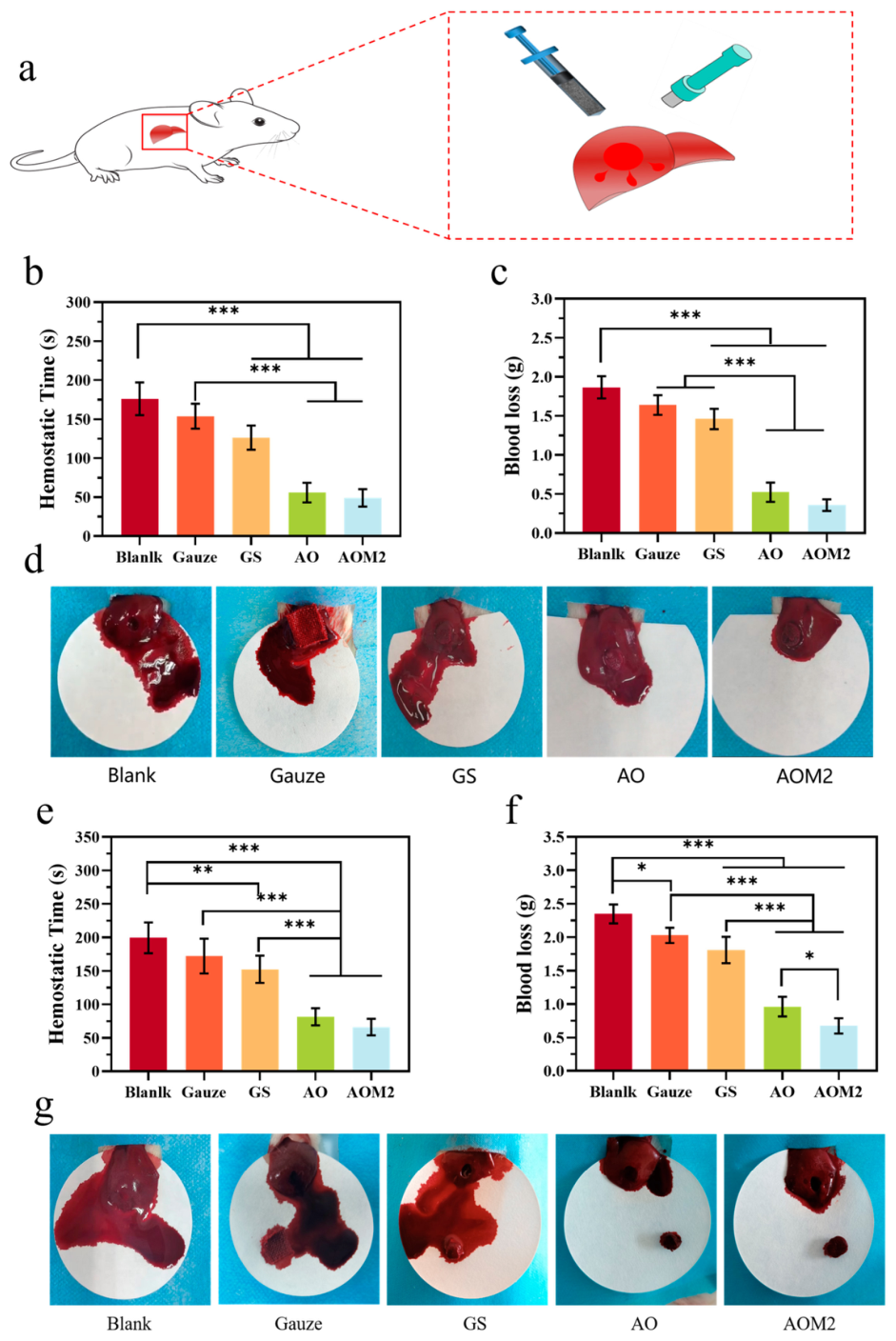



| Derivative | Synthesis Method | Key Properties | Wound Healing Application | Commercial Examples | References |
|---|---|---|---|---|---|
| Carboxymethyl cellulose (CMC) | Etherification of cellulose with monochloroacetic acid in alkaline medium | Water-soluble, anionic polyelectrolyte, high swelling (up to 3000%), ion-exchange capacity, cohesive gel formation | Hydrofiber dressings for exuding wounds; sequesters bacteria and MMPs; reduces periwound maceration | Aquacel®, Durafiber® | [49] |
| Hydroxypropyl methylcellulose (HPMC) | Etherification with propylene oxide and methyl chloride | Thermo-gelation (LCST ~ 40–50 °C), viscosity control, film-forming, mucoadhesive | Thermoresponsive injectable gels; bioinks for 3D-printed dressings; viscosity modifier in composite hydrogels | Ocucoat®, Gonak® | [50]. |
| Methylcellulose (MC) | Etherification with methyl chloride | Thermo-gelation (LCST ~ 50–60 °C), surface active, non-ionic | Injectable thermogels for irregular wound cavities; controlled release matrices | Methocel®, Culminal® | [51] |
| Hydroxyethyl cellulose (HEC) | Etherification with ethylene oxide | Non-ionic, water-soluble, thickening agent, salt-tolerant | Viscosity modifier; component in composite hydrogels for burn wounds | Natrosol®, Cellosize® | [50] |
| Hydroxypropyl cellulose (HPC) | Etherification with propylene oxide | Thermo-gelation (LCST ~ 40–45 °C), amphiphilic, film-forming | Injectable thermogels; controlled release of hydrophobic drugs | Klucel®, Nisso HPC® | [52] |
| Oxidized cellulose (OC) | Periodate or TEMPO oxidation of cellulose | Hydrolytically labile, biodegradable, hemostatic, aldehyde groups for Schiff-base crosslinking | Hemostatic dressings; degradable wound fillers; crosslinkable precursor for dynamic hydrogels | Surgicel®, Oxycel® | [53] |
| Cellulose Type | Key Structural Advantage | Primary Clinical Benefit | Limitation/Challenge | References |
|---|---|---|---|---|
| BC | 3D nanofibrillar network; high purity; >90% water | High gas permeability, moist cooling and analgesic effect; excellent biocompatibility; already commercial dressings | Fermentation cost and scale-up; lacks intrinsic biodegradability and antibacterial activity without modification | [17,21,36,46,47] |
| CNC | High crystallinity, surface area, and charge | Strong mechanical reinforcement; ideal carrier for “smart” drug delivery and functionalization | Requires intensive chemical extraction (acid hydrolysis); aggregation and surface modification issues | [37,40,41,44] |
| CNF | Entangled nanofibrillar network; high water retention | Robust yet flexible hydrogels; transparency; good conformability and exudate management | Viscosity handling and processing challenges; often combined with other polymers | [37,39,40,43,45] |
| CMC | High ion-exchange capacity; water-soluble | Hydrofiber “lock-in” of exudate, bacteria, and proteases; clear cohesive gel preventing maceration | Low wet mechanical strength; usually needs secondary backing or reinforcement | [14,21,37,42,48] |
| Hybrid Component | Design Mechanism | Targeted Clinical Unmet Need | References |
|---|---|---|---|
| Chitosan/BC | Polyelectrolyte or Schiff-base complexation; DN/IPN formation | Infection control and biofilm suppression via intrinsic antimicrobial activity plus moist BC matrix | [54,56,77,83] |
| Gelatin/CNF | RGD-rich protein integrated with a nanofibrillar network | Re-epithelialization and “cell homing” through enhanced fibroblast adhesion and migration | [77,80,85] |
| Graphene oxide (often with BC/gelatin) | Conductive nanofiller in polymer network | Electrical stimulation–assisted healing and added antibacterial effect | [79,80,85] |
| Alginate/CMC | Ionically crosslinked IPN | Mechanical integrity and exudate control under compression therapy | [14,80,81] |
| Physicochemical Parameter | Typical Range | Measured Impact on Wound-Relevant Function | References |
|---|---|---|---|
| Swelling ratio/water uptake | CMC/PVA hybrid hydrogels: ~100–5000%; high swelling also reported for SA/PDA-PAM and QHEC-PDA-PAM networks | Enables exudate absorption while maintaining moisture; water-responsive behavior is pivotal to wound homeostasis. | [87,89] |
| Water vapor transmission (WVTR) | CMC/PVA hybrids: ~200–260 g·m−2·day−1 matching healthy skin and commercial standards. | Balances moisture retention and gas exchange, preventing over-drying or maceration. | [87,89] |
| Porosity/3D network | Highly porous, interconnected fibrous networks (≈85–95%) reported for BC-based and PDA networks. | Favors cell infiltration and nutrient/oxygen diffusion, supporting tissue regeneration. | [88] |
| Mechanical properties (compressive/tensile) | Soft hydrogels show a compressive stress of ~0.22 MPa ~ 0.22 MPa, a Young’s modulus E ≈ 11 kPa, a tensile strength of ~55.7 kPa ~55.7 kPa, and stretchability up to 1828%. | Provides conformability to mobile sites and resistance to rupture during movement. | [90] |
| Surface chemistry/bio-loading | Incorporation of PDA (adhesive), GO/rGO (antibacterial), and quaternized HEC into networks. | Tailored chemistry provides antibacterial activity and enhanced hemostasis for infected wounds. | [91] |
| Hydrogel System | Key Mechanical Properties (Reported Values) | Comparison to Human Tissue Targets | Key Structural Feature | Reference |
|---|---|---|---|---|
| Cellulose nanofibril/PVA hydrogel (RPC/PB) | Fracture strength ≈ 149.6 kPa; adhesion ≈ 54.2 kPa | Strength in range of dermal tensile modulus (≈100–200 kPa) | Nanocellulose-reinforced semi-interpenetrating network | [41,79] |
| BC/polydopamine/ZIF-8 hydrogel | Tensile strength ≈ 57 kPa > 1.3 MPa and a modulus of ~100 kPa | Modulus comparable to lower bound of dermal tensile modulus (≈100 kPa) | Metal–organic framework reinforced BC network | [61,79] |
| BC-reinforced OHA-DA/PAM hydrogel | Tensile strength ≈ 57 kPa; elongation ≈ 10,600% | Elongation far exceeds typical skin elongation (≈35–115%); lower strength than native skin (MPa range) | BC reinforced stretchable hydrogel network | [62,79] |
| Alginate/carrageenan/cellulose hydrogel dressing | Tensile strength ≈ 2.5–7 kPa; elongation ≈ 80% | Elongation within skin range; tensile strength much lower than skin (2.5–16 MPa) | Multicomponent polysaccharide composite | [58,100] |
| Alginate/casein hydrogel reinforced with BC nanoparticles | Compression moduli from 5.6 ± 1.6 to 94.0 ± 3.6 kPa | Upper range approaches sub-dermal/granulation-like softness (kPa–tens of kPa) | Nanocellulose-reinforced injectable hydrogel | [63,101]. |
| BC nanofiber–grafted hydrogel dressing | Tensile strength 21–51 kPa, strain ~900–1047% | Much higher extensibility than skin; strength below bulk BC but within soft-tissue kPa–MPa window | BC nanofiber reinforced polymer network | [64,101]. |
| BC/polyacrylic acid hydrogel | Compressive strength ≈ 8 kPa | Softer than plantar/pressure-ulcer targets (>100 kPa) but comparable to early granulation tissue (≈1–10 kPa). | pH-responsive BC composite hydrogel | [65,102] |
| BC/PHACOS antimicrobial hydrogel | Mechanical properties similar to human skin | Qualitatively matched to skin tensile properties (tens of kPa–MPa). | BC composite antimicrobial hydrogel | [67,100] |
| BC hydrogel membrane wound dressing | Tensile strength up to ~46 MPa, depending on BC processing | Greatly exceeds native skin tensile strength (2.5–16 MPa); risk of over-stiffness. | Highly crystalline BC nanofiber network | [56,103] |
| Hydrogel System | Antimicrobial Agent | Target Microorganism | Inhibition Zone (mm) | CFU Reduction (log10) | Minimum Inhibitory Concentration (MIC) | Cytocompatibility (Cell Viability %) | Reference |
|---|---|---|---|---|---|---|---|
| BC/AgNP composite | Silver nanoparticles (20–40 nm) | S. aureus, E. coli | 12–18 (S. aureus), 10–15 (E. coli) | 4–6 log | 5–10 μg/mL (Ag) | >85% (L929 fibroblasts) | [115] |
| BC/ZnO NP composite | Zinc oxide nanoparticles (30–50 nm) | S. aureus, P. aeruginosa | 10–14 (S. aureus), 8–12 (P. aeruginosa) | 3–5 log | 50–100 μg/mL (ZnO) | >90% (HaCaT keratinocytes) | [116] |
| BC/Cu NP composite | Copper nanoparticles (15–25 nm) | S. aureus, E. coli, MRSA | 15–20 (S. aureus), 12–18 (MRSA) | 5–7 log | 2–5 μg/mL (Cu) | >80% (fibroblasts) | [117] |
| CMC/AgNP/chitosan | Silver nanoparticles + chitosan | S. aureus, E. coli, C. albicans | 14–22 (bacteria), 10–15 (fungi) | 4–6 log | 5–10 μg/mL (Ag) | >85% (L929) | [118] |
| BC/gentamicin | Gentamicin (antibiotic) | S. aureus, P. aeruginosa | 20–25 (S. aureus), 18–22 (P. aeruginosa) | >6 log | 0.5–2 μg/mL | >90% (fibroblasts) | |
| BC/PHACOS | Poly(3-hydroxy-acetylthioalkanoate) | S. aureus (incl. MRSA) | 15–20 | 4–5 log | 10–20 μg/mL | >85% (L929) | [119] |
| CNF/curcumin/AgNP | Curcumin + silver nanoparticles | S. aureus, E. coli, C. albicans | 12–18 (bacteria), 8–12 (fungi) | 4–6 log | 5–10 μg/mL (Ag) | >80% (fibroblasts) | [120] |
| BC/oregano essential oil | Carvacrol, thymol | S. aureus, E. coli, P. aeruginosa | 10–15 (bacteria) | 3–4 log | 0.5–1% (v/v) | >85% (fibroblasts) | [121] |
| BC/ZIF-8 (Col-Cu@ZIF) | Cu2+ + ZIF-8 MOF | S. aureus, E. coli, MRSA | 18–25 (MRSA), 15–22 (E. coli) | 5–7 log | 10–20 μg/mL (Cu) | >80% (L929) | [122] |
| BC/tannic acid/borax | Tannic acid (polyphenol) | S. aureus | 8–12 | 2–3 log | 0.1–0.5% (w/v) | >90% (fibroblasts) | [123] |
| CMC/sericin | Sericin (protein) | S. aureus, E. coli | 6–10 | 1–2 log | N/R | >85% (fibroblasts) | [124] |
| Application | Composition | pH-Responsive Mechanism | Primary Clinical Benefit | References |
|---|---|---|---|---|
| Bacterial trap & Fenton reaction | Copper peroxide nanoagent in hydrogel (e.g., transferrin-conjugated CuO2 or CuP nanozymes in polymer network) | Acidic wound pH triggers decomposition of copper peroxide, releasing Cu2+/Cu+ and H2O2, driving Fenton(-like) •OH generation | Biofilm eradication and infection control in acidic, bacteria-infected wounds | [277,278,279] |
| Dual-drug release (antibiotic/bFGF) | Alginate/CaCO3 composite microparticles; can be embedded in hydrogel or used as hydrogel-like particles | pH-dependent CaCO3 dissolution and alginate network changes tune drug diffusion and swelling | Tissue regeneration via staged release of antibiotic (early) and bFGF (sustained), matching wound-healing phases | [280,281] |
| Antioxidant & antibacterial | Resveratrol-grafted cellulose nanofibrils in PVA–borax hydrogel | Faster degradation/rearrangement of dynamic borate ester bonds and network in acidic wound pH promotes resveratrol release | ROS scavenging and natural antibacterial effect in infected wounds | [79] |
| Smart insulin & fibroblast delivery | Phenylboronic-modified chitosan/PVA/benzaldehyde-capped PEG hydrogel loaded with insulin and fibroblasts | Instability of Schiff base and phenylboronate ester bonds under acidic and high-glucose conditions induces on-demand network loosening and cargo release | Diabetic ulcer care: combined pH/glucose-responsive local insulin and cell delivery | [282,283,284,285] |
| Bioactive factor (e.g., stem cell factor) release via Schiff-base | Collagen or chitosan derivatives crosslinked with aldehyde-functional PEG or cellulose nanocrystals through reversible imine bonds | pH-dependent formation/breakage of dynamic Schiff-base linkages modulates network integrity and release of anti-inflammatory/trophic factors | Stem cell recruitment and immunomodulation via controlled release and ECM-mimetic mechanics | [286,287,288] |
| Broad-spectrum antibiotic delivery | Oxidized polysaccharides (e.g., oxidized CMC) with amino-bearing chitosan derivatives forming Schiff-base hydrogels | Acid-catalyzed hydrolysis of imine (Schiff-base) crosslinks in infected, acidic sites accelerates degradation and drug release | Infection management: pH-triggered burst or sustained antibiotic release in bacterial microenvironment | [16,283,289] |
| On-demand antimicrobial (Ag/metal) release & pH monitoring | PVA–borax or methylcellulose-based hydrogels incorporating silver-containing nanofillers (e.g., AgNPs or ZIF-8-based systems) | pH-dependent hydrogel network swelling/degradation and coordination bond dynamics control release of Ag+/Zn2+; alkaline or acidic shifts reflect chronic vs. acute wound states | pH-linked antimicrobial ion release, suitable for chronic/infected wounds and real-time microenvironment adaptation | [260,279,290,291] |
| Cellulose Type | Fabrication Method | Advantages | Limitations | Durability | Biocompatibility | Clinical Evidence Level | References |
|---|---|---|---|---|---|---|---|
| Bacterial cellulose (BC) | Static or agitated fermentation | High purity, high crystallinity, high water content (90–99%), excellent mechanical strength (tensile up to 46 MPa) | Slow production (7–14 days), high cost ($50–200/kg), scale-up challenges, non-degradable without modification | Weeks to months (stable in vivo) | Excellent—minimal inflammatory response, no cytotoxicity | Clinical (CE-marked, FDA-cleared) | [316] |
| Carboxymethyl cellulose (CMC) | Chemical derivatization of plant cellulose | Water-soluble, ion-exchange capacity, superabsorbent (swelling up to 3000%), low cost ($5–15/kg), scalable | Low wet mechanical strength, requires secondary backing, non-adherent | Days to weeks (dissolves in exudate) | Excellent—widely used in FDA-cleared hydrofibers | Clinical (multiple commercial products) | [58] |
| Cellulose nanocrystals (CNC) | Acid hydrolysis (64–68% $H_2SO_4$) | High surface area (150–250 -m2/g, high charge density, mechanical reinforcement, dense drug loading | Aggregation tendency, residual acid removal, energy-intensive | Months (stable) | Good—low cytotoxicity, potential inflammasome activation at high doses | Preclinical | [317] |
| Cellulose nanofibrils (CNF) | Mechanical fibrillation (high-pressure homogenization) | Entangled 3D network, injectable, shear-thinning, optically translucent | High viscosity, energy-intensive (1000–2000 kWh/ton), batch-to-batch variability | Weeks to months (depends on surface charge) | Good—low cytotoxicity, pending long-term data | Preclinical/Early clinical | [318] |
| Regenerated cellulose | Dissolution (ionic liquids, NMMO) and precipitation | Low cost, versatile shaping (films, fibers, sponges), sustainable processing | Lower mechanical strength than BC, residual solvent concerns | Weeks | Good—generally recognized as safe | Preclinical/Clinical | [319] |
| Chemically crosslinked cellulose | Covalent crosslinking (citric acid, EDC/NHS, genipin) | Tunable degradation, enhanced mechanical stability, controlled drug release | Potential residual crosslinker toxicity, complex synthesis | Weeks to months (tunable) | Good—depends on crosslinker choice | Preclinical | [41] |
| Physically crosslinked cellulose | Hydrogen bonding, ionic interactions, freeze–thaw cycles | No toxic crosslinkers, injectable, self-healing potential | Lower mechanical strength, reversible networks | Days to weeks | Excellent—no chemical residues | Preclinical | [138] |
| Cellulose Type | Raw Material Cost ($/kg) | Processing Cost ($/kg) | Final Dressing Cost ($/10 × 10 cm) | Scalability Rating (1–5) | Refences |
|---|---|---|---|---|---|
| CMC (plant) | 5–15 | 2–5 | $0.05–0.20 | 5 (fully scaled) | [333] |
| Regenerated cellulose | 3–10 | 5–10 | $0.10–0.30 | 4 (industrial) | [319] |
| CNF (mechanical) | 10–30 | 20–50 | $0.50–1.50 | 3 (pilot scale) | [334] |
| CNC (acid hydrolysis) | 15–40 | 15–40 | $0.80–2.00 | 3 (pilot scale) | [333] |
| BC (static) | 50–100 | 50–100 | $2–10 | 1 (lab scale) | [335] |
| BC (bioreactor) | 20–40 | 20–40 | $1–3 | 2–3 (emerging) | [335,336,337] |
| Parameter | Typical Methods | Example | Relevant Standards | References |
|---|---|---|---|---|
| Degree of polymerization (DP) | Viscosity methods, size-exclusion chromatography, membrane osmometry, cryoscopy, reducing-end concentration | DP appropriate for target application and stable under processing (no excessive DP loss) | General cellulose DP methods; discussed as key NC property | [342] |
| Crystallinity index (CrI) | X-ray diffraction (including Rietveld refinements), solid-state 13C NMR, IR, Raman, DSC, CBM-based biochemical methods, IR + ML models | CrI in a controlled range for mechanical performance and modification response; method-consistent reporting | ISO/TR 19716 for CNCs; multiple best-practice reviews | [32,343] |
| Surface charge density | Conductometric titration, elemental S for sulfate esters, zeta potential; ICP-OES for sulfur | Charge level tuned to dispersion and application; stable, well-characterized counter-ions | ISO 21400 (sulfur and sulfate half-ester content); ISO CNC/CNF characterization documents | [344,345] |
| Aspect ratio (length/width) | TEM, SEM, AFM; standardized CNC and CNF size protocols and SEM guidelines | Narrow, well-defined distributions with D(10)/D(50)/D(90) for product/spec grade; method-specific reporting | ISO/TR 19716 (CNC size), ISO/TS 21346 (iCNF, under development); CNF size guidance | [346,347,348] |
| Endotoxin content | Bacterial endotoxin tests (e.g., LAL-type assays) on suspensions | Below regulatory limits for intended biomedical/implant/parenteral use; “low endotoxin” for general biosafety | Biosafety and impurity control frameworks for nanocellulose in biomedicine | [349,350] |
| Residual solvents | GC/MS, targeted solvent analysis | Residuals below applicable pharmacopeia/chemical safety limits; fully dried for non-wet uses | Discussed as exogenous contaminants impacting biosafety | [349,350,351] |
| Heavy metals | ICP-OES/ICP-MS, elemental analysis | Below regulatory thresholds for heavy metals (e.g., Pb, Cd, Cu, etc.) in target application | Heavy metal removal papers highlight sensitivity and importance of trace metals | [352,353] |
| Bioburden (microbial load) | Microbial culture counts, bacterial contamination testing | Very low or non-detectable bioburden for medical/food-contact uses; controlled for industrial uses | Biosafety reviews on endogenous/exogenous impurities and bioburden control | [344,347,350] |
| Strategy | Key Purpose for Translation | References |
|---|---|---|
| Ex vivo human skin and porcine models | Better match human skin structure and re-epithelialization; allow testing on weight-bearing sites | [360,361,362,364] |
| Chronic wound fluid instead of PBS | Assess hydrogel stability, degradation, and drug release in protease-rich exudate | [364,368,371] |
| Polymicrobial biofilm models | Capture clinical biofilm architecture, EPS, and antibiotic tolerance | [304,367,369,370] |
| Longer, multi-application animal studies | Evaluate durability, repeated handling, and recurrence over 6–12 weeks | [362,363,364] |
| Comorbidity-inclusive models | Incorporate diabetes, ischemia, neuropathy, or renal disease to reflect DFU patients | [304,364,365,372,373] |
| Mechanical loading simulations | Test adhesion and integrity under cyclic pressure and shear resembling plantar ulcers | [304,360,362] |
Disclaimer/Publisher’s Note: The statements, opinions and data contained in all publications are solely those of the individual author(s) and contributor(s) and not of MDPI and/or the editor(s). MDPI and/or the editor(s) disclaim responsibility for any injury to people or property resulting from any ideas, methods, instructions or products referred to in the content. |
© 2026 by the authors. Licensee MDPI, Basel, Switzerland. This article is an open access article distributed under the terms and conditions of the Creative Commons Attribution (CC BY) license.
Share and Cite
Negut, I.; Visan, A.I. Cellulose-Based Hydrogels for Chronic Wound Healing: Bridging Biomaterial Design and Clinical Unmet Needs. Gels 2026, 12, 410. https://doi.org/10.3390/gels12050410
Negut I, Visan AI. Cellulose-Based Hydrogels for Chronic Wound Healing: Bridging Biomaterial Design and Clinical Unmet Needs. Gels. 2026; 12(5):410. https://doi.org/10.3390/gels12050410
Chicago/Turabian StyleNegut, Irina, and Anita Ioana Visan. 2026. "Cellulose-Based Hydrogels for Chronic Wound Healing: Bridging Biomaterial Design and Clinical Unmet Needs" Gels 12, no. 5: 410. https://doi.org/10.3390/gels12050410
APA StyleNegut, I., & Visan, A. I. (2026). Cellulose-Based Hydrogels for Chronic Wound Healing: Bridging Biomaterial Design and Clinical Unmet Needs. Gels, 12(5), 410. https://doi.org/10.3390/gels12050410