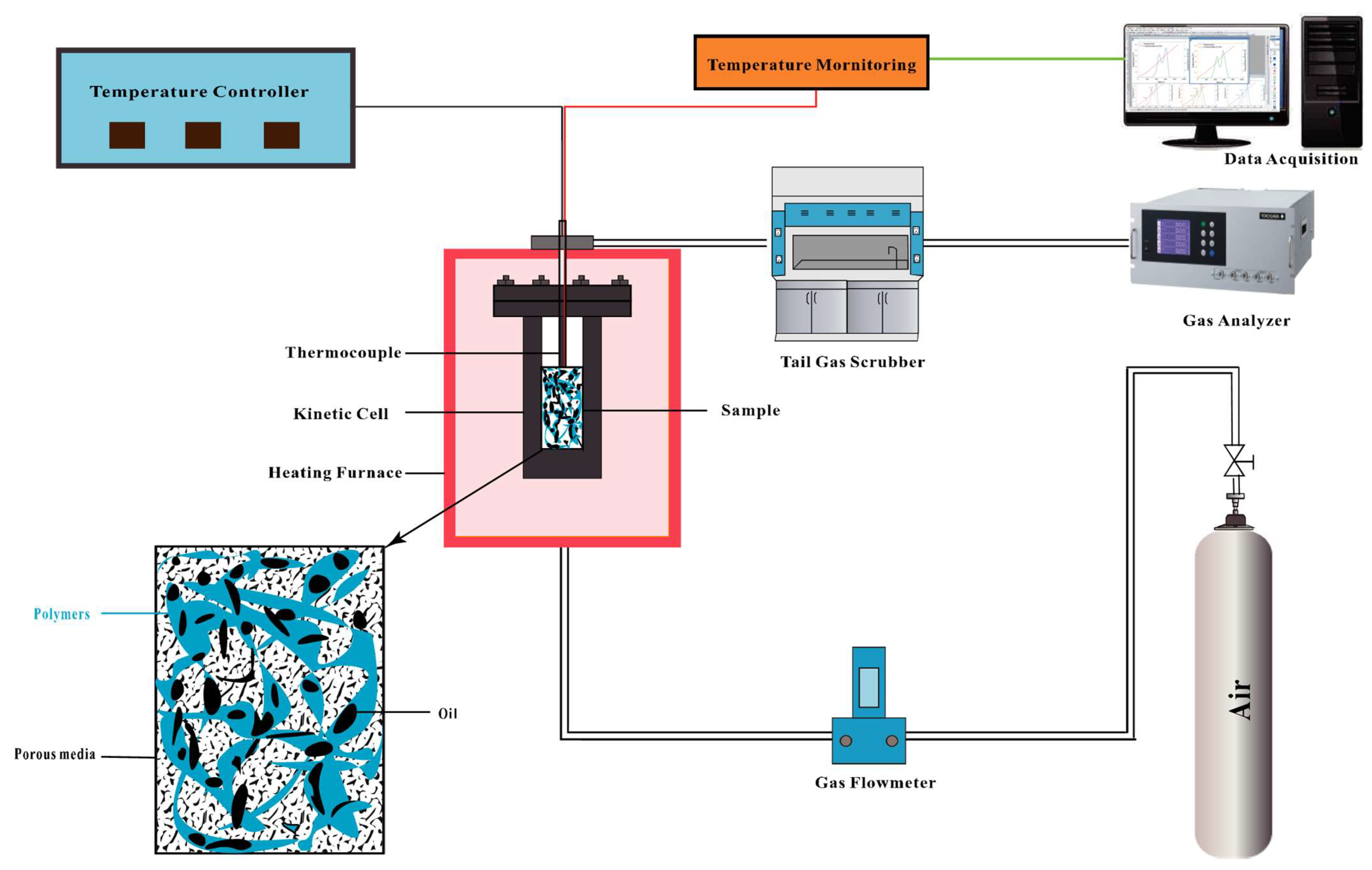
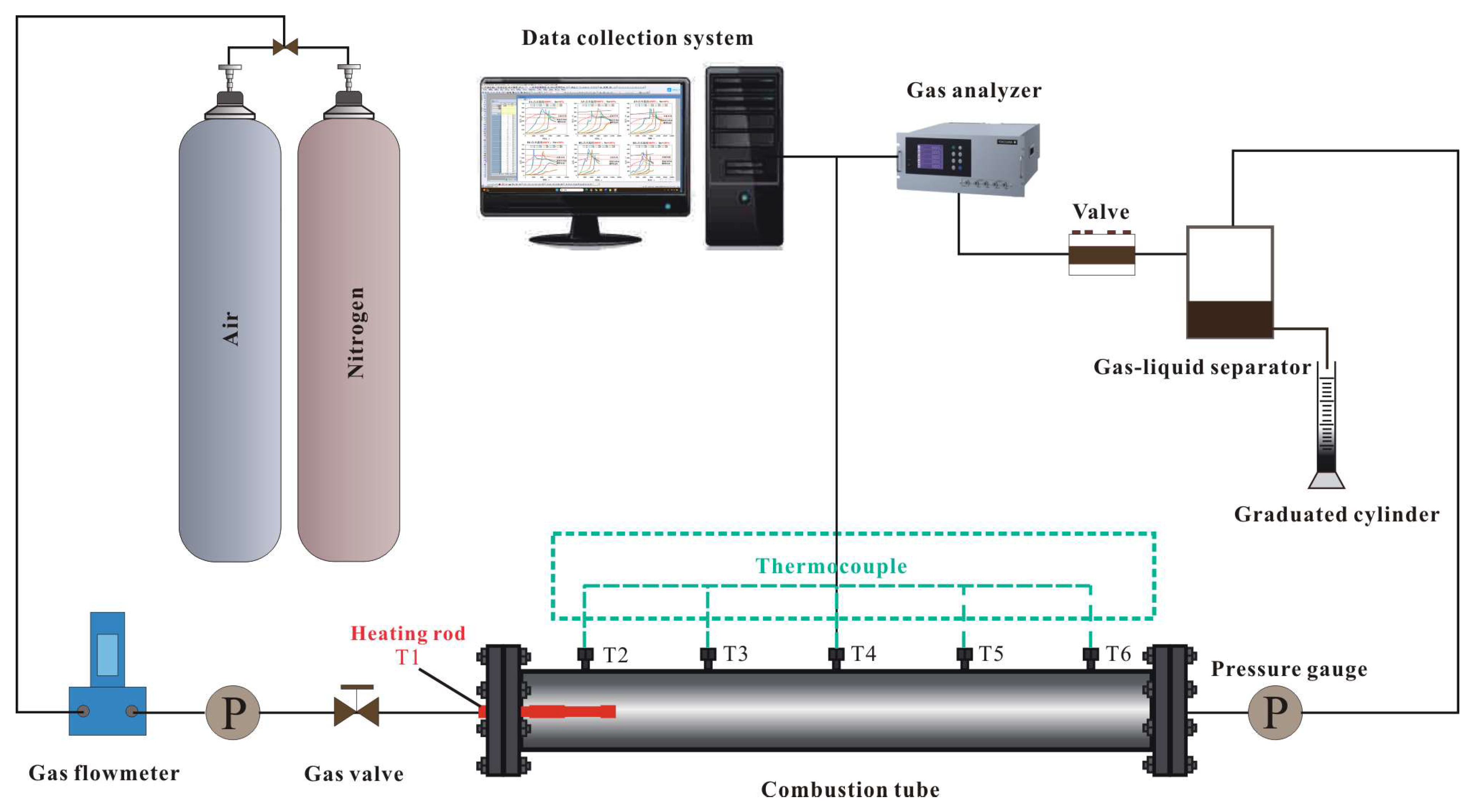
Previous studies have confirmed that residual polymer gels retained in porous media are not only combustible but also exhibit a degree of enhancement for in situ combustion processes in oil reservoirs. Subsequently, a detailed investigation of the impact of residual polymers in porous media on the activation energy of crude oil during the oxidation reaction process was carried out. The potential role of HPAM gel as a sacrificial reaction promoter in the in situ combustion process was further quantitatively evaluated. Meanwhile, oxidation behaviors of HPAM gel with distinct molecular properties and crude oils of varying viscosities were compared under controlled in situ combustion conditions.
2.2.1. Influence of the HPAM Gel on the Active Energy of the Oil
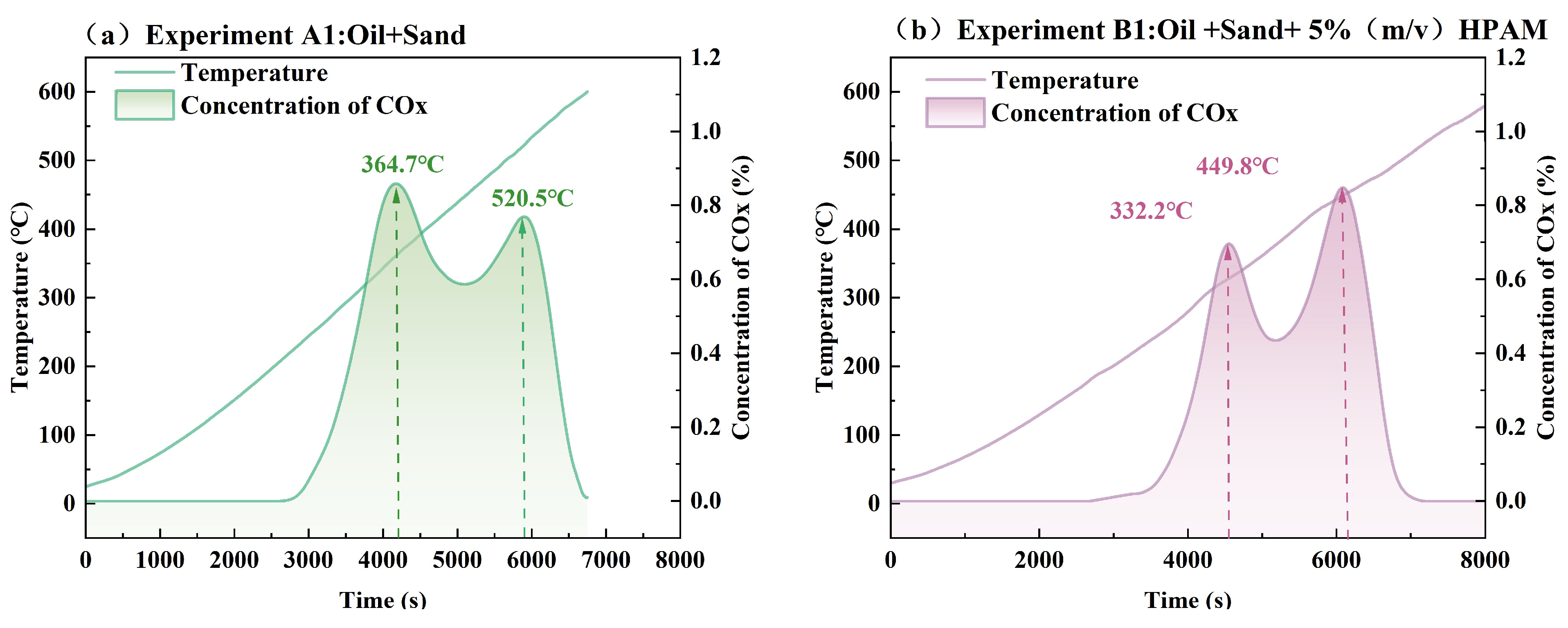
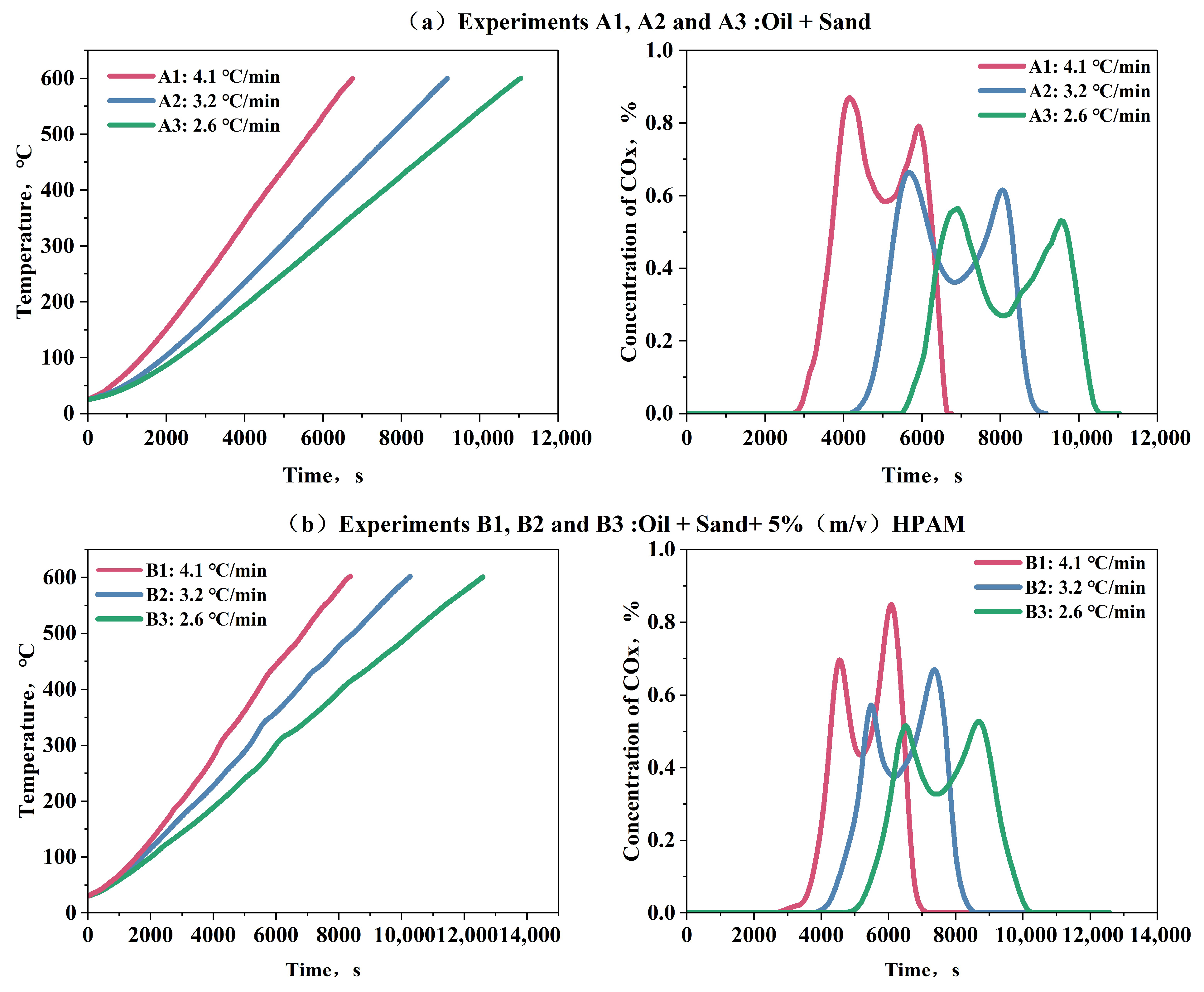
Figure 5 illustrates the temperature profiles and COx concentration trends observed during Experiments A1–A3 and B1–B3, providing insights into the oxidation dynamics and the influence of HPAM gel on reaction kinetics.
A comparison in
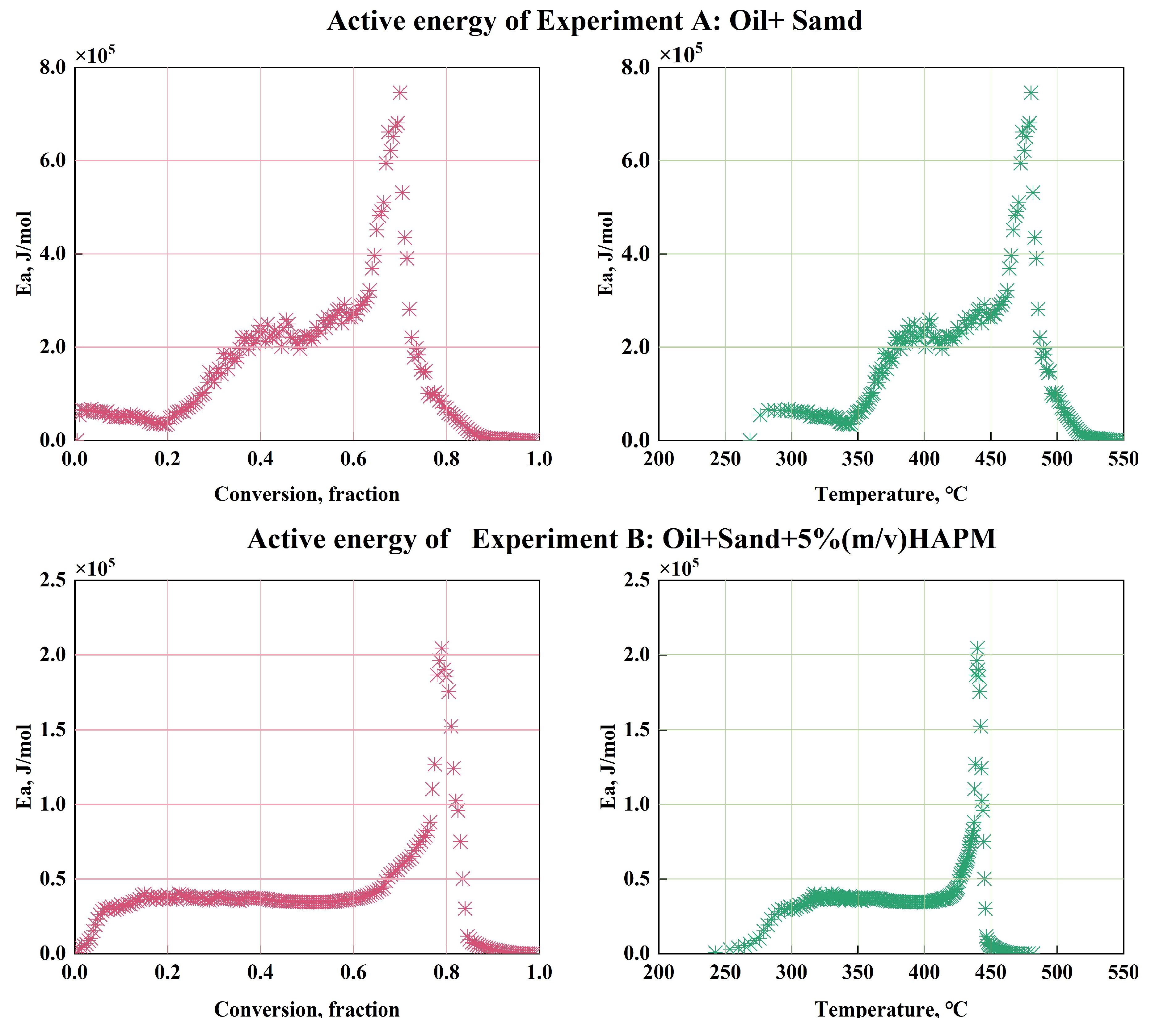
Figure 5 reveals that in the latter, each set of temperature variation curves exhibits two distinct peaks corresponding to the two peaks in concentration variation. This indicates a more pronounced exothermic reaction in the oil sand containing HPAM gel within the porous medium. Additionally, the carbon oxide concentration variations across all six experiments exhibit two peaks, which can be associated with the LTO and HTO processes of the oil. Specifically, the first peak in Group A is higher than the second, whereas the second peak in Group B is elevated. This suggests that HPAM gel primarily promotes the HTO process, leading to increased carbon oxide production during HTO compared to LTO. Using the Friedman method, the activation energies of Groups A and B were calculated and presented in
Table 1 and
Table 2, respectively, with their activation energy fingerprints shown in
Figure 6.
Analysis of the activation energy data for Group A reveals that a conversion rate ranging from 0.005 to 0.27 corresponds to a temperature interval of 268.7–359.5 °C, aligning with the LTO stage where oxygen addition and cracking reactions are dominant. Here, activation energy ranges from 33.213 to 96.475 kJ/mol. At conversion rates between 0.27 and 0.58 (359.5–445.1 °C), crude oil cracking reactions become dominant, with activation energies ranging from 99.612 to 291.423 kJ/mol. When the conversion rate exceeds 0.89, the crude oil enters the high-temperature oxidation stage (445.1–523.5 °C), with activation energies ranging approximately from 291.423 to 745.637 kJ/mol.
Compared with Group A, the activation energy results in Group B reveal significant reductions in both LTO and HTO processes. The maximum activation energy of low-temperature oxidation is diminished from 96.475 kJ/mol to 40.125 kJ/mol, with a reduction rate of 58.4%. The maximum activation energy in the high-temperature oxidation stage is lowered from 745.637 kJ/mol to 185.124 kJ/mol, with a reduction rate of 75.2%. This promoting effect can be attributed to the heat released during HPAM gel decomposition, which facilitates the oxidation process and reduces the activation energy required for crude oil oxidation. These findings provide quantitative evidence of the gel’s promoting role in the ISC process.
2.2.2. Oxidation Characteristics of HPAM Gel with Different Properties
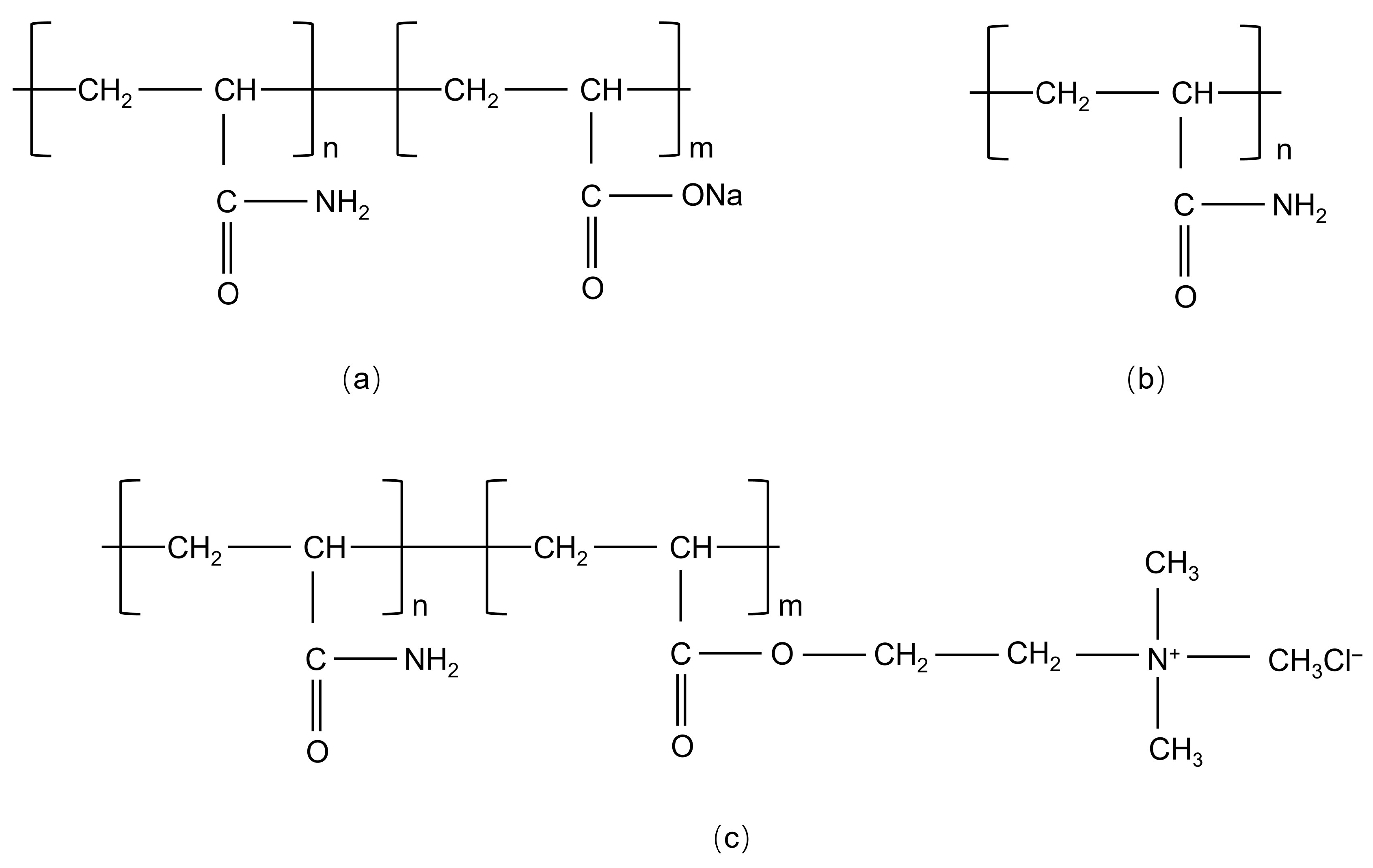
To investigate the influence of HPAM gel properties on the ISC process of crude oil, six sets of experiments were conducted. Experiments C1, C2, and C3 were designed to study the effect of molecular weight on oxidation behavior in simulated oil sand reservoirs, with each experiment utilizing HPAM of different molecular weights. Experiments D1, D2, and D3 focused on the impact of HPAM ionic types, specifically cationic polyacrylamide, anionic polyacrylamide, and nonionic polyacrylamide, respectively.
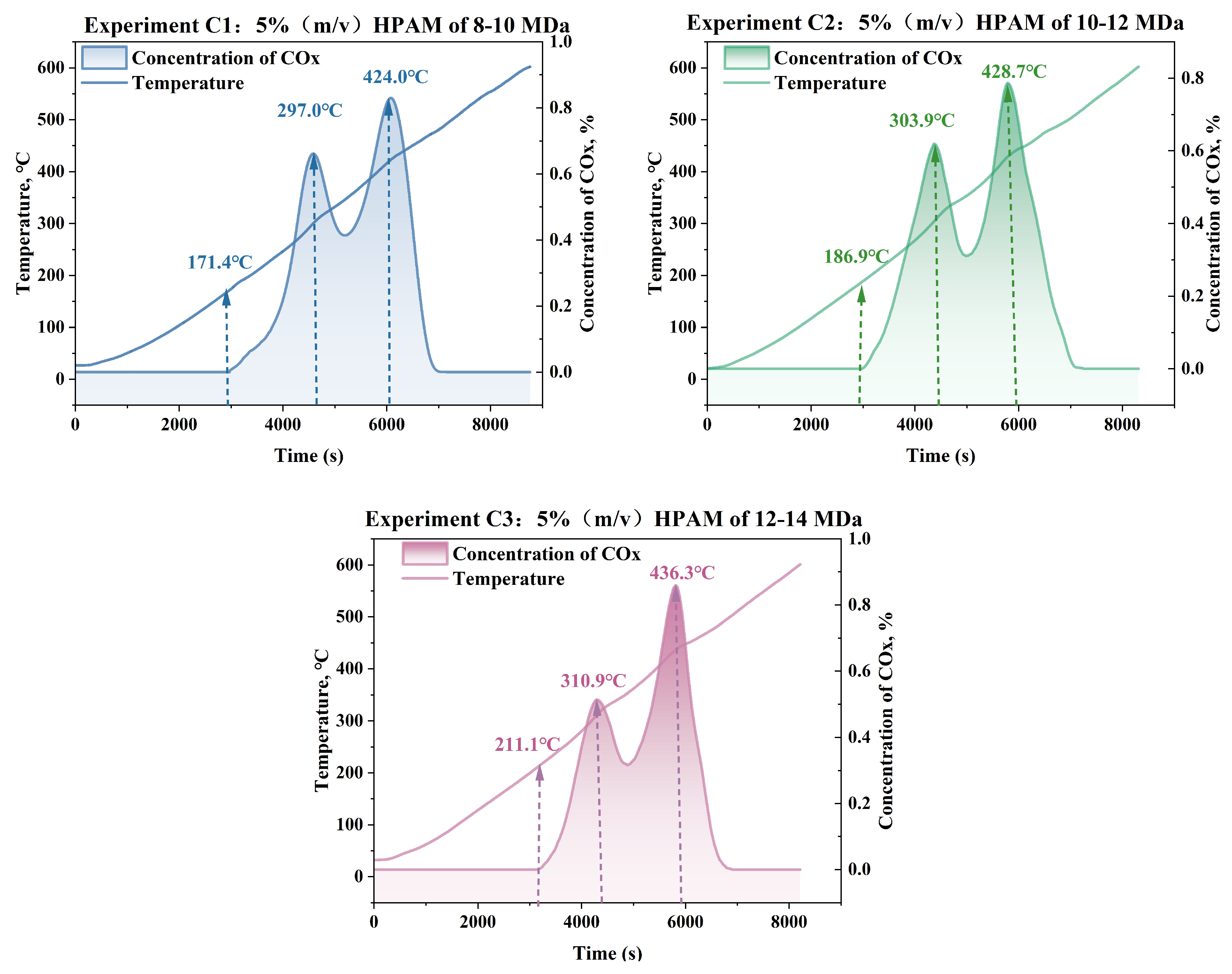
Figure 7 presents the experiment results of the mixed samples of oil sand with HPAM of three different molecular weights (Experiments C1, C2, and C3). Each set of experimental results is presented in the form of curves showing the variations in temperature and COx concentration over time.
It is observed that as the molecular weight of HPAM increases, the temperature required to generate COx also rises. Specifically, in Experiment C1 with the HPAM of molecular weight ranging from 8 to 10 MDa, COx production began at approximately 171.4 °C. For Experiment C2, with an HPAM of 10–12 MDa molecular weight, this initiation temperature increased to 186.9 °C. In Experiment C3, with HPAM with a molecular weight of 12–14 MDa, the temperature further rose to 211.1 °C. A similar trend was observed for the first and second COx concentration peaks. The first peak temperature increased from 297.0 °C in C1 to 303.9 °C in C2 and 310.9 °C in C3. The second peak temperature showed an even more pronounced increase, rising from 424.0 °C in C1 to 436.3 °C in C3. These trends can be attributed to the structural properties of higher-molecular-weight HPAM, which feature longer molecular chains, tighter entanglement, and stronger intermolecular forces. As a result, more energy is required to break and degrade these chains, leading to higher initiation and peak temperatures.
These results indicate that the lower-molecular-weight HPAM gel has a more pronounced promoting effect on the ISC process of crude oil. Its simpler molecular structure facilitates easier chain breakage and degradation, making it more effective at promoting oxidation and reducing reaction temperatures.
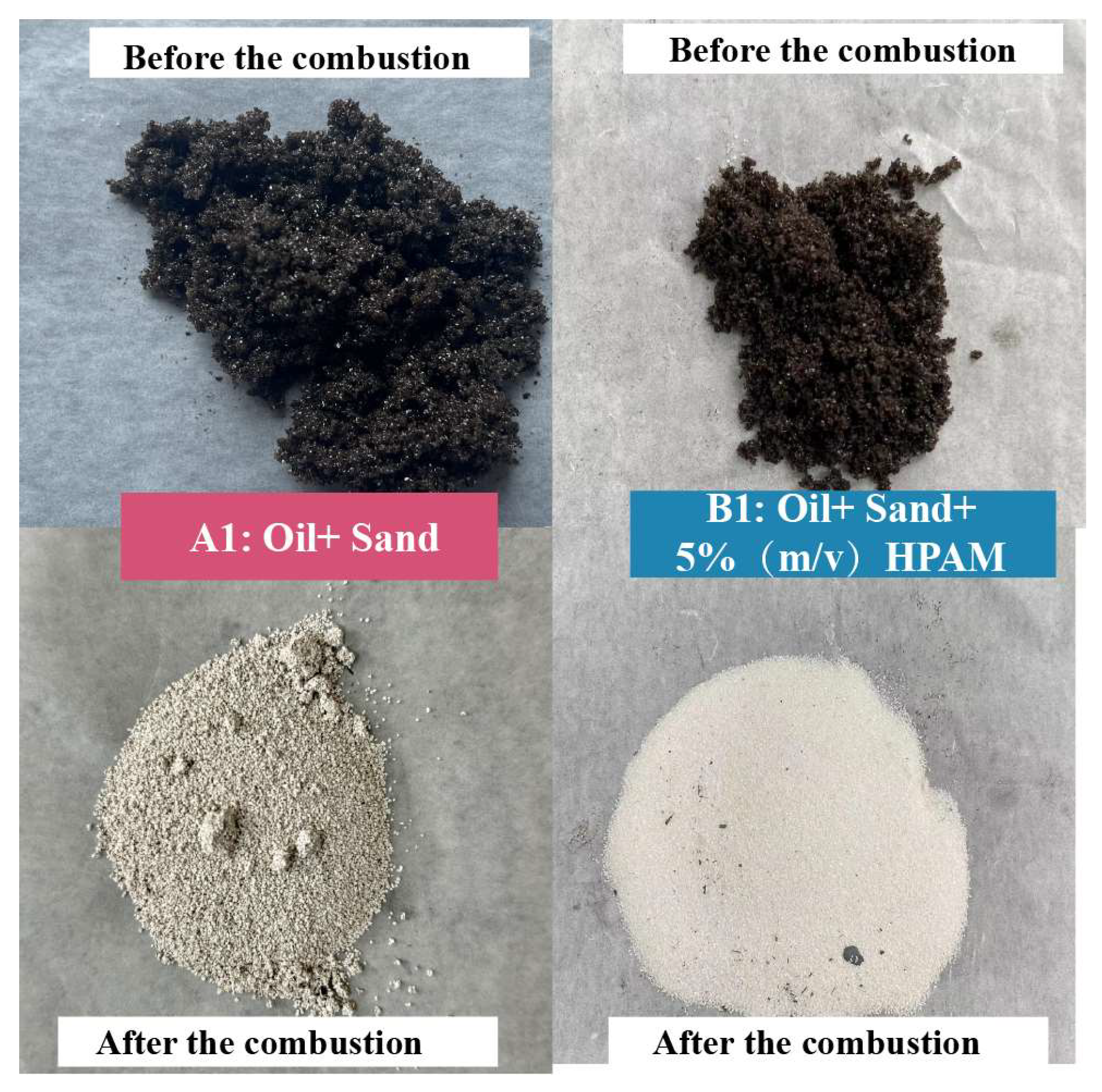
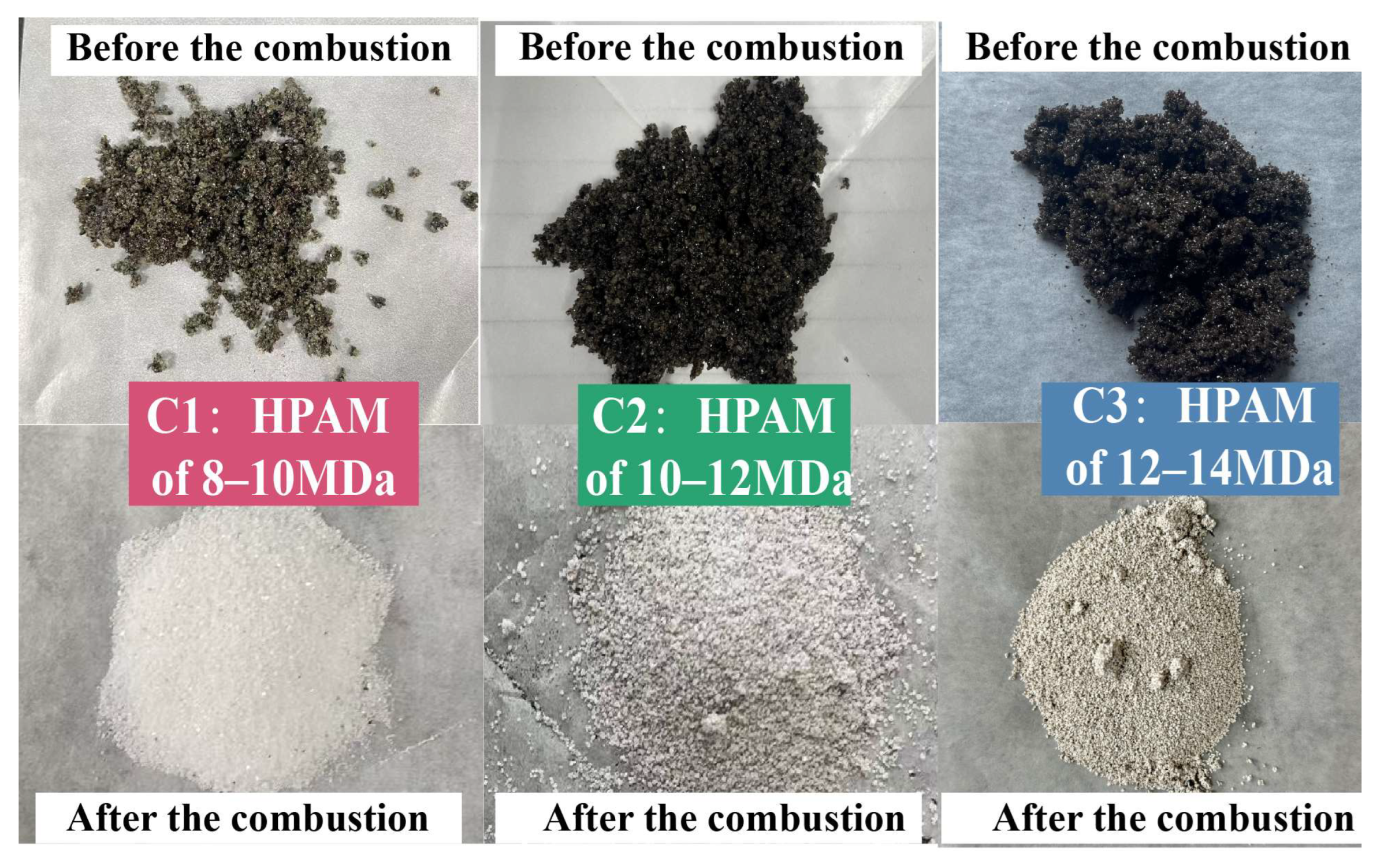
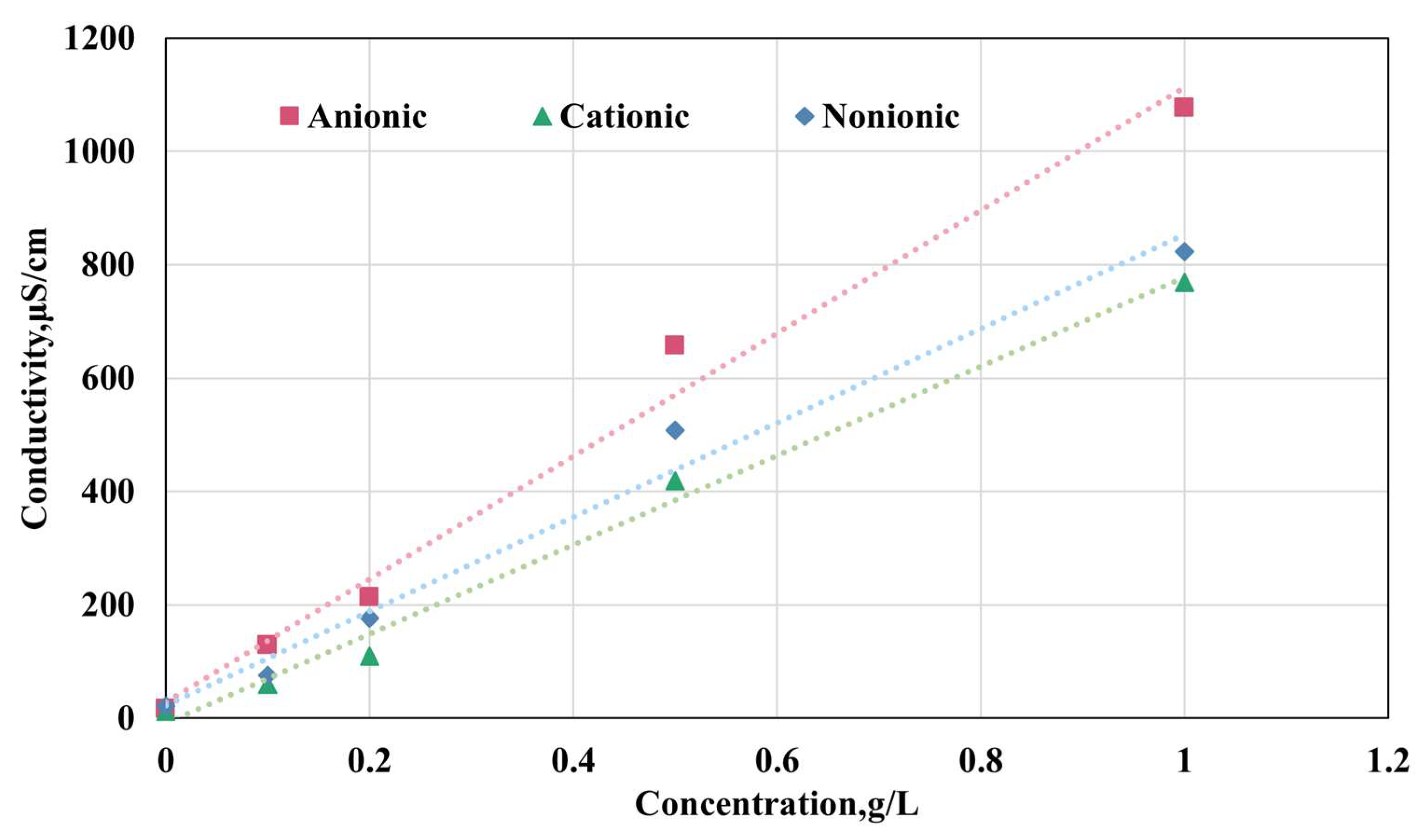
Figure 8 exhibits the appearance of the samples from Experiments C1, C2, and C3 before and after combustion. All three samples exhibited similar appearances, displaying white or off-white coloration, which indicates complete or near-complete degradation of the hydrocarbons and HPAM gel. The degradation efficiencies of the samples were measured based on the conductivity method described earlier, and the test results are shown in
Table 3.
The results demonstrate that samples with different molecular weights of HPAM gel undergo significant degradation during the ISC process in porous media. There is a clear inverse relationship between the degradation efficiency and molecular weight. That means that when the molecular weight increases, the degradation rate decreases. For example, when the molecular weight of HPAM increases from between 8 and 10 million to between 12 and 14 million, the degradation rate has a noticeable drop, falling from 91.5% to 86.7%. This shows that the higher the molecular weight, the more difficult it is for the HPAM gel to be degraded under the same treatment conditions. The possible reason is that high-molecular-weight HPAM has longer molecular chains, more complex structures, and more stable chemical bonds, requiring higher energy or more severe conditions to trigger its degradation reaction, thus leading to the decline in the degradation rate. Consequently, residual gel with a lower molecular weight of HPAM in the reservoir is more susceptible to cracking during the ISC process, making it a more effective candidate for enhancing oxidation efficiency.
The result is consistent with the research of Shatat [
31]. In their work, it was confirmed that high-molecular-weight HPAM has a more stable structure and relatively lower degradation efficiency compared with low-molecular-weight HPAM.
- 2.
Oxidation characteristics of HPAM gel with different ionic types
Gel with different ionic types of HPAM is expected to have different degrees of influence on the ISC process of crude oil.
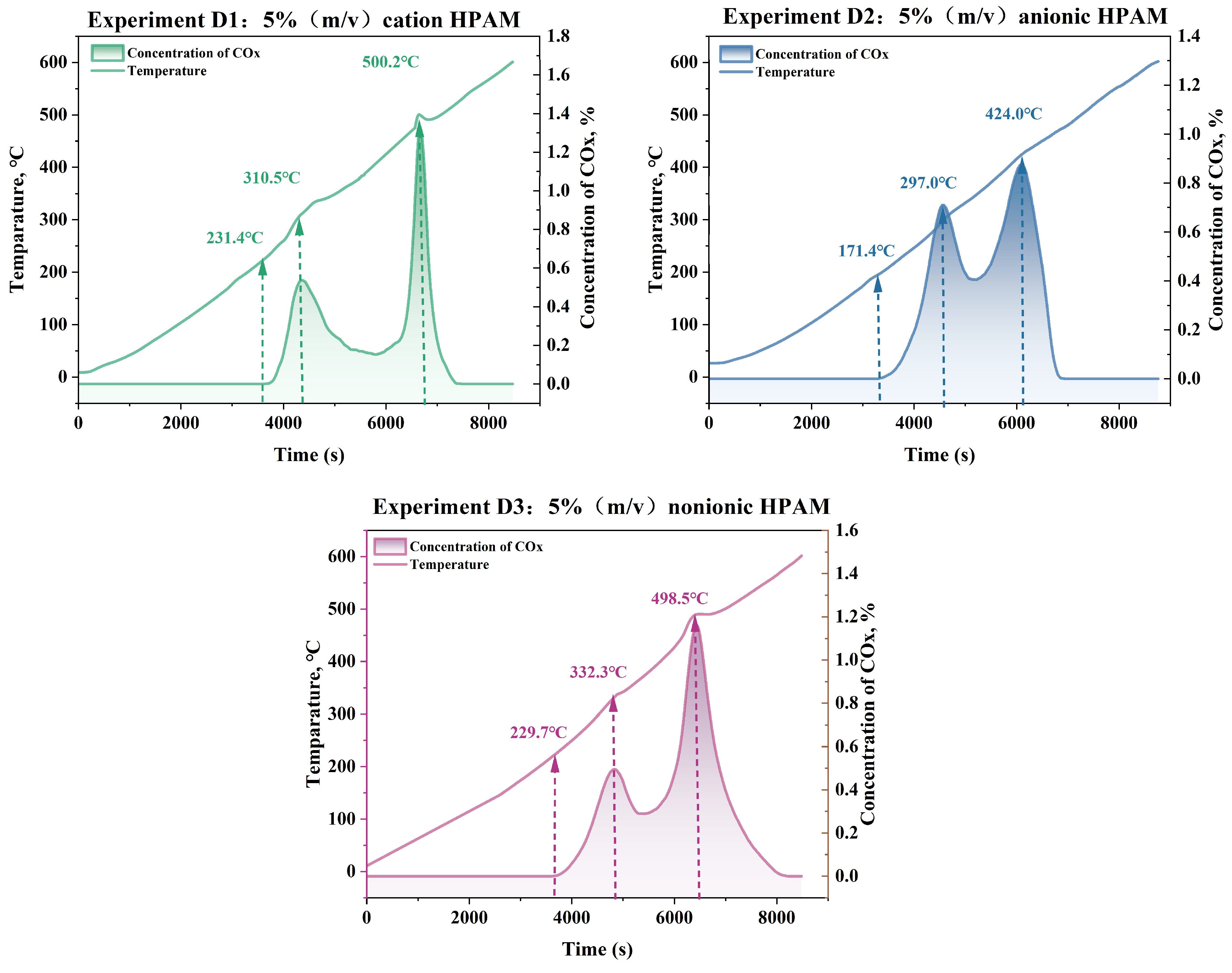
Figure 9 presents the temperature and concentration curves of HPAM with cationic (Experiment D1), anionic (Experiment D2), and nonionic (Experiment D3) properties in porous media, illustrating how these structural variations affect the oxidation behavior.
It shows that anionic HPAM gel exhibits the lowest degradation initiation temperature (171.4 °C) during the ISC process, whereas cationic and nonionic HPAM gel require higher initiation temperatures (231.4 °C and 229.7 °C, respectively), indicating greater energy requirements for reaction activation. While anionic HPAM (D2) exhibits the earliest degradation in porous media, its COx concentrations show comparable levels between LTO (0.7%) and HTO (0.5–0.9%). In contrast, cationic (D1) and nonionic HPAM (D3) display pronounced promotion selectivity: their HTO peaks (1.2–1.4%) surpass LTO peaks (0.5%) by 140–180%, indicating superior high-temperature promotion efficiency despite requiring higher initiation temperatures.
This can be attributed to the cationic groups with positive charges on the molecular chain of cationic HPAM, which strengthen intermolecular forces, making molecular chain movement relatively difficult and thus enhancing thermal stability to some extent, leading to a relatively high degradation temperature. Conversely, the polar groups in the anionic HPAM molecular chain increase polarity and water absorption, predisposing it to hydrolysis and molecular chain breakage at high temperatures. For nonionic HPAM gel, the lack of ionic groups results in relatively weak intermolecular forces and a relatively active amide group. Consequently, the thermal stability of anionic and nonionic HPAM gel is relatively low, and so are their degradation temperatures.
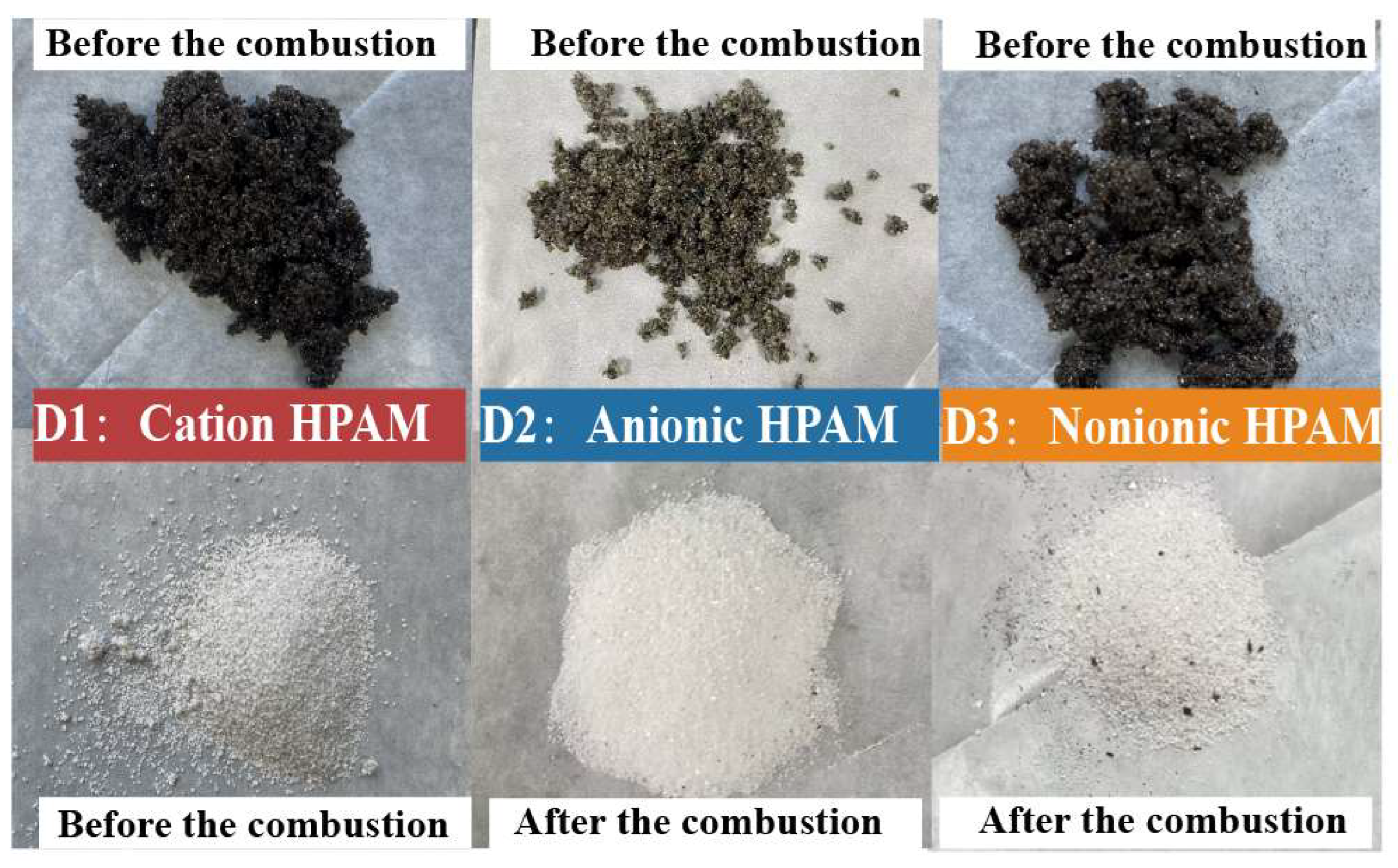
Similarly, a comparison of the appearances and degradation efficiency measurements was carried out on the samples of Experiments D1, D2, and D3 after oxidation, as shown in
Figure 10 and
Table 4.
Post-oxidation analysis revealed comparable visual characteristics across all three sample groups (D1, D2, and D3), with degradation efficiencies of 88.4%, 89.1%, and 87.9%, respectively. These results demonstrate that the residual HPAM gel could achieve degradation efficiencies higher than 85% in oil reservoirs during the ISC process, with the ionic type (anionic/cationic/nonionic) showing <1.5% variation in degradation outcomes under identical thermal conditions. The consistent degradation performance across HPAM variants suggests that ISC effectively mitigates polymer retention issues regardless of molecular charge characteristics, providing a robust remediation strategy for polymer gel-treated reservoirs.
Results show that differences in molecular weight resulted in a variation in degradation efficiency of up to 5%, whereas differences in ionic type led to a remarkably small variation of less than 1.5%. This comparison underscores that molecular weight serves as the primary controlling factor for HPAM degradation, to a greater extent than ionic type. The difference can be attributed to the distinct underlying factors each property influences. Molecular weight primarily governs the overall structural entanglement and thermal stability of the polymer chains, thereby dominating the fundamental difficulty of degradation and the ultimate efficiency. In contrast, the ionic type introduces different functional groups into the side chains. The varying thermal stability and reactivity of these specific functional groups are responsible for the differences observed in the initial pyrolysis temperatures. These findings are consistent with those reported in the literature [
26].
However, once the temperature exceeds a critical threshold (e.g., upon entering the high-temperature oxidation stage above approximately 500 °C), all HPAM types undergo backbone scission and deep oxidation. The ISC process provides a high-temperature, oxygen-rich environment with abundant radical activity. Under these severe conditions, initial decomposition differences are overridden and all polymer structures are extensively oxidized, leading to consistently high degradation efficiencies exceeding 85% across all HPAM types investigated.
2.2.3. Influence of Oil Viscosity on the Degradation and Oxidation of HPAM Gel
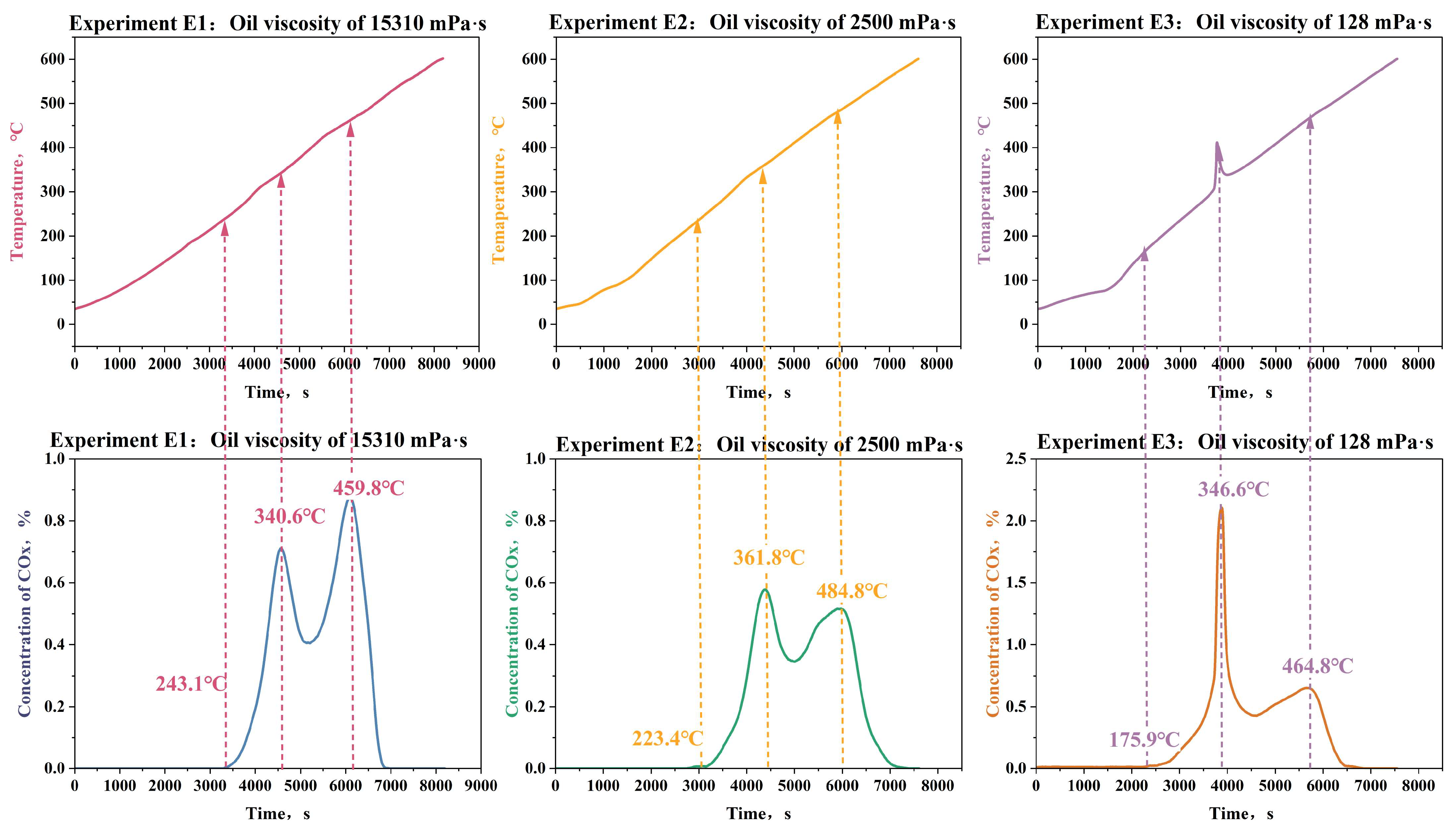
Figure 11 shows the temporal evolution of temperature and COx concentration profiles of E1, E2, and E3 containing crude oils of varying viscosity (128–15,310 mPa·s).
Analysis of reaction initiation temperatures reveals a positive correlation between crude oil viscosity and LTO thresholds: lower-viscosity oils (128 mPa·s) presented more activity with a lower initiation oxidation temperature of 175.9 °C, while higher viscosity oils require an oxidation temperature of 243.1 °C, which is much higher.
Additionally, when compared with the higher-viscosity crude oil, another notable difference emerges in the porous media environment of the lower-viscosity crude oil. Lower-viscosity mixtures exhibit distinct reaction behavior, showing that the COx concentrations during the low-temperature oxidation process are 2.1–3.5 times higher than those during the high-temperature oxidation process. This difference can be attributed to the fundamental properties of different oils. Light oil normally possesses a lower flash point (around 175 °C) and also a much lower ignition point (around 300–320 °C) than heavy oil in bulk conditions, which are presented in the ranges of 220–240 °C and 320–340 °C, respectively. The coke combustion temperature or HTO process, however, shows less of a difference, varying in the range of 460–480 °C for different oils.
Subsequently, post-oxidation analysis of Experiments E1–E3 shows HPAM gel degradation efficiencies quantified through conductivity measurements, which are shown in
Table 5.
As the results indicate, there is a positive correlation between the crude oil viscosity and the degradation efficiency of HPAM gel in the system. Oil sand mixtures with higher viscosity demonstrate superior degradation performance, with E1 (15,310 mPa·s) achieving 93.1%, compared to 85.2% in E3 (128 mPa·s). The result could be attributed to the higher content of heavy components (e.g., asphaltenes and resins) in high-viscosity crude oil. During the oxidation, these heavy components preferentially form coke deposits, which extend the duration of high-temperature oxidation, thereby providing sustained thermal energy for HPAM molecular chain scission. Simultaneously, active free radicals (e.g., ·OH and O−) generated from heavy component oxidation could initiate oxidative degradation of HPAM backbones through thermo-chemical synergy. Furthermore, the higher calorific value of viscous crude oil may enhance energy supply efficiency during the oxidation reaction, further facilitating polymer decomposition. Notably, these findings highlight the potential advantage of high-viscosity crude oil in effectively removing HPAM contaminants during the ISC processes, offering critical insights for optimizing polymer pollution remediation strategies in heavy oil reservoirs.
This result indicates that during the in situ combustion process of crude oil with different viscosities, HPAM gel can be degraded to a large extent, ranging from 85.2% to 93.1%. The higher the viscosity of the crude oil, the more conducive it is to the degradation of HPAM during the ISC process.




 ,
,