2.1. Solution Properties
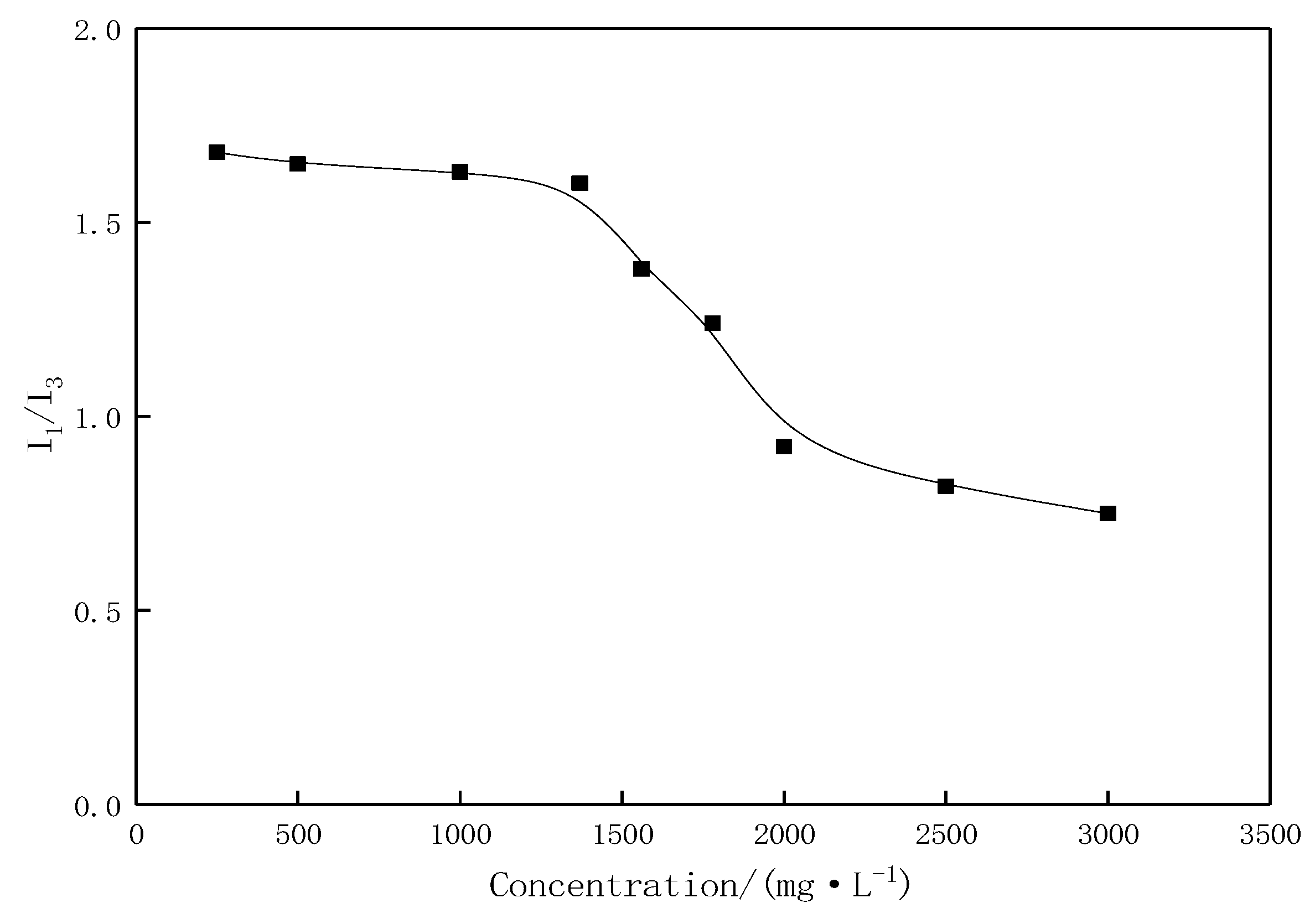
The critical association concentration (CAC) of profile-control agent was determined by pyrene fluorescence probe method. As shown in
Figure 1, the I
1/I
3 ratio of pyrene showed a significant turning point when the polymer concentration reached 1370 mg·L
−1. When the concentration was lower than this value, I
1/I
3 decreased slowly, indicating that there was a small amount of intramolecular association; When the concentration is higher than this value, I
1/I
3 decreases sharply, indicating the formation of a large number of aggregates dominated by intermolecular hydrophobic association. Therefore, the CAC of the profile control agent was determined to be 1370 mg·L
−1.
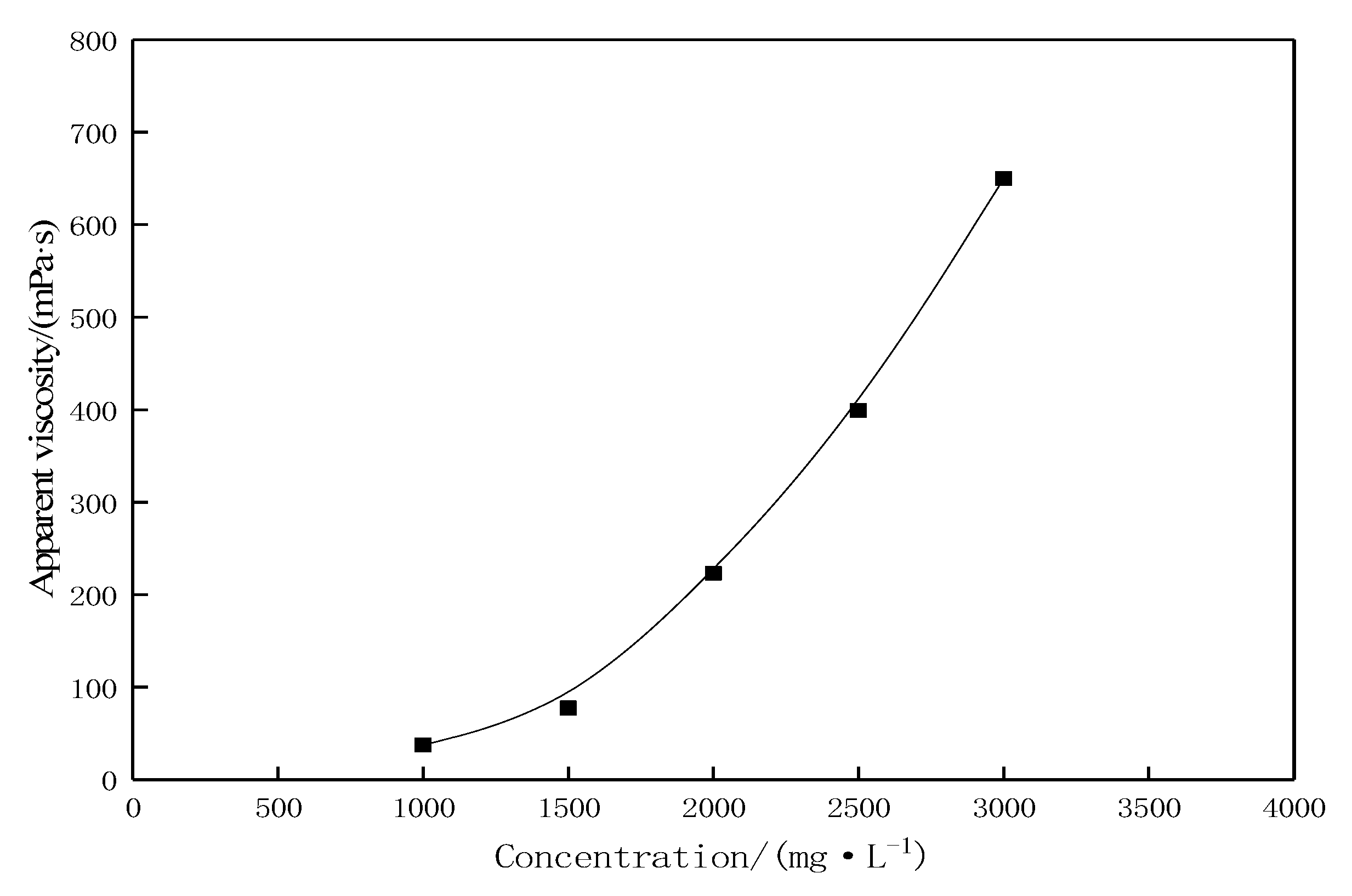
At a fixed shear rate of 7.34 s
−1, the apparent viscosity of the novel profile-control agent solution at different concentrations is shown in
Figure 2. As the concentration of the agent increases, the apparent viscosity of the solution gradually rises. The high viscosity characteristics primarily stem from the following three reasons: First, the large molecular volume of the agent itself hinders the free movement of water molecules. Second, the macromolecules of the agent undergo solvation, trapping a significant amount of “free” liquid. The molecular chains adopt a regularly loose coil-like structure in the solution, with a large number of water molecules contained inside the coils and the formation of a thick hydration layer, leading to a significant increase in hydrodynamic volume and higher flow resistance [
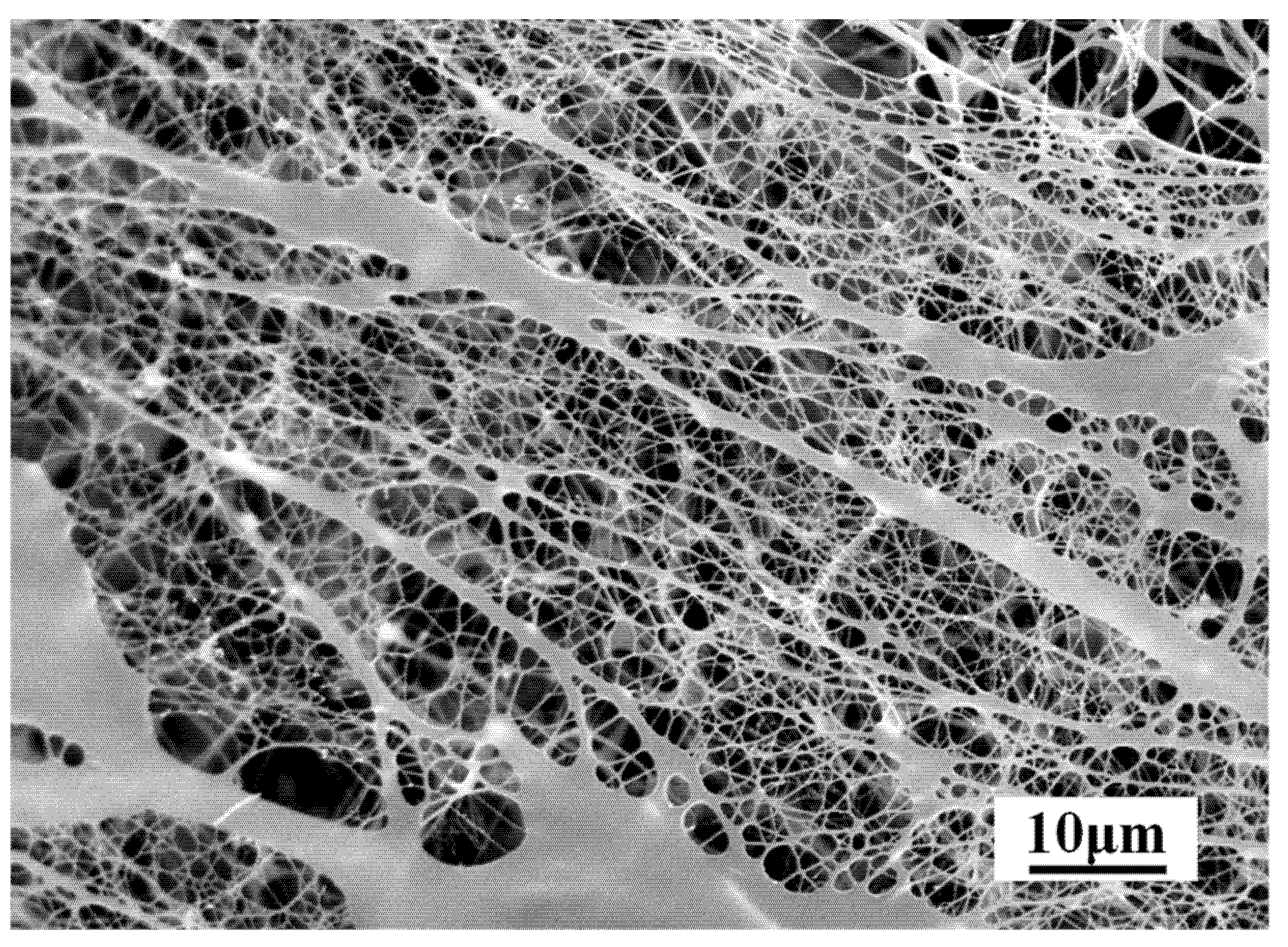
22]. Third, interactions exist between the macromolecules. When the concentration of the agent exceeds the CAC, the hydrophobic groups AS on the side chains of the molecular chains undergo intermolecular association due to strong interactions, forming a certain pseudo-network structure, thereby increasing the flow resistance of the solution and causing a sharp rise in apparent viscosity. SEM results (
Figure 3) reveal the formation of a hydrophobic association-induced three-dimensional network structure in the solution at this stage. This associative behavior is key to achieving effective profile control and displacement performance.
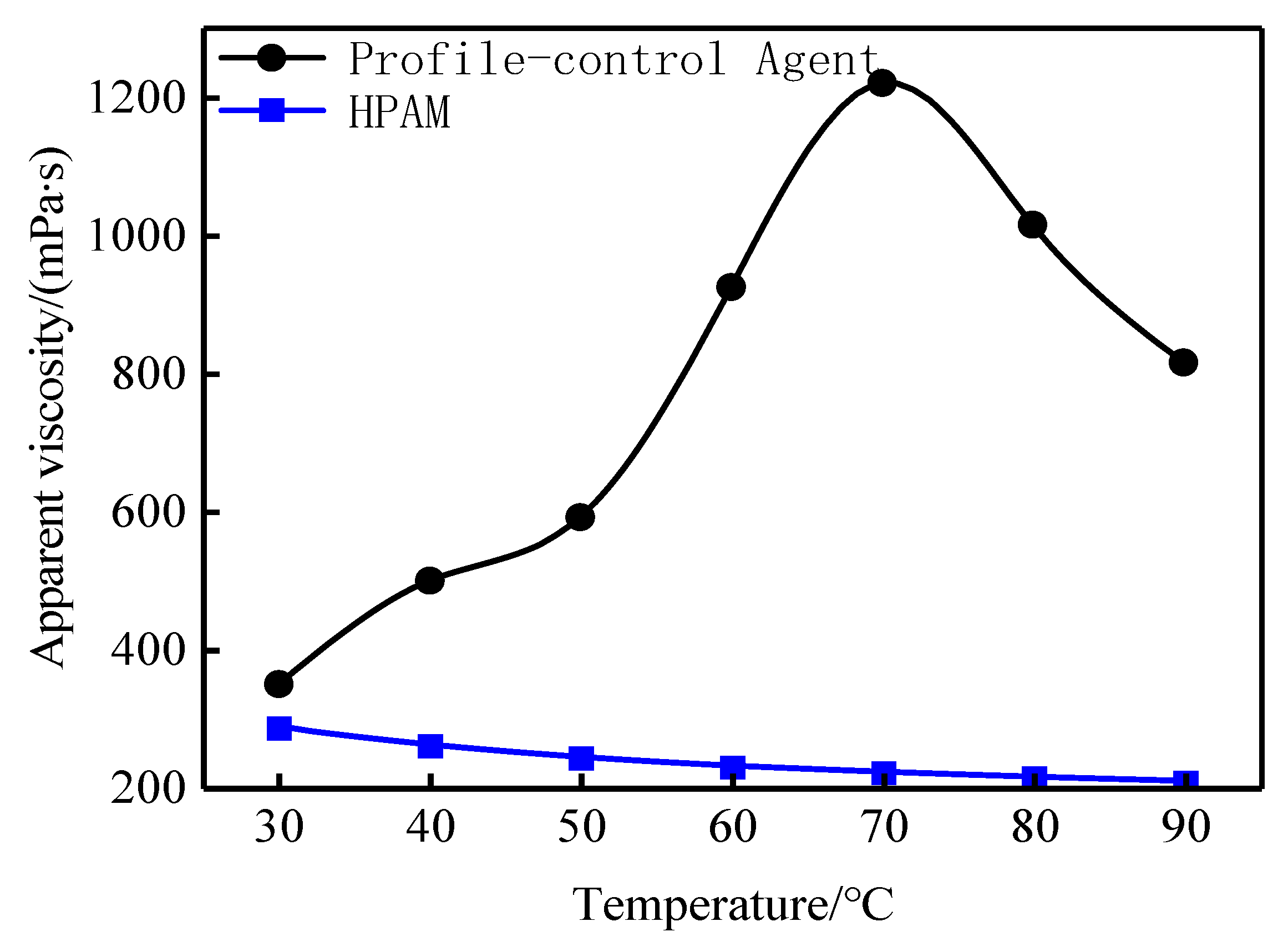
Figure 4 shows the effect of temperature on the apparent viscosity of the profile-control agent solution at a fixed concentration of 3000 mg·L
−1. The apparent viscosity was 348 mPa·s at 30 °C and increased significantly to 1221 mPa·s at 70 °C. The low viscosity at 30 °C ensures good injectivity, while the substantial viscosity increase within the typical reservoir temperature range of 50–80 °C effectively improves the oil-water mobility ratio. This “low viscosity at low temperature, high viscosity at high temperature” rheological behavior is opposite to the thermal thinning exhibited by commonly used partially hydrolyzed polyacrylamide (HPAM) [
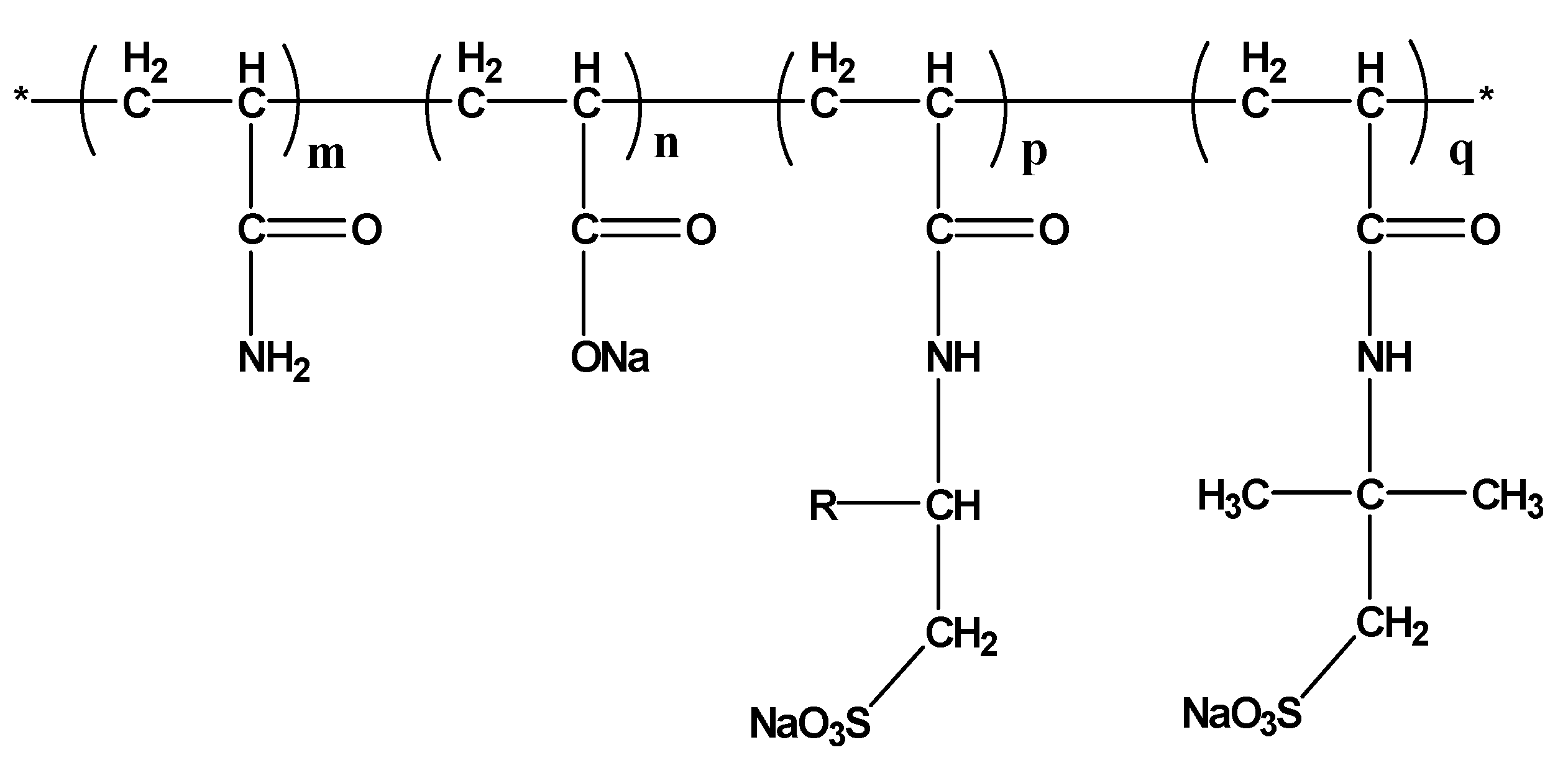
23]. This distinct thermothickening behavior is attributed to the agent’s specific molecular structure, which contains hydrophobic (AMC
16S), anionic sulfonate, and carboxylate groups. The association of the hydrophobic groups is an endothermic process; thus, heating promotes intermolecular association and leads to the formation of microgel (a positive effect). Concurrently, elevated temperature intensifies the motion of ionic groups, enhancing electrostatic repulsion and expanding the molecular chains—another positive effect. Opposing these are negative effects: enhanced thermal motion of hydrophobic groups weakens their association, while increased water molecule motion reduces hydrophilic group hydration, causing chain contraction. At elevated temperatures, the solution’s viscosity peaks when the positive and negative effects balance. A further temperature increase tilts this balance, weakening the association and ultimately reducing viscosity.
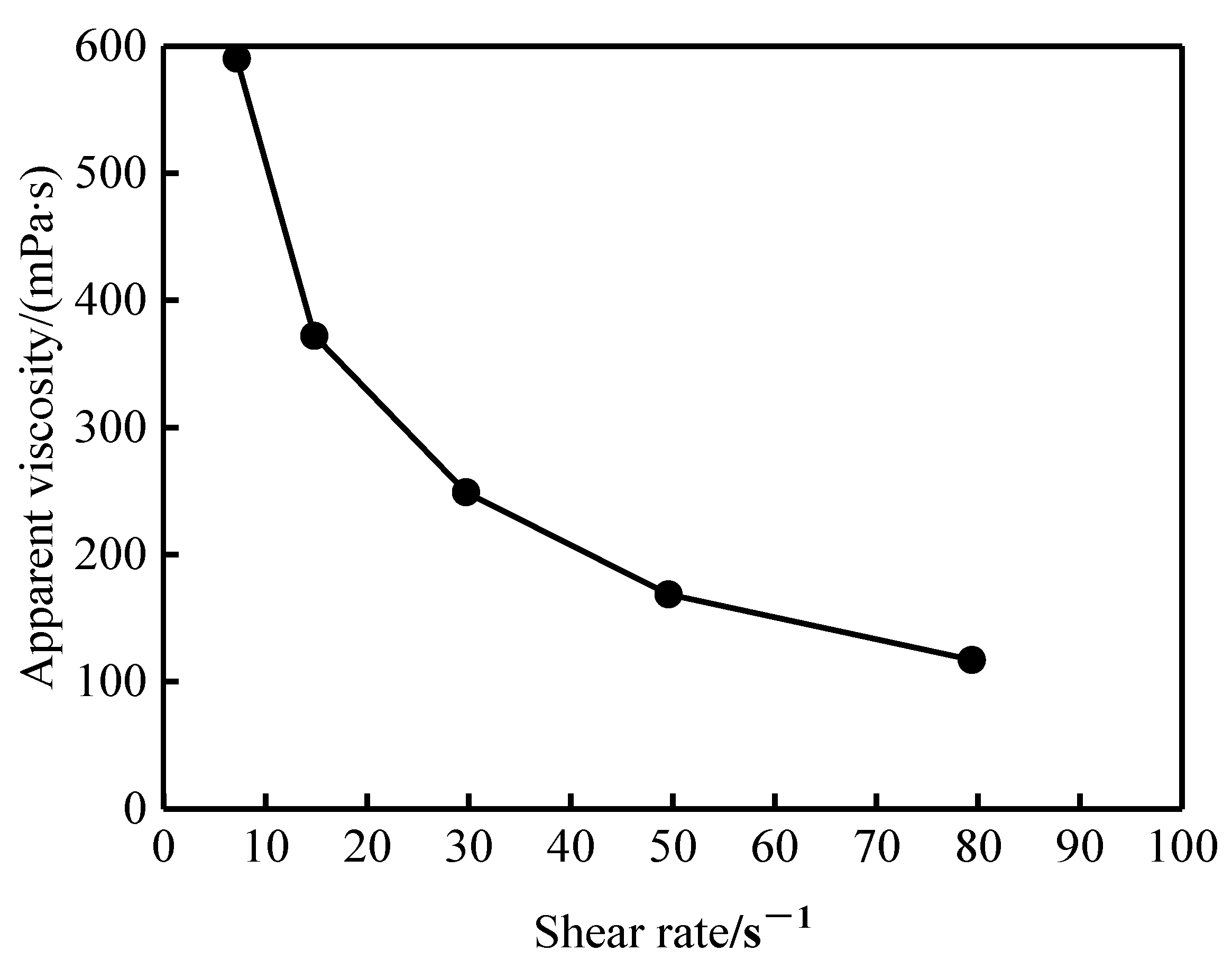
Figure 5 illustrates the shear-thinning behavior of the profile-control agent solution. The apparent viscosity decreased significantly with increasing shear rate. Specifically, at 50 °C, the viscosity measured 590 mPa·s at 7.34 s
−1 but fell to 113 mPa·s at 80 s
−1. This phenomenon originates from the reversible dissociation of the dynamic network structure formed by molecular association under high shear, resulting in reduced flow resistance. It is noteworthy that even under strong shear, the solution maintains an effective viscosity of 113 mPa·s, indicating excellent shear stability. This property ensures the structural integrity of the profile-control agent during wellbore perforation and reservoir percolation processes, thereby providing reliable profile control performance under actual reservoir conditions.
2.2. Salt Resistance
Simulated brine with different salinities was prepared using NaCl, CaCl
2, and MgCl
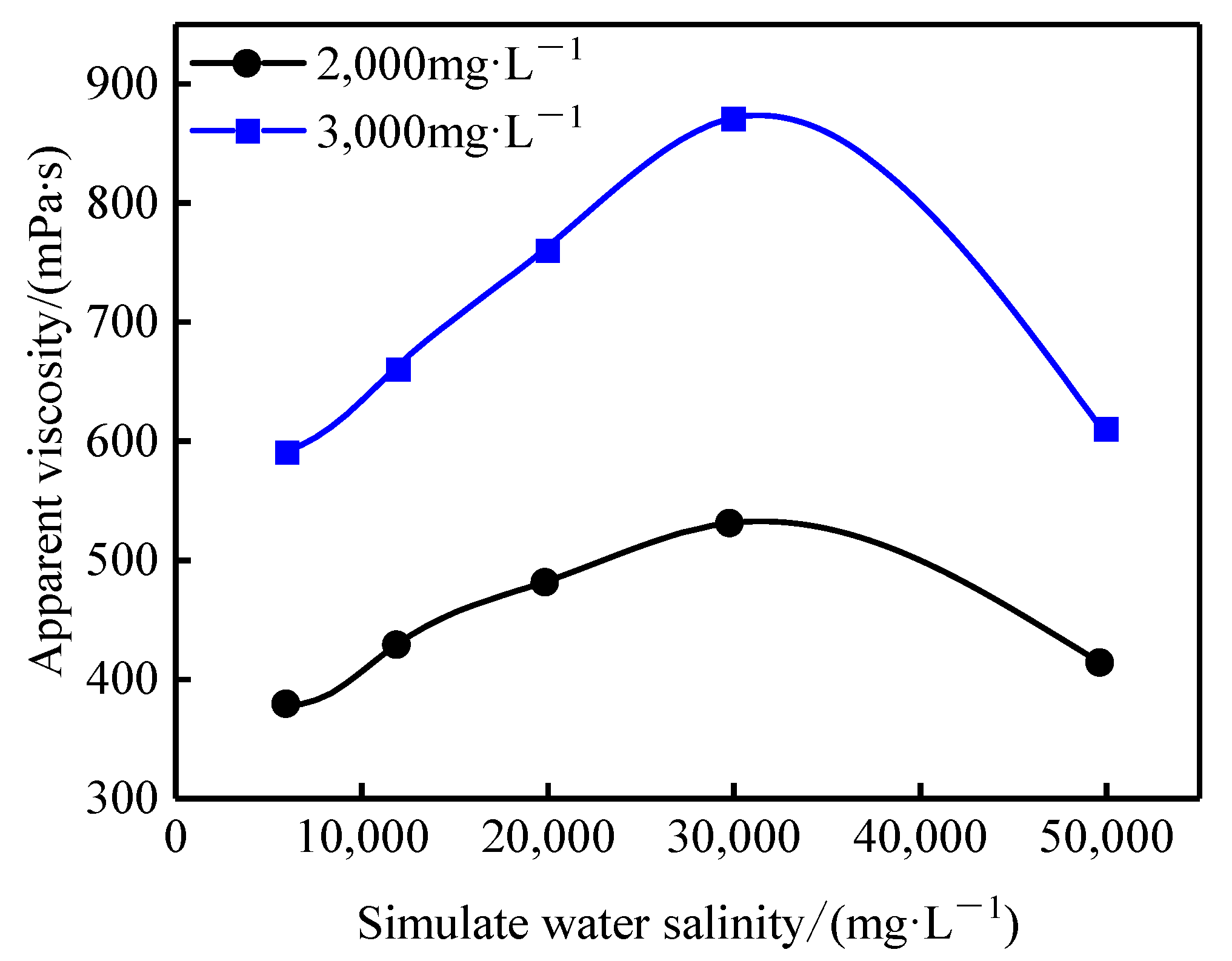
2 to investigate the salt tolerance of the profile-control agent. As shown in
Figure 6, the apparent viscosity of the agent solutions at both concentrations exhibited a non-monotonic trend, initially increasing and then decreasing with rising salinity. For the 3000 mg·L
−1 solution, the apparent viscosity increased from 590 mPa·s at 6000 mg·L
−1 salinity to a maximum of 870 mPa·s at 30,000 mg·L
−1 salinity, before decreasing to 610 mPa·s at 50,000 mg·L
−1 salinity.
This behavior is governed by the dual role of salt ions in regulating polymer molecular conformation and aggregation state [
24]. At moderate salinities, cations shield the negative charges on the carboxylate and sulfonate groups, reducing electrostatic repulsion between chains. This causes the molecular chains to coil, promoting intermolecular association of hydrophobic groups and the formation of a dense network structure, thereby significantly increasing viscosity [
25]. In contrast, at excessively high salinities, an over-abundance of ions disrupts the hydration layer around the chains and compresses the electric double layer. This leads to the dissociation of hydrophobic microdomains and excessive chain coiling, resulting in a reduced hydrodynamic volume and a consequent decline in viscosity.
The differential effects of Na
+, Ca
2+, Mg
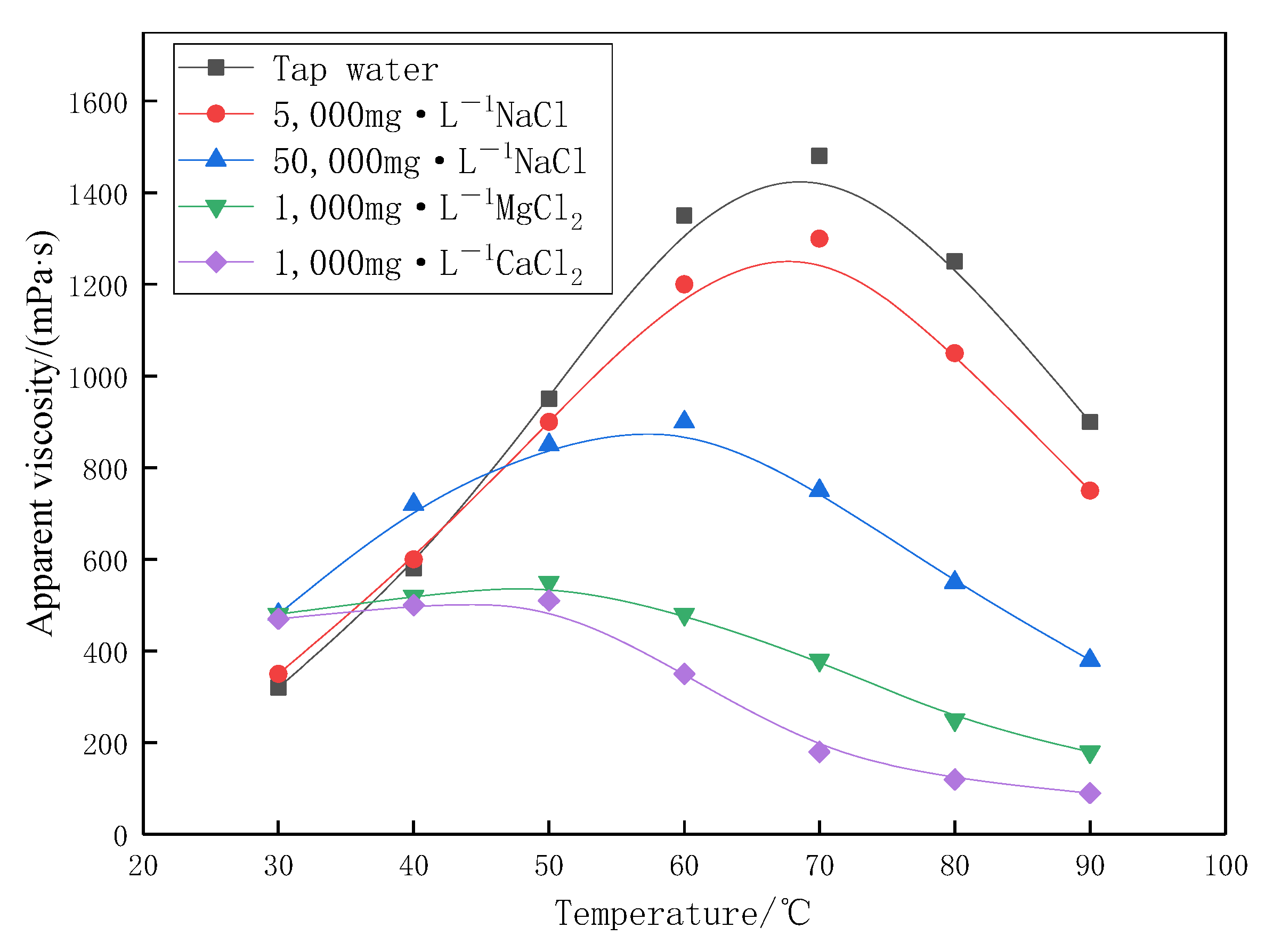
2+ on the viscosity of profile-control agent solution are shown in
Figure 7. Under the condition of 30–90 °C, the viscosity peak of tap water system and 5000 mg·L
−1 NaCl system is relatively high. Under the condition of low salt, the synergistic effect of electrostatic repulsion and hydrophobic association makes the viscosity peak at 70 °C (>1300 mPa·s), which is consistent with the experimental results in
Figure 5 above. In contrast, the viscosity peak value of the 50,000 mg·L
−1 NaCl system decreases, and the corresponding temperature value decreases to 60 °C. The concentration of NaCl promotes the molecular chain curl by shielding electrostatic repulsion, shortens the spacing of hydrophobic groups, resulting in the association of hydrophobic groups at a lower thermal motion temperature (60 °C), which weakens and advances the peak value. Compared with NaCl system, the peak viscosity of 1000 mg·L
−1 CaCl
2 and MgCl
2 system profile-control agents in
Figure 7 is further reduced, and the corresponding temperature value is further reduced to 50 °C. At the molecular level, the influence of Ca
2+ and Mg
2+ divalent cations on the microgel network is essentially different from that of Na
+. Divalent ions not only have electrostatic shielding effect but also have specific strong interaction with the negatively charged carboxyl groups on the polymer chain. Especially, Ca
2+ can act as an ion bridge to induce the formation of local, too strong cross-linking points between chains. On the one hand, this “ion bridge” effect will fix the molecular chain conformation, inhibit the dynamic reversible association and dissociation of hydrophobic groups, and greatly weaken the hydrophobic association. On the other hand, under the thermal or shear disturbance, the microgel structure is easy to be destroyed from these positions, resulting in a sharp decline in viscosity, further reducing the peak and advancing to about 50 °C.
2.3. Thermal Stability
At a temperature of 65 °C, the apparent viscosity and retention rate of the 3000 mg·L
−1 profile-control agent solution under different aging times are shown in
Table 1. After being placed at a constant temperature (65 °C) for 90 days under anaerobic conditions, the solution maintained an apparent viscosity of 1073 mPa·s, corresponding to a high viscosity retention rate of 95.4%. This result demonstrates long-term thermal stability far superior to that of HPAM, a performance advantage originating from a fundamentally different viscosity-building mechanism [
26].
The viscosity of HPAM relies primarily on the chemical integrity of its molecular chains, which are susceptible to irreversible hydrolytic degradation at high temperatures. In contrast, when the concentration of this profile-control agent exceeds its critical association concentration (CAC, 1370 mg·L
−1), it forms a dynamic and reversible physical cross-linking network via hydrophobic associations. Although elevated temperature can weaken some associations, the hydrophobic groups continuously re-associate, granting the network self-healing capabilities. This mechanism effectively circumvents the chemical degradation issue inherent to HPAM, enabling long-term viscosity stability and sustained profile control performance in high-temperature reservoir environments [
27].
2.4. Adsorptivity
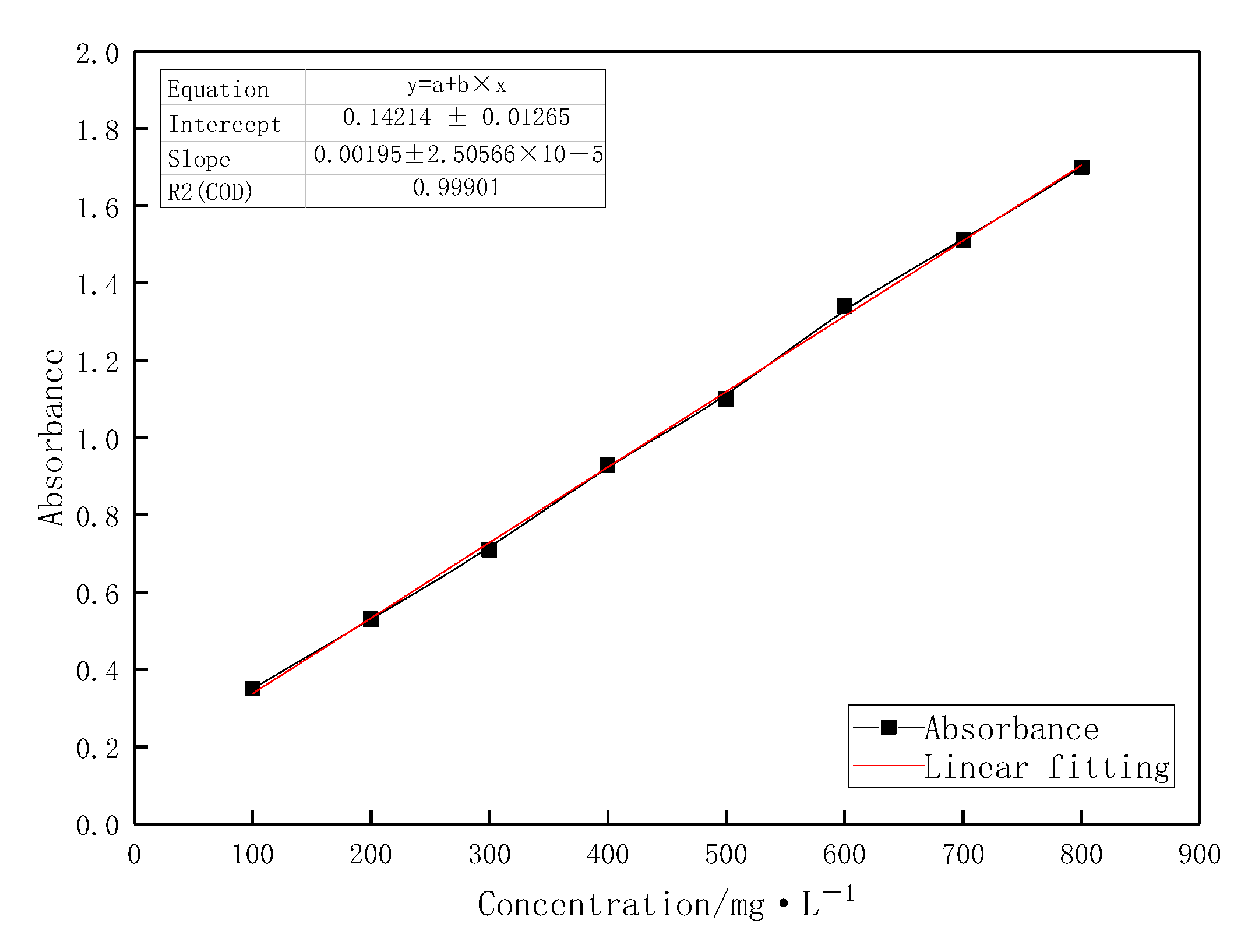
A standard curve correlating the concentration of the profile-control agent with absorbance was established using the starch-chromium iodide colorimetric method, and the static adsorption amount of the agent on quartz sand surfaces was determined at different concentrations. As shown in
Figure 8, the mass concentration of the agent exhibits a strong linear relationship with absorbance, with an R
2 value exceeding 0.99.
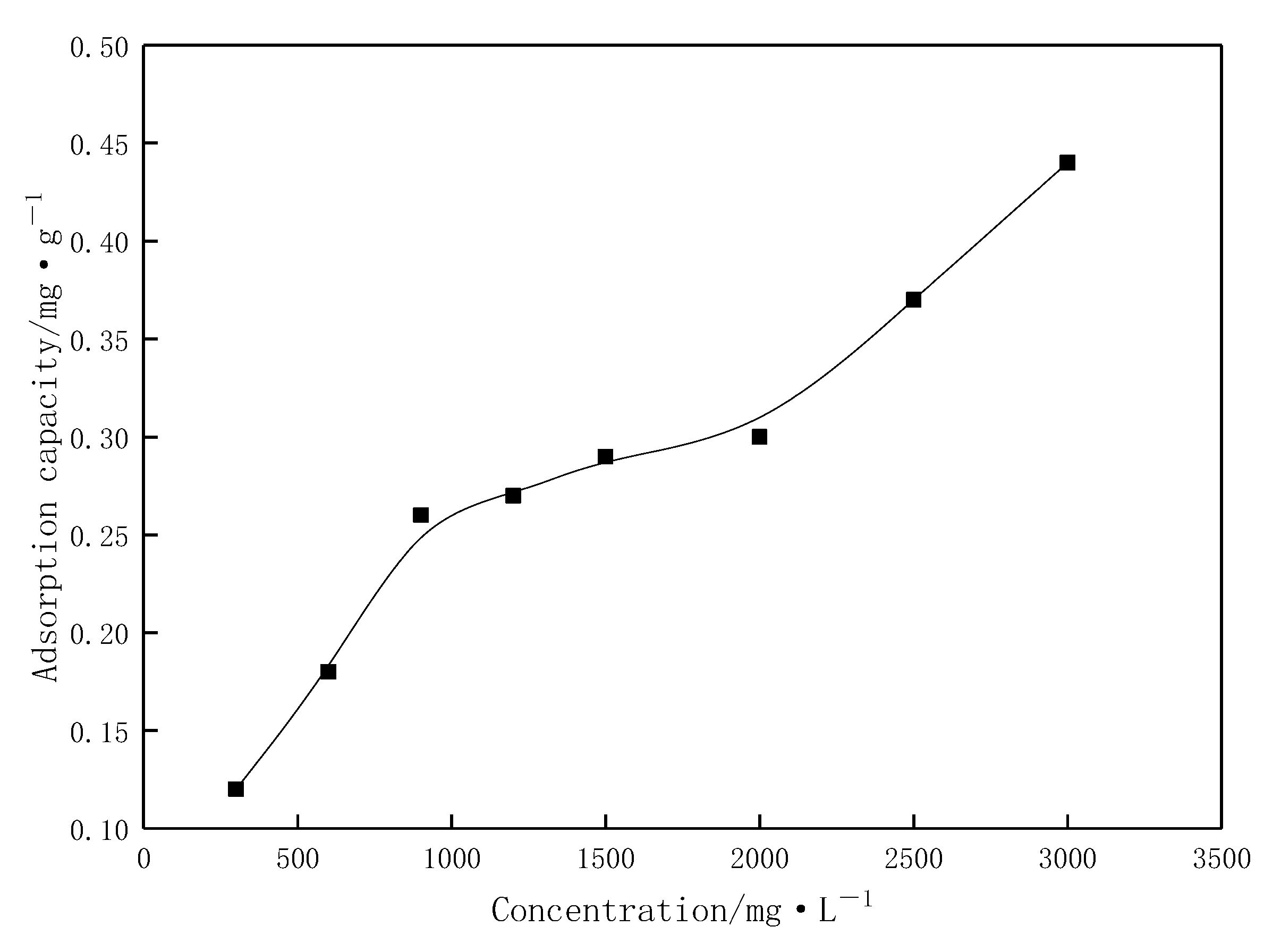
Figure 9 demonstrates that the adsorption amount on the quartz sand surface increases gradually with rising agent concentration. The agent molecules undergo monolayer adsorption on the solid surface, reaching the first adsorption equilibrium at a concentration of 9000 mg/L, which aligns with the Langmuir adsorption isotherm model [
28,
29]. When the concentration is further increased beyond 15,000 mg/L, the adsorption amount continues to rise. In this regime, agent molecules in the solution can be indirectly adsorbed at the solid–liquid interface by associating intermolecularly with agent molecules already adsorbed at the interface. This manifests as multilayer adsorption of the agent molecules at the interface, leading to a further increase in adsorption amount. During transport through porous media in reservoirs, the profile-control agent undergoes depletion due to adsorption, resulting in a reduction in its effective concentration. This, in turn, affects the viscosity of the solution and subsequent emulsification behavior.
2.5. Emulsification Behavior
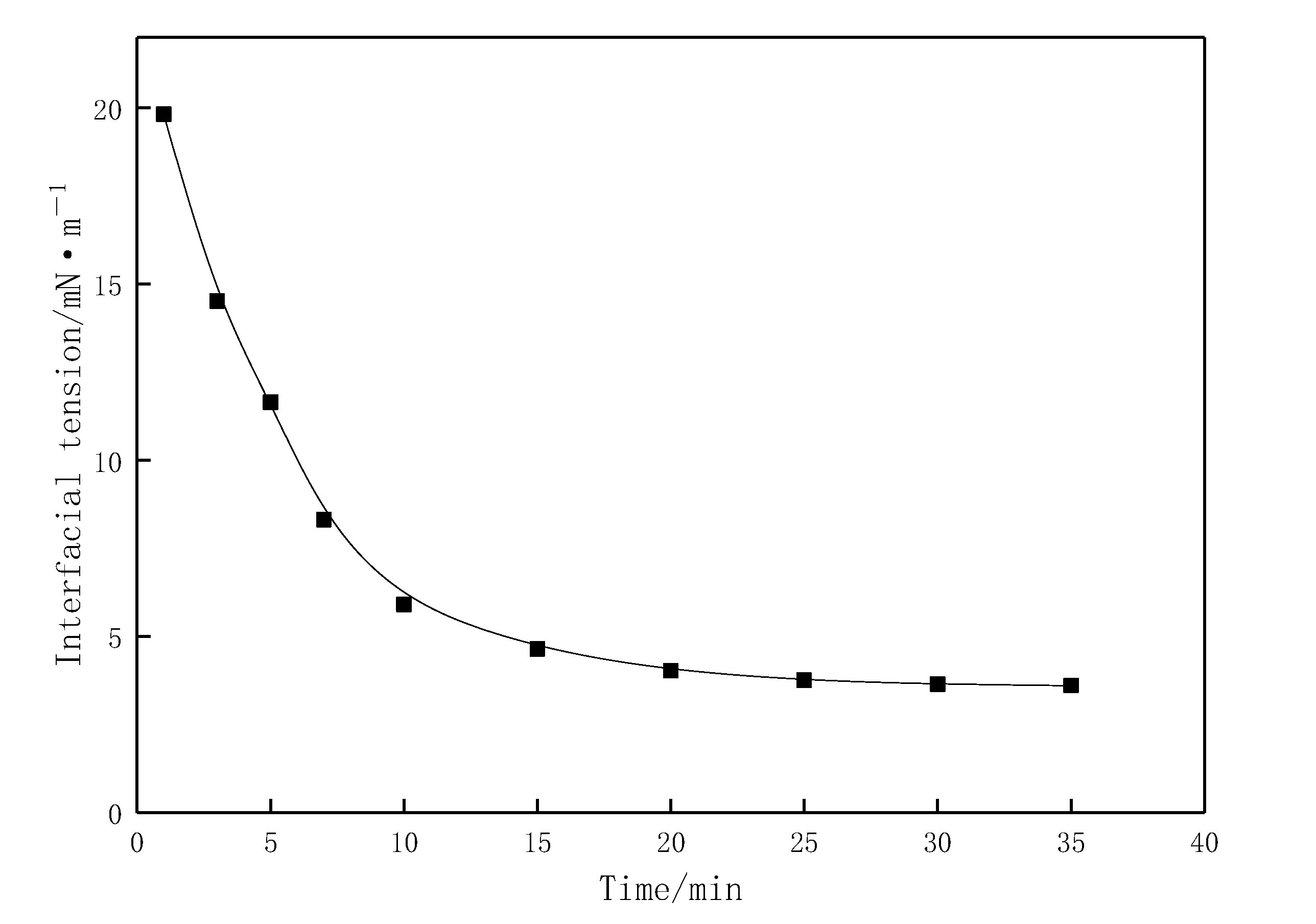
The interfacial tension curve between the aqueous solution of the profile-control agent and crude oil is shown in
Figure 10. The equilibrium interfacial tension of the agent is 3.65 mN/m, indicating a certain level of interfacial activity, which forms the basis for emulsifying crude oil.
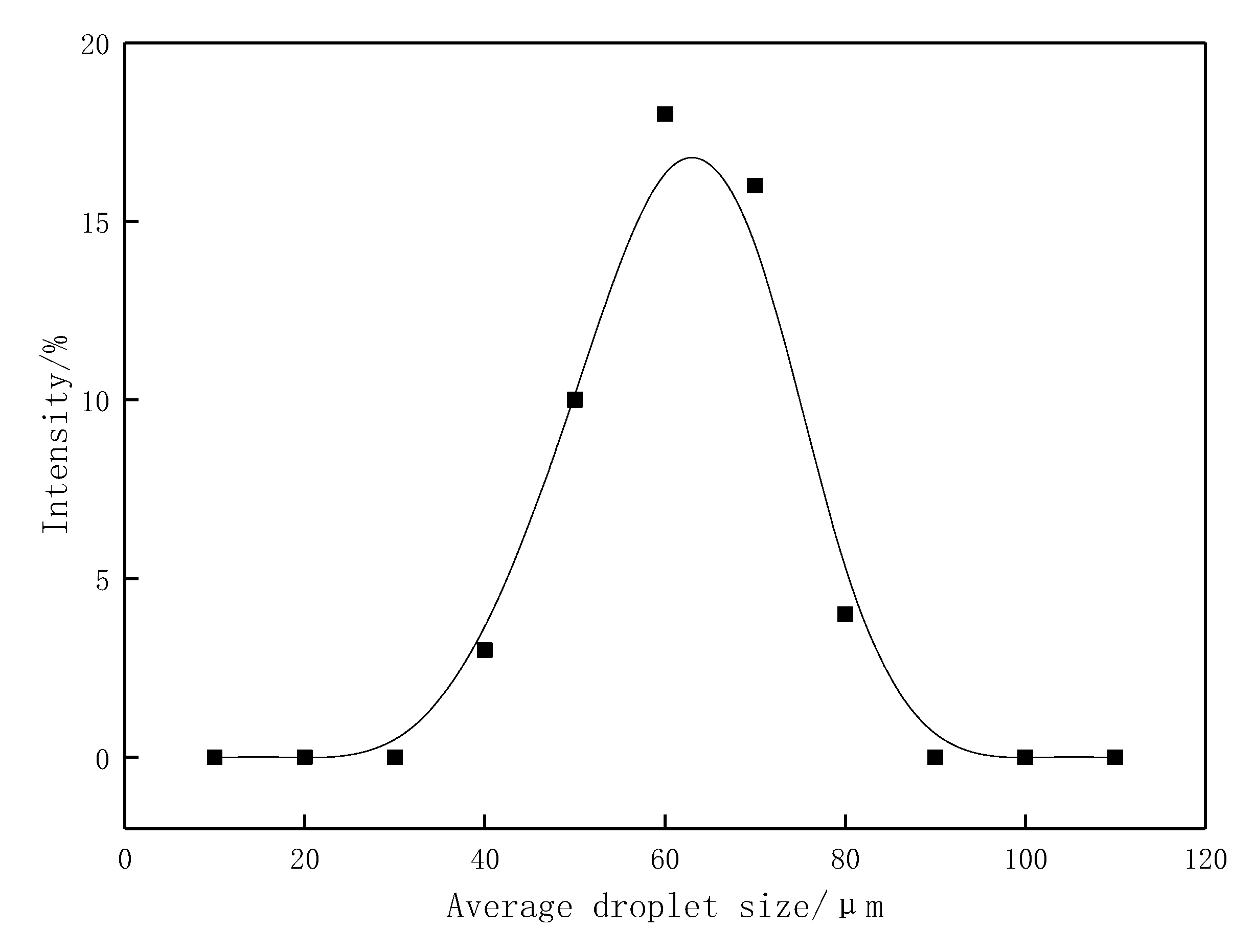
With a fixed oil-to-water ratio of 7:3, a 1000 mg·L
−1 solution of the profile-control agent mixed with Gudao crude oil was able to form a low-viscosity O/W emulsion, with droplet sizes distributed in the range of 40–80 μm (
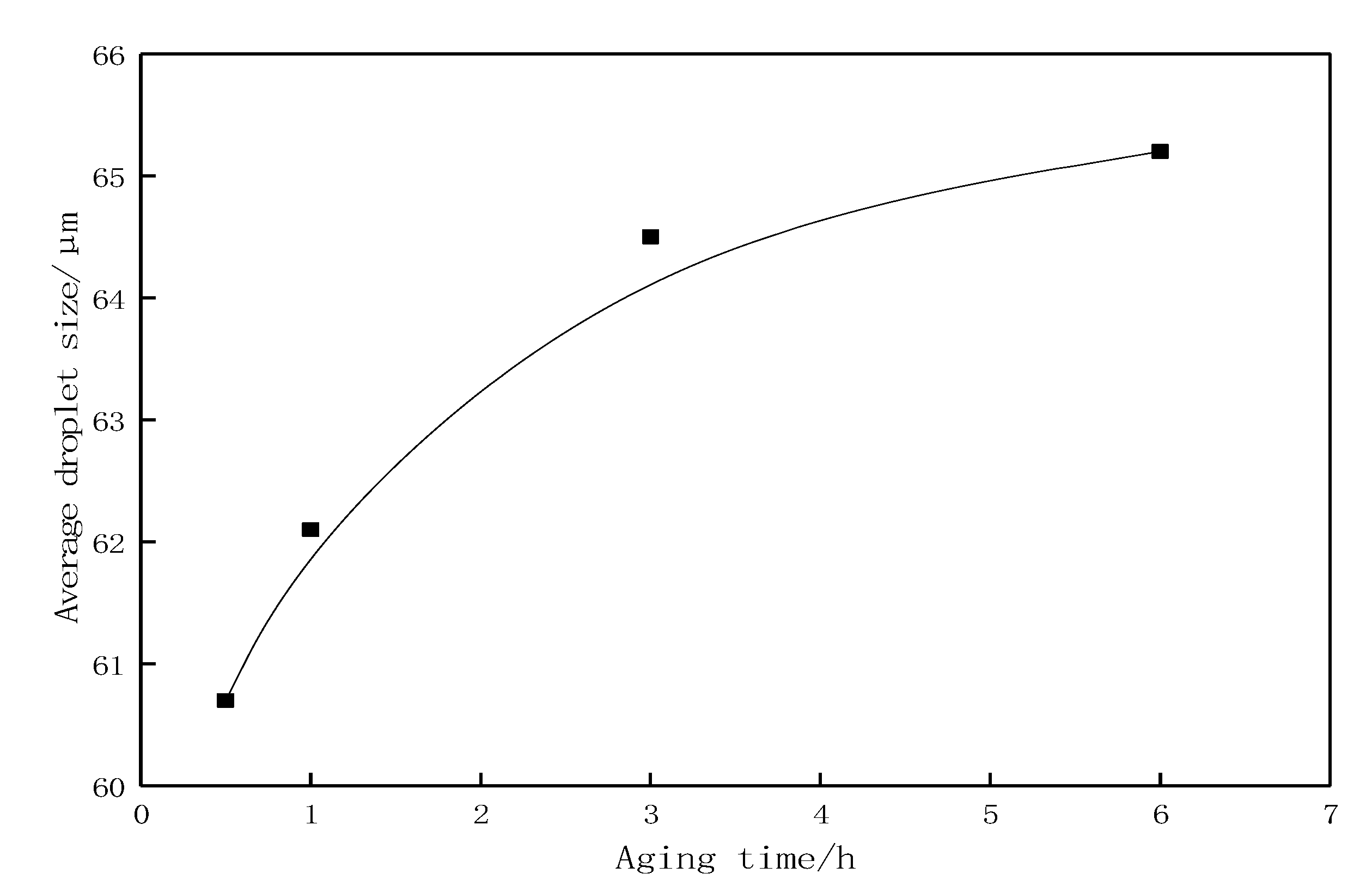
Figure 11). Considering the practical requirements for oilfield applications, the crude oil emulsion must possess dynamic shear stability under reservoir shear conditions to ensure an effective duration of action. The variation in emulsion droplet size with aging time at 50 °C and a constant shear rate of 7.34 s
−1 is shown in
Figure 12. As aging time increased, the droplet size gradually increased and essentially stabilized after 3 h of aging. When the aging time increased from 0.5 h to 6 h, the droplet size increased from 60.7 μm to 65.2 μm, representing a 7.4% increase, which indicates that the emulsion possesses a certain degree of dynamic stability.Furthermore, regulations in oilfields such as Shengli stipulate that chemical agents present in produced fluid must not interfere with the surface treatment system. Under settling conditions (static), the emulsion must exhibit efficient demulsification capability. According to the standard (Experimental methods refer to appendix standard references [
30]), the crude oil emulsion formed by this profile-control agent achieved a dehydration rate of 81.5% after 1 h of static settling.
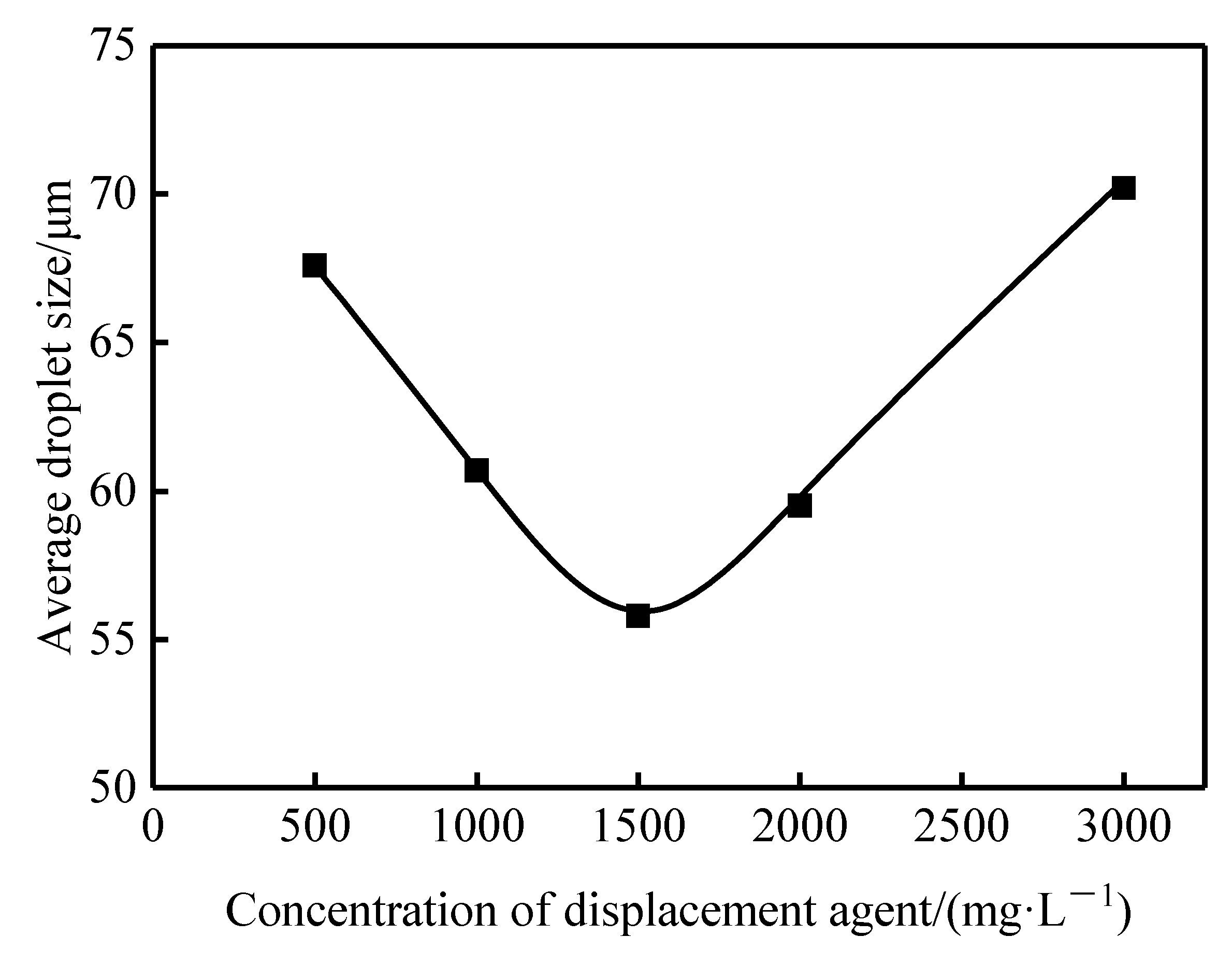
The influence of the profile-control agent concentration on the average droplet size of the crude oil emulsion is shown in
Figure 13. When the agent concentration increased from 500 mg·L
−1 to 1500 mg·L
−1, the average droplet size of the emulsion decreased significantly from 67.6 μm to 55.8 μm. This reduction stems from the enhanced interfacial film effect resulting from the increased density of adsorbed molecules at the interface [
31]. However, when the concentration exceeded the critical value of 1500 mg·L
−1, the average droplet size exhibited an anomalous increasing trend. At this point, the sharp rise in the bulk viscosity of the system causes kinetic factors to become dominant. The high viscosity severely restricts the diffusion rate of the agent molecules toward the oil-water interface and their orderly arrangement process at the interface, thereby reducing emulsification efficiency [
32]. Consequently, within the deep reservoir, where the agent concentration is significantly reduced due to losses such as rock adsorption and dilution, emulsifying crude oil becomes considerably less difficult, facilitating the formation of an O/W emulsion.
2.6. Blocking Capacity
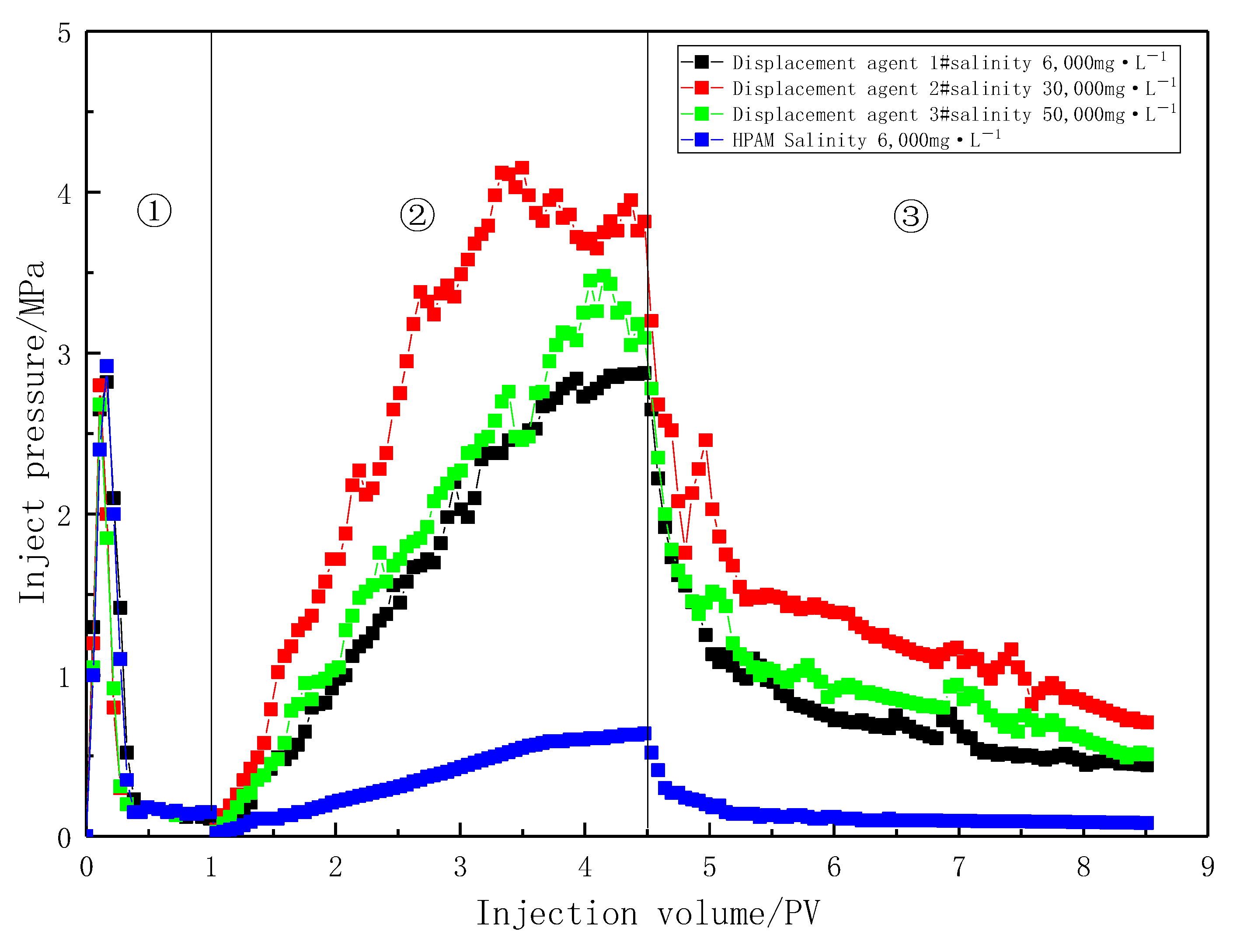
To evaluate the blocking capacity of the profile-control agent, core flooding experiments were conducted using a 1500 mg·L
−1 solution under different salinity conditions, and the results were compared with those from HPAM flooding. For a consistent comparison, the HPAM concentration was set at 2400 mg/L, as the viscosity of the HPAM solution at this concentration is comparable to that of Agent #1. The experimental results are shown in
Figure 14.
Among the three agent solutions, at the end of agent flooding (4.5 PV), the injection pressure for Agent #2 was the highest, while that for Agent #1 was the lowest. This indicates that as salinity increased from 6000 mg·L
−1 to 50,000 mg·L
−1, the blocking strength of the agents first increased and then decreased. This trend is consistent with the observations in
Figure 7, where the highest blocking strength occurred at a salinity of 30,000 mg·L
−1, corresponding to the peak solution viscosity. Solution viscosity is the fundamental factor determining flow resistance.
Furthermore, at the end of agent flooding (4.5 PV), the injection pressure of the profile-control agent solution was 3.5 to 5 times higher than that of HPAM with an equivalent apparent viscosity. Even after subsequent water flooding (8.5 PV), the displacement pressure remained higher than that of HPAM. Additionally, emulsions were observed in the effluent during agent flooding, whereas no such emulsions were detected in the HPAM effluent. This demonstrates that while the agents increase displacement pressure through their bulk viscosity, they also achieve effective blocking via in situ emulsification, where emulsion droplets plug pores.
It is worth noting that the displacement pressure curve for HPAM was smooth and stable, characteristic of typical viscous fluid behavior. In contrast, the pressure curves for the three agents showed significant and frequent fluctuations during both the rising and declining phases. These pressure fluctuations are a typical signature of the dynamic process where discrete, movable emulsion droplets undergo “plugging-breakthrough-re-plugging” at pore throats. The temporary trapping of a single droplet at a pore throat causes an instantaneous pressure rise, while its subsequent deformation, extrusion, or breakthrough under driving pressure leads to an instantaneous pressure drop. This phenomenon further confirms the significant contribution of emulsion plugging to the overall blocking effect.
2.7. Oil Displacement Mechanisms
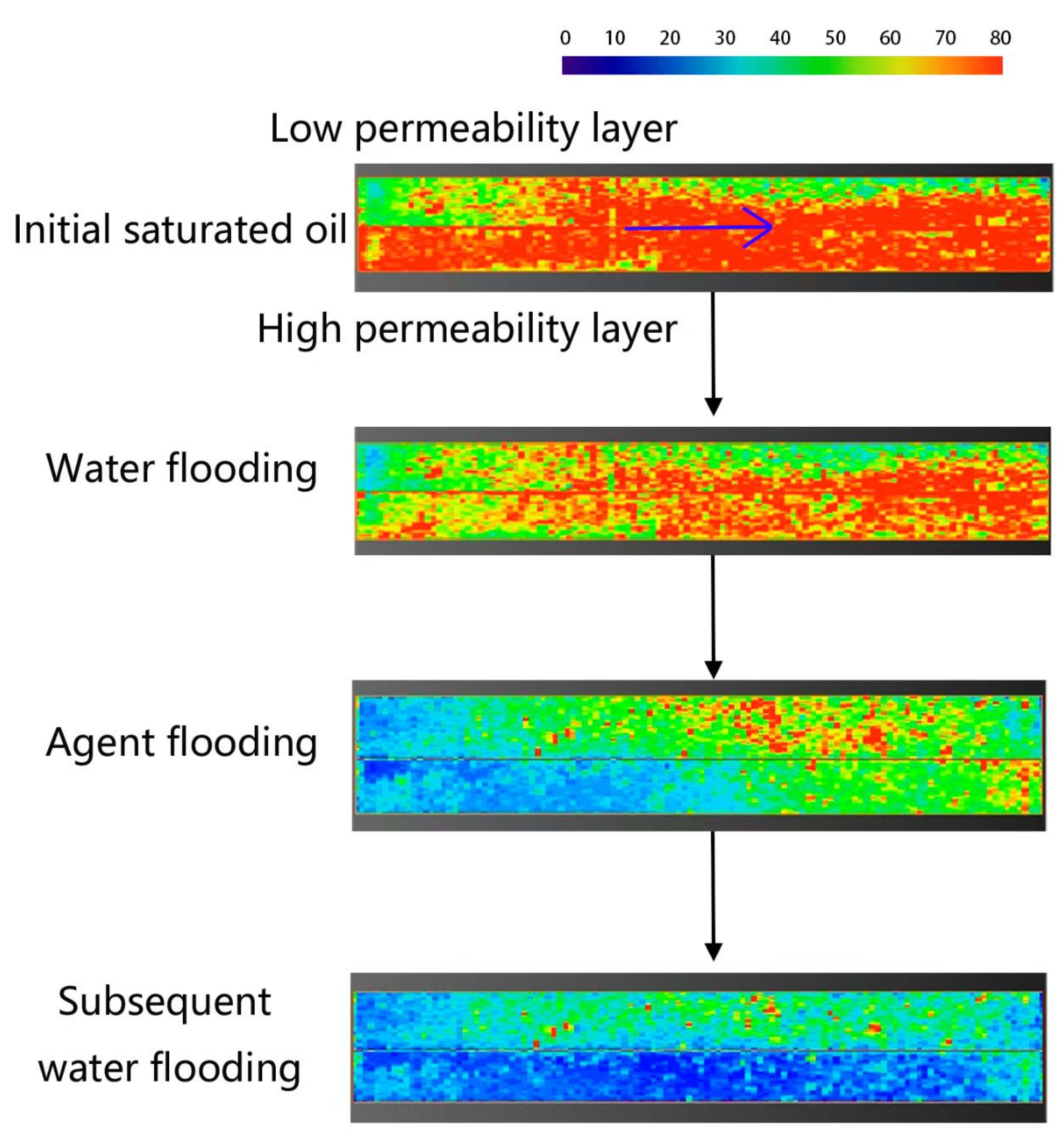
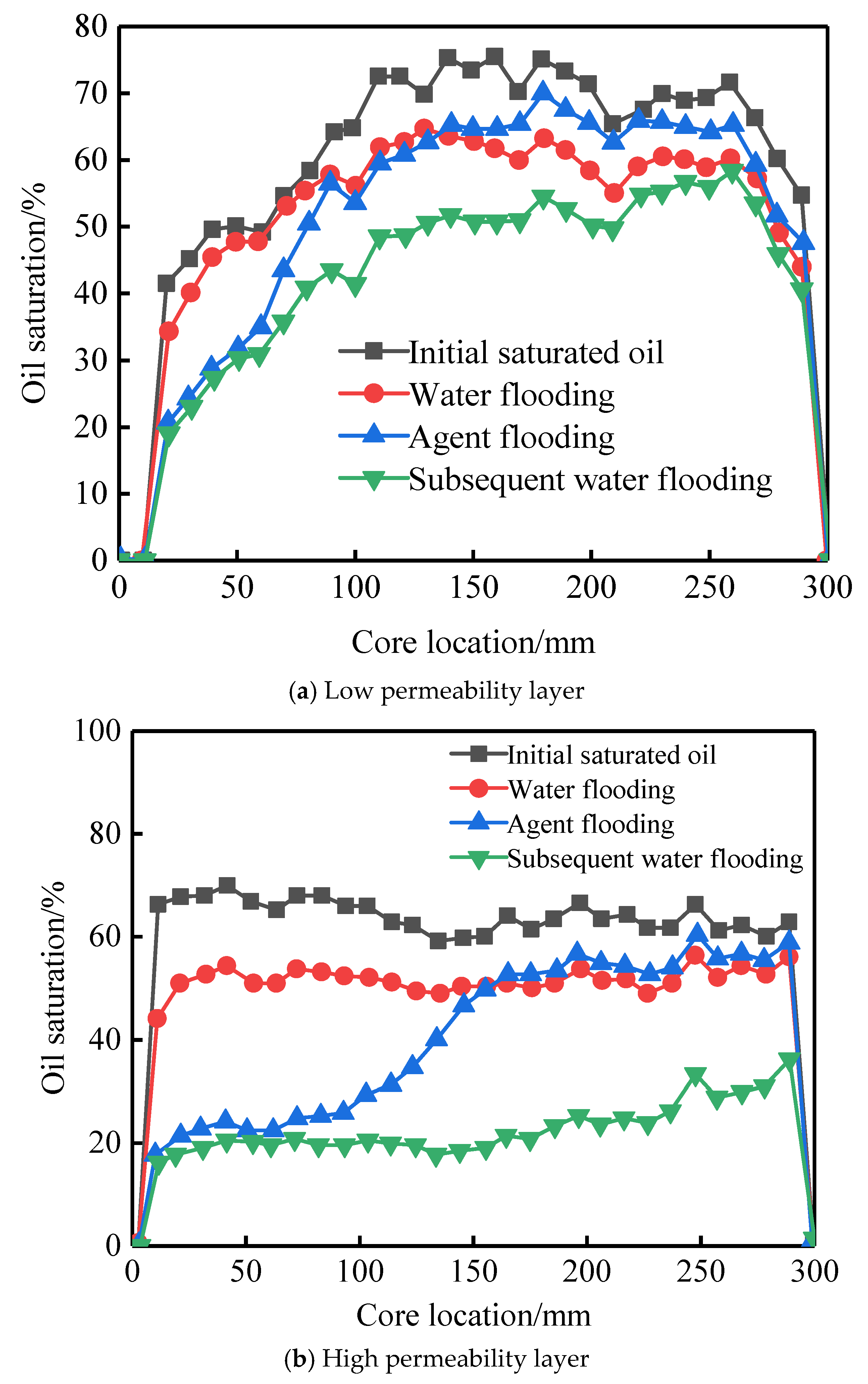
Core CT scanning experiments were conducted to study the evolution of oil saturation in high- and low-permeability layers at different displacement stages. Based on the oil saturation data, the Dykstra-Parsons coefficient (Vdp), which characterizes the heterogeneity of spatial oil saturation distribution, was calculated. The calculation method of this index draws on the classical permeability Dykstra-Parsons coefficient and is applied here to the oil saturation field. The Vdp coefficient ranges from 0 to 1. A value of 0 indicates a very uniform oil saturation distribution in the reservoir, while a value of 1 indicates a very heterogeneous distribution. The CT scan results and Vdp coefficient calculations are shown in
Figure 15 and
Figure 16, and
Table 2.
During the initial oil saturation stage, influenced by the pore structure, the low-permeability layer was more difficult to saturate, resulting in a Vdp coefficient of 0.2, higher than the 0.1 in the high-permeability layer. This indicates that the low-permeability layer had stronger inherent saturation heterogeneity in its initial state.
In the water flooding stage, due to the oil-water mobility ratio, injected water preferentially formed dominant flow channels in the high-permeability layer. The overall oil saturation decreased by only 6–15%. The Vdp coefficients for the high- and low-permeability layers increased to 0.22 and 0.36, respectively, indicating that the water flooding process further exacerbated intra-layer heterogeneity and significantly enhanced fingering.
During the profile-control agent flooding stage, the agent preferentially entered the high-permeability layer. CT images showed a significant decrease in oil saturation near the core inlet, with saturation gradually increasing with distance. Cross-over points between the water flooding and agent flooding profiles appeared at 132 mm in the low-permeability layer and 154 mm in the high-permeability layer, indicating that the agent effectively mobilized oil near the inlet and pushed it deeper, forming an oil saturation bank. In this stage, the Vdp coefficient for the high-permeability layer sharply increased to 0.75, suggesting highly uneven flow paths due to emulsion blockage, successfully achieving fluid diversion. The Vdp coefficient for the low-permeability layer was 0.57, also reflecting significant reorganization of its internal flow structure.
Dynamic analysis of the effluent from the high-permeability layer further revealed the staged evolution of the displacement mechanism. In the early displacement stage (0.3 PV), with low adsorption loss of the agent, the system viscosity was high, and the emulsion droplet size was large (86 μm). Under the synergistic effect of high viscosity and large droplets, the blocking pressure reached 434 kPa. By the middle and late displacement stages (0.5 PV), as agent adsorption loss increased, the system viscosity decreased, and the emulsion droplet size reduced to 64 μm. The blocking pressure correspondingly dropped to 407 kPa, indicating that blocking intensity is positively correlated with both droplet size and system viscosity.
In the subsequent water flooding stage, initially, because the displacement system still occupied part of the high-permeability channels, injected water bypassed, enlarging the sweep volume. As flooding progressed, the high-permeability layer, having lower flow resistance, broke through first, re-establishing dominant channels. Injected water channeled again, and oil mobilization in the low-permeability layer nearly stagnated. In this stage, the Vdp coefficients for the high- and low-permeability layers decreased to 0.38 and 0.41, respectively, indicating that part of the emulsion blockage was breached, and intra-layer heterogeneity was somewhat mitigated.
At the end of the experiment, the remaining oil saturation in most areas of the high-permeability layer dropped below 20%, while it remained at a relatively high level of 20–60% in the low-permeability layer. This fully demonstrates the controlling influence of inter-layer physical property differences on recovery efficiency.
2.8. Visualized Migration Characteristics
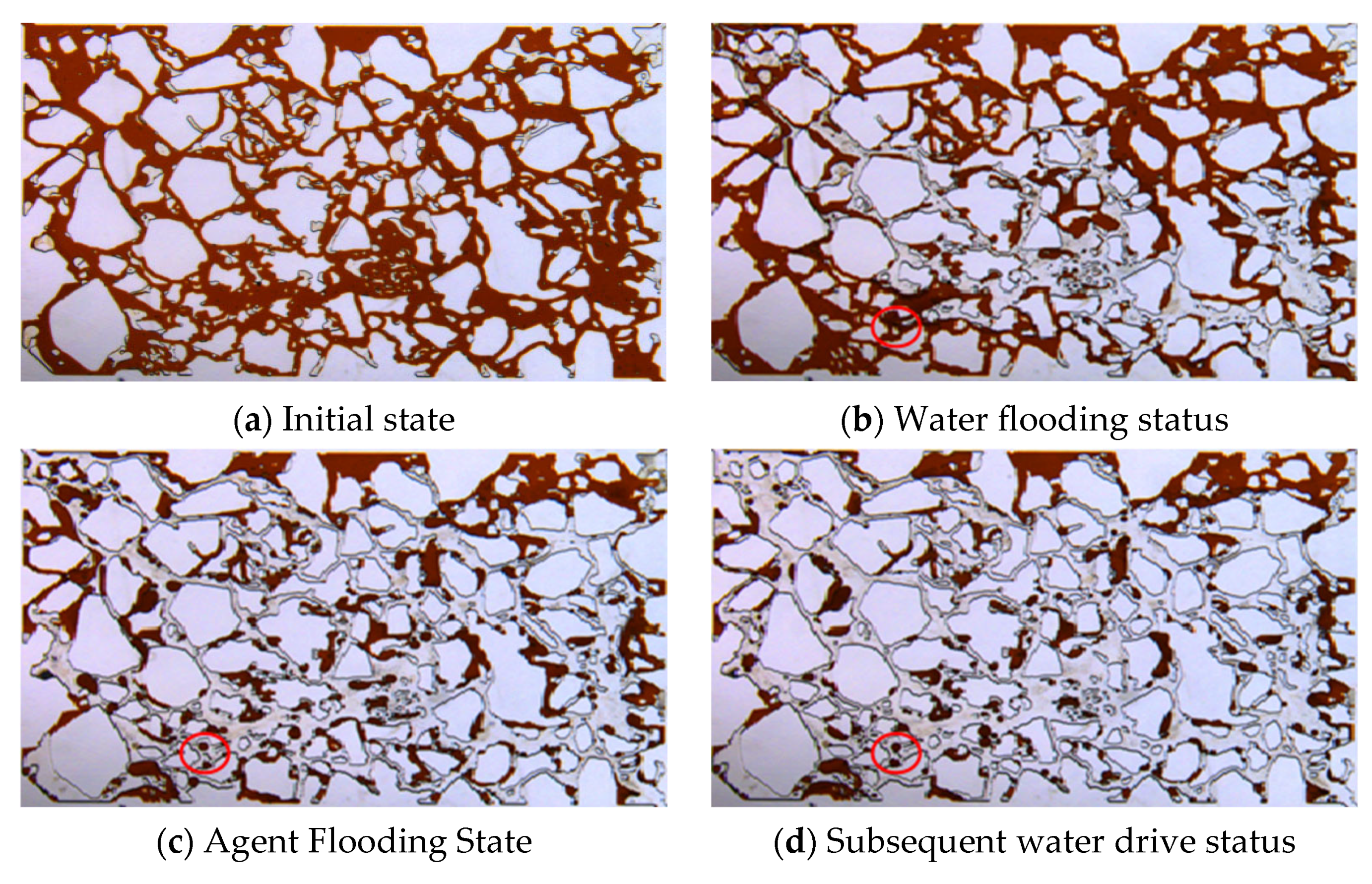
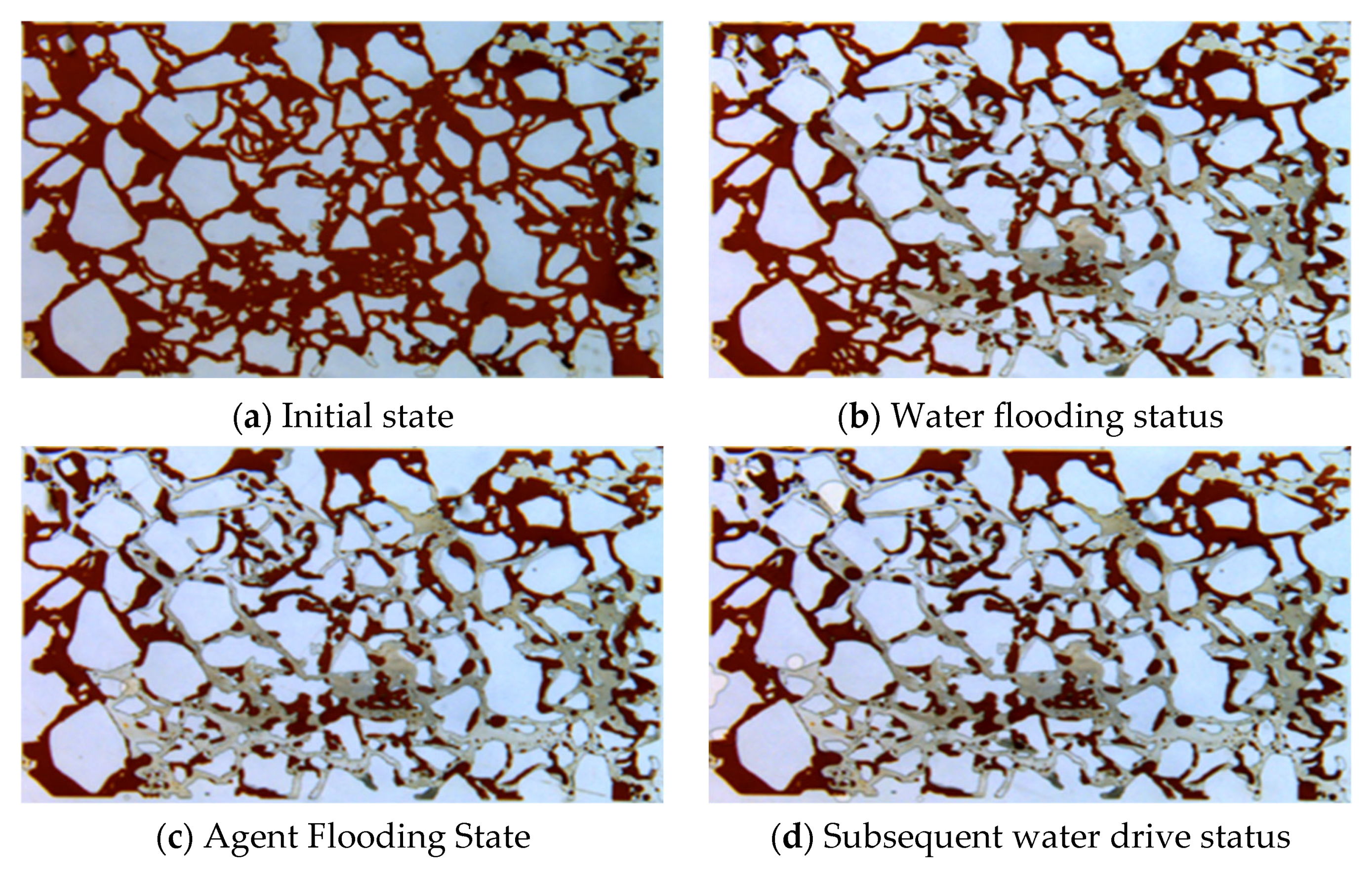
Microfluidic experiments (
Figure 17 and
Figure 18) were used to visualize the oil displacement process governed by the profile-control agent. During the initial water flooding stage, the injected fluid preferentially channeled through high-permeability pathways, resulting in significant oil bypass and the formation of unswept zones on the flanks. Injection of the profile-control agent solutions at 3000 mg·L
−1 and 1500 mg·L
−1 substantially altered the flow dynamics. By leveraging the synergistic effects of aqueous-phase viscosity enhancement and in situ emulsion plugging, the displacement front was effectively diverted. This successfully mobilized the residual oil in the previously unswept areas and significantly improved the sweep efficiency. The agent at the higher concentration (3000 mg·L
−1) achieved a superior displacement efficiency of 40.2%, which was 7.9% higher than that of the 1500 mg·L
−1 system. This result underscores that the agent concentration is a critical factor for effectively accessing and mobilizing oil from smaller pores. A comparative analysis with HPAM flooding at an equivalent concentration (
Table 3) highlighted the exceptional emulsification capability of the profile-control agent. The emulsions it generated were characterized by a large population of droplets (172), a broad size distribution, and a high relative content (28.79%). In contrast, HPAM flooding yielded negligible emulsification. The sequential images of the oil phase within the red-circled area in
Figure 17 further elucidate the underlying “plugging” mechanism: the agent emulsifies the residual oil into discrete droplets. These droplets then migrate under the drive of subsequent water injection, eventually becoming lodged at pore throats. This plugging action diverts the flow field, thereby activating the surrounding residual oil.
2.9. Microscopic Oil Displacement Mechanism
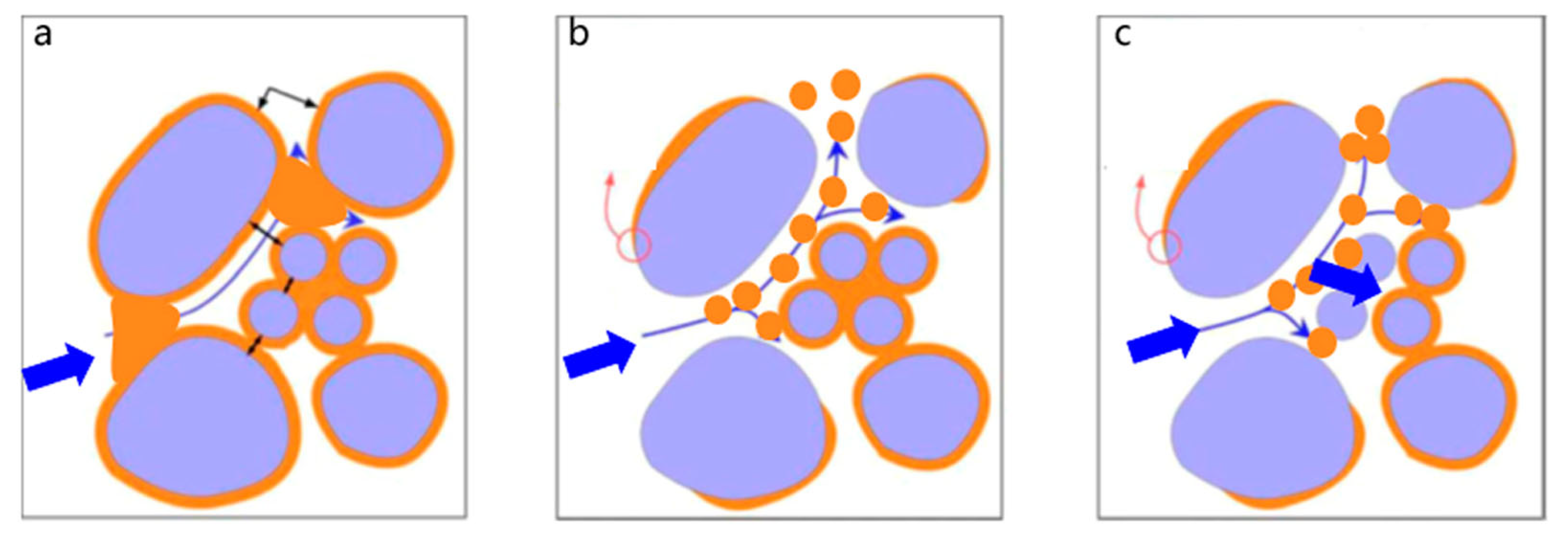
The profile-control agent achieves multi-stage conformance control through the synergistic combination of aqueous-phase viscosity enhancement and emulsion plugging. On one hand, intermolecular hydrophobic associations and electrostatic interactions endow the agent with excellent viscosity-building capabilities under reservoir temperature and salinity conditions. This increased viscosity reduces aqueous phase mobility, improves the oil-water mobility ratio, suppresses water channeling, and promotes a more uniform displacement front. On the other hand, the agent effectively emulsifies crude oil to form large-droplet O/W emulsions. As illustrated in
Figure 19, when the emulsion droplet size is commensurate with the pore-throat dimensions, it plugs the corresponding throats, creating physical barriers within preferential flow paths. The combined action of viscosity increase and emulsion blockage elevates flow resistance in these high-permeability channels, redistributing the pressure gradient. This diverts the displacing fluid into previously unswept, smaller pores, mobilizes residual oil, and expands the sweep efficiency, thereby recovering additional oil left behind by water flooding.
A key aspect is the concentration-dependent nature of these mechanisms. The viscosity-enhancing effect is dominant in the near-wellbore region, where the agent concentration is high. As the agent propagates deeper into the reservoir, its concentration decreases due to adsorption and dilution, thereby weakening its contribution to viscosity. However, even at lower concentrations, the agent retains its effective emulsifying capability. Thus, in the reservoir’s deep regions, the “emulsion plugging” mechanism becomes the primary means of flow diversion. This transition from viscosity-dominated to emulsion-plugging-dominated control enables effective multi-stage conformance improvement and extends the treatment’s validity period. For field application, it is recommended to optimize the injection strategy by employing slugs of varying concentrations. This involves injecting a small, high-concentration slug of the profile-control agent first, followed by a large, low-concentration slug. This approach achieves high-strength blockage of the high-permeability channels near the wellbore and enables large-scale emulsification and profile control deep within the reservoir, thereby effectively enhancing water flooding recovery.