
Article

Developing Innovative Apolar Gels Based on Cellulose Derivatives for Cleaning Metal Artworks

1
YOCOCU APS, Youth in Conservation of Cultural Heritage, Via Torquato Tasso 108, 00185 Rome, Italy
2
CNR-ISMN, Strada Provinciale 35 d n. 9, 00010 Rome, Italy
3
Department of Chemistry, La Sapienza University of Rome, Piazzale Aldo Moro 5, 00185 Rome, Italy
*
Author to whom correspondence should be addressed.
Gels 2024, 10(11), 747; https://doi.org/10.3390/gels10110747
Submission received: 24 October 2024 / Revised: 4 November 2024 / Accepted: 12 November 2024 / Published: 16 November 2024
(This article belongs to the Special Issue Design of Supramolecular Hydrogels)

Abstract

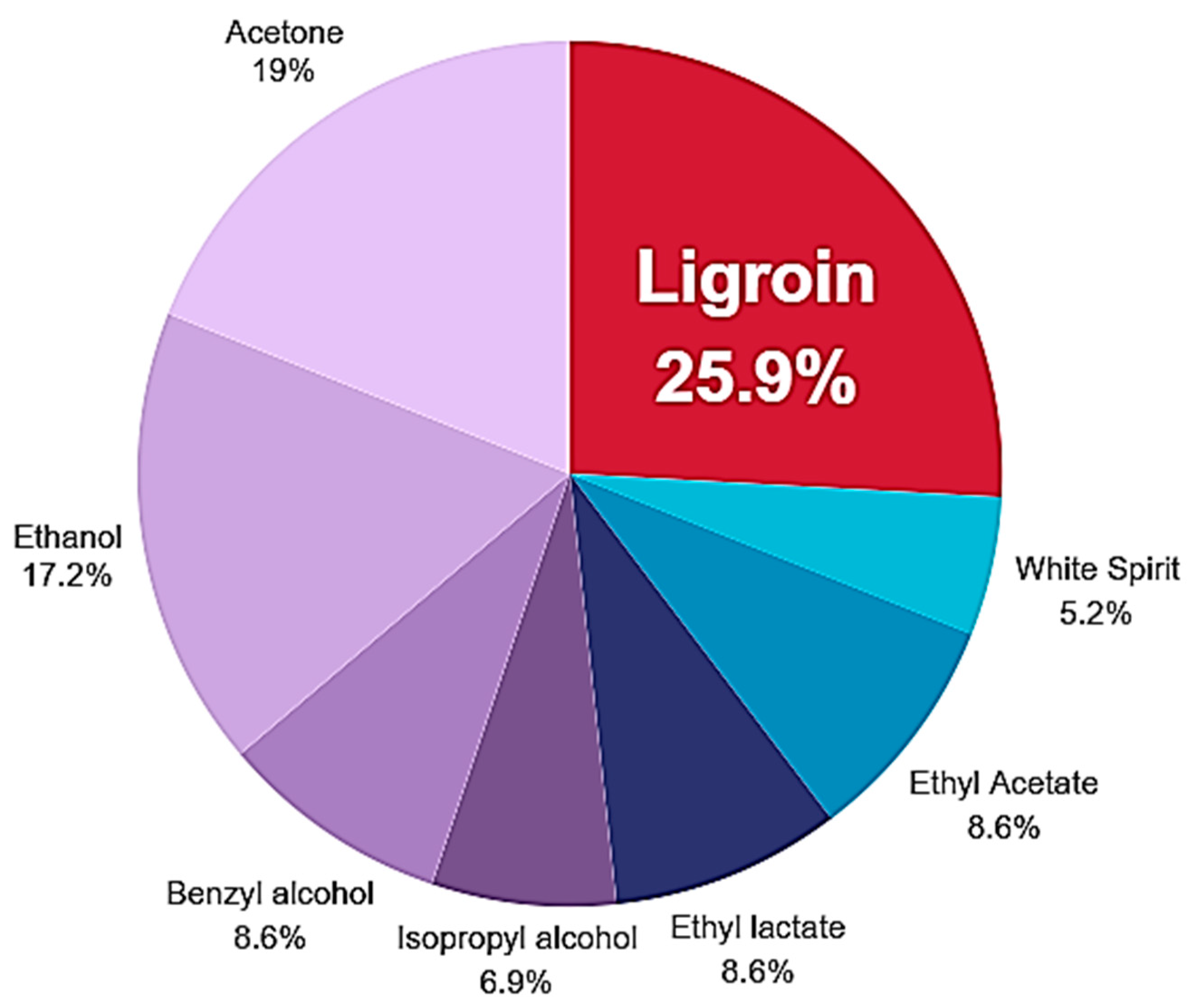
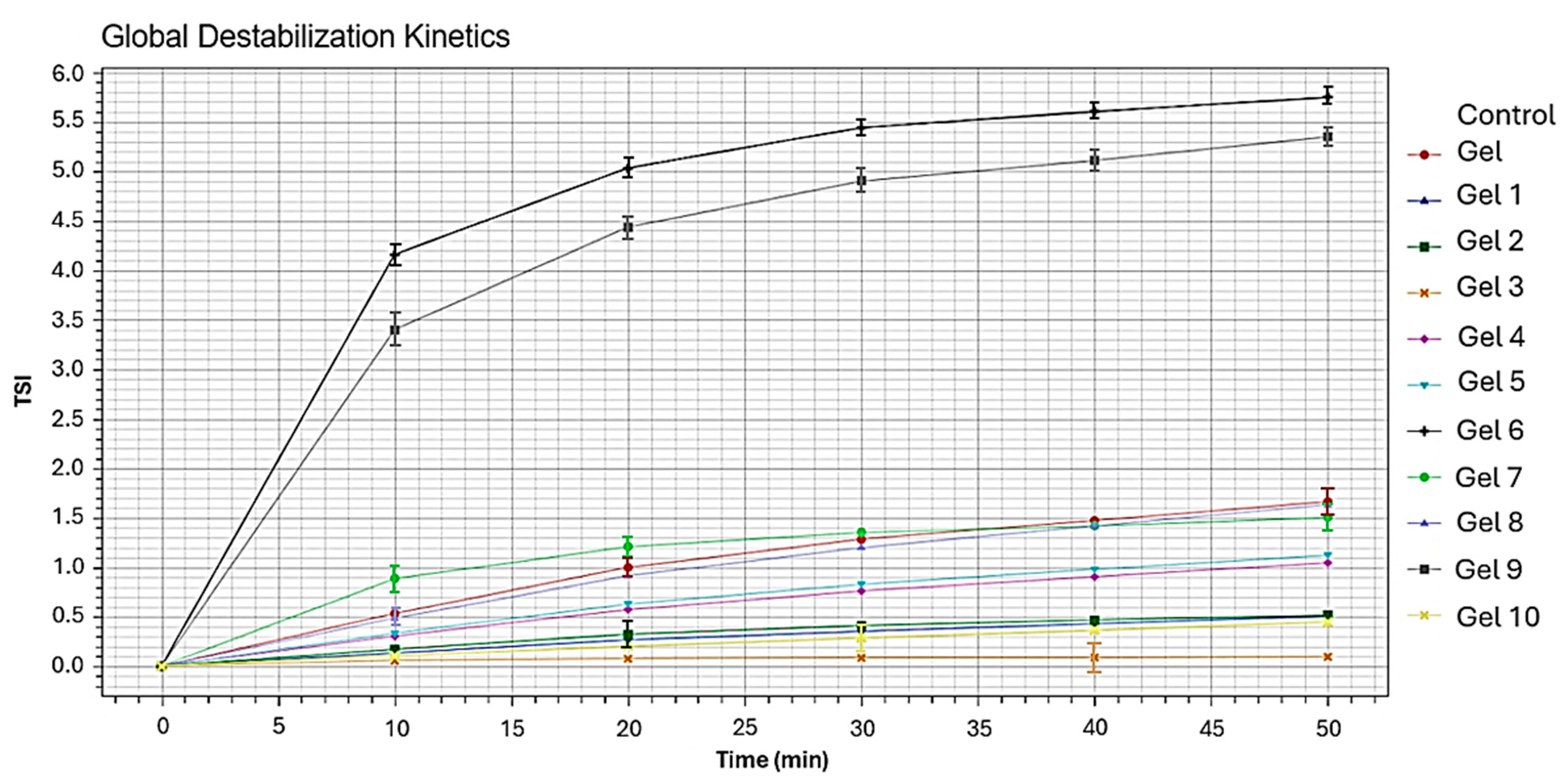
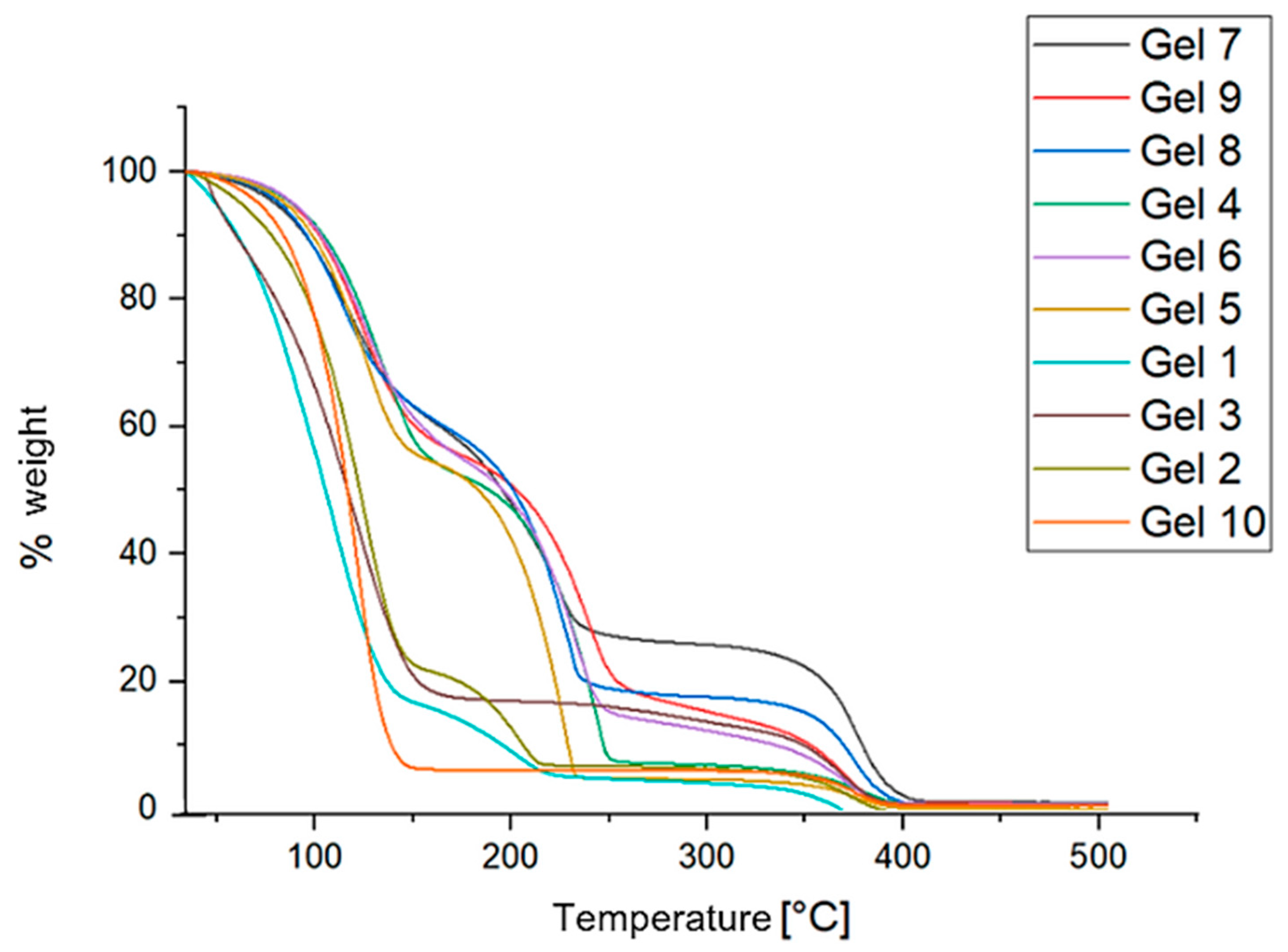
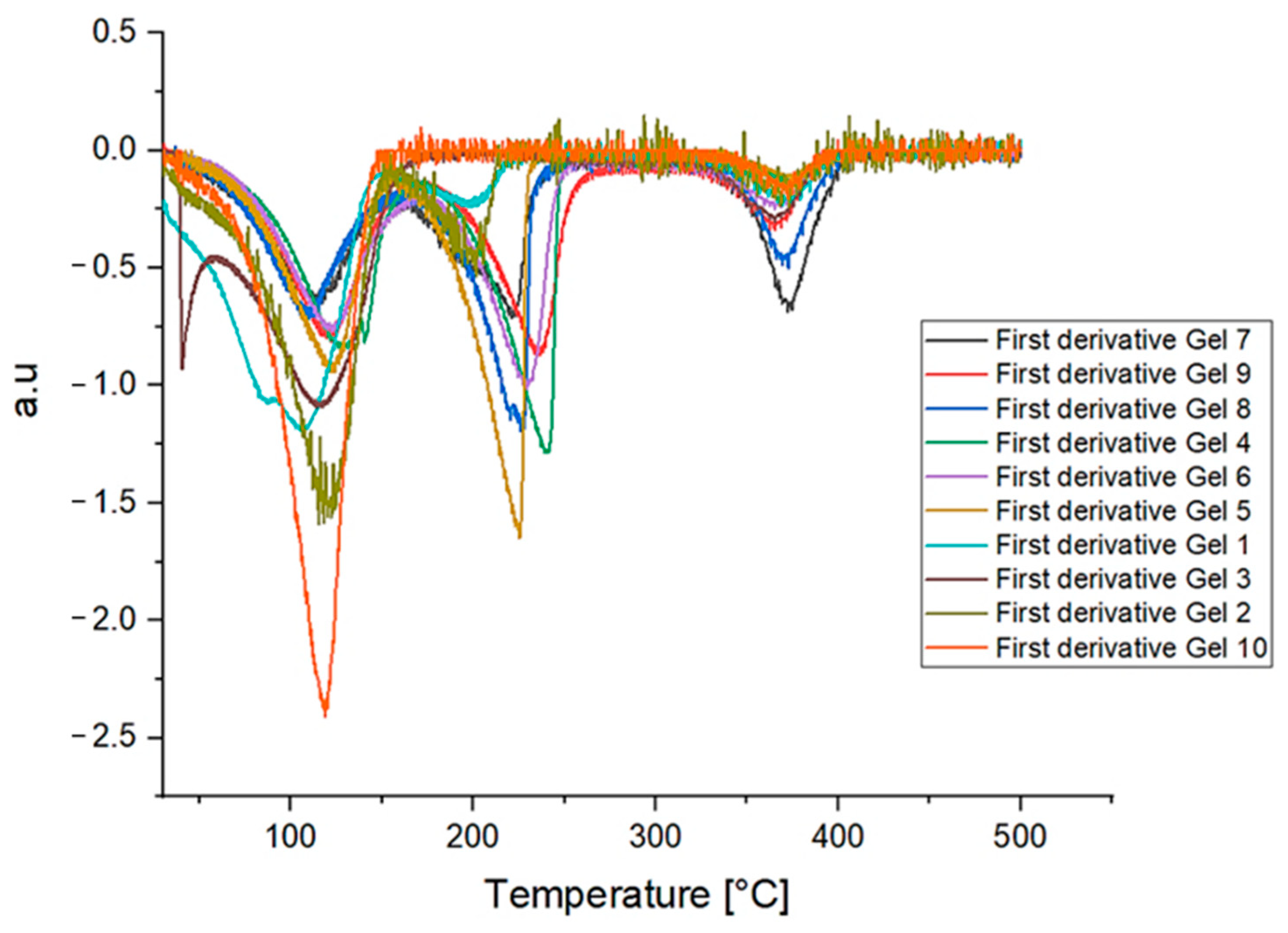
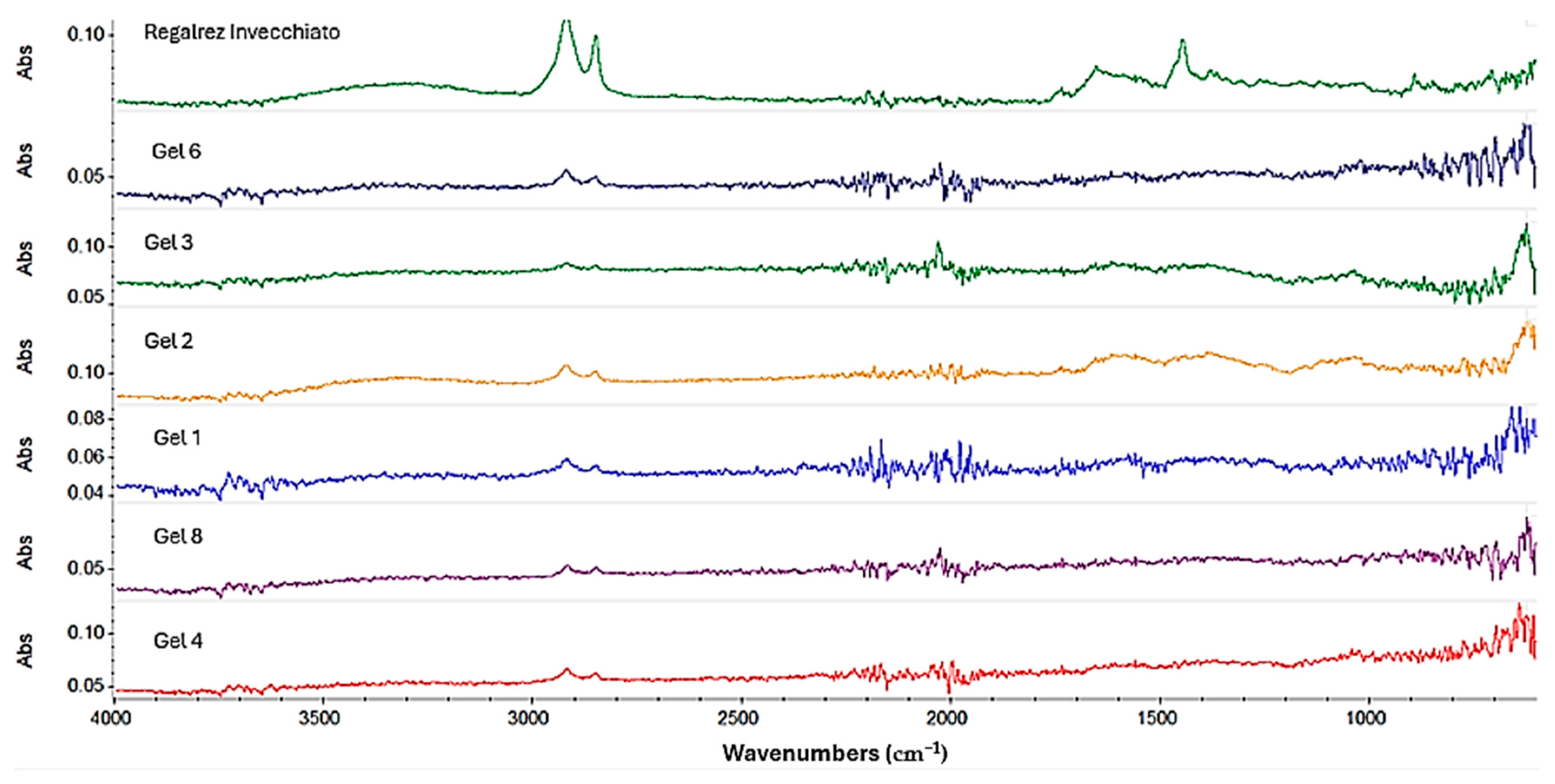
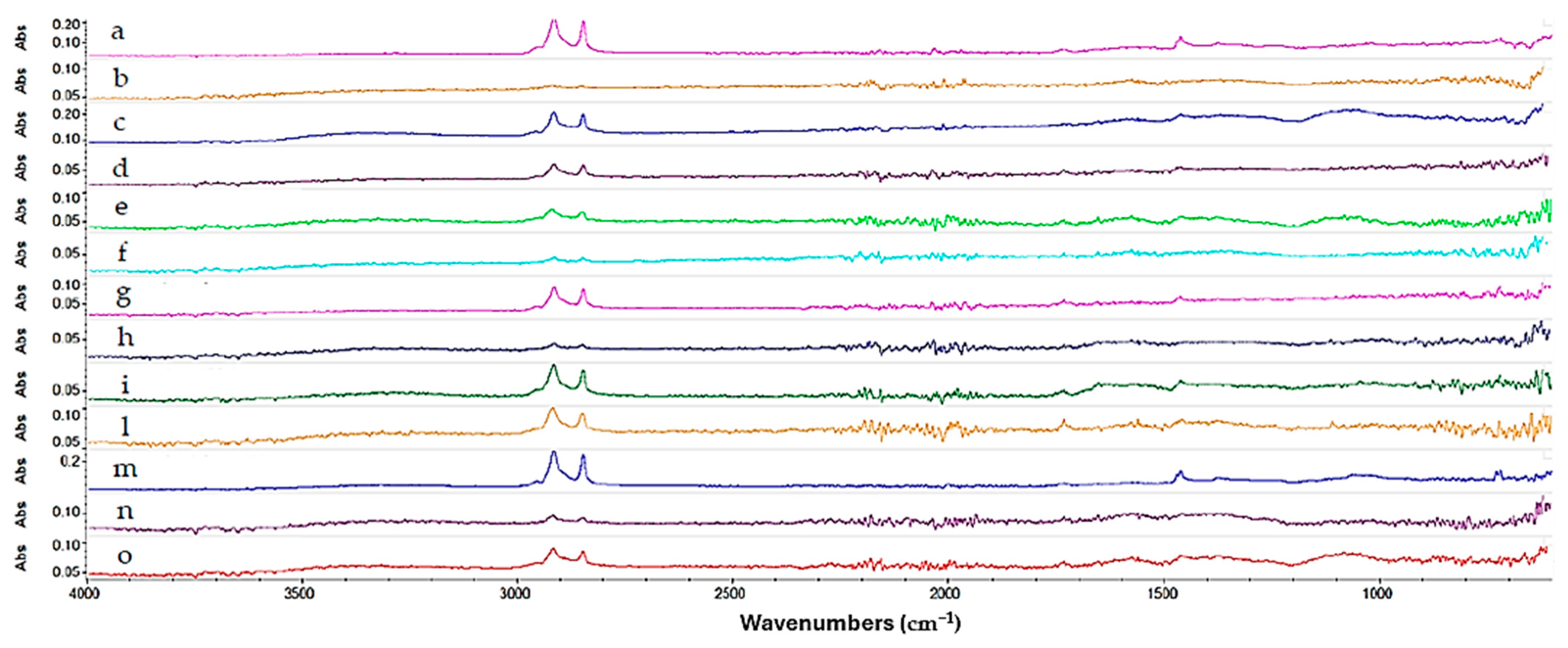
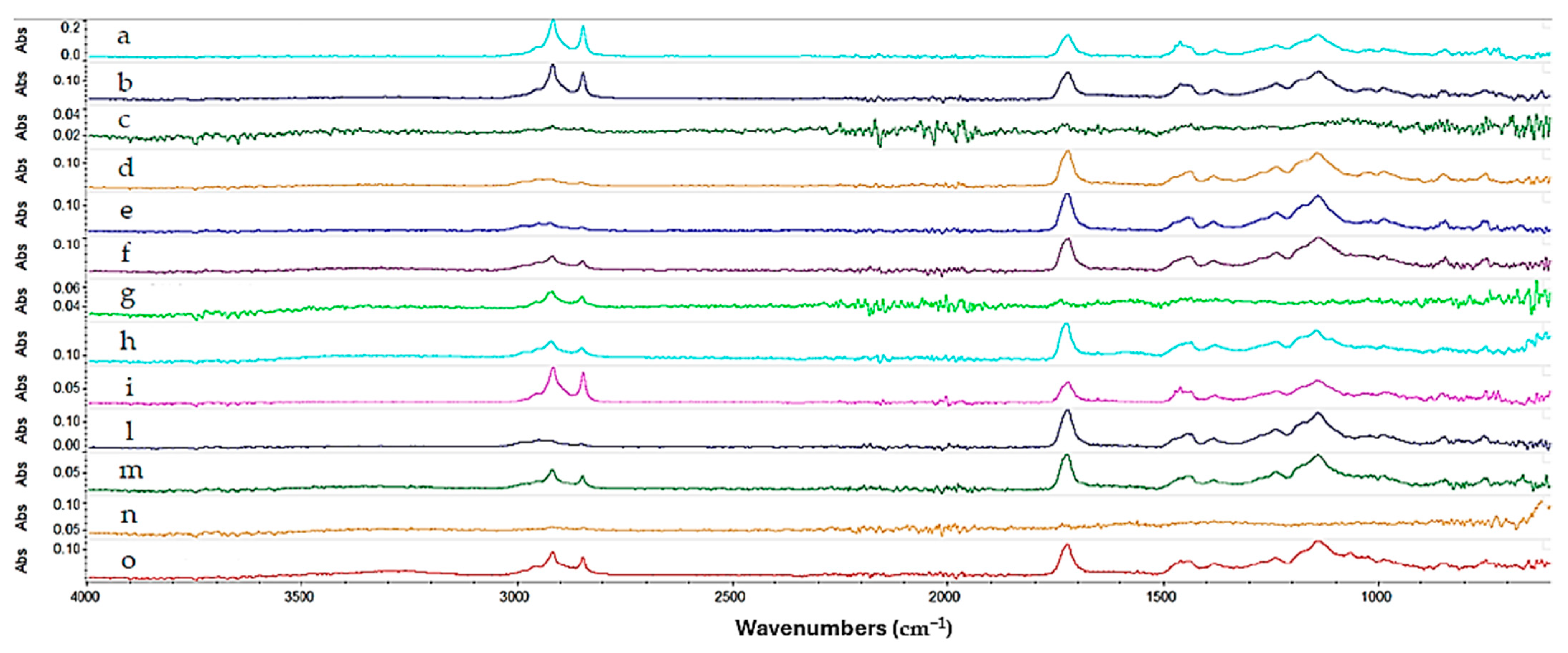
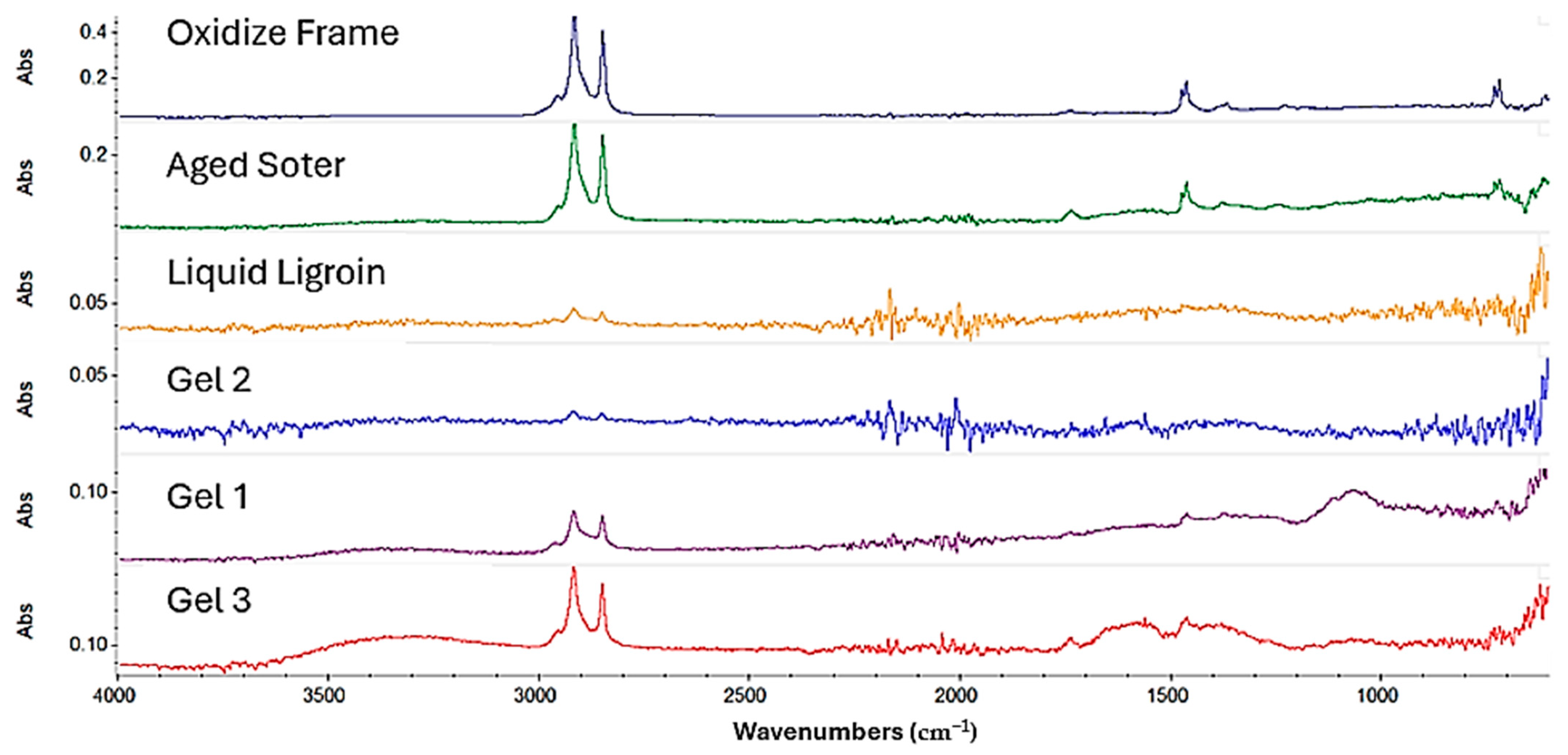
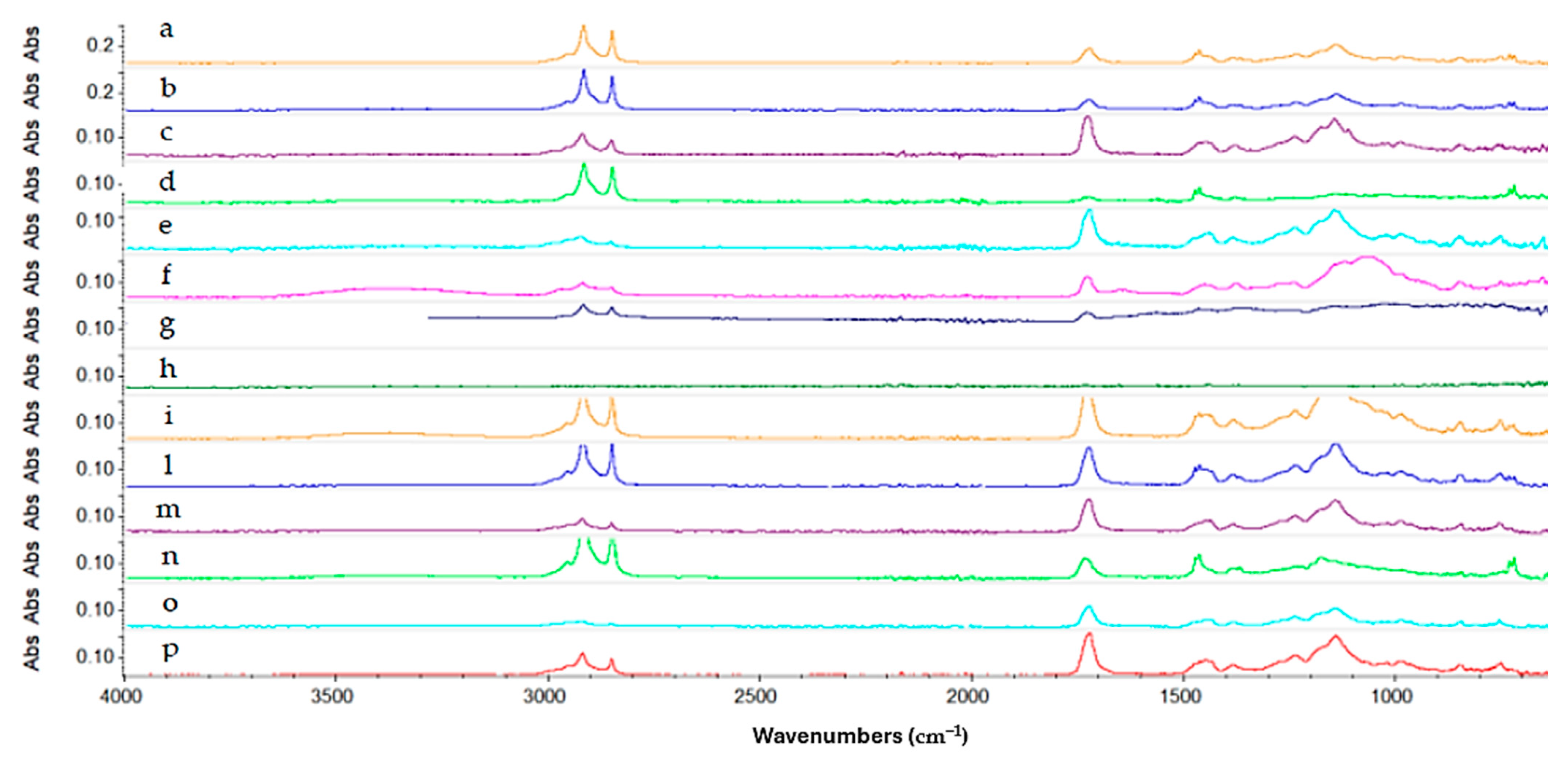
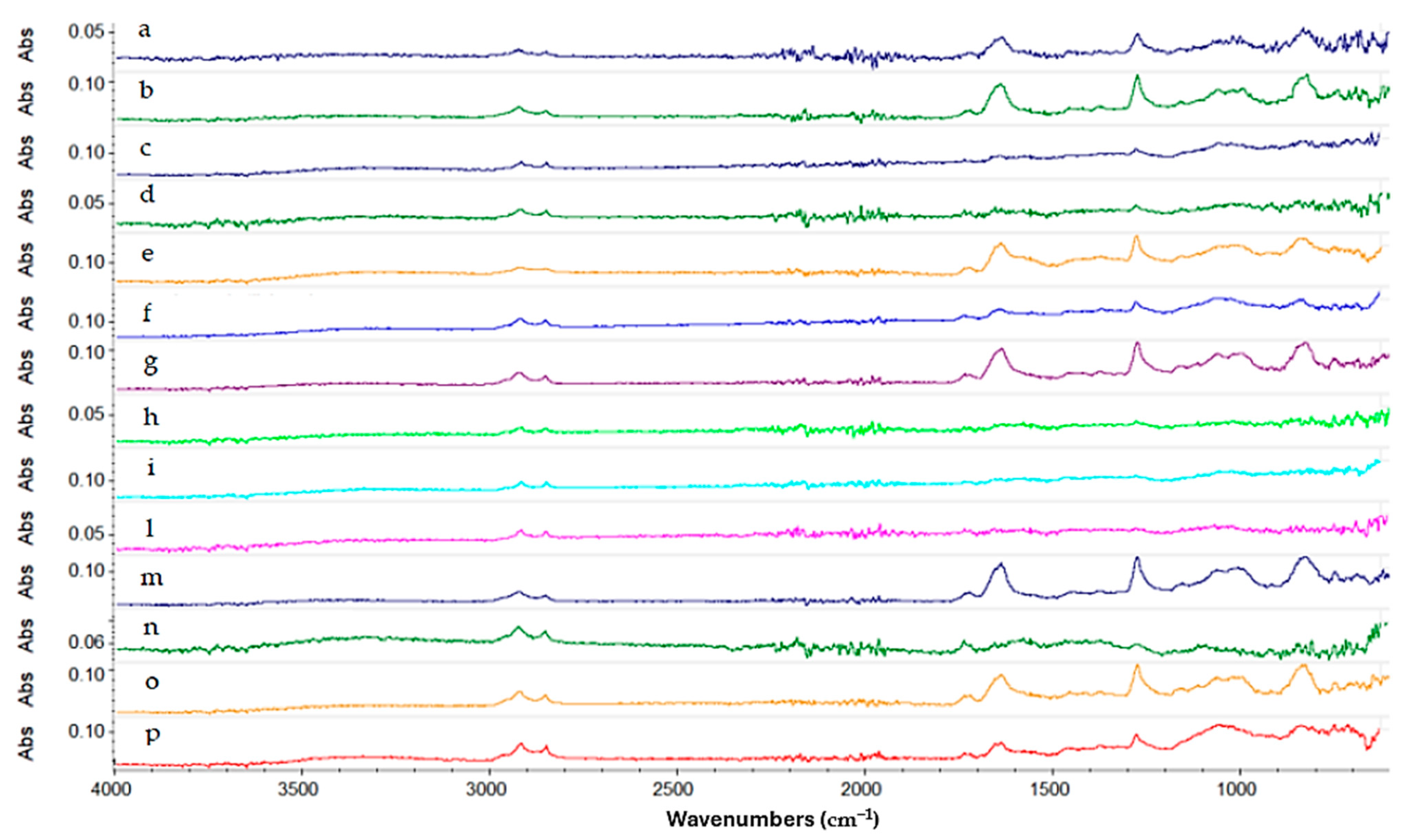
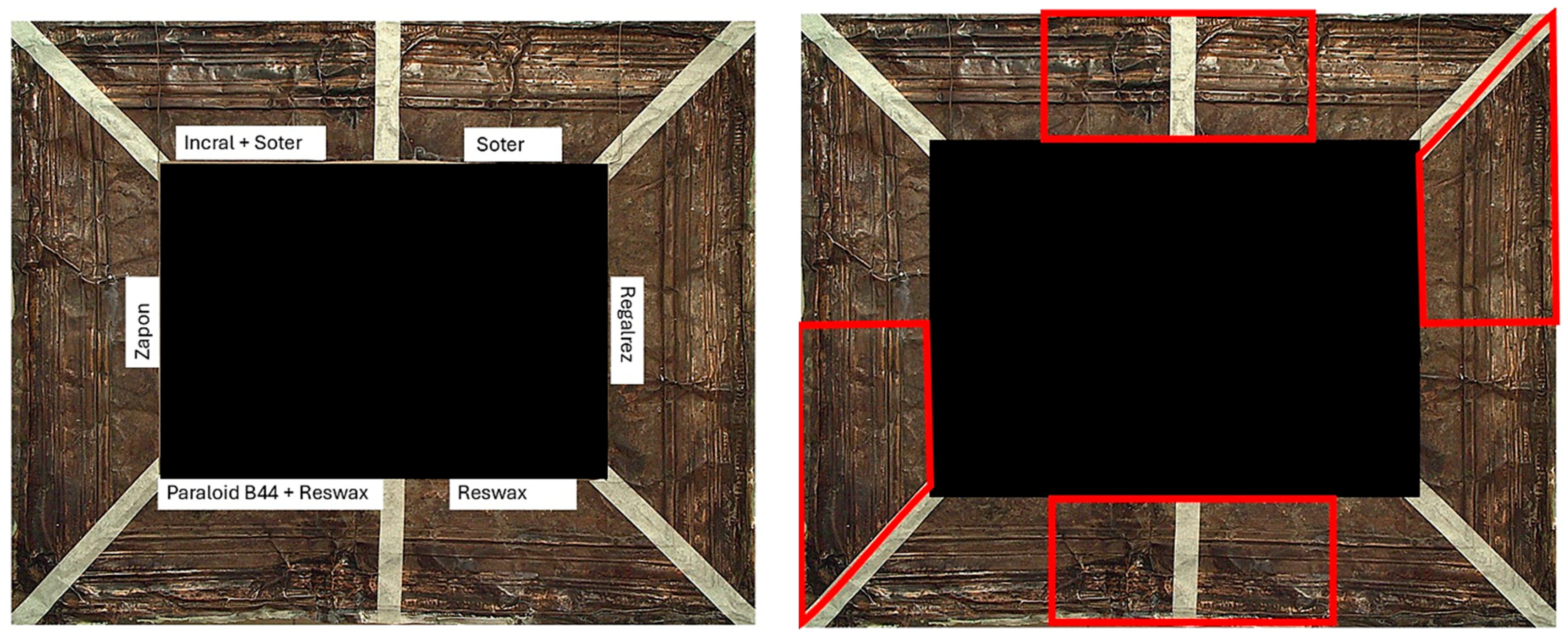
The use of organic solvents, particularly those of a non-polar nature, is a common practice during cleaning operations in the restoration of polychrome artworks and metallic artifacts. However, these solvents pose significant risks to the health of operators and the environment. This study explores the formulation of innovative gels based on non-polar solvents and cellulose derivatives, proposing a safe and effective method for cleaning metallic artworks. The study is focused on a toxic apolar solvent, Ligroin, identified as one of the most widely used solvents in the cultural heritage treatments, and some “green” alternatives such as Methyl Myristate and Isopropyl Palmitate. The main challenge lies in overcoming the chemical incompatibility between non-polar solvents and polar thickening agents like cellulose ethers. To address this problem, the research was based on a hydrophilic–lipophilic balance (HLB) system and Hansen solubility parameters (HSPs) to select appropriate surfactants, ensuring the stability and effectiveness of the formulated gels. Stability, viscosity, and solvent release capacity of gels were analyzed using Static Light Multiple Scattering (Turbiscan), viscometry, and thermogravimetric analysis (TGA). The efficacy of cleaning in comparison with Ligroin liquid was evaluated on a metal specimen treated with various apolar protective coatings used commonly in the restoration of metallic artifacts, such as microcrystalline waxes (Reswax, Soter), acrylic resins (Paraloid B44), and protective varnishes (Incral, Regalrez). Multispectral analysis, digital optical microscopy, FTIR spectroscopy, and spectrocolorimetry allowed for the assessment of the gels’ ability to remove the different protective coatings, the degree of cleaning achieved, and the presence of any residues. The results obtained highlight the ability of the formulated gels to effectively remove protective coatings from metallic artifacts. Cetyl Alcohol proved to be the most versatile surfactant to realize a stable and efficient gel. The gels based on Methyl Myristate and Isopropyl Palmitate showed promising results as “green” alternatives to Ligroin, although in some cases, they exhibited less selectivity in the removal of protective coatings.
Keywords: physical gel; HLB; innovation; sustainability; green chemistry; cleaning polychrome artworks physical gel; HLB; innovation; sustainability; green chemistry; cleaning polychrome artworks